Our collection of historical photographs began with a partnership with SPH Media, facilitated by FotoHub’s dedicated archival division. Through this partnership, we gained access to original journalistic film negatives documenting significant events and everyday life throughout Singapore’s history. While some of these photographs were published in newspapers at the time, many remained unseen, preserved only in their original negatives.
Through digitisation, restoration and historical research, we uncover these unpublished images and bring them to a wider audience. Each photograph is carefully selected and researched before becoming part of our growing archive.
Film Negatives Explained

These mostly black-and-white 35 mm and 120-format film negatives documented significant events and everyday moments across Singapore’s nation-building years, offering a fascinating glimpse into the past through the lens of press photographers.
A standard roll of 35mm film holds around 36 exposures, while a roll of 120-format film can yield around 12 square frames. When a newspaper was published, only a small selection of photographs from the day's coverage would typically make it into print. In other words, for every photograph that made the headlines, dozens might never see the light of day.
These unpublished frames give us a glimpse of everyday life back then — through the lens of a press photographer capturing a different angle of a historic event, an overlooked detail, or a candid moment on the sidelines that never made it into the newspaper. Though they were never published at the time, they remain valuable records of the people, places and events that shaped our history.
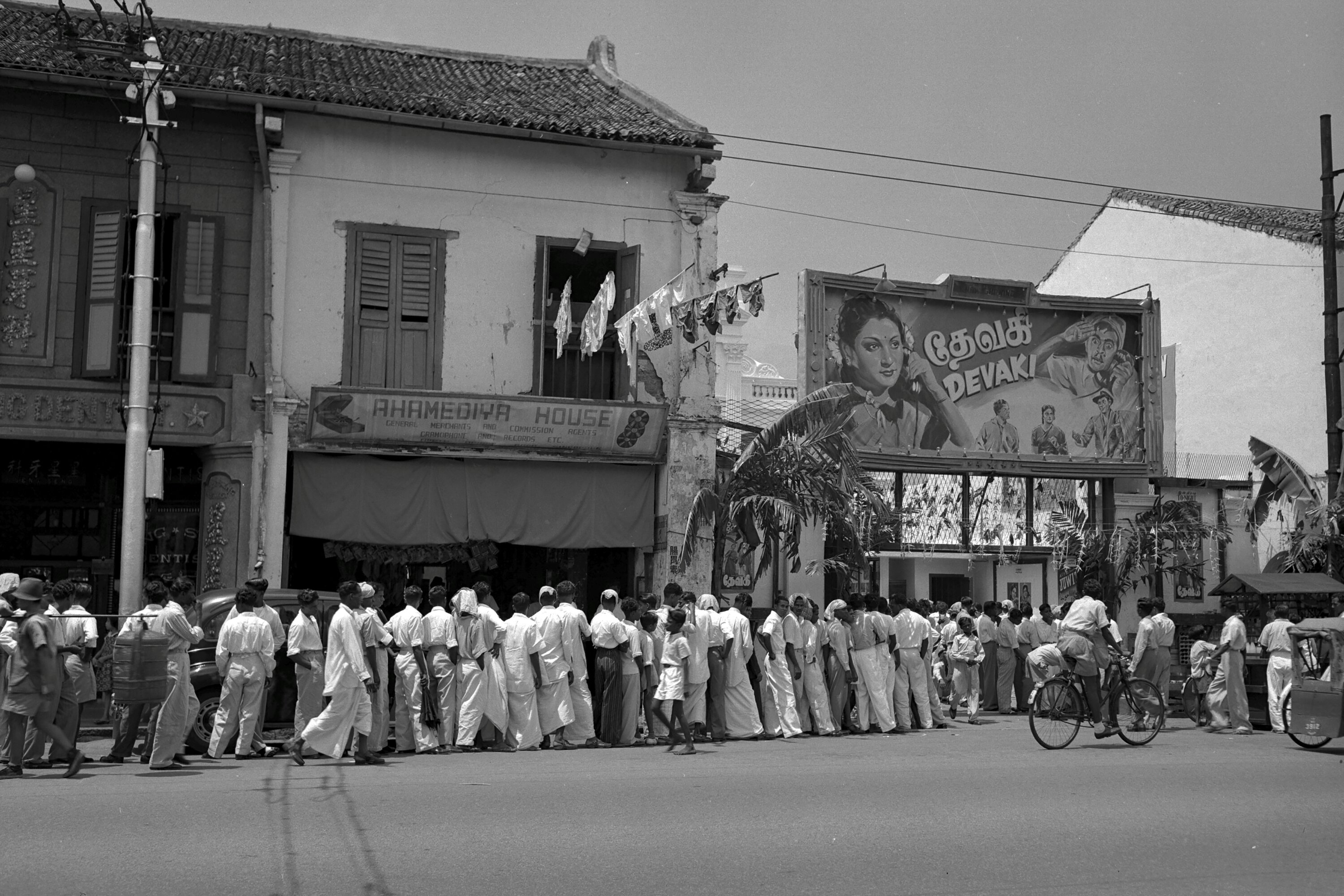
Catching A Movie at the Royal Theatre on Deepavali, 1951
Even as press photographers gradually transitioned from film to digital photography, the volume of photographs captured every day continued to exceed what was featured in the day's newspapers. As a result, the digital era also left behind a wealth of unpublished images, many of which offer the same potential for discovery and historical insight.
Restoration & Curation
Physical negatives stored for decades require careful handling and restoration. Our team of specialists scans the original negatives and digitally restores the images, cleaning up dust, scratches, and eliminating those heavily damaged by fungus or degraded from vinegar syndrome.

Building a meaningful historical archive involves more than simply digitising everything we find. Unlike digital cameras today, film photography offered no instant previews. Photographers had to make decisions in the moment, working with the available light, anticipating movement and composing their shots without knowing exactly how each frame would turn out.
A missed shot, a blurred fast-moving subject or a photo taken in a hurry with lacklustre composition. We carefully review each image, setting aside those that are too damaged to restore adequately, are repetitive, or unsuitable for publication. Once the selection process is complete, the next challenge begins: understanding what each photograph actually depicts.
Researching the Stories Behind the Images
Our team analyses each photograph and cross-references any available visual clues (shopfronts, notable landmarks, etc.) with historical newspaper archives and other materials from official sources. This helps us establish context, identify details (locations, events, organisations, etc.) and write informative descriptions that allow viewers to better understand what they're looking at.
 North Bridge Road in the Old Day 1953
For more specialised subjects, we also seek the help of people with first-hand knowledge and expertise.
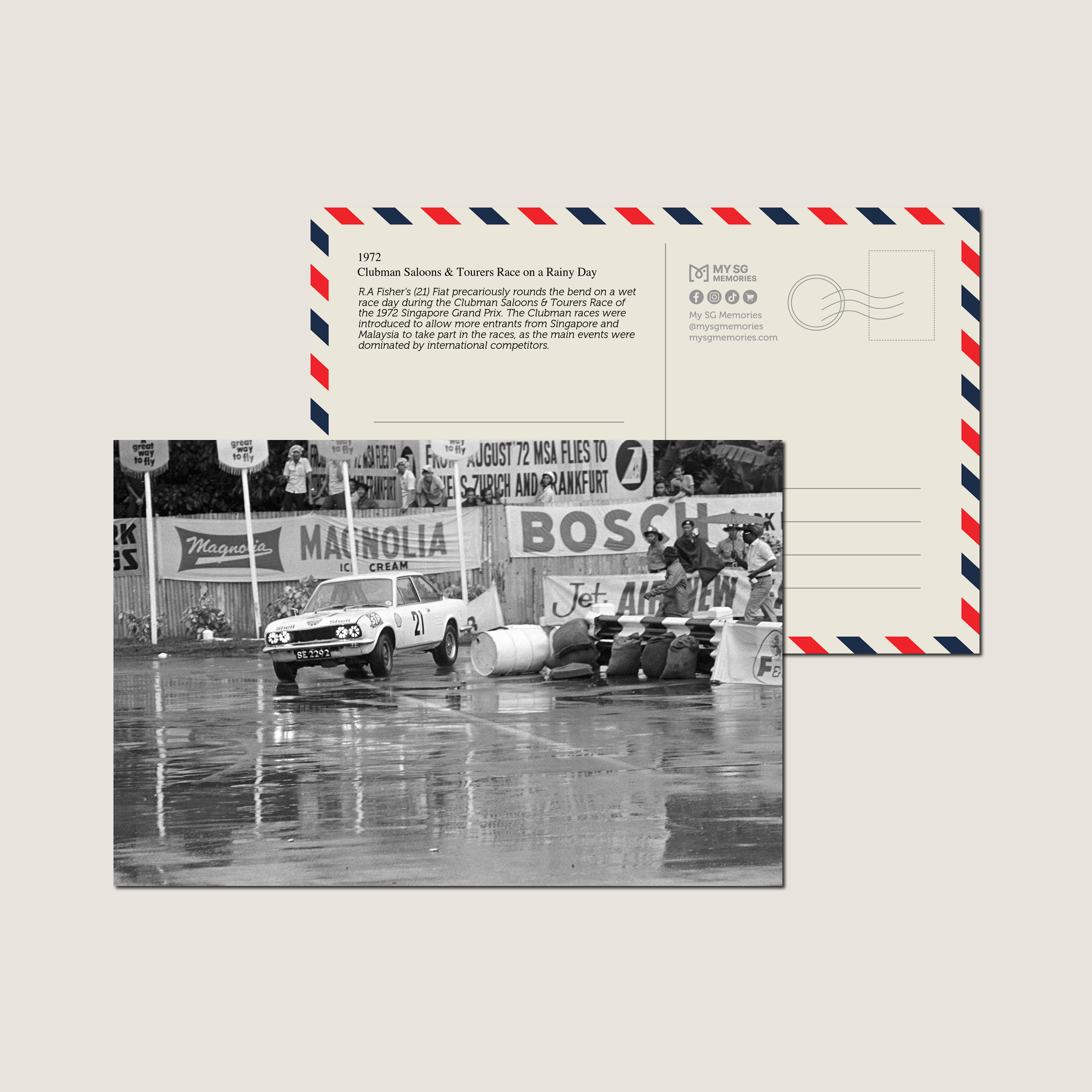
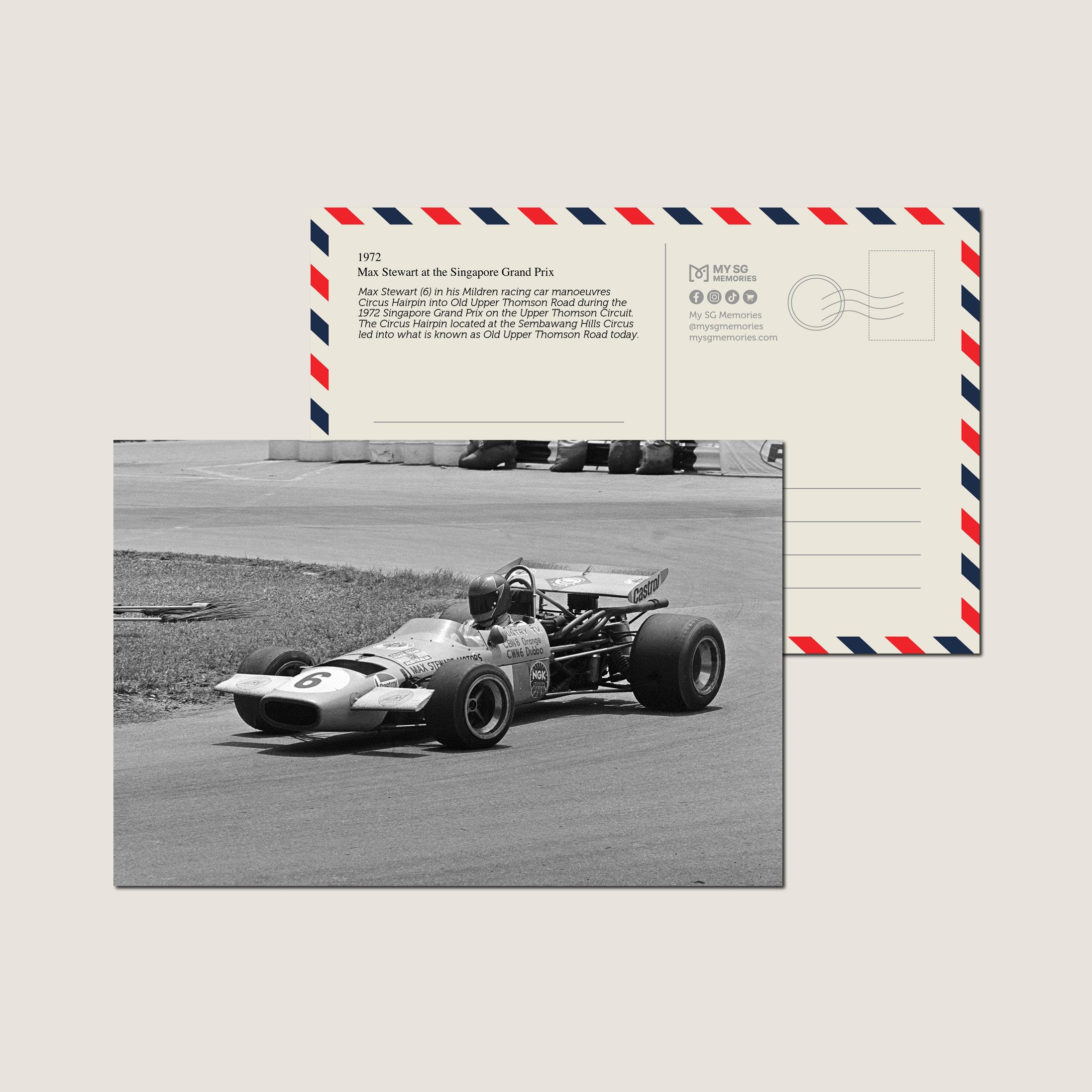
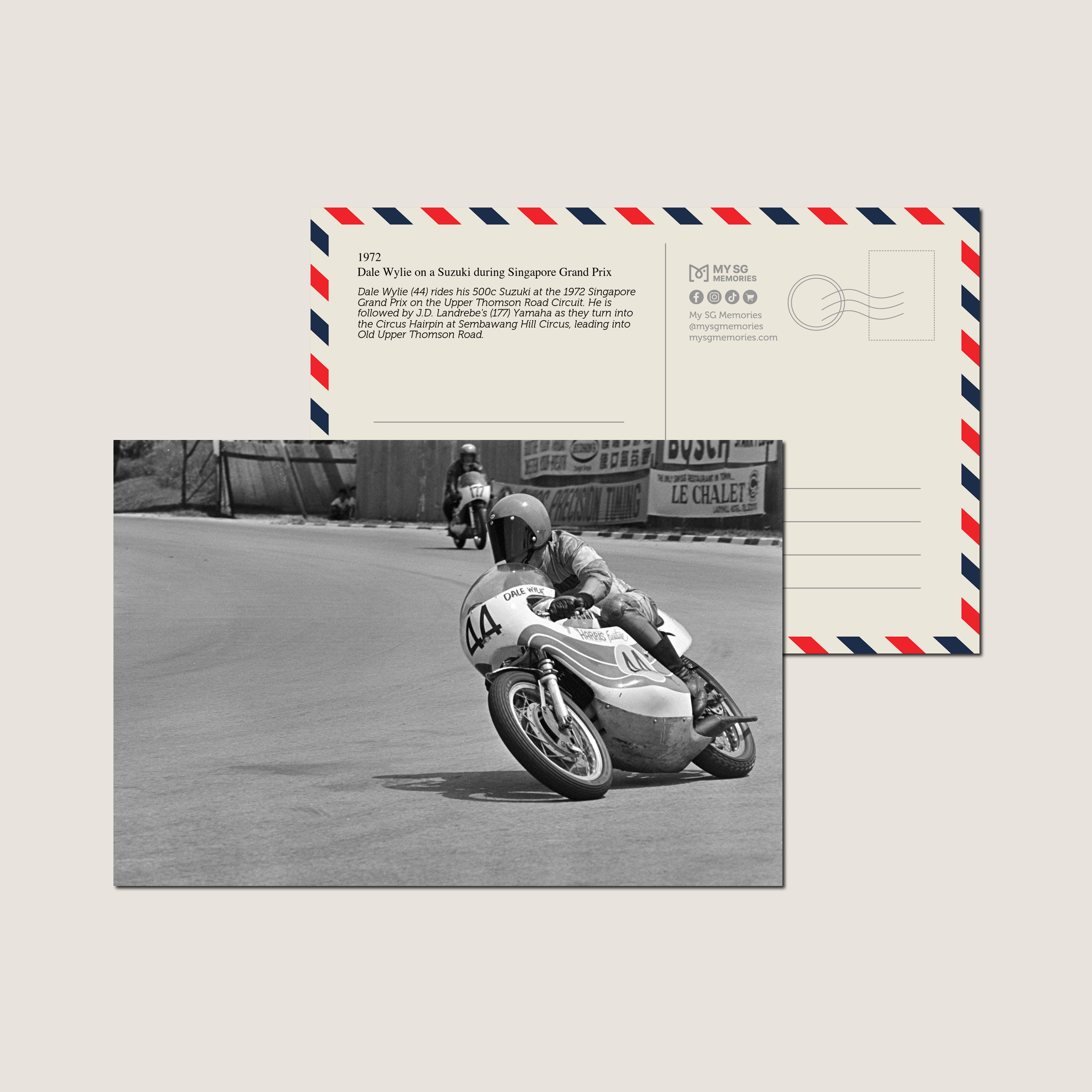
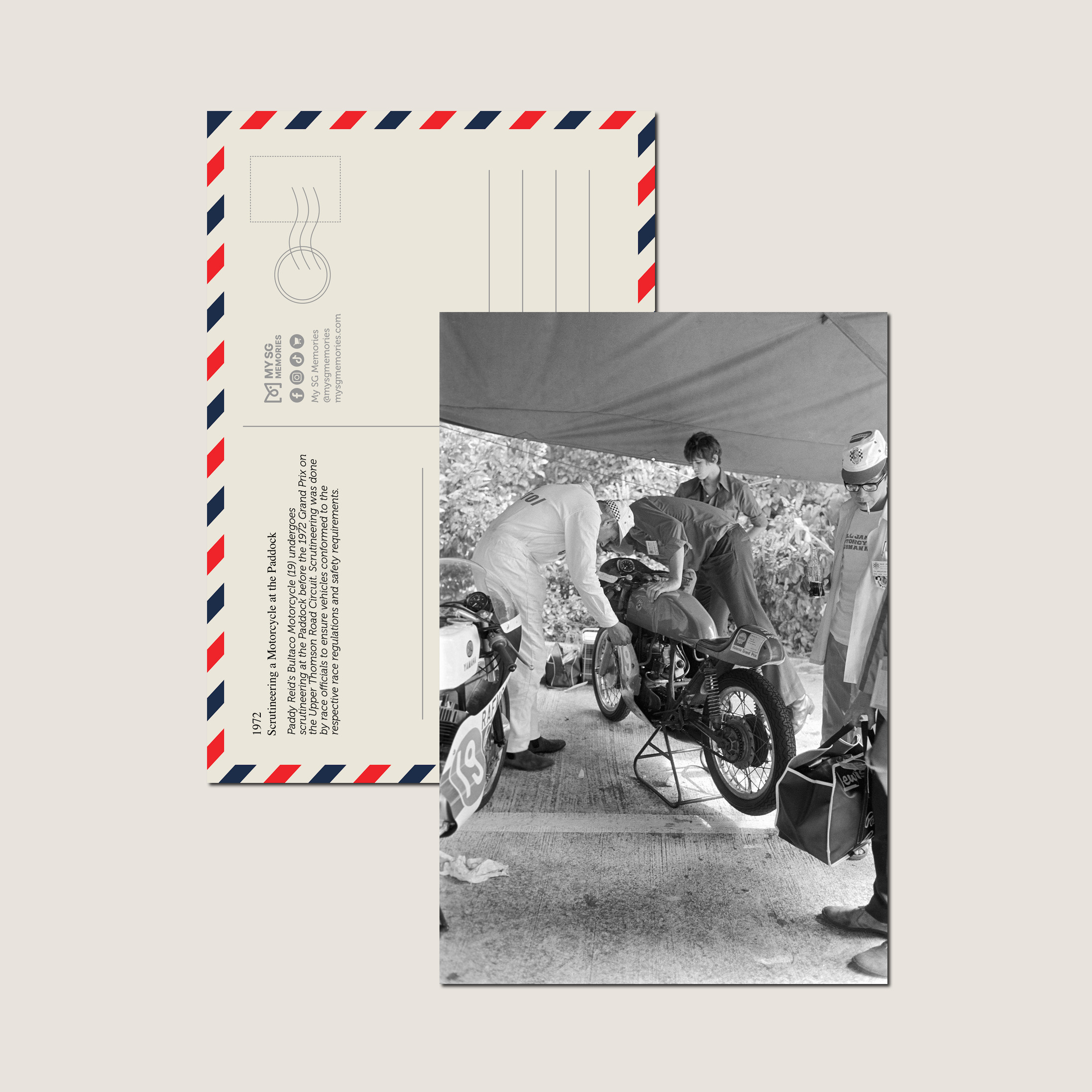
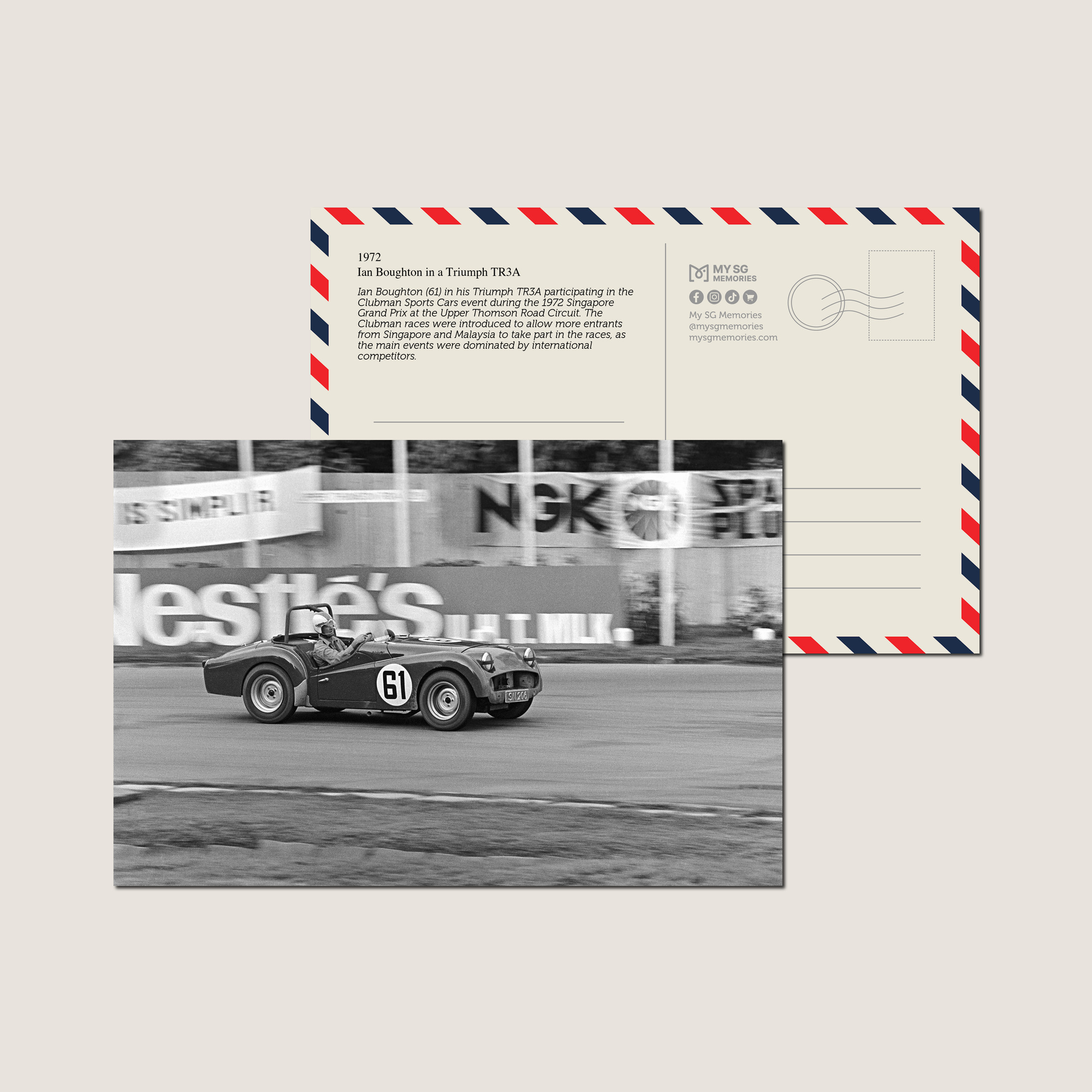
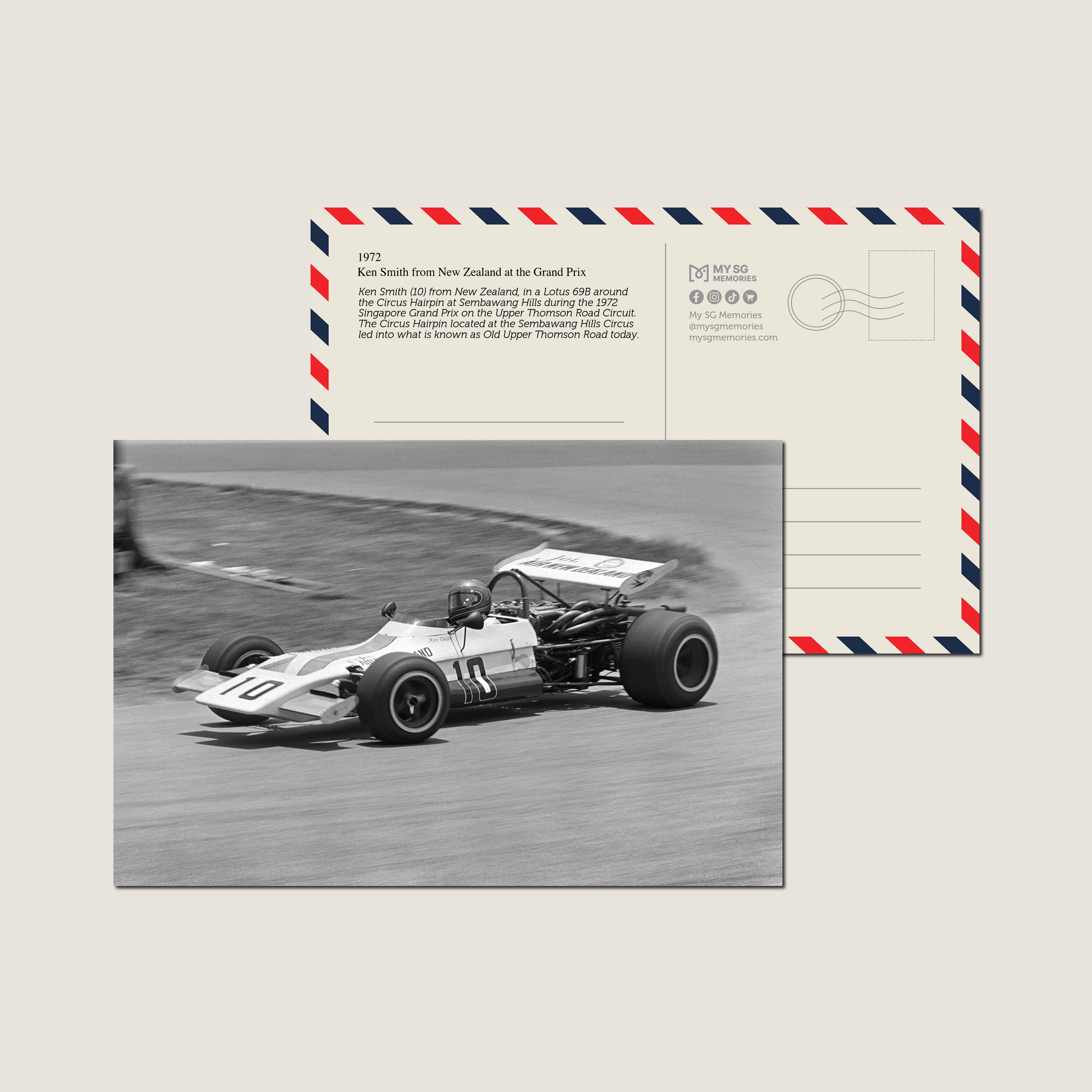
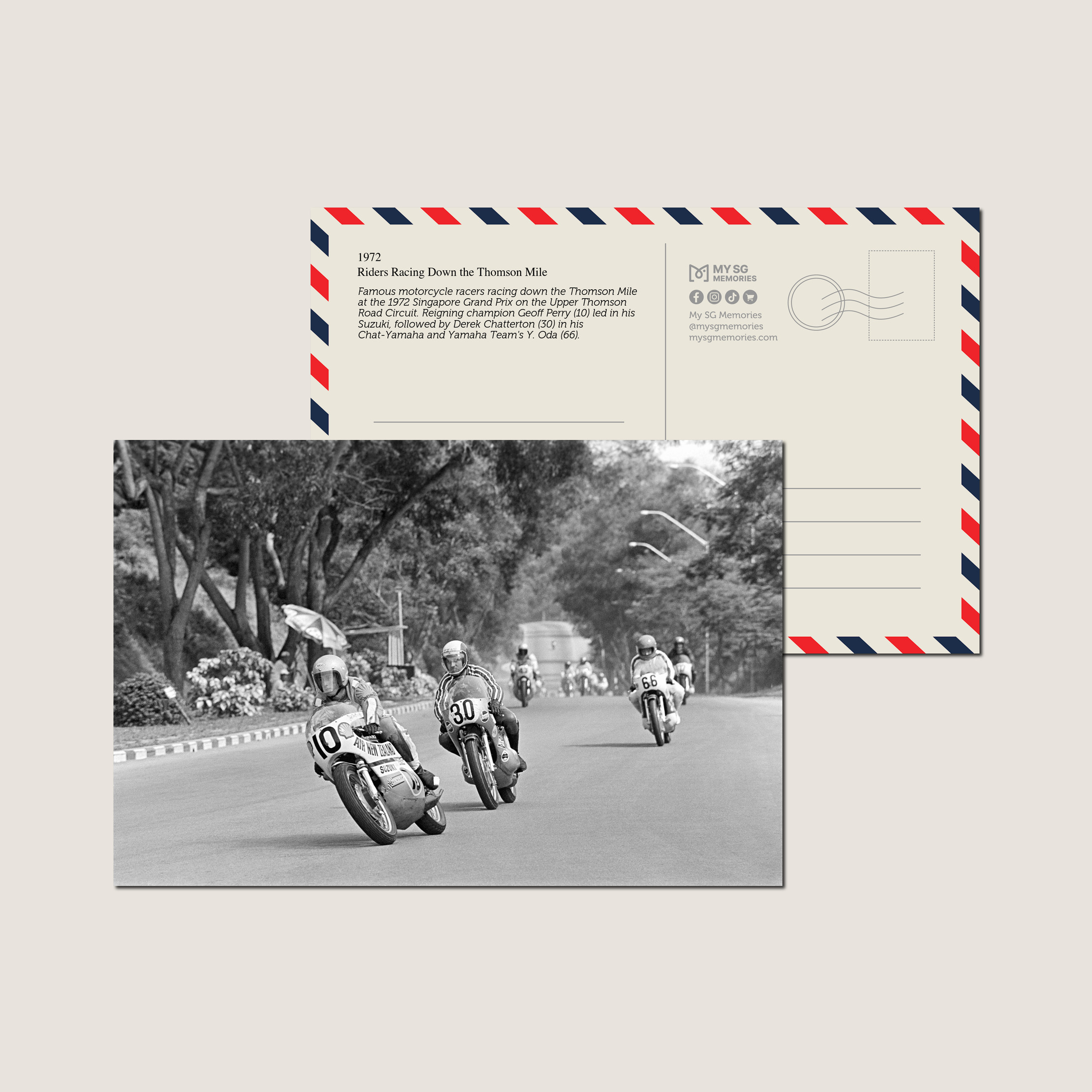
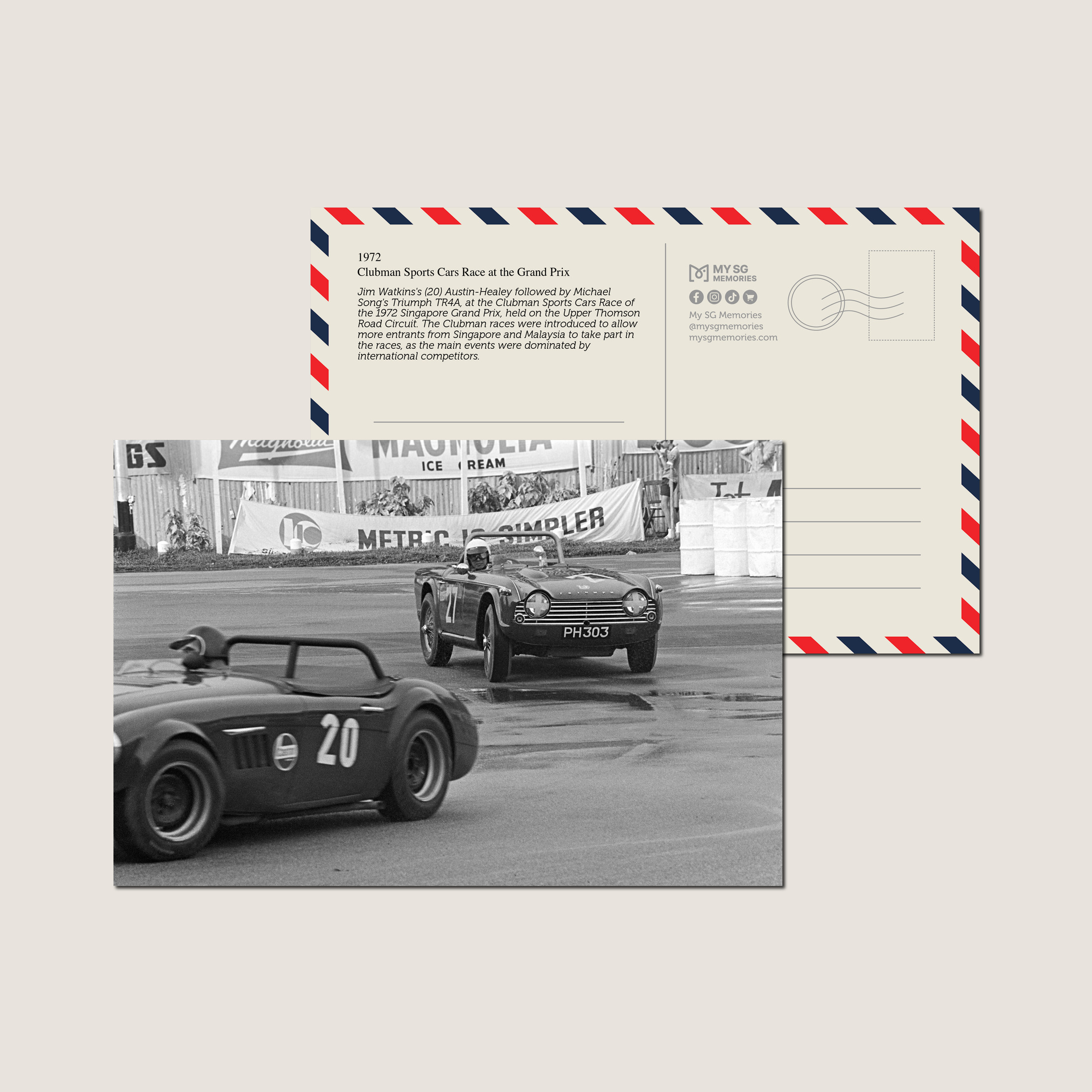
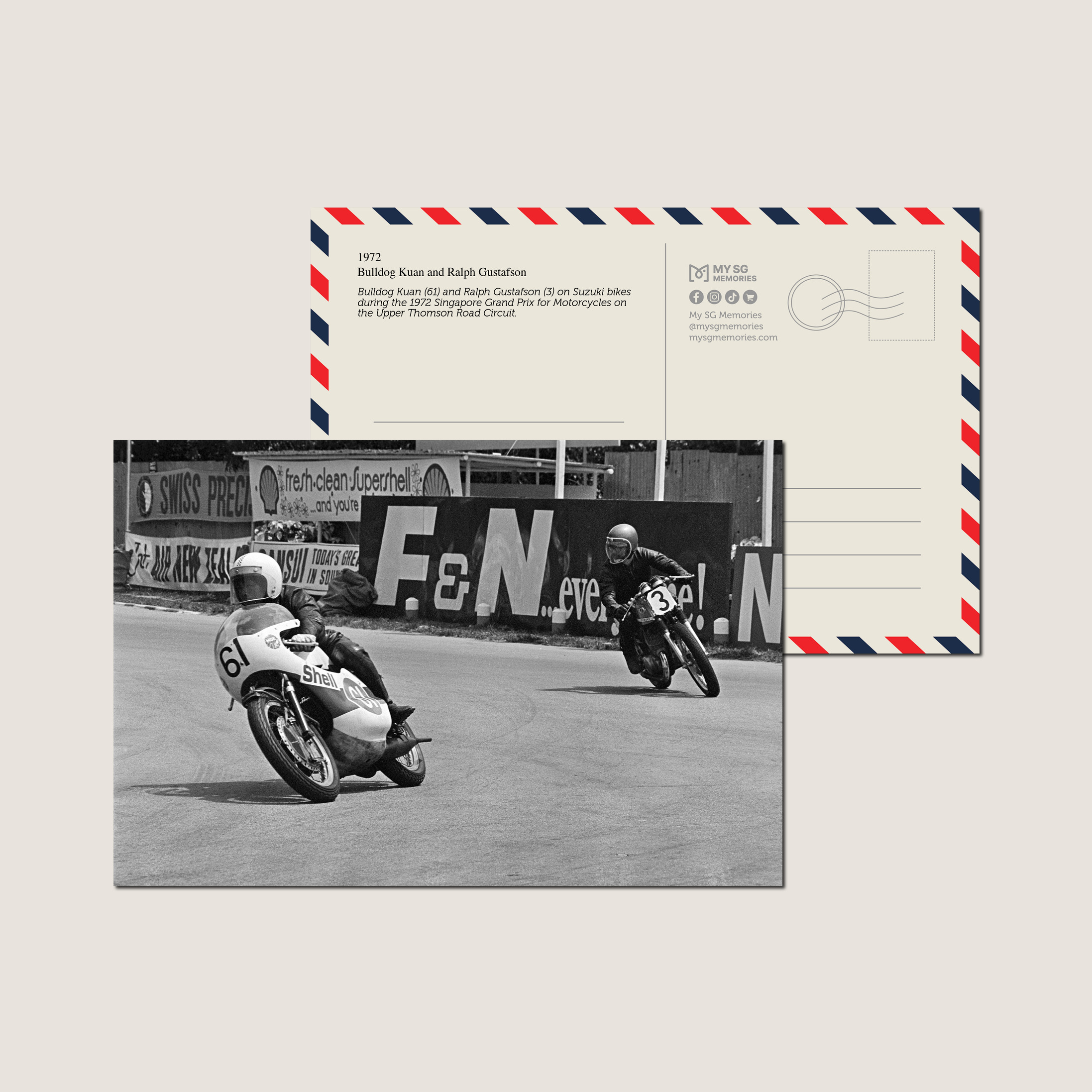
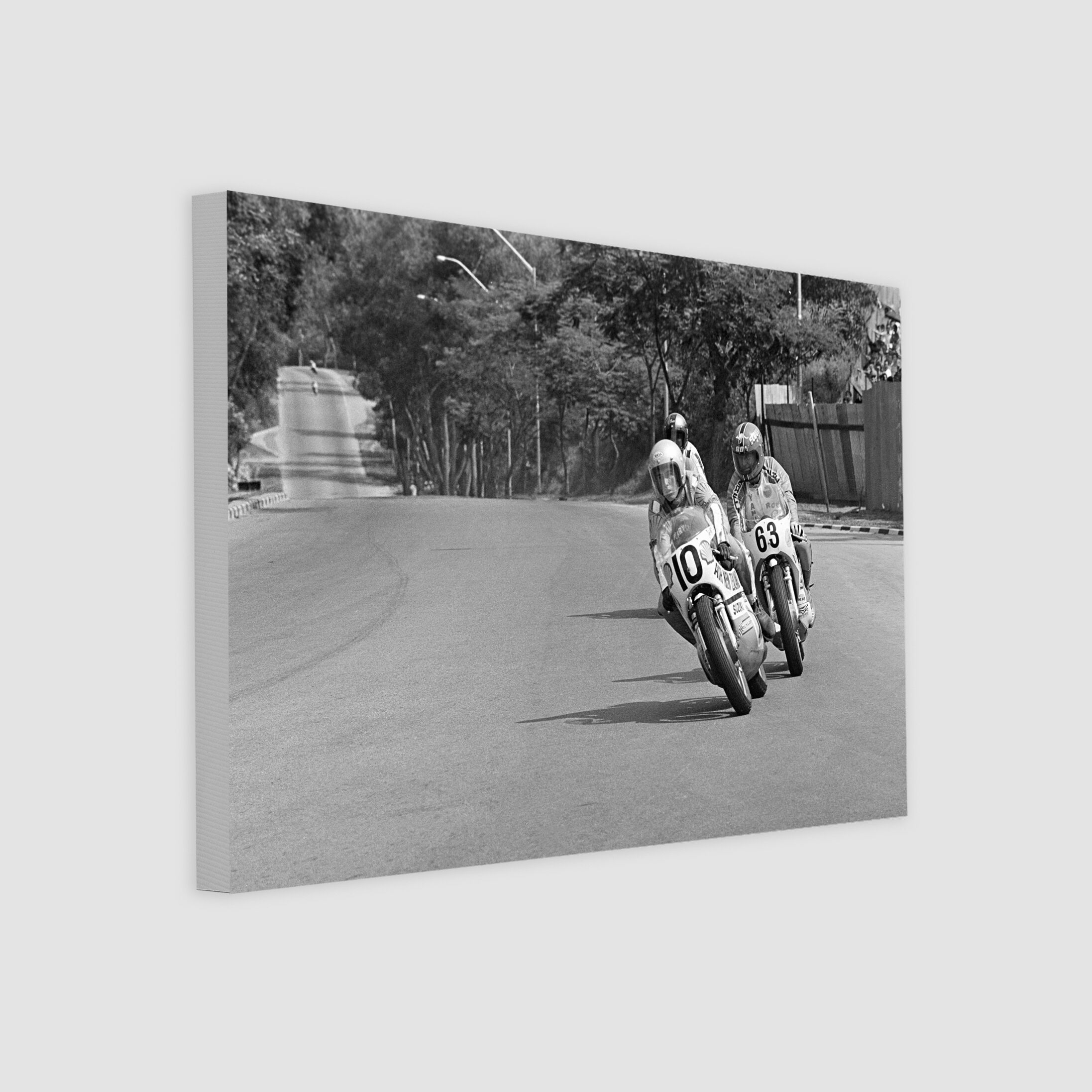
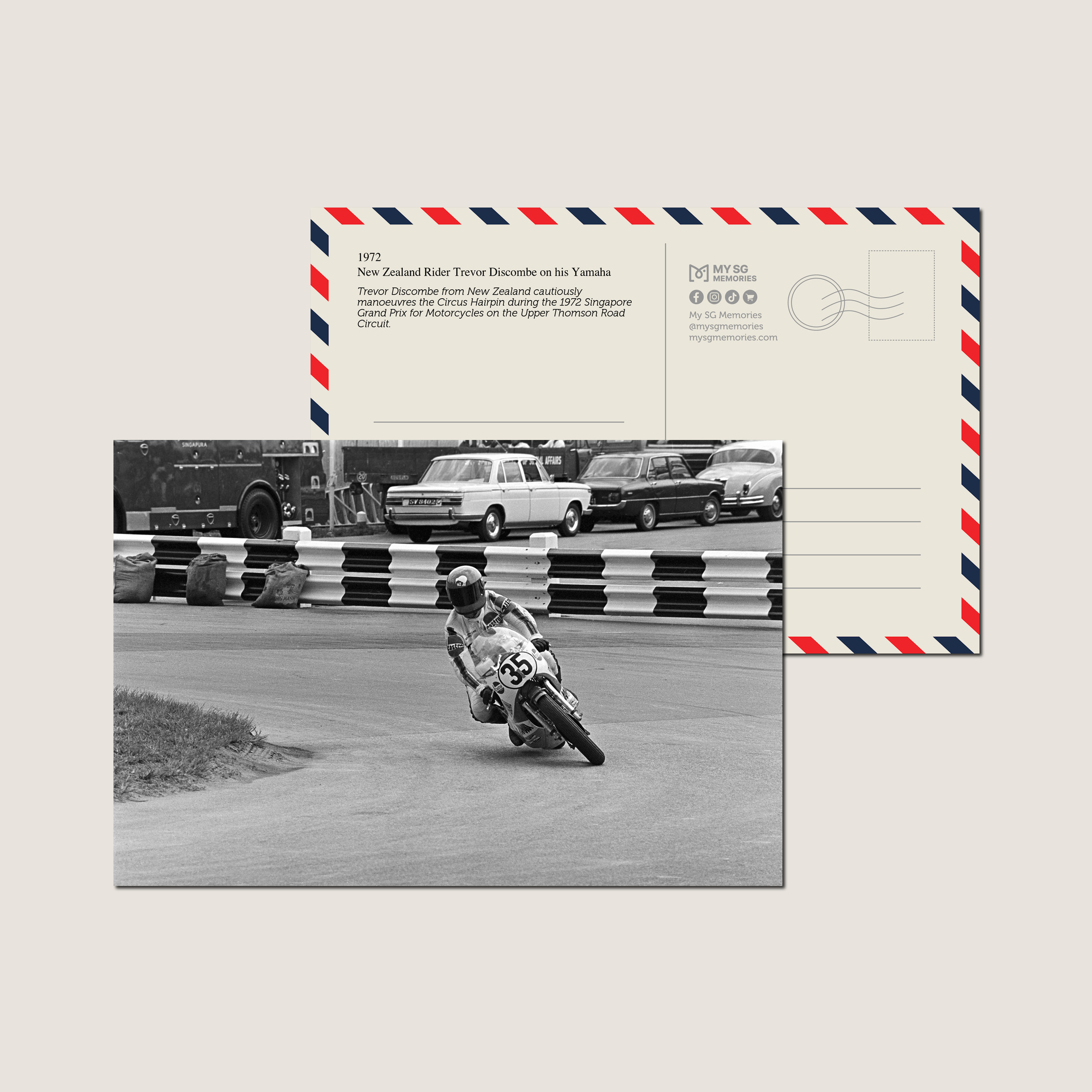
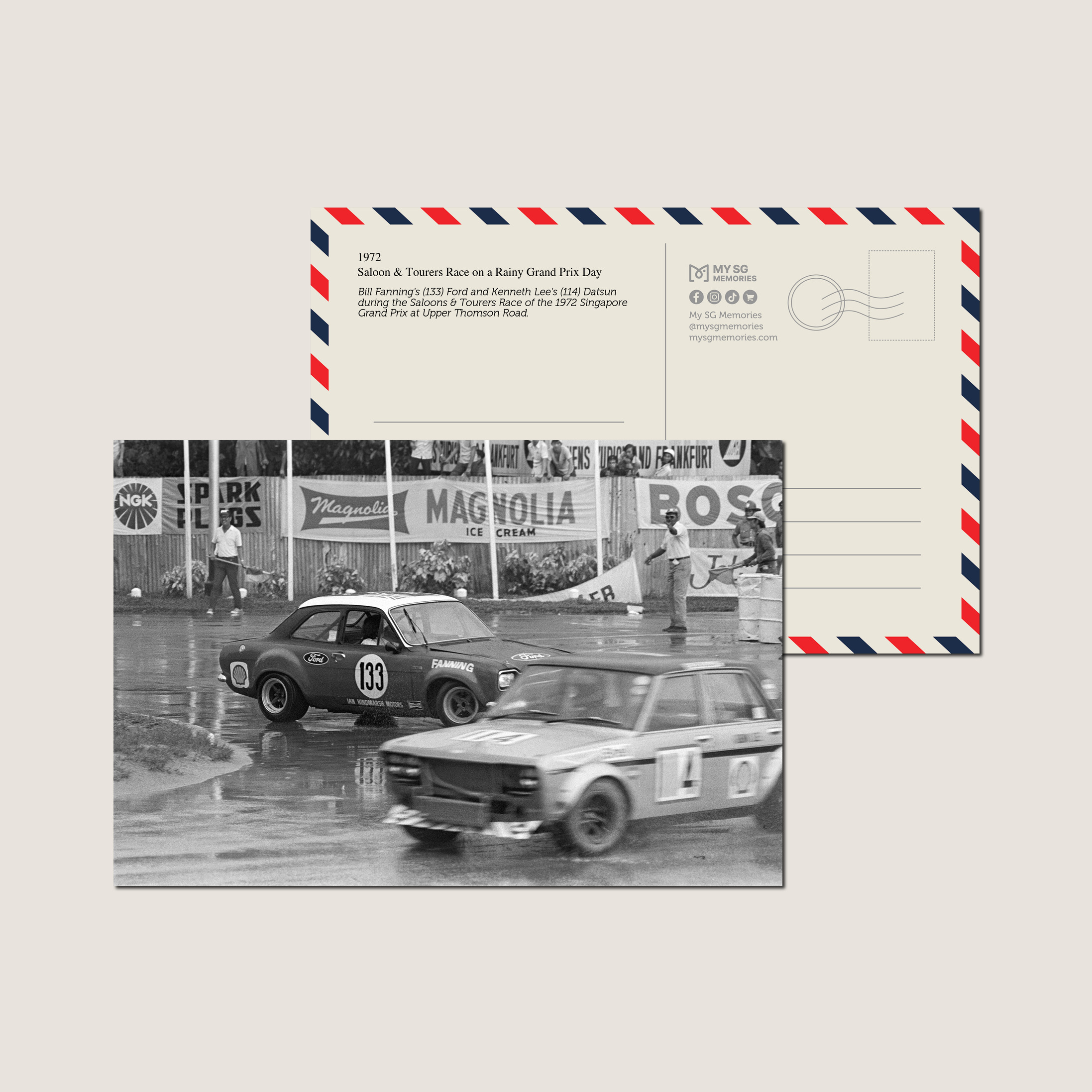
Our Grand Prix Collection, for example. In researching these photographs, we had the opportunity to meet some of the enthusiasts and racers from that era. Their knowledge and experience helped us identify competitors and vehicles in the images, providing valuable context that might have been difficult to establish through archival research alone.
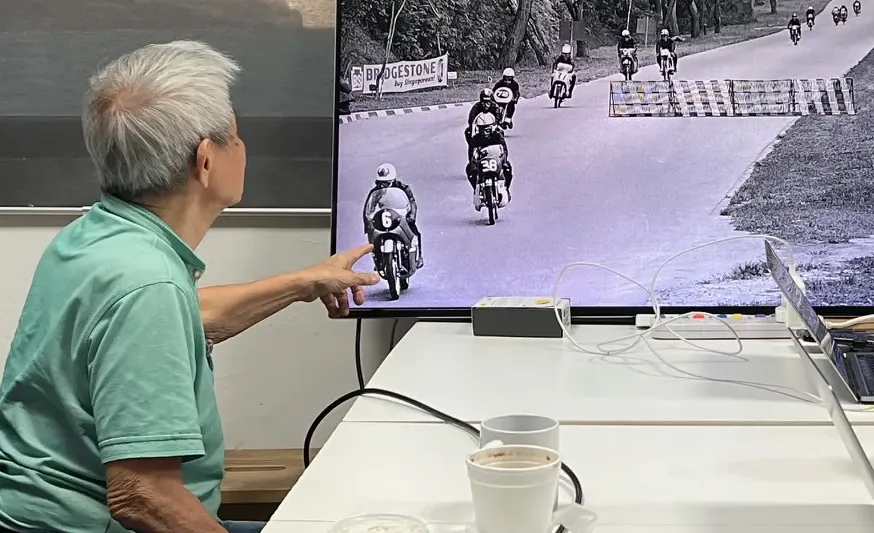
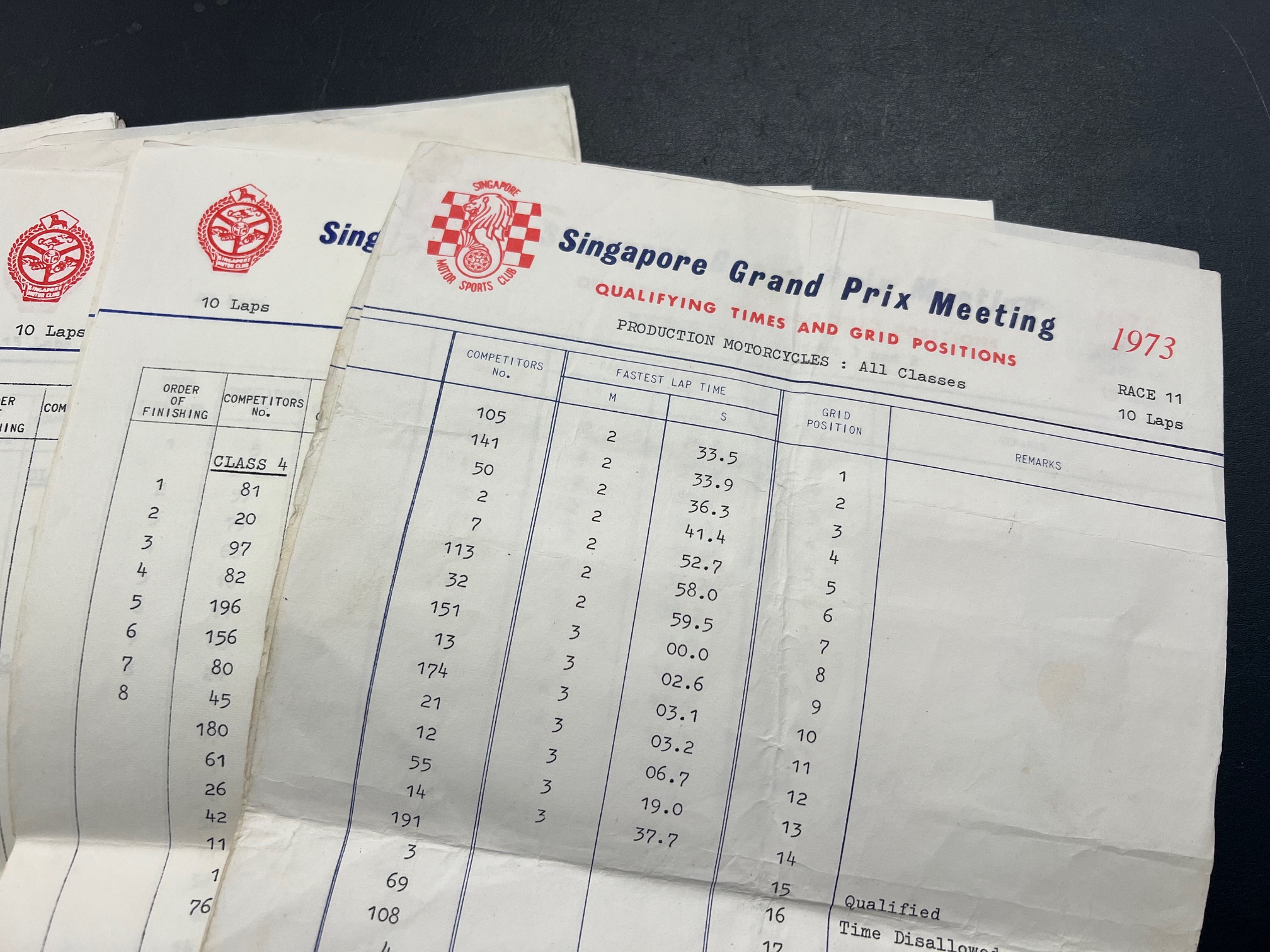
Left: Mr Looi Beng Hoe identifying the rider and vehicle in an image | Right: race records from Mr Looi Beng Hoe's personal collection
[Read our article about Looi Beng Hoe and the stories behind our Grand Prix Collection here]
It's this combination of archival research, careful observation and personal expertise that allows us to go beyond simply presenting old photographs. We want to share the stories behind them, preserving the details that make each image a meaningful part of our collective history.
Our Growing Collection
Today, our repository has grown to nearly a thousand historically significant images, with new discoveries continuing to expand the collection. Each photograph offers a window into another time, whether documenting a landmark event, capturing the early years of a growing nation, or preserving a moment from everyday life.
But we believe these images deserve to be more than files in a digital archive. History can become even more meaningful when we bring it into our everyday lives.
Make History Part of Your Home

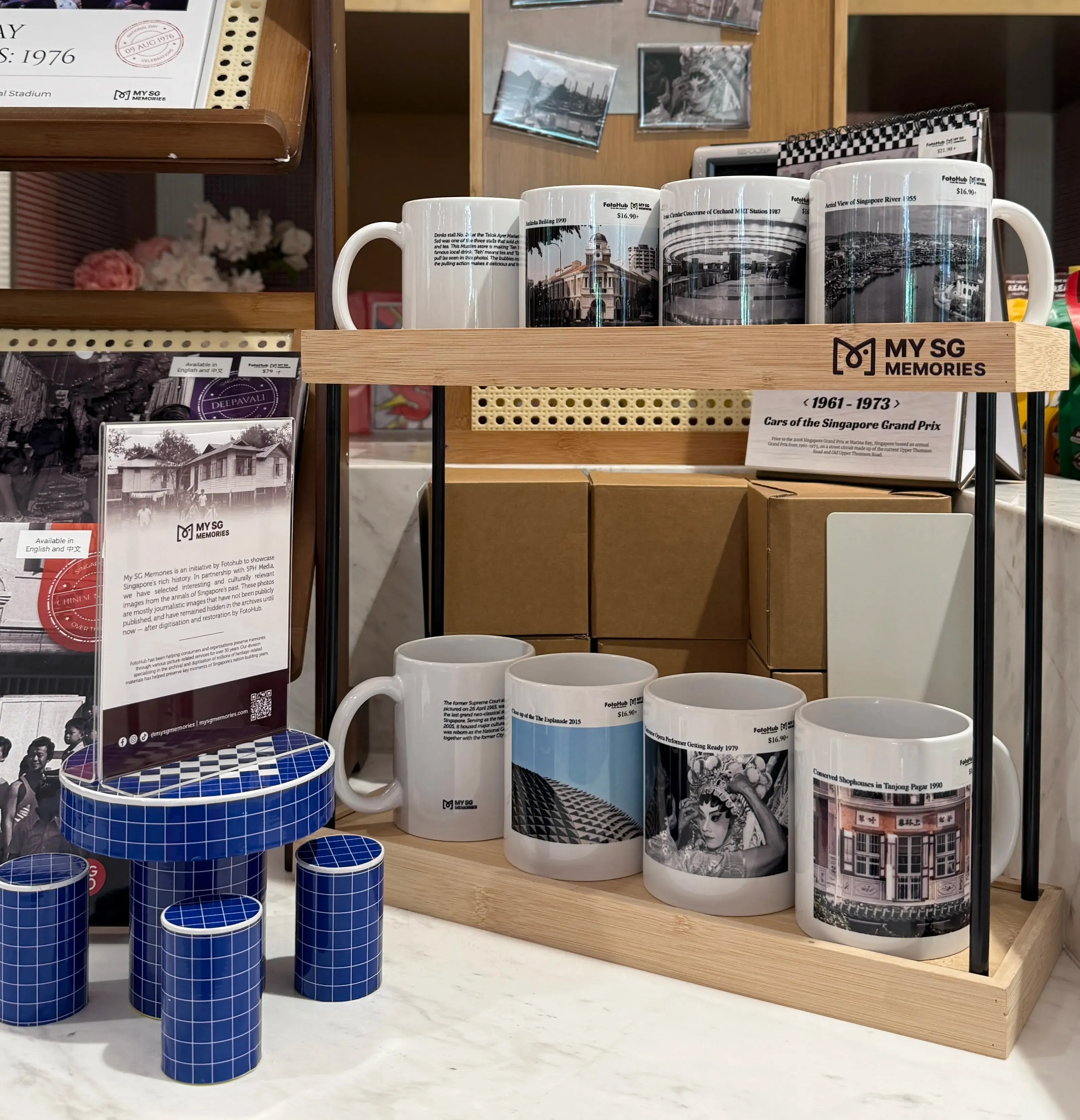
Left: postcards of our Grand Prix Collection | Right: mugs at our retail display at Furama Riverfront
Found an image that speaks to you? Photographs from our historical collection are available as print-on-demand products, courtesy of FotoHub and its range of high-quality photo printing services.
Whether you'd like a statement print for your wall, a mug to make part of your everyday routine, or a postcard to share with loved ones, there are plenty of ways to make these archival images your own.
For history enthusiasts, photography lovers, or anyone curious about the people and places that have shaped our surroundings, explore our historical image collection and create a meaningful keepsake for the generations to come.