No relevant currency found
Festivals and Events
A time for people of different walks of life to come together and celebrate
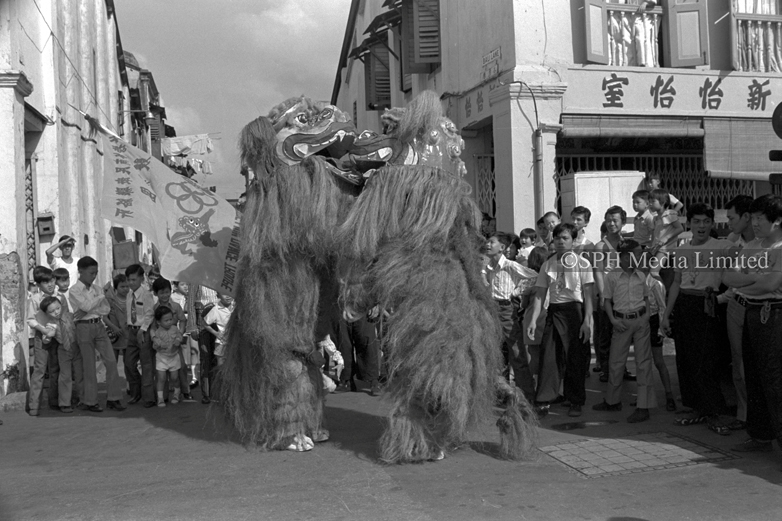
Kissing Lions
1973
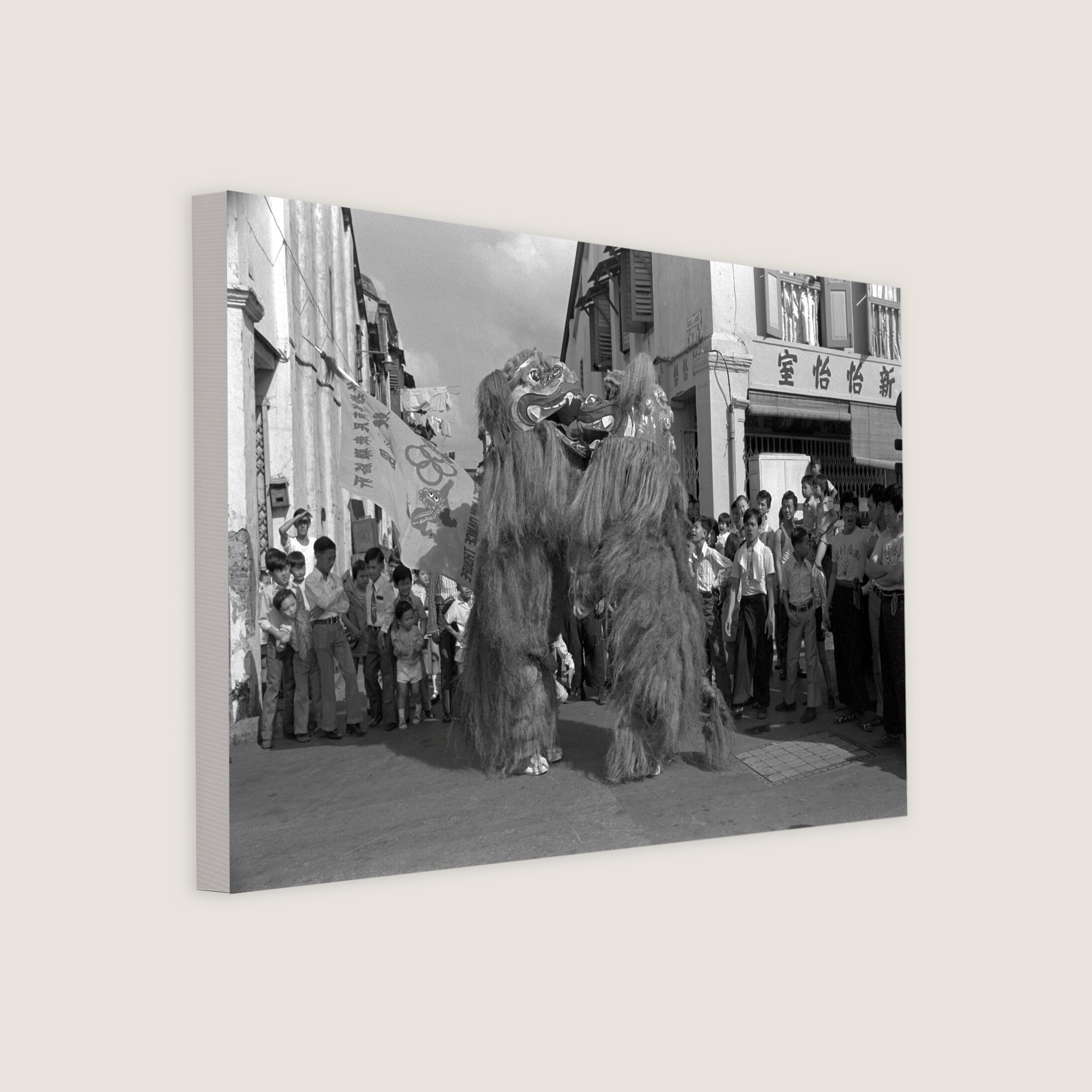
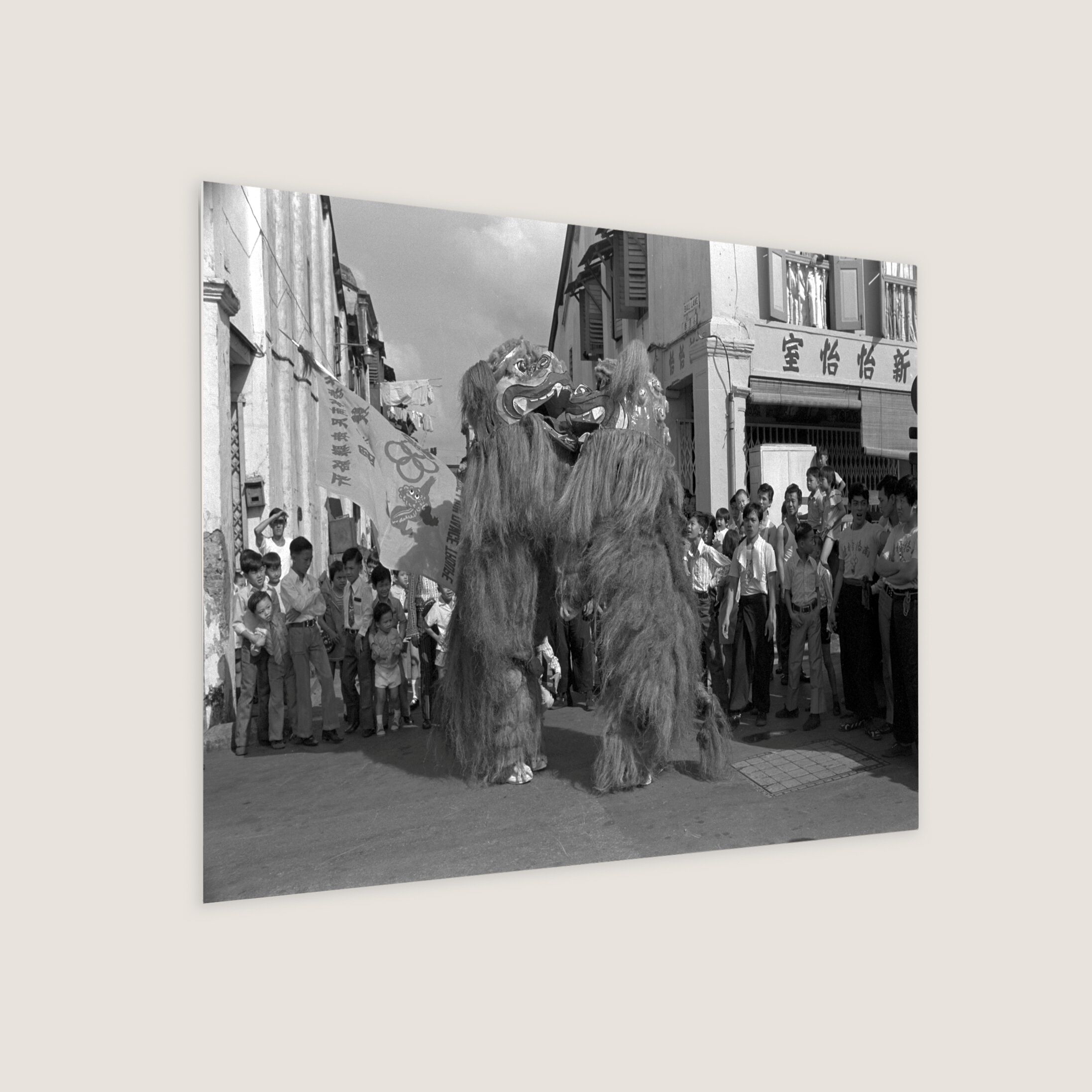
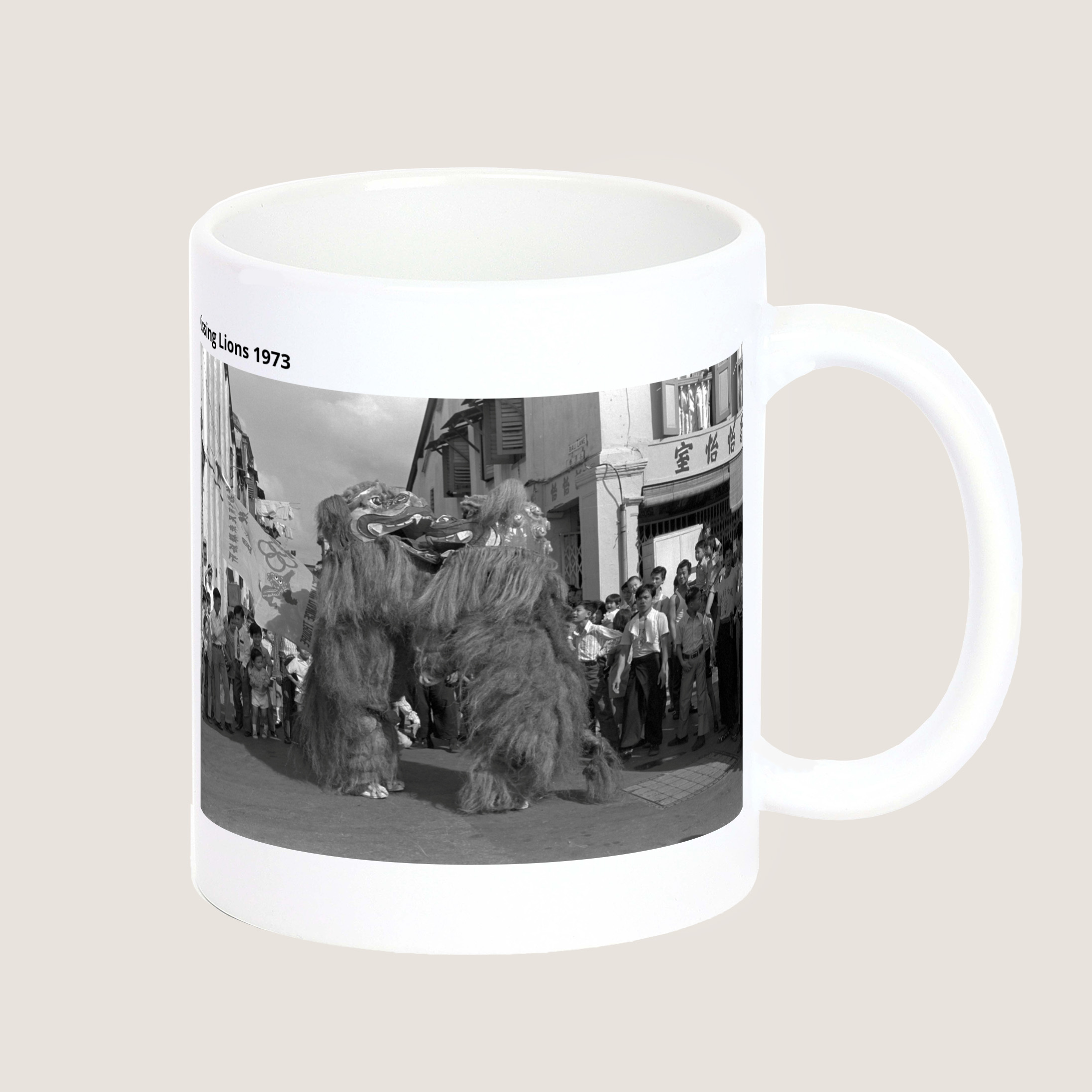
Greeting the first day of the Chinese New Year are the kissing lions. The dancers were part of the four-day celebrations organised by the People's Association and the Singapore National Pugilistic Federation.
Kissing Lions
Year 1973
Greeting the first day of the Chinese New Year are the kissing lions. The dancers were part of the four-day celebrations organised by the People's Association and the Singapore National Pugilistic Federation.
©️ SPH Media Limited
Share to
Available for print on products
Kissing Lions
1973
Kissing Lions
Year 1973
Greeting the first day of the Chinese New Year are the kissing lions. The dancers were part of the four-day celebrations organised by the People's Association and the Singapore National Pugilistic Federation.
©️ SPH Media Limited
Share to
Tags
Available for print on products
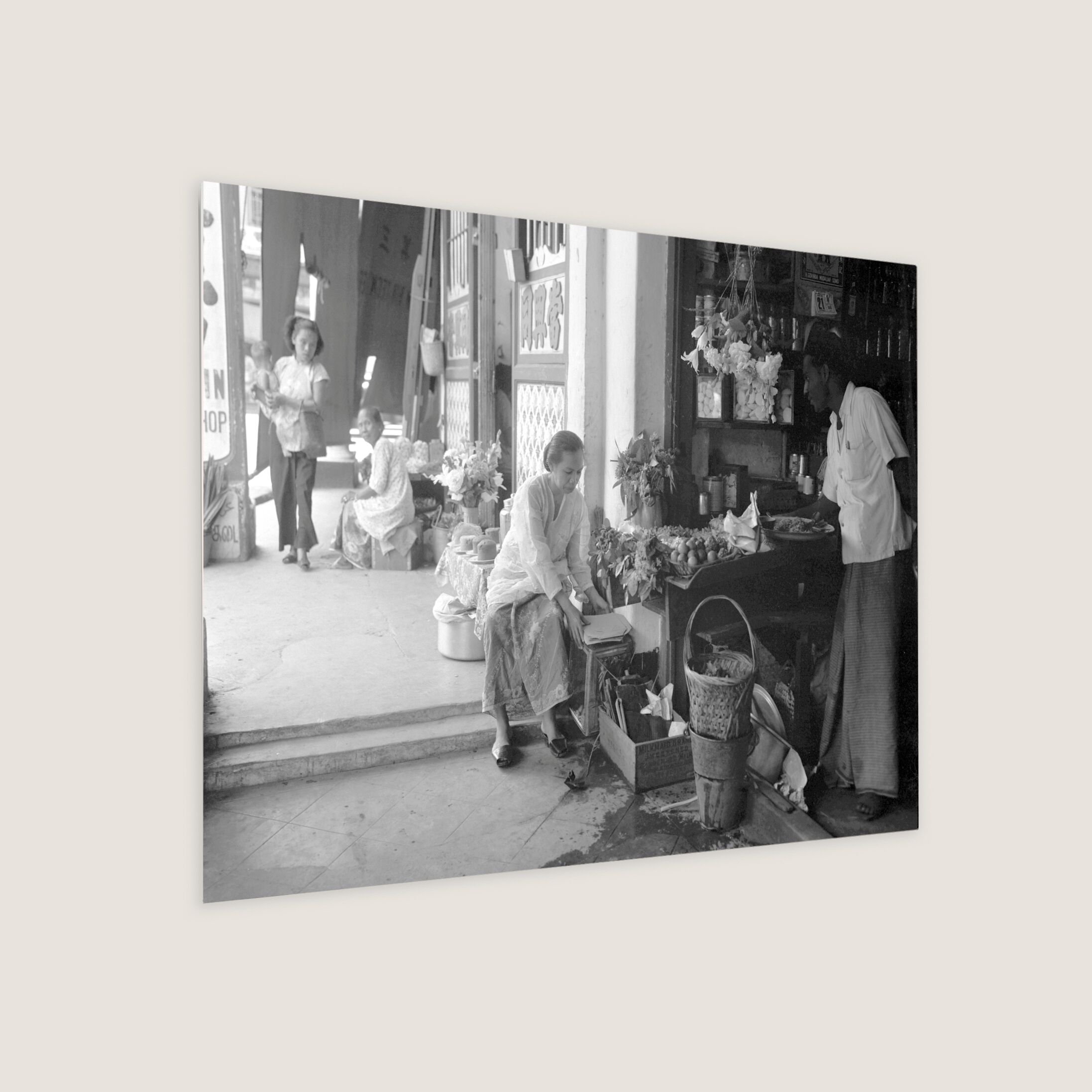
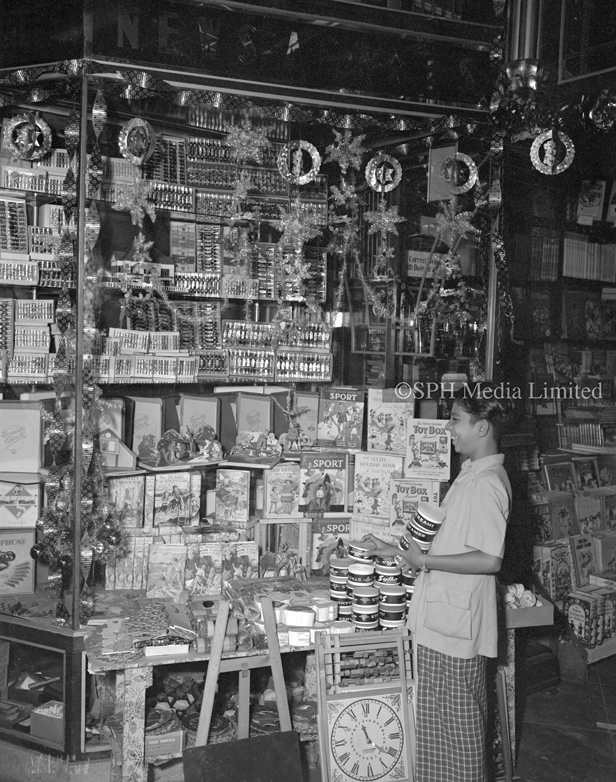 Selling Christmas Decorations
1951
Selling Christmas Decorations
1951
Selling Christmas Decorations
Year 1951
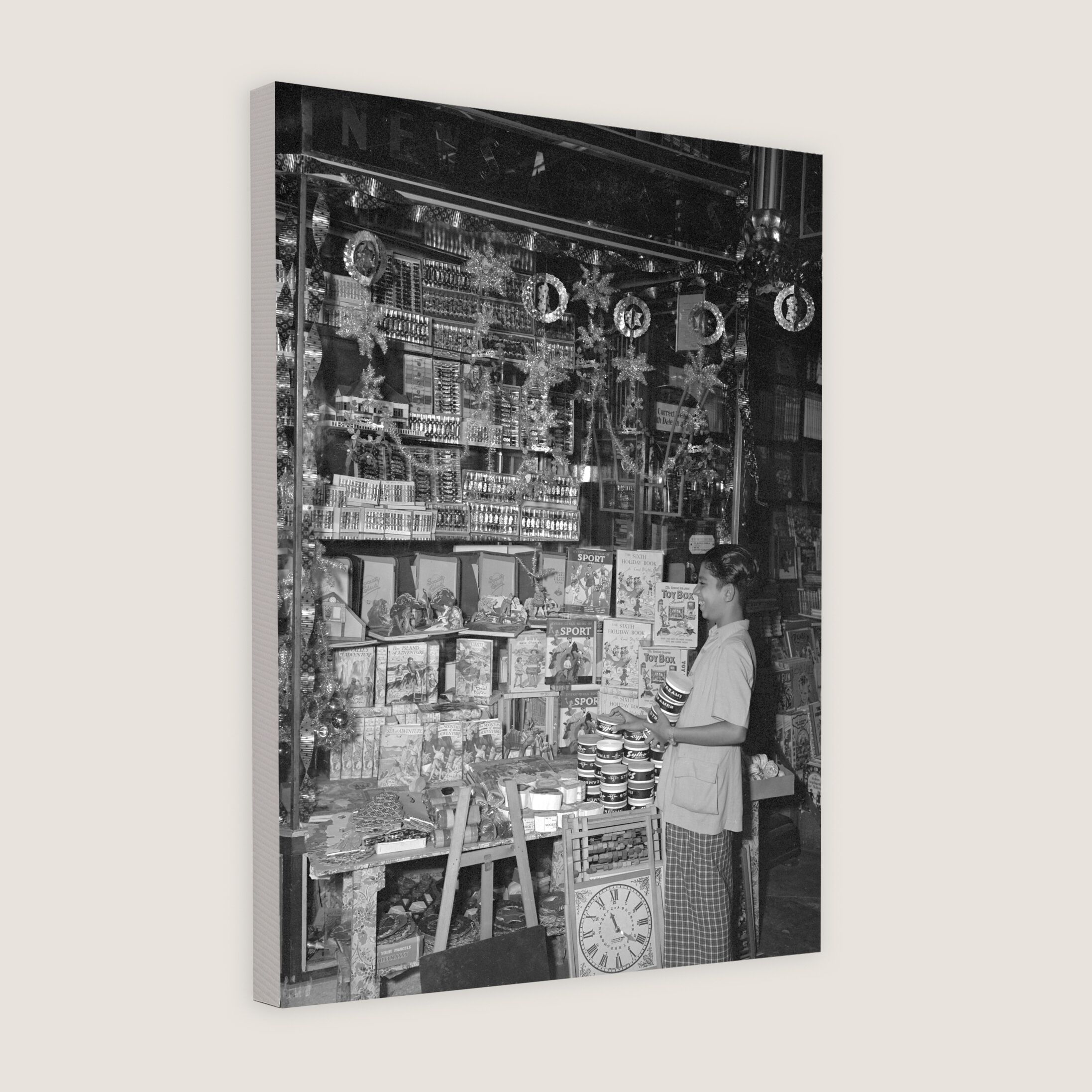
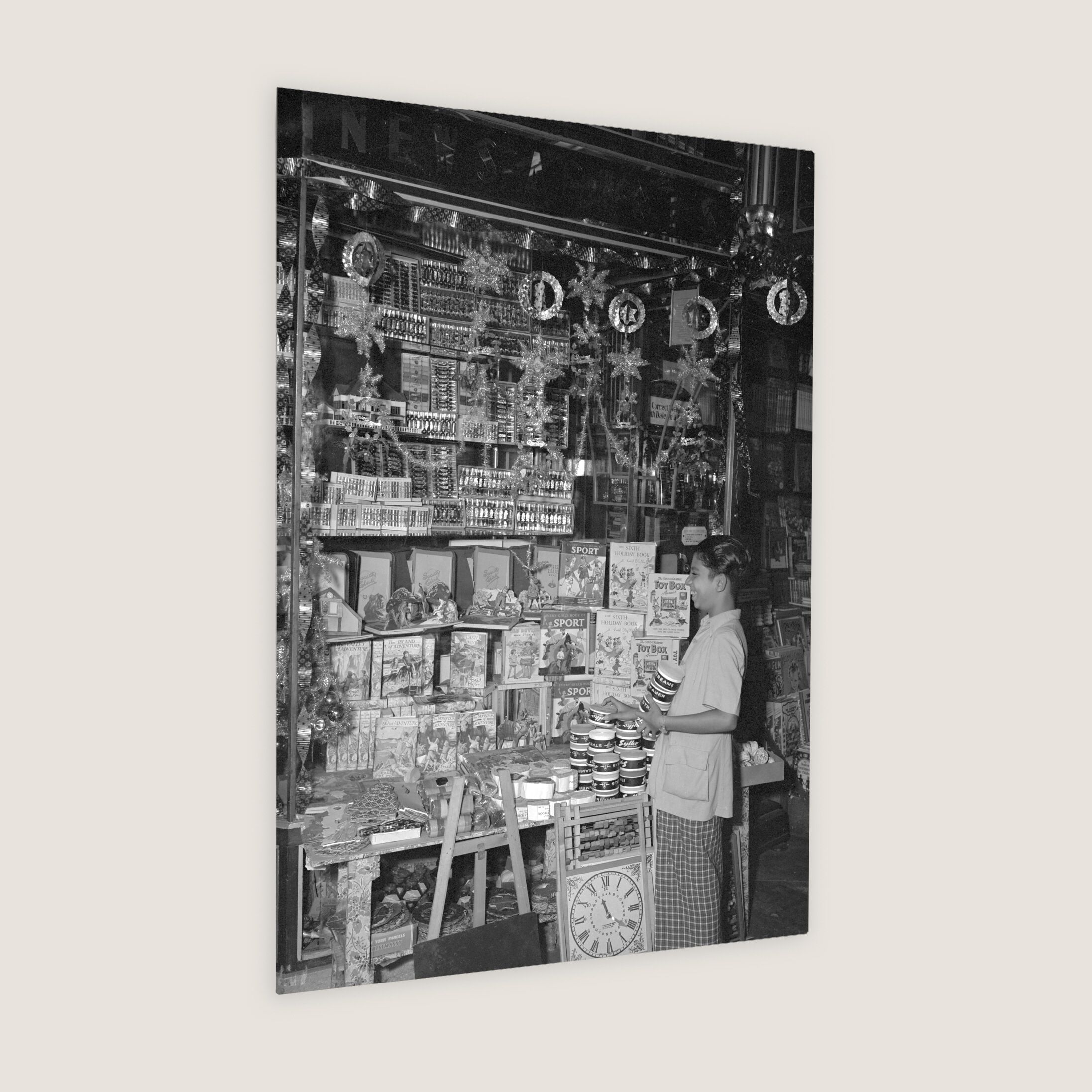
A mama shop, tyically run by Indians, is all decked out in festivities as it sells Christmas decorations in 1951.
©️ SPH Media Limited
Share to
Tags
Available for print on products
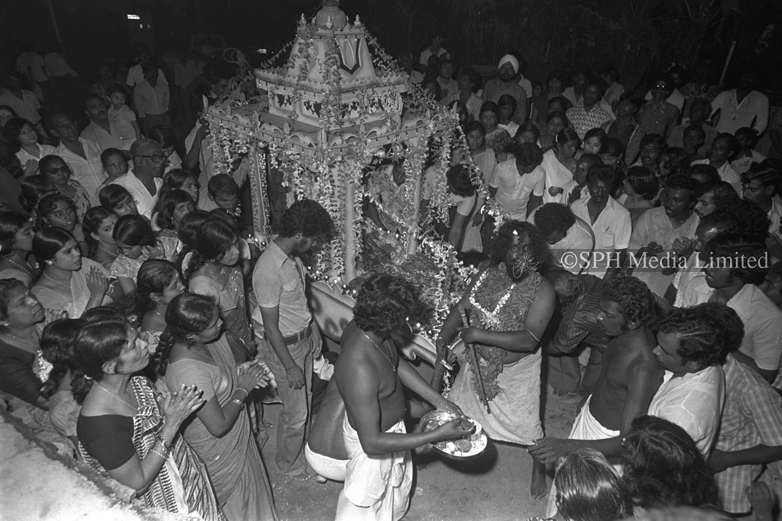 Sri Rama Bakhta Hanuman Temple
1980
Sri Rama Bakhta Hanuman Temple
1980
Sri Rama Bakhta Hanuman Temple
Year 1980
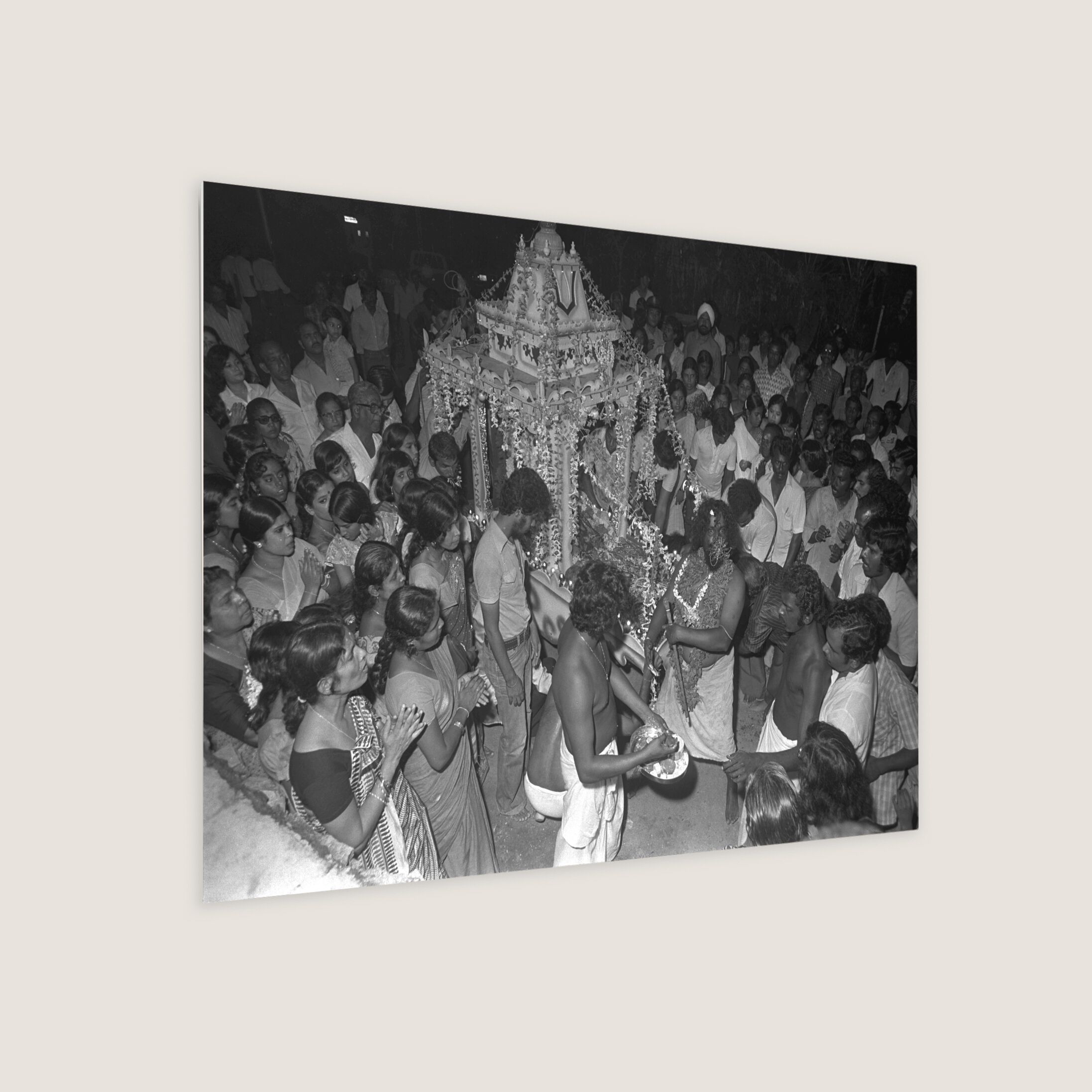
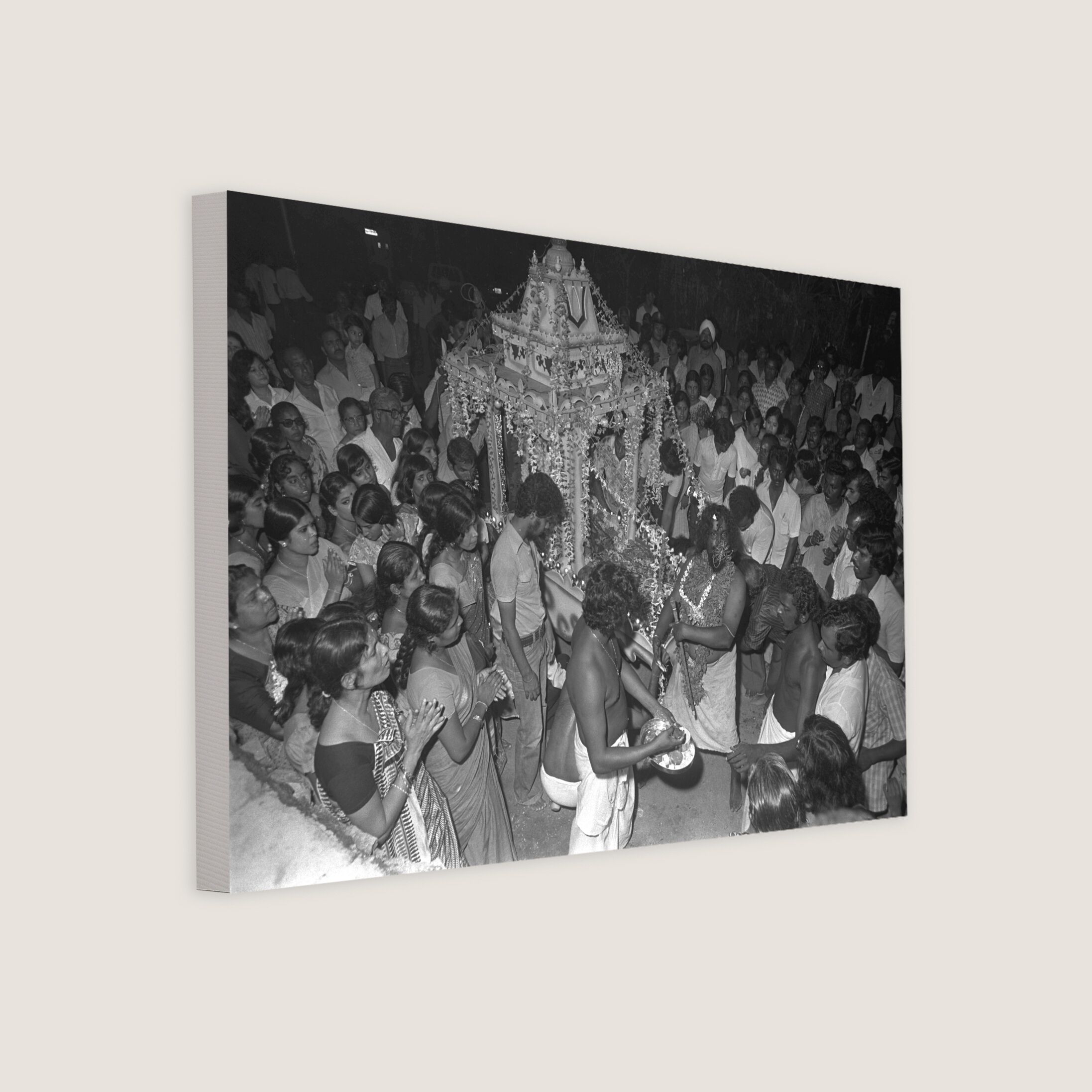
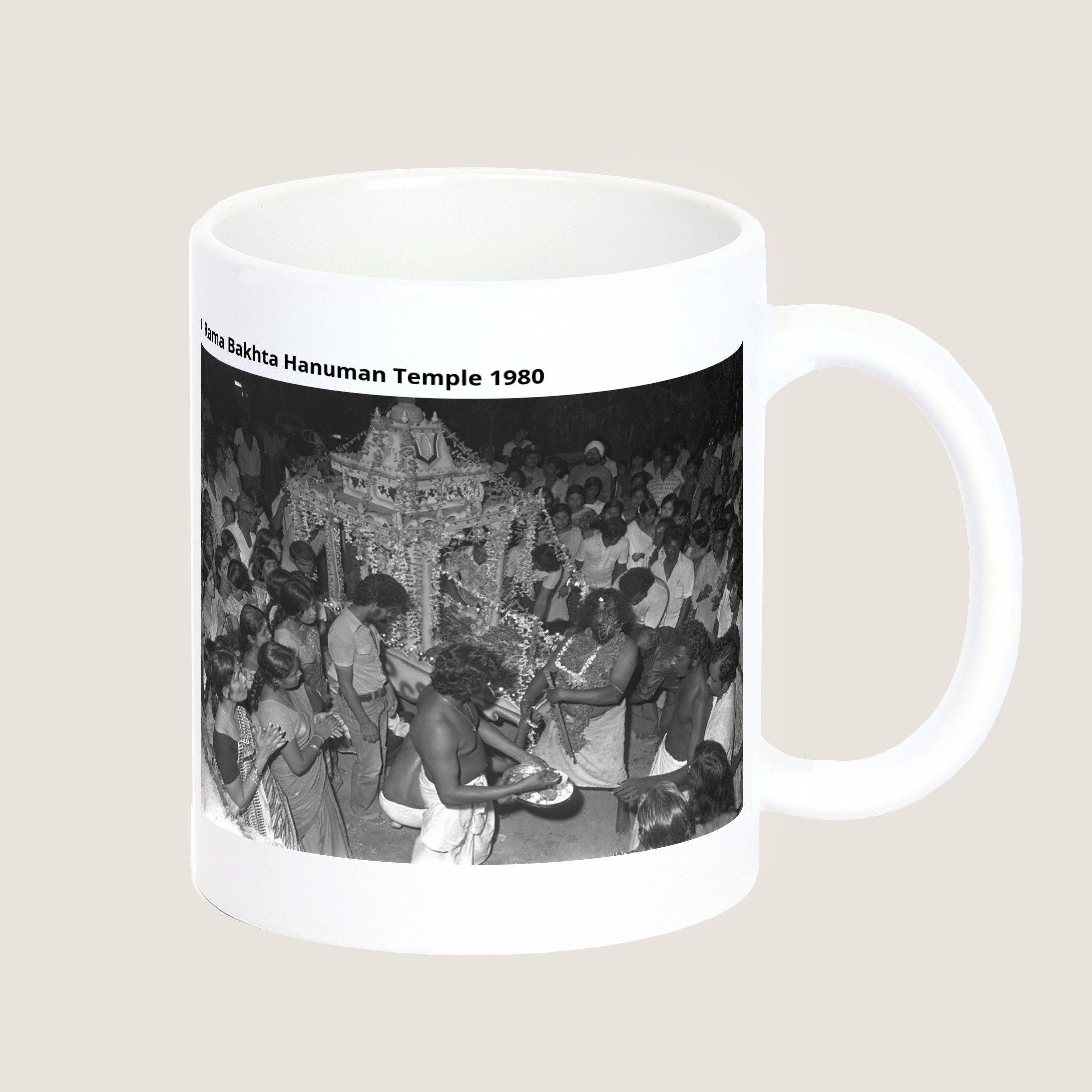
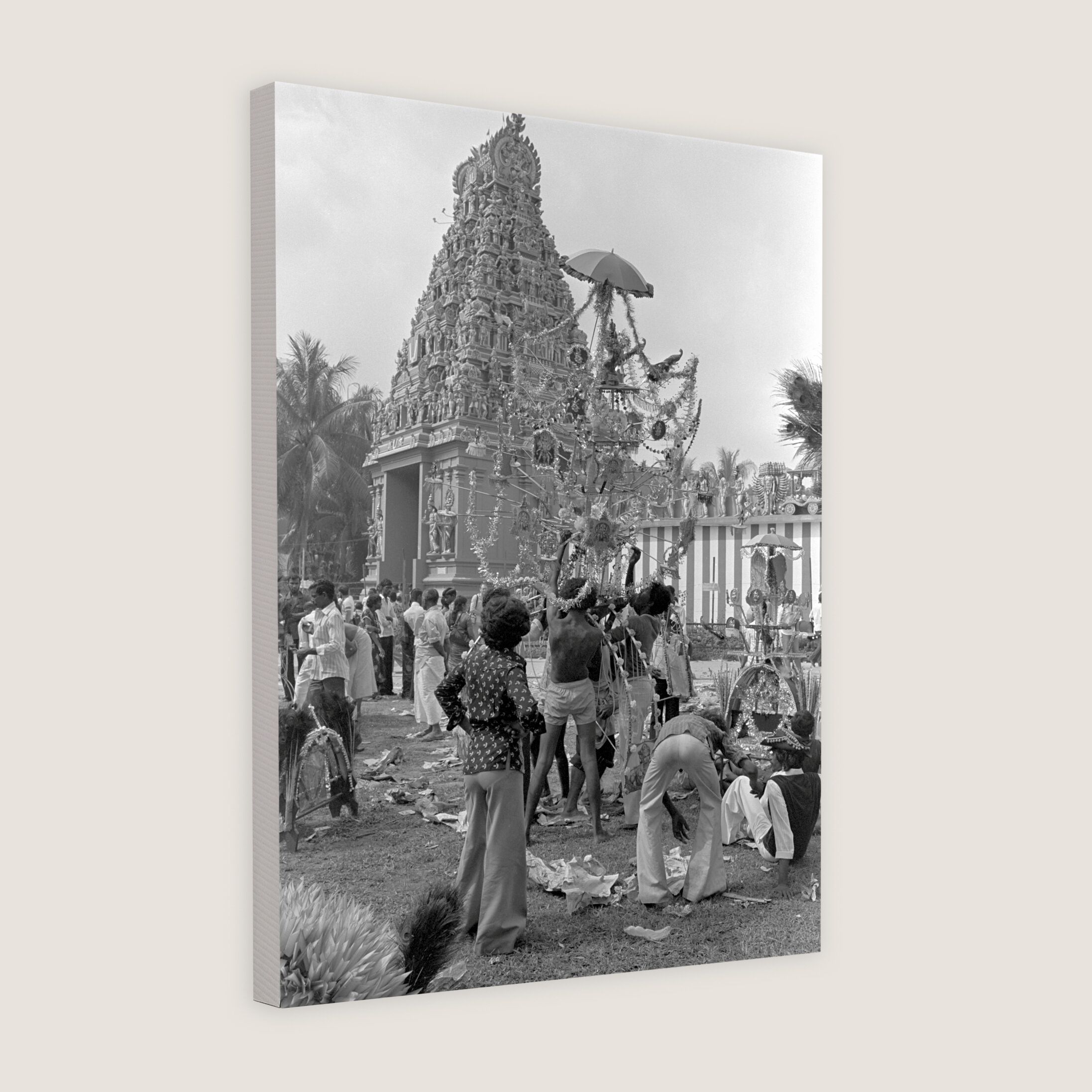
The garlanded Hindu priest Mr Samy P Samugam Vell, shouldering the burden of devotees by doing penance for those who have sinned and to help answer the prayers of others at the Sri Rama Bakhta Hanuman Temple (Monkey God Temple) in Jalan Anak Bukit to commemorate the day when the Monkey God received his powers
©️ SPH Media Limited
Share to
Tags
Available for print on products
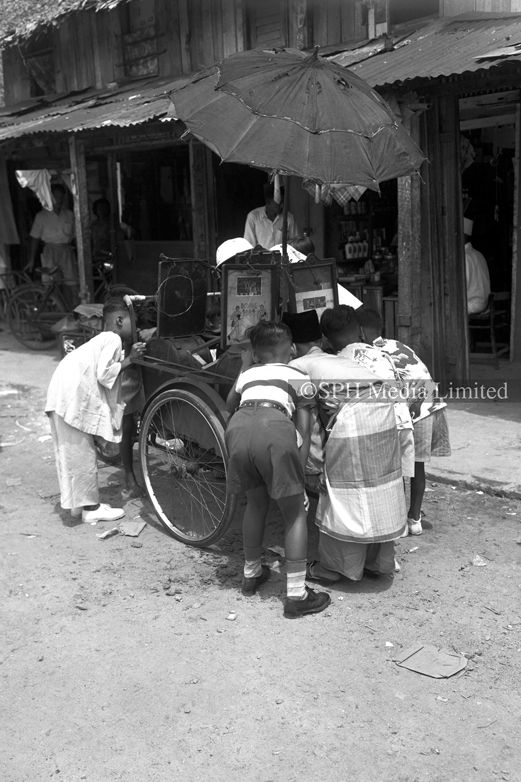 Malay Children Watching Mobile Peepshow
1952
Malay Children Watching Mobile Peepshow
1952
Malay Children Watching Mobile Peepshow
Year 1952
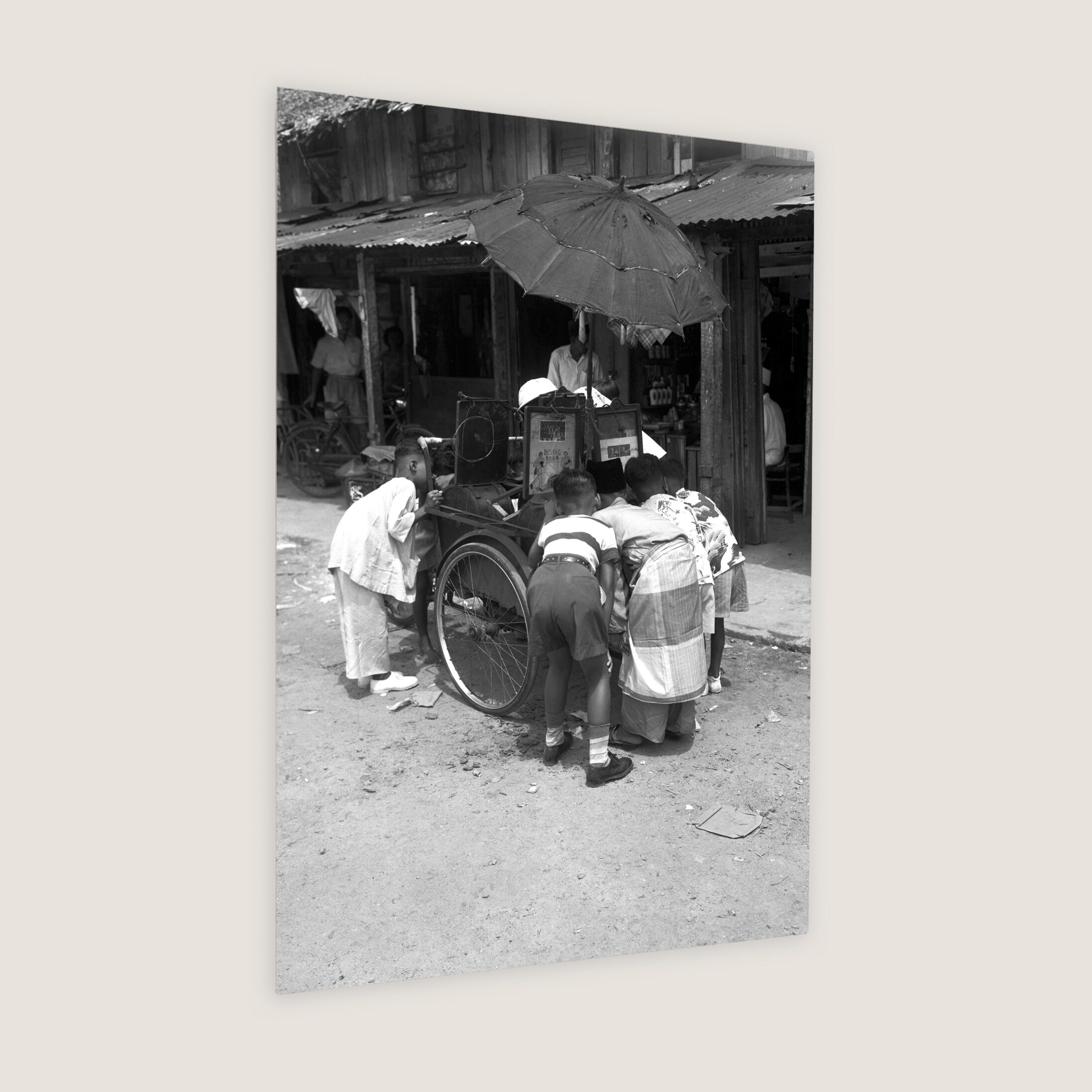
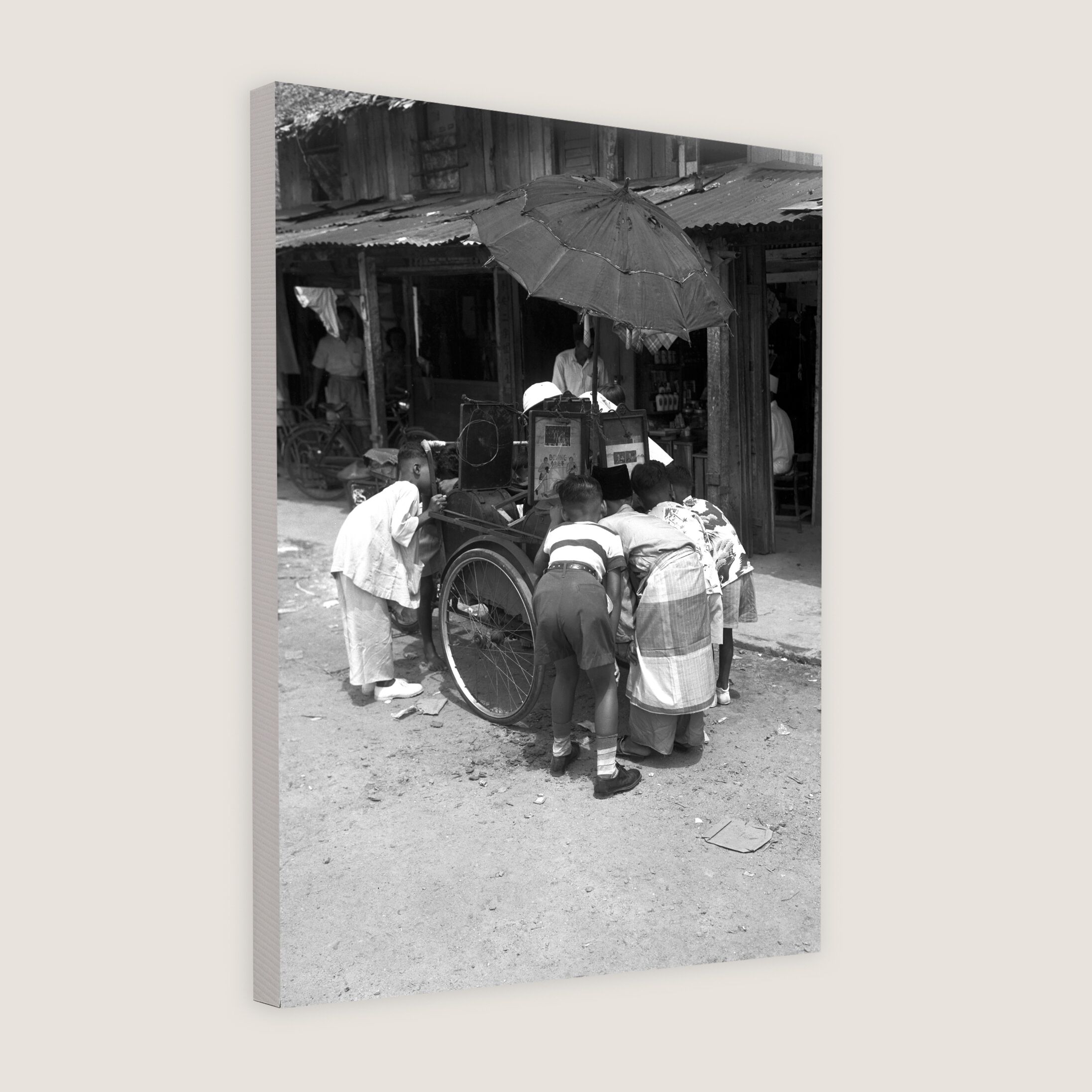
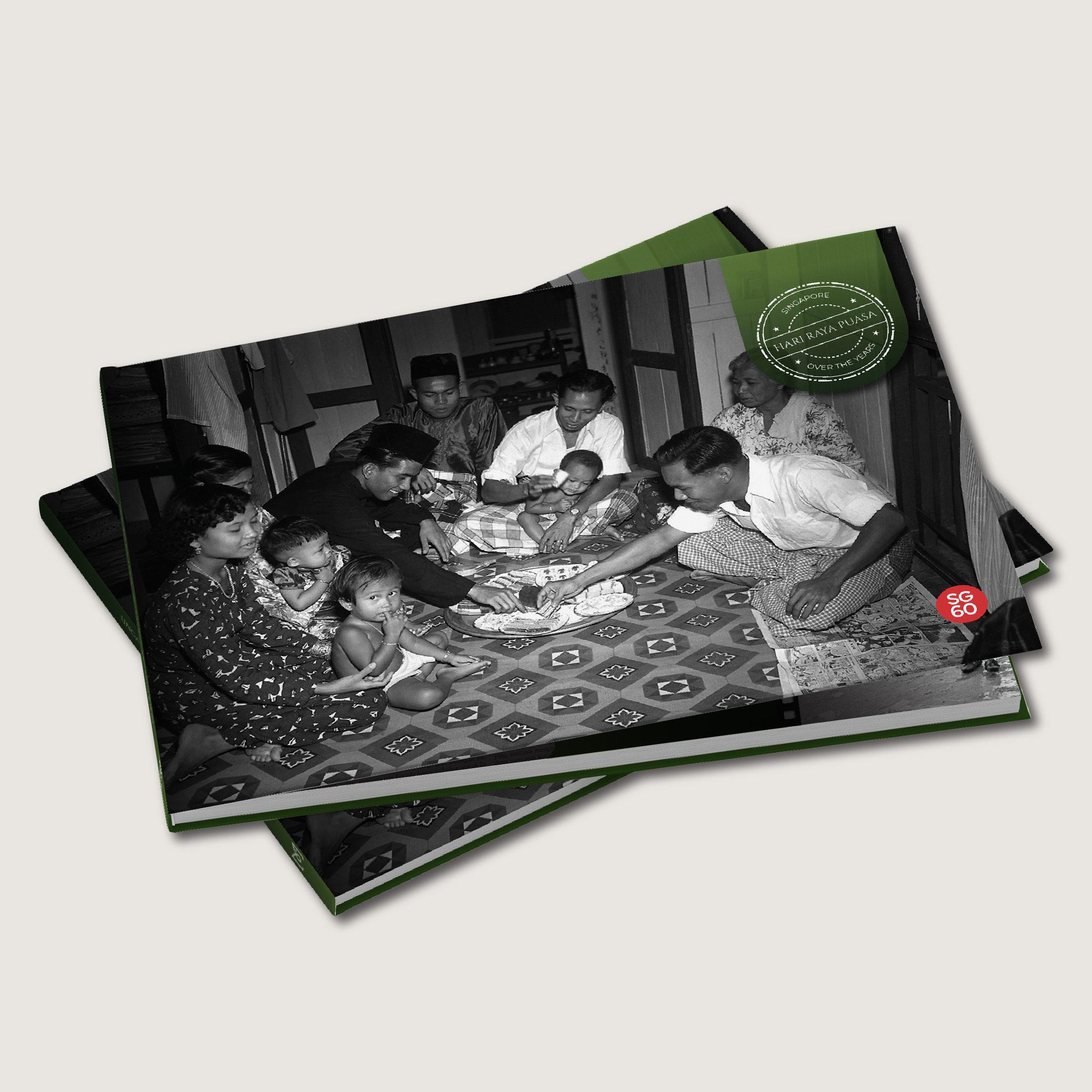
Malay children were celebrating Hari Raya Puasa. They were watching a mobile peepshow along Lorong 19, Geylang. A peepshow is a sequence of pictures viewed through a len set into a box, which was once a common form of public entertainment.
©️ SPH Media Limited
Share to
Tags
Available for print on products
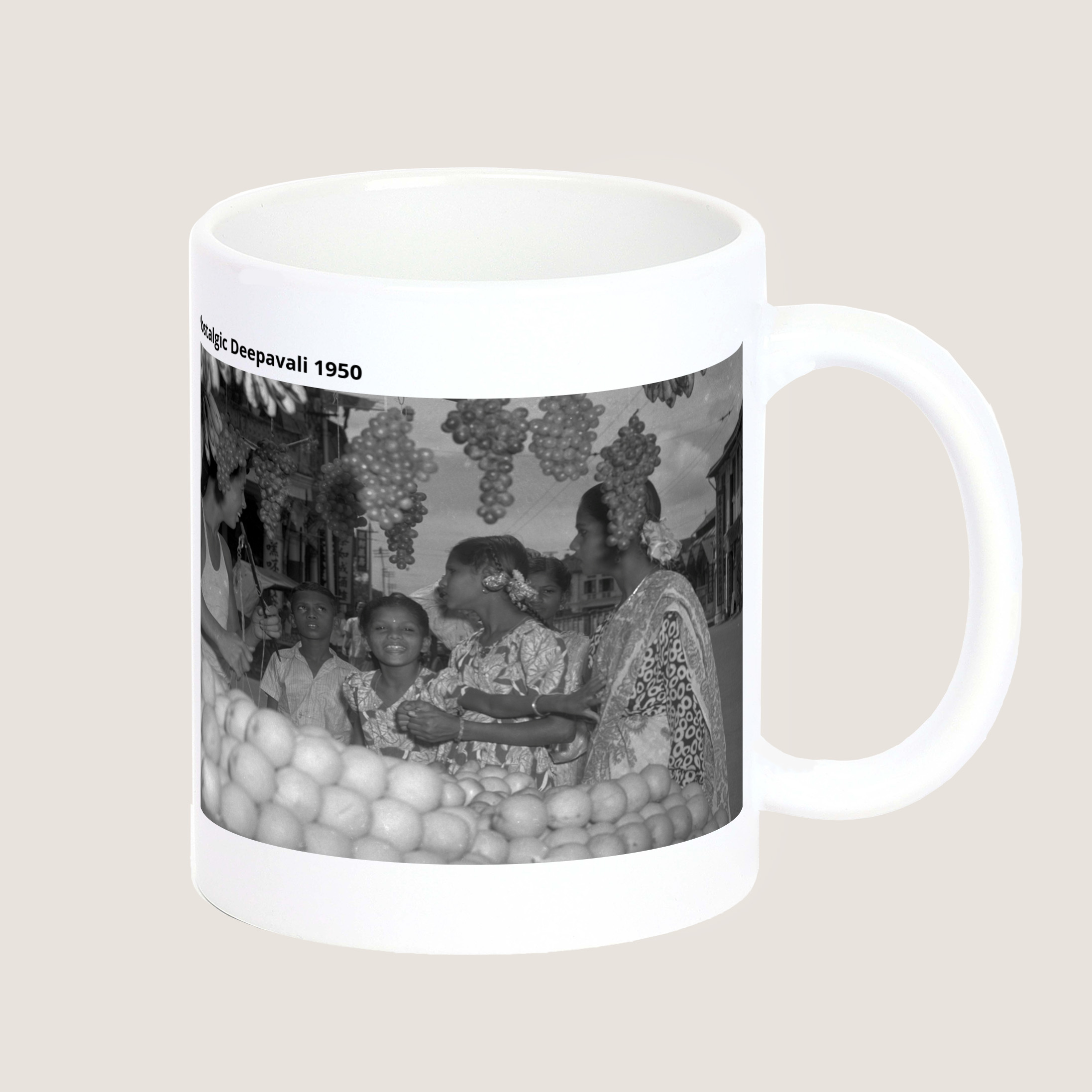
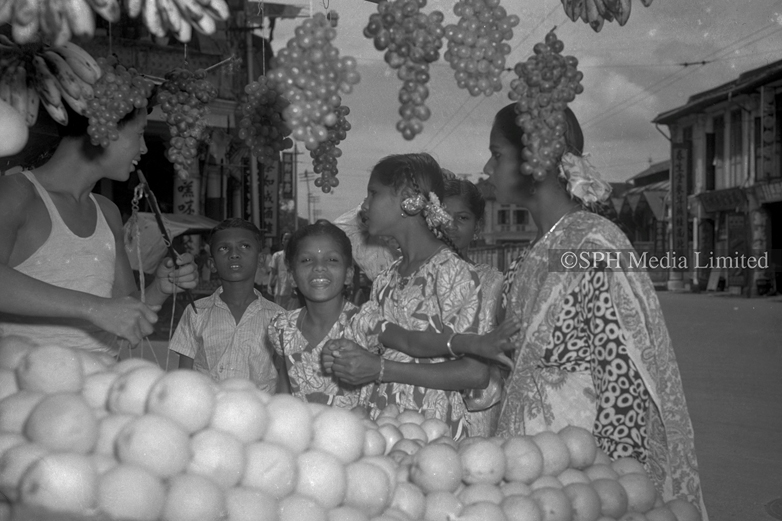 Nostalgic Deepavali
1950
Nostalgic Deepavali
1950
Nostalgic Deepavali
Year 1950
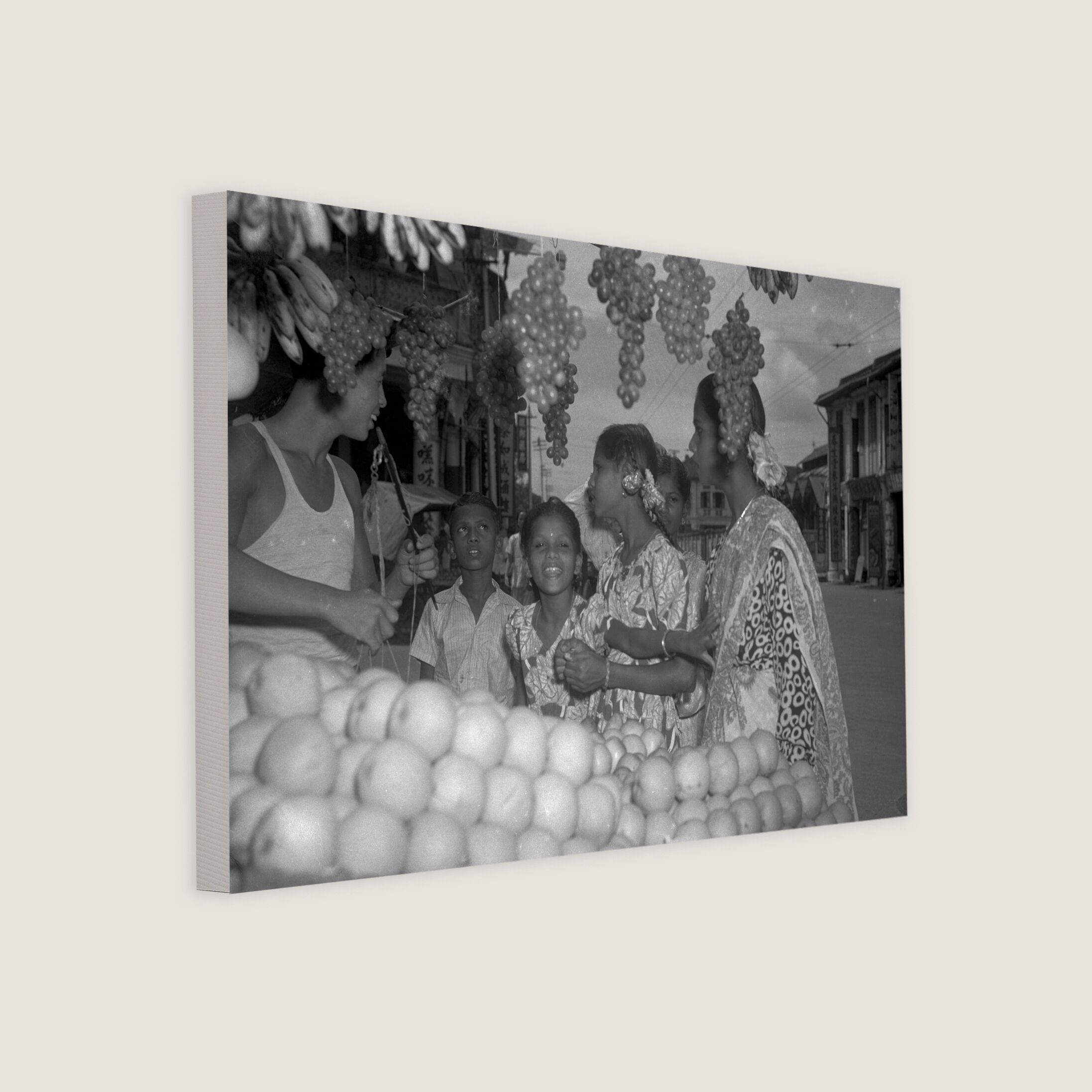
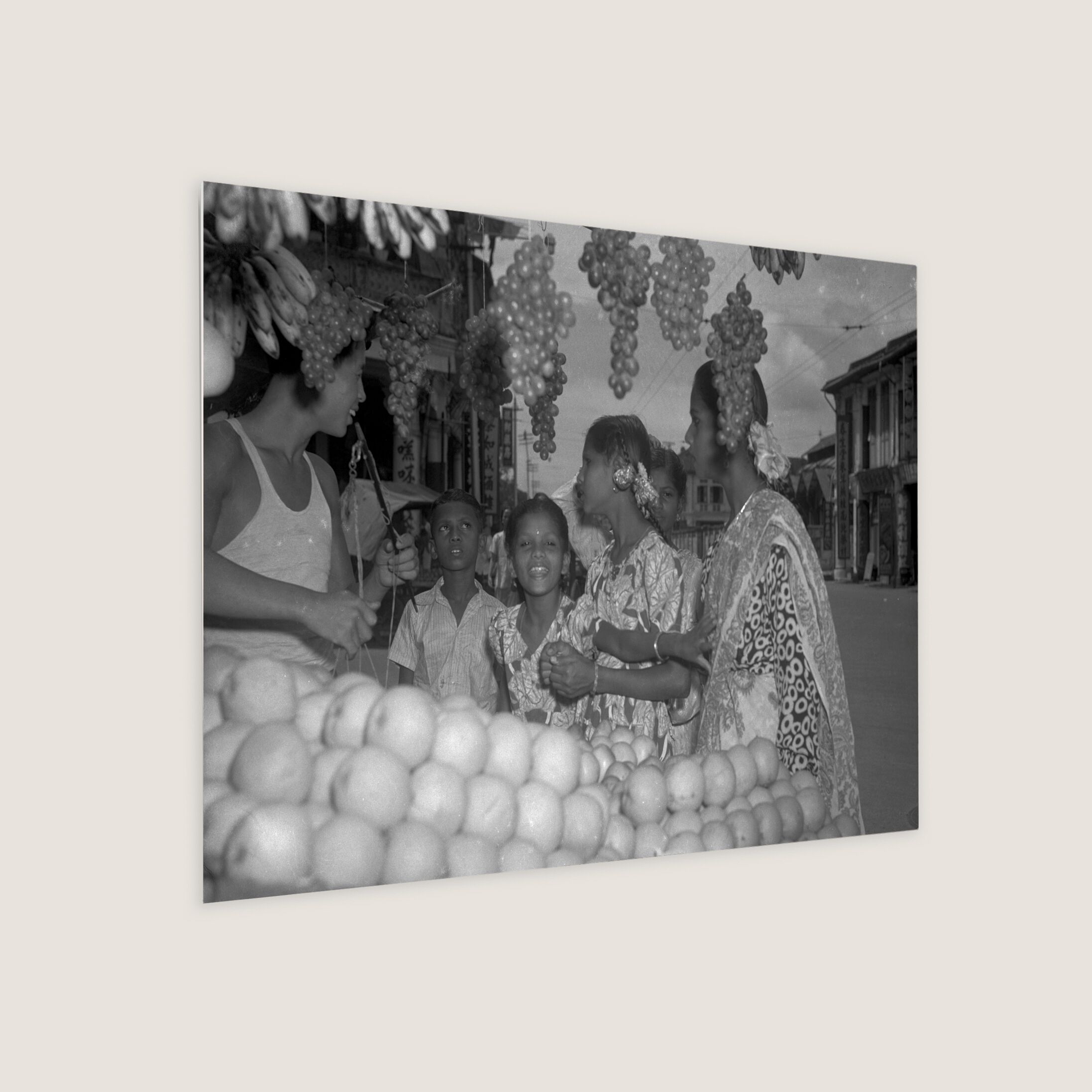
Along the streets of Little India, Deepavali is being celebrated.
©️ SPH Media Limited
Share to
Tags
Available for print on products
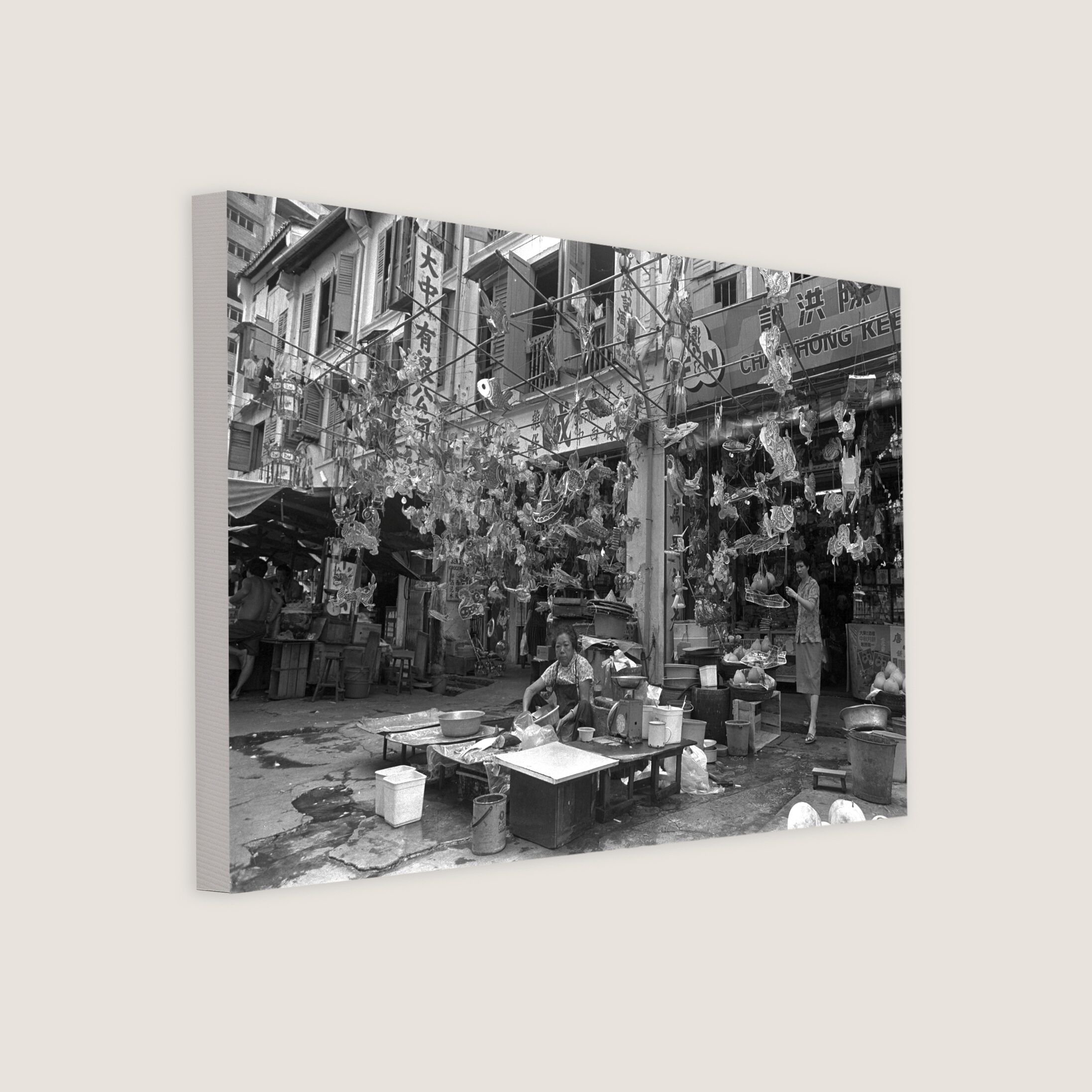
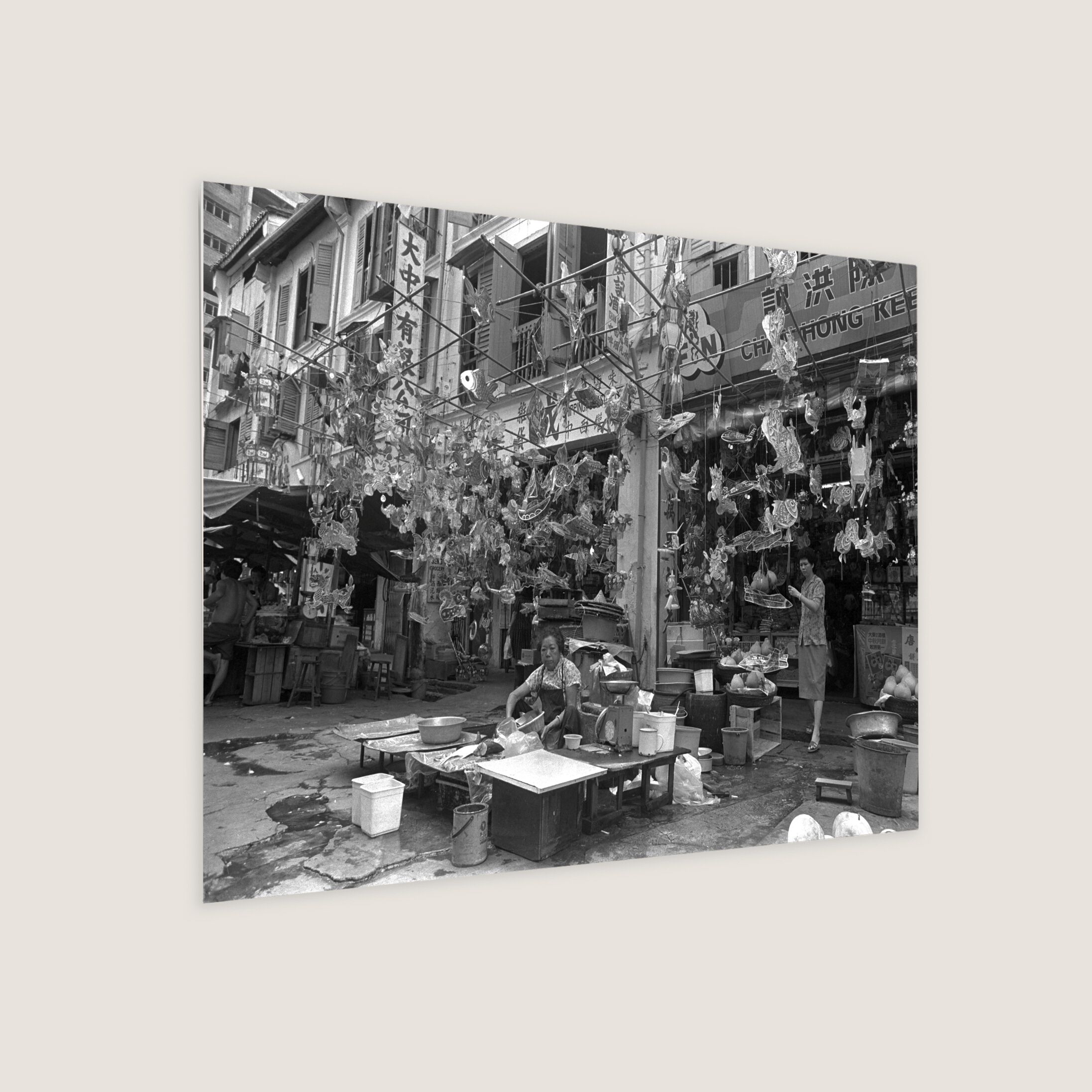
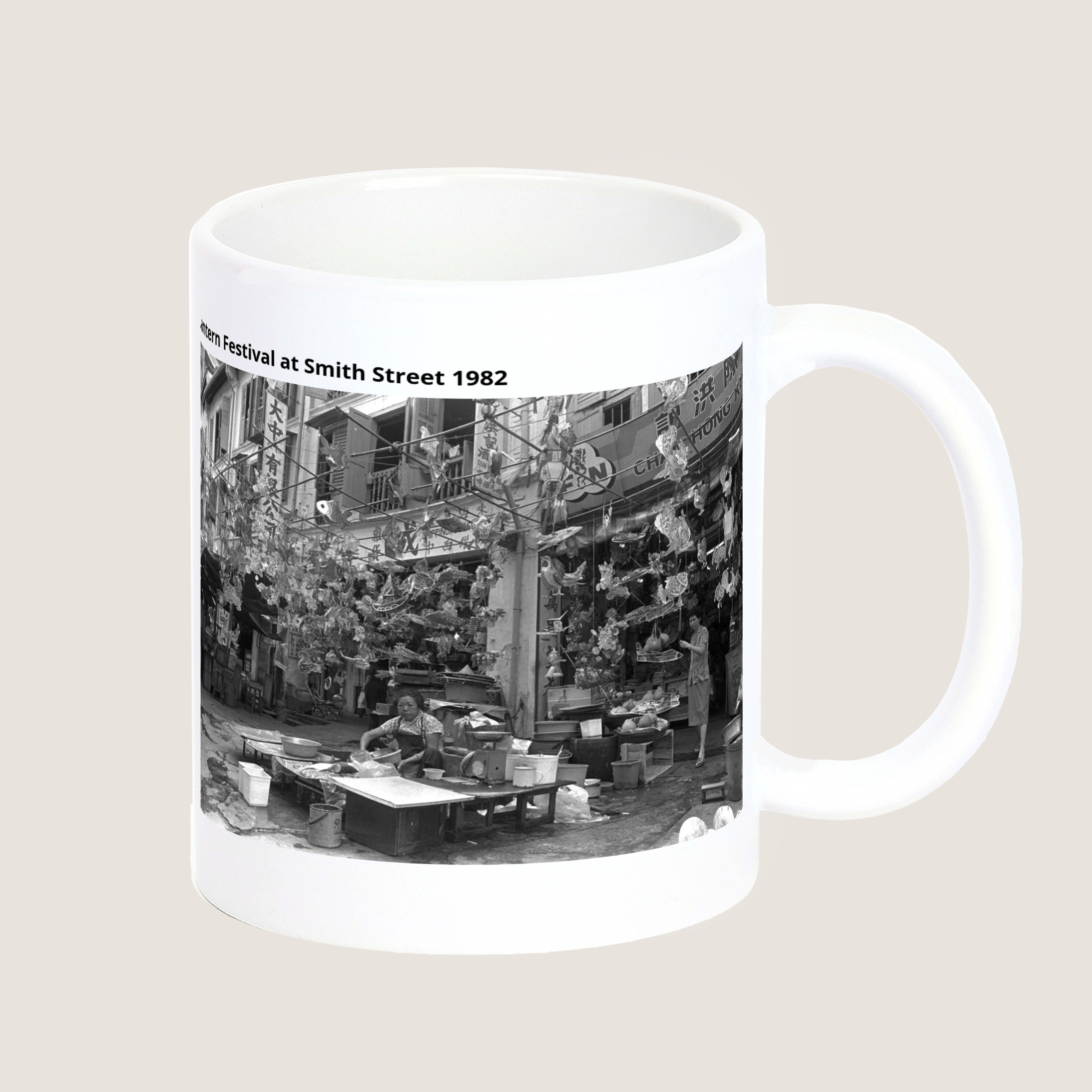
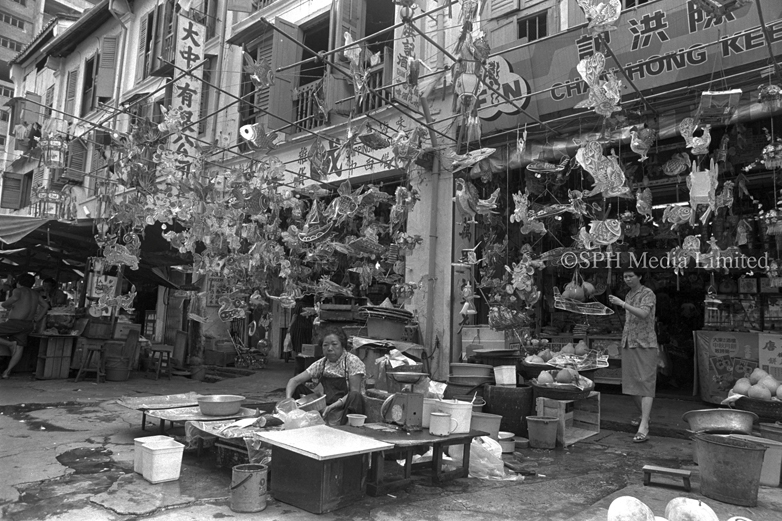 Lantern Festival at Smith Street
1982
Lantern Festival at Smith Street
1982
Lantern Festival at Smith Street
Year 1982
A fish seller in Chinatown against the backdrop of lanterns set up by shopkeepers for the upcoming Lantern Festival.
©️ SPH Media Limited
Share to
Tags
Available for print on products
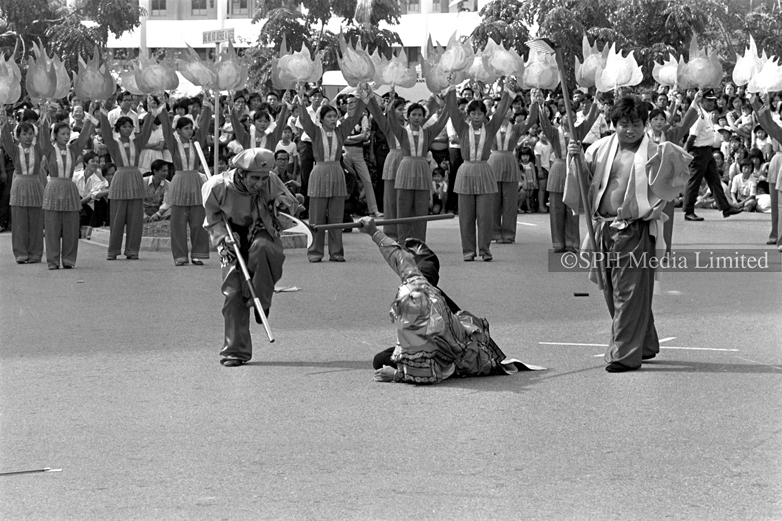 Journey to the West at Chingay Parade
1980
Journey to the West at Chingay Parade
1980
Journey to the West at Chingay Parade
Year 1980
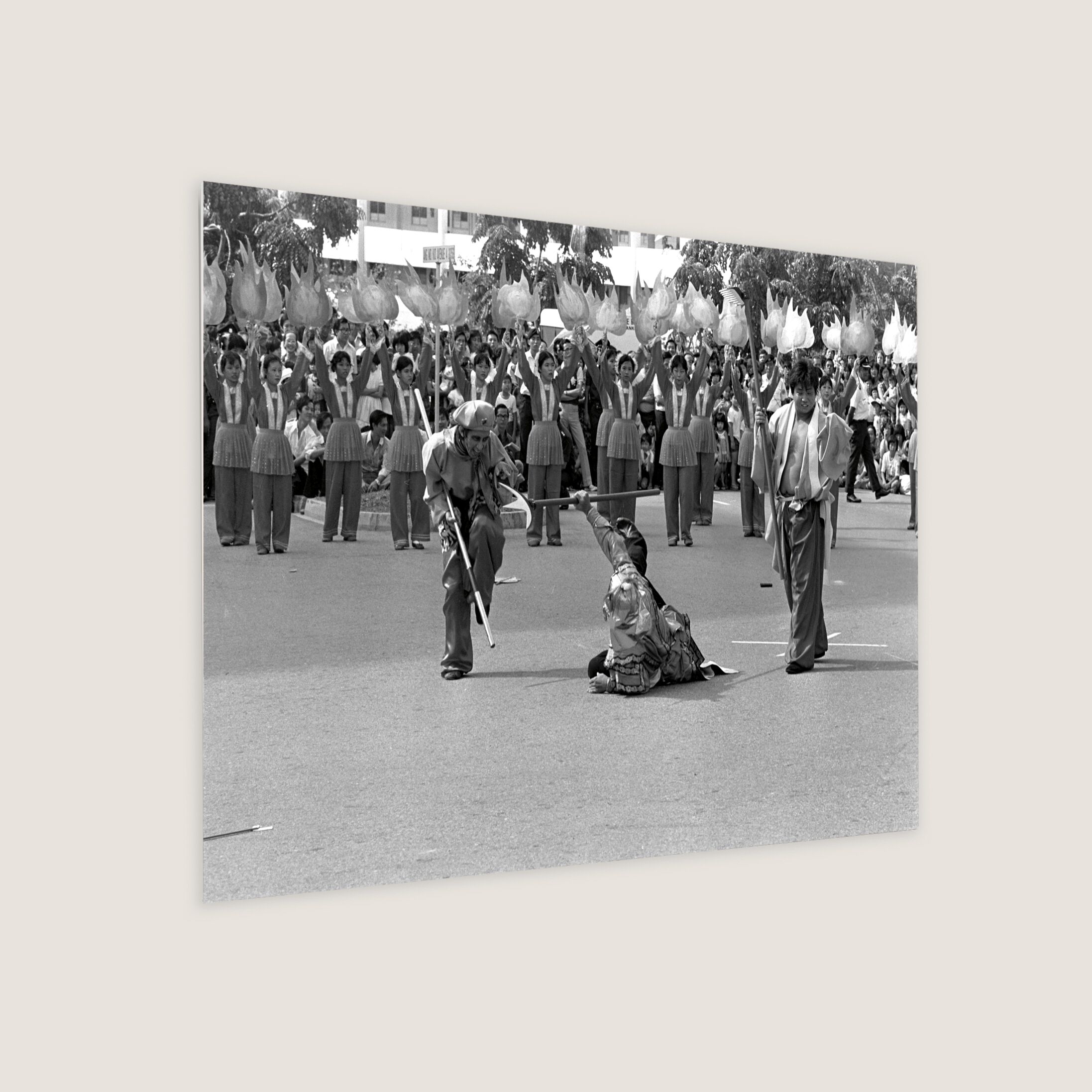
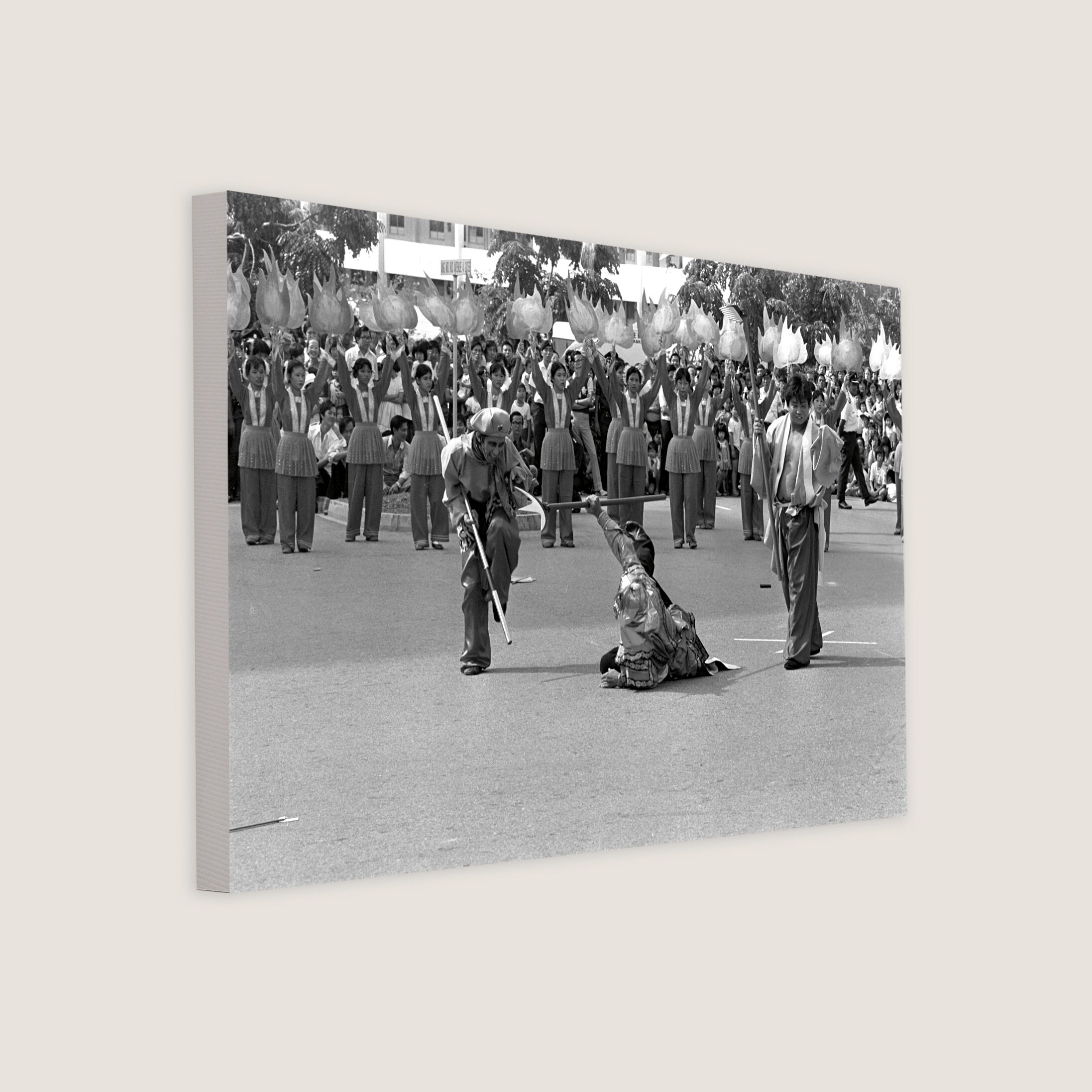
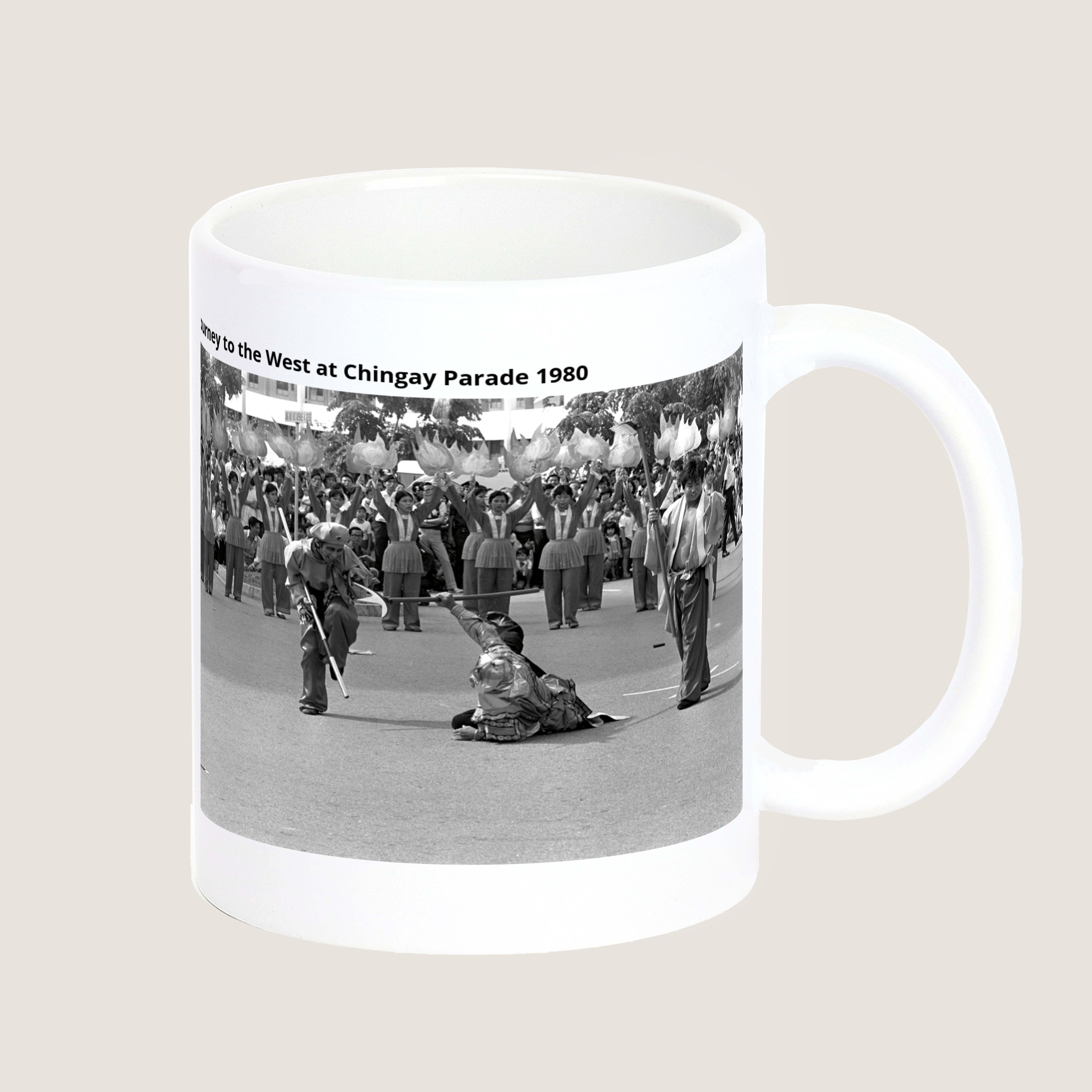
One of the performances at the Chingay procession was of the Chinese novel 'Journey to the West', held at Ang Mo Kio, 3 February 1980. Chingay is the showcase of our multi-cultural society and is usually held in the Lunar New Year season. In the 80s, Chingay was introduced to our housing estates.
©️ SPH Media Limited
Share to
Tags
Available for print on products
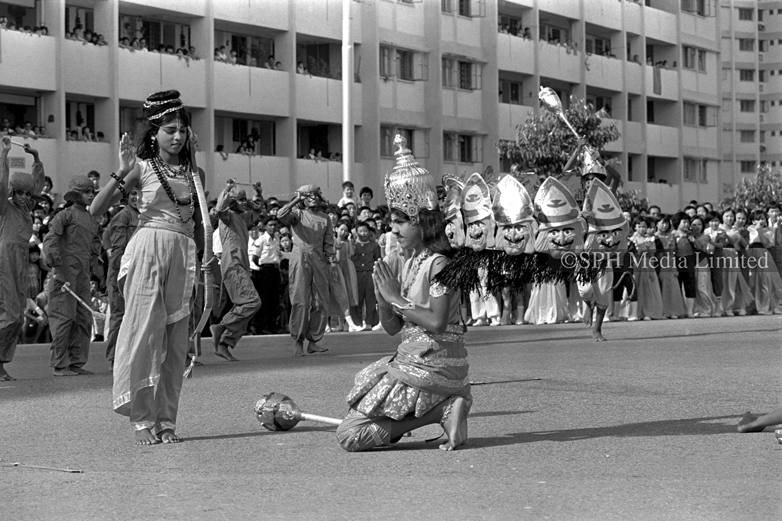 The Legend of Ramayana at Chingay Parade
1980
The Legend of Ramayana at Chingay Parade
1980
The Legend of Ramayana at Chingay Parade
Year 1980
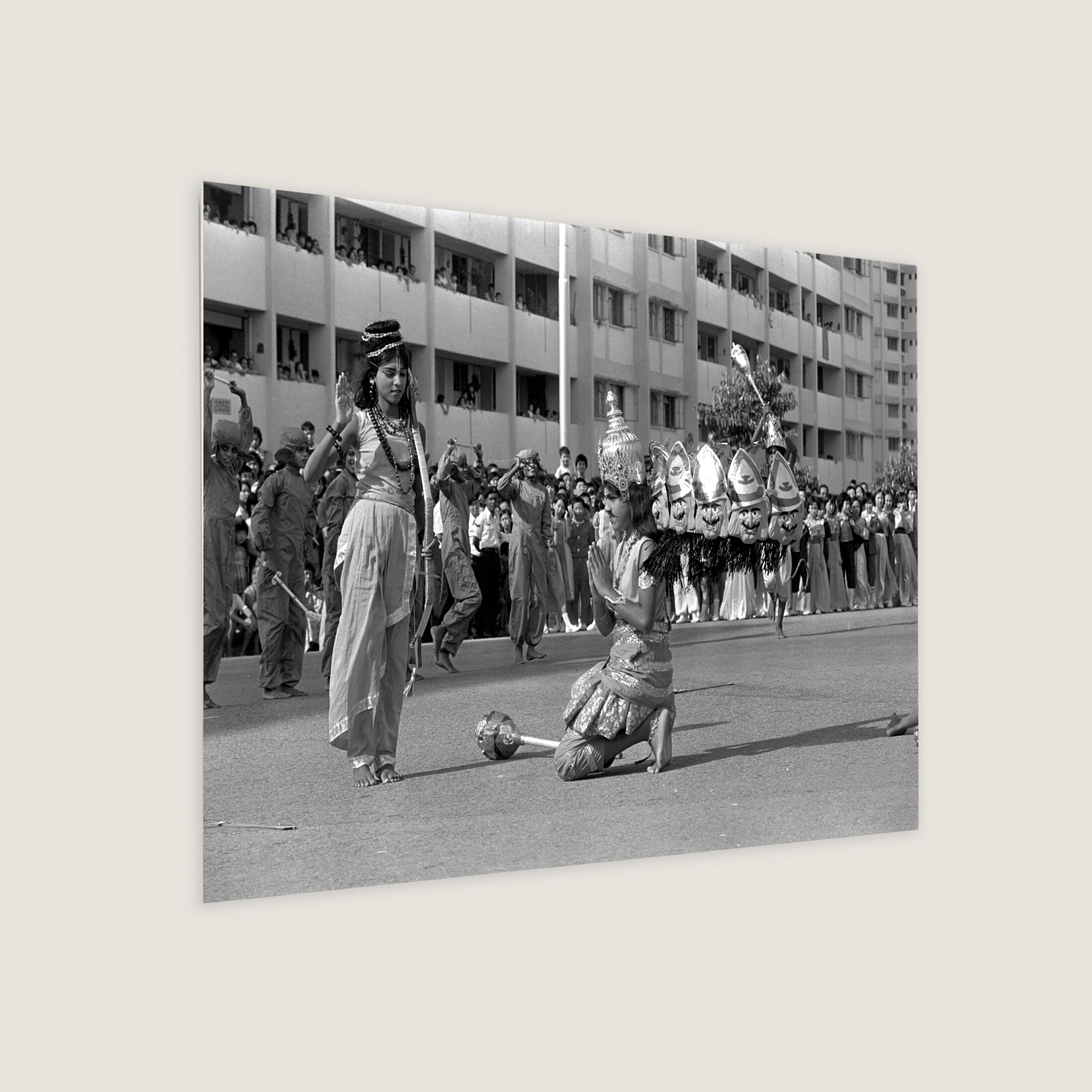
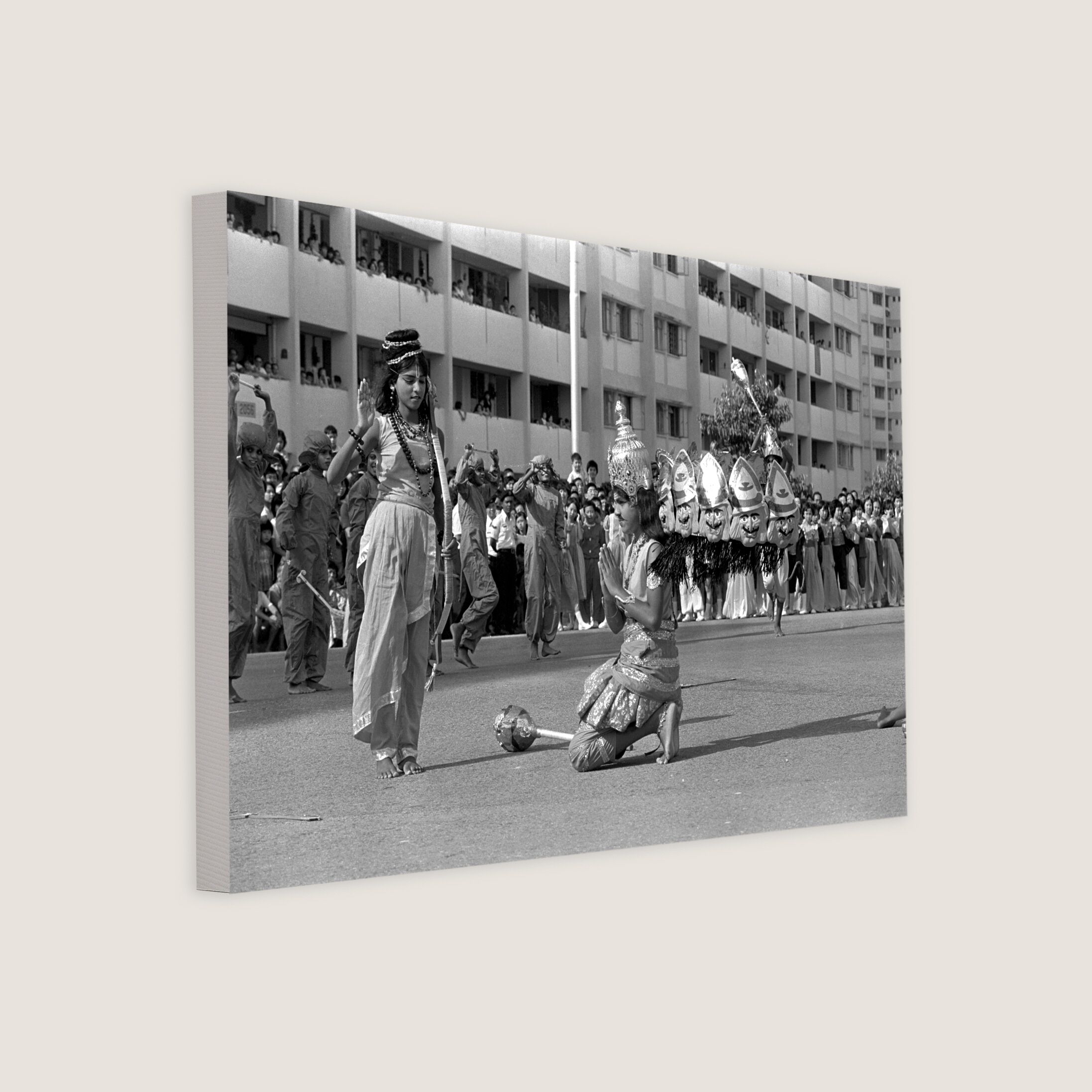
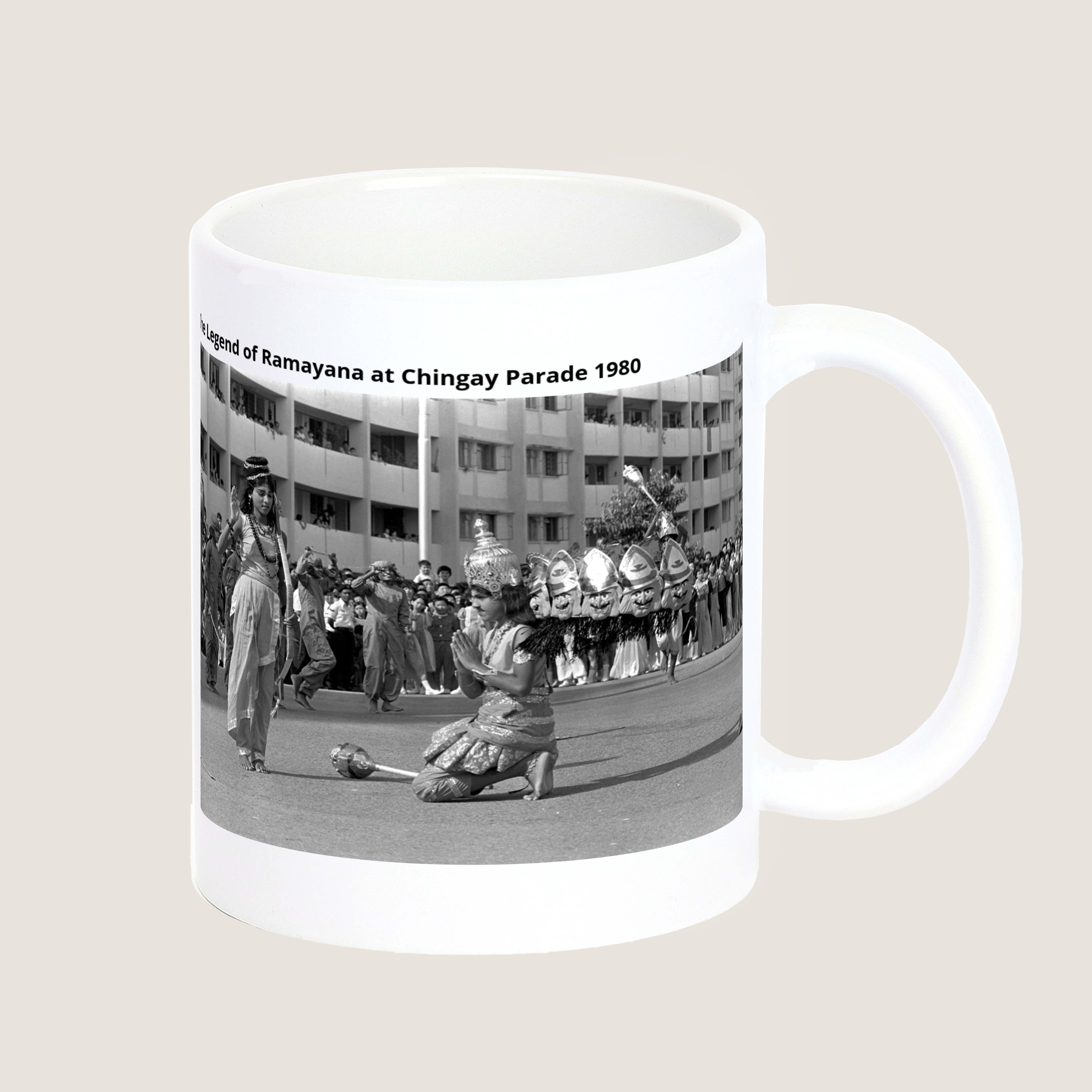
Ramayana by the Singapore Indian Fine Arts Society was one of the colourful items at the Chingay procession at Ang Mo Kio, 3 February 1980.
©️ SPH Media Limited
Share to
Tags
Available for print on products
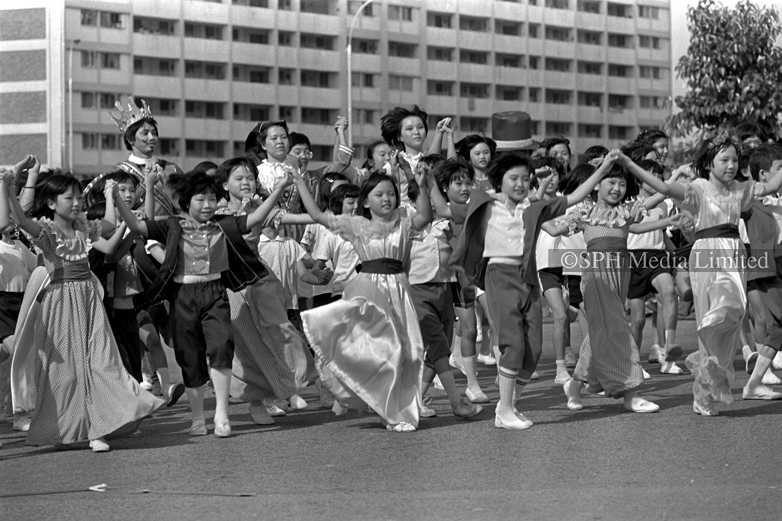 Children Performing at Chingay Parade
1980
Children Performing at Chingay Parade
1980
Children Performing at Chingay Parade
Year 1980
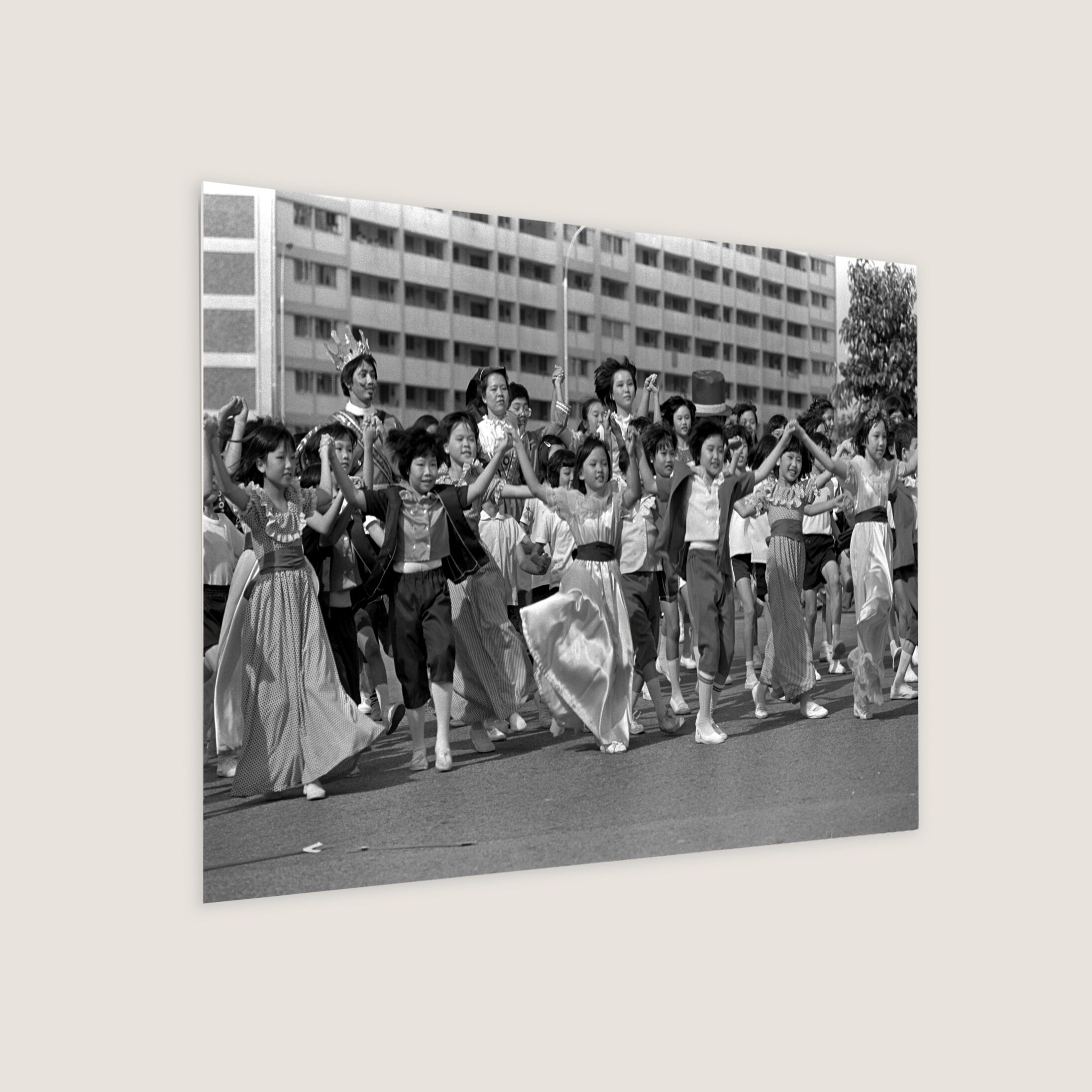
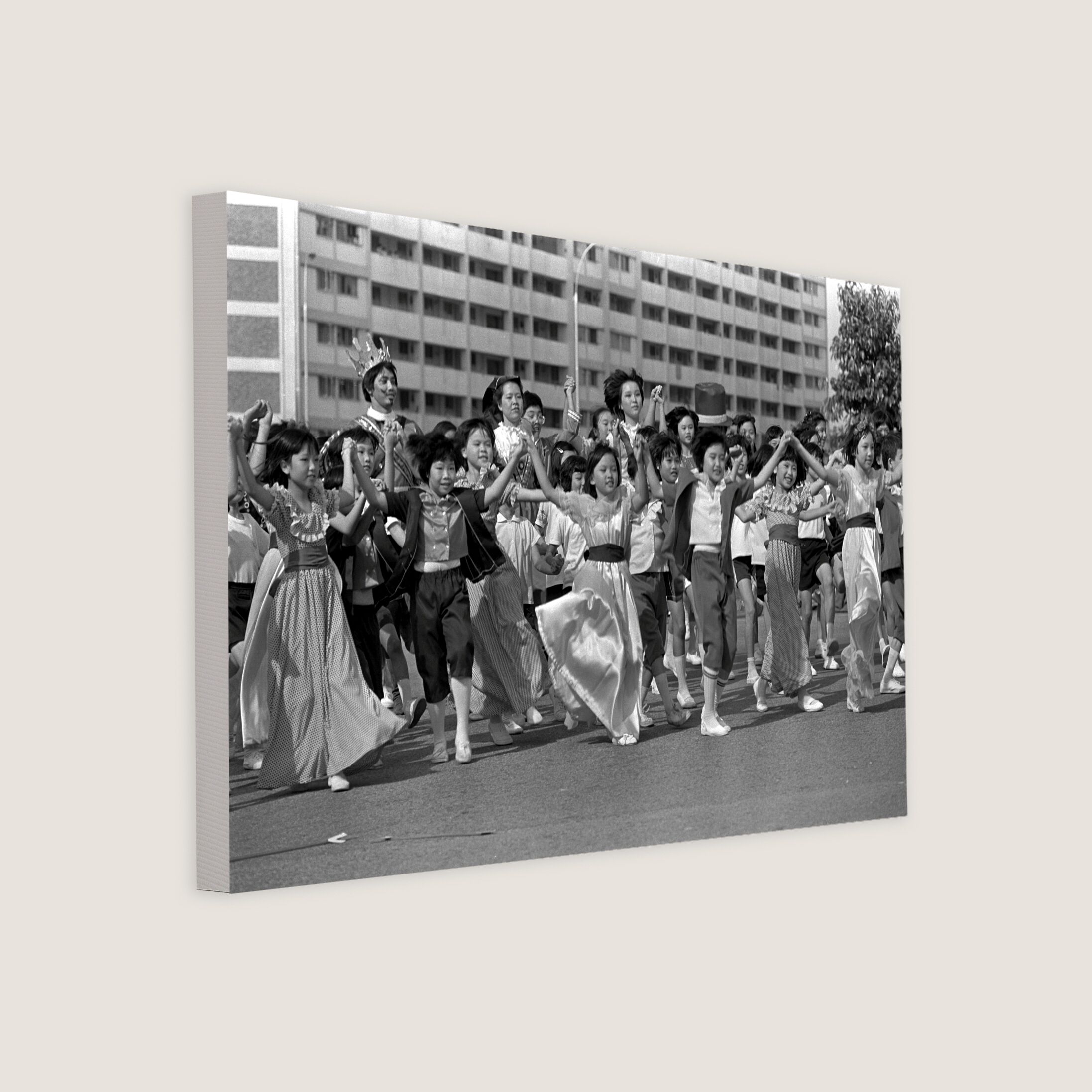
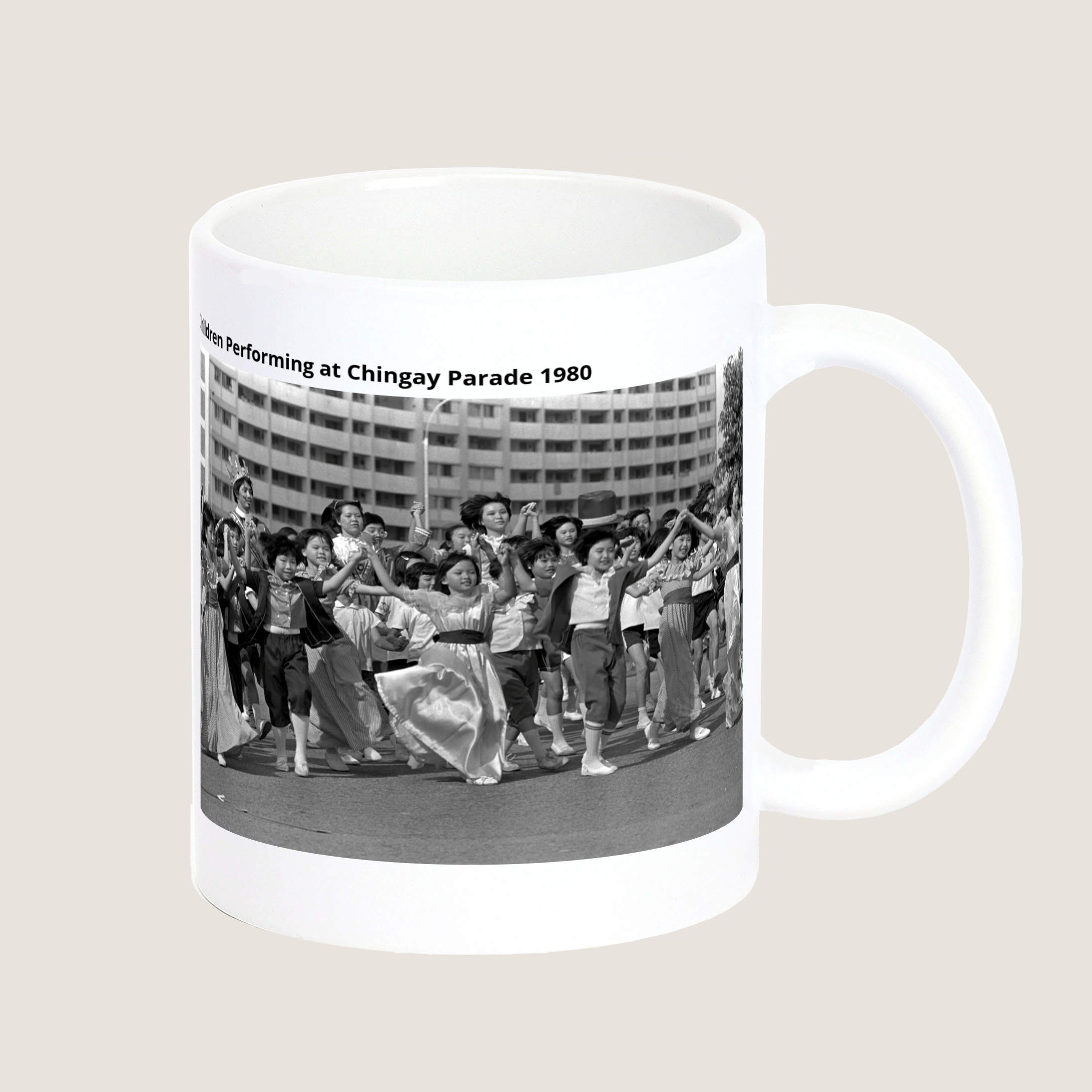
Chingay used to be performed in our heartland in the 80s, adding colours to the life of the housing estate dwellers. Children from the People's Association Children's Club performed at the Chingay procession rehearsal at Ang Mo Kio, 3 February 1980.
©️ SPH Media Limited
Share to
Tags
Available for print on products
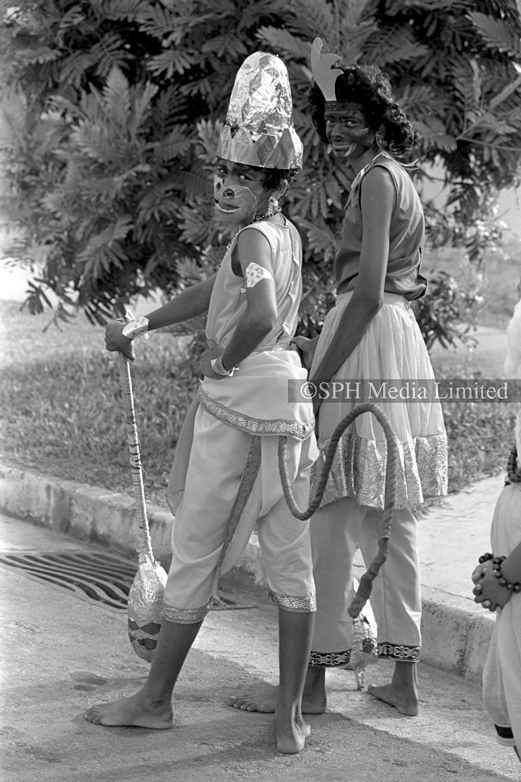 Hanuman the White Monkey at Chingay Parade
1980
Hanuman the White Monkey at Chingay Parade
1980
Hanuman the White Monkey at Chingay Parade
Year 1980
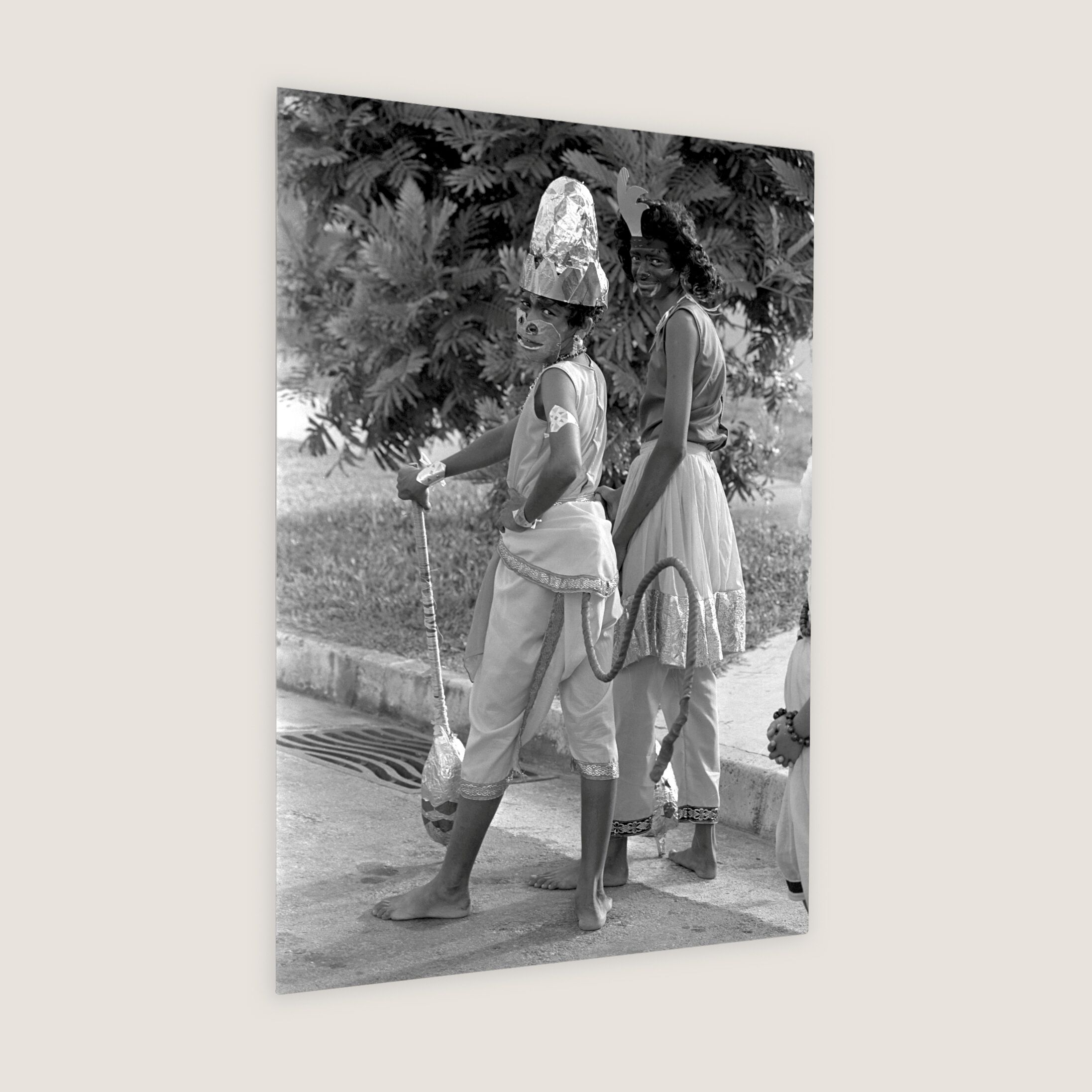
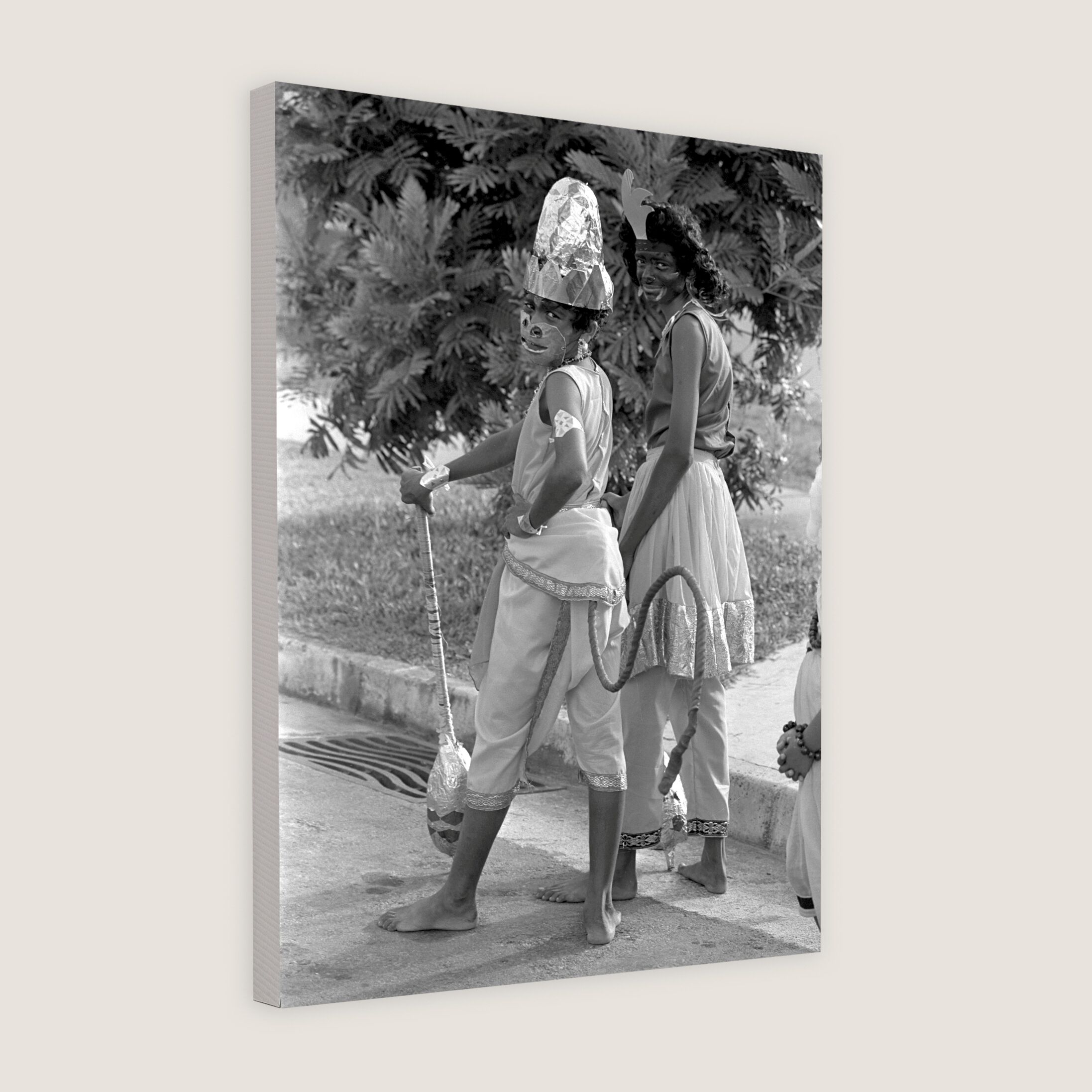
The Singapore Indian Fine Arts Society presented a story from the Ramayana, relating how Hanuman, the white monkey, helped his host Rama rescue his wife, Sita. This was one of the 33 items at the Chingay procession at Ang Mo Kio.
©️ SPH Media Limited
Share to
Tags
Available for print on products
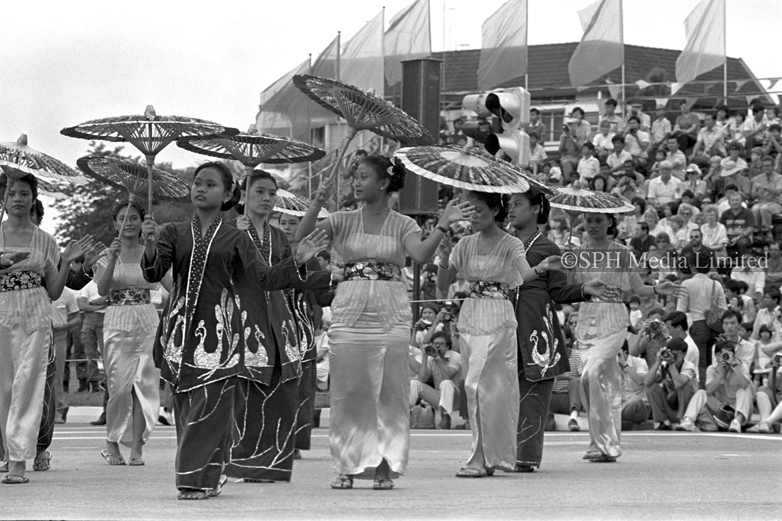 Malay Dance at Chingay Parade
1984
Malay Dance at Chingay Parade
1984
Malay Dance at Chingay Parade
Year 1984
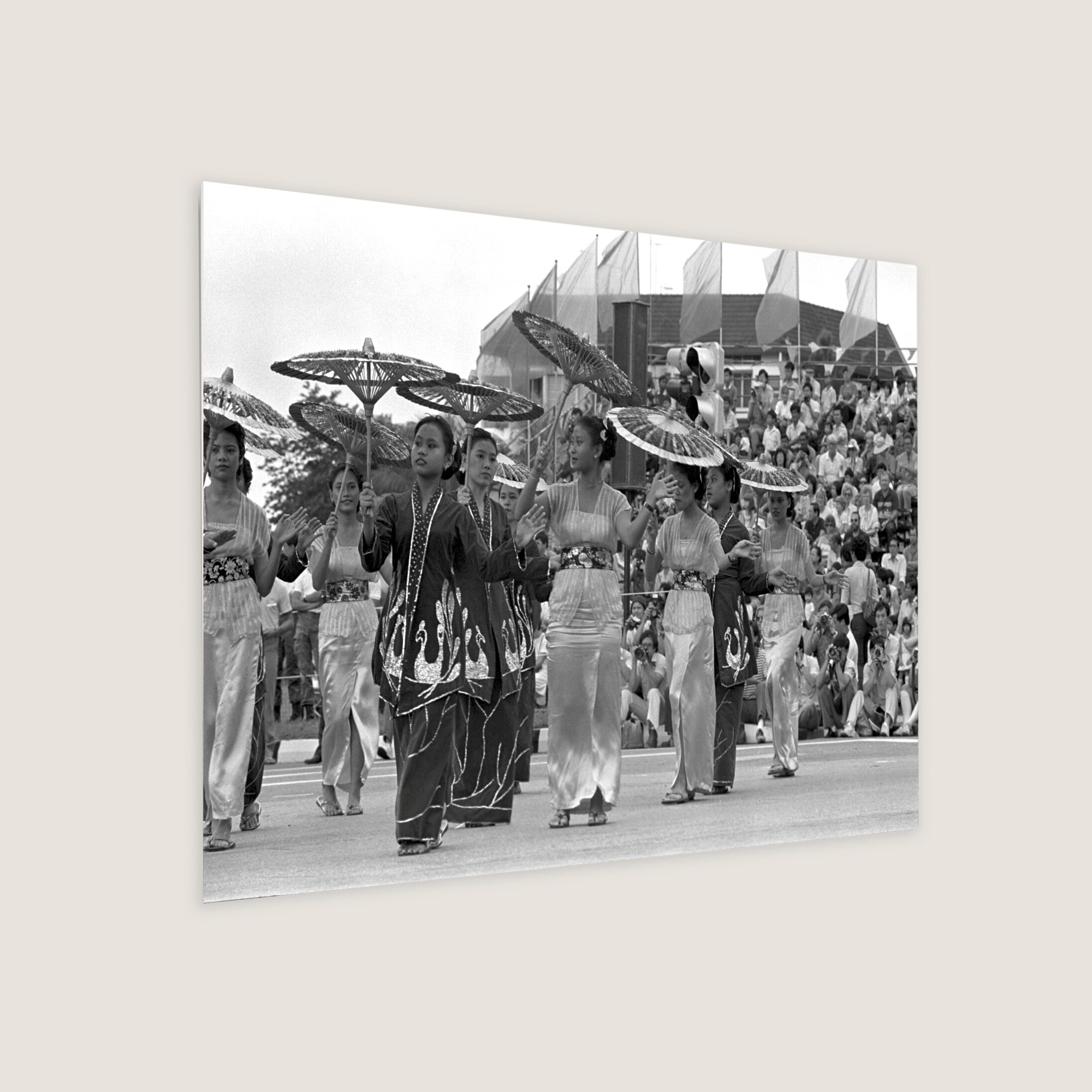
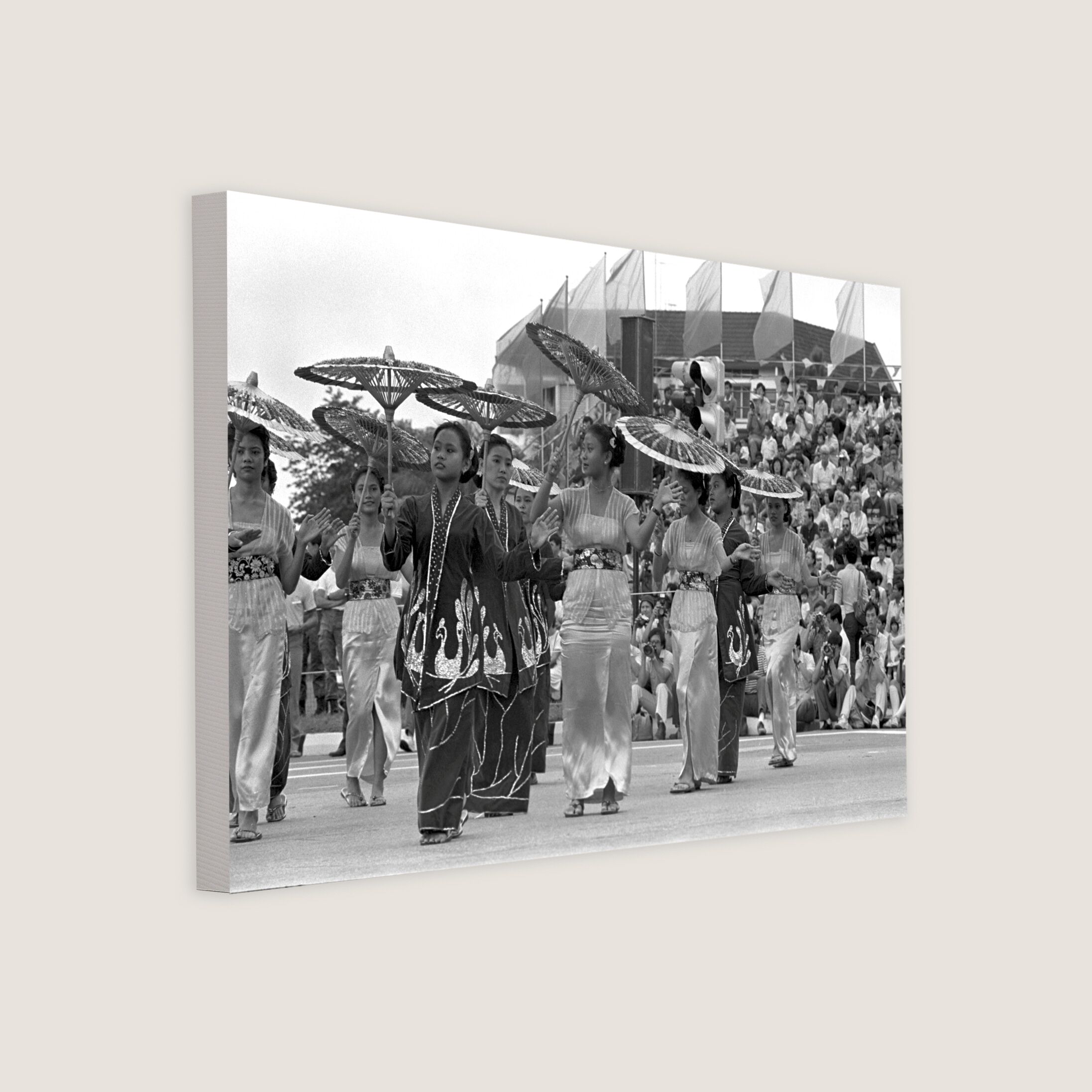
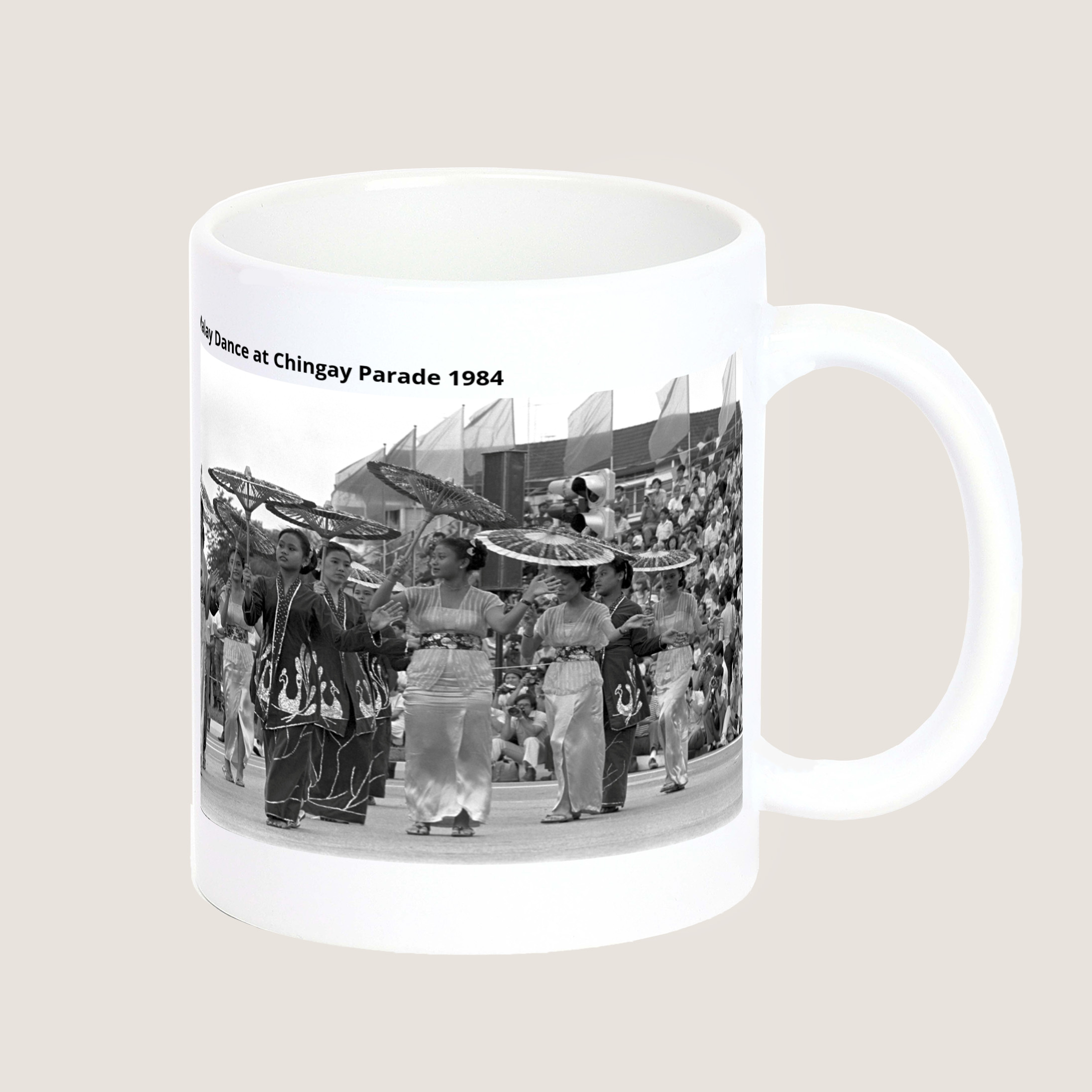
Chingay Parade highlights our multi-cultural society. Girls and young men in multi-hued costumes swayed and twirled their umbrellas, gleaming with tinsel. The Malay umbrella dance was part of the Chingay Parade 1984 at Ang Mo Kio.
©️ SPH Media Limited
Share to
Tags
Available for print on products
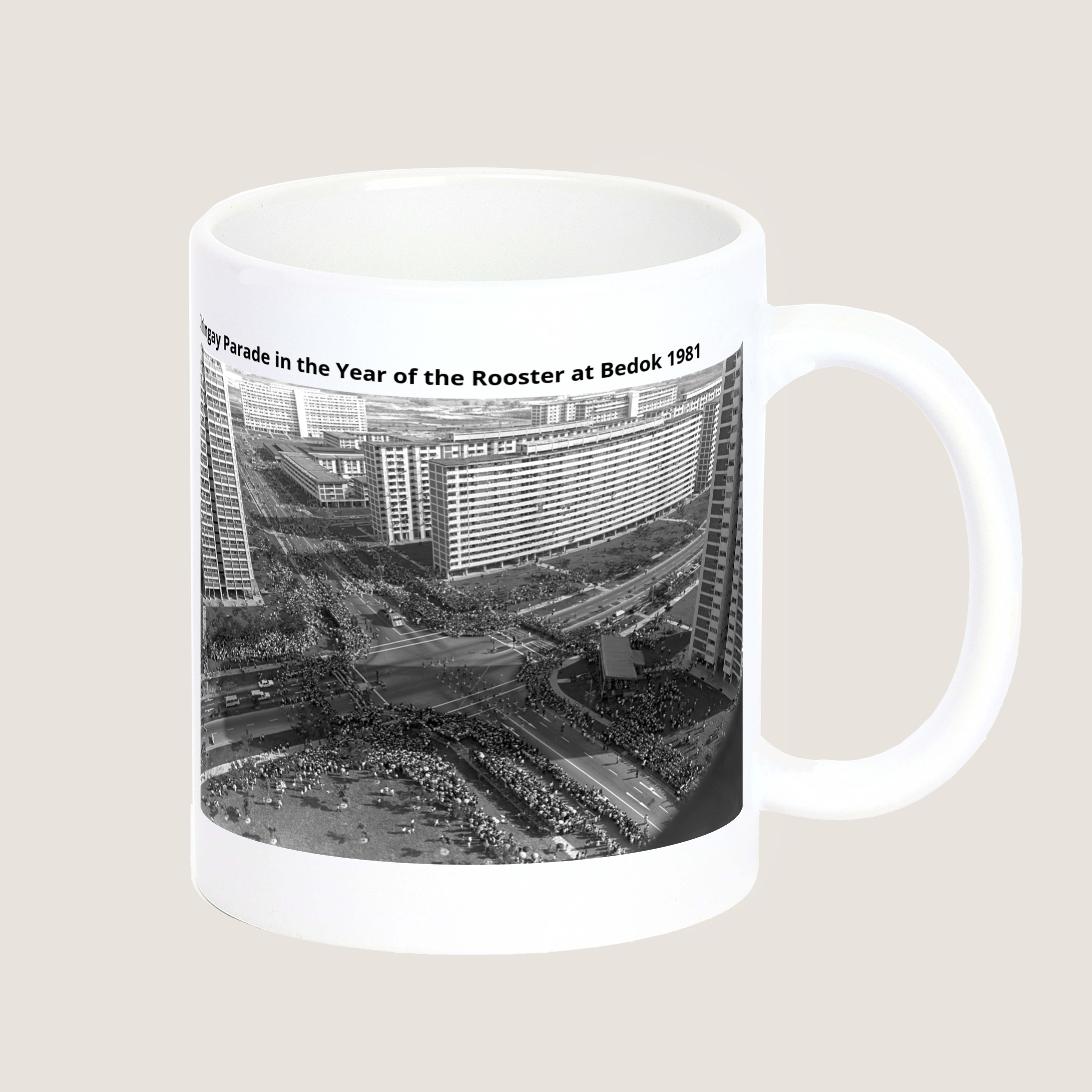
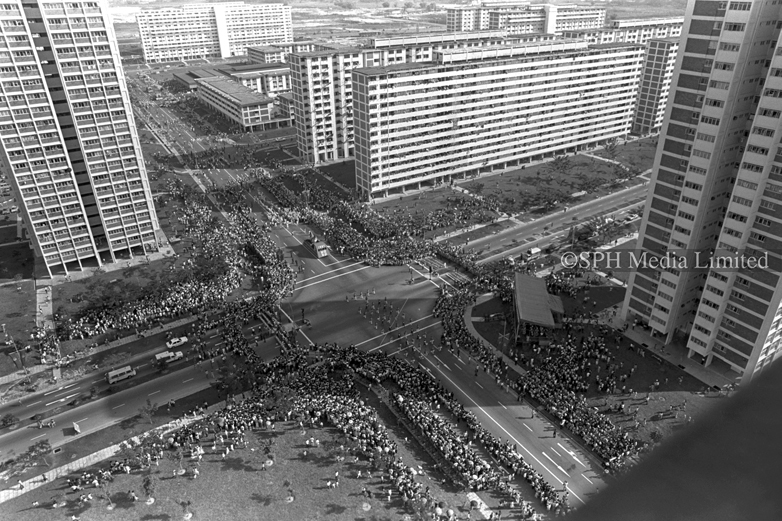 Chingay Parade in the Year of the Rooster at Bedok
1981
Chingay Parade in the Year of the Rooster at Bedok
1981
Chingay Parade in the Year of the Rooster at Bedok
Year 1981
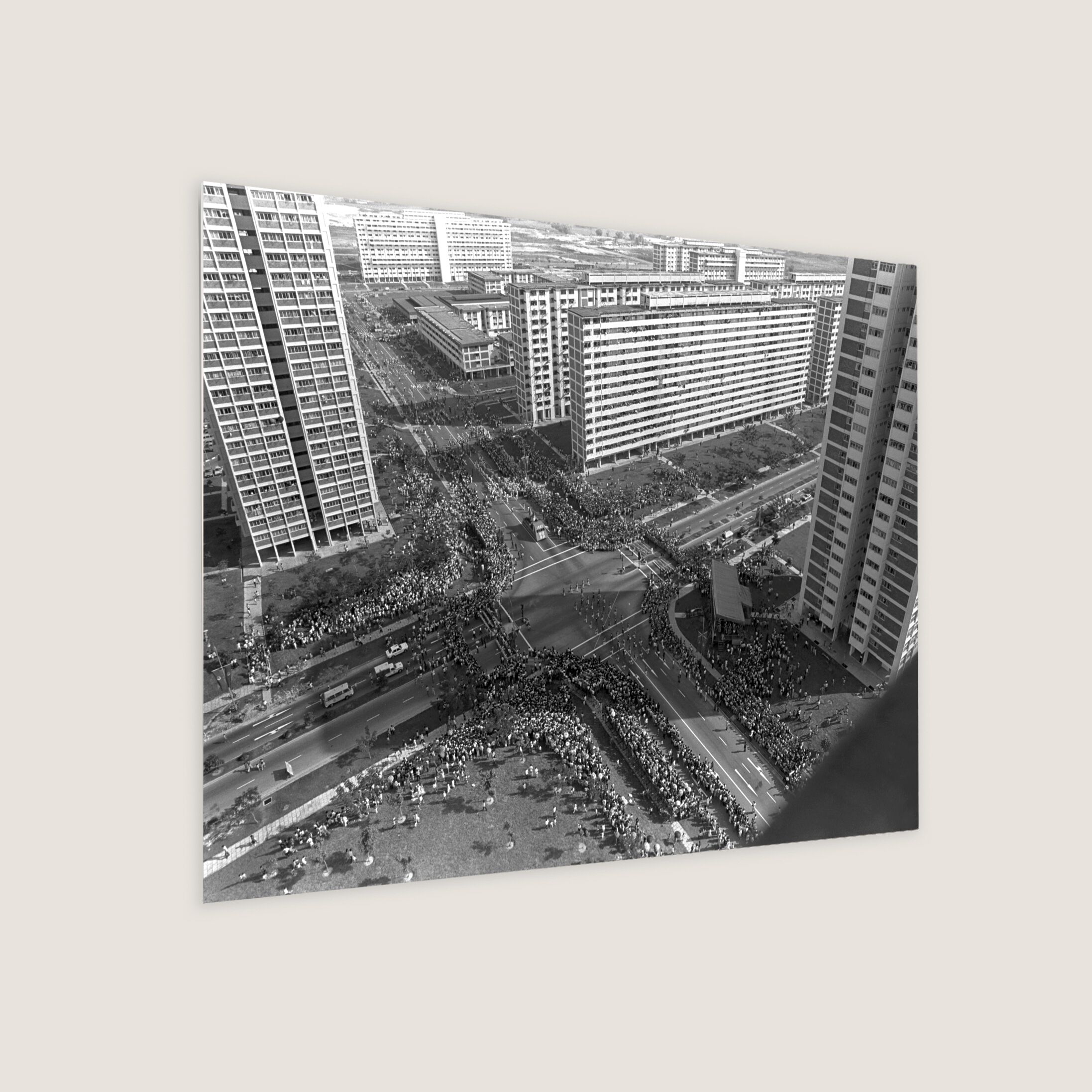
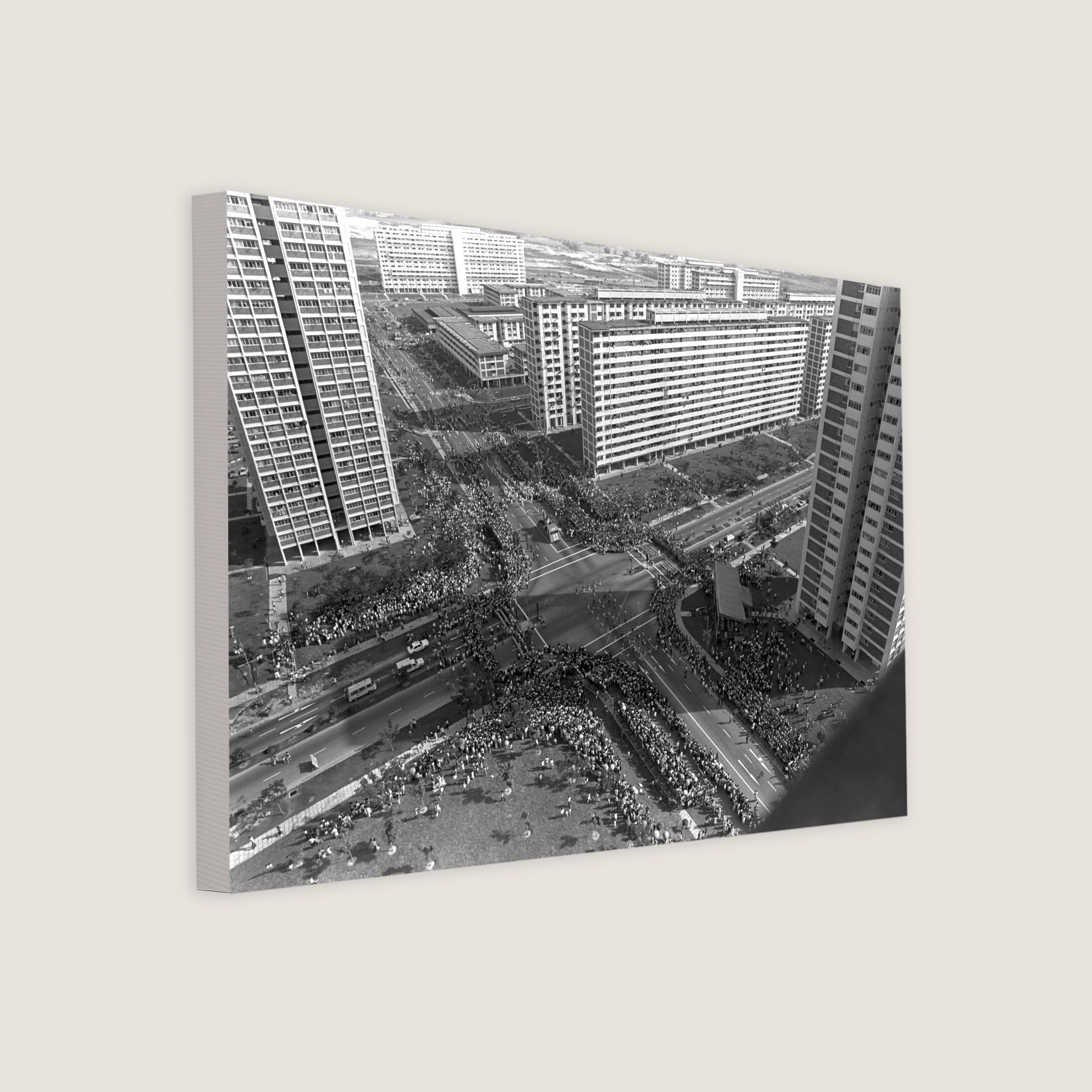
More than 35,000 people turned up for the Chingay procession in Bedok North. It was a feast of colours, lively entertainment, and a New Year's treat to remember in the Year of the Rooster.
©️ SPH Media Limited
Share to
Tags
Available for print on products
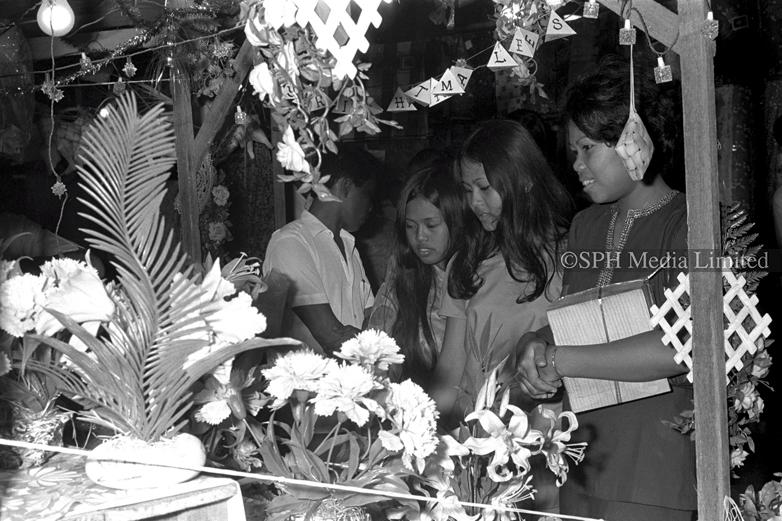 Hari Raya Flowers in Geylang Serai
1971
Hari Raya Flowers in Geylang Serai
1971
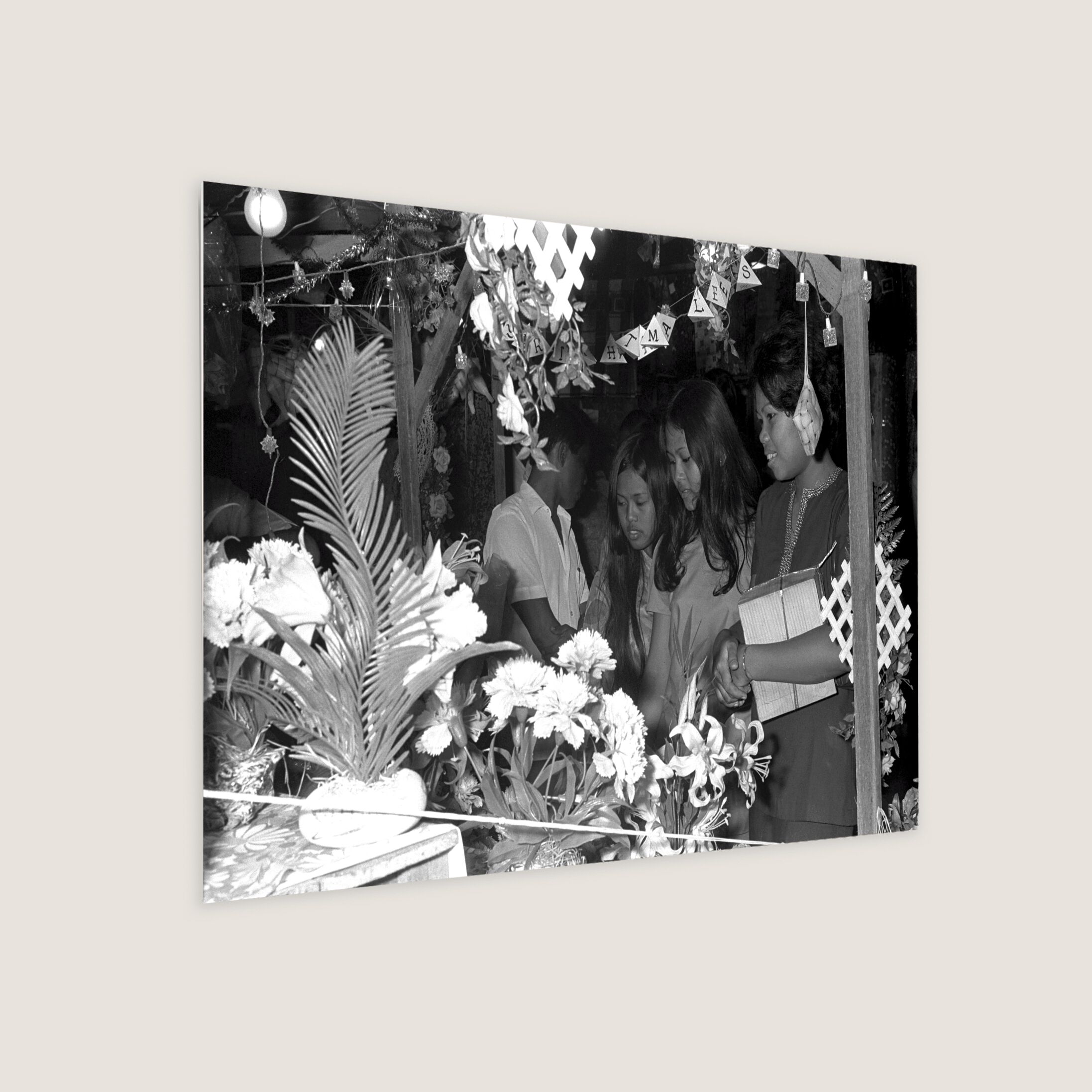
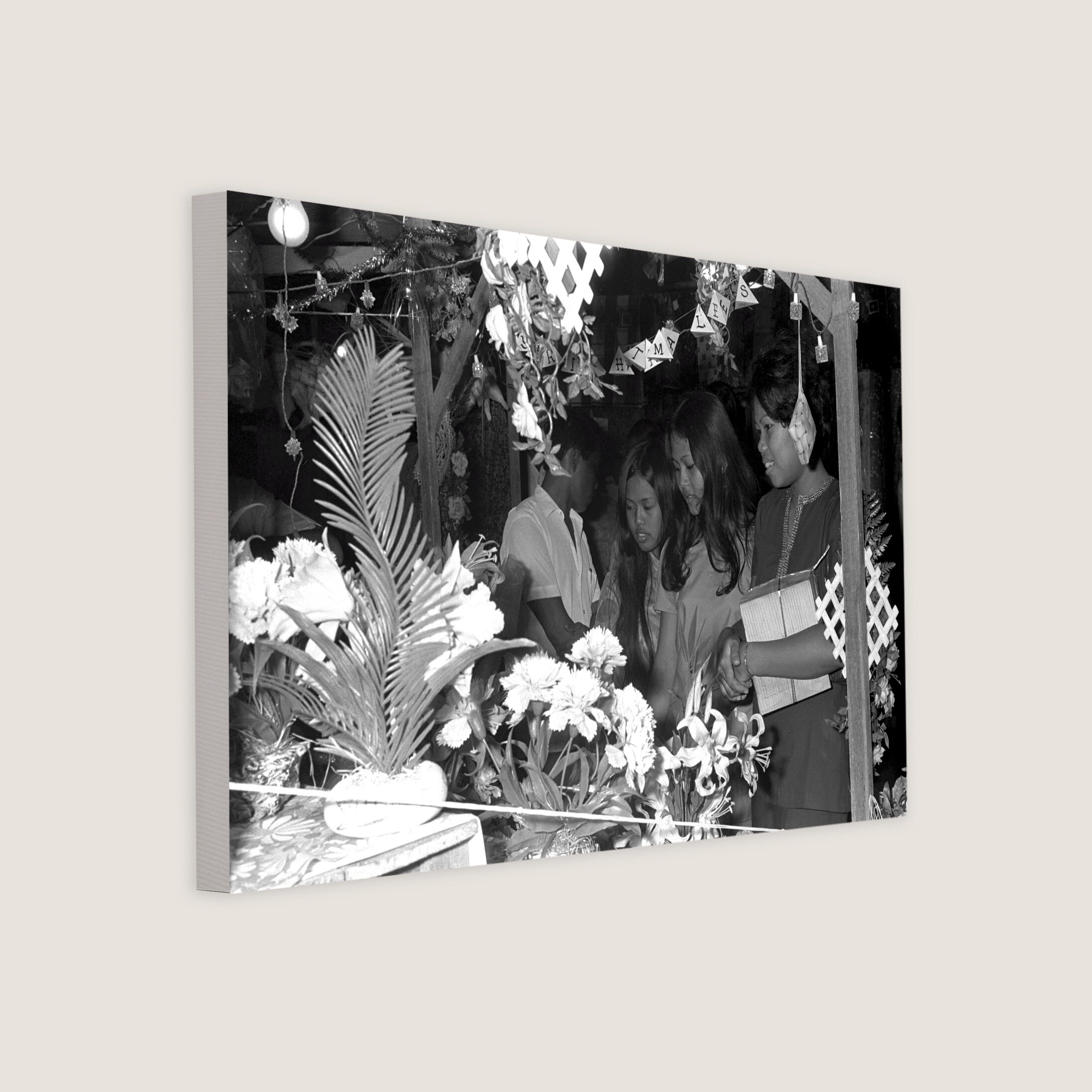
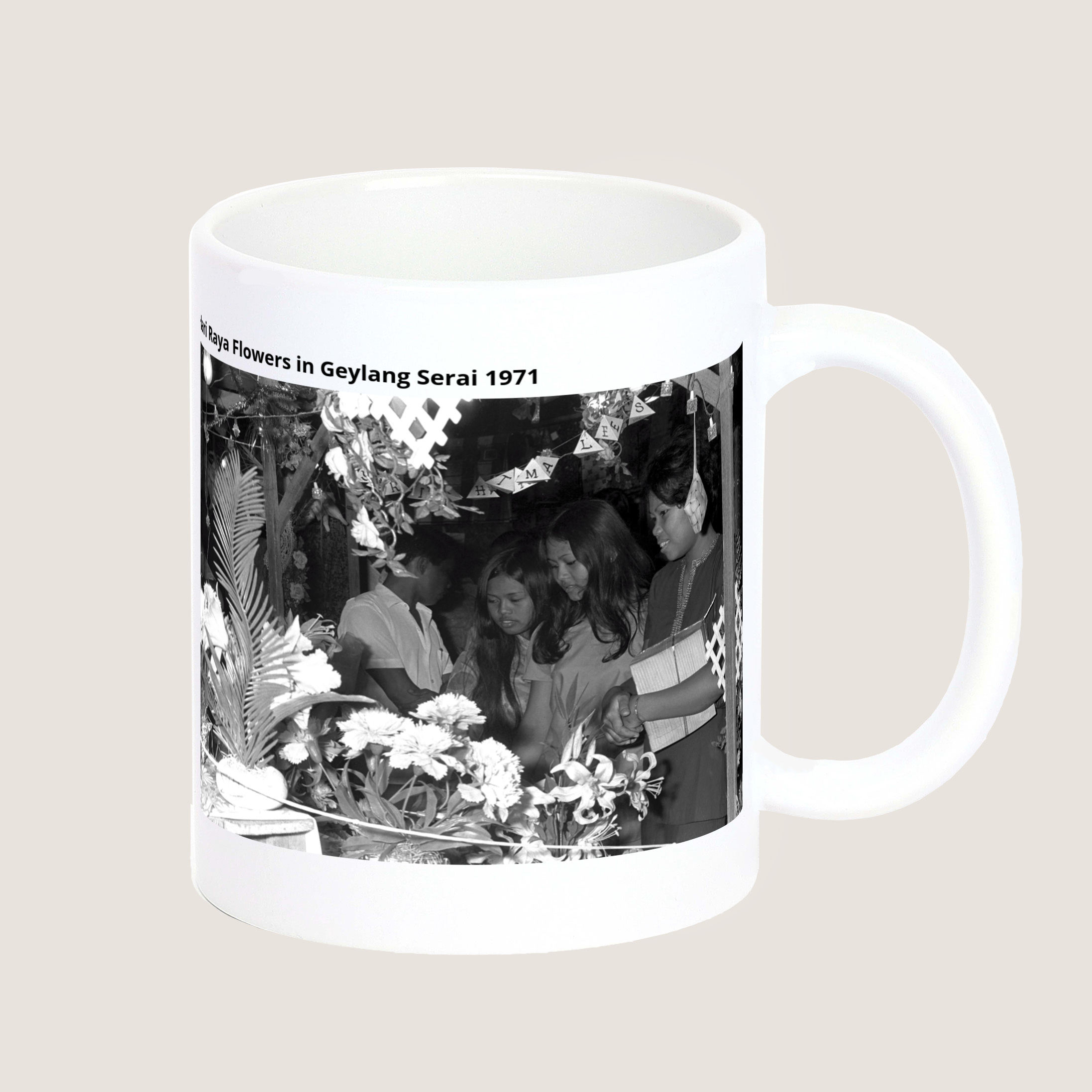
Hari Raya Flowers in Geylang Serai
Year 1971
Three girls buying flowers for Hari Raya Puasa in Geylang Serai. "Serai" means “lemongrass” in Malay. Some suggest that the name Geylang is a corruption of the Malay kilang, which means “press”, “mill” or “factory”.
©️ SPH Media Limited
Share to
Tags
Available for print on products
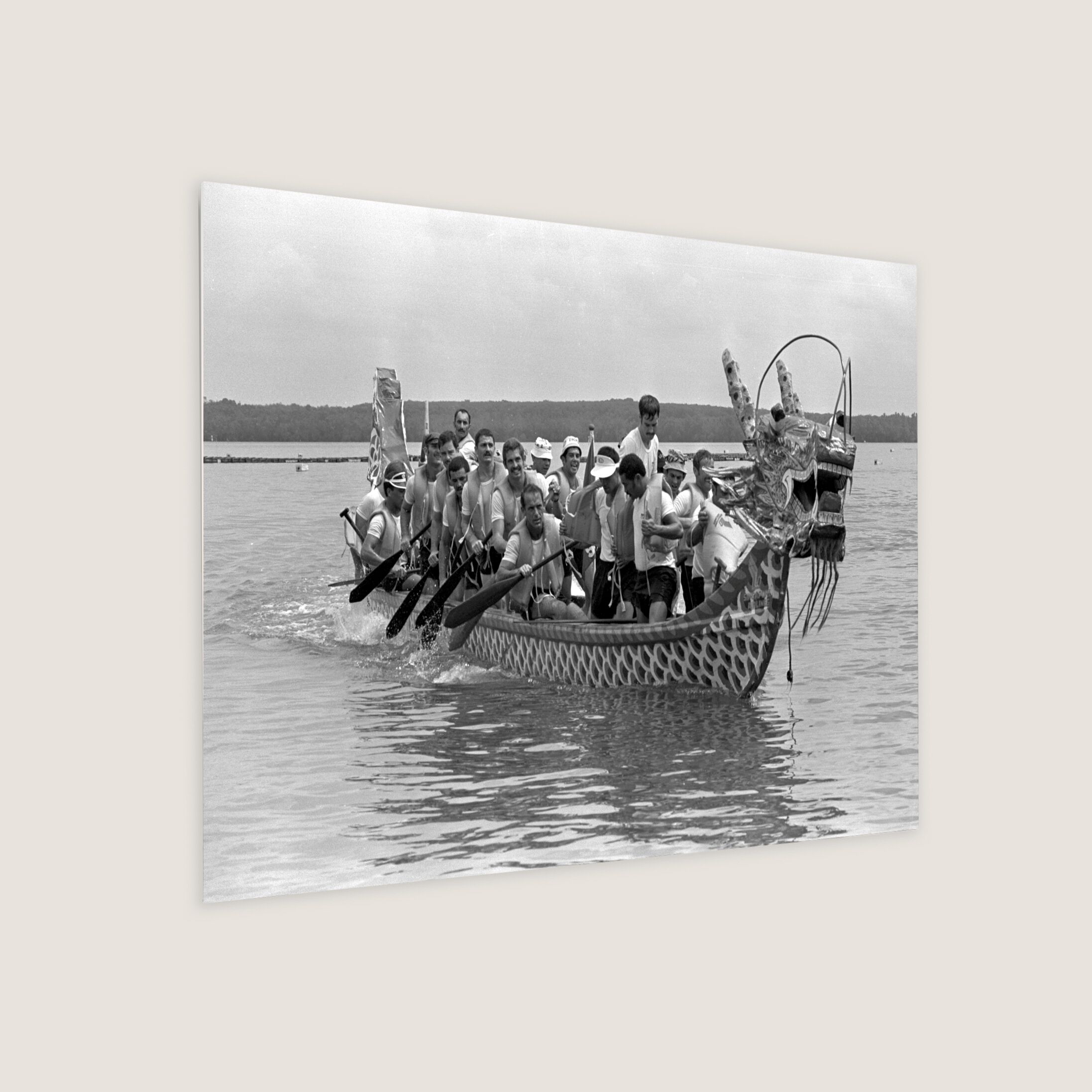
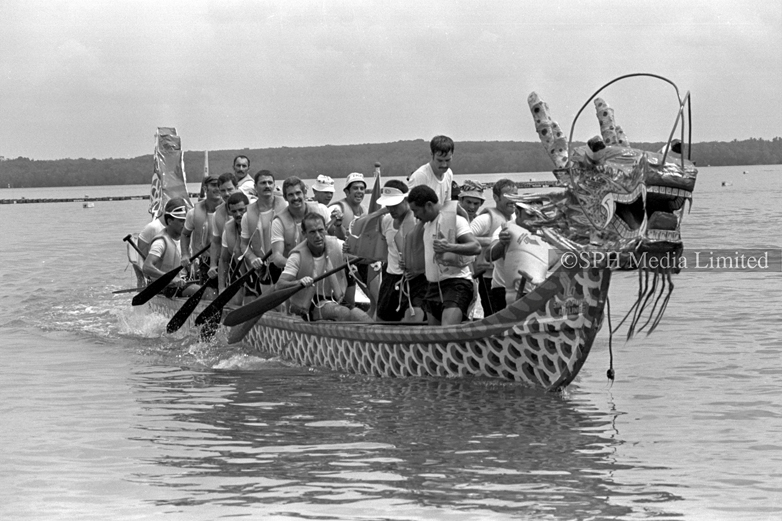 Dragon Boat Marathon Race at Kranji Reservoir Park
1980
Dragon Boat Marathon Race at Kranji Reservoir Park
1980
Dragon Boat Marathon Race at Kranji Reservoir Park
Year 1980
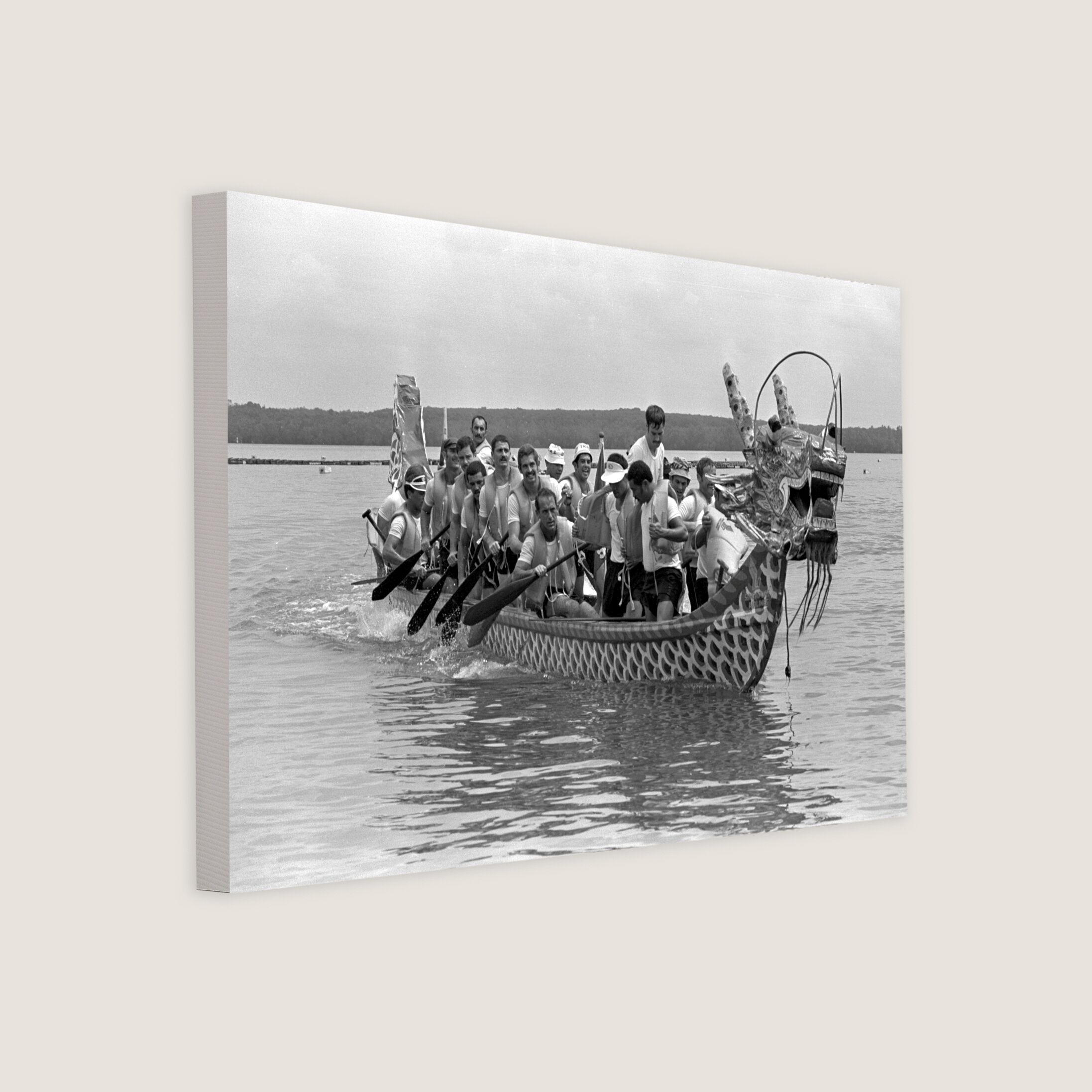
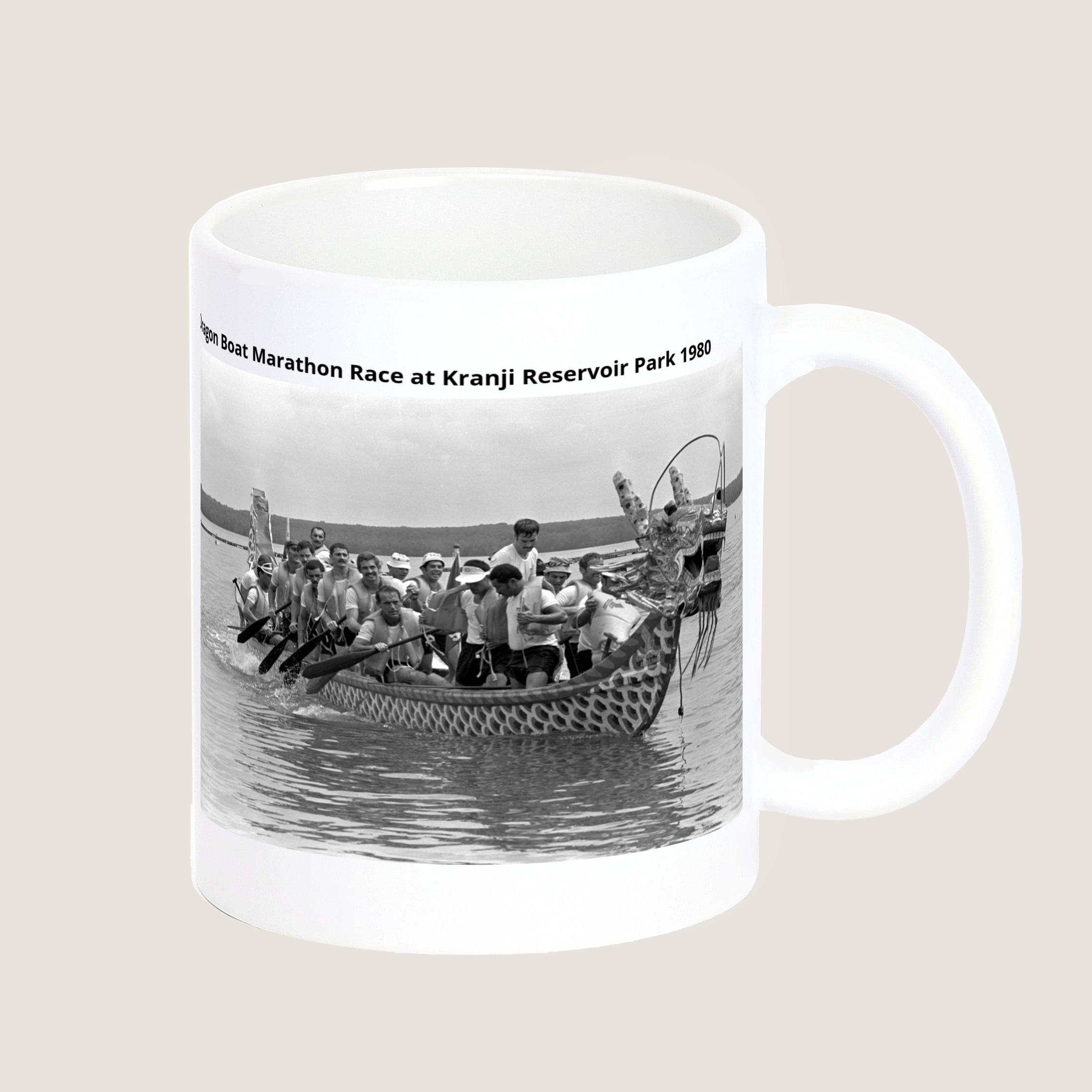
Six dragon boats began a marathon 176-km race around Singapore. Chairman of the Singapore Sports Council, organisers of the event, flagged off the relay competition at Kranji Reservoir Park. The race ended at the eastern side of the Causeway.
©️ SPH Media Limited
Share to
Tags
Available for print on products
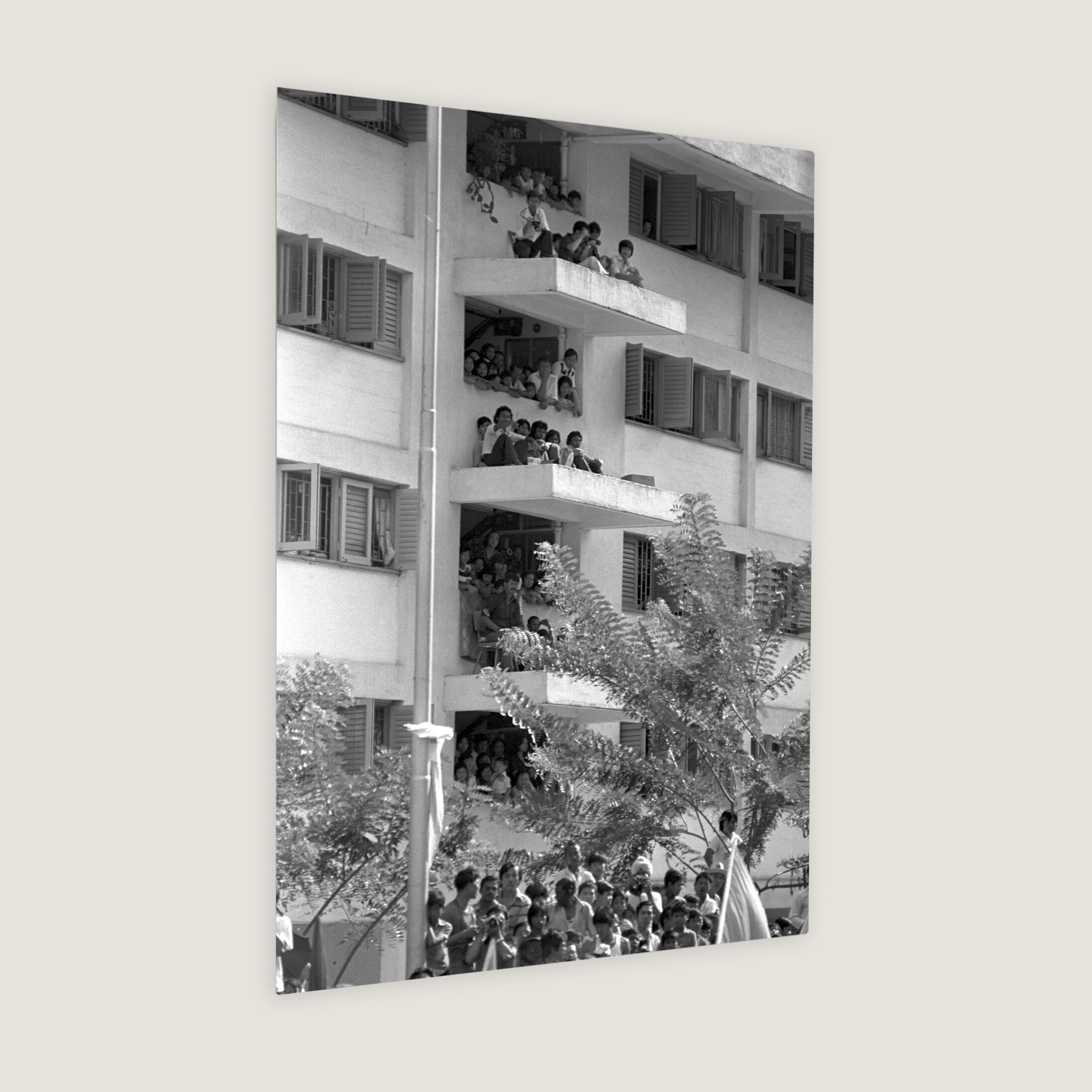
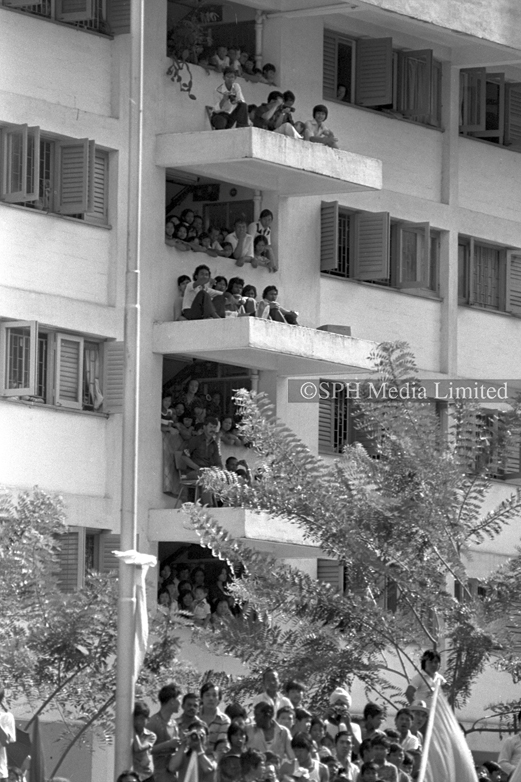 Audience Watching Chingay Parade
1978
Audience Watching Chingay Parade
1978
Audience Watching Chingay Parade
Year 1978
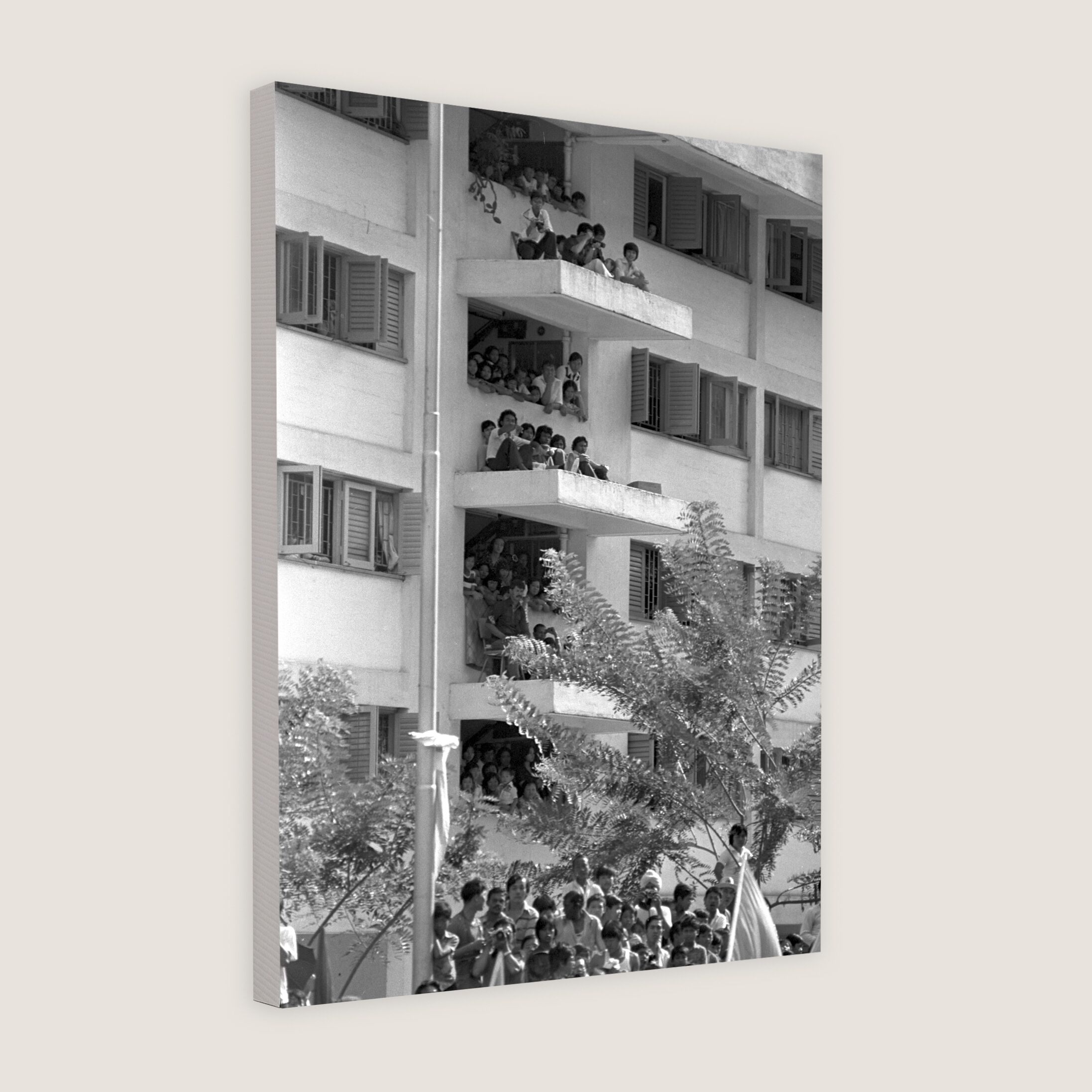
People sitting on ledges of their HDB flat watching the Chingay Parade. In 1972, a bill was passed banning firecrackers. The absence of firecrackers to celebrate the Lunar New Year reduced public enthusiasm for the occasion. As an alternative, a Chingay Parade was initiated.
©️ SPH Media Limited
Share to
Tags
Available for print on products
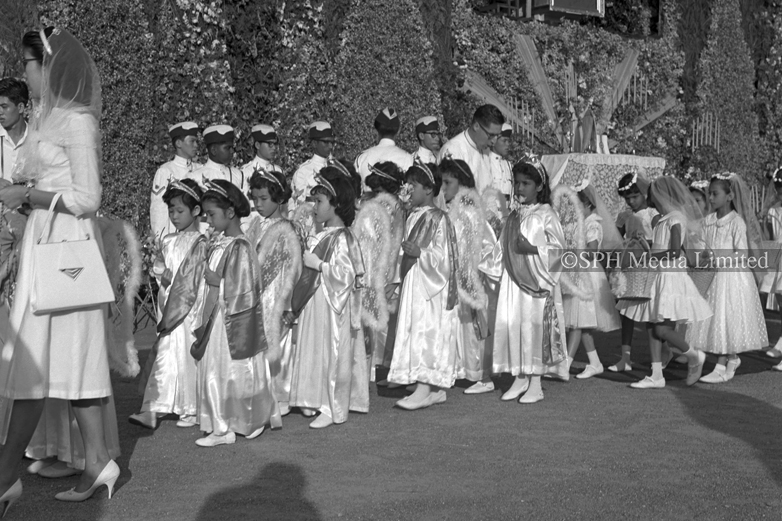 Novena Church Procession
1962
Novena Church Procession
1962
Novena Church Procession
Year 1962
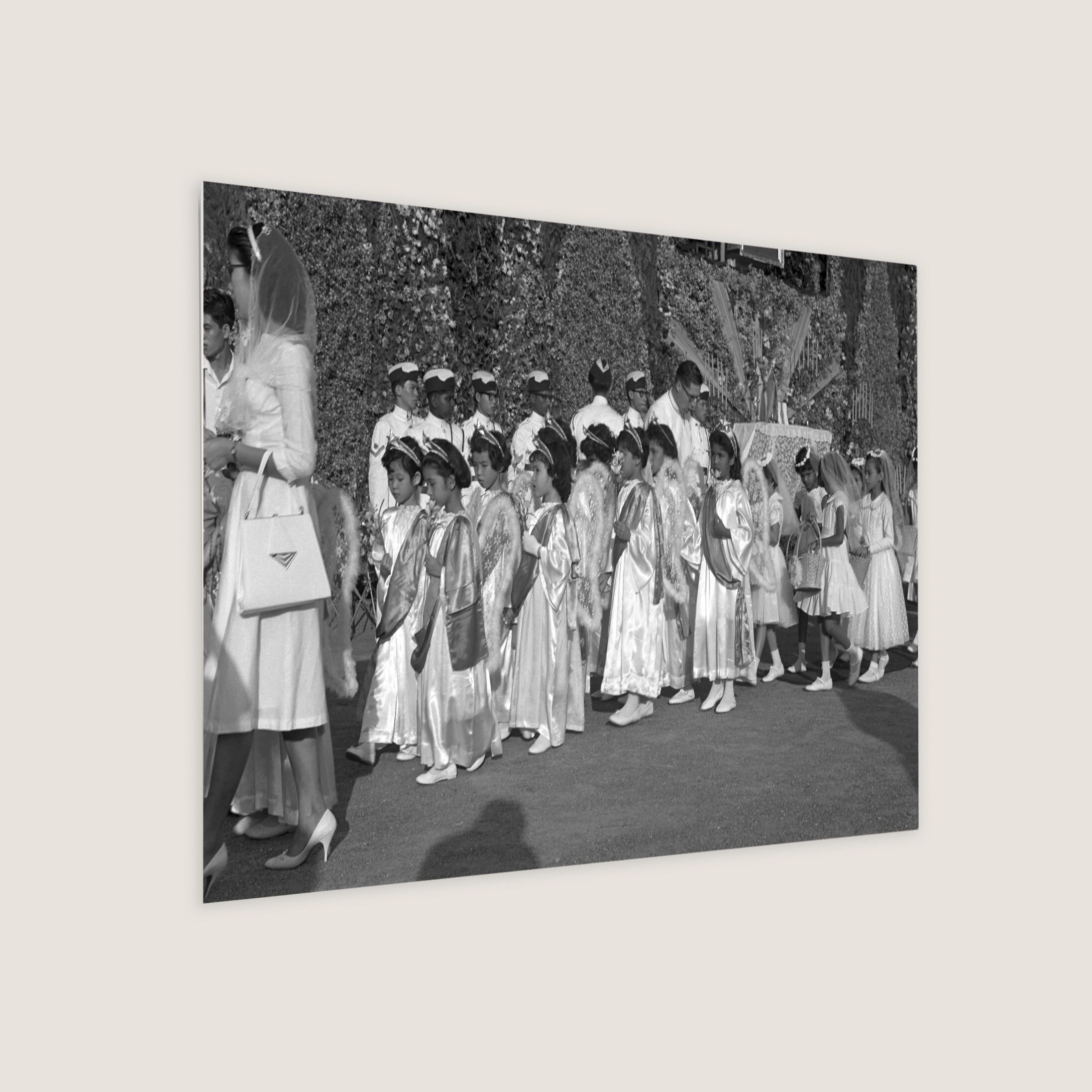
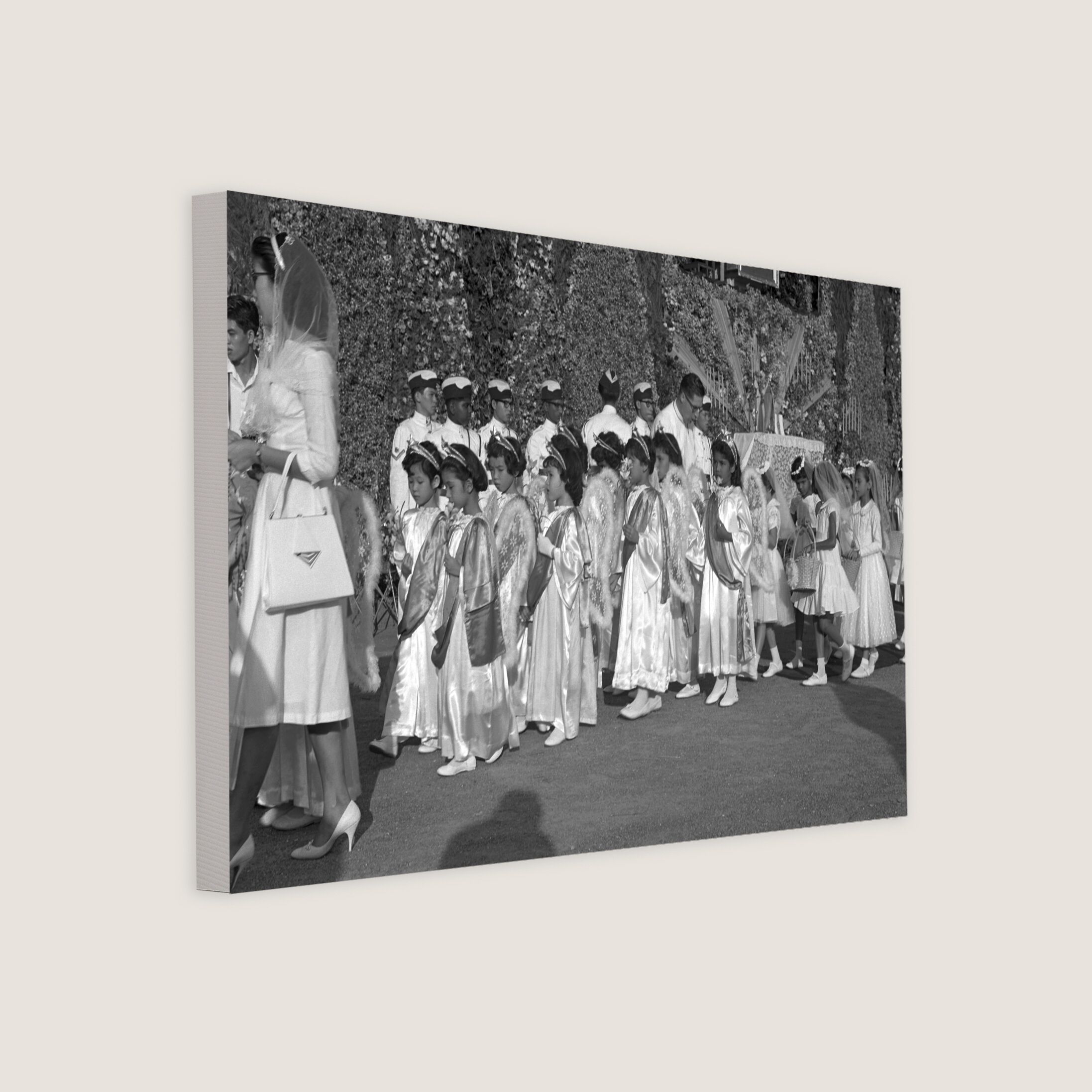
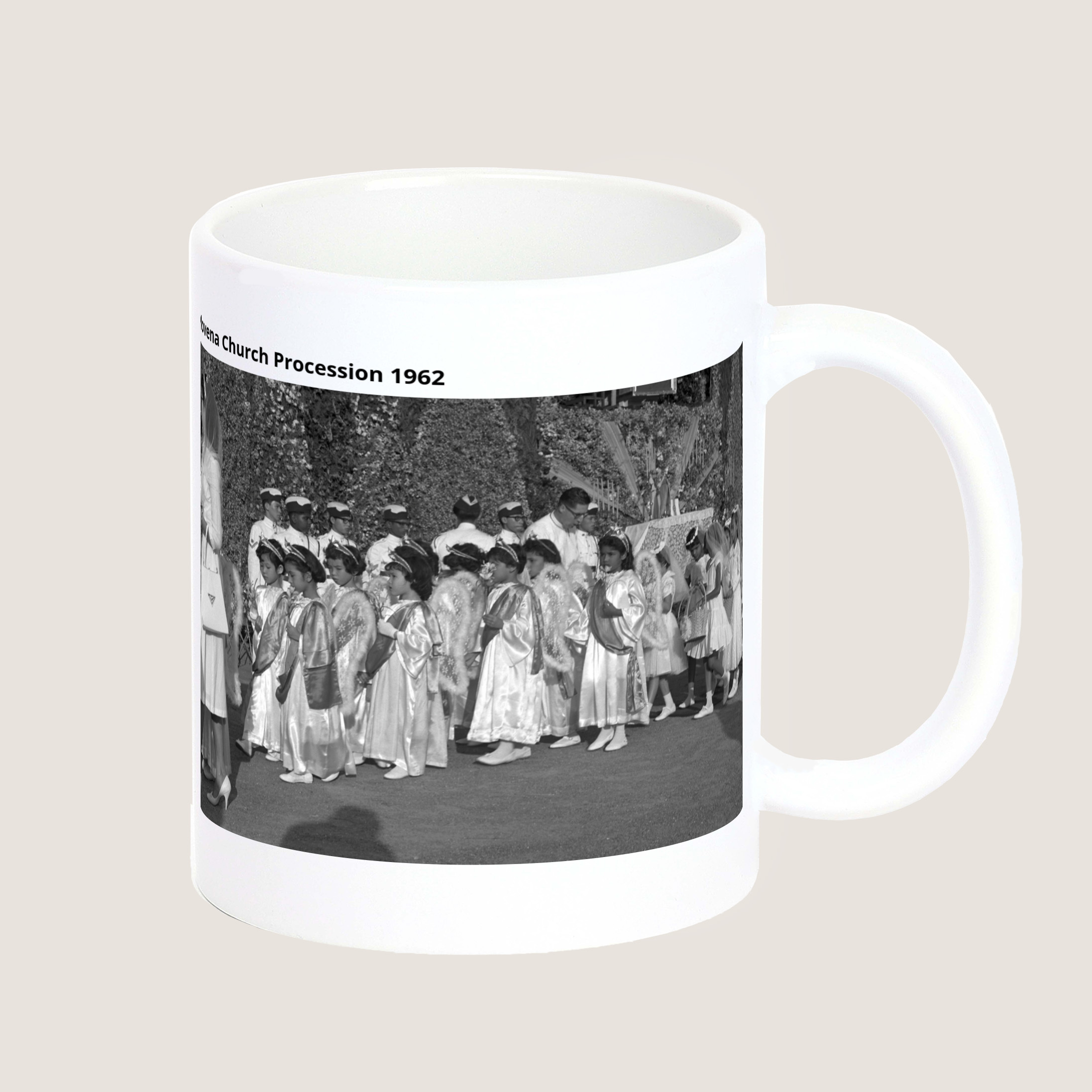
Annual Novena Church Procession in Honour Our Mother of Perpetual Help at Thomson Road.
©️ SPH Media Limited
Share to
Tags
Available for print on products
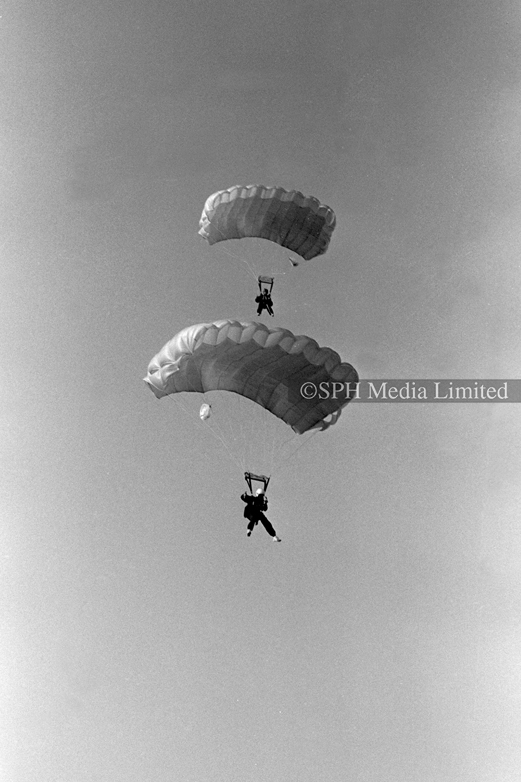 First Women Free Fall at Sembawang Air Base
1983
First Women Free Fall at Sembawang Air Base
1983
First Women Free Fall at Sembawang Air Base
Year 1983
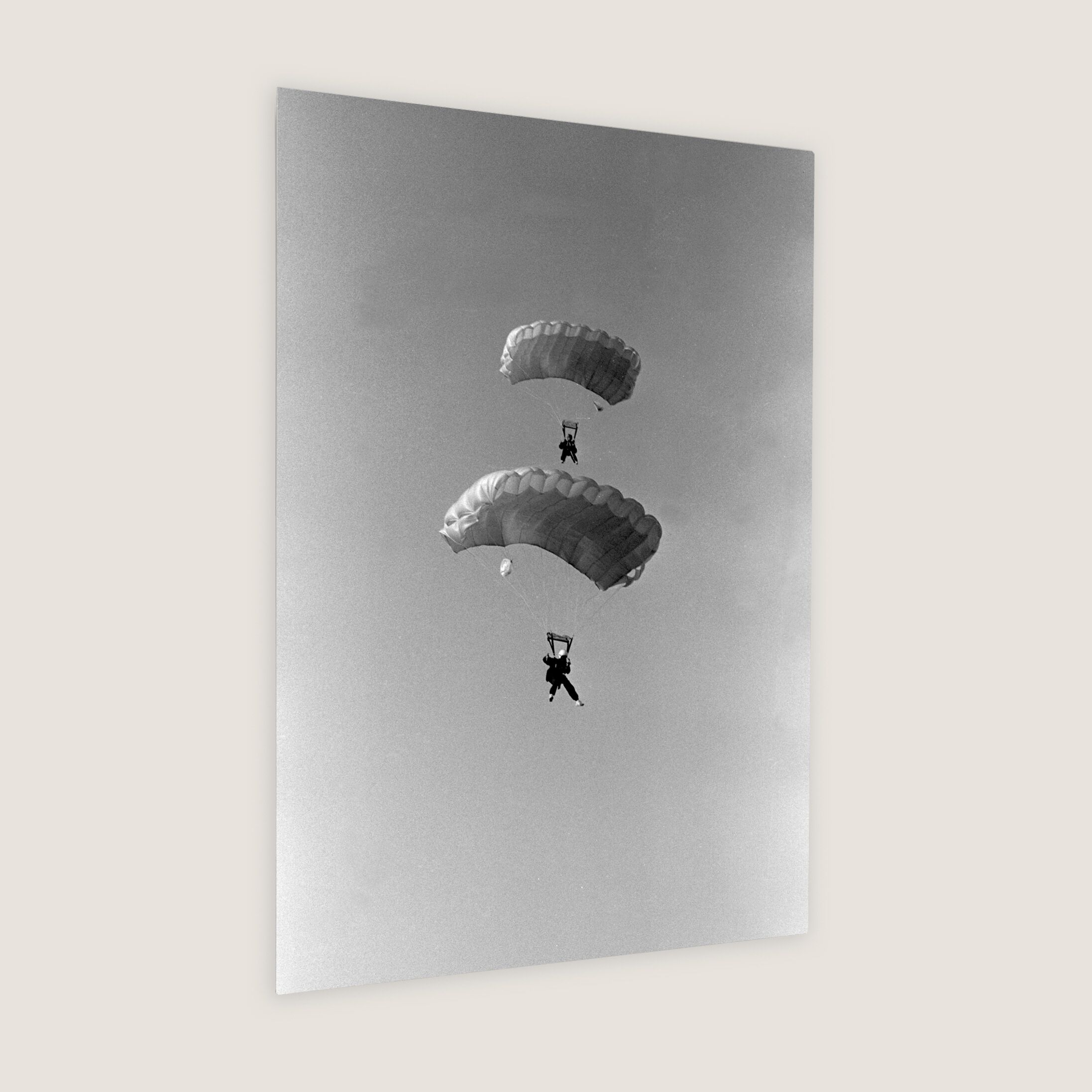
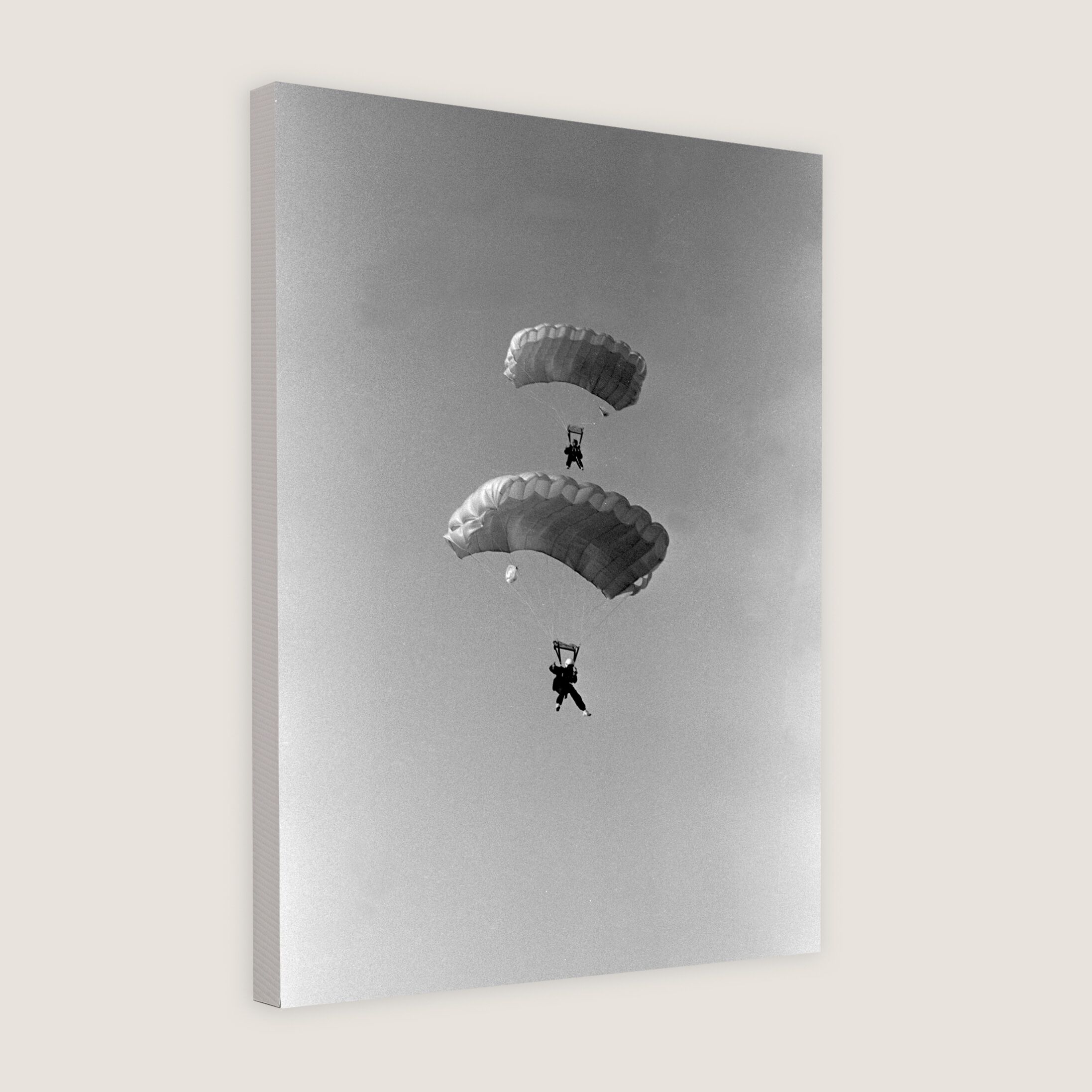
The standard height a parachute rigger with the SAF jumps out of an aircraft at 300 metres. Two brave women riggers chose to fall from greater heights of 2,700 metres, becoming the first women to take part in the free fall parachute item for the SAF Display.
©️ SPH Media Limited
Share to
Tags
Available for print on products
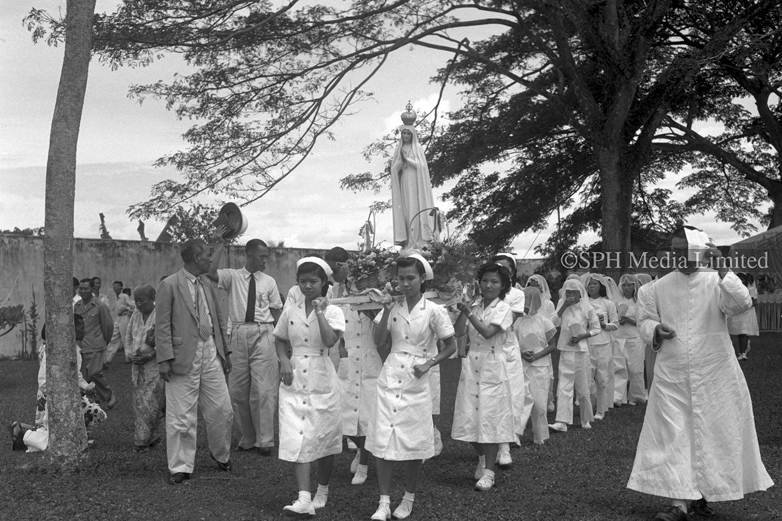 Catholic Ceremony at St Joseph Church
1950
Catholic Ceremony at St Joseph Church
1950
Catholic Ceremony at St Joseph Church
Year 1950
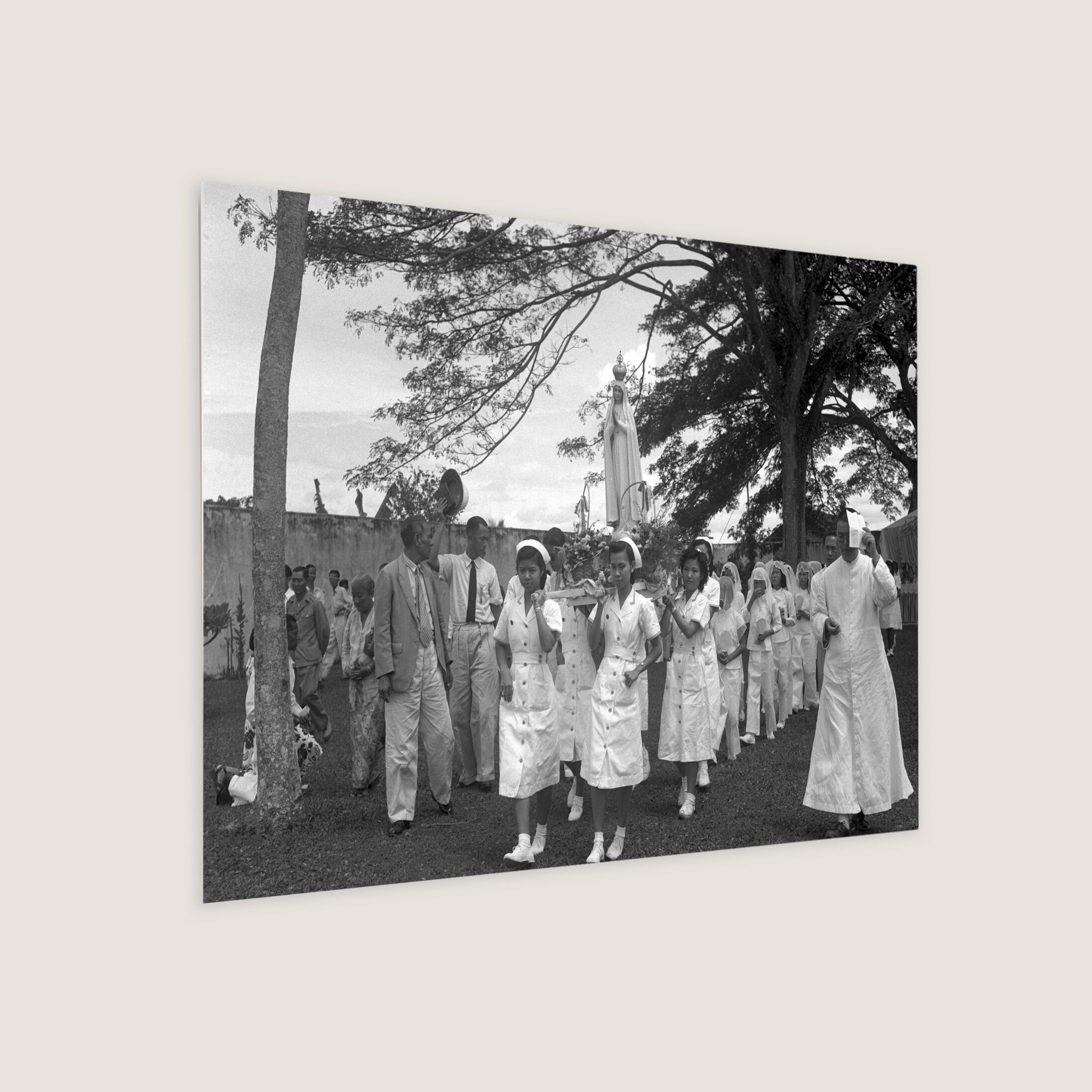
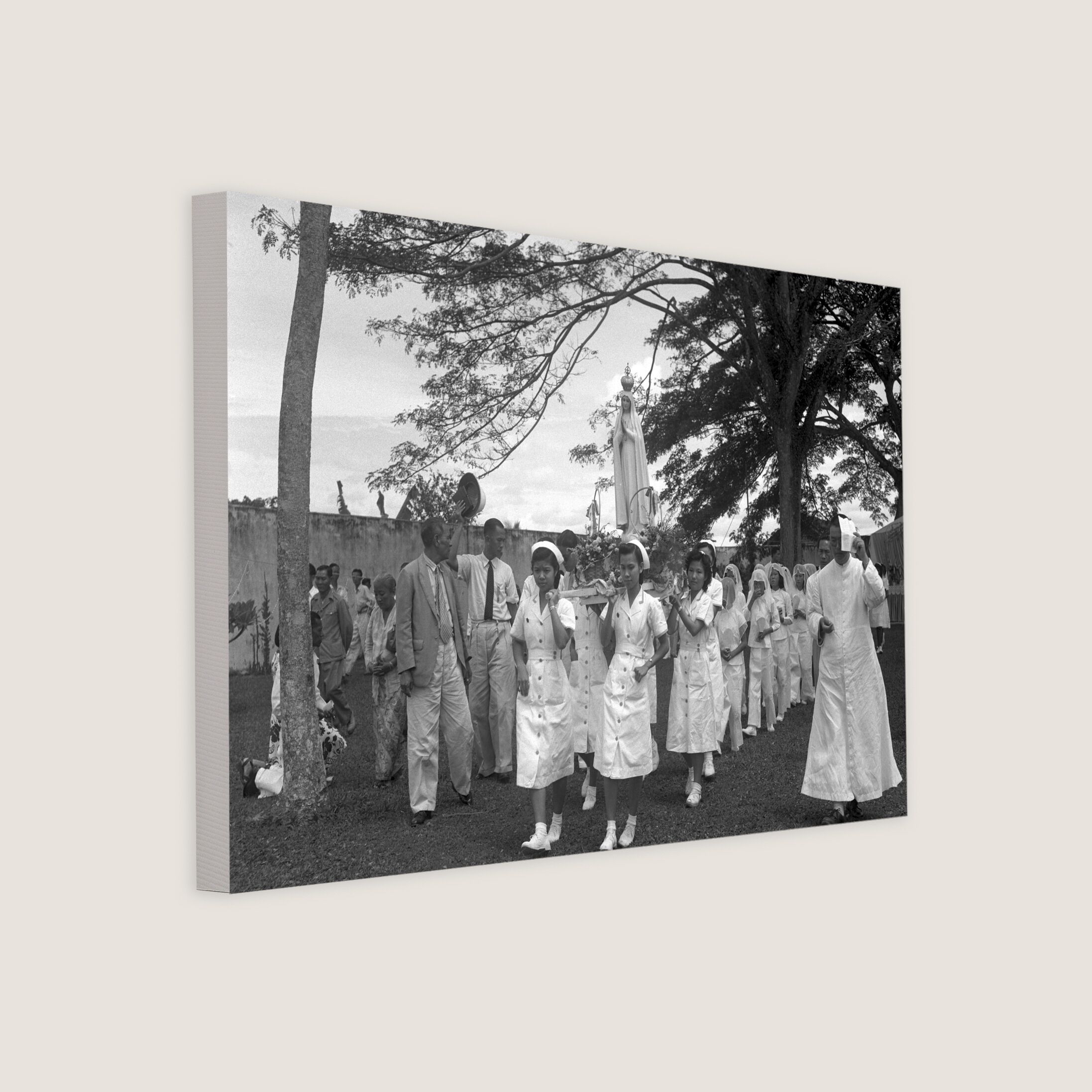
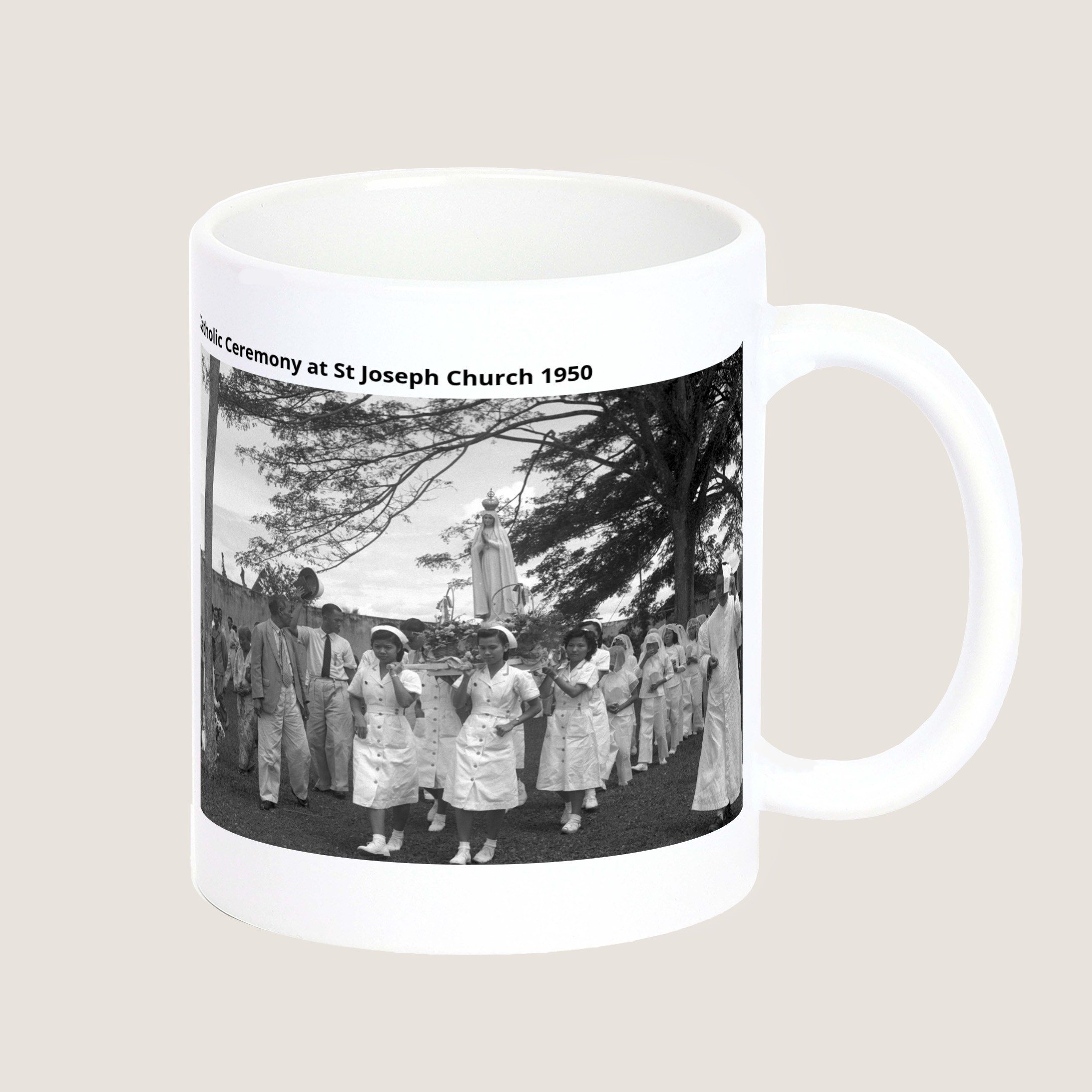
Four girls from the Serangoon Parish carried the statue of Our Lady of Fatima to a decorated altar in the grounds of the Leper Settlement during the Fatima Service.
©️ SPH Media Limited
Share to
Tags
Available for print on products
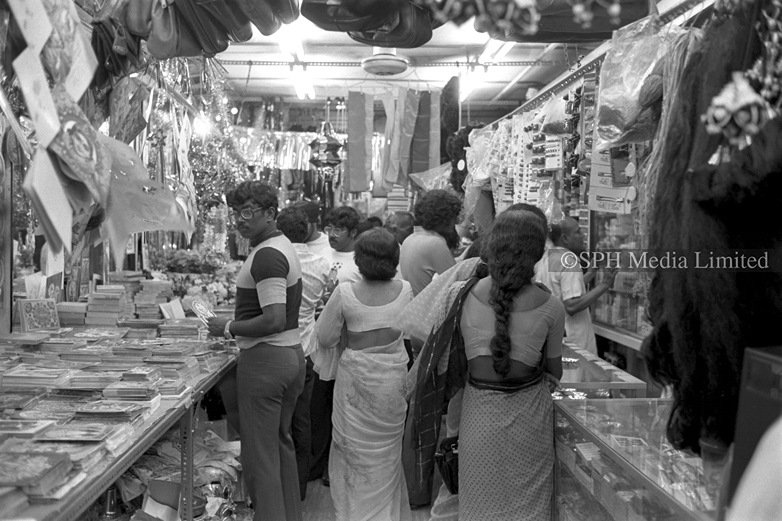 Deepavali Shopping at Serangoon Road
1977
Deepavali Shopping at Serangoon Road
1977
Deepavali Shopping at Serangoon Road
Year 1977
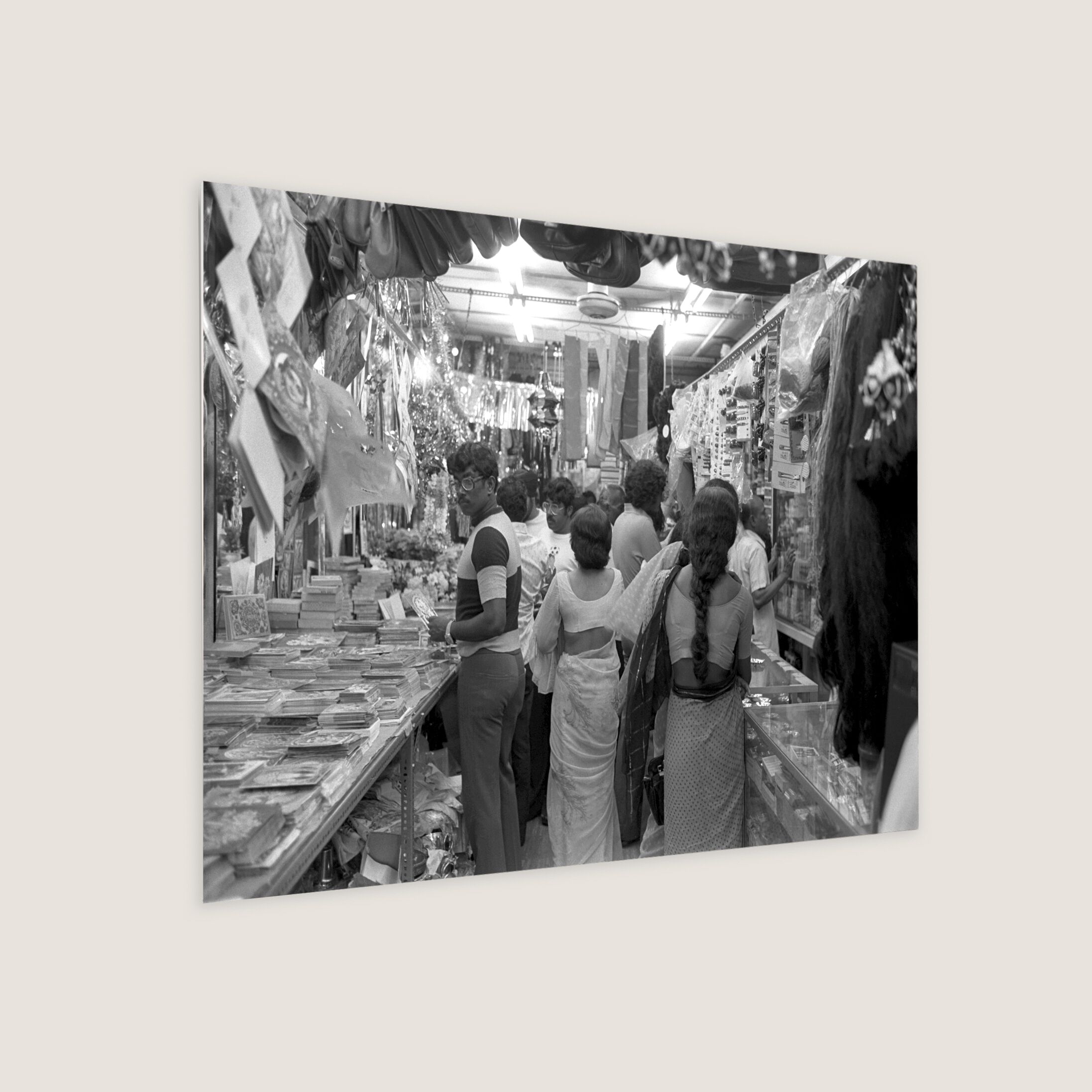
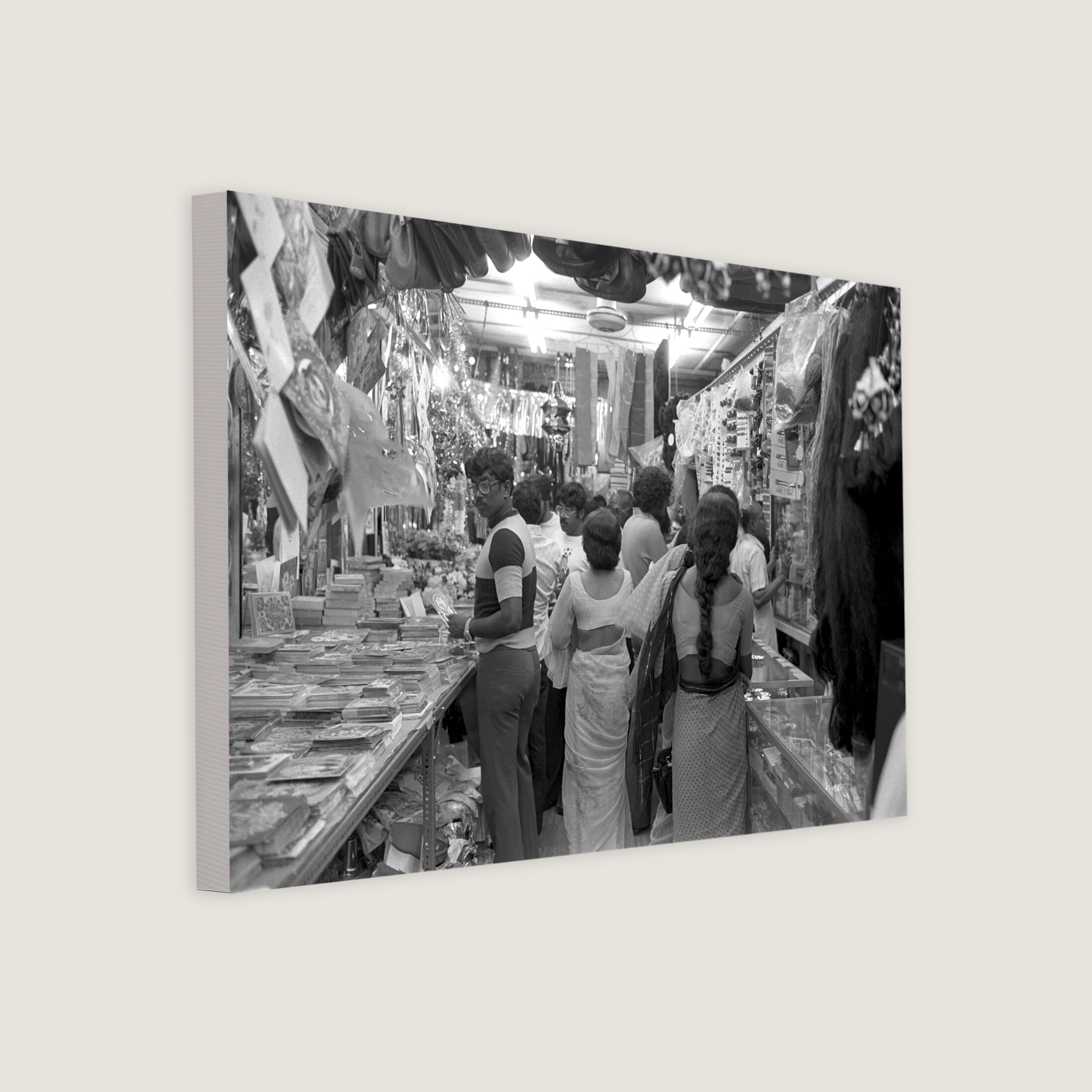
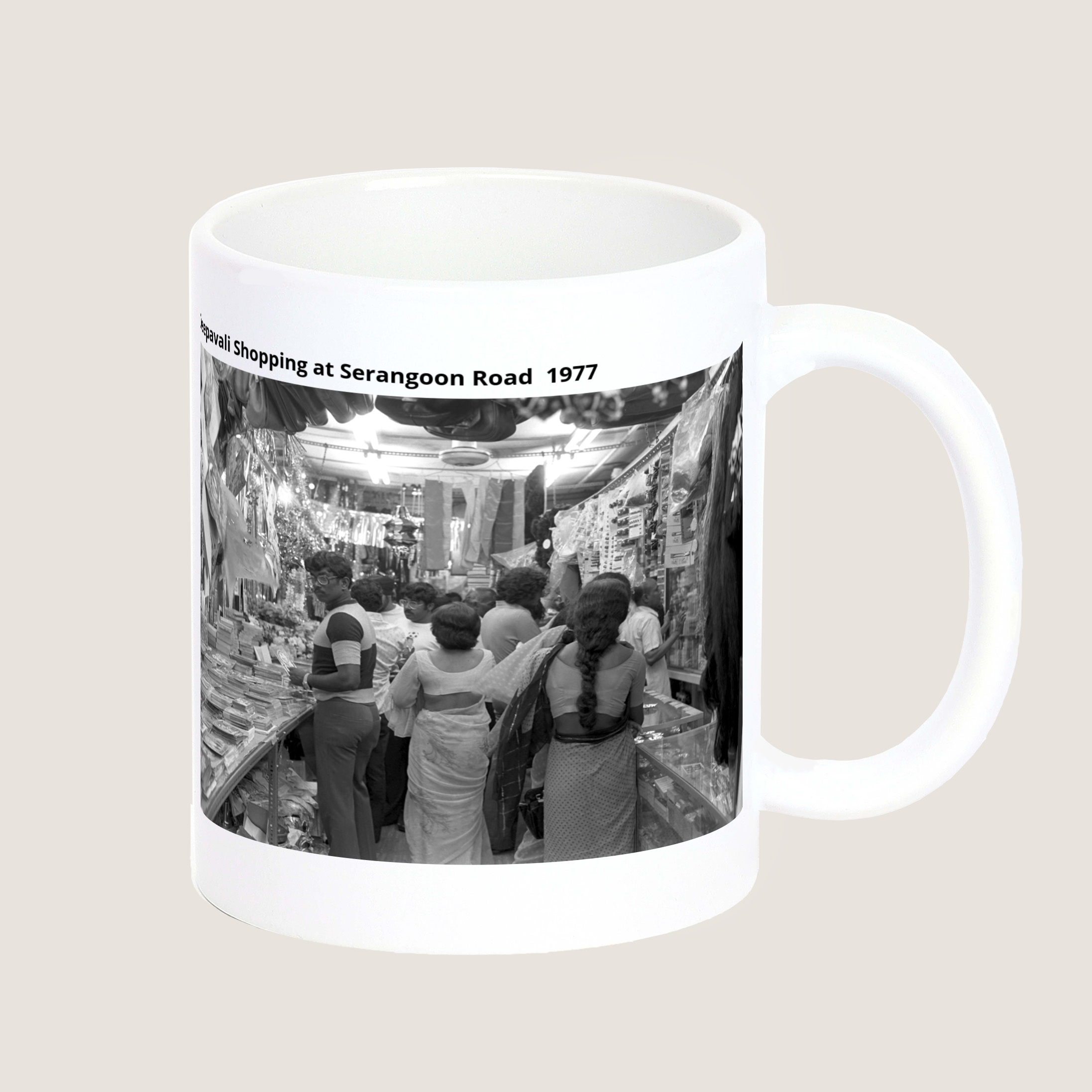
Hindus thronged Serangoon Road to do their shopping for Deepavali, the Festival of Lights. The shops did thriving business in multi-coloured saris, bangles, rings and sweetmeat.
©️ SPH Media Limited
Share to
Tags
Available for print on products
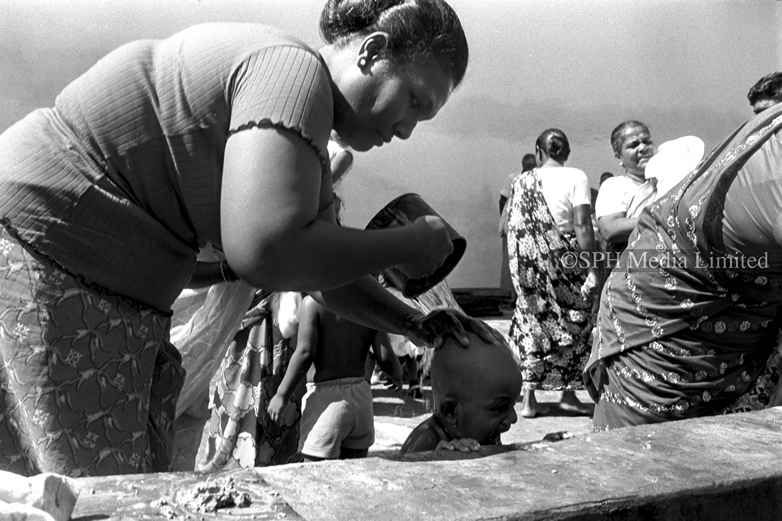 Thaipusam Hair Shaving Ceremony
1973
Thaipusam Hair Shaving Ceremony
1973
Thaipusam Hair Shaving Ceremony
Year 1973
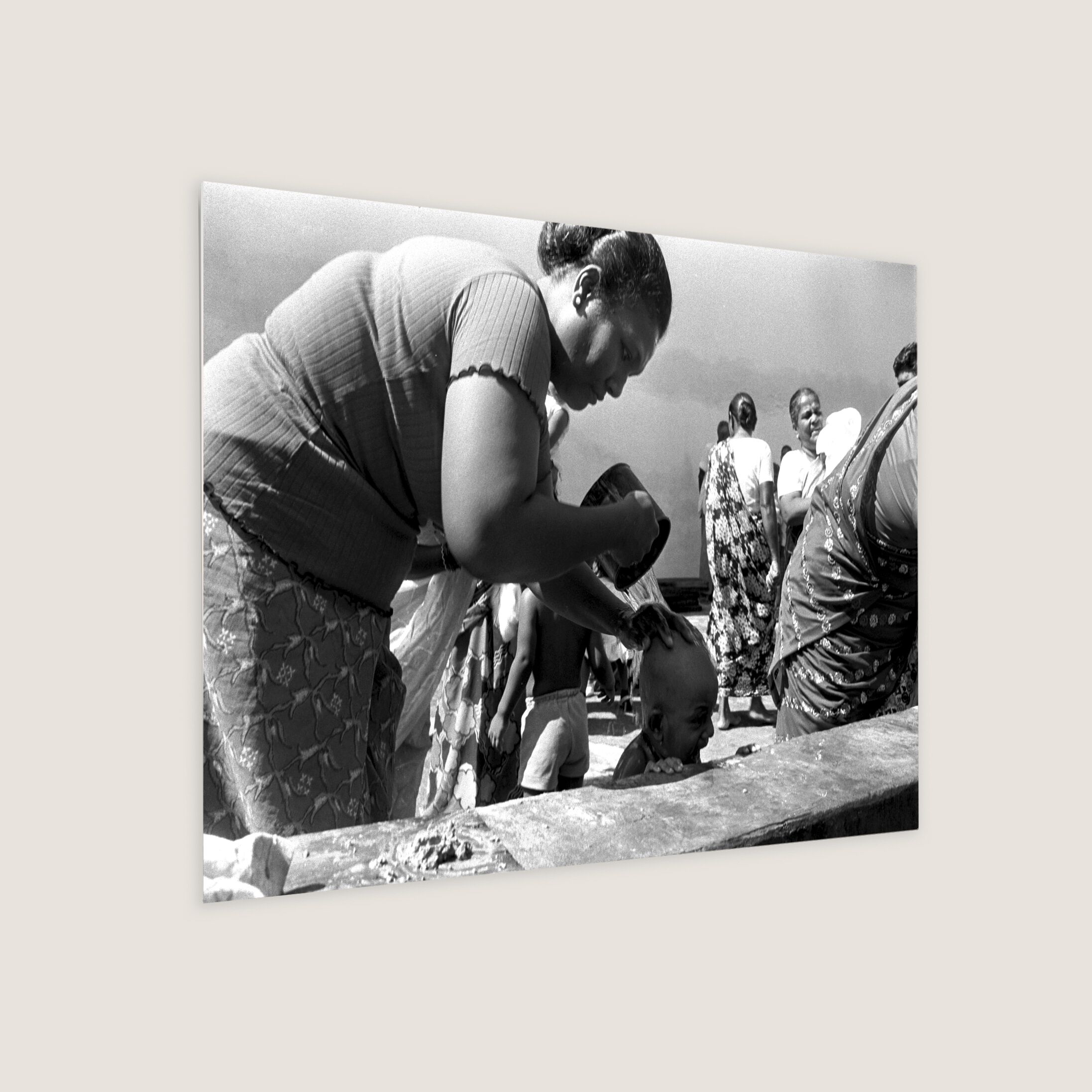
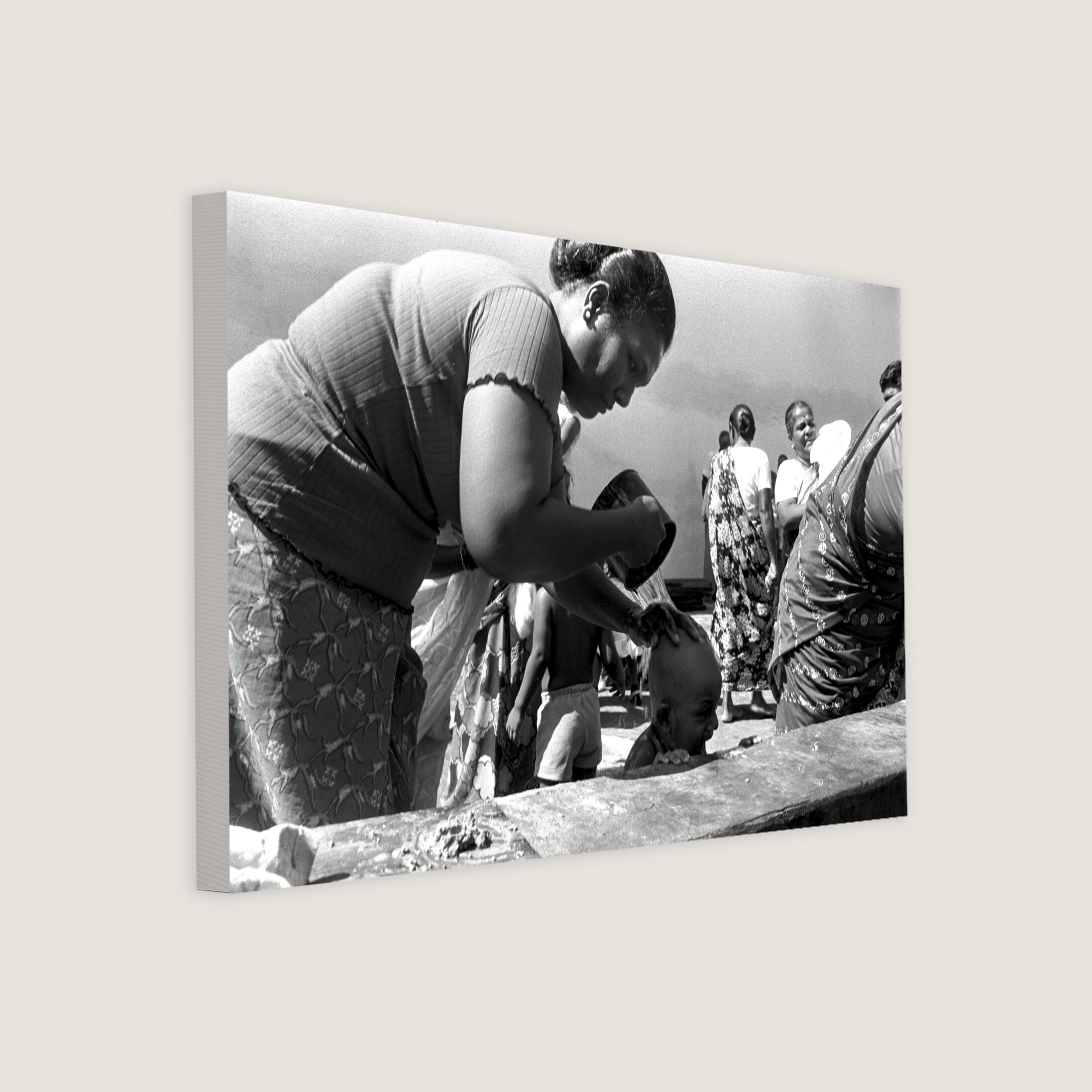
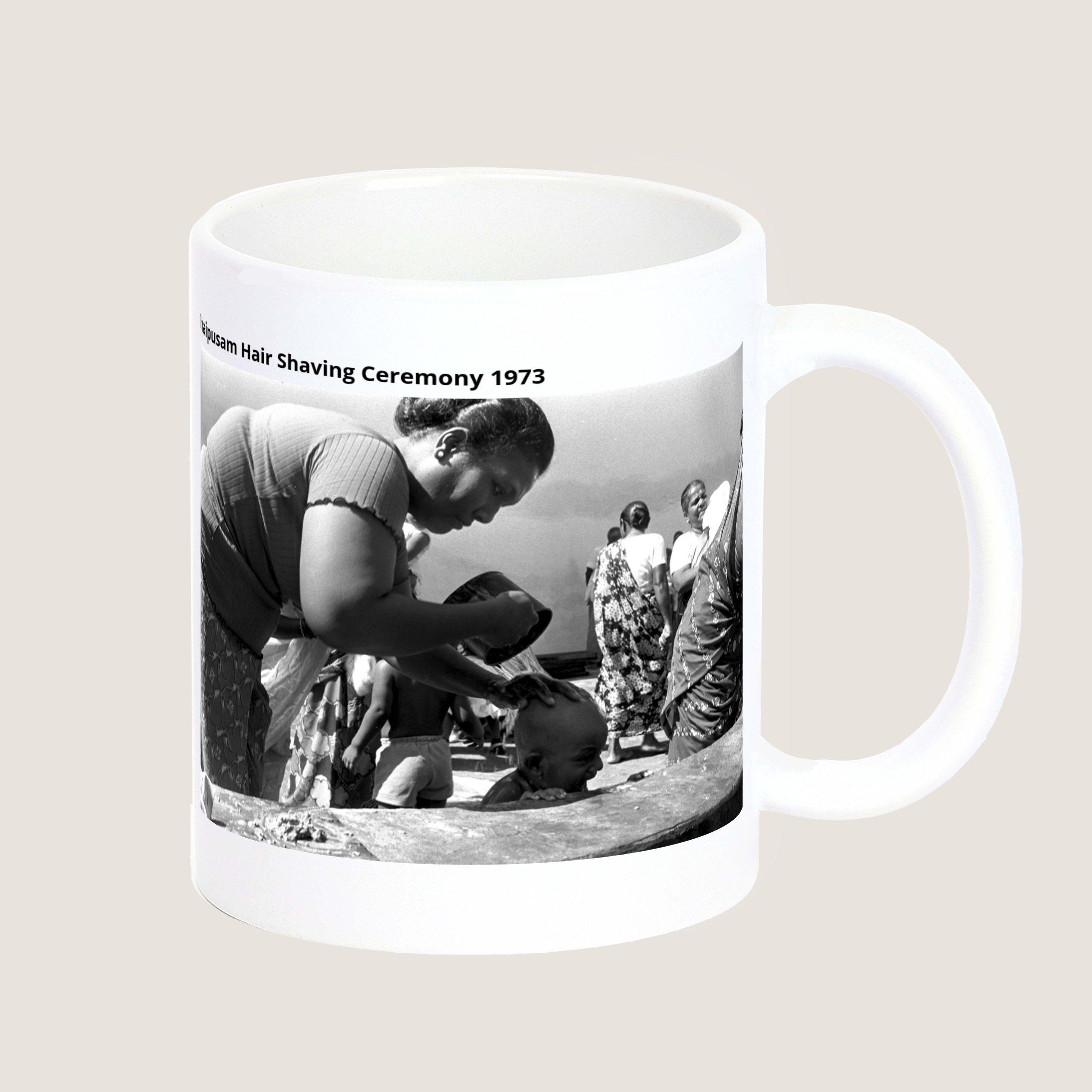
A child is given a shower after a tonsure, as part of an obligatory offering of hair to Lord Subramaniam during the Thaipusam festival. Thaipusam is actually derived from thai which means “10th”, and pusam meaning “when the moon is at its brightest”. It is thus celebrated in the month of Thai (10th month according to the Tamil Almanac) on the day when the moon passes through the star “Pusam”.
©️ SPH Media Limited
Share to
Tags
Available for print on products
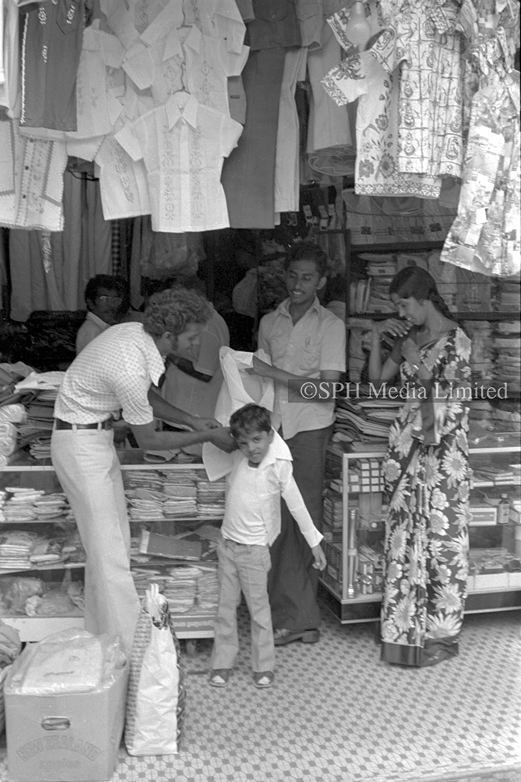 New Clothes for Deepavali at Serangoon Road
1979
New Clothes for Deepavali at Serangoon Road
1979
New Clothes for Deepavali at Serangoon Road
Year 1979
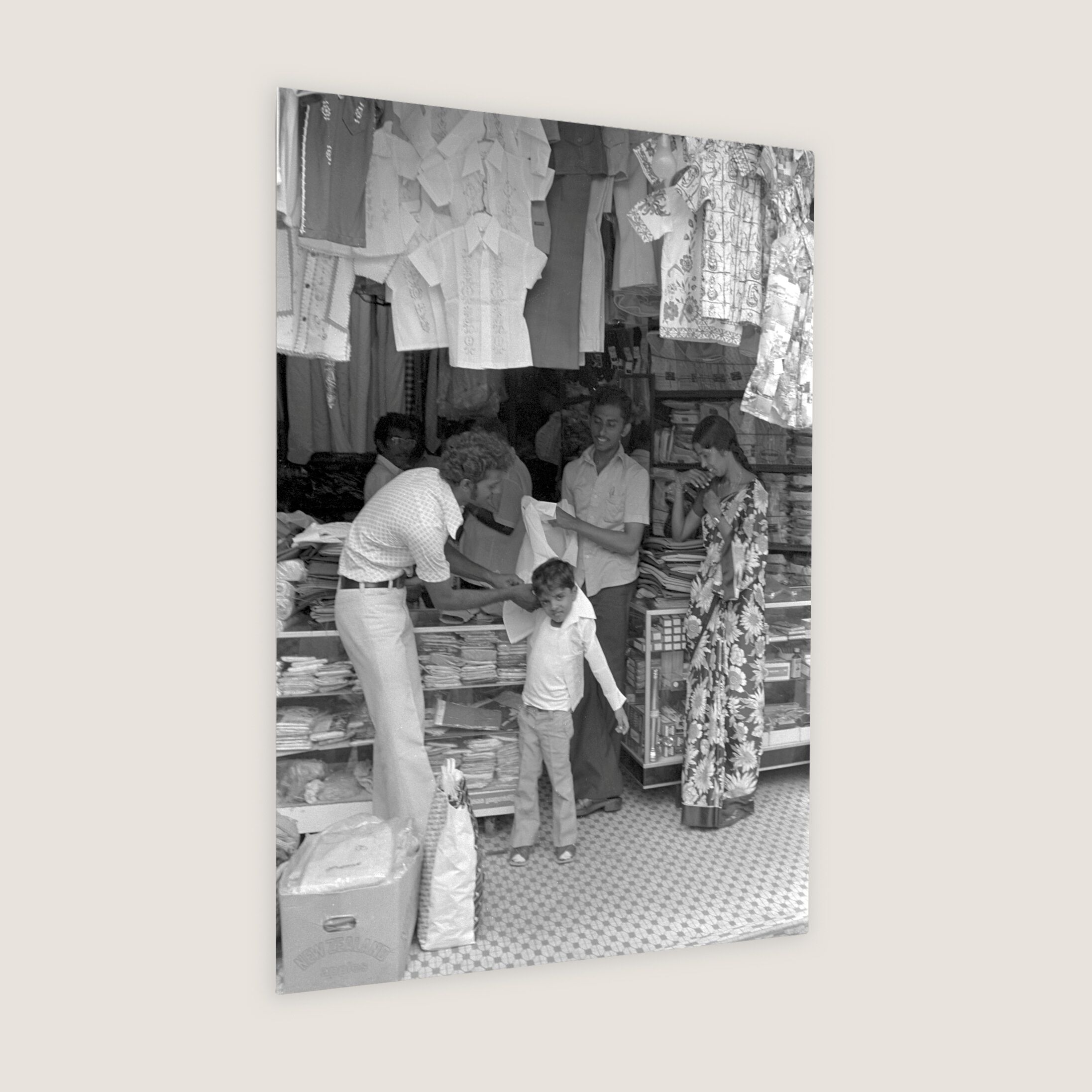
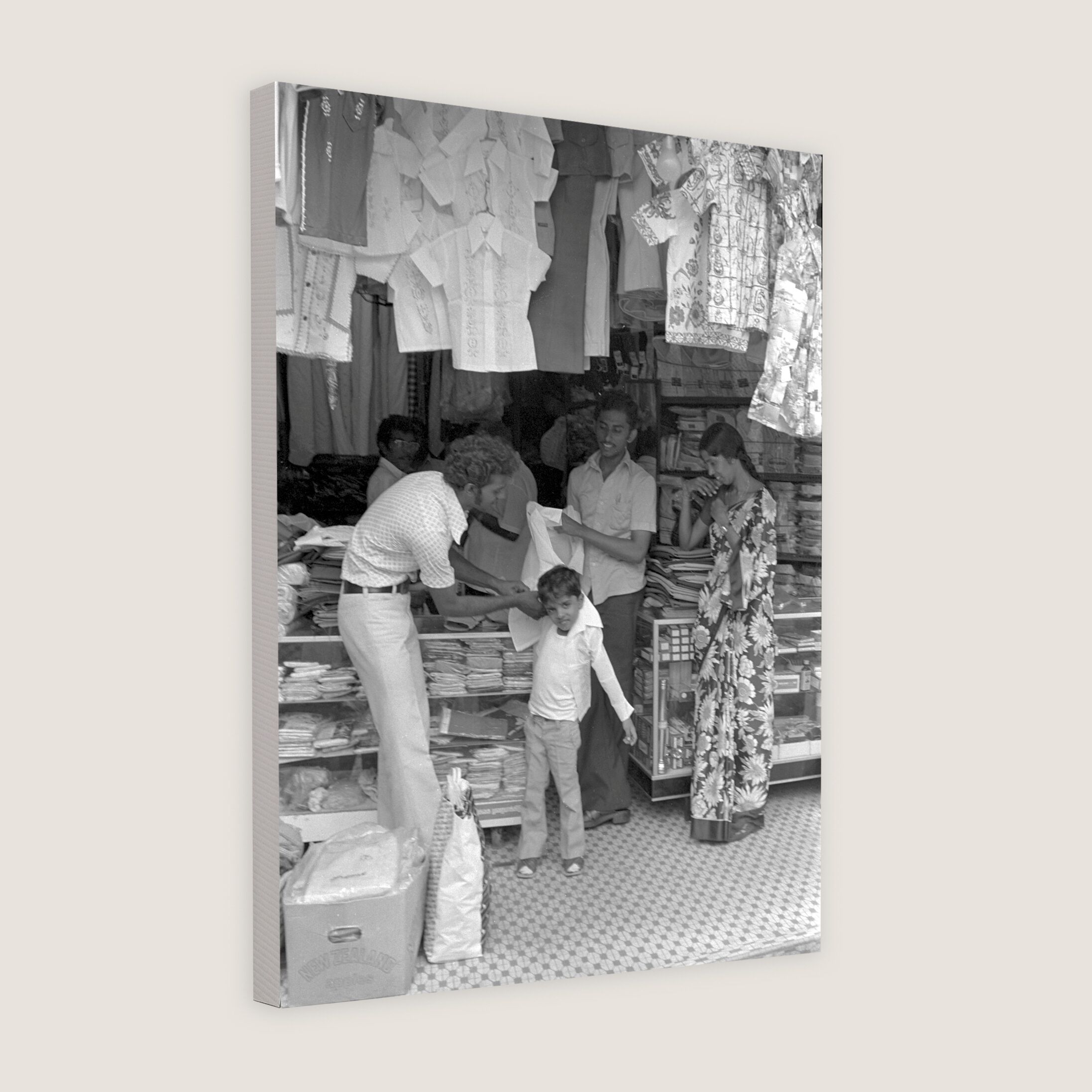
A family doing Deepavali shopping at Serangoon Road. Deepavali, or Diwali (literally translated as “a row of lights”, also known as the Festival of Lights), is a festival celebrated by Hindus worldwide. The festival falls on the 14th day of the dark fortnight in the Tamil month of Aipasi (mid-October to mid-November) and celebrates the triumph of good over evil as well as light over darkness.
©️ SPH Media Limited
Share to
Tags
Available for print on products
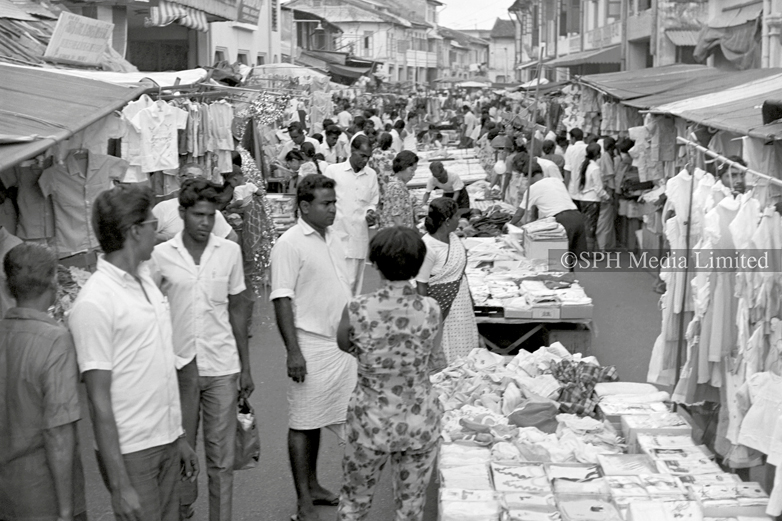 Deepavali Street Shopping at Serangoon Road
1970
Deepavali Street Shopping at Serangoon Road
1970
Deepavali Street Shopping at Serangoon Road
Year 1970
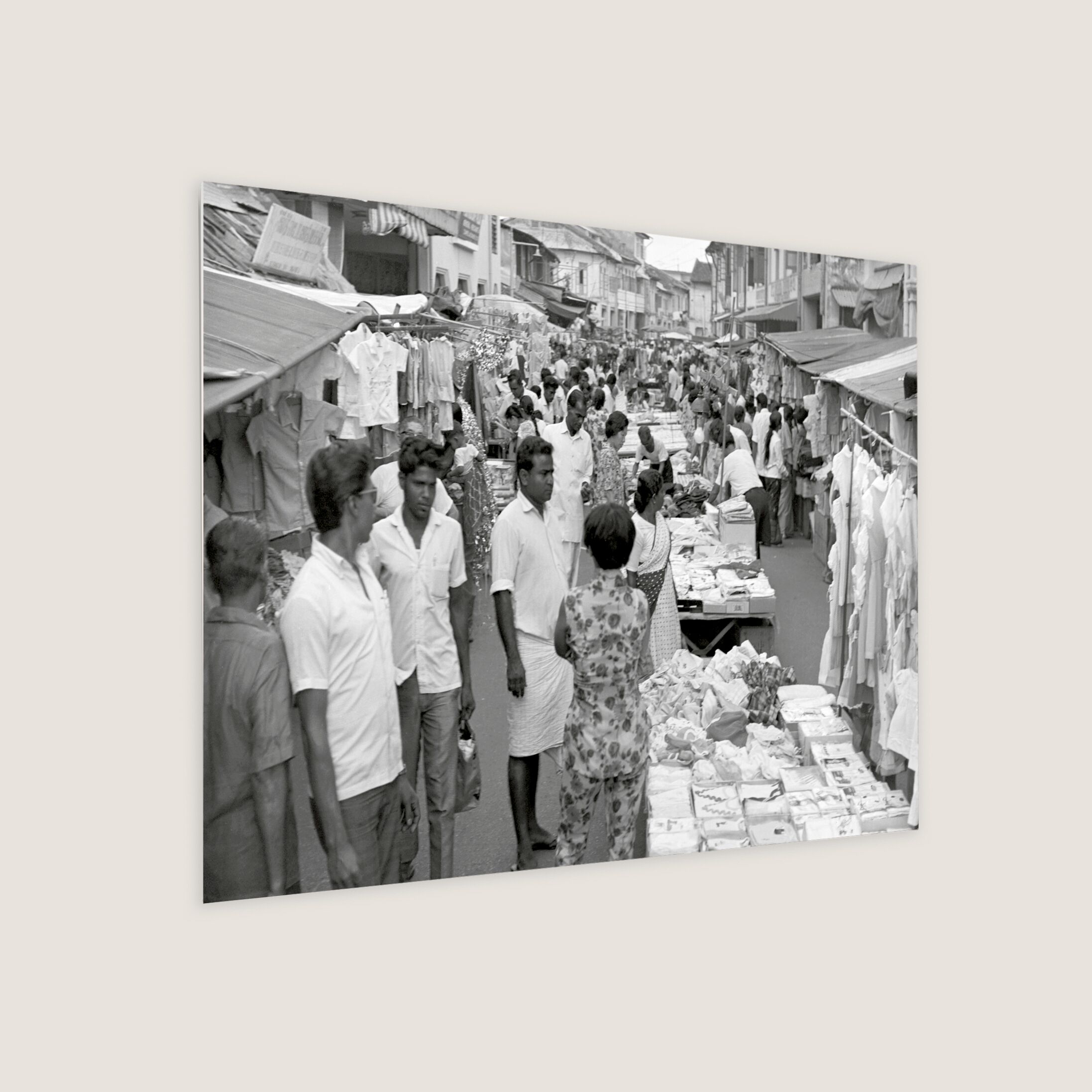
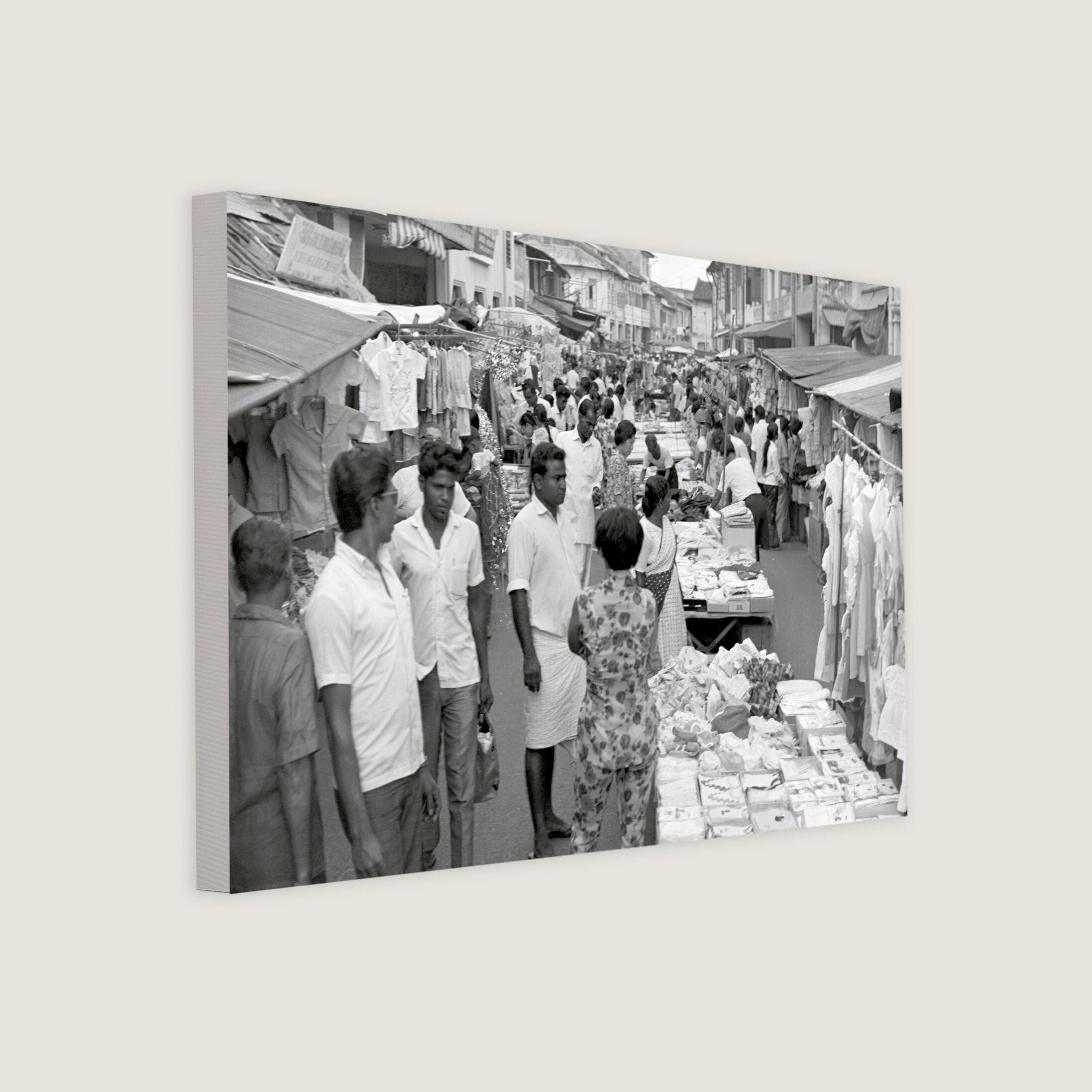
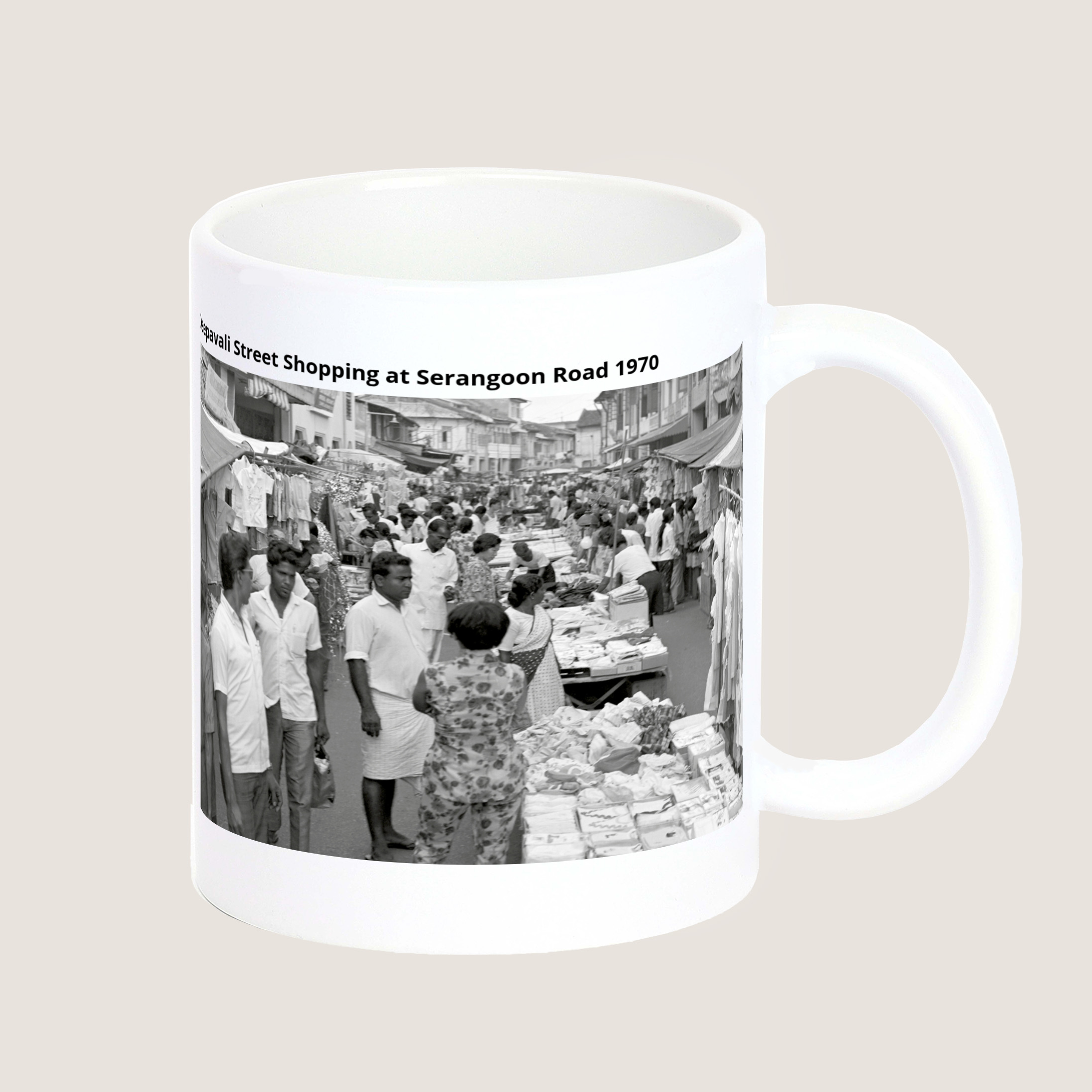
People were doing their Deepavali shopping at Serangoon Road in 1970. Deepavali, or Diwali (literally translated as “a row of lights”, also known as the Festival of Lights), is a festival celebrated by Hindus worldwide. Deepavali is a gazetted public holiday in Singapore and public festivities during Deepavali are concentrated in the Little India area.
©️ SPH Media Limited
Share to
Tags
Available for print on products
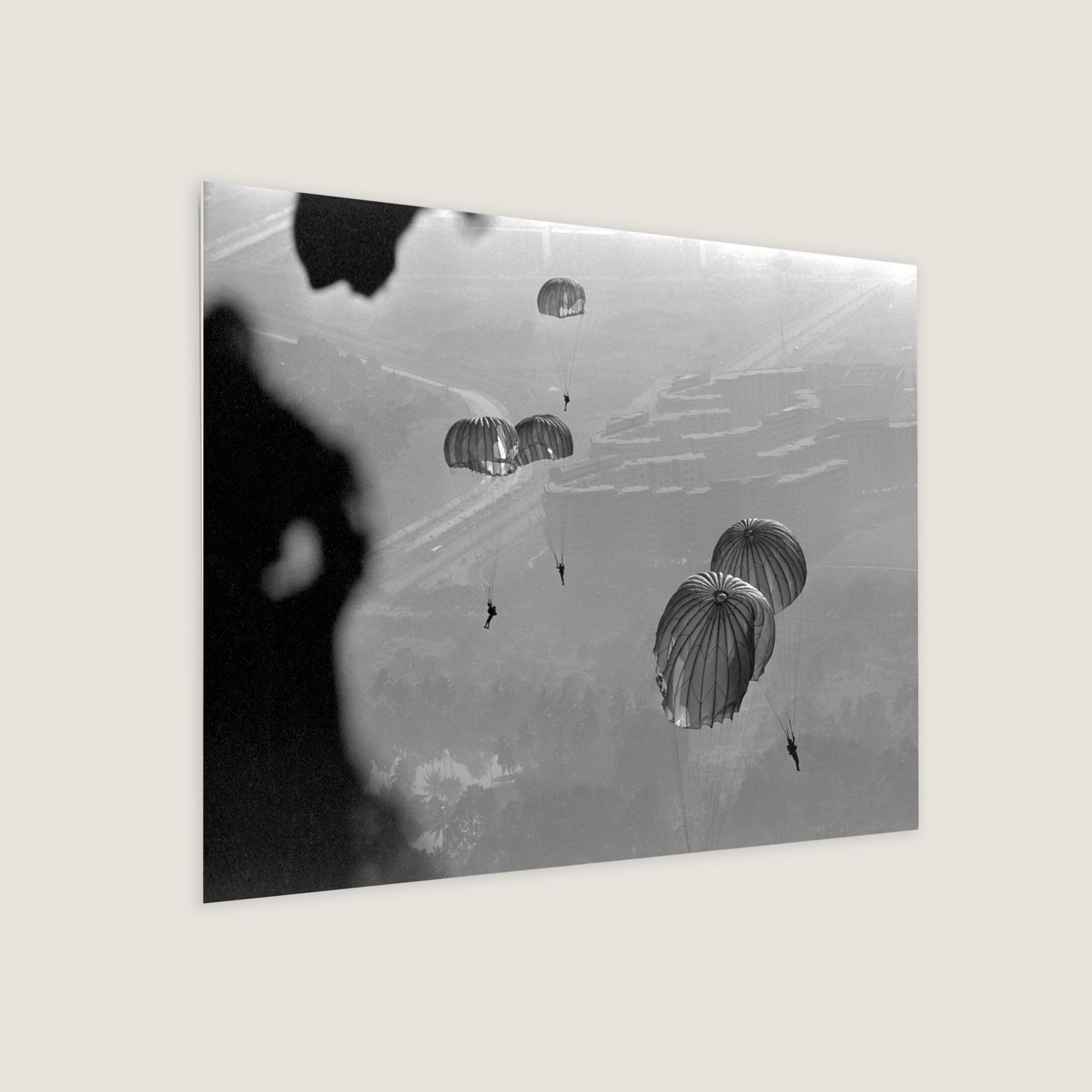
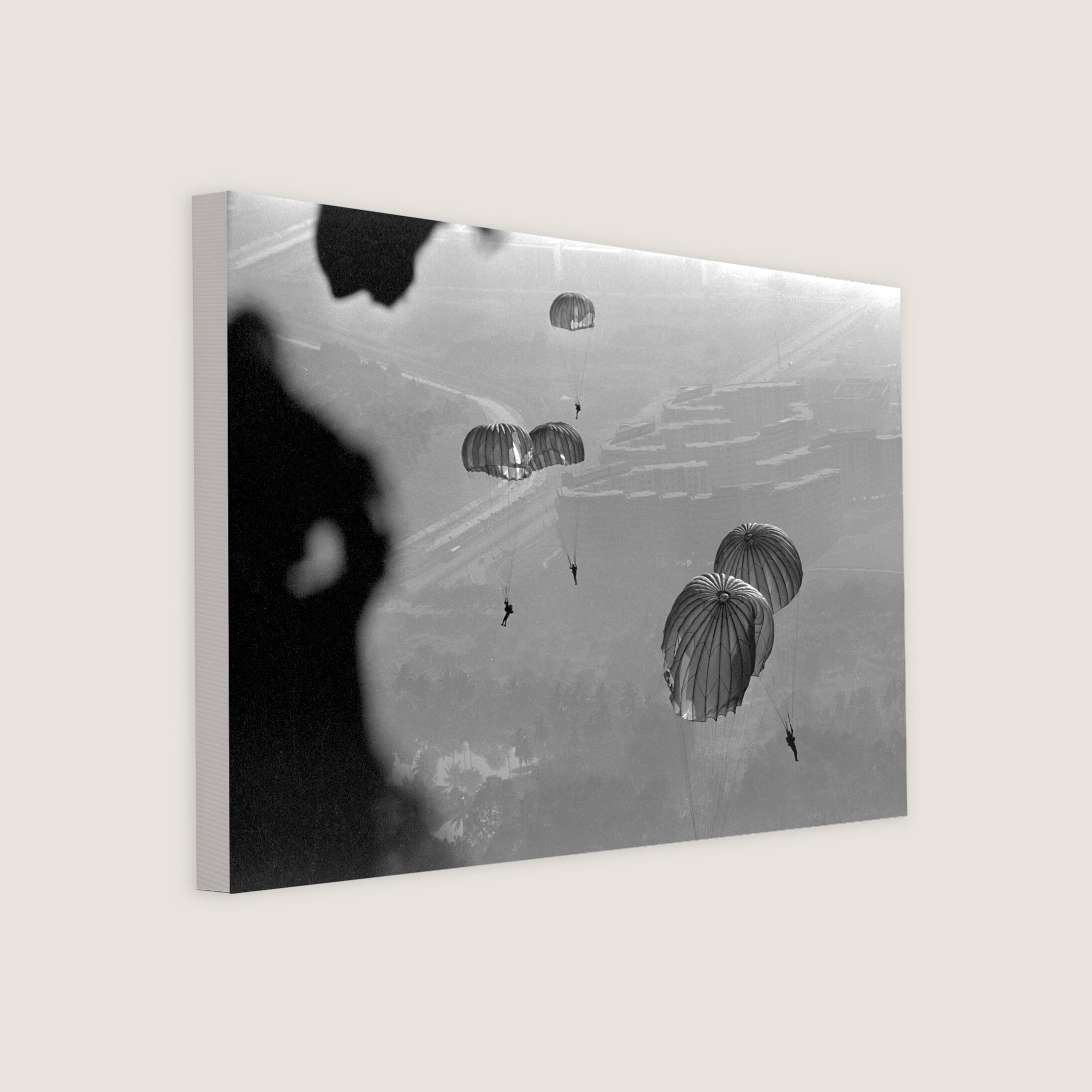
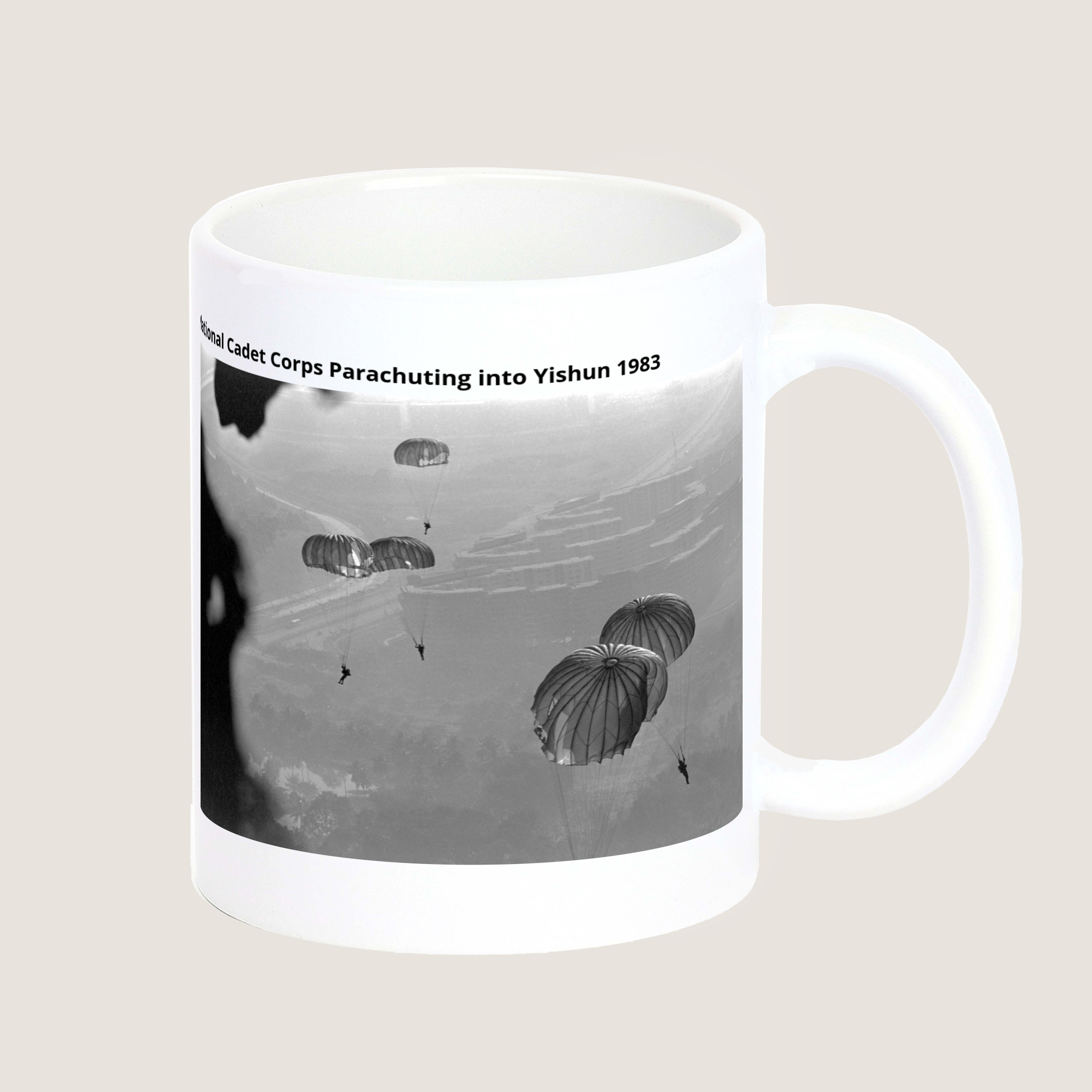
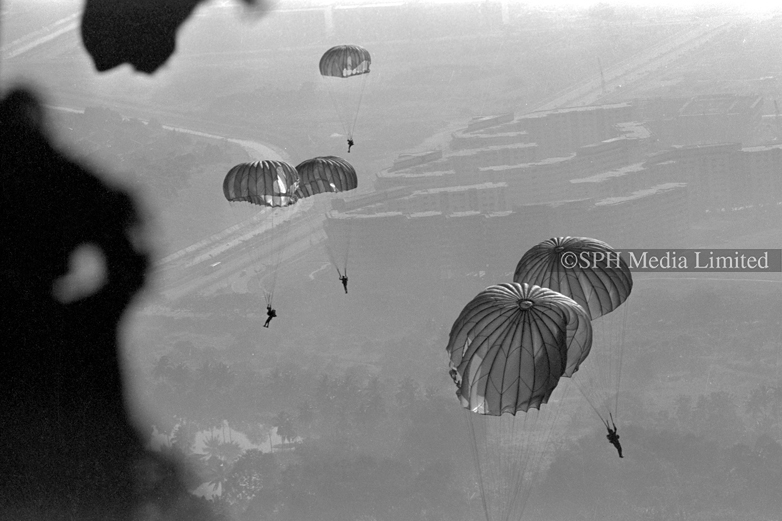 National Cadet Corps Parachuting into Yishun
1983
National Cadet Corps Parachuting into Yishun
1983
National Cadet Corps Parachuting into Yishun
Year 1983
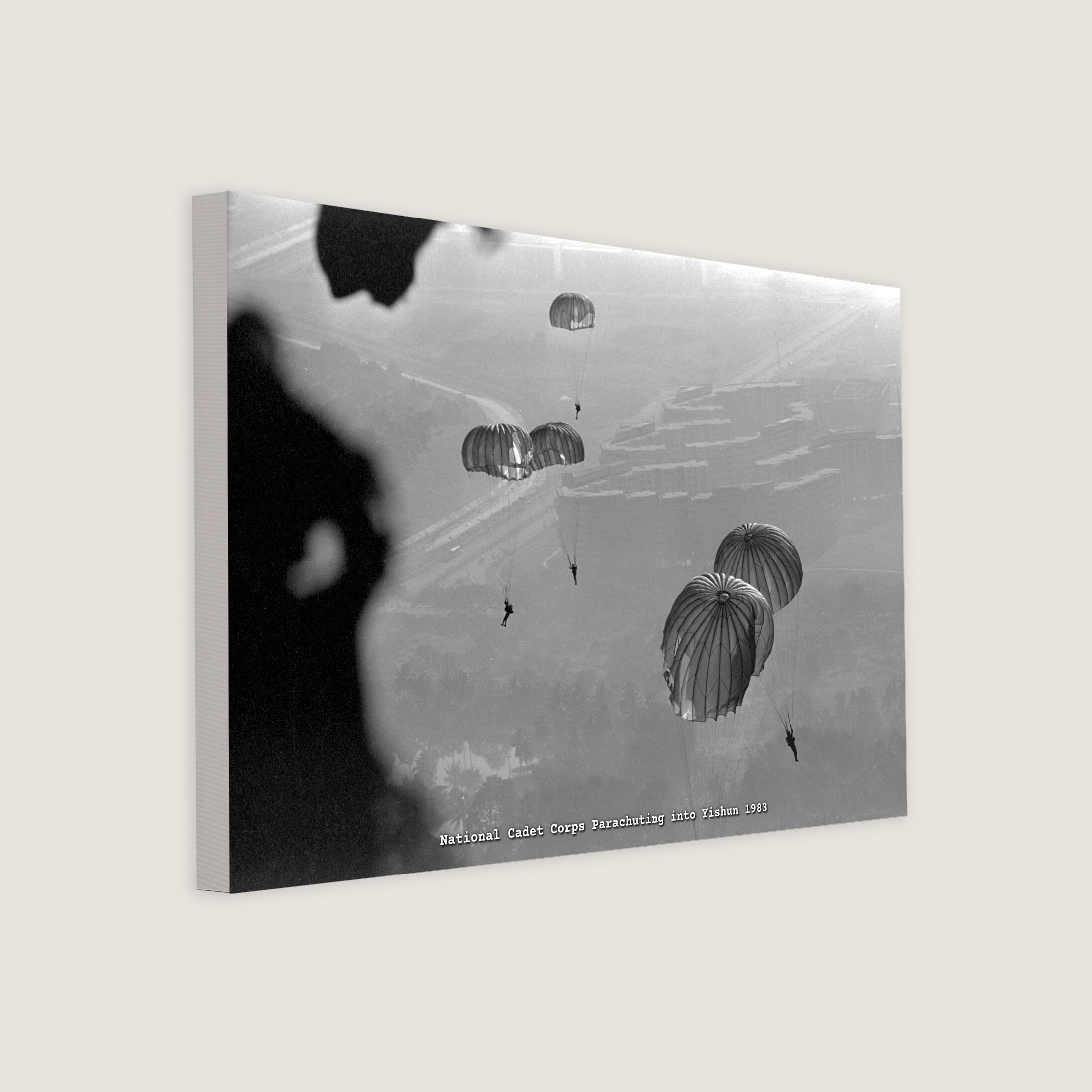
Five cadets of the National Cadet Corps drifted safely down to earth near a HDB estate in Yishun. They were among 54 cadets who were parachuting to earn their wings. The canopies of their parachutes, opened three seconds after they jumped off a Skyvan at 365 metres.
©️ SPH Media Limited
Share to
Tags
Available for print on products
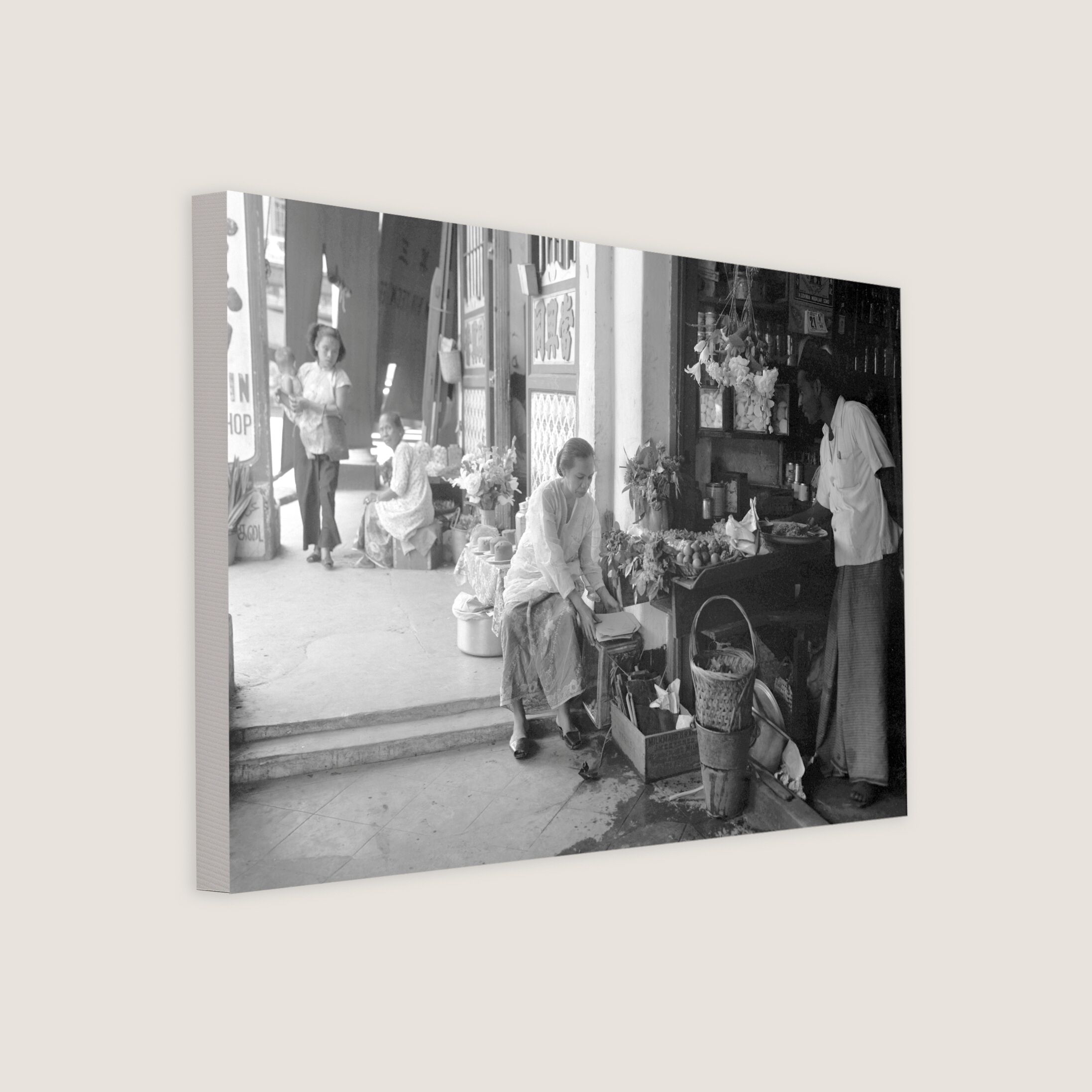
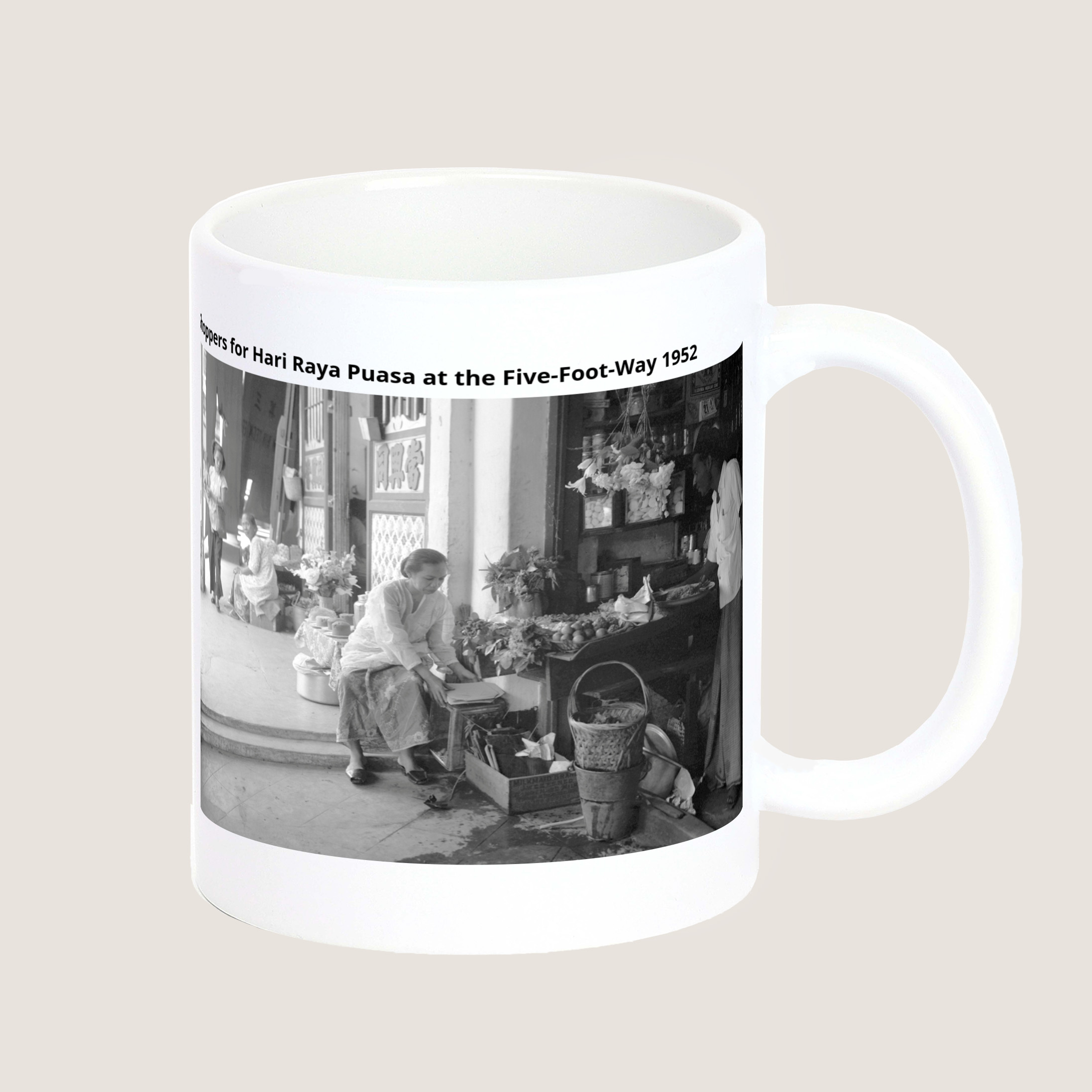
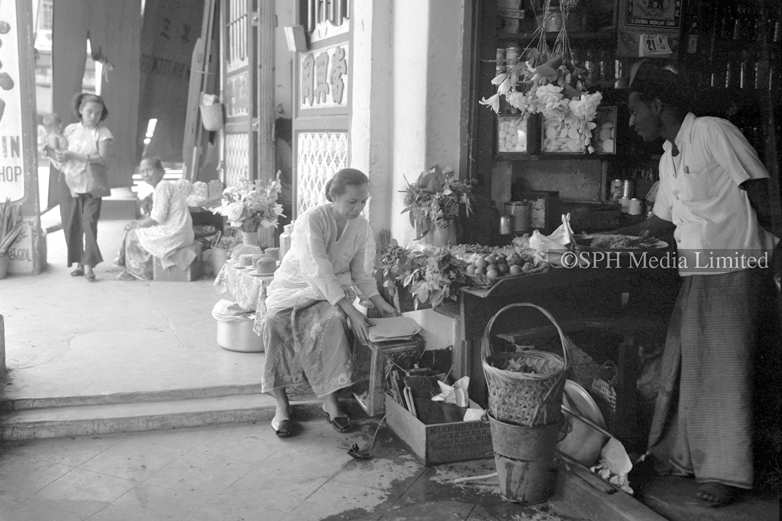 Shoppers for Hari Raya Puasa at the Five-Foot-Way
1952
Shoppers for Hari Raya Puasa at the Five-Foot-Way
1952
Shoppers for Hari Raya Puasa at the Five-Foot-Way
Year 1952
Shoppers were purchasing their festive goods in a five-foot way before Hari Raya Puasa. A five-foot way, a common feature in Southeast Asian architecture, refers to a covered walkway or corridor that is five feet wide, typically found in front of a row of shophouses. This Muslim celebratory occasion follows a month of fasting, known as Ramadan, which is a period of spiritual reflection and fasting for Muslims. The term 'hari raya' translates to 'big (or grand) day of rejoicing' in Malay.
©️ SPH Media Limited
Share to
Tags
Available for print on products
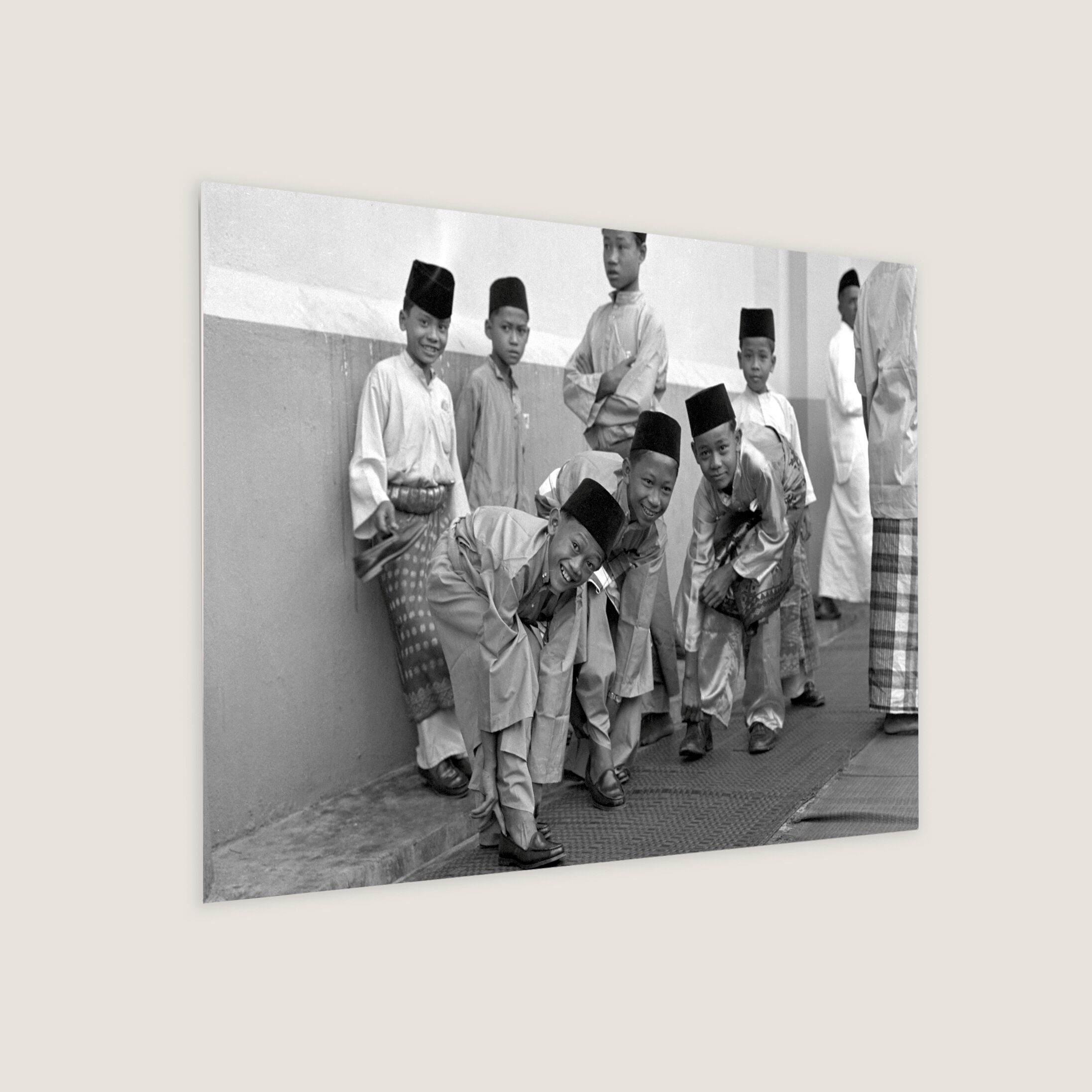
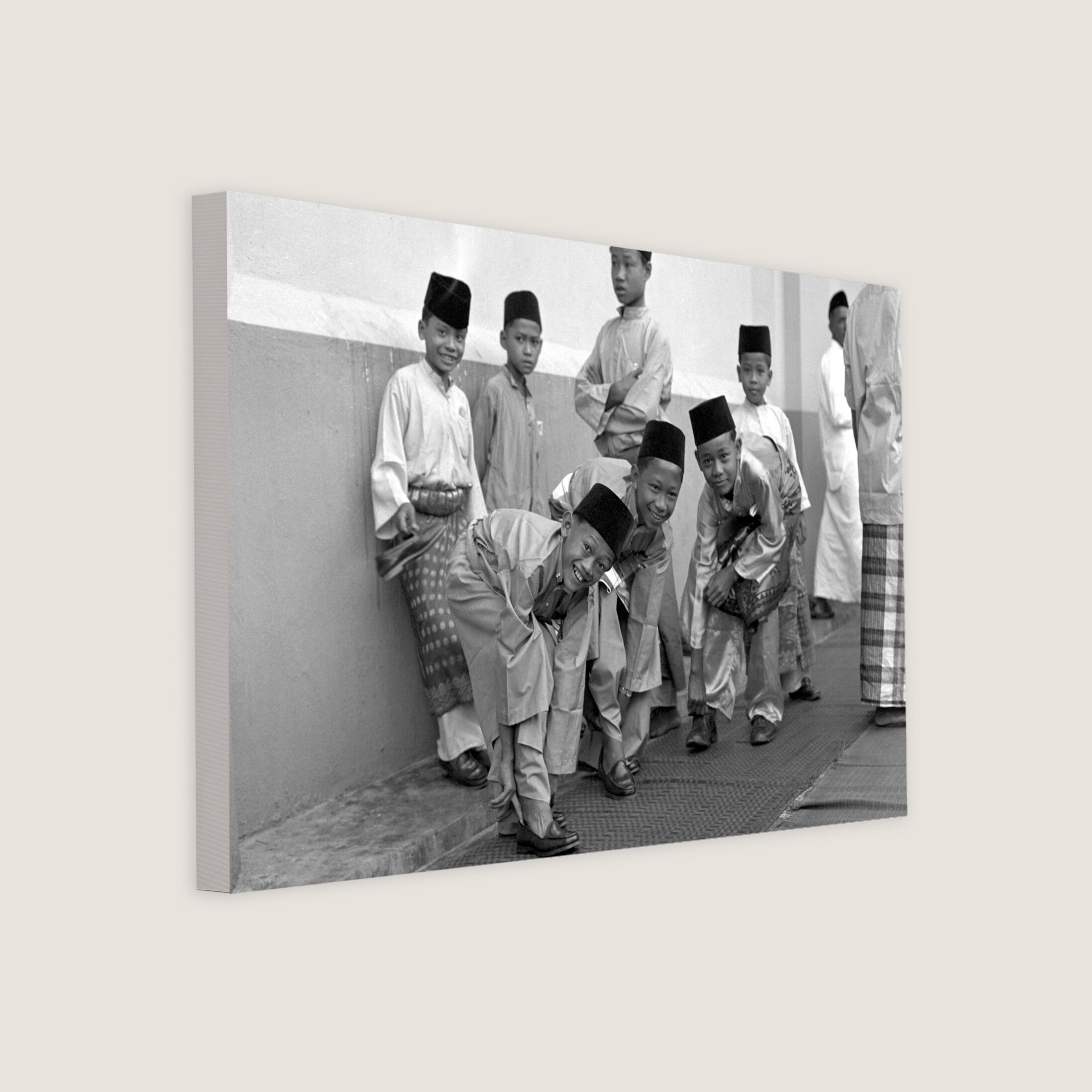
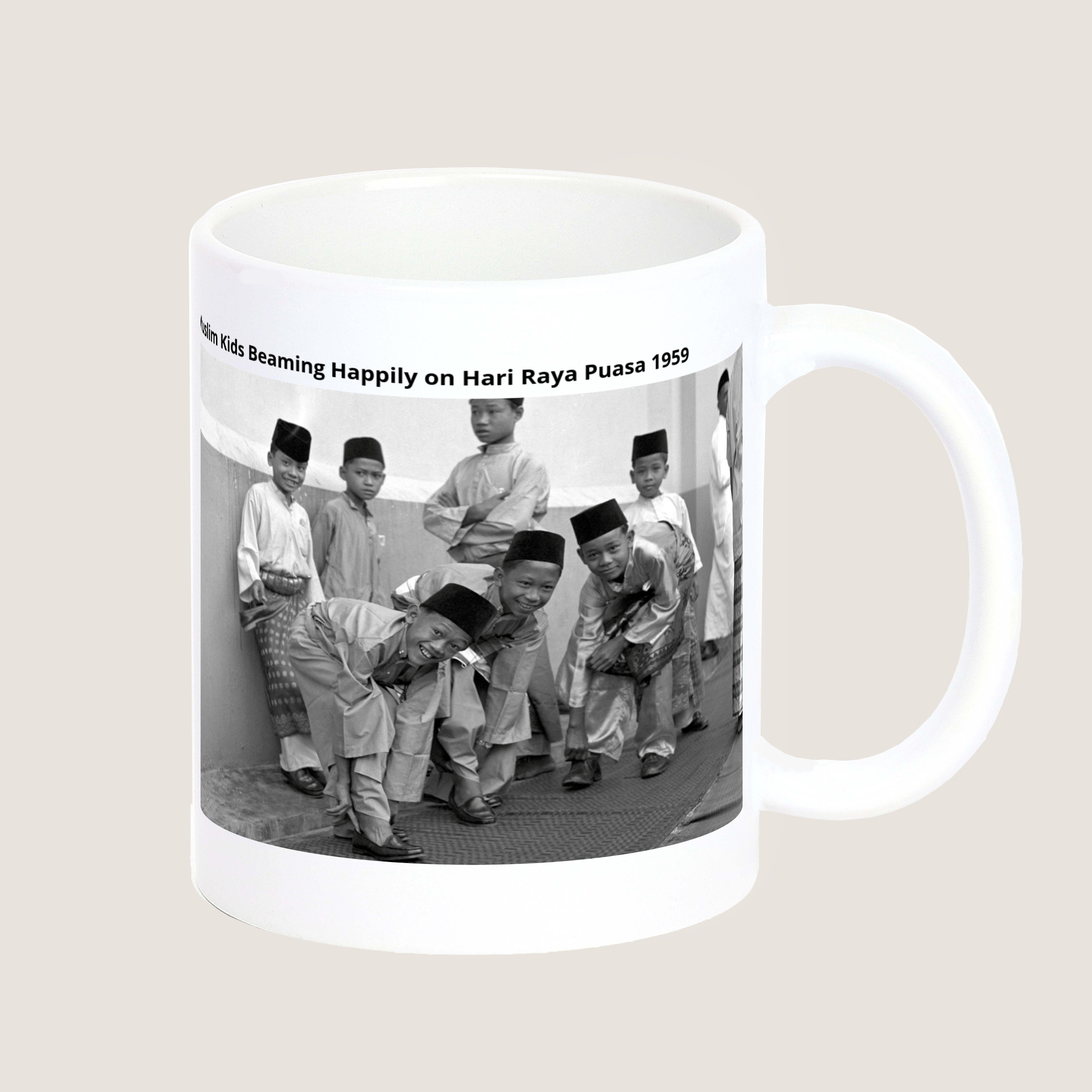
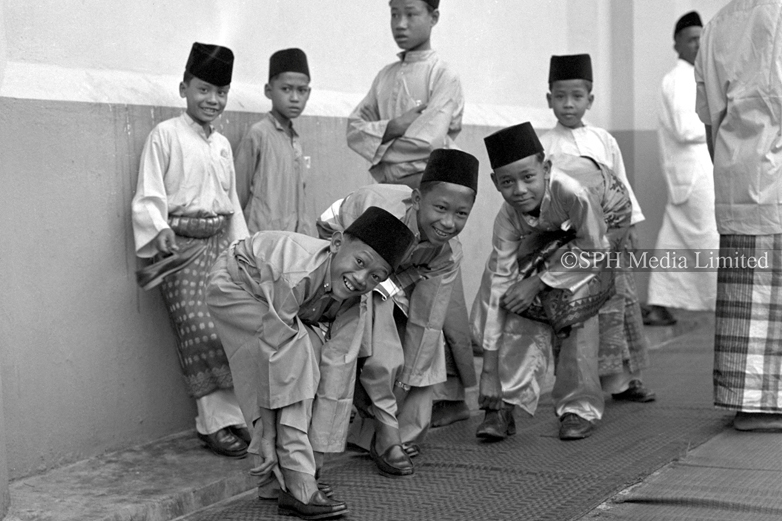 Muslim Kids Beaming Happily on Hari Raya Puasa
1959
Muslim Kids Beaming Happily on Hari Raya Puasa
1959
Muslim Kids Beaming Happily on Hari Raya Puasa
Year 1959
Happy Muslim children at the Sultan Mosque at Kampong Glam on Hari Raya Puasa. This Muslim celebratory occasion follows a month of fasting, known as Ramadan, which is a period of spiritual reflection and fasting for Muslims. The term 'hari raya' translates to 'big (or grand) day of rejoicing' in Malay. "
©️ SPH Media Limited
Share to
Tags
Available for print on products
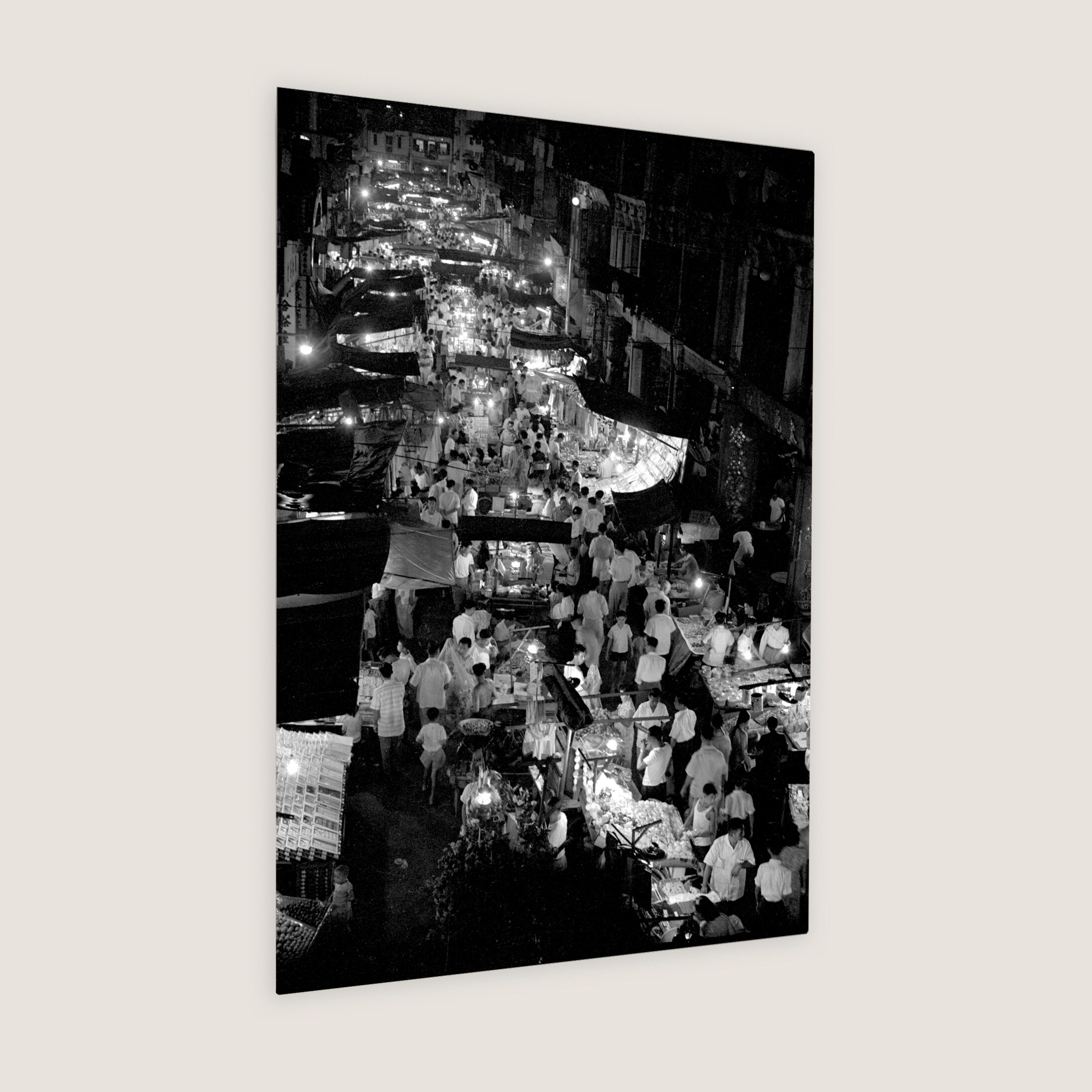
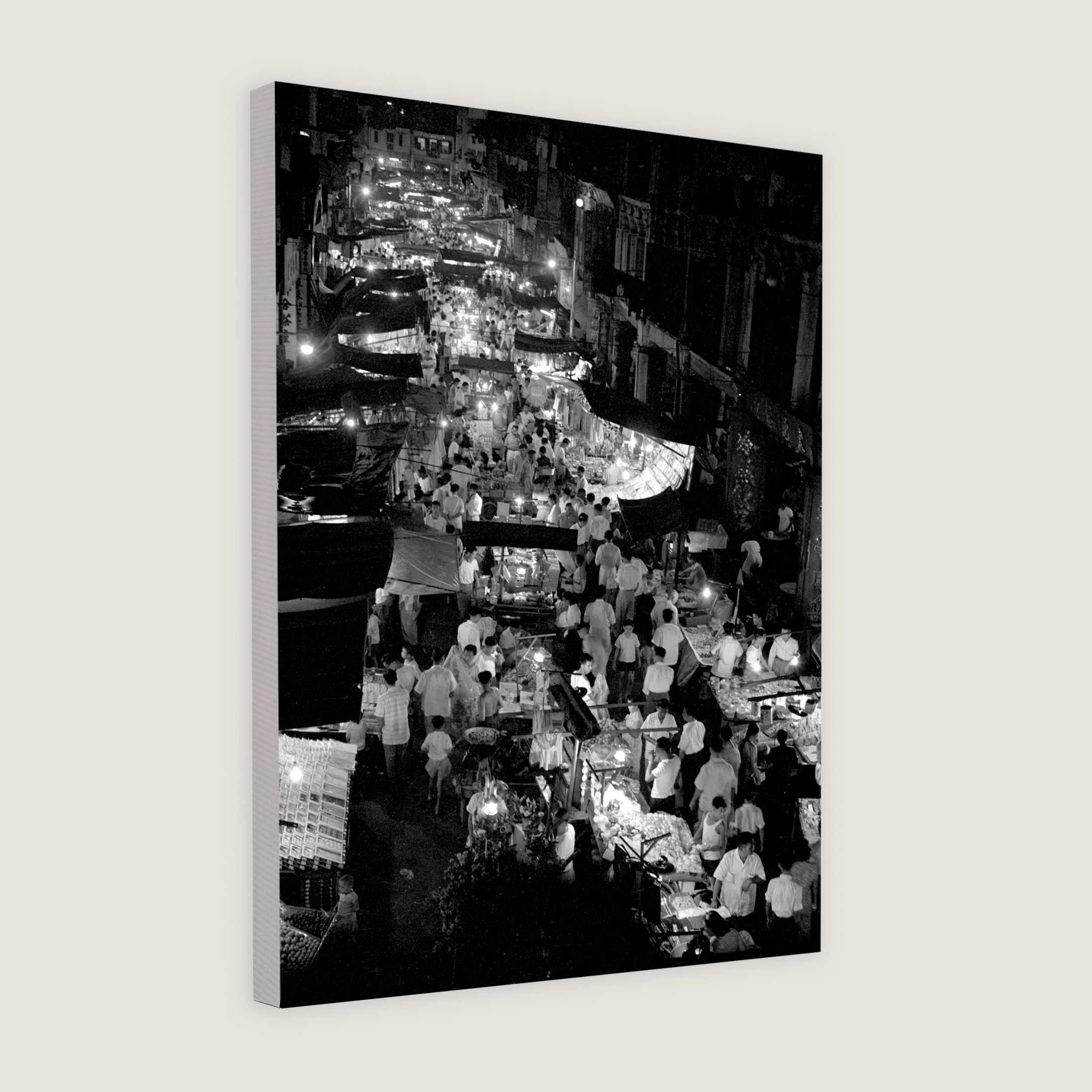
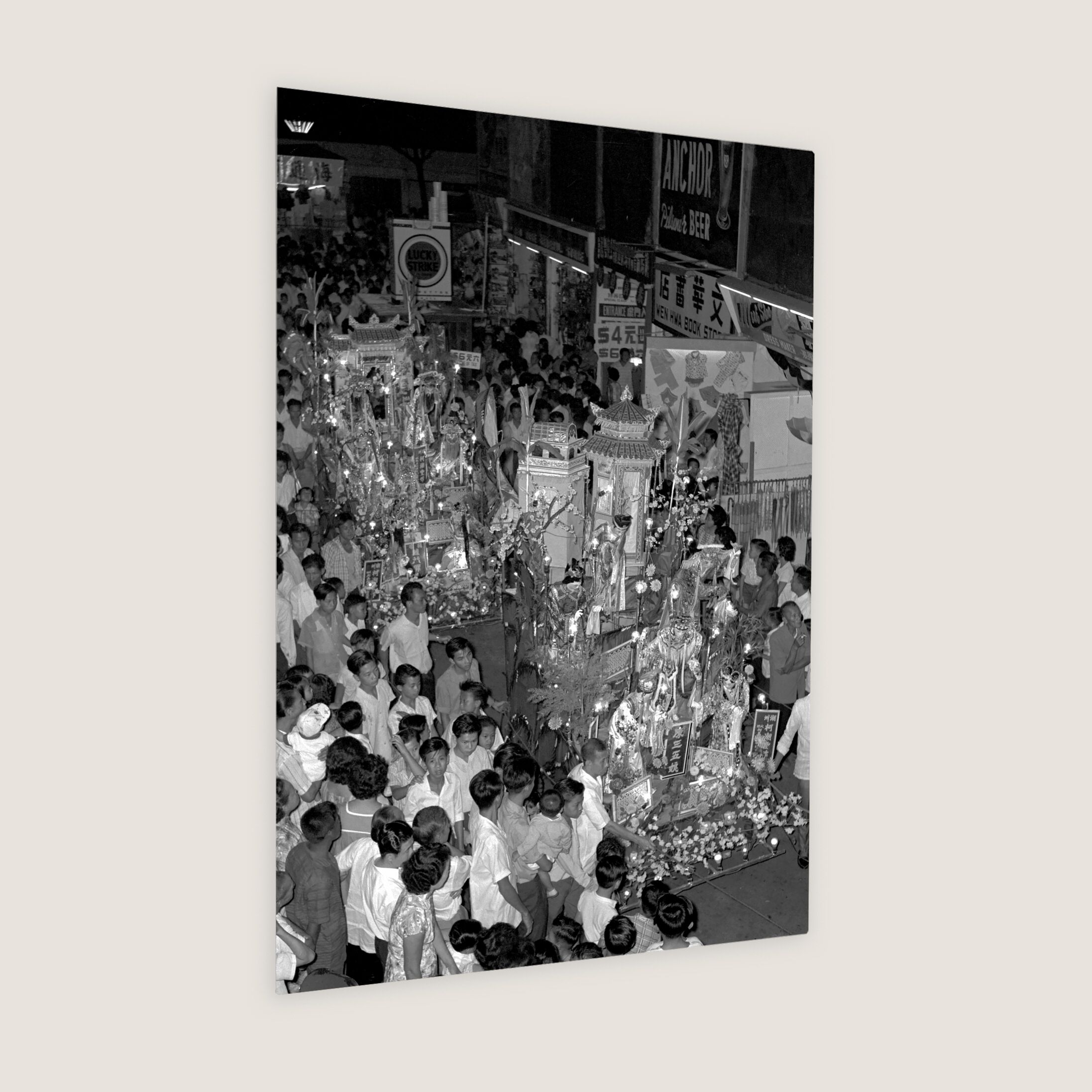
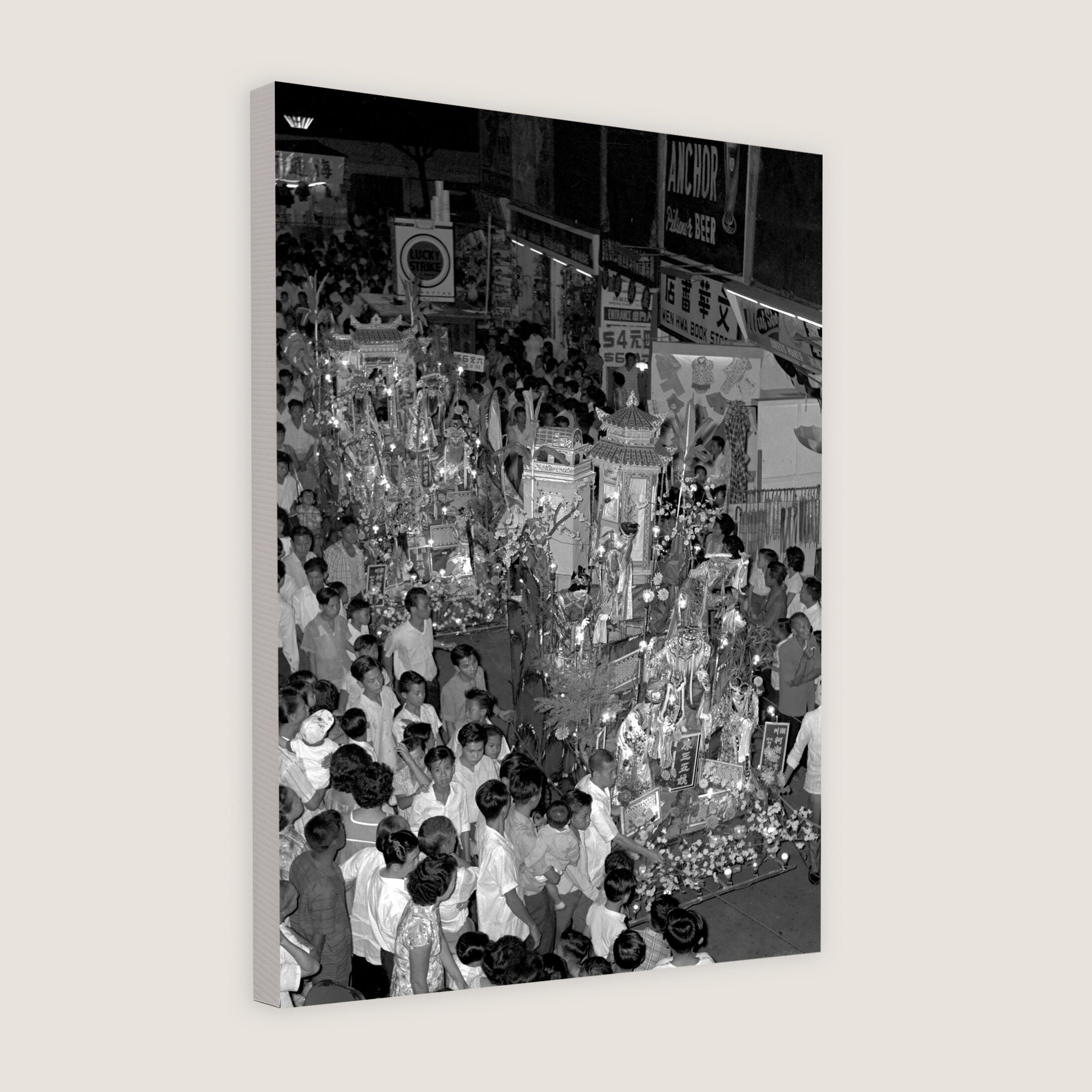
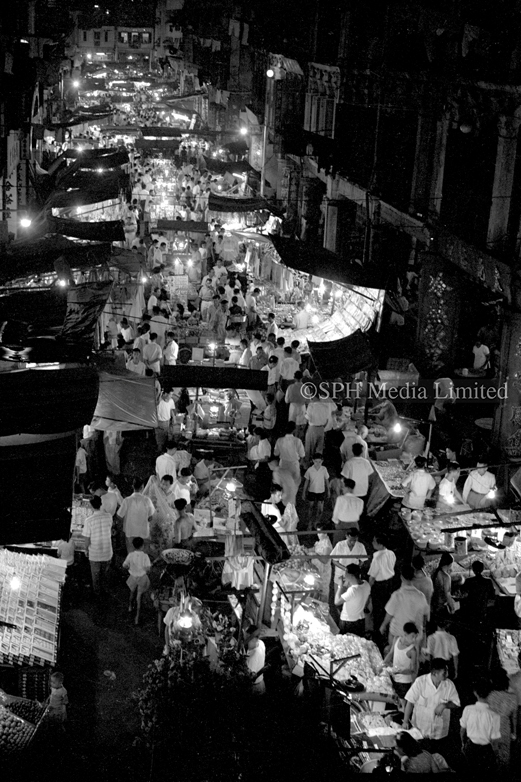 Pagoda Street Before Chinese New Year
1959
Pagoda Street Before Chinese New Year
1959
Pagoda Street Before Chinese New Year
Year 1959
The bustling night scene of hawkers stalls and shoppers in Pagoda Street with just two more days to go before Chinese New Year on Sunday in 1959. Pagoda Street's name originated from the nearby Sri Mariamman Temple, located at the corner of South Bridge Road and Pagoda Street.
©️ SPH Media Limited
Share to
Tags
Available for print on products
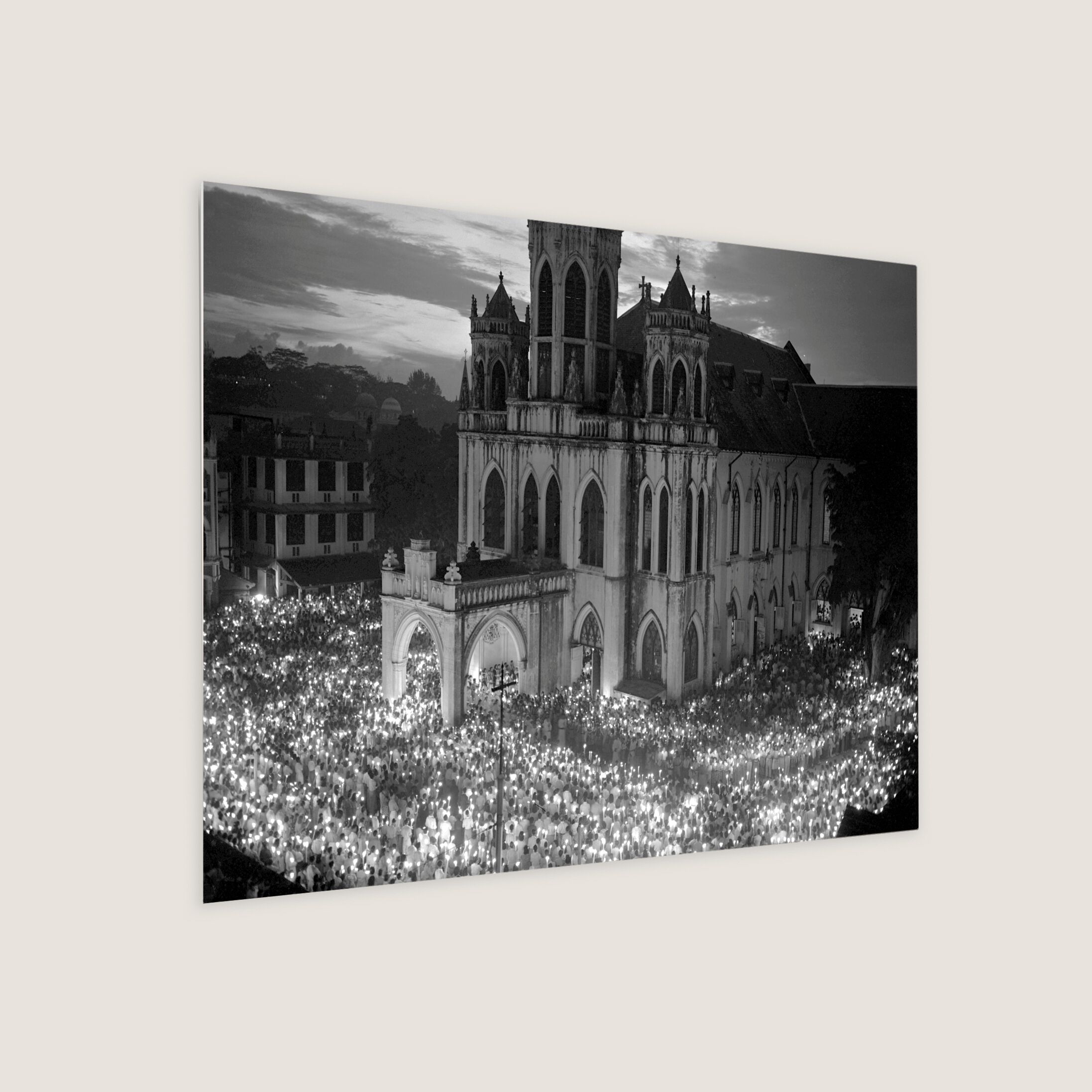
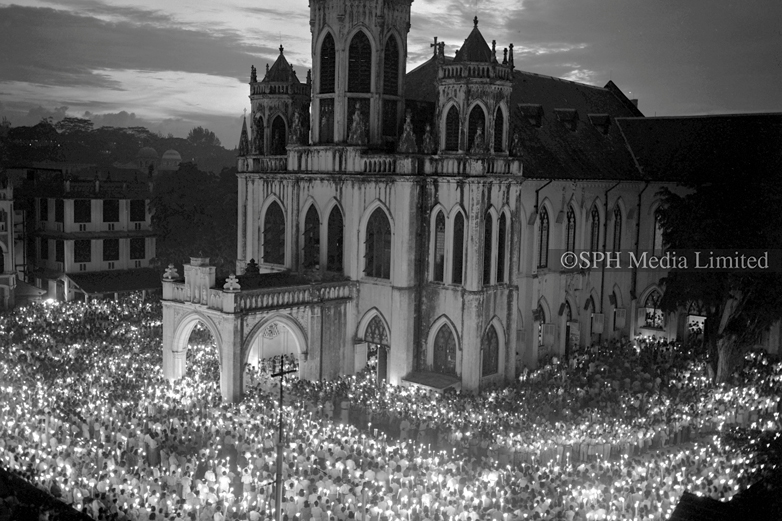 Good Friday at St Joseph's Church
1951
Good Friday at St Joseph's Church
1951
Good Friday at St Joseph's Church
Year 1951
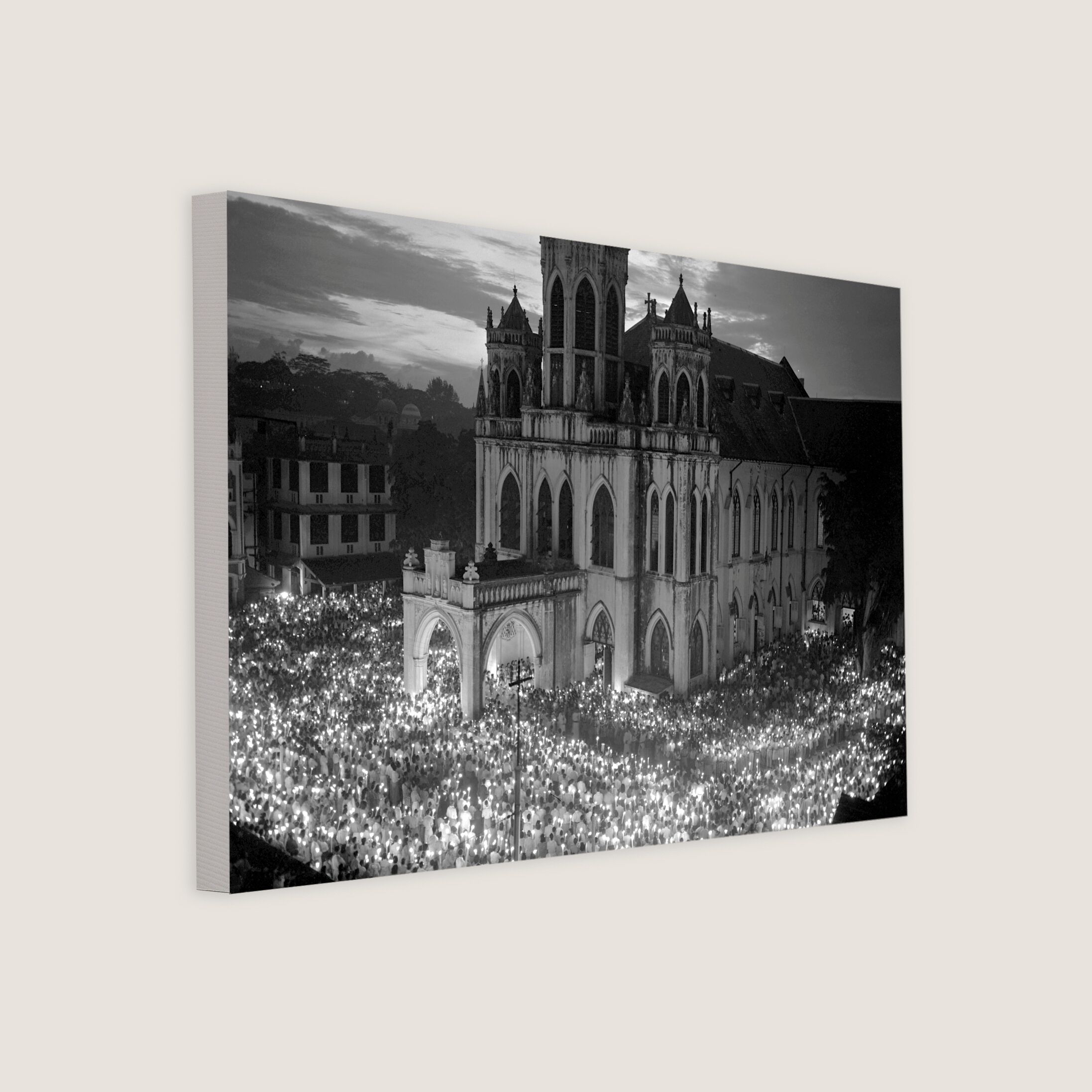
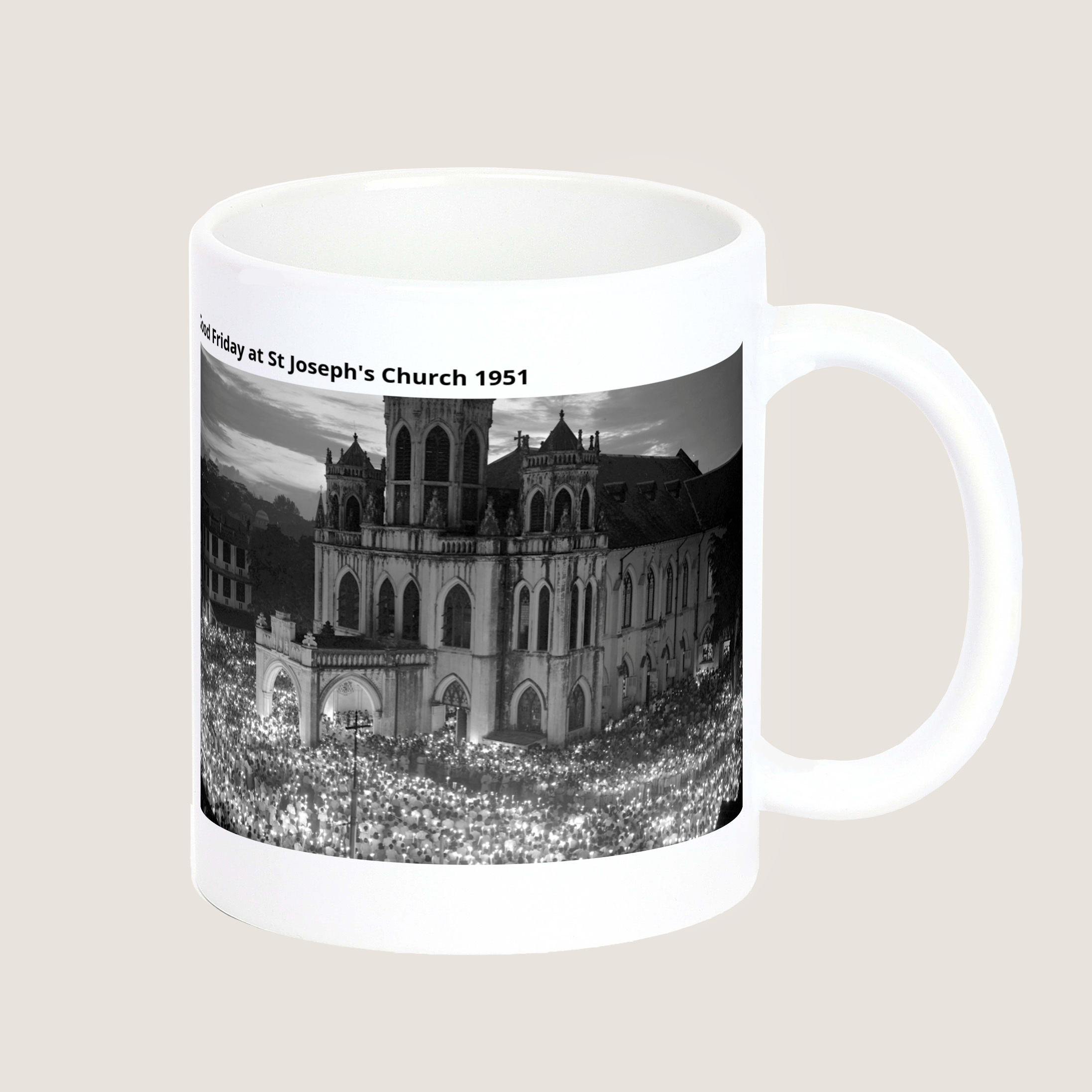
As the sun set in Singapore, thousands of Catholics with lighted candles in their hands crowded the grounds of St. Joseph's Church to take part in a Good Friday religious procession in 1951. A church that practises many Portuguese Catholic traditions, St Joseph's Church building was established as a national monument in 2005.
©️ SPH Media Limited
Share to
Tags
Available for print on products
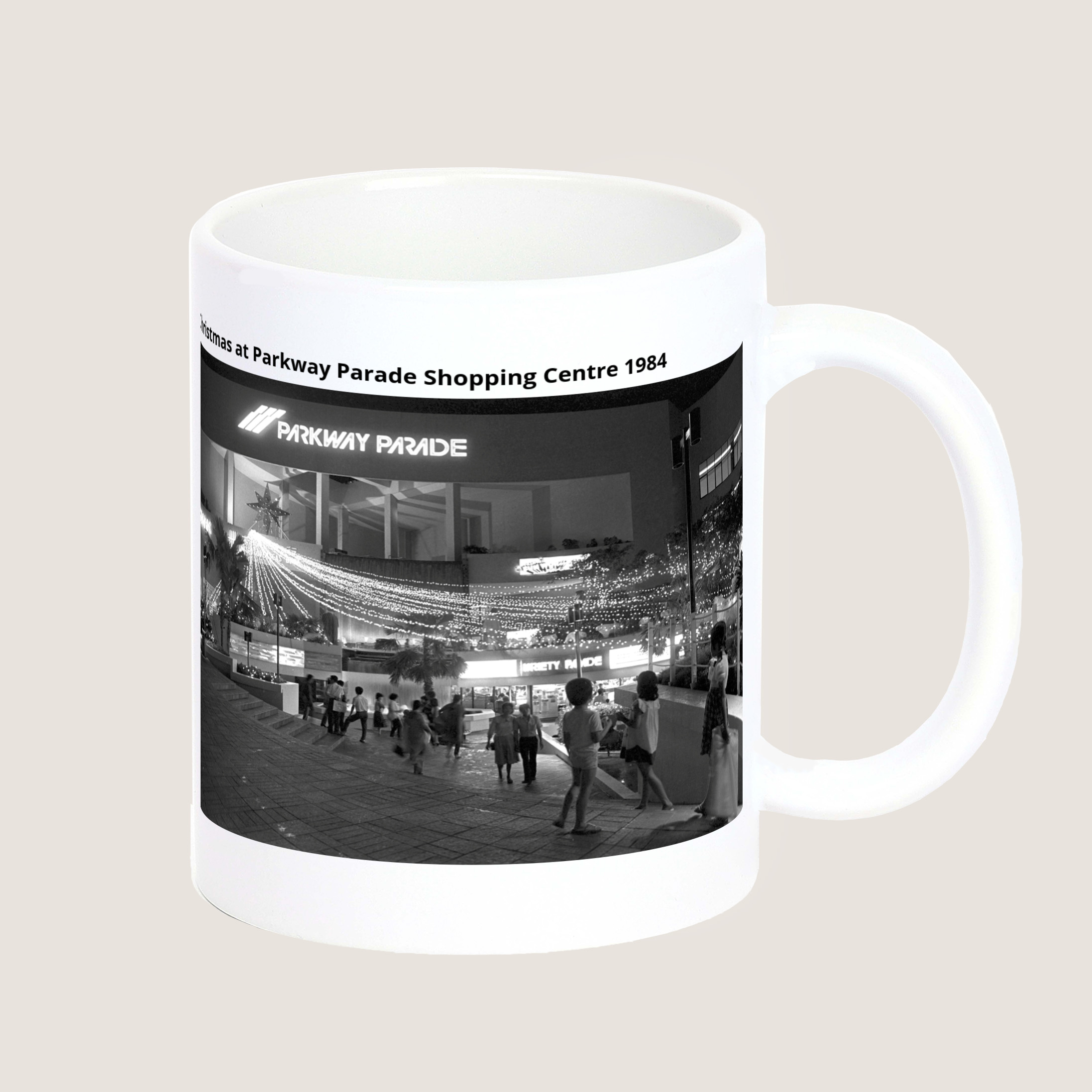
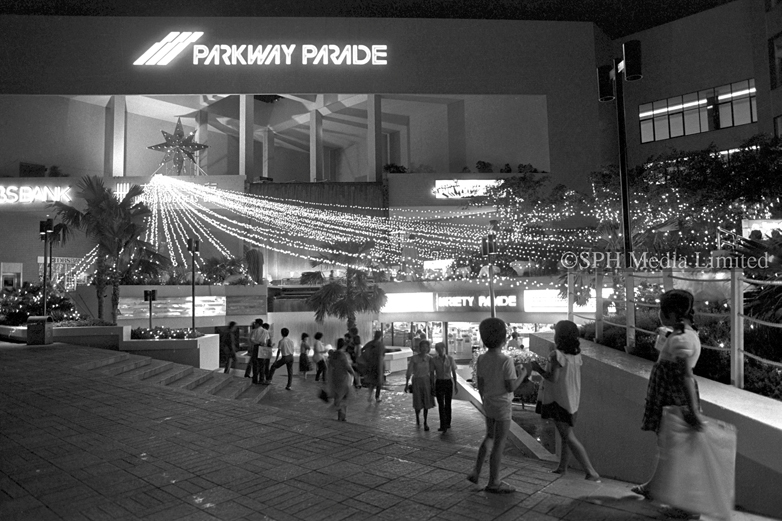 Christmas at Parkway Parade Shopping Centre
1984
Christmas at Parkway Parade Shopping Centre
1984
Christmas at Parkway Parade Shopping Centre
Year 1984
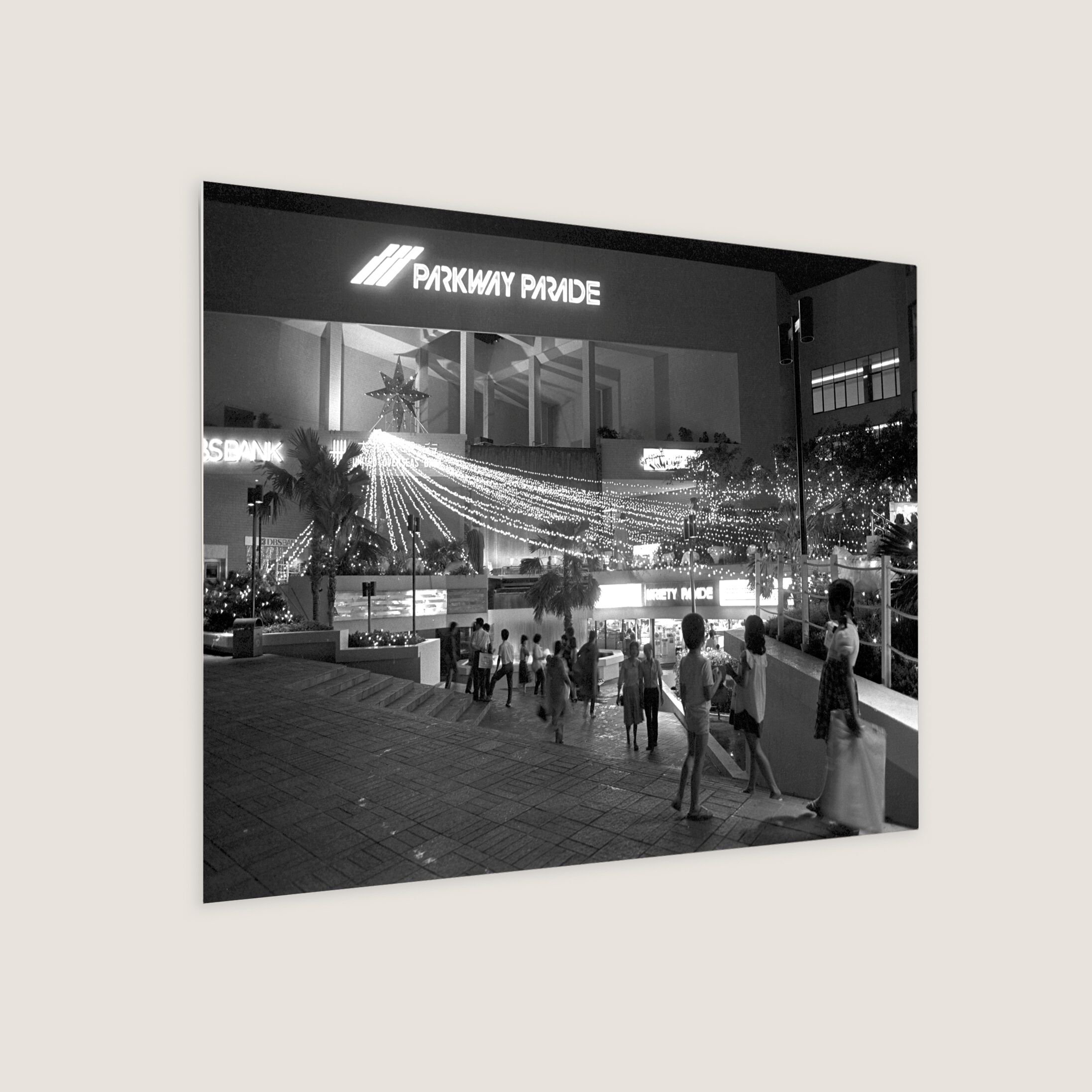
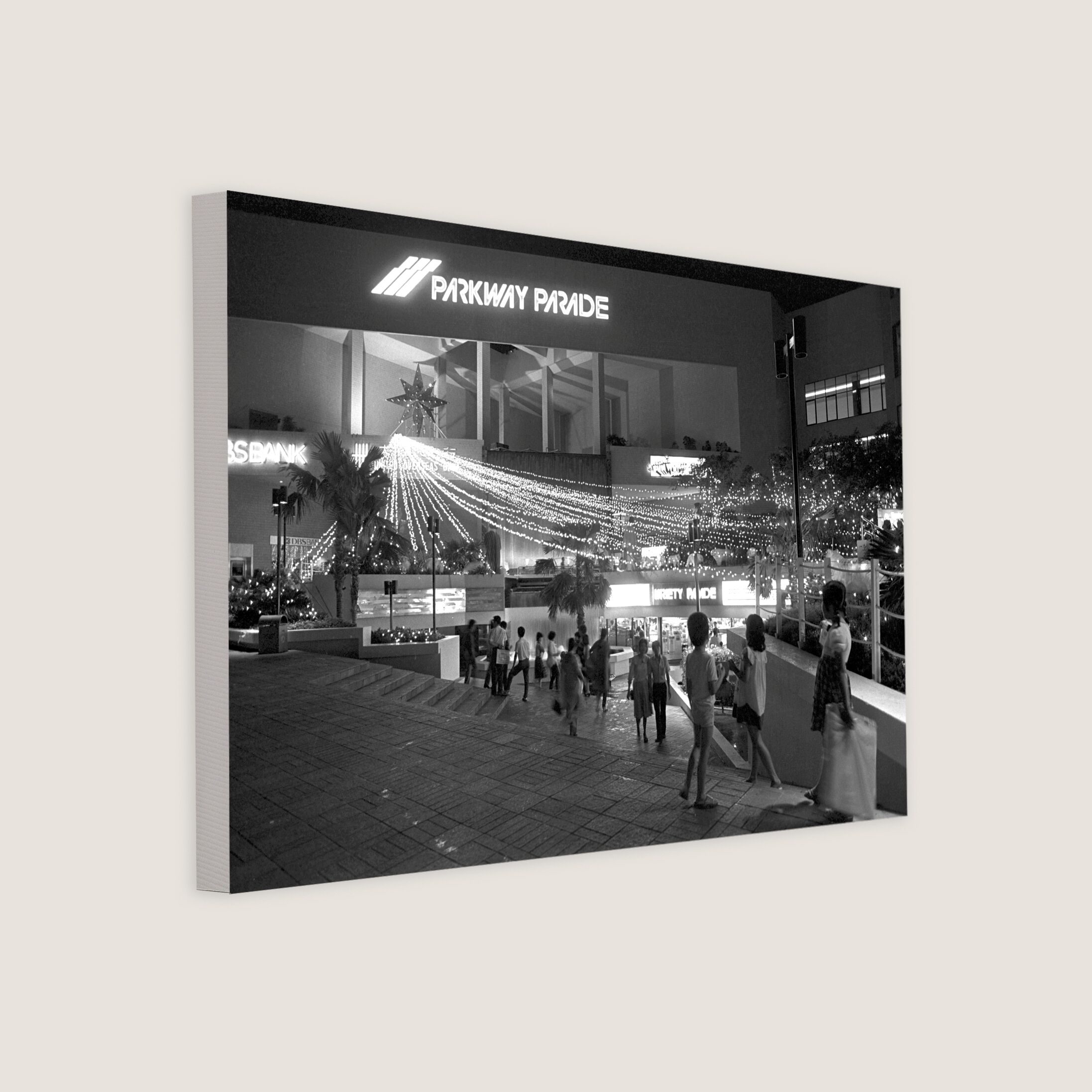
Christmas magic illuminates Parkway Parade Shopping Centre in Marine Parade. Officially opened in March 1984, this pioneering shopping centre was one of the first to bring convenience and excitement to the heartlands of Singapore.
©️ SPH Media Limited
Share to
Tags
Available for print on products
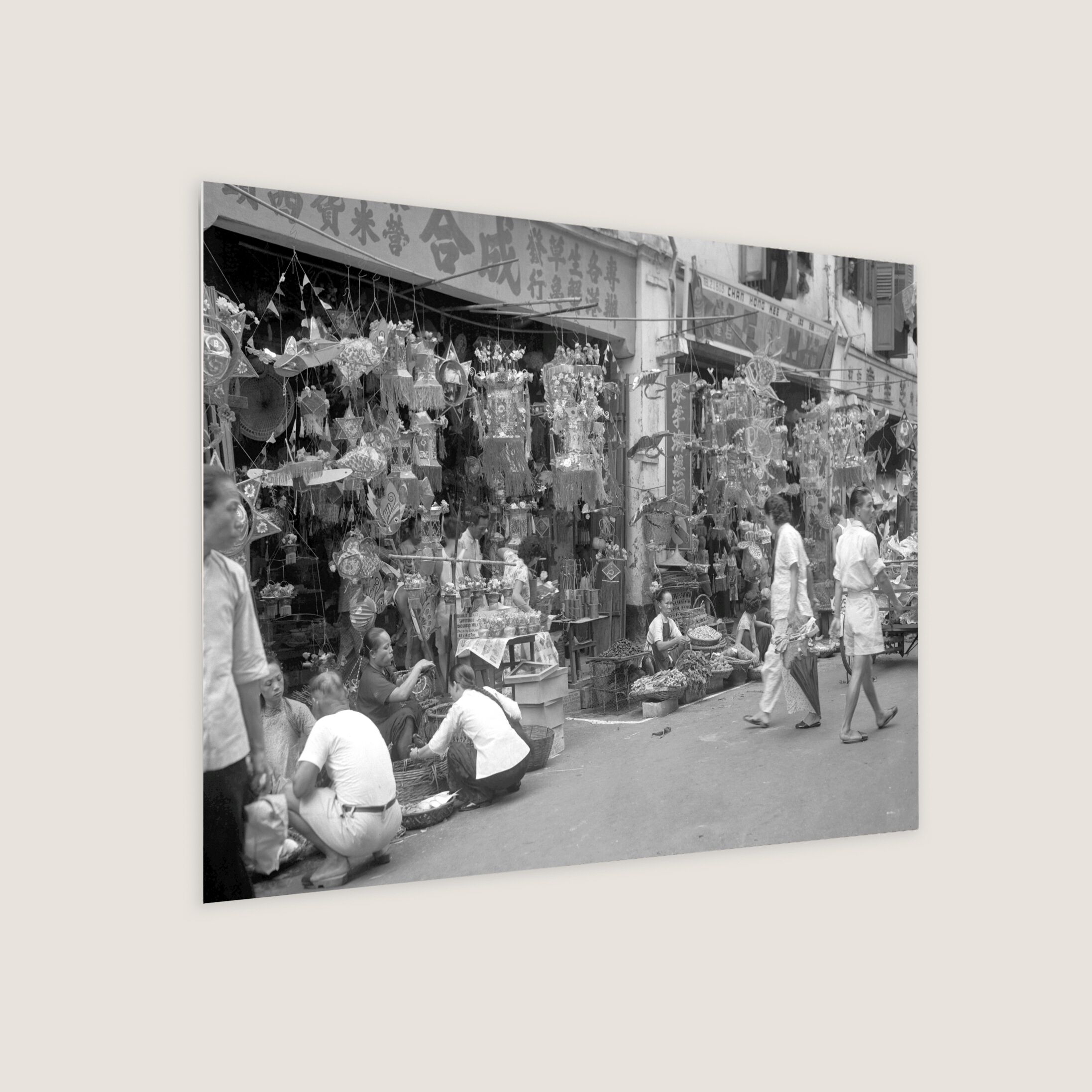
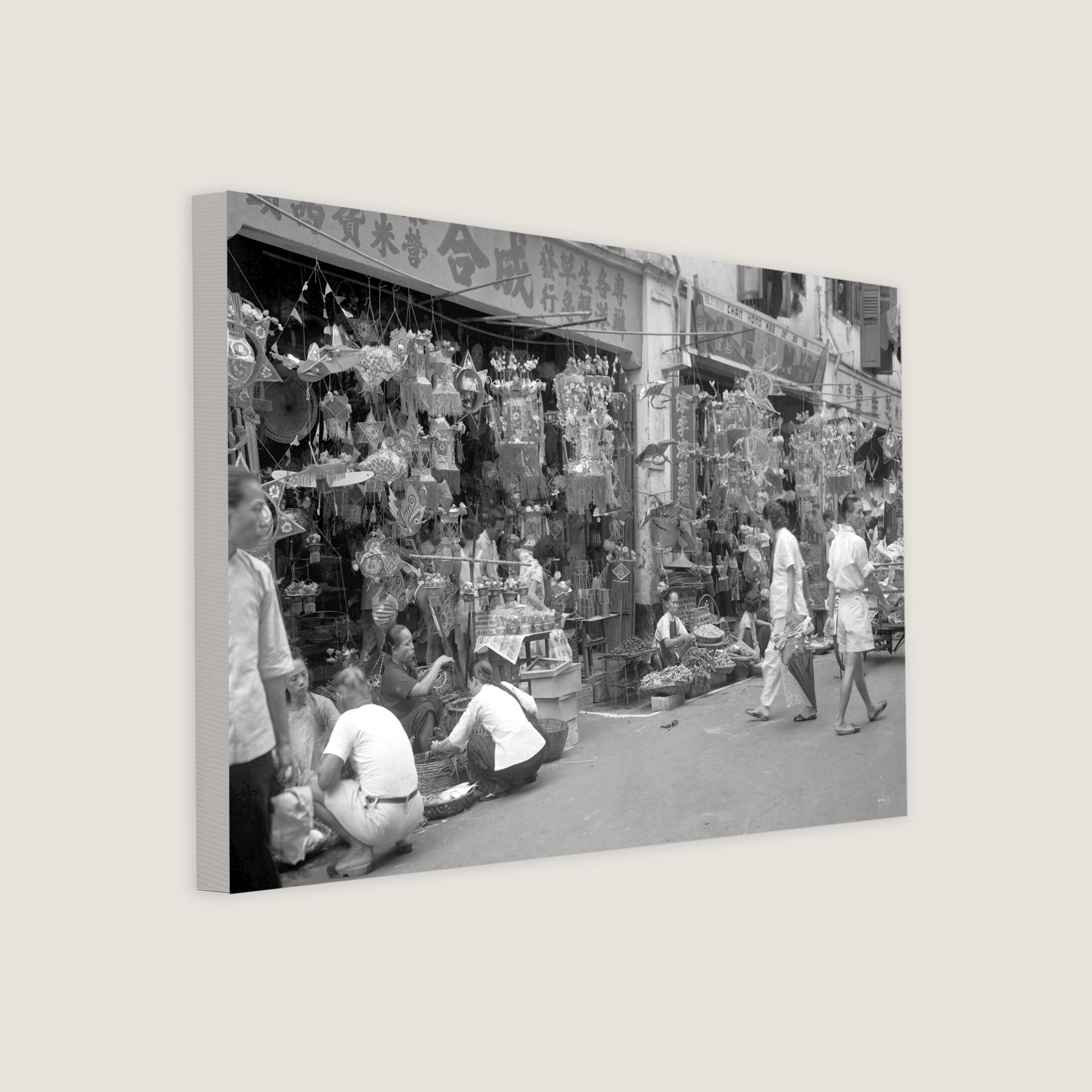
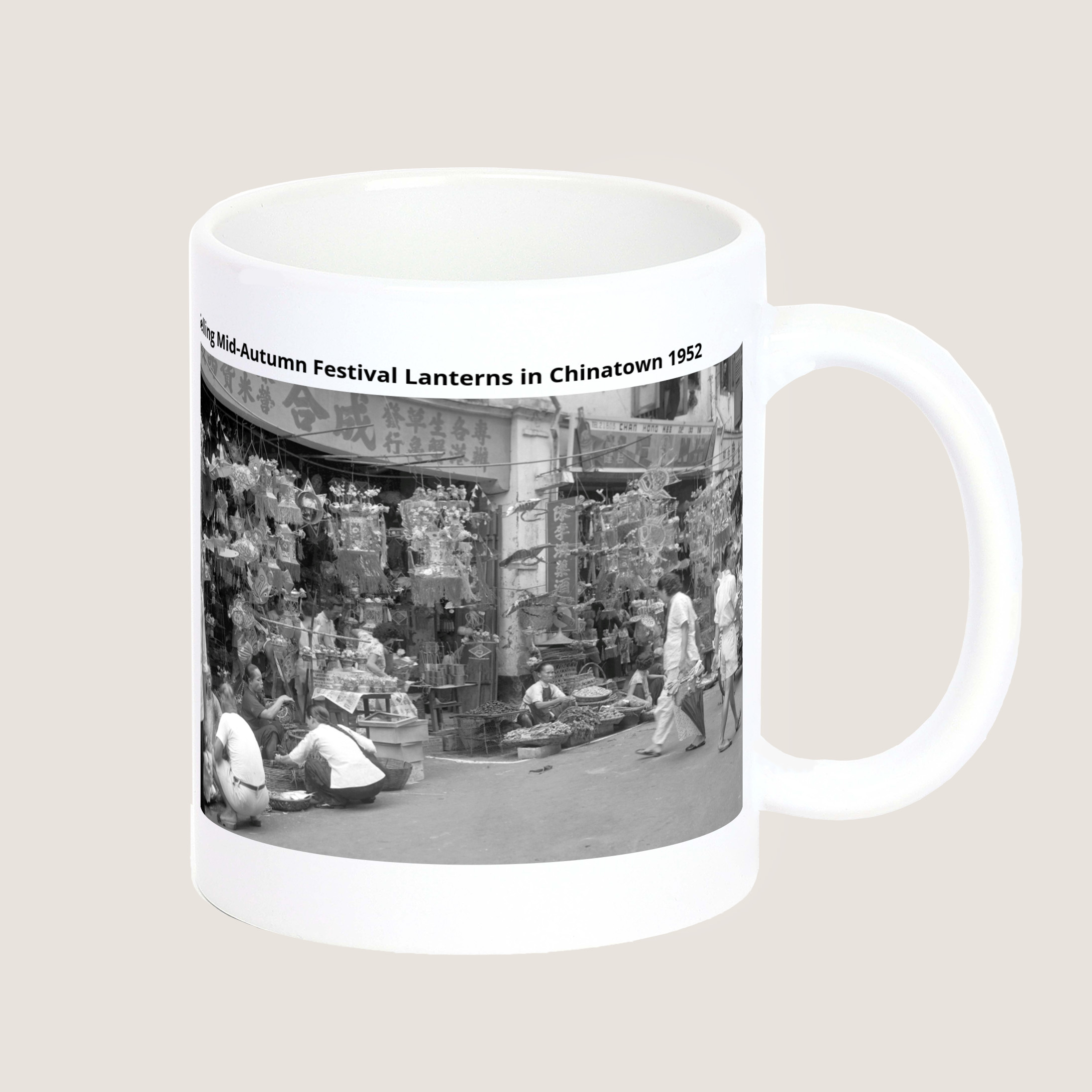
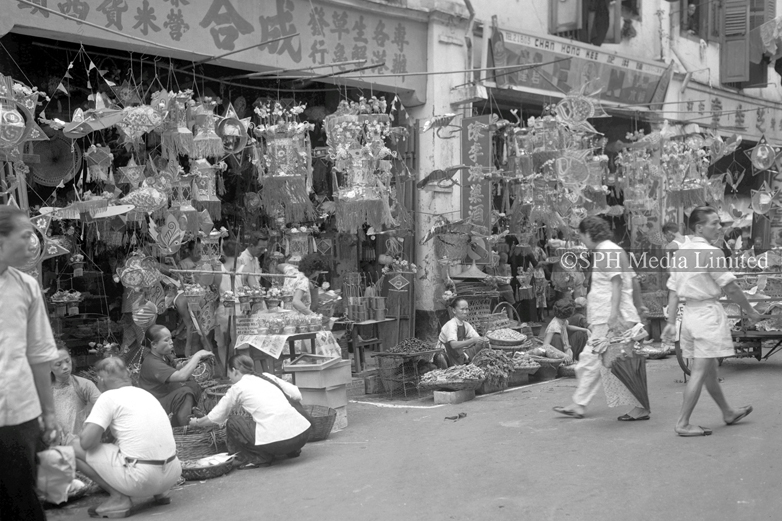 Selling Mid-Autumn Festival Lanterns in Chinatown
1952
Selling Mid-Autumn Festival Lanterns in Chinatown
1952
Selling Mid-Autumn Festival Lanterns in Chinatown
Year 1952
Carrying lanterns is a traditional way for Singaporeans to celebrate the Mid-Autumn Festival. As the festival approaches, savvy shopkeepers begin selling lanterns outside their stores. In the 1950s, Chinatown would become a vibrant and colorful spectacle with lanterns of all shapes and sizes on display in the days leading up to the Mid-Autumn Festival.
©️ SPH Media Limited
Share to
Tags
Available for print on products
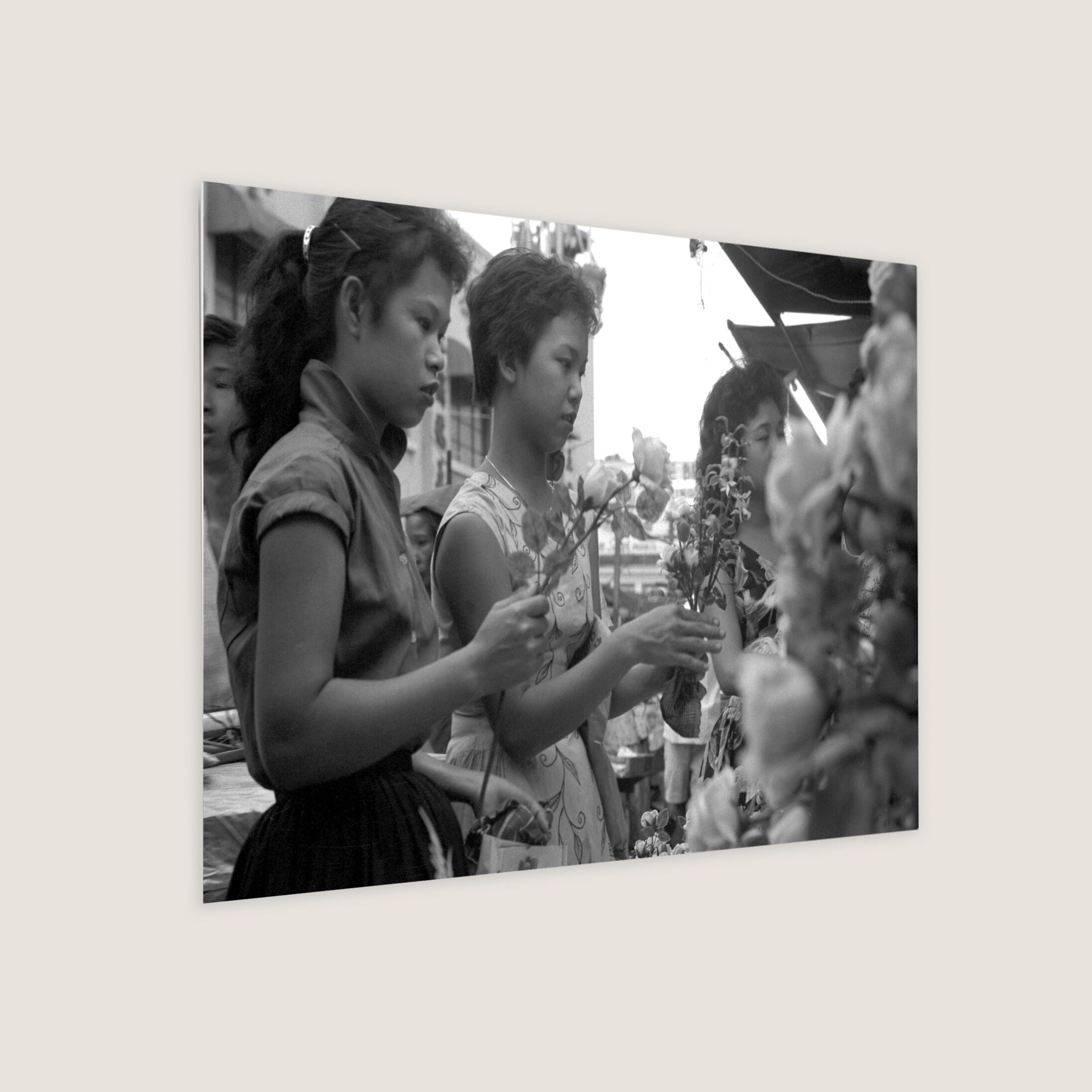
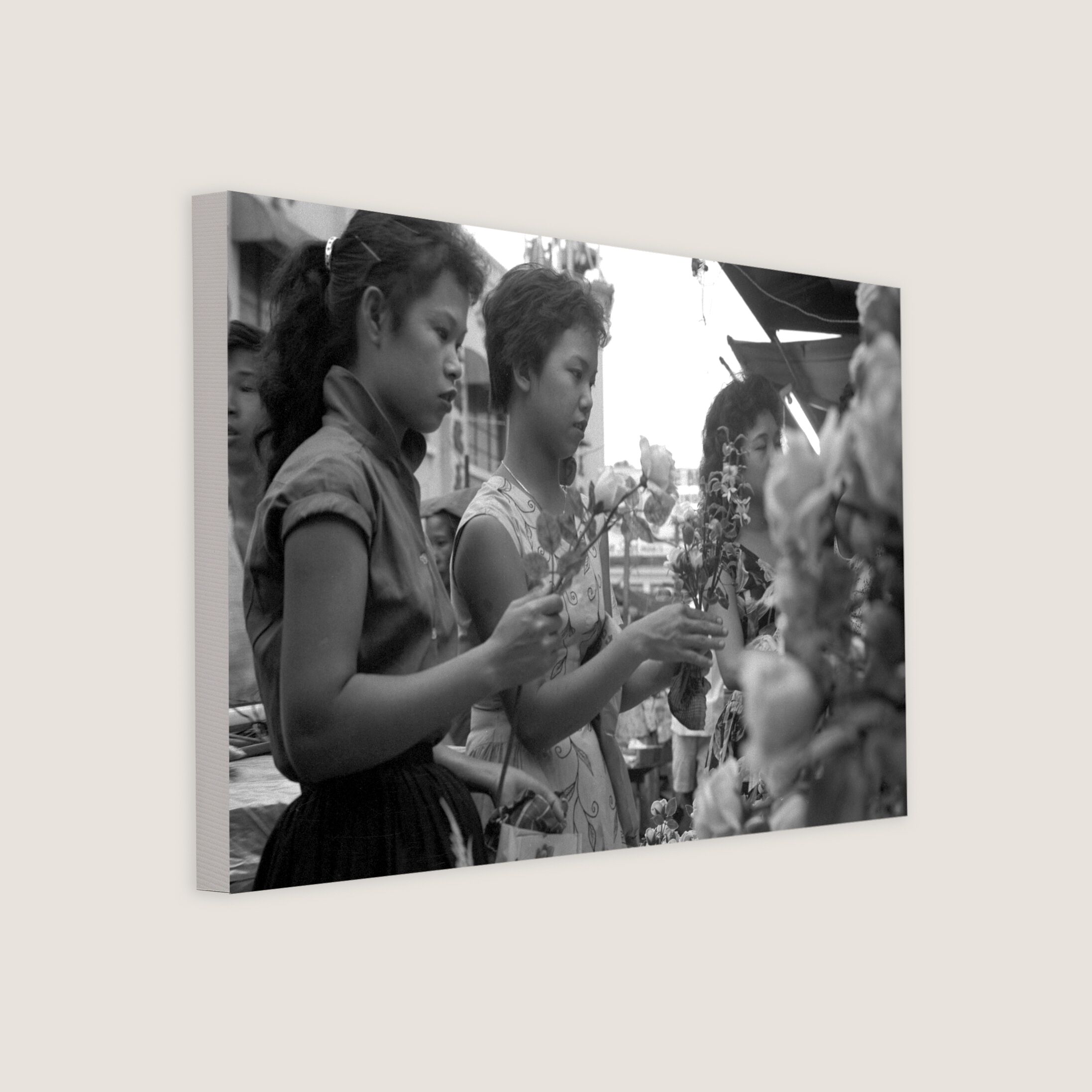
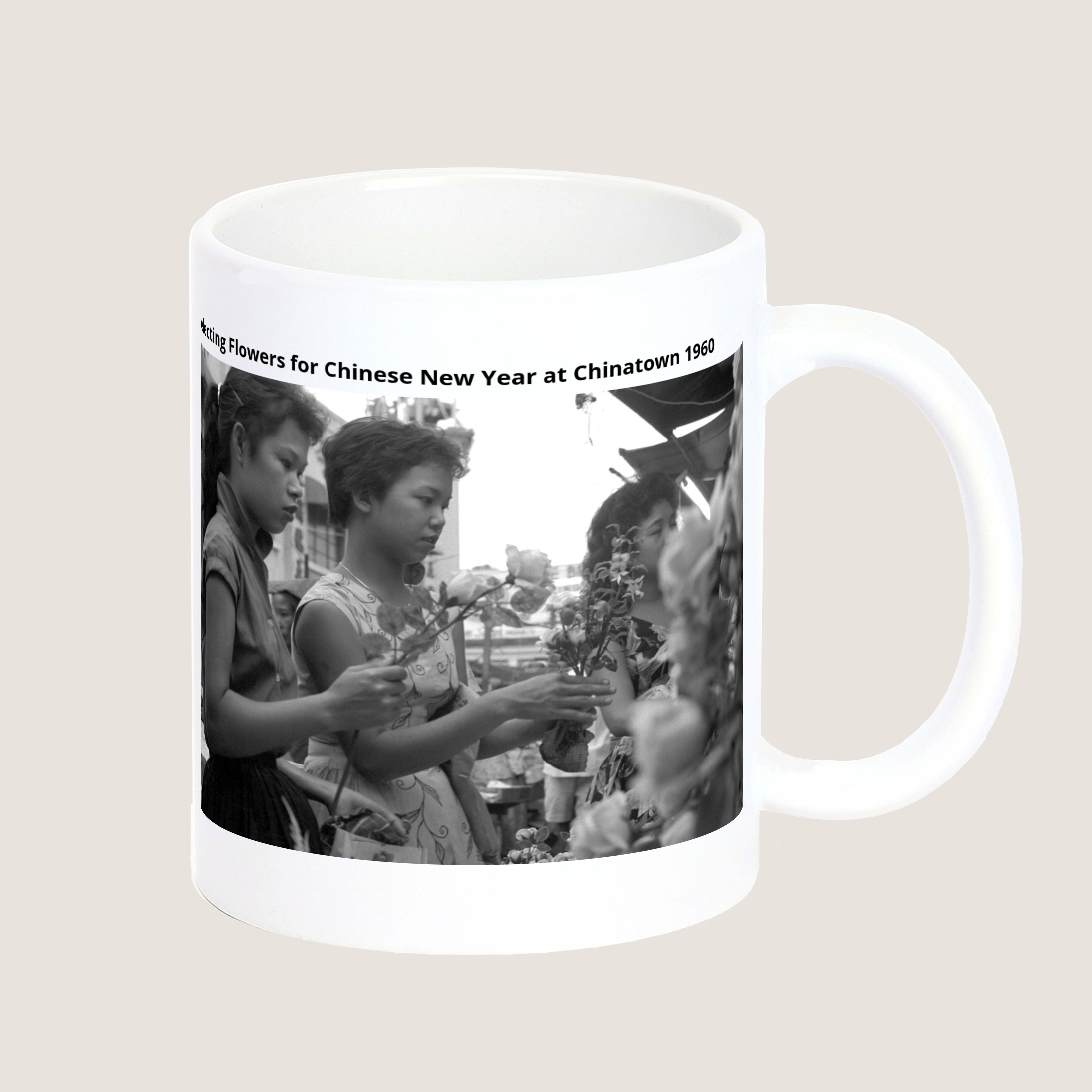
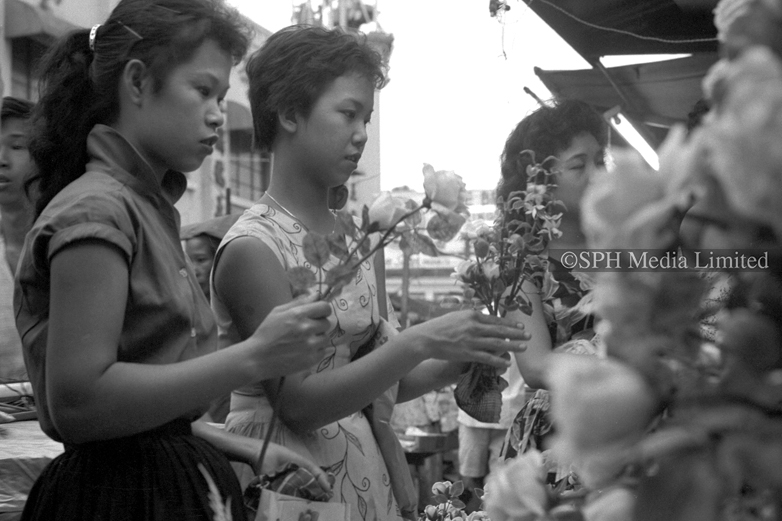 Selecting Flowers for Chinese New Year at Chinatown
1960
Selecting Flowers for Chinese New Year at Chinatown
1960
Selecting Flowers for Chinese New Year at Chinatown
Year 1960
Chinese New Year is the biggest festival for the Chinese in Singapore. Even back in 1960, Chinatown was busy and filled with people shopping and running errands in preparation for the festivities. Til now, it is the most festive and busiest place during Chinese New Year.
©️ SPH Media Limited
Share to
Tags
Available for print on products
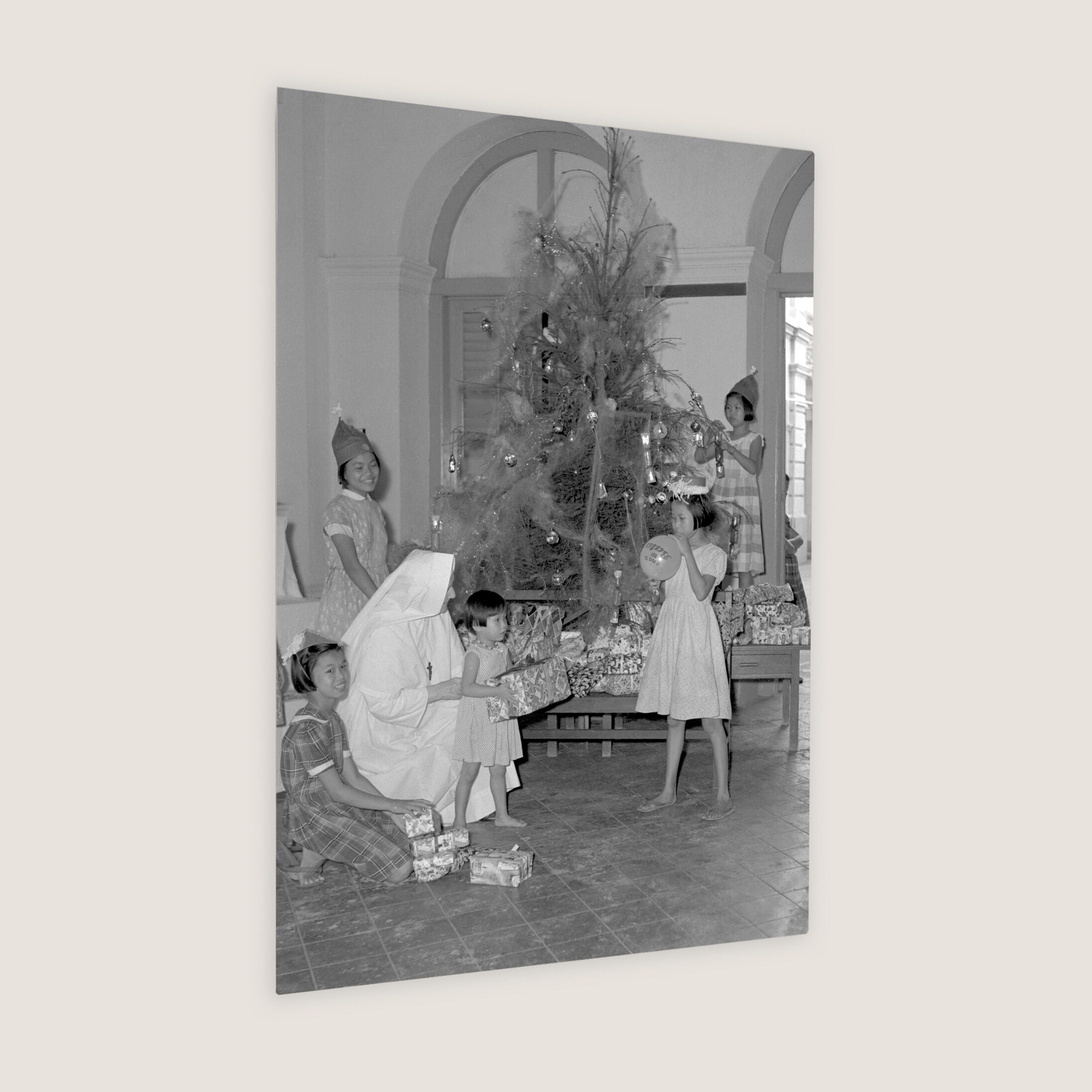
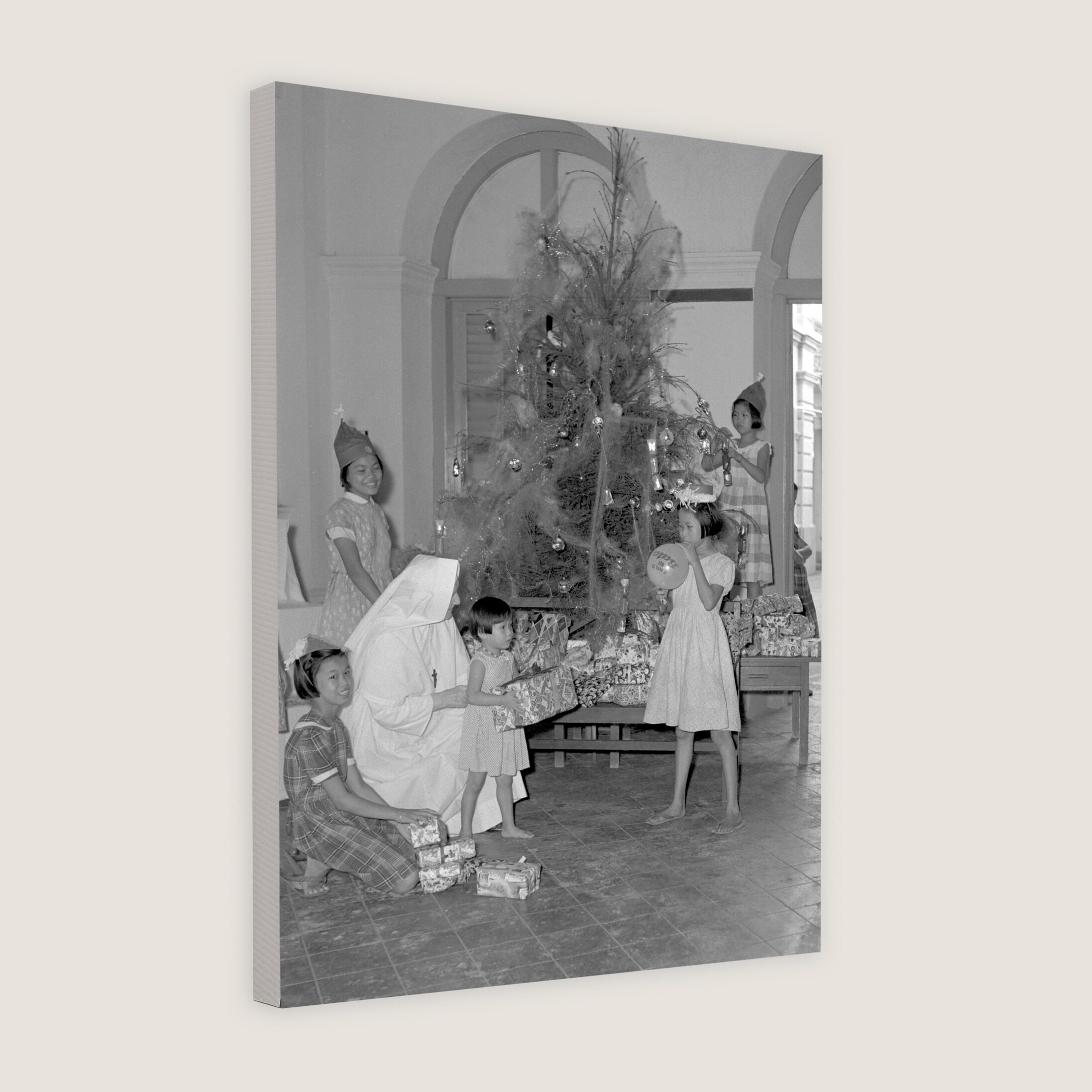
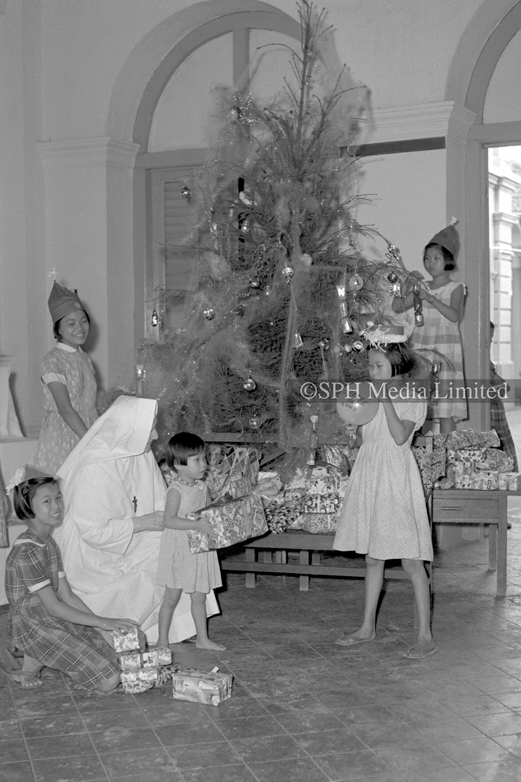 Christmas at the Convent of the Holy Infant Jesus
1960
Christmas at the Convent of the Holy Infant Jesus
1960
Christmas at the Convent of the Holy Infant Jesus
Year 1960
A Christmas tree complete with decorations and presents was presented to the Convent of the Holy Infant Jesus (currently CHIJMES) by the British Overseas Airways Corporation. Mother Superior Rev. Mother St. John was seen celebrating with the girls around the Christmas Tree.
©️ SPH Media Limited
Share to
Tags
Available for print on products
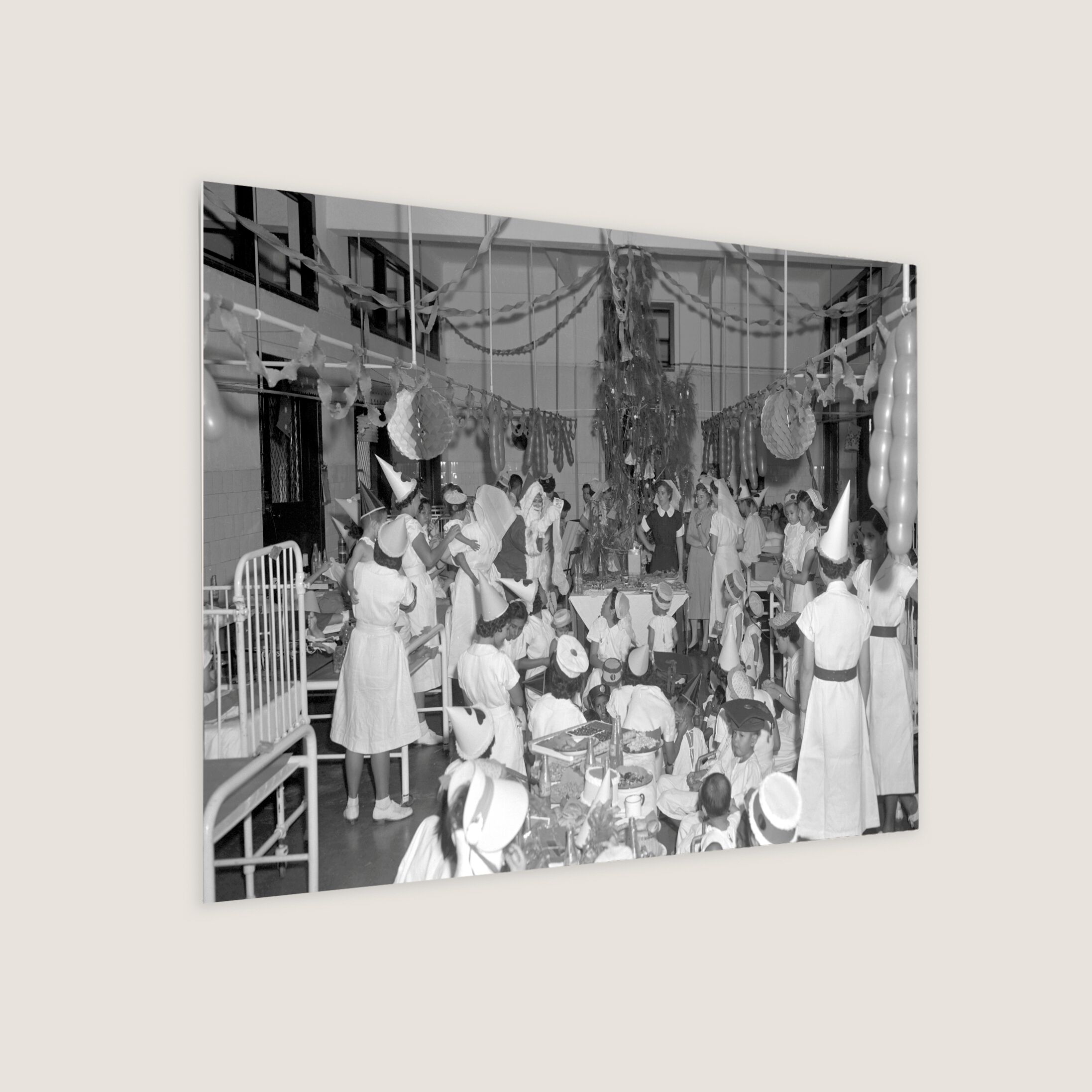
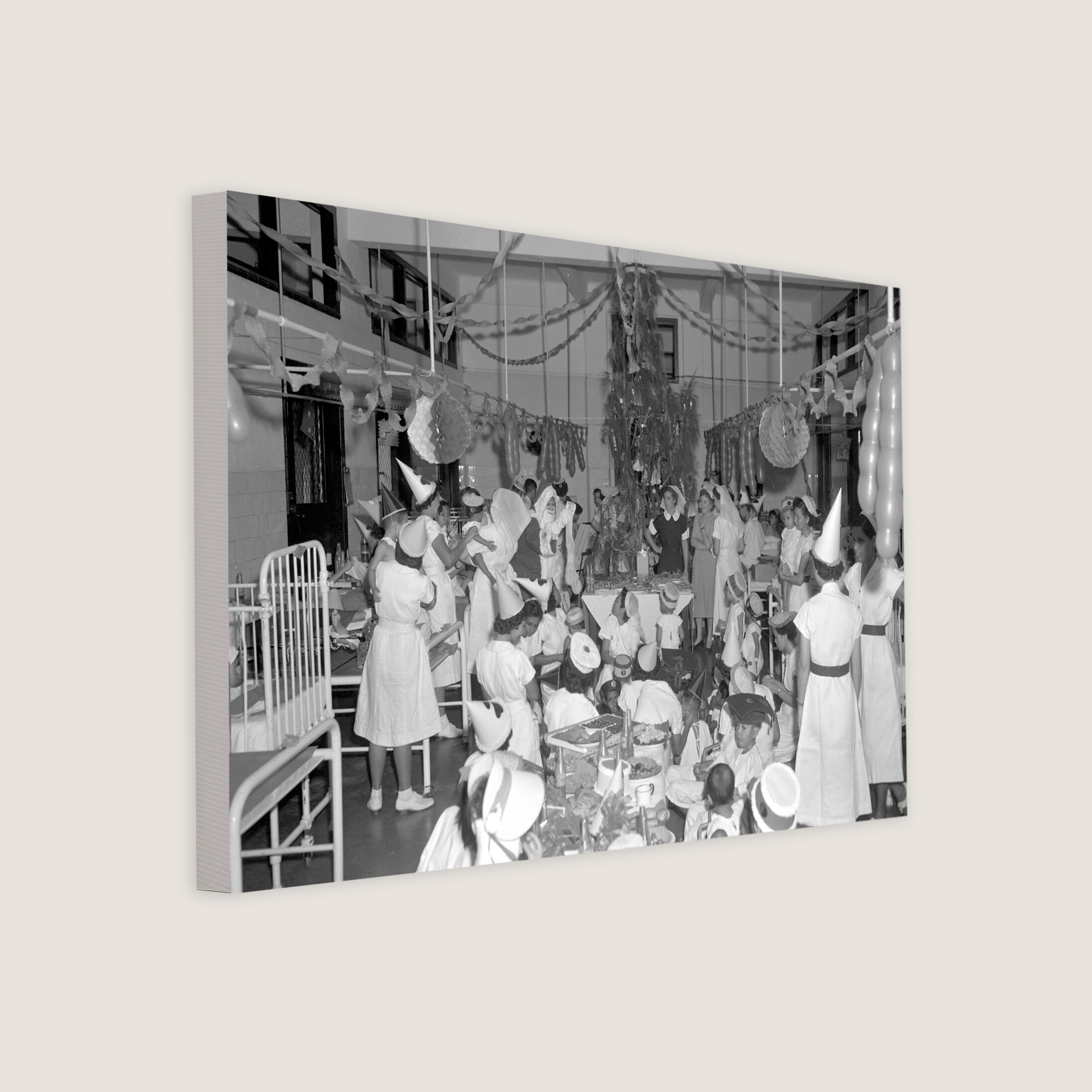
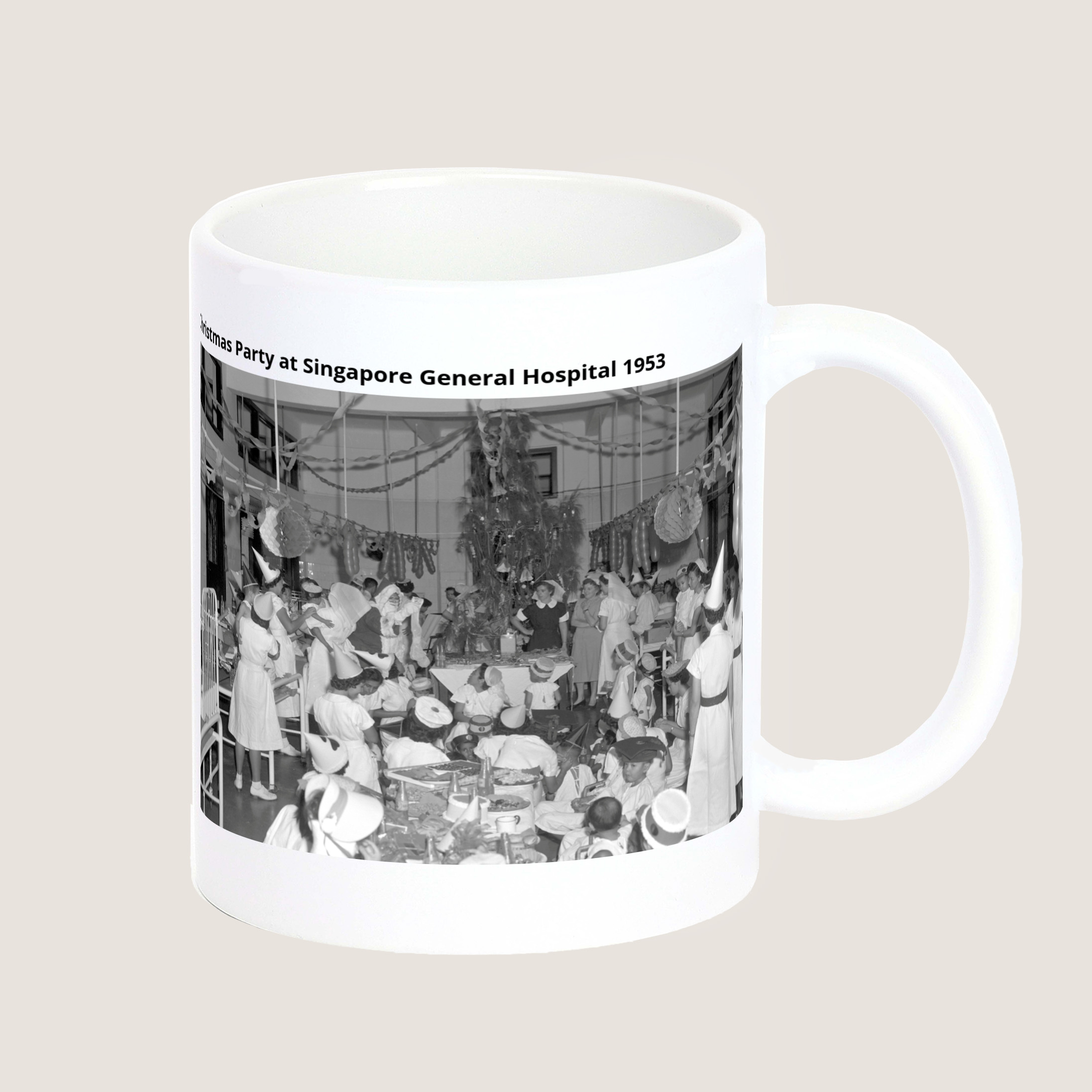
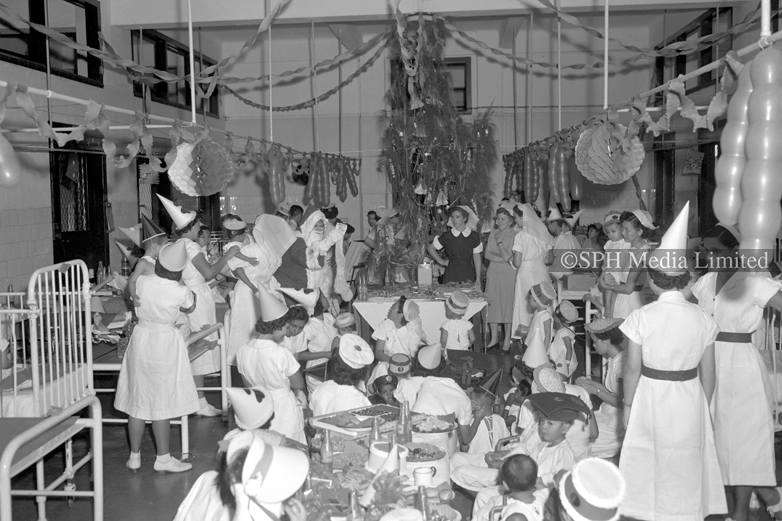 Christmas Party at Singapore General Hospital
1953
Christmas Party at Singapore General Hospital
1953
Christmas Party at Singapore General Hospital
Year 1953
A Christmas celebration is held at the the ward, which was festively decorated. Both nurses and children are all engaged in the celebration. The celebration highlights the hospital's effort to create a cheerful and festive environment for young patients and staff, capturing a moment of merriment during this thankful time.
©️ SPH Media Limited
Share to
Tags
Available for print on products
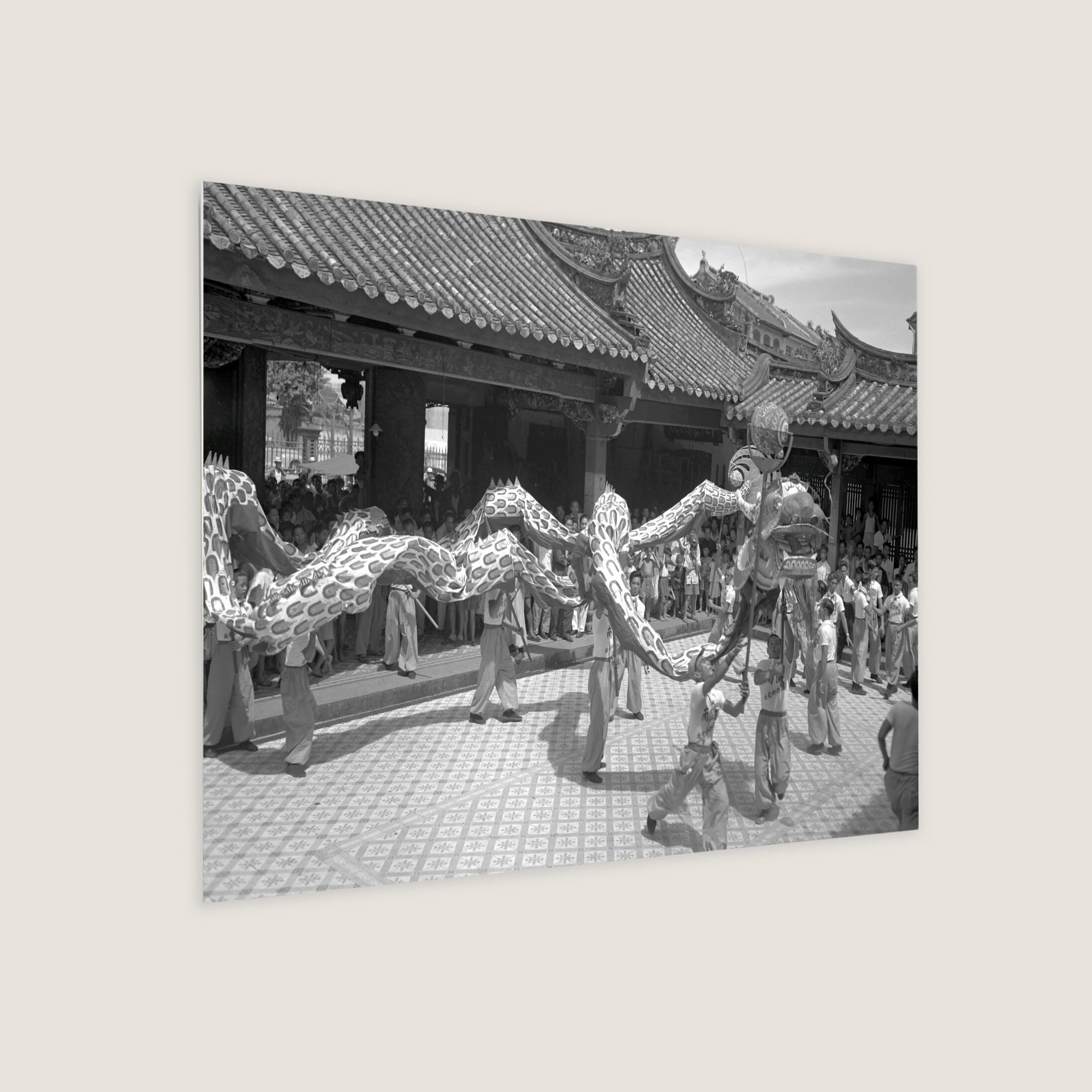
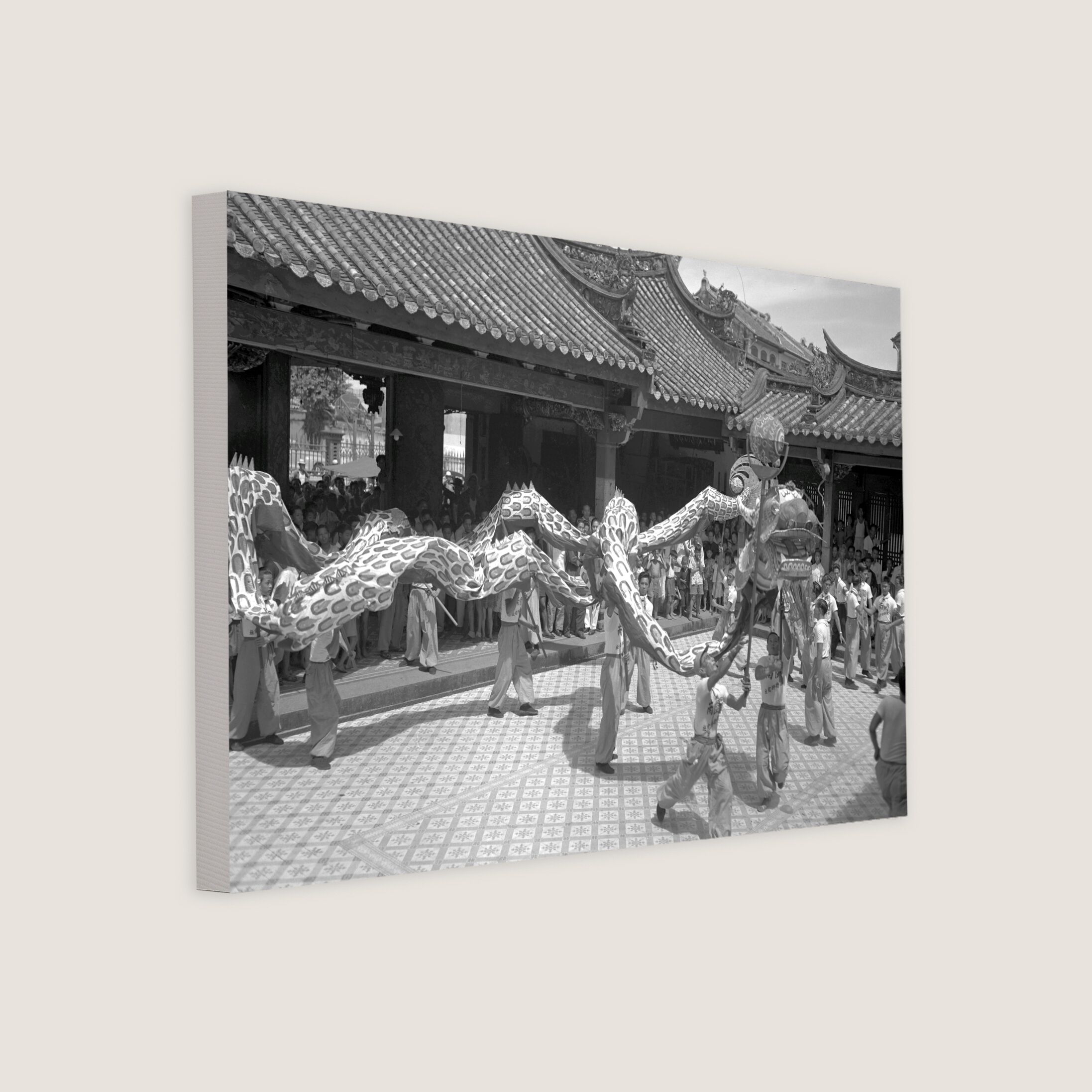
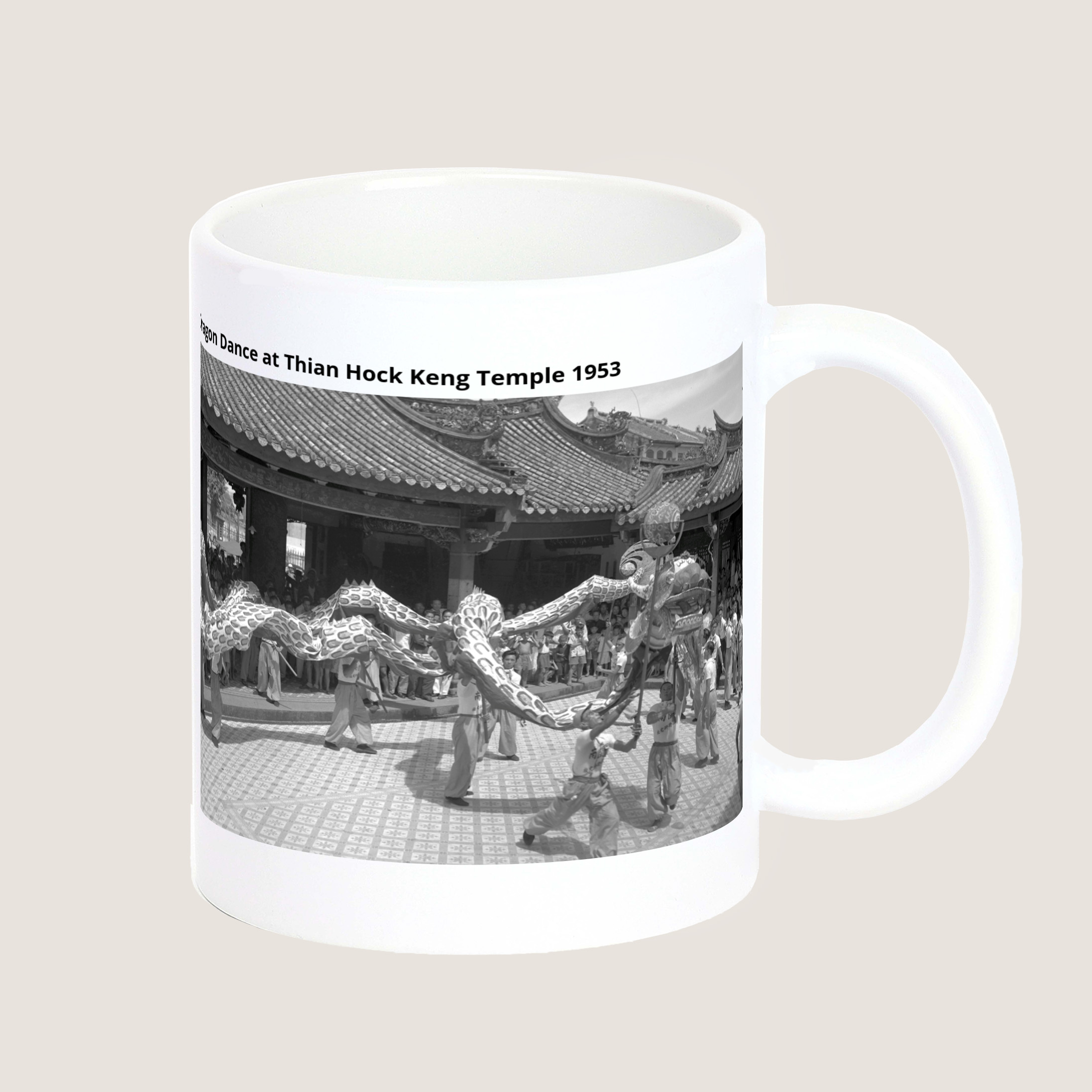
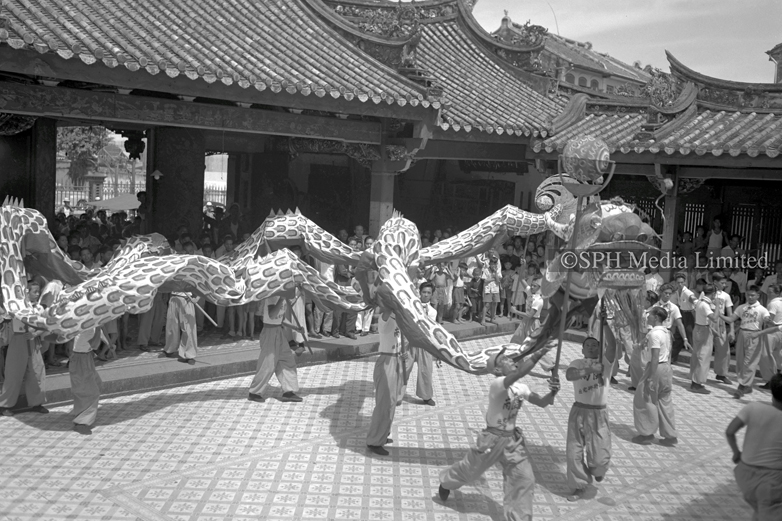 Dragon Dance at Thian Hock Keng Temple
1953
Dragon Dance at Thian Hock Keng Temple
1953
Dragon Dance at Thian Hock Keng Temple
Year 1953
Dragon dance at Thian Hock Keng Temple at Telok Ayer on May 24, 1953. A Coronation dragon was offered to the gods in the temple as a symbol of the World's hope for peace during the reign of the Queen. The dragon, 100 feet long, is a contribution from the Mun Nam Pugilistic Study Association to the Chinese procession on Coronation night.
©️ SPH Media Limited
Share to
Tags
Available for print on products
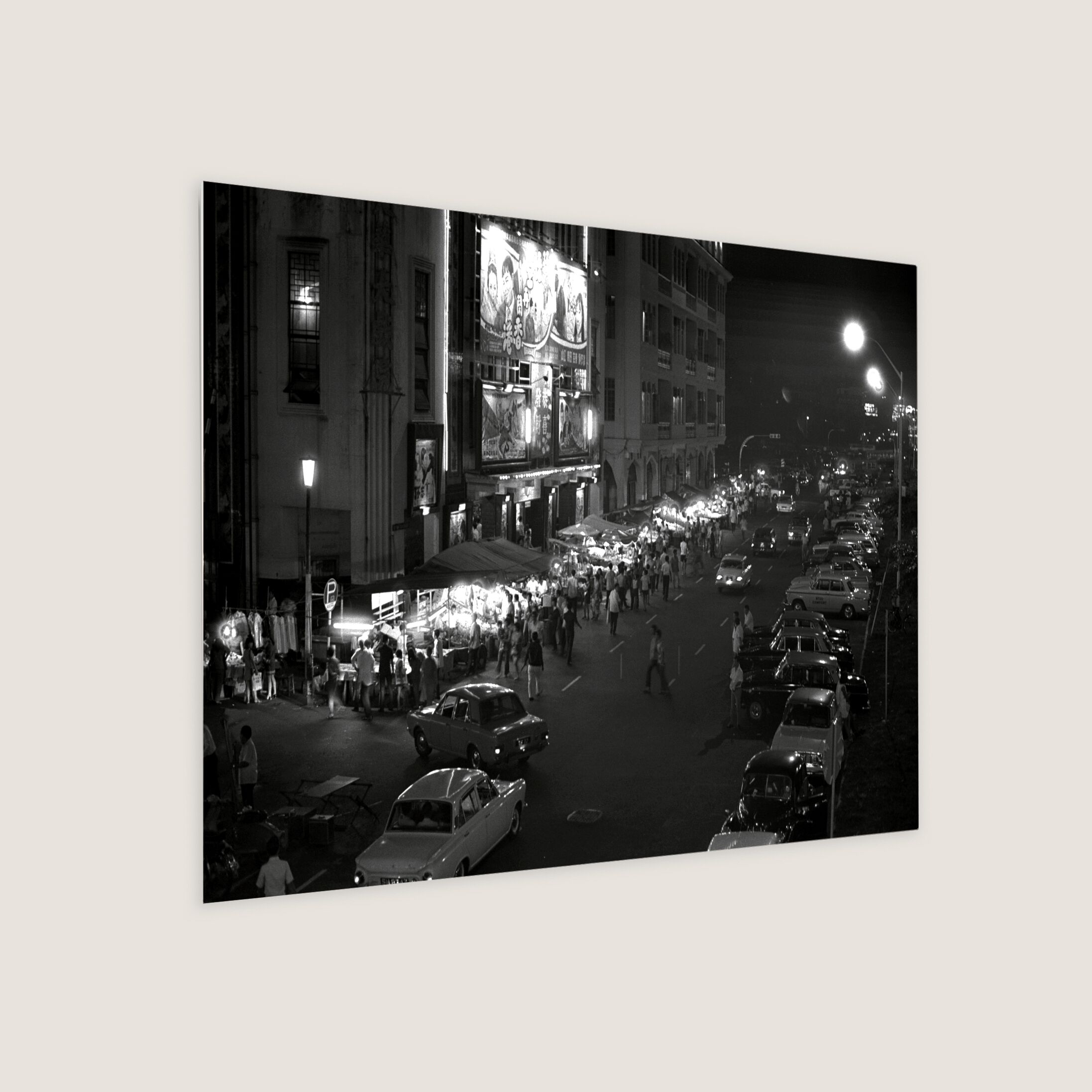
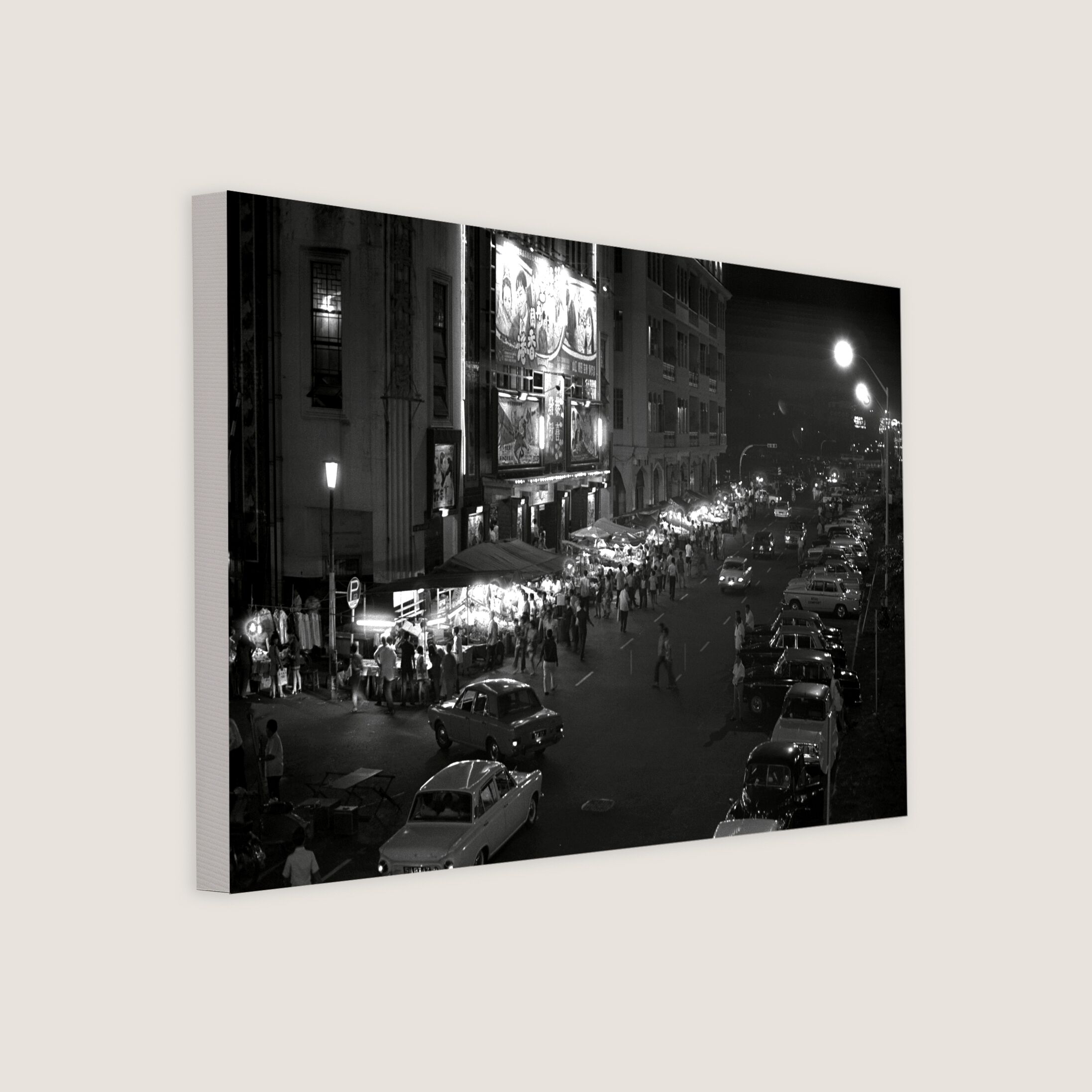
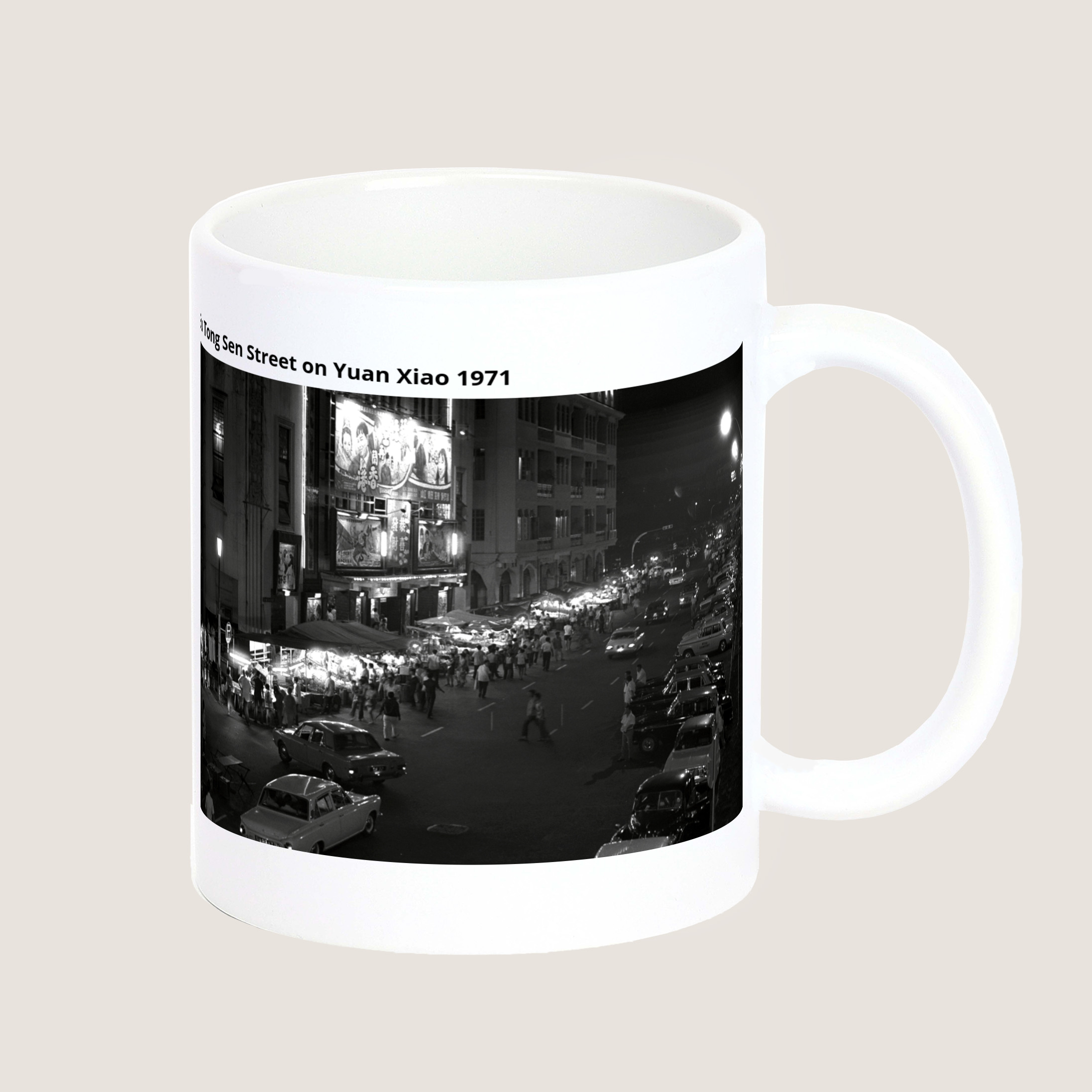
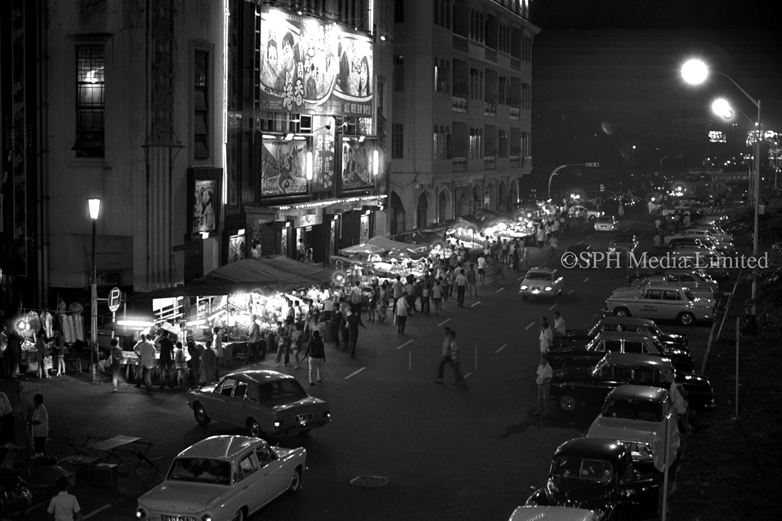 Eu Tong Sen Street on Yuan Xiao
1971
Eu Tong Sen Street on Yuan Xiao
1971
Eu Tong Sen Street on Yuan Xiao
Year 1971
Crowds were patronising the hawker stalls in front of Majestic Theatre in Chinatown on Chap Goh Meh or ?? (Yuan Xiao), the 15th day of Chinese New Year. It marks the end of the Chinese New Year celebrations. Today, this street is known as Eu Tong Sen Street.
©️ SPH Media Limited
Share to
Tags
Available for print on products
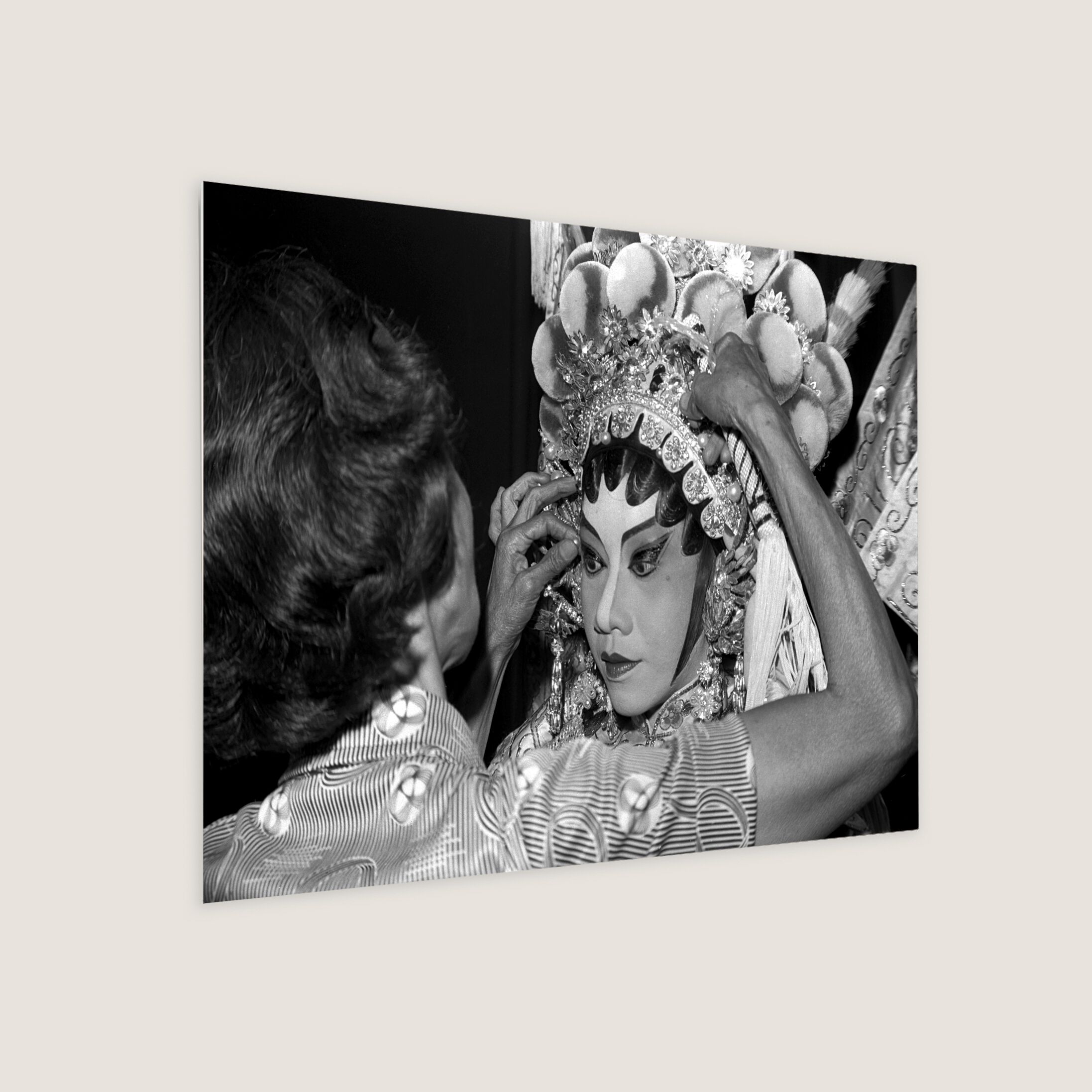
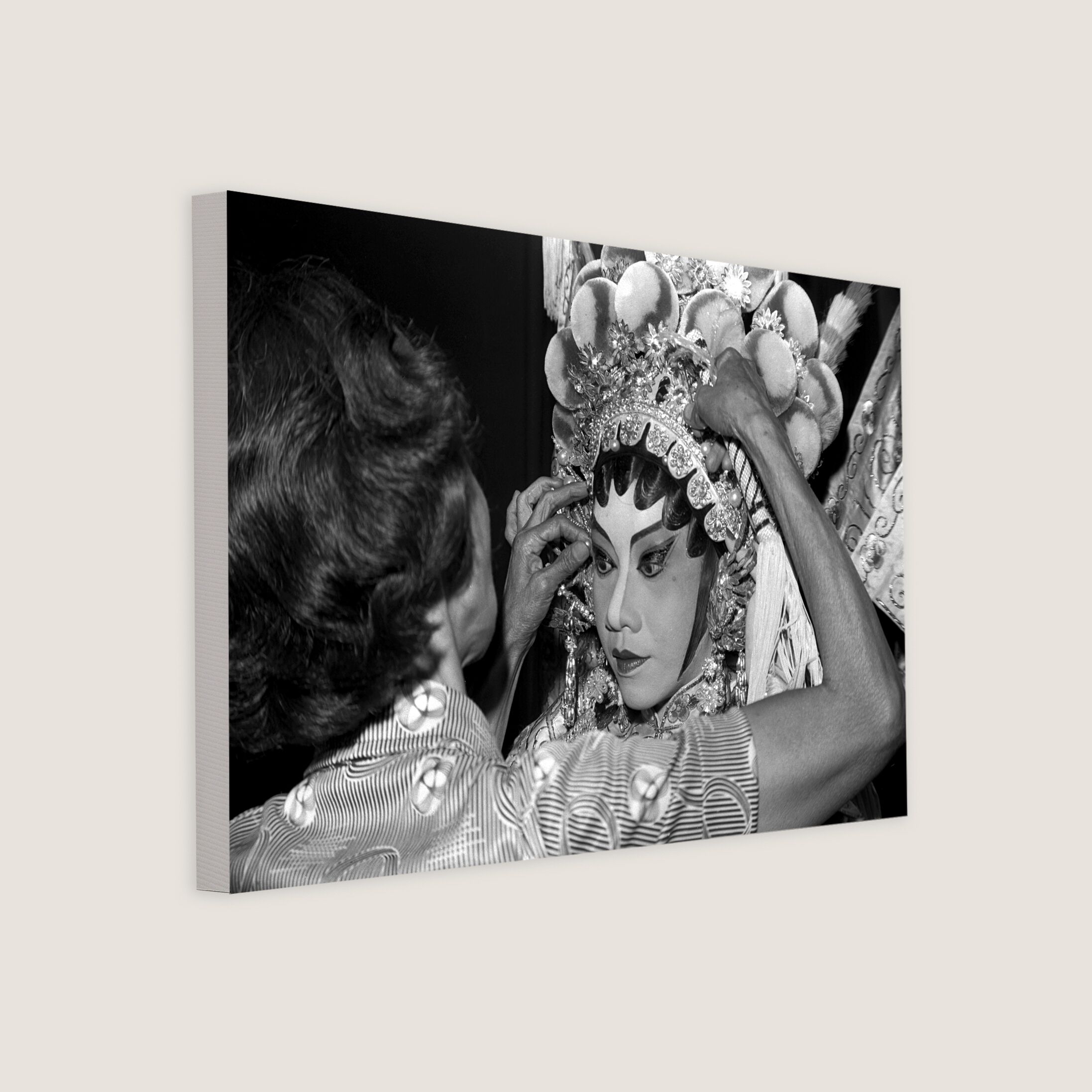
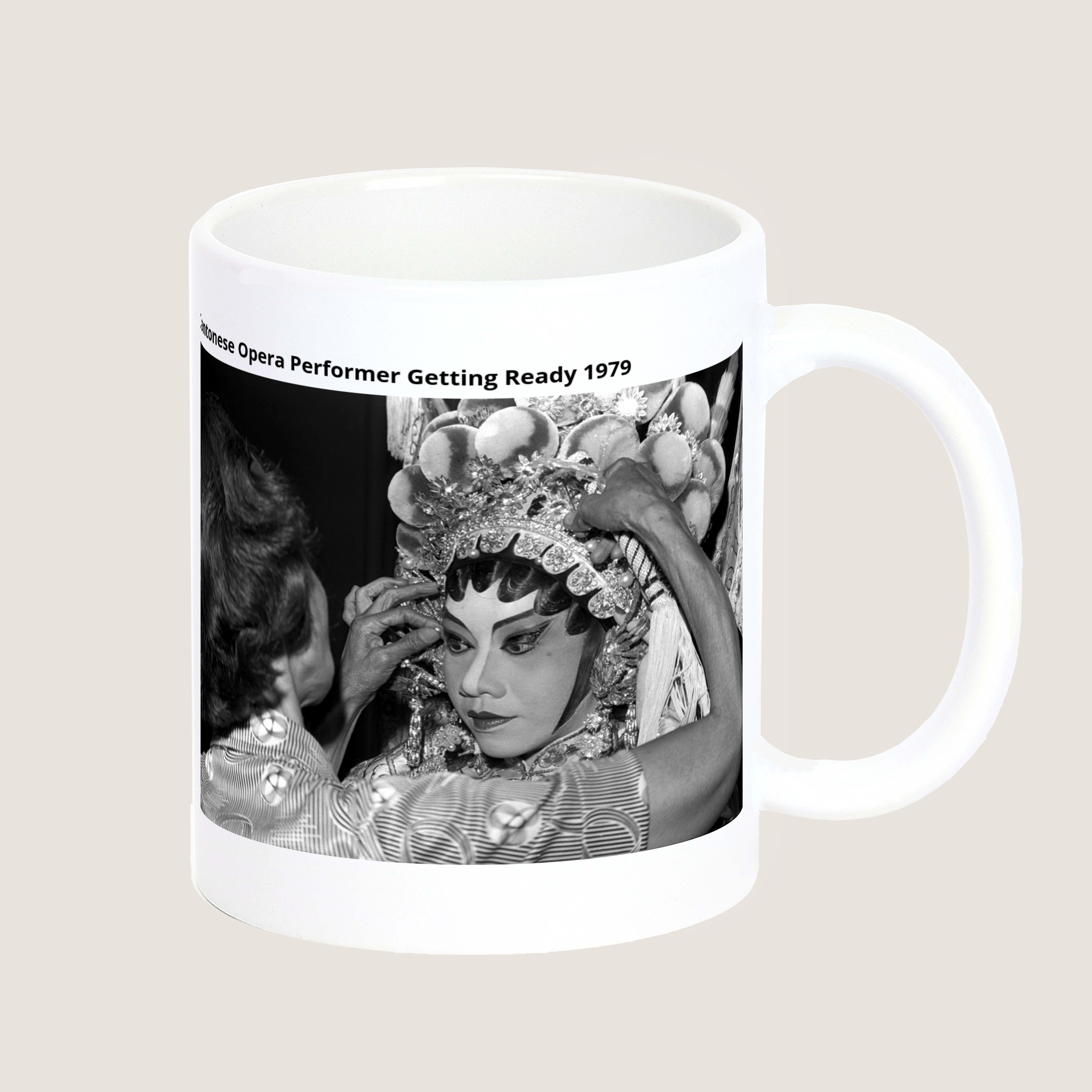
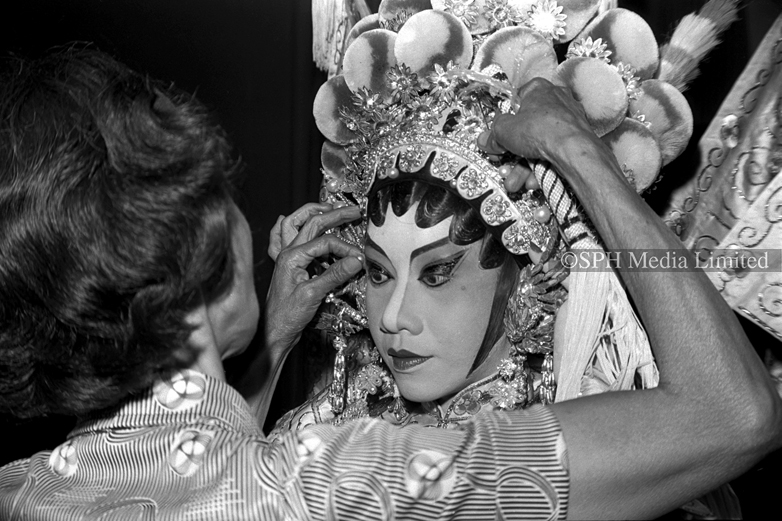 Cantonese Opera Performer Getting Ready
1979
Cantonese Opera Performer Getting Ready
1979
Cantonese Opera Performer Getting Ready
Year 1979
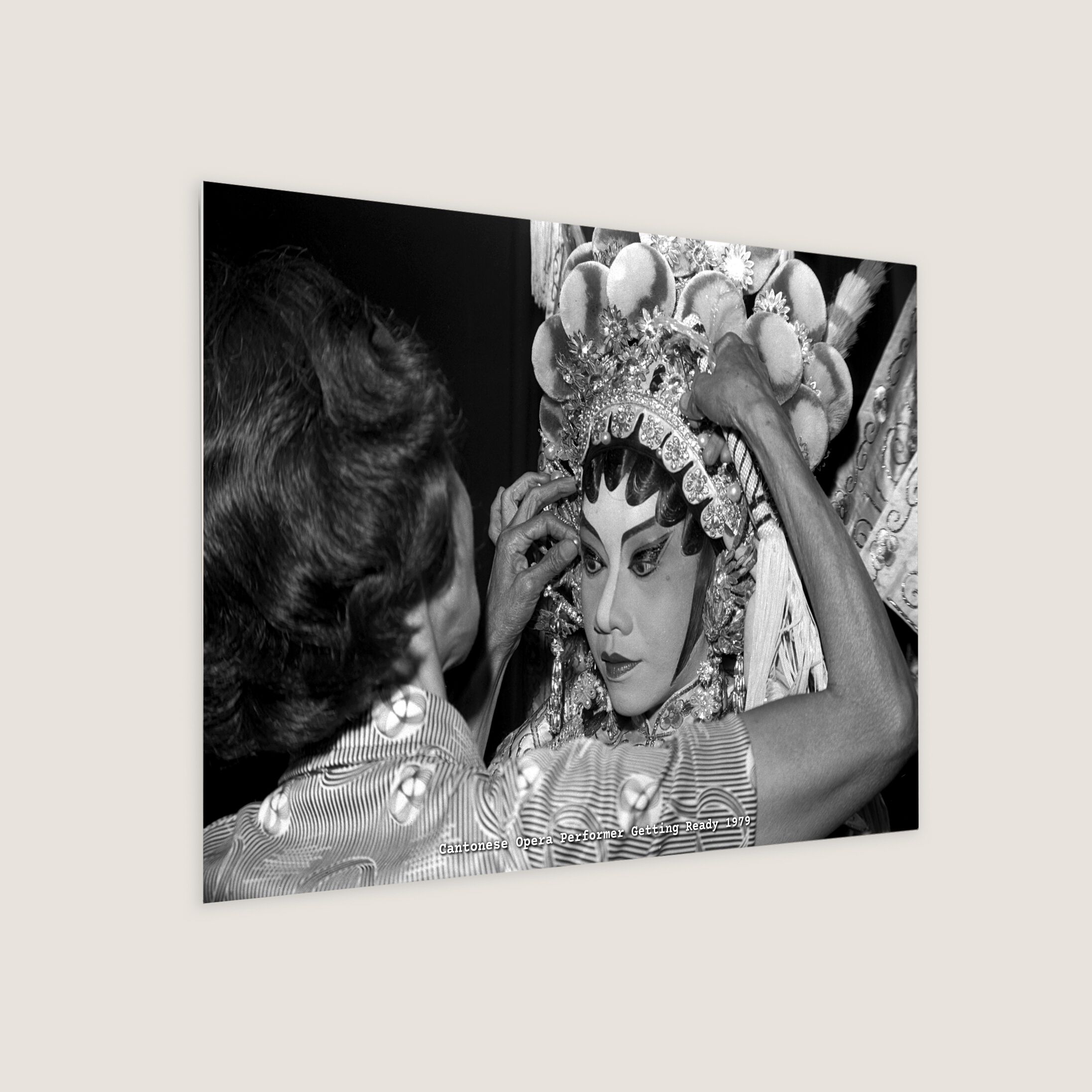
The actress was patiently waiting for her elaborate headdress to be adjusted by a stagehand. The actress was preparing to perform as a warring heroine in the Cantonese opera: "Amazons of the Yang family (杨门女将)". The opera, produced by the amateur Cantonese troupe Kong Chow Wai Koon (冈州会馆), was staged to raise funds for the Singapore Cultural Foundation.
©️ SPH Media Limited
Share to
Tags
Available for print on products
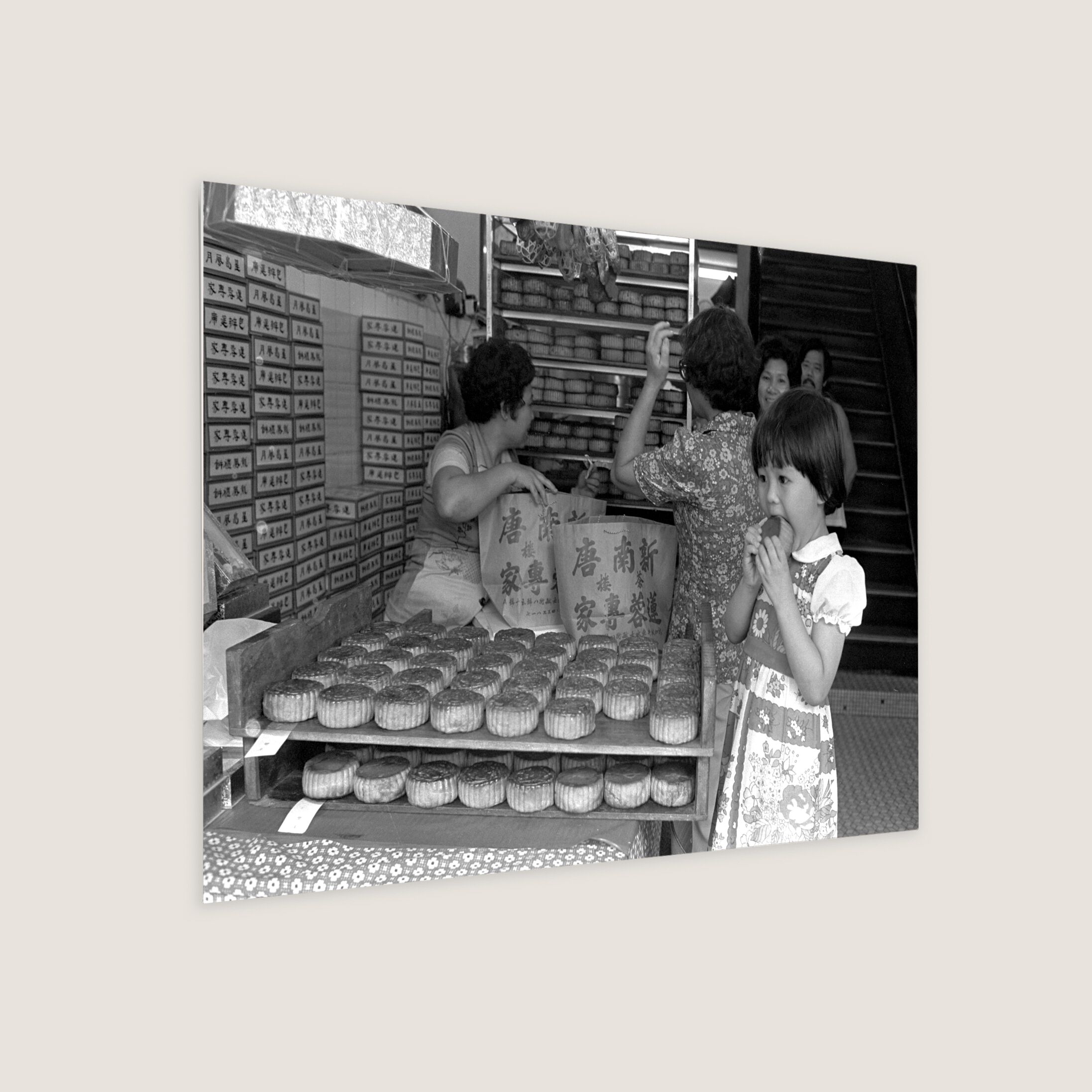
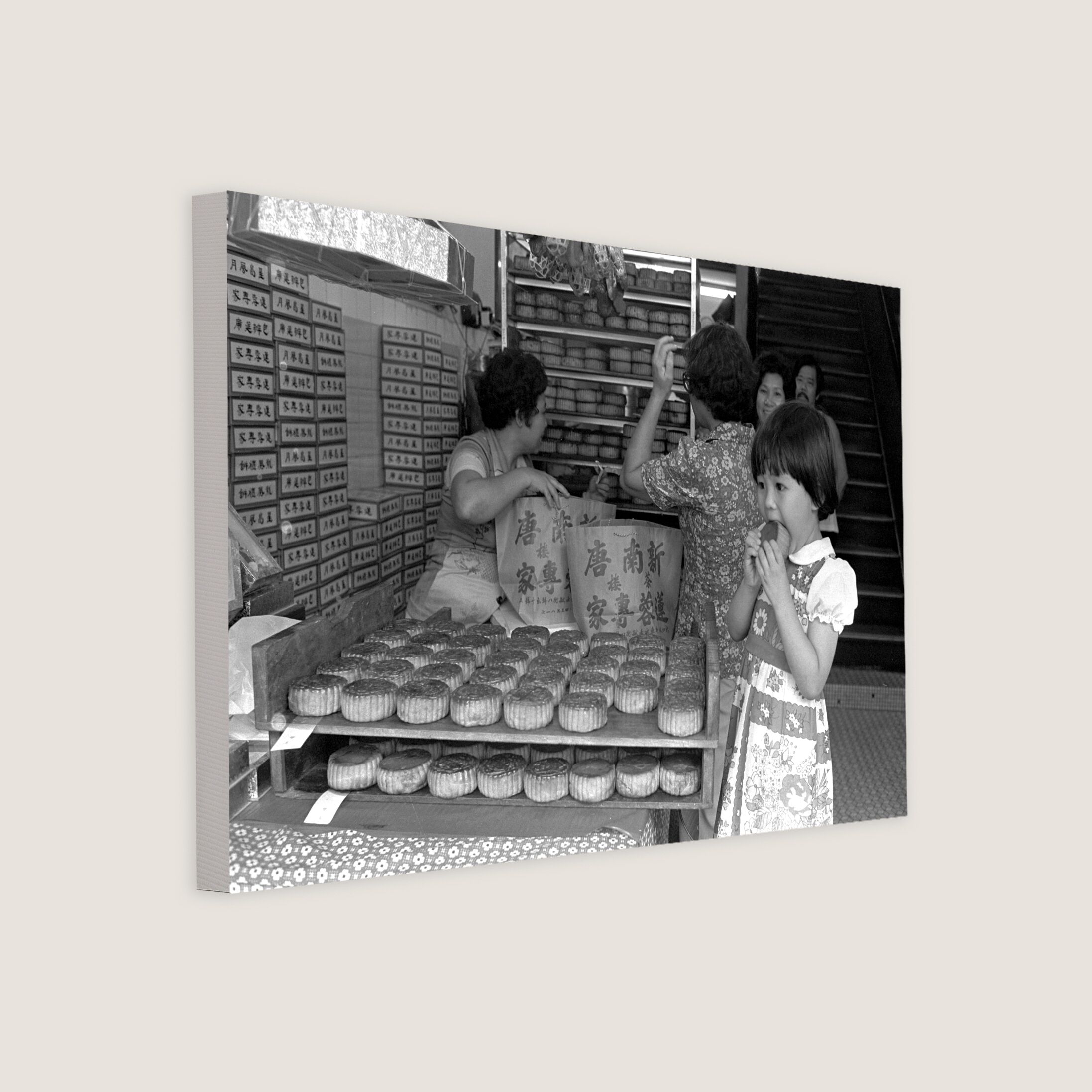
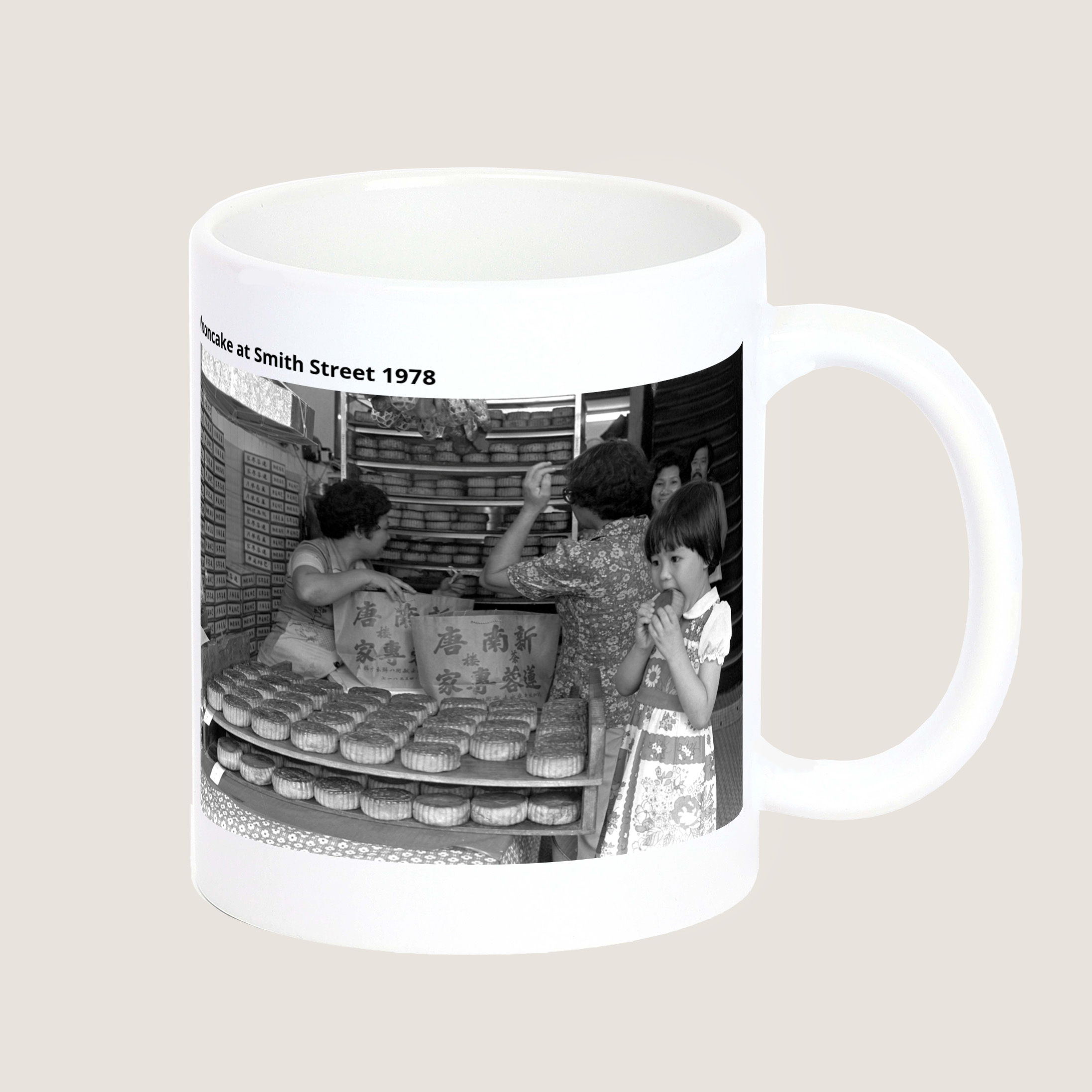
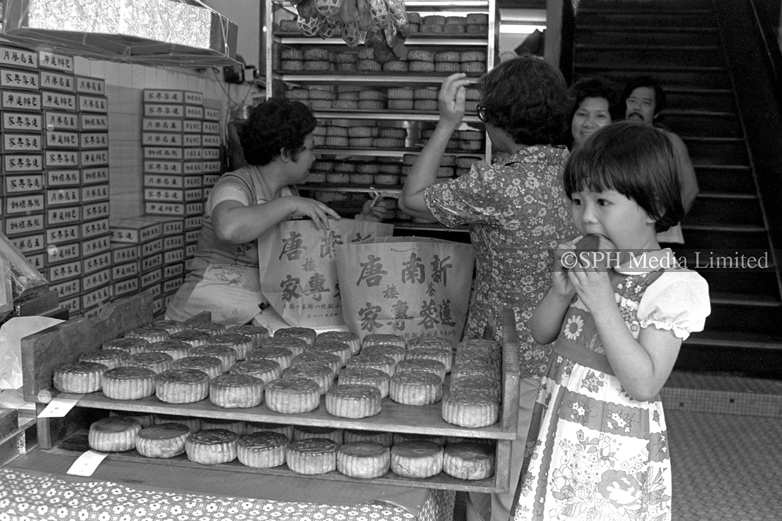 Mooncake at Smith Street
1978
Mooncake at Smith Street
1978
Mooncake at Smith Street
Year 1978
A little girl takes a big bite from the delicious mooncake, well-loved among the people in the Mid-Autumn Festival. One of the most popular restaurants in the area, Xin Nan Tang (新南唐), was best known for its Cantonese-style mooncakes during the Mid-Autumn Festival.
©️ SPH Media Limited
Share to
Tags
Available for print on products
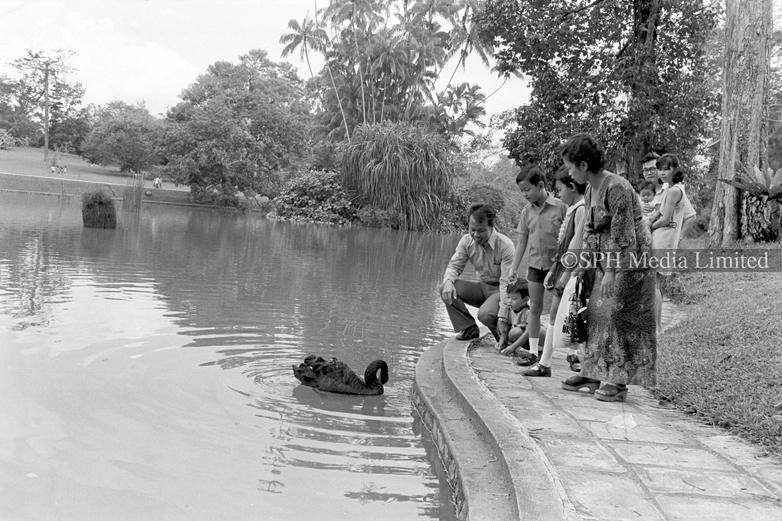 Black Swan at Botanic Gardens
1973
Black Swan at Botanic Gardens
1973
Black Swan at Botanic Gardens
Year 1973
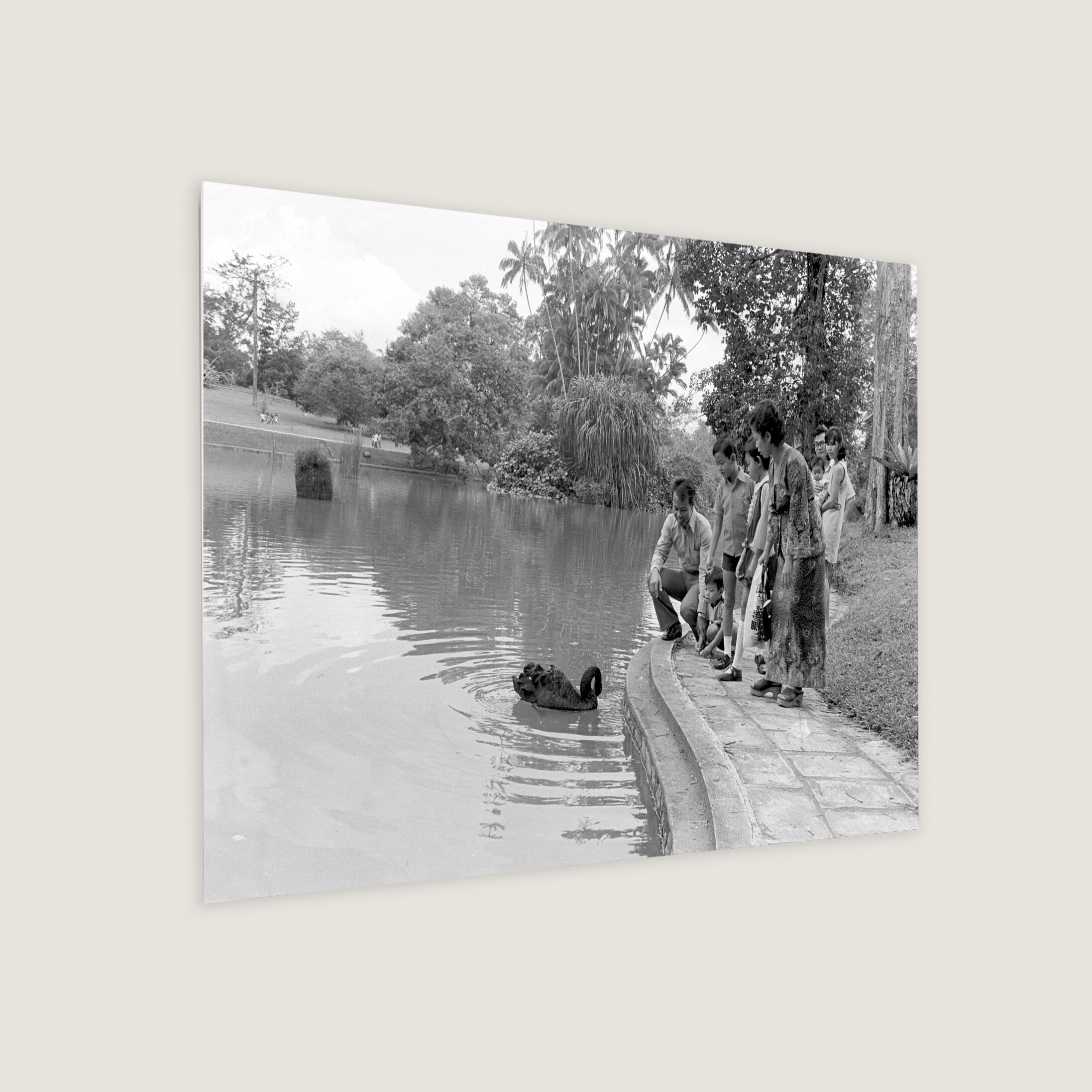
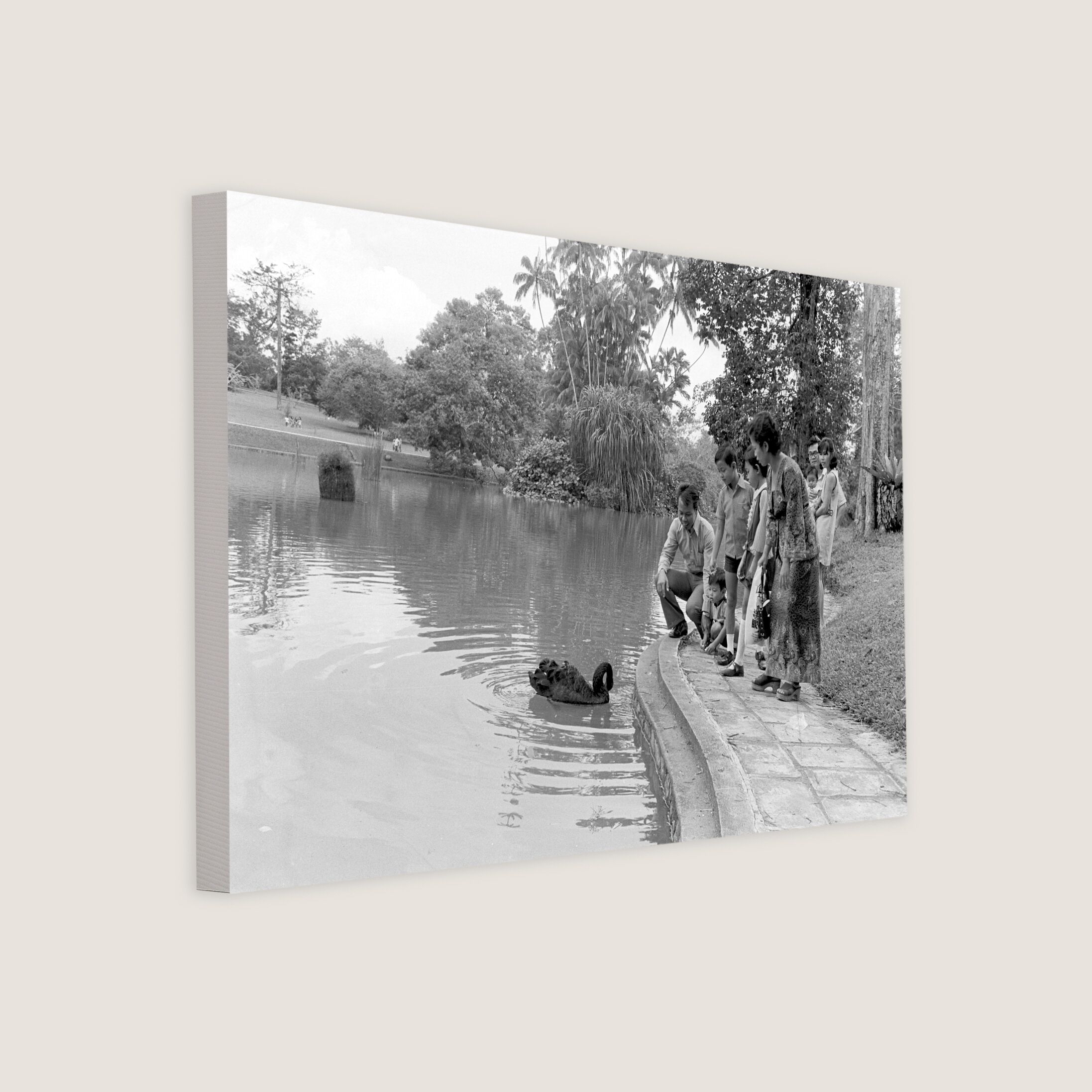
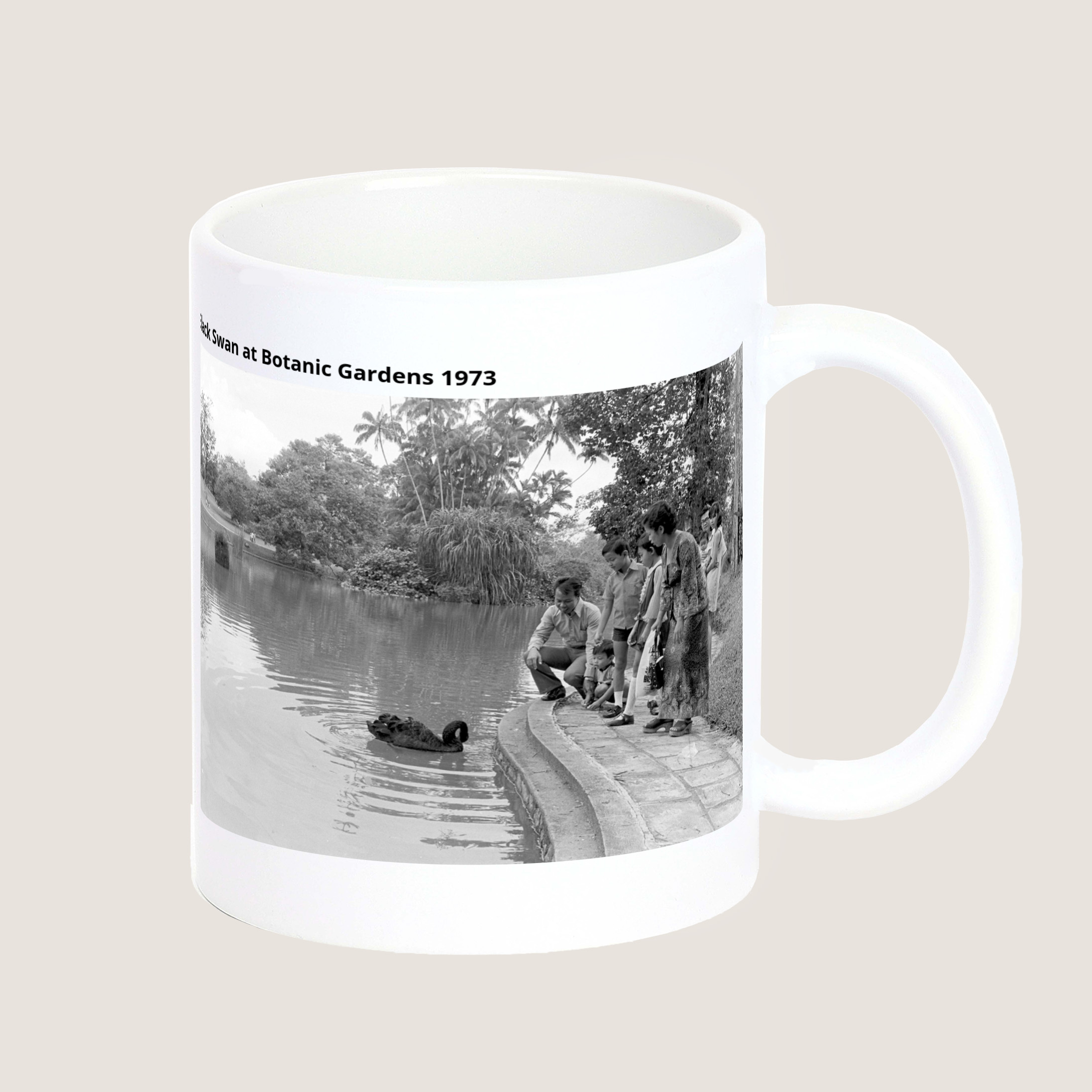
A Malay family at the Botanic Gardens was admiring a black swan, which was a popular animal resident of the gardens, at the lake. Many holiday-makers spent their Hari Raya Haji out of their homes and visited various places of interest in Singapore.
©️ SPH Media Limited
Share to
Tags
Available for print on products
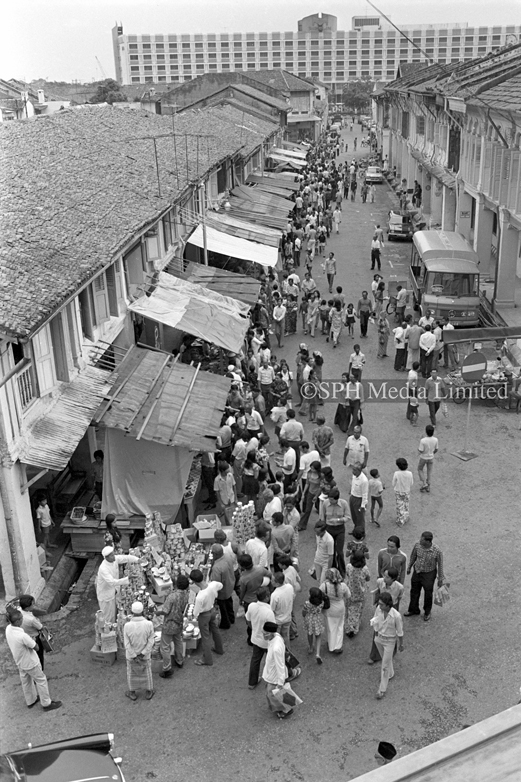 Bussorah Street During Ramadan
1975
Bussorah Street During Ramadan
1975
Bussorah Street During Ramadan
Year 1975
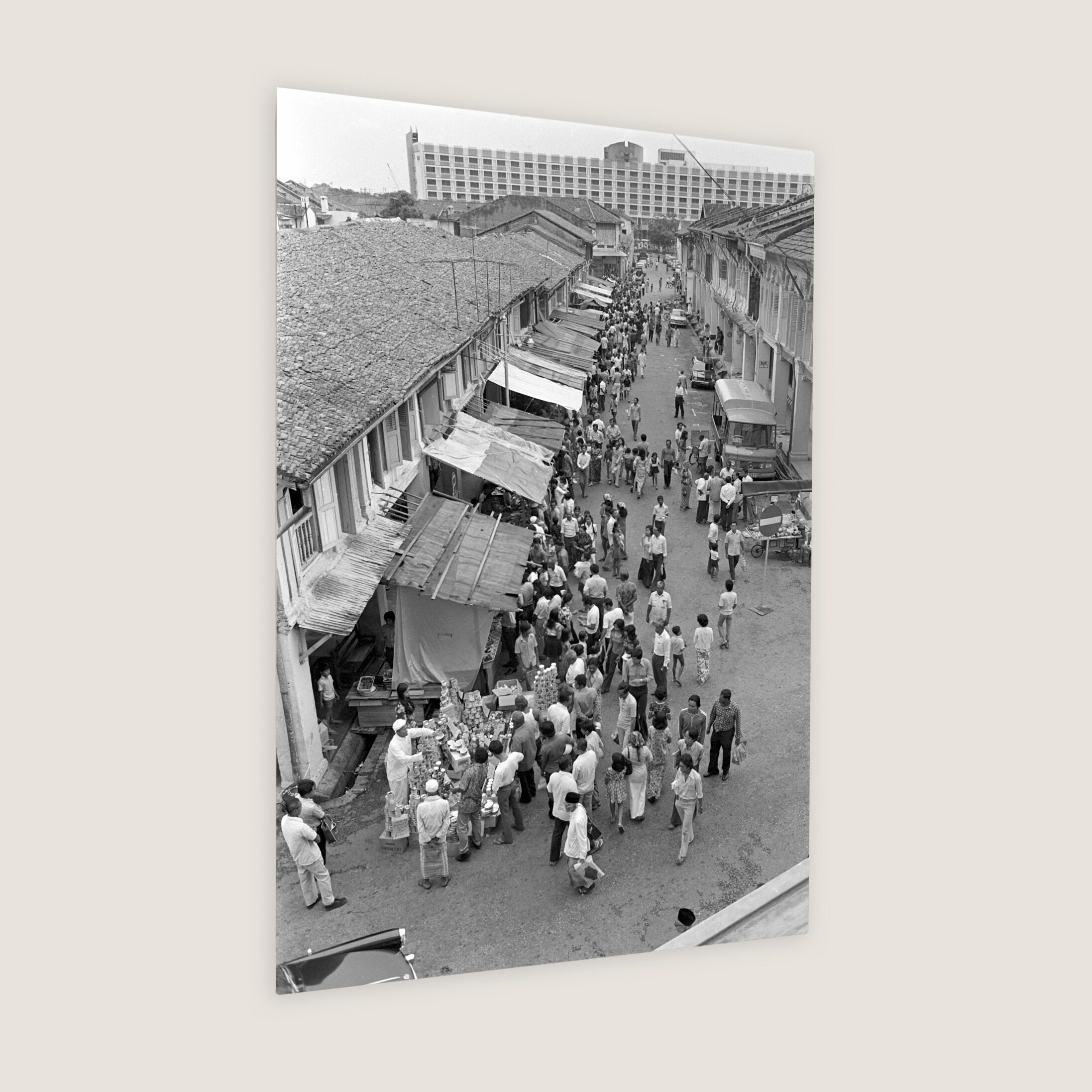
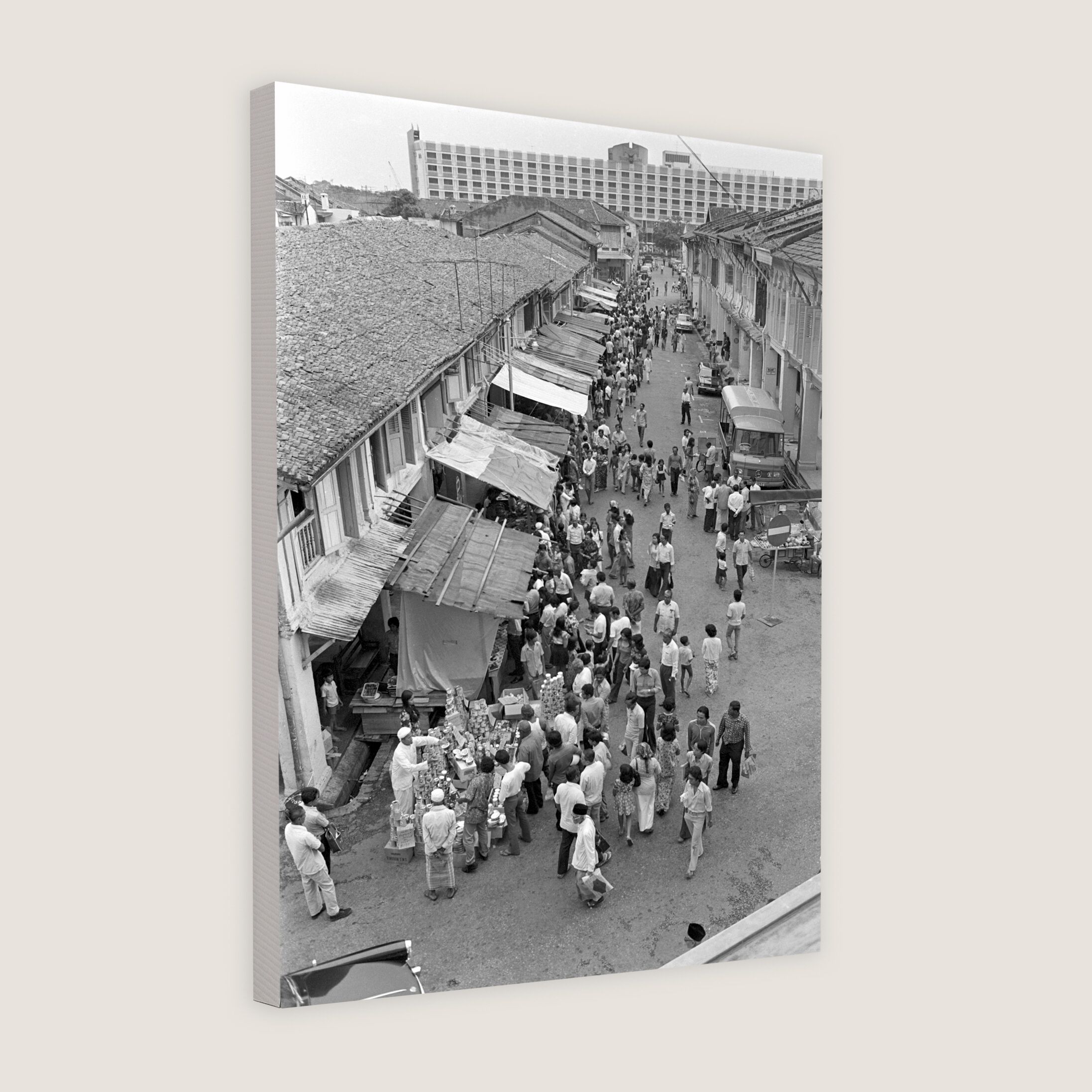
Food stalls along Bussorah Street were ready for business as Hari Raya Puasa approached. The photo shows that the Park Royal Hotel was under construction.
©️ SPH Media Limited
Share to
Tags
Available for print on products
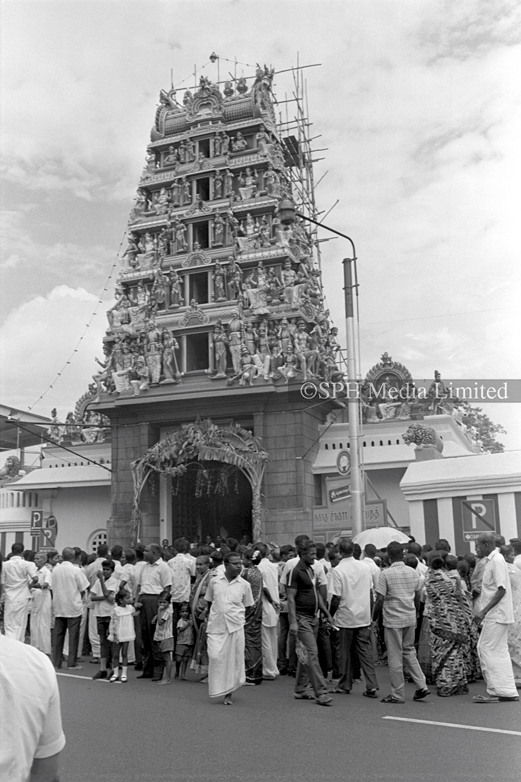 Consecration Ceremony at the Sri Mariamman Temple
1971
Consecration Ceremony at the Sri Mariamman Temple
1971
Consecration Ceremony at the Sri Mariamman Temple
Year 1971
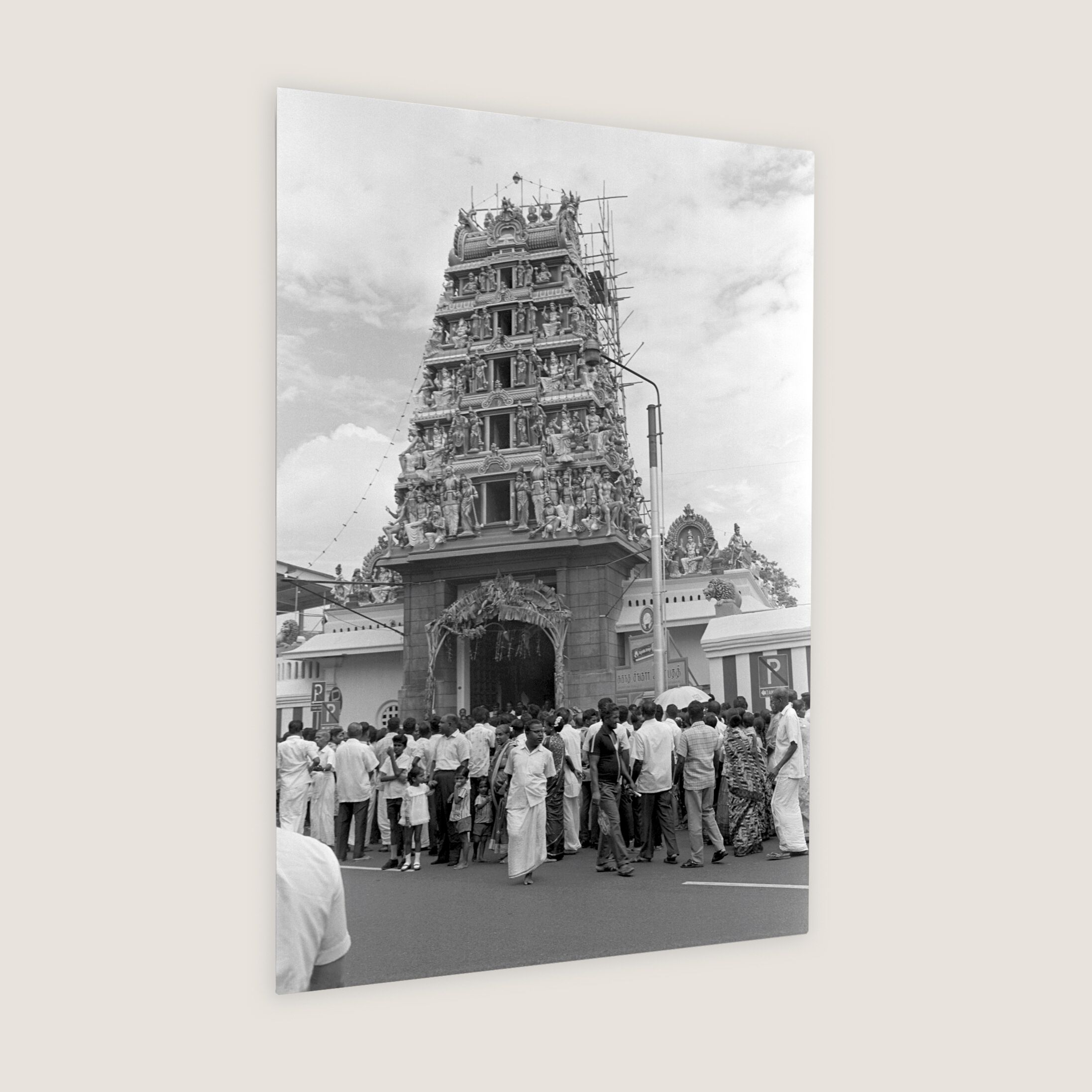
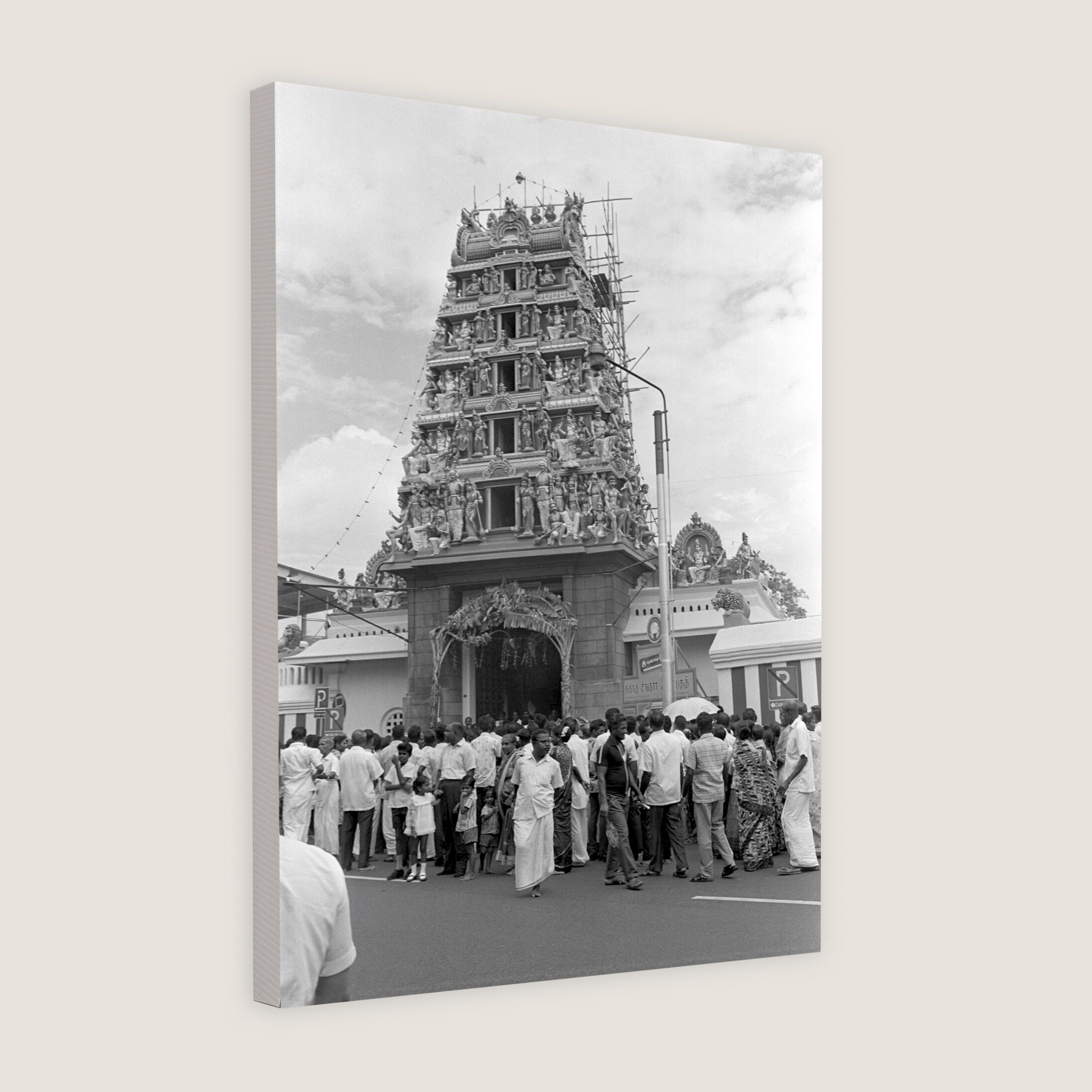
About 10,000 Hindu devotees witnessed the Maha Kumbabishegam, the consecration ceremony at the Sri Mariamman Temple, South Bridge Road. When a temple has been newly built, relocated or renovated, a ceremony of consecration (blessing) and devotion called the Maha Kumbabishegam will be held held.
©️ SPH Media Limited
Share to
Tags
Available for print on products
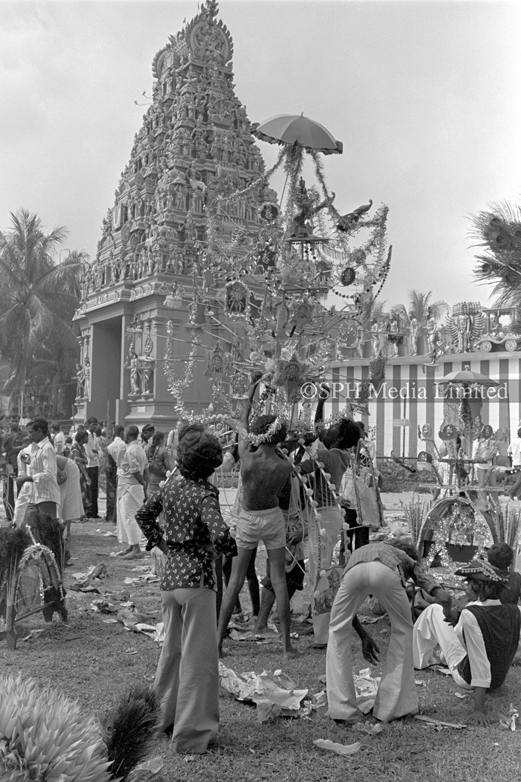 Devotees Outside a Temple During Thaipusam
1980
Devotees Outside a Temple During Thaipusam
1980
Devotees Outside a Temple During Thaipusam
Year 1980
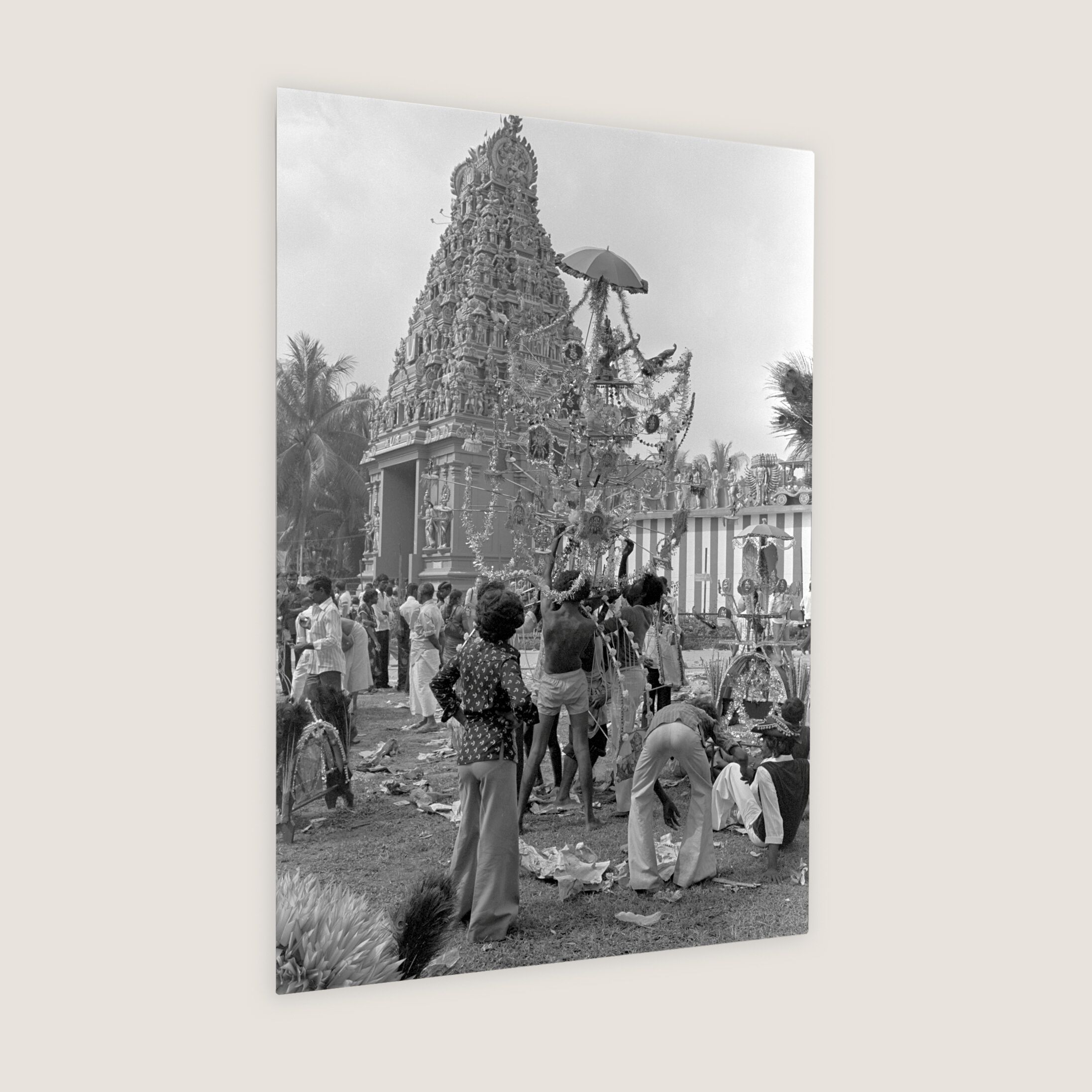
Thaipusam is a temple festival celebrated by Hindus of Tamil descent in Singapore. Thaipusam is derived from "thai" which means "10th", and "pusam" meaning "when the moon is at its brightest". Thaipusam occurs on the full moon day in the Tamil month, Thai (January–February).
©️ SPH Media Limited
Share to
Tags
Available for print on products
 Mooncakes from the Red Cross Society
1954
Mooncakes from the Red Cross Society
1954
Mooncakes from the Red Cross Society
Year 1954
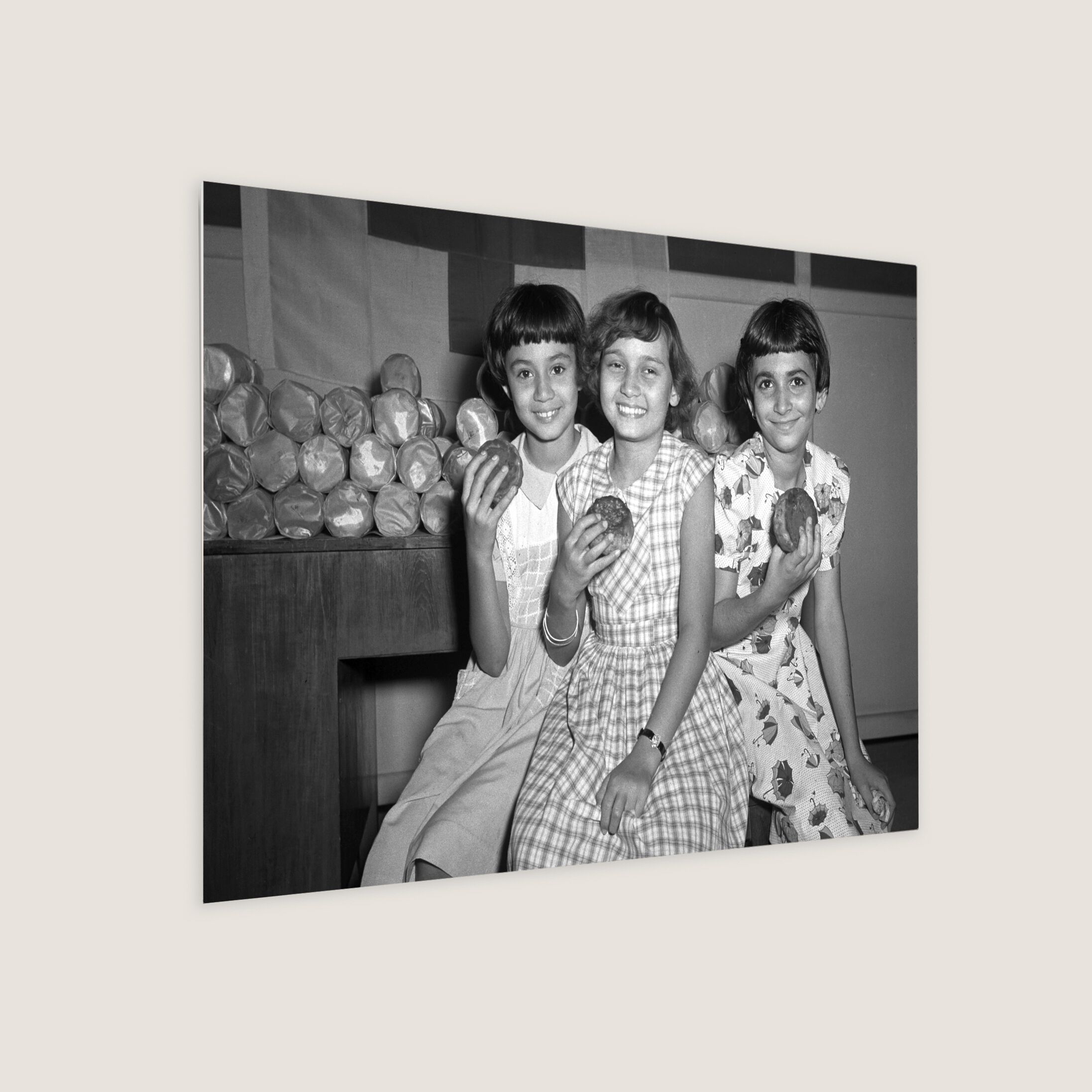
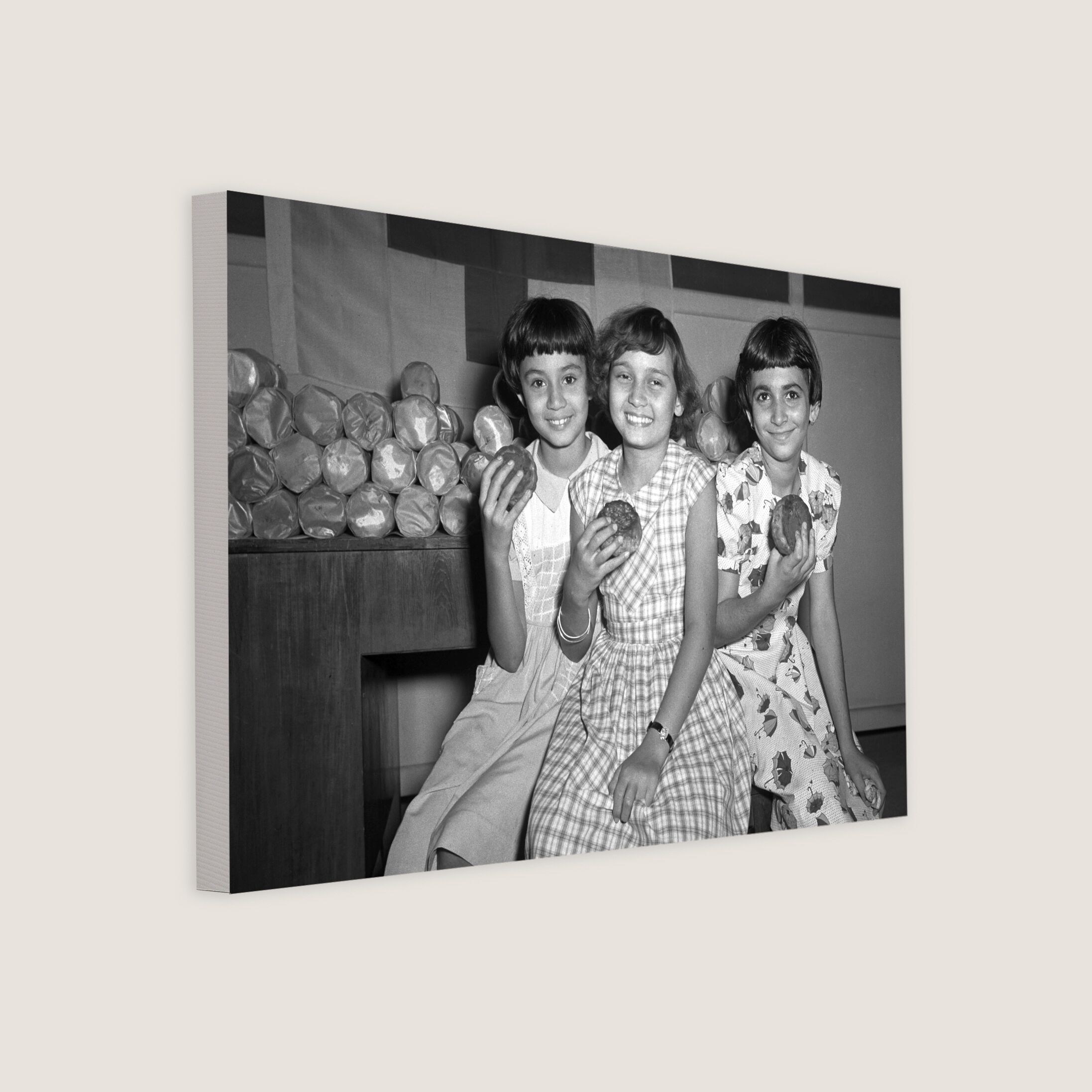
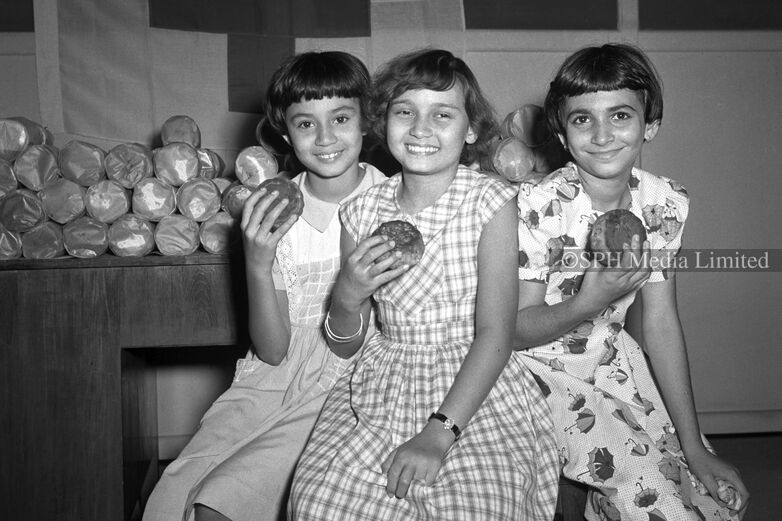
The British Red Cross Society distributed mooncakes to needy homes on 11 September 1954. Southern Hotel had given 4,000 cakes to the British Red Cross Society in celebration of the Moon Cake Festival. The smiling girls were among hundreds of Singapore's needy and handicapped children who were remembered by the Southern Hotel.
©️ SPH Media Limited
Share to
Tags
Available for print on products
 Mooncake Festival Party at York Hill Girls' Home
1950
Mooncake Festival Party at York Hill Girls' Home
1950
Mooncake Festival Party at York Hill Girls' Home
Year 1950
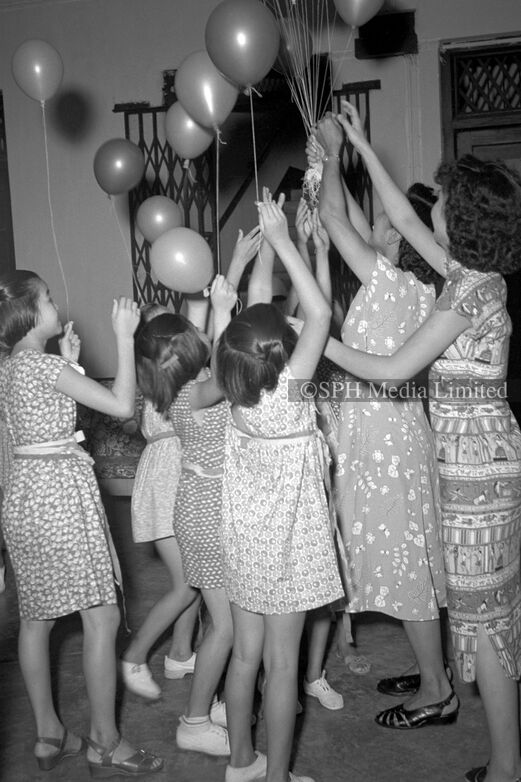
In July 1948, a voluntary charitable institution for girls became a government institution directly administered by the Social Welfare Department. It was situated on open ground at the top of York Hill, an eminence next to Pearl's Hill in the City area. Girls of York Hill Home were given a Moon Festival tea party organised by Mrs. G. G. Maclennan at the Home.
©️ SPH Media Limited
Share to
Tags
Available for print on products
 Restaurant Promoting Mid-Autumn Festival
1952
Restaurant Promoting Mid-Autumn Festival
1952
Restaurant Promoting Mid-Autumn Festival
Year 1952
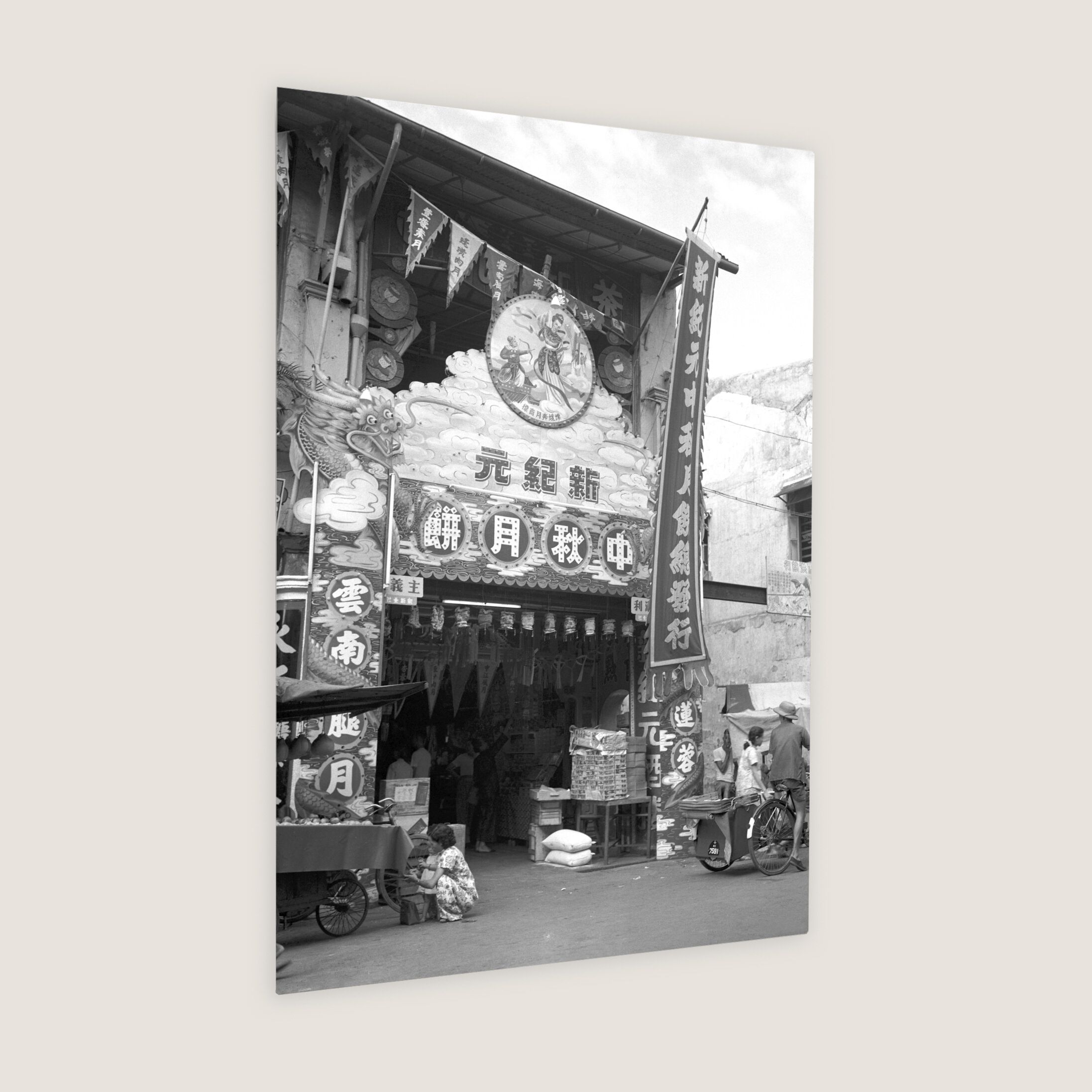
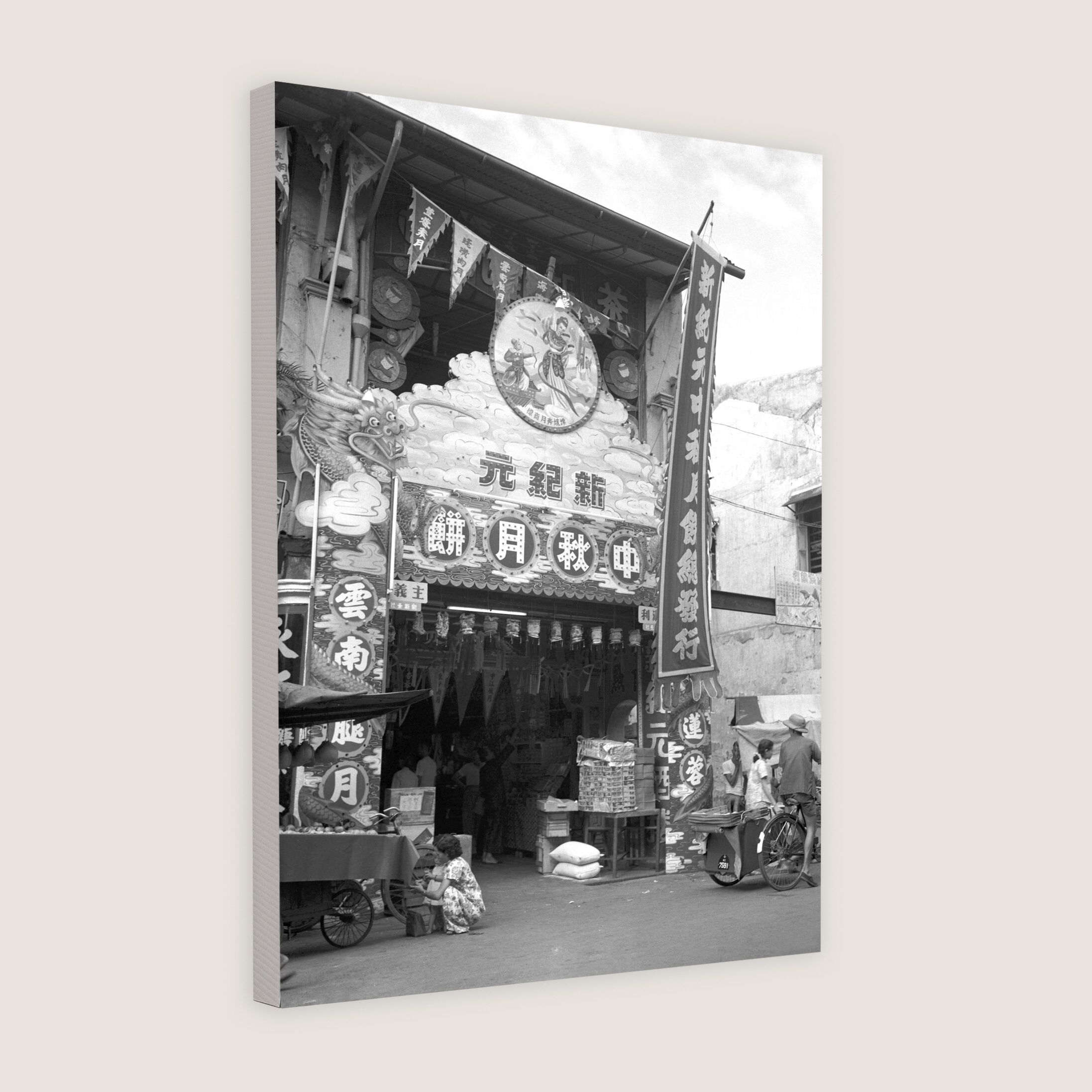
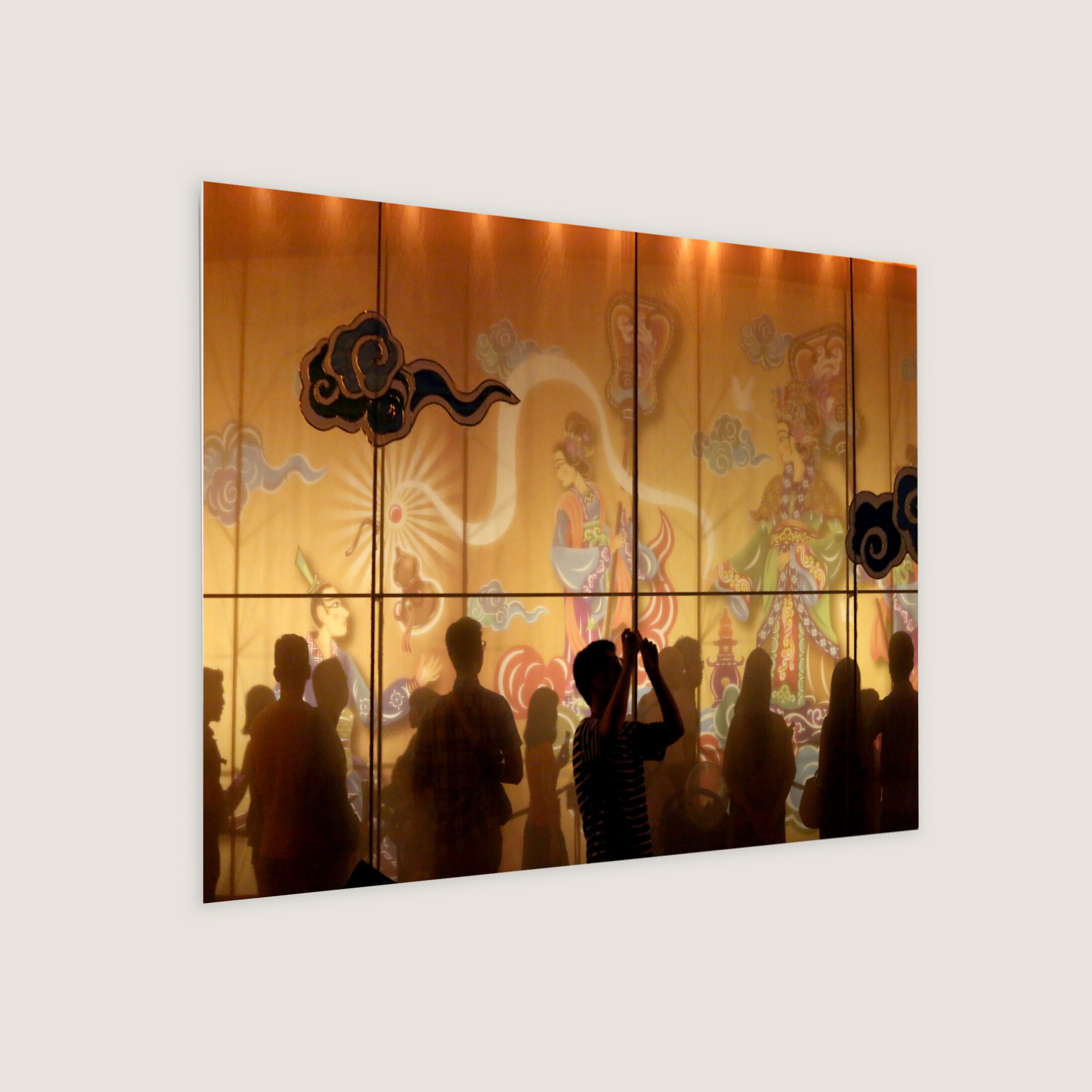
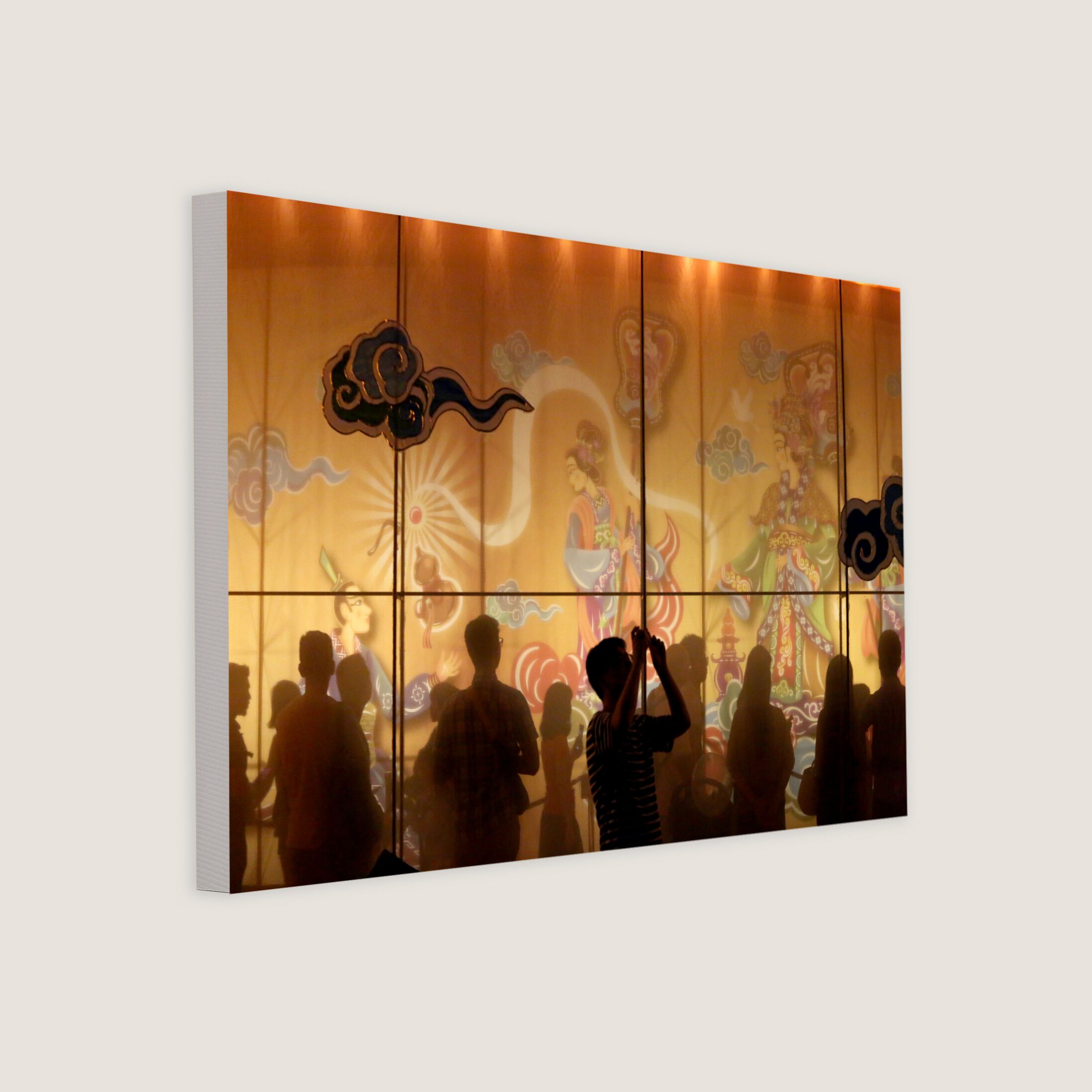
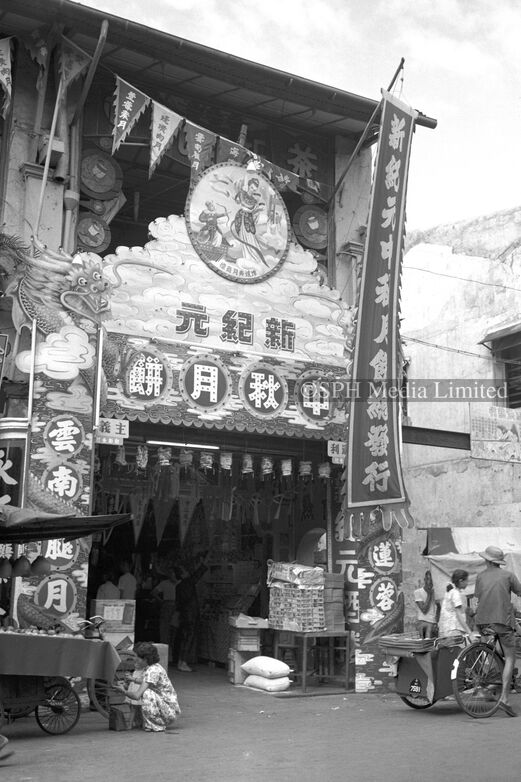
To celebrate Mid-autumn Festival, the entrance of the Chinese restaurant was decorated as tribute to Chang'e, the Moon Goddess, inviting numerous customers to drop by.
©️ SPH Media Limited
Share to
Tags
Available for print on products
 Shopping for Lanterns
1969
Shopping for Lanterns
1969
Shopping for Lanterns
Year 1969
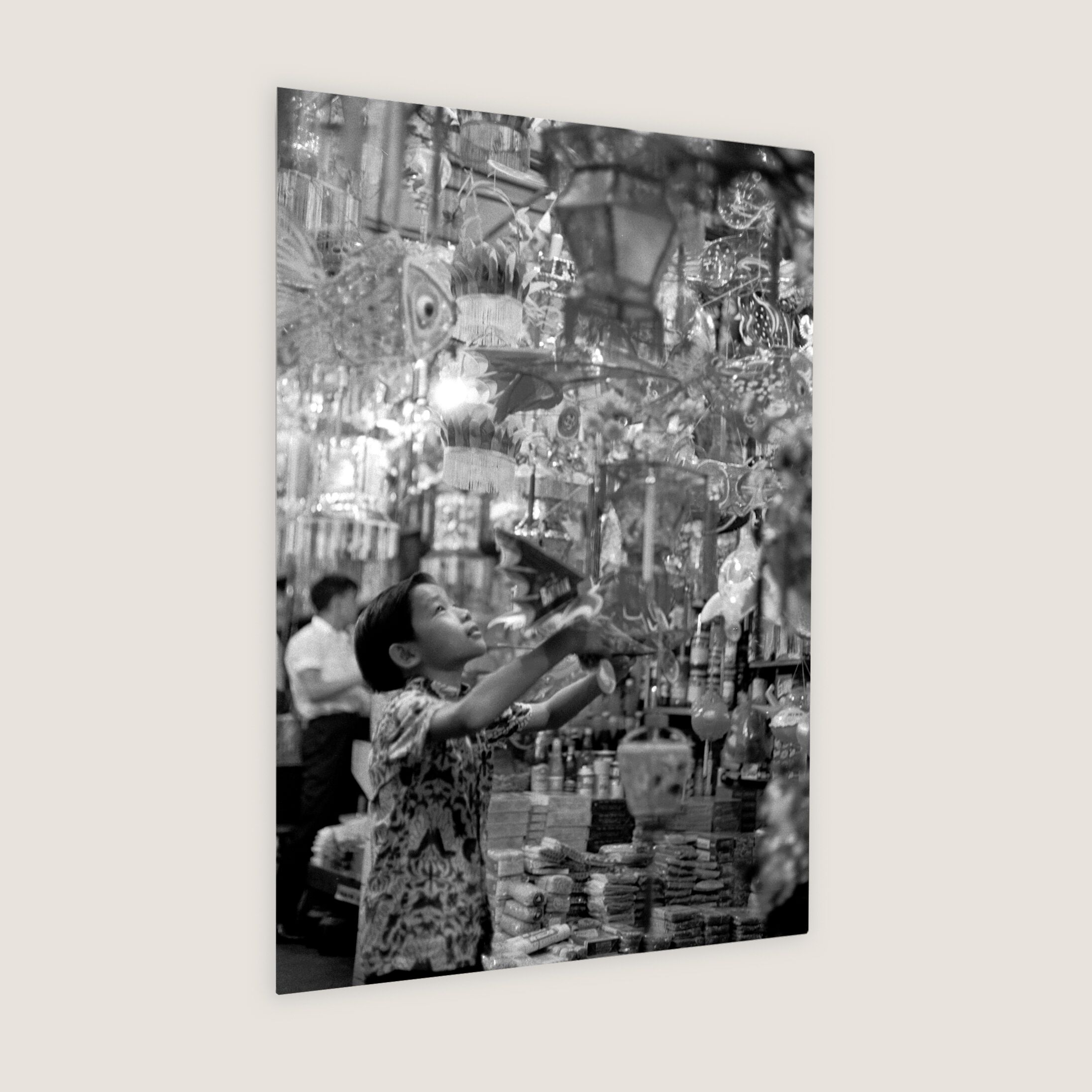
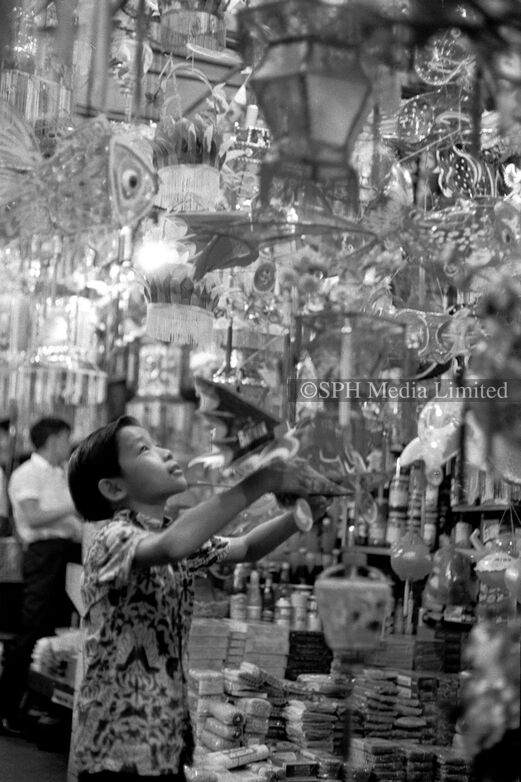
A little boy excitedly heads out shopping in a search for his favourite lantern to carry during the Mooncake Festival.
©️ SPH Media Limited
Share to
Tags
Available for print on products
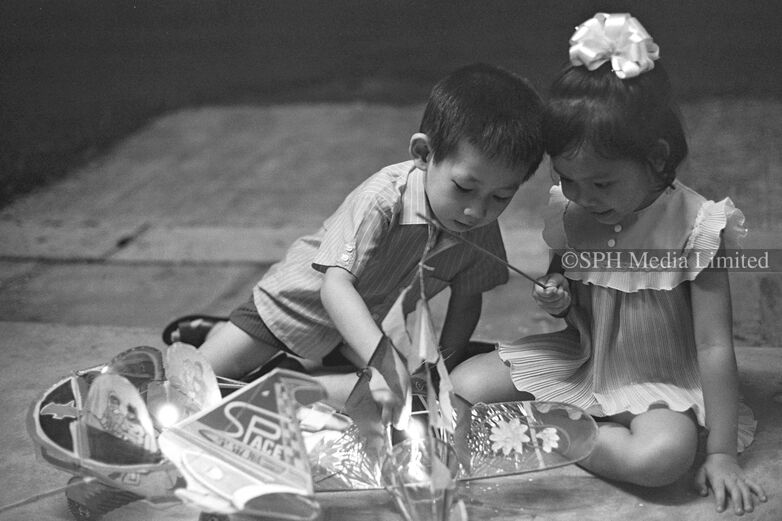 Celebrating Mid-Autumn Festival with Lanterns
1971
Celebrating Mid-Autumn Festival with Lanterns
1971
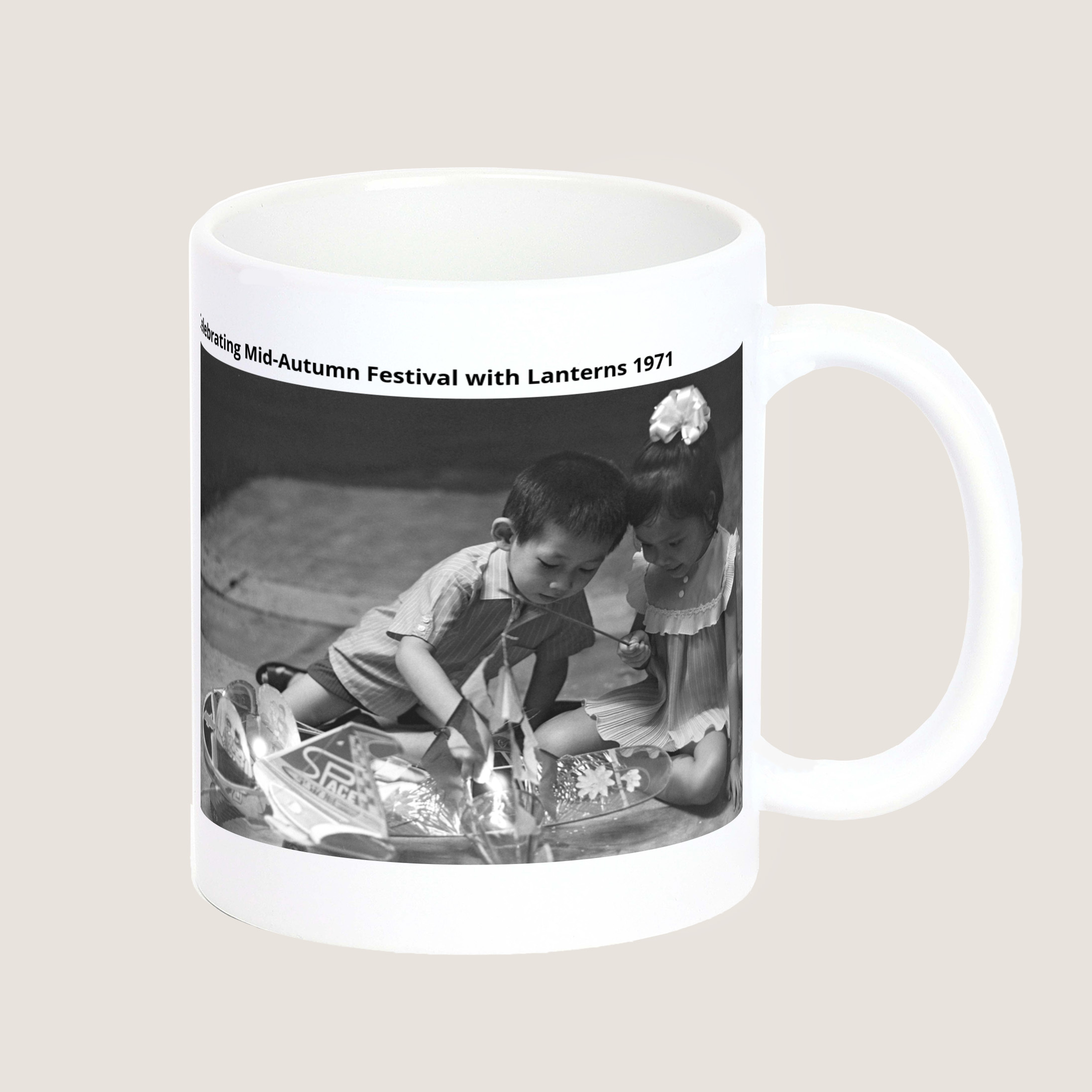
Celebrating Mid-Autumn Festival with Lanterns
Year 1971
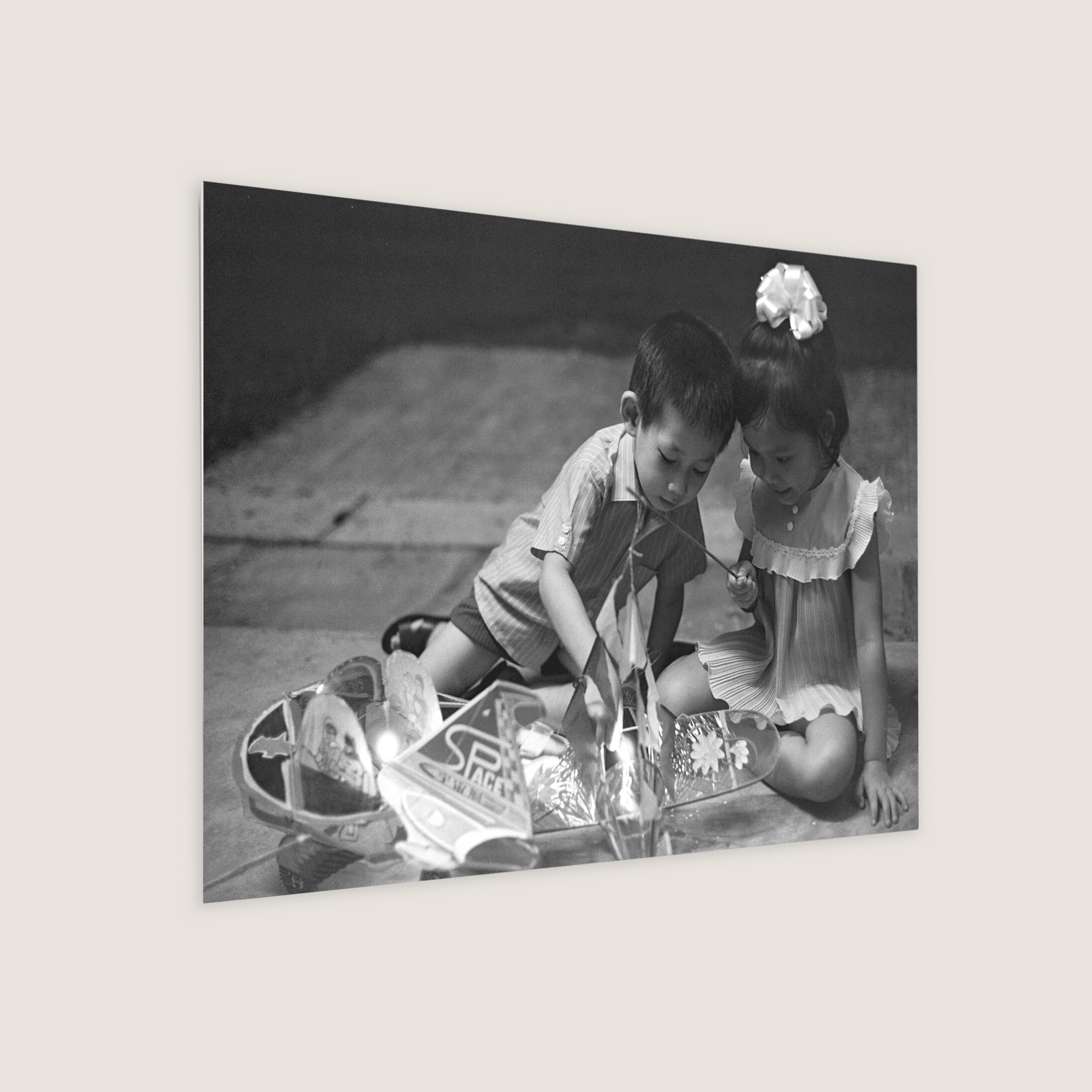
Young kids were playing with lanterns lit up by candles during the Mid-Autumn Festival at Commonwealth Drive. Today, due to the risk of fire hazards, lanterns lit by candle are replaced by electric lanterns which have multiple coloured LED lights. They even play music
©️ SPH Media Limited
Share to
Tags
Available for print on products
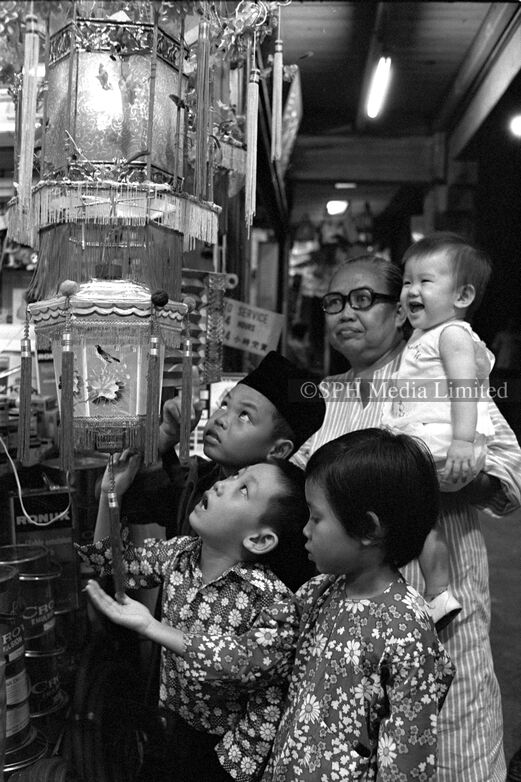 Celebrating Mooncake Festival as a Neighbourhood
1973
Celebrating Mooncake Festival as a Neighbourhood
1973
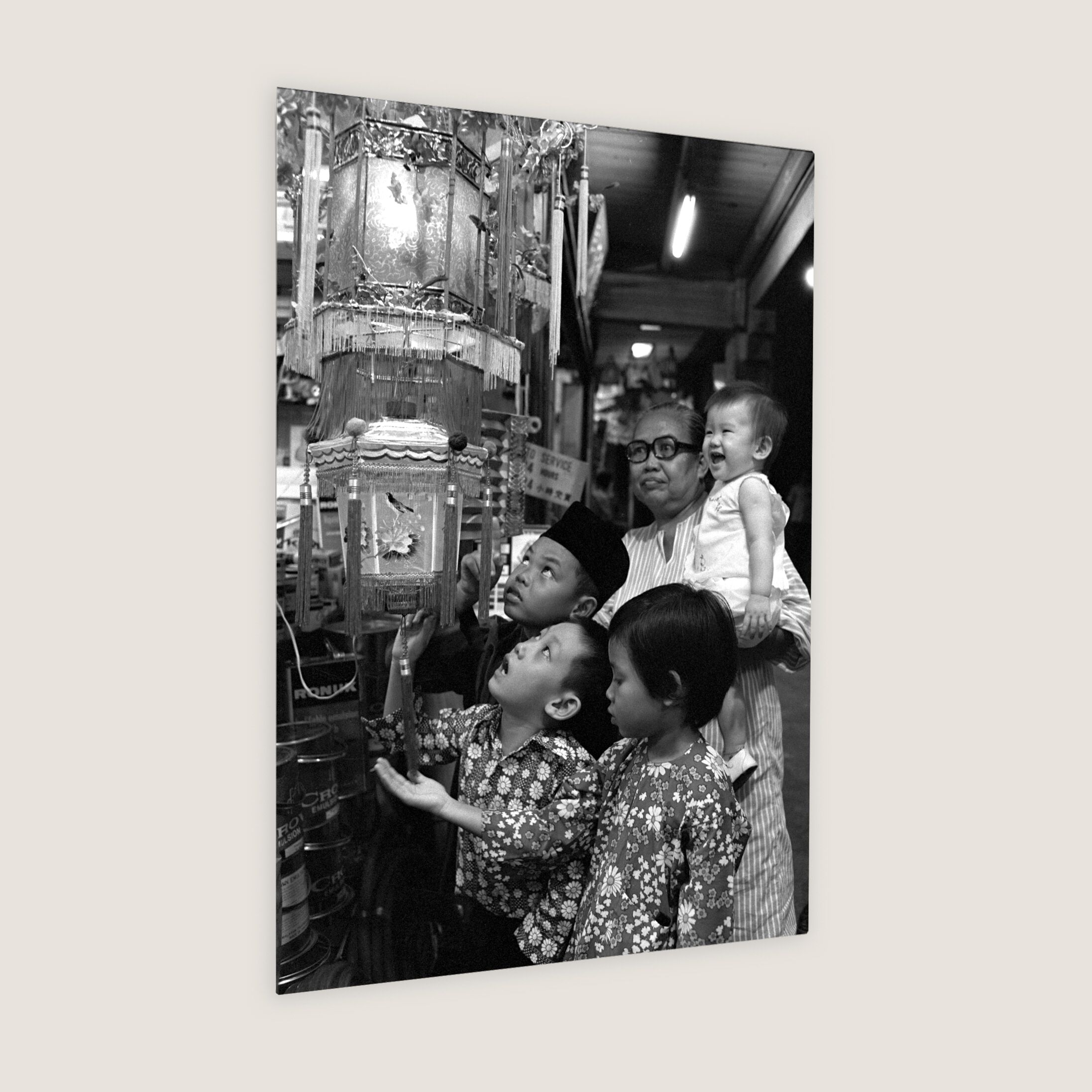
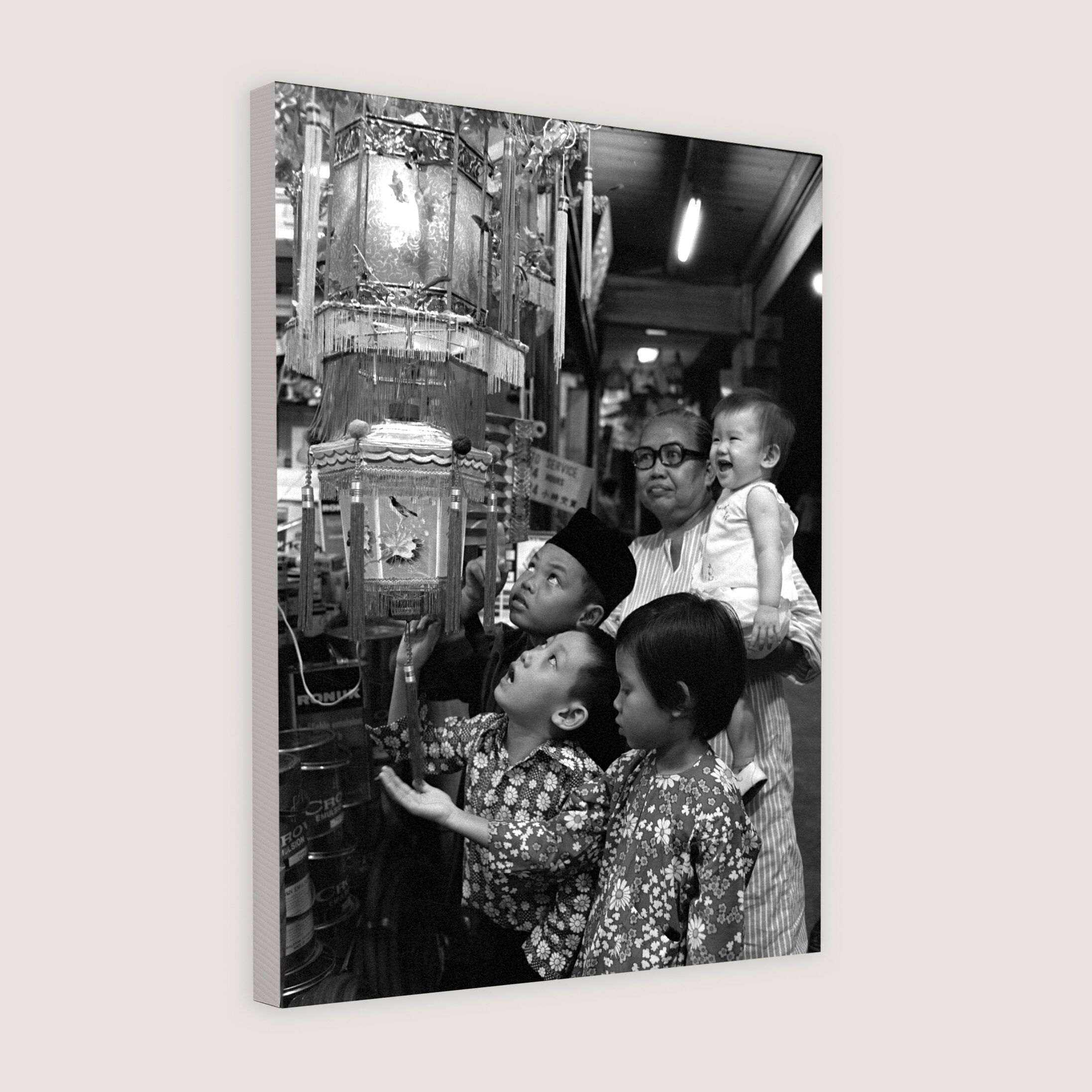
Celebrating Mooncake Festival as a Neighbourhood
Year 1973
A group of Malay children was accompanied by a Makcik as they visit a lantern shop. She had bought them a lantern each so that they could join other neighbourhood children in celebrating Mooncake Festival.
©️ SPH Media Limited
Share to
Tags
Available for print on products
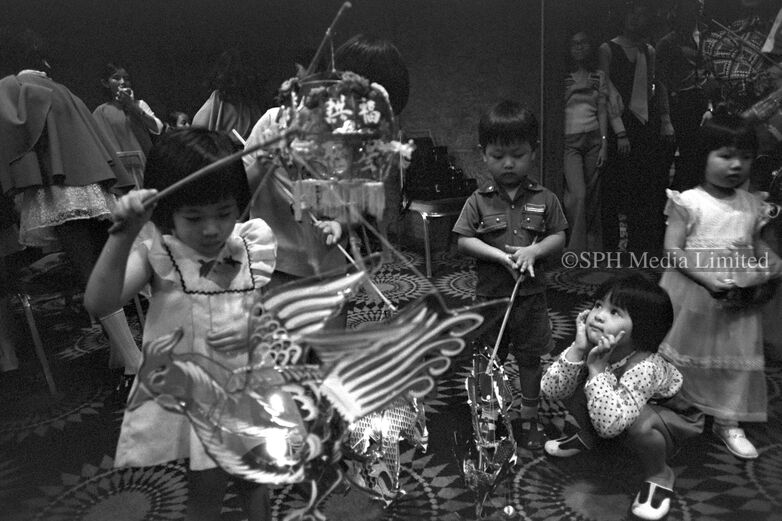 Excited for the Lanterns
1974
Excited for the Lanterns
1974
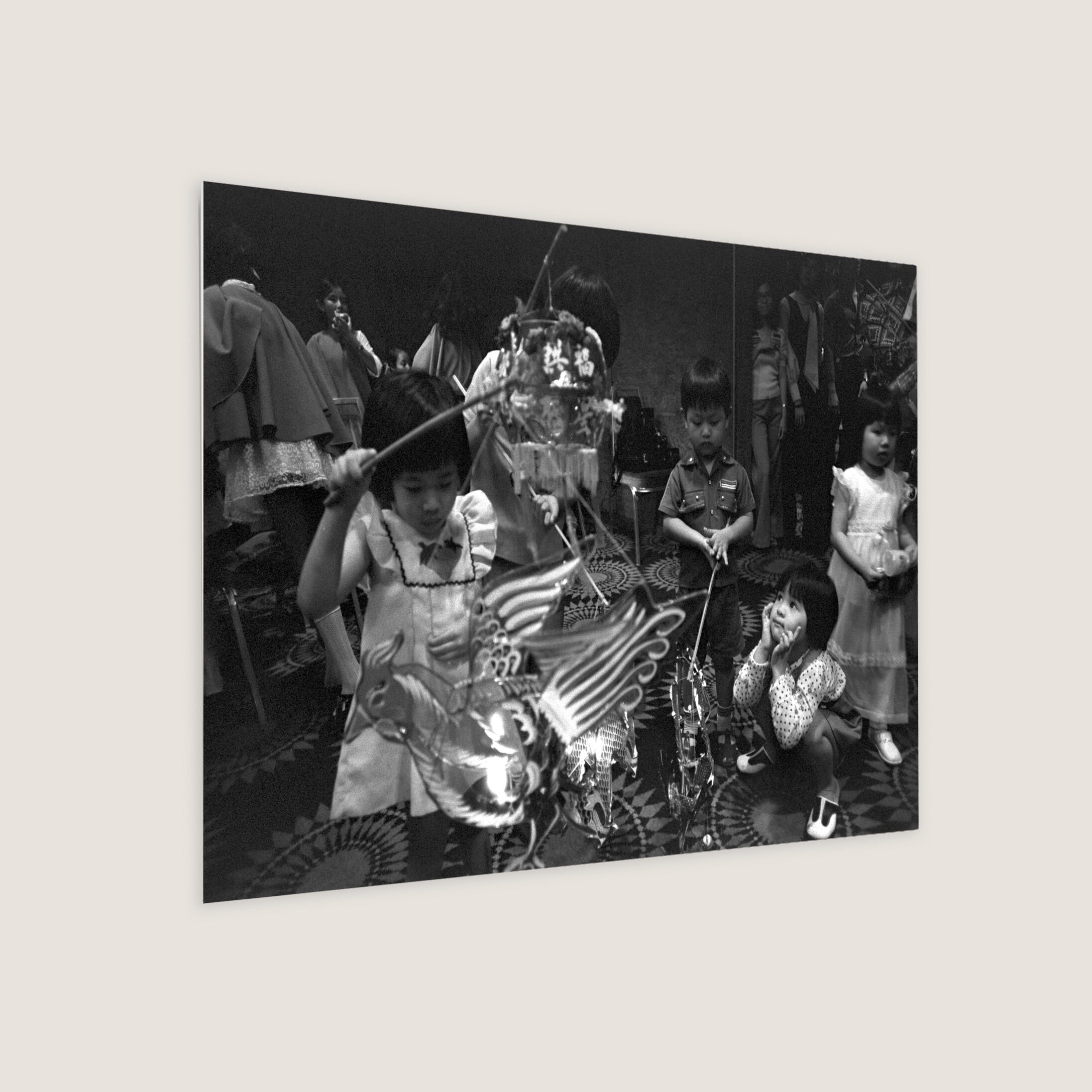
Excited for the Lanterns
Year 1974
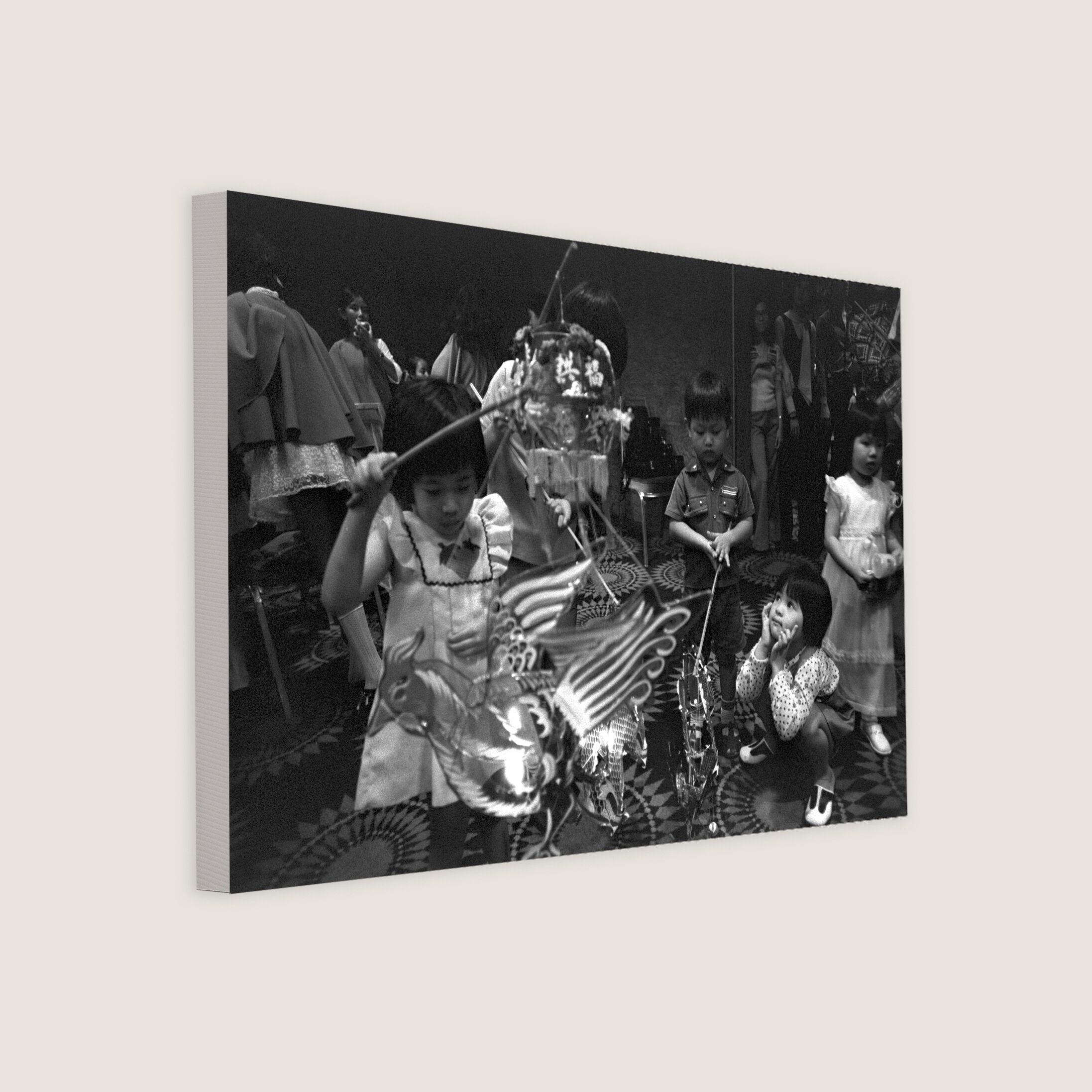
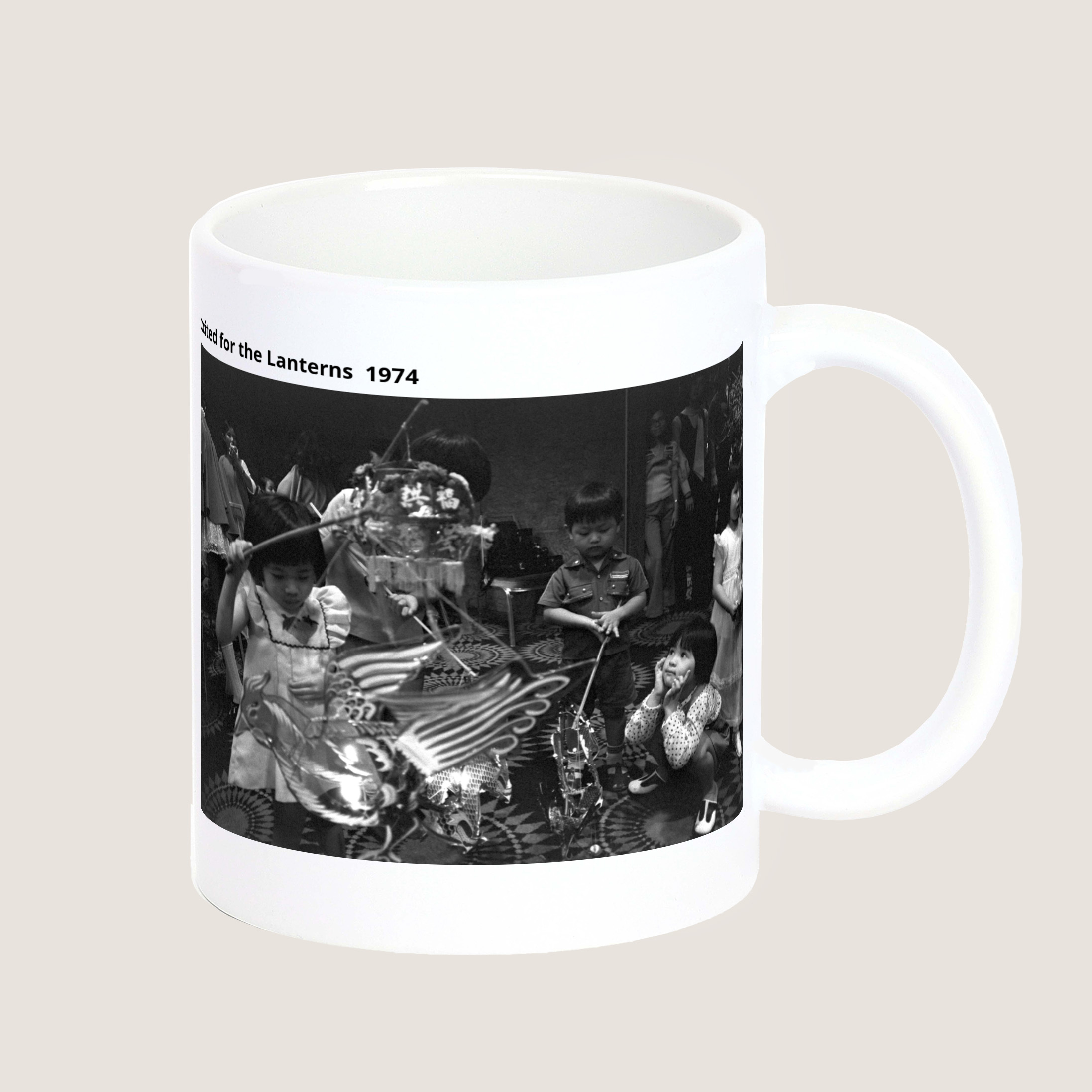
In Singapore, carrying colourful and decorative lanterns is a unique way of celebrating Mid-Autumn Festival. These children at a Mid-Autumn Festival Celebration held at the Singapore Hyatt Hotel were busying themselves with their colourful lit up lanterns.
©️ SPH Media Limited
Share to
Tags
Available for print on products
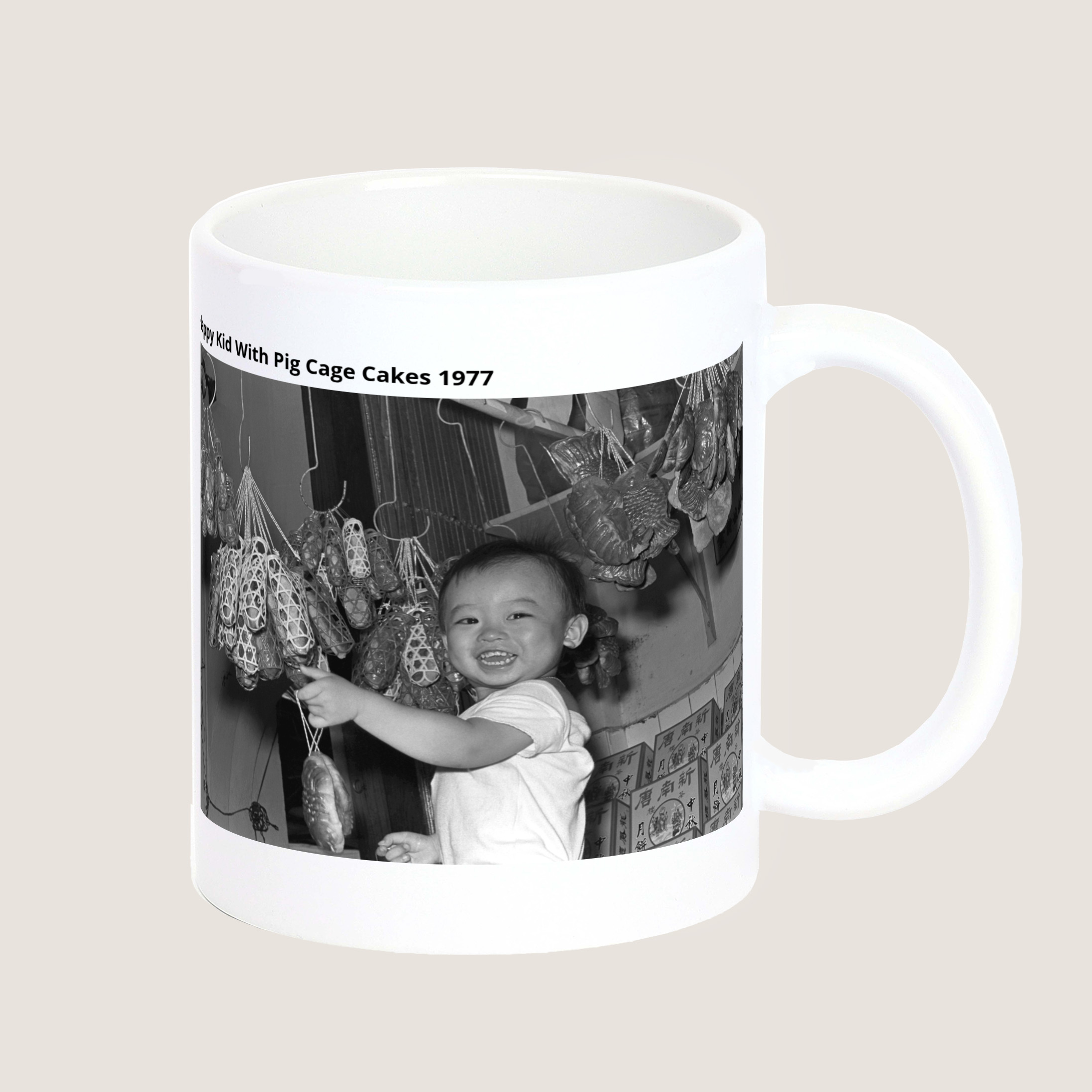
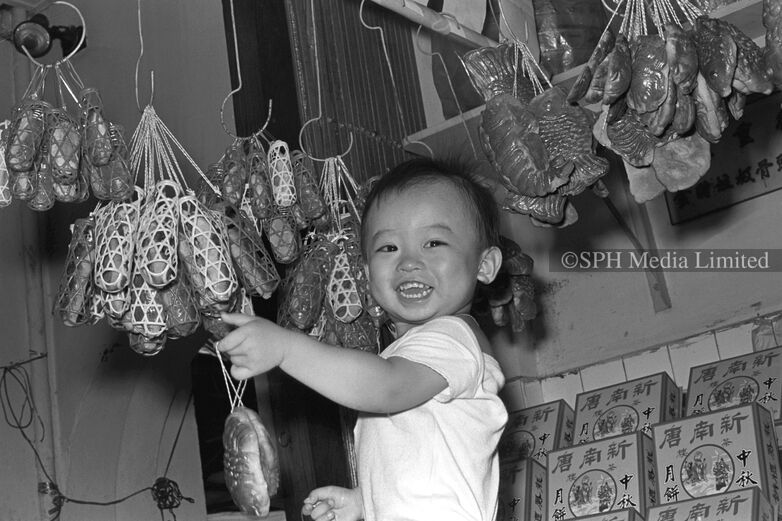 Happy Kid With Pig Cage Cakes
1977
Happy Kid With Pig Cage Cakes
1977
Happy Kid With Pig Cage Cakes
Year 1977
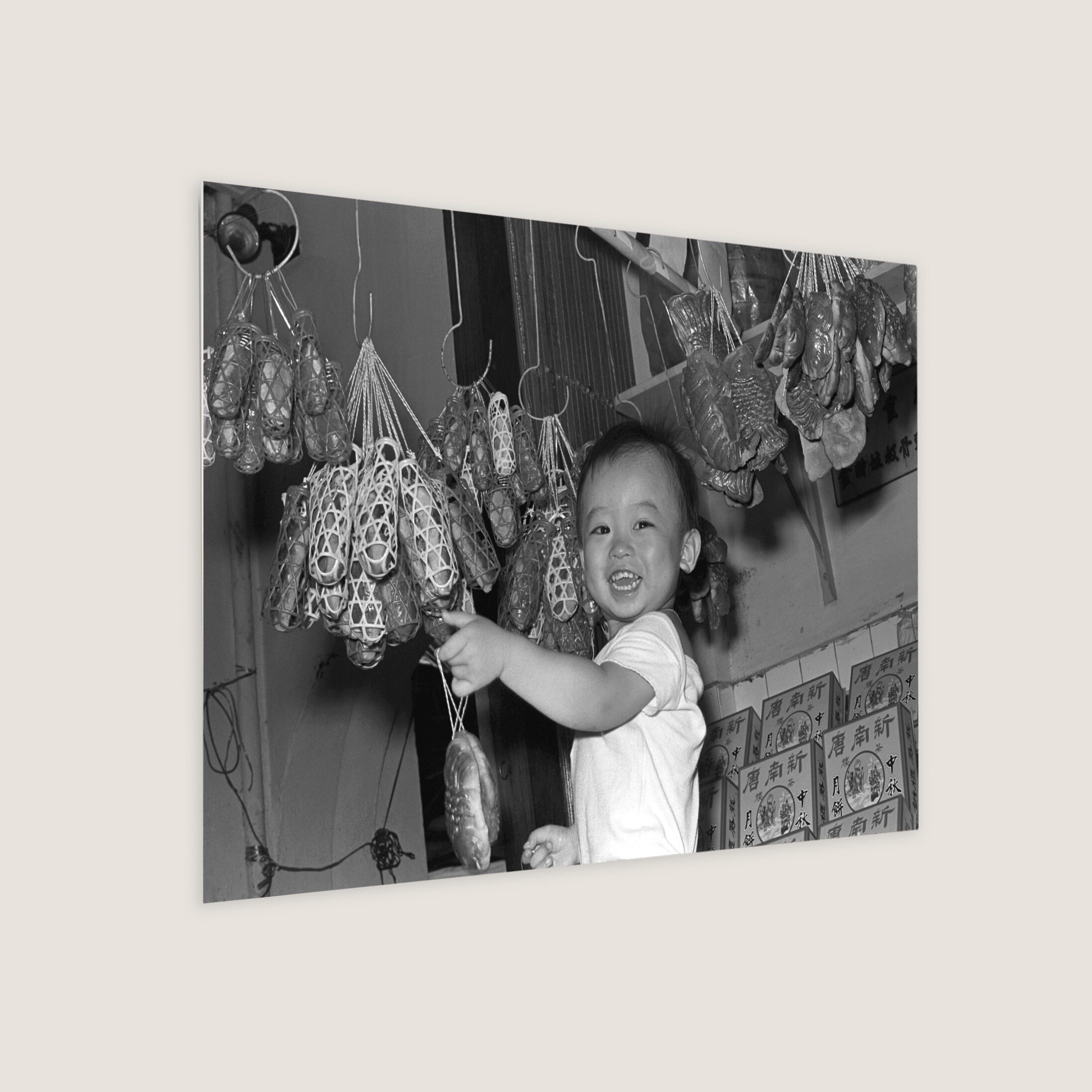
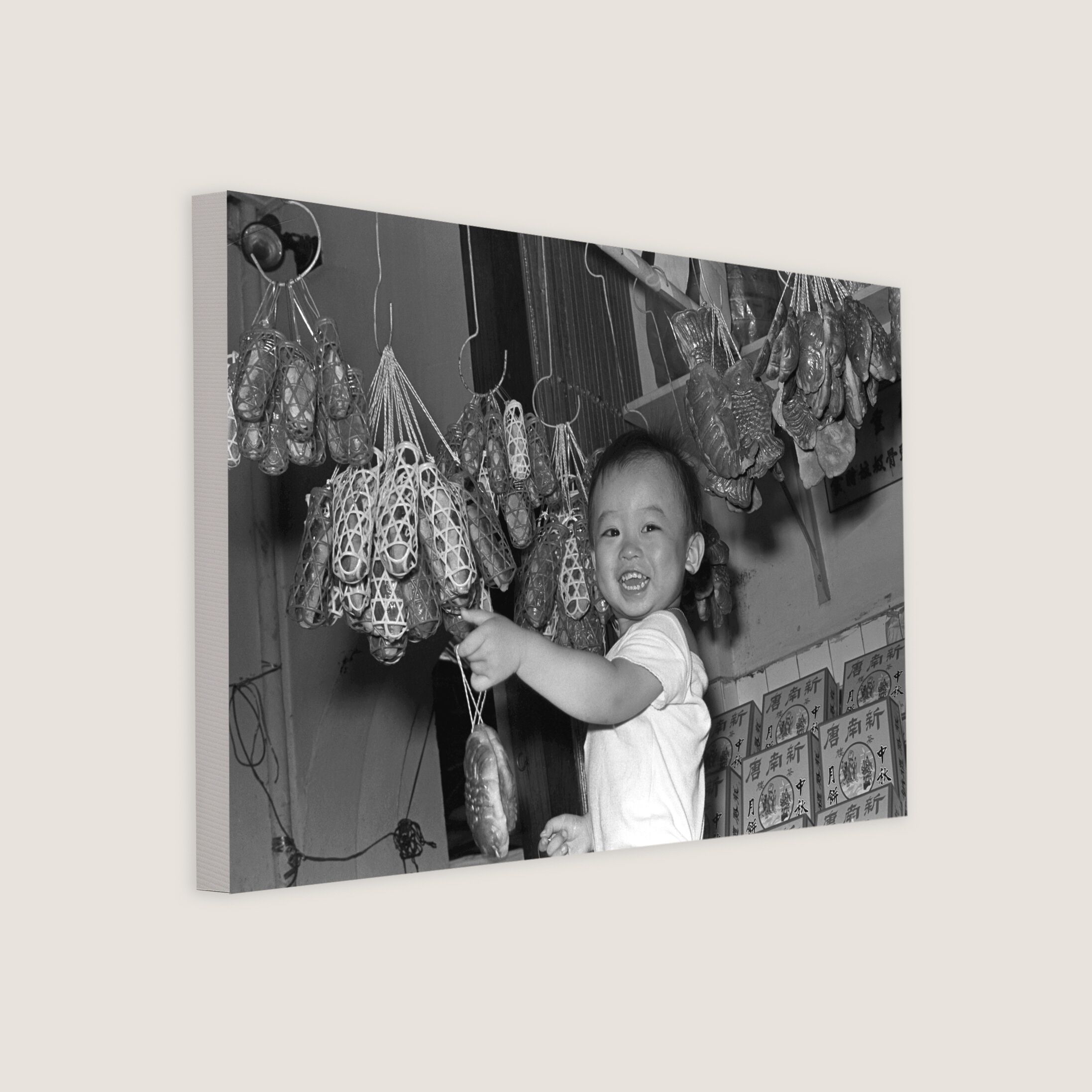
Flour is crafted into little pig shapes and packed into shape of pig-cage. They are what we call 'Pig Cage Cakes,' also known as Zhu Long Bing, were a special treat for the Mid-Autumn Festival. They always made children laugh with happiness, just like the little boy in the photo.
©️ SPH Media Limited
Share to
Tags
Available for print on products
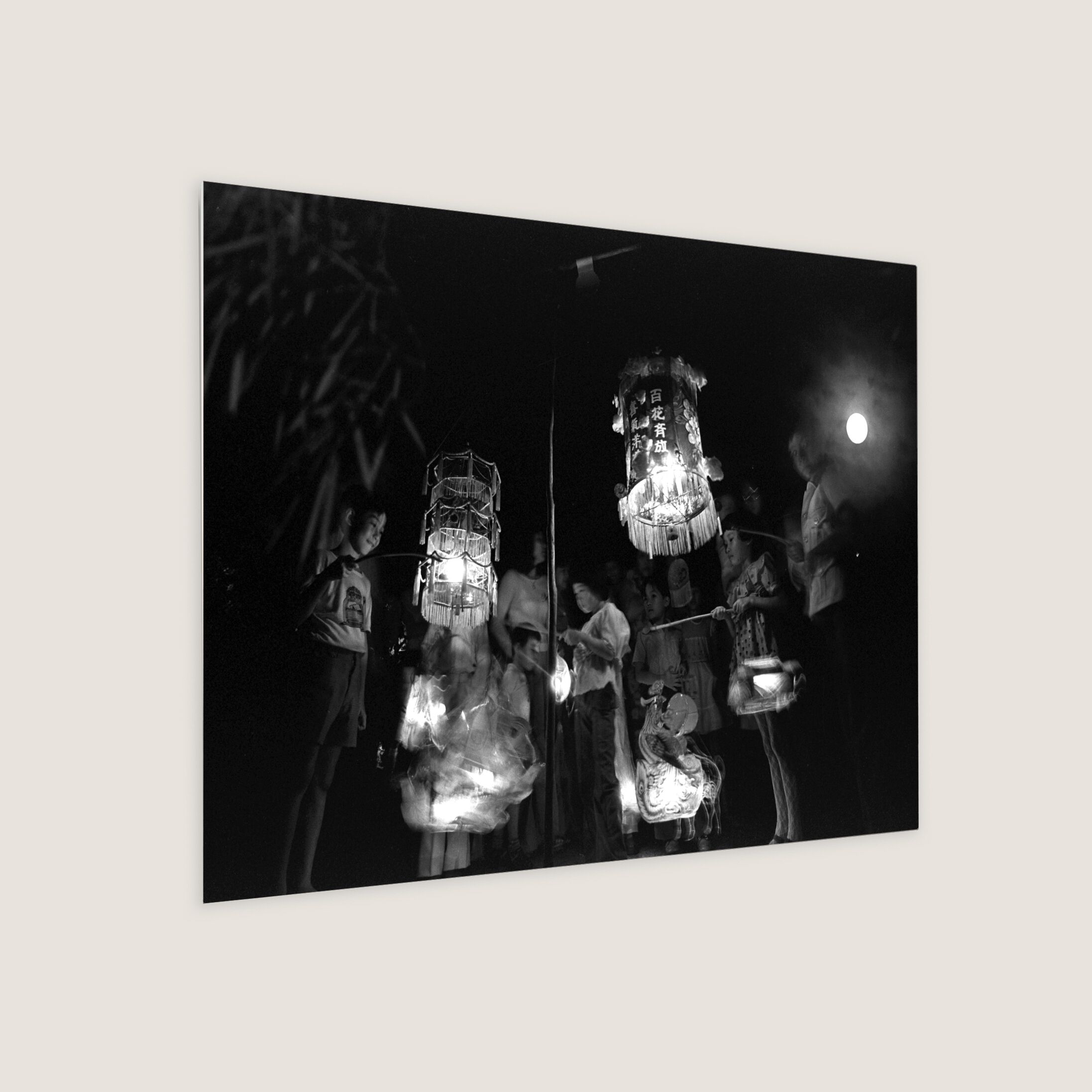
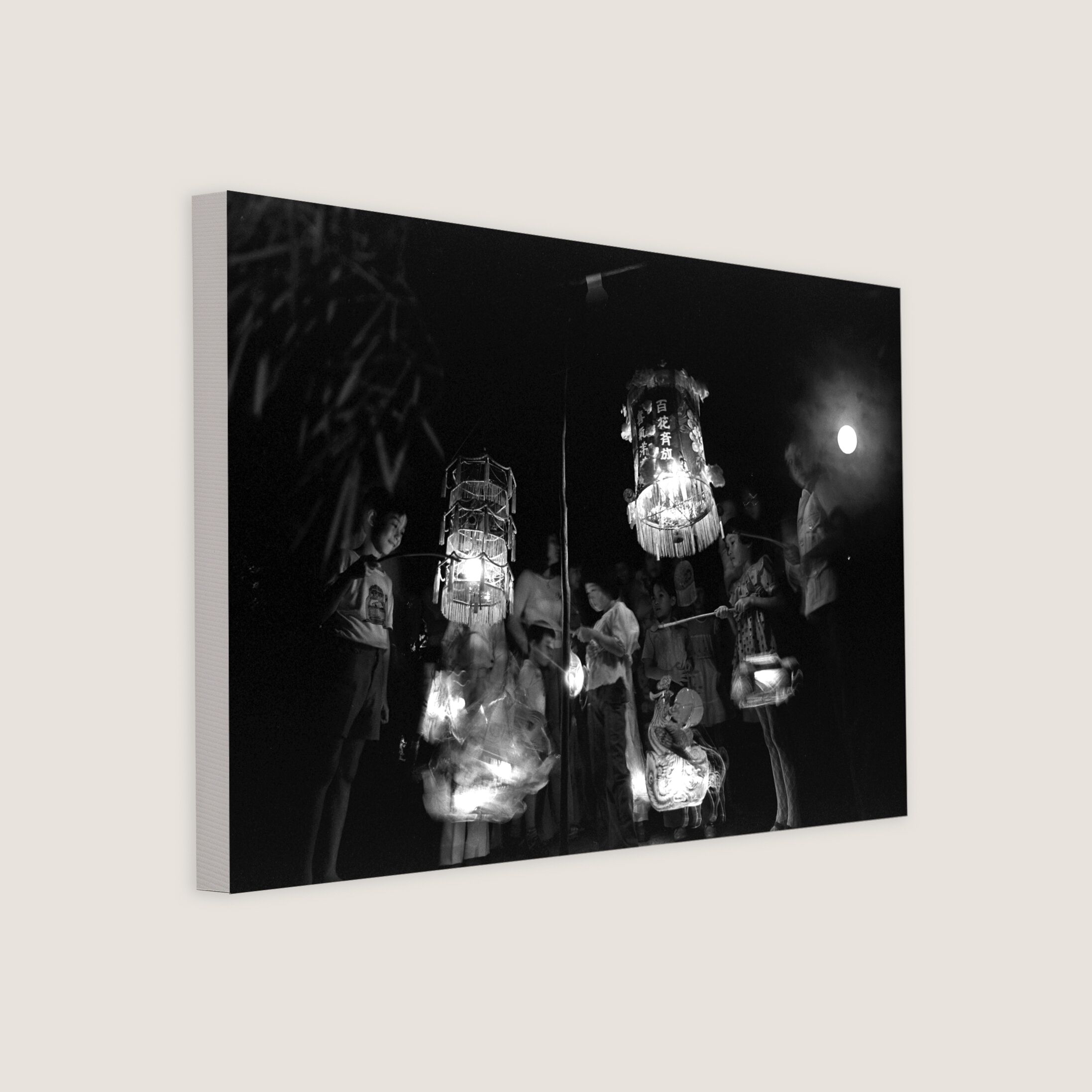
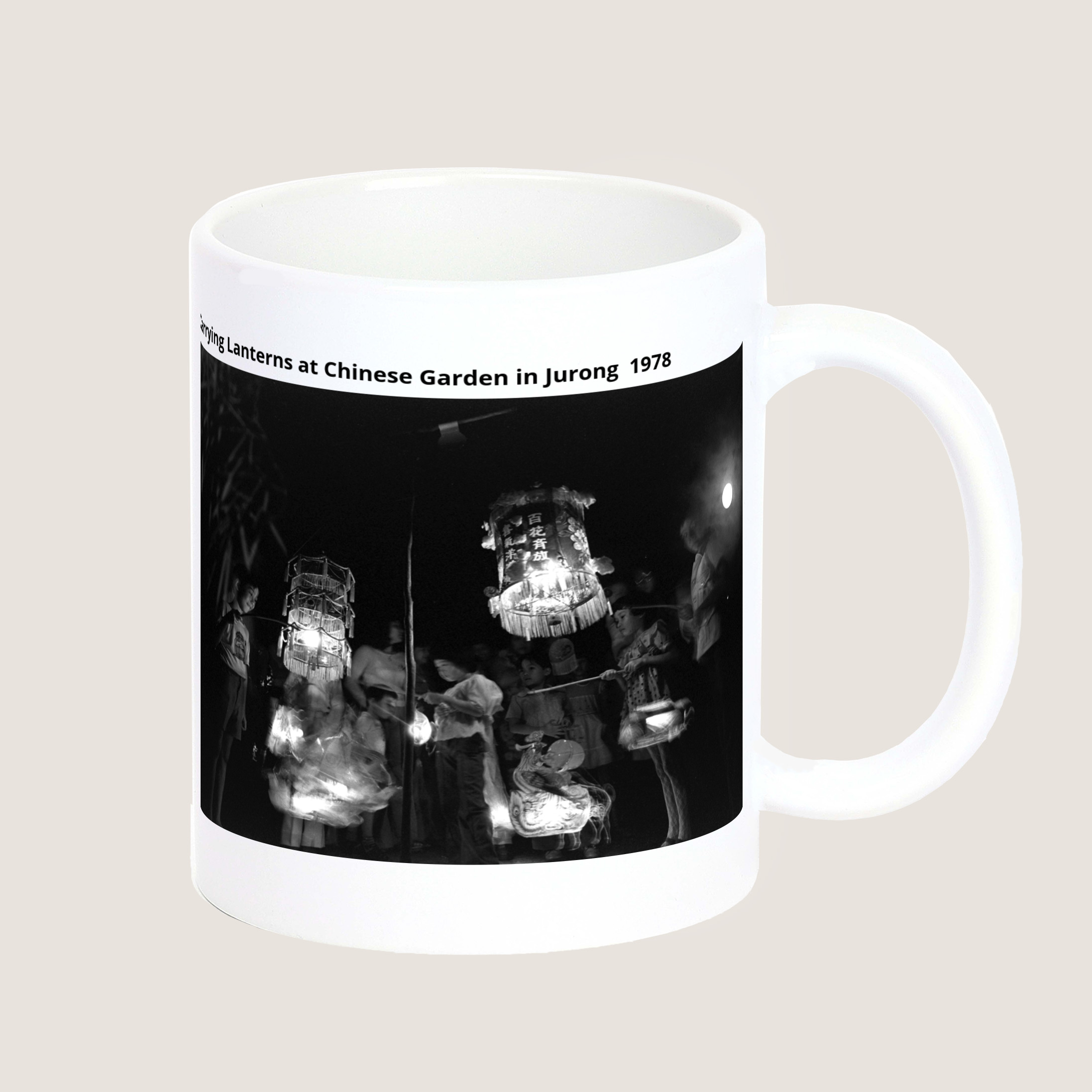
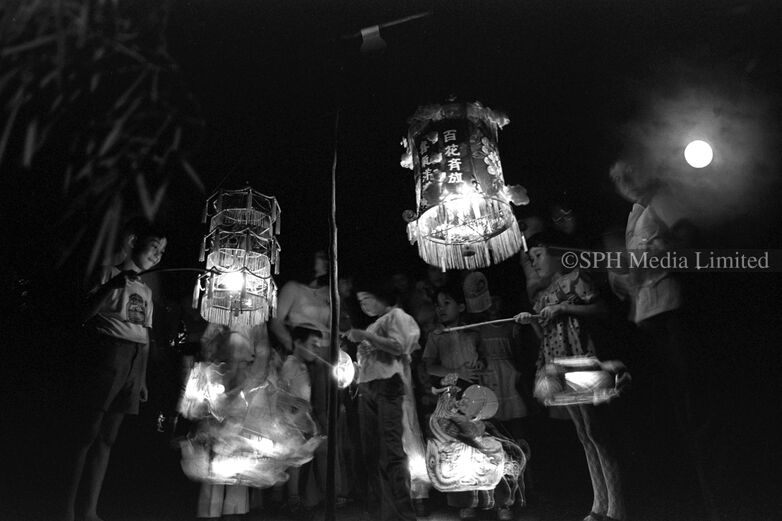 Carrying Lanterns at Chinese Garden in Jurong
1978
Carrying Lanterns at Chinese Garden in Jurong
1978
Carrying Lanterns at Chinese Garden in Jurong
Year 1978
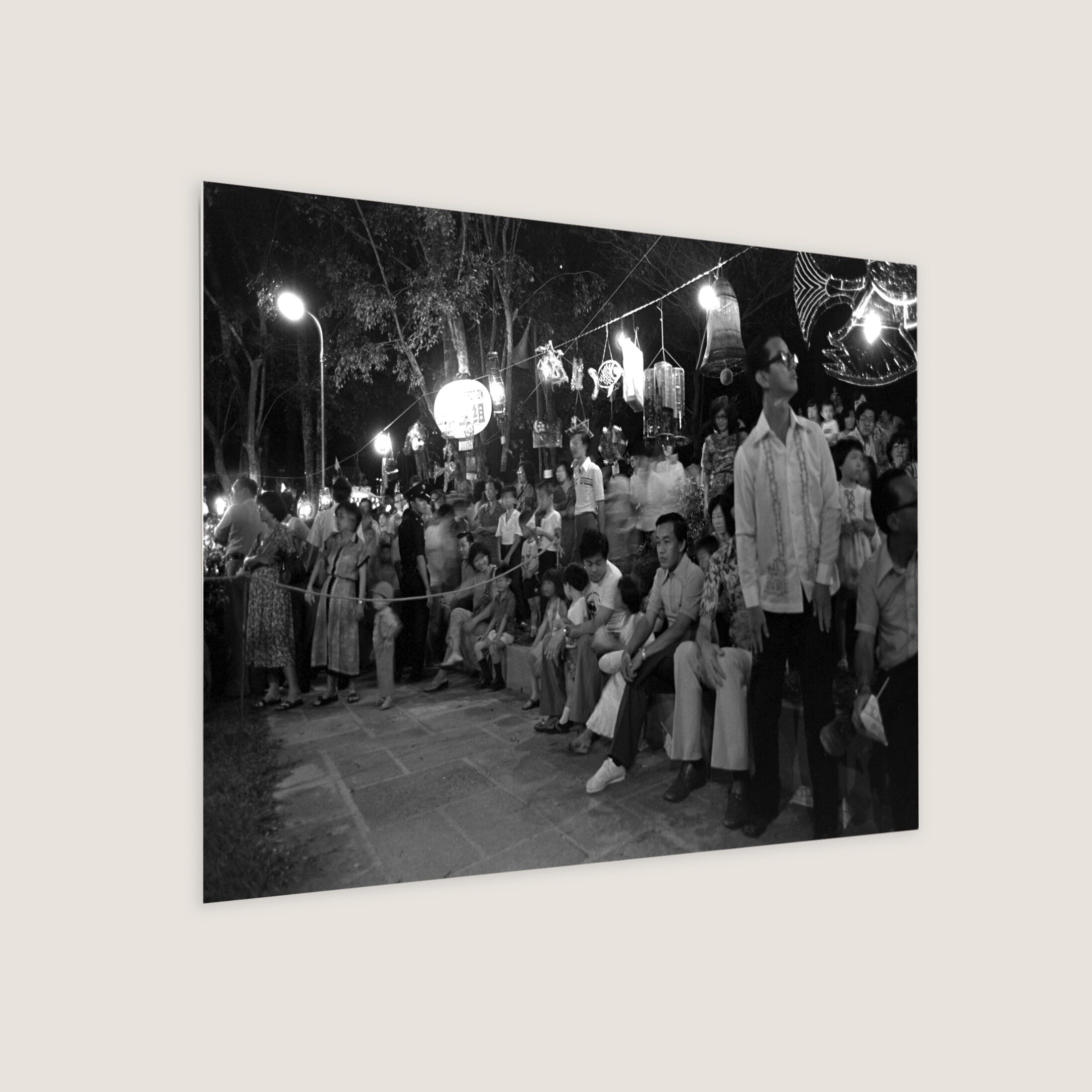
The Chinese Garden in Jurong was turned into a wonderland by the light of a thousand lanterns, accompanied by the happy faces of children celebrating this year's Mid-Autumn Festival.
©️ SPH Media Limited
Share to
Tags
Available for print on products
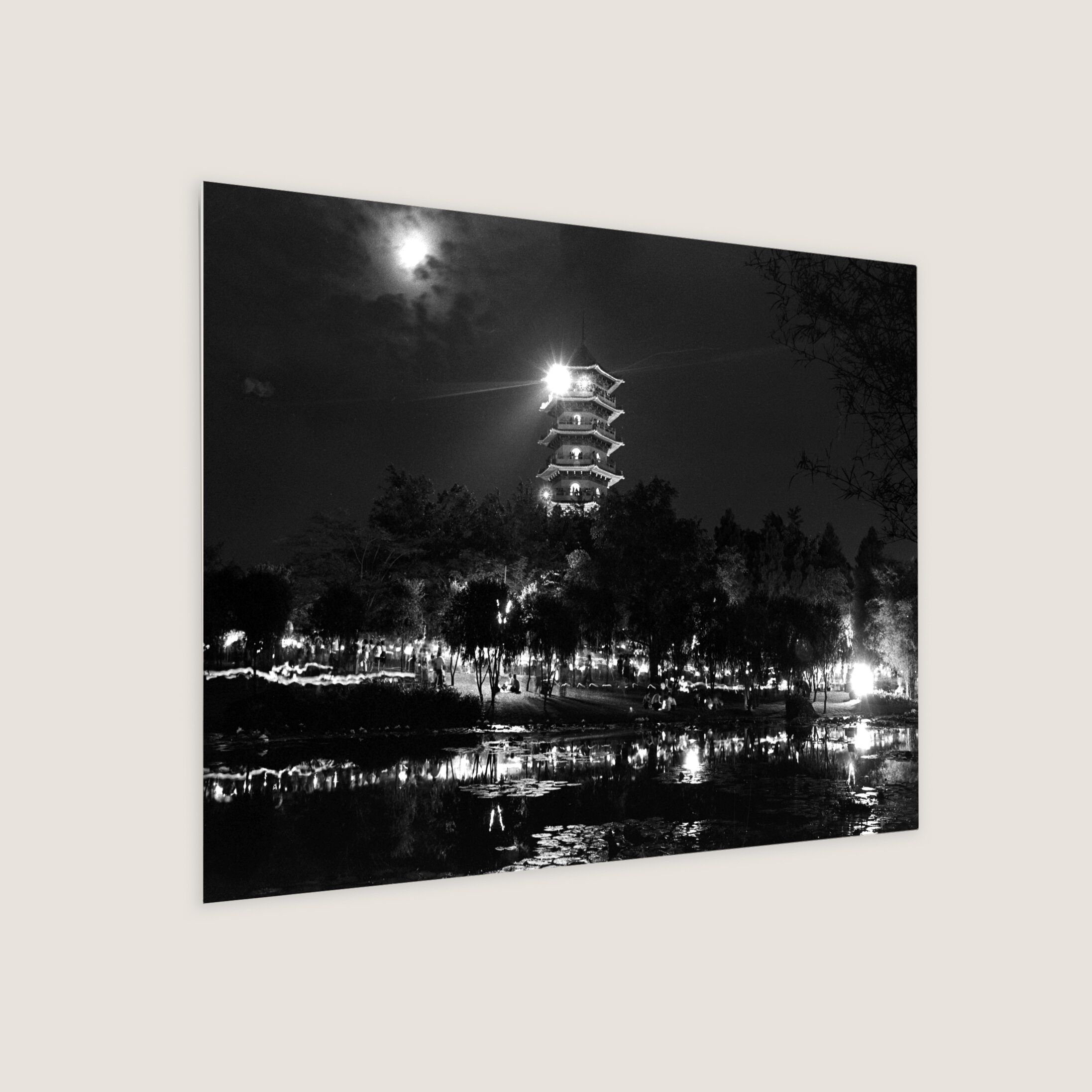
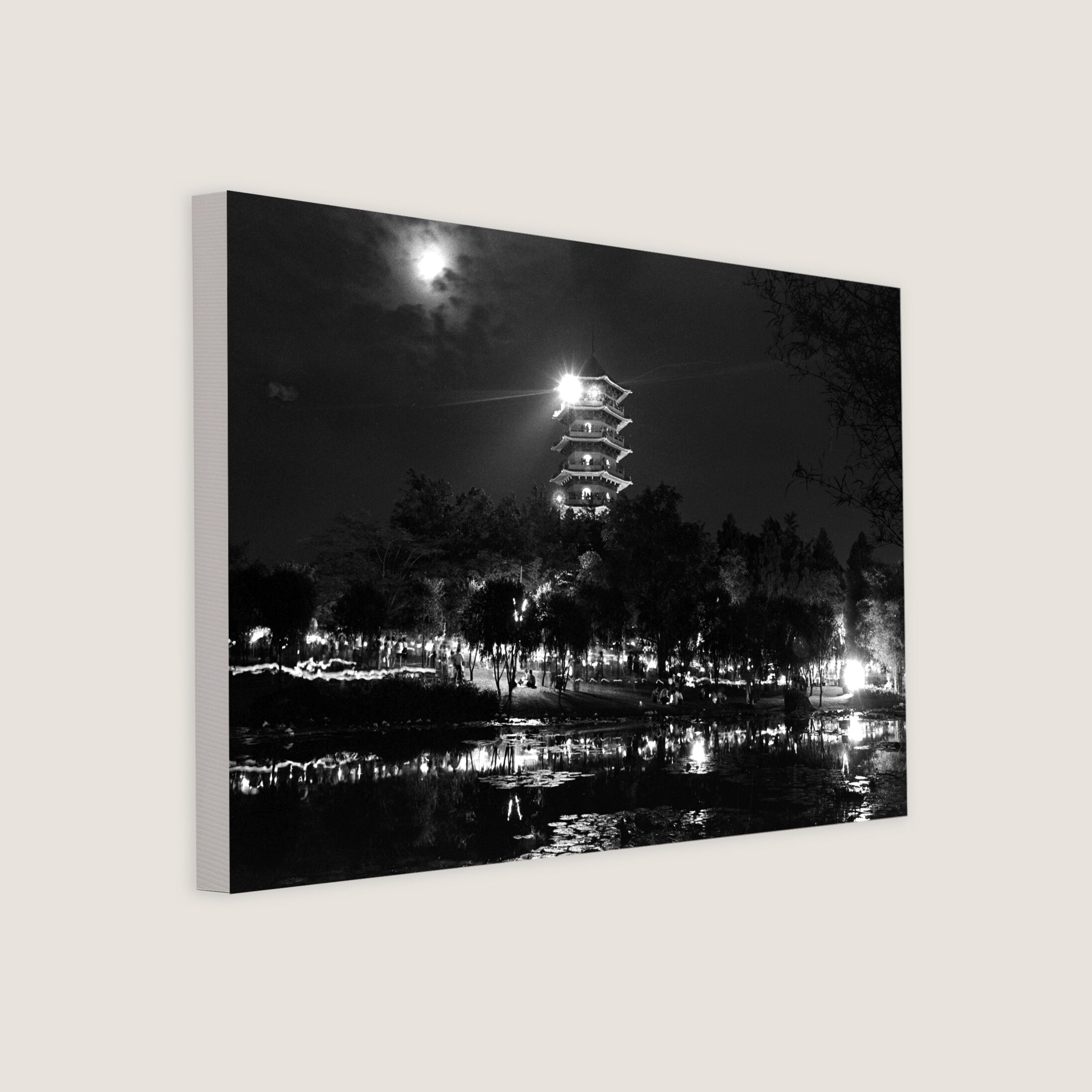
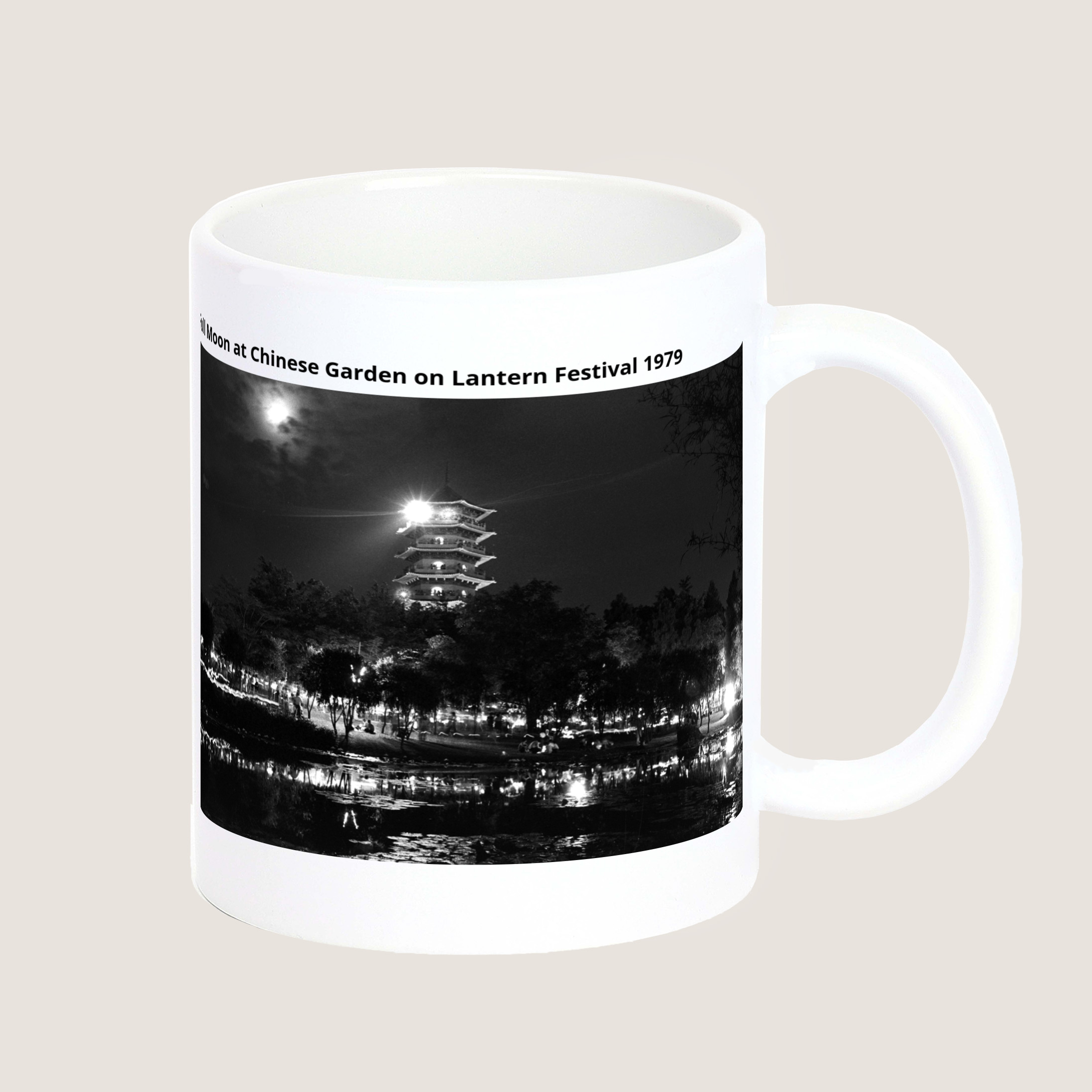
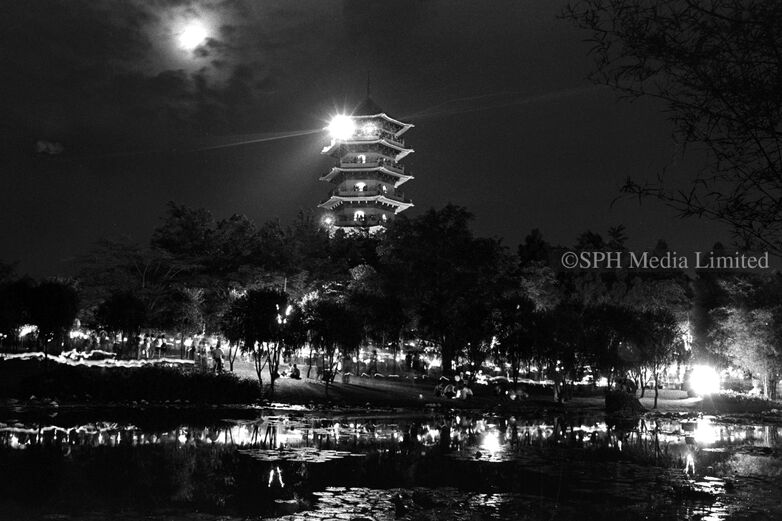 Full Moon at Chinese Garden on Lantern Festival
1979
Full Moon at Chinese Garden on Lantern Festival
1979
Full Moon at Chinese Garden on Lantern Festival
Year 1979
People gathered at Chinese Garden aka Yuhua Yuan at Jurong Town to gaze at the radiant and full moon and celebrate Lantern Festival. It was organised by the Jurong Town Corporation.
©️ SPH Media Limited
Share to
Tags
Available for print on products
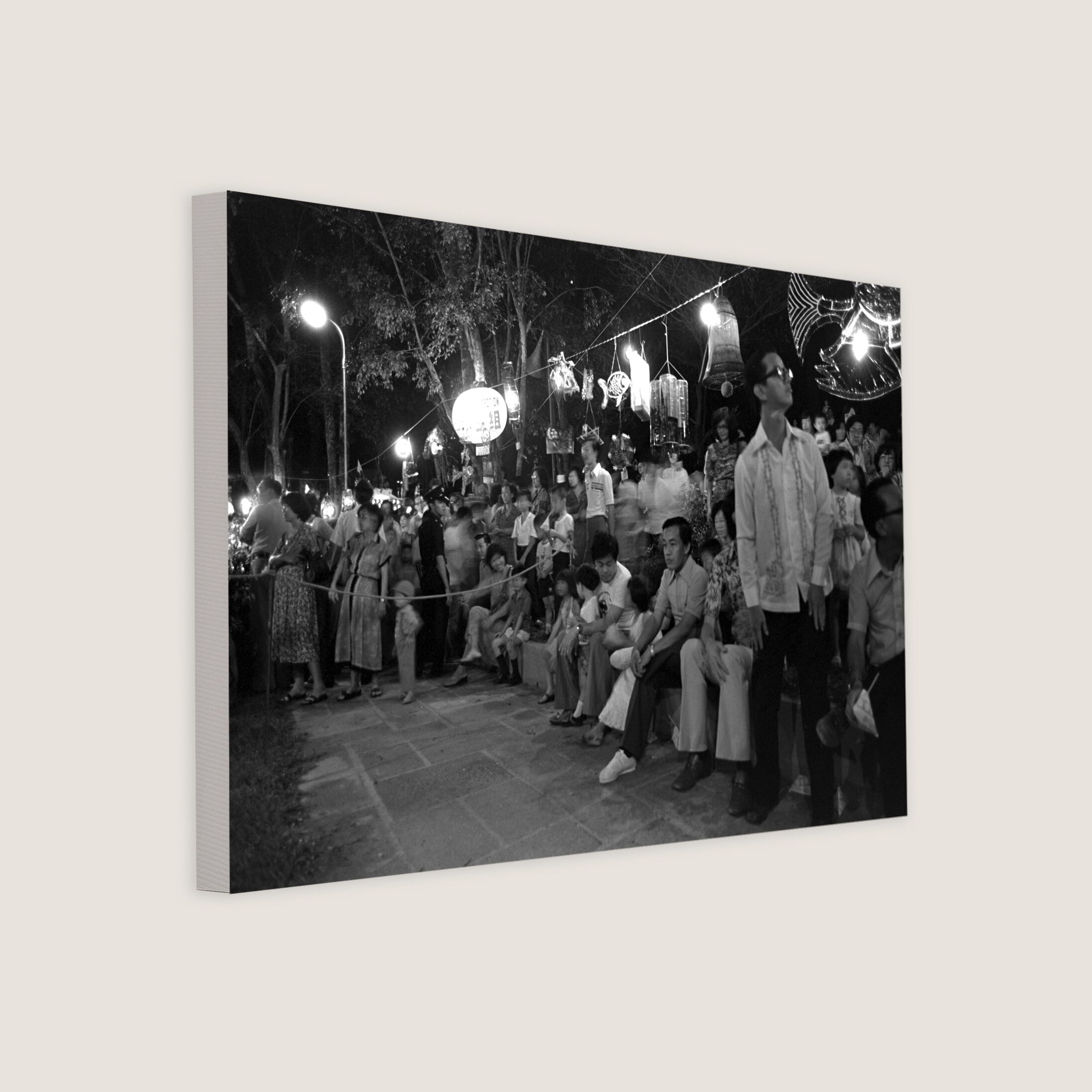
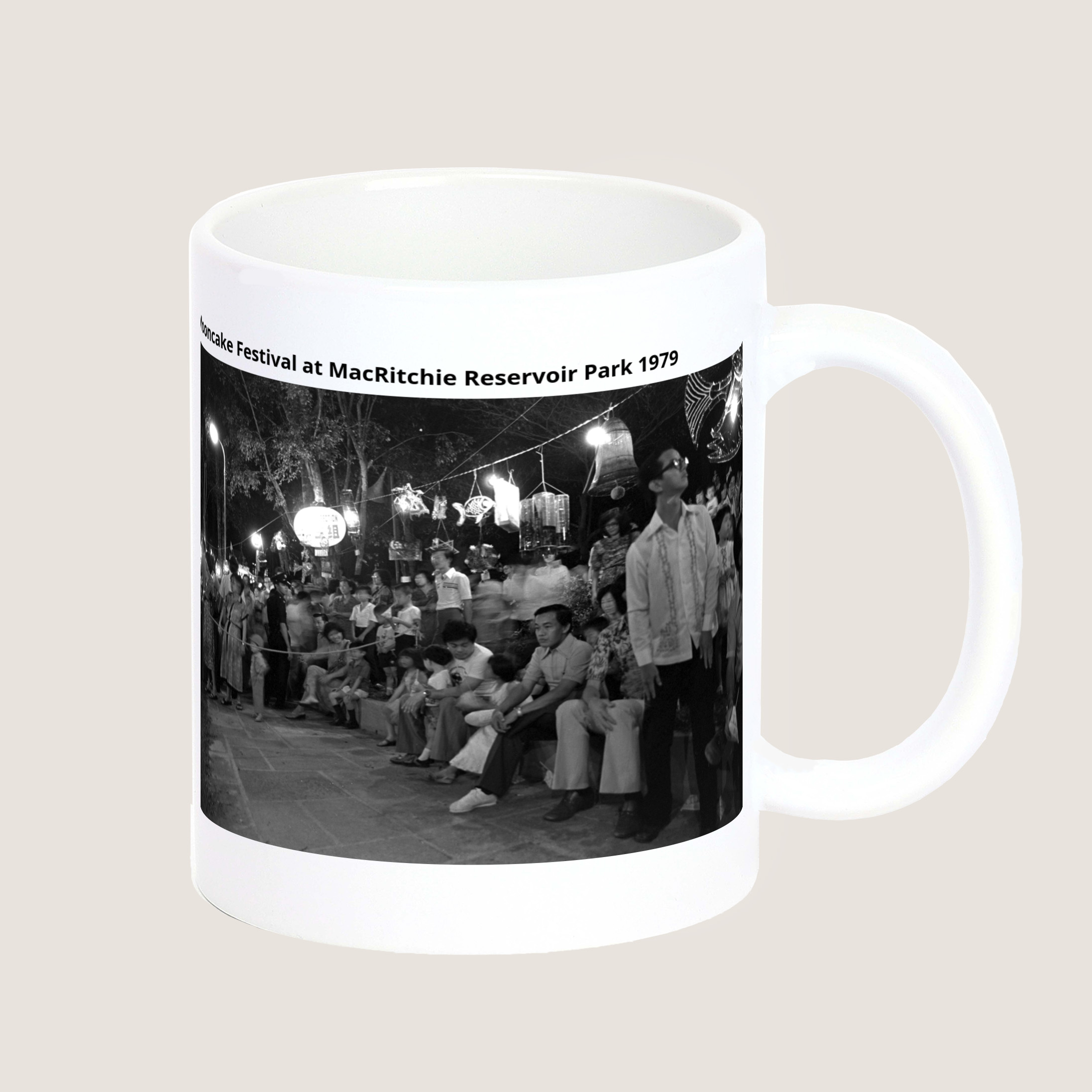
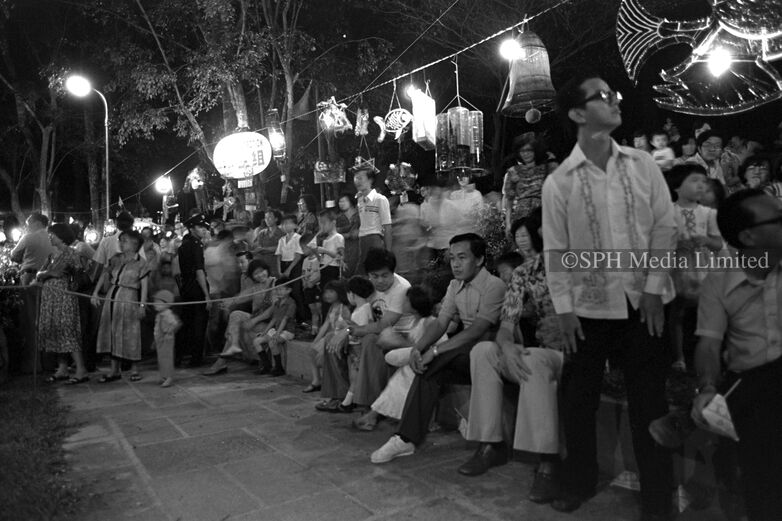 Mooncake Festival at MacRitchie Reservoir Park
1979
Mooncake Festival at MacRitchie Reservoir Park
1979
Mooncake Festival at MacRitchie Reservoir Park
Year 1979
The stillness of the night was interrupted by the bustling crowd. This year, the tranquil night at MacRitchie Reservoir Park was disrupted by the presence of thousands of people who gathered on the night of the Mooncake Festival. They attended the lantern-making competition, prize-presentation and exhibition, all of which were held at the water's edge.
©️ SPH Media Limited
Share to
Tags
Available for print on products
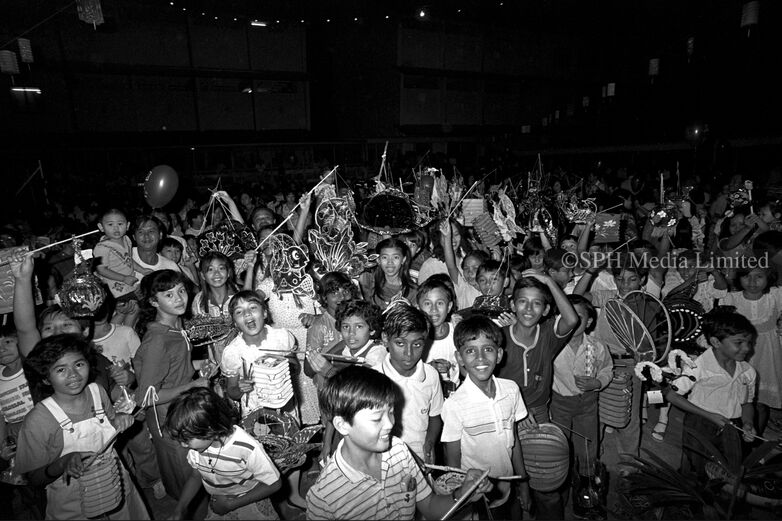 Lantern Festival at Former Parry Primary School
1982
Lantern Festival at Former Parry Primary School
1982
Lantern Festival at Former Parry Primary School
Year 1982
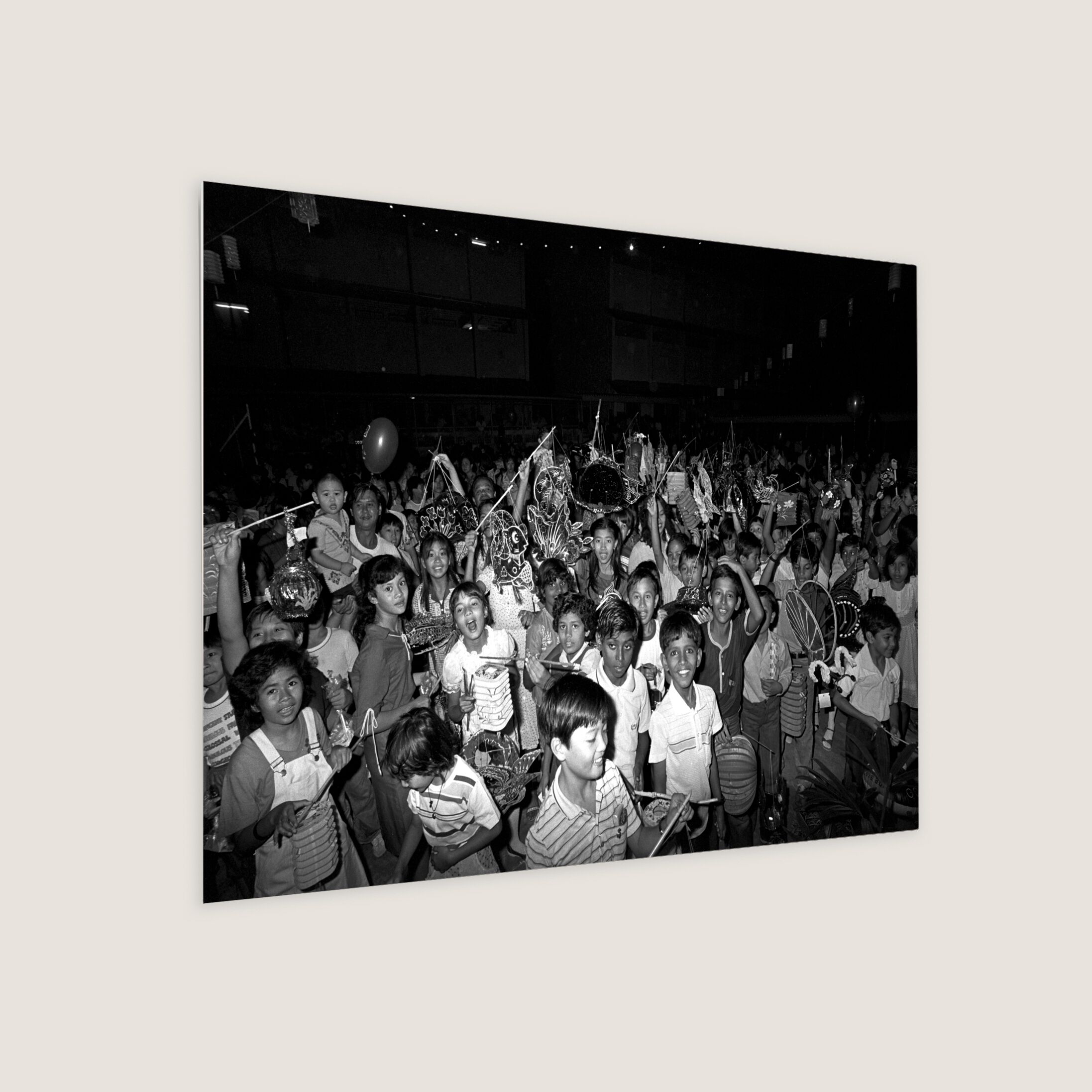
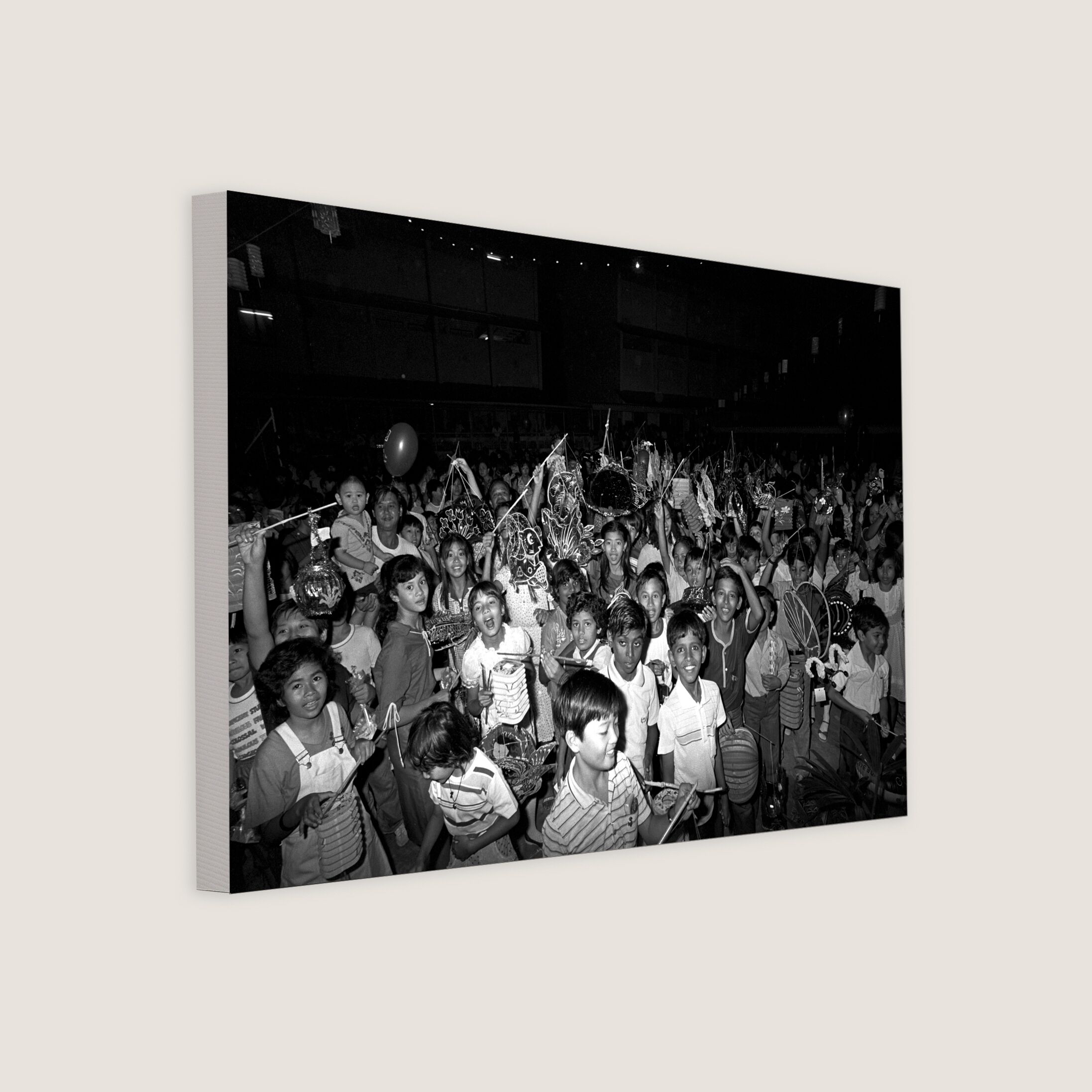
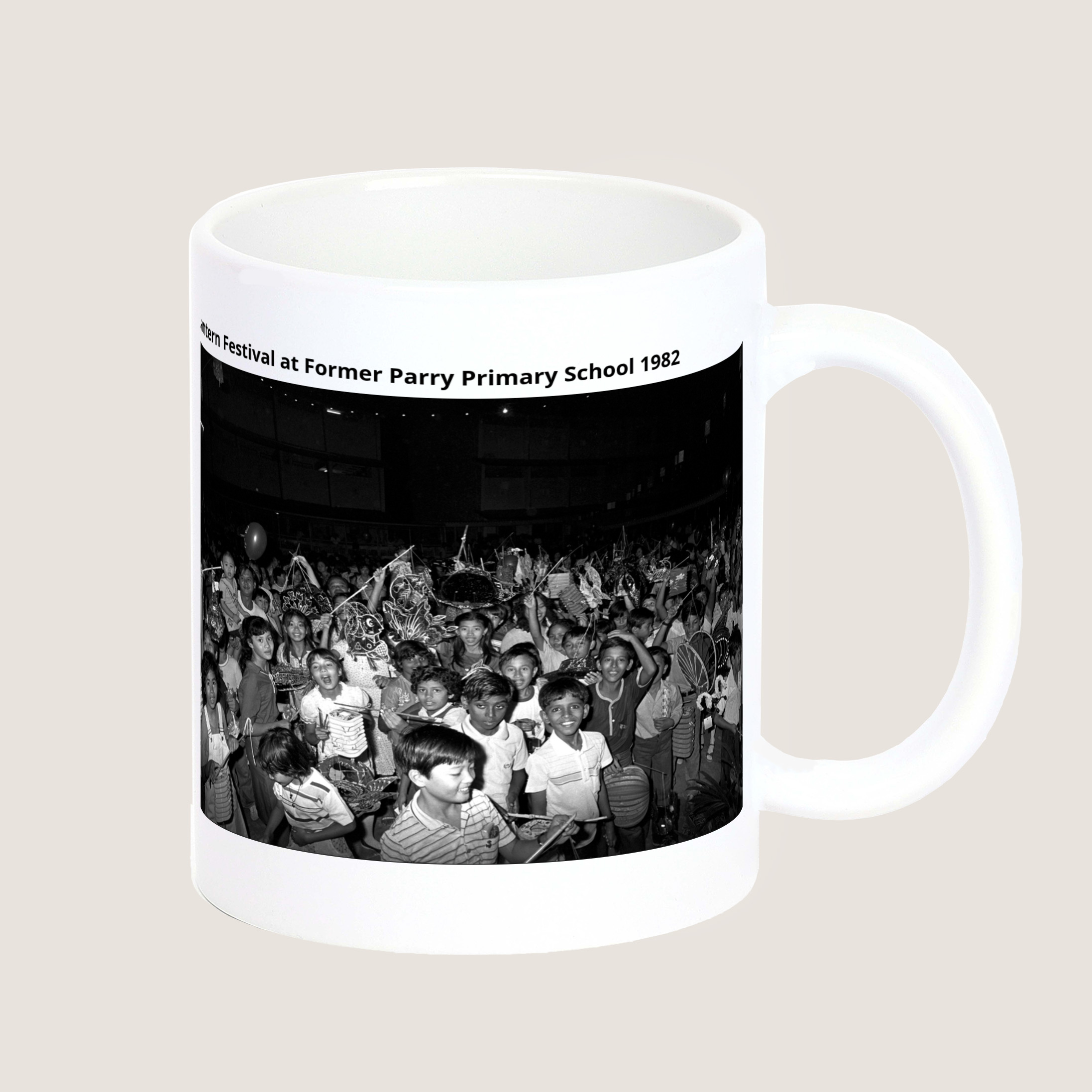
About 1,000 children at Parry Primary School proudly carried fanciful lanterns as they took part in the Mid-Autumn Festival celebrations. The lantern-carrying procession is always the highlight and finale of the festival. Parry Primary School merged with Xinghua Primary in 2007 due to dwindling student enrolment.
©️ SPH Media Limited
Share to
Tags
Available for print on products
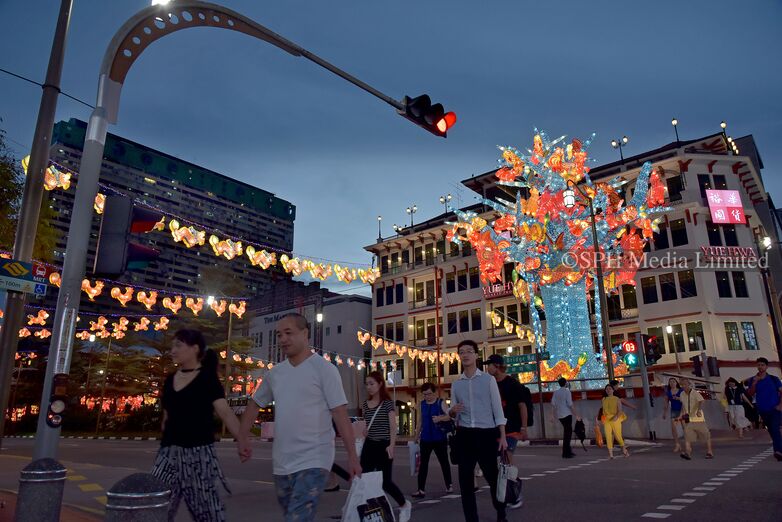 Mid-Autumn Illuminations at Chinatown
2017
Mid-Autumn Illuminations at Chinatown
2017
Mid-Autumn Illuminations at Chinatown
Year 2017
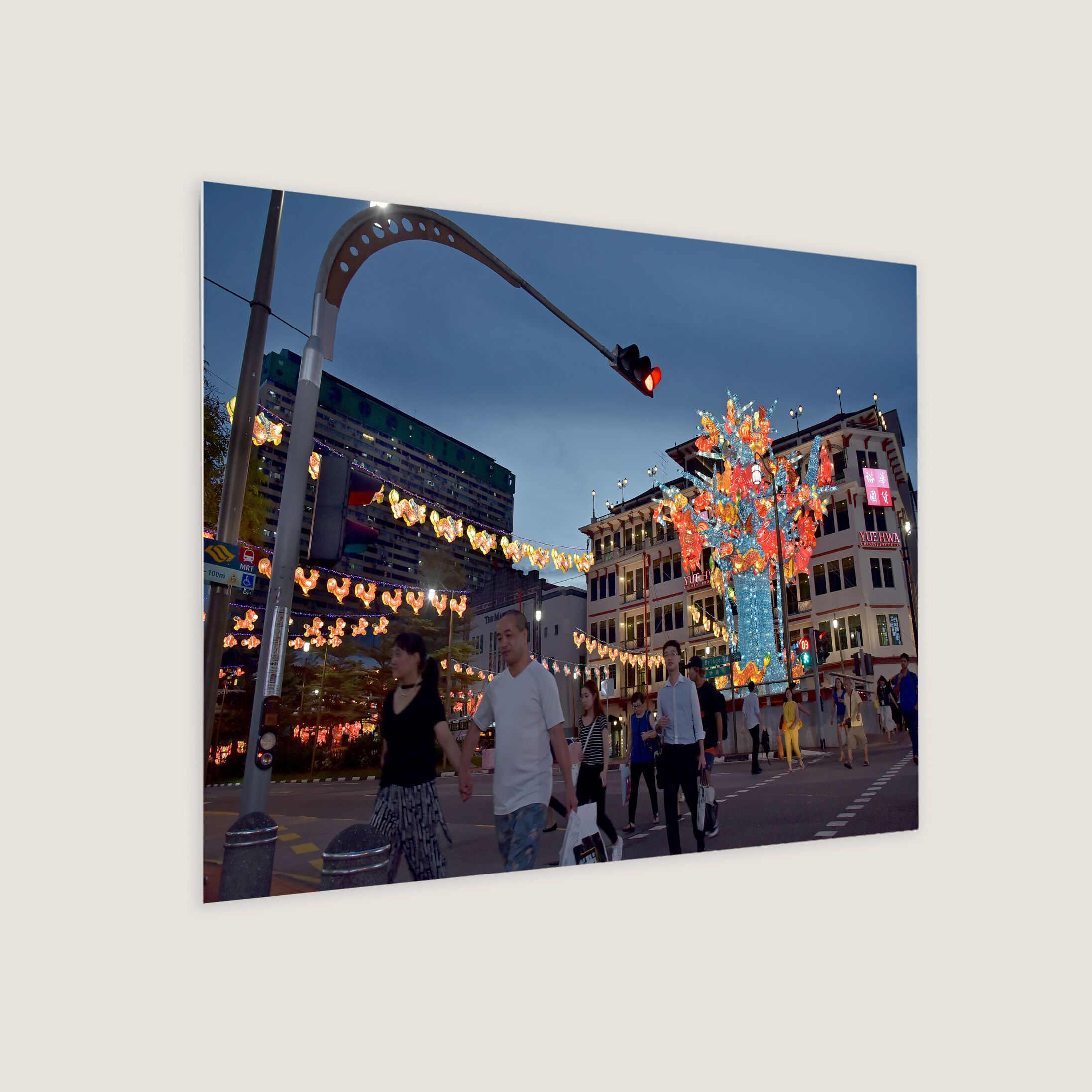
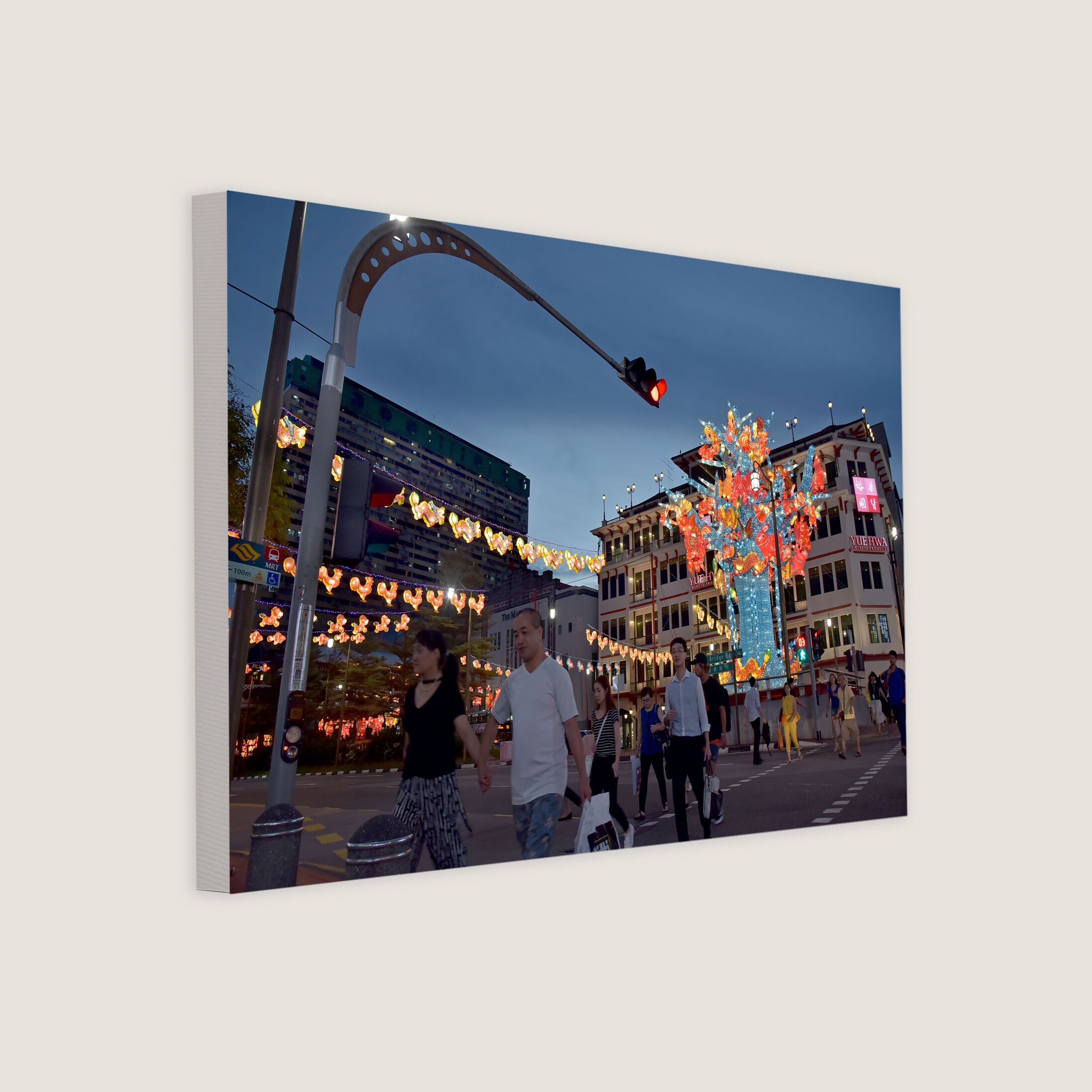
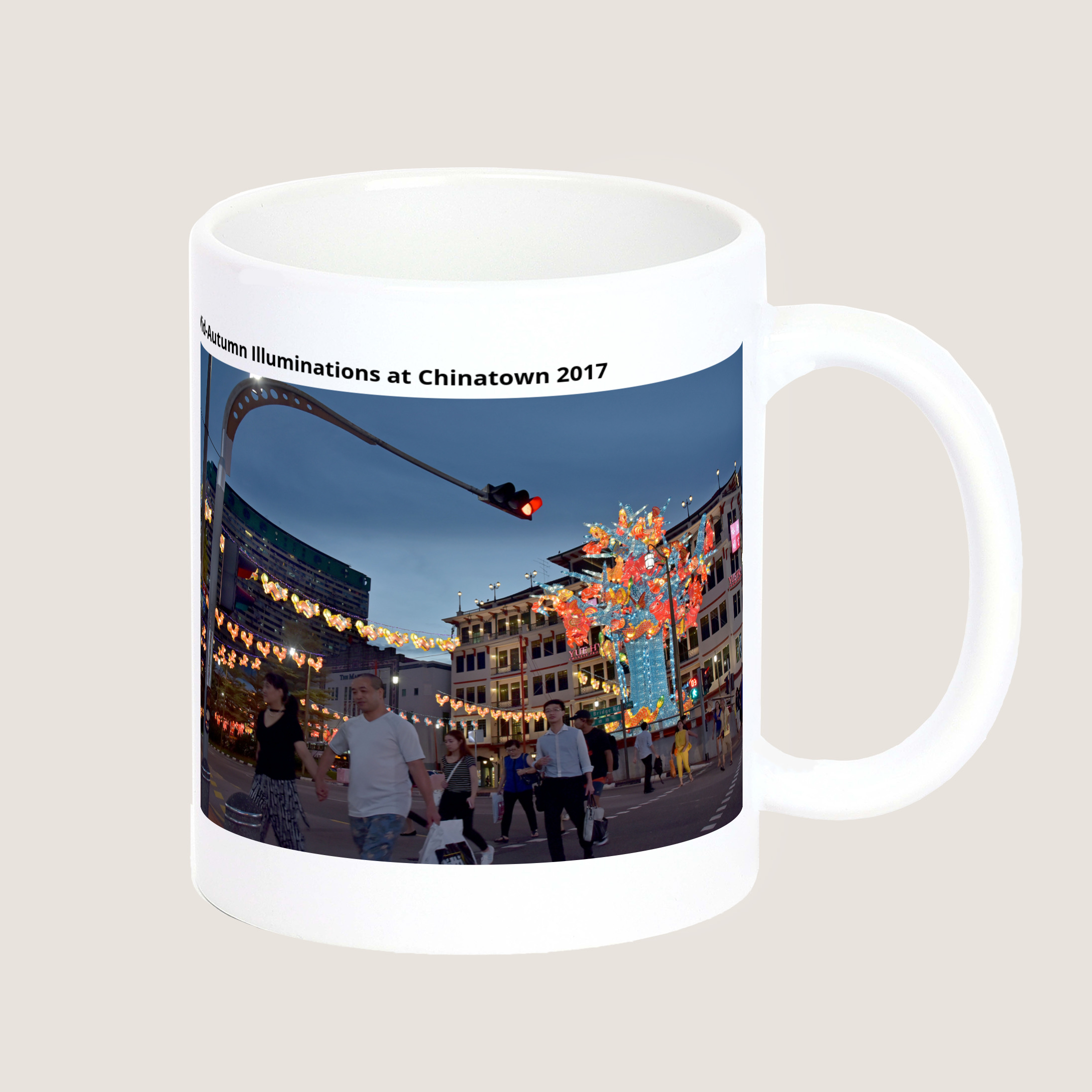
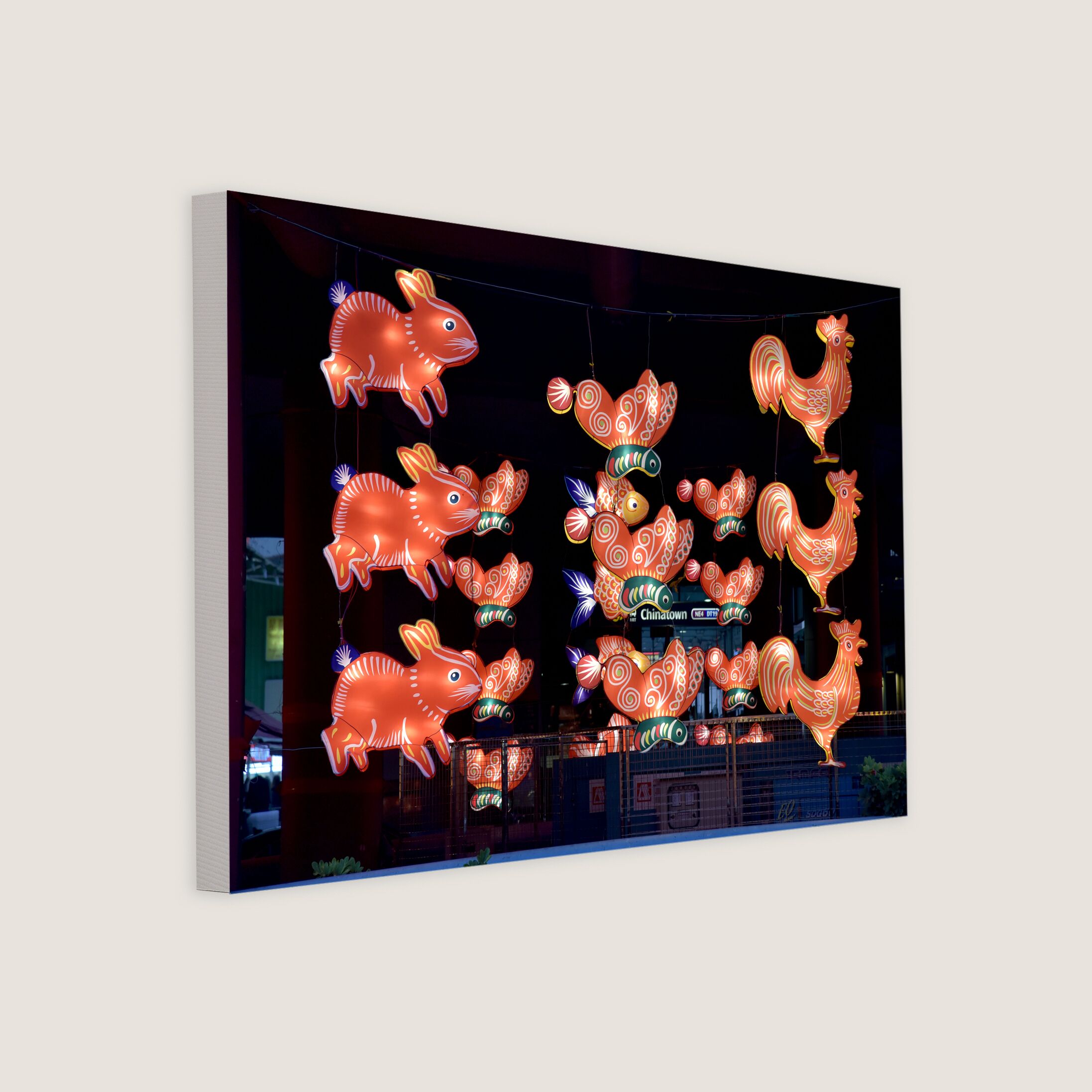
Silk lanterns light up the streets of Chinatown in celebration of the 2017 Mid-Autumn Festival. The centre piece is a 12m-tall 'tree' adorned with some 60 animal lanterns. More than 1,000 handcrafted LED lanterns will be displayed along Eu Tong Sen Street, New Bridge Road and South Bridge Road.
©️ SPH Media Limited
Share to
Available for print on products
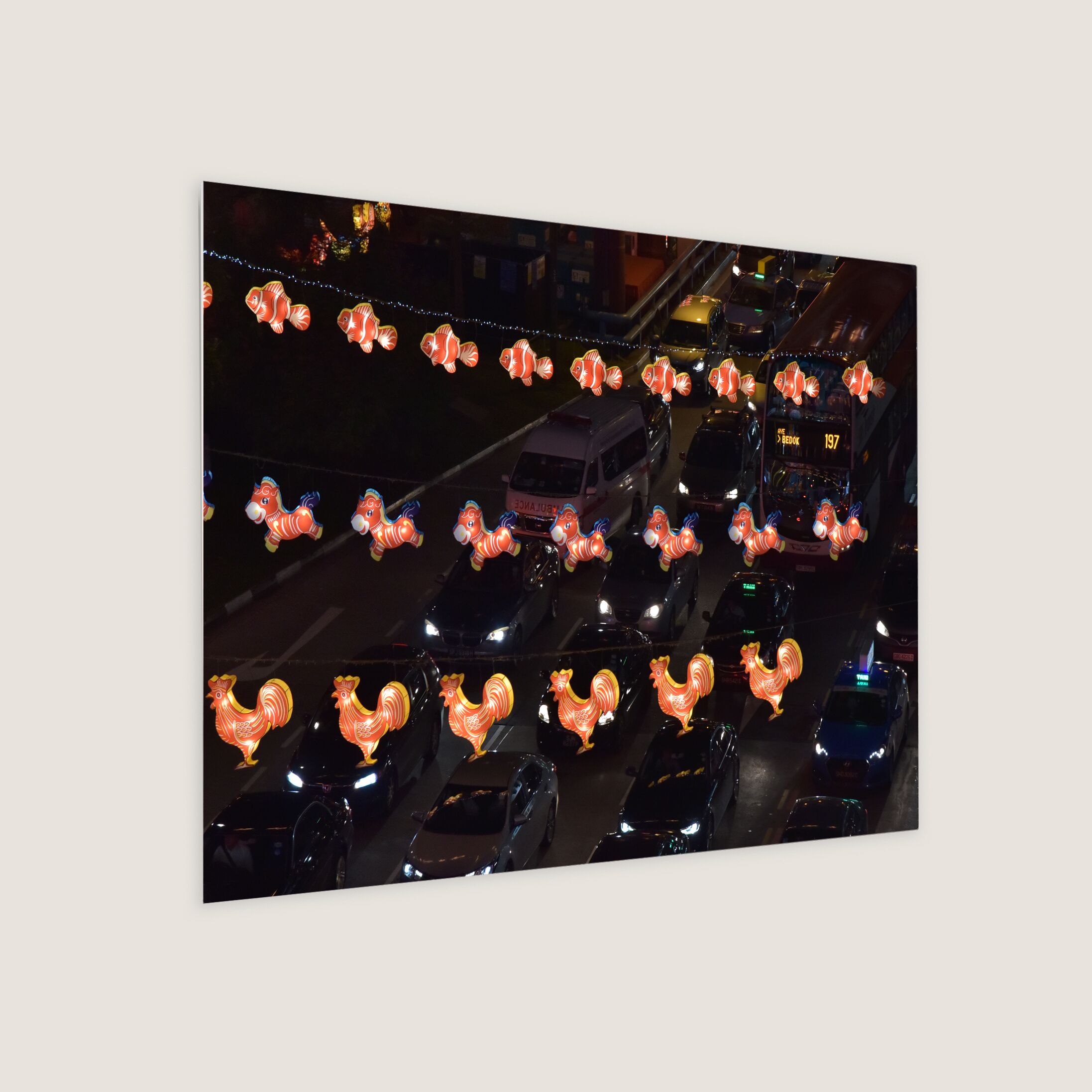
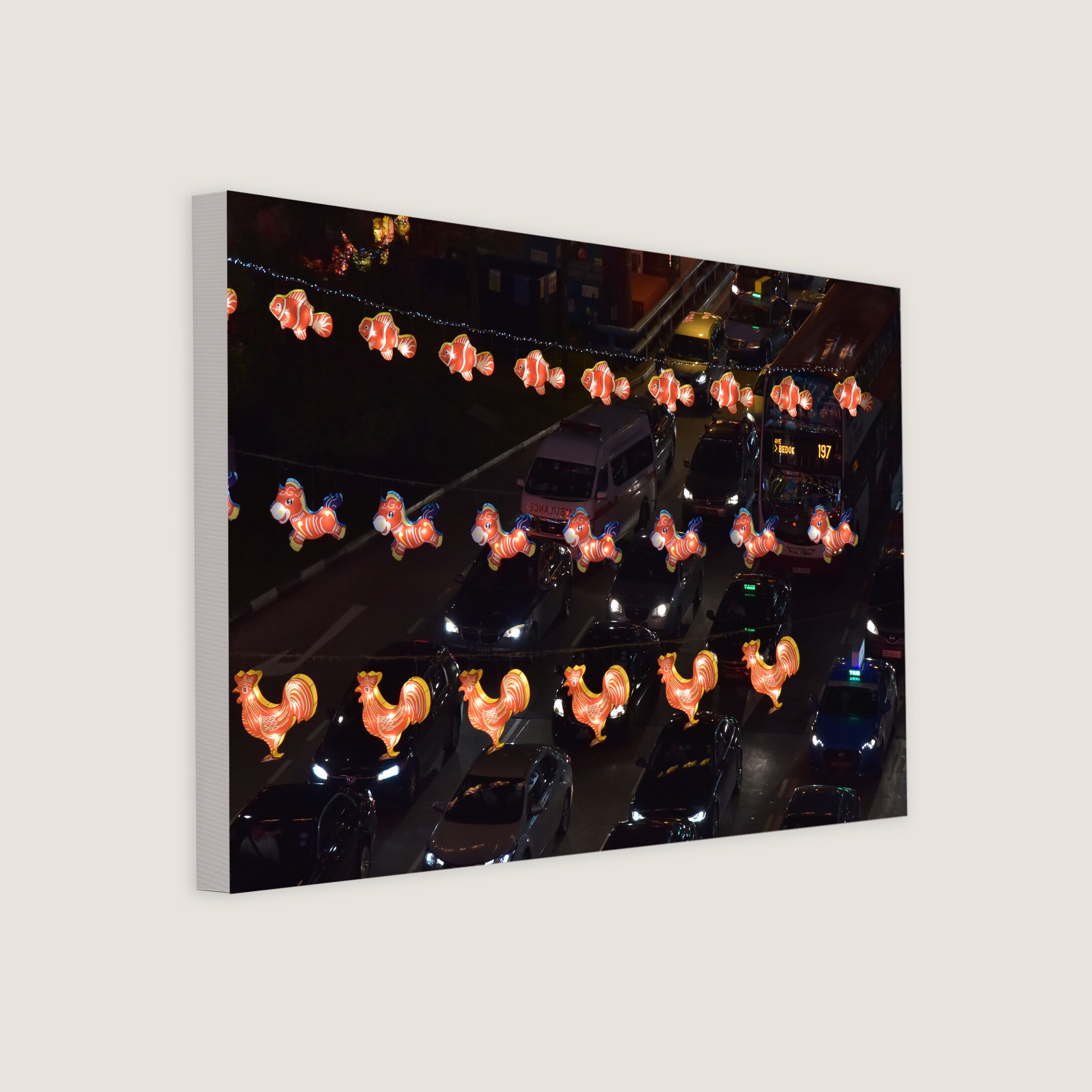
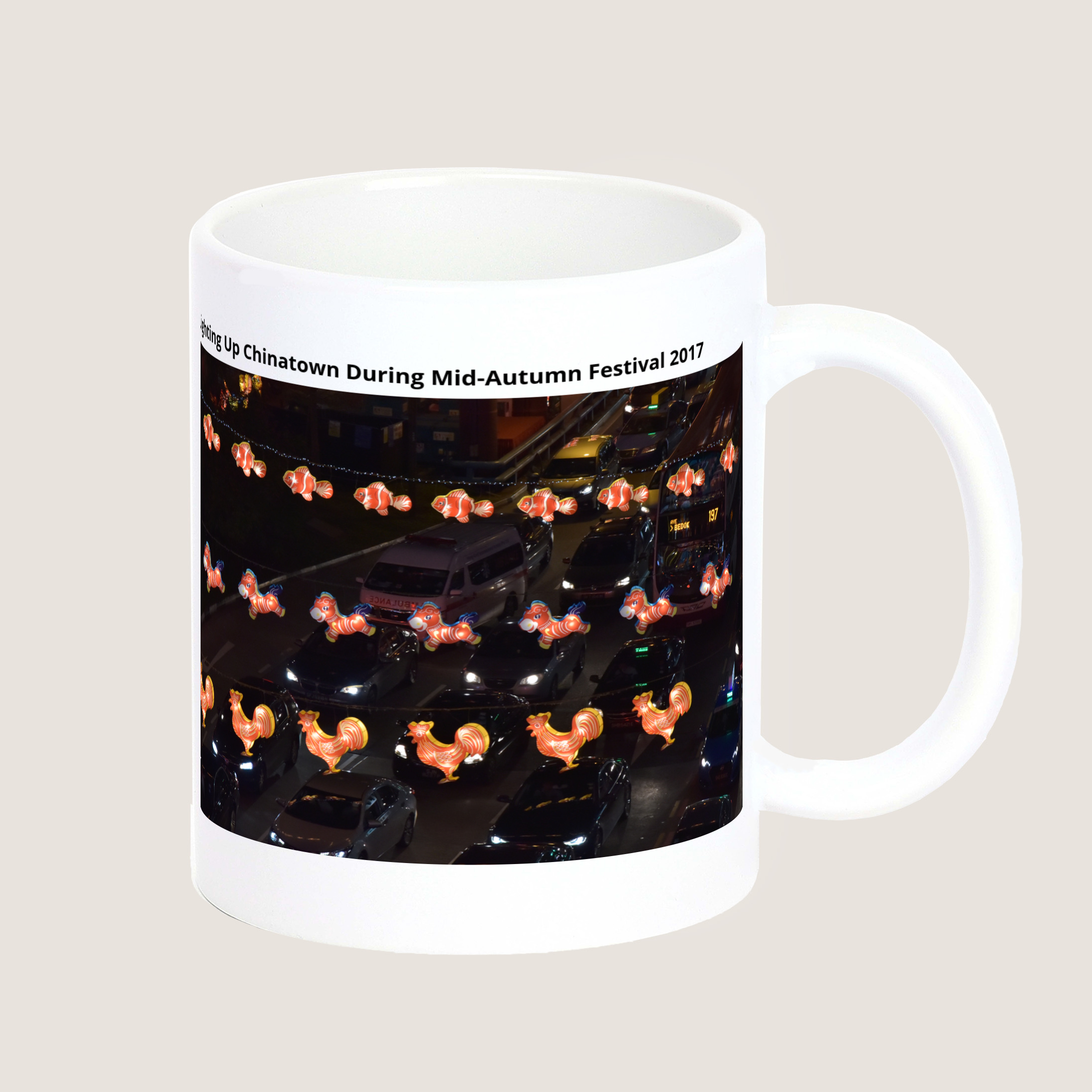
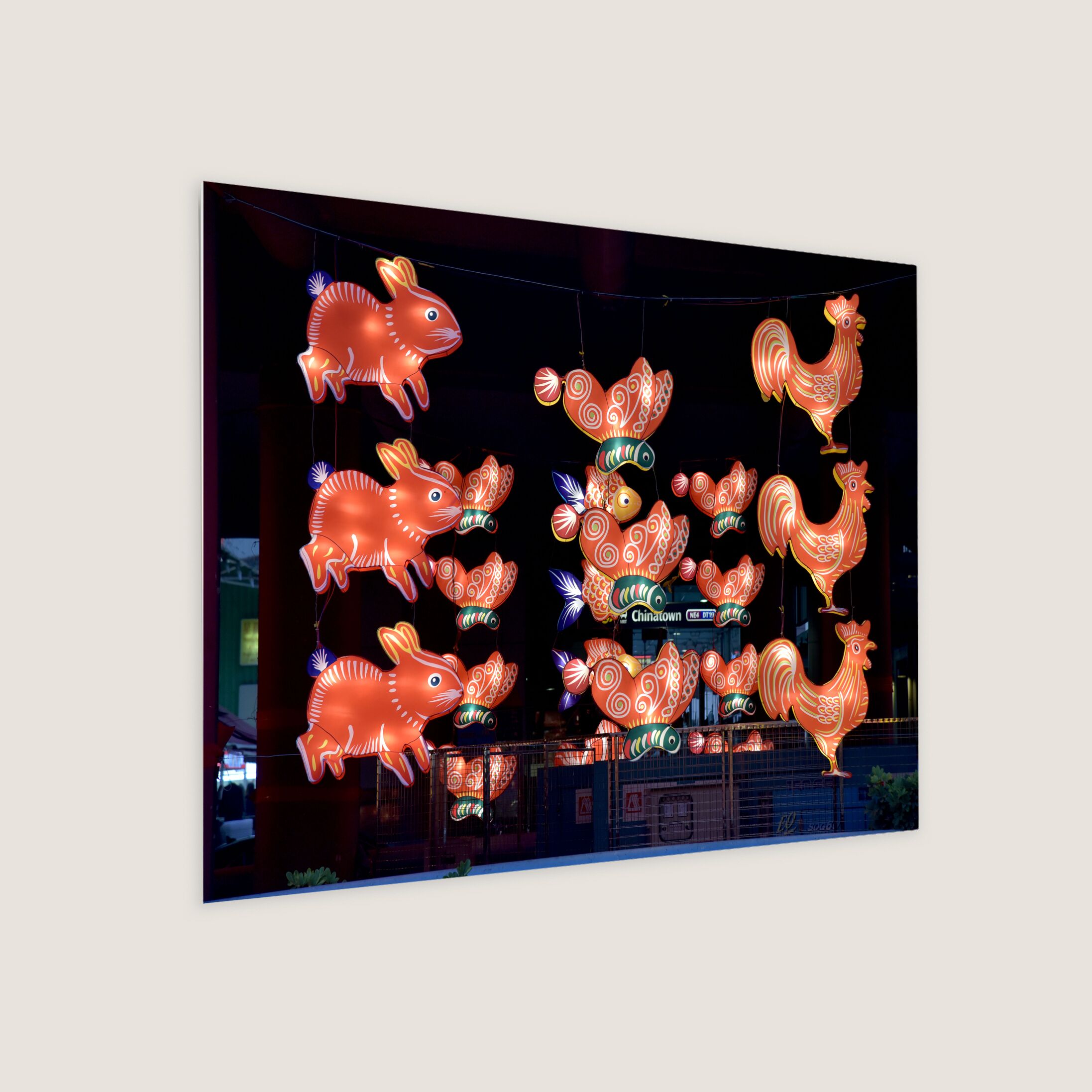
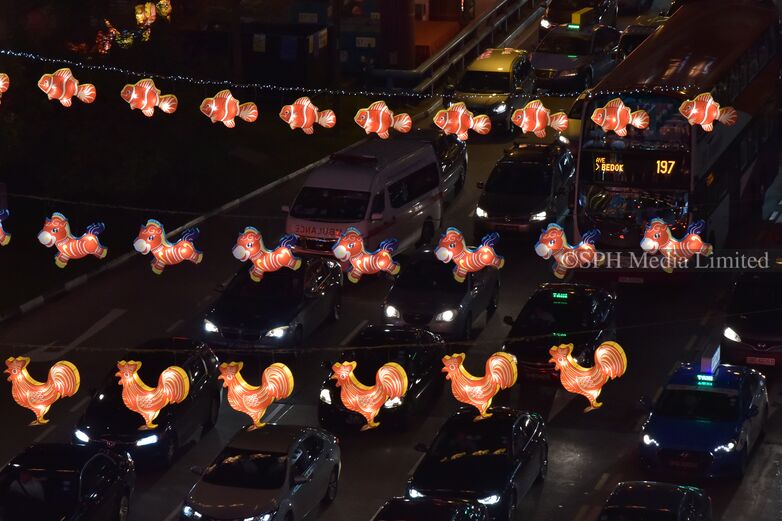 Lighting Up Chinatown During Mid-Autumn Festival
2017
Lighting Up Chinatown During Mid-Autumn Festival
2017
Lighting Up Chinatown During Mid-Autumn Festival
Year 2017
Silk lanterns light up the streets of Chinatown in celebration of the 2017 Mid-Autumn Festival. Vehicles and pedestrians passing by the roads or streets were offered a glimpse of the Mid-Autumn illumination.
©️ SPH Media Limited
Share to
Tags
Available for print on products
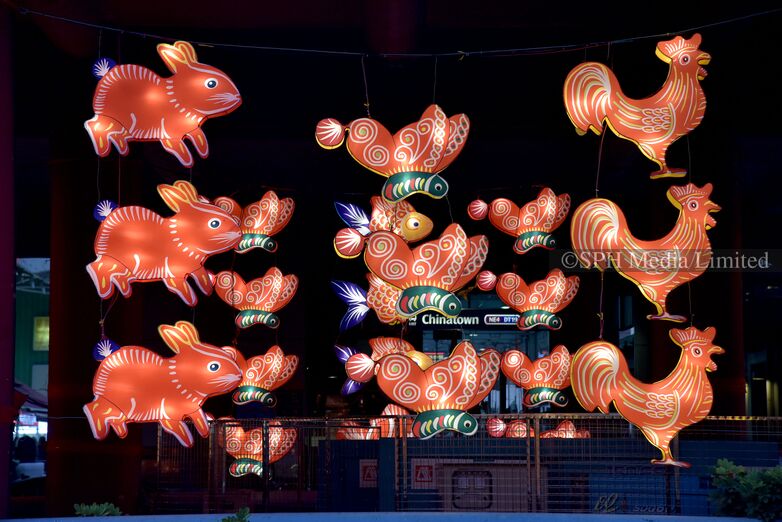 Mid-Autumn Festival LED Lanterns at Chinatown
2017
Mid-Autumn Festival LED Lanterns at Chinatown
2017
Mid-Autumn Festival LED Lanterns at Chinatown
Year 2017
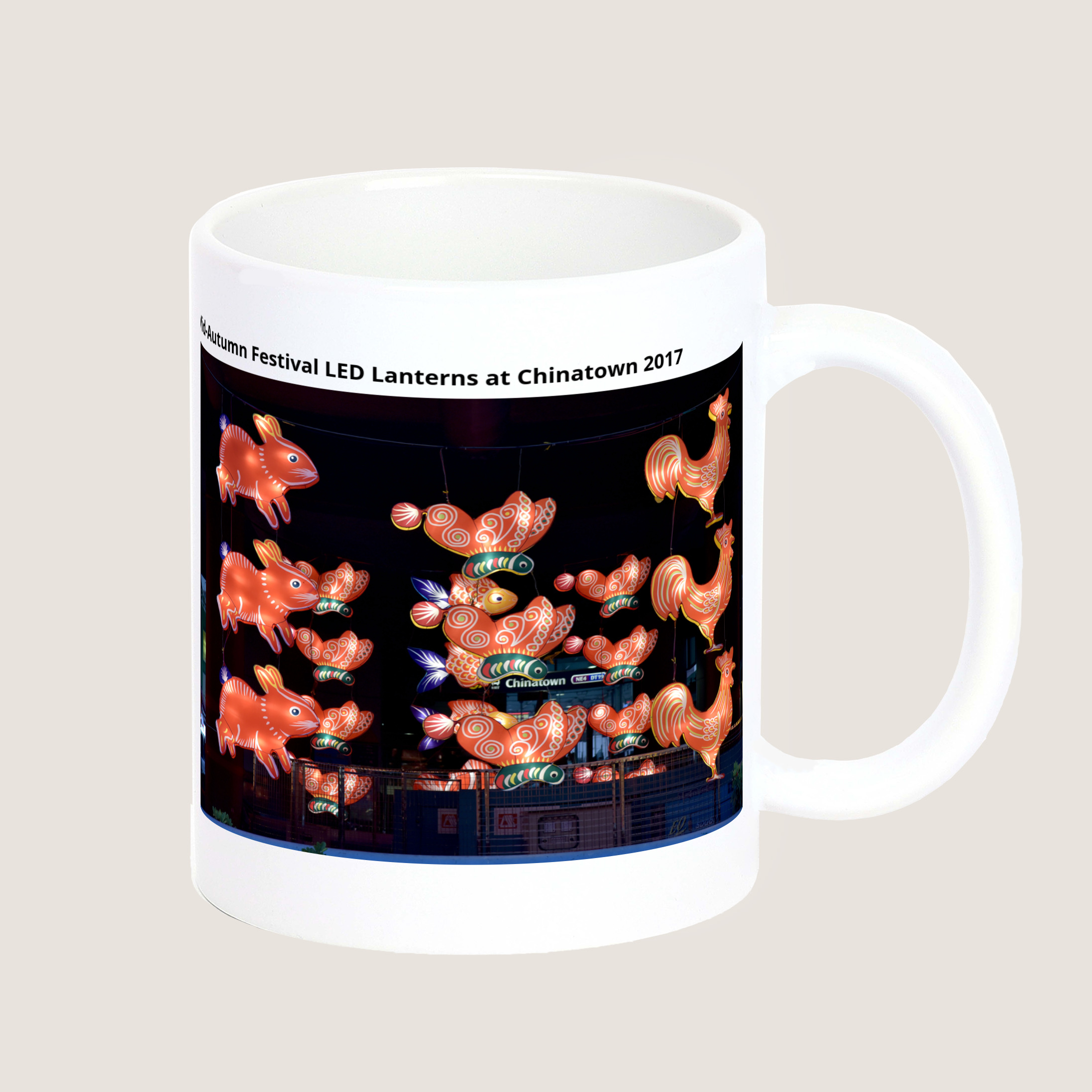
The streets of Chinatown were brilliantly illuminated by silk lanterns during the 2017 Mid-Autumn Festival celebrations. More than 1,000 handcrafted LED lanterns in various figurings were displayed along Eu Tong Sen Street, New Bridge Road, and South Bridge Road.
©️ SPH Media Limited
Share to
Tags
Available for print on products
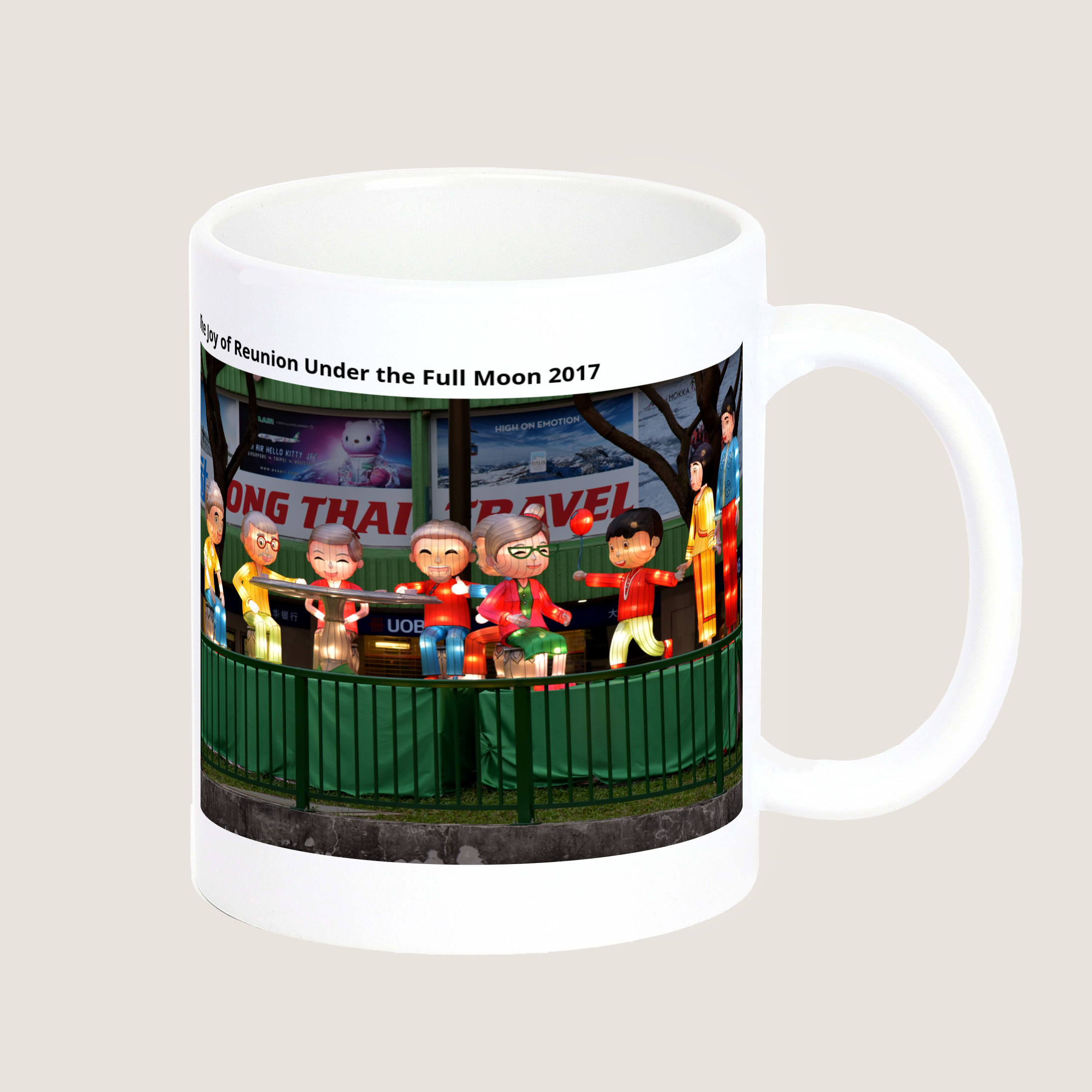
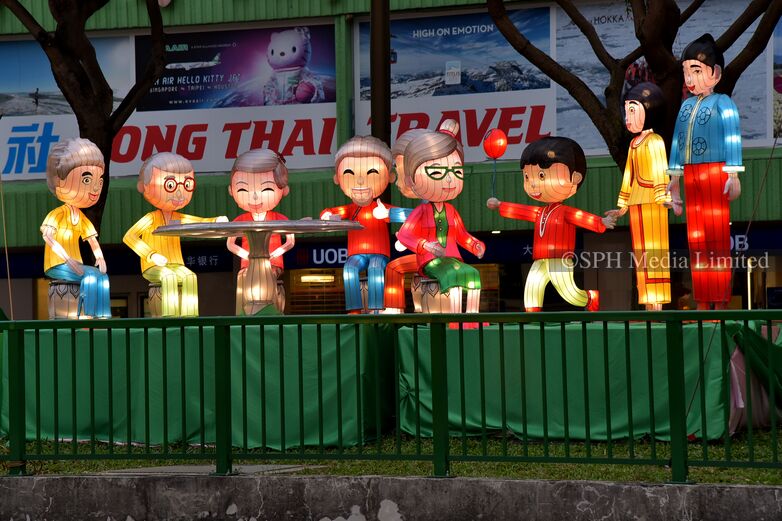 The Joy of Reunion Under the Full Moon
2017
The Joy of Reunion Under the Full Moon
2017
The Joy of Reunion Under the Full Moon
Year 2017
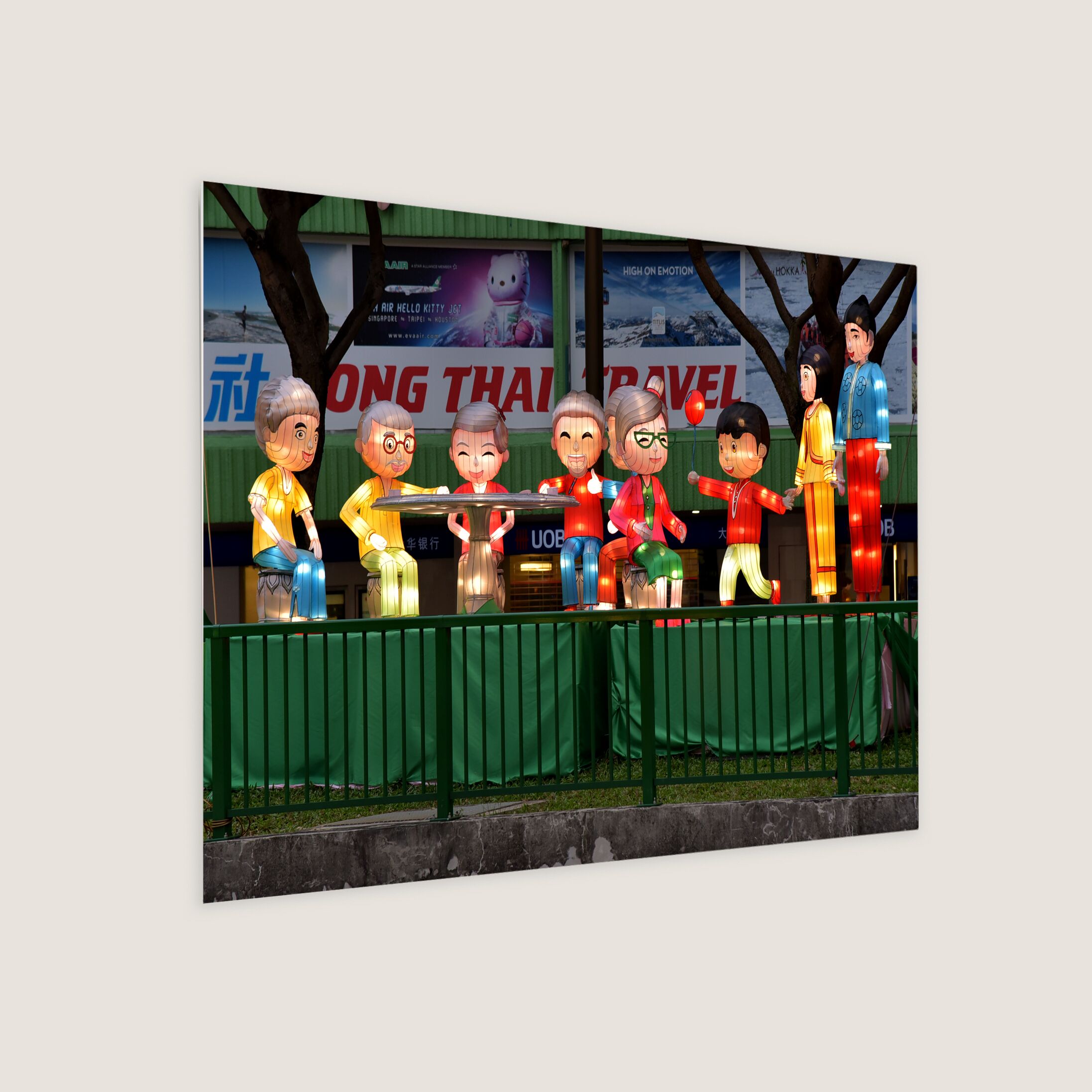
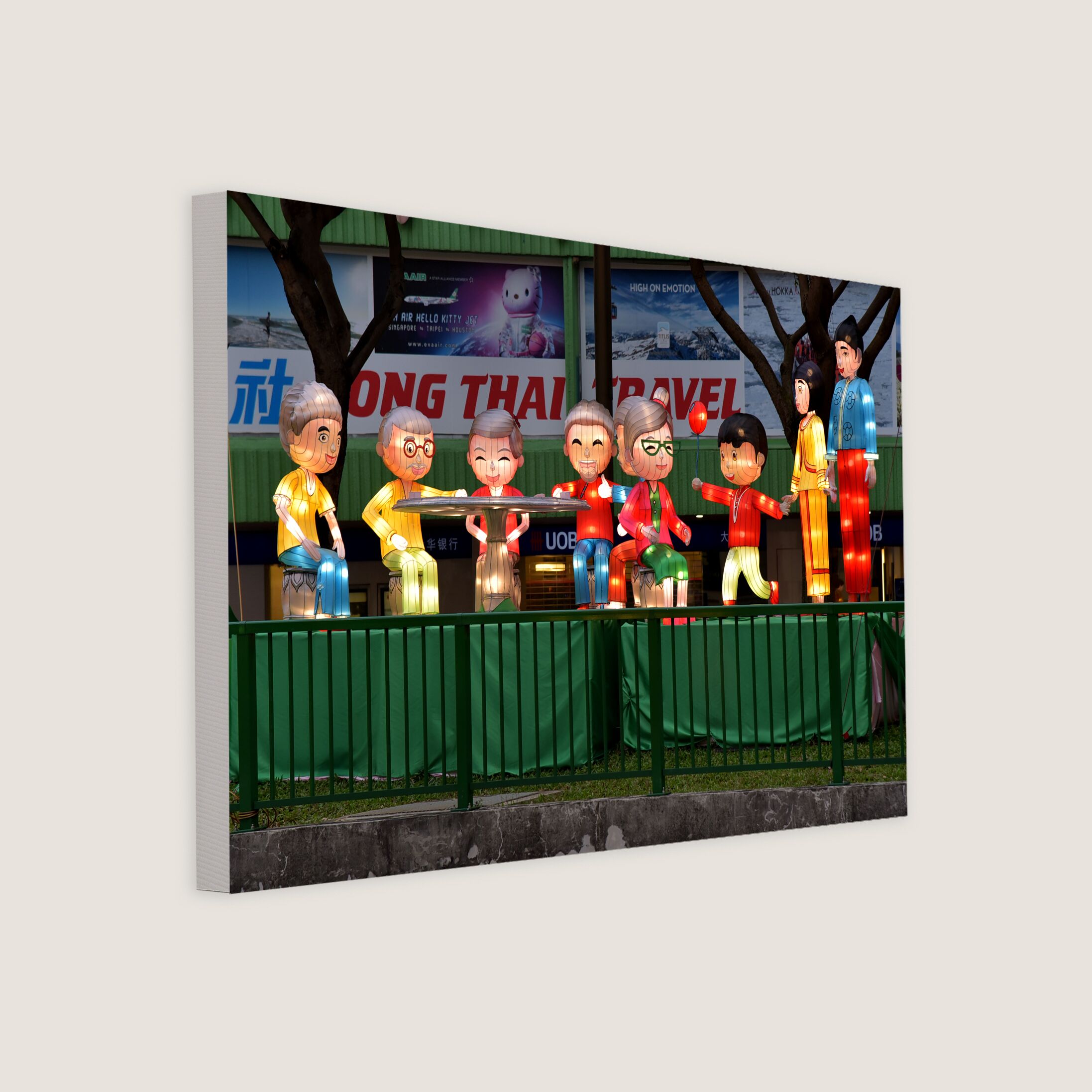
A group of character-shaped lanterns captured the festive spirit of the Mid-Autumn Festival, representing the heartfelt gathering of loved ones beneath the full moon.
©️ SPH Media Limited
Share to
Tags
Available for print on products
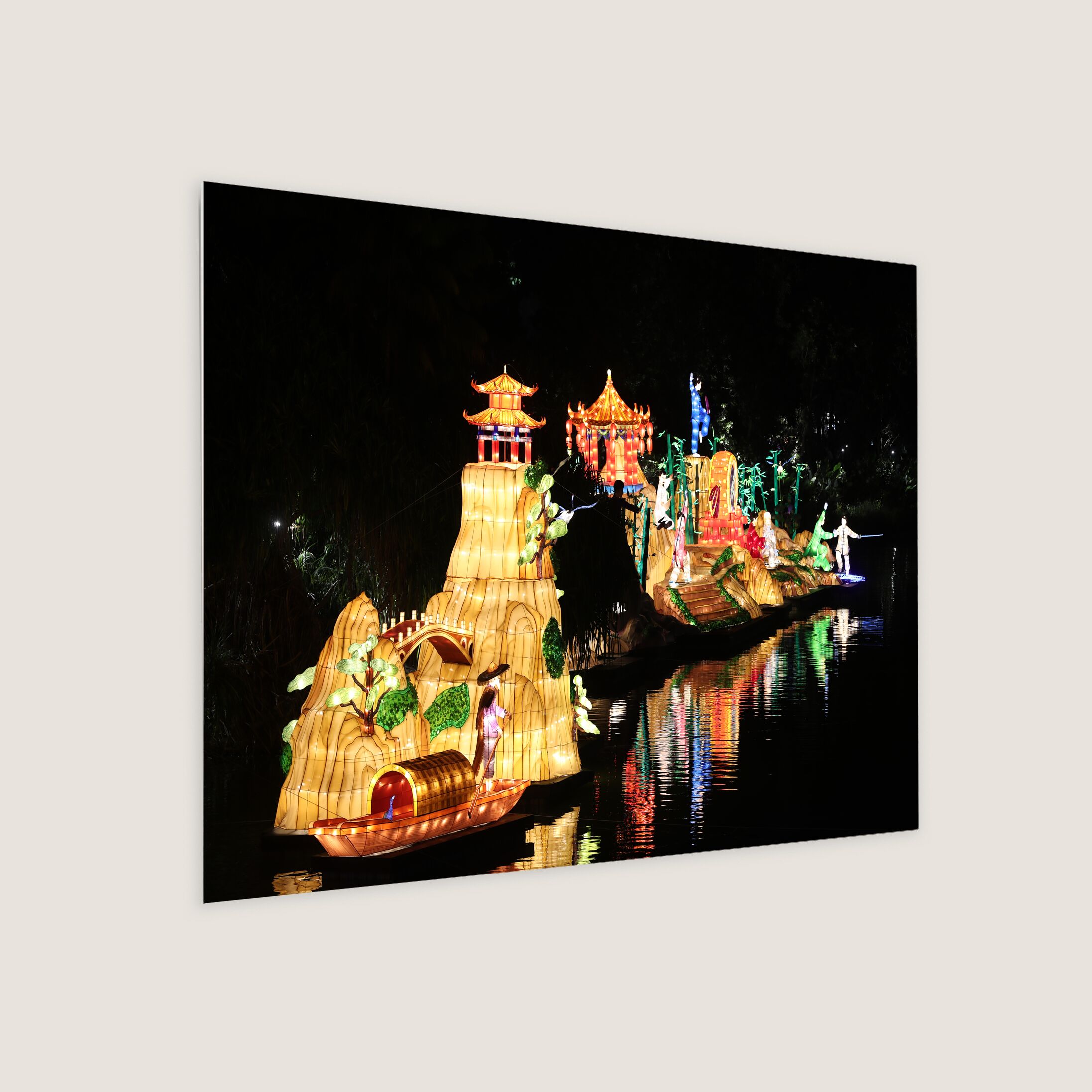
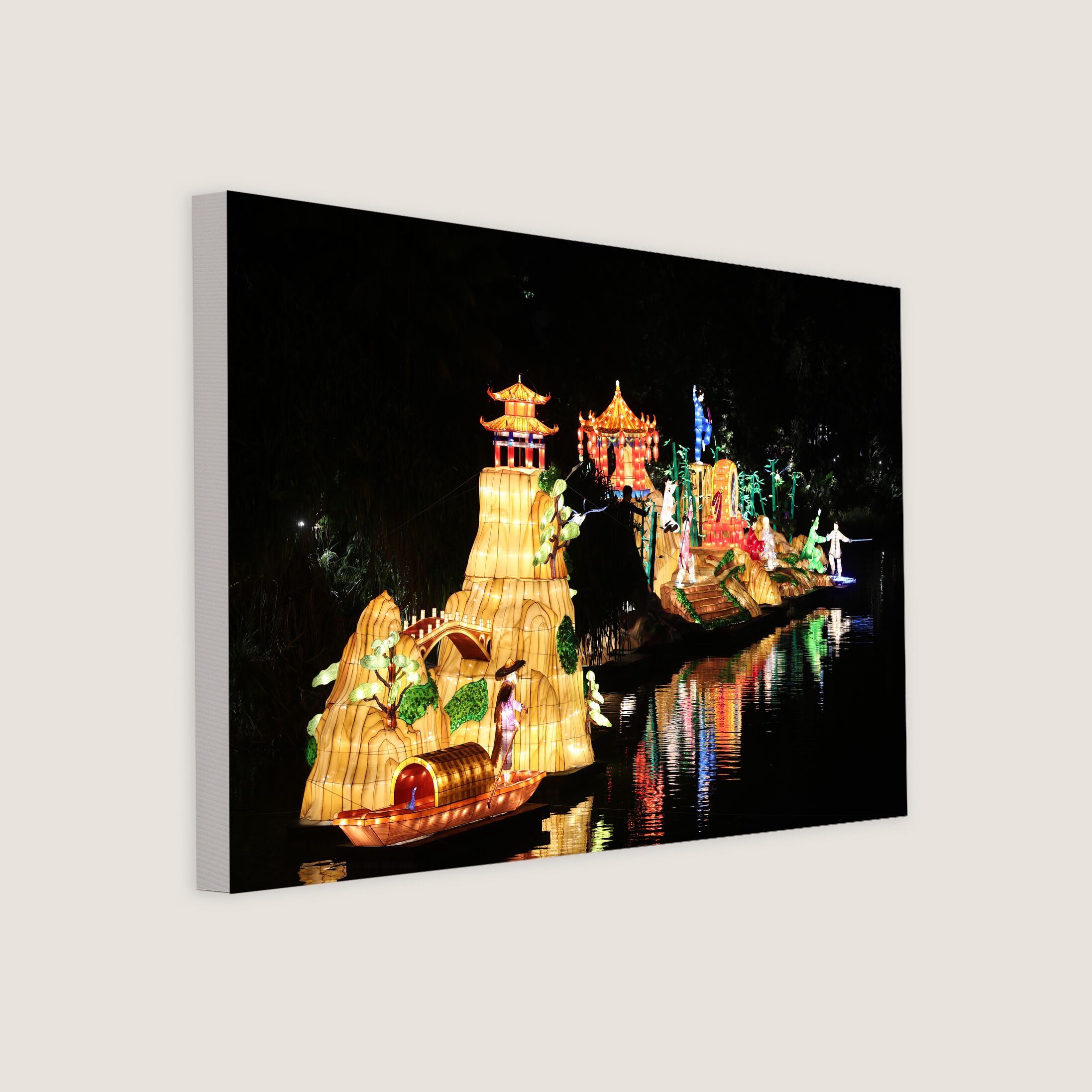
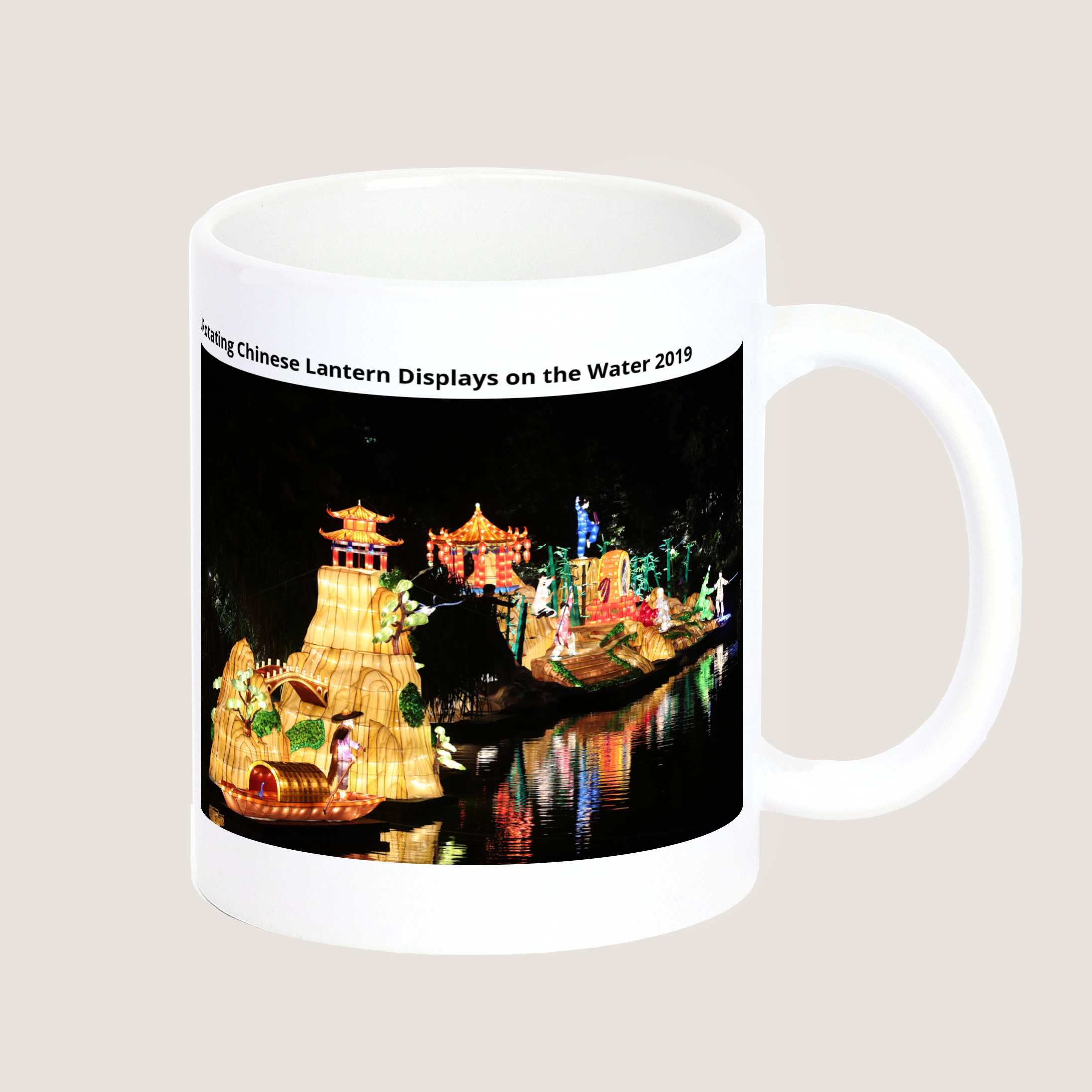
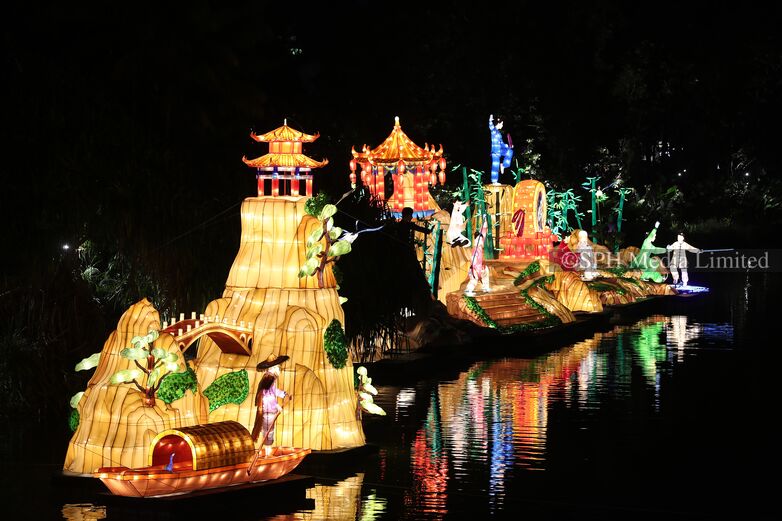 A Rotating Chinese Lantern Displays on the Water
2019
A Rotating Chinese Lantern Displays on the Water
2019
A Rotating Chinese Lantern Displays on the Water
Year 2019
A first for Gardens by the Bay, was a large-scale recreation of a classic rotating Chinese lantern called “Zou Ma Deng” on display at the Supertree Grove. It is one of the highlights of the annual Mid-Autumn Festival at Gardens by the Bay.
©️ SPH Media Limited
Share to
Tags
Available for print on products
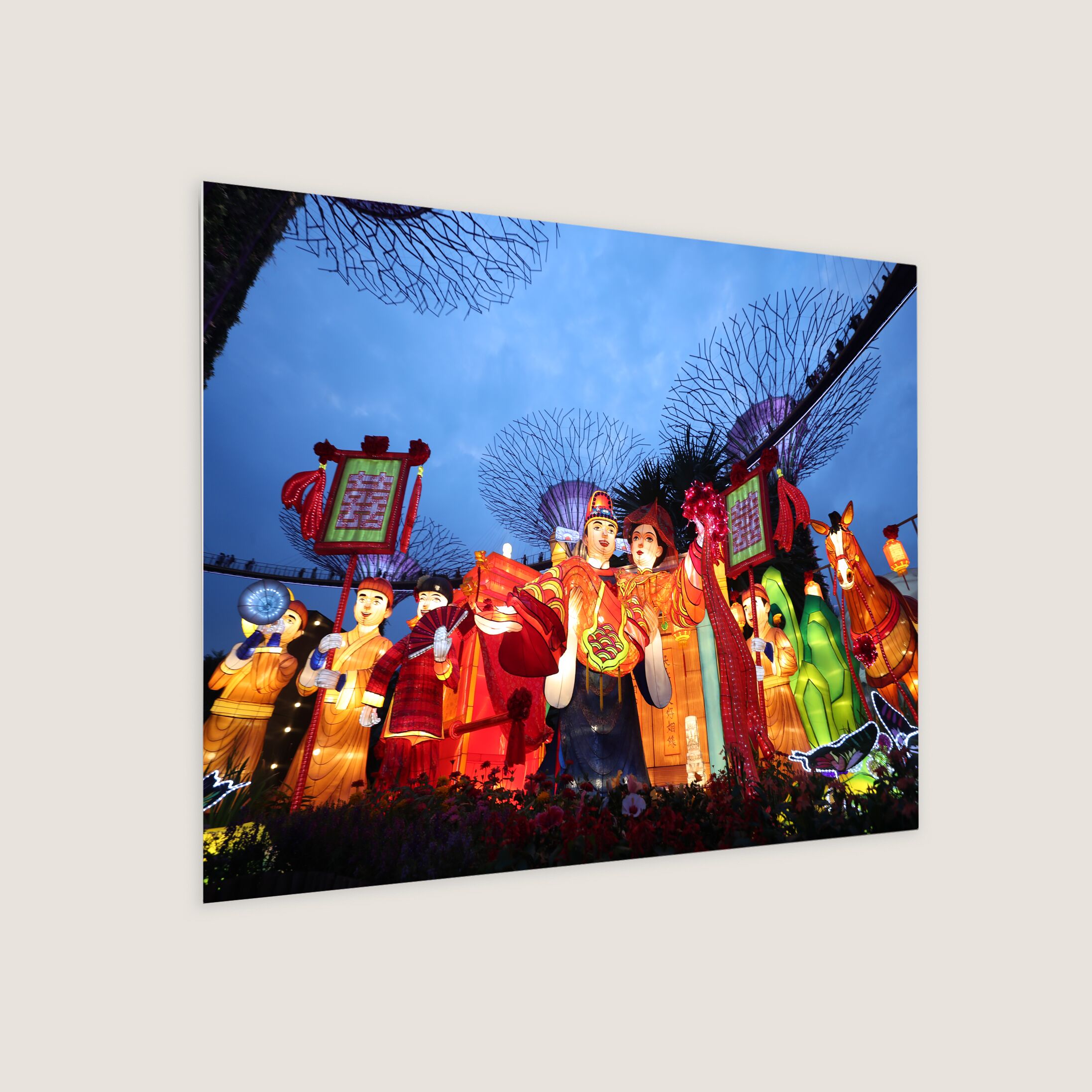
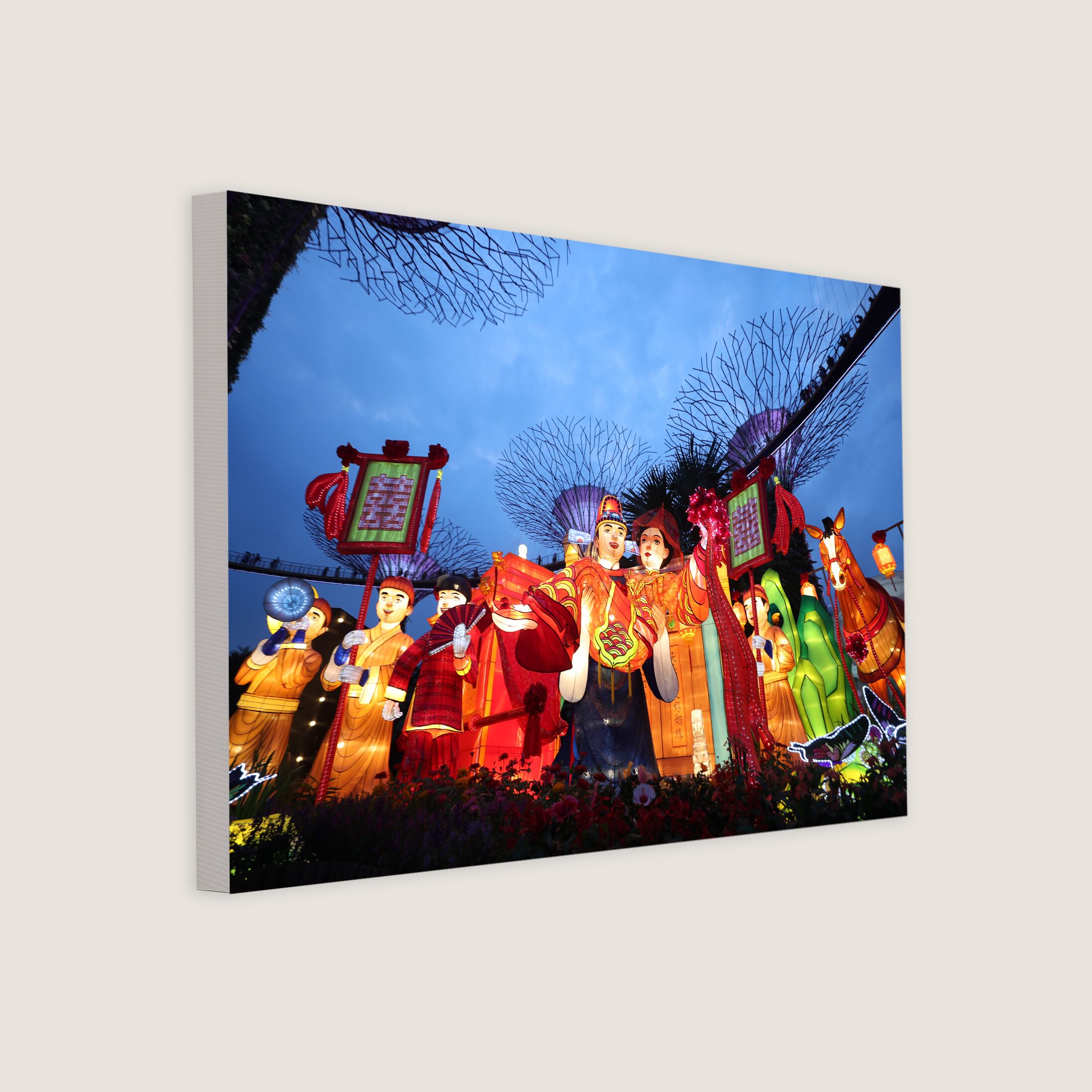
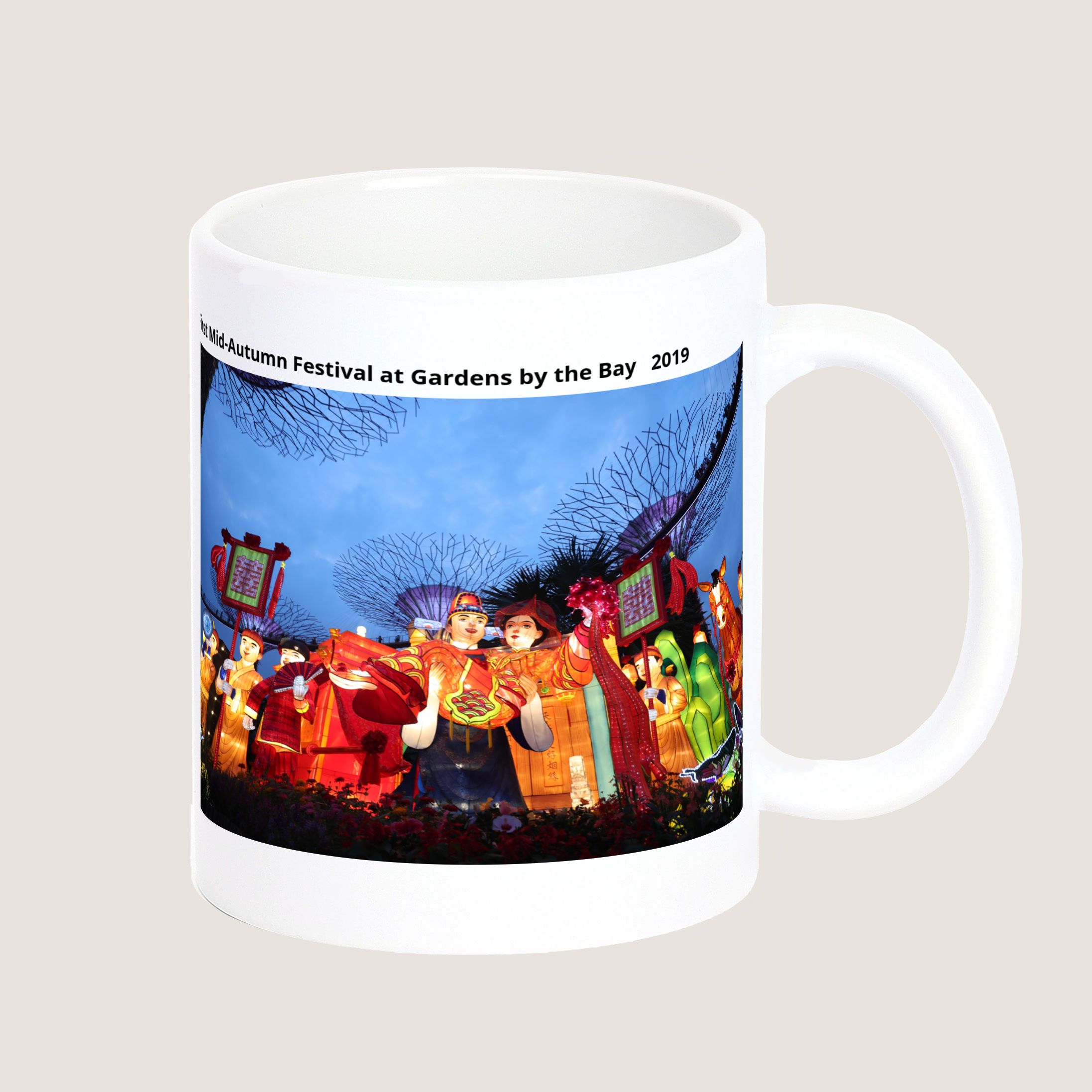
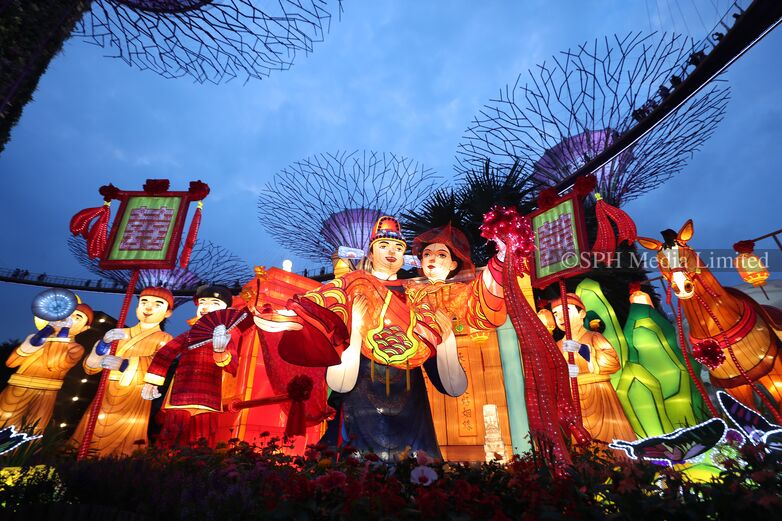 First Mid-Autumn Festival at Gardens by the Bay
2019
First Mid-Autumn Festival at Gardens by the Bay
2019
First Mid-Autumn Festival at Gardens by the Bay
Year 2019
This group of character-shaped lanterns created a joyful atmosphere, symbolising the double happiness of career success and a beautiful marriage.
©️ SPH Media Limited
Share to
Tags
Available for print on products
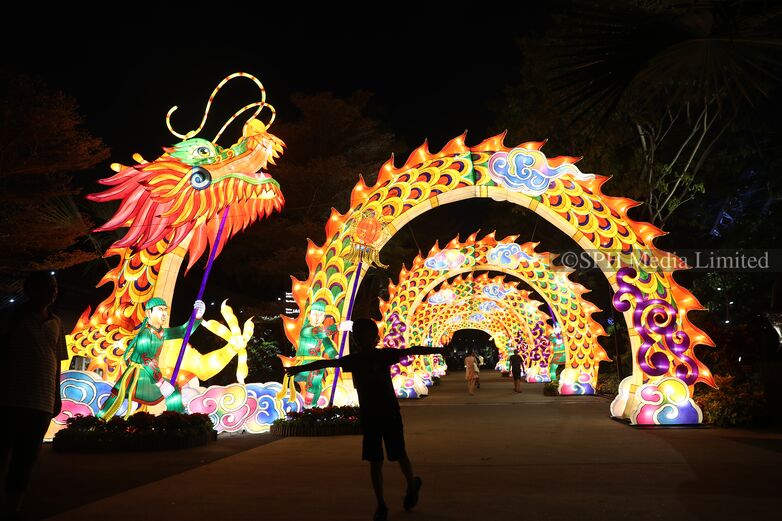 Dragon Lantern to Mark the Mid-Autumn Festival
2019
Dragon Lantern to Mark the Mid-Autumn Festival
2019
Dragon Lantern to Mark the Mid-Autumn Festival
Year 2019
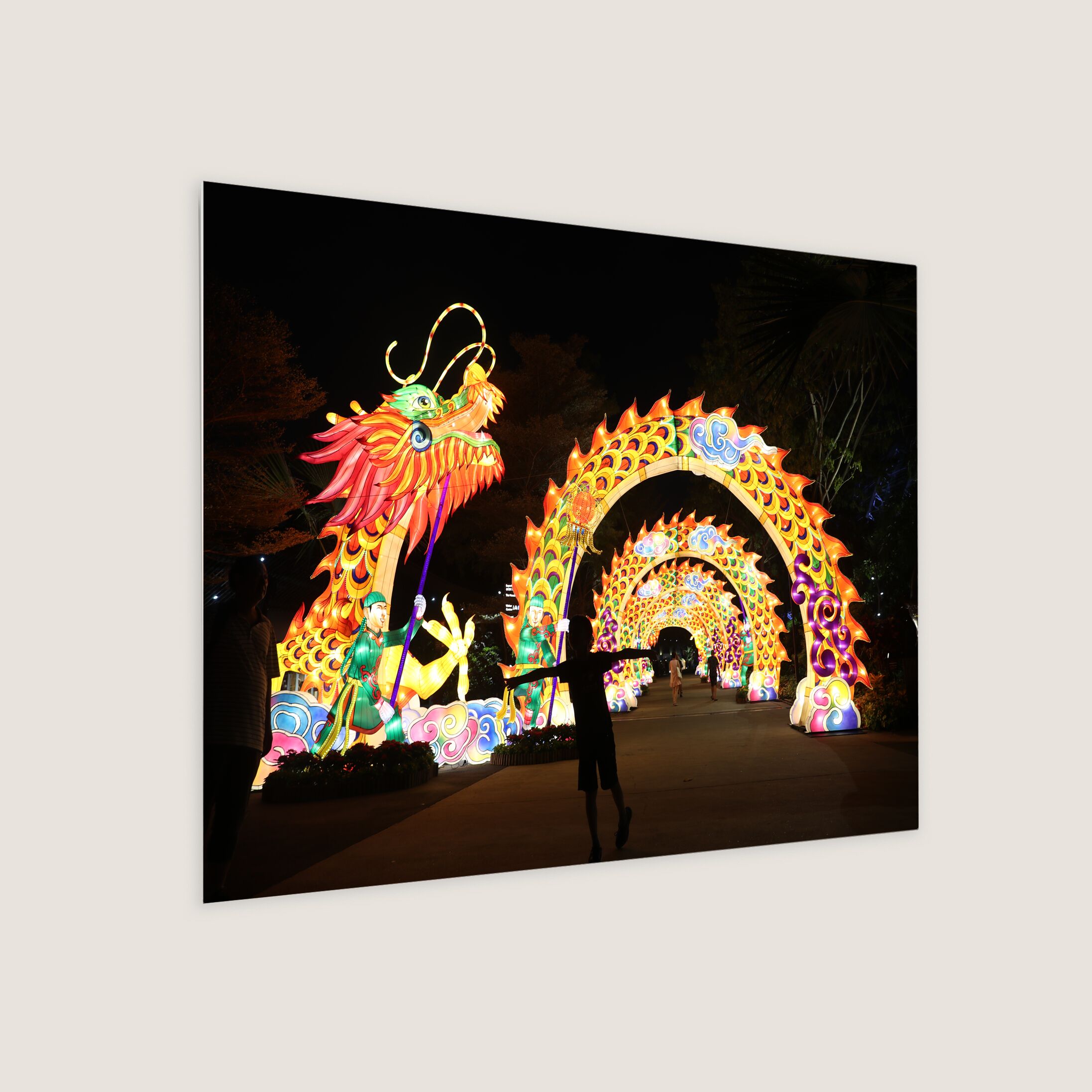
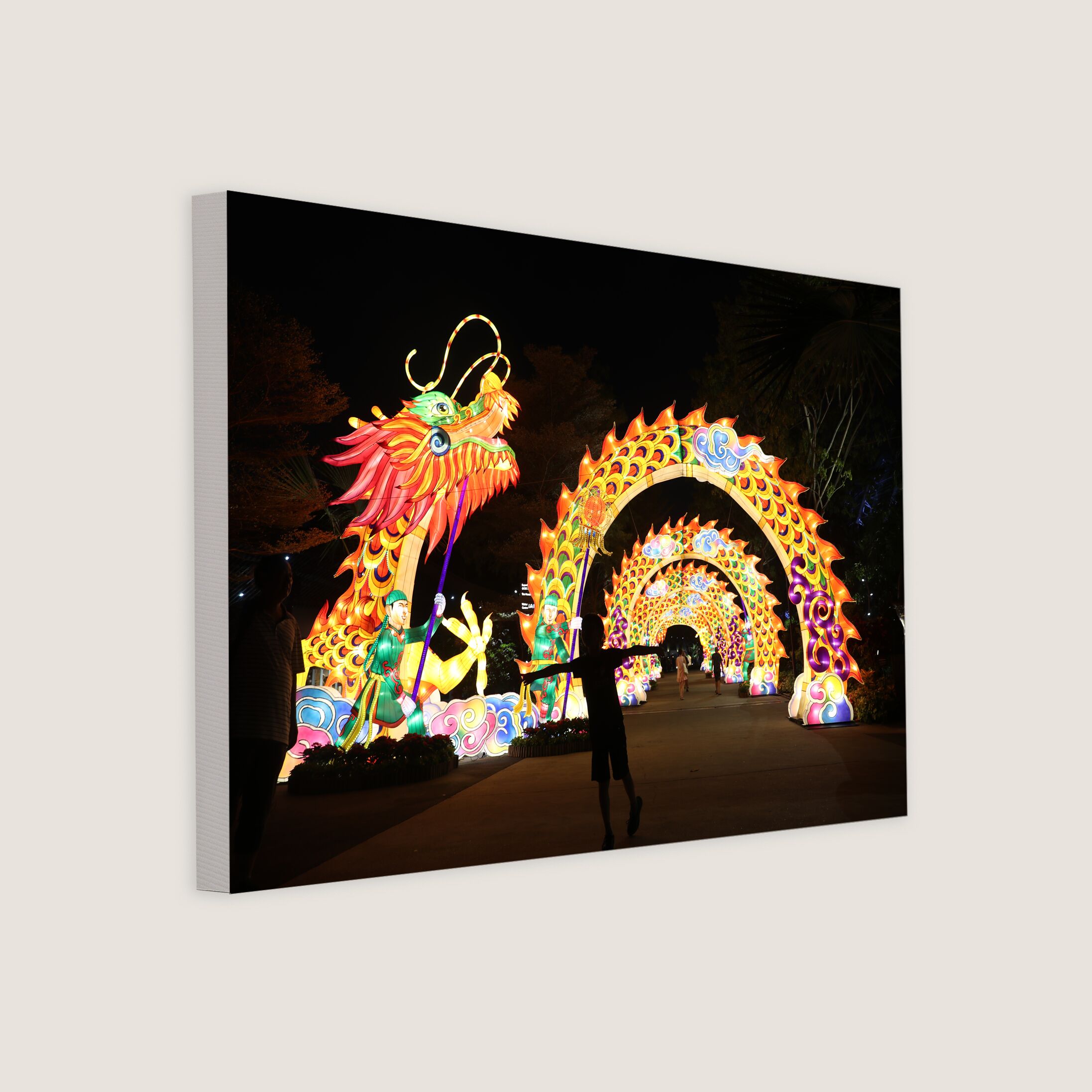
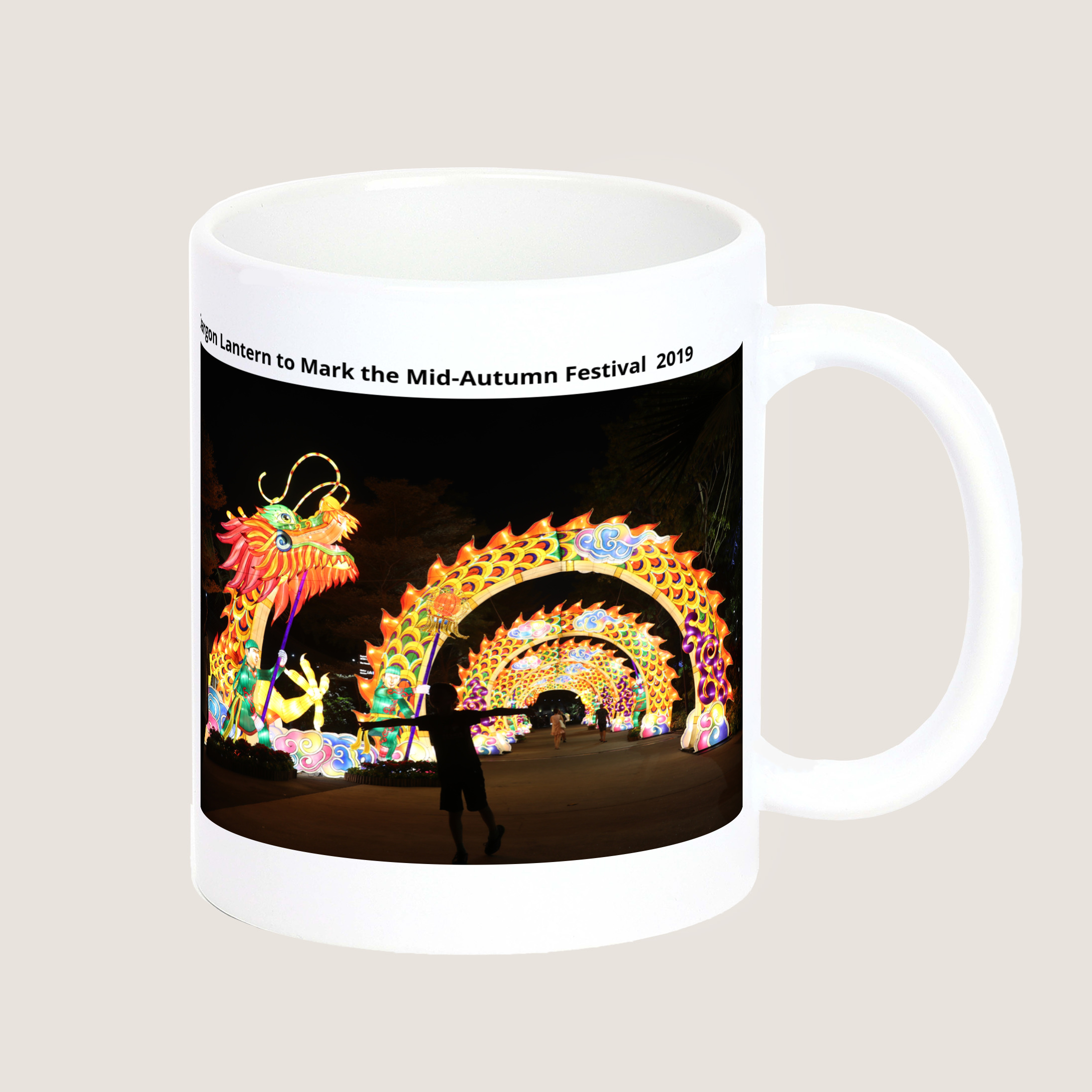
This was a lantern that featured a four-clawed dragon. In ancient China, the dragon's claws evolved from three to four and eventually to five. The four-clawed dragon is relatively common in folk art and is often referred to as a "python or mang." It symbolises the dragon's divine power and represents good fortune, protection from evil, and peace.
©️ SPH Media Limited
Share to
Tags
Available for print on products
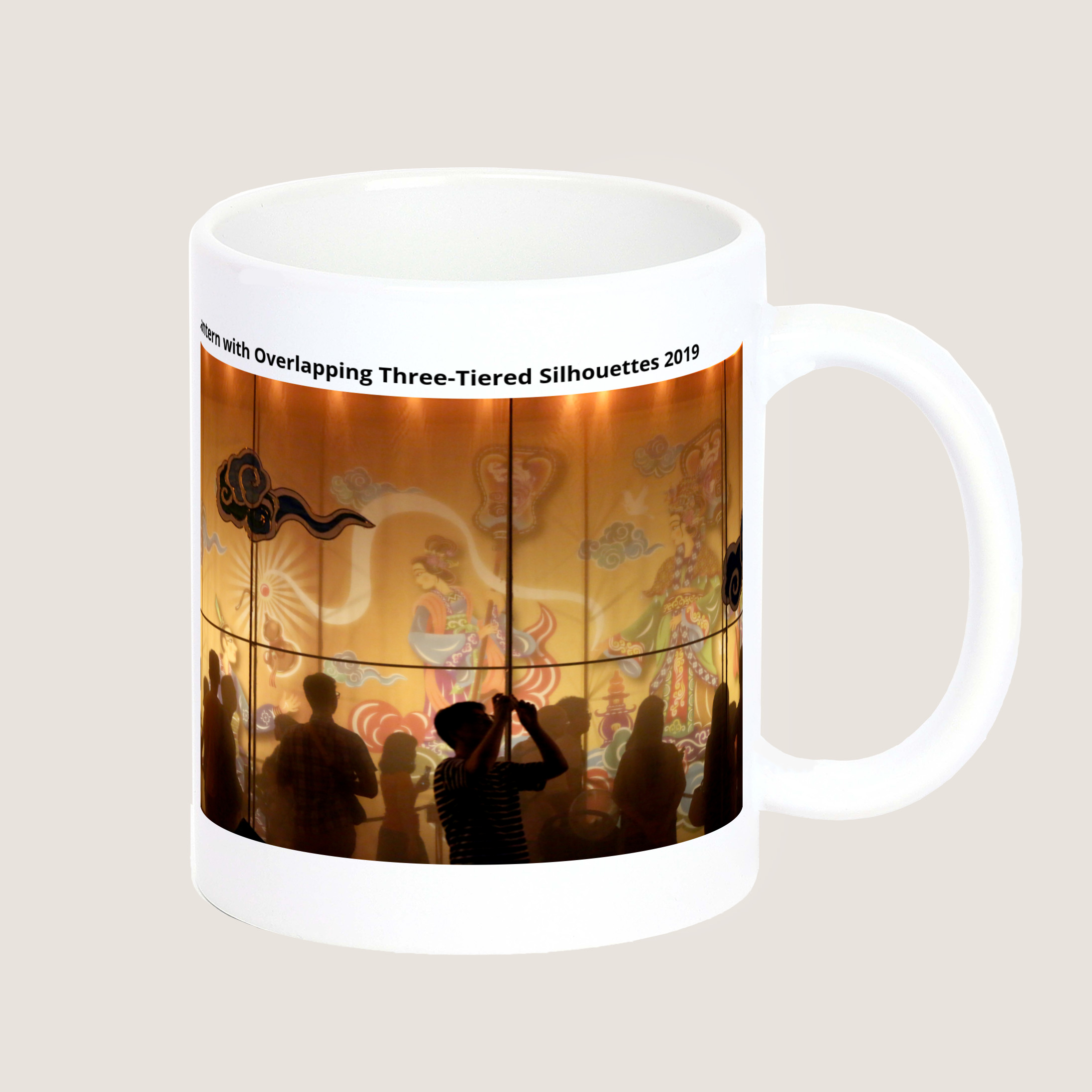
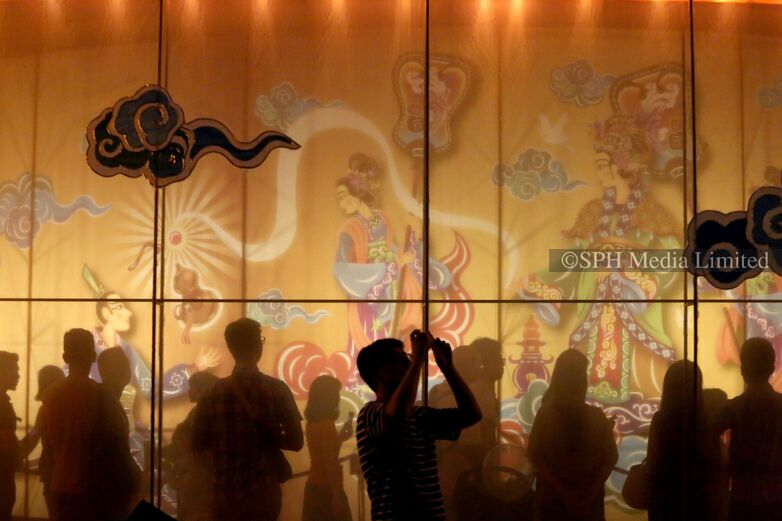 Lantern with Overlapping Three-Tiered Silhouettes
2019
Lantern with Overlapping Three-Tiered Silhouettes
2019
Lantern with Overlapping Three-Tiered Silhouettes
Year 2019
The 7th Garden by the Bay Mid-Autumn Festival was themed around "Inheritance" and presented 14 giant lanterns based on traditional Chinese cultural motifs. The lanterns featured overlapping silhouettes in three layers, symbolising the present life, the afterlife and the future.
©️ SPH Media Limited
Share to
Tags
Available for print on products
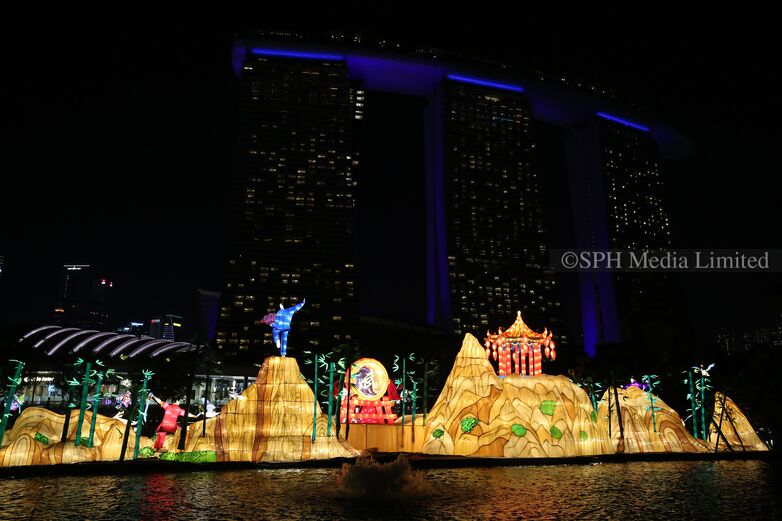 Mid-Autumn Festival at Gardens by the Bay
2019
Mid-Autumn Festival at Gardens by the Bay
2019
Mid-Autumn Festival at Gardens by the Bay
Year 2019
While celebrating the 7th "Marina Garden Mid-Autumn Festival" in 2019, Singapore's skyline at Marina Bay Sands was illuminated in the backdrop.
©️ SPH Media Limited
Share to
Tags
Available for print on products
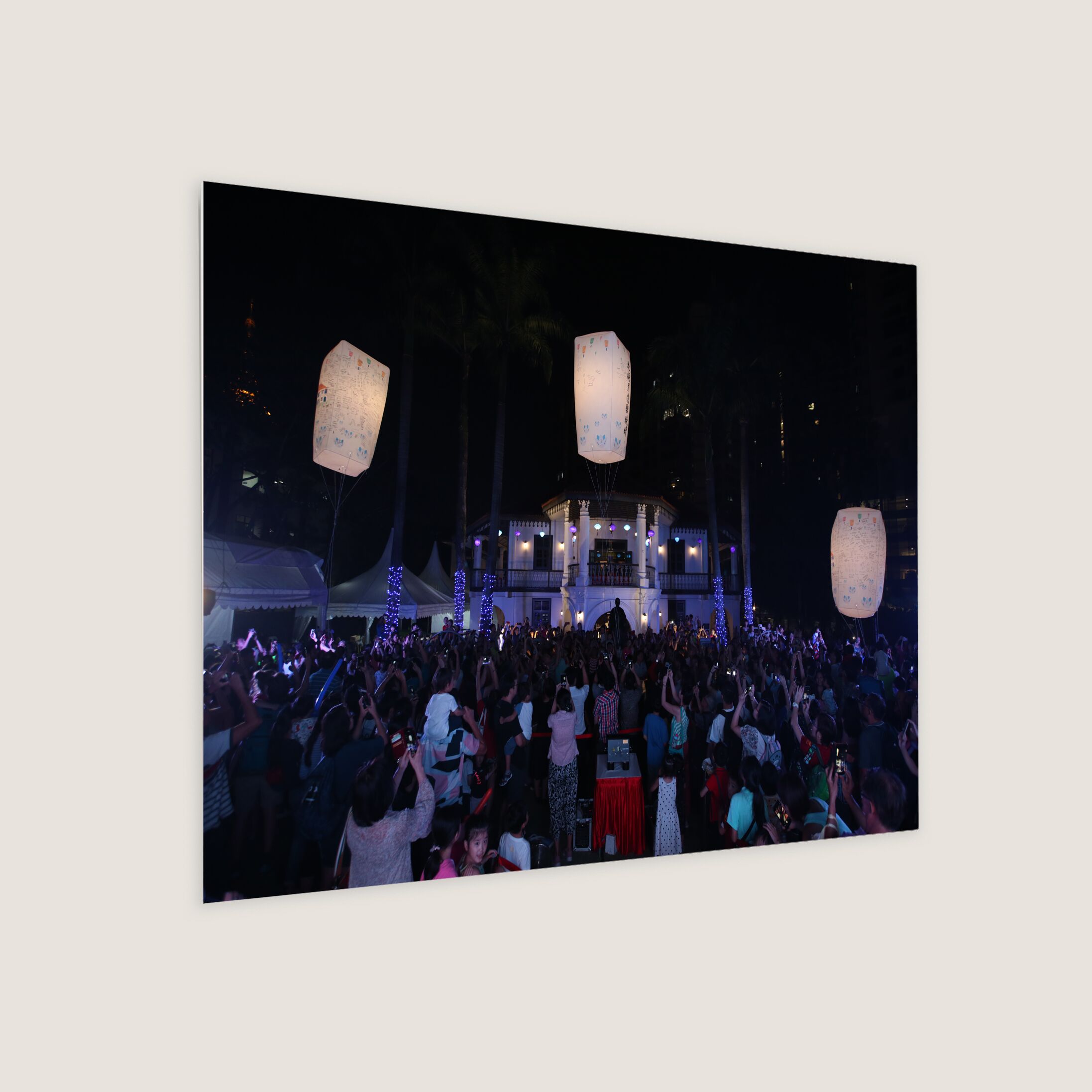
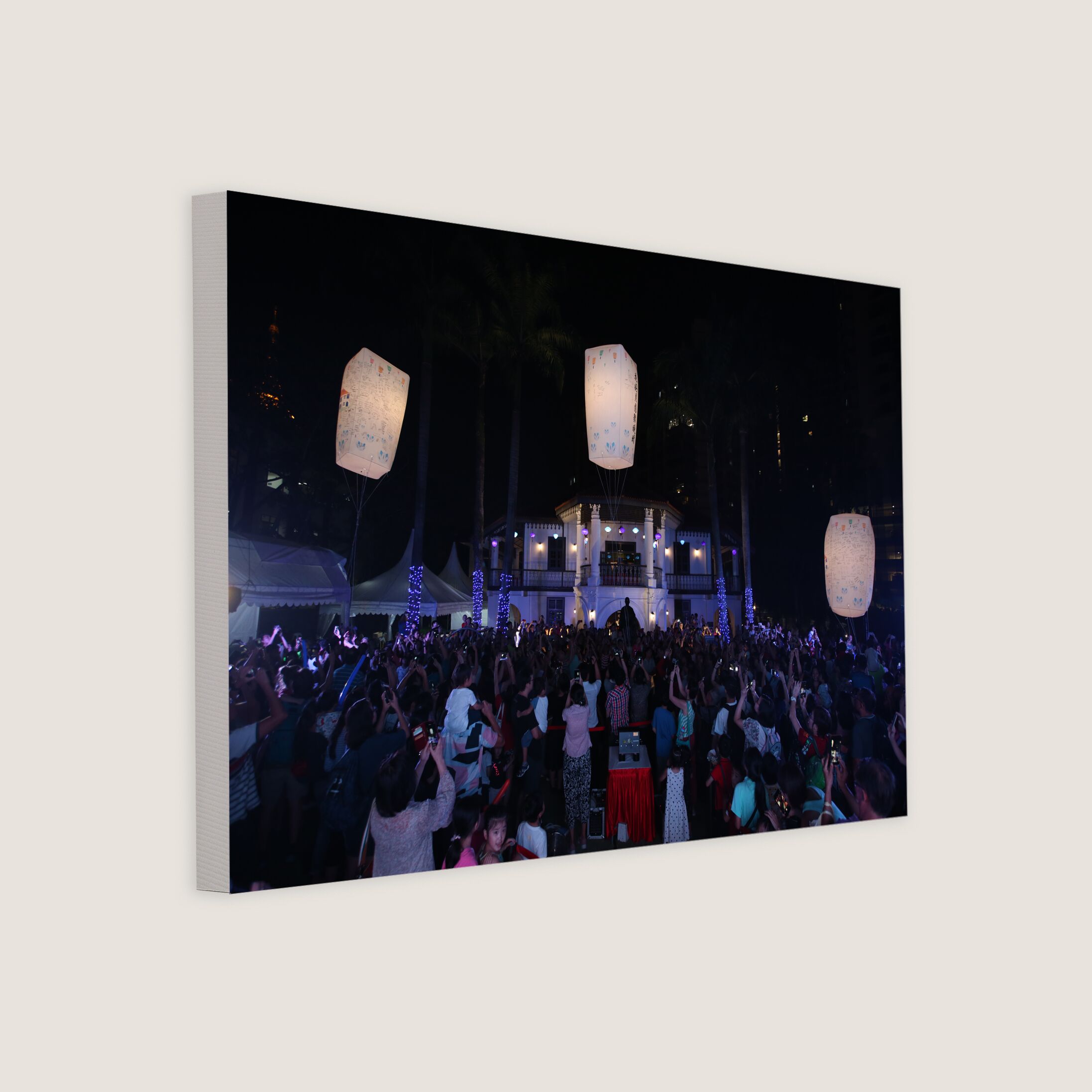
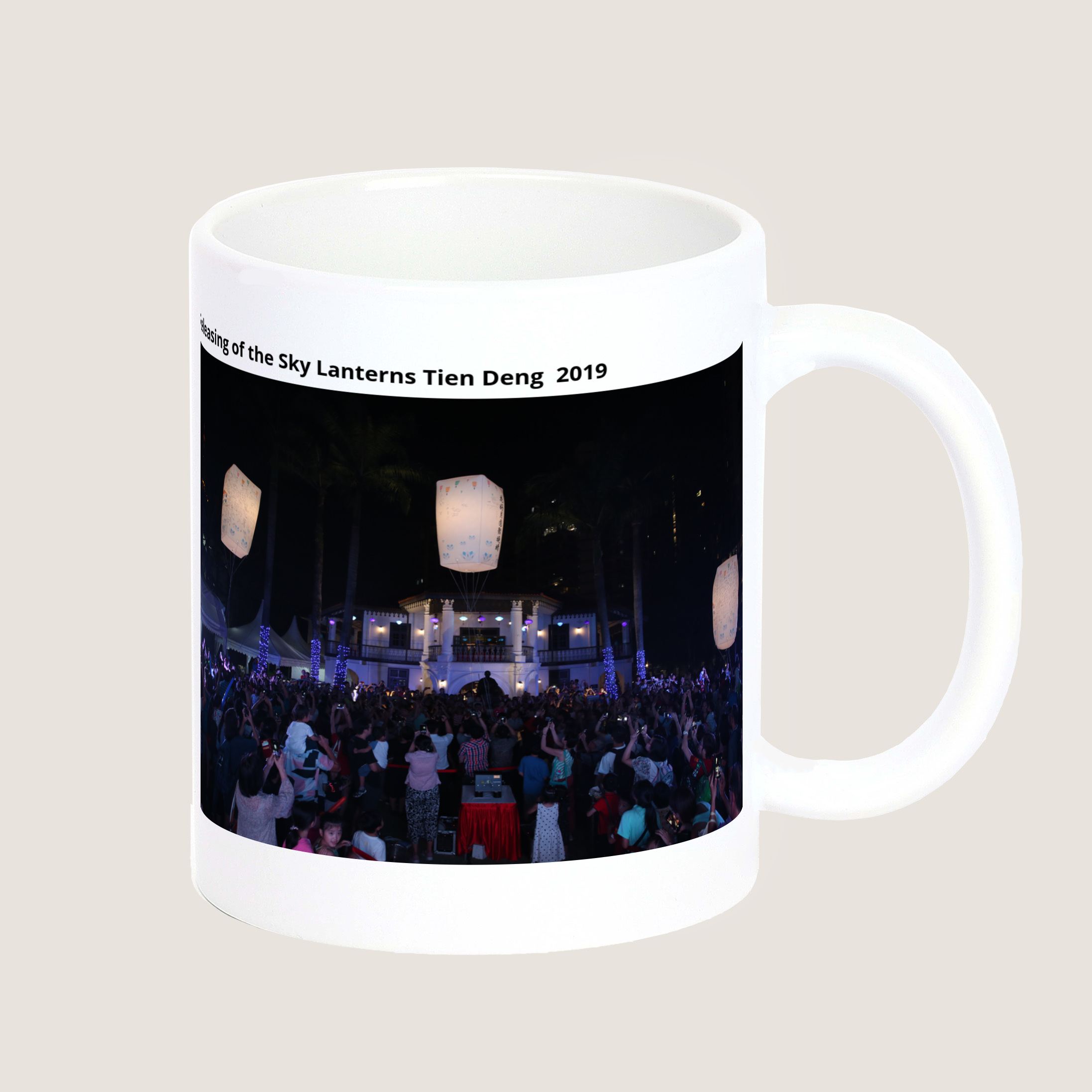
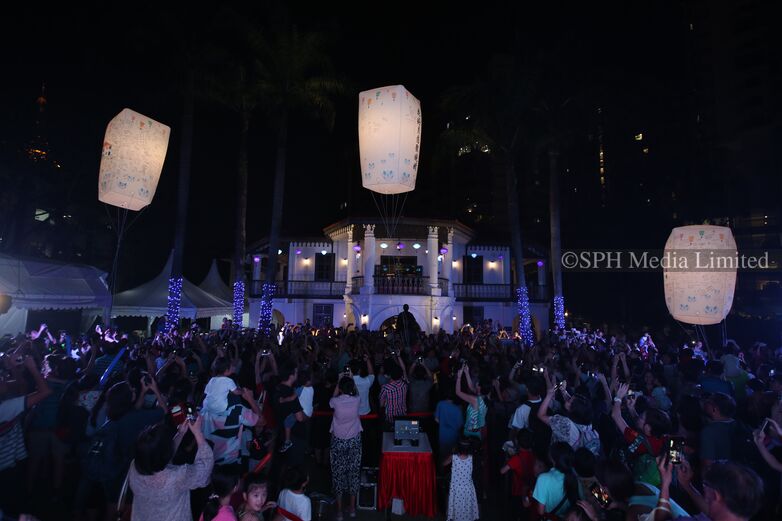 Releasing of the Sky Lanterns Tien Deng
2019
Releasing of the Sky Lanterns Tien Deng
2019
Releasing of the Sky Lanterns Tien Deng
Year 2019
Sky lanterns also known as Tian Deng were released at the Sun Yat Sen Nanyang Memorial Hall during the Wan Qing Mid-Autumn Festival. In modern times, people release sky lanterns mostly as a way to offer blessings. Both men and women, young and old, write their wishes and blessings on the lantern, wishing for a bountiful harvest, success, and happiness year.
©️ SPH Media Limited
Share to
Tags
Available for print on products
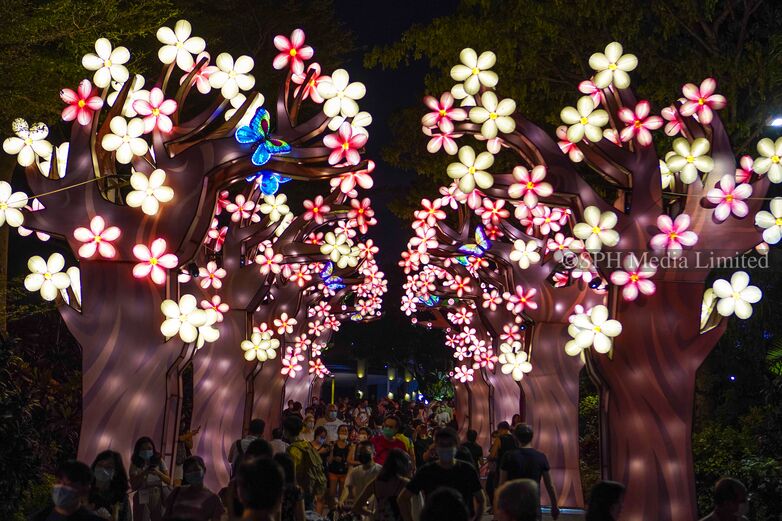 Flower Lantern Dedicated to the Medical Personnel
2020
Flower Lantern Dedicated to the Medical Personnel
2020
Flower Lantern Dedicated to the Medical Personnel
Year 2020
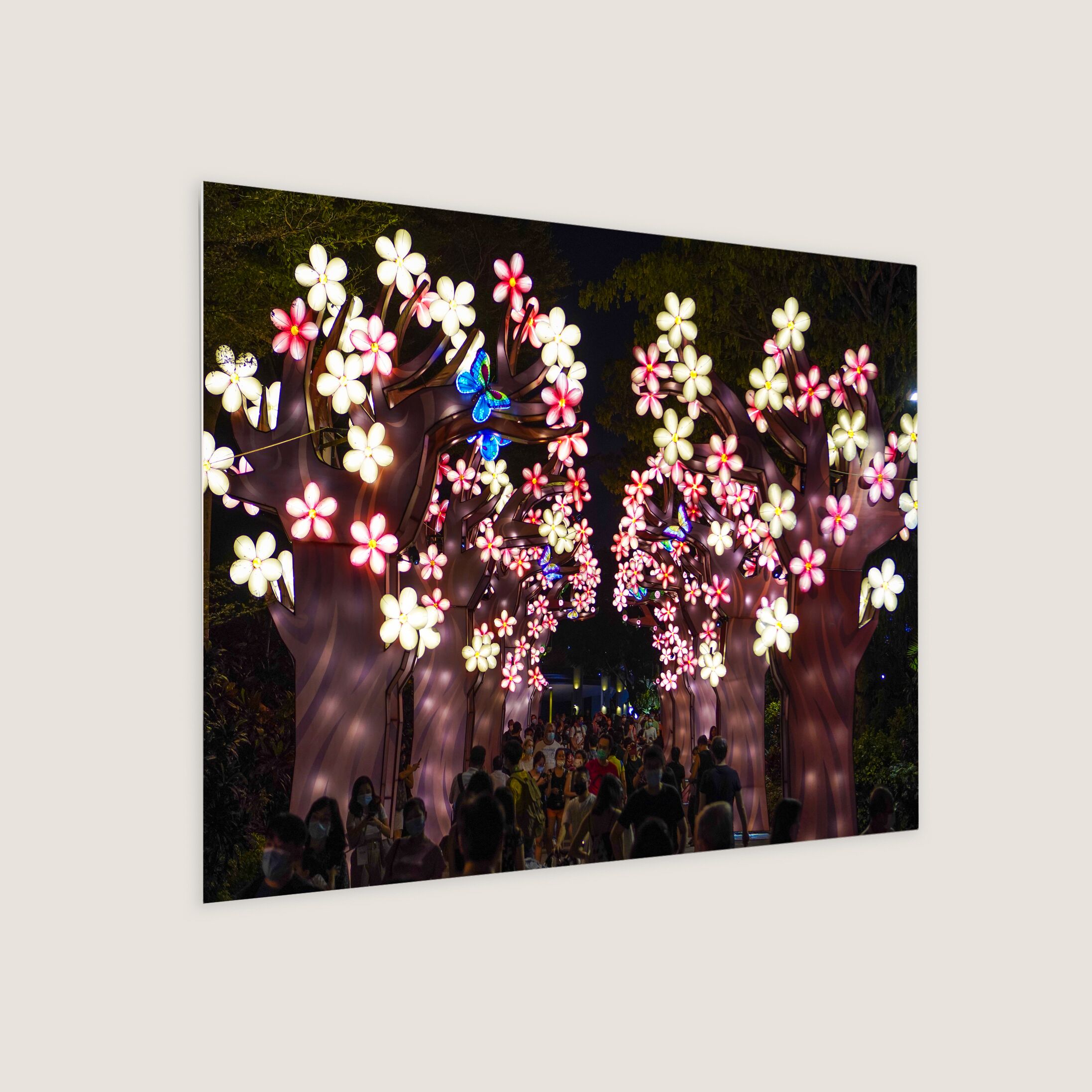
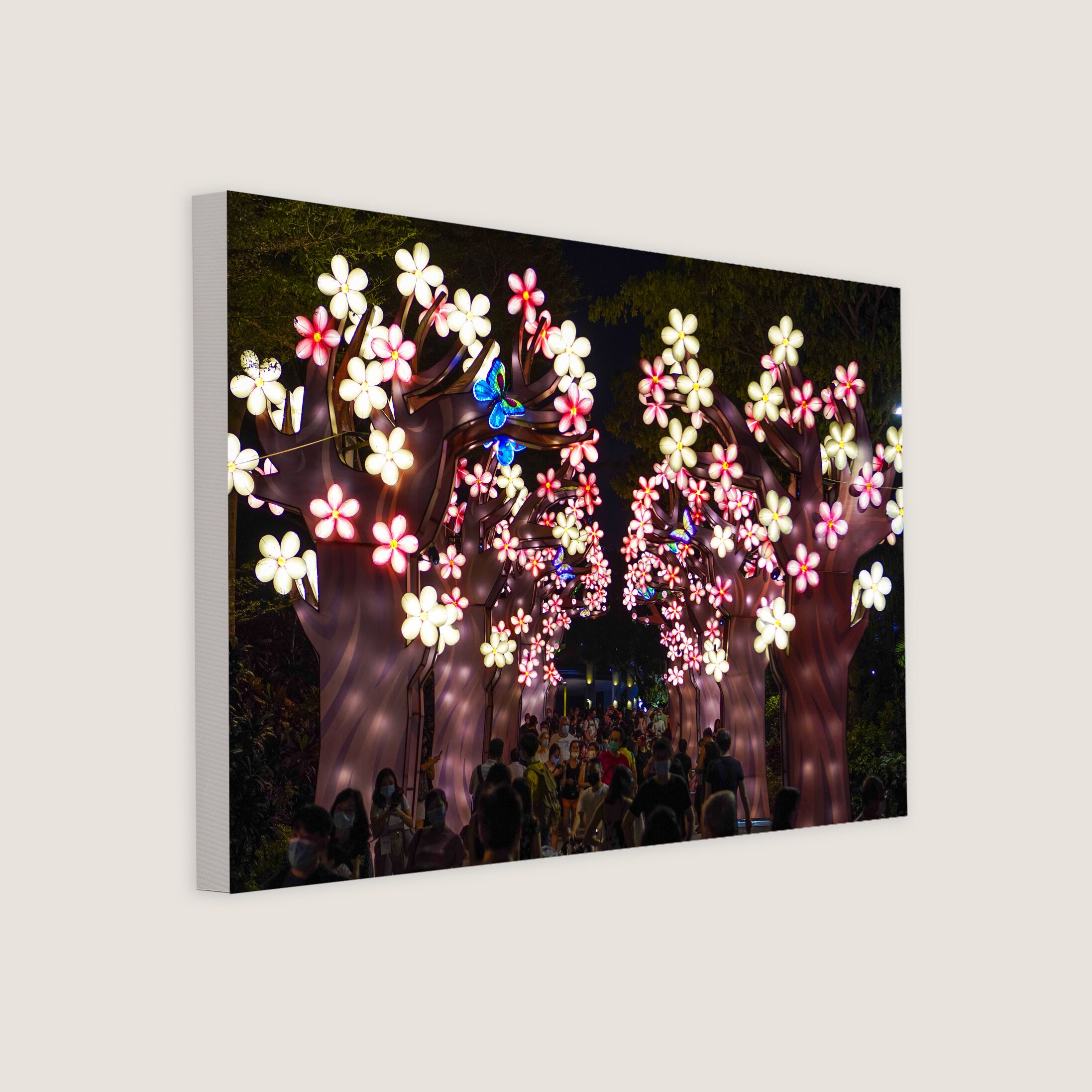
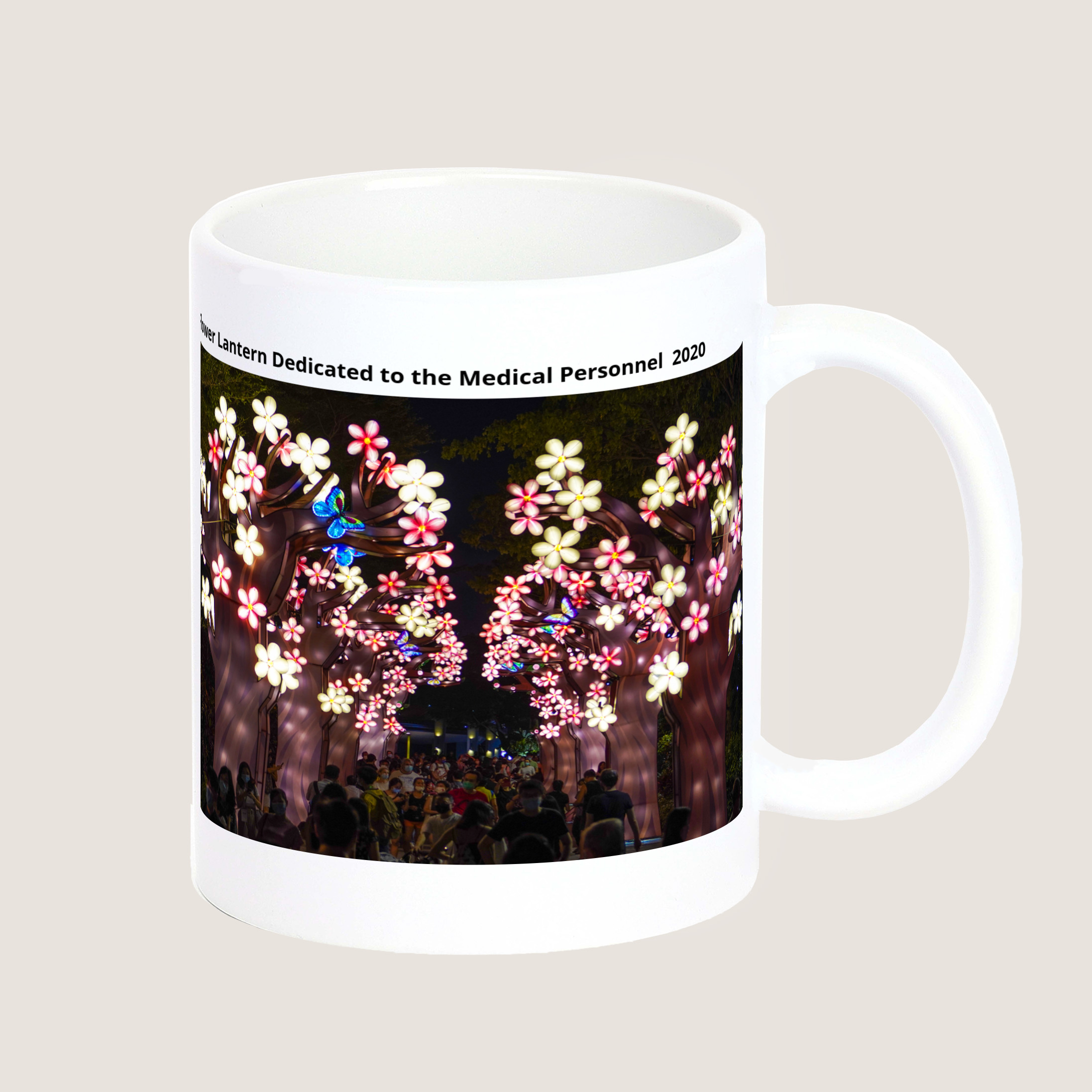
Despite the COVID-19 pandemic, Mid-Autumn Festival of 2020 was still celebrated. The floral-shaped lanterns at the Mid-Autumn Festival event in Gardens by the Bay were inspired by the story of the renowned physician Dong Feng from the Three Kingdoms era. These lanterns, named "Warmth from the Apricot Grove", expresses gratitude to medical personnel for their selfless dedication during the pandemic.
©️ SPH Media Limited
Share to
Tags
Available for print on products
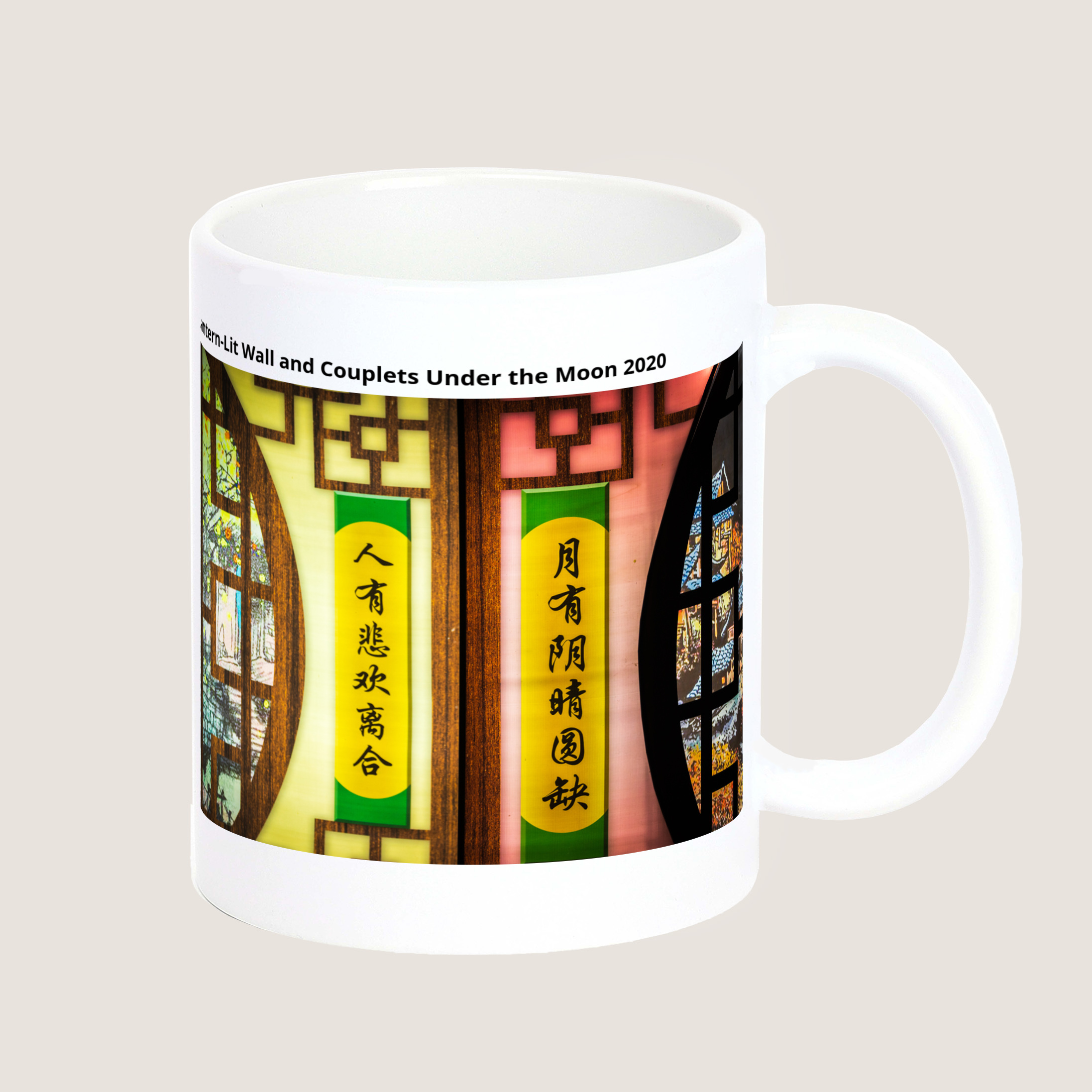
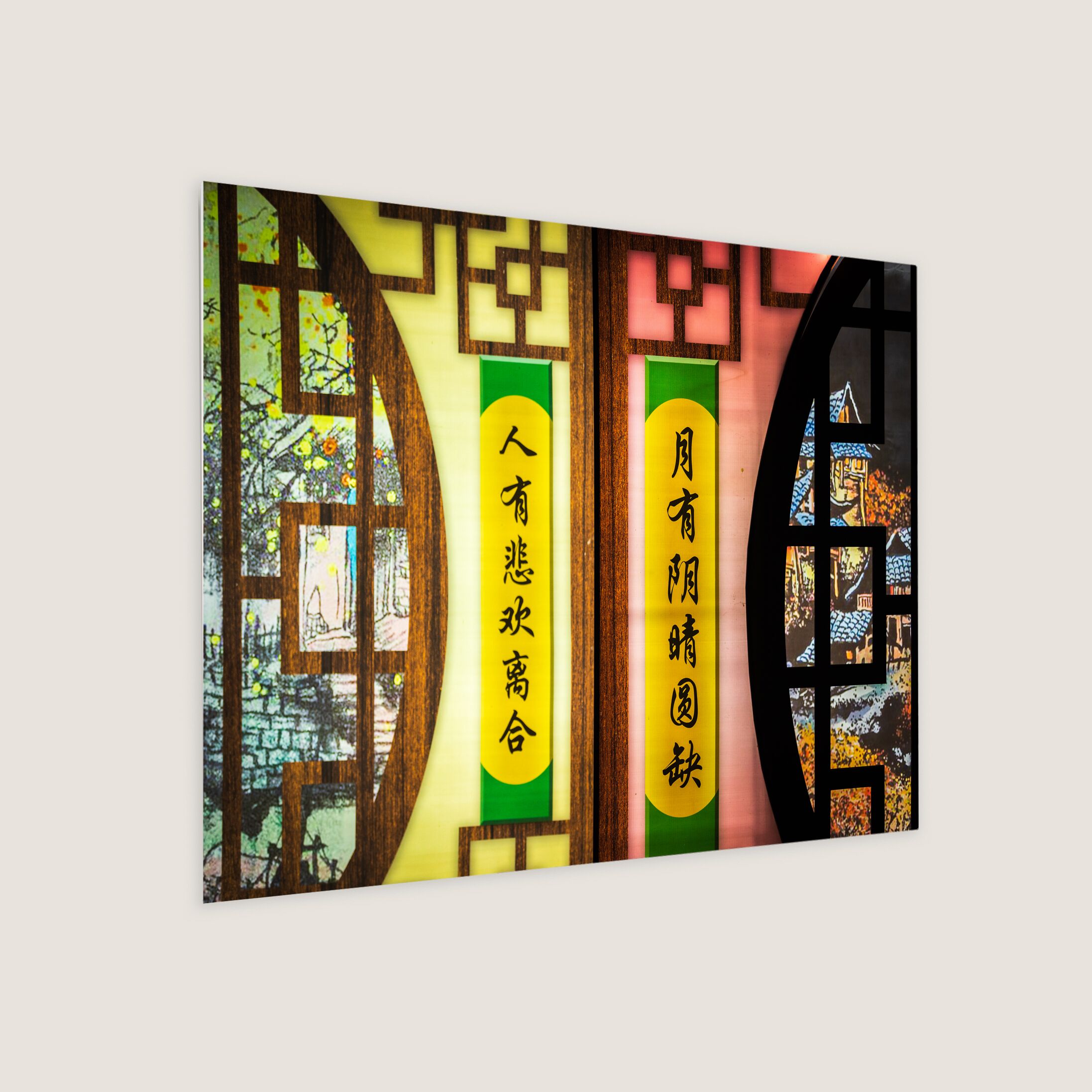
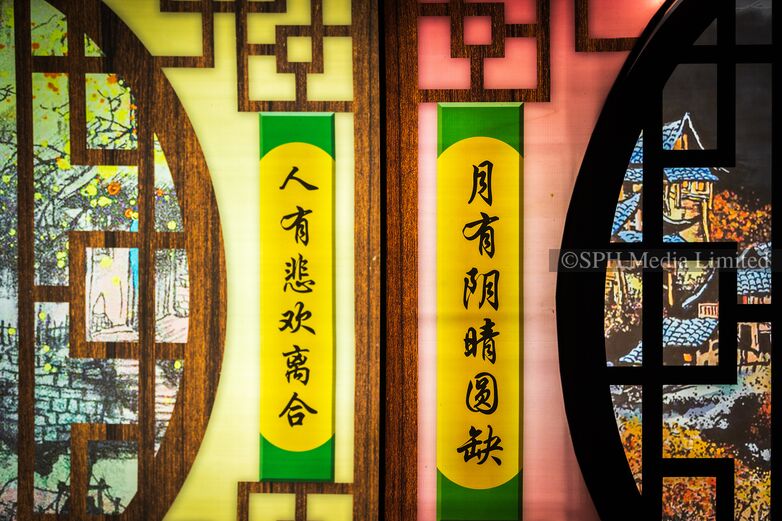 Lantern-Lit Wall and Couplets Under the Moon
2020
Lantern-Lit Wall and Couplets Under the Moon
2020
Lantern-Lit Wall and Couplets Under the Moon
Year 2020
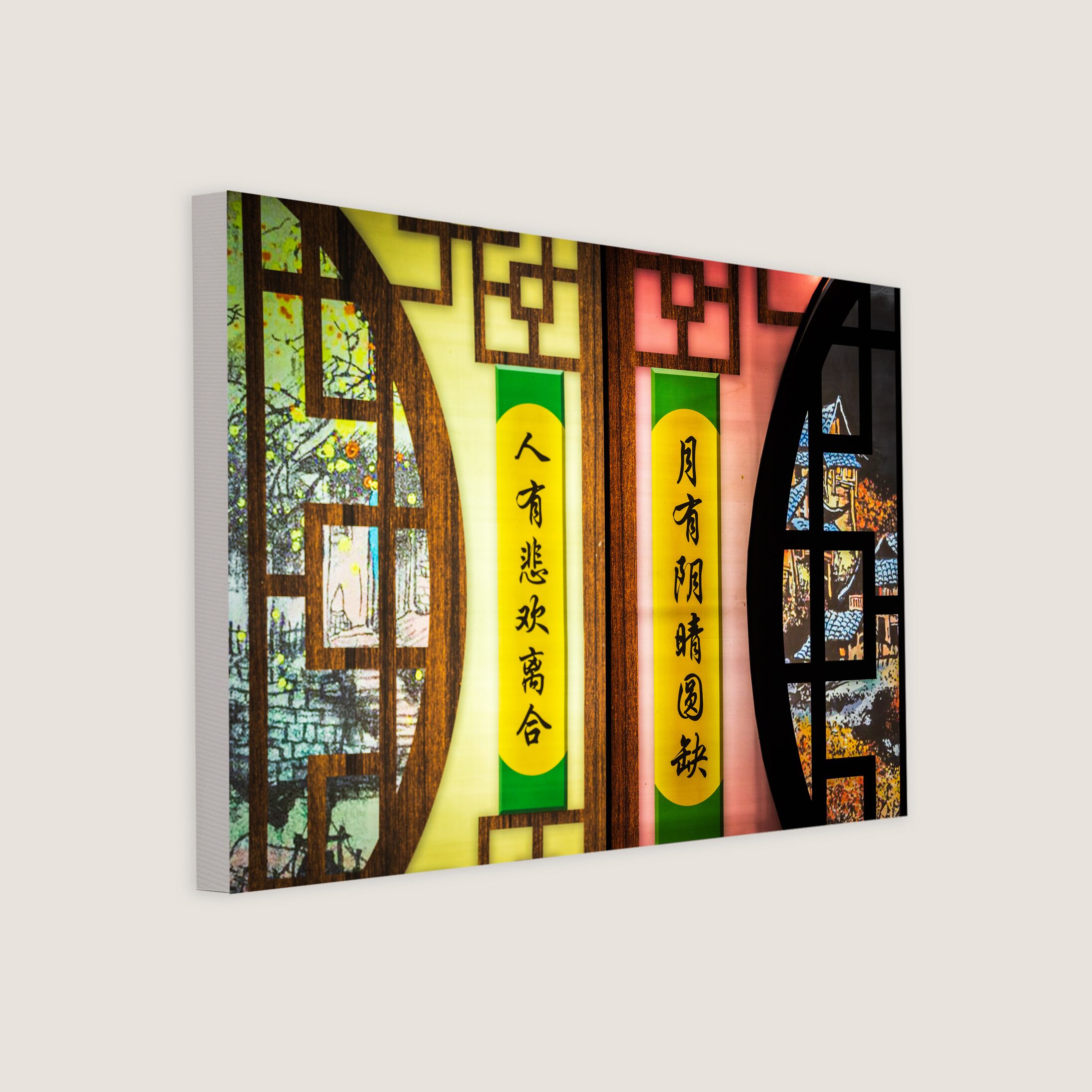
Many Chinese poems are related to the moon. One of the most common quotes is "Shui Diao Ge Tou" by Su Dongpo, a poet from the Northern Song Dynasty. The lines in the photo illustrates how the moon is compared to the twists and turns of human life, reflecting the joys and sorrows that come and go.
©️ SPH Media Limited
Share to
Tags
Available for print on products
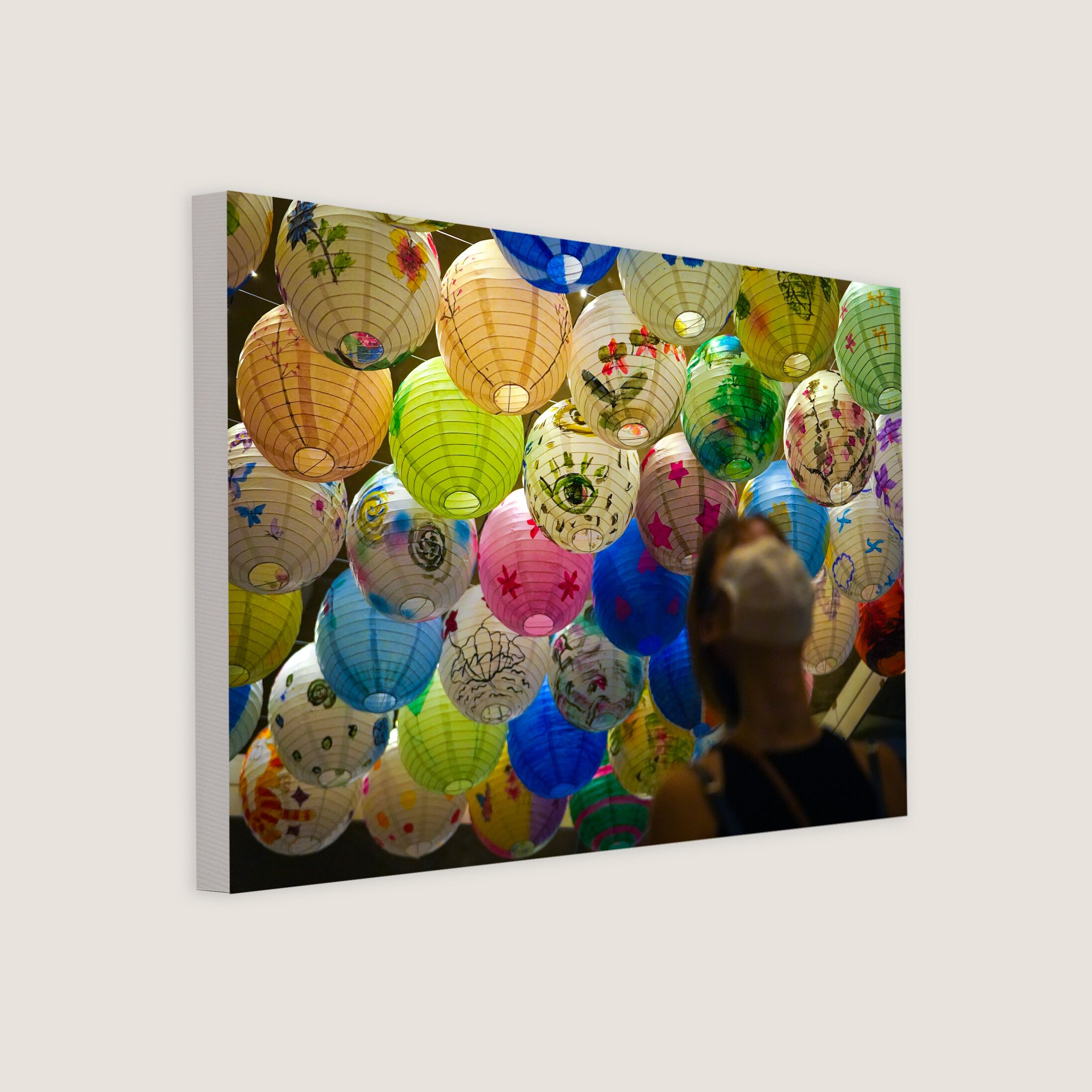
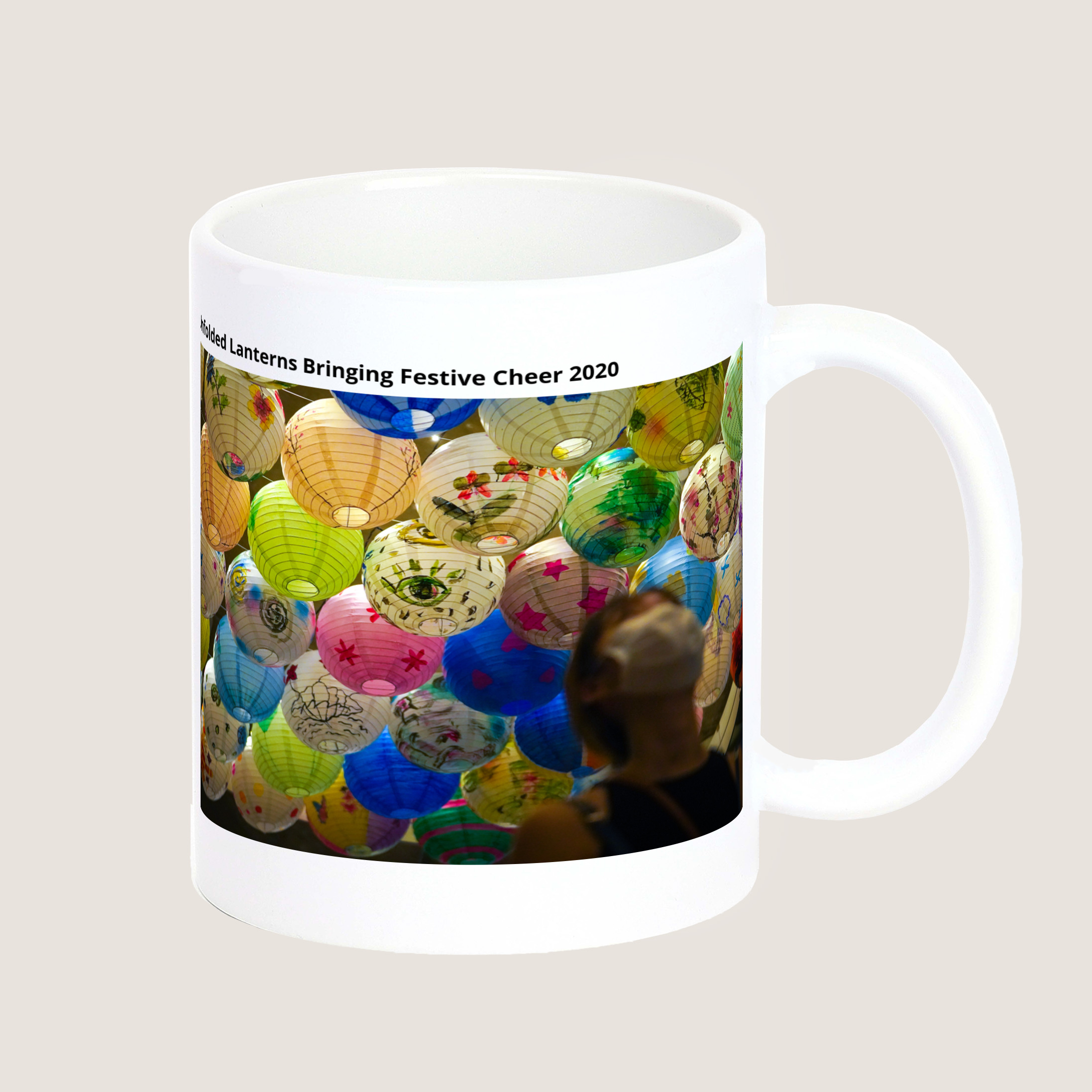
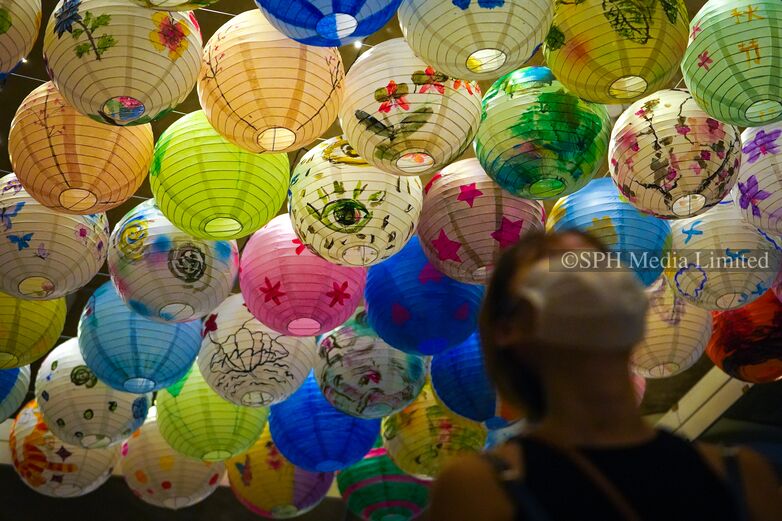 Unfolded Lanterns Bringing Festive Cheer
2020
Unfolded Lanterns Bringing Festive Cheer
2020
Unfolded Lanterns Bringing Festive Cheer
Year 2020
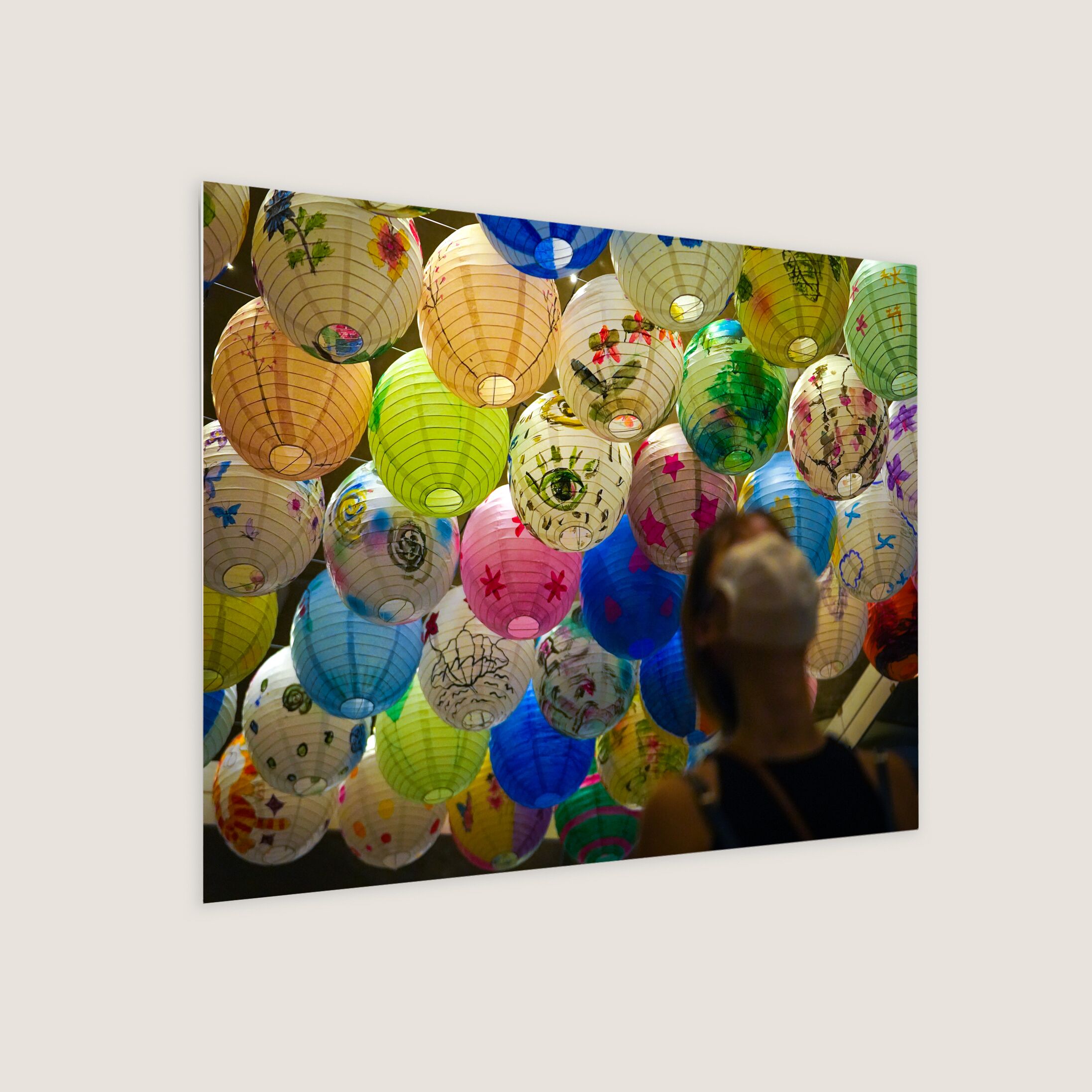
The paper lantern, when unfolded, becomes a perfect full moon, hanging high and always drawing people to look up and admire it while soaking in the festive cheer.
©️ SPH Media Limited
Share to
Tags
Available for print on products
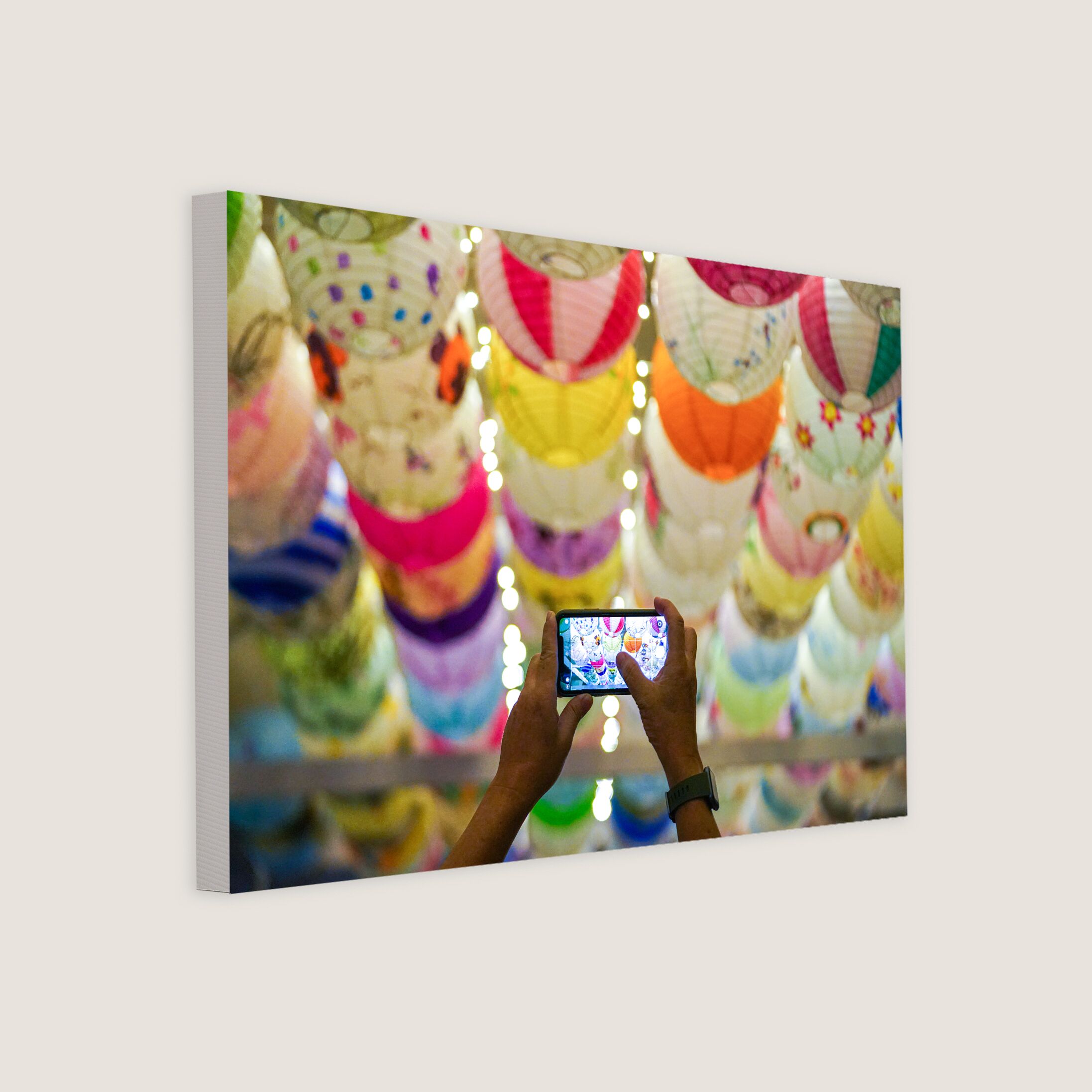
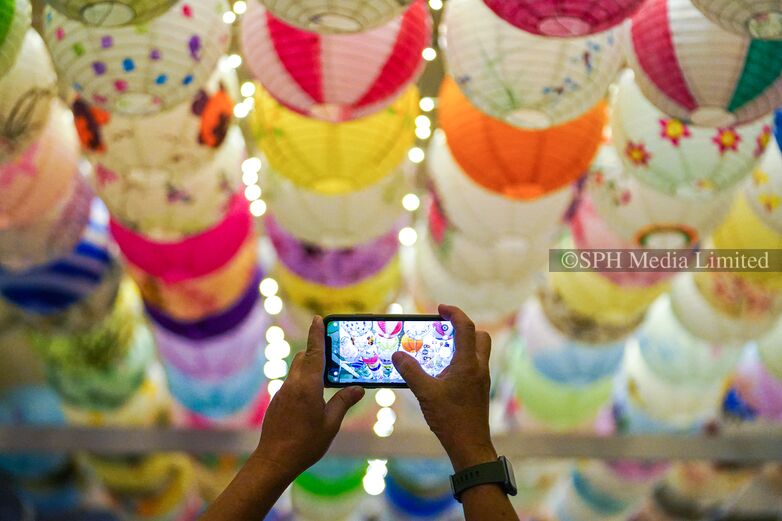 Capturing Beautiful Moments of Mid-Autumn Festival
2020
Capturing Beautiful Moments of Mid-Autumn Festival
2020
Capturing Beautiful Moments of Mid-Autumn Festival
Year 2020
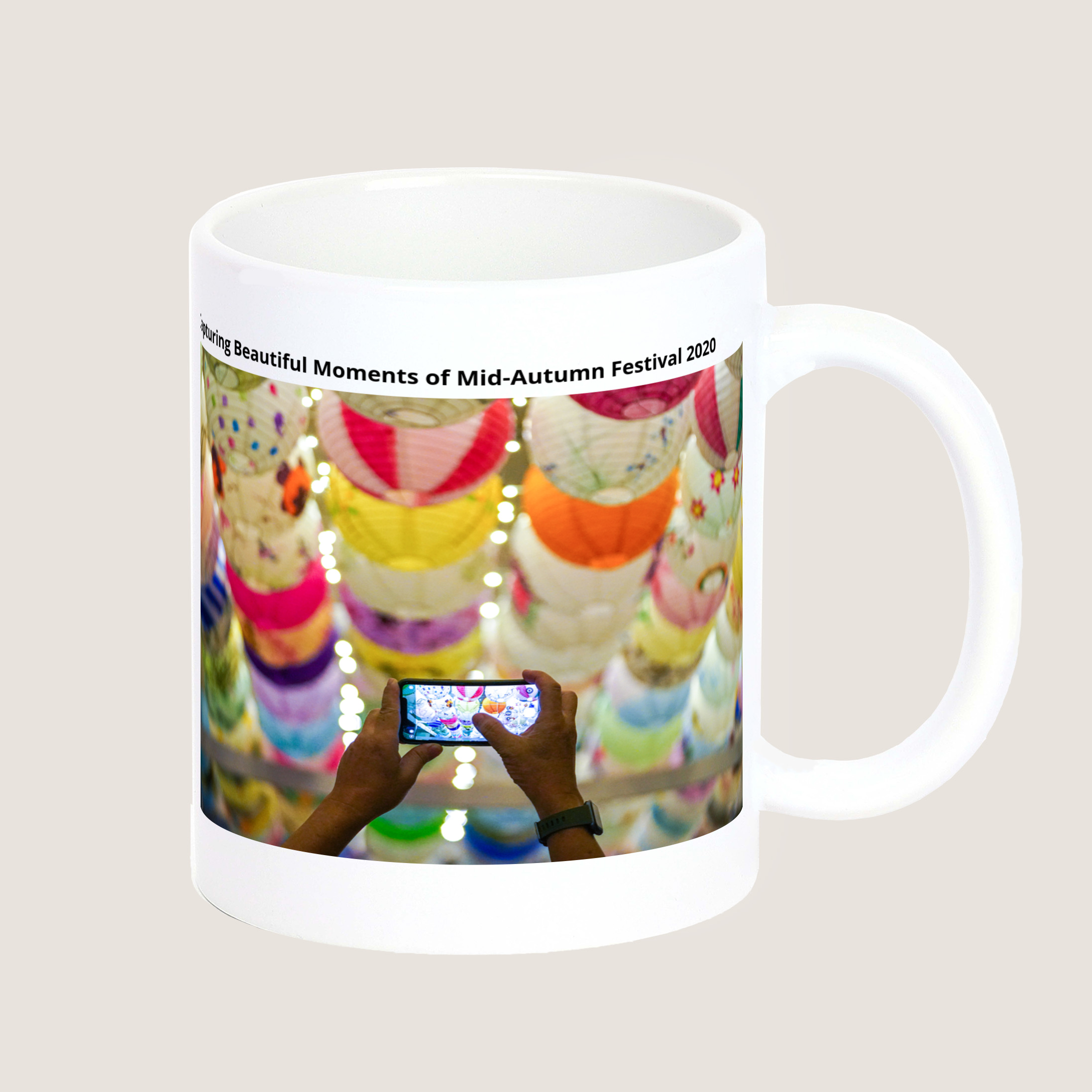
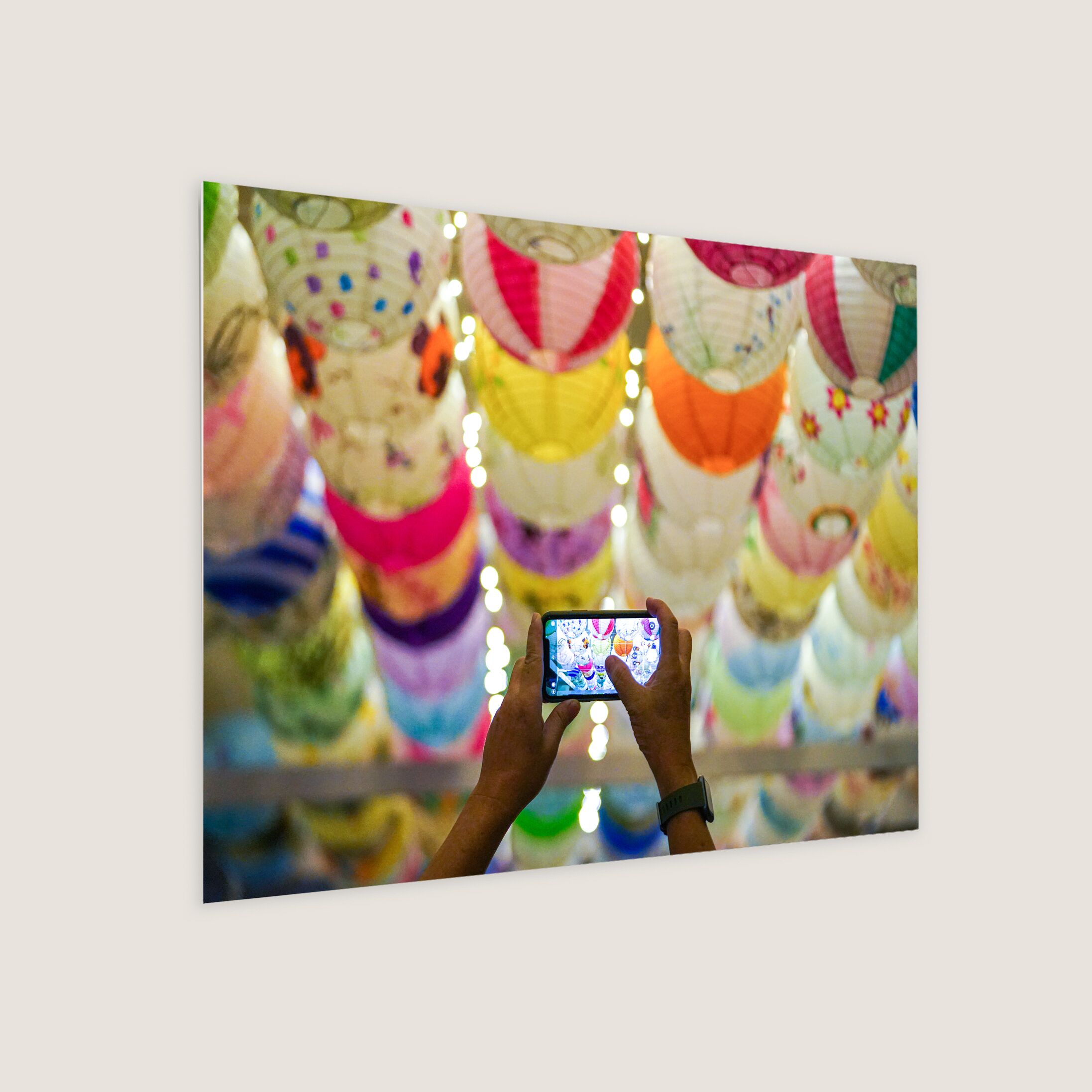
When the paper lanterns unfold and hang high, almost like they are colourful moons scattering across the Mid-Autumn sky. How could it not be touching?
©️ SPH Media Limited
Share to
Tags
Available for print on products
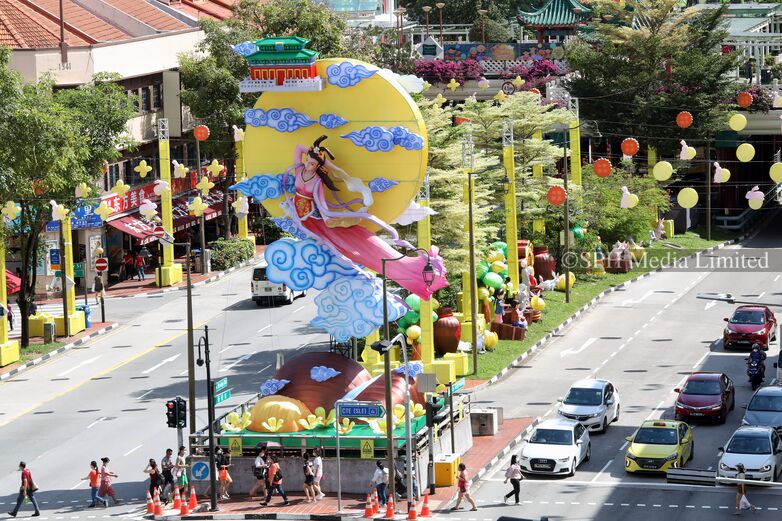 Moon Goddess Illumination at Chinatown
2021
Moon Goddess Illumination at Chinatown
2021
Moon Goddess Illumination at Chinatown
Year 2021
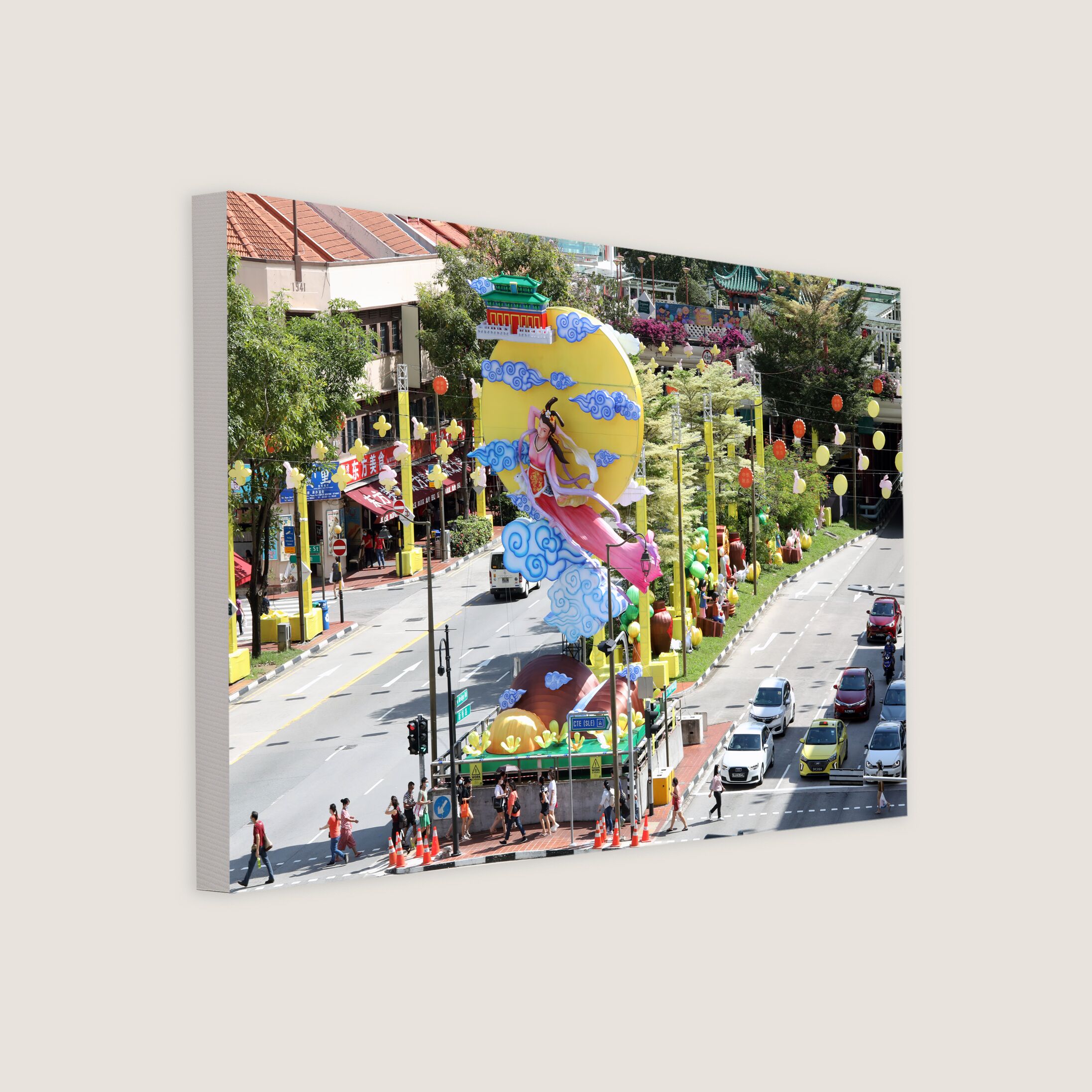
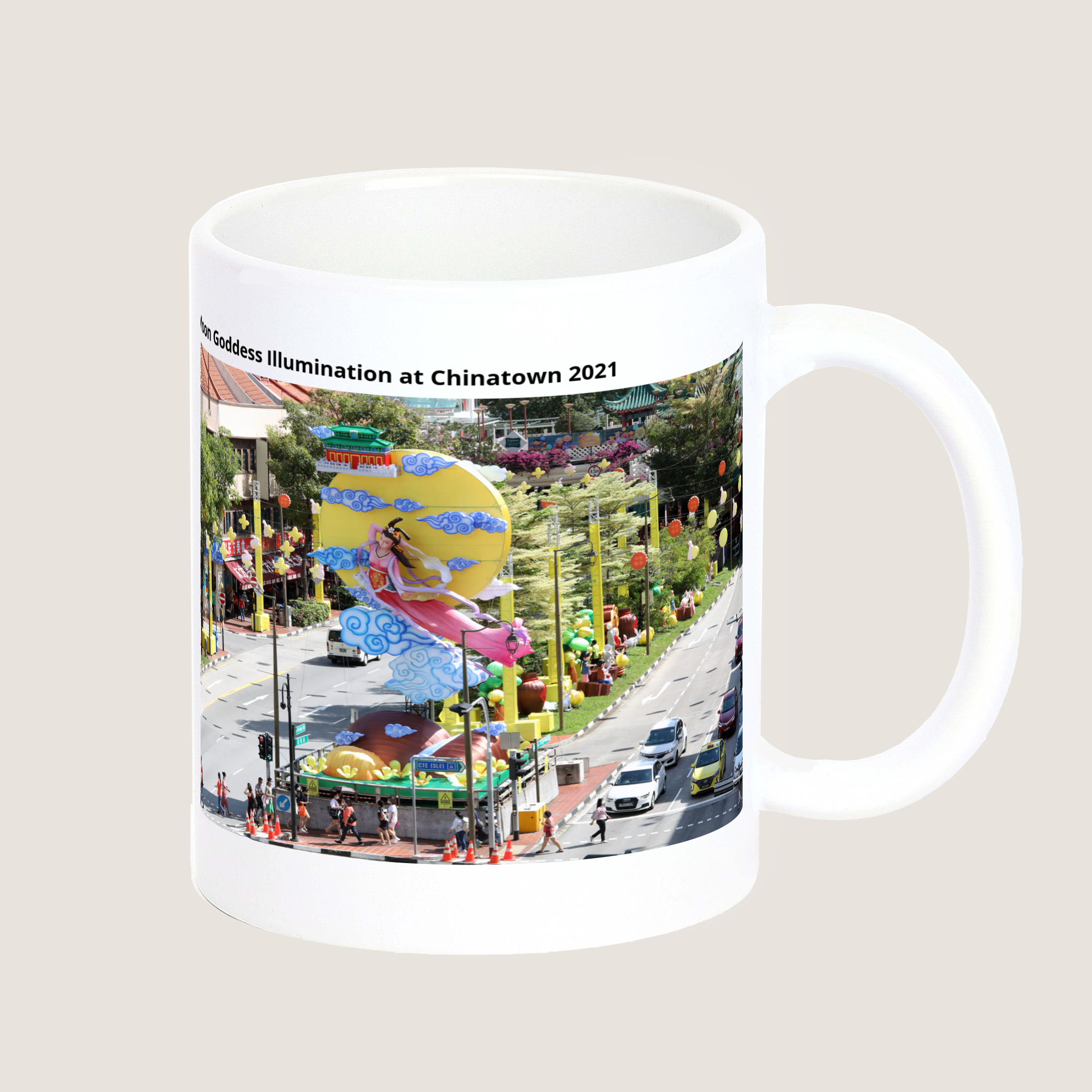
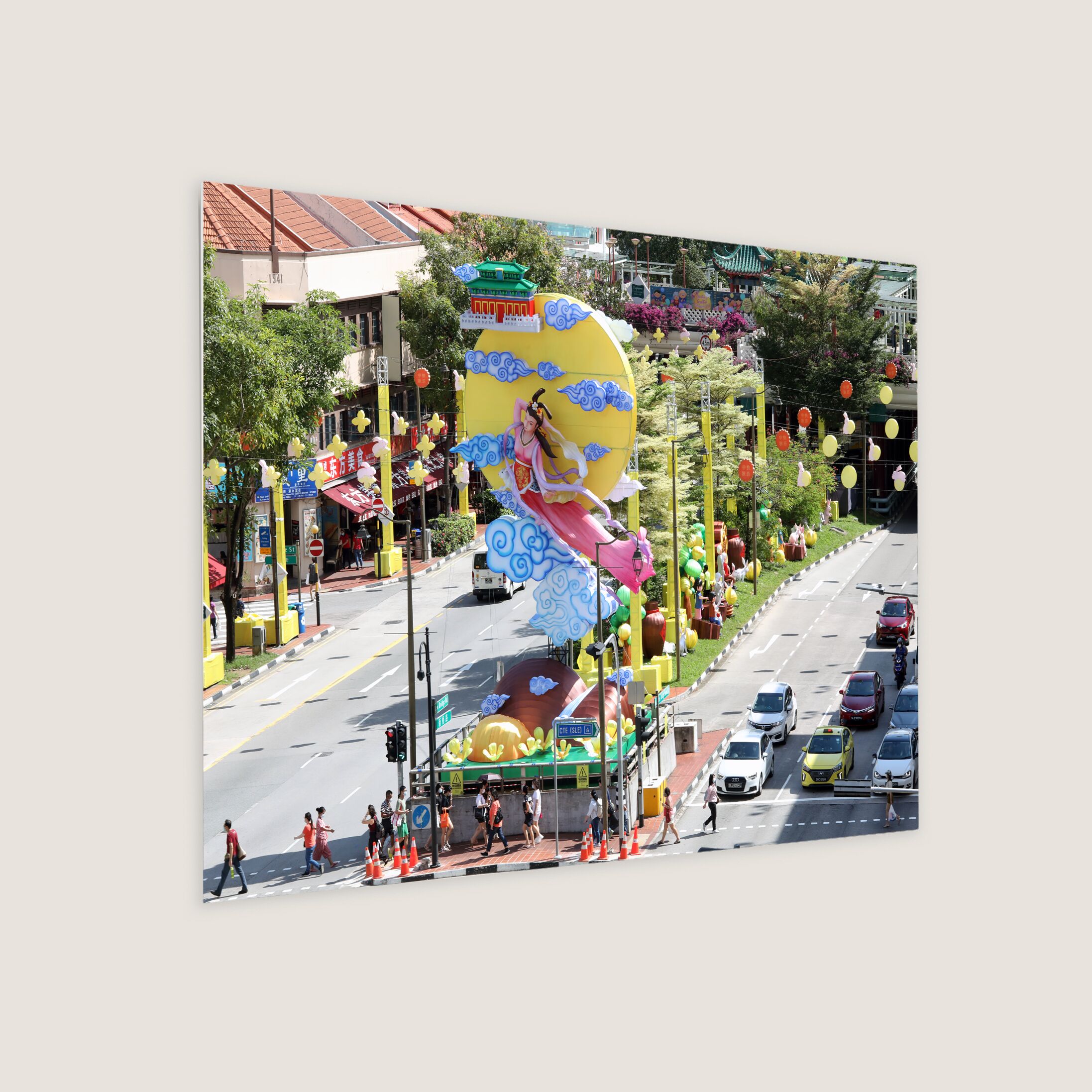
The Chinatown 2021 Mid - Autumn Festival theme was “???????,???????”. There were about 900 different lanterMoon Goddess Illumination at Chinatown 2021ns that decorated the streets and roads of Chinatown, one of which was the 12 metres high Chang'e, the Moon Goddess of the Mid-Autumn legend.
©️ SPH Media Limited
Share to
Tags
Available for print on products
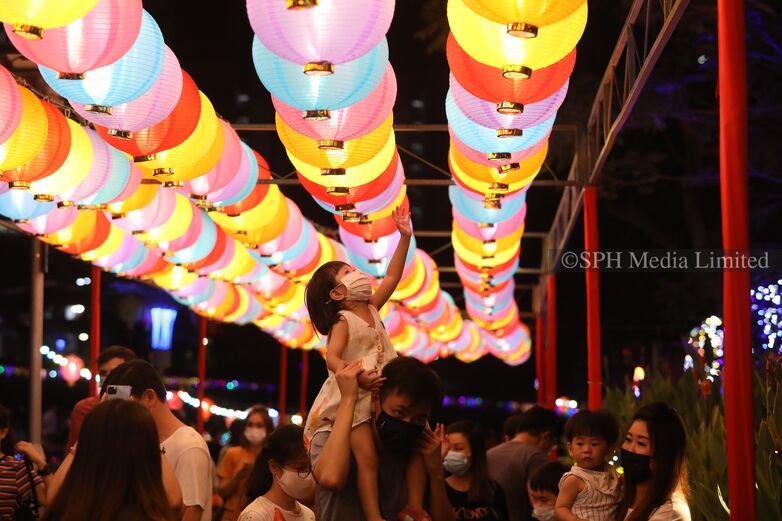 Celebrating Mid-Autumn During Covid
2021
Celebrating Mid-Autumn During Covid
2021
Celebrating Mid-Autumn During Covid
Year 2021
Reach for the moonIn the year 2021, Covid in the world may have caused disruptions to many, but it did not deter Singaporeans from joining in the festivities of Mid-Autumn Festival while maintaining safety protocols.PH Media Limited
Share to
Tags
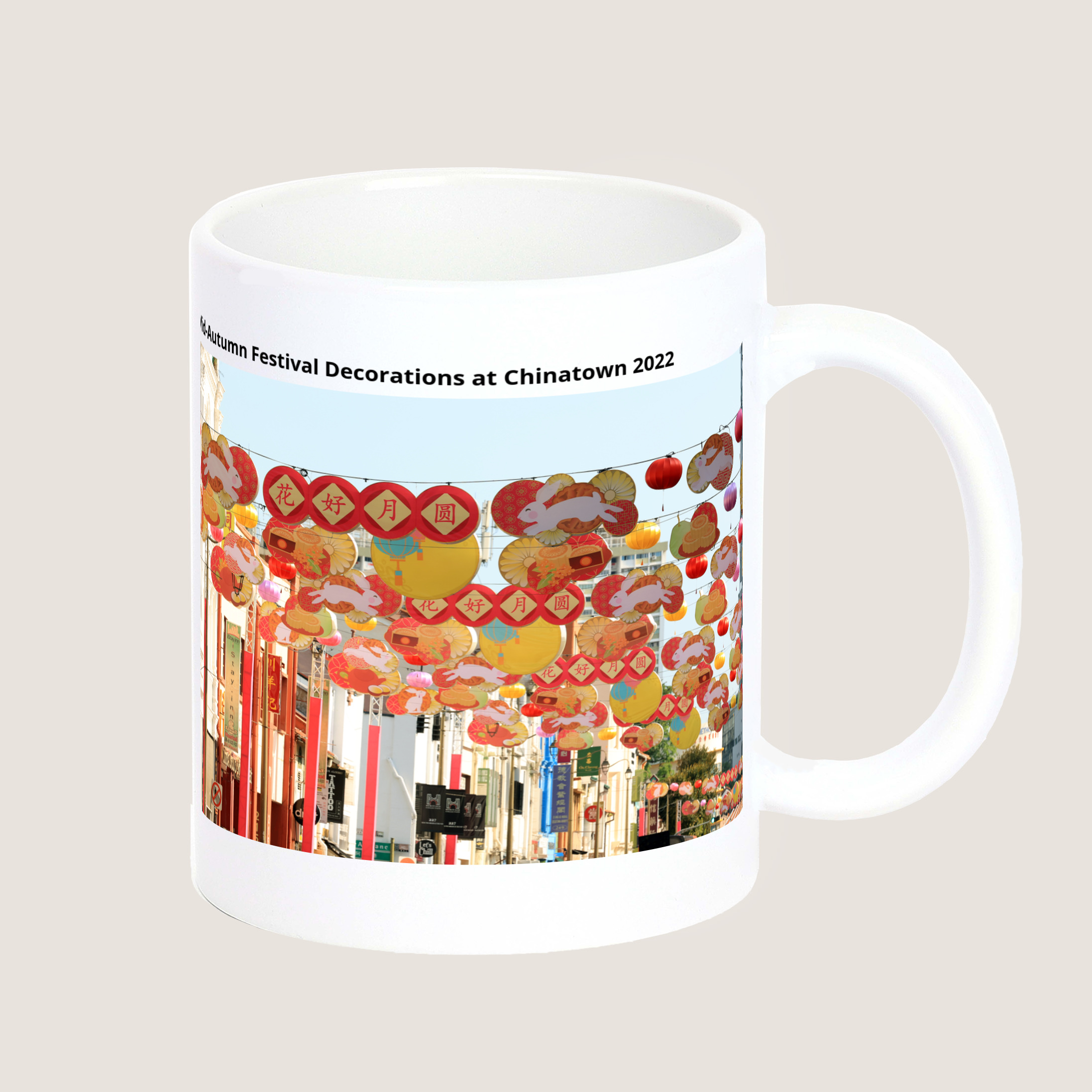
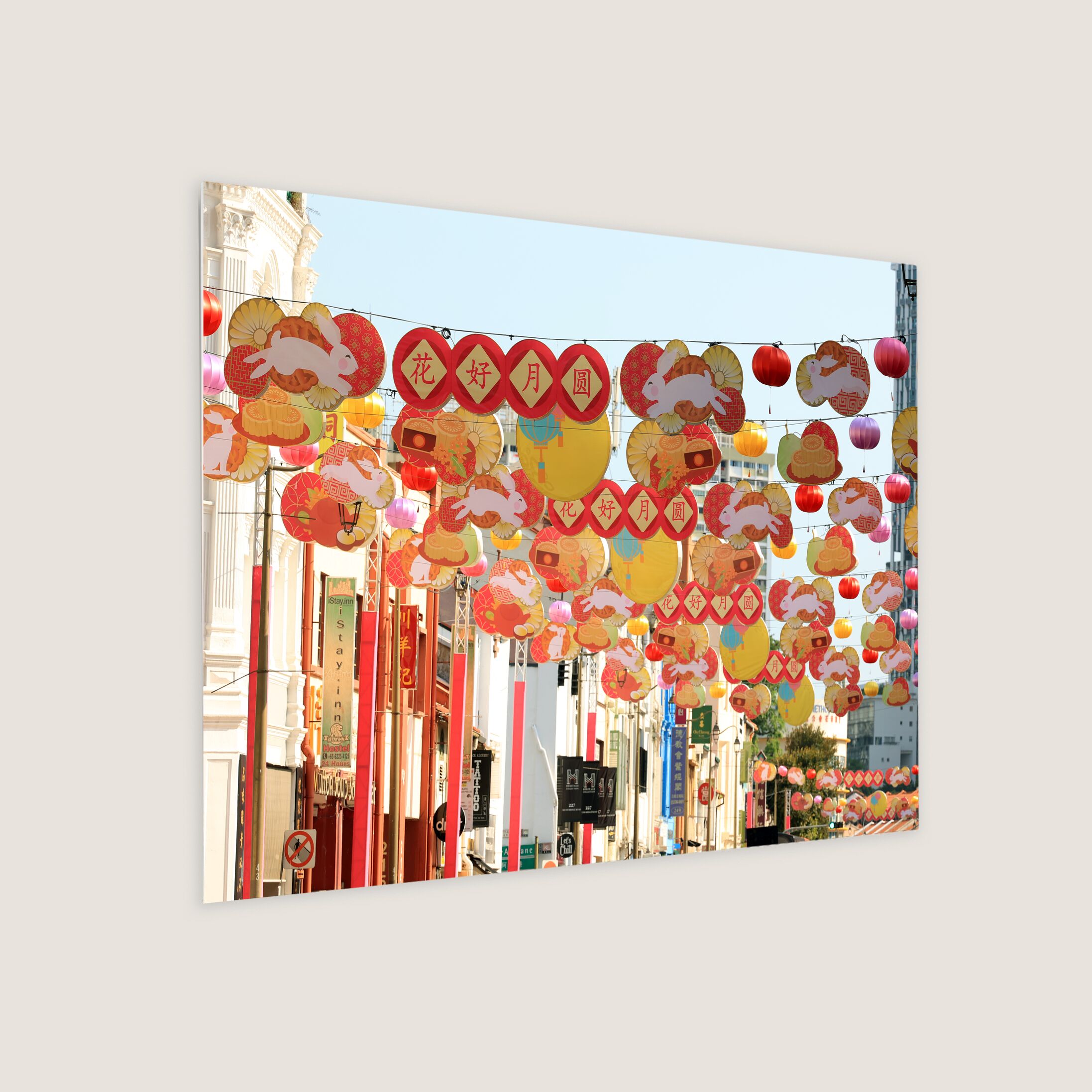
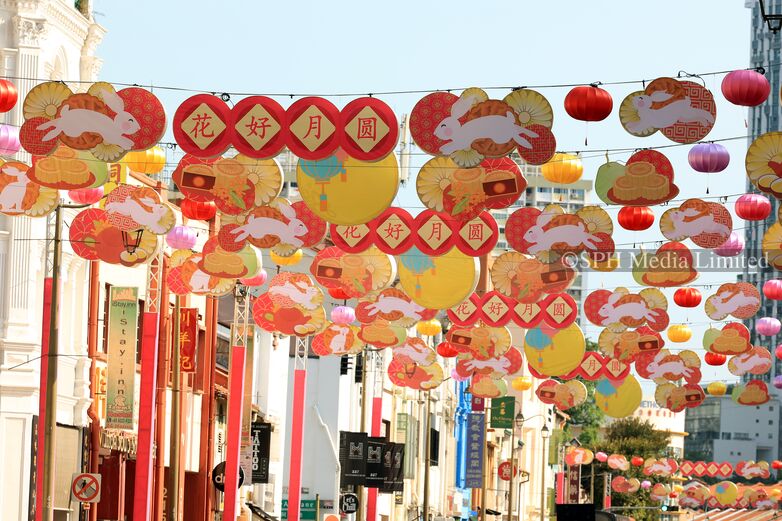 Mid-Autumn Festival Decorations at Chinatown
2022
Mid-Autumn Festival Decorations at Chinatown
2022
Mid-Autumn Festival Decorations at Chinatown
Year 2022
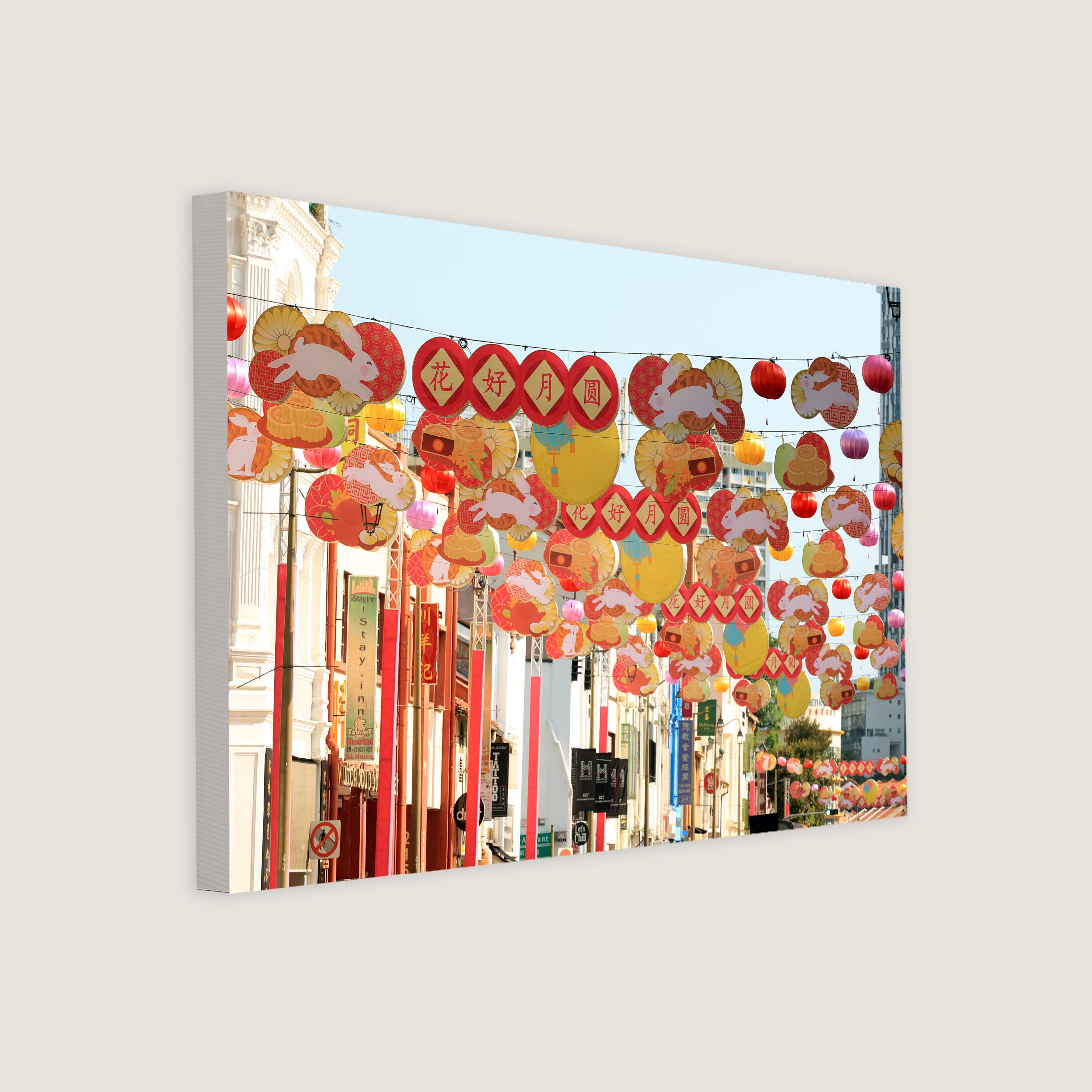
The theme of Chinatown Mid-Autumn Festival theme was “???????”, featuring the adorable moon bunny and the round mooncake decorations along the streets of Chinatown. The phrase "????" (hua hao yuè yuán) is a Chinese idiom that literally translates to "flowers are beautiful and the moon is full". It is used to describe a situation where everything is perfect and harmonious, often referring to a happy and ideal moment.
©️ SPH Media Limited
Share to
Tags
Available for print on products
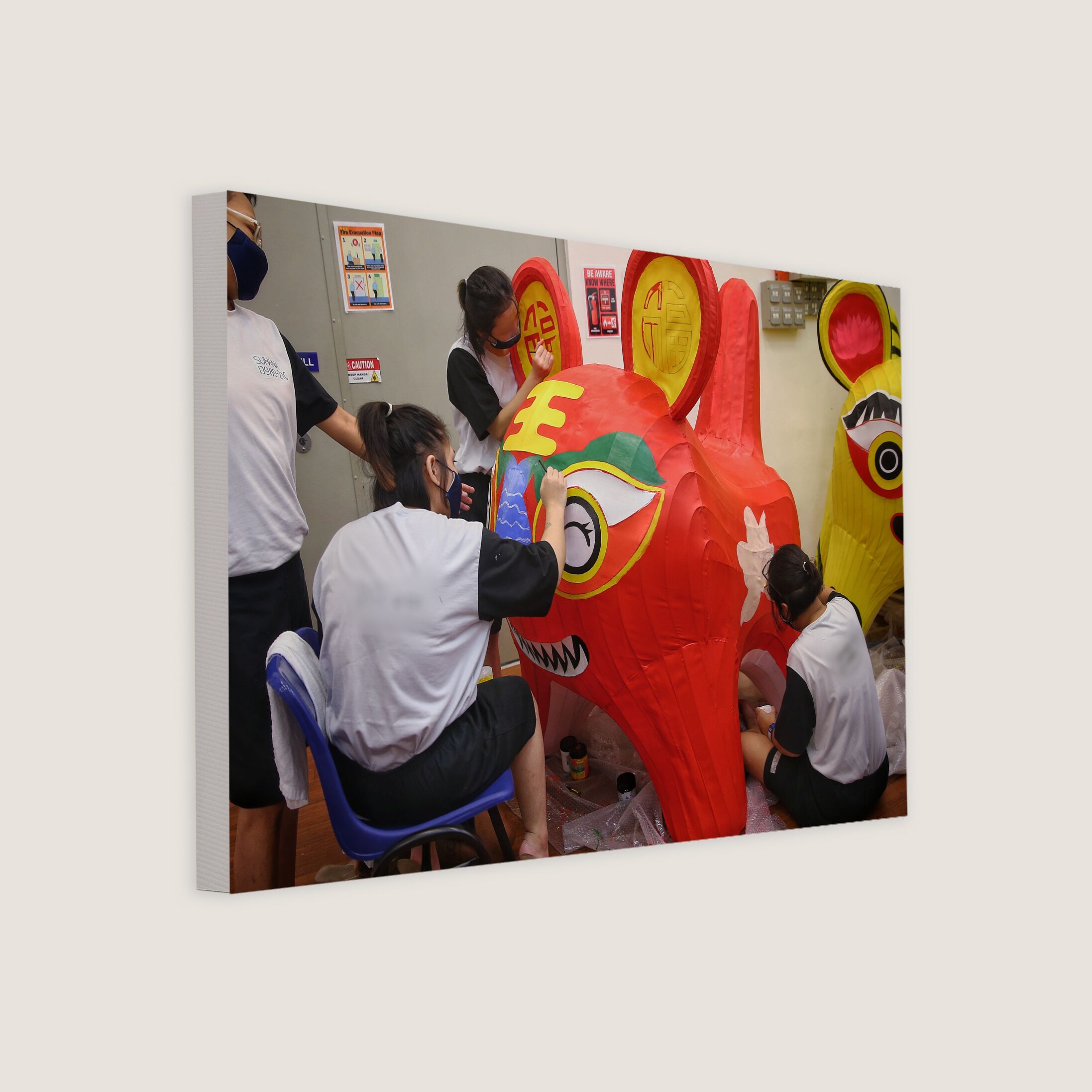
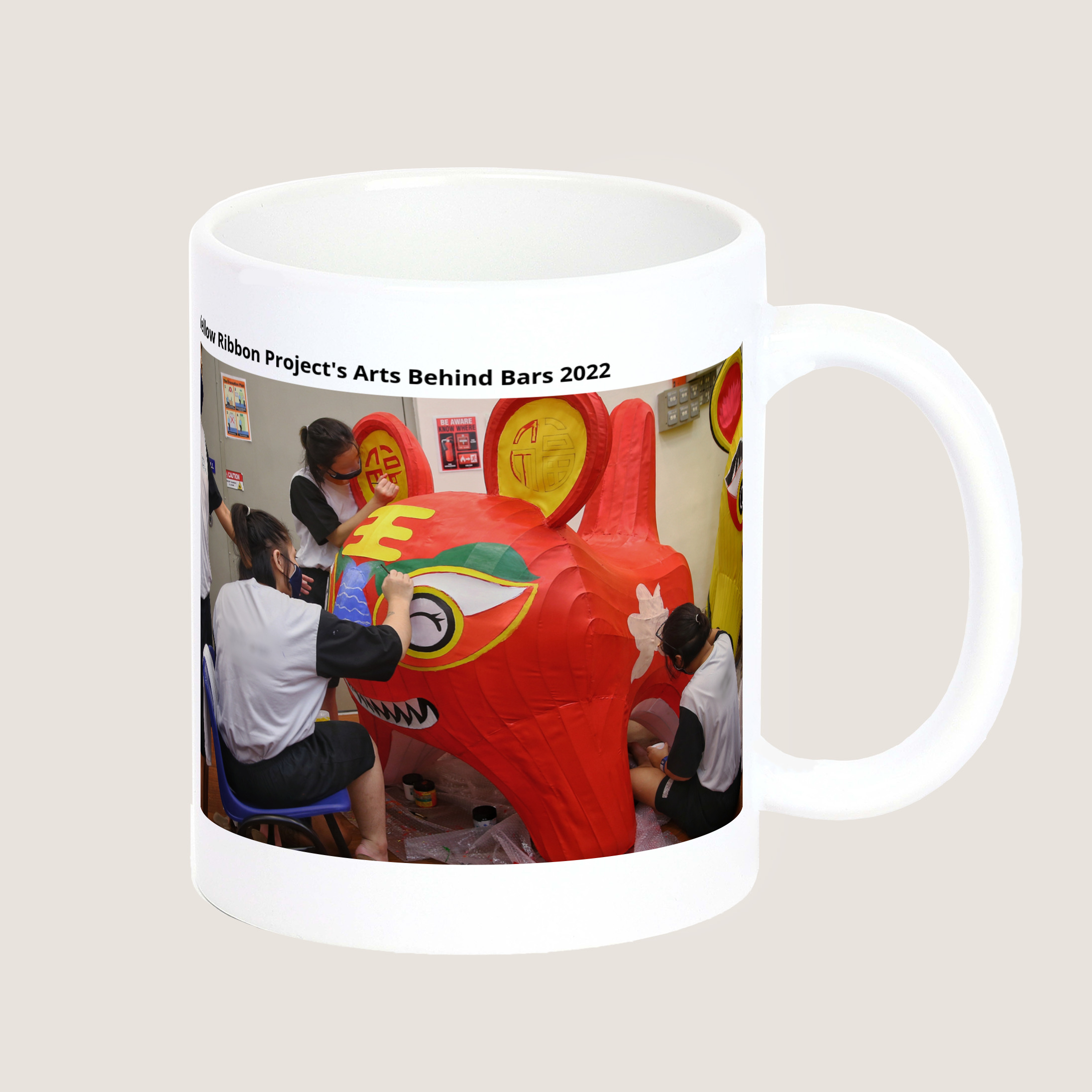
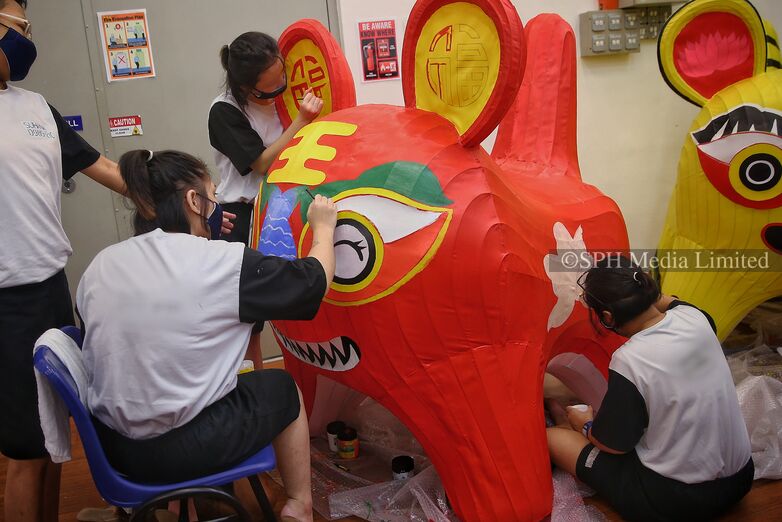 Yellow Ribbon Project's Arts Behind Bars
2022
Yellow Ribbon Project's Arts Behind Bars
2022
Yellow Ribbon Project's Arts Behind Bars
Year 2022
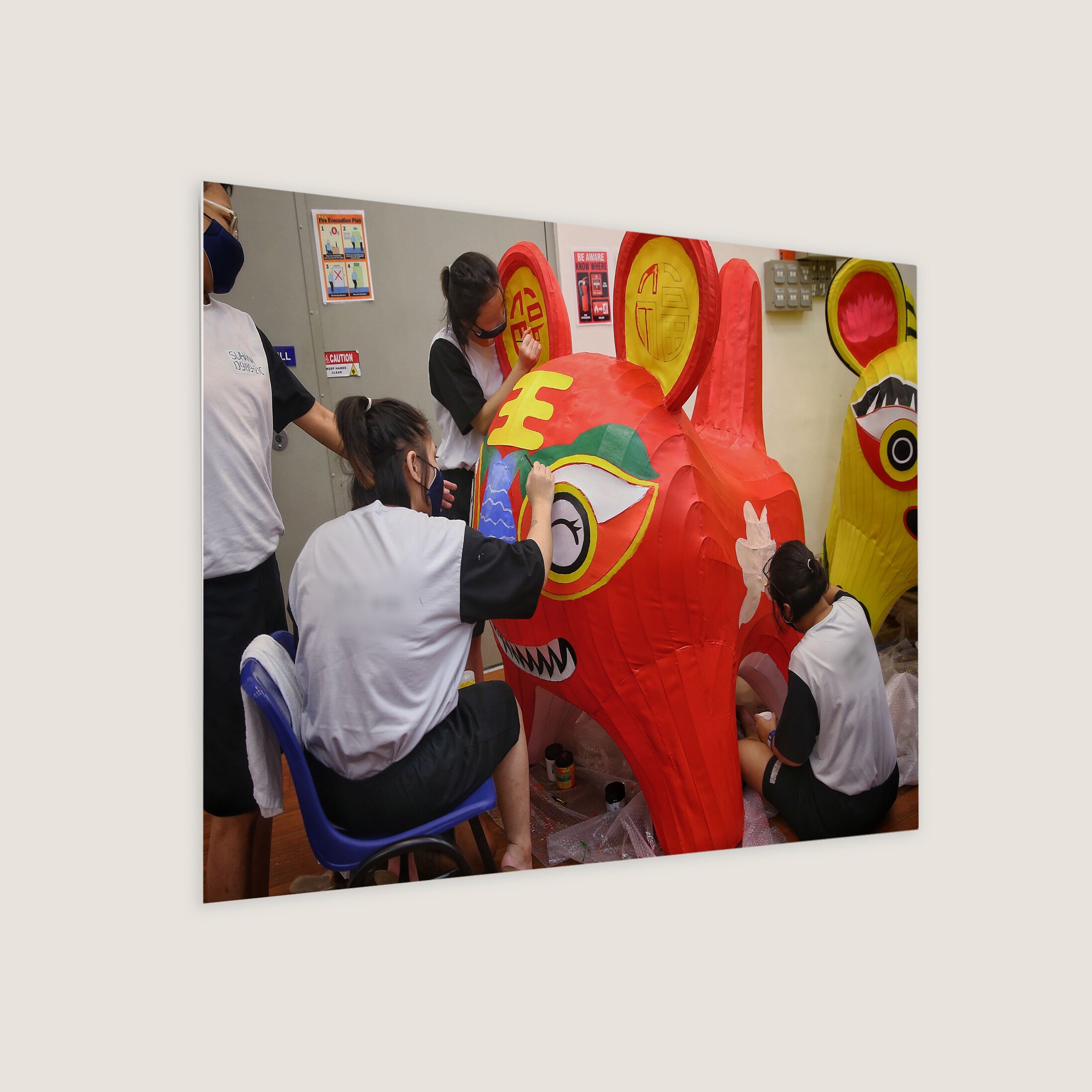
Female inmates from the Yellow Ribbon Project's Arts Behind Bars were painting the "'Five Blessings" lantern set which would be on display at Gardens by the Bay for Mid-Autumn Festival in 2022.
©️ SPH Media Limited
Share to
Tags
Available for print on products
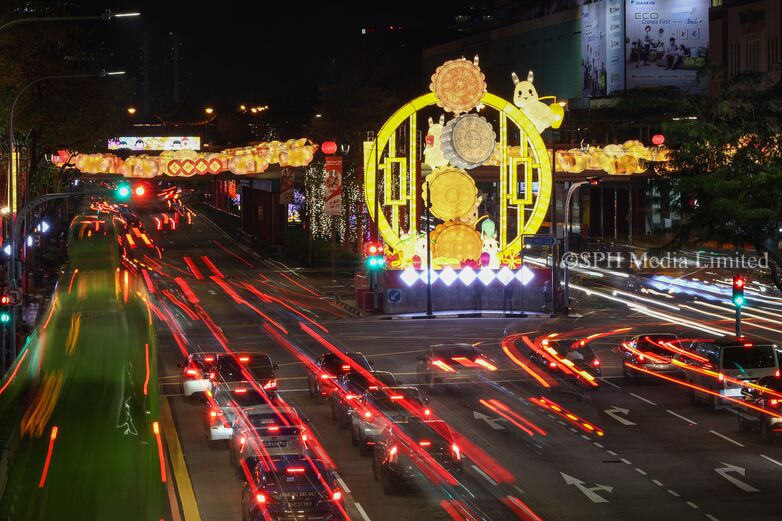 Jade Rabbits Mooncake and City Illuminations
2022
Jade Rabbits Mooncake and City Illuminations
2022
Jade Rabbits Mooncake and City Illuminations
Year 2022
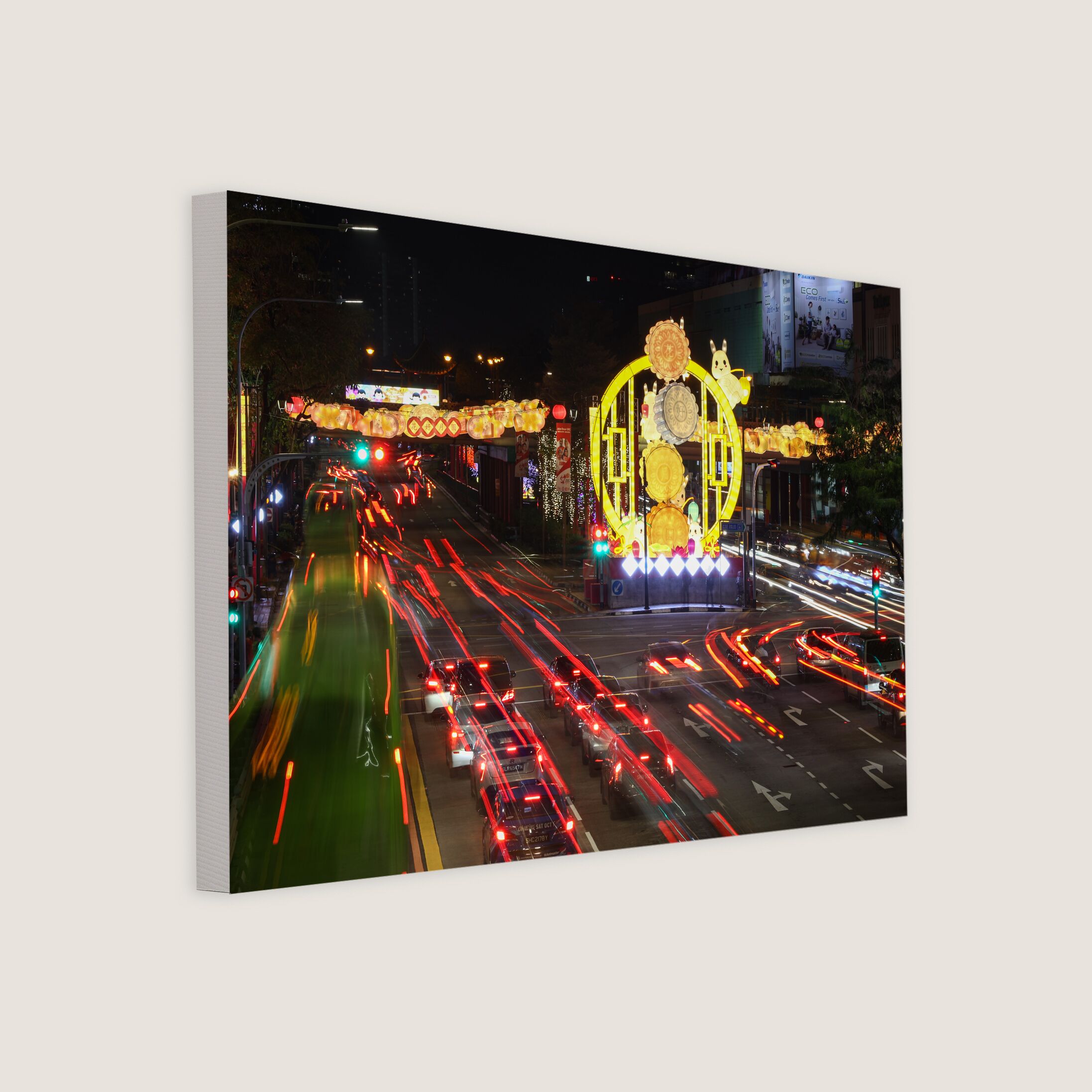
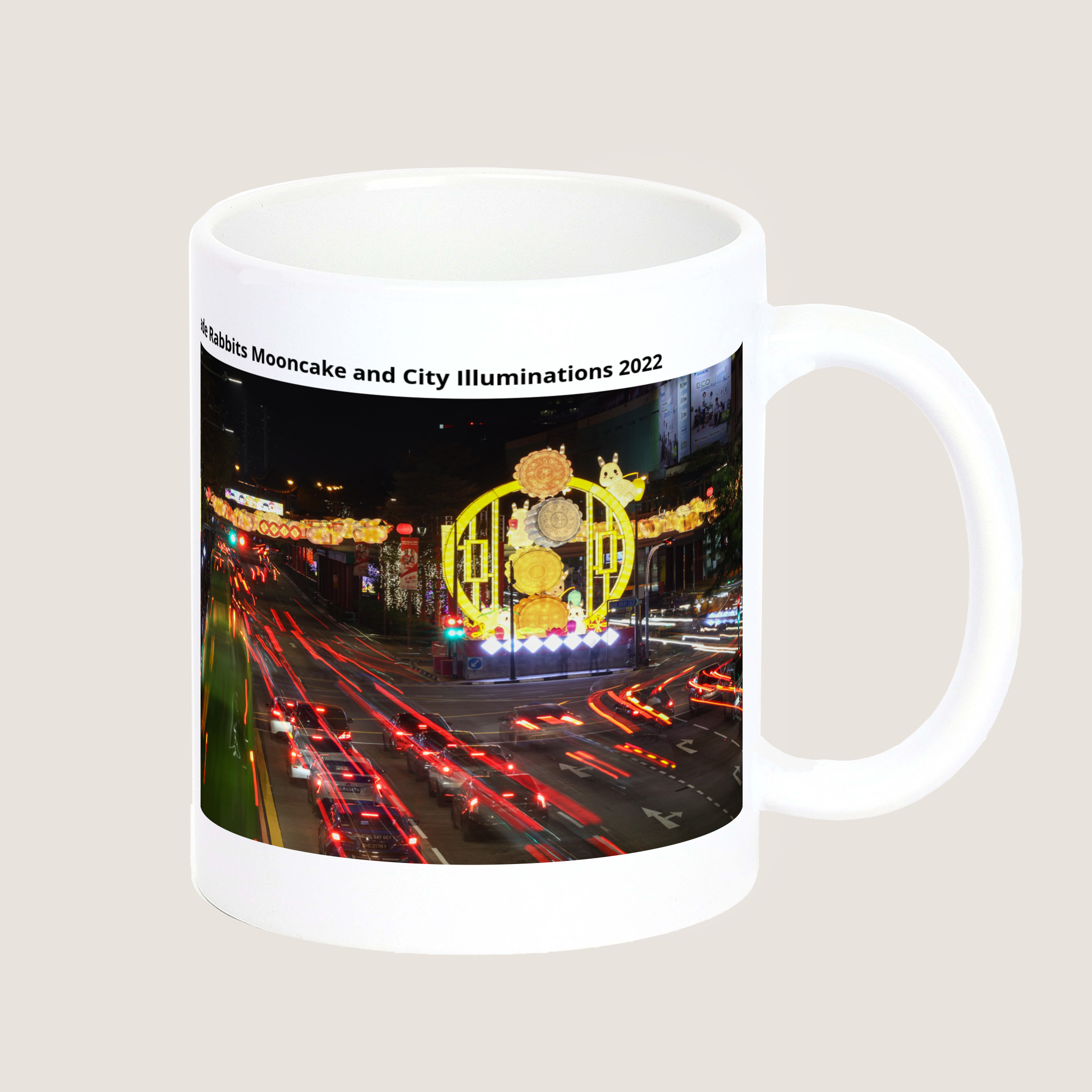
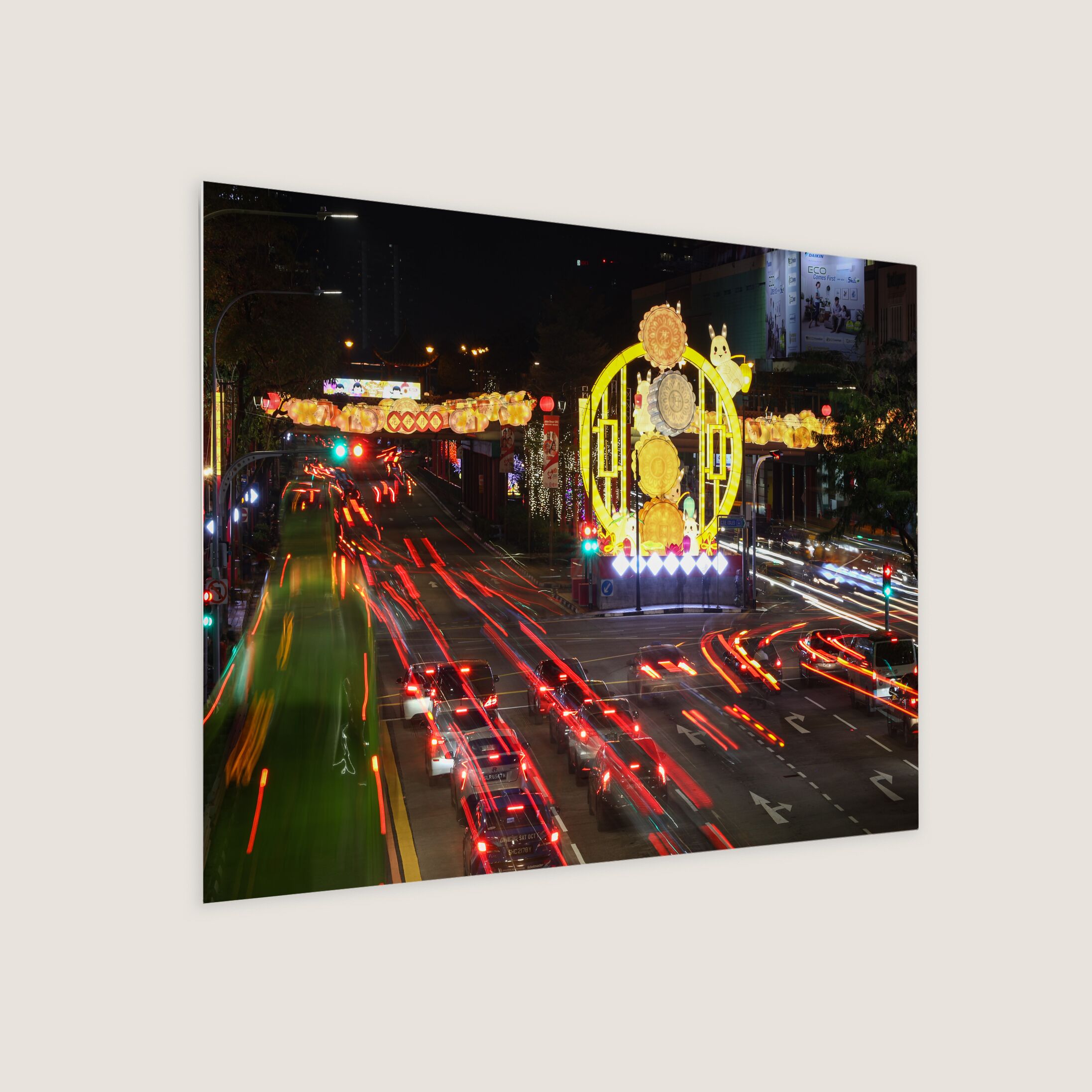
Chinatown's Mid-Autumn Festival has always been the highlight of local celebrations. This year, the main lantern display on Yu Tong Sen Street stands 10 meters tall, featuring four candy-coloured snow-skin mooncakes, each engraved with the Chinese characters "????" (which means "blissful union under the full moon"). These mooncakes are artfully paired with variously shaped jade rabbits, creating a delightful scene.
©️ SPH Media Limited
Share to
Tags
Available for print on products
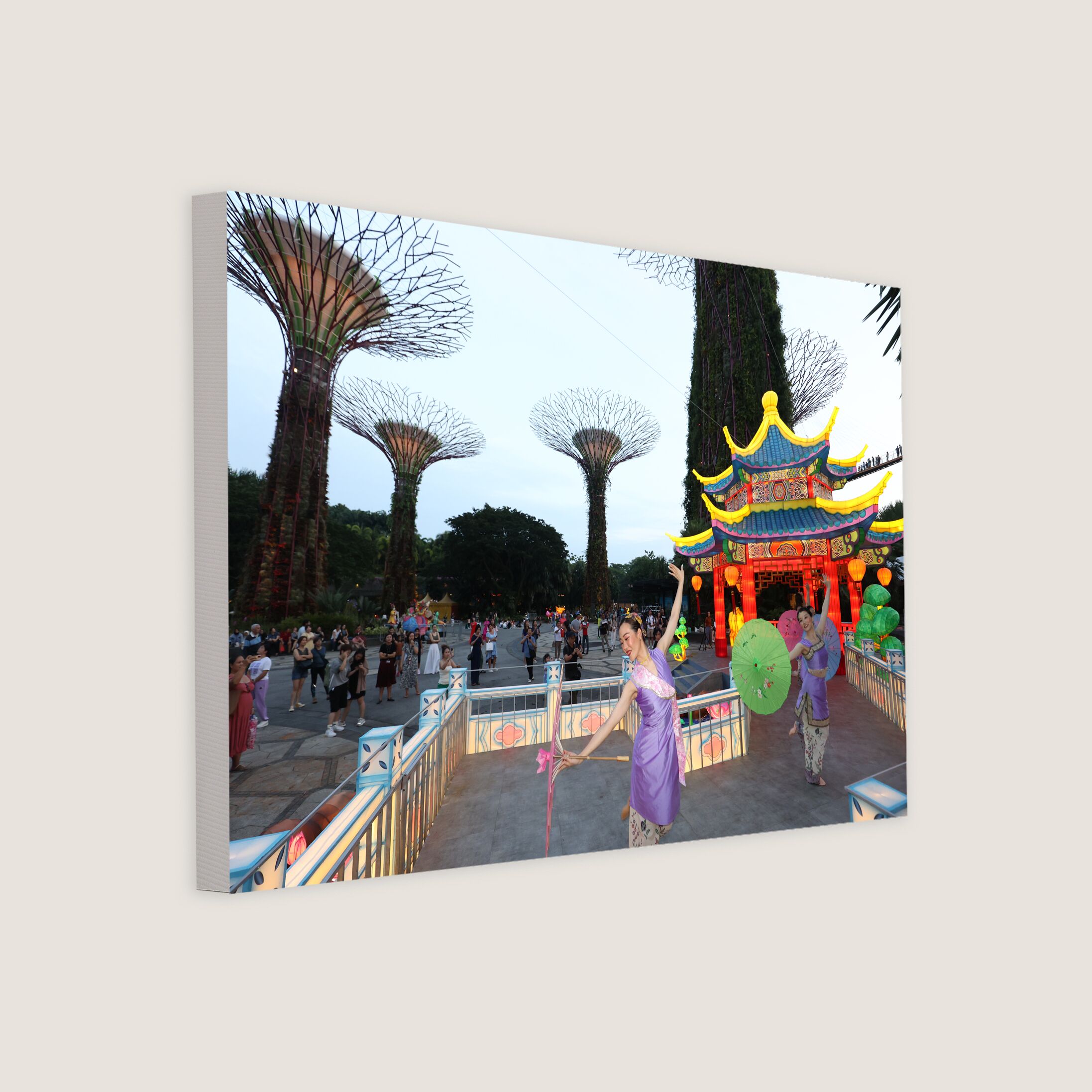
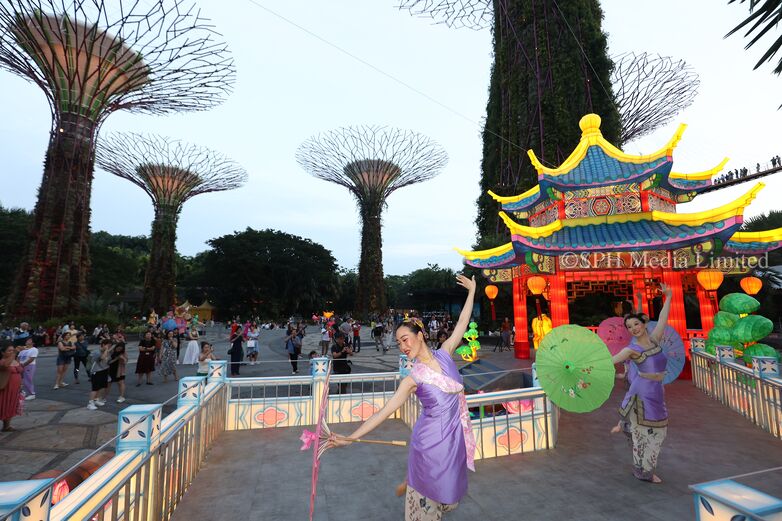 A Pavilion Built with Lanterns
2023
A Pavilion Built with Lanterns
2023
A Pavilion Built with Lanterns
Year 2023
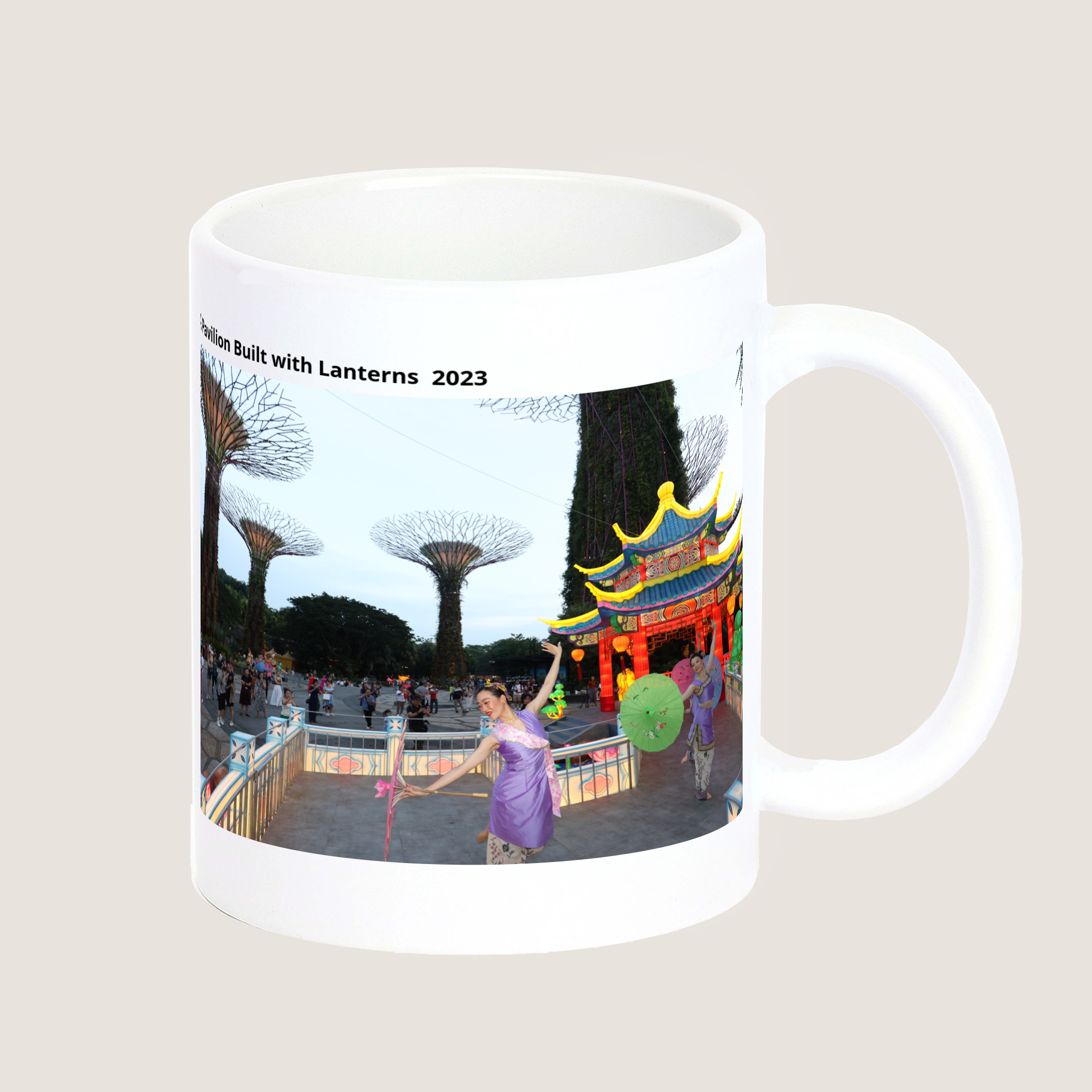
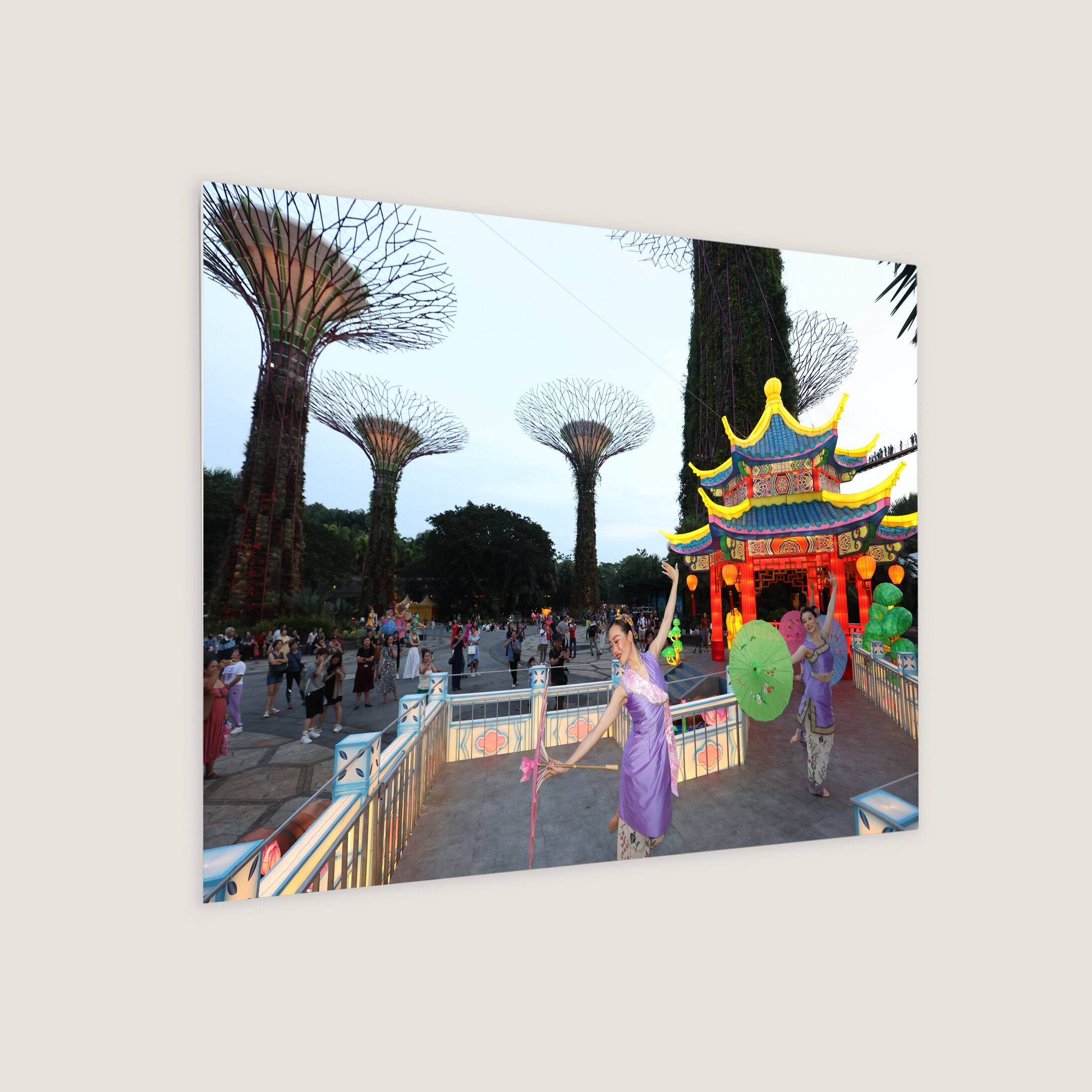
The 'Gardens by the Bay Mid-Autumn Festival' event, themed 'Gardens of Blooms,' features a unique pavilion lantern installation that for the first time doubles as a stage. On the night of the full moon, graceful dances performed within the pavilion beautifully embody the Mid-Autumn Festival’s themes of reunion and harmony.
©️ SPH Media Limited
Share to
Tags
Available for print on products
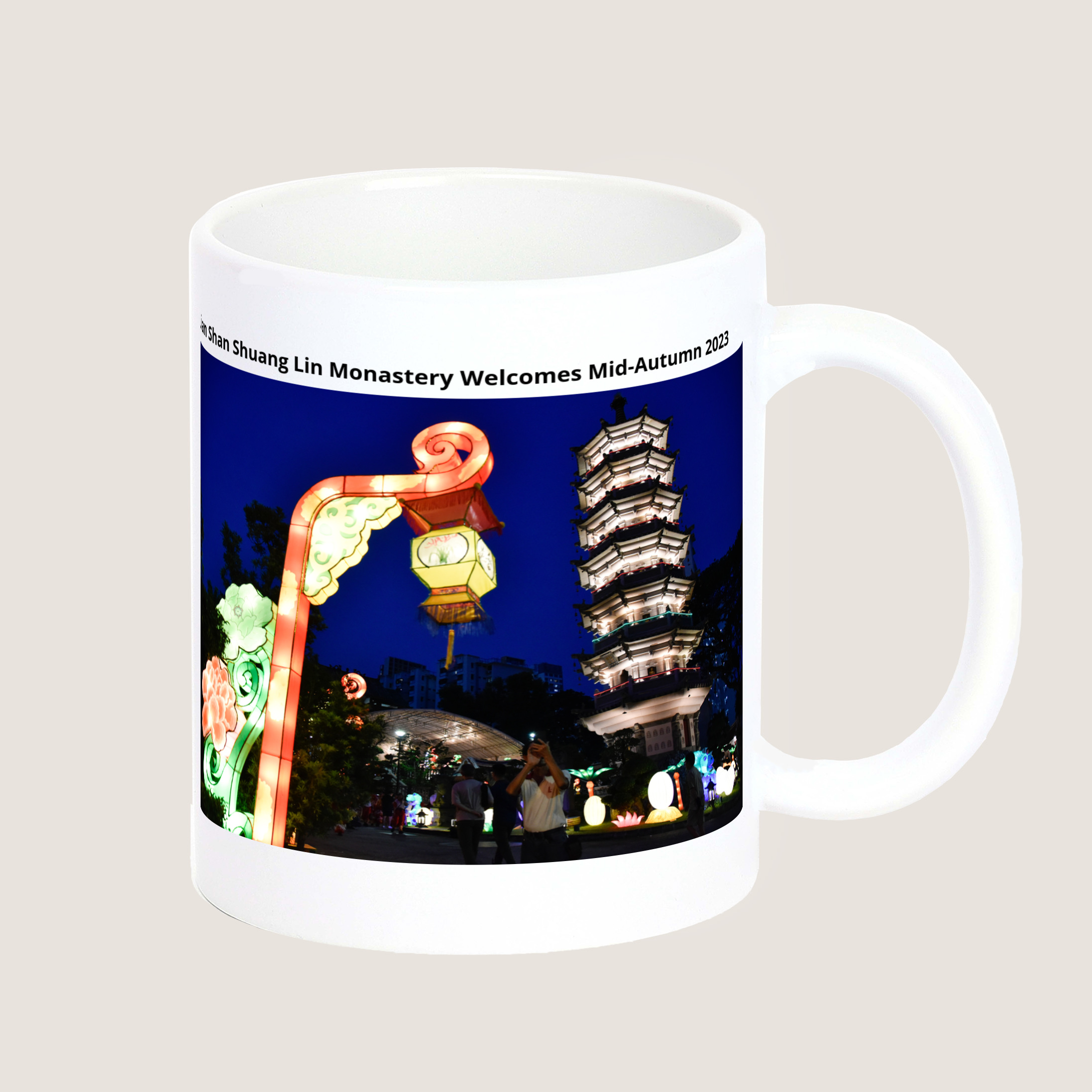
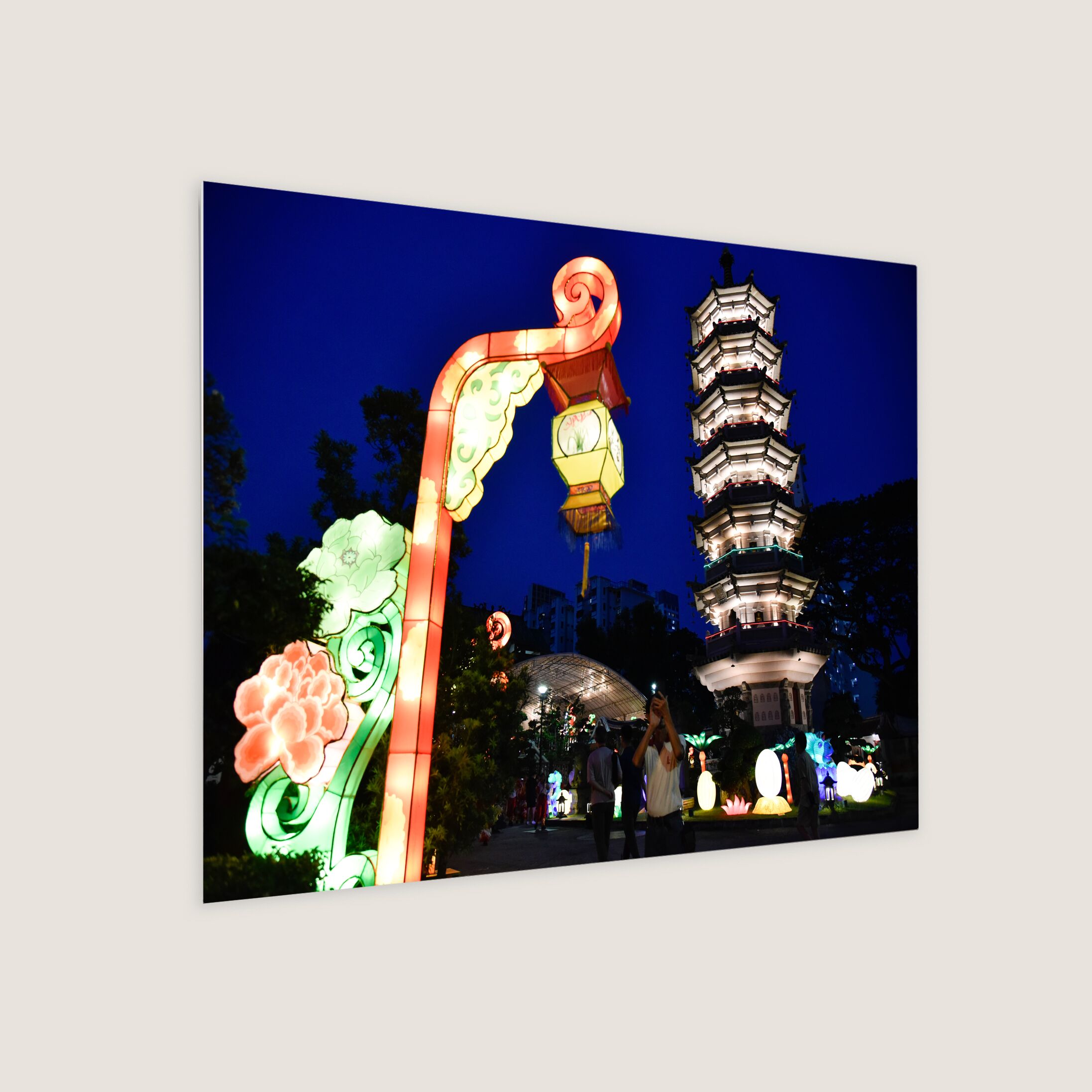
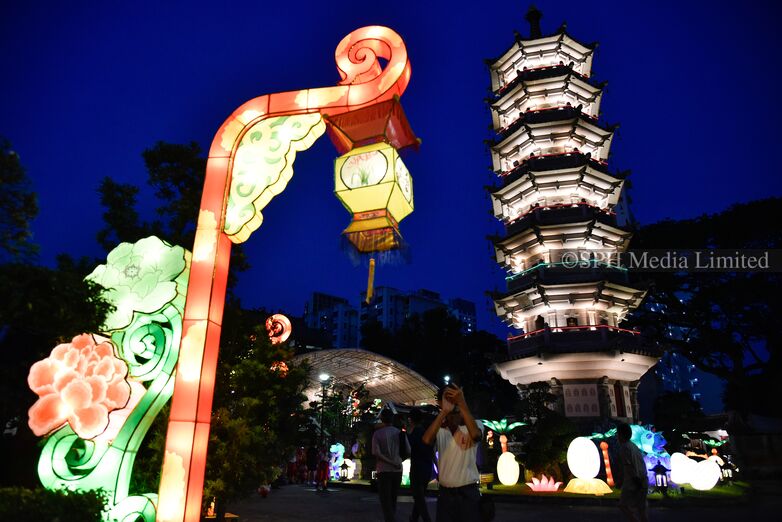 Lian Shan Shuang Lin Monastery Welcomes Mid-Autumn
2023
Lian Shan Shuang Lin Monastery Welcomes Mid-Autumn
2023
Lian Shan Shuang Lin Monastery Welcomes Mid-Autumn
Year 2023
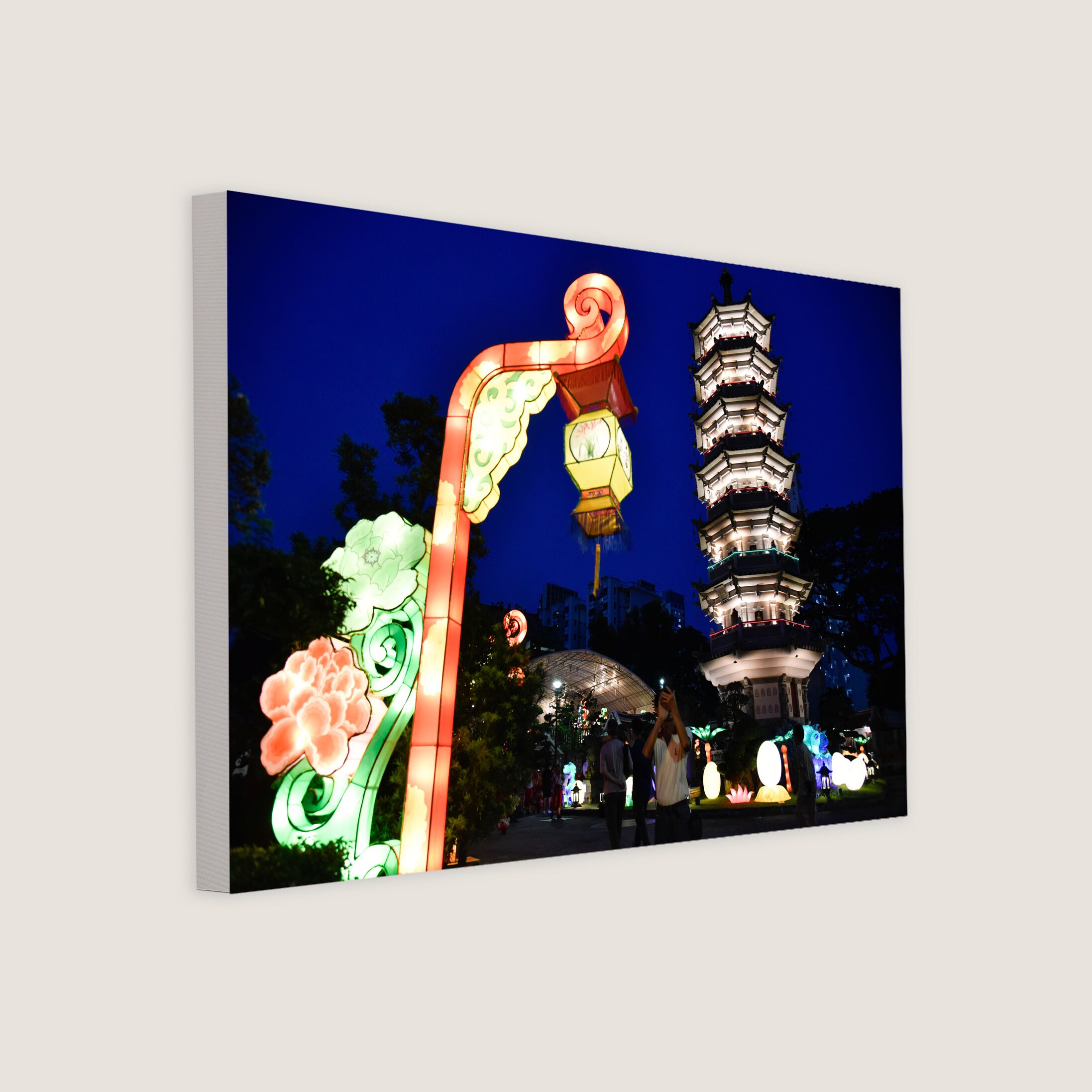
The century-old temple welcomes the Mid-Autumn Festival. As Lian Shan Shuang Lin Monastery celebrates its 125th anniversary, this year's Mid-Autumn Festival sees the temple adorned with colorful lanterns, filled with festive joy, as it celebrates both occasions.
©️ SPH Media Limited
Share to
Tags
Available for print on products
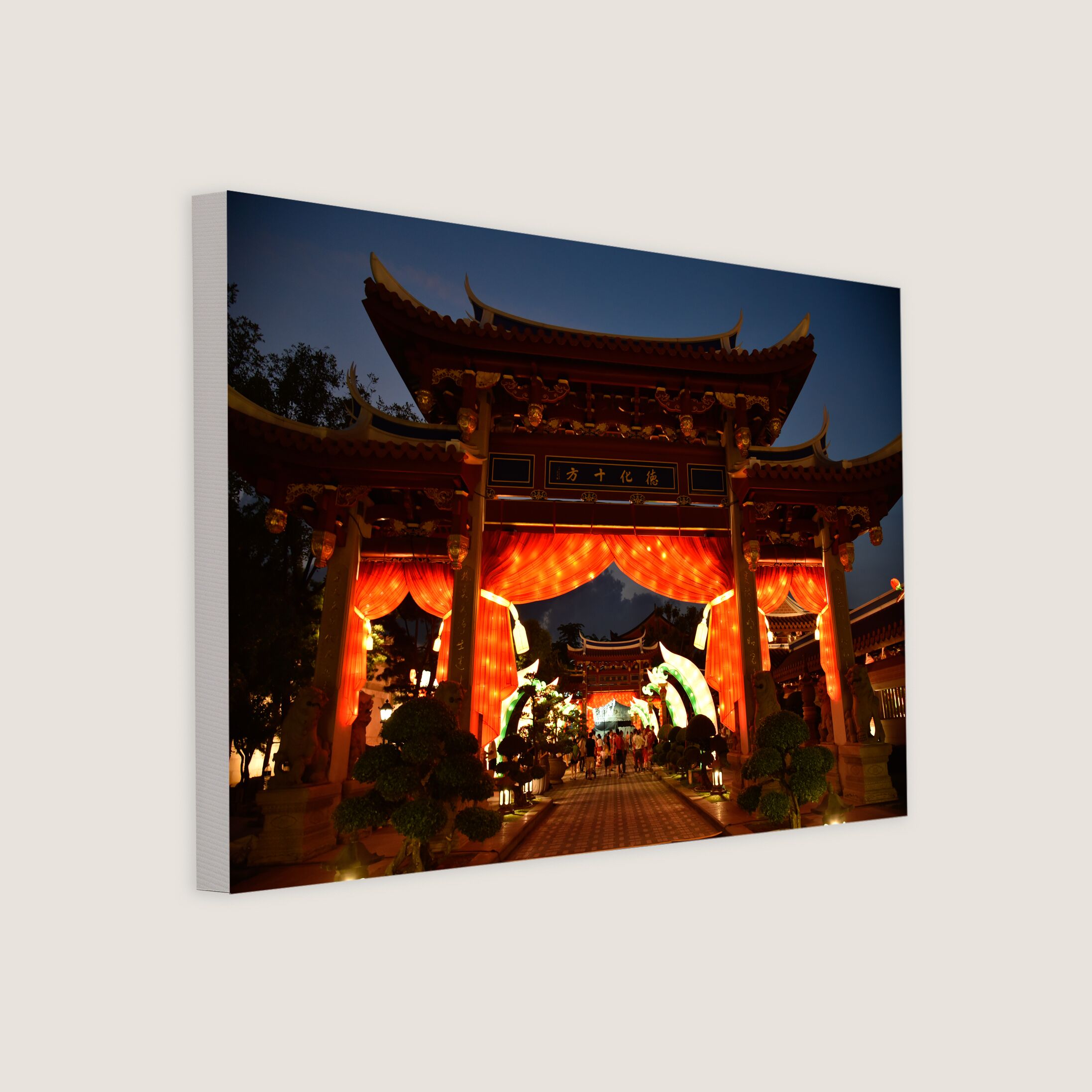
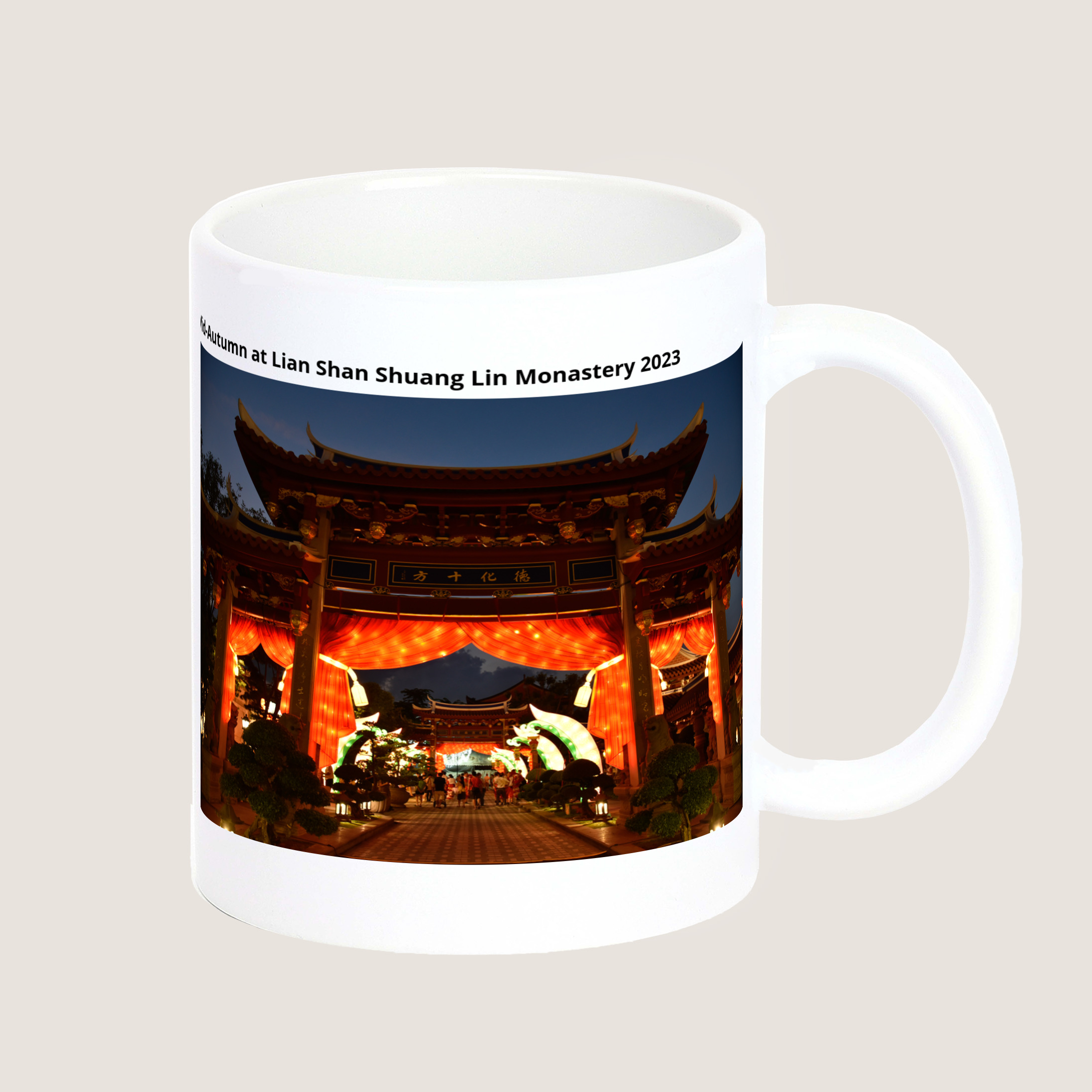
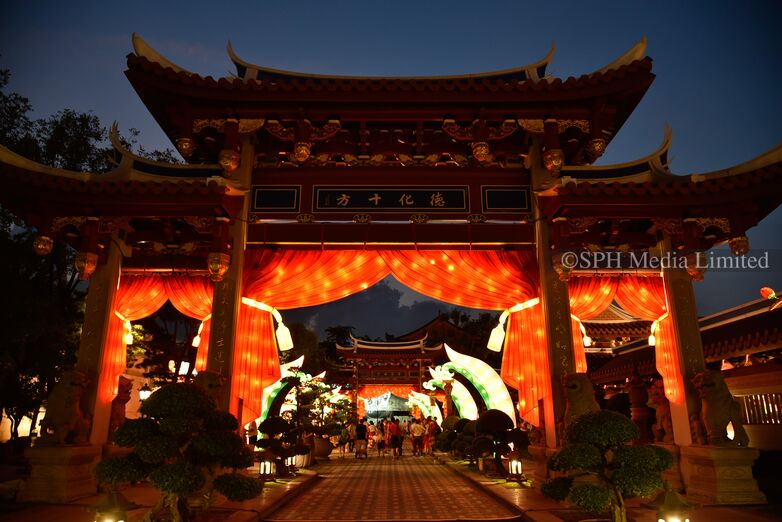 Mid-Autumn at Lian Shan Shuang Lin Monastery
2023
Mid-Autumn at Lian Shan Shuang Lin Monastery
2023
Mid-Autumn at Lian Shan Shuang Lin Monastery
Year 2023
The Lian Shan Shuang Lin Monastery celebrated its 125th anniversary by hosting their "Thousands of Lights Brilliant, Thousands of People Celebrate Together" Mid-Autumn Festival, InvitiMid-Autumn at Lian Shan Shuang Lin Monastery 2023ng the public to rejoice with them.
©️ SPH Media Limited
Share to
Tags
Available for print on products
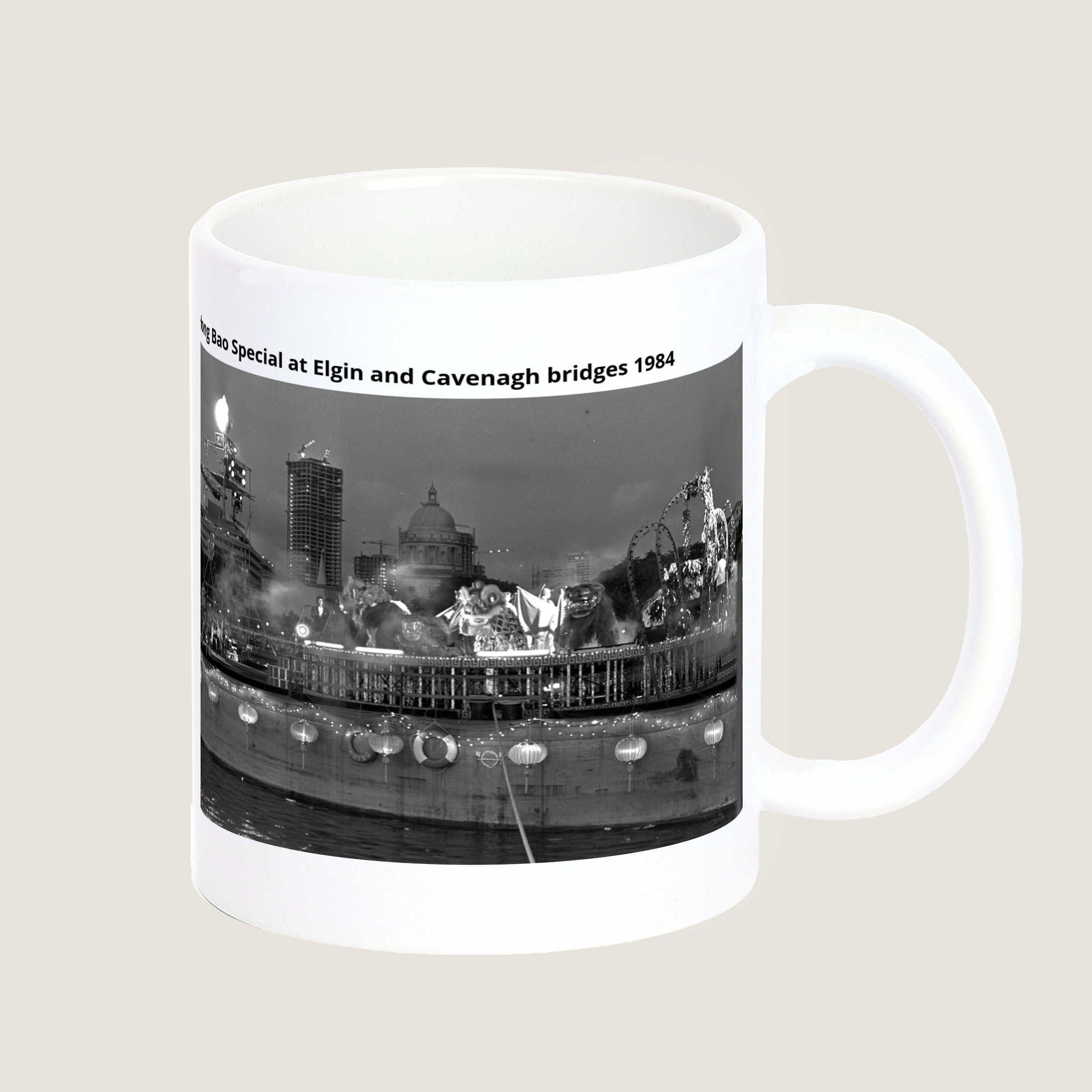
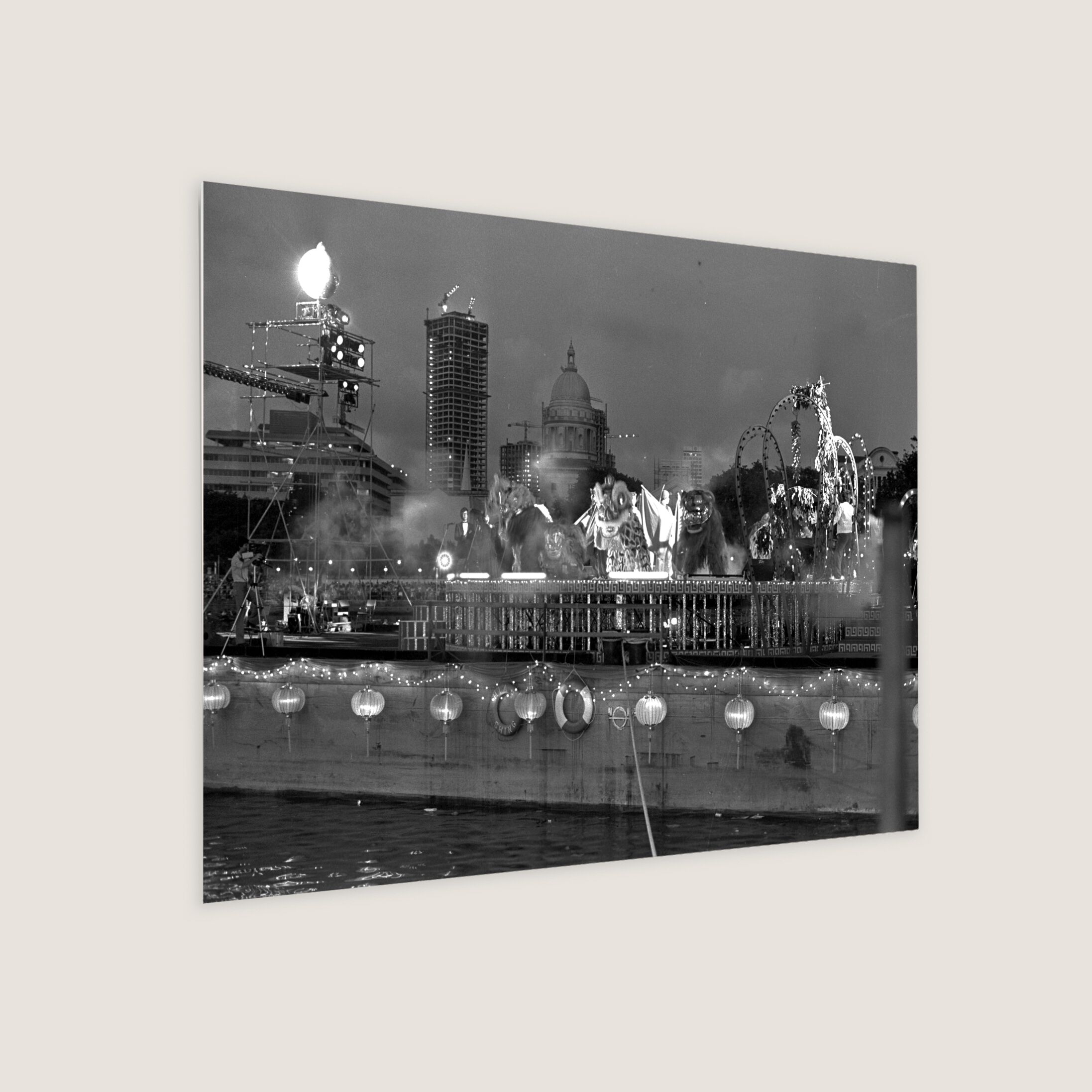
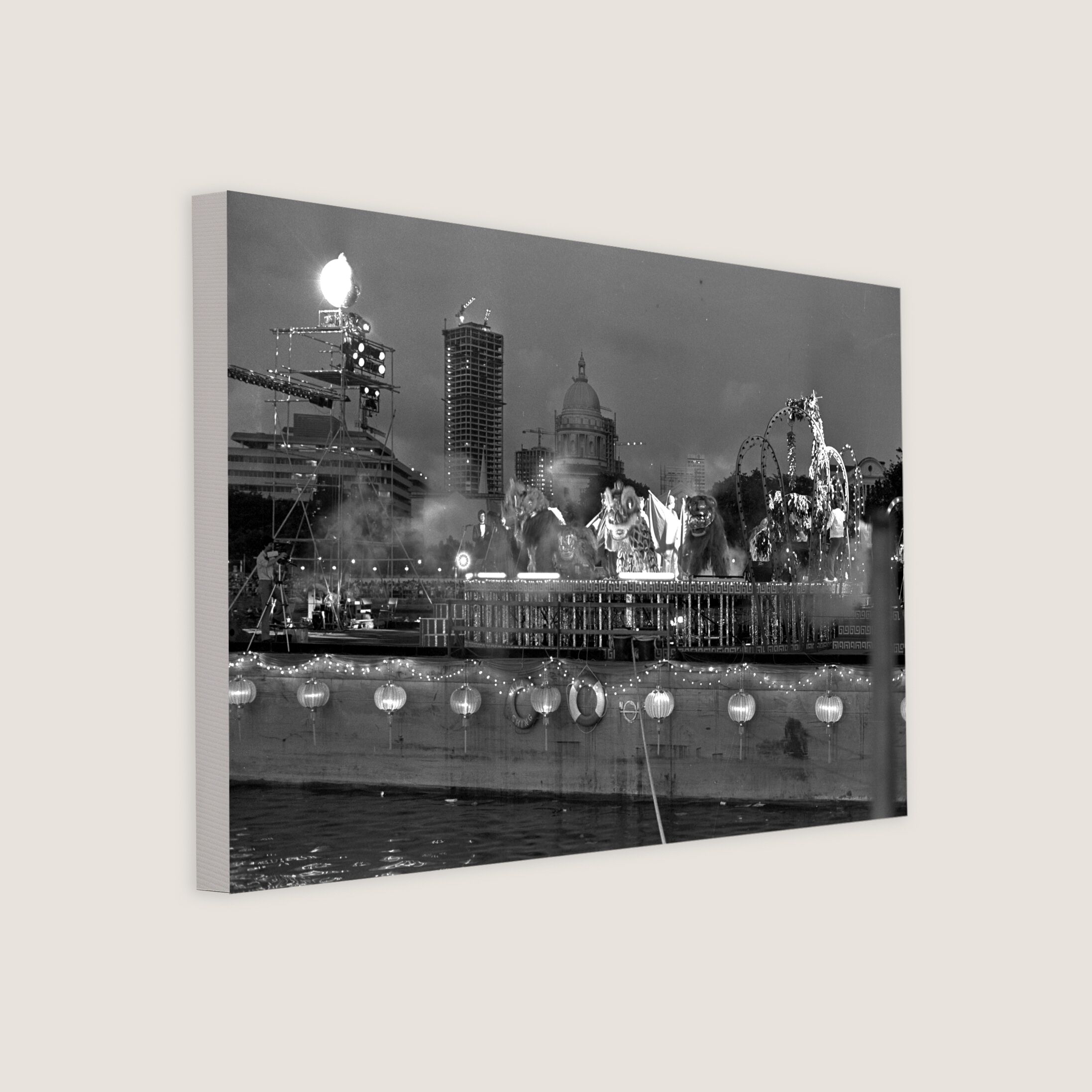
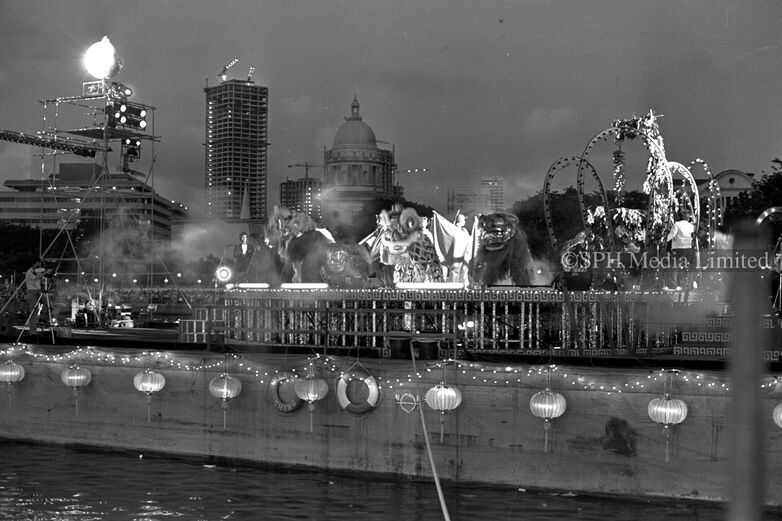 Hong Bao Special at Elgin and Cavenagh bridges
1984
Hong Bao Special at Elgin and Cavenagh bridges
1984
Hong Bao Special at Elgin and Cavenagh bridges
Year 1984
A celebration of Chinese New Year at the Singapore River, where the Hong Bao Special '84 was held. Hongbao Special was later developed to what is currently River Hongbao to celebrate the Chinese New Year.
©️ SPH Media Limited
Share to
Tags
Available for print on products
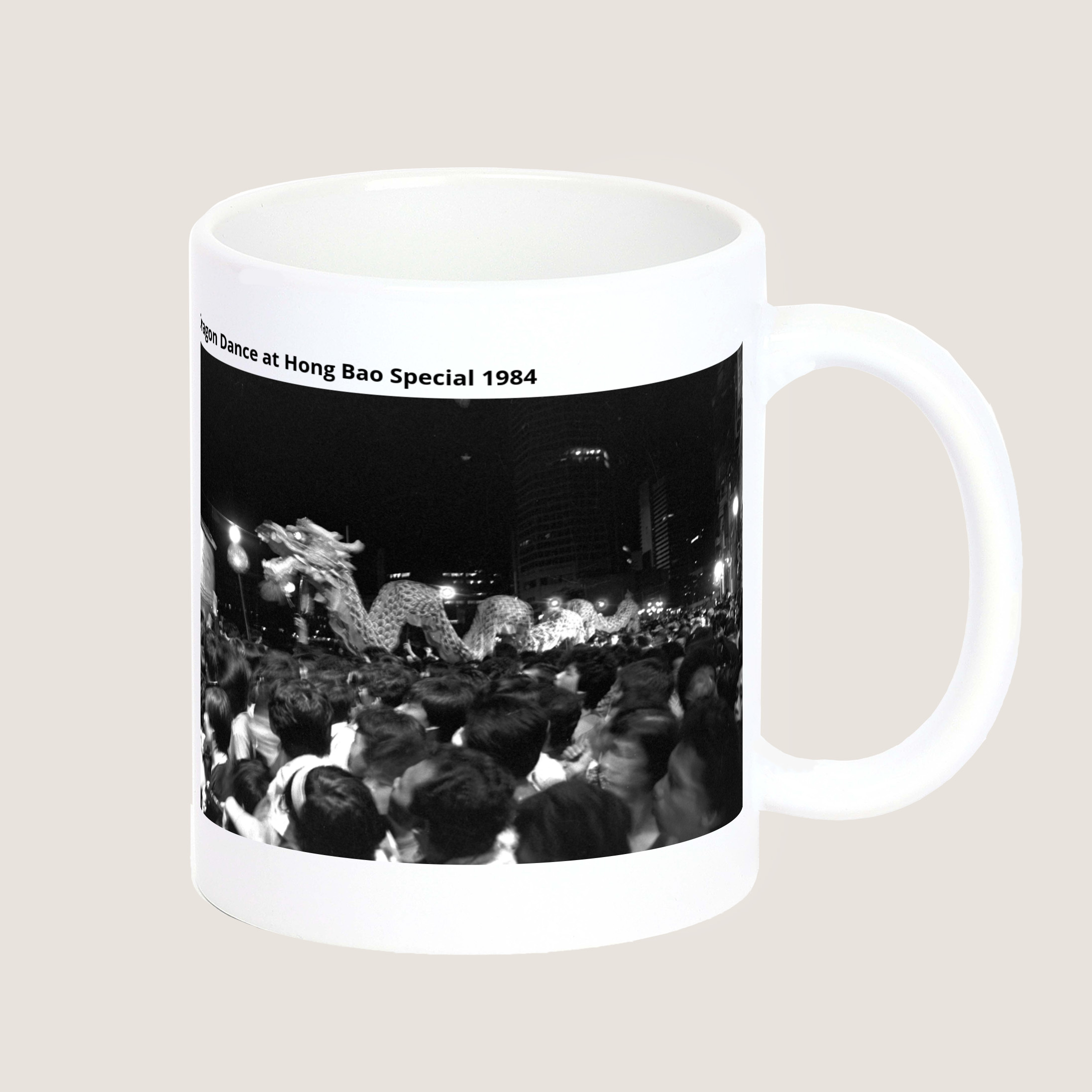
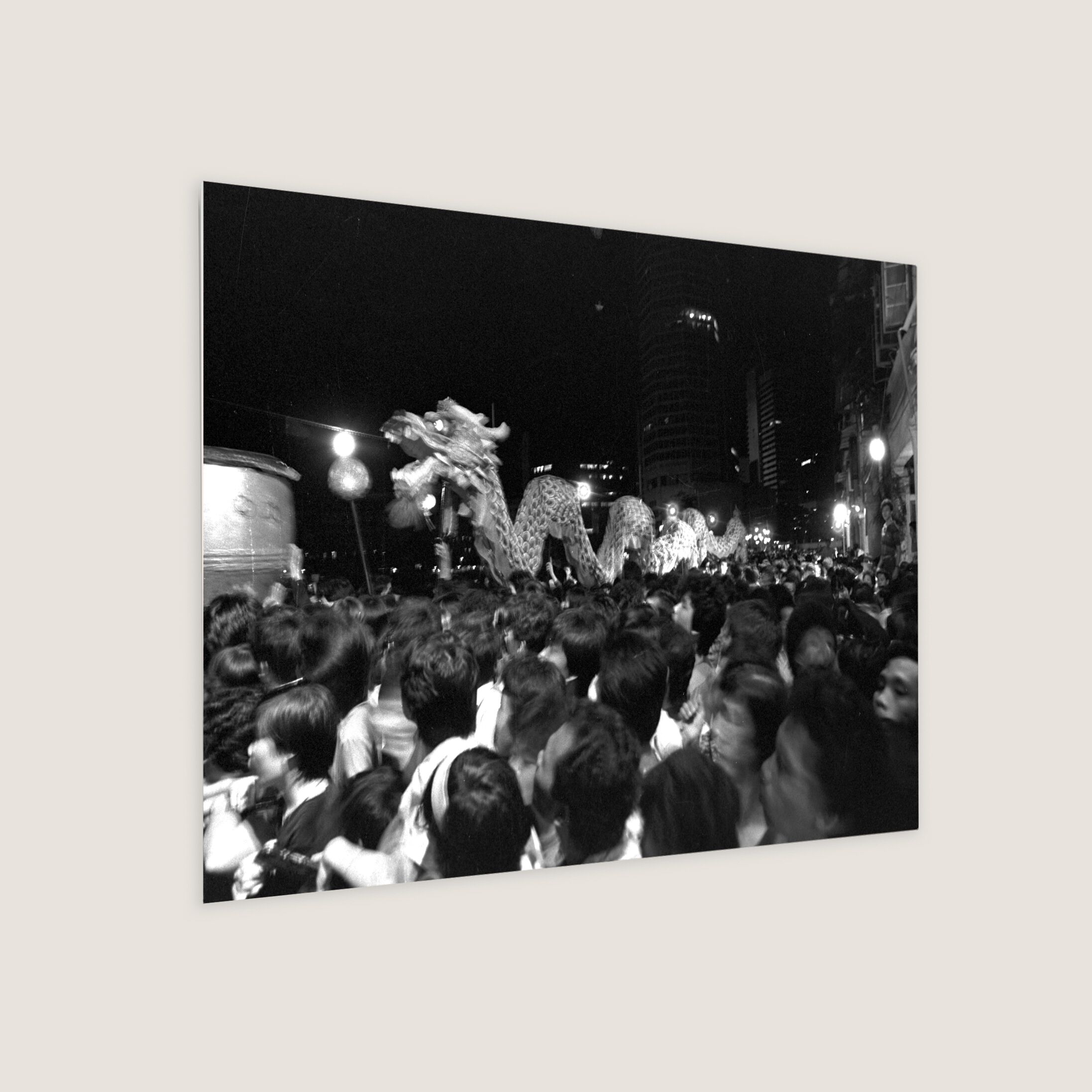
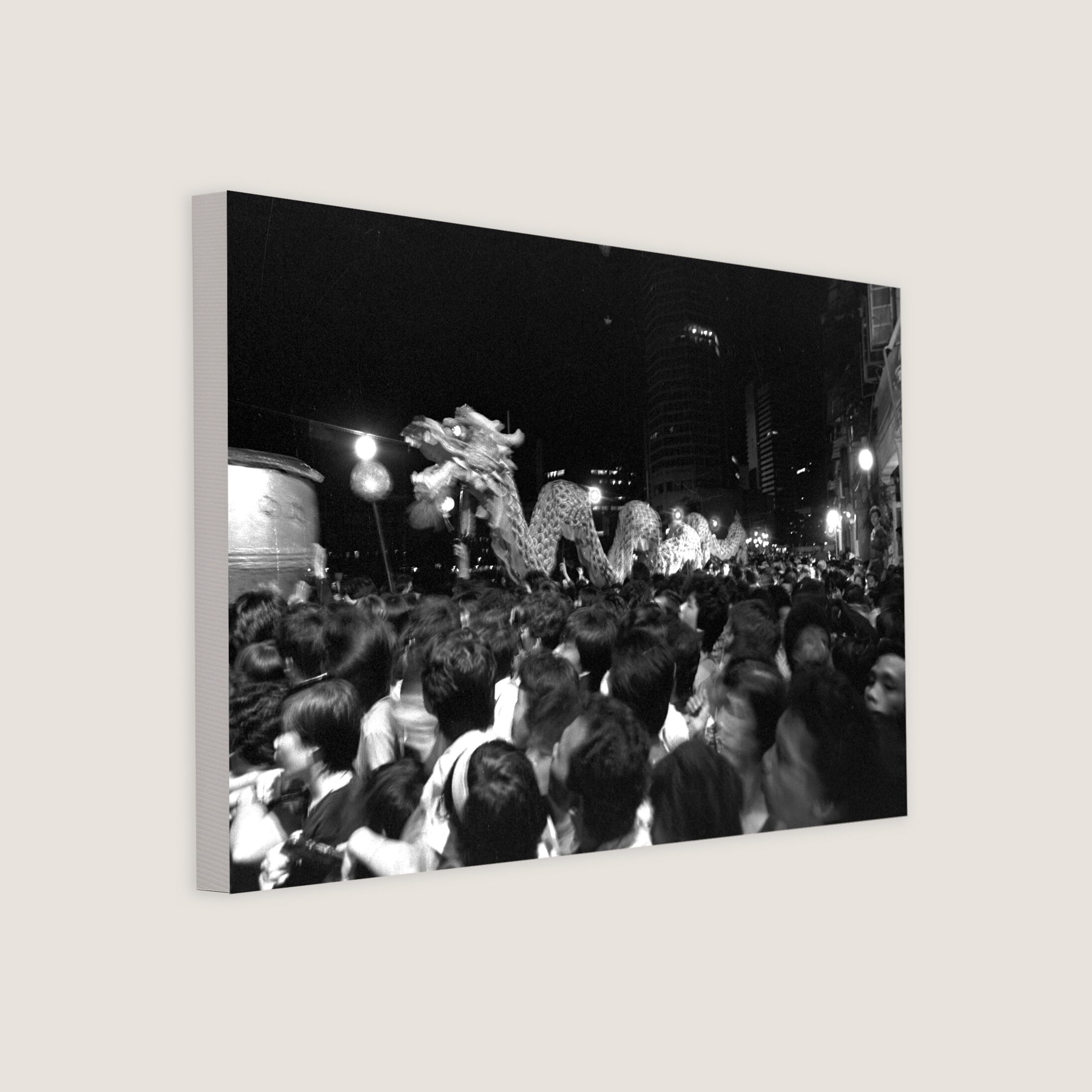
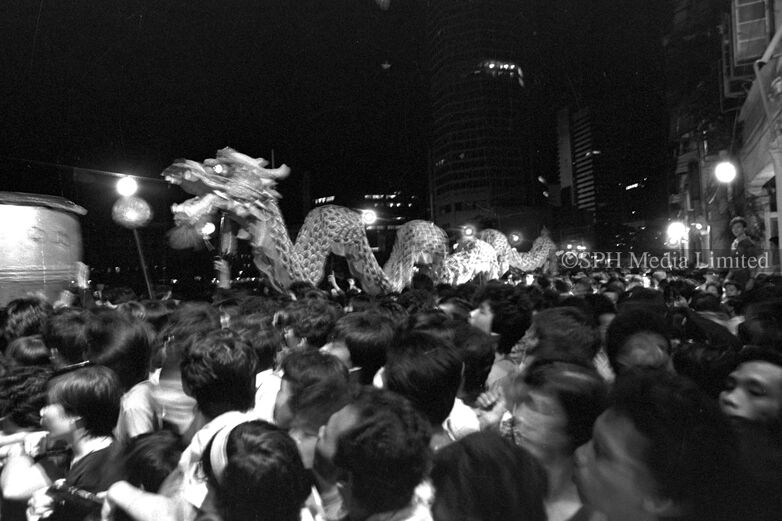 Dragon Dance at Hong Bao Special
1984
Dragon Dance at Hong Bao Special
1984
Dragon Dance at Hong Bao Special
Year 1984
A luminous dragon twists its way through the crowd during the closing of the Hong Bao Special '84 held at the Singapore River.
©️ SPH Media Limited
Share to
Tags
Available for print on products
 First River Concert in Hong Bao Special
1984
First River Concert in Hong Bao Special
1984
First River Concert in Hong Bao Special
Year 1984
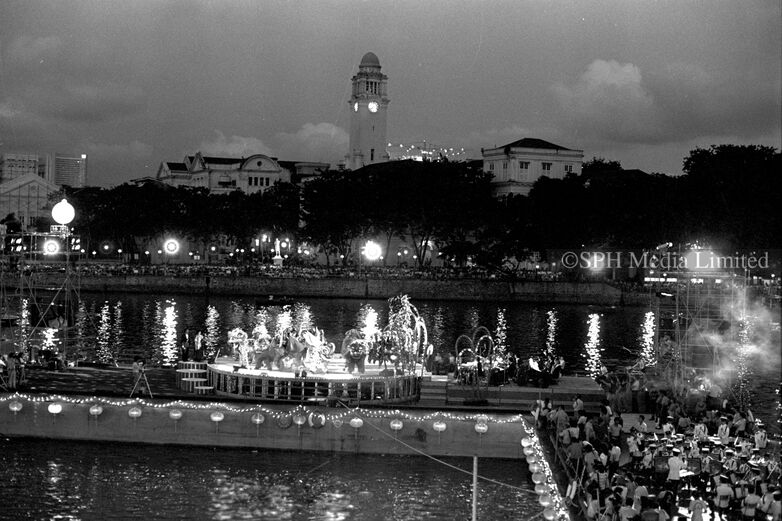
Concert of Hong Bao Special '84 was performed on a floating barge. The Singapore Tourist Promotion Board, Singapore News and Publications Ltd and the Singapore Armed Forces have put their muscles, brains and money together to organise Hongbao Special '84, our first river musical, on Feb 11 and 12.
©️ SPH Media Limited
Share to
Tags
 Shopping for Lup Cheong During Chinese New Year
1953
Shopping for Lup Cheong During Chinese New Year
1953
Shopping for Lup Cheong During Chinese New Year
Year 1953
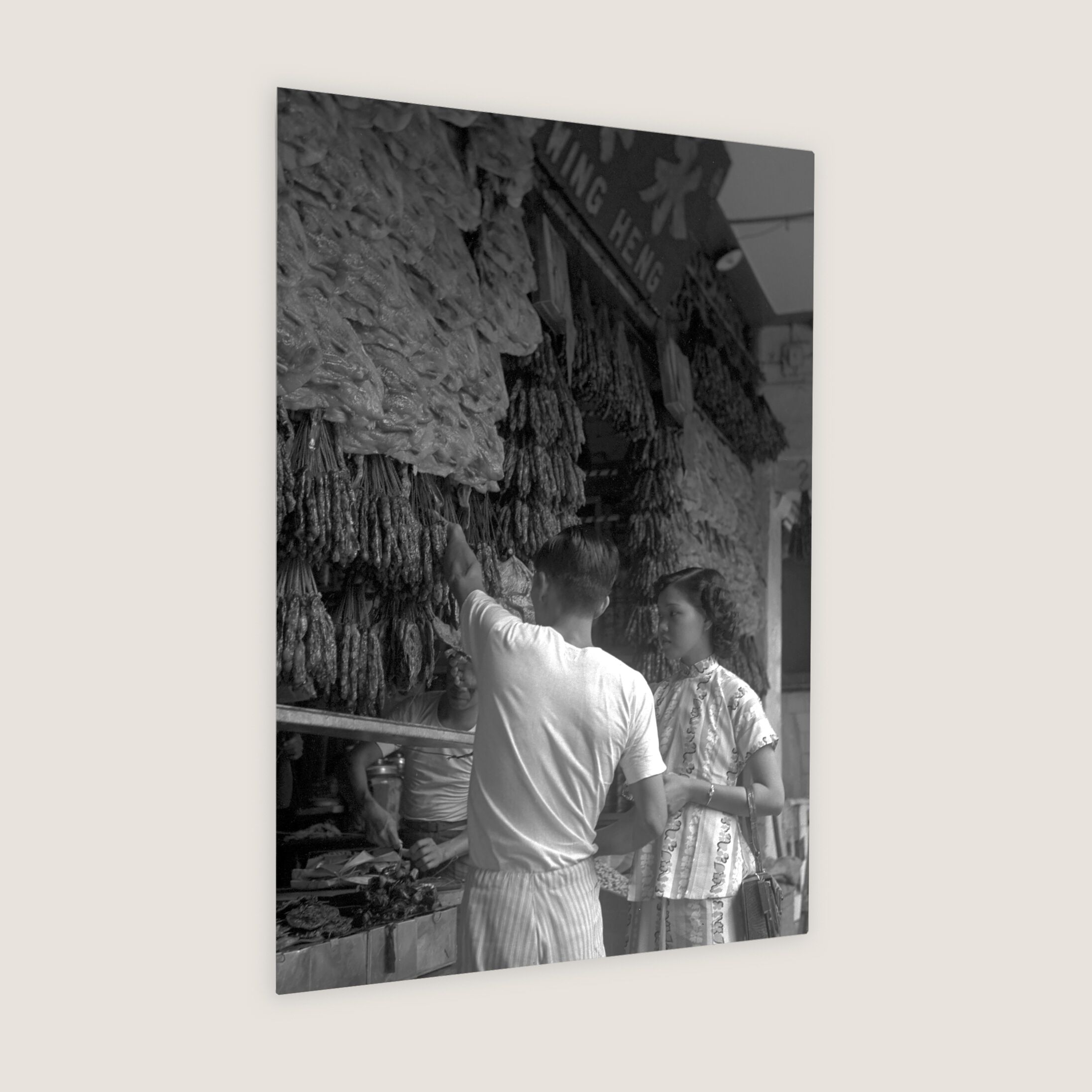
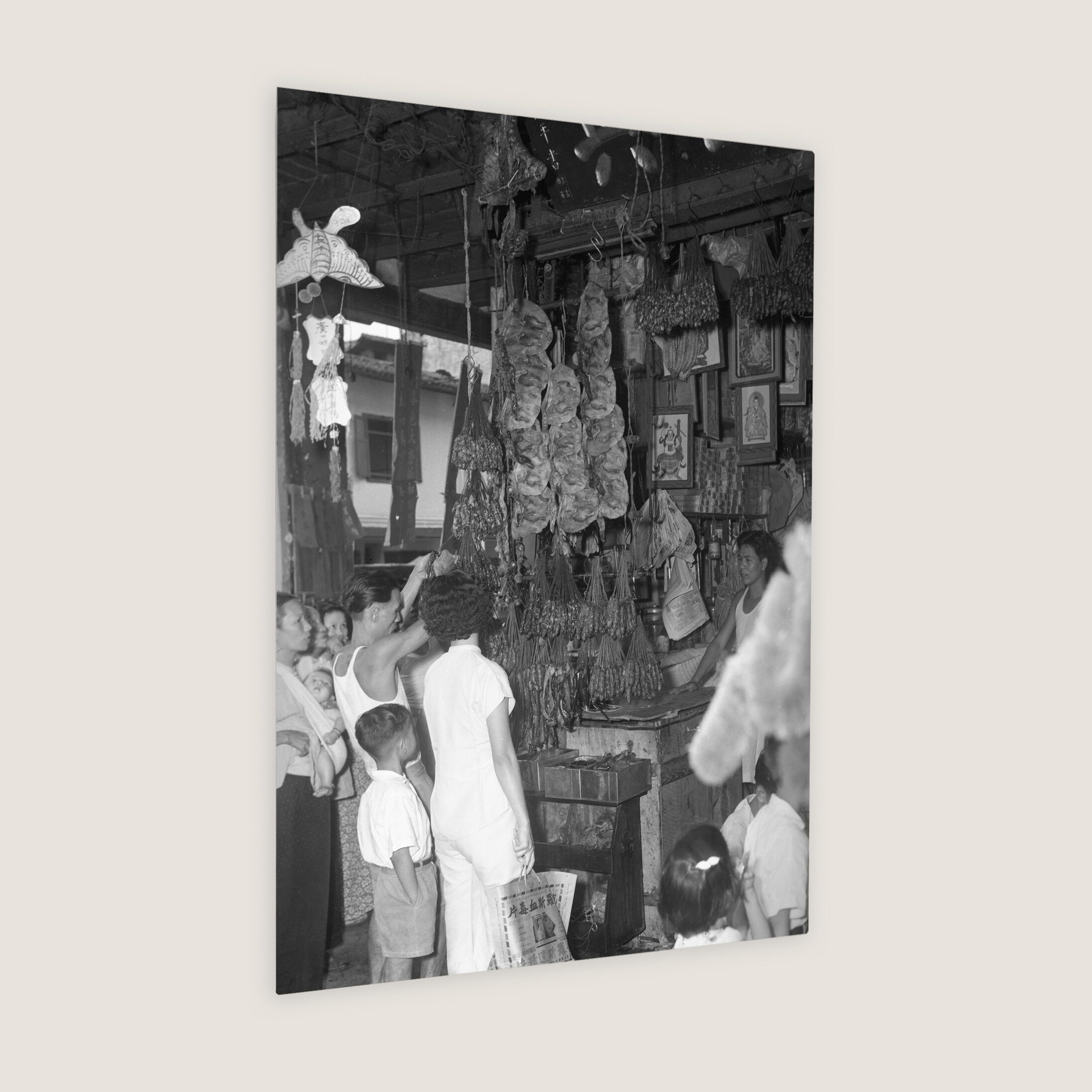
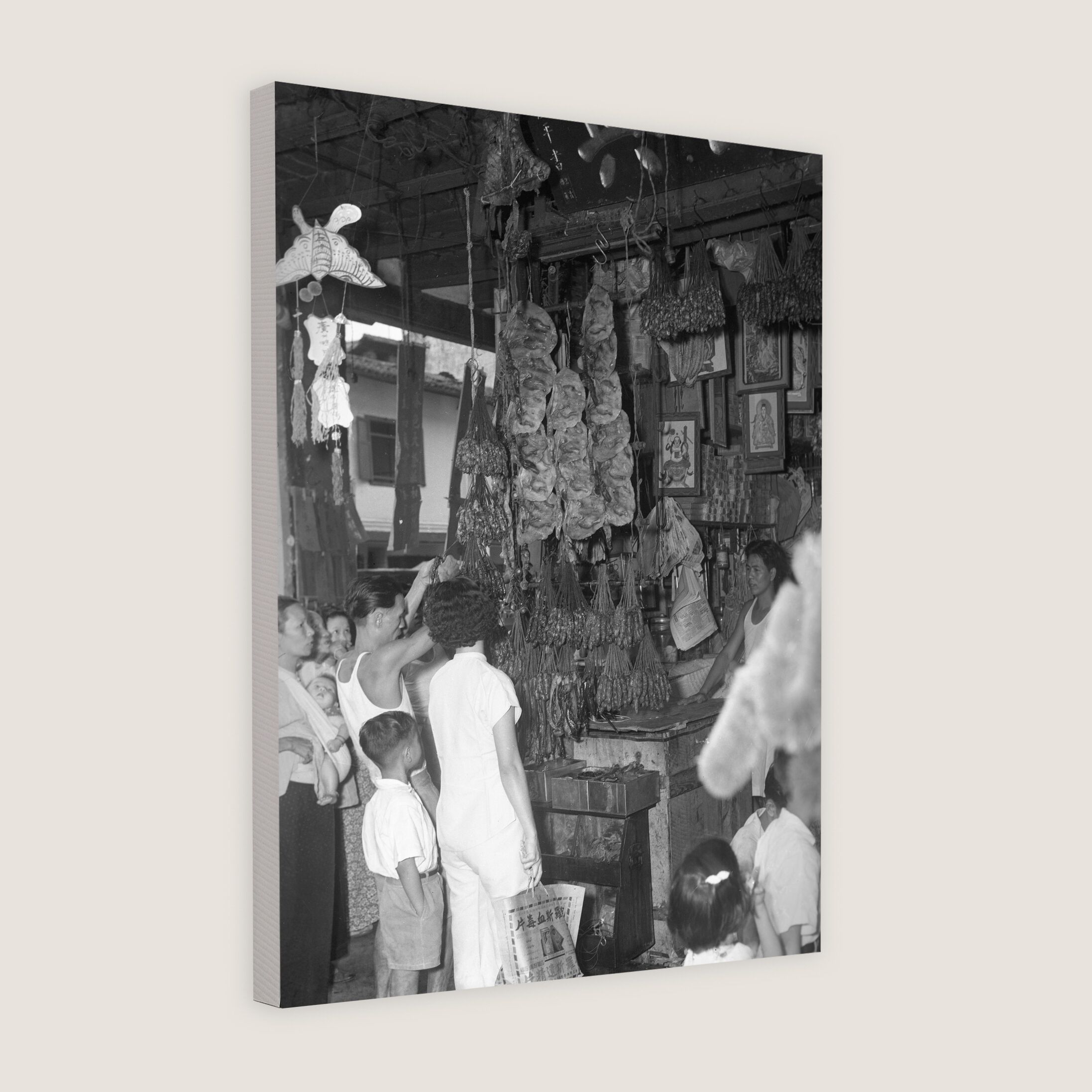
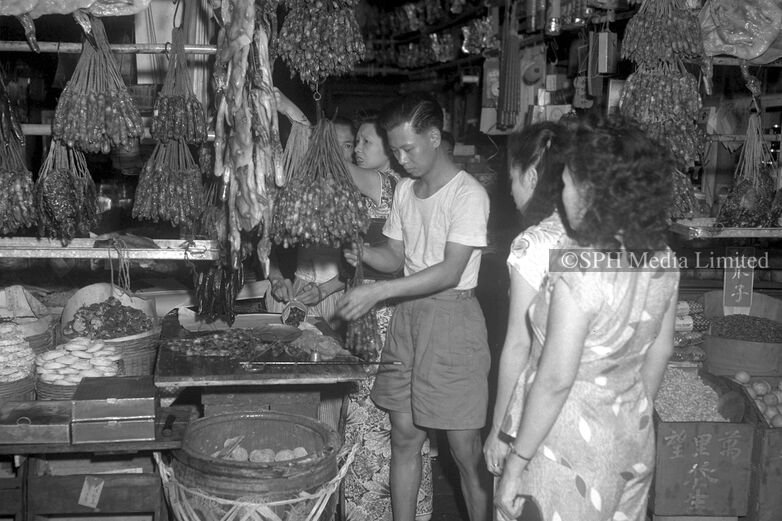
Housewives buying Chinese sausages (lup cheong) and waxed ducks for Chinese New Year at South Bridge Road. Eating waxed meat during Chinese New Year is a traditional custom in China, especially in some southern regions. Waxed meat is made through methods such as curing, air-drying, or smoking, giving it a rich flavor. It is typically prepared in the winter and consumed during the Spring Festival.
©️ SPH Media Limited
Share to
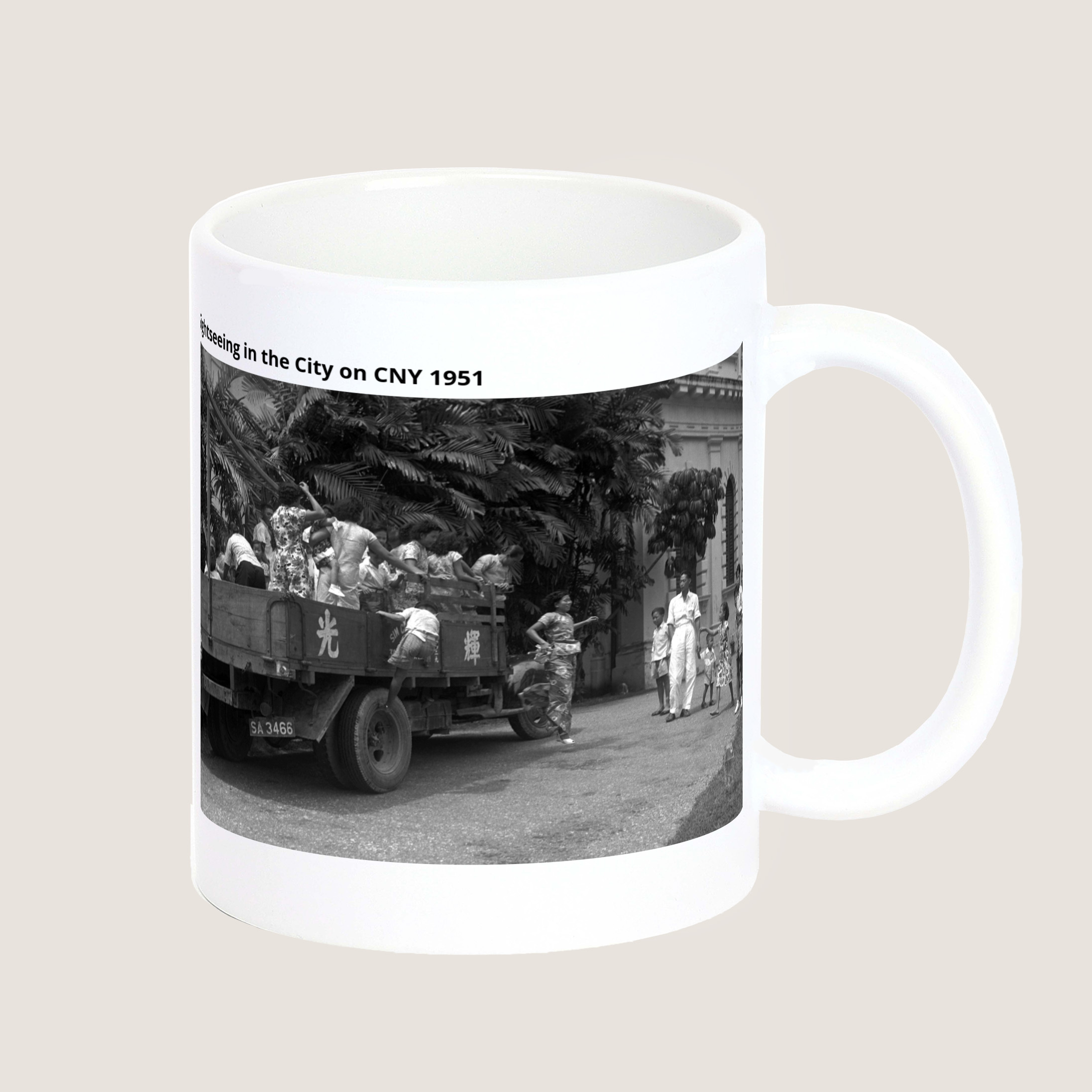
 Sightseeing in the City on CNY
1951
Sightseeing in the City on CNY
1951
Sightseeing in the City on CNY
Year 1951
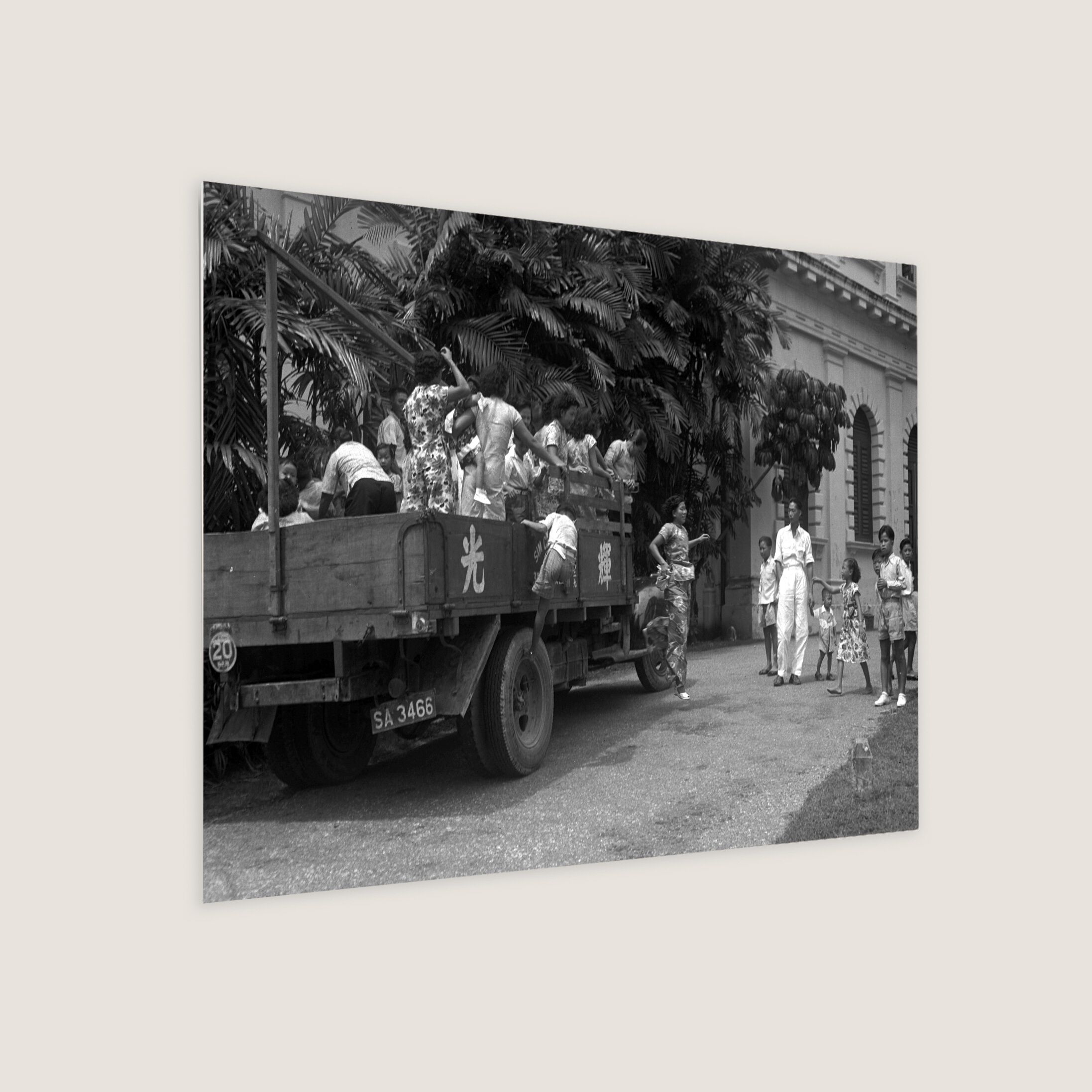
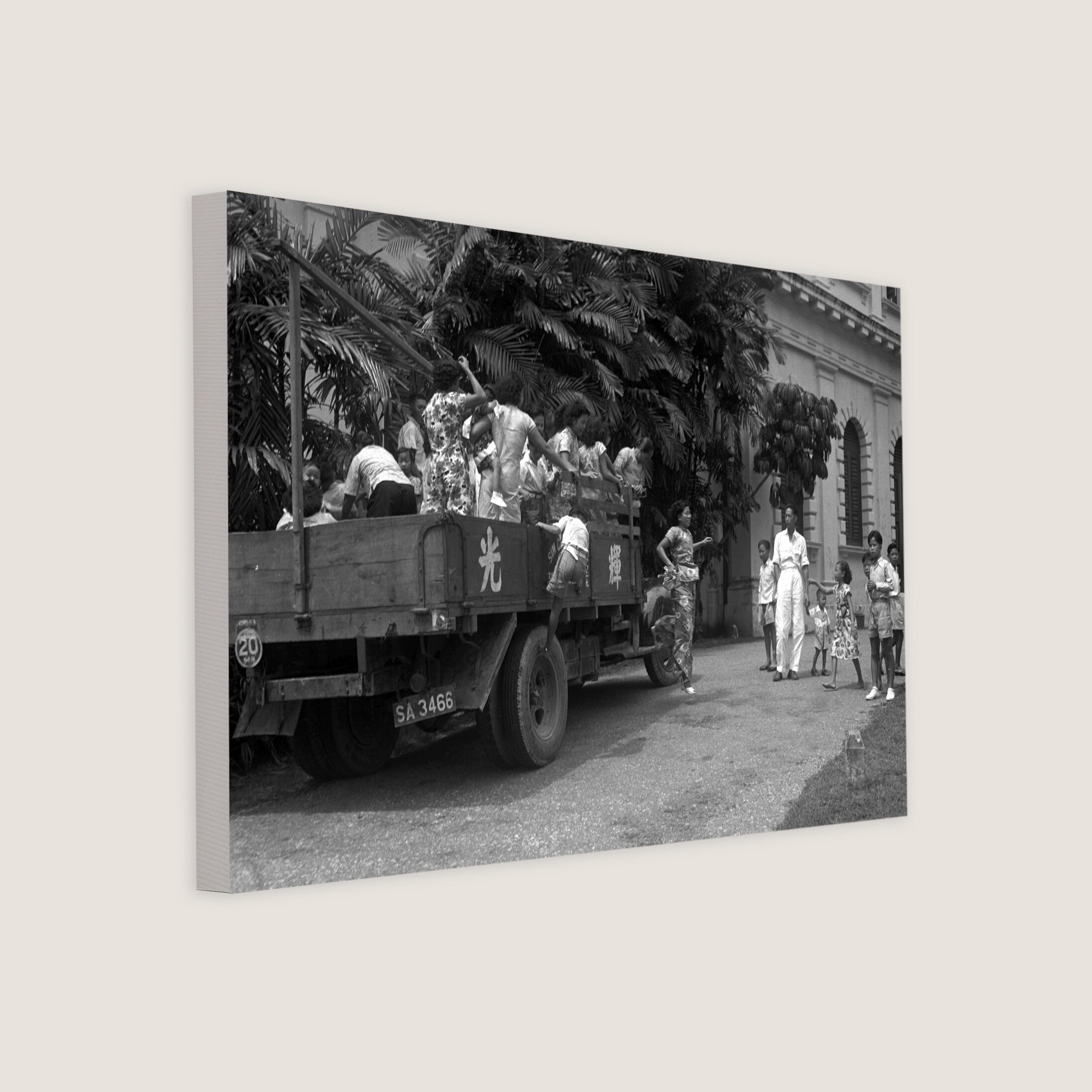
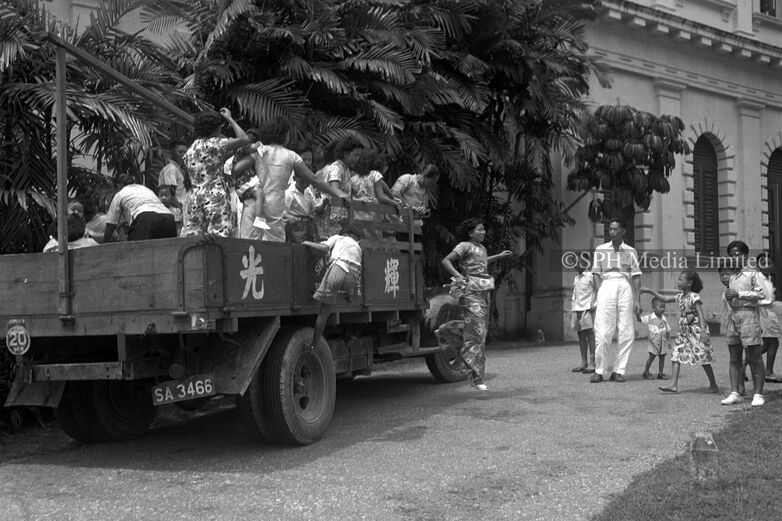
Chinese residents from the rural areas in Singapore go into the city in lorries for some sightseeing on the first day of Chinese New Year, 6 February 1951. Back in the day, Singaporeans enjoyed a three-day public holiday to celebrate Chinese New Year.
©️ SPH Media Limited
Share to
Tags
Available for print on products
 Hawker Stalls During Chinese New Year
1953
Hawker Stalls During Chinese New Year
1953
Hawker Stalls During Chinese New Year
Year 1953
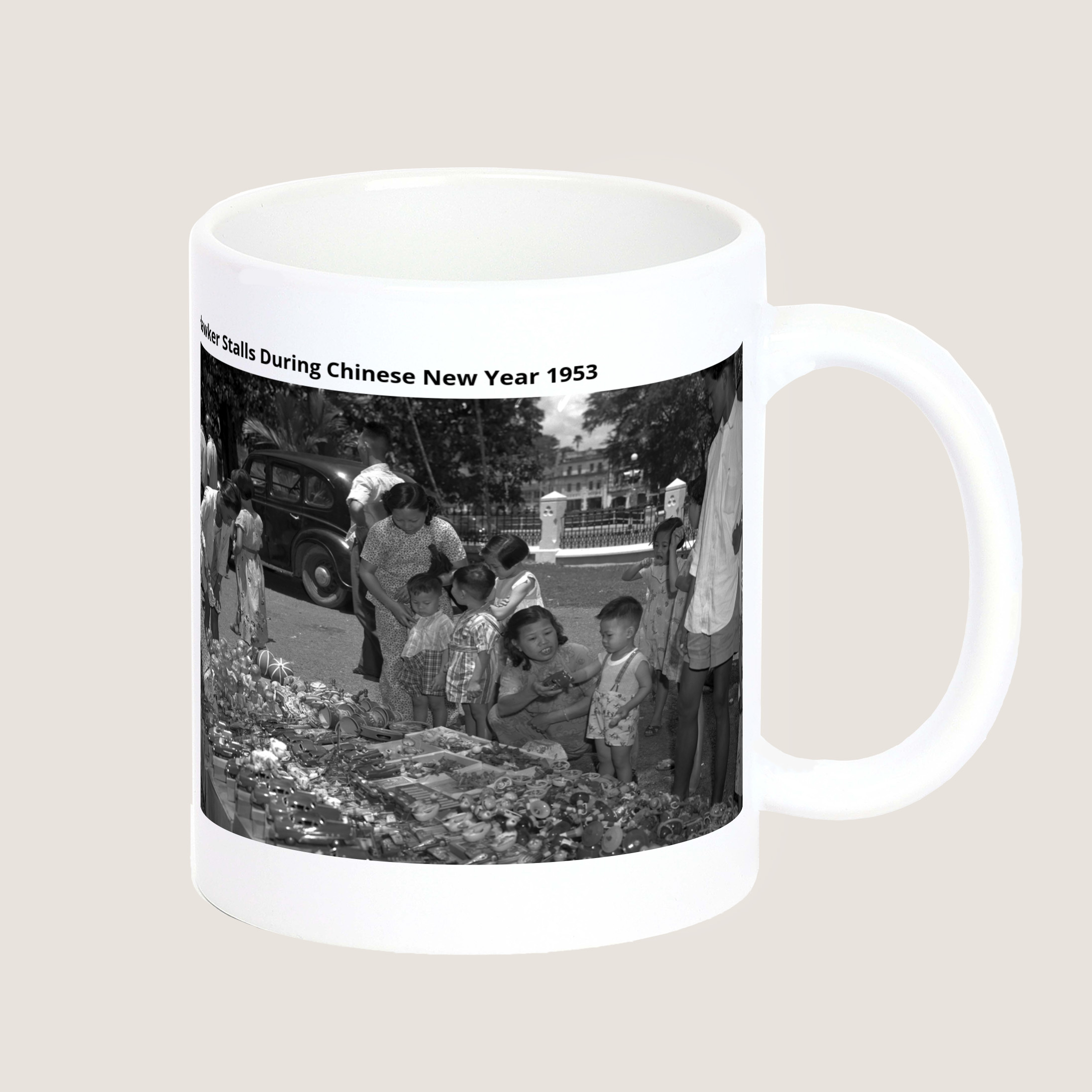
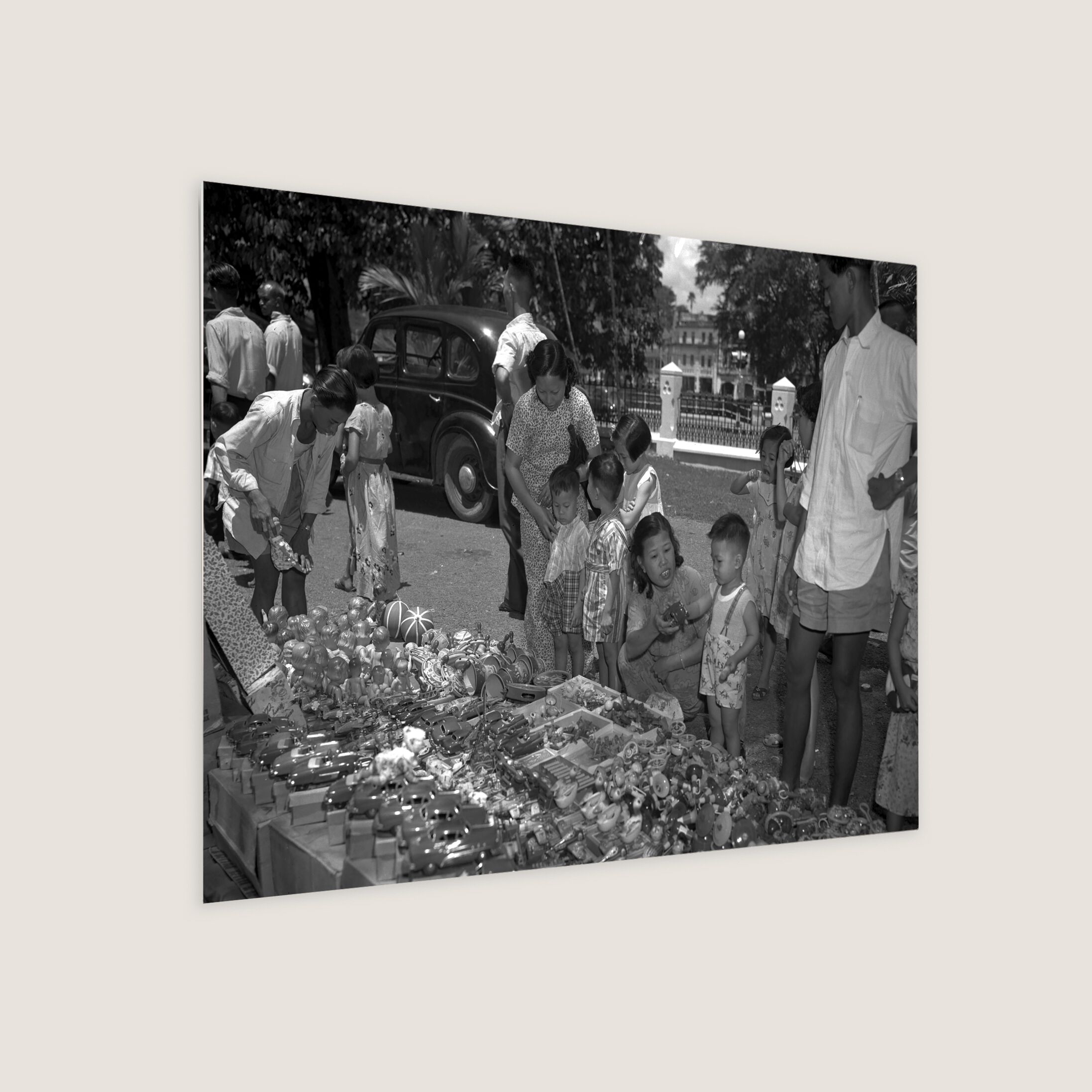
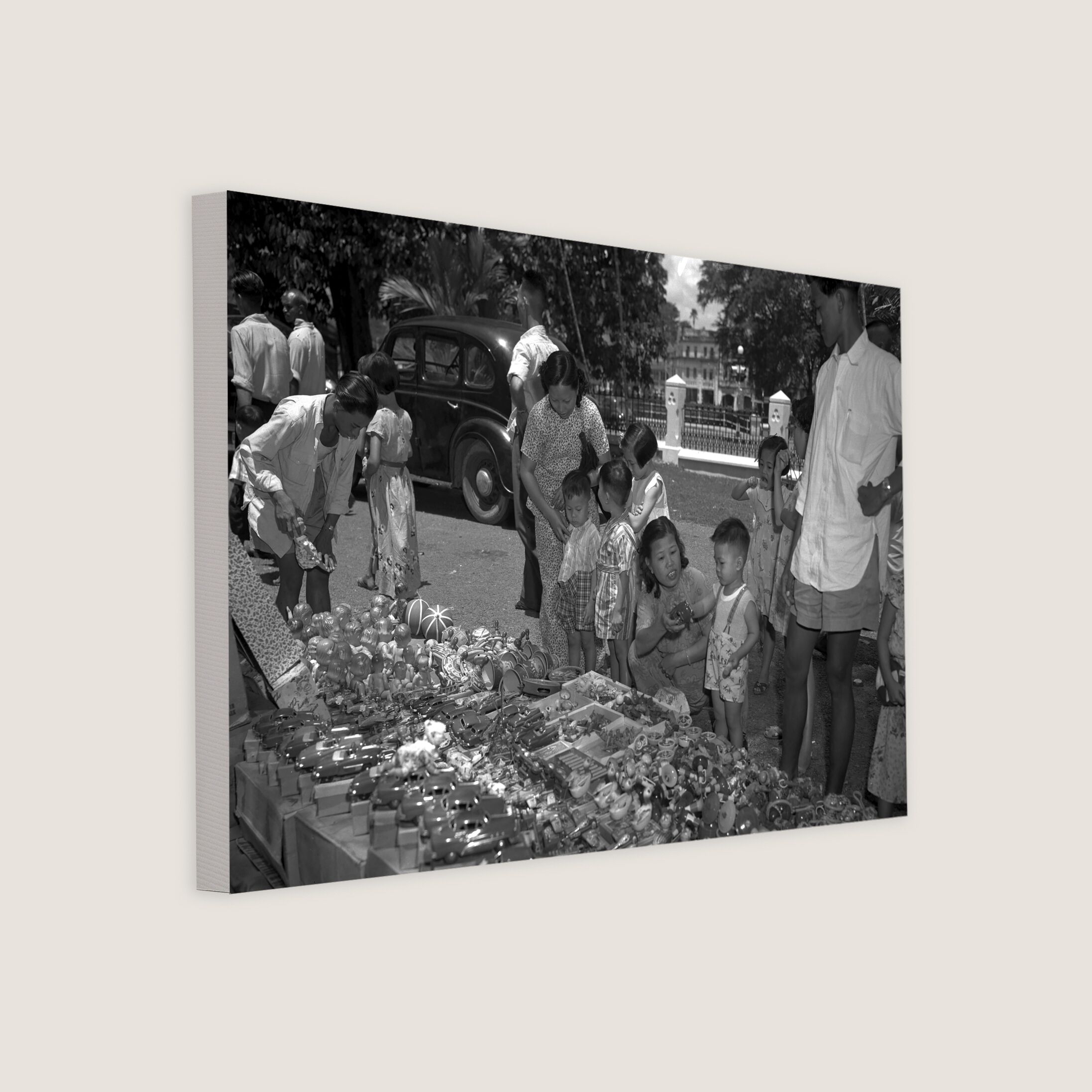
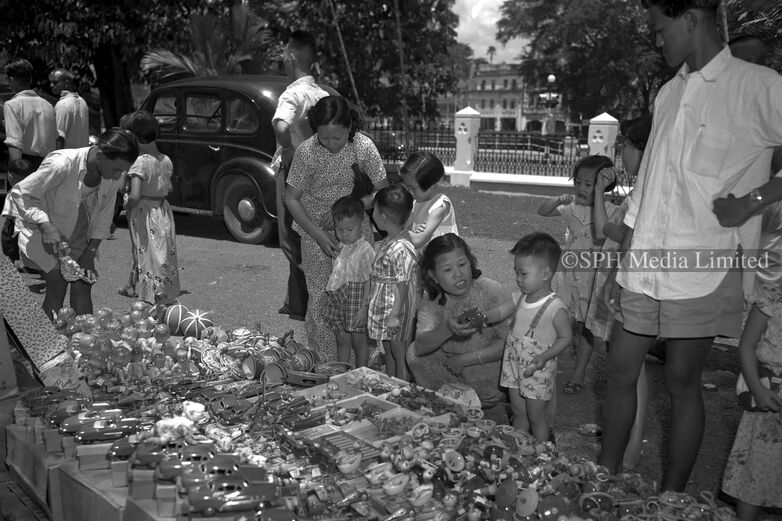
The Chinese have a tradition of starting the new year with new clothes or accessories, symbolizing a fresh start and good luck. Young children are intrigued by hawker toy stalls located on the lawn outside the entrance to the Raffles Museum. This photo was taken during Chinese New Year, 16 February 1953.
©️ SPH Media Limited
Share to
Tags
Available for print on products
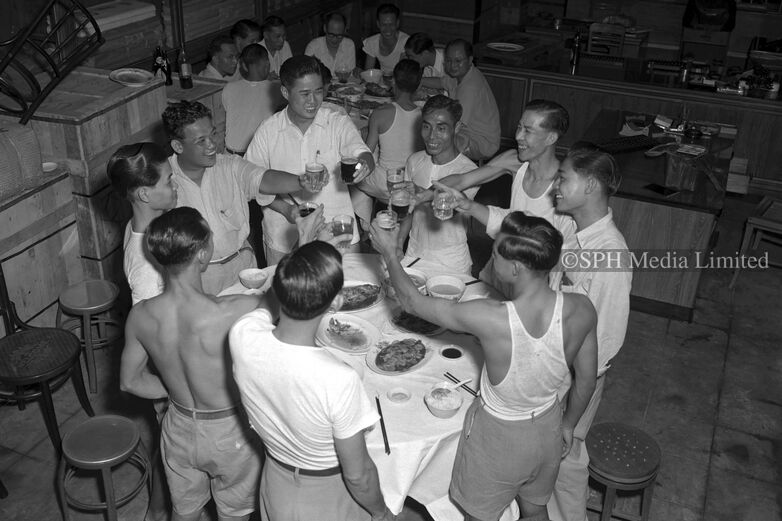 Yam Seng to the New Year
1952
Yam Seng to the New Year
1952
Yam Seng to the New Year
Year 1952
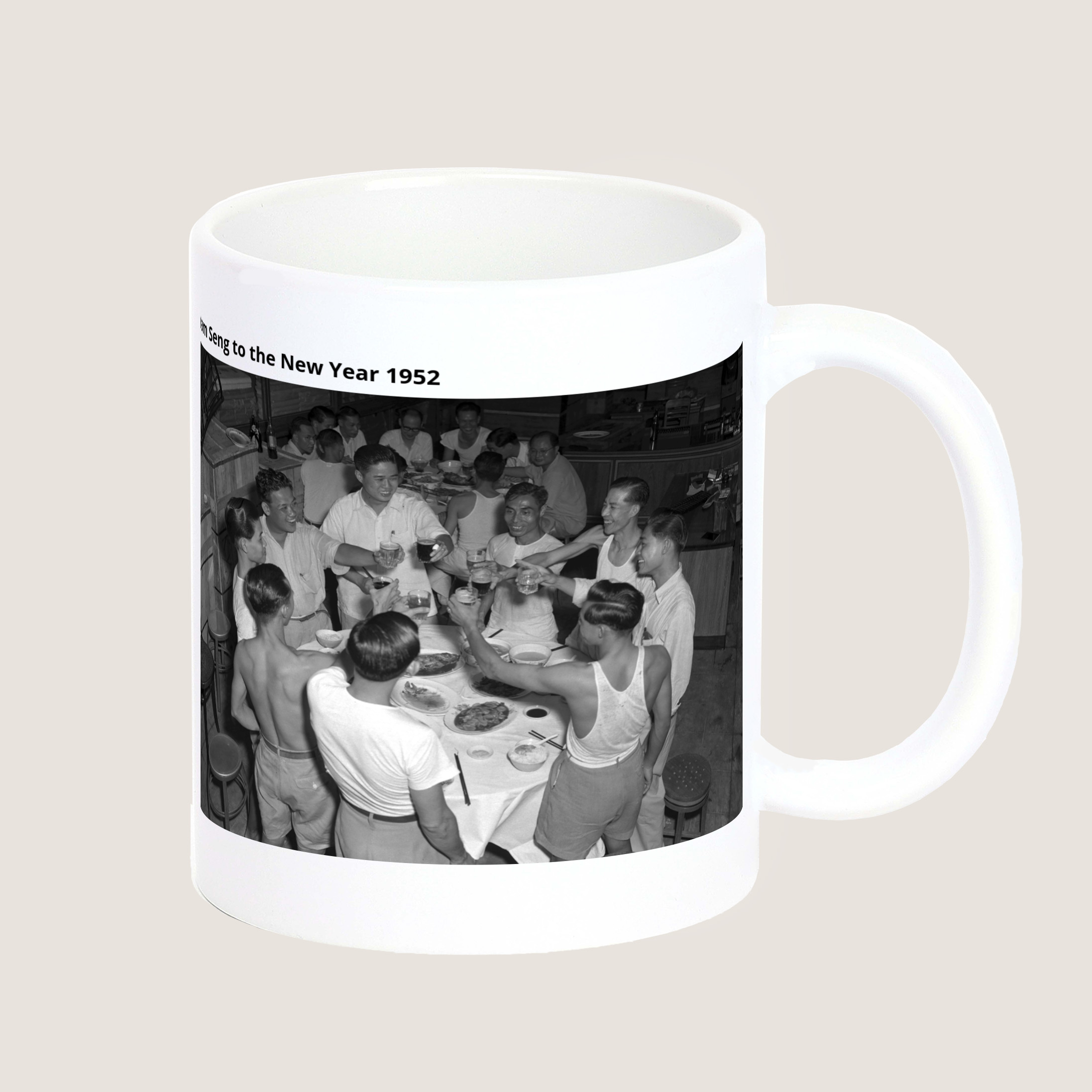
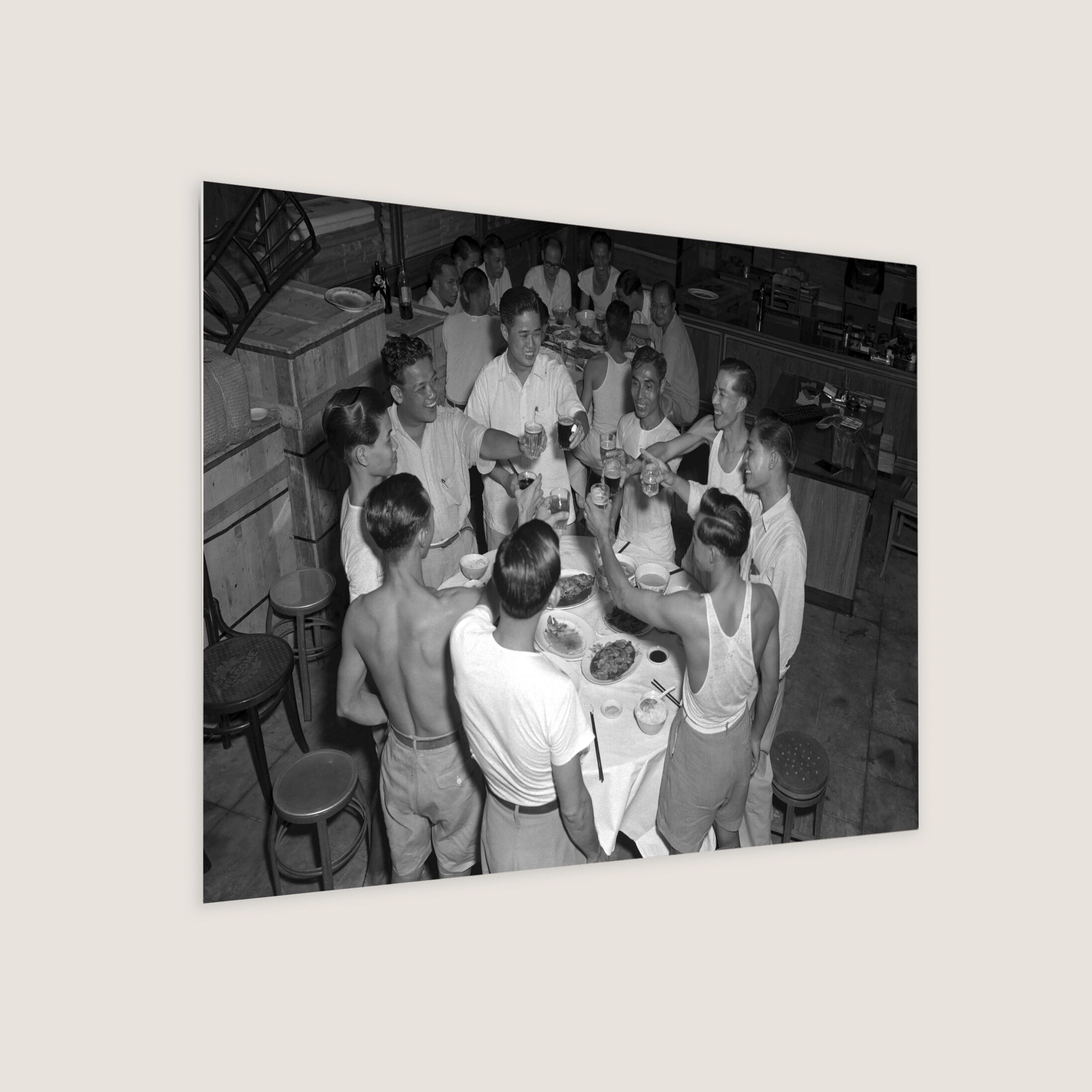
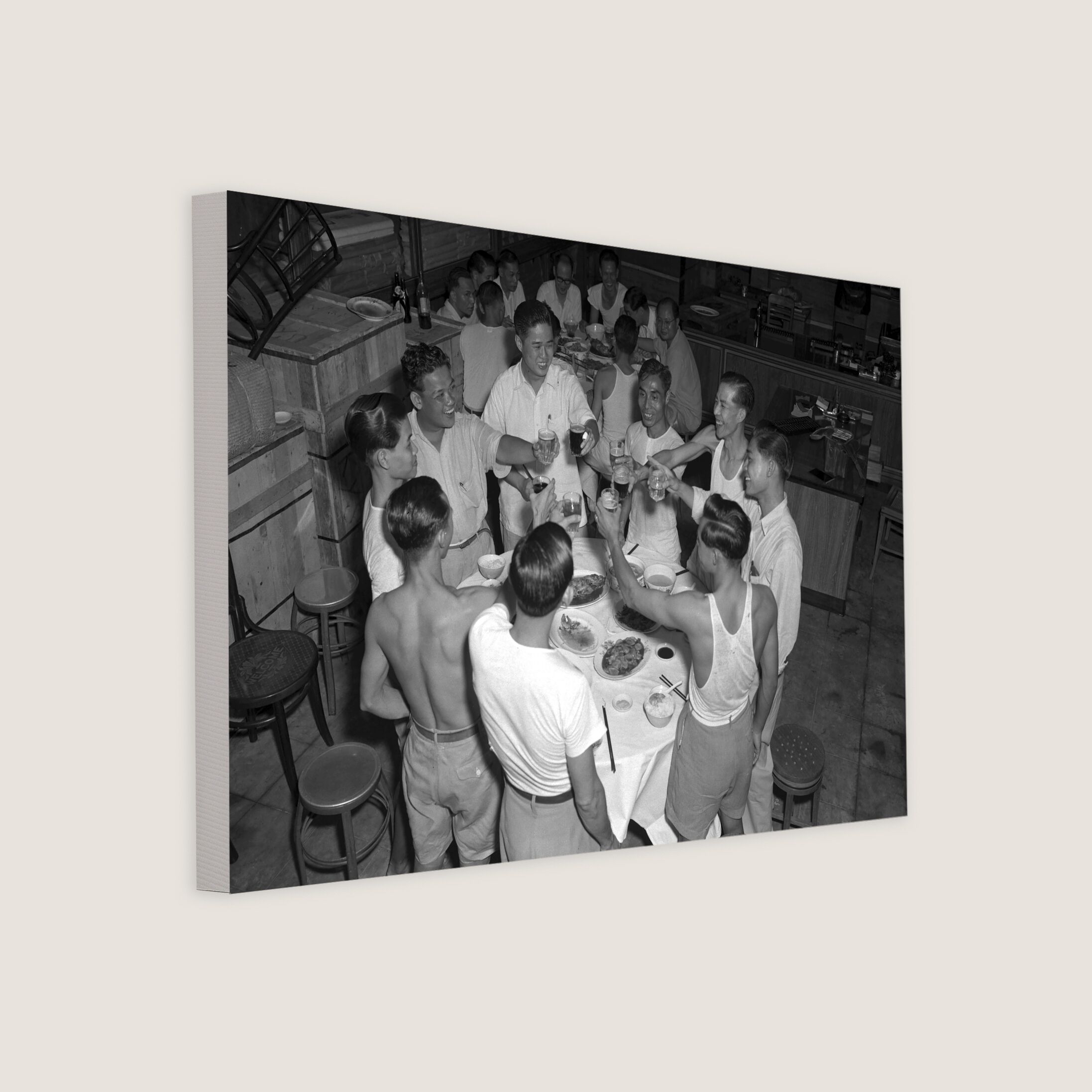
A group of men making a toast to celebrate Chinese New Year, 26 January 1952. Toasts are made to the call of 'Yam Seng', which means a 'drink to victory' in Cantonese.
©️ SPH Media Limited
Share to
Tags
Available for print on products
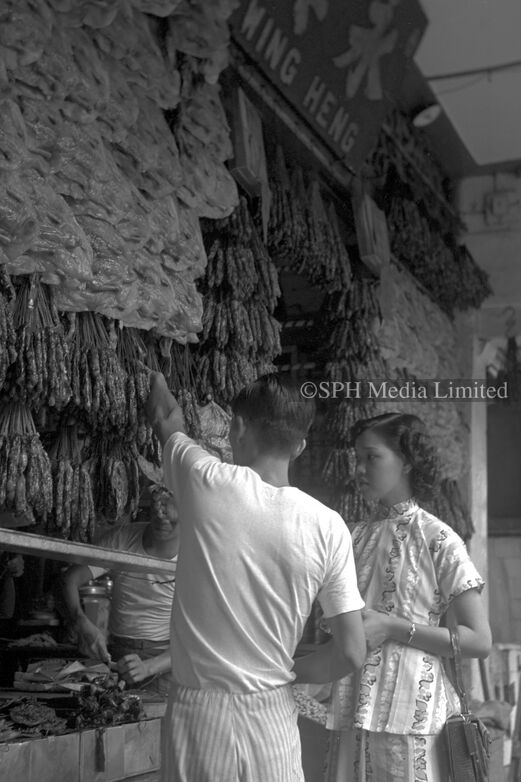 Shopping for Waxed Meat During Chinese New Year
1952
Shopping for Waxed Meat During Chinese New Year
1952
Shopping for Waxed Meat During Chinese New Year
Year 1952
A housewife was shopping for waxed meat and sausages for Chinese New Year in Chinatown, 17 January 1952. Waxed meat is a traditional dish served during Chinese New Year. It symbolises a bountiful harvest, prosperity, and family unity. It is usually combined with other ingredients to make main dishes, representing good fortune and abundance for the year ahead.
©️ SPH Media Limited
Share to
Tags
Available for print on products
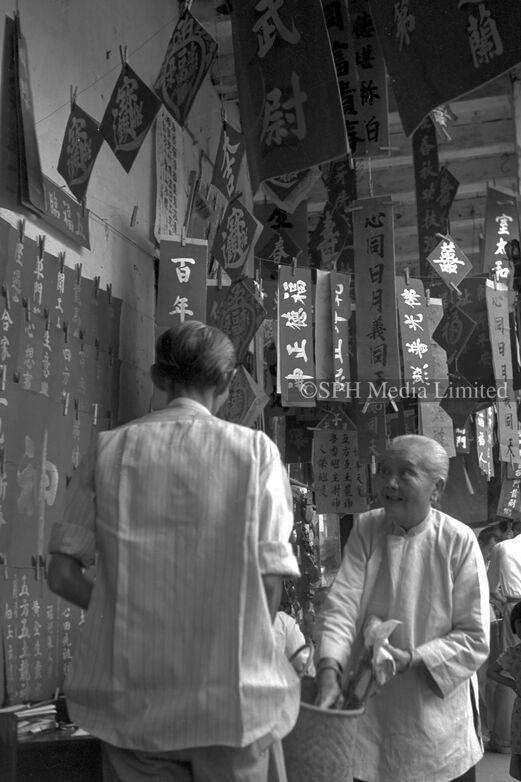 Chinese New Year with Good Luck Scrolls
1952
Chinese New Year with Good Luck Scrolls
1952
Chinese New Year with Good Luck Scrolls
Year 1952
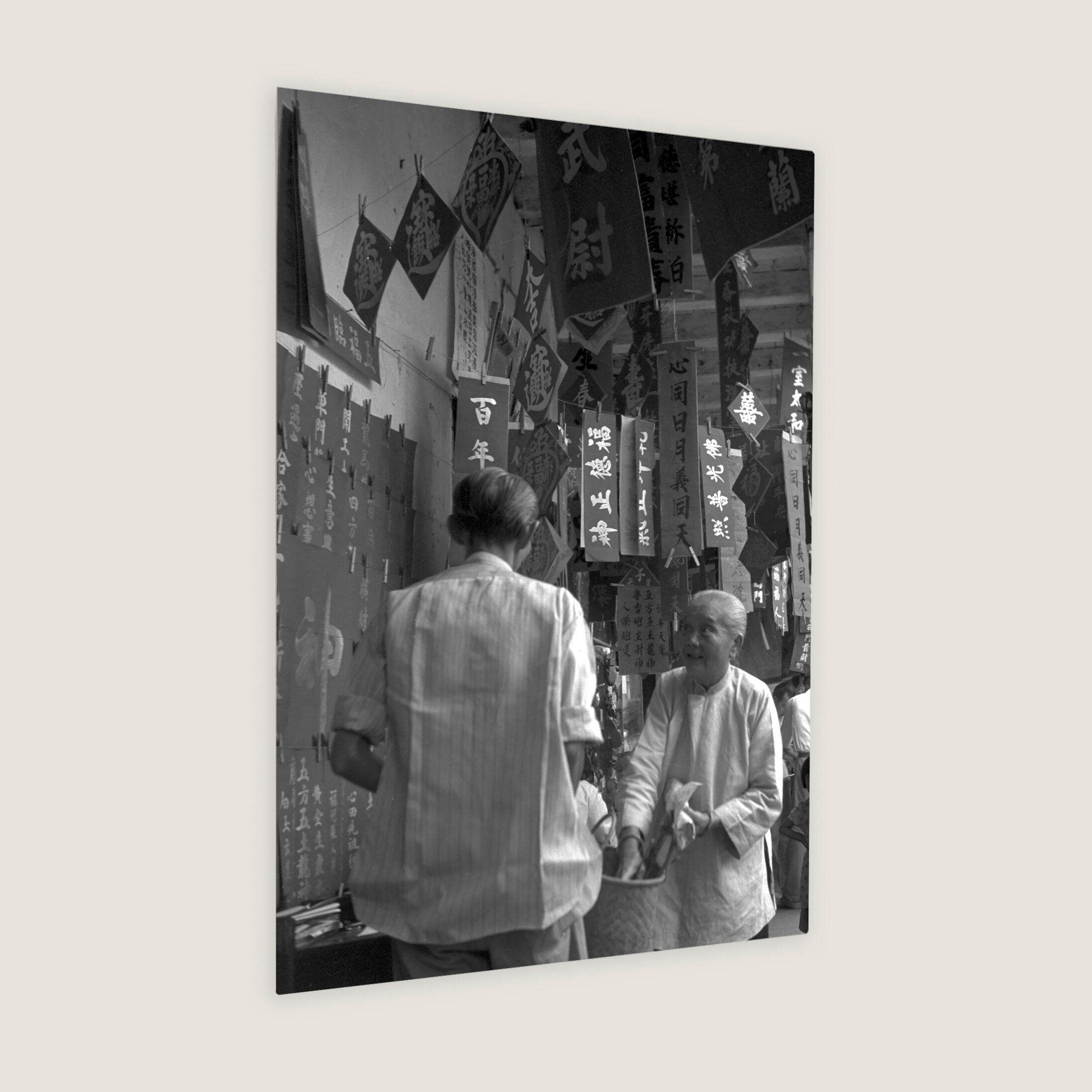
An elderly lady buys a few good luck scrolls aka Chun Lian, in Chinese New Year in Chinatown on 17 January 1952. These scrolls are used to decorate the house during the festive period in hopes of ushering prosperity and luck in the new year.
©️ SPH Media Limited
Share to
Tags
Available for print on products
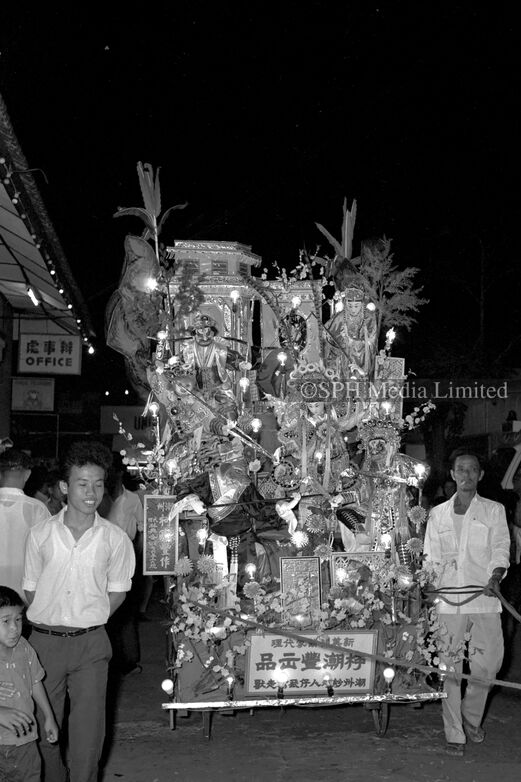 Chap Goh Meh Procession at Happy World
1963
Chap Goh Meh Procession at Happy World
1963
Chap Goh Meh Procession at Happy World
Year 1963
Chap Goh Meh procession at Happy World, Geylang Road. Chap Goh Meh is the 15th and last day of the Chinese New Year. Happy World aka Gay World or Fan Hua Shijie was one of three amusement parks built before World War II and played a significant part in Singapore's nightlife between the 1920's and 60's.
©️ SPH Media Limited
Share to
Tags
Available for print on products
 Stilt Walking in CNY Procession at Happy World
1963
Stilt Walking in CNY Procession at Happy World
1963
Stilt Walking in CNY Procession at Happy World
Year 1963
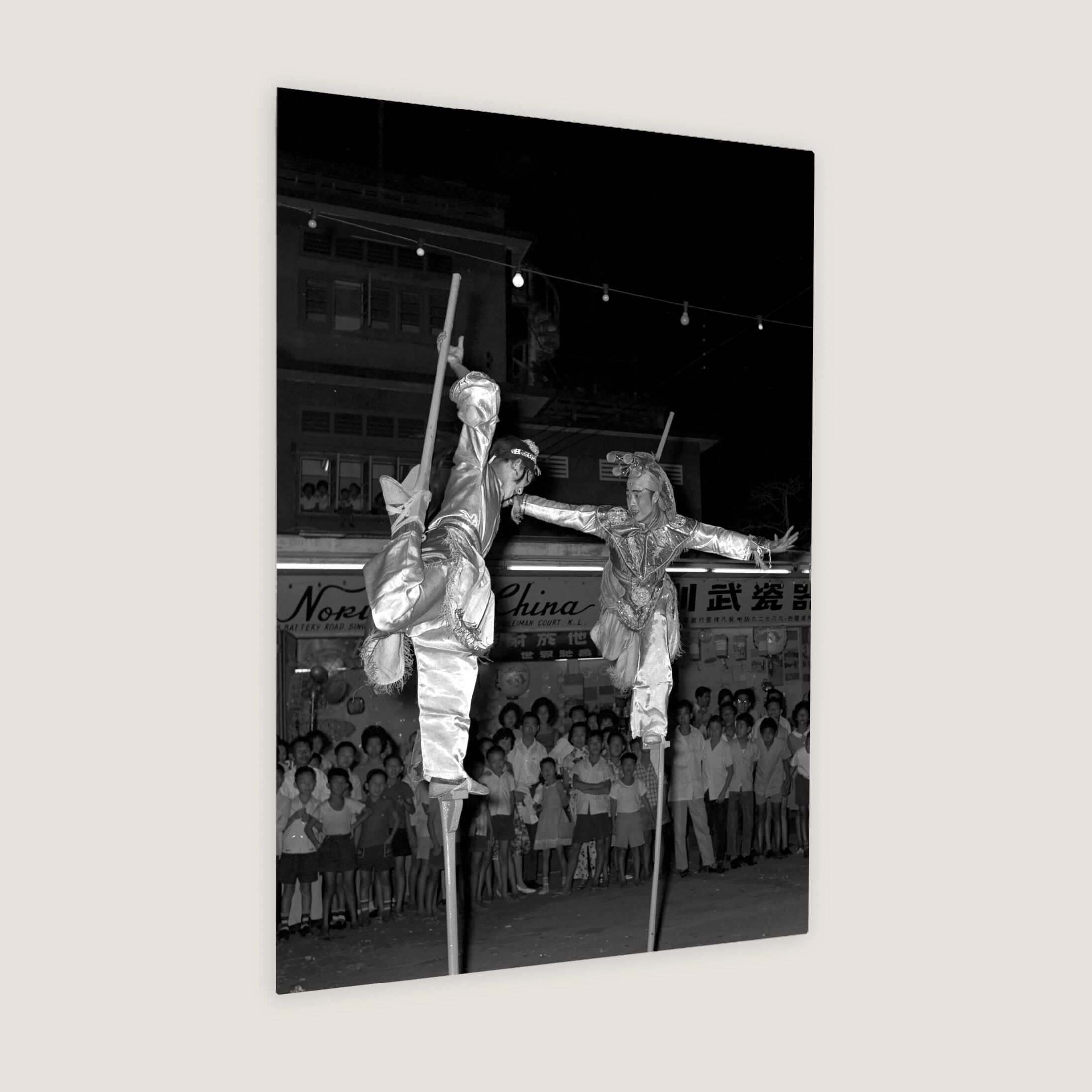
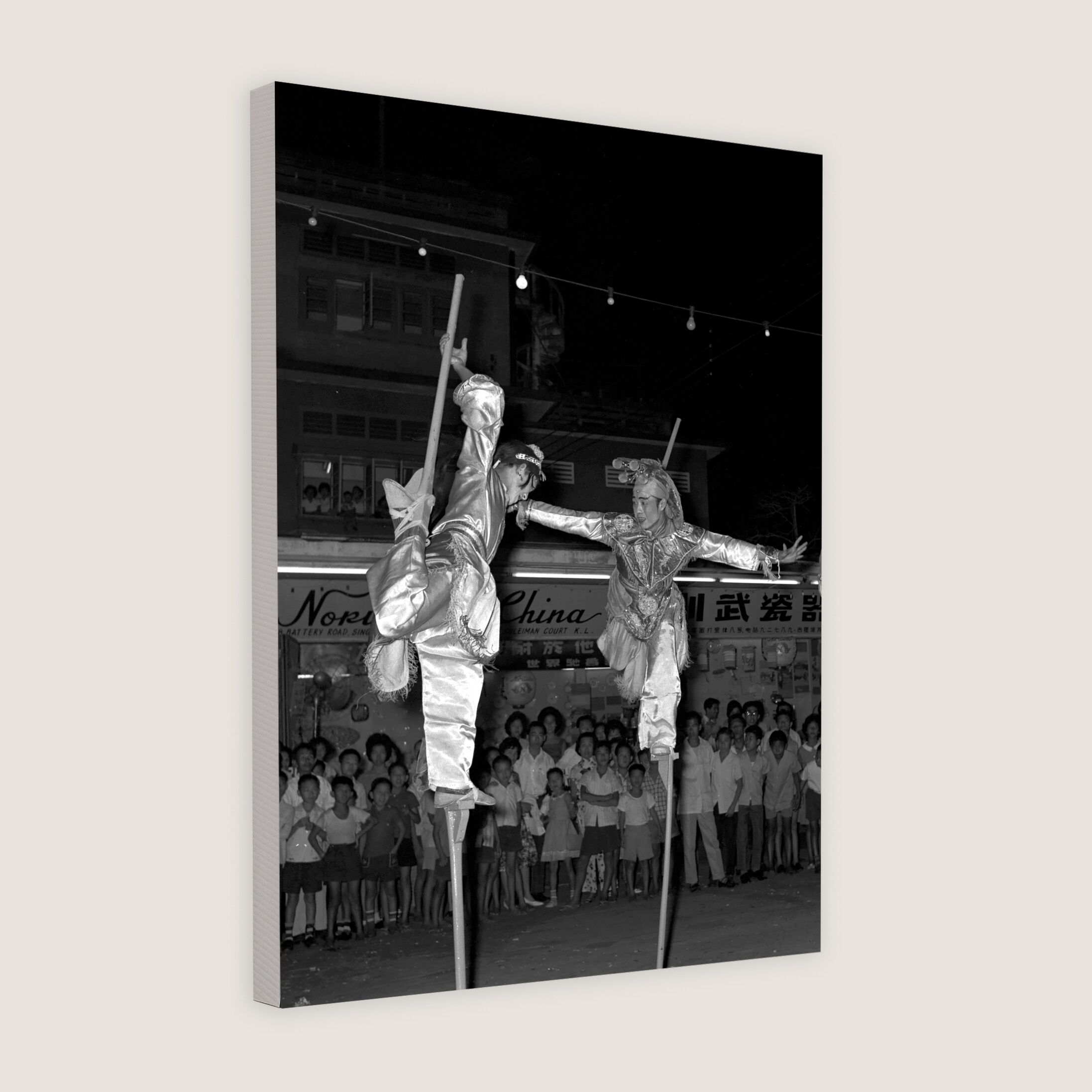
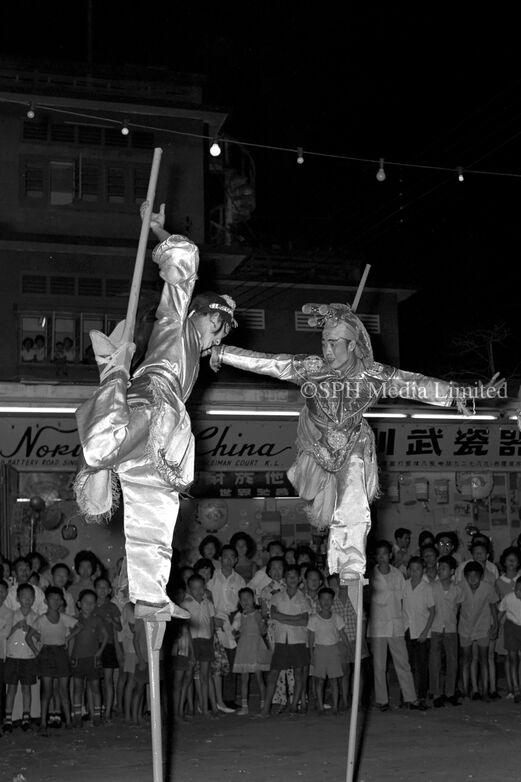
Chap Goh Meh procession at Happy World, Geylang Road. Chap Goh Meh is the 15th and last day of the Chinese New Year. Happy World aka Gay World or Fan Hua Shijie was one of three amusement parks built before World War II and played a significant part in Singapore's nightlife between the 1920's and 60's. The street artists were performing stilt walking in the Gay World Chap Goh Meh procession.
©️ SPH Media Limited
Share to
Tags
Available for print on products
 Chinese New Year Crowd at Happy World
1963
Chinese New Year Crowd at Happy World
1963
Chinese New Year Crowd at Happy World
Year 1963
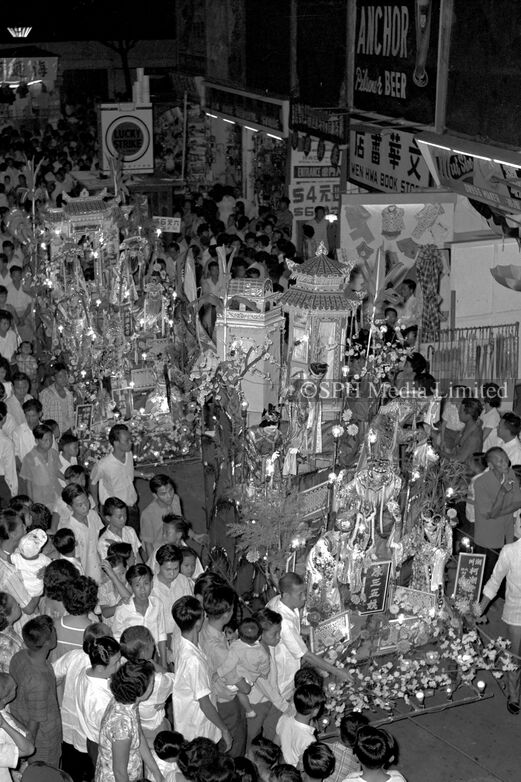
Chap Goh Meh procession at Happy World, Geylang Road. Chap Goh Meh aka Yuan Xiao Jie is the 15th and last day of the Chinese New Year. Happy World or Gay World, Fan Hua Shijie in Chinese, was one of three amusement parks built before World War II and played a significant part in Singapore's nightlife between the 1920's and 60's.
©️ SPH Media Limited
Share to
Tags
Available for print on products
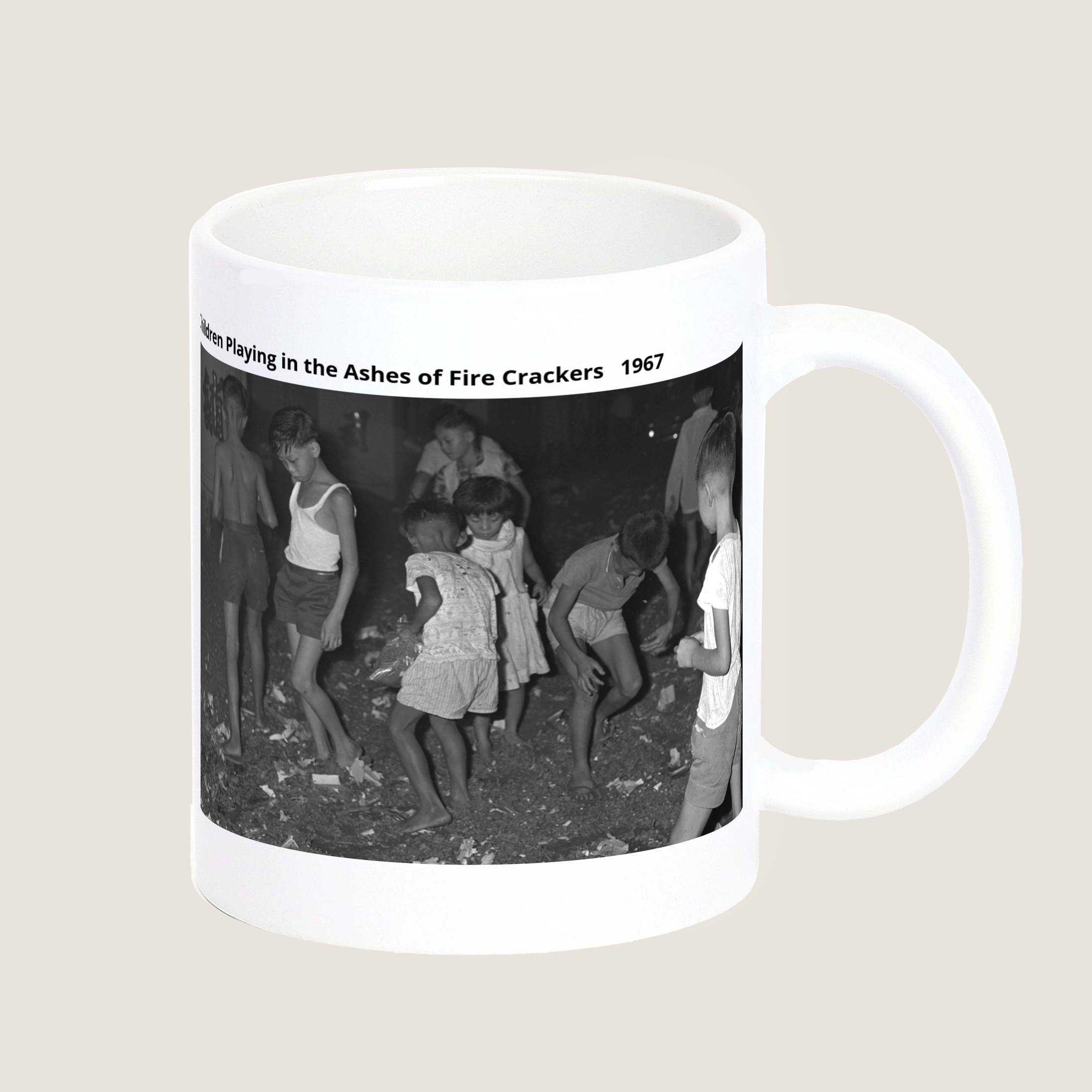
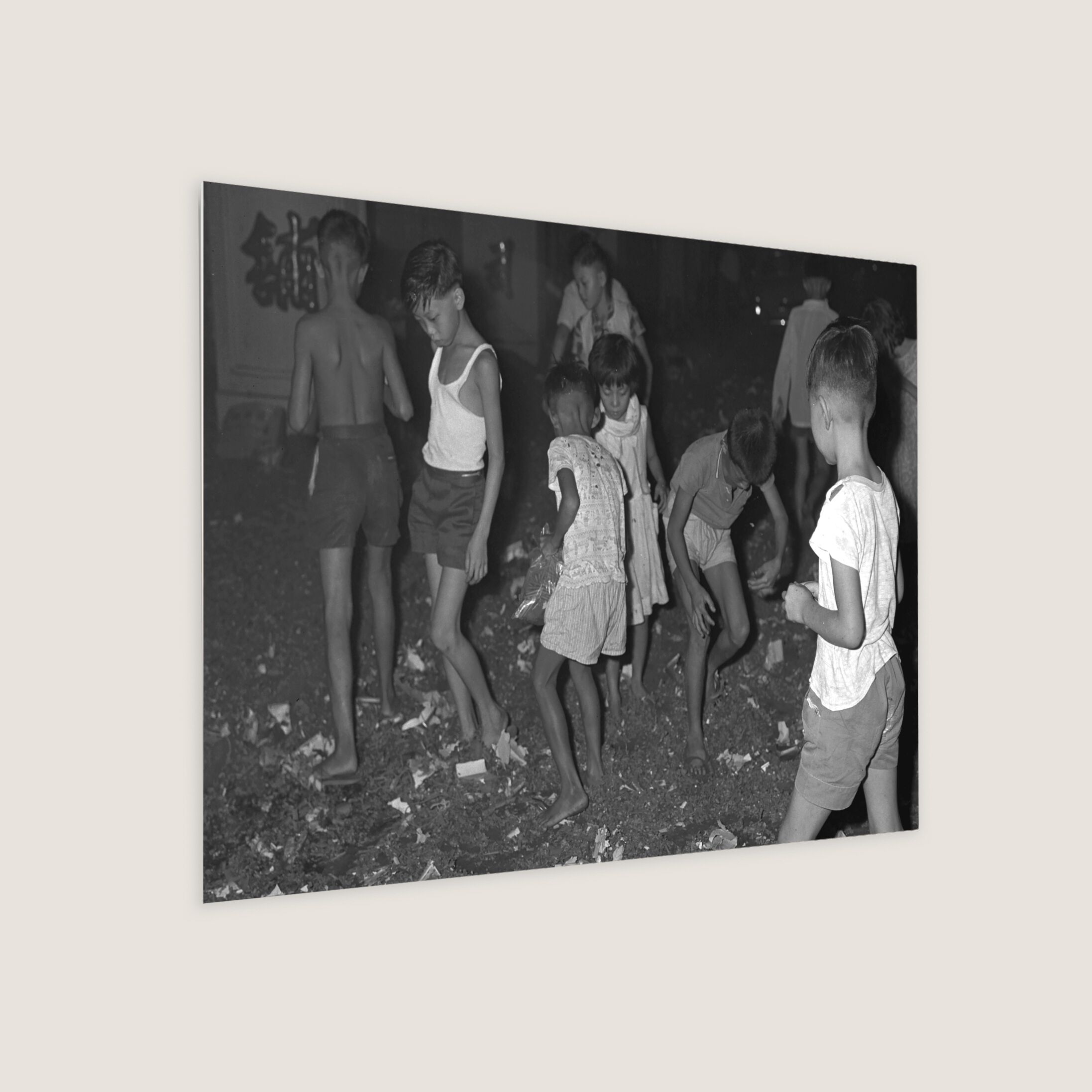
 Children Playing in the Ashes of Fire Crackers
1967
Children Playing in the Ashes of Fire Crackers
1967
Children Playing in the Ashes of Fire Crackers
Year 1967
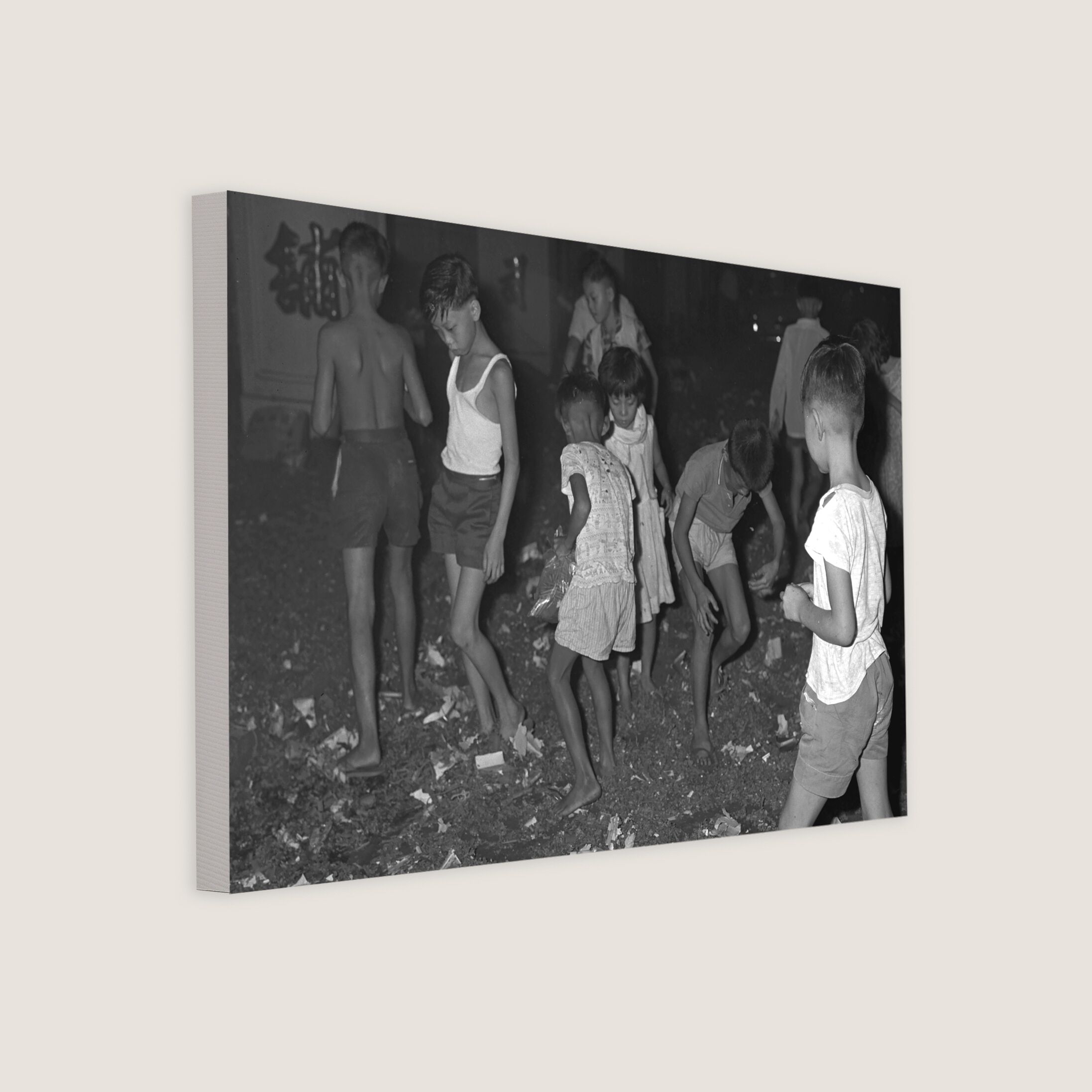
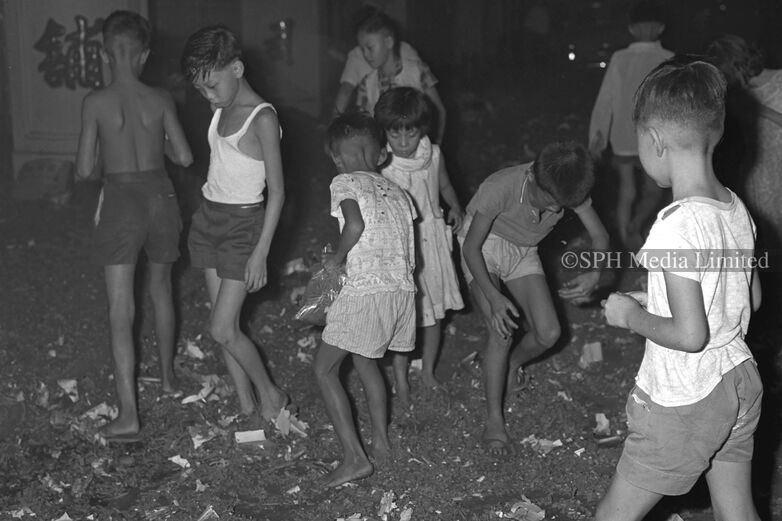
Children playing among the ashes of burnt firecrackers on the eve of Chinese New Year. Firecrackers are set off as a symbol of good fortune and prosperity, as it was believed that the loud noise would ward off evil spirits. Today, firecrackers are banned. Singapore imposed a partial ban on firecrackers in March 1970 after they caused a fire that killed 6 and injured 68 people. A total ban was enacted in 1972 after policemen were attacked for preventing unlawful usage of firecrackers.
©️ SPH Media Limited
Share to
Tags
Available for print on products
 Ladies Reacting to Loud Firecrackers
1958
Ladies Reacting to Loud Firecrackers
1958
Ladies Reacting to Loud Firecrackers
Year 1958
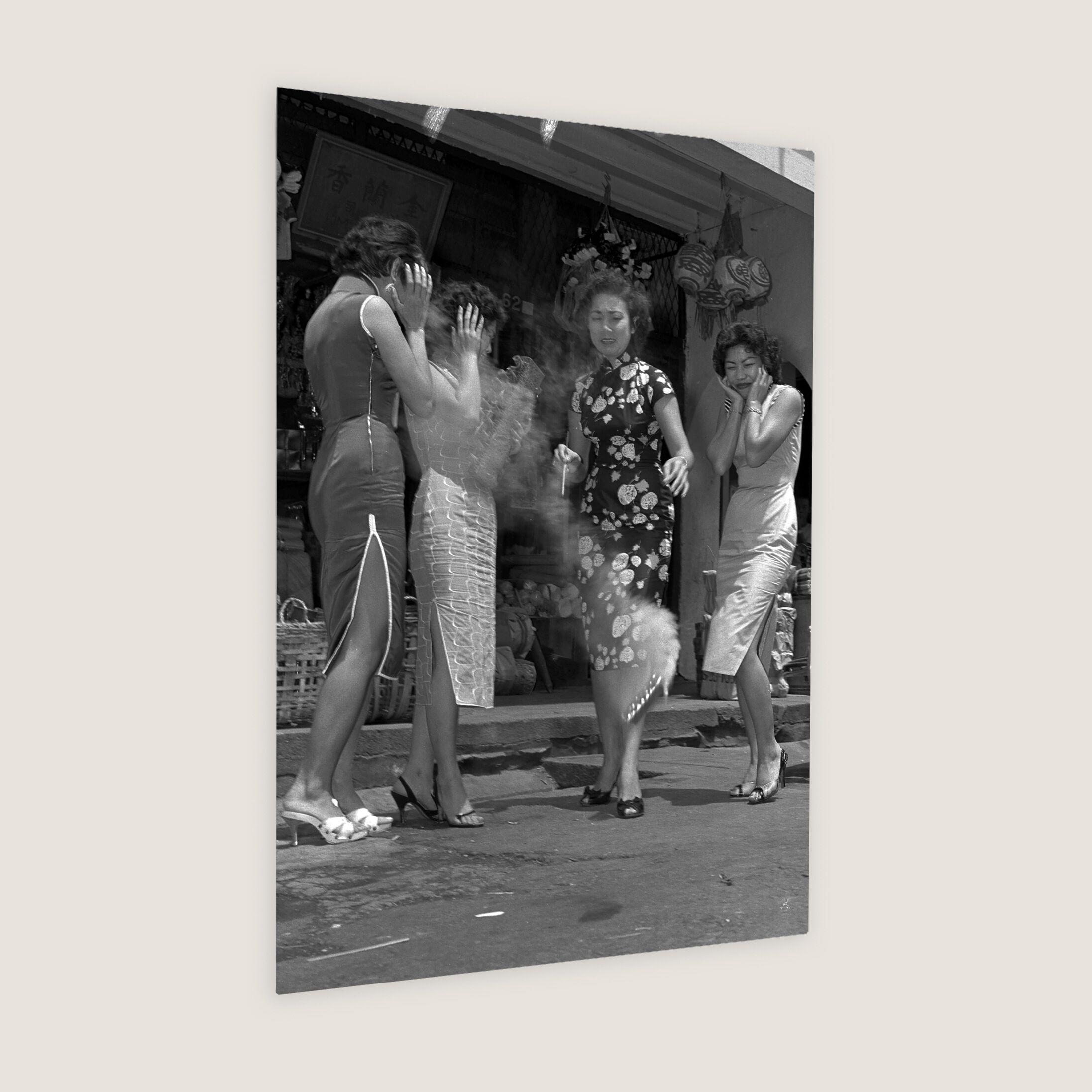
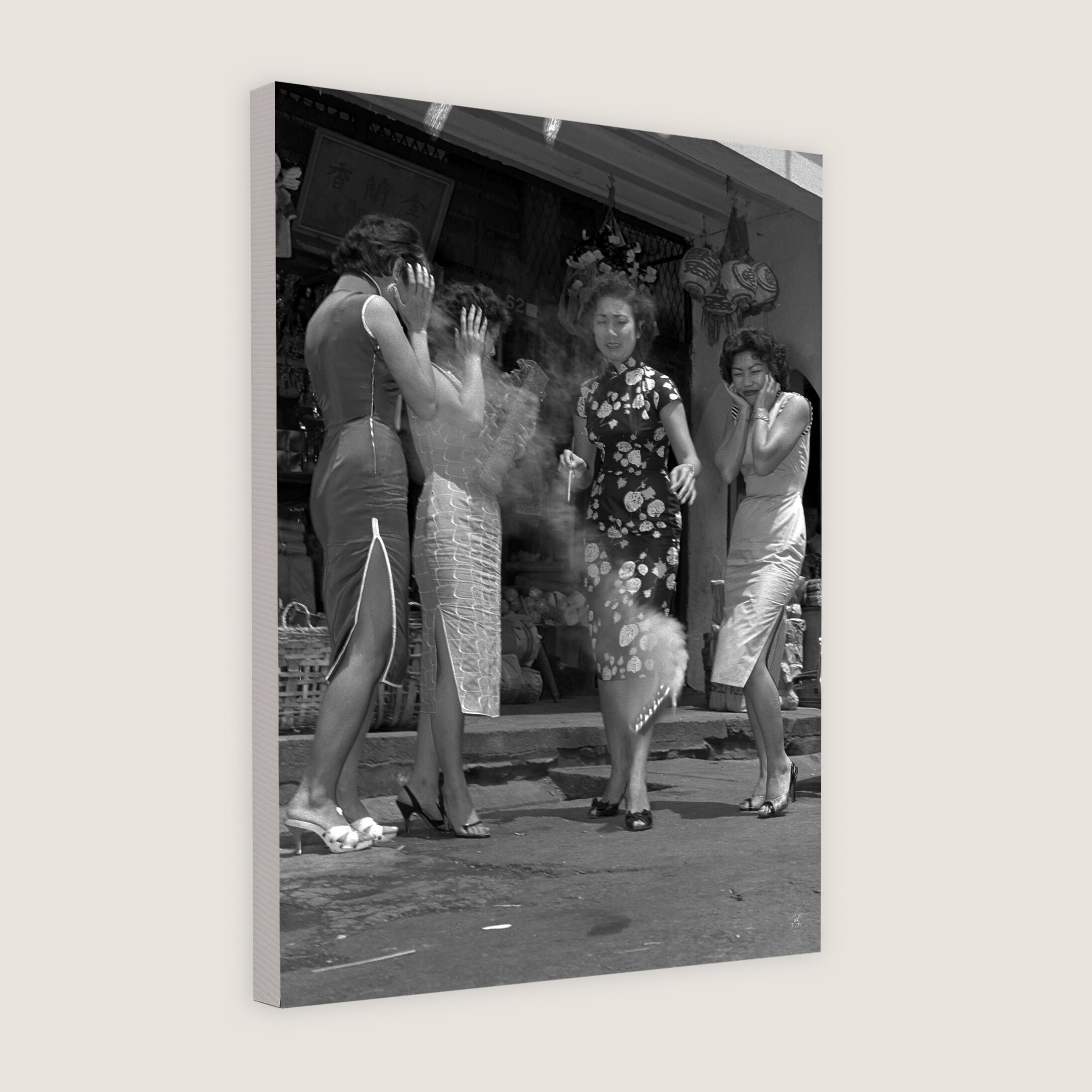
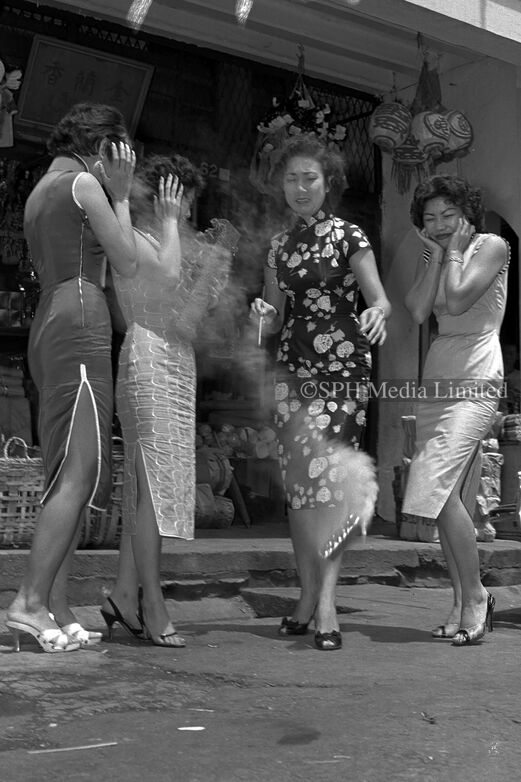
During the 1950s, Singaporeans celebrated Chinese New Year not only by visiting family and friends but also by making offerings at temples. Elegant ladies, dressed in traditional qipaos, lit firecrackers outside shopfronts to ring in the New Year of 1958.
©️ SPH Media Limited
Share to
Tags
Available for print on products
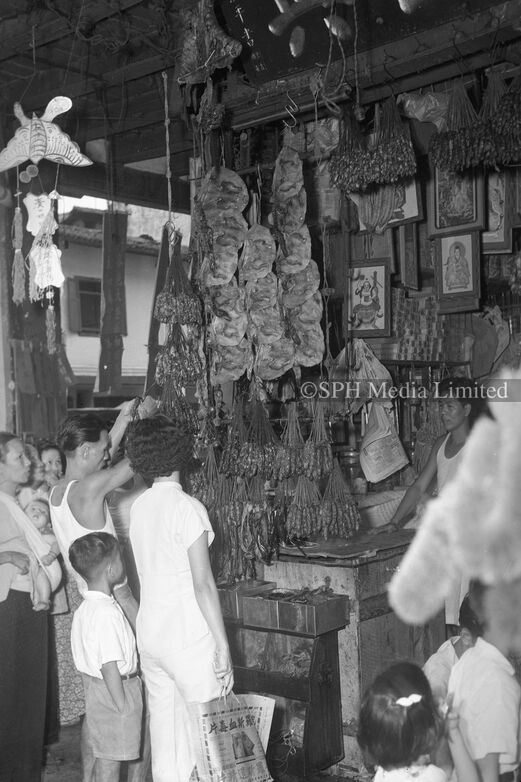 Shopping for Lap Cheong and Lap Mei
1951
Shopping for Lap Cheong and Lap Mei
1951
Shopping for Lap Cheong and Lap Mei
Year 1951
A common sight as Chinese New Year rounds the corner would be housewives shopping for Lap Cheong and Lap Mei, which are Chinese sausage and waxed duck in made in Cantonese-style respectively. These are essential food for the upcoming celebrations and the annual reunion dinner.
©️ SPH Media Limited
Share to
Tags
Available for print on products
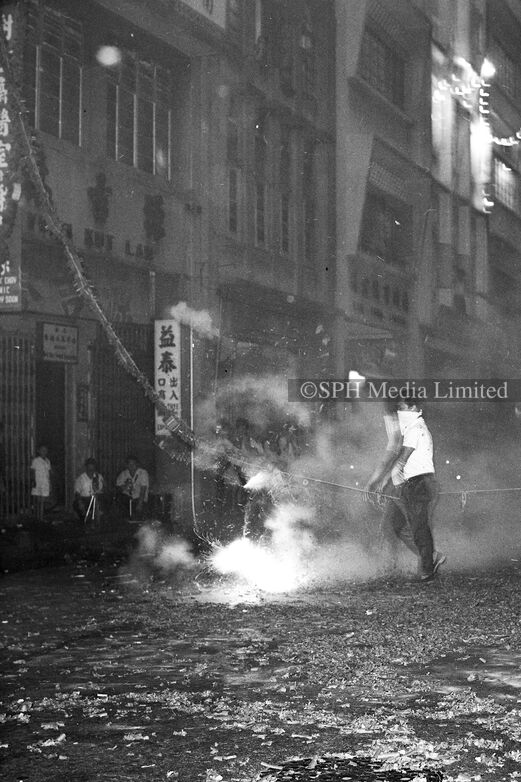 Lighting of Firecrackers During Chap Goh Meh
1965
Lighting of Firecrackers During Chap Goh Meh
1965
Lighting of Firecrackers During Chap Goh Meh
Year 1965
On February 16, 1965, during the Chap Goh Meh aka Lantern Festival, the ban on firecrackers was temporarily lifted for one day. Places with large Chinese communities were filled with deafening sounds of fireworks.
©️ SPH Media Limited
Share to
Tags
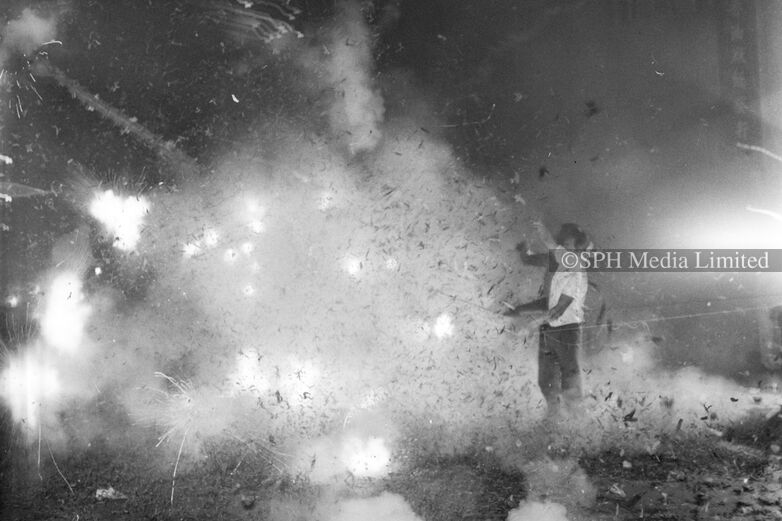 Setting Off Fireworks During Yuan Xiao
1965
Setting Off Fireworks During Yuan Xiao
1965
Setting Off Fireworks During Yuan Xiao
Year 1965
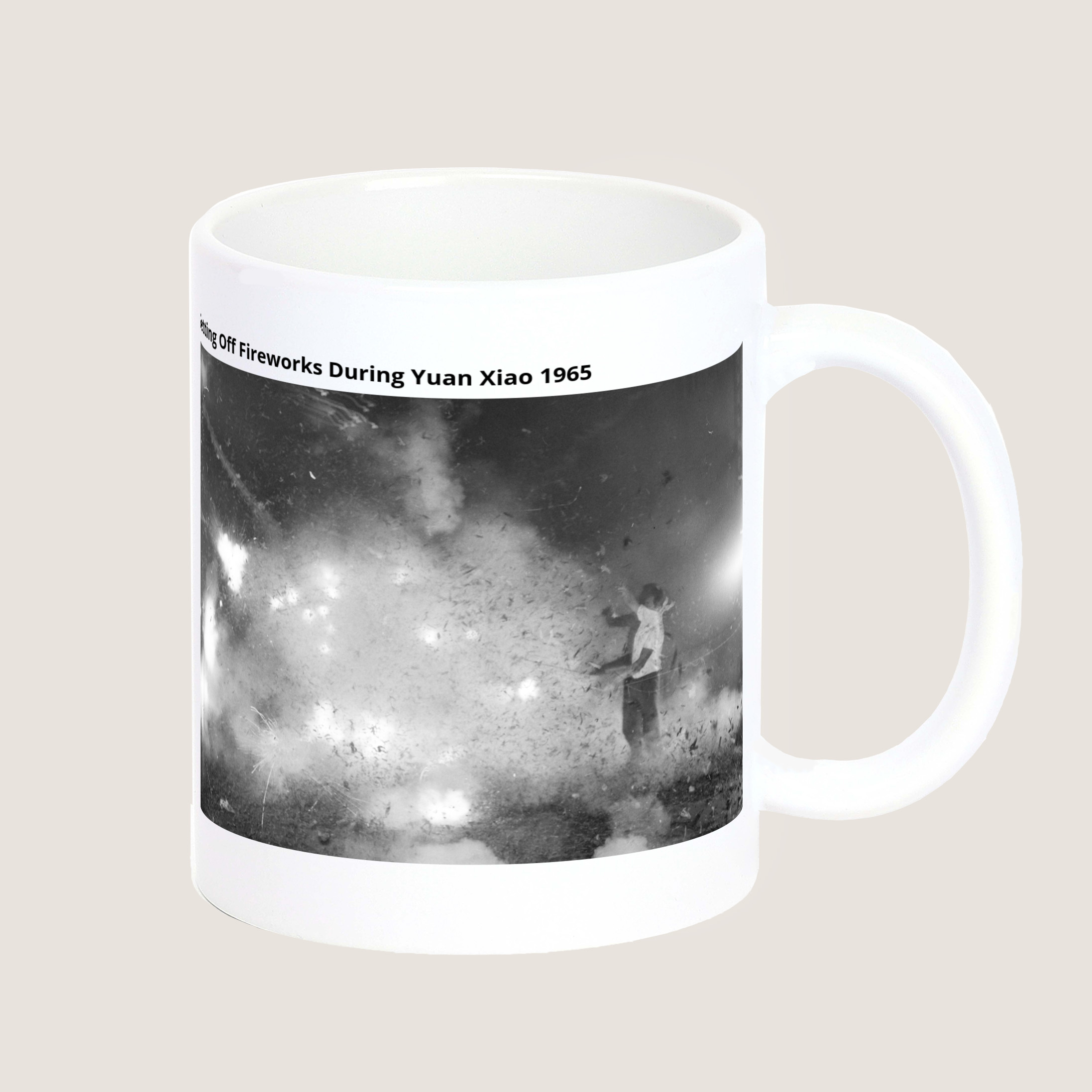
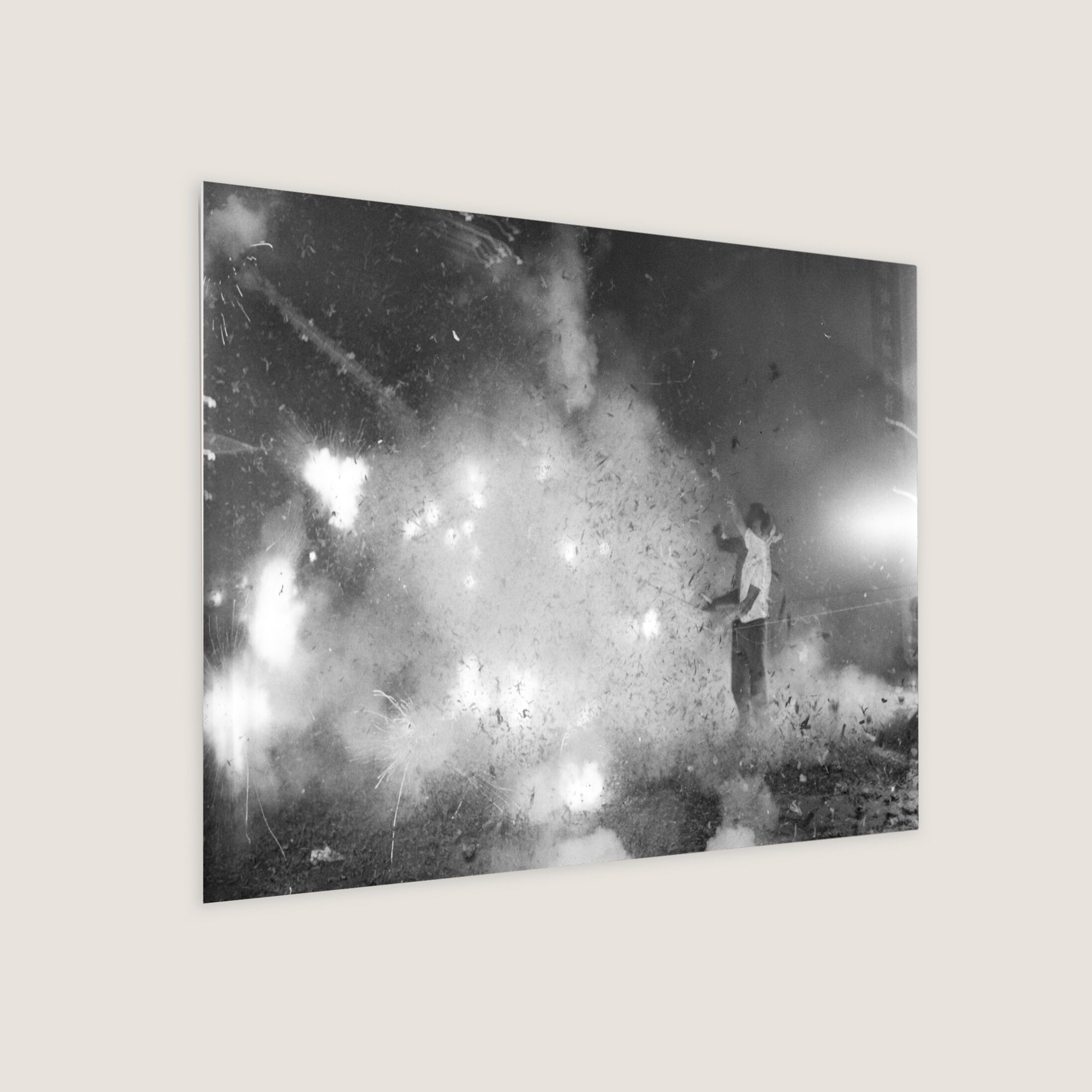
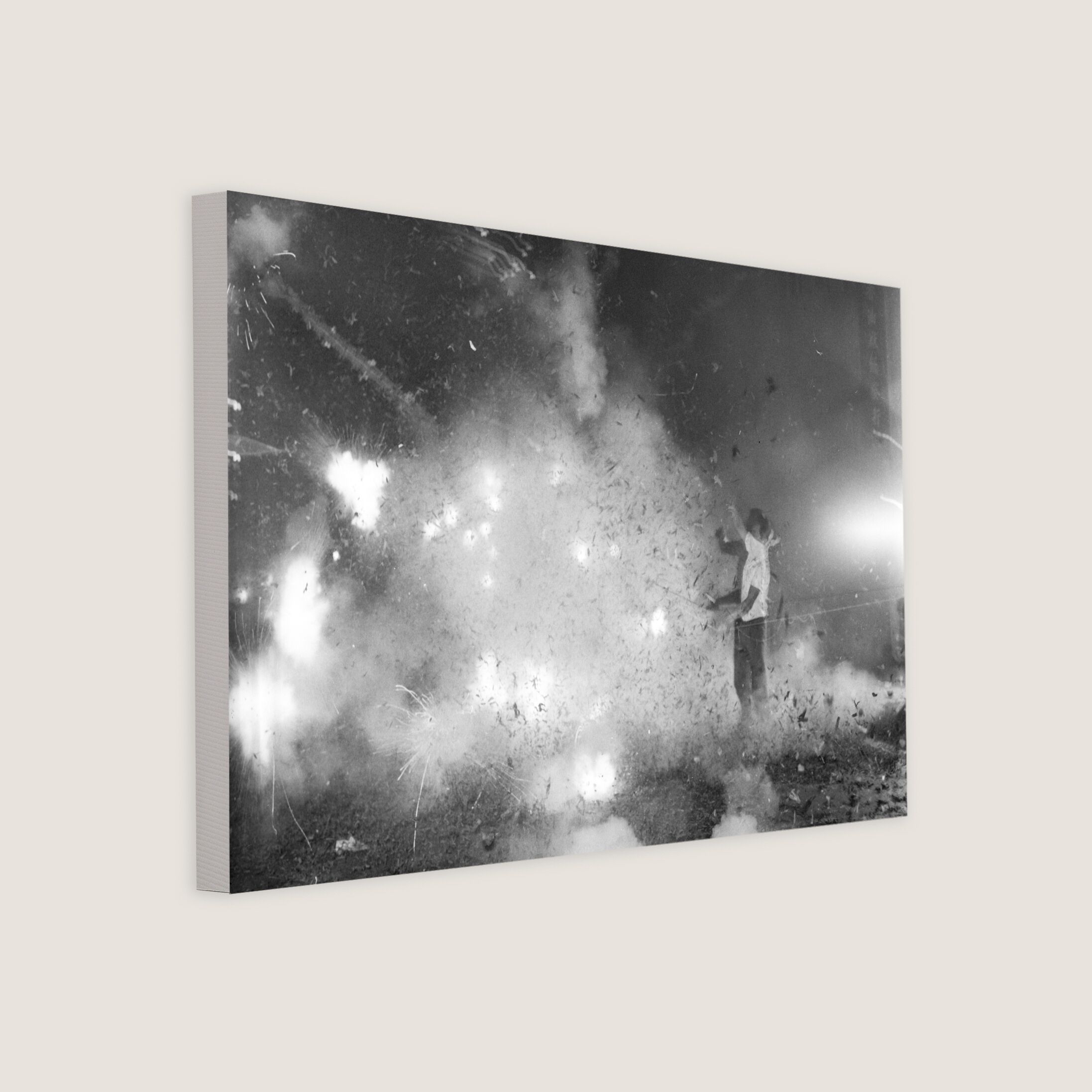
Fireworks set off on the last day of the Chinese New Year. This day is known as Yuan Xiao, or Chap Goh Meh. It symbolises the end of Chinese New Year celebration.
©️ SPH Media Limited
Share to
Tags
Available for print on products
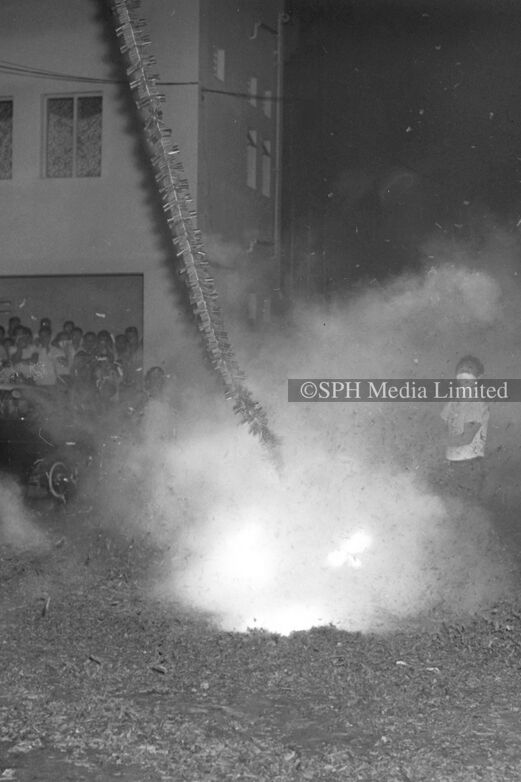 Firecracker Debris Filled the Streets on Yuan Xiao
1965
Firecracker Debris Filled the Streets on Yuan Xiao
1965
Firecracker Debris Filled the Streets on Yuan Xiao
Year 1965
While Singapore was still part of Malaysia, the central government in Kuala Lumpur approved the temporary lifting of the firecracker ban on 16 February 1965, during the Lantern Festival.
Share to
Tags
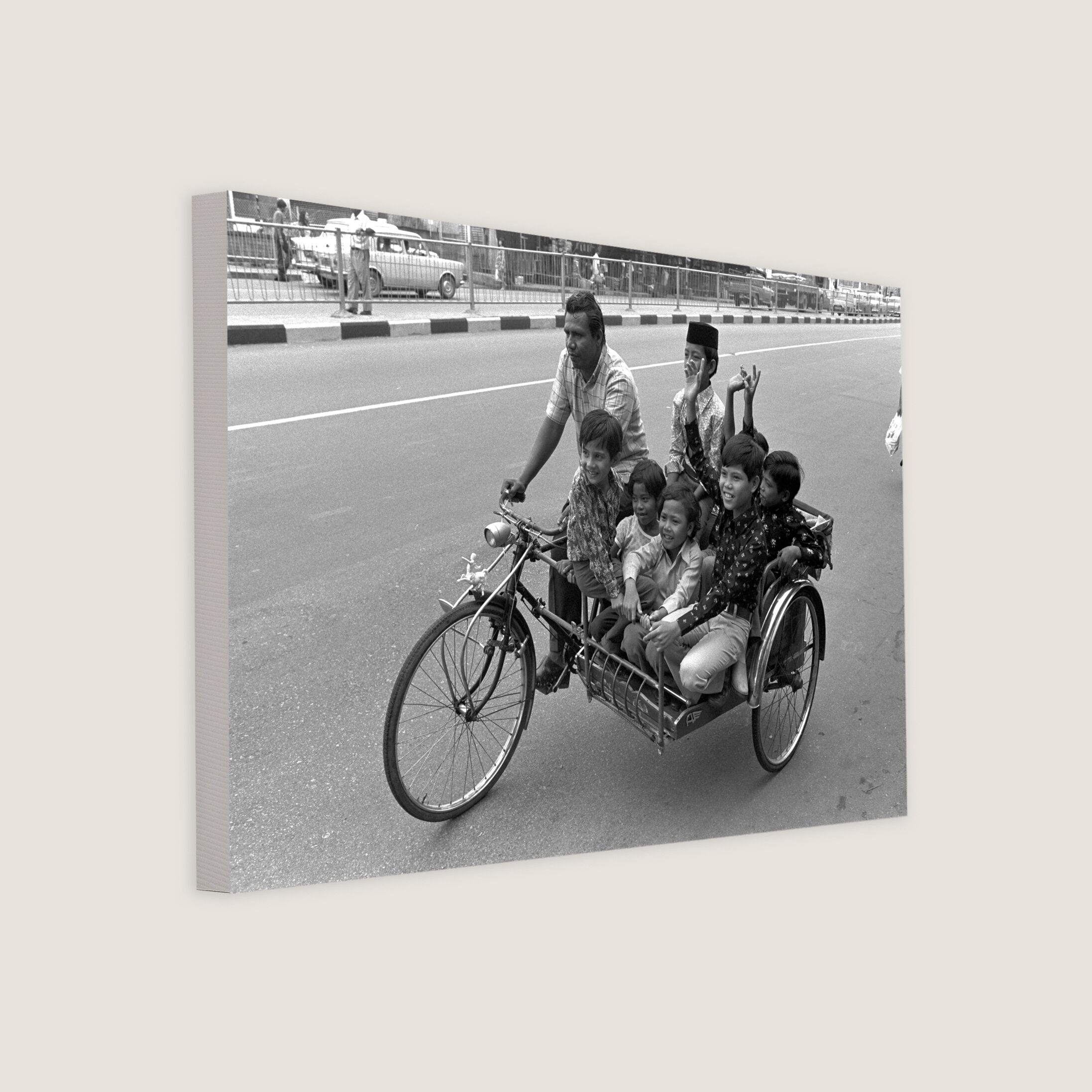
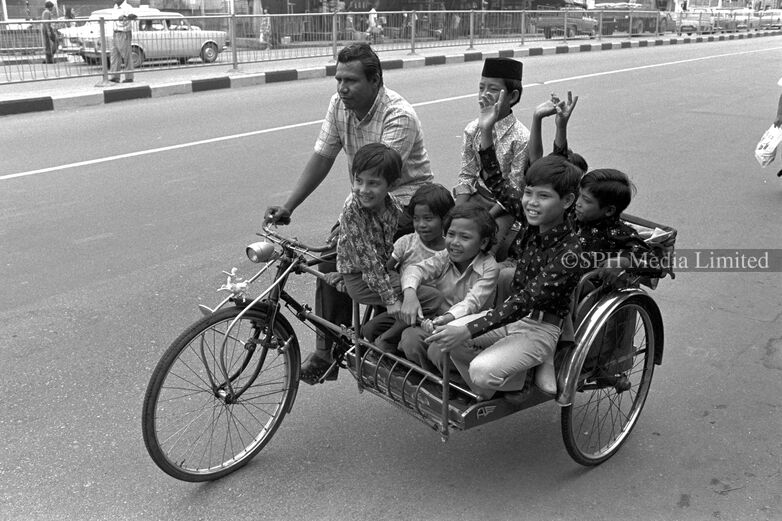 Happy Trishaw Ride at Geylang Road
1974
Happy Trishaw Ride at Geylang Road
1974
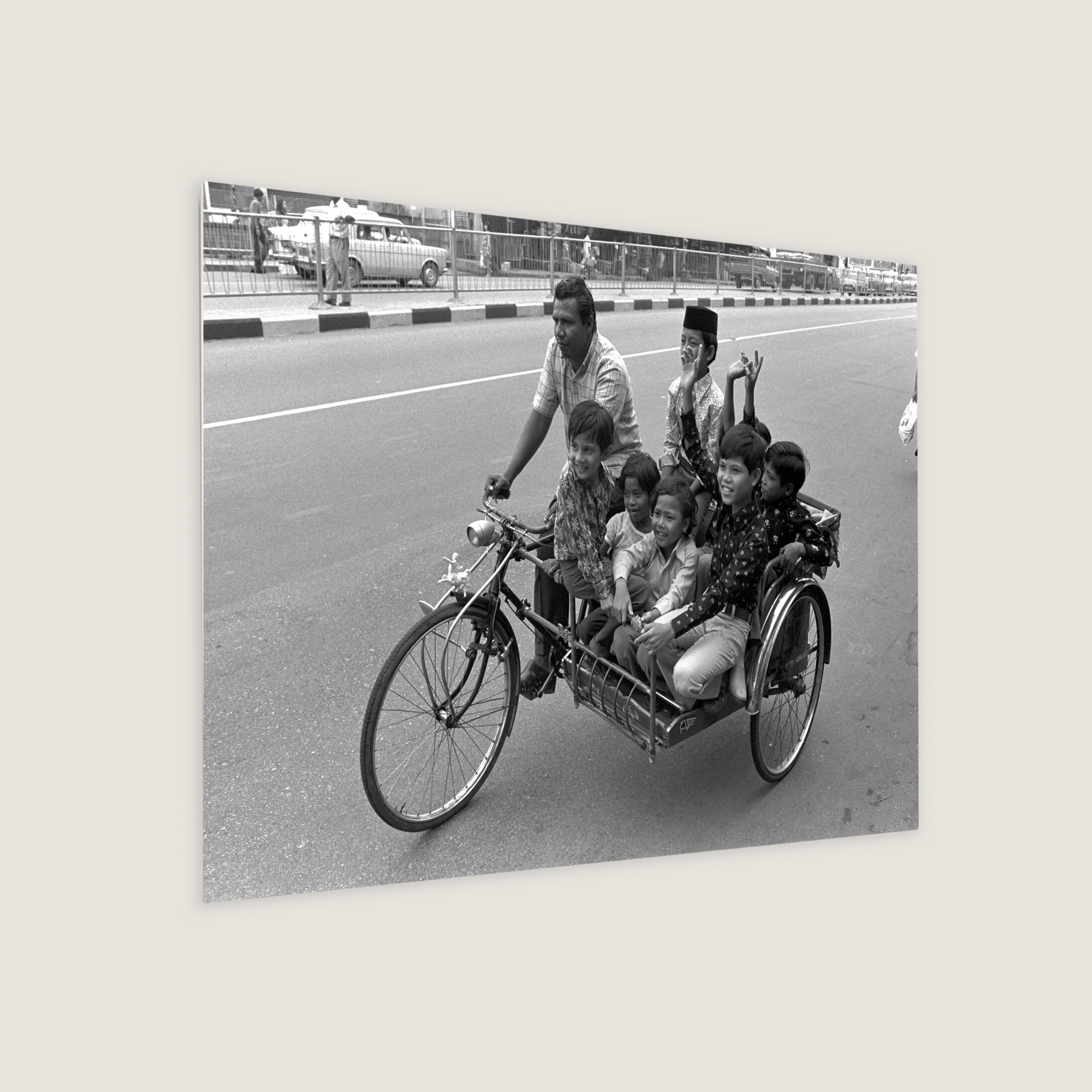
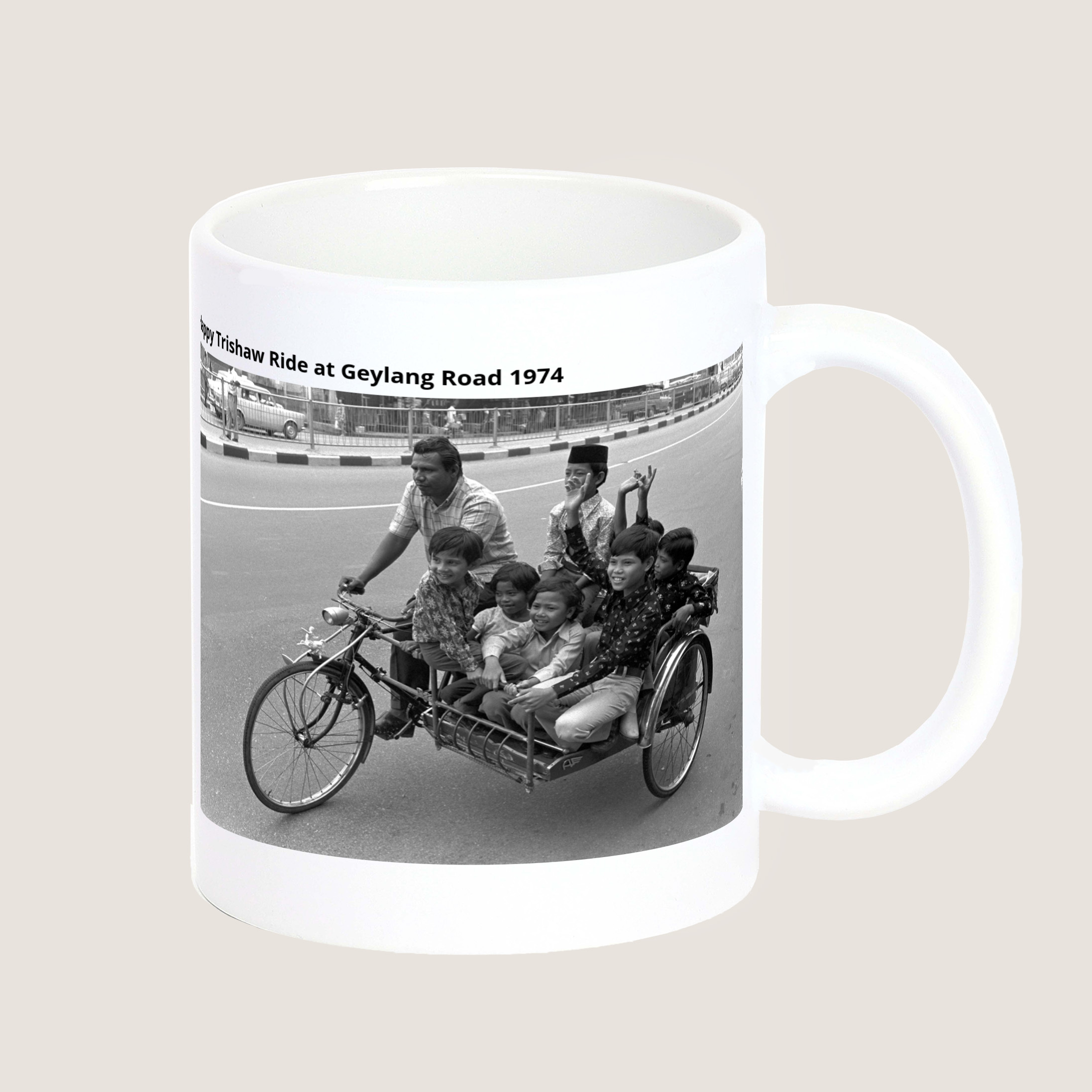
Happy Trishaw Ride at Geylang Road
Year 1974
The cheerful faces of these children on a joyride in a trishaw at Geylang Road reflect the true spirit of Hari Raya. During Hari Raya, some people visited friends and relatives, while others toured scenic spots.
©️ SPH Media Limited
Share to
Tags
Available for print on products
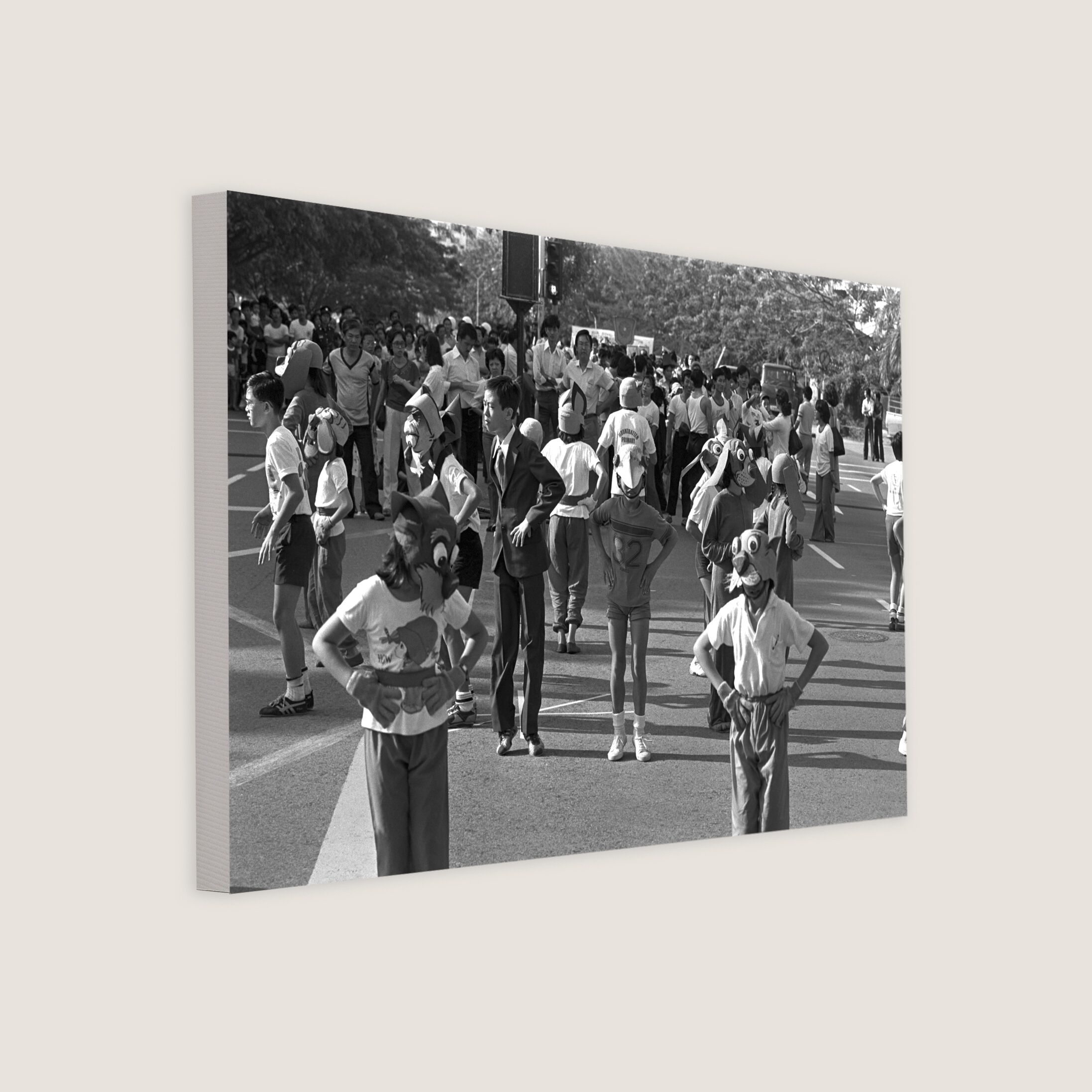
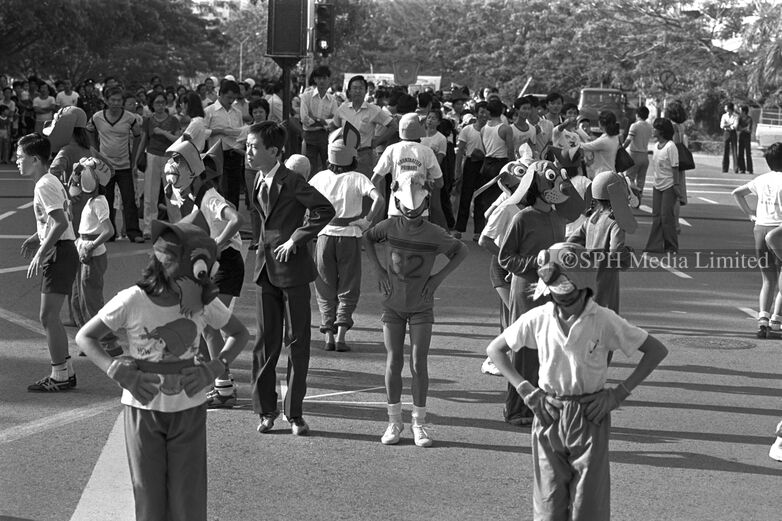 Chingay Procession Rehearsal in the Year of Dog
1982
Chingay Procession Rehearsal in the Year of Dog
1982
Chingay Procession Rehearsal in the Year of Dog
Year 1982
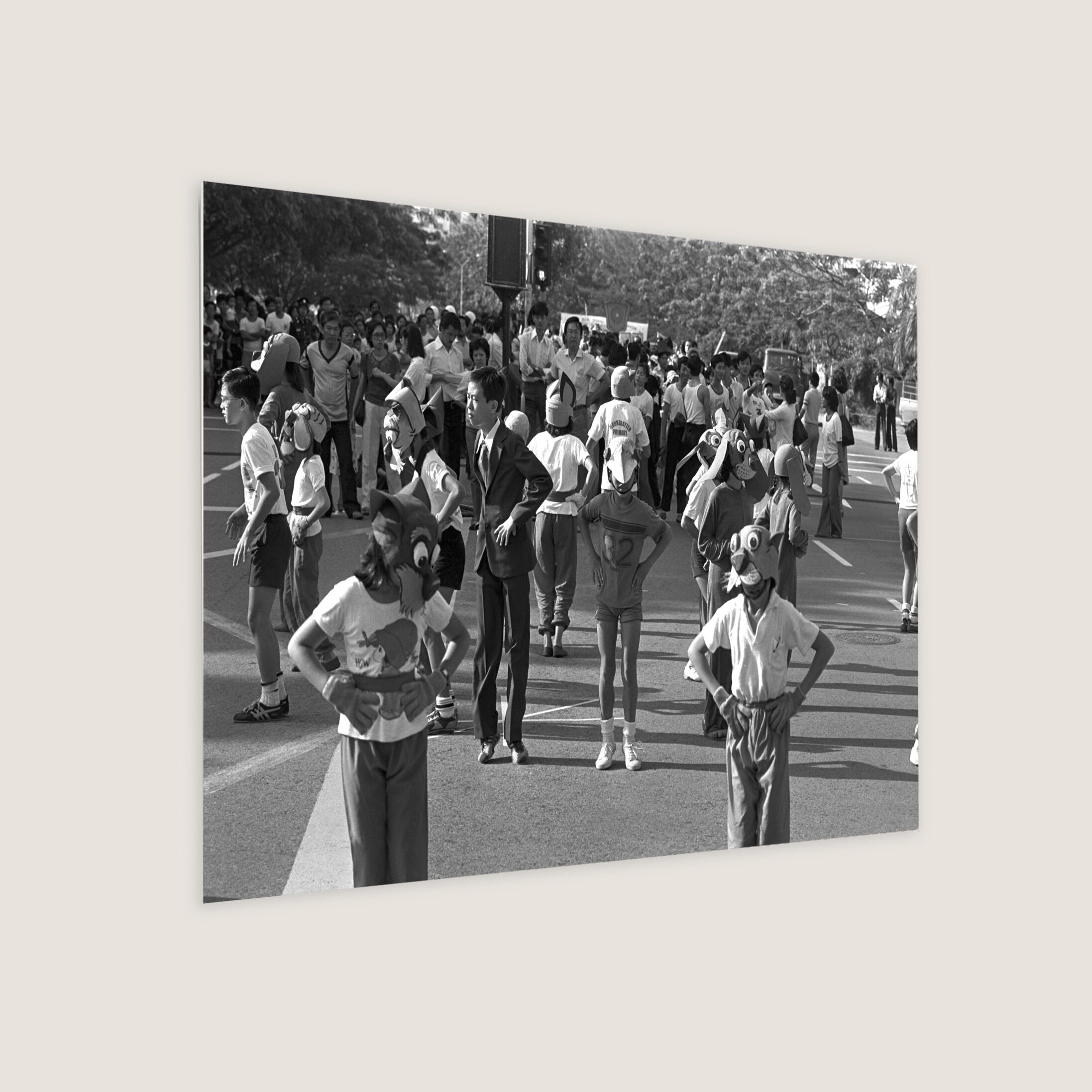
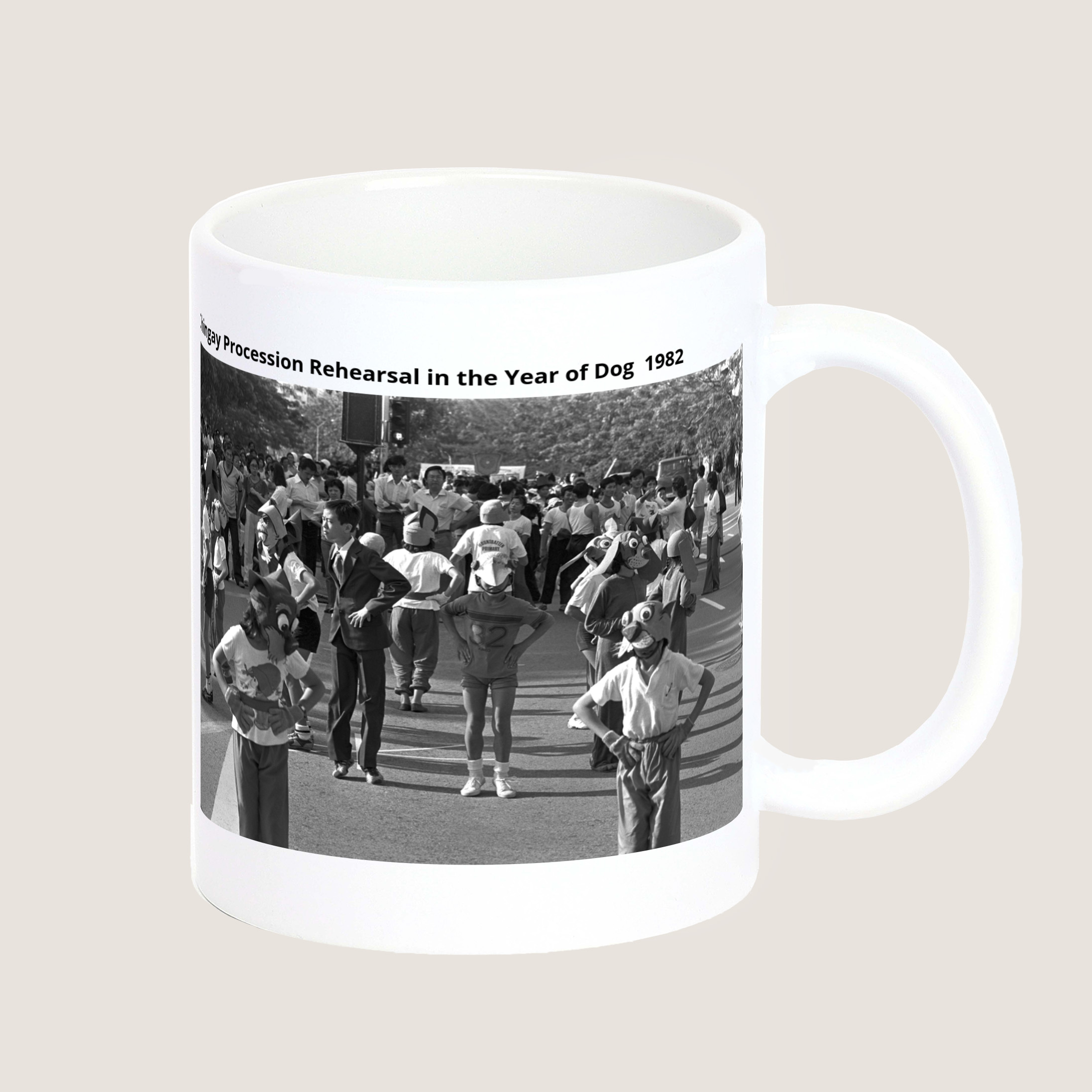
Full-dress rehearsal for the Chingay procession occurred at at the junction of Lorong 1 and Lorong 1A, Toa Payoh. As 1982 being the year of Dog, the most appealing was the appearance of A Parade of Dogs, a bunch of adorable 10-12-year-olds who pranced and pawed and nodded their doggy heads to a jazzy rendition of How Much Is That Doggie In The Window?
©️ SPH Media Limited
Share to
Tags
Available for print on products
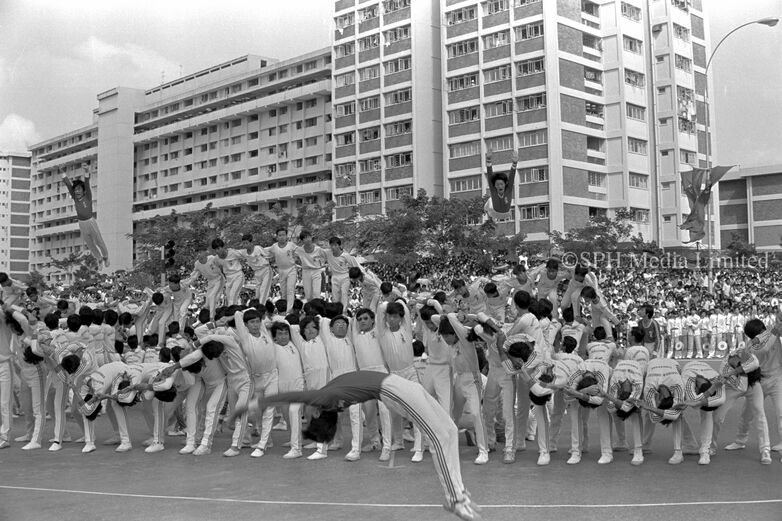 Chingay in the Year of the Rooster
1981
Chingay in the Year of the Rooster
1981
Chingay in the Year of the Rooster
Year 1981
As more than 35,000 people who turned up for the Chingay procession in Bedok North, it was a feast of colours and lively entertainment. Certainly a New Year treat to remember in the Year of the Rooster.
©️ SPH Media Limited
Share to
Tags
Available for print on products
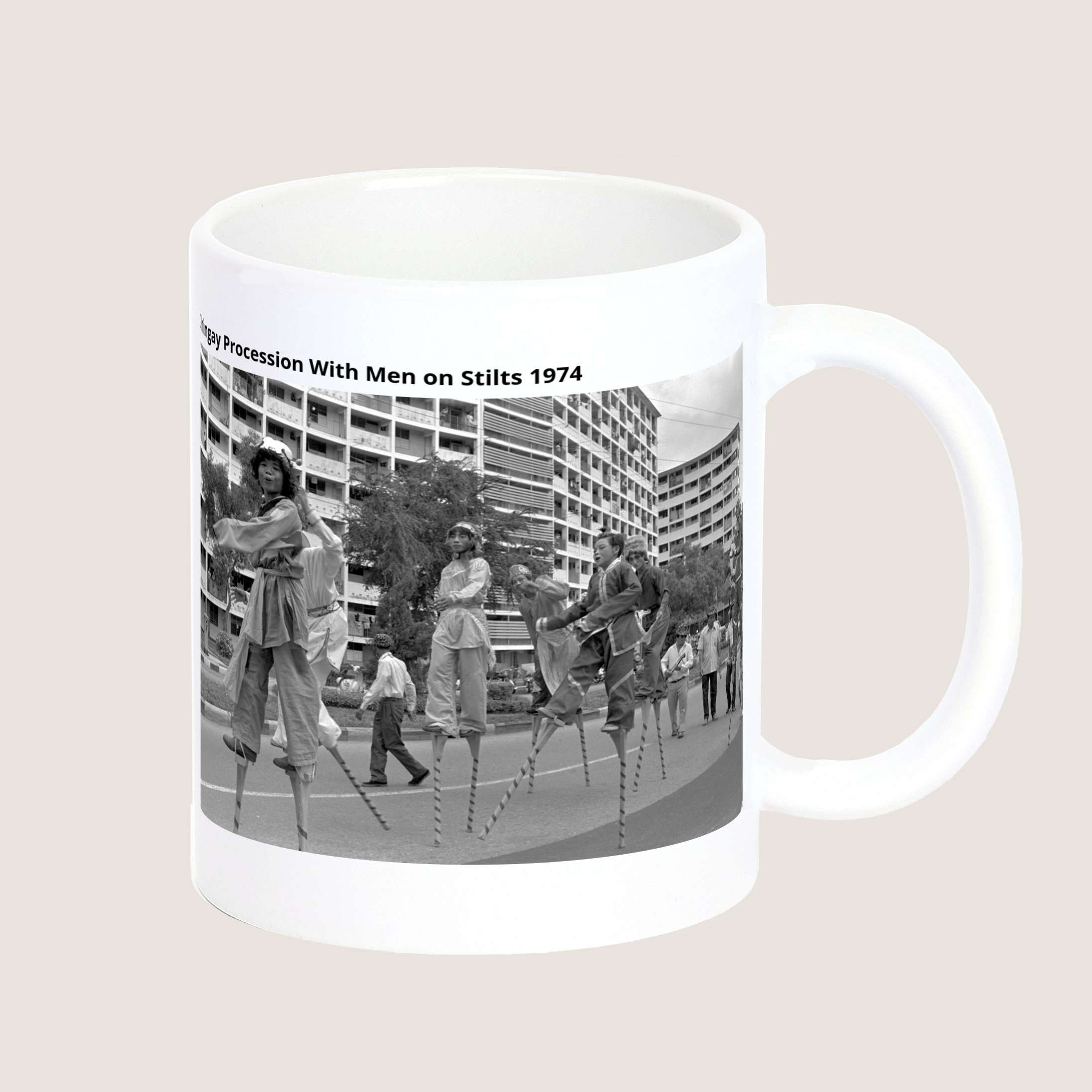
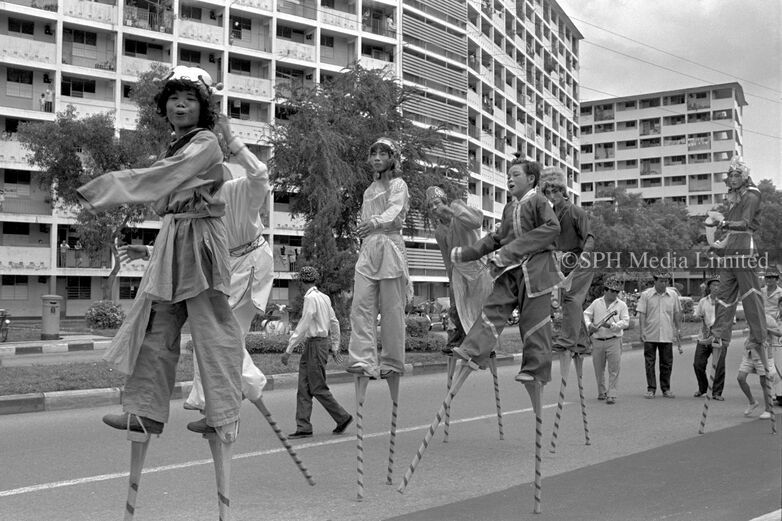 Chingay Procession With Men on Stilts
1974
Chingay Procession With Men on Stilts
1974
Chingay Procession With Men on Stilts
Year 1974
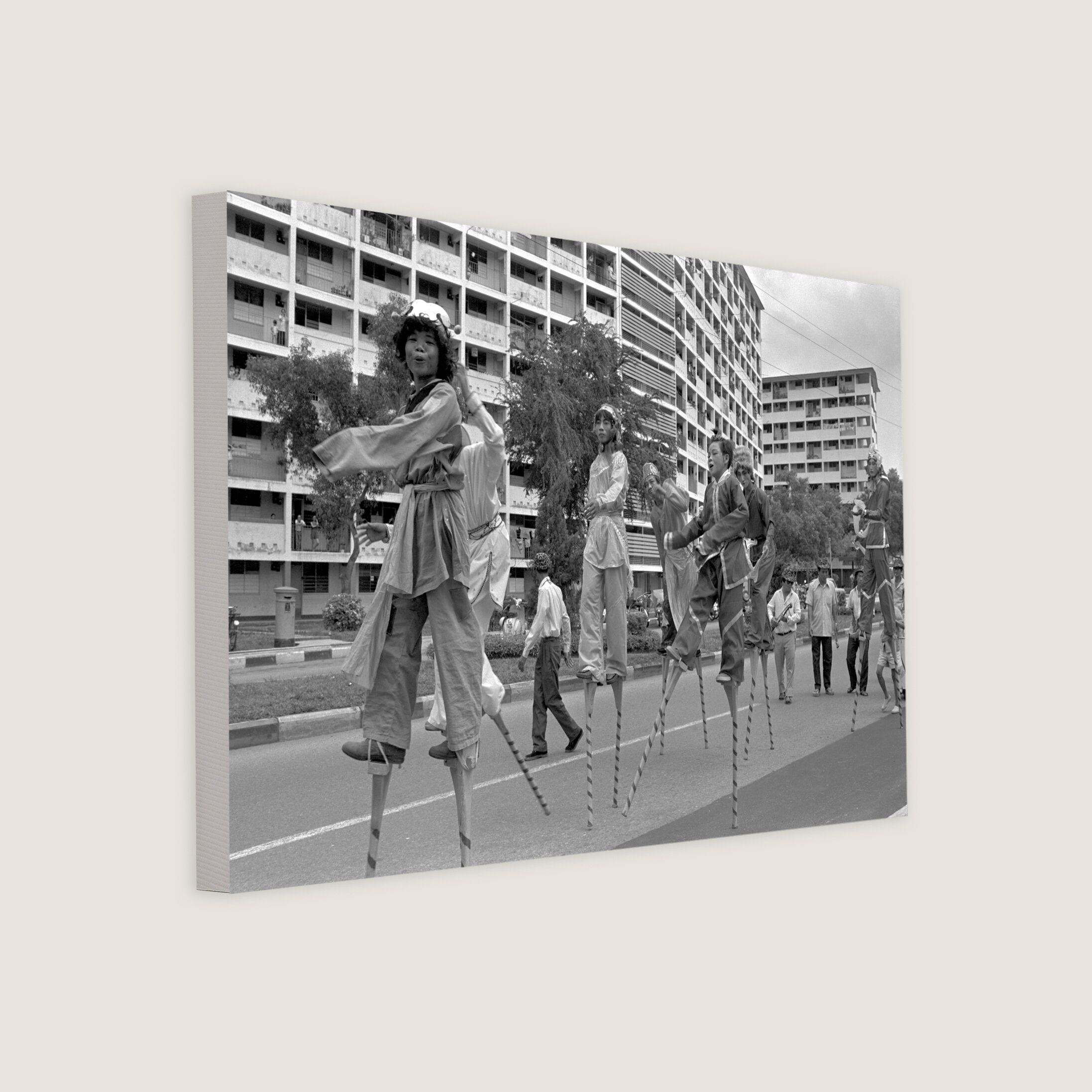
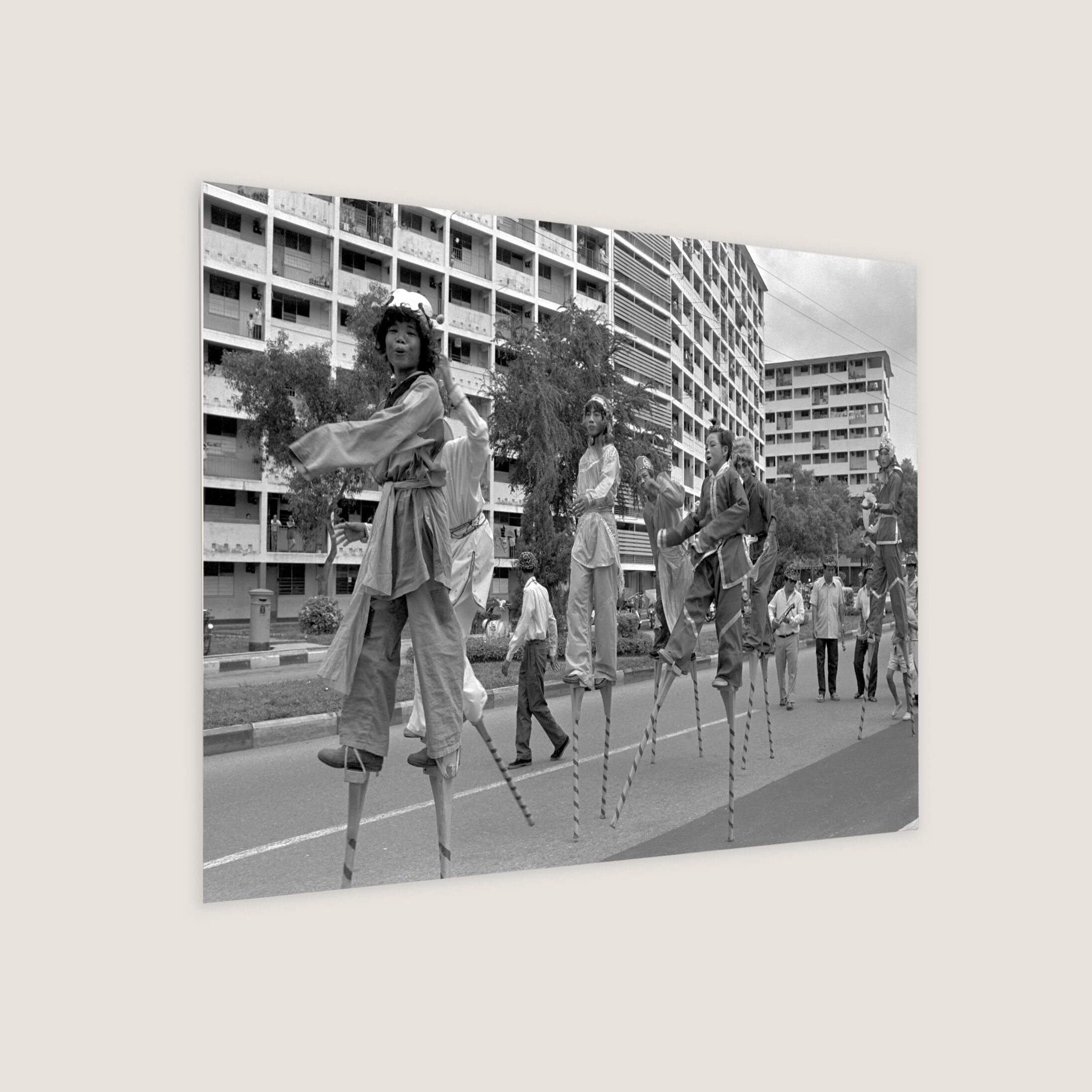
For Chingay, a few men were dressed in ancient Chinese costumes with ceremonial caps walking on long peppermint striped stilts, throwing in a few fancy reels and comic acrobatics here and there at Tiong Bahru Road.
©️ SPH Media Limited
Share to
Tags
Available for print on products
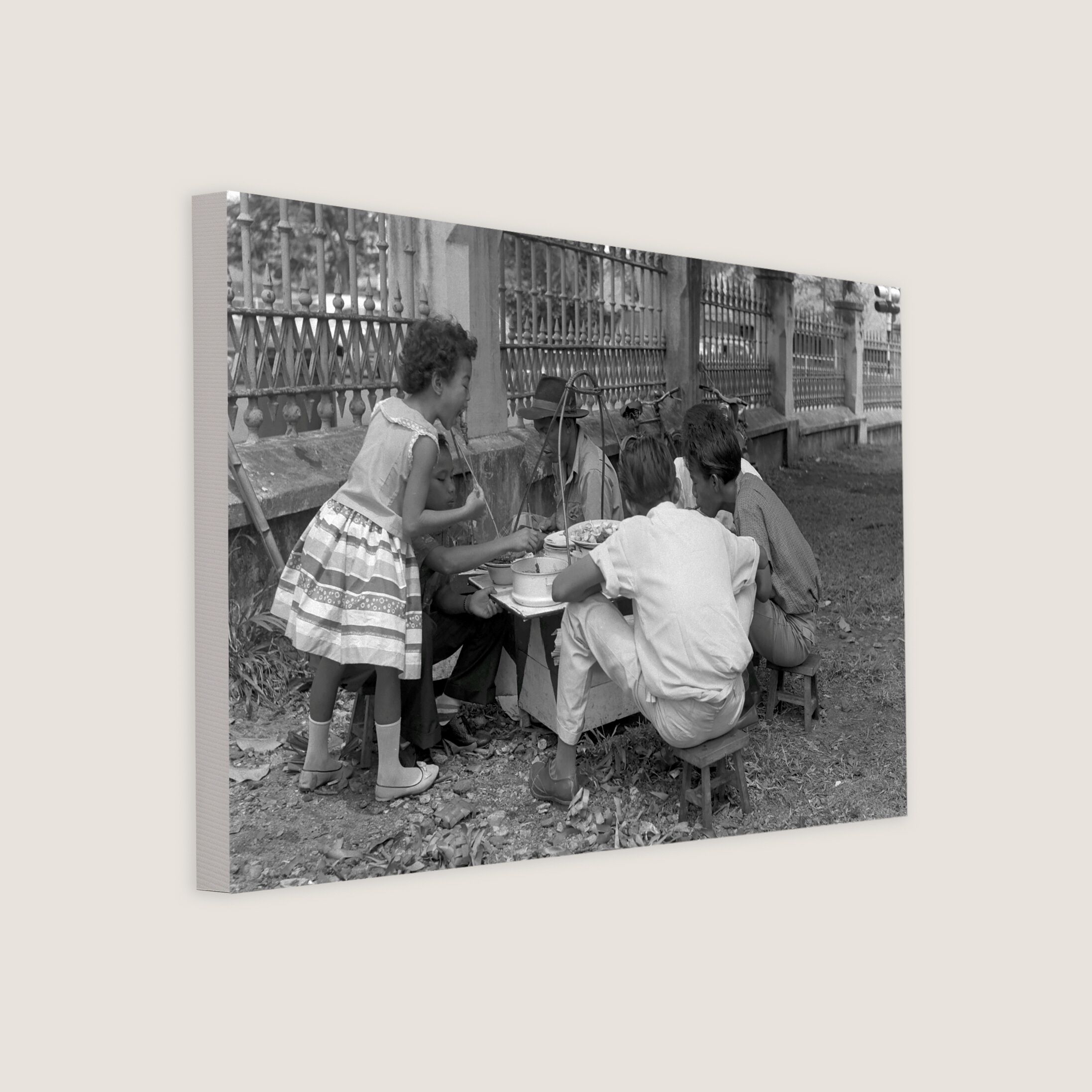
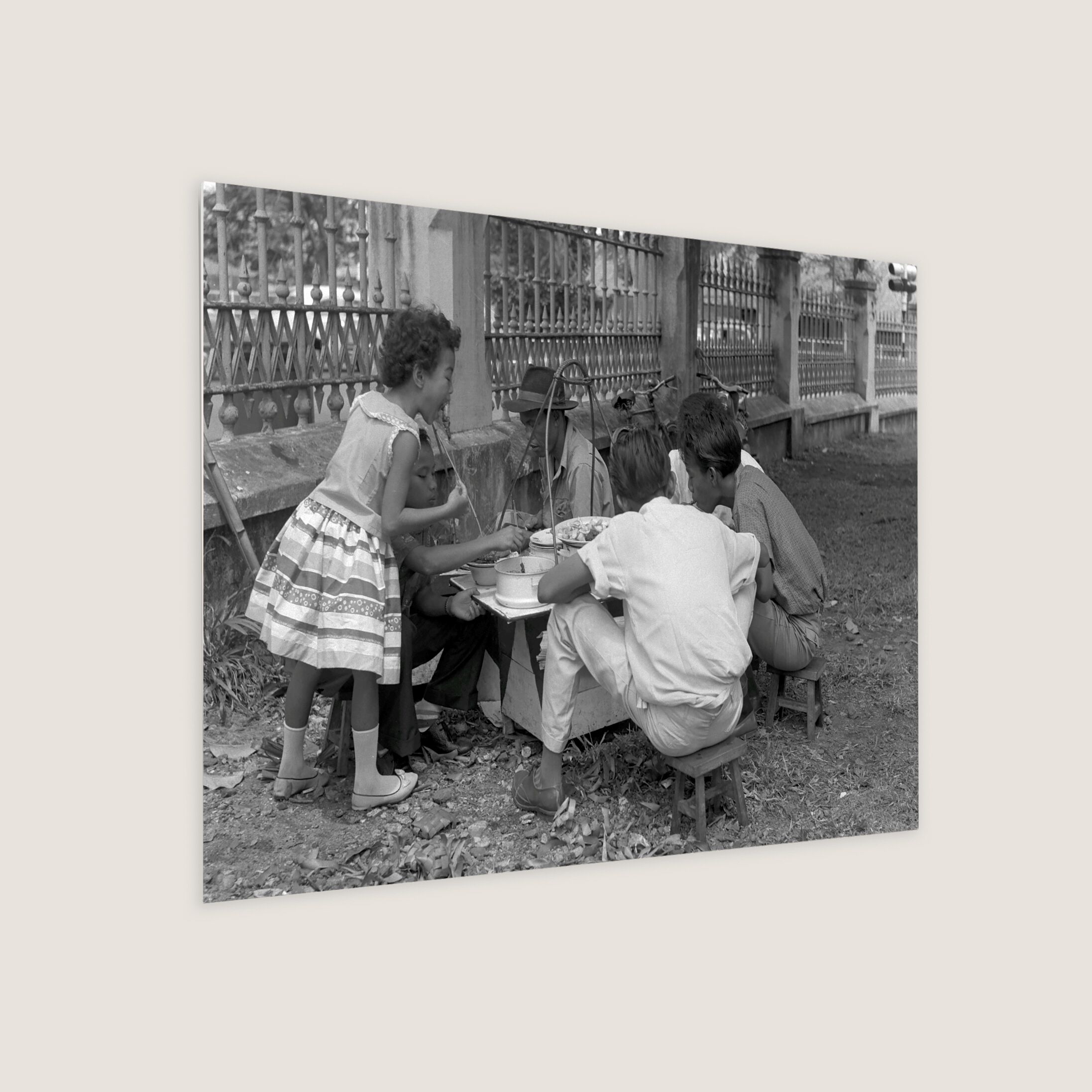
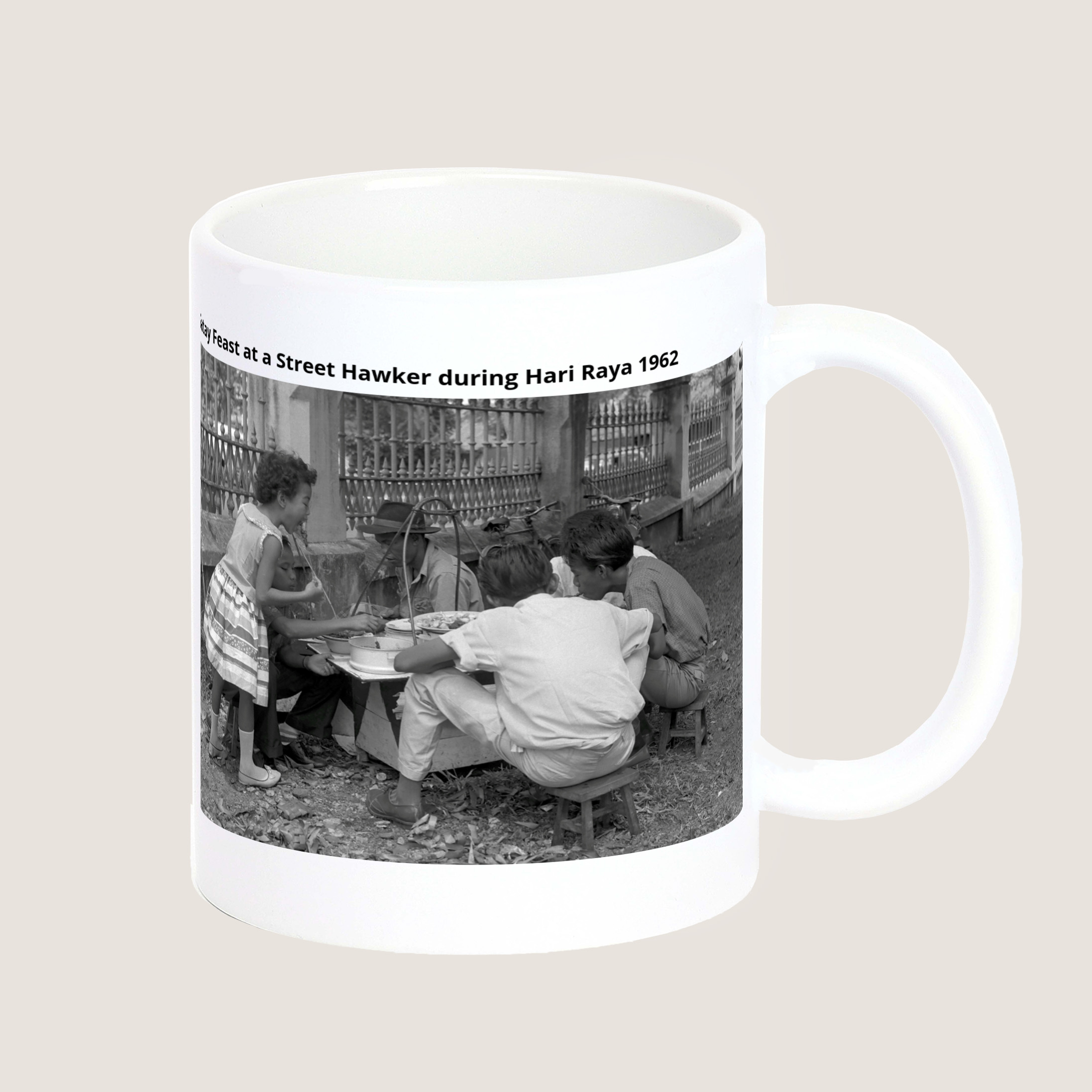
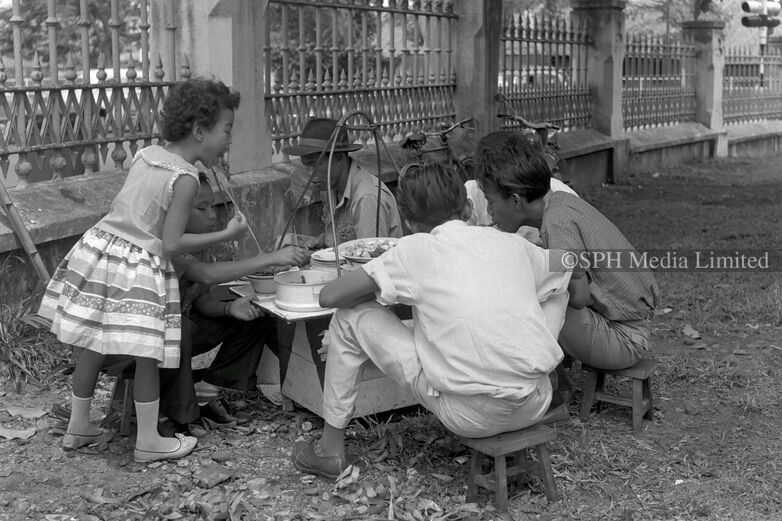 Satay Feast at a Street Hawker during Hari Raya
1962
Satay Feast at a Street Hawker during Hari Raya
1962
Satay Feast at a Street Hawker during Hari Raya
Year 1962
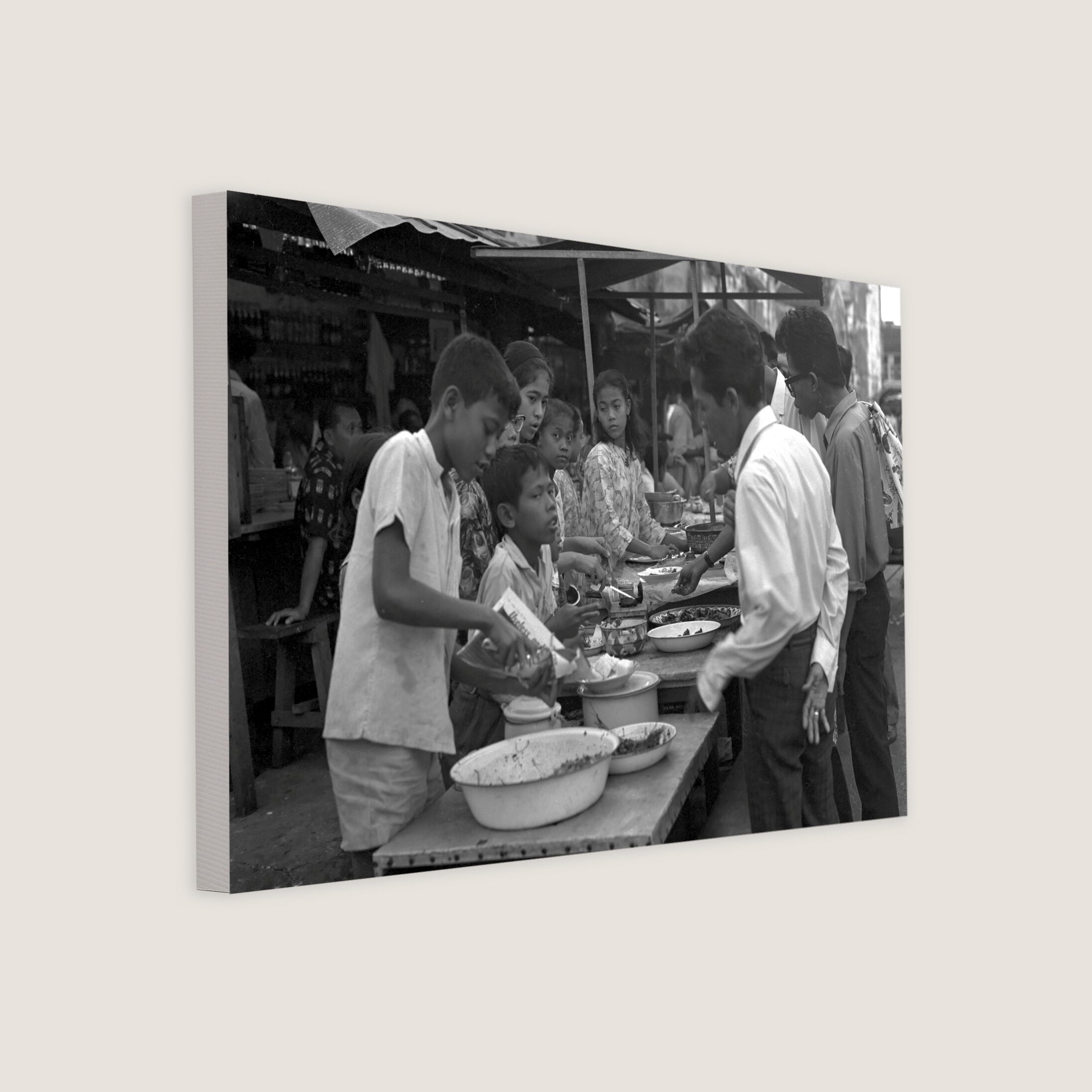
A group of boys enjoying a satay feast outside the National Museum during Hari Raya Puasa. Before the establishment of hawker centres, street hawkers were a common sight, selling food such as satay from their portable stalls.
©️ SPH Media Limited
Share to
Tags
Available for print on products
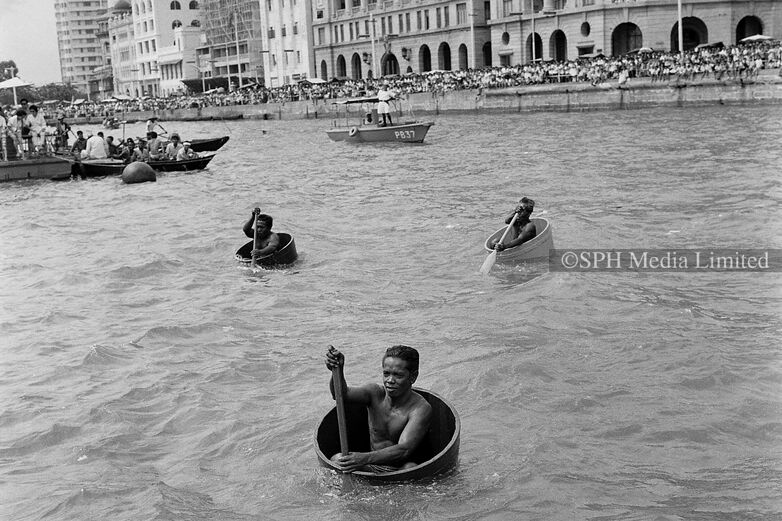 Sea Sports Tub Race at Collyer Quay
1960
Sea Sports Tub Race at Collyer Quay
1960
Sea Sports Tub Race at Collyer Quay
Year 1960
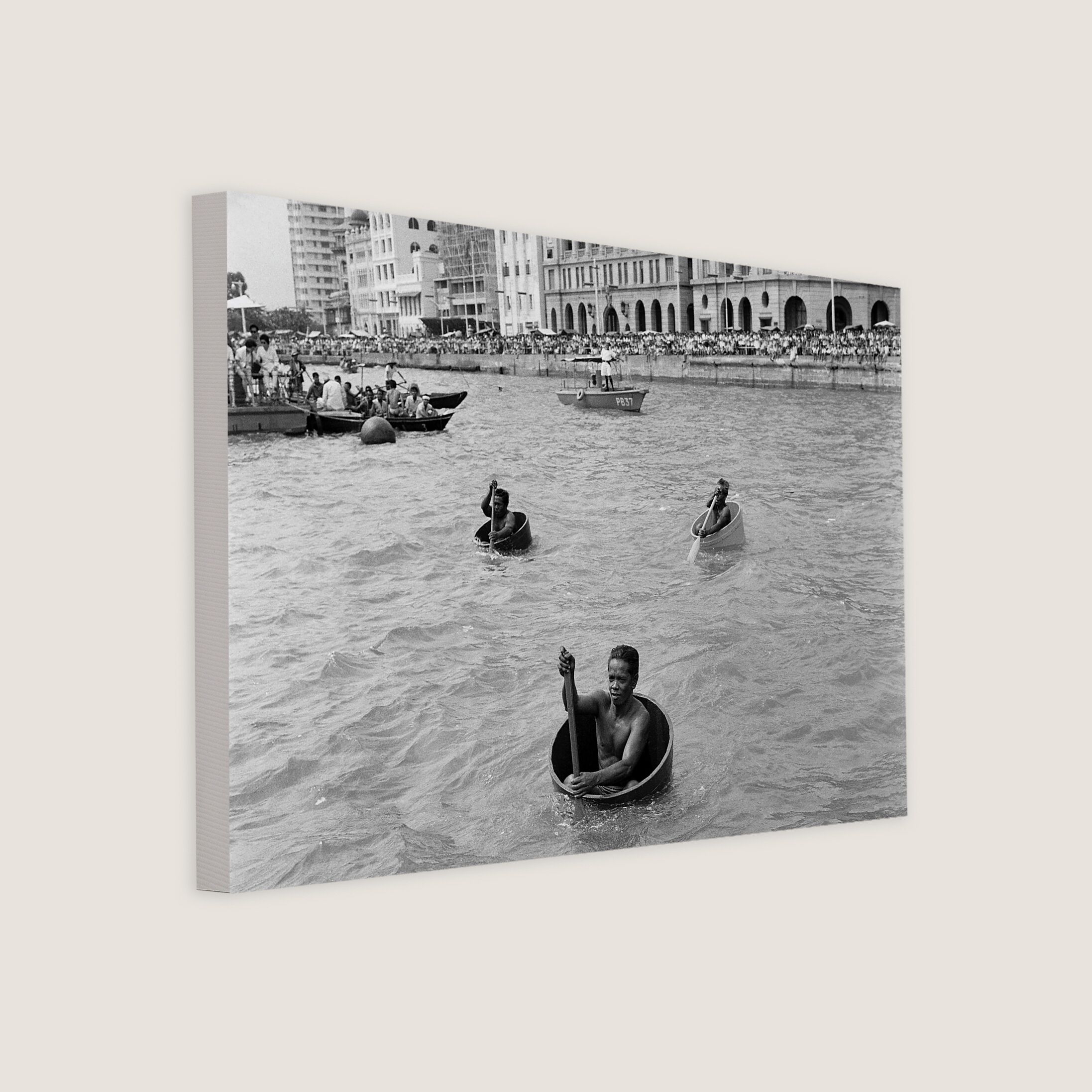
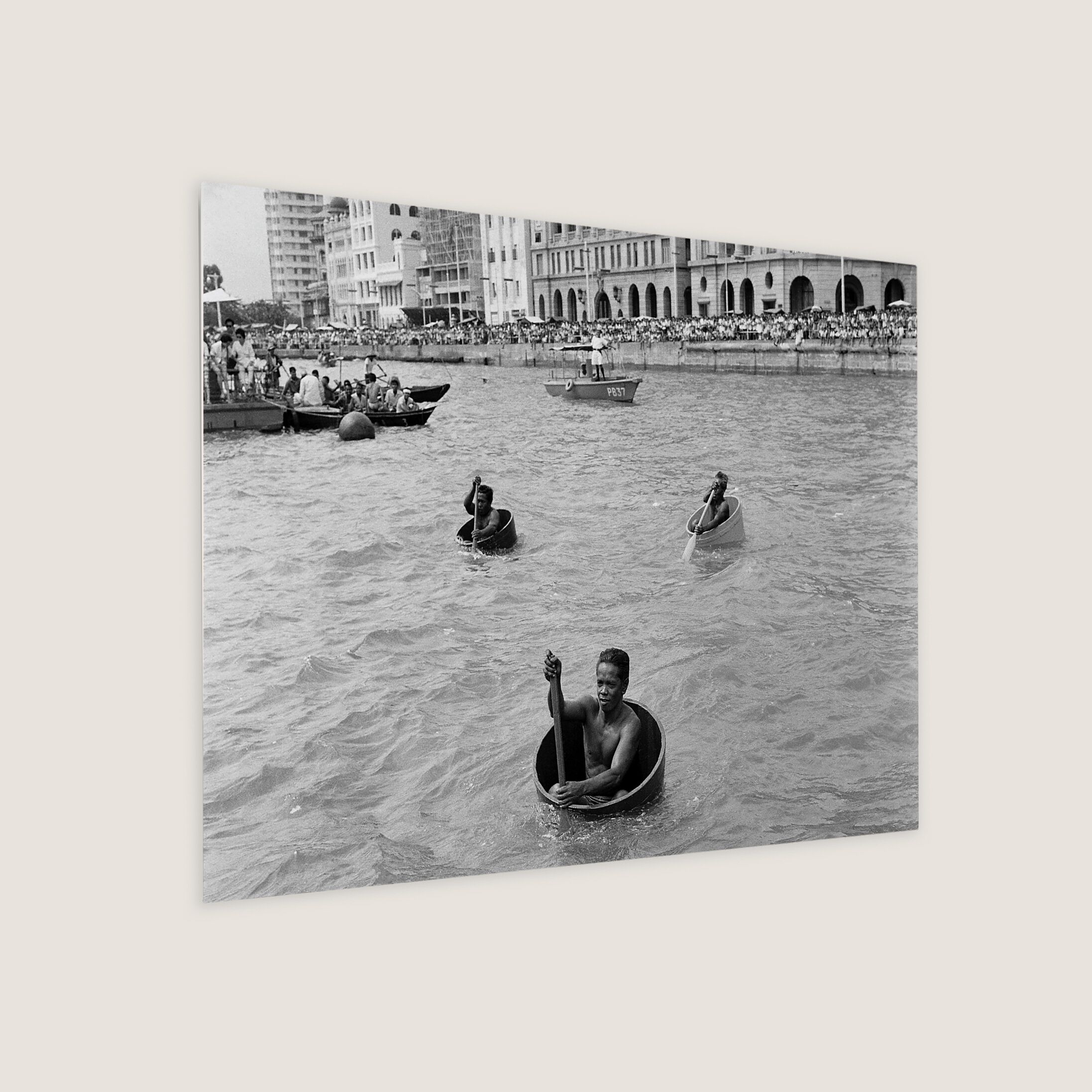
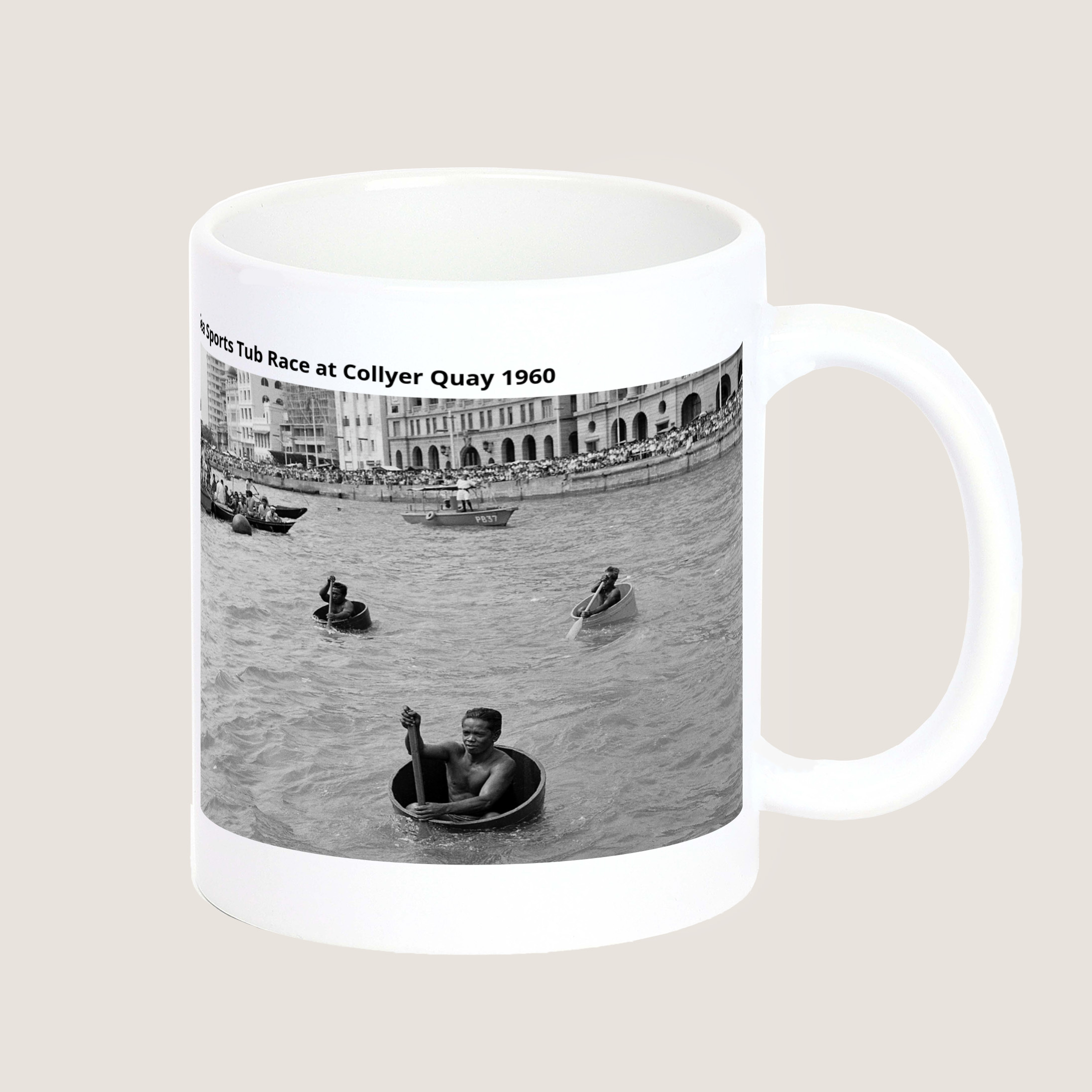
Before Singapore attained independence, the New Year Sea Sports stood as a beloved annual tradition. Held along the bustling waterfront at Collyer Quay, the event welcomed the new year with much fanfare, drawing throngs of spectators who lined the shoreline. In the 1960 edition, a total of 27 events were staged, reflecting the vibrant spirit and communal enthusiasm of the time.
©️ SPH Media Limited
Share to
Tags
Available for print on products
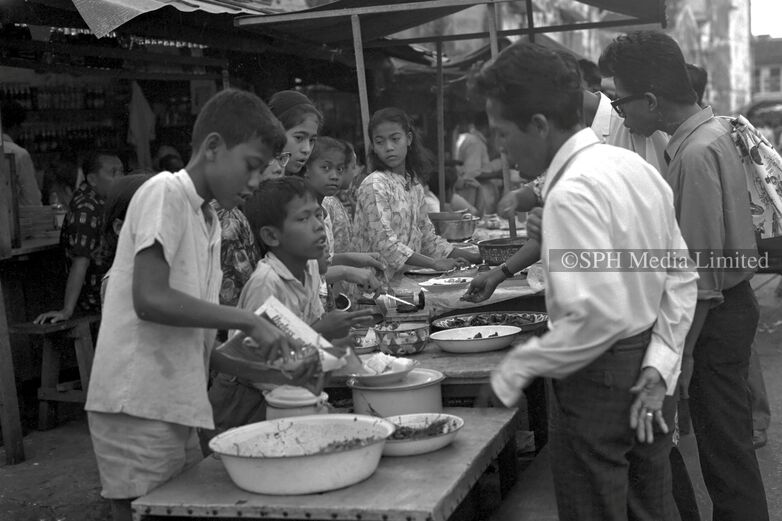 Street Hawkers During Ramadan at Bussorah Street
1965
Street Hawkers During Ramadan at Bussorah Street
1965
Street Hawkers During Ramadan at Bussorah Street
Year 1965
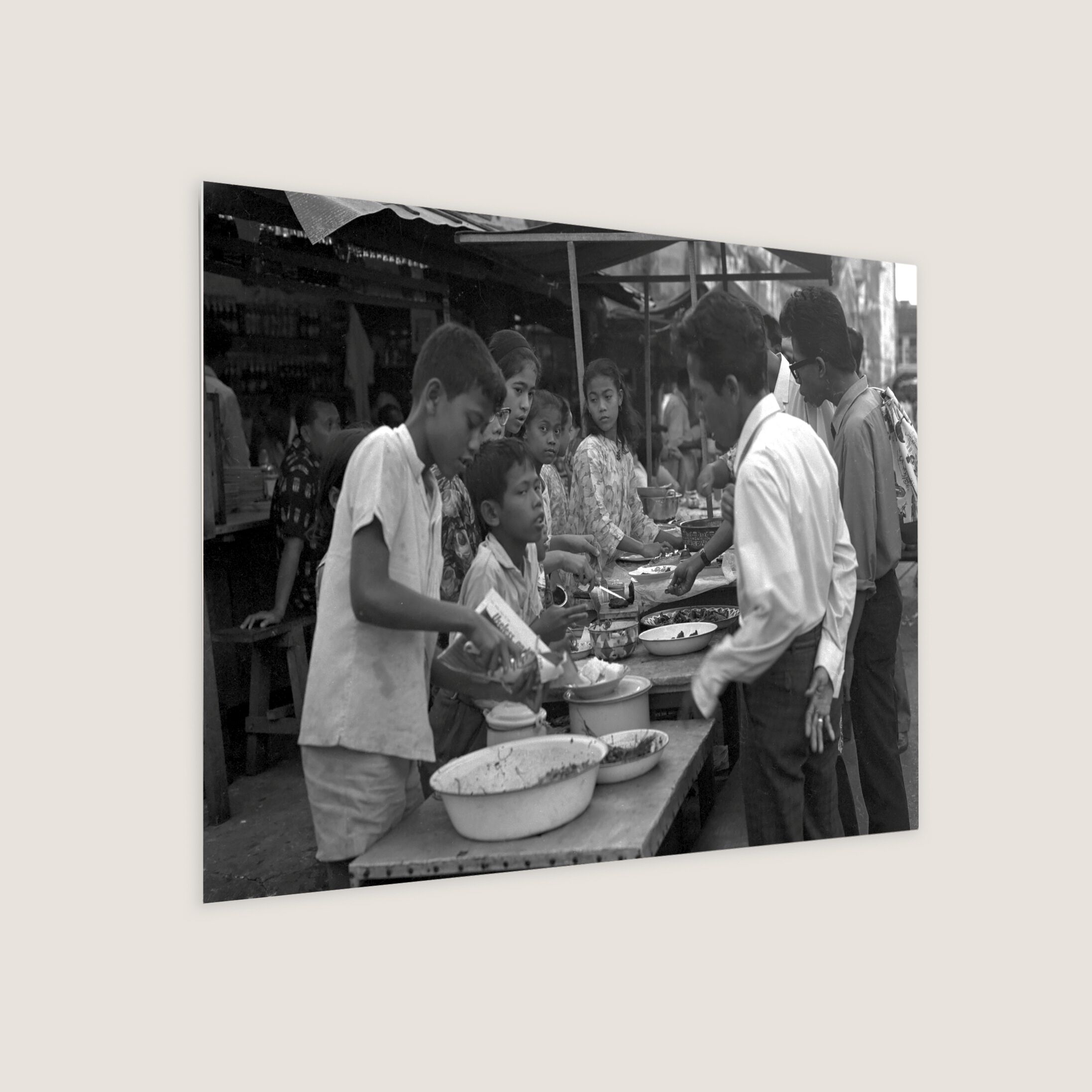
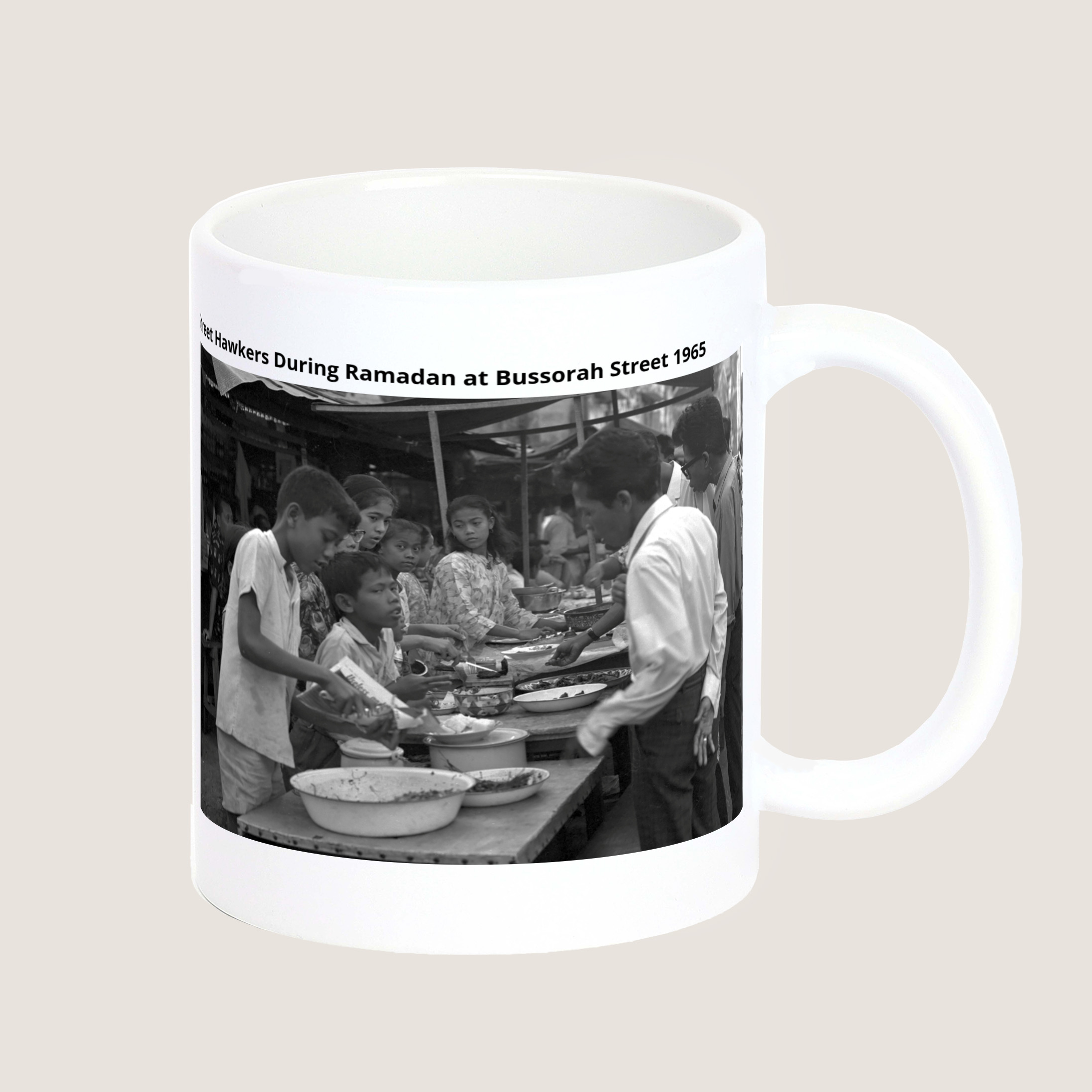
Open-air street hawkers sold confections on Bussorah Street during the fasting month of Ramadan. These stalls were a common sight in Singapore, and the government attempted to regulate them due to concerns about hygiene and traffic congestion. The street hawking trade only saw improvements in regulation from the 1960s to the 1980s, when islandwide checks and registration exercises were enforced.
©️ SPH Media Limited
Share to
Tags
Available for print on products
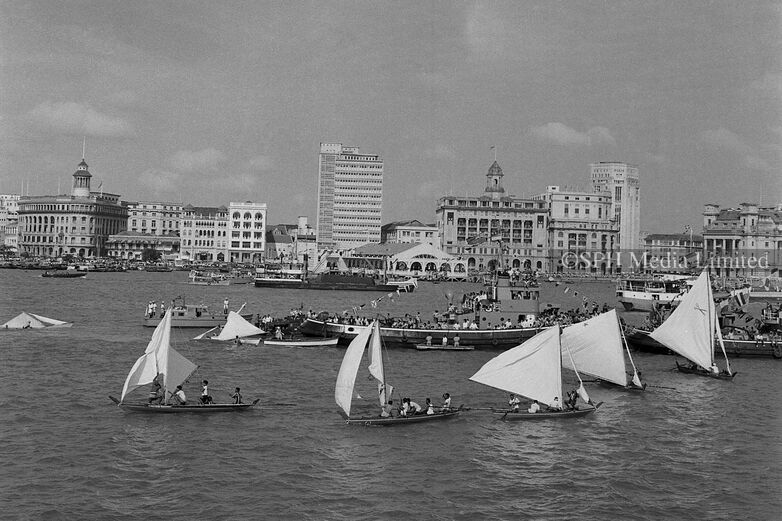 New Year Sea Sport off Clifford Pier
1961
New Year Sea Sport off Clifford Pier
1961
New Year Sea Sport off Clifford Pier
Year 1961
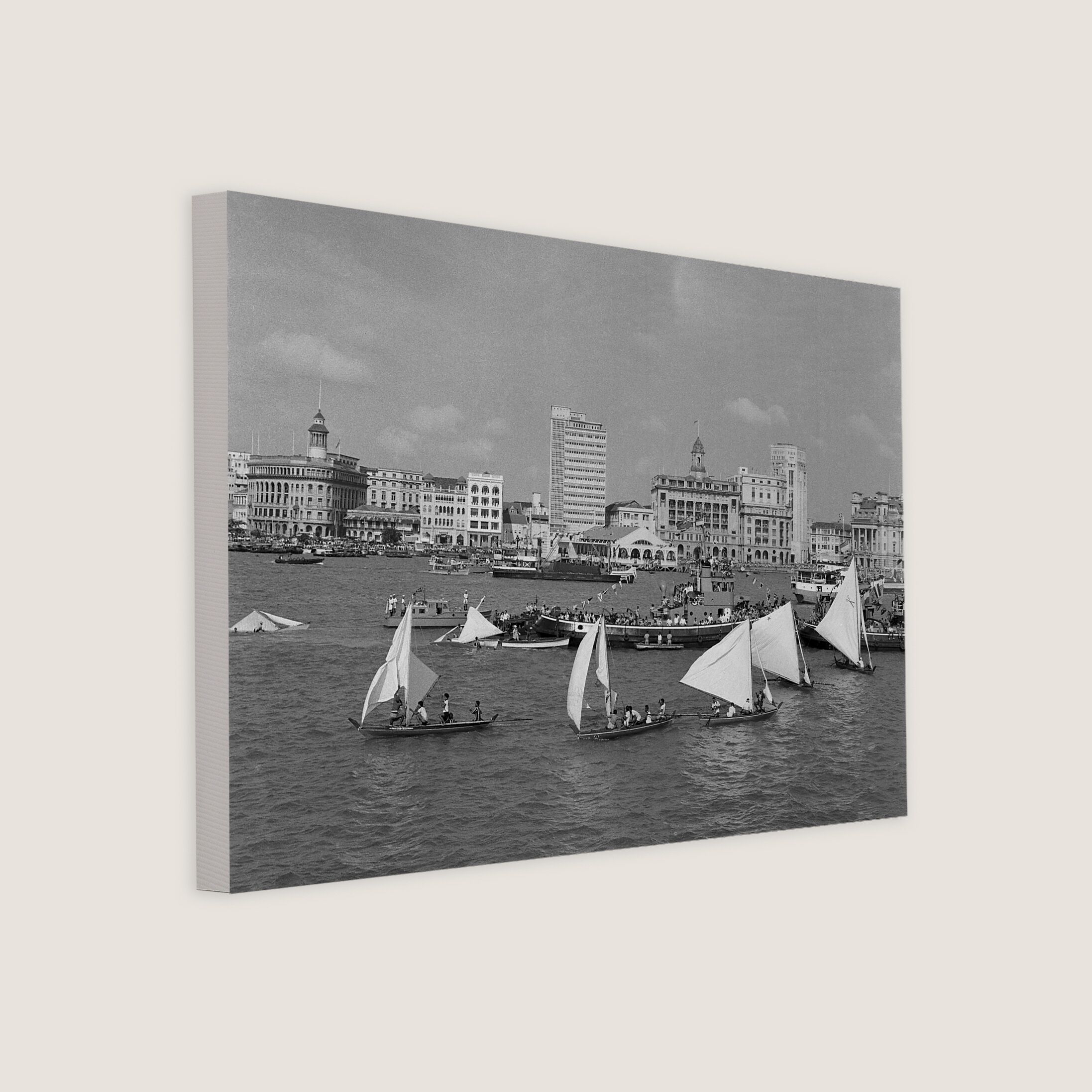
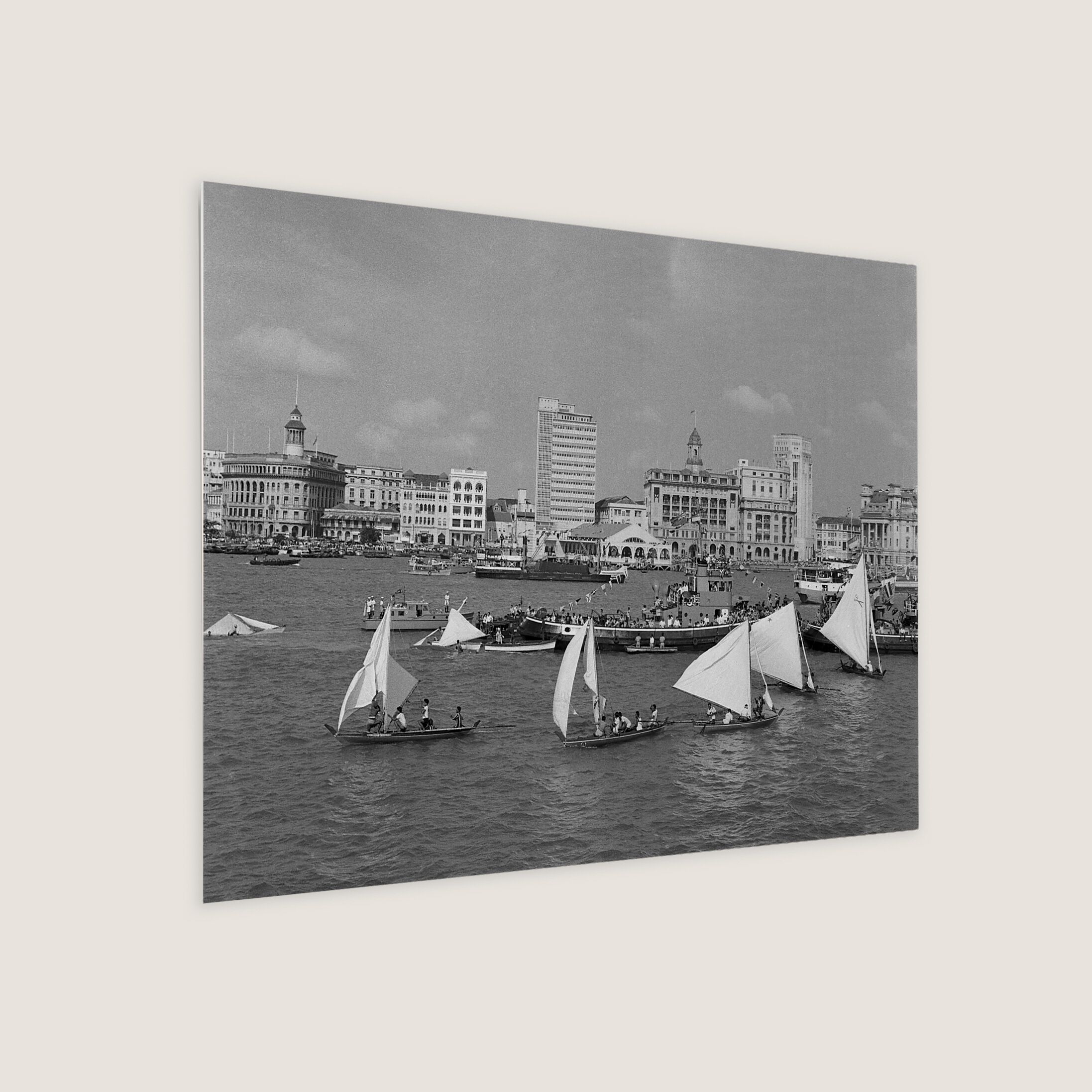
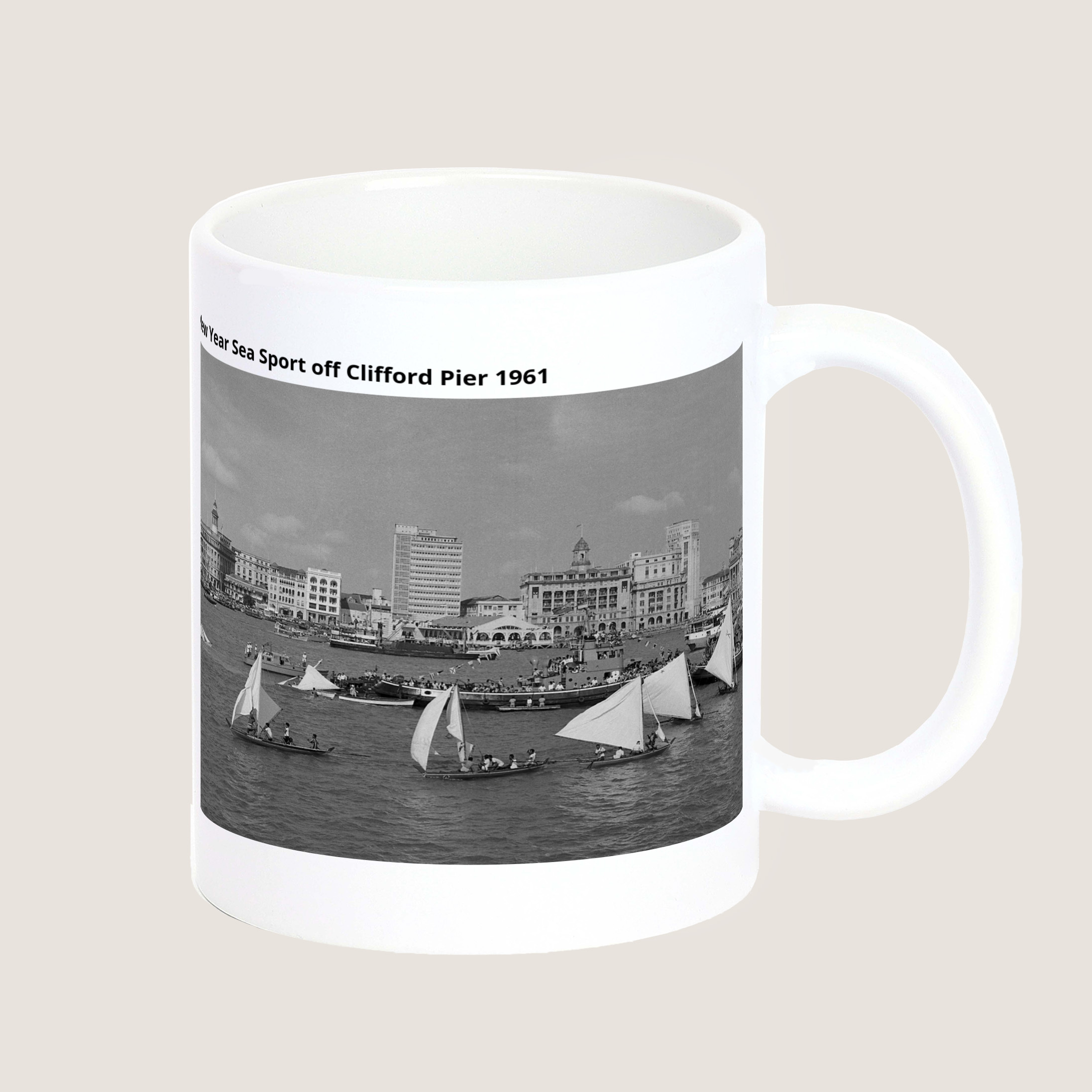
The New Year Sea Sports off Clifford Pier continued a tradition dating back to 1834, when European merchants organised annual regattas featuring races with Malay koleks and other traditional boats. After a hiatus during the Japanese Occupation, the event resumed post-war, drawing large crowds to witness boat races and sea sports. In this photograph, the Ocean Building is visible on the far left, and the General Post Office stands on the extreme right.
Share to
Tags
Available for print on products
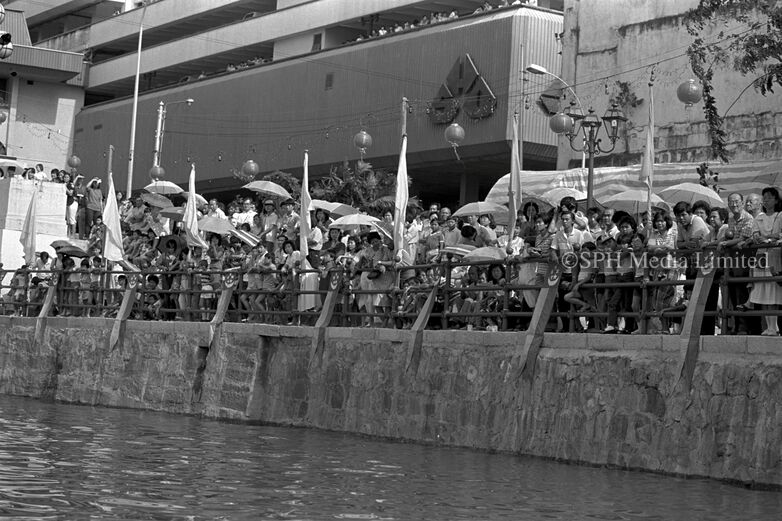 Awaiting the Start of the First River Carnival
1986
Awaiting the Start of the First River Carnival
1986
Awaiting the Start of the First River Carnival
Year 1986
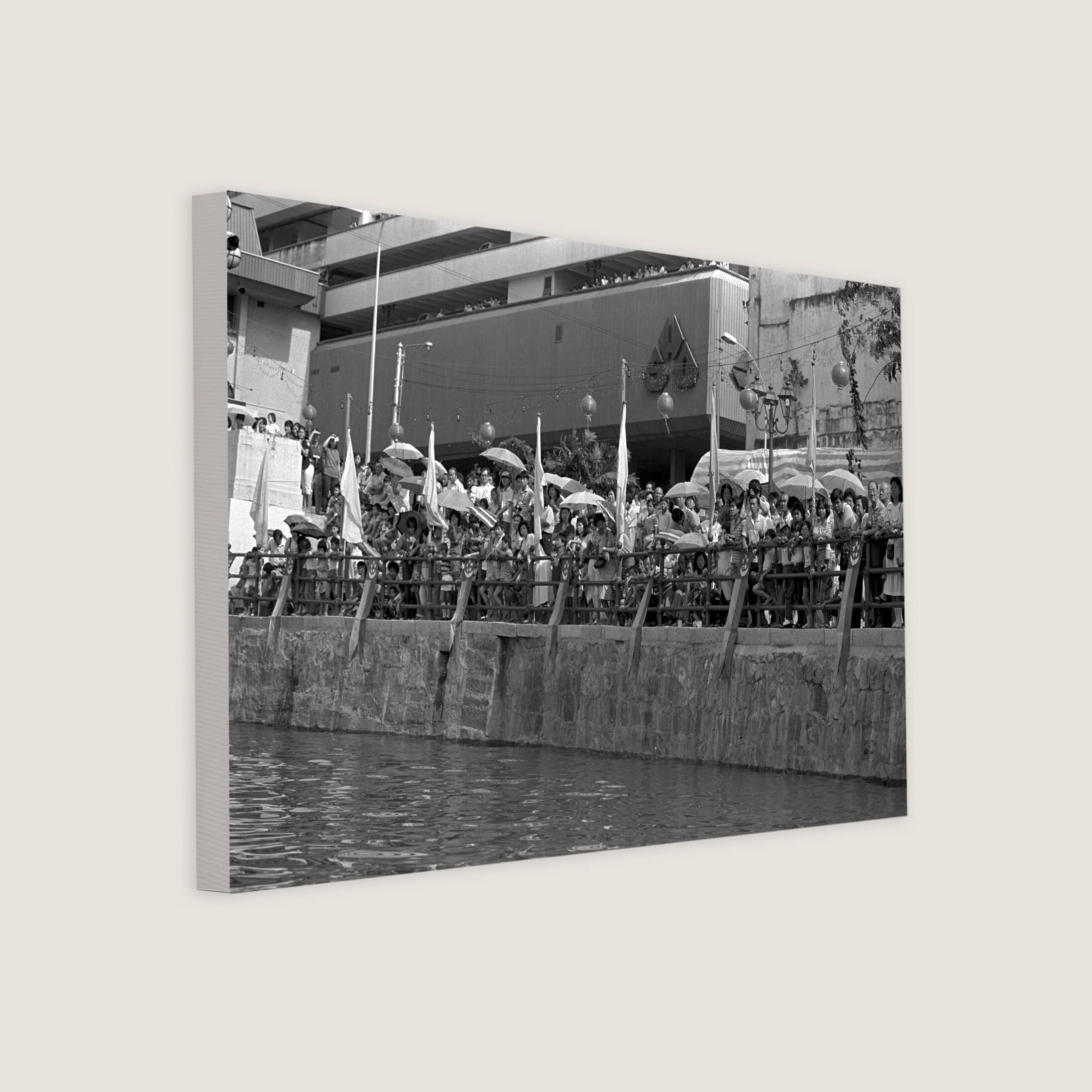
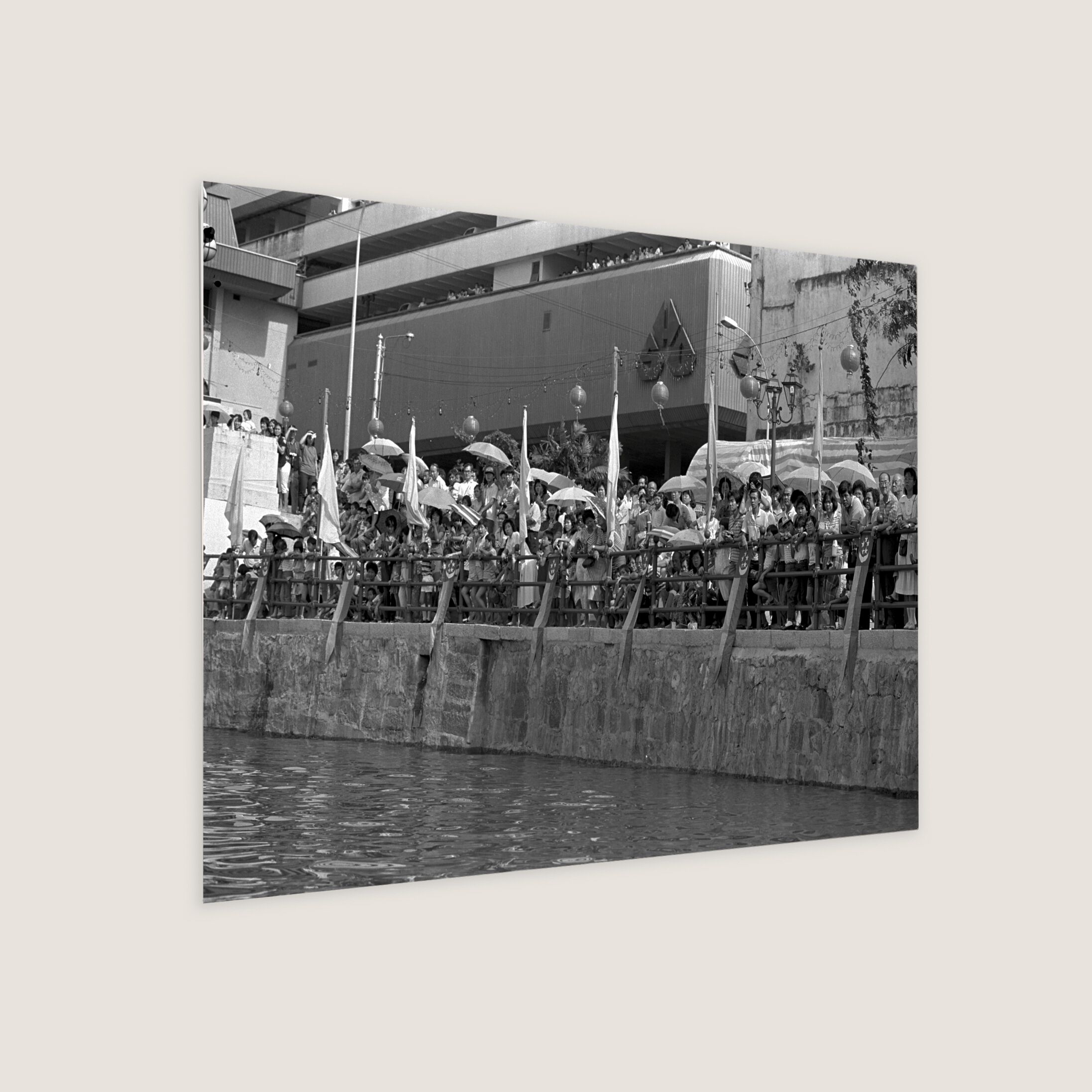
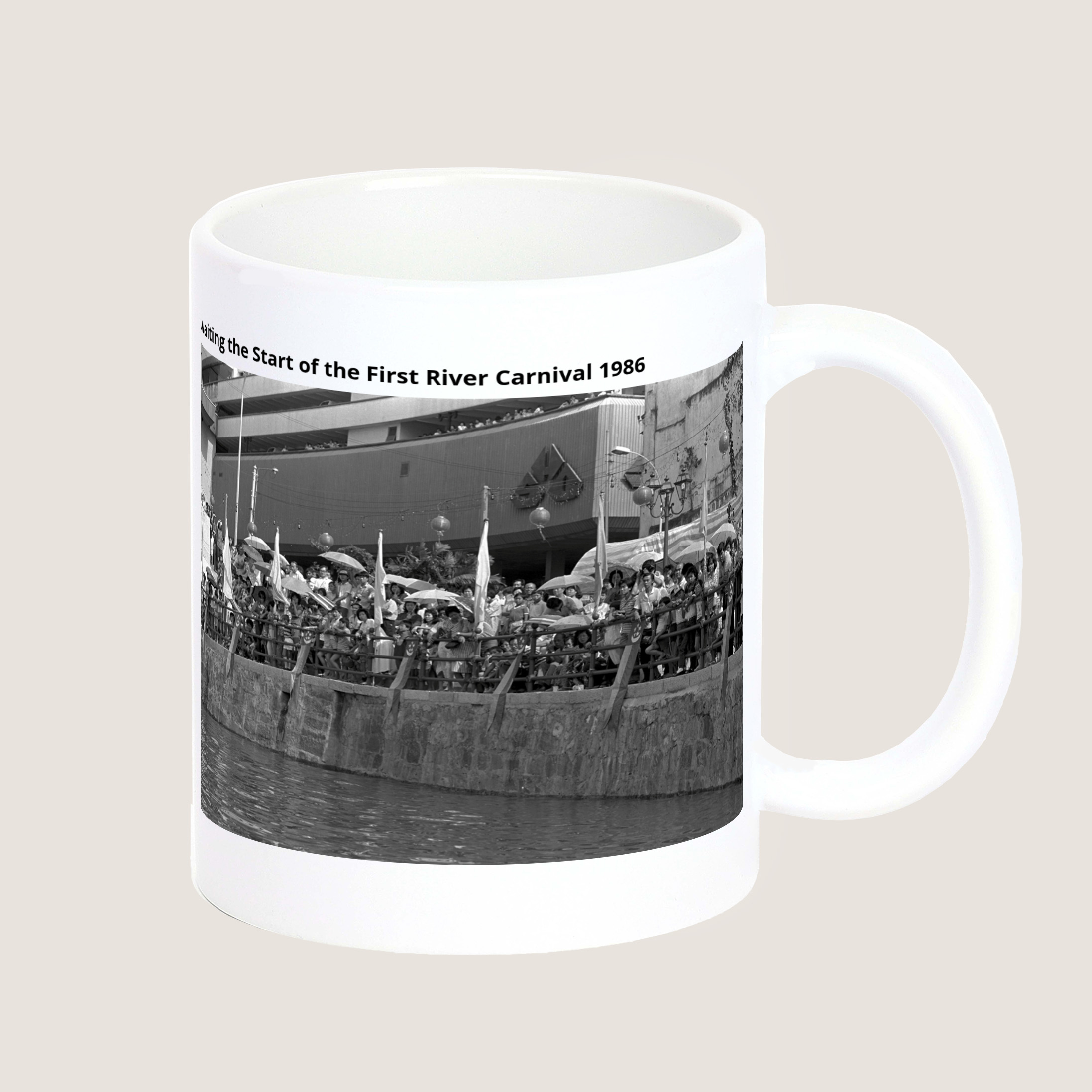
Held in November 1986, the Singapore River Carnival was part of Merlion Week, organised by the Singapore Armed Forces Reservists Association (SAFRA) and supported by the Ministry of Culture. Staged along a section of the river that had already been cleaned and cleared of tongkangs, the event reflected ongoing efforts to transform the historic waterway.
©️ SPH Media Limited
Share to
Tags
Available for print on products
Have a photo idea to suggest?