No relevant currency found
Transport
Ride through the years and see the transformation of transportation in Singapore
Sea Carnival to Celebrate National Day
1971
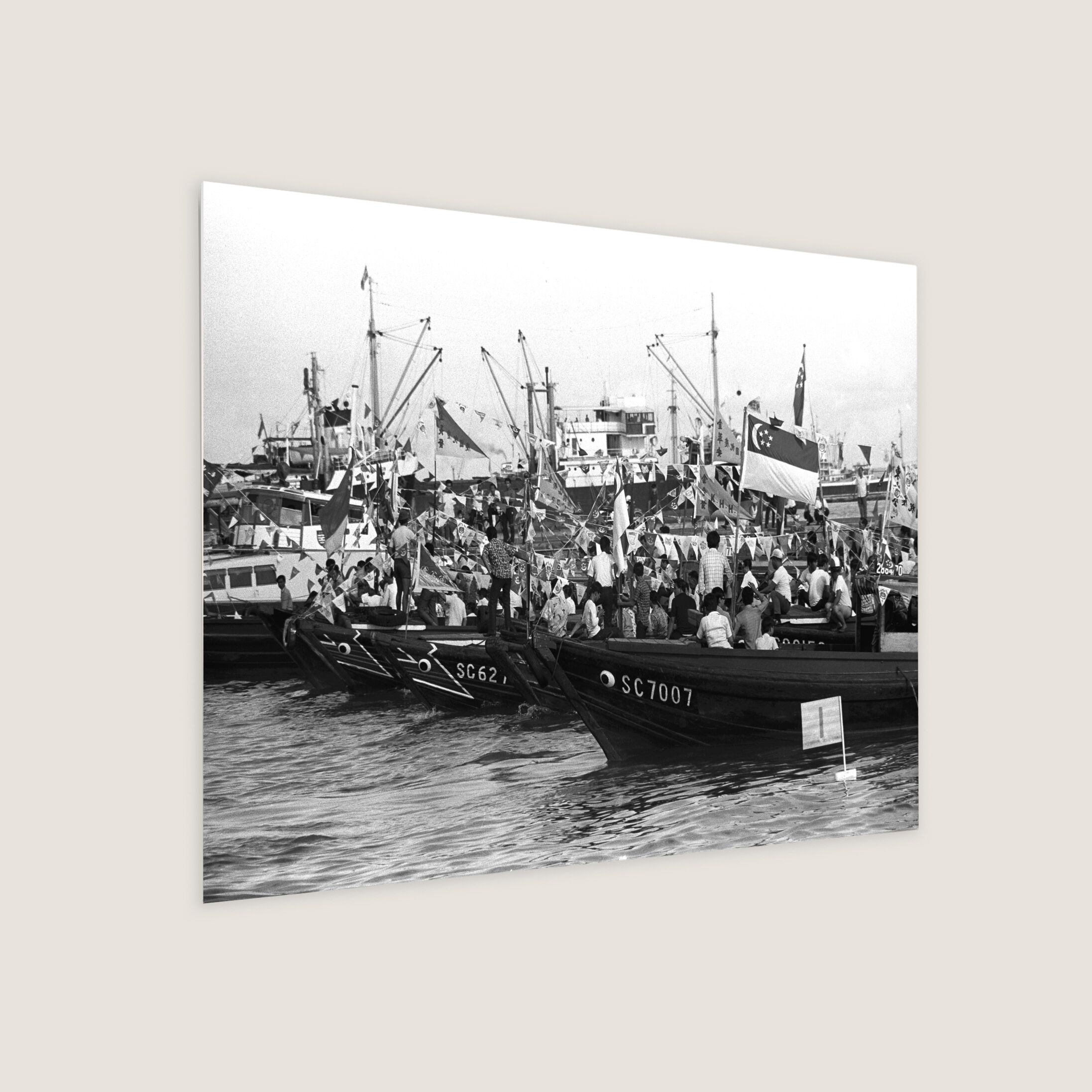
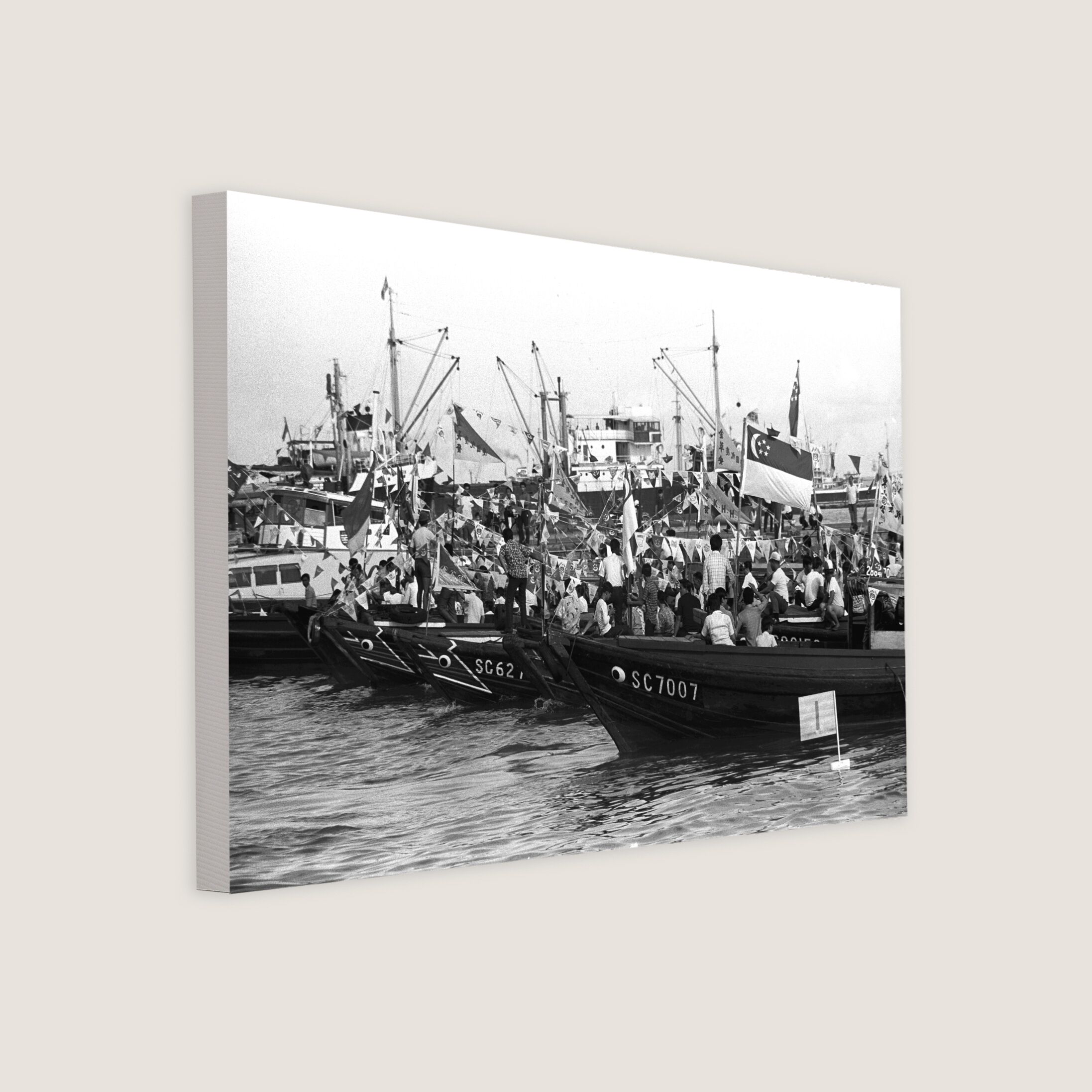
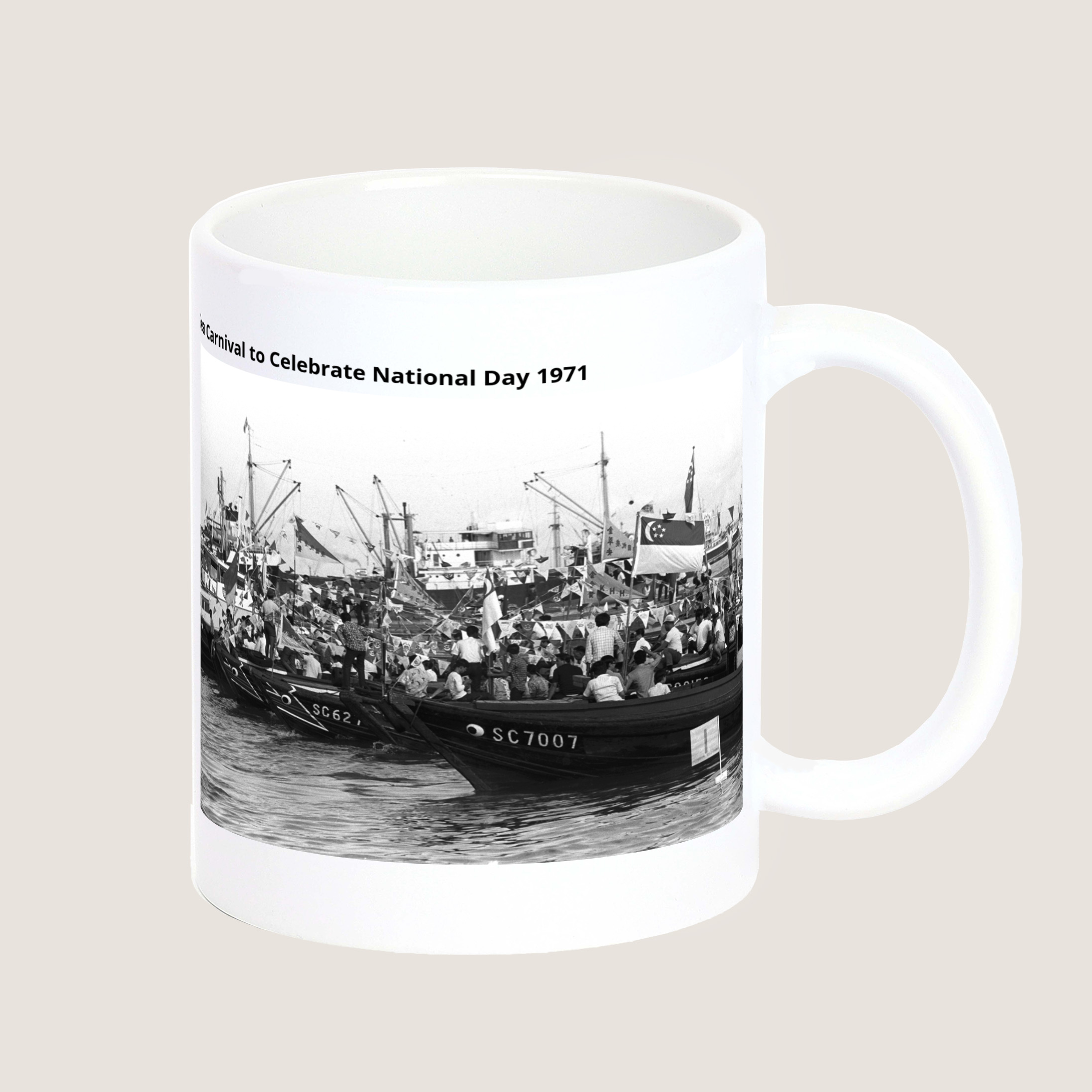
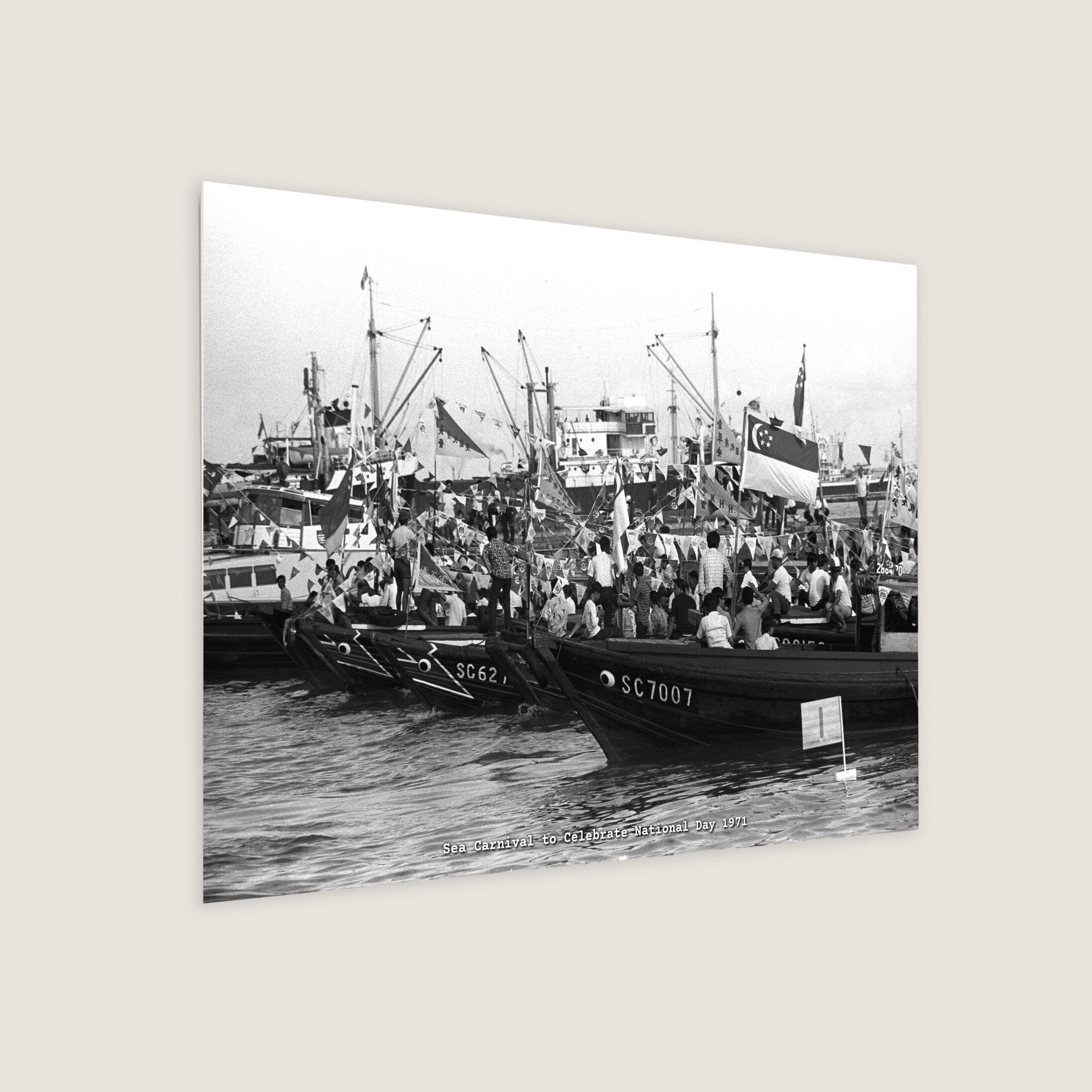
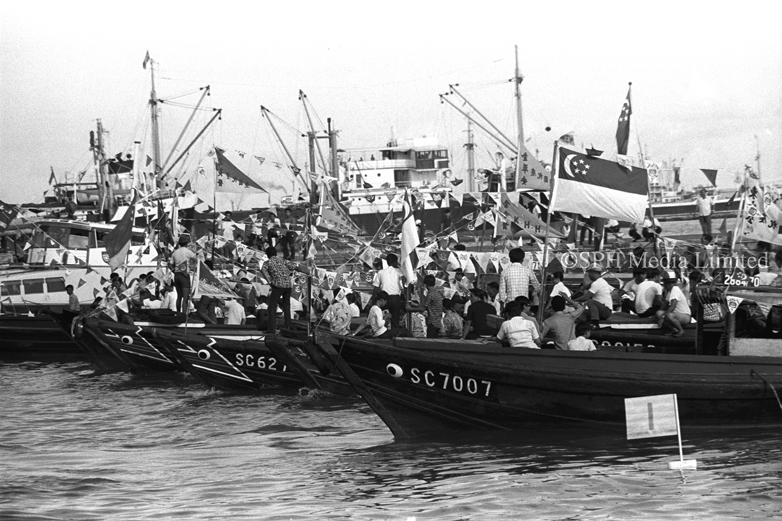
Motor launch SC 7007 reached the finishing point beating eight others on 15 August 1971. The sea carnival was organised by the Port of Singapore Recreation Club to celebrate National Day.
Sea Carnival to Celebrate National Day
Year 1971
Motor launch SC 7007 reached the finishing point beating eight others on 15 August 1971. The sea carnival was organised by the Port of Singapore Recreation Club to celebrate National Day.
©️ SPH Media Limited
Share to
Tags
Available for print on products
Year
Share to
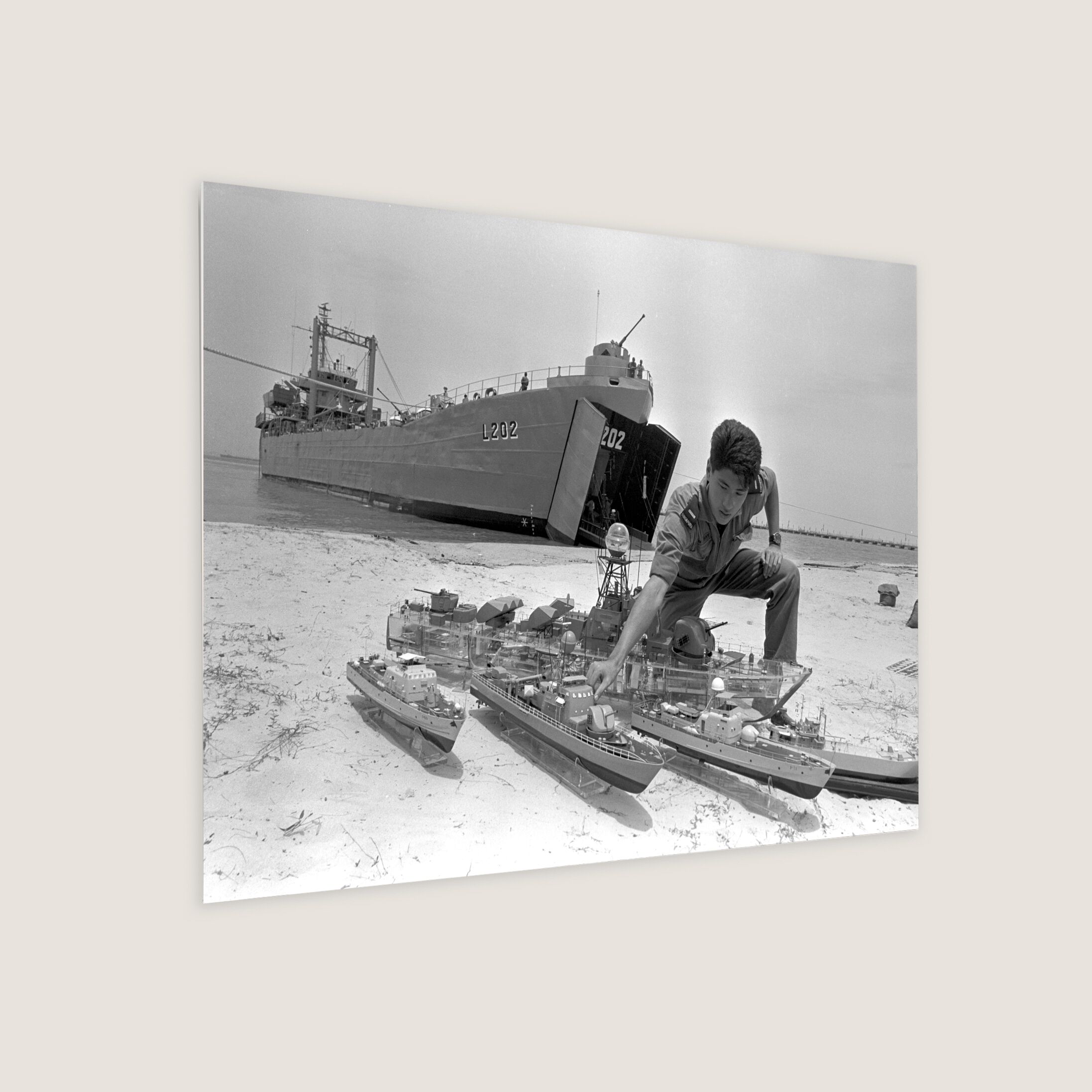
 Landing Ship Tank Beached Near the Bedok Jetty
1986
Landing Ship Tank Beached Near the Bedok Jetty
1986
Landing Ship Tank Beached Near the Bedok Jetty
Year 1986
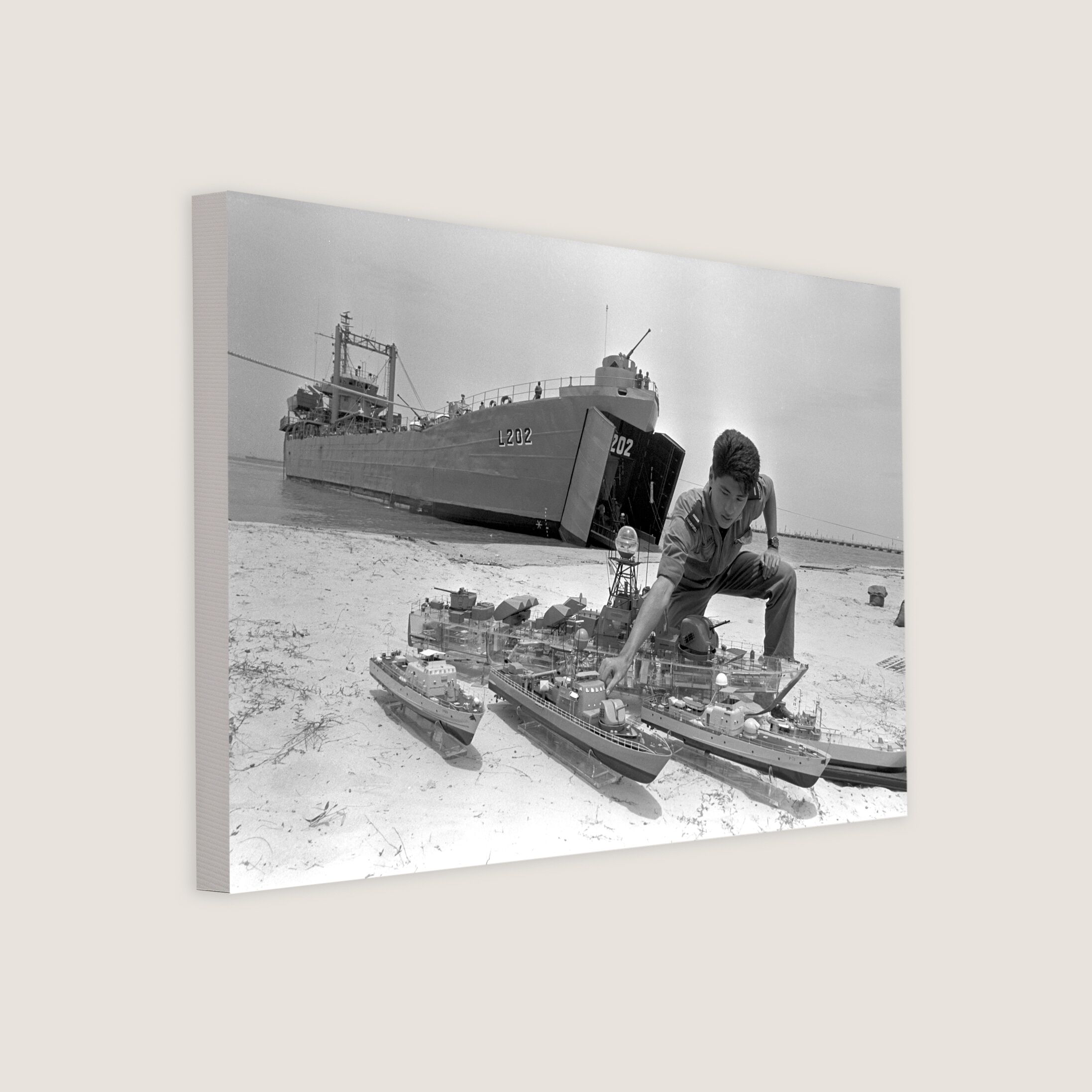
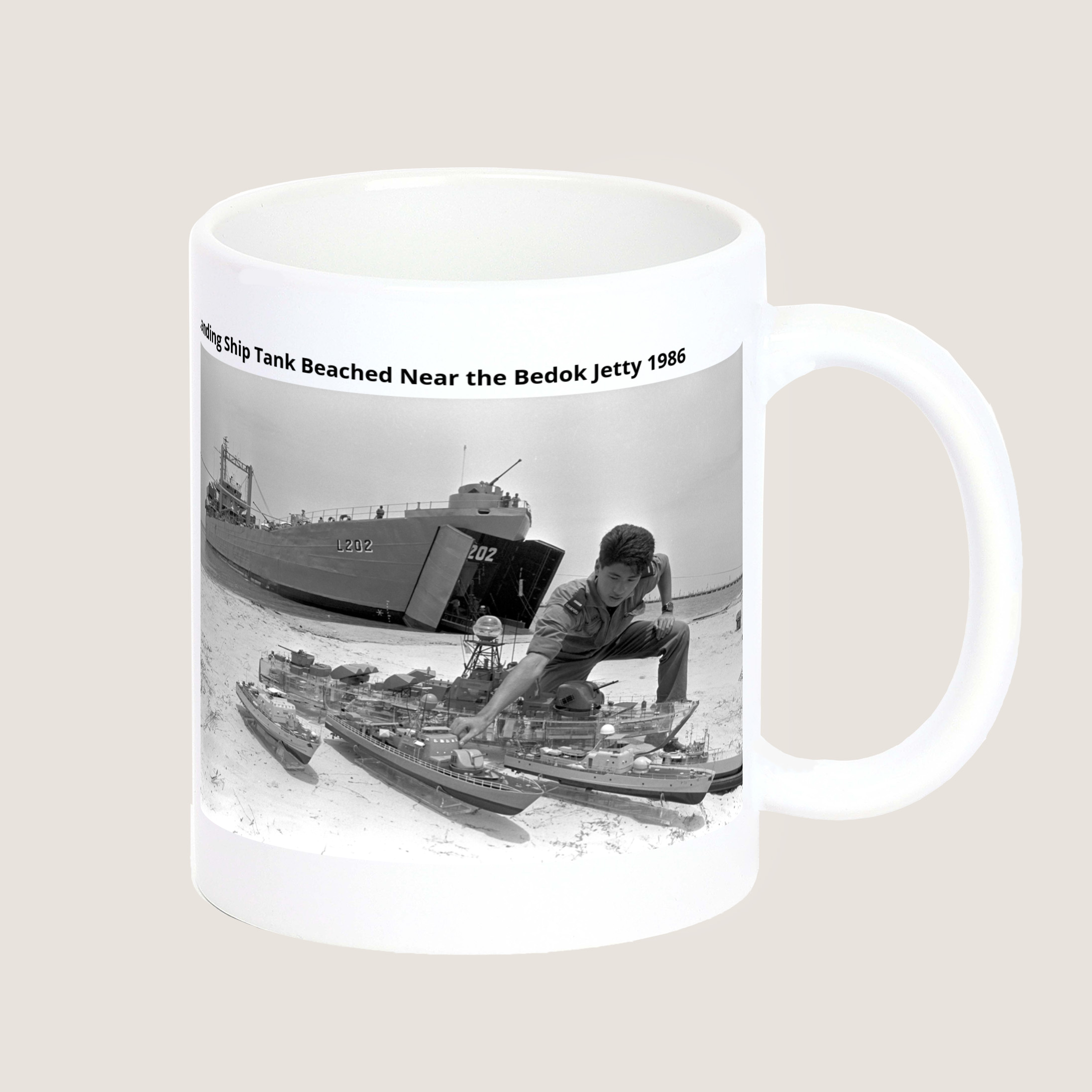
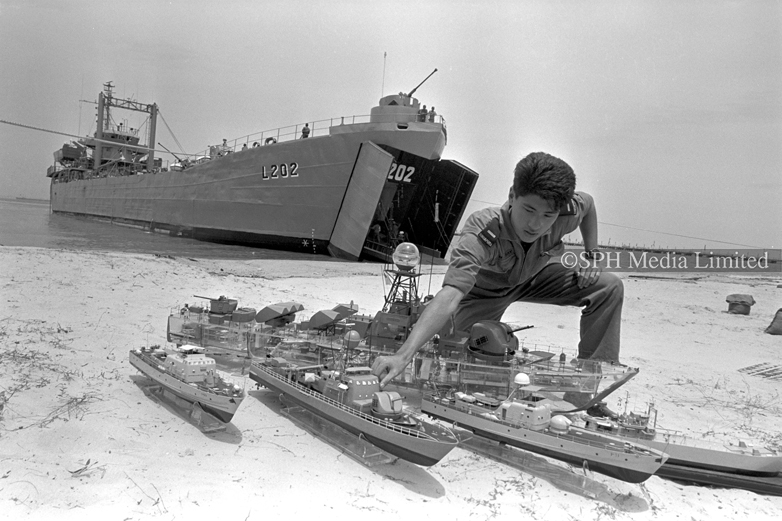
National Day Carnival at East Coast Parkway. The exhibition of naval weapons and equipment was held on a landing ship tank beached near the Bedok jetty.
©️ SPH Media Limited
Share to
Tags
Available for print on products
Sea Carnival to Celebrate National Day
1971
Sea Carnival to Celebrate National Day
Year 1971
Motor launch SC 7007 reached the finishing point beating eight others on 15 August 1971. The sea carnival was organised by the Port of Singapore Recreation Club to celebrate National Day.
©️ SPH Media Limited
Share to
Tags
Available for print on products
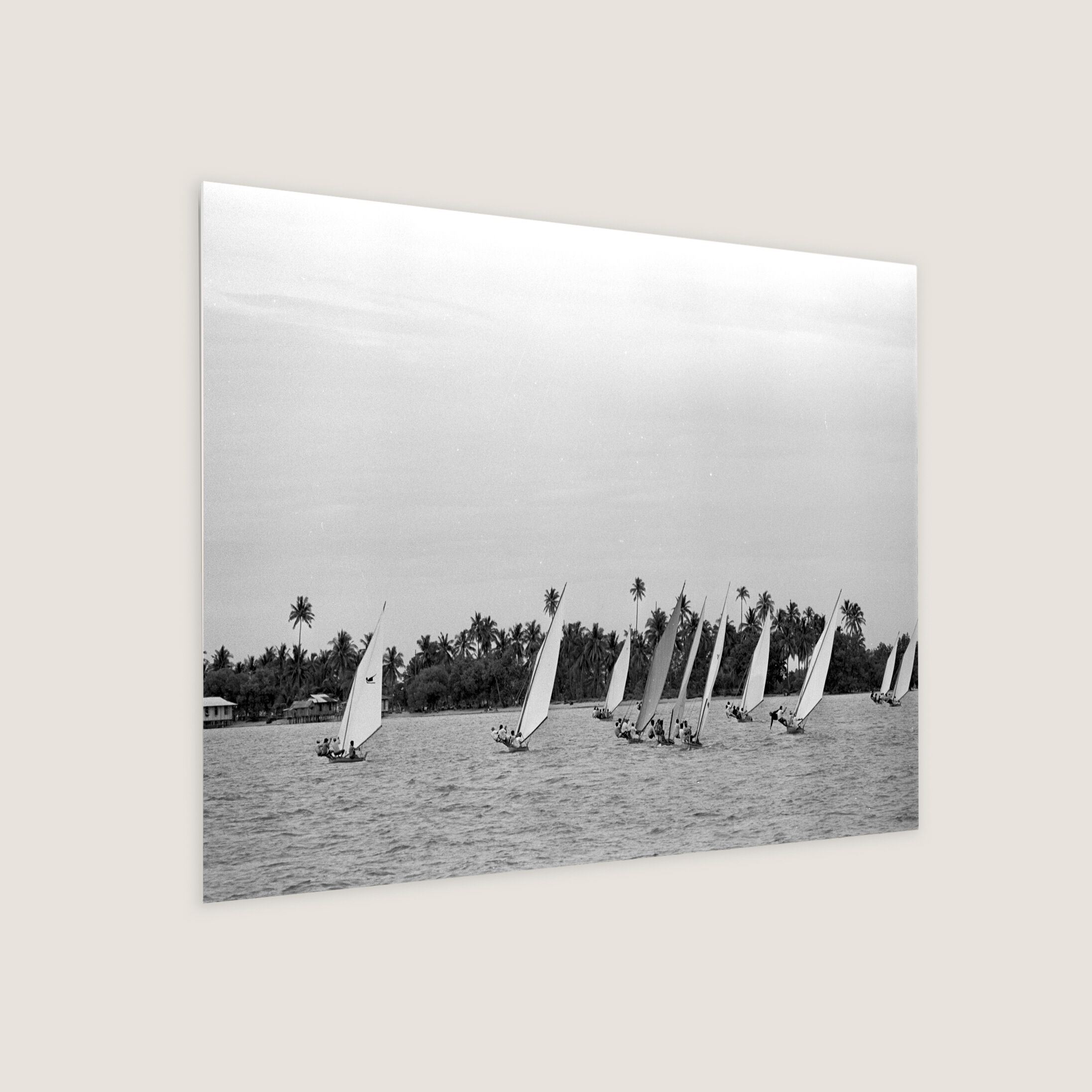
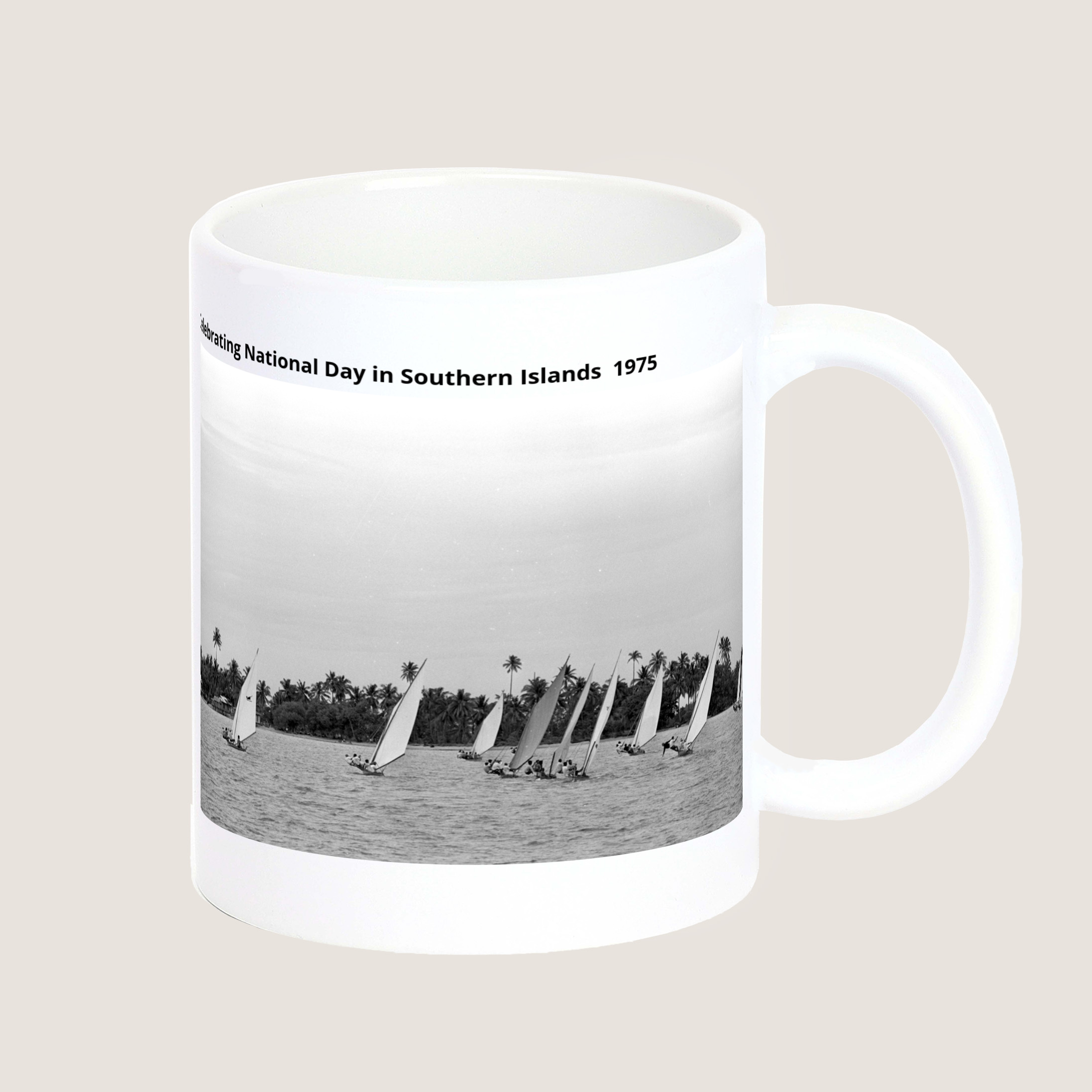
 Celebrating National Day in Southern Islands
1975
Celebrating National Day in Southern Islands
1975
Celebrating National Day in Southern Islands
Year 1975
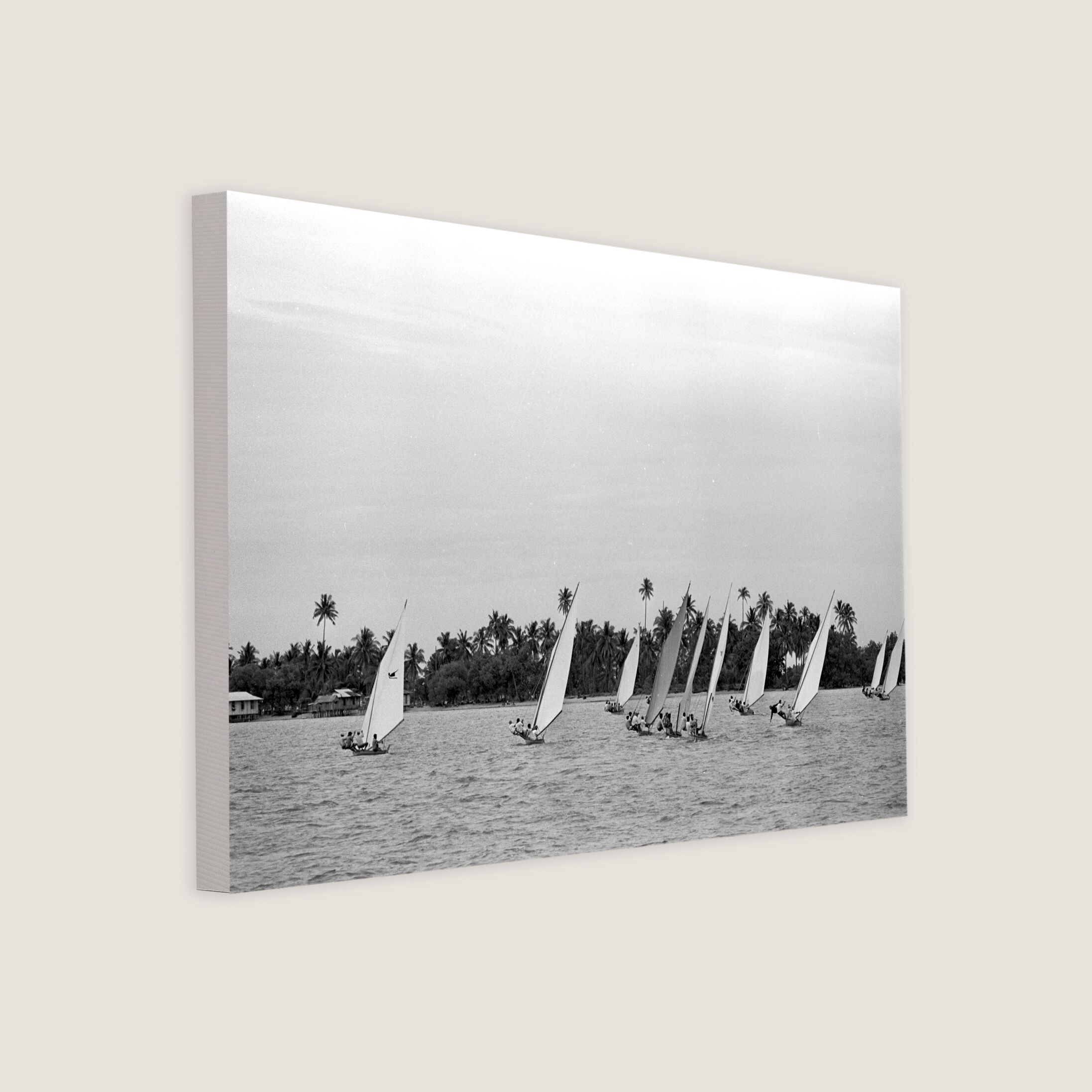
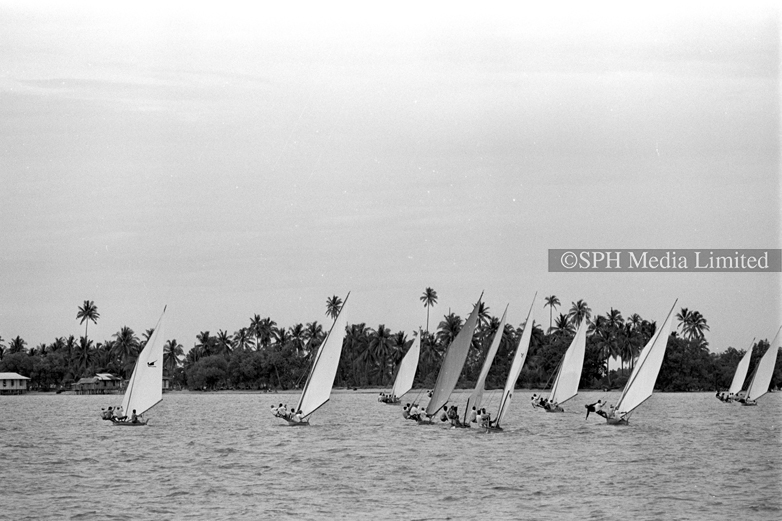
Kolek sailing (small sailing boat) and sampan races were held at Pulau Seking, Singapore on 10 August 1975 as part of the National Day celebrations.
©️ SPH Media Limited
Share to
Tags
Available for print on products
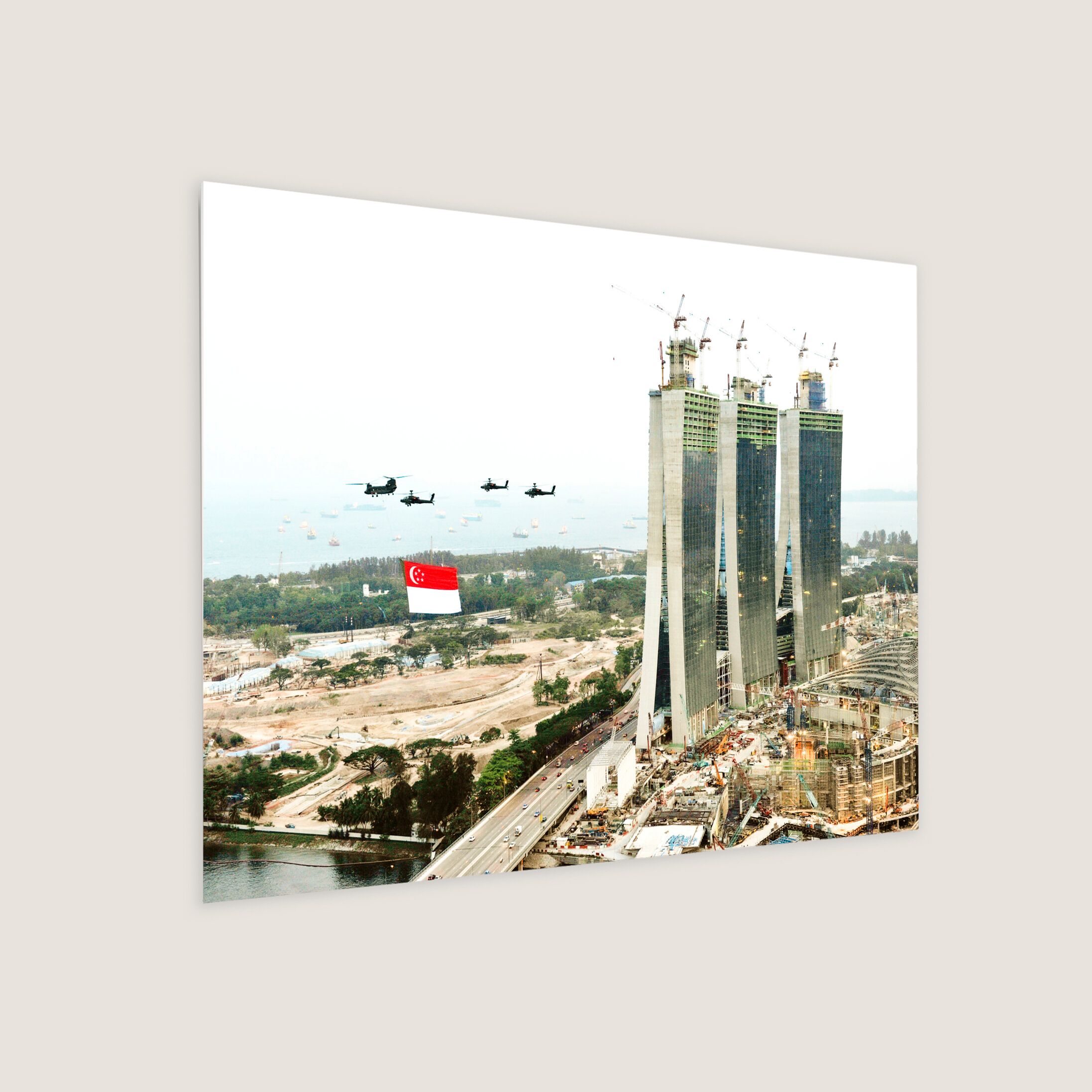
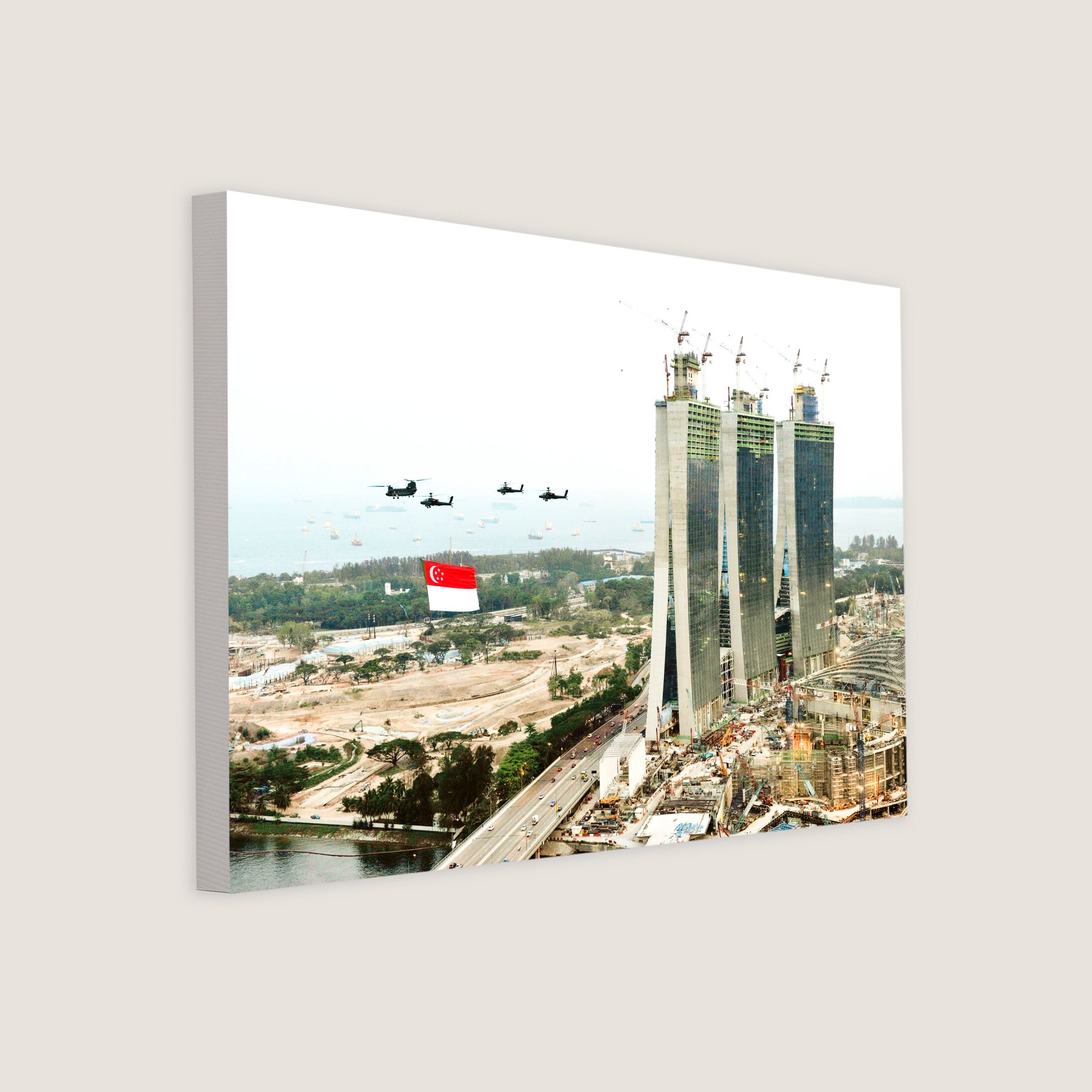
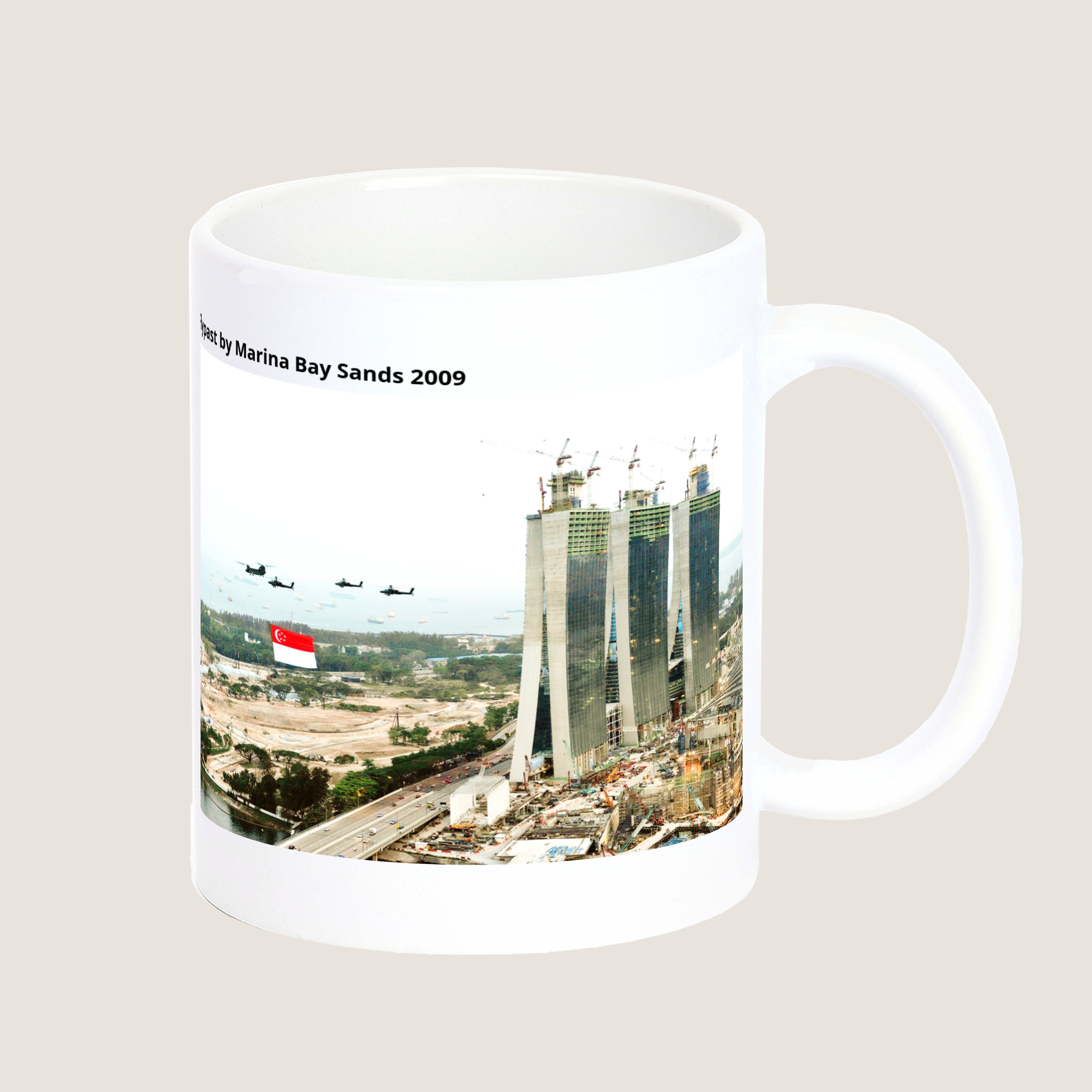
 Flypast by Marina Bay Sands
2009
Flypast by Marina Bay Sands
2009
Flypast by Marina Bay Sands
Year 2009
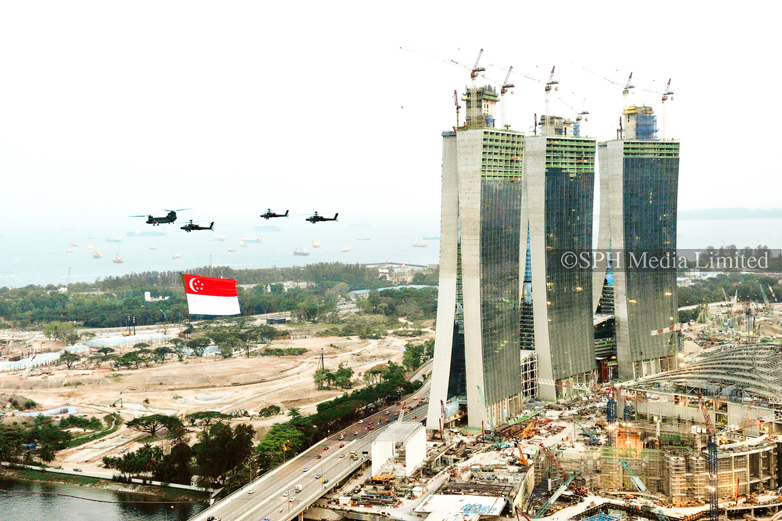
Three Apaches, accompanied by one Chinhok, hoist a 20m-by 30m Singapore flag as they fly past the Marina Sands Bay integrated resort, which was still under construction at that point.
©️ SPH Media Limited
Share to
Tags
Available for print on products
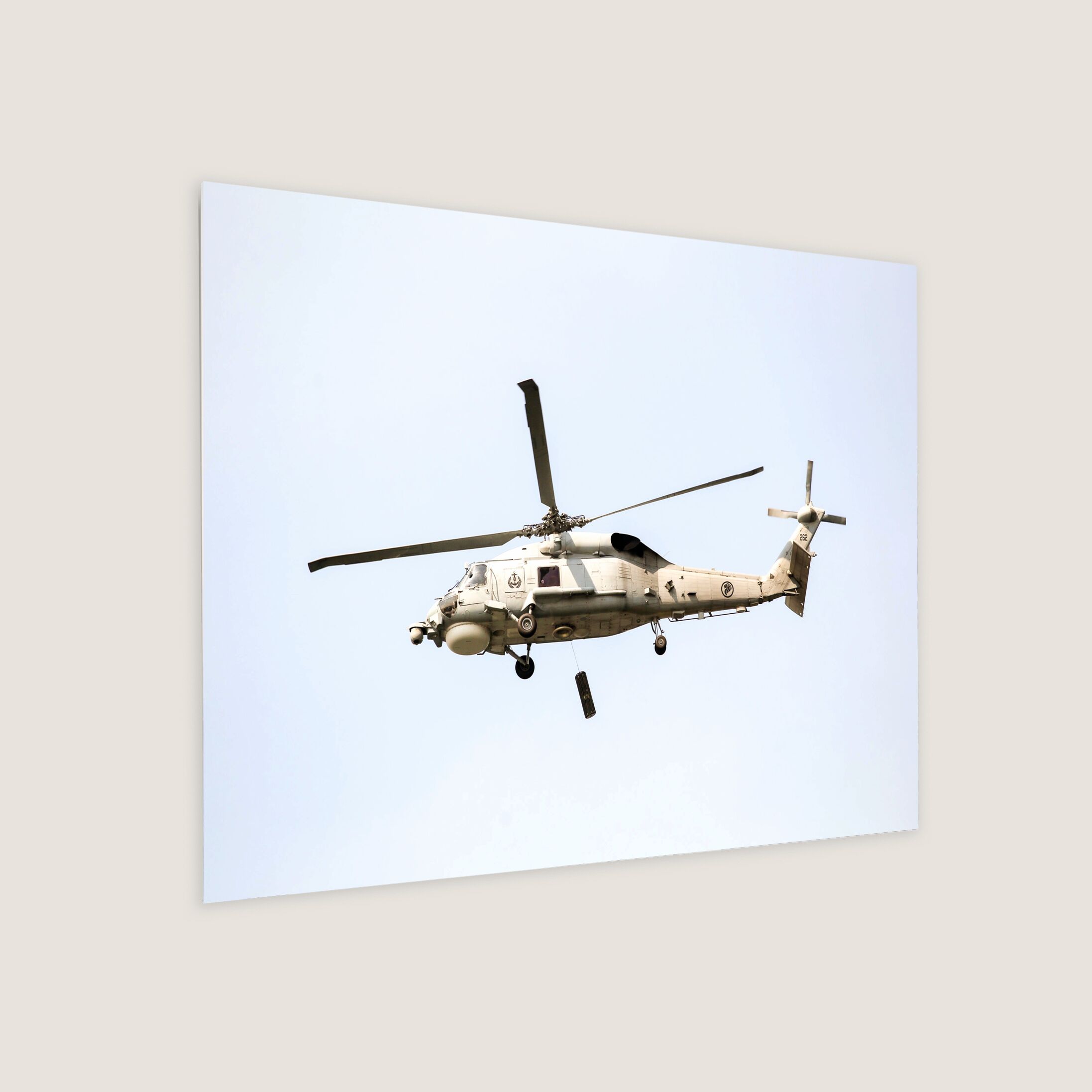
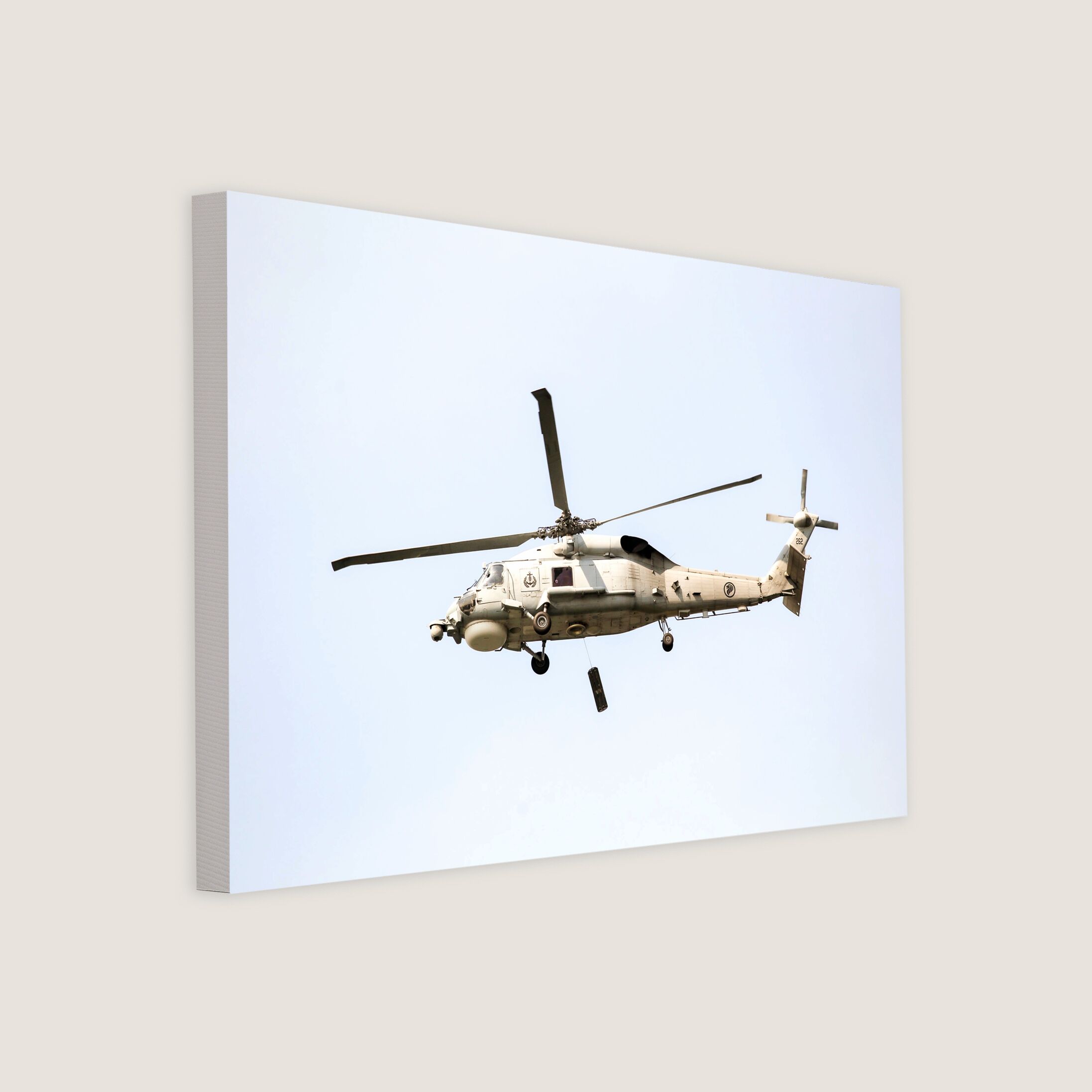
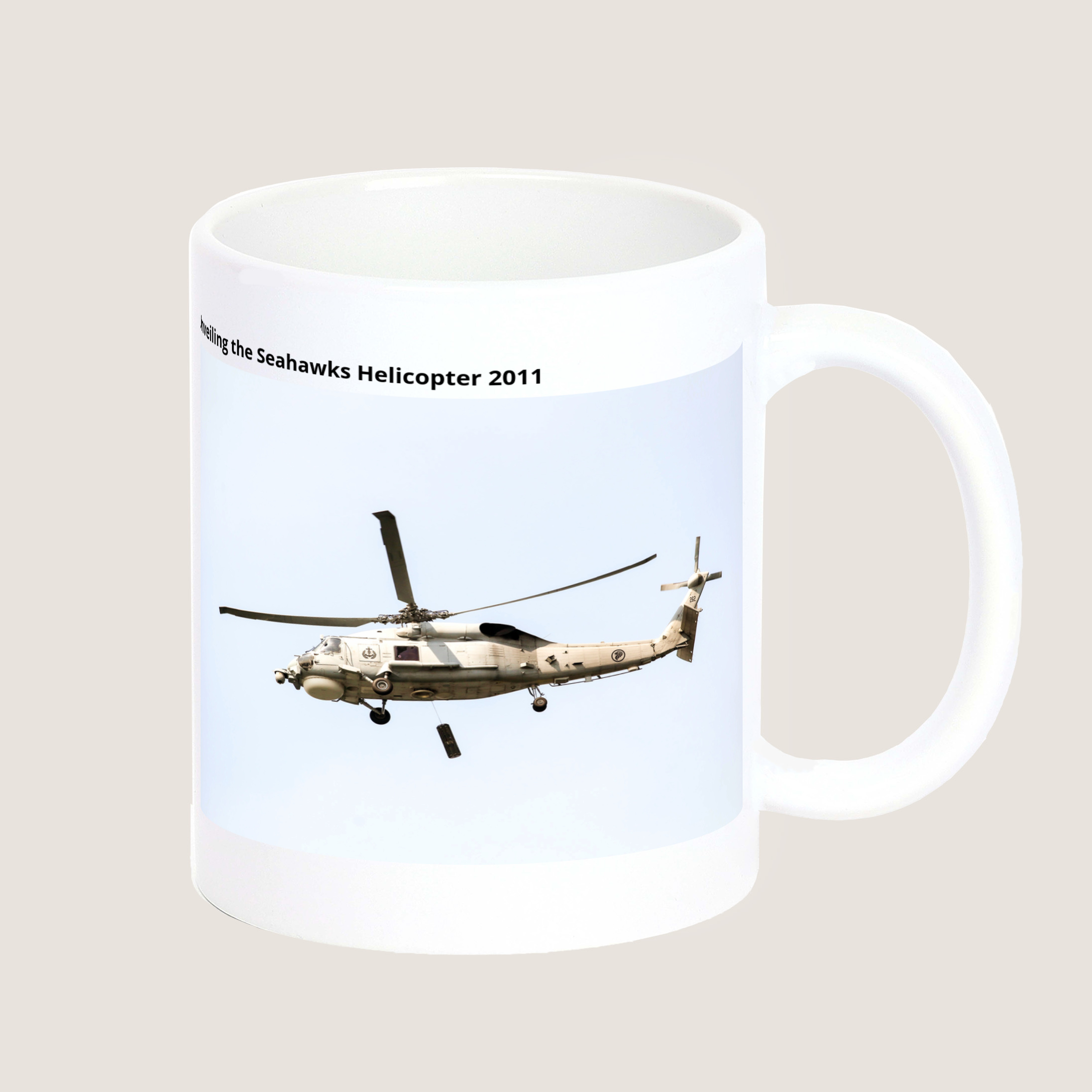
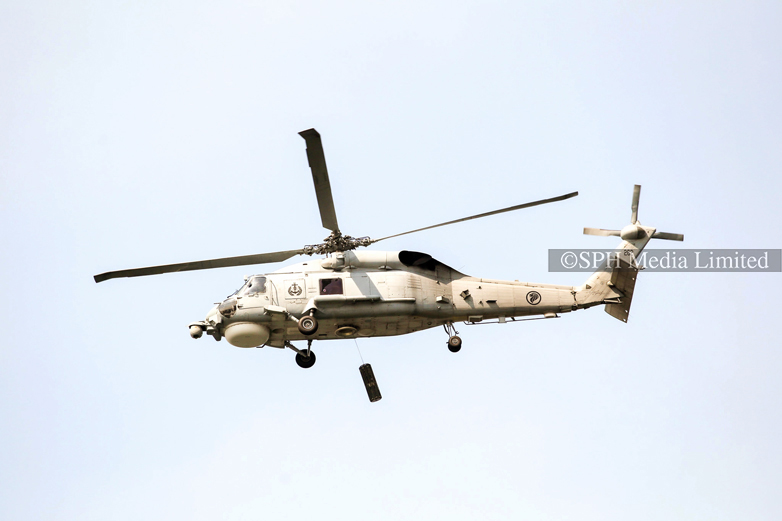 Unveiling the Seahawks Helicopter
2011
Unveiling the Seahawks Helicopter
2011
Unveiling the Seahawks Helicopter
Year 2011
The Republic of Singapore Navy's (RSN) Sikorsky S-70B helicopters, or Seahawks was unveiled for the first time during the 2011 National Day Parade (NDP). Audience witnessed as the sonar system, which is used to detect enemy submarines, was lowered into Marina Bay.
©️ SPH Media Limited
Share to
Tags
Available for print on products
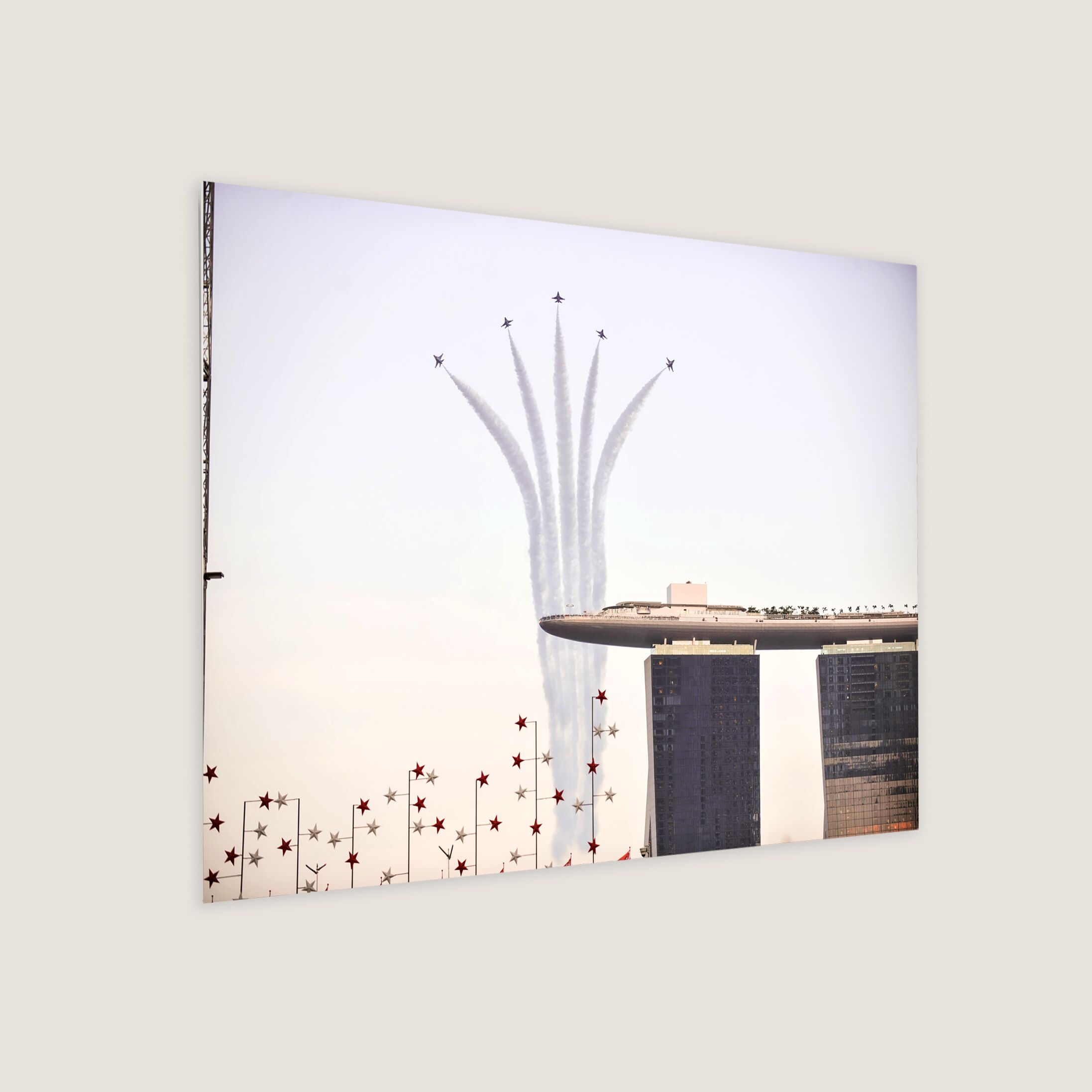
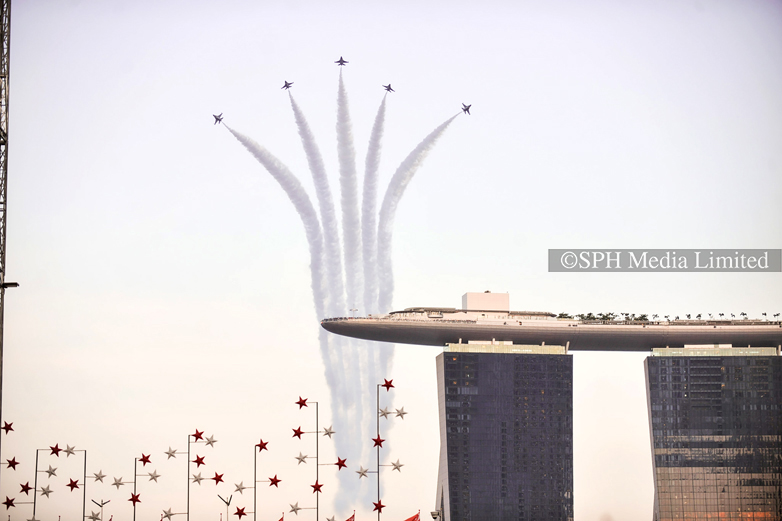 F-16 Fighter Aircraft Aerial Stunts
2010
F-16 Fighter Aircraft Aerial Stunts
2010
F-16 Fighter Aircraft Aerial Stunts
Year 2010
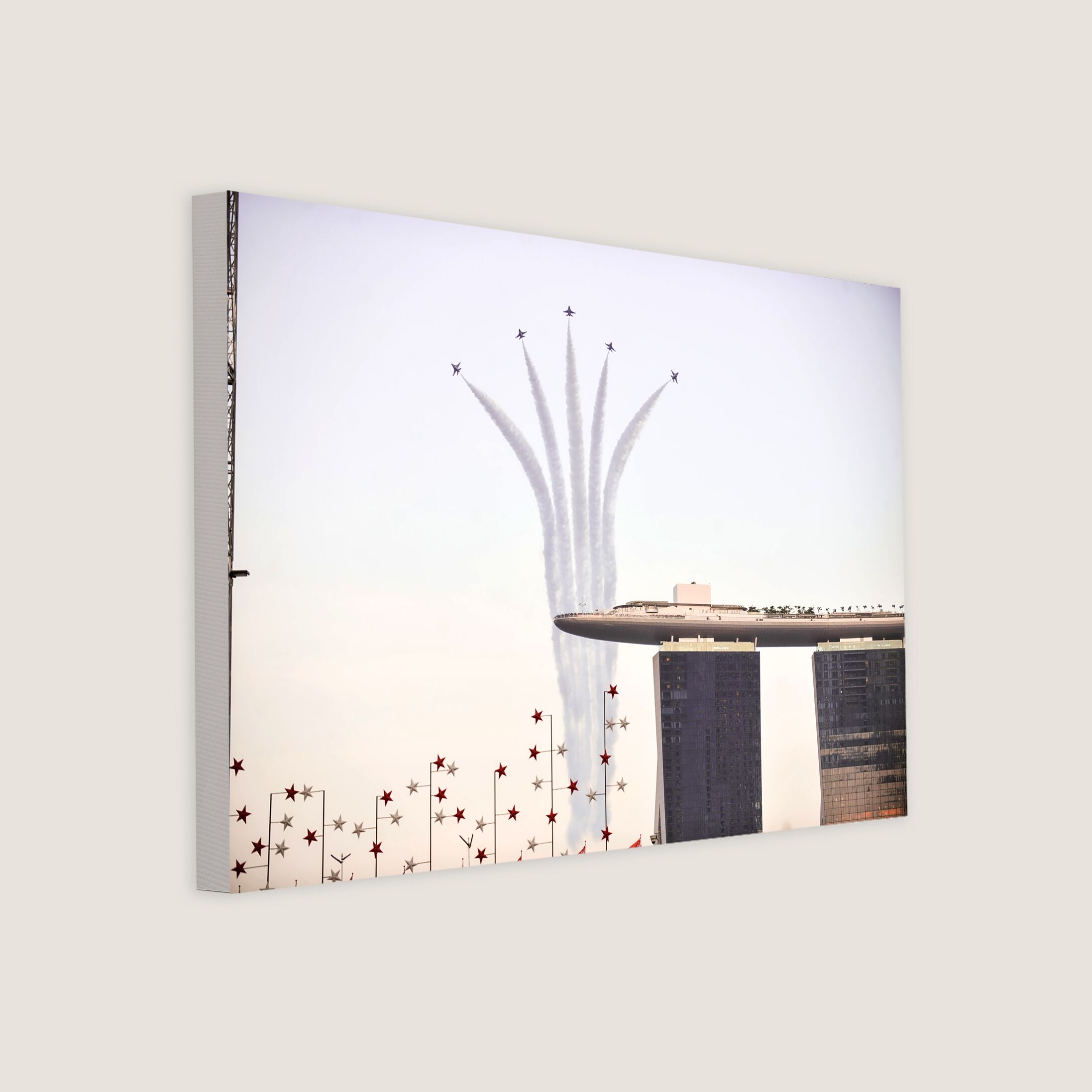
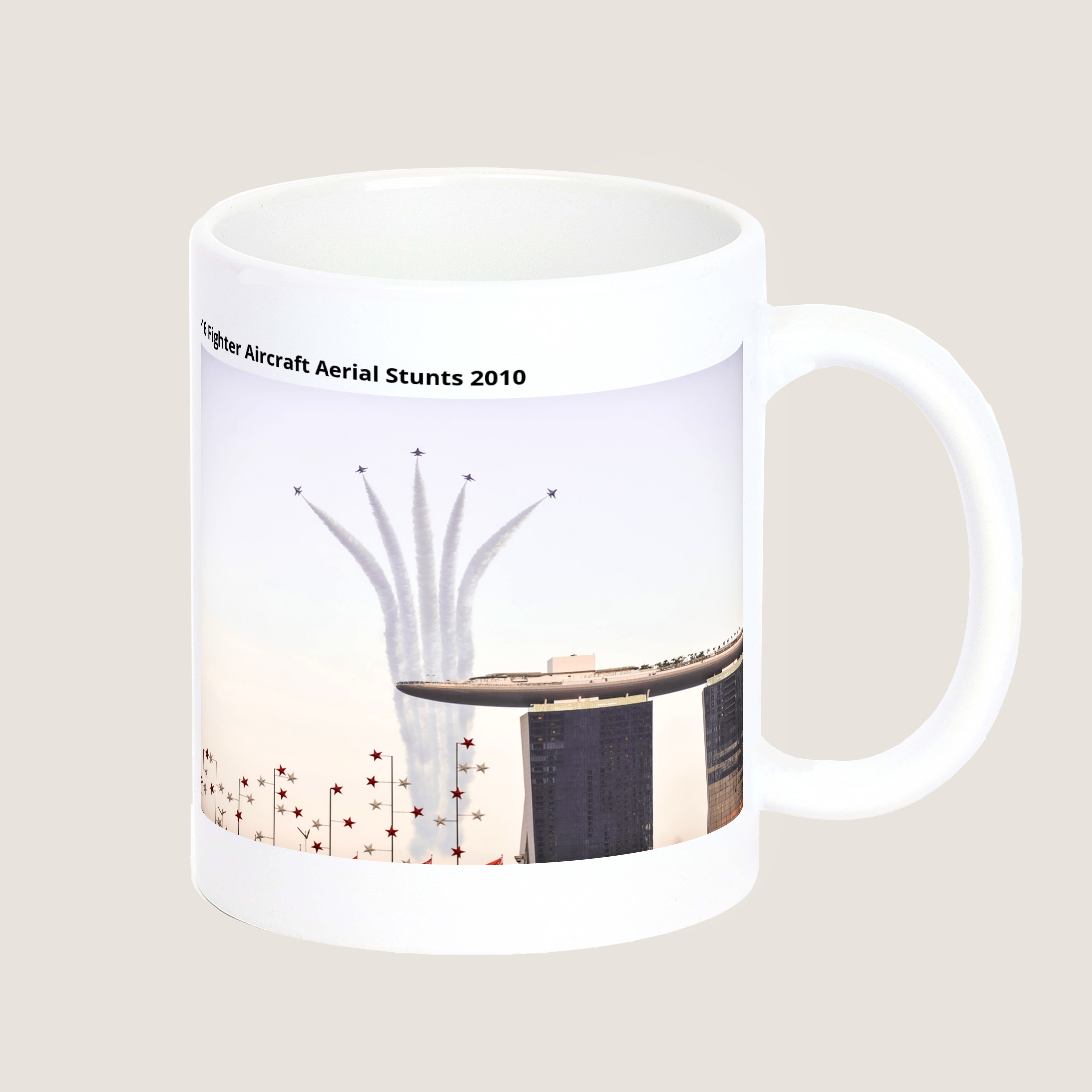
Five F-16 fighter aircraft impressed spectators with their aerial stunts during the National Day Parade (NDP) 2010. Singapore had her first state flag flypast in 1970 and the F-16 entered service in Singapore in the late 1980s.
©️ SPH Media Limited
Share to
Tags
Available for print on products
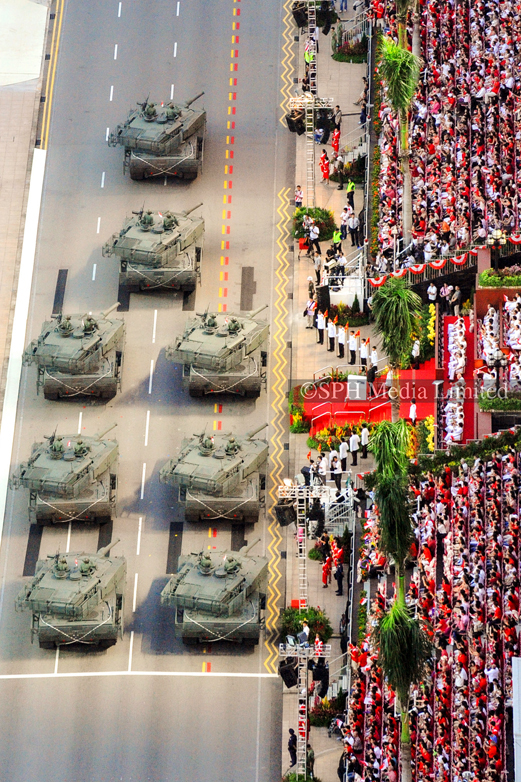 The SAF's Leopard 2A4 Tanks in the Parade
2010
The SAF's Leopard 2A4 Tanks in the Parade
2010
The SAF's Leopard 2A4 Tanks in the Parade
Year 2010
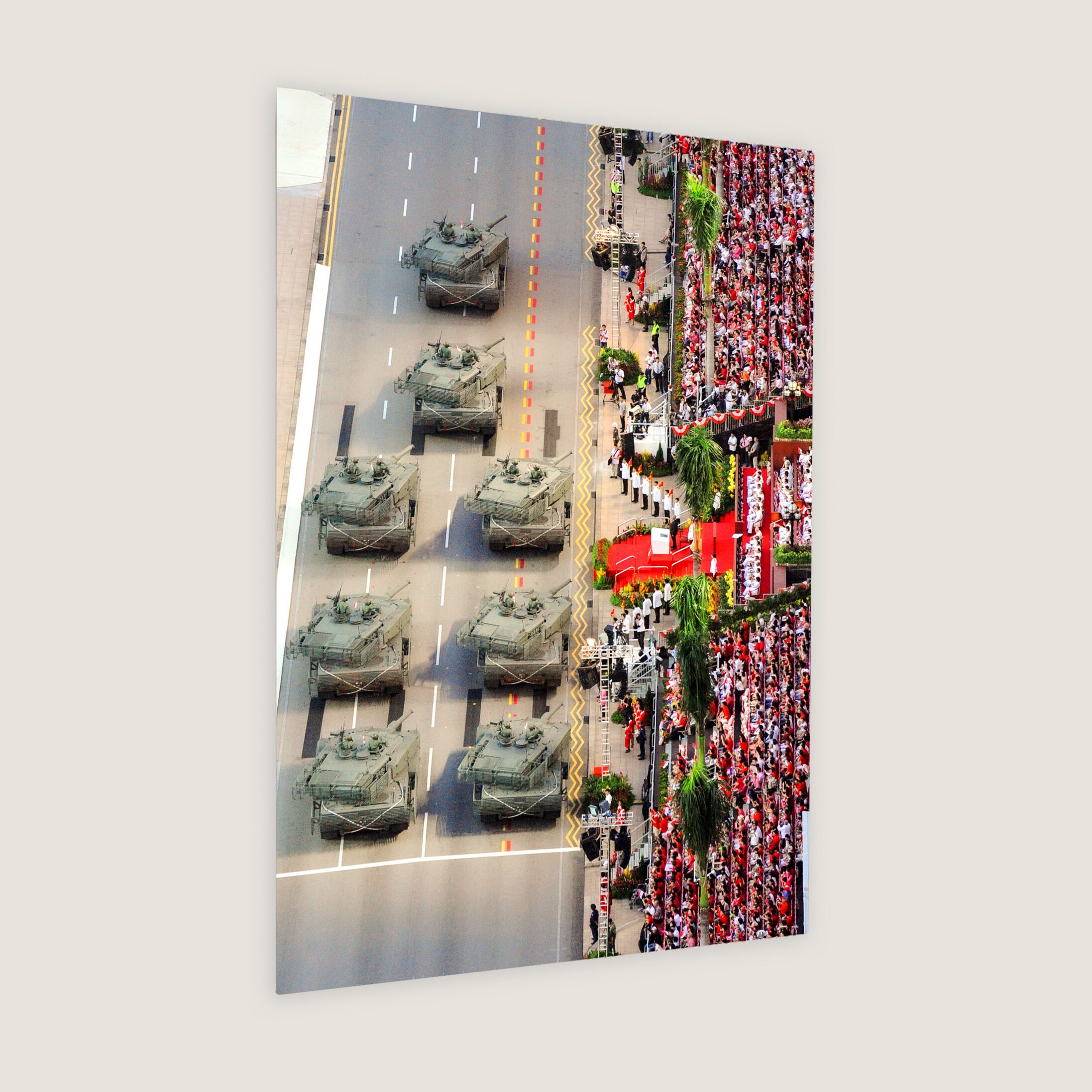
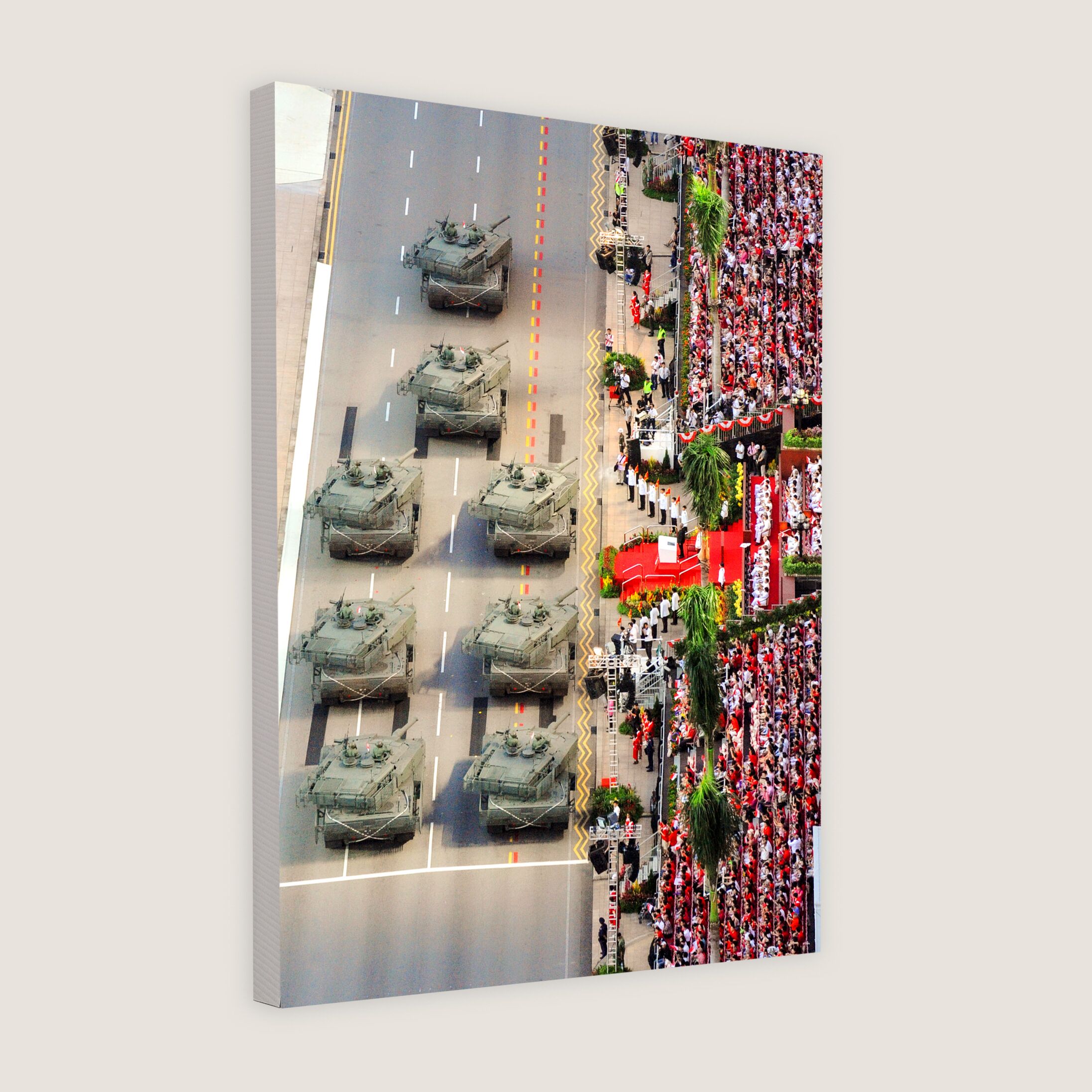
The Singapore Armed Forces' (SAF) Leopard 2A4 main battle tanks made their National Day Parade (NDP) debut in the mobile column parade convoy on 9 August 2010. The Mobile Column was made up of vehicles and other hardware from the SAF, Singapore Police Force and Singapore Civil Defence Force.
©️ SPH Media Limited
Share to
Tags
Available for print on products
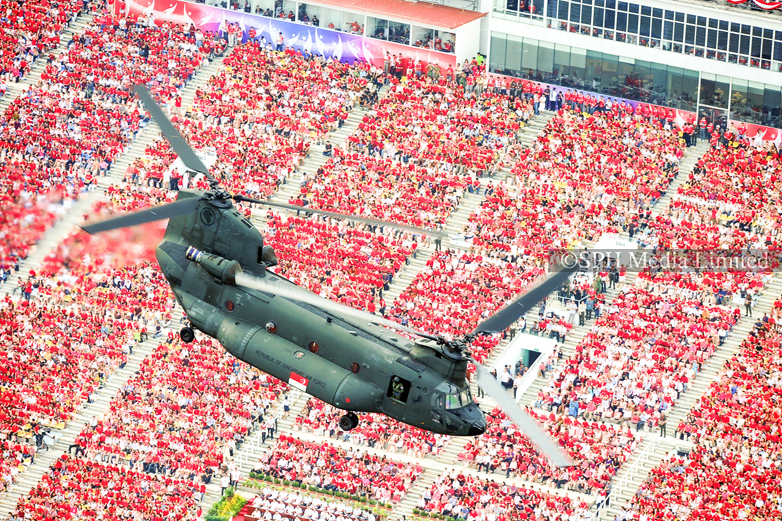 Flying Over a Sea of Red and White
2011
Flying Over a Sea of Red and White
2011
Flying Over a Sea of Red and White
Year 2011
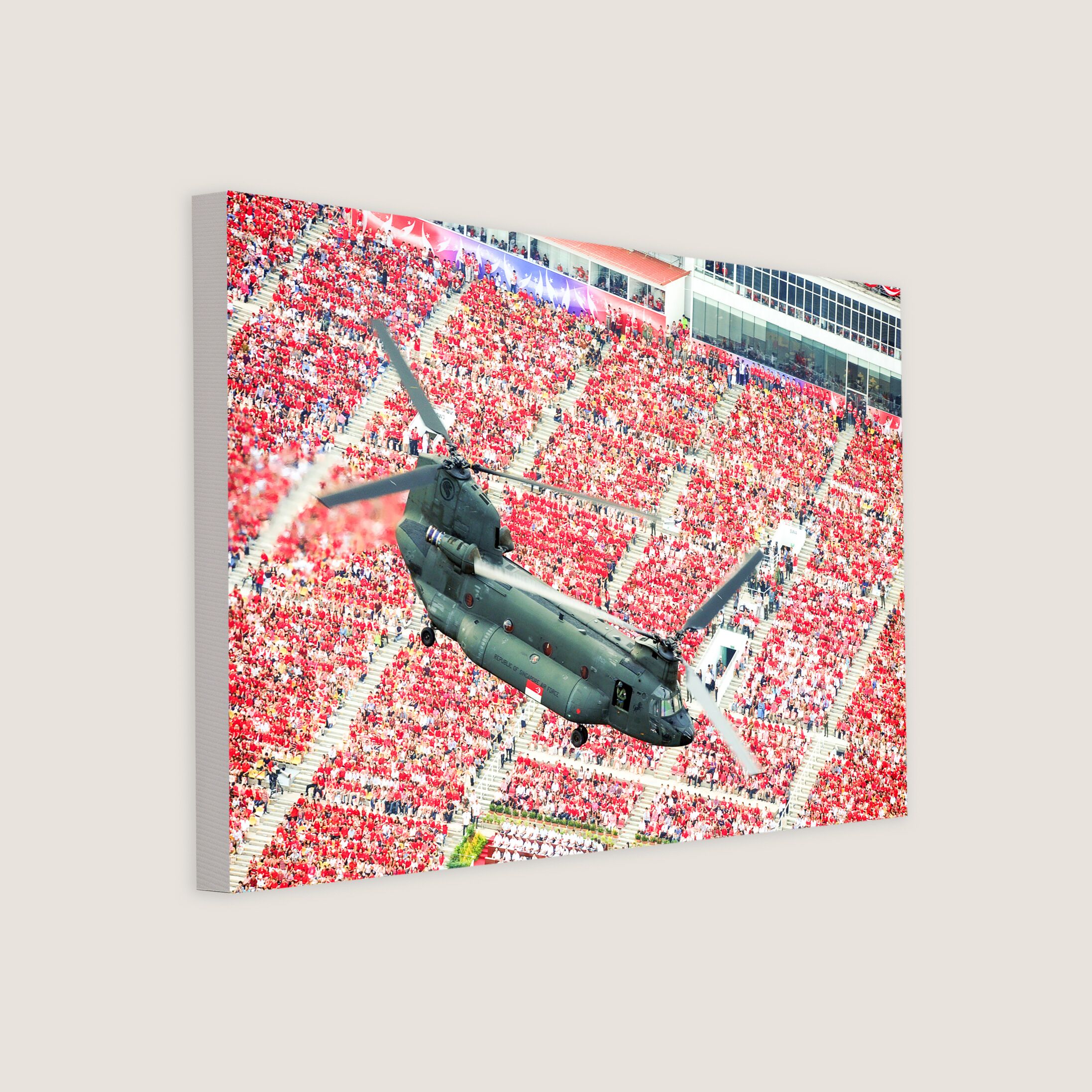
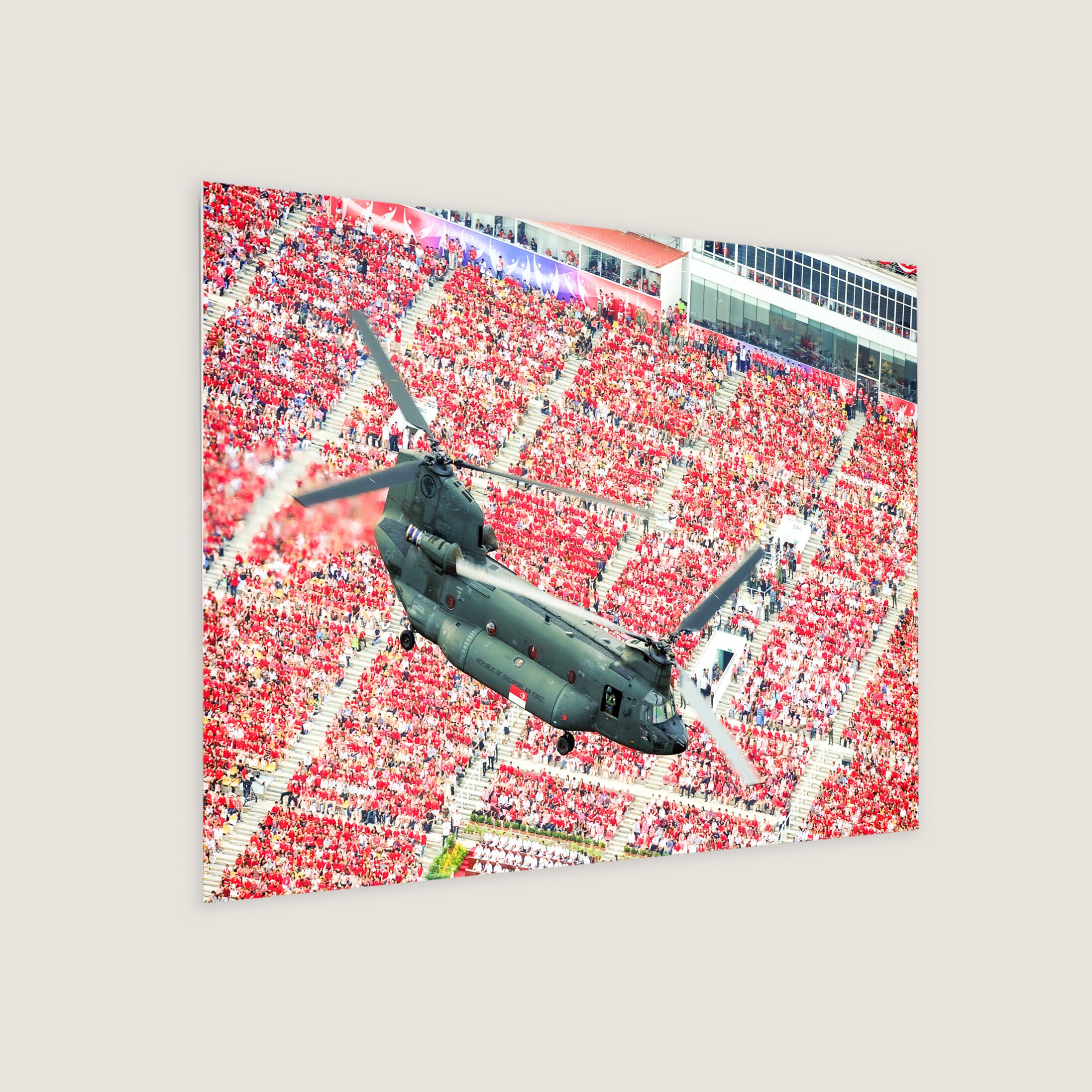
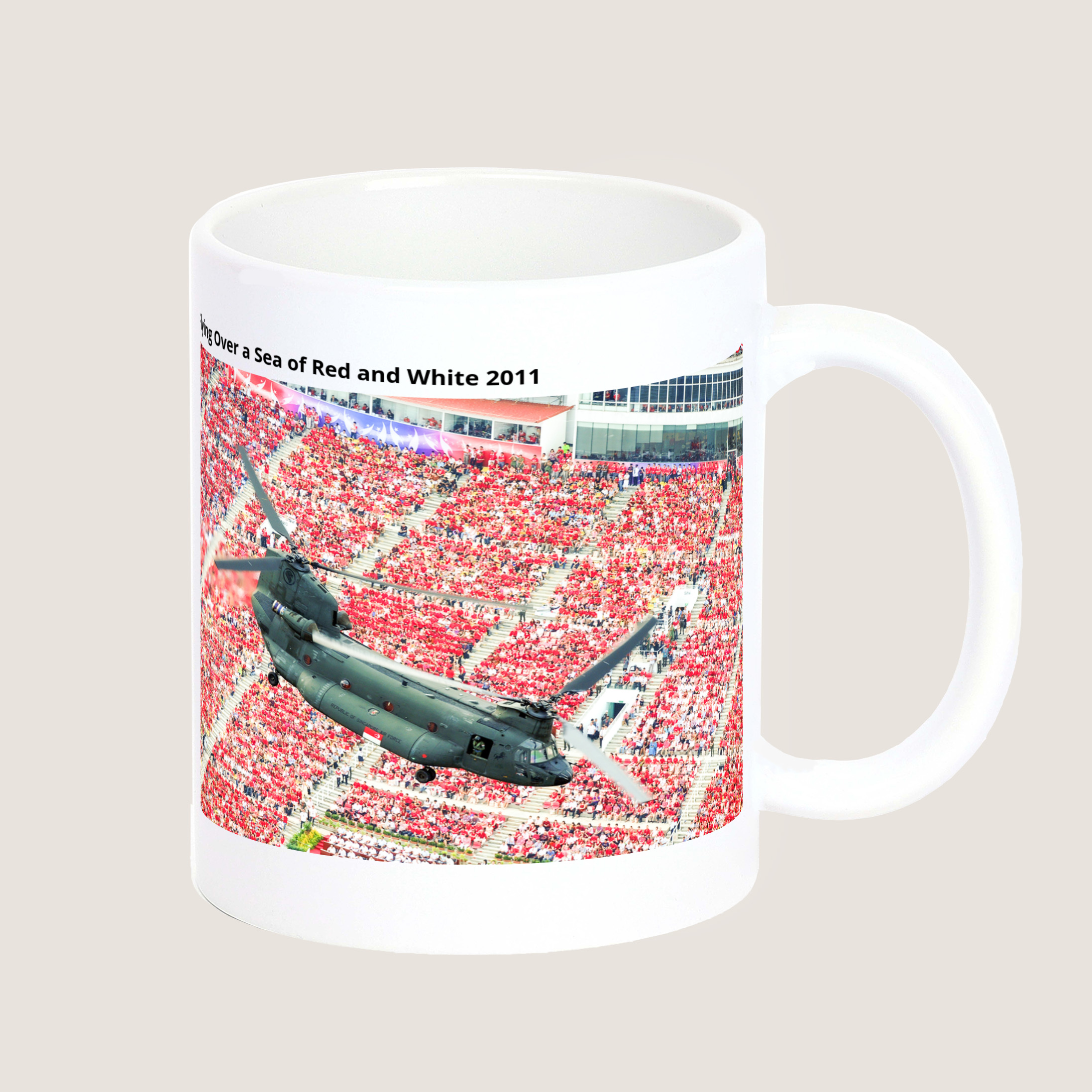
A Chinook helicopter takes part in the National Day Parade (NDP) on 9 August 2011. The aircraft carried six naval divers, decked in full combat gear, who leapt out of its rear door during the Dynamic Defence Display segment.
©️ SPH Media Limited
Share to
Tags
Available for print on products
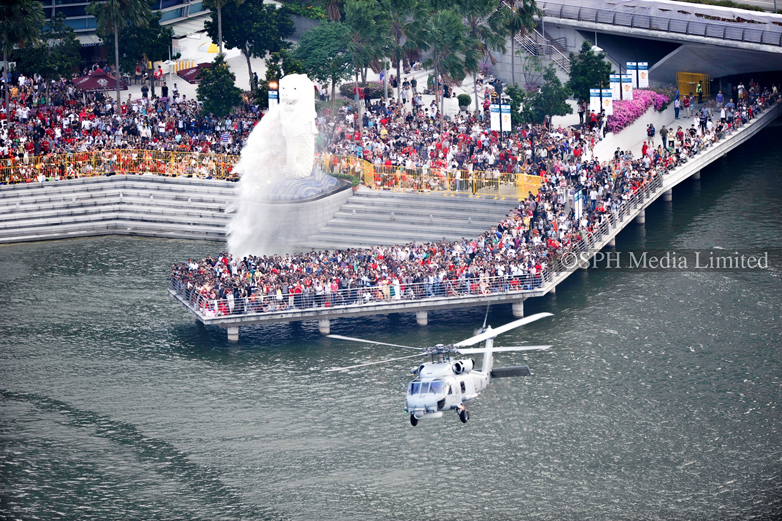 Dynamic Defence Display Near the Merlion
2011
Dynamic Defence Display Near the Merlion
2011
Dynamic Defence Display Near the Merlion
Year 2011
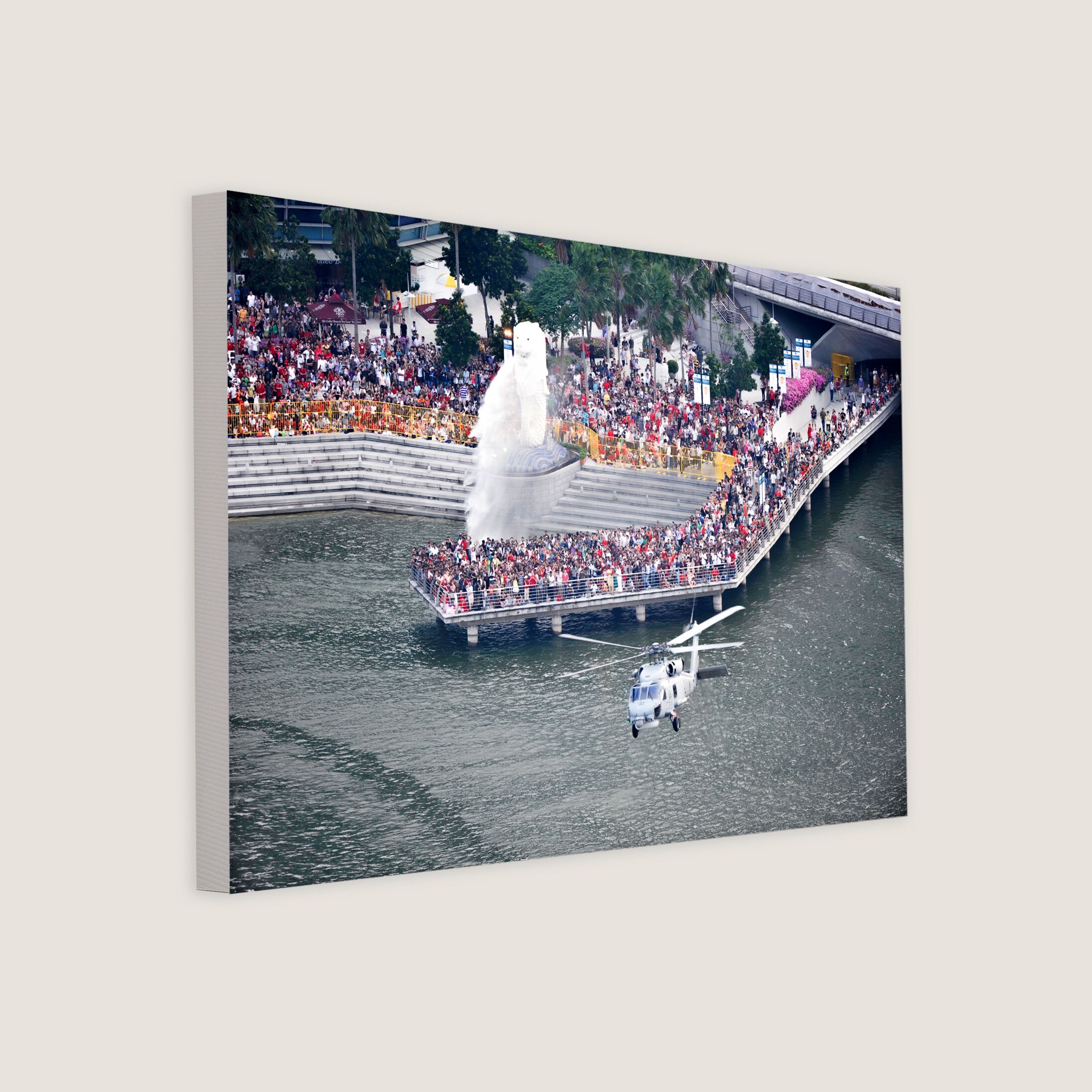
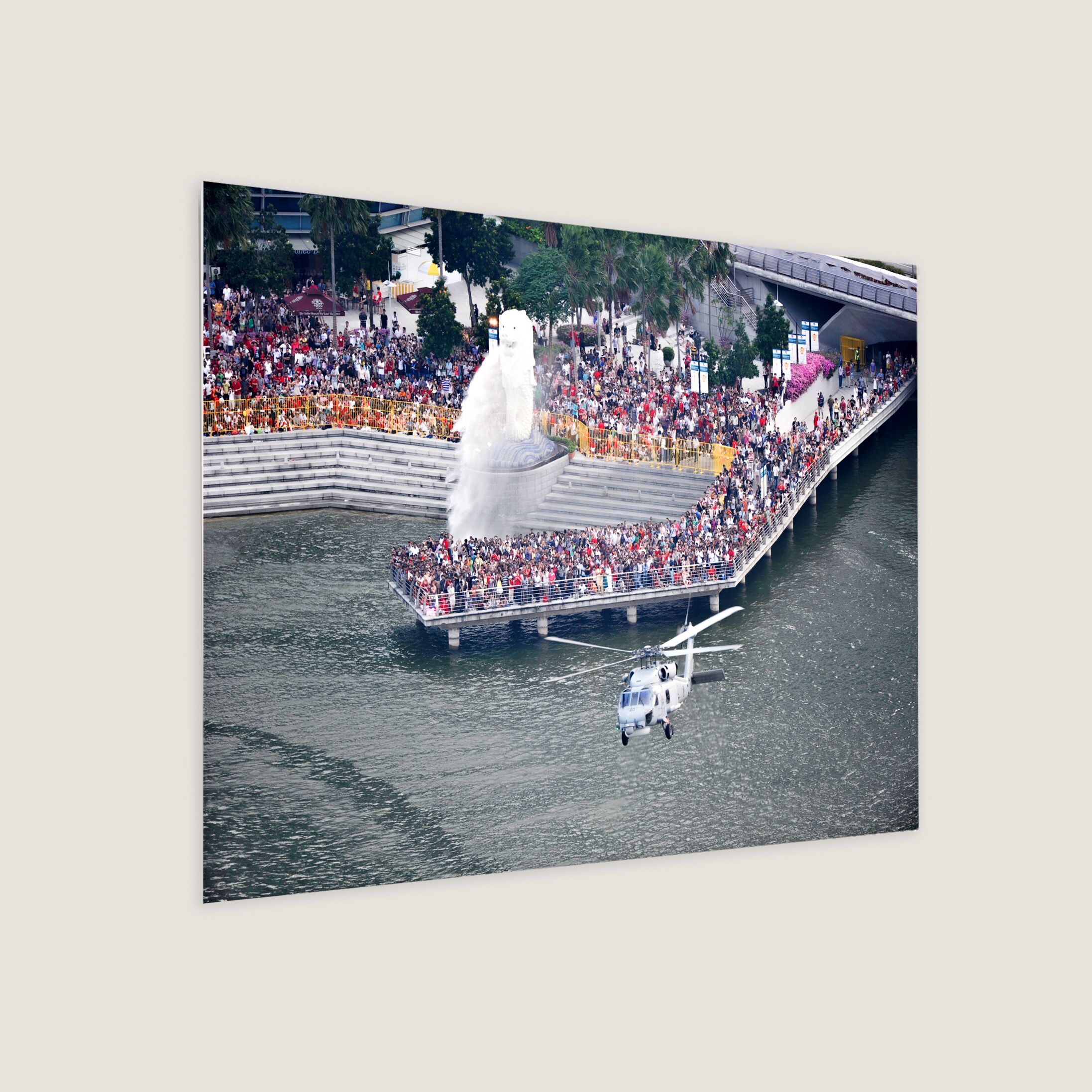
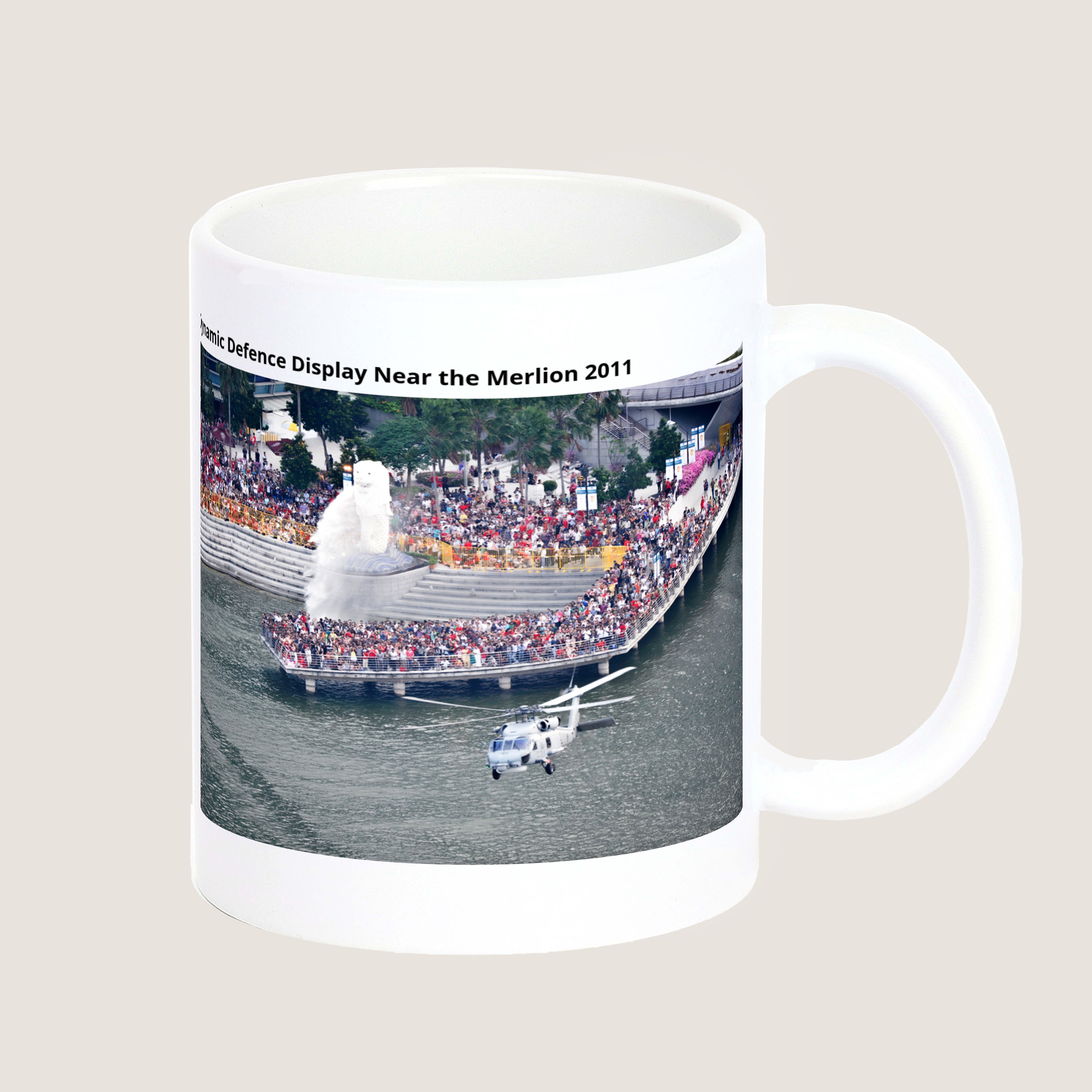
In the Dynamic Defence Display segment, the land, air and sea assets from the SAF, Singapore Police Force and Singapore Civil Defence Force (SCDF) were mobilised to tackle the intruders. The Sikorsky S-70B naval helicopter was seen lowering its dipping sonar into the waters of Marina Bay during the display segment.
©️ SPH Media Limited
Share to
Tags
Available for print on products
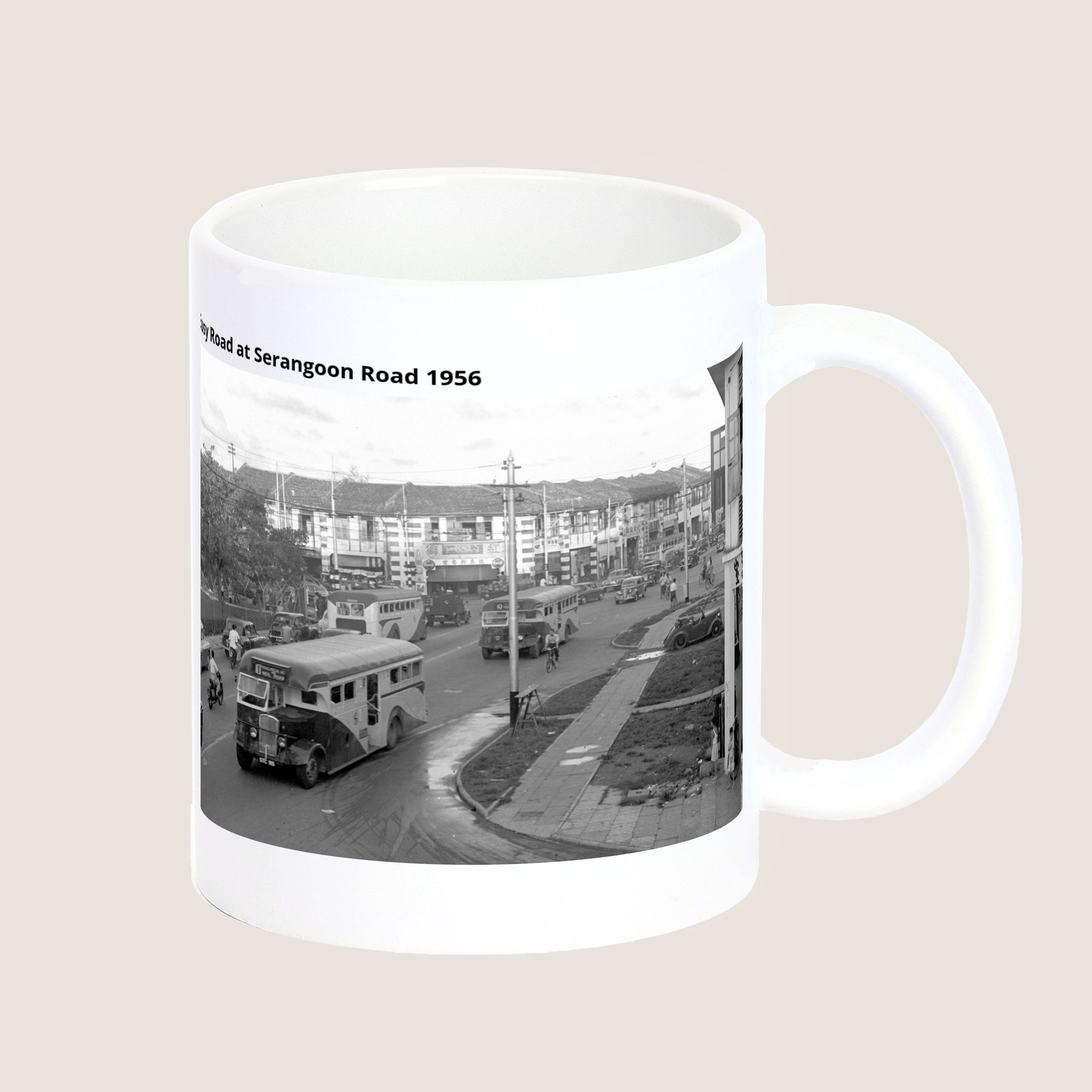
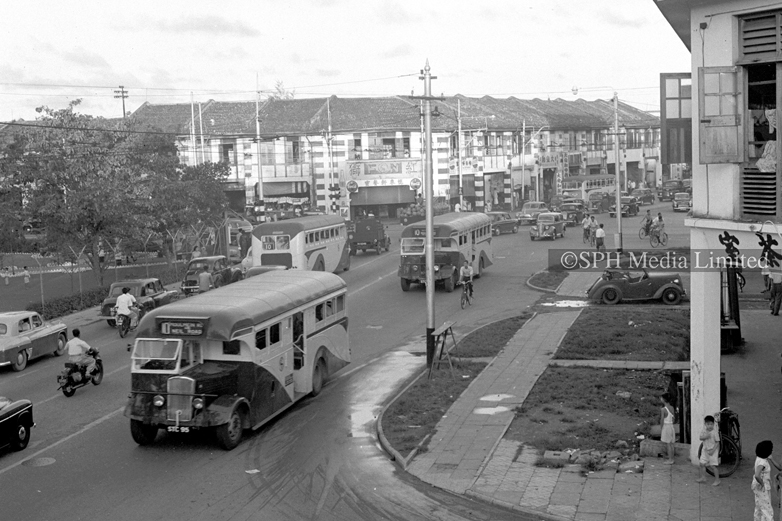 Busy Road at Serangoon Road
1956
Busy Road at Serangoon Road
1956
Busy Road at Serangoon Road
Year 1956
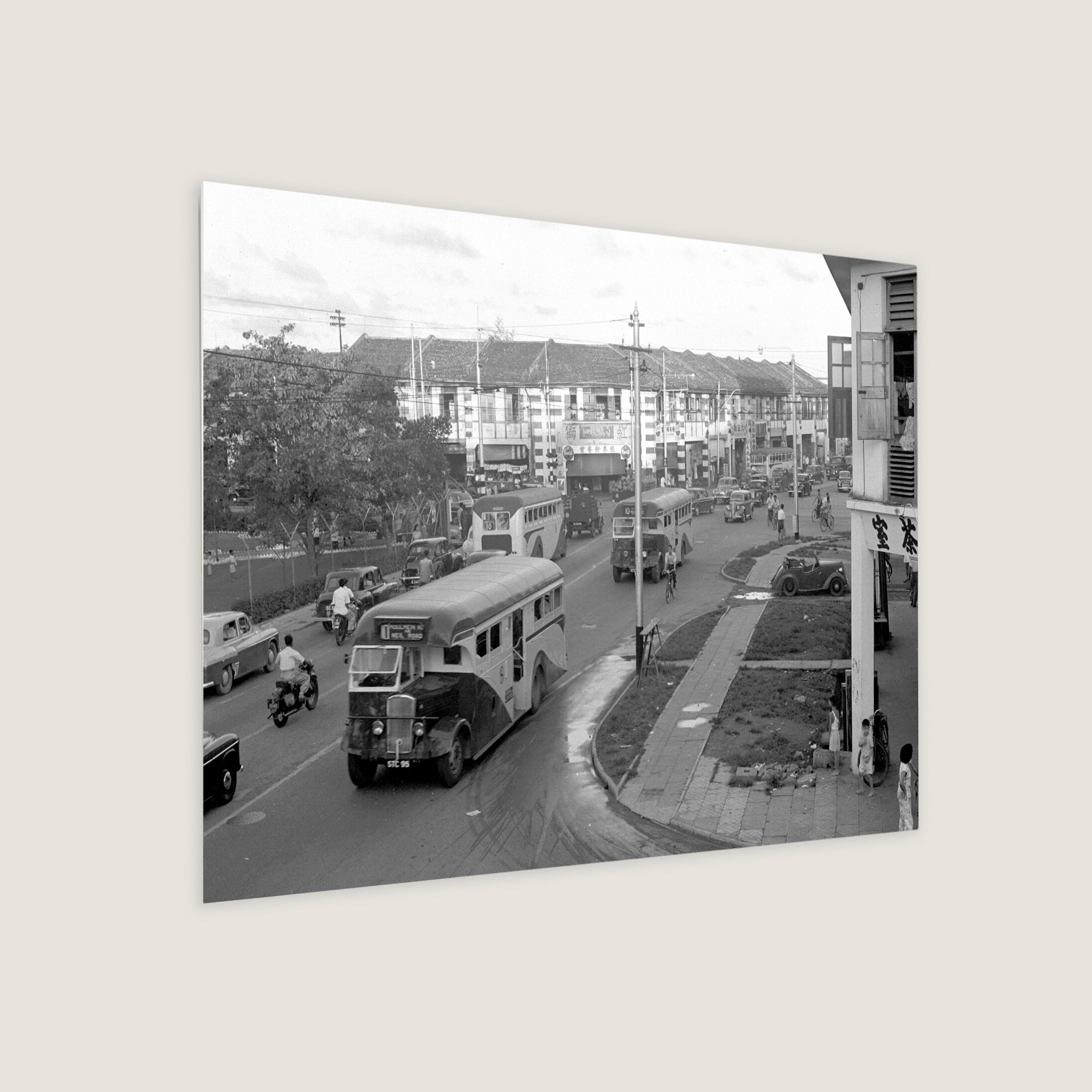
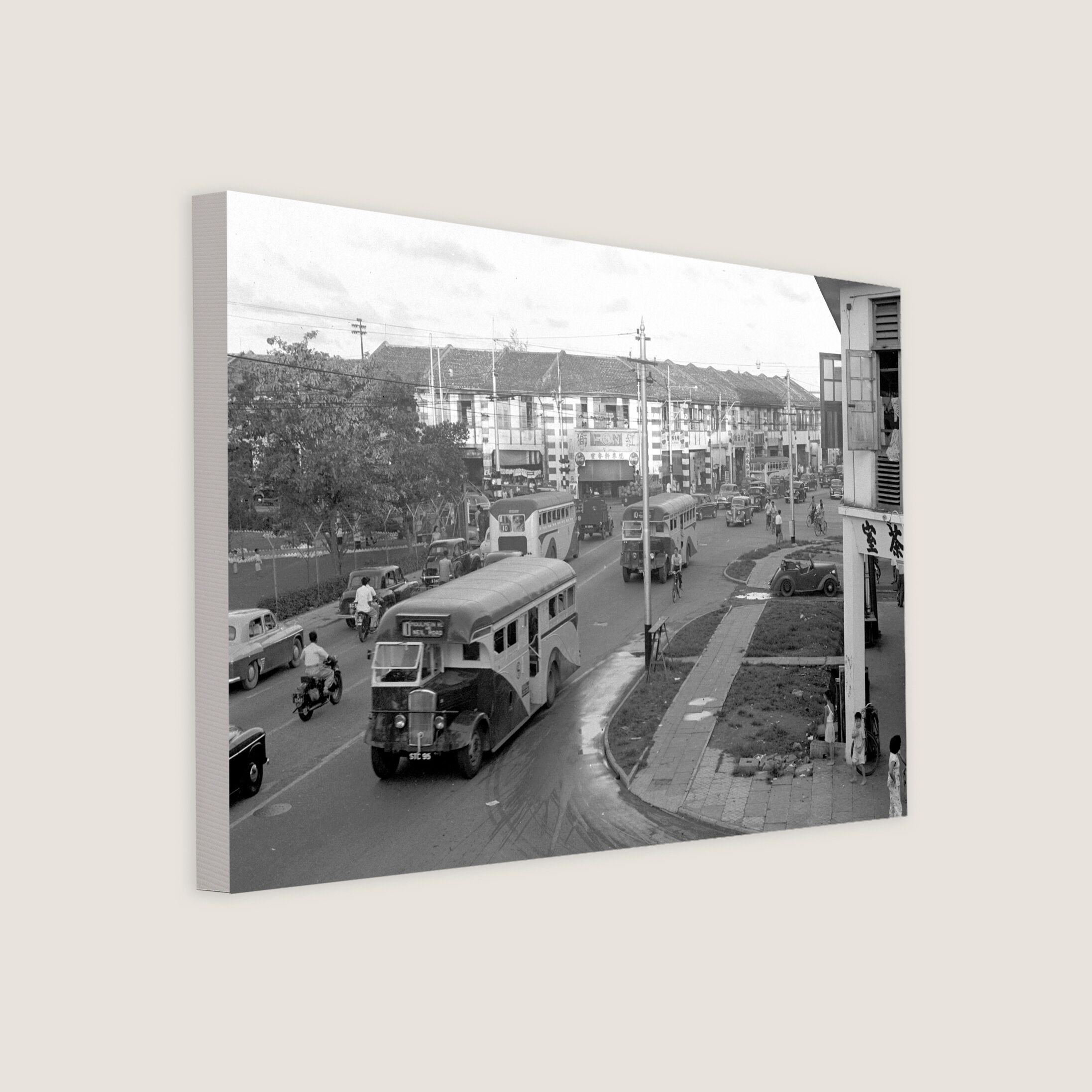
Traffic at Serangoon Road in 1956, featuring Singapore Traction Company (STC) buses on the road that is now long gone.
©️ SPH Media Limited
Share to
Tags
Available for print on products
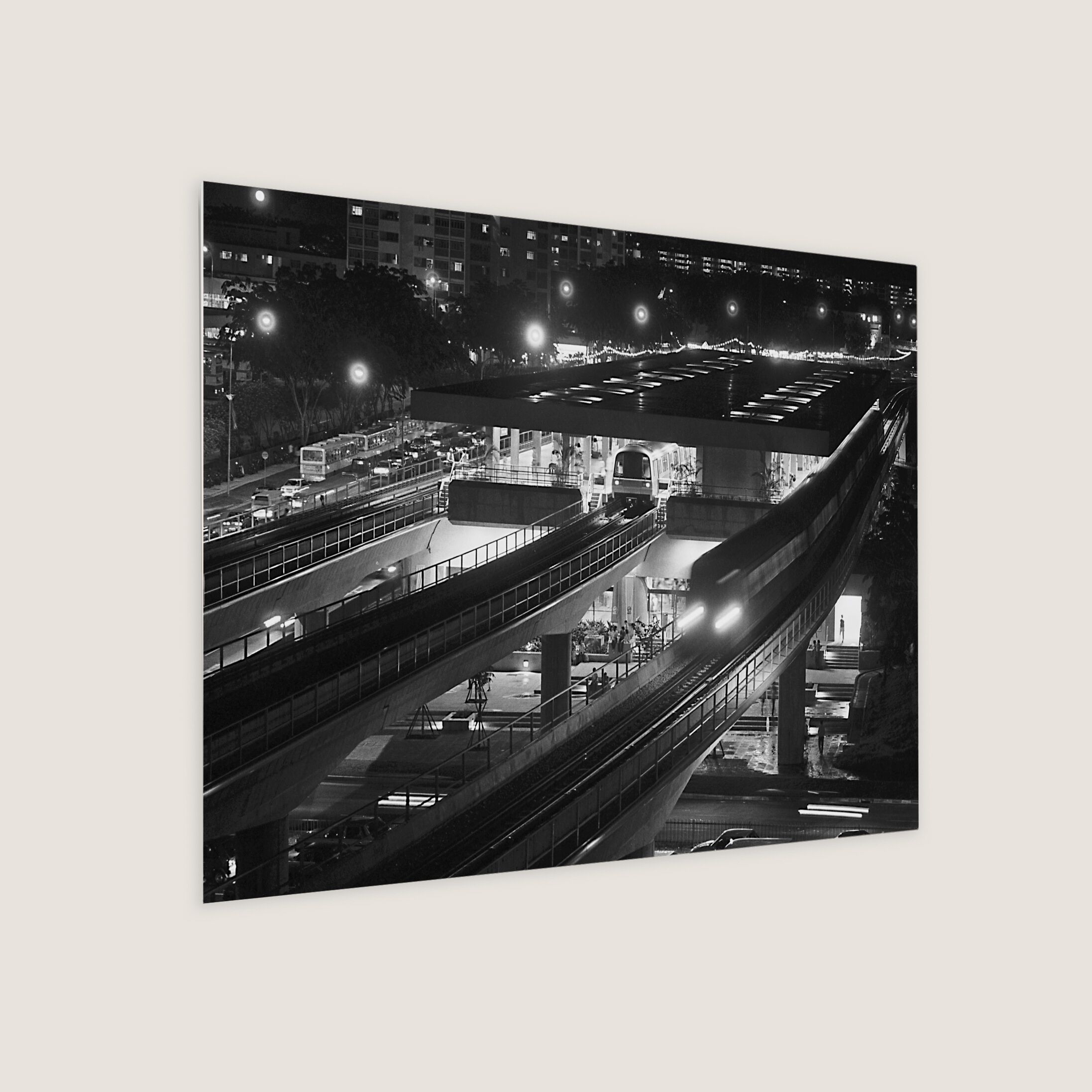
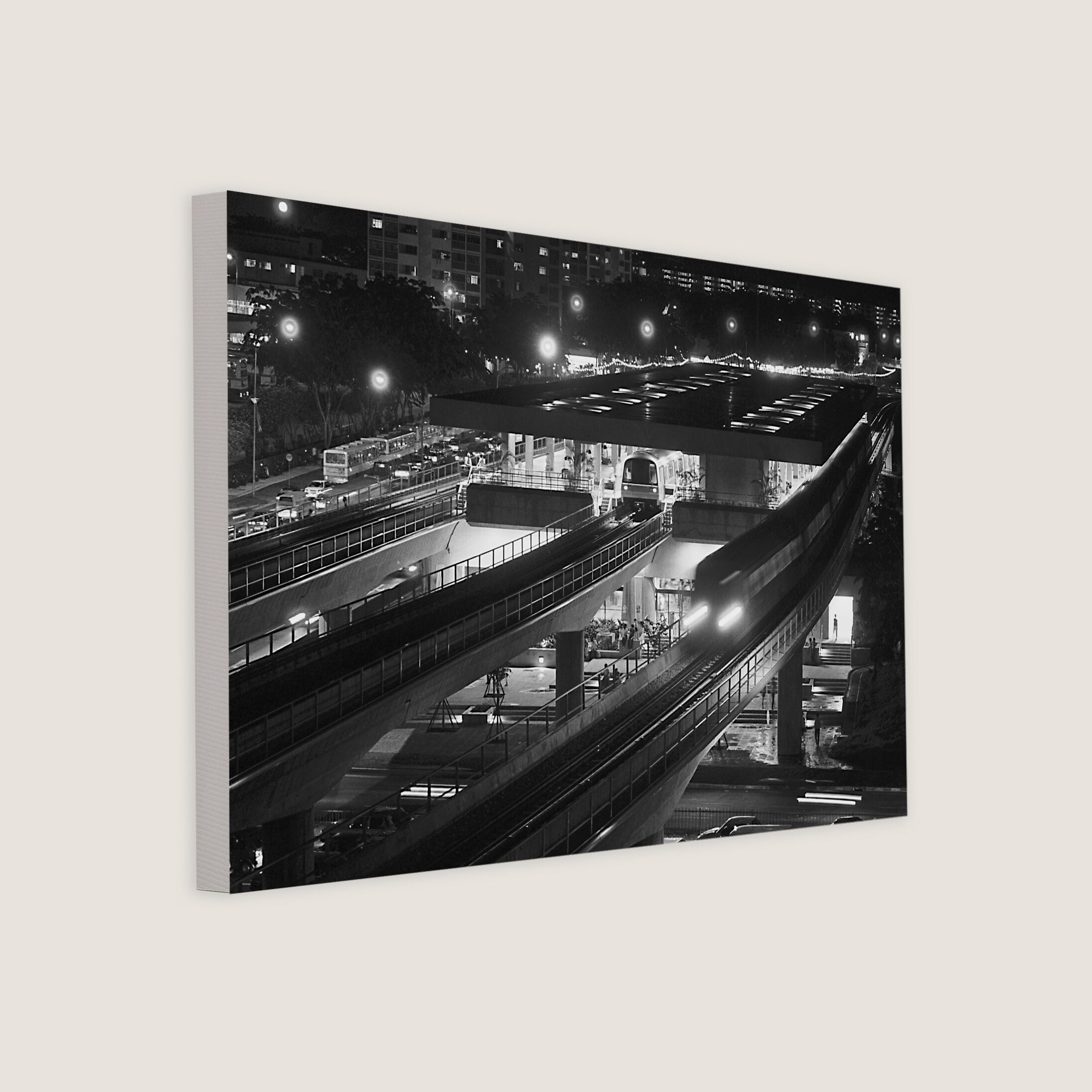
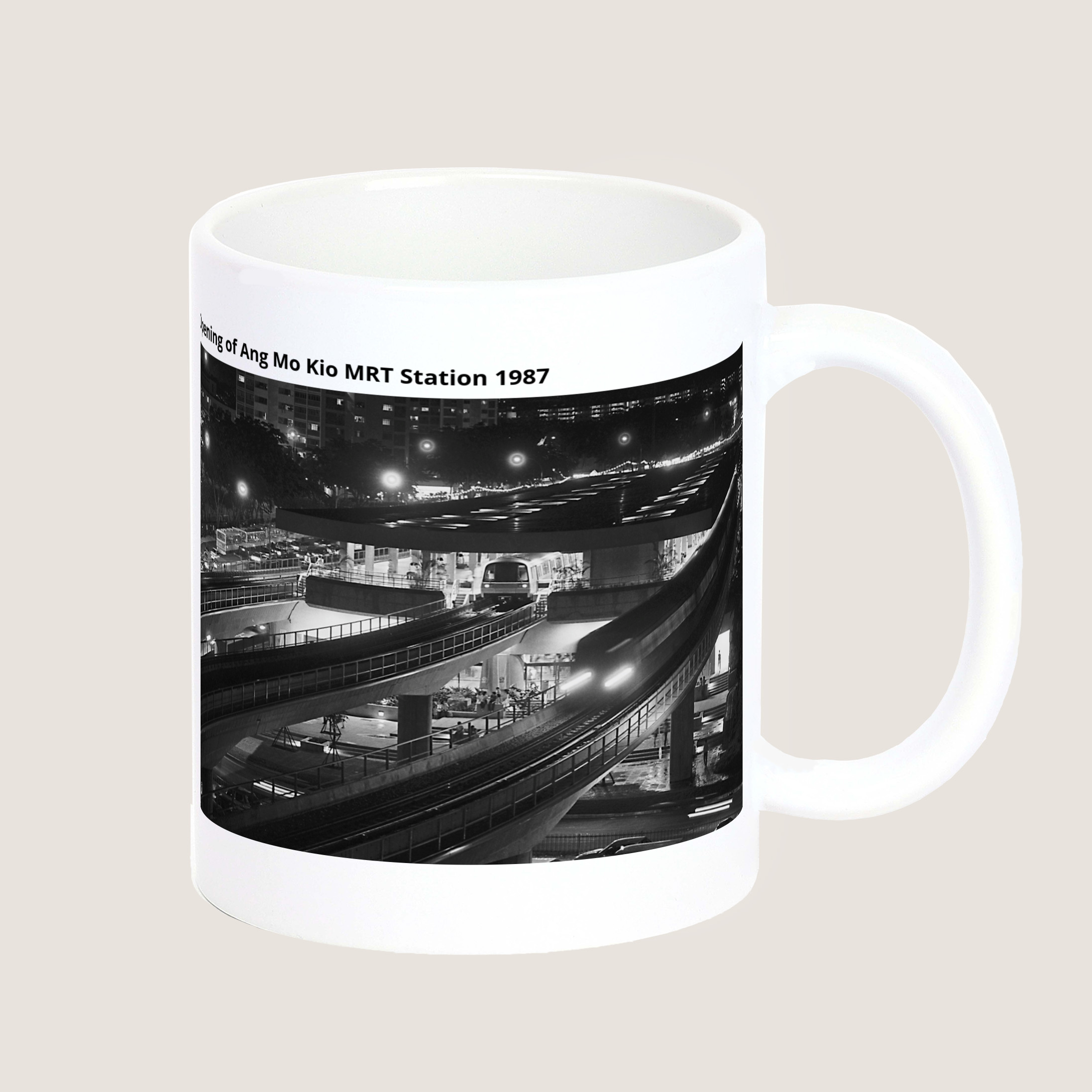
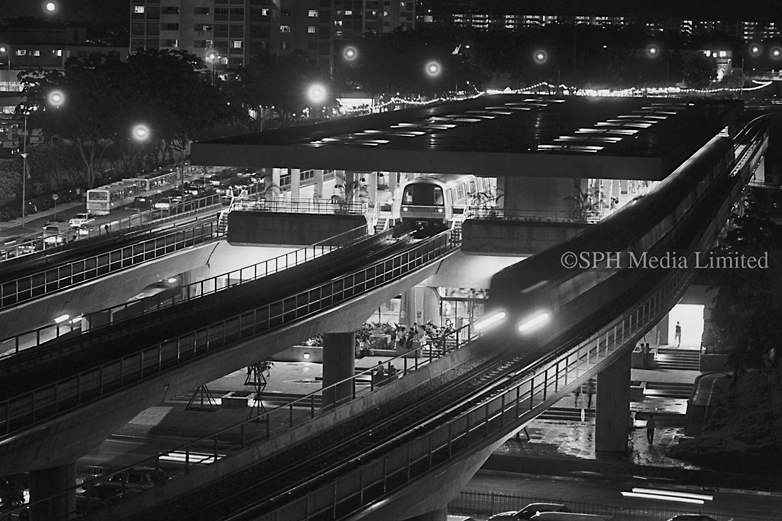 Opening of Ang Mo Kio MRT Station
1987
Opening of Ang Mo Kio MRT Station
1987
Opening of Ang Mo Kio MRT Station
Year 1987
Traffic at night outside the Ang Mo Kio Mass Rapid Transit station on the night of its opening day, 7 November 1987.
©️ SPH Media Limited
Share to
Tags
Available for print on products
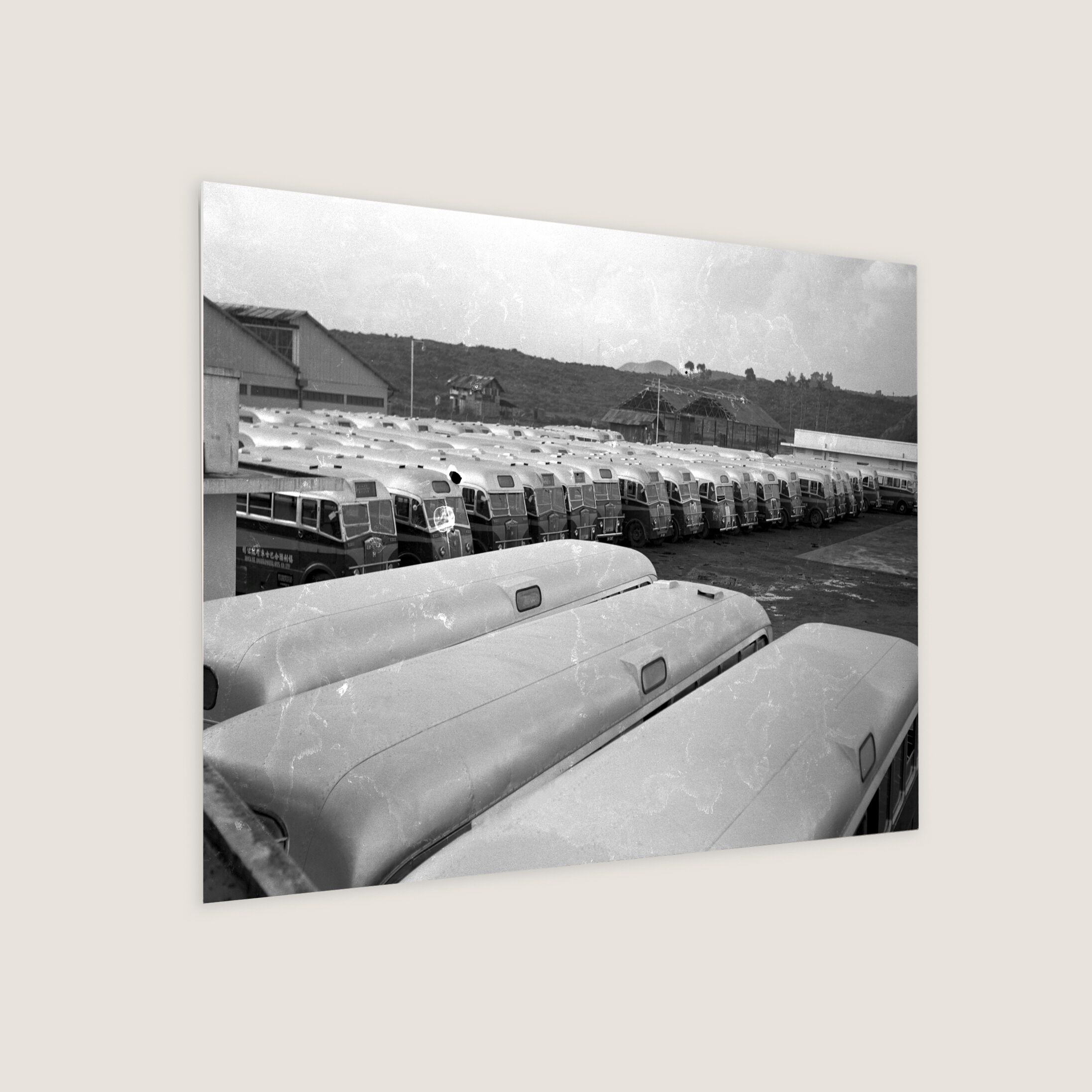
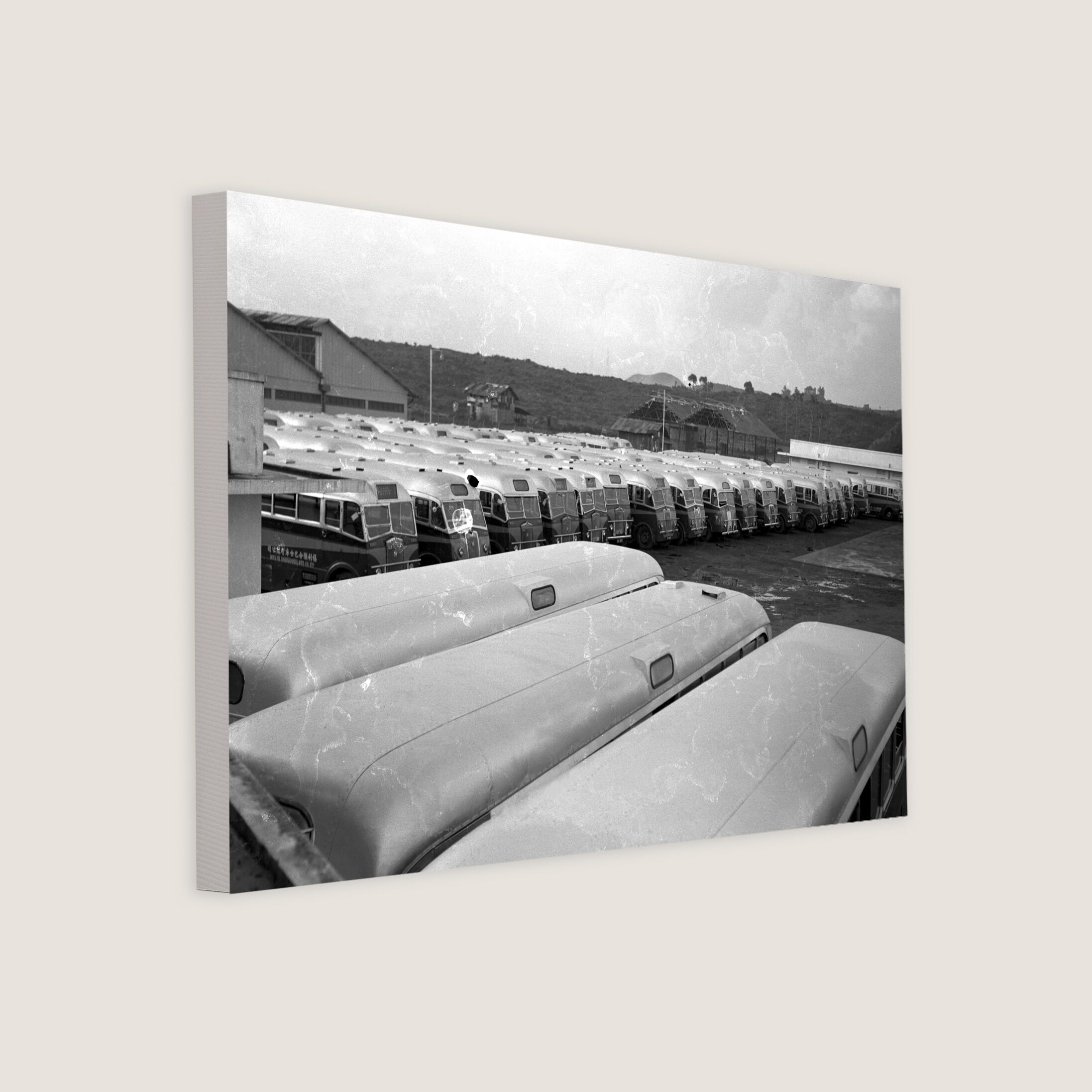
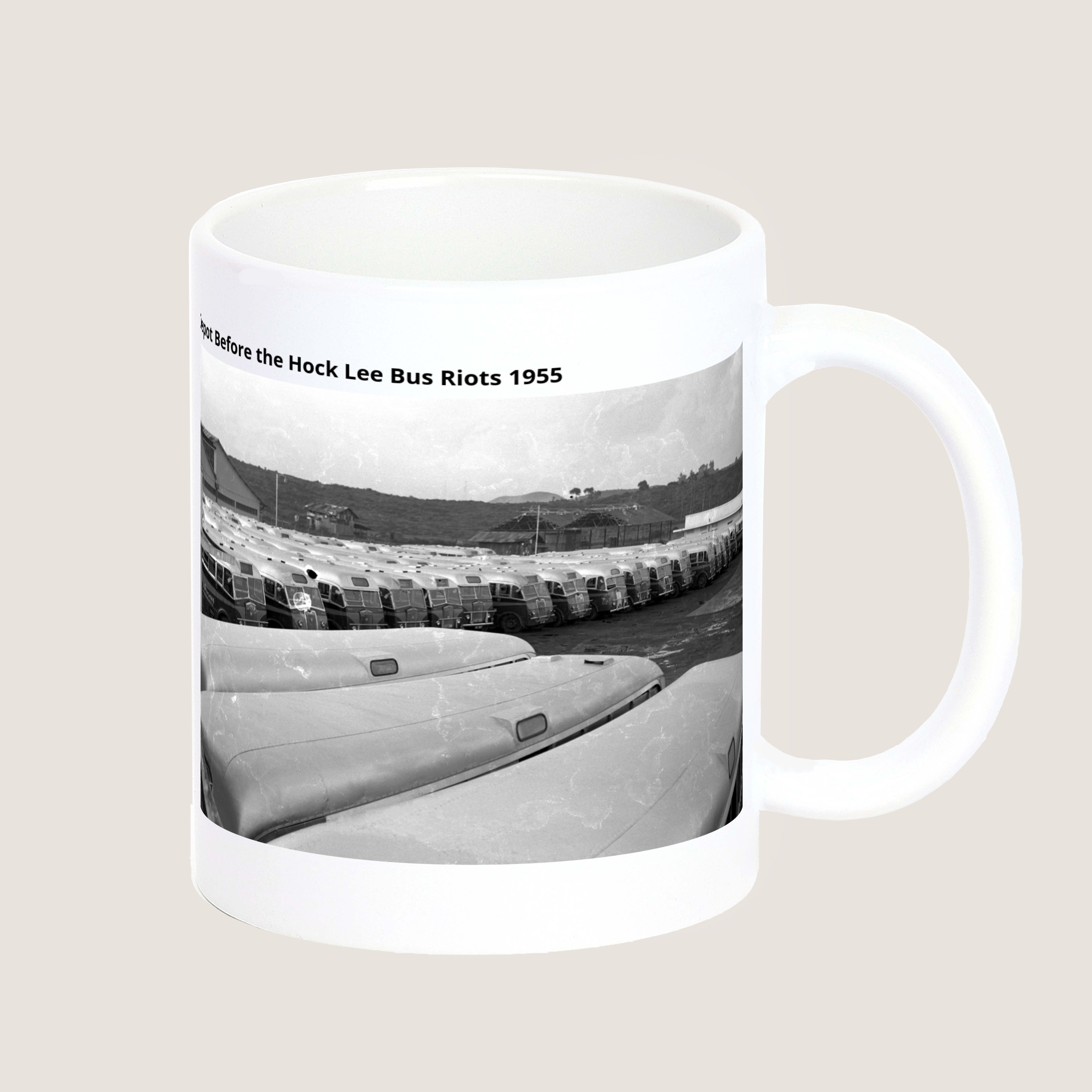
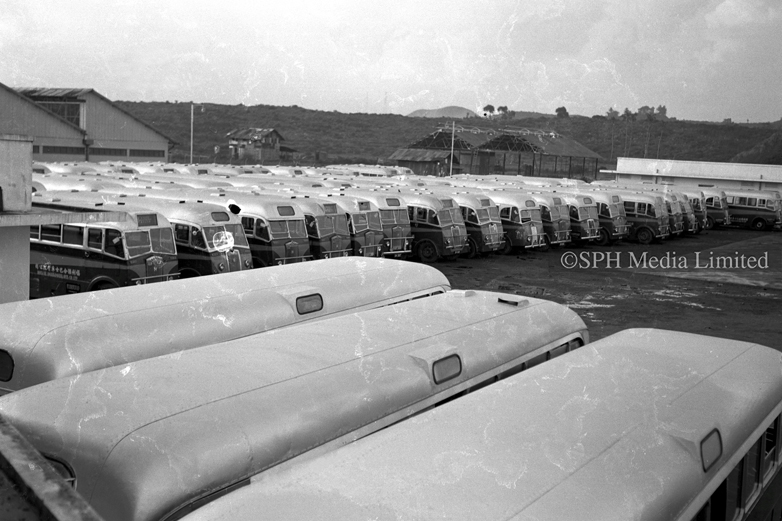 Depot Before the Hock Lee Bus Riots
1955
Depot Before the Hock Lee Bus Riots
1955
Depot Before the Hock Lee Bus Riots
Year 1955
Hock Lee Buses at depot. There were no bus services on 28 April 1955 along River Valley Road, Tiong Bahru Road, Alexandra Road and other routes served.
©️ SPH Media Limited
Share to
Tags
Available for print on products
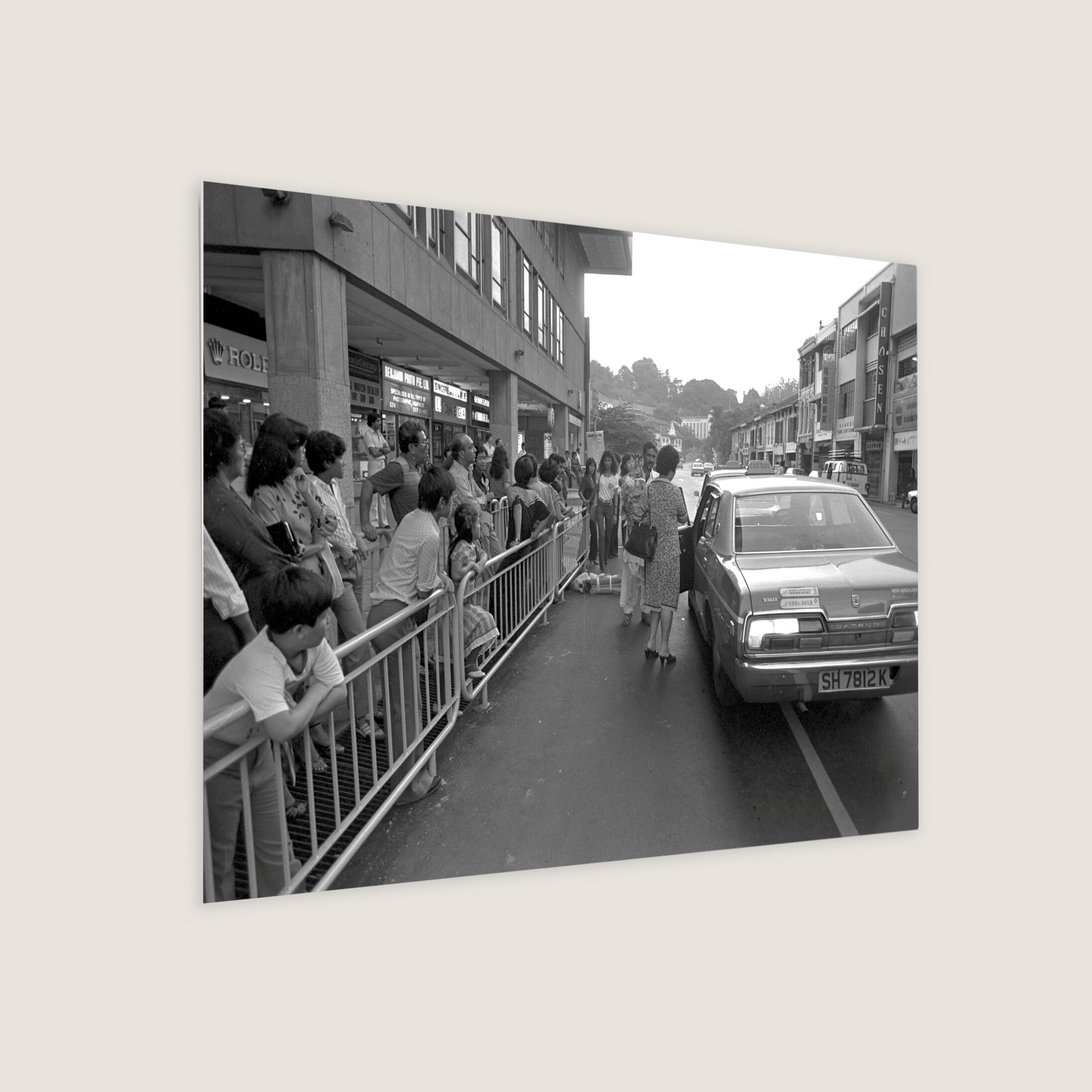
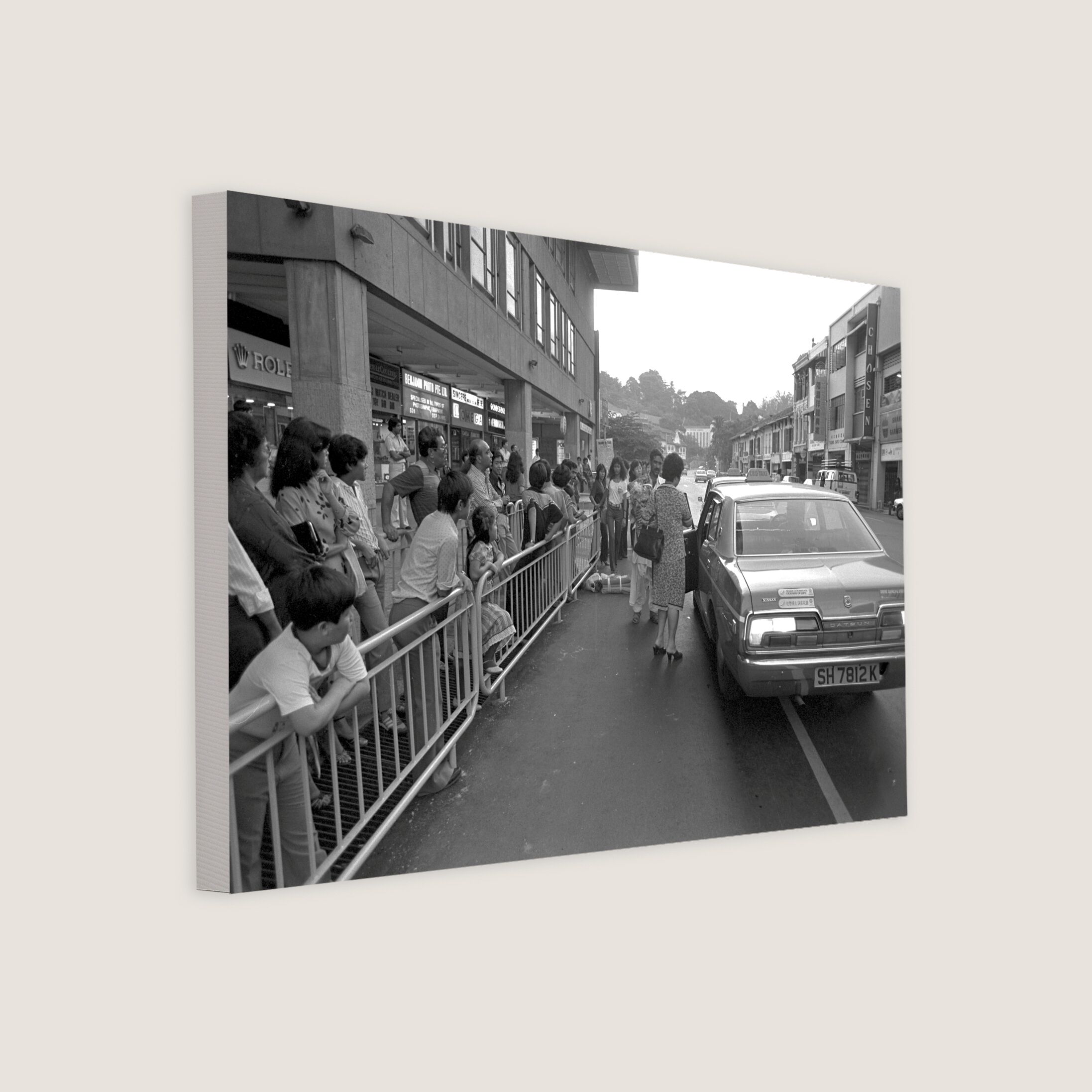
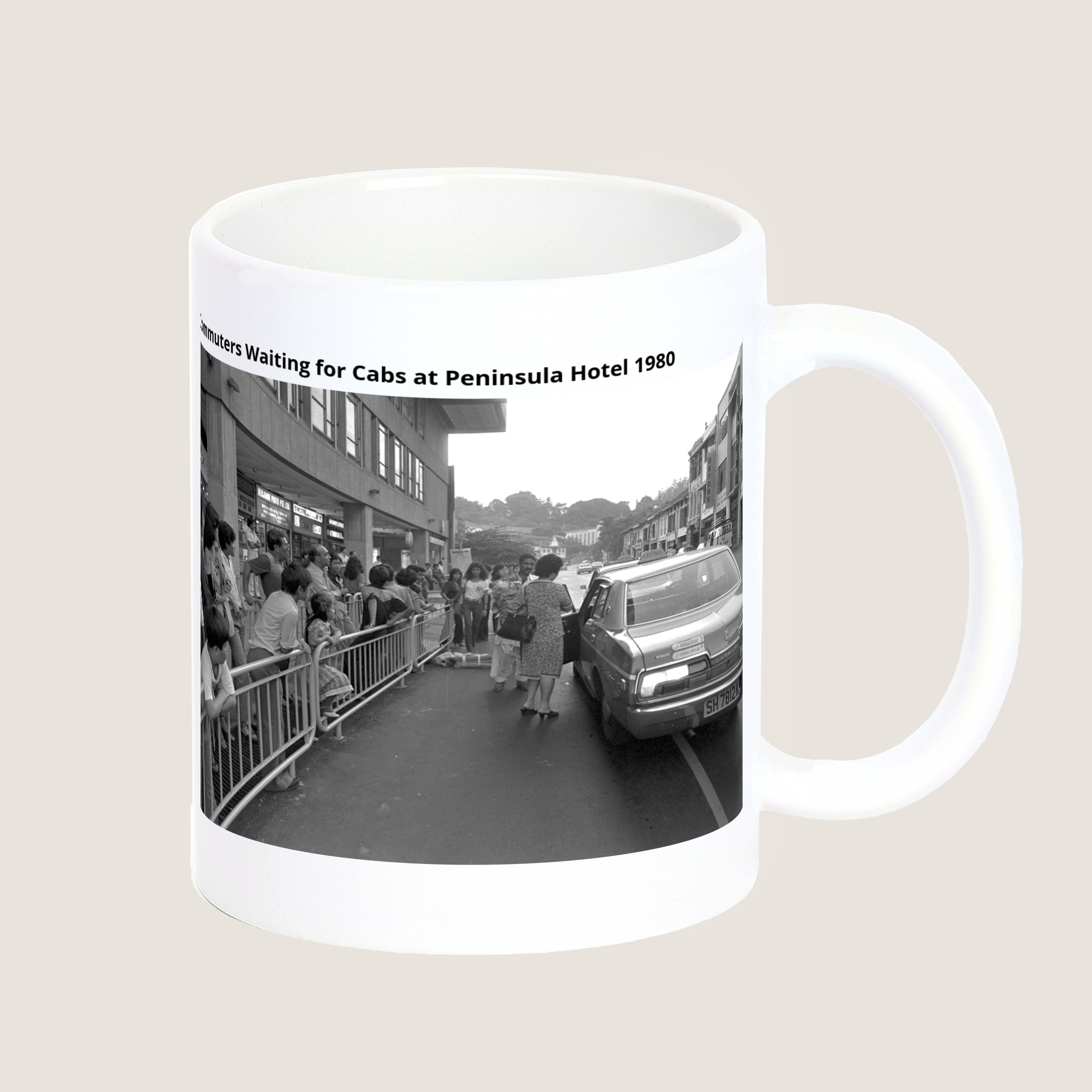
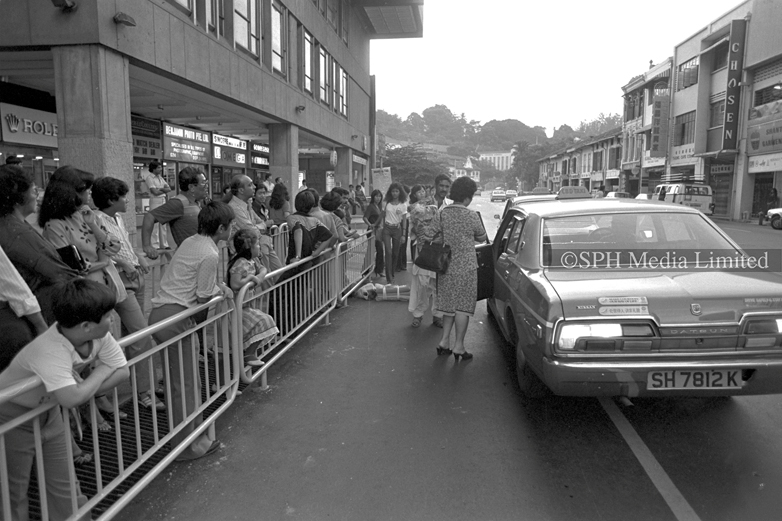 Commuters Waiting for Cabs at Peninsula Hotel
1980
Commuters Waiting for Cabs at Peninsula Hotel
1980
Commuters Waiting for Cabs at Peninsula Hotel
Year 1980
What we know today as ComfortDelgro was originally two separate transportation companies, Comfort Group and Delgro Corporation in 2003. In 1980, NTUC's Comfort launched its Share-a-Cab scheme, which was met with apathy from commuters, who shied away from cab-sharing. Taxi commuters are seen queueing up for the normal single-fare taxis at the Peninsula Hotel.
©️ SPH Media Limited
Share to
Tags
Available for print on products
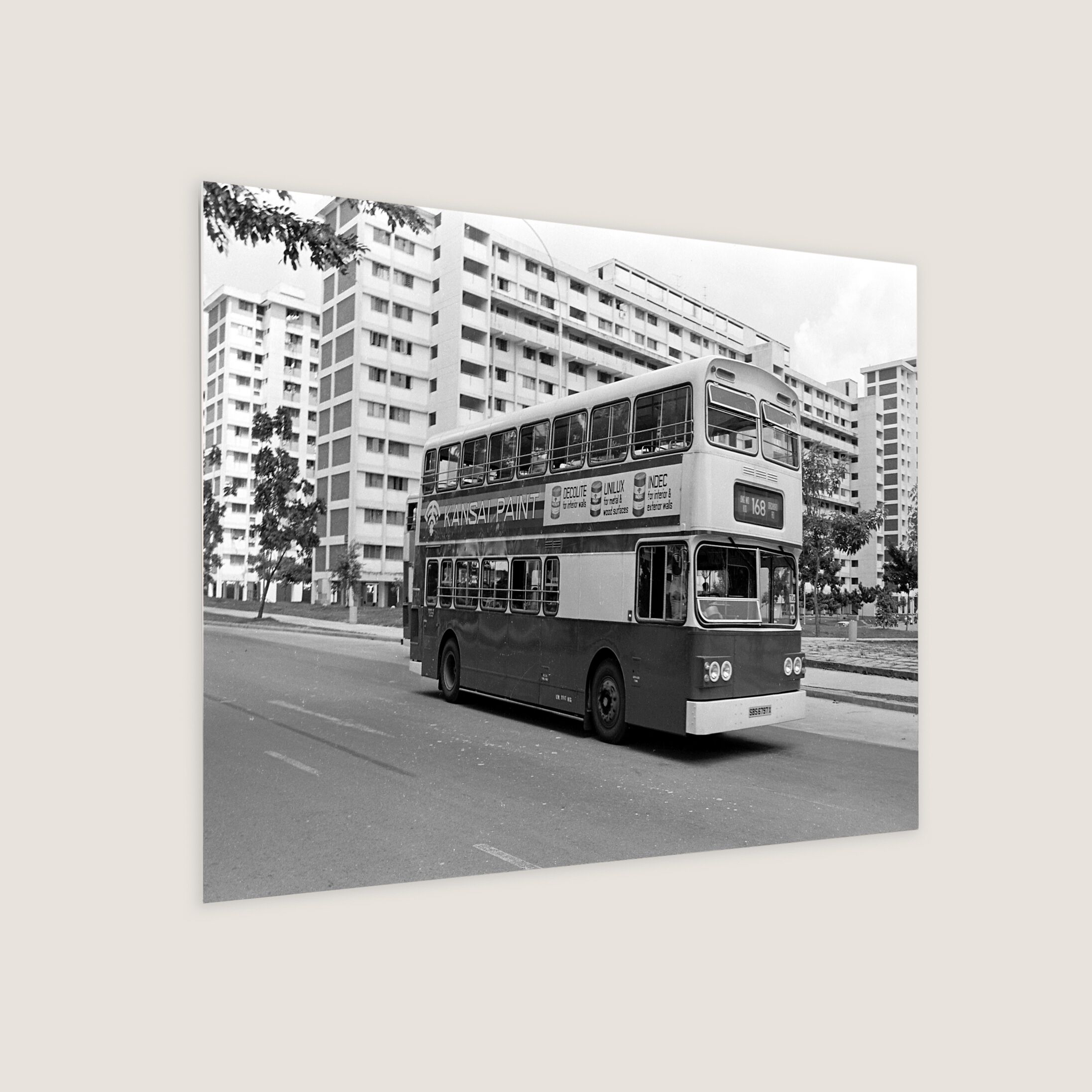
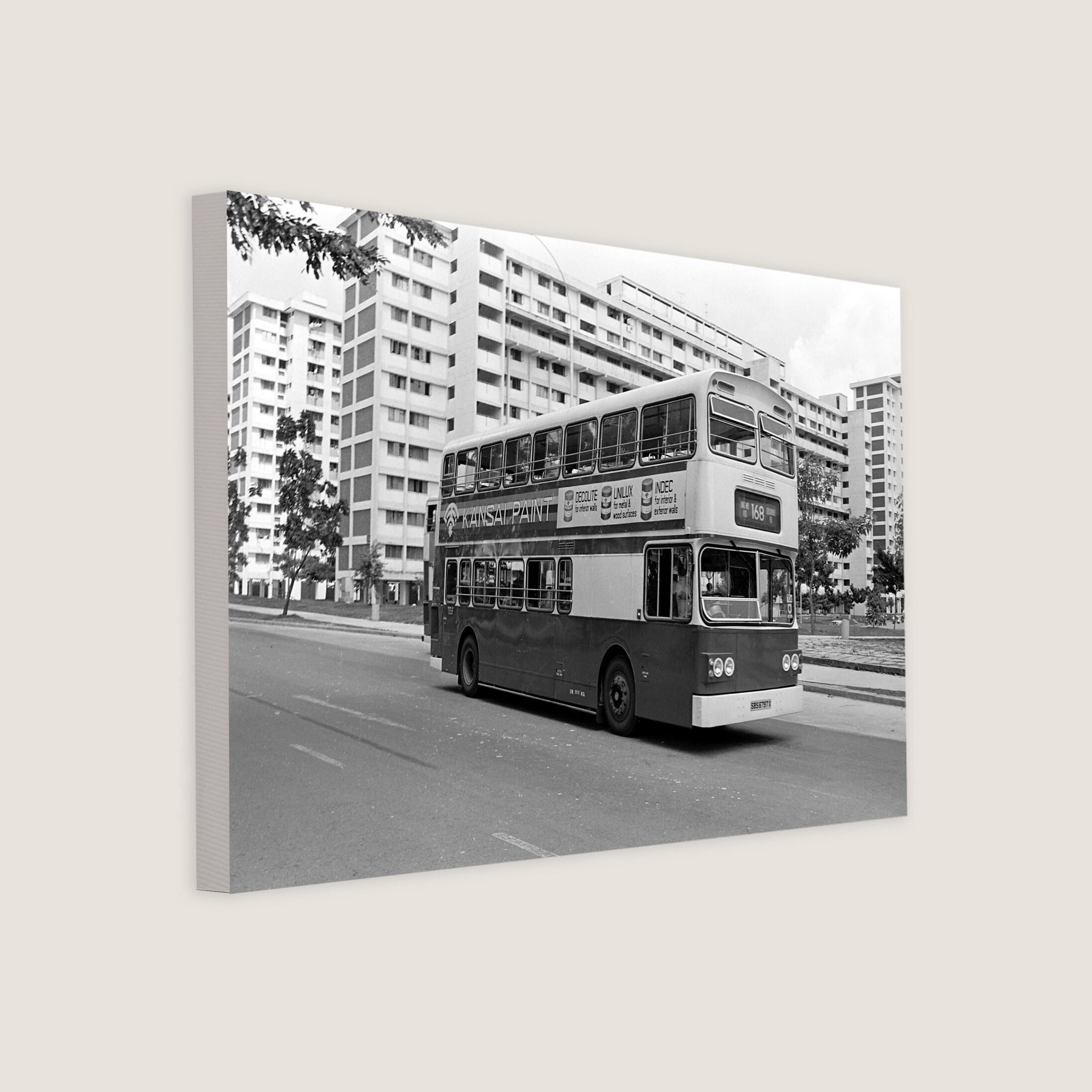
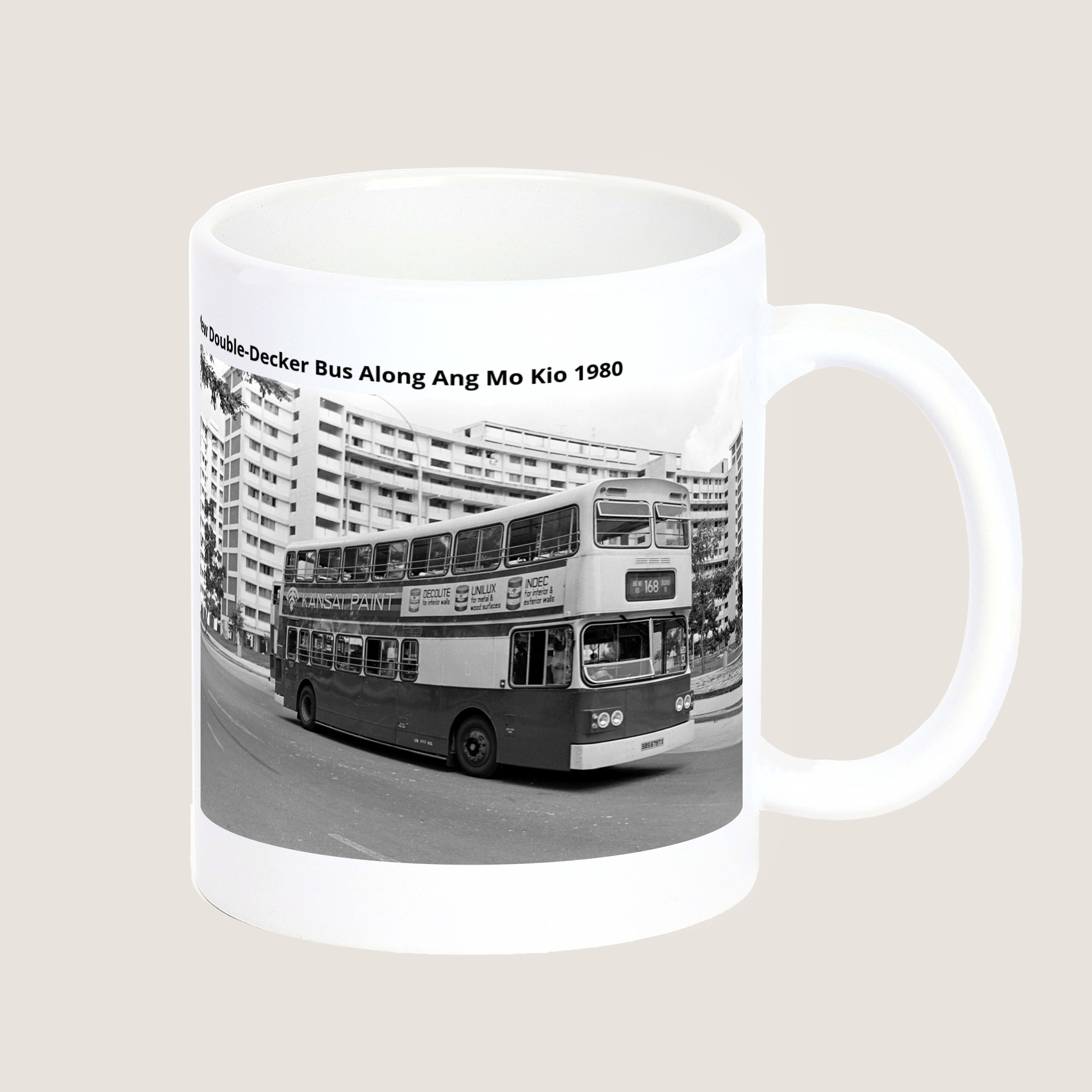
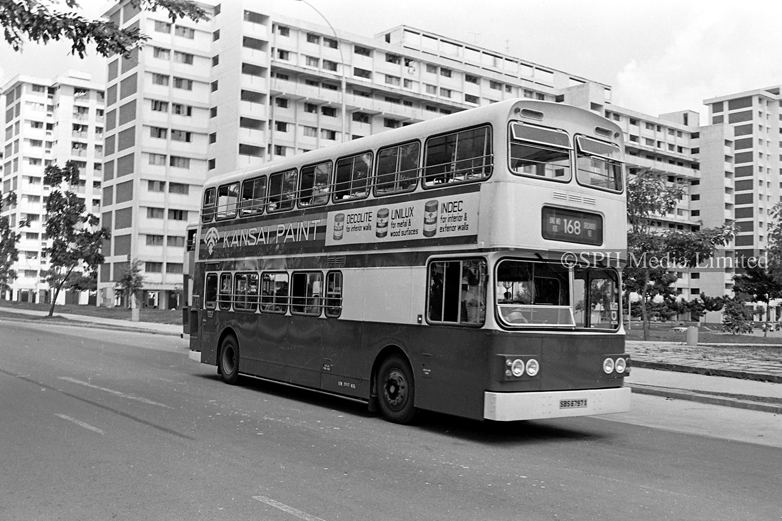 New Double-Decker Bus Along Ang Mo Kio
1980
New Double-Decker Bus Along Ang Mo Kio
1980
New Double-Decker Bus Along Ang Mo Kio
Year 1980
In recognition of the rapid population growth rate in Ang Mo Kio, temporary measures had to be adopted to cater to the town's growing transport. One of these measures included replacing several single-deck buses with new double-deckers.
©️ SPH Media Limited
Share to
Tags
Available for print on products
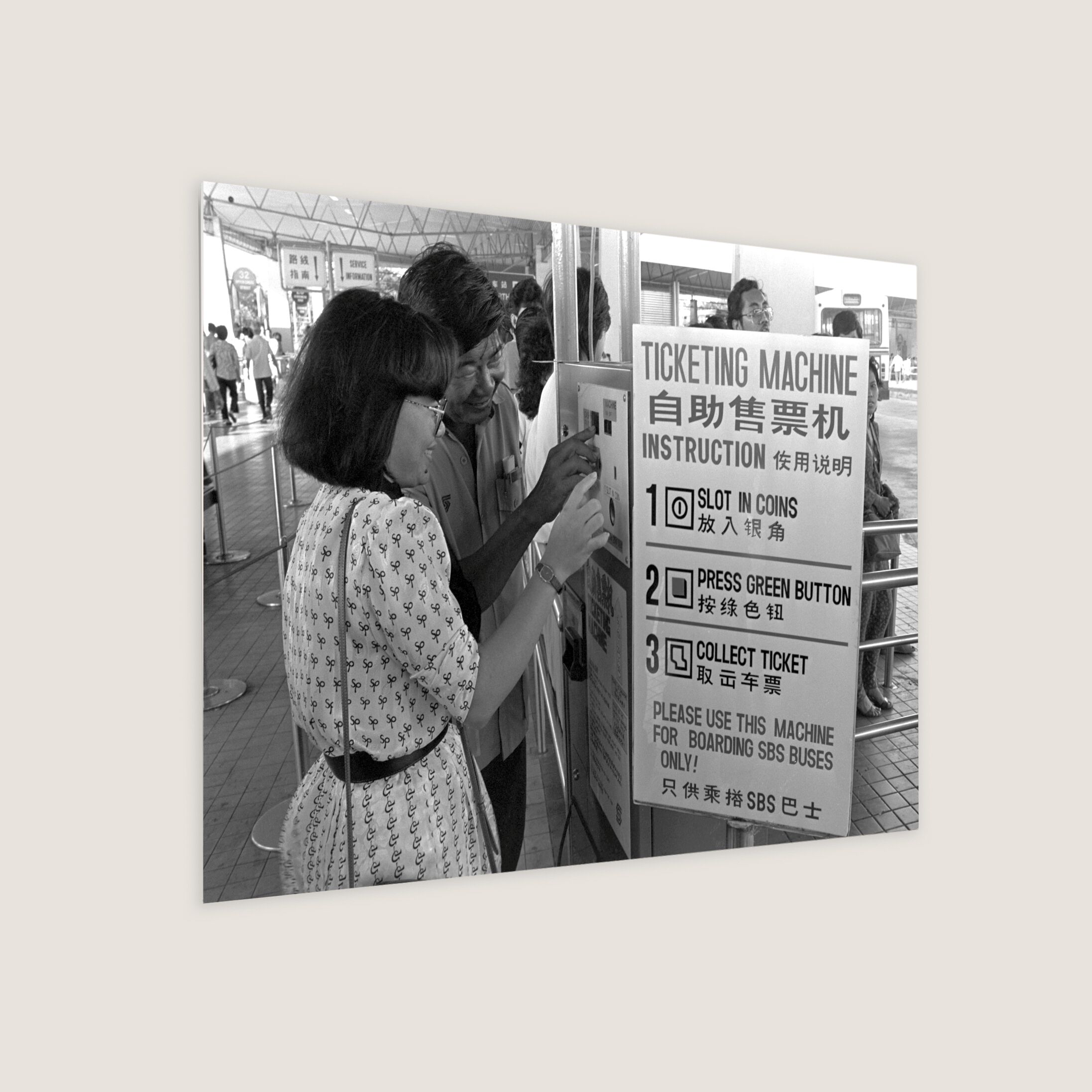
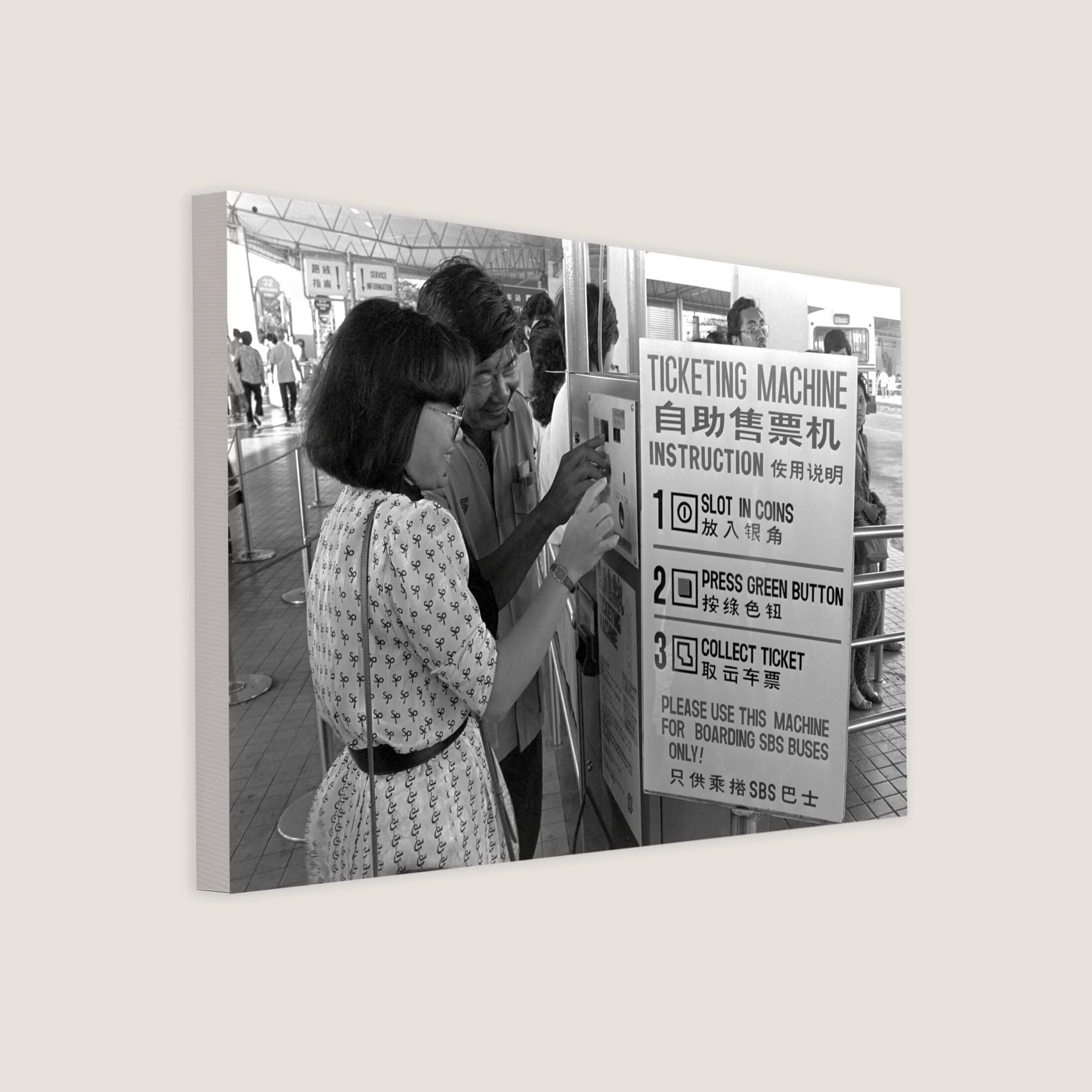
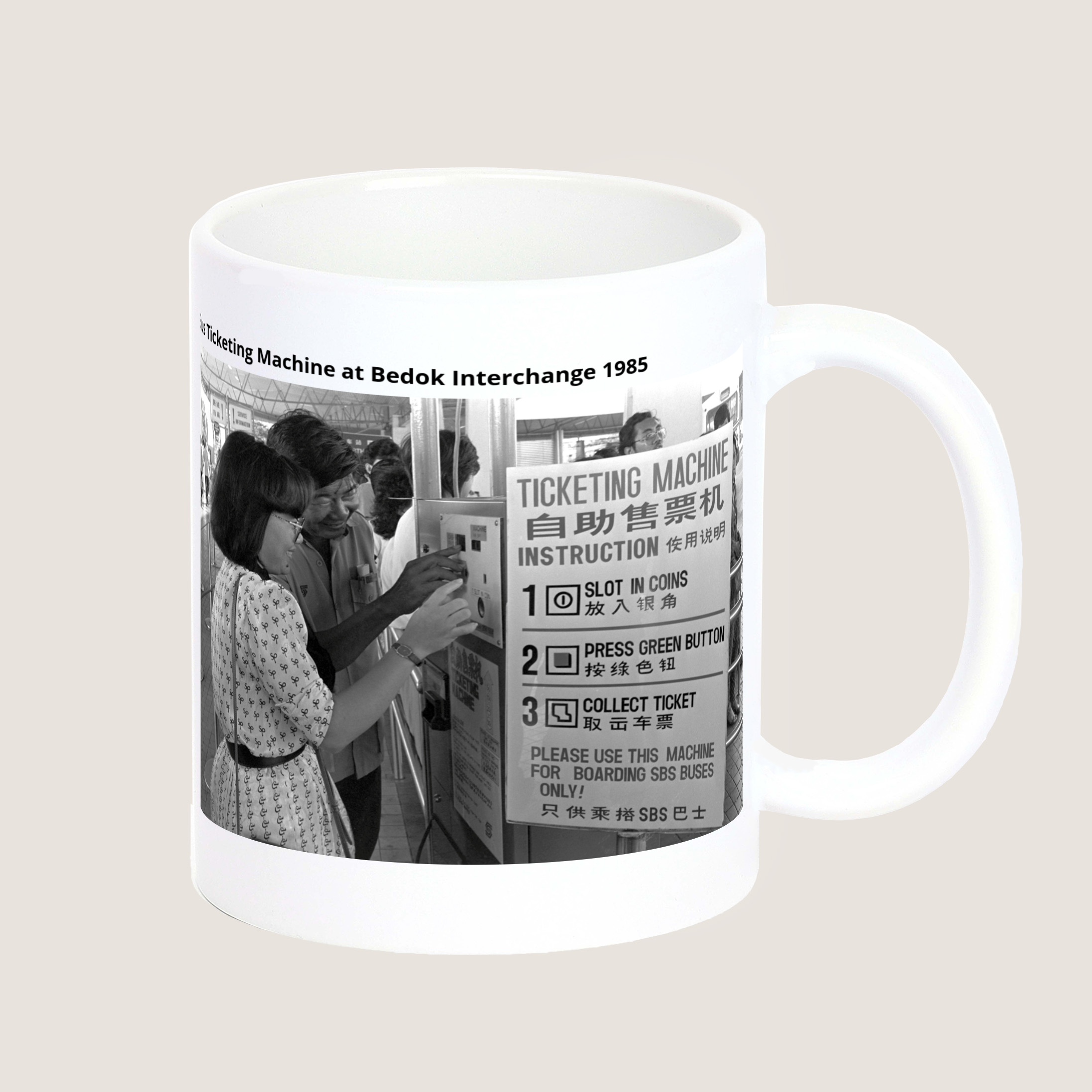
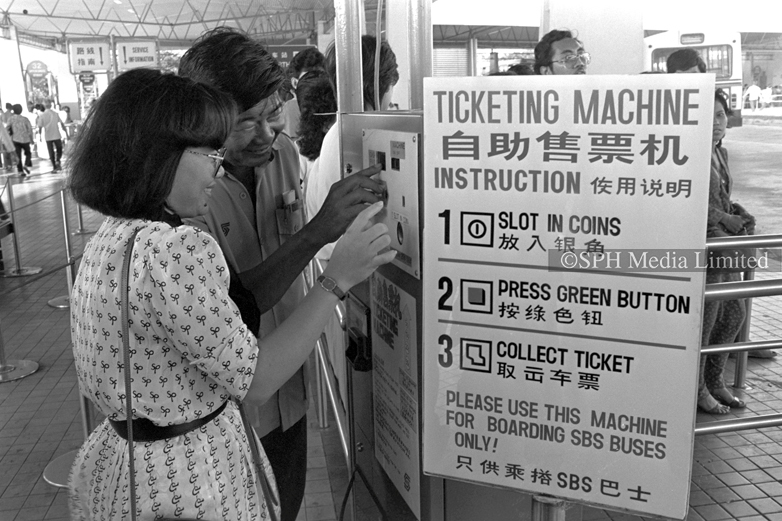 Bus Ticketing Machine at Bedok Interchange
1985
Bus Ticketing Machine at Bedok Interchange
1985
Bus Ticketing Machine at Bedok Interchange
Year 1985
Featuring an SBS inspector helping a female commuter at the Bedok Interchange when the new ticketing machines went on trial in 1985. Passengers could buy their tickets before hopping onto the bus, instead of waiting idly for their buses. Before implementing this machine, bus conductors would approach passengers on the bus for ticket sales.
©️ SPH Media Limited
Share to
Tags
Available for print on products
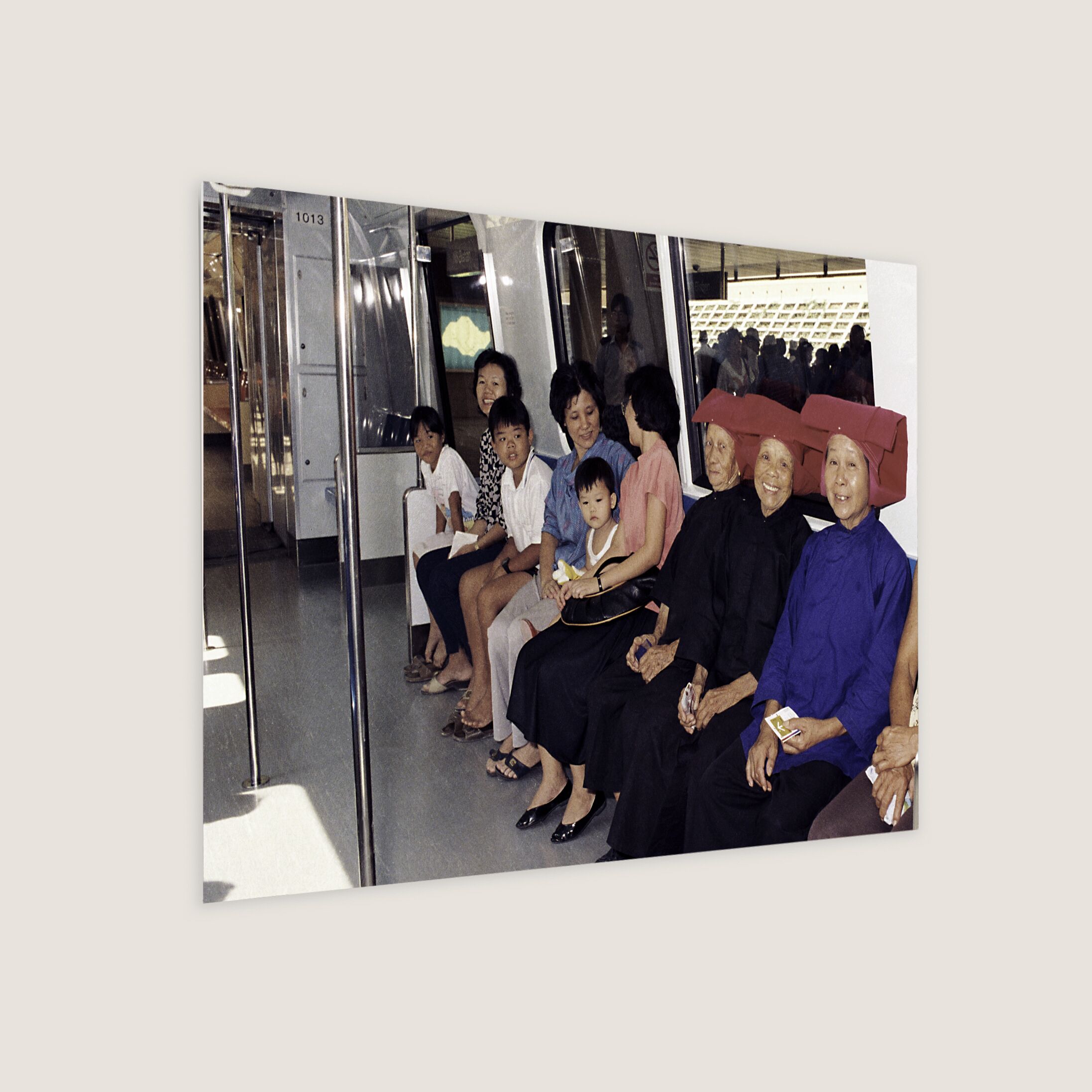
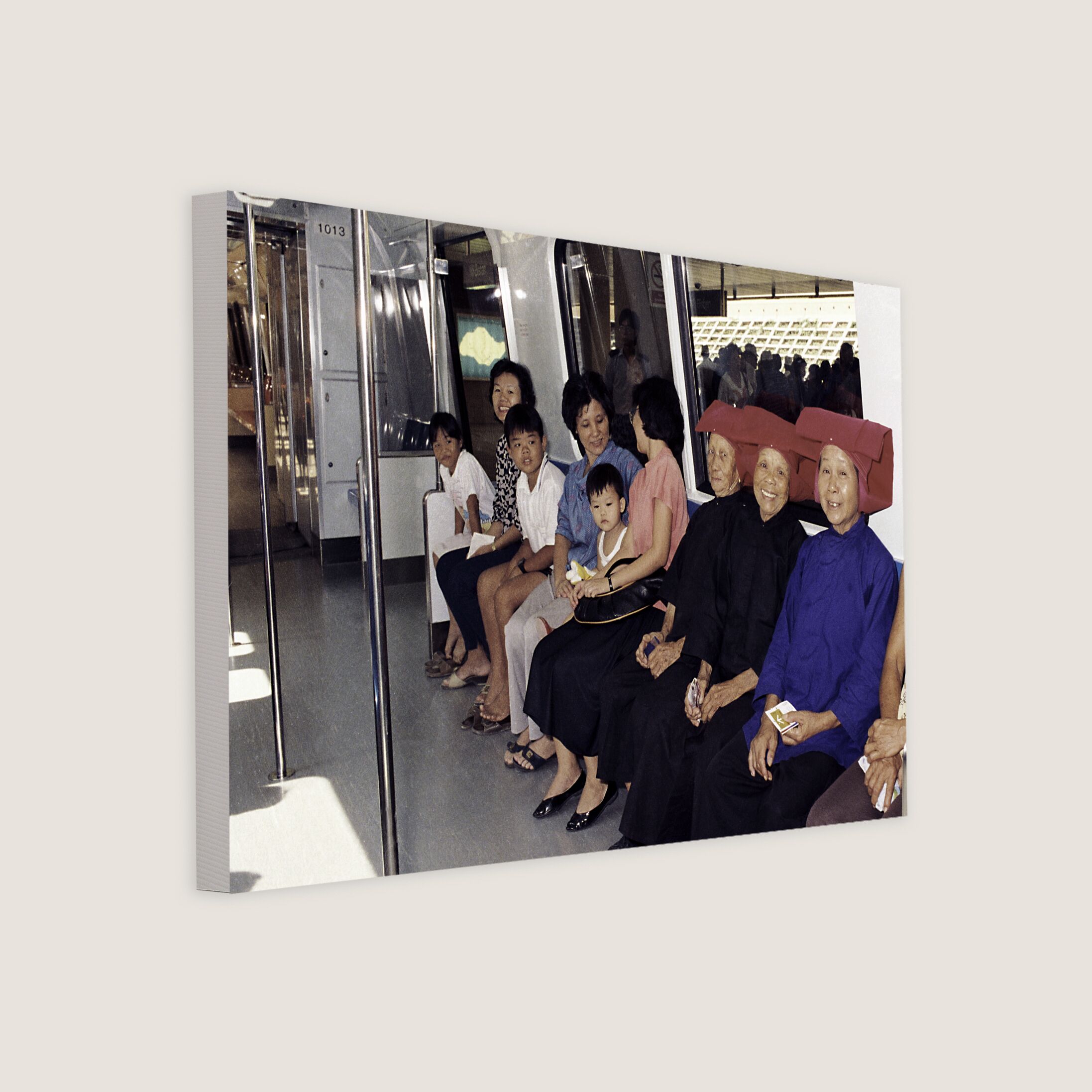
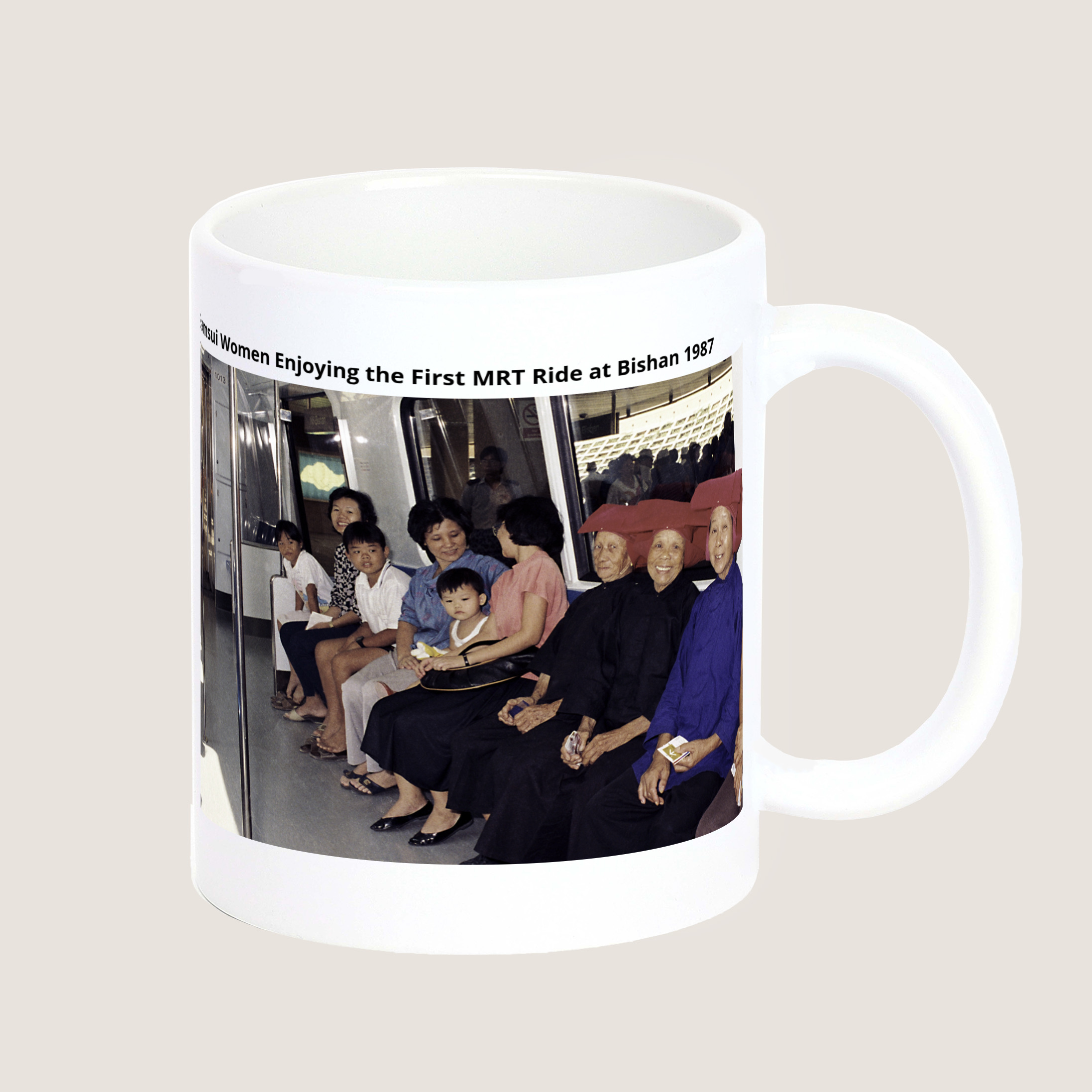
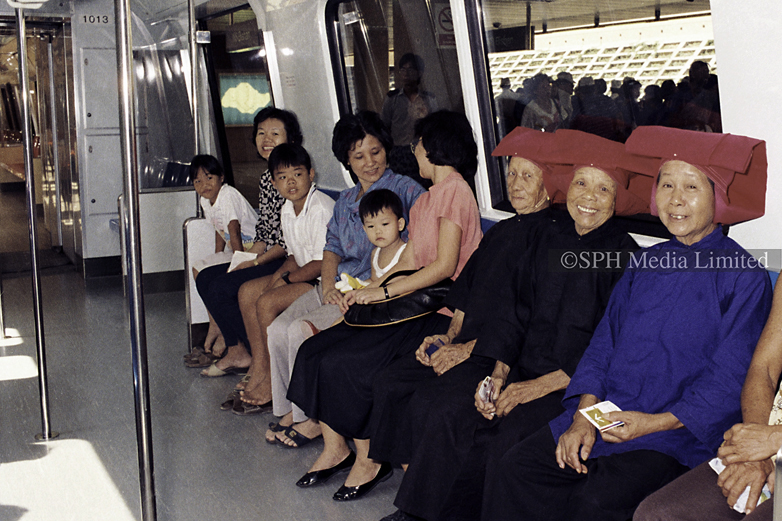 Samsui Women Enjoying the First MRT Ride at Bishan
1987
Samsui Women Enjoying the First MRT Ride at Bishan
1987
Samsui Women Enjoying the First MRT Ride at Bishan
Year 1987
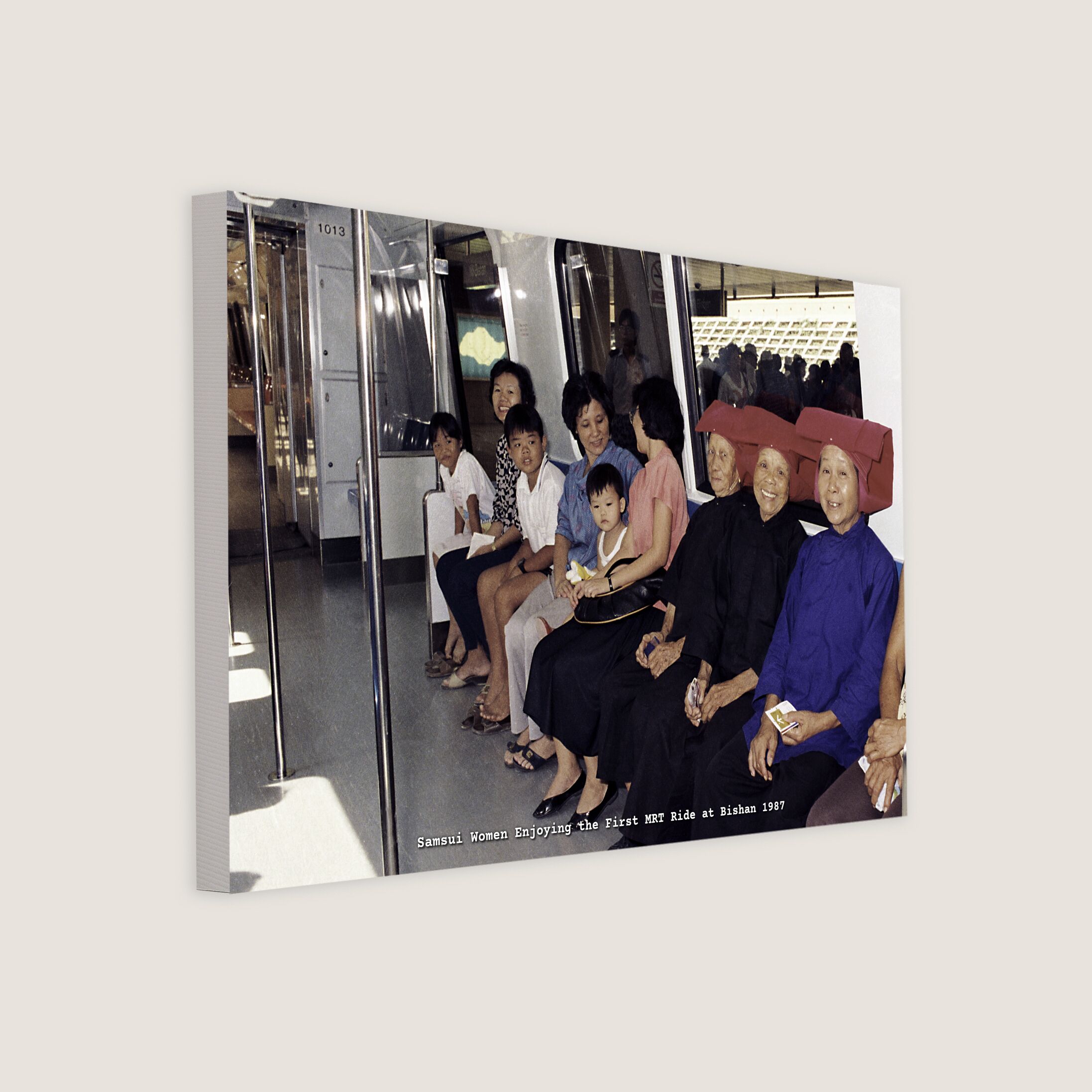
On 7 November 1987, the Bishan station opened. Three Samsui women who worked on the station for 4 years, were given the day off. An MRT engineer bought them tickets to join the crowd to ride the train. Samsui women were female immigrants from Canton's Sanshui district who were manual labourers.
©️ SPH Media Limited
Share to
Tags
Available for print on products
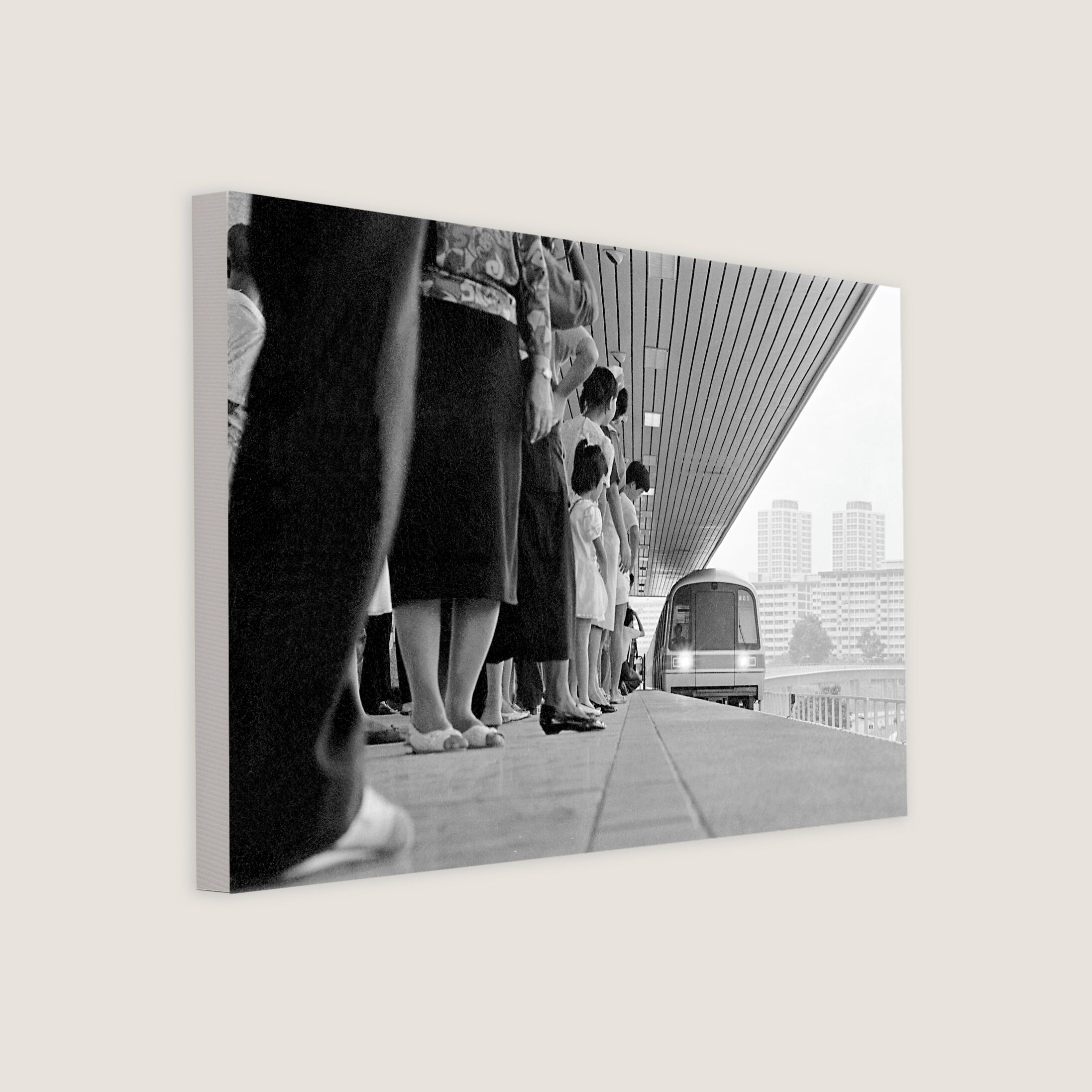
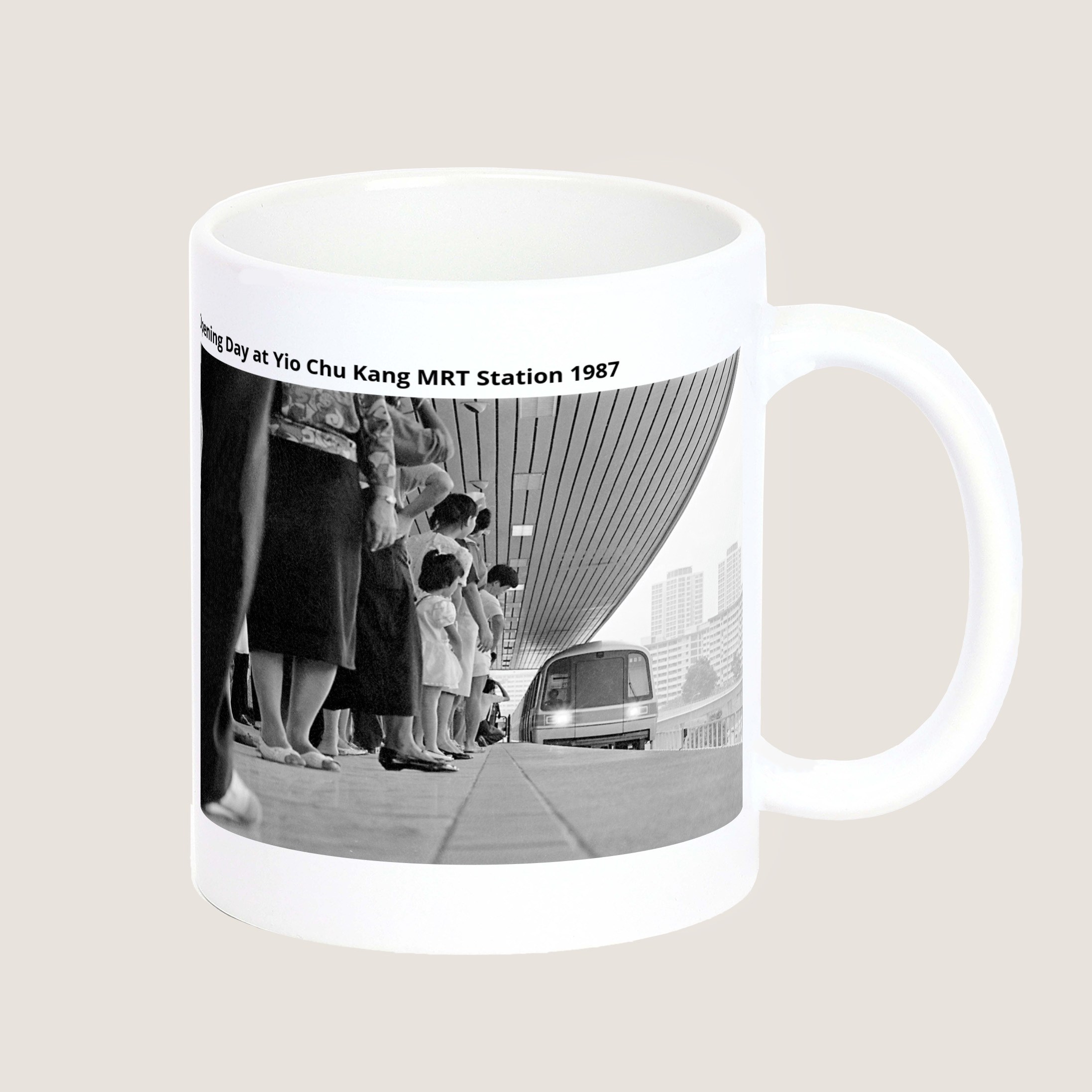
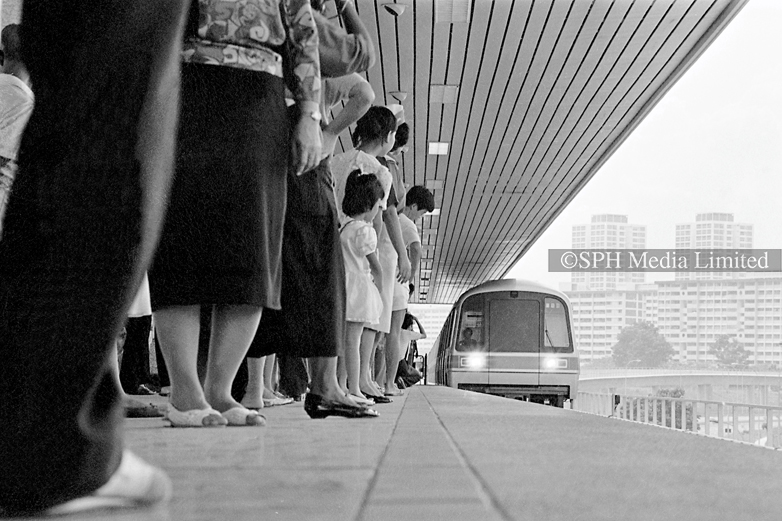 Opening Day at Yio Chu Kang MRT Station
1987
Opening Day at Yio Chu Kang MRT Station
1987
Opening Day at Yio Chu Kang MRT Station
Year 1987
Instead of a choo-choo, first-time MRT commuters heard an almost stealthy shhhhhsshh as the train pulled up at Yio Chu Kang MRT station on the first day, 7 November 1987. The North-South Line (colloquially known as red line), was the first to be constructed.
©️ SPH Media Limited
Share to
Tags
Available for print on products
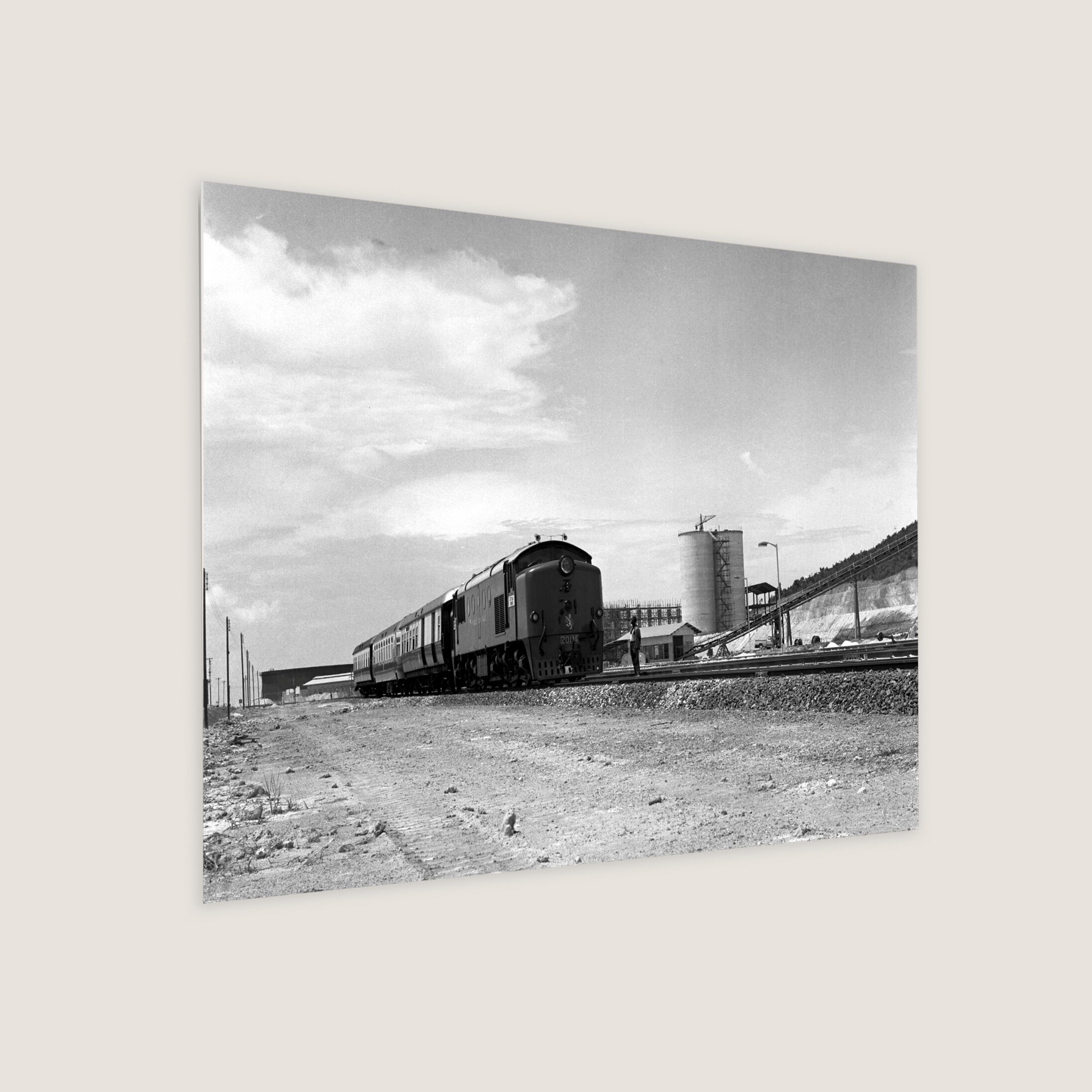
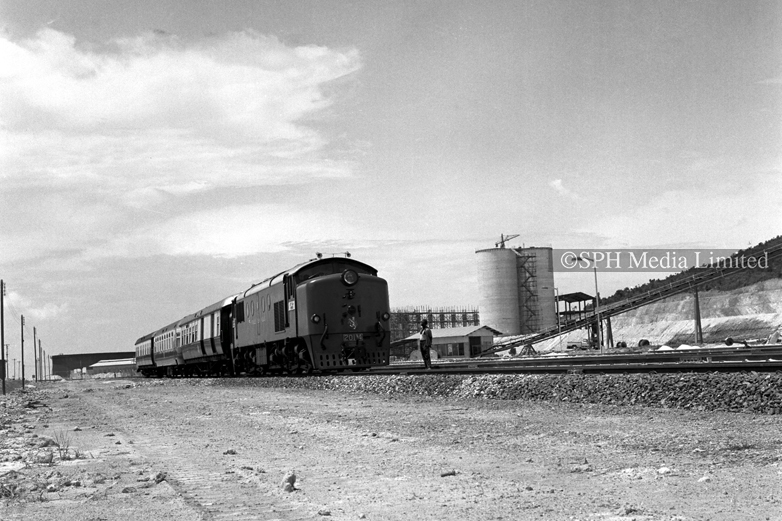 Jurong Railway Line at Jurong Industrial Estate
1965
Jurong Railway Line at Jurong Industrial Estate
1965
Jurong Railway Line at Jurong Industrial Estate
Year 1965
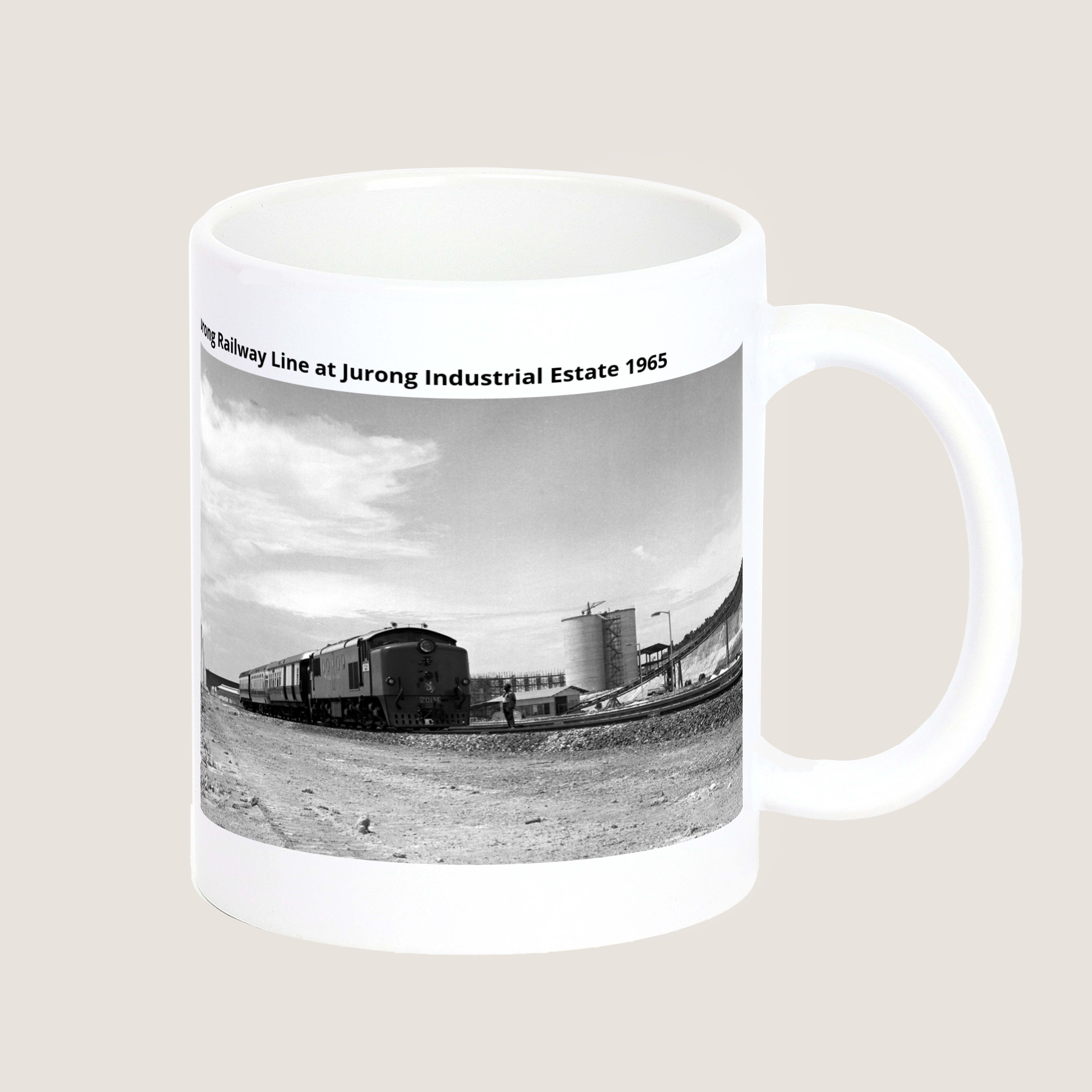
The railway system in Singapore was first built in 1903, running from Tank Road (River Valley) to Kranji. Its function was to transport passengers and goods to Malaya. In the 1960s, a 19km extension line was built from Bukit Timah into the Jurong Industrial Estate (pictured here). However, this line did not see extensive use and was abandoned in the 1990s.
©️ SPH Media Limited
Share to
Tags
Available for print on products
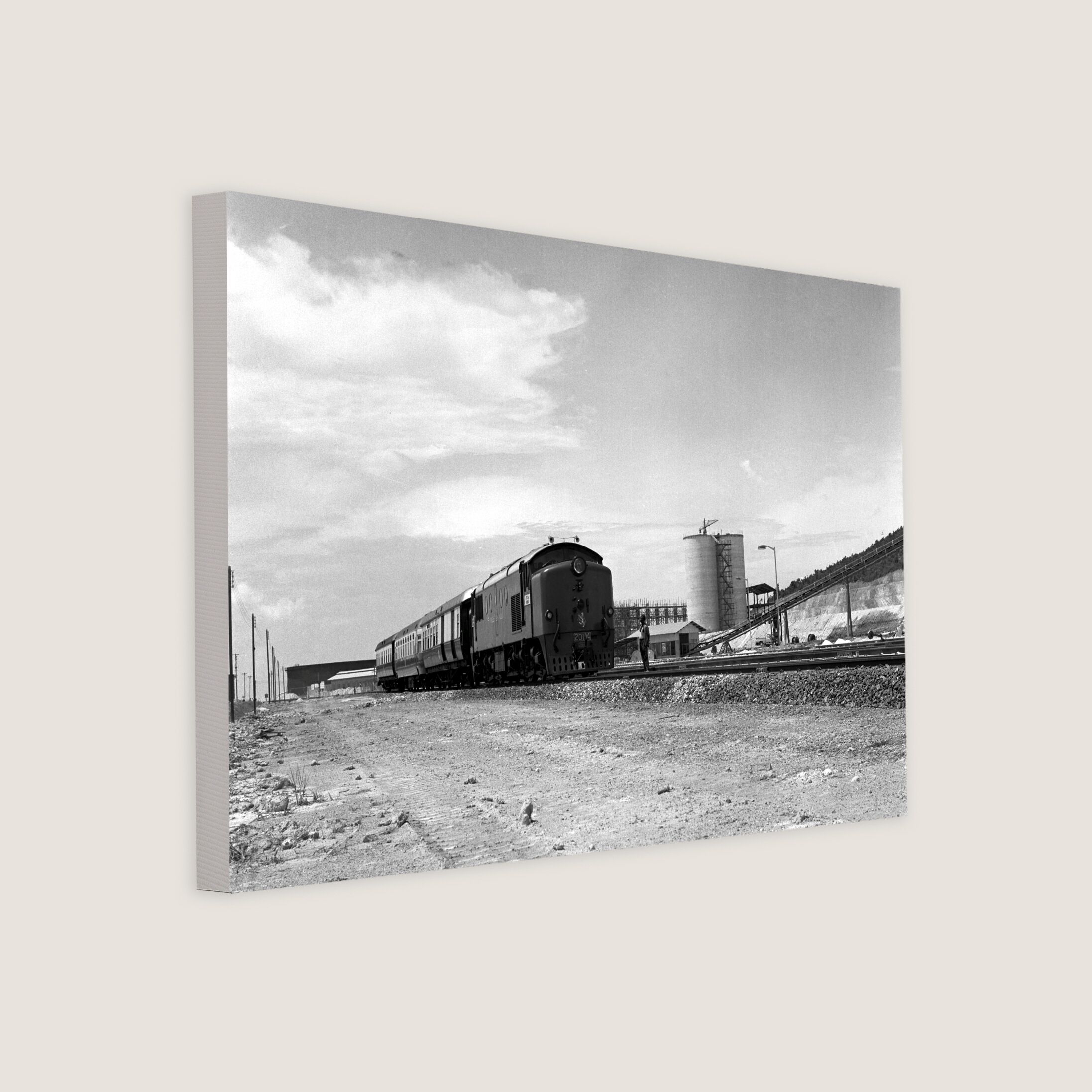
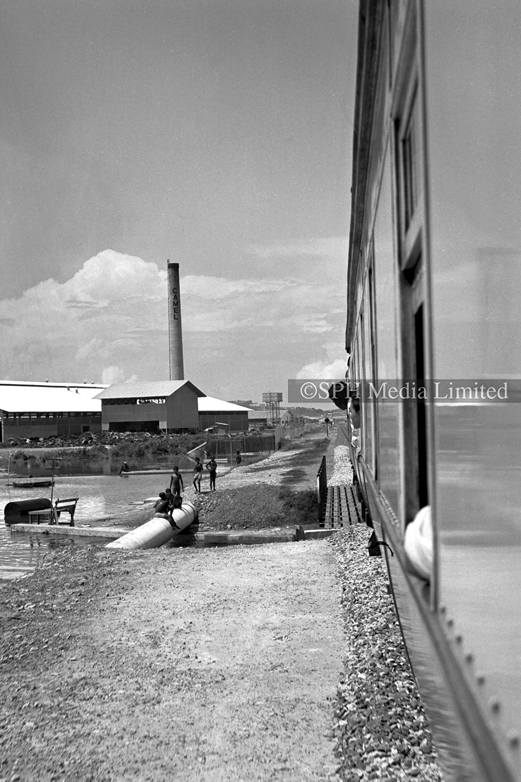 Along Jurong Railway Line
1965
Along Jurong Railway Line
1965
Along Jurong Railway Line
Year 1965
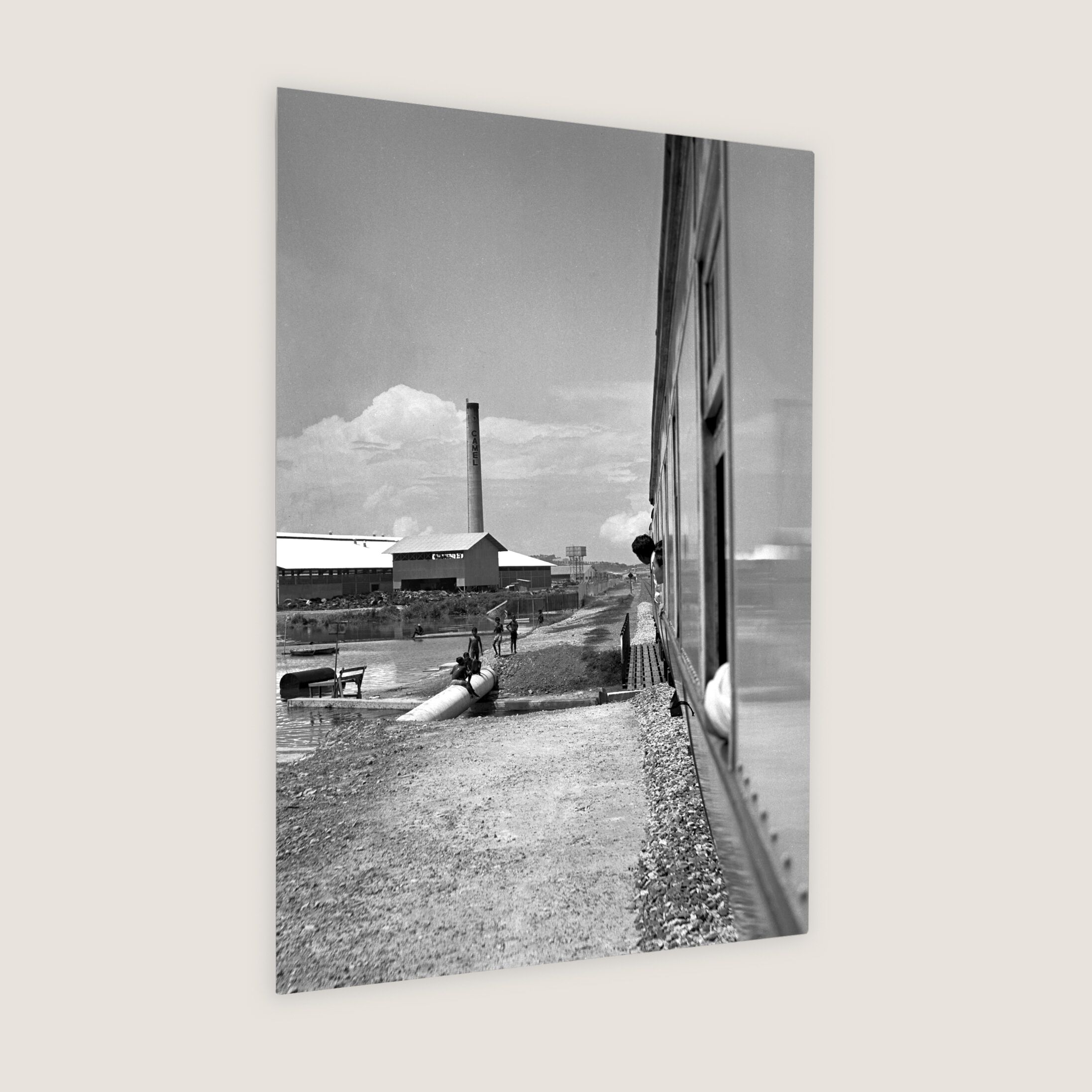
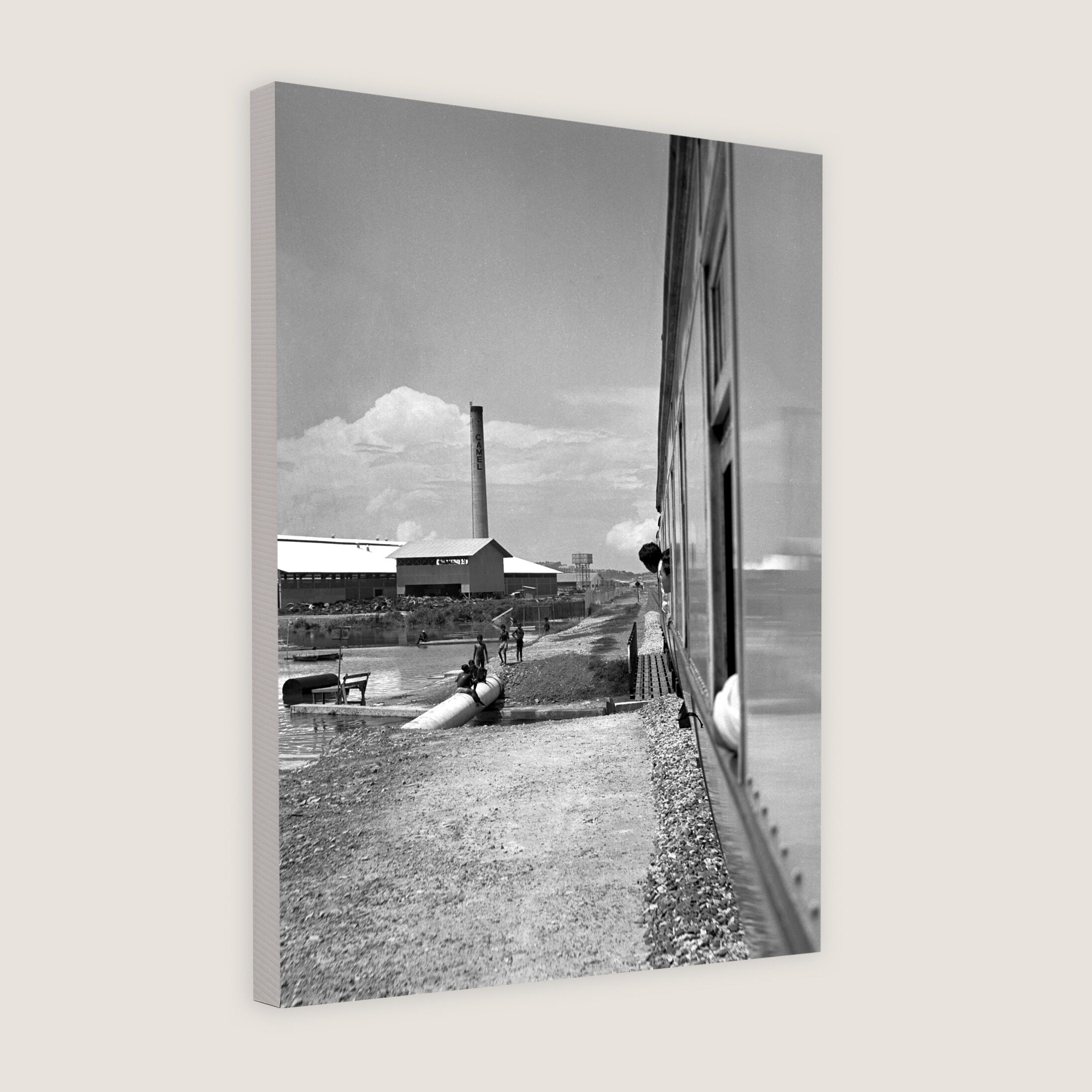
The completion of the railway line was a milestone in Singapore's industrialisation programme. This new railway was constructed in 1965 to serve the Jurong Industrial complex. It provided 12 miles of new tracks from Bukit Timah to the various parts of the Jurong Industrial Estate. The line eventually closed in the 1990s.
©️ SPH Media Limited
Share to
Tags
Available for print on products
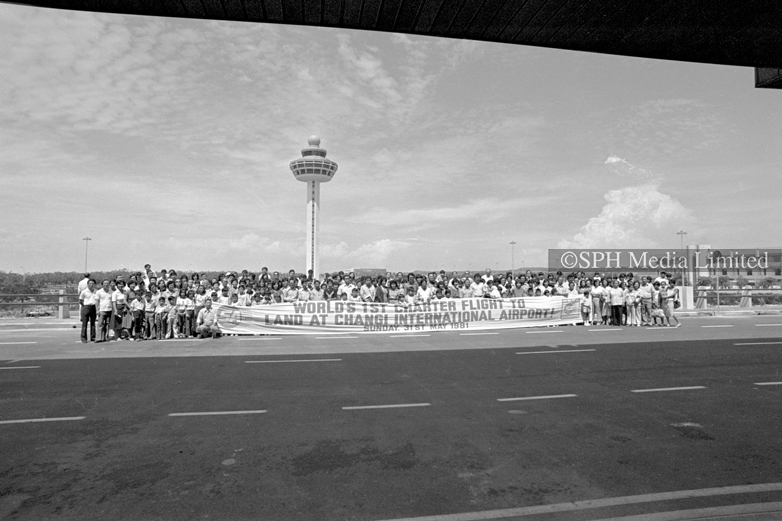 First SIA Chartered Flight at Changi Airport
1981
First SIA Chartered Flight at Changi Airport
1981
First SIA Chartered Flight at Changi Airport
Year 1981
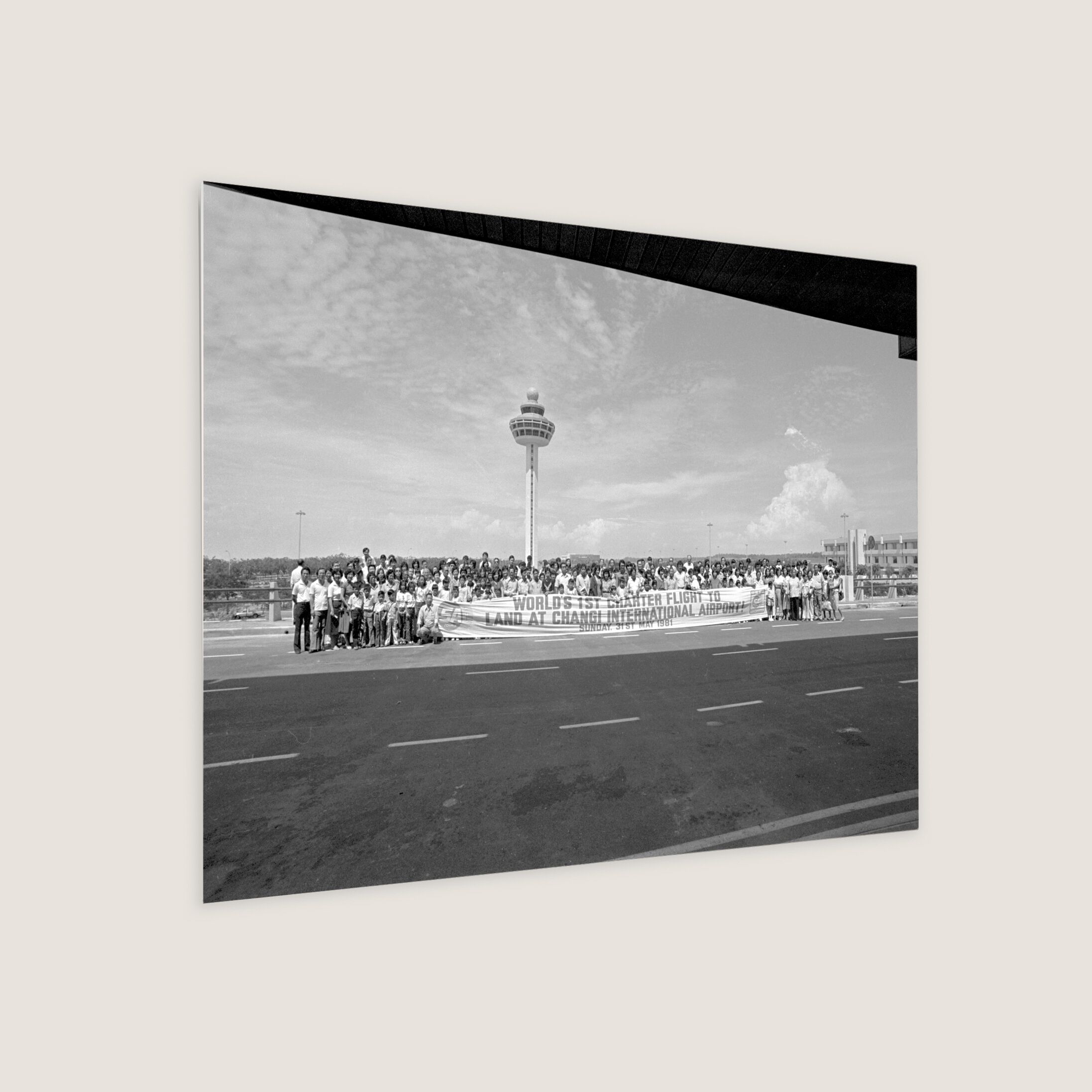
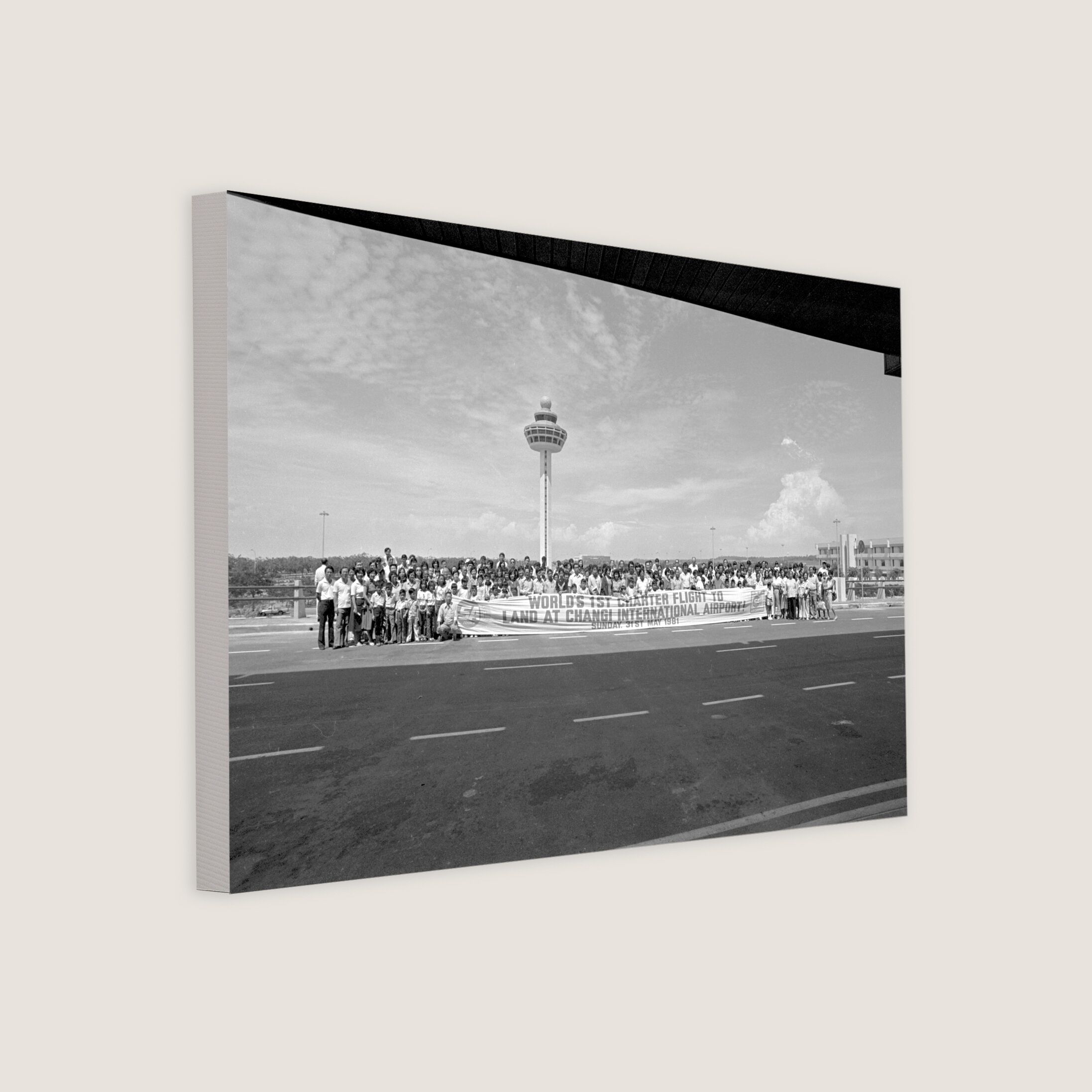
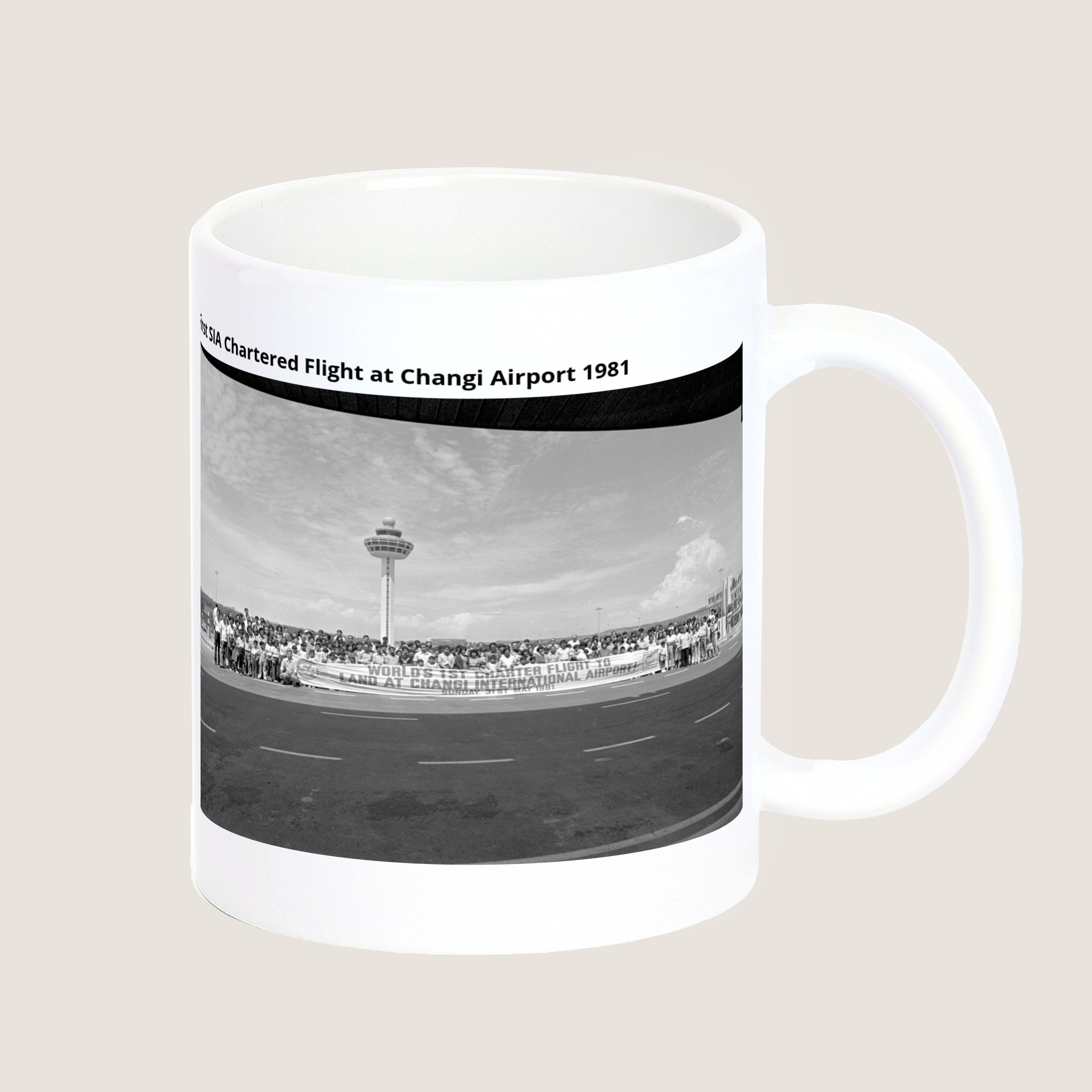
A chartered Singapore Airlines Airbus Flight SQ 100 was the first commercial flight that landed at Singapore Airport. The picture presents 246 passengers posing for a photo with the iconic Control Tower as a backdrop.
©️ SPH Media Limited
Share to
Tags
Available for print on products
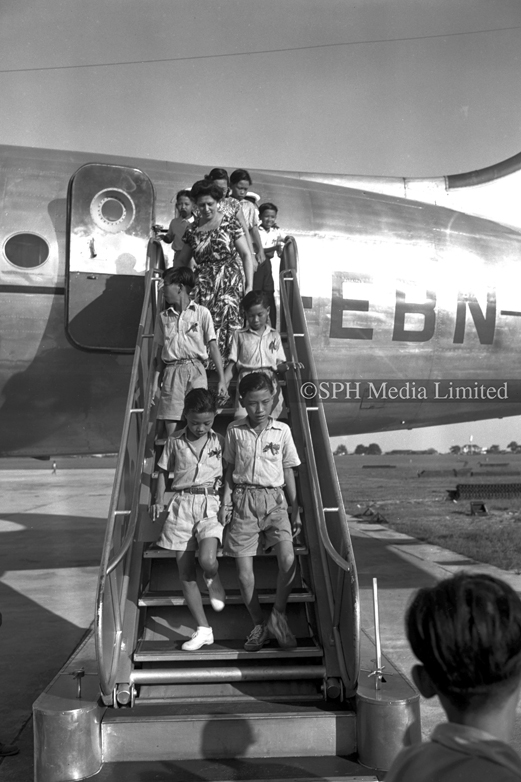 Children Take a Joyride on Qantas Skymaster Plane
1950
Children Take a Joyride on Qantas Skymaster Plane
1950
Children Take a Joyride on Qantas Skymaster Plane
Year 1950
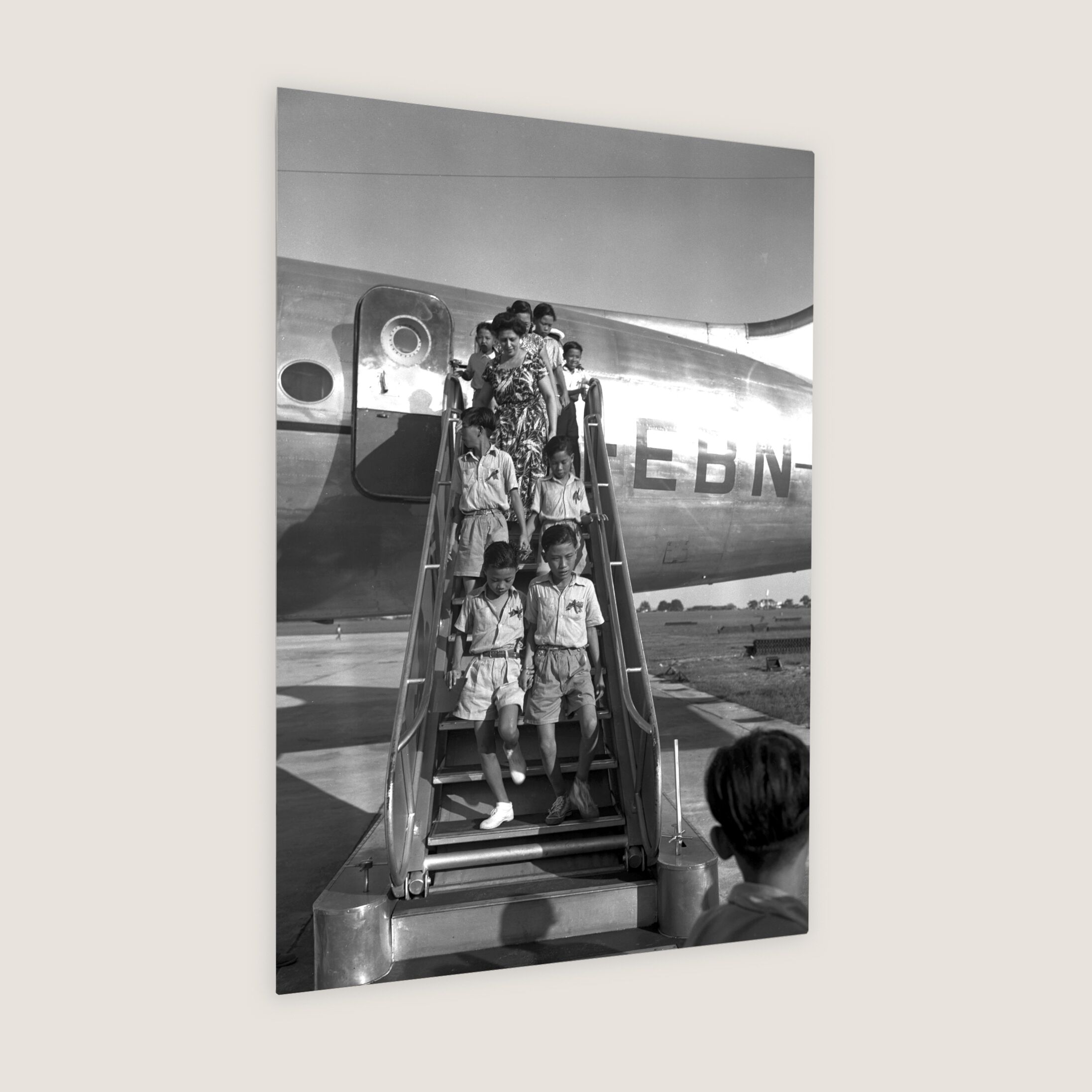
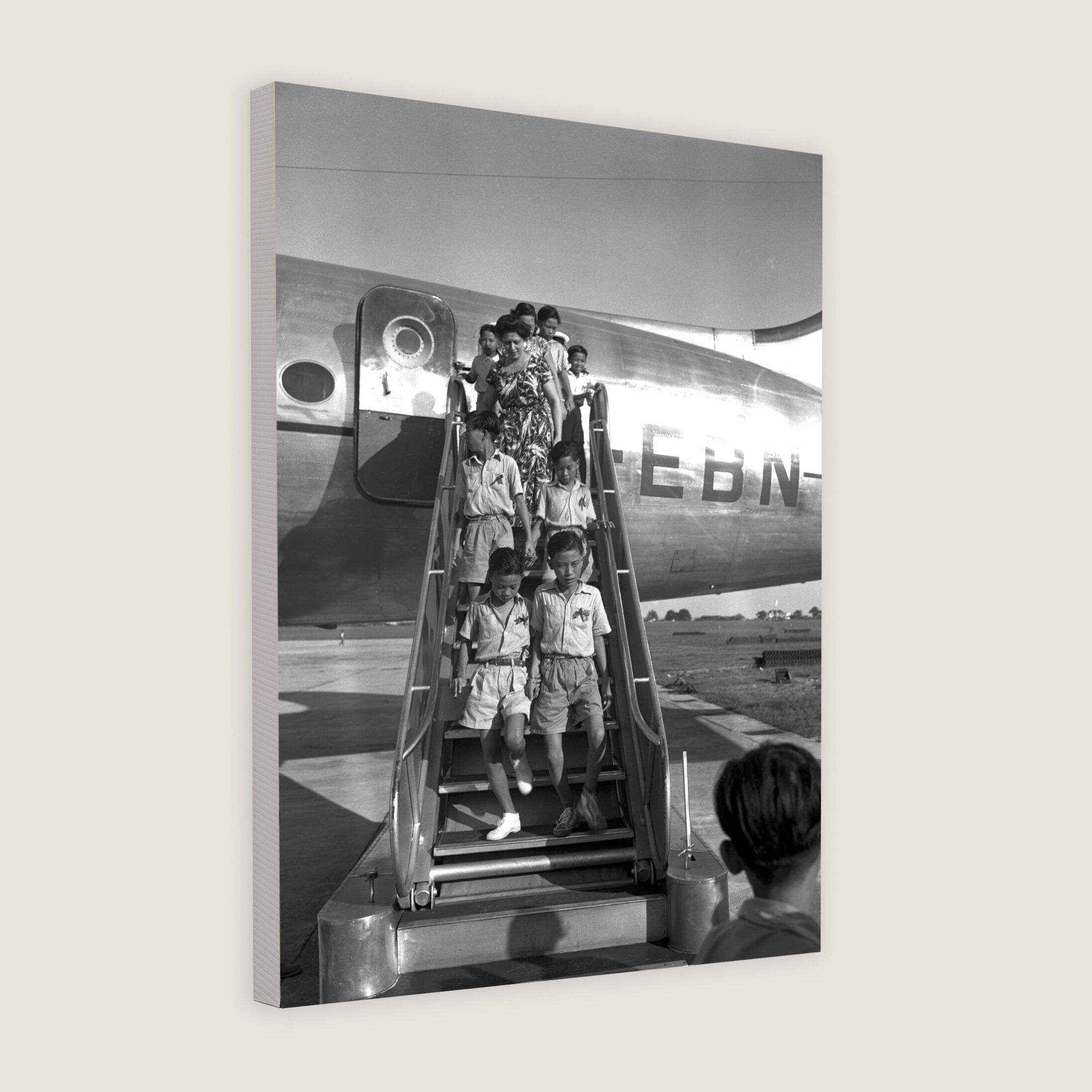
Children from four different children's social welfare centres in Singapore were flown for a joyride from Tengah airfield to Kallang in a Qantas Skymaster, on 21 July 1950. Children Social Centres catered to children up to the age of 14 who did not have the opportunity to attend school.
©️ SPH Media Limited
Share to
Tags
Available for print on products
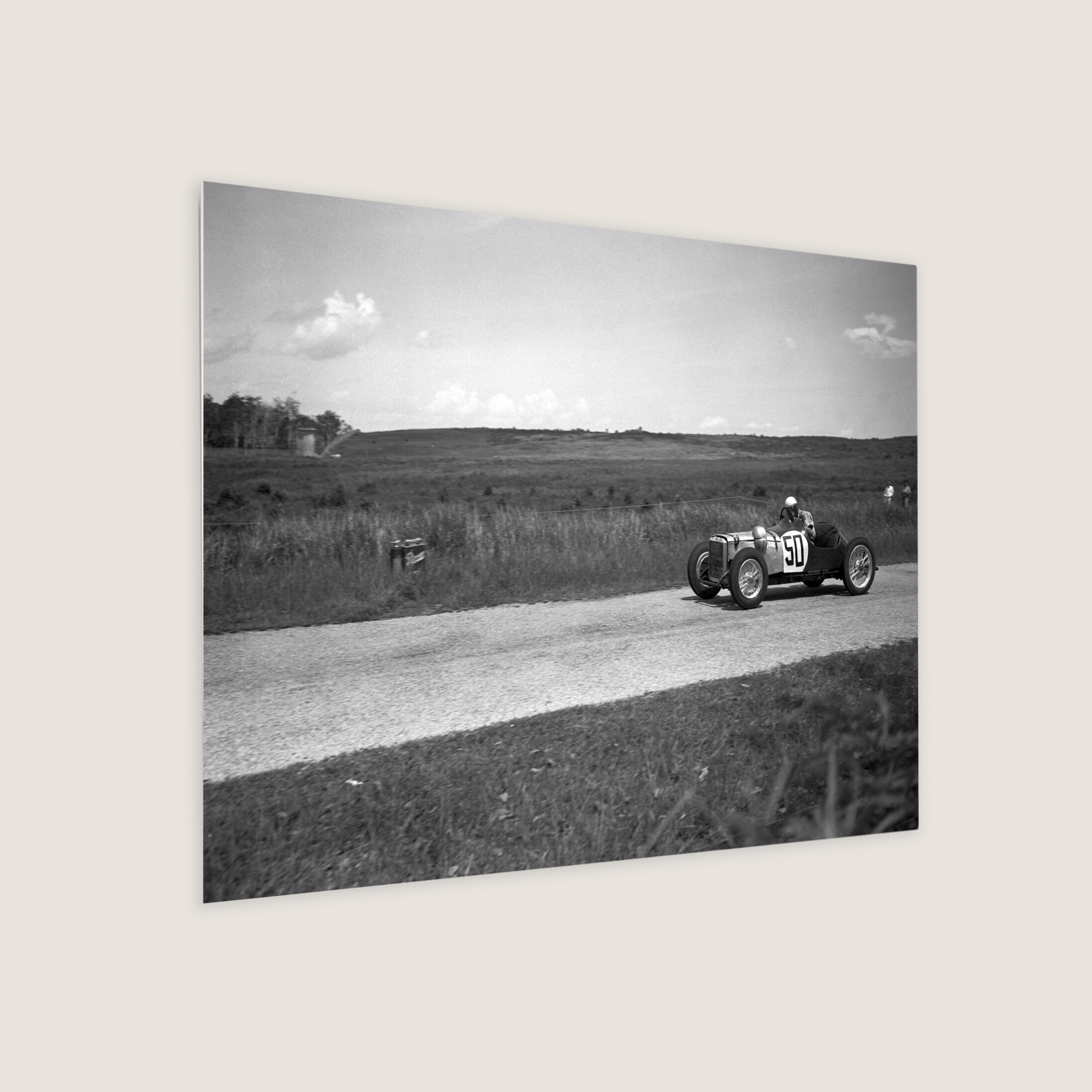
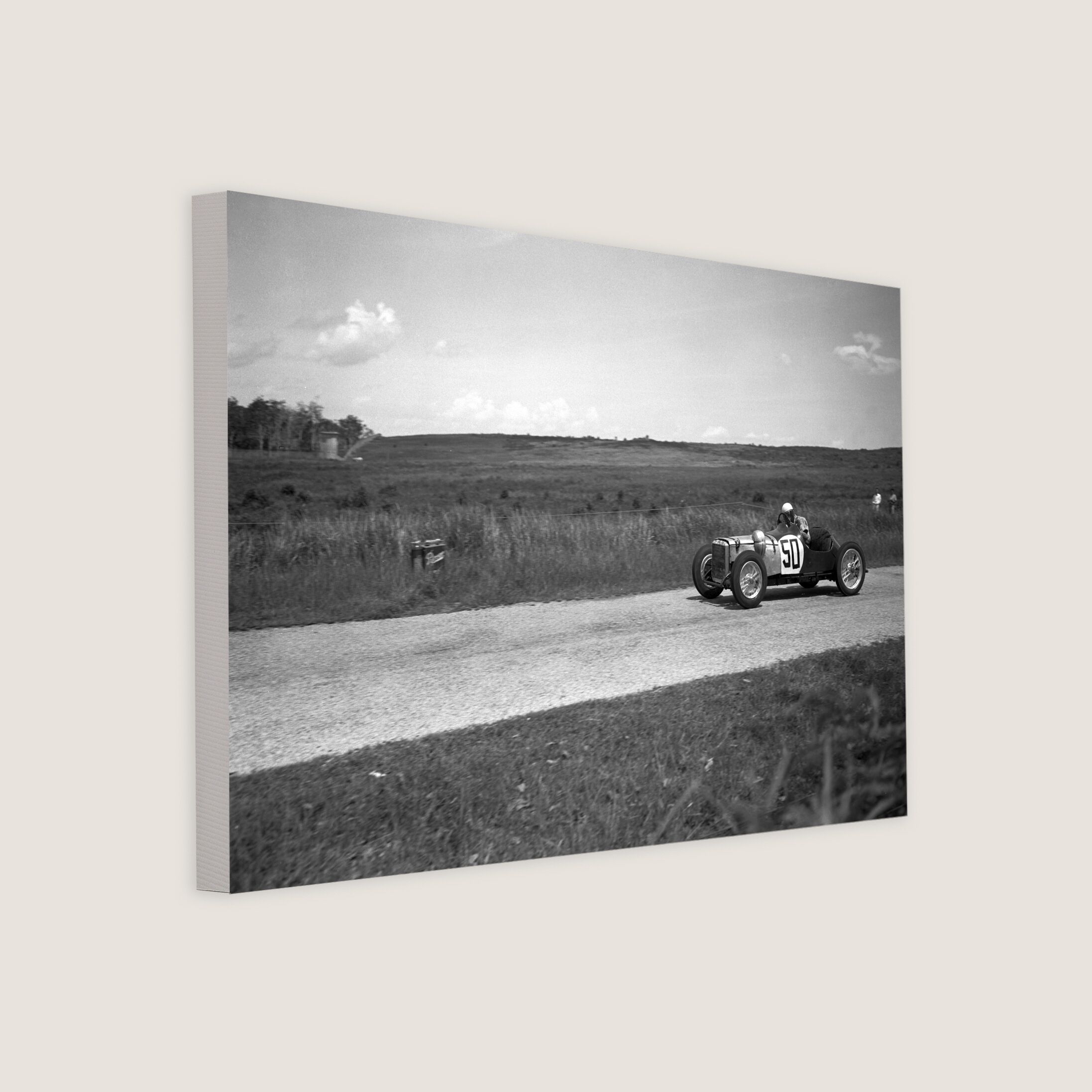
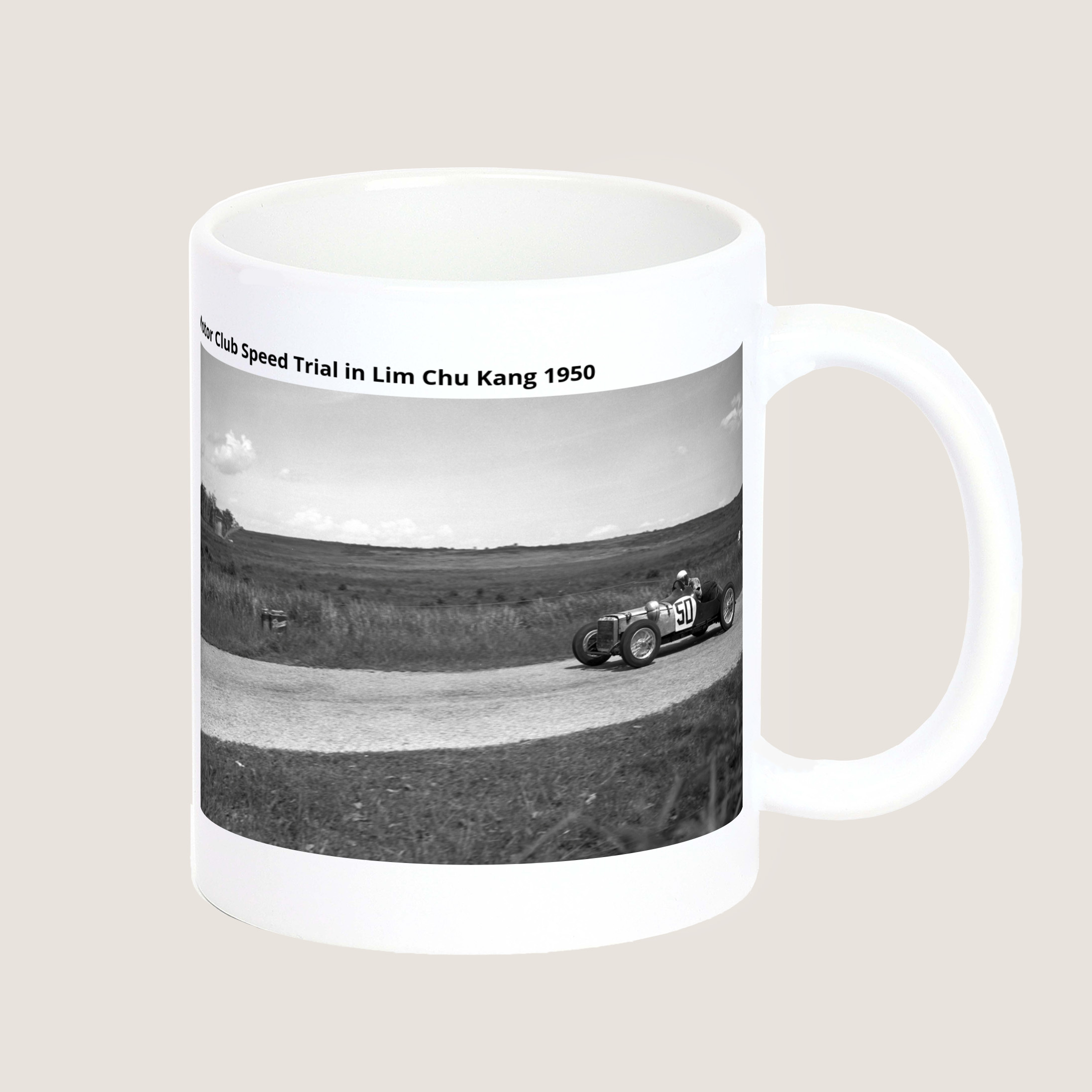
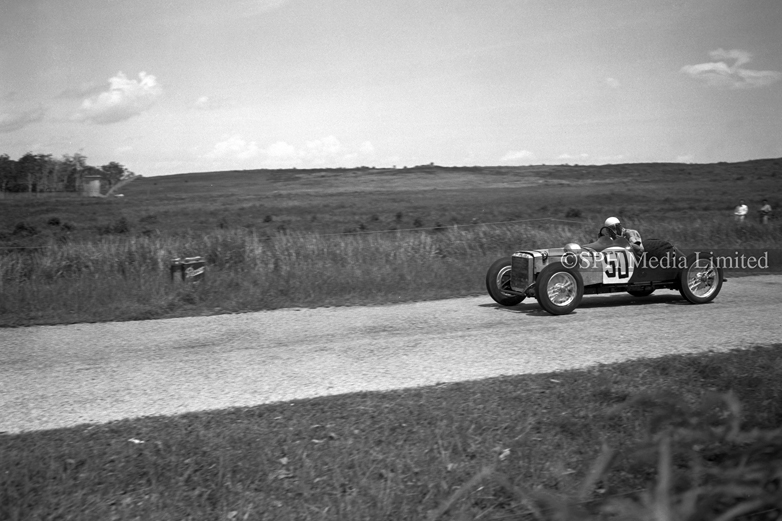 Motor Club Speed Trial in Lim Chu Kang
1950
Motor Club Speed Trial in Lim Chu Kang
1950
Motor Club Speed Trial in Lim Chu Kang
Year 1950
Formed on 25 February 1948 at a meeting at the Adelphi Hotel in Singapore, the Singapore Motor Club (SMC) was the first motor sports club independent of the Automobile Association of Malaysia to be formed. Its first committee comprised prominent figures from Malaysia and Singapore. The Club had a speed trial held at Lim Chu Kang Road.
©️ SPH Media Limited
Share to
Tags
Available for print on products
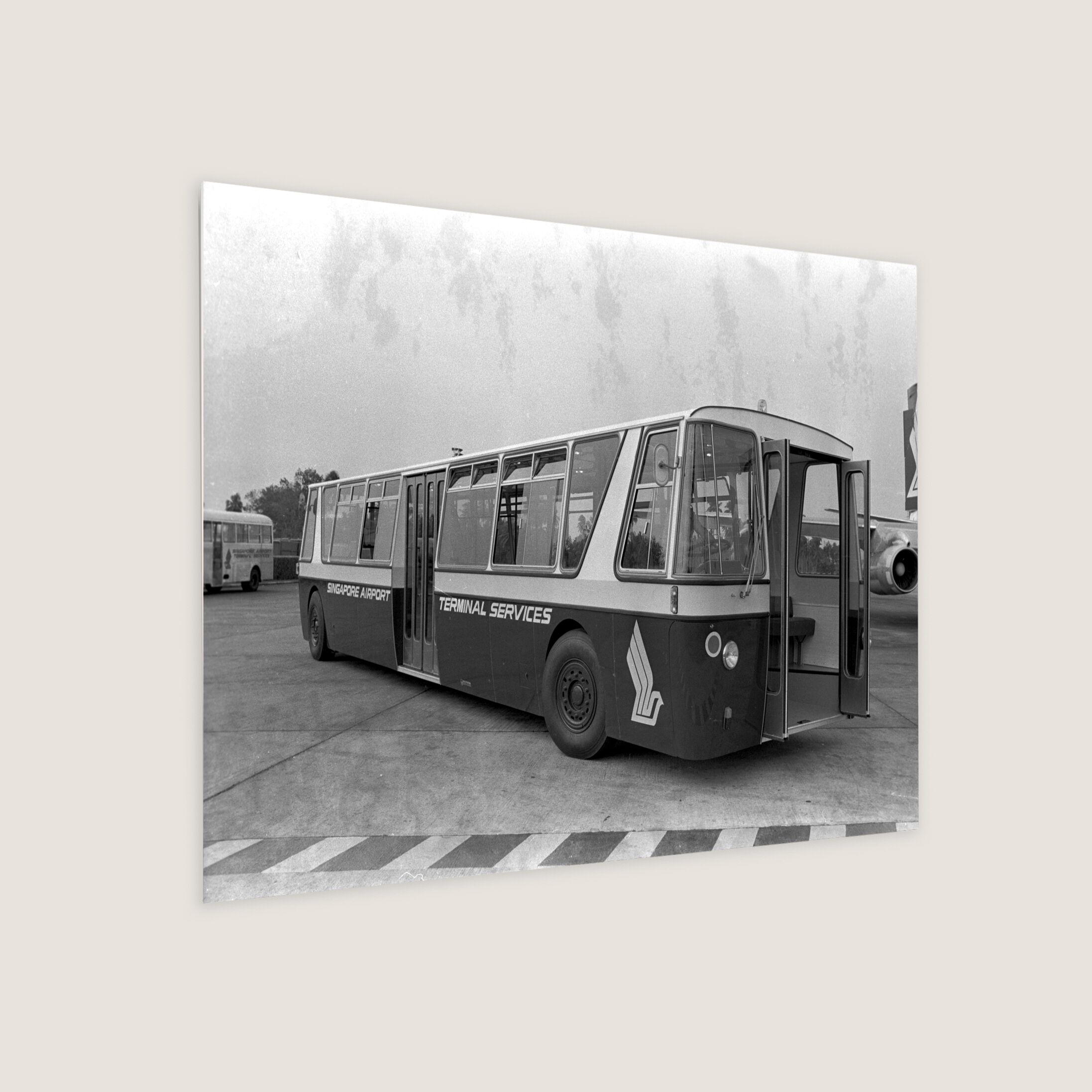
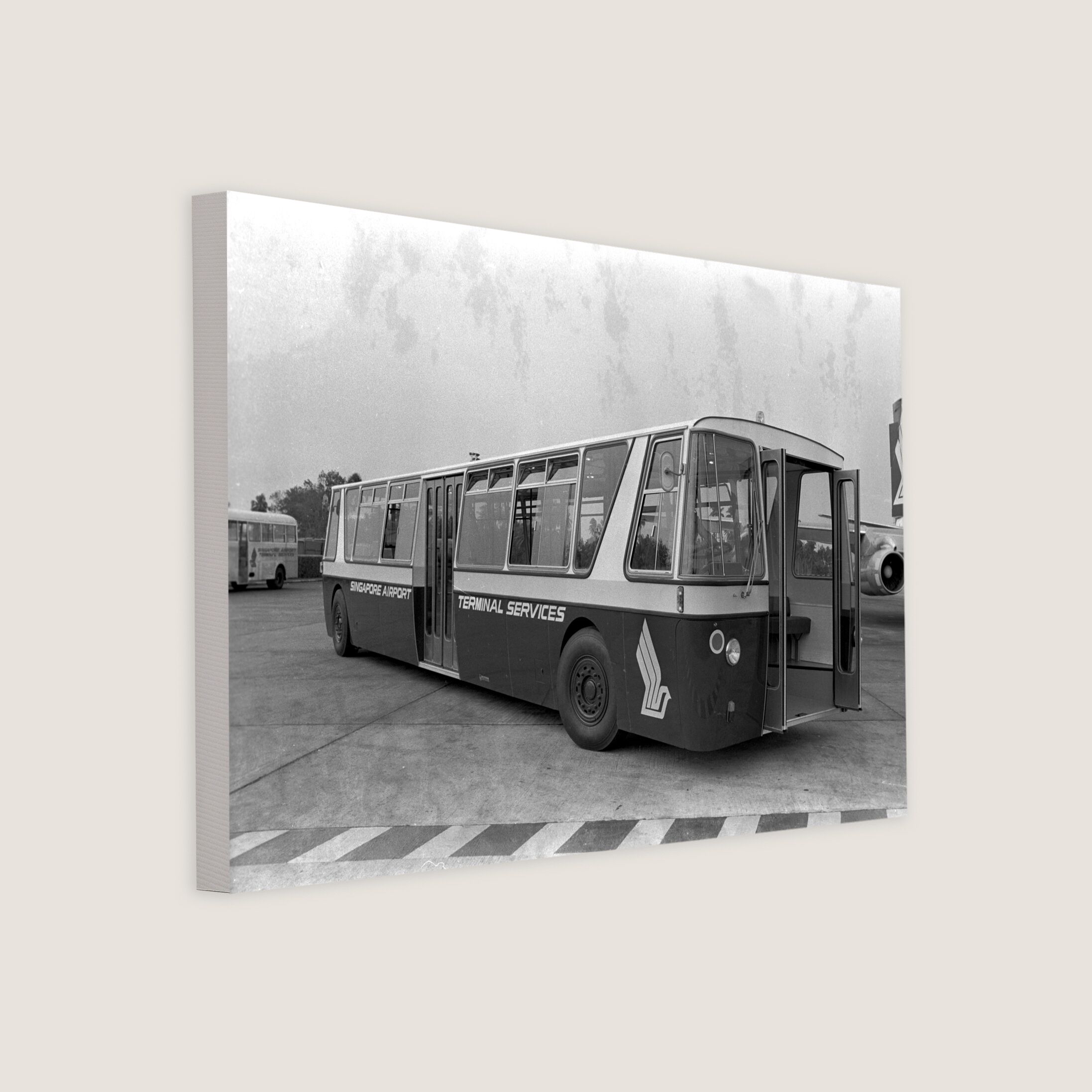
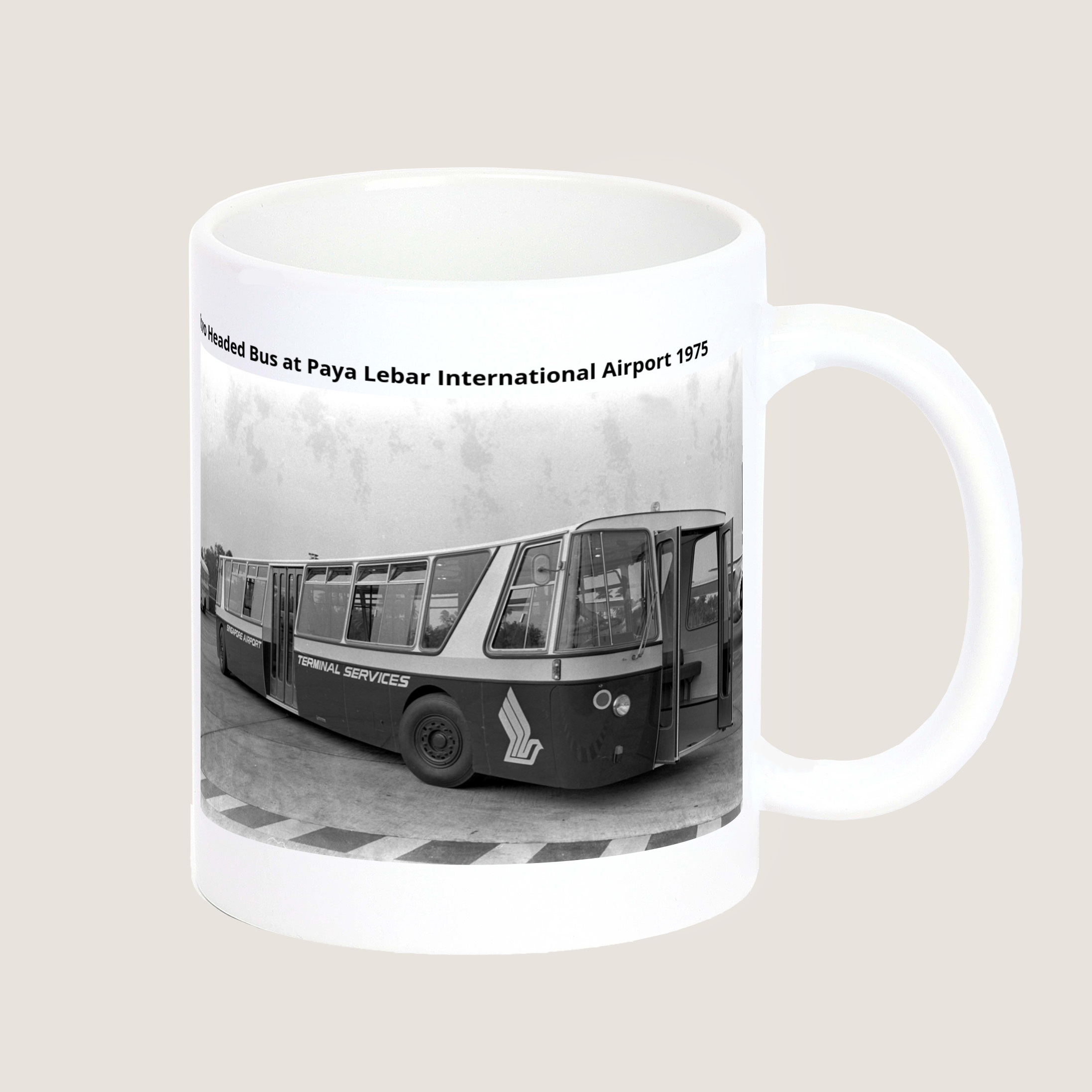
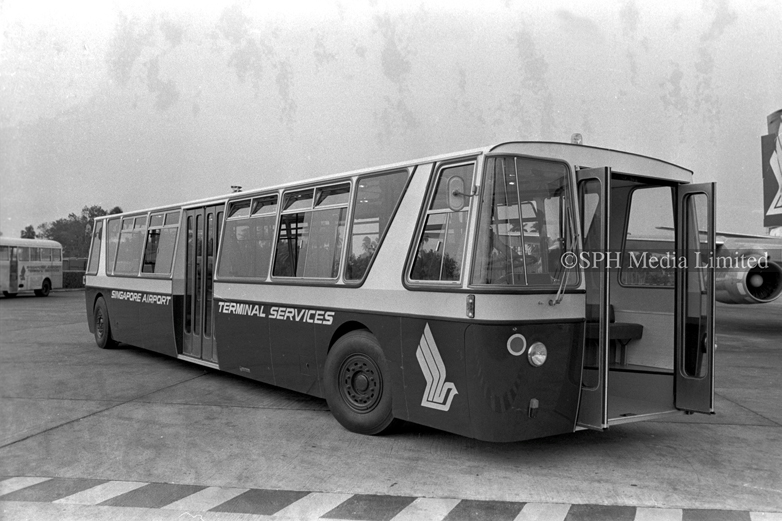 Two Headed Bus at Paya Lebar International Airport
1975
Two Headed Bus at Paya Lebar International Airport
1975
Two Headed Bus at Paya Lebar International Airport
Year 1975
The "two-headed" bus was the first of its kind in Singapore in 1975. it was bought by Singapore Air Terminal Services (SATS) at $300,000 to improve its tarmac services at Paya Lebar International Airport.
©️ SPH Media Limited
Share to
Tags
Available for print on products
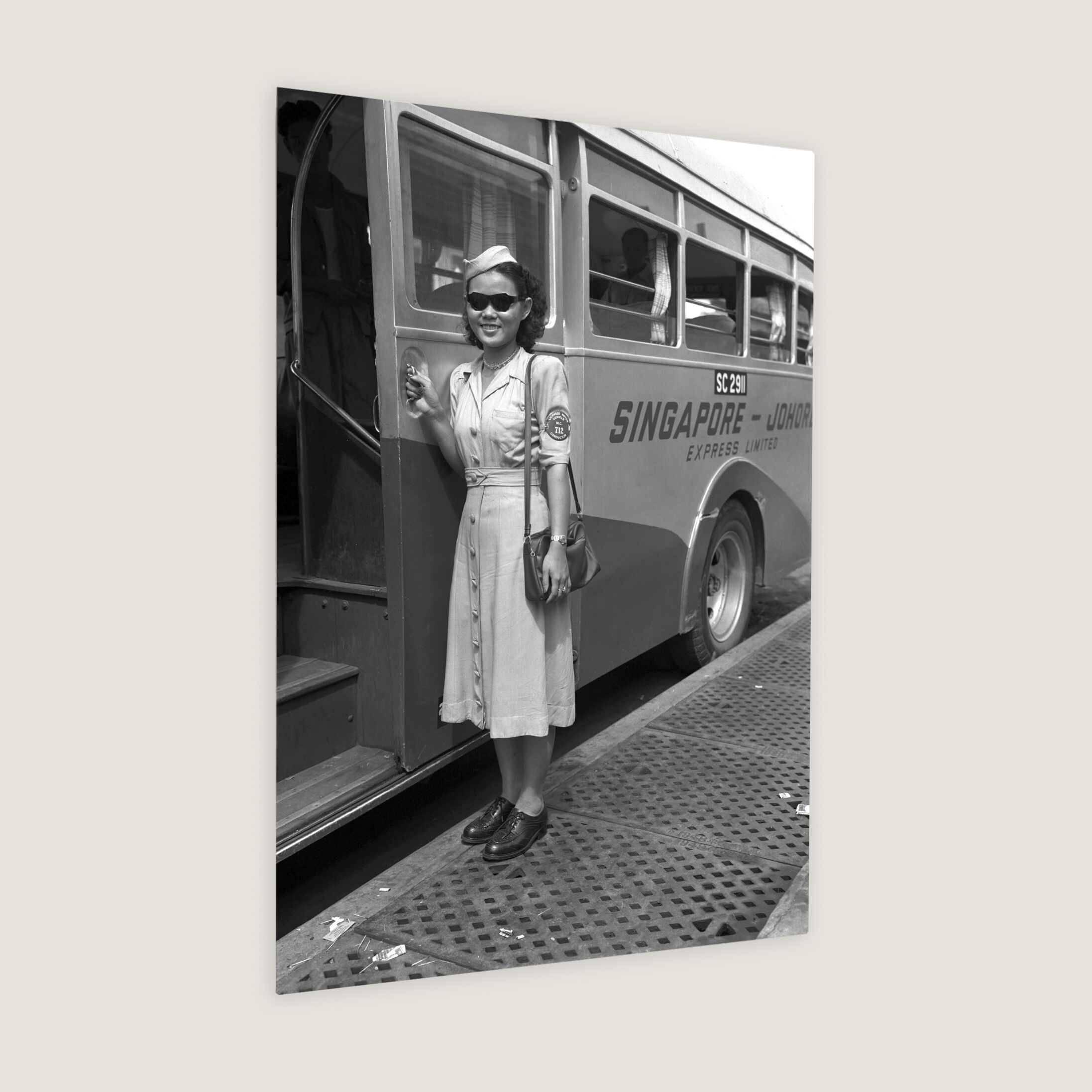
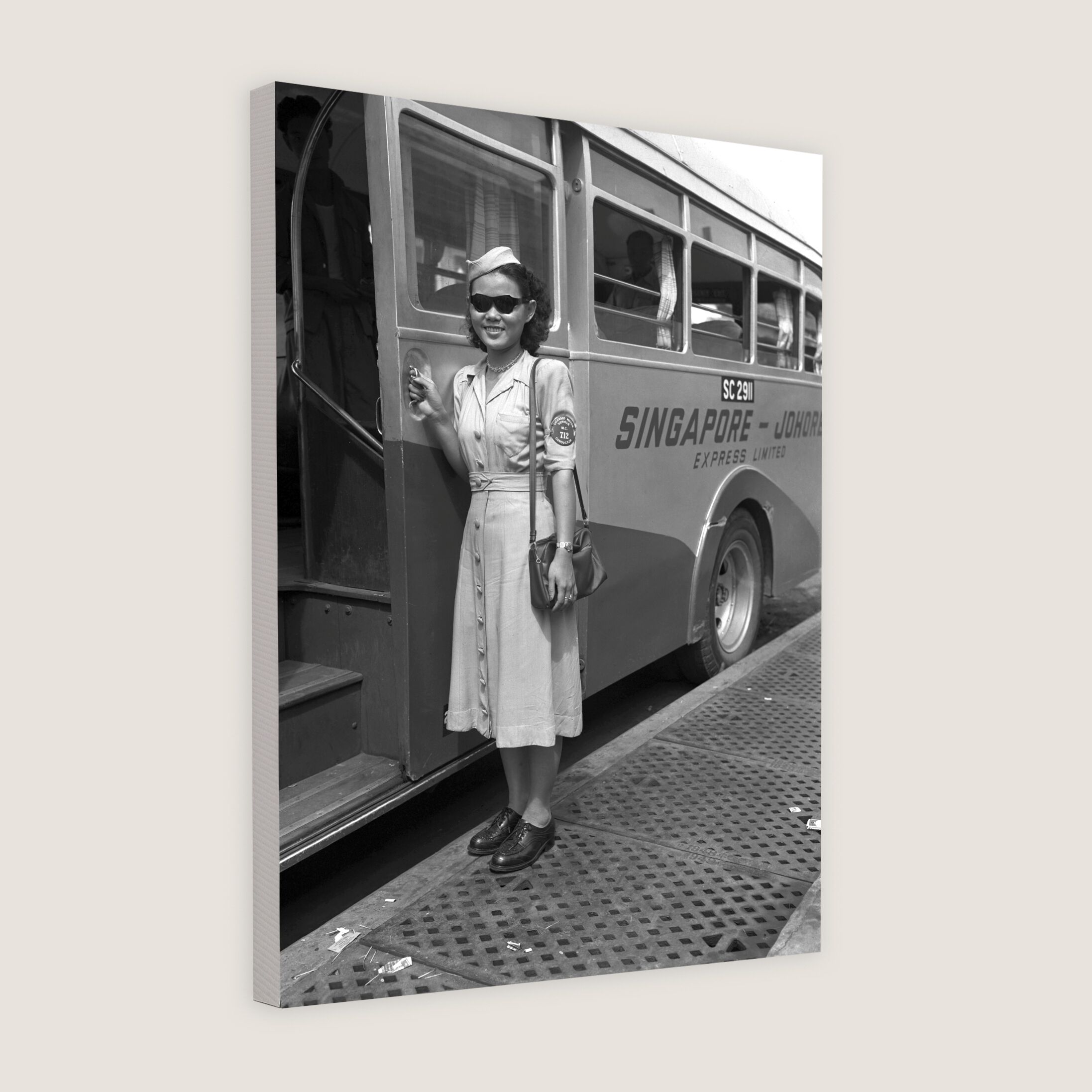
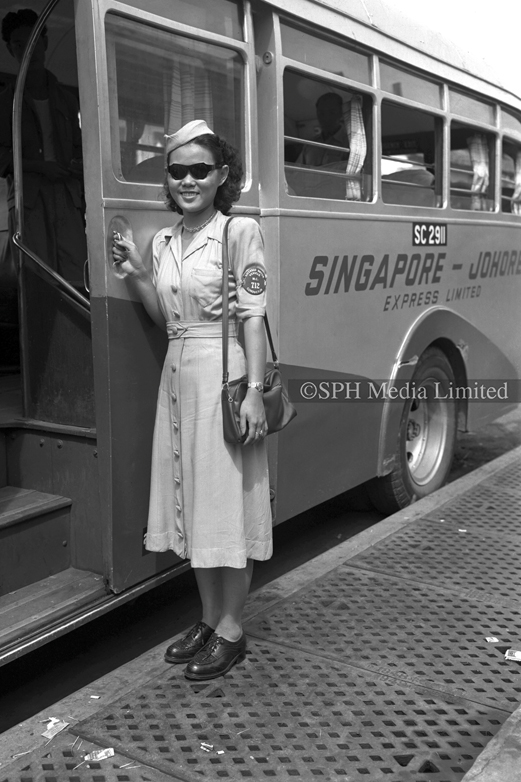 Bus Conductor of the Causeway Express Bus
1950
Bus Conductor of the Causeway Express Bus
1950
Bus Conductor of the Causeway Express Bus
Year 1950
A pioneer women bus conductor working for the Johore-Singapore express bus service. The Causeway is a road and rail link between Singapore and Johor Bahru in Malaysia that was completed in 1923.
©️ SPH Media Limited
Share to
Tags
Available for print on products
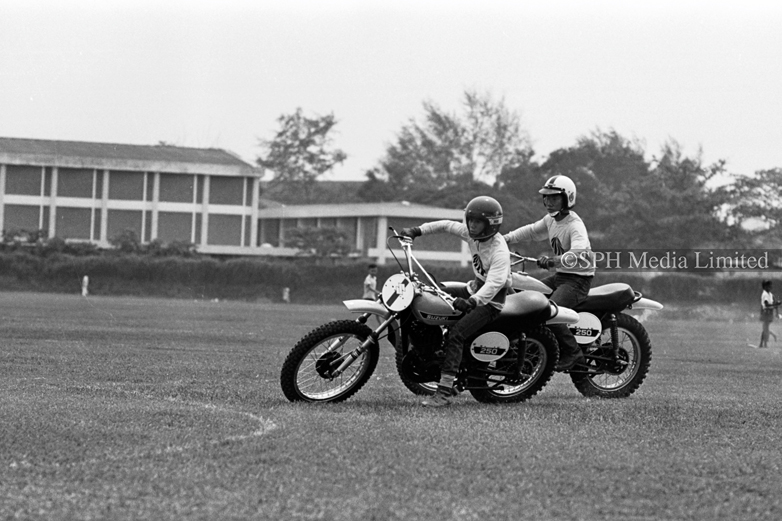 Scrambling Motorcycles at the SMSC Autocross Meet
1972
Scrambling Motorcycles at the SMSC Autocross Meet
1972
Scrambling Motorcycles at the SMSC Autocross Meet
Year 1972
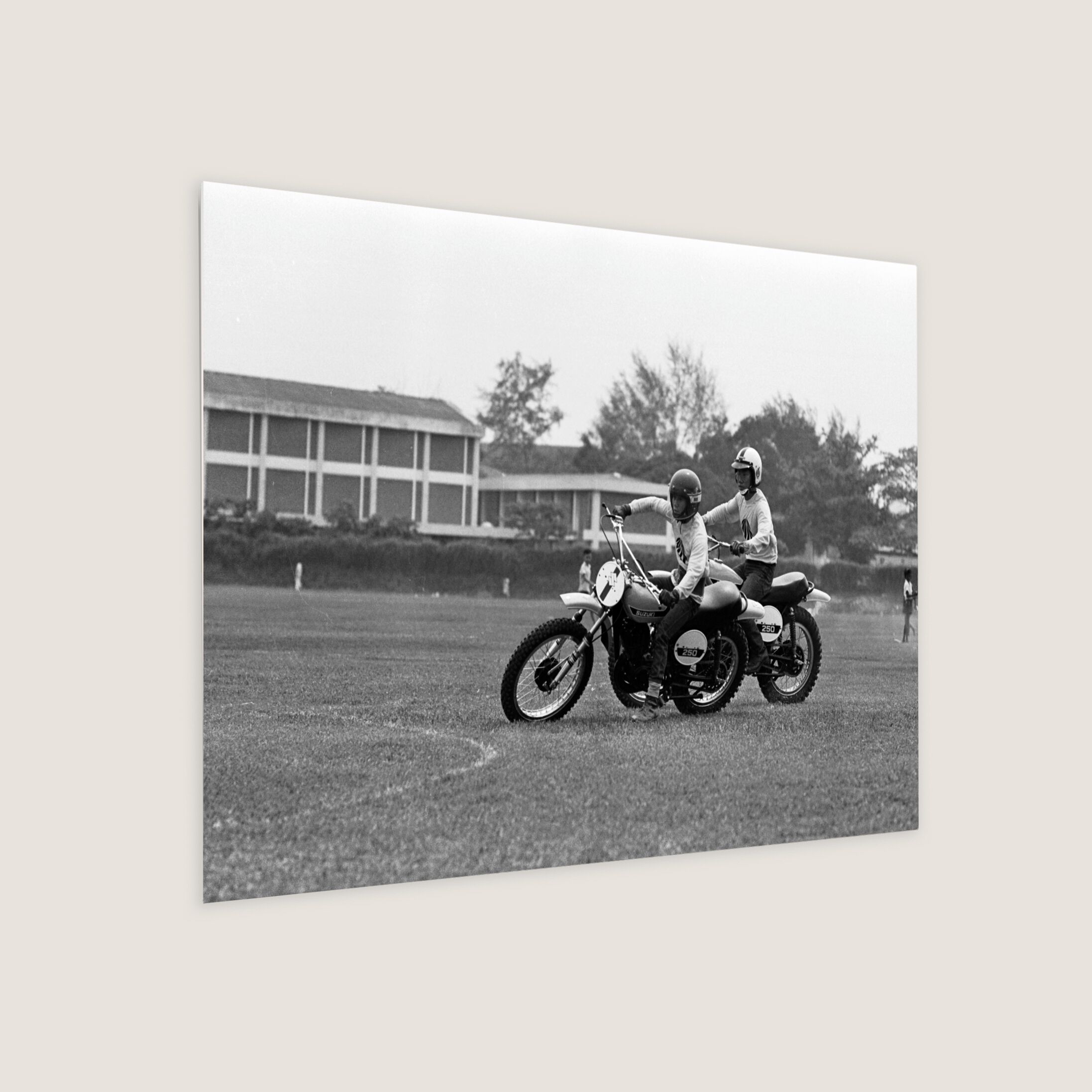
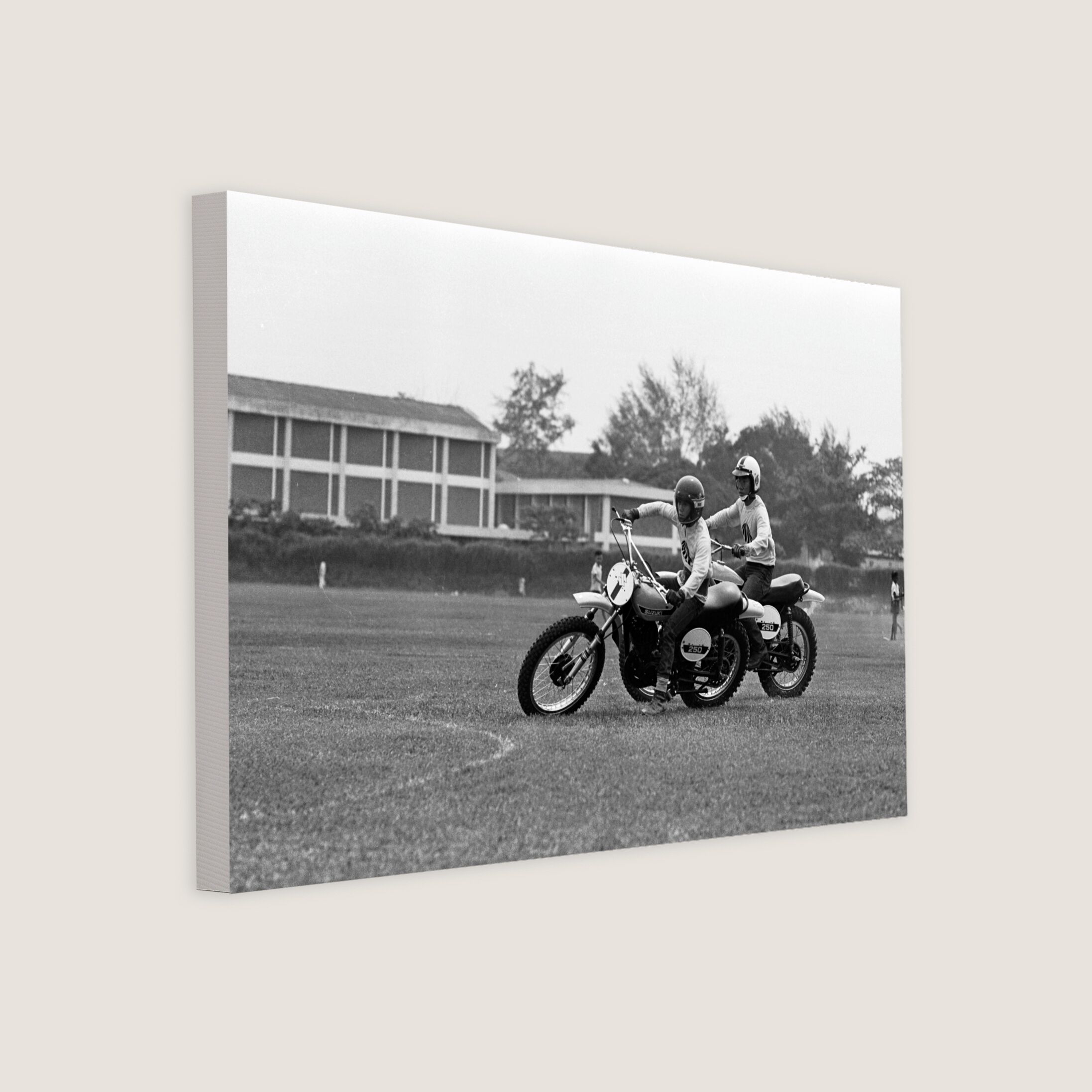
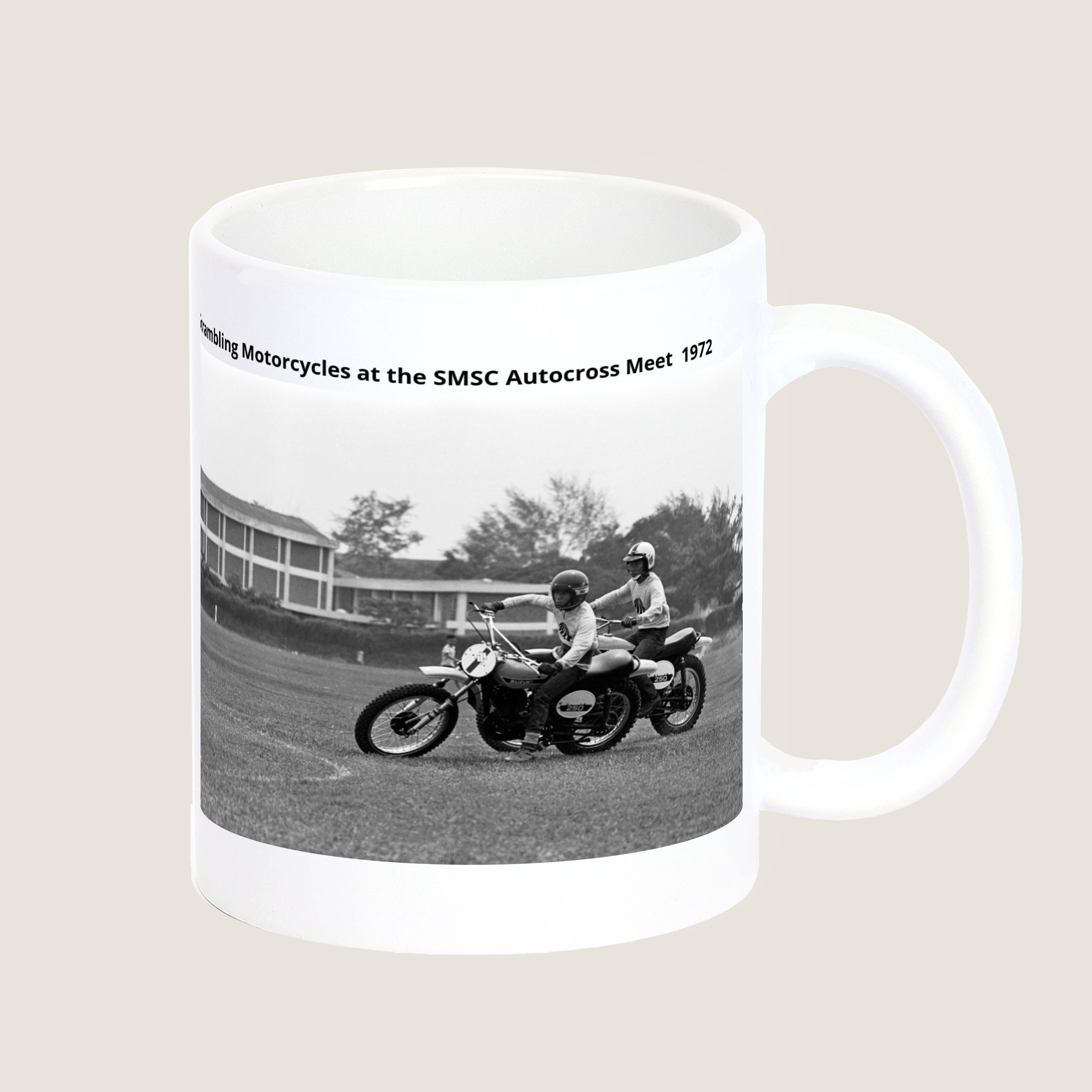
Two world-renowned scrambling motorcycles, the Suzuki TM 250, were to compete at the SMSC Autocross meet at Naval Base. The SMSC Autocross meet is an autocross event organised by the Singapore Motor Sports Club (SMSC). Autocross is a type of motorsport where drivers navigate a course marked by cones or obstacles in a small circuit. The goal was to complete the course in the fastest time possible. The bikes were ridden by Looi Beng Hoe (left) and Peter Liew (right).
©️ SPH Media Limited
Share to
Tags
Available for print on products
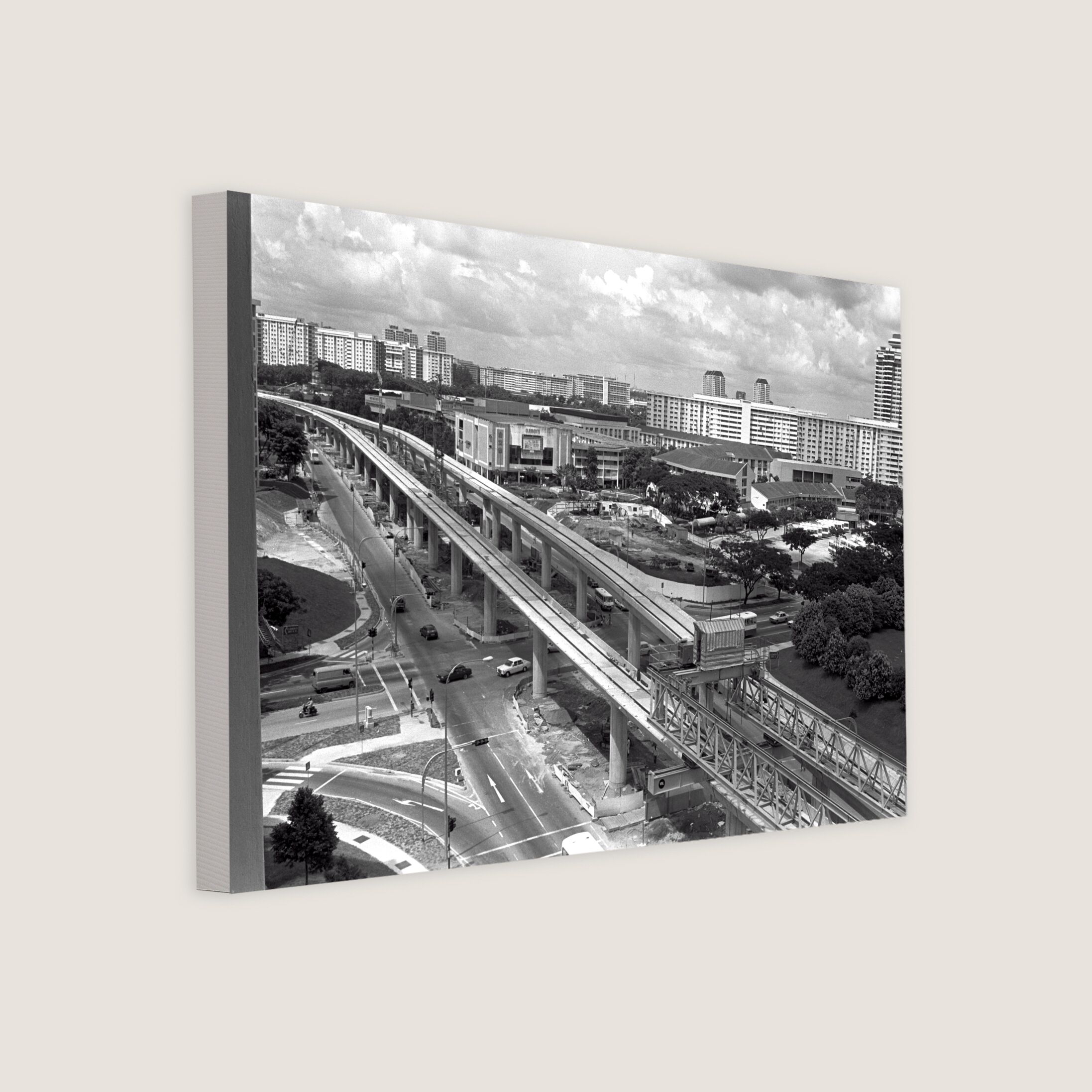
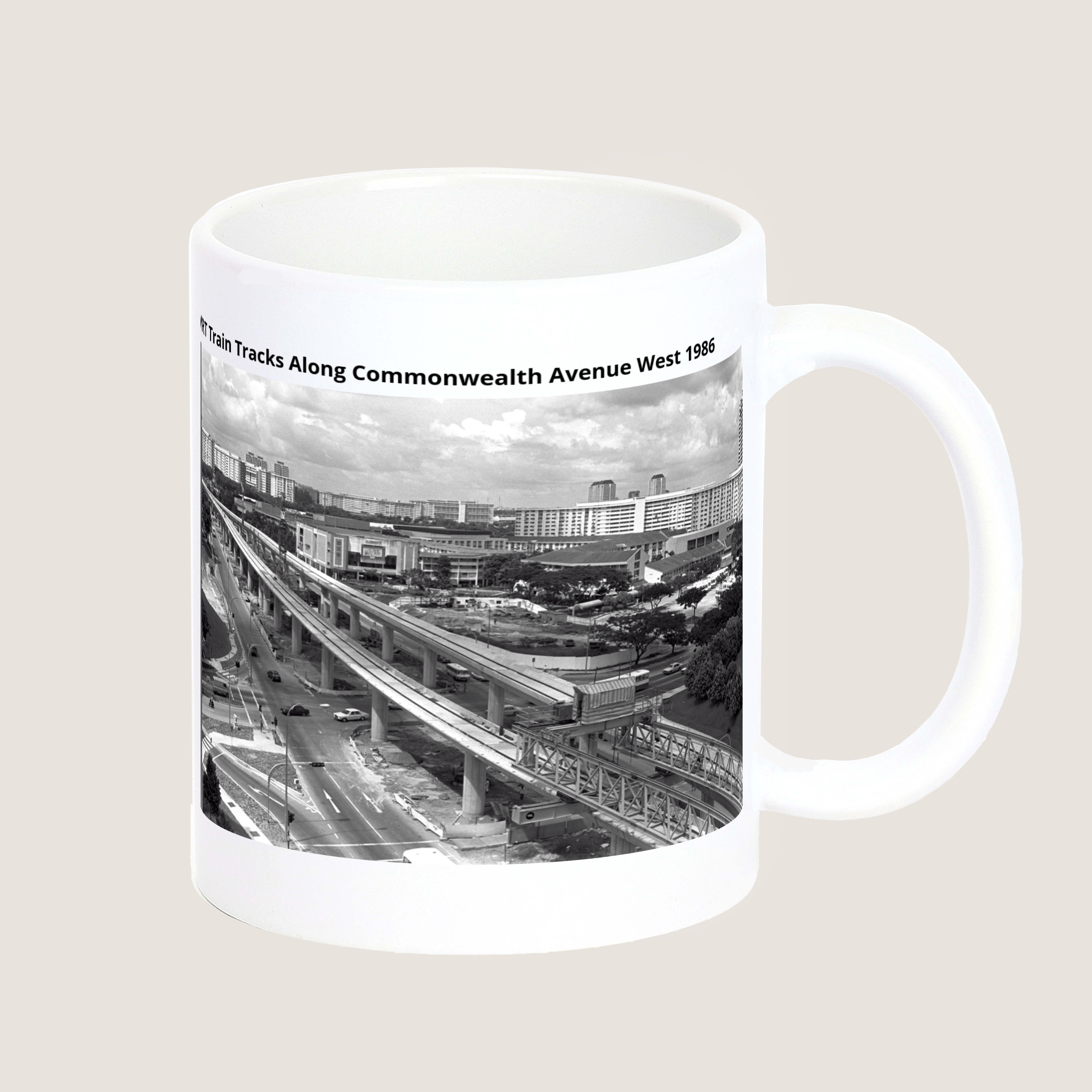
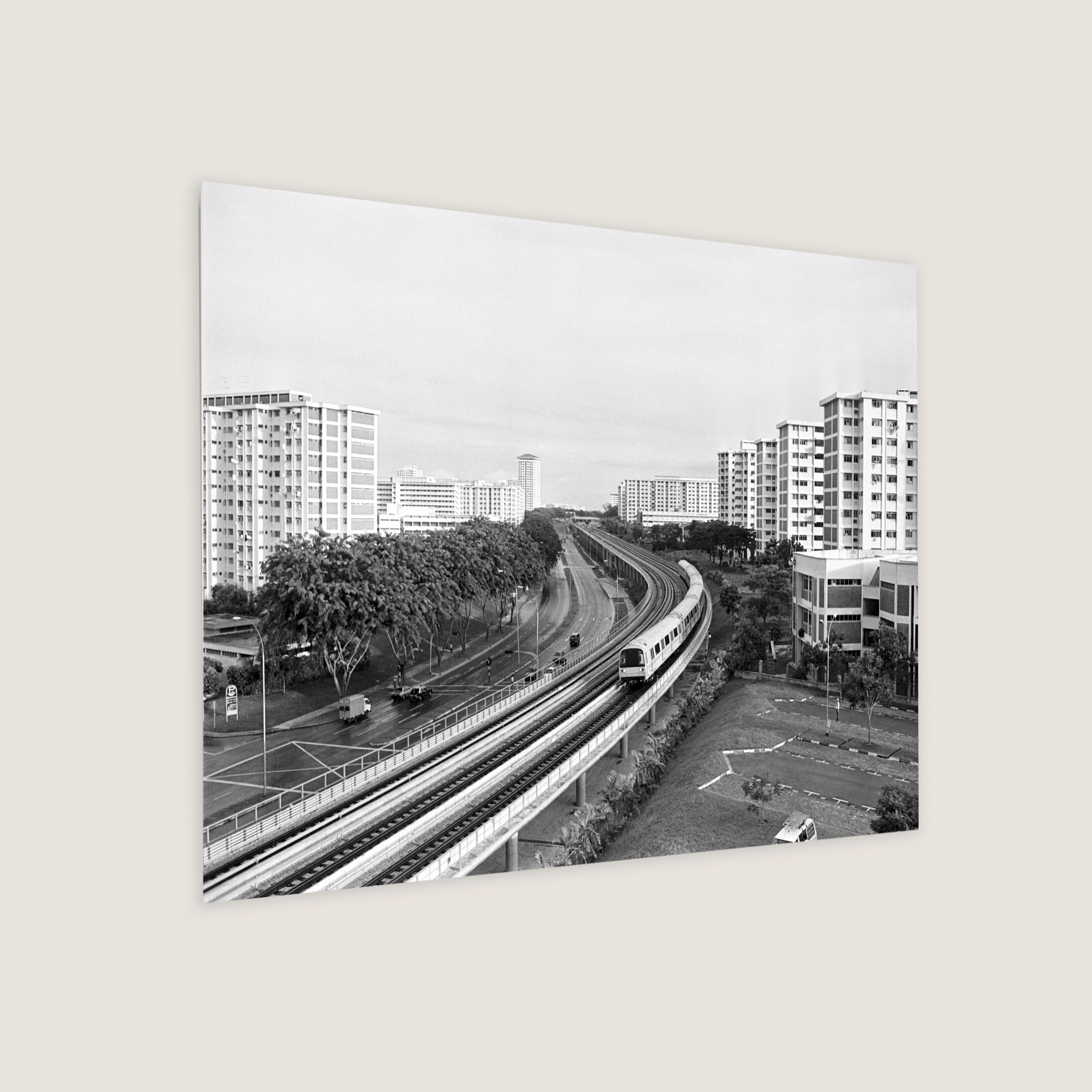
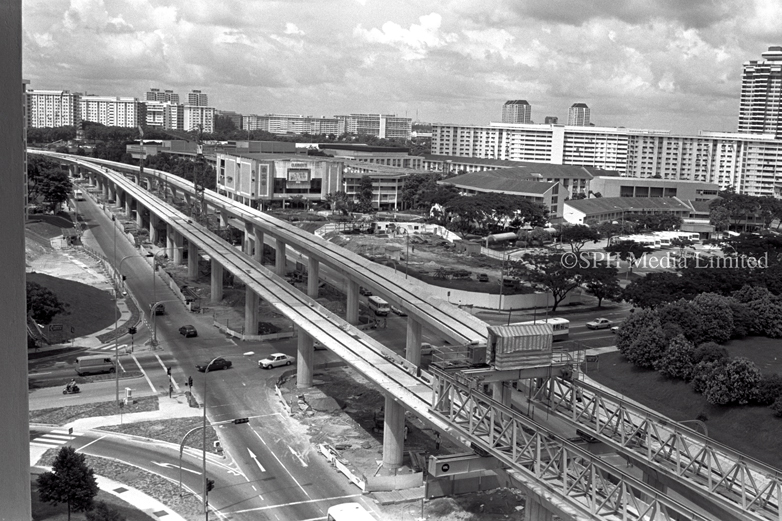 MRT Train Tracks Along Commonwealth Avenue West
1986
MRT Train Tracks Along Commonwealth Avenue West
1986
MRT Train Tracks Along Commonwealth Avenue West
Year 1986
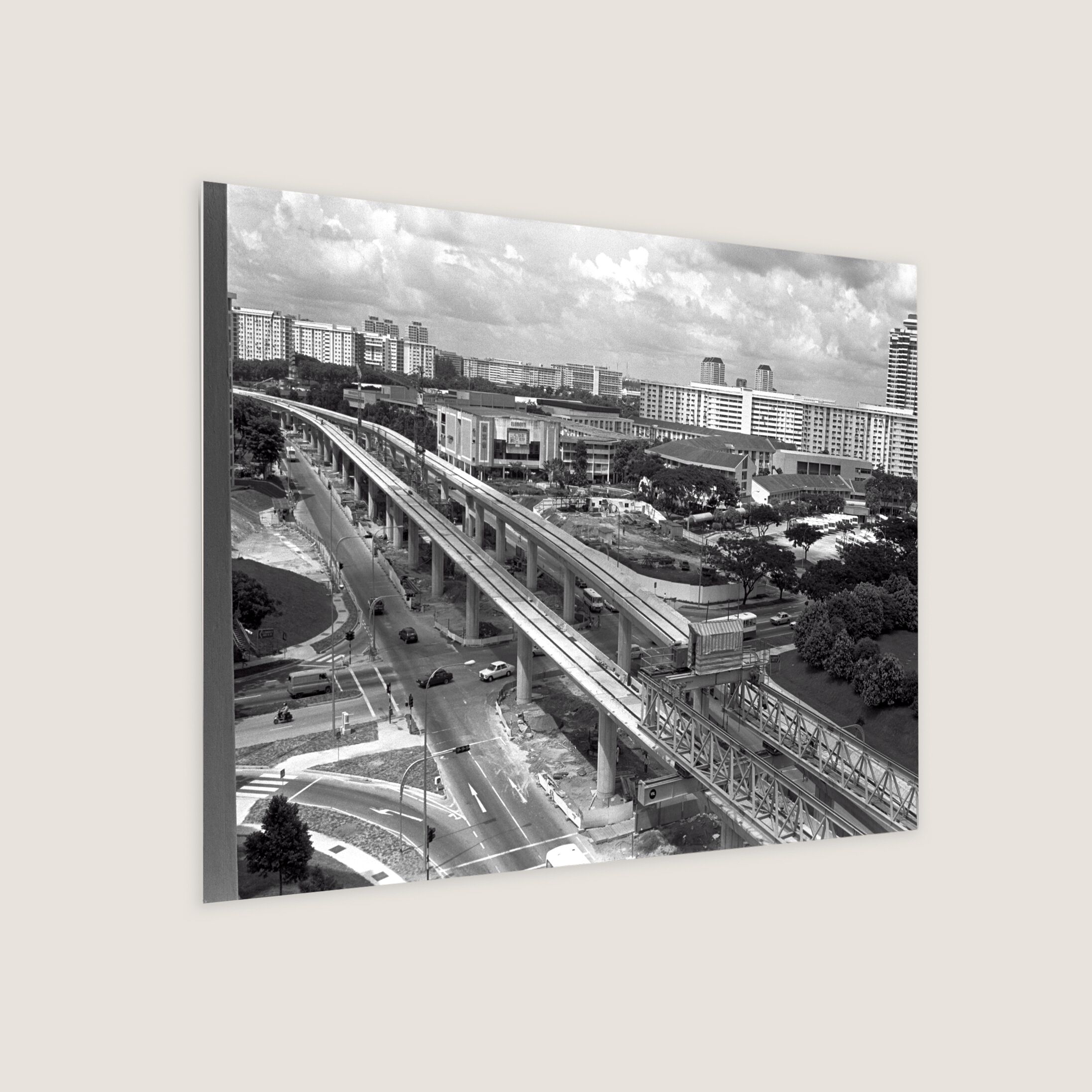
The emerging days of the Mass Rapid Transit trains travelling through residential areas. Today, this is a commonplace infrastructure across Singapore.
©️ SPH Media Limited
Share to
Tags
Available for print on products
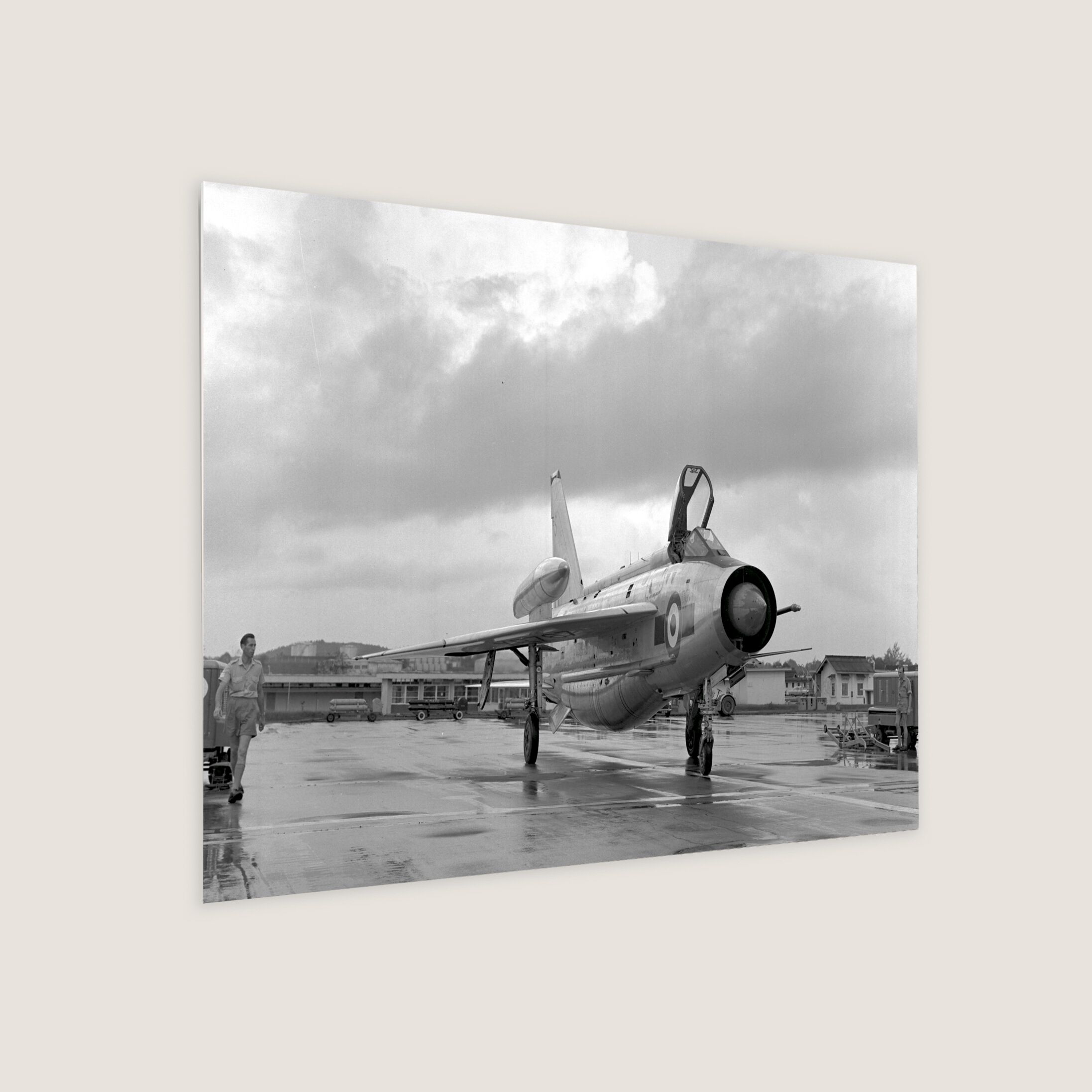
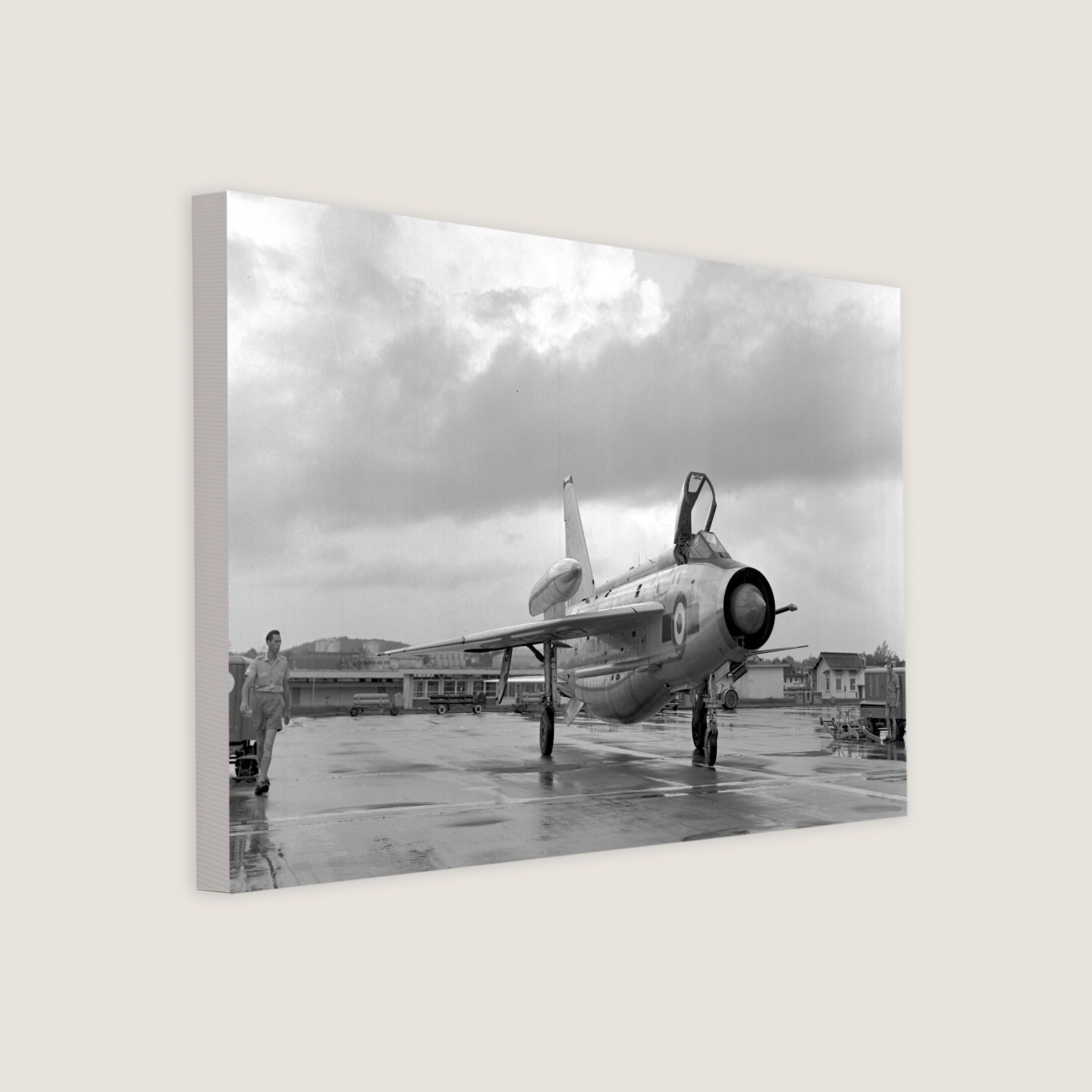
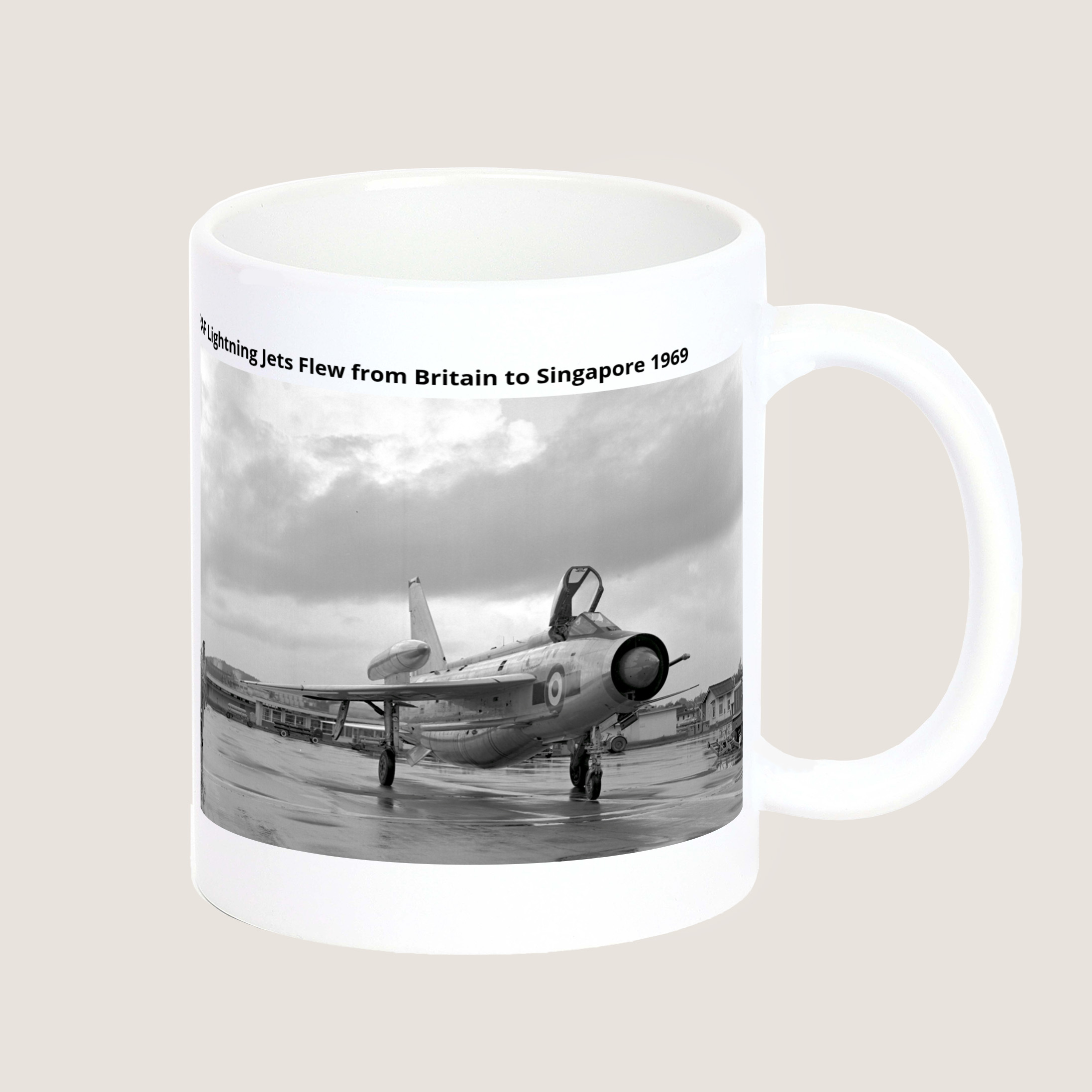
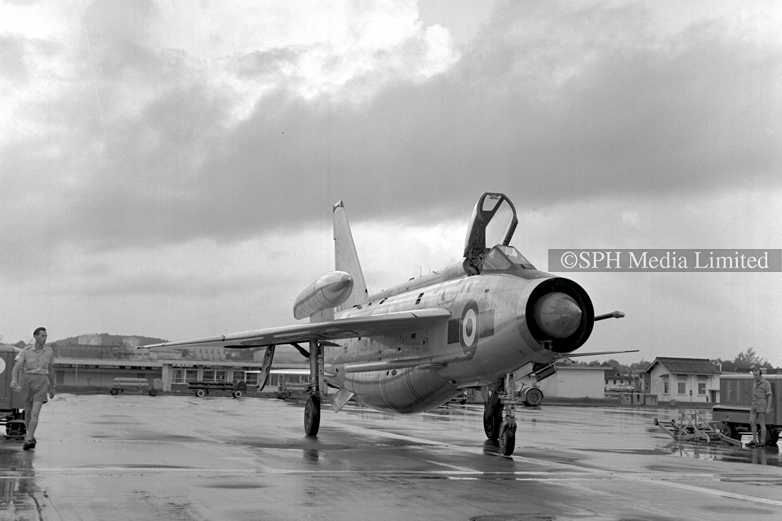 RAF Lightning Jets Flew from Britain to Singapore
1969
RAF Lightning Jets Flew from Britain to Singapore
1969
RAF Lightning Jets Flew from Britain to Singapore
Year 1969
One of the two RAF Lightning jets flew into Singapore after streaking the 8,500 miles from Britain in a record 16 hours 20 minutes. They became the first planes to do the Britain-to-Singapore stretch with only one stop, at Masirah in the Middle East. The jets are on an exercise to test out mid-air refuelling and flying conditions.
©️ SPH Media Limited
Share to
Tags
Available for print on products
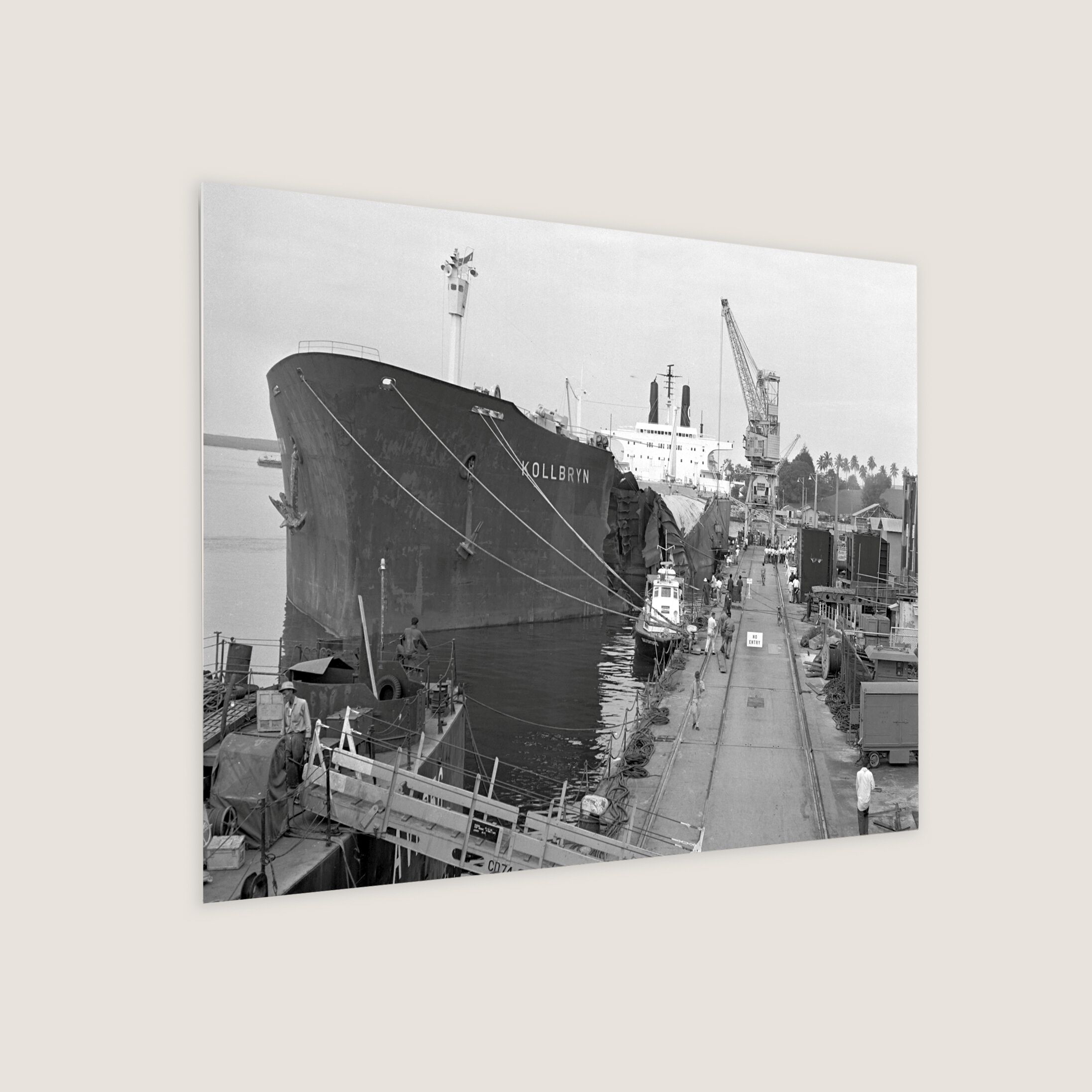
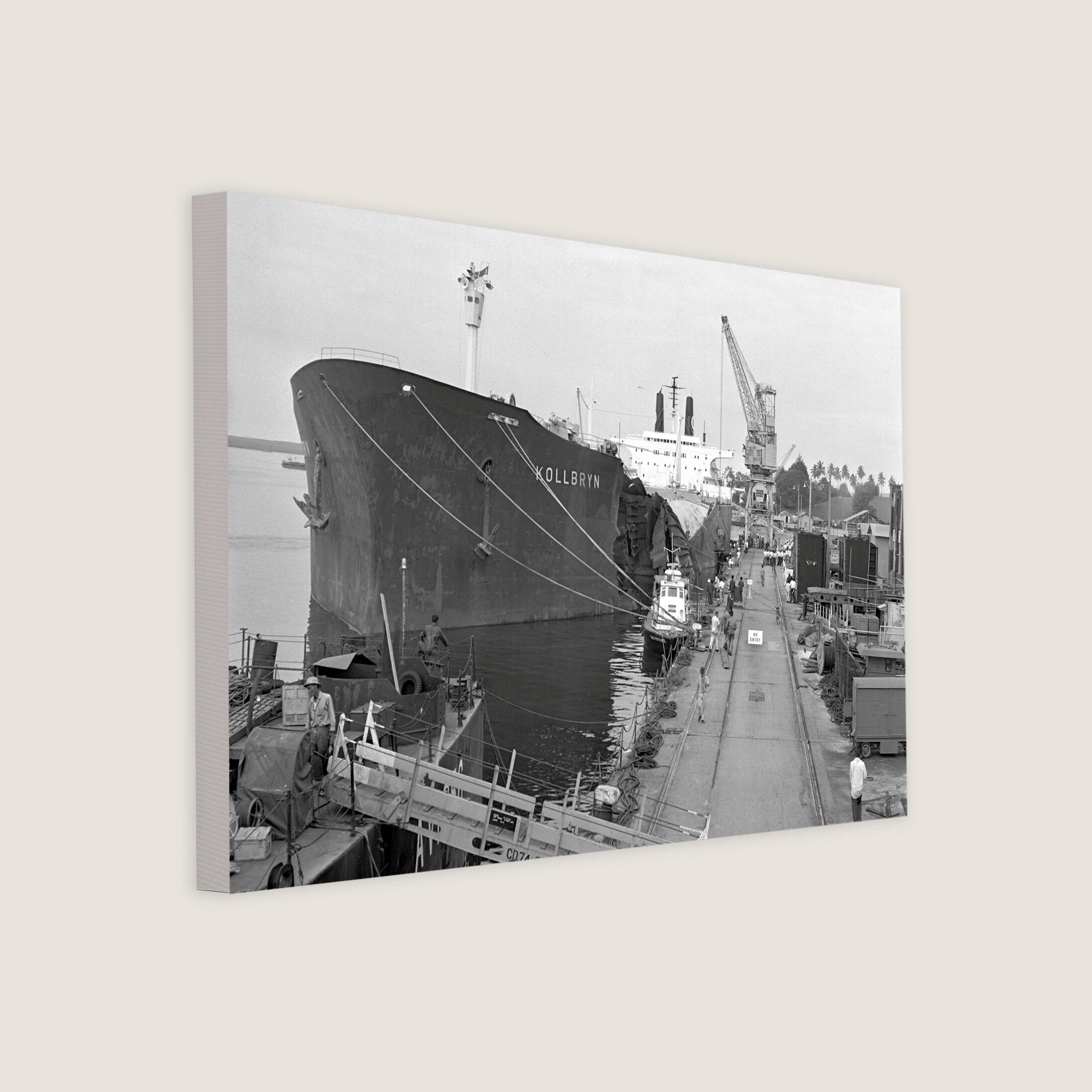
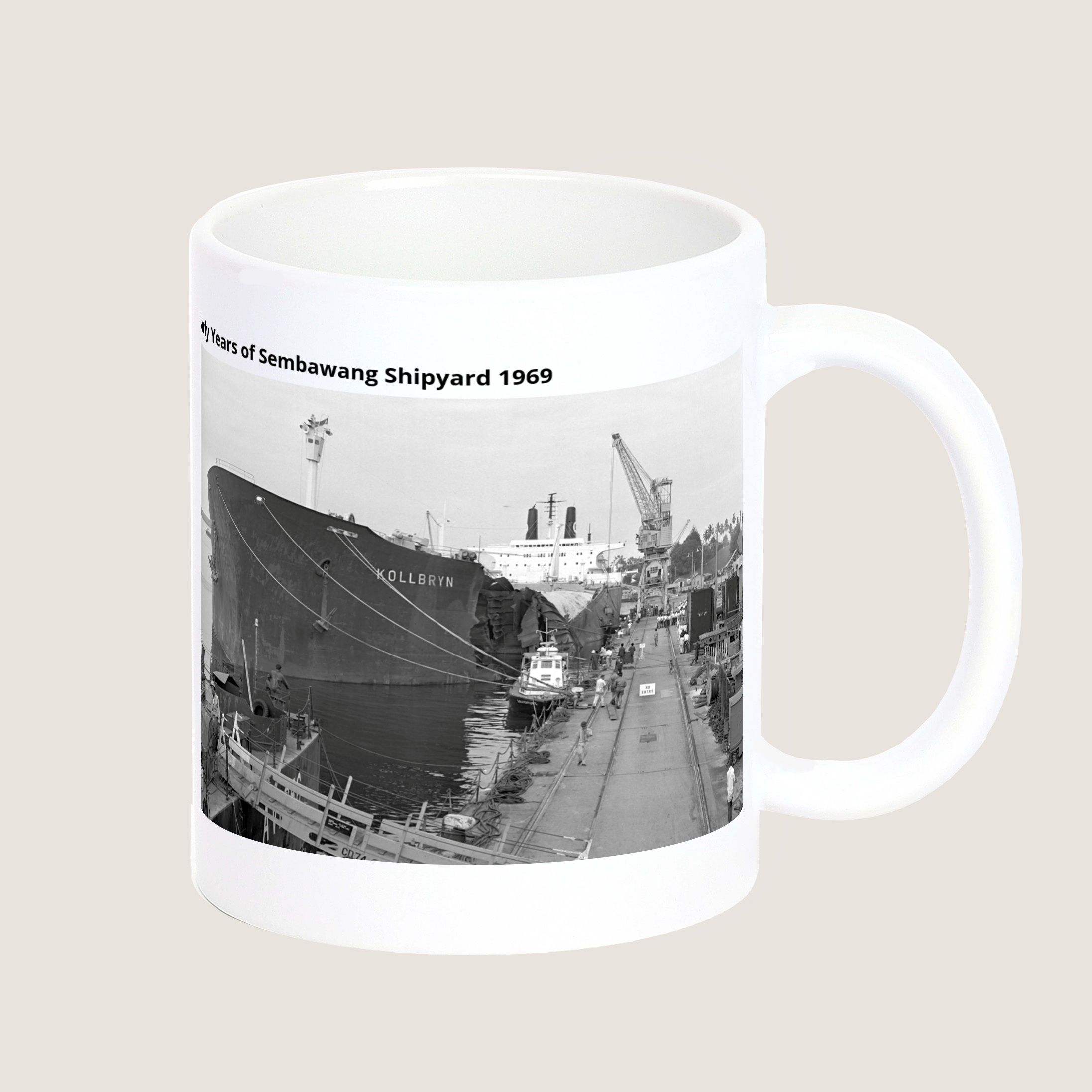
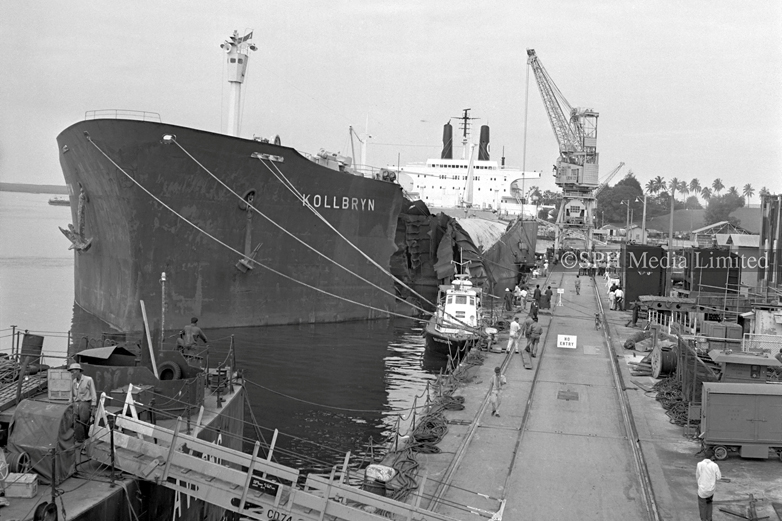 Early Years of Sembawang Shipyard
1969
Early Years of Sembawang Shipyard
1969
Early Years of Sembawang Shipyard
Year 1969
The Sembawang Shipyard was formerly a naval base constructed by the British that opened in 1938. It was a key defence in the Far East. After the British forces withdrew from Singapore, the base was converted into a commercial shipyard in 1968, known as Sembawang Shipyard.
©️ SPH Media Limited
Share to
Tags
Available for print on products
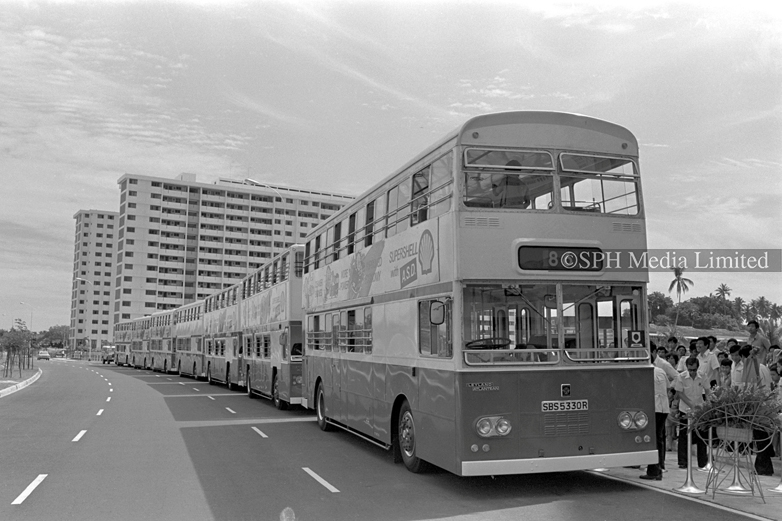 Double Decker Bus Launch at Tampines
1977
Double Decker Bus Launch at Tampines
1977
Double Decker Bus Launch at Tampines
Year 1977
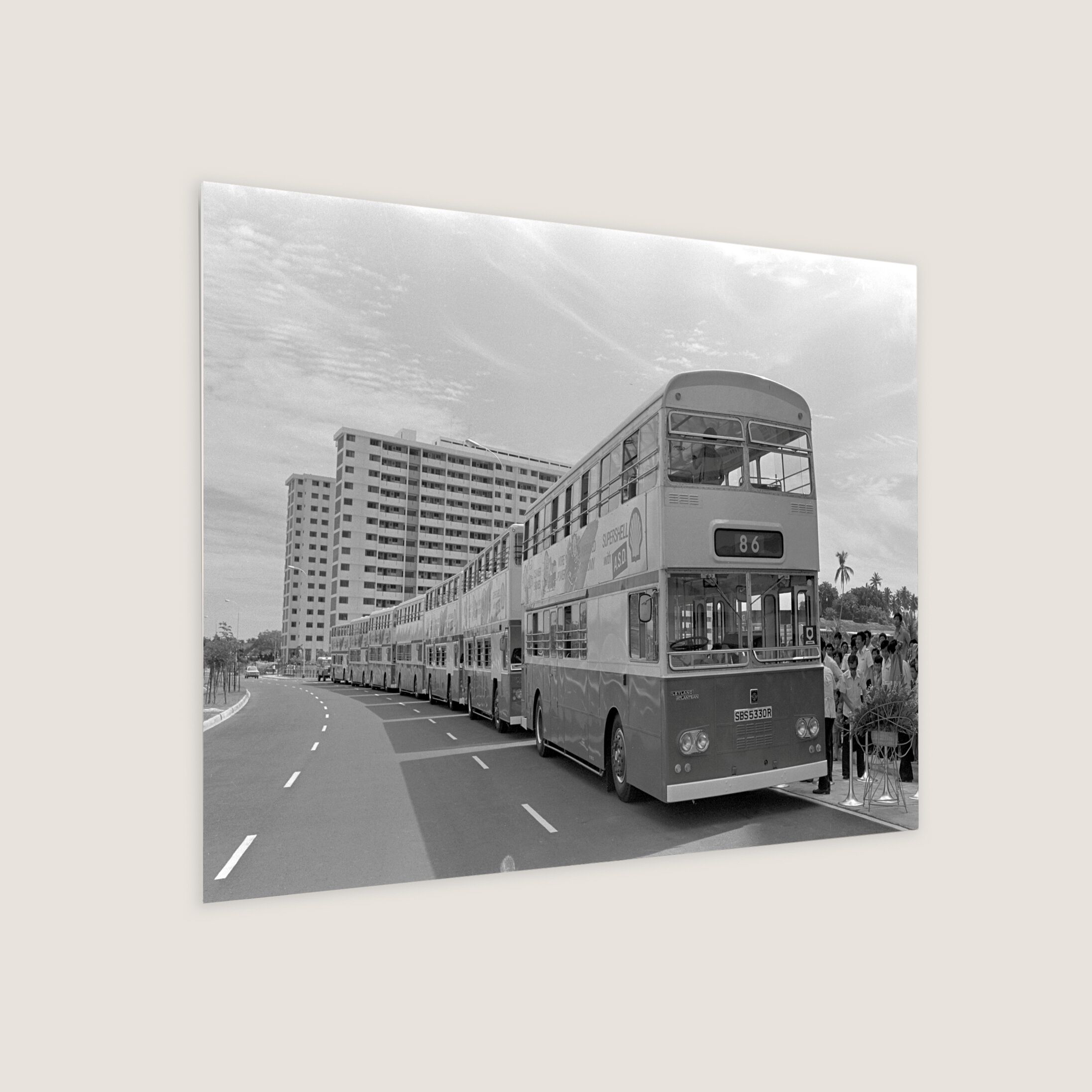
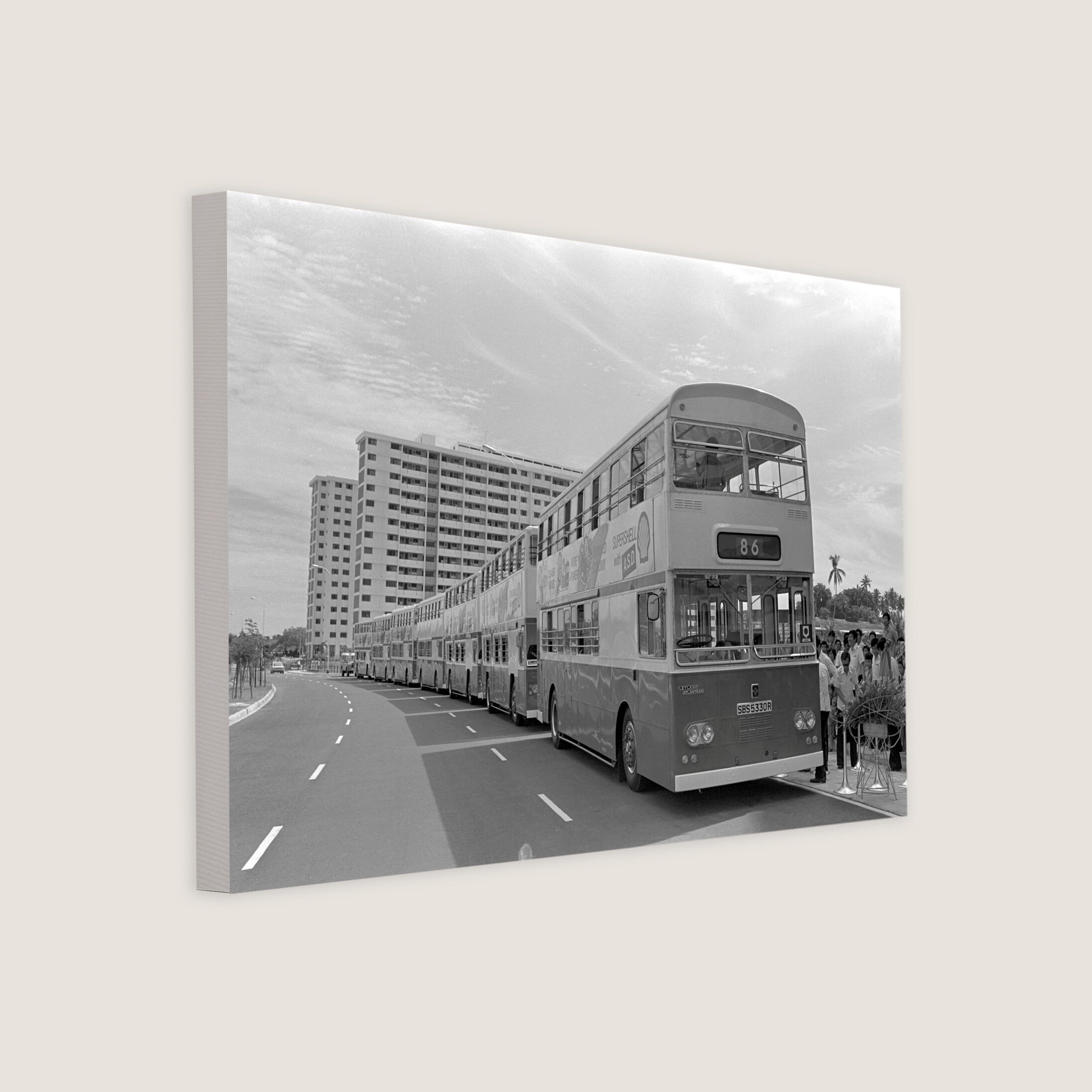
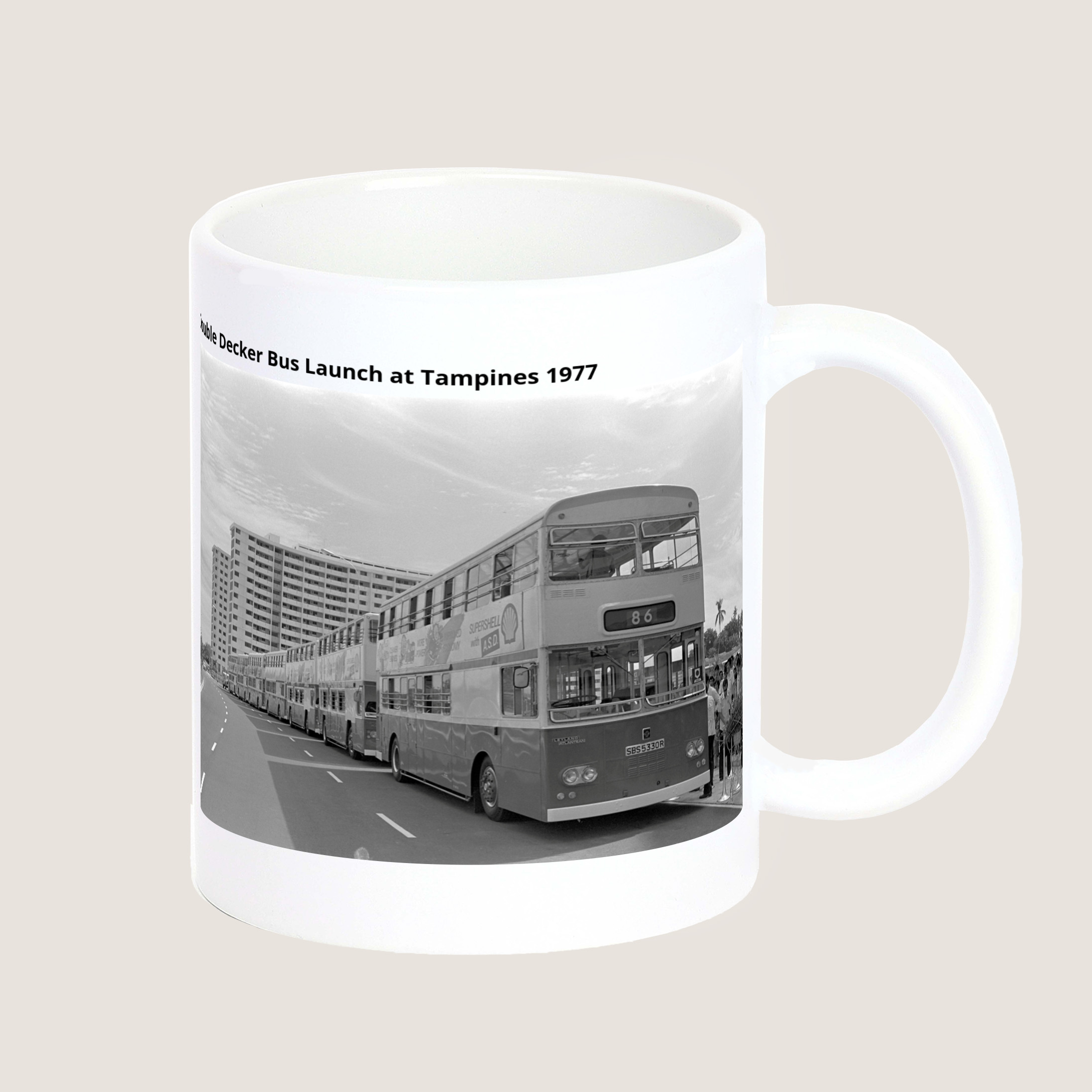
On 13 June 1977, the first double-decker buses in Singapore began their service from Tampines Way, the first bus leaving the terminal at 11.30am with a handful of passengers on board. This was service 86, part of a fleet of seven buses which all Atlantean double-deckers from British Leyland (SBS ordered 400 of them).
©️ SPH Media Limited
Share to
Tags
Available for print on products
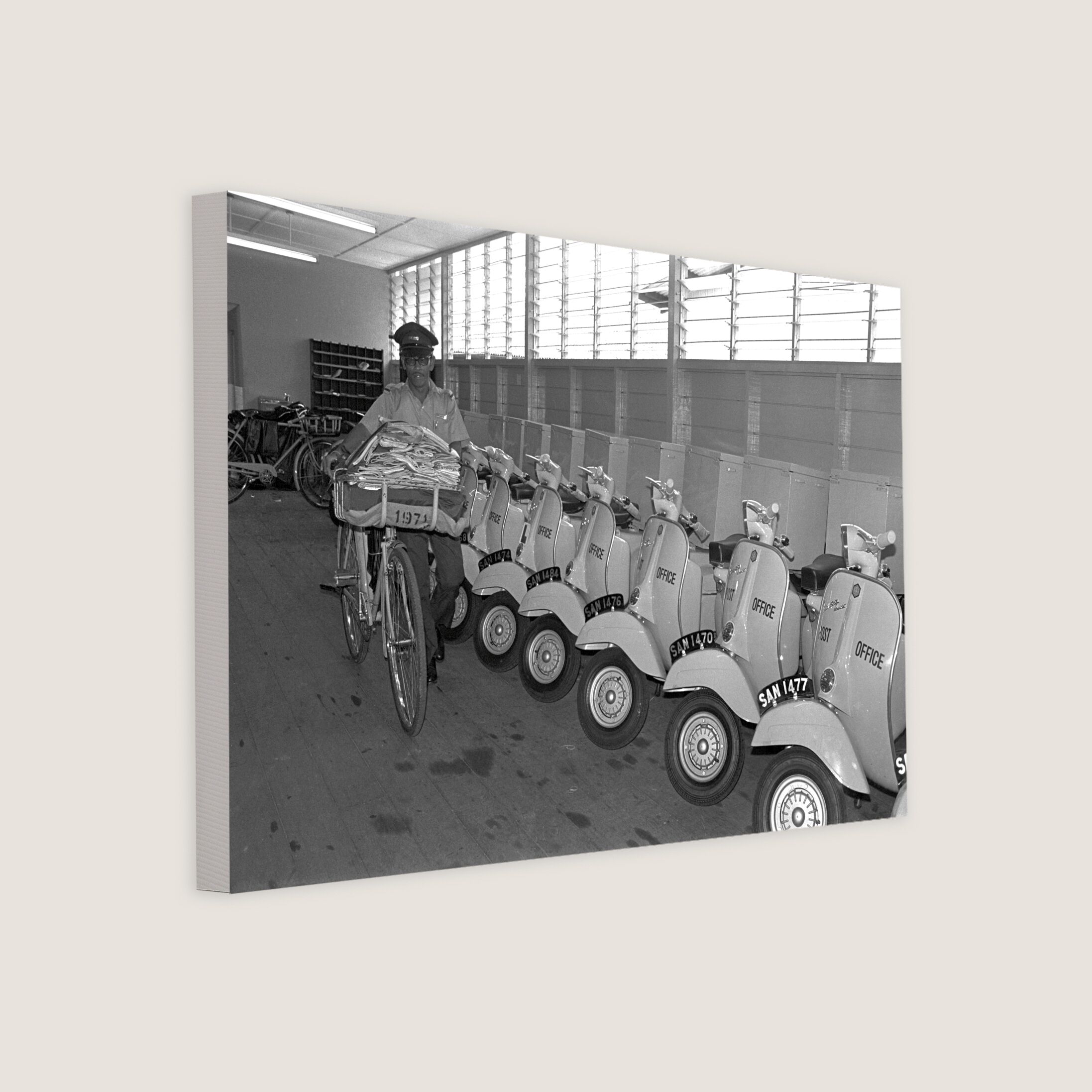
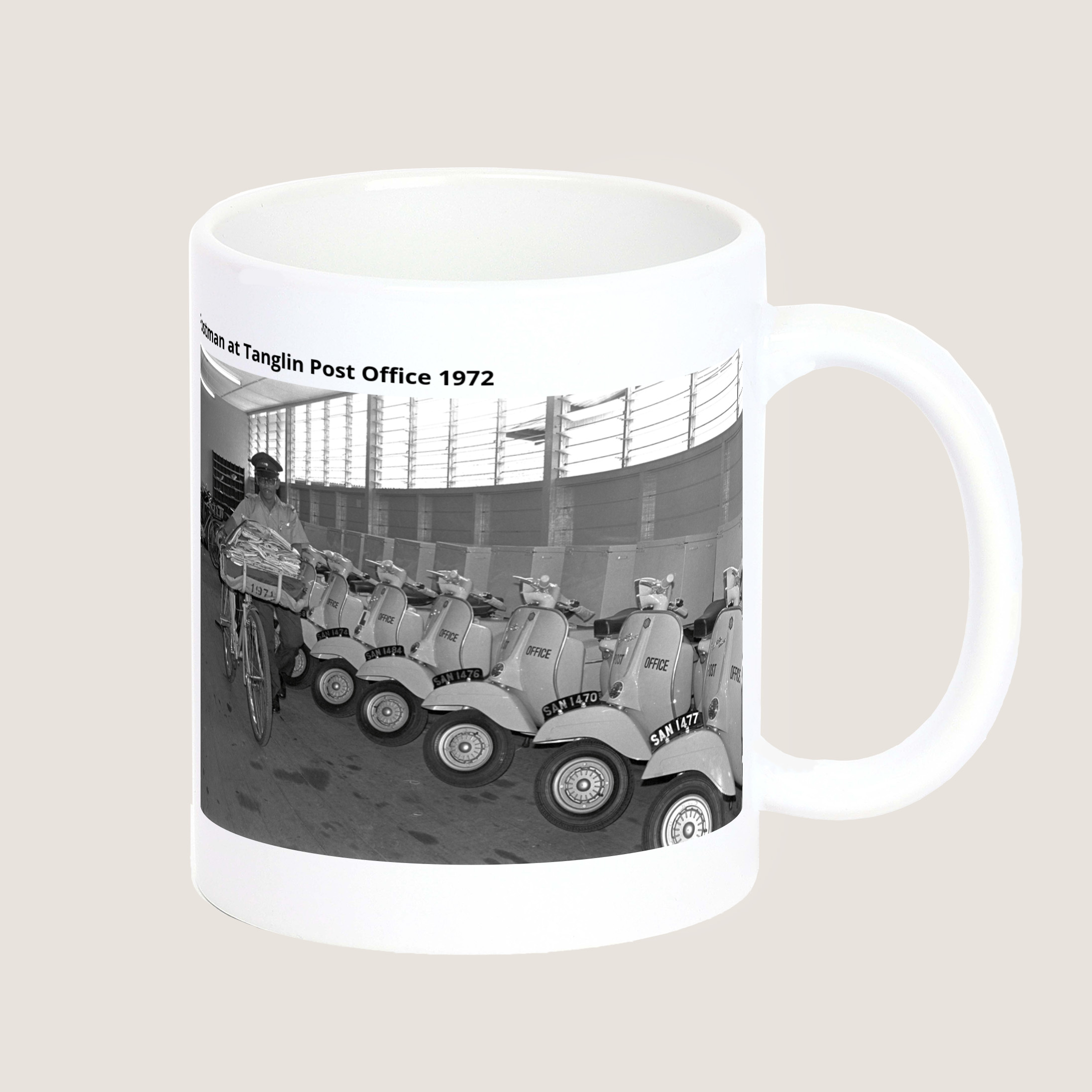
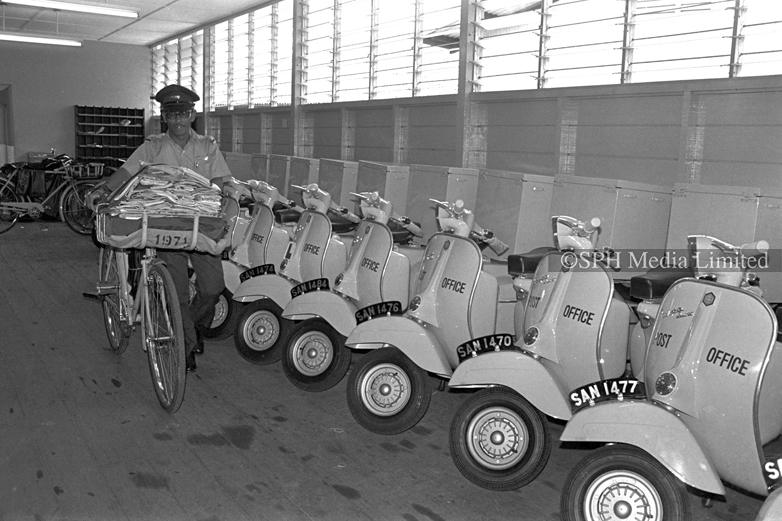 Postman at Tanglin Post Office
1972
Postman at Tanglin Post Office
1972
Postman at Tanglin Post Office
Year 1972
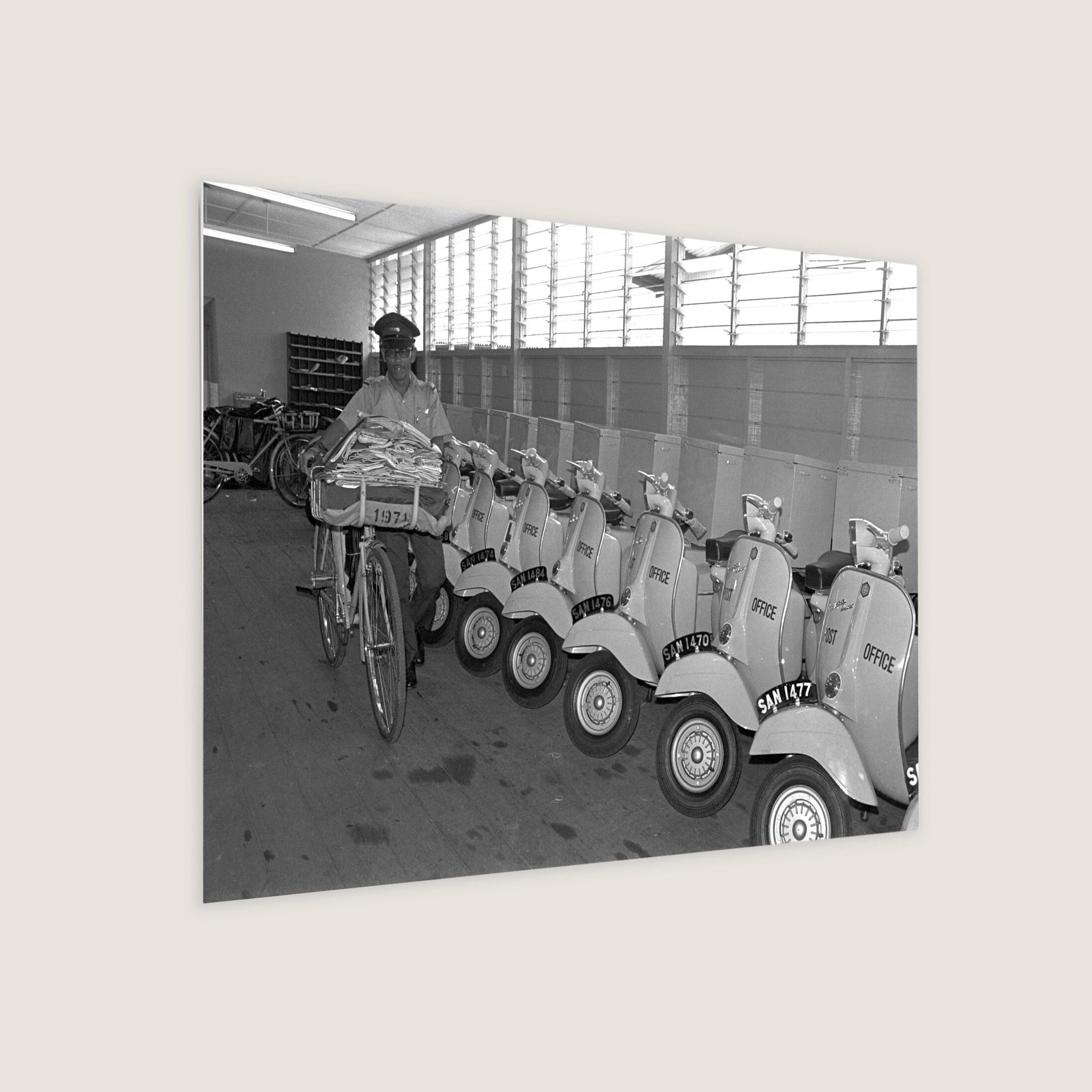
A postman from the Tanglin Post Office. The General Post Office was located at the former Fort Fullerton which is currently Fullerton Hotel. Subsequently, sub-post offices were built at Tanglin, Kandang Kerbau, Kallang, Bukit Timah and Tanjong Pagar.
©️ SPH Media Limited
Share to
Tags
Available for print on products
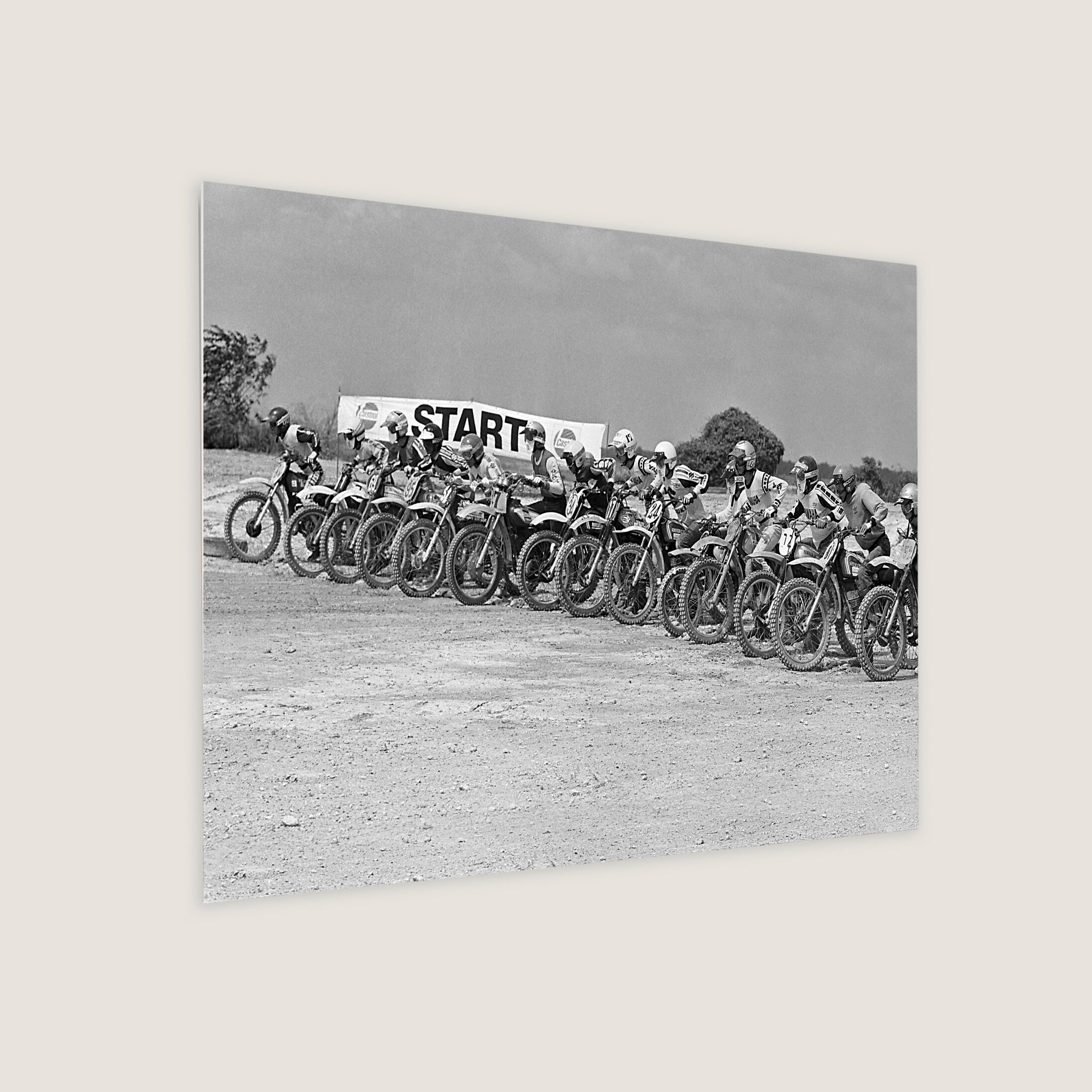
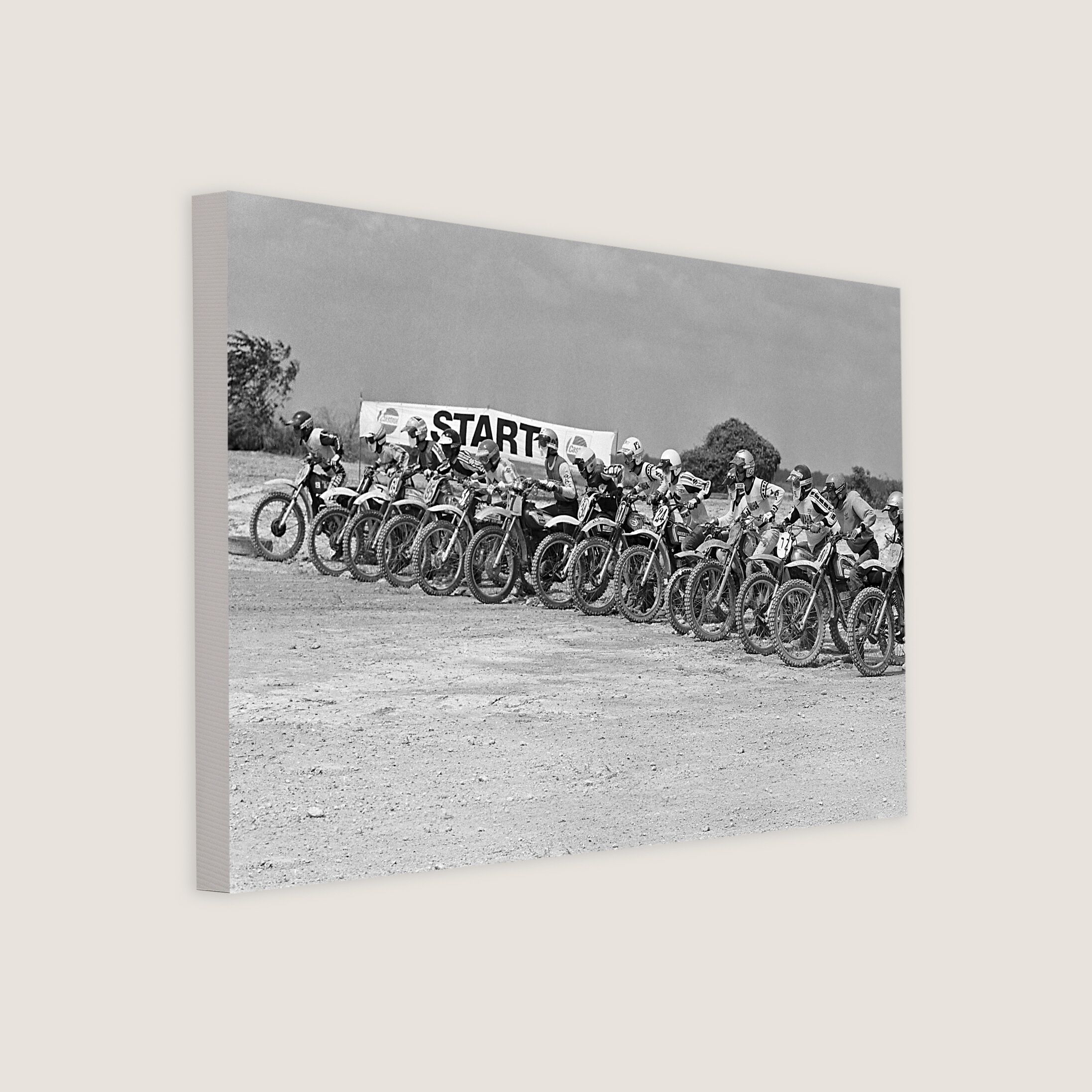
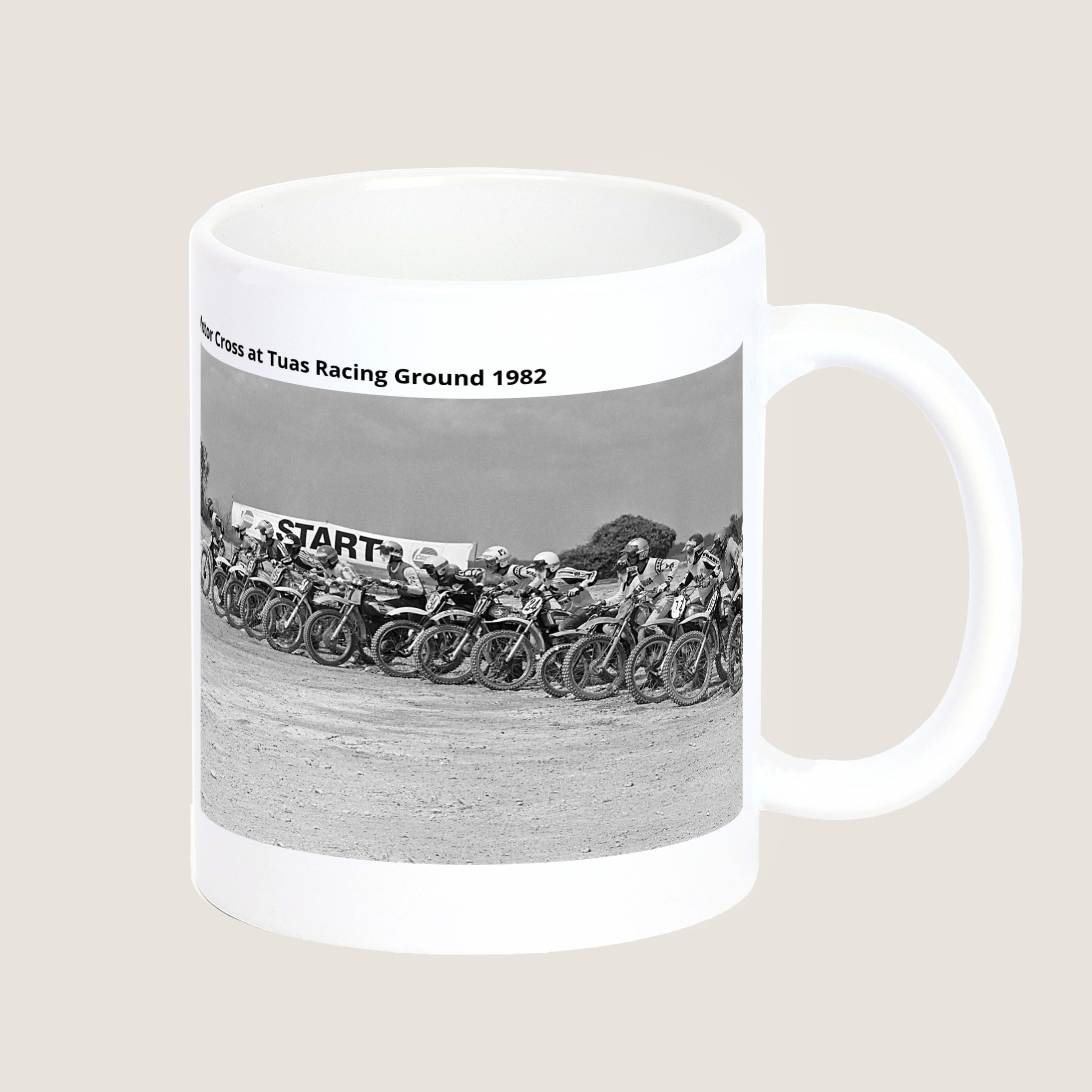
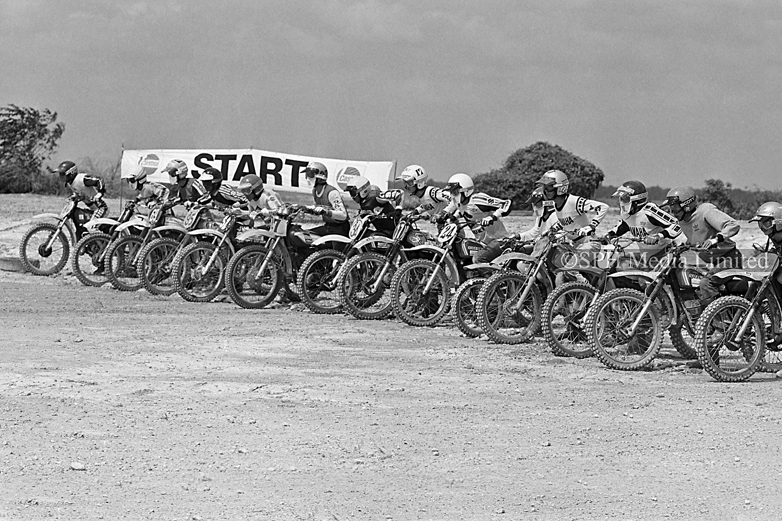 Motor Cross at Tuas Racing Ground
1982
Motor Cross at Tuas Racing Ground
1982
Motor Cross at Tuas Racing Ground
Year 1982
The motor cross at Tuas racing ground in the 80s. In 2007, The Singapore Land Authority (SLA) designated a venue at Tuas West for motorsports as it was away from the city and would minimise the noise and dust dis-amenities to surrounding land users.
©️ SPH Media Limited
Share to
Tags
Available for print on products
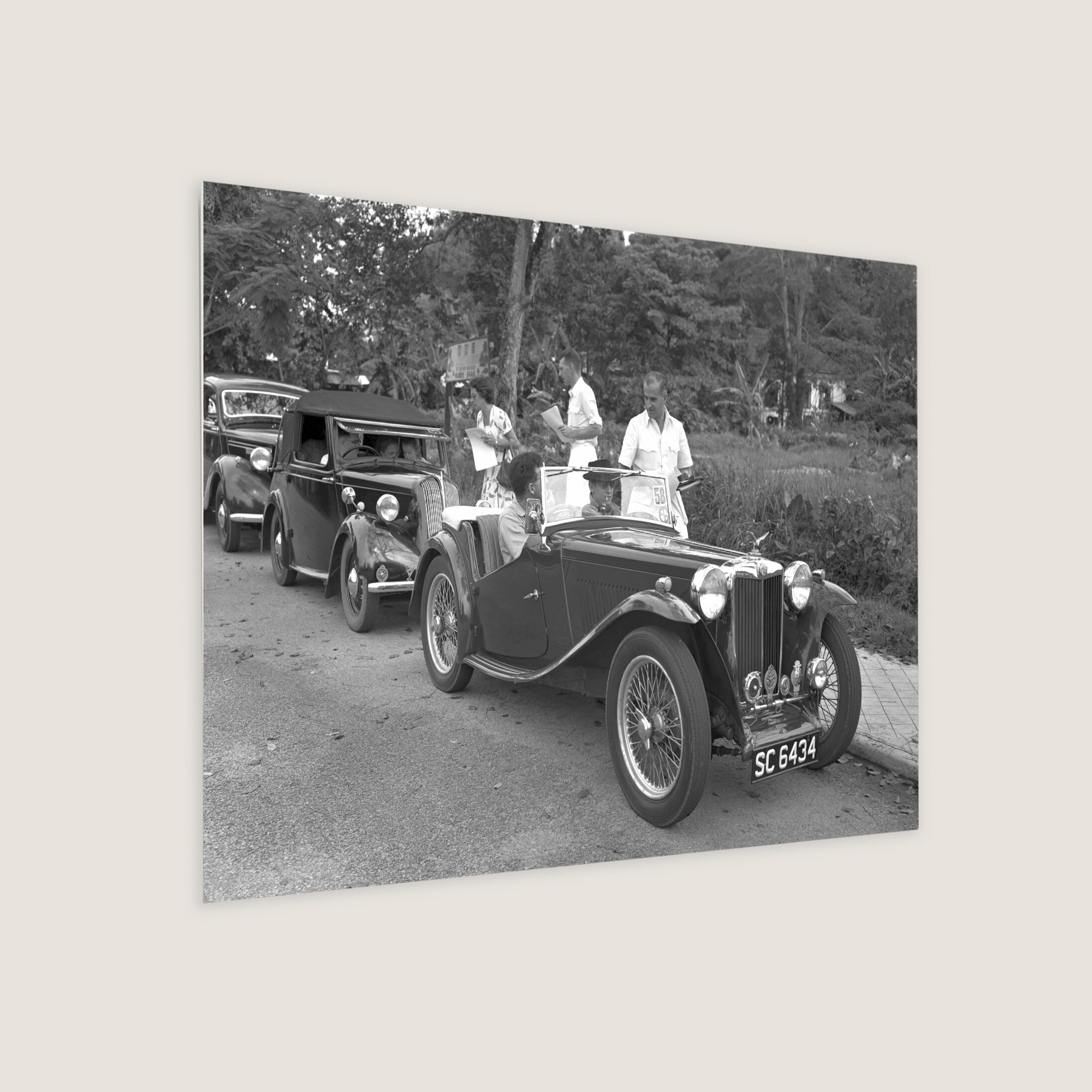
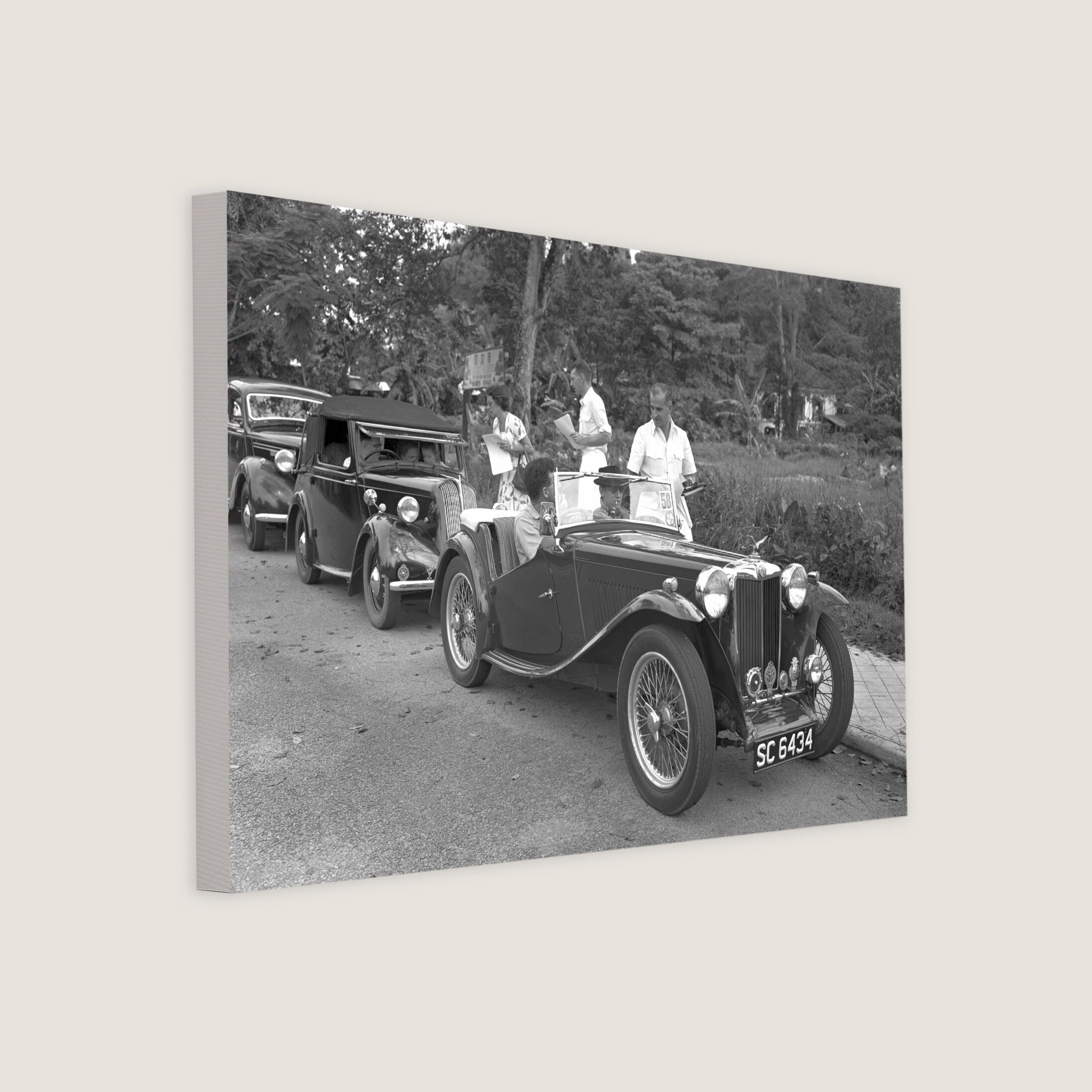
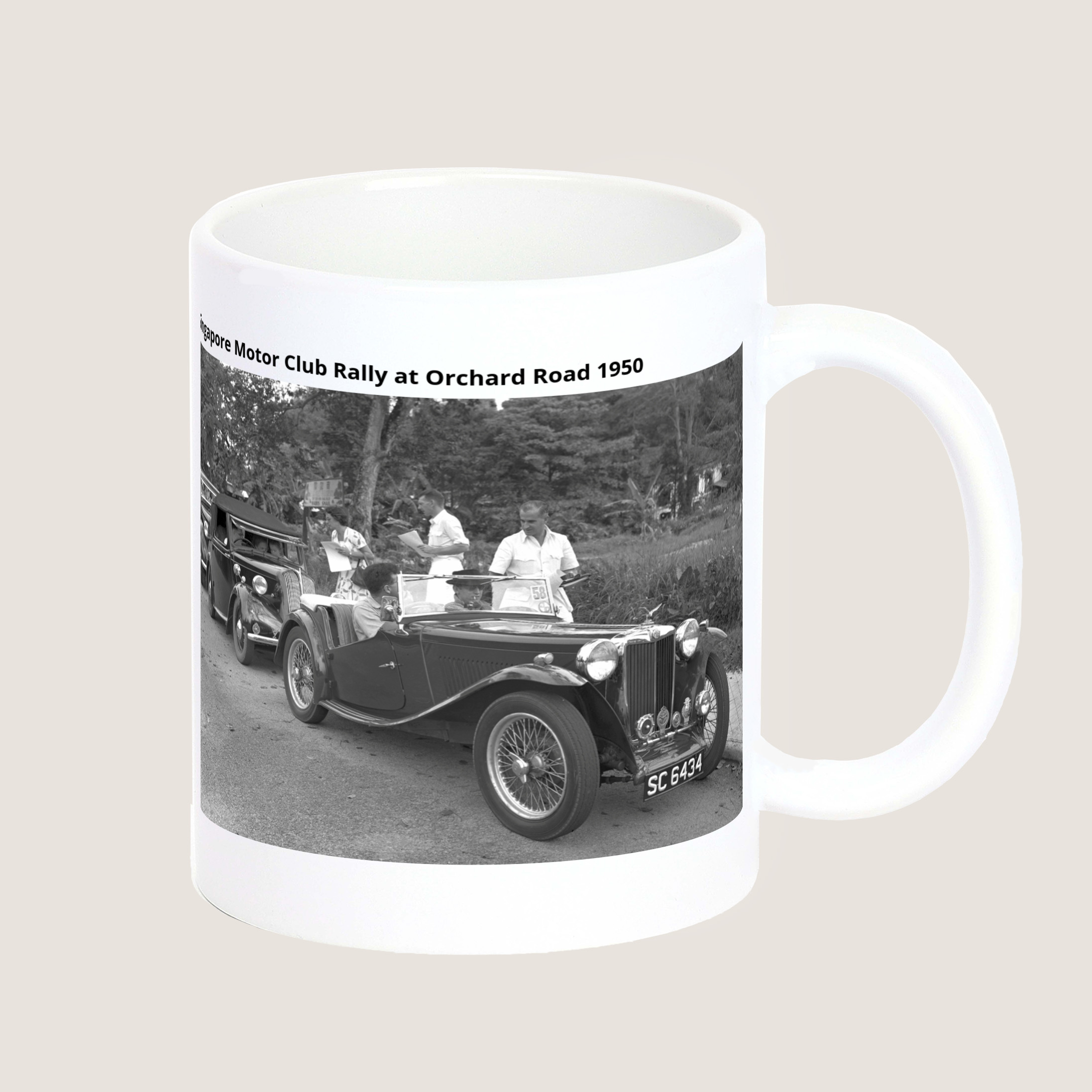
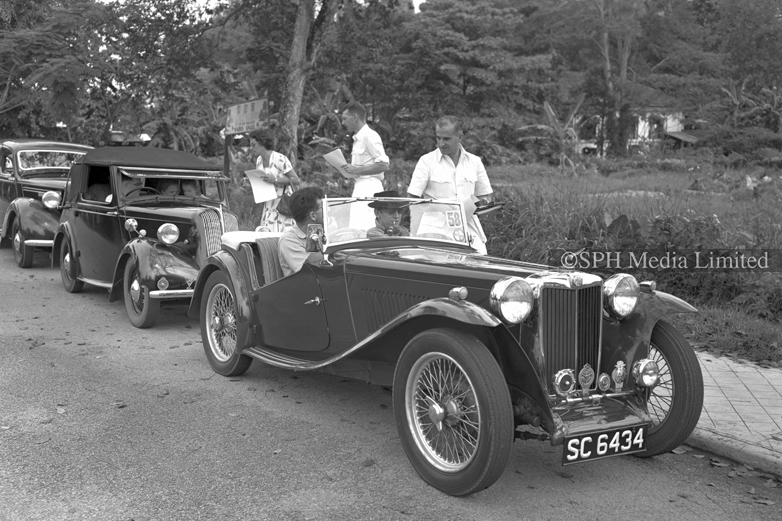 Singapore Motor Club Rally at Orchard Road
1950
Singapore Motor Club Rally at Orchard Road
1950
Singapore Motor Club Rally at Orchard Road
Year 1950
Formed on 25th February 1948 at a meeting at the Adelphi Hotel in Singapore, the Singapore Motor Club (SMC) was the first motor sports club independent of the Automobile Association of Malaya.
©️ SPH Media Limited
Share to
Tags
Available for print on products
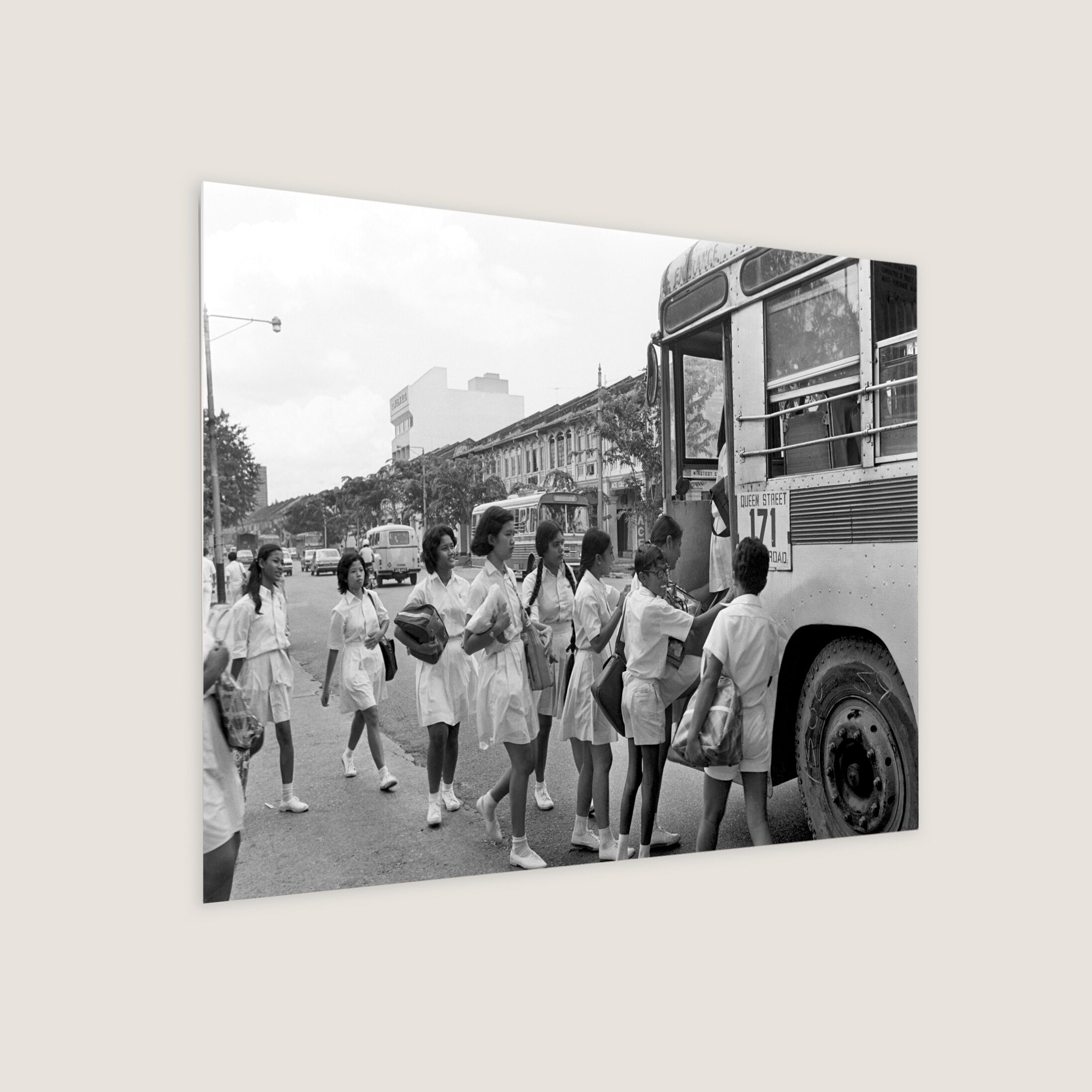
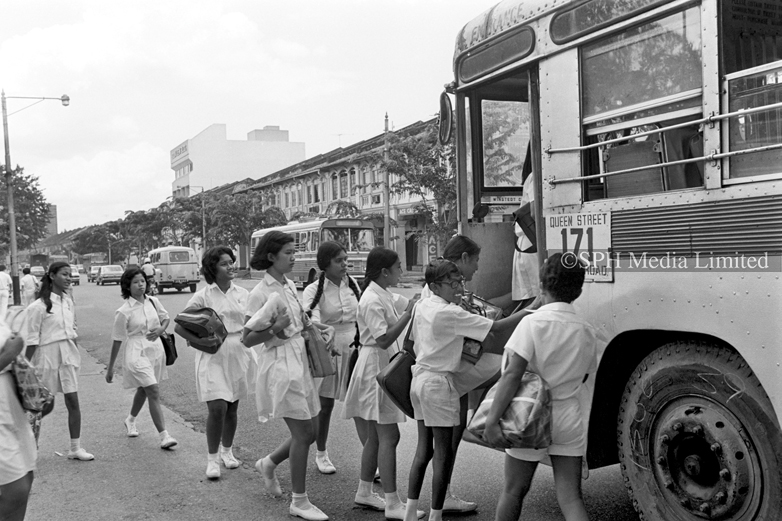 School Children Boarding SBS Bus 171
1975
School Children Boarding SBS Bus 171
1975
School Children Boarding SBS Bus 171
Year 1975
Students were making a beeline for bus 171. Singapore Bus Services Ltd (SBS) improved their bus services at that time, providing adequate bus services at peak hours and increasing the number of available buses.
©️ SPH Media Limited
Share to
Tags
Available for print on products
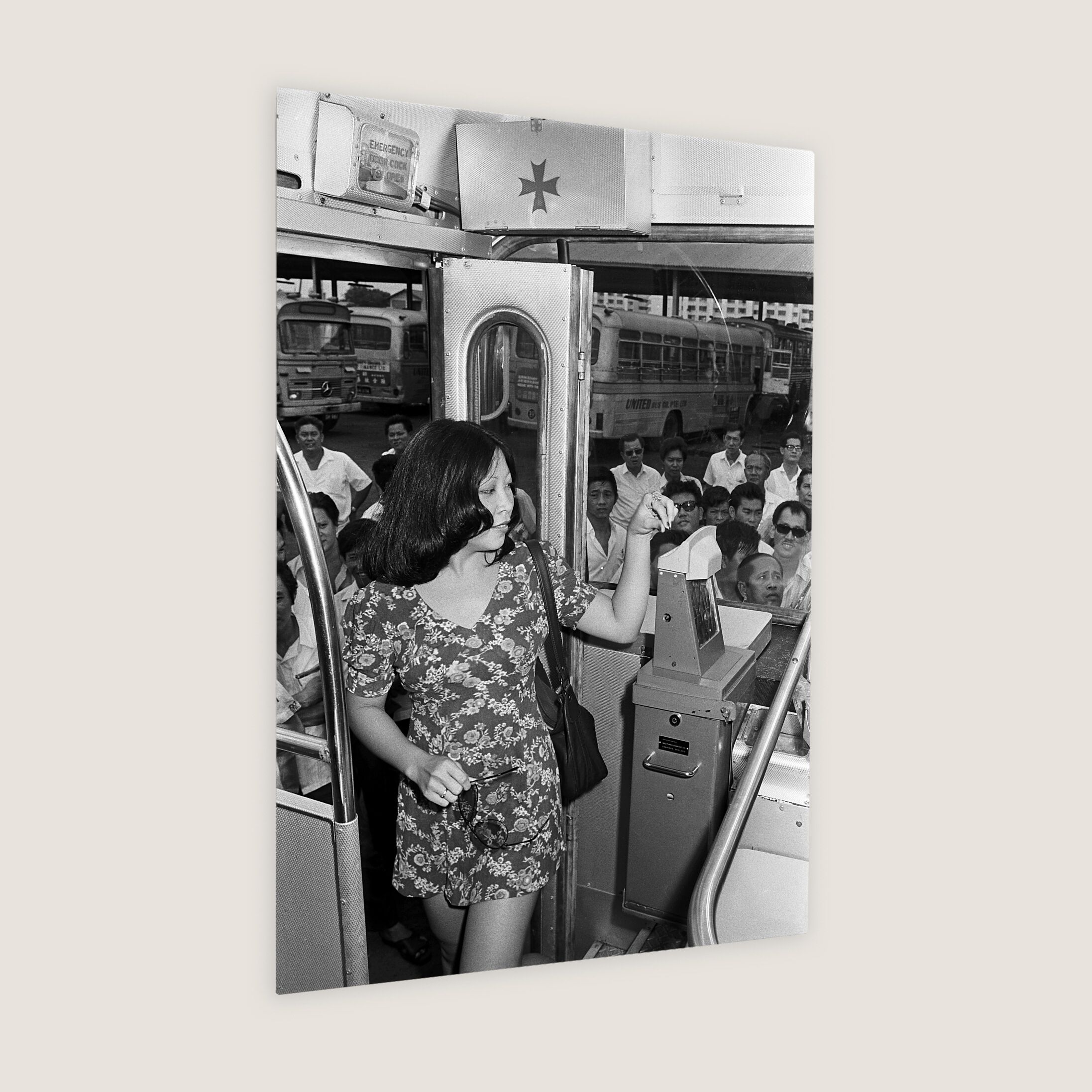
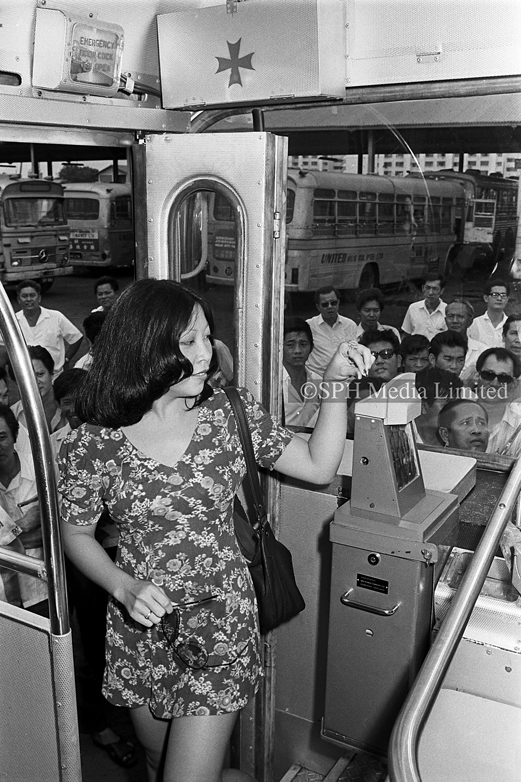 No Bus Conductor Required
1973
No Bus Conductor Required
1973
No Bus Conductor Required
Year 1973
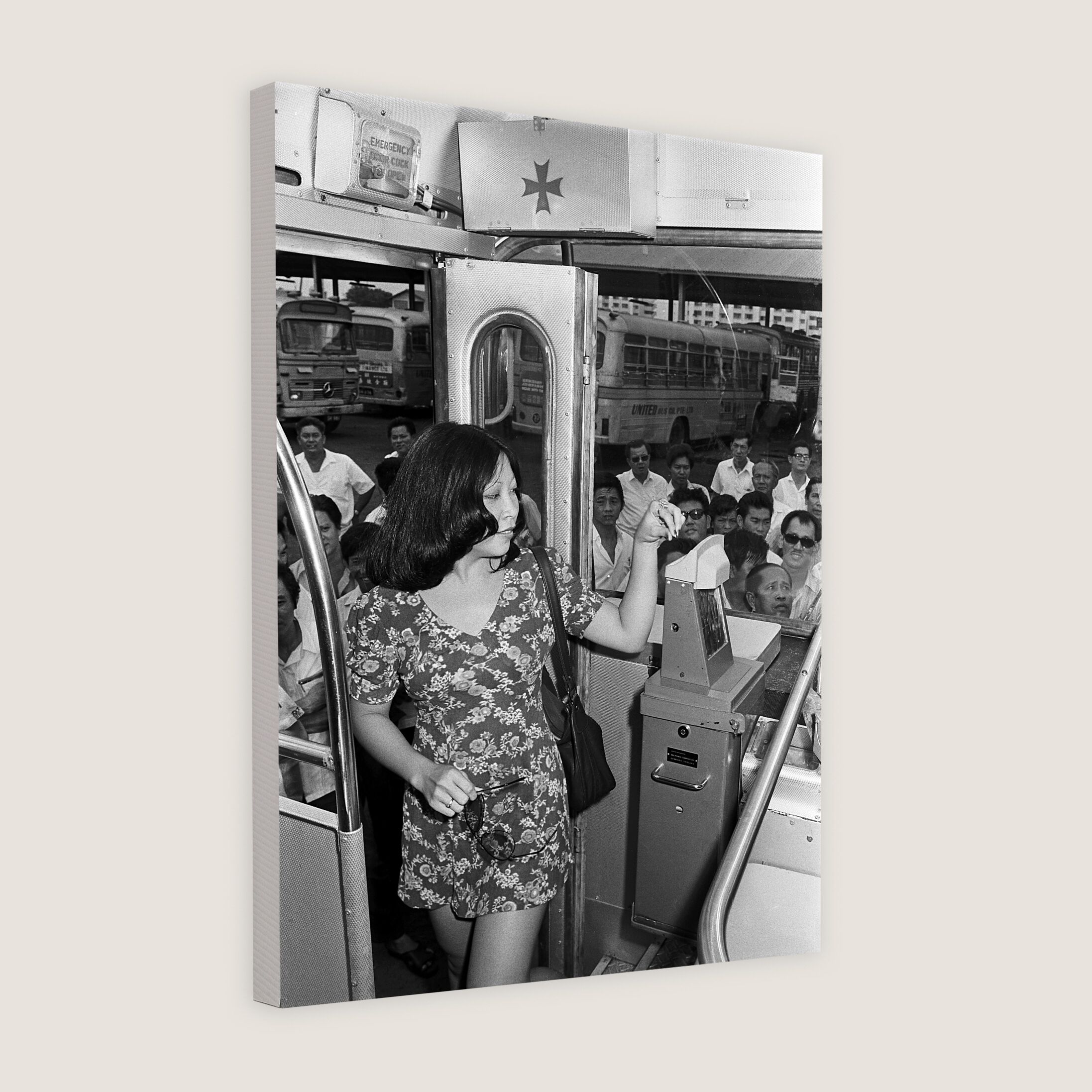
In 1973, Singapore introduced an innovative ticketing system, where passengers would drop their fare into a coin box and collect their ticket from a dispenser as they boarded the bus. Prior to this, bus conductors manually collected fares using a traditional ticketing system. Fast forward to today, Singapore boasts a cutting-edge transport system, with contactless payment technology offering a seamless and efficient travel experience.
©️ SPH Media Limited
Share to
Tags
Available for print on products
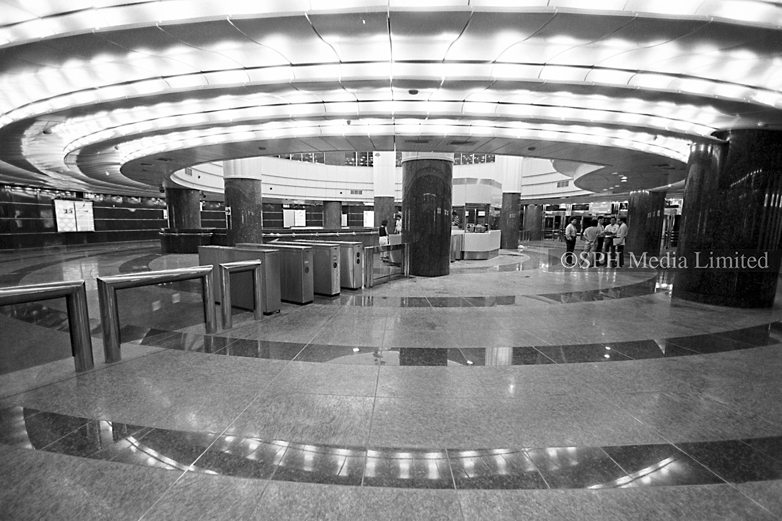 Iconic Circular Concourse of Orchard MRT Station
1987
Iconic Circular Concourse of Orchard MRT Station
1987
Iconic Circular Concourse of Orchard MRT Station
Year 1987
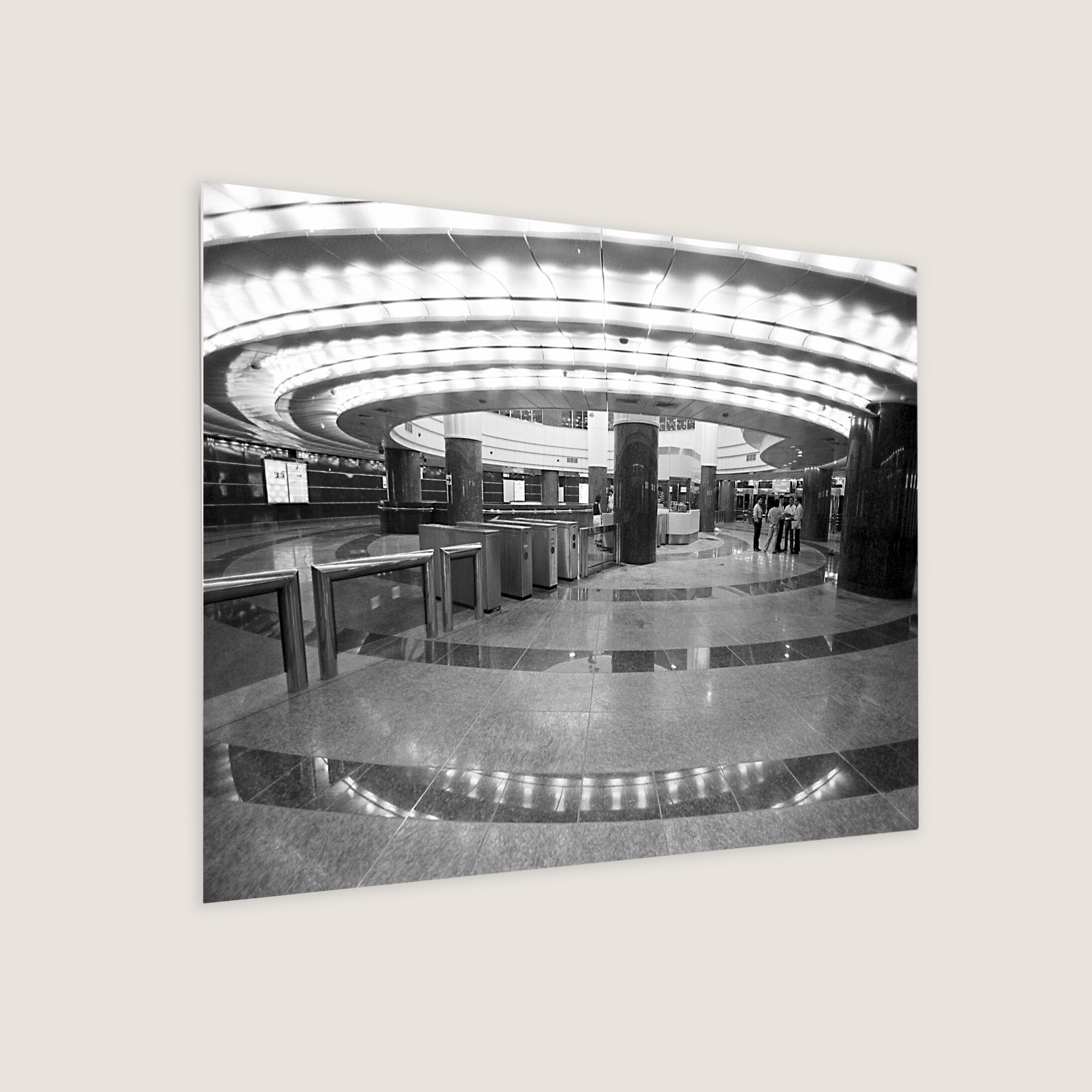
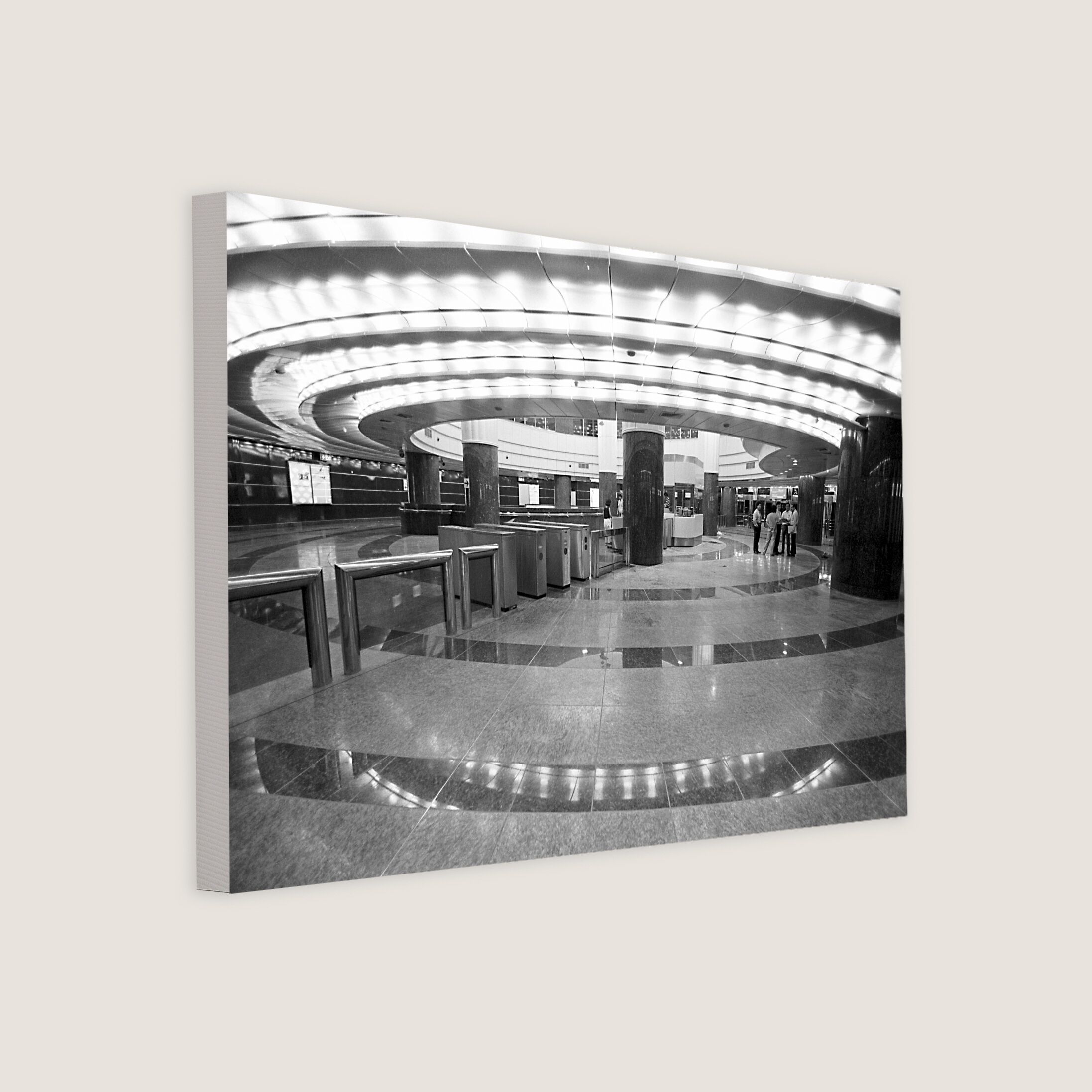
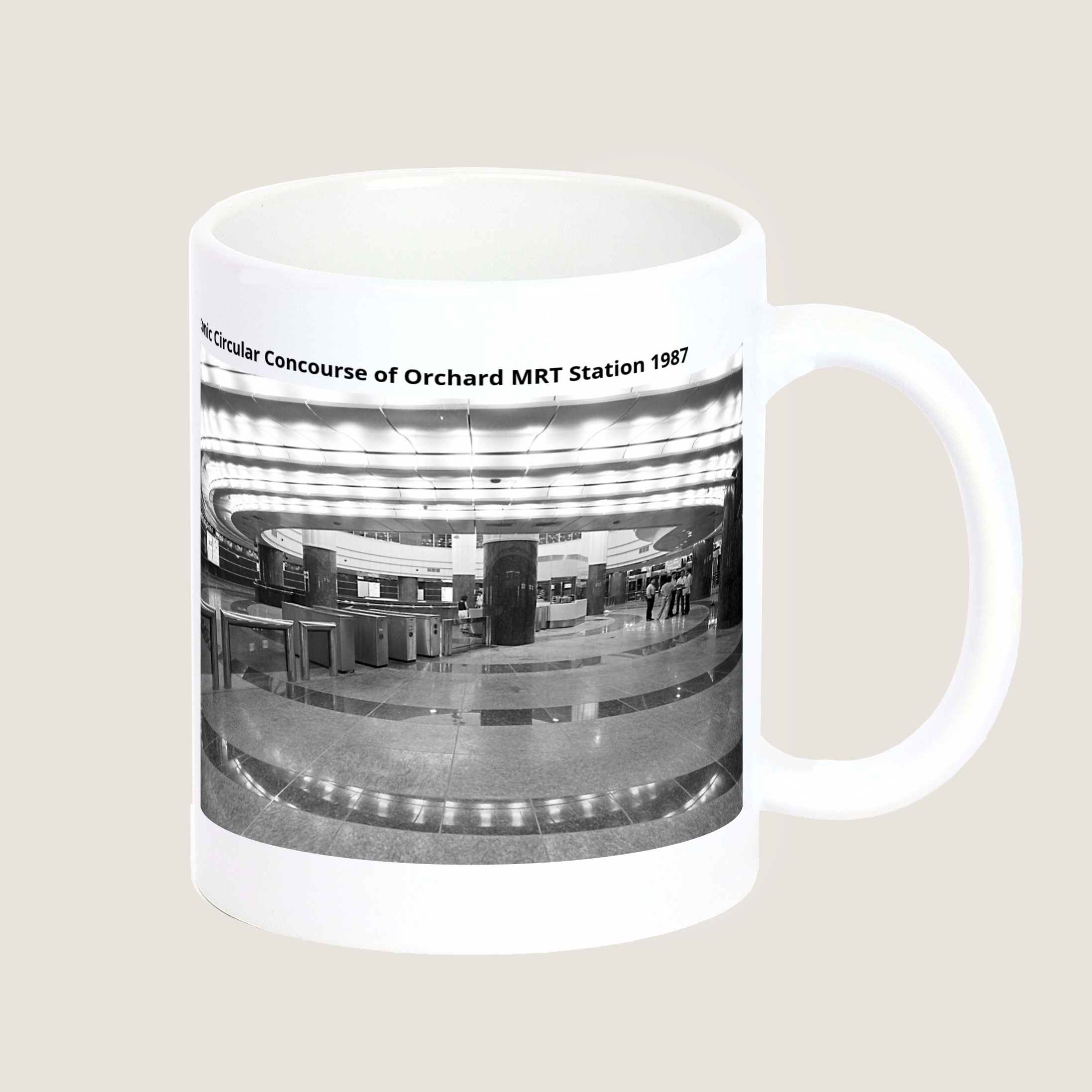
A fresh look at the iconic circular concourse of Orchard MRT Station. The station was built at a cost of $24 million and was considered grandiose for its time, featuring a unique circular design, an impressive dome, and decorative elements. Over the years, Orchard Station has undergone numerous renovations and has been expanded to include underpasses and linkways to various malls and points of interest, while retaining its iconic circular concourse.
©️ SPH Media Limited
Share to
Tags
Available for print on products
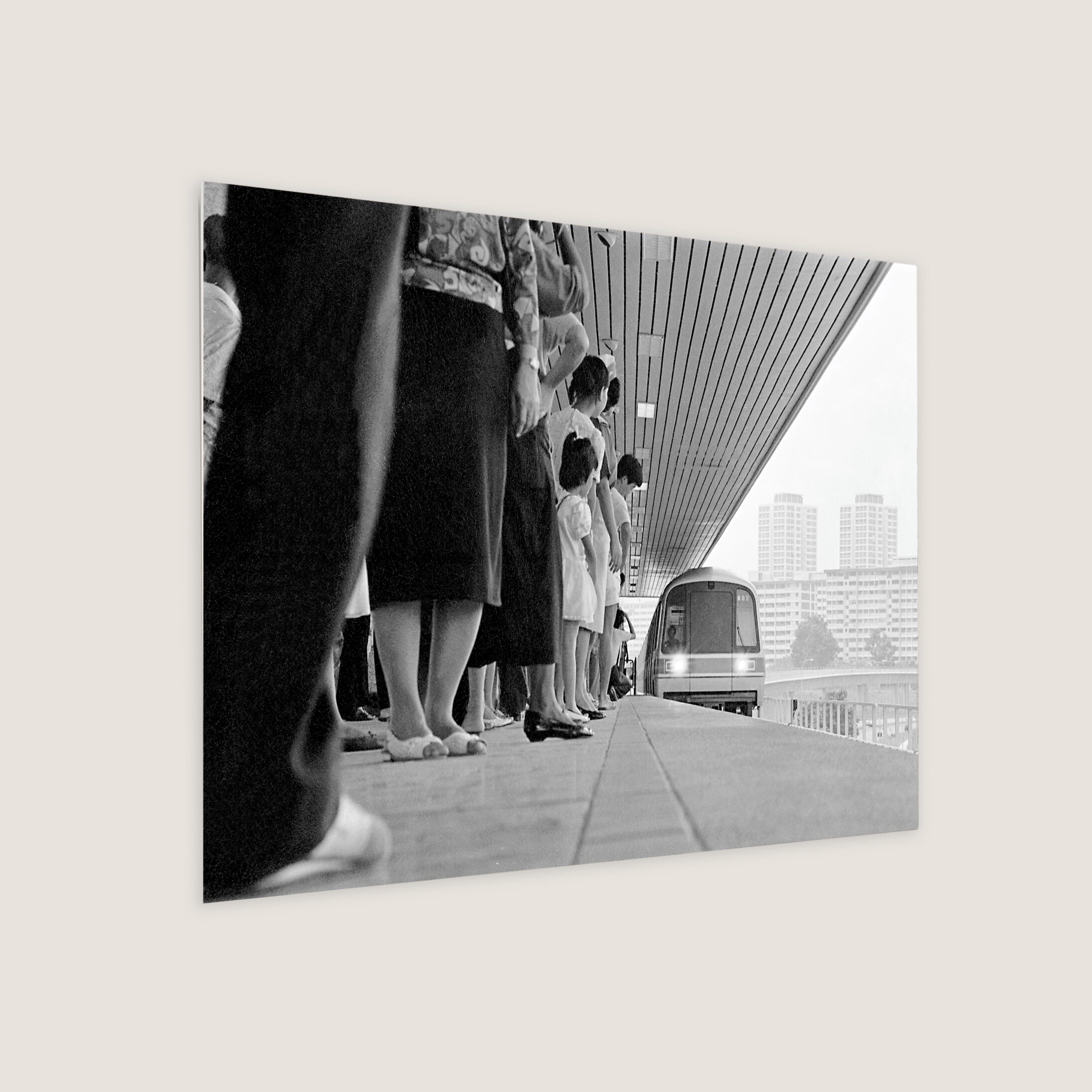
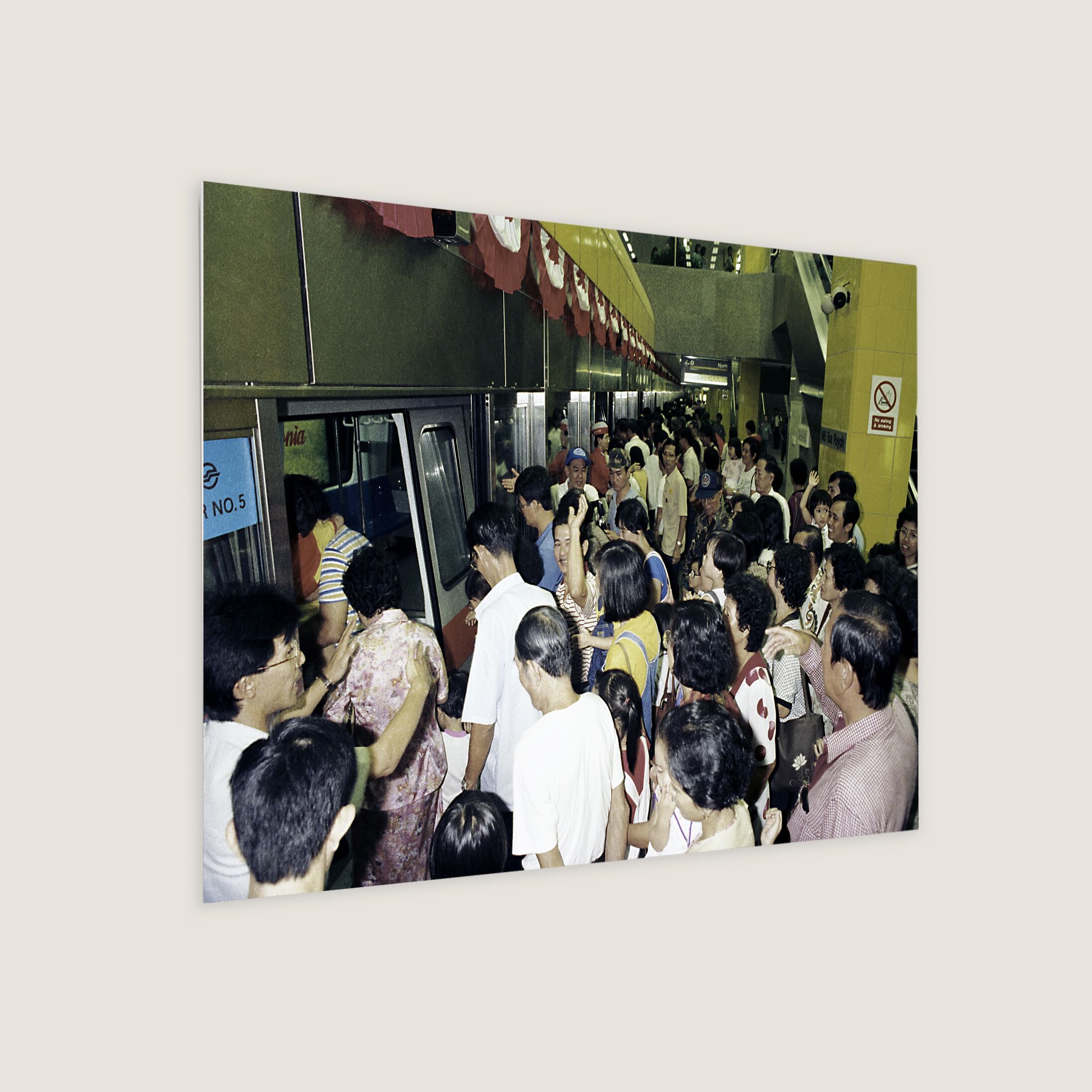
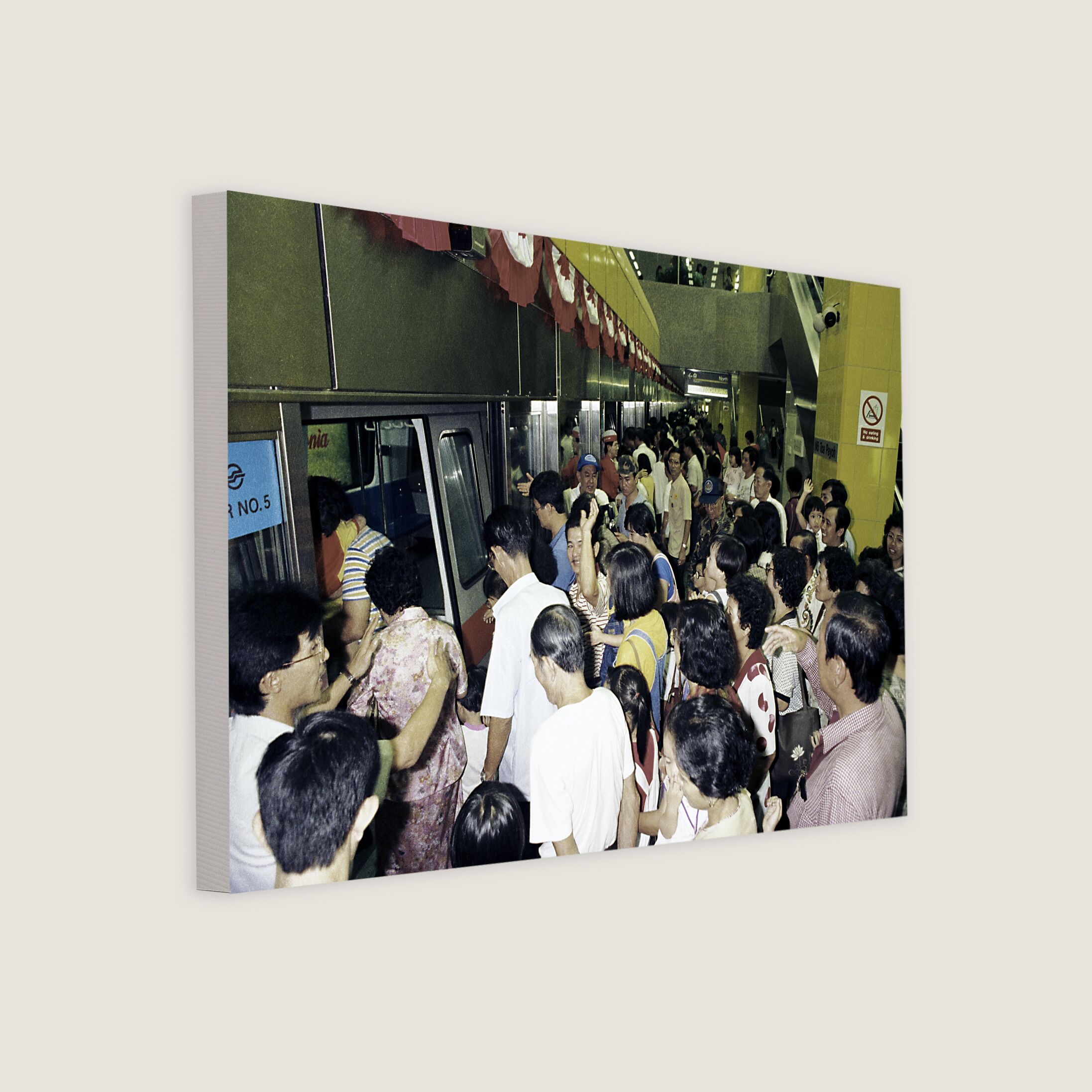
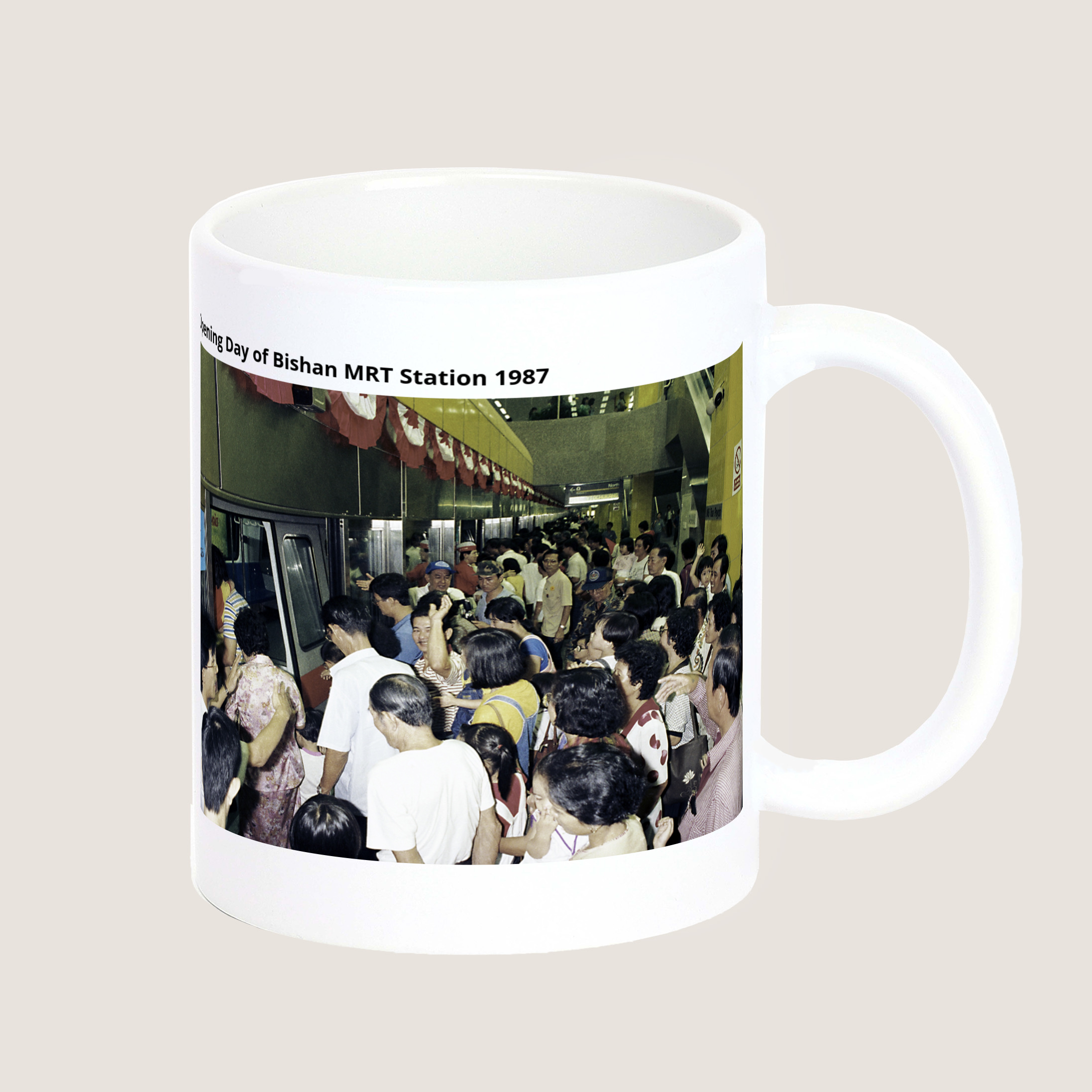
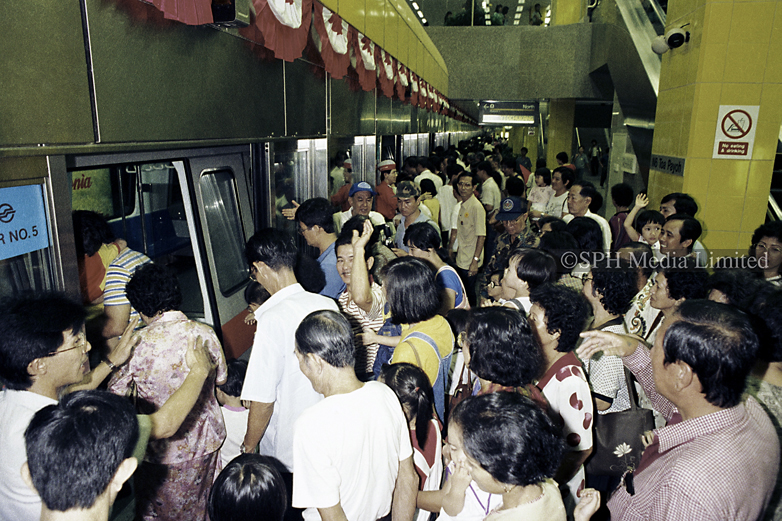 Opening Day of Bishan MRT Station
1987
Opening Day of Bishan MRT Station
1987
Opening Day of Bishan MRT Station
Year 1987
Commuters were excited to board the MRT train at Bishan station on its opening day, 7 November 1987. More than 120,000 people purchased $3 commemorative tickets for the inaugural rides.
©️ SPH Media Limited
Share to
Tags
Available for print on products
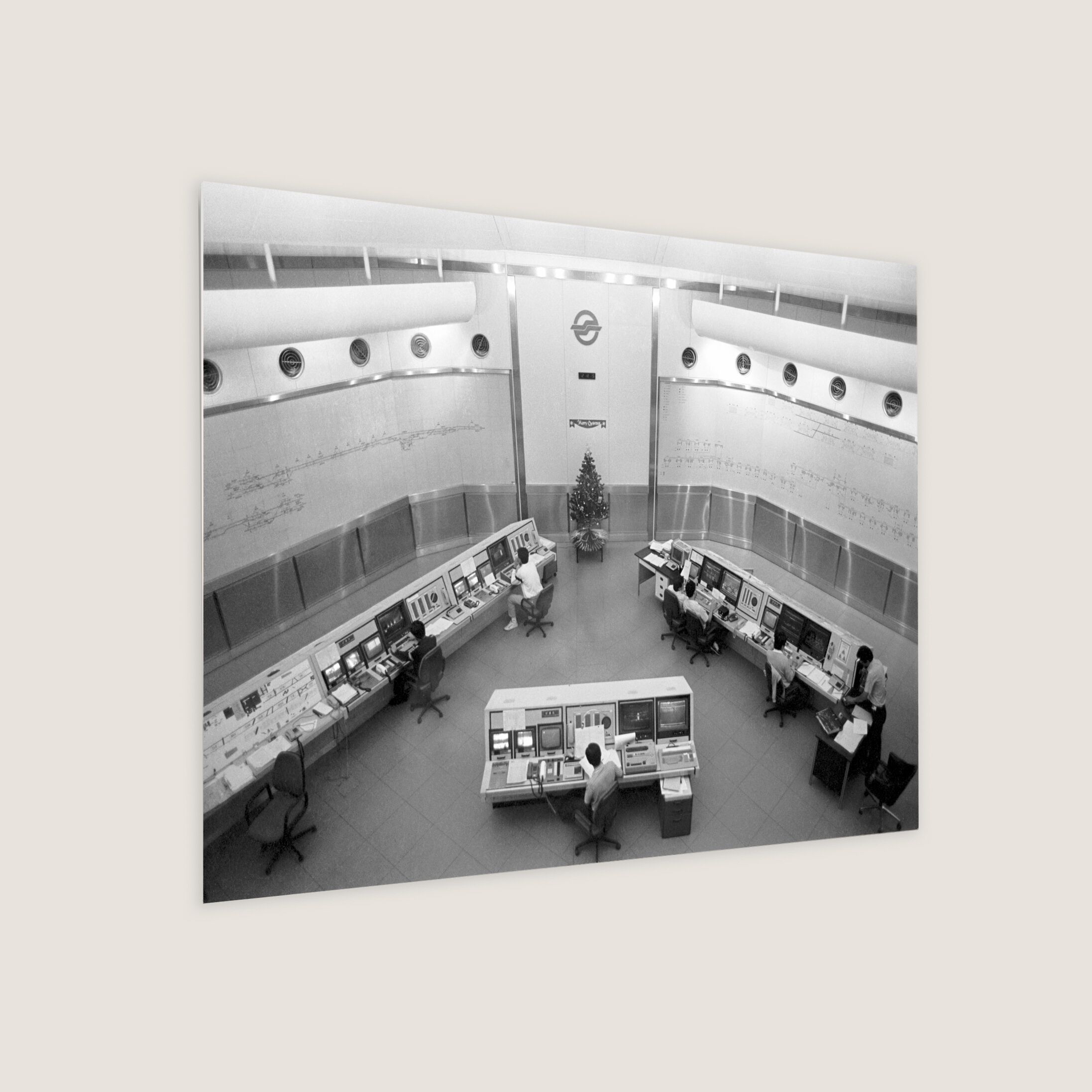
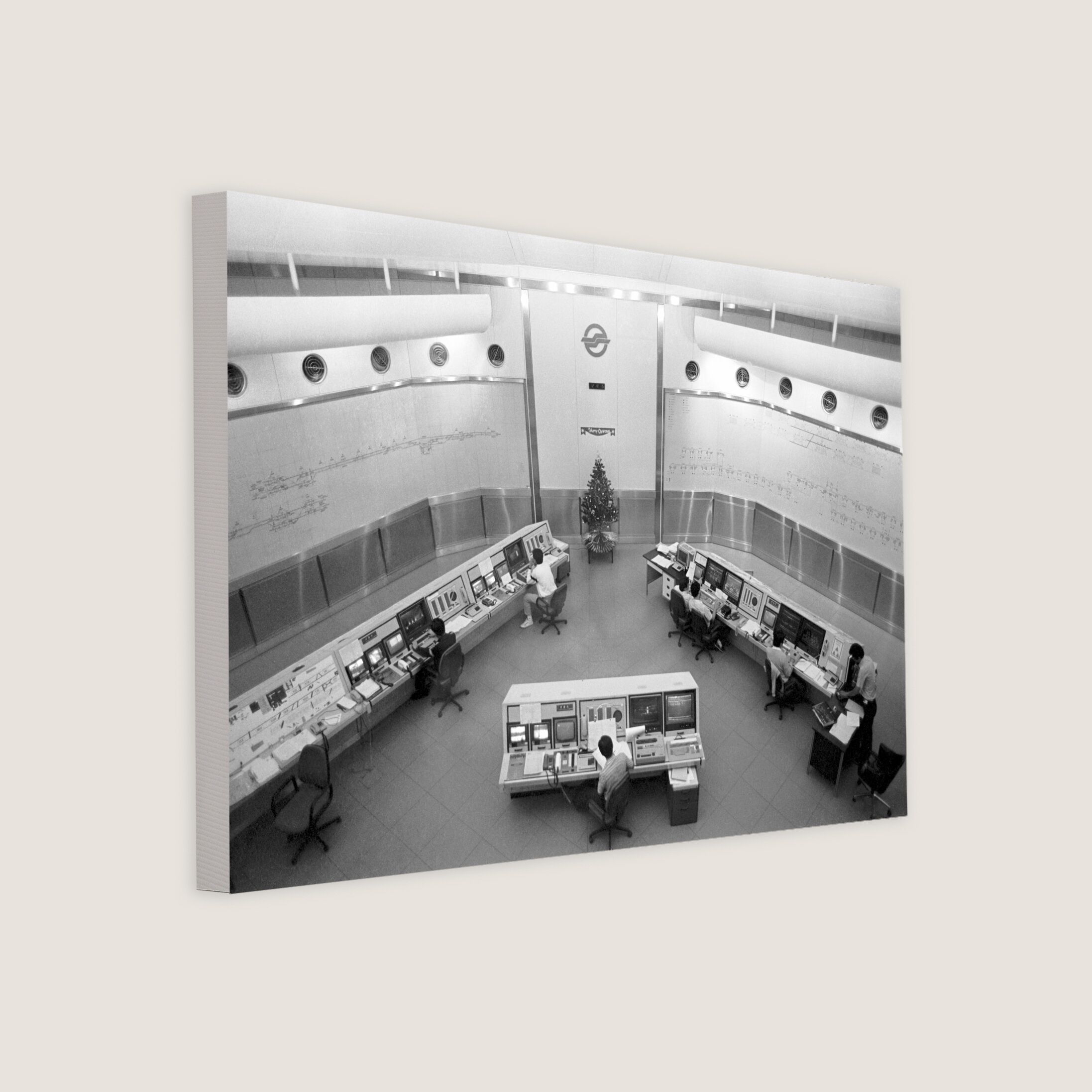
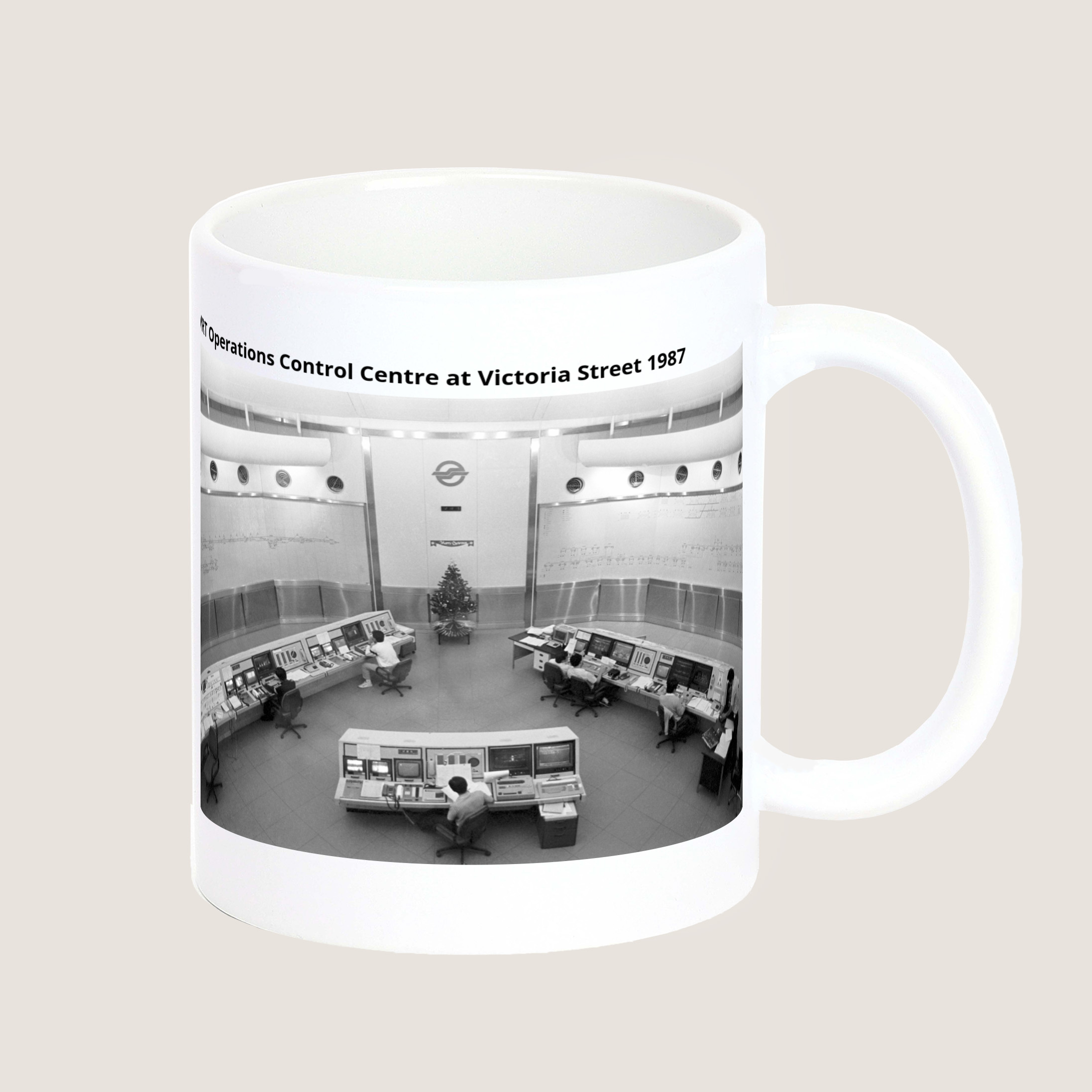
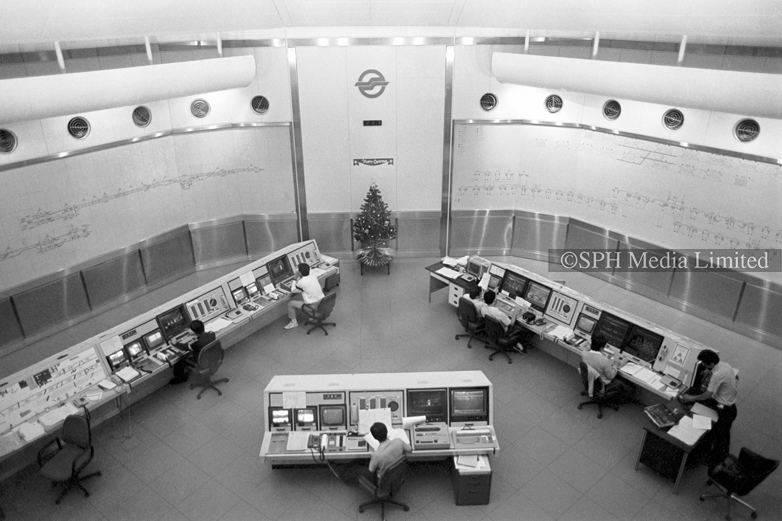 MRT Operations Control Centre at Victoria Street
1987
MRT Operations Control Centre at Victoria Street
1987
MRT Operations Control Centre at Victoria Street
Year 1987
The Mass Rapid Transit (MRT) system's 'nerve centre', also known as the Operations Control Centre (OCC), is located on Victoria Street. It was opened on 3 December 1987. The Operations Control Centre is where the staff monitors train operations
©️ SPH Media Limited
Share to
Tags
Available for print on products
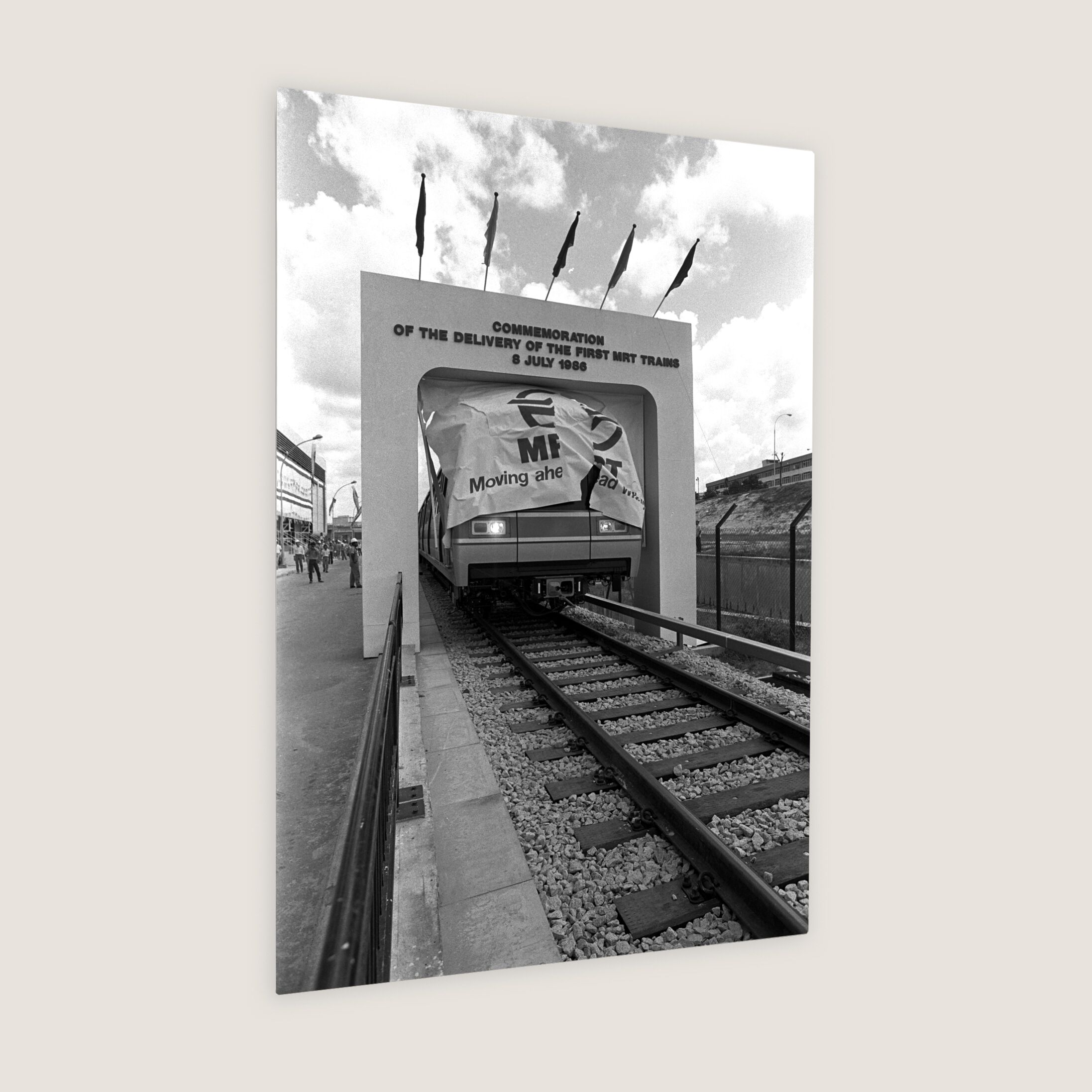
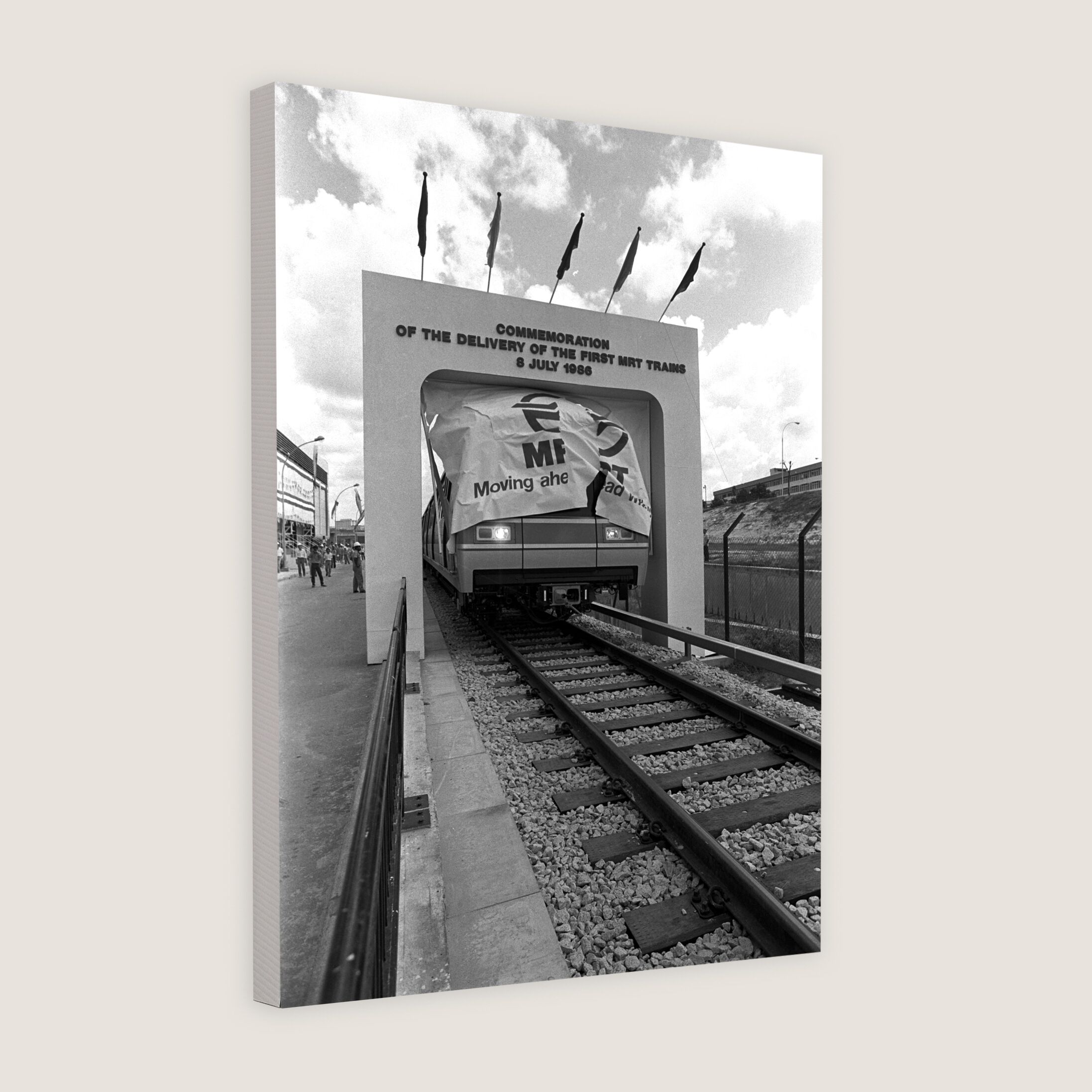
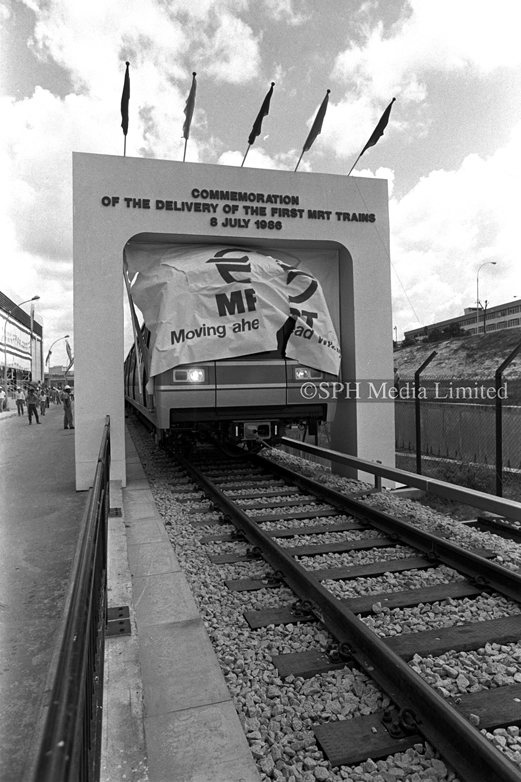 Commemorating the Delivery of the First MRT Trains
1986
Commemorating the Delivery of the First MRT Trains
1986
Commemorating the Delivery of the First MRT Trains
Year 1986
The first MRT train breaks through the rice-paper shield at a "tunnel" frame at the Bishan MRT Depot to commemorate the delivery of the first MRT trains. Guests were aboard Singapore's Mass Rapid Transit test ride that travelled for only three kilometres, taking three minutes and 43 seconds to conclude.
©️ SPH Media Limited
Share to
Tags
Available for print on products
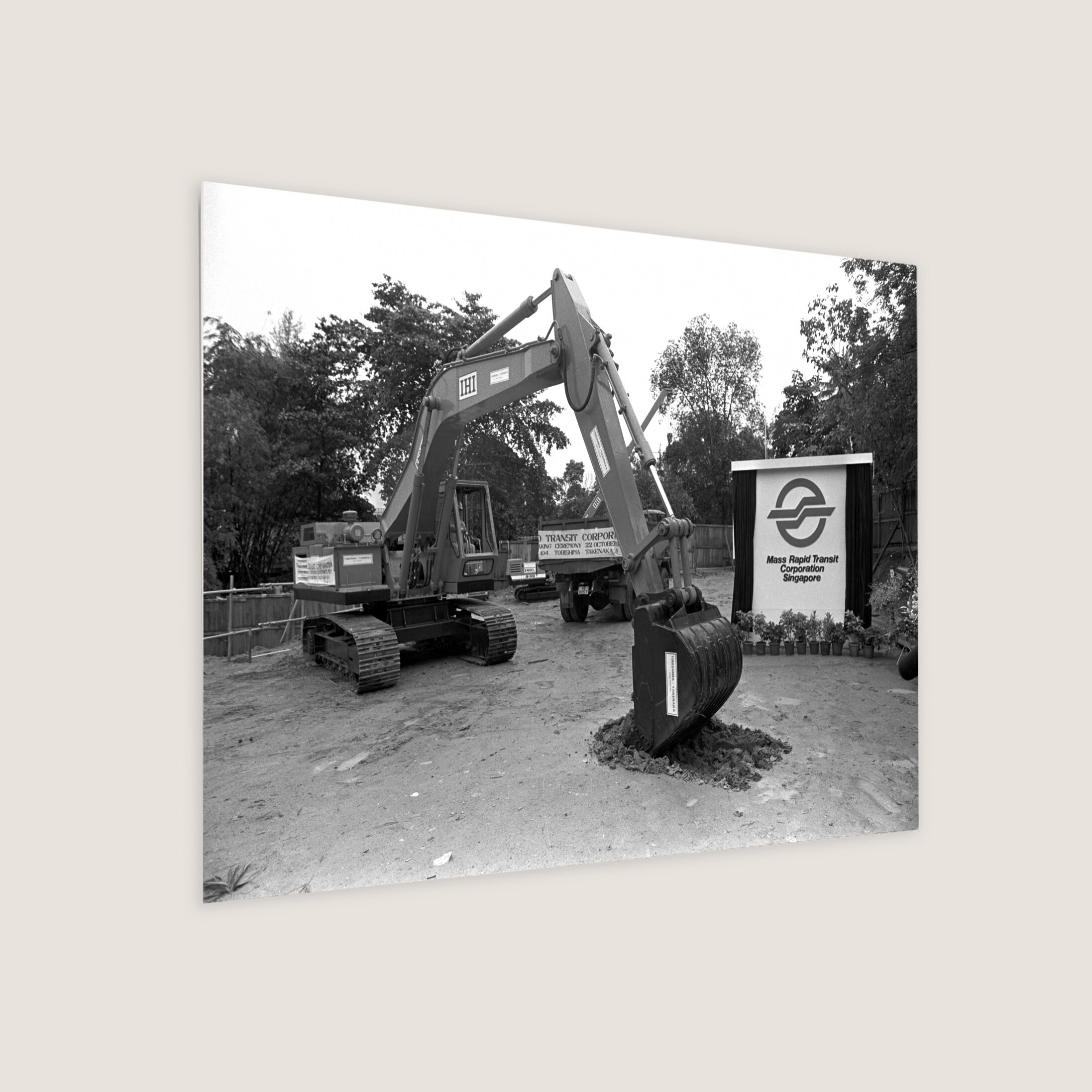
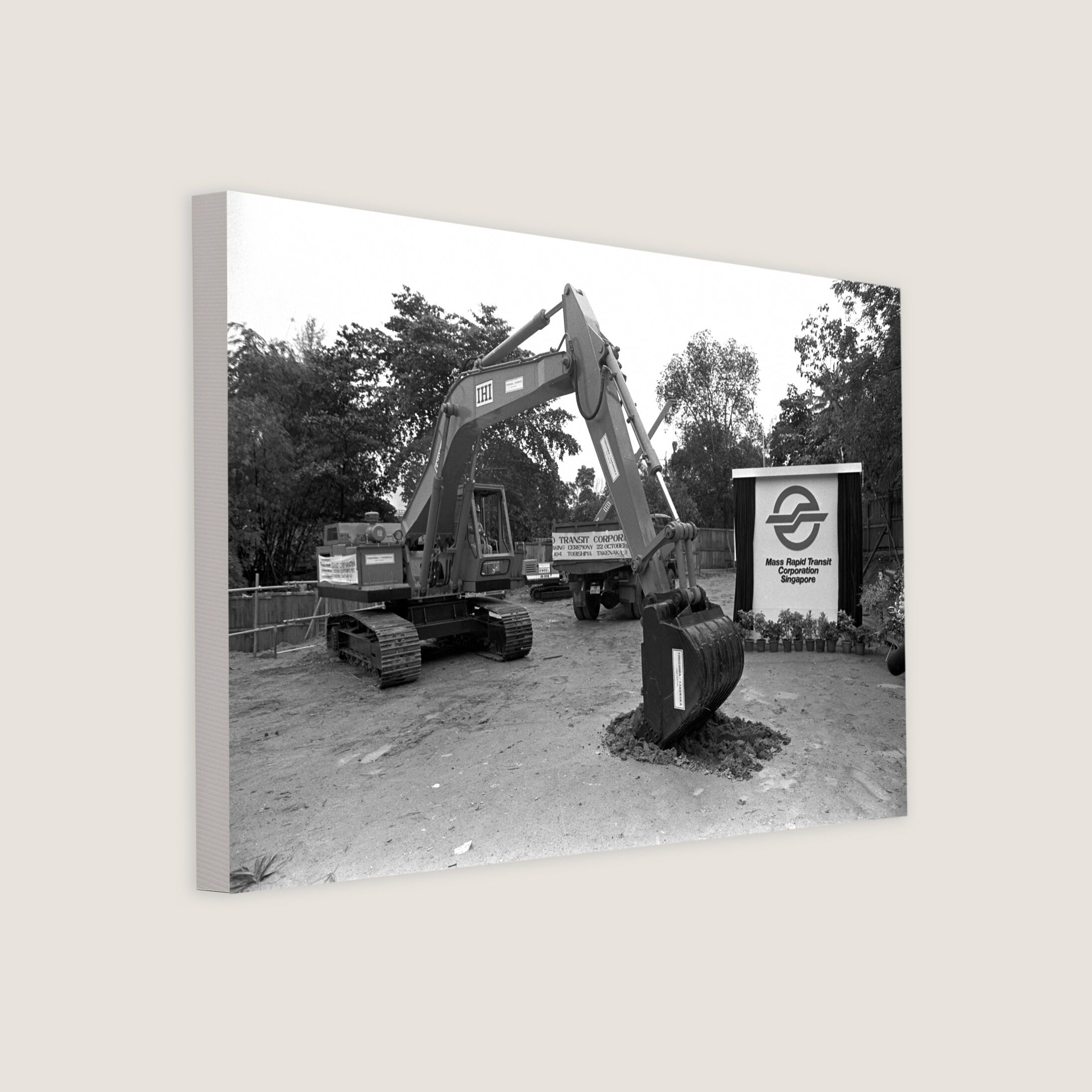
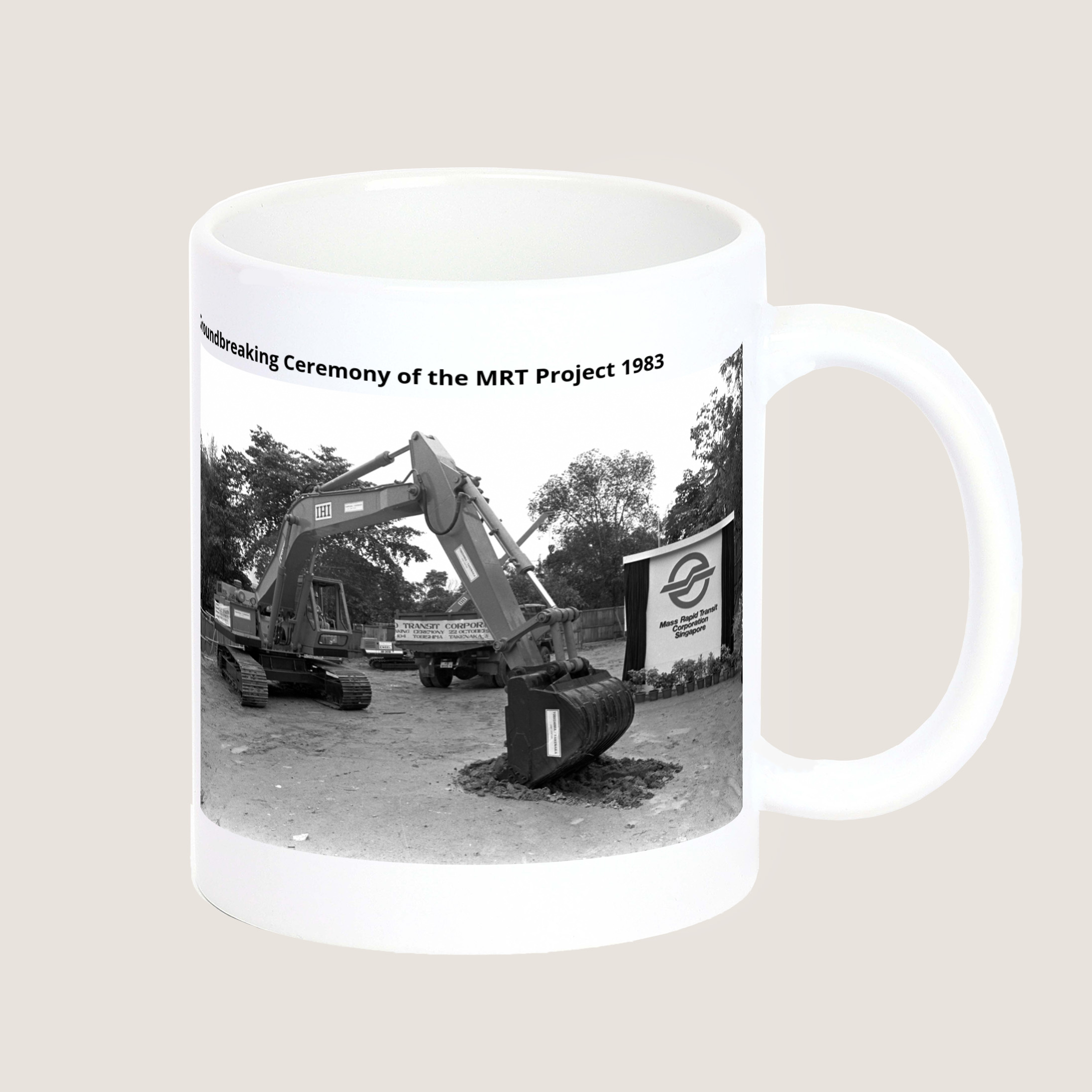
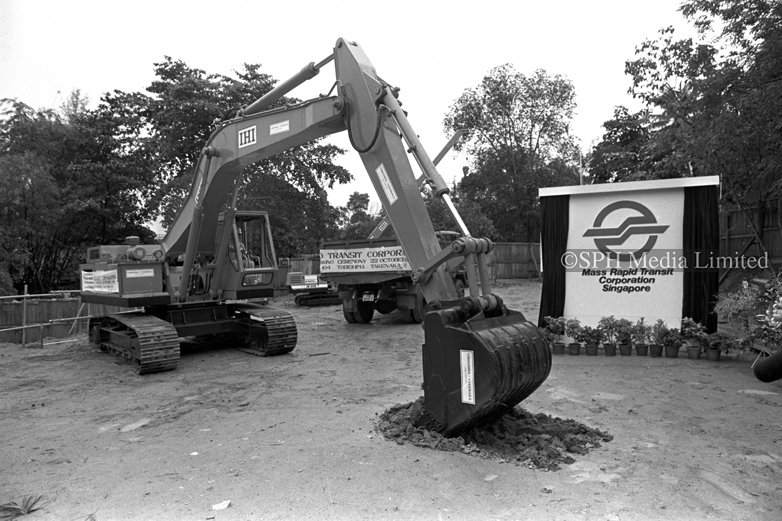 Groundbreaking Ceremony of the MRT Project
1983
Groundbreaking Ceremony of the MRT Project
1983
Groundbreaking Ceremony of the MRT Project
Year 1983
Groundbreaking ceremony of the Mass Rapid Transit (MRT) project at Shan Road took place on 22 October 1983. It was a Japanese joint venture formed by Tobishima and Takenaka Komuten, and started with constructing tunnels in two directions from this site for the Novena and Toa Payoh MRT stations. Today's MRT has expanded beyond Novena and Toa Payoh.
©️ SPH Media Limited
Share to
Tags
Available for print on products
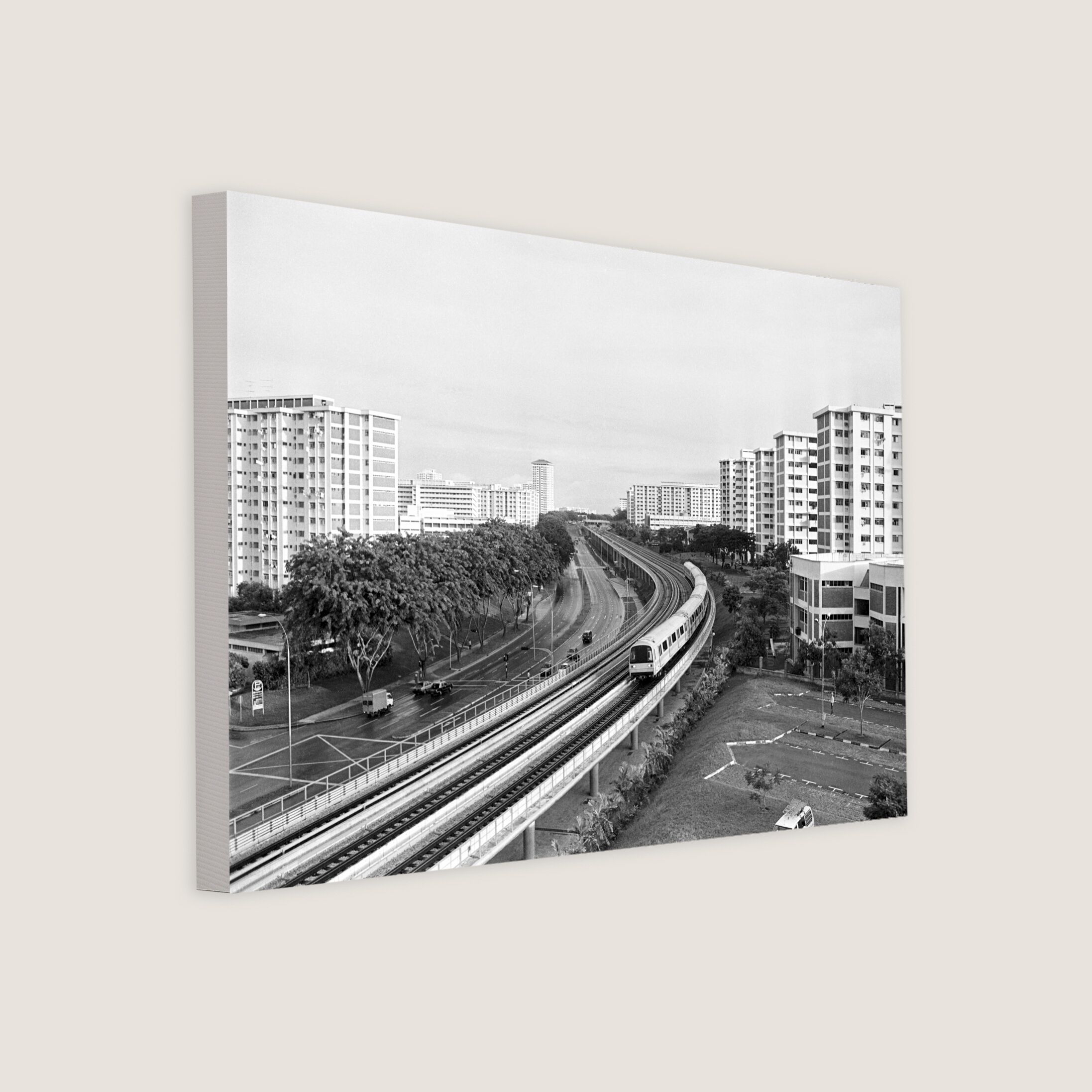
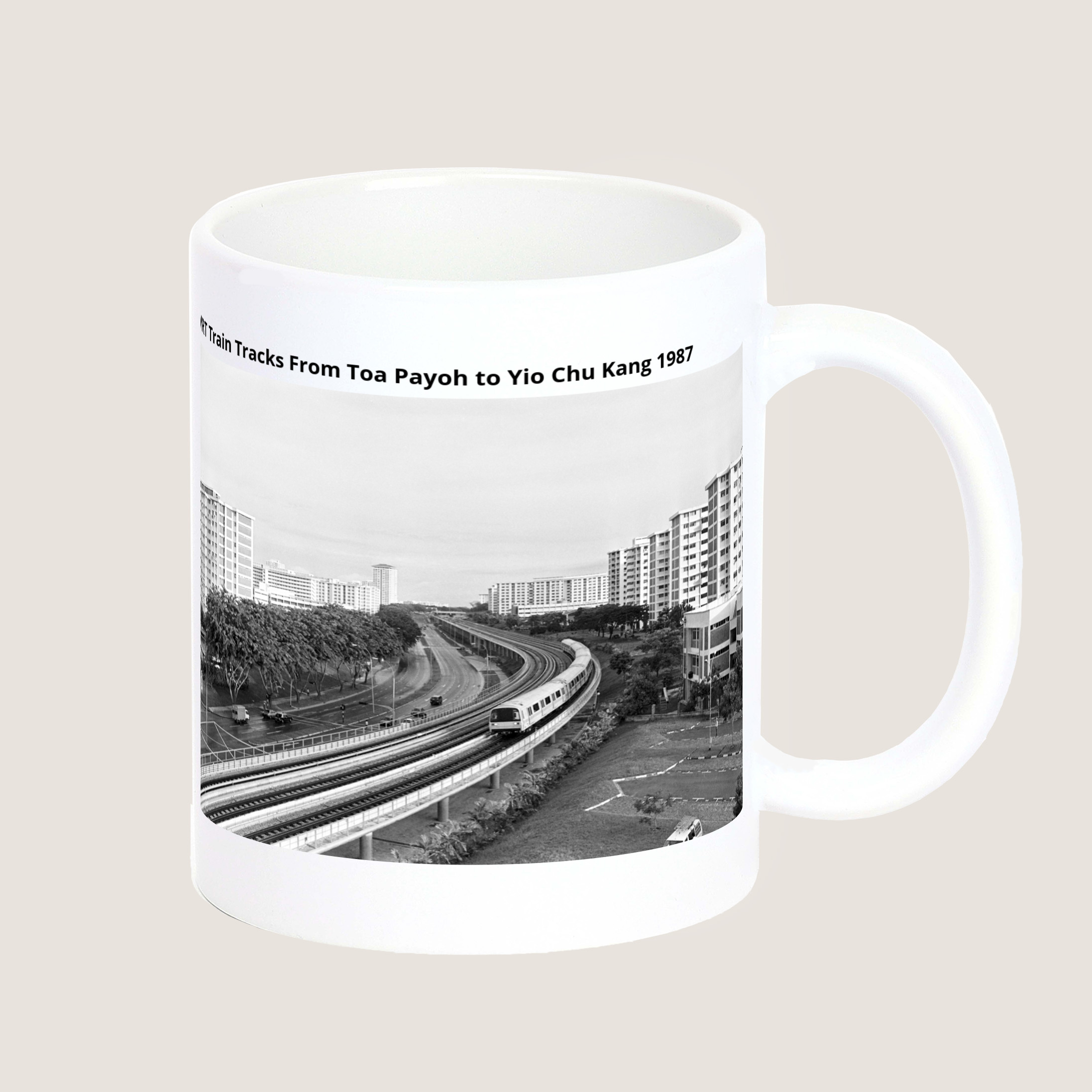
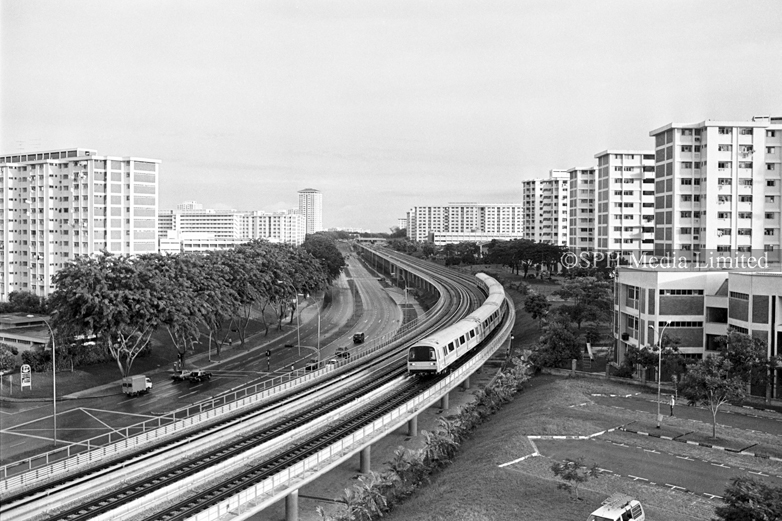 MRT Train Tracks From Toa Payoh to Yio Chu Kang
1987
MRT Train Tracks From Toa Payoh to Yio Chu Kang
1987
MRT Train Tracks From Toa Payoh to Yio Chu Kang
Year 1987
It was Day 2 of the opening of the MRT system. Trains were set running along the six-kilometre stretch between Toa Payoh and Yio Chu Kang, marking the beginning of the MRT system's operations.
©️ SPH Media Limited
Share to
Tags
Available for print on products
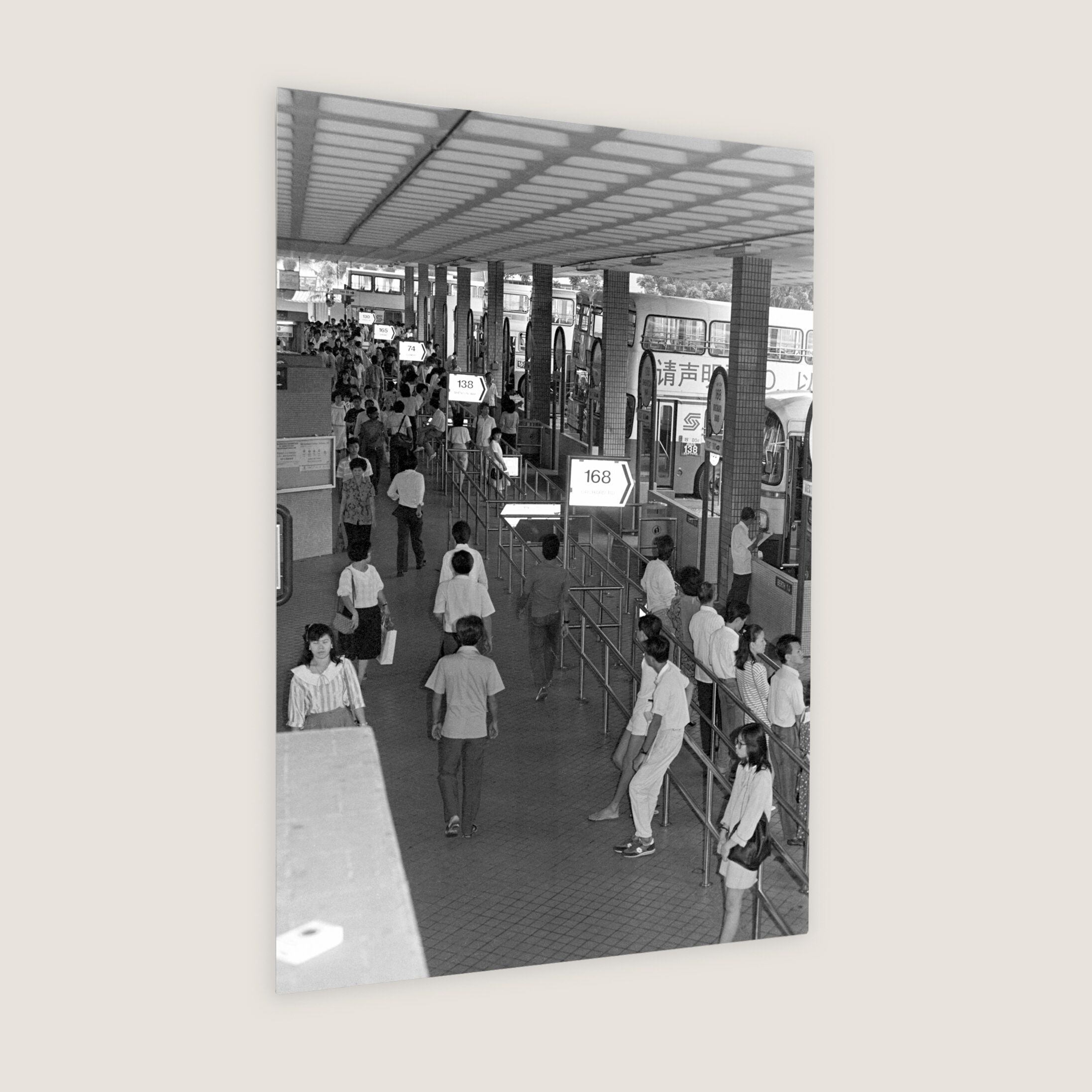
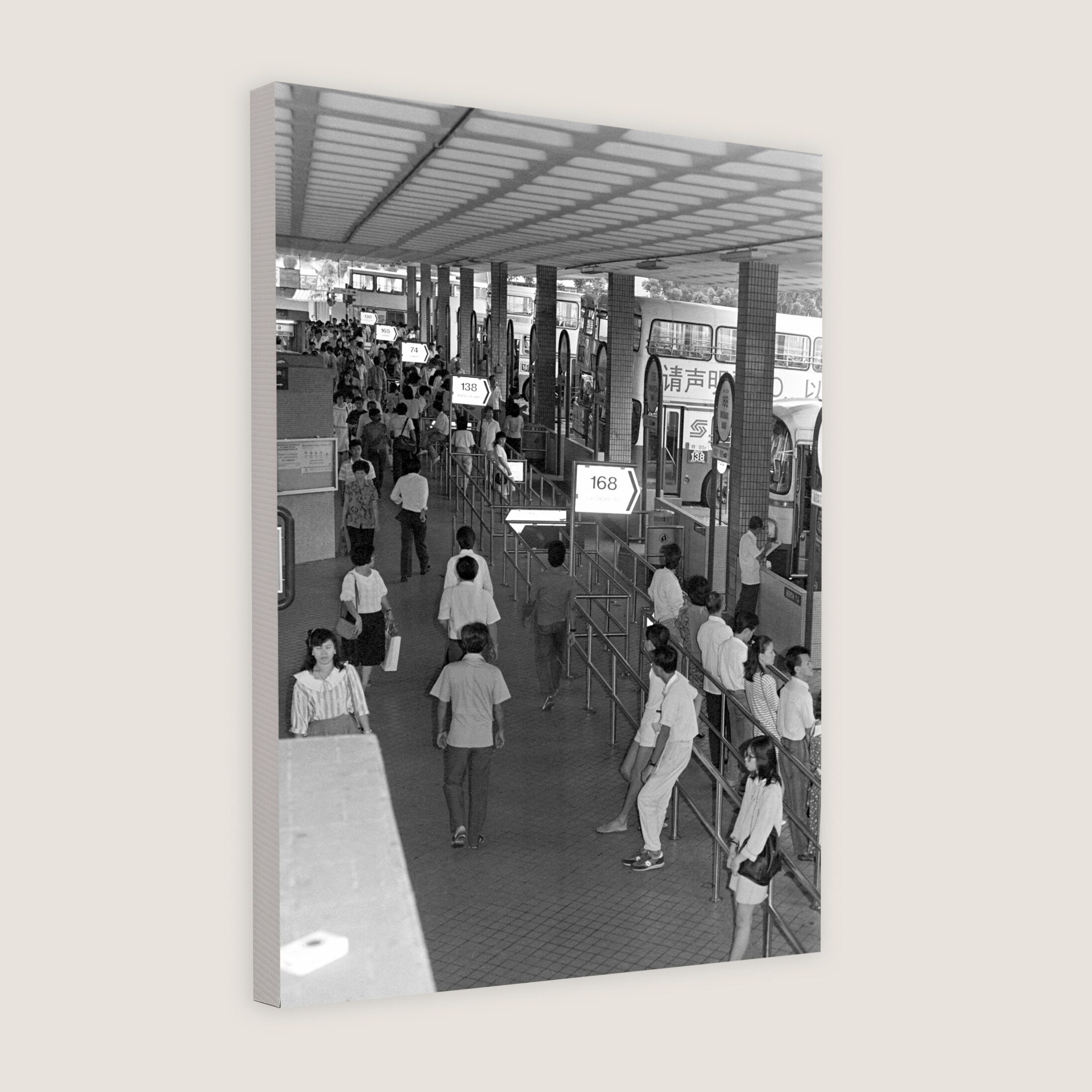
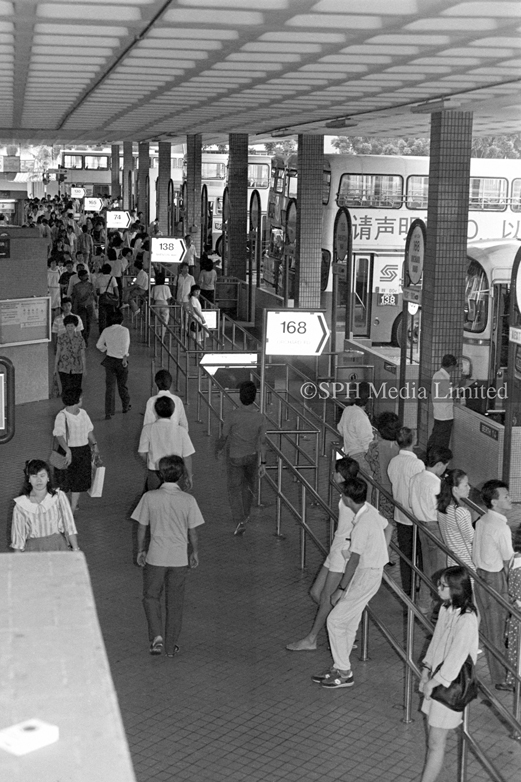 Former Ang Mo Kio Bus Interchange
1987
Former Ang Mo Kio Bus Interchange
1987
Former Ang Mo Kio Bus Interchange
Year 1987
A peek into the former Ang Mo Kio Bus Interchange which served the people in their travels in the past. Today, it has transformed into an air-conditioned one integrated into AMK Hub, with more bus services available.
©️ SPH Media Limited
Share to
Tags
Available for print on products
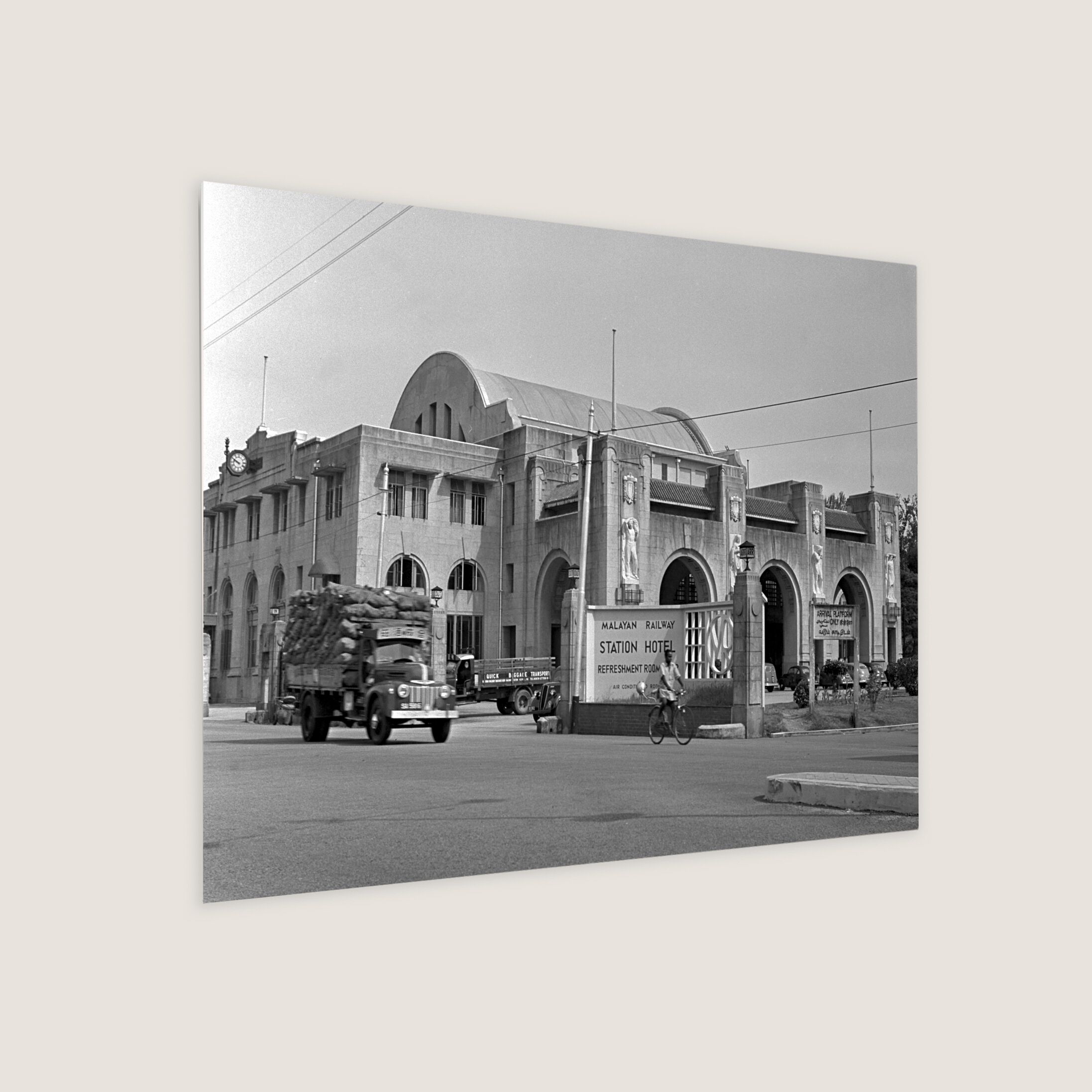
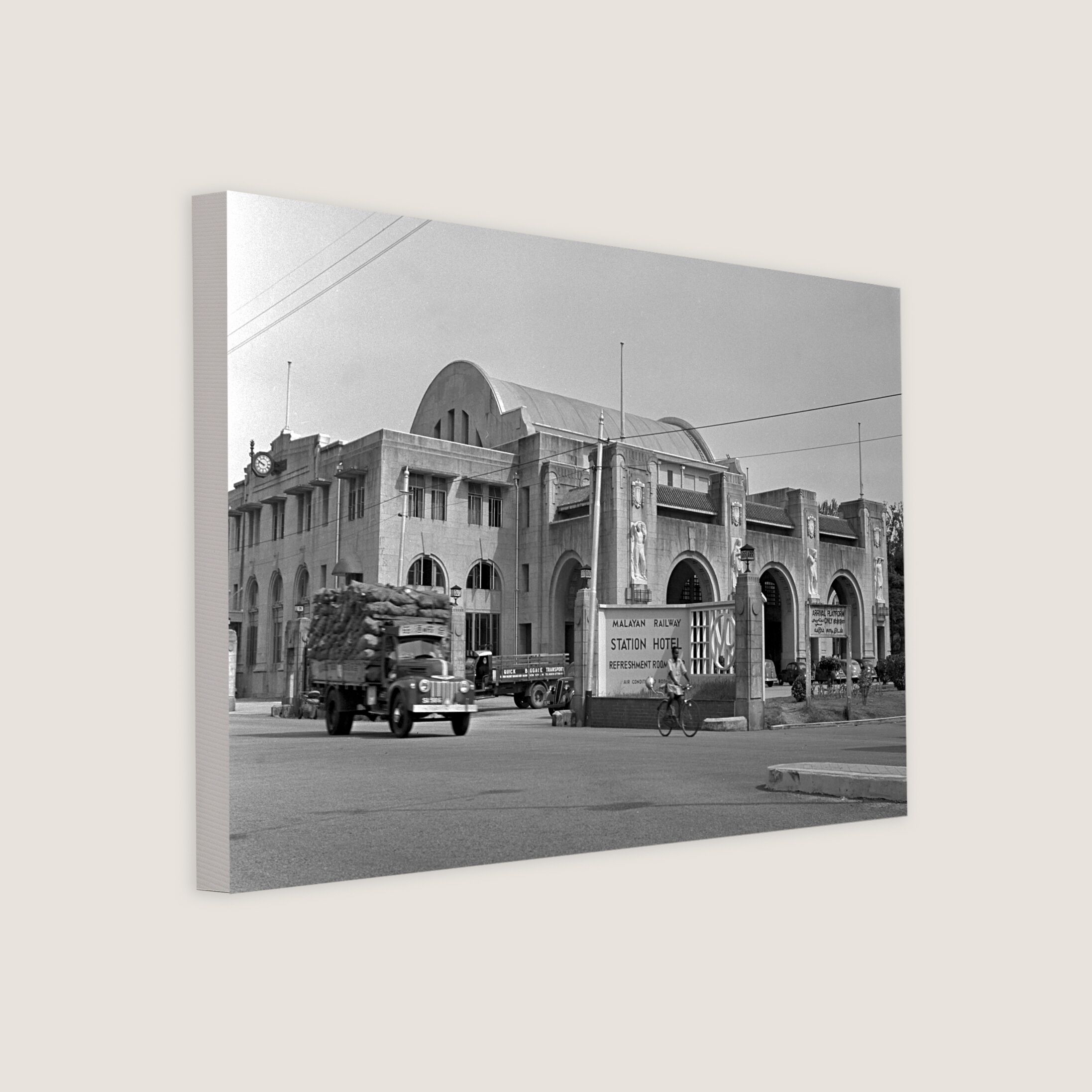
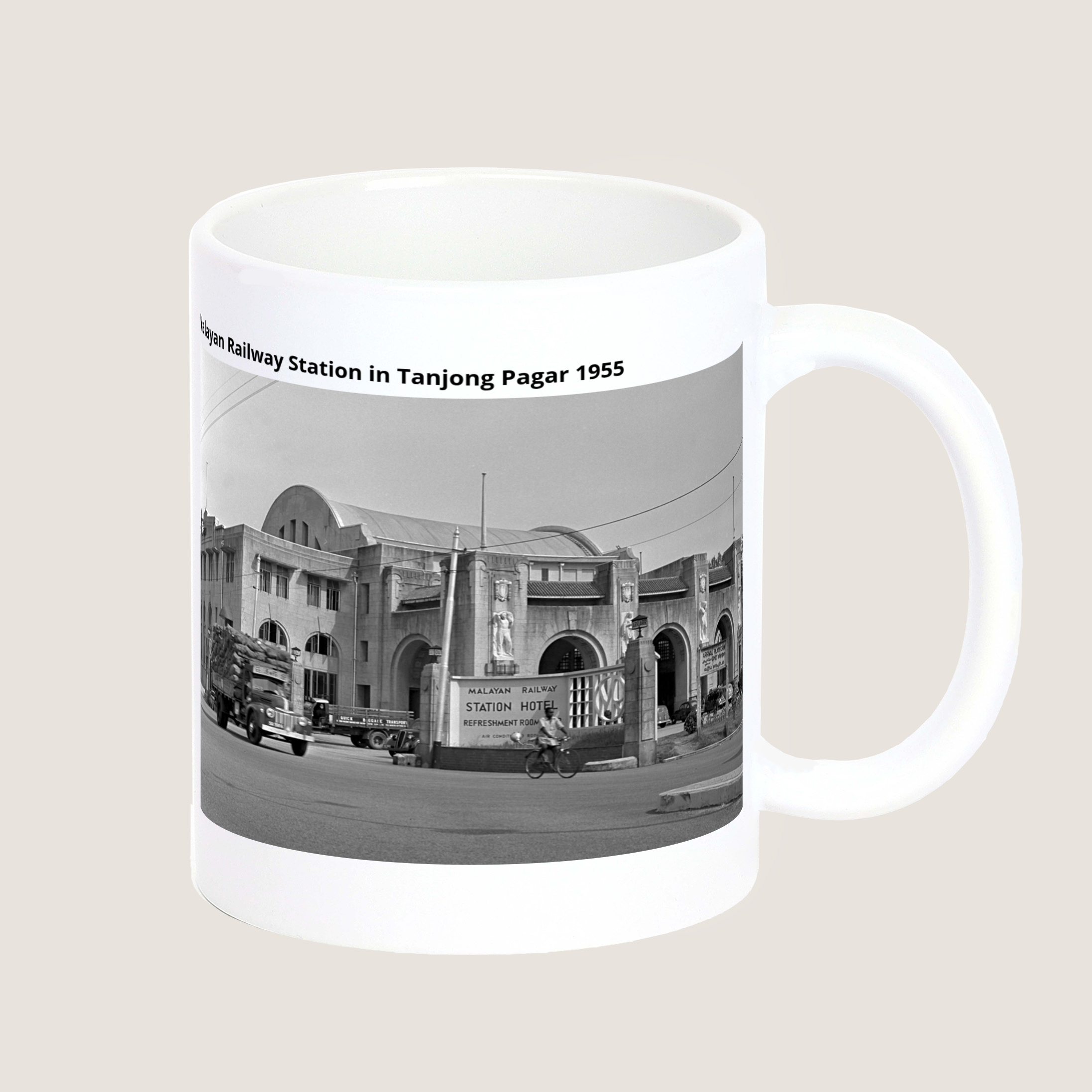
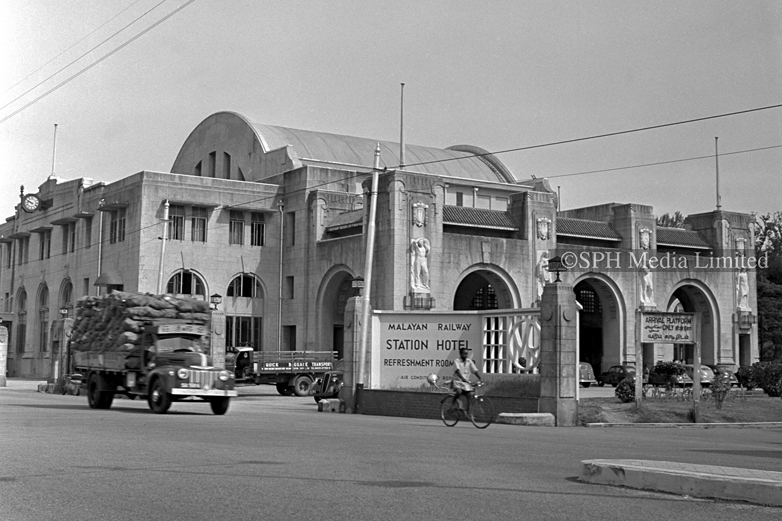 Malayan Railway Station in Tanjong Pagar
1955
Malayan Railway Station in Tanjong Pagar
1955
Malayan Railway Station in Tanjong Pagar
Year 1955
The Malayan Railway Station in Tanjong Pagar was built in 1932 to connect Malaya with Singapore. It ran for many years before closing on 30 June 2011, with Sultan Ibrahim Ismail of Johor driving the last train out of the station. Today, it remains, reminding people of Singapore's past and connection with Malaysia.
©️ SPH Media Limited
Share to
Tags
Available for print on products
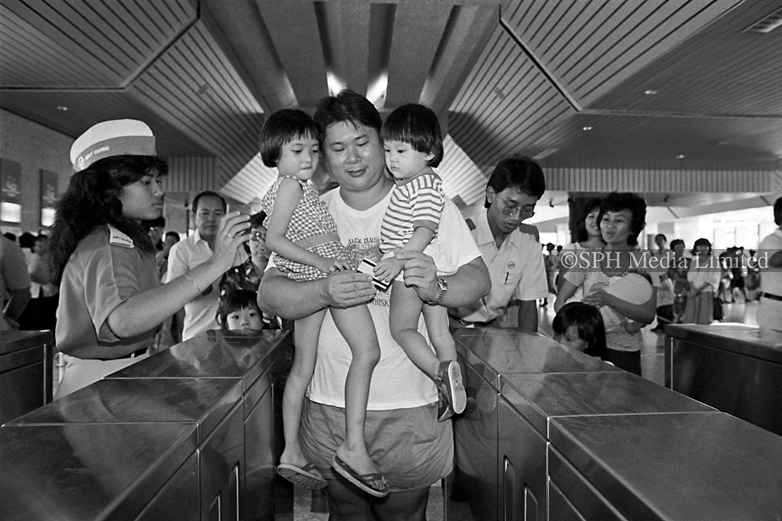 First Opening Weekend of the MRT North-South Line
1987
First Opening Weekend of the MRT North-South Line
1987
First Opening Weekend of the MRT North-South Line
Year 1987
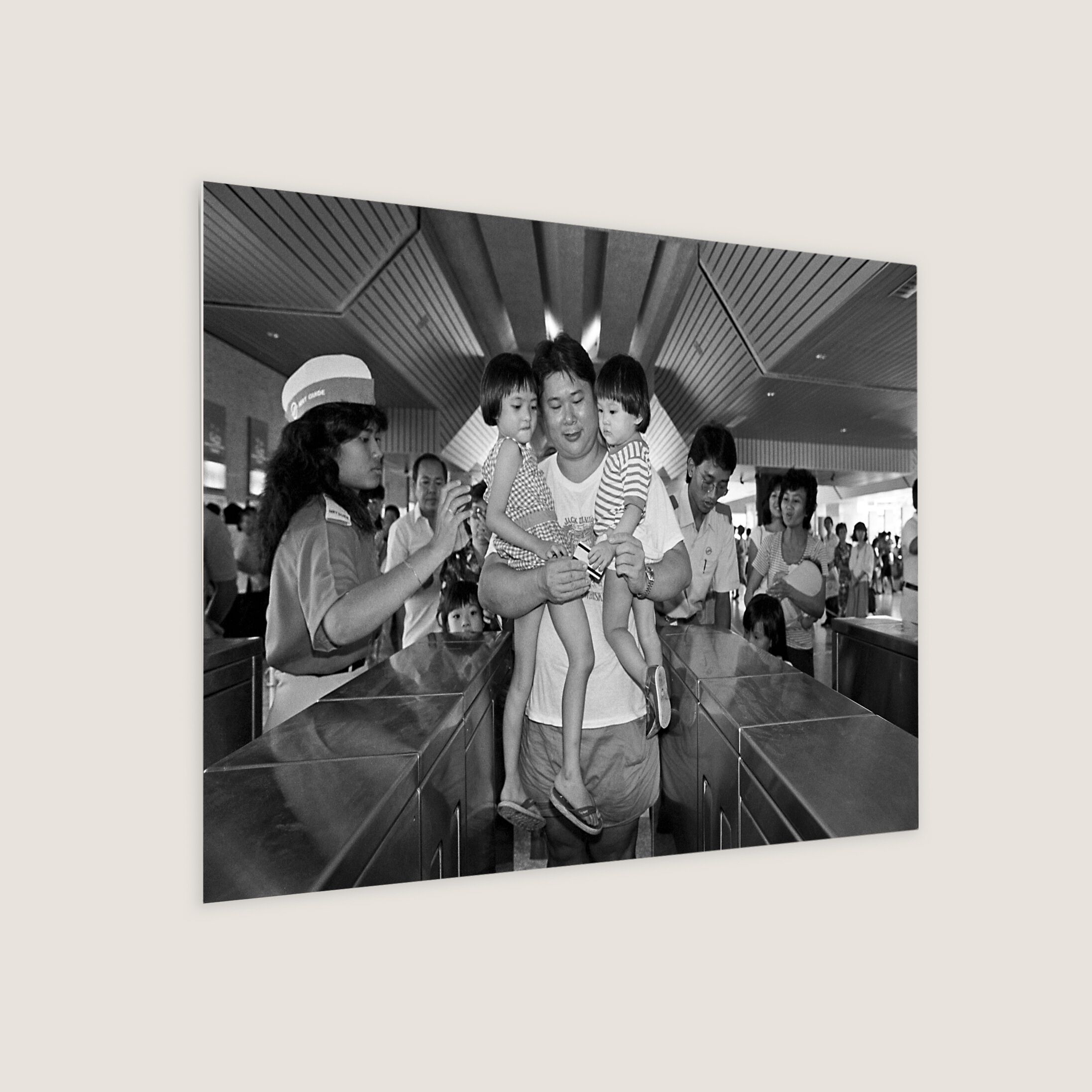
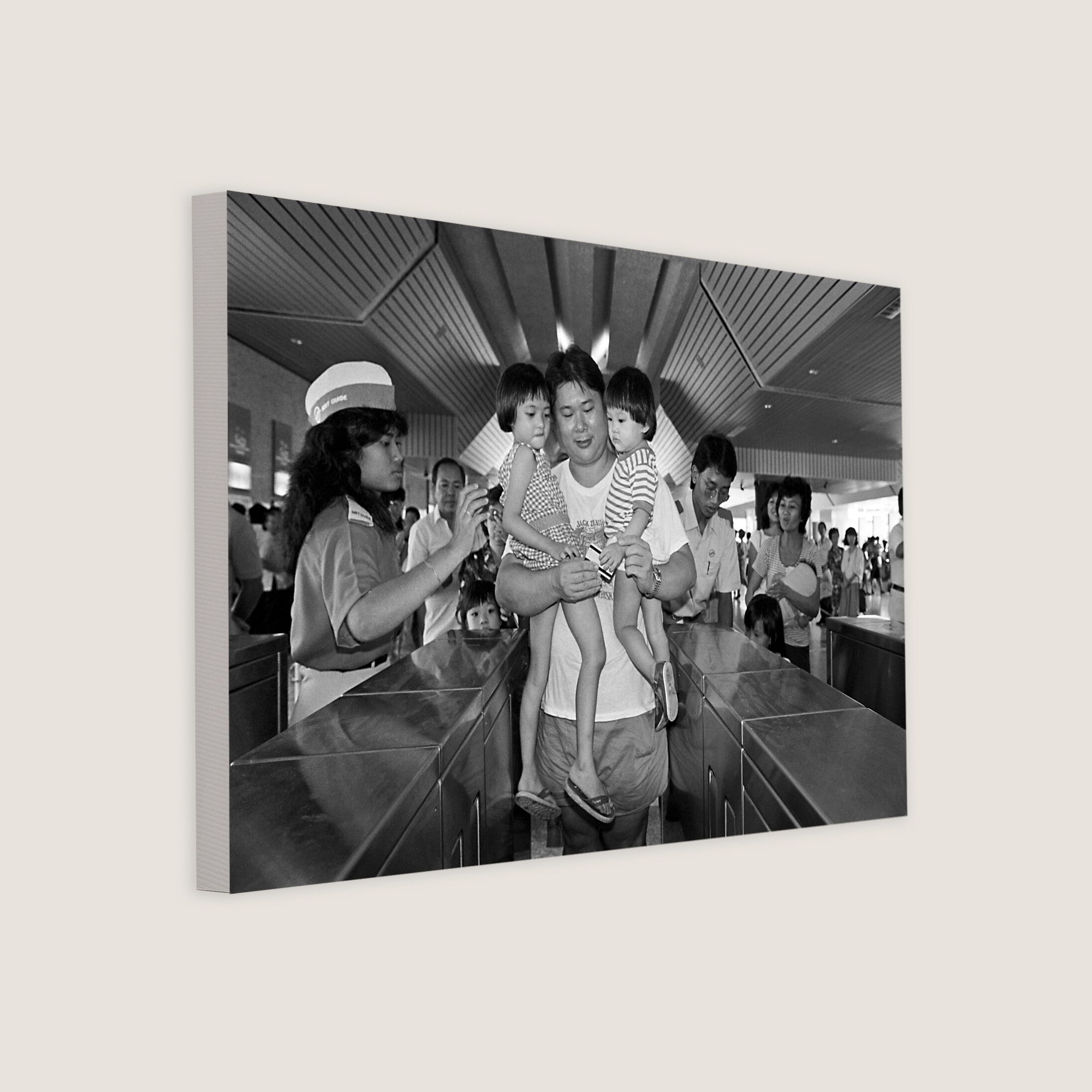
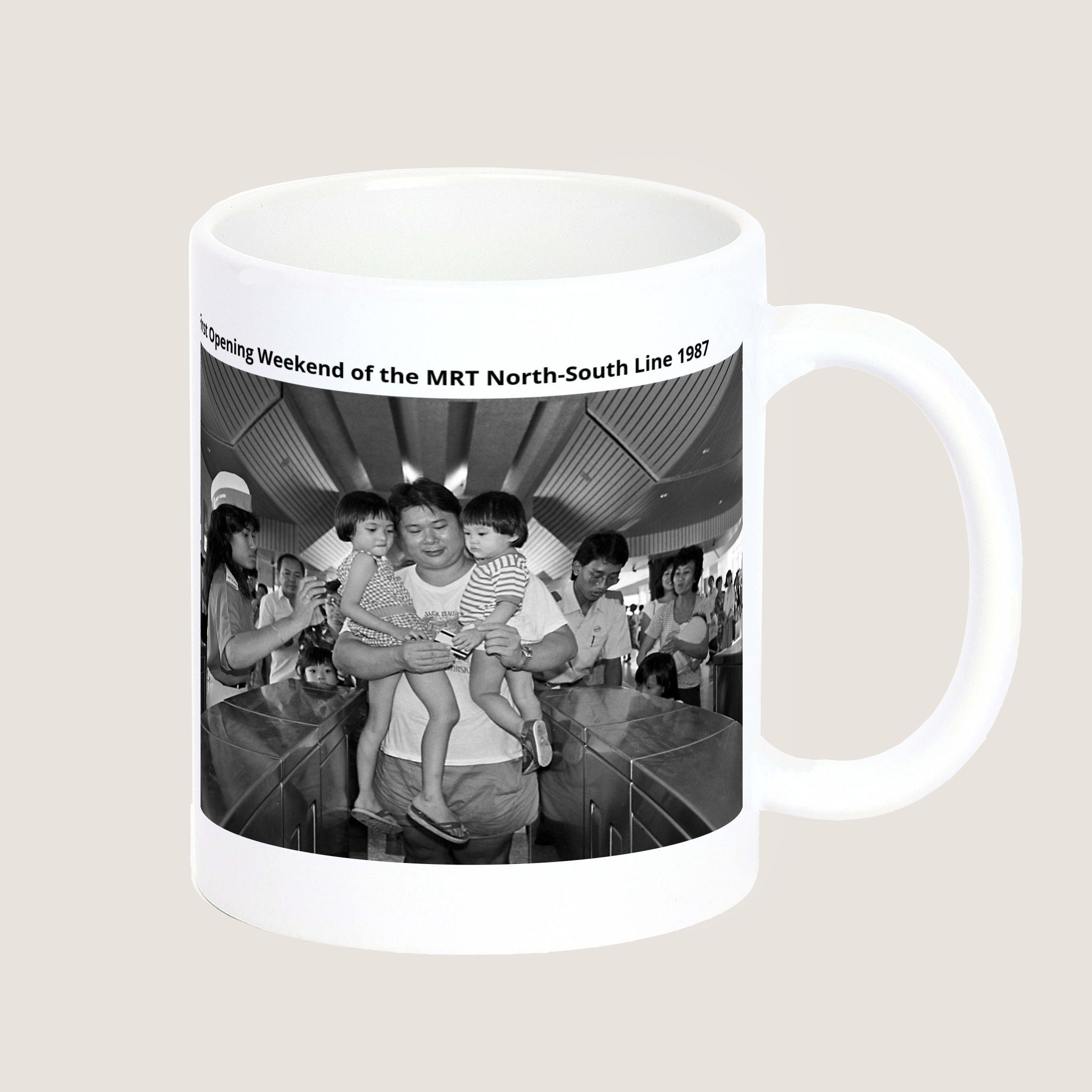
It was the first opening weekend of the MRT North-South Line. An MRT staff was seen helping a commuter carrying his two daughters at the fare gate of the Ang Mo Kio station.
©️ SPH Media Limited
Share to
Tags
Available for print on products
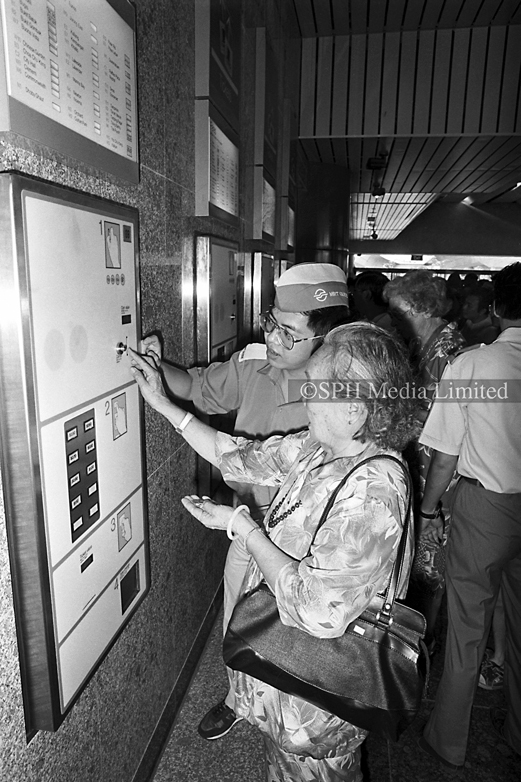 Buying an MRT Fare Card at Ang Mo Kio Station
1987
Buying an MRT Fare Card at Ang Mo Kio Station
1987
Buying an MRT Fare Card at Ang Mo Kio Station
Year 1987
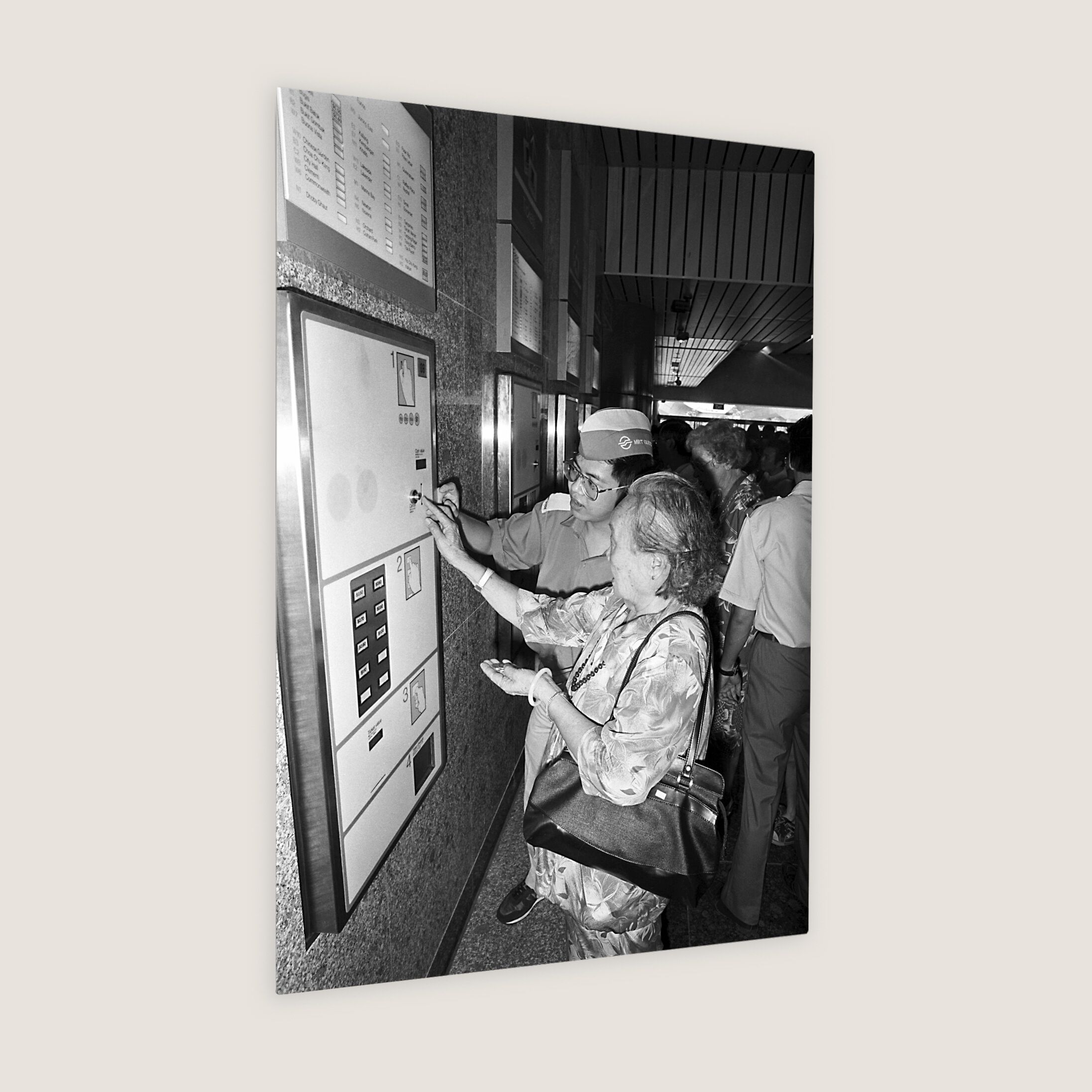
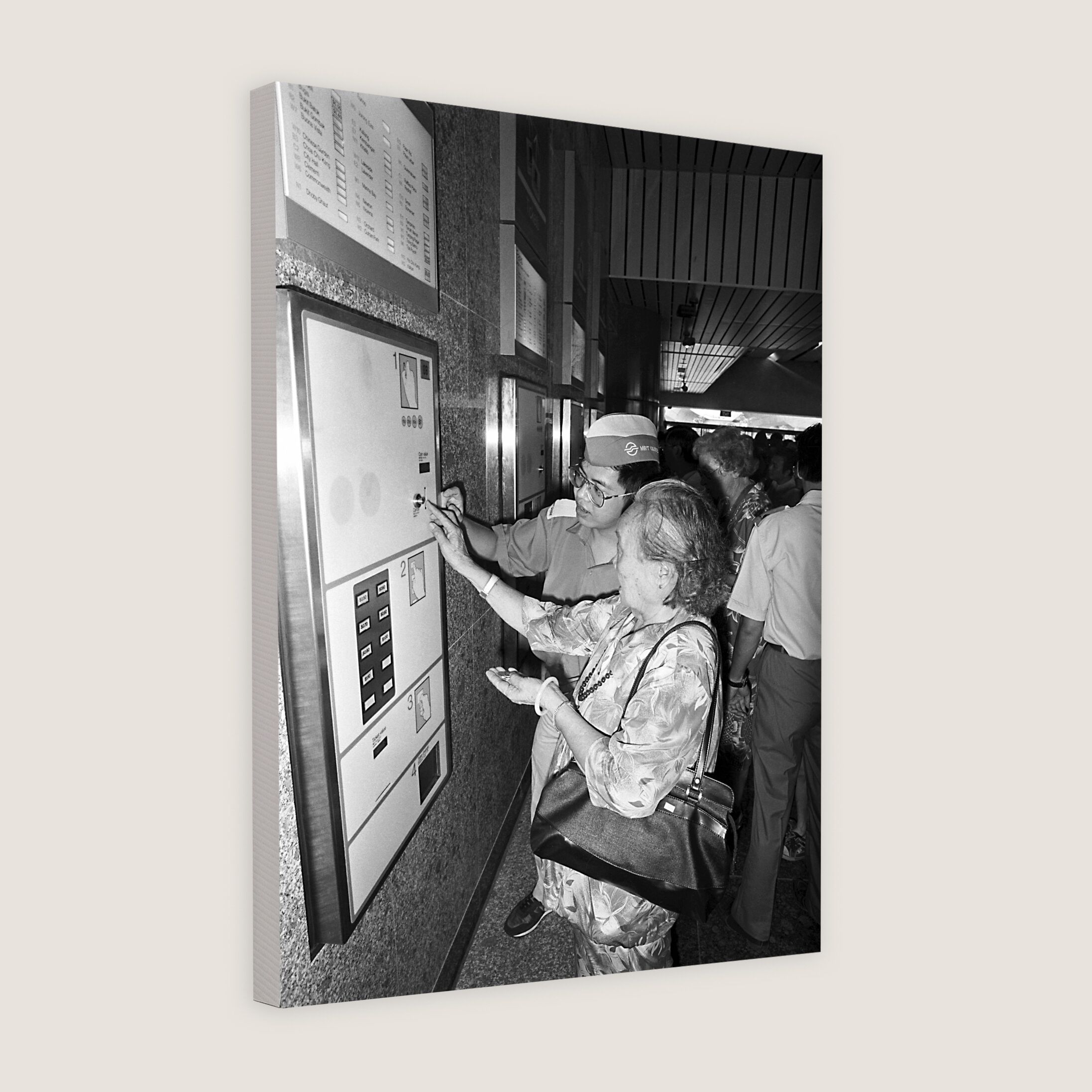
A guide assists an elderly woman in buying an MRT fare card for the first time at Ang Mo Kio MRT station. When the first generation of MRT trains was introduced, MRT staff educated the public on how to purchase tickets. Commuters had to insert coins into the ticket machine and select the correct option to buy a single-journey fare card. Today, reusable stored-value cards like EZ-Link cards have replaced fare cards
©️ SPH Media Limited
Share to
Tags
Available for print on products
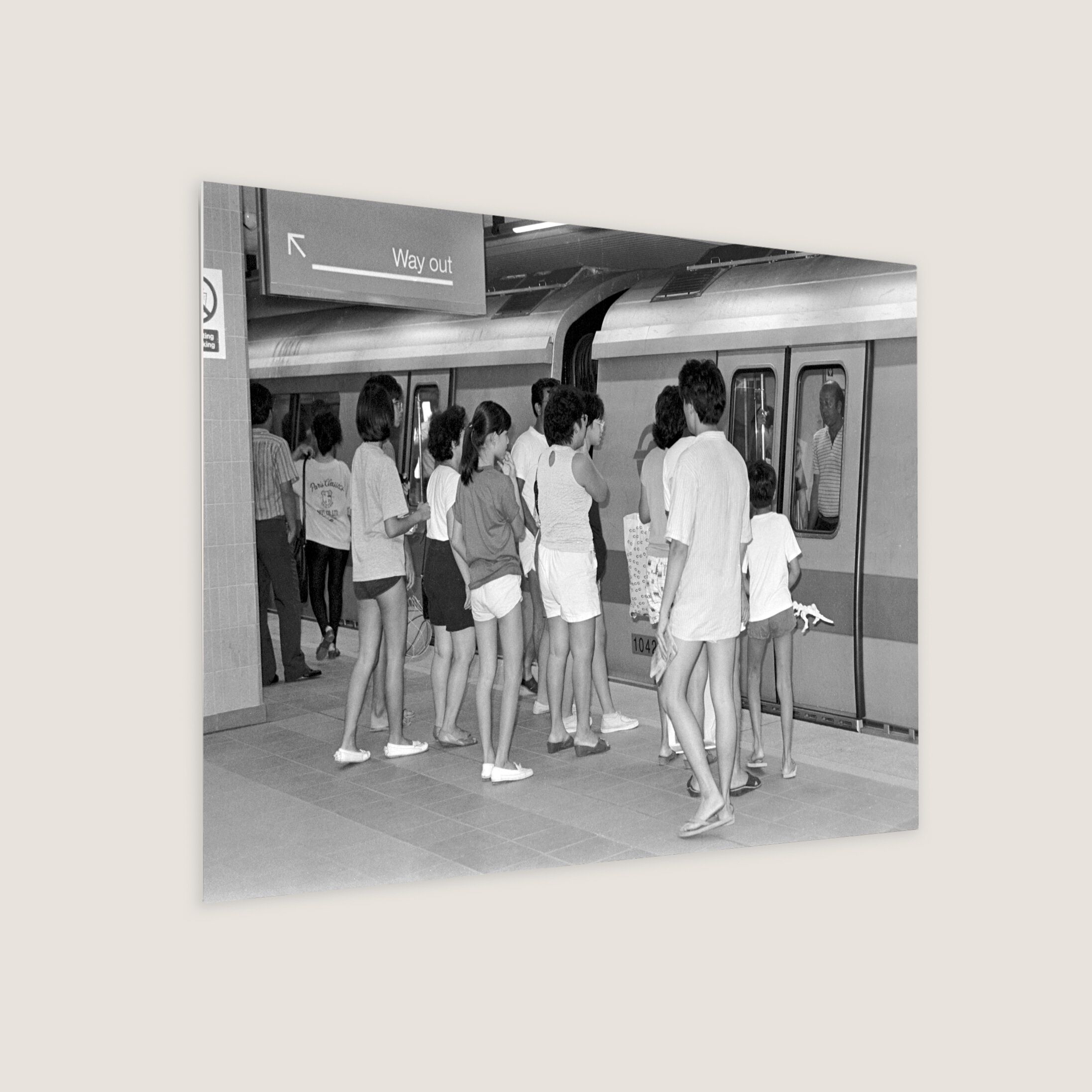
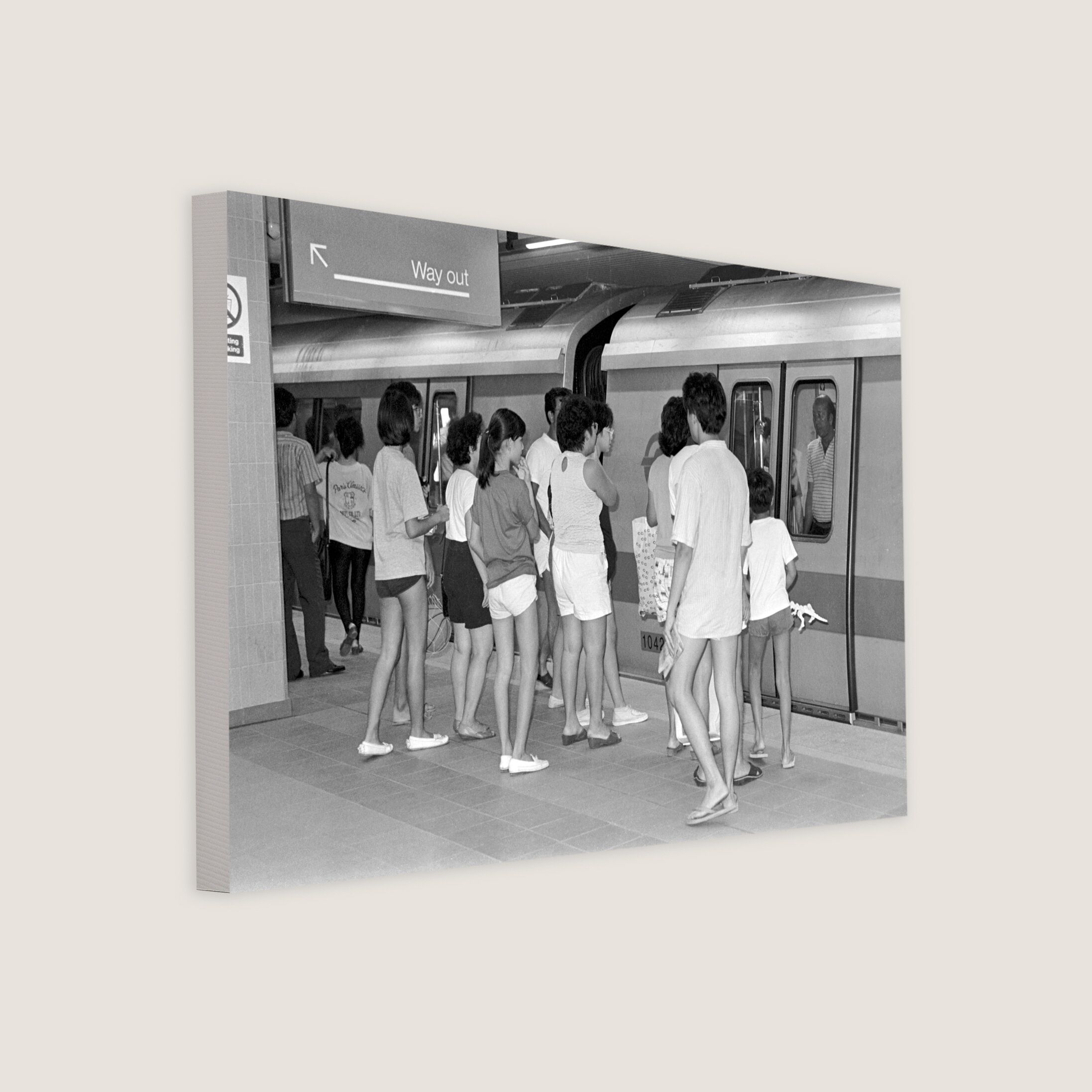
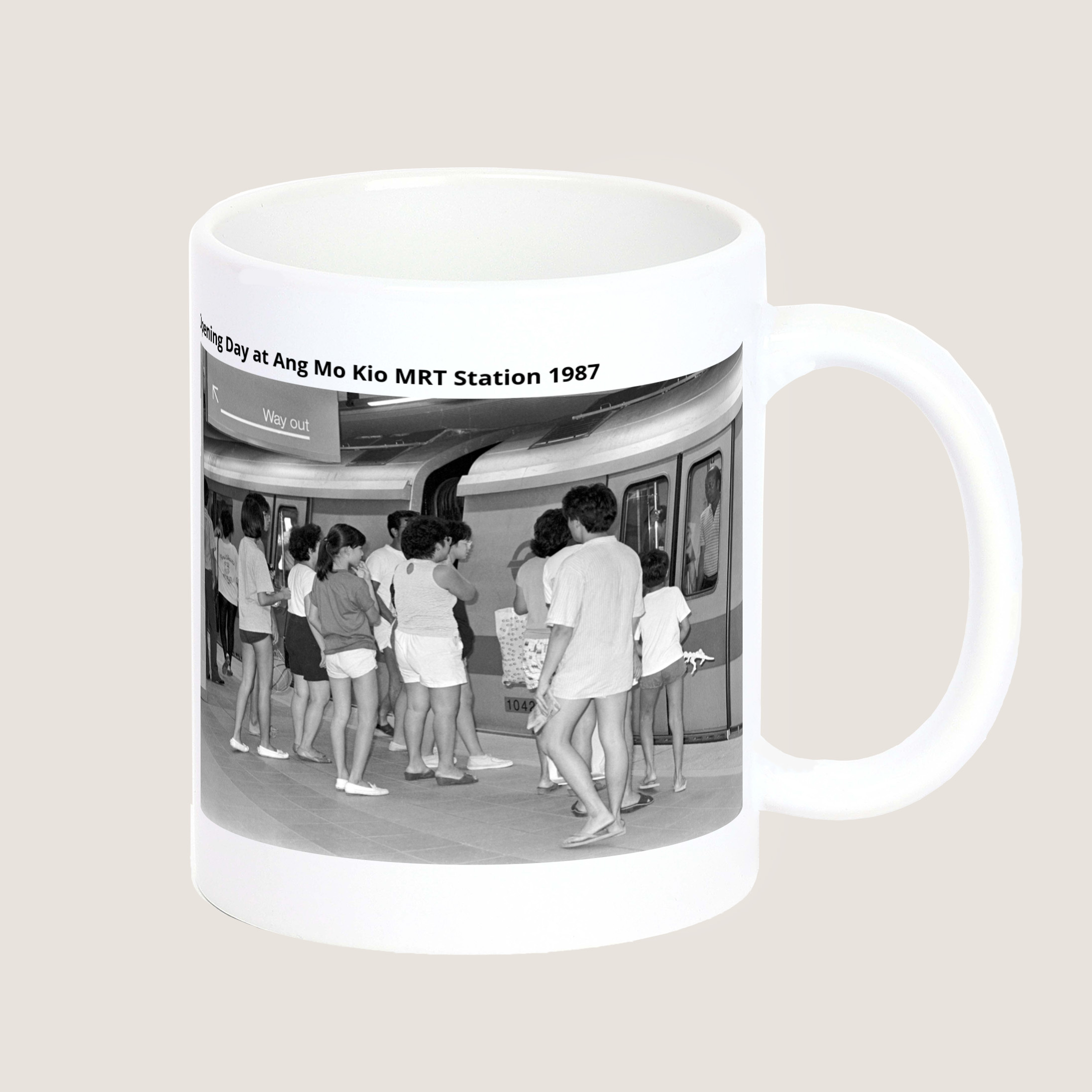
 Opening Day at Ang Mo Kio MRT Station
1987
Opening Day at Ang Mo Kio MRT Station
1987
Opening Day at Ang Mo Kio MRT Station
Year 1987
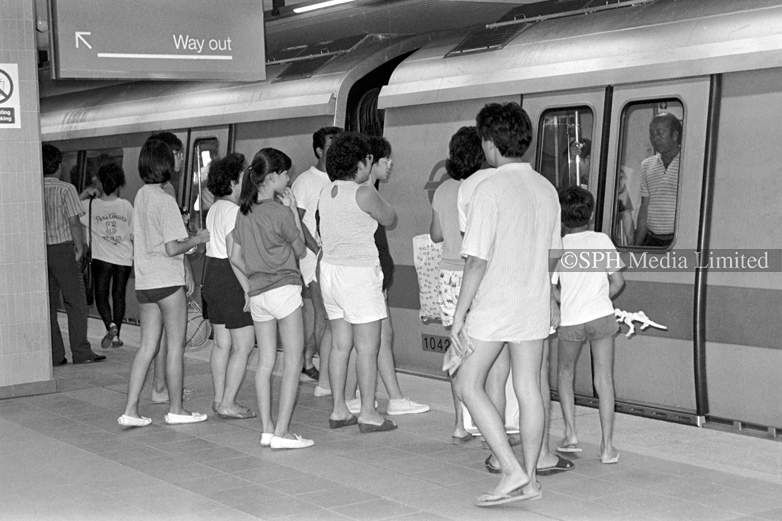
During the opening weekend of Ang Mo Kio MRT Station, commuters dressed casually, including shorts, t-shirts, sandals and slippers, for a fun ride. They boarded the MRT train that had just arrived at the Ang Mo Kio Station platform.
©️ SPH Media Limited
Share to
Tags
Available for print on products
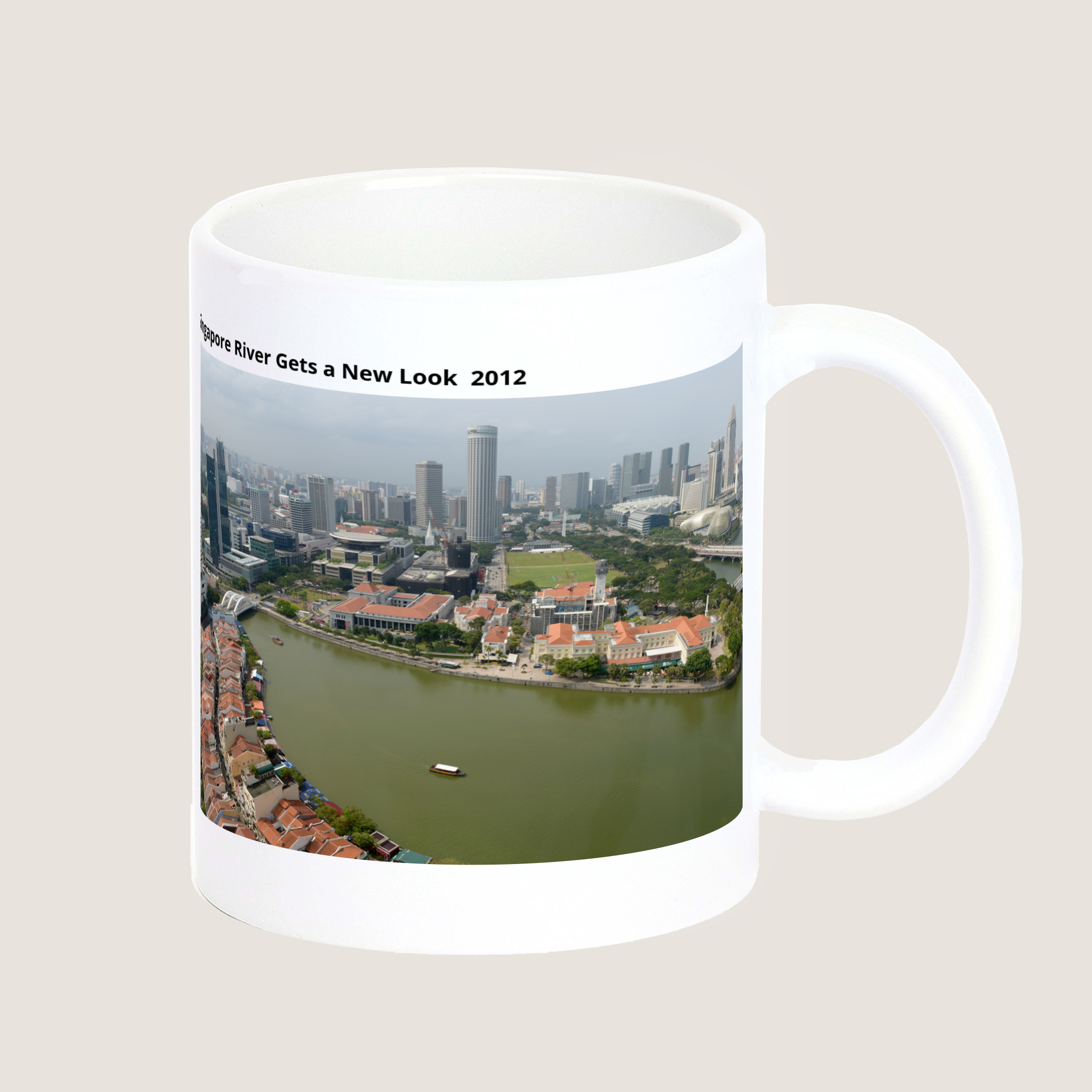
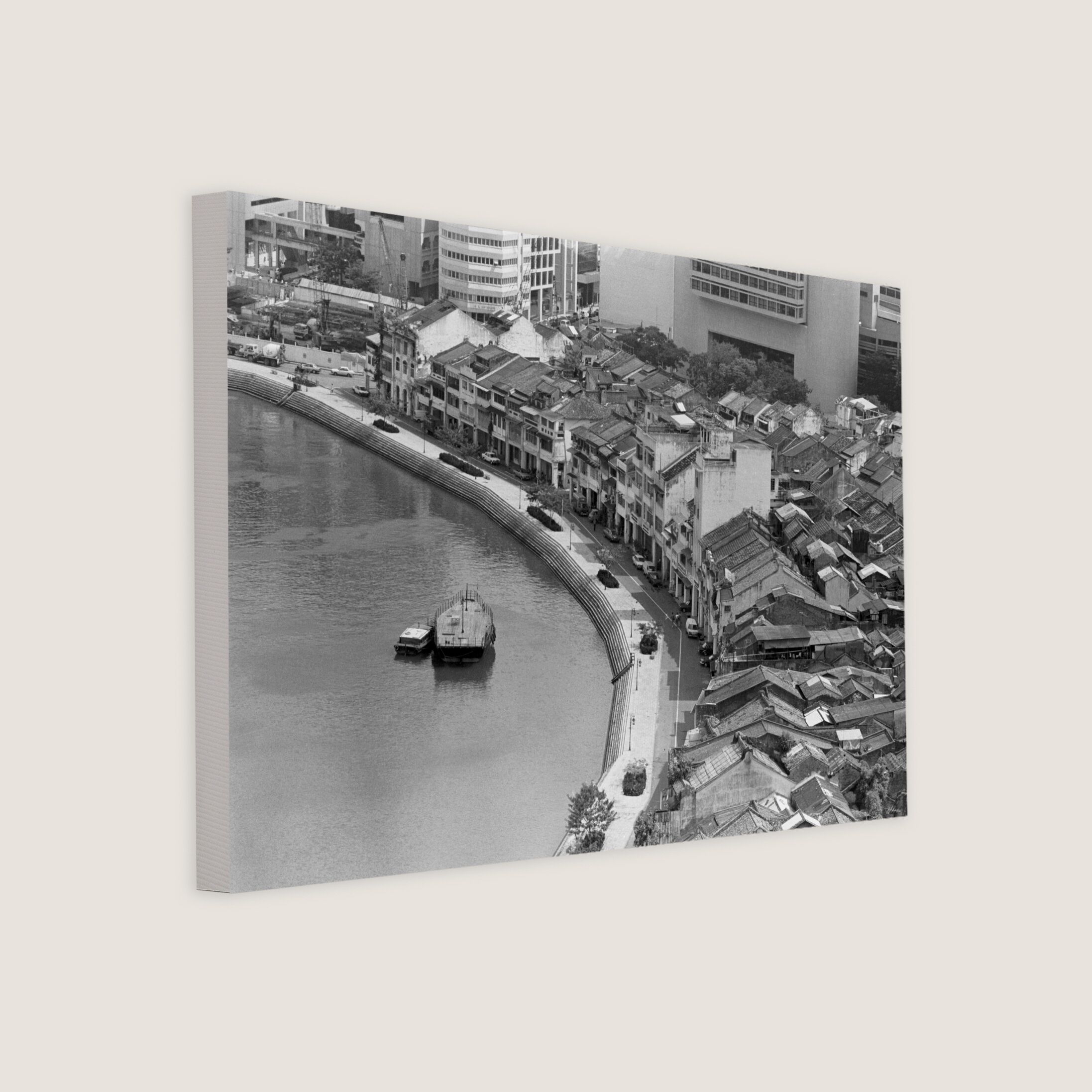
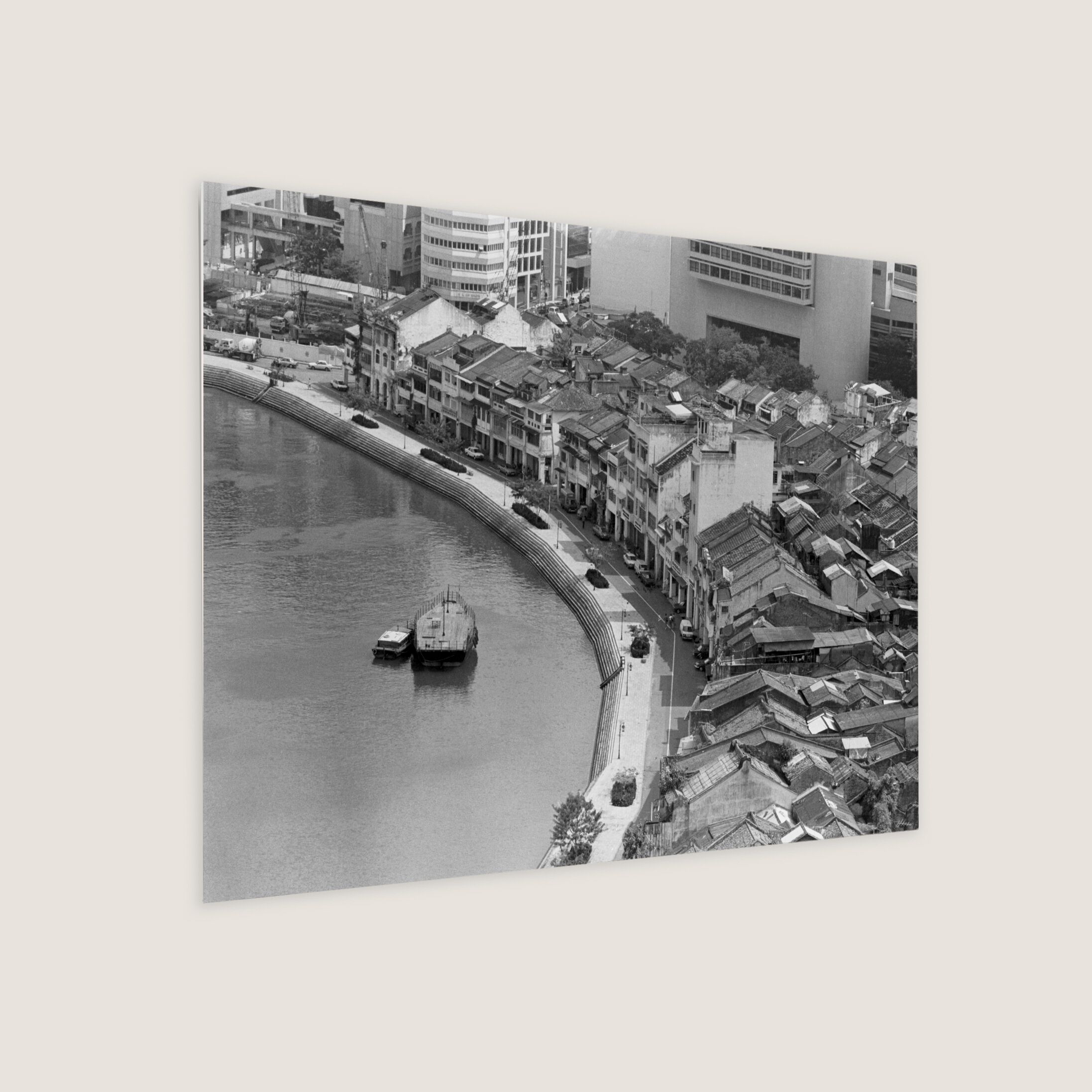
 Singapore River Gets a New Look
2012
Singapore River Gets a New Look
2012
Singapore River Gets a New Look
Year 2012
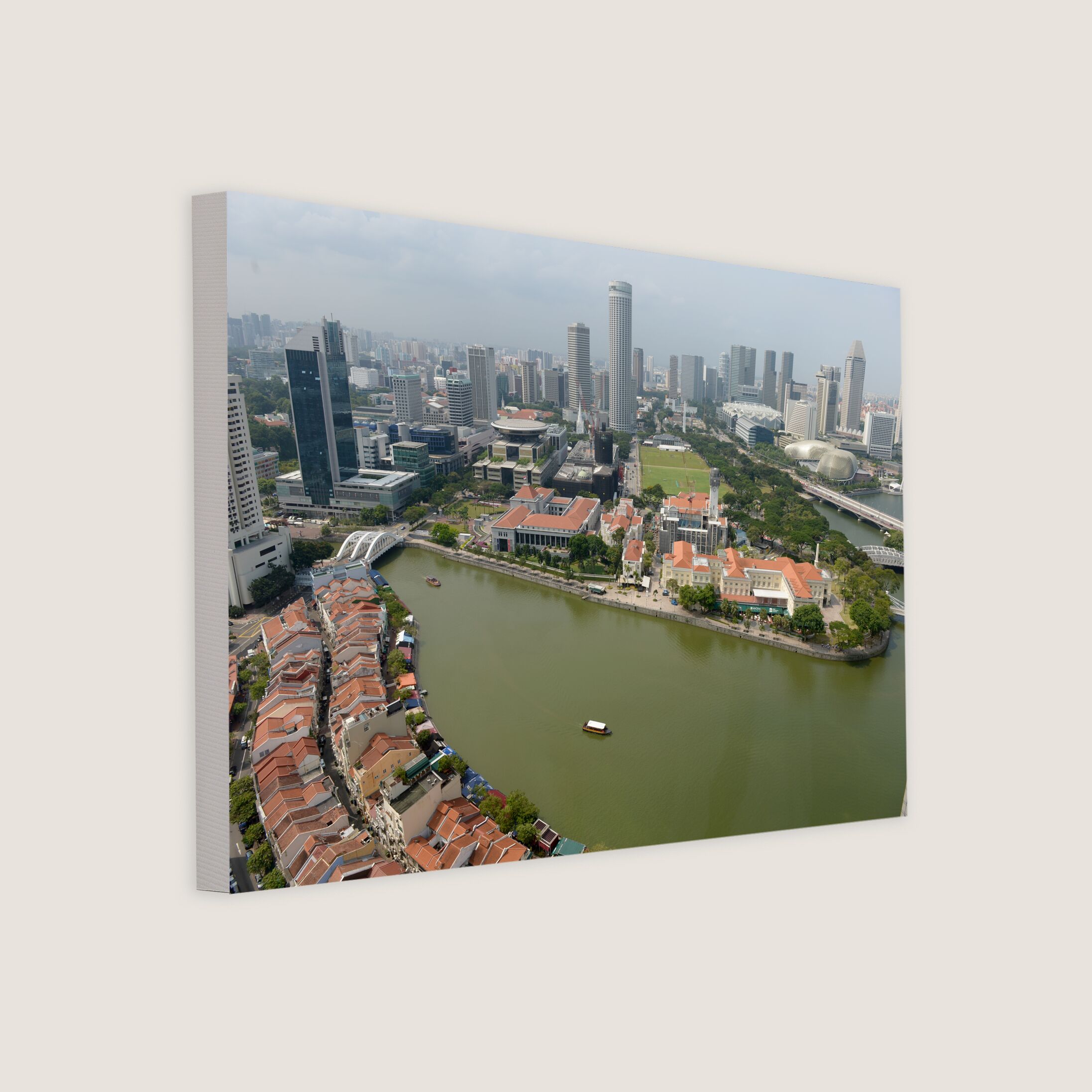
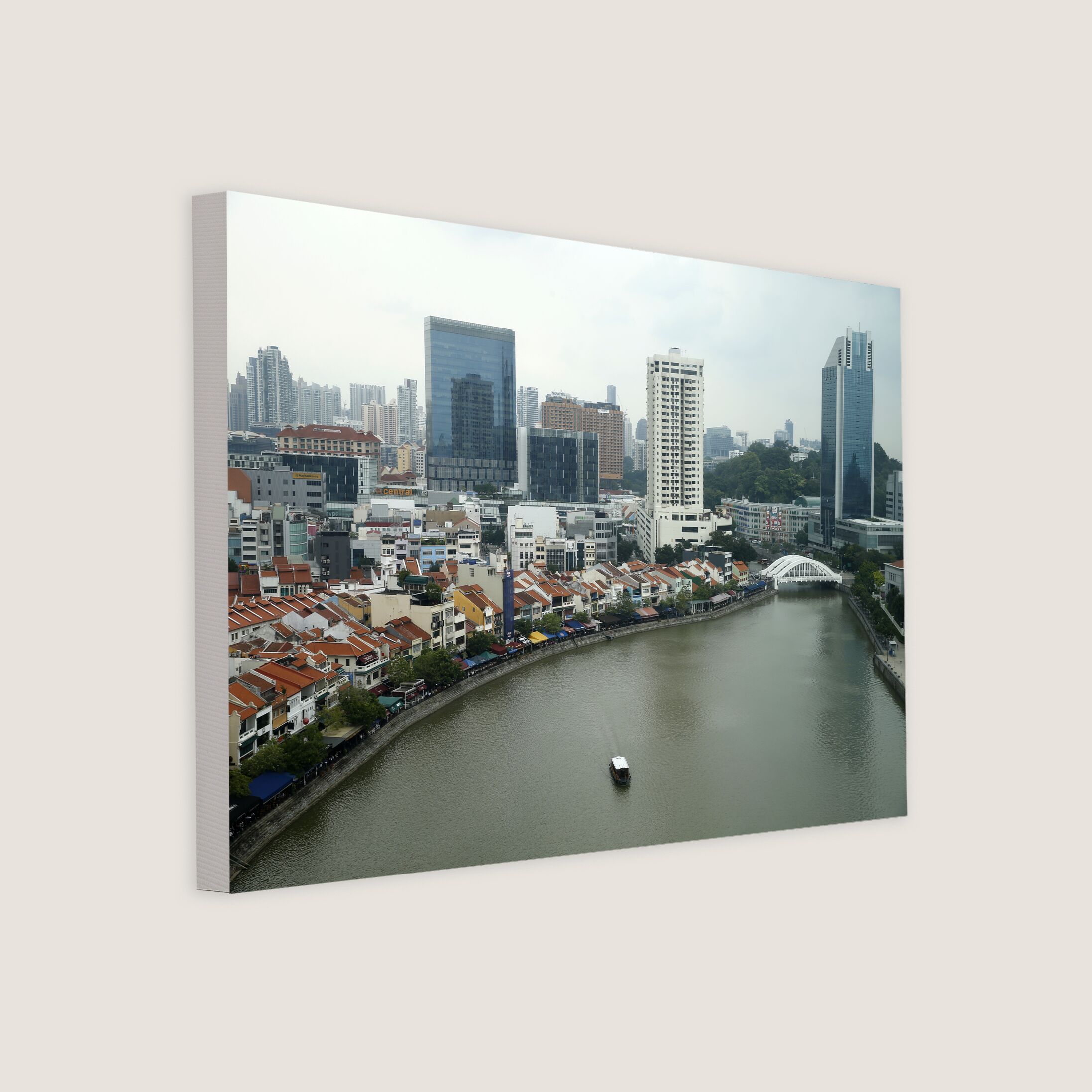
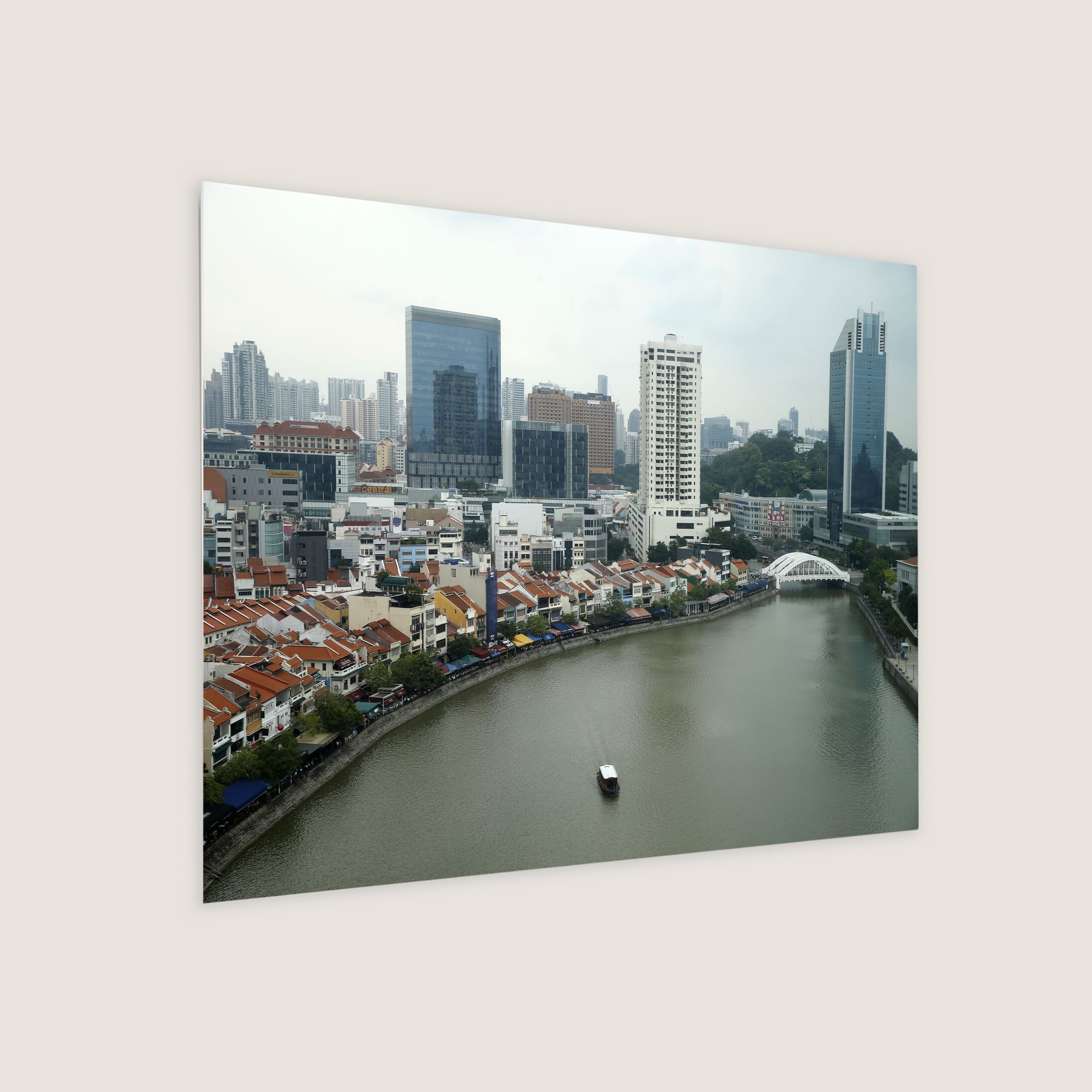
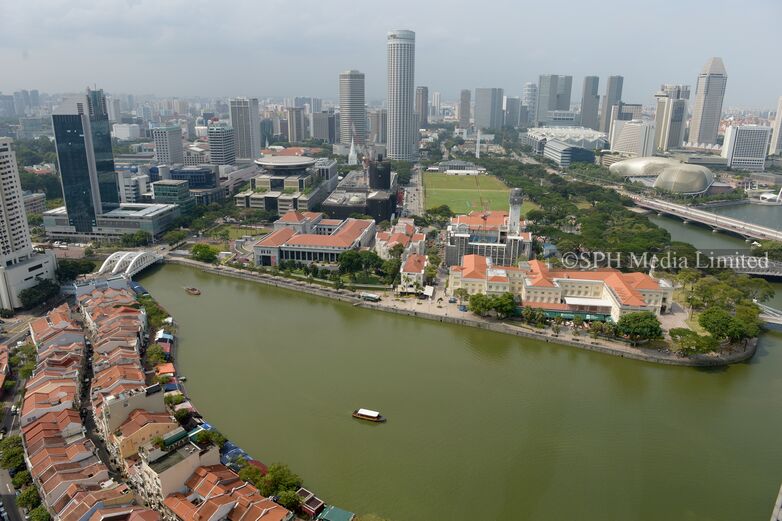
The Singapore River has refurbished shophouses lining its sides. This historical site used to be filled with bumboats and tongkangs ferrying goods across the river. Now, these shophouses have been transformed into entertainment and food venues, and the only boats crossing the river are ferries for tourists.
©️ SPH Media Limited
Share to
Tags
Available for print on products
 Docking Point of Bumboats in Singapore River
1965
Docking Point of Bumboats in Singapore River
1965
Docking Point of Bumboats in Singapore River
Year 1965
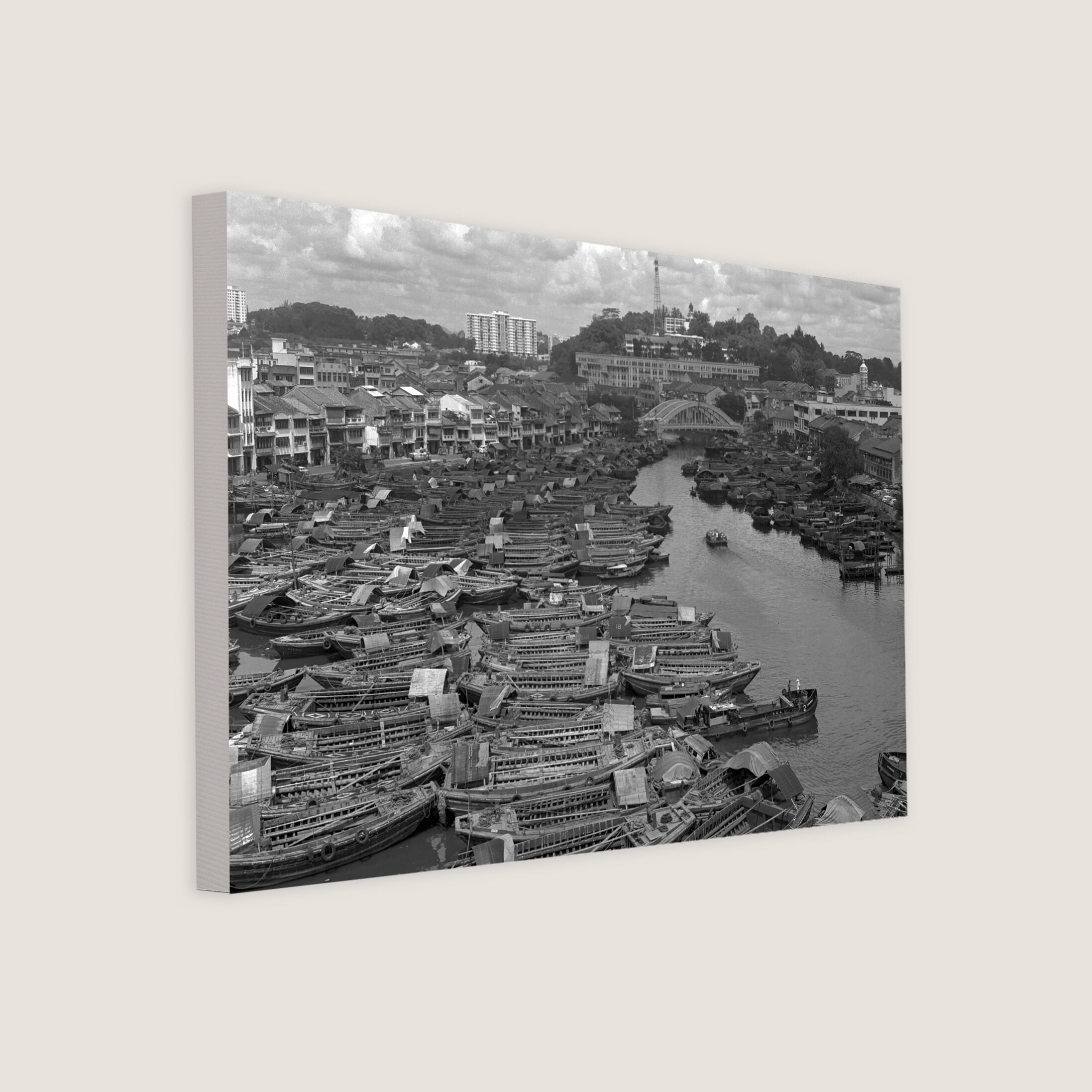
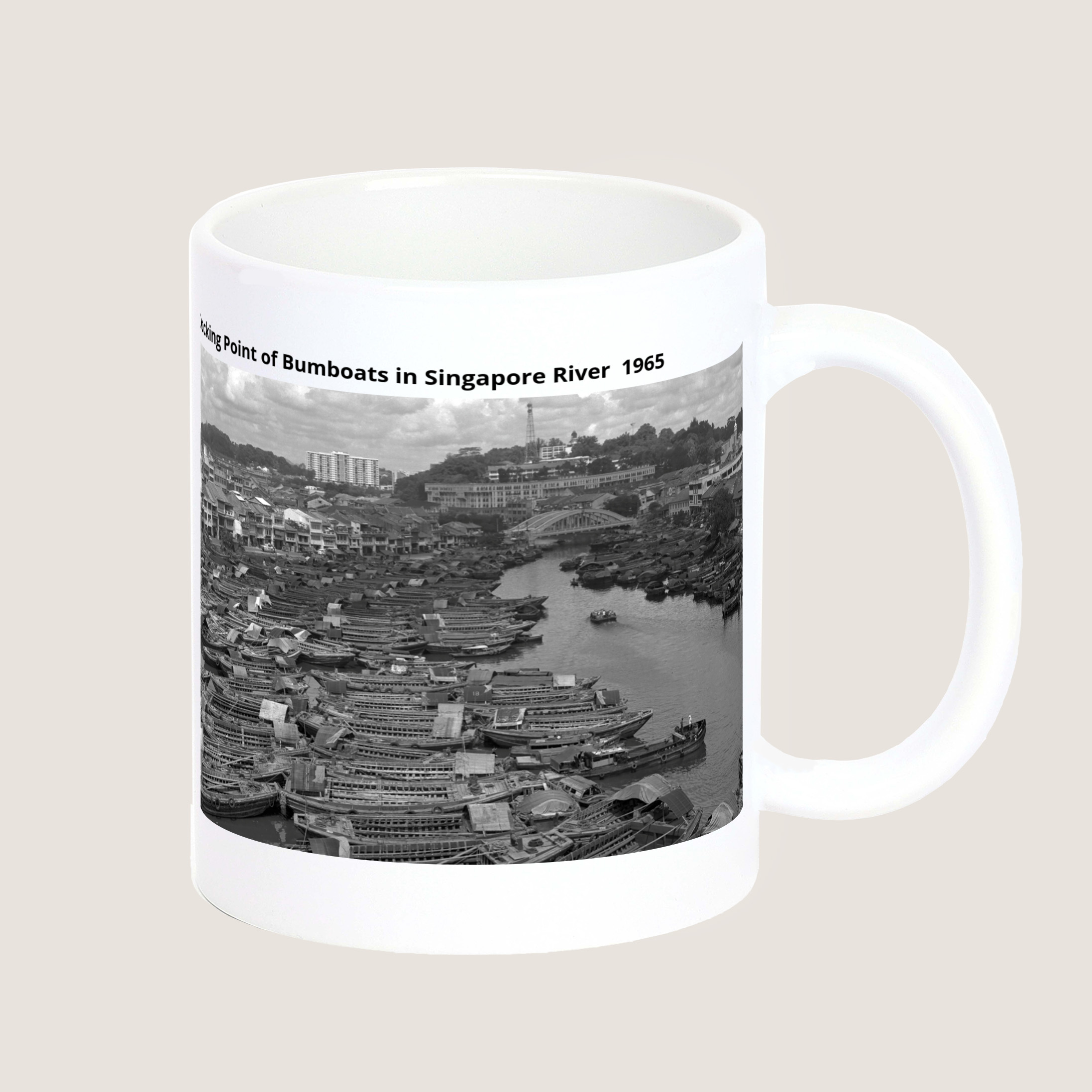
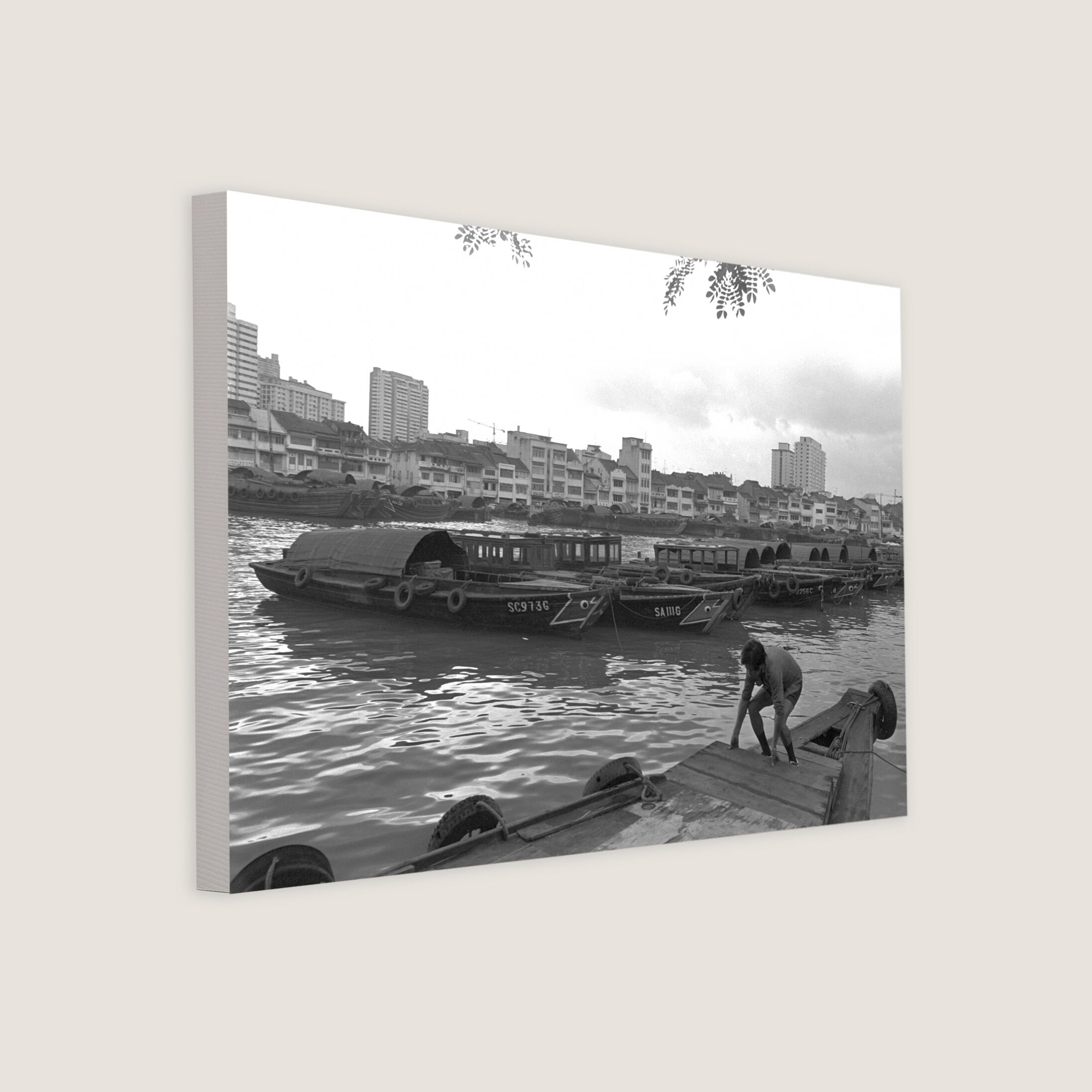
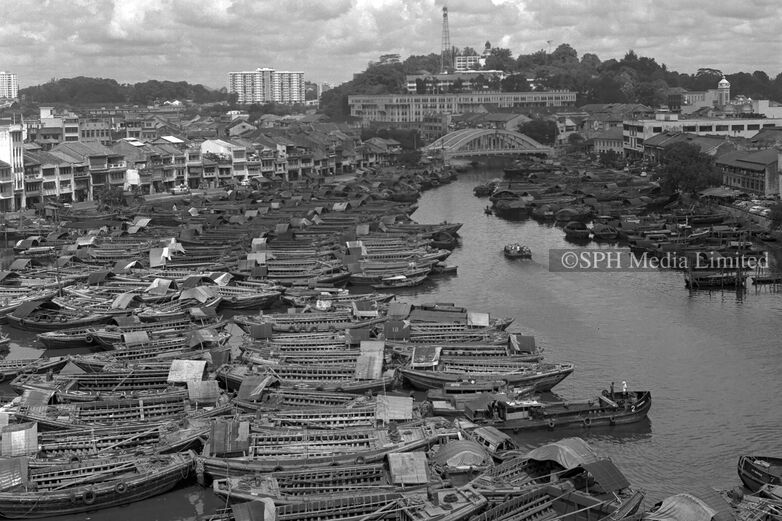
Bumboats are called tongkang in Malay and Twakow in the Fujian and Teochew languages in Singapore. They were used on the Singapore River, Kallang River, and Rochor River for loading and unloading goods, or for transporting cargo, supplies, and goods between ships and the shore. The docking point in this picture is along the Singapore River.
©️ SPH Media Limited
Share to
Tags
Available for print on products
 A View of Boat Quay and the Financial District
1978
A View of Boat Quay and the Financial District
1978
A View of Boat Quay and the Financial District
Year 1978
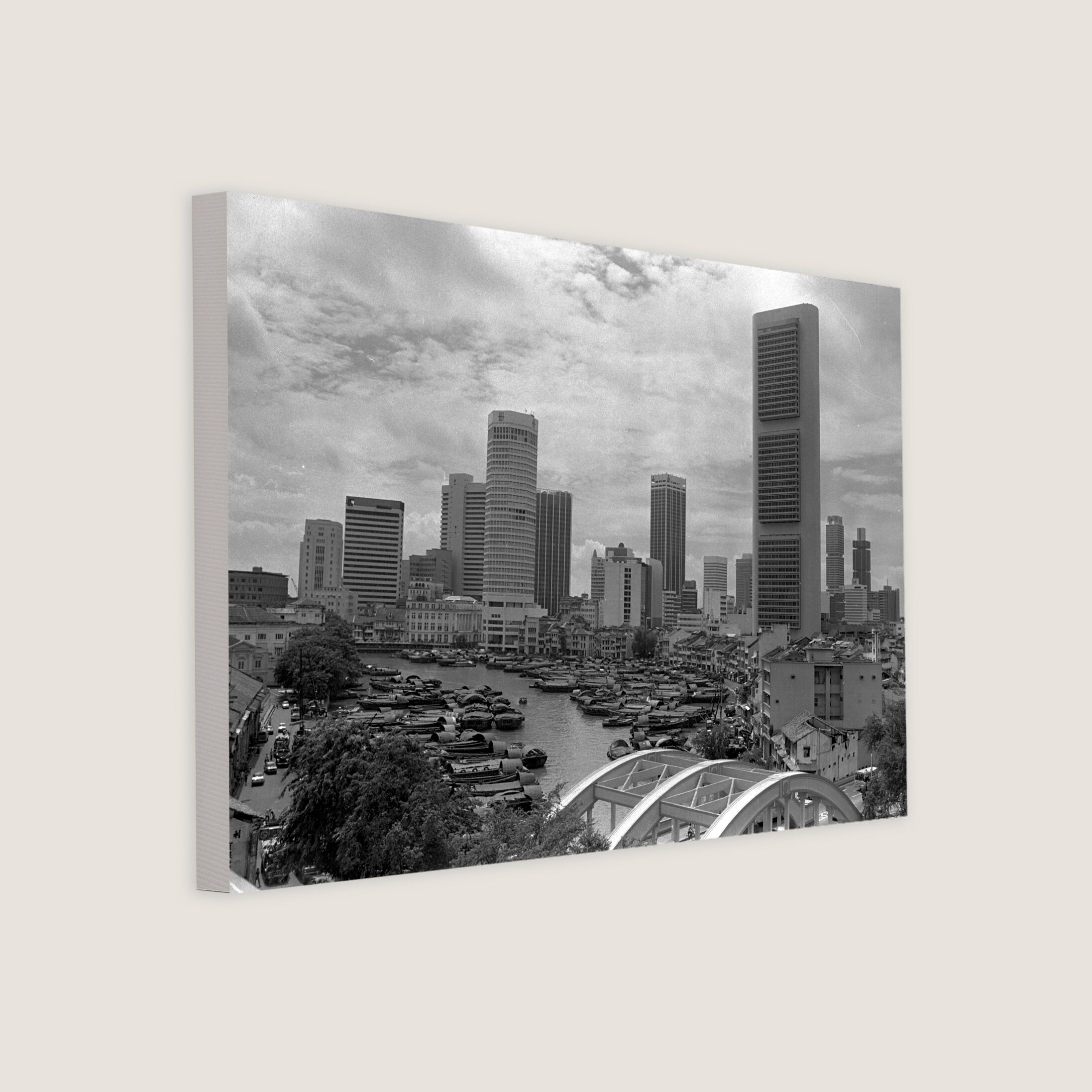
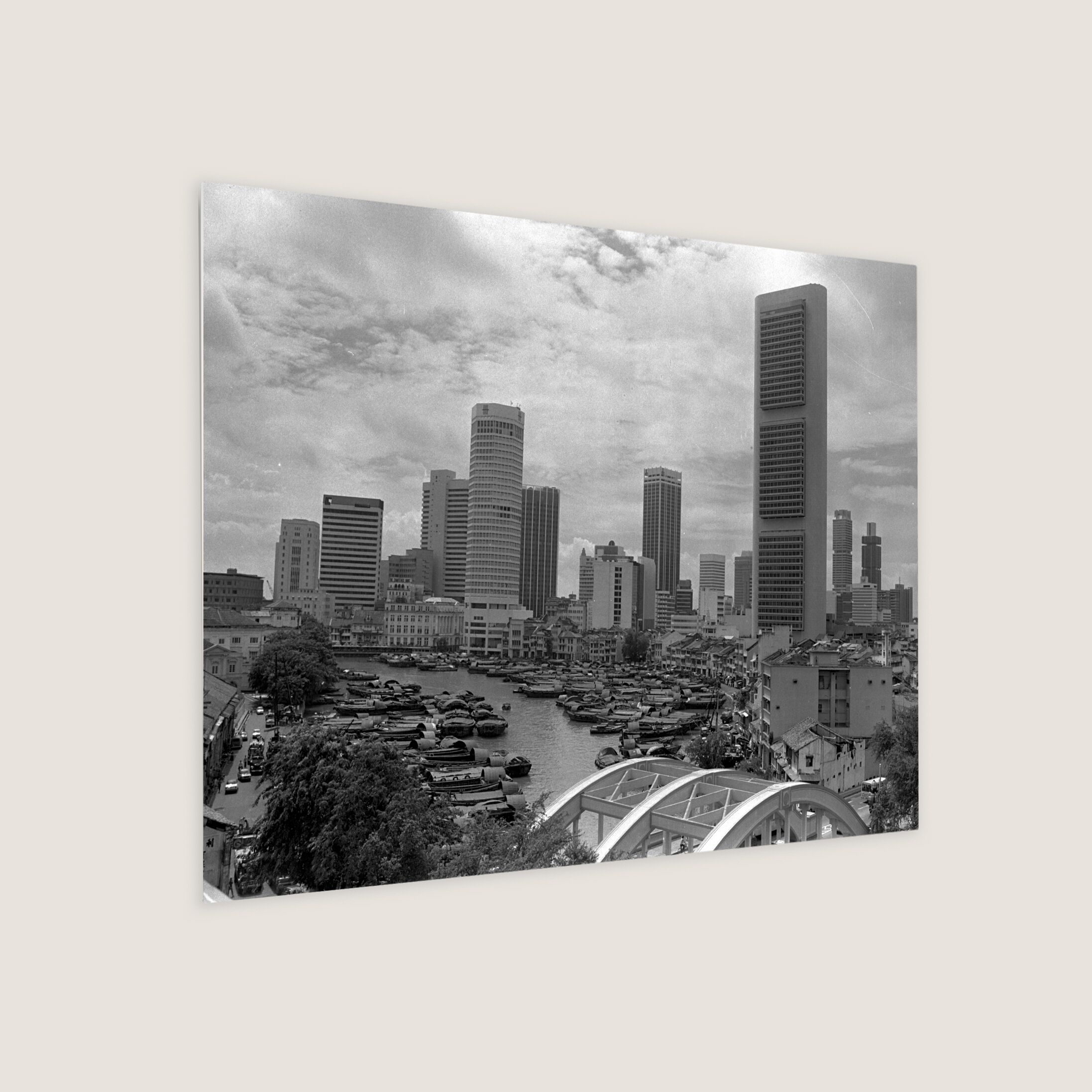
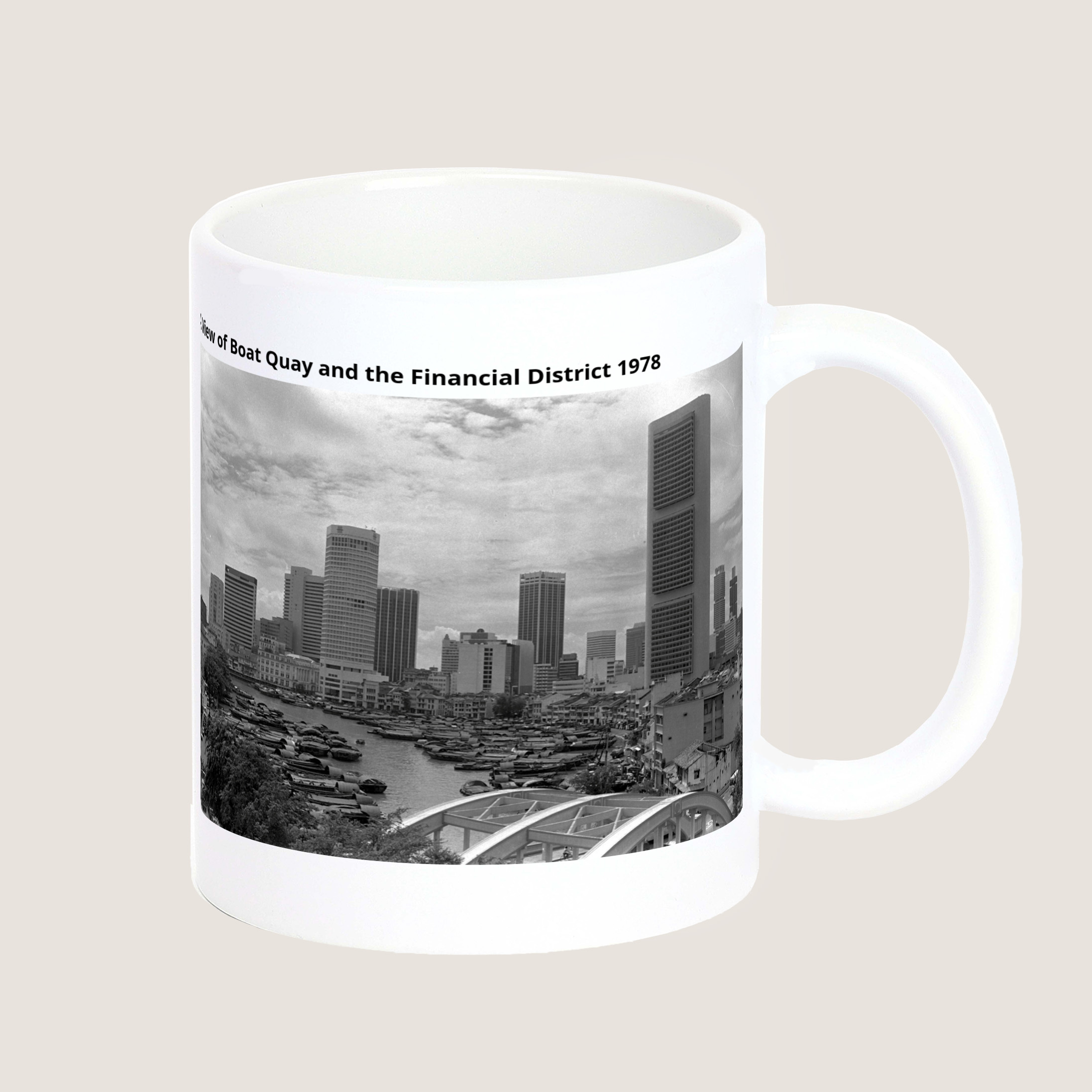
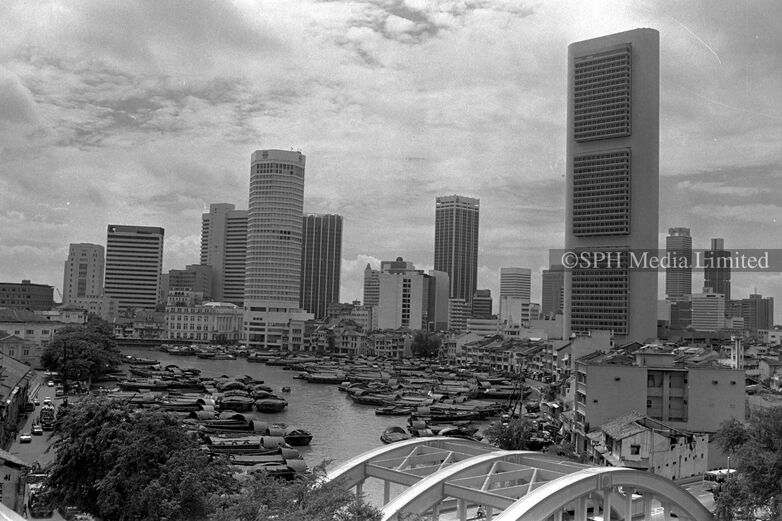
Looking towards the mouth of the Singapore River is the view of Boat Quay and the financial district. The tongkang were used for coastal and inter-island trading with countries like Indonesia, South Johore, Malacca, Perak, and Sarawak. When Singapore River was cleared as part of the river clean-up campaign in 1983, the tongkang were shifted to Pasir Panjang.
©️ SPH Media Limited
Share to
Tags
Available for print on products
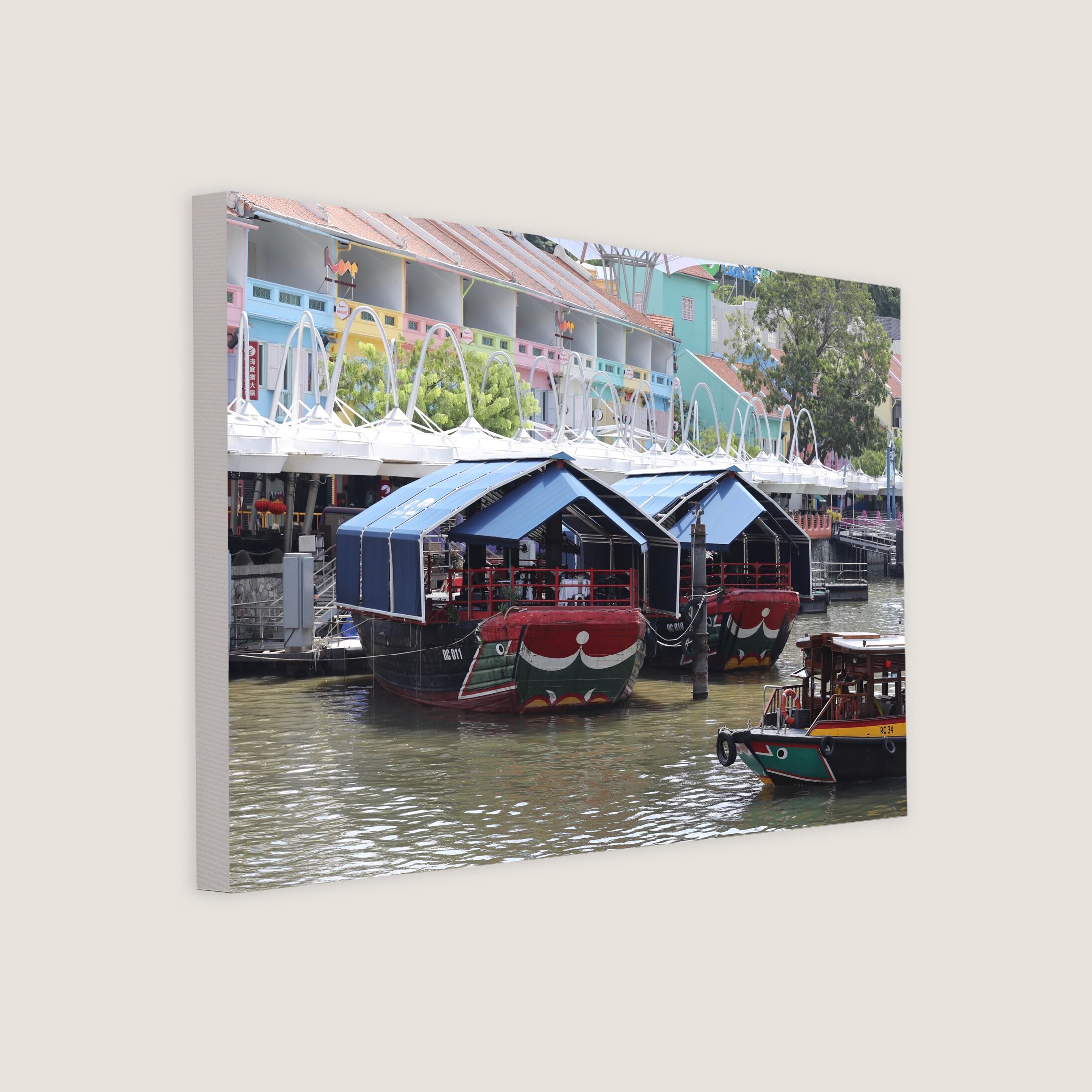
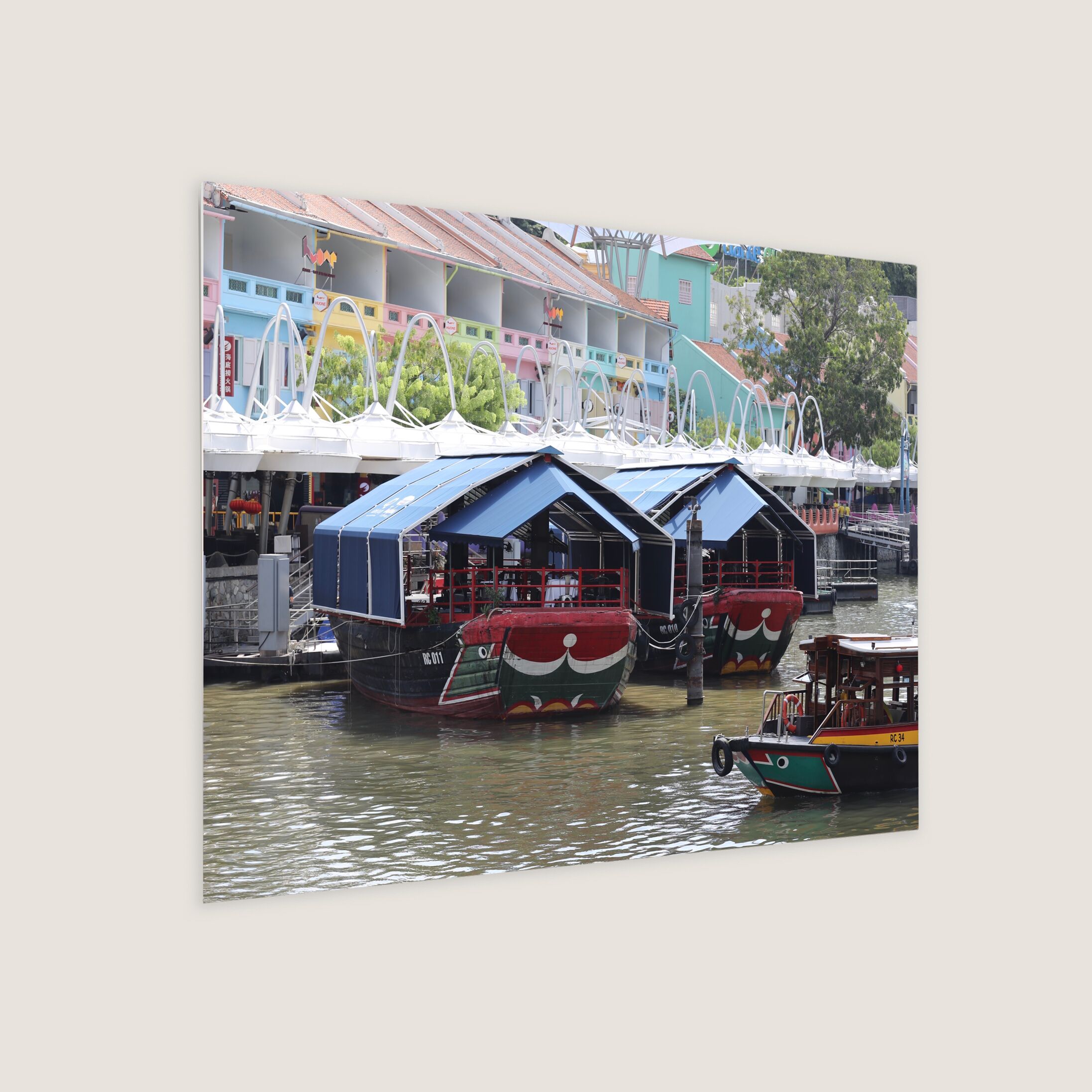
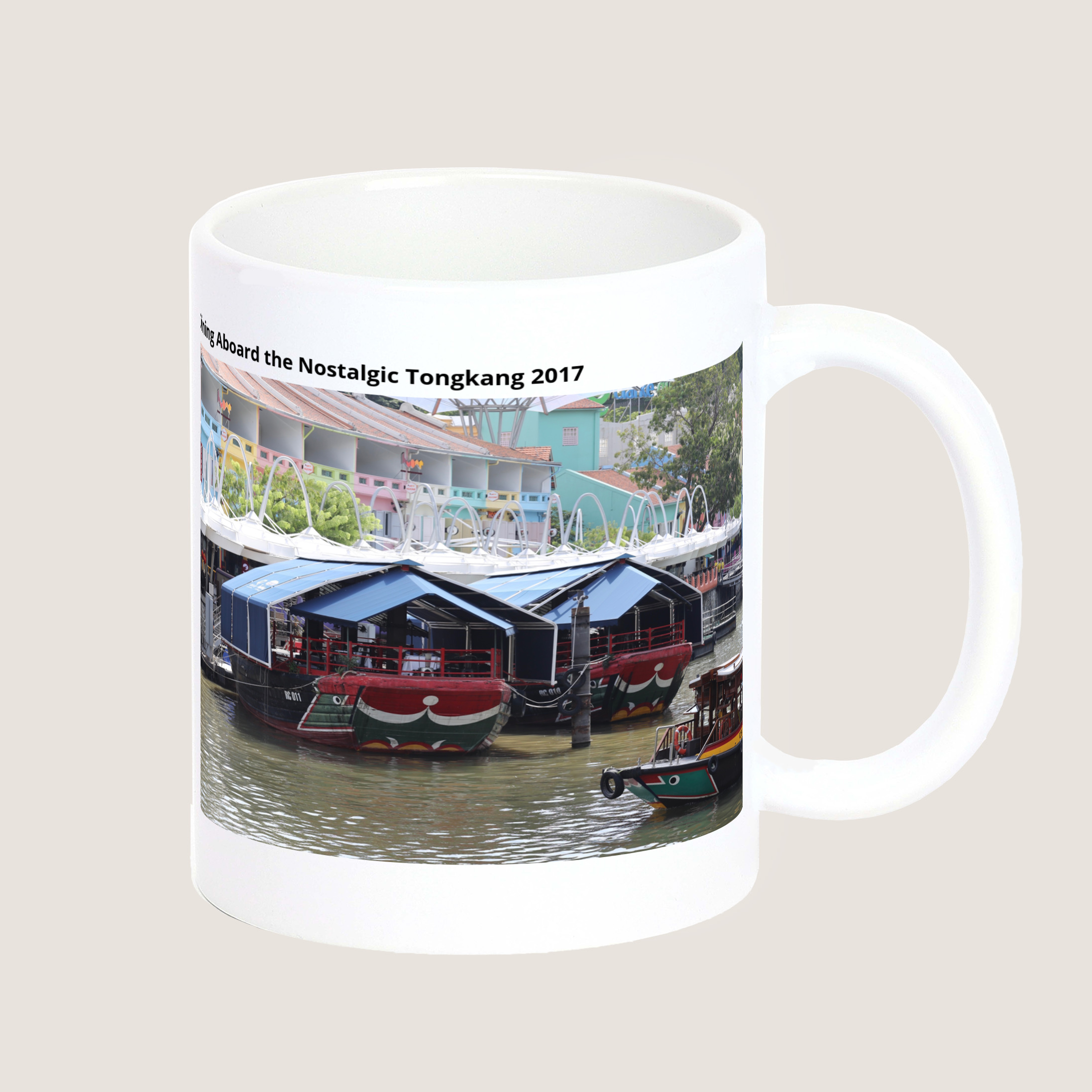
 Dining Aboard the Nostalgic Tongkang
2017
Dining Aboard the Nostalgic Tongkang
2017
Dining Aboard the Nostalgic Tongkang
Year 2017
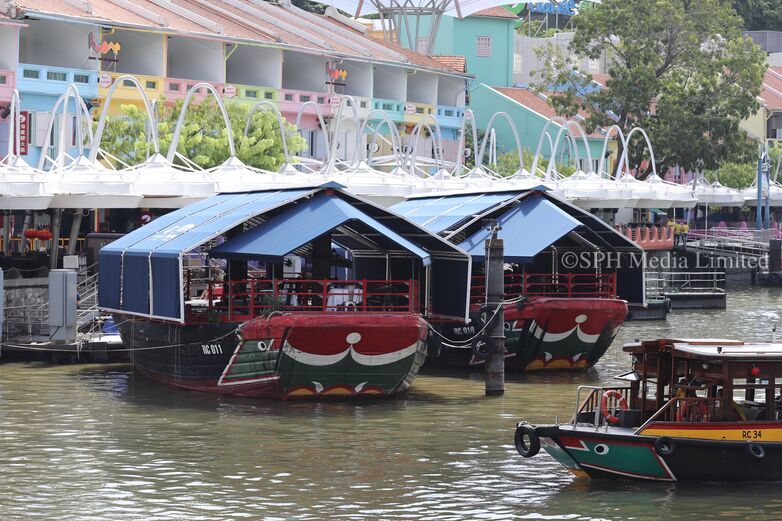
A restaurant was improvised from a tongkang by the Singapore River near Clarke Quay in 2017, where guests could dine on the tongkangs moored to the side of the river. As of 2025, the restaurant has since been permanently closed.
©️ SPH Media Limited
Share to
Tags
Available for print on products
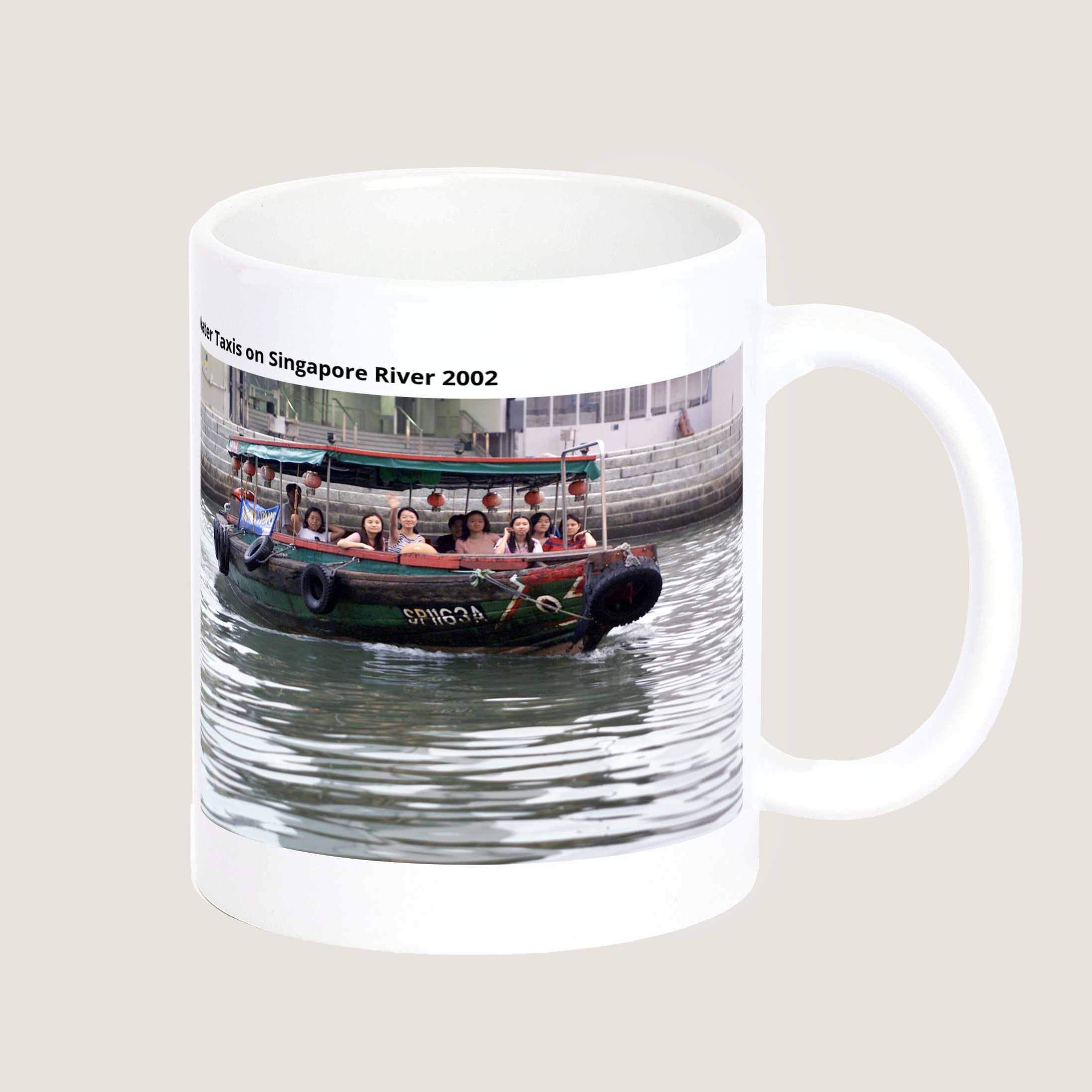
 Water Taxis on Singapore River
2002
Water Taxis on Singapore River
2002
Water Taxis on Singapore River
Year 2002
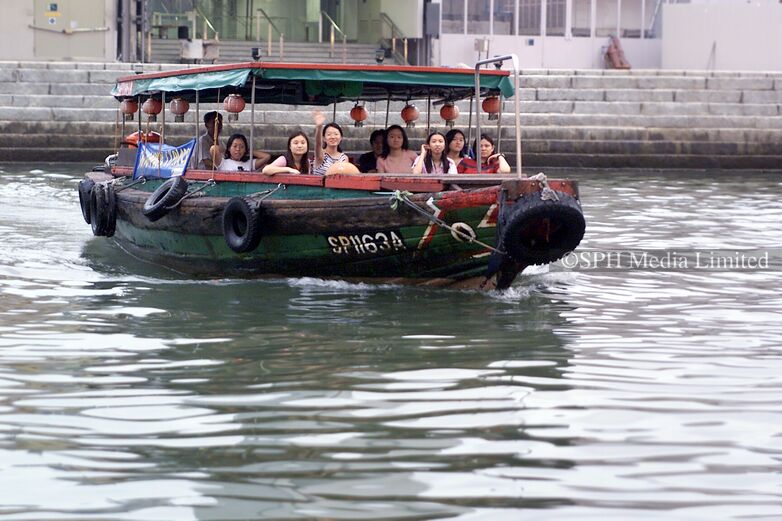
Driven by tourism operators, the local traditional transportation is gradually transforming. The old tongkang, which were originally used to carry goods, have been transformed into water taxis to ferry tourists and office workers in the CBD.
©️ SPH Media Limited
Share to
Tags
Available for print on products
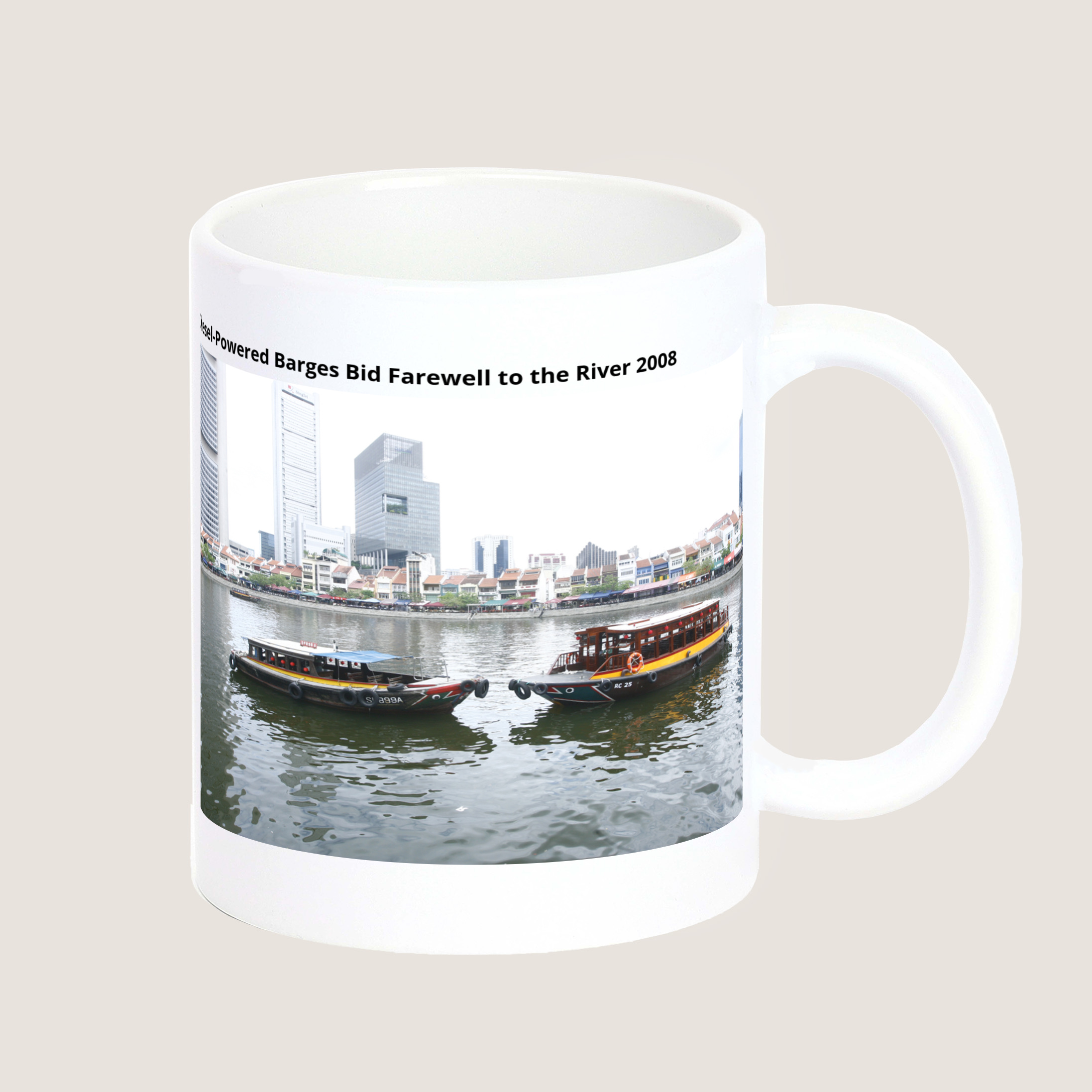
 Diesel-Powered Barges Bid Farewell to the River
2008
Diesel-Powered Barges Bid Farewell to the River
2008
Diesel-Powered Barges Bid Farewell to the River
Year 2008
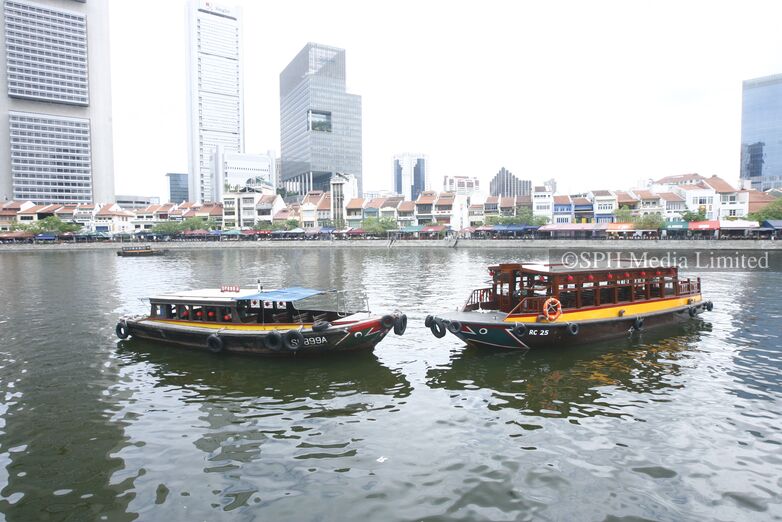
With the Marina Barrage, the Singapore River has formed a freshwater lake connecting to Marina Bay. Due to concerns over water quality and environmental pollution, all barges operating on the Singapore River transitioned from diesel to electricity since 2008. The photo shows the old diesel-powered barge on the left and the new electric-powered barge on the right
©️ SPH Media Limited
Share to
Tags
Available for print on products
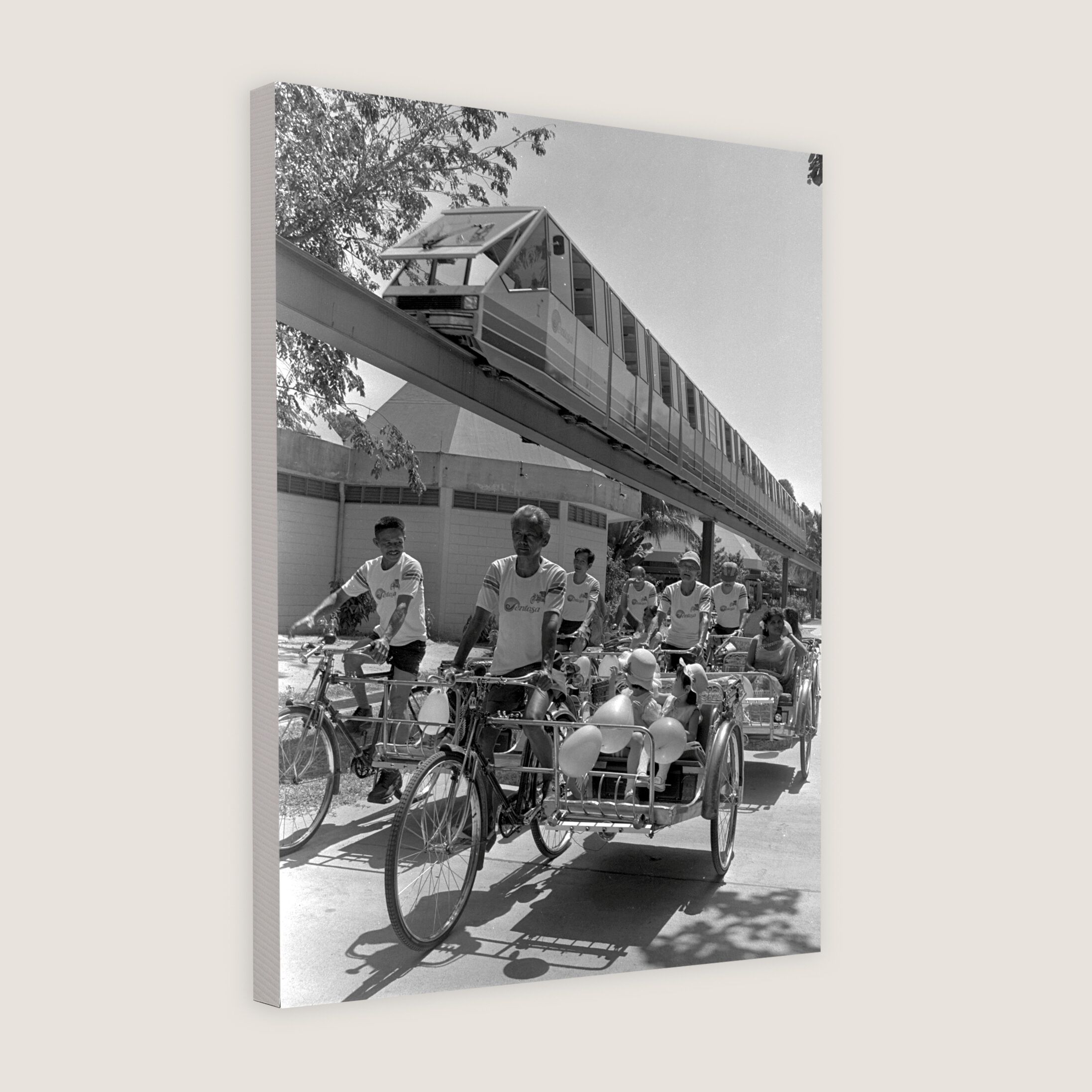
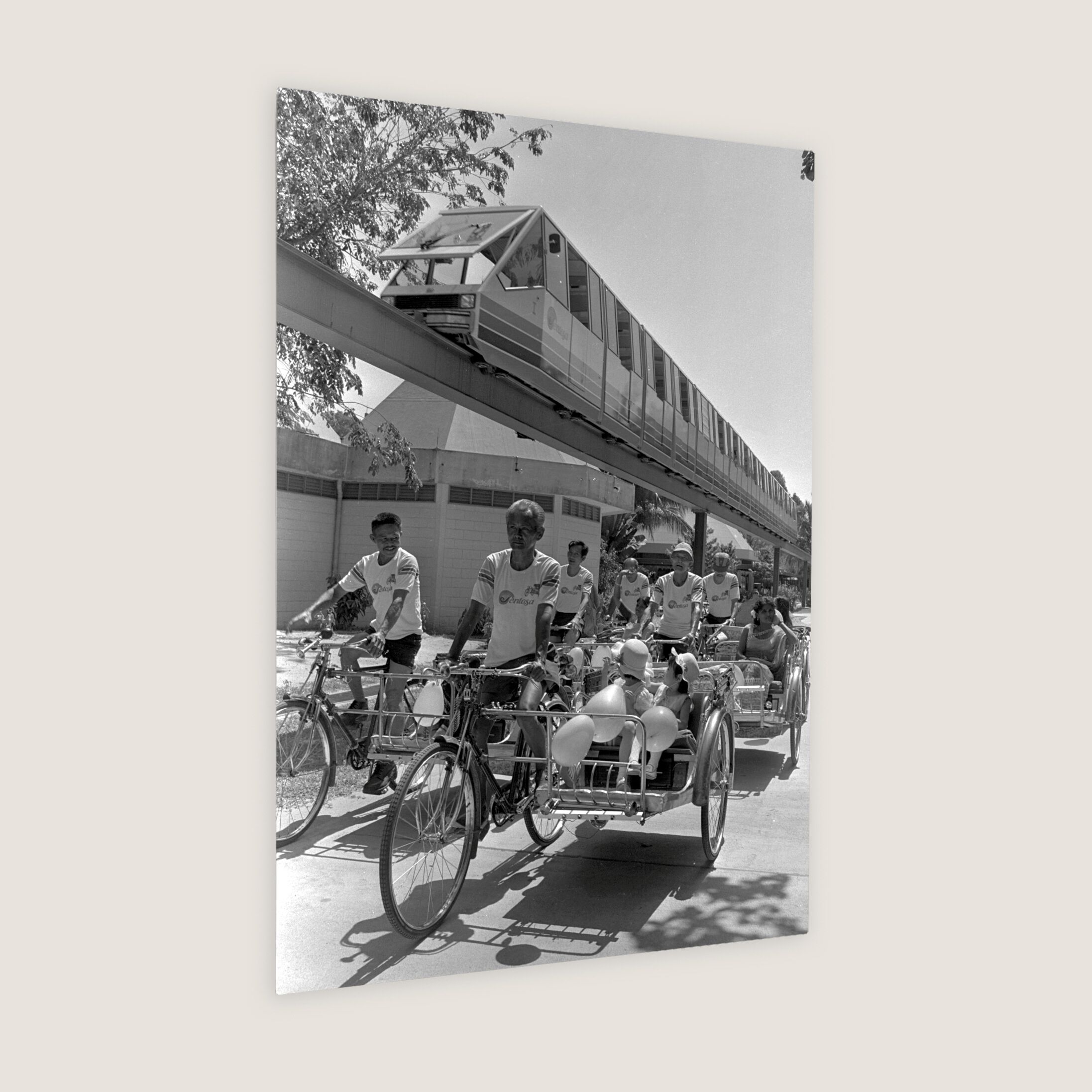
 Sunny and Breezy Trishaw Ride in Sentosa
1983
Sunny and Breezy Trishaw Ride in Sentosa
1983
Sunny and Breezy Trishaw Ride in Sentosa
Year 1983
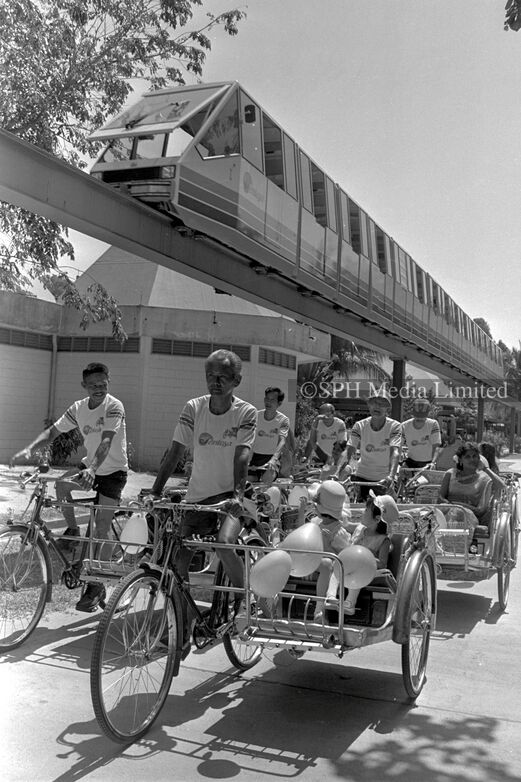
This group of visitors in Sentosa preferred to take things slowly, to enjoy the sea breeze and the view—without the tired legs. A trishaw tour company worked with Sentosa to operate 10 trishaws that provided quarter-hour tours.
©️ SPH Media Limited
Share to
Tags
Available for print on products
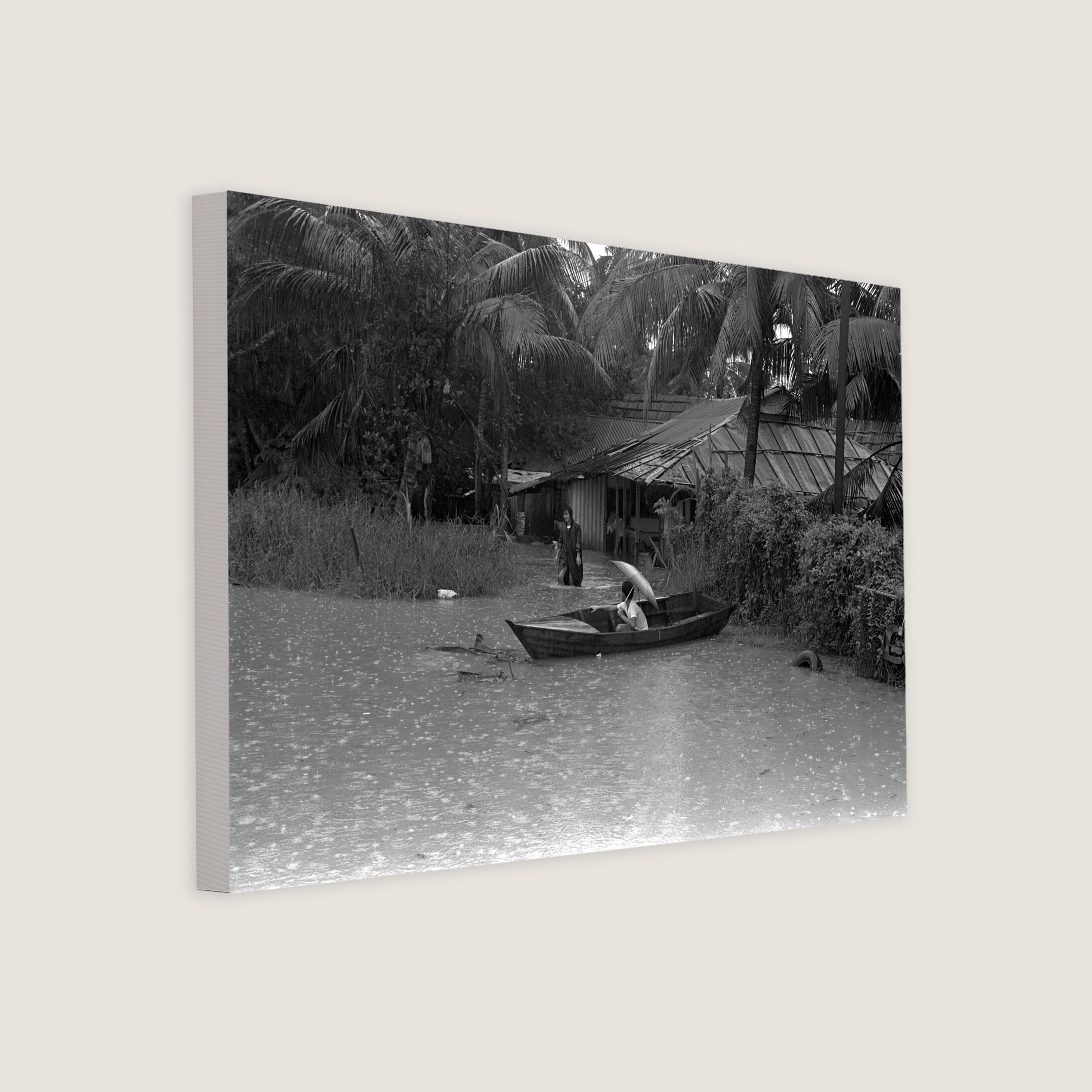
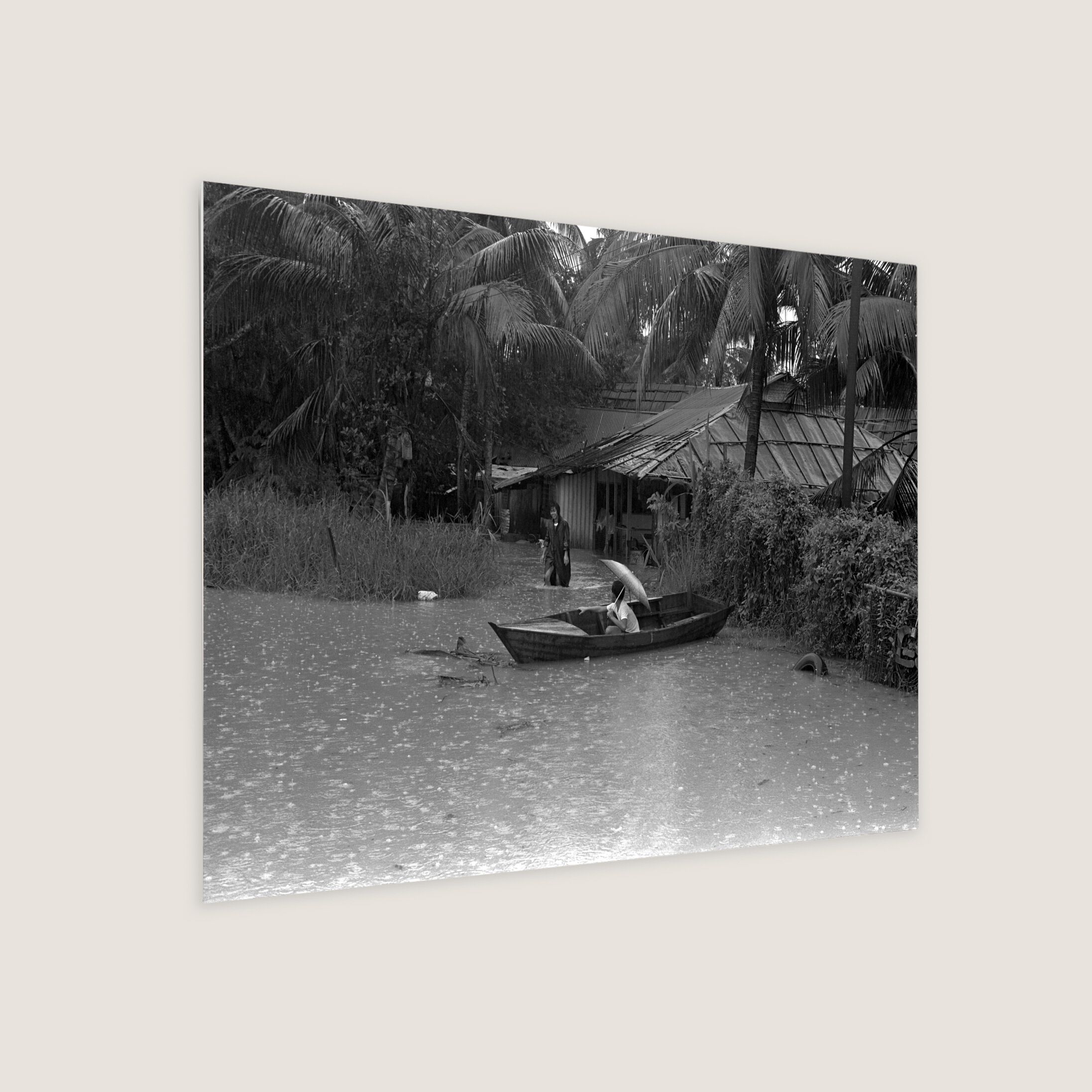
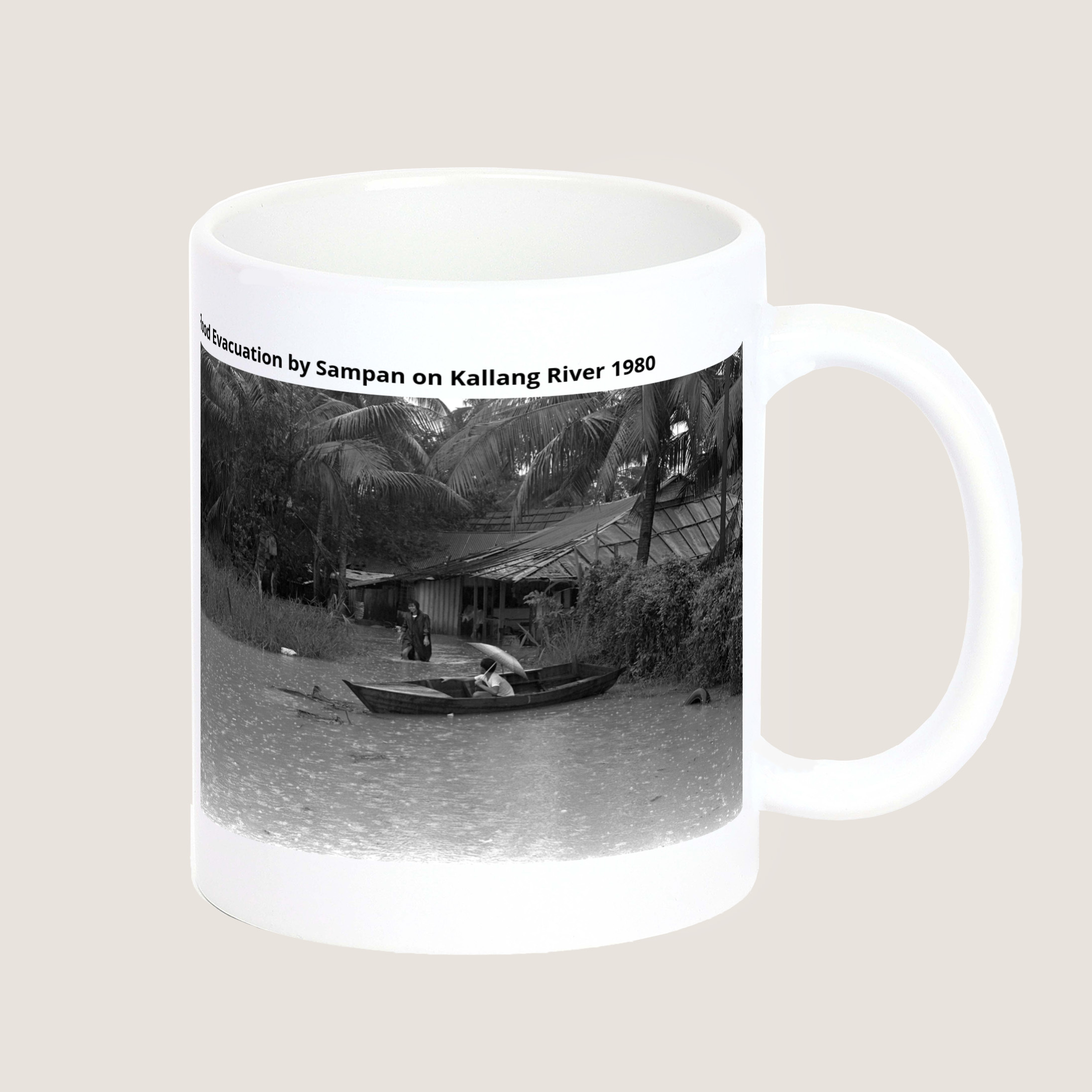
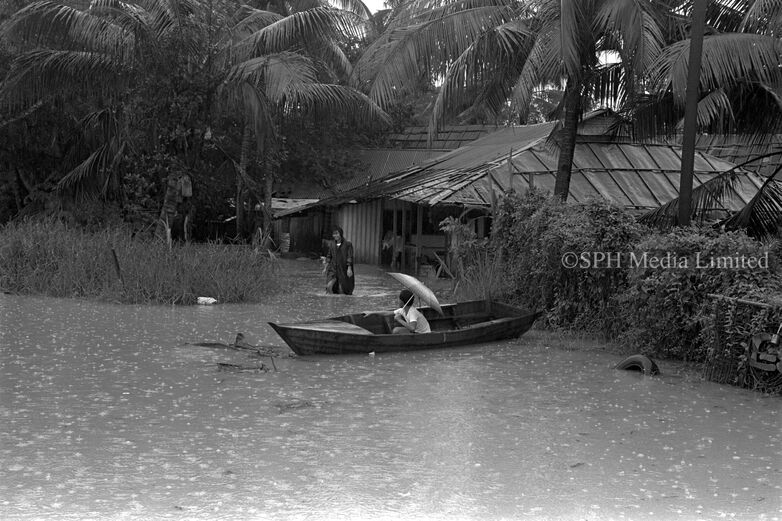 Flood Evacuation by Sampan on Kallang River
1980
Flood Evacuation by Sampan on Kallang River
1980
Flood Evacuation by Sampan on Kallang River
Year 1980
In the 1970s and 1980s, Potong Pasir, near the Kallang River, faced regular flooding. In 1980, a heavy downpour caused the river to overflow, flooding Meyappa Chettier Road. The photo depicts a family evacuating near their Meyappa Chettiar Road home by sampan. The area is now redeveloped with private condos, and the Kallang River has been embanked, preventing the past flooding from recurring.
©️ SPH Media Limited
Share to
Tags
Available for print on products
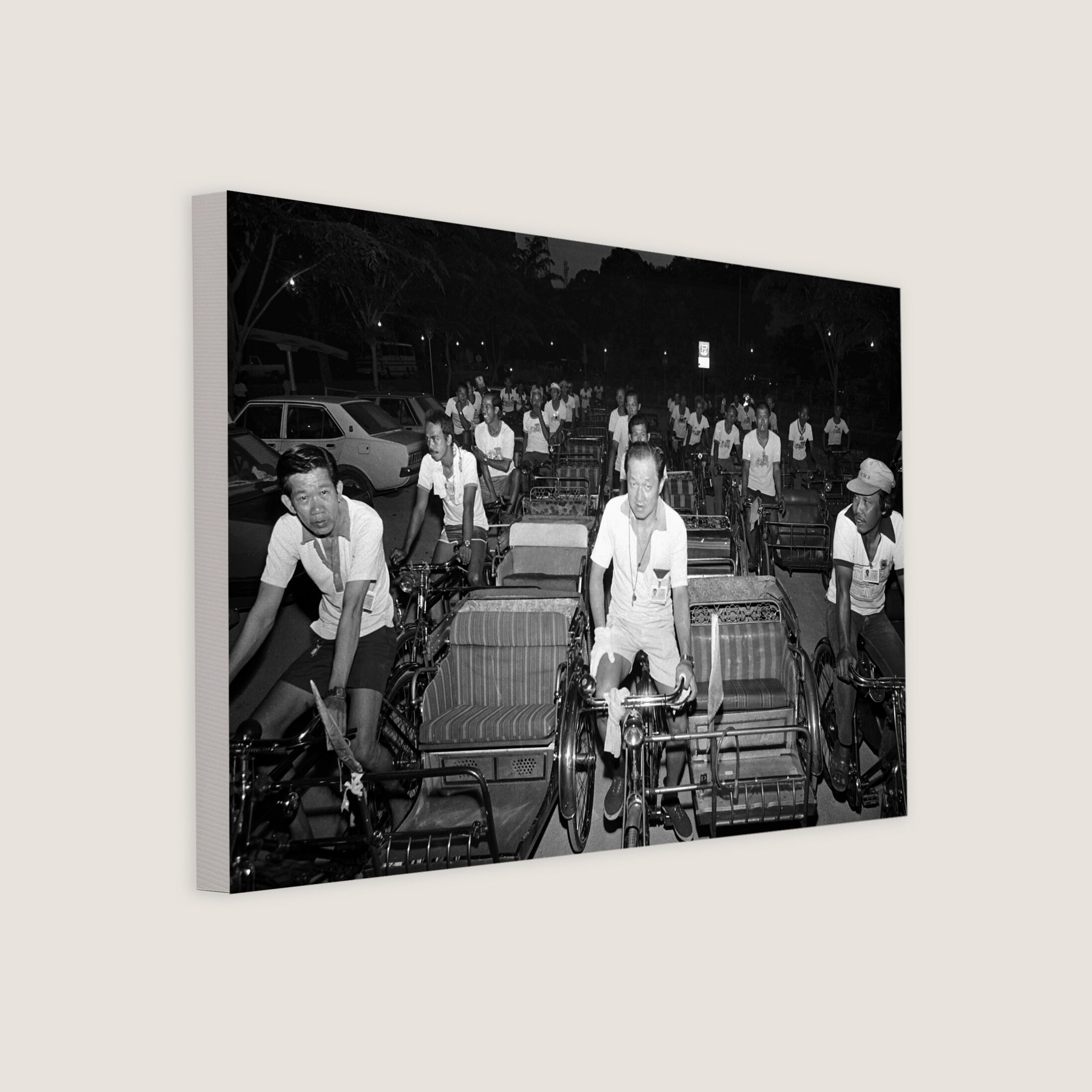
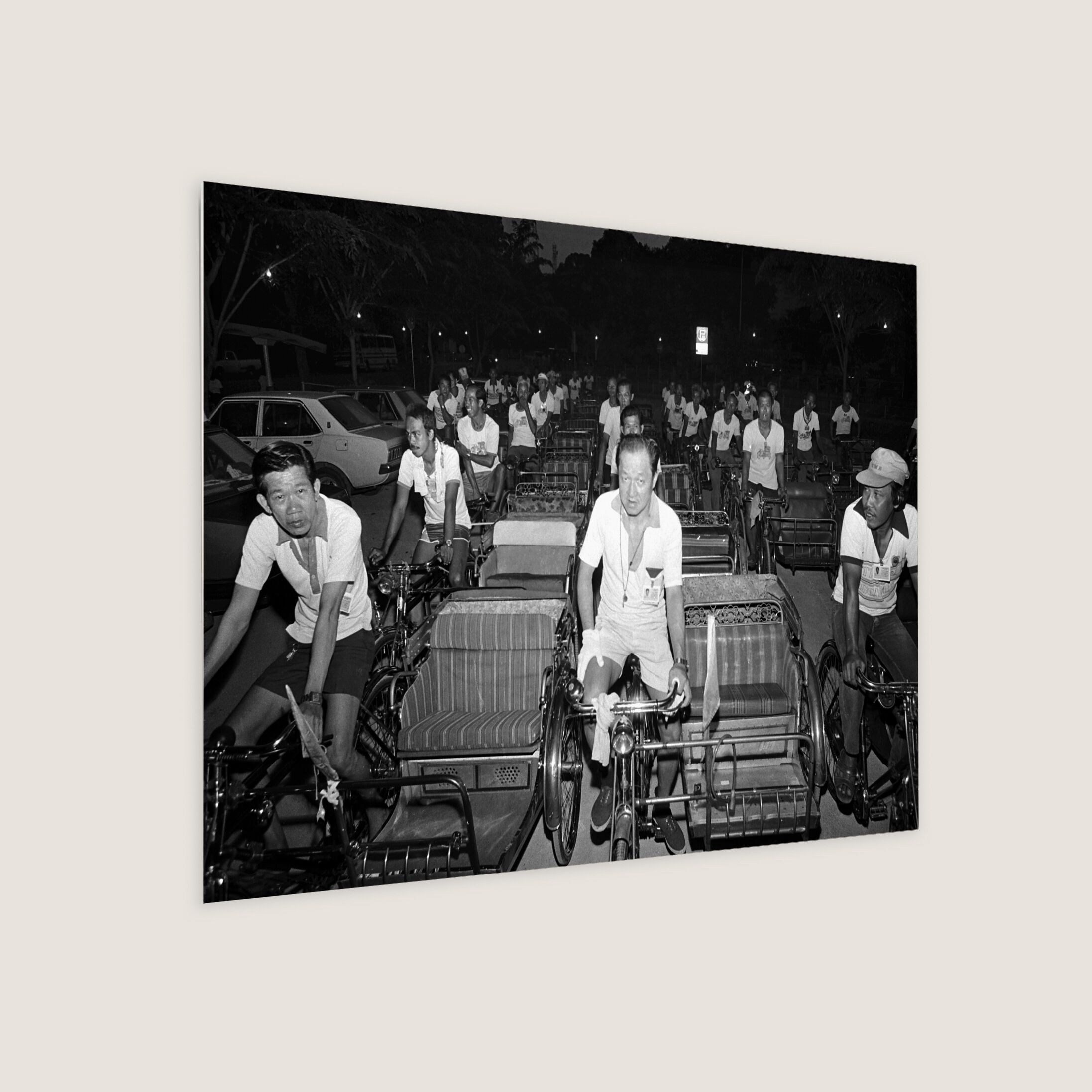
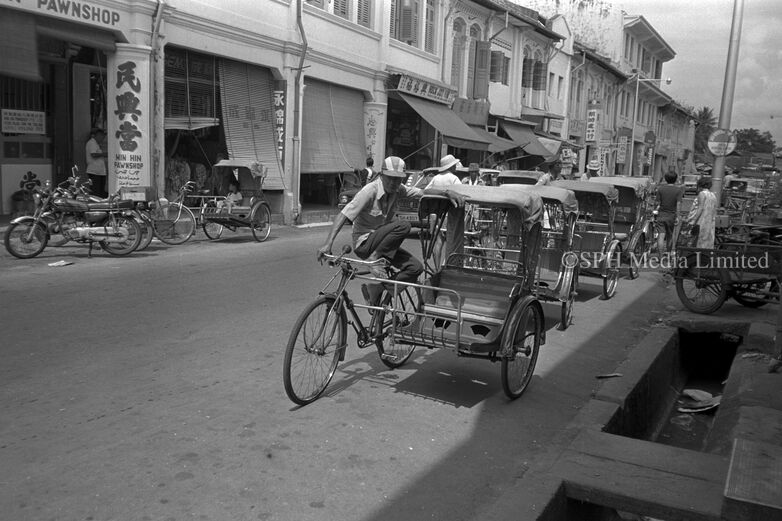 Trishaws at Joo Chiat Road Waiting for Tourists
1980
Trishaws at Joo Chiat Road Waiting for Tourists
1980
Trishaws at Joo Chiat Road Waiting for Tourists
Year 1980
In the 80s, trishaws became a must-ride form of transport for tourists. The nostalgic rides took tourists to iconic places in Singapore, including Joo Chiat in the East Coast area. This group of trishaw riders were waiting for the tourists on Joo Chiat Road.
©️ SPH Media Limited
Share to
Tags
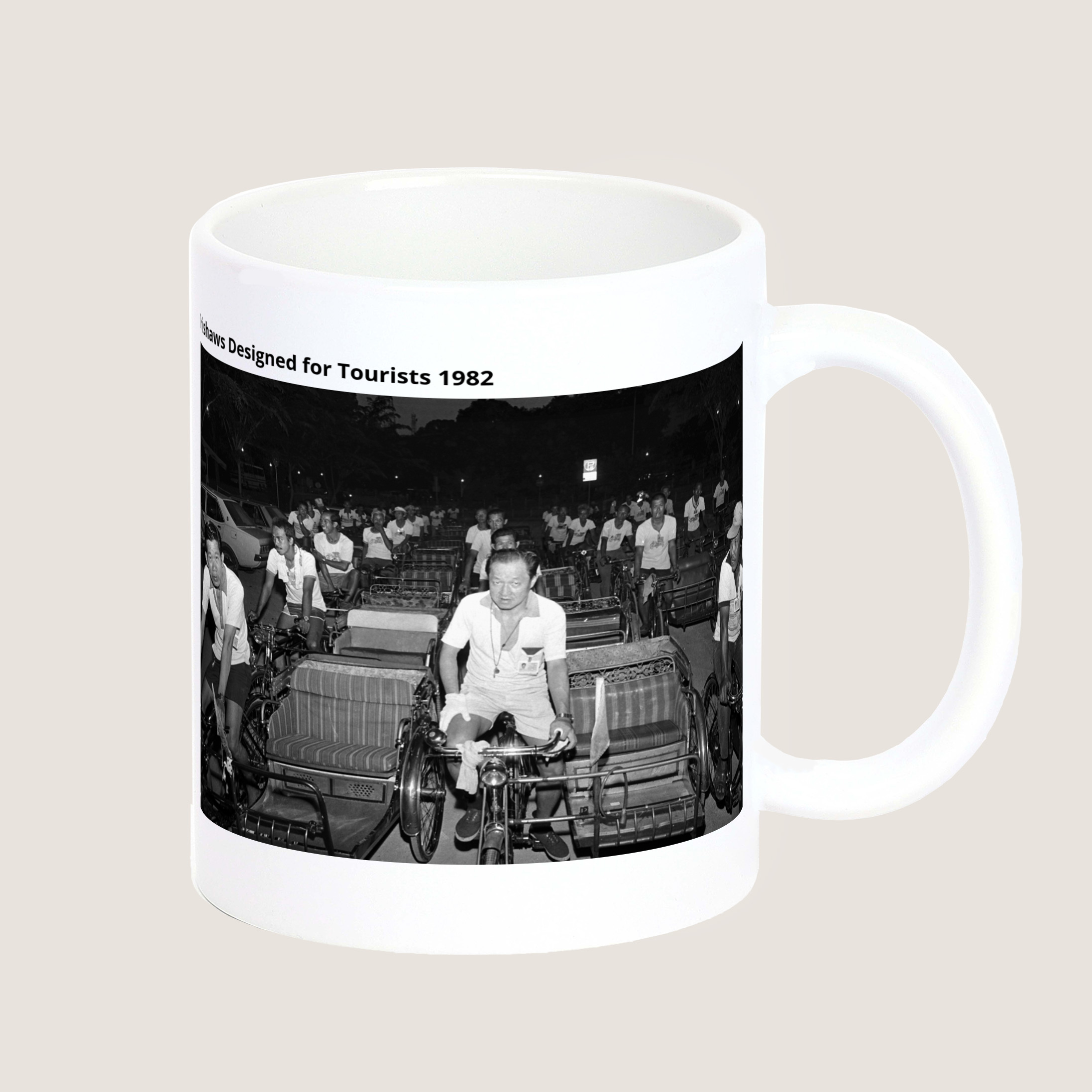
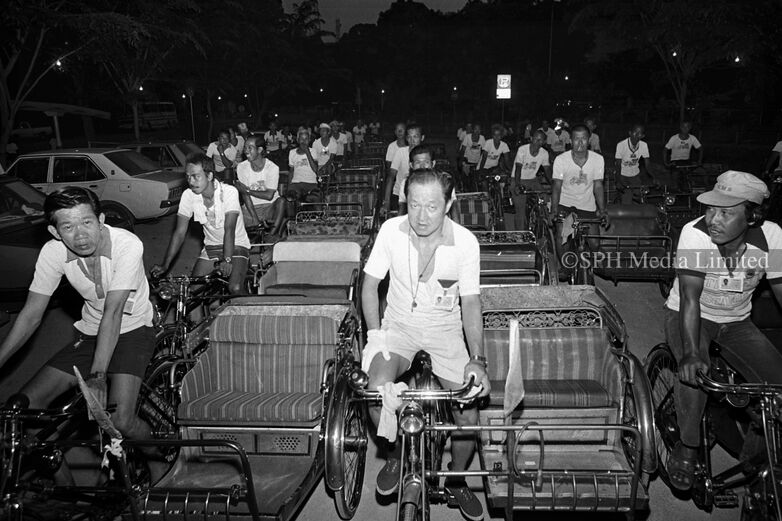 Trishaws Designed for Tourists
1982
Trishaws Designed for Tourists
1982
Trishaws Designed for Tourists
Year 1982
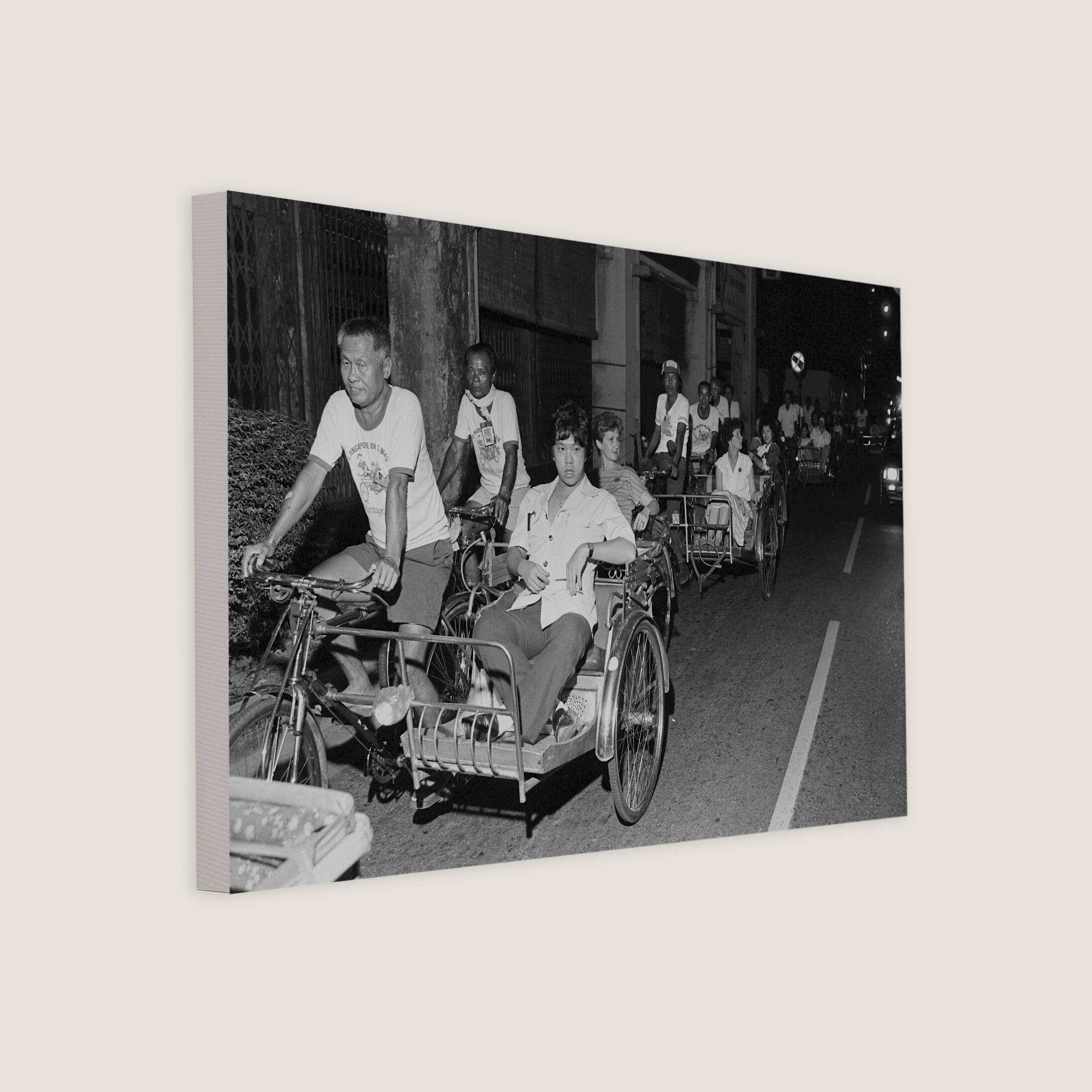
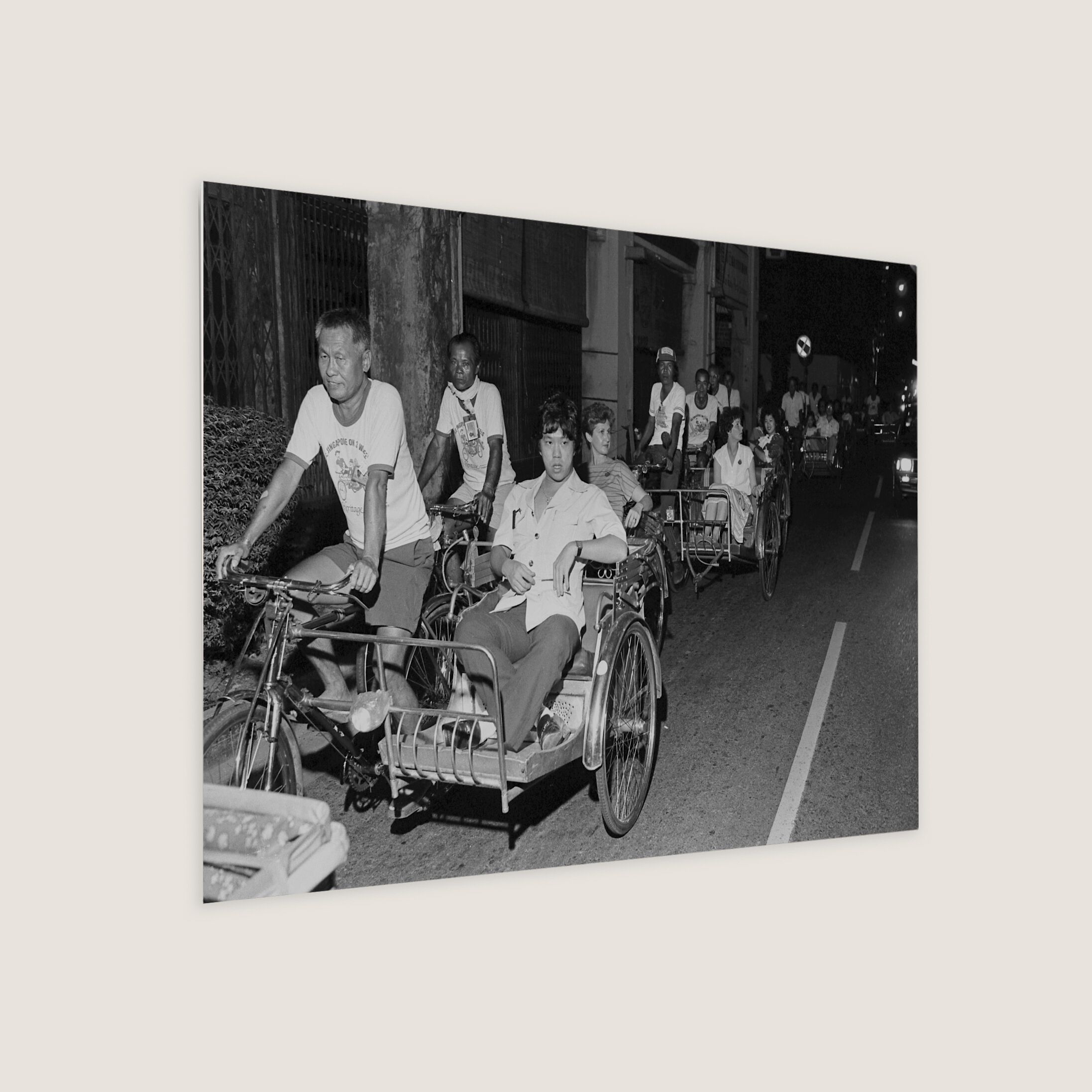
Today, trishaws have become an integral part of Singapore’s cultural heritage. As they were no longer a common mode of transportation for locals, most passengers who rode trishaws were tourists seeking a nostalgic experience of Singapore’s past. These trishaws were newer and equipped with comfortable and spacious seats. However, after commercial licenses expired in 2023, trishaws cannot be found on SIngapore's streets anymore.
©️ SPH Media Limited
Share to
Tags
Available for print on products
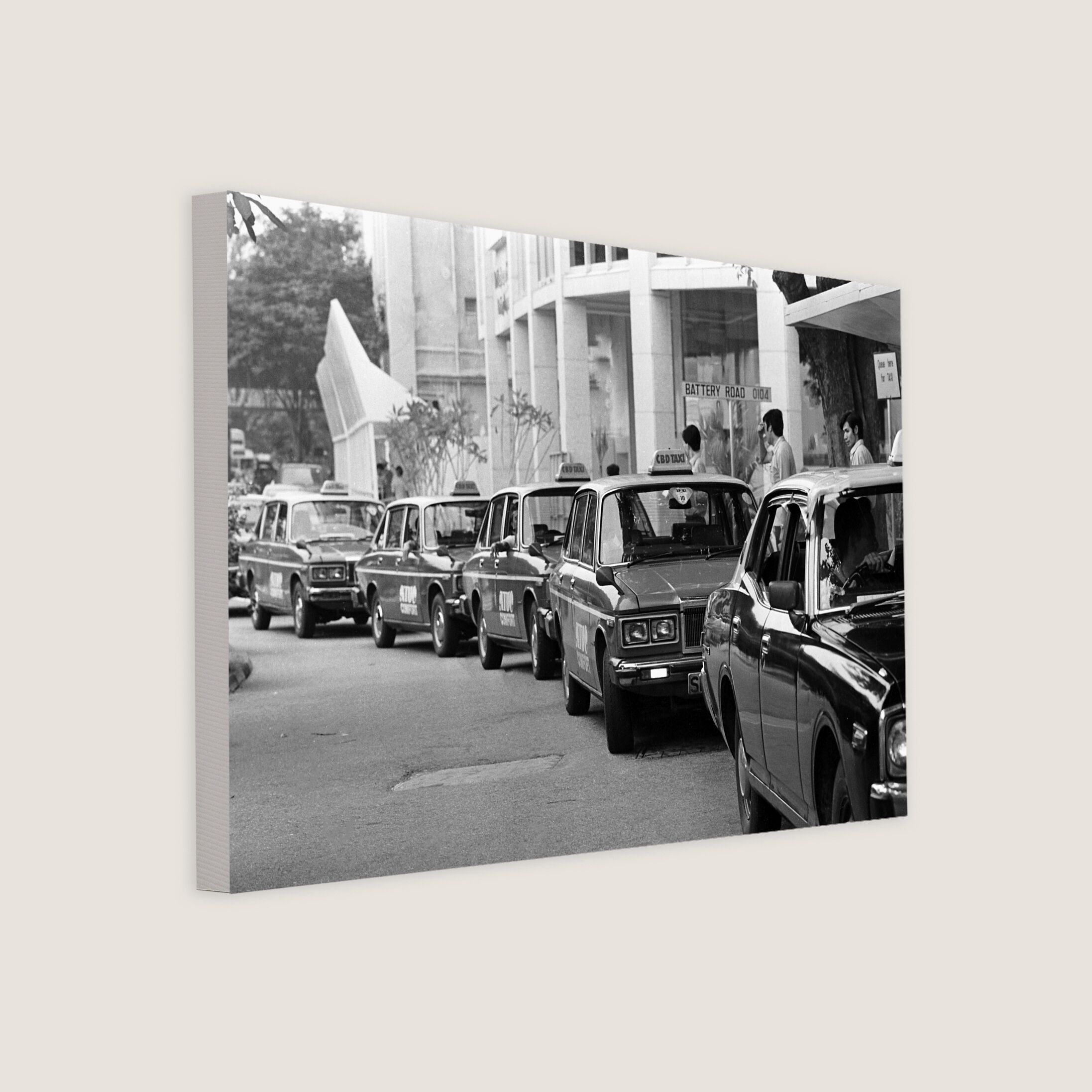
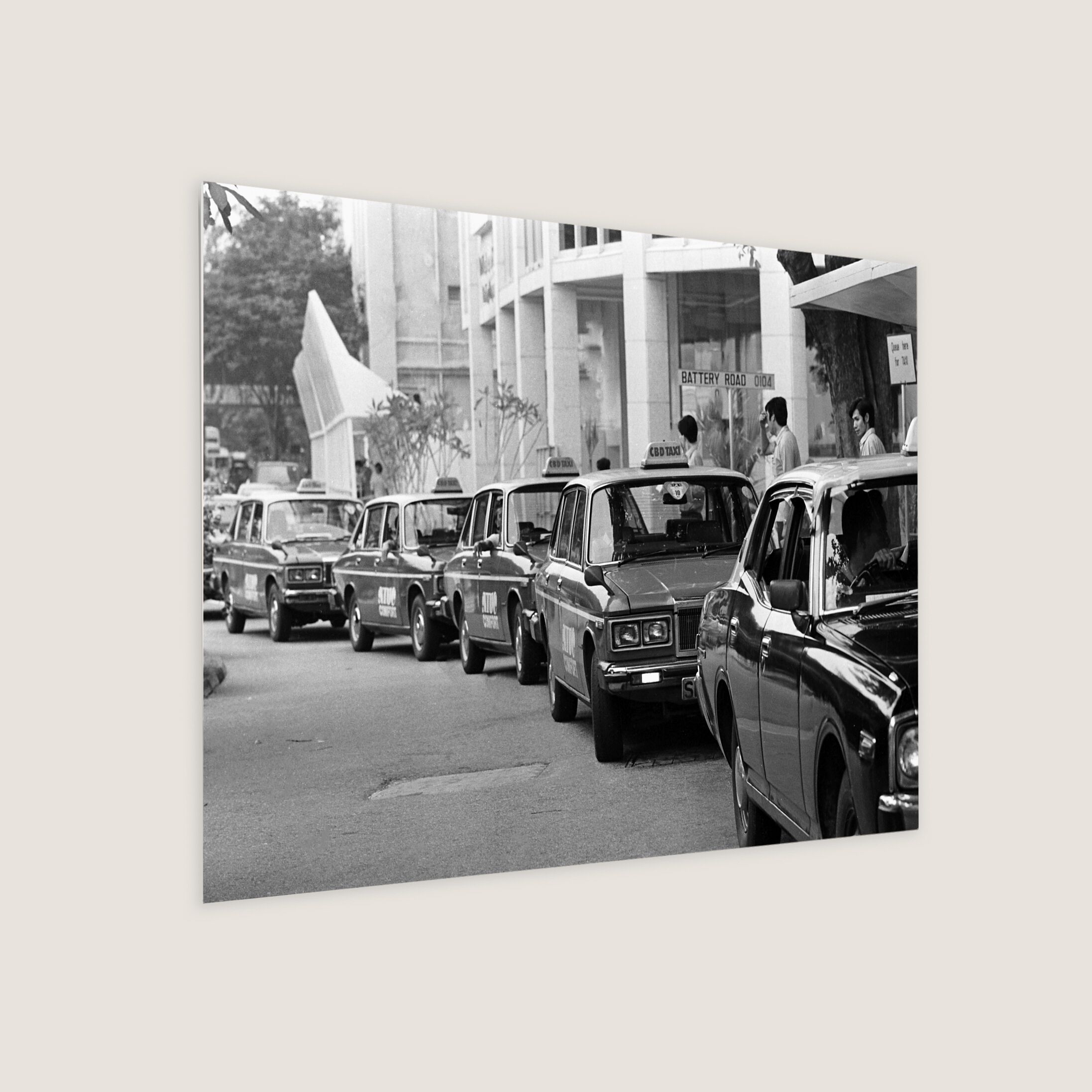
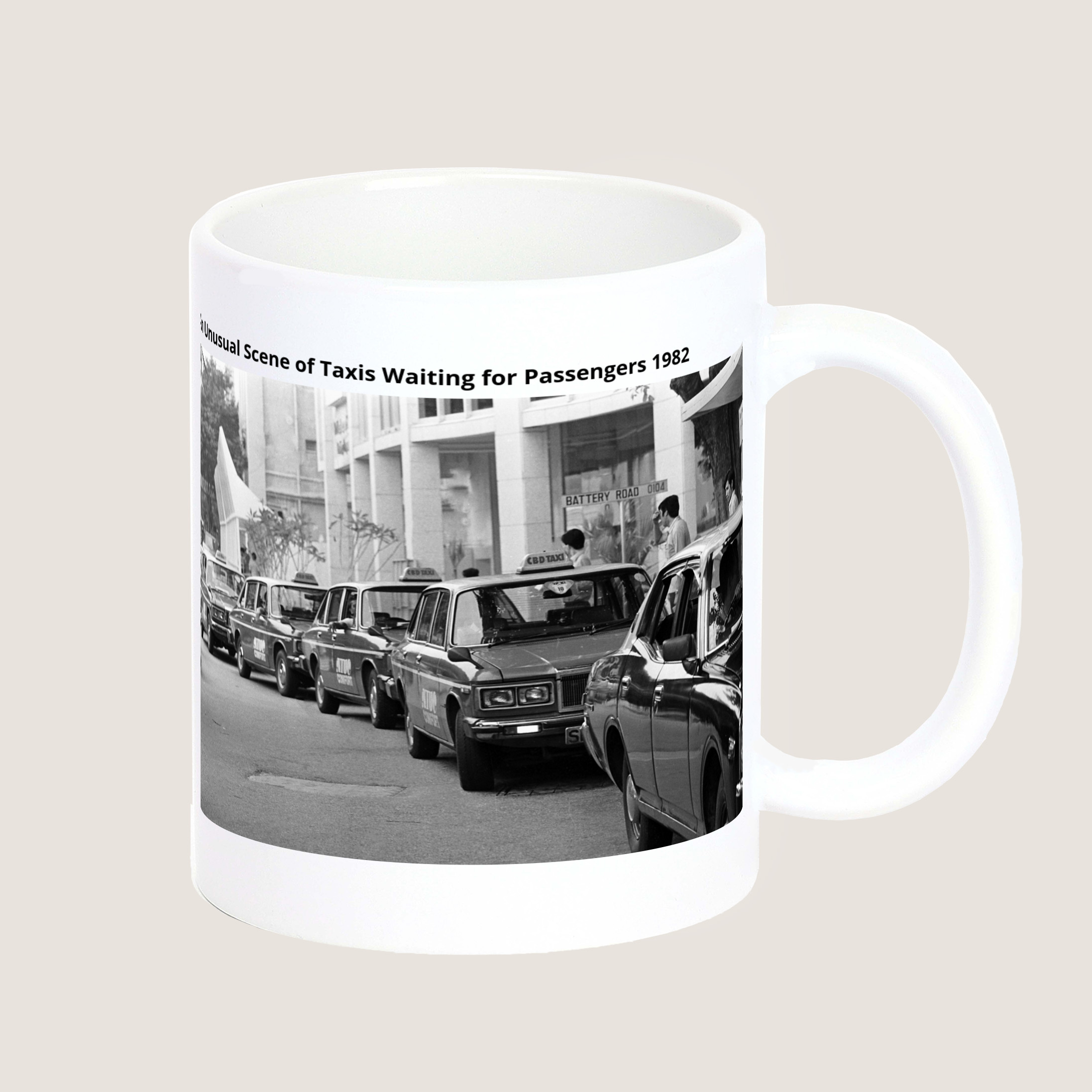
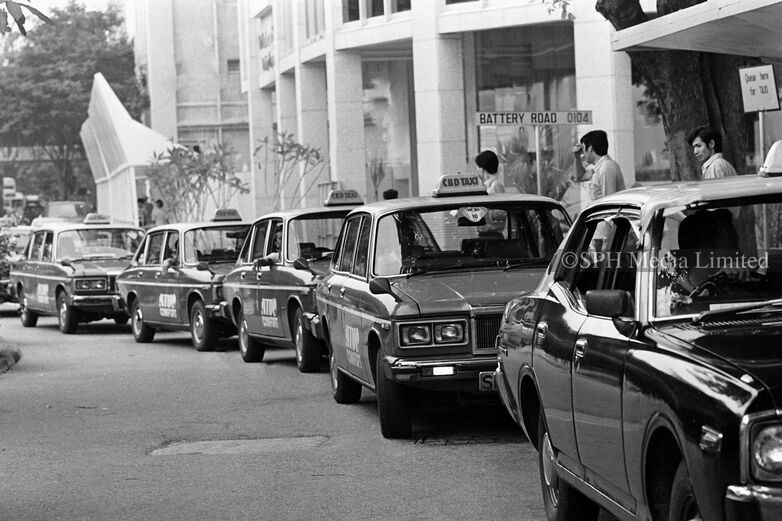 An Unusual Scene of Taxis Waiting for Passengers
1982
An Unusual Scene of Taxis Waiting for Passengers
1982
An Unusual Scene of Taxis Waiting for Passengers
Year 1982
Taxis in Central Business District were faced with the declining demand from price-sensitive consumers, due to the implementation of the $1 CBD surcharge in 1982, leaving a line of taxis instead of the usual beeline before.
©️ SPH Media Limited
Share to
Tags
Available for print on products
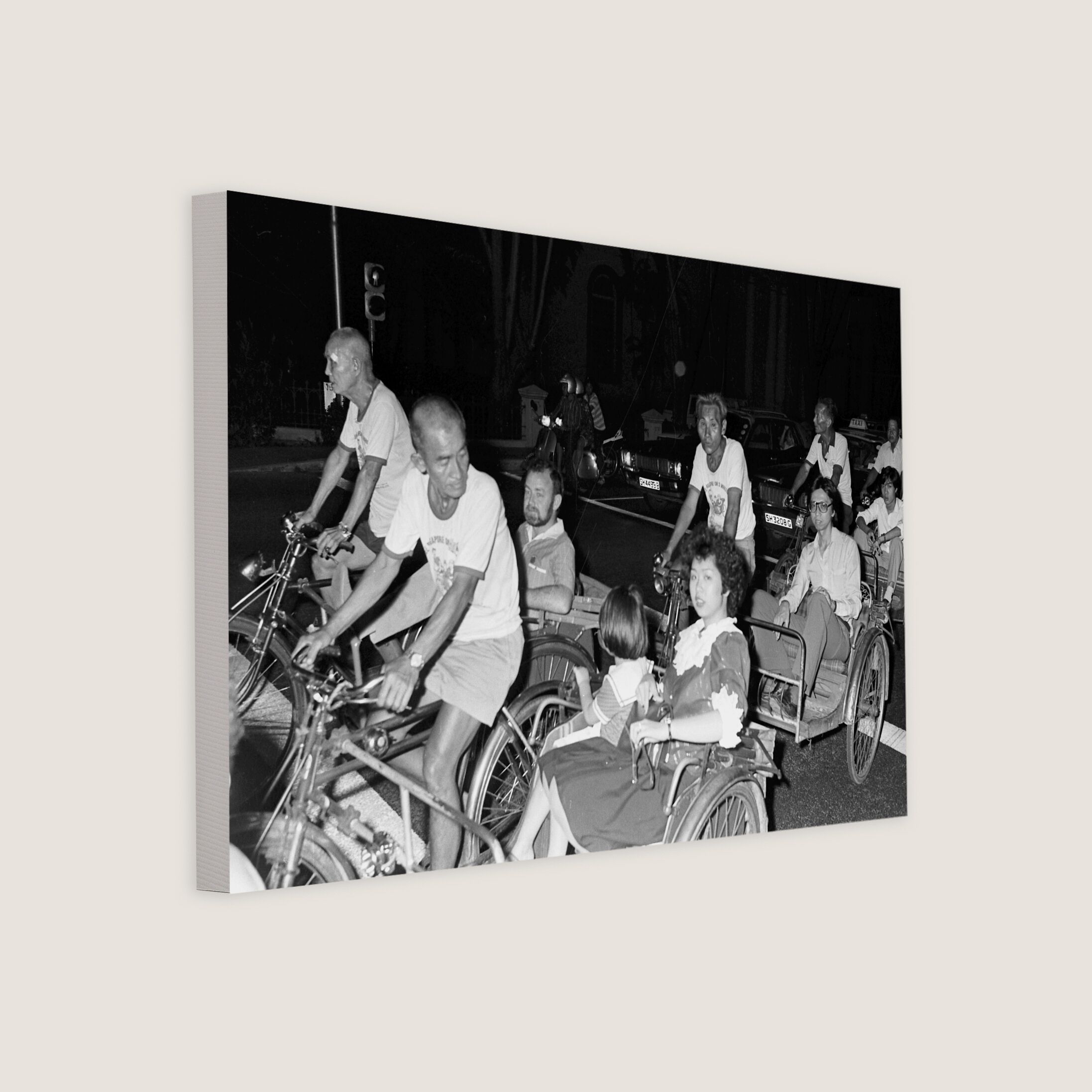
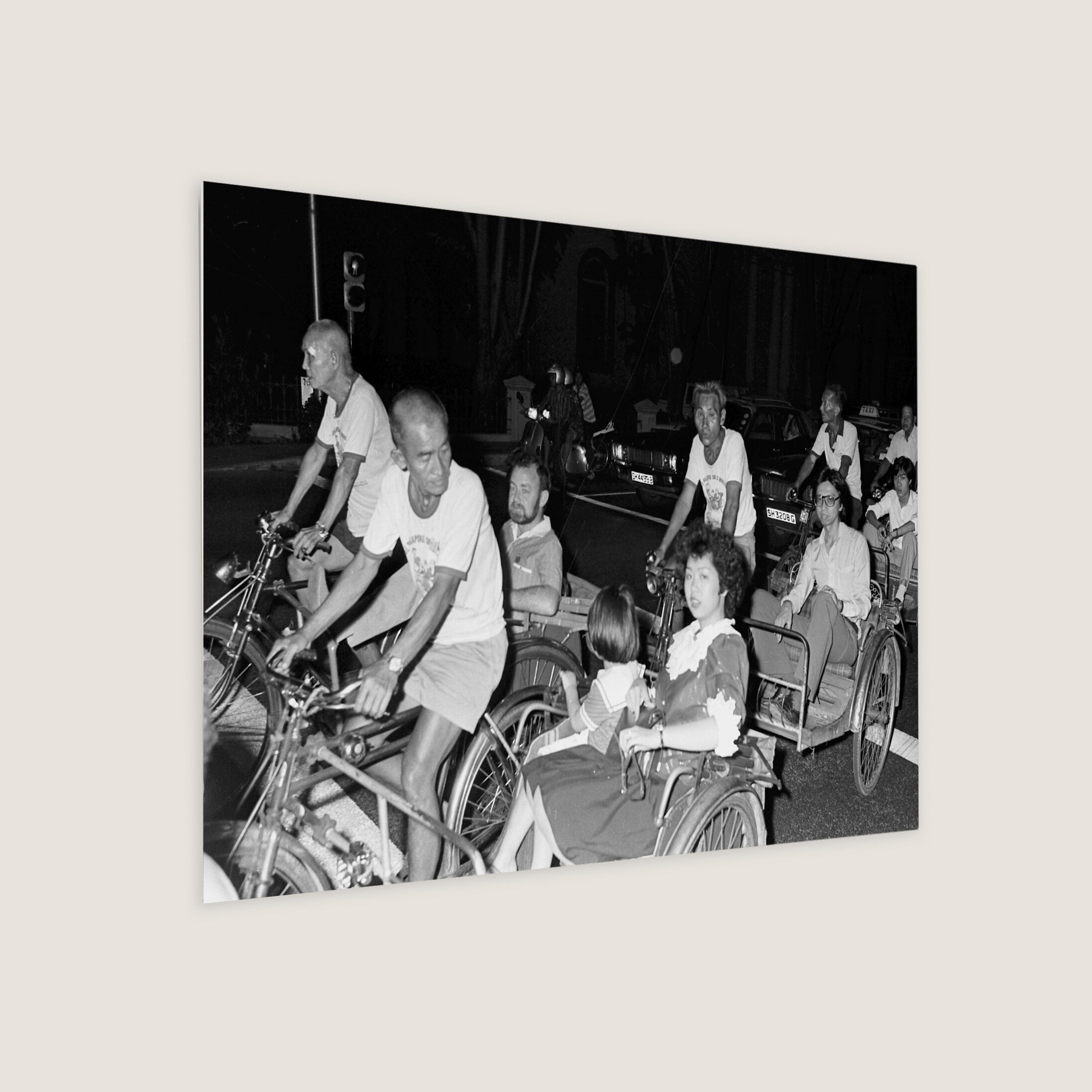
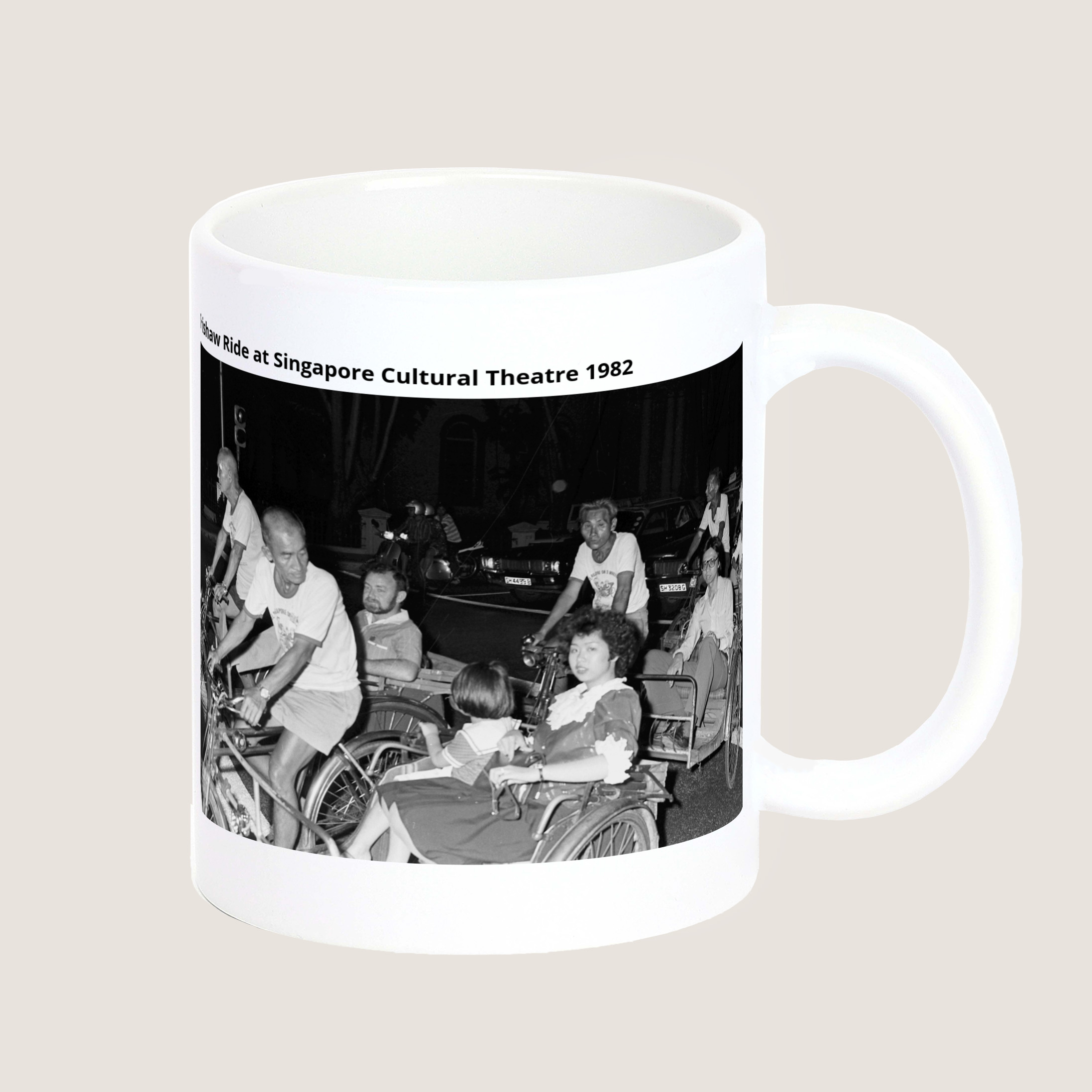
 Trishaw Ride at Singapore Cultural Theatre
1982
Trishaw Ride at Singapore Cultural Theatre
1982
Trishaw Ride at Singapore Cultural Theatre
Year 1982
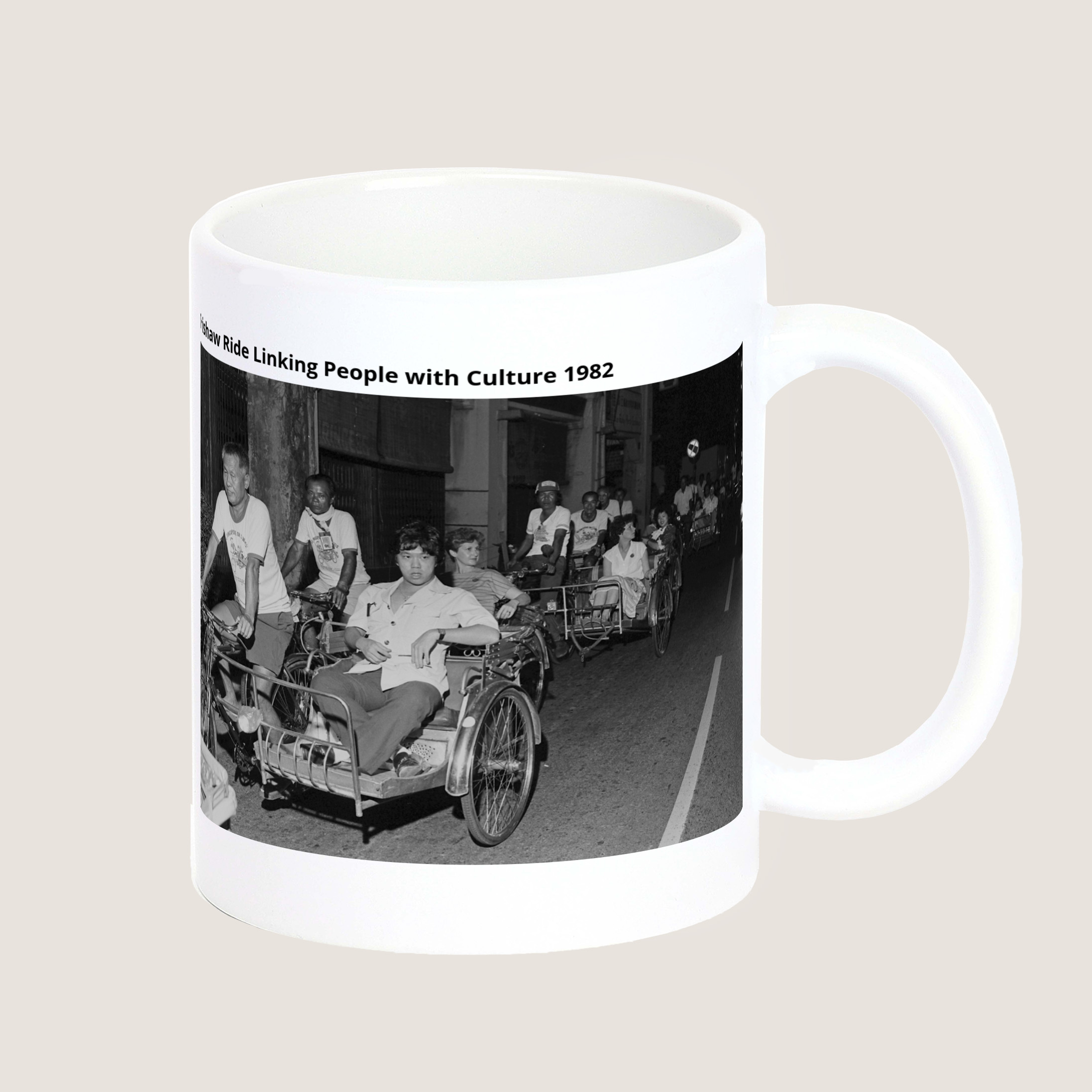
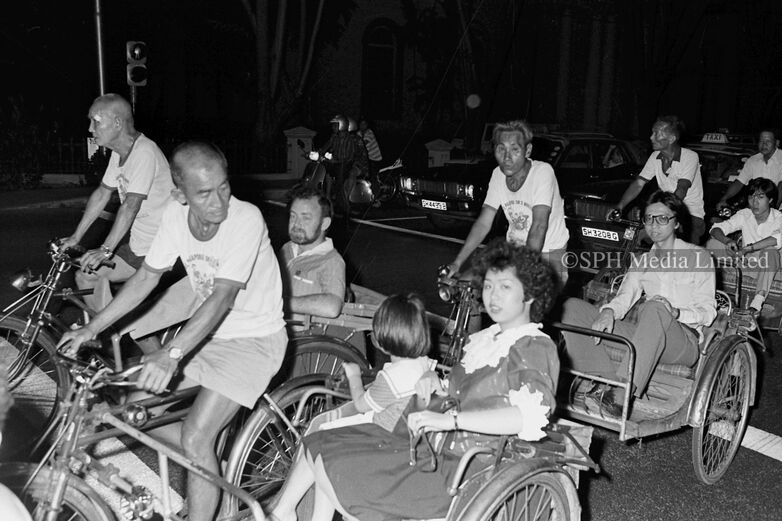
In the 80s, the Ministry of Culture held a series of art activities in Singapore to extend its reach to the people. A trishaw ride began at the Singapore Cultural Theatre, where tourists were taken to view programs that reflected the multicultural aspects of the nation
©️ SPH Media Limited
Share to
Tags
Available for print on products
 Trishaw Ride Linking People with Culture
1982
Trishaw Ride Linking People with Culture
1982
Trishaw Ride Linking People with Culture
Year 1982
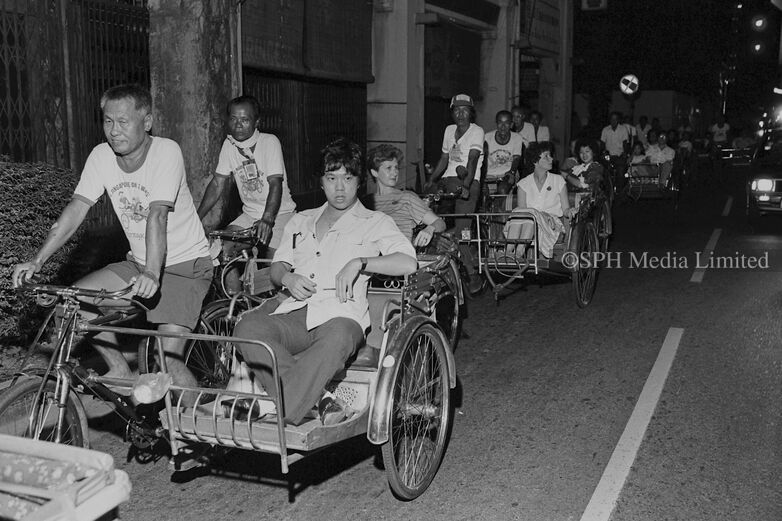
In the 80s, the Ministry of Culture held a series of art activities in Singapore to extend its reach to the people. A trishaw ride began at the Singapore Cultural Theatre, where tourists were taken to view programs that reflected the multicultural aspects of the nation.
©️ SPH Media Limited
Share to
Tags
Available for print on products
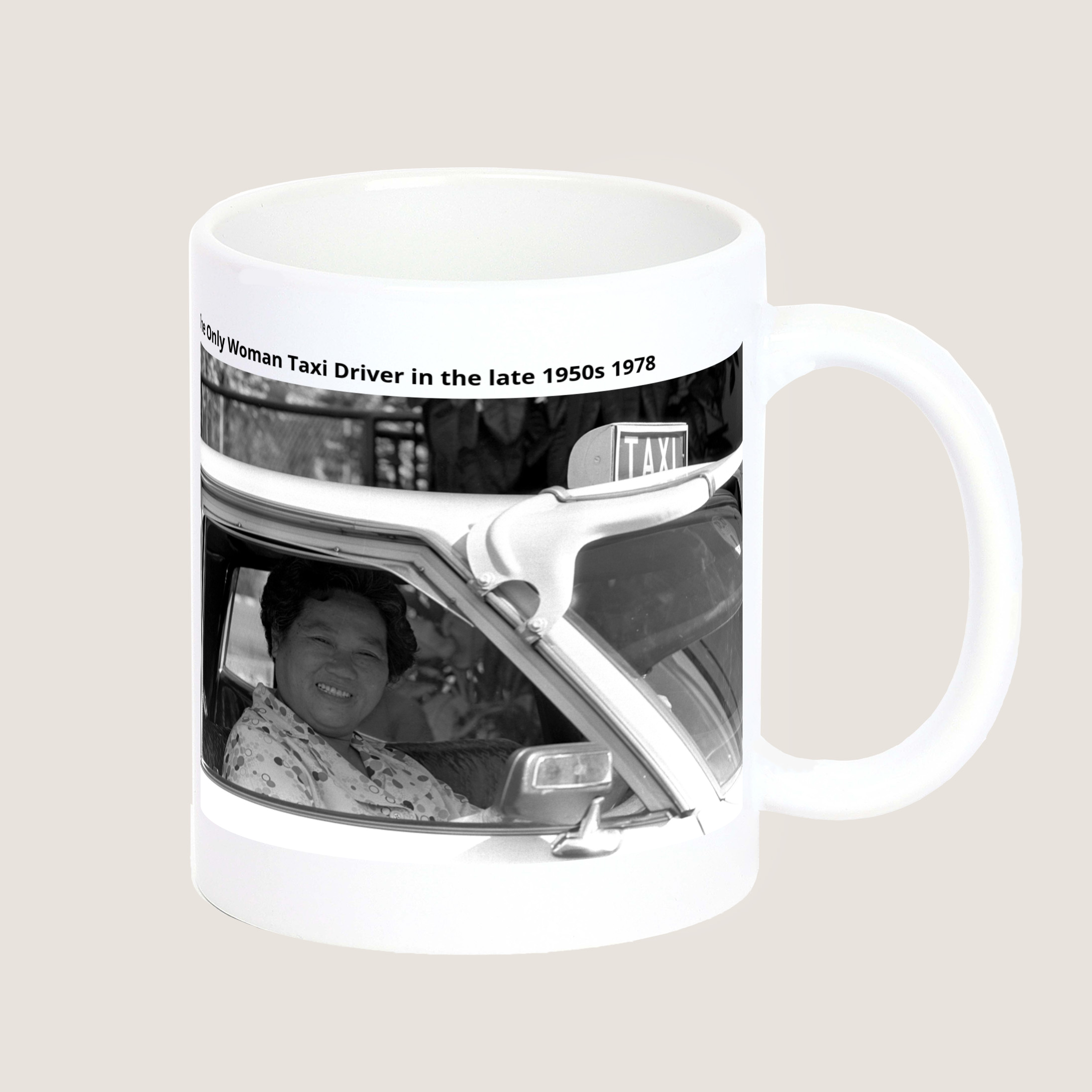
 The Only Woman Taxi Driver in the late 1950s
1978
The Only Woman Taxi Driver in the late 1950s
1978
The Only Woman Taxi Driver in the late 1950s
Year 1978
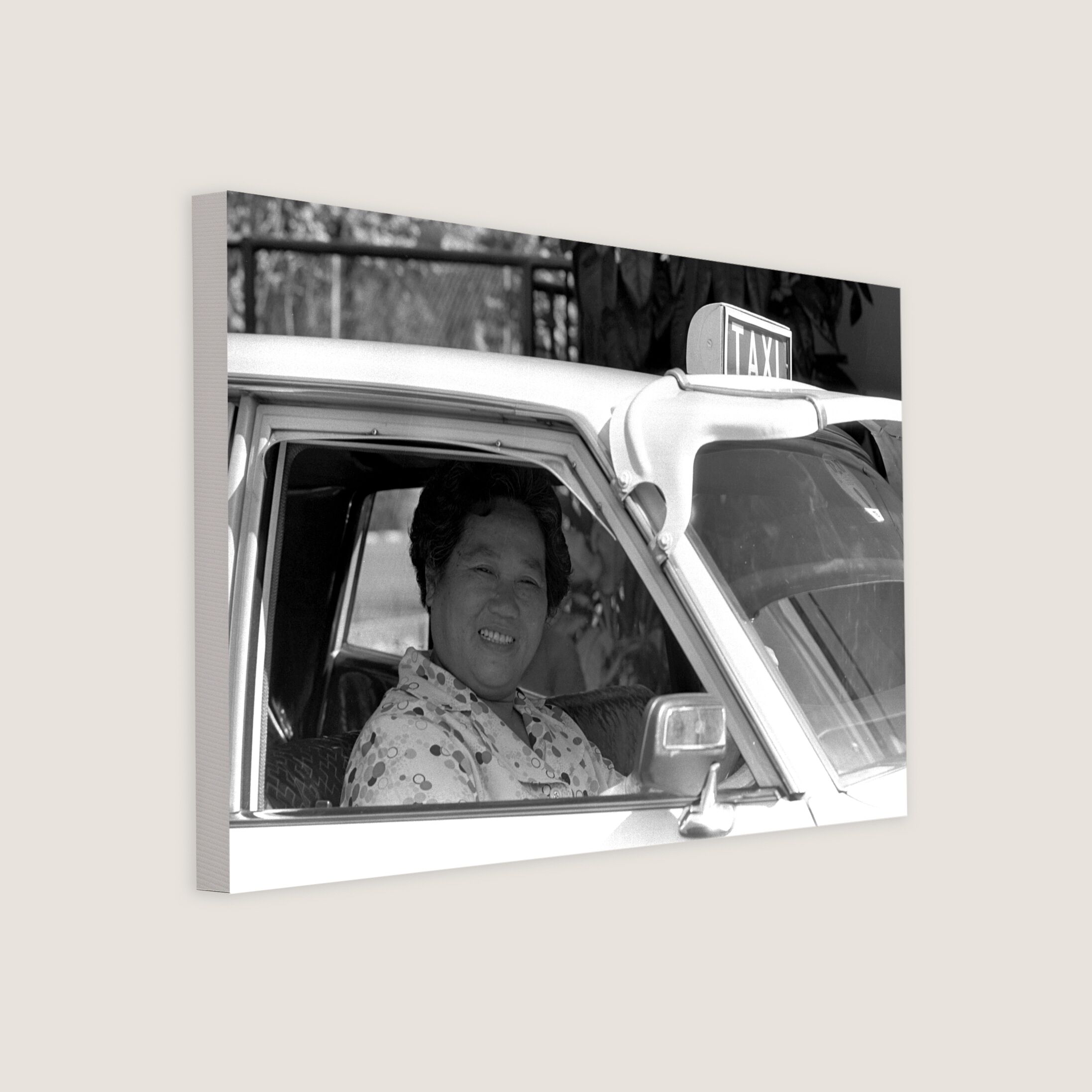
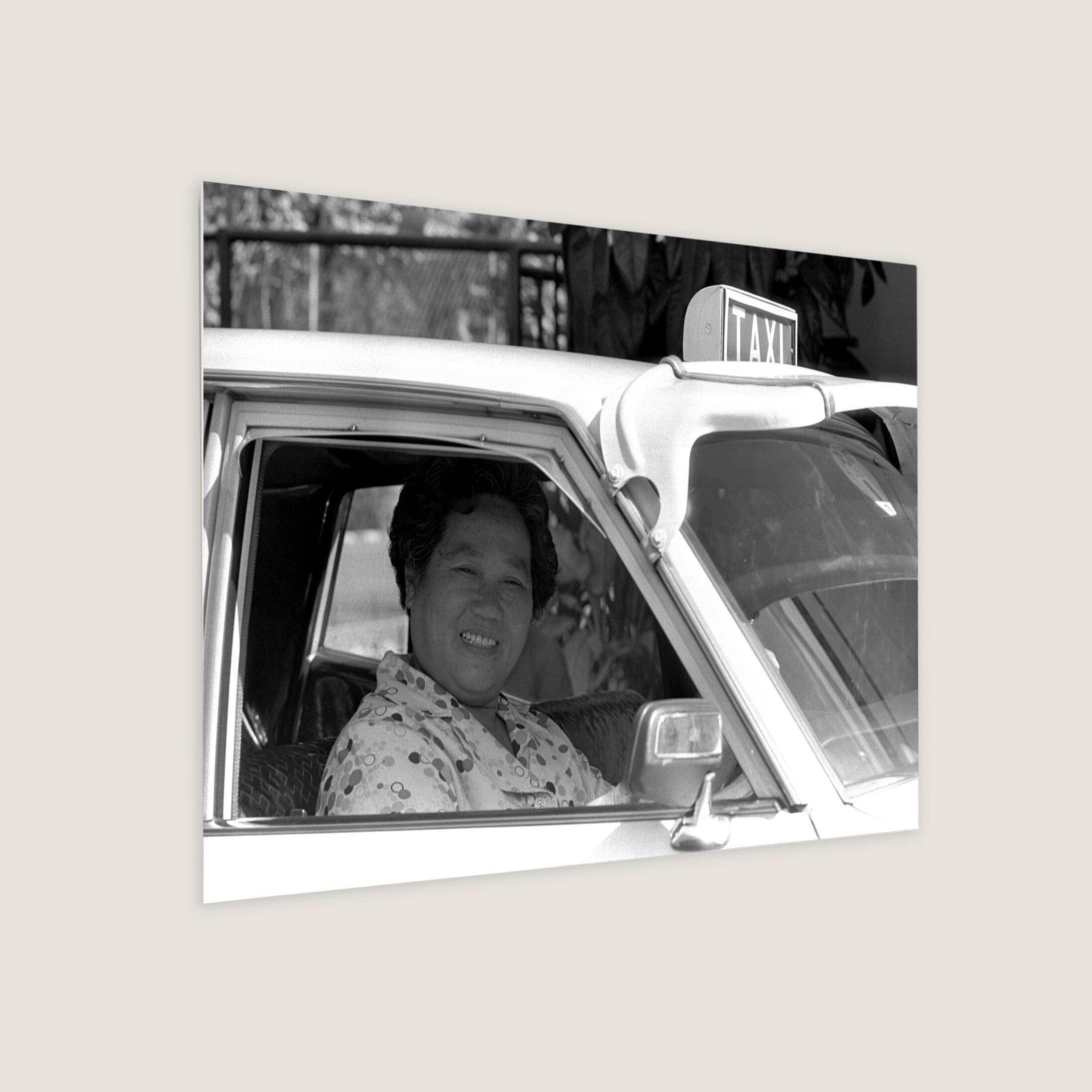
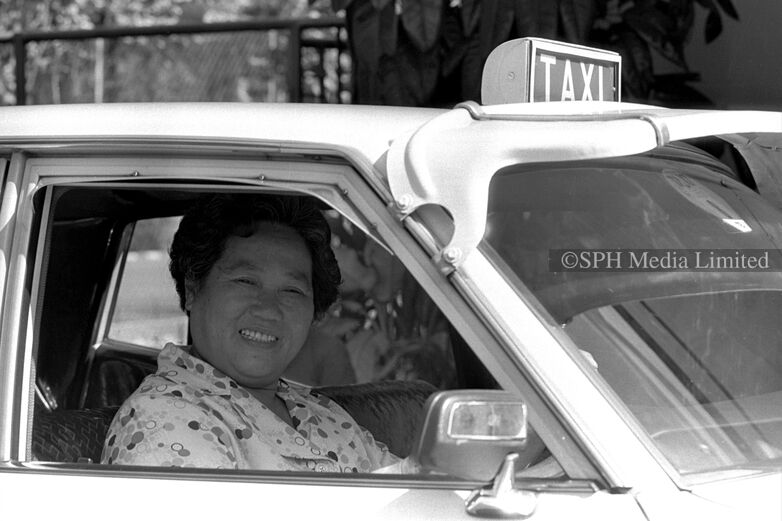
Mdm Lau was the only woman taxi driver in 1959. In a male dominated industry, it was extremely remarkable for a woman to join it.
©️ SPH Media Limited
Share to
Tags
Available for print on products
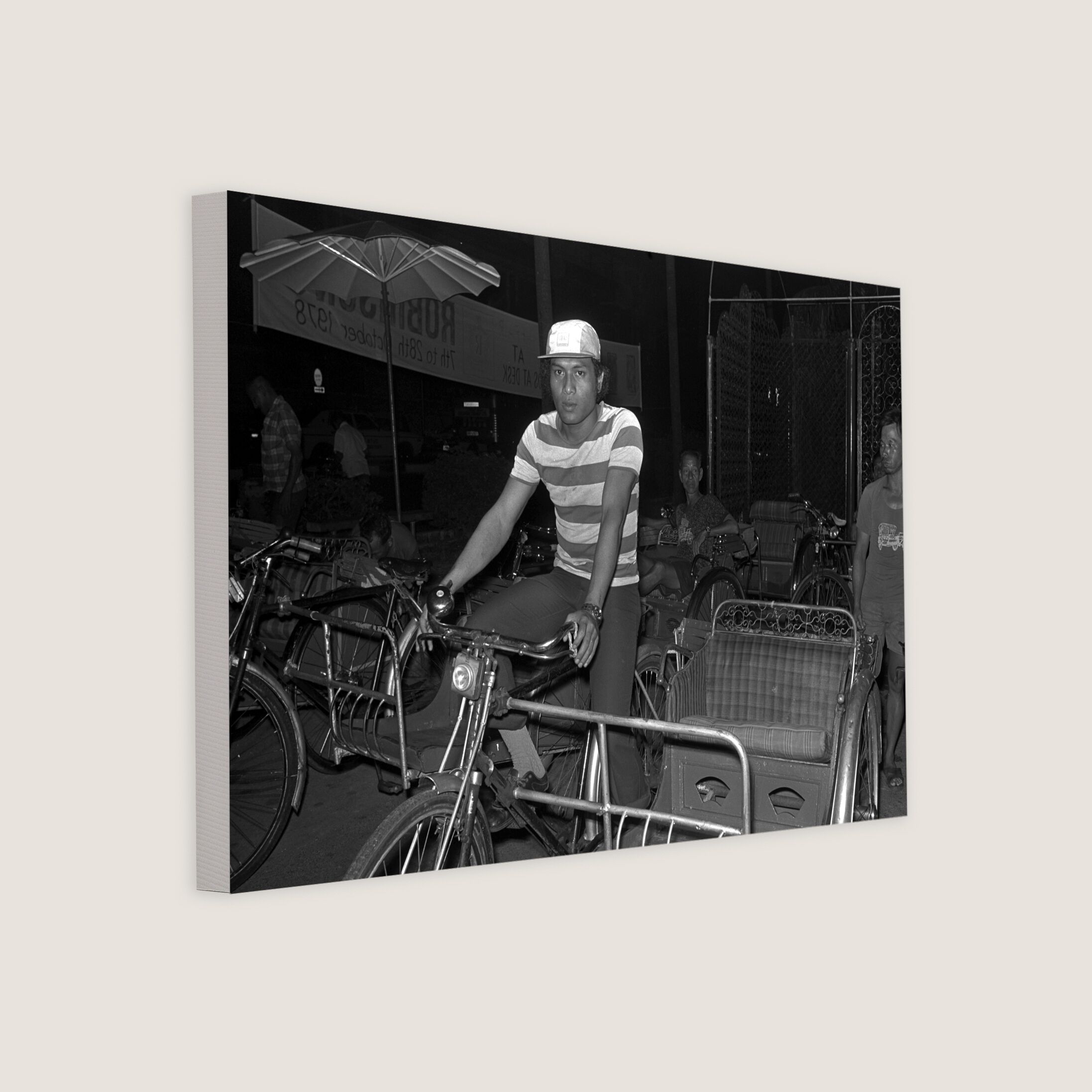
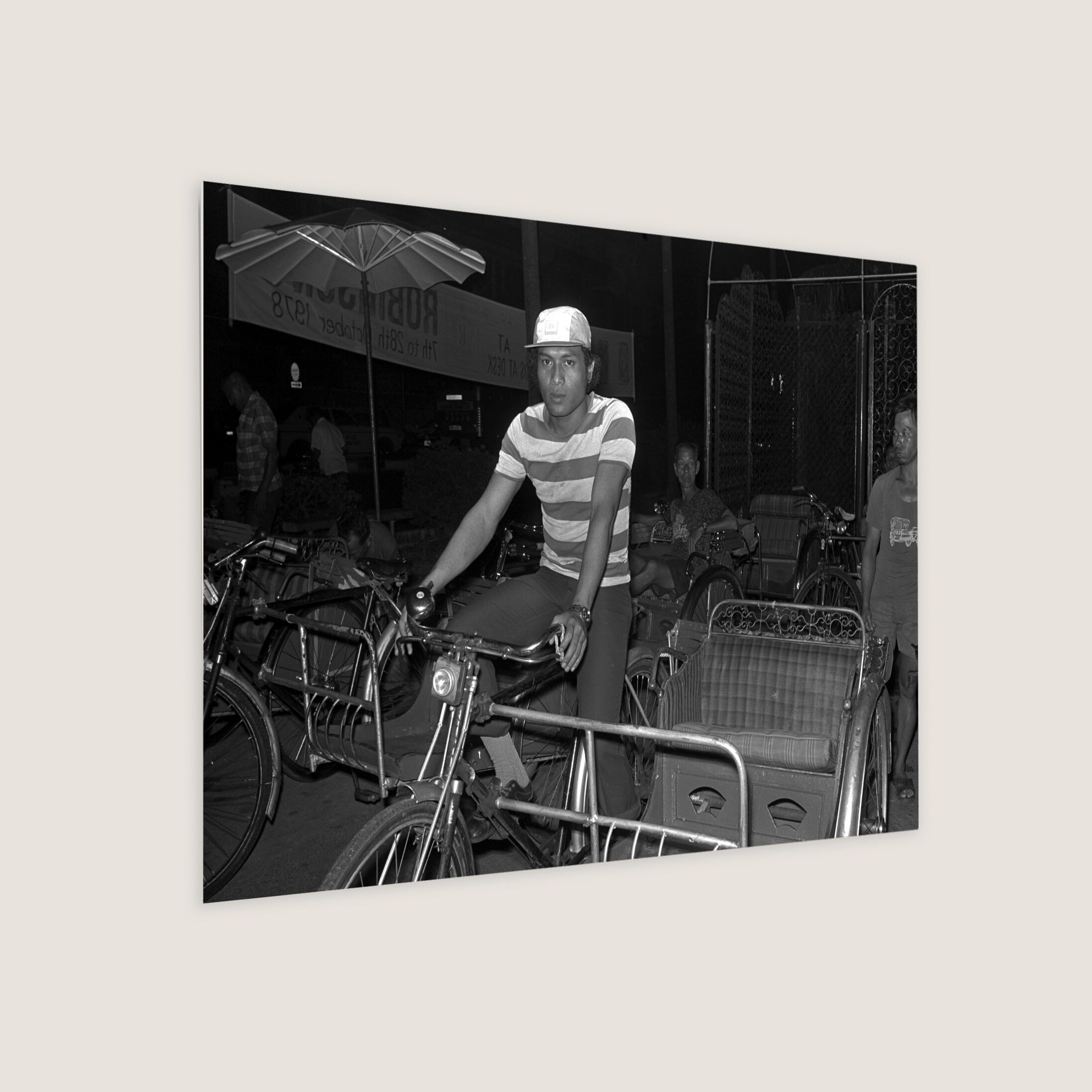
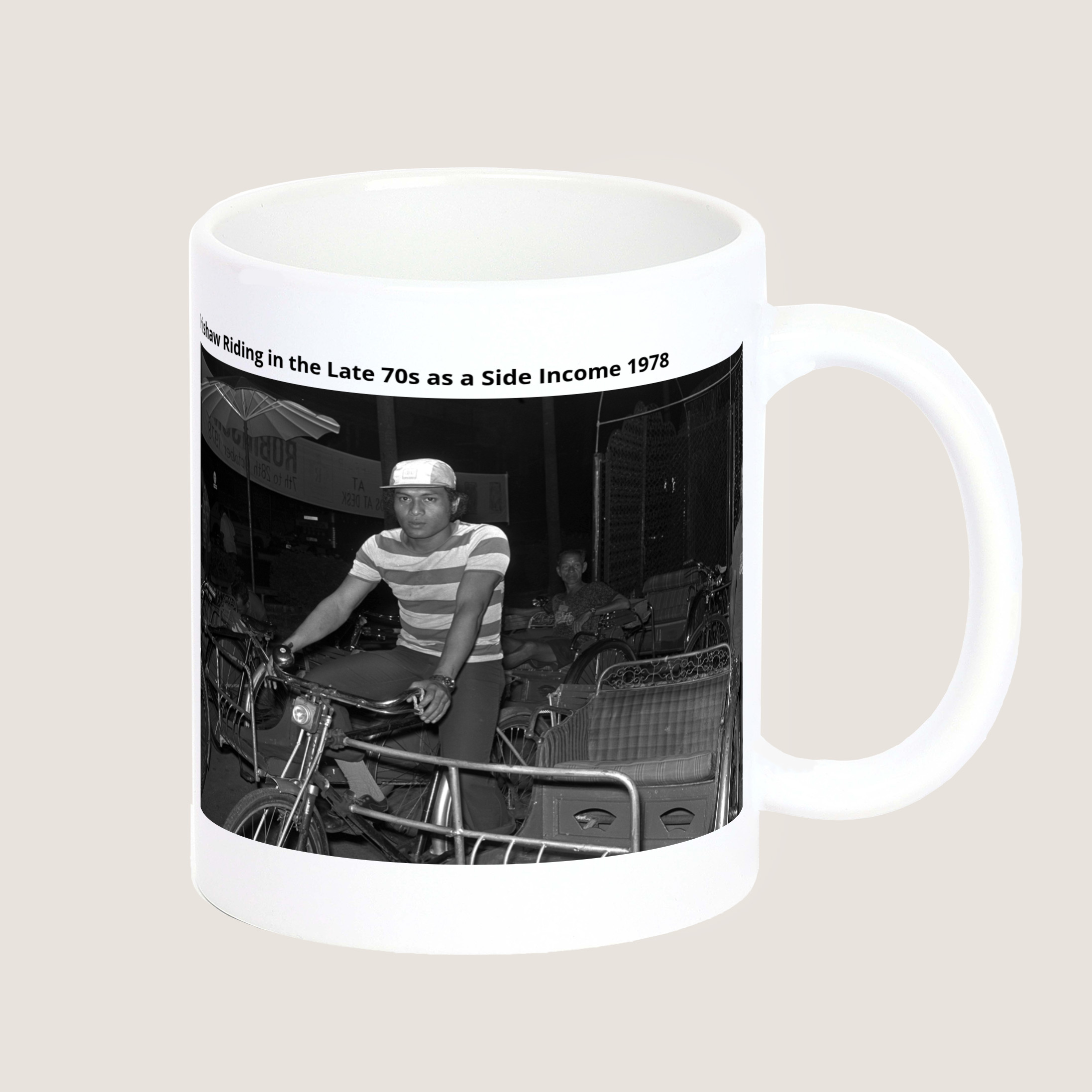
 Trishaw Riding in the Late 70s as a Side Income
1978
Trishaw Riding in the Late 70s as a Side Income
1978
Trishaw Riding in the Late 70s as a Side Income
Year 1978
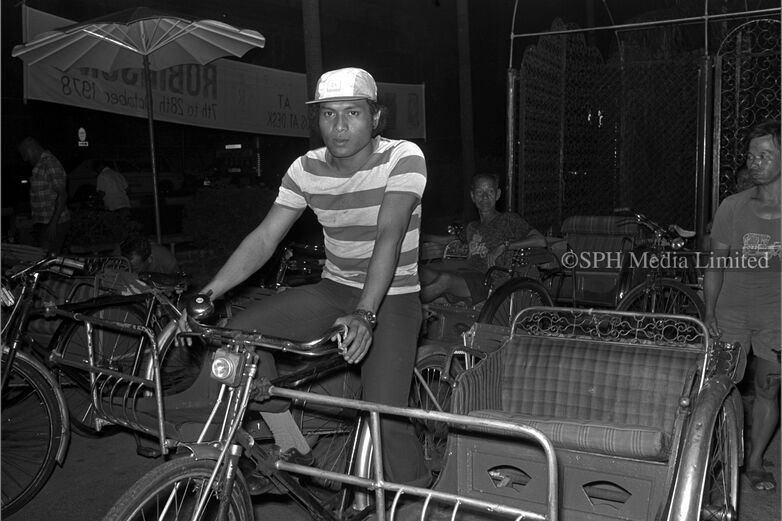
Trishaw riding was a form of side income for many in the late 70s. Many of the new trishaw riders held other jobs, but trishaw riding had become a lucrative sideline business for them. The trishaw business survived by serving tourists instead of local people.
©️ SPH Media Limited
Share to
Tags
Available for print on products
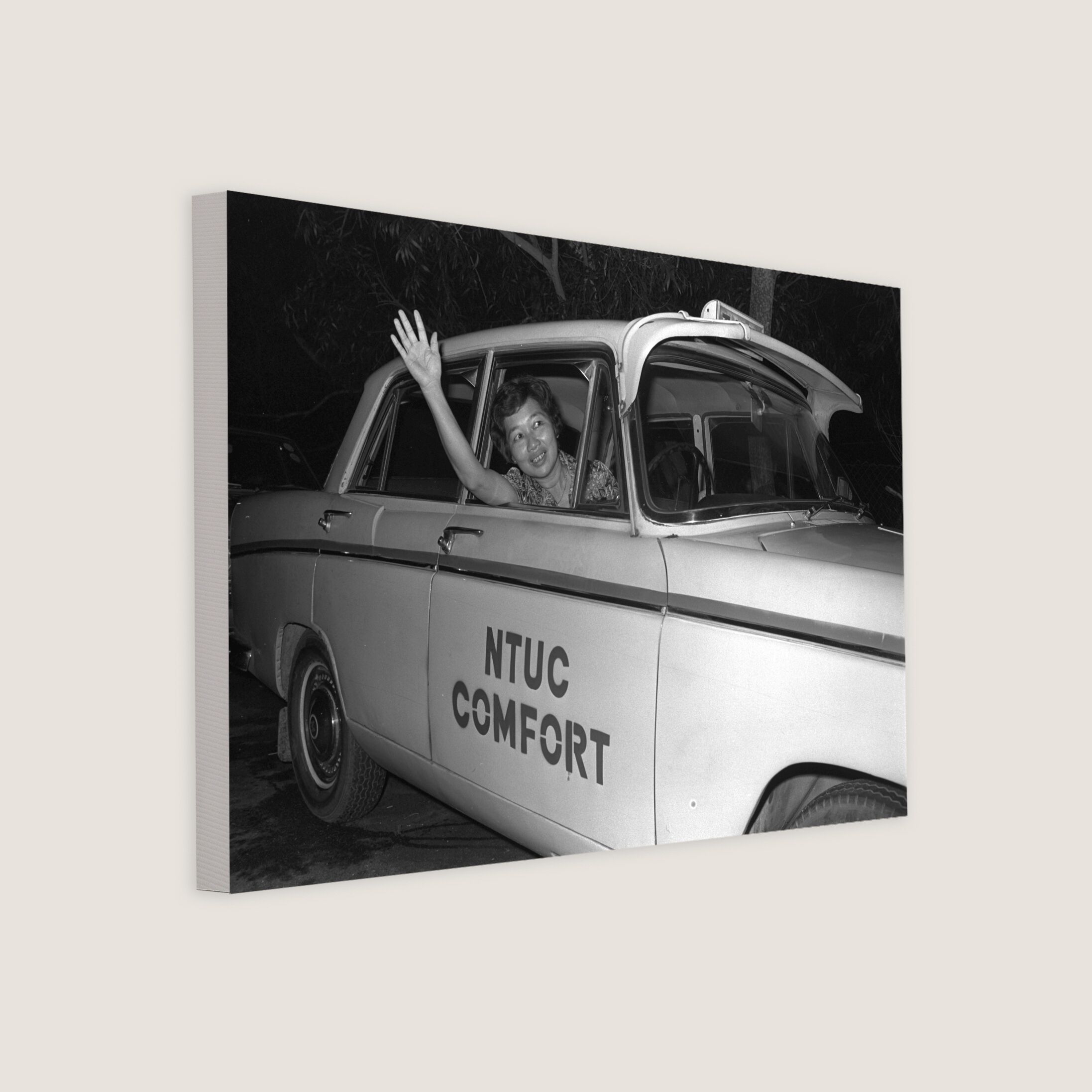
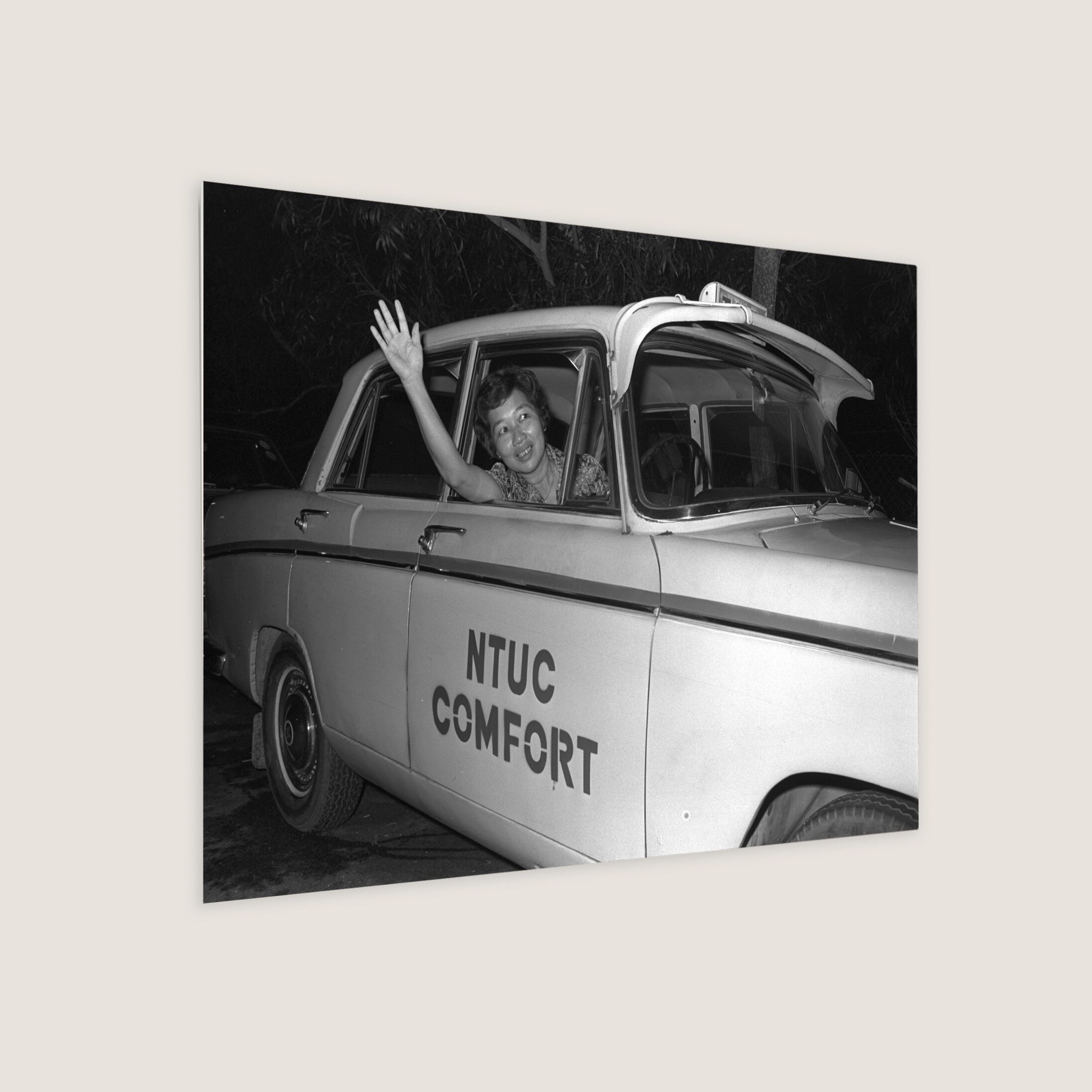
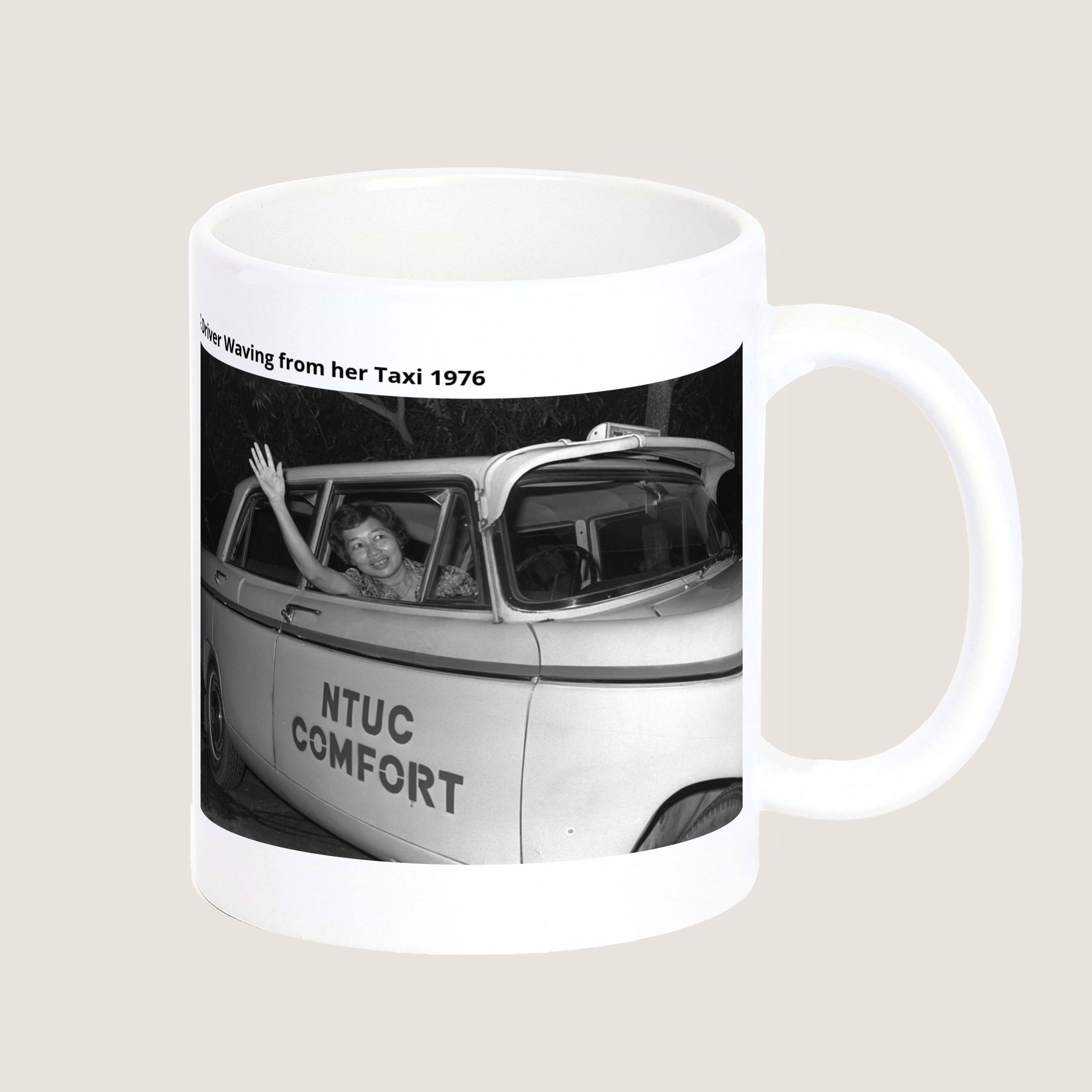
 A Driver Waving from her Taxi
1976
A Driver Waving from her Taxi
1976
A Driver Waving from her Taxi
Year 1976
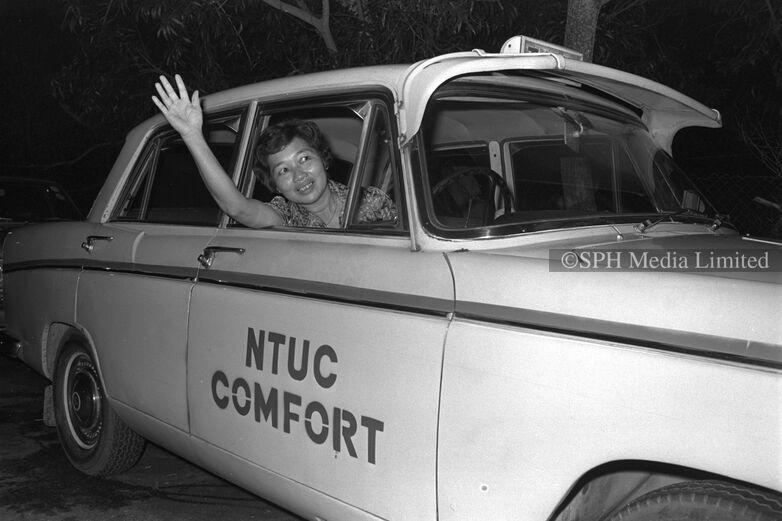
A woman driver waved from her taxi, one of just four women in Singapore holding a taxi driver's license. In 1973, taxi licenses became non-transferable, and new licenses were exclusively issued to NTUC-Comfort.
©️ SPH Media Limited
Share to
Tags
Available for print on products
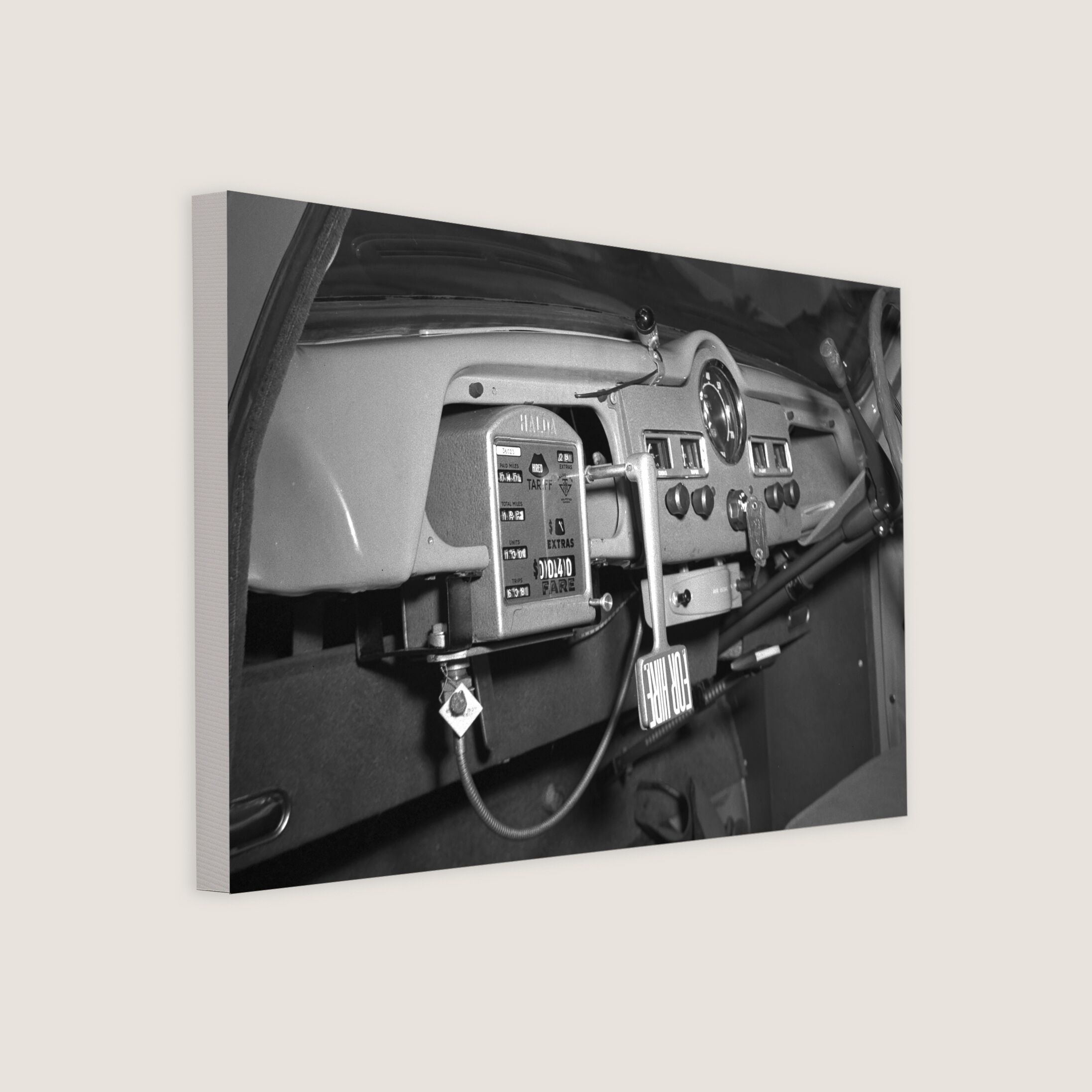
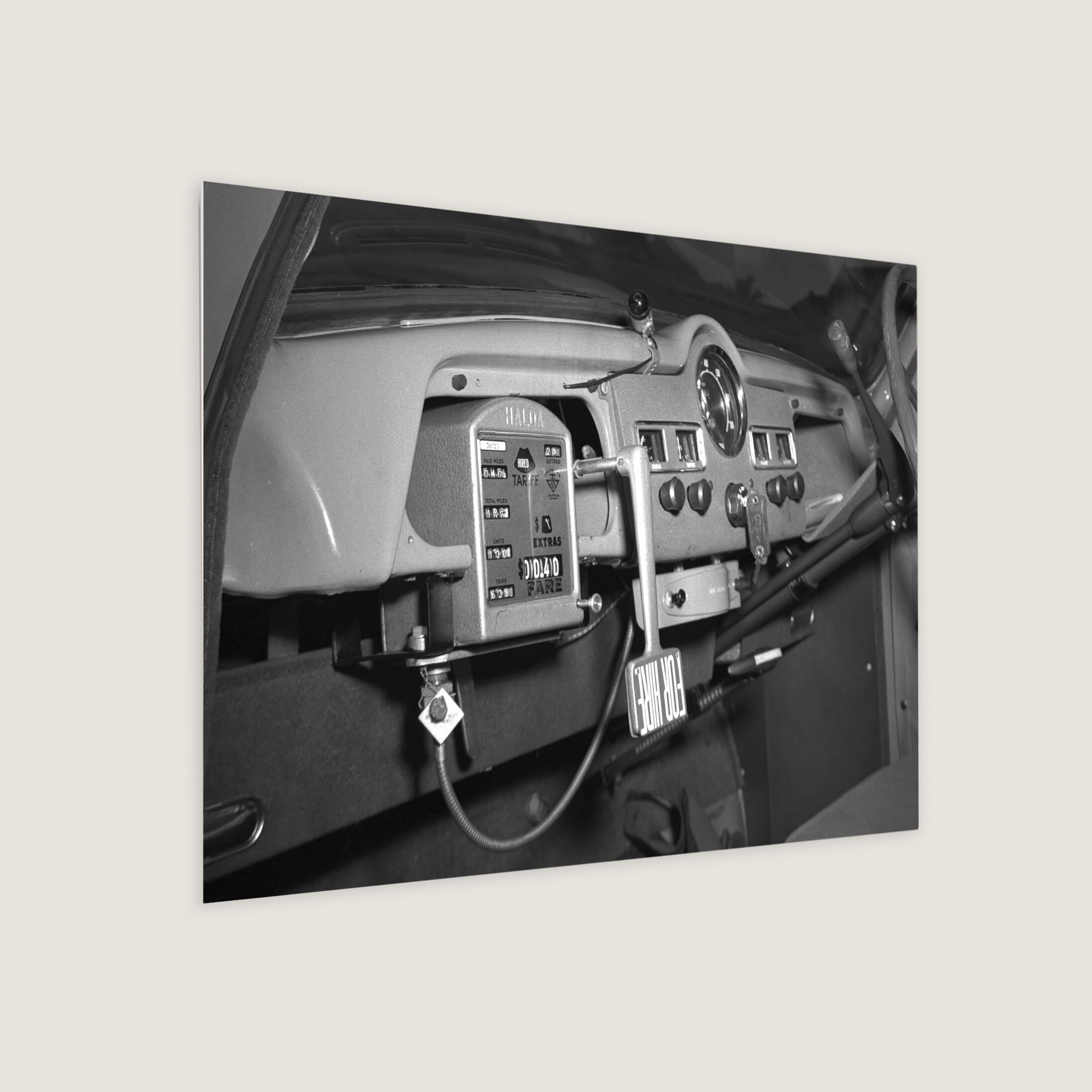
 Taxi Meters were Introduced in the 50s
1953
Taxi Meters were Introduced in the 50s
1953
Taxi Meters were Introduced in the 50s
Year 1953
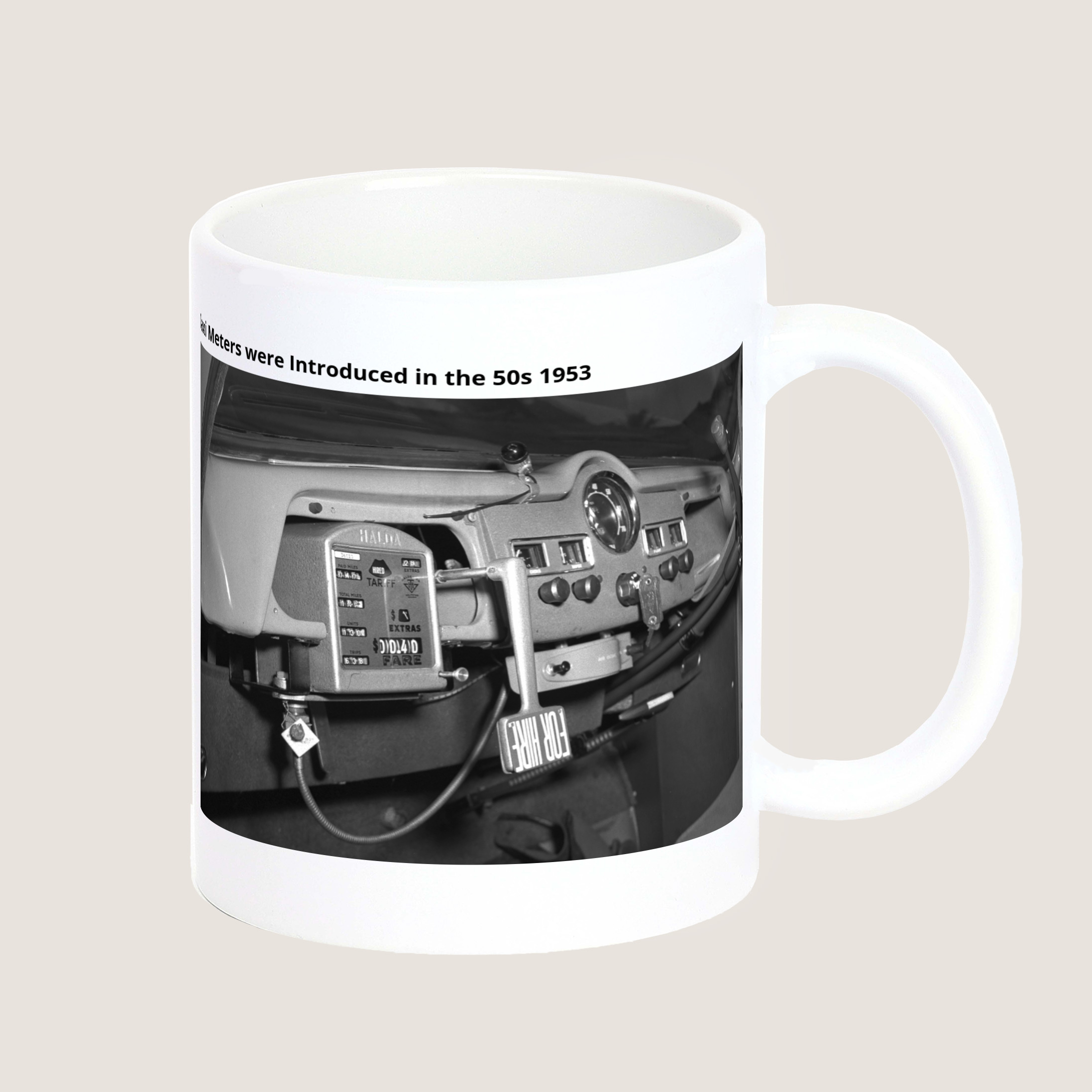
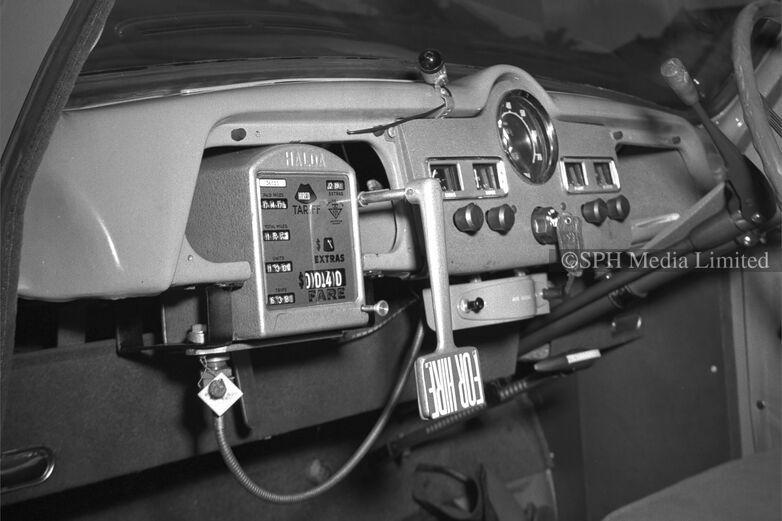
In the early 1950s, the City Council introduced taxi meters on a larger scale to provide fairer service to the public. However, the new system faced opposition from taxi drivers, who felt it would lead to passengers bargaining for fares lower than the authorised rates, disrupting their business.
©️ SPH Media Limited
Share to
Tags
Available for print on products
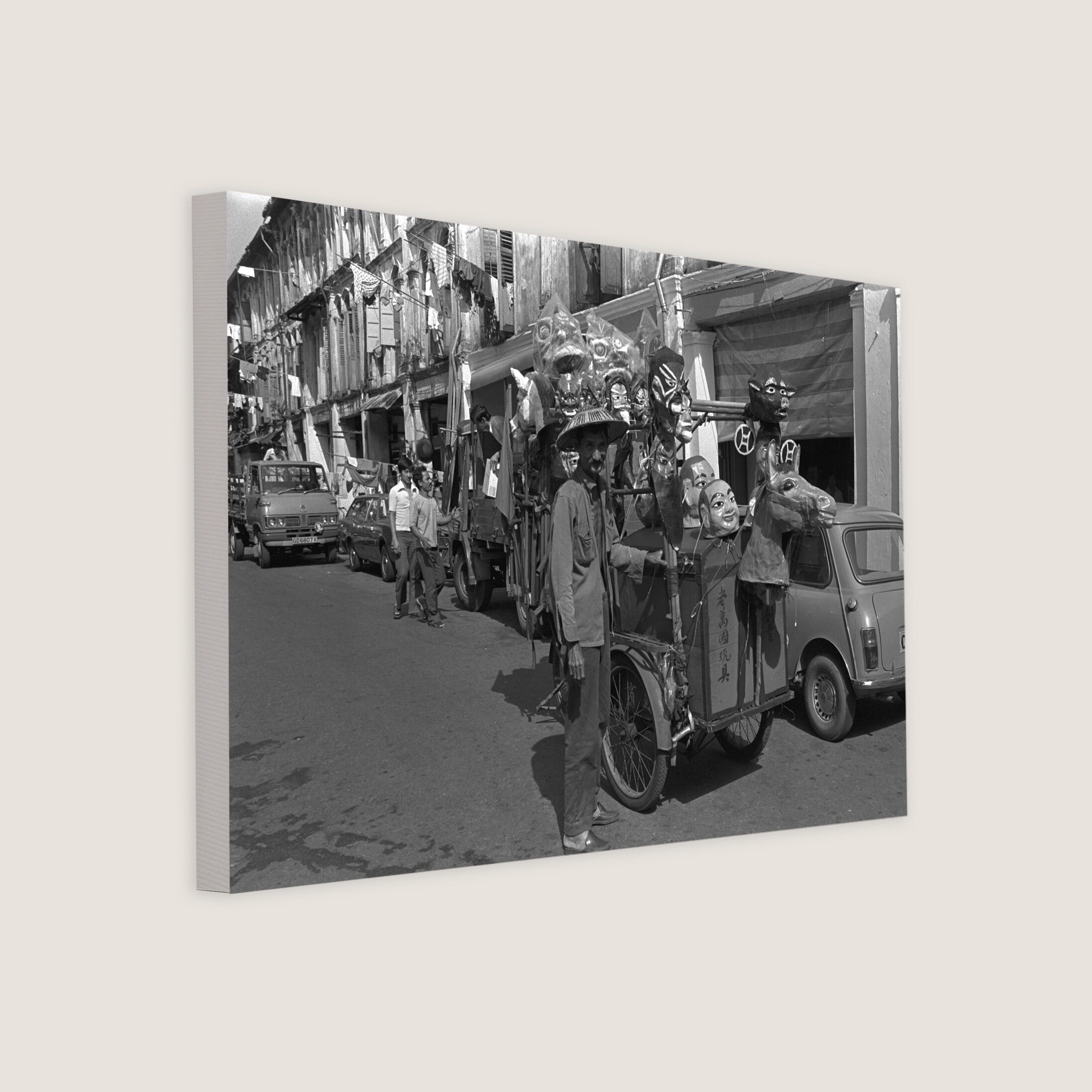
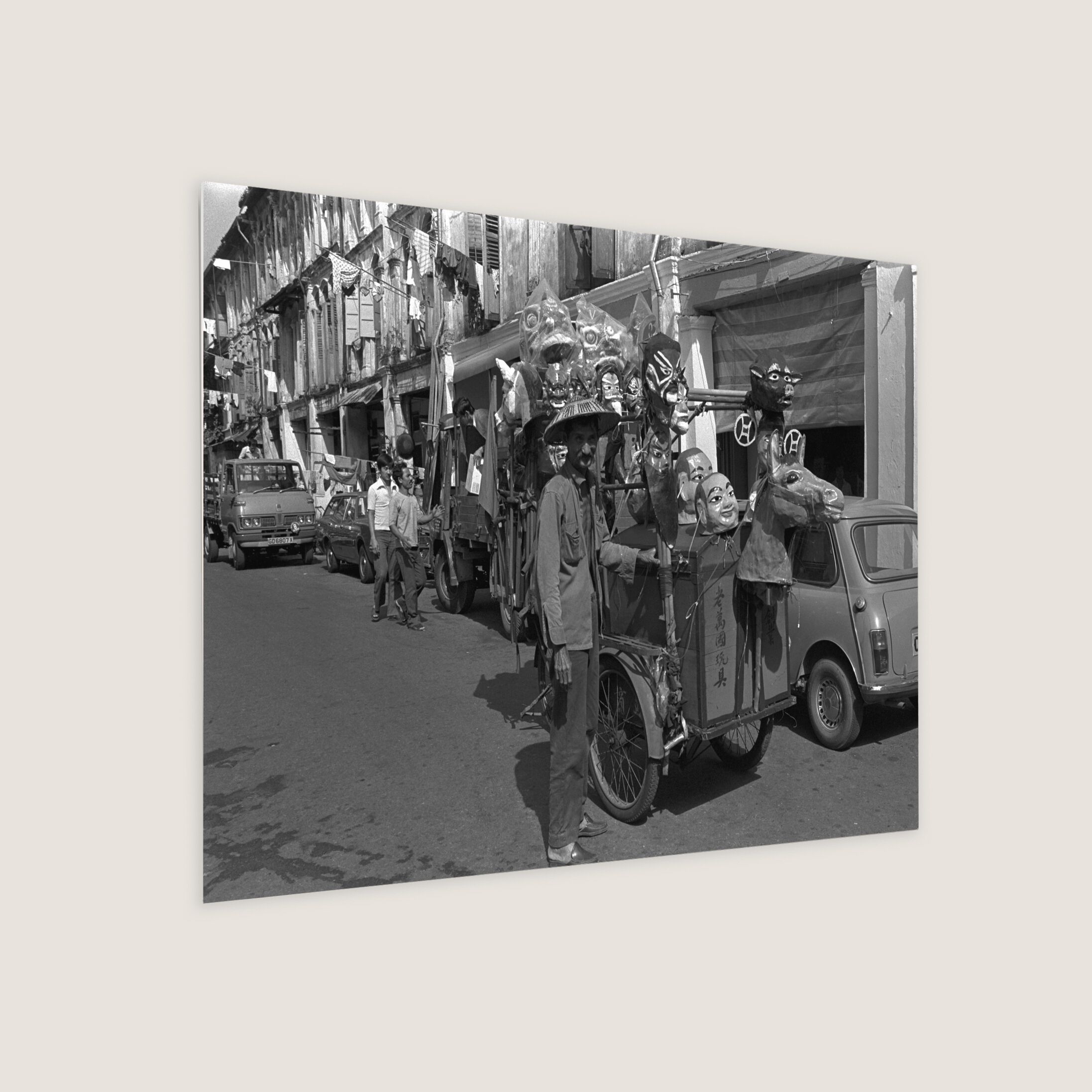
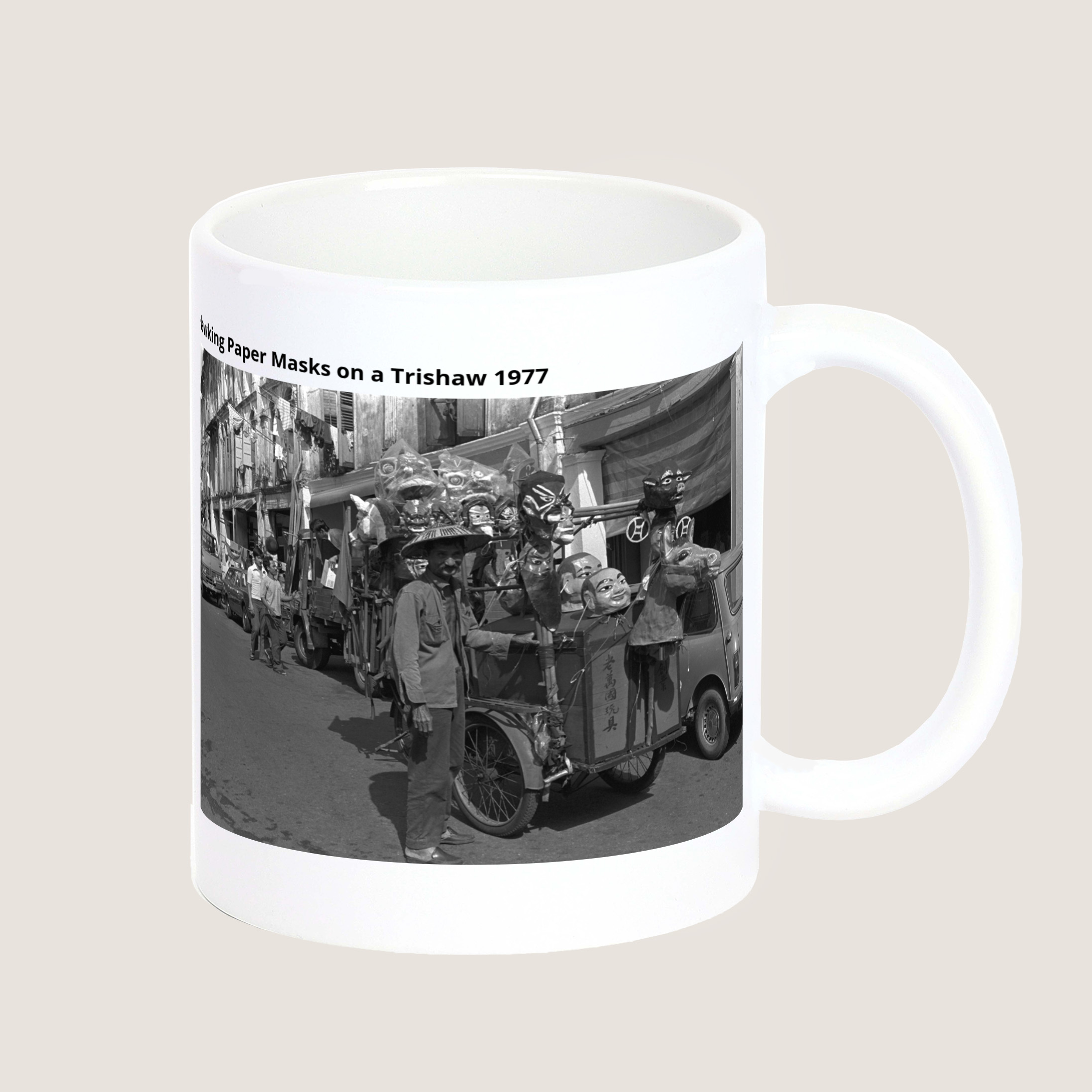
 Hawking Paper Masks on a Trishaw
1977
Hawking Paper Masks on a Trishaw
1977
Hawking Paper Masks on a Trishaw
Year 1977
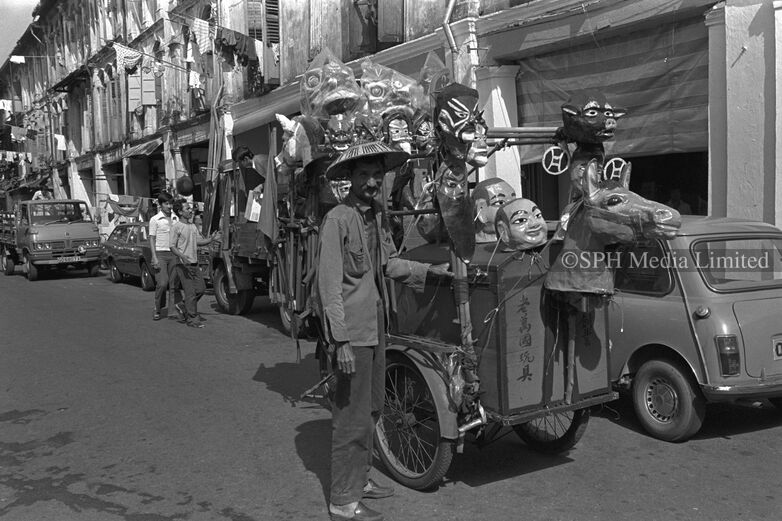
A hawker who earns his living by selling paper masks operates from his trishaw. For this elderly man, the trishaw is his means of livelihood. The craft of making paper headpieces and masks has faded over time, and with the rise of modern transportation, trishaws have become increasingly rare. In 2023, they stopped operations completely.
©️ SPH Media Limited
Share to
Tags
Available for print on products
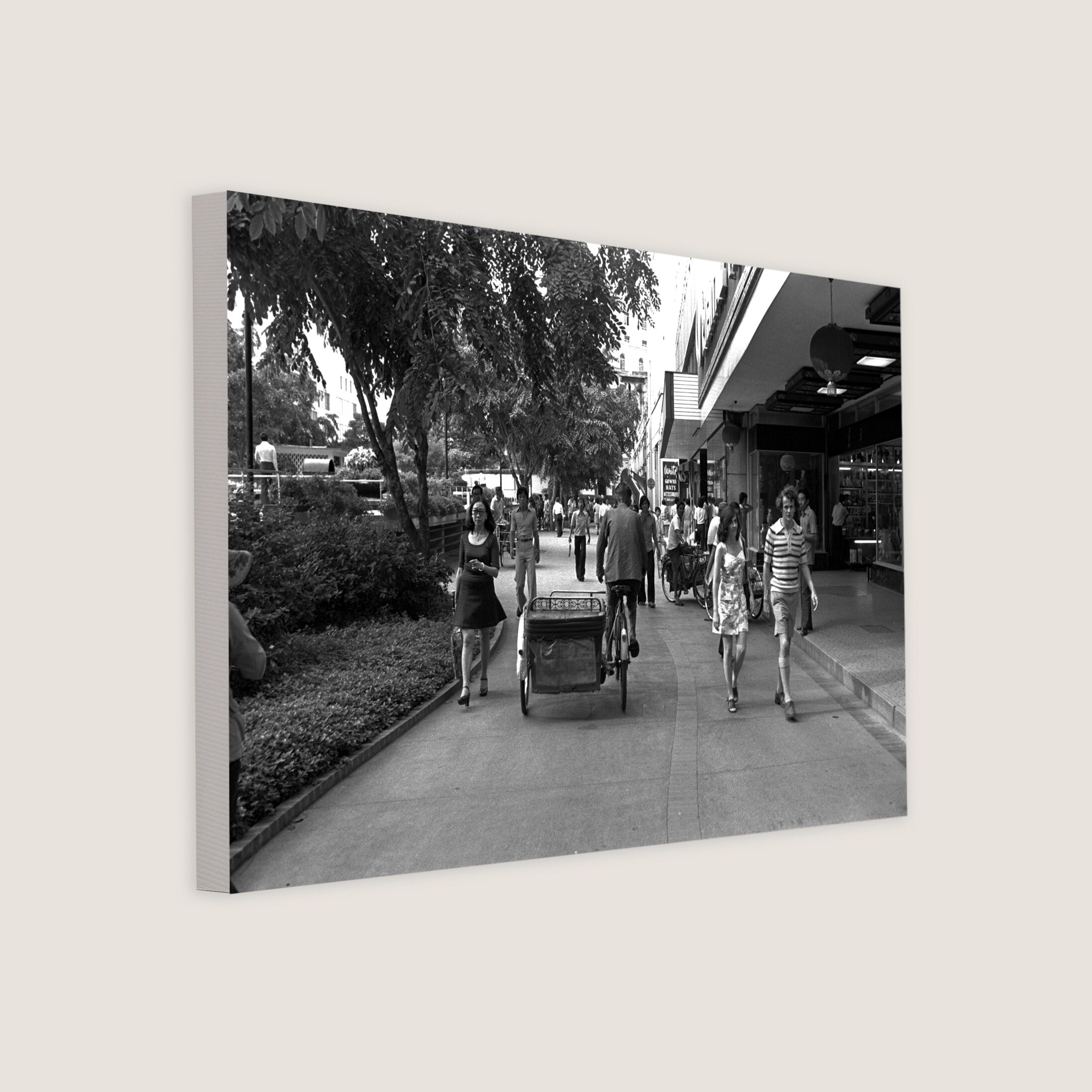
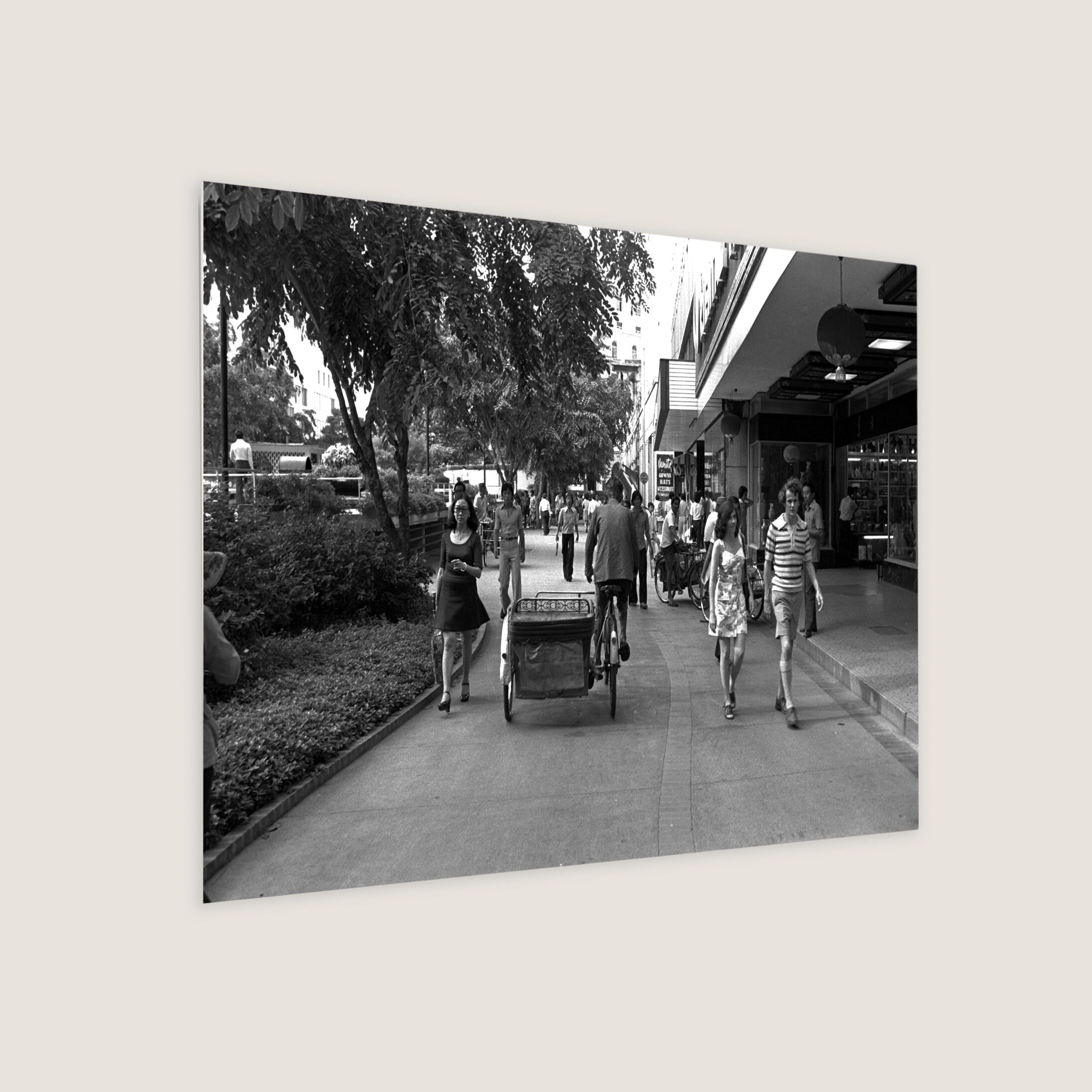
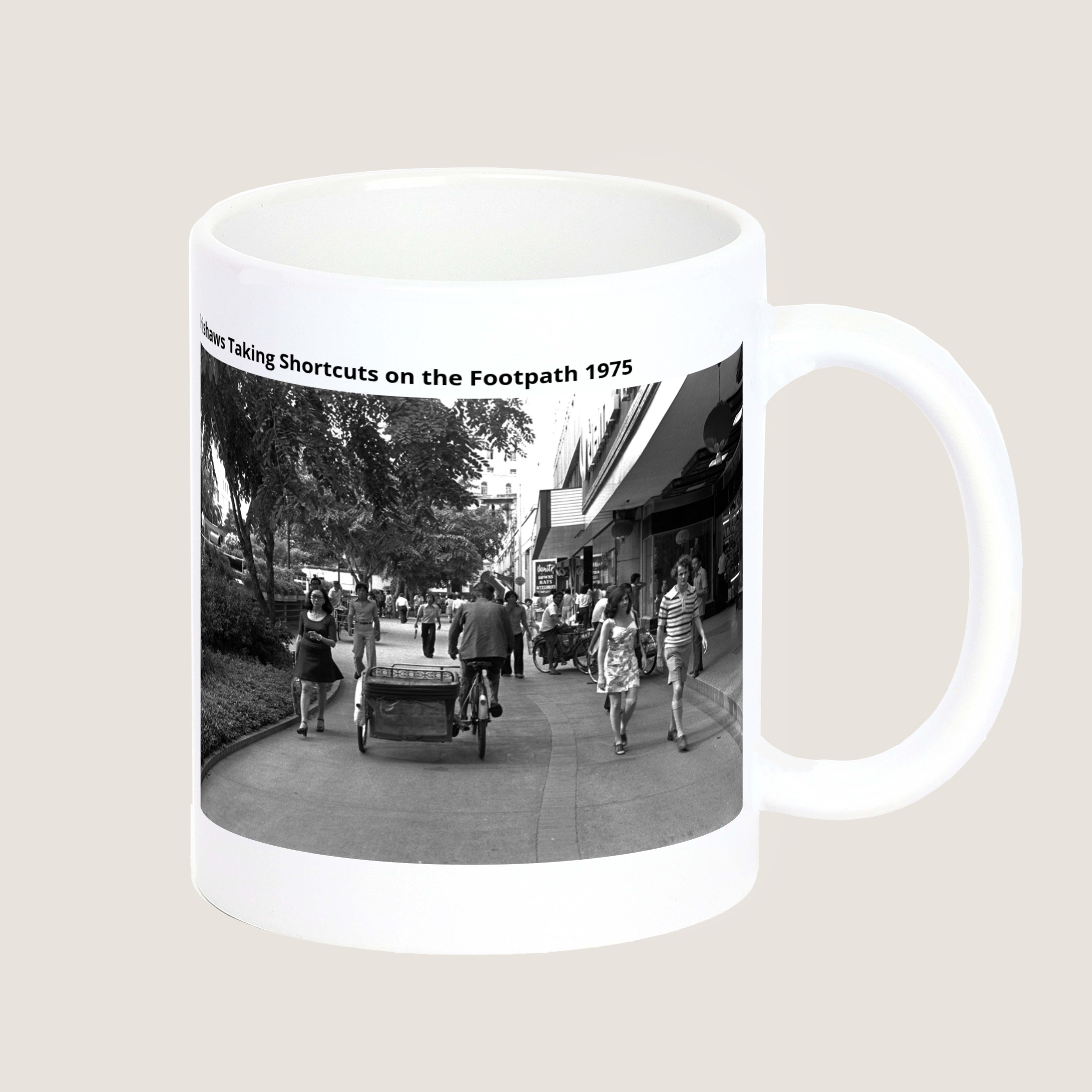
 Trishaws Taking Shortcuts on the Footpath
1975
Trishaws Taking Shortcuts on the Footpath
1975
Trishaws Taking Shortcuts on the Footpath
Year 1975
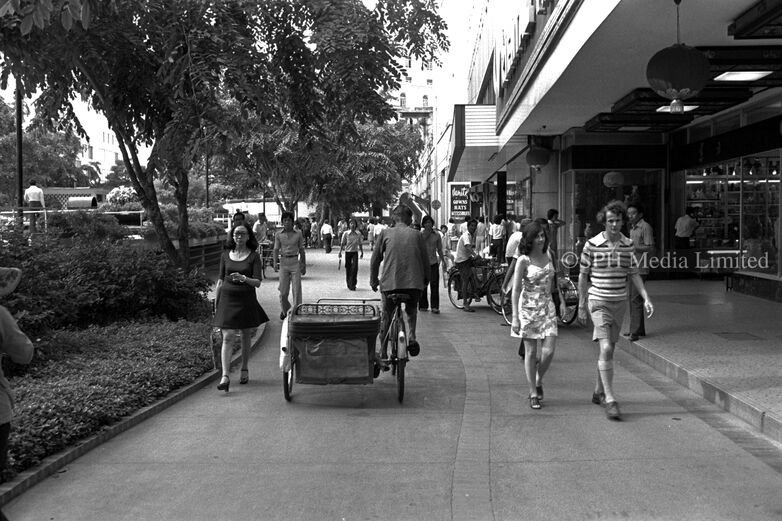
Trishaws on the pedestrian mall at Raffles Place in 1975. In order to maintain an income, trishaw riders pass through the mall as a shortcut or pick-up point for passengers on a daily basis.
©️ SPH Media Limited
Share to
Tags
Available for print on products
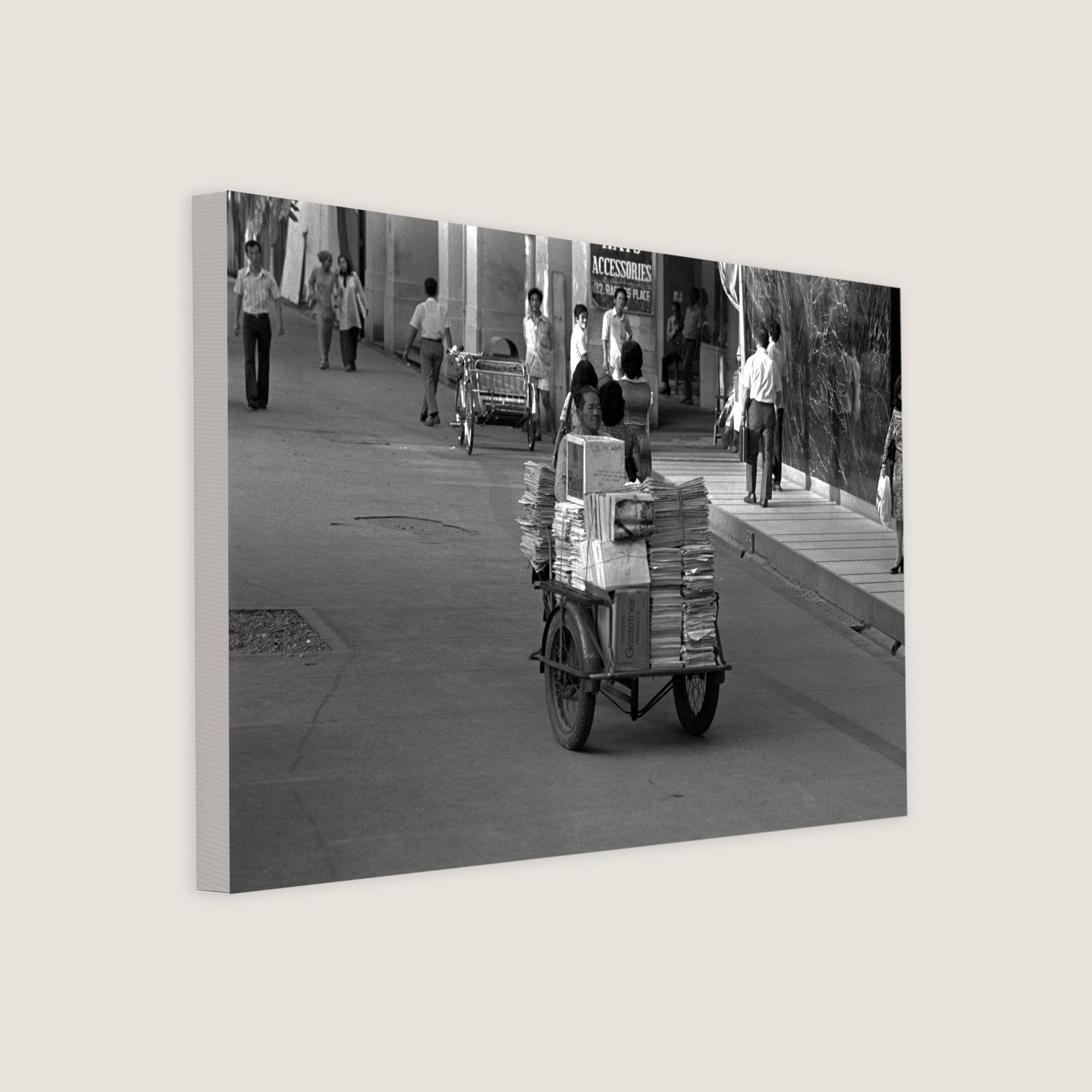
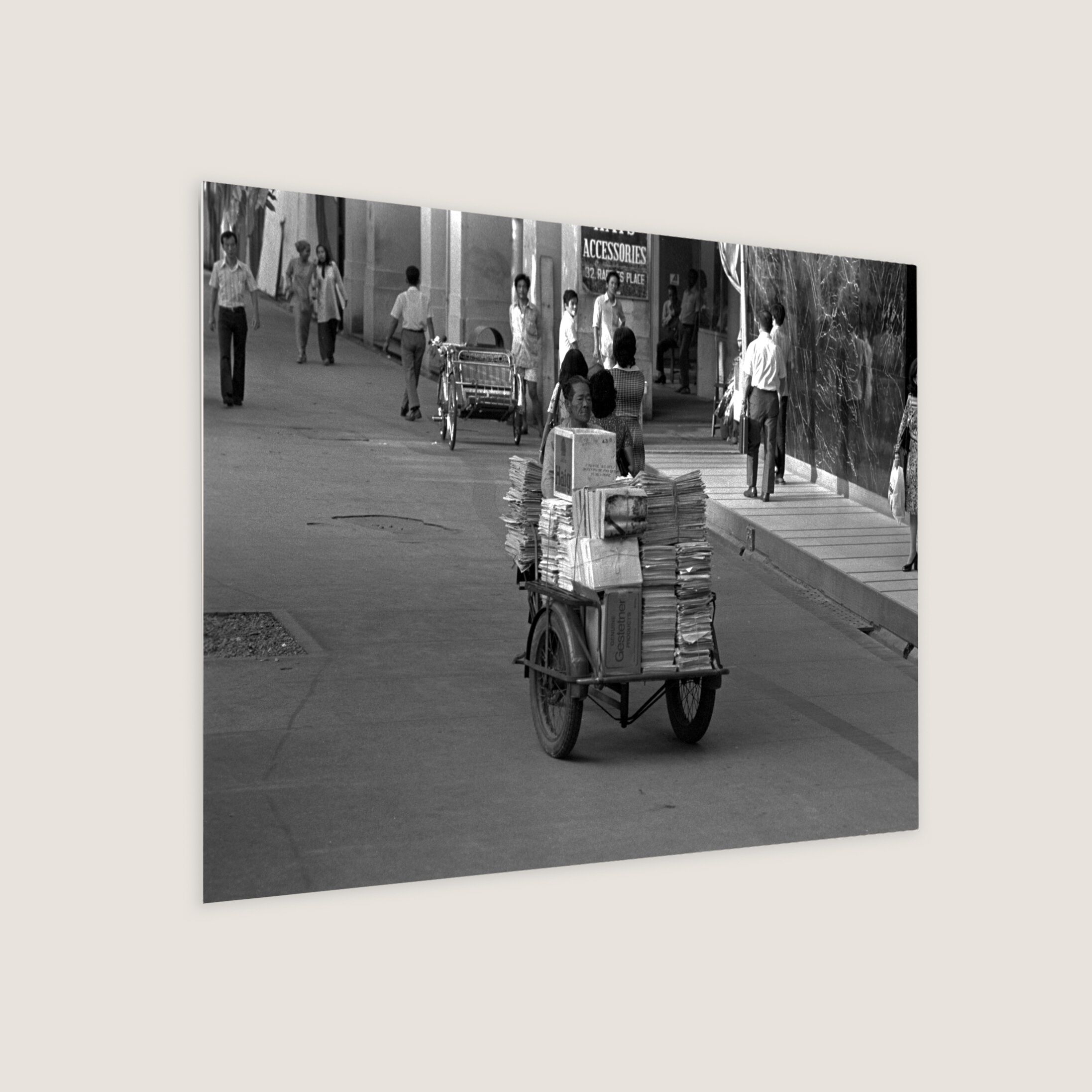
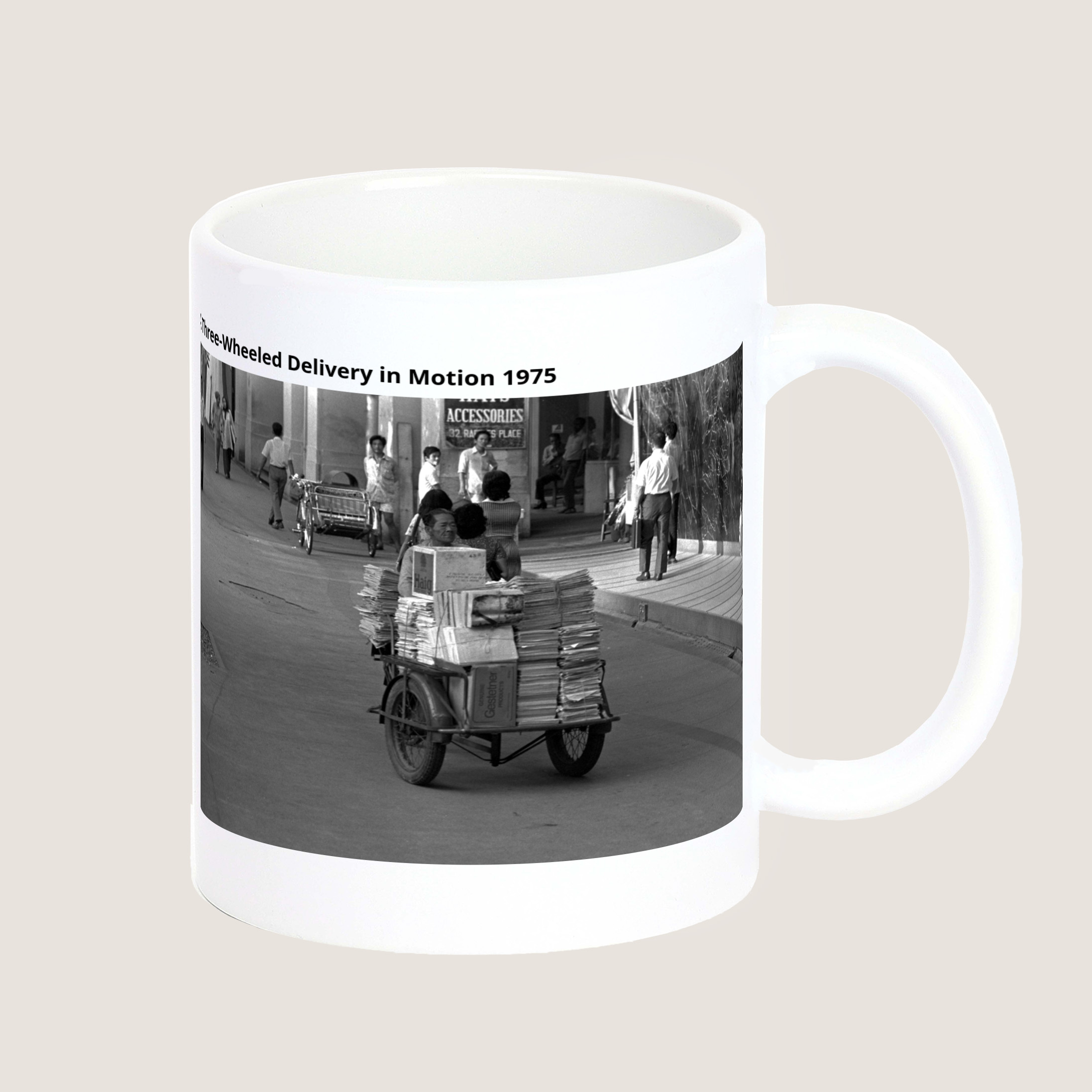
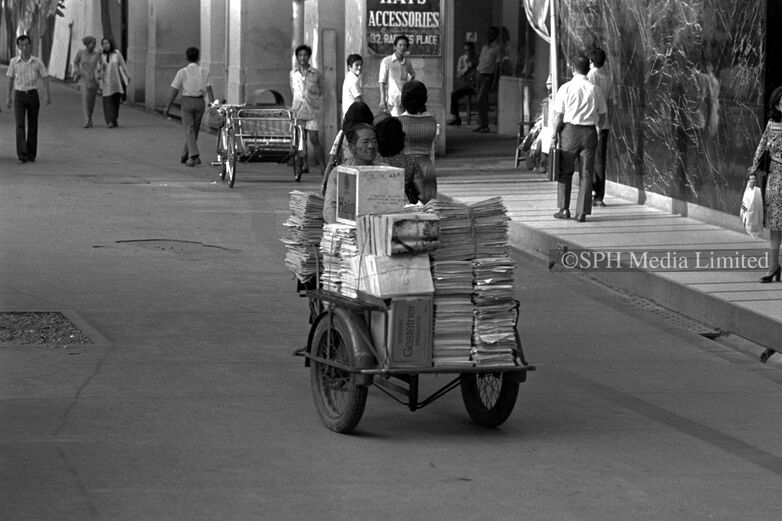 A Three-Wheeled Delivery in Motion
1975
A Three-Wheeled Delivery in Motion
1975
A Three-Wheeled Delivery in Motion
Year 1975
An elderly man riding a tricycle on the road, transporting books and papers. Trishaws played a crucial role in supporting informal sector businesses such as hawkers, street peddlers, and petty traders, by helping transport their goods.
©️ SPH Media Limited
Share to
Tags
Available for print on products
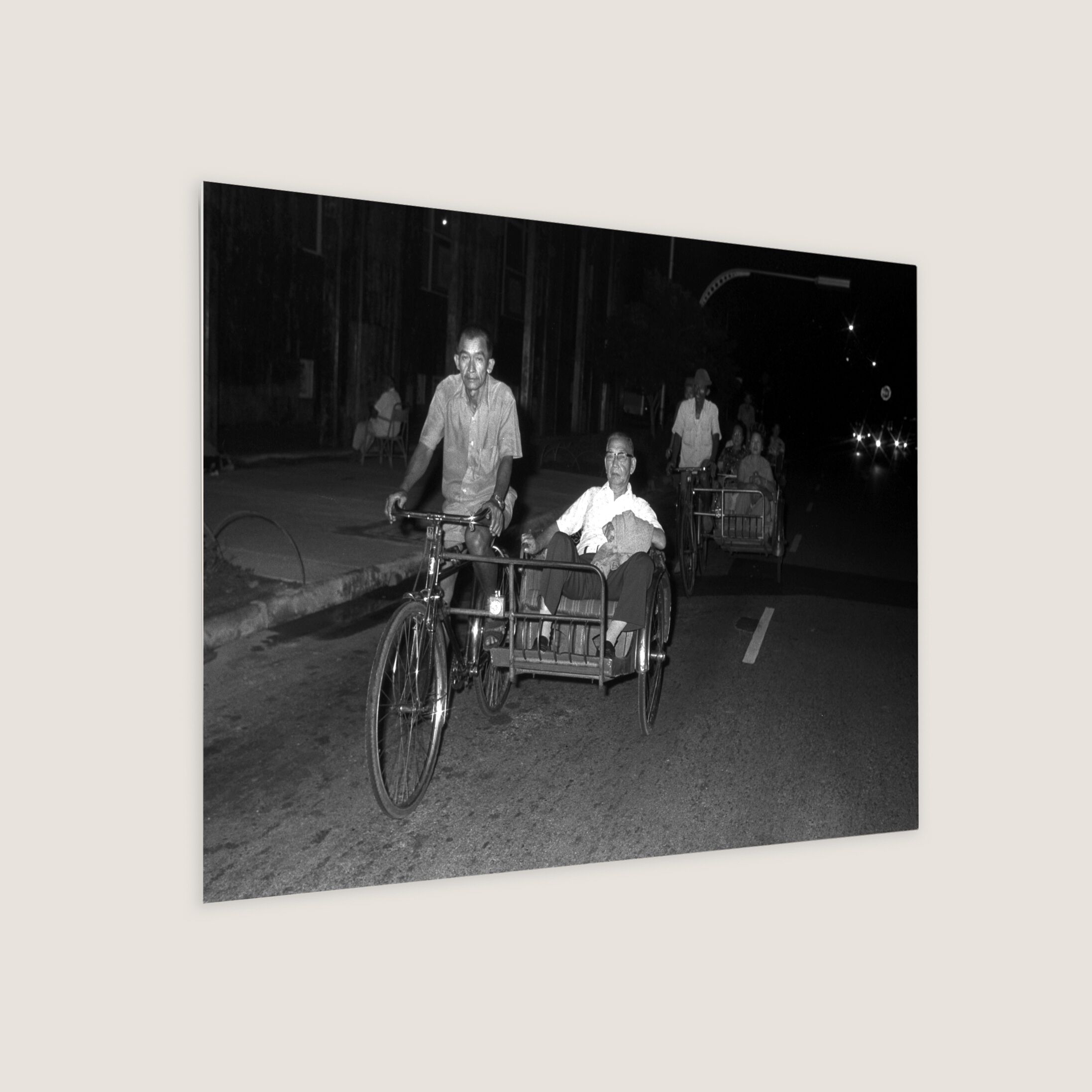
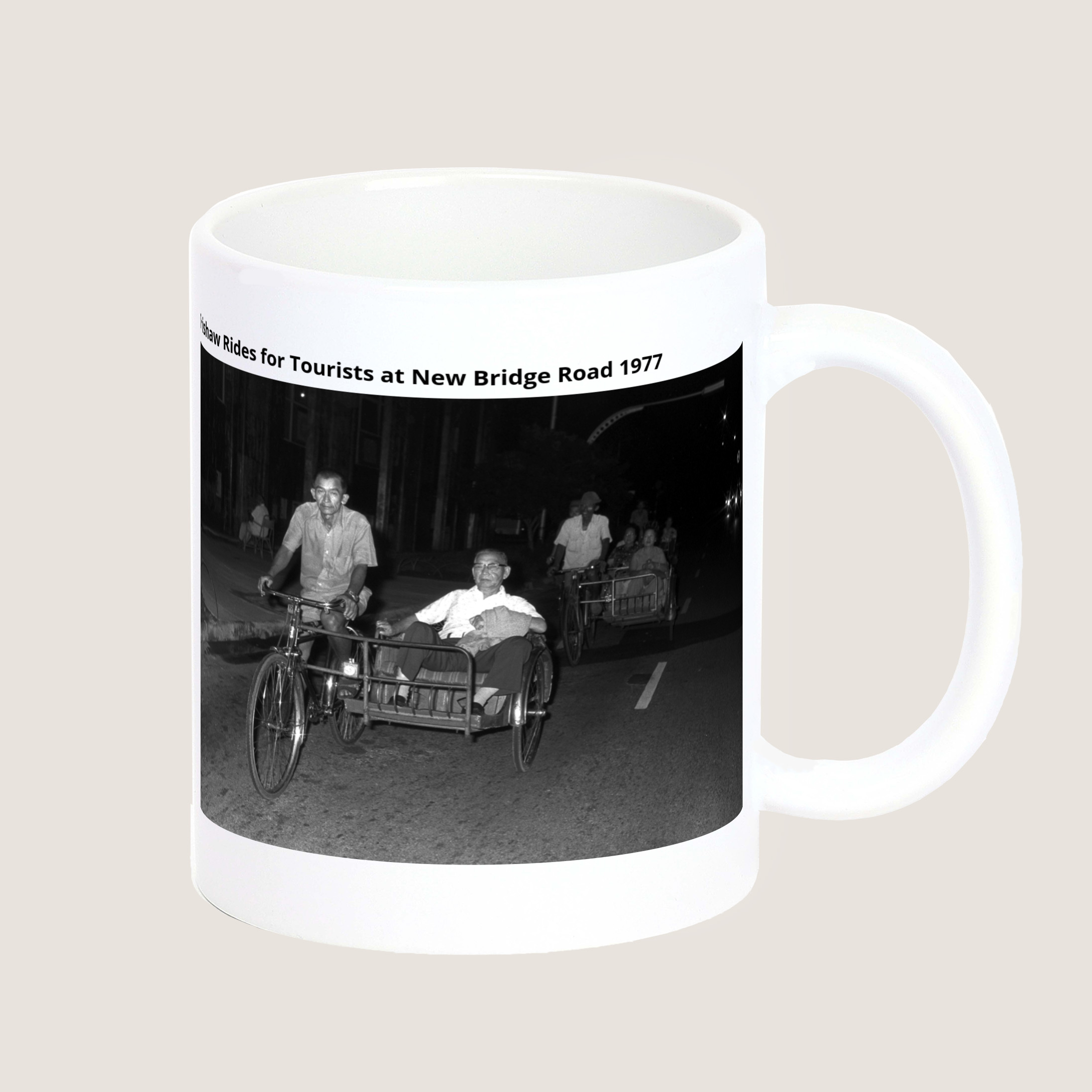
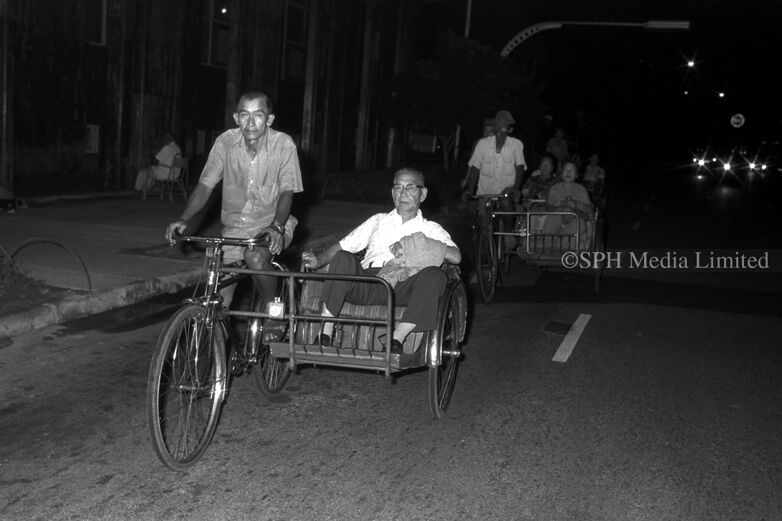 Trishaw Rides for Tourists at New Bridge Road
1977
Trishaw Rides for Tourists at New Bridge Road
1977
Trishaw Rides for Tourists at New Bridge Road
Year 1977
Since the late 60s, trishaws were gradually considered a dying trade, with most of them working in the tourism industry.
©️ SPH Media Limited
Share to
Tags
Available for print on products
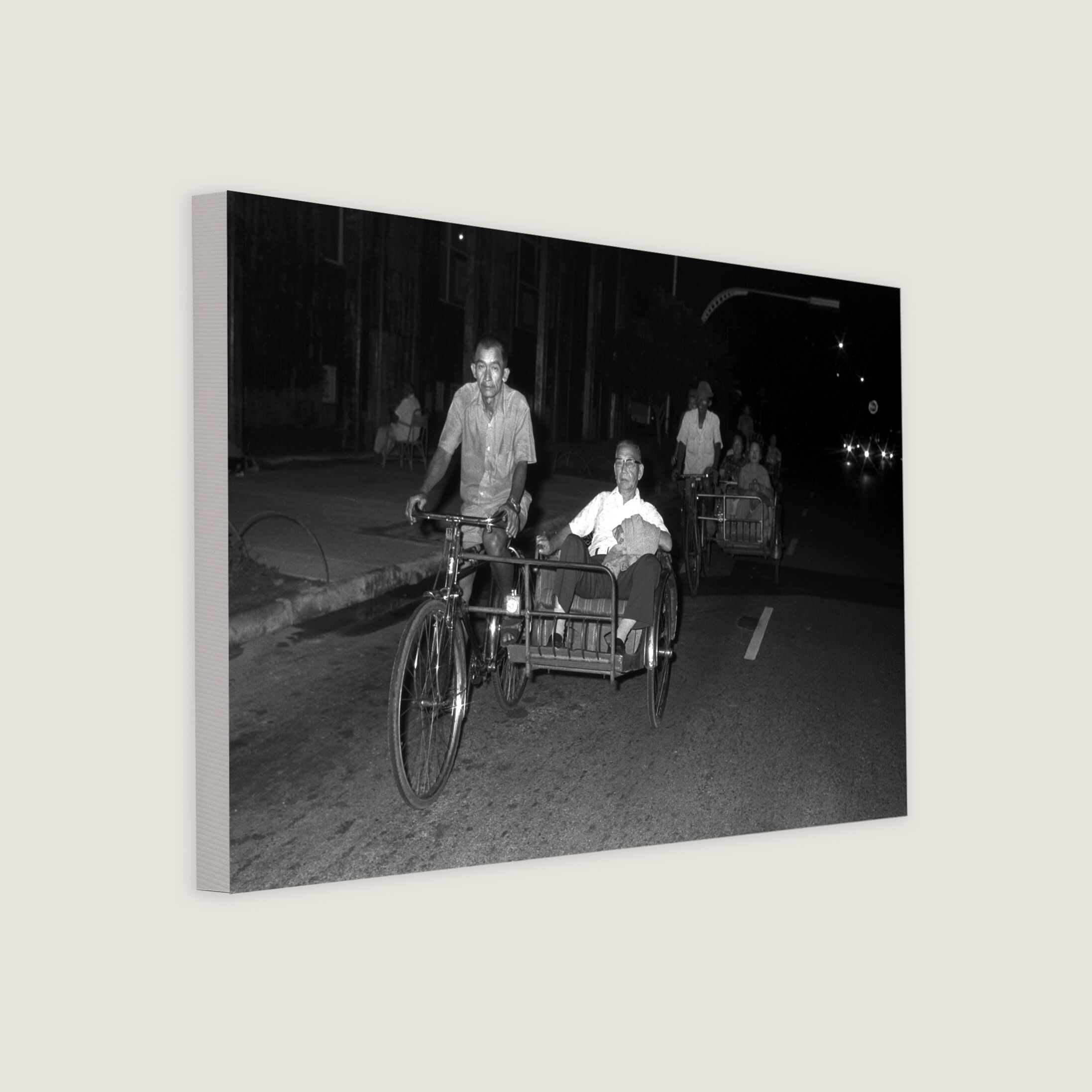
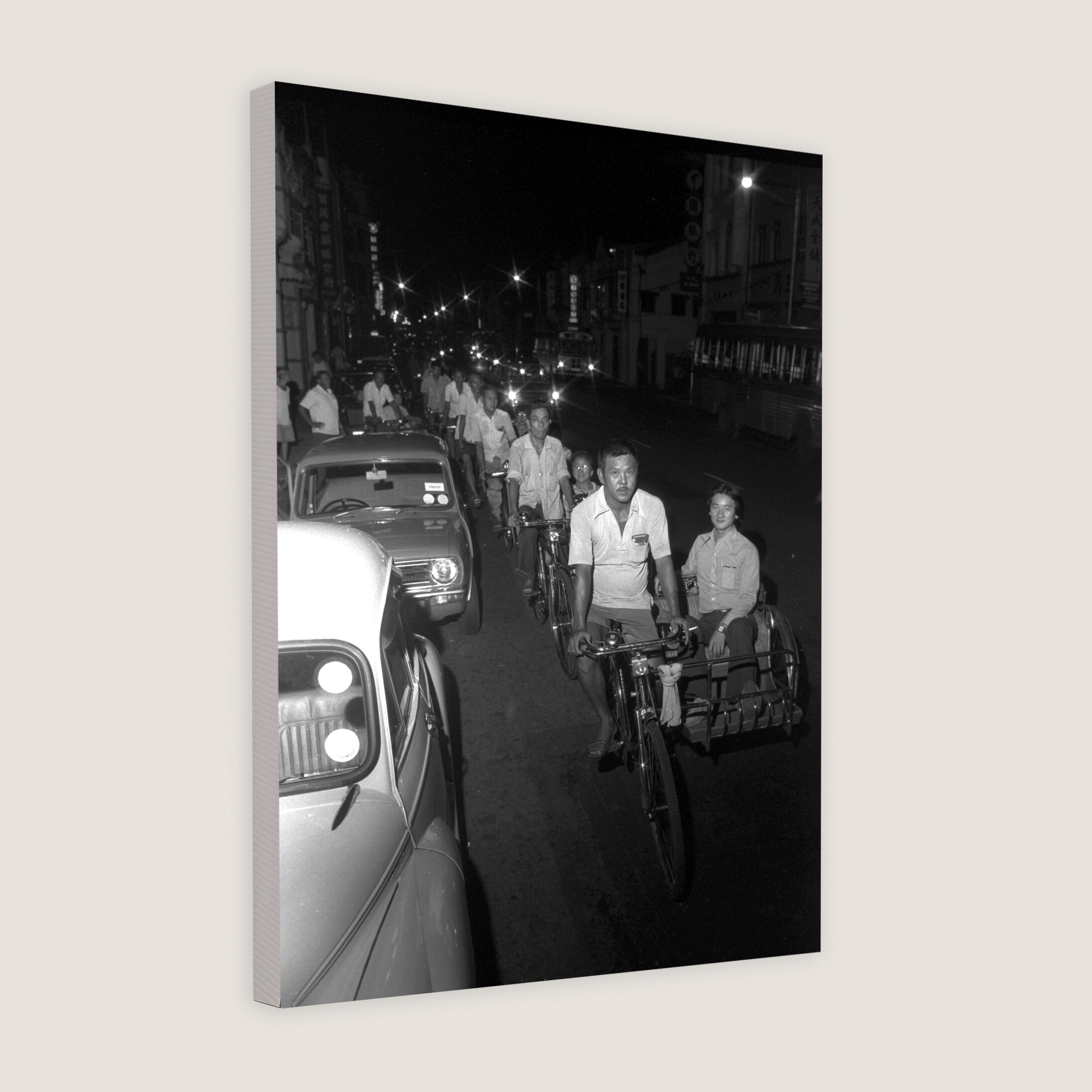
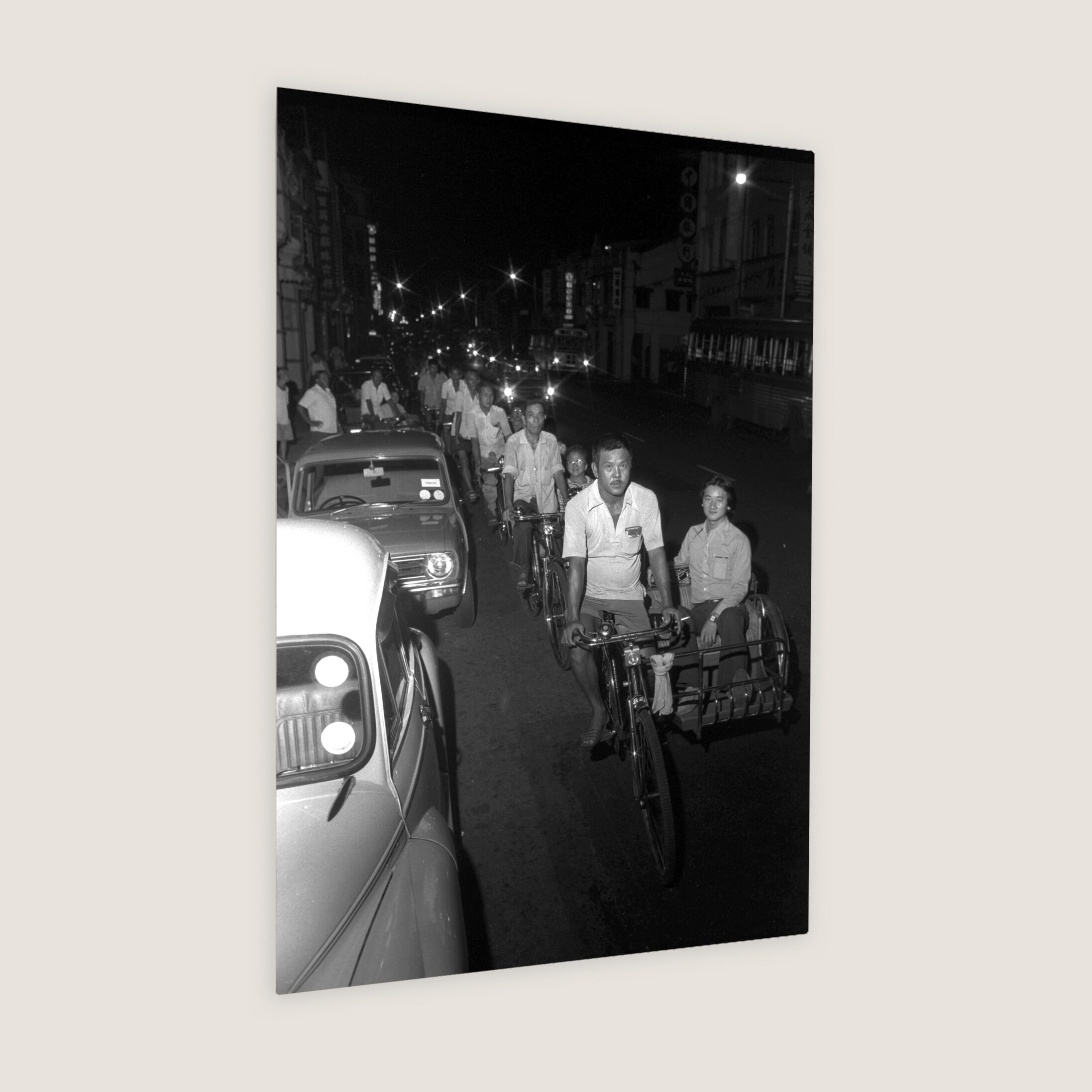
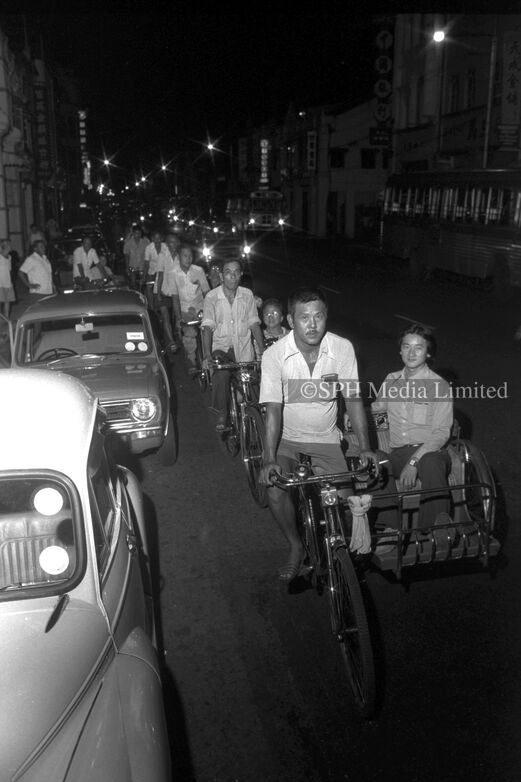 Night Tour by Trishaw Along New Bridge Road
1977
Night Tour by Trishaw Along New Bridge Road
1977
Night Tour by Trishaw Along New Bridge Road
Year 1977
A trishaw ride along New Bridge Road to experience the night scene was a must for tourists in Singapore. The passengers that trishaw riders ferry were predominantly tourists who used their services to enhance their tour experience in the city.
©️ SPH Media Limited
Share to
Tags
Available for print on products
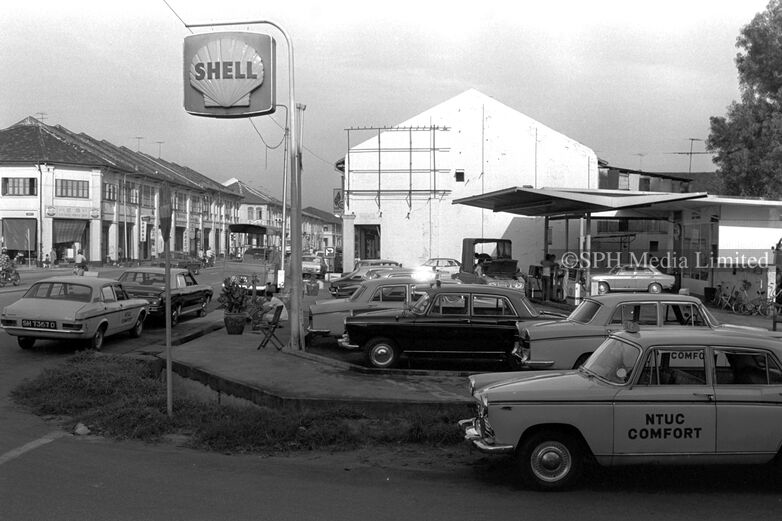 After the Implementation of Area Licensing Scheme
1975
After the Implementation of Area Licensing Scheme
1975
After the Implementation of Area Licensing Scheme
Year 1975
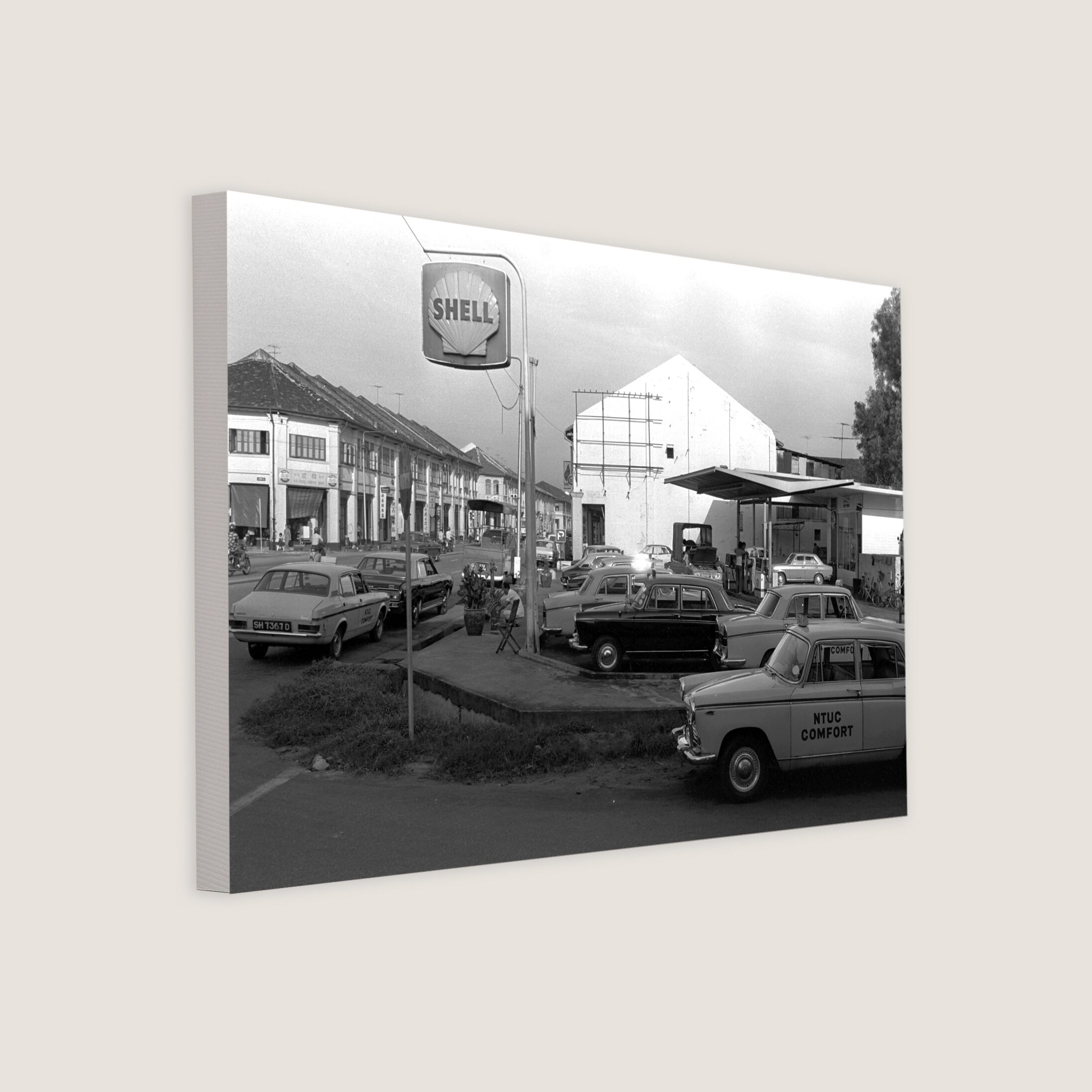
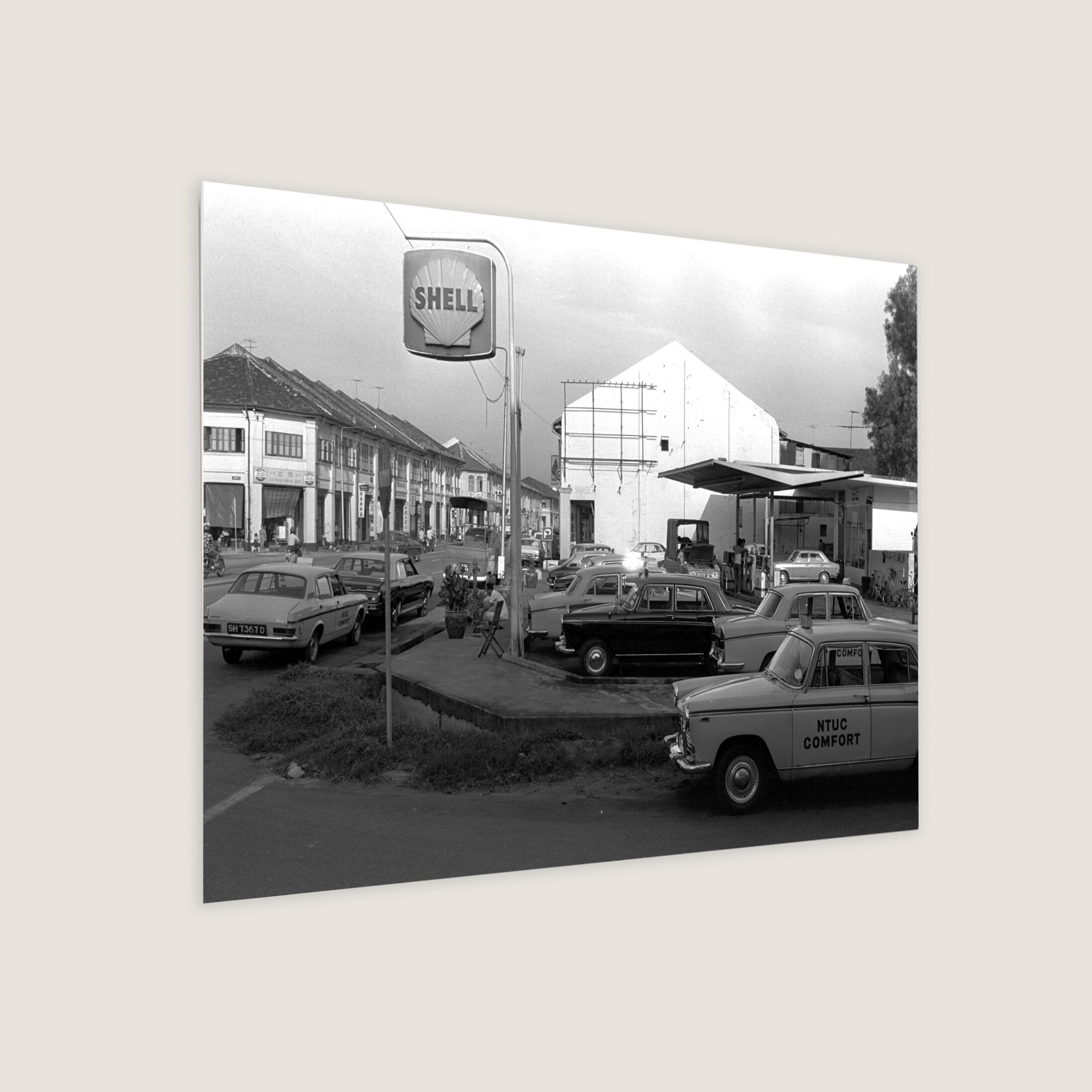
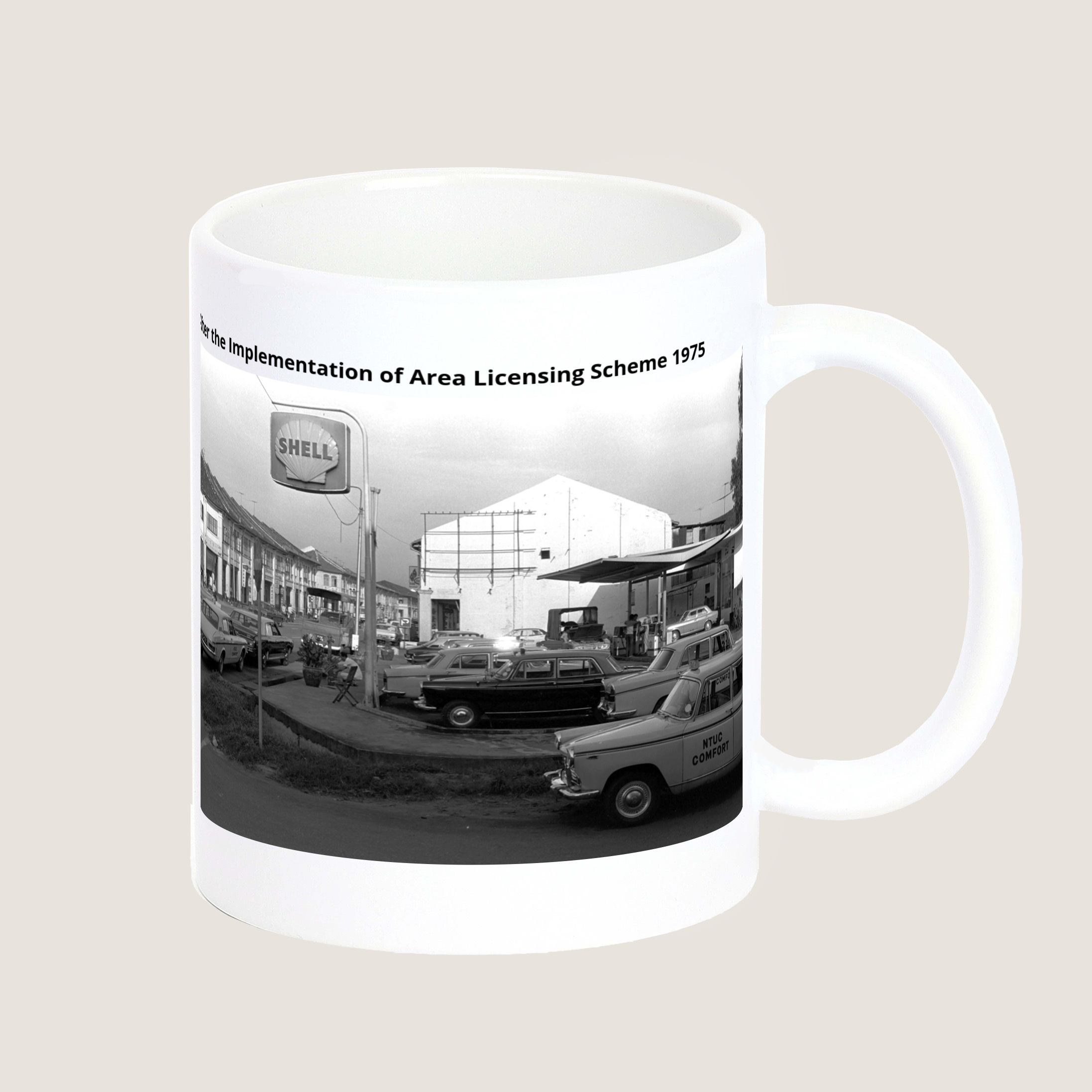
The Area Licensing Scheme (ALS), which was first introduced on 2 June 1975, was one of Singapore’s first traffic schemes to charge vehicles travelling to city areas at peak hours to reduce rush hour traffic congestion. It ceased operations after 23 years and was replaced by a new traffic technology system, the Electronic Road Pricing (ERP) on 1 September 1998.
©️ SPH Media Limited
Share to
Tags
Available for print on products
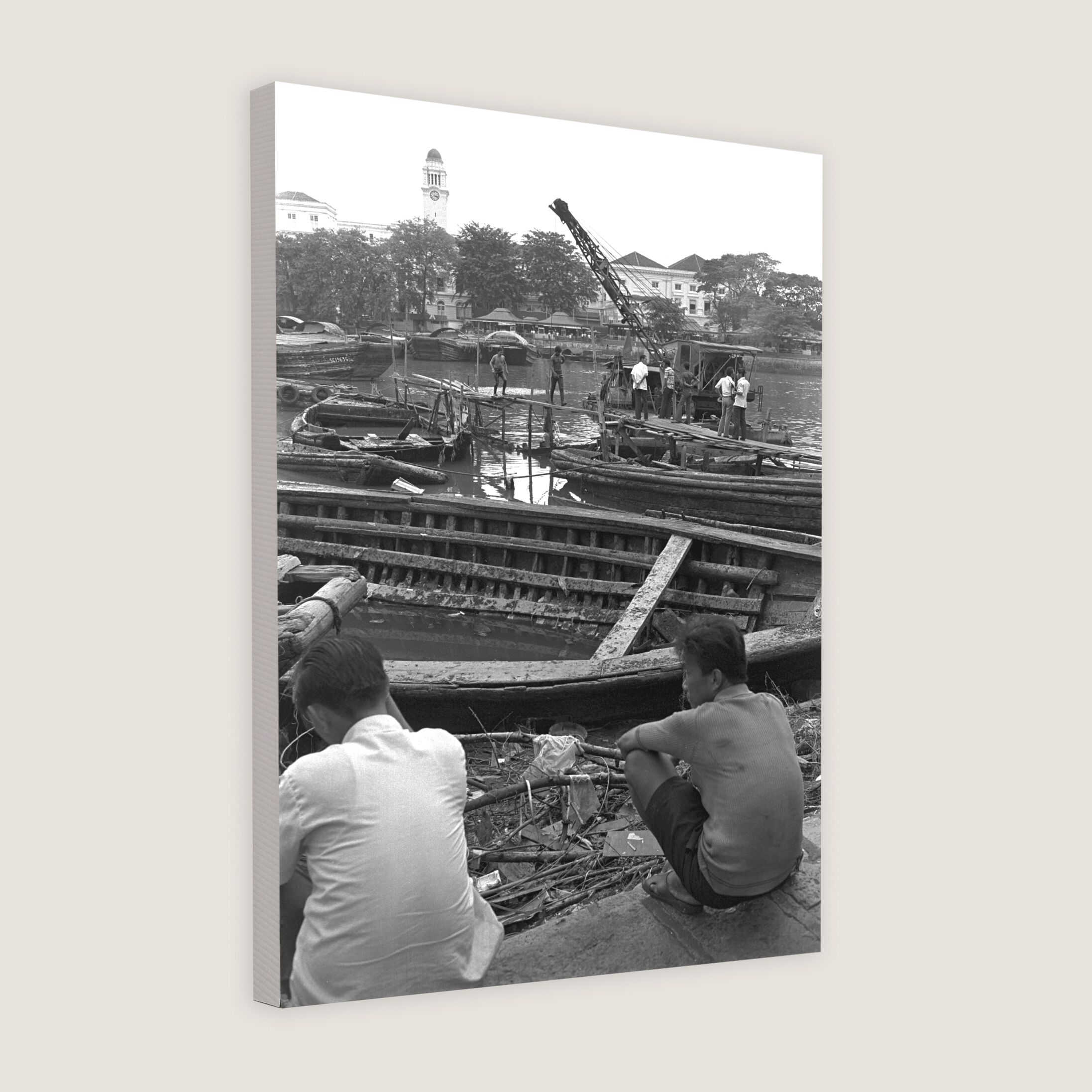
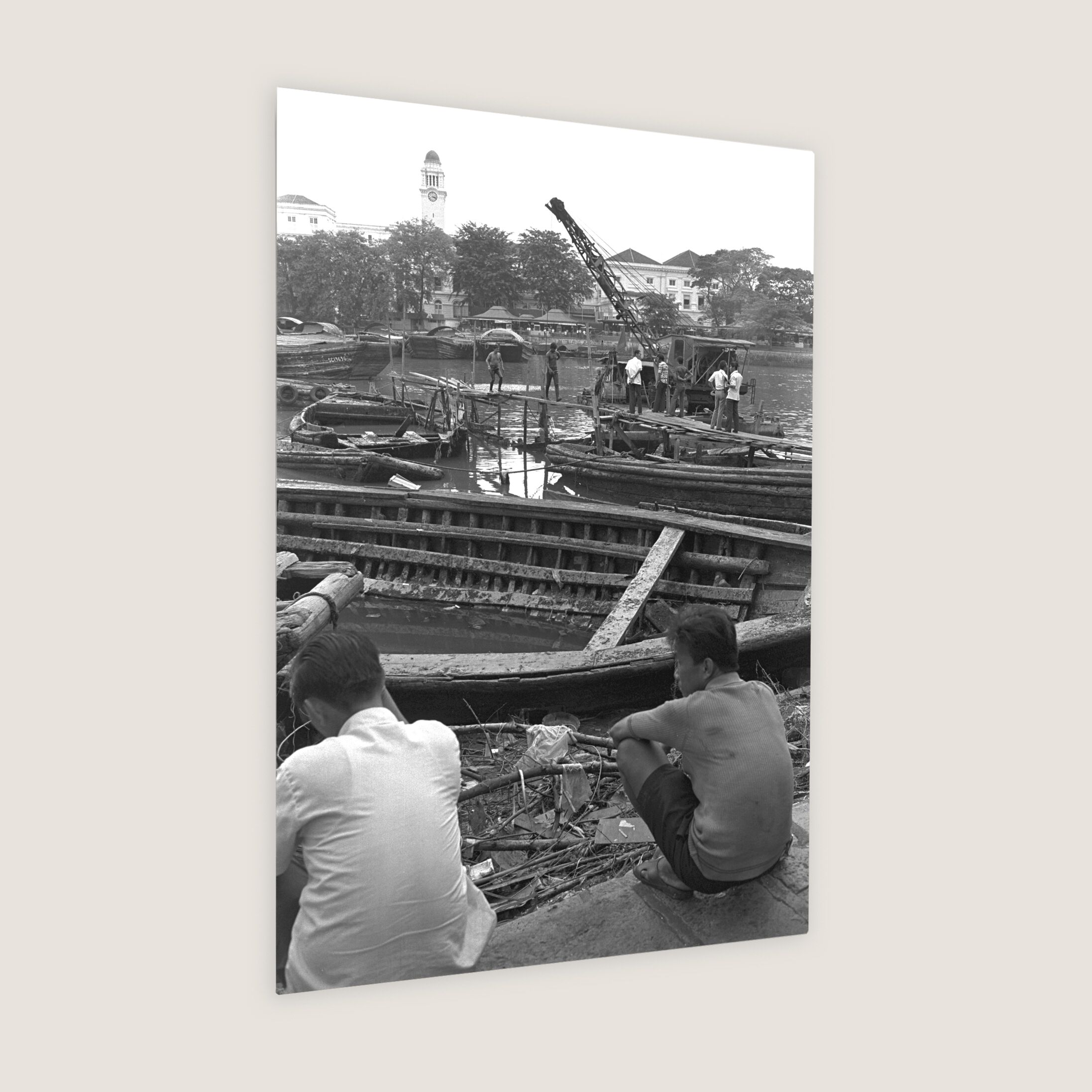
 Derelict Tongkang at the Singapore River
1975
Derelict Tongkang at the Singapore River
1975
Derelict Tongkang at the Singapore River
Year 1975
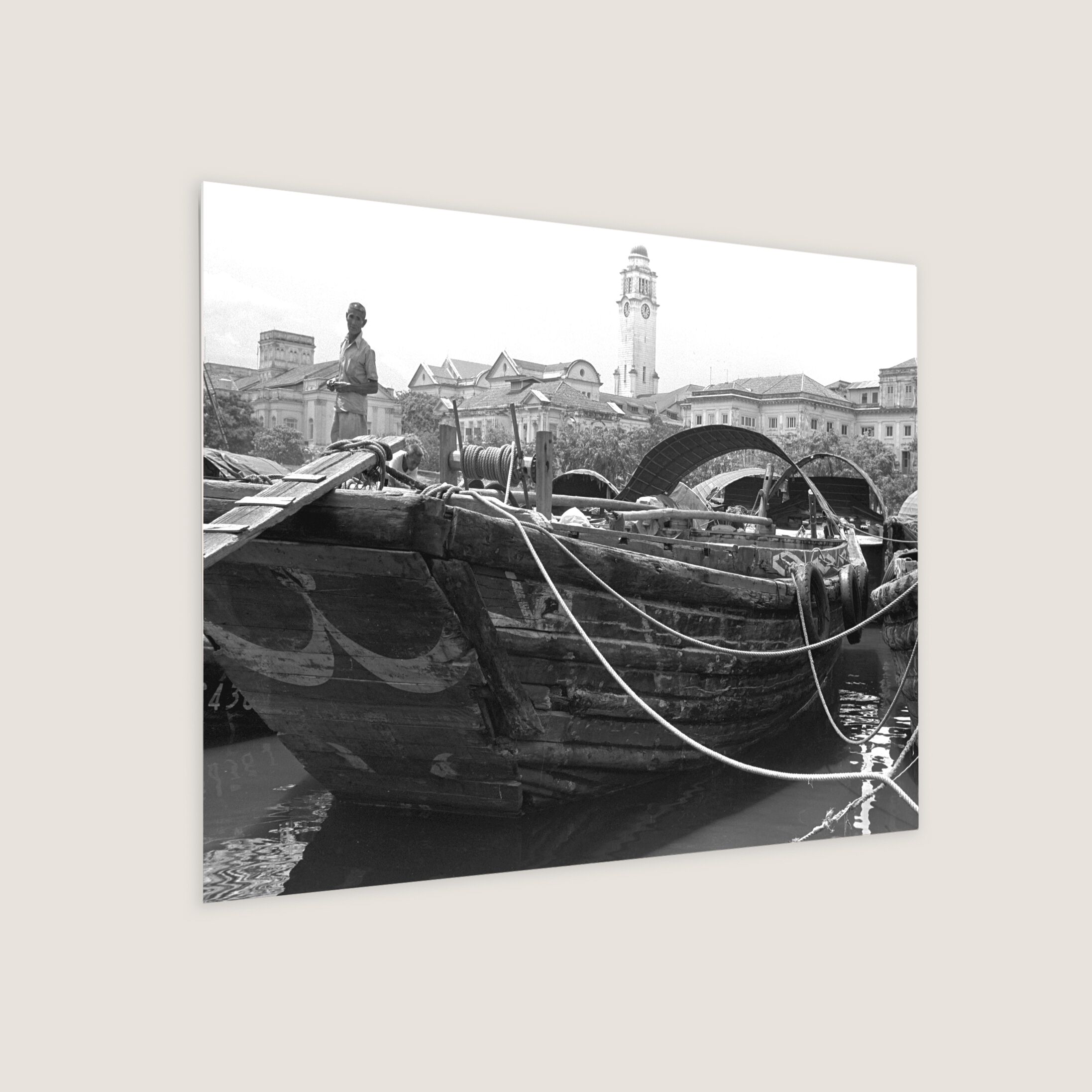
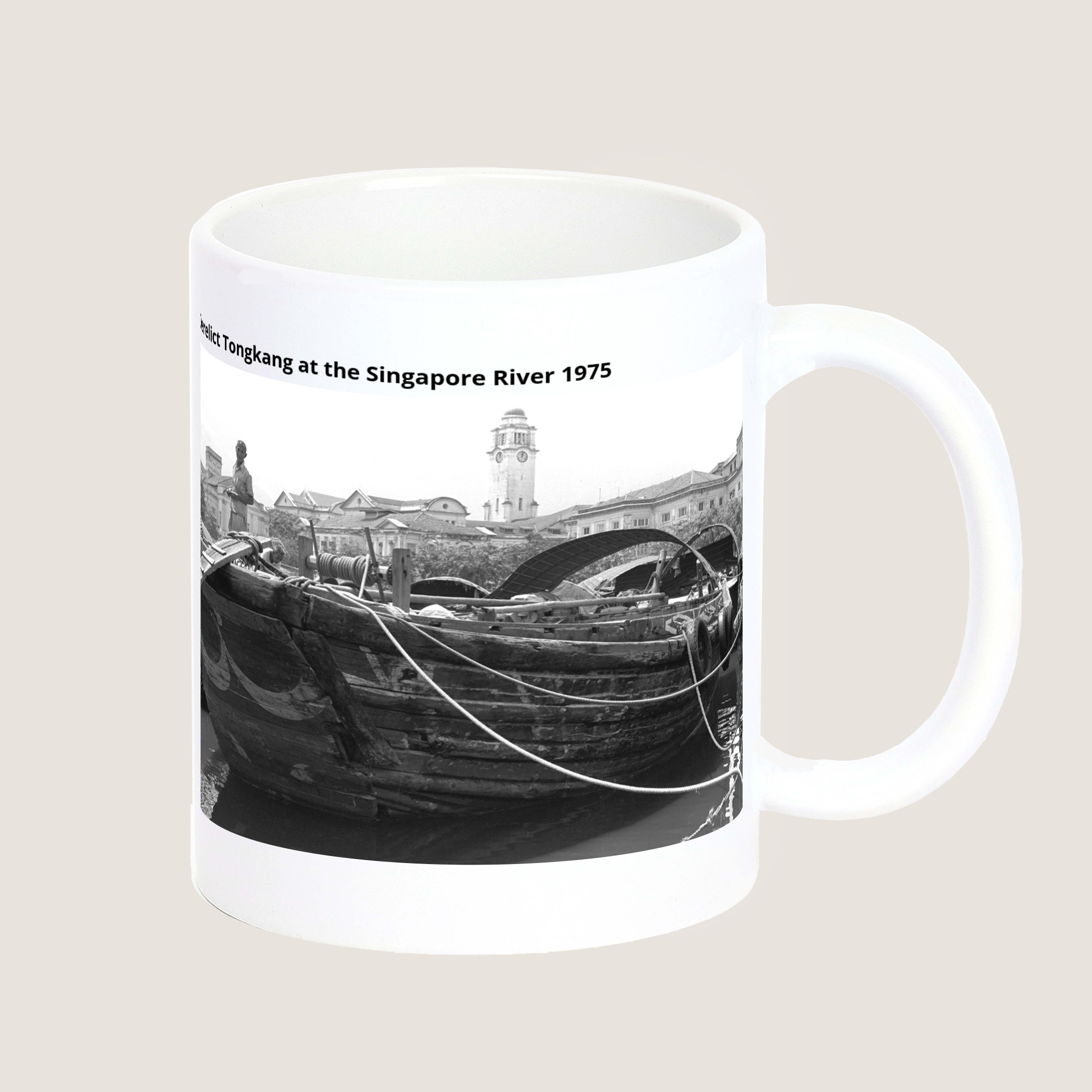
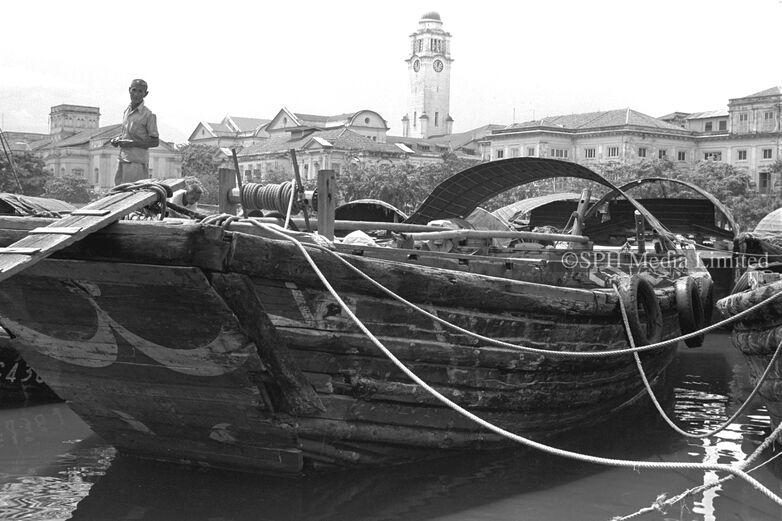
Due to the use of cargo containers, which are less labour-dependent, the once bustling Singapore River was filled with derelict tongkangs because of the downturn in the cargo handling business in the 1970s. Tongkang owners and operators along Boat Quay said that this was due to poor demand for their services.
©️ SPH Media Limited
Share to
Tags
Available for print on products
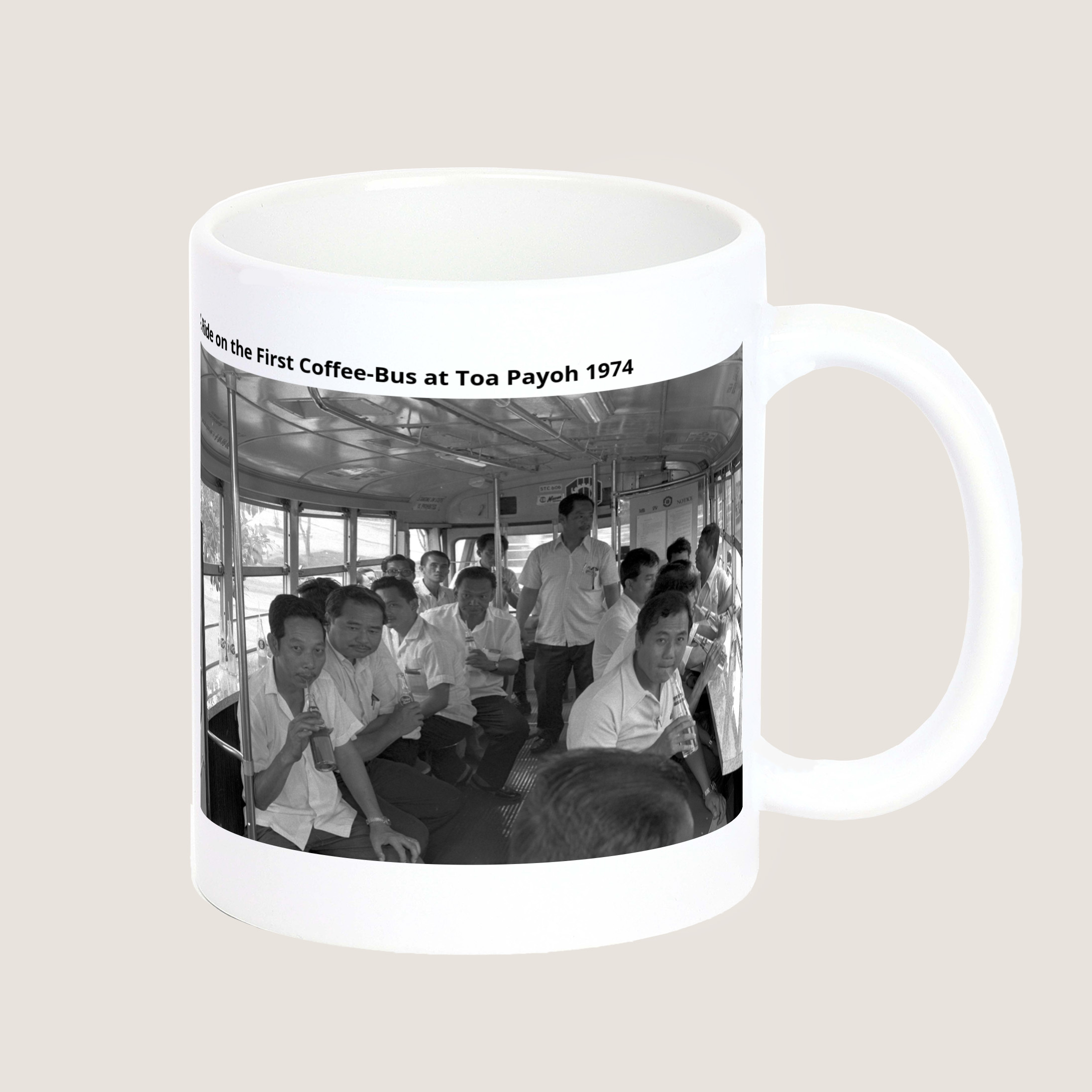
 A Ride on the First Coffee-Bus at Toa Payoh
1974
A Ride on the First Coffee-Bus at Toa Payoh
1974
A Ride on the First Coffee-Bus at Toa Payoh
Year 1974
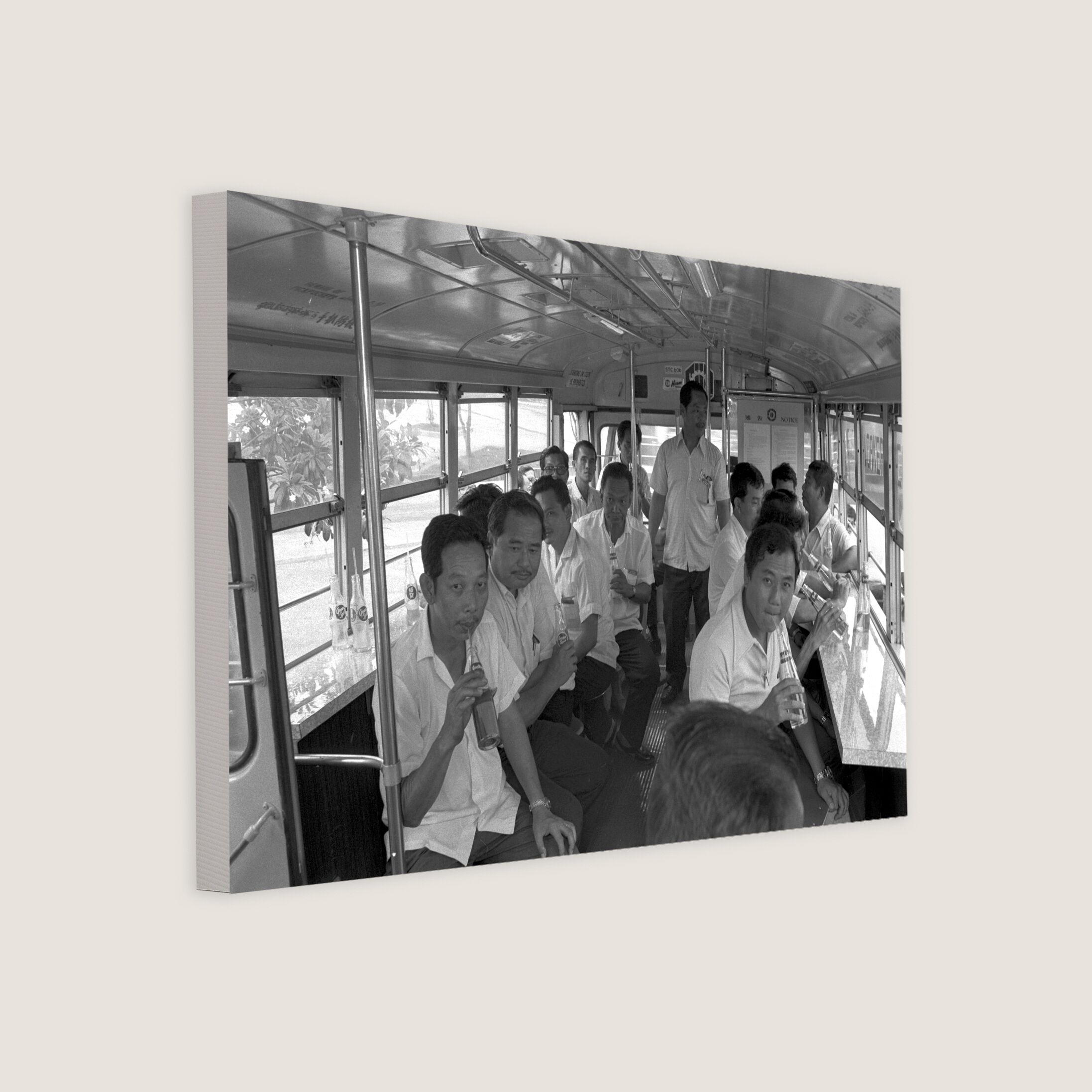
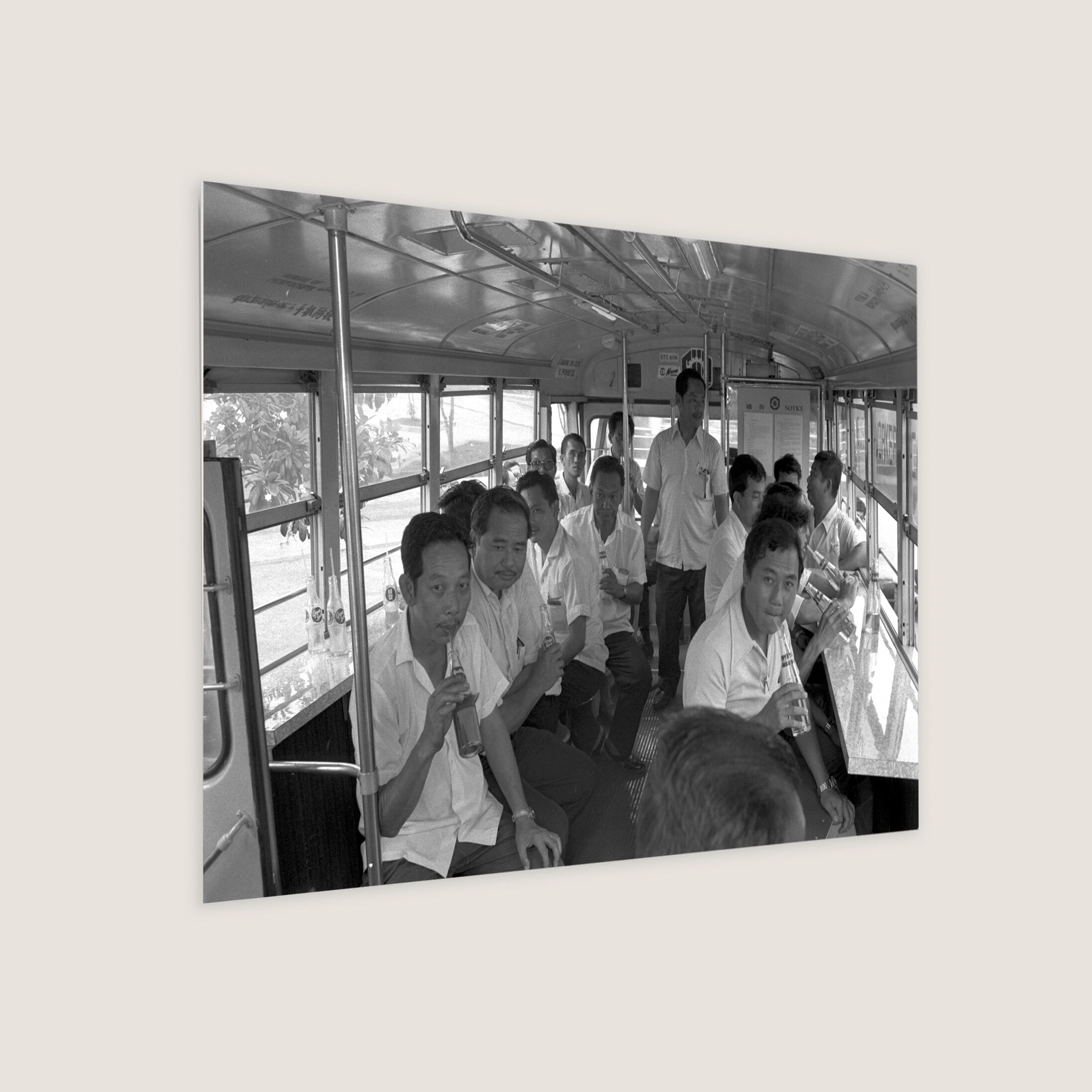
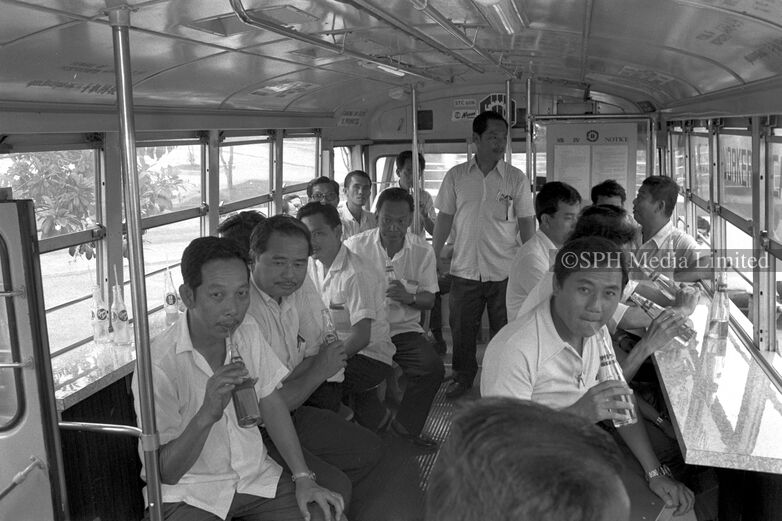
In 1974, the Singapore Industrial Labour Organisation (SILO), a former workers' union, introduced the city's first coffee bus at the Toa Payoh Central bus terminus. The converted vehicle, originally from the Singapore Traction Company (STC), served as a temporary canteen for approximately 2,000 bus workers.
©️ SPH Media Limited
Share to
Tags
Available for print on products
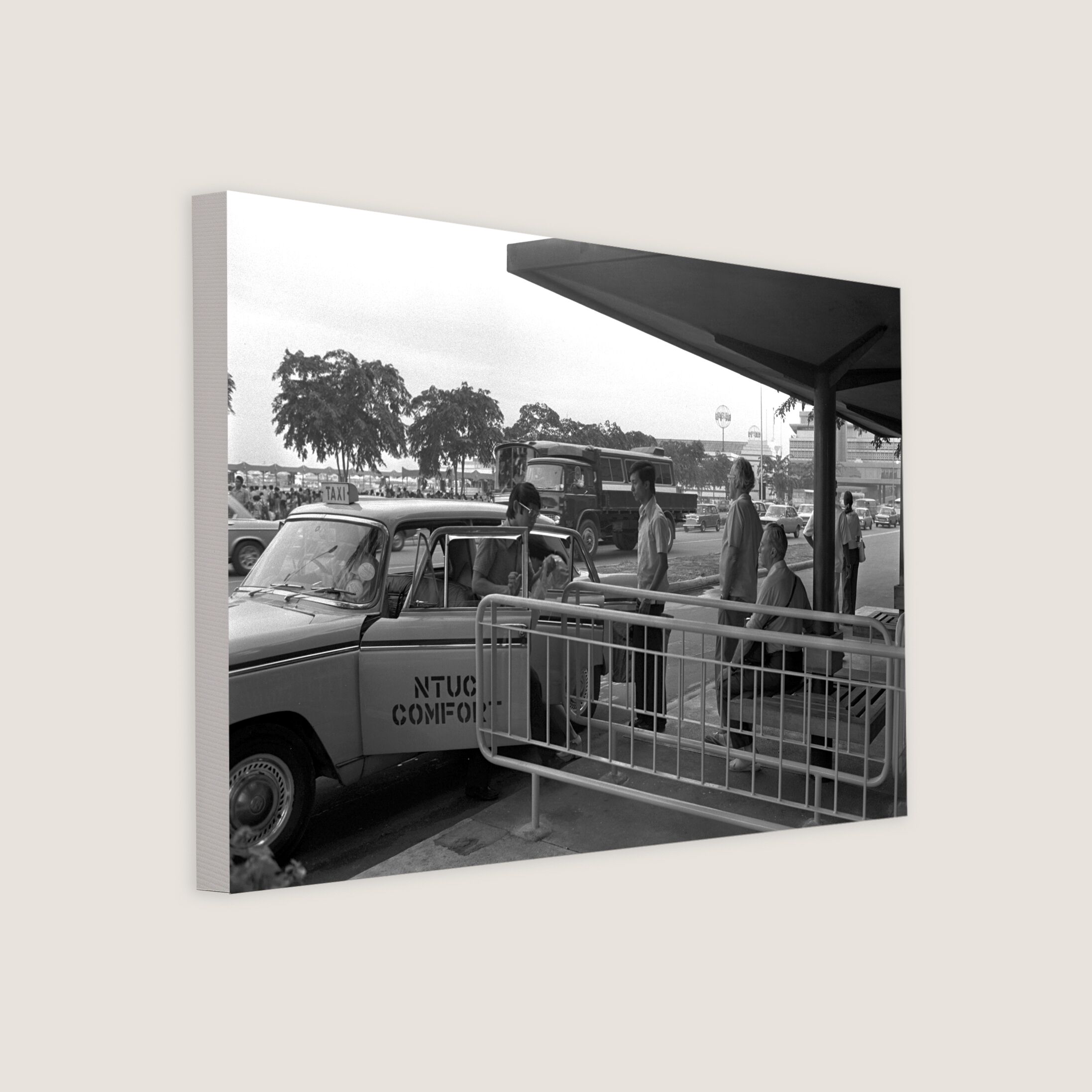
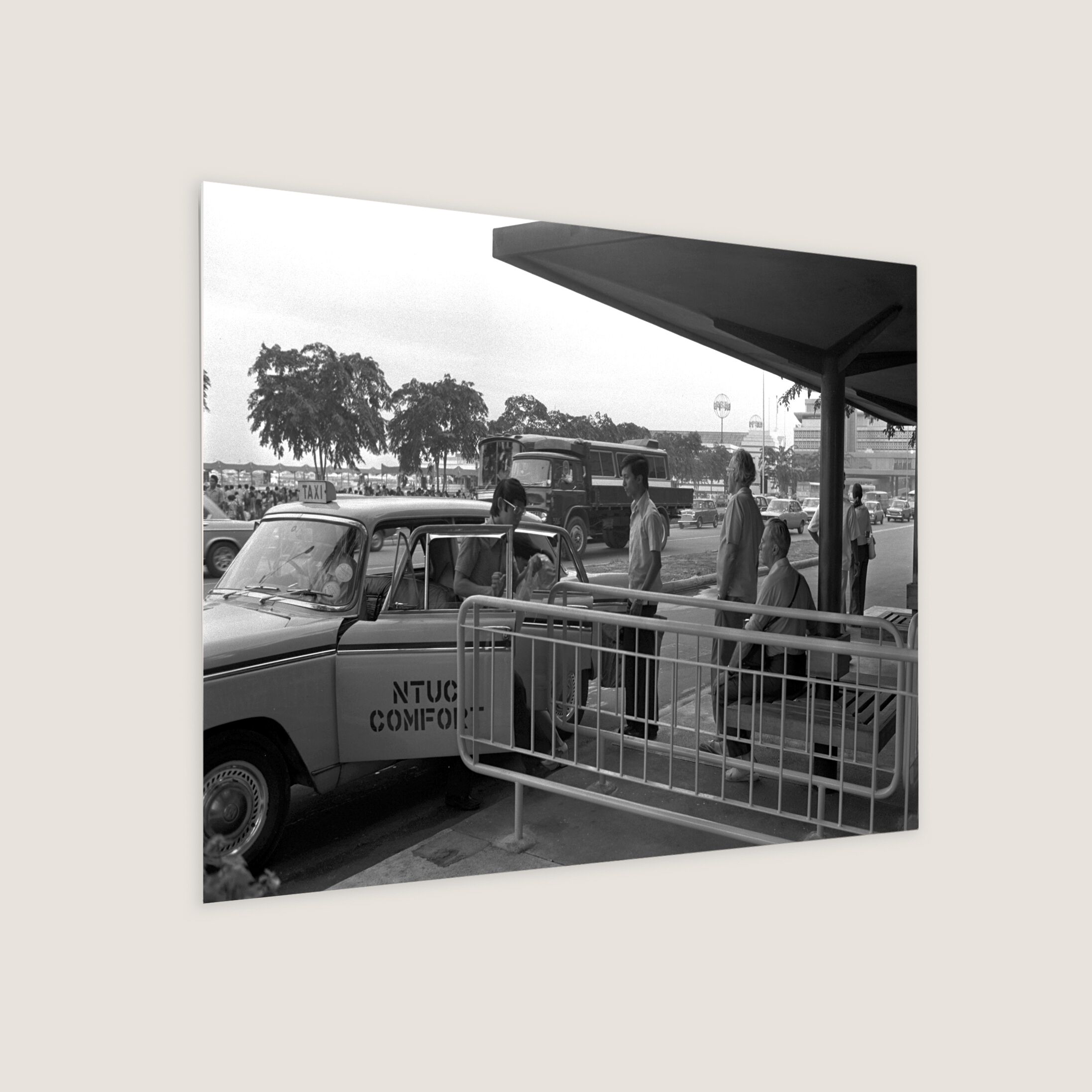
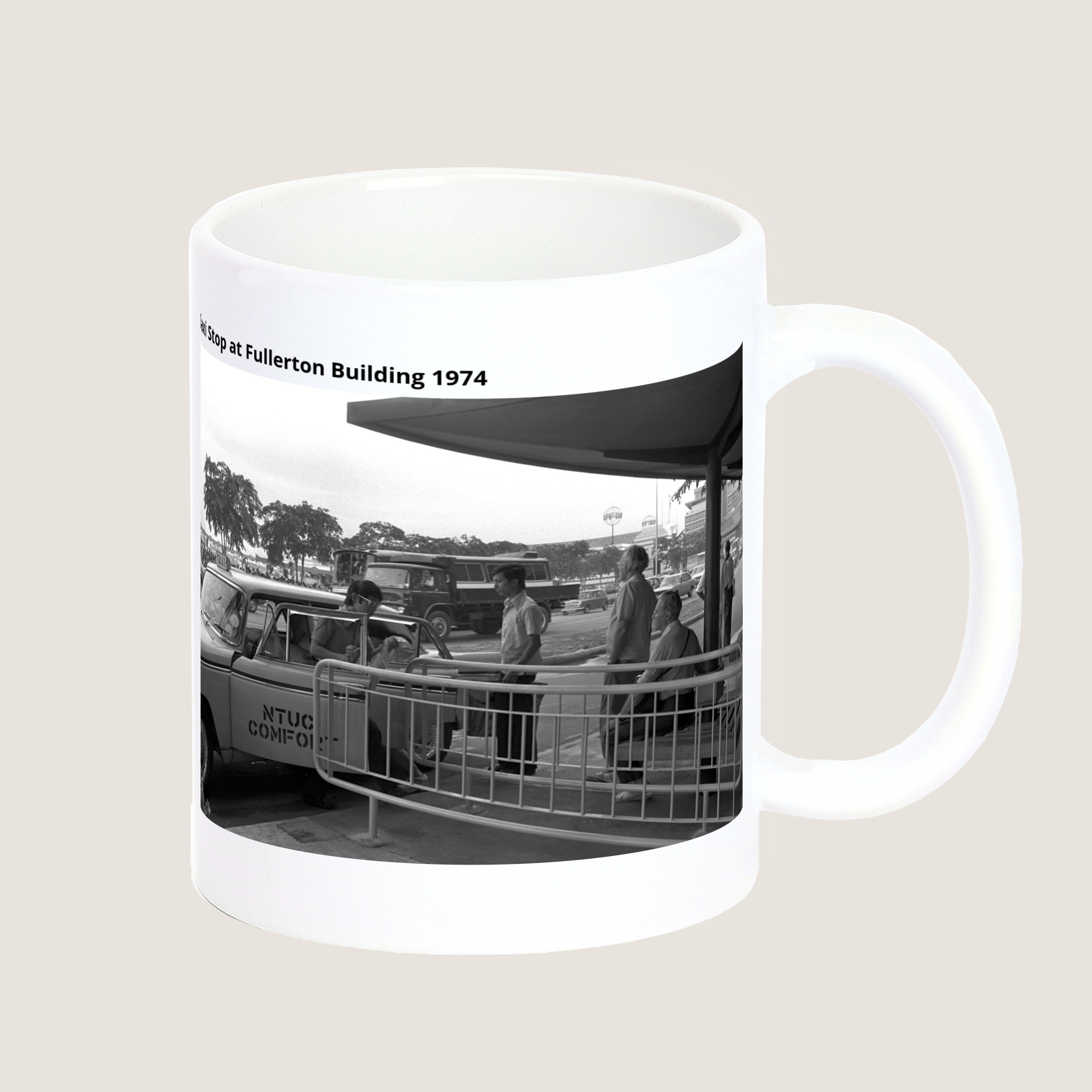
 Taxi Stop at Fullerton Building
1974
Taxi Stop at Fullerton Building
1974
Taxi Stop at Fullerton Building
Year 1974
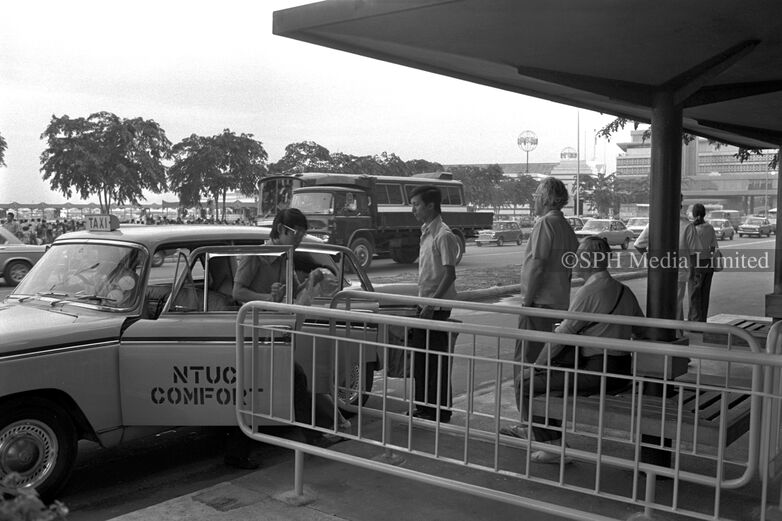
Passengers waited for taxis at the taxi stand near the Fullerton Building. In 1970, the National Trades Union Congress Workers' Co-operative Commonwealth for Transport was founded with a fleet of 1,000 taxis. This would eventually evolve into NTUC-Comfort, which became the dominant player in Singapore's taxi industry for many decades.
©️ SPH Media Limited
Share to
Tags
Available for print on products
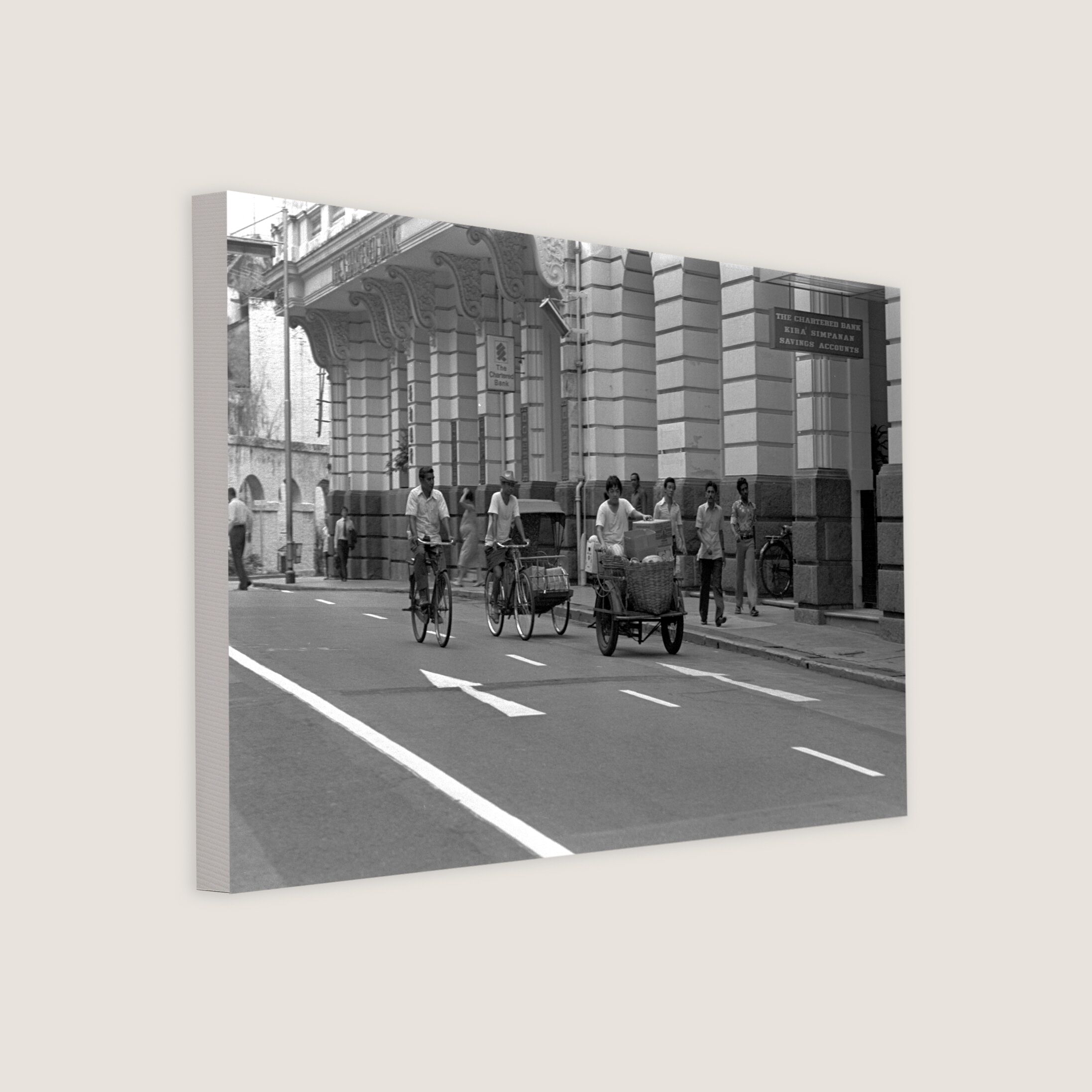
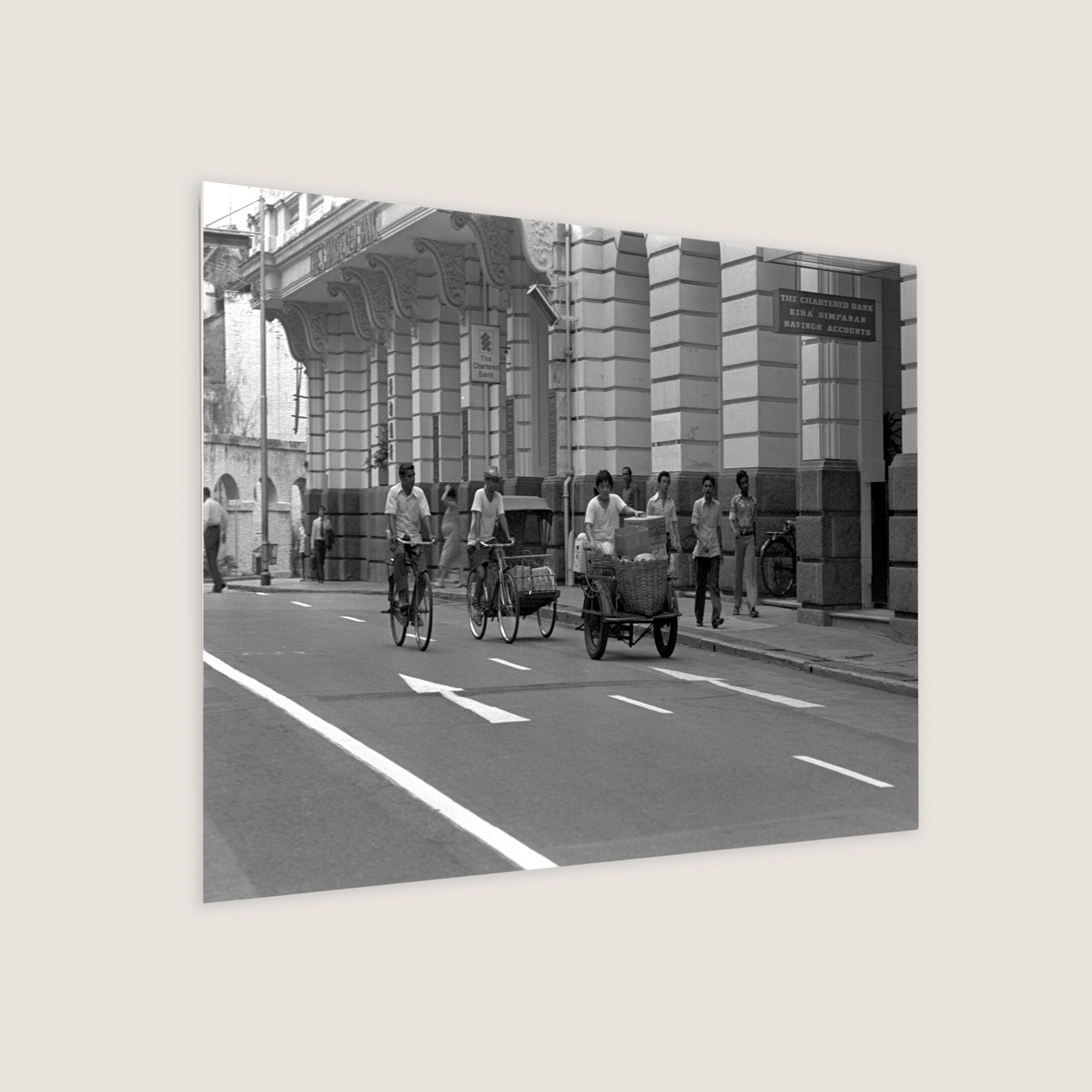
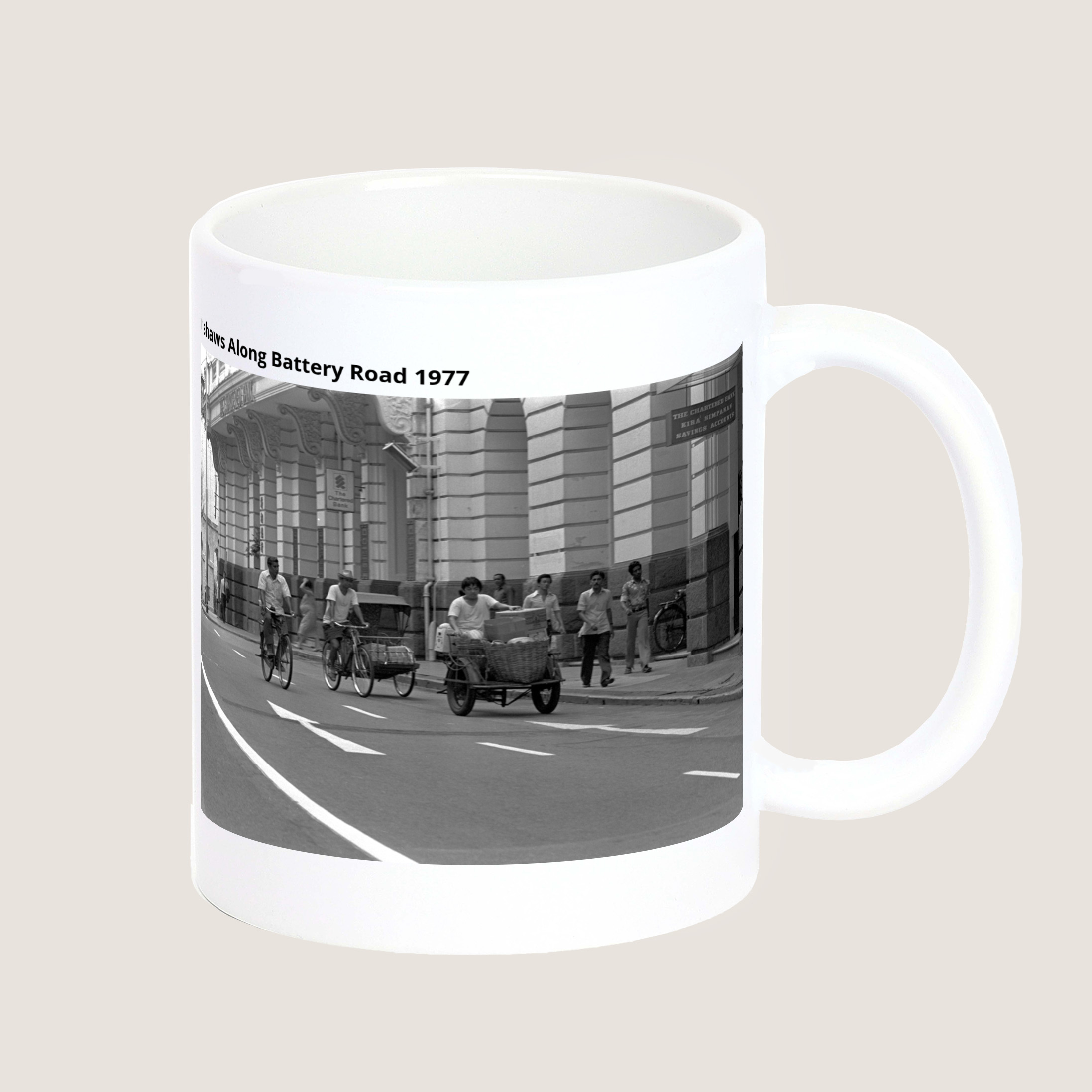
 Trishaws Along Battery Road
1977
Trishaws Along Battery Road
1977
Trishaws Along Battery Road
Year 1977
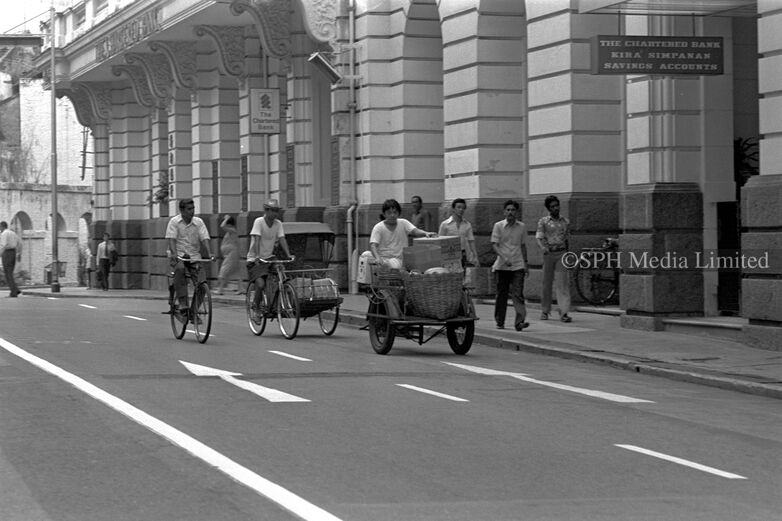
There were several reasons for the decline of the trishaw industry, one of which was the violation of traffic rules, which could endanger other road users. The photo shows trishaw, tricycle, and bicycle riders pedaling along Battery Road against the traffic.
©️ SPH Media Limited
Share to
Tags
Available for print on products
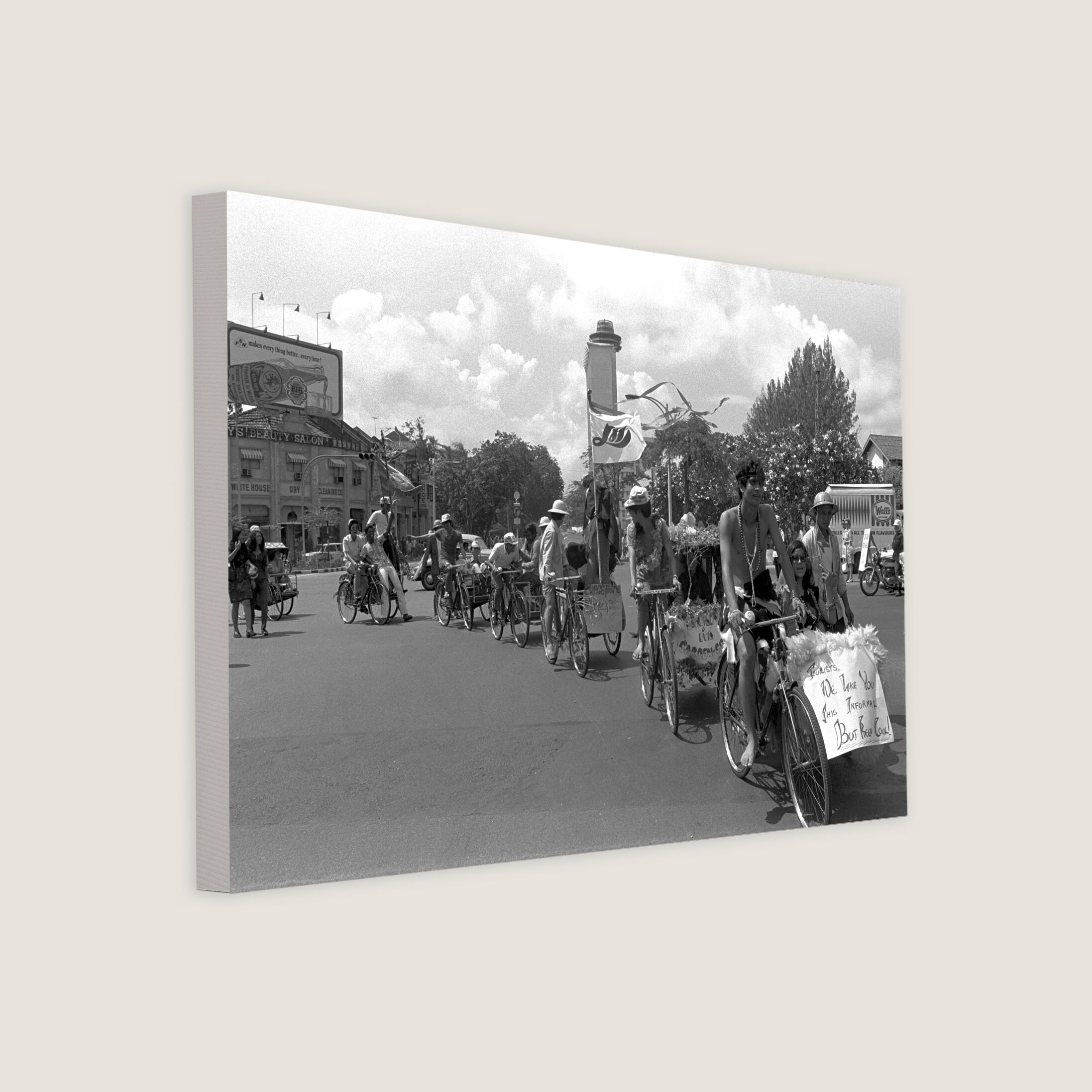
 Annual Trishaw Pageant Along Scotts Road
1972
Annual Trishaw Pageant Along Scotts Road
1972
Annual Trishaw Pageant Along Scotts Road
Year 1972
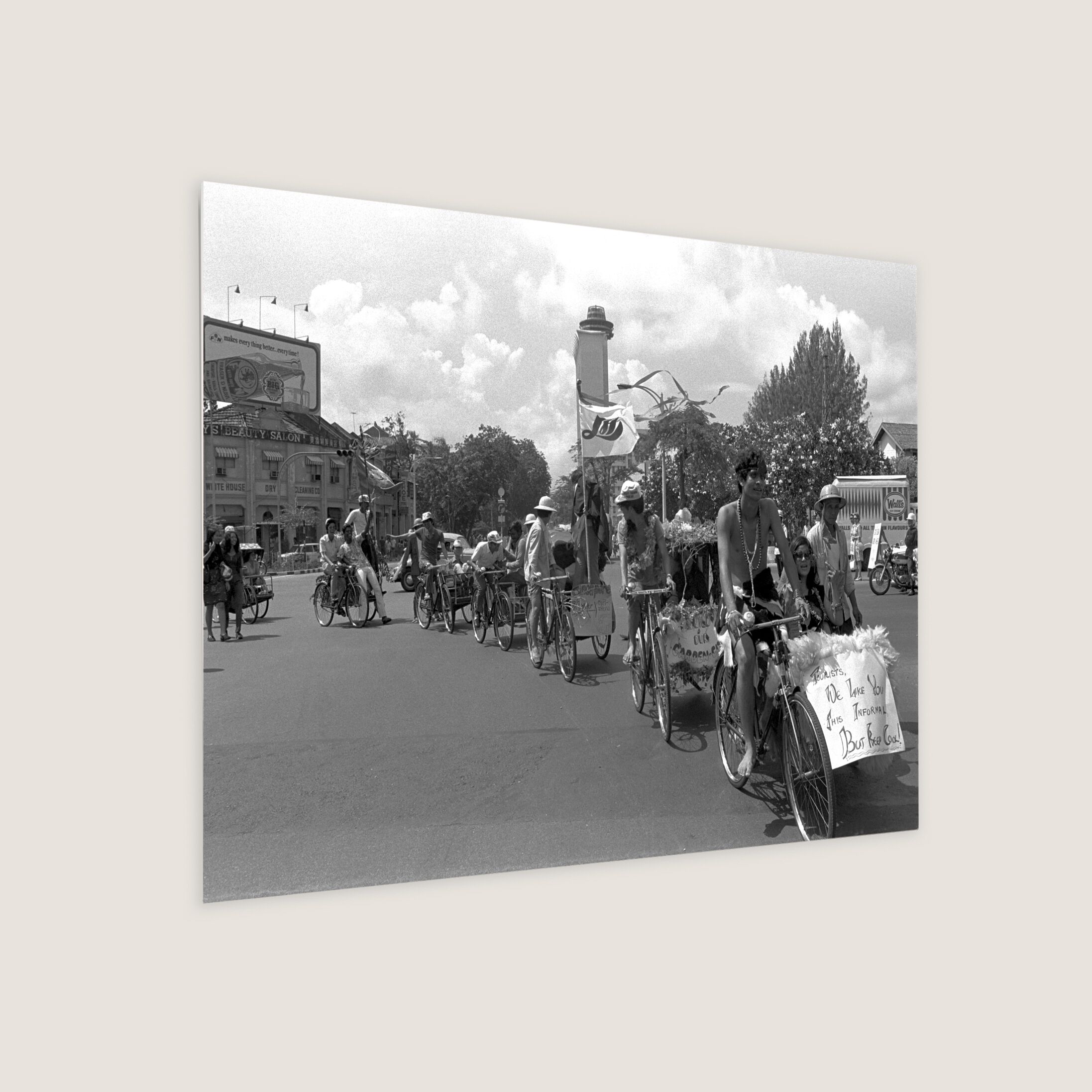
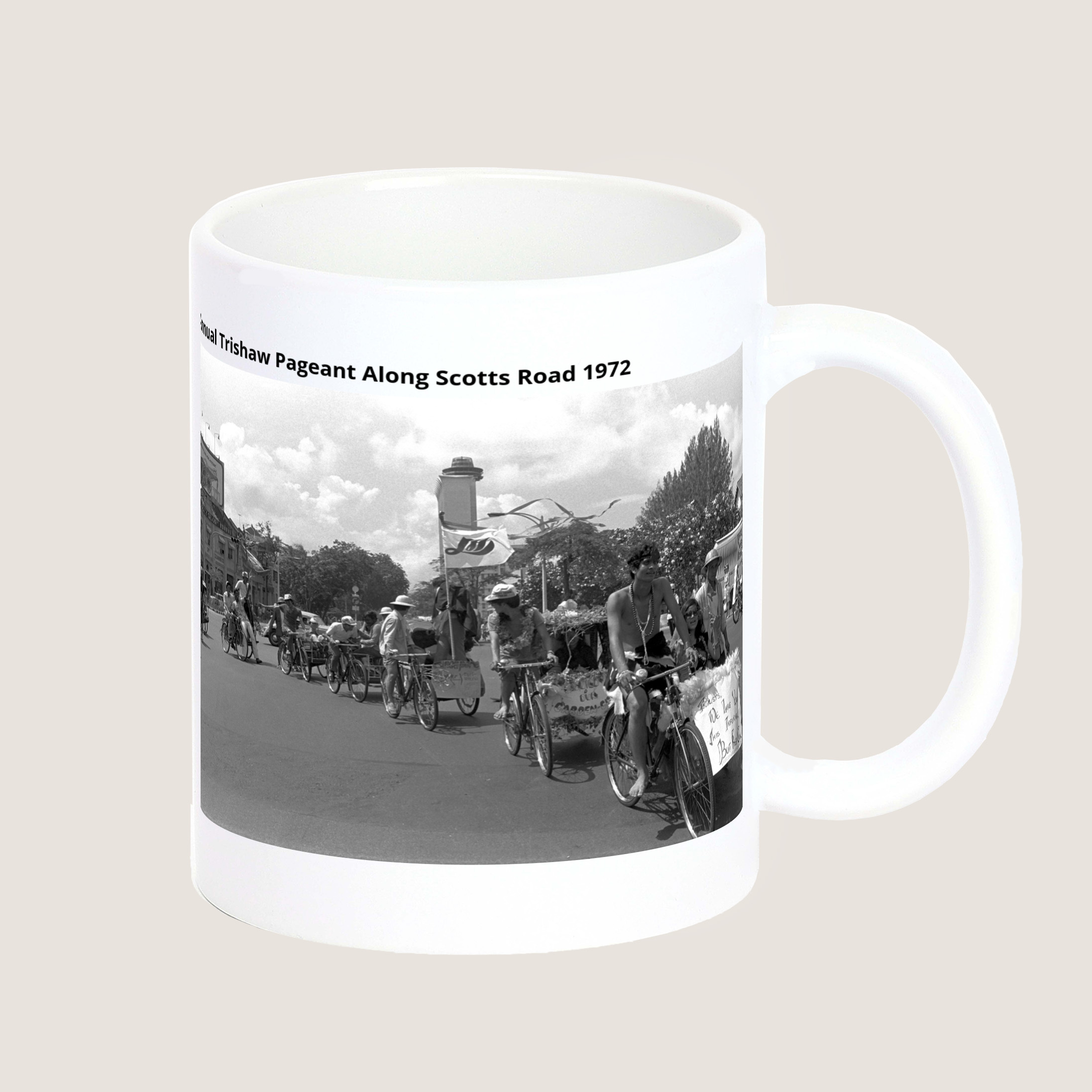
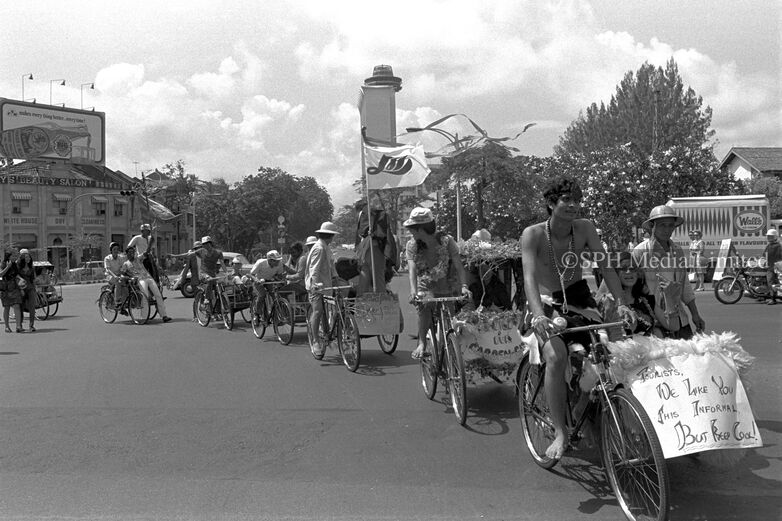
They were not making a living but showcasing their university. Undergraduates and senior students from the University of Singapore held their second annual trishaw pageant along Scotts Road and Orchard Road on 15 July 1972. The pageant, organised by the University Students' Union, was part of the orientation for its freshmen.
©️ SPH Media Limited
Share to
Tags
Available for print on products
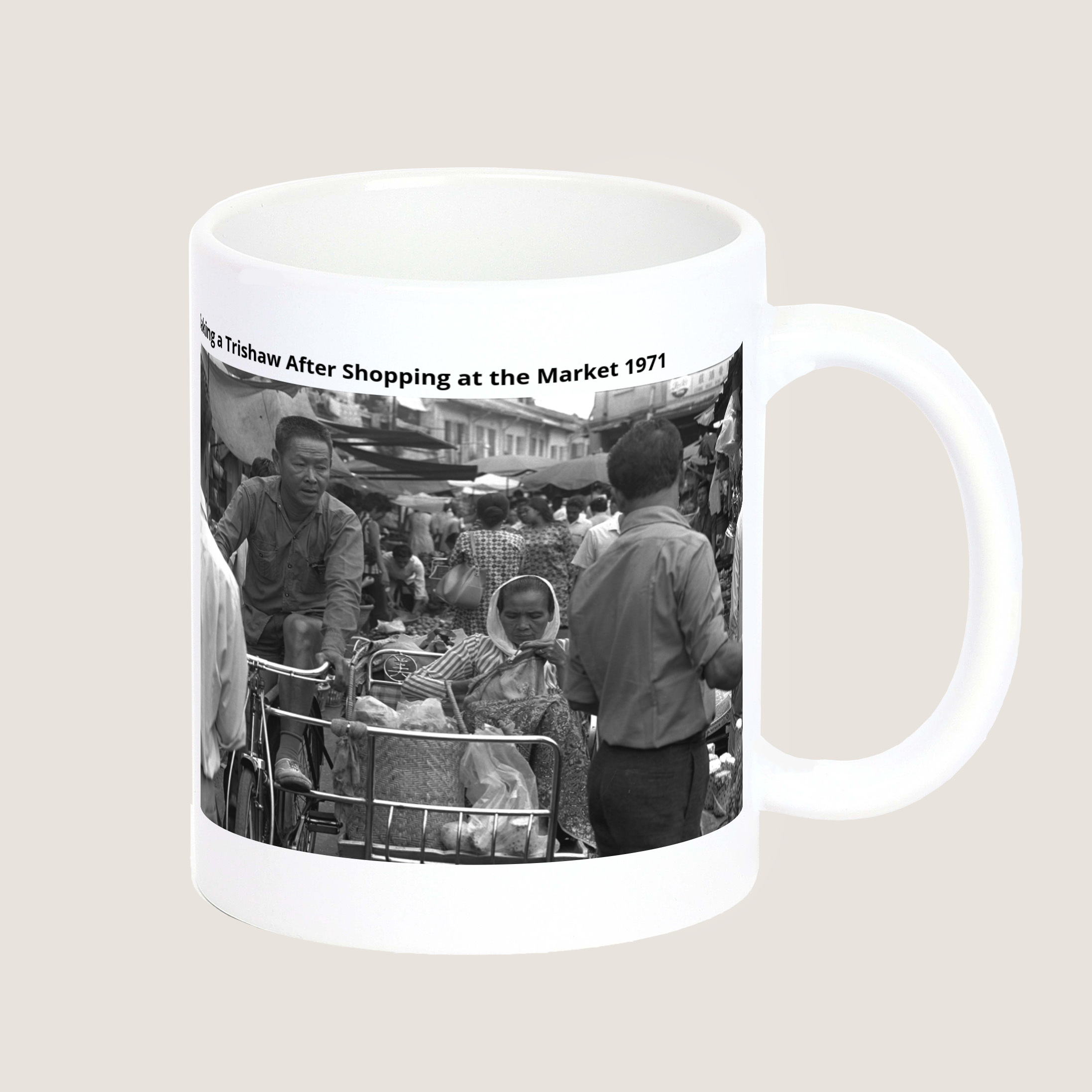
 Taking a Trishaw After Shopping at the Market
1971
Taking a Trishaw After Shopping at the Market
1971
Taking a Trishaw After Shopping at the Market
Year 1971
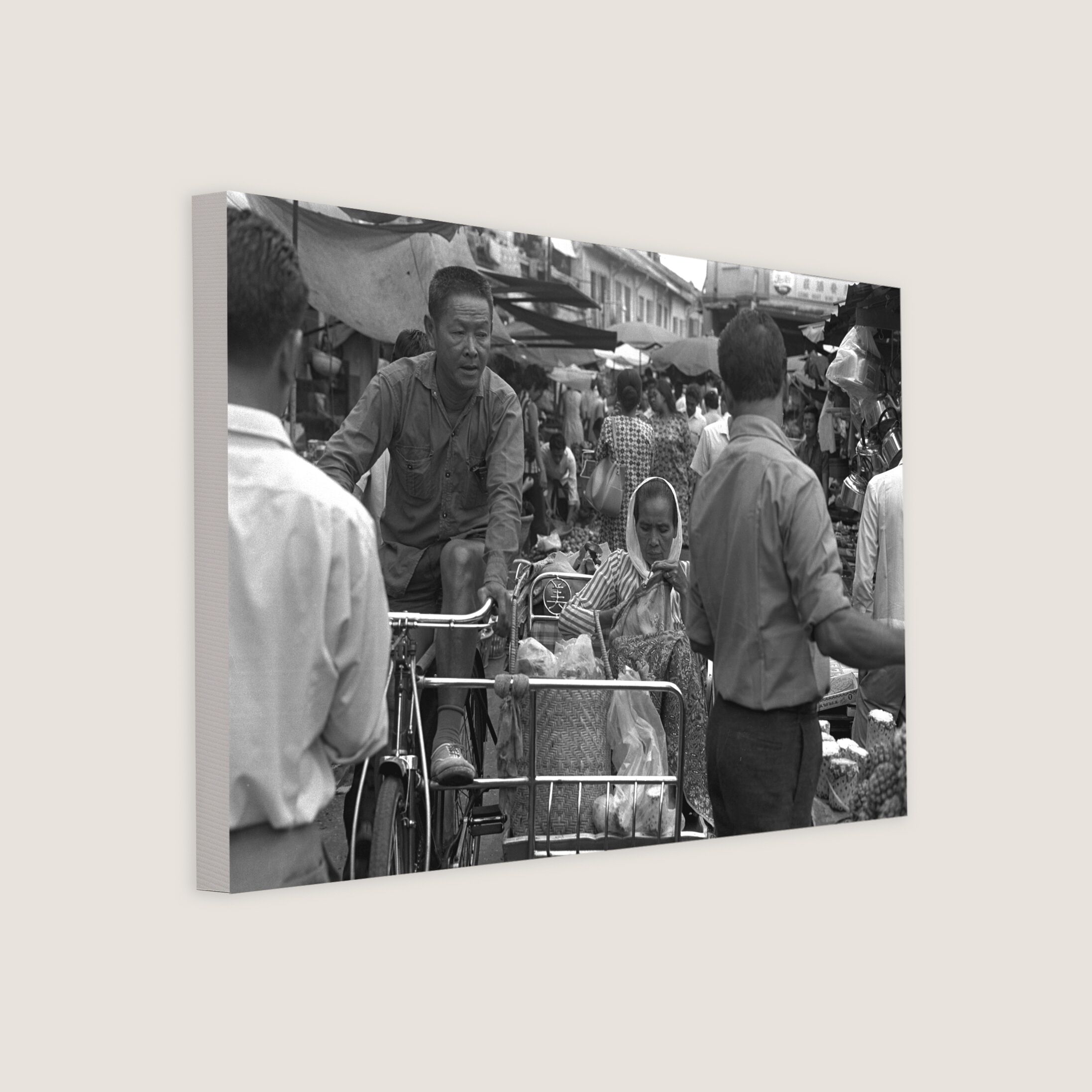
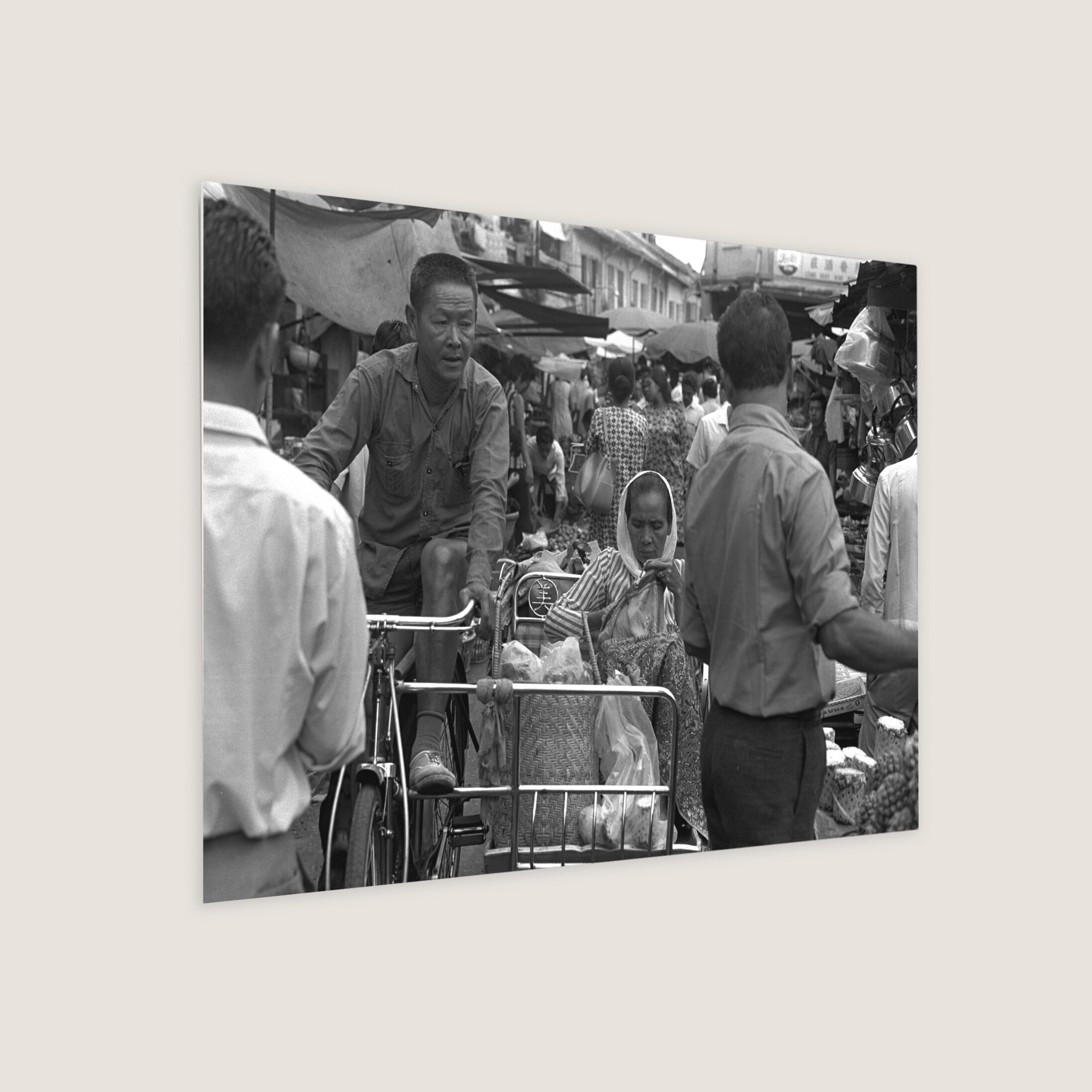
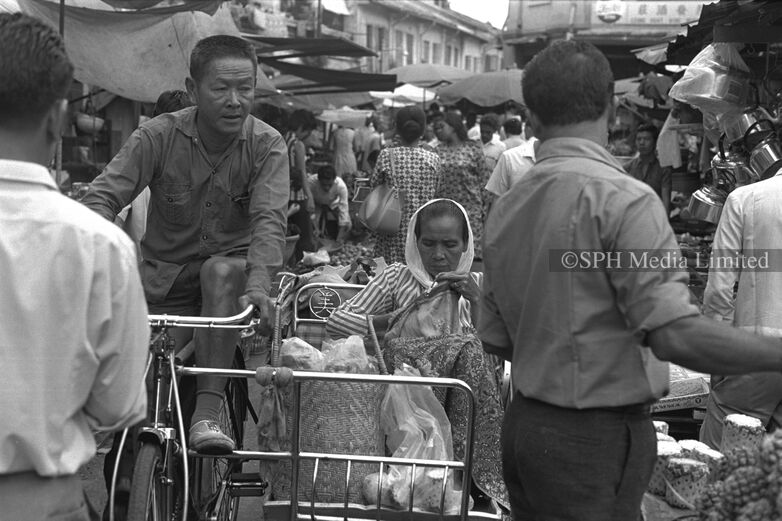
Increasing numbers of trishaws in the 1940s signaled the growing importance of trishaws as local transportation, especially in the years immediately following the end of the Japanese Occupation. A Malay woman took a trishaw after completing her shopping at Tekka Market on Serangoon Road.
©️ SPH Media Limited
Share to
Tags
Available for print on products
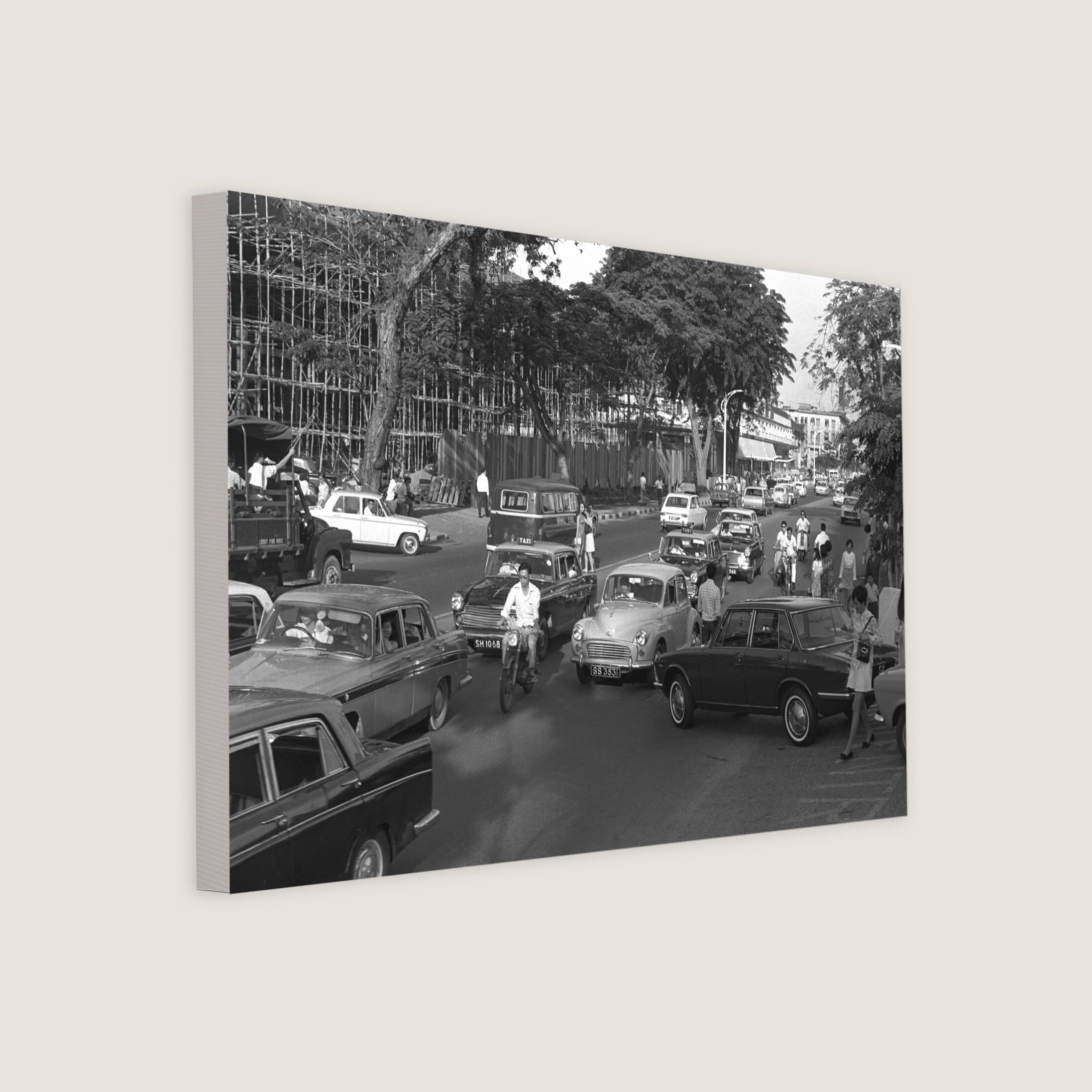
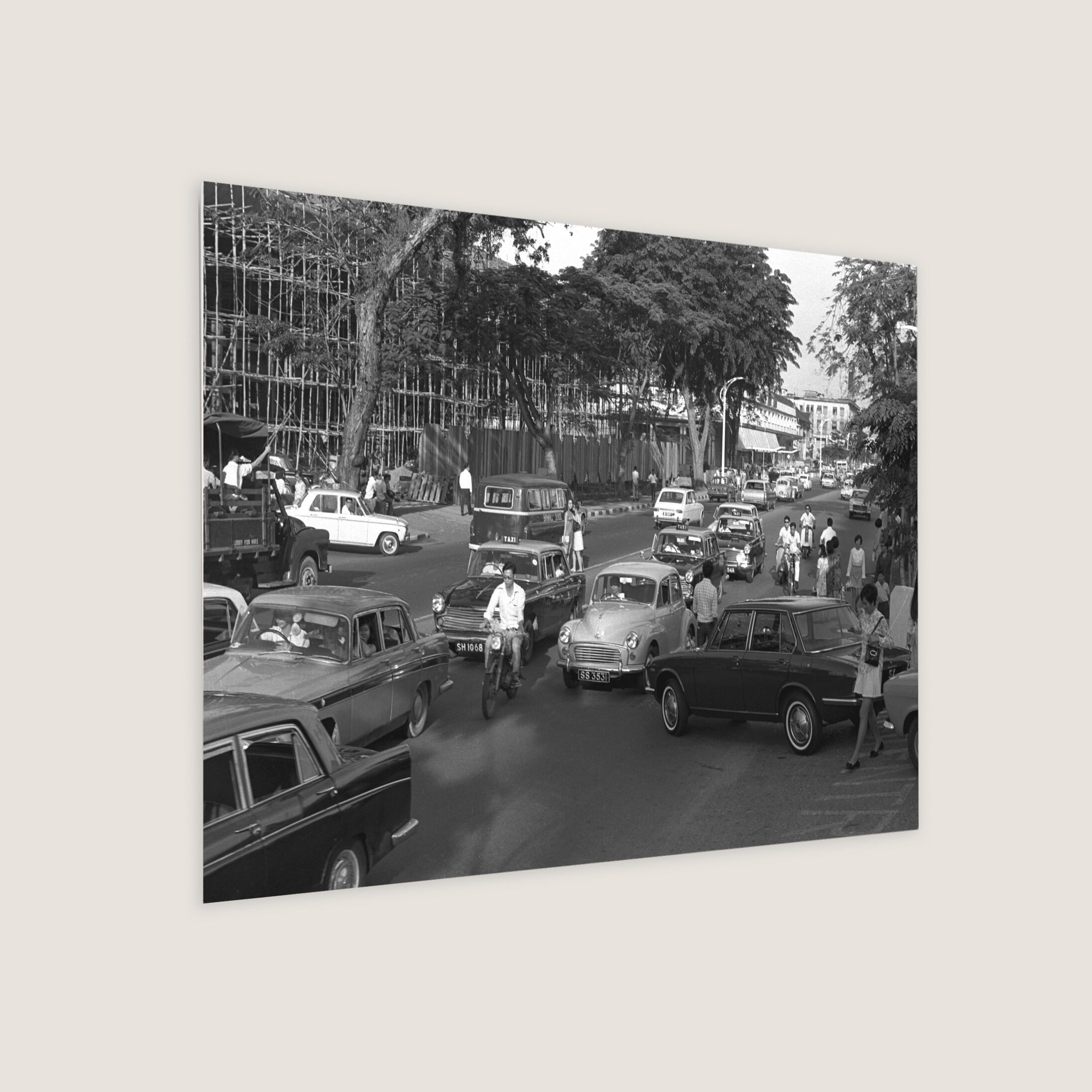
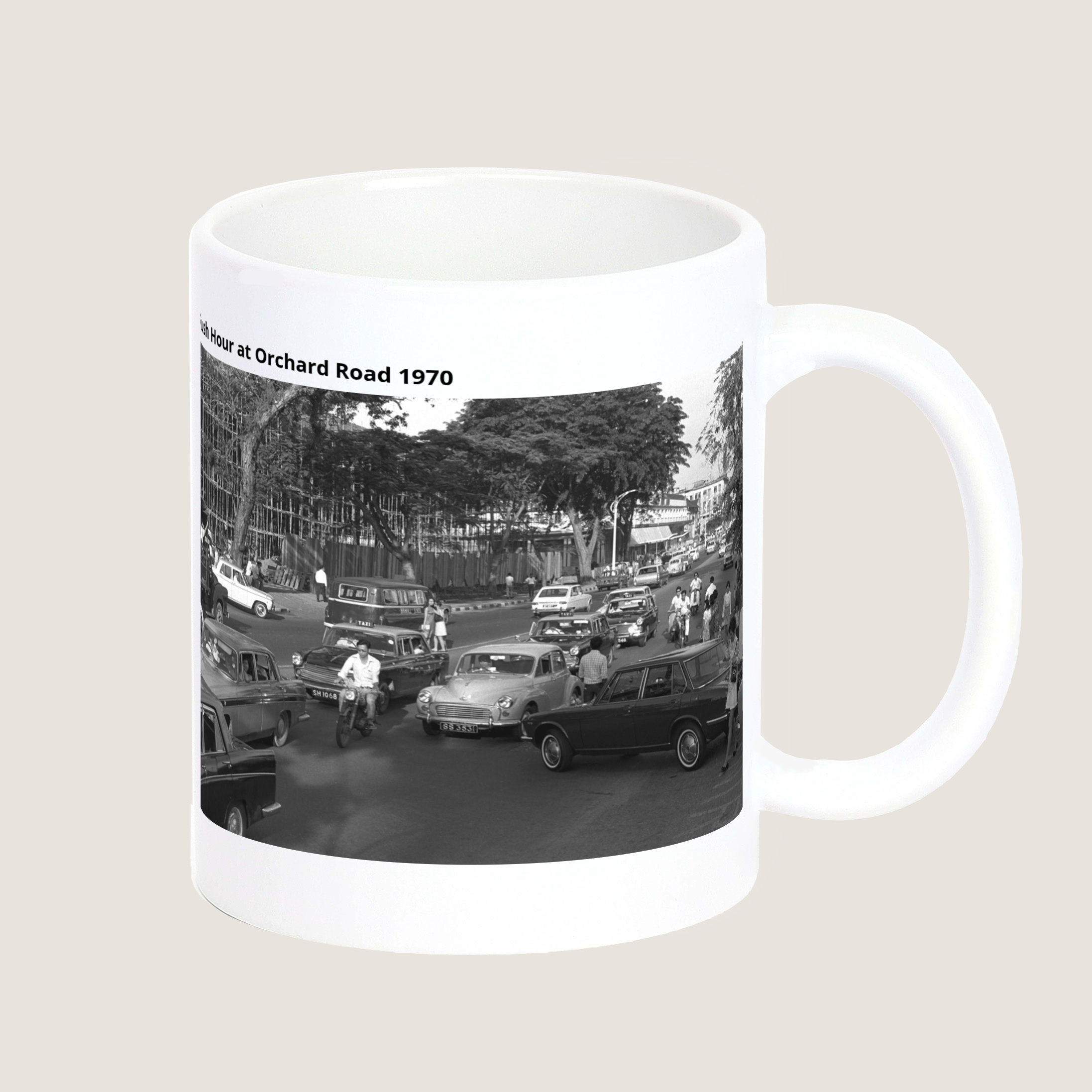
 Rush Hour at Orchard Road
1970
Rush Hour at Orchard Road
1970
Rush Hour at Orchard Road
Year 1970
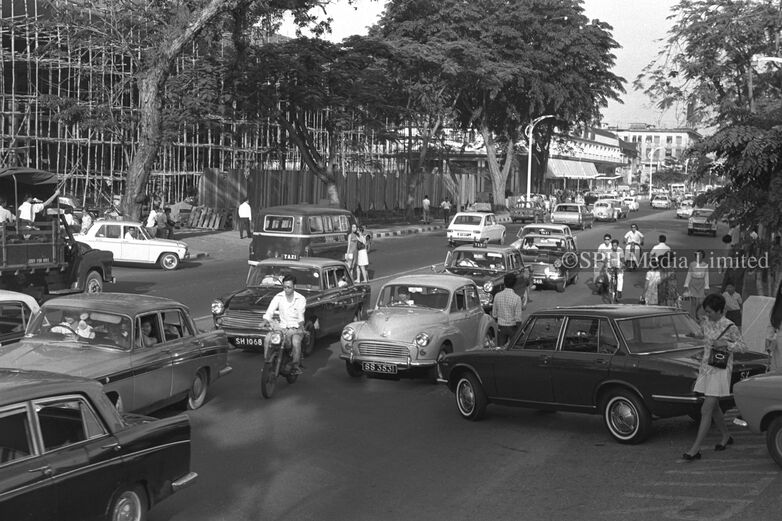
In the 1970s, Orchard Road was bustling with activity. Pedestrians crossed in front of Fitzpatrick's supermarket during rush hour, amidst the busy streets. Fitzpatrick's was a popular supermarket chain in Singapore, but it has since closed. It was situated at the location where The Paragon stands today.
©️ SPH Media Limited
Share to
Tags
Available for print on products
 Riding for the National Defence Fund
1968
Riding for the National Defence Fund
1968
Riding for the National Defence Fund
Year 1968
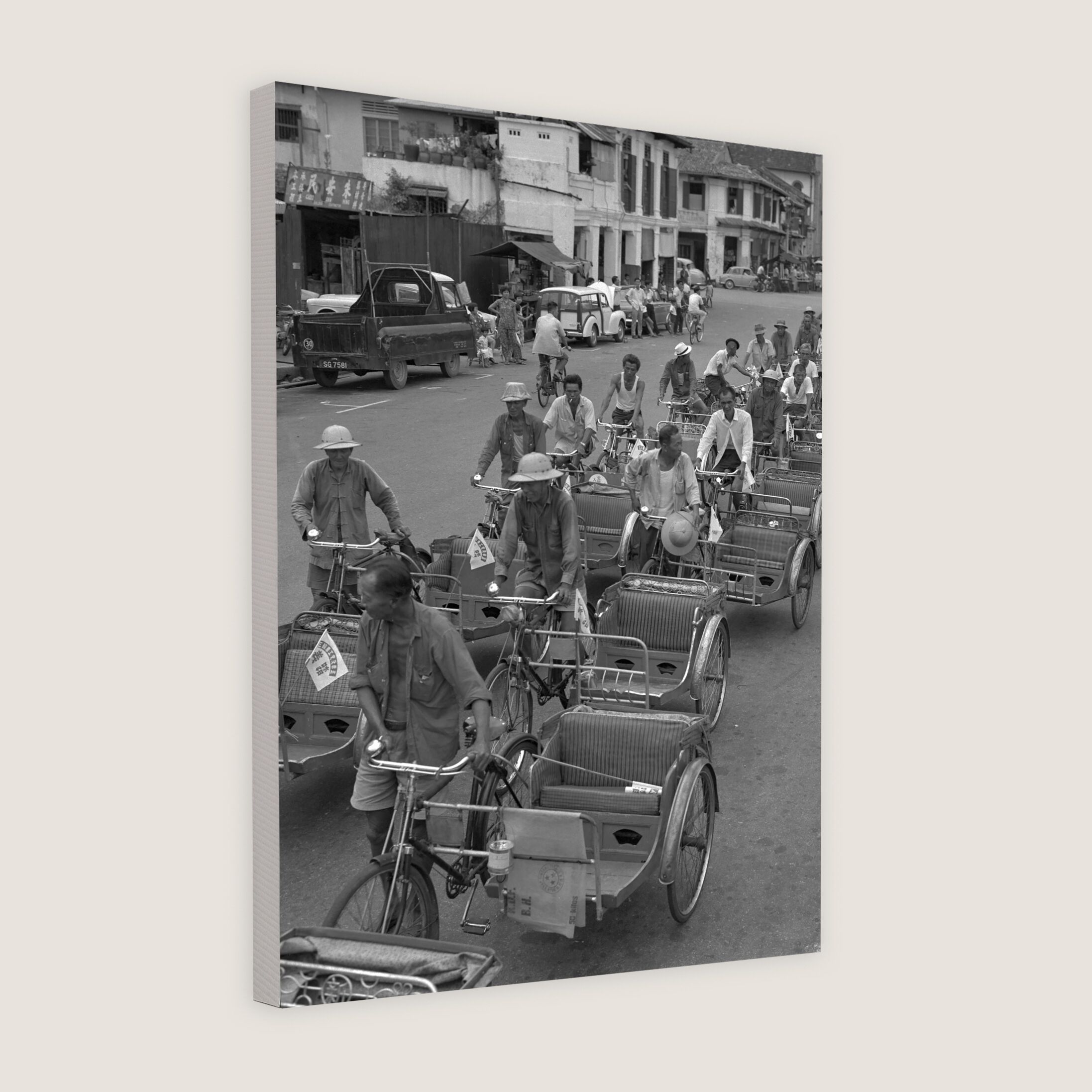
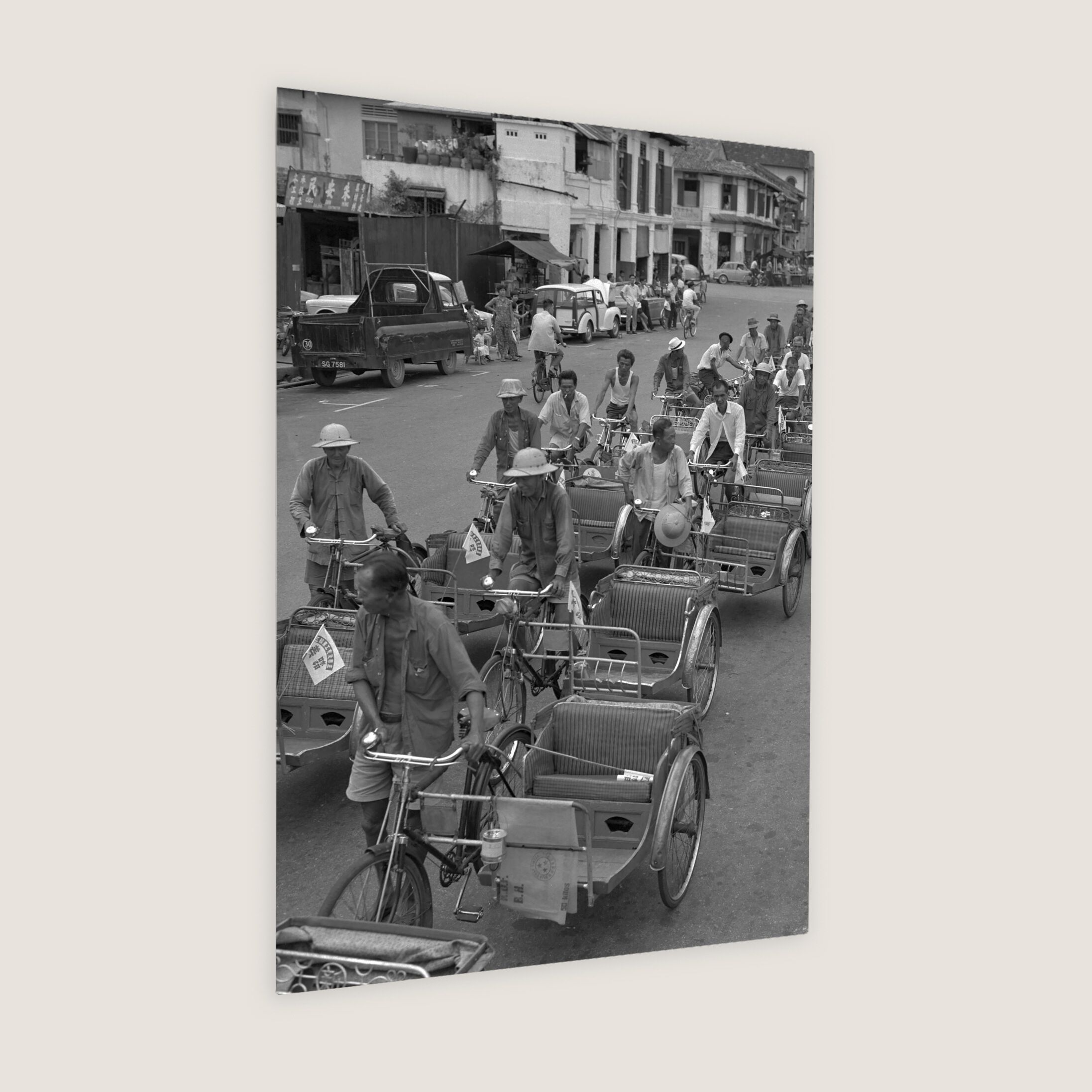
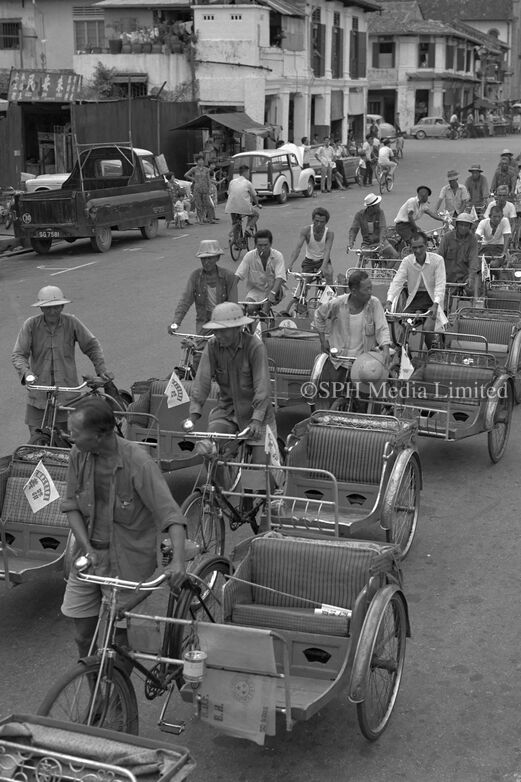
On 24 April 1968, trishaw riders were waiting to donate their day's earnings to the National Defence Fund to help build Singapore's armed forces. Many of the early trishaw riders were Chinese male immigrants from the Henghua, Hokchia, and Hokkien dialect groups, particularly those from the Hui Ann district in Fujian province, China.
©️ SPH Media Limited
Share to
Tags
Available for print on products
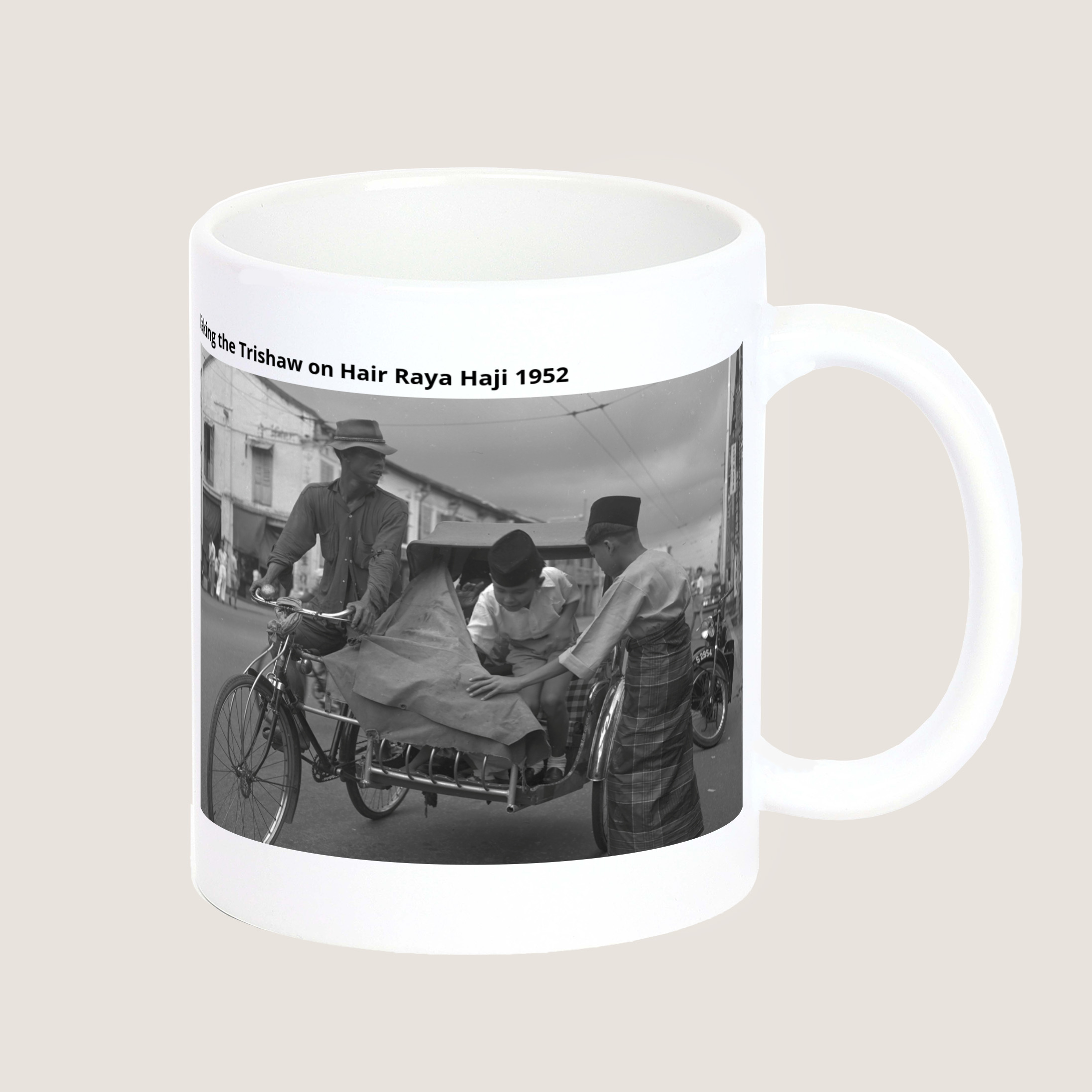
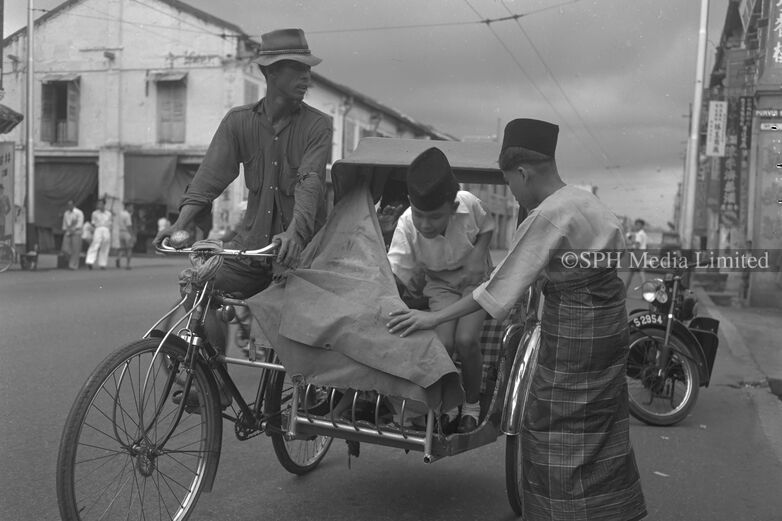 Taking the Trishaw on Hari Raya Haji
1952
Taking the Trishaw on Hari Raya Haji
1952
Taking the Trishaw on Hari Raya Haji
Year 1952
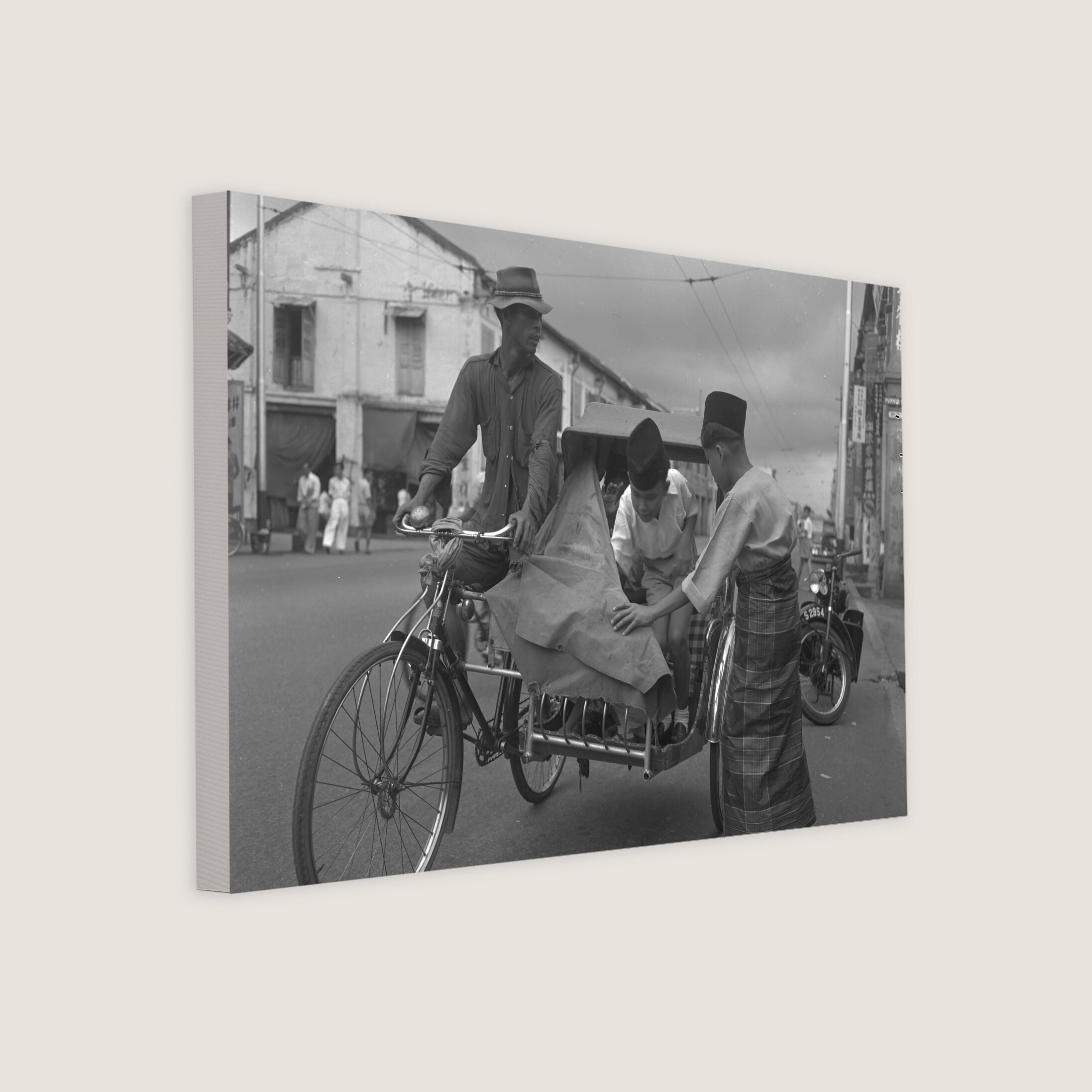
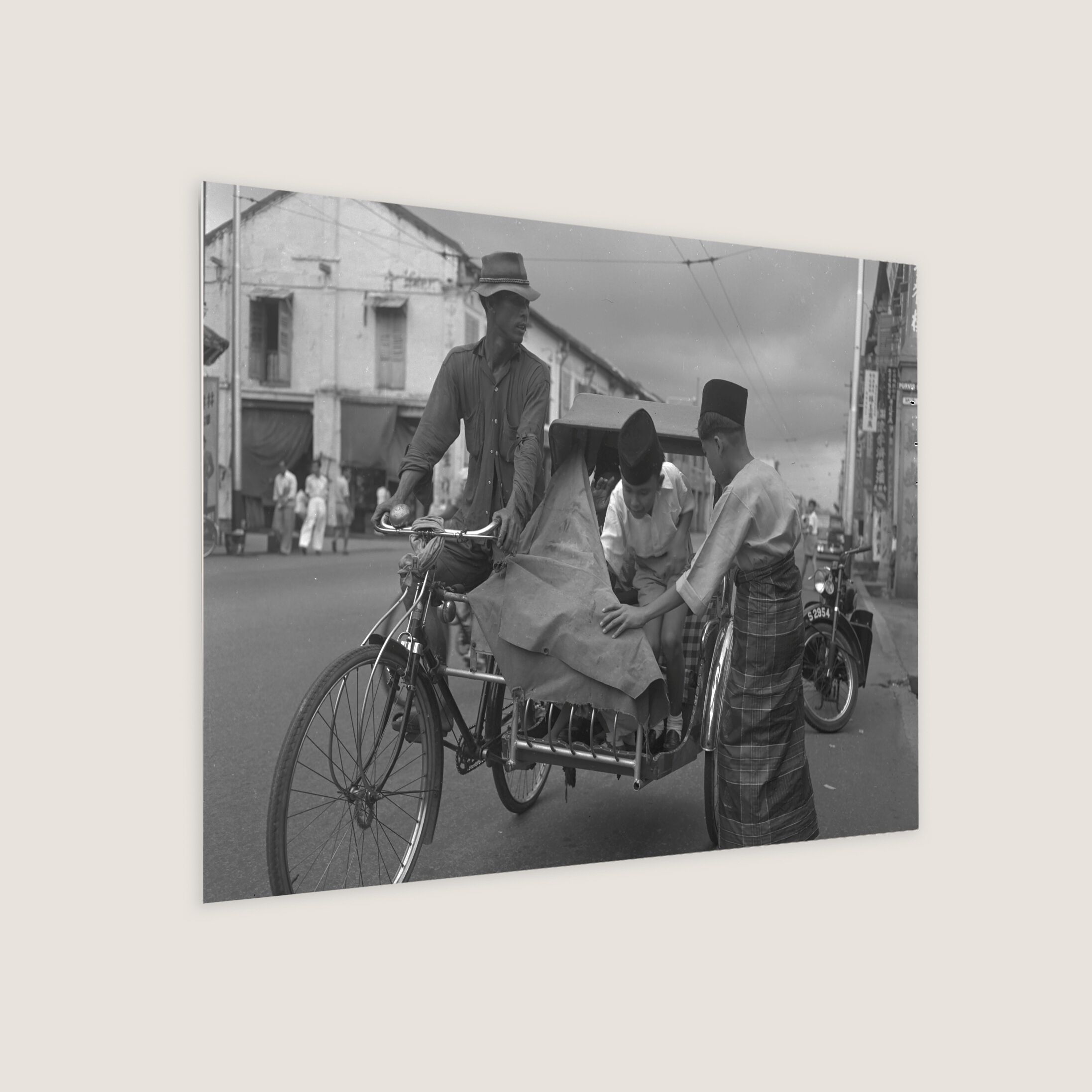
Dressed to the nines in traditional Sarongs, a Malay family took a trishaw for visitations during Hari Raya Haji. The trishaw was thoughtfully equipped with a curtain in front, sheltering them from both the sun and rain, ensuring a comfortable ride.
©️ SPH Media Limited
Share to
Tags
Available for print on products
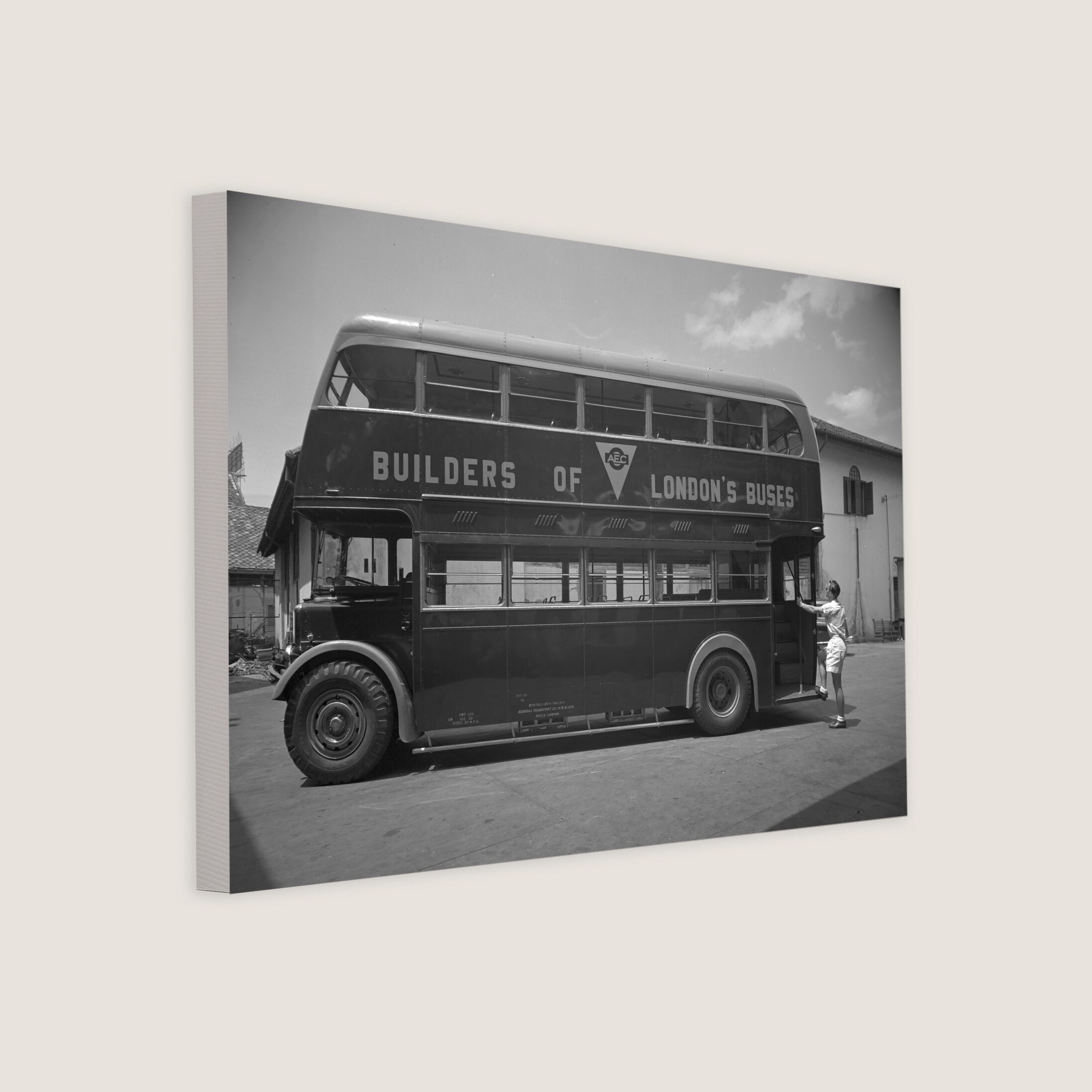
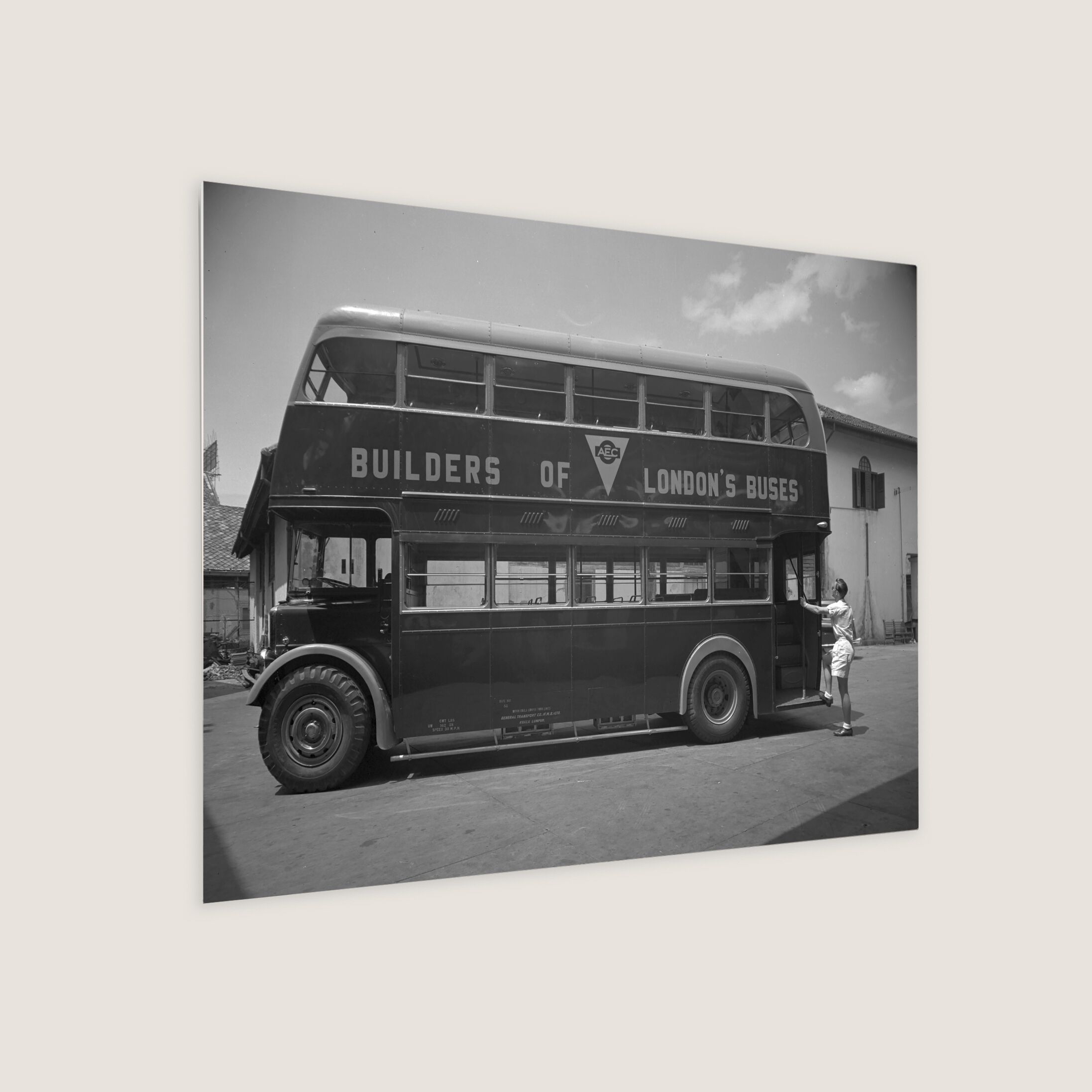
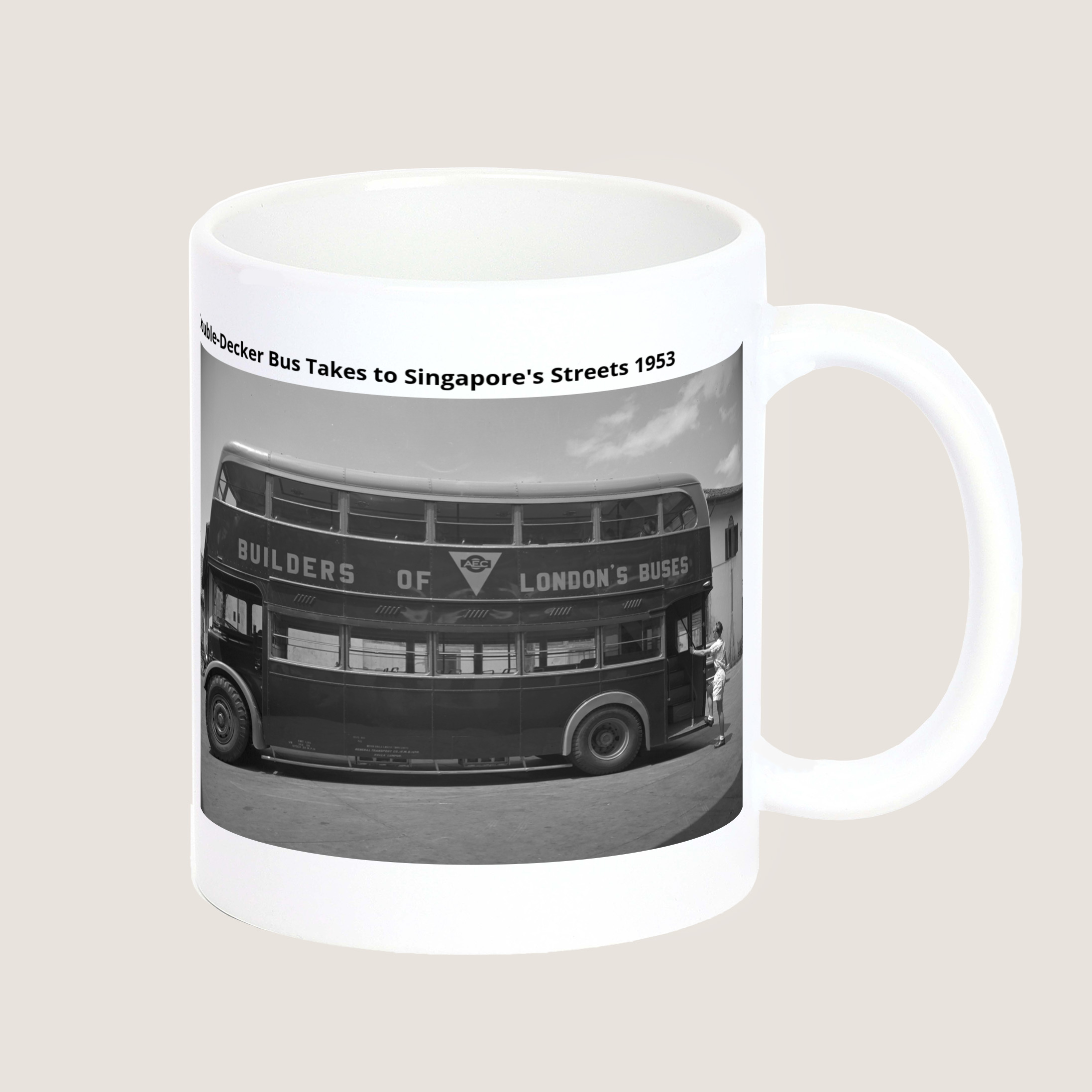
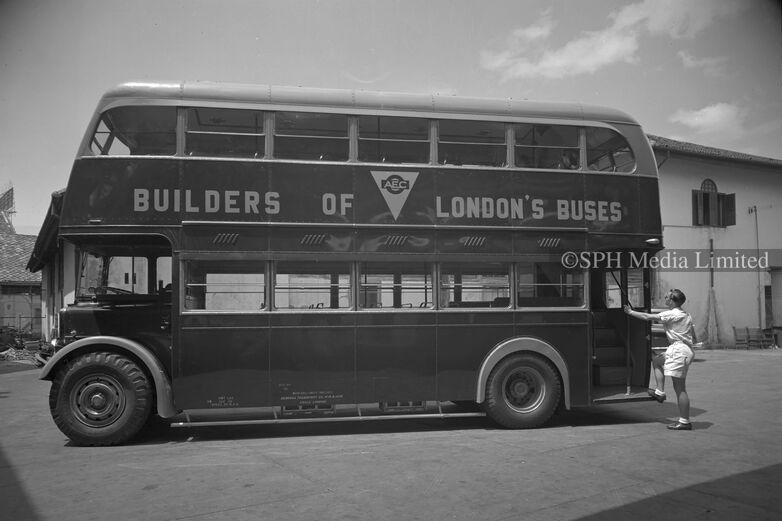 Double-Decker Bus Takes to Singapore's Streets
1953
Double-Decker Bus Takes to Singapore's Streets
1953
Double-Decker Bus Takes to Singapore's Streets
Year 1953
In October 1953, the Singapore Traction Company (STC) conducted a two-week trial of a double-decker bus, an AEC Regent III, sourced from the General Transport Company of Kuala Lumpur. This experiment marked the early introduction of double-decker buses to Singapore's public transport system.
©️ SPH Media Limited
Share to
Tags
Available for print on products
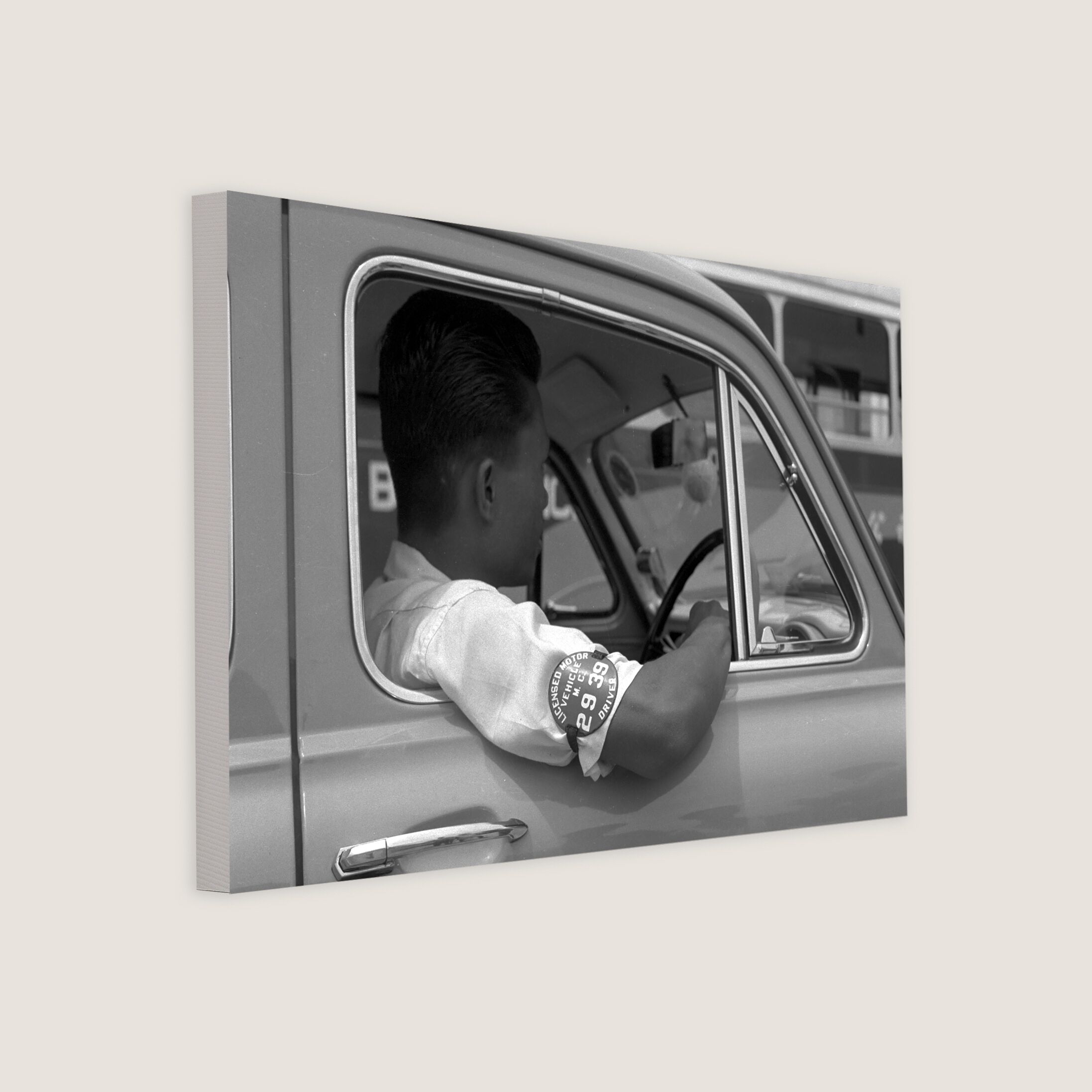
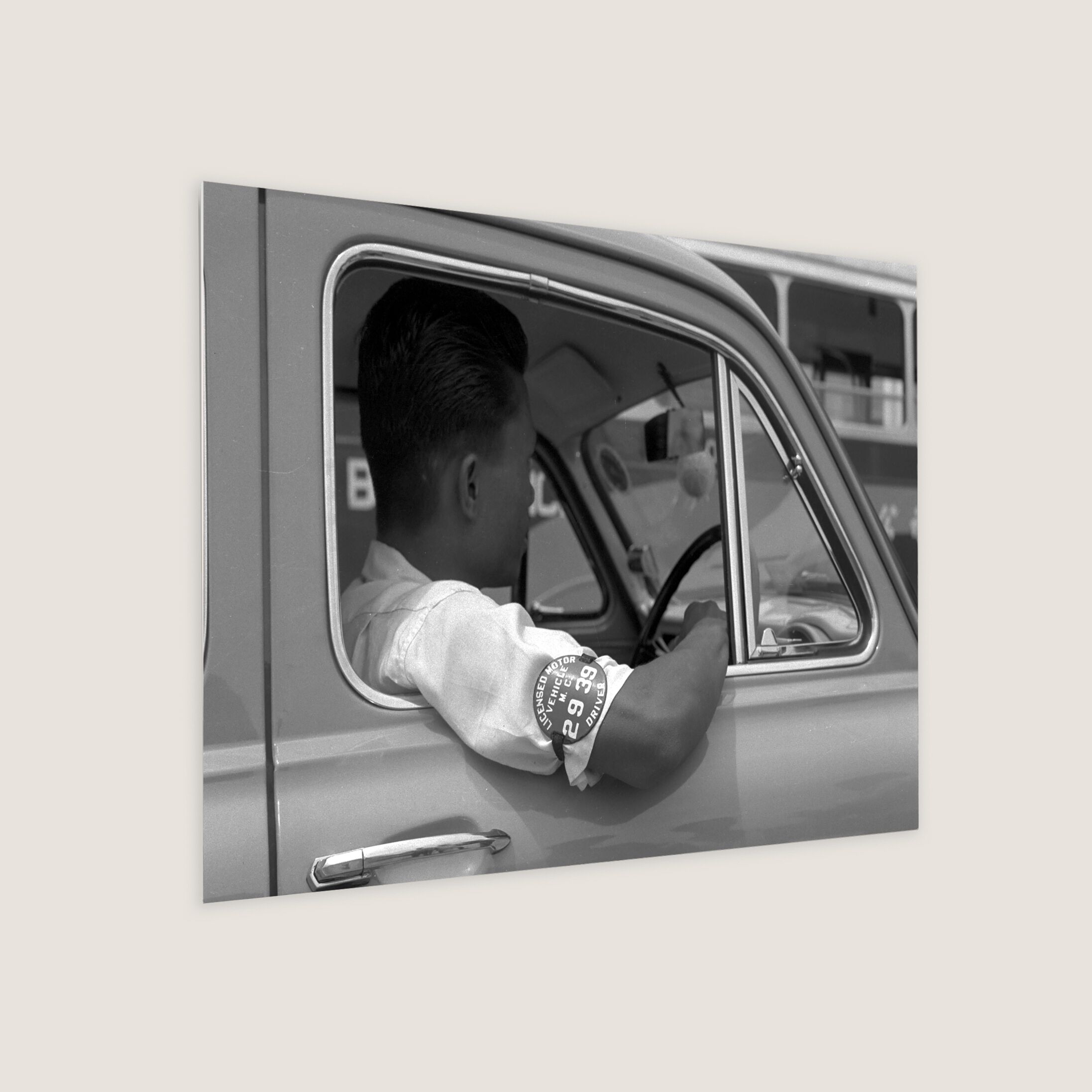
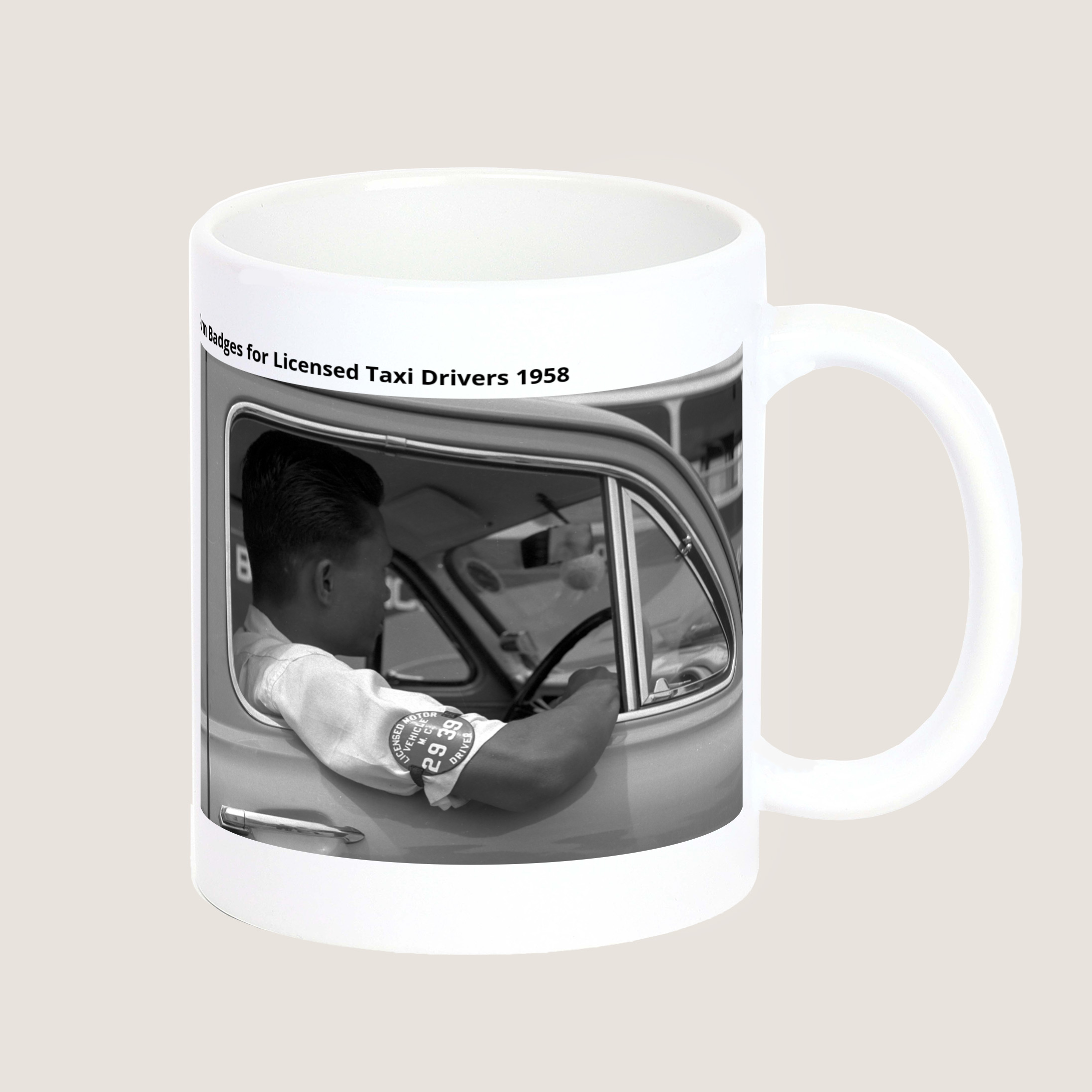
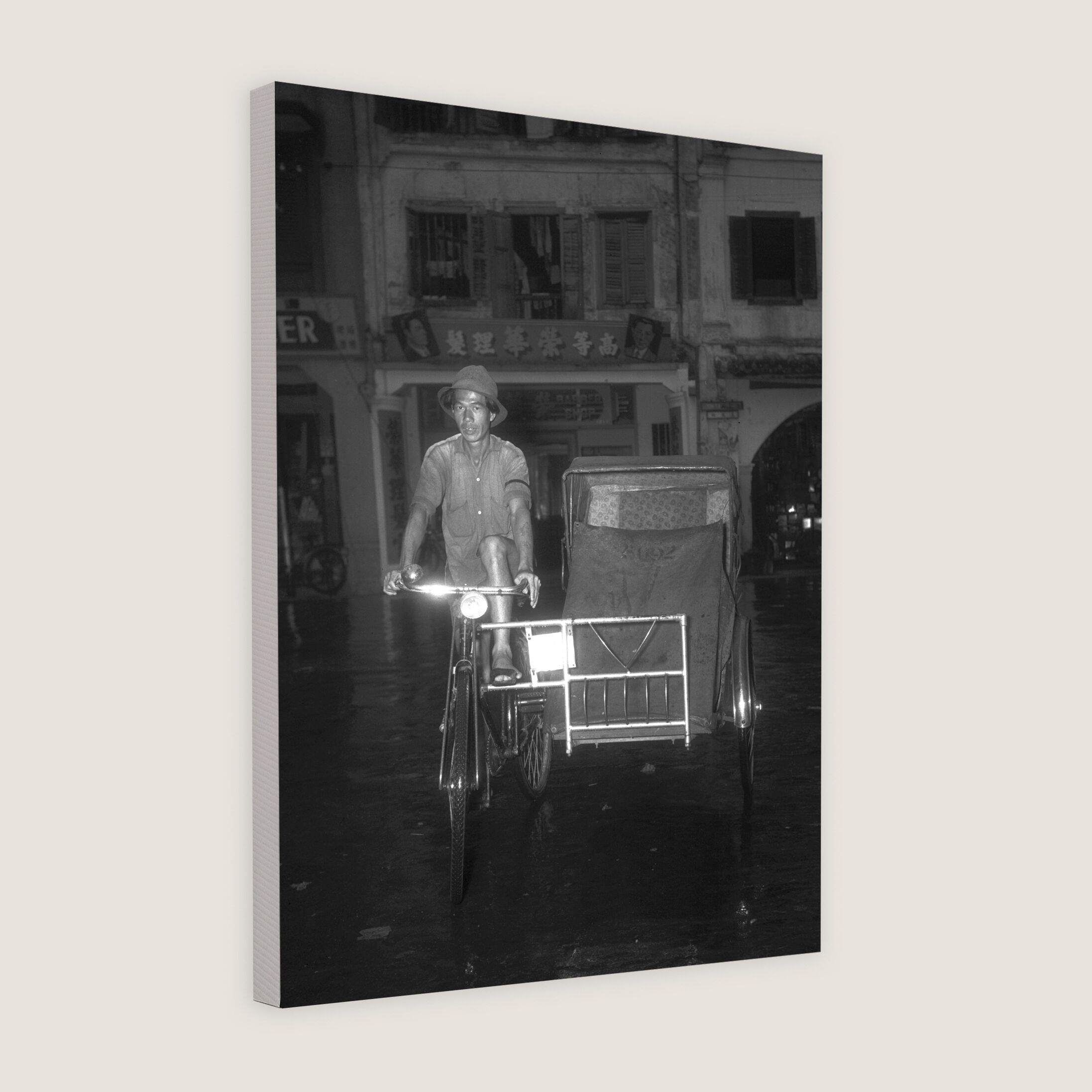
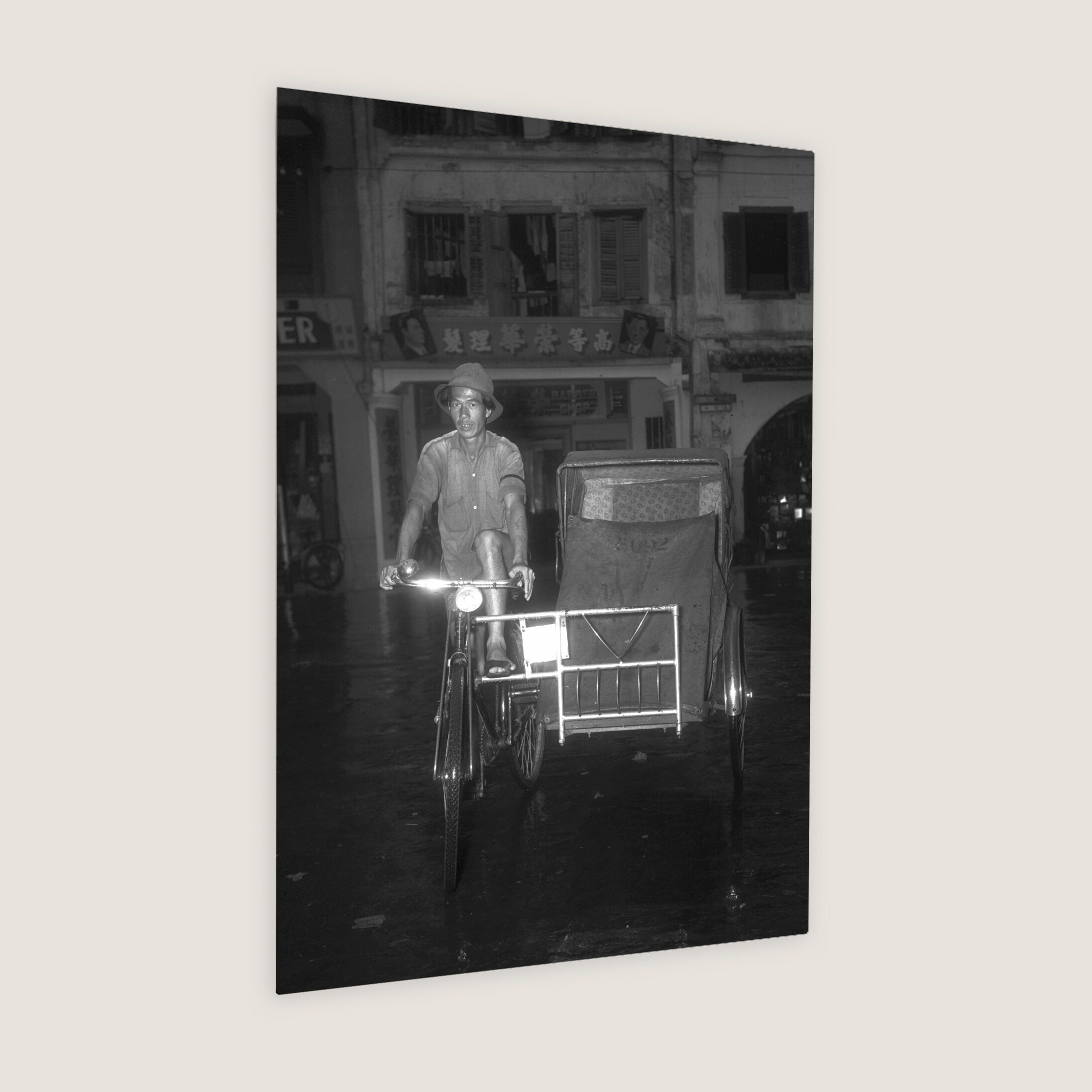
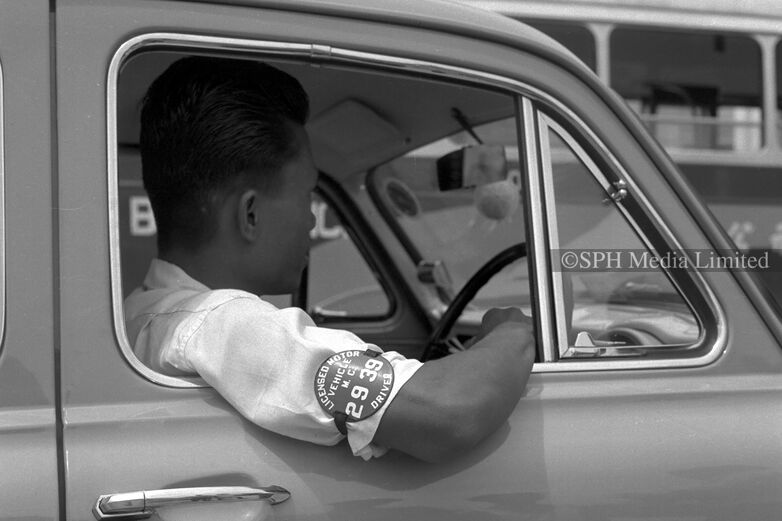 Arm Badges for Licensed Taxi Drivers
1958
Arm Badges for Licensed Taxi Drivers
1958
Arm Badges for Licensed Taxi Drivers
Year 1958
In the 1950s, taxi drivers and trishaw riders received their licenses from the Singapore City Council Vehicles Department on Middle Road. Due to complaints that the arm badges (shown in the photo) were too bulky, smaller breast badges were introduced in 1958.
©️ SPH Media Limited
Share to
Tags
Available for print on products
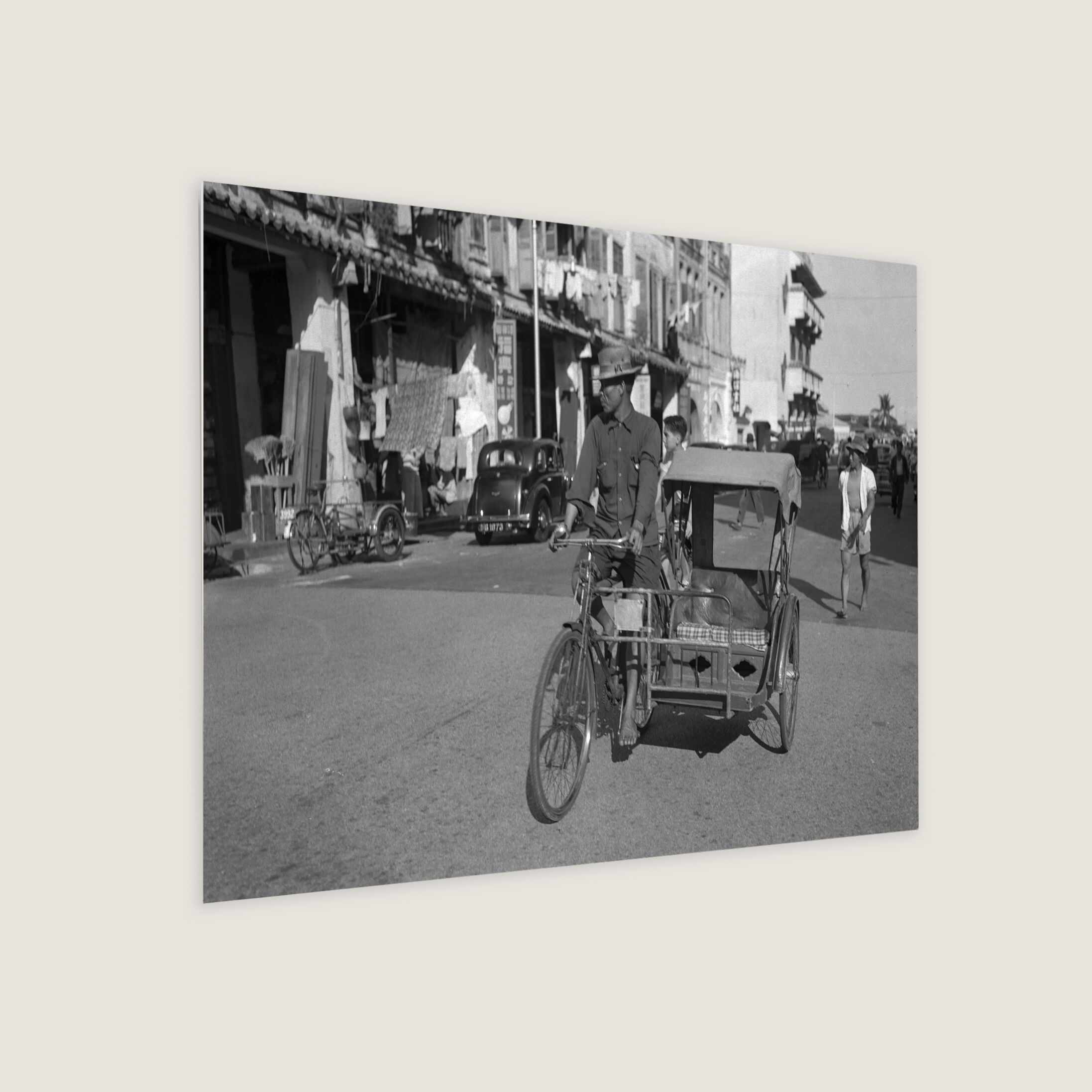
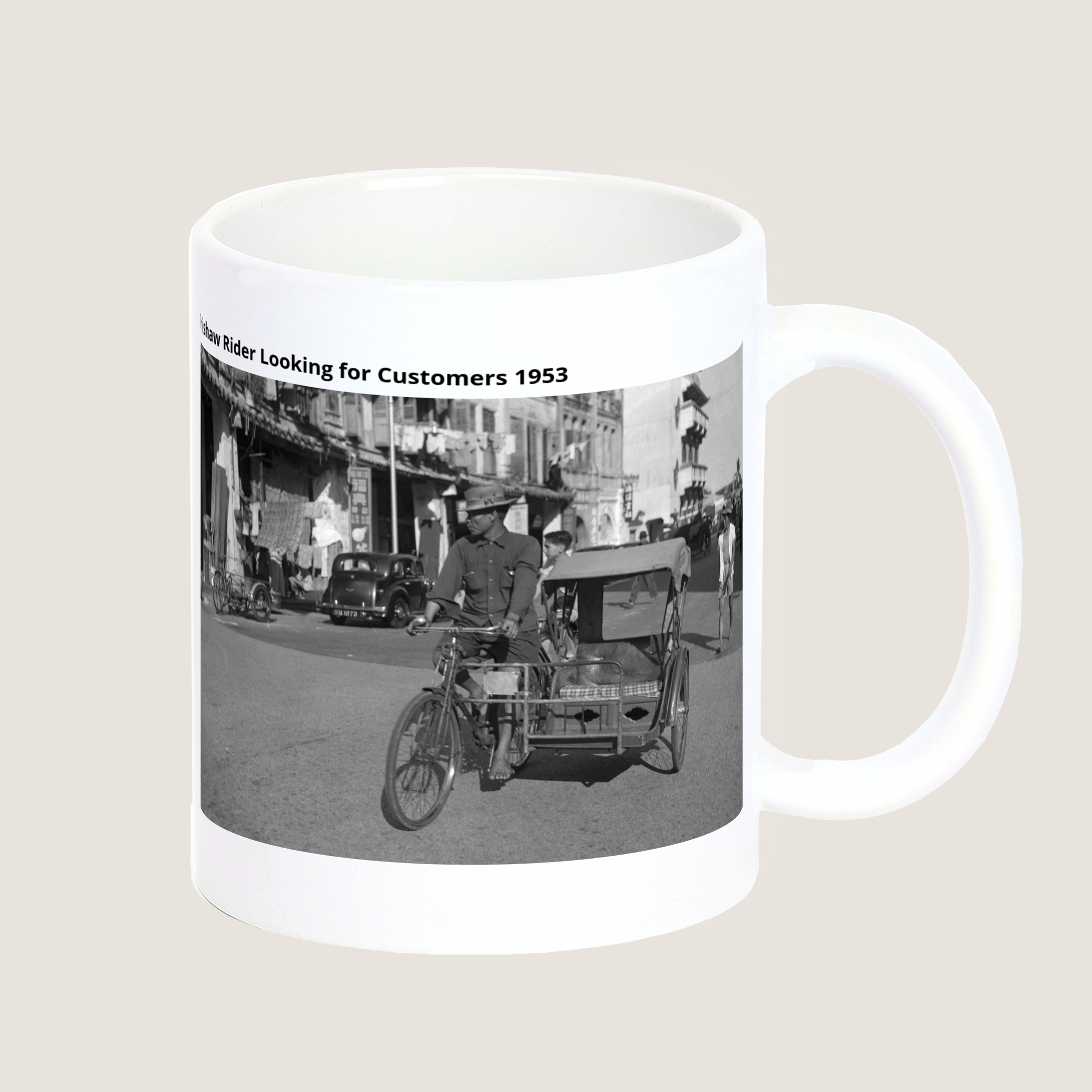
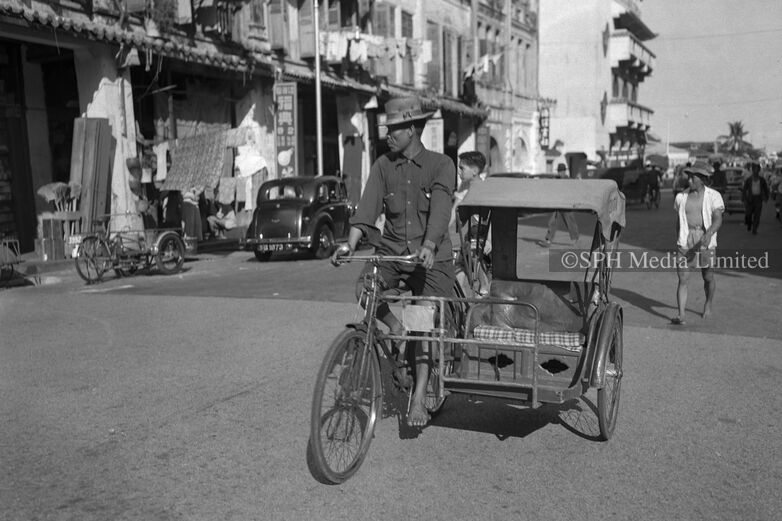 Trishaw Rider Looking for Customers
1953
Trishaw Rider Looking for Customers
1953
Trishaw Rider Looking for Customers
Year 1953
The average income of trishaw riders in the 1950s and 1960s varied depending on their working hours and the fares they collected, ranging from as low as $3 to as high as $20 a day. In 1948, the Municipal Commission set fixed hire rates for trishaws. Riders could charge $0.20 for every half mile or part of it traveled, or $1.50 per hour and $0.40 for each additional quarter hour of travel.
©️ SPH Media Limited
Share to
Tags
Available for print on products
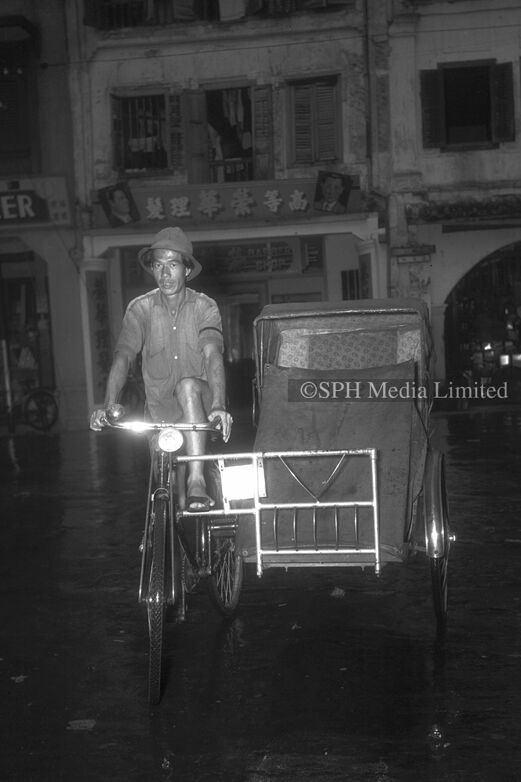 Riding a Trishaw in the Rain to Make a Living
1951
Riding a Trishaw in the Rain to Make a Living
1951
Riding a Trishaw in the Rain to Make a Living
Year 1951
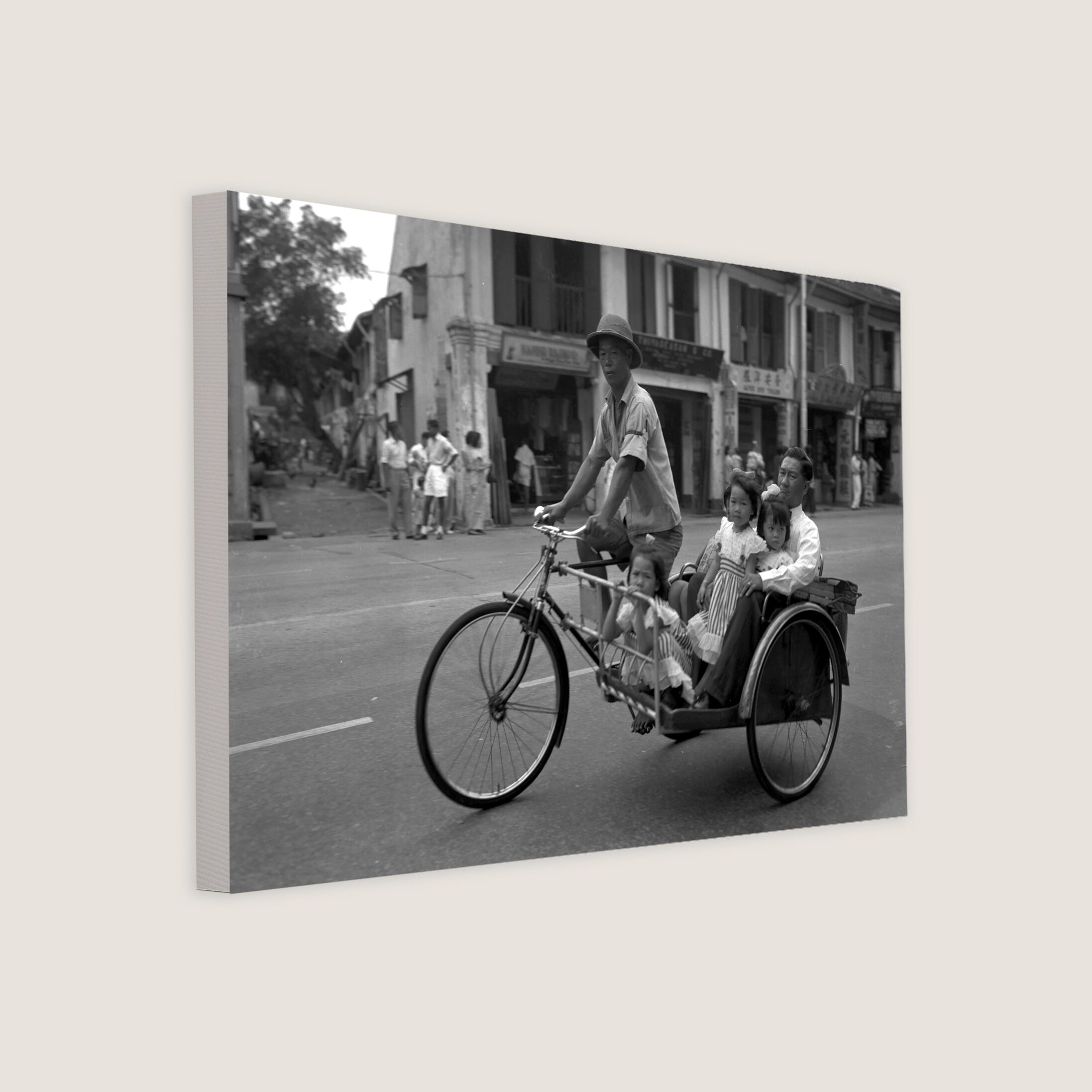
Trishaws first surfaced in Singapore in April 1914, and were reintroduced to Singapore during the Japanese Occupation. A Syonan Shimbun article published on 8 August 1942 reported that the first batch of 10 trishaws (referred to as 'ricksha-cycles' in the article) began operating on 7 August 1943, with an official fare of 15 cents per mile.
©️ SPH Media Limited
Share to
Tags
Available for print on products
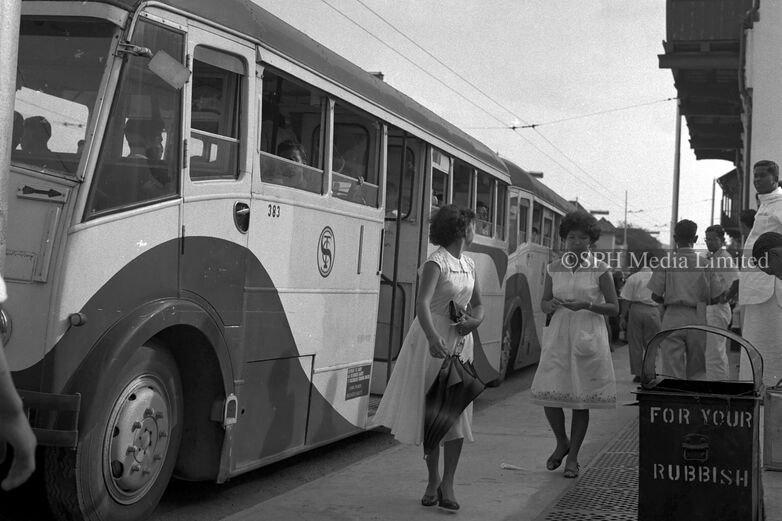 Singapore Traction Company Bus in the 1950s
1956
Singapore Traction Company Bus in the 1950s
1956
Singapore Traction Company Bus in the 1950s
Year 1956
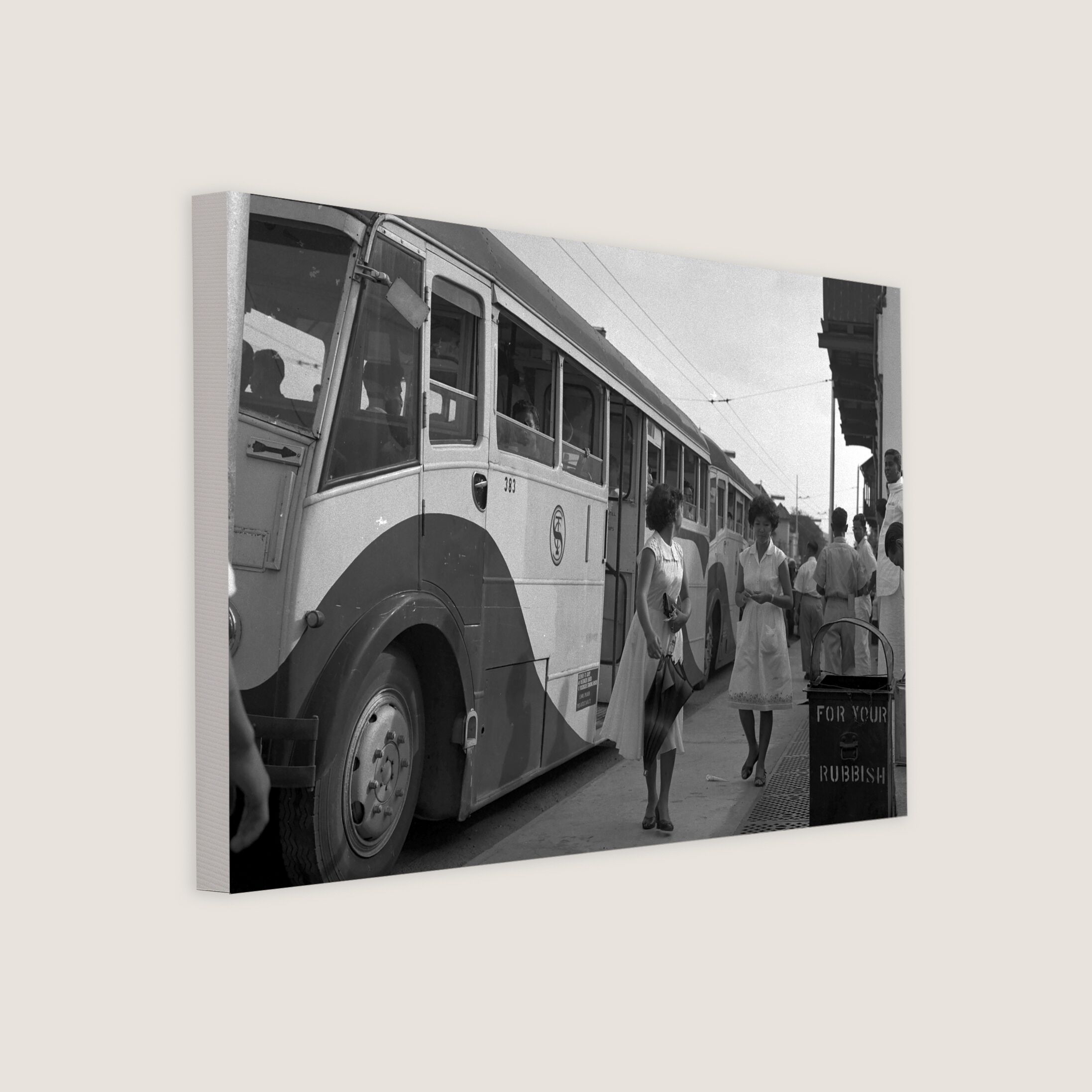
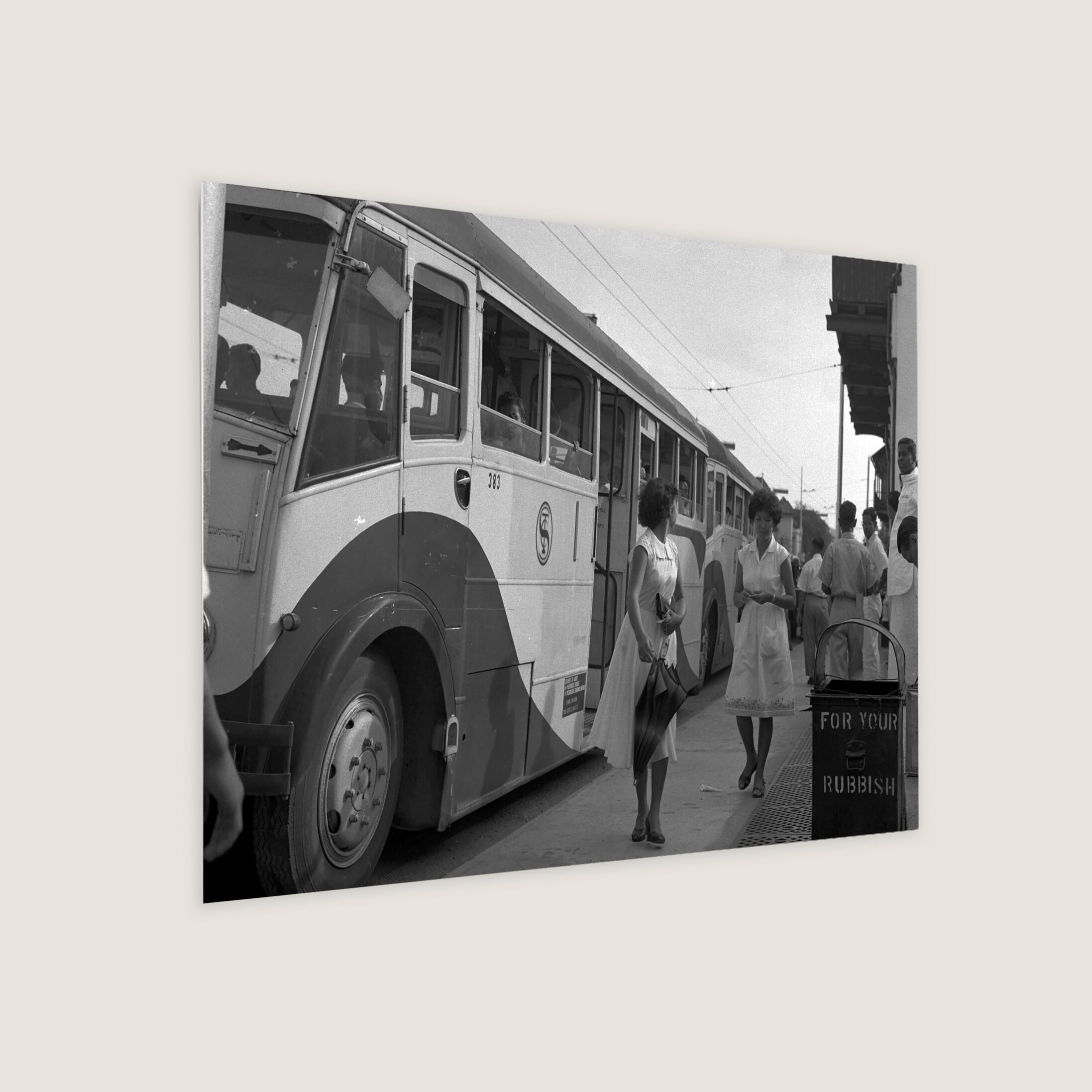
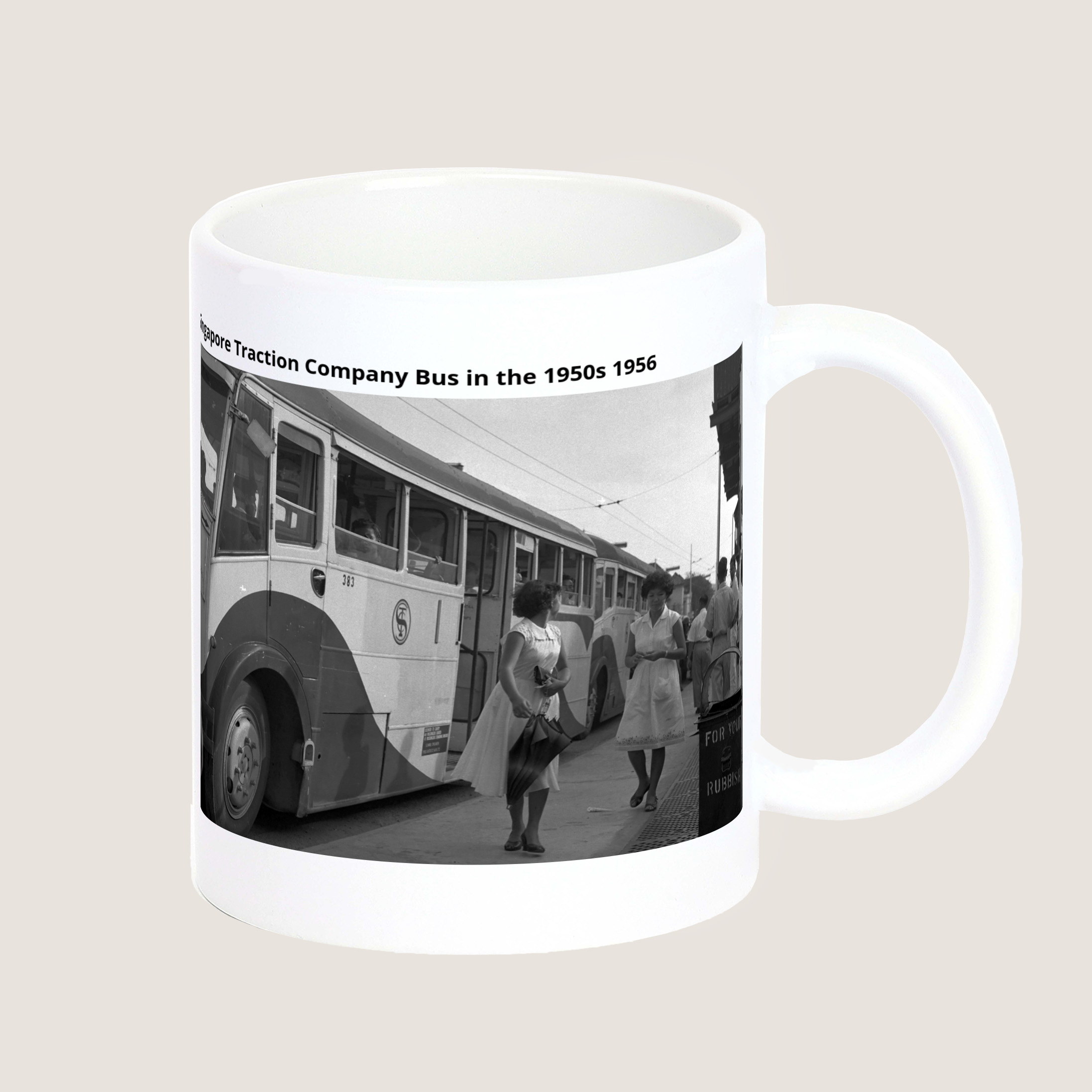
On 1 October 1925, the Singapore Traction Company (STC) began operations under the management of the Shanghai Electric Construction Company (London). With the enactment of the Singapore Traction Ordinance, the company enjoyed a monopoly of the trolley bus service.
©️ SPH Media Limited
Share to
Tags
Available for print on products
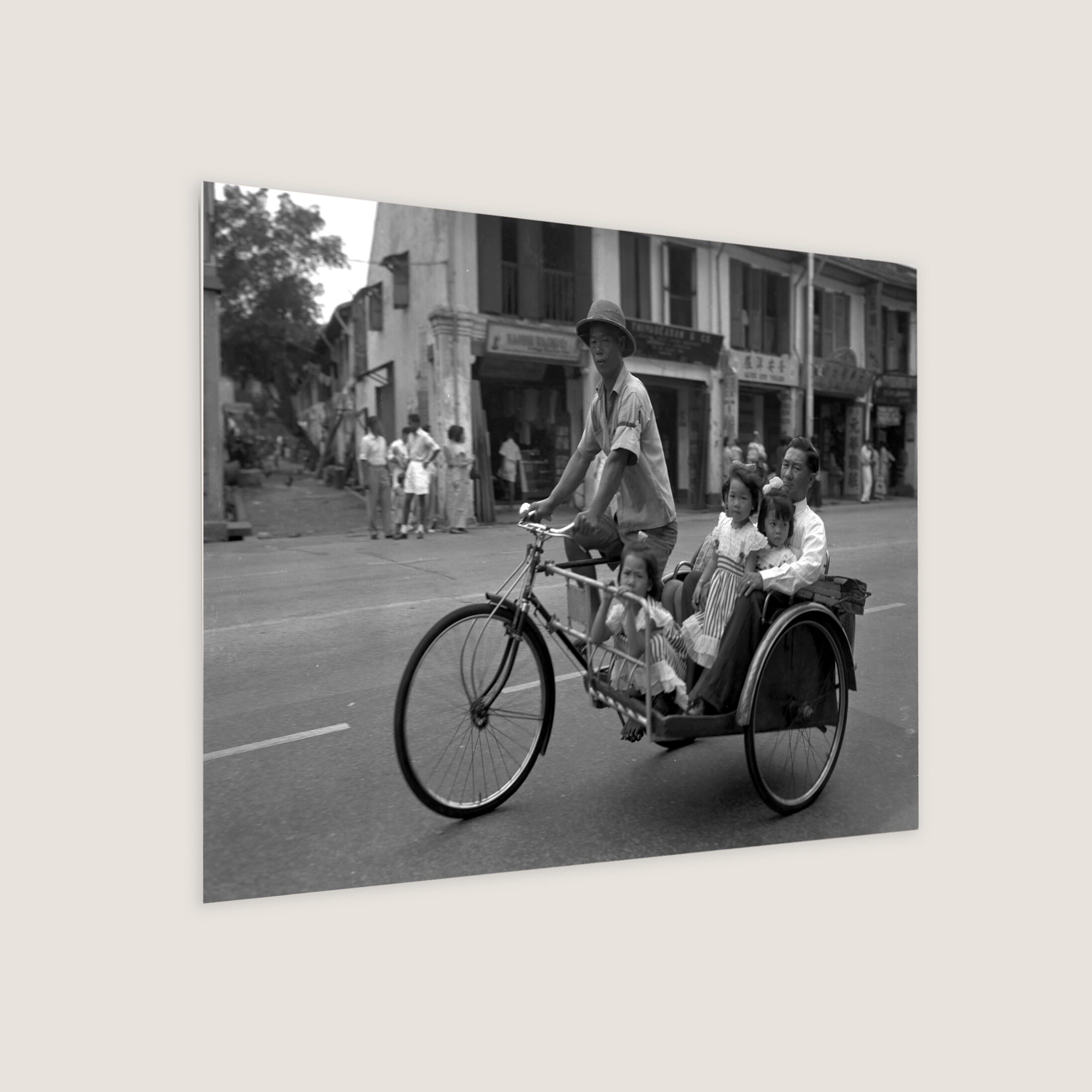
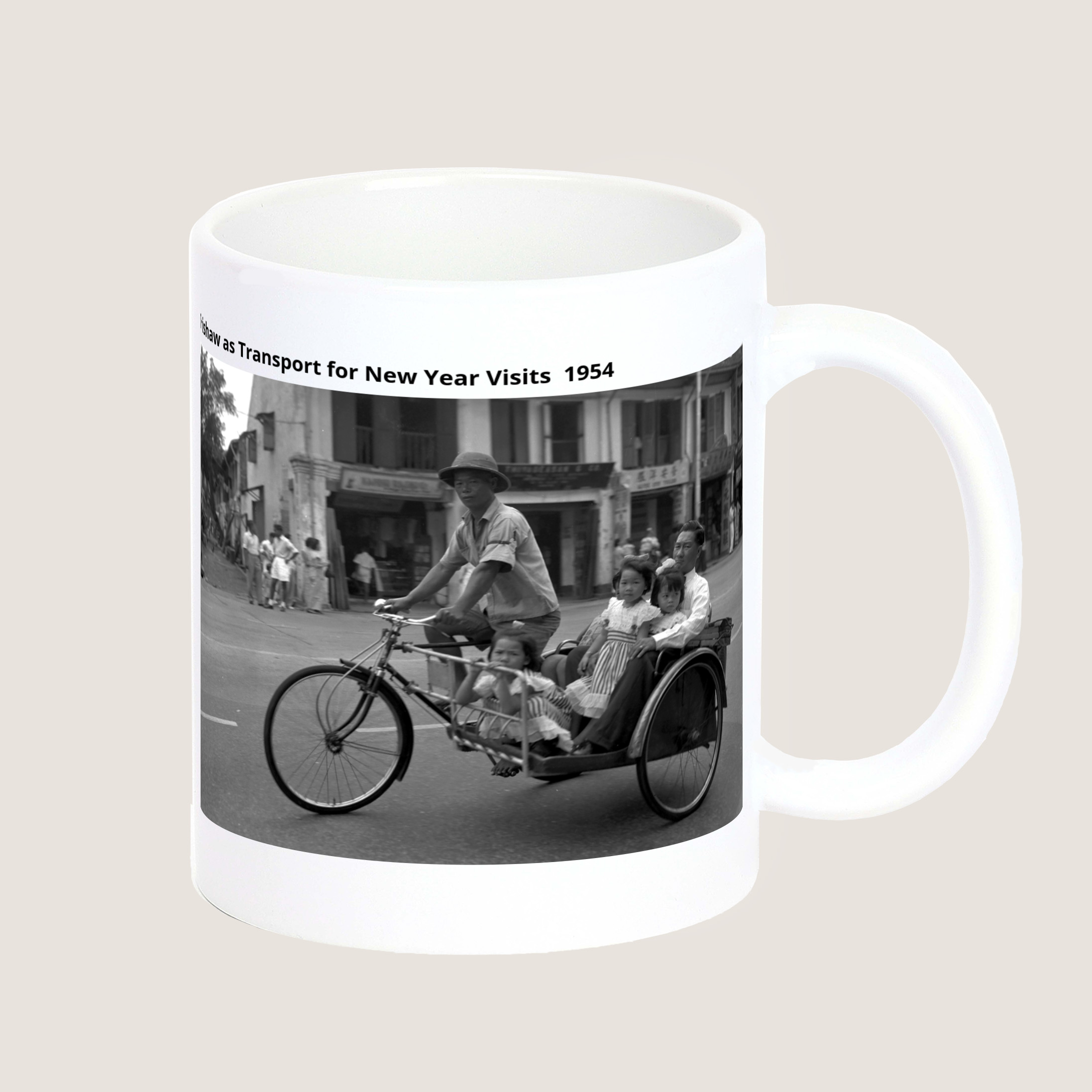
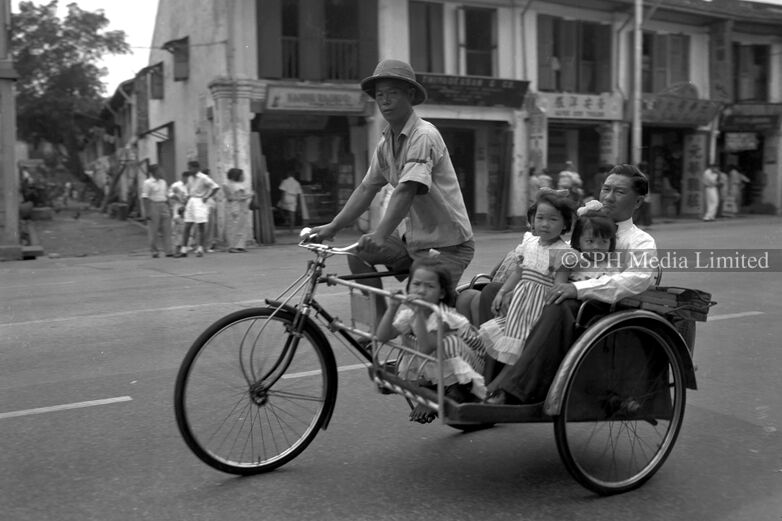 Trishaw as Transport for New Year Visits
1954
Trishaw as Transport for New Year Visits
1954
Trishaw as Transport for New Year Visits
Year 1954
Chinese New Year holiday makers taking a trishaw ride in 1954. The trishaw was a common mode of transport before the 40s and early 50s. As the years went by, Singapore broadened its variety of public and private transport for its citizens, and the trishaw became less popular. In modern Singapore, it became a tourist attraction, and even then, all trishaws eventually ceased operations in 2023.
©️ SPH Media Limited
Share to
Tags
Available for print on products
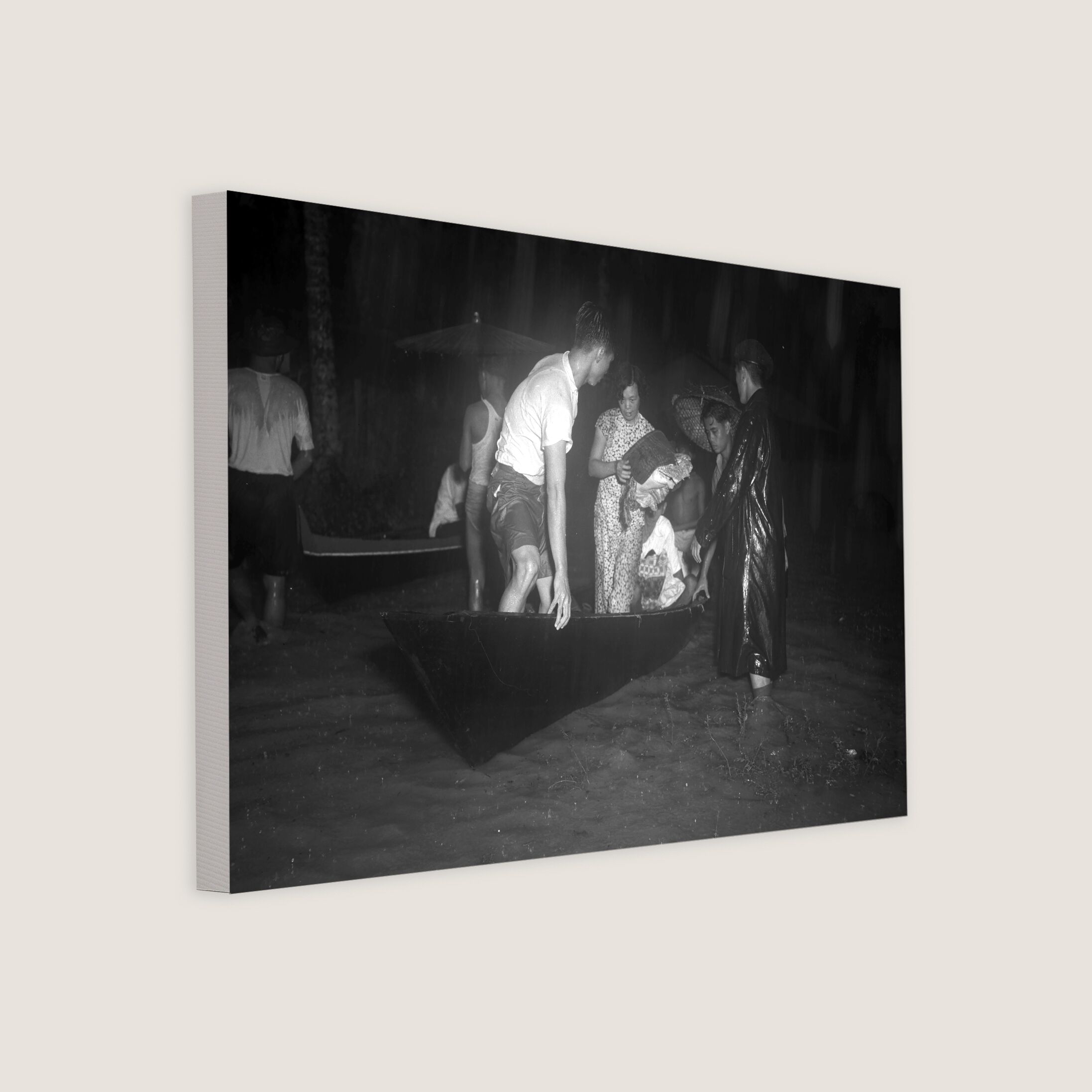
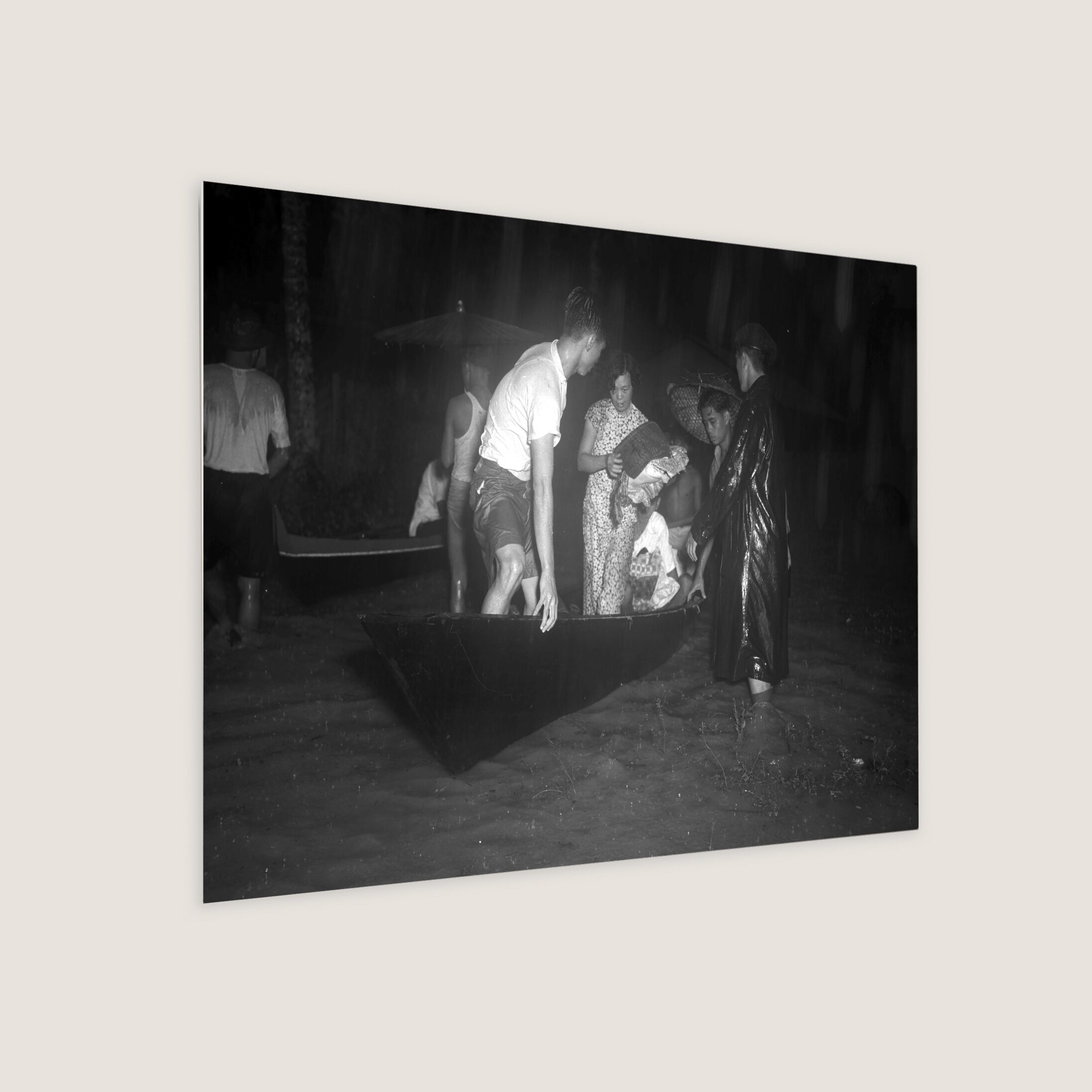
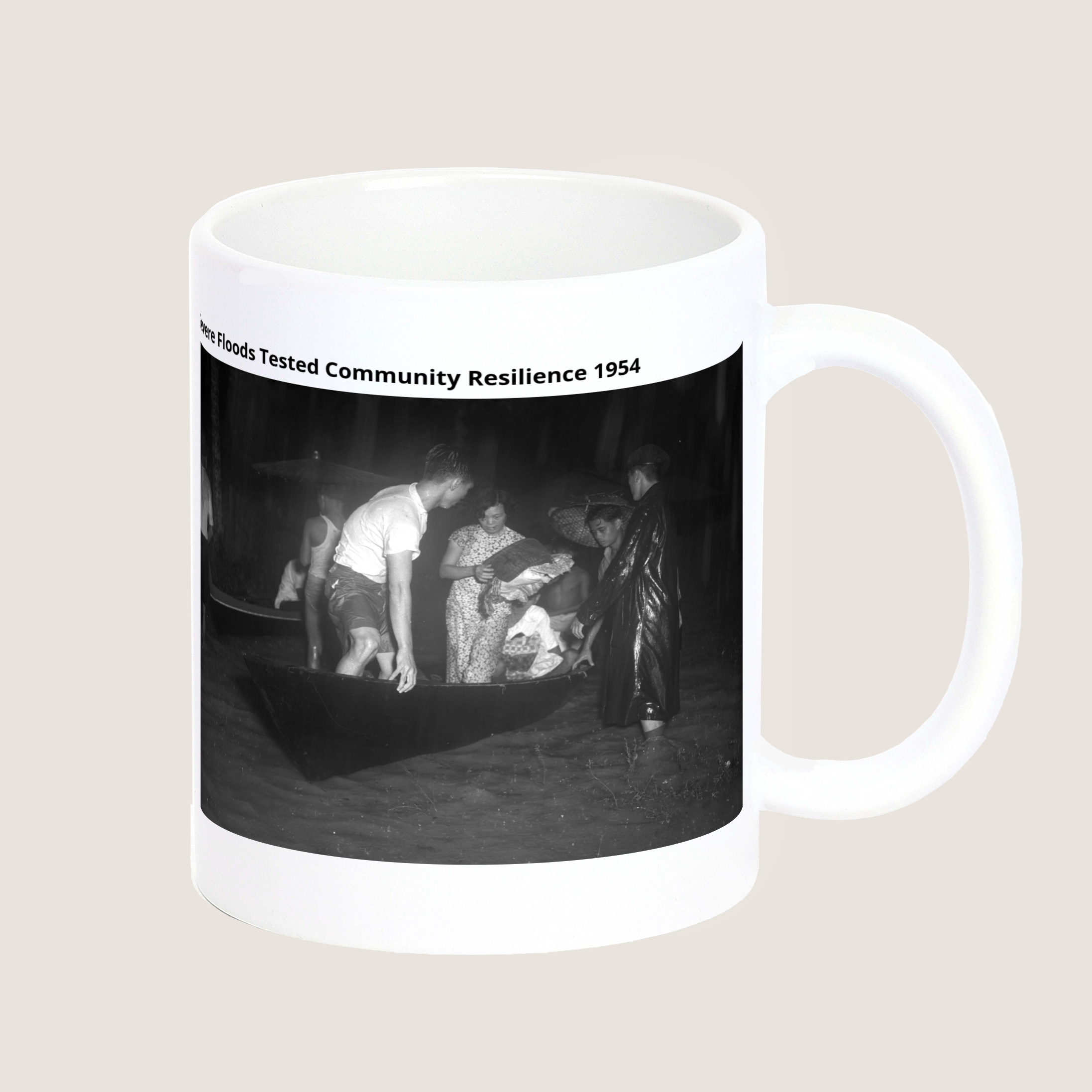
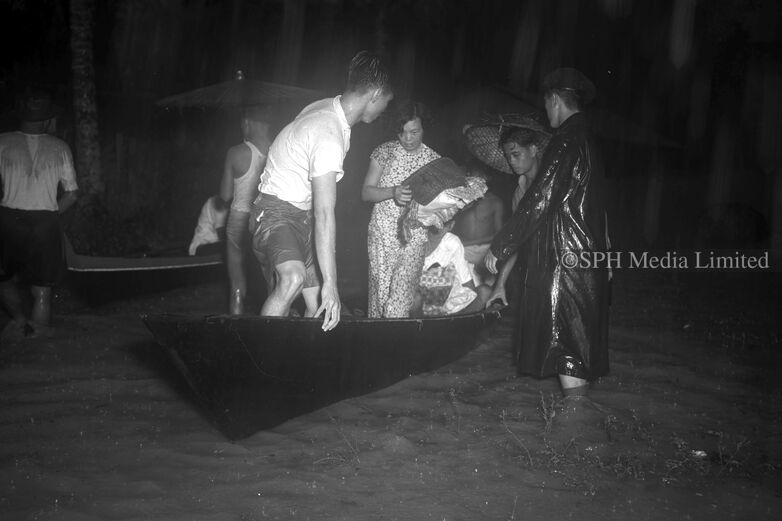 Severe Floods Tested Community Resilience
1954
Severe Floods Tested Community Resilience
1954
Severe Floods Tested Community Resilience
Year 1954
On 8 December 1954, heavy rain started in the evening, escalating to a torrential downpour by 11:20 pm. The rain persisted for over 24 hours, flooding 2,500 acres, with Bedok being severely affected. The photo shows a family being evacuated by sampan from a Bedok farm.
©️ SPH Media Limited
Share to
Tags
Available for print on products
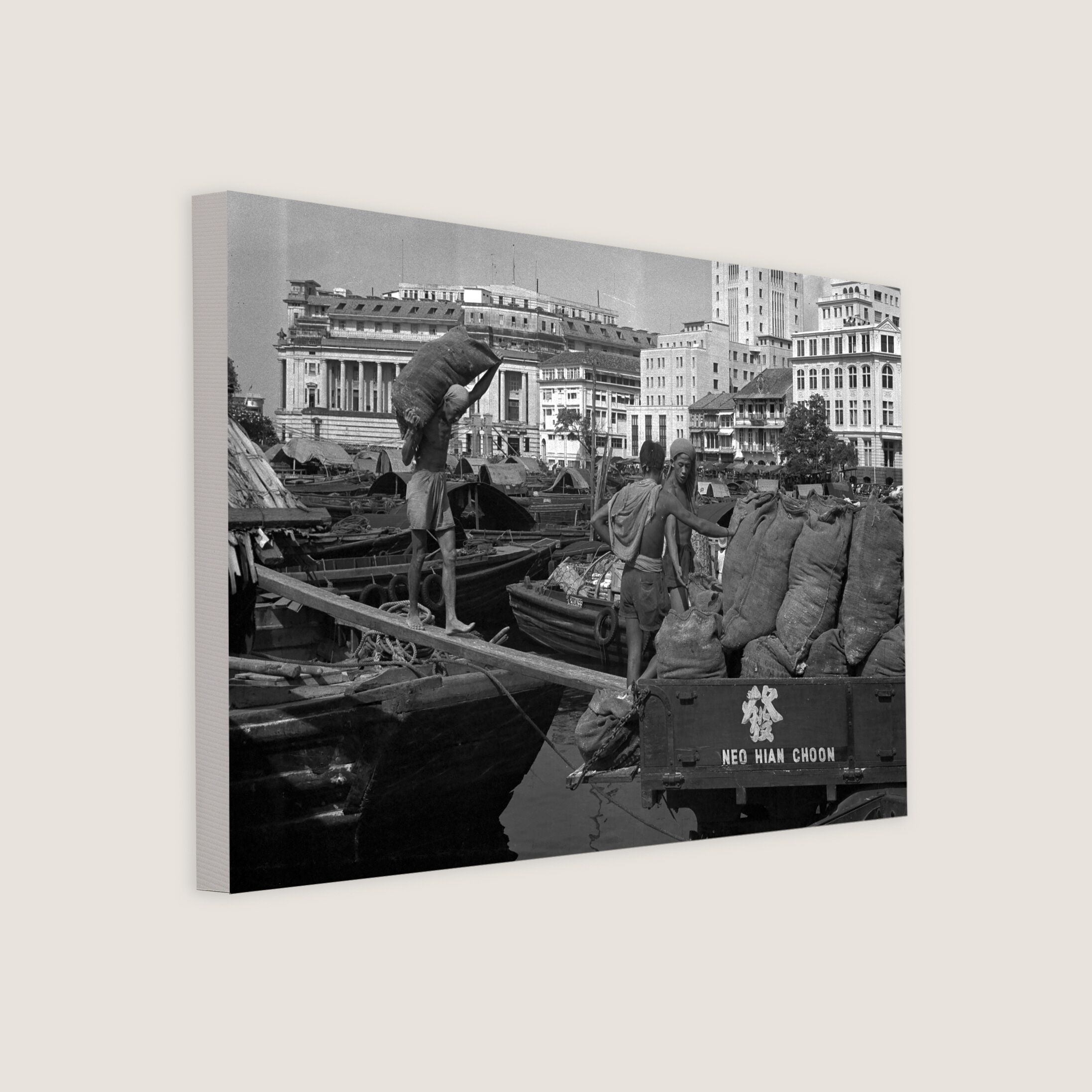
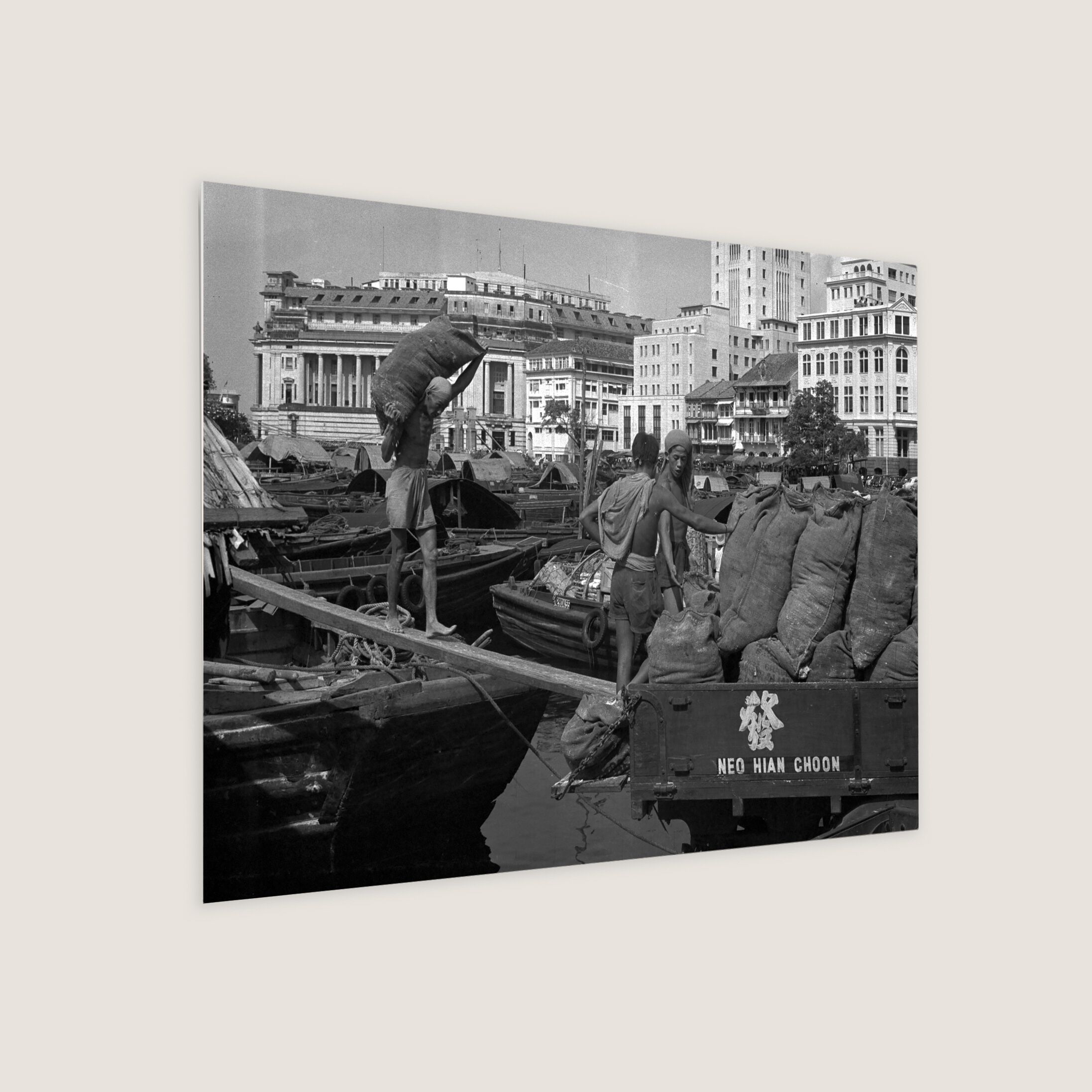
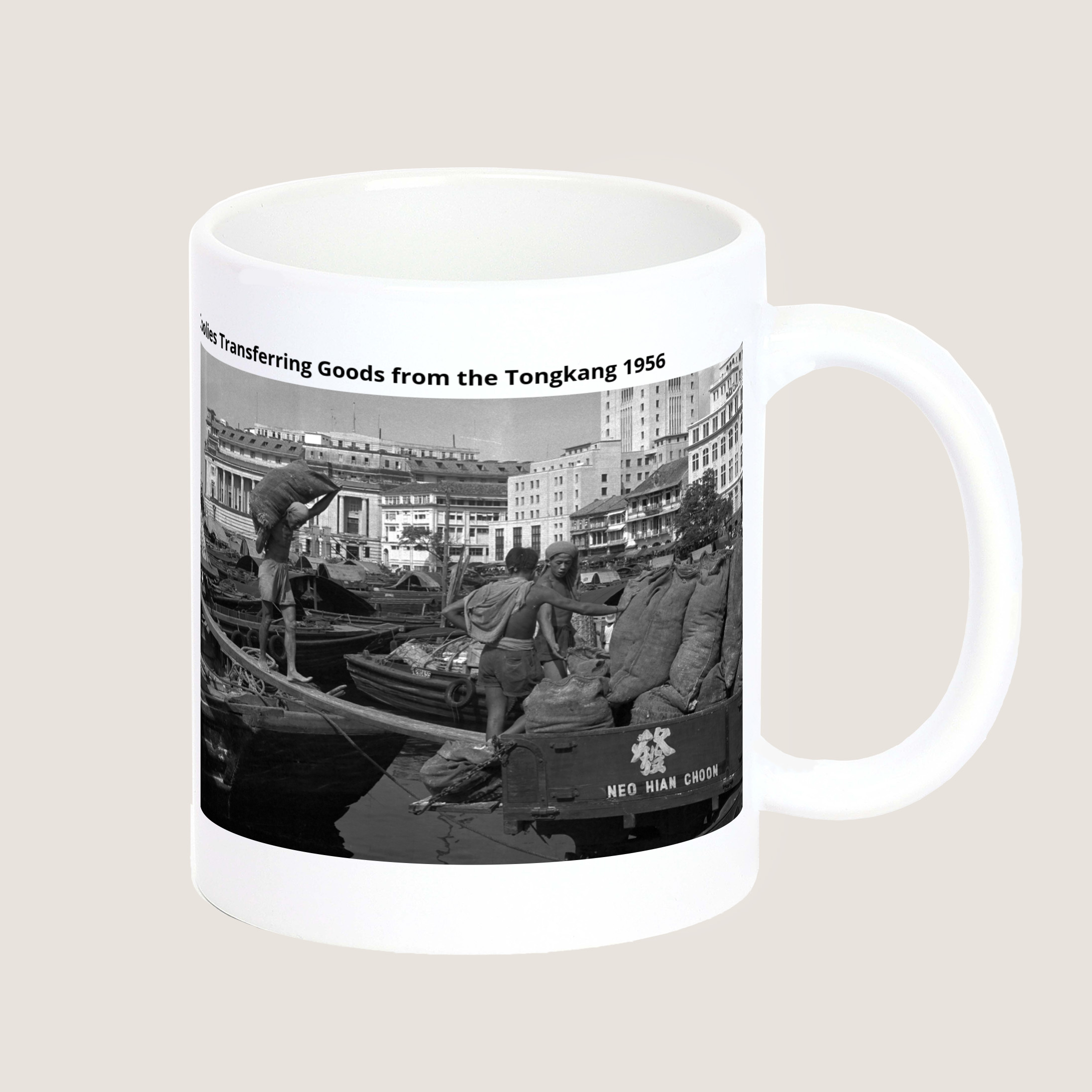
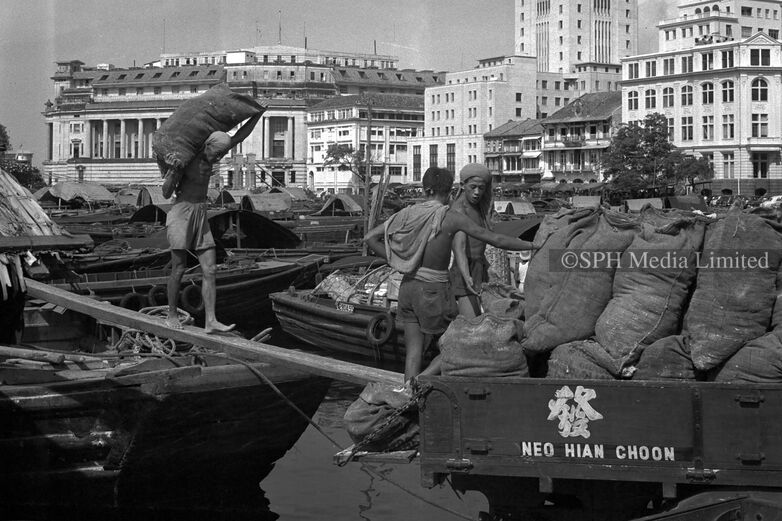 Coolies Transferring Goods from the Tongkang
1956
Coolies Transferring Goods from the Tongkang
1956
Coolies Transferring Goods from the Tongkang
Year 1956
Labourers, also known as coolies, were commonly employed for strenuous manual labour and physically demanding tasks, such as loading and unloading cargo. In early Singapore, it was a frequent sight to see these workers carrying gunny sacks filled with goods near the Singapore River. The goods were loaded from a tongkang (a bumboat) onto a lorry that would transport them to warehouses for storage.
©️ SPH Media Limited
Share to
Tags
Available for print on products
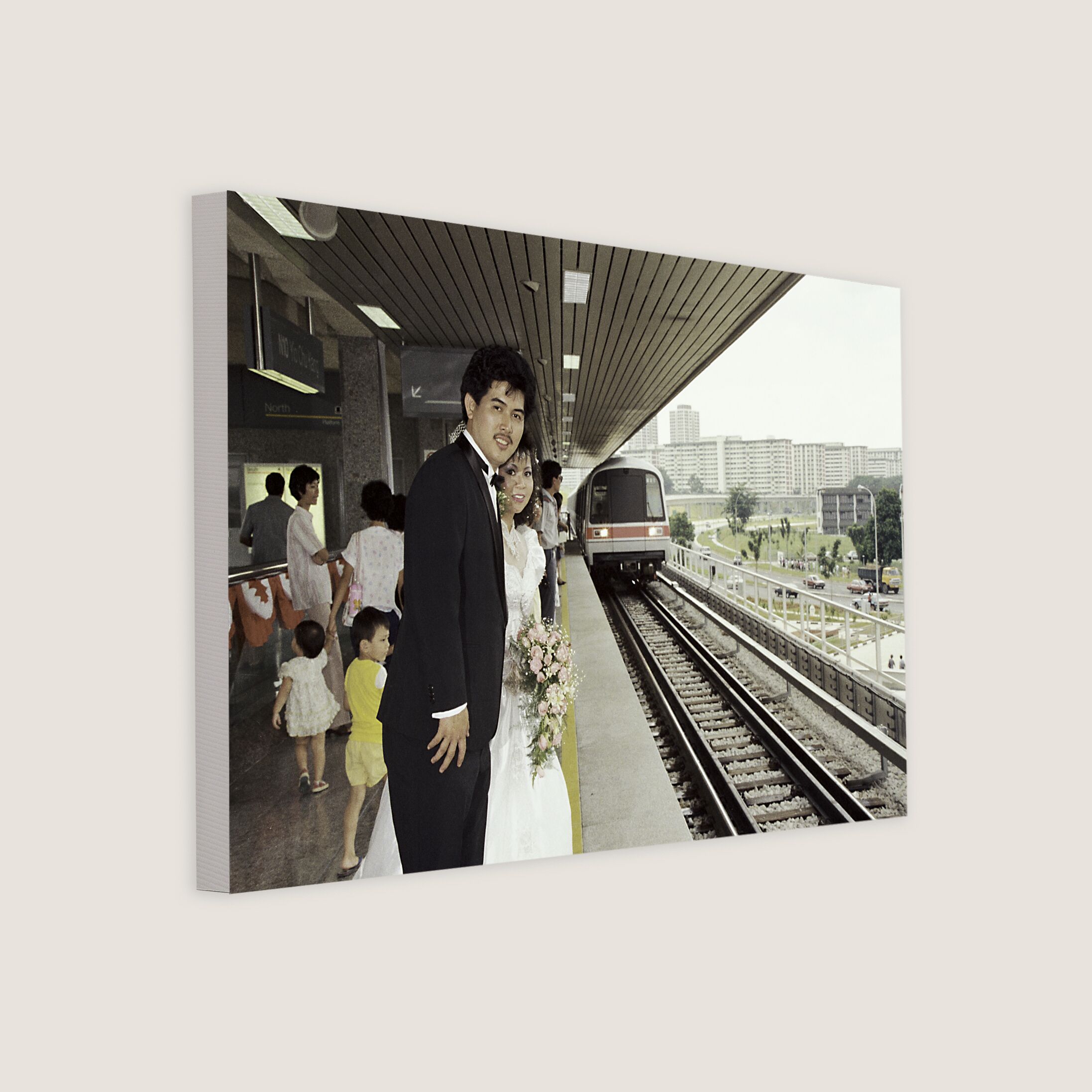
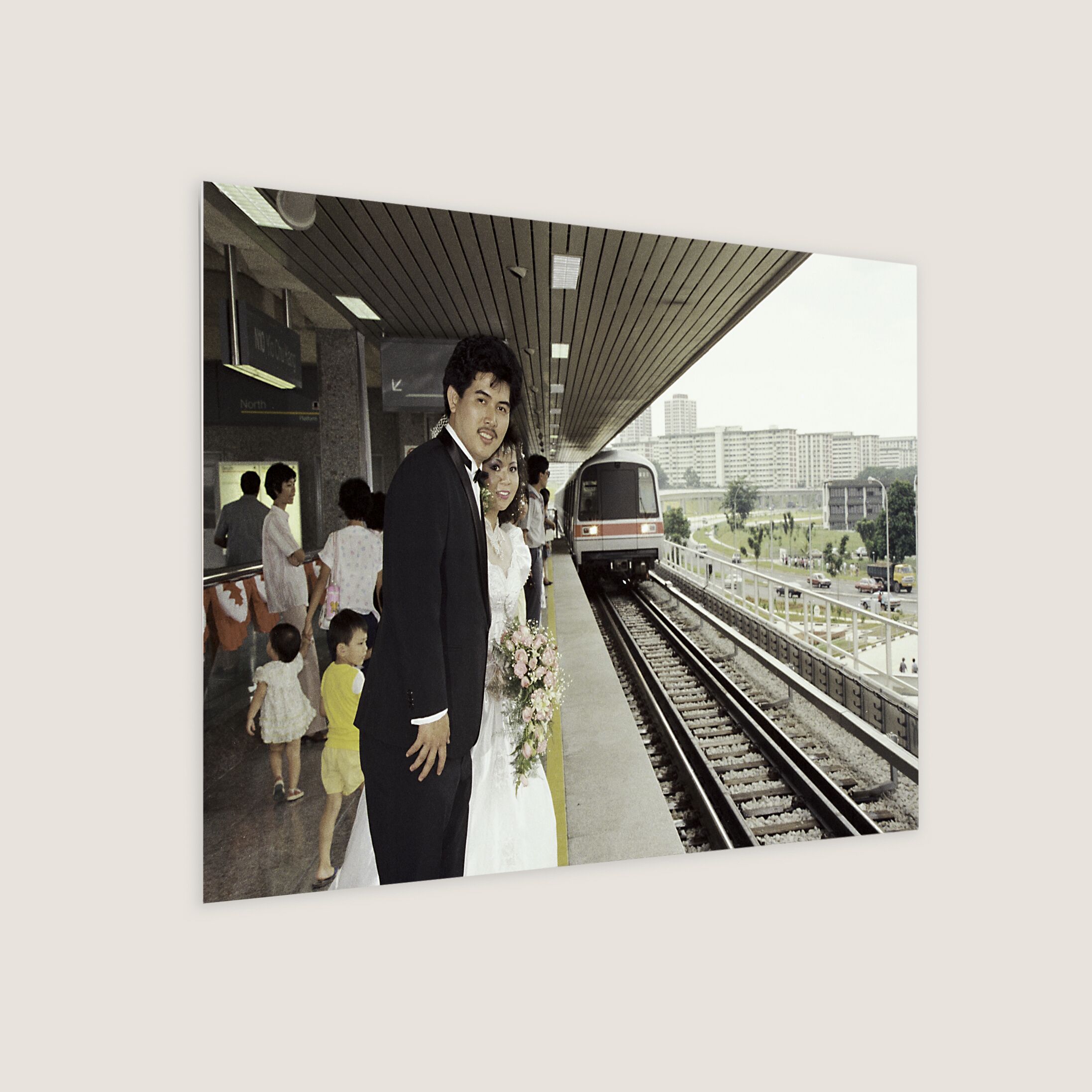
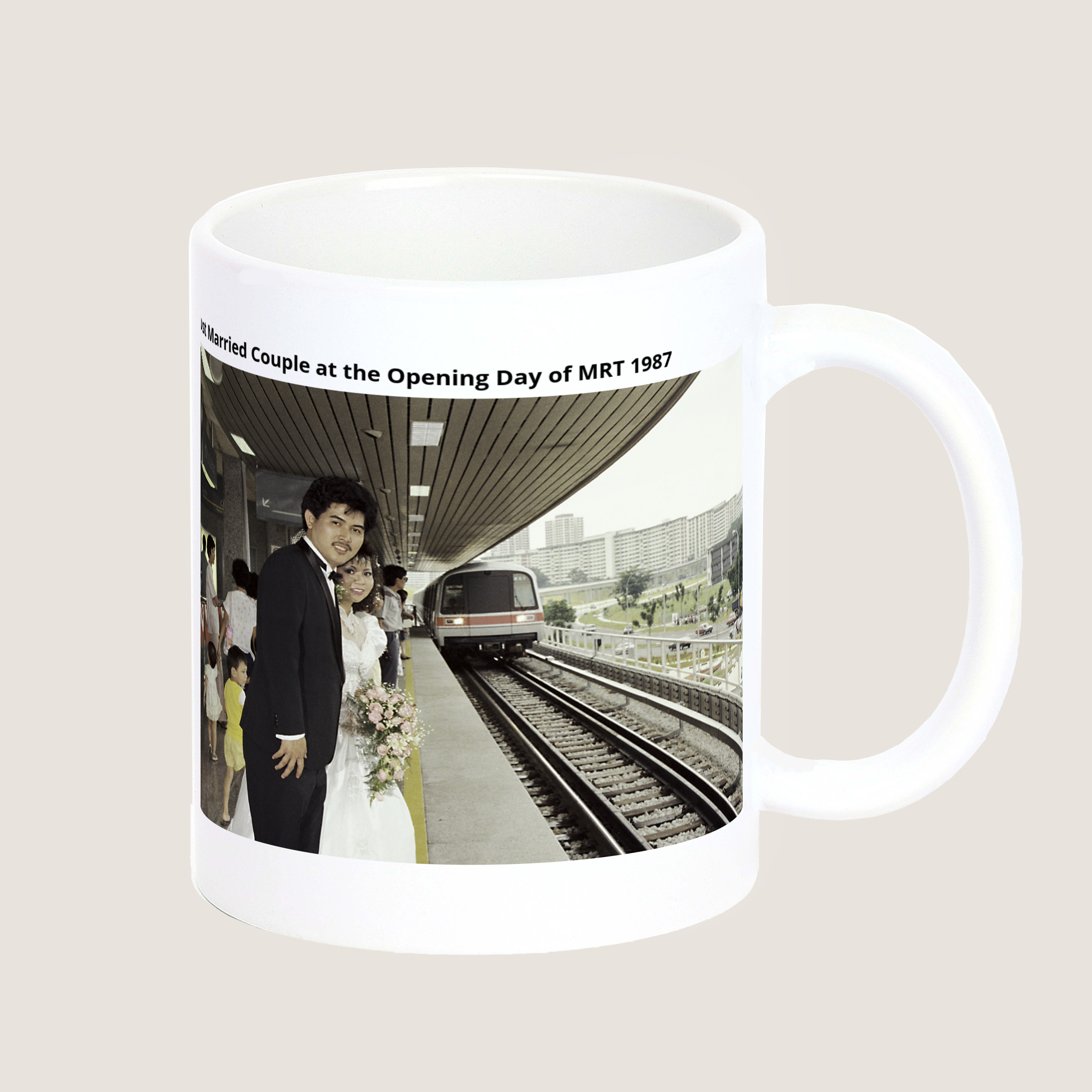
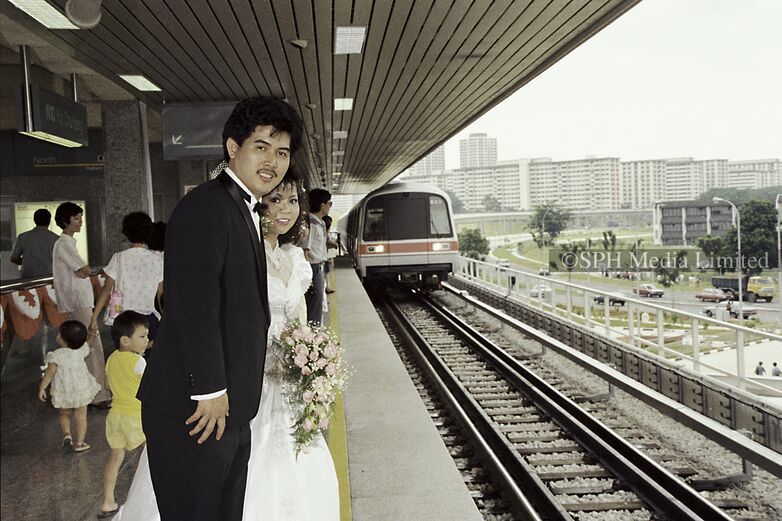 Just Married Couple at the Opening Day of MRT
1987
Just Married Couple at the Opening Day of MRT
1987
Just Married Couple at the Opening Day of MRT
Year 1987
On 7 November 1987, the Mass Rapid Transit (MRT) system in Singapore officially began operations with the opening of the 6km stretch from Yio Chu Kang to Toa Payoh on the North-South Line. This historic inaugural service saw approximately 120,000 passengers, each purchasing a S$3 commemorative ticket, with all proceeds directed towards the Community Chest charity. Among the eager passengers was a newlywed couple, poised to embark on their first journey aboard Singapore’s new MRT system.
©️ SPH Media Limited
Share to
Tags
Available for print on products
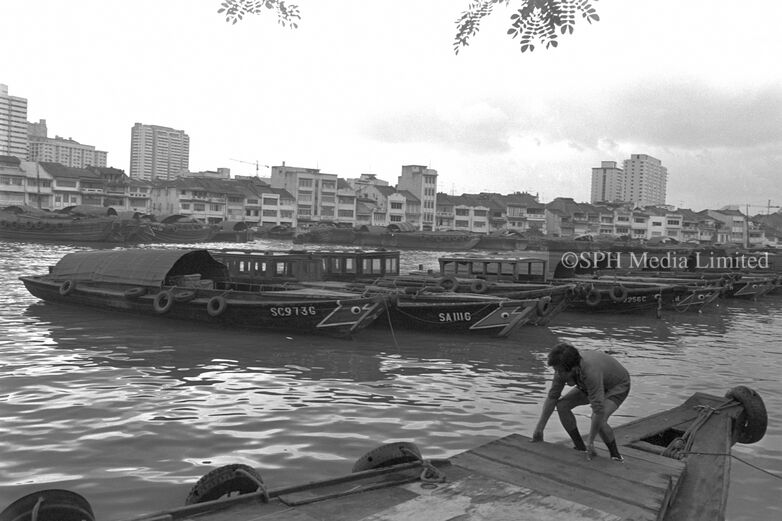 Tongkangs by the Singapore River
1983
Tongkangs by the Singapore River
1983
Tongkangs by the Singapore River
Year 1983
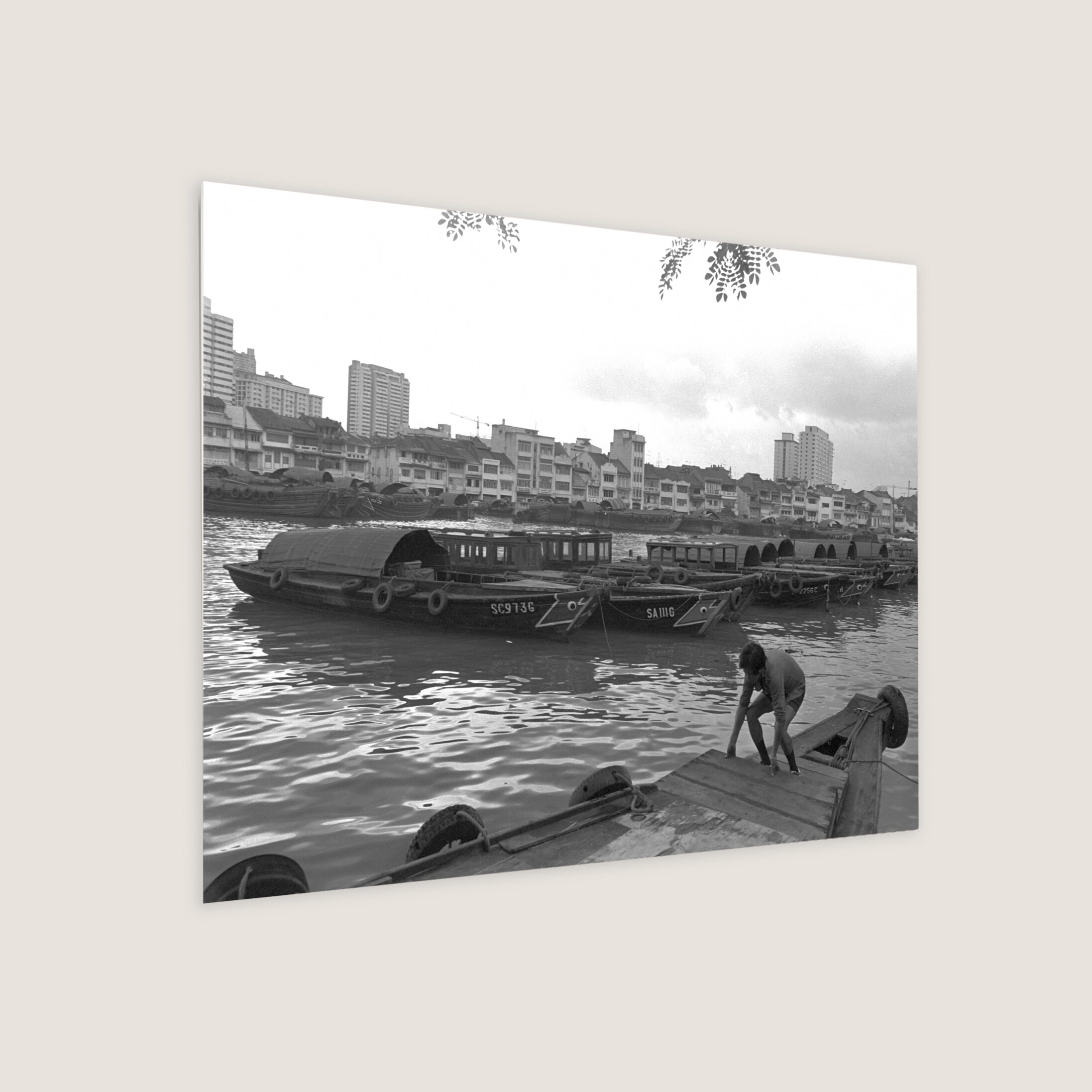
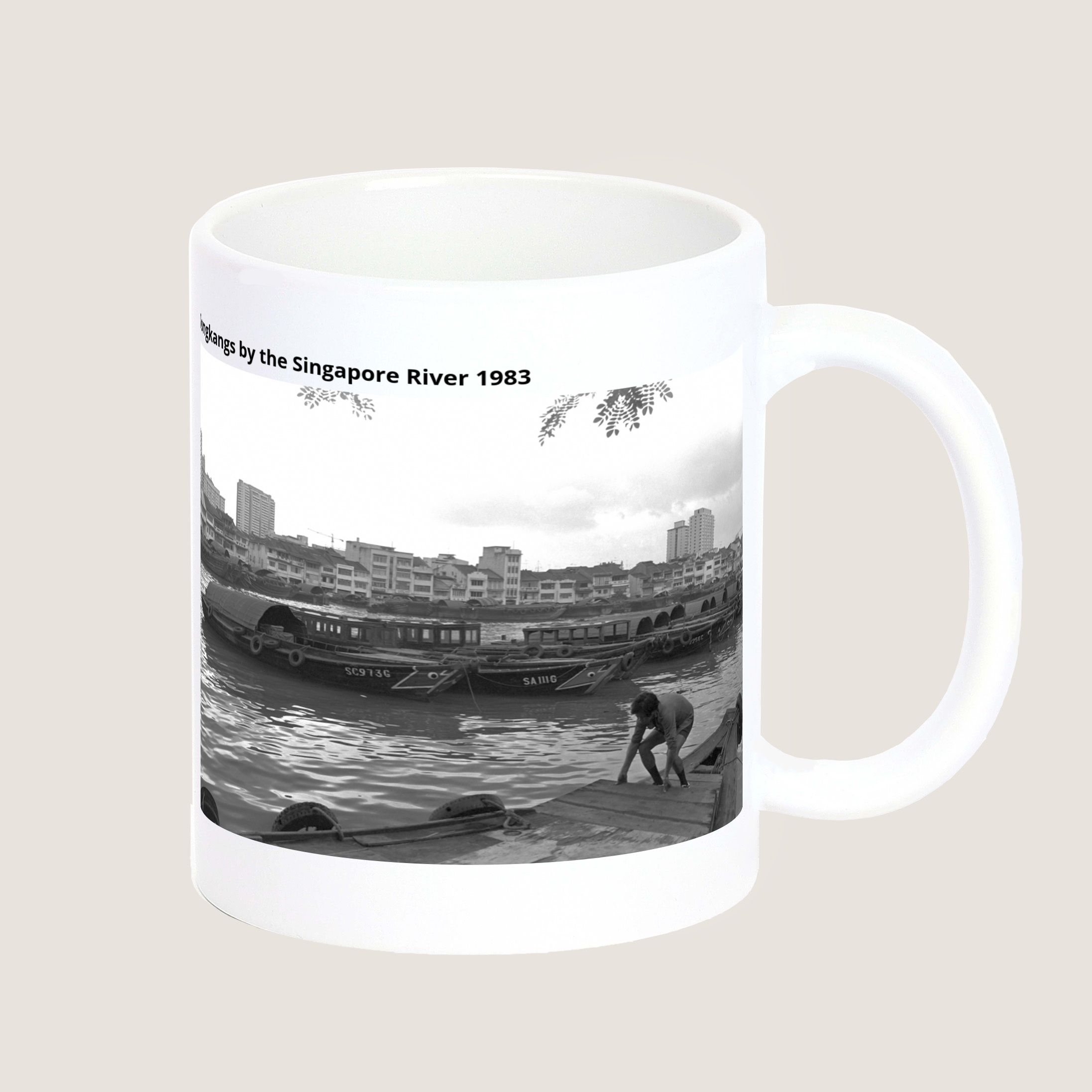
Tongkangs, or bumboats, lined up along the Singapore River. In the past, they were used extensively for transport and moving cargo to various parts of the island and out of the island.
©️ SPH Media Limited
Share to
Tags
Available for print on products
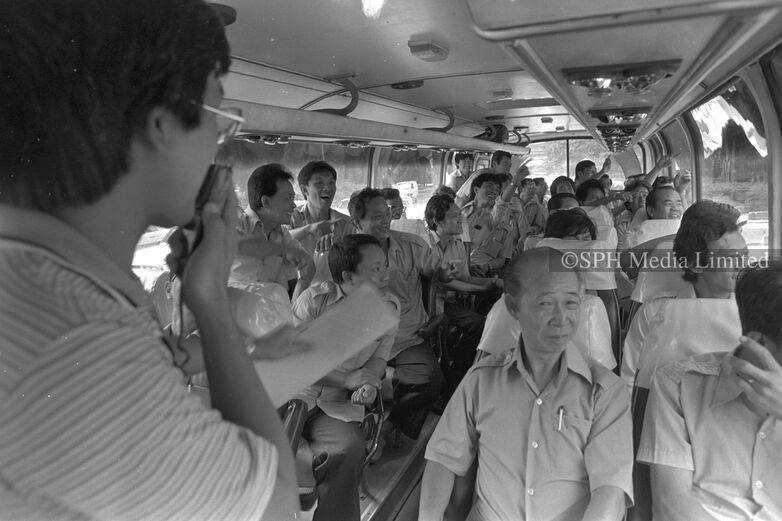 Road Orientation for Taxi Drivers in Training
1983
Road Orientation for Taxi Drivers in Training
1983
Road Orientation for Taxi Drivers in Training
Year 1983
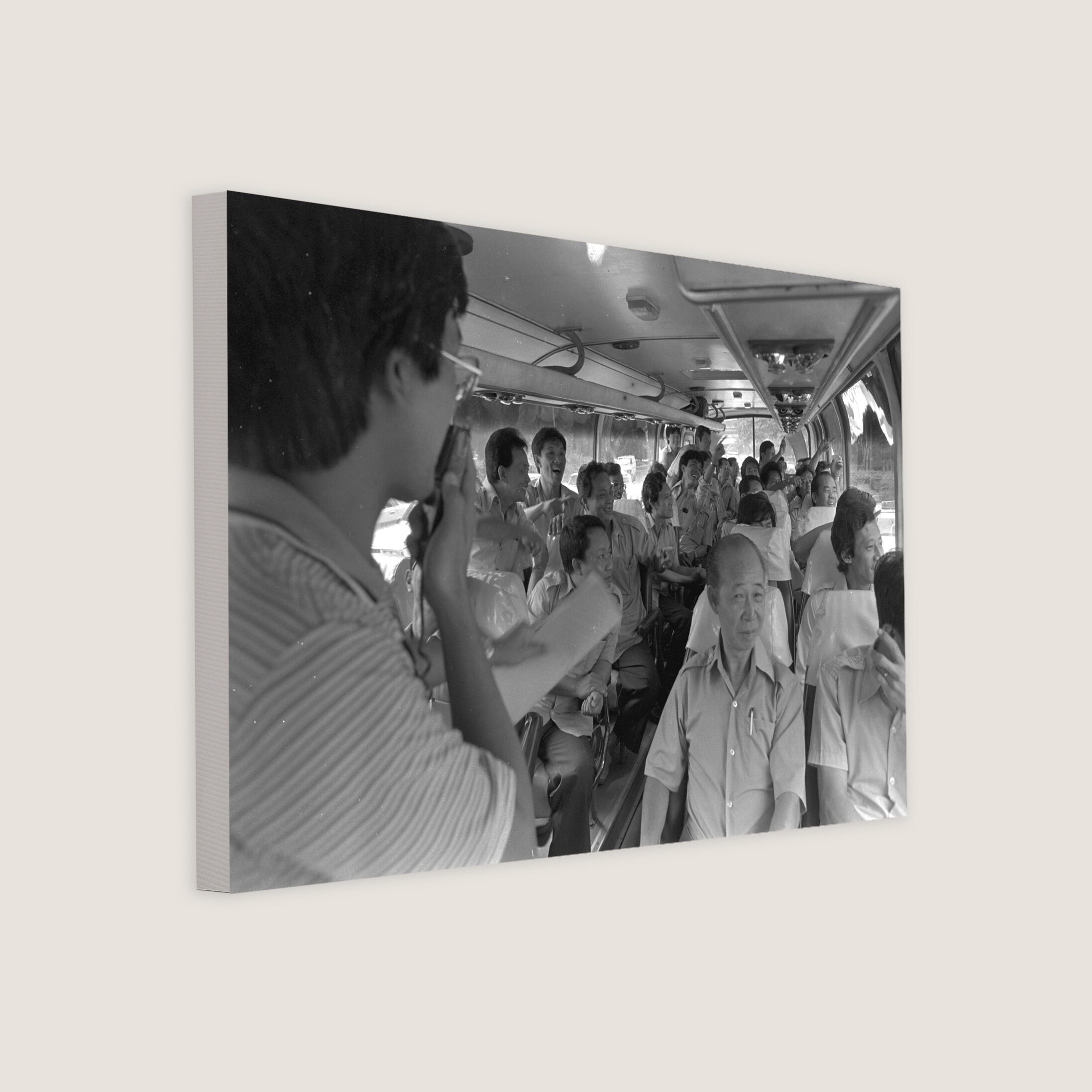
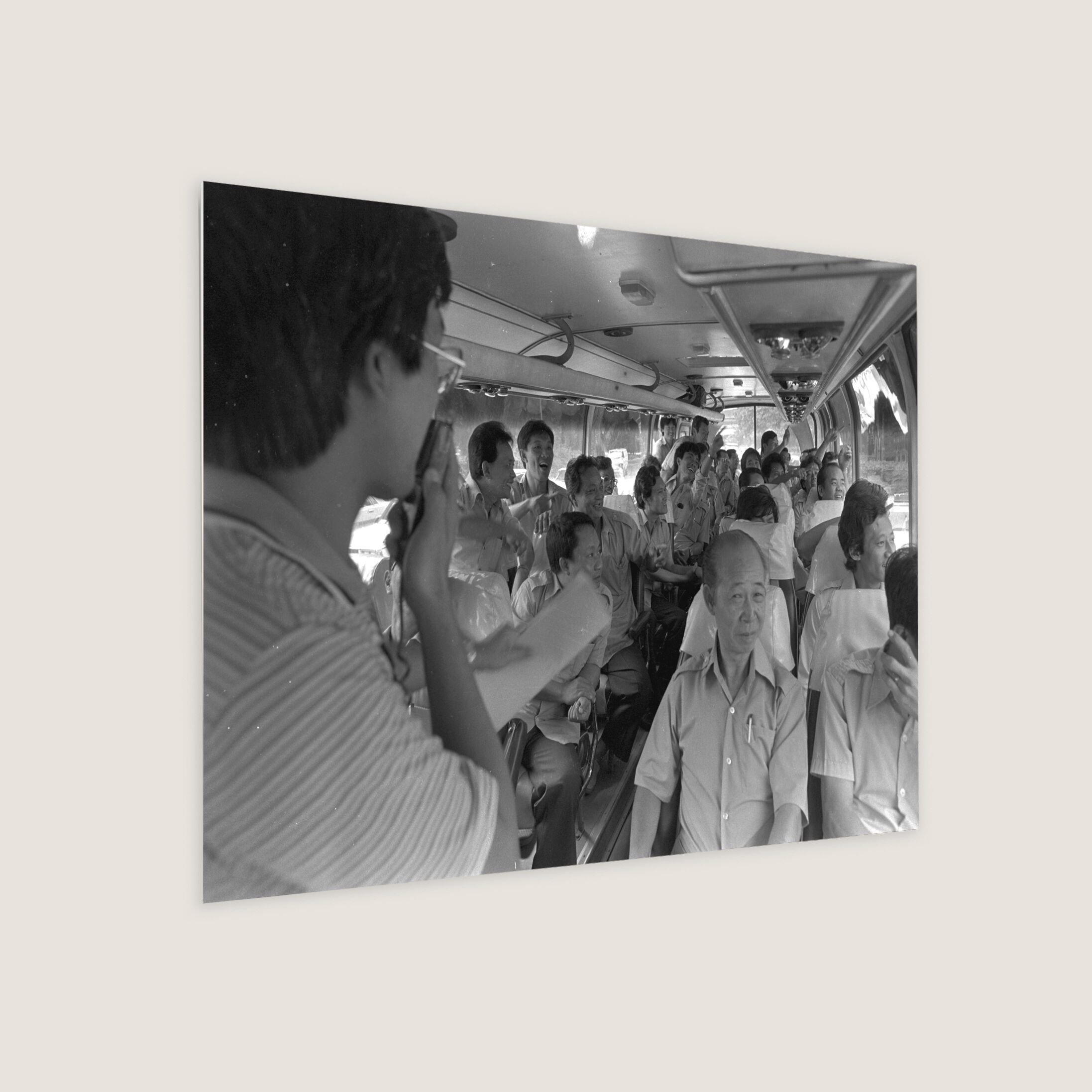
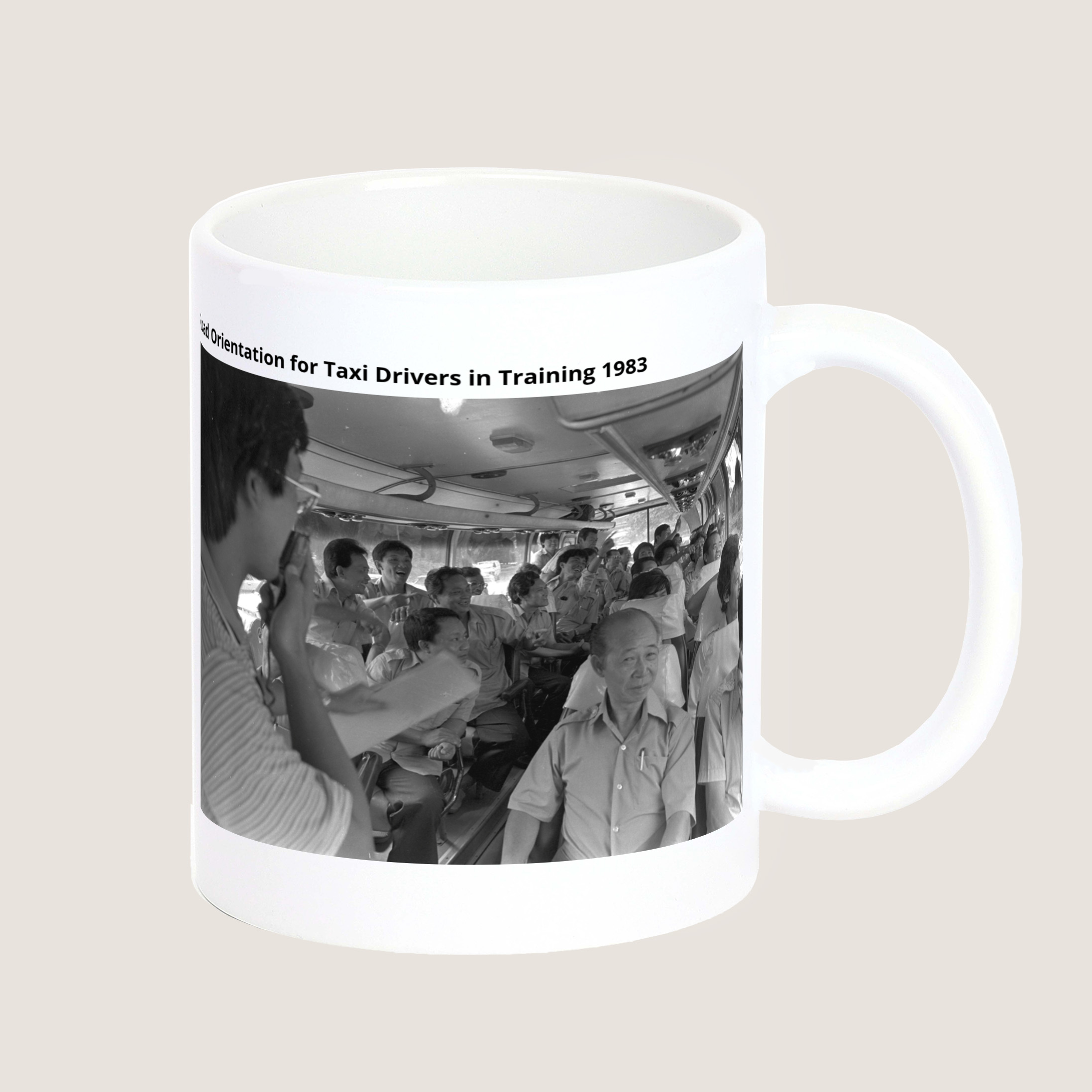
In 1983, Singapore Bus Service (SBS) ventured into the private car hire service and formed a taxi company. Bus drivers and ticket conductors from the bus company underwent a two-month course to become taxi drivers. As part of the training, they were given guided tours around the island, familiarizing themselves with landmarks such as hotels, shopping centers, places of worship, and popular tourist destinations.
©️ SPH Media Limited
Share to
Tags
Available for print on products
 Former Ang Mo Kio Bus Interchange from Above
1980
Former Ang Mo Kio Bus Interchange from Above
1980
Former Ang Mo Kio Bus Interchange from Above
Year 1980
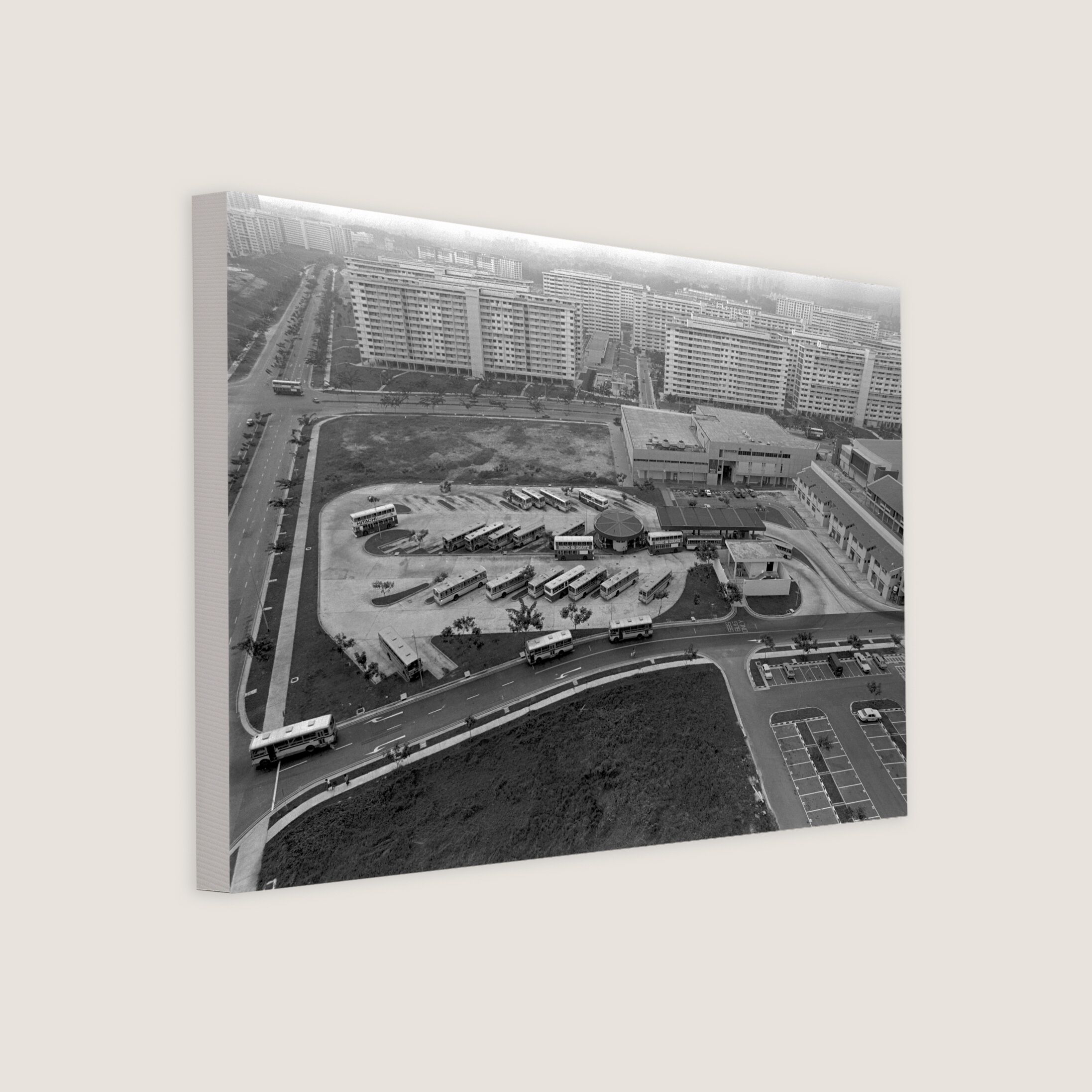
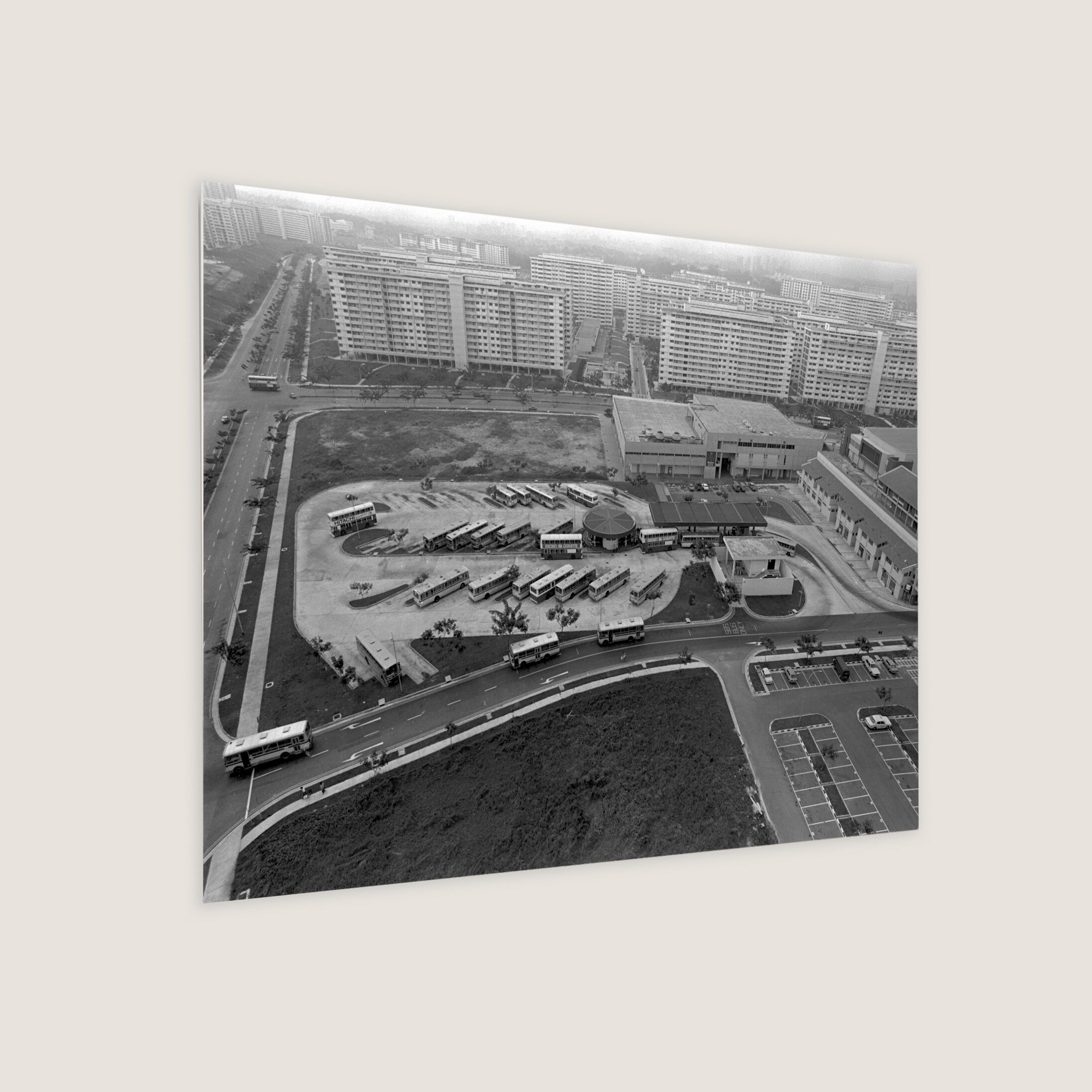
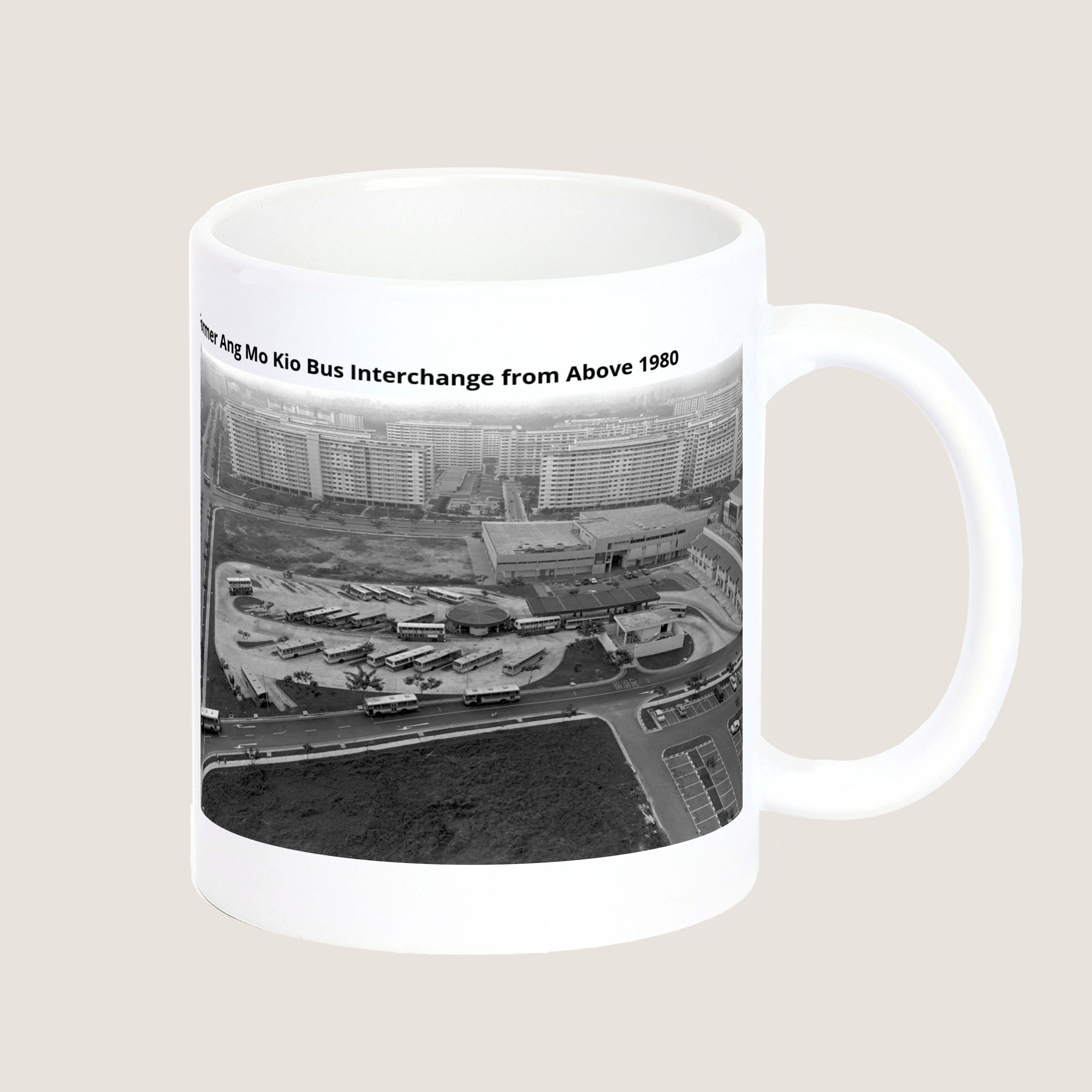
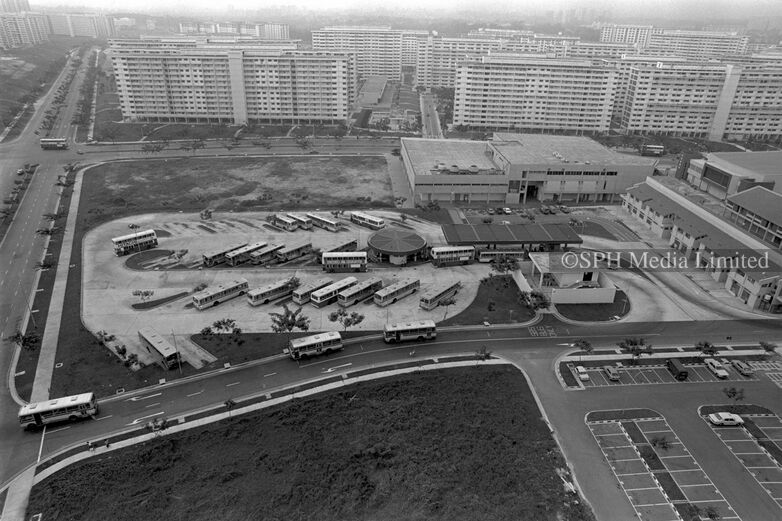
Opened on 10 April 1983, the Ang Mo Kio Bus Interchange served as the town’s main transport hub, replacing roadside bus stops with a centralised facility at the junction of Avenue 3 and Avenue 8. It streamlined bus operations and improved commuter safety. The site is now home to the modern air-conditioned Ang Mo Kio Integrated Transport Hub.
©️ SPH Media Limited
Share to
Tags
Available for print on products
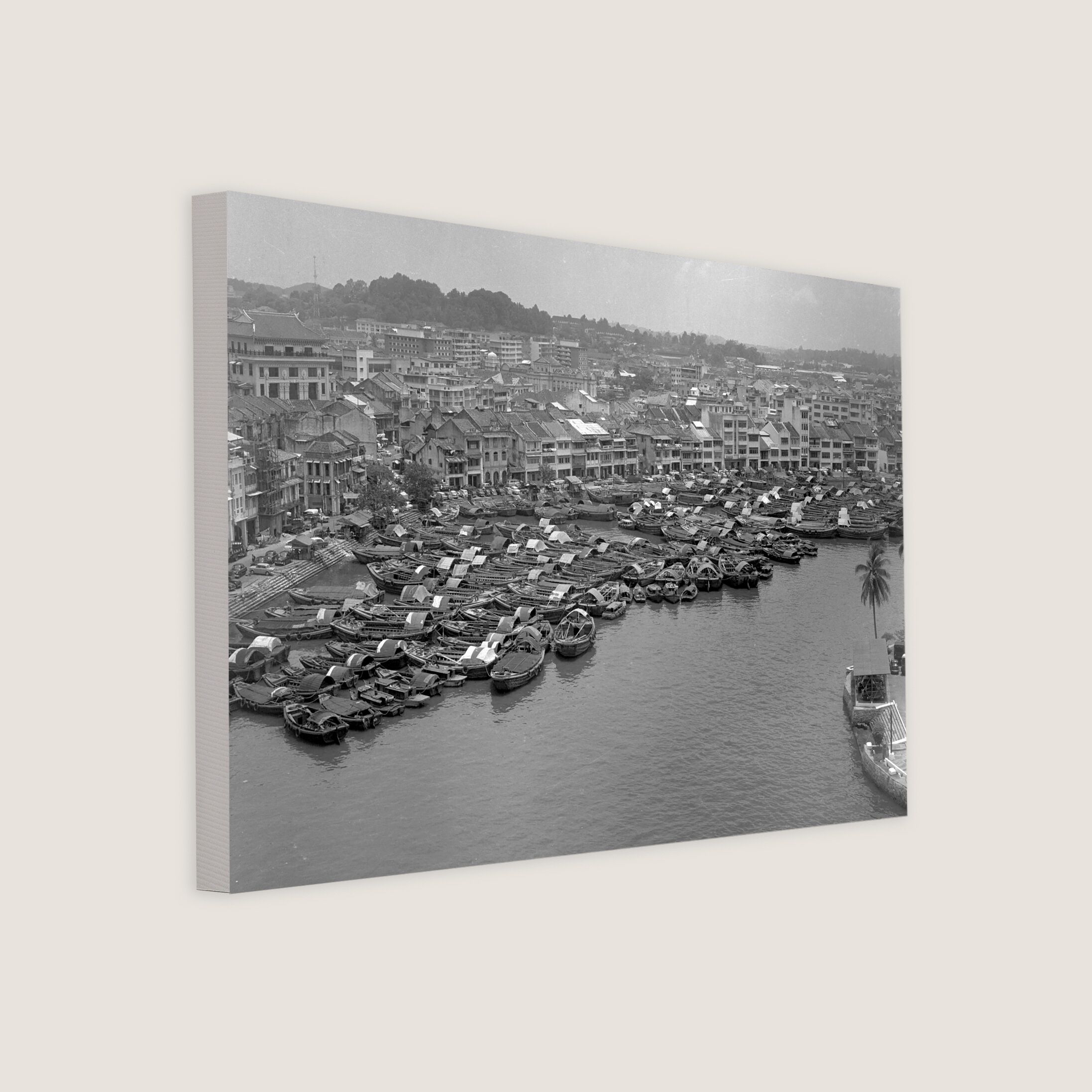
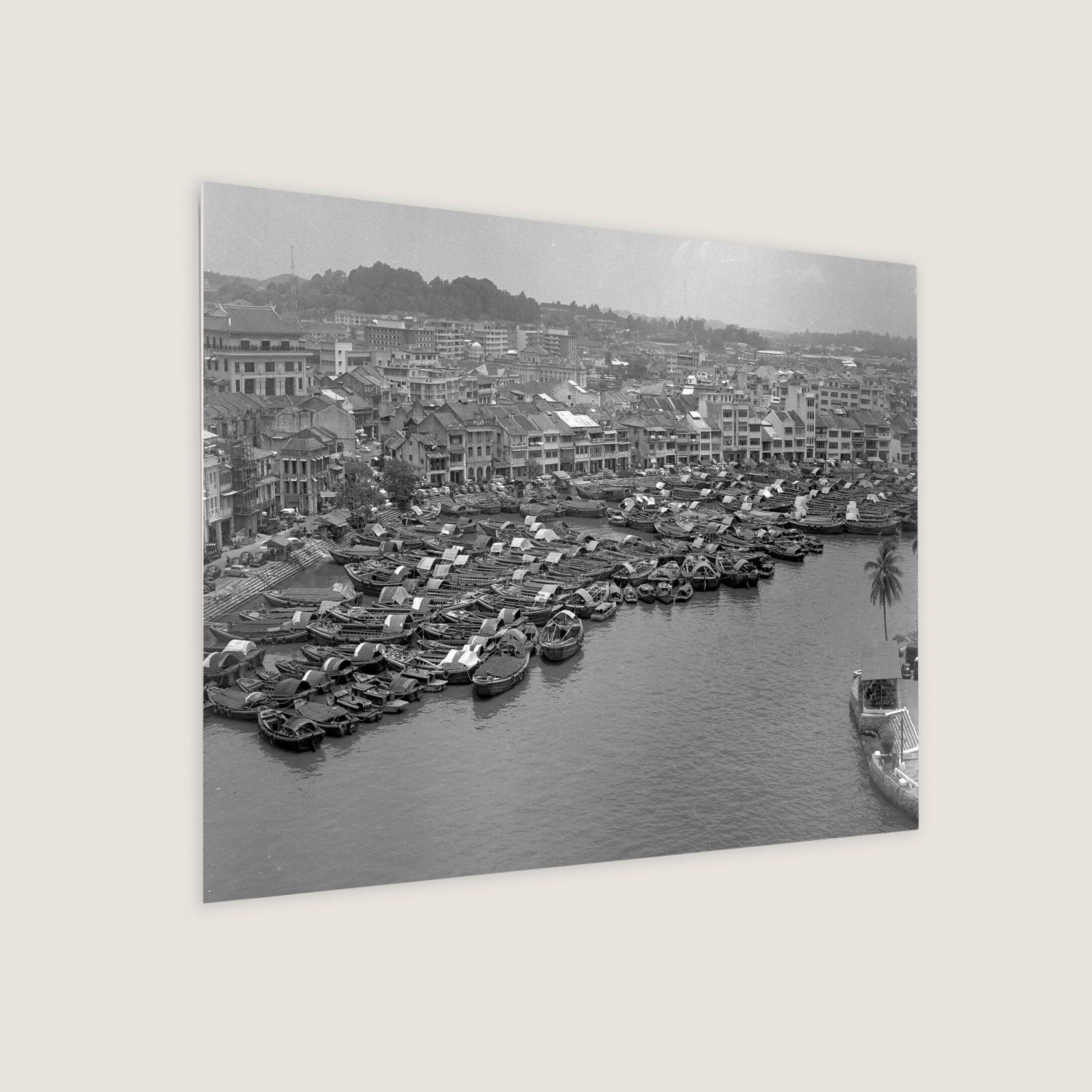
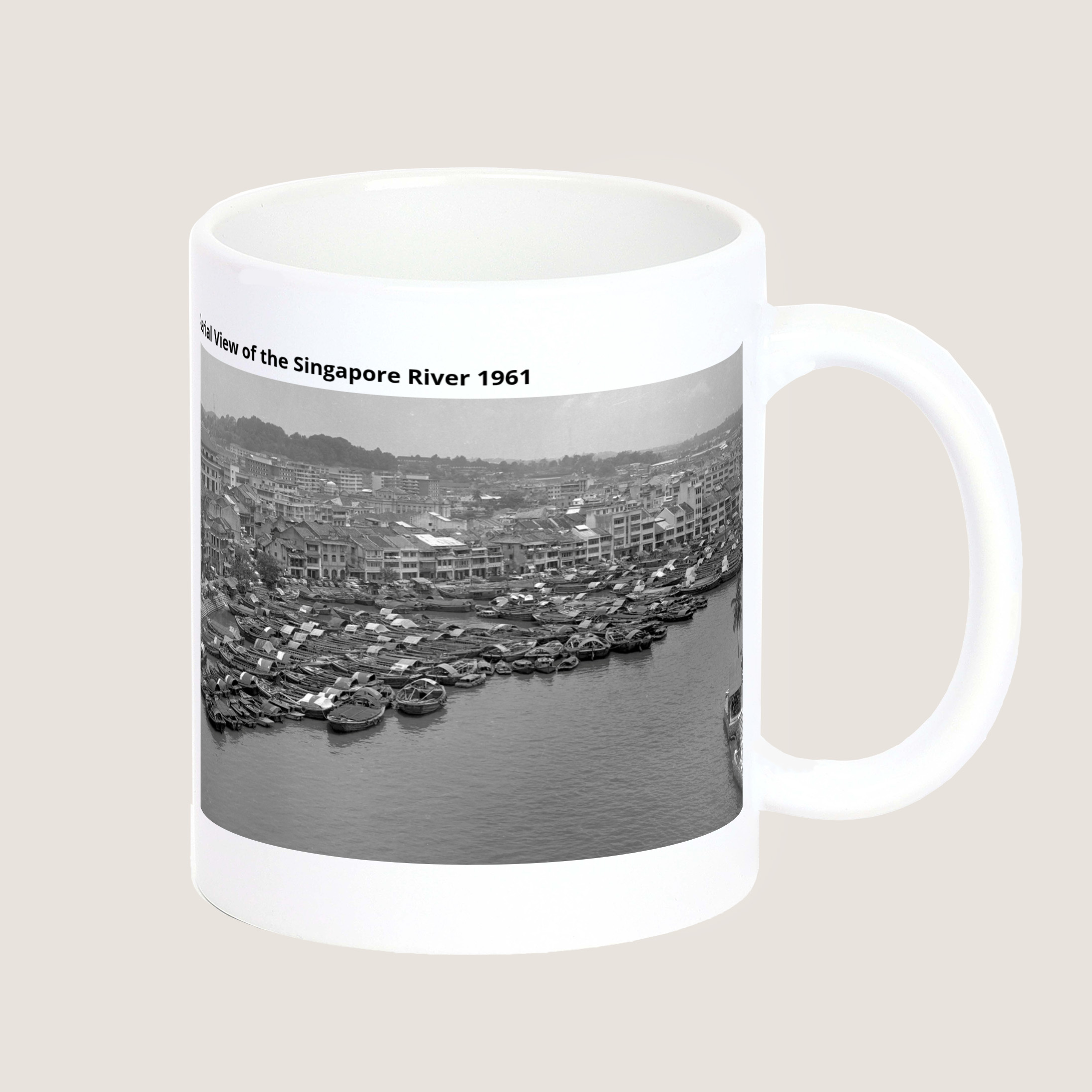
 Aerial View of the Singapore River
1961
Aerial View of the Singapore River
1961
Aerial View of the Singapore River
Year 1961
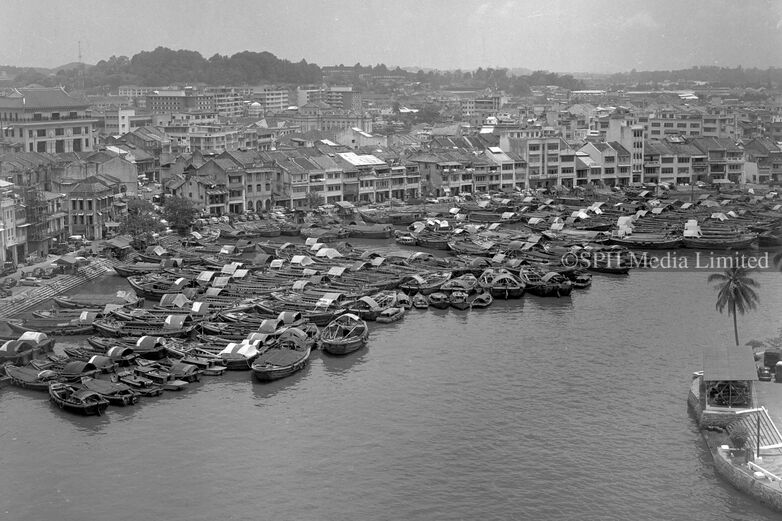
Boats, tongkangs and bumboats at the Singapore River, 7 September 1961. Loading and unloading of goods was brought to a standstill due to the strikes by workers from the Singapore General Employees Union. The area was later cleaned up and redeveloped into a entertainment area which borders the financial district, and the tongkangs are now used to ferry tourists on sightseeing cruises.
©️ SPH Media Limited
Share to
Tags
Available for print on products
Singapore River Gets a New Look
2012
Singapore River Gets a New Look
Year 2012
The Singapore River has refurbished shophouses lining its sides. This historical site used to be filled with bumboats and tongkangs ferrying goods across the river. Now, these shophouses have been transformed into entertainment and food venues, and the only boats crossing the river are ferries for tourists.
©️ SPH Media Limited
Share to
Tags
Available for print on products
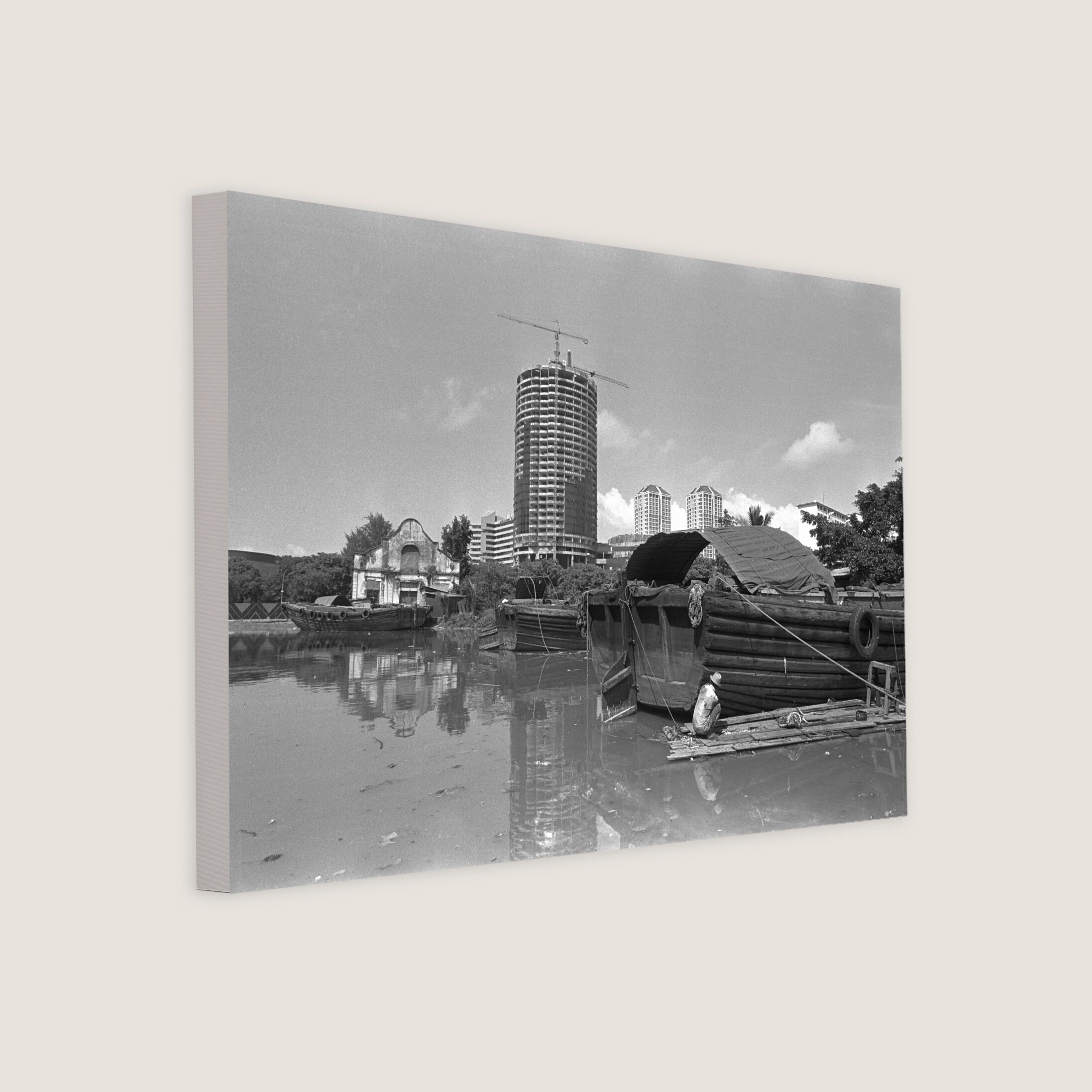
 Singapore River of the Past
1983
Singapore River of the Past
1983
Singapore River of the Past
Year 1983
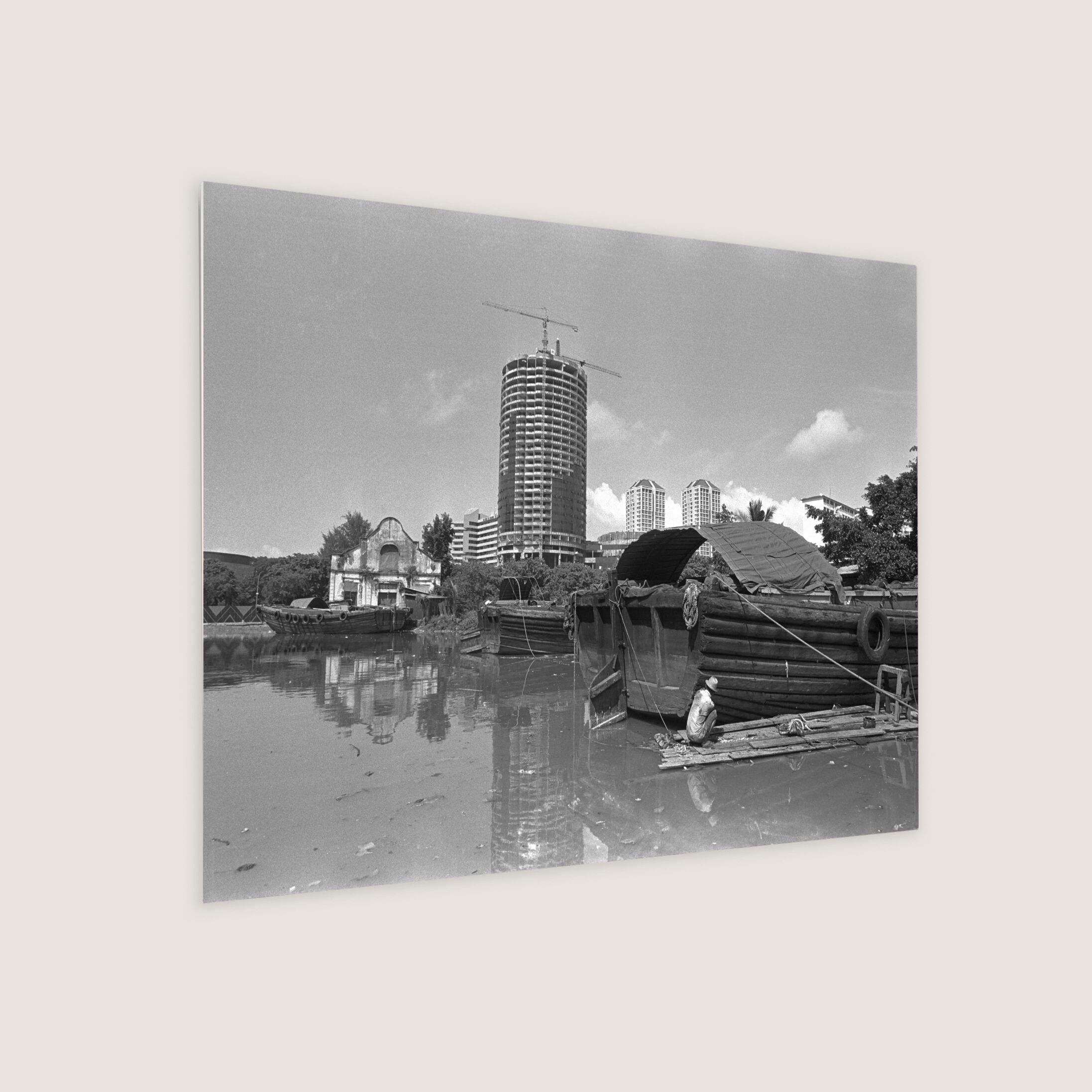
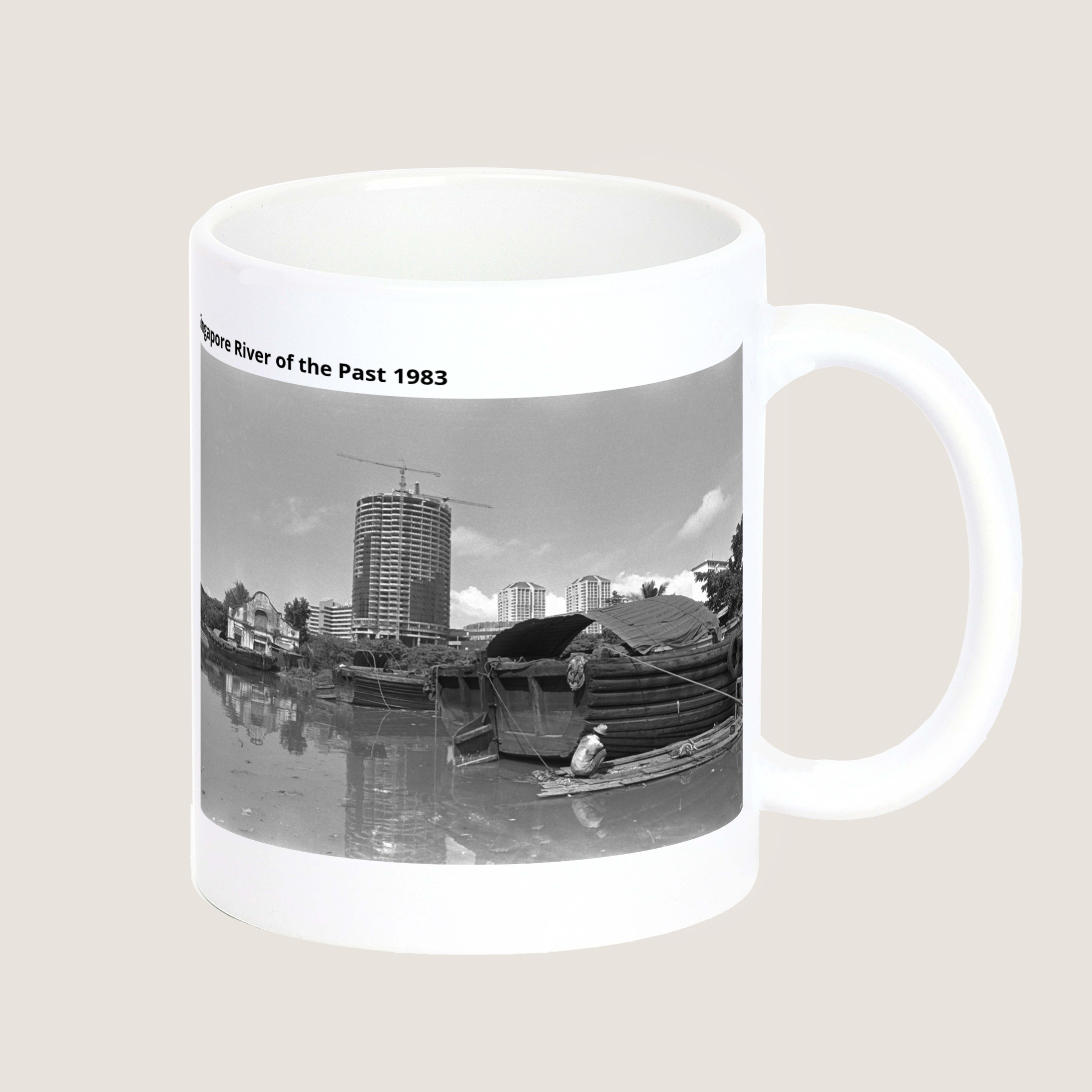
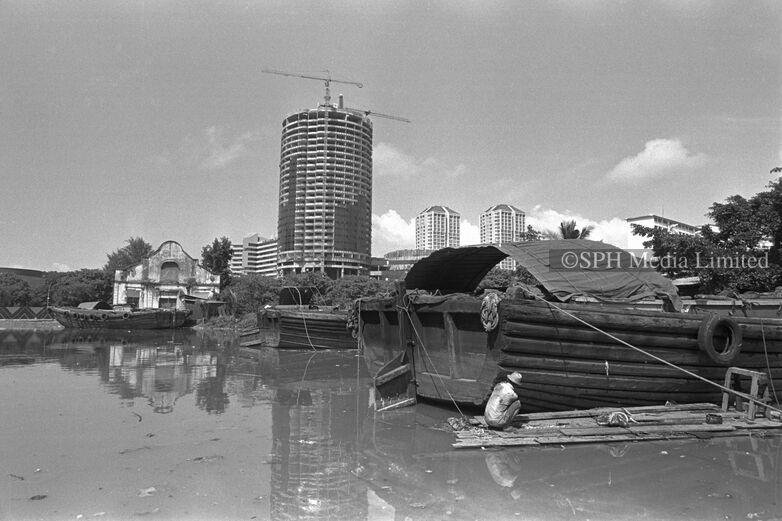
Muddy waters, craftsmen repairing tongkangs by the river, and abandoned warehouses stand in contrast to the buildings under construction in the distance. This photo captures a moment of transition, as the Singapore River clean-up had begun and change was steadily reaching even this quiet corner of the city.
©️ SPH Media Limited
Share to
Tags
Available for print on products
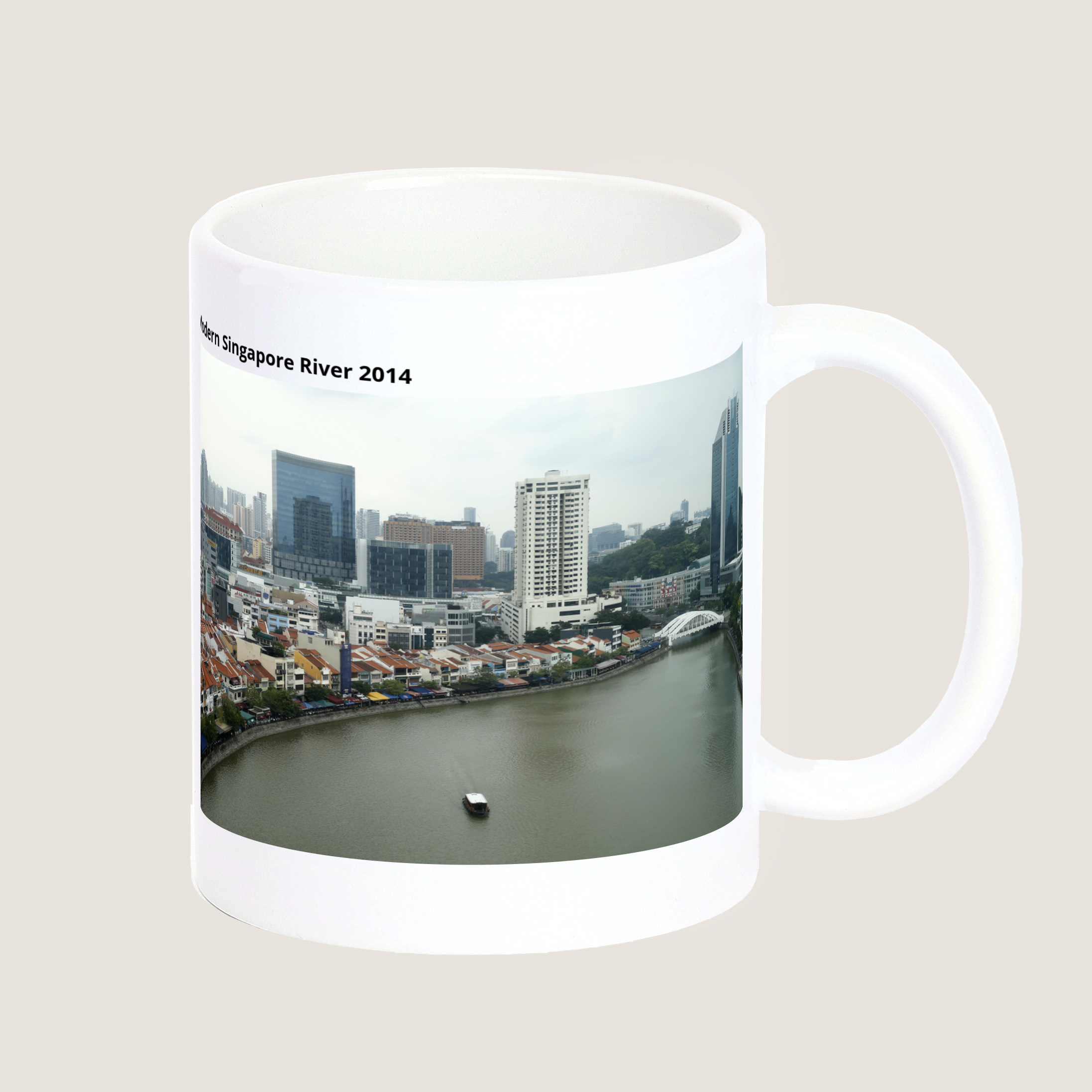
 Modern Singapore River
2014
Modern Singapore River
2014
Modern Singapore River
Year 2014
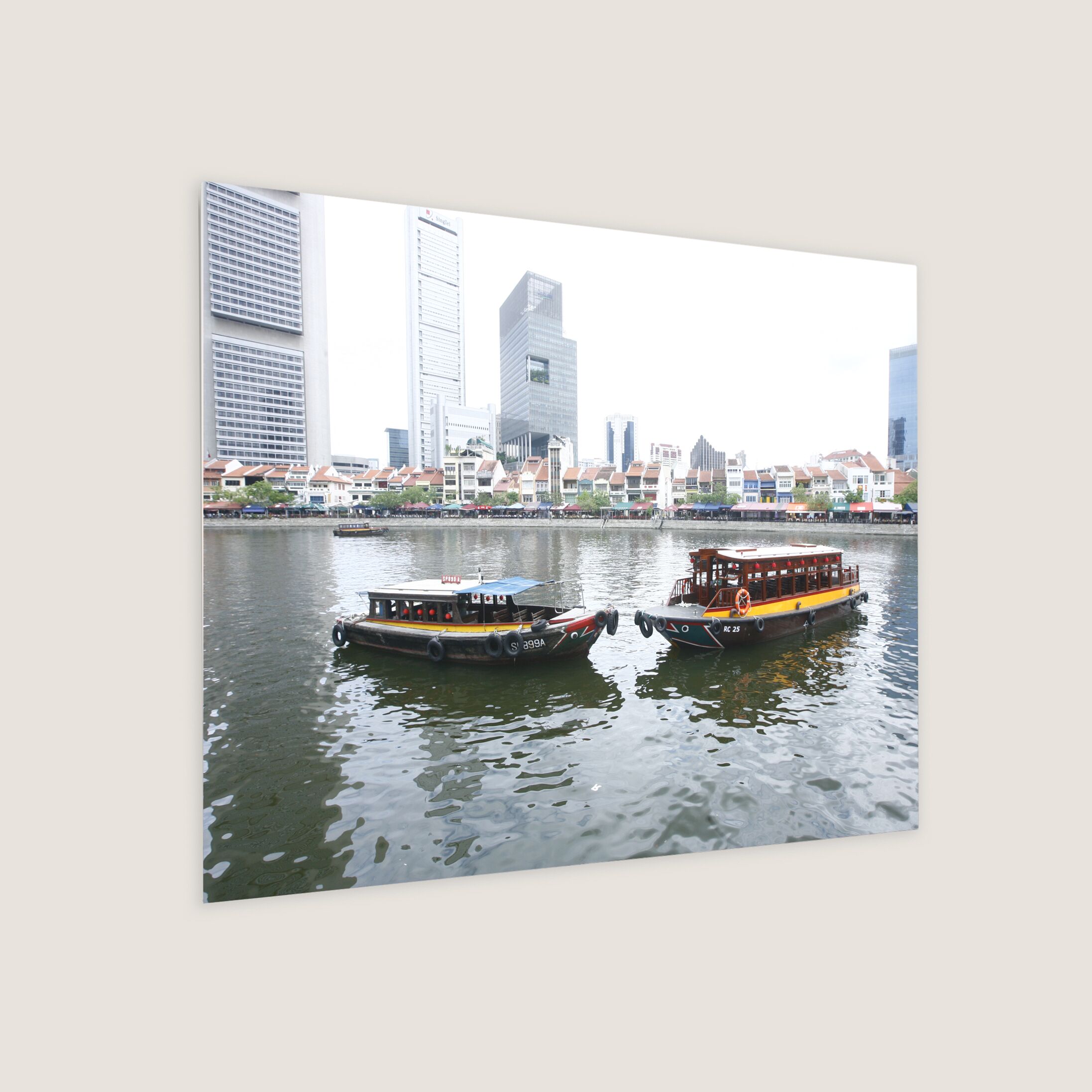
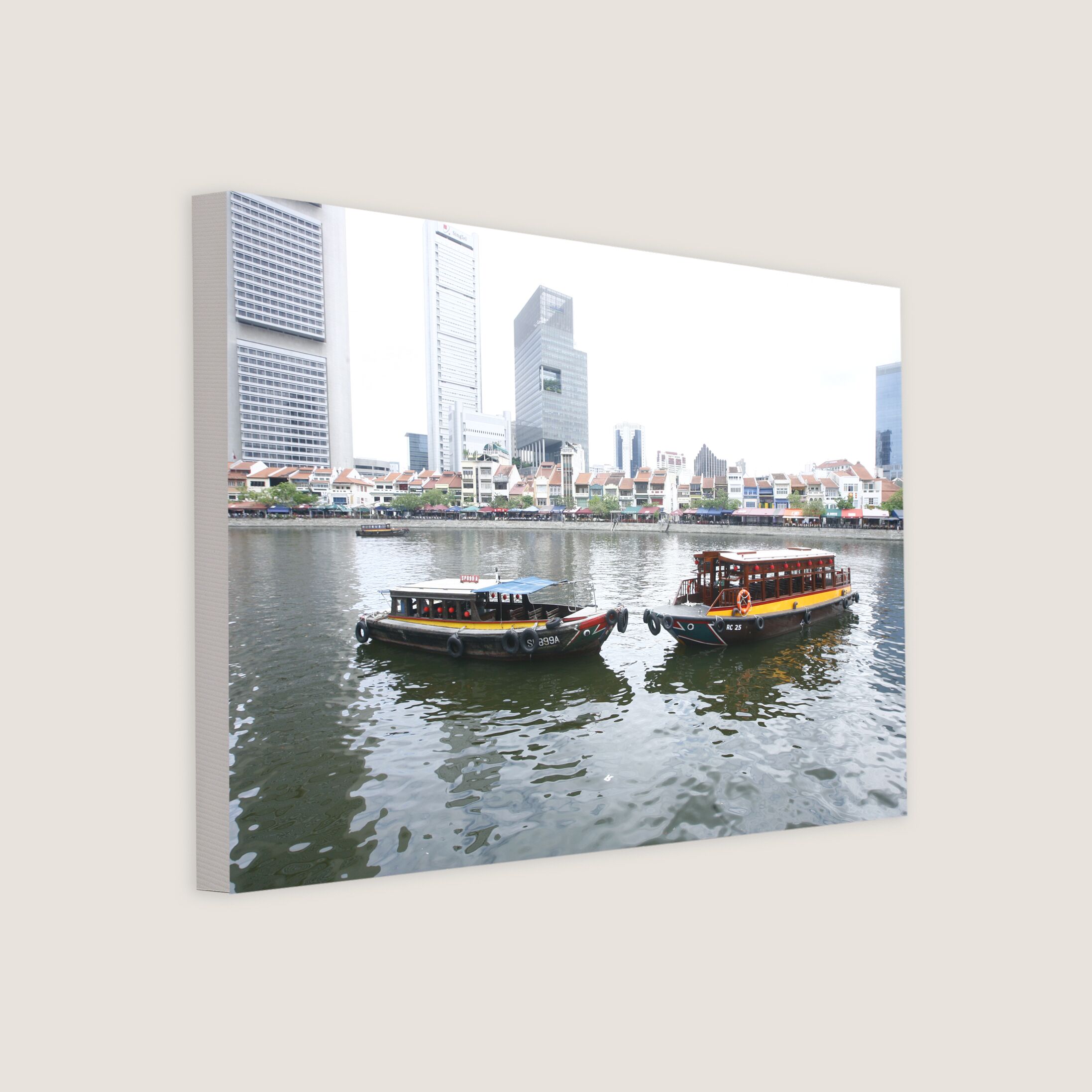
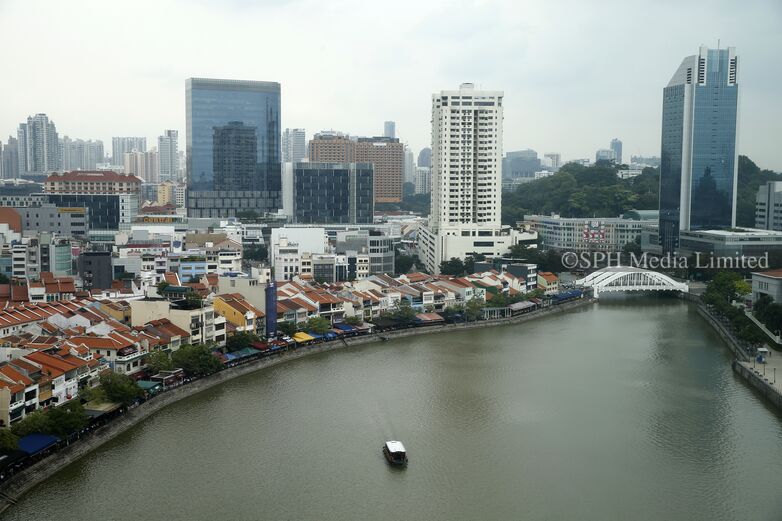
A tongkang glides along the clean waters of the Singapore River at Boat Quay. Once vital for transporting goods across the river, these traditional boats have since transformed, now serving primarily as tourist attractions, reflecting the evolving character of the river through the years.
©️ SPH Media Limited
Share to
Tags
Available for print on products
Docking Point of Bumboats in Singapore River
1965
Docking Point of Bumboats in Singapore River
Year 1965
Bumboats are called tongkang in Malay and Twakow in the Fujian and Teochew languages in Singapore. They were used on the Singapore River, Kallang River, and Rochor River for loading and unloading goods, or for transporting cargo, supplies, and goods between ships and the shore. The docking point in this picture is along the Singapore River.
©️ SPH Media Limited
Share to
Tags
Available for print on products
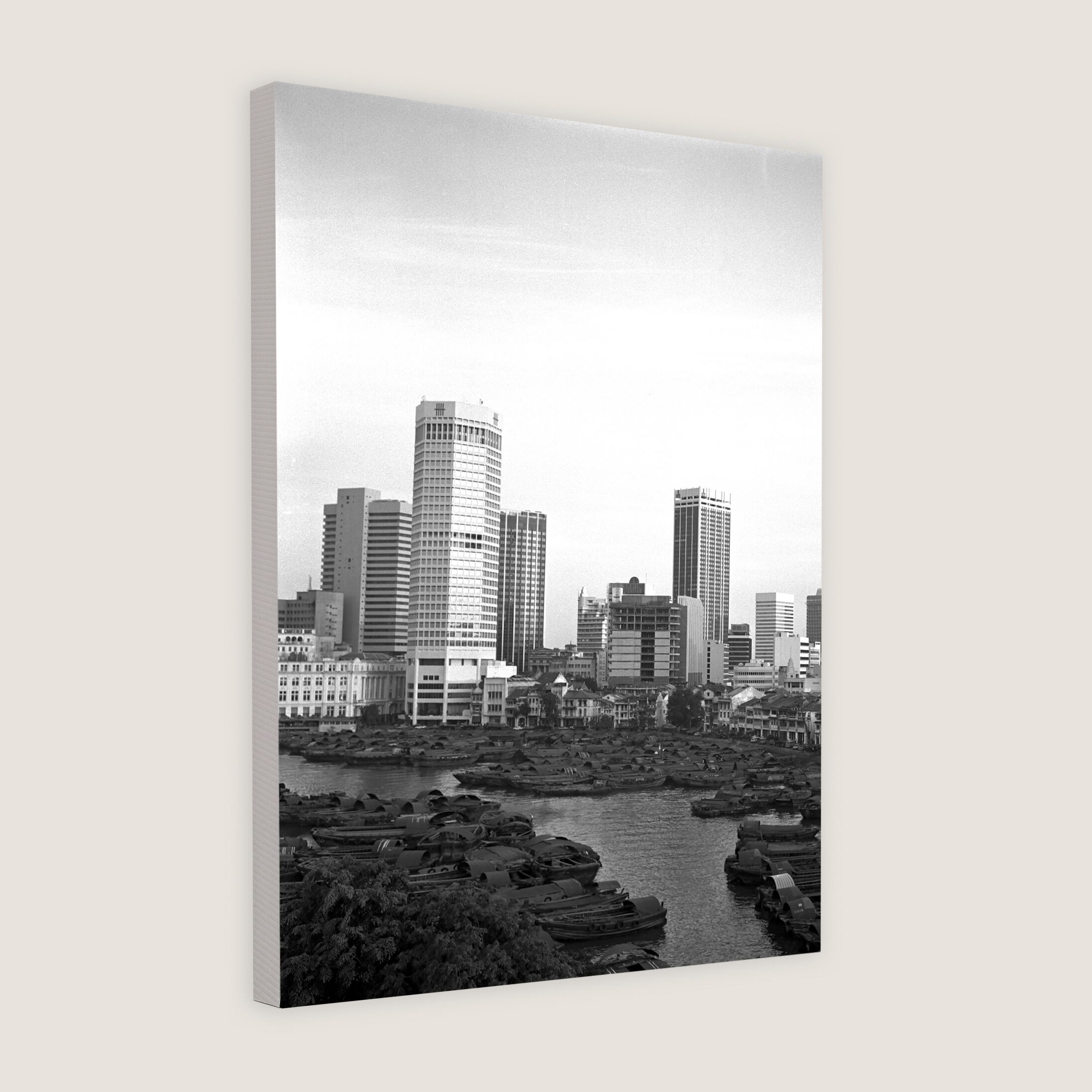
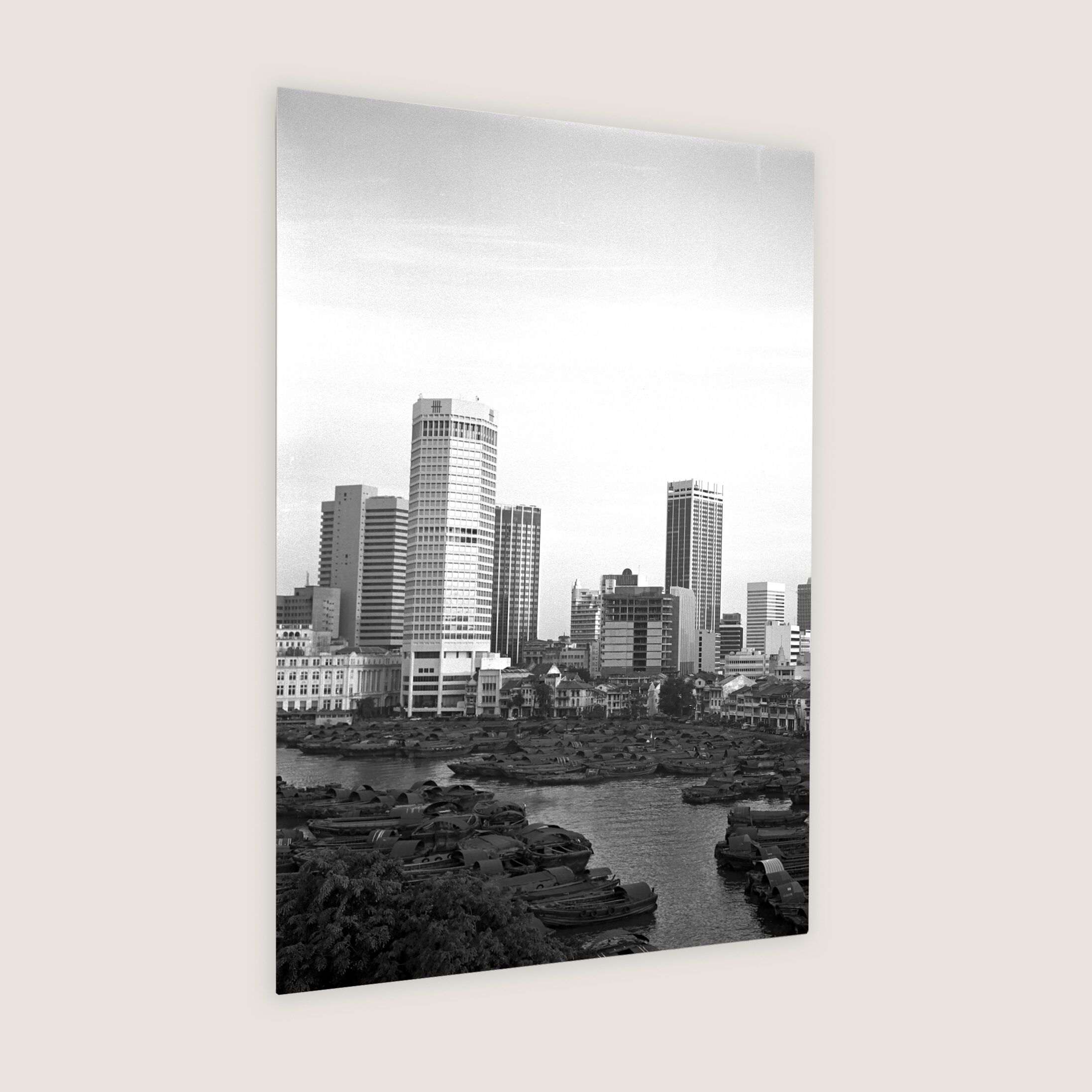
A View of Boat Quay and the Financial District
1978
A View of Boat Quay and the Financial District
Year 1978
Looking towards the mouth of the Singapore River is the view of Boat Quay and the financial district. The tongkang were used for coastal and inter-island trading with countries like Indonesia, South Johore, Malacca, Perak, and Sarawak. When Singapore River was cleared as part of the river clean-up campaign in 1983, the tongkang were shifted to Pasir Panjang.
©️ SPH Media Limited
Share to
Tags
Available for print on products
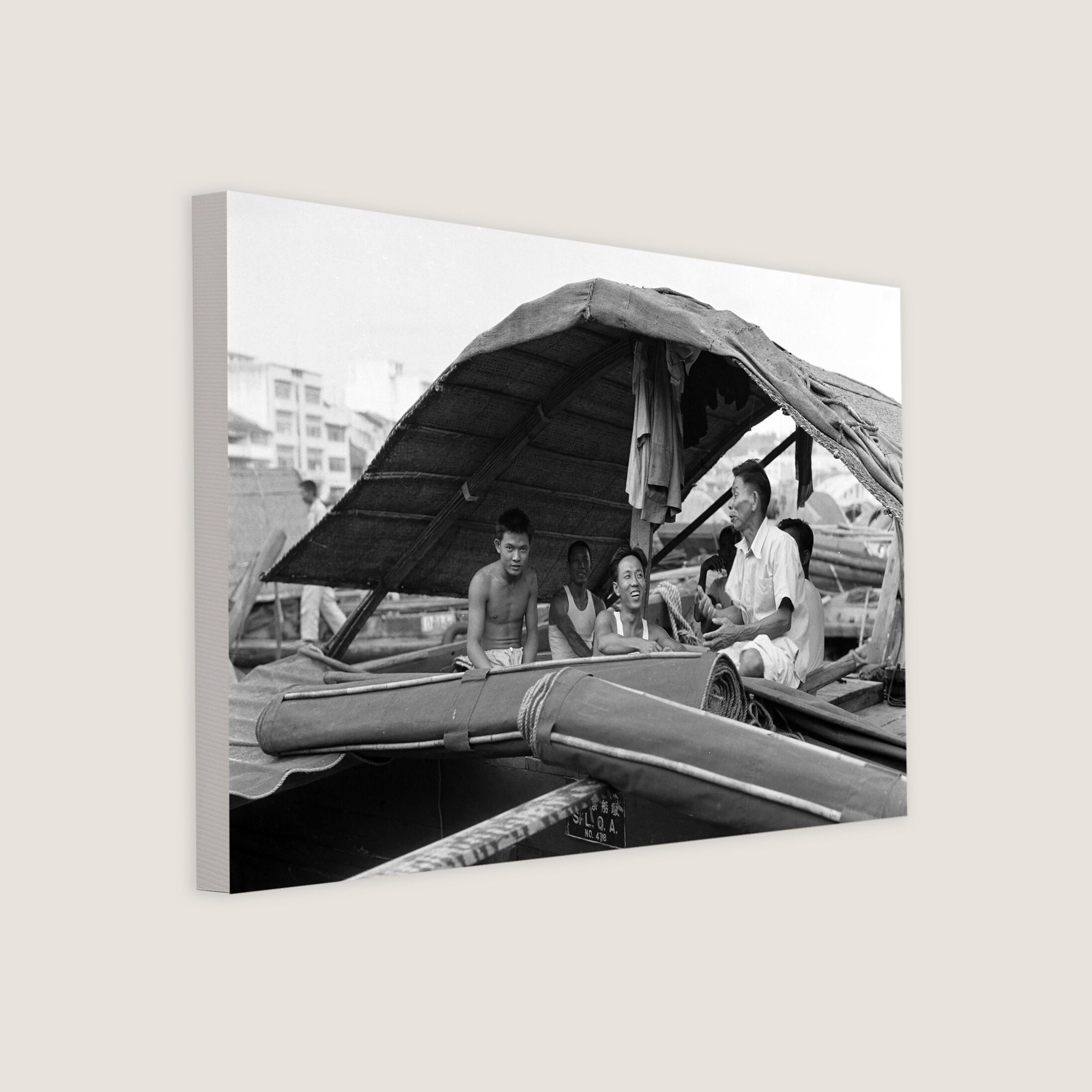
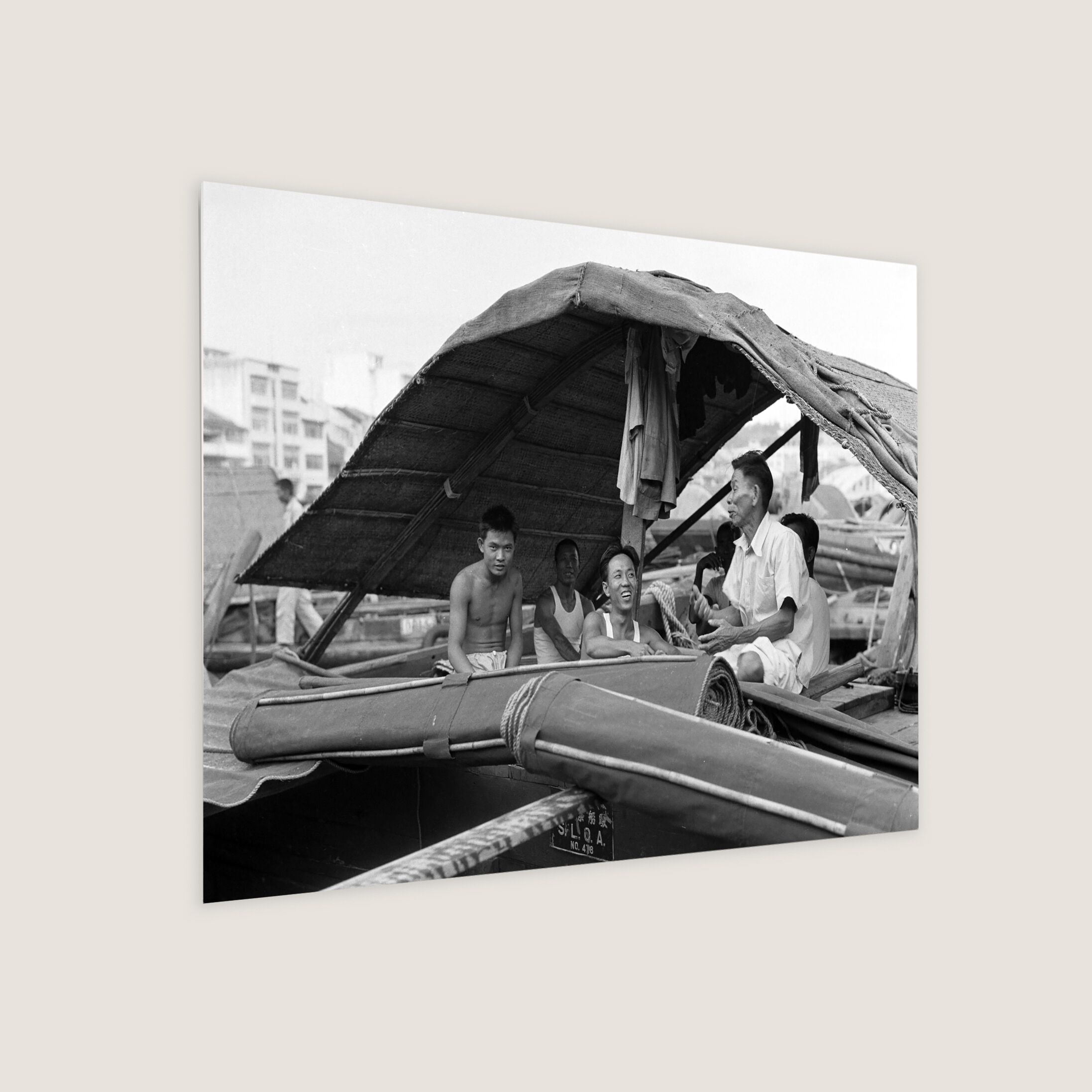
 Workers Taking a Break on a Tongkang
1957
Workers Taking a Break on a Tongkang
1957
Workers Taking a Break on a Tongkang
Year 1957
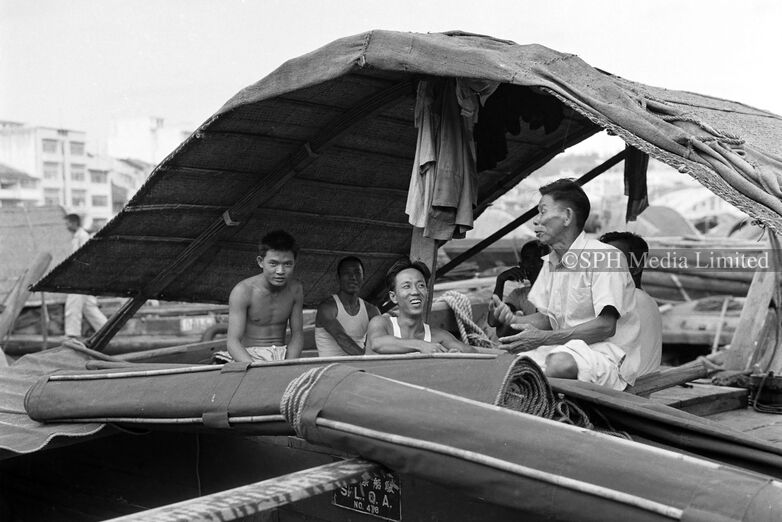
Tongkang means bumboat in Malay. These trades created many job opportunities and were the link between ships anchored out at sea and warehouses built along the riverbanks. Workers taking a break on a tongkang include boatmen, cargo handlers, warehouse clerks and more.
©️ SPH Media Limited
Share to
Tags
Available for print on products
Dining Aboard the Nostalgic Tongkang
2017
Dining Aboard the Nostalgic Tongkang
Year 2017
A restaurant was improvised from a tongkang by the Singapore River near Clarke Quay in 2017, where guests could dine on the tongkangs moored to the side of the river. As of 2025, the restaurant has since been permanently closed.
©️ SPH Media Limited
Share to
Tags
Available for print on products
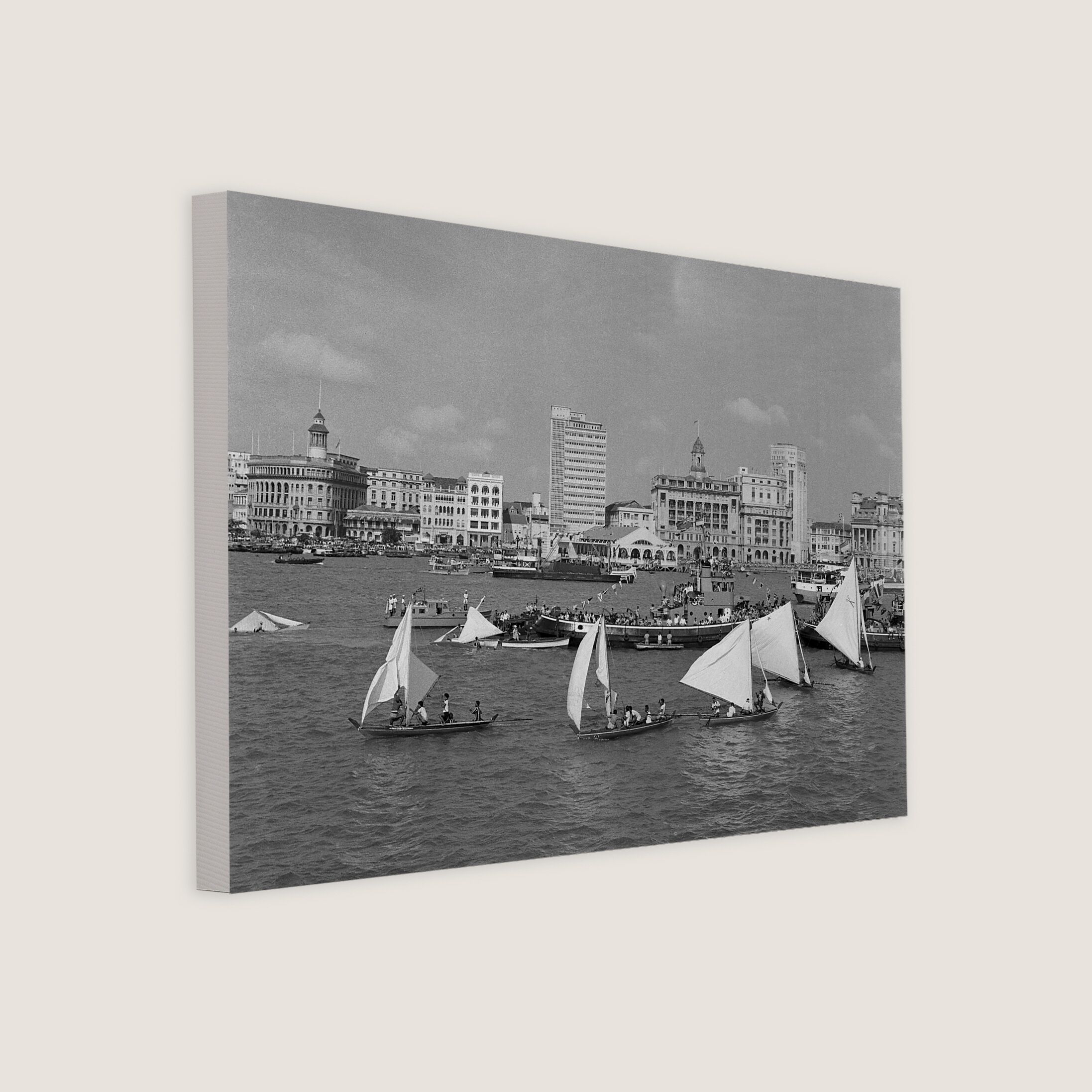
 New Year Sea Sport off Clifford Pier
1961
New Year Sea Sport off Clifford Pier
1961
New Year Sea Sport off Clifford Pier
Year 1961
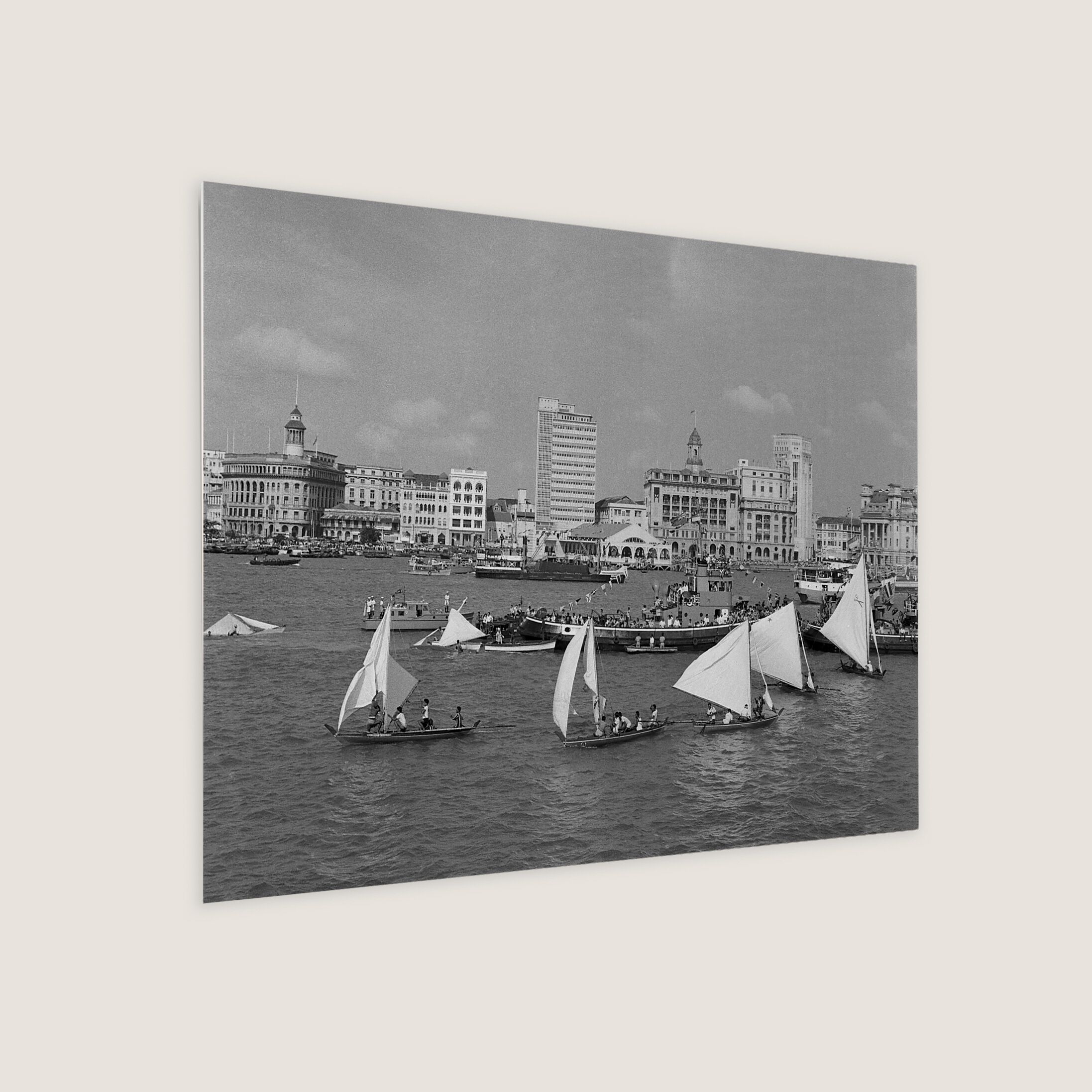
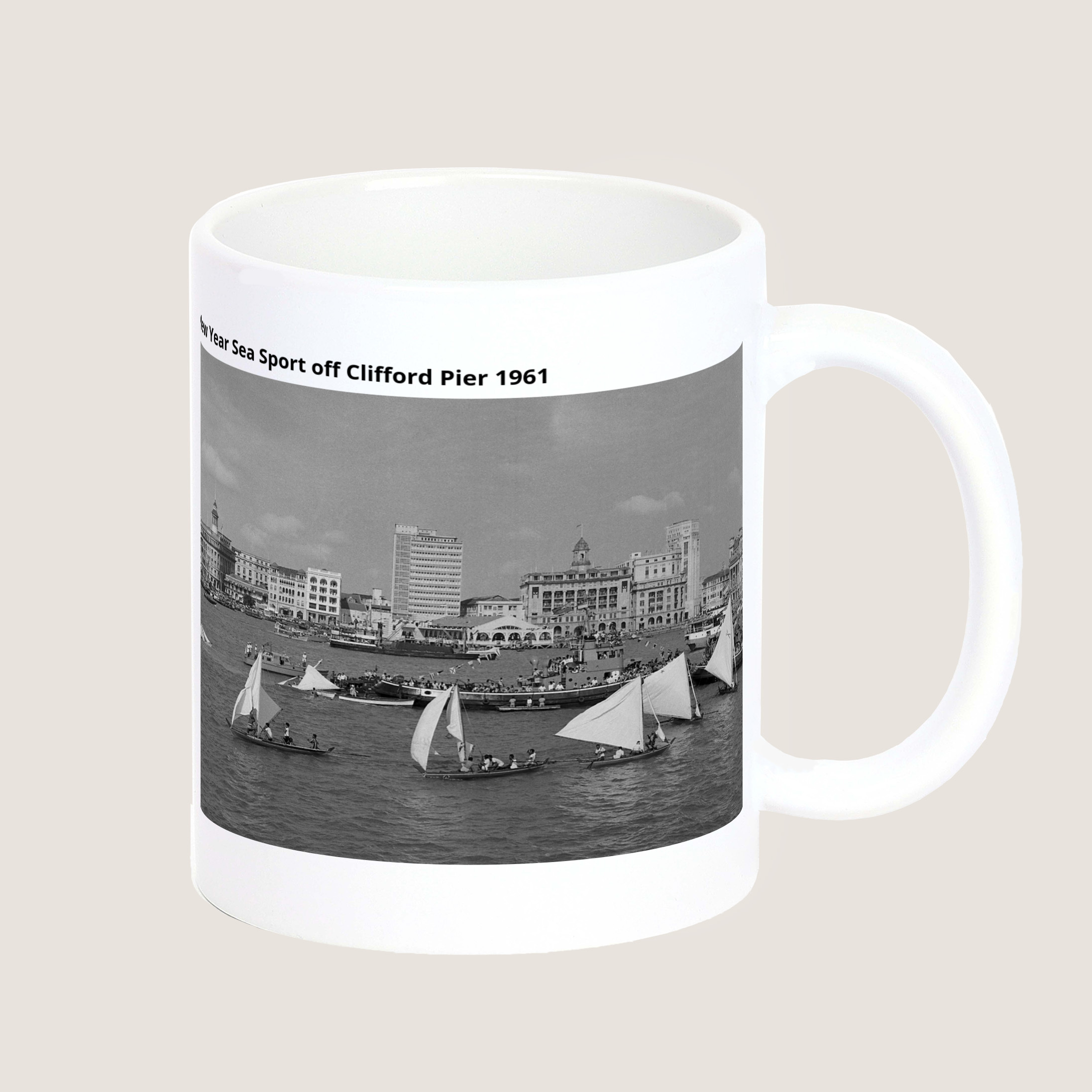
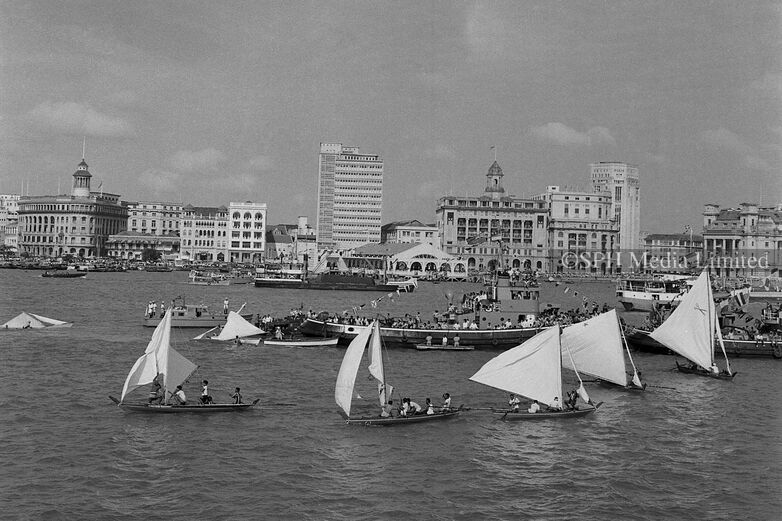
The New Year Sea Sports off Clifford Pier continued a tradition dating back to 1834, when European merchants organised annual regattas featuring races with Malay koleks and other traditional boats. After a hiatus during the Japanese Occupation, the event resumed post-war, drawing large crowds to witness boat races and sea sports. In this photograph, the Ocean Building is visible on the far left, and the General Post Office stands on the extreme right.
©️ SPH Media Limited
Share to
Tags
Available for print on products
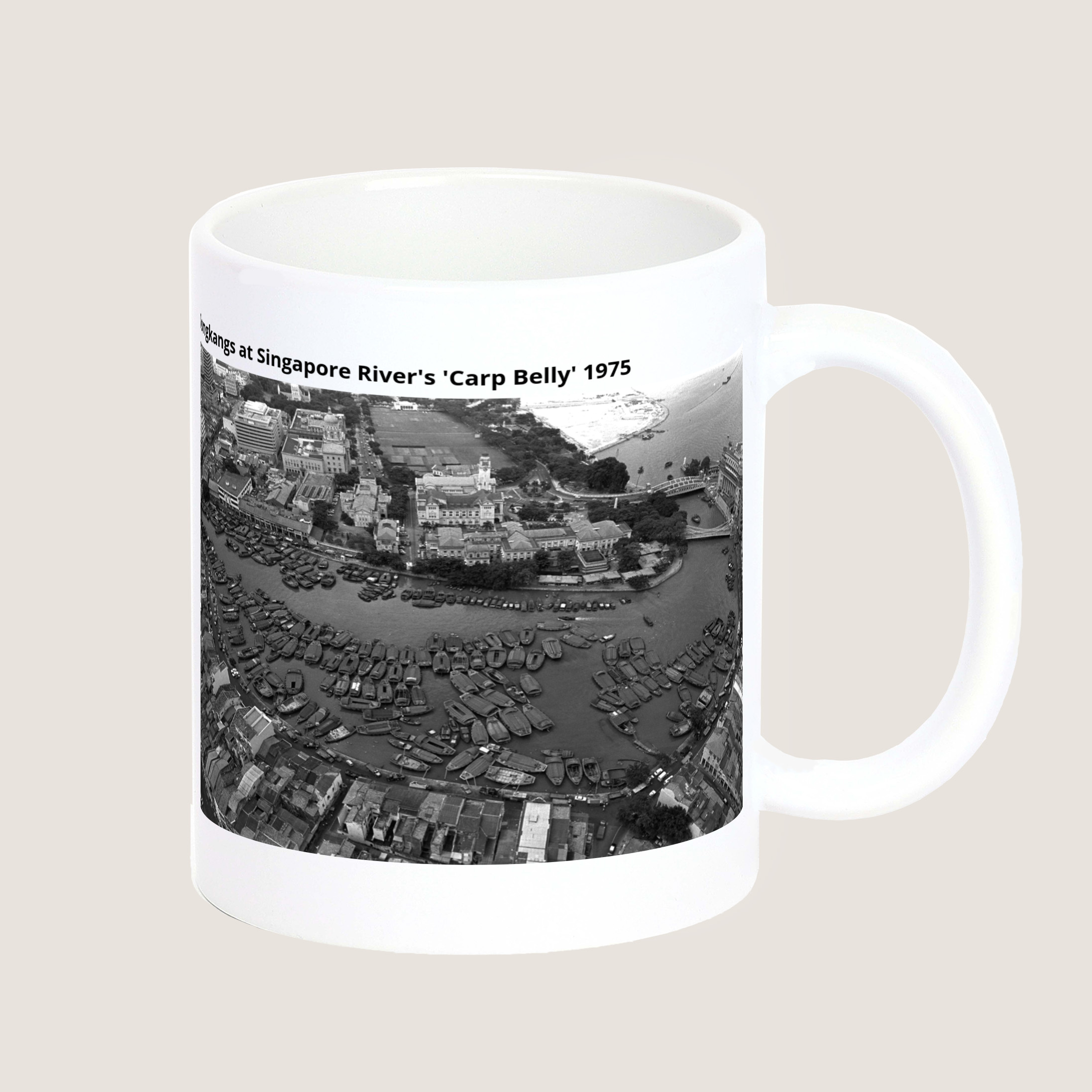
 Tongkangs at Singapore River's 'Carp Belly'
1975
Tongkangs at Singapore River's 'Carp Belly'
1975
Tongkangs at Singapore River's 'Carp Belly'
Year 1975
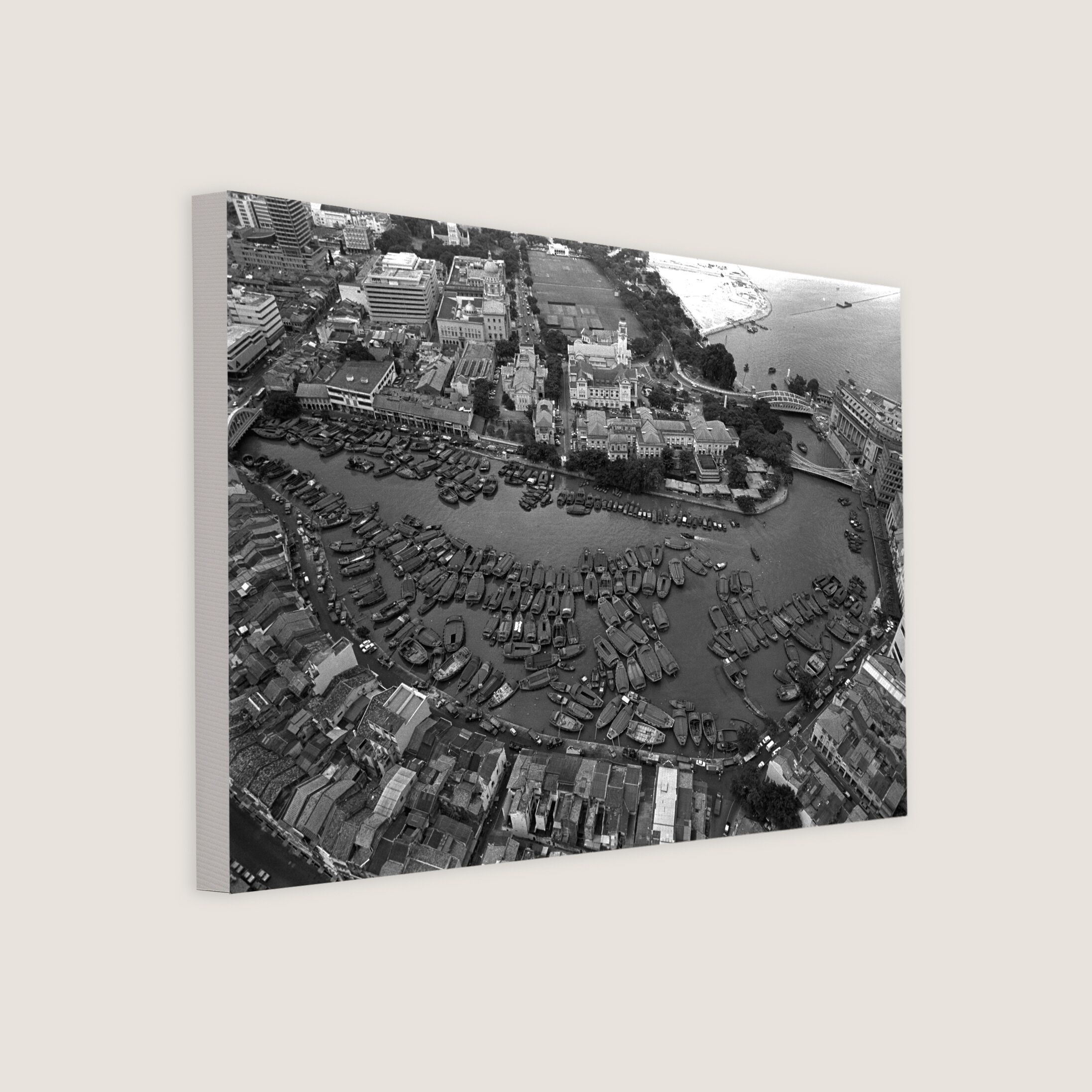
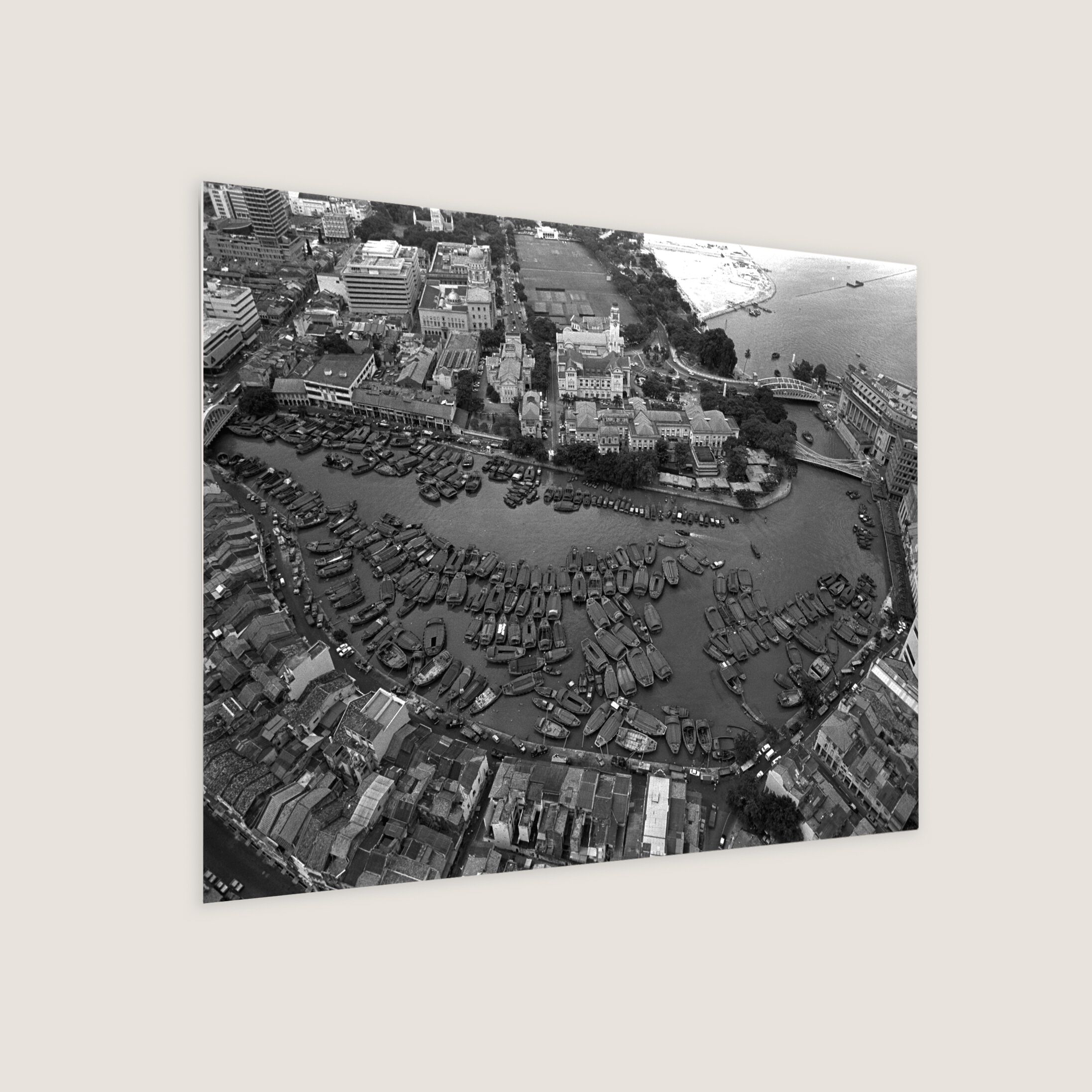
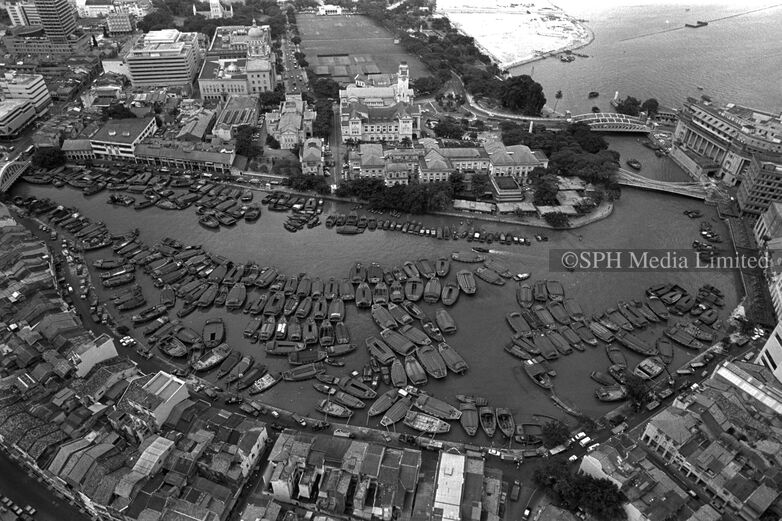
An aerial view captures the bustling Singapore River, where tongkangs once crowded the stretch known as the 'Belly of the Carp'. This curved section, resembling a carp's belly, was considered auspicious in Chinese culture, symbolizing prosperity and attracting merchants who established warehouses and shophouses along its banks.
©️ SPH Media Limited
Share to
Tags
Available for print on products
 Abandoned Tongkangs at Boat Quay Before Cleanup
1975
Abandoned Tongkangs at Boat Quay Before Cleanup
1975
Abandoned Tongkangs at Boat Quay Before Cleanup
Year 1975
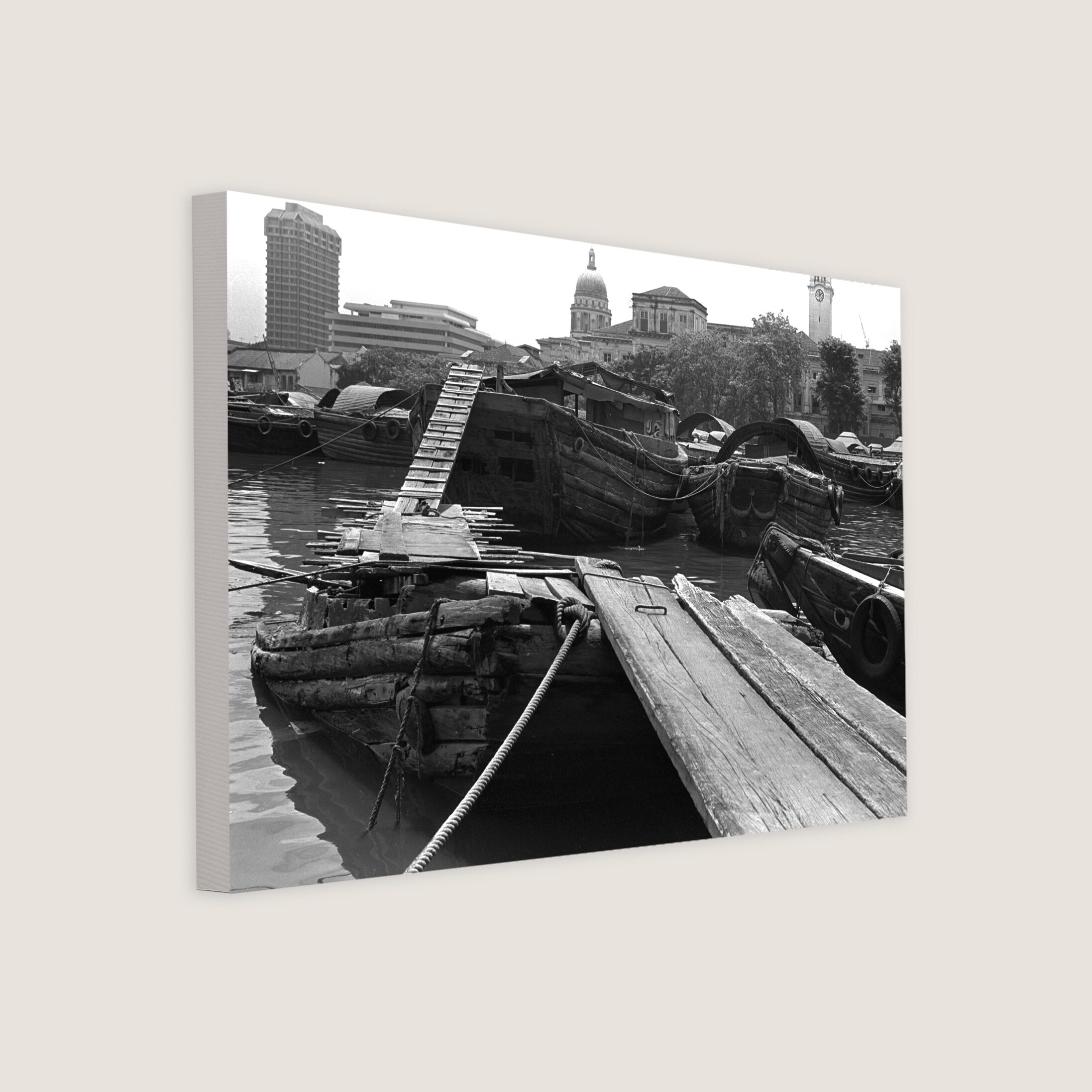
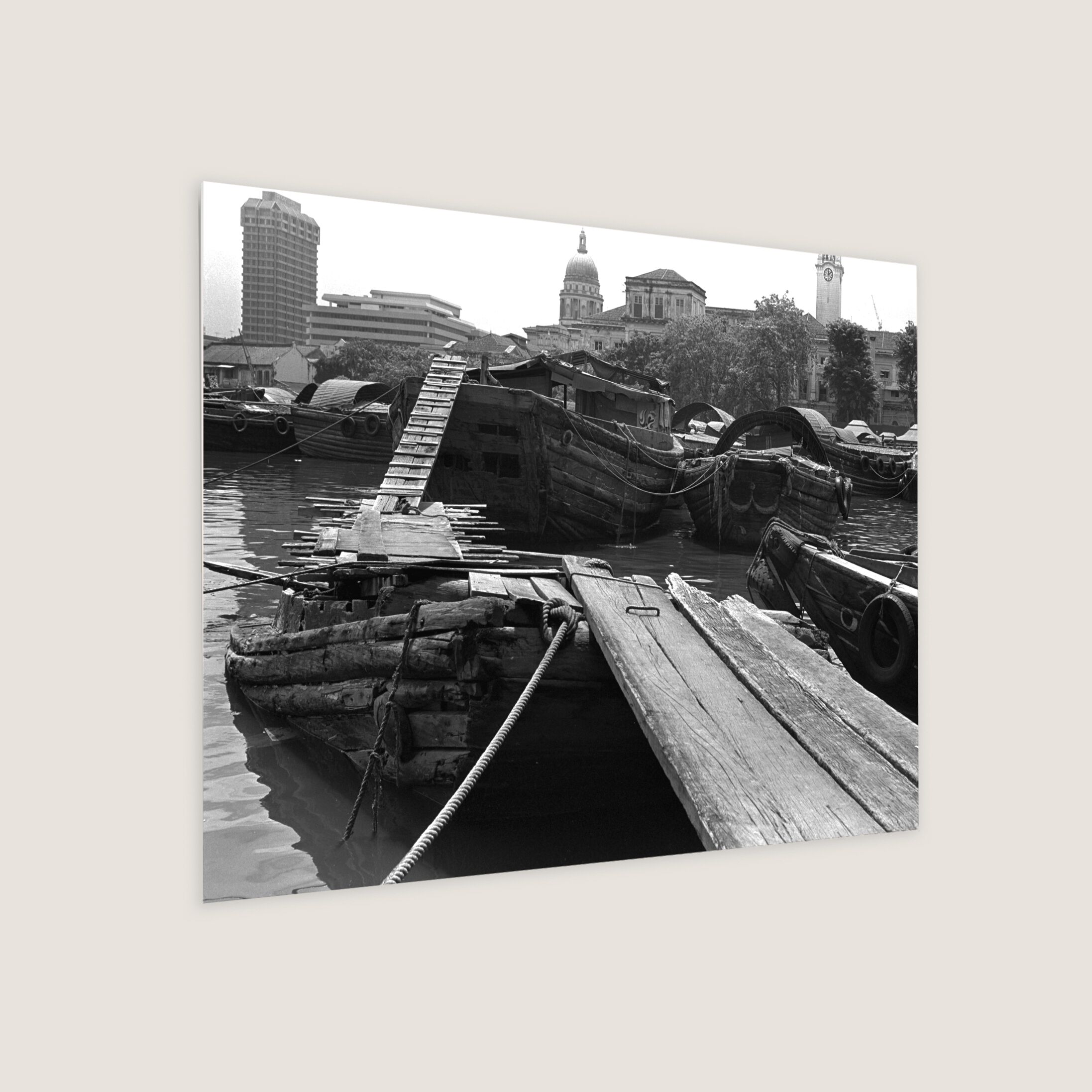
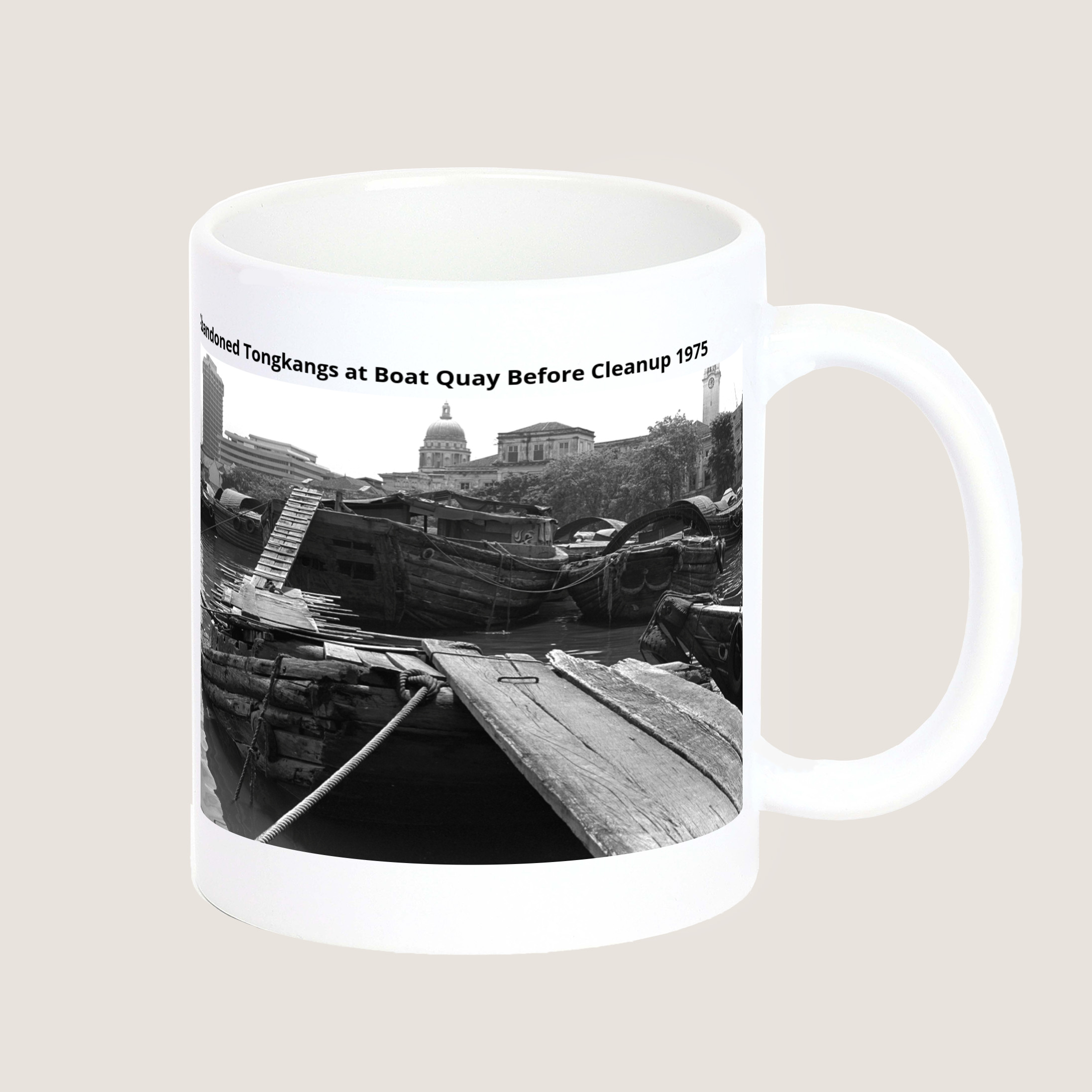
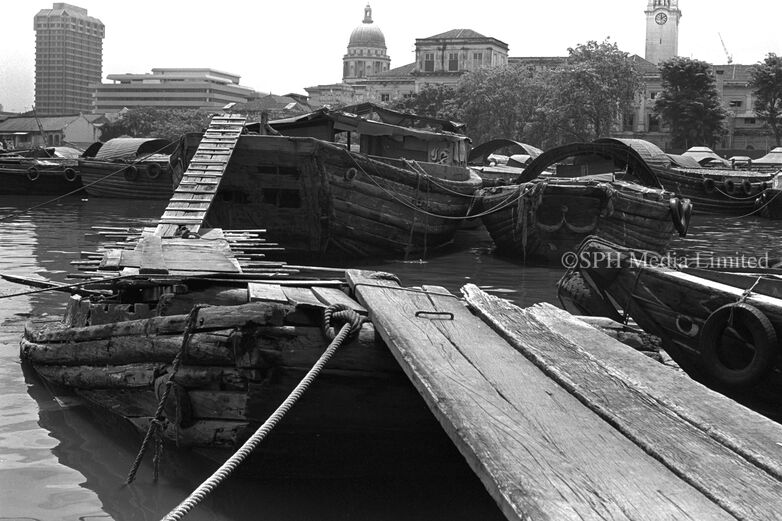
Two years before the official launch of the river clean-up in 1977, barge traffic on the Singapore River had already begun to dwindle. Abandoned tongkangs started appearing along the river, and the once-busy gangplanks that linked them now stood deserted.
©️ SPH Media Limited
Share to
Tags
Available for print on products
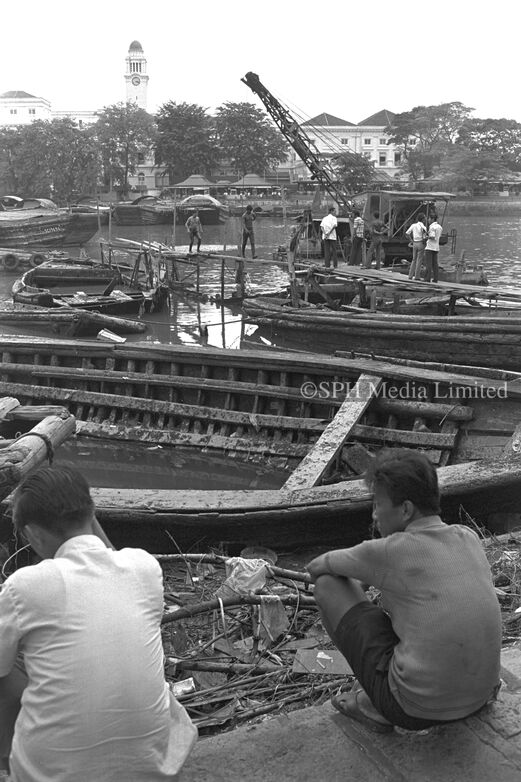 Clearing Abandoned Tongkangs in Singapore River
1977
Clearing Abandoned Tongkangs in Singapore River
1977
Clearing Abandoned Tongkangs in Singapore River
Year 1977
In 1977, Singapore embarked on a decade-long mission to rejuvenate the heavily polluted Singapore River. This project was helmed by the Public Work Department and the Public Utilities Board. Once a bustling artery of trade, the river had become choked with waste from industries, squatters, and hawkers. A key focus of the cleanup was the removal of derelict tongkangs that had been abandoned or sunk along the riverbanks.
©️ SPH Media Limited
Share to
Tags
Available for print on products
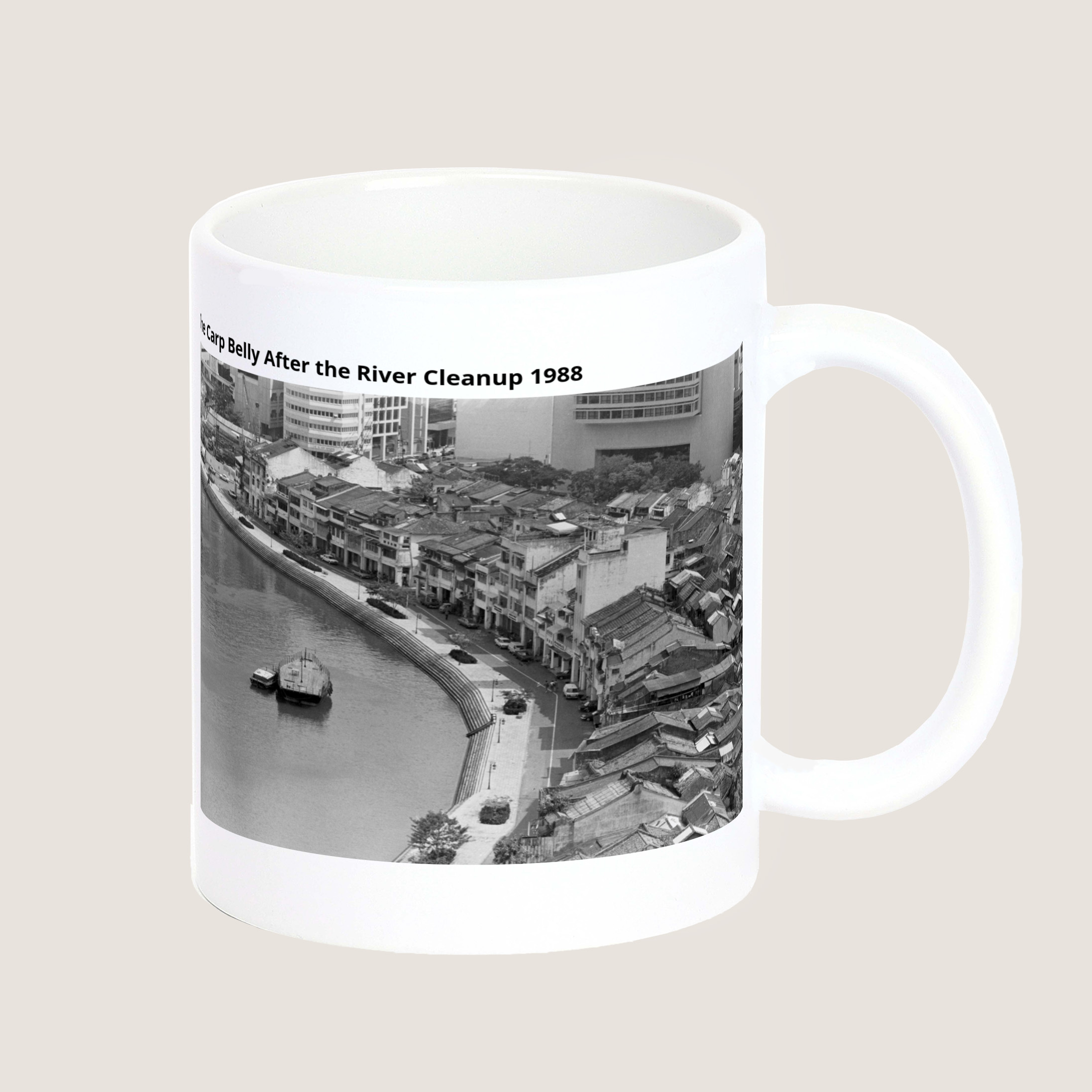
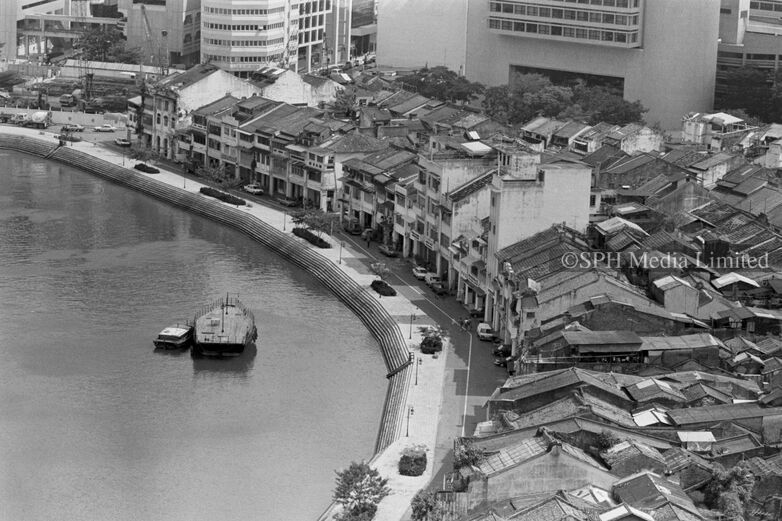 The Carp Belly After the River Cleanup
1988
The Carp Belly After the River Cleanup
1988
The Carp Belly After the River Cleanup
Year 1988
The photo captures Boat Quay after the Singapore River cleanup, marking a turning point in the area’s transformation. This area of the Singapore River is known as the 'Carp's Belly', due to its unique shape. Once teeming with trade and tongkangs, the riverfront entered a new chapter as part of wider urban redevelopment plans for the historic waterway and its surroundings.
©️ SPH Media Limited
Share to
Tags
Available for print on products
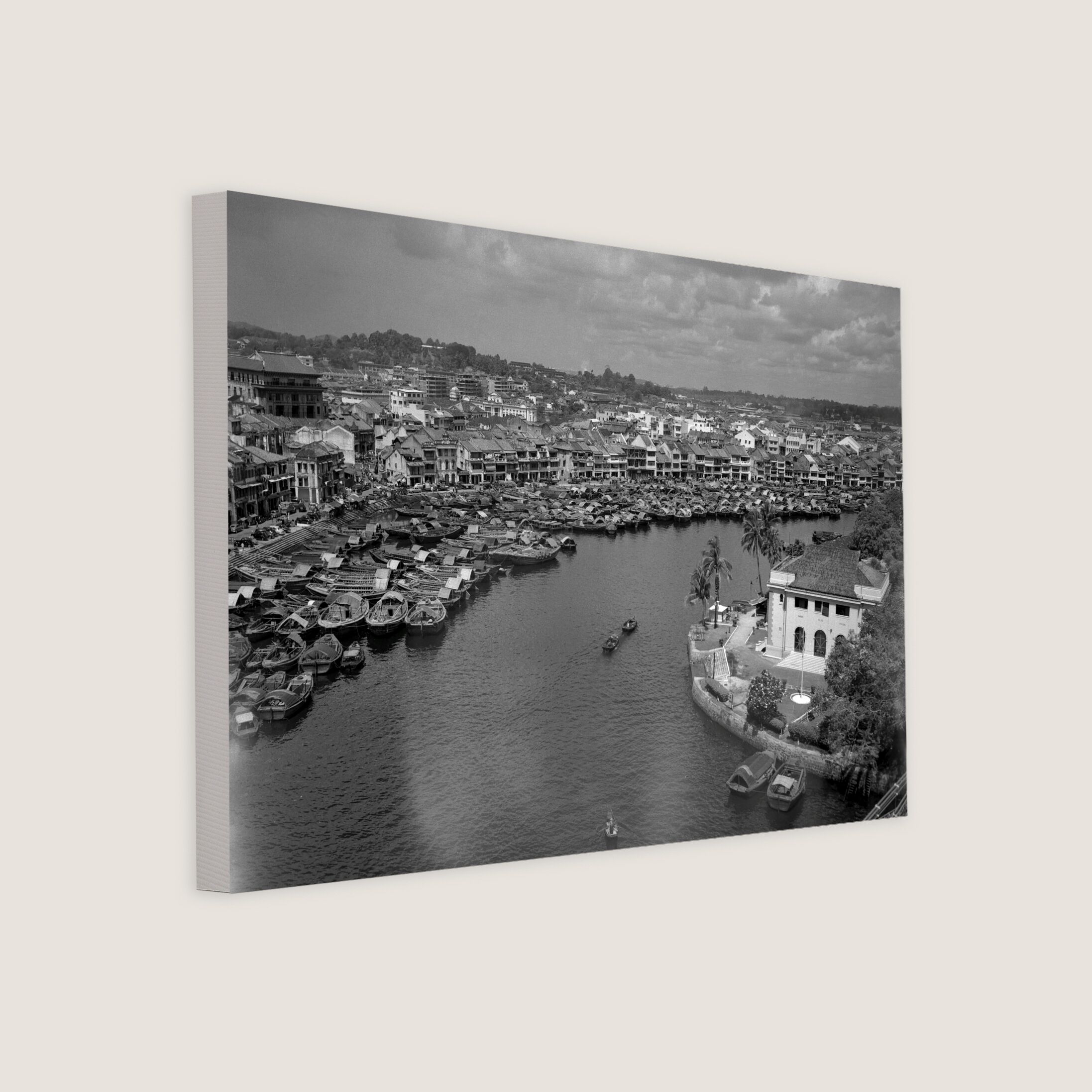
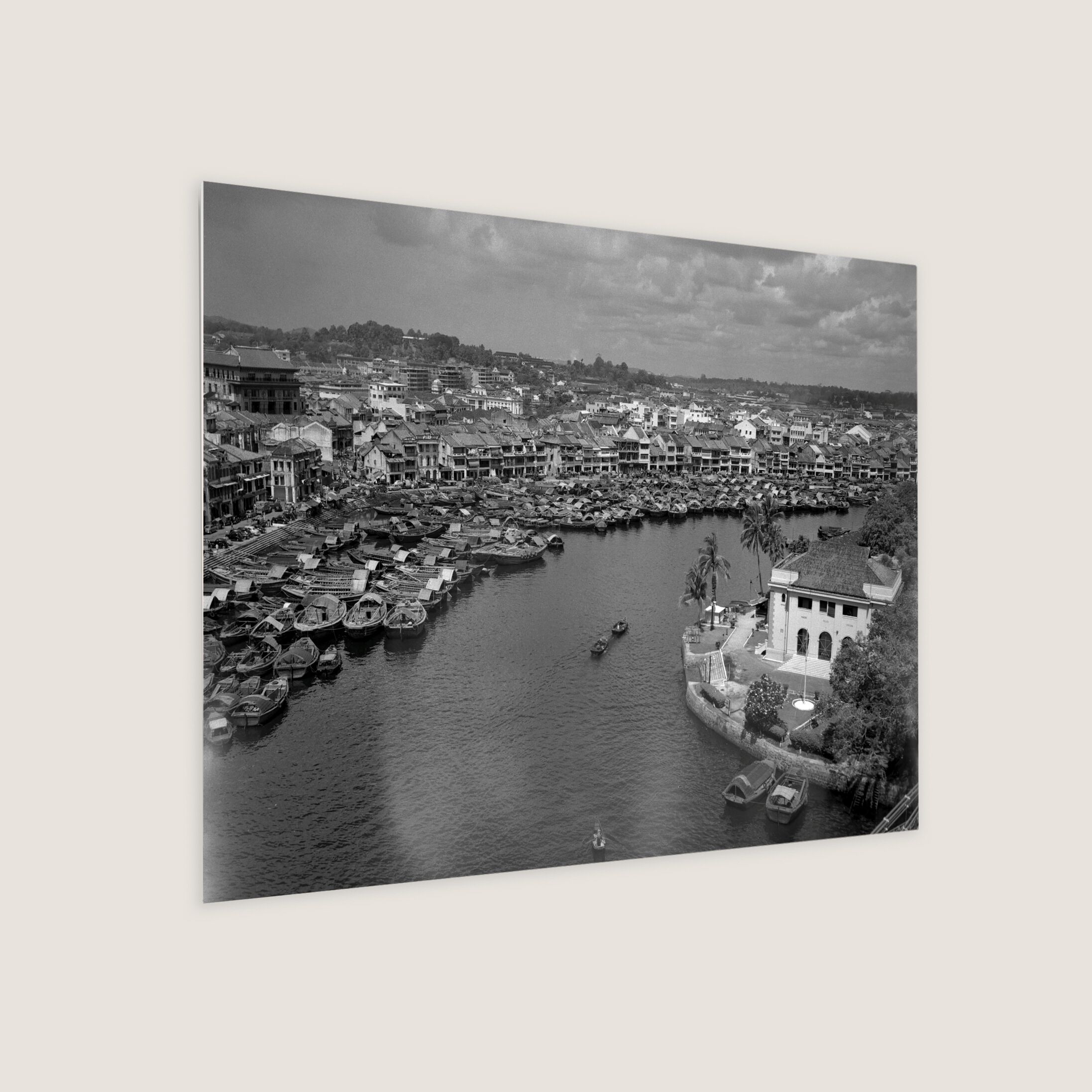
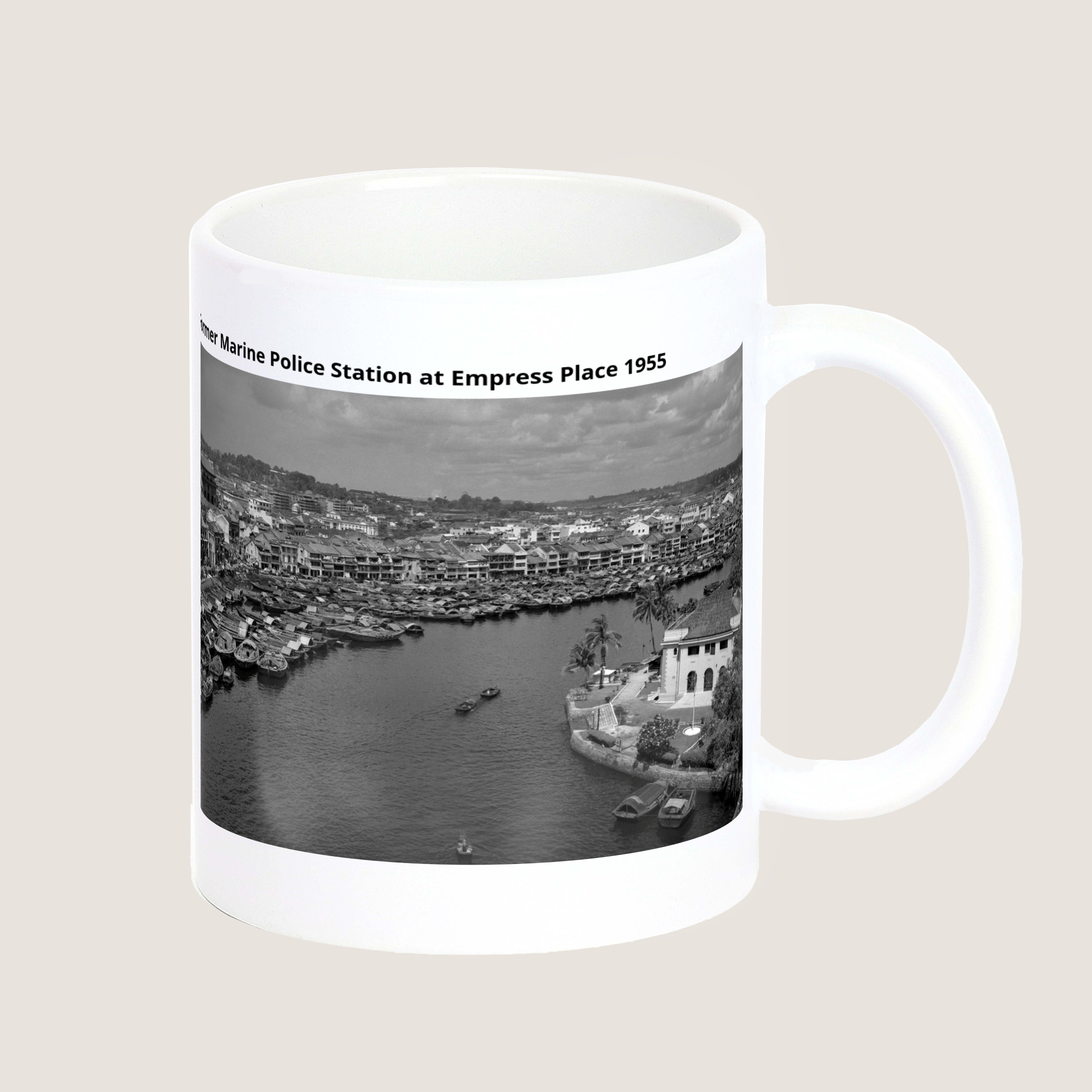
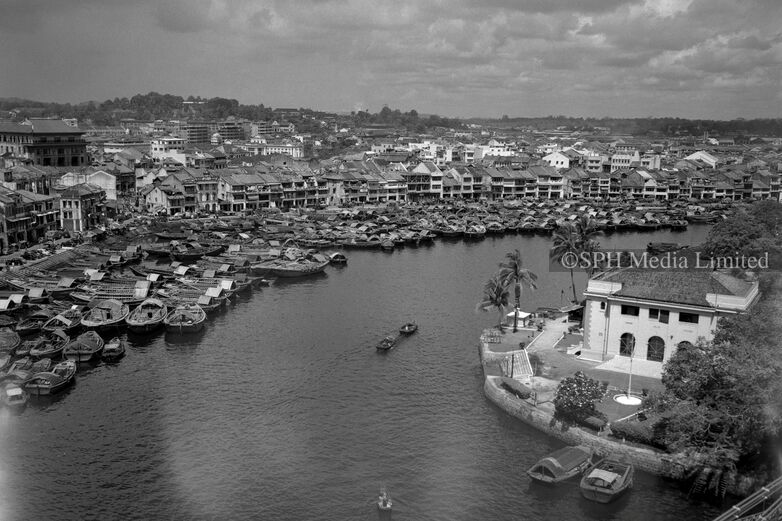 Former Marine Police Station at Empress Place
1955
Former Marine Police Station at Empress Place
1955
Former Marine Police Station at Empress Place
Year 1955
Featuring tongkangs lining the Singapore River in 1955. The former Marine Police Station at Empress Place is situated along the river as well. It was where people could seek help regarding marine crimes. This included the smuggling of illicit cargo, theft of cargo and fishing in prohibited areas. Today, the building no longer exists.
©️ SPH Media Limited
Share to
Tags
Available for print on products
Water Taxis on Singapore River
2002
Water Taxis on Singapore River
Year 2002
Driven by tourism operators, the local traditional transportation is gradually transforming. The old tongkang, which were originally used to carry goods, have been transformed into water taxis to ferry tourists and office workers in the CBD.
©️ SPH Media Limited
Share to
Tags
Available for print on products
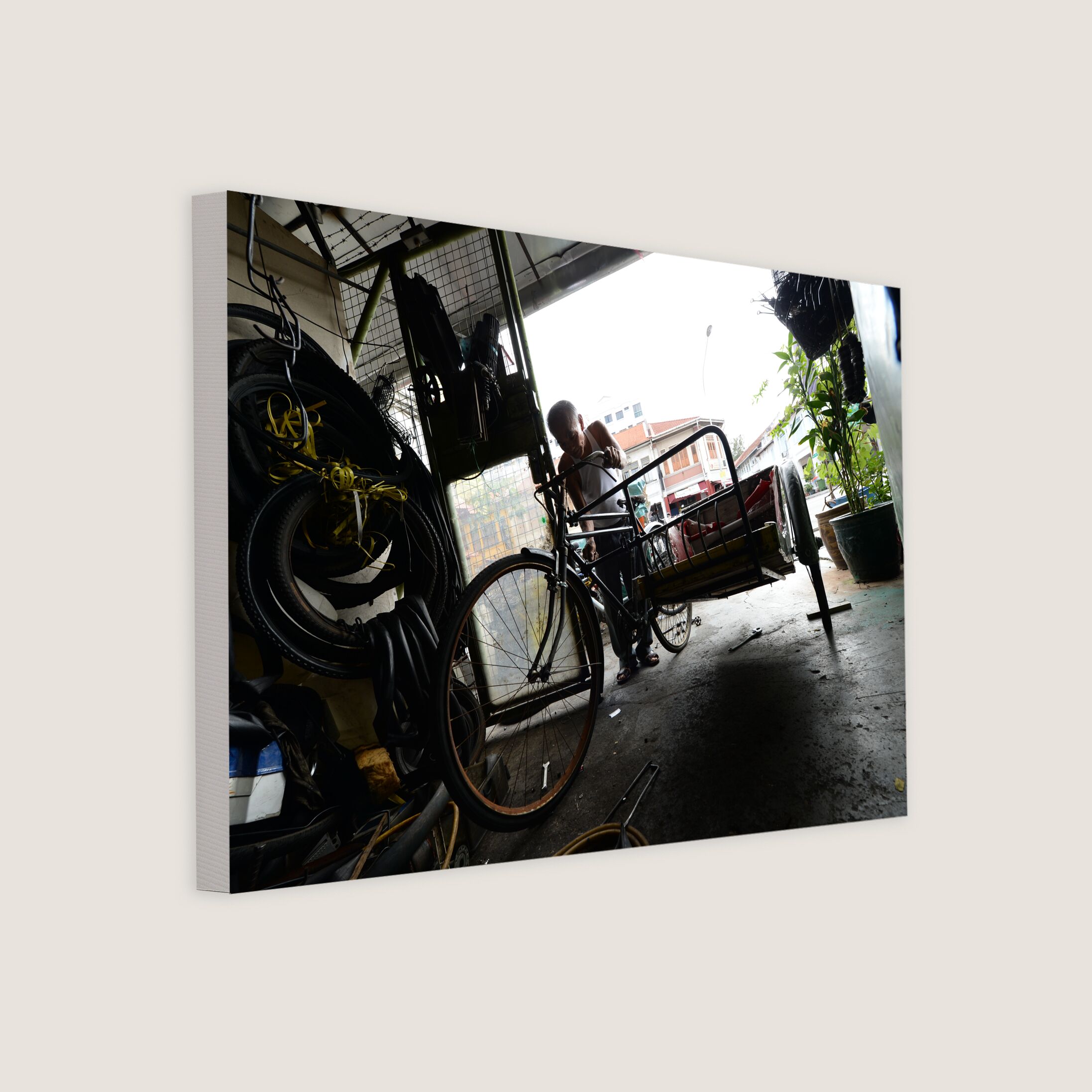
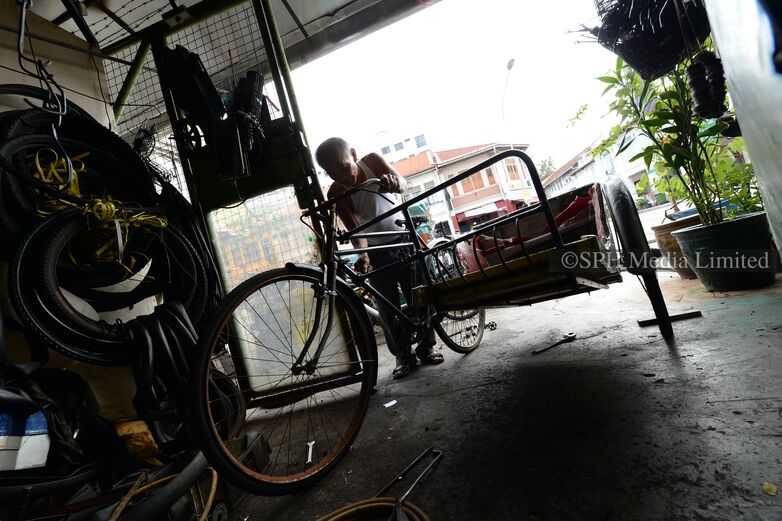 Renting Trishaw for Film Production
2015
Renting Trishaw for Film Production
2015
Renting Trishaw for Film Production
Year 2015
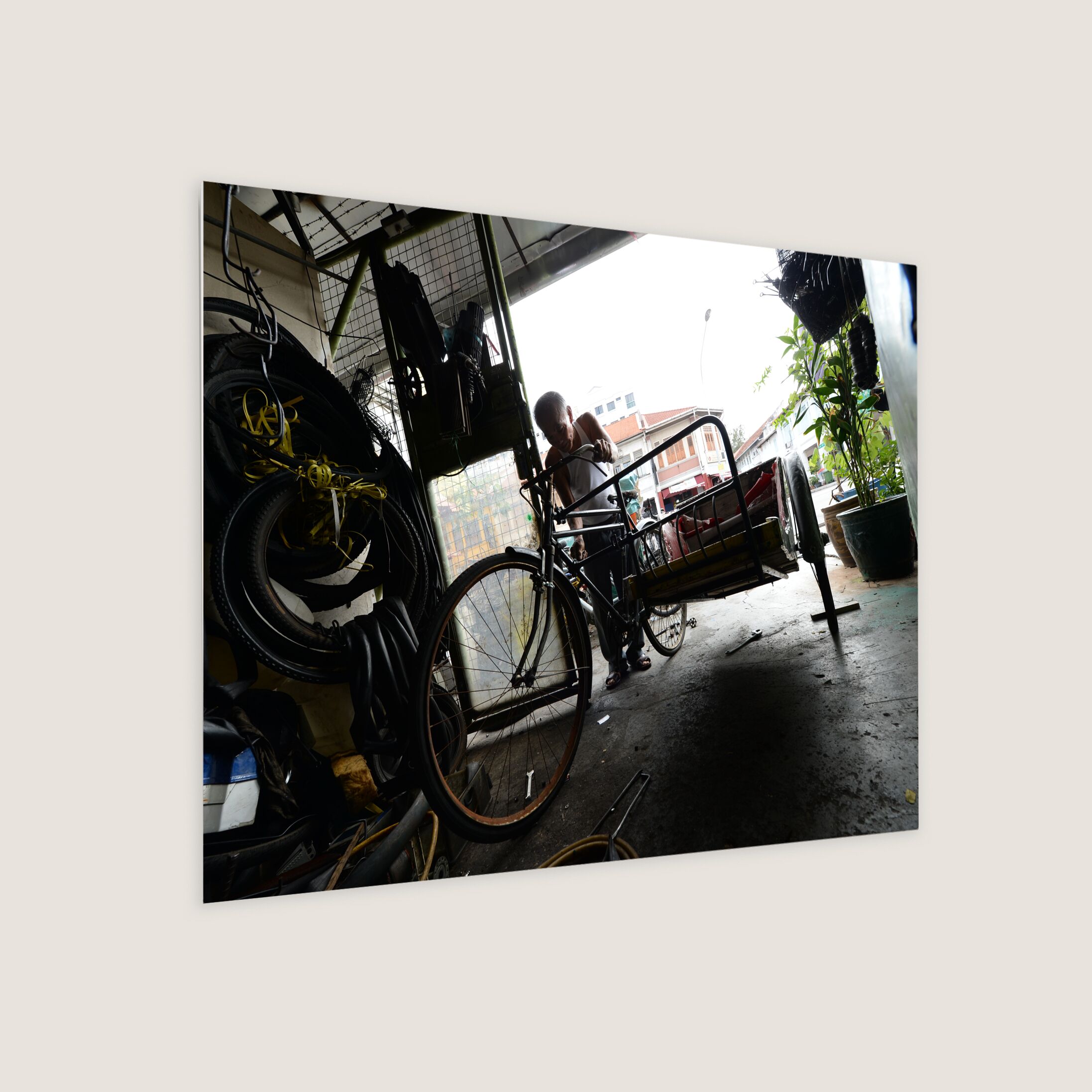
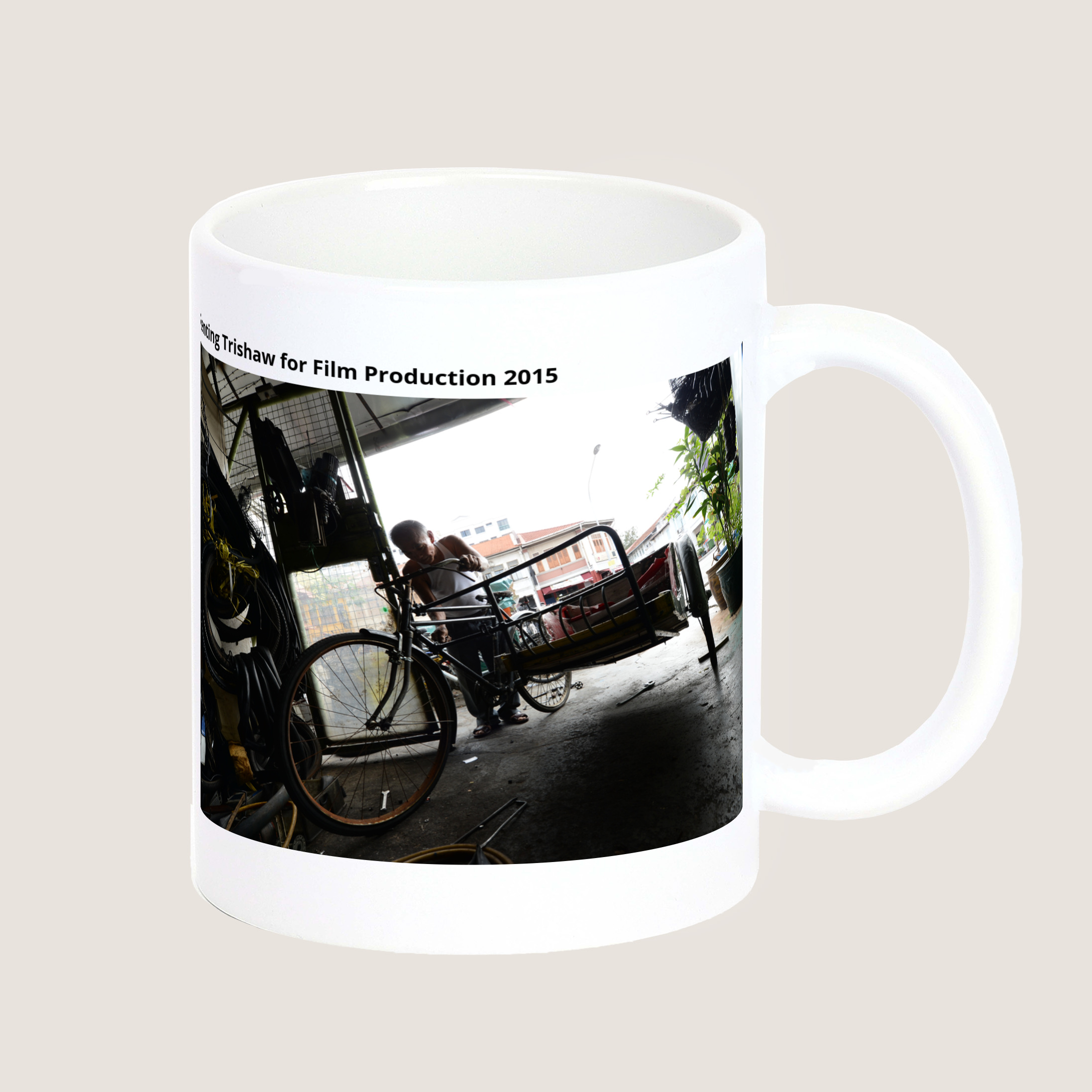
People who visited the last trishaw repair shop in Geylang seeked trishaw-related services, often renting trishaws for special occasions like company events or film productions.
©️ SPH Media Limited
Share to
Tags
Available for print on products
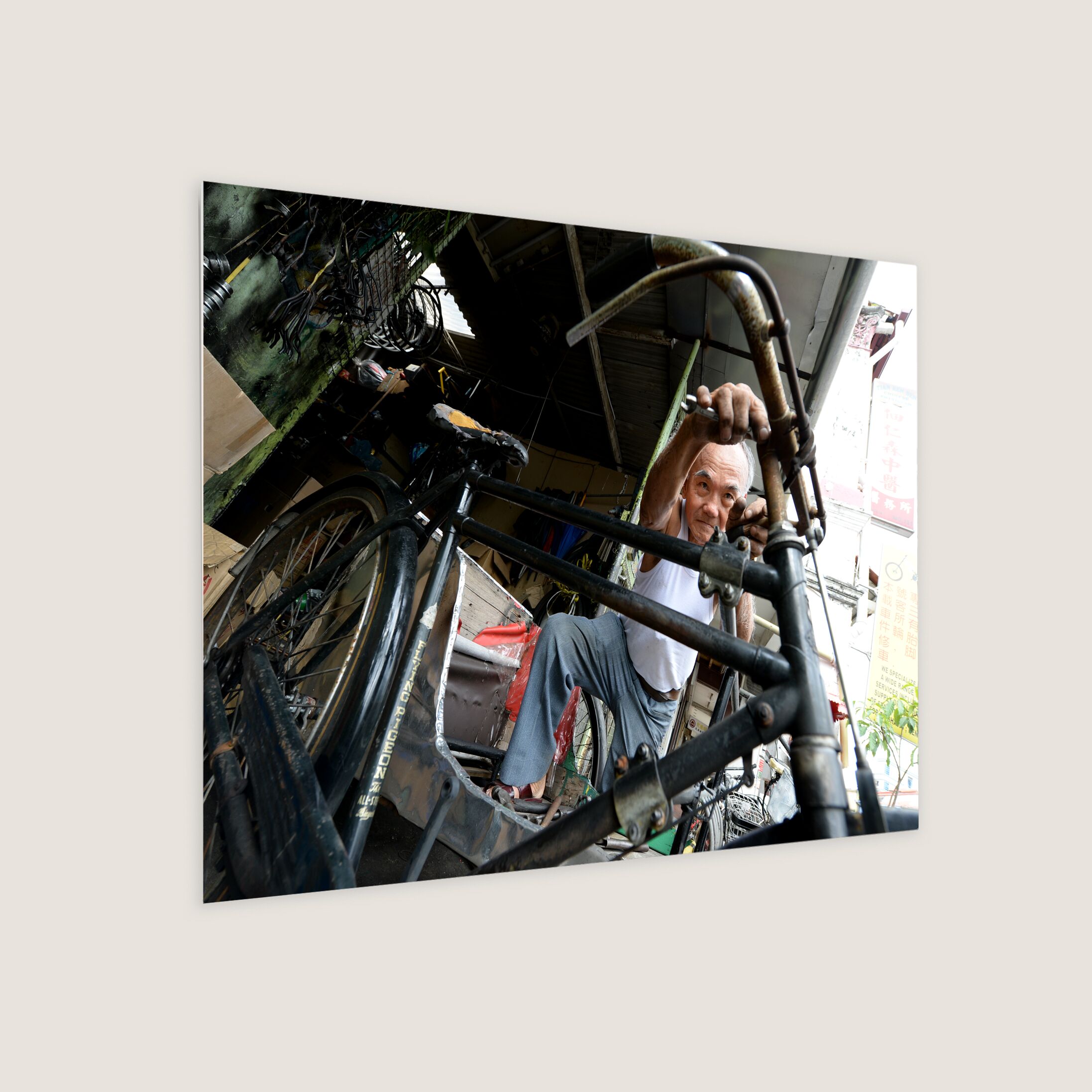
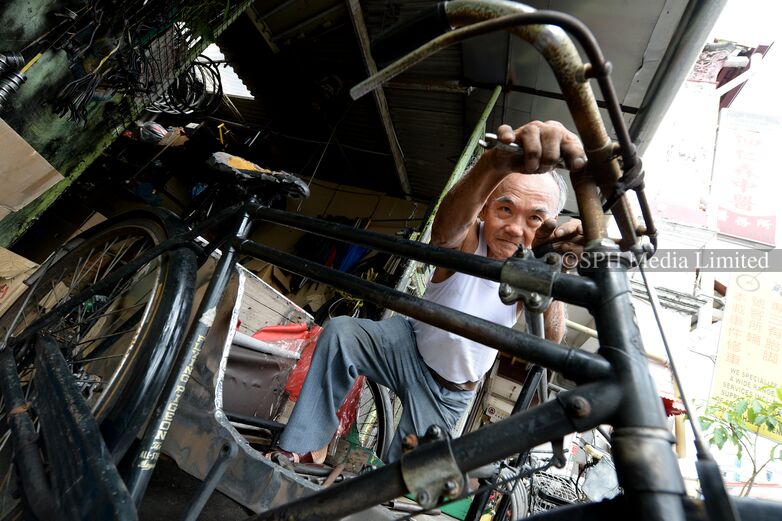 A Rare Trishaw Repair Business
2015
A Rare Trishaw Repair Business
2015
A Rare Trishaw Repair Business
Year 2015
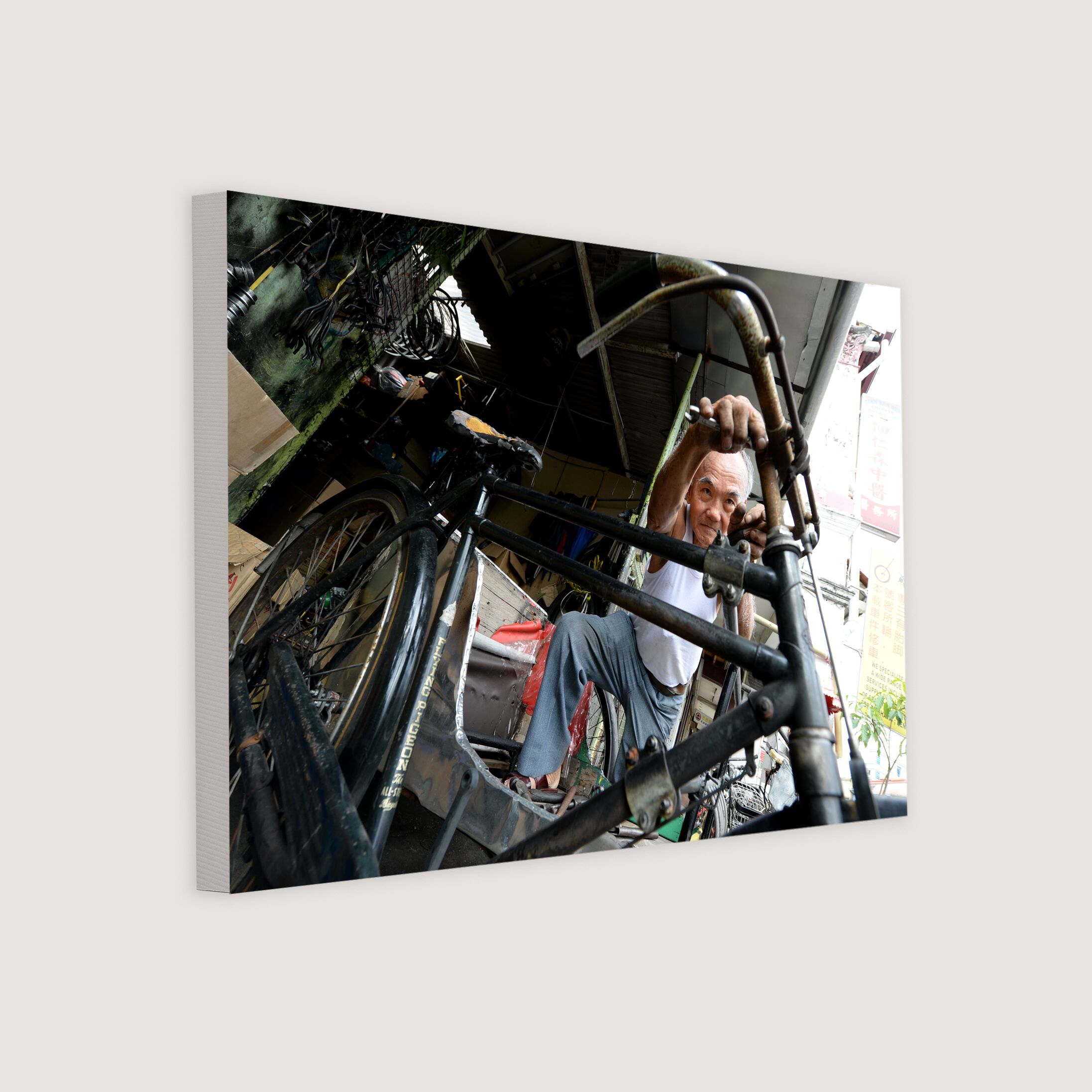
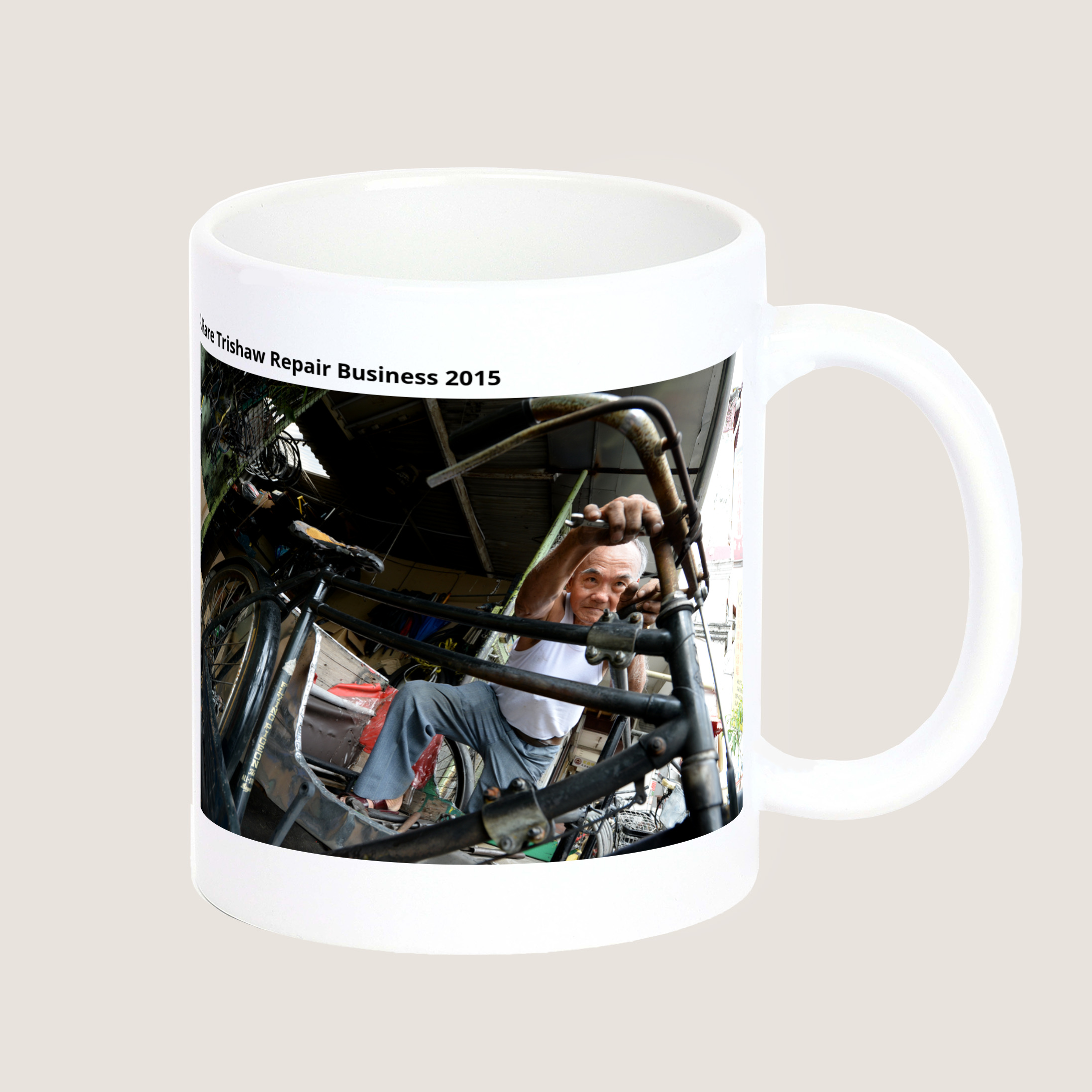
The owner of the last local trishaw repair shop in Singapore, located on Geylang Road, has been in the business for over 60 years. With the decline of trishaws, most of his work now involves repairing bicycles.
©️ SPH Media Limited
Share to
Tags
Available for print on products
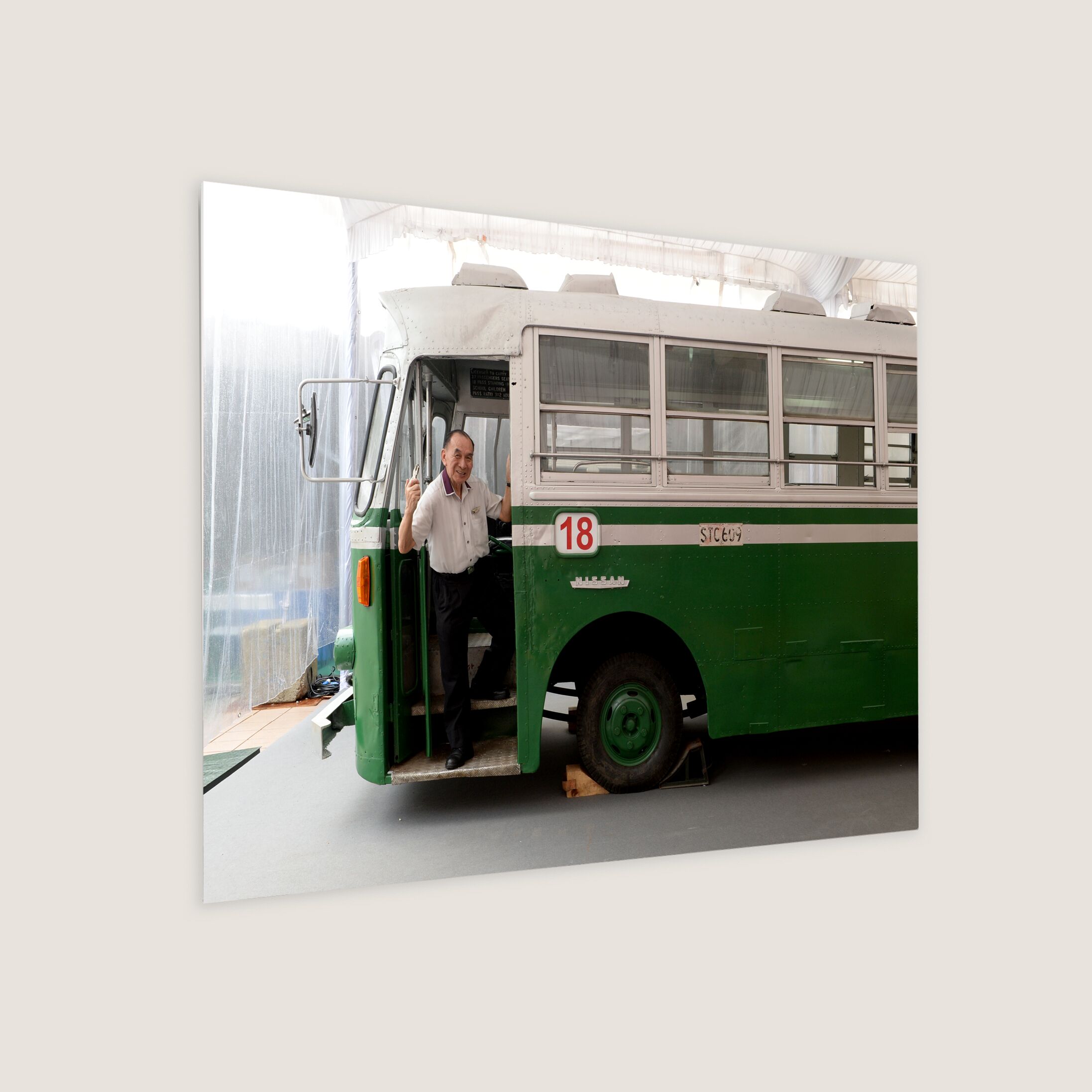
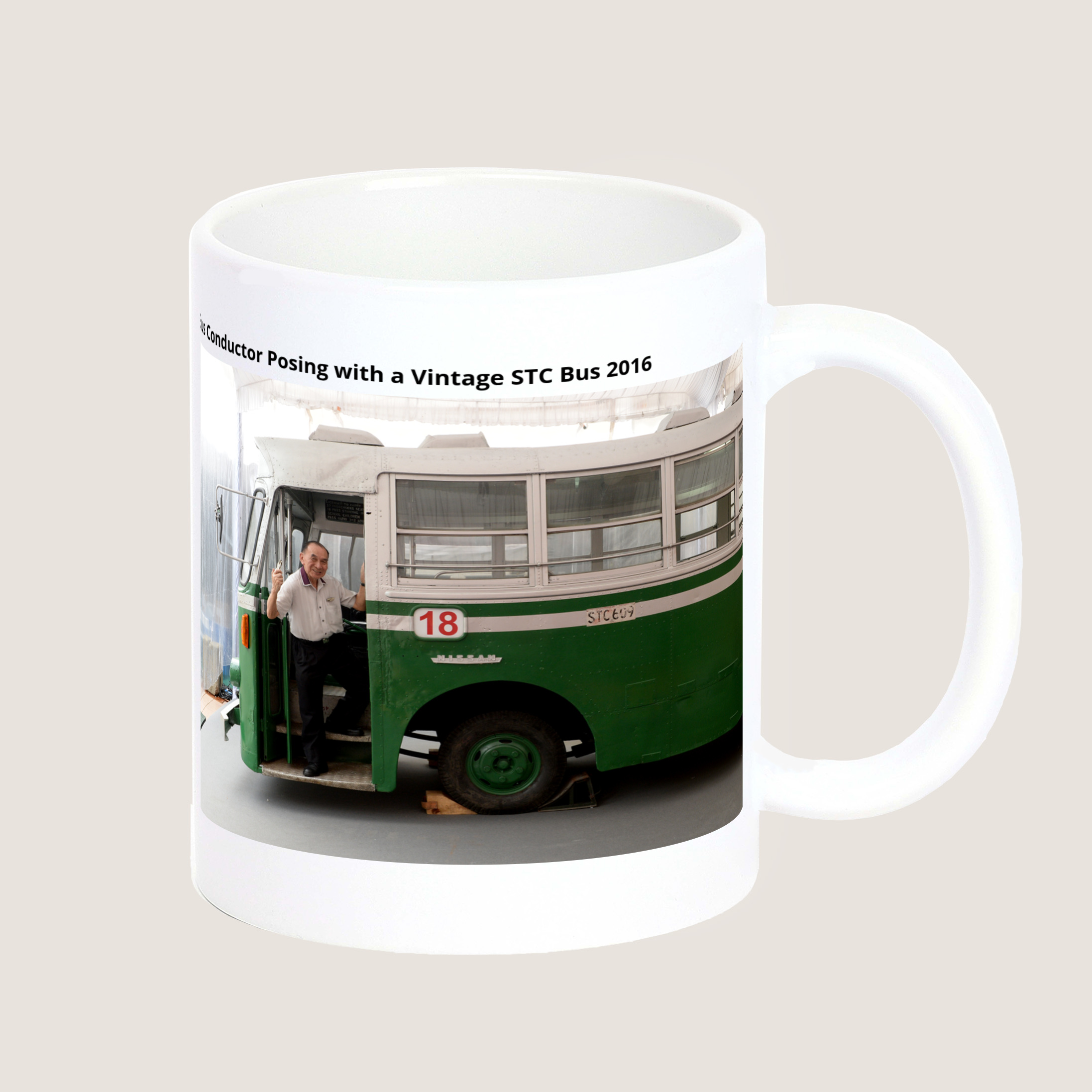
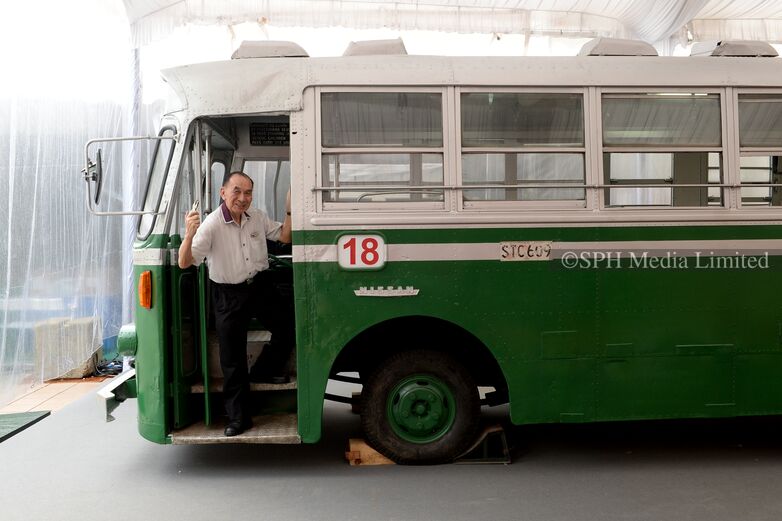 Bus Conductor Posing with a Vintage STC Bus
2016
Bus Conductor Posing with a Vintage STC Bus
2016
Bus Conductor Posing with a Vintage STC Bus
Year 2016
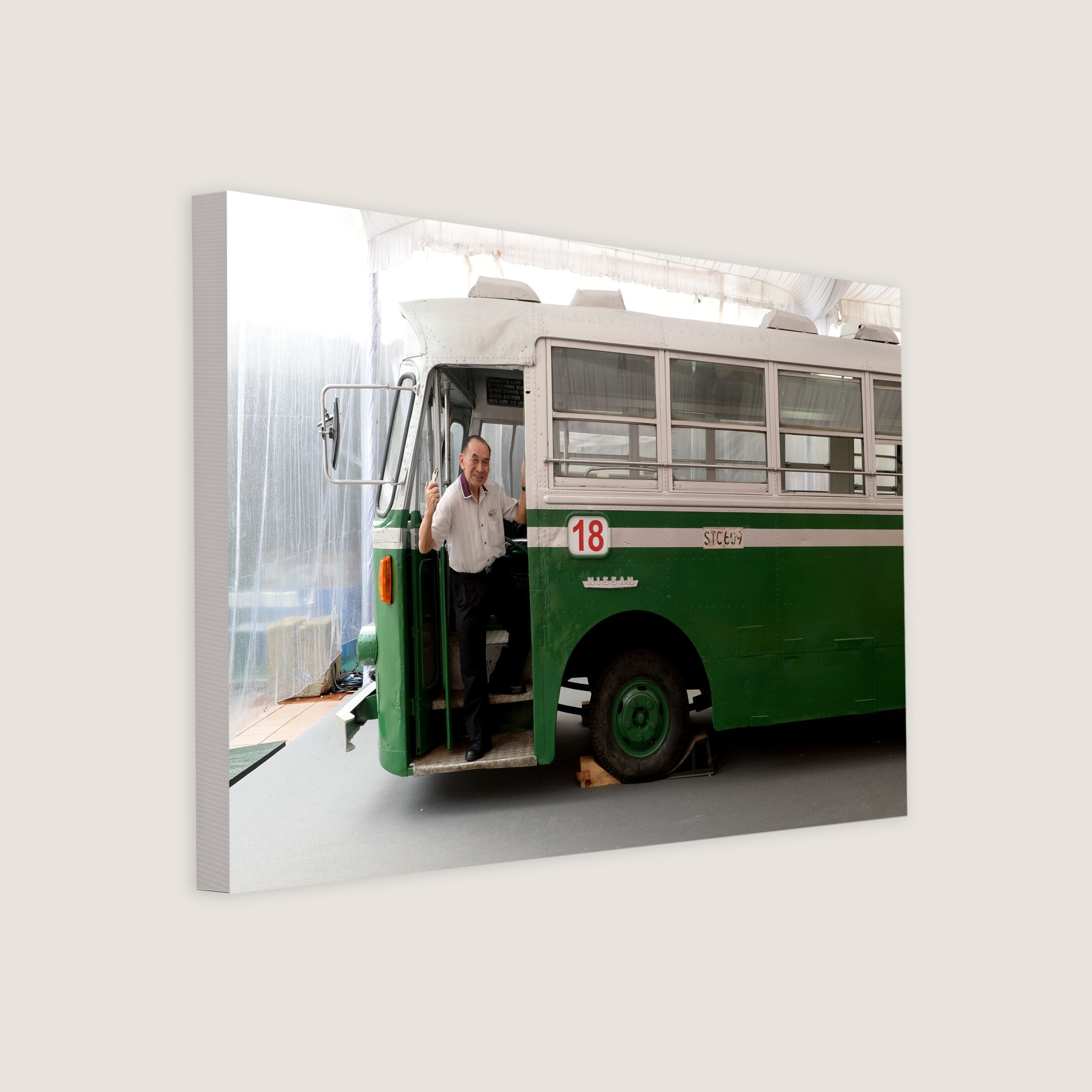
The former bus conductor, holding a ticket punch, poses alongside a vintage Singapore Traction Company (STC) bus. In the early days of Singapore's public transport, conductors used ticket punches to validate fares, marking tickets with distinctive holes to prevent reuse and ensure that passengers had paid for their journey.
©️ SPH Media Limited
Share to
Tags
Available for print on products
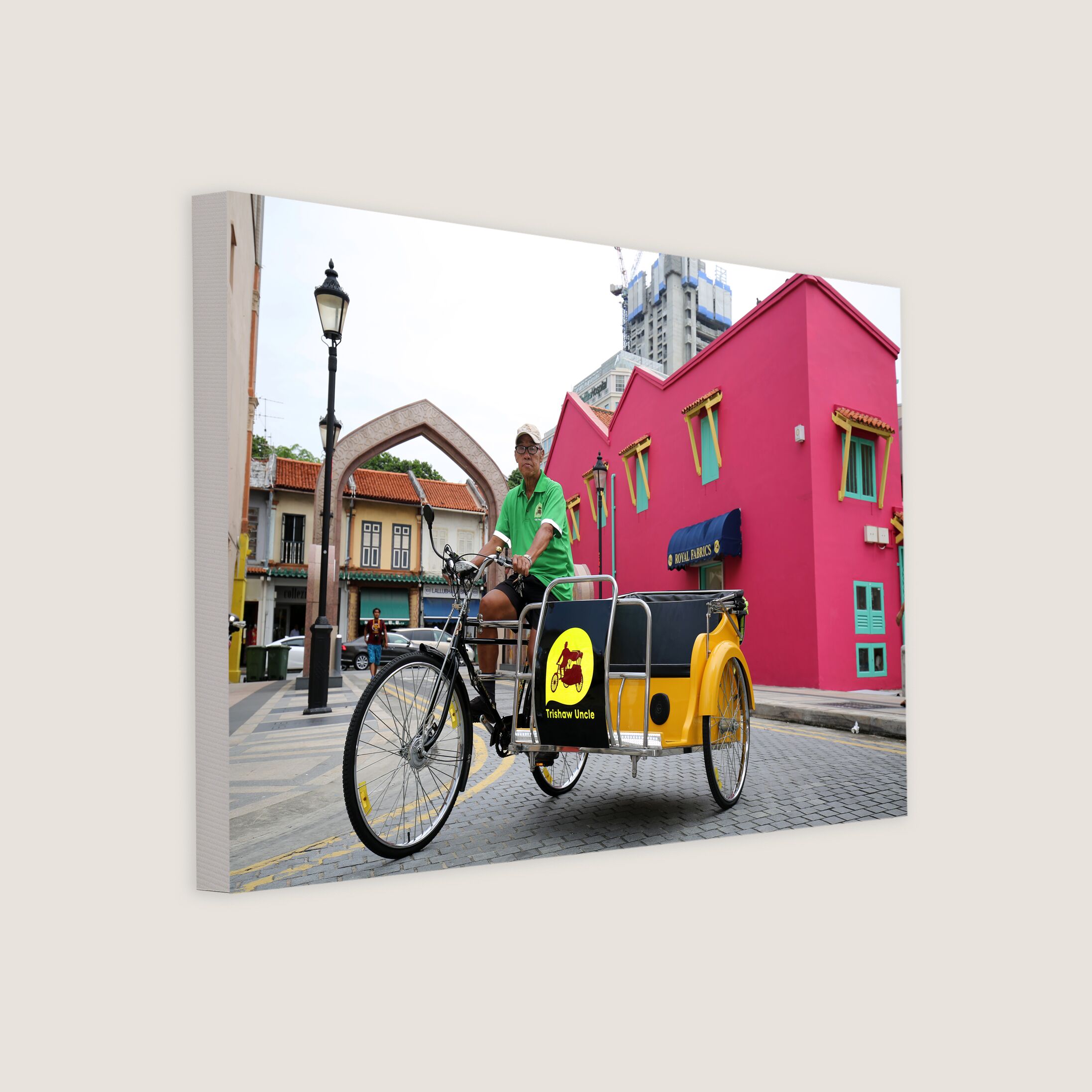
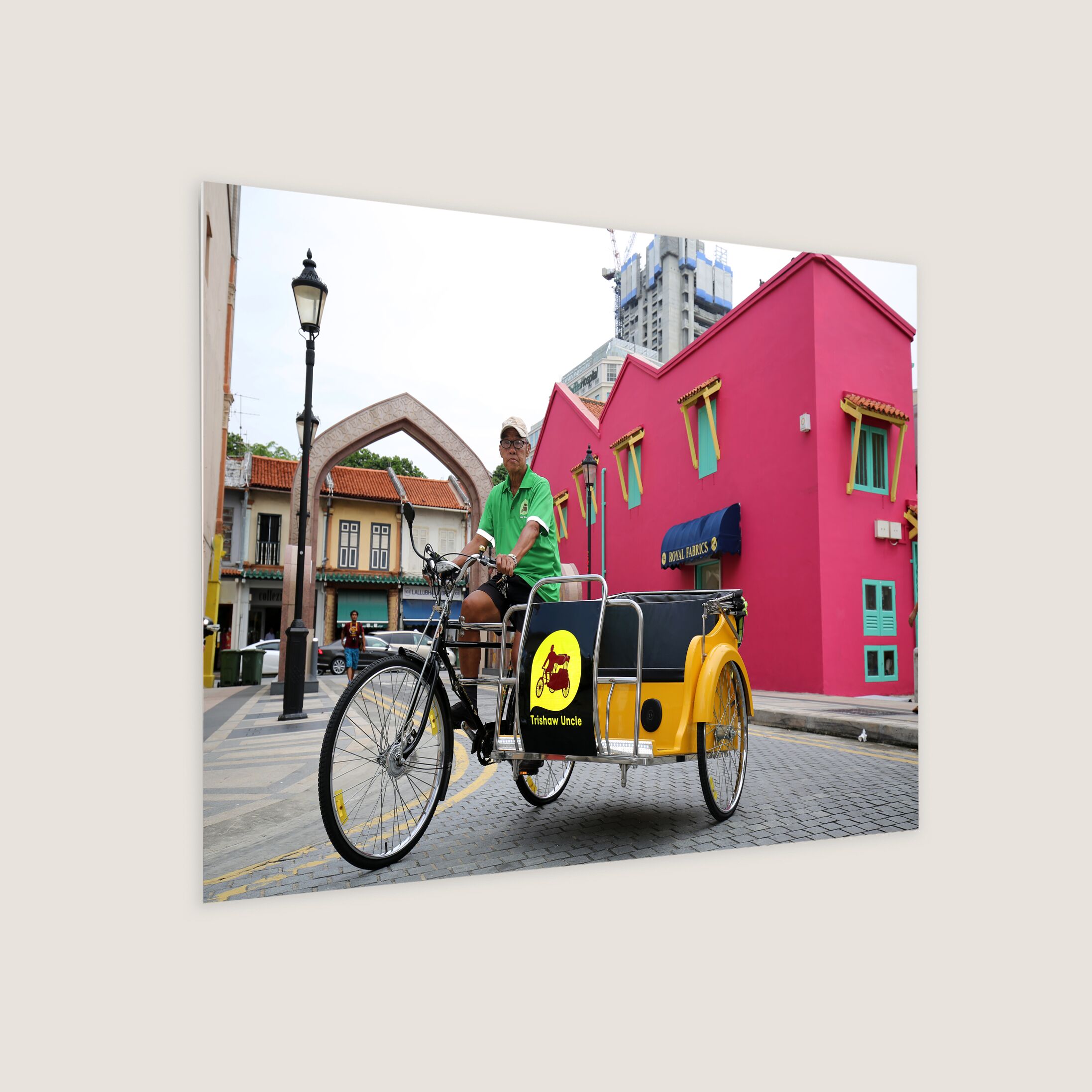
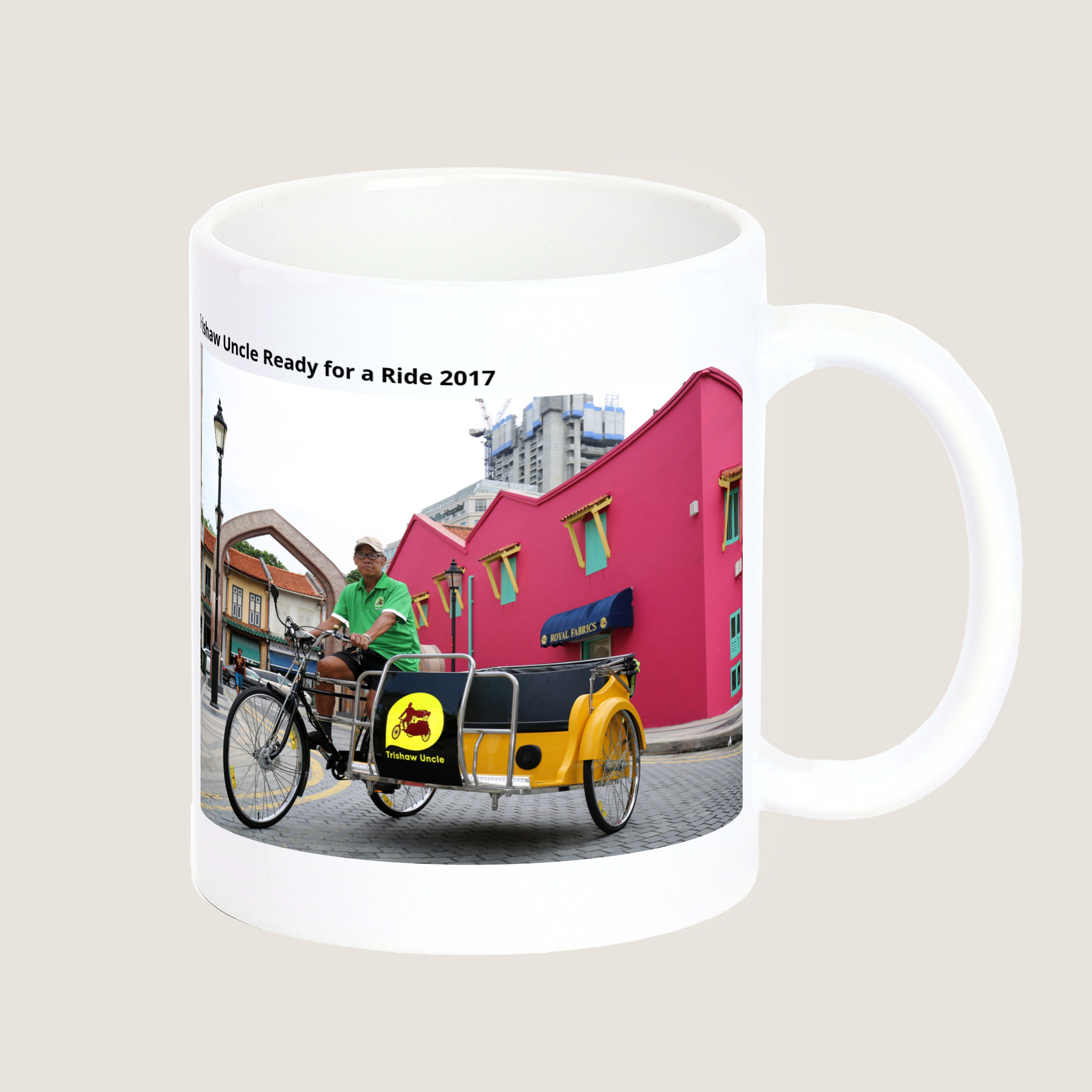
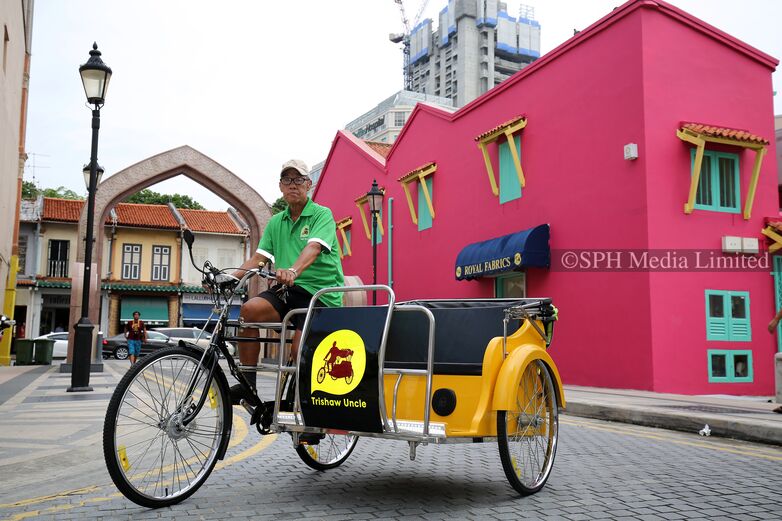 Trishaw Uncle Ready for a Ride
2017
Trishaw Uncle Ready for a Ride
2017
Trishaw Uncle Ready for a Ride
Year 2017
Posing for the camera with his trishaw is an employee of a trishaw company that provides trishaw rides in tourist areas. The Singapore Tourism Board (formerly STPB and renamed STB in 1997) appointed this trishaw company to manage the Albert Mall Trishaw Park at Queen Street. Since June 2023, this trishaw company has stopped running due to its contract ending.
©️ SPH Media Limited
Share to
Tags
Available for print on products
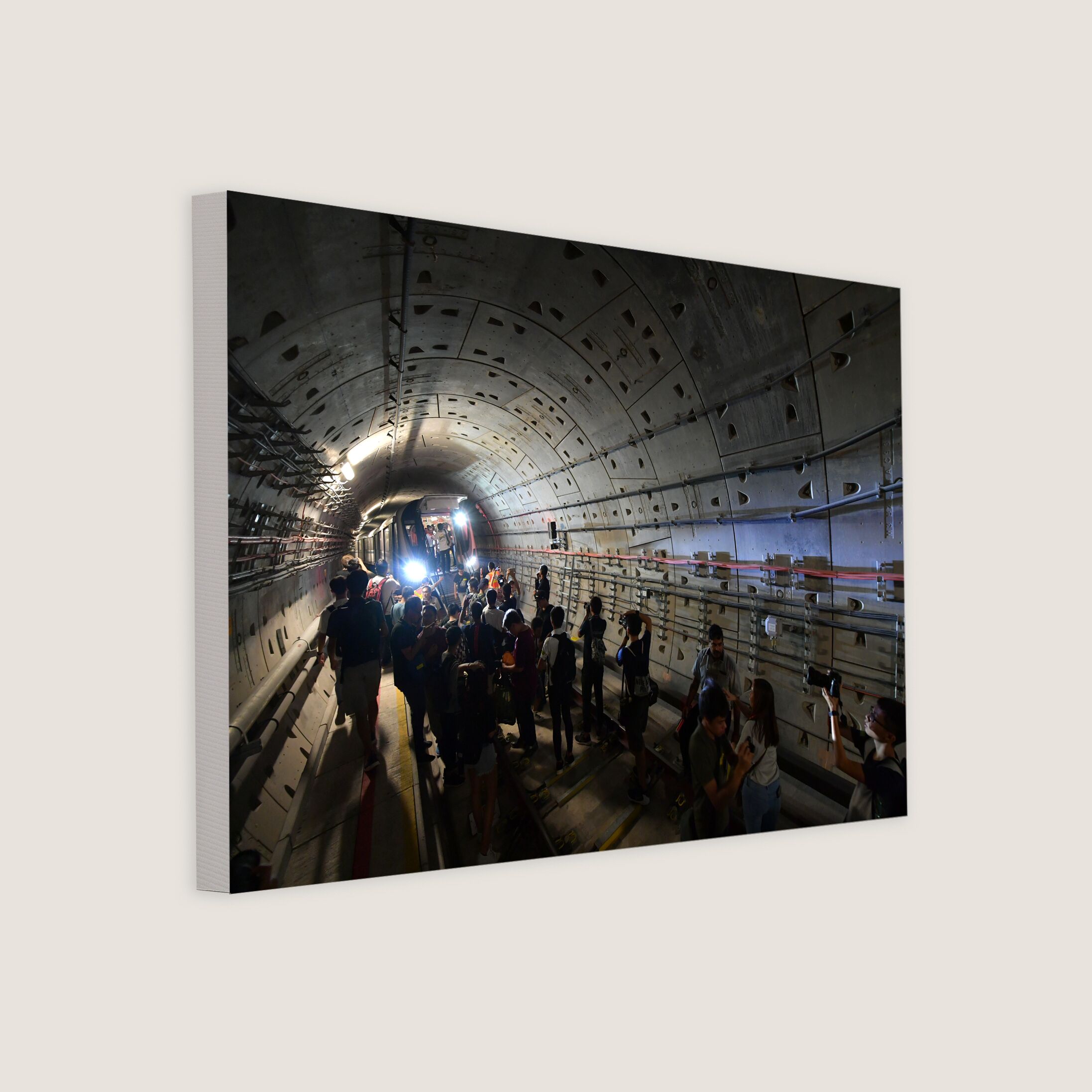
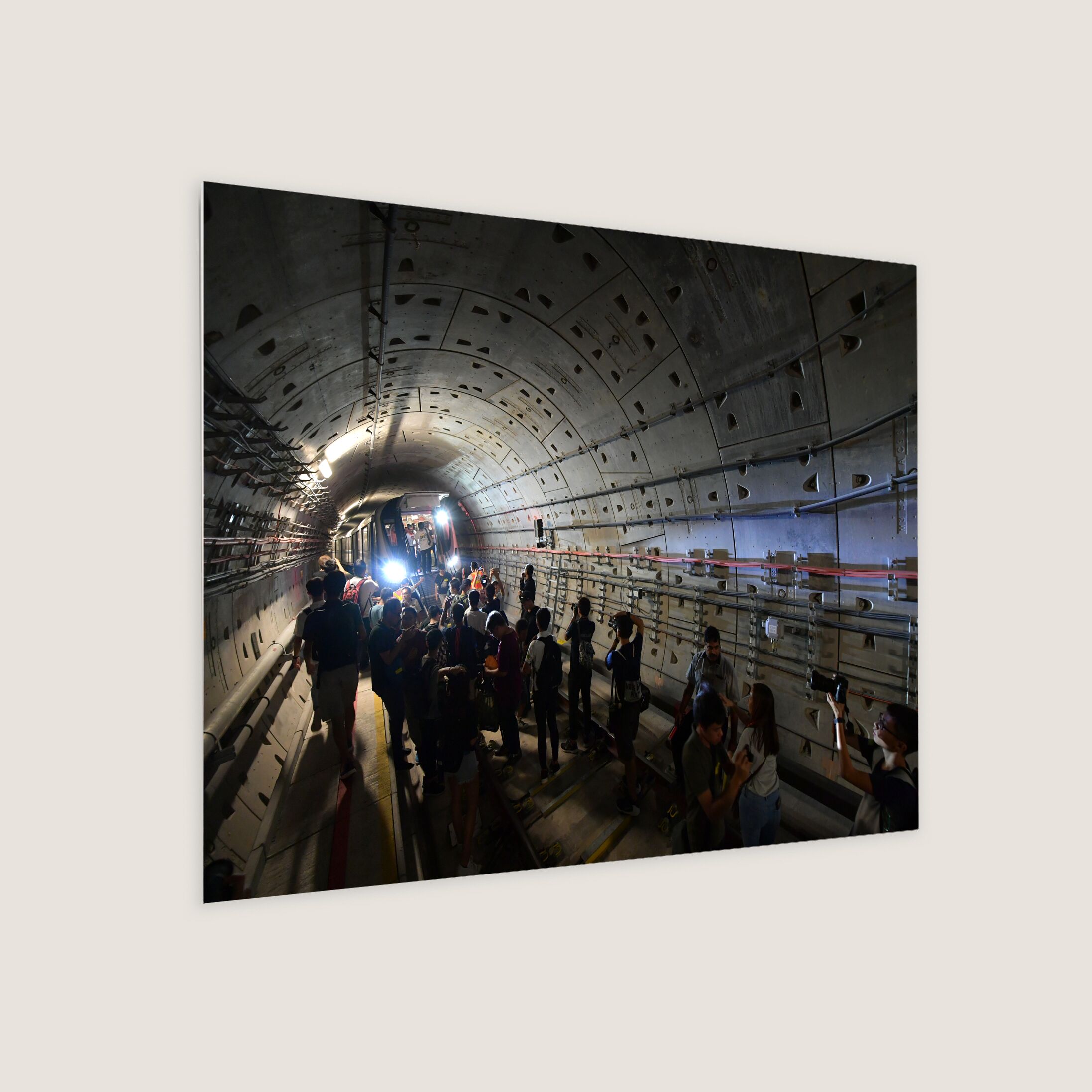
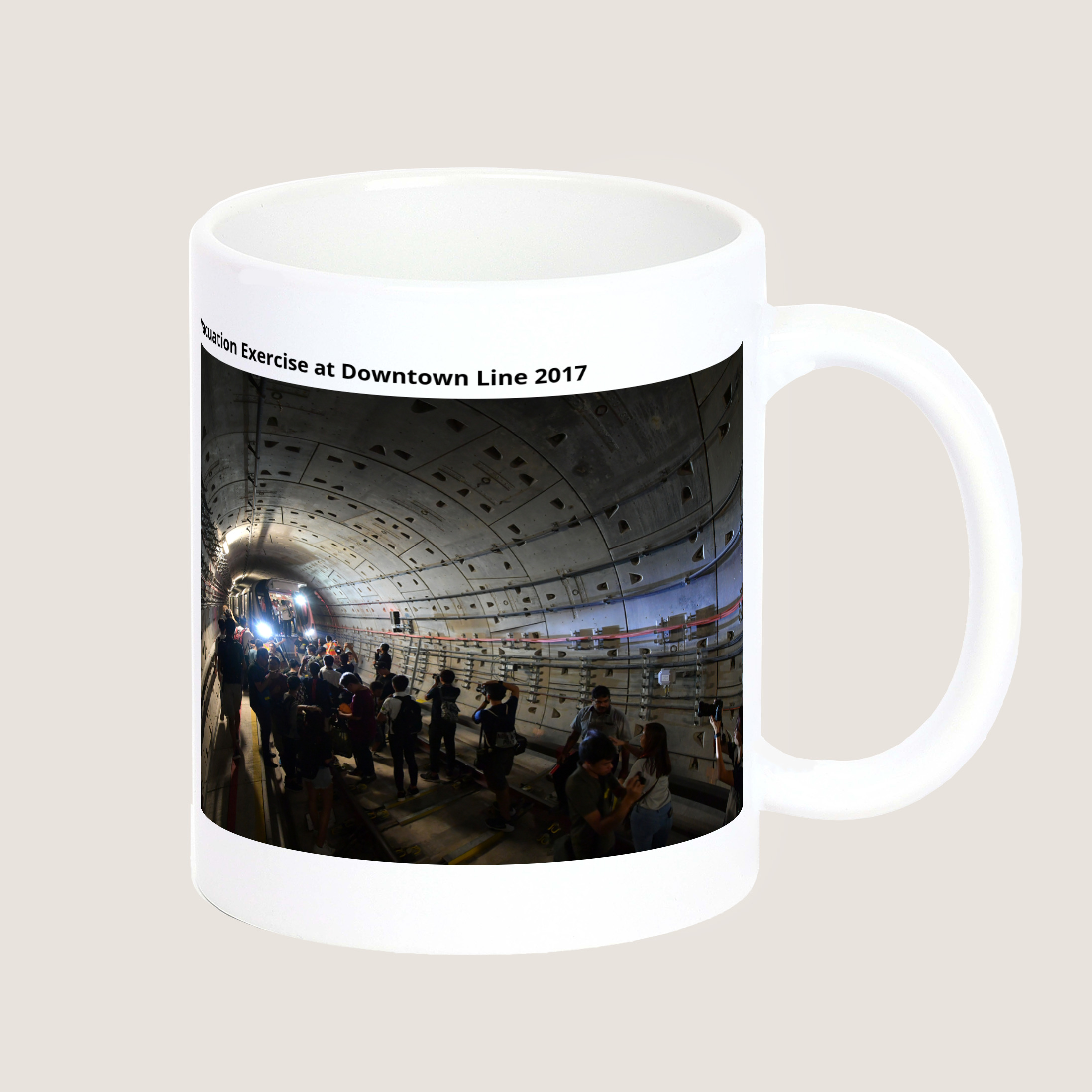
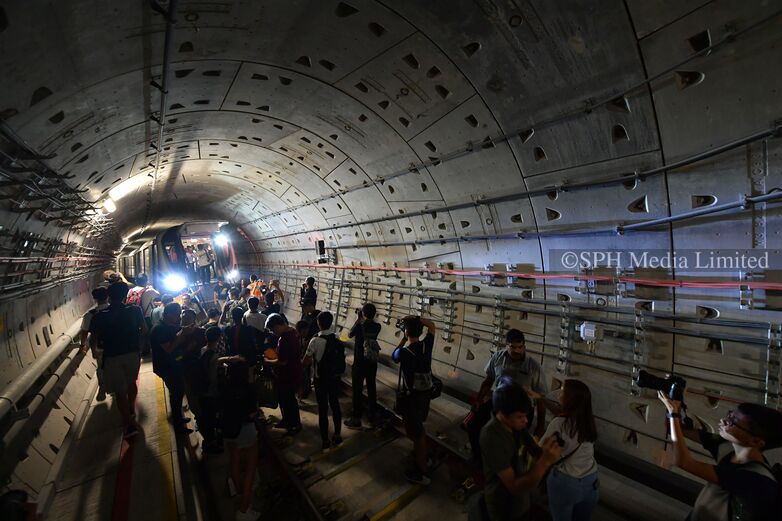 Evacuation Exercise at Downtown Line
2017
Evacuation Exercise at Downtown Line
2017
Evacuation Exercise at Downtown Line
Year 2017
On 16 September 2017, approximately 250 commuters participated in an evacuation exercise on the MRT (Mass Rapid Transport) Downtown Line ahead of its official opening. During the exercise, they disembarked from a train that had come to a halt in the tunnel between the future Geylang Bahru and Mattar stations.
©️ SPH Media Limited
Share to
Tags
Available for print on products
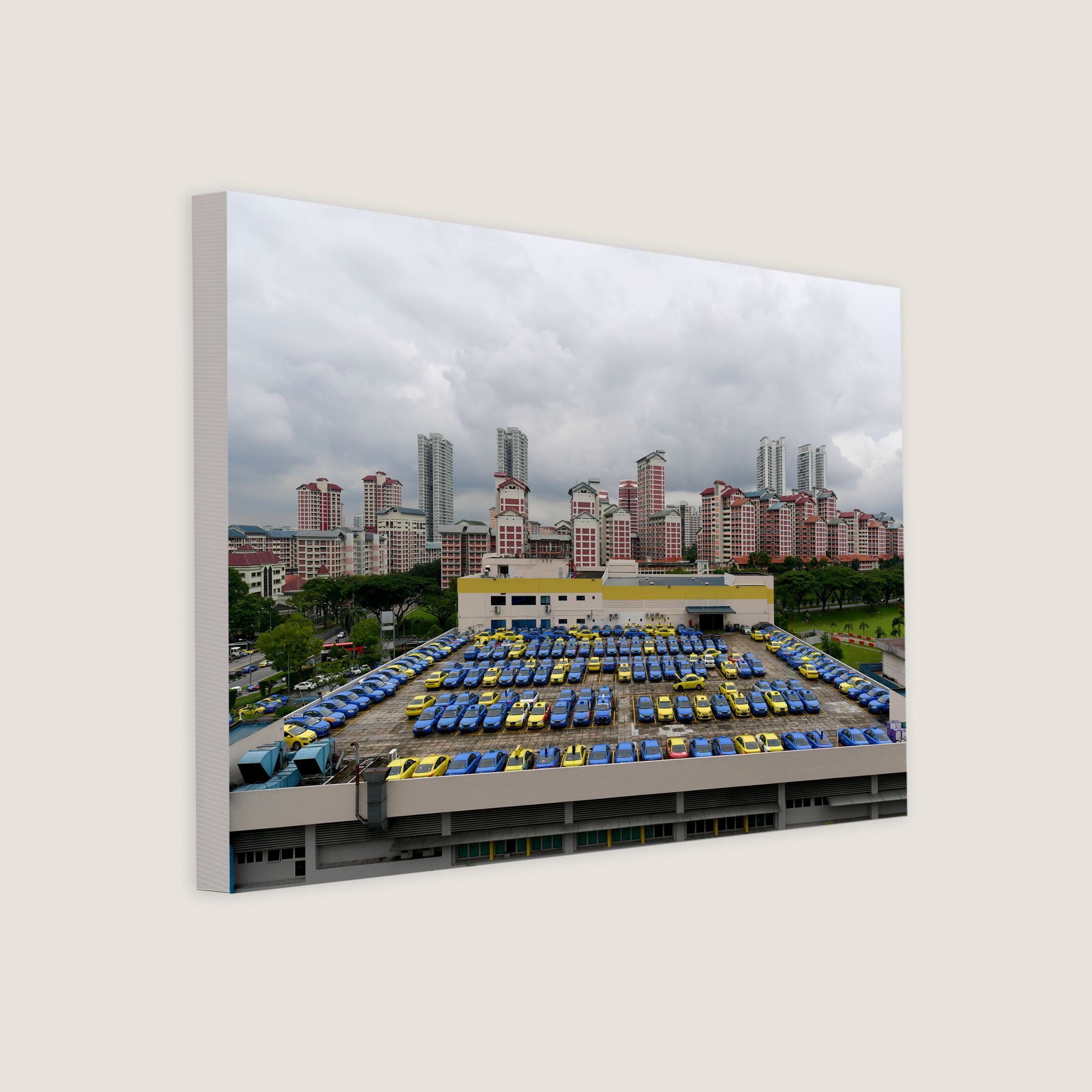
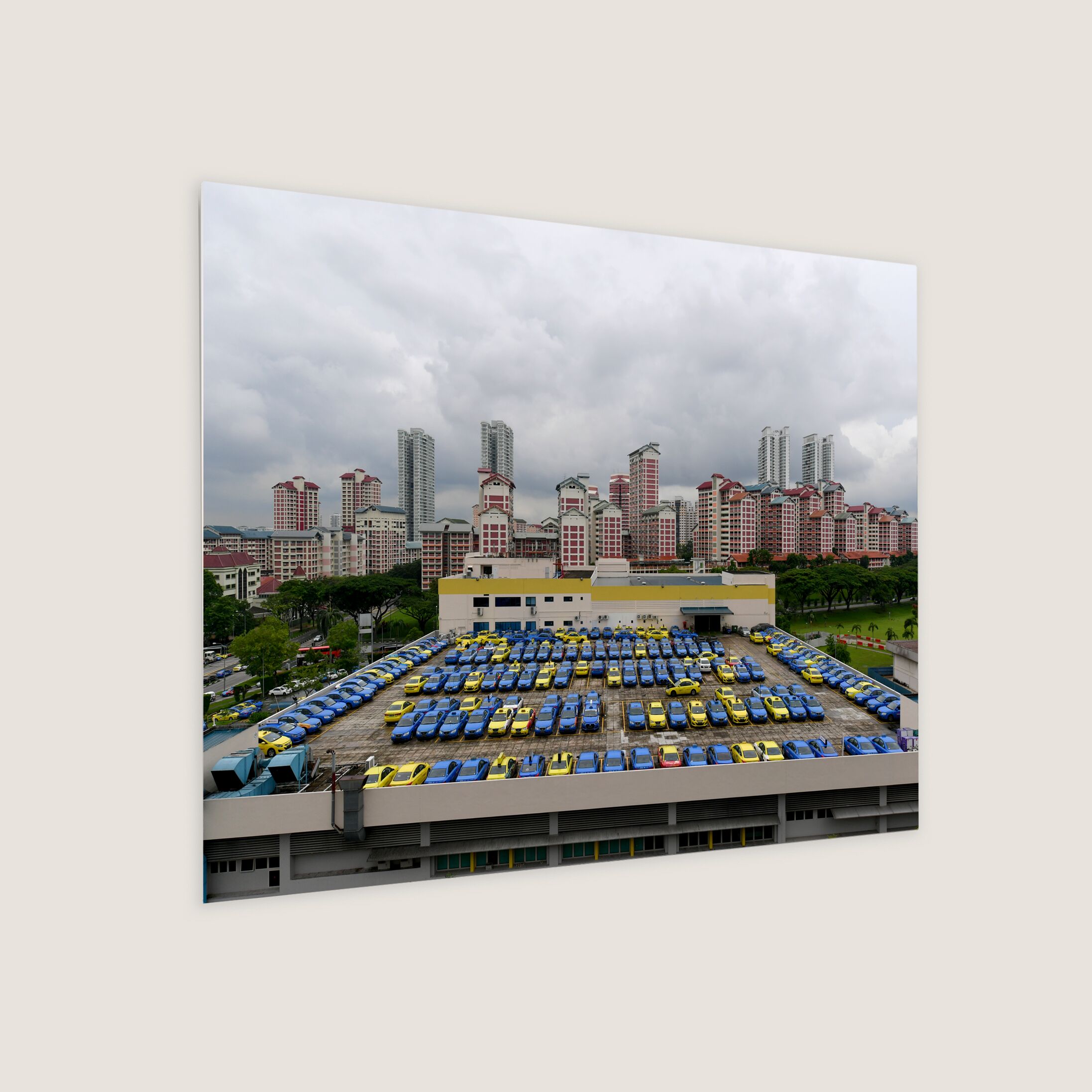
 Taxis On Standby
2017
Taxis On Standby
2017
Taxis On Standby
Year 2017
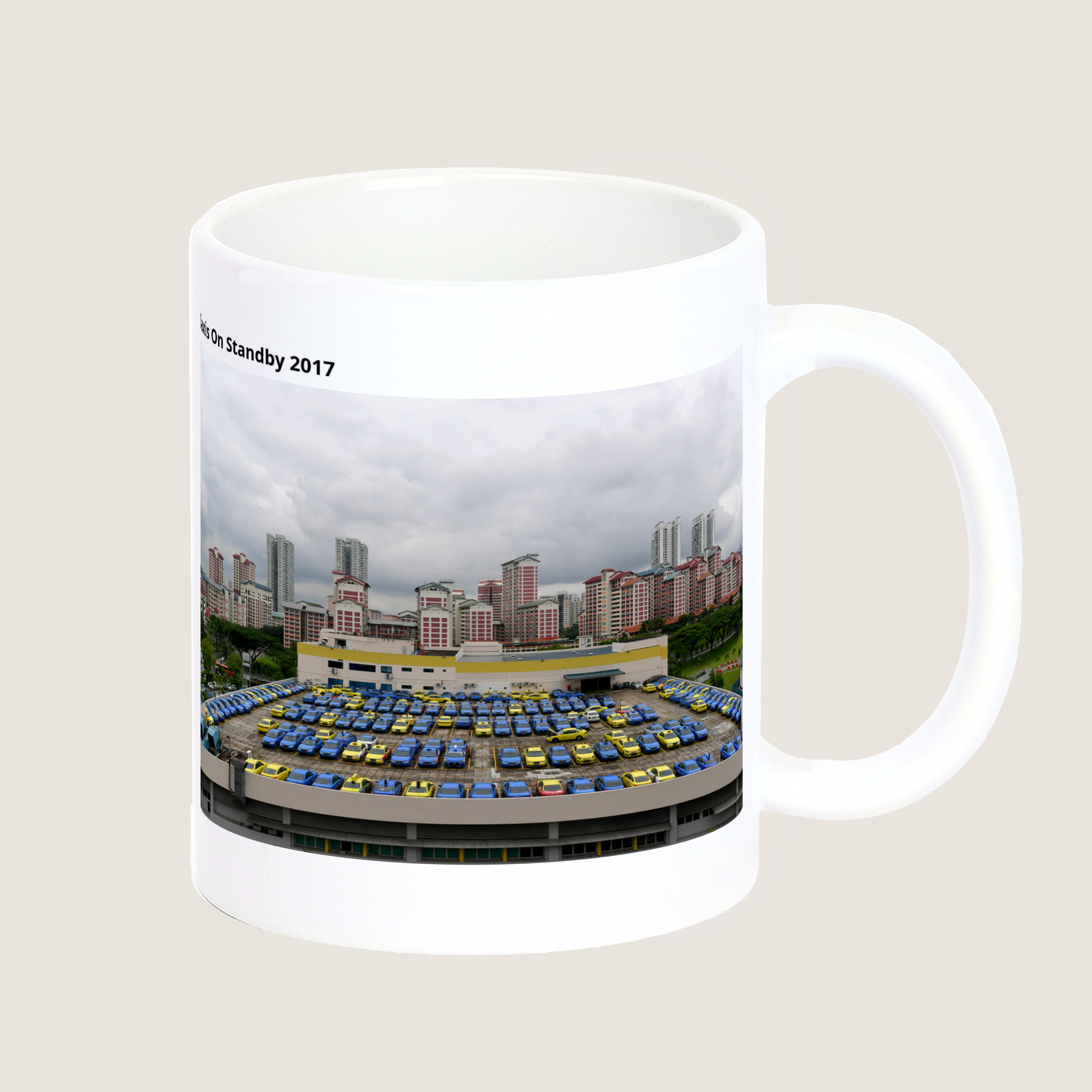
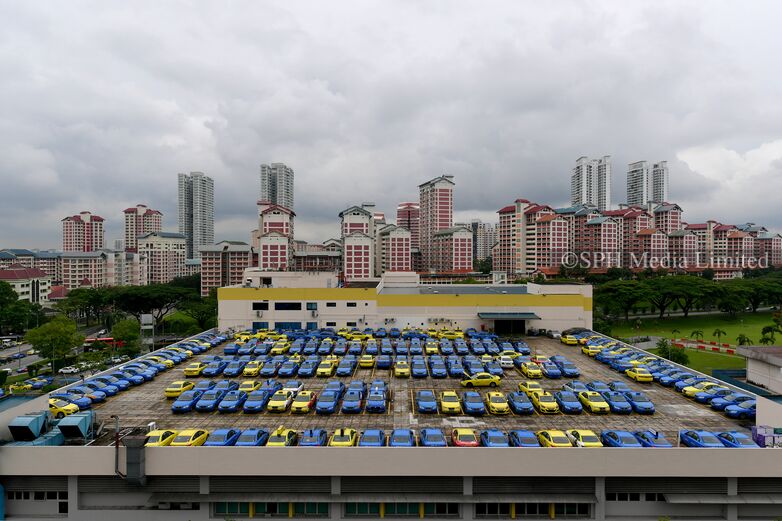
Taxis are parked on the rooftop of the taxi company building on Sin Ming Avenue, with the Bishan Housing Estate as the backdrop.
©️ SPH Media Limited
Share to
Tags
Available for print on products
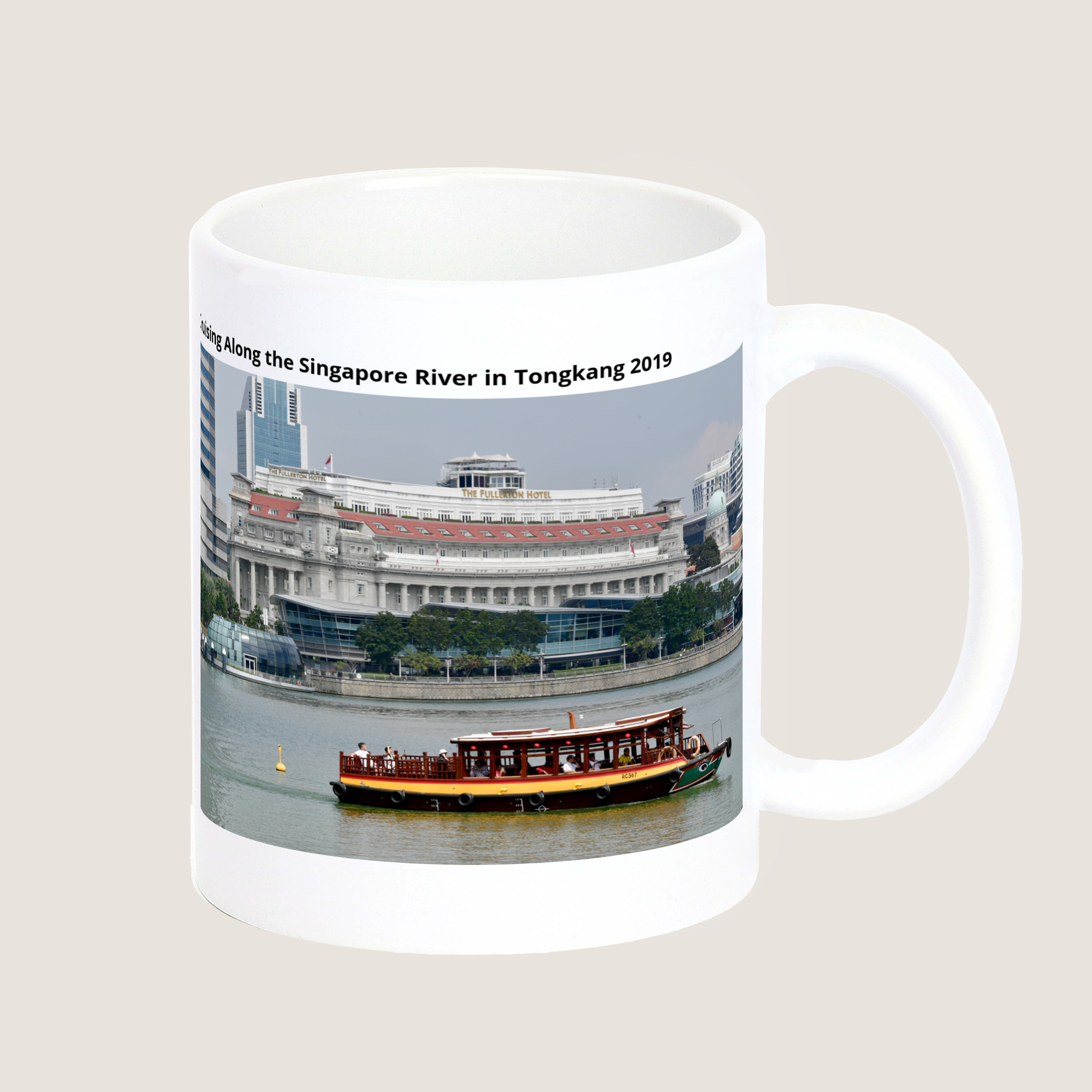
 Cruising Along the Singapore River in Tongkang
2019
Cruising Along the Singapore River in Tongkang
2019
Cruising Along the Singapore River in Tongkang
Year 2019
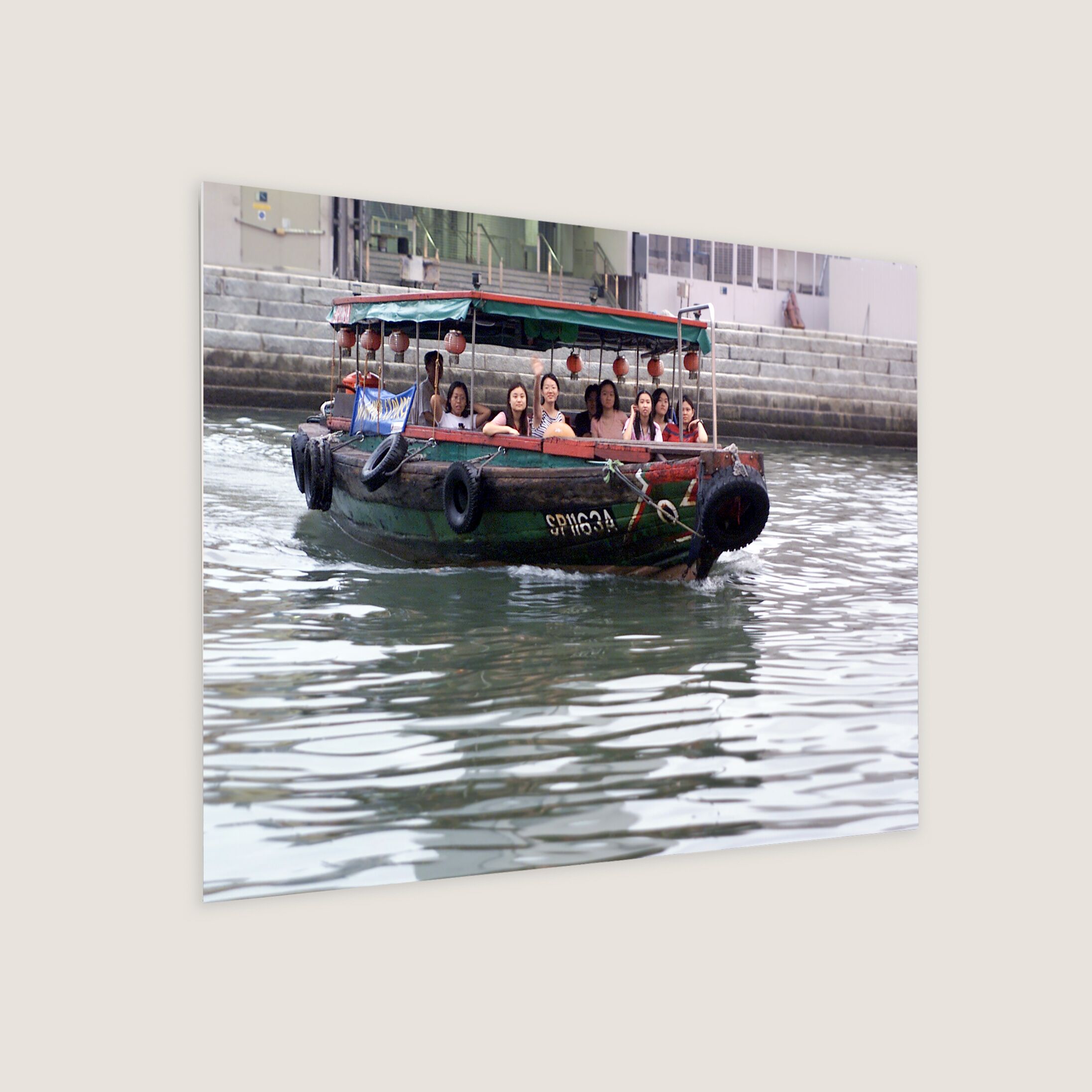
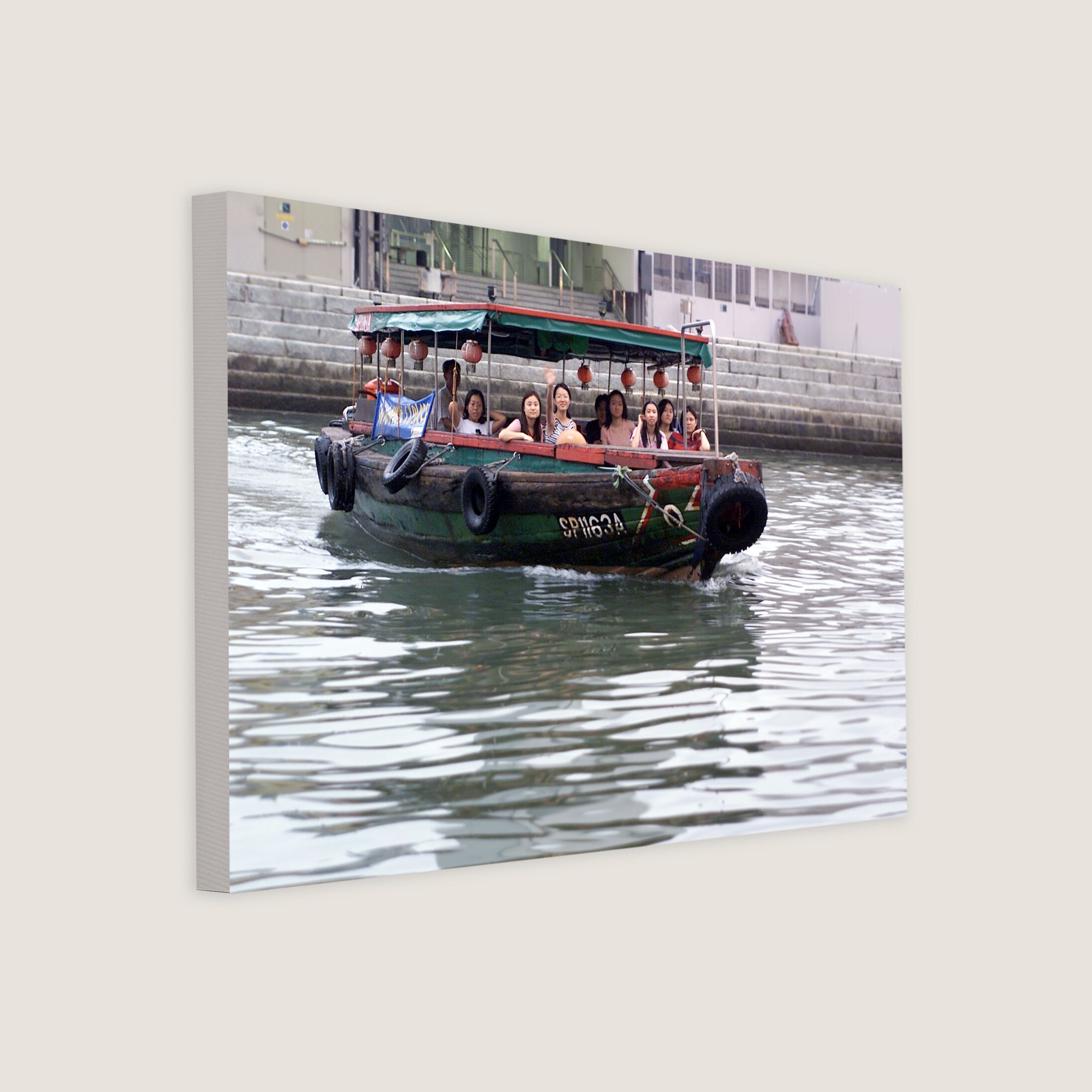
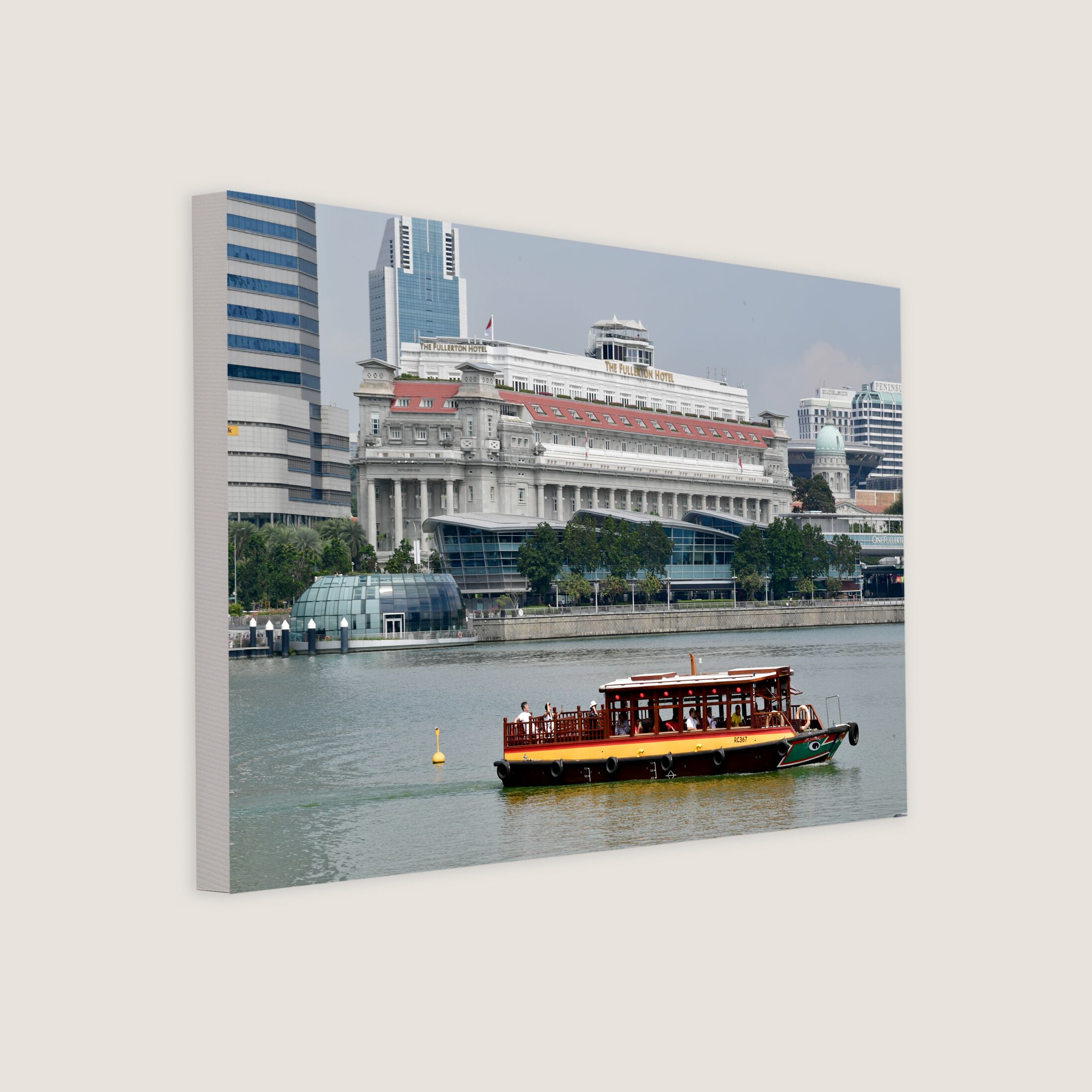
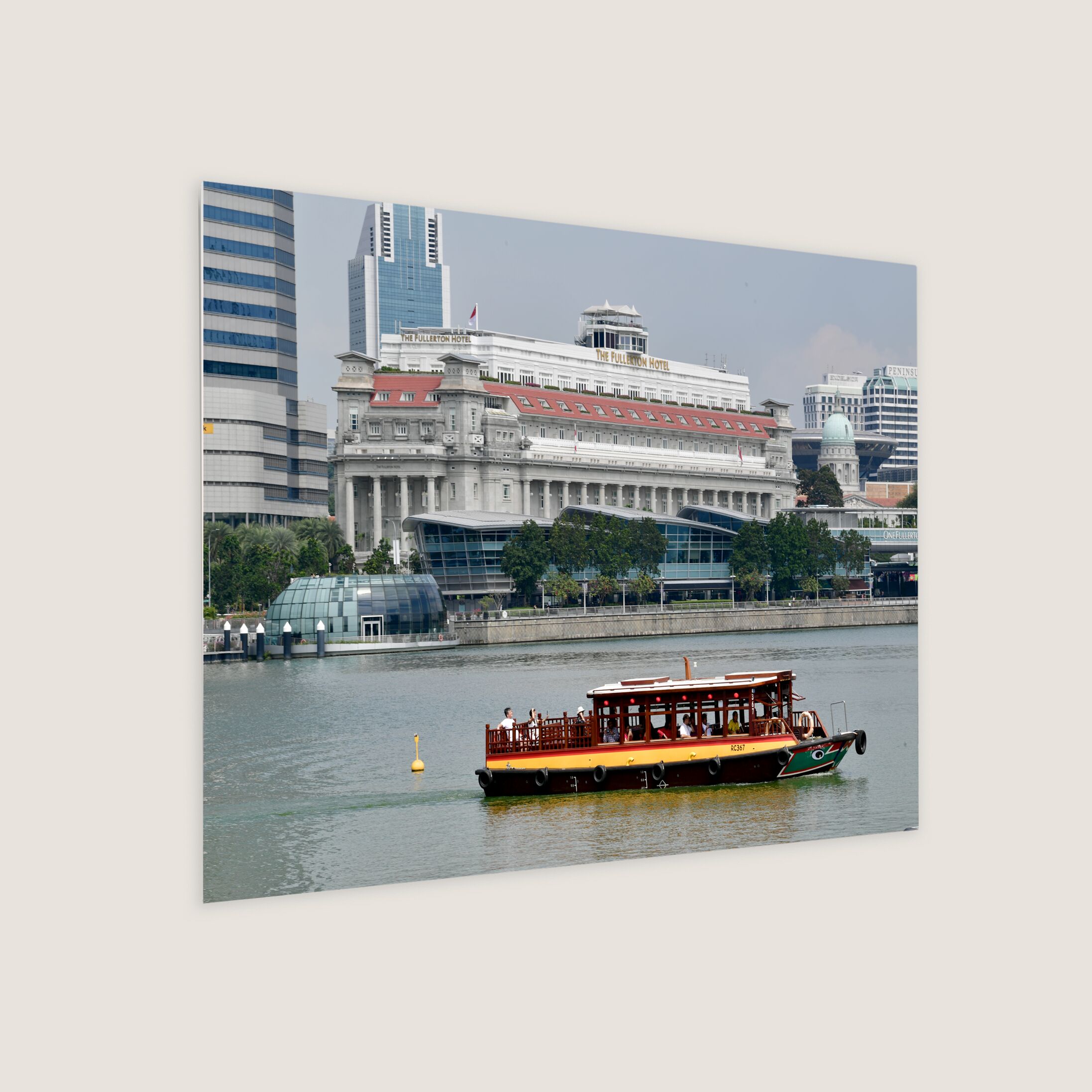
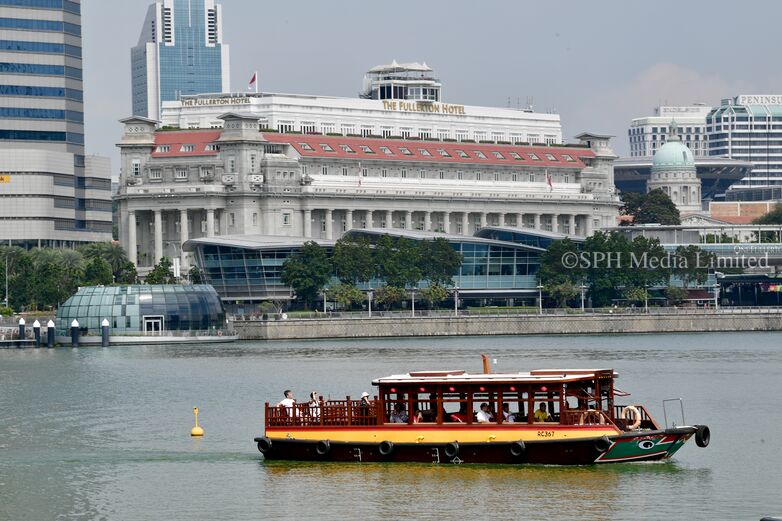
A tongkang was cruising along the Singapore River on October 30 2019, with the scenic Fullerton Hotel in the background. The front of these boats are often painted with 'eyes', to enable them, metaphorically, to see danger ahead. Old rubber tyres fixed to the sides of these boats are used as shock absorbers in case of collision with the quay, jetty or other boats.
©️ SPH Media Limited
Share to
Tags
Available for print on products
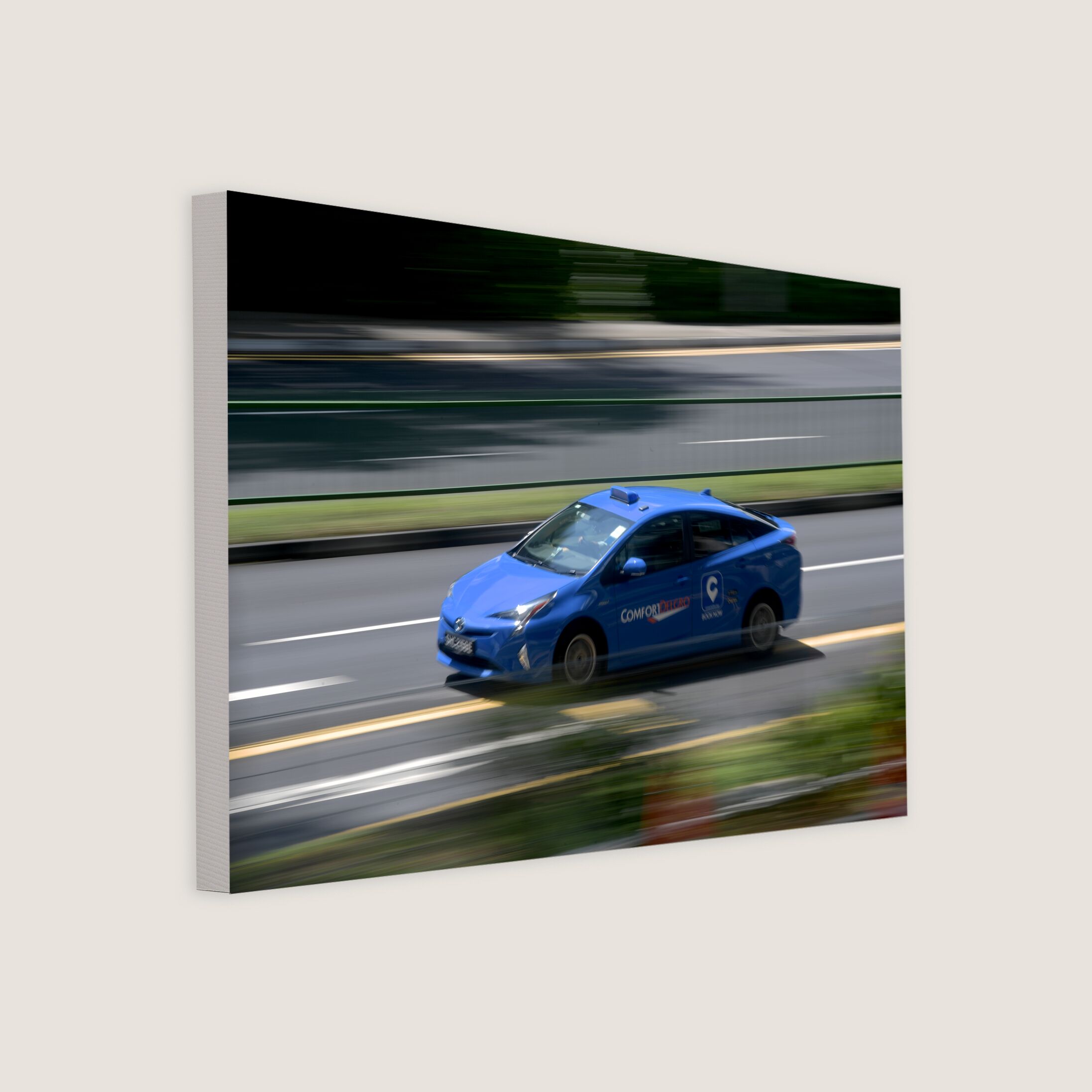
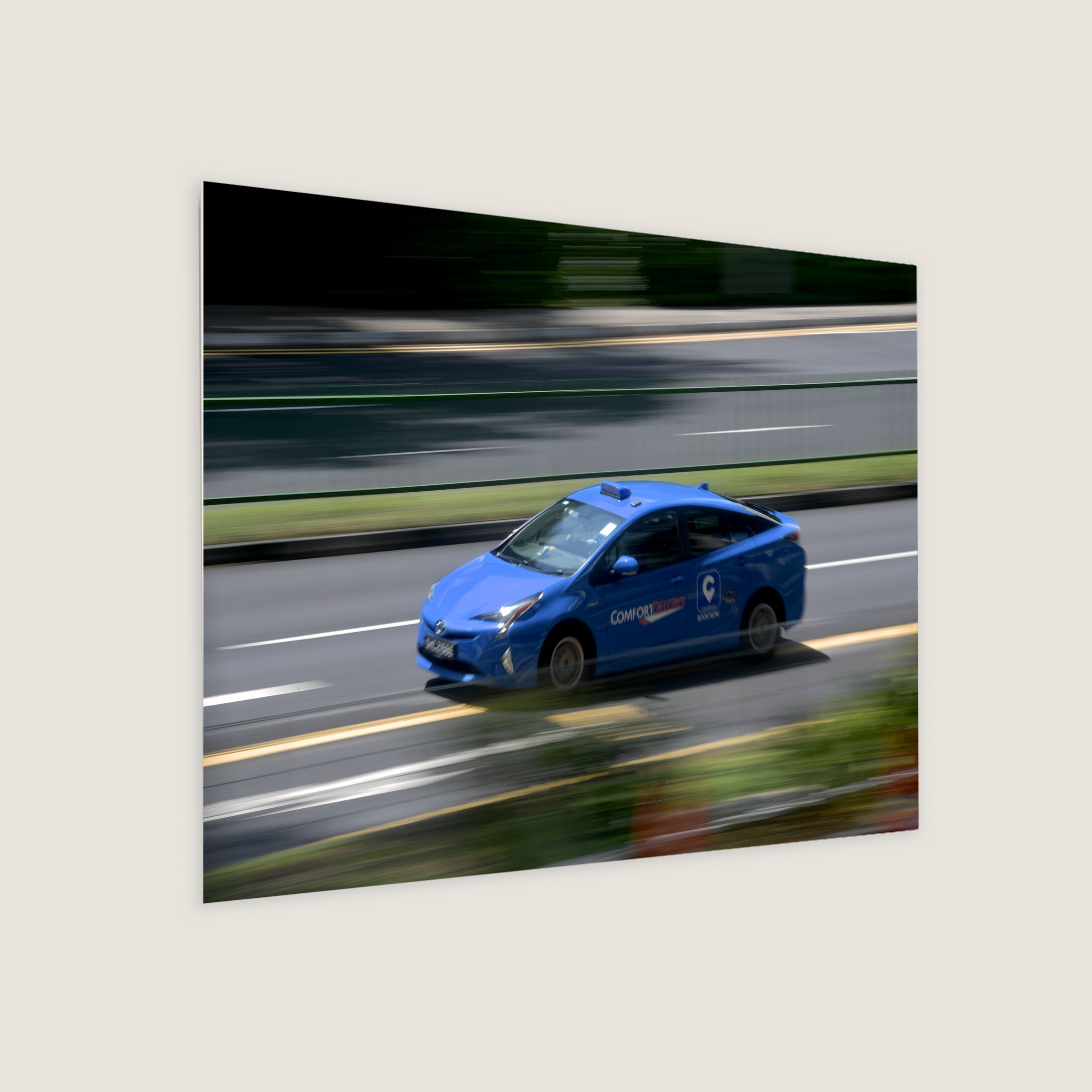
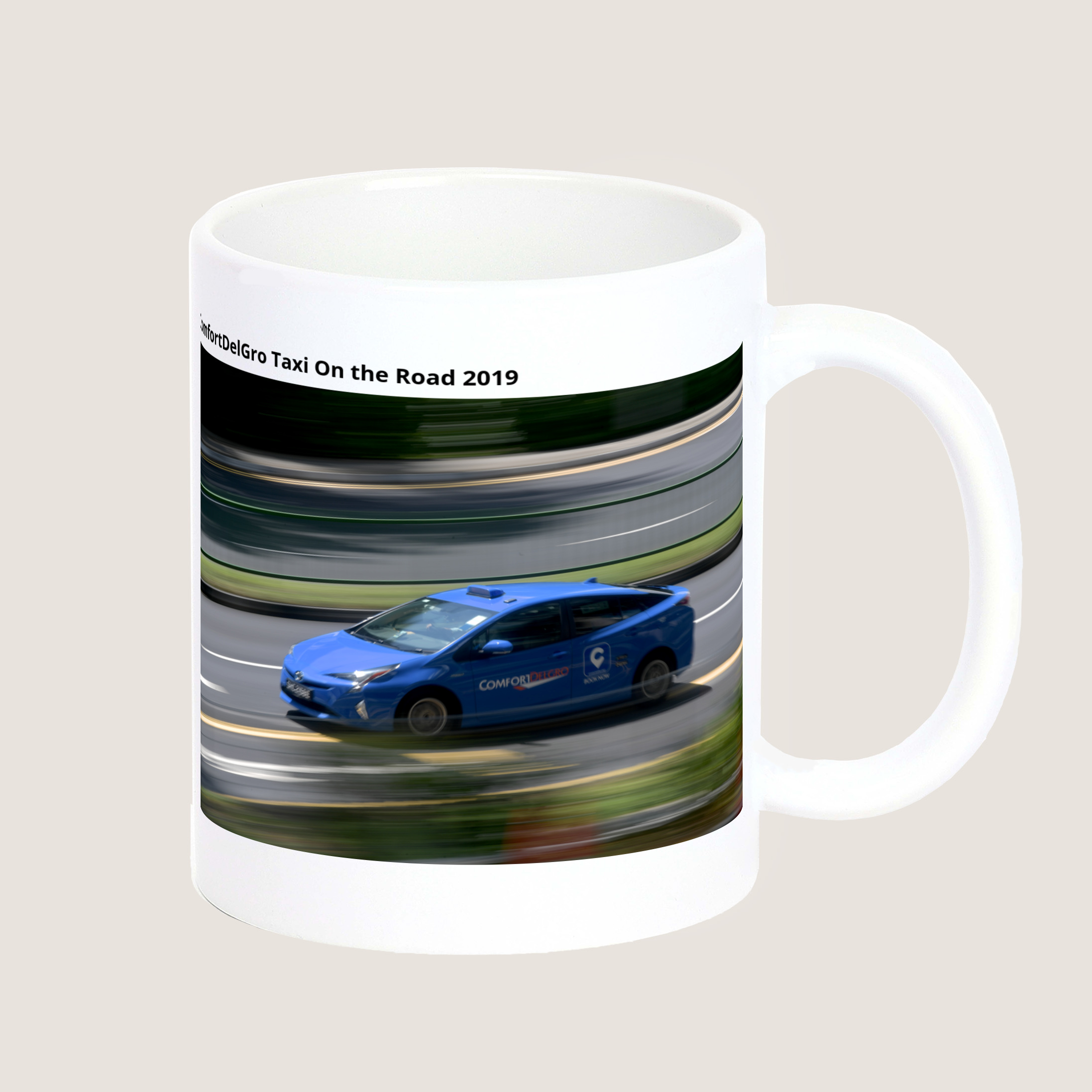
 ComfortDelGro Taxi On the Road
2019
ComfortDelGro Taxi On the Road
2019
ComfortDelGro Taxi On the Road
Year 2019
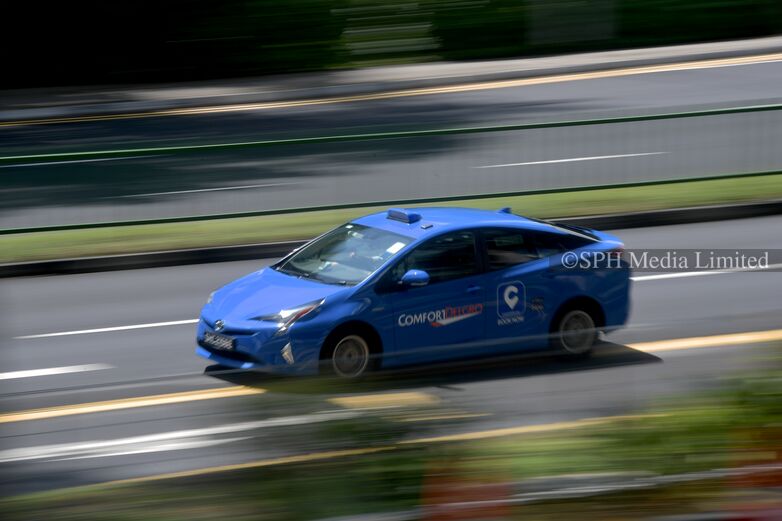
Two transport companies, Comfort Group and DelGro Group, were merged in 2003 to form a new taxi operator. ComfortDelGro then became one of the leading taxi companies in Singapore, boasting a fleet of approximately 10,000 taxis.
©️ SPH Media Limited
Share to
Tags
Available for print on products
 Riding Past Victoria Theatre
2020
Riding Past Victoria Theatre
2020
Riding Past Victoria Theatre
Year 2020
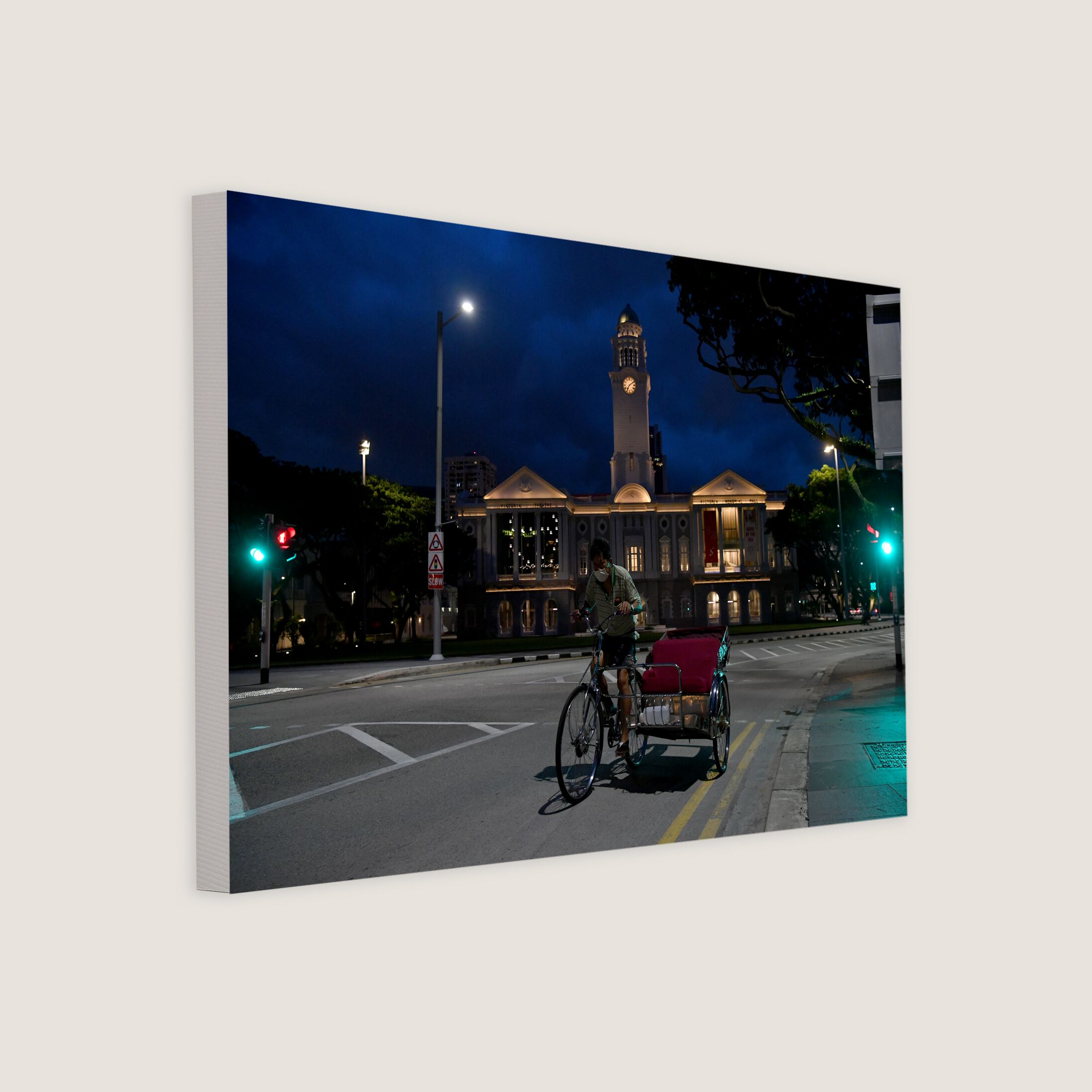
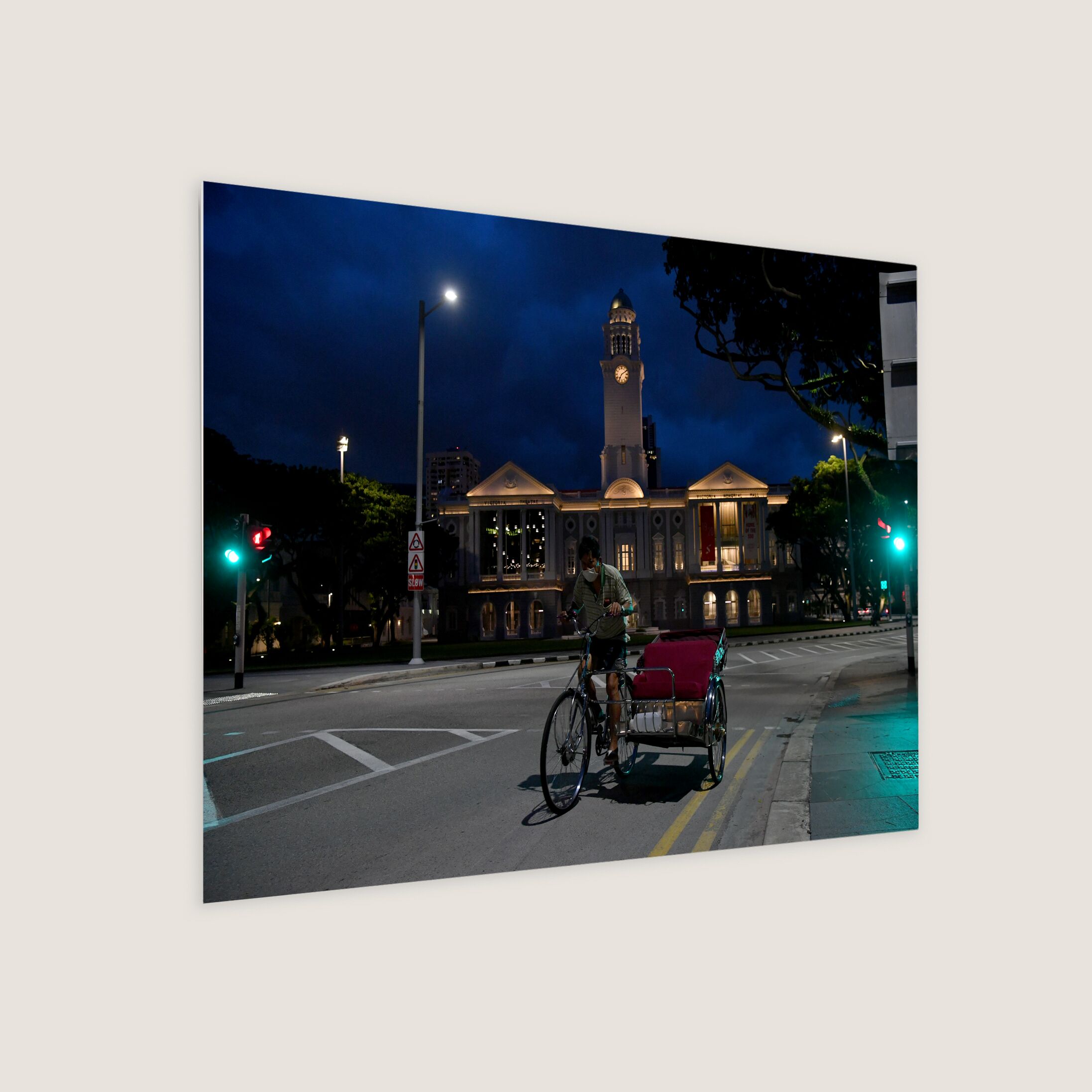
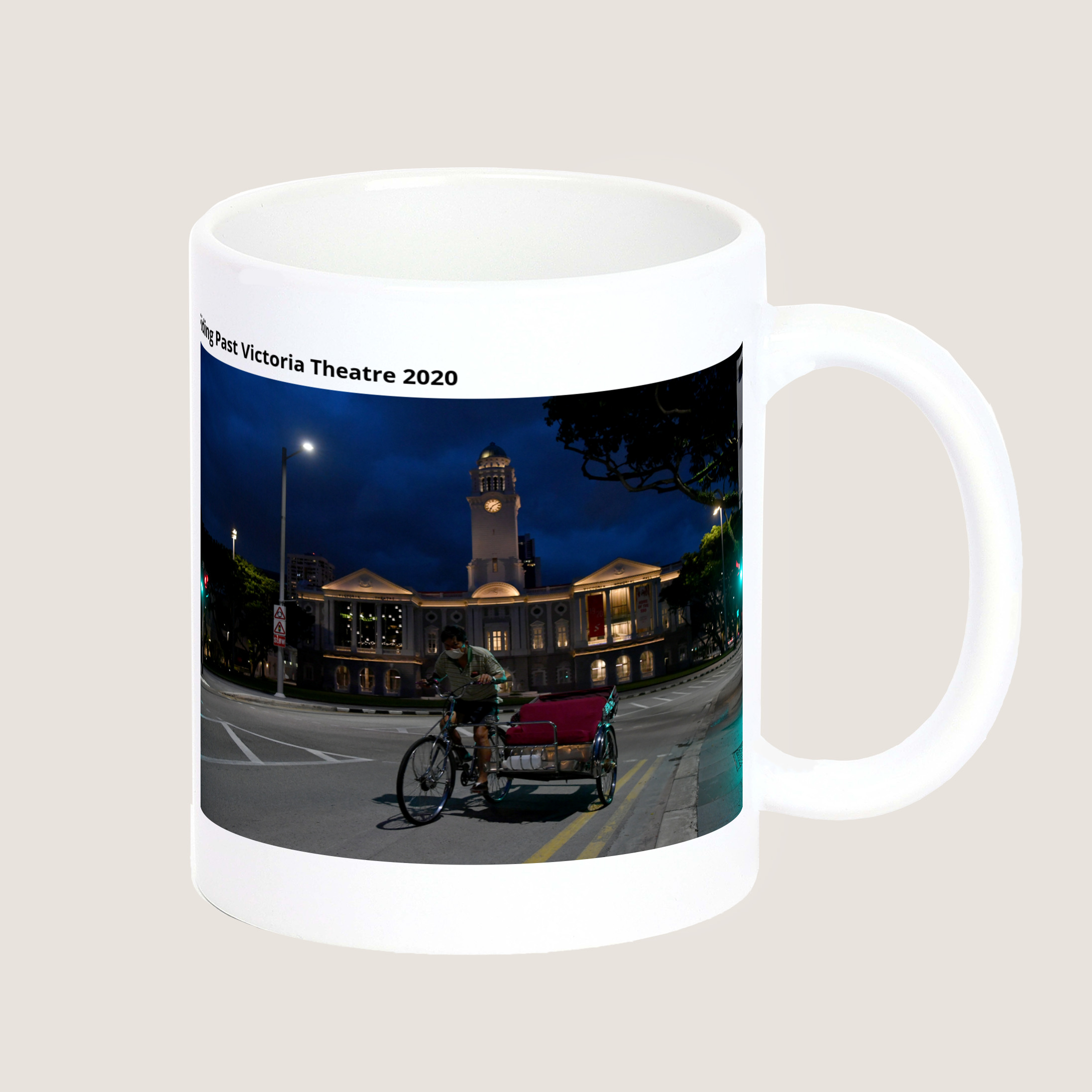
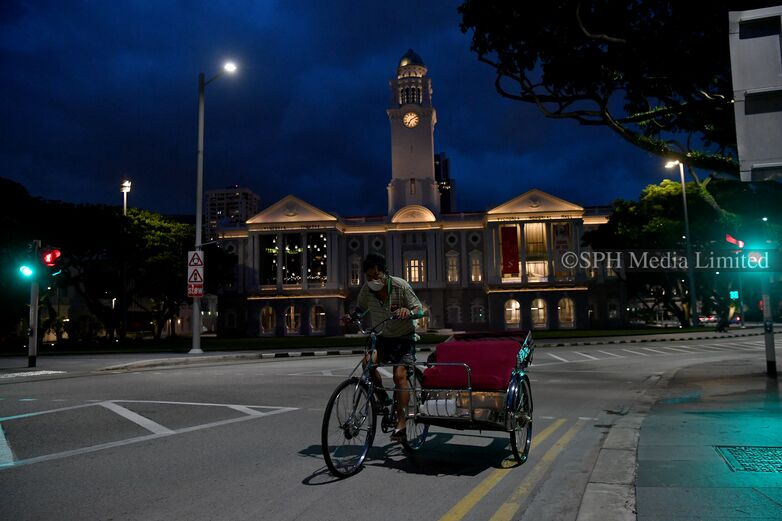
A trishaw rider was riding his empty trishaw past the Victoria Theatre in September 2020. Three years later, in 2023, trishaw licenses were no longer issued, and trishaws are no longer seen on the streets of Singapore.
©️ SPH Media Limited
Share to
Tags
Available for print on products
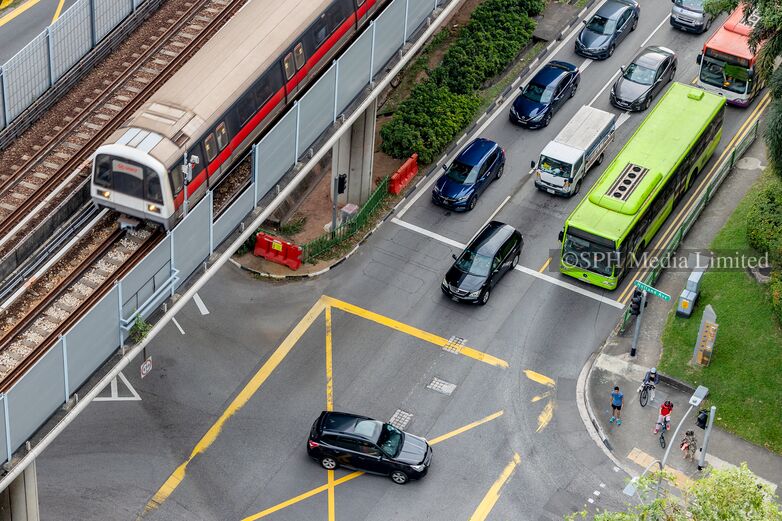 Different Vehicles in Holland Avenue
2024
Different Vehicles in Holland Avenue
2024
Different Vehicles in Holland Avenue
Year 2024
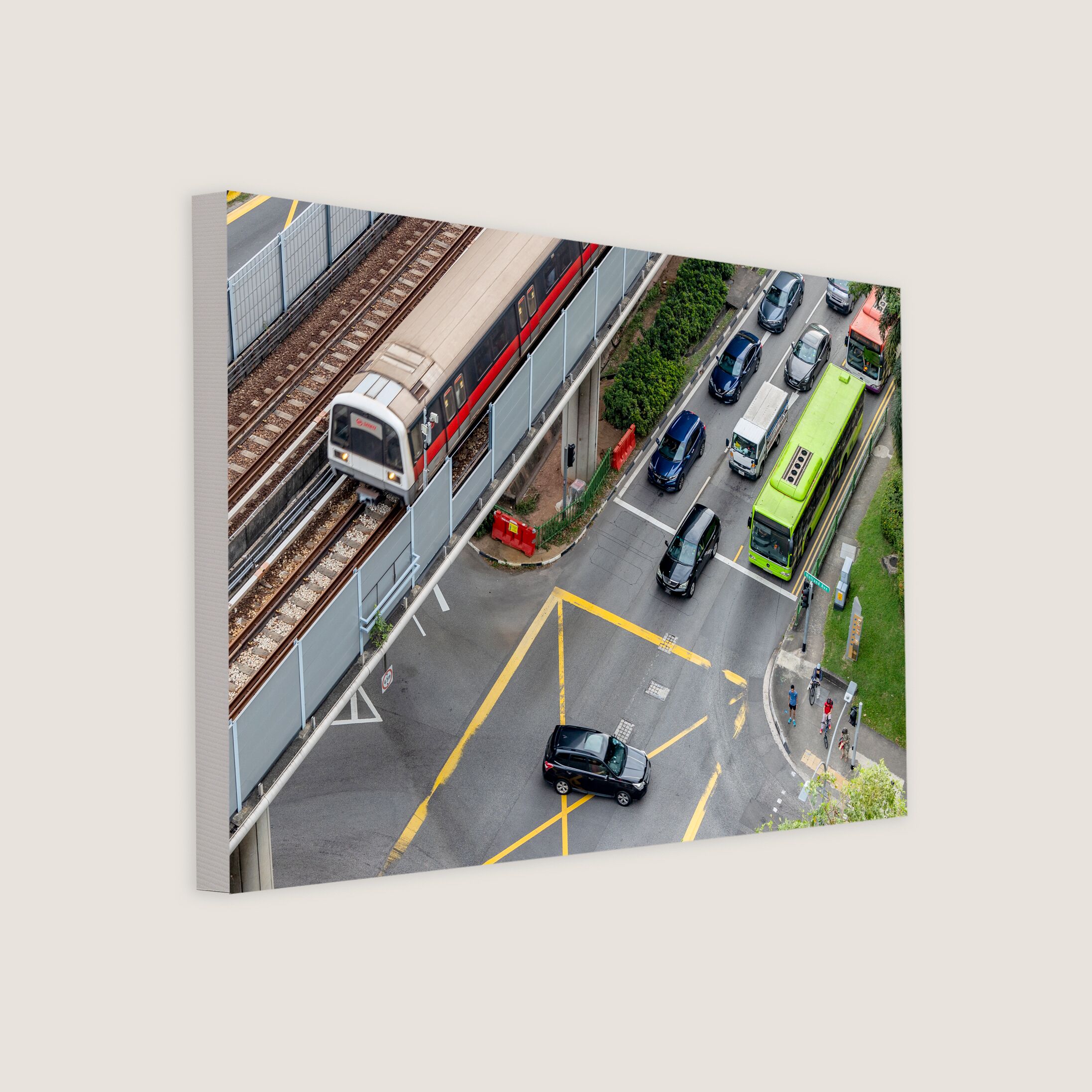
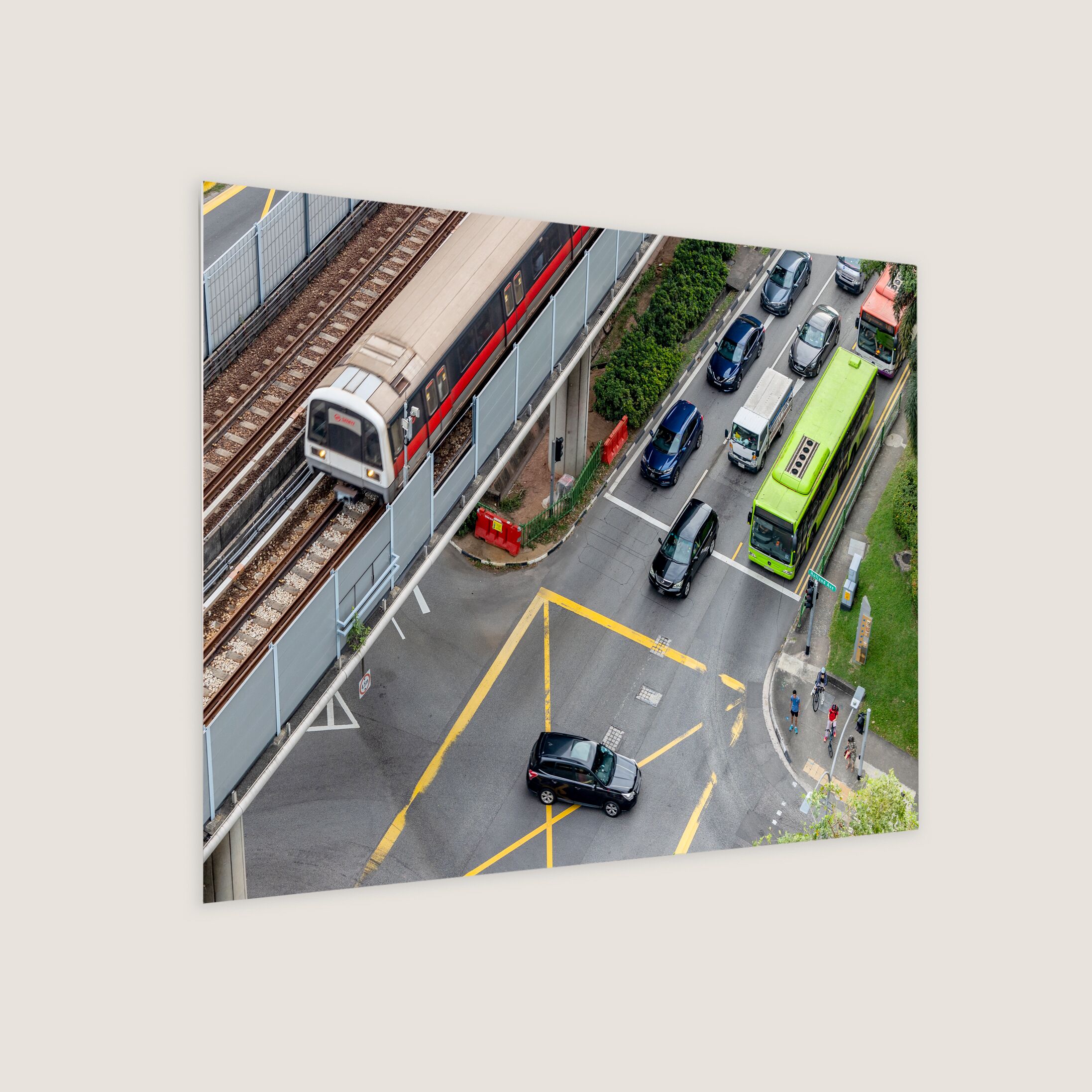
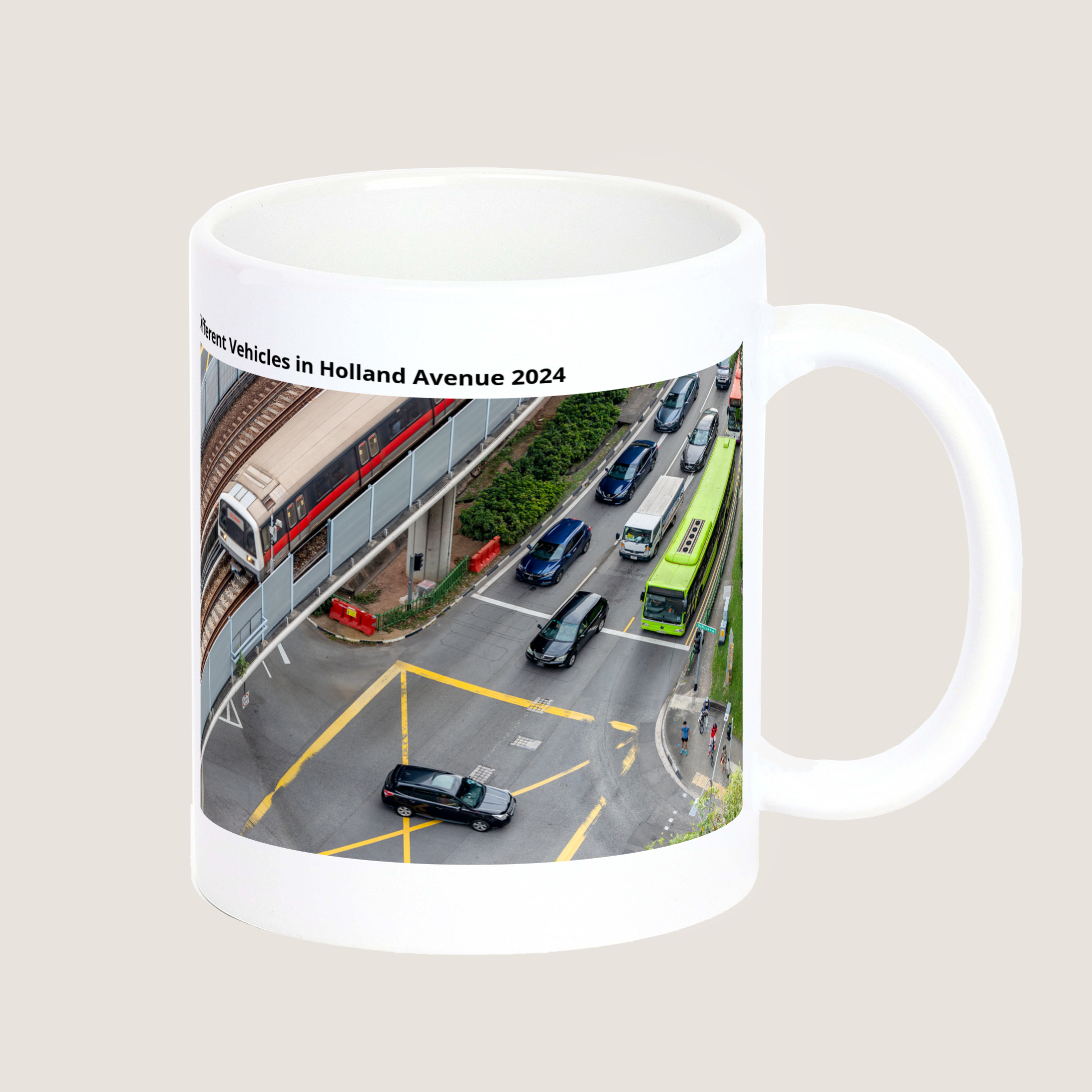
Aerial view from Block 8 on Holland Avenue, where the junction bustles with various modes of transport, including buses, the MRT, and private cars. This is a typical scene on the roads of present-day Singapore.
©️ SPH Media Limited
Share to
Tags
Available for print on products
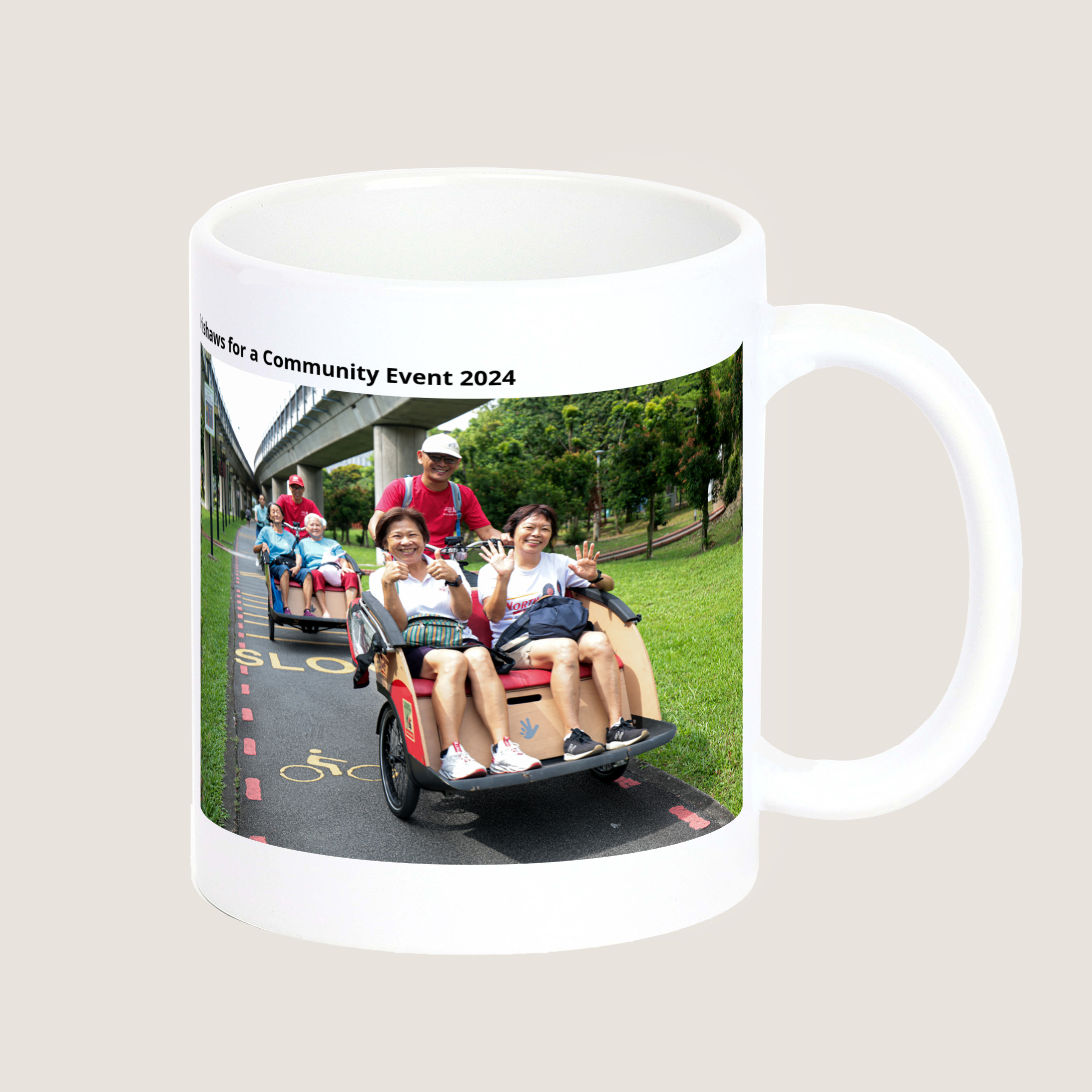
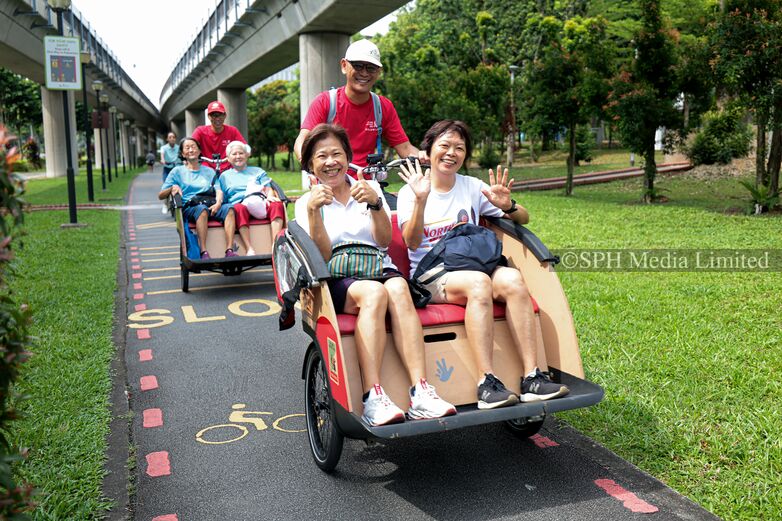 Trishaws for a Community Event
2024
Trishaws for a Community Event
2024
Trishaws for a Community Event
Year 2024
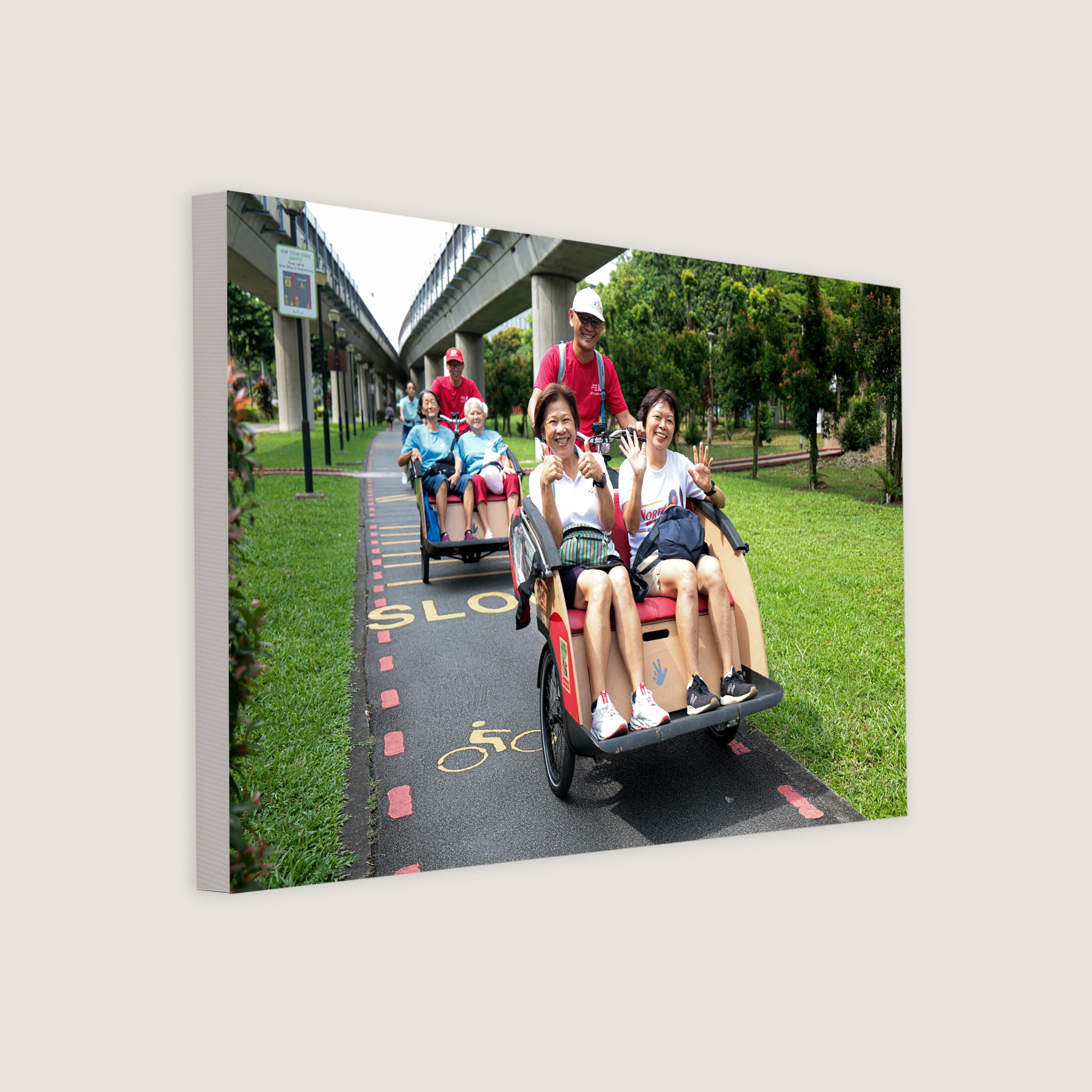
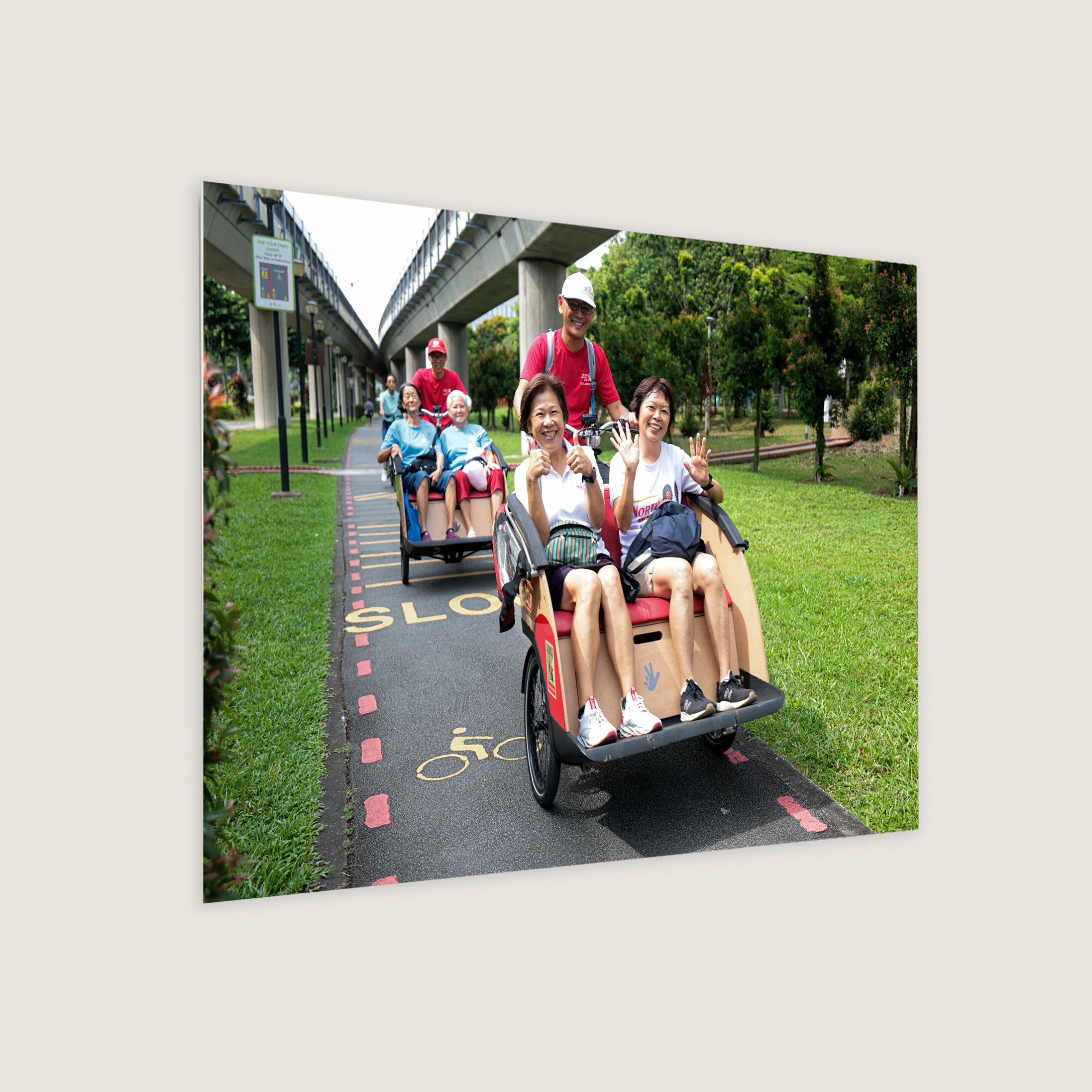
he trishaw is no longer a form of livelihood. A social service organisation uses it to transform loneliness into social connection. The seniors enjoyed trishaw rides for a fun outing
©️ SPH Media Limited
Share to
Tags
Available for print on products
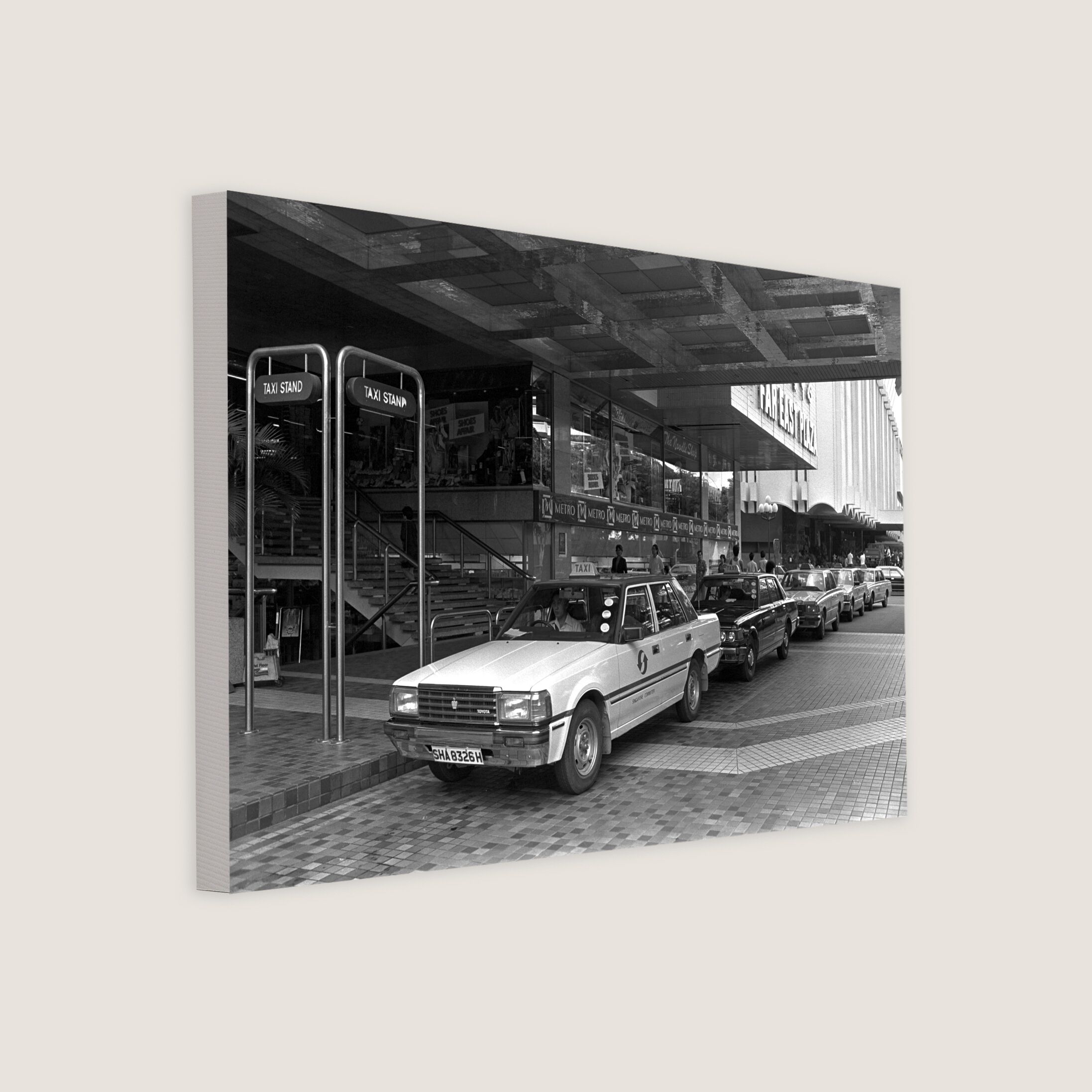
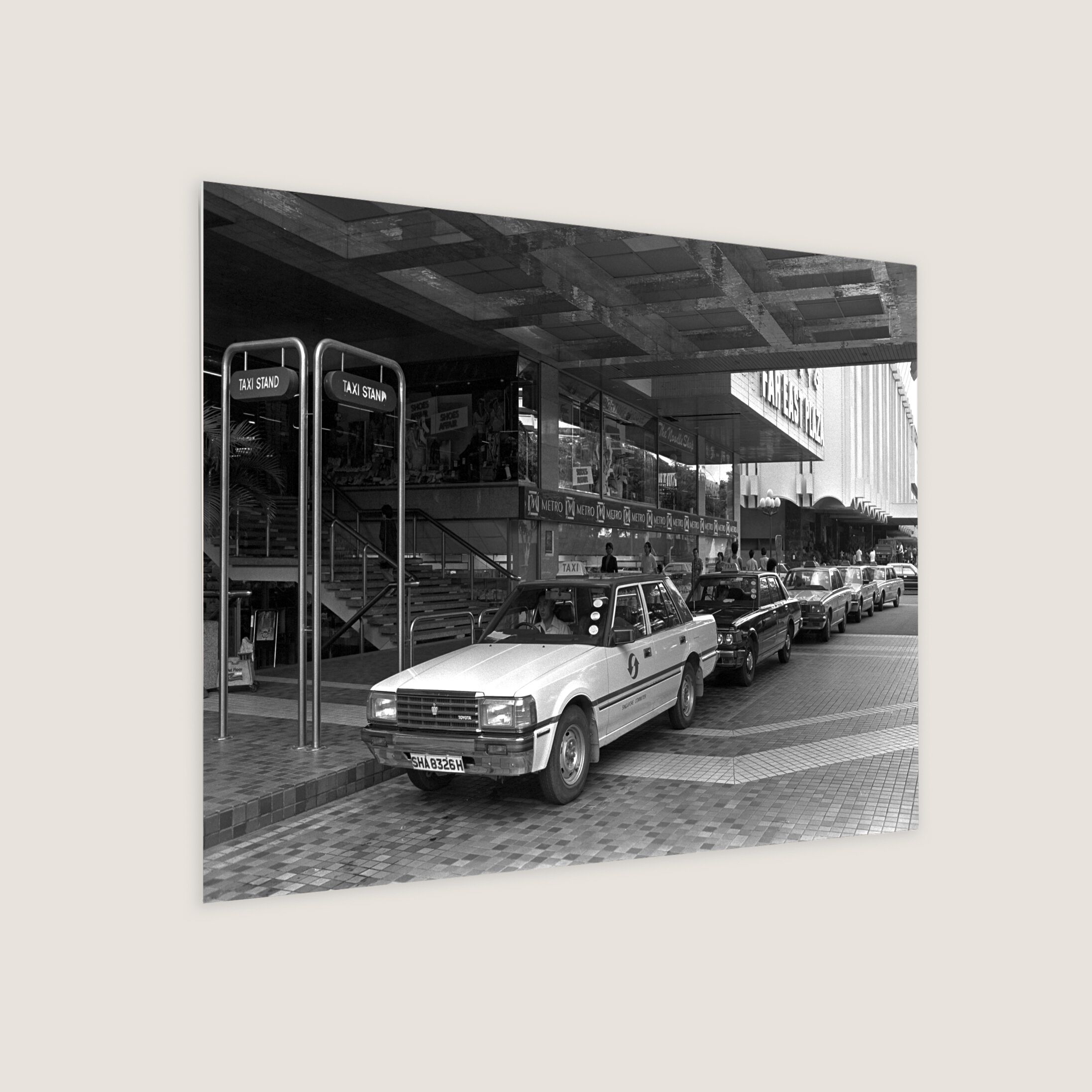
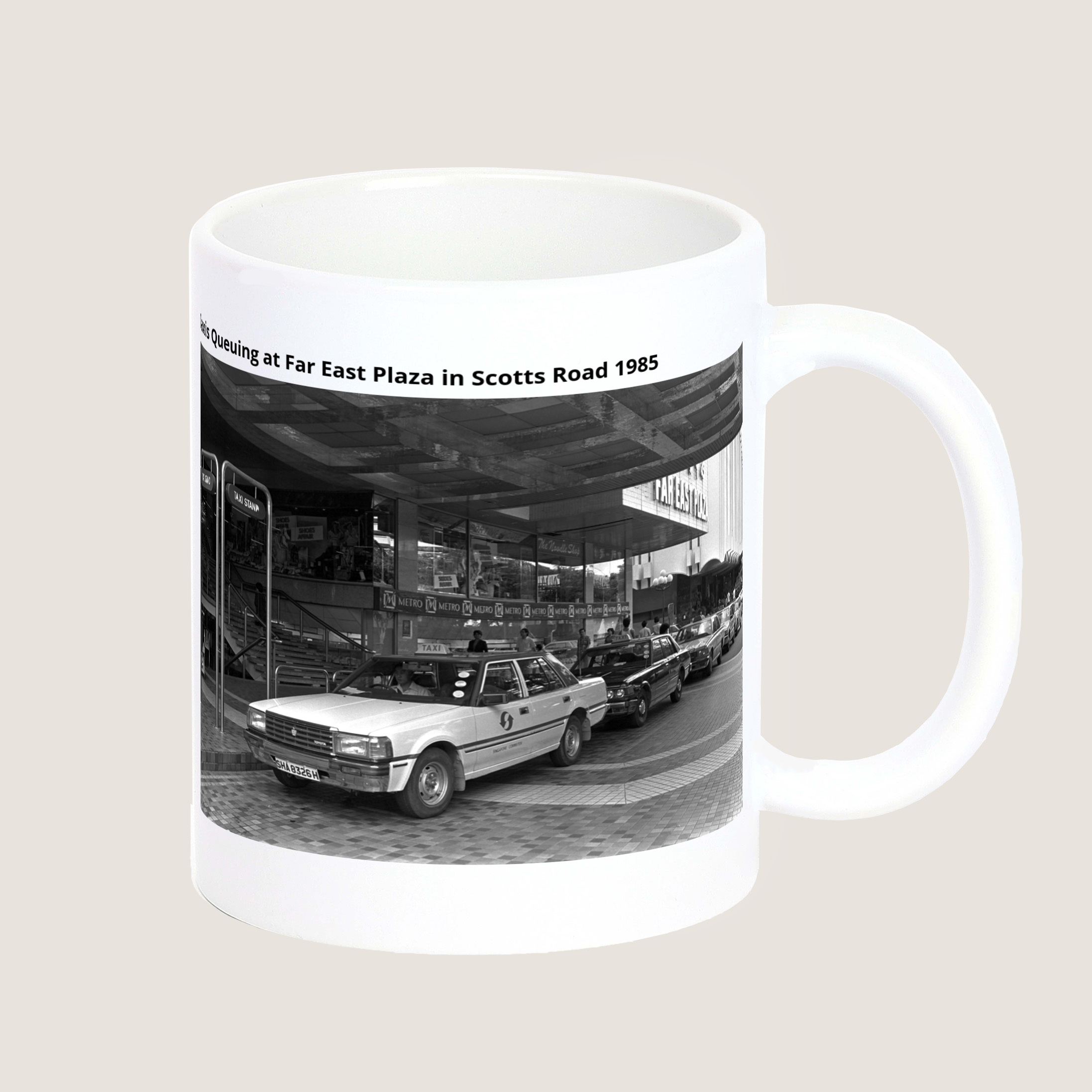
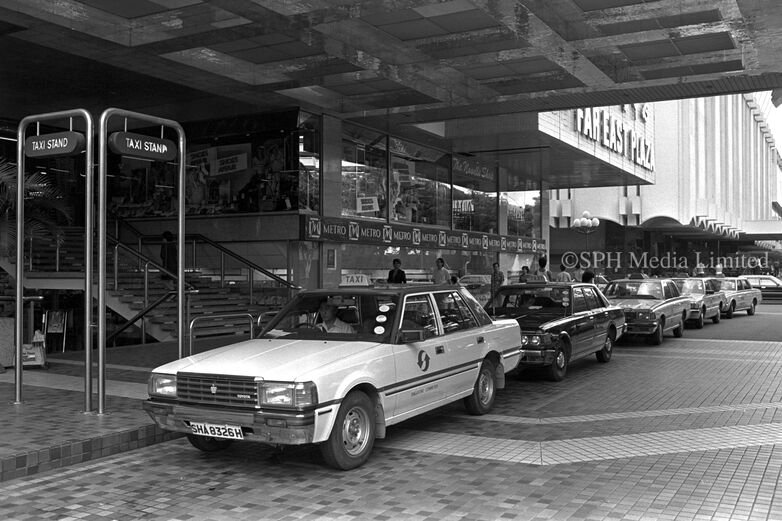 Taxis Queuing at Far East Plaza in Scotts Road
1985
Taxis Queuing at Far East Plaza in Scotts Road
1985
Taxis Queuing at Far East Plaza in Scotts Road
Year 1985
When the new taxi fares were introduced, the taxi business was impacted due to a price hike. A long line of taxis could be seen waiting for passengers at Far East Plaza on Scotts Road on the first day of the new fare structure. The taxi business was also affected by the weather and people's routines. On rainy days, especially during lunchtime, there were not enough taxis available.
©️ SPH Media Limited
Share to
Tags
Available for print on products
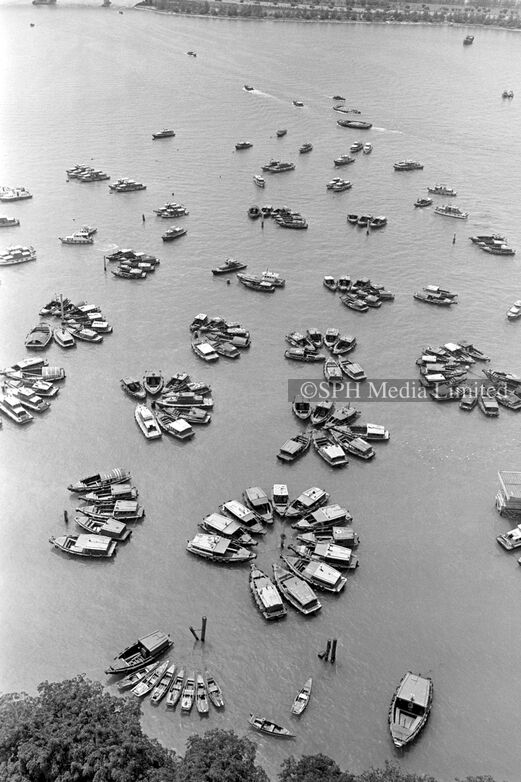 Aerial View of Tongkang at Singapore River Mouth
1982
Aerial View of Tongkang at Singapore River Mouth
1982
Aerial View of Tongkang at Singapore River Mouth
Year 1982
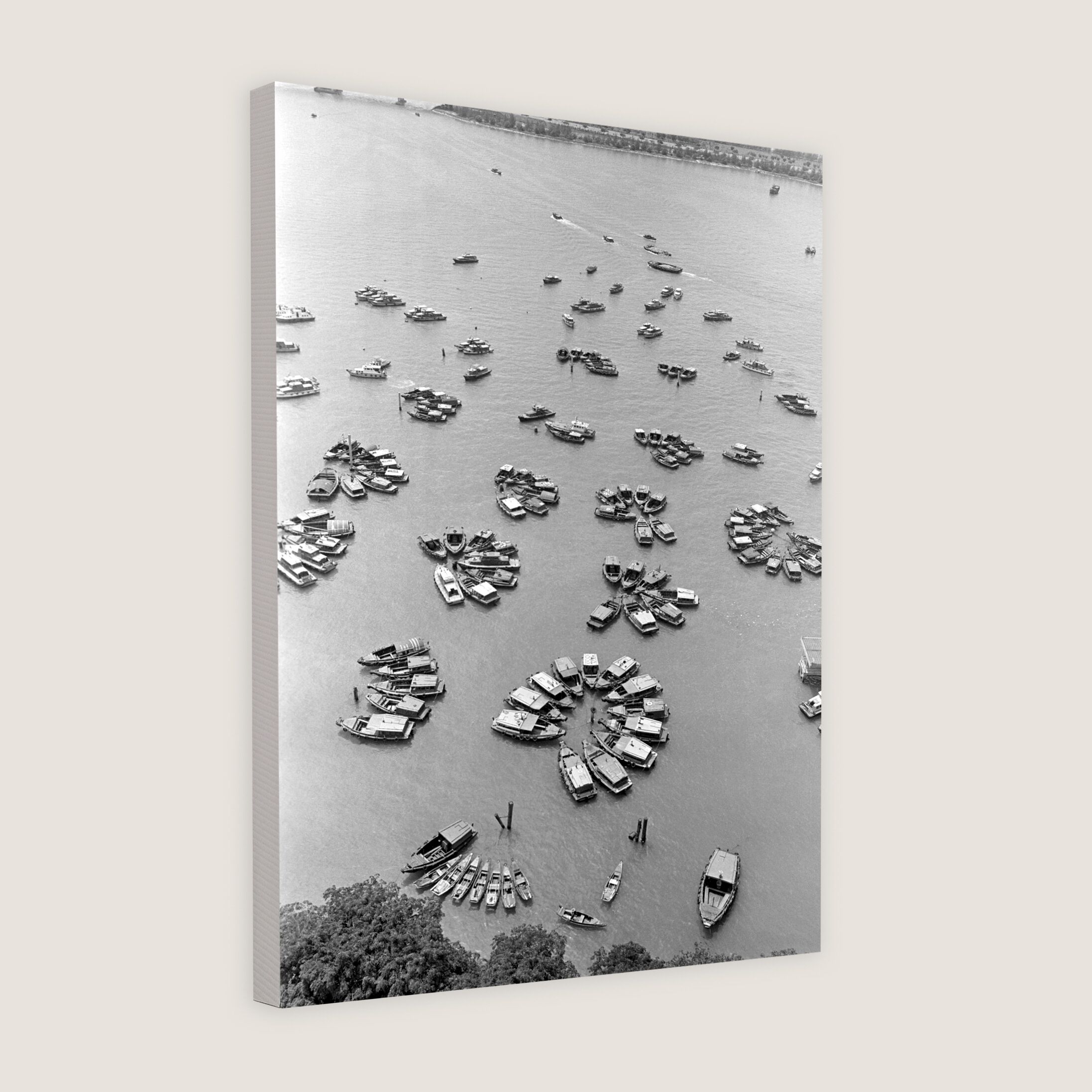
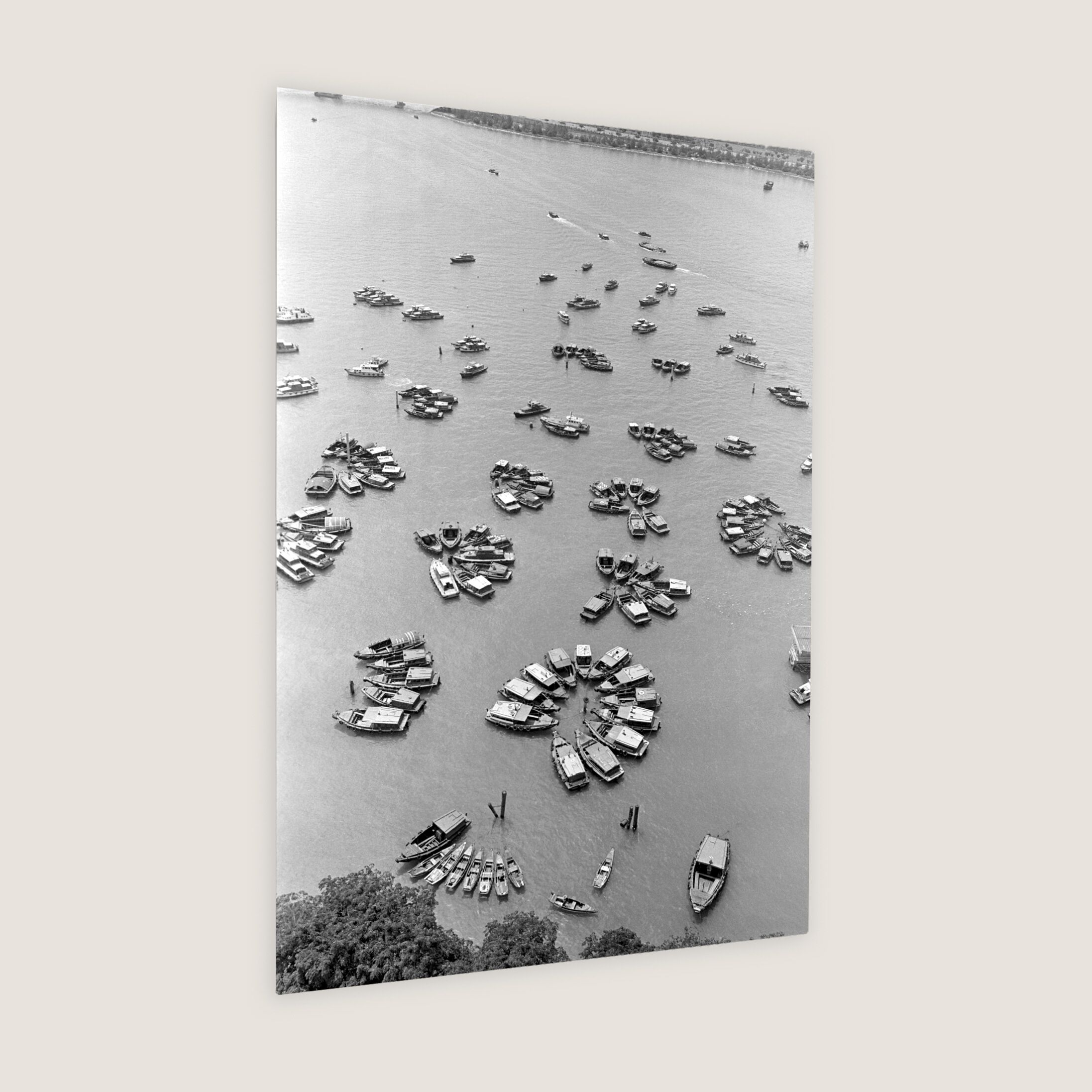
Clusters of tongkangs line the Singapore River. They are interlinked to prevent them from drifting with the current. Above in the photo, several tongkangs can be seen heading toward the open sea, preparing to unload cargo from the ocean-going vessels.
©️ SPH Media Limited
Share to
Tags
Available for print on products
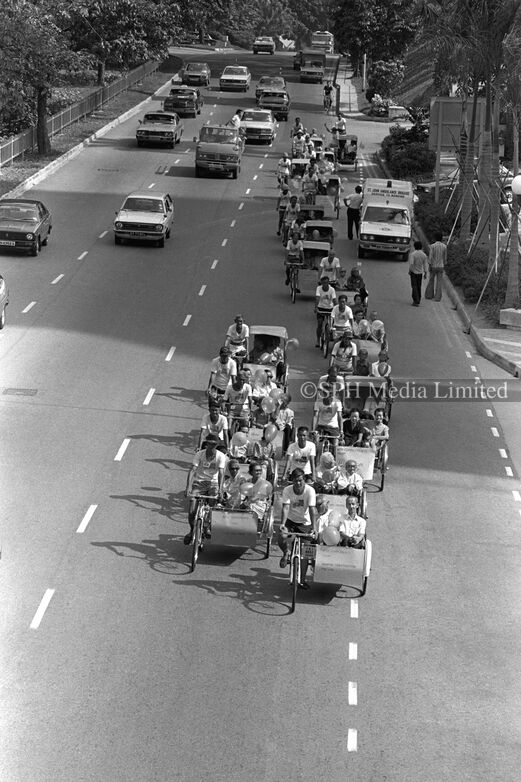 Nostalgic Trishaw Ride for the Senior Citizens
1982
Nostalgic Trishaw Ride for the Senior Citizens
1982
Nostalgic Trishaw Ride for the Senior Citizens
Year 1982
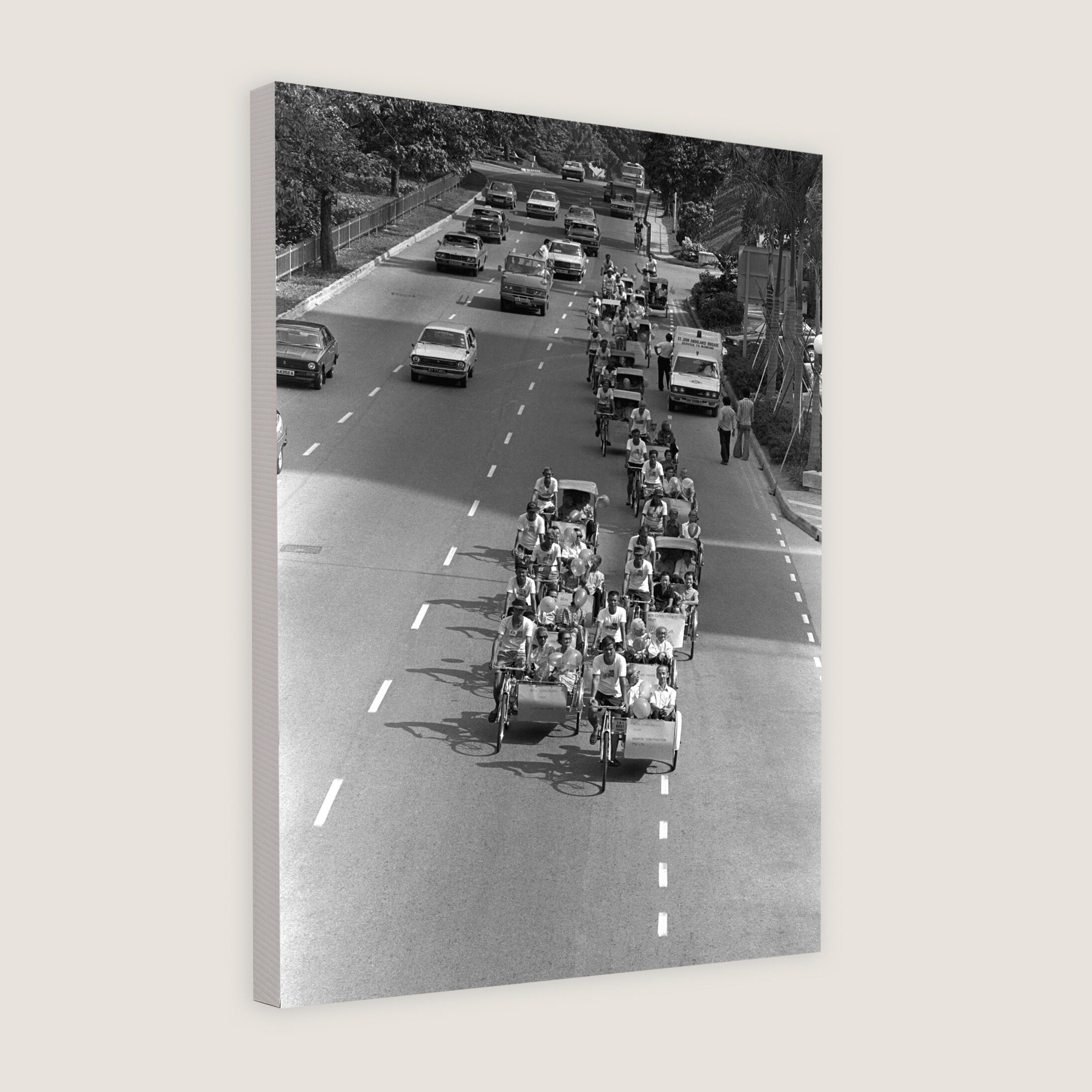
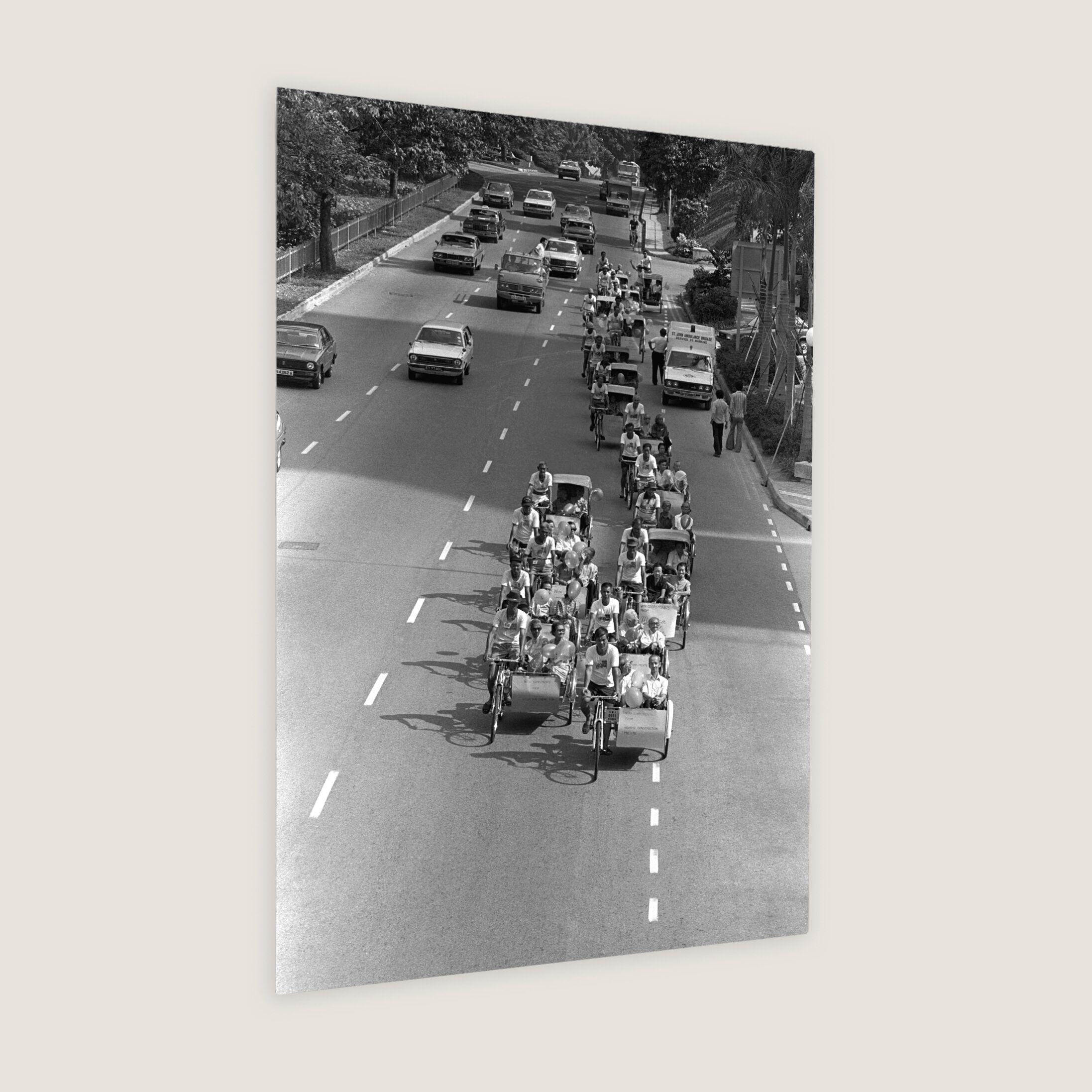
One hundred senior citizens were treated to a nostalgic trishaw ride along Orchard Road, evoking memories of the past. The ride lifted the spirits of the elderly residents from St. John's Home for the Aged. Trishaws, once a popular mode of transport, began to decline in popularity from the mid-1950s, becoming a relic of bygone days.
©️ SPH Media Limited
Share to
Tags
Available for print on products
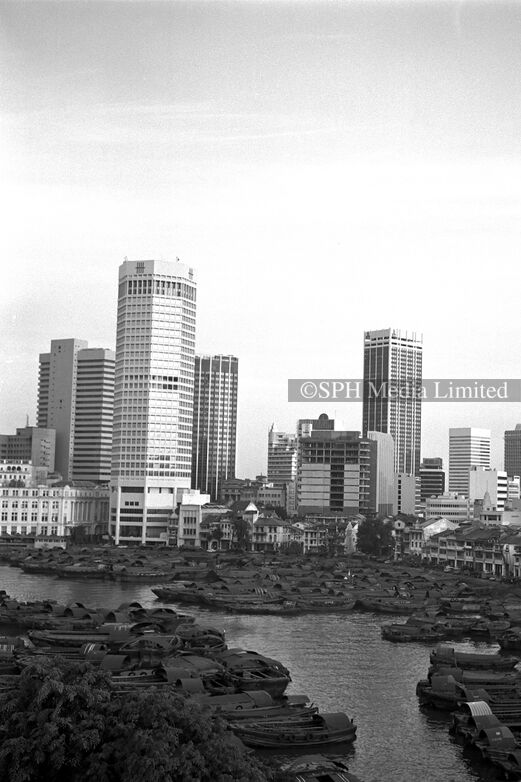 Tongkangs Making Their Final Appearance
1977
Tongkangs Making Their Final Appearance
1977
Tongkangs Making Their Final Appearance
Year 1977
In August 1977, as the Singapore River cleanup commenced, tongkangs were making their final appearance along the waterway, their silhouettes framed by the rising skyline. Once vital to trade, these wooden boats ferried goods from ocean vessels that could not berth ashore, marking an era of bustling river commerce now fading into history.
©️ SPH Media Limited
Share to
Tags
Available for print on products
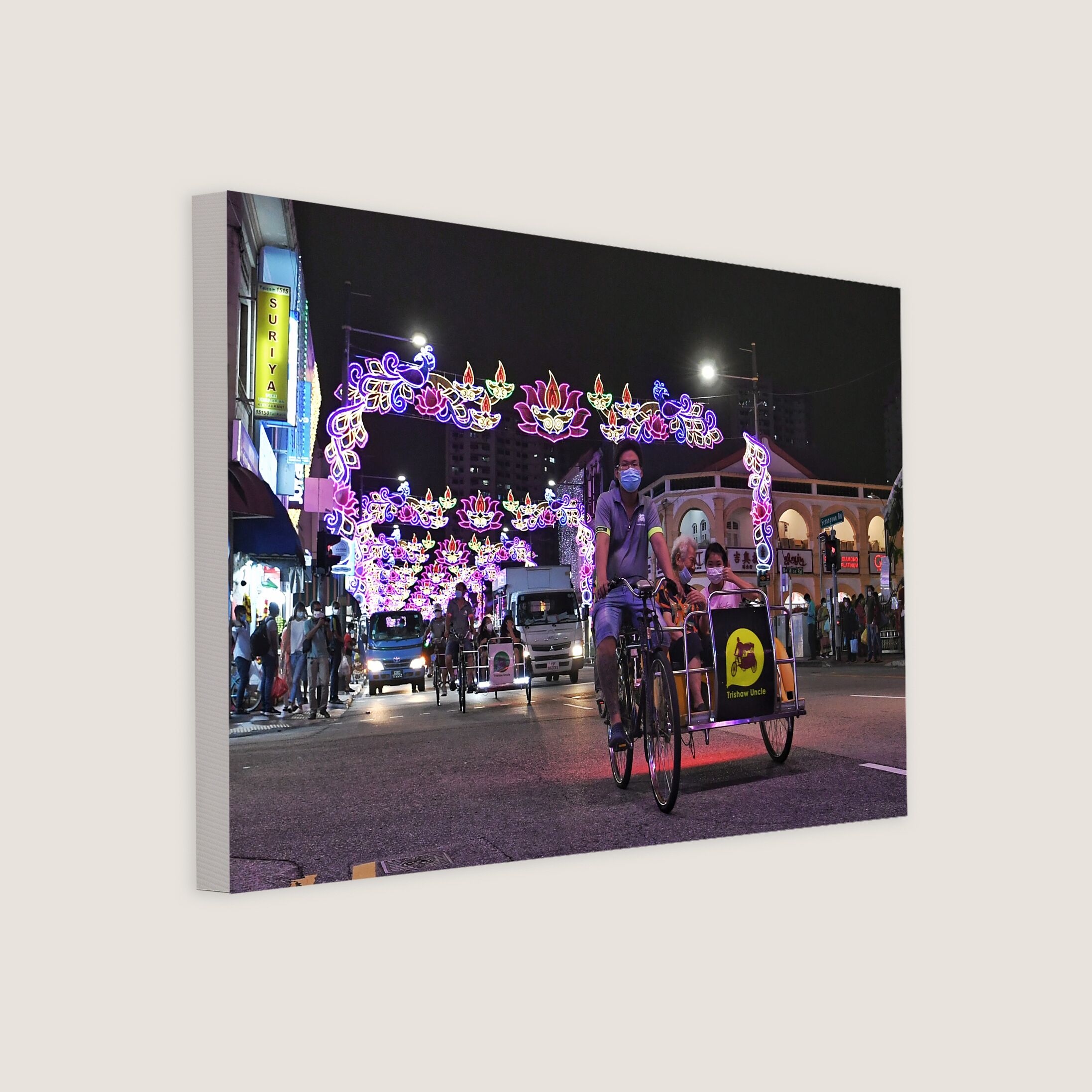
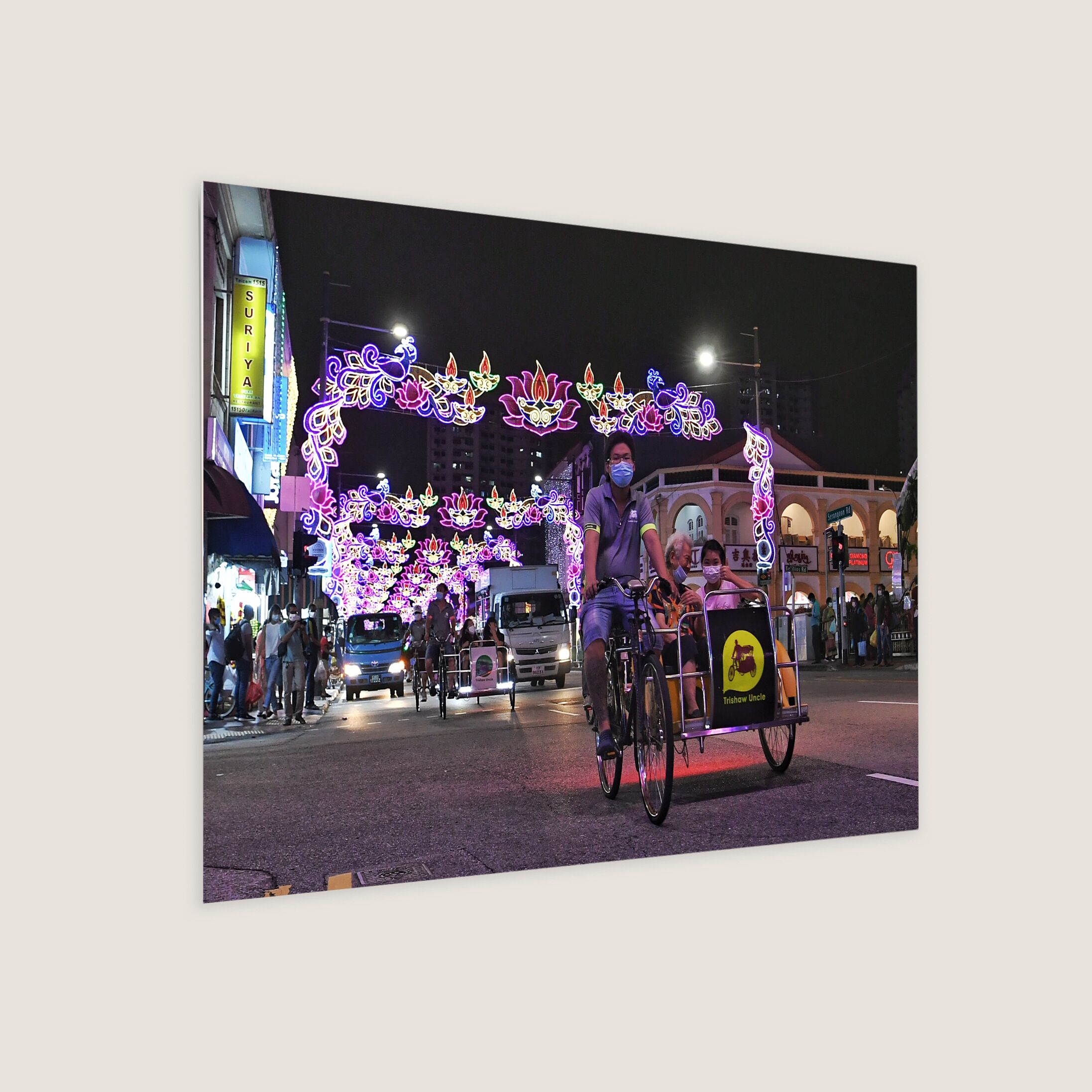
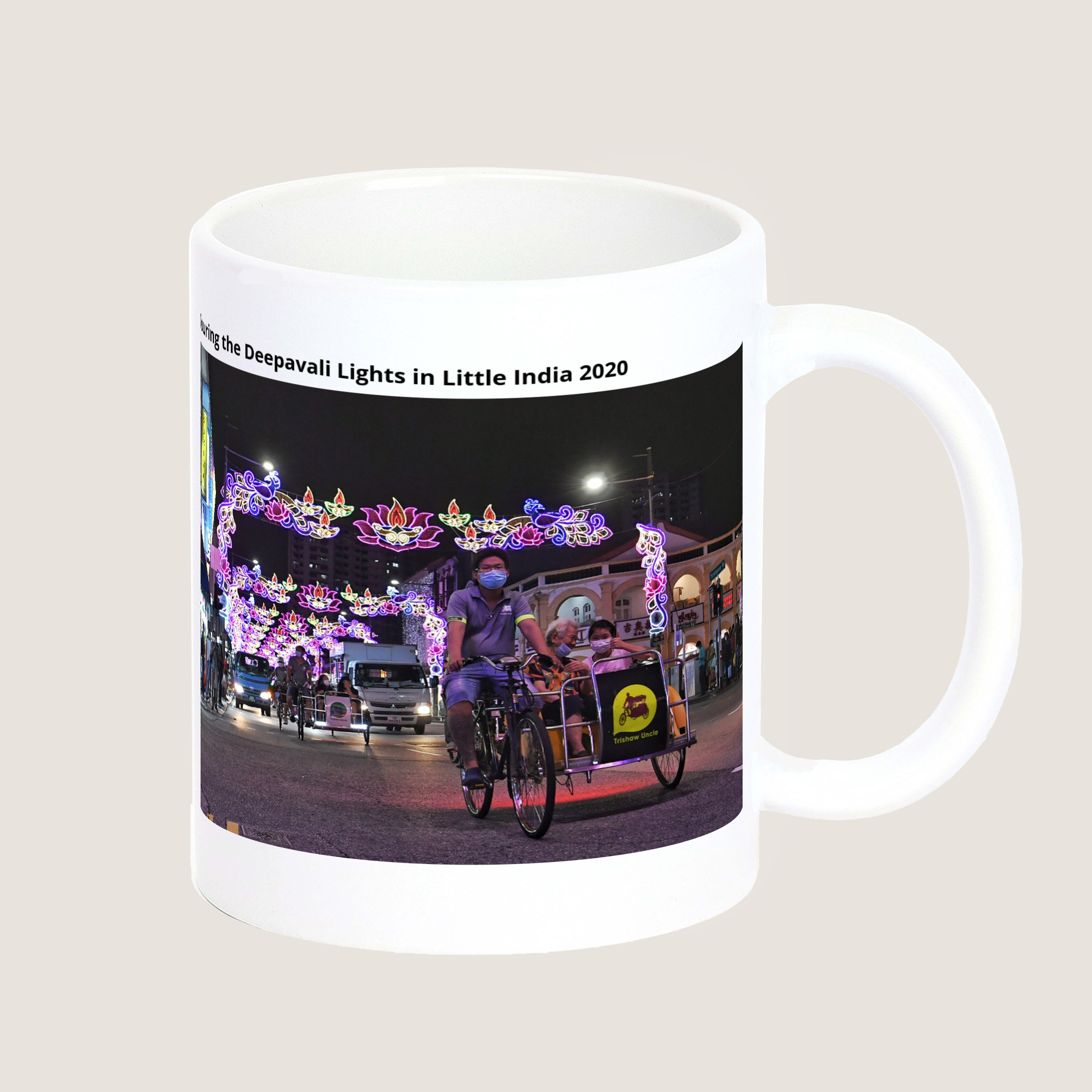
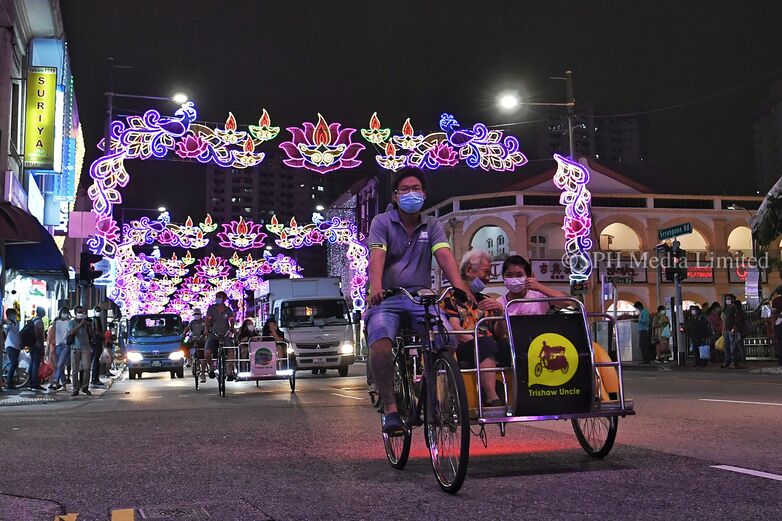 Touring the Deepavali Lights in Little India
2020
Touring the Deepavali Lights in Little India
2020
Touring the Deepavali Lights in Little India
Year 2020
A trishaw in Little India made a round-trip journey from Campbell Lane, passing various landmarks in October 2020. The ride was licensed by a tour agency and was the last type of trishaw seen cycling around Singapore. The government has stopped issuing new trishaw licenses, and all previous licenses have expired. Trishaws ceased operating on the streets of Singapore in June 2023.
©️ SPH Media Limited
Share to
Tags
Available for print on products
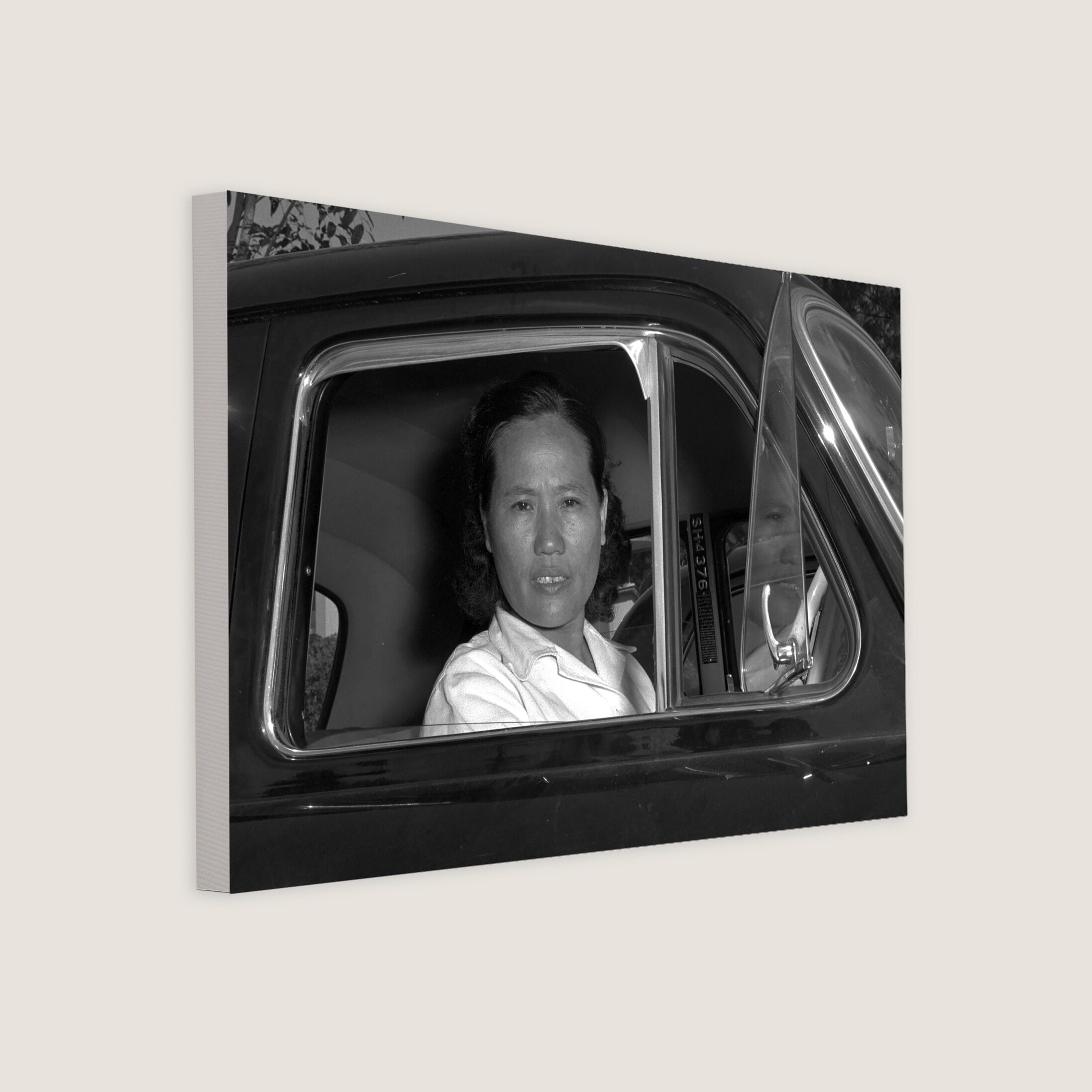
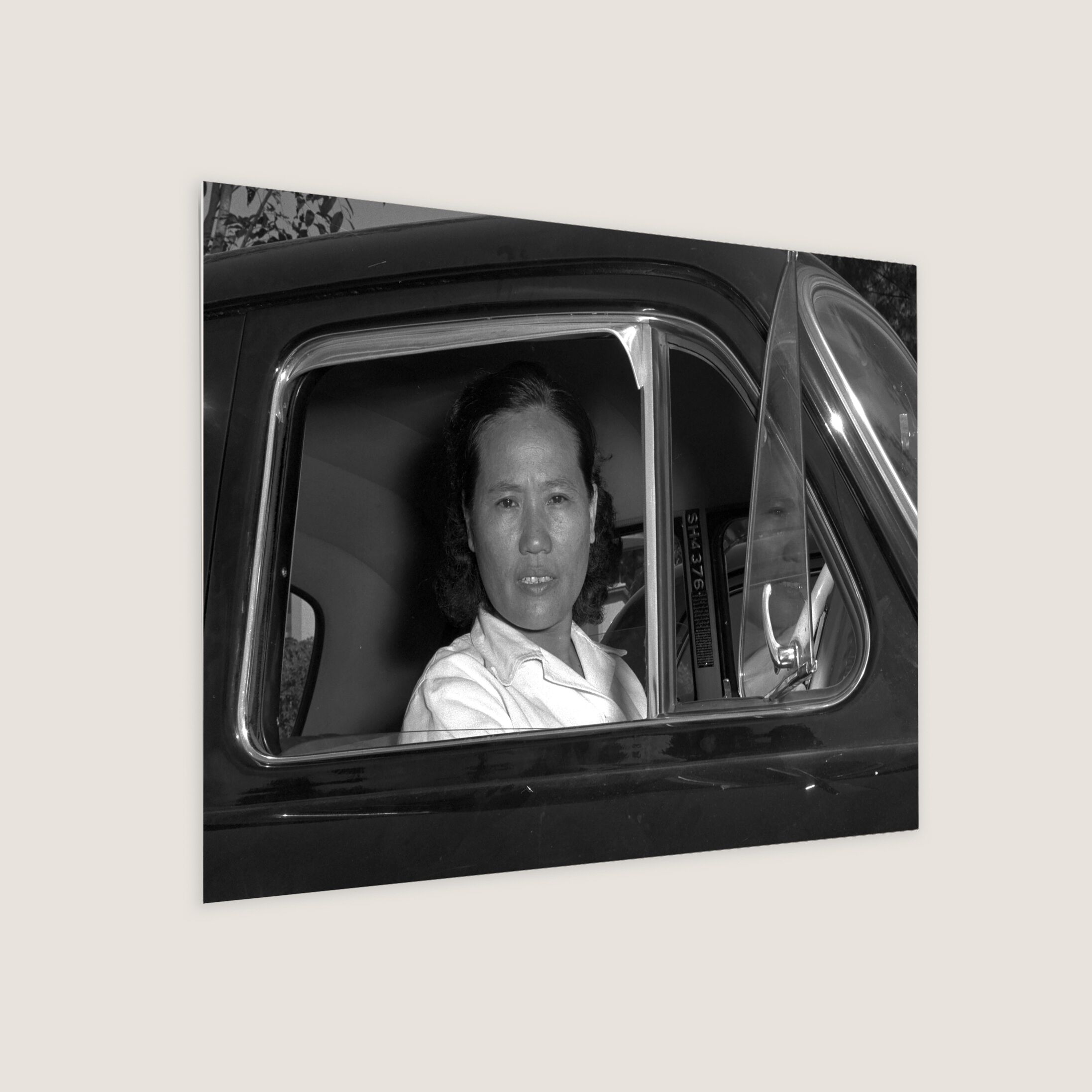
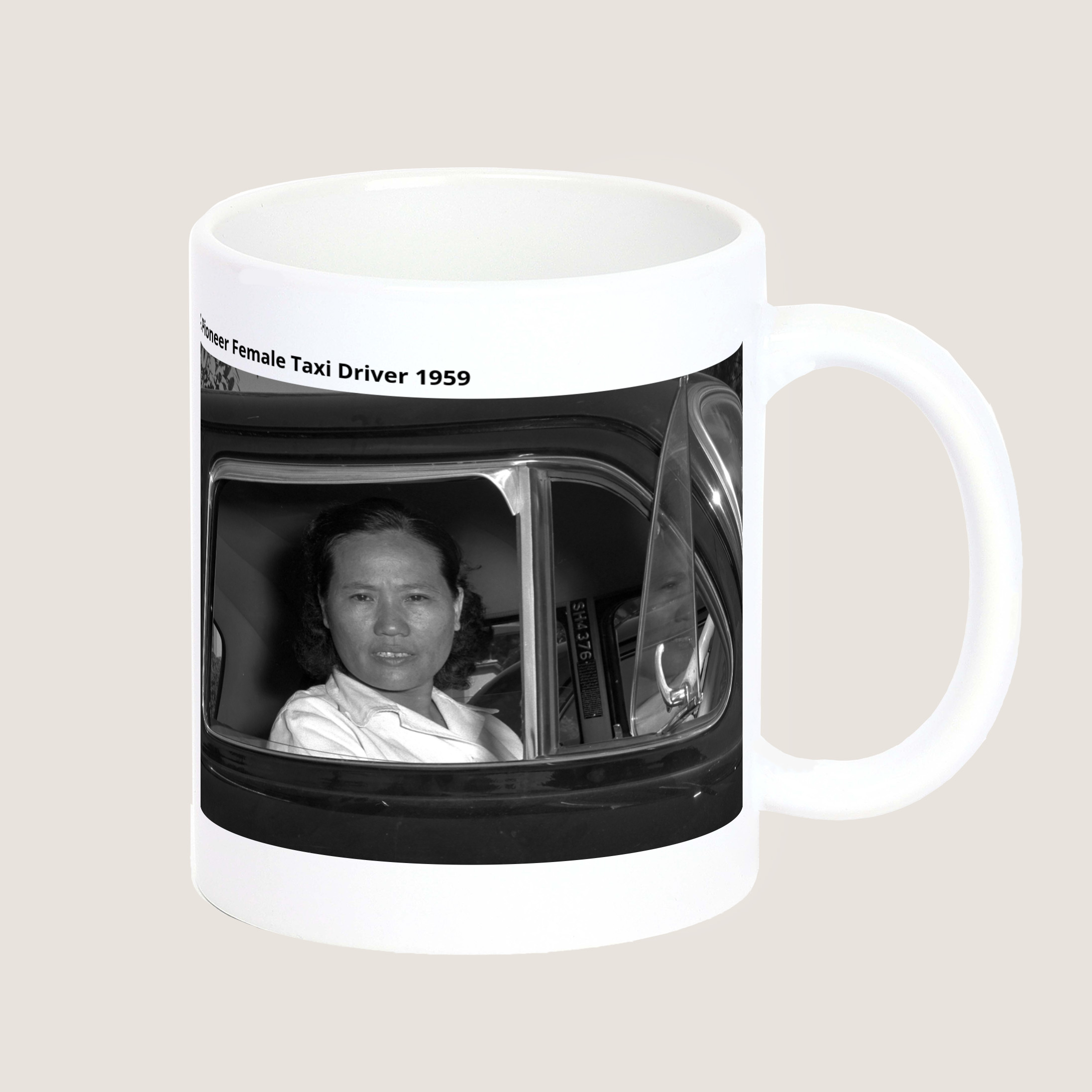
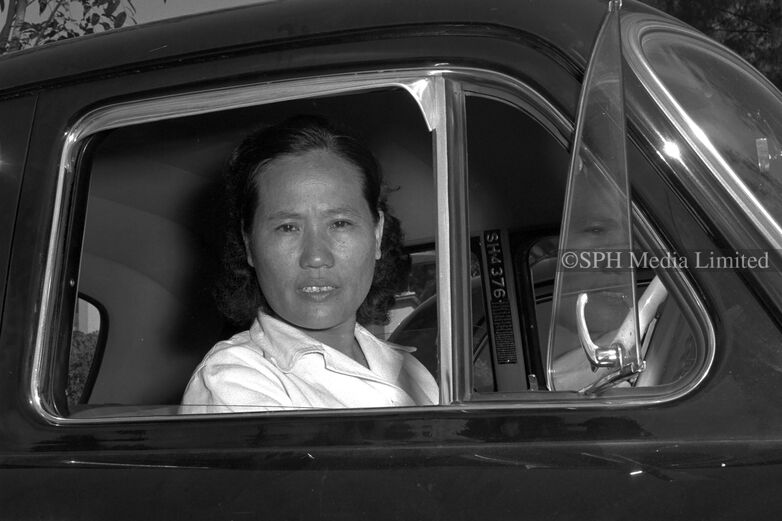 A Pioneer Female Taxi Driver
1959
A Pioneer Female Taxi Driver
1959
A Pioneer Female Taxi Driver
Year 1959
She is one of Singapore's pioneering female taxi drivers, with the license plate SH 4376. Private car license plate numbers in Singapore began in the early 1900s, when Singapore was a British Straits Settlement. Initially, license plates started with the prefix 'S' to denote Singapore, followed by a suffix letter ranging from 'S' to 'Y' for cars. However, certain suffixes, such as 'H,' were reserved for taxis.
©️ SPH Media Limited
Share to
Tags
Available for print on products
Have a photo idea to suggest?