No relevant currency found
Livelihoods
Jobs throughout Singapore's history, from long forgotten trades to jobs that have evolved to stand the test of time.
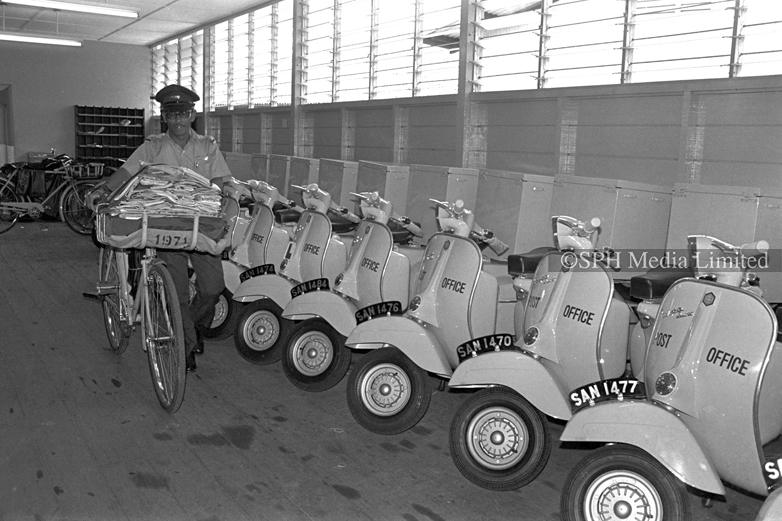
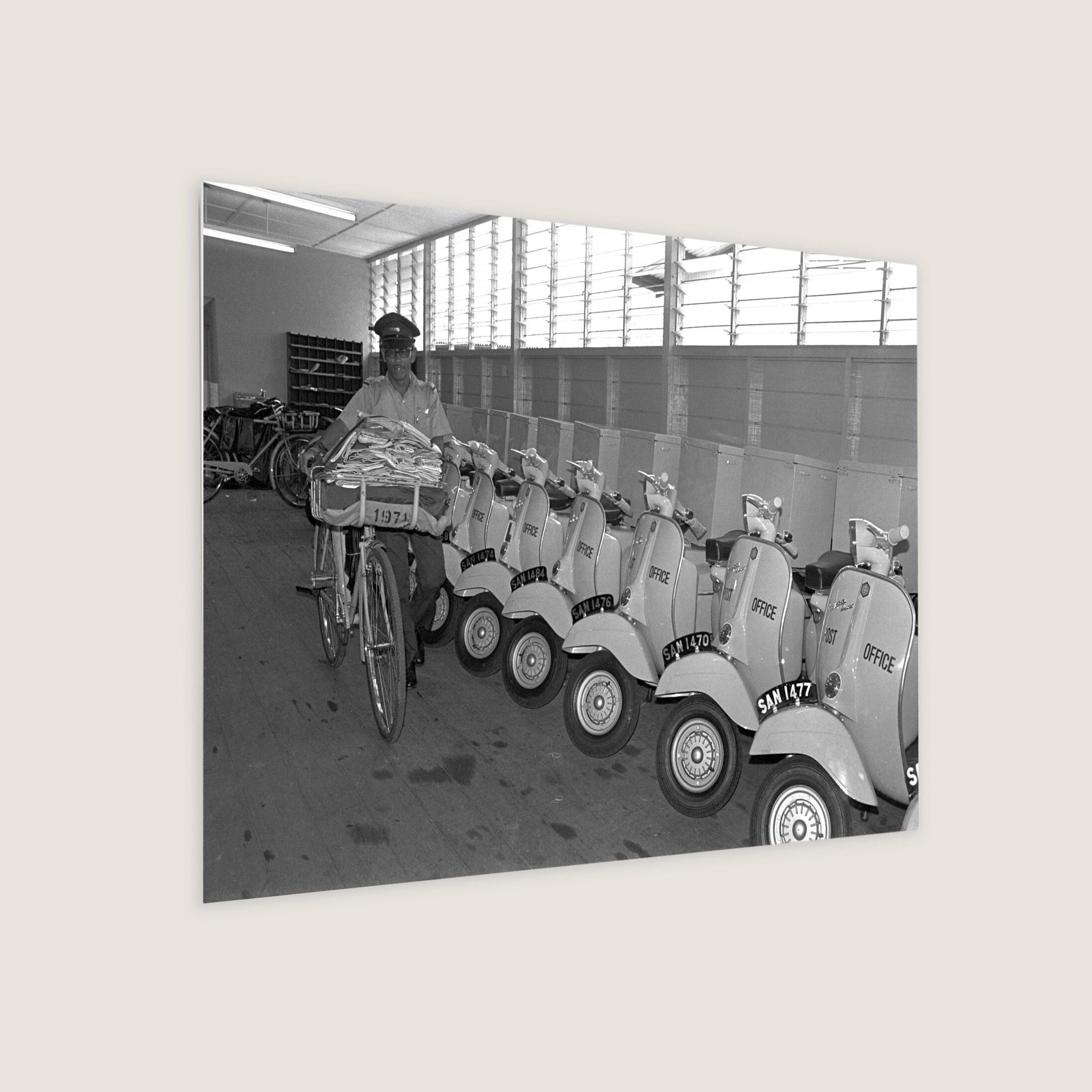
Postman at Tanglin Post Office
1972
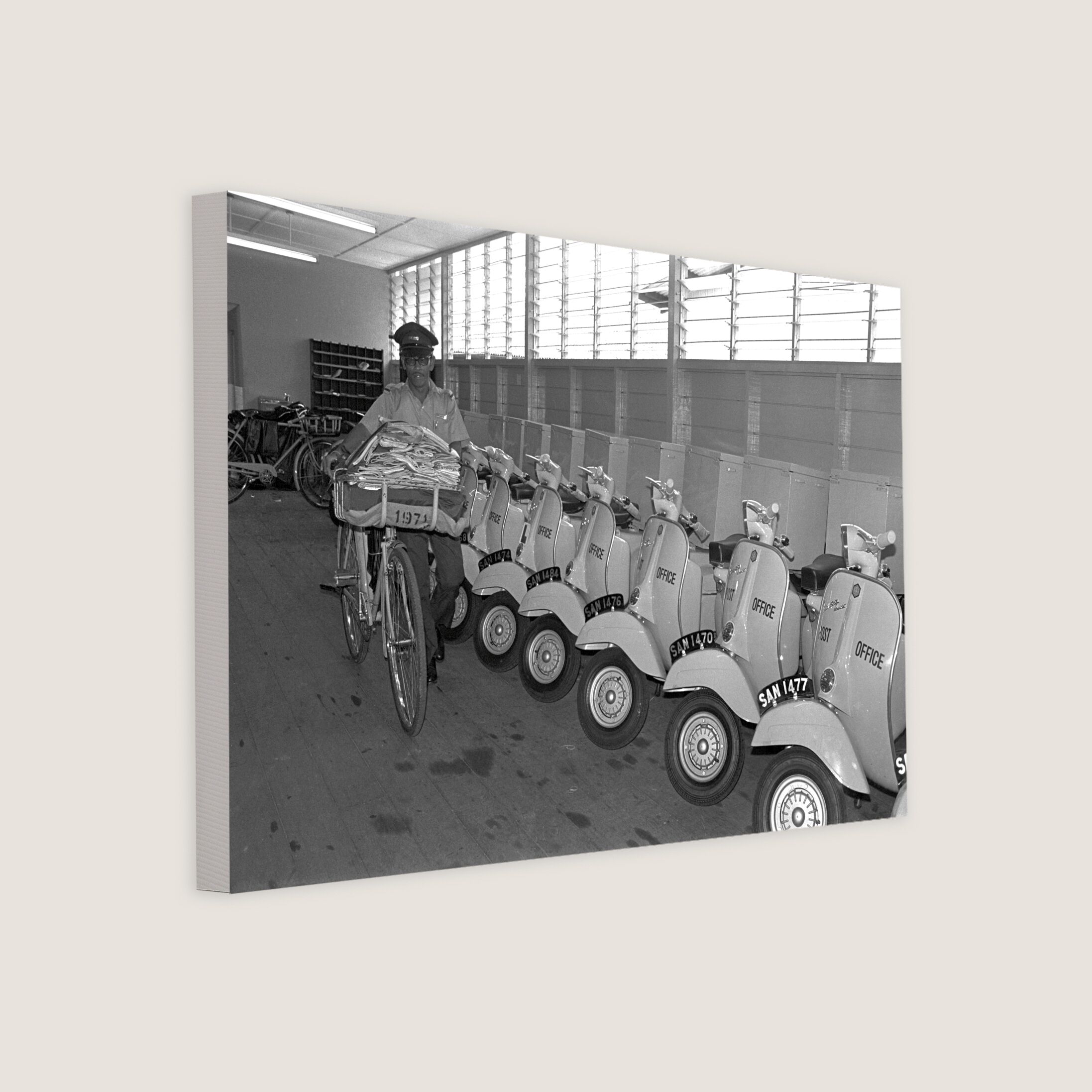
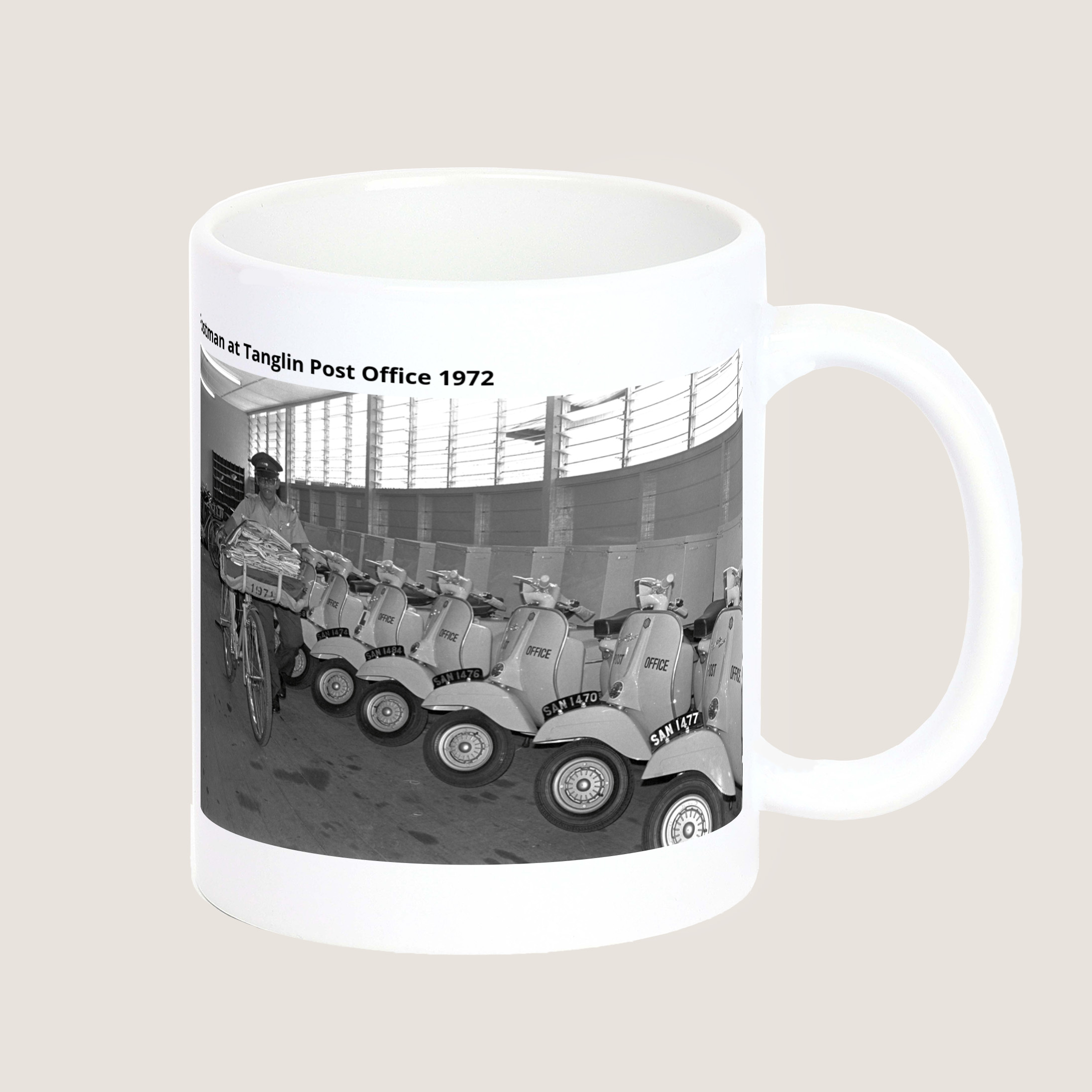
A postman from the Tanglin Post Office. The General Post Office was located at the former Fort Fullerton which is currently Fullerton Hotel. Subsequently, sub-post offices were built at Tanglin, Kandang Kerbau, Kallang, Bukit Timah and Tanjong Pagar.
Postman at Tanglin Post Office
Year 1972
A postman from the Tanglin Post Office. The General Post Office was located at the former Fort Fullerton which is currently Fullerton Hotel. Subsequently, sub-post offices were built at Tanglin, Kandang Kerbau, Kallang, Bukit Timah and Tanjong Pagar.
©️ SPH Media Limited
Share to
Tags
Available for print on products
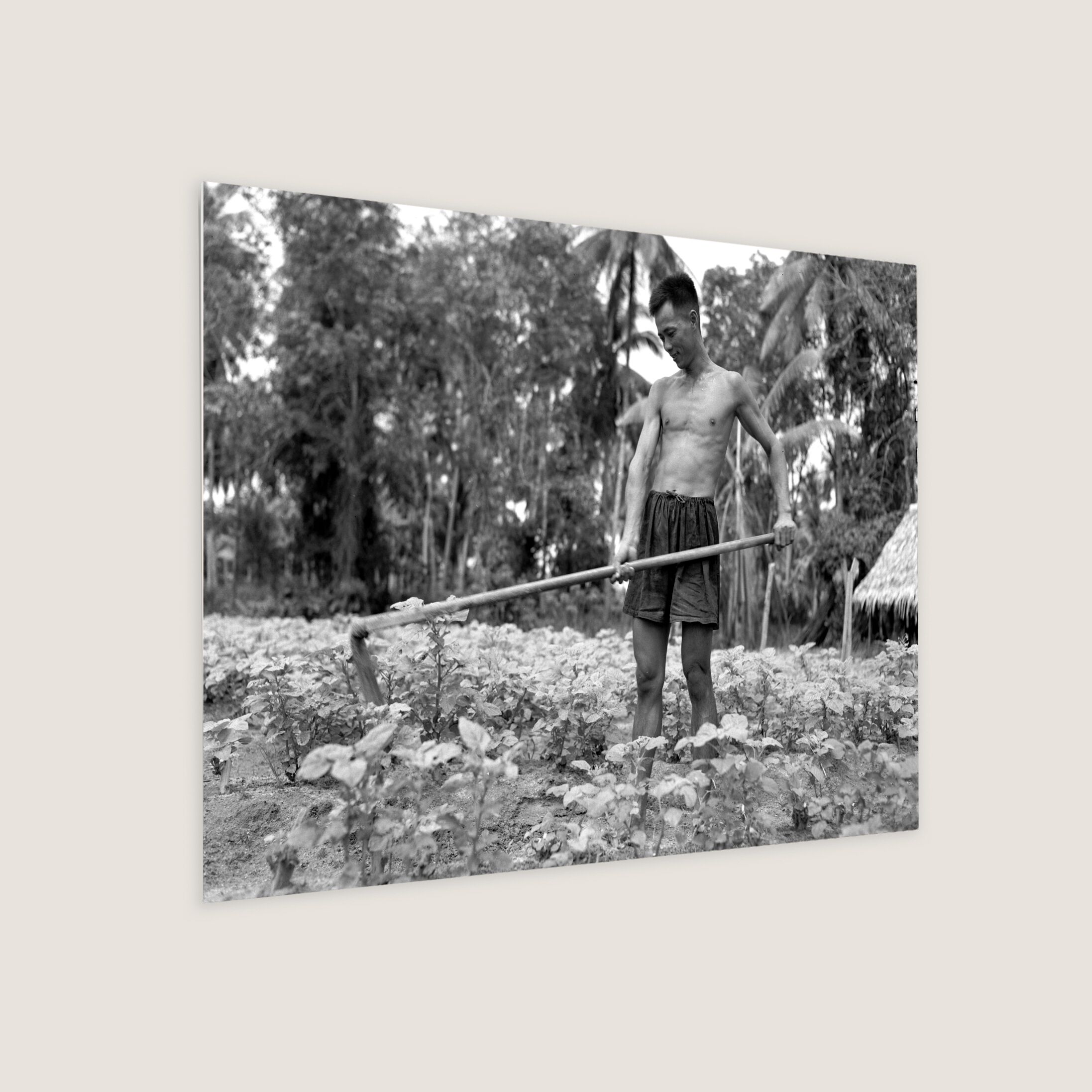
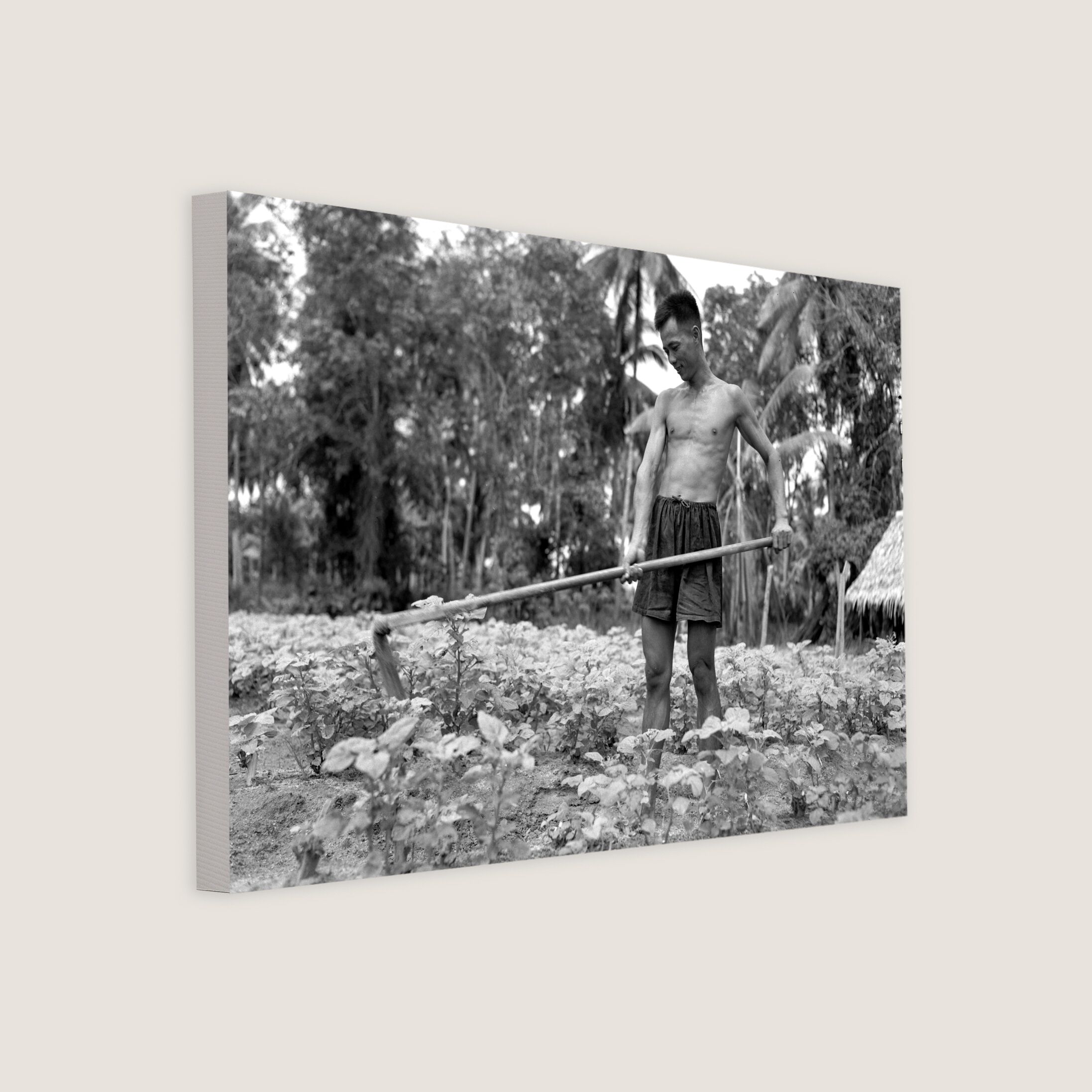
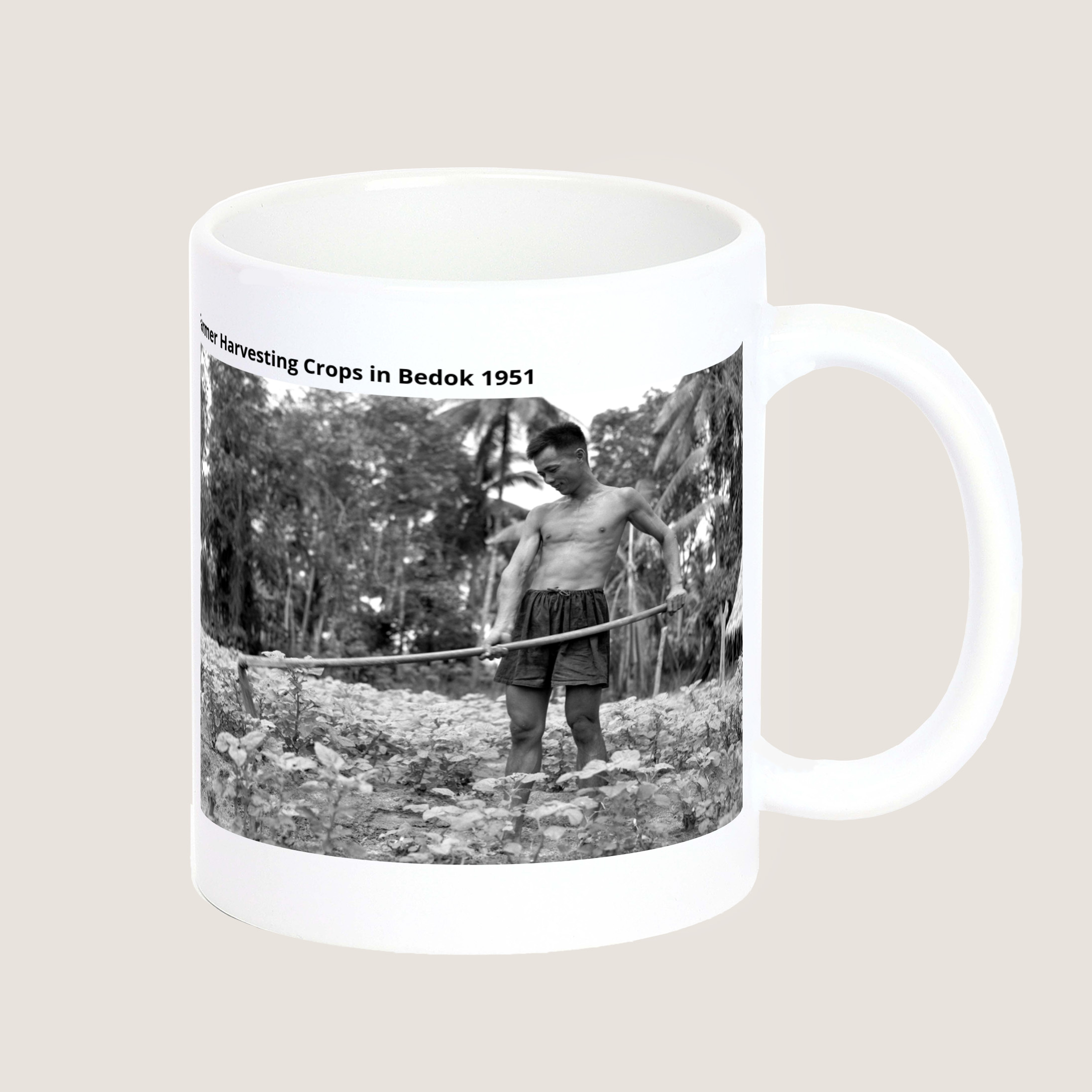
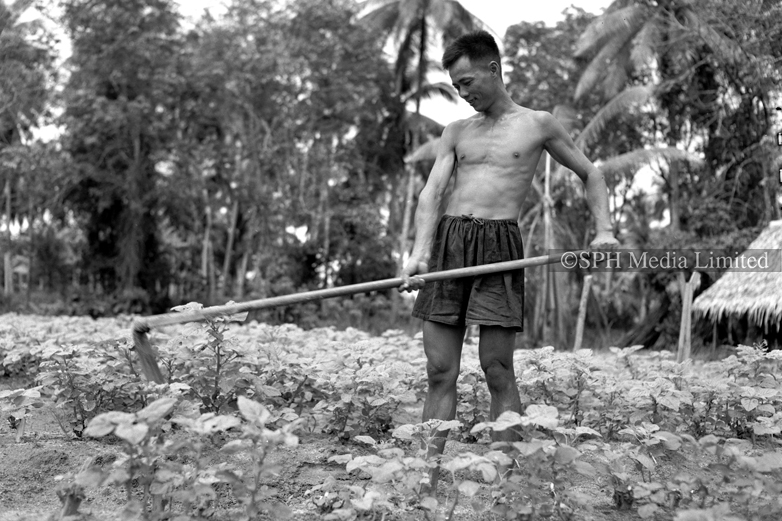 Farmer Harvesting Crops in Bedok
1951
Farmer Harvesting Crops in Bedok
1951
Farmer Harvesting Crops in Bedok
Year 1951
A farmer tending to his crops in Bedok area. The Singapore government resettled all farmers and redeveloped the land for the Paya Lebar airport project.
©️ SPH Media Limited
Share to
Tags
Available for print on products
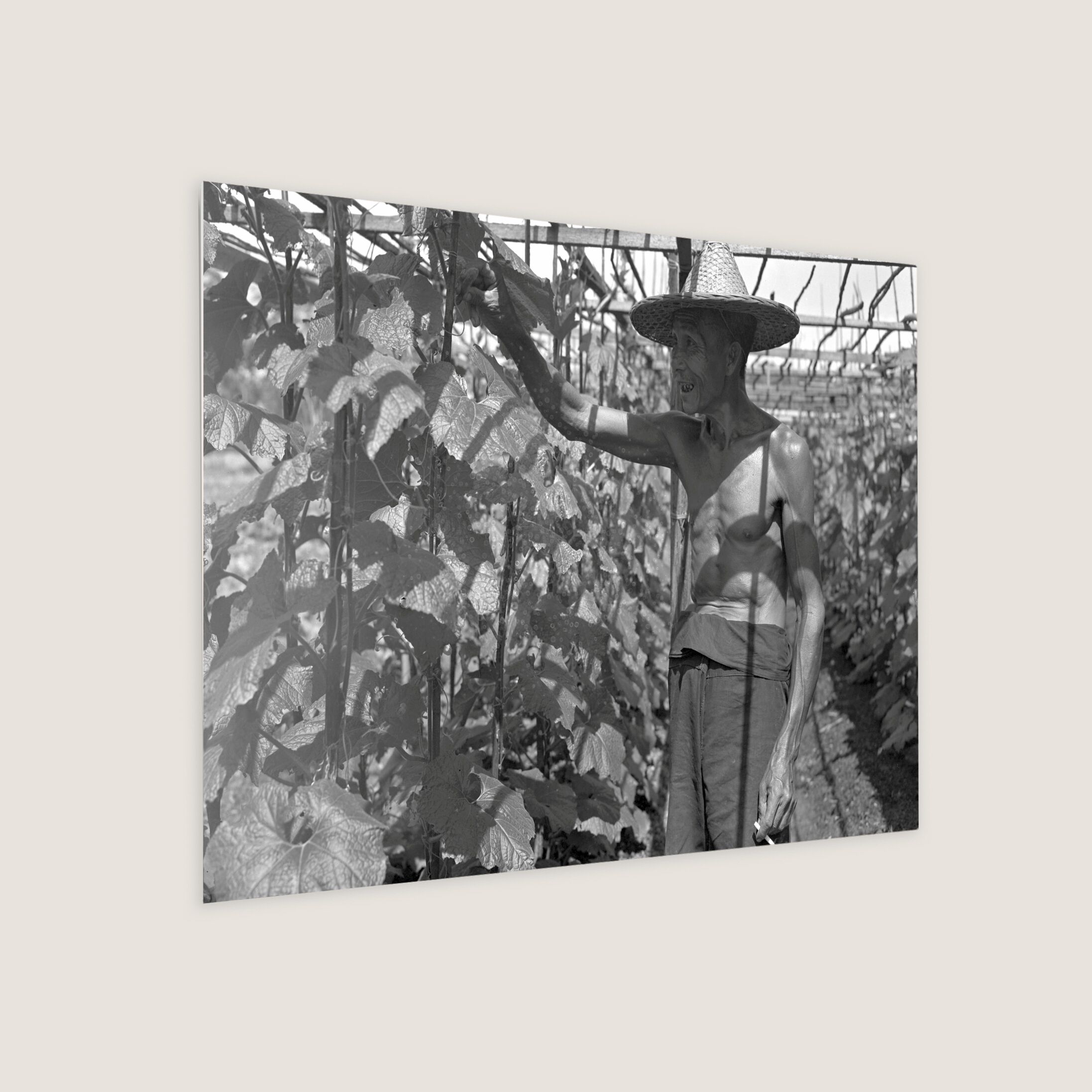
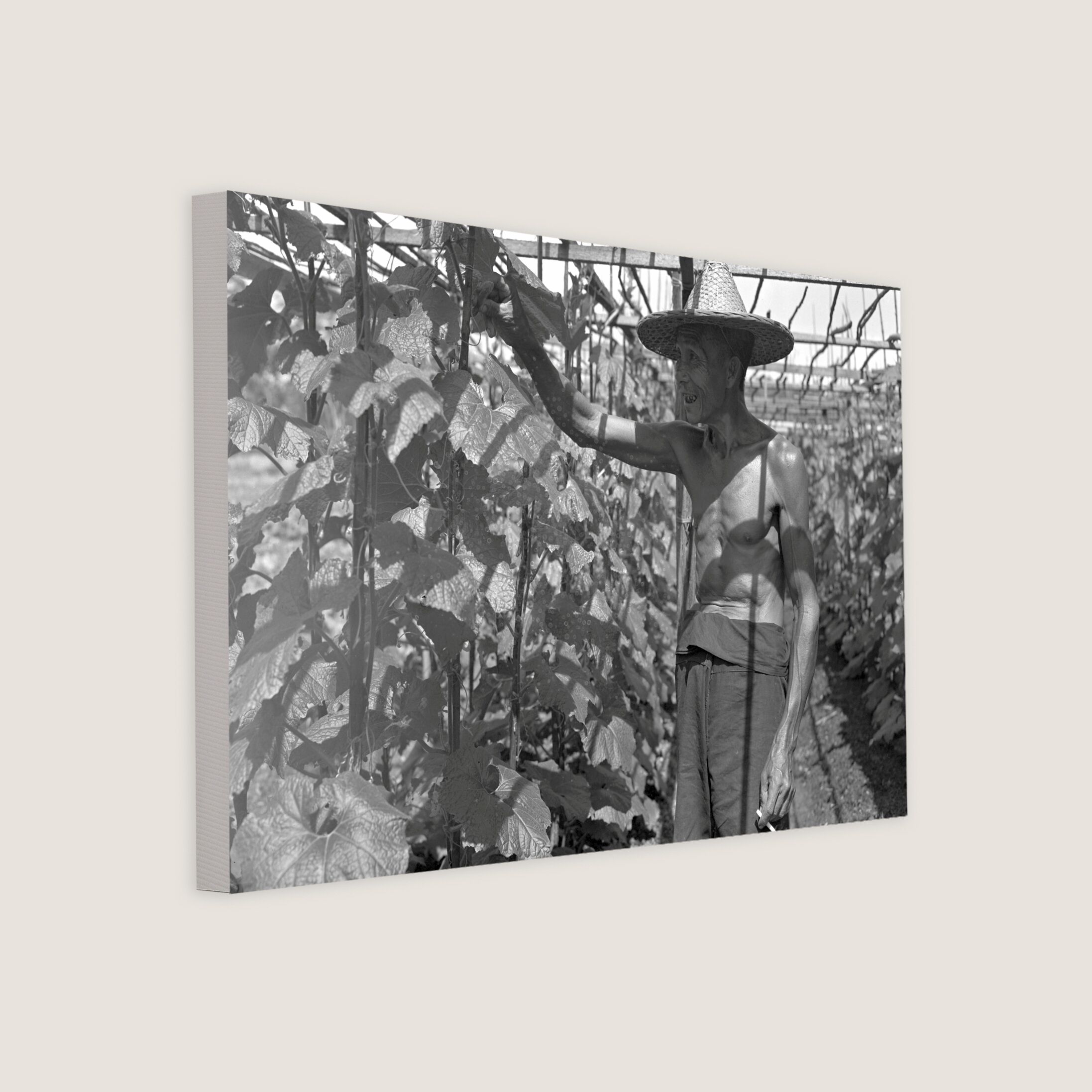
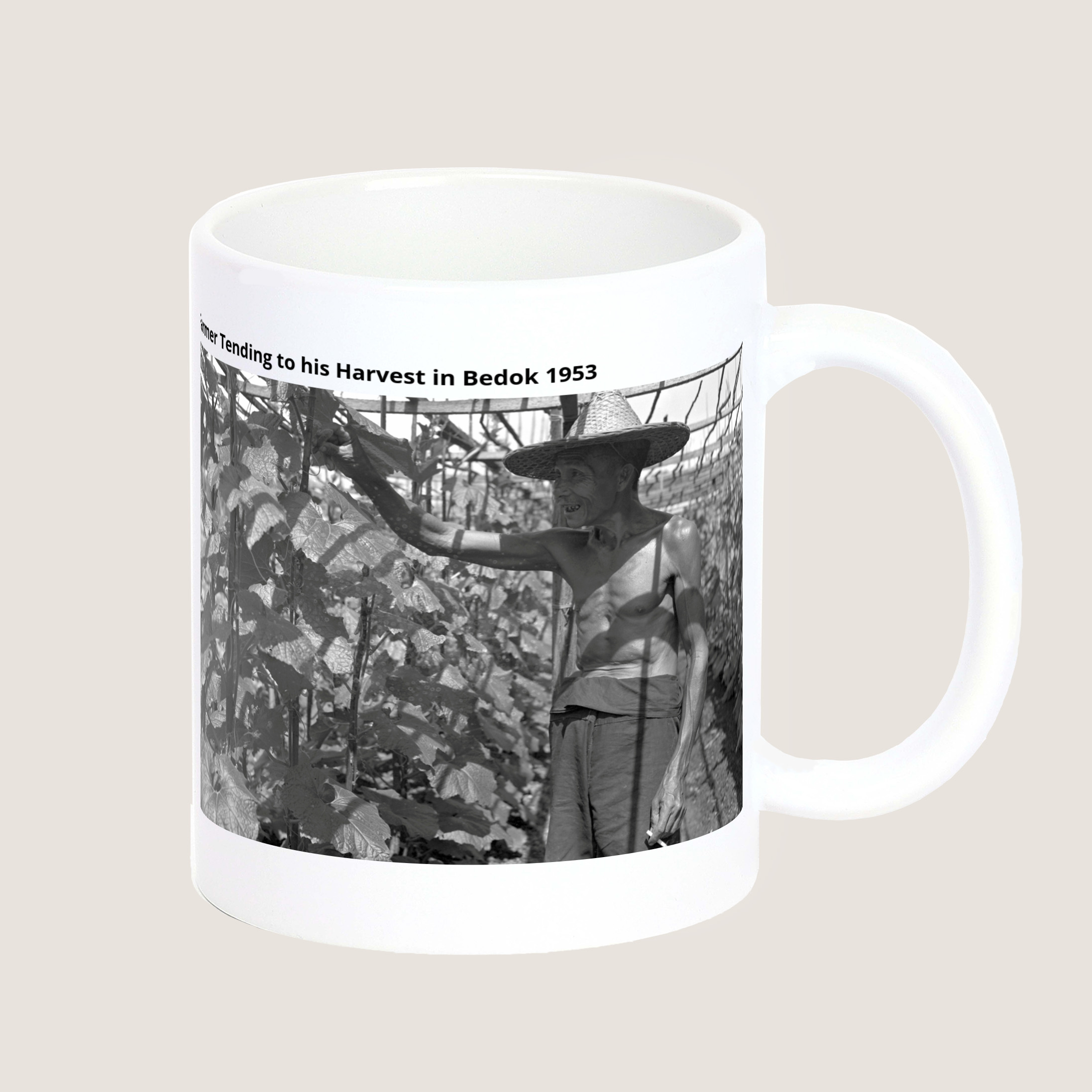
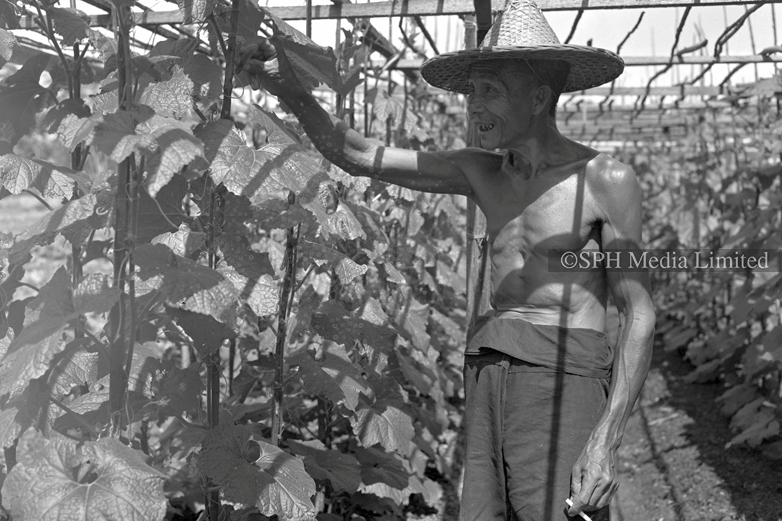 Farmer Tending to his Harvest in Bedok
1953
Farmer Tending to his Harvest in Bedok
1953
Farmer Tending to his Harvest in Bedok
Year 1953
A skinny and tanned farmer tending to his harvest. Farmers in Bedok eventually came under the resettlement scheme in 1953.
©️ SPH Media Limited
Share to
Tags
Available for print on products
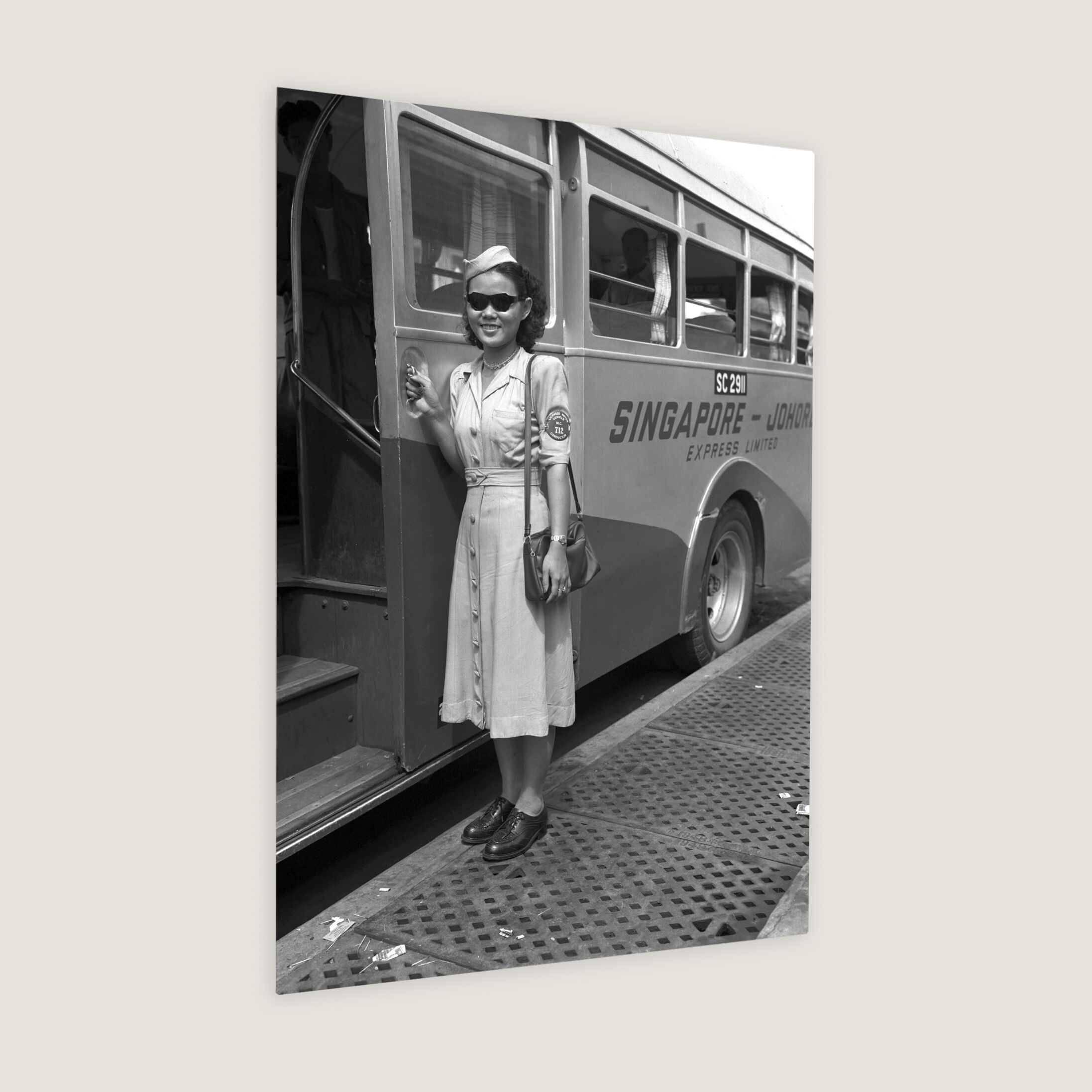
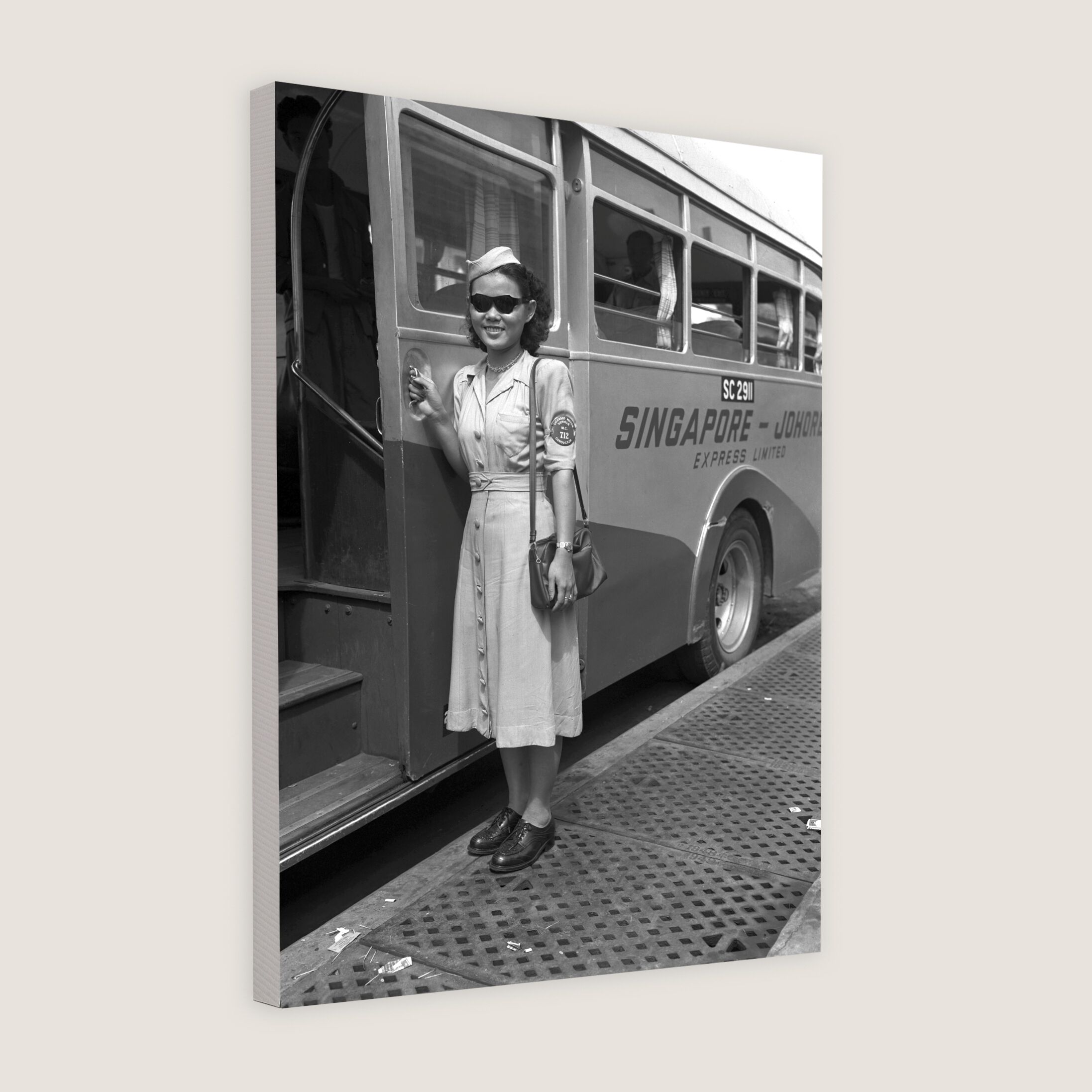
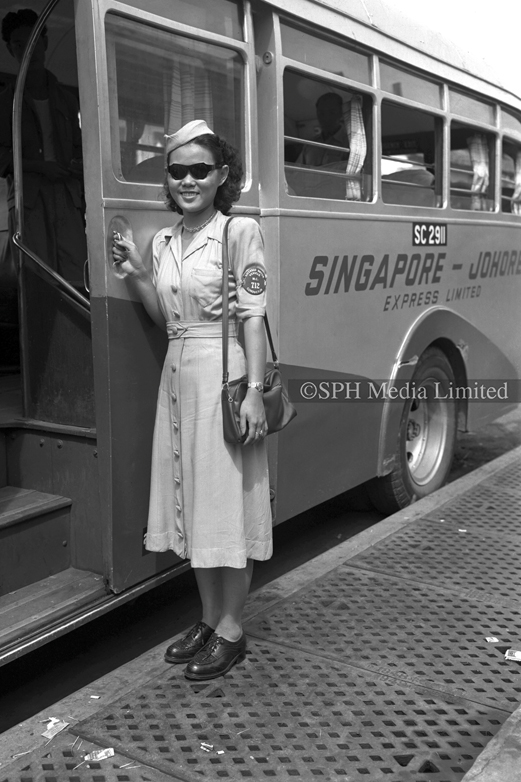 Bus Conductor of the Causeway Express Bus
1950
Bus Conductor of the Causeway Express Bus
1950
Bus Conductor of the Causeway Express Bus
Year 1950
A pioneer women bus conductor working for the Johore-Singapore express bus service. The Causeway is a road and rail link between Singapore and Johor Bahru in Malaysia that was completed in 1923.
©️ SPH Media Limited
Share to
Tags
Available for print on products
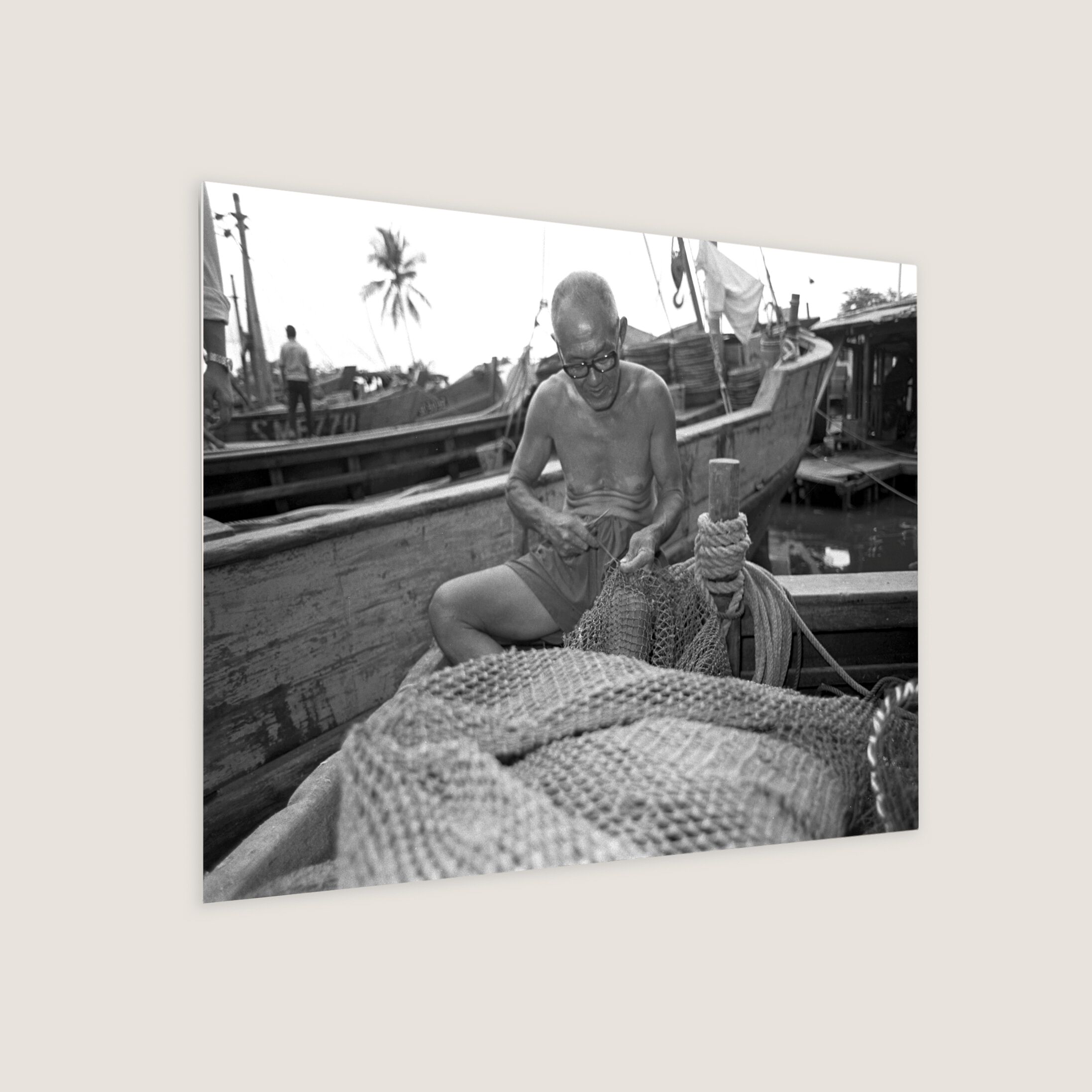
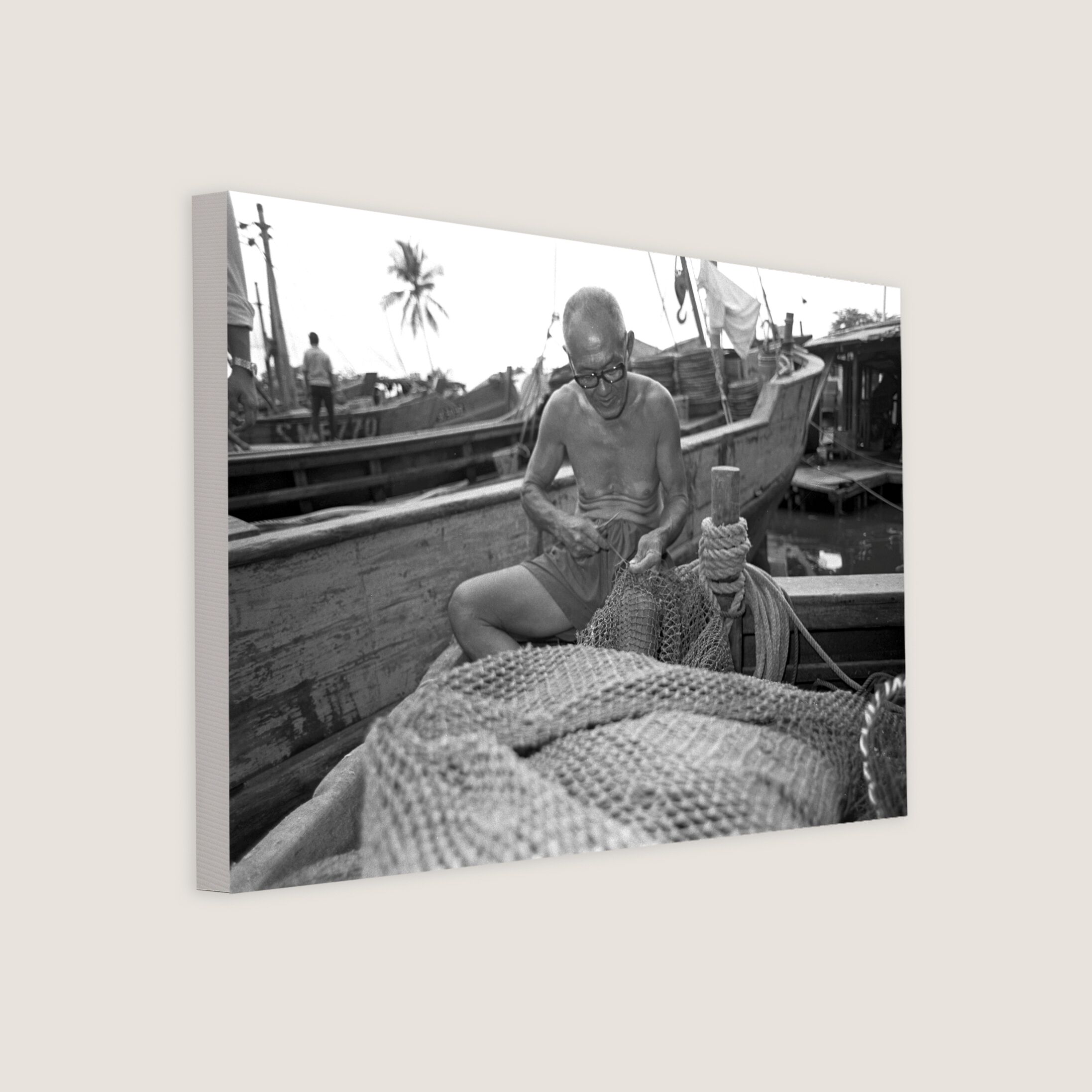
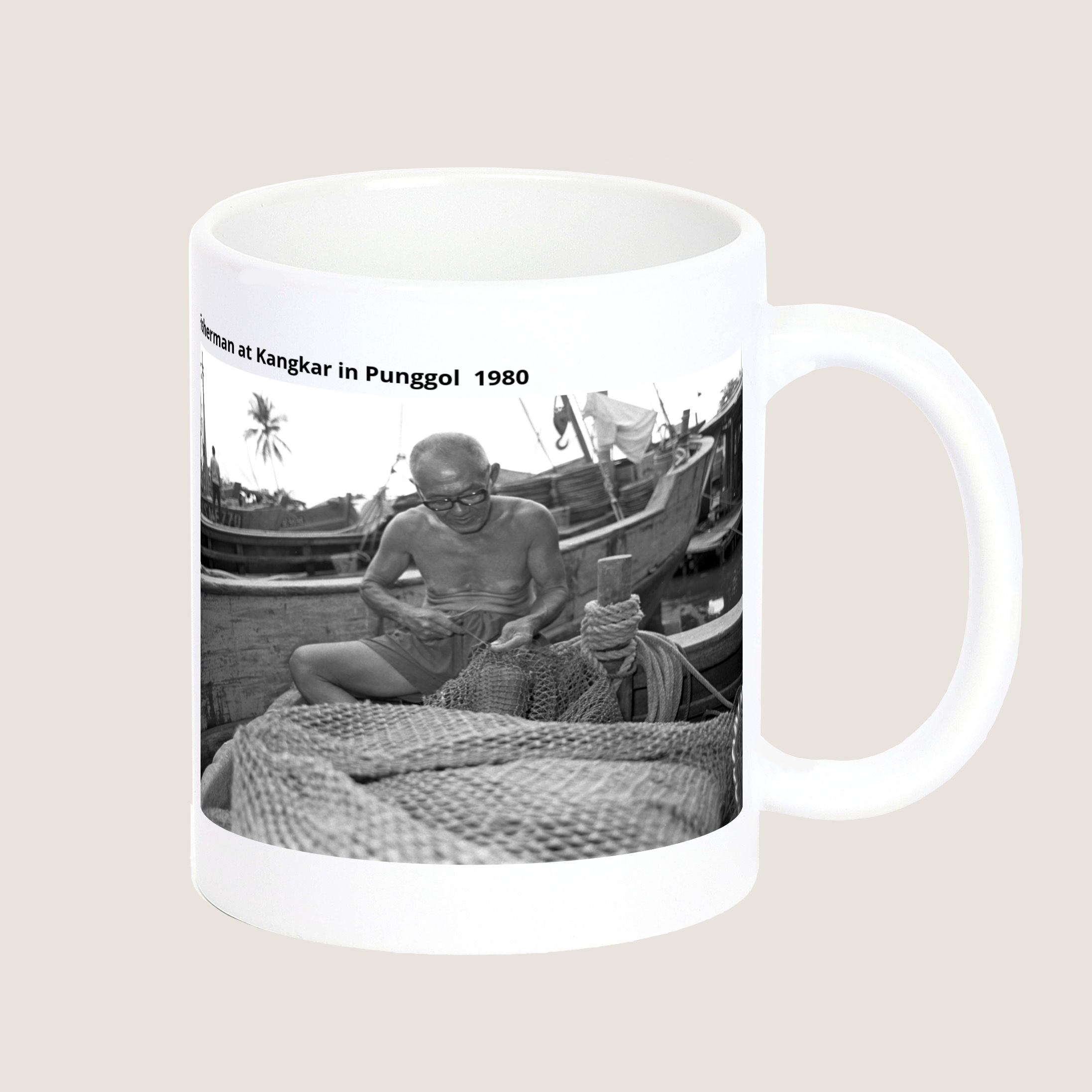
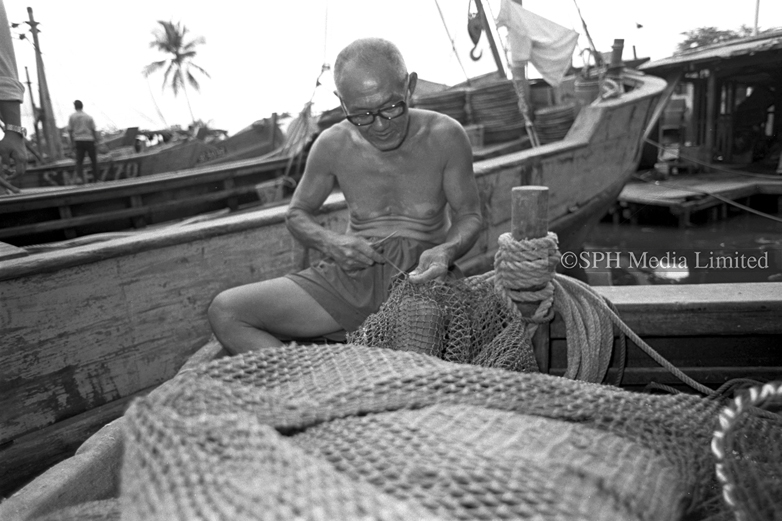 Fisherman at Kangkar in Punggol
1980
Fisherman at Kangkar in Punggol
1980
Fisherman at Kangkar in Punggol
Year 1980
An elderly fisherman mending his fishing nets at Kangkar in Punggol. Flanked by two rivers in Sungei Punggol and Sungei Serangoon, there were many fishermen living near the river banks. A Teochew Kangkar Village was once located at the end of Upper Serangoon Road, near the mouth of the Serangoon River where it was filled with fishing boats and sampans. The coastal kampong was demolished in 1984 to make way for the Ponggol Fishing Port.
©️ SPH Media Limited
Share to
Tags
Available for print on products
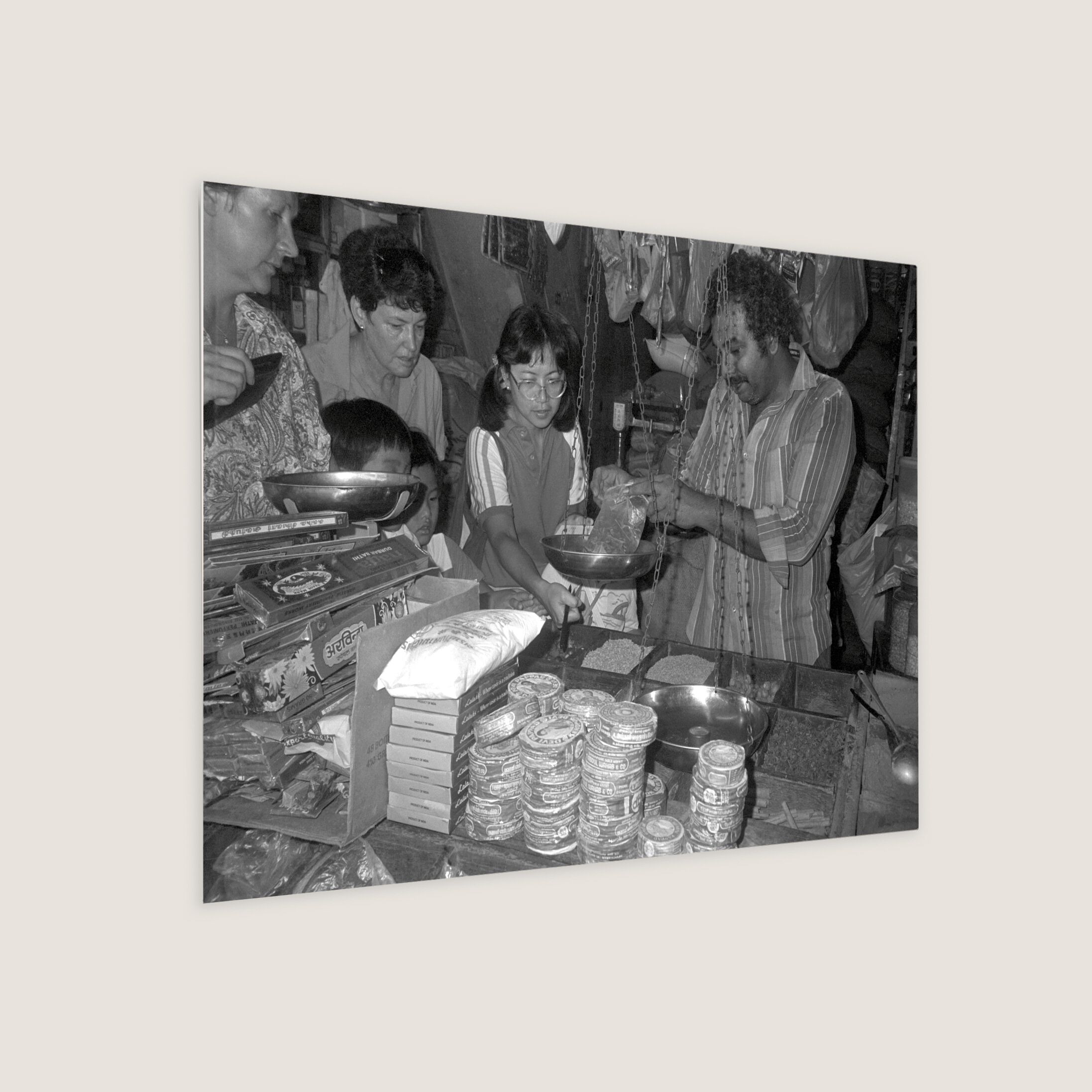
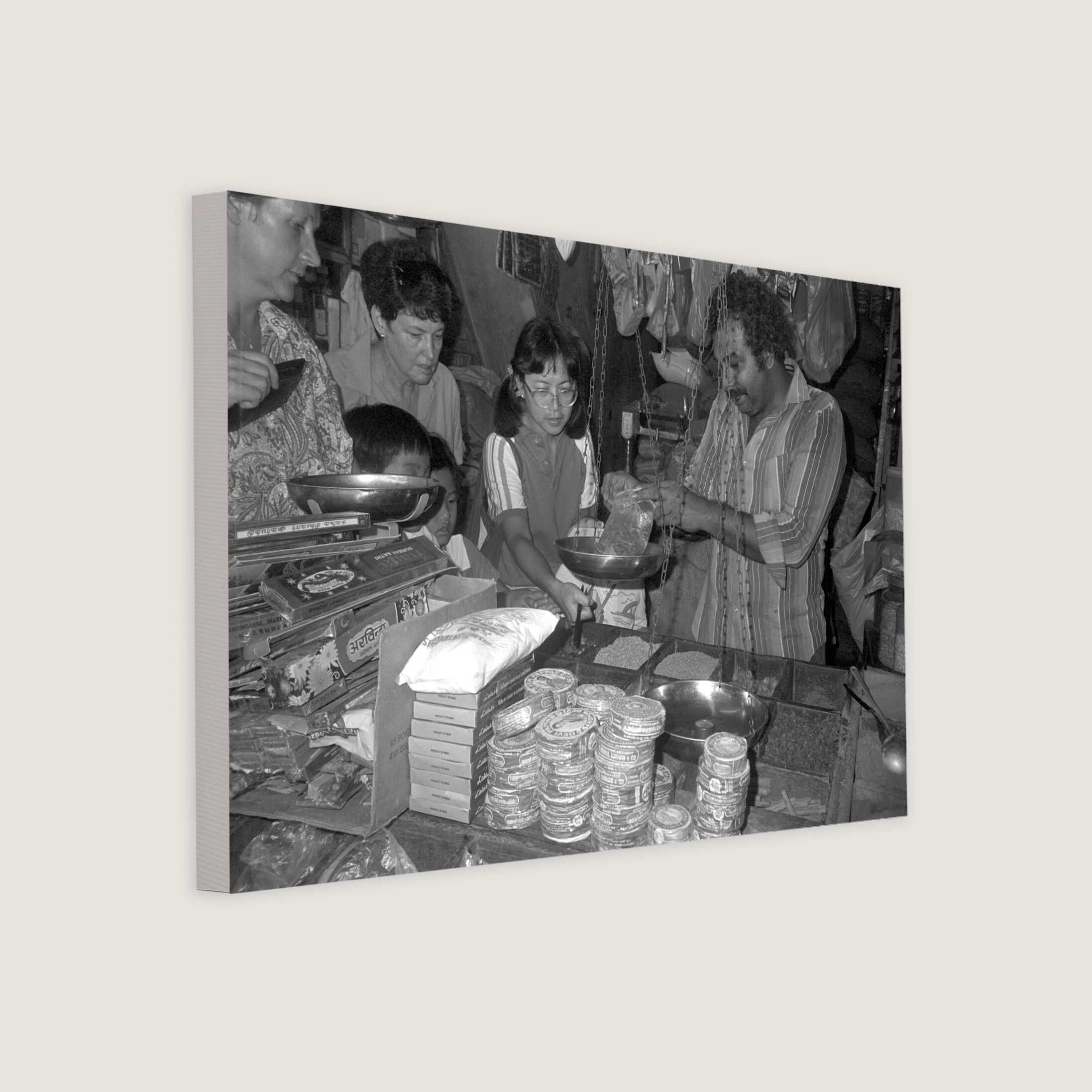
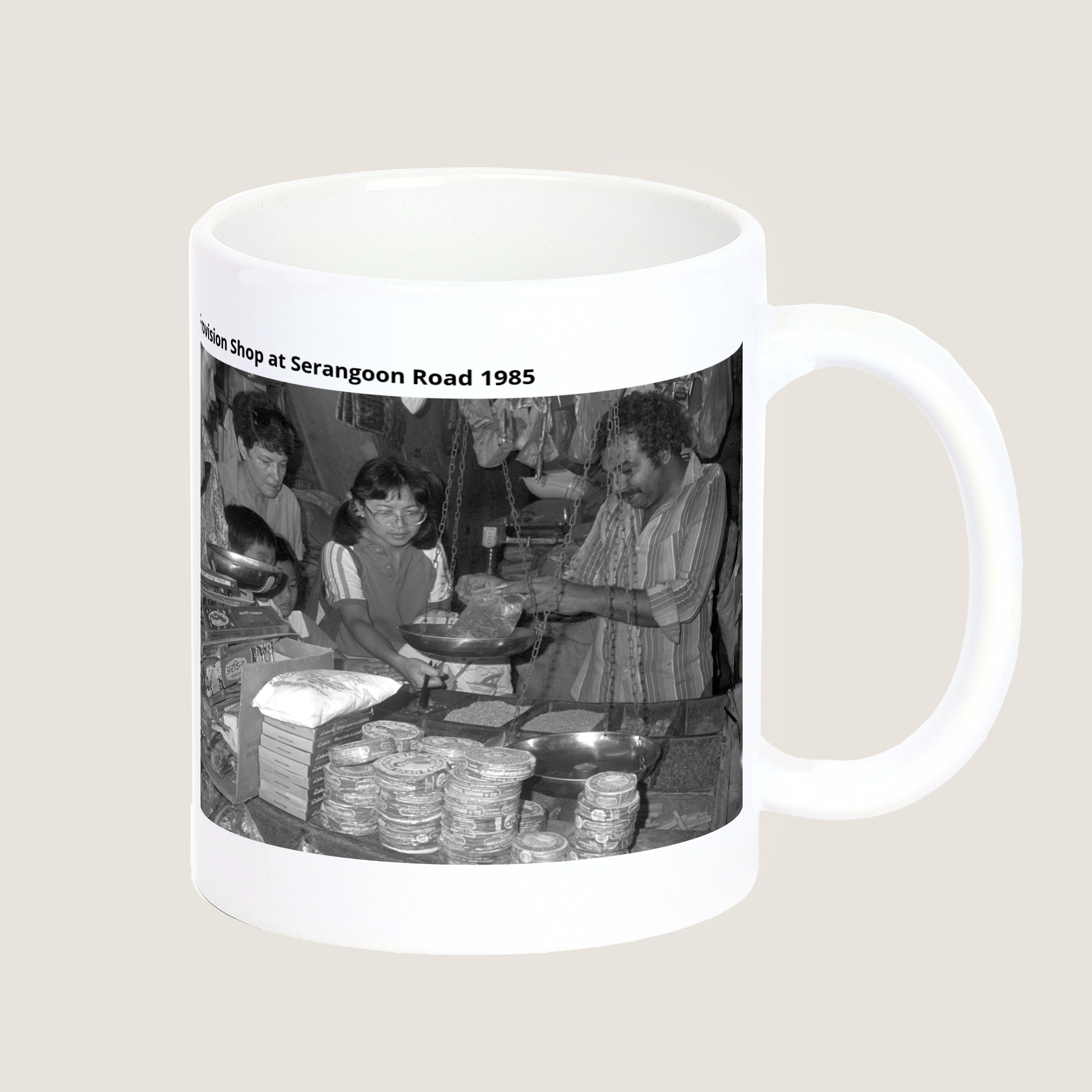
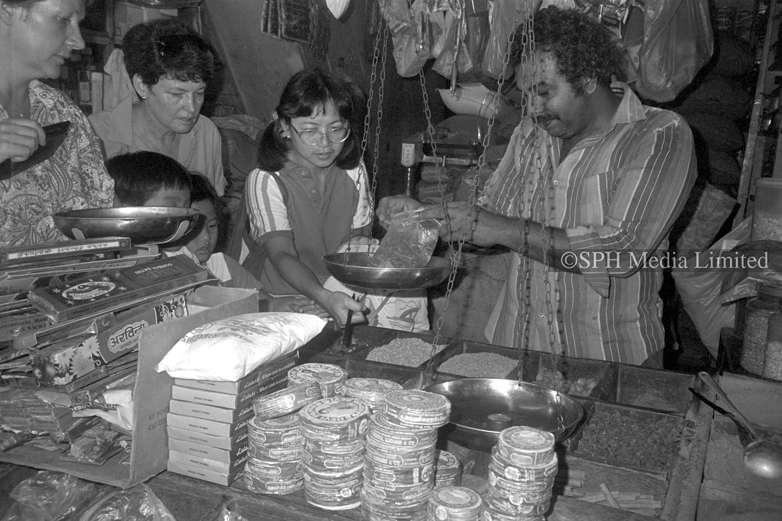 Provision Shop at Serangoon Road
1985
Provision Shop at Serangoon Road
1985
Provision Shop at Serangoon Road
Year 1985
A provision shop in Serangoon Road. They used to be common in residential areas as a place to purchase necessities. However, as supermarket chains expanded, provision stores are now seeing lesser footfall.
©️ SPH Media Limited
Share to
Tags
Available for print on products
Postman at Tanglin Post Office
1972
Postman at Tanglin Post Office
Year 1972
A postman from the Tanglin Post Office. The General Post Office was located at the former Fort Fullerton which is currently Fullerton Hotel. Subsequently, sub-post offices were built at Tanglin, Kandang Kerbau, Kallang, Bukit Timah and Tanjong Pagar.
©️ SPH Media Limited
Share to
Tags
Available for print on products
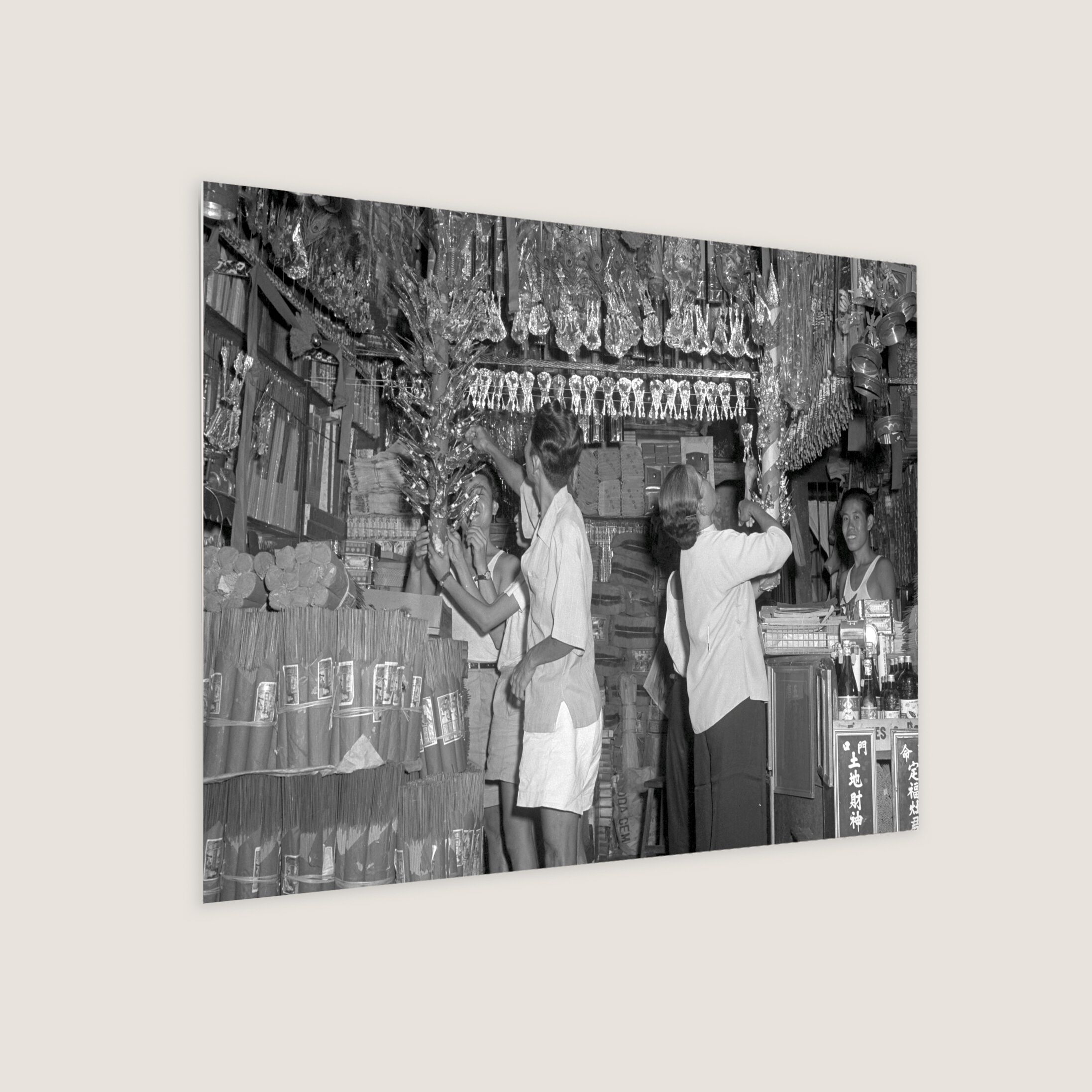
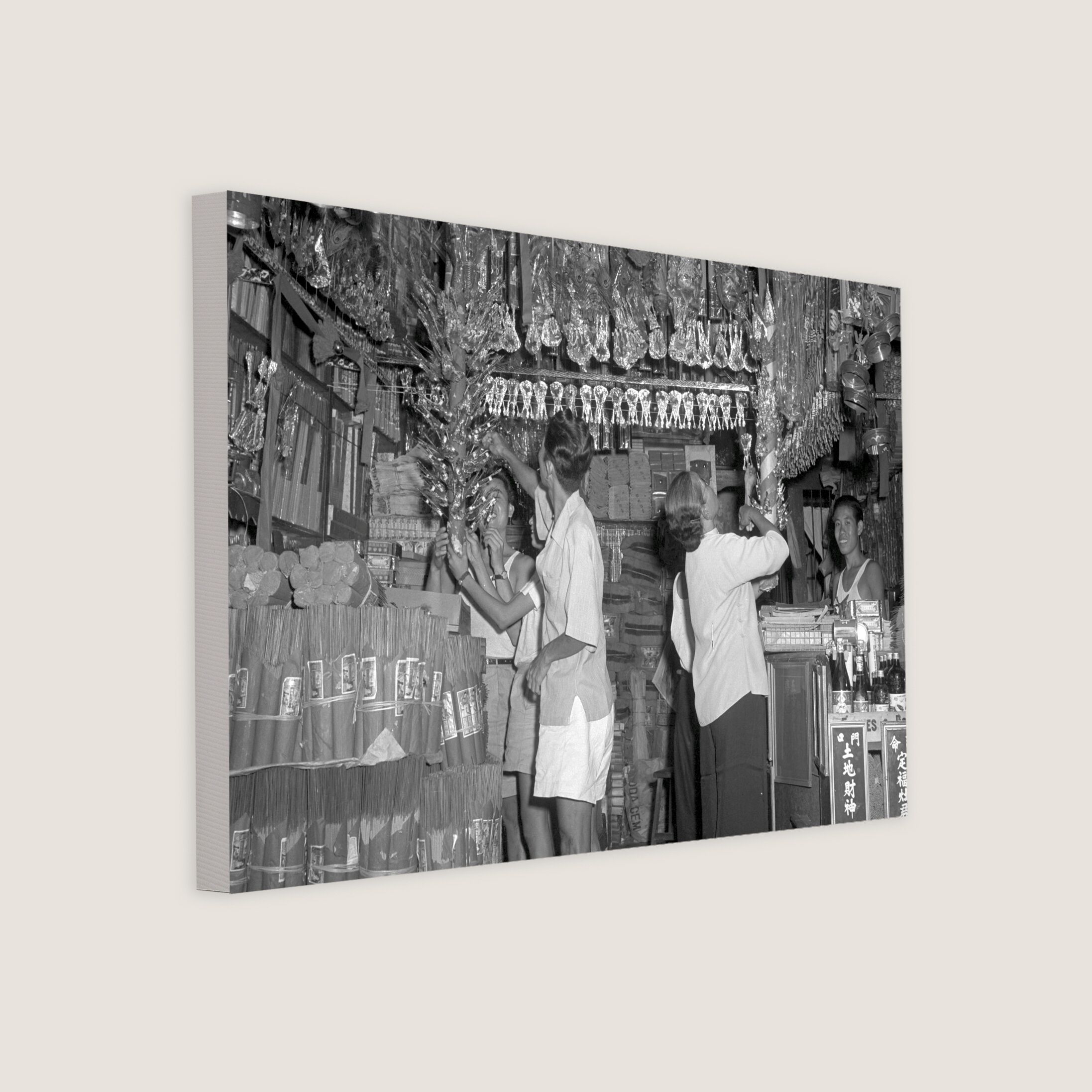
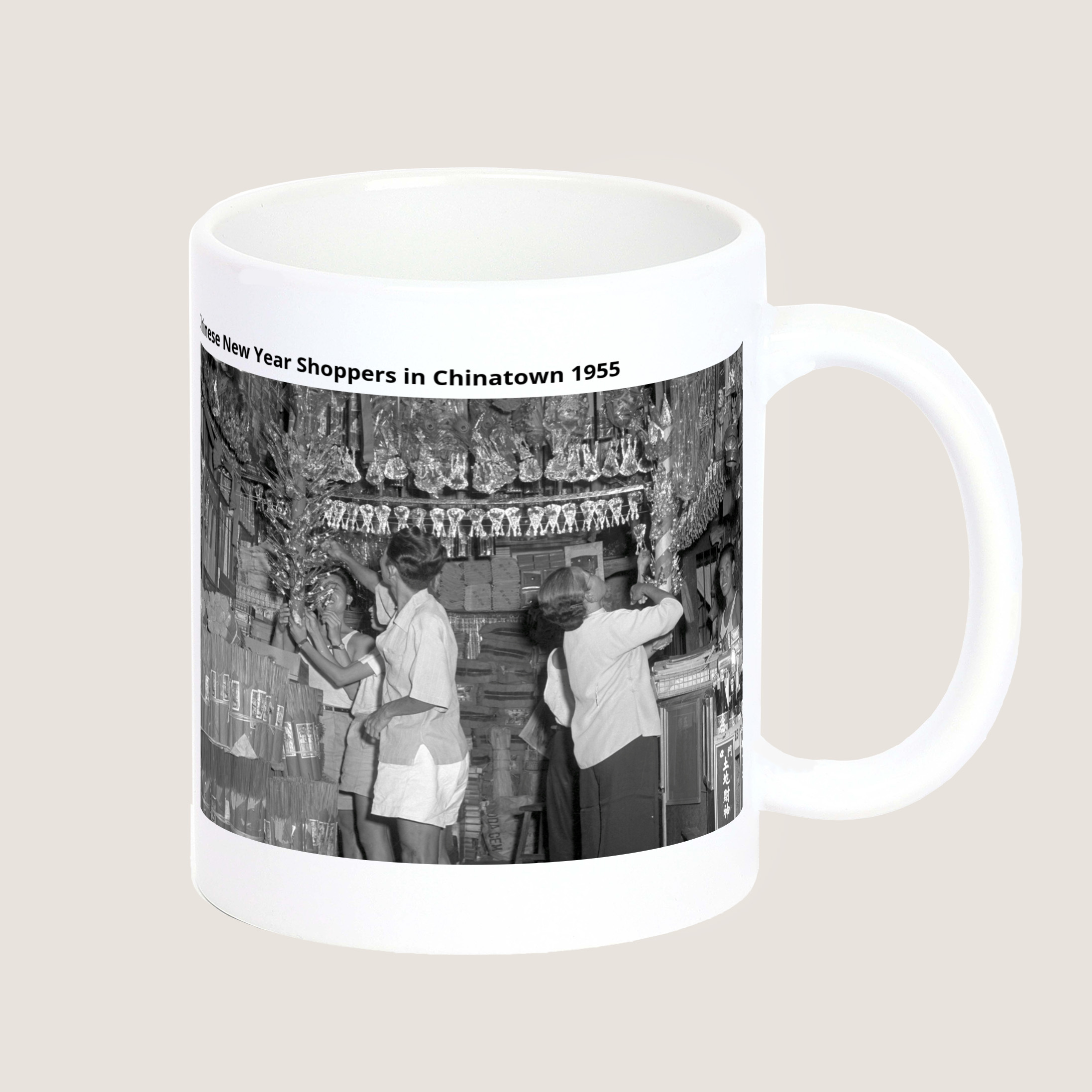
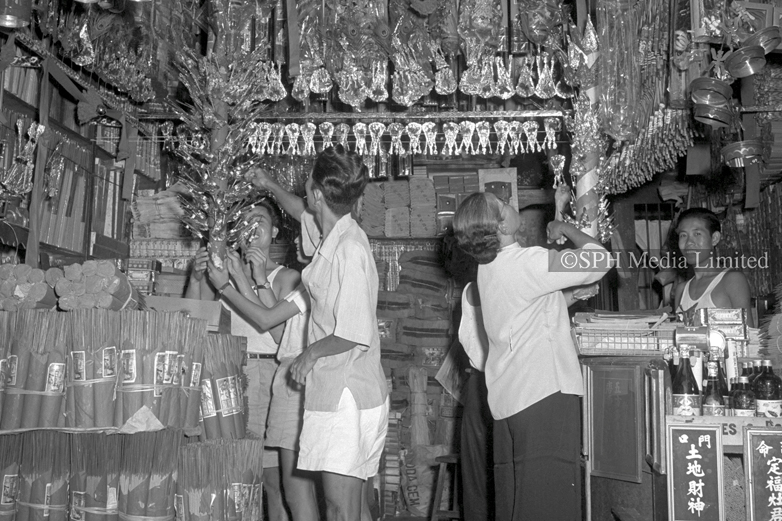 Chinese New Year Shoppers in Chinatown
1955
Chinese New Year Shoppers in Chinatown
1955
Chinese New Year Shoppers in Chinatown
Year 1955
Here are some Chinese New Year shoppers in Chinatown in 1955. This shop primarily sells wares for prayers, such as joss sticks and joss papers. These offerings are meant to appease the deceased.
©️ SPH Media Limited
Share to
Tags
Available for print on products
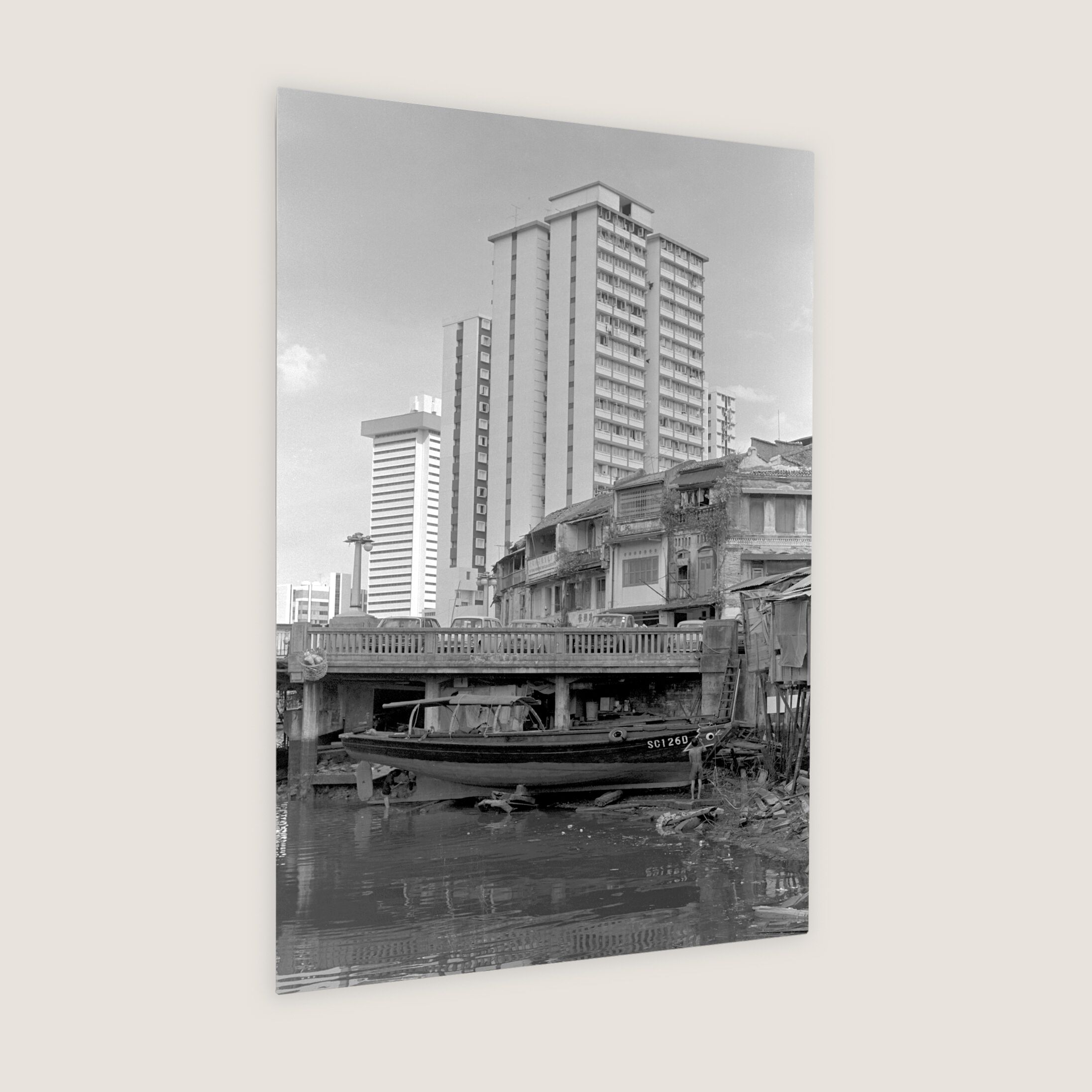
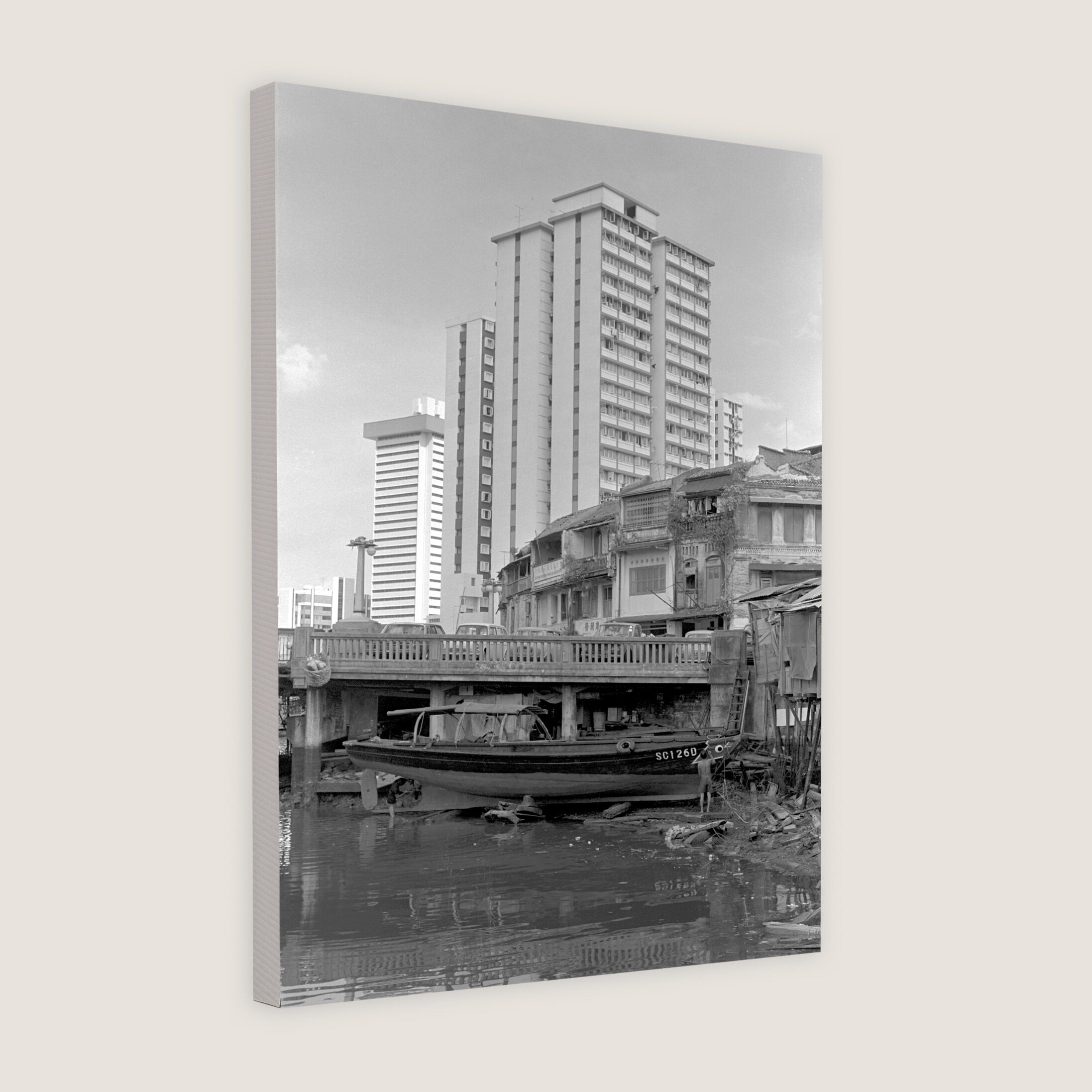
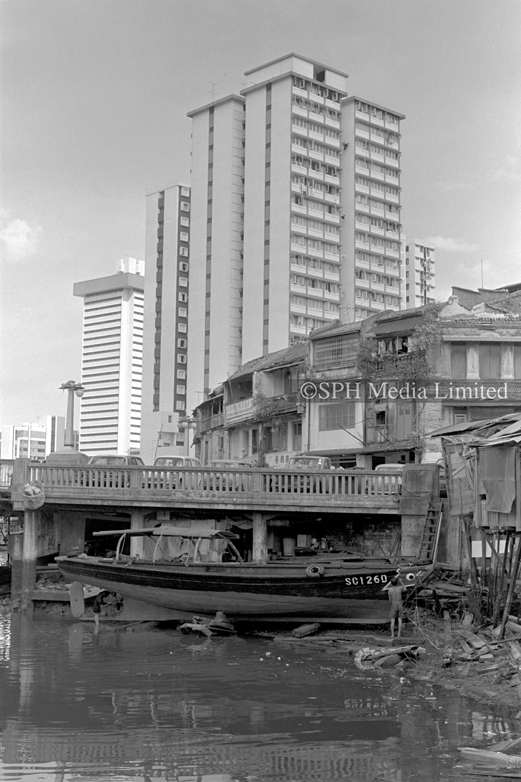 Boat Repair Works by the Singapore River
1977
Boat Repair Works by the Singapore River
1977
Boat Repair Works by the Singapore River
Year 1977
A boatman skillfully repairs boats by the Singapore River. After the river cleanup efforts between 1977 and 1987, these traditional boats were repurposed as river taxis, offering tourists and locals alike a unique perspective on the Singapore River's transformation and scenic beauty.
©️ SPH Media Limited
Share to
Tags
Available for print on products
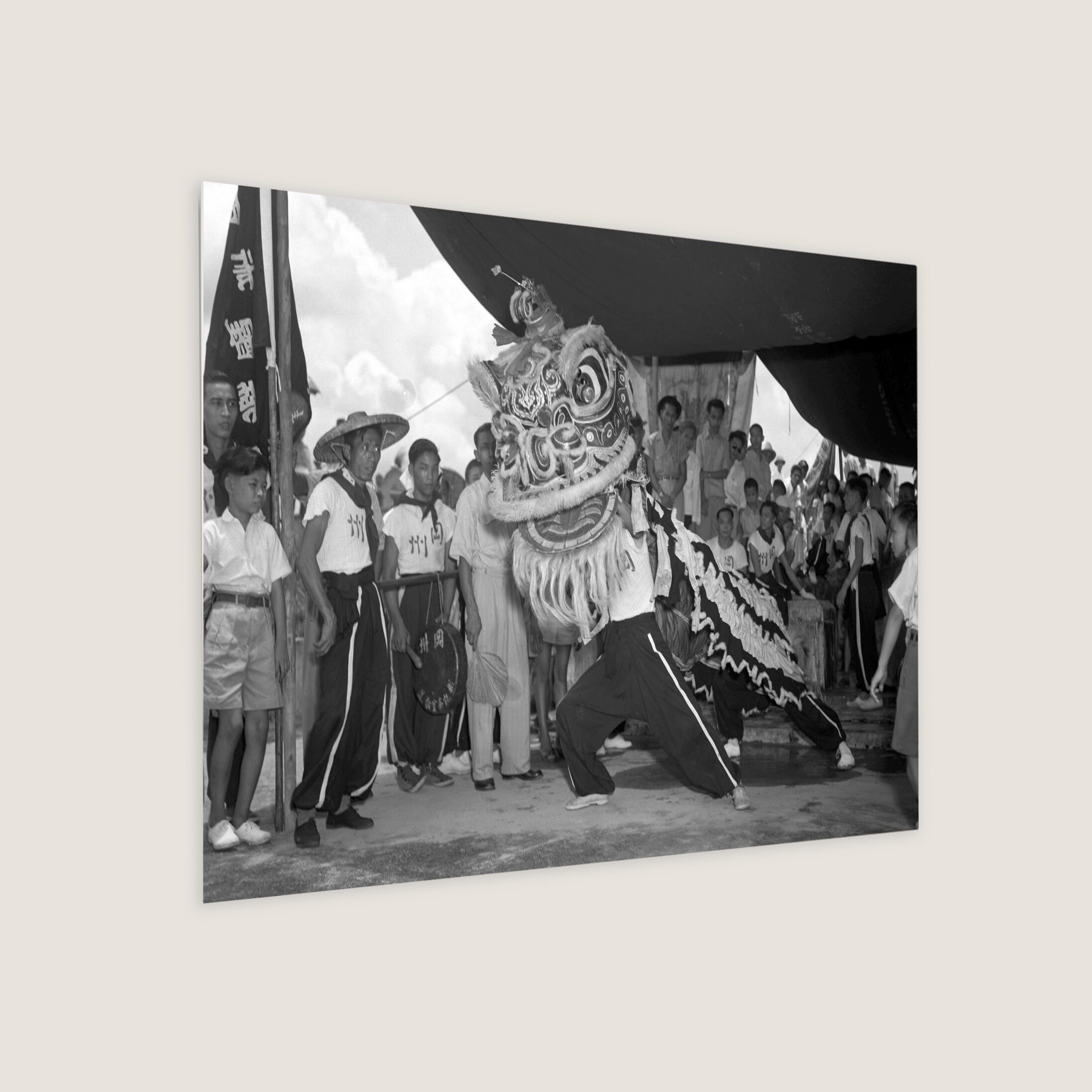
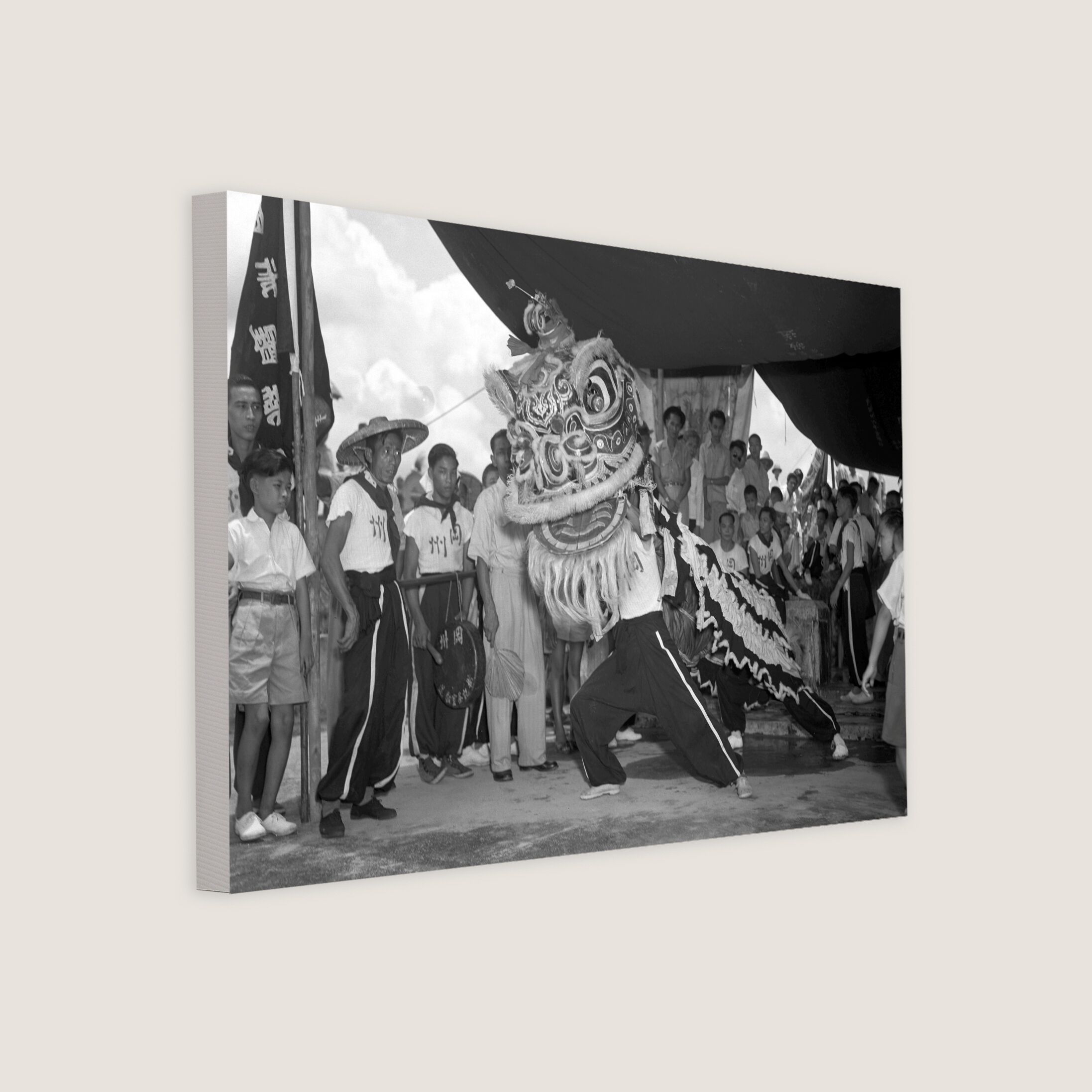
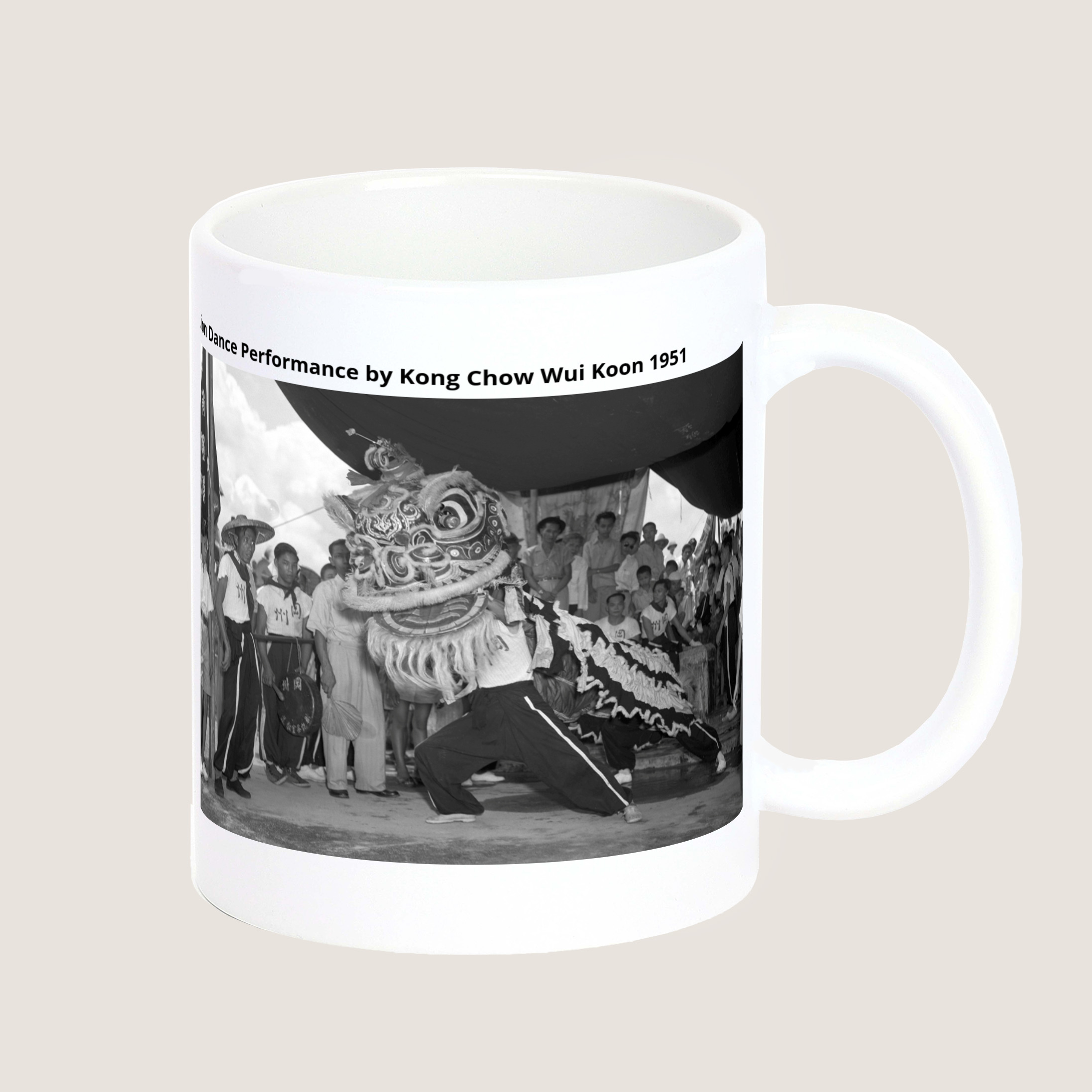
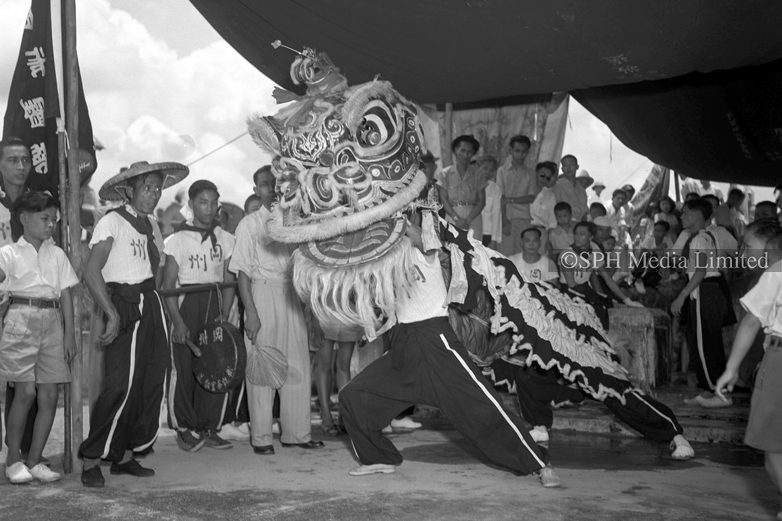 Lion Dance Performance by Kong Chow Wui Koon
1951
Lion Dance Performance by Kong Chow Wui Koon
1951
Lion Dance Performance by Kong Chow Wui Koon
Year 1951
Kong Chow Wui Koon (冈州会馆) is one of the oldest Chinese clan associations in Singapore. It was founded in 1840 by Xinhui (新会) clansmen who came from Guangdong’s Pearl River Delta (珠江三角洲). Well-known for their traditional Chinese martial arts, lion and dragon dance, as well as Cantonese opera, the members regularly perform both locally and abroad.
©️ SPH Media Limited
Share to
Tags
Available for print on products
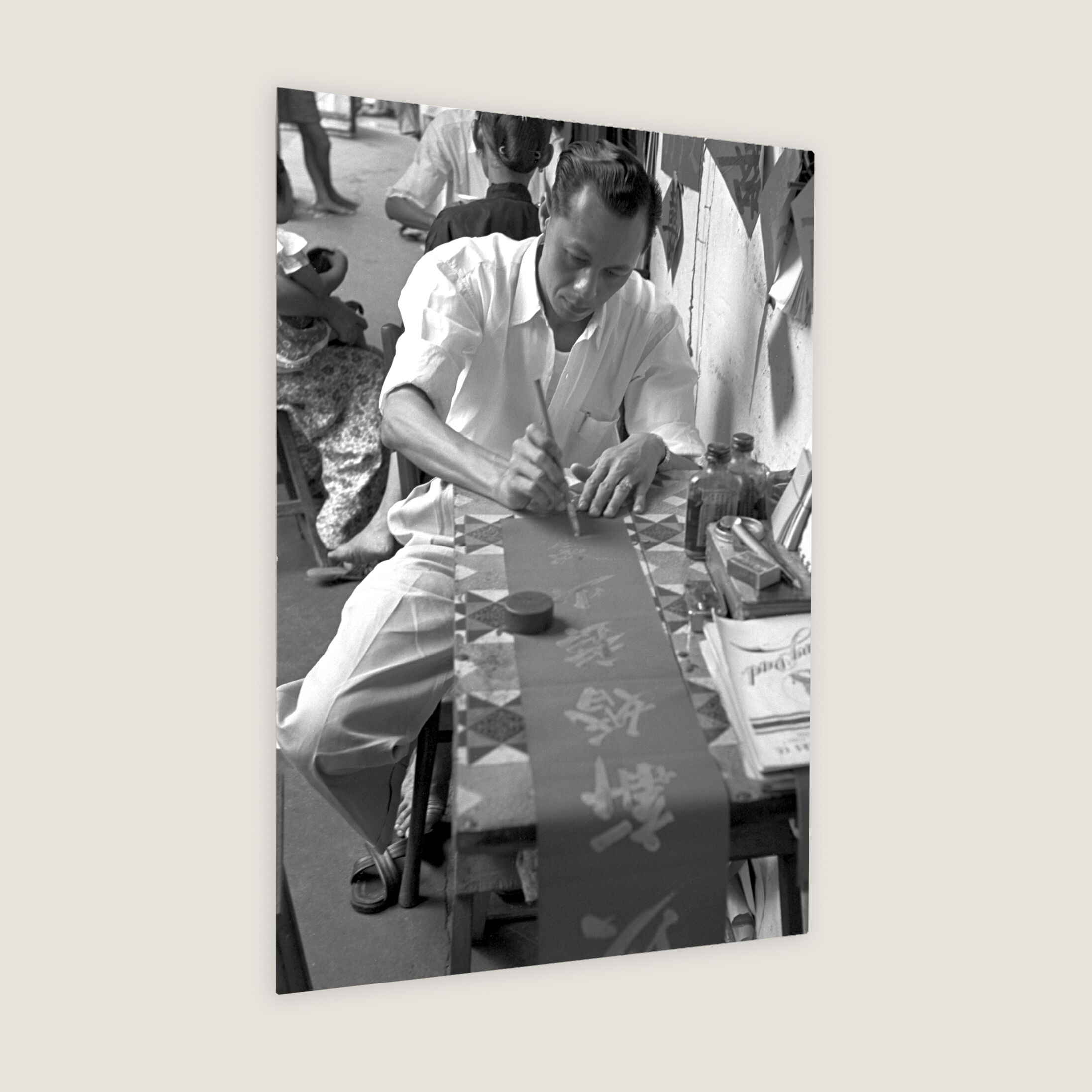
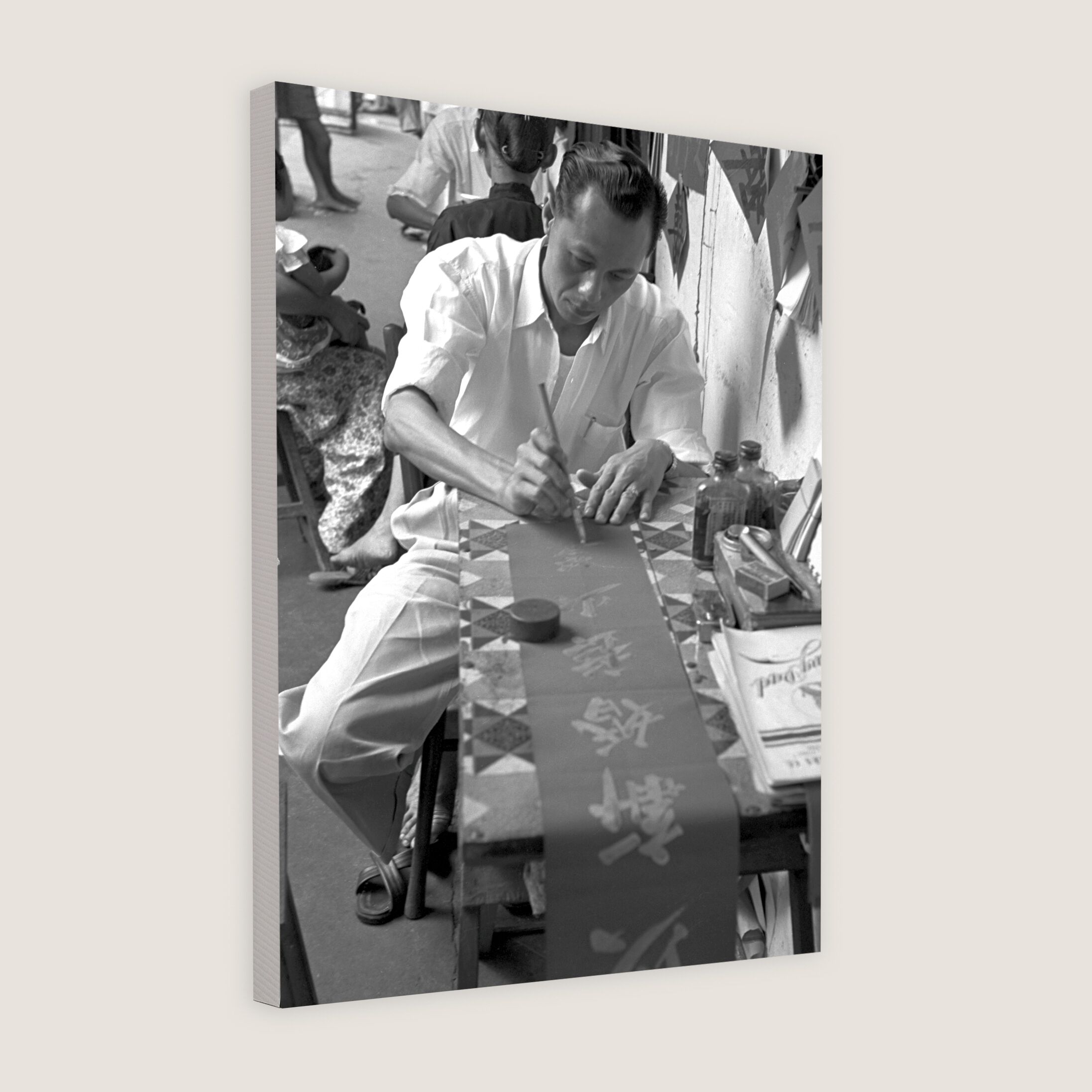
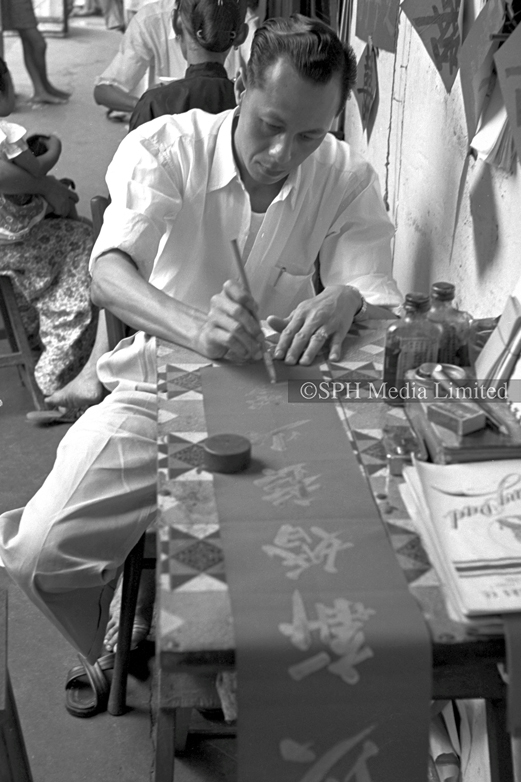 A Letter-Writing Man in Action at Sago Street
1953
A Letter-Writing Man in Action at Sago Street
1953
A Letter-Writing Man in Action at Sago Street
Year 1953
For 11 years, this man sat at his table in Sago Street writing letters for the illiterate and writing gold-lettered scrolls (对联) as a trade. The 1950s and 1960s were thriving times for such letter writers, with hordes of people waiting to send word back home after World War II.
©️ SPH Media Limited
Share to
Tags
Available for print on products
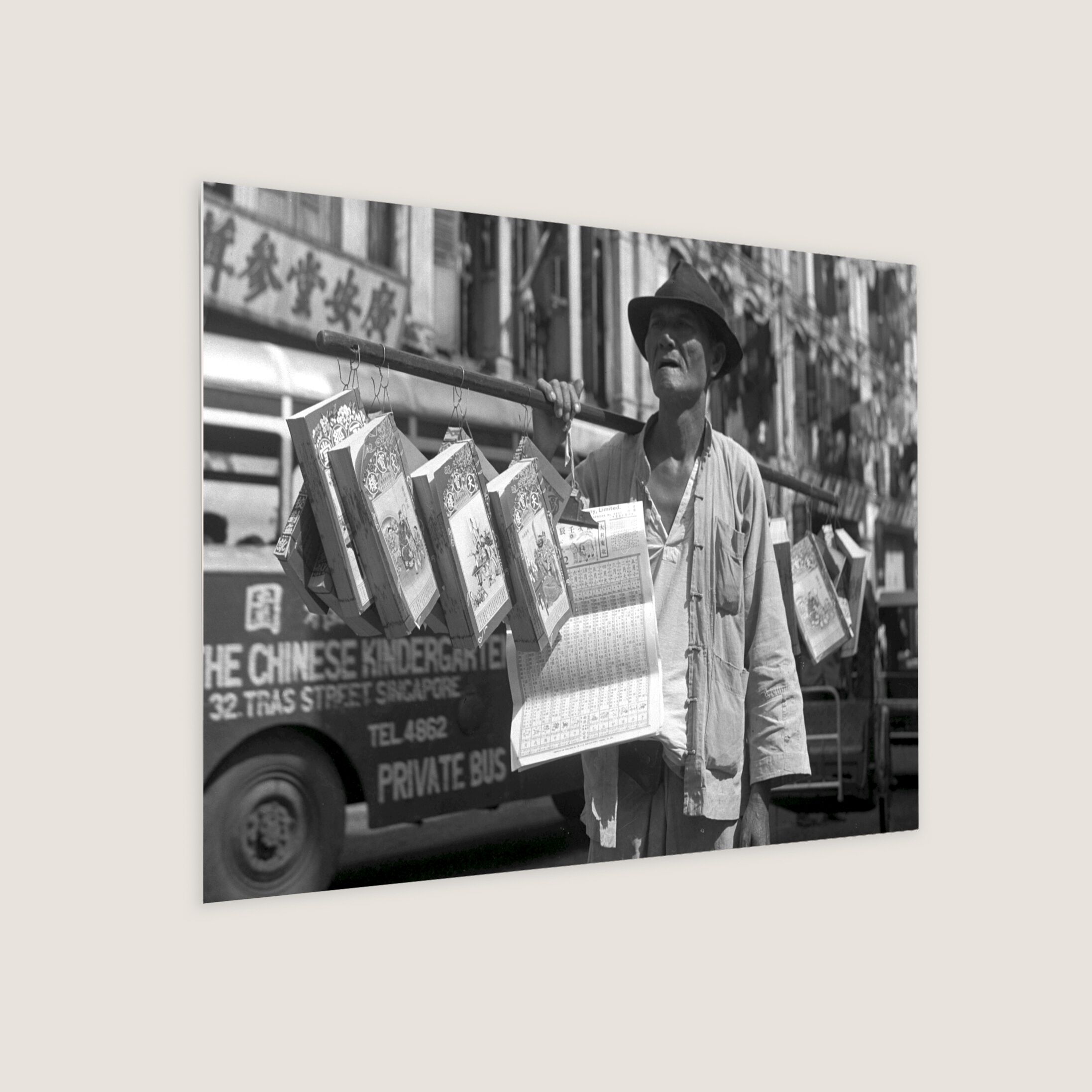
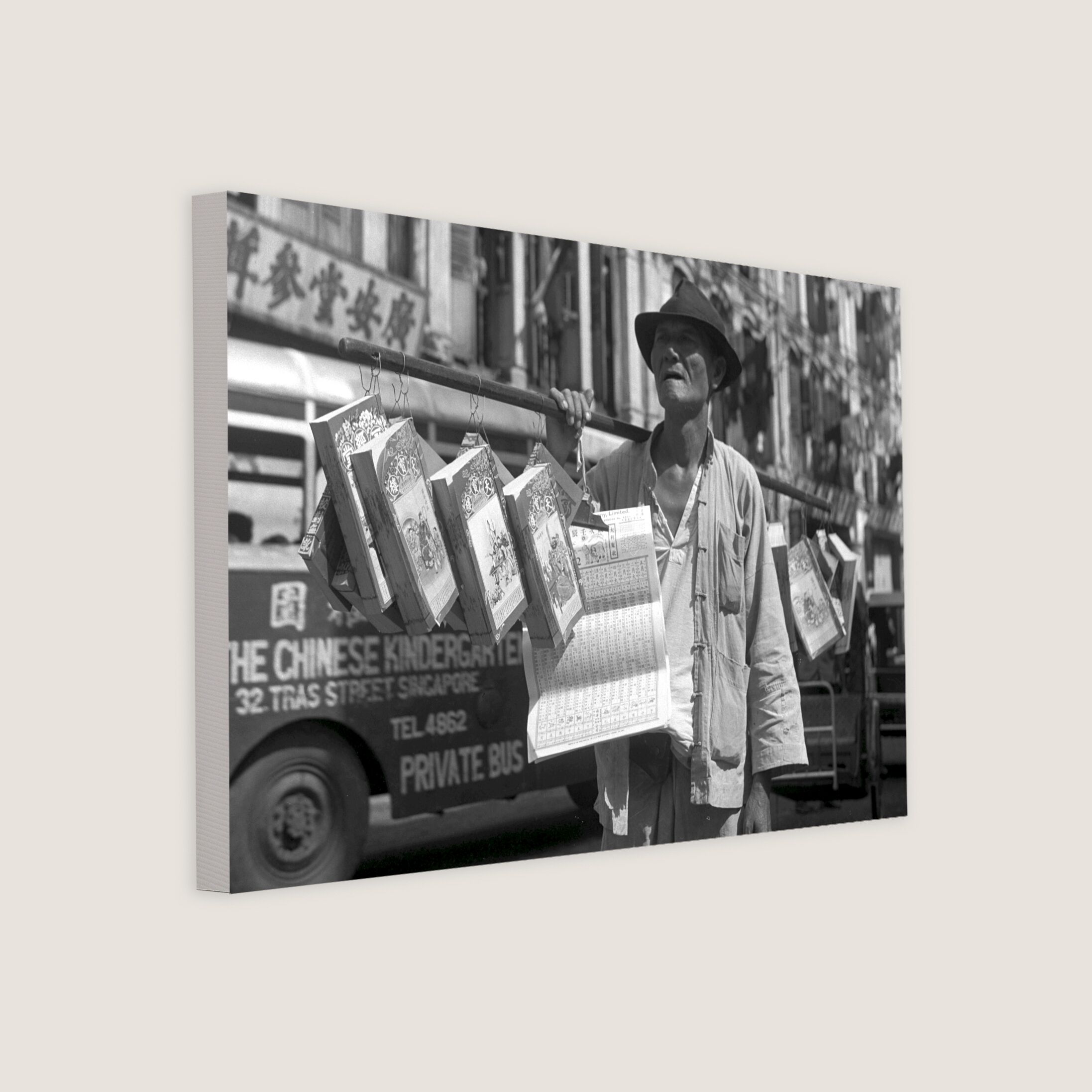
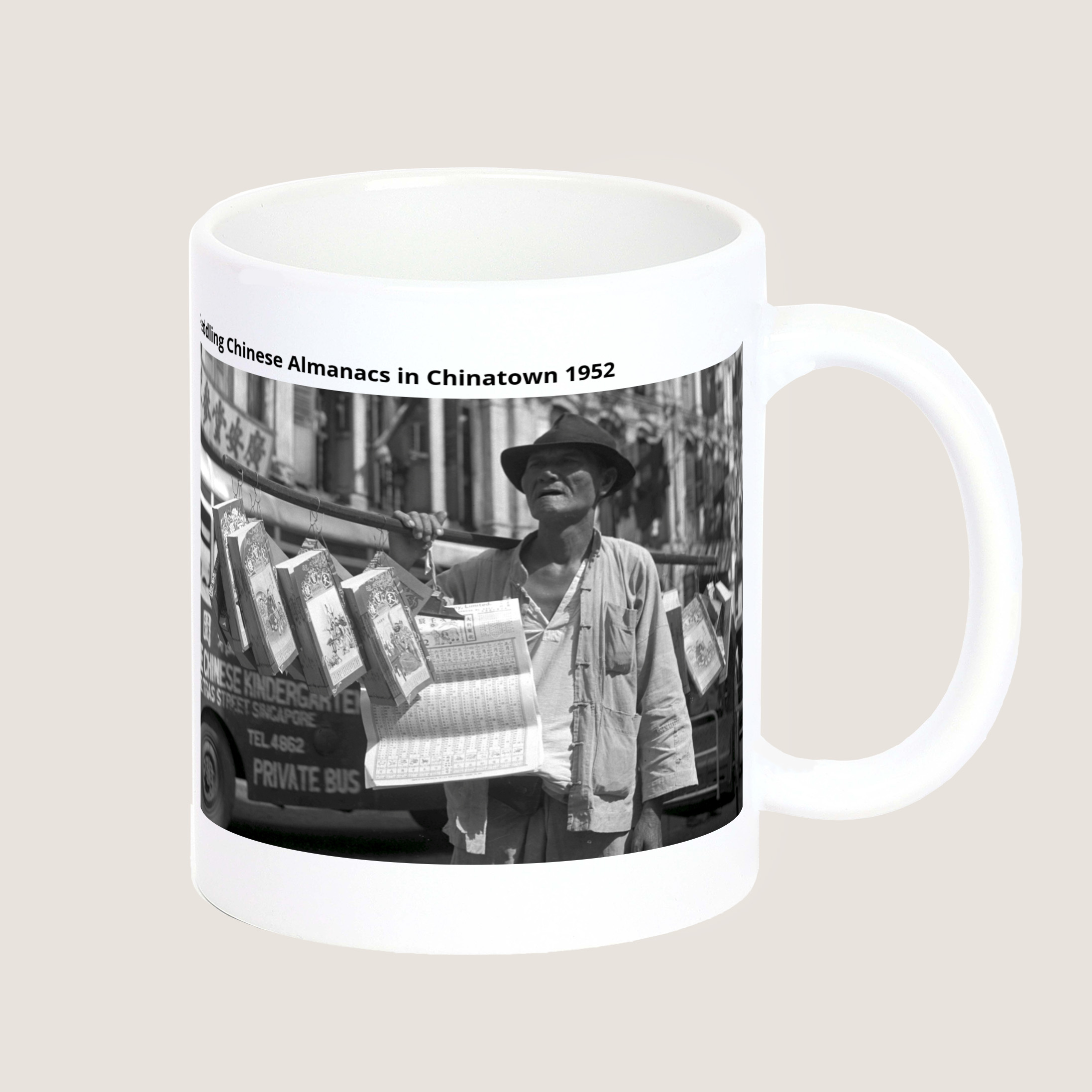
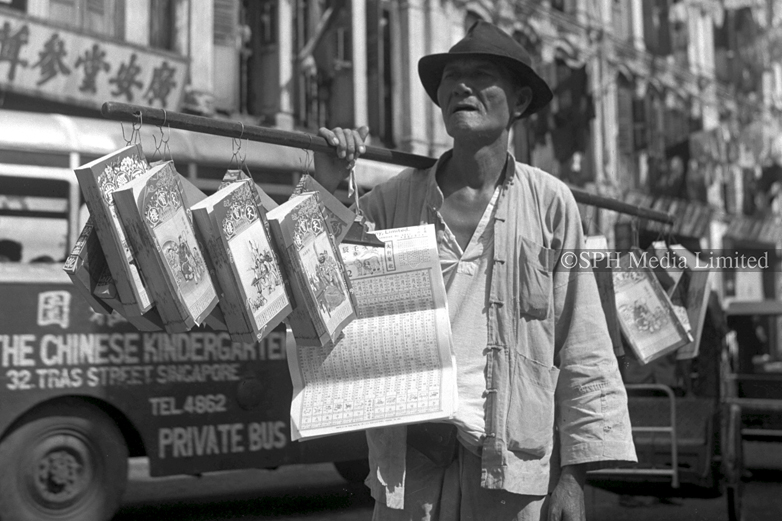 Peddling Chinese Almanacs in Chinatown
1952
Peddling Chinese Almanacs in Chinatown
1952
Peddling Chinese Almanacs in Chinatown
Year 1952
On a day in 1952, a peddler in Chinatown was selling Chinese almanacs (通胜), a fortune-telling calendar record which details the auspicious timings for daily activities, almost like an encyclopedia. It is a traditionally auspicious item to have for Chinese New Year.
©️ SPH Media Limited
Share to
Tags
Available for print on products
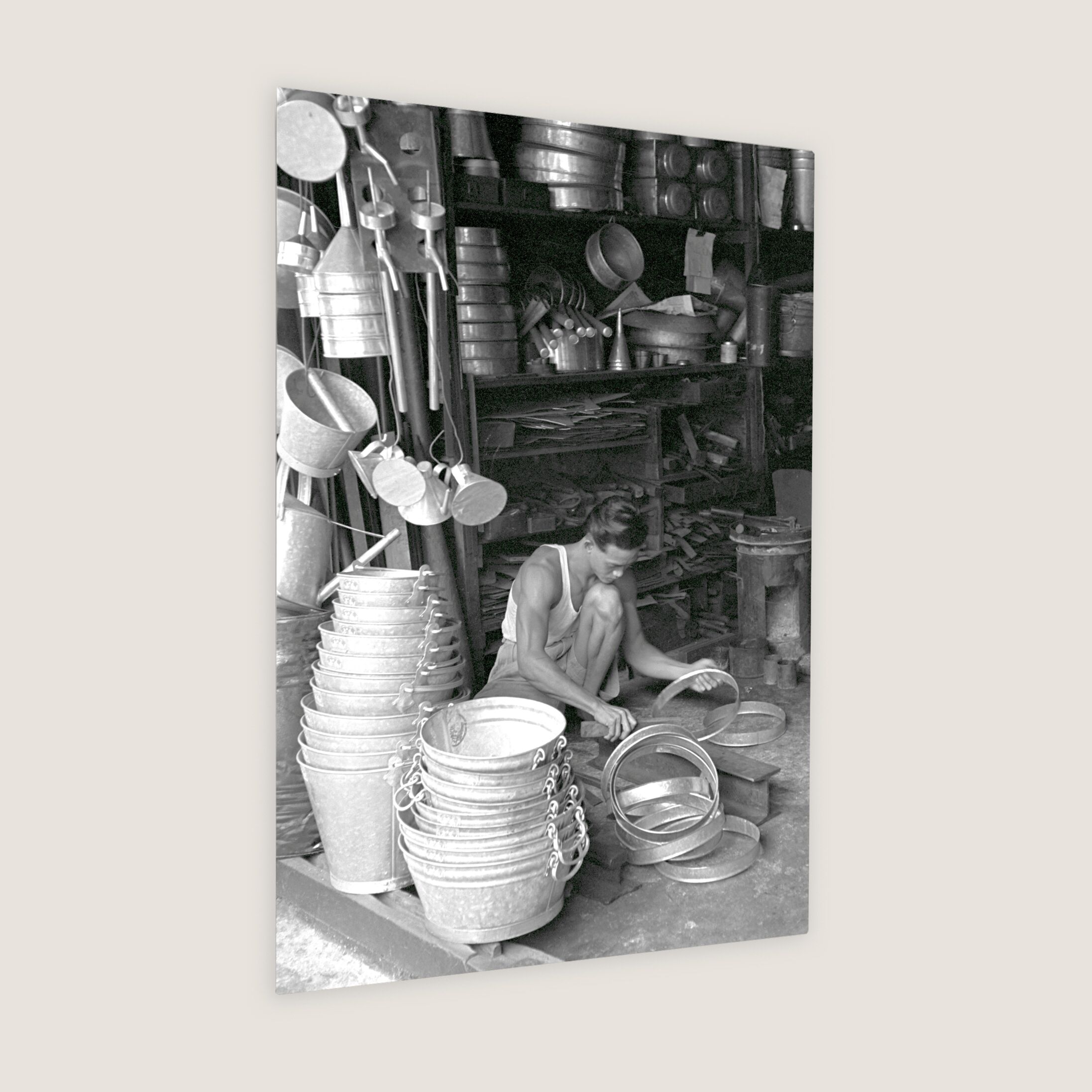
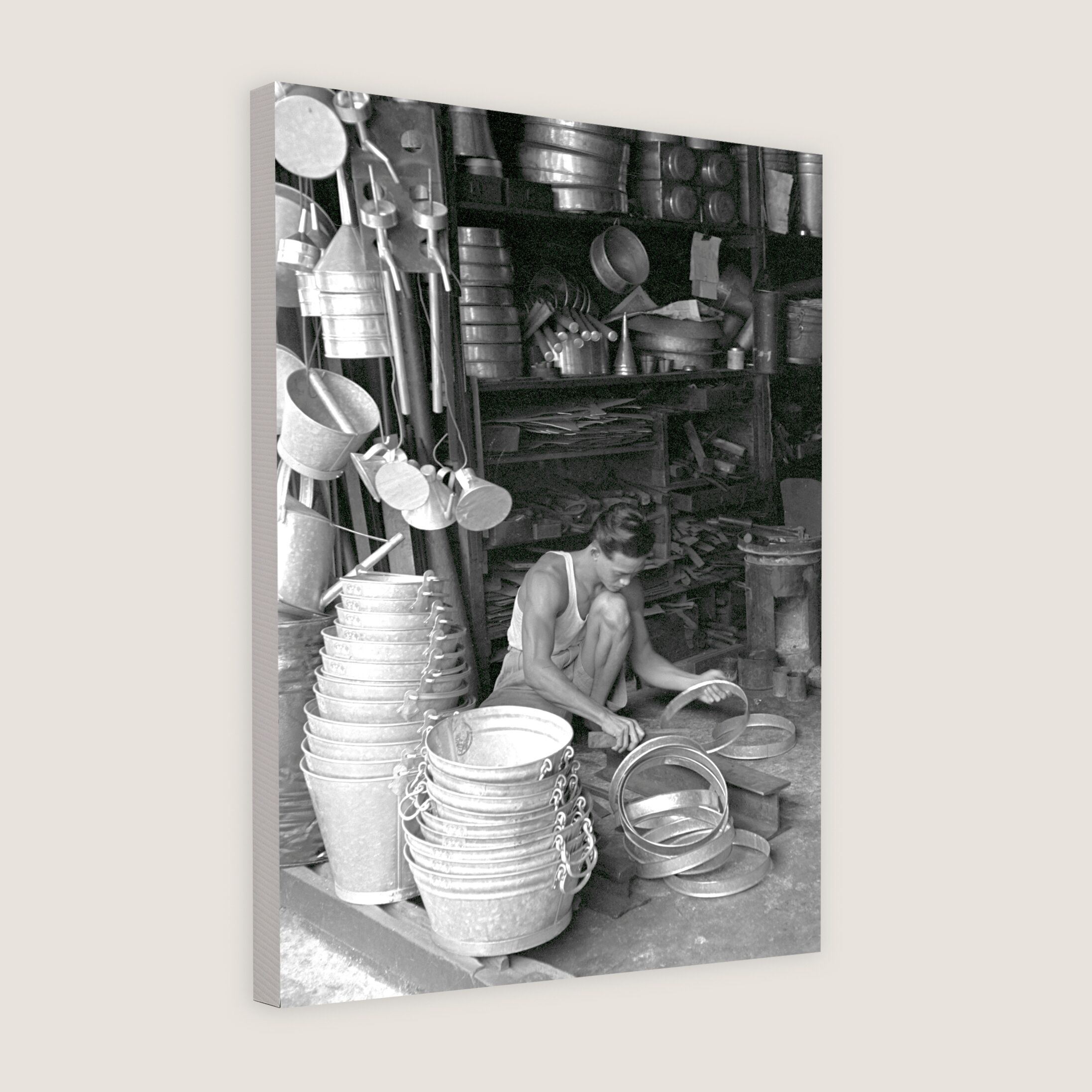
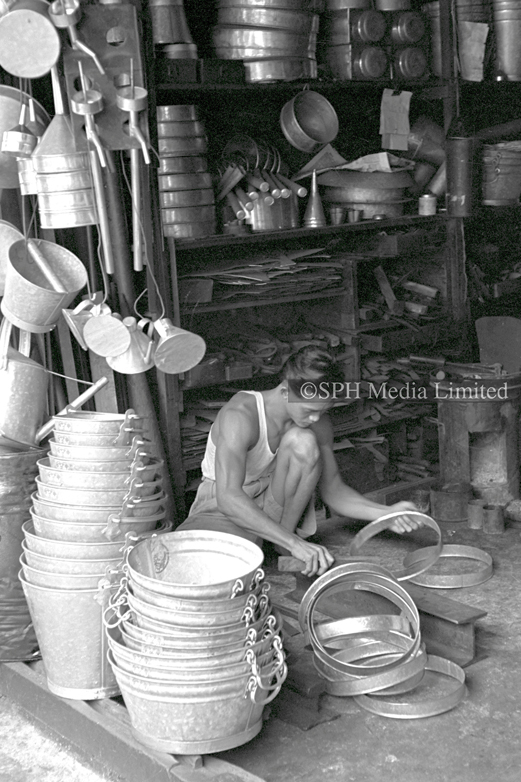 A Tinsmith Shop on Temple Street
1953
A Tinsmith Shop on Temple Street
1953
A Tinsmith Shop on Temple Street
Year 1953
Once the continuous hammering echoes from Chin Hap Huat's tinsmith shop on Temple Street. Today, it has joined to become a vanishing trade in Singapore among many others. In this shop, everything from large baths to small kettles was produced.
©️ SPH Media Limited
Share to
Tags
Available for print on products
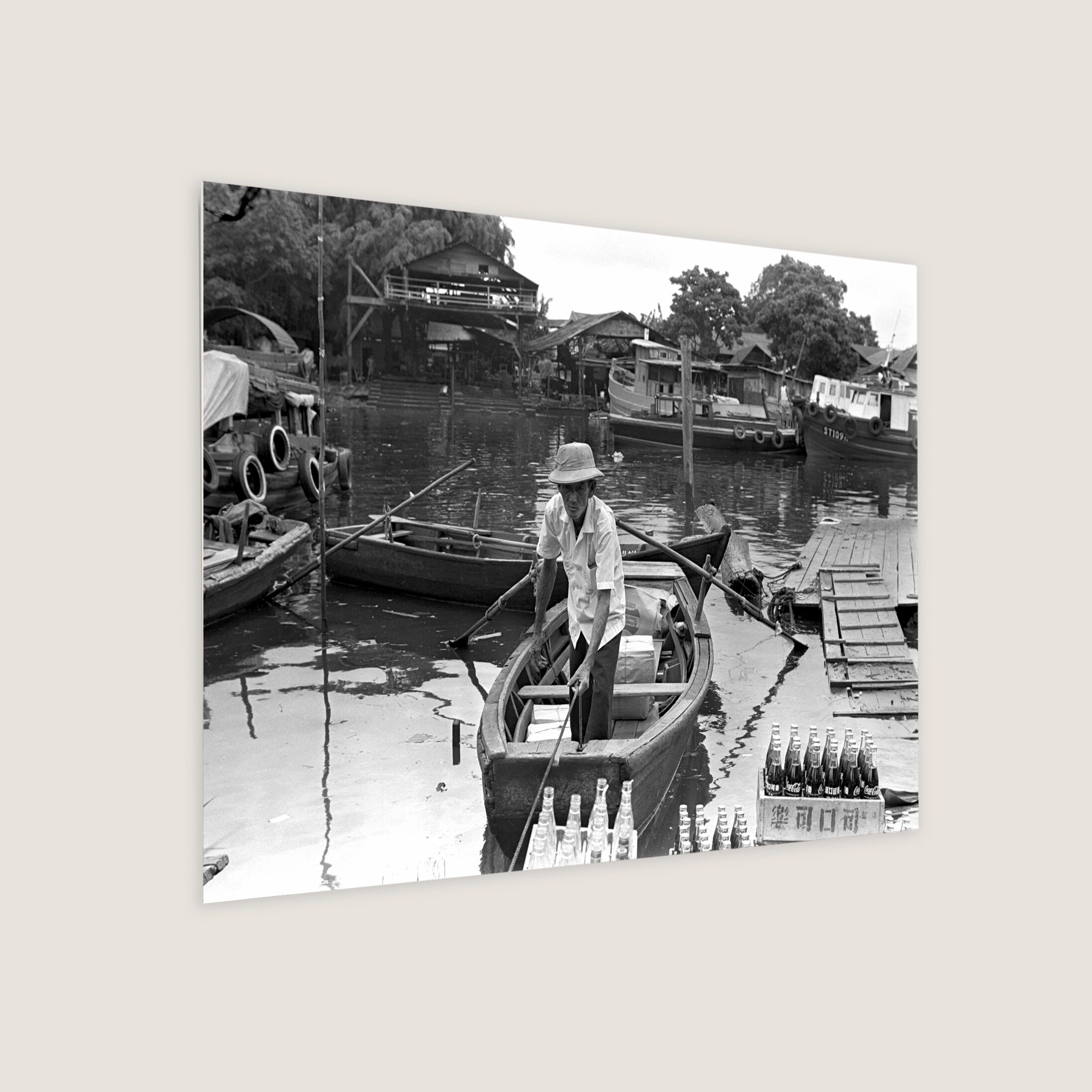
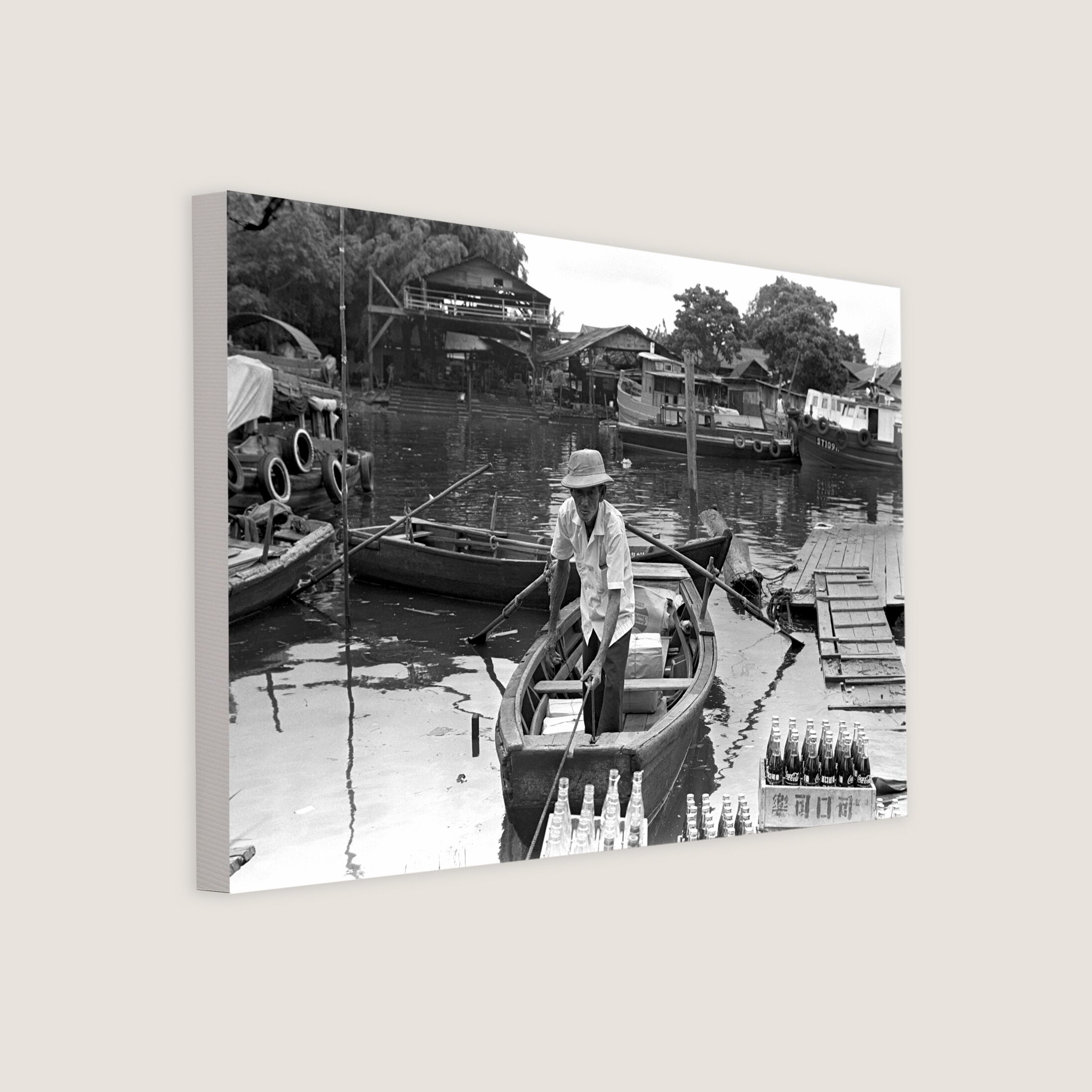
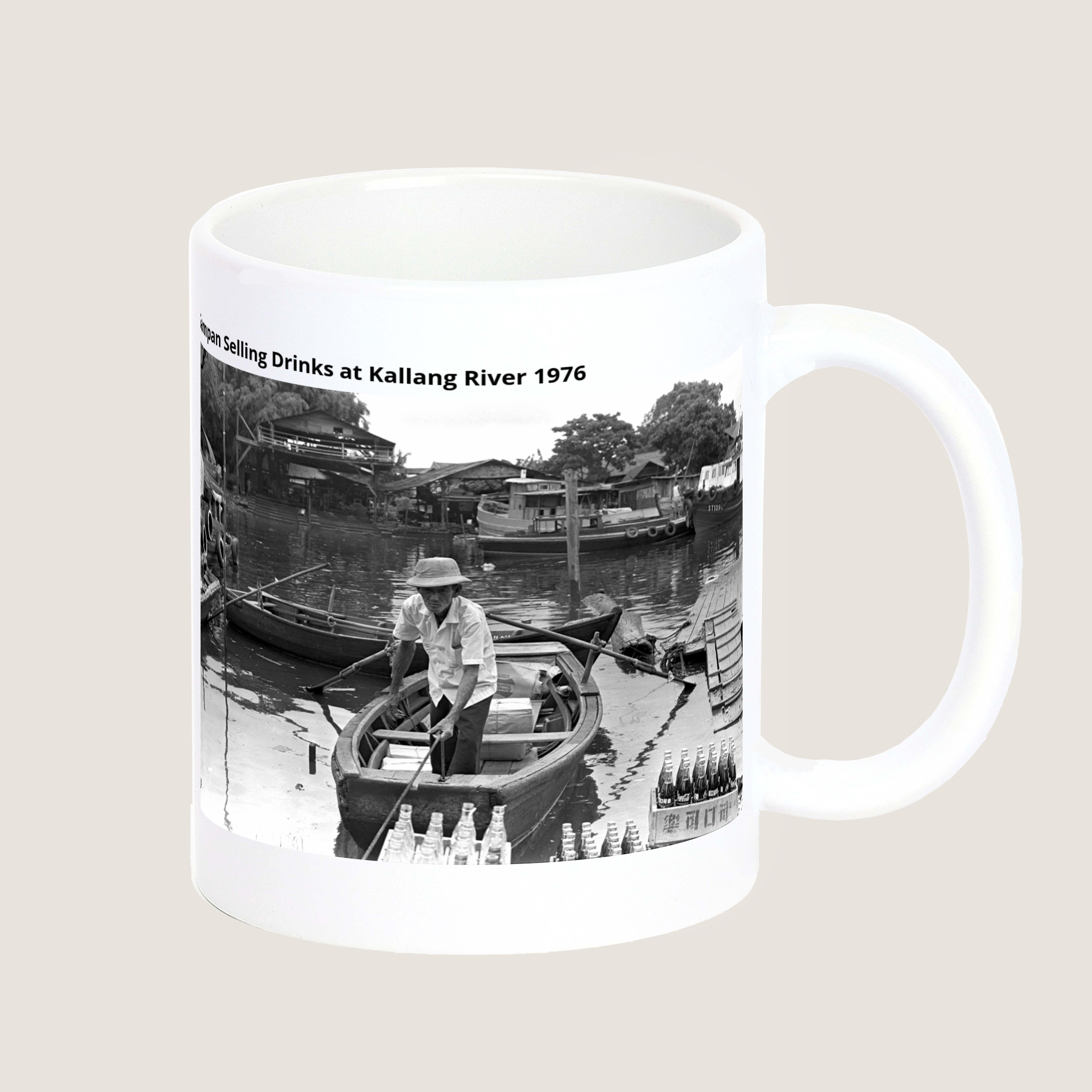
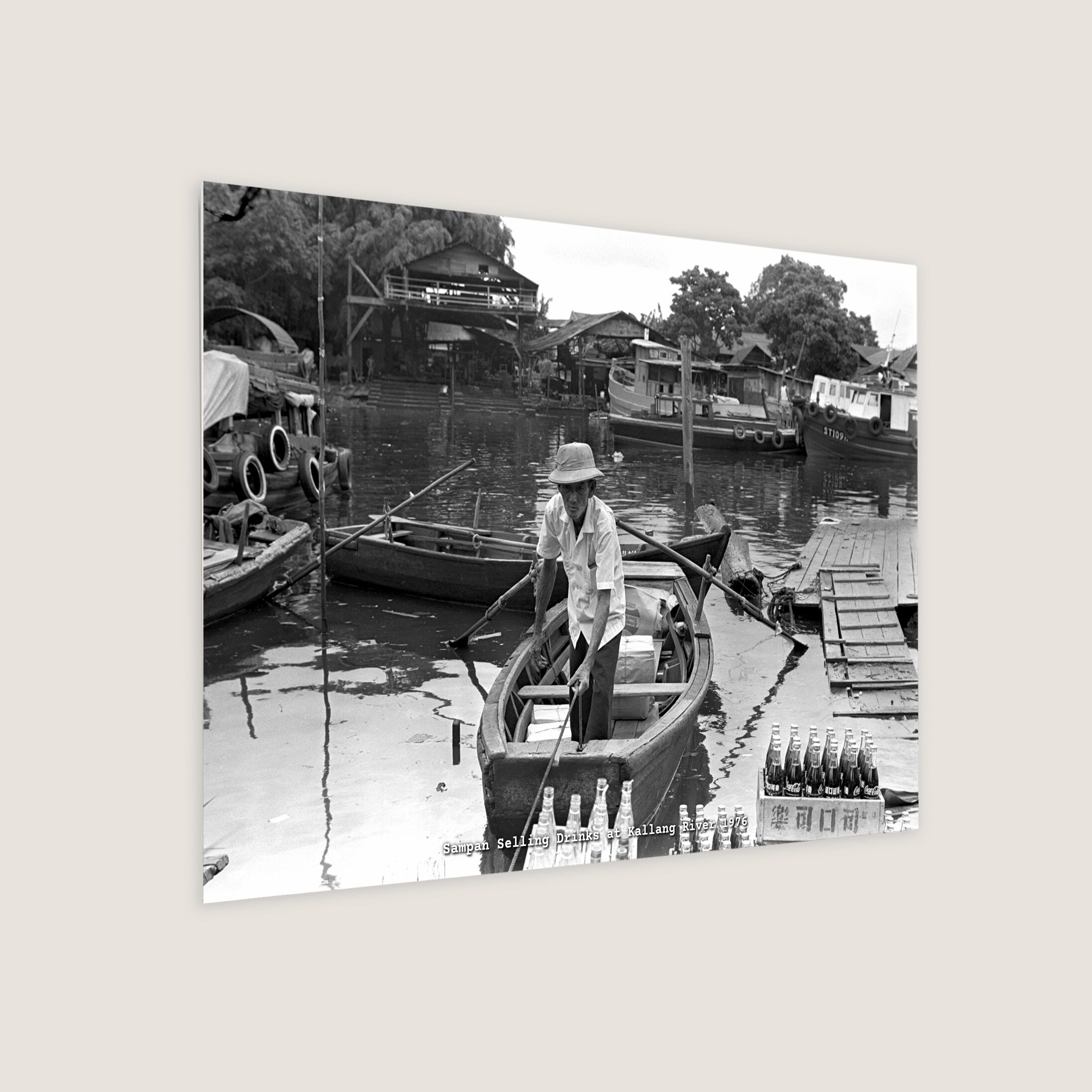
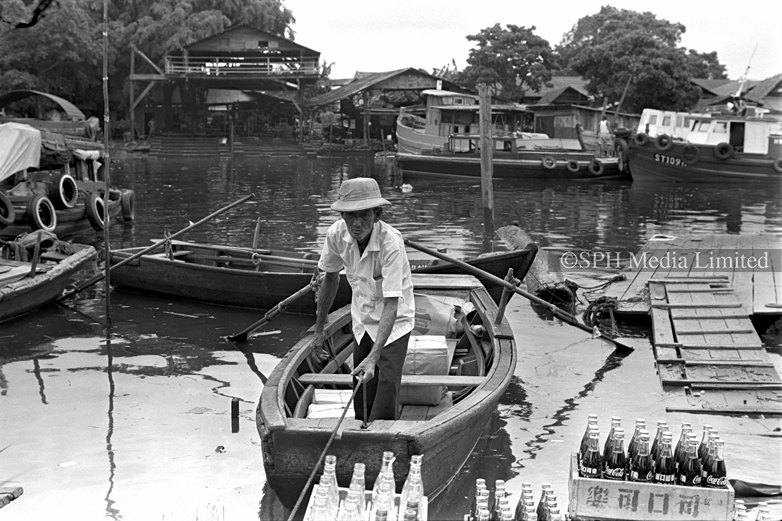 Sampan Selling Drinks at Kallang River
1976
Sampan Selling Drinks at Kallang River
1976
Sampan Selling Drinks at Kallang River
Year 1976
Along the Kallang River, a man on the sampan is selling cola. Sampans were a part of people's livelihood in the past, until the launching of the Singapore River clean-up campaign in 1983.
©️ SPH Media Limited
Share to
Tags
Available for print on products
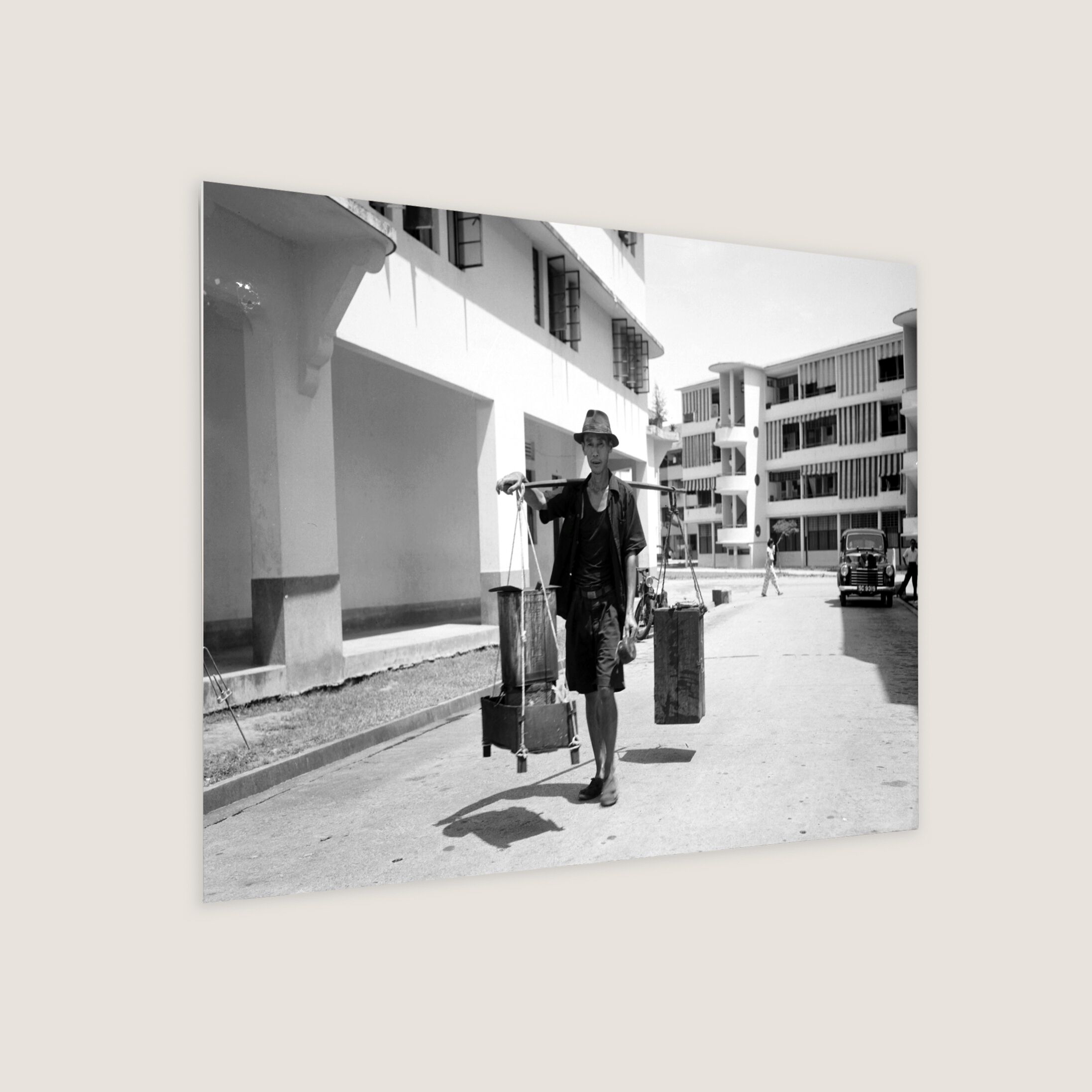
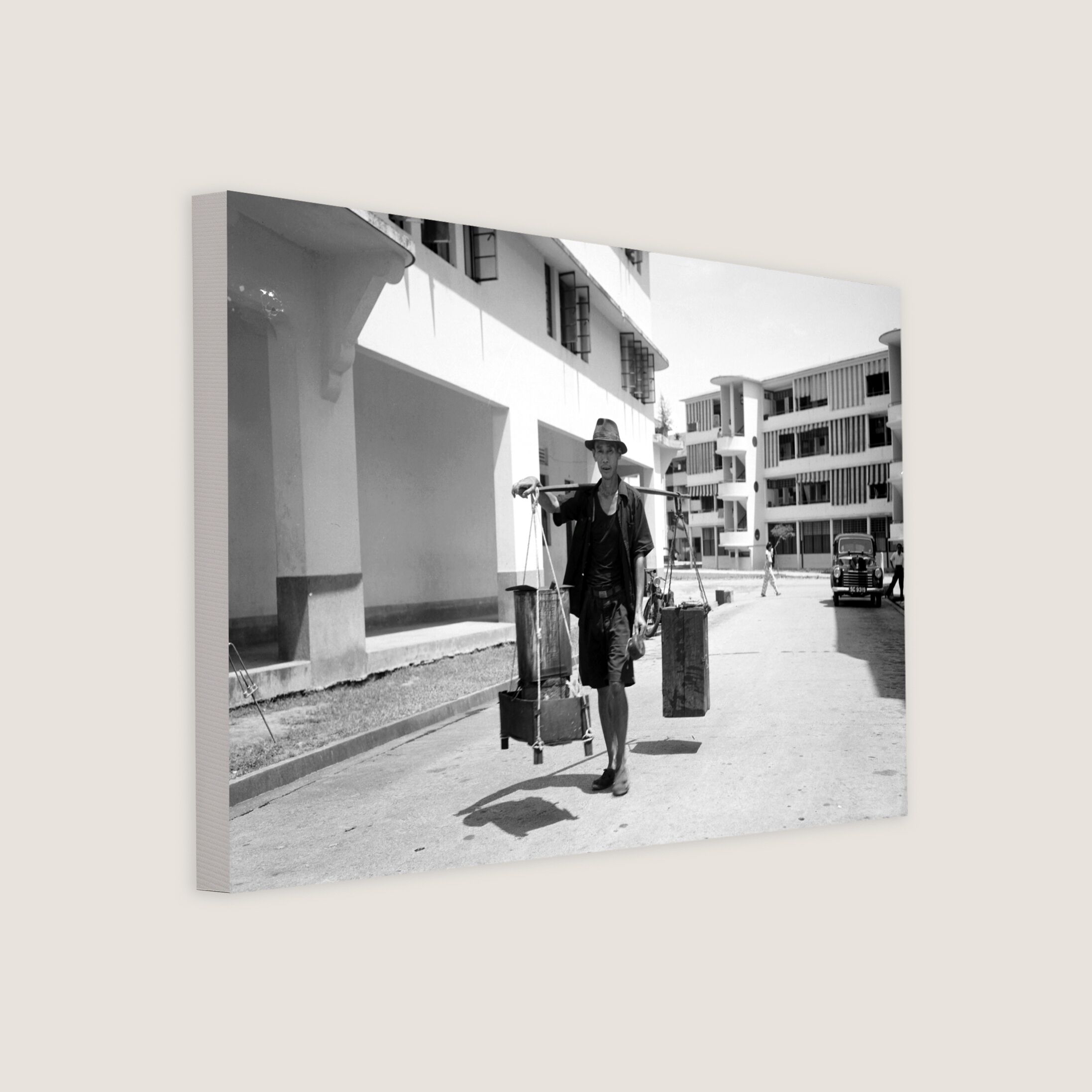
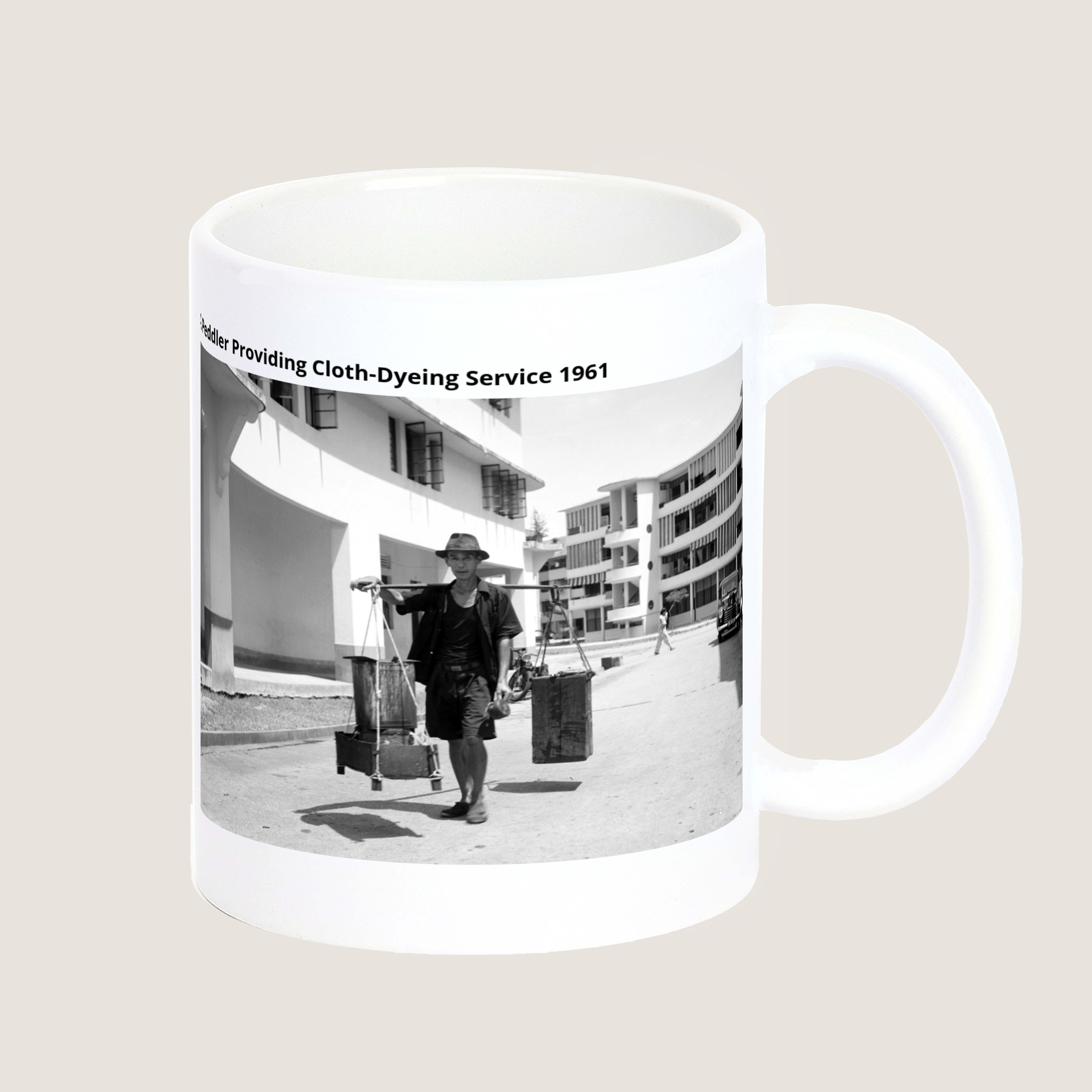
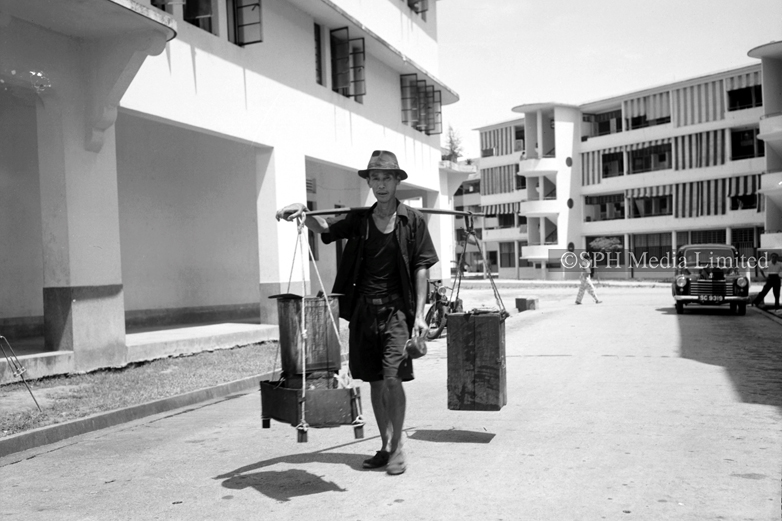 A Peddler Providing Cloth-Dyeing Service
1961
A Peddler Providing Cloth-Dyeing Service
1961
A Peddler Providing Cloth-Dyeing Service
Year 1961
A peddler providing cloth-dyeing services at the Singapore Improvement Trust (S.I.T.) flats in Tiong Bahru. Cloth-dyeing peddlers like him have long faded into the past, but it was once an honest means of livelihood.
©️ SPH Media Limited
Share to
Tags
Available for print on products
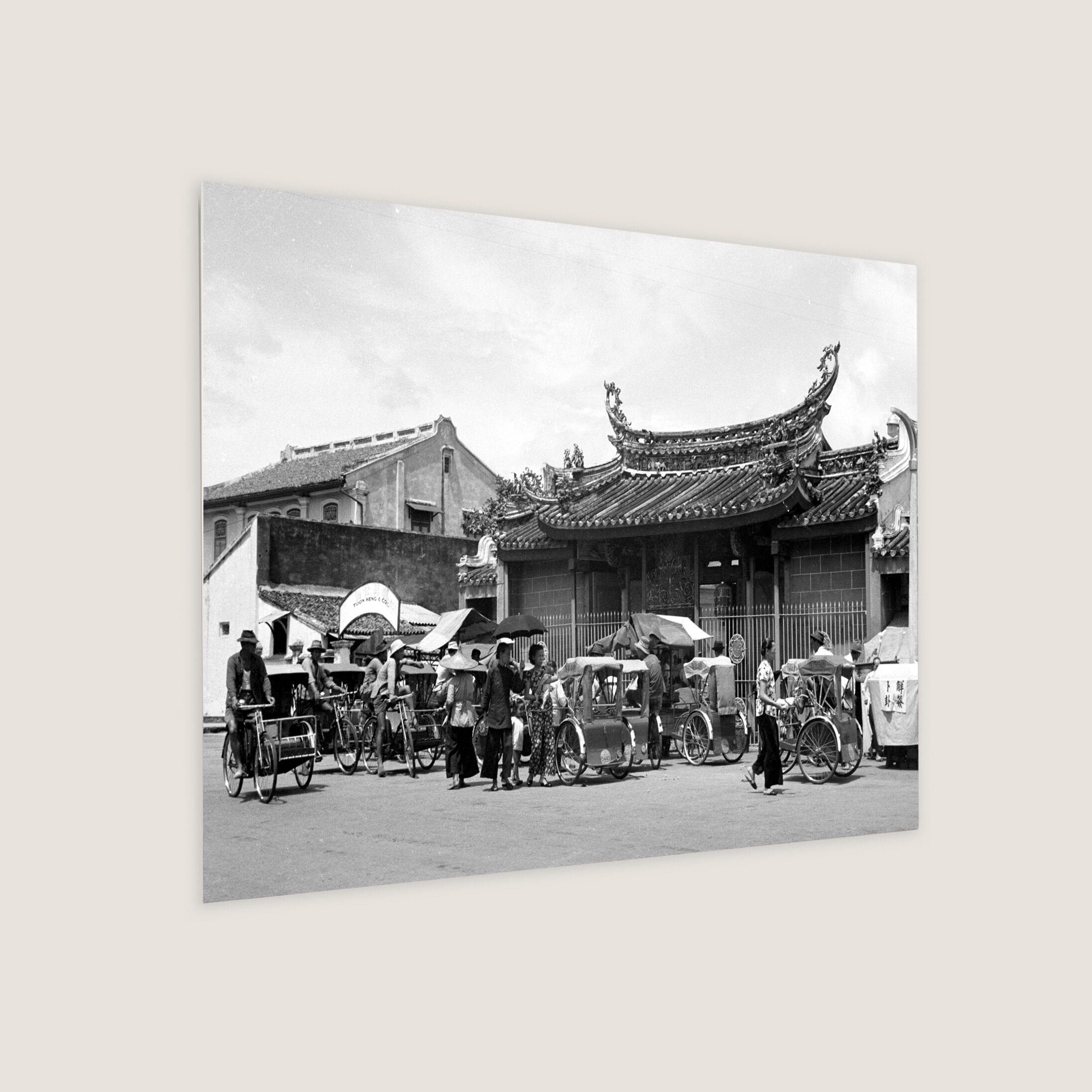
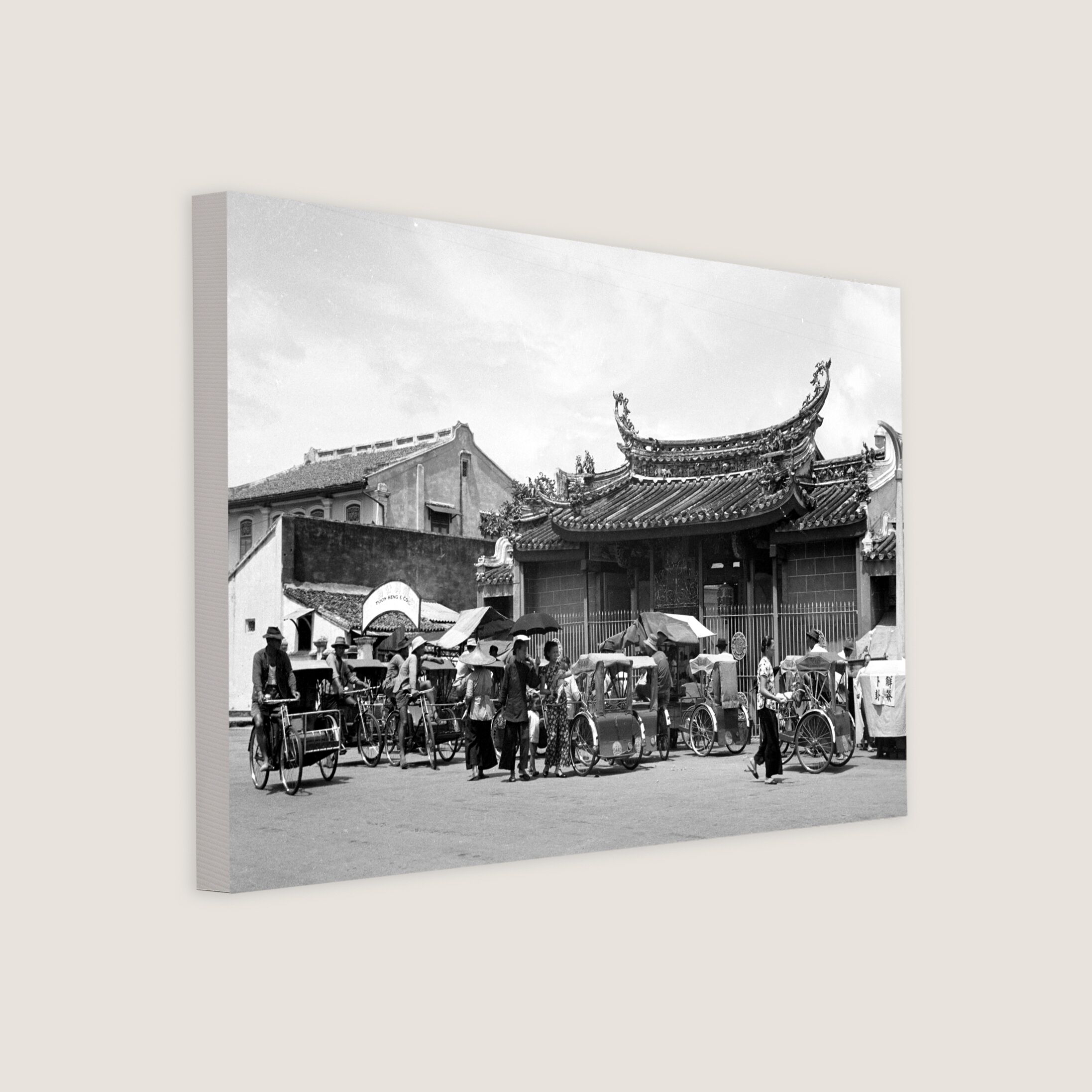
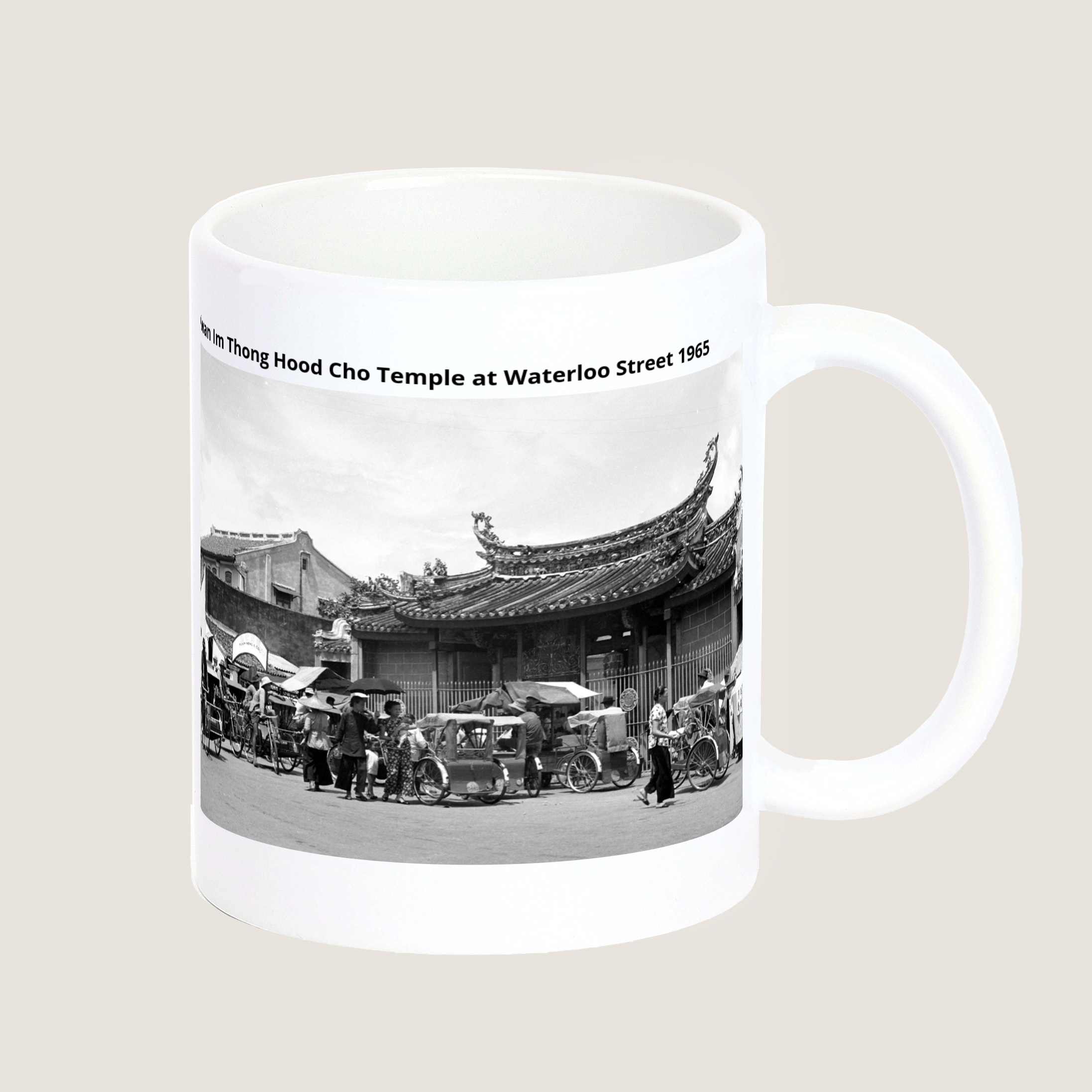
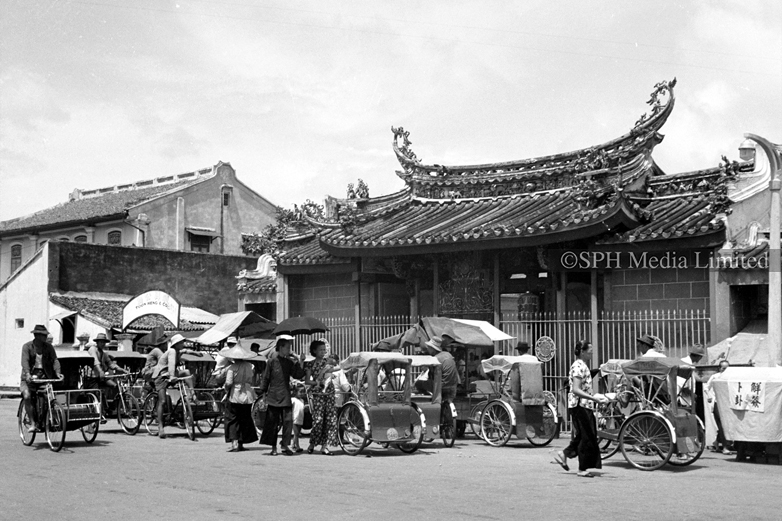 Kwan Im Thong Hood Cho Temple at Waterloo Street
1965
Kwan Im Thong Hood Cho Temple at Waterloo Street
1965
Kwan Im Thong Hood Cho Temple at Waterloo Street
Year 1965
The Kwan Im Thong Hood Cho Temple, also known as the Goddess of Mercy Temple at Waterloo Street (nicknamed Four-Mile Road 四马路), was established in 1884. During the Japanese occupation, it provided food to the impoverished and sheltered homeless refugees. It stands as one of Singapore's oldest and most revered temples, with a rich historical significance and strong religious following.
©️ SPH Media Limited
Share to
Tags
Available for print on products
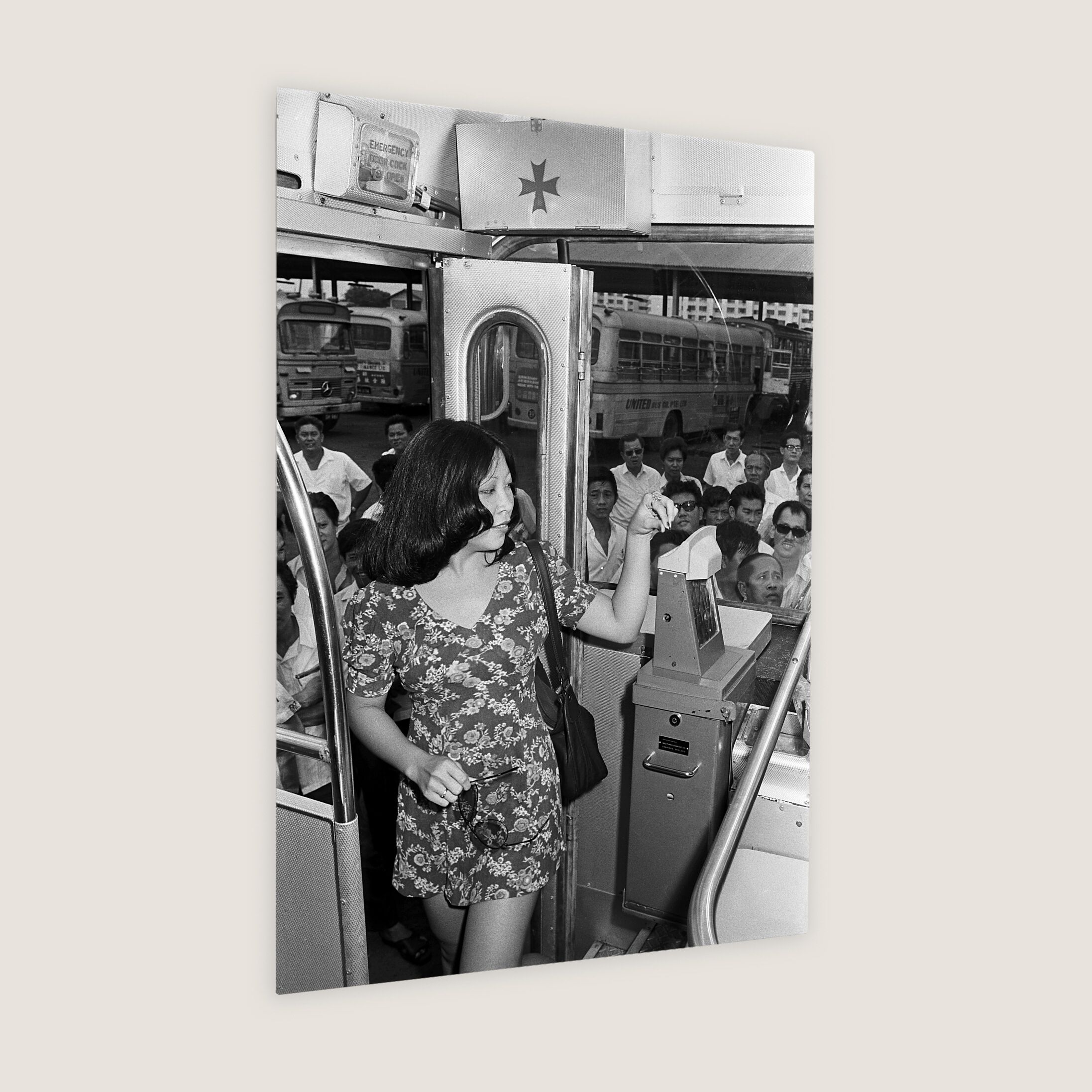
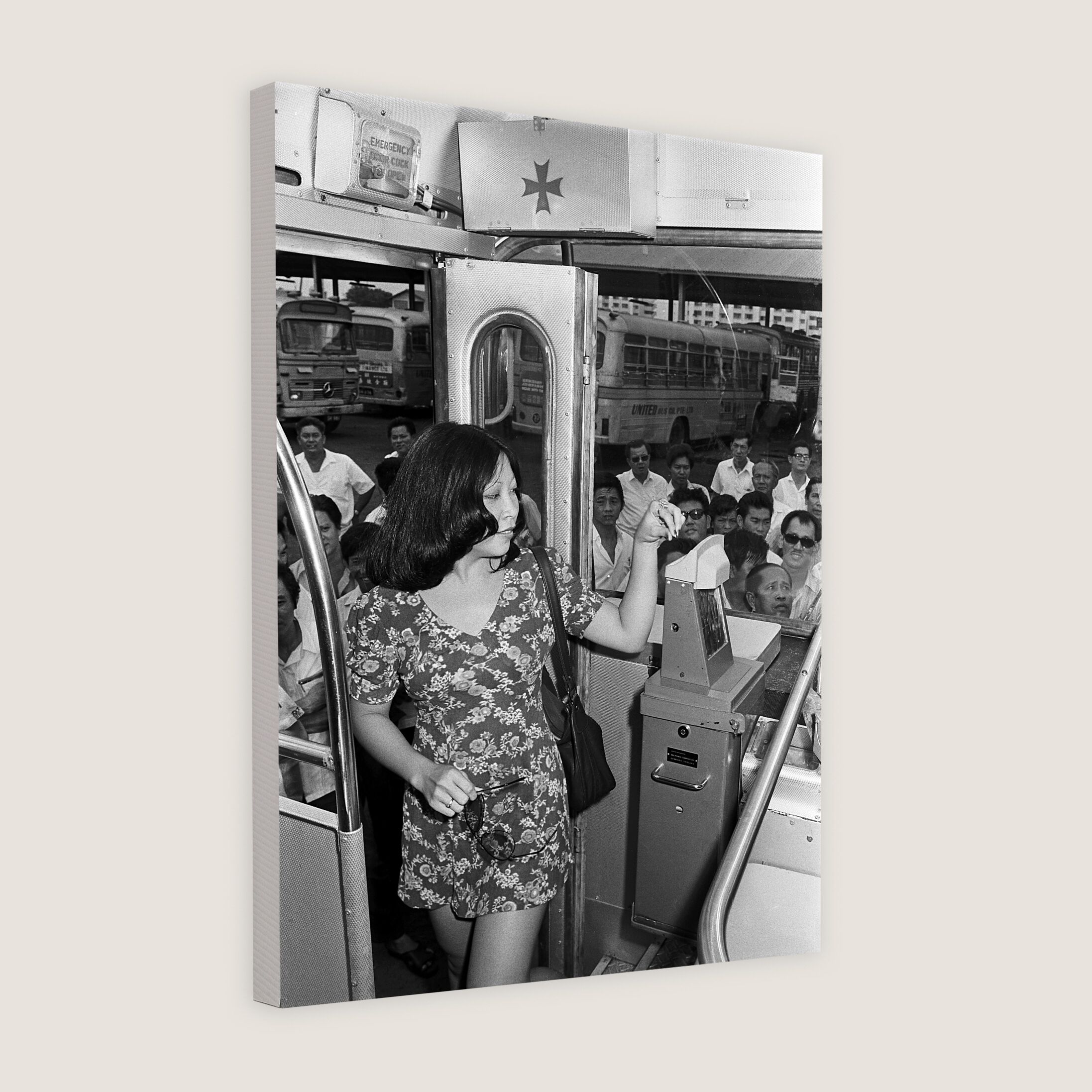
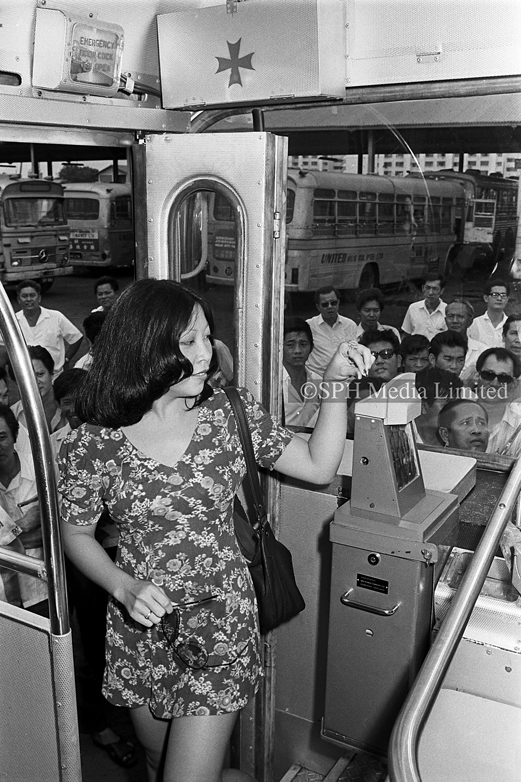 No Bus Conductor Required
1973
No Bus Conductor Required
1973
No Bus Conductor Required
Year 1973
In 1973, Singapore introduced an innovative ticketing system, where passengers would drop their fare into a coin box and collect their ticket from a dispenser as they boarded the bus. Prior to this, bus conductors manually collected fares using a traditional ticketing system. Fast forward to today, Singapore boasts a cutting-edge transport system, with contactless payment technology offering a seamless and efficient travel experience.
©️ SPH Media Limited
Share to
Tags
Available for print on products
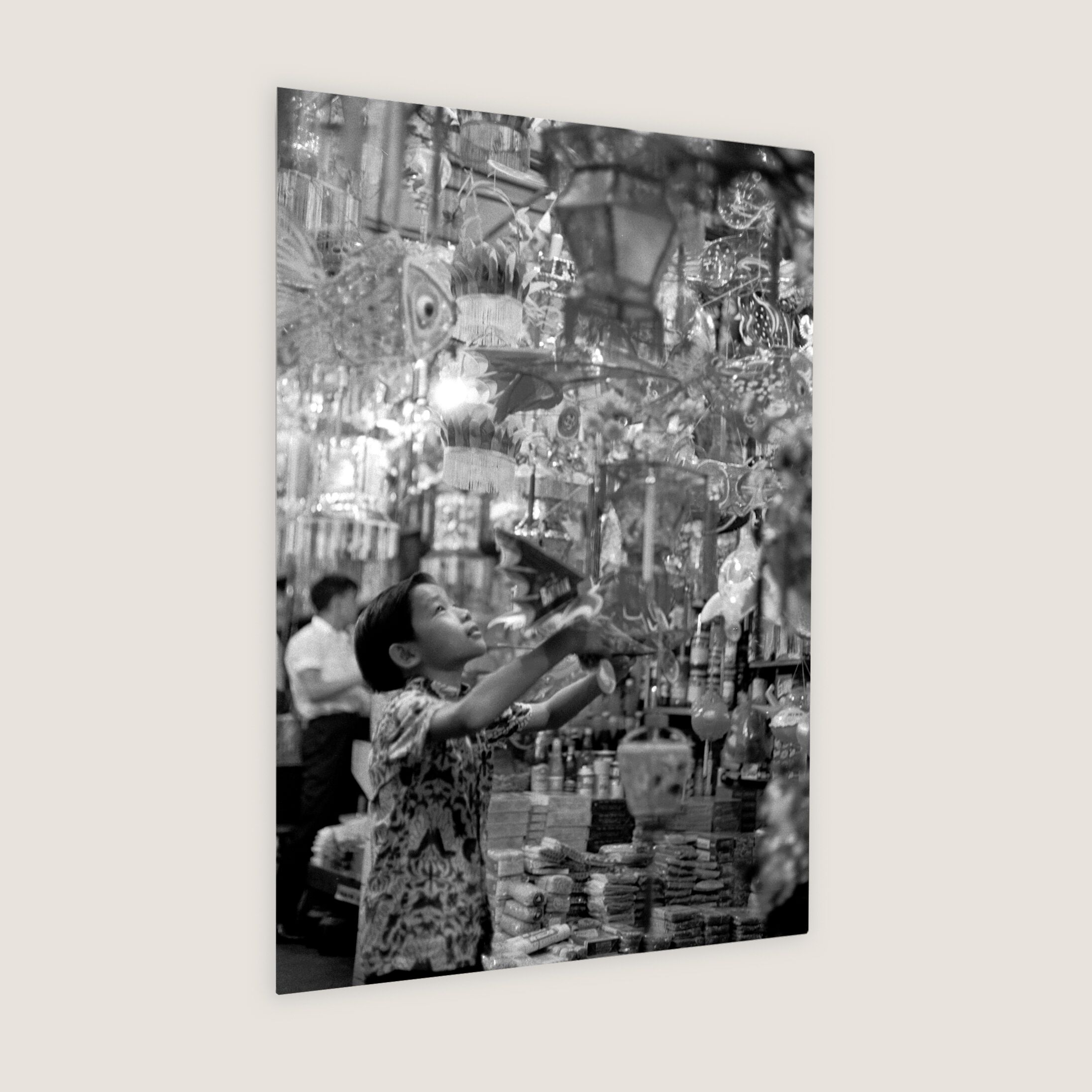
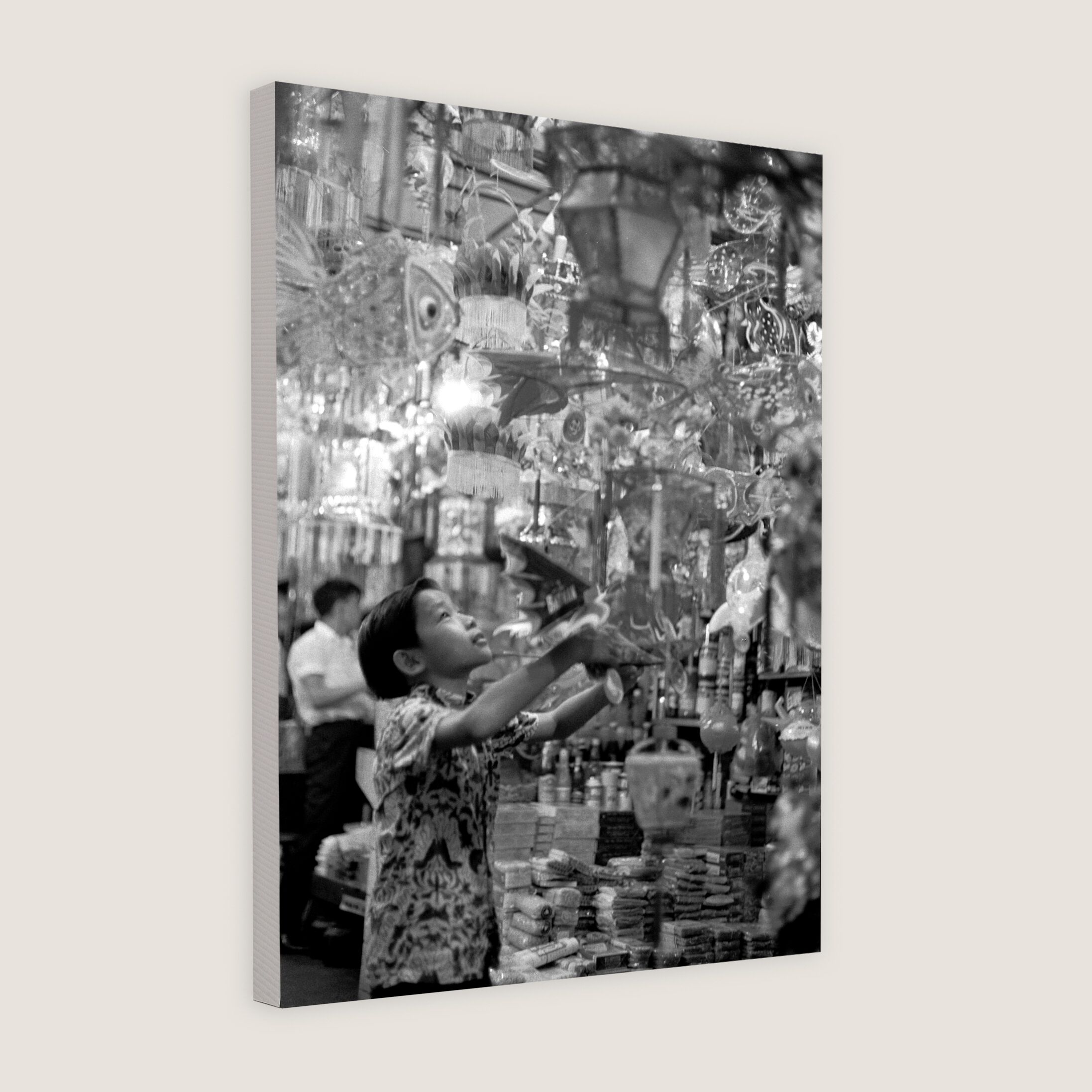
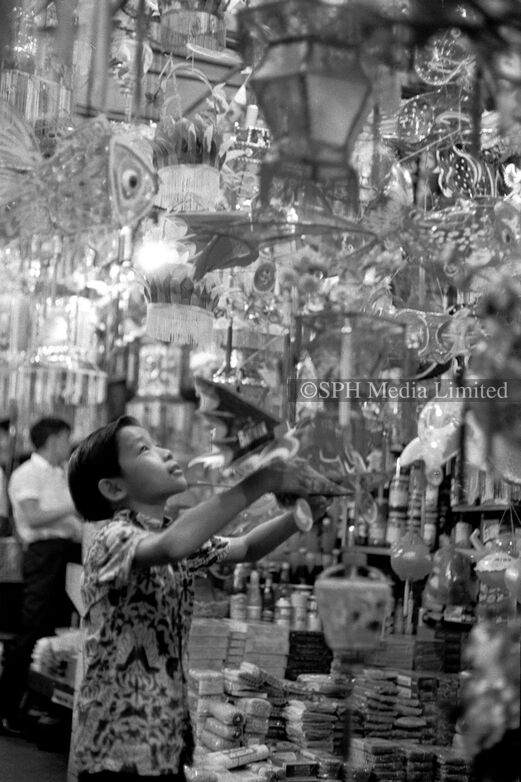 Shopping for Lanterns
1969
Shopping for Lanterns
1969
Shopping for Lanterns
Year 1969
A little boy excitedly heads out shopping in a search for his favourite lantern to carry during the Mooncake Festival.
©️ SPH Media Limited
Share to
Tags
Available for print on products
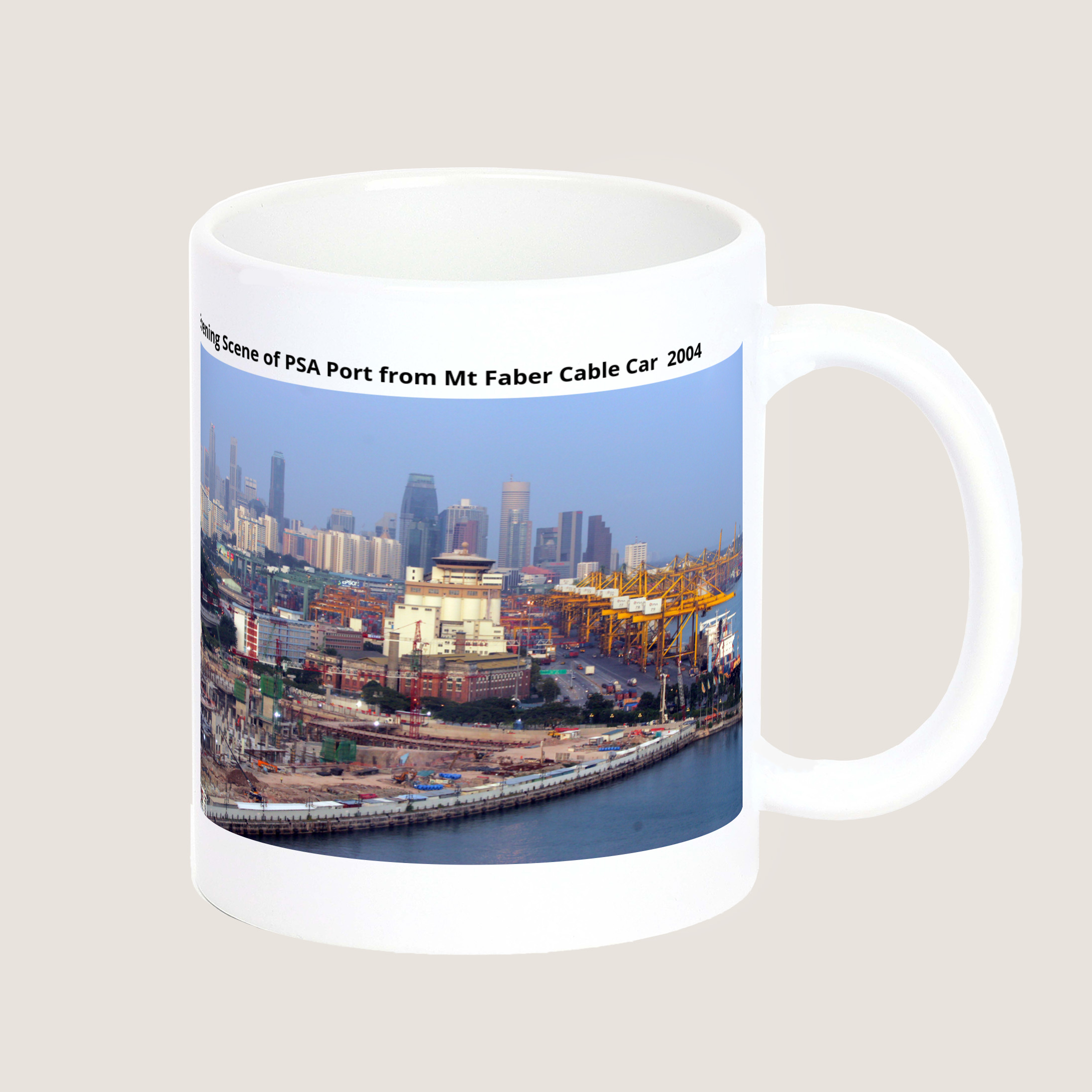
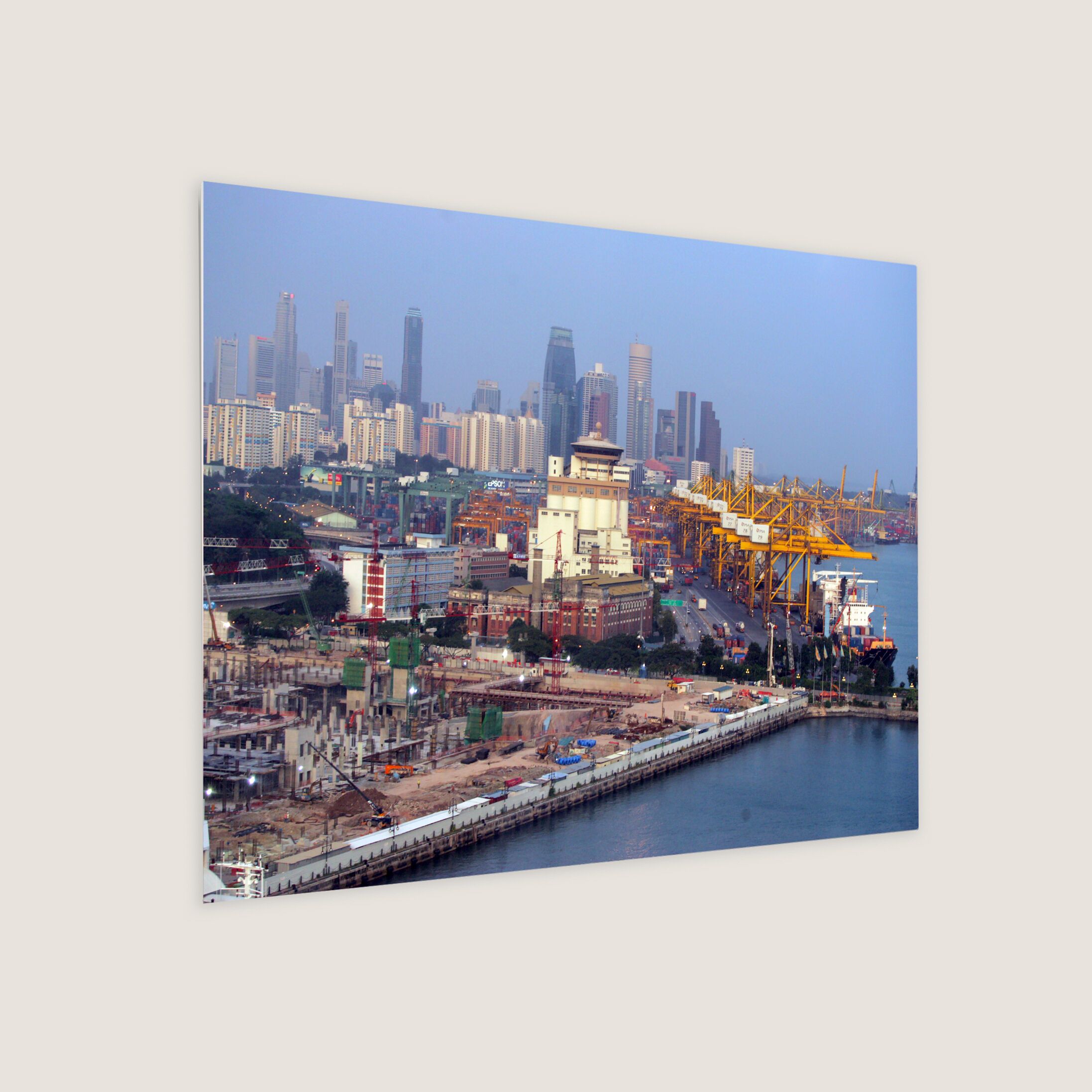
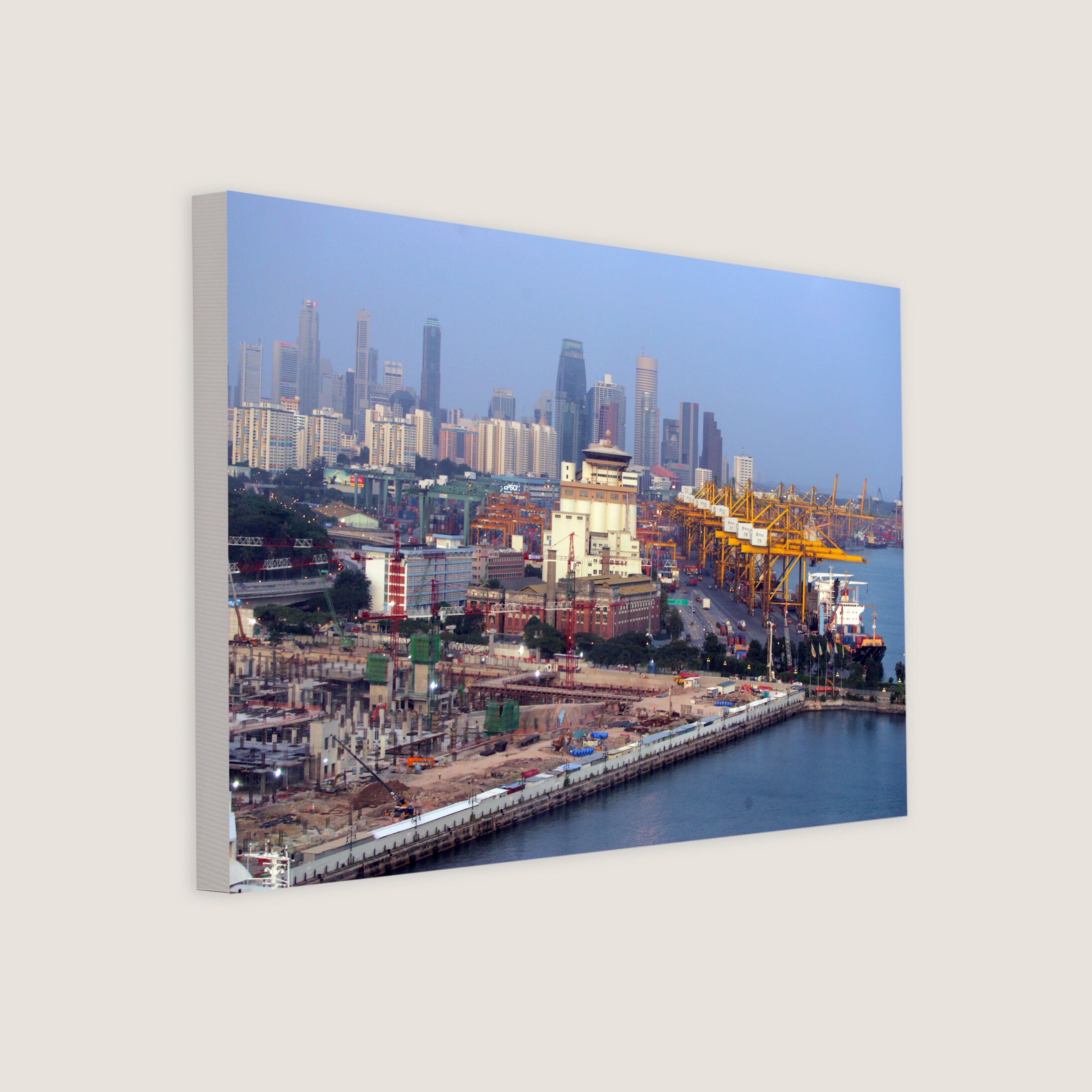
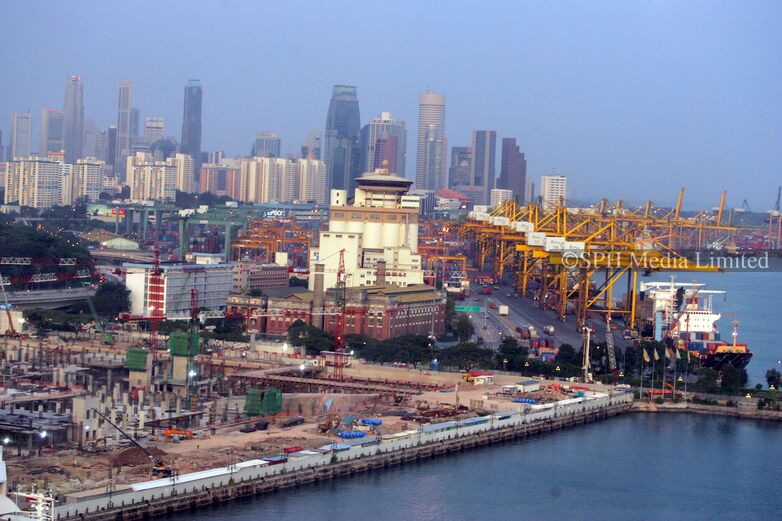 Evening Scene of PSA Port from Mt Faber Cable Car
2004
Evening Scene of PSA Port from Mt Faber Cable Car
2004
Evening Scene of PSA Port from Mt Faber Cable Car
Year 2004
From the Mount Faber cable car, enjoy the view of the Tanjong Pagar Container Terminal and the Central Business District in the sunset. The building with the red brick wall is the former St. James Power Station.
©️ SPH Media Limited
Share to
Tags
Available for print on products
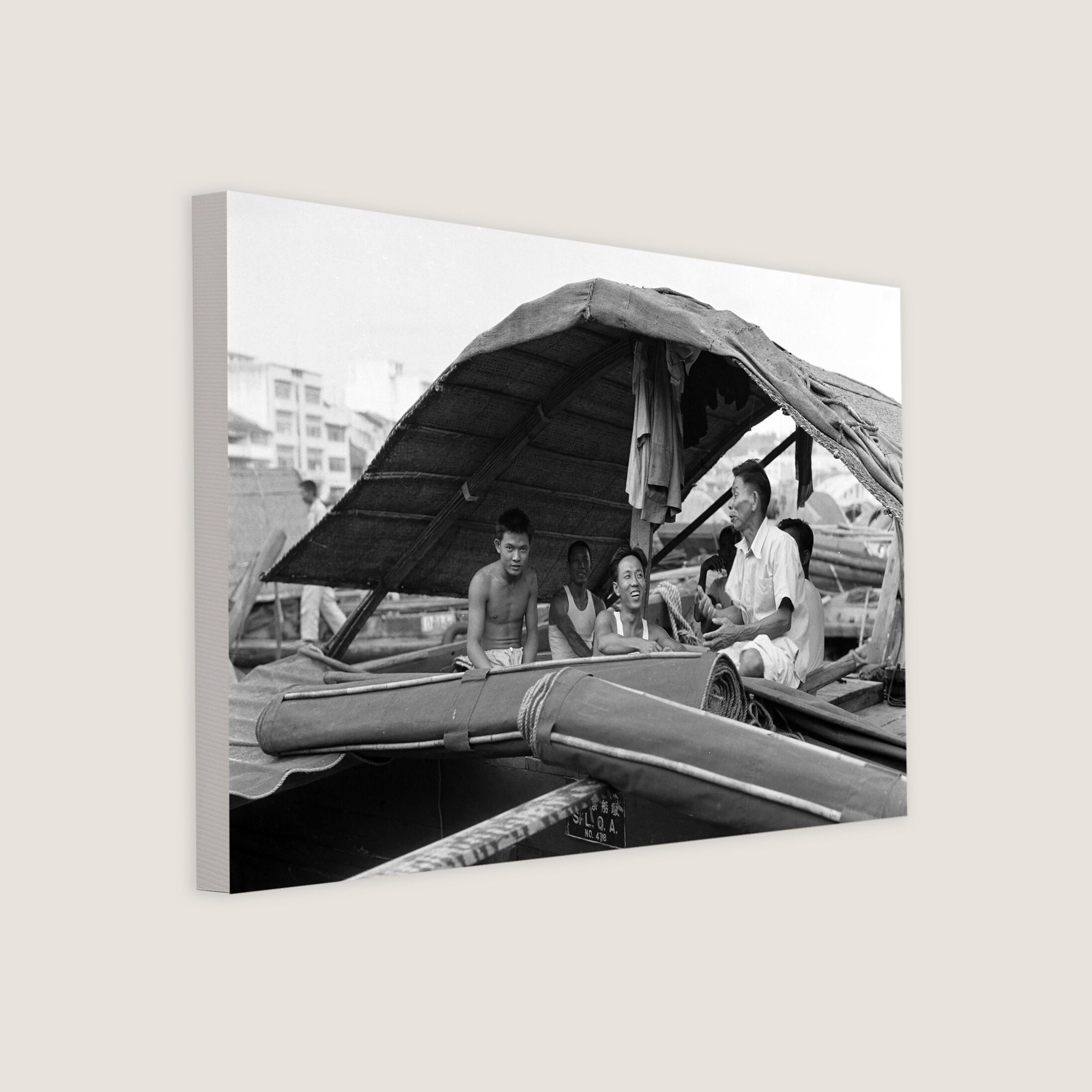
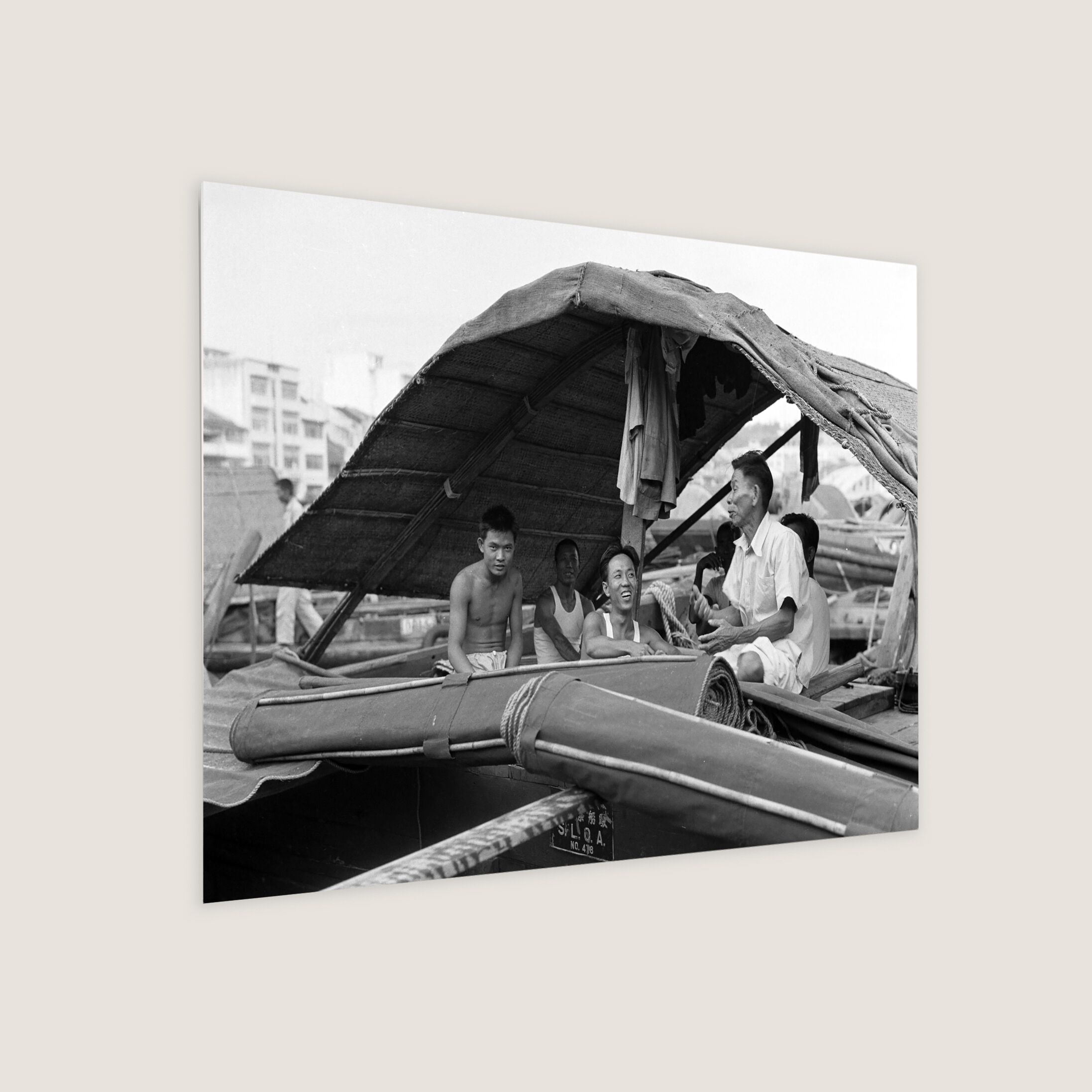
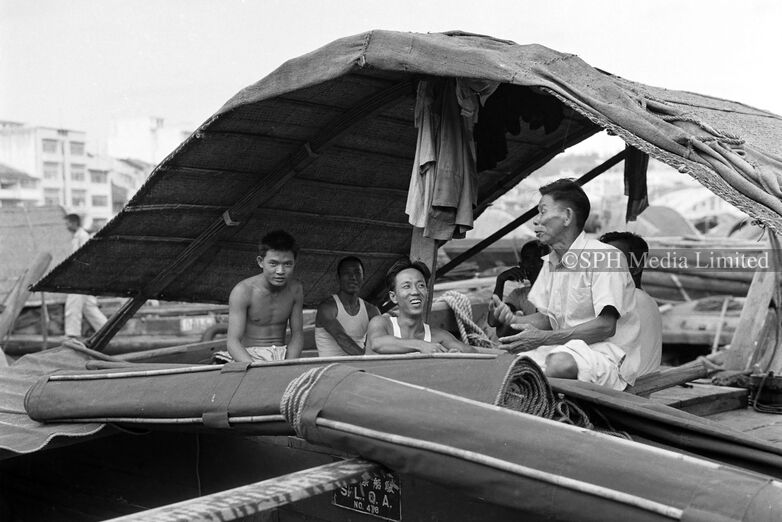 Workers Taking a Break on a Tongkang
1957
Workers Taking a Break on a Tongkang
1957
Workers Taking a Break on a Tongkang
Year 1957
Tongkang means bumboat in Malay. These trades created many job opportunities and were the link between ships anchored out at sea and warehouses built along the riverbanks. Workers taking a break on a tongkang include boatmen, cargo handlers, warehouse clerks and more.
©️ SPH Media Limited
Share to
Tags
Available for print on products
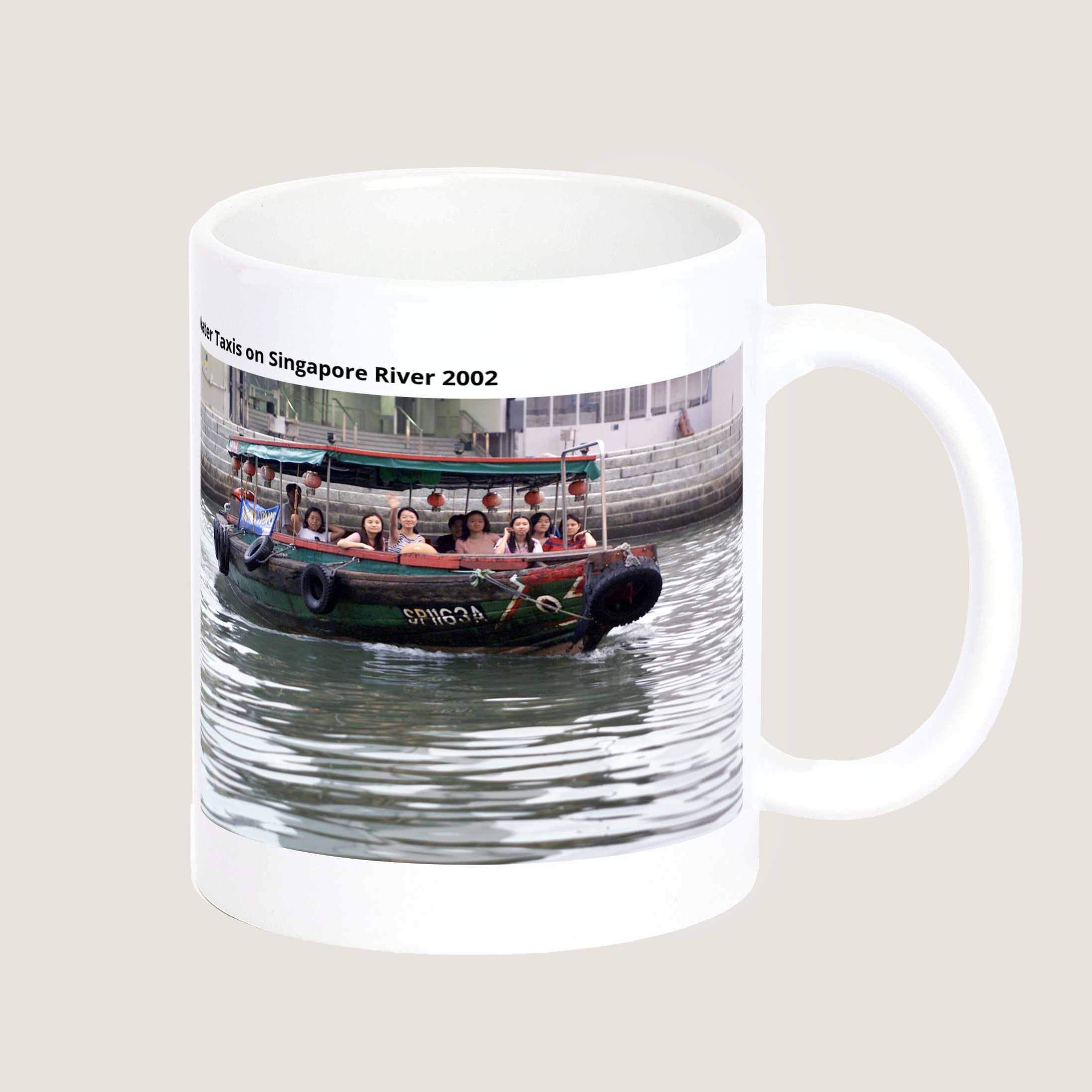
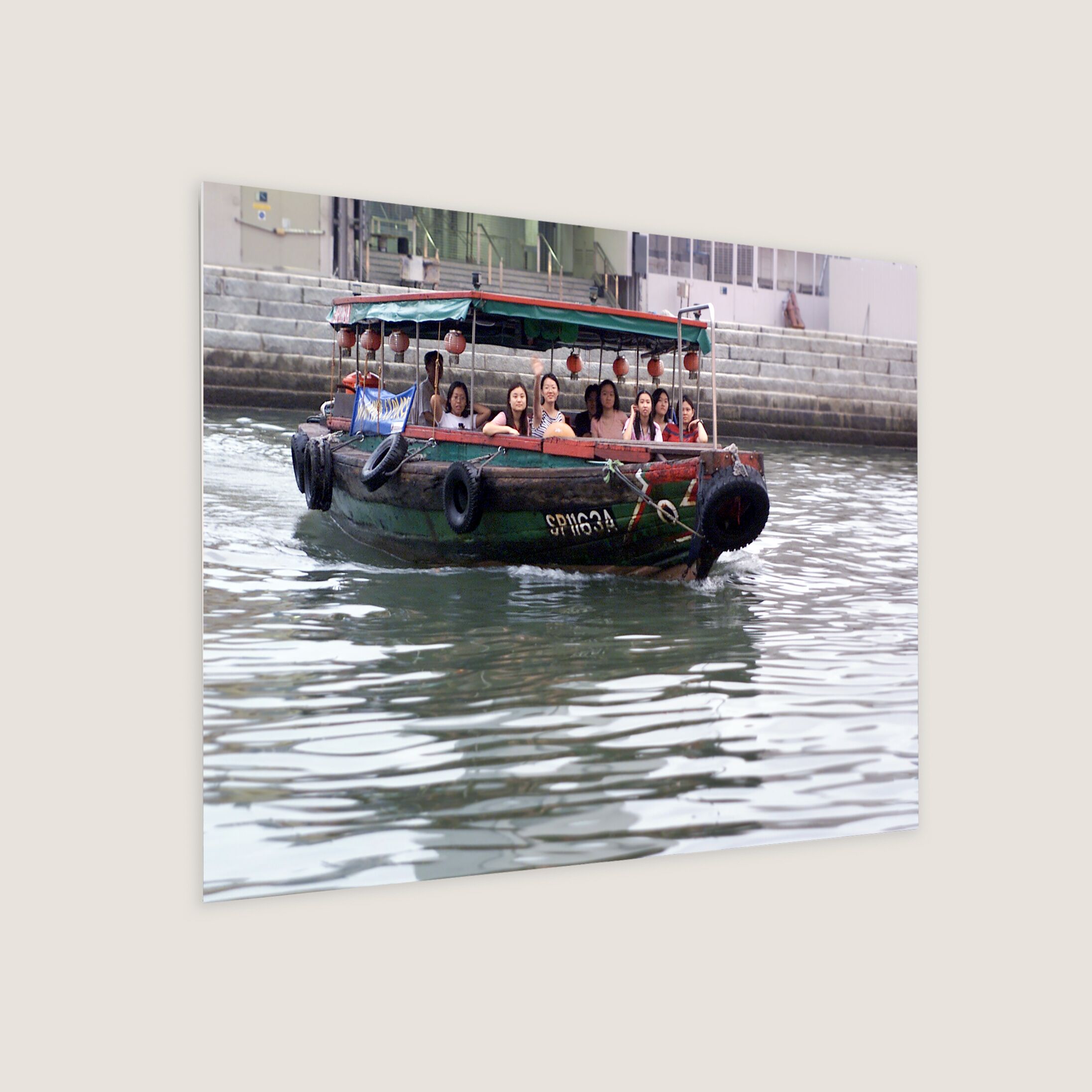
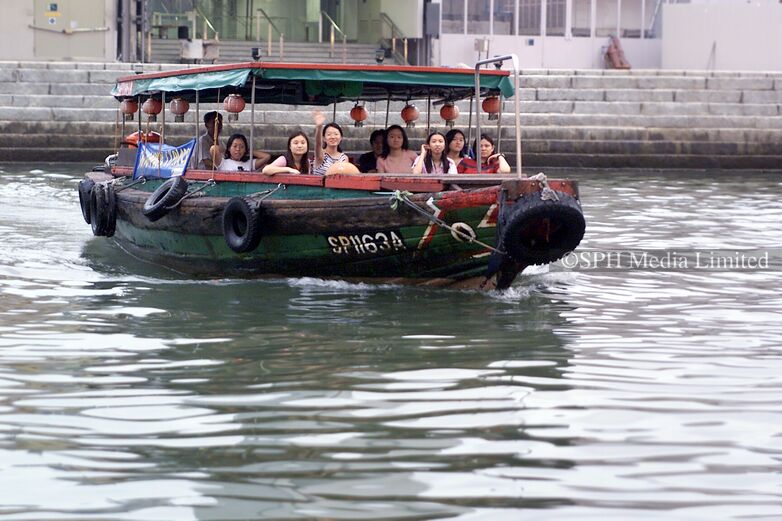 Water Taxis on Singapore River
2002
Water Taxis on Singapore River
2002
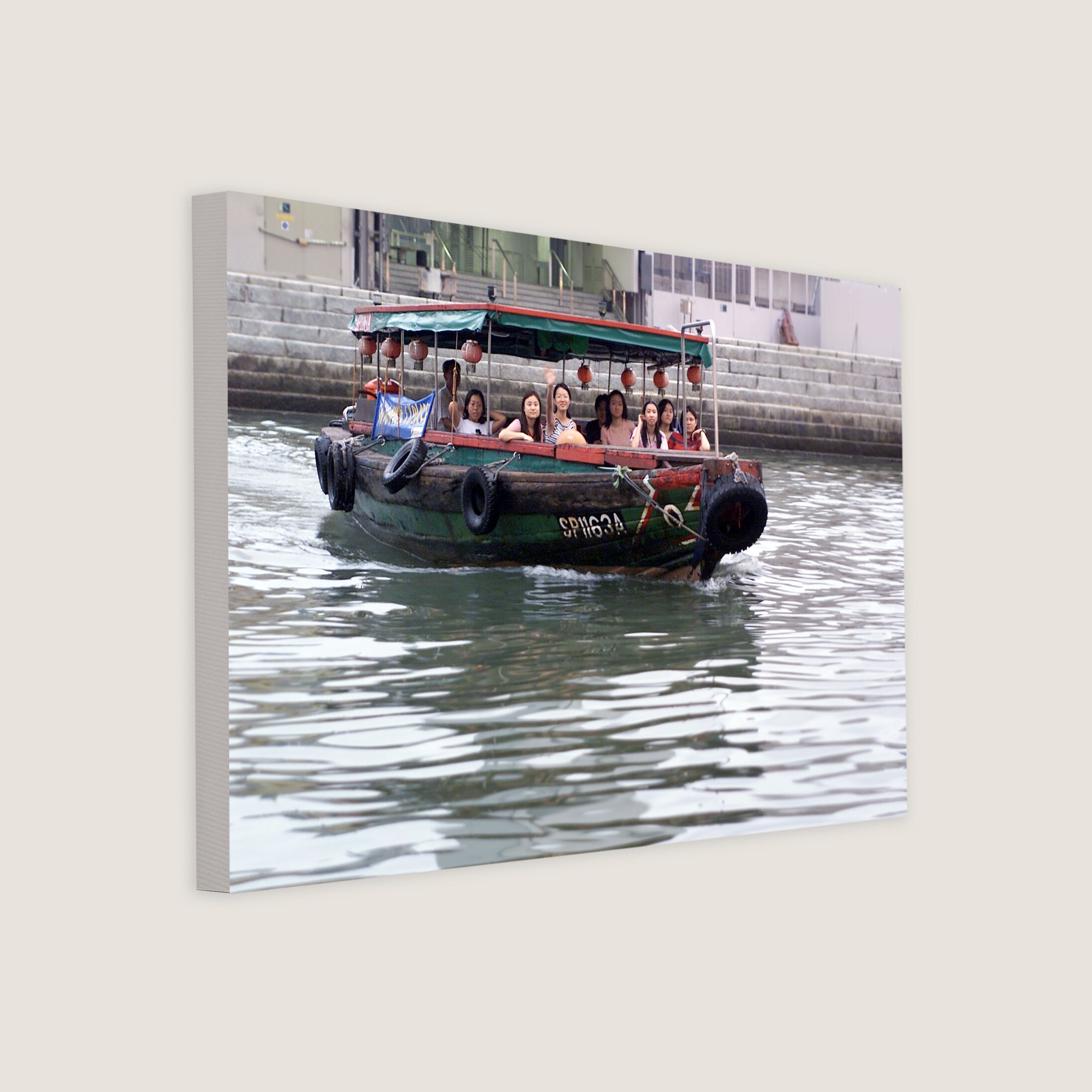
Water Taxis on Singapore River
Year 2002
Driven by tourism operators, the local traditional transportation is gradually transforming. The old tongkang, which were originally used to carry goods, have been transformed into water taxis to ferry tourists and office workers in the CBD.
©️ SPH Media Limited
Share to
Tags
Available for print on products
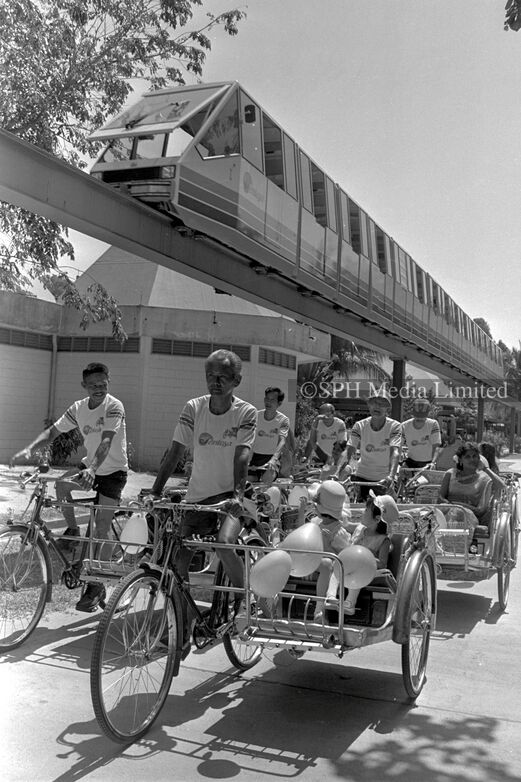 Sunny and Breezy Trishaw Ride in Sentosa
1983
Sunny and Breezy Trishaw Ride in Sentosa
1983
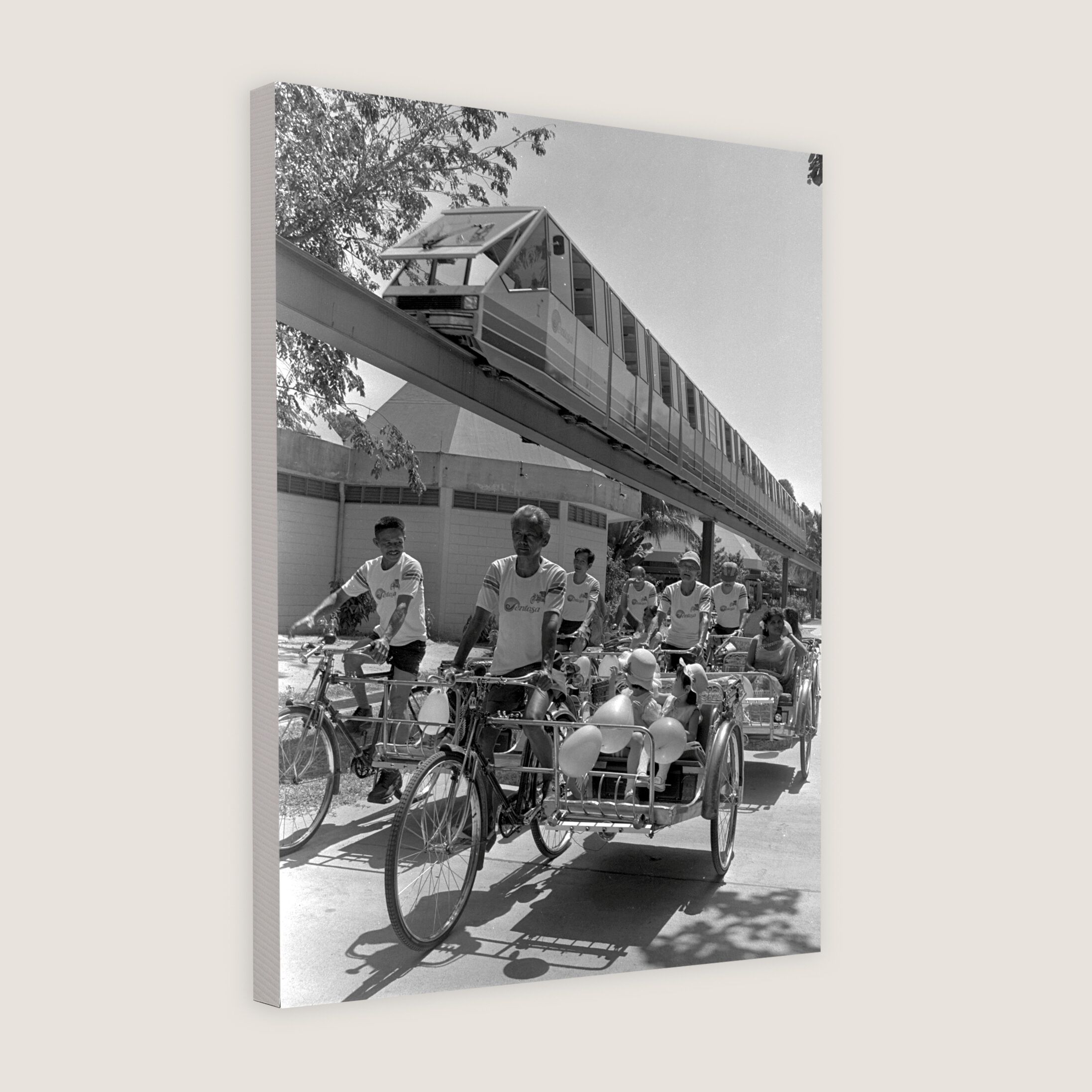
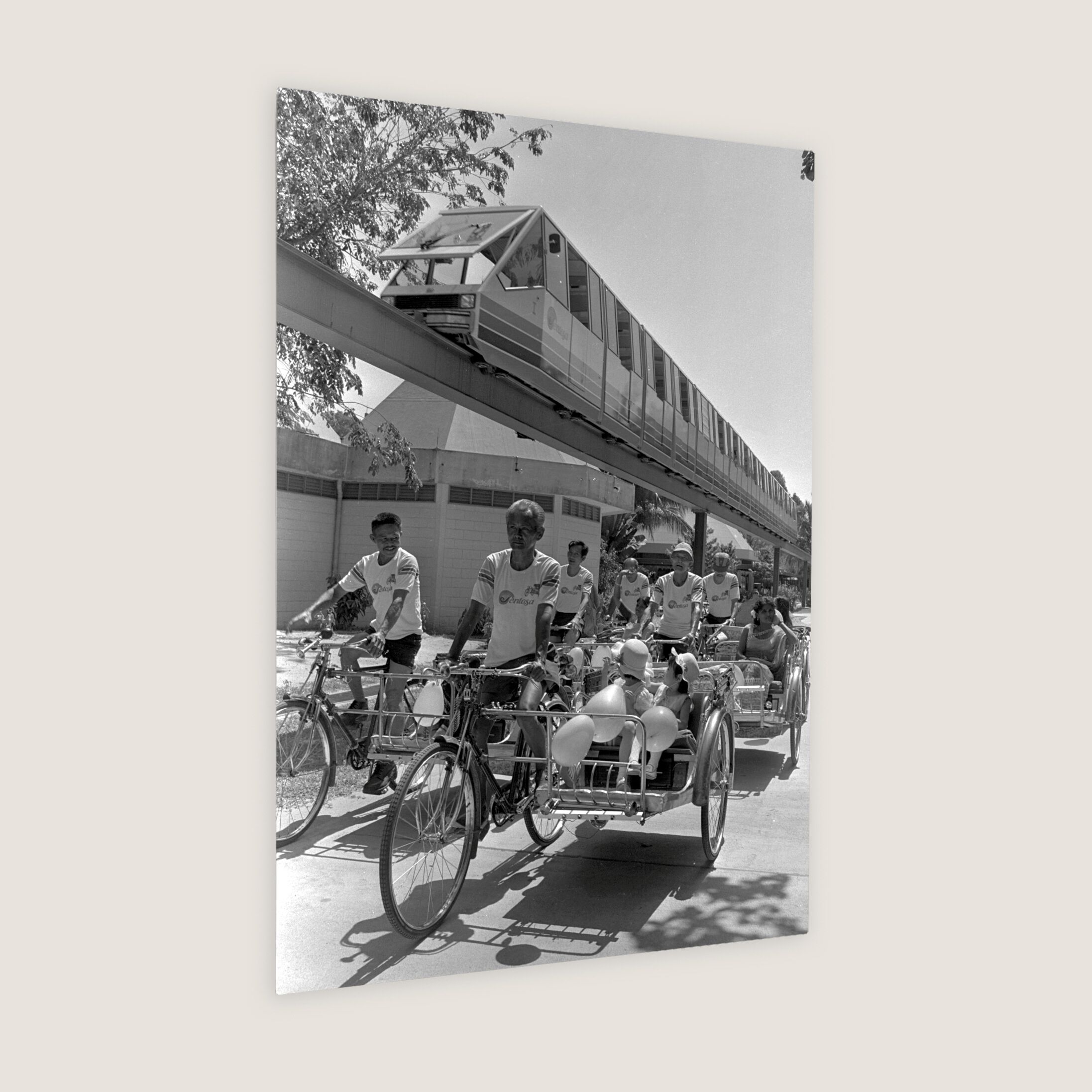
Sunny and Breezy Trishaw Ride in Sentosa
Year 1983
This group of visitors in Sentosa preferred to take things slowly, to enjoy the sea breeze and the view—without the tired legs. A trishaw tour company worked with Sentosa to operate 10 trishaws that provided quarter-hour tours.
©️ SPH Media Limited
Share to
Tags
Available for print on products
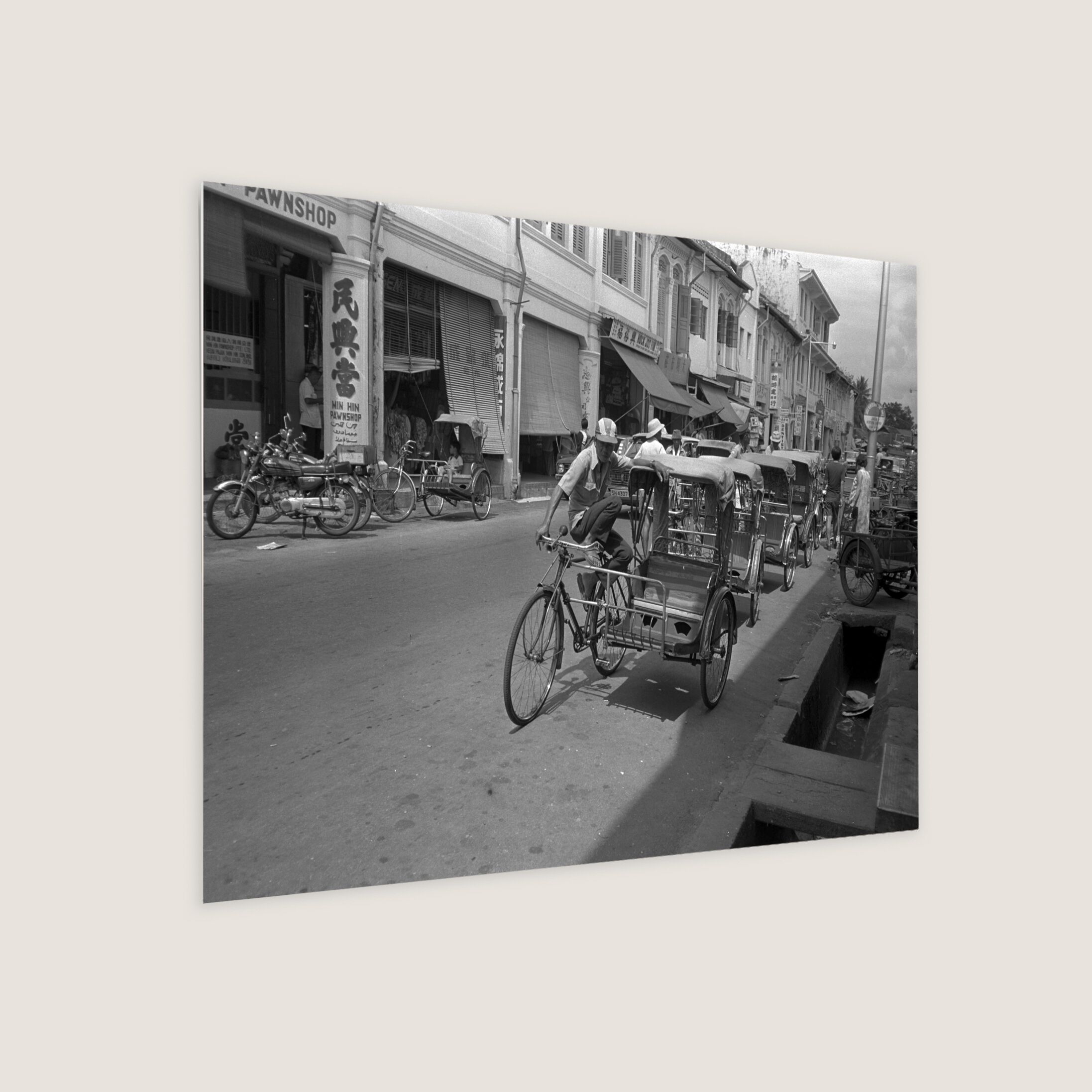
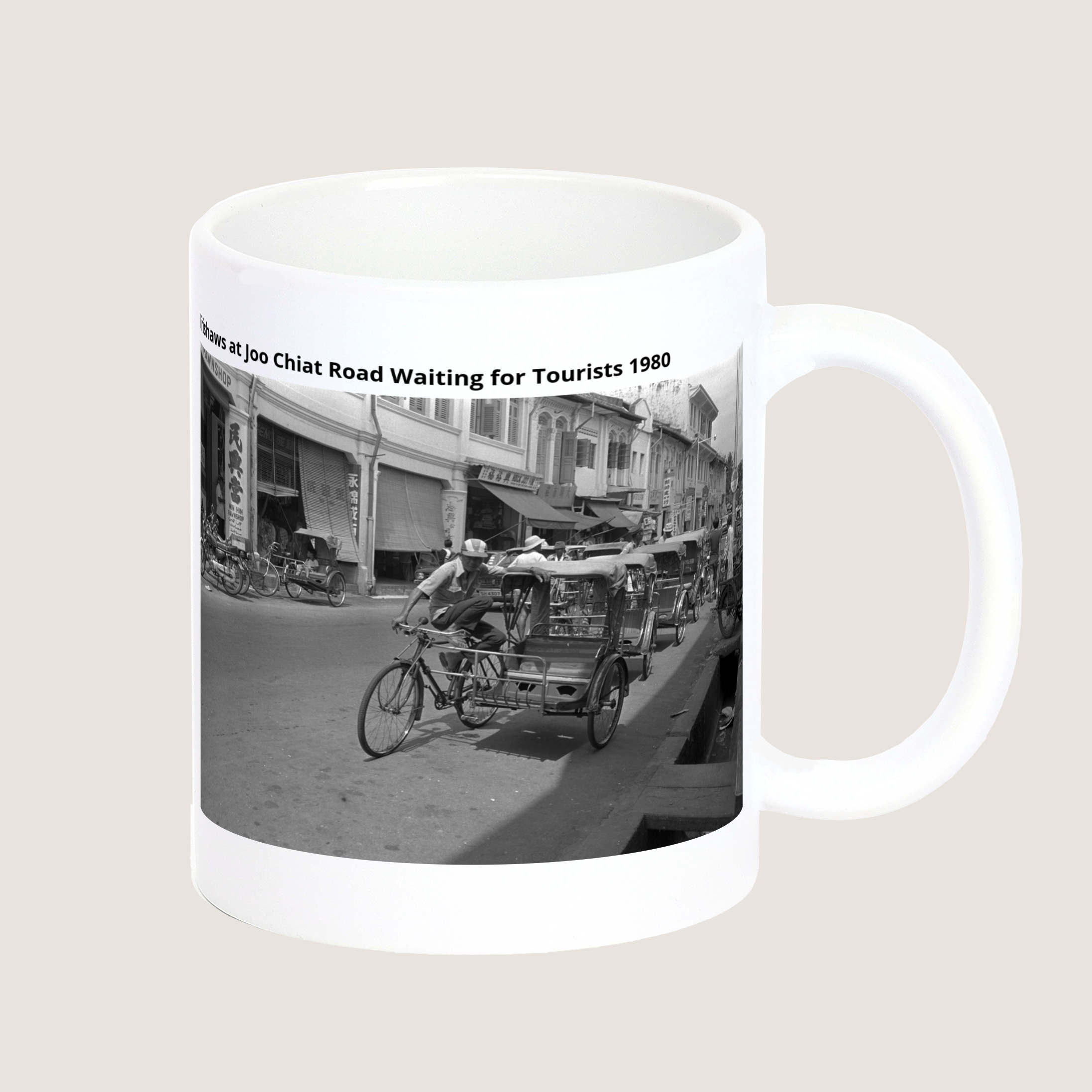
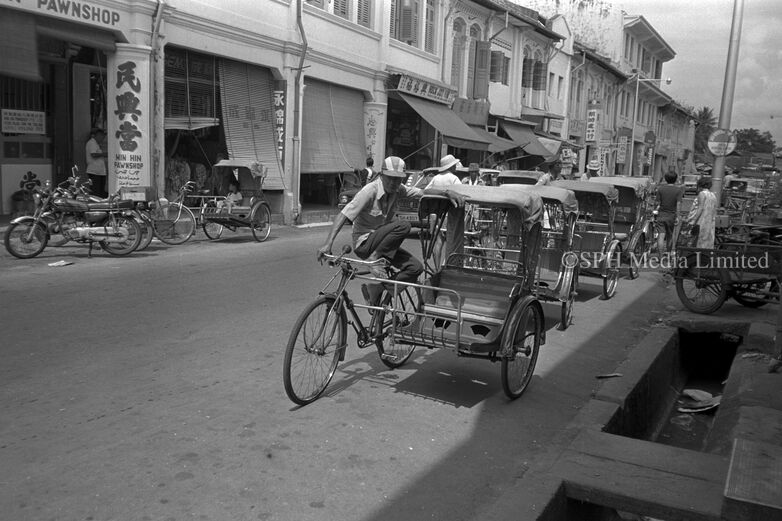 Trishaws at Joo Chiat Road Waiting for Tourists
1980
Trishaws at Joo Chiat Road Waiting for Tourists
1980
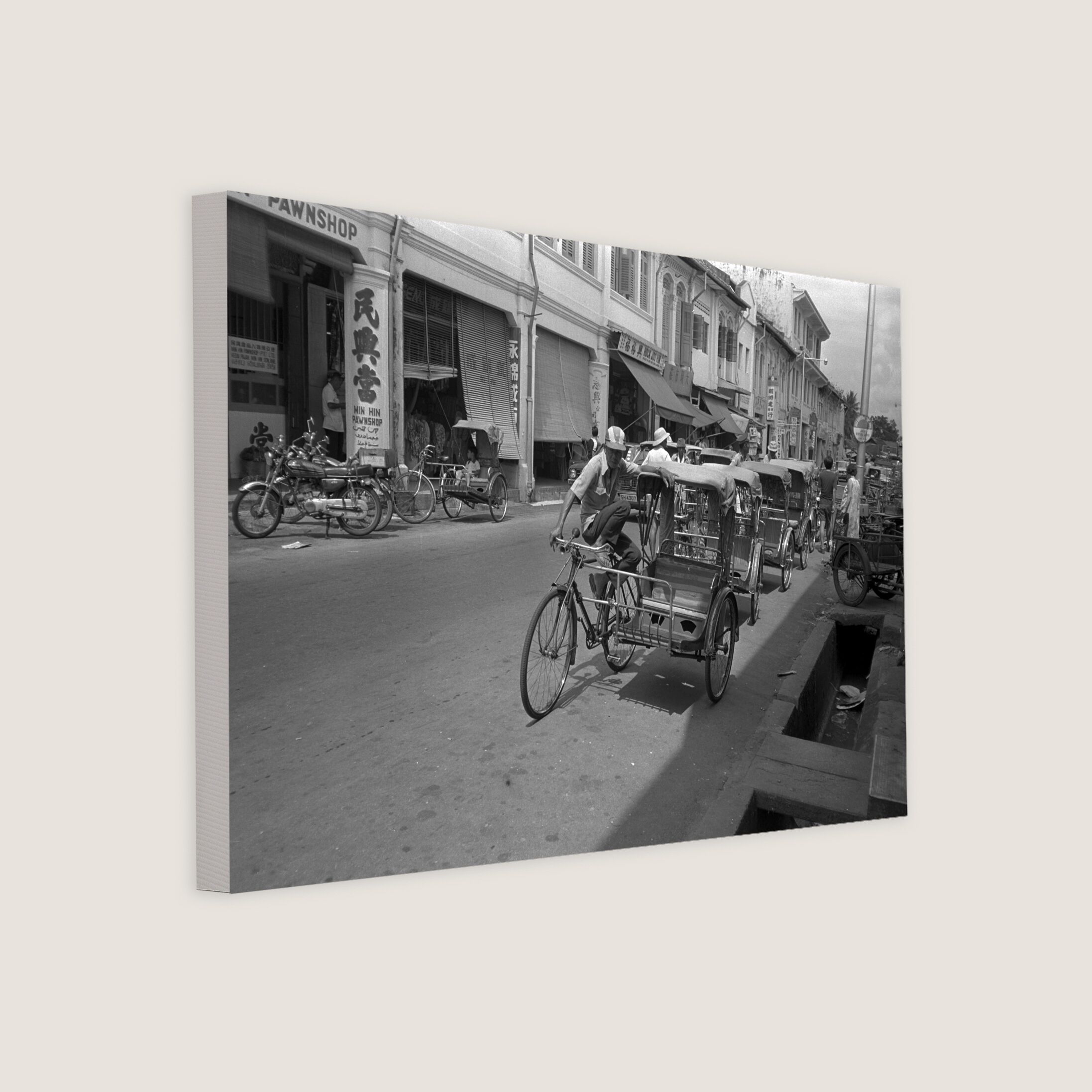
Trishaws at Joo Chiat Road Waiting for Tourists
Year 1980
In the 80s, trishaws became a must-ride form of transport for tourists. The nostalgic rides took tourists to iconic places in Singapore, including Joo Chiat in the East Coast area. This group of trishaw riders were waiting for the tourists on Joo Chiat Road.
©️ SPH Media Limited
Share to
Tags
Available for print on products
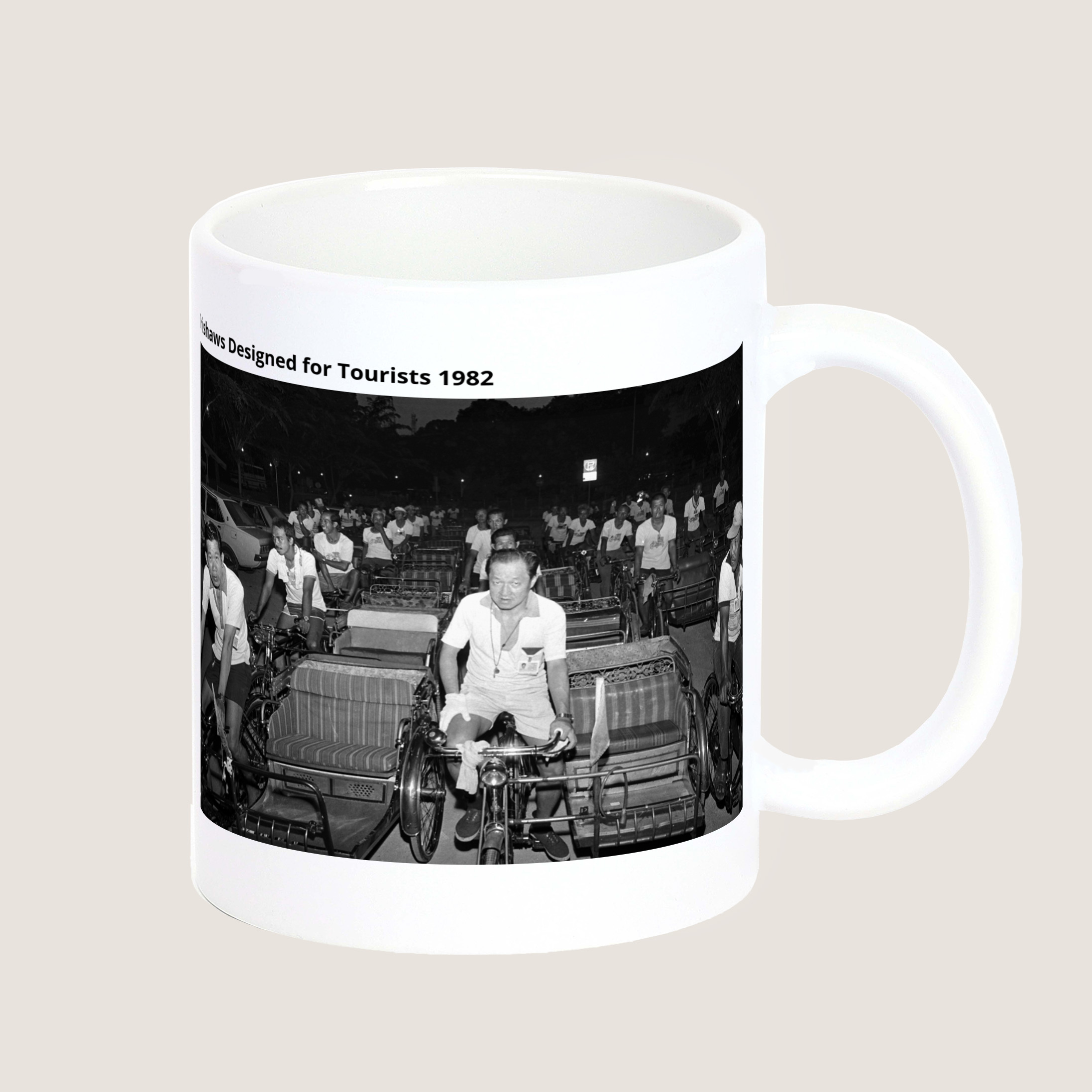
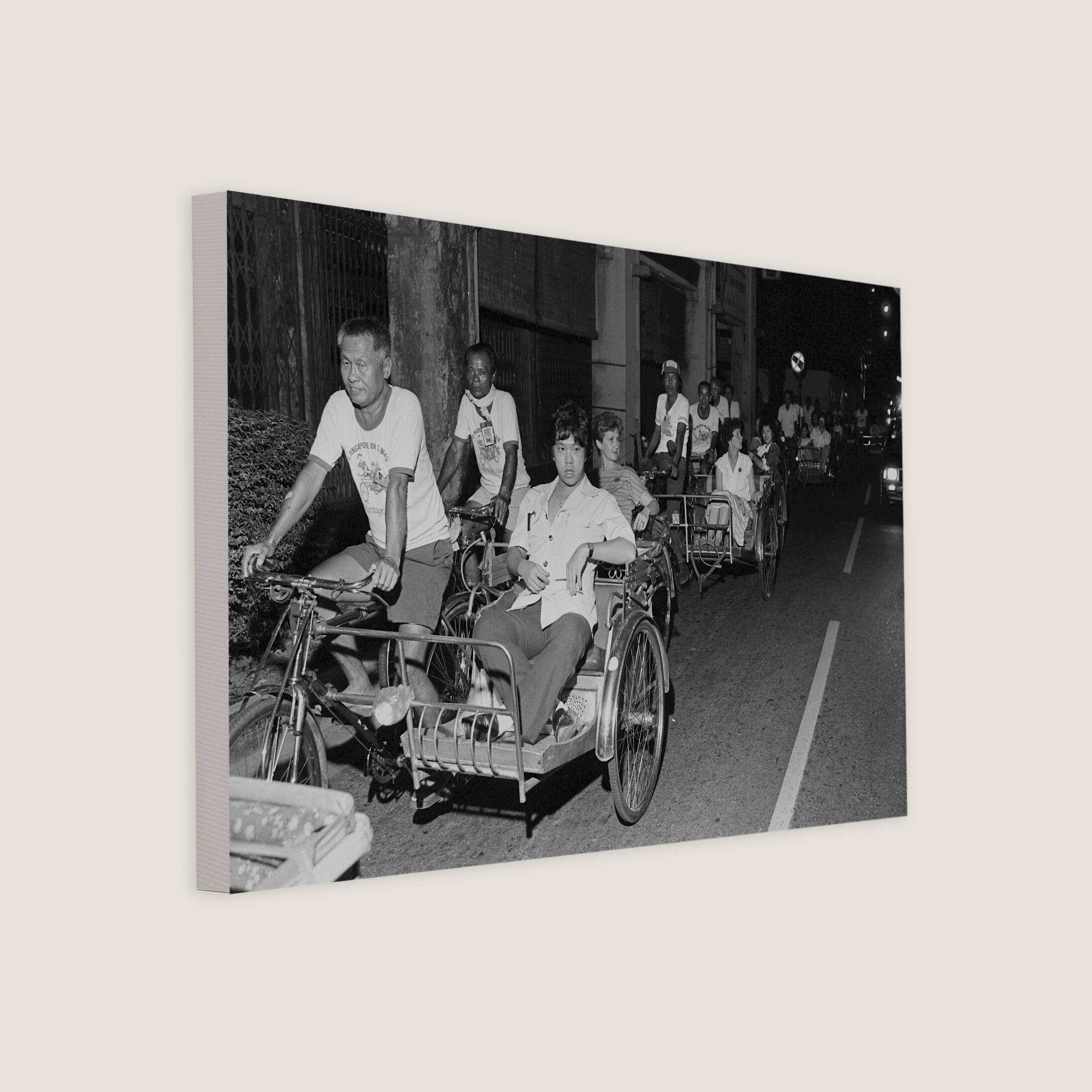
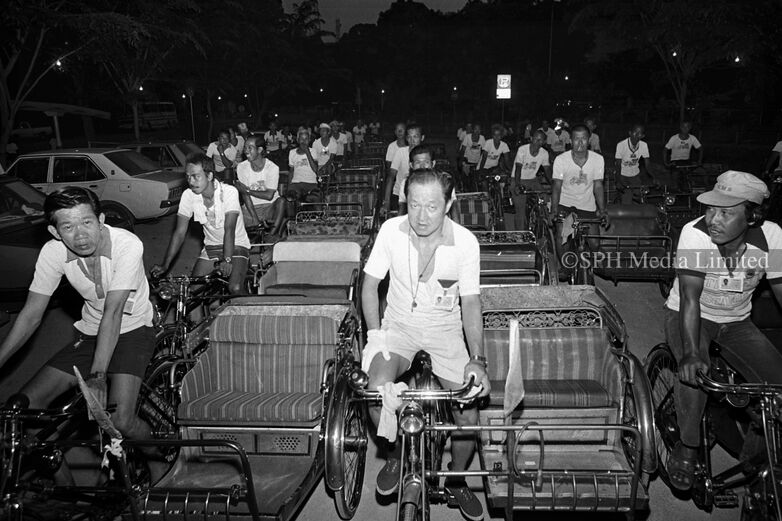 Trishaws Designed for Tourists
1982
Trishaws Designed for Tourists
1982
Trishaws Designed for Tourists
Year 1982
Today, trishaws have become an integral part of Singapore’s cultural heritage. As they were no longer a common mode of transportation for locals, most passengers who rode trishaws were tourists seeking a nostalgic experience of Singapore’s past. These trishaws were newer and equipped with comfortable and spacious seats. However, after commercial licenses expired in 2023, trishaws cannot be found on SIngapore's streets anymore.
©️ SPH Media Limited
Share to
Tags
Available for print on products
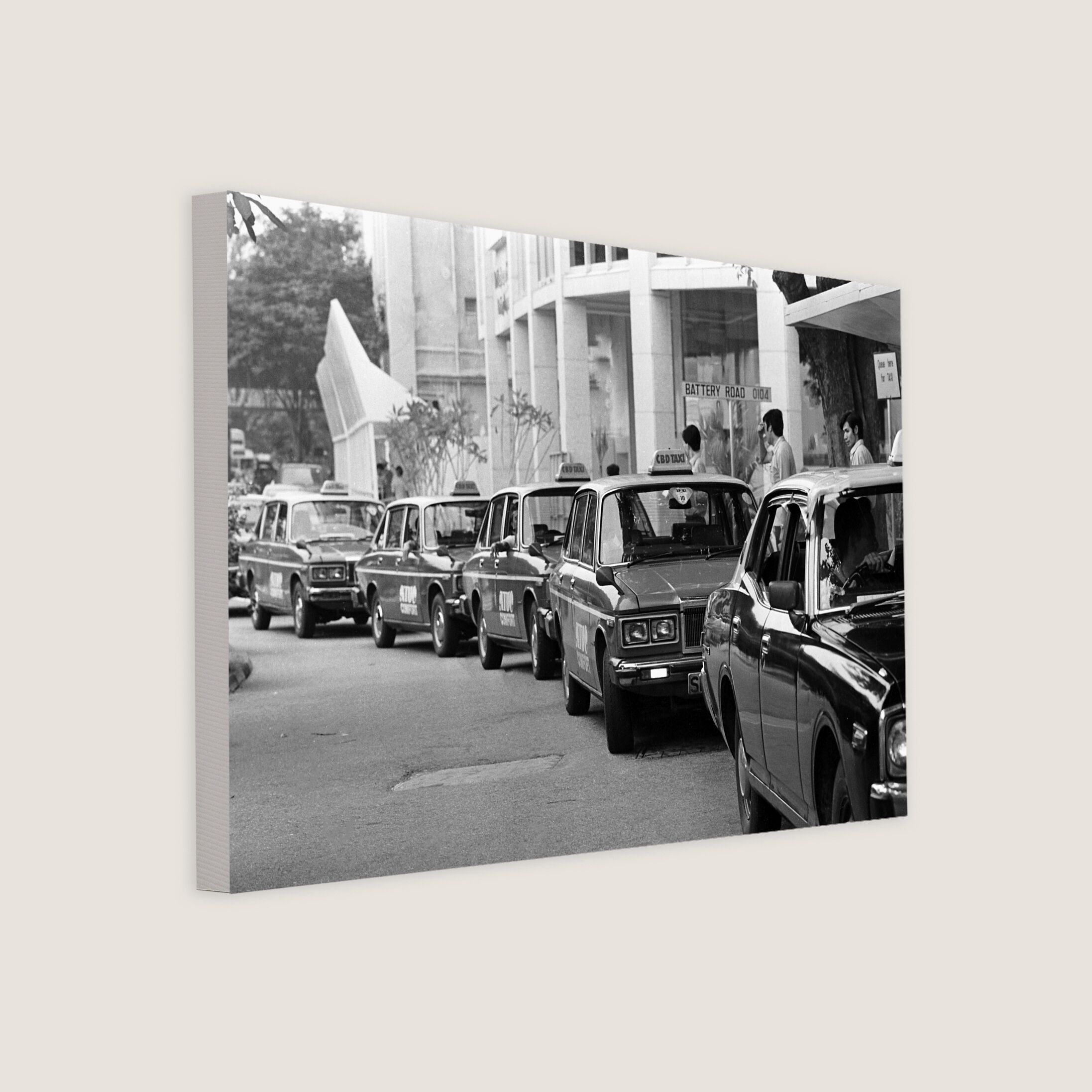
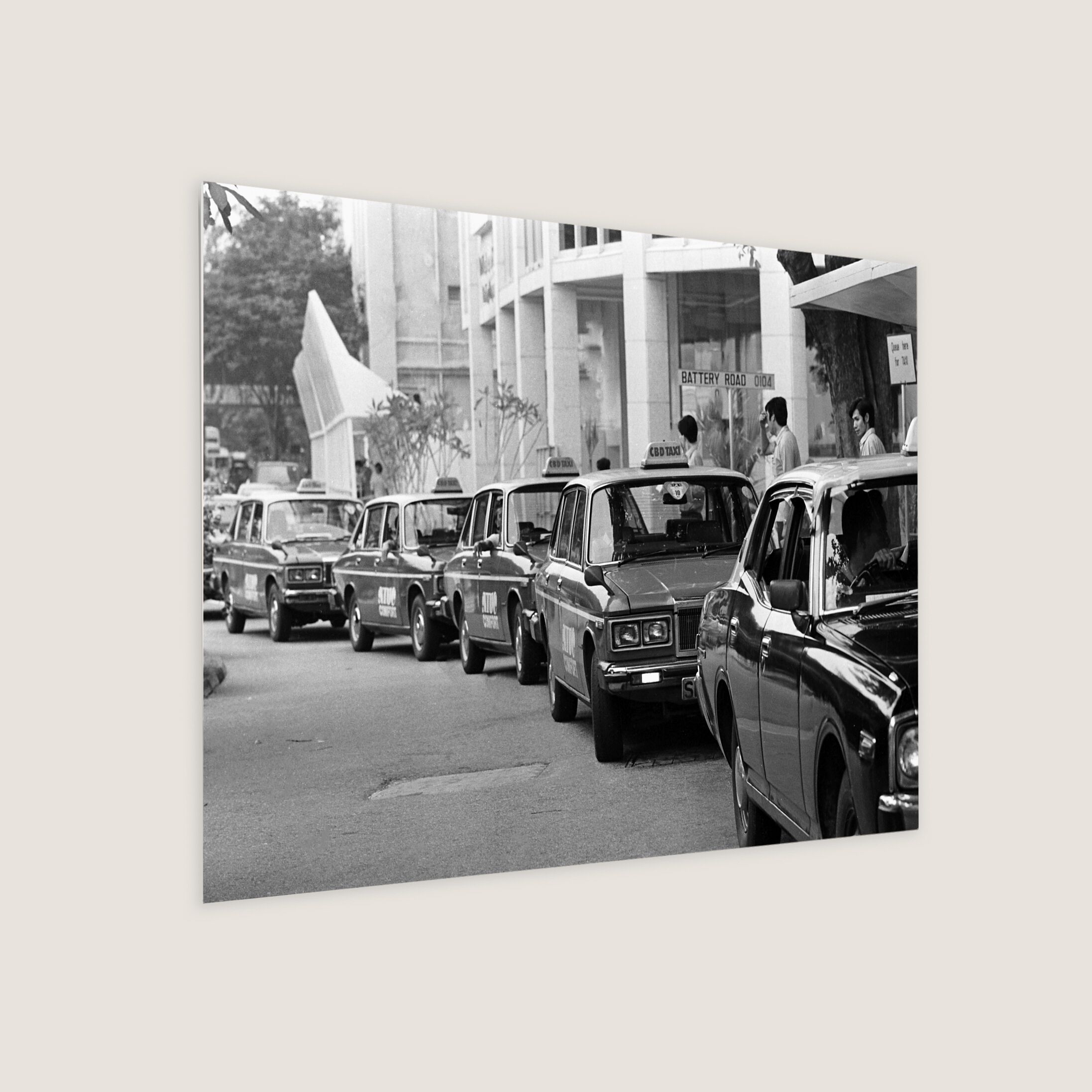
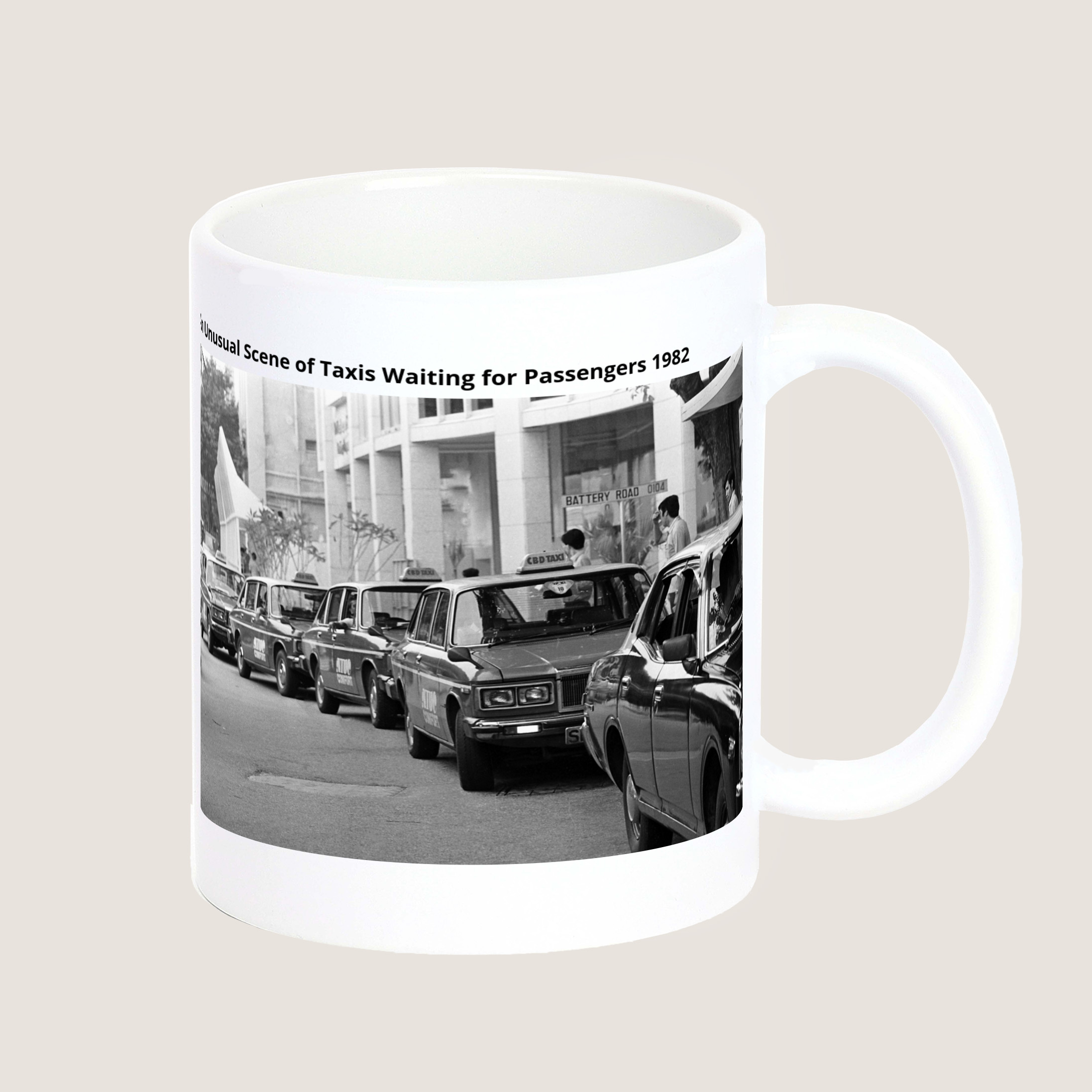
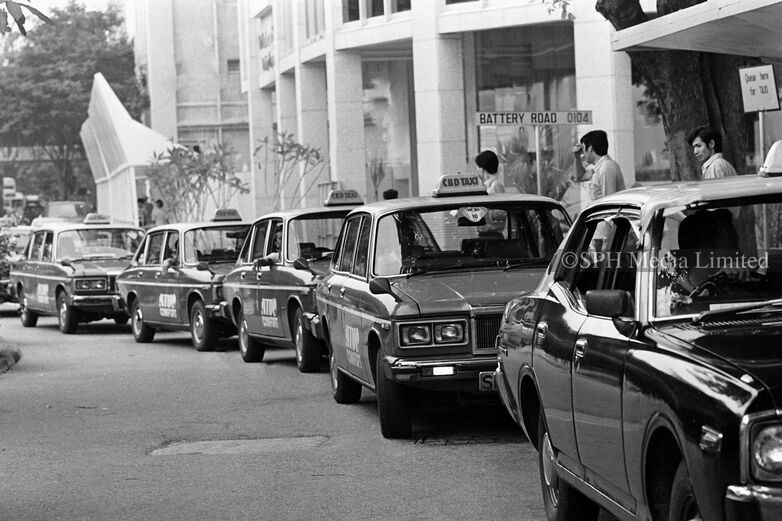 An Unusual Scene of Taxis Waiting for Passengers
1982
An Unusual Scene of Taxis Waiting for Passengers
1982
An Unusual Scene of Taxis Waiting for Passengers
Year 1982
Taxis in Central Business District were faced with the declining demand from price-sensitive consumers, due to the implementation of the $1 CBD surcharge in 1982, leaving a line of taxis instead of the usual beeline before.
©️ SPH Media Limited
Share to
Tags
Available for print on products
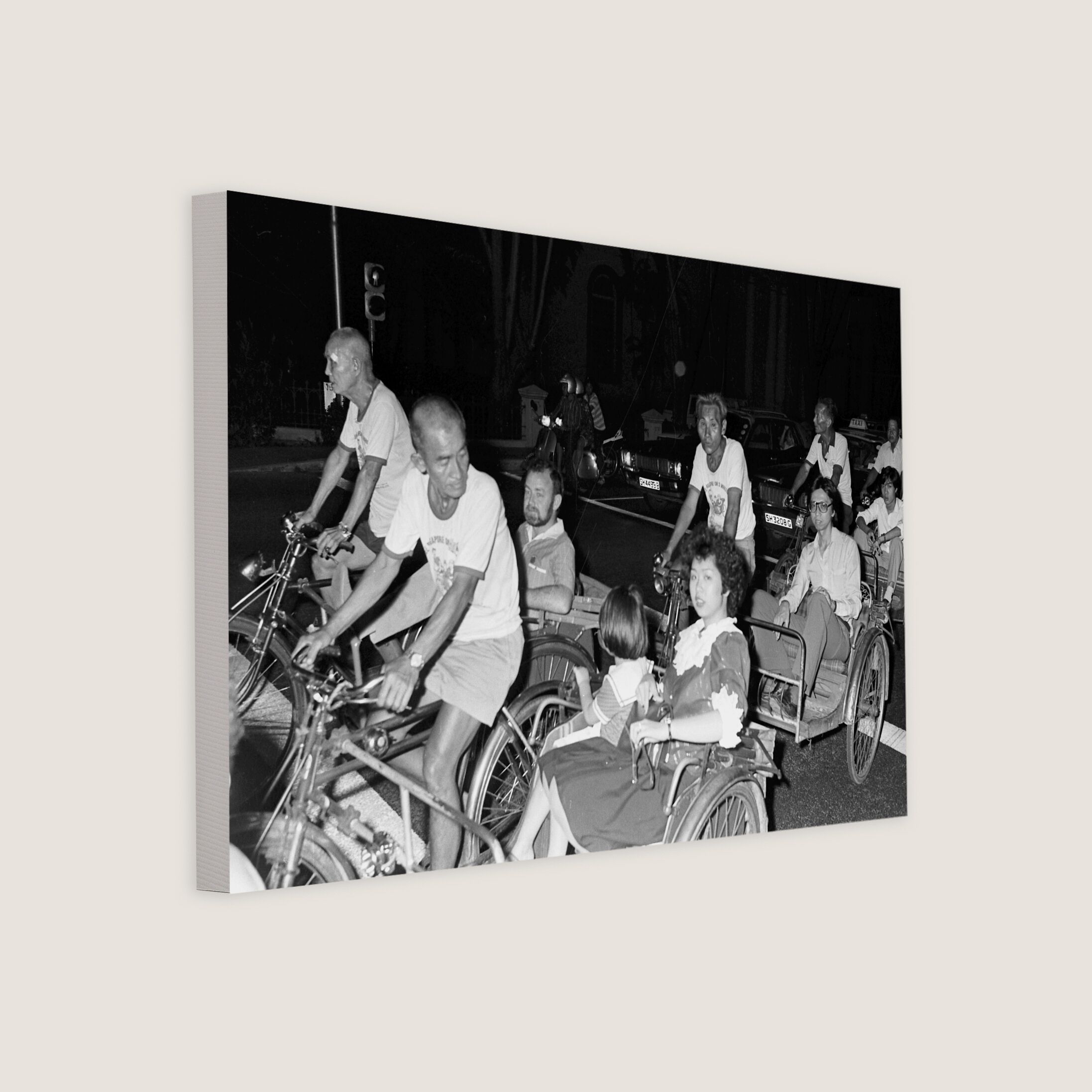
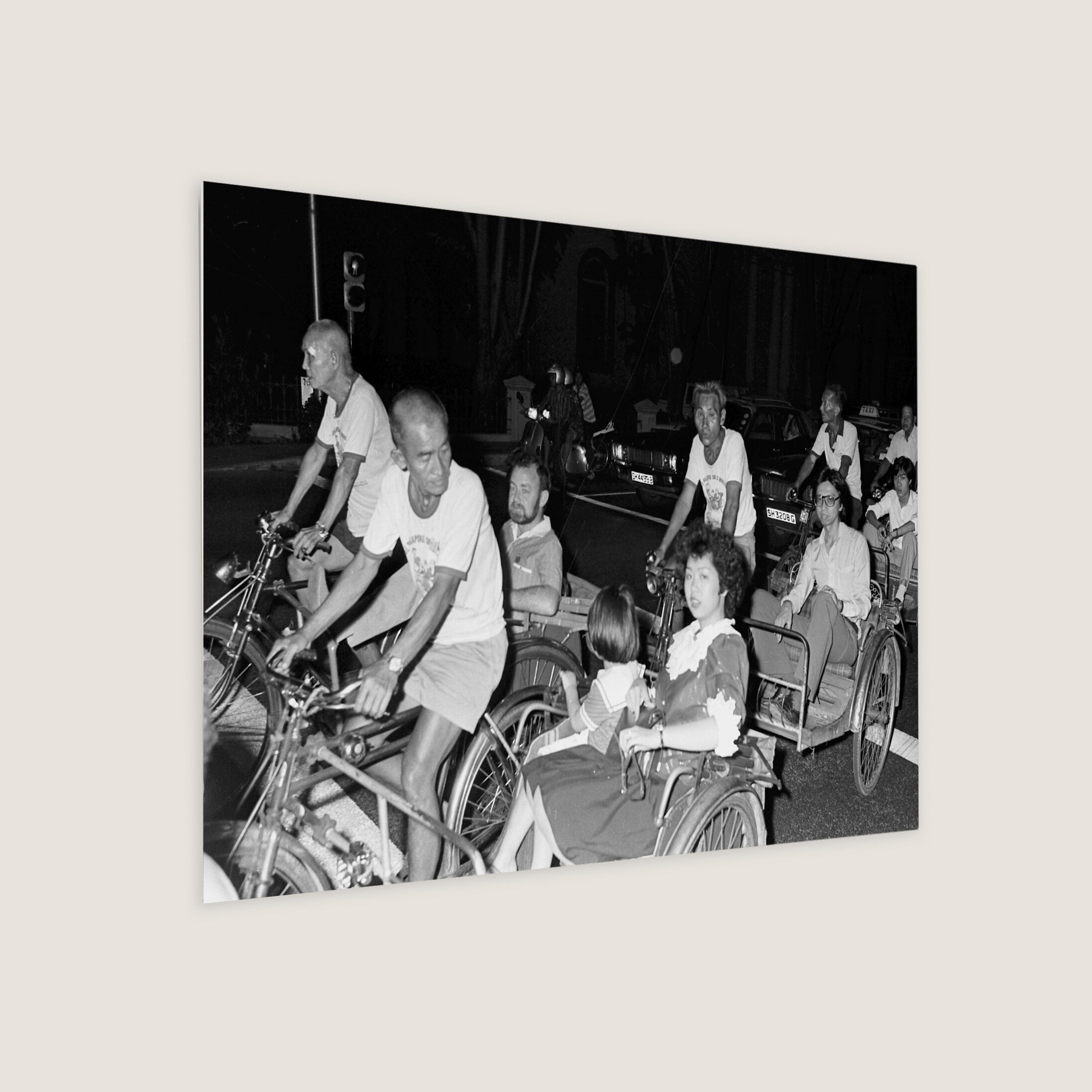
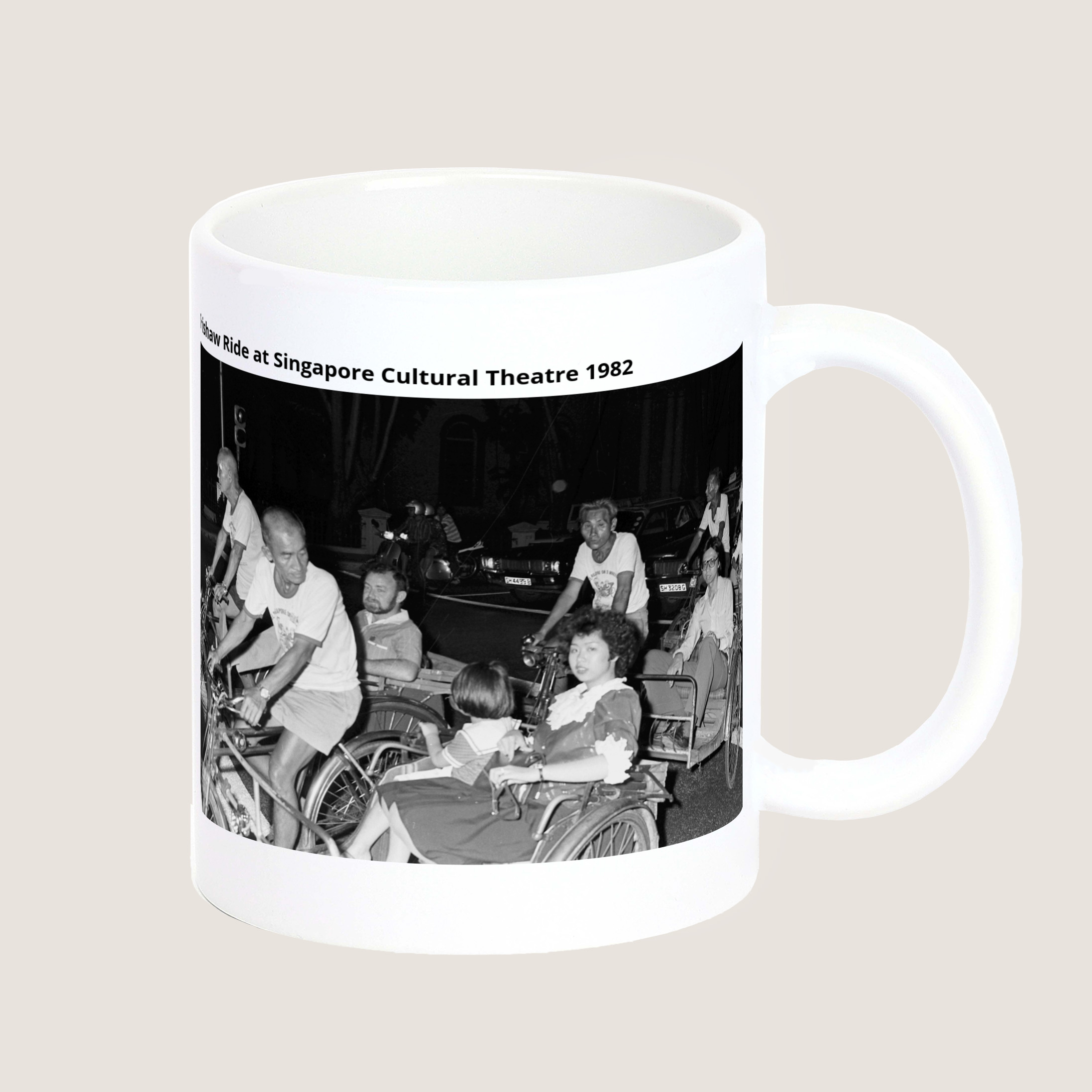
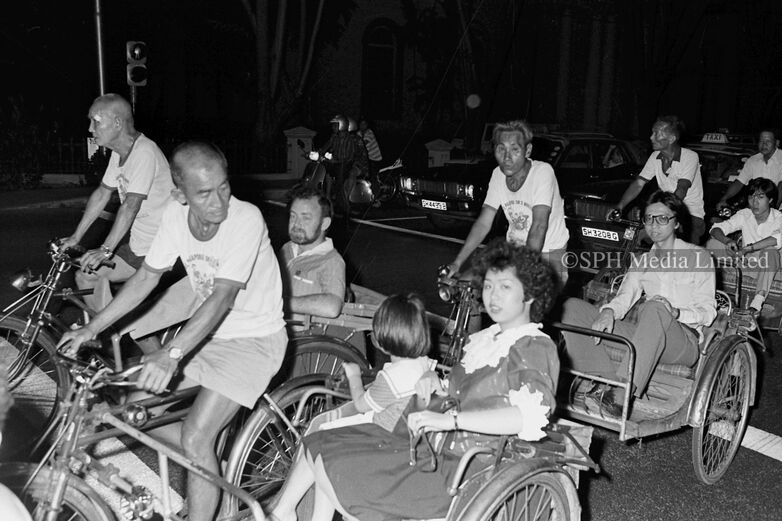 Trishaw Ride at Singapore Cultural Theatre
1982
Trishaw Ride at Singapore Cultural Theatre
1982
Trishaw Ride at Singapore Cultural Theatre
Year 1982
In the 80s, the Ministry of Culture held a series of art activities in Singapore to extend its reach to the people. A trishaw ride began at the Singapore Cultural Theatre, where tourists were taken to view programs that reflected the multicultural aspects of the nation
©️ SPH Media Limited
Share to
Tags
Available for print on products
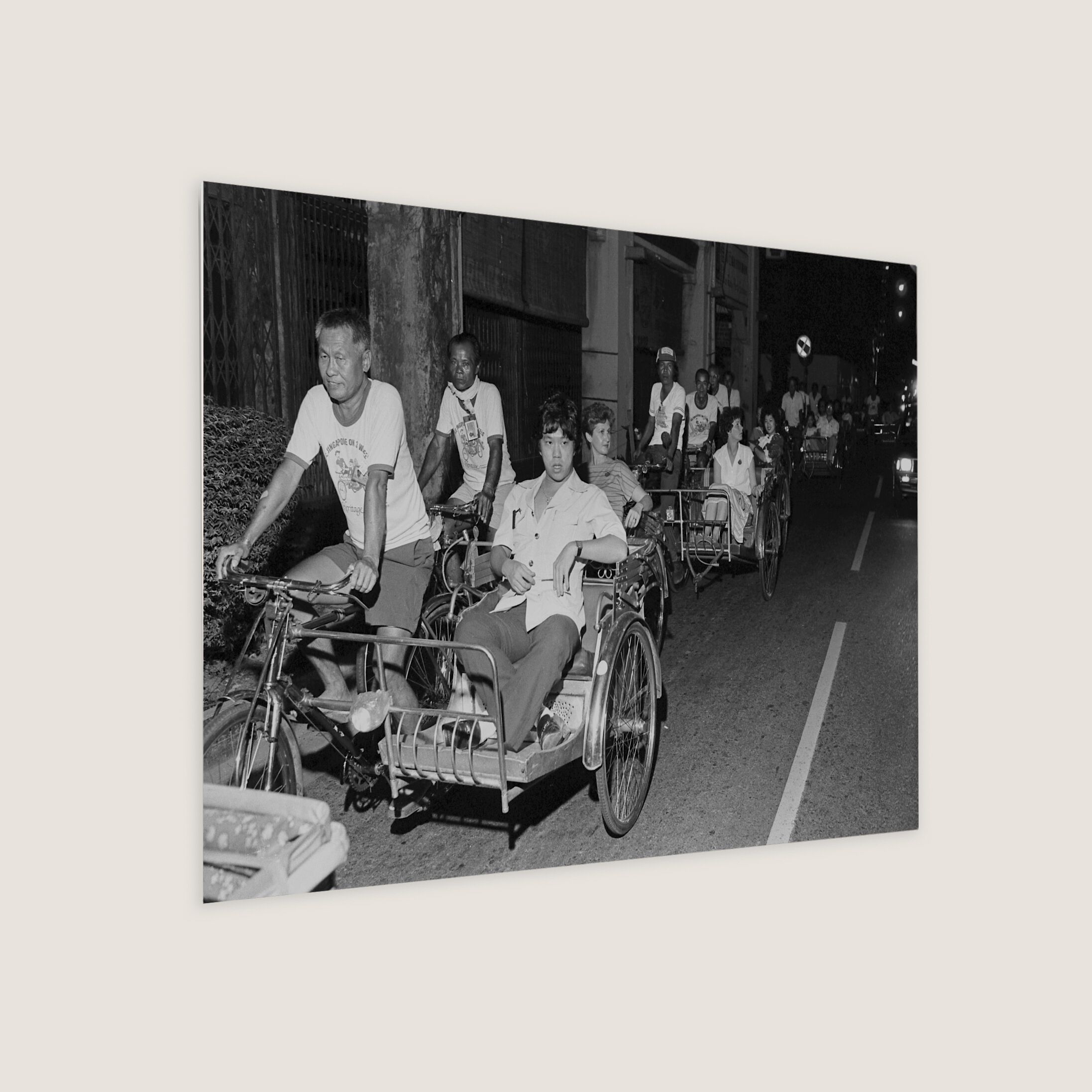
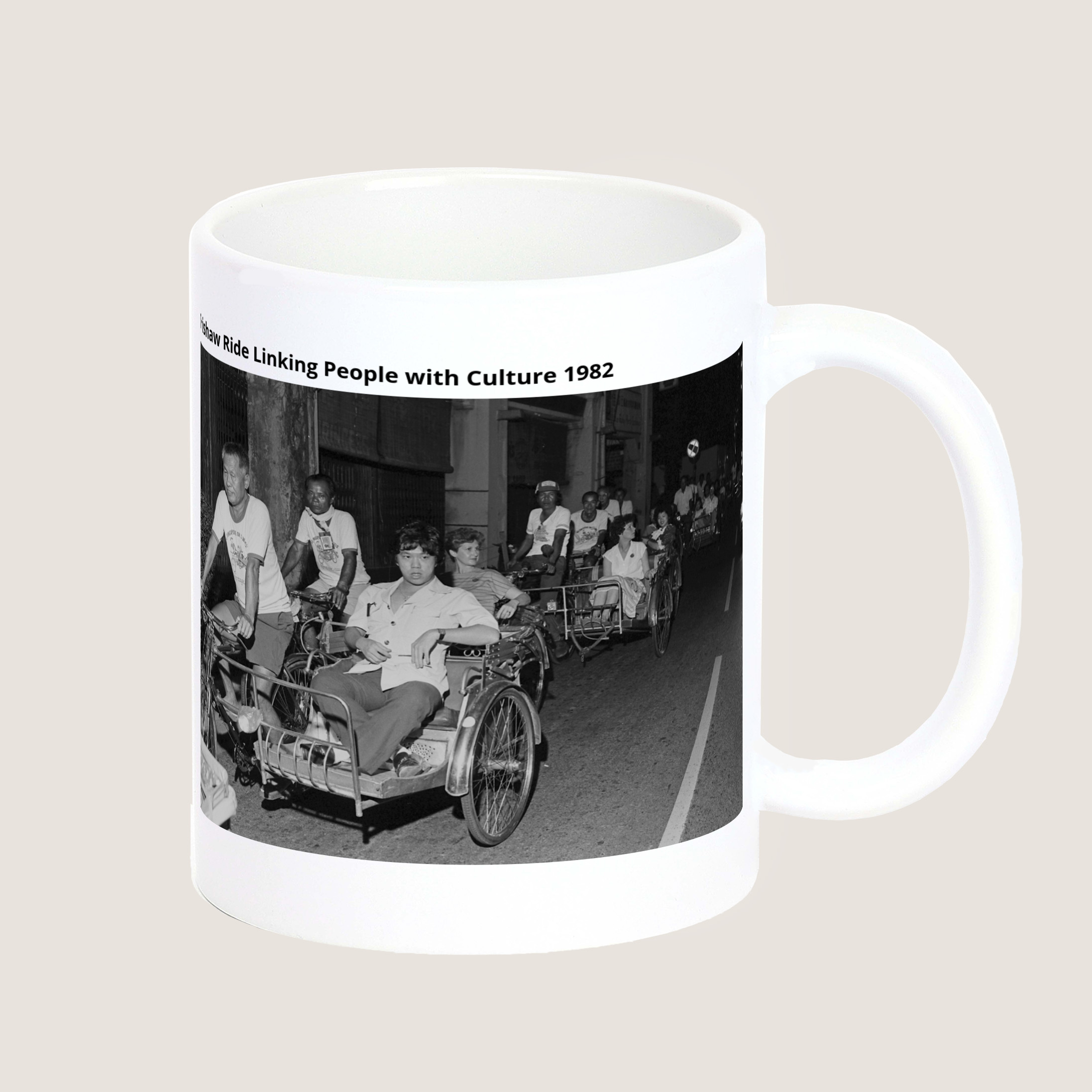
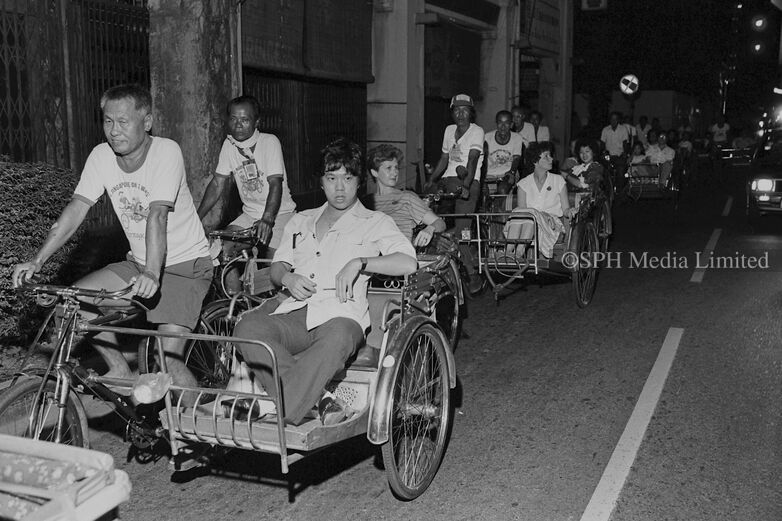 Trishaw Ride Linking People with Culture
1982
Trishaw Ride Linking People with Culture
1982
Trishaw Ride Linking People with Culture
Year 1982
In the 80s, the Ministry of Culture held a series of art activities in Singapore to extend its reach to the people. A trishaw ride began at the Singapore Cultural Theatre, where tourists were taken to view programs that reflected the multicultural aspects of the nation.
©️ SPH Media Limited
Share to
Tags
Available for print on products
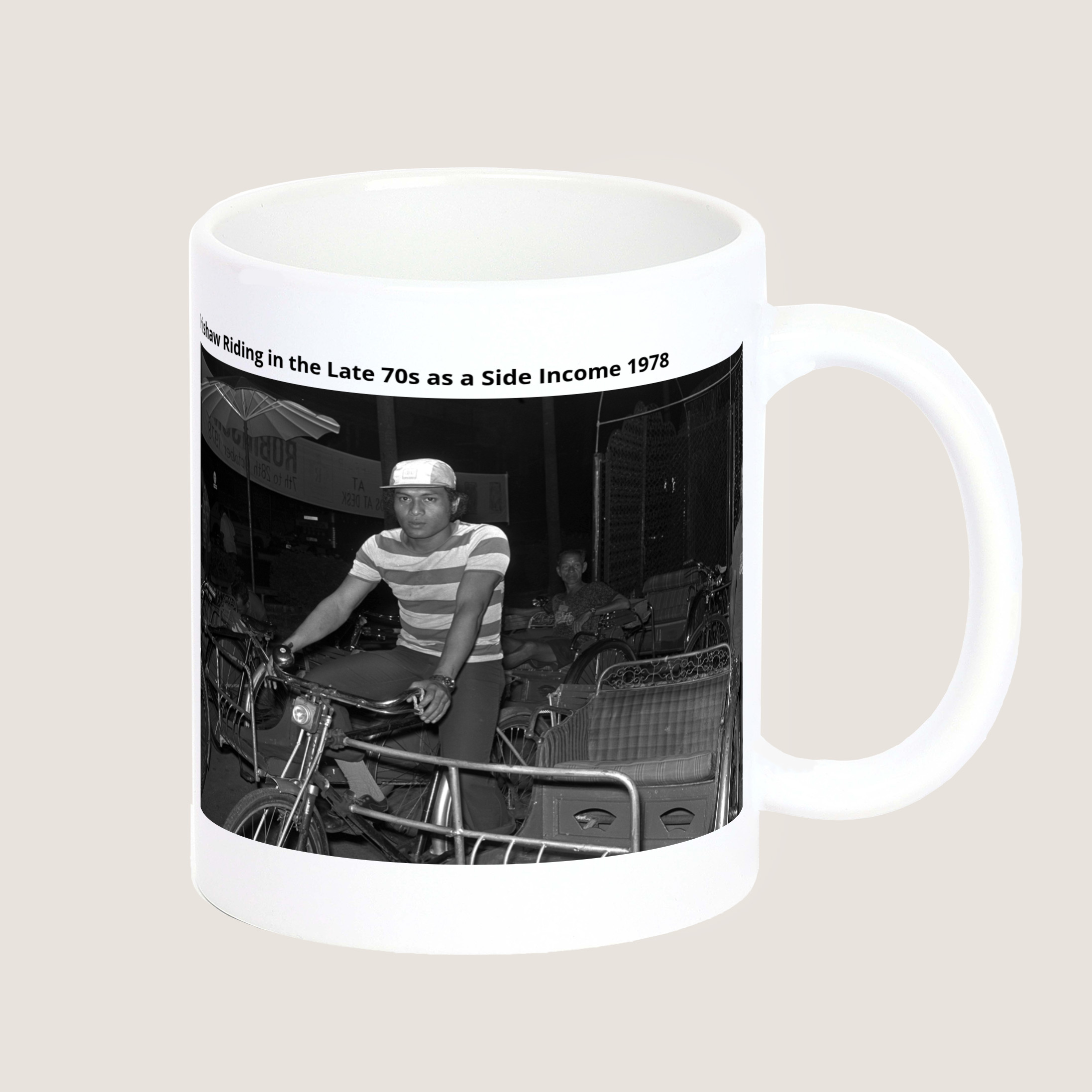
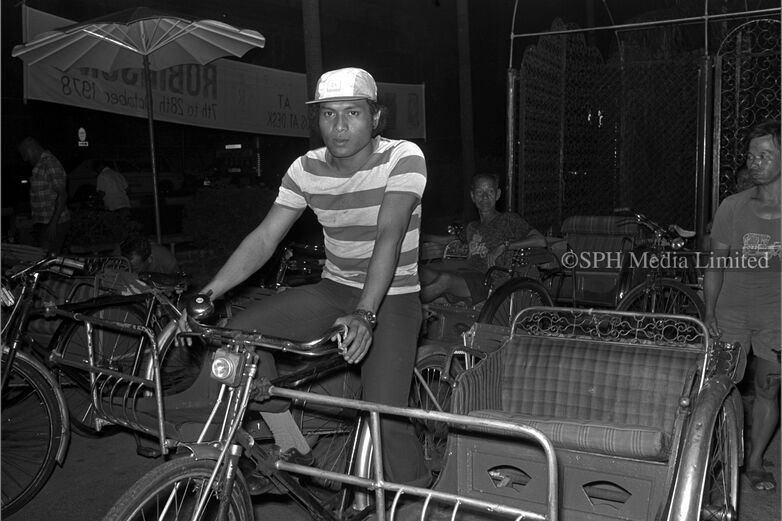 Trishaw Riding in the Late 70s as a Side Income
1978
Trishaw Riding in the Late 70s as a Side Income
1978
Trishaw Riding in the Late 70s as a Side Income
Year 1978
Trishaw riding was a form of side income for many in the late 70s. Many of the new trishaw riders held other jobs, but trishaw riding had become a lucrative sideline business for them. The trishaw business survived by serving tourists instead of local people.
©️ SPH Media Limited
Share to
Tags
Available for print on products
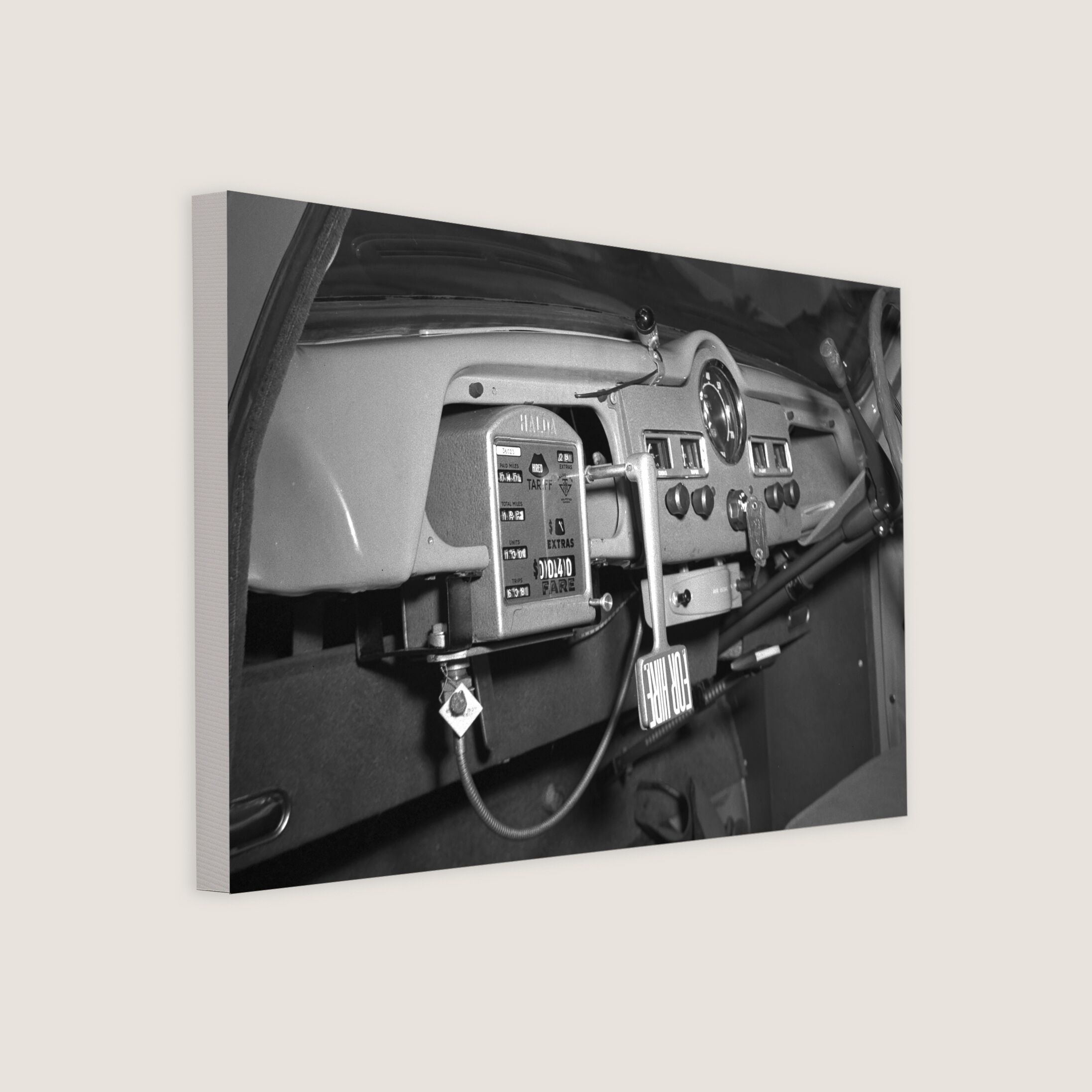
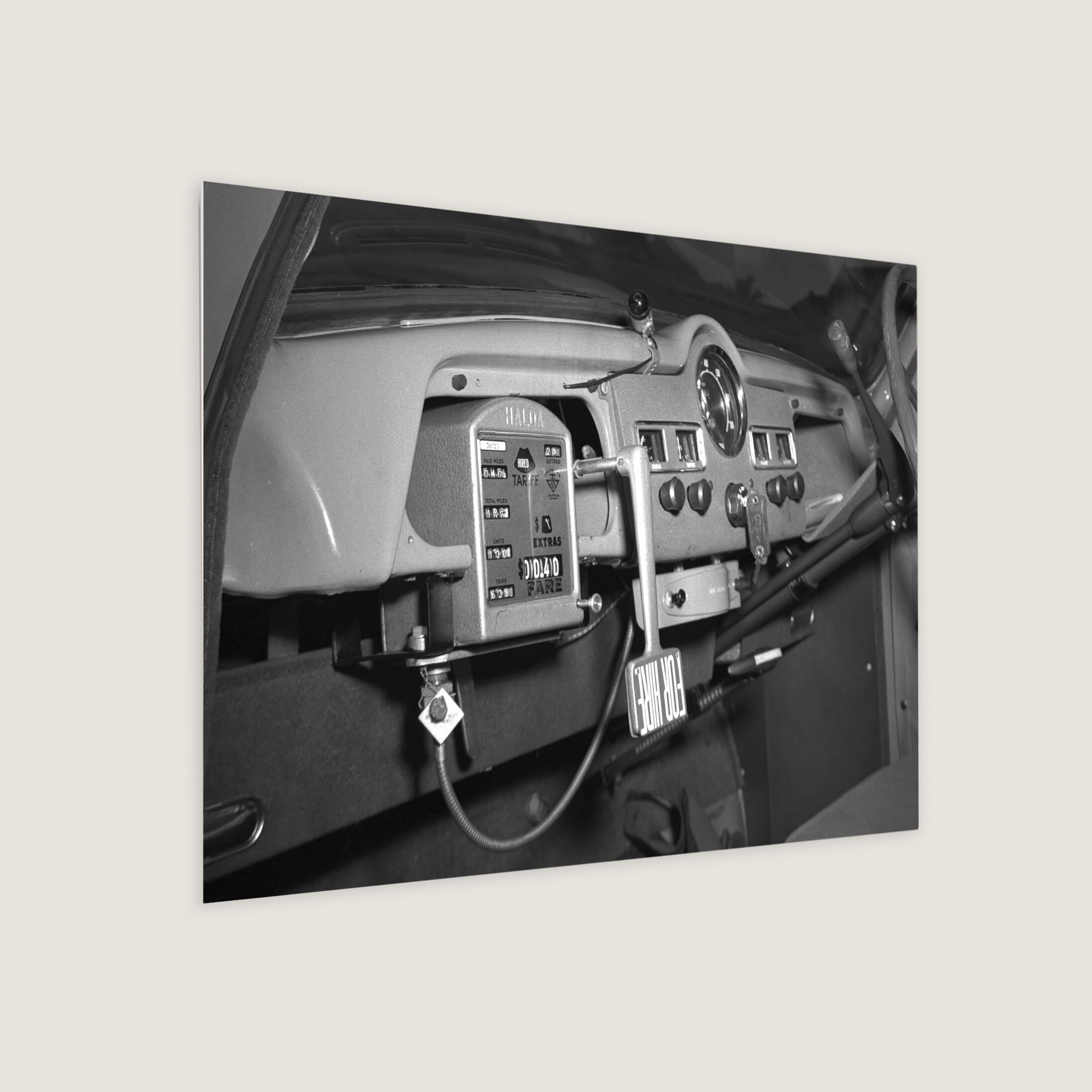
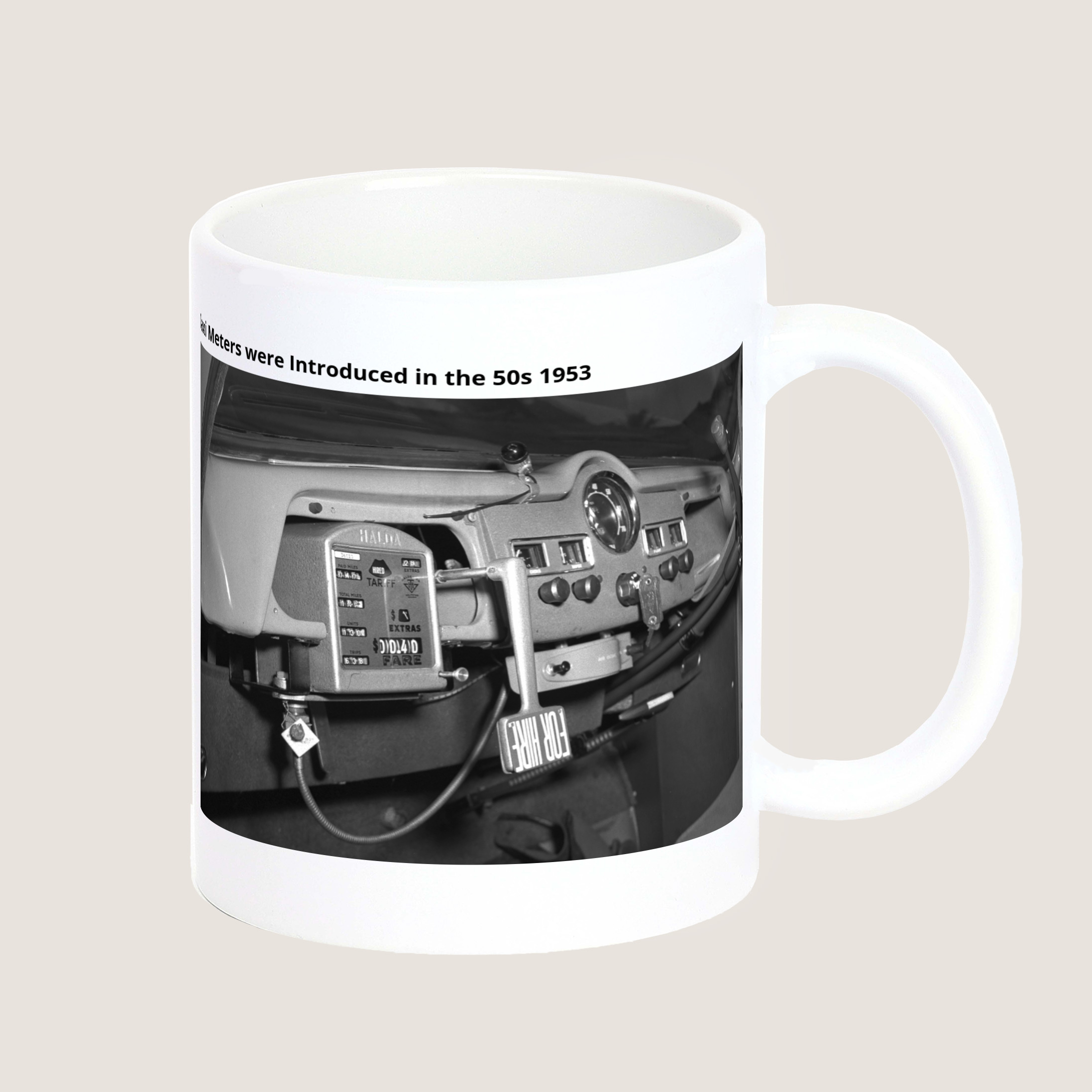
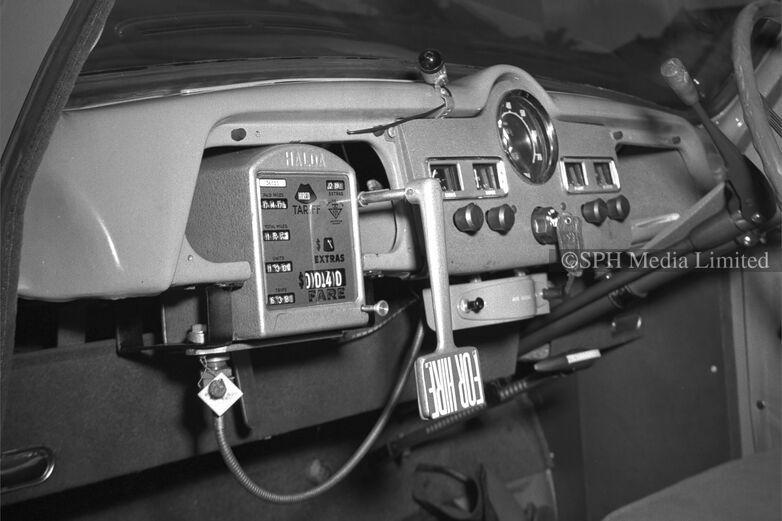 Taxi Meters were Introduced in the 50s
1953
Taxi Meters were Introduced in the 50s
1953
Taxi Meters were Introduced in the 50s
Year 1953
In the early 1950s, the City Council introduced taxi meters on a larger scale to provide fairer service to the public. However, the new system faced opposition from taxi drivers, who felt it would lead to passengers bargaining for fares lower than the authorised rates, disrupting their business.
©️ SPH Media Limited
Share to
Tags
Available for print on products
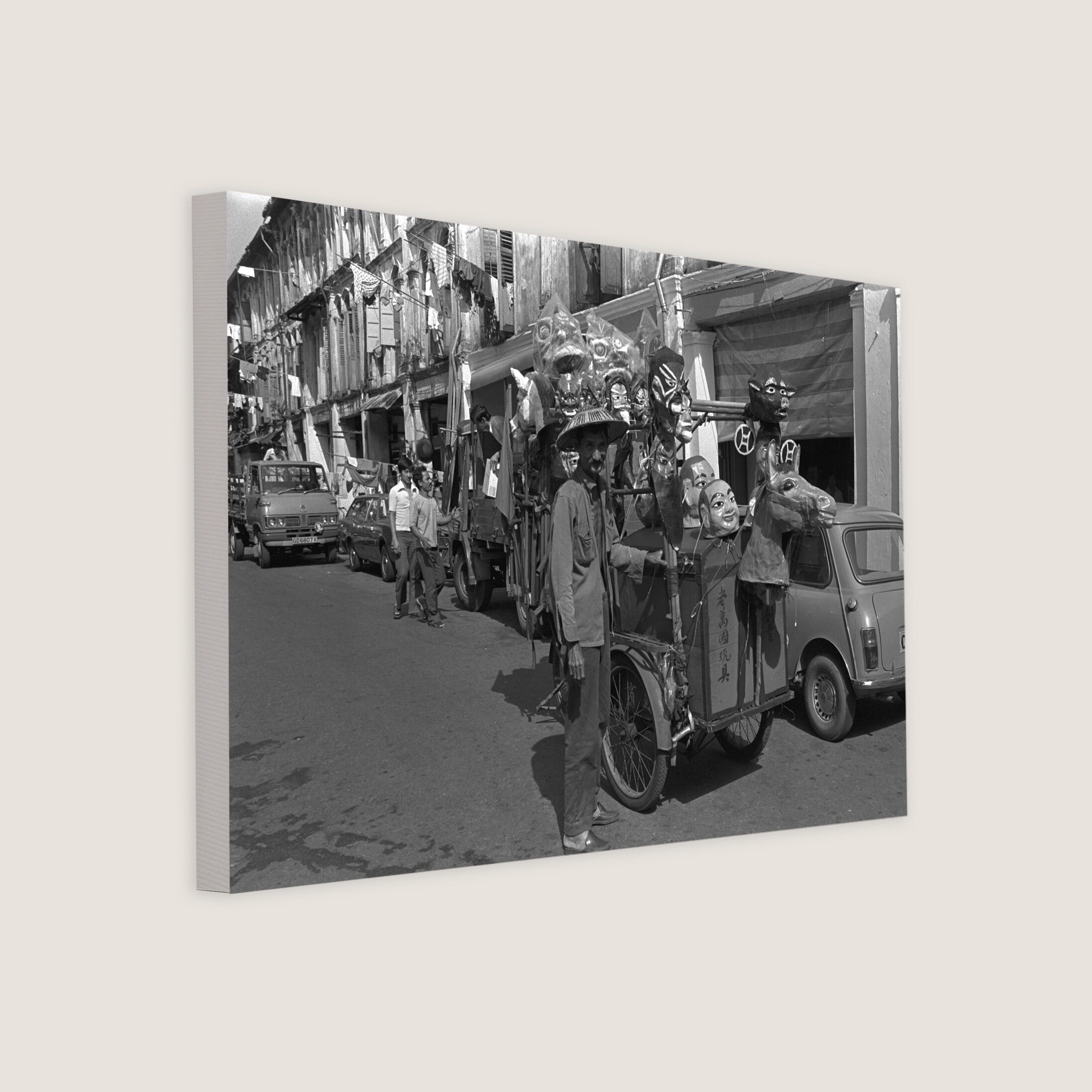
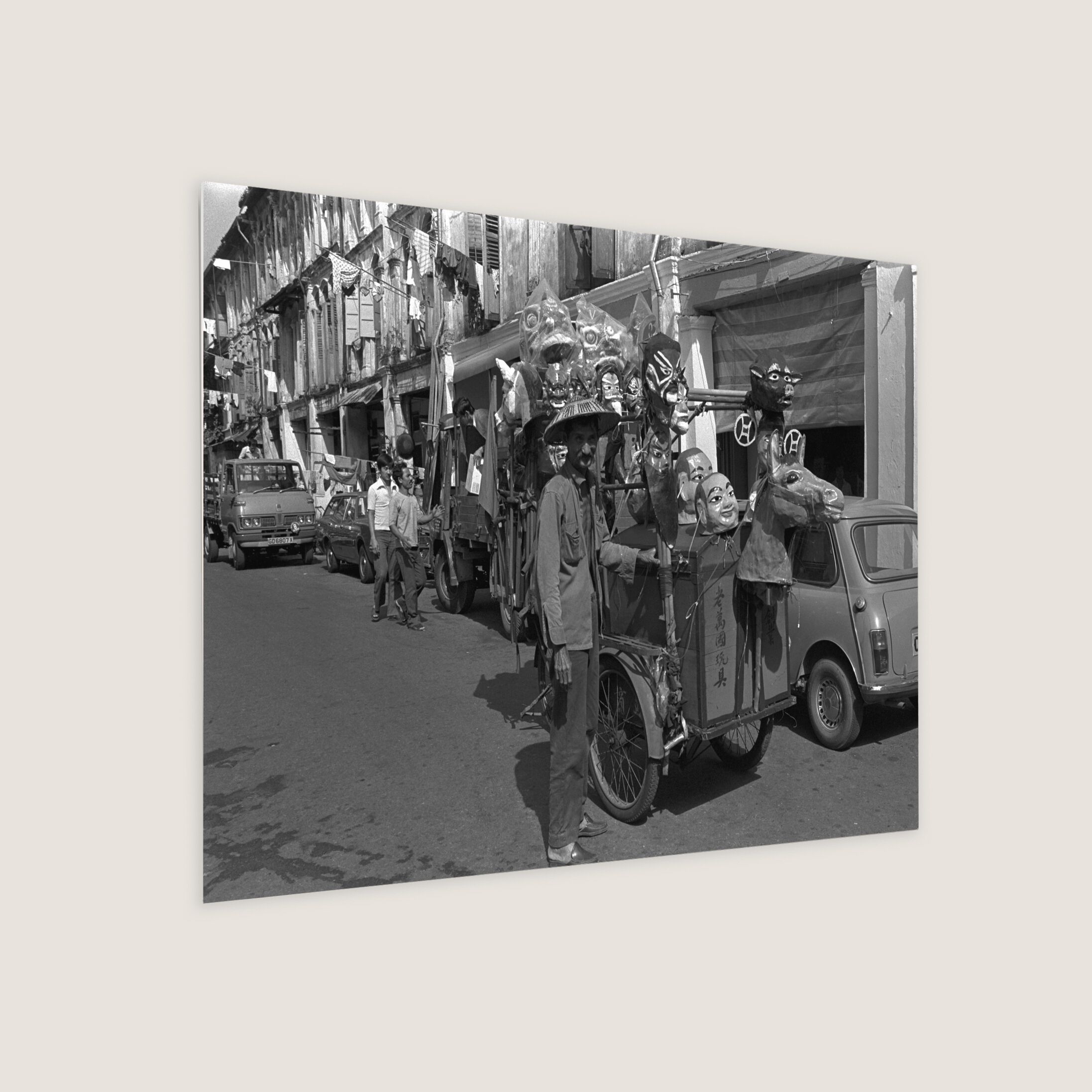
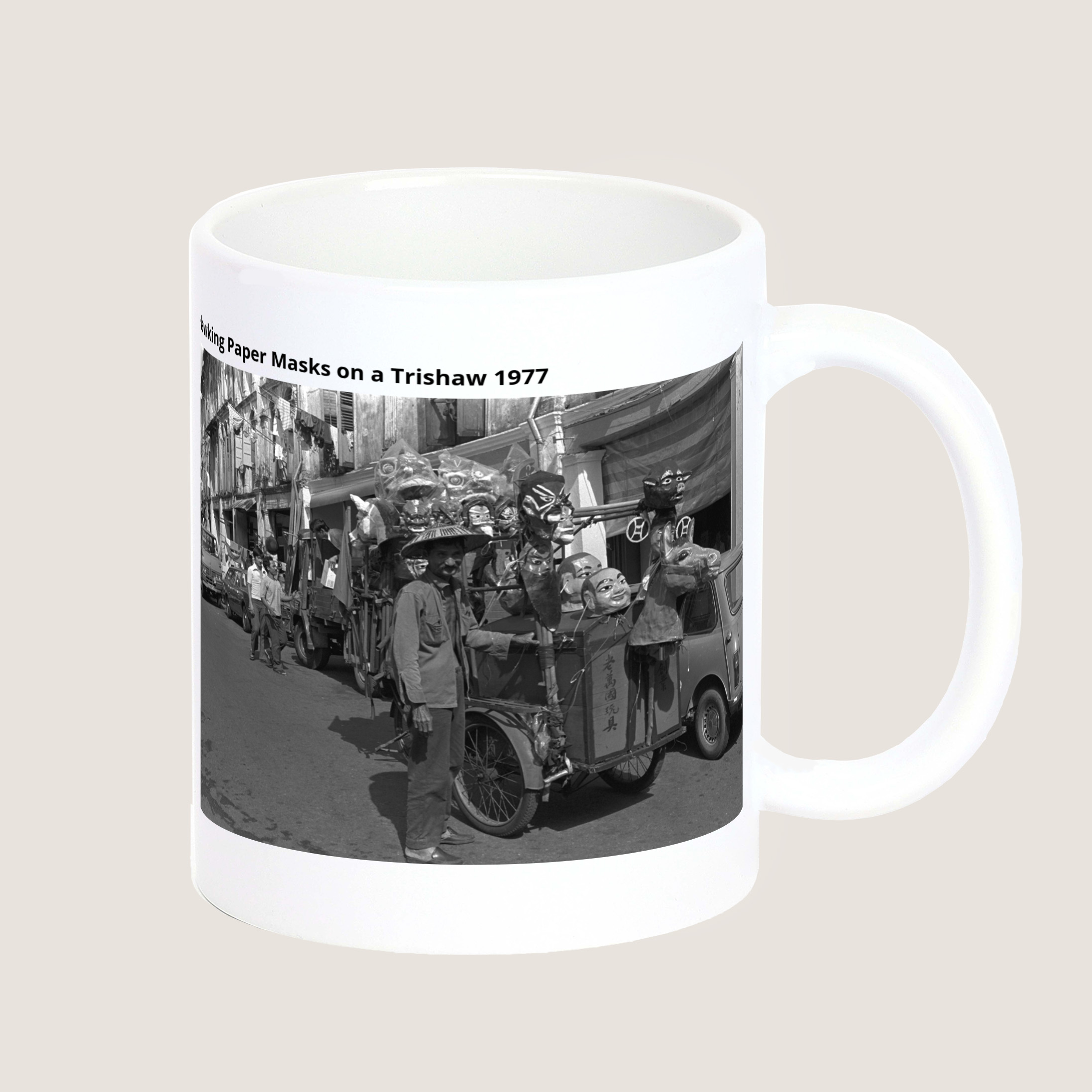
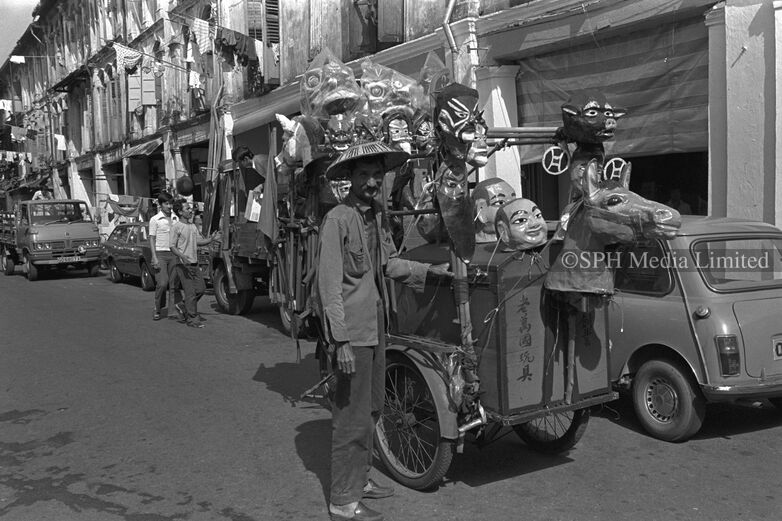 Hawking Paper Masks on a Trishaw
1977
Hawking Paper Masks on a Trishaw
1977
Hawking Paper Masks on a Trishaw
Year 1977
A hawker who earns his living by selling paper masks operates from his trishaw. For this elderly man, the trishaw is his means of livelihood. The craft of making paper headpieces and masks has faded over time, and with the rise of modern transportation, trishaws have become increasingly rare. In 2023, they stopped operations completely.
©️ SPH Media Limited
Share to
Tags
Available for print on products
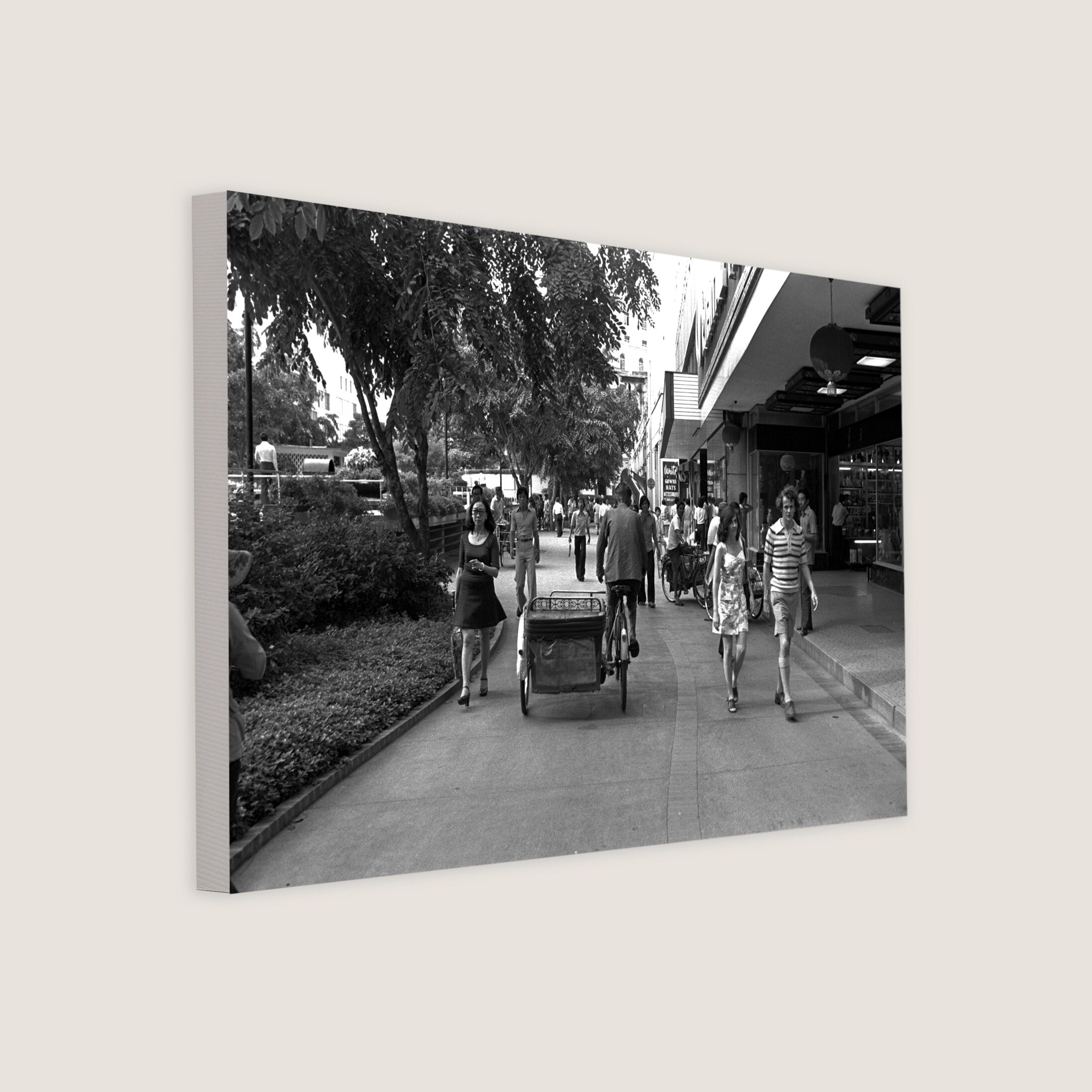
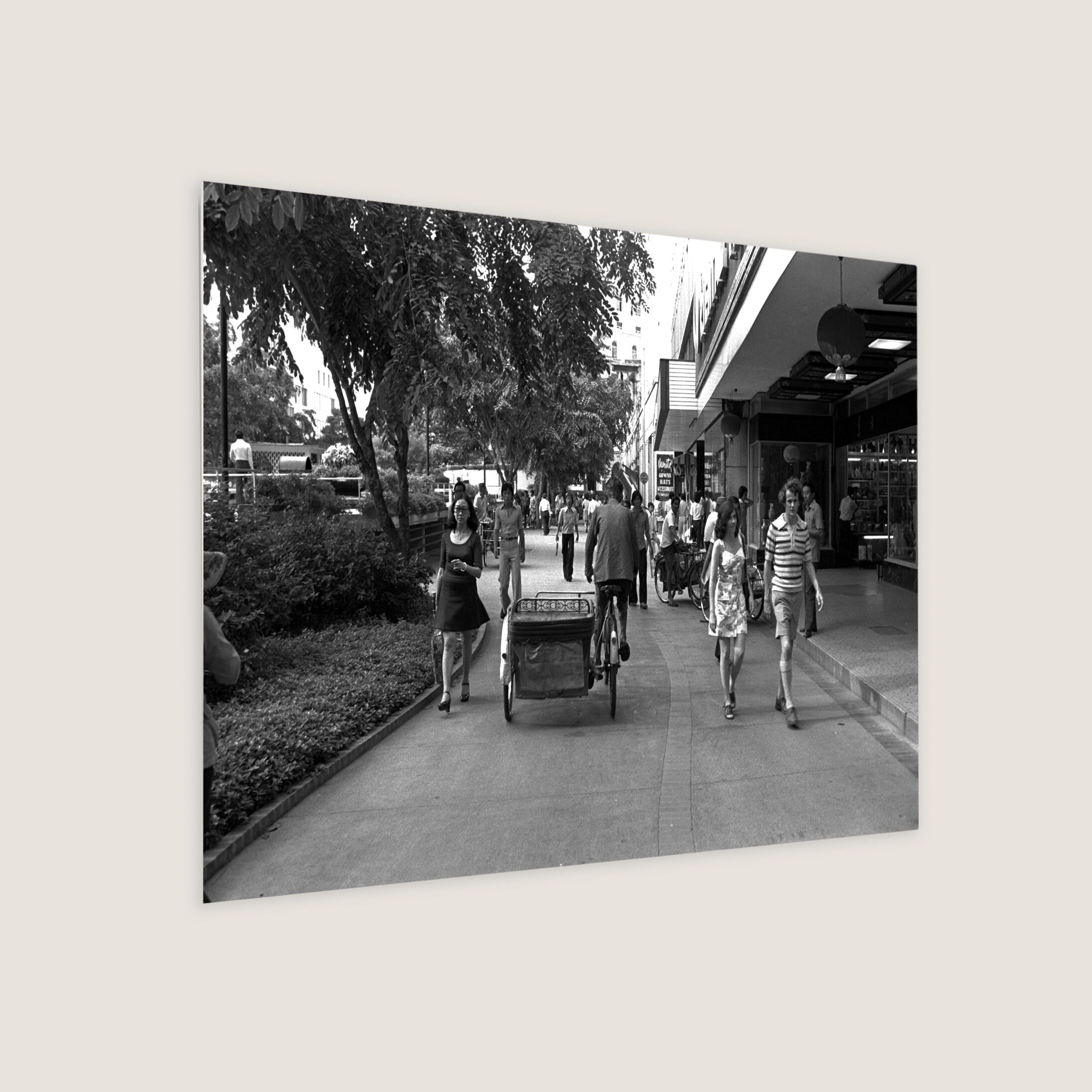
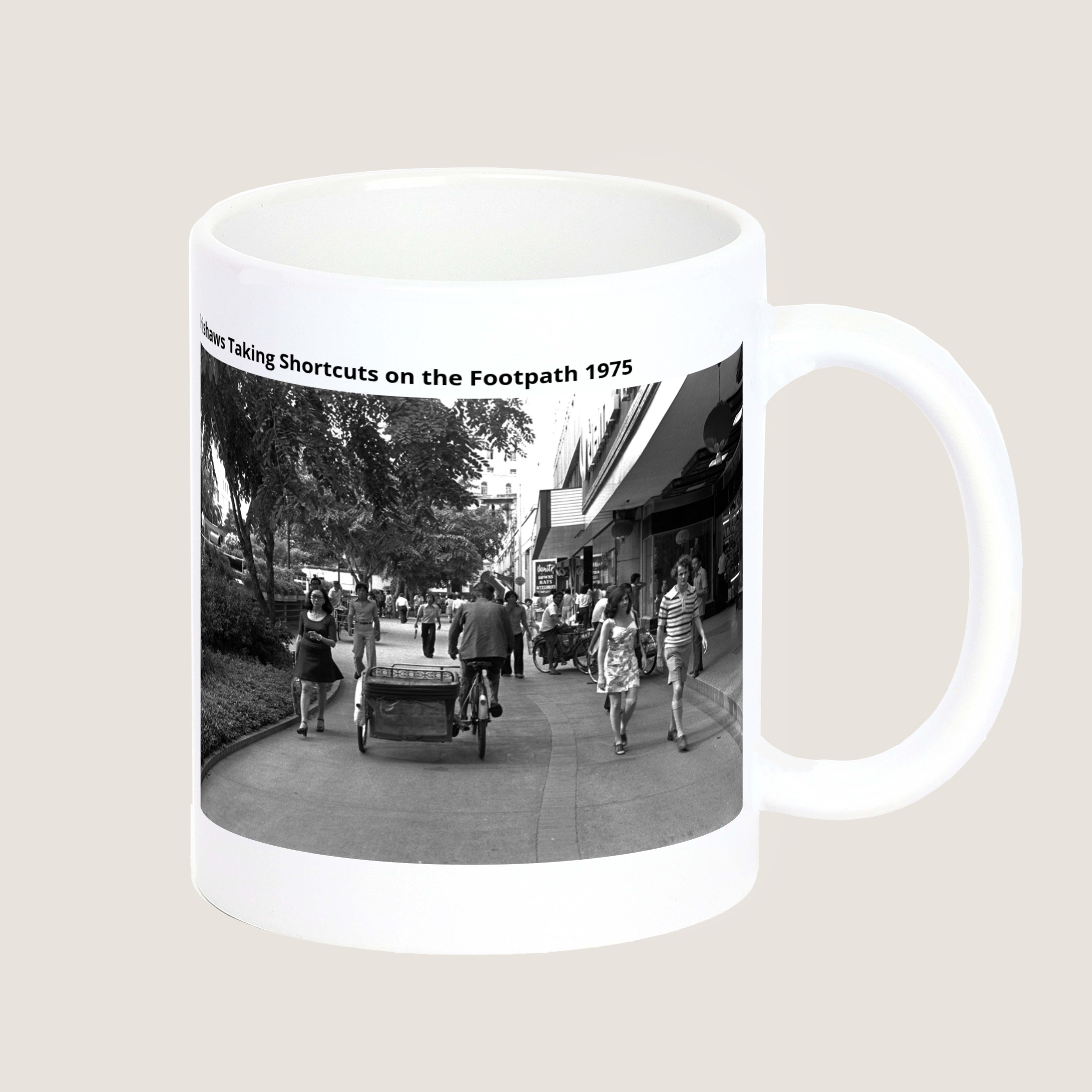
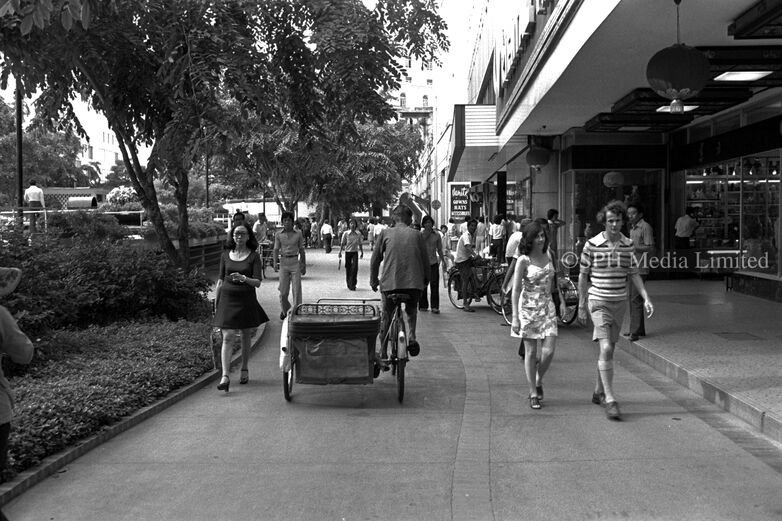 Trishaws Taking Shortcuts on the Footpath
1975
Trishaws Taking Shortcuts on the Footpath
1975
Trishaws Taking Shortcuts on the Footpath
Year 1975
Trishaws on the pedestrian mall at Raffles Place in 1975. In order to maintain an income, trishaw riders pass through the mall as a shortcut or pick-up point for passengers on a daily basis.
©️ SPH Media Limited
Share to
Tags
Available for print on products
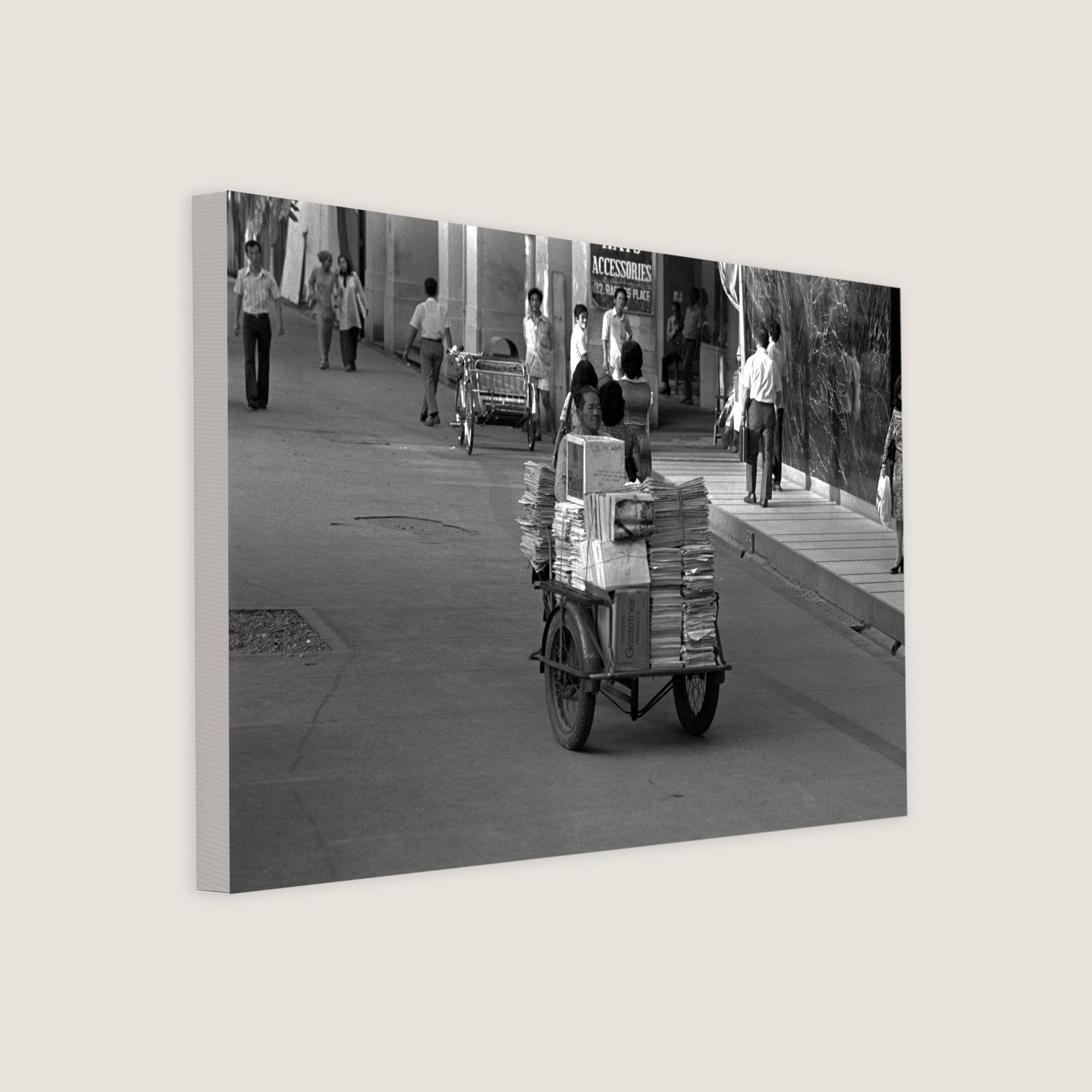
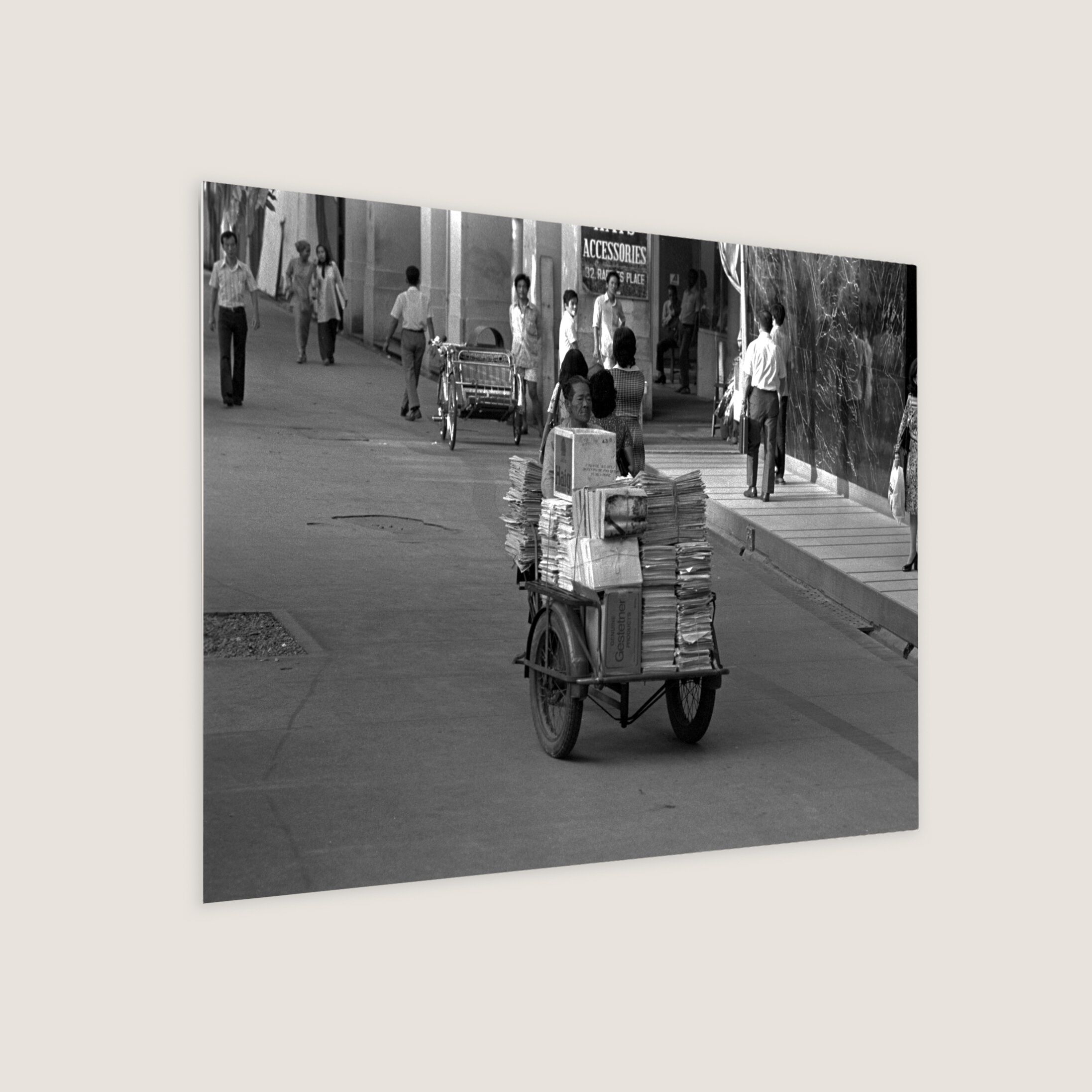
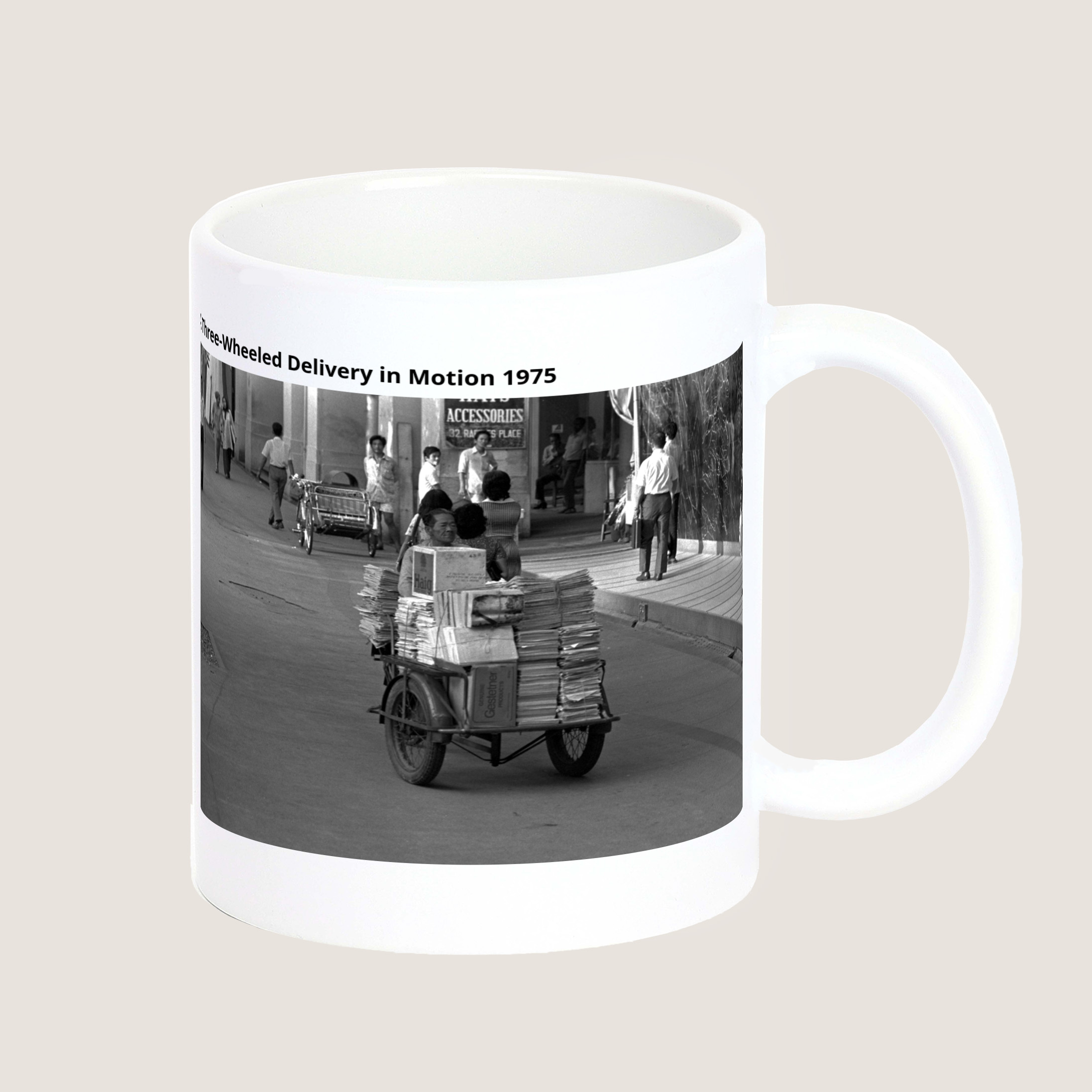
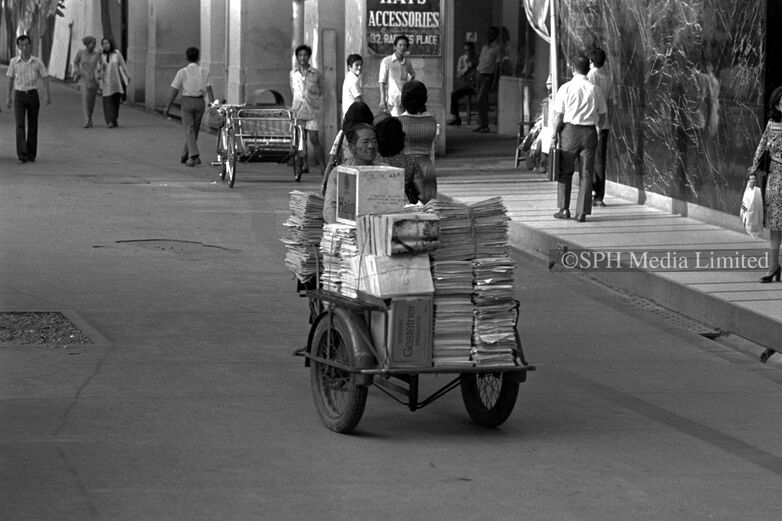 A Three-Wheeled Delivery in Motion
1975
A Three-Wheeled Delivery in Motion
1975
A Three-Wheeled Delivery in Motion
Year 1975
An elderly man riding a tricycle on the road, transporting books and papers. Trishaws played a crucial role in supporting informal sector businesses such as hawkers, street peddlers, and petty traders, by helping transport their goods.
©️ SPH Media Limited
Share to
Tags
Available for print on products
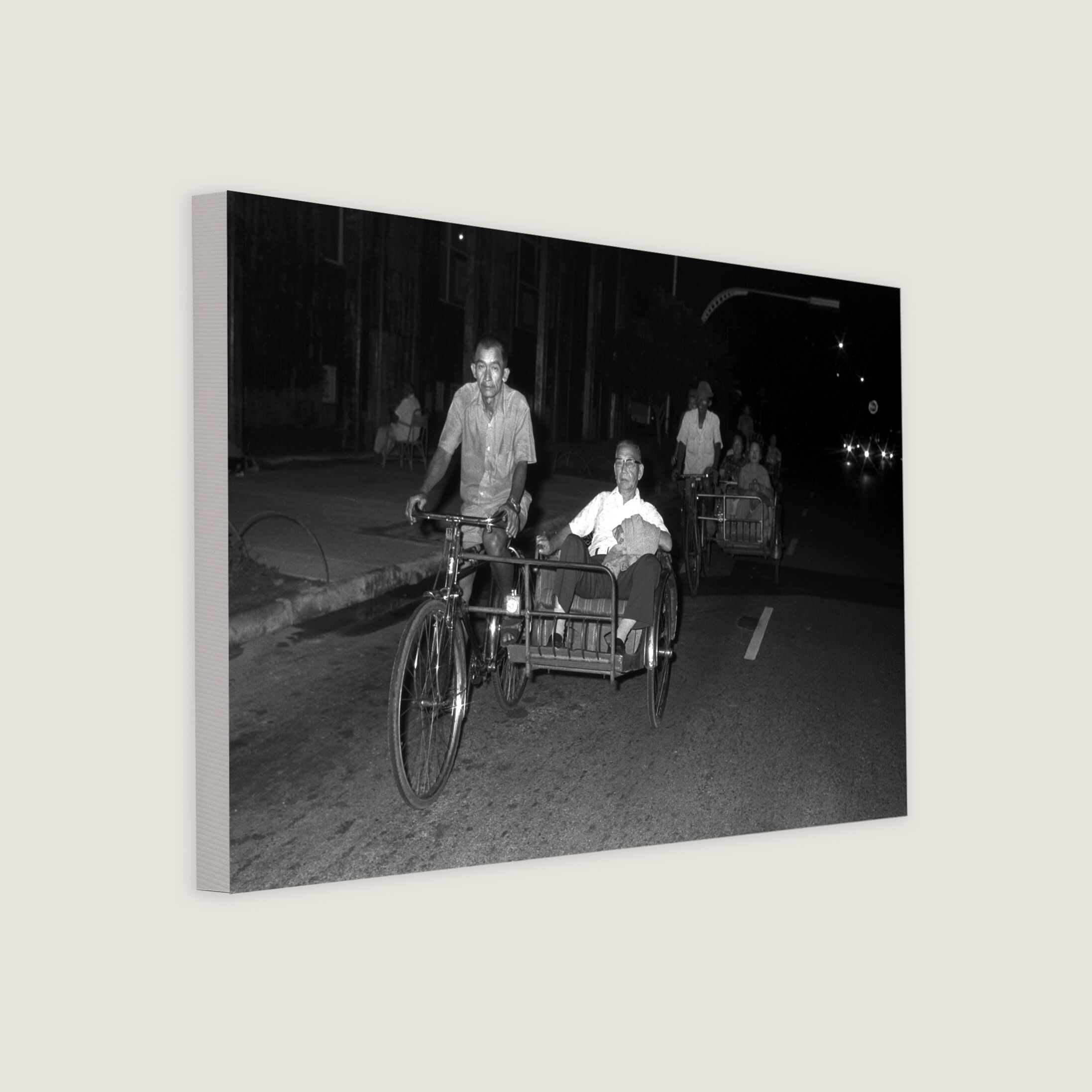
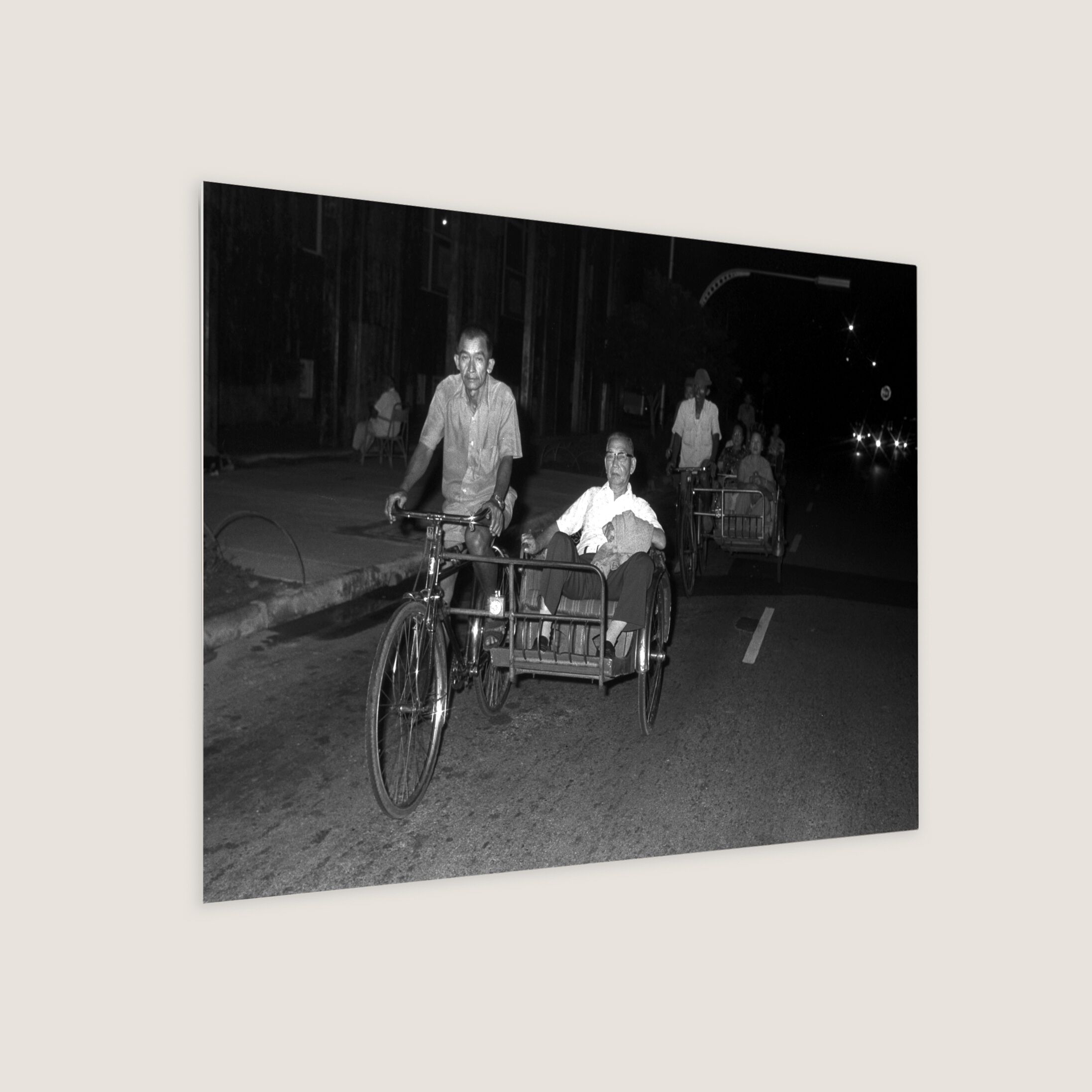
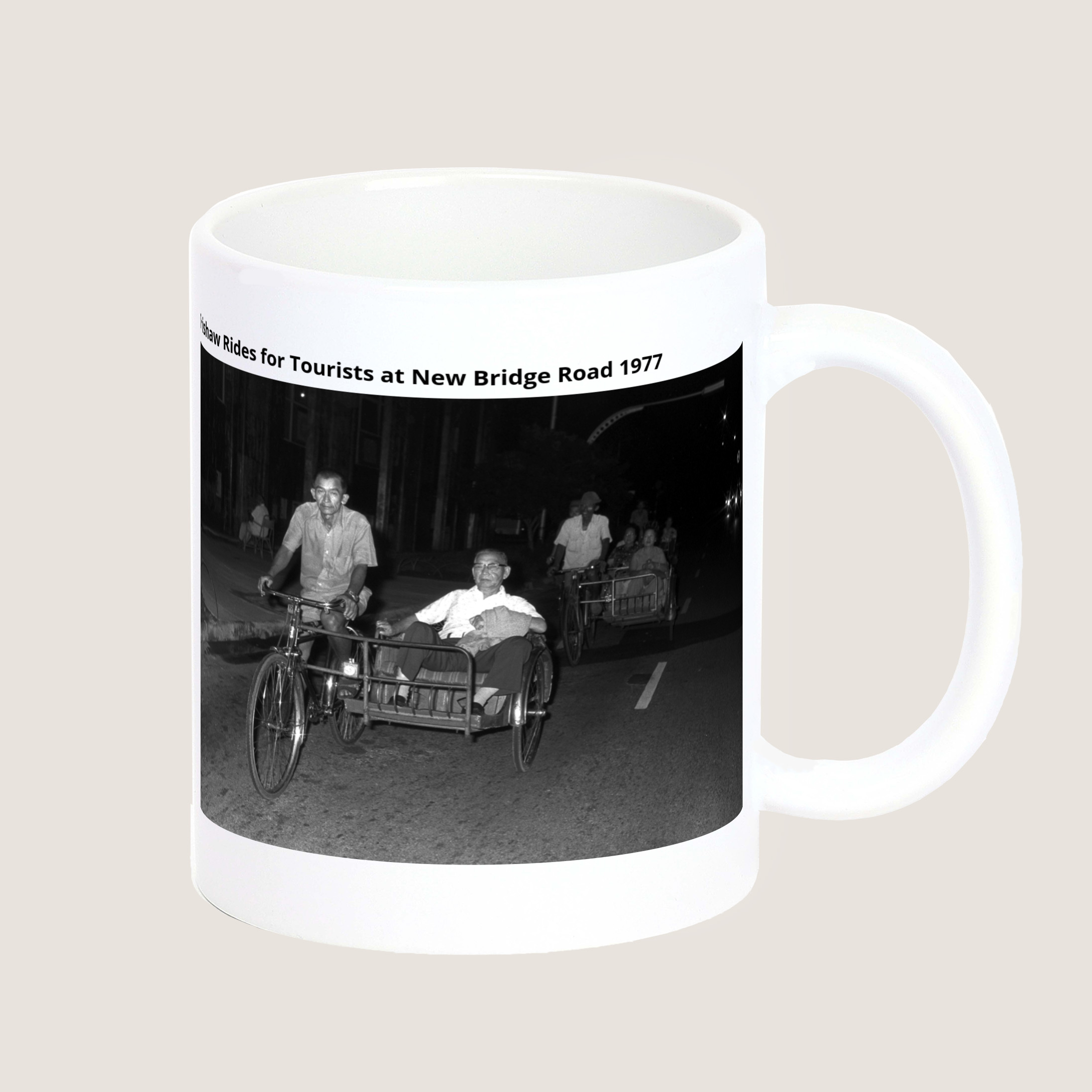
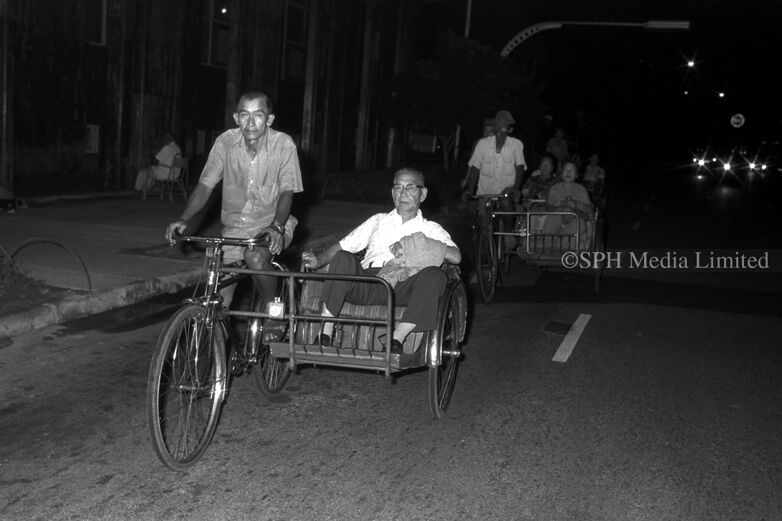 Trishaw Rides for Tourists at New Bridge Road
1977
Trishaw Rides for Tourists at New Bridge Road
1977
Trishaw Rides for Tourists at New Bridge Road
Year 1977
Since the late 60s, trishaws were gradually considered a dying trade, with most of them working in the tourism industry.
©️ SPH Media Limited
Share to
Tags
Available for print on products
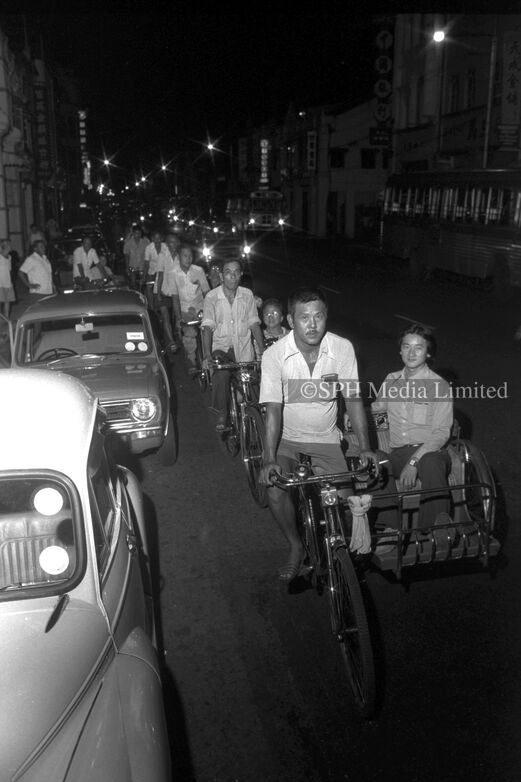 Night Tour by Trishaw Along New Bridge Road
1977
Night Tour by Trishaw Along New Bridge Road
1977
Night Tour by Trishaw Along New Bridge Road
Year 1977
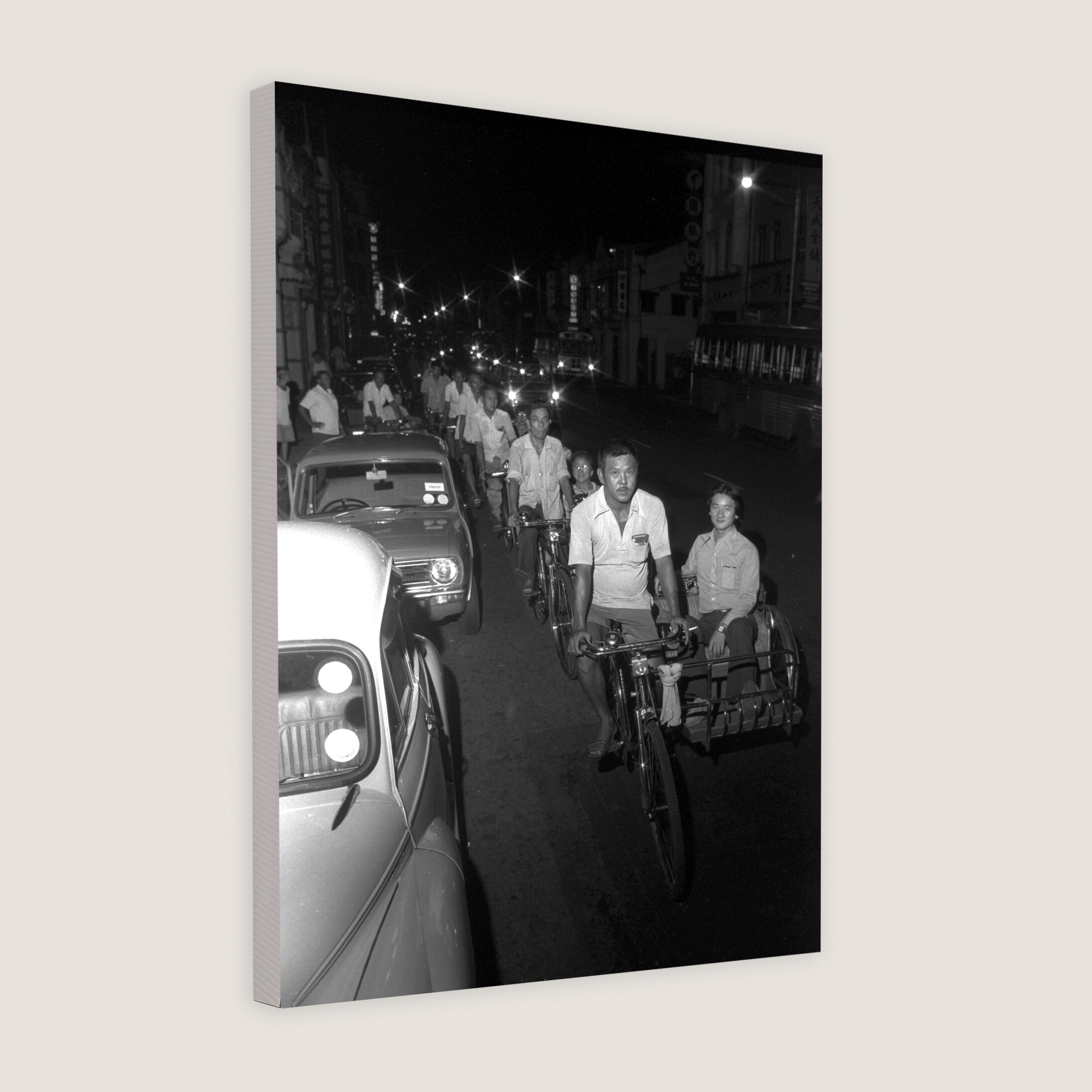
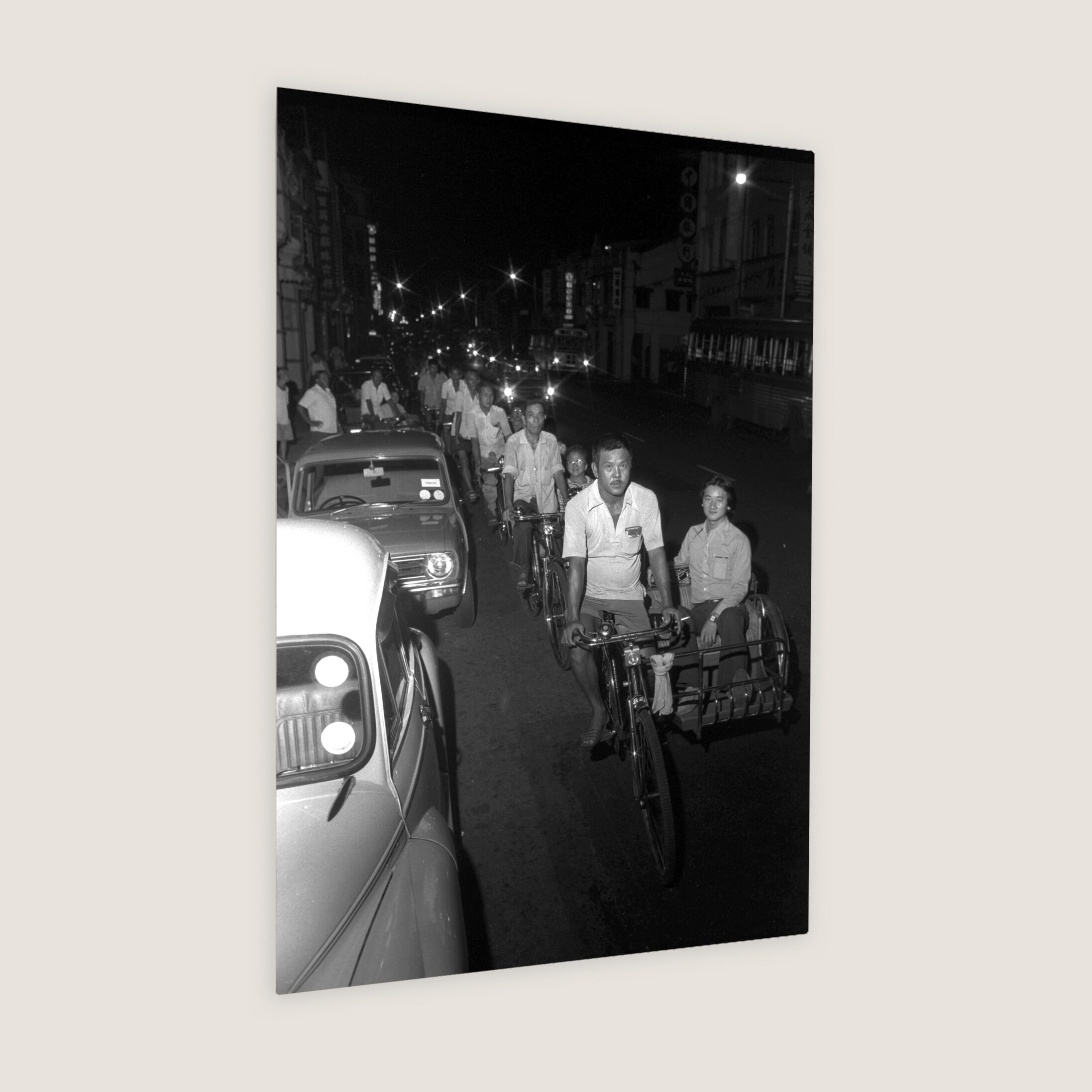
trishaw ride along New Bridge Road to experience the night scene was a must for tourists in Singapore. The passengers that trishaw riders ferry were predominantly tourists who used their services to enhance their tour experience in the city
©️ SPH Media Limited
Share to
Tags
Available for print on products
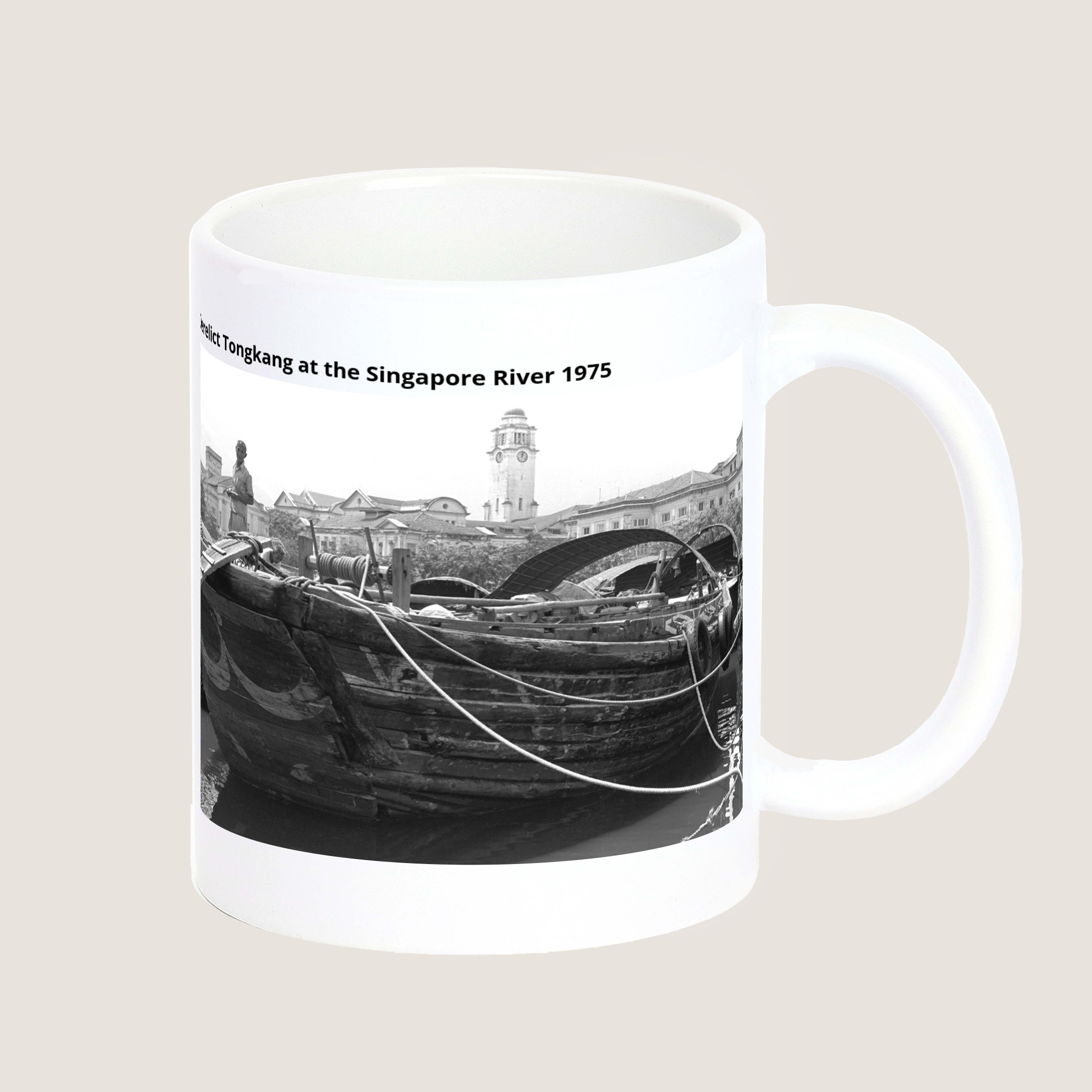
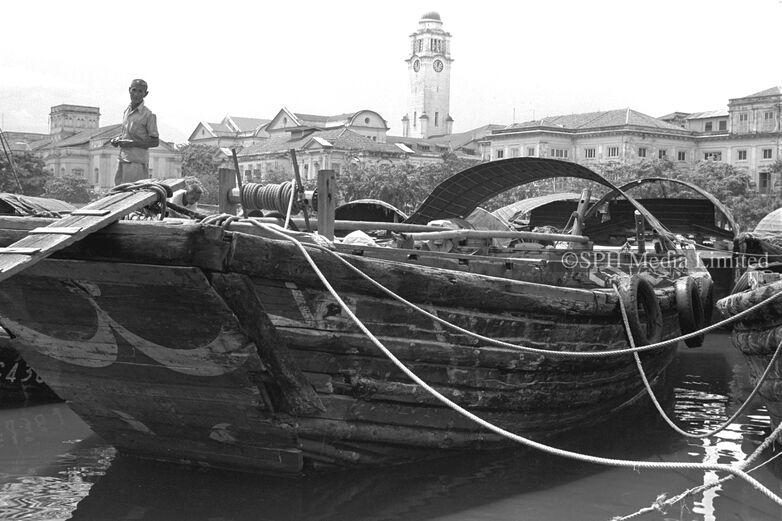 Derelict Tongkang at the Singapore River
1975
Derelict Tongkang at the Singapore River
1975
Derelict Tongkang at the Singapore River
Year 1975
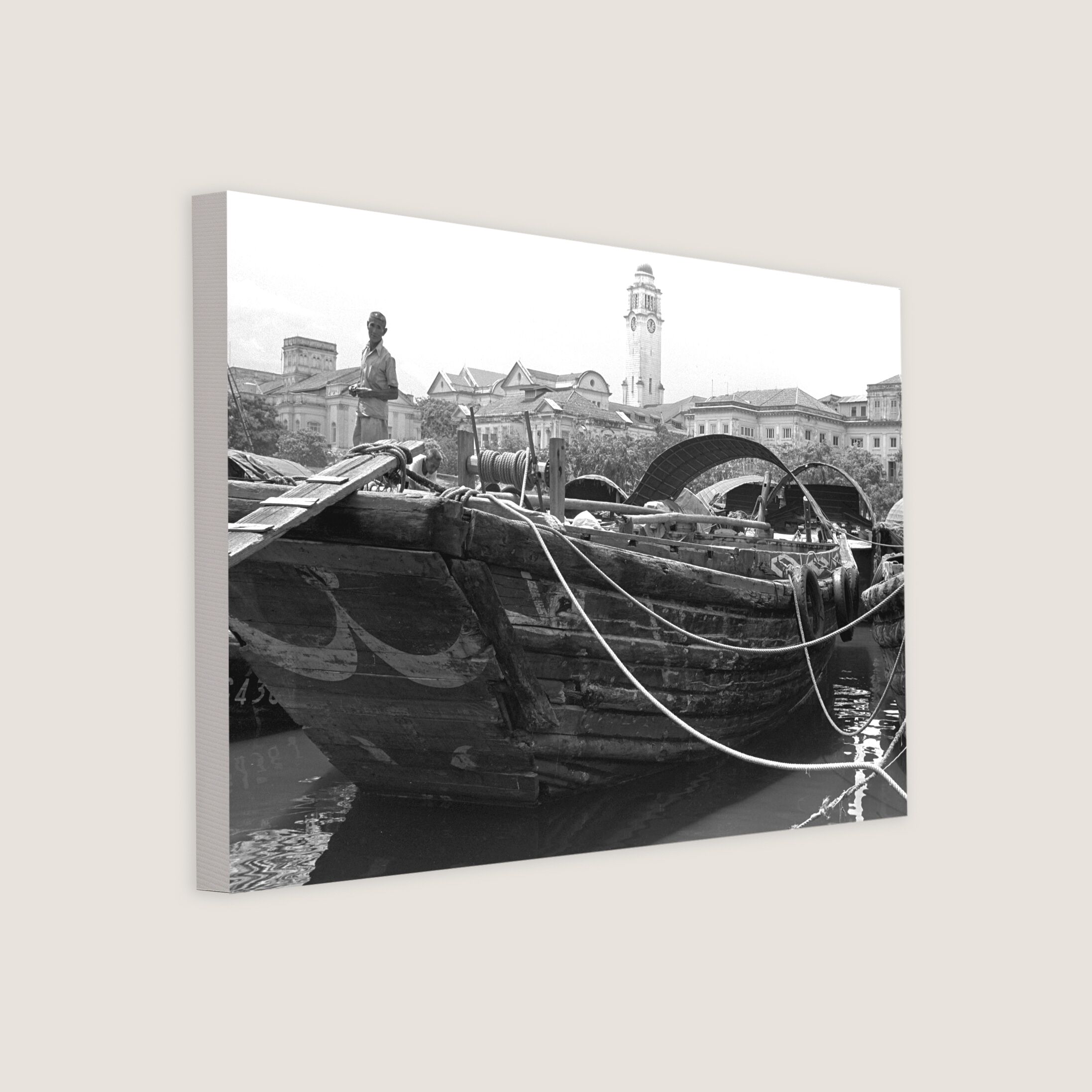
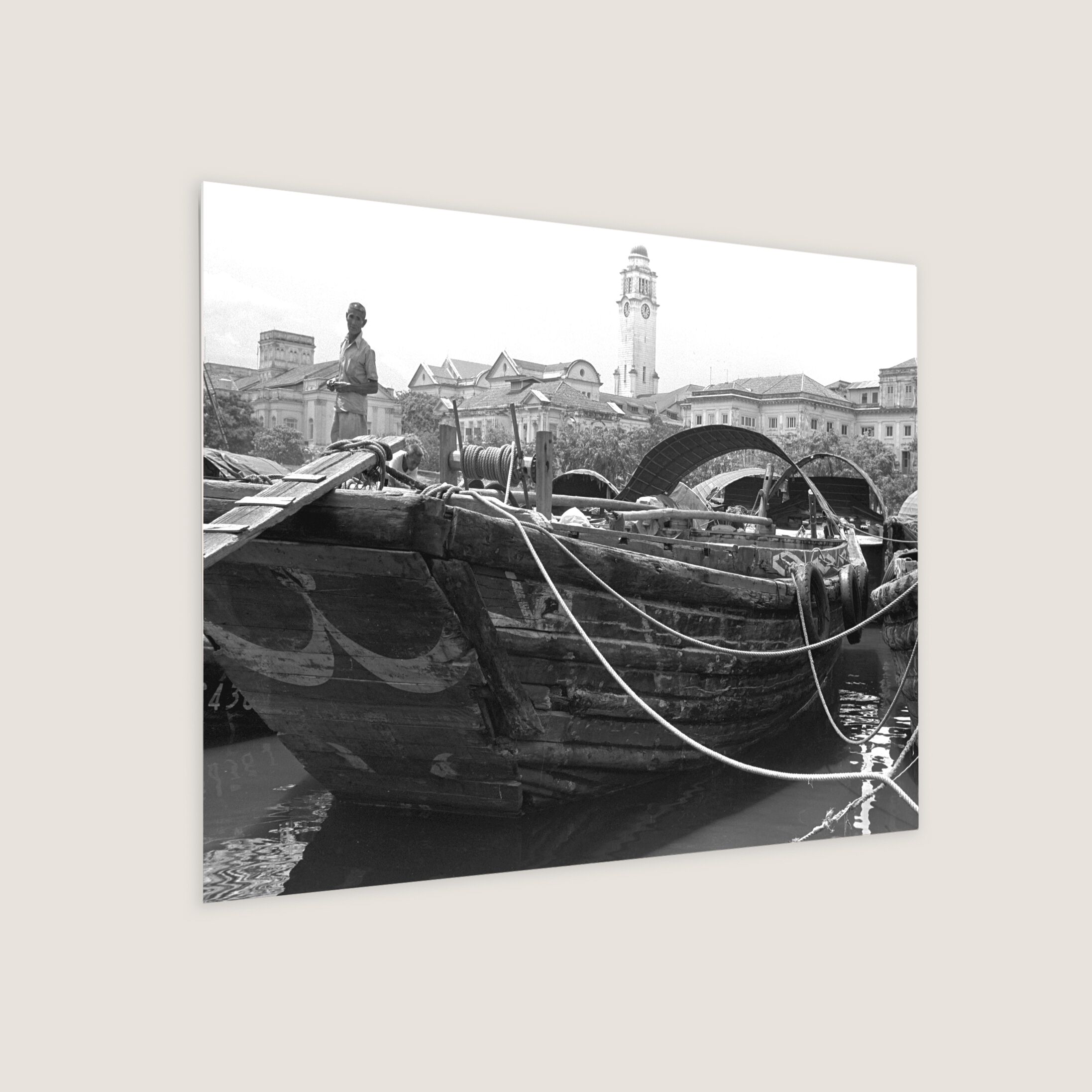
Due to the use of cargo containers, which are less labour-dependent, the once bustling Singapore River was filled with derelict tongkangs because of the downturn in the cargo handling business in the 1970s. Tongkang owners and operators along Boat Quay said that this was due to poor demand for their services.
©️ SPH Media Limited
Share to
Tags
Available for print on products
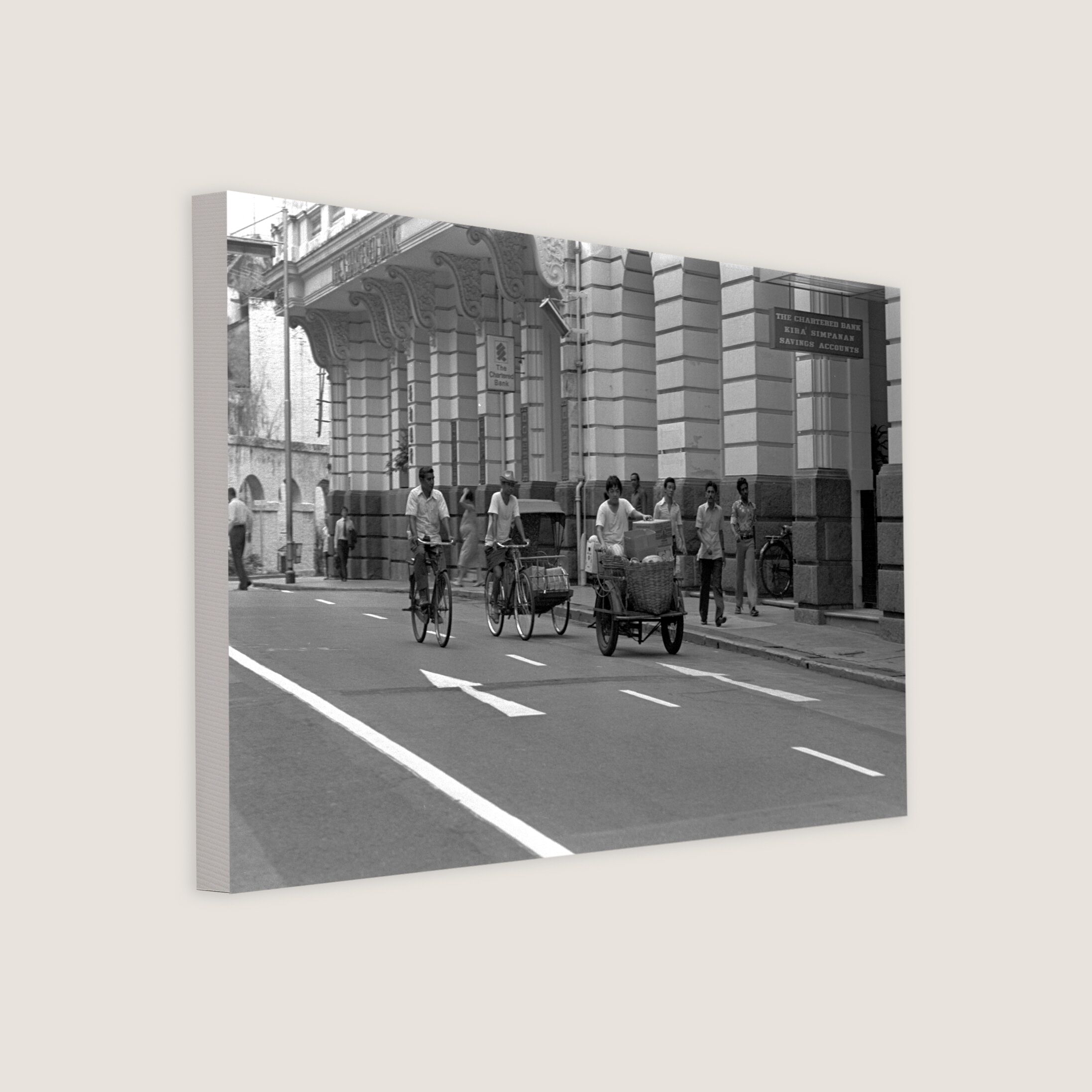
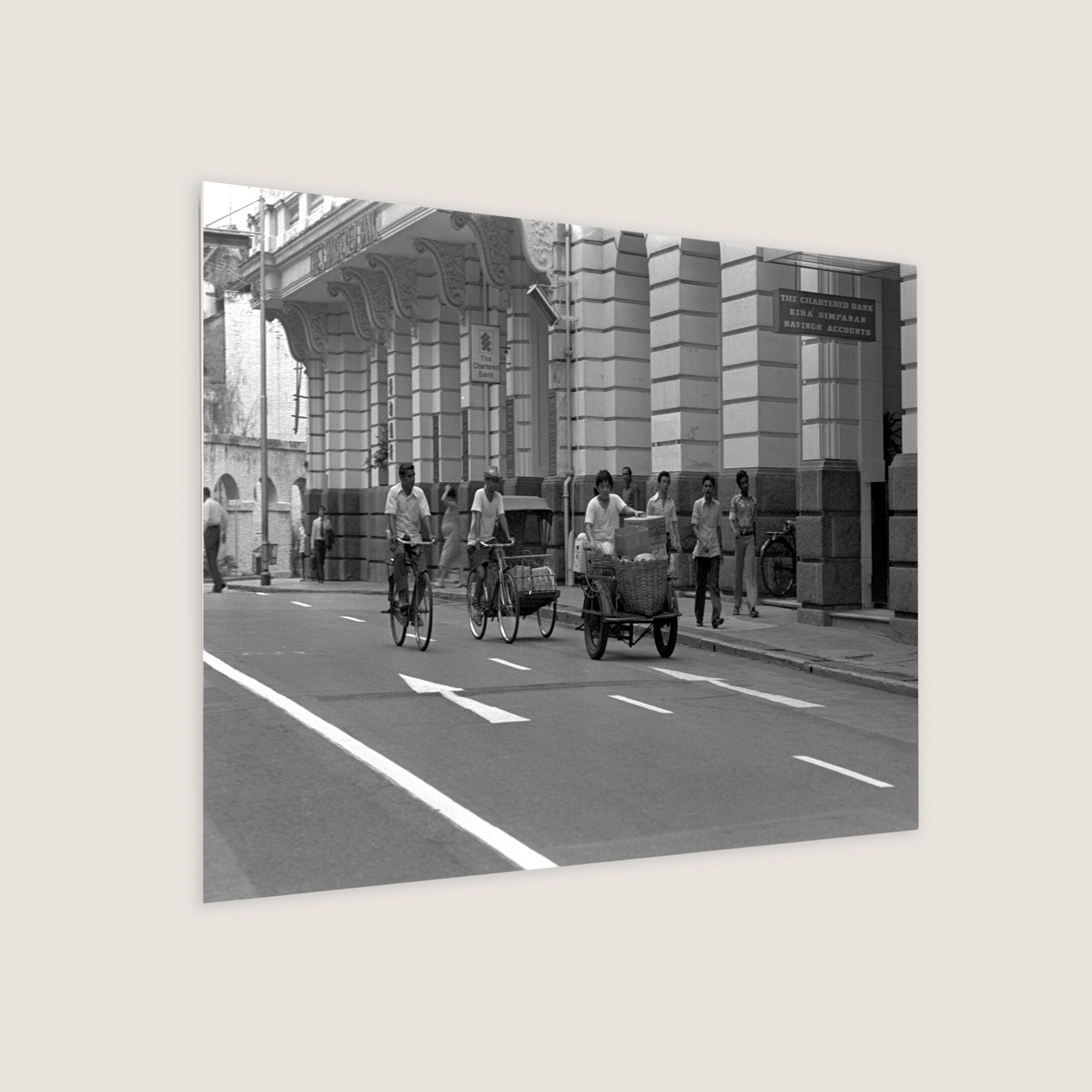
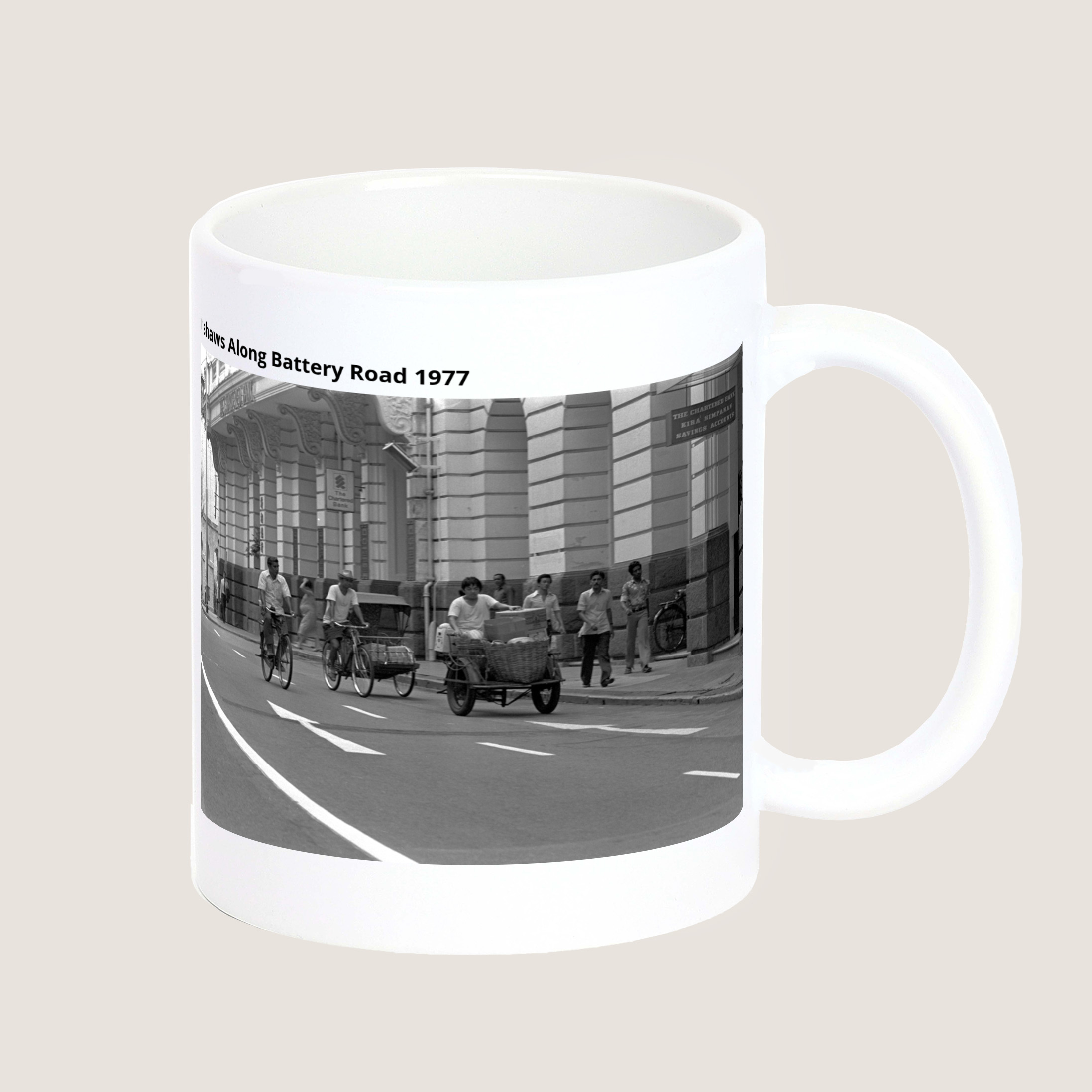
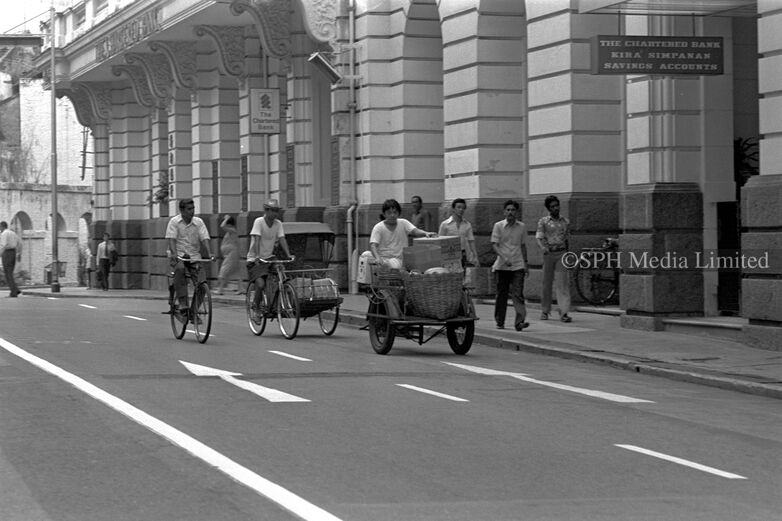 Trishaws Along Battery Road
1977
Trishaws Along Battery Road
1977
Trishaws Along Battery Road
Year 1977
There were several reasons for the decline of the trishaw industry, one of which was the violation of traffic rules, which could endanger other road users. The photo shows trishaw, tricycle, and bicycle riders pedaling along Battery Road against the traffic.
©️ SPH Media Limited
Share to
Tags
Available for print on products
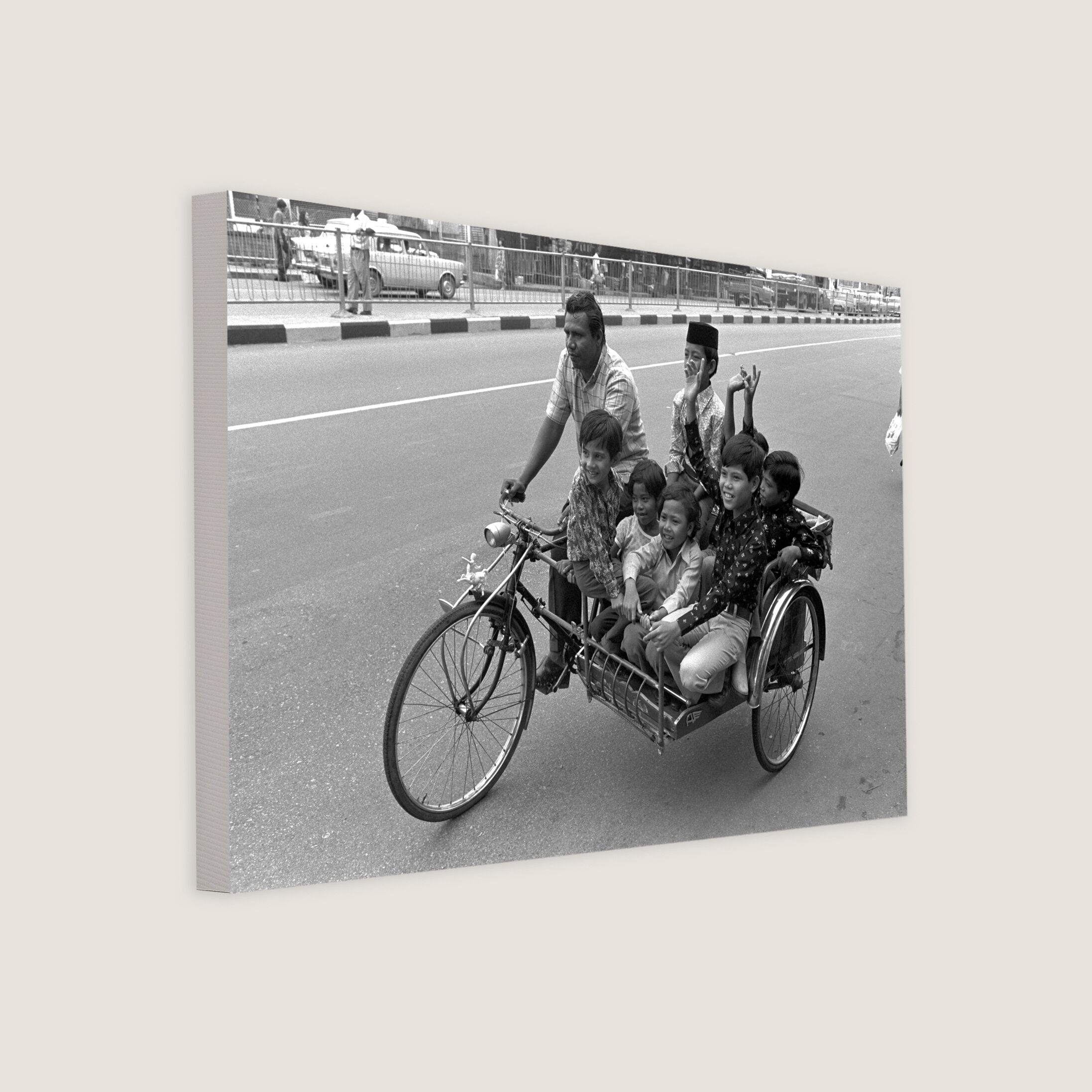
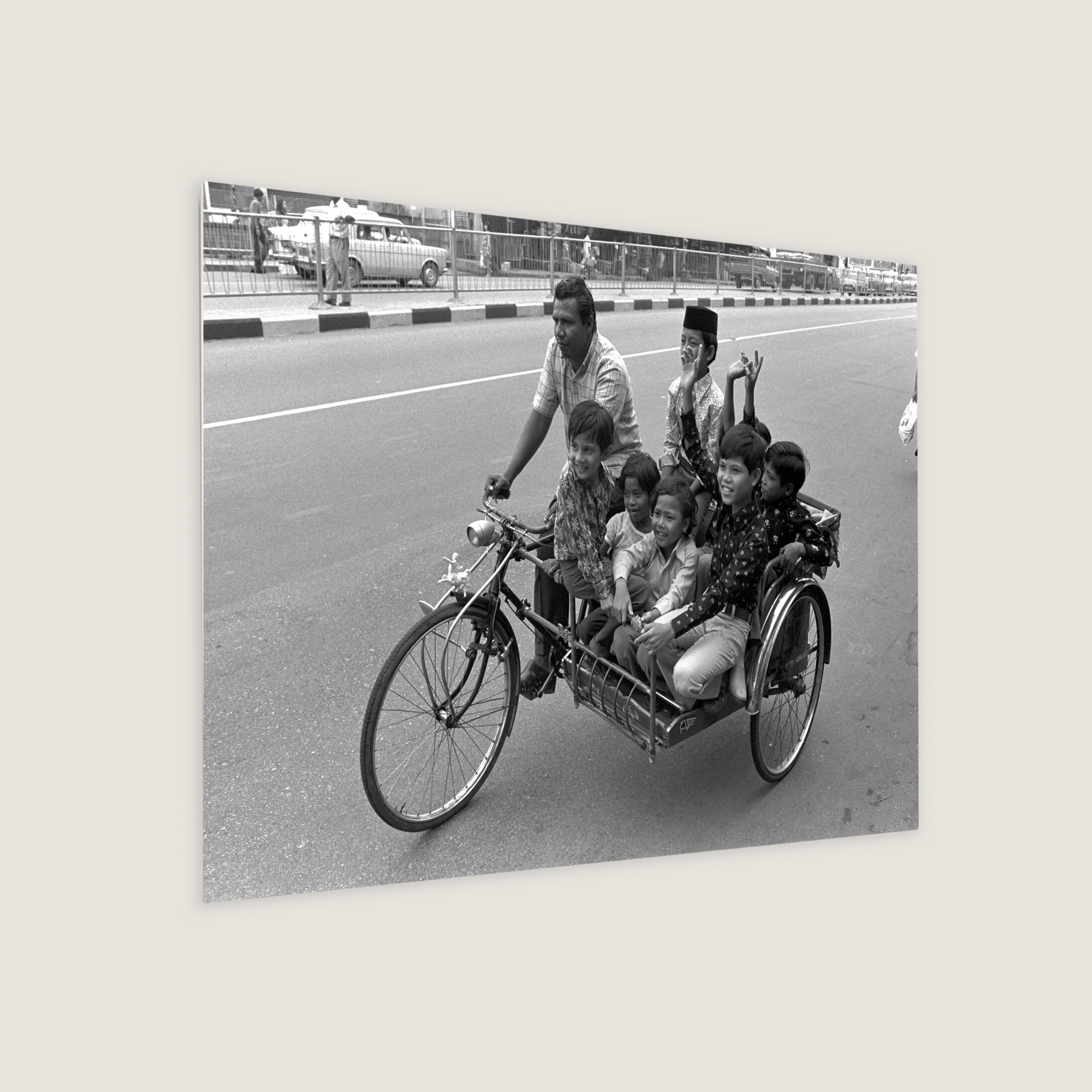
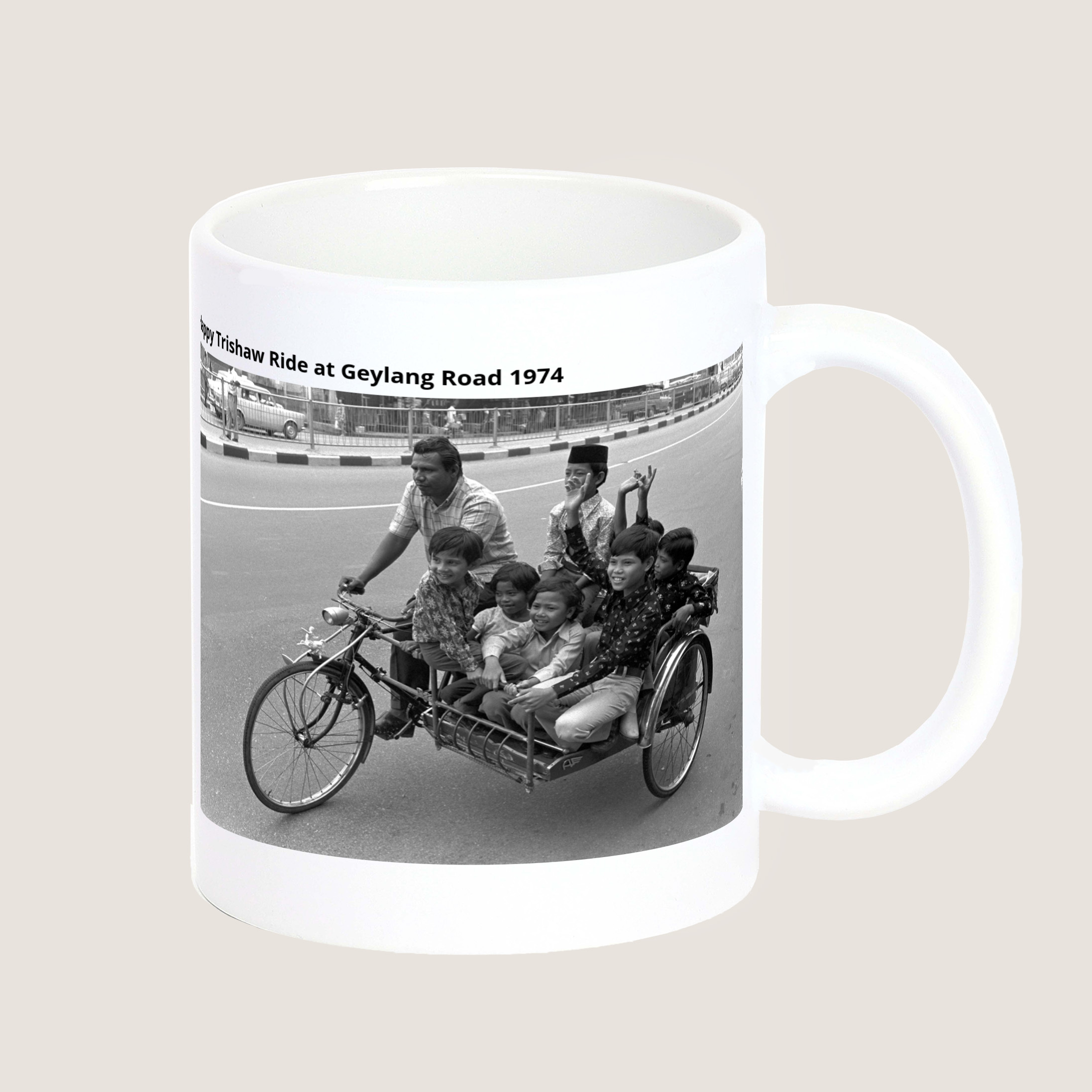
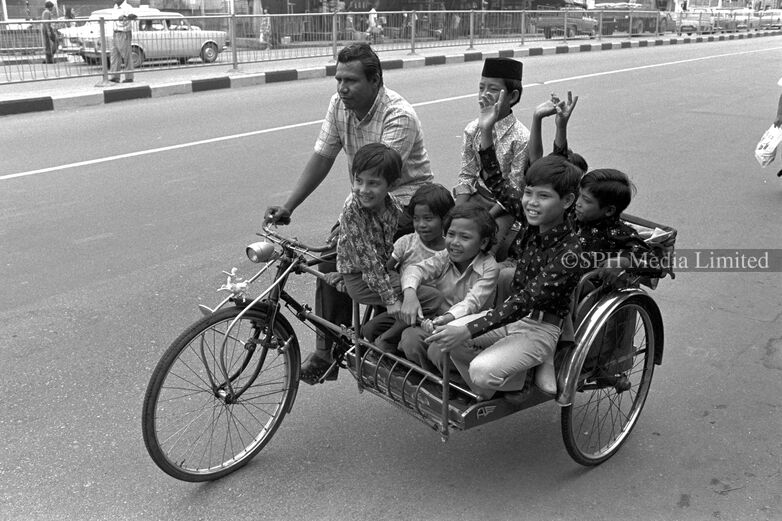 Happy Trishaw Ride at Geylang Road
1974
Happy Trishaw Ride at Geylang Road
1974
Happy Trishaw Ride at Geylang Road
Year 1974
The cheerful faces of these children on a joyride in a trishaw at Geylang Road reflect the true spirit of Hari Raya. During Hari Raya, some people visited friends and relatives, while others toured scenic spots.
©️ SPH Media Limited
Share to
Tags
Available for print on products
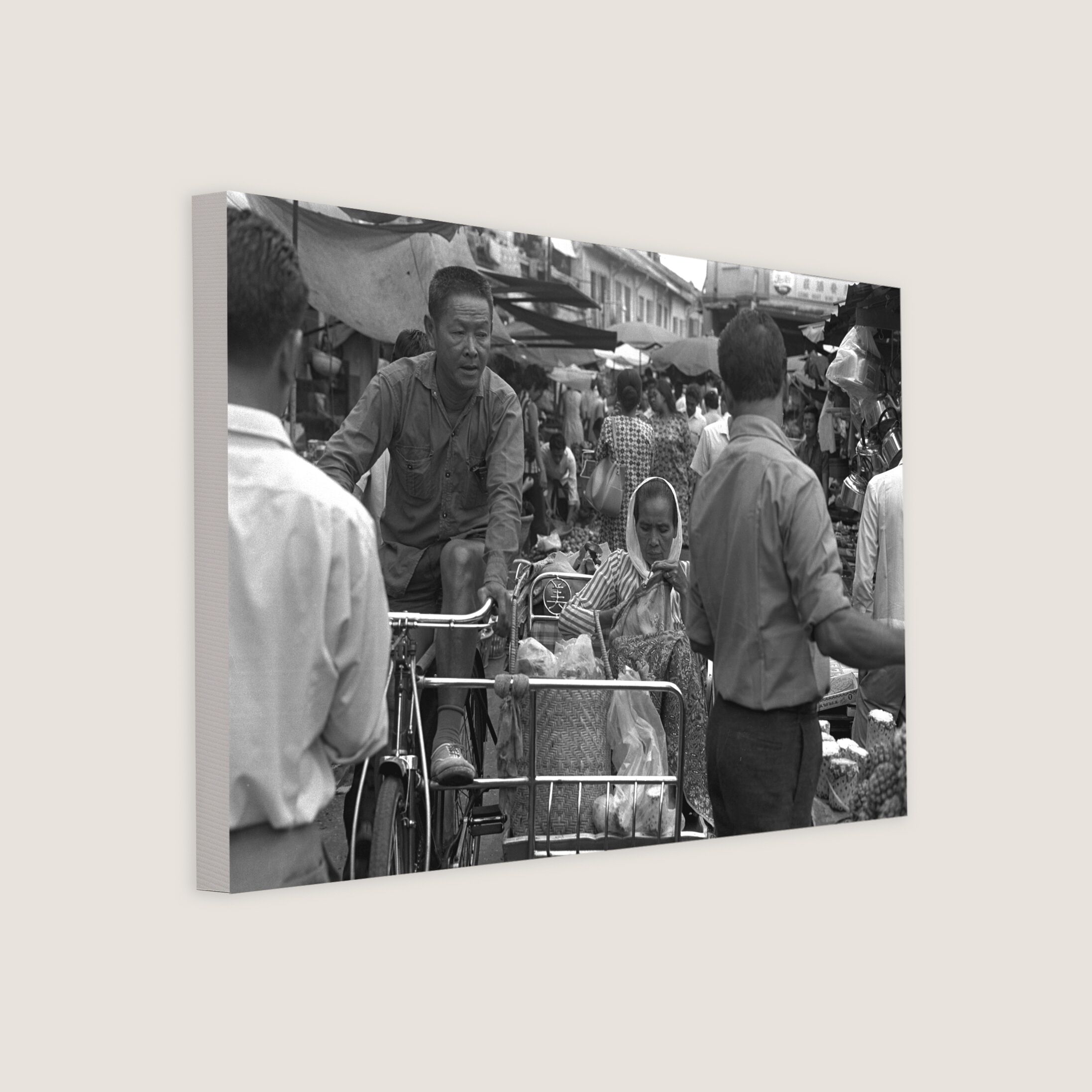
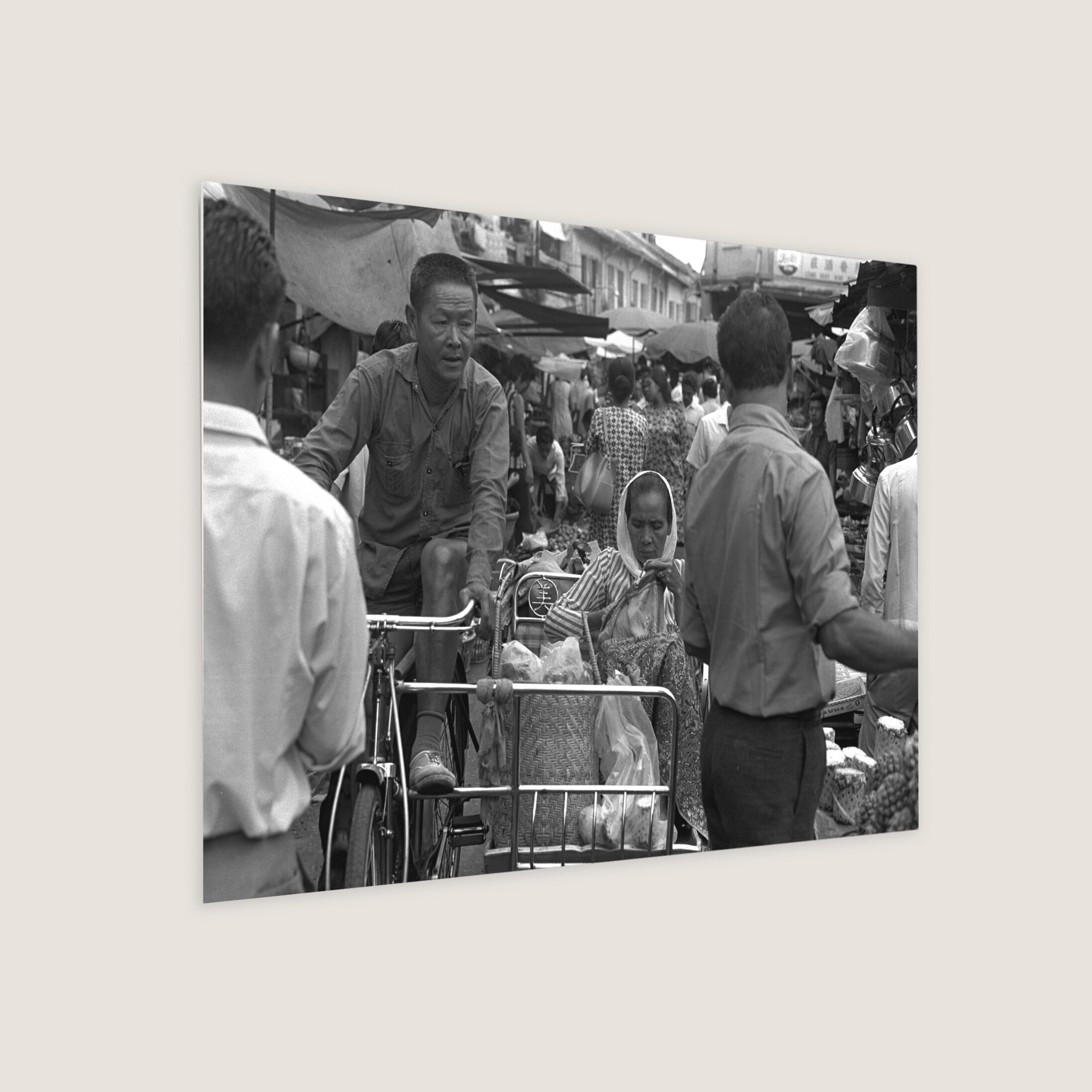
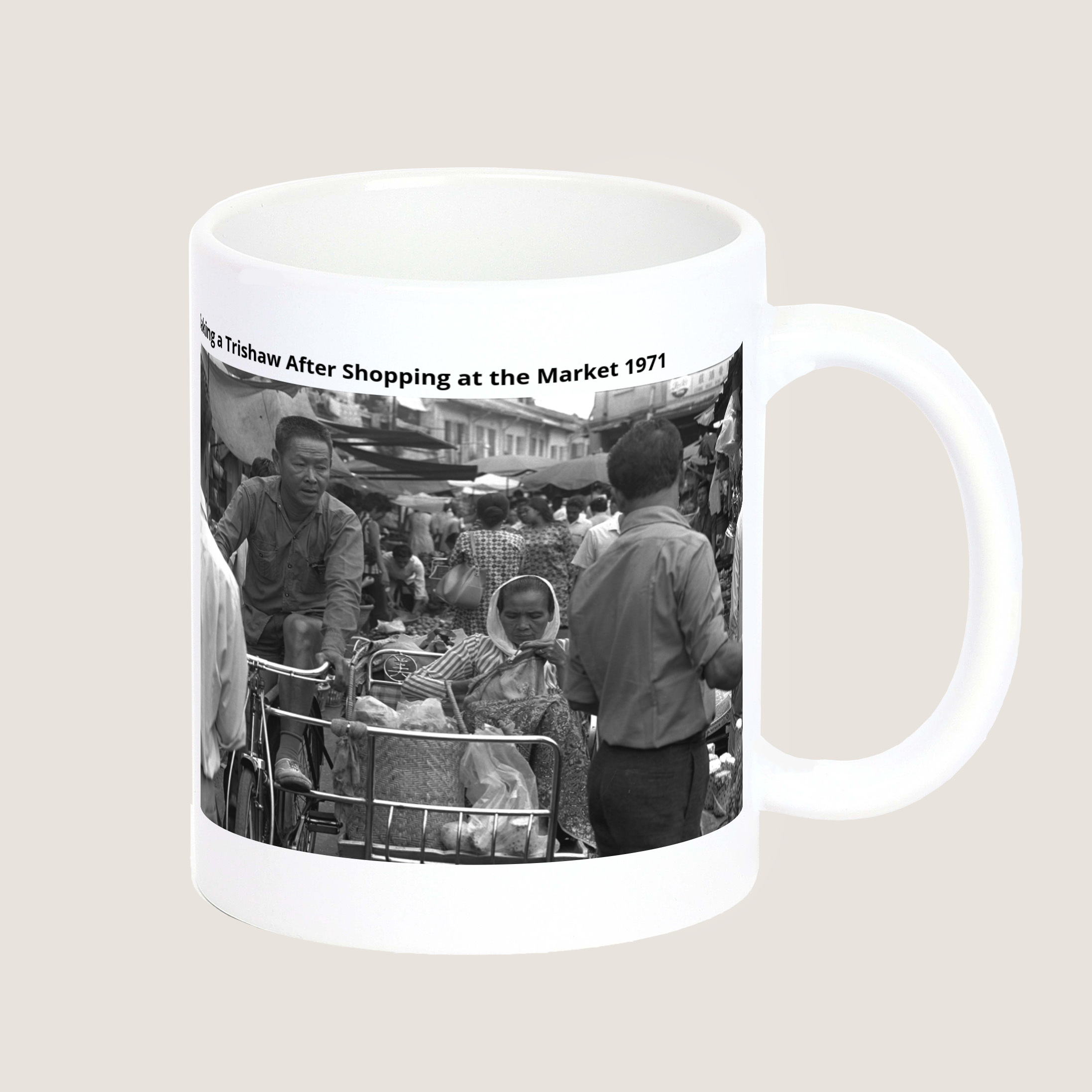
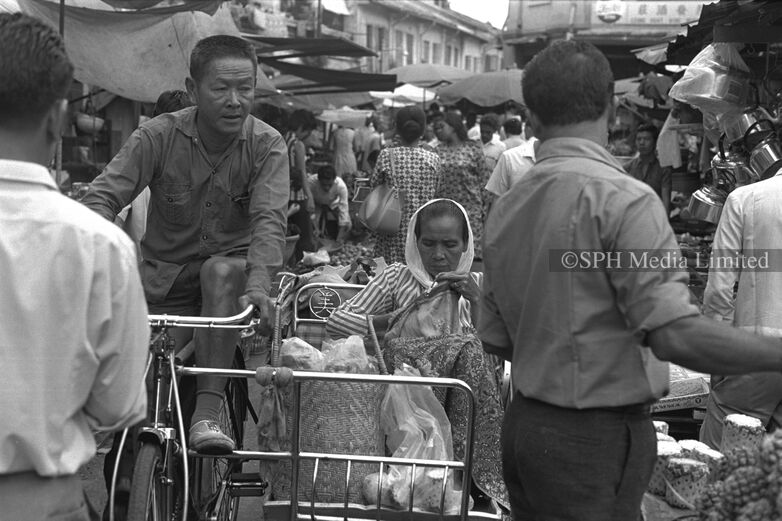 Taking a Trishaw After Shopping at the Market
1971
Taking a Trishaw After Shopping at the Market
1971
Taking a Trishaw After Shopping at the Market
Year 1971
Increasing numbers of trishaws in the 1940s signaled the growing importance of trishaws as local transportation, especially in the years immediately following the end of the Japanese Occupation. A Malay woman took a trishaw after completing her shopping at Tekka Market on Serangoon Road.
©️ SPH Media Limited
Share to
Tags
Available for print on products
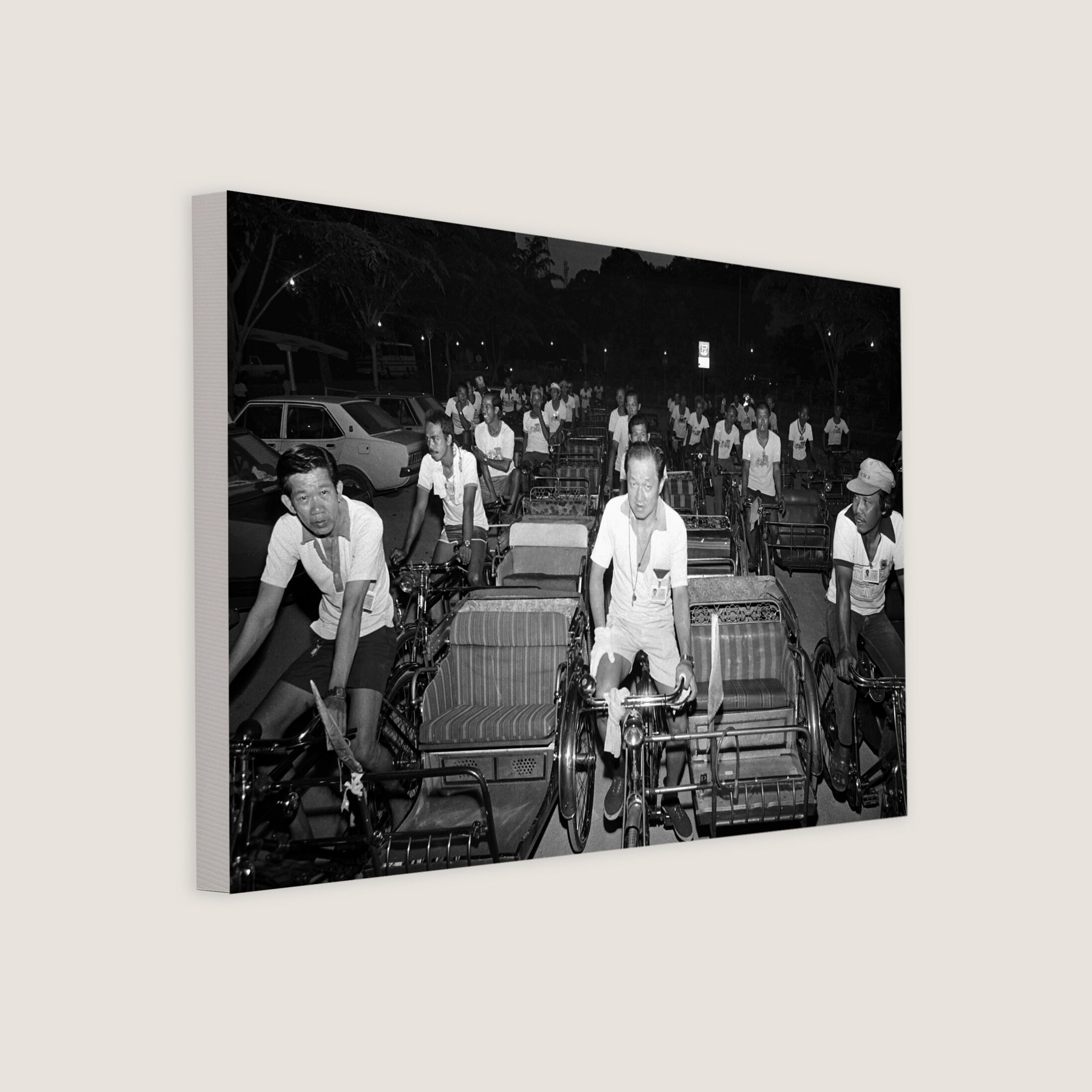
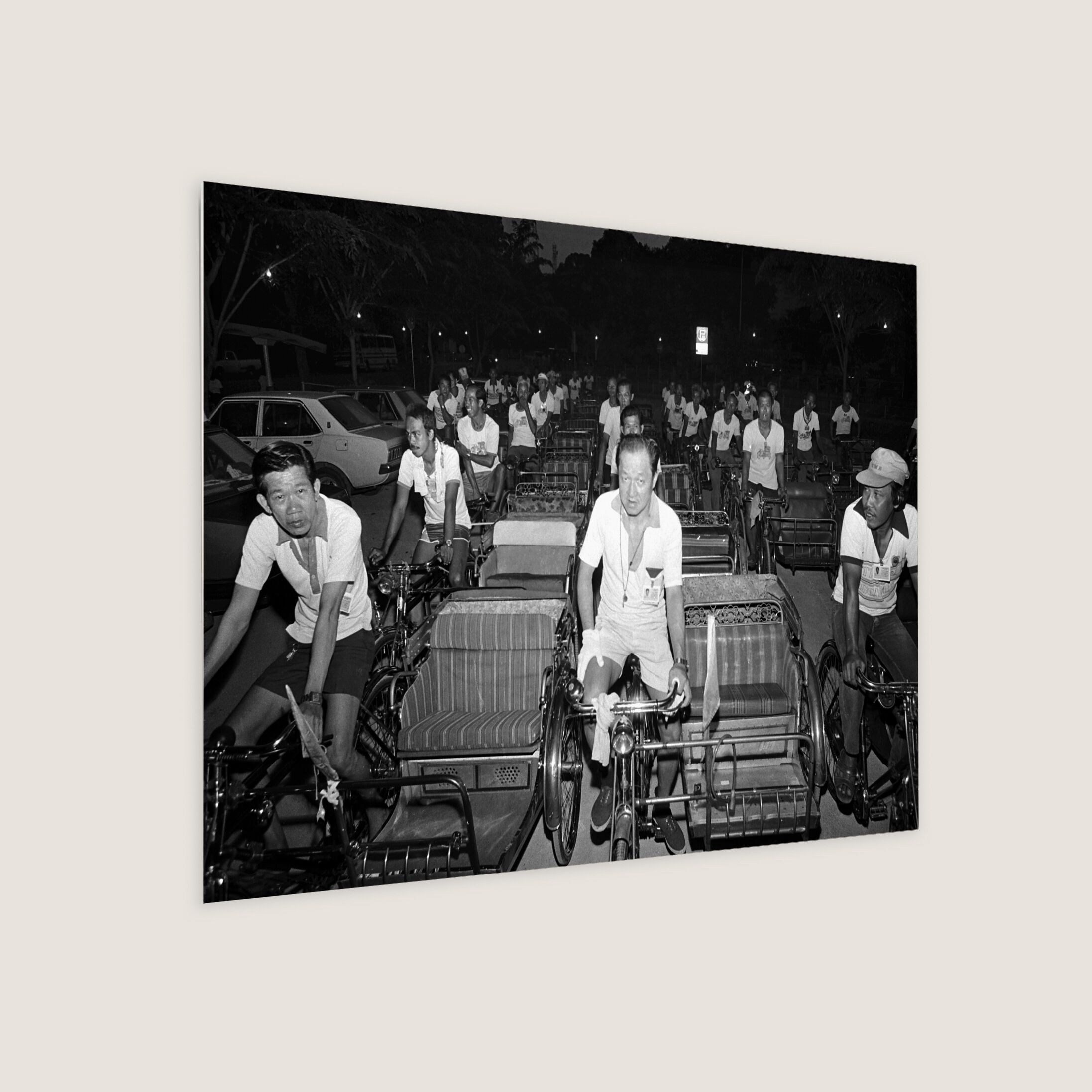
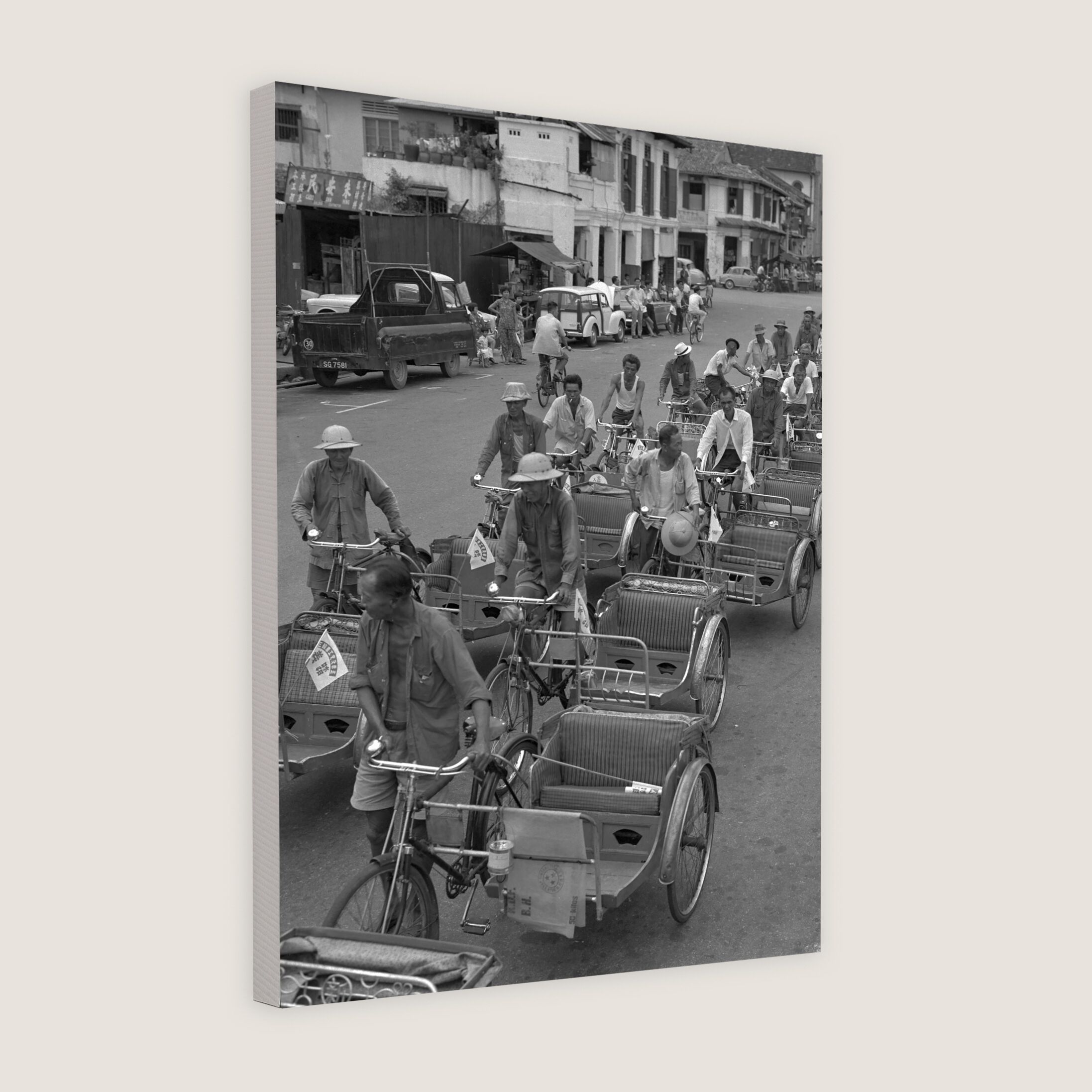
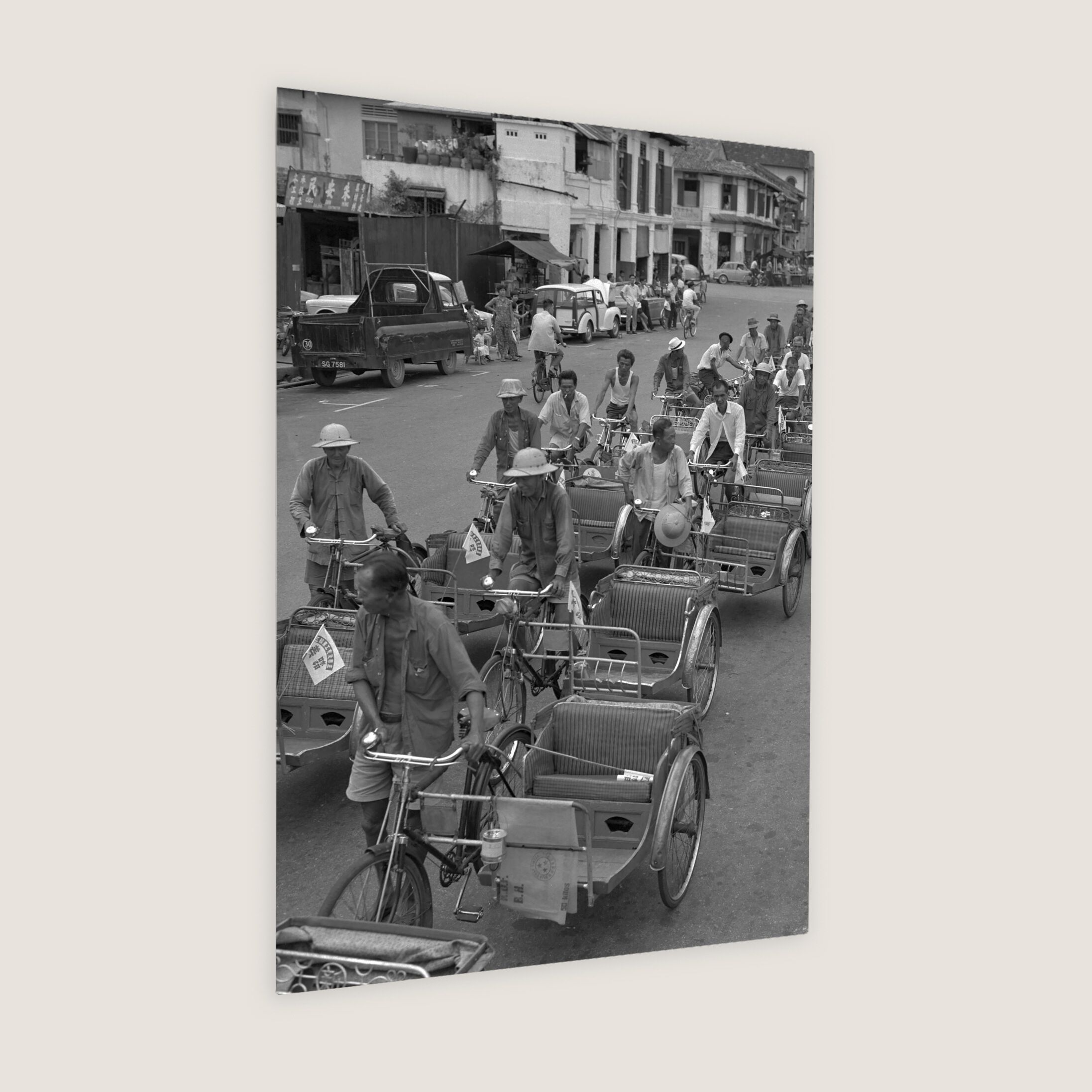
 Riding for the National Defence Fund
1968
Riding for the National Defence Fund
1968
Riding for the National Defence Fund
Year 1968
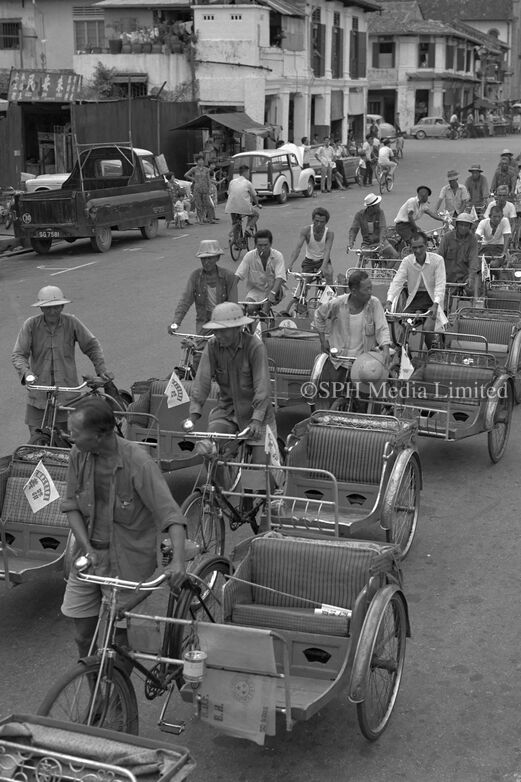
On 24 April 1968, trishaw riders were waiting to donate their day's earnings to the National Defence Fund to help build Singapore's armed forces. Many of the early trishaw riders were Chinese male immigrants from the Henghua, Hokchia, and Hokkien dialect groups, particularly those from the Hui Ann district in Fujian province, China.
©️ SPH Media Limited
Share to
Tags
Available for print on products
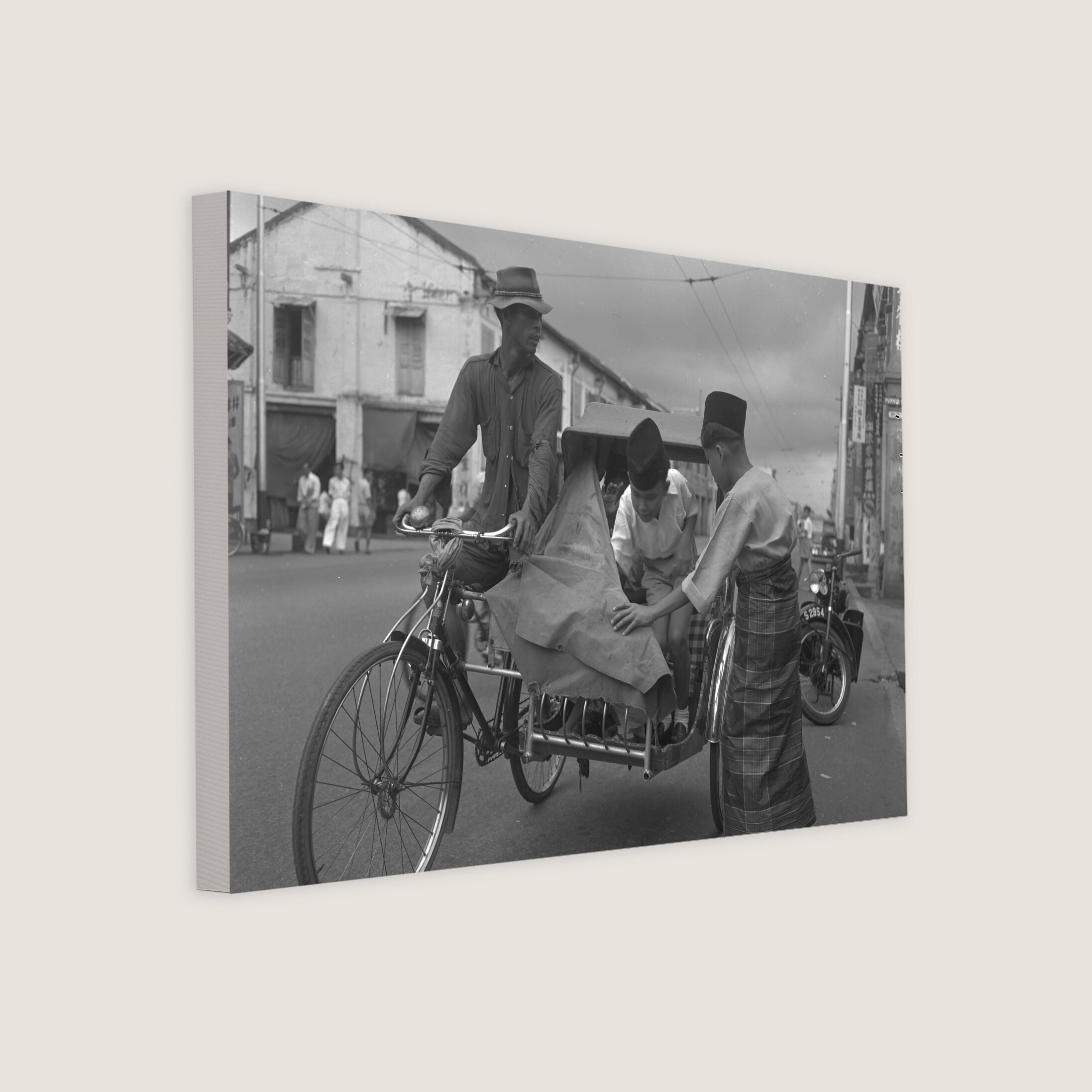
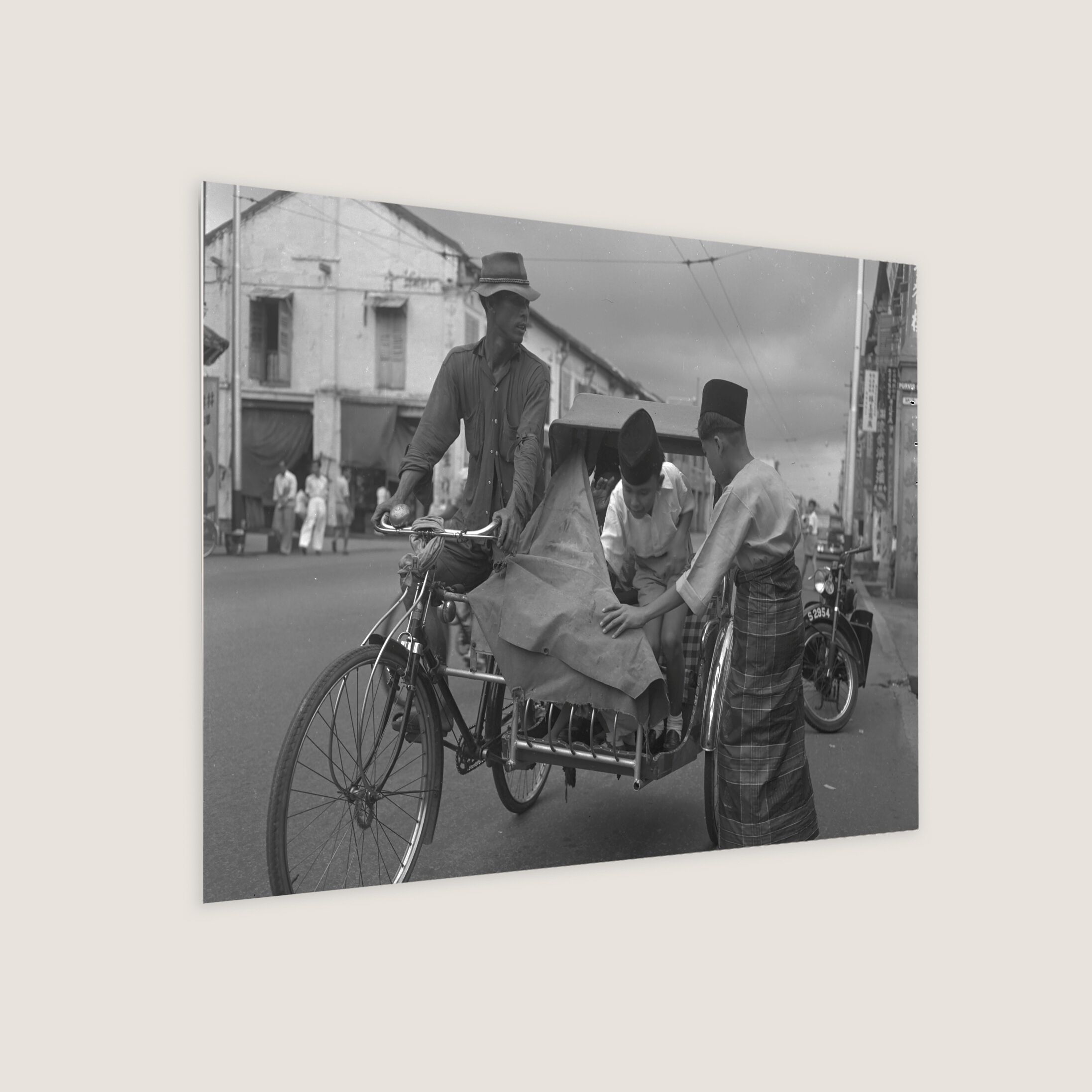
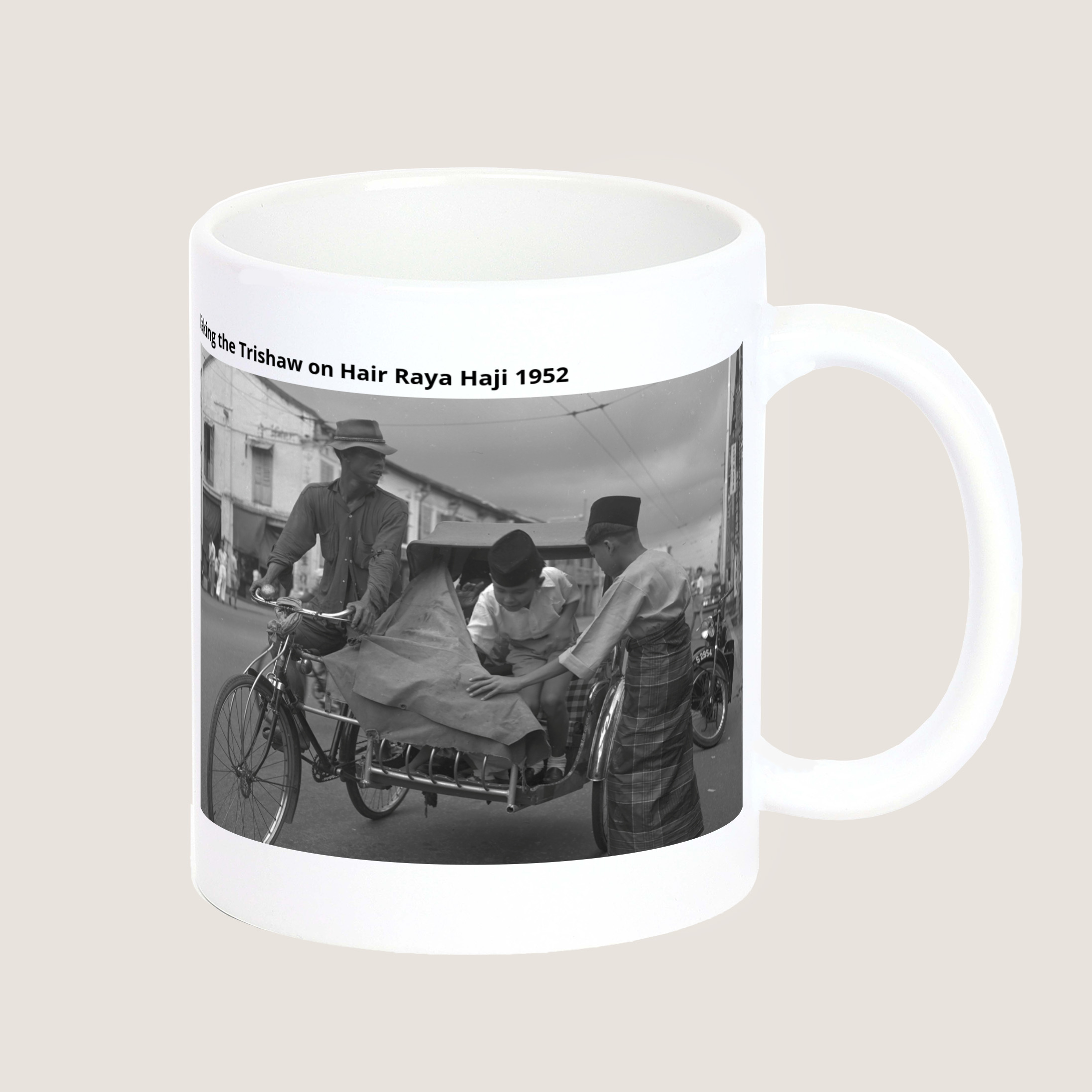
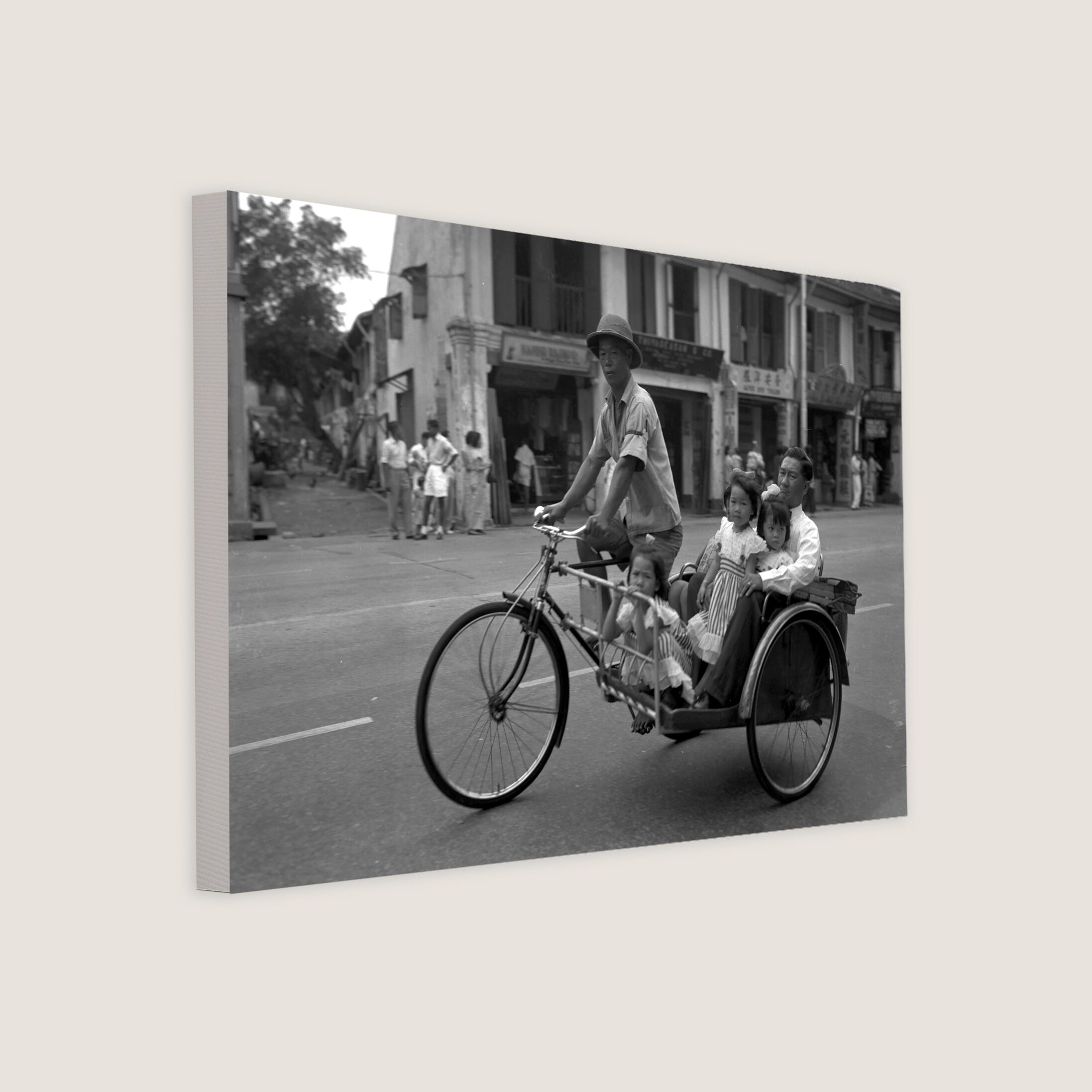
 Taking the Trishaw on Hari Raya Haji
1952
Taking the Trishaw on Hari Raya Haji
1952
Taking the Trishaw on Hari Raya Haji
Year 1952
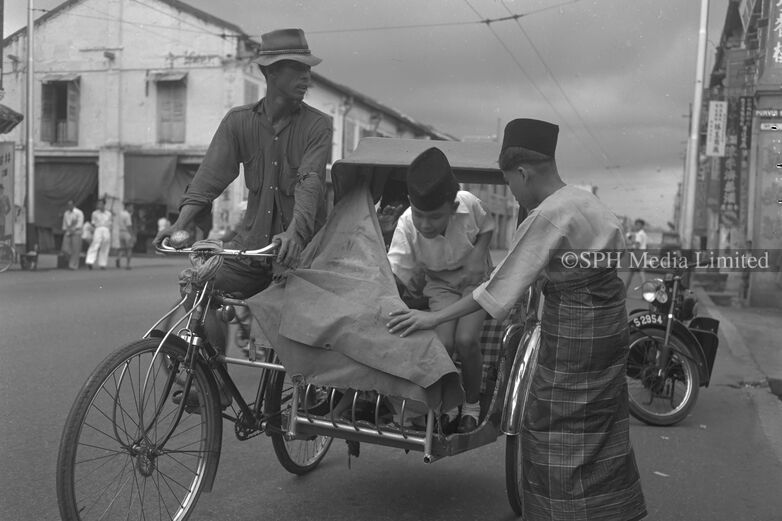
Dressed to the nines in traditional Sarongs, a Malay family took a trishaw during Hari Raya Haji. The trishaw was thoughtfully equipped with a curtain in front, sheltering them from both the sun and rain, ensuring a comfortable ride.
©️ SPH Media Limited
Share to
Tags
Available for print on products
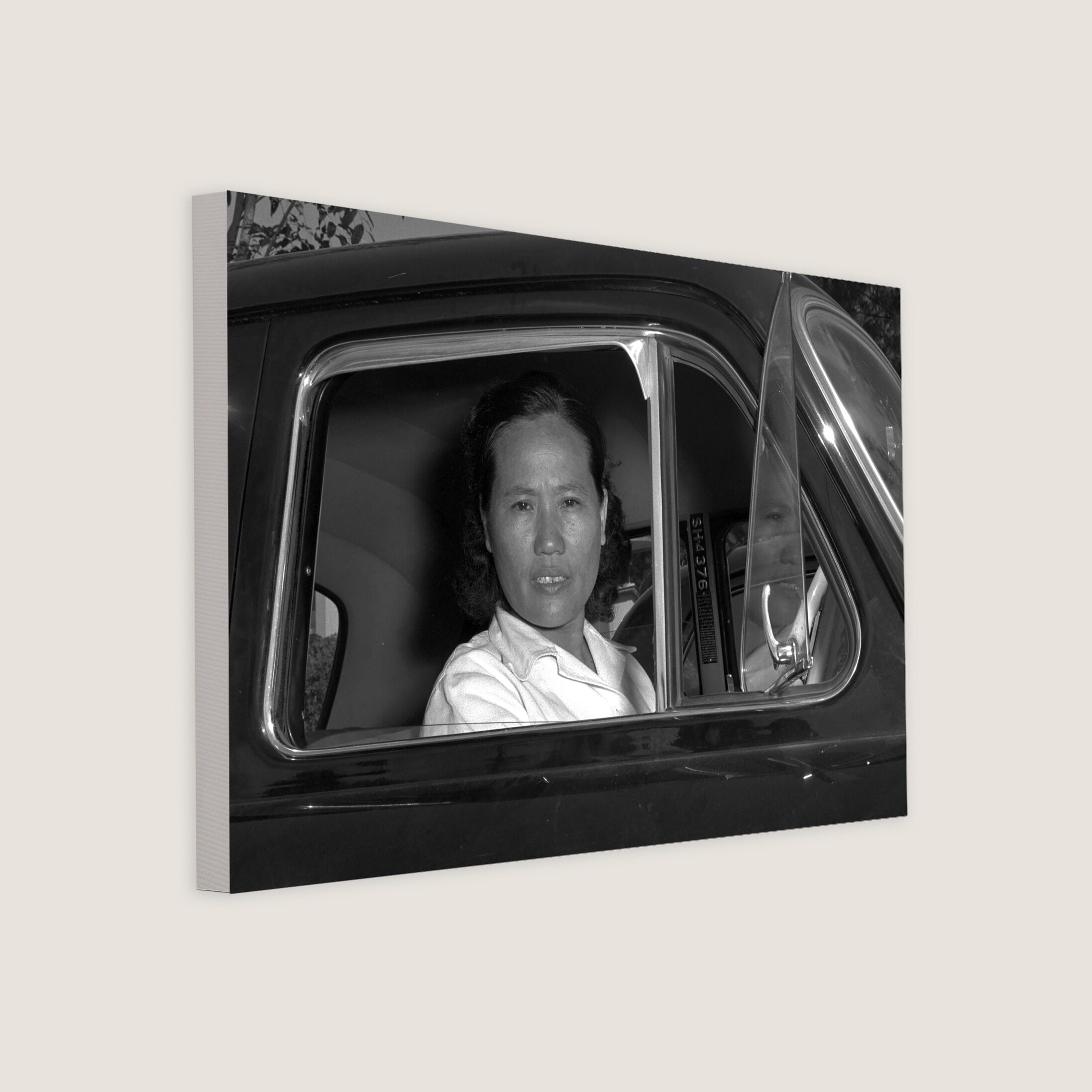
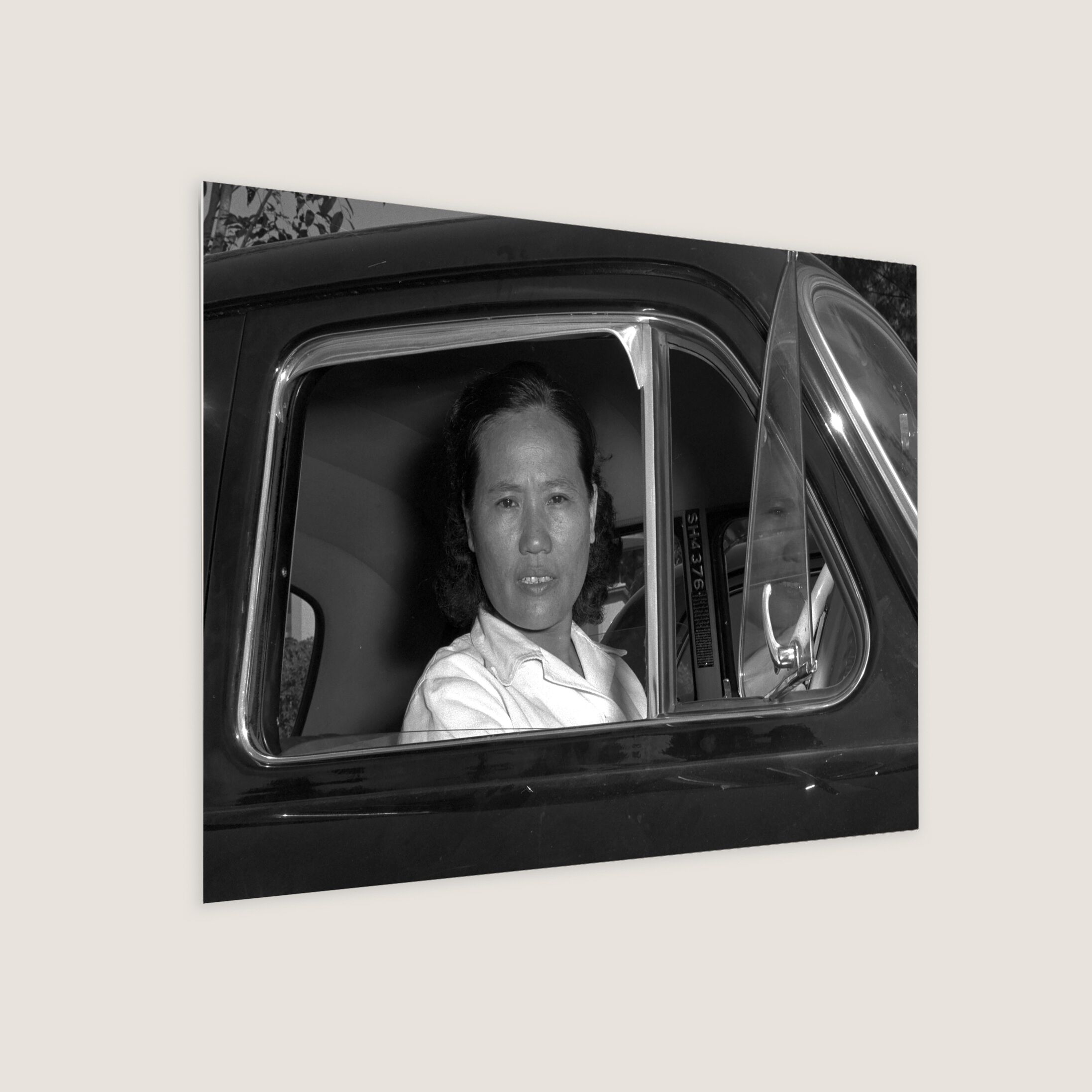
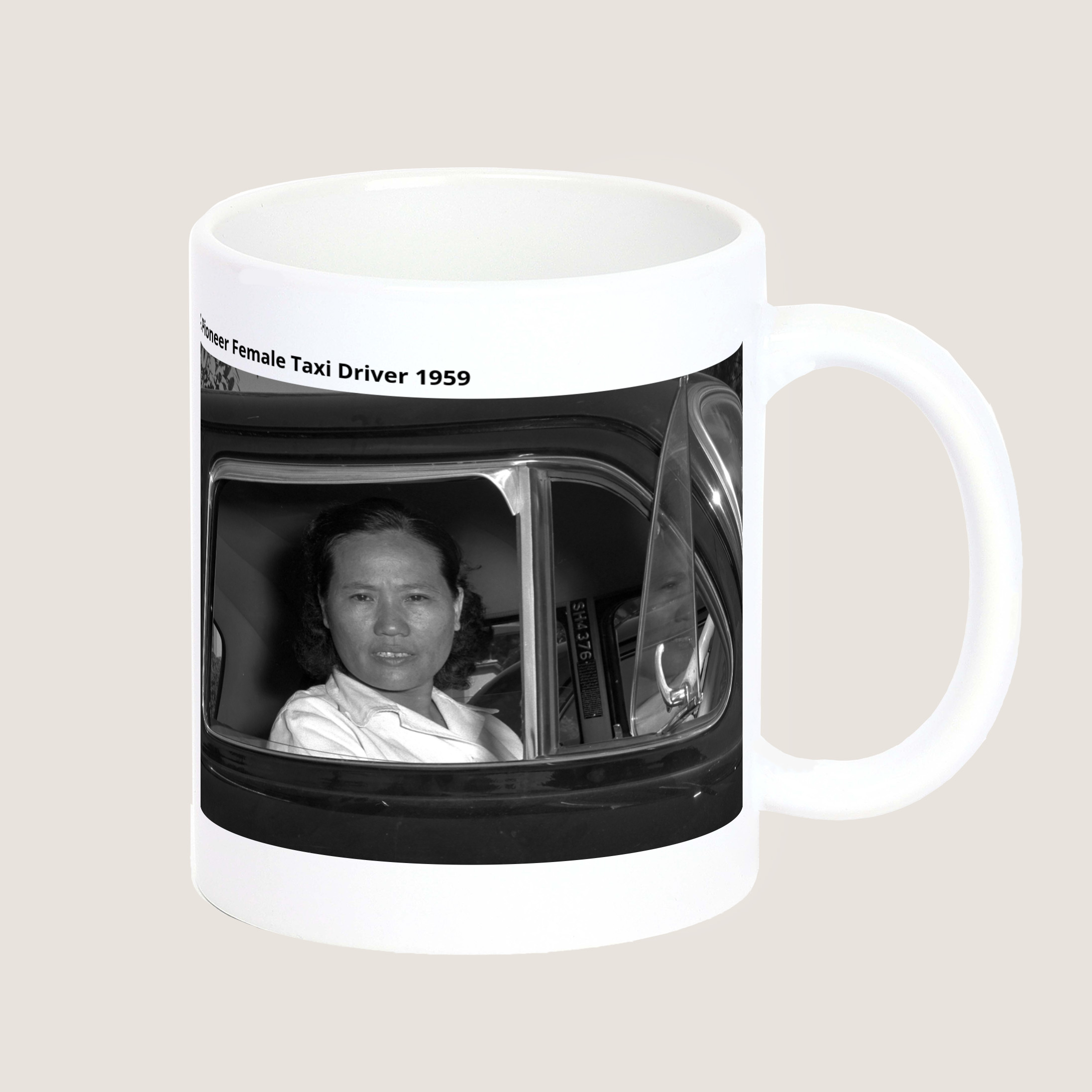
 A Pioneer Female Taxi Driver
1959
A Pioneer Female Taxi Driver
1959
A Pioneer Female Taxi Driver
Year 1959
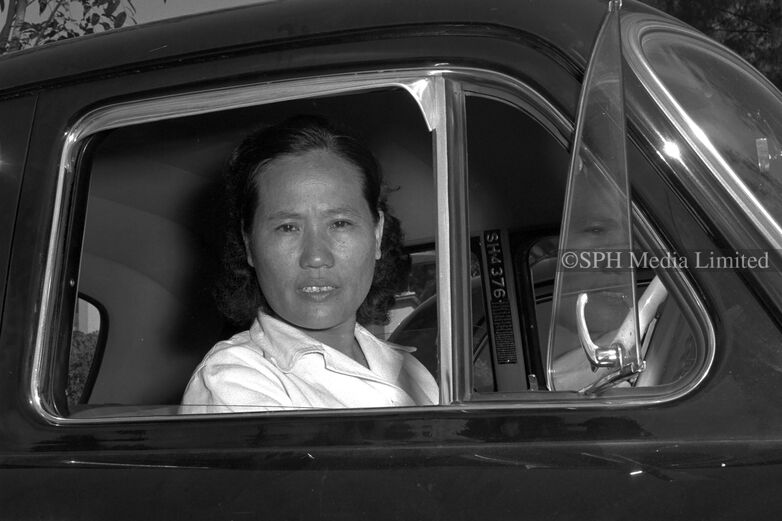
She is one of Singapore's pioneering female taxi drivers, with the license plate SH 4376. Private car license plate numbers in Singapore began in the early 1900s, when Singapore was a British Straits Settlement. Initially, license plates started with the prefix 'S' to denote Singapore, followed by a suffix letter ranging from 'S' to 'Y' for cars. However, certain suffixes, such as 'H,' were reserved for taxis.
©️ SPH Media Limited
Share to
Tags
Available for print on products
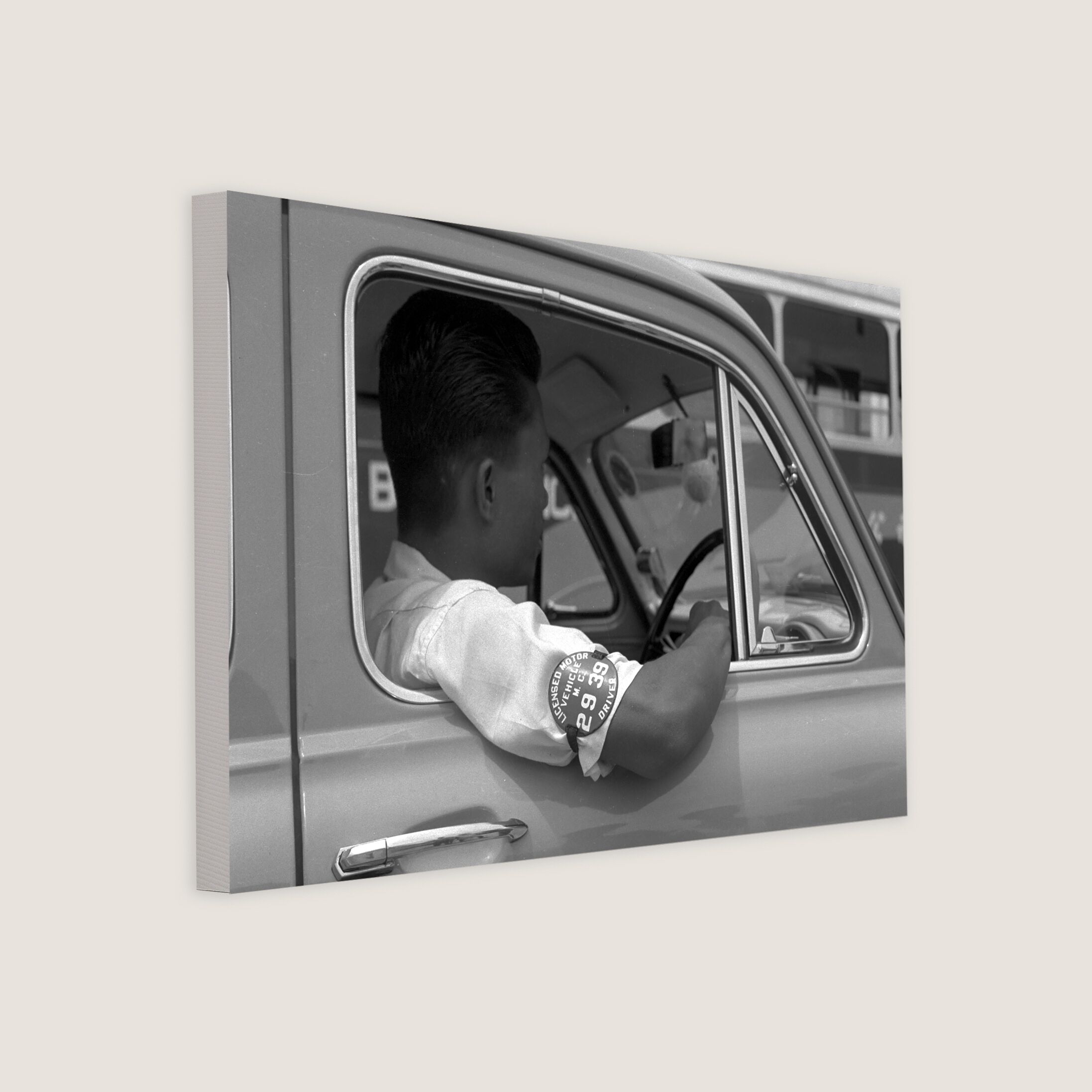
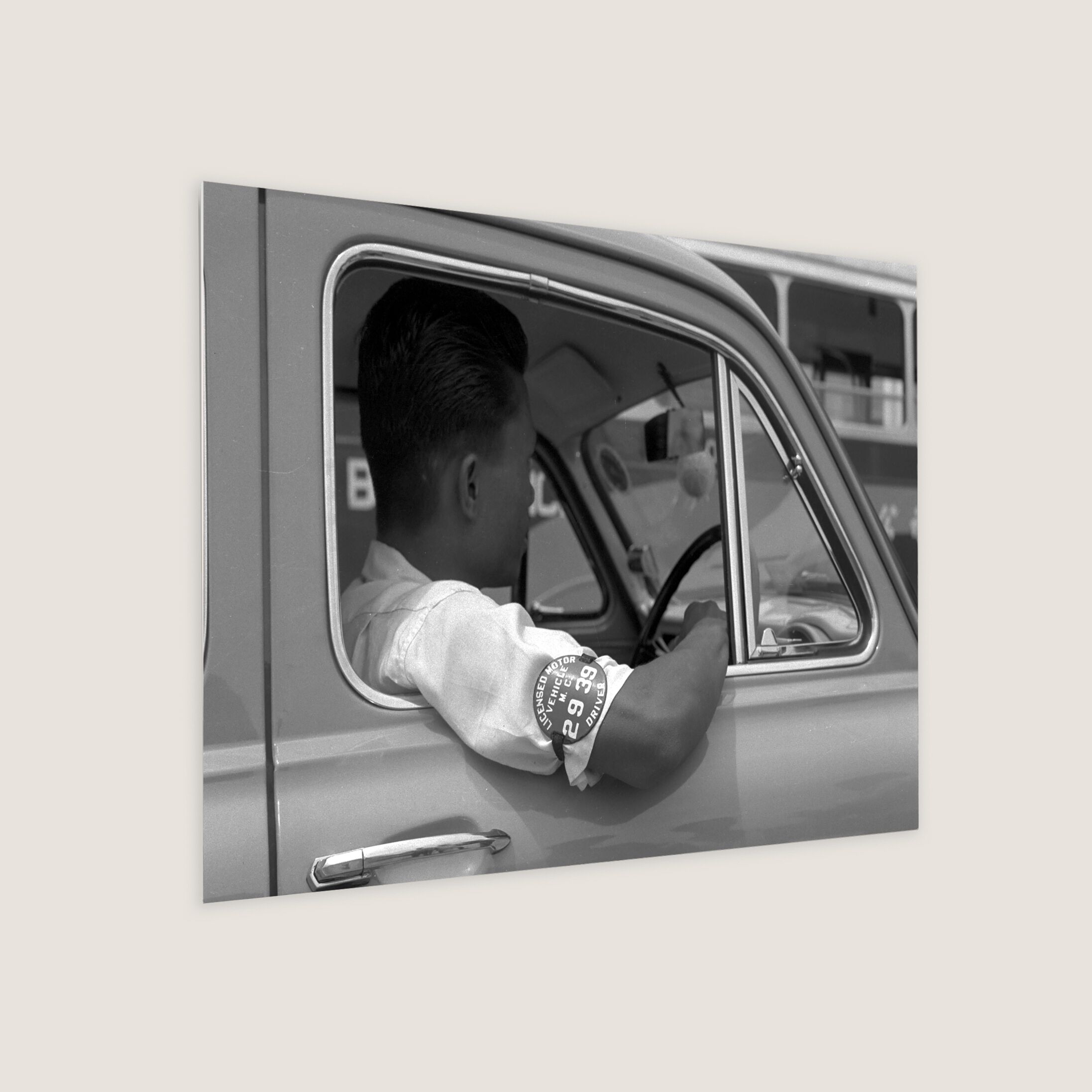
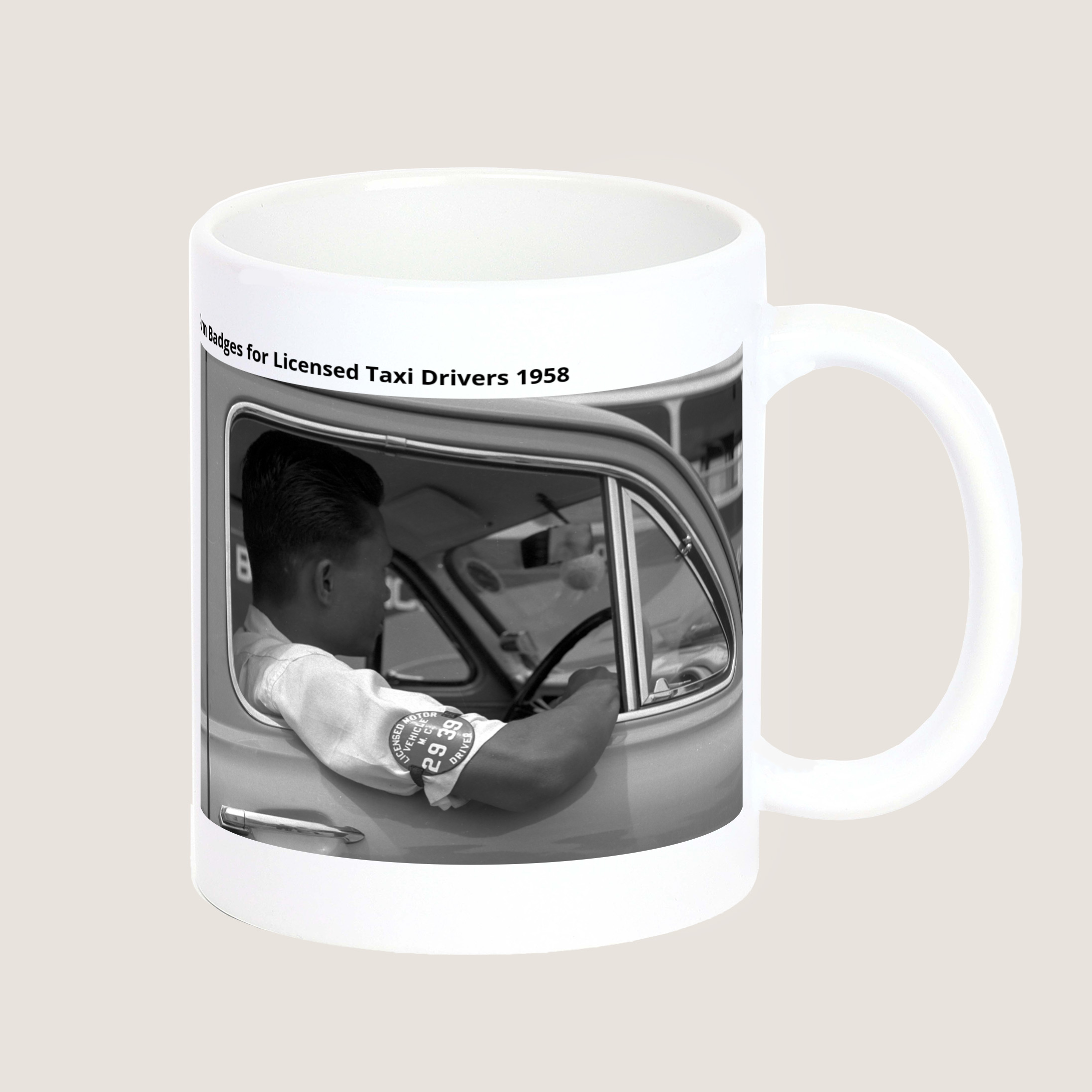
 Arm Badges for Licensed Taxi Drivers
1958
Arm Badges for Licensed Taxi Drivers
1958
Arm Badges for Licensed Taxi Drivers
Year 1958
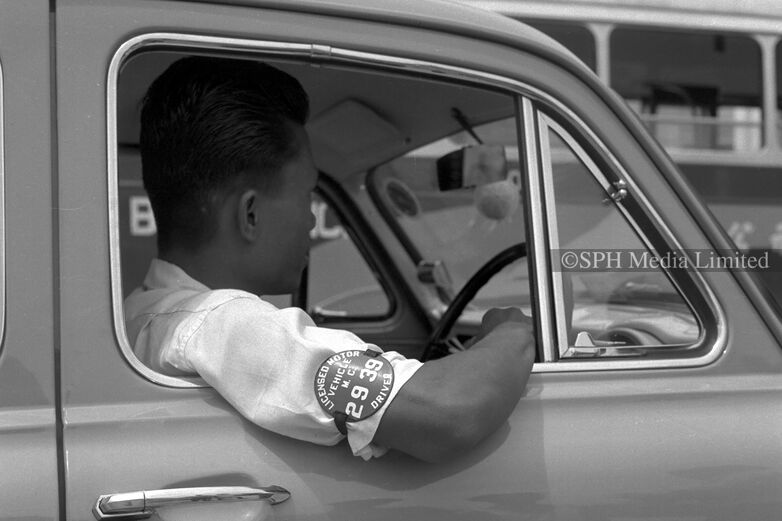
In the 1950s, taxi drivers and trishaw riders received their licenses from the Singapore City Council Vehicles Department on Middle Road. Due to complaints that the arm badges (shown in the photo) were too bulky, smaller breast badges were introduced in 1958.
©️ SPH Media Limited
Share to
Tags
Available for print on products
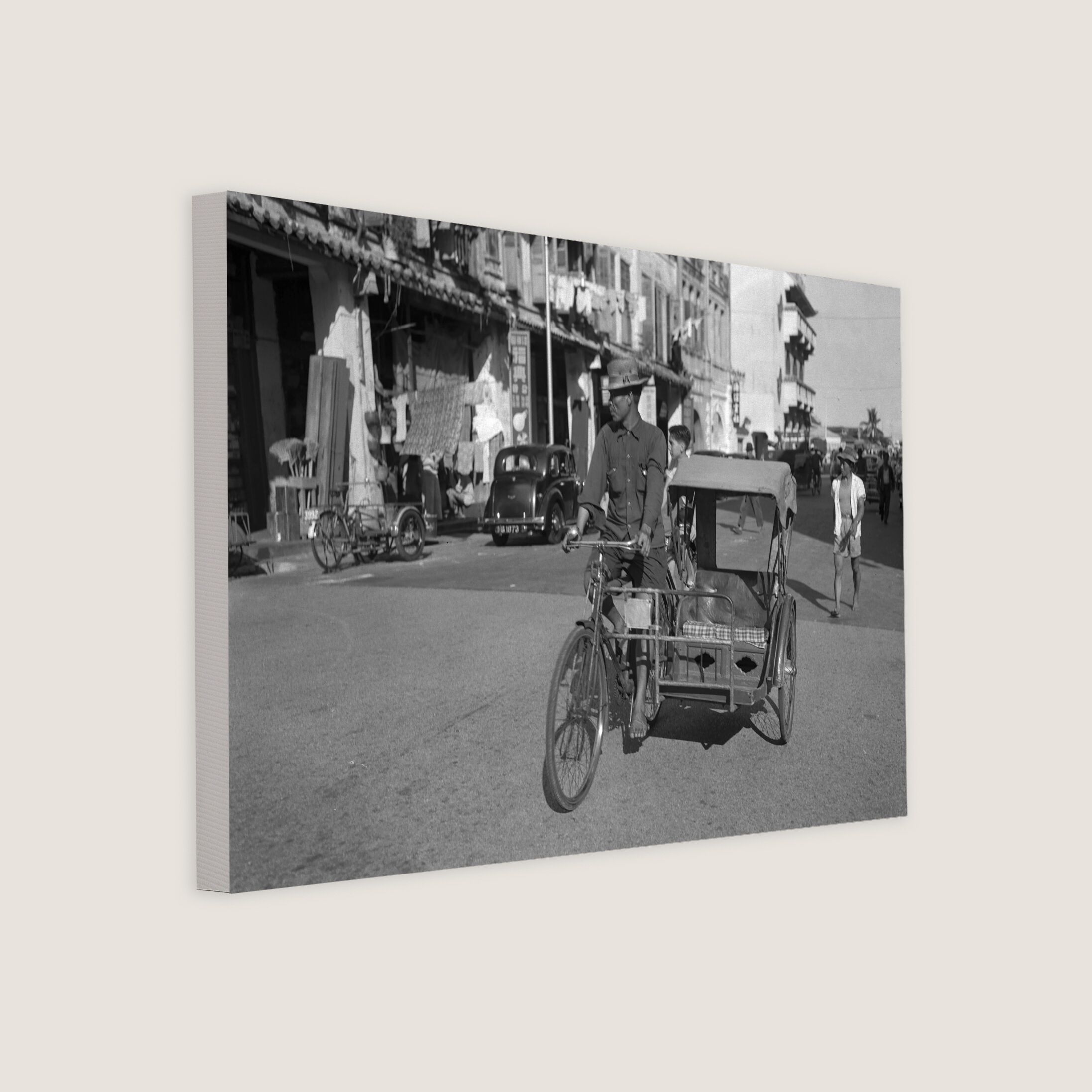
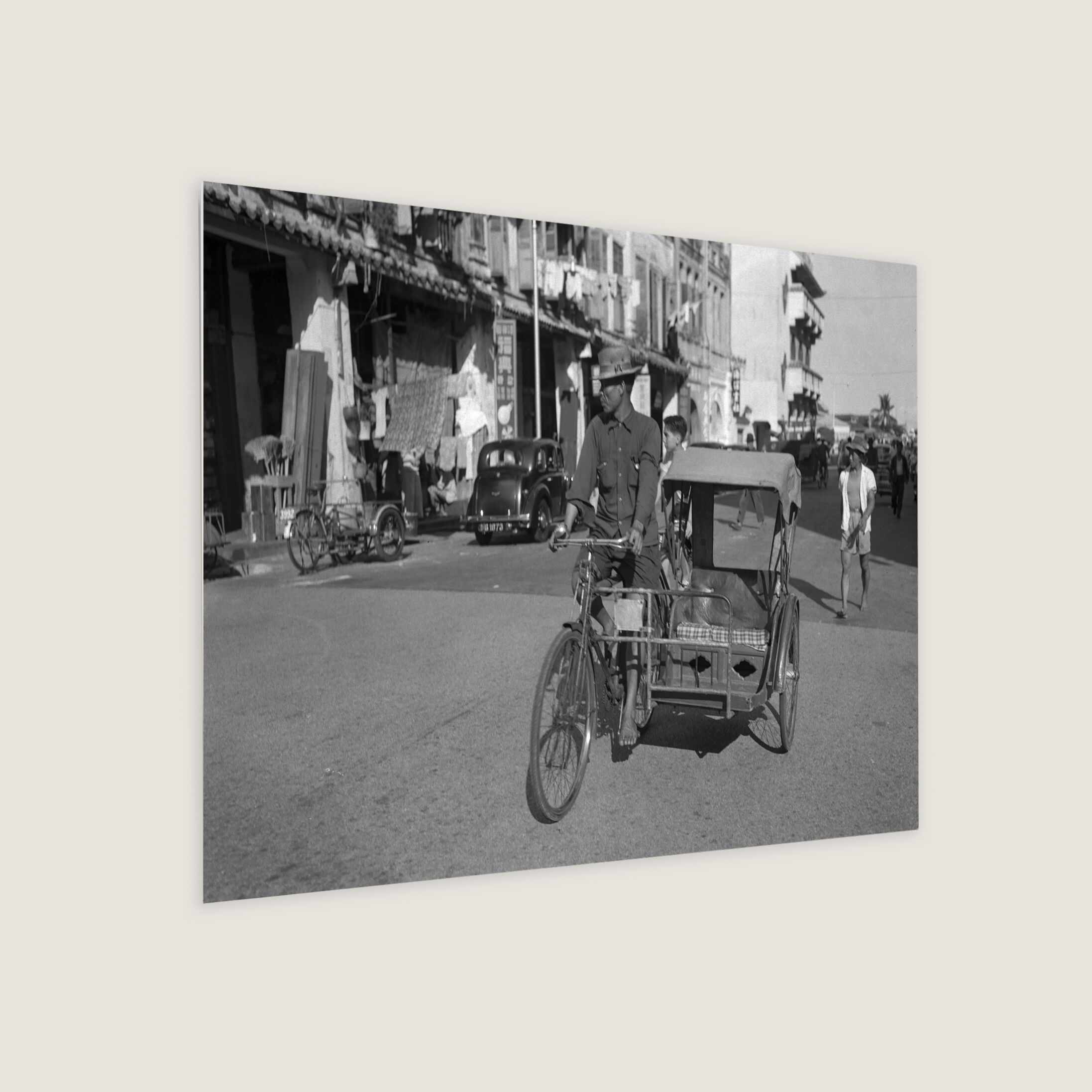
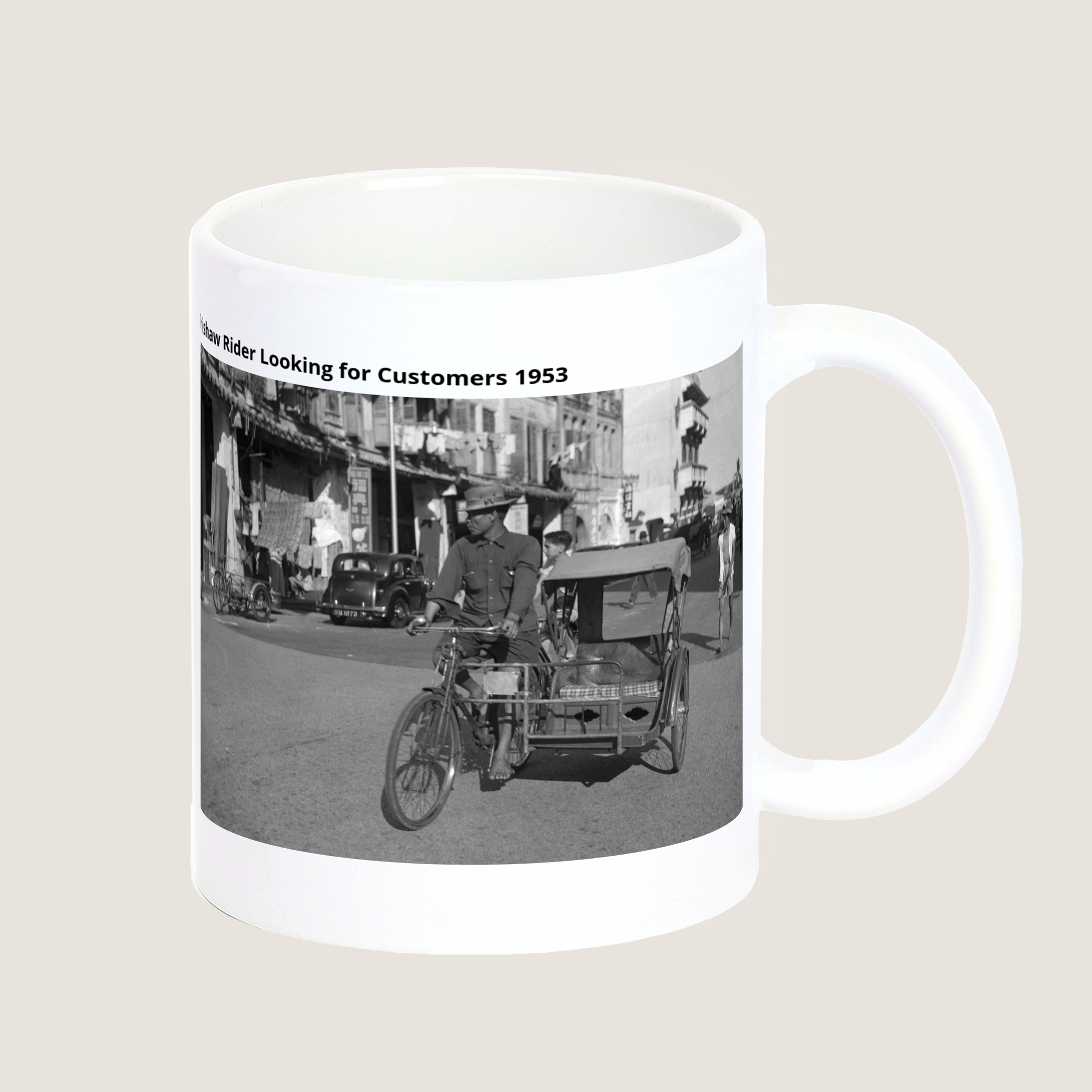
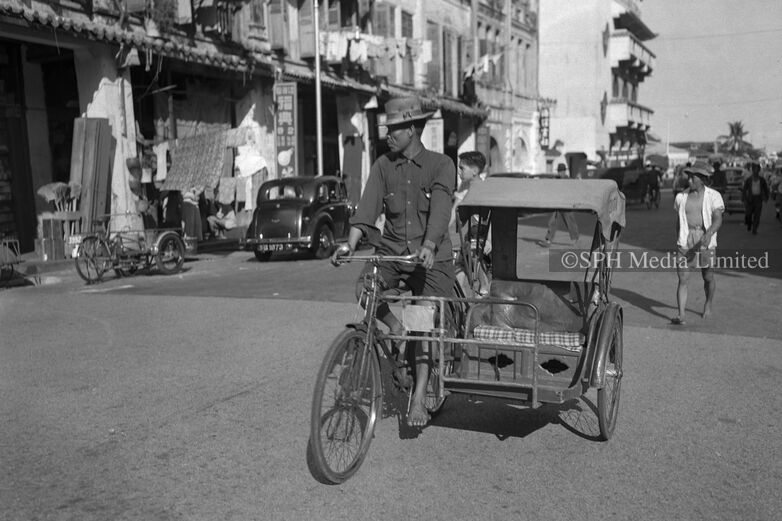 Trishaw Rider Looking for Customers
1953
Trishaw Rider Looking for Customers
1953
Trishaw Rider Looking for Customers
Year 1953
The average income of trishaw riders in the 1950s and 1960s varied depending on their working hours and the fares they collected, ranging from as low as $3 to as high as $20 a day. In 1948, the Municipal Commission set fixed hire rates for trishaws. Riders could charge $0.20 for every half mile or part of it traveled, or $1.50 per hour and $0.40 for each additional quarter hour of travel.
©️ SPH Media Limited
Share to
Tags
Available for print on products
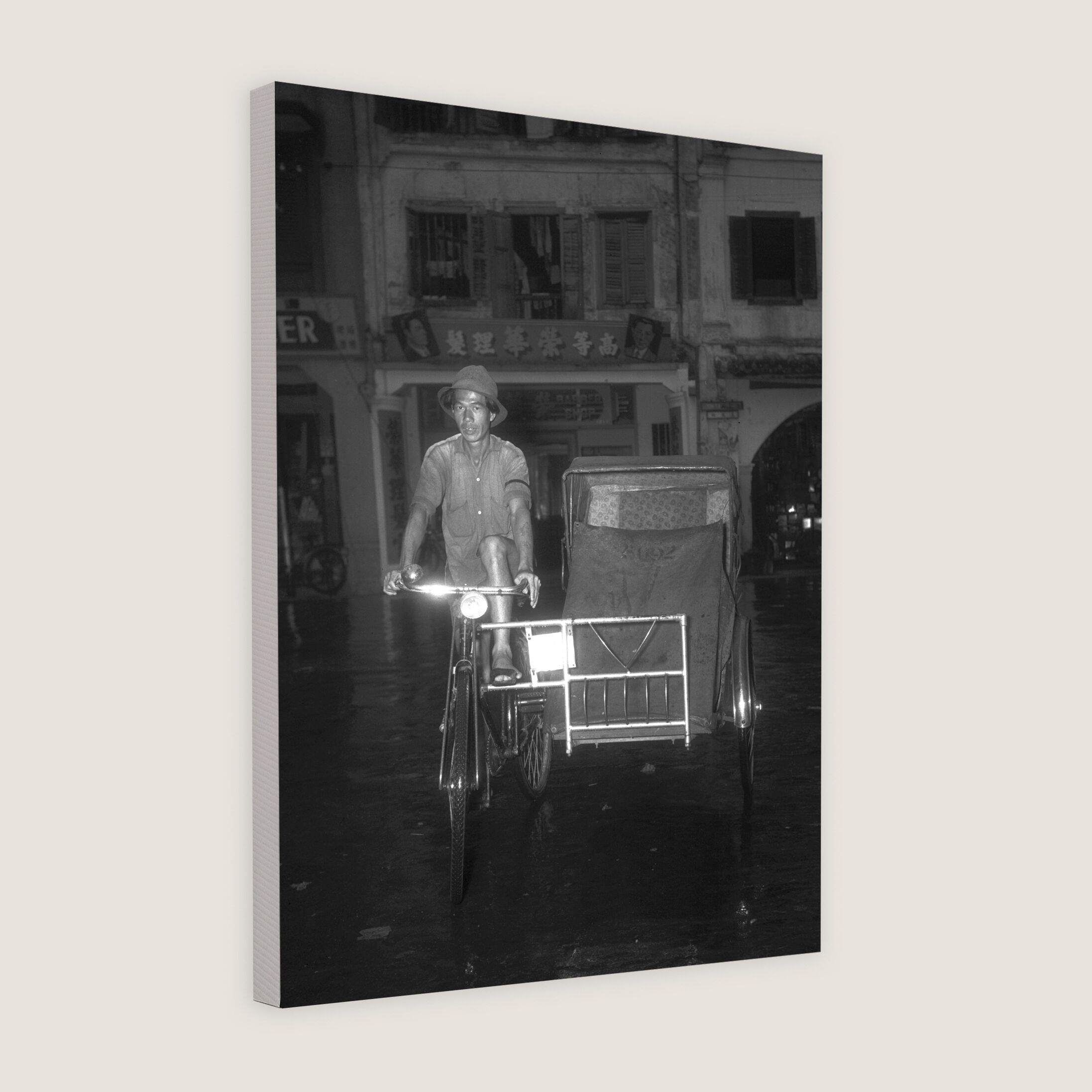
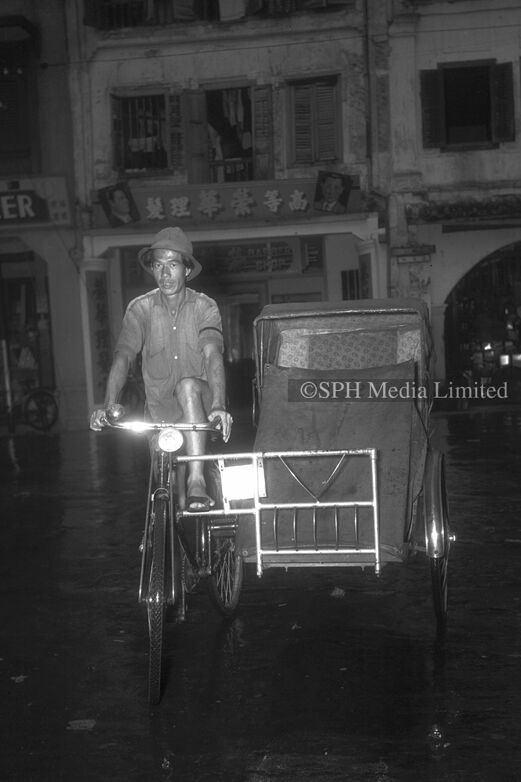 Riding a Trishaw in the Rain to Make a Living
1951
Riding a Trishaw in the Rain to Make a Living
1951
Riding a Trishaw in the Rain to Make a Living
Year 1951
Trishaws first surfaced in Singapore in April 1914, and were reintroduced to Singapore during the Japanese Occupation. A Syonan Shimbun article published on 8 August 1942 reported that the first batch of 10 trishaws (referred to as 'ricksha-cycles' in the article) began operating on 7 August 1943, with an official fare of 15 cents per mile.
©️ SPH Media Limited
Share to
Tags
Available for print on products
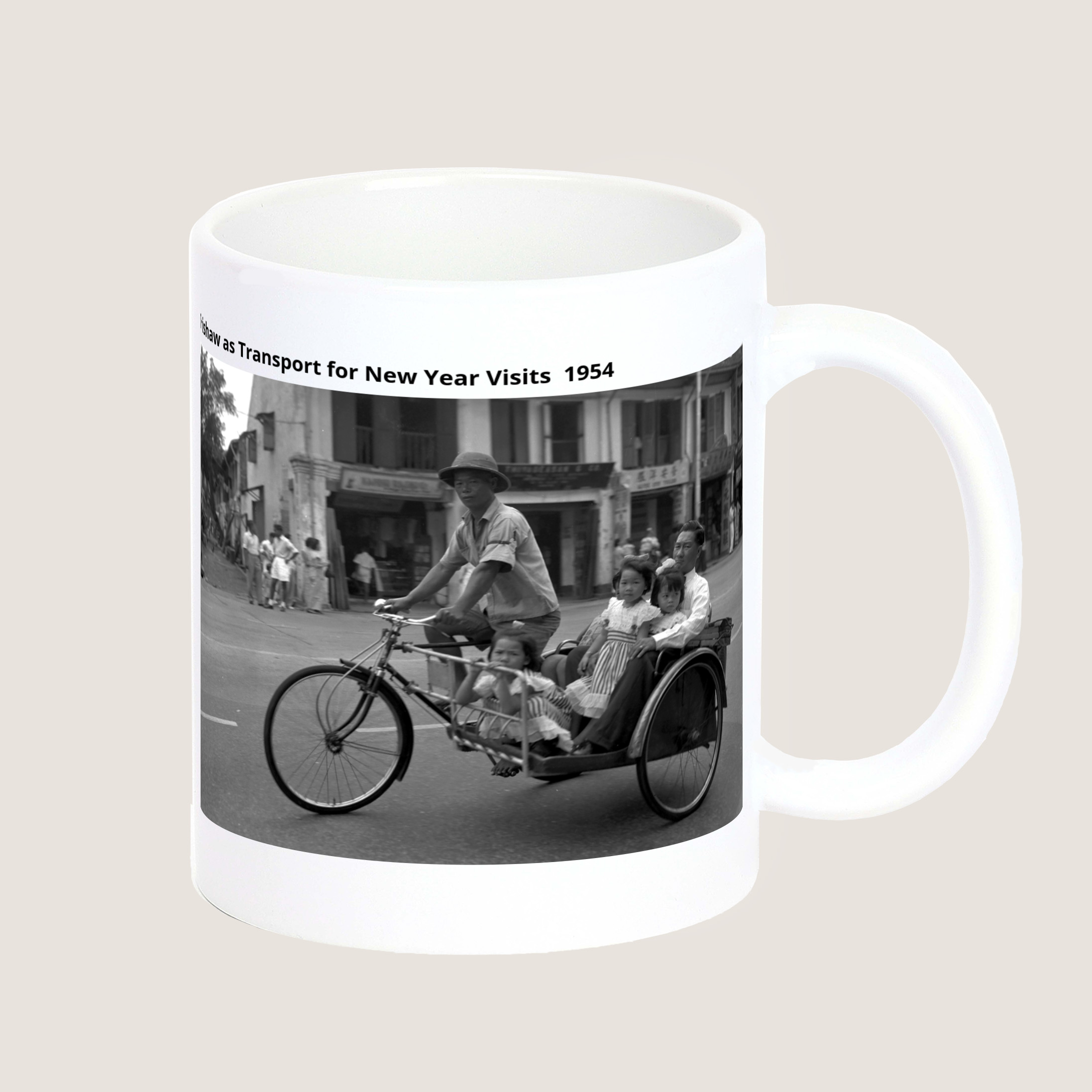
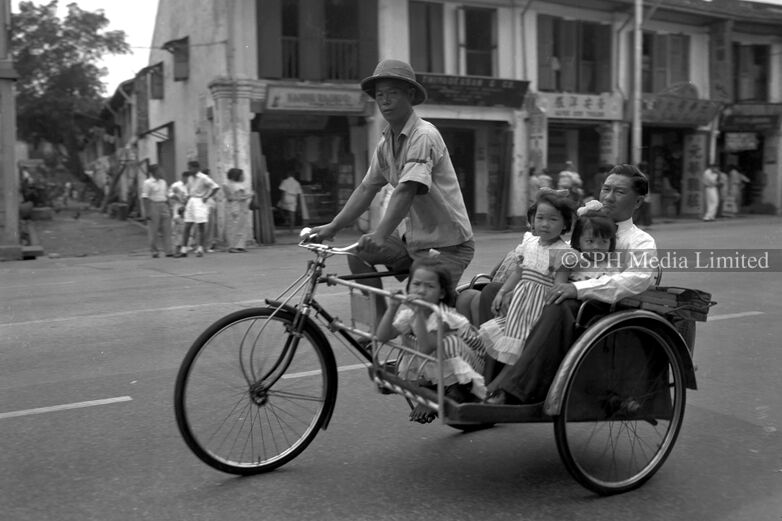 Trishaw as Transport for New Year Visits
1954
Trishaw as Transport for New Year Visits
1954
Trishaw as Transport for New Year Visits
Year 1954
Chinese New Year holiday makers taking a trishaw ride in 1954. The trishaw was a common mode of transport before the 40s and early 50s. As the years went by, Singapore broadened its variety of public and private transport for its citizens, and the trishaw became less popular. In modern Singapore, it became a tourist attraction, and even then, all trishaws eventually ceased operations in 2023.
©️ SPH Media Limited
Share to
Tags
Available for print on products
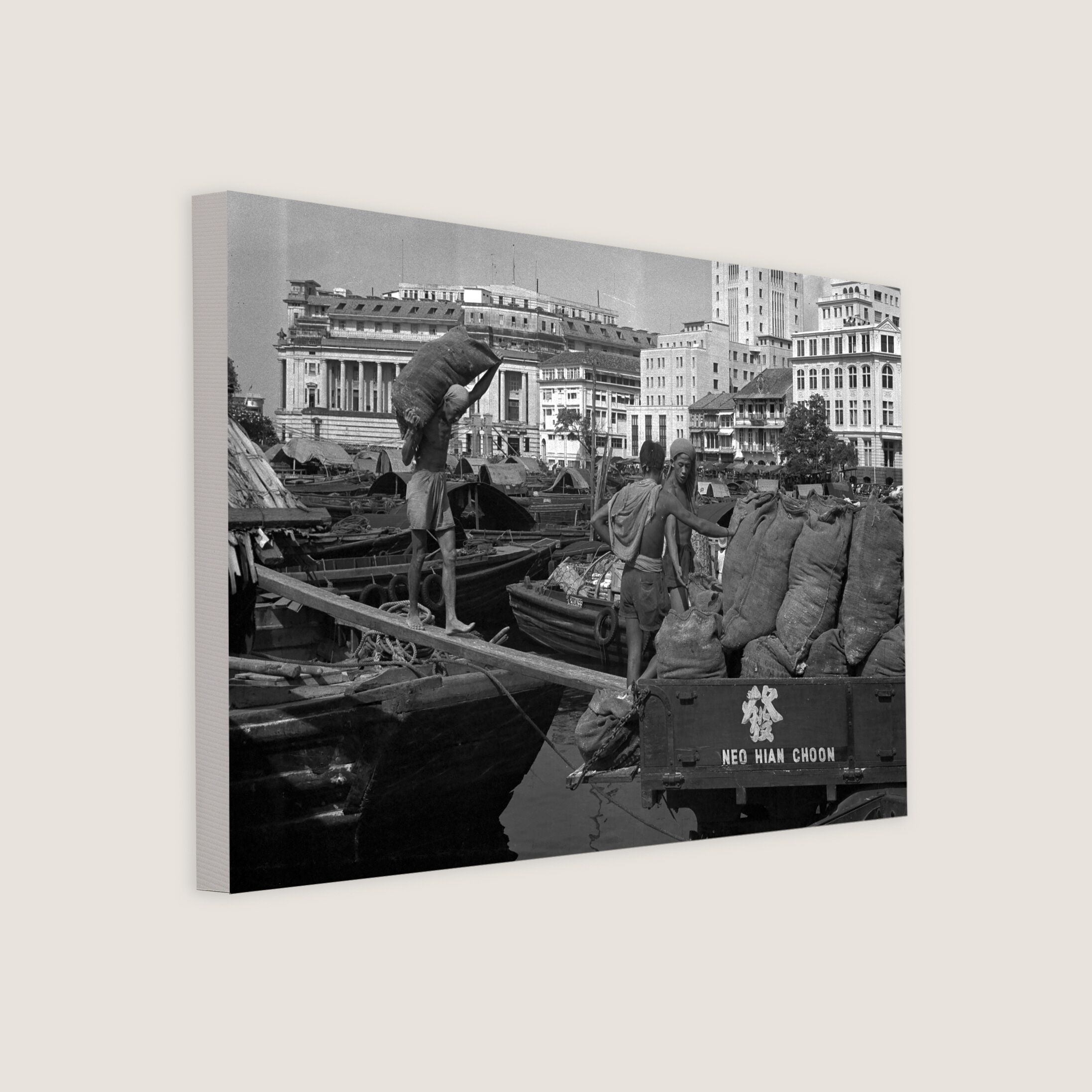
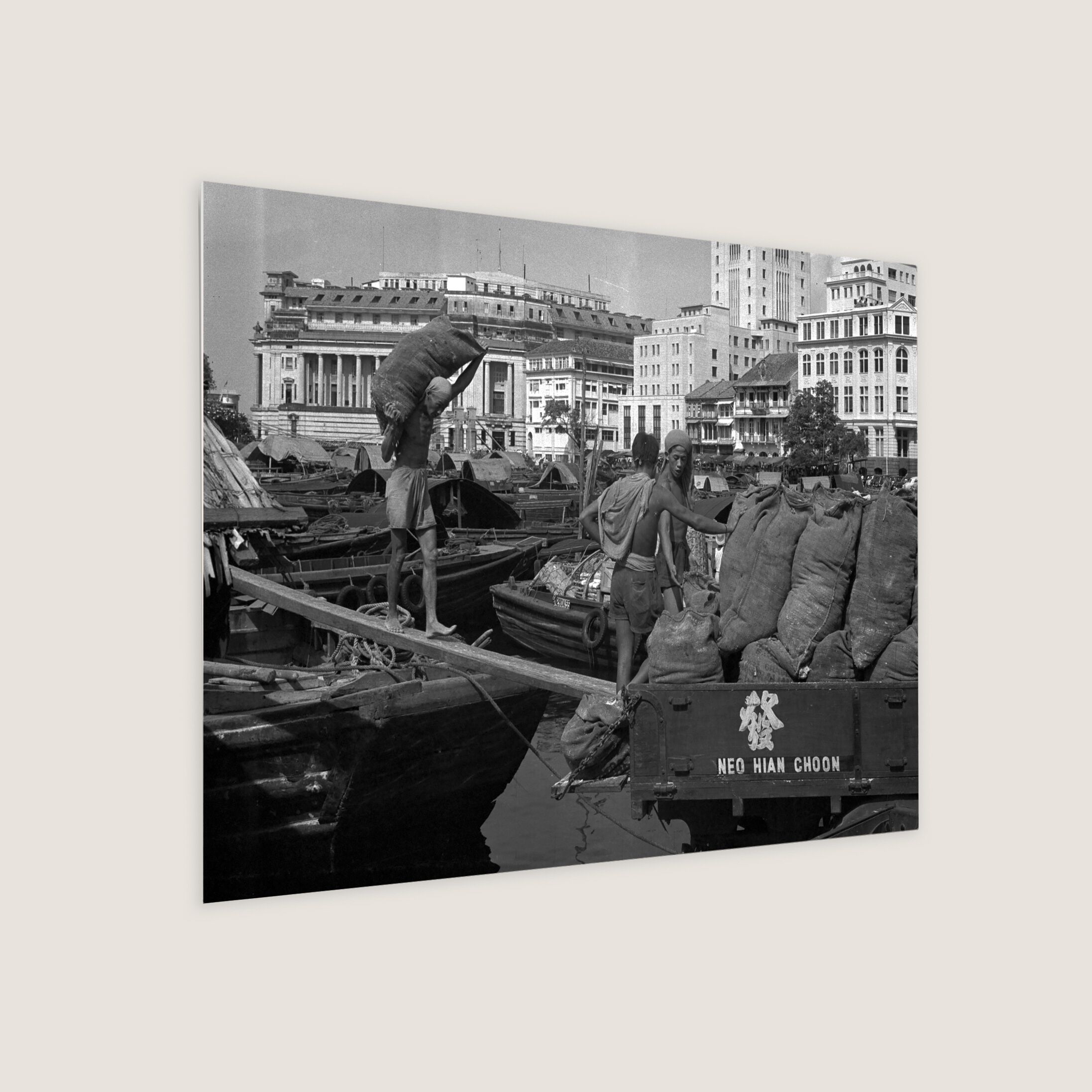
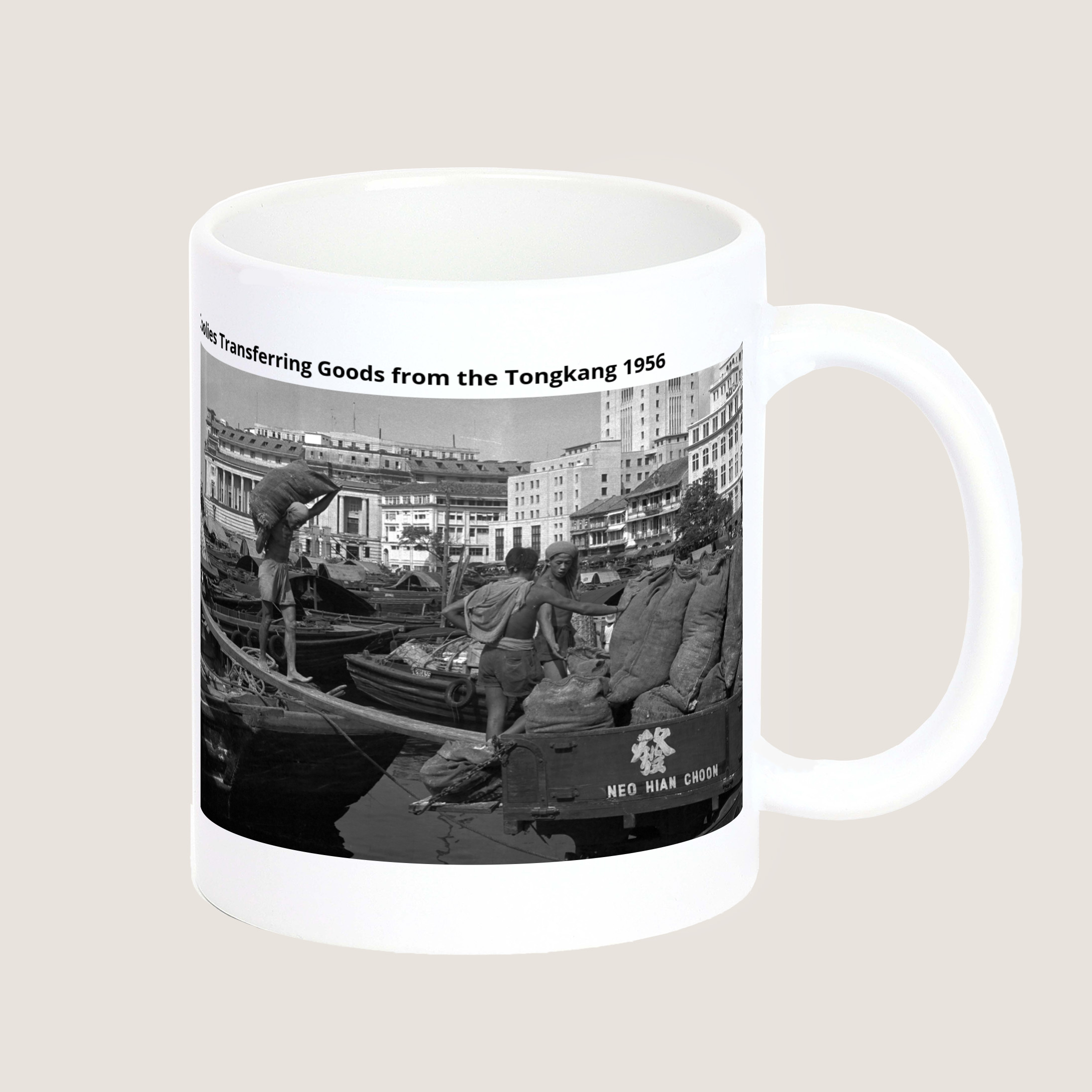
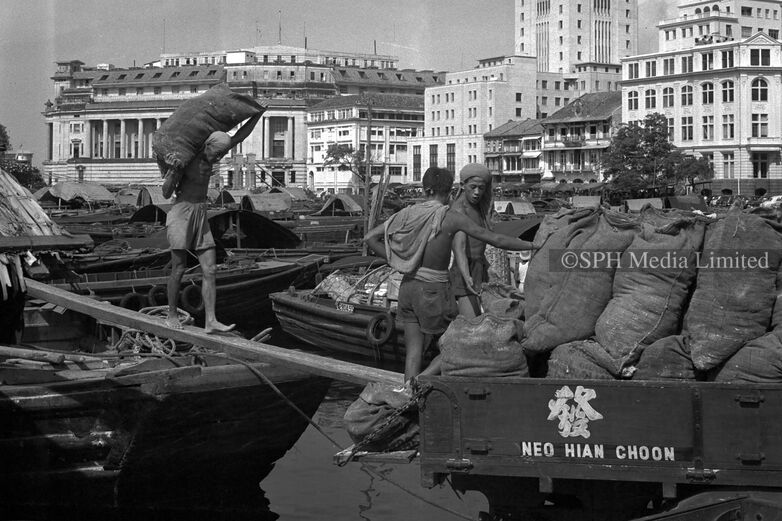 Coolies Transferring Goods from the Tongkang
1956
Coolies Transferring Goods from the Tongkang
1956
Coolies Transferring Goods from the Tongkang
Year 1956
Labourers, also known as coolies, were commonly employed for strenuous manual labour and physically demanding tasks, such as loading and unloading cargo. In early Singapore, it was a frequent sight to see these workers carrying gunny sacks filled with goods near the Singapore River. The goods were loaded from a tongkang (a bumboat) onto a lorry that would transport them to warehouses for storage.
©️ SPH Media Limited
Share to
Tags
Available for print on products
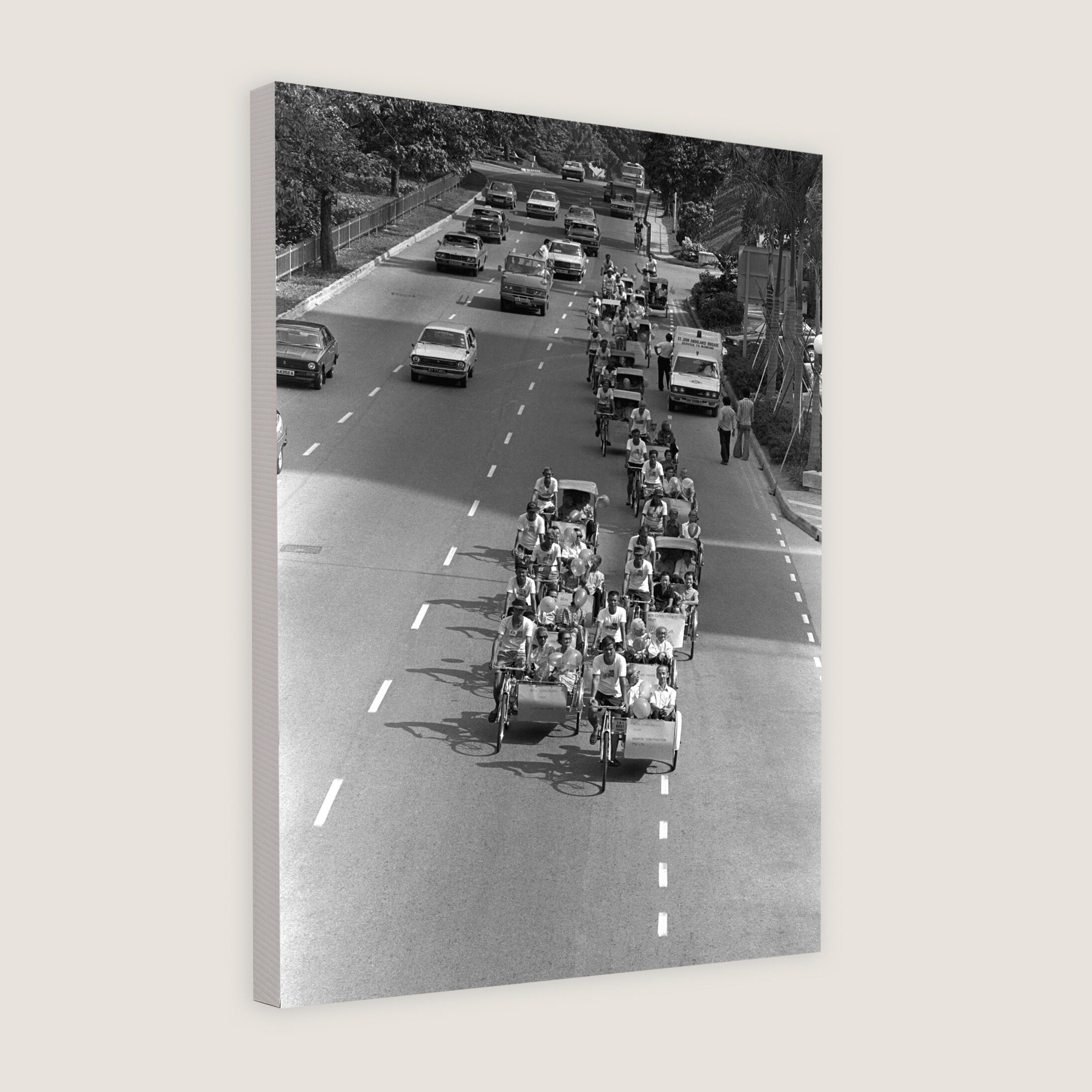
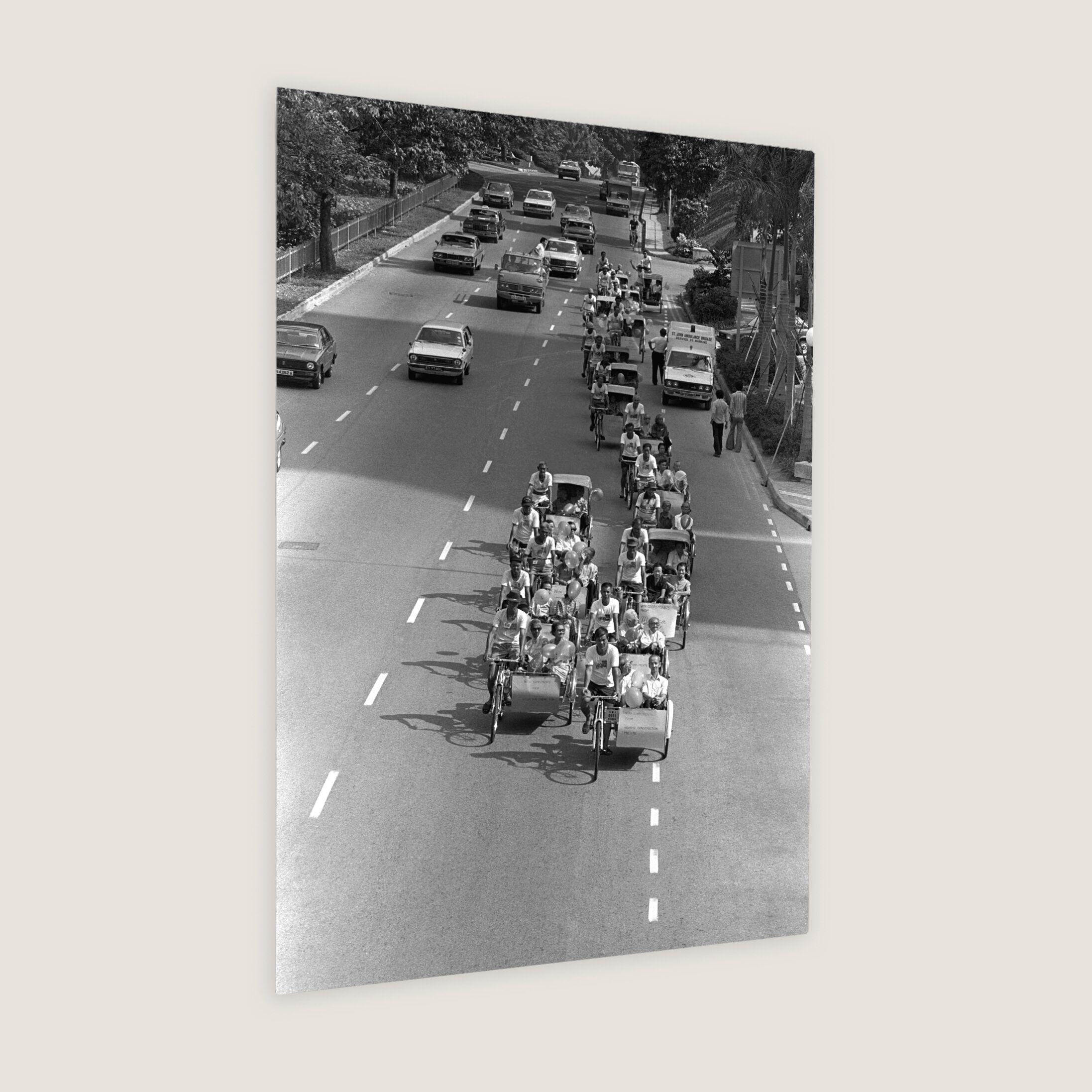
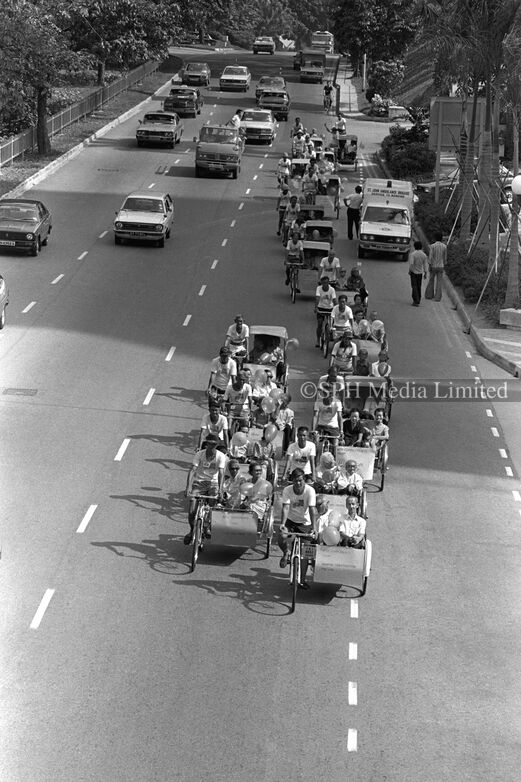 Nostalgic Trishaw Ride for the Senior Citizens
1982
Nostalgic Trishaw Ride for the Senior Citizens
1982
Nostalgic Trishaw Ride for the Senior Citizens
Year 1982
One hundred senior citizens were treated to a nostalgic trishaw ride along Orchard Road, evoking memories of the past. The ride lifted the spirits of the elderly residents from St. John's Home for the Aged. Trishaws, once a popular mode of transport, began to decline in popularity from the mid-1950s, becoming a relic of bygone days.
©️ SPH Media Limited
Share to
Tags
Available for print on products
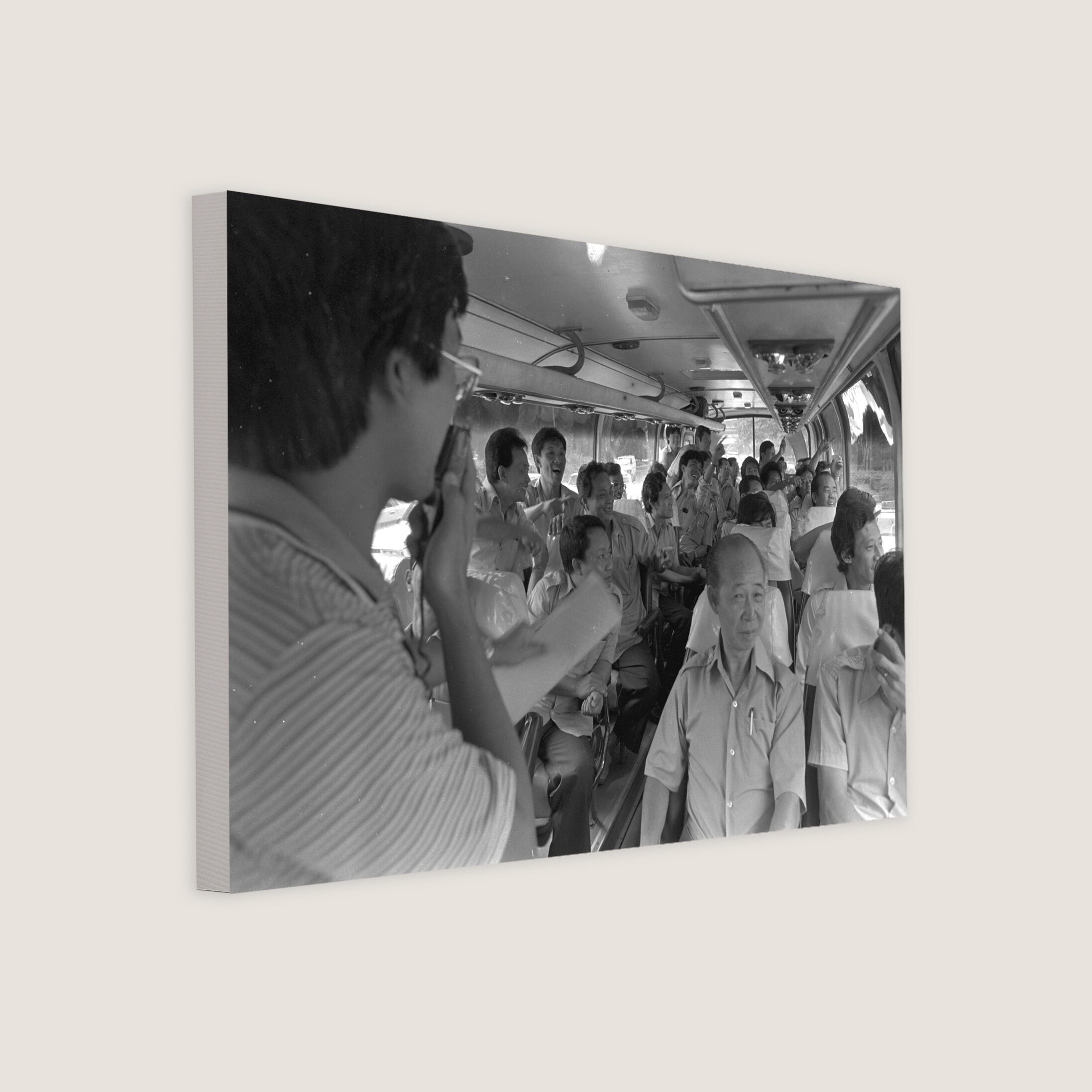
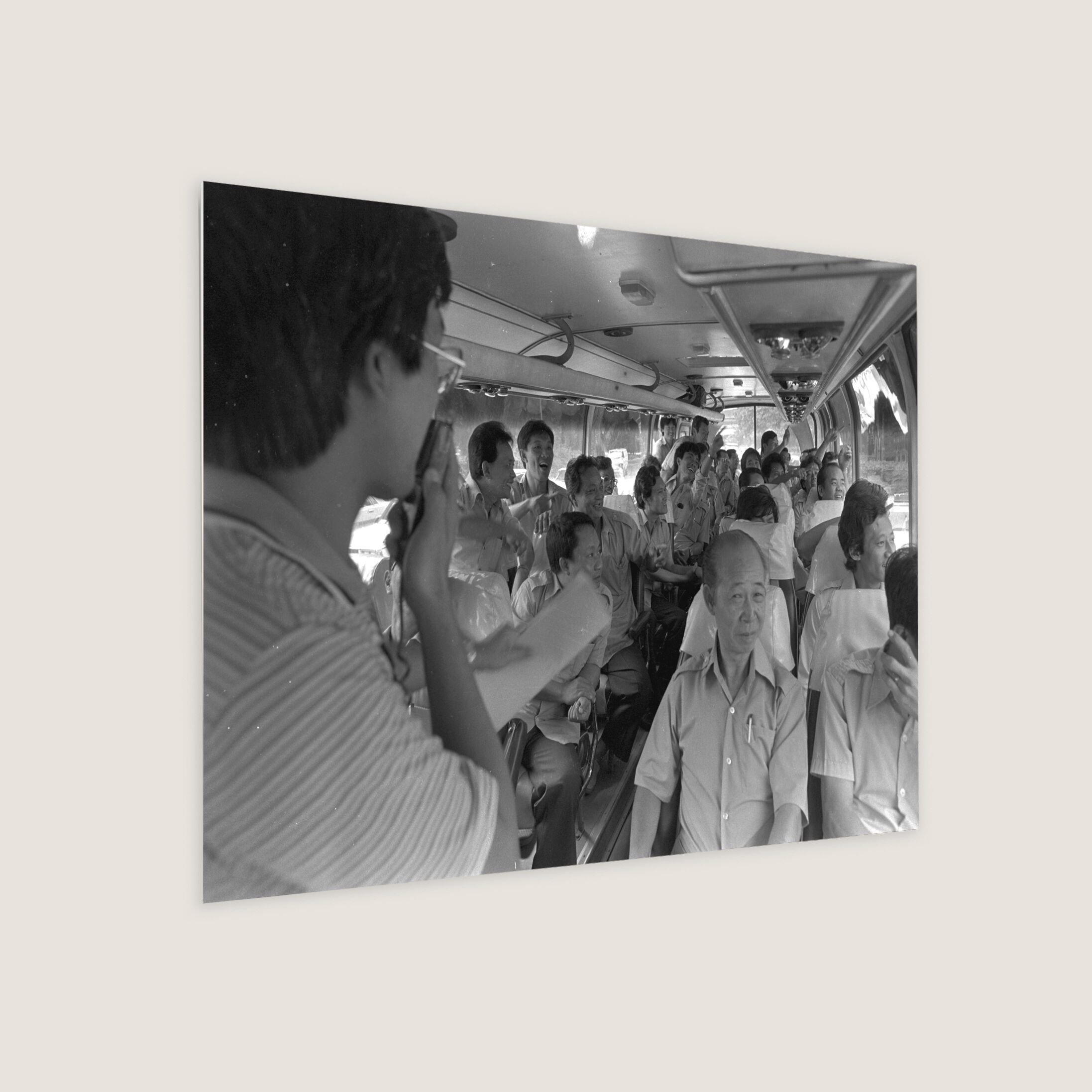
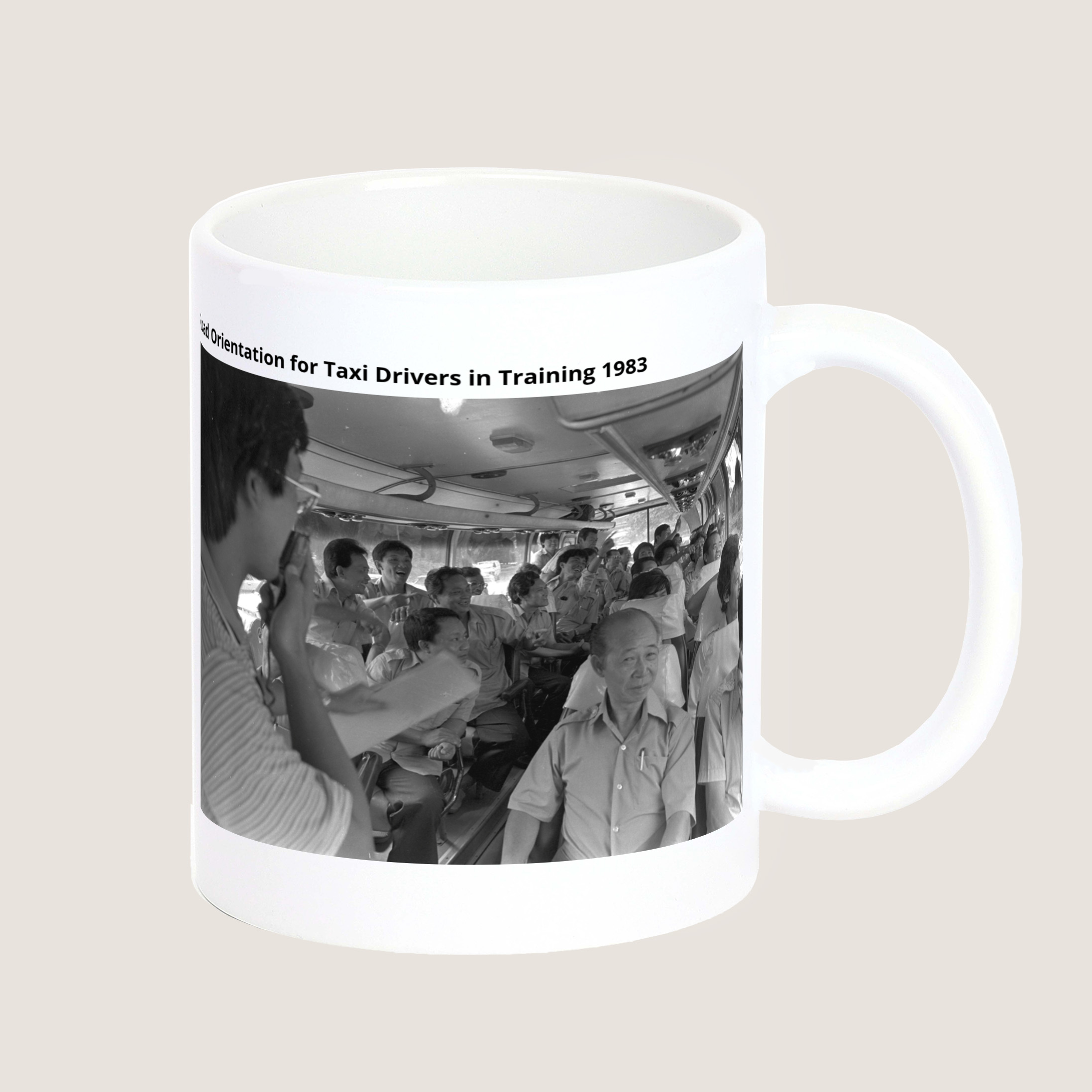
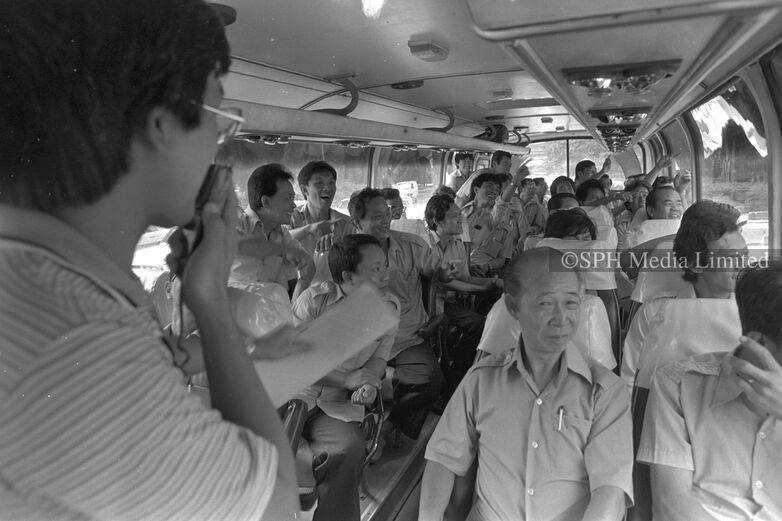 Road Orientation for Taxi Drivers in Training
1983
Road Orientation for Taxi Drivers in Training
1983
Road Orientation for Taxi Drivers in Training
Year 1983
In 1983, Singapore Bus Service (SBS) ventured into the private car hire service and formed a taxi company. Bus drivers and ticket conductors from the bus company underwent a two-month course to become taxi drivers. As part of the training, they were given guided tours around the island, familiarizing themselves with landmarks such as hotels, shopping centers, places of worship, and popular tourist destinations.
©️ SPH Media Limited
Share to
Tags
Available for print on products
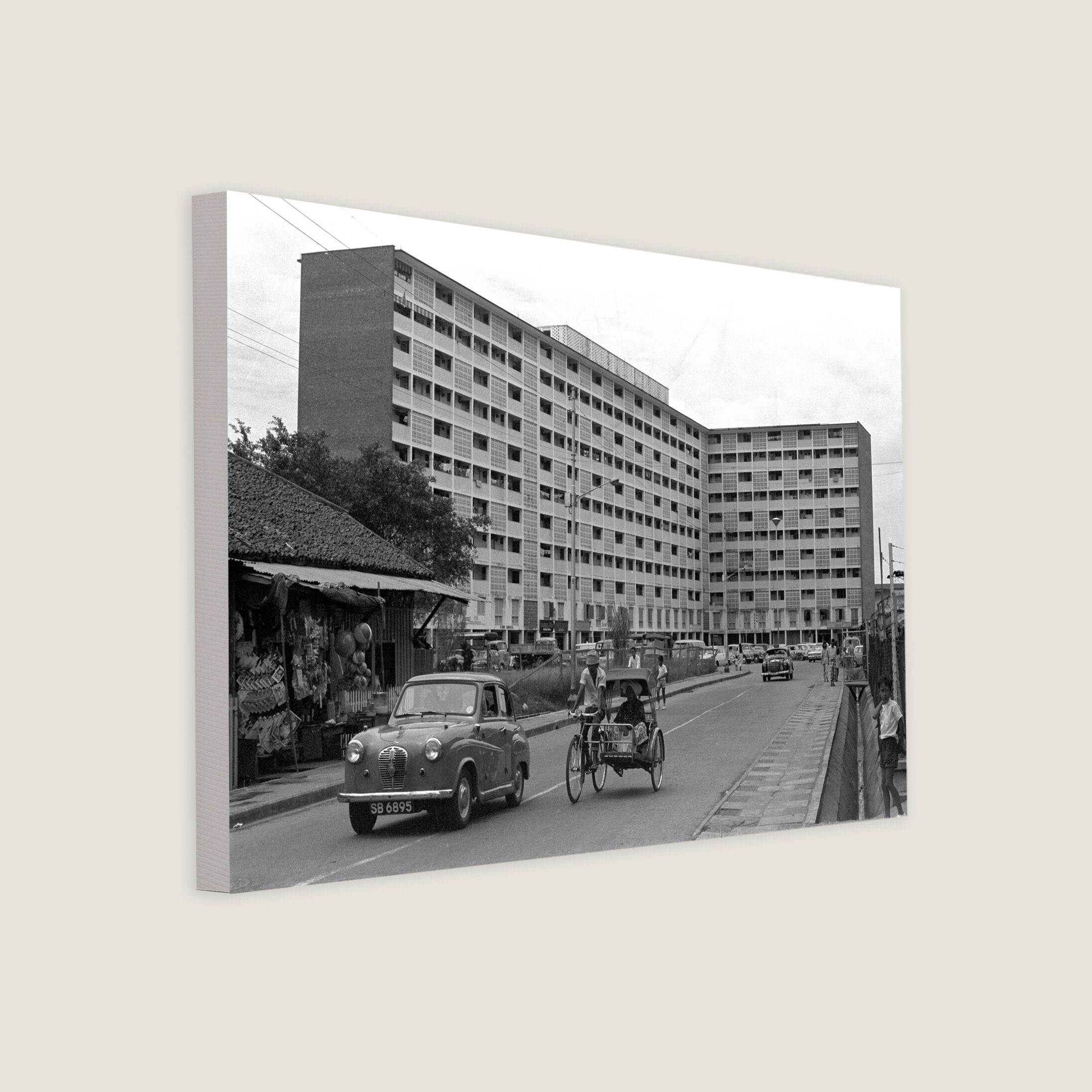
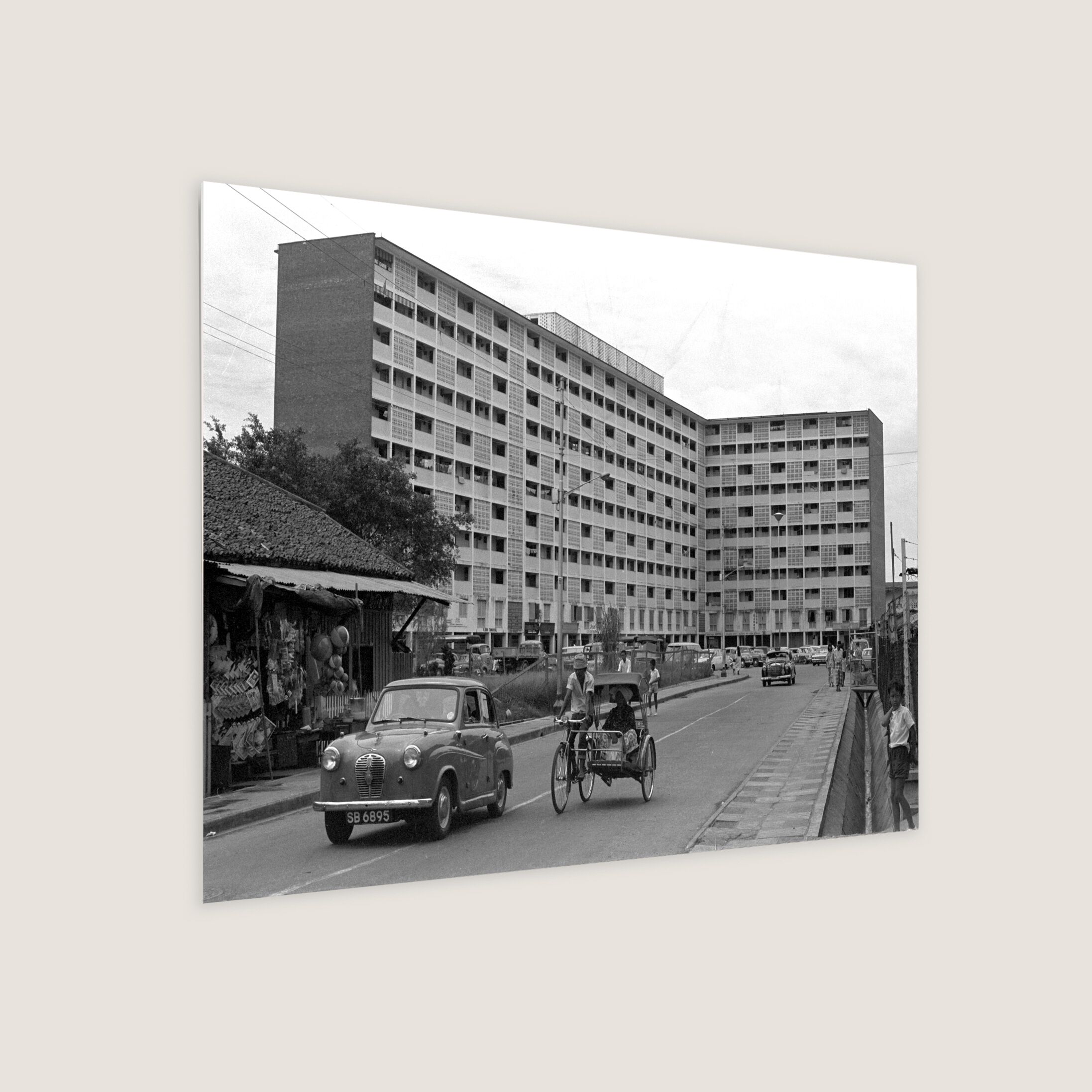
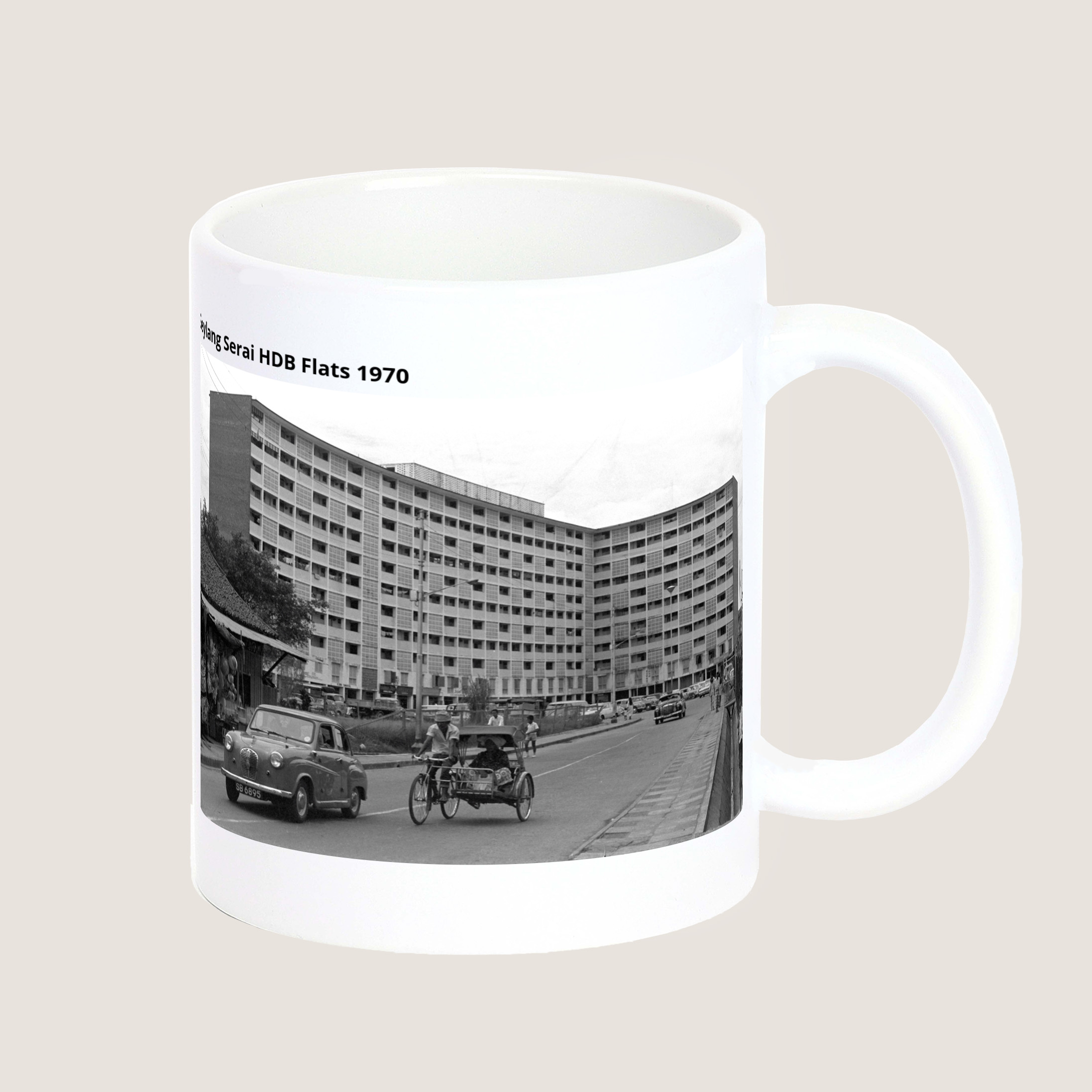
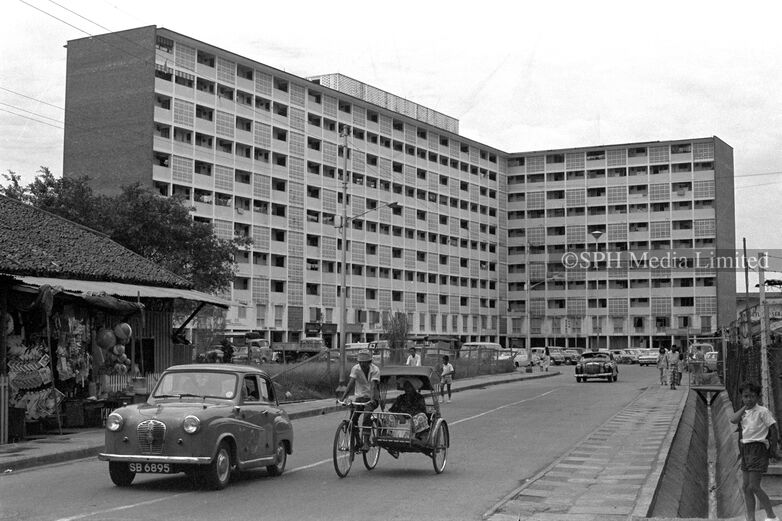 Geylang Serai HDB Flats
1970
Geylang Serai HDB Flats
1970
Geylang Serai HDB Flats
Year 1970
By the early 1980s, Geylang Serai had undergone a dramatic transformation. The kampongs that once defined the area gave way to Housing and Development Board flats, light industrial estates, and modern shopping complexes - marking the end of a chapter in Geylang’s village heritage.
©️ SPH Media Limited
Share to
Tags
Available for print on products
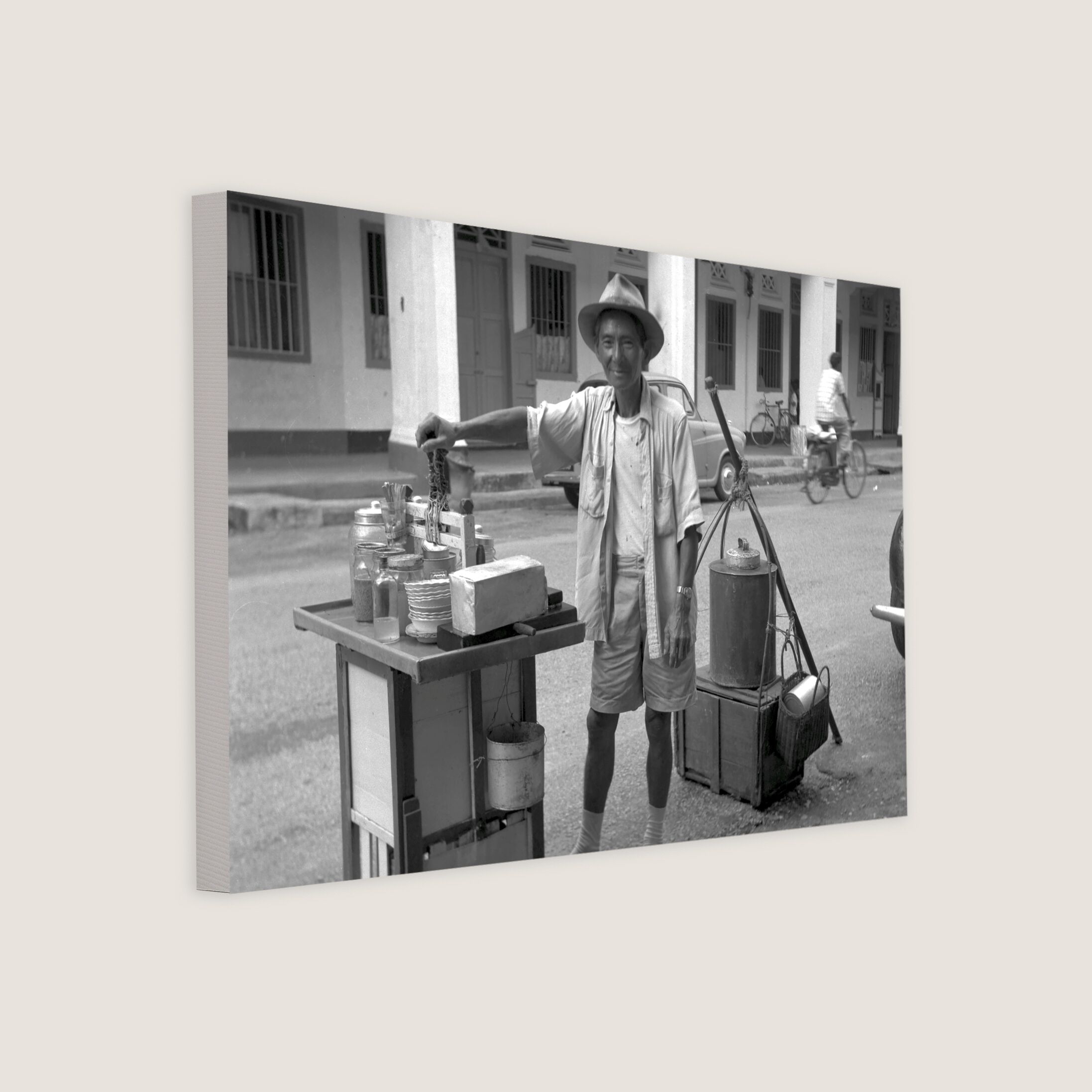
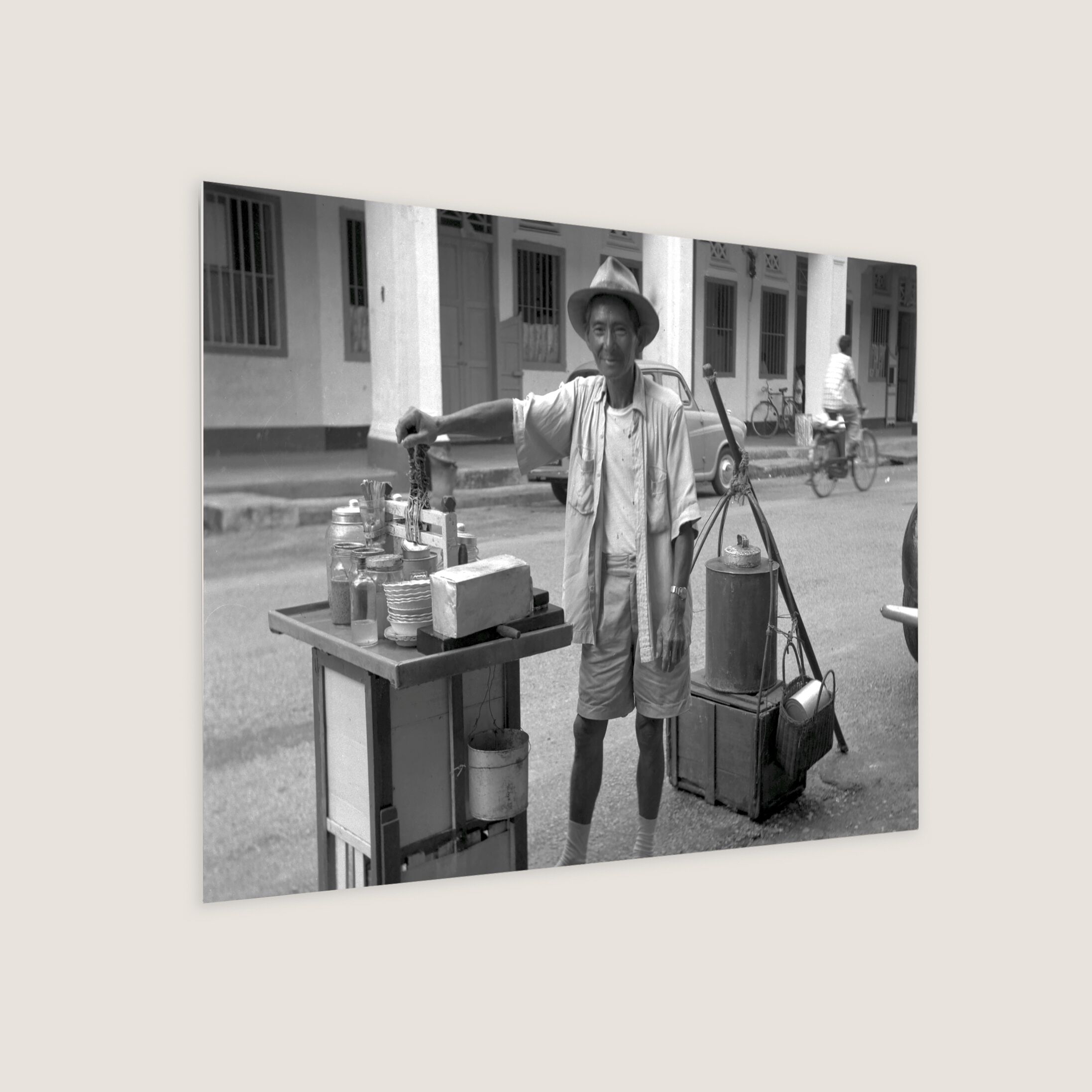
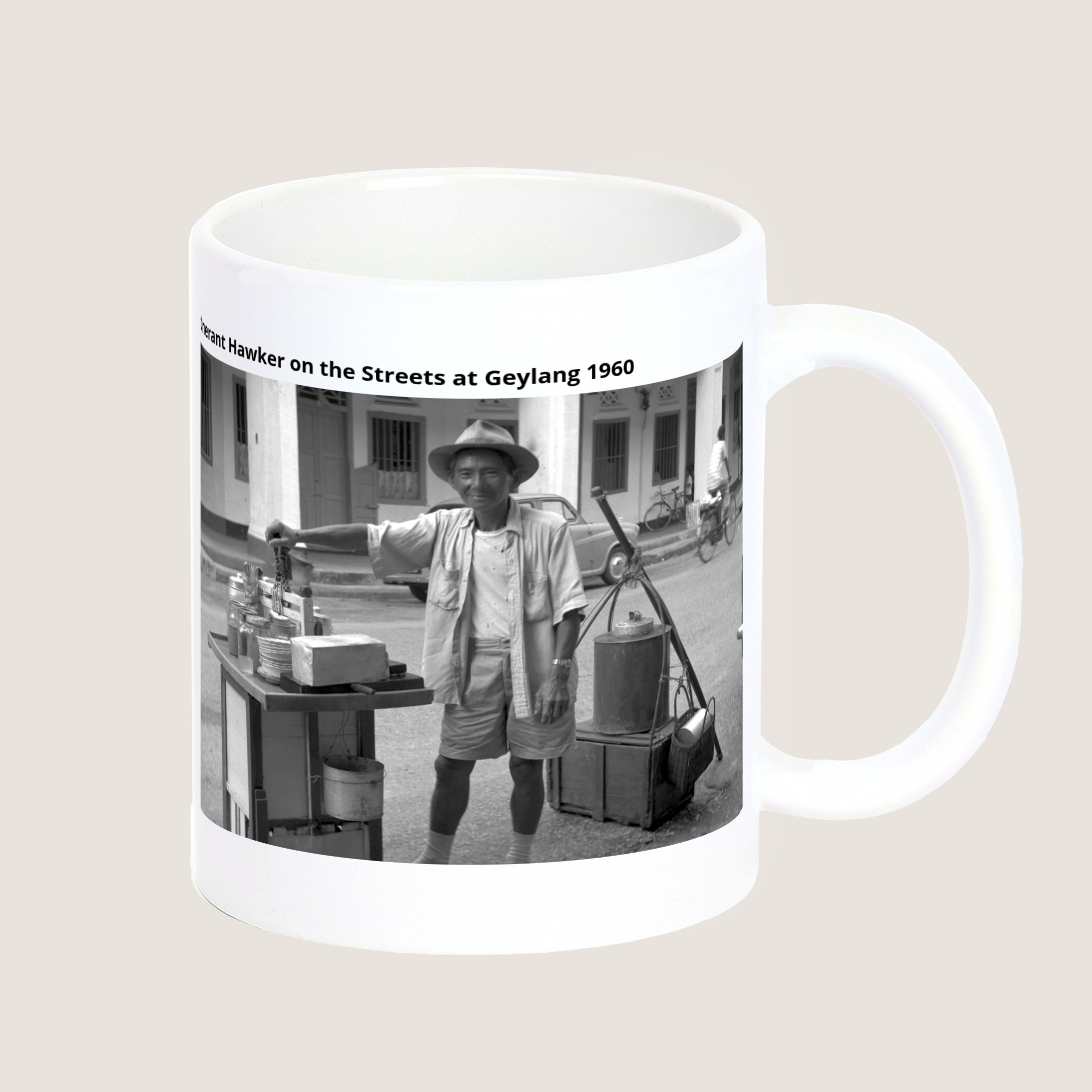
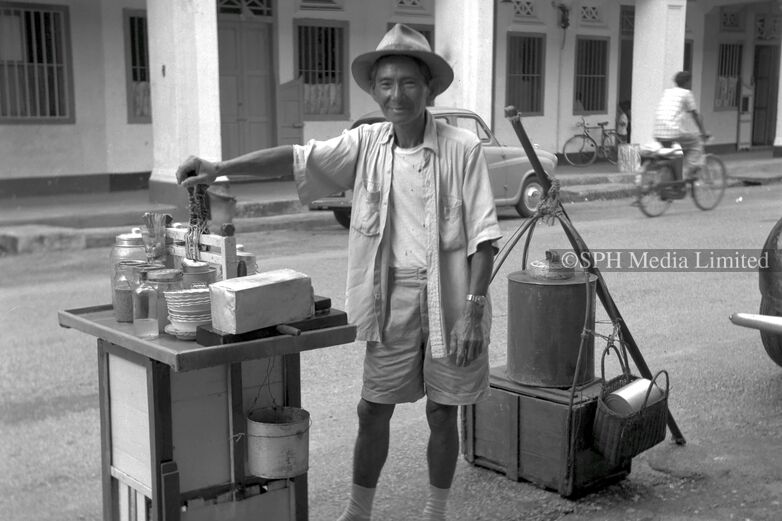 Itinerant Hawker on the Streets at Geylang
1960
Itinerant Hawker on the Streets at Geylang
1960
Itinerant Hawker on the Streets at Geylang
Year 1960
A street hawker peddling food in Geylang, situated in front of a public school. Itinerant hawkers were a familiar sight in Singapore from the 19th century through to the mid-20th century. They could often be seen along bustling streets and busy intersections, selling a wide array of items such as food, drinks, vegetables, poultry, and various other goods. In this photograph, the hawker is seen offering food to passersby.
©️ SPH Media Limited
Share to
Tags
Available for print on products
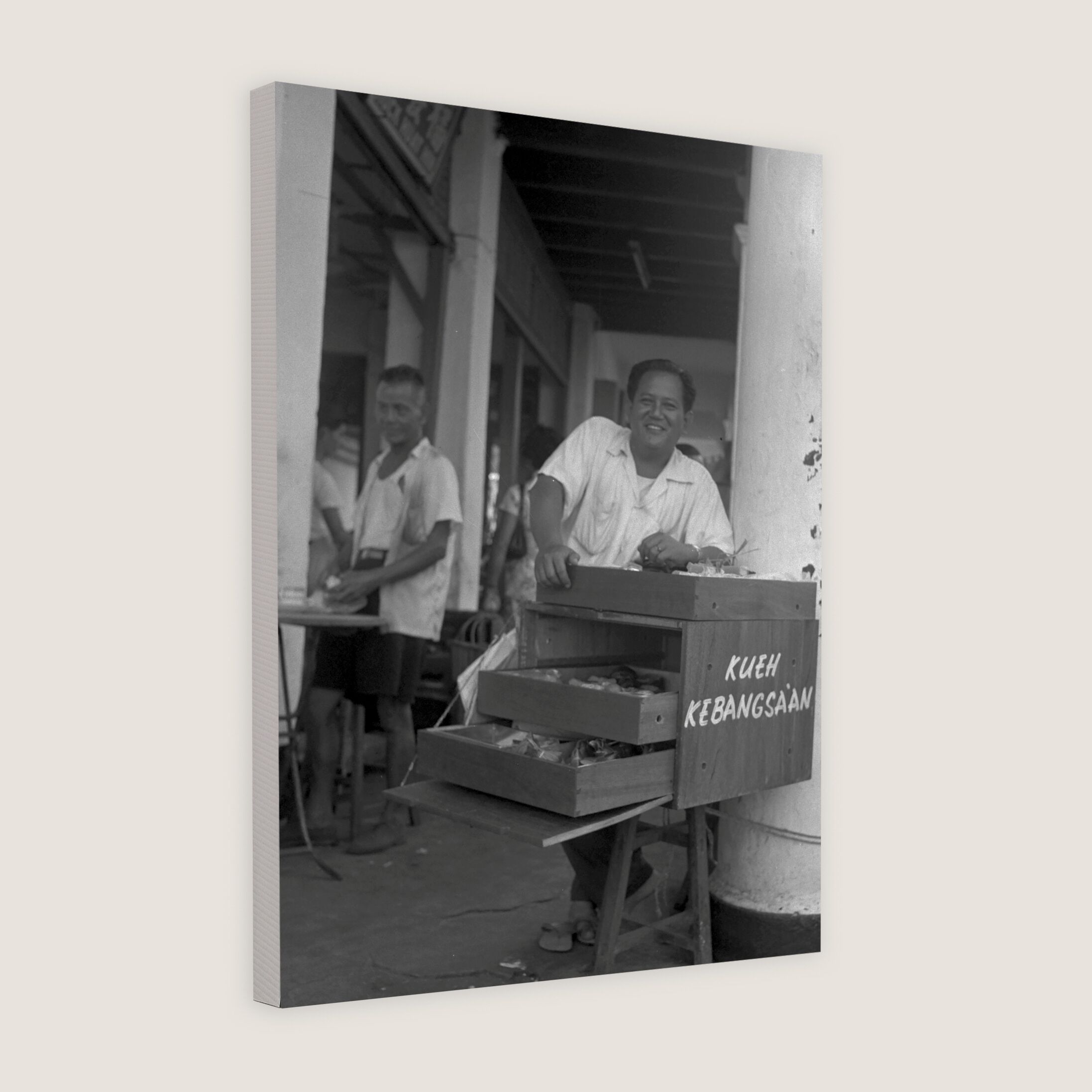
 Street Hawker Selling Kueh from a Drawer
1960
Street Hawker Selling Kueh from a Drawer
1960
Street Hawker Selling Kueh from a Drawer
Year 1960
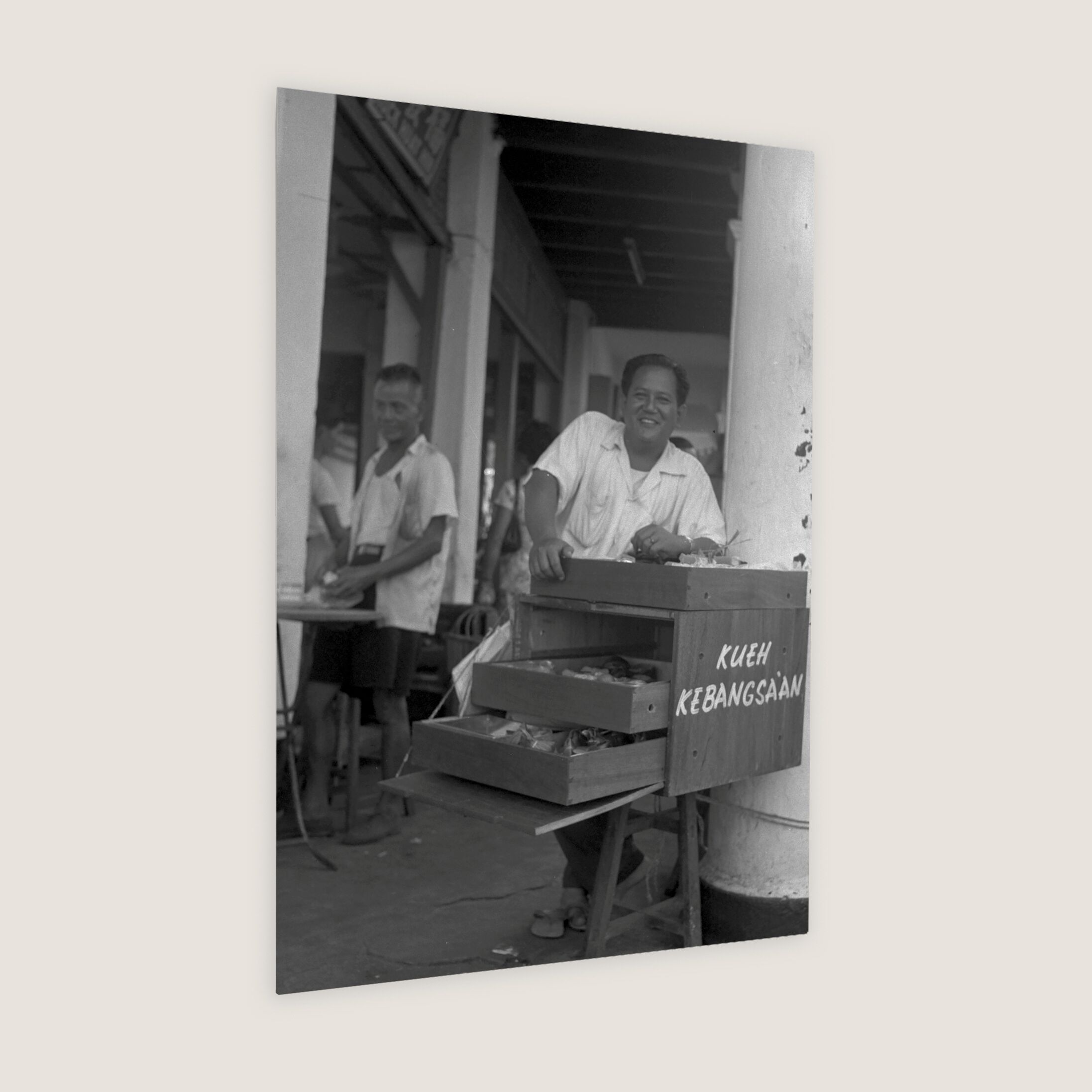
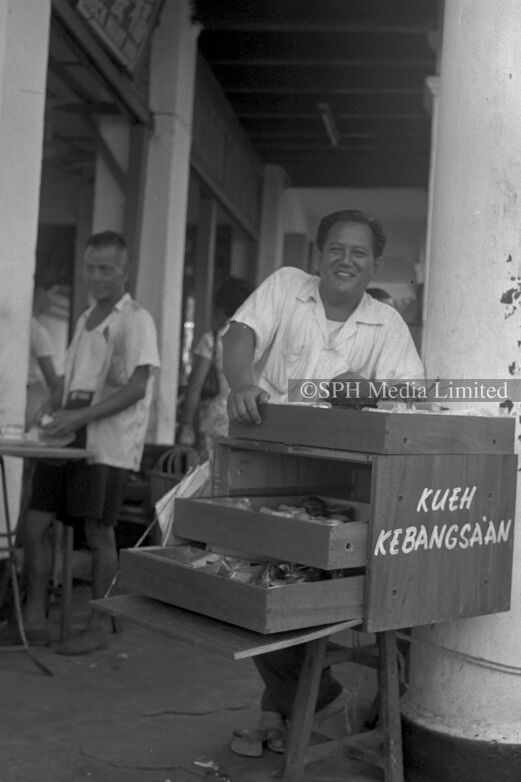
Street hawking was a common livelihood in Singapore, offering low entry barriers. Hawkers used various carriers to transport their goods. In this photo, a 'Kueh Kebangsaan' vendor uses a box with drawers to display his treats, while a mobile pushcart is seen in the background. 'Kueh Kebangsaan' includes traditional snacks like 'kuih seri muka' and 'kuih bangkit'.
©️ SPH Media Limited
Share to
Tags
Available for print on products
 Hawkers and Customers Enjoying Satay
1955
Hawkers and Customers Enjoying Satay
1955
Hawkers and Customers Enjoying Satay
Year 1955
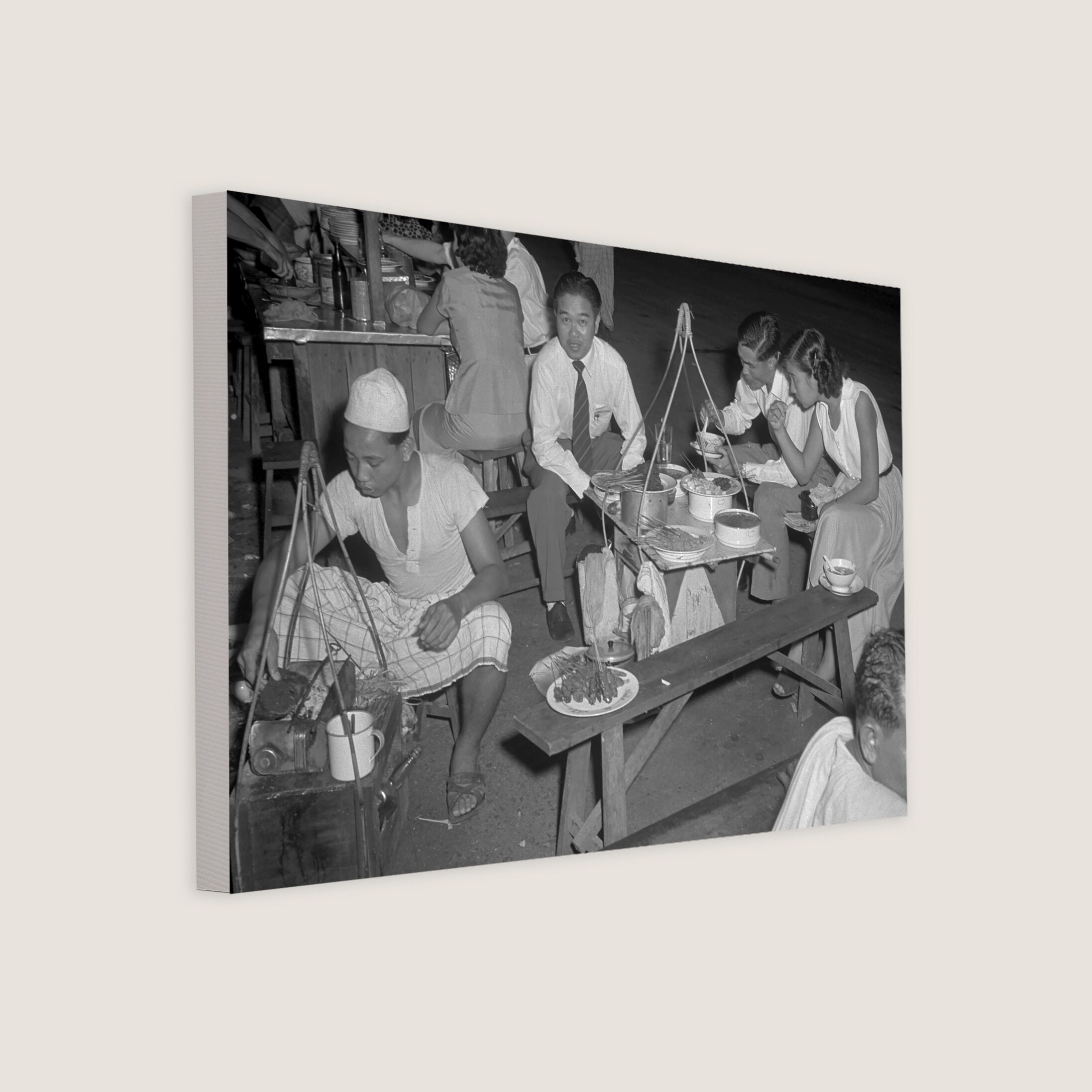
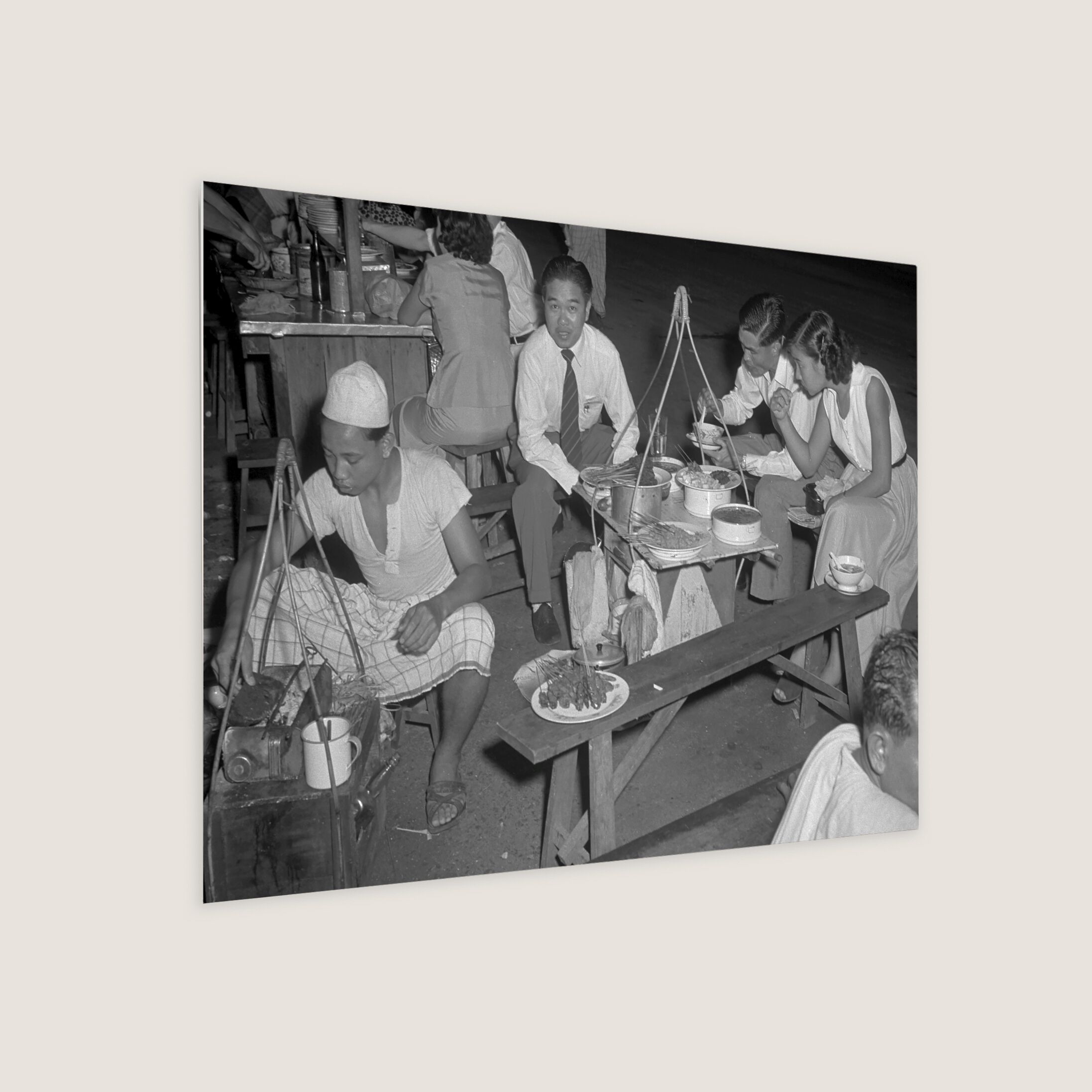
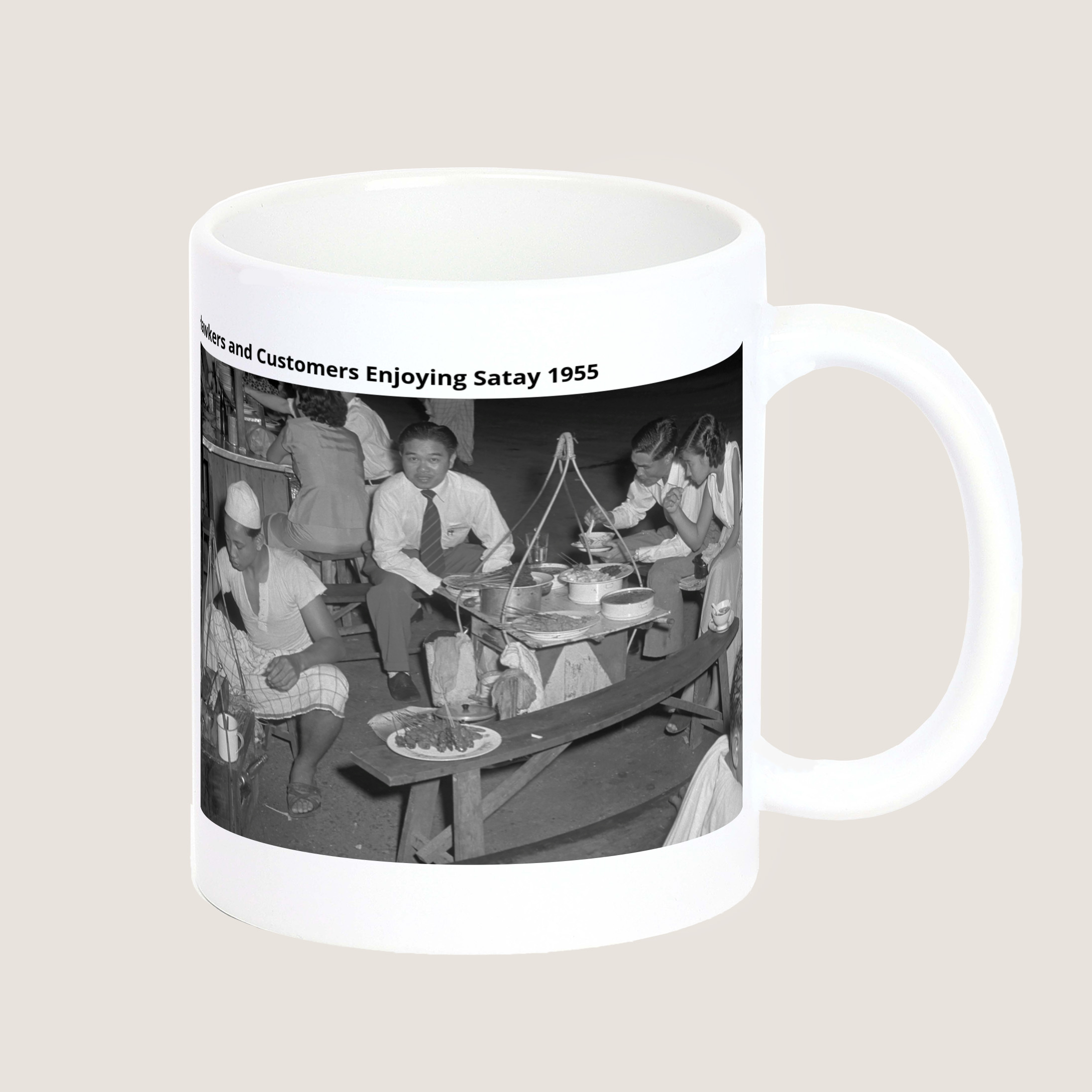
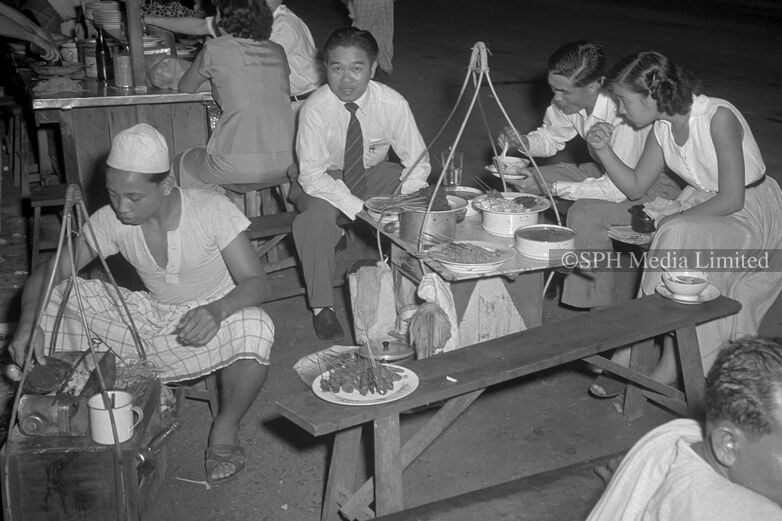
A street hawker was fully focused on grilling satay, skewered pieces of meat, typically beef or mutton, at his portable stall. Strangers would find a seat, happily help themselves to the satay, dip it into a communal pot of gravy, and pay only for the number of sticks they took.
©️ SPH Media Limited
Share to
Tags
Available for print on products
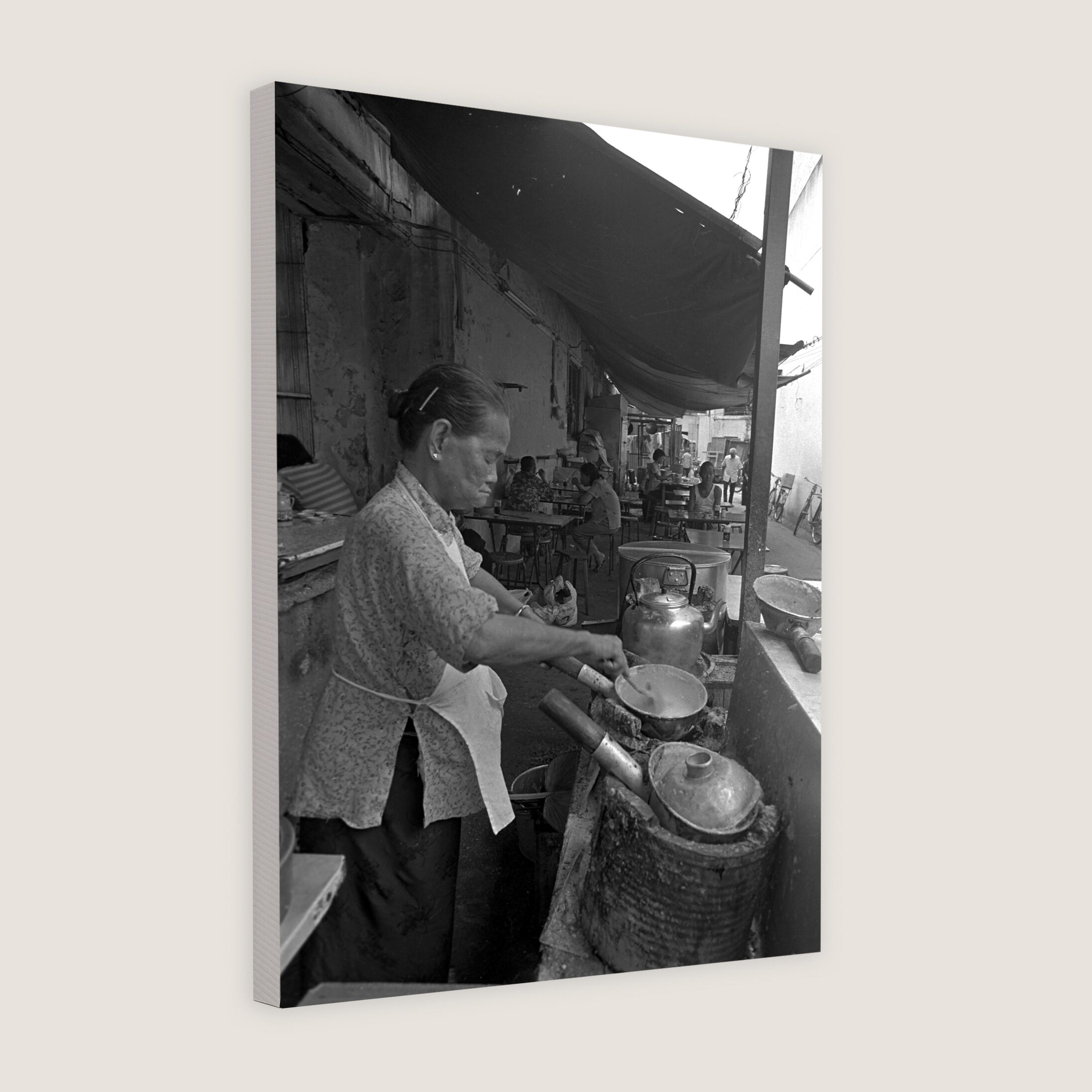
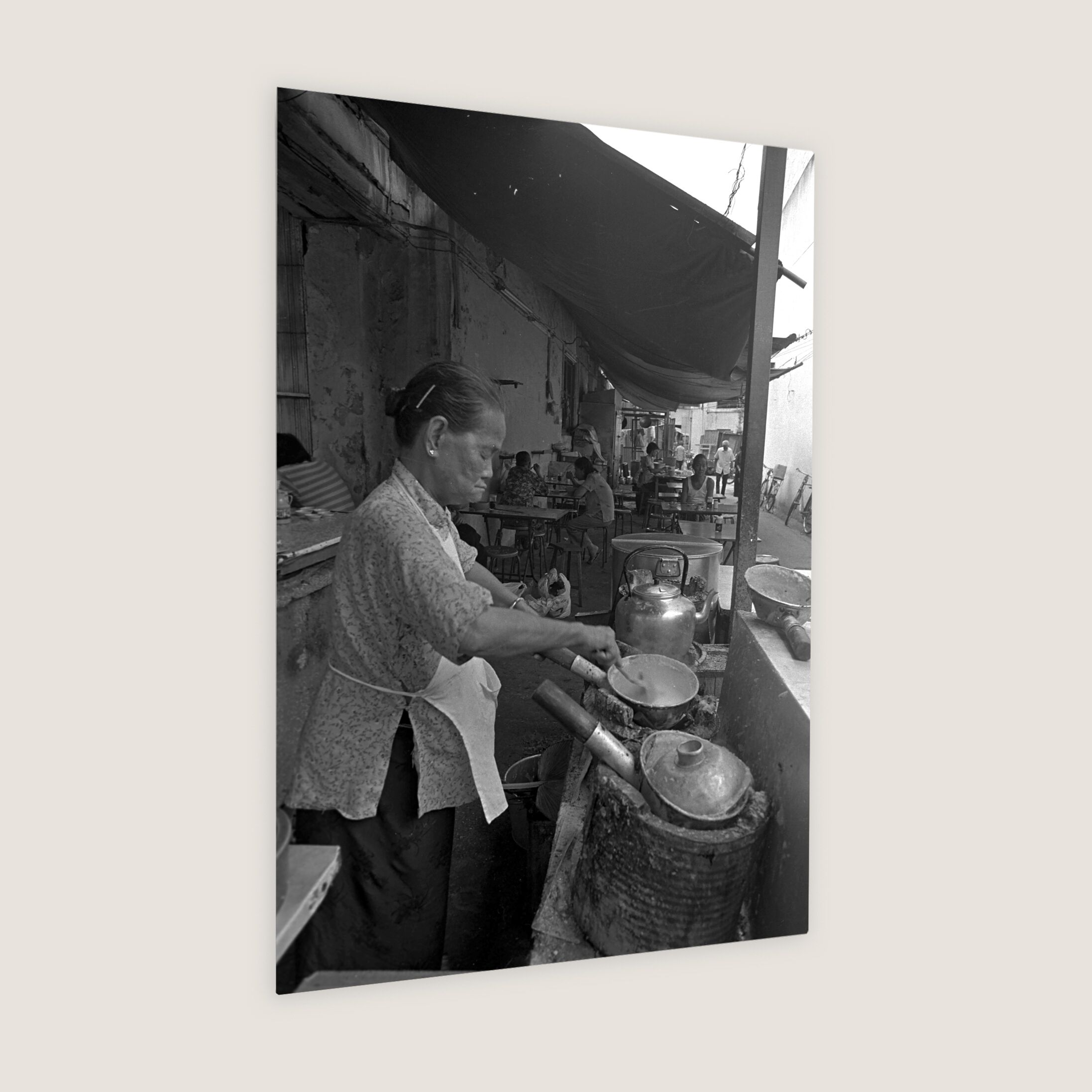
 Hawker Selling Porridge on Streets
1983
Hawker Selling Porridge on Streets
1983
Hawker Selling Porridge on Streets
Year 1983
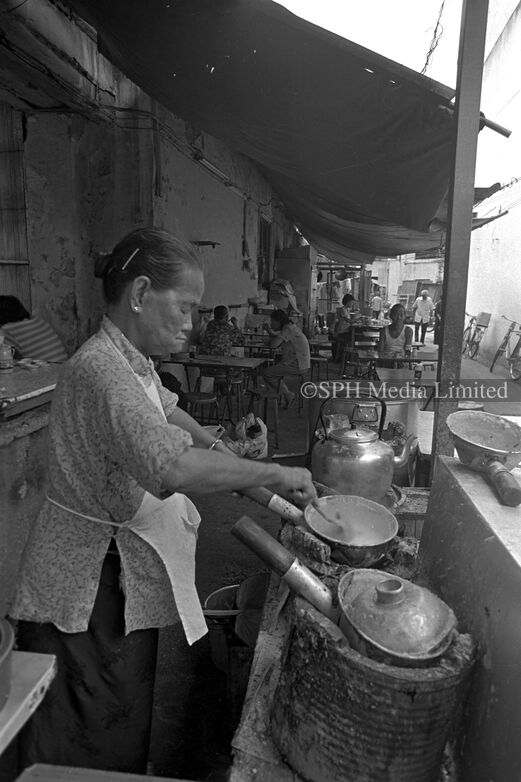
A hawker was preparing food at a stall along a narrow street in Chinatown on July 1983. By the end of September 1983, this vibrant corner of Singapore had vanished. As street hawkers disappeared, the area underwent a transformation with many relocating to newly constructed hawker centres.
©️ SPH Media Limited
Share to
Tags
Available for print on products
Workers Taking a Break on a Tongkang
1957
Workers Taking a Break on a Tongkang
Year 1957
Tongkang means bumboat in Malay. These trades created many job opportunities and were the link between ships anchored out at sea and warehouses built along the riverbanks. Workers taking a break on a tongkang include boatmen, cargo handlers, warehouse clerks and more.
©️ SPH Media Limited
Share to
Tags
Available for print on products
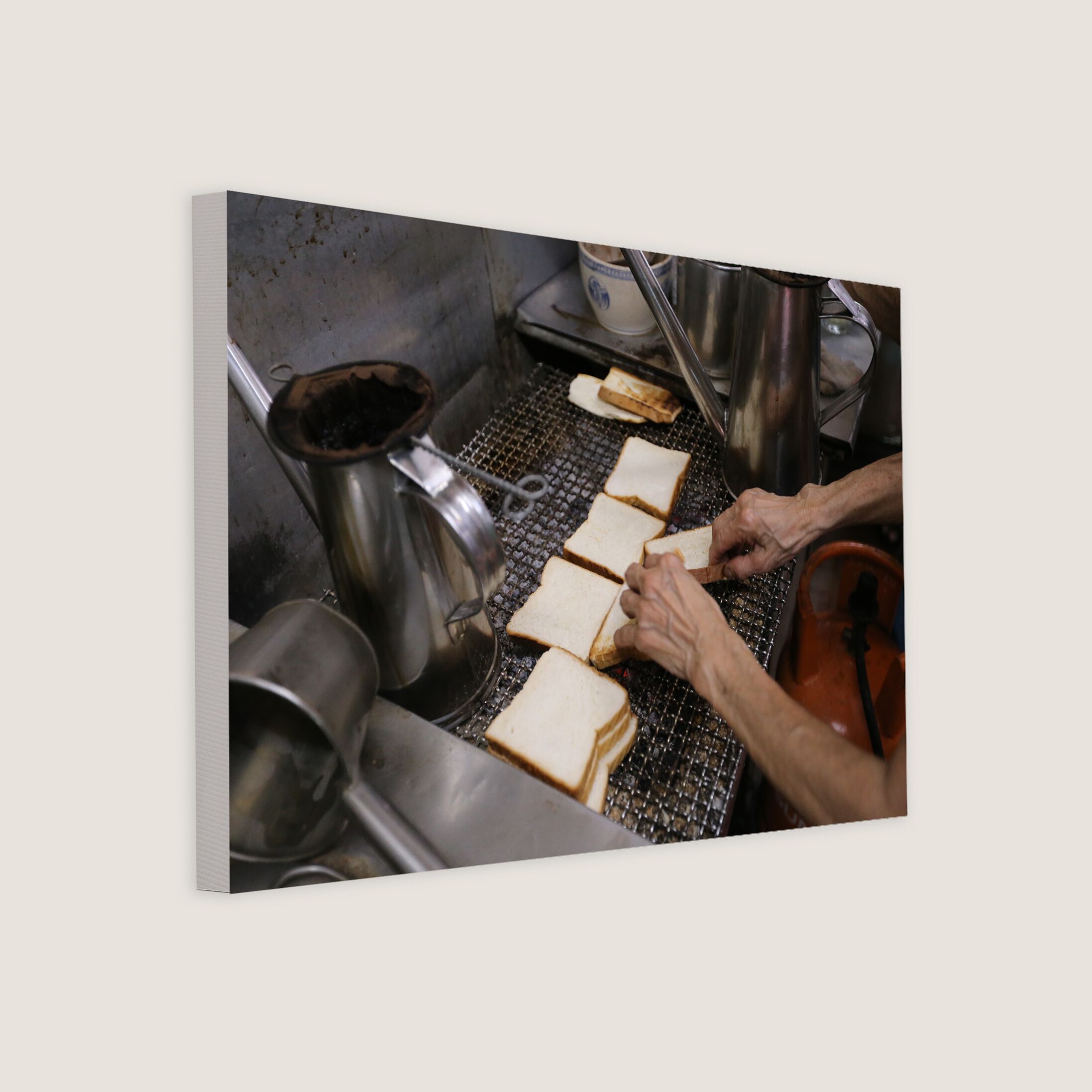
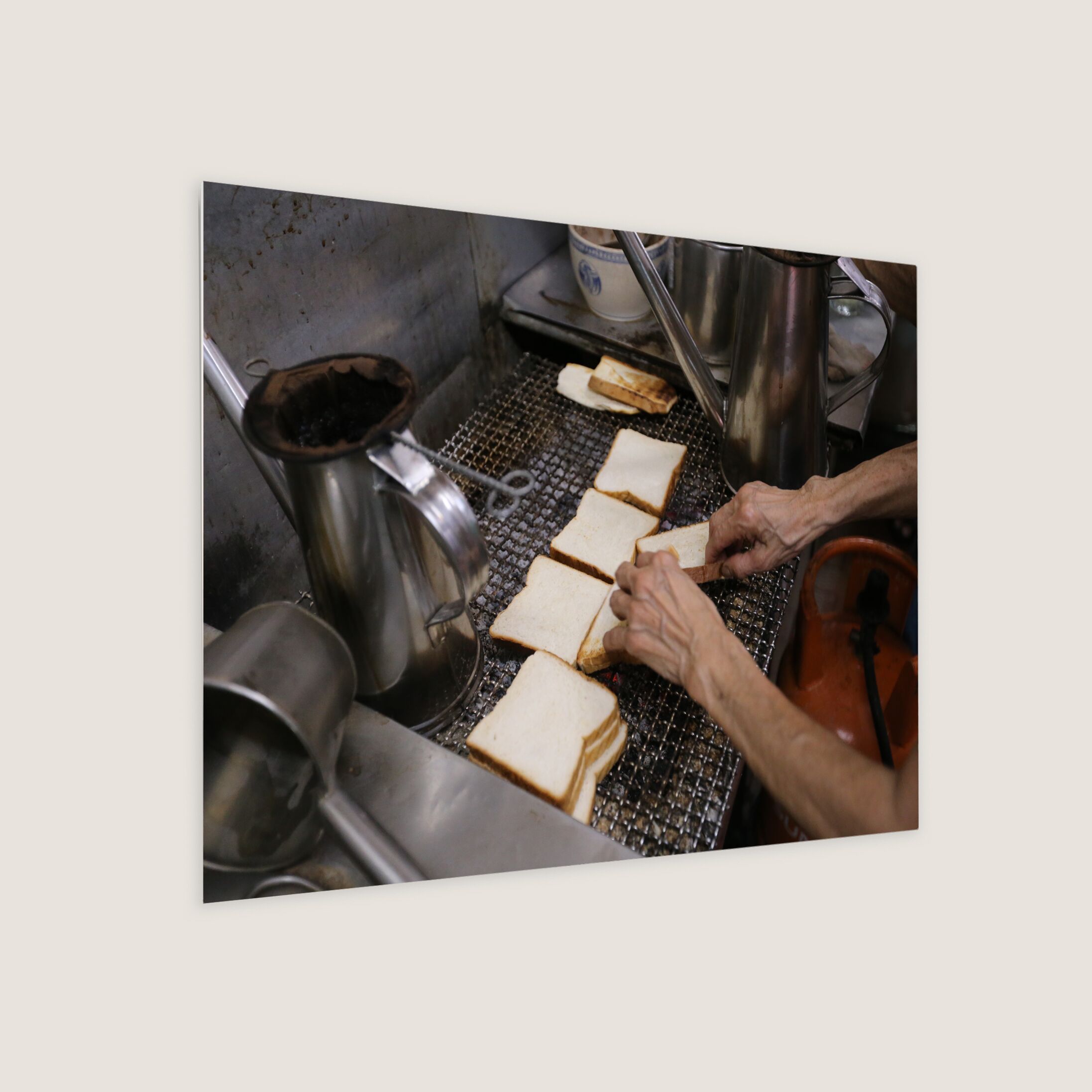
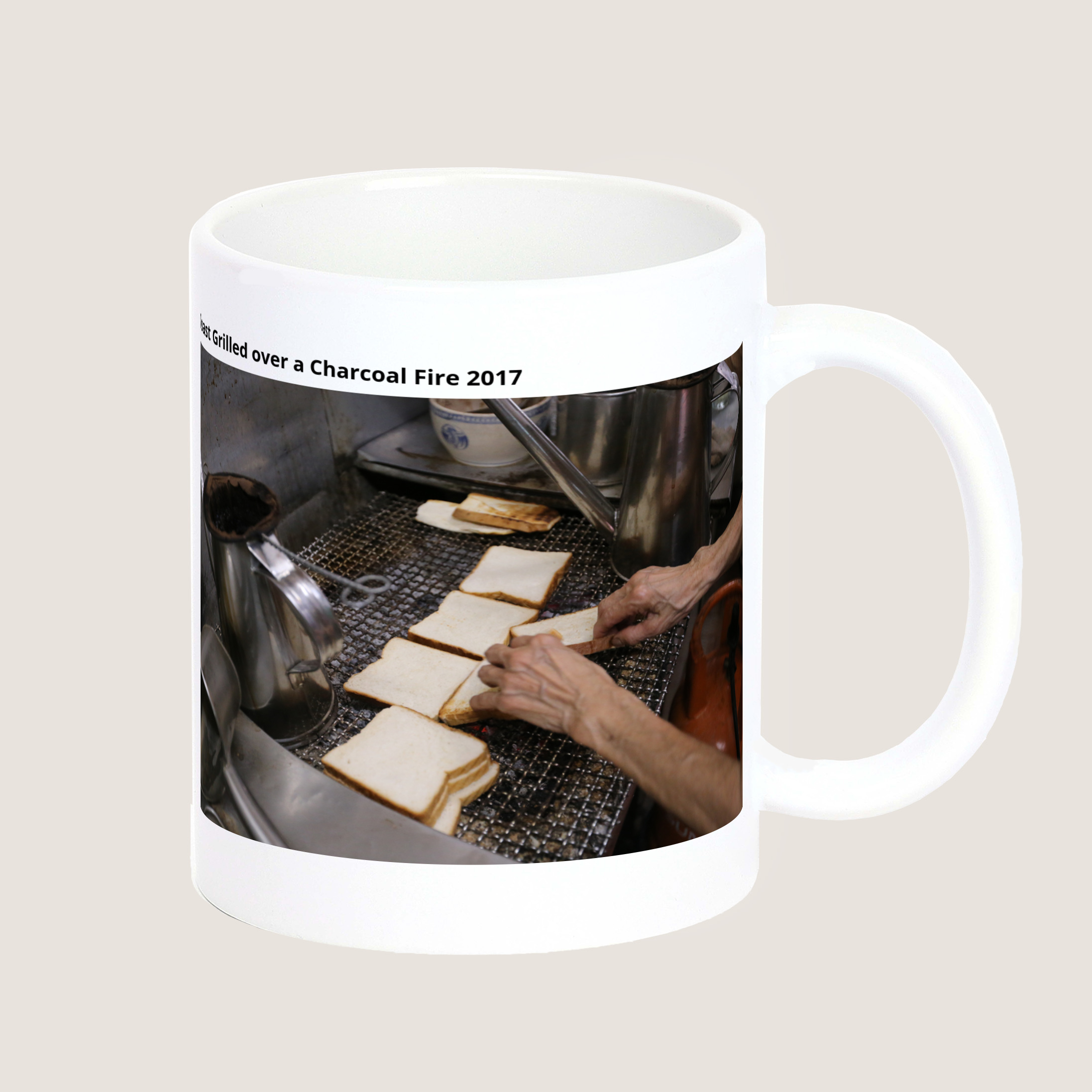
 Toast Grilled over a Charcoal Fire
2017
Toast Grilled over a Charcoal Fire
2017
Toast Grilled over a Charcoal Fire
Year 2017
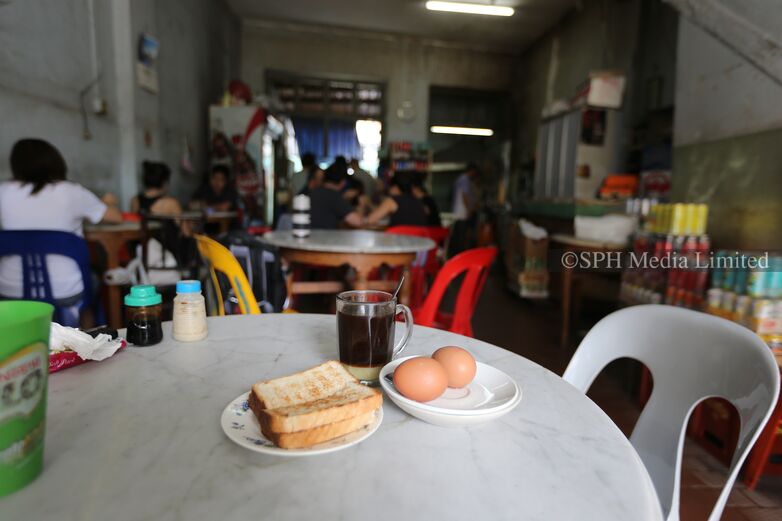
The traditional coffee shops in Singapore believe that toast tastes best when grilled over a charcoal fire. Many locals favor charcoal-grilled toast for its distinctive fragrance, which cannot be replicated by electric ovens or gas stoves.
©️ SPH Media Limited
Share to
Tags
Available for print on products
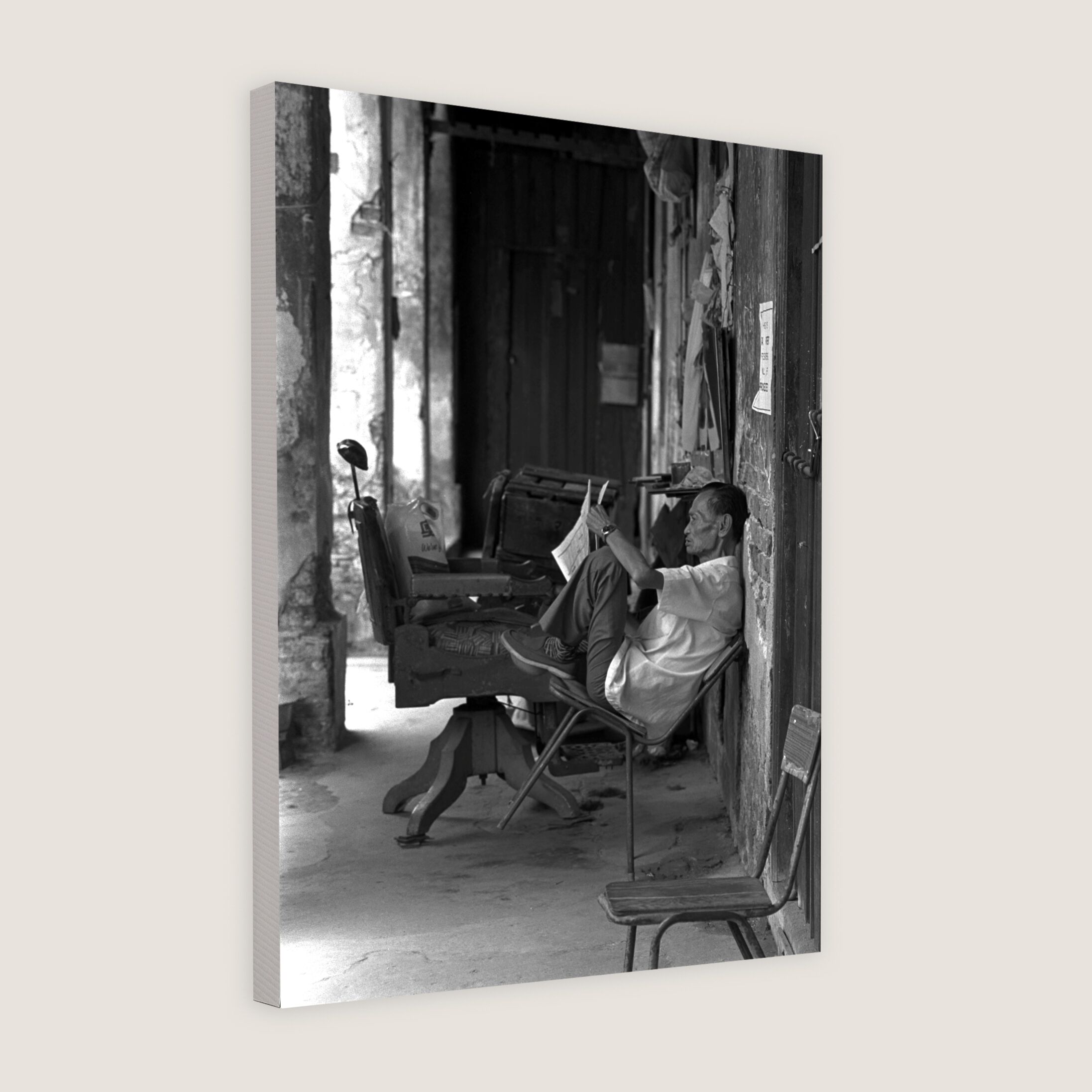
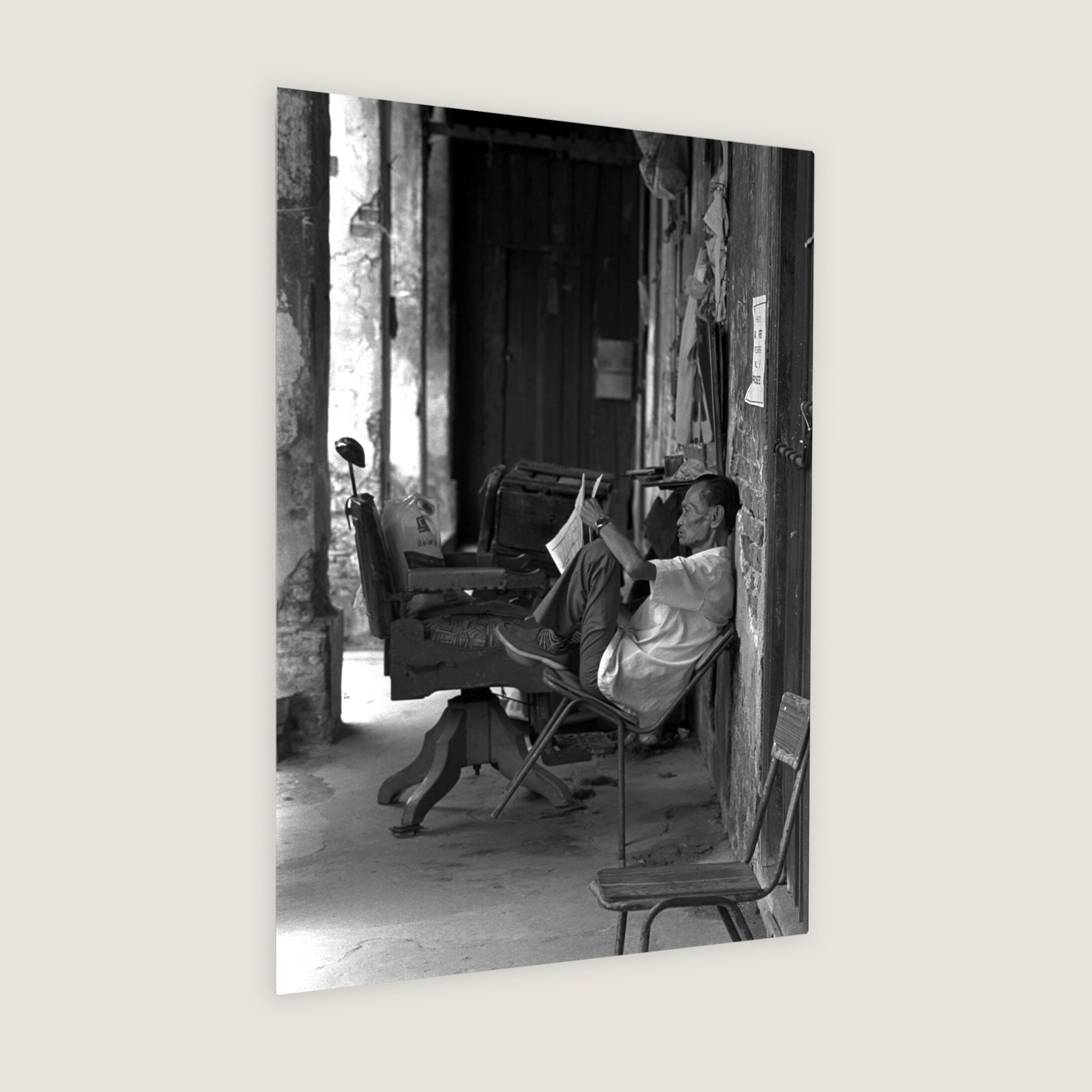
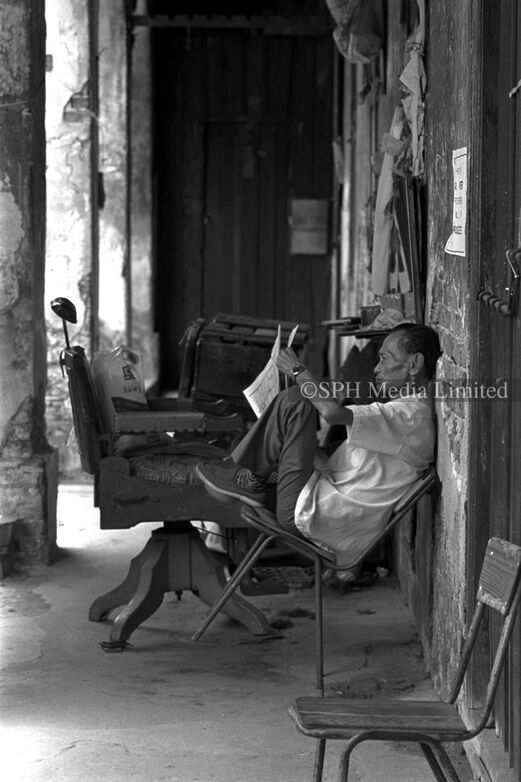 Street Barber Waiting for Customers at Boat Quay
1985
Street Barber Waiting for Customers at Boat Quay
1985
Street Barber Waiting for Customers at Boat Quay
Year 1985
By 1984, all tongkangs had moved to Pasir Panjang under the Singapore River cleanup. As trade faded, Boat Quay entered a period of transition. Longtime tradesmen like barbers, once part of its daily rhythm, faced displacement and sought new livelihoods elsewhere.
©️ SPH Media Limited
Share to
Tags
Available for print on products
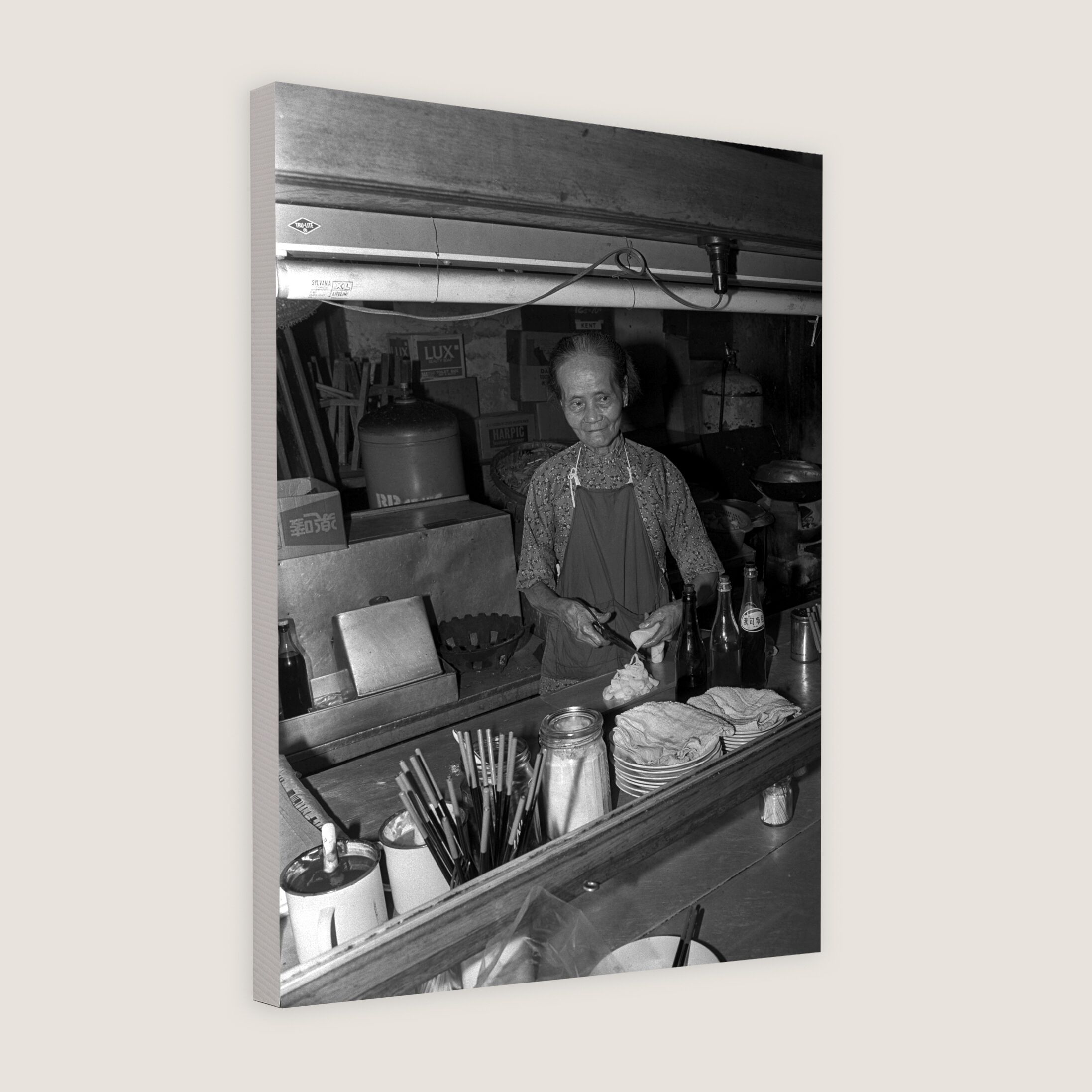
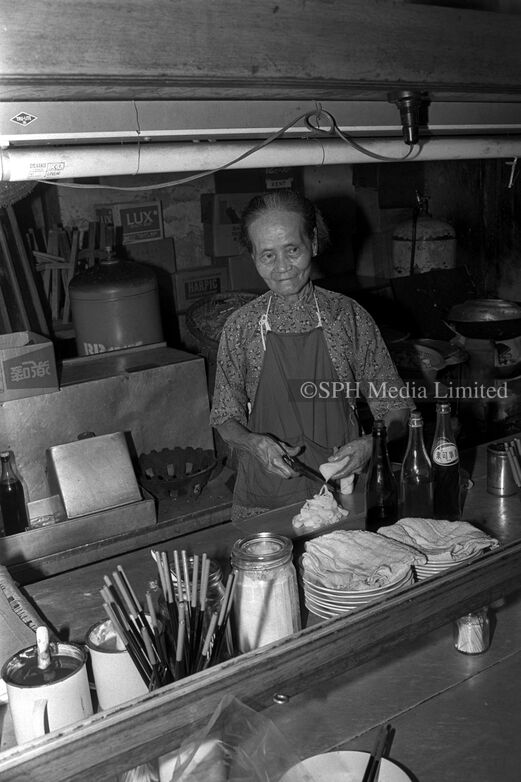 Chee Cheong Fun Stall at Temple Street
1979
Chee Cheong Fun Stall at Temple Street
1979
Chee Cheong Fun Stall at Temple Street
Year 1979
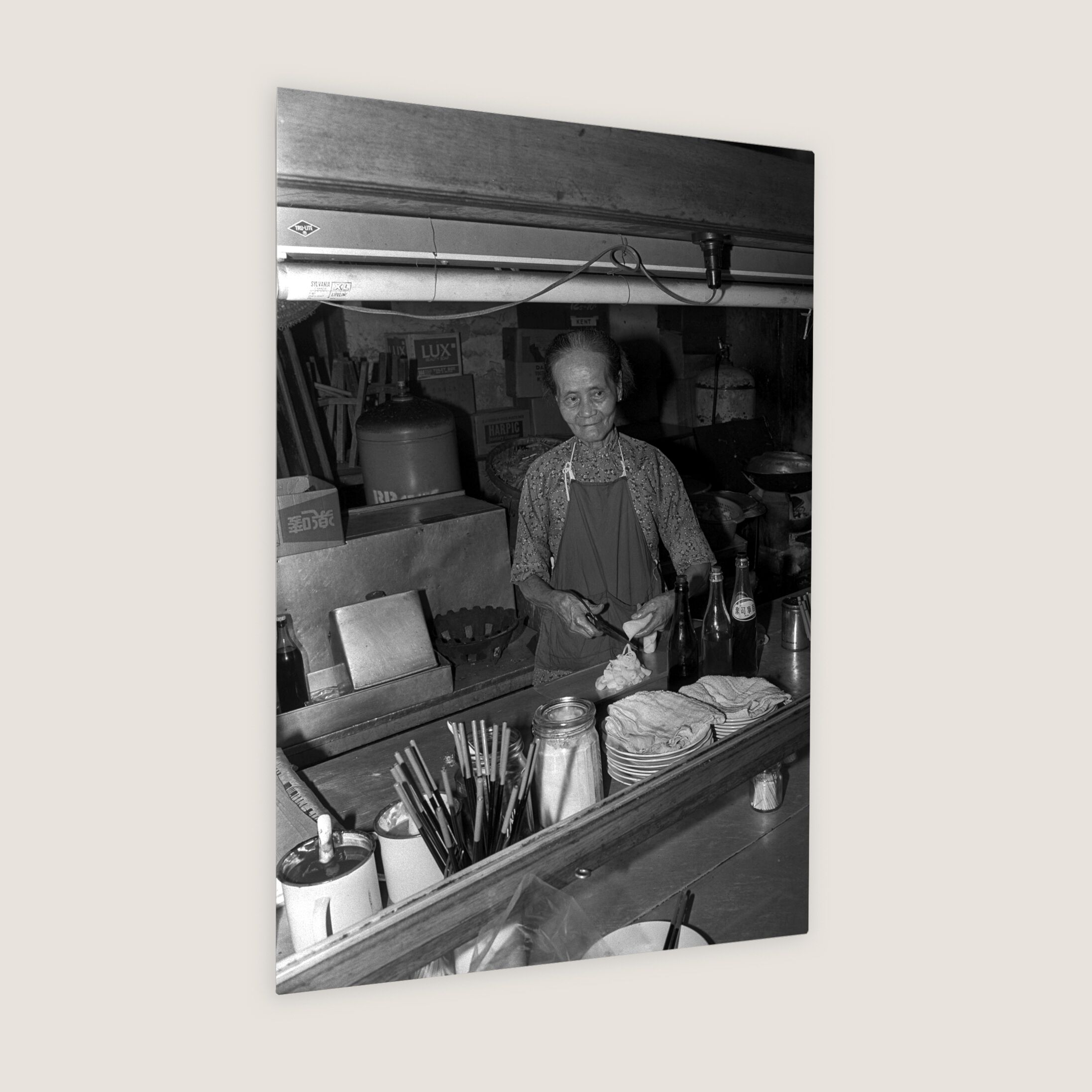
An elderly woman was selling rice dumplings and ‘chee cheong fun,’ a beloved rice noodle roll dish, from a modest stall along Temple Street. Many street hawkers like her, who had once operated in these makeshift spaces, were gradually relocated to more permanent stalls in the newly established hawker centres.
©️ SPH Media Limited
Share to
Tags
Available for print on products
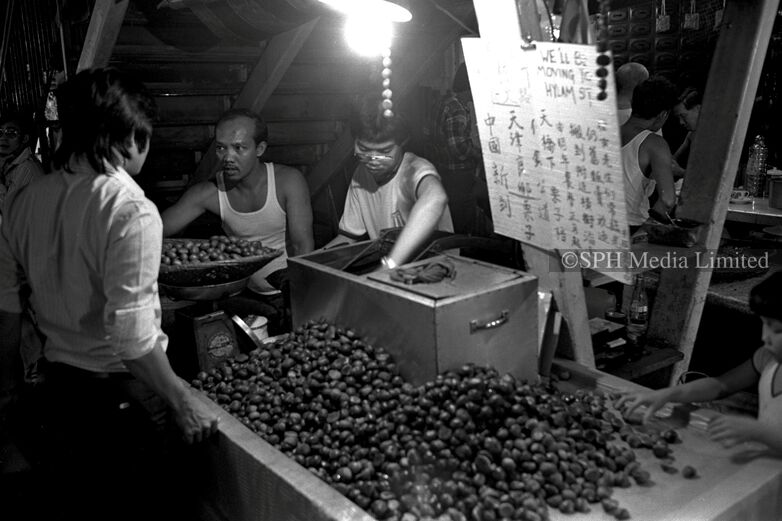 Roasted Chestnuts Stall Moving to Hylam Street
1980
Roasted Chestnuts Stall Moving to Hylam Street
1980
Roasted Chestnuts Stall Moving to Hylam Street
Year 1980
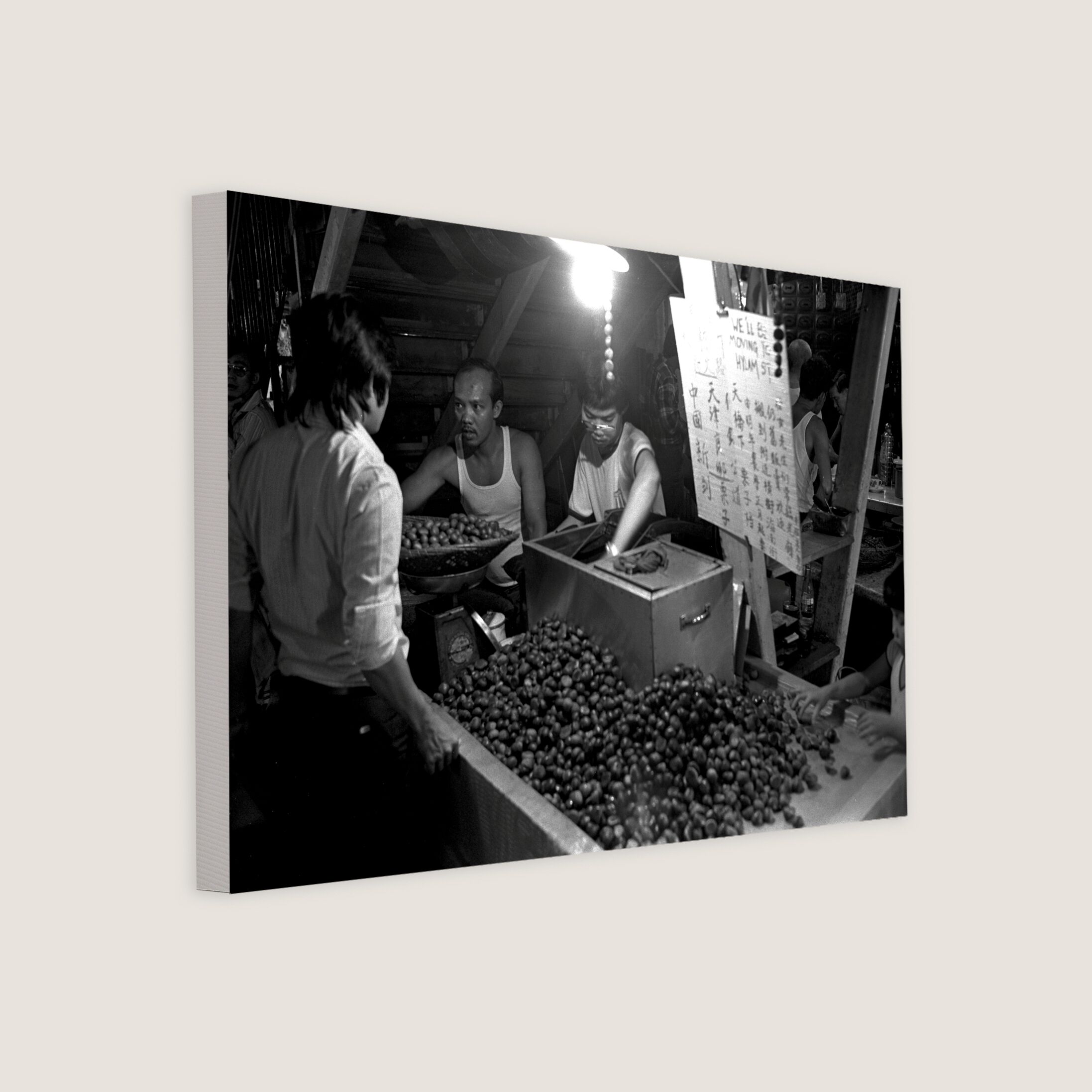
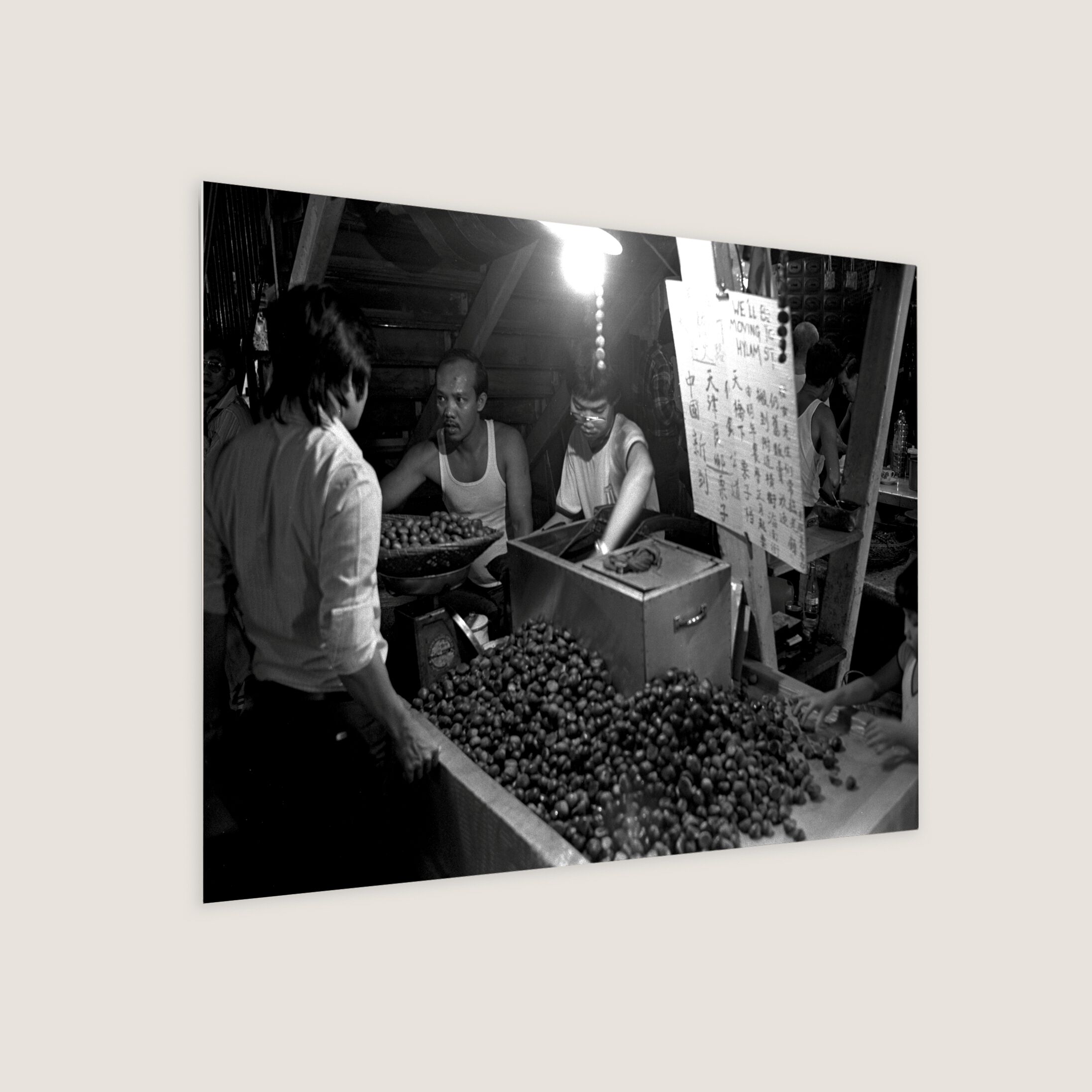
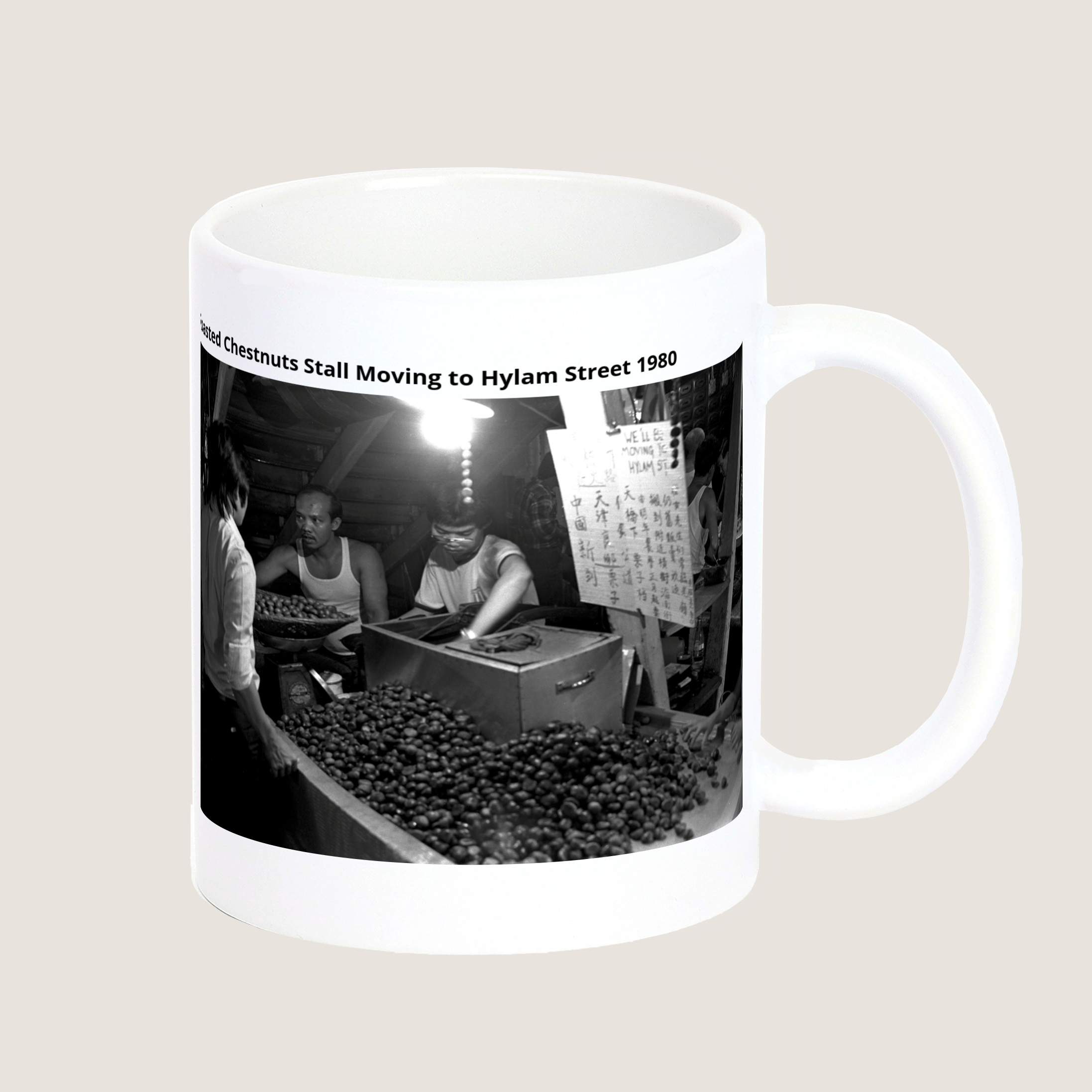
Hawker stalls situated at both ends of Bugis Street were once instructed to relocate to an adjacent lane. In response to this directive, a roasted chestnut stall placed a sign notifying its customers of the upcoming move to Hylam Street. The notice, written in Chinese characters, read, ""We’ll be moving to Hylam Street.""
©️ SPH Media Limited
Share to
Tags
Available for print on products
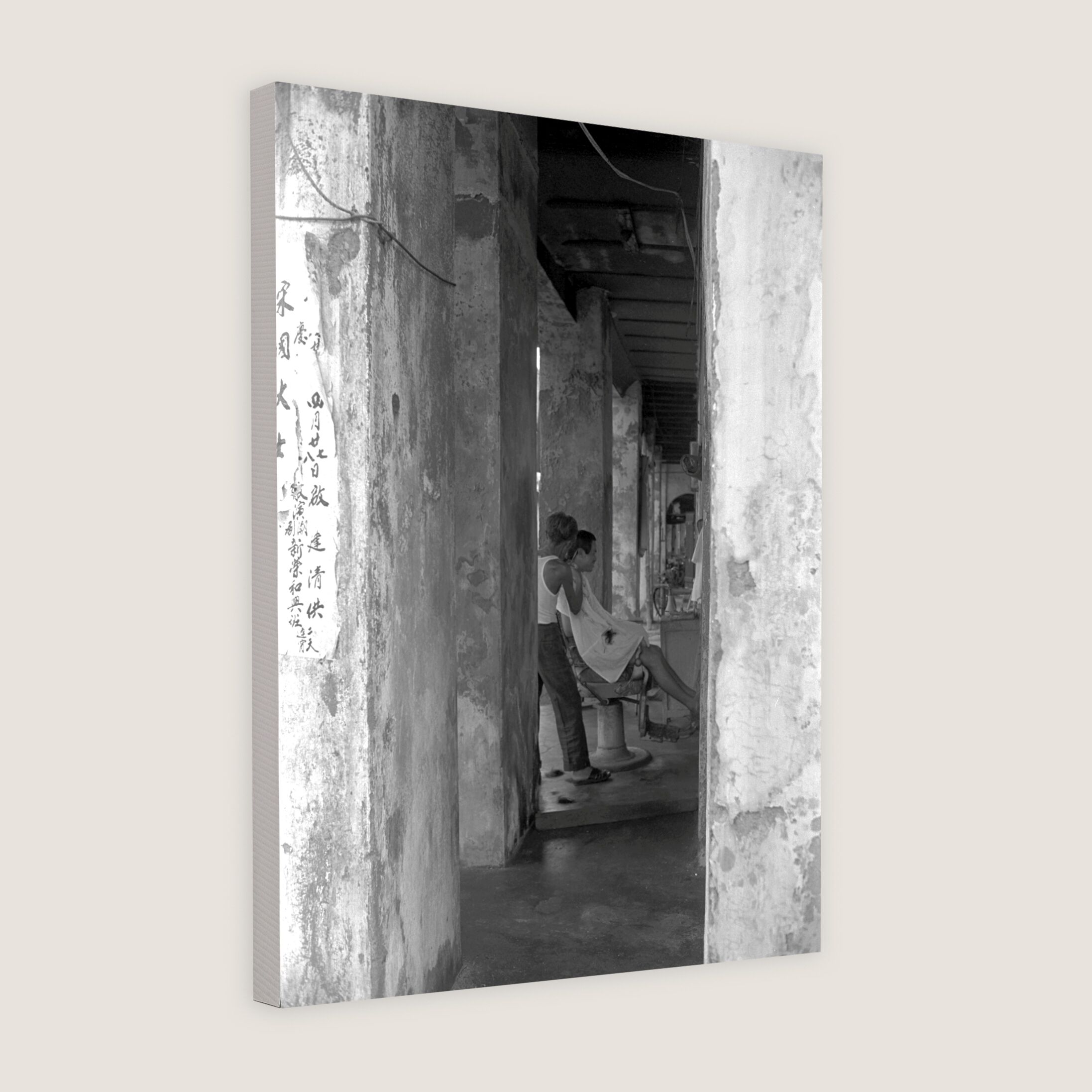
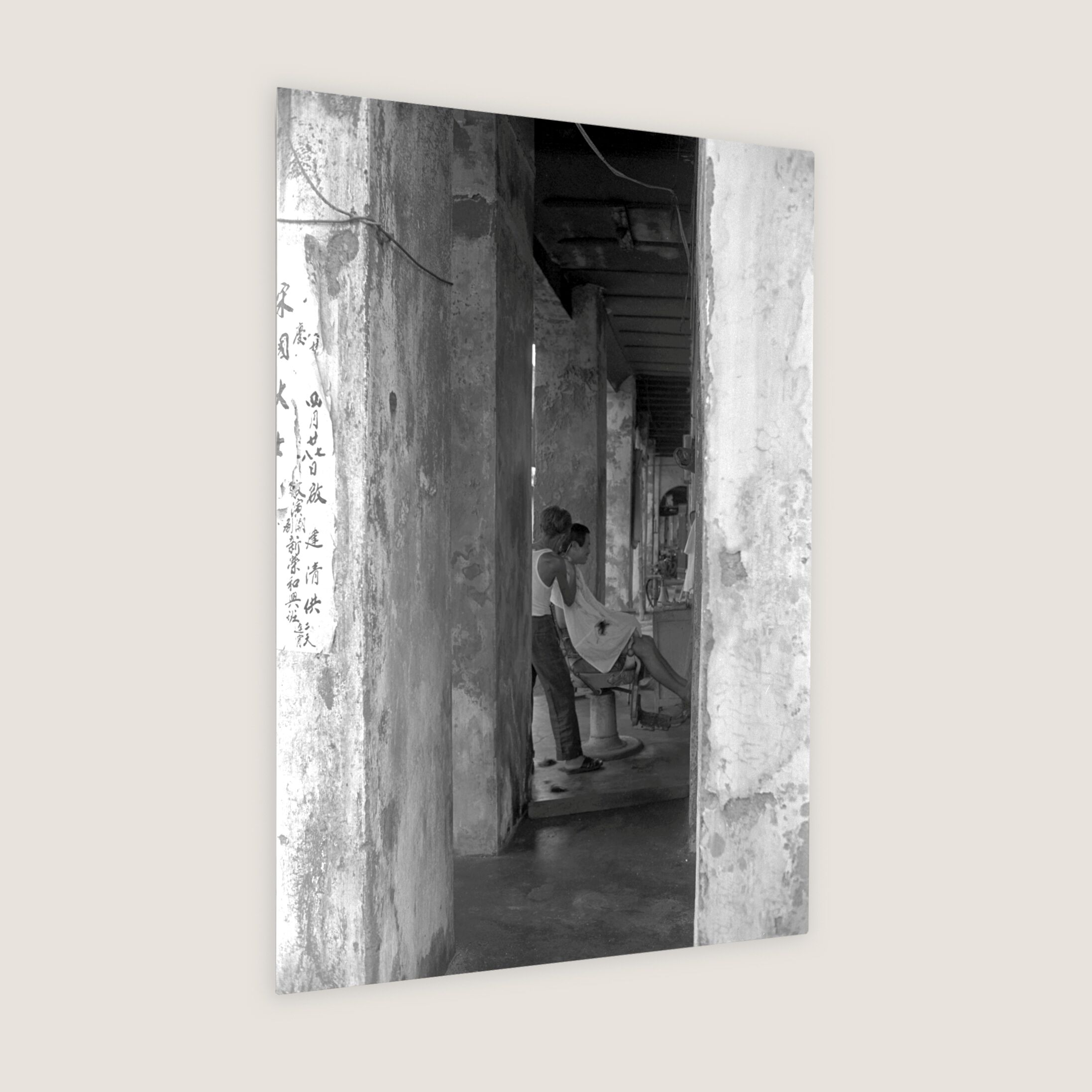
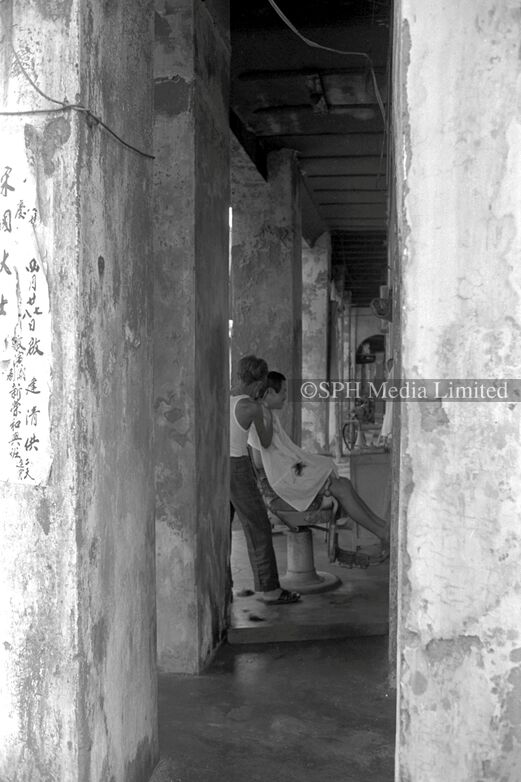 Barber at Work in Five-Foot Way at Boat Quay
1985
Barber at Work in Five-Foot Way at Boat Quay
1985
Barber at Work in Five-Foot Way at Boat Quay
Year 1985
In 1985, as Singapore’s river cleanup neared completion, Boat Quay, once a vibrant maritime hub, became quieter. Amidst this change, a lone barber continued his trade along the five-foot-way, offering affordable haircuts. A concentration of such barbers had once existed along a lane connecting Jalan Sultan and North Bridge Road, known as ""Barber’s Row.""
©️ SPH Media Limited
Share to
Tags
Available for print on products
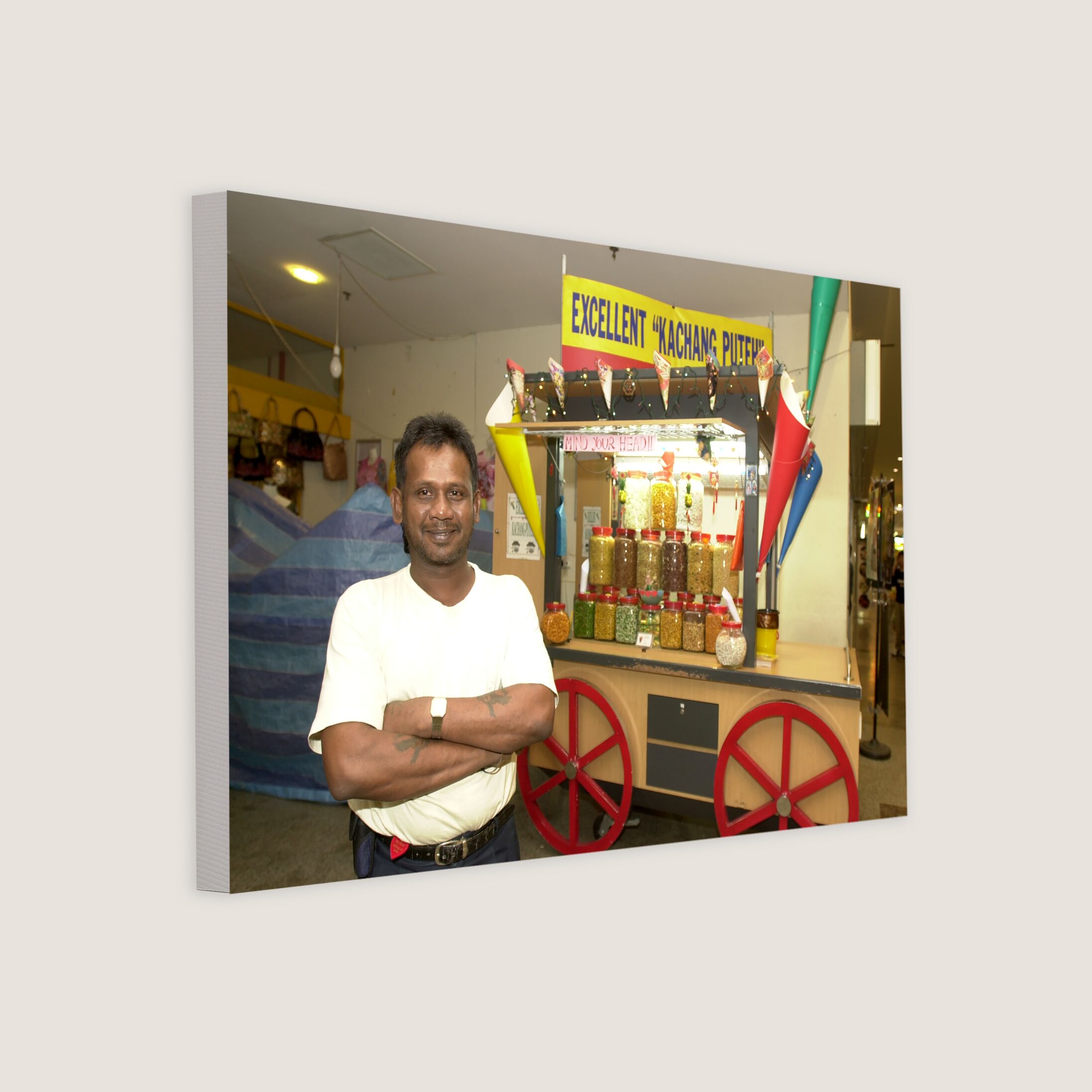
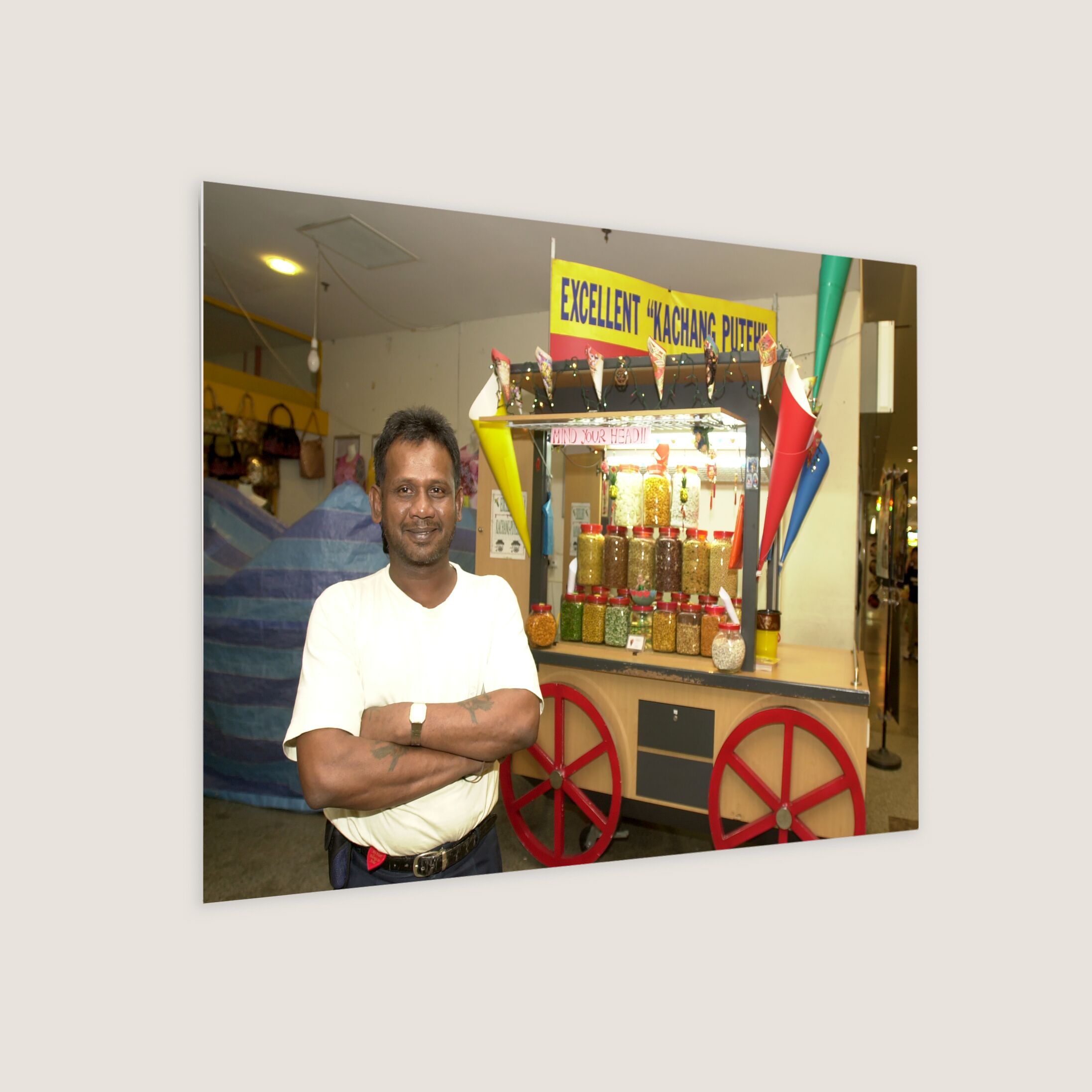
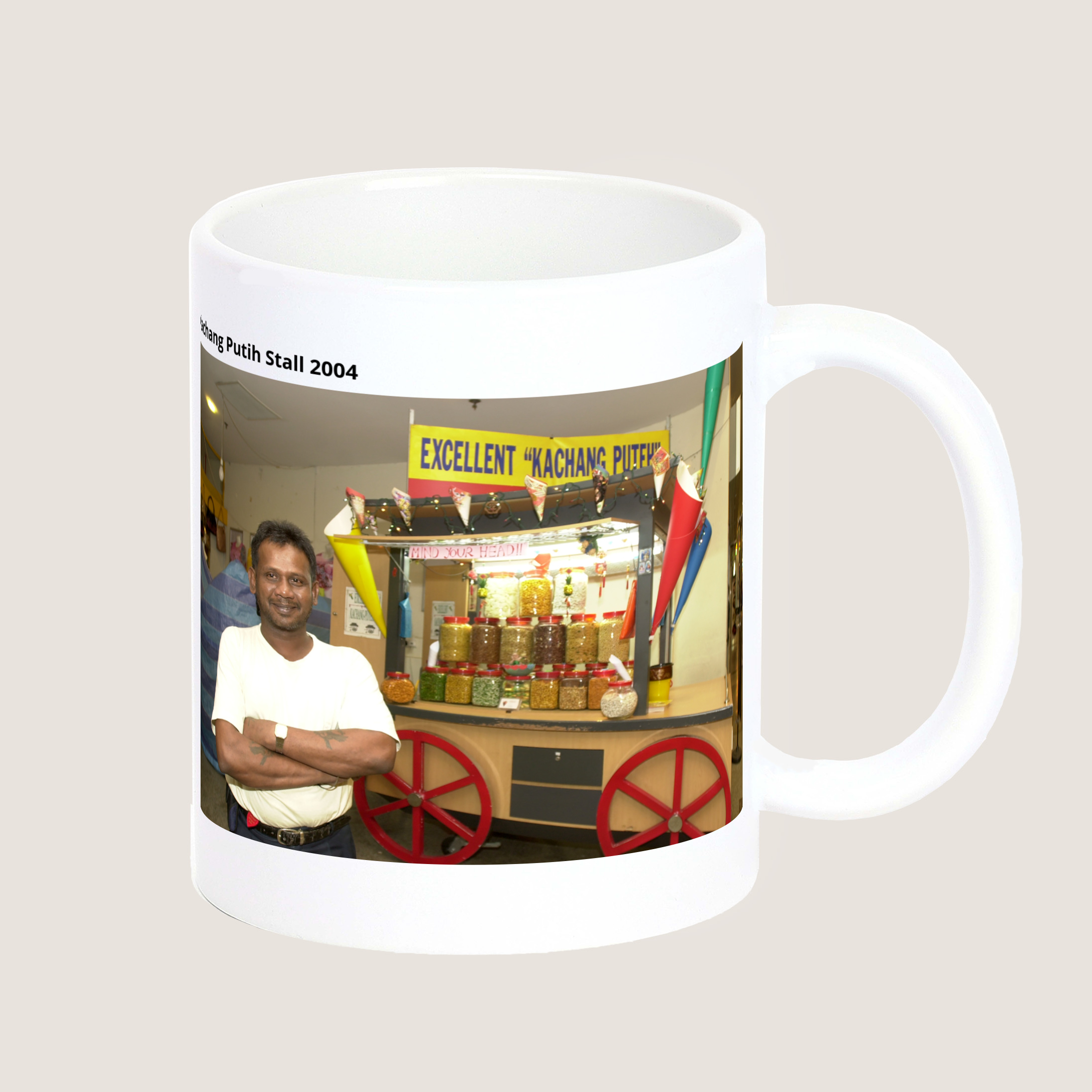
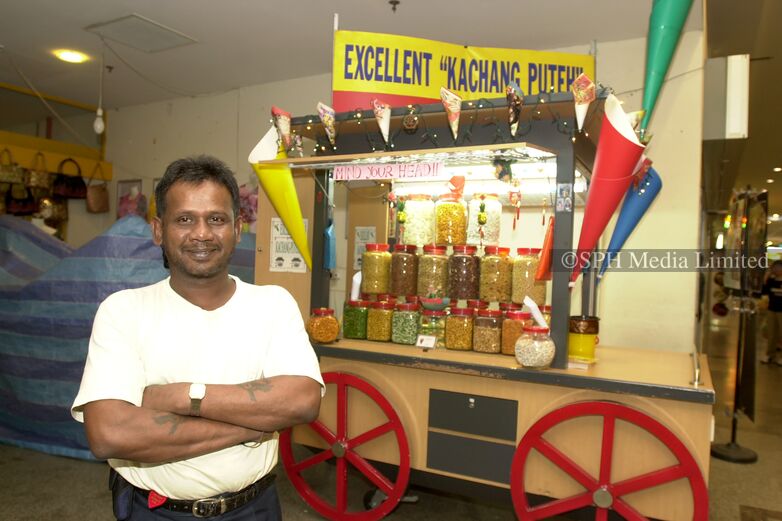 Kachang Putih Stall
2004
Kachang Putih Stall
2004
Kachang Putih Stall
Year 2004
'Kacang putih' is a traditional Malay snack often sold by Indian vendors, consists of roasted or fried nuts and beans, usually served in paper cones. This stall at Turf City displayed the nuts in plastic containers and featured bright lighting. Stalls in the past used to be sell the snacks from a makeshift table or bicycle. Once a common street snack in Singapore, kacang putih stalls have mostly disappeared.
©️ SPH Media Limited
Share to
Tags
Available for print on products
Water Taxis on Singapore River
2002
Water Taxis on Singapore River
Year 2002
Driven by tourism operators, the local traditional transportation is gradually transforming. The old tongkang, which were originally used to carry goods, have been transformed into water taxis to ferry tourists and office workers in the CBD.
©️ SPH Media Limited
Share to
Tags
Available for print on products
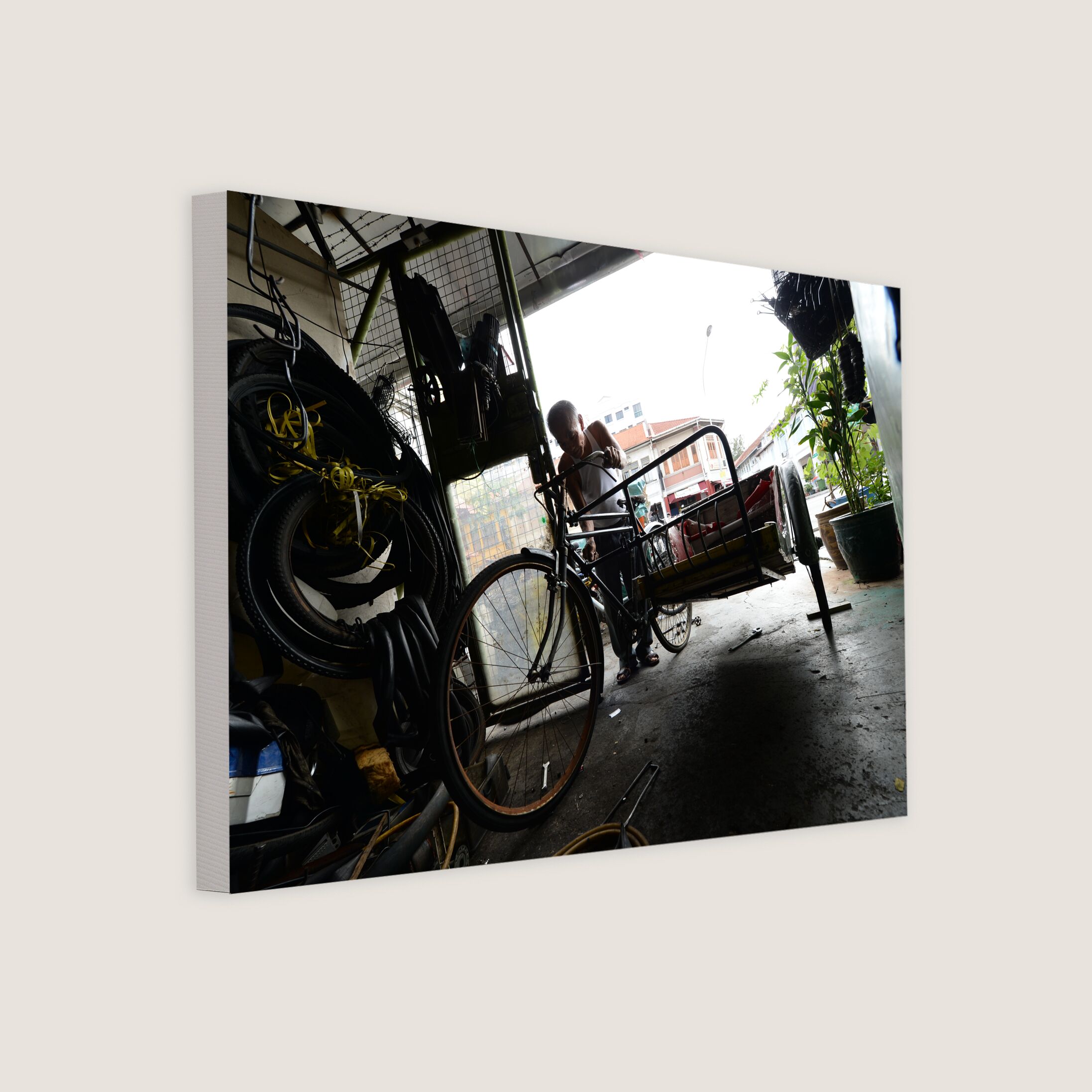
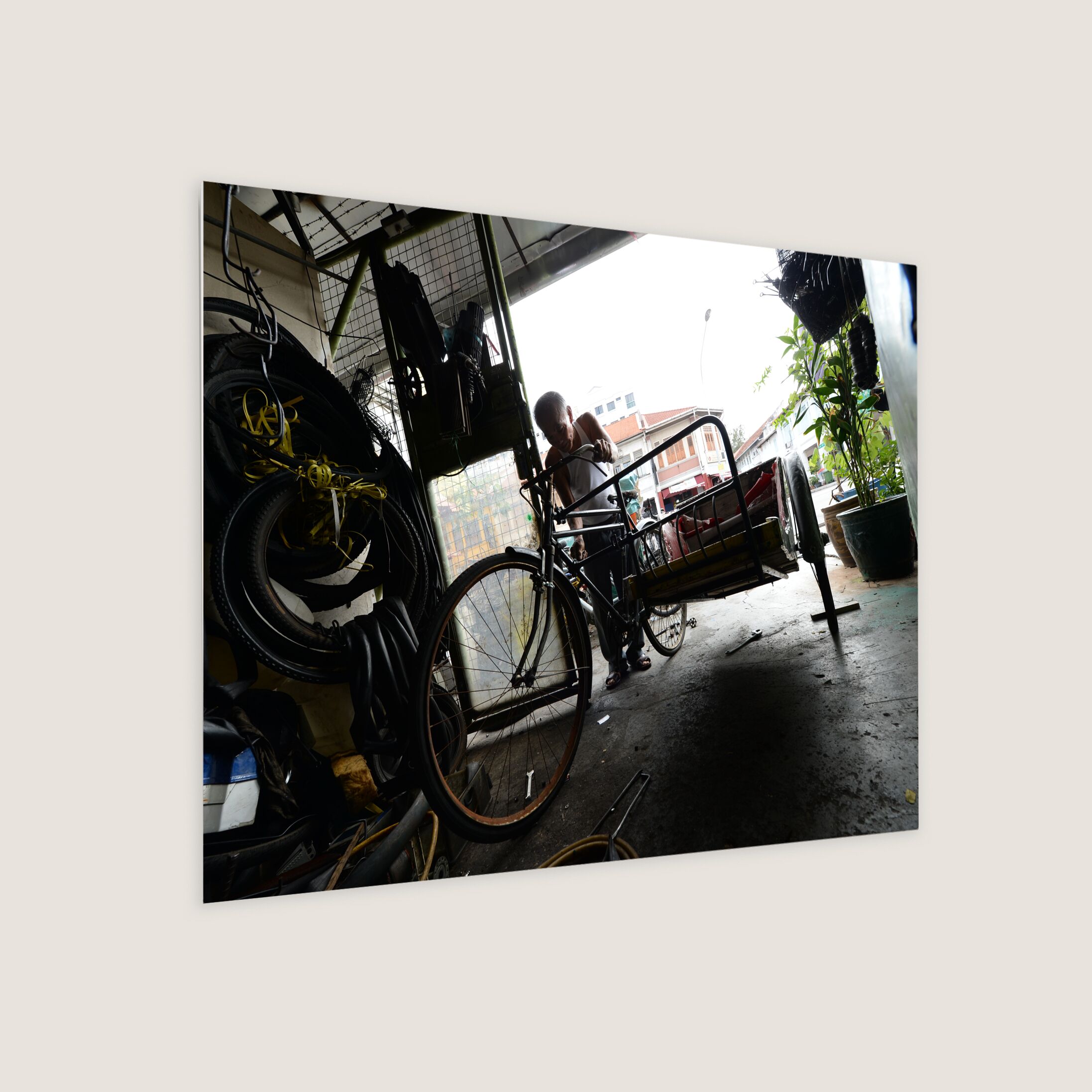
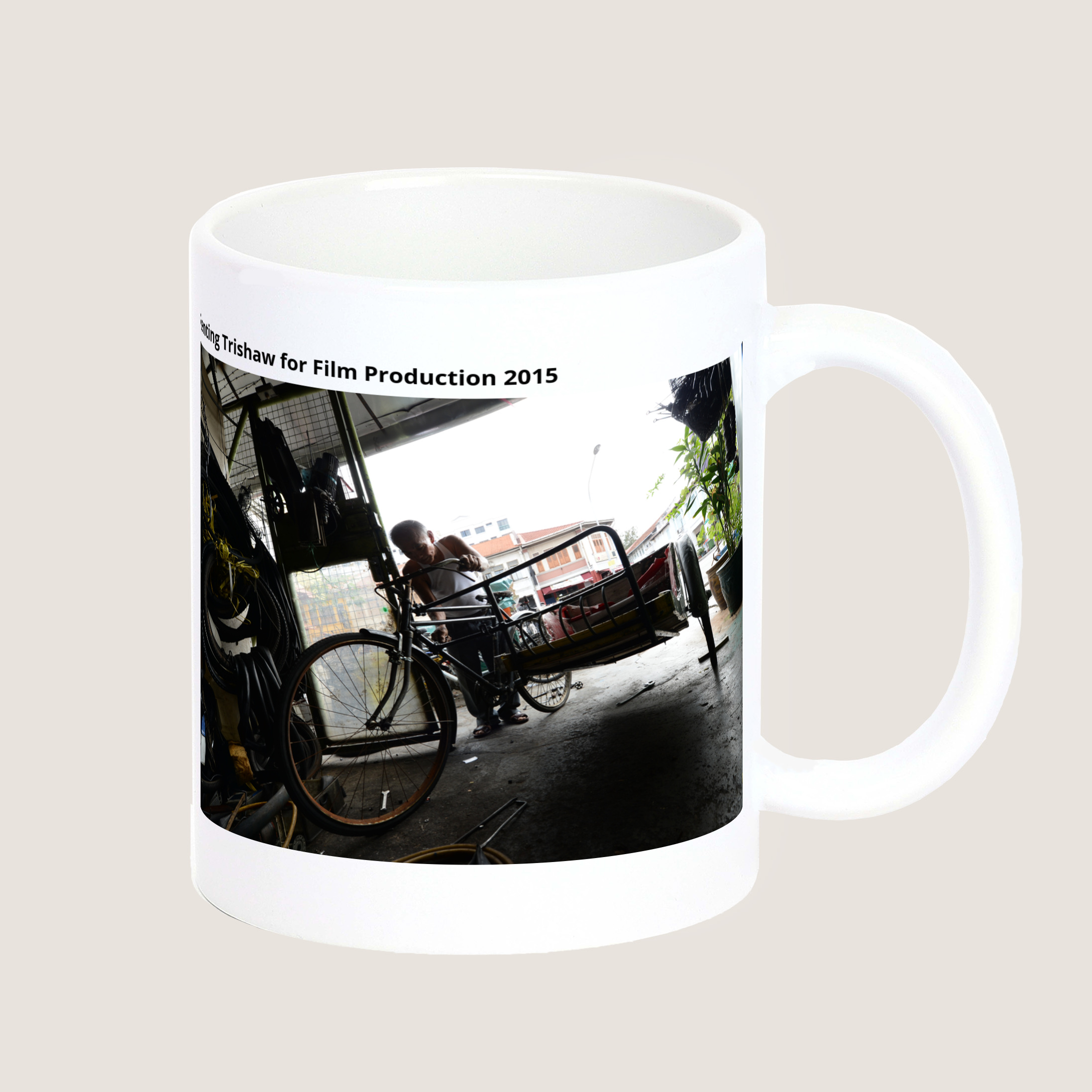
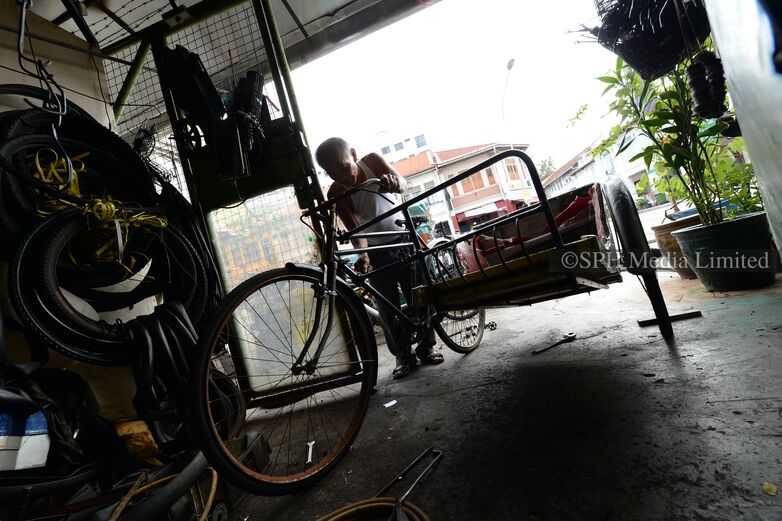 Renting Trishaw for Film Production
2015
Renting Trishaw for Film Production
2015
Renting Trishaw for Film Production
Year 2015
People who visited the last trishaw repair shop in Geylang seeked trishaw-related services, often renting trishaws for special occasions like company events or film productions.
©️ SPH Media Limited
Share to
Tags
Available for print on products
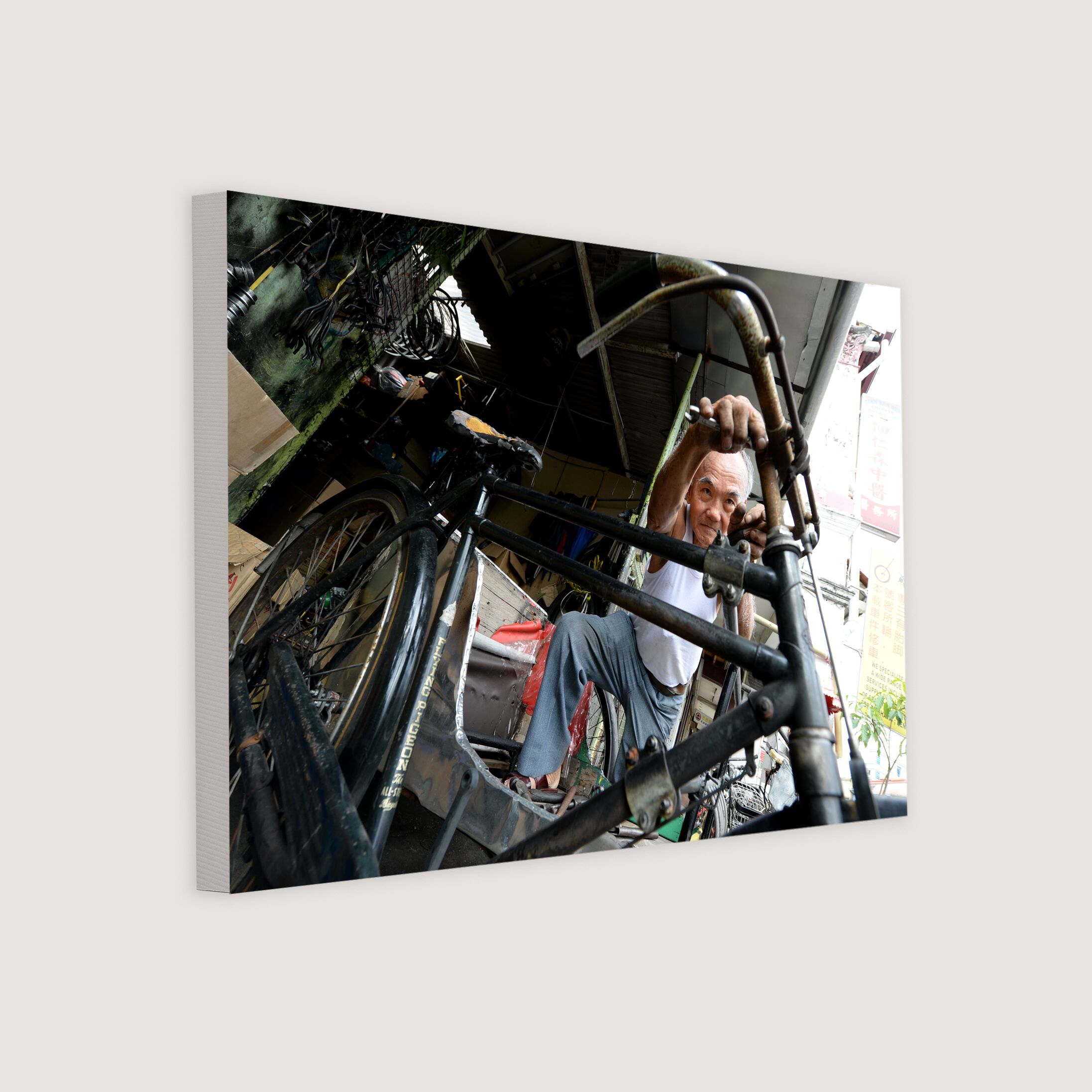
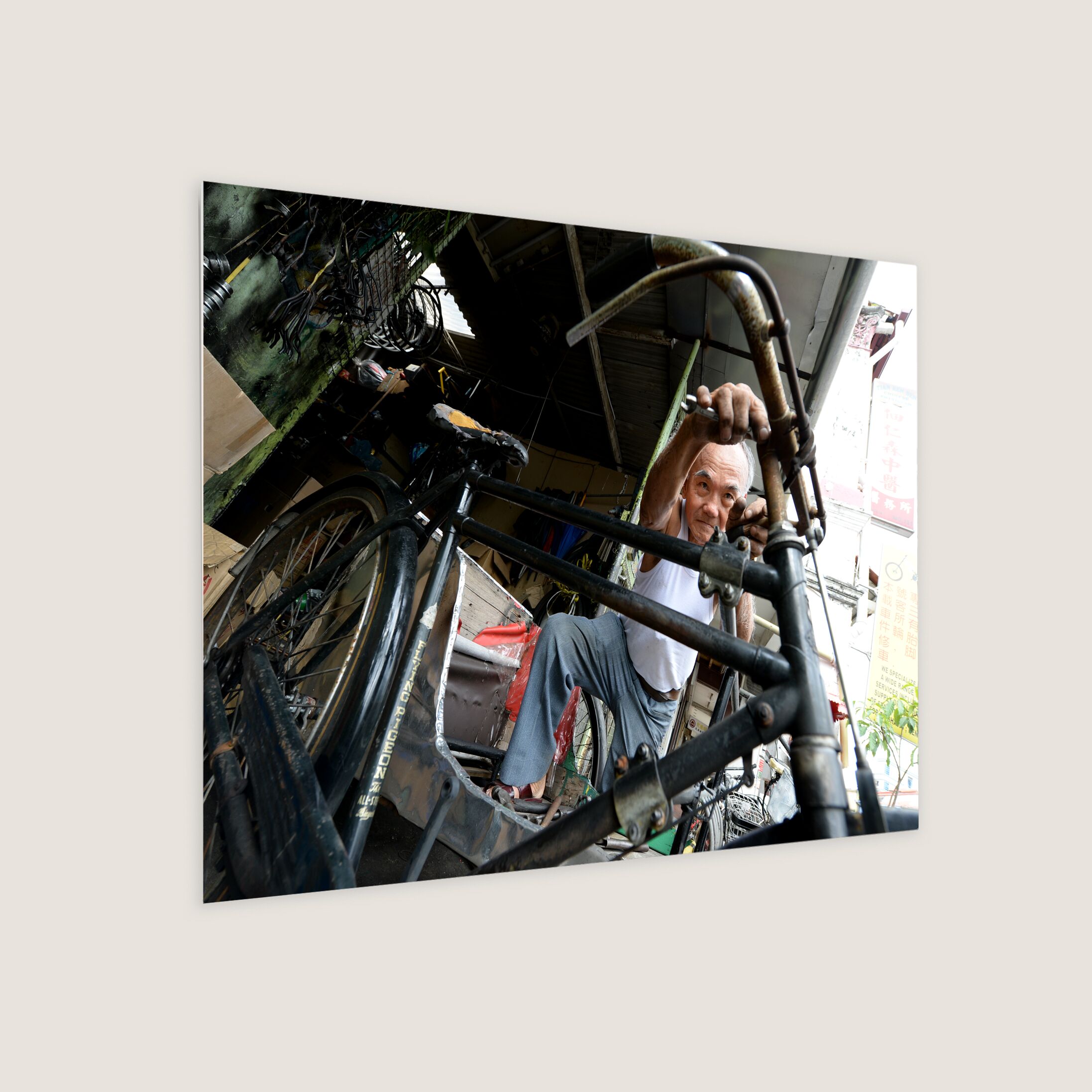
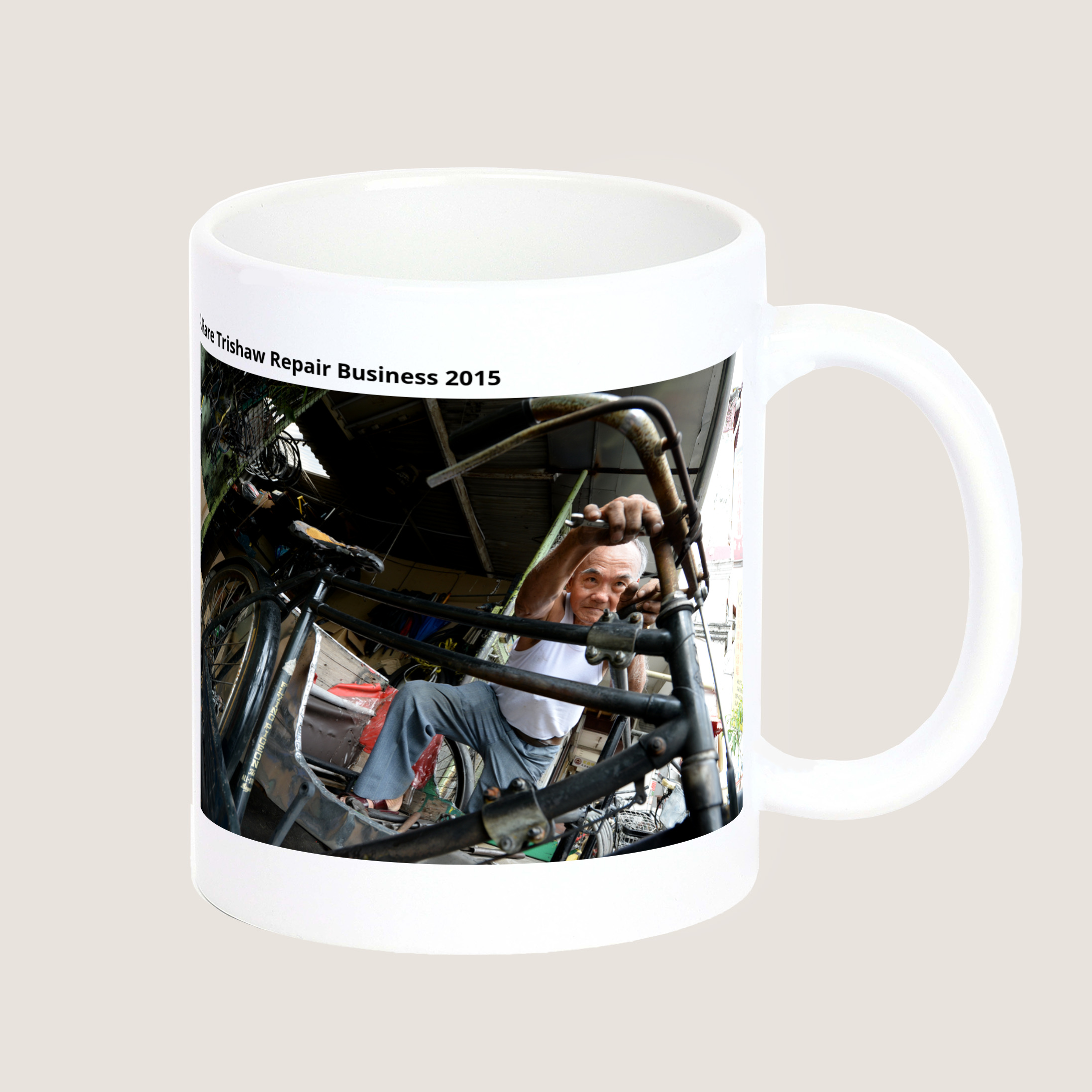
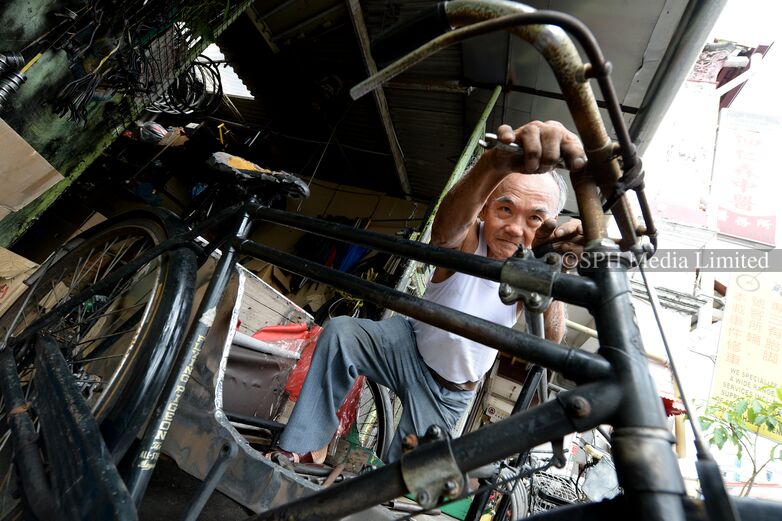 A Rare Trishaw Repair Business
2015
A Rare Trishaw Repair Business
2015
A Rare Trishaw Repair Business
Year 2015
The owner of the last local trishaw repair shop in Singapore, located on Geylang Road, has been in the business for over 60 years. With the decline of trishaws, most of his work now involves repairing bicycles.
©️ SPH Media Limited
Share to
Tags
Available for print on products
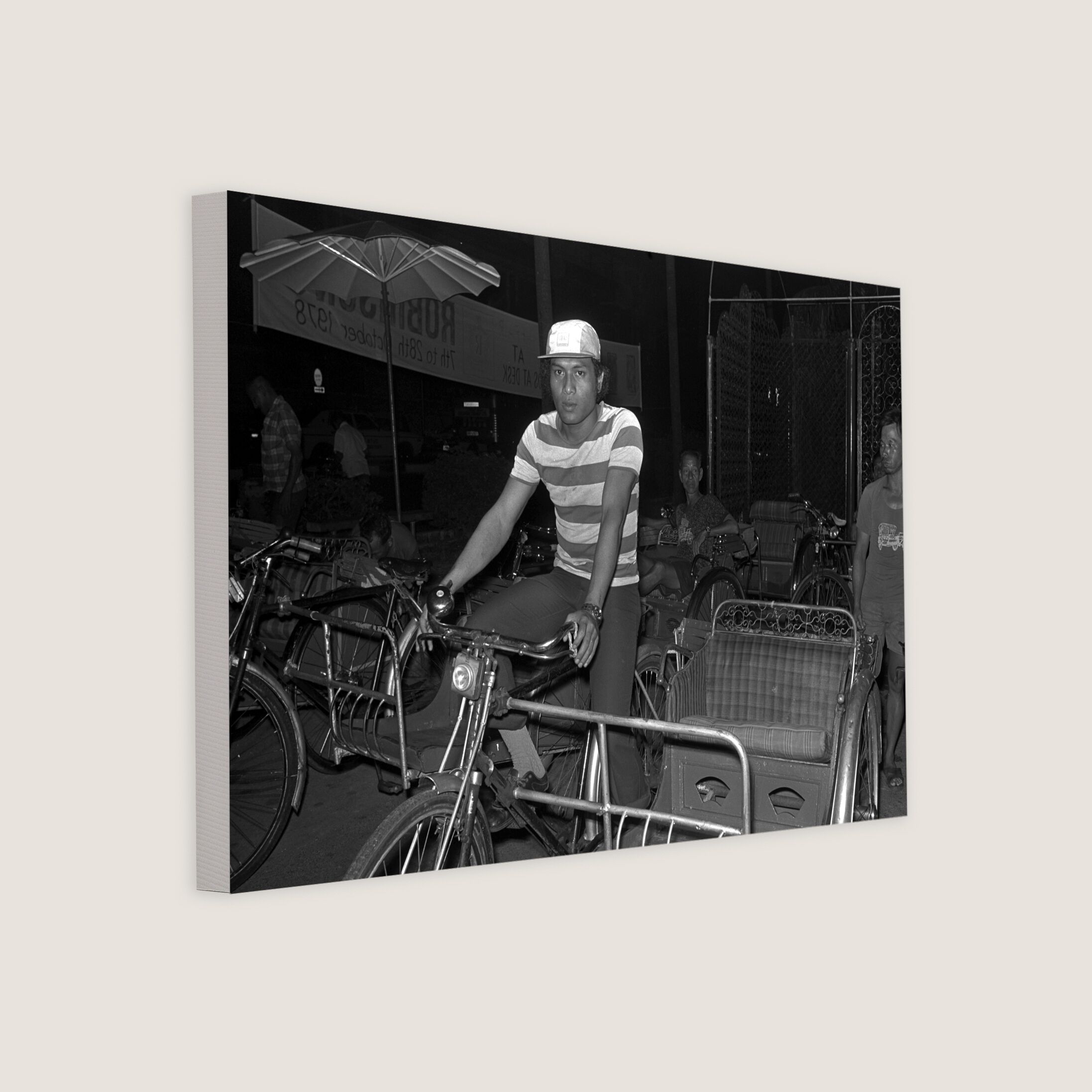
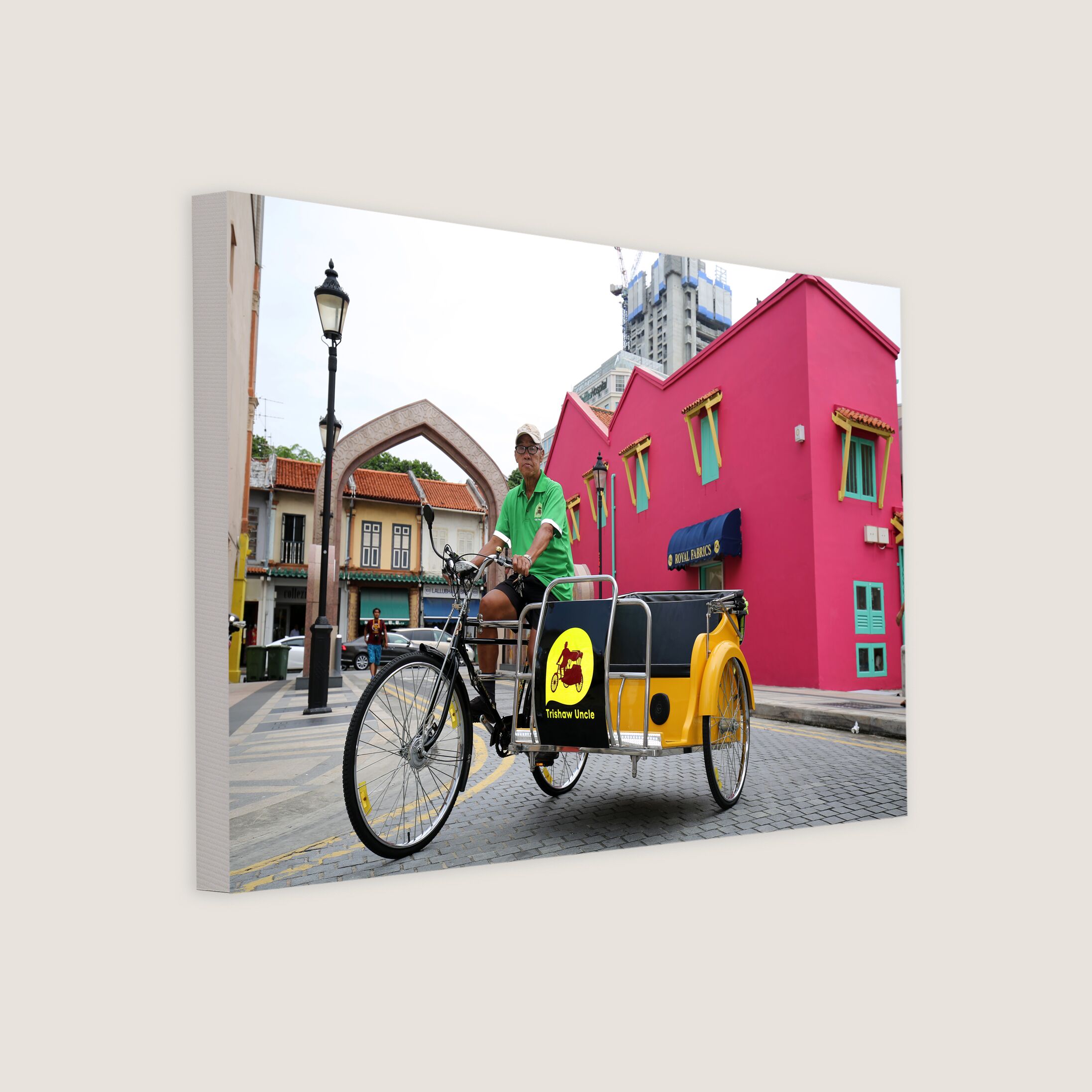
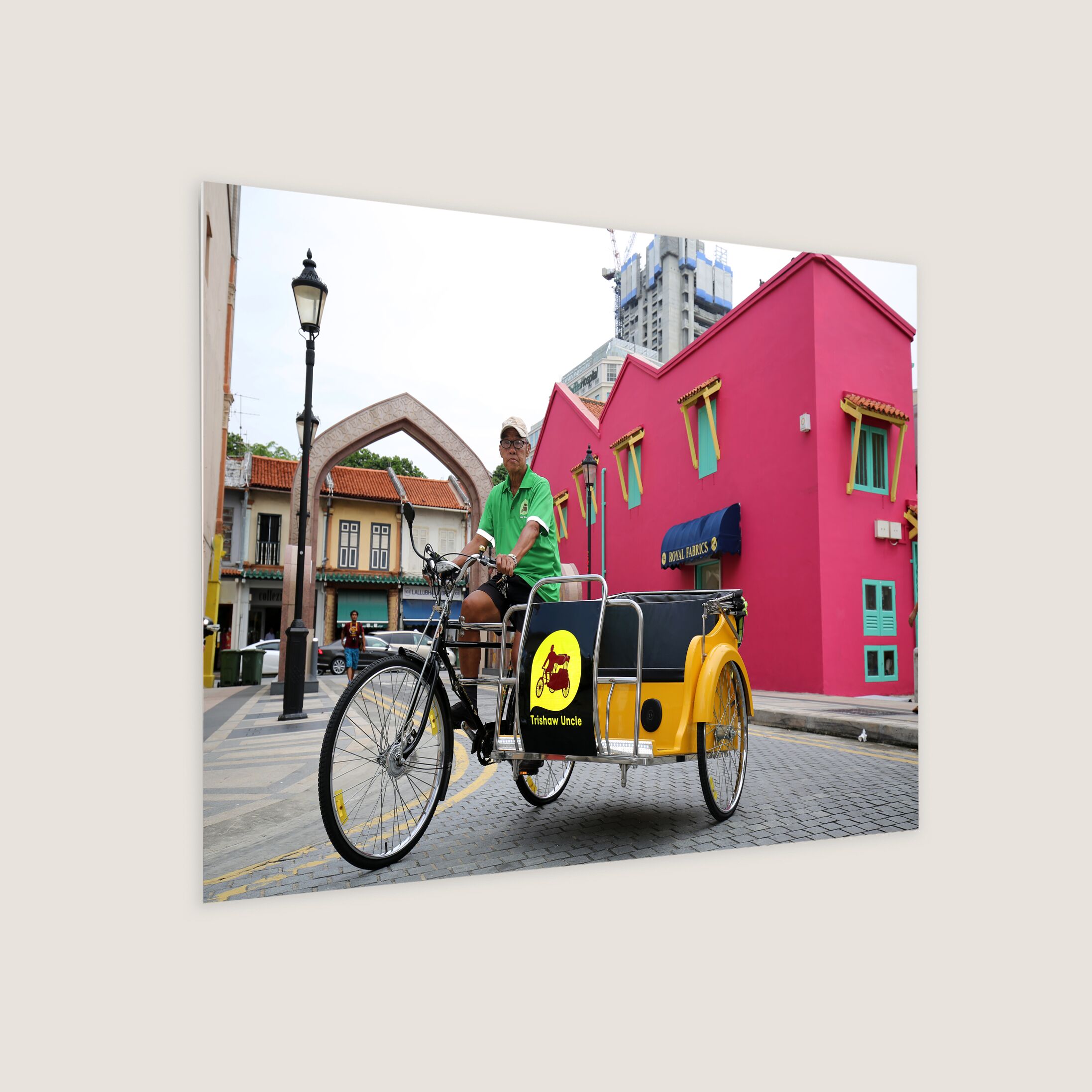
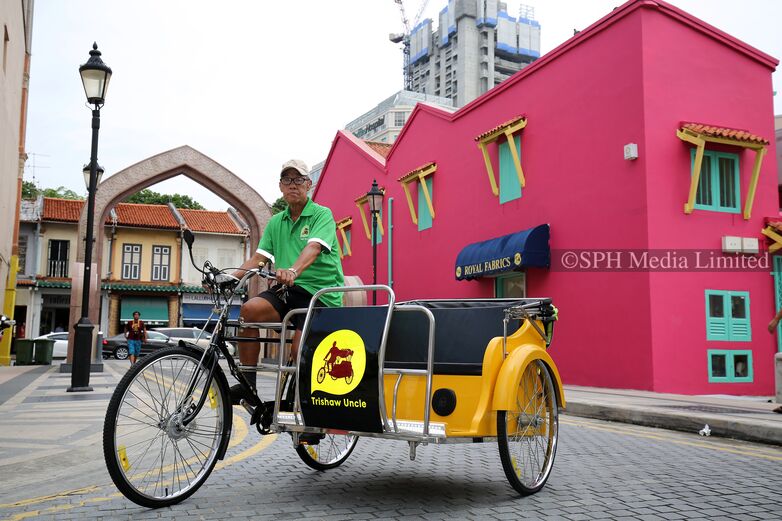 Trishaw Uncle Ready for a Ride
2017
Trishaw Uncle Ready for a Ride
2017
Trishaw Uncle Ready for a Ride
Year 2017
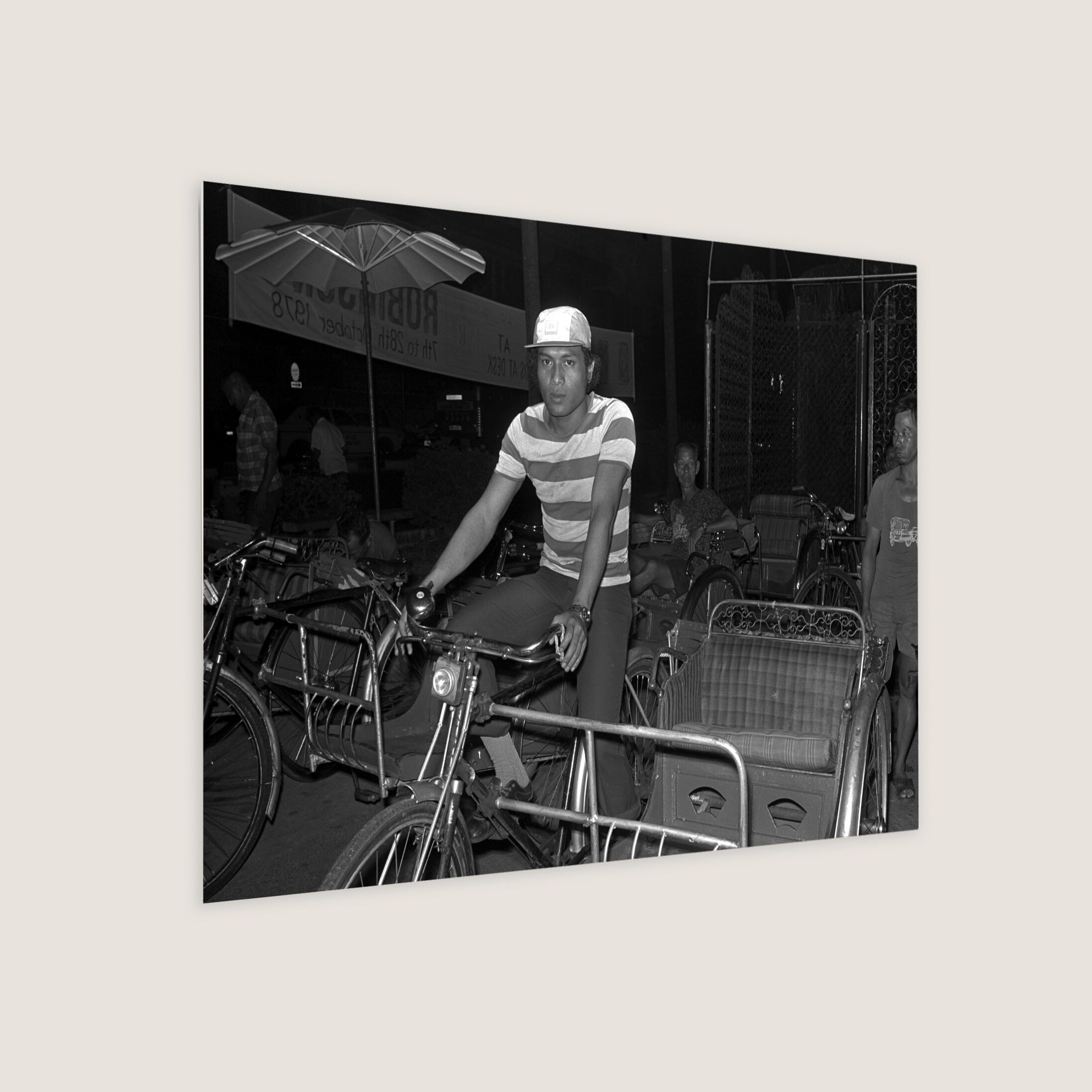
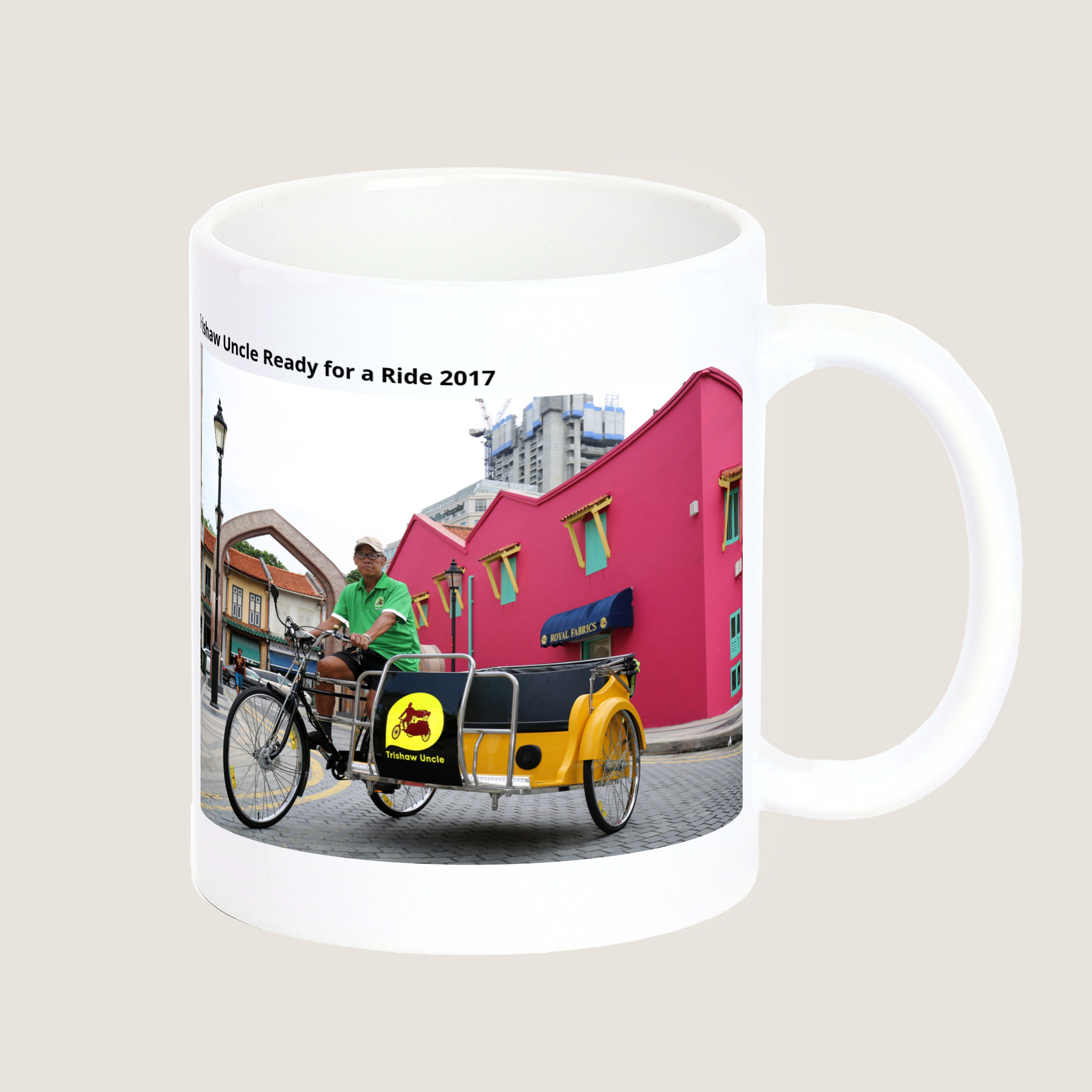
Posing for the camera with his trishaw is an employee of a trishaw company that provides trishaw rides in tourist areas. The Singapore Tourism Board (formerly STPB and renamed STB in 1997) appointed this trishaw company to manage the Albert Mall Trishaw Park at Queen Street. Since June 2023, this trishaw company has stopped running due to its contract ending.
©️ SPH Media Limited
Share to
Tags
Available for print on products
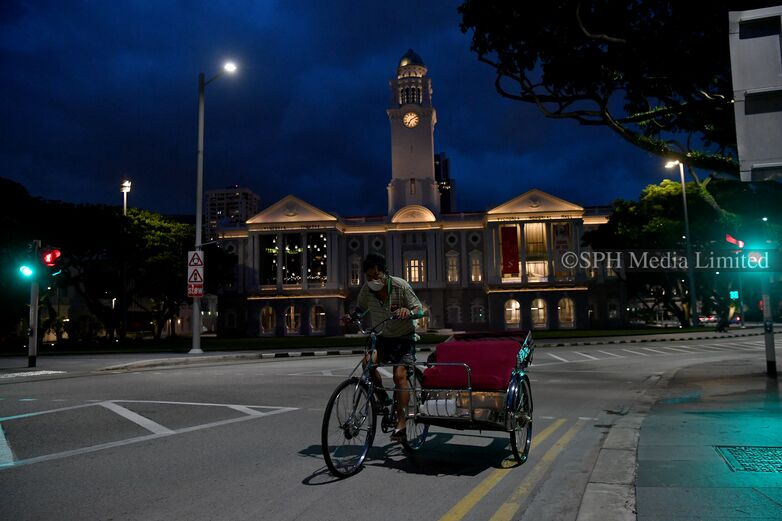 Riding Past Victoria Theatre
2020
Riding Past Victoria Theatre
2020
Riding Past Victoria Theatre
Year 2020
A trishaw rider was riding his empty trishaw past the Victoria Theatre in September 2020. Three years later, in 2023, trishaw licenses were no longer issued, and trishaws are no longer seen on the streets of Singapore.
©️ SPH Media Limited
Share to
Tags
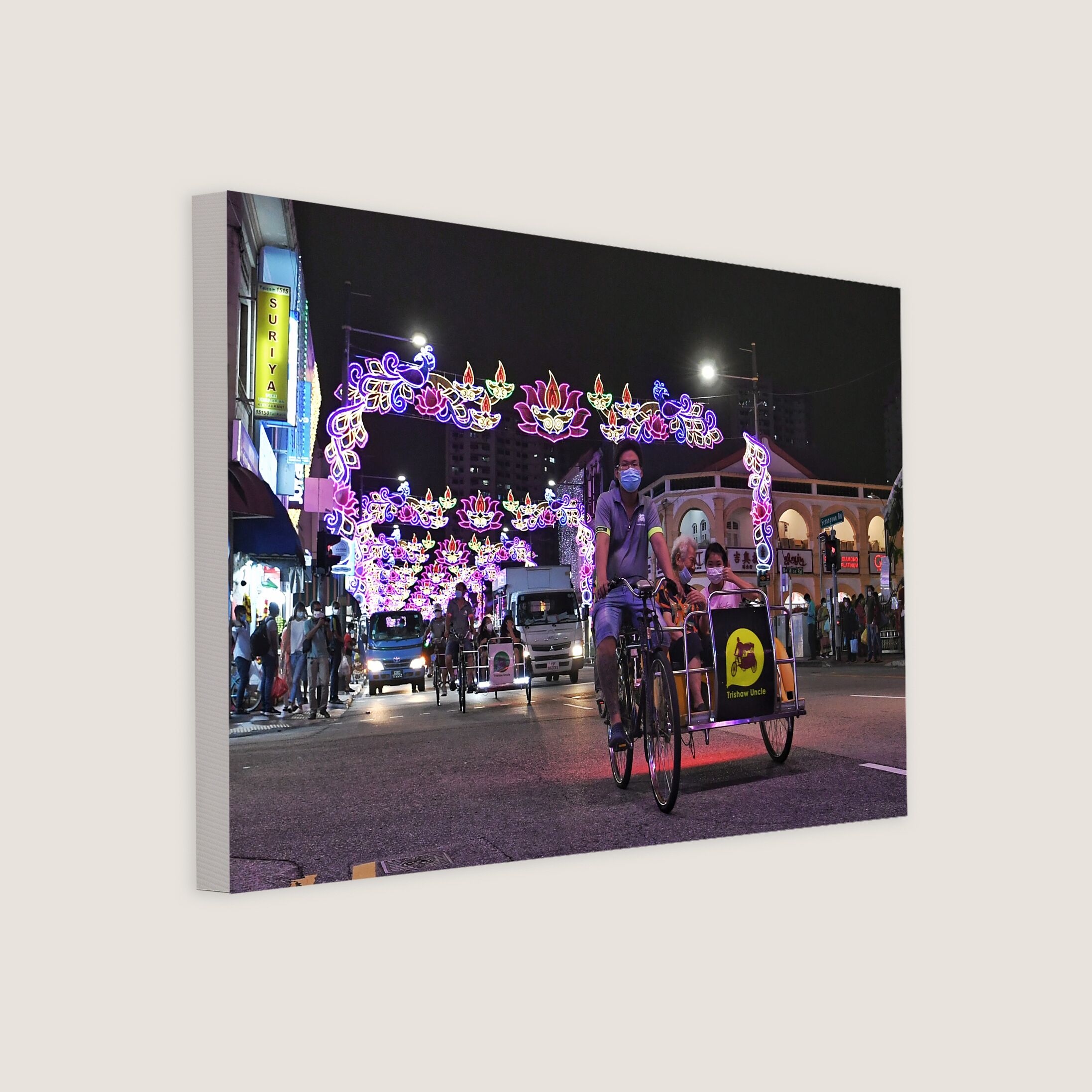
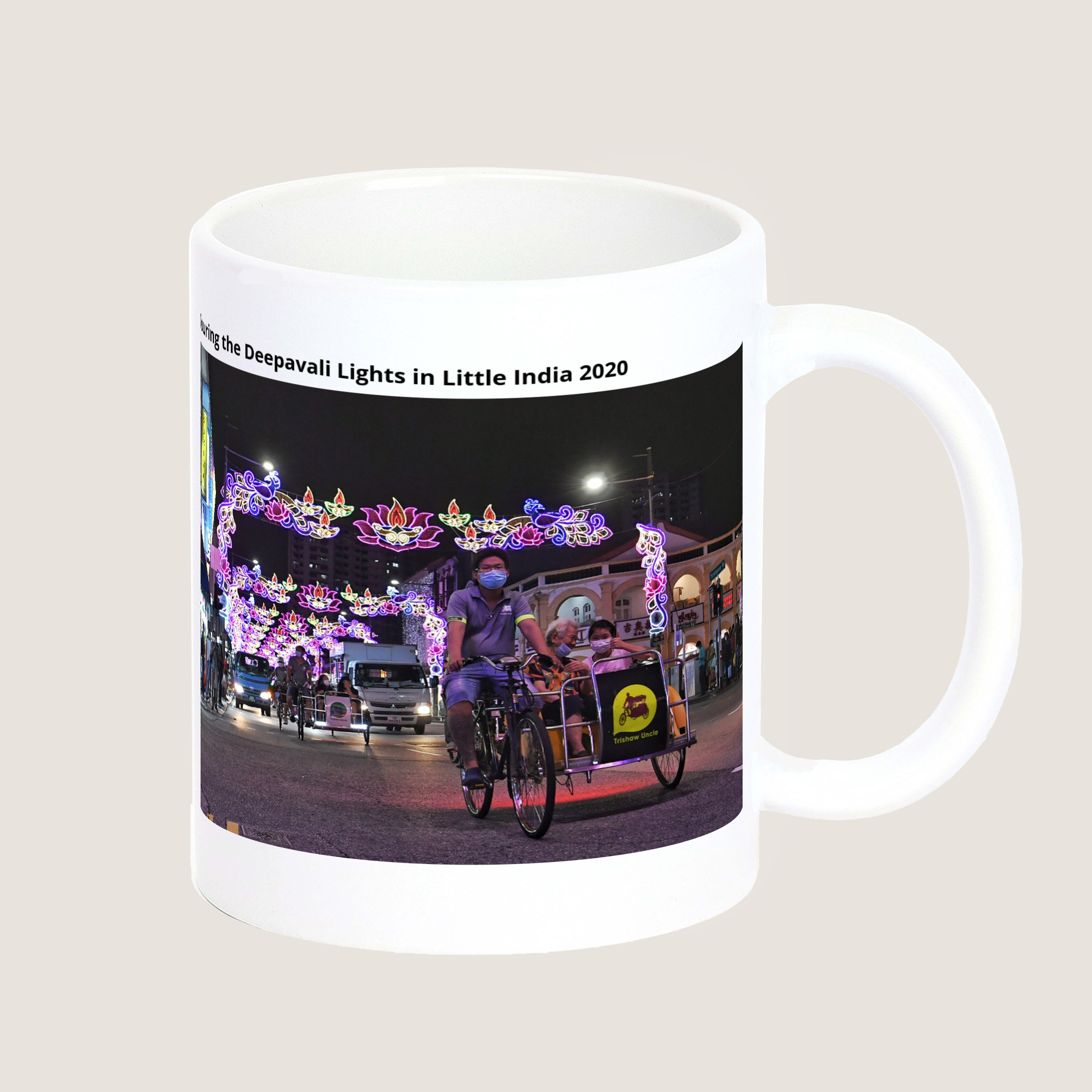
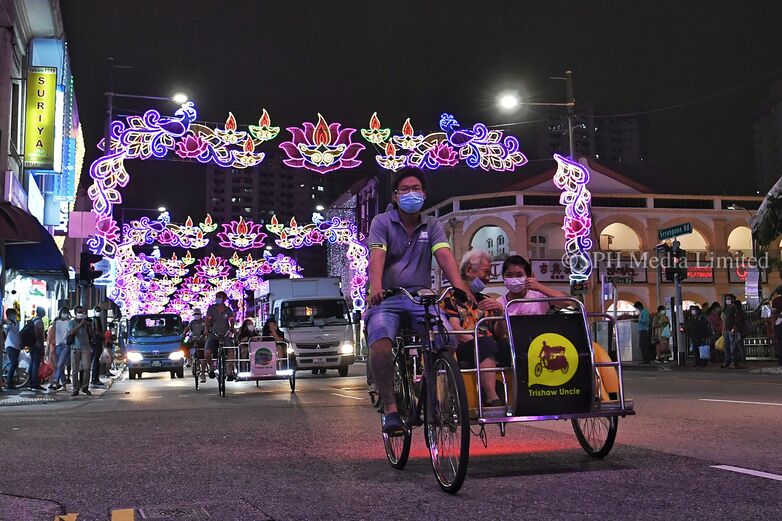 Touring the Deepavali Lights in Little India
2020
Touring the Deepavali Lights in Little India
2020
Touring the Deepavali Lights in Little India
Year 2020
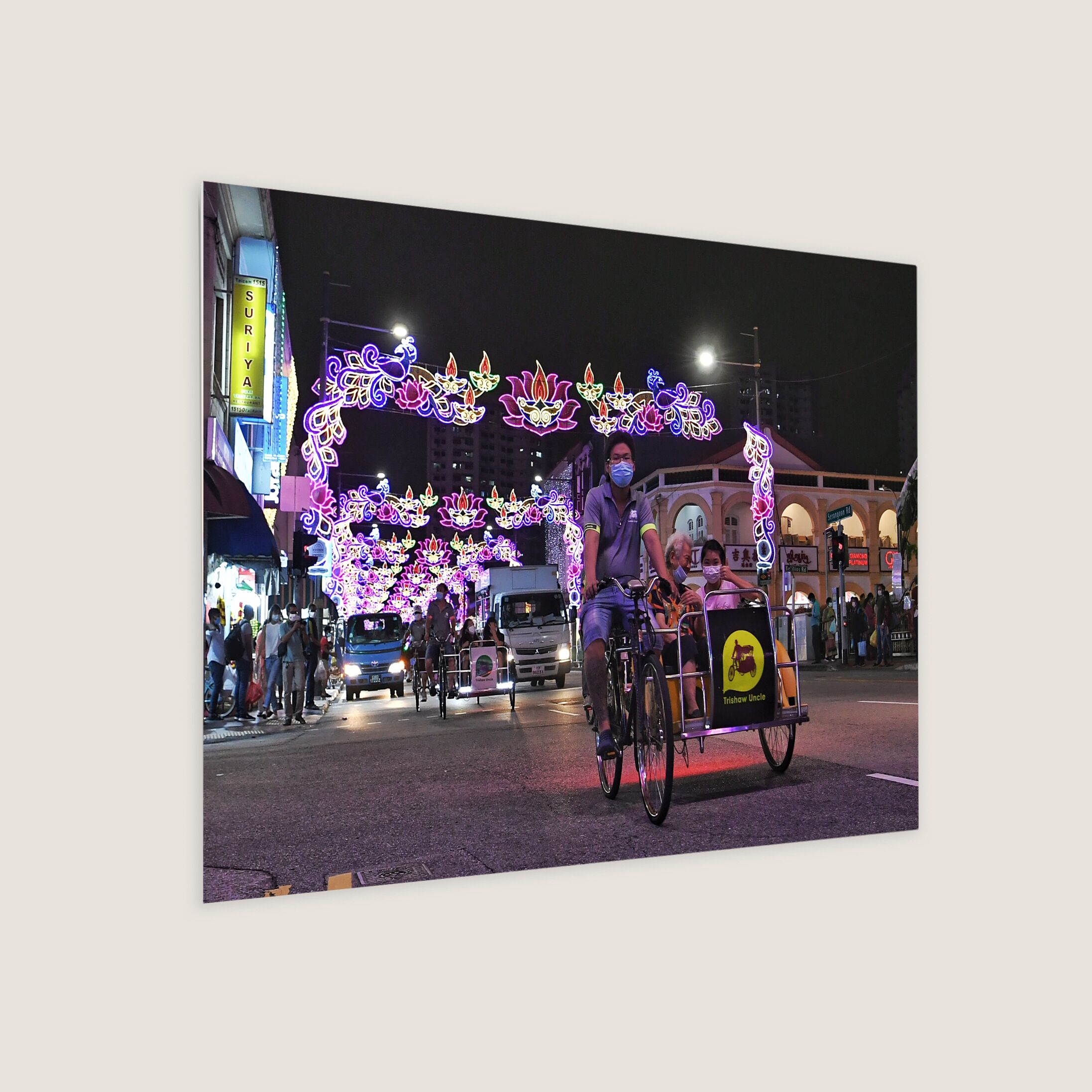
A trishaw in Little India made a round-trip journey from Campbell Lane, passing various landmarks in October 2020. The ride was licensed by a tour agency and was the last type of trishaw seen cycling around Singapore. The government has stopped issuing new trishaw licenses, and all previous licenses have expired. Trishaws ceased operating on the streets of Singapore in June 2023.
©️ SPH Media Limited
Share to
Tags
Available for print on products
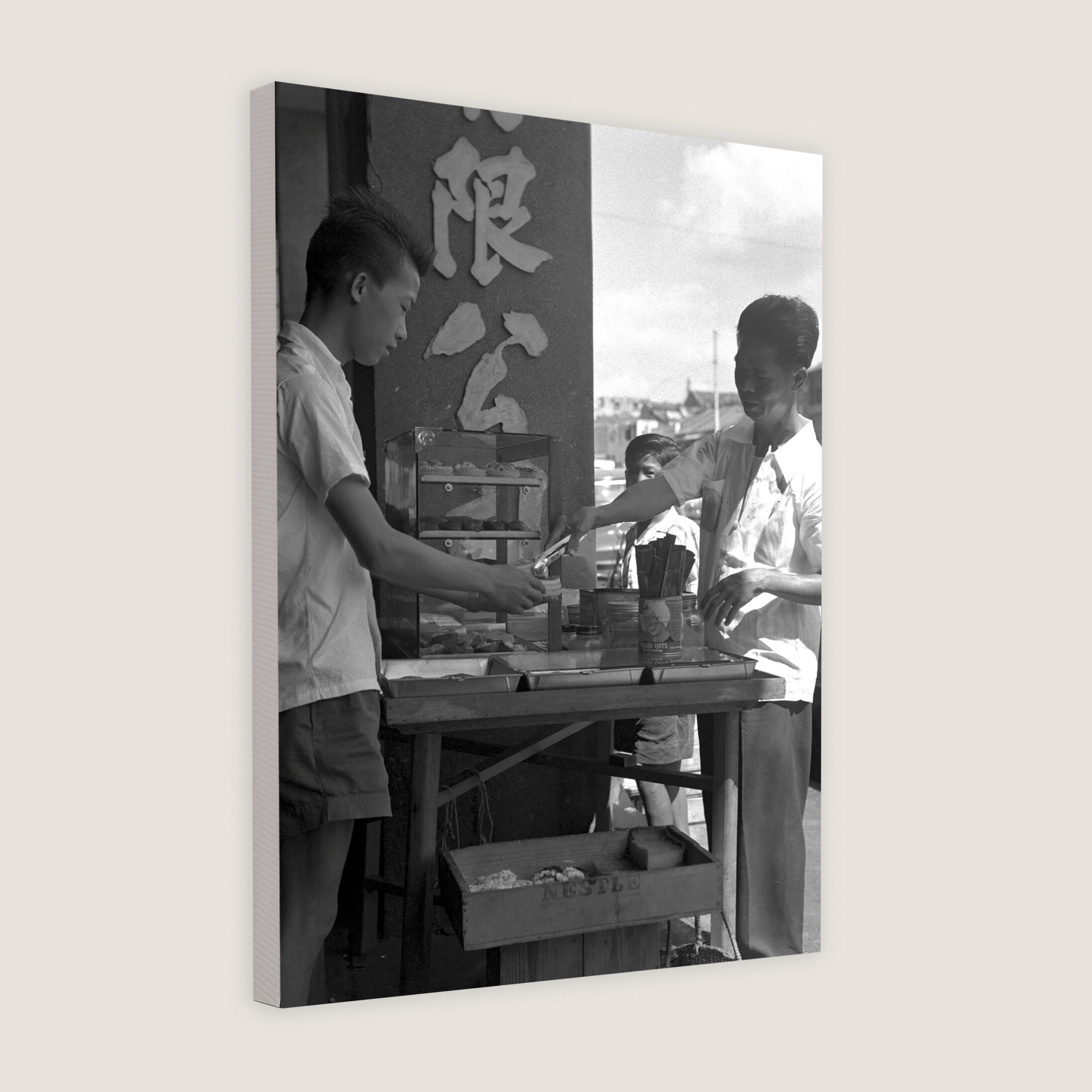
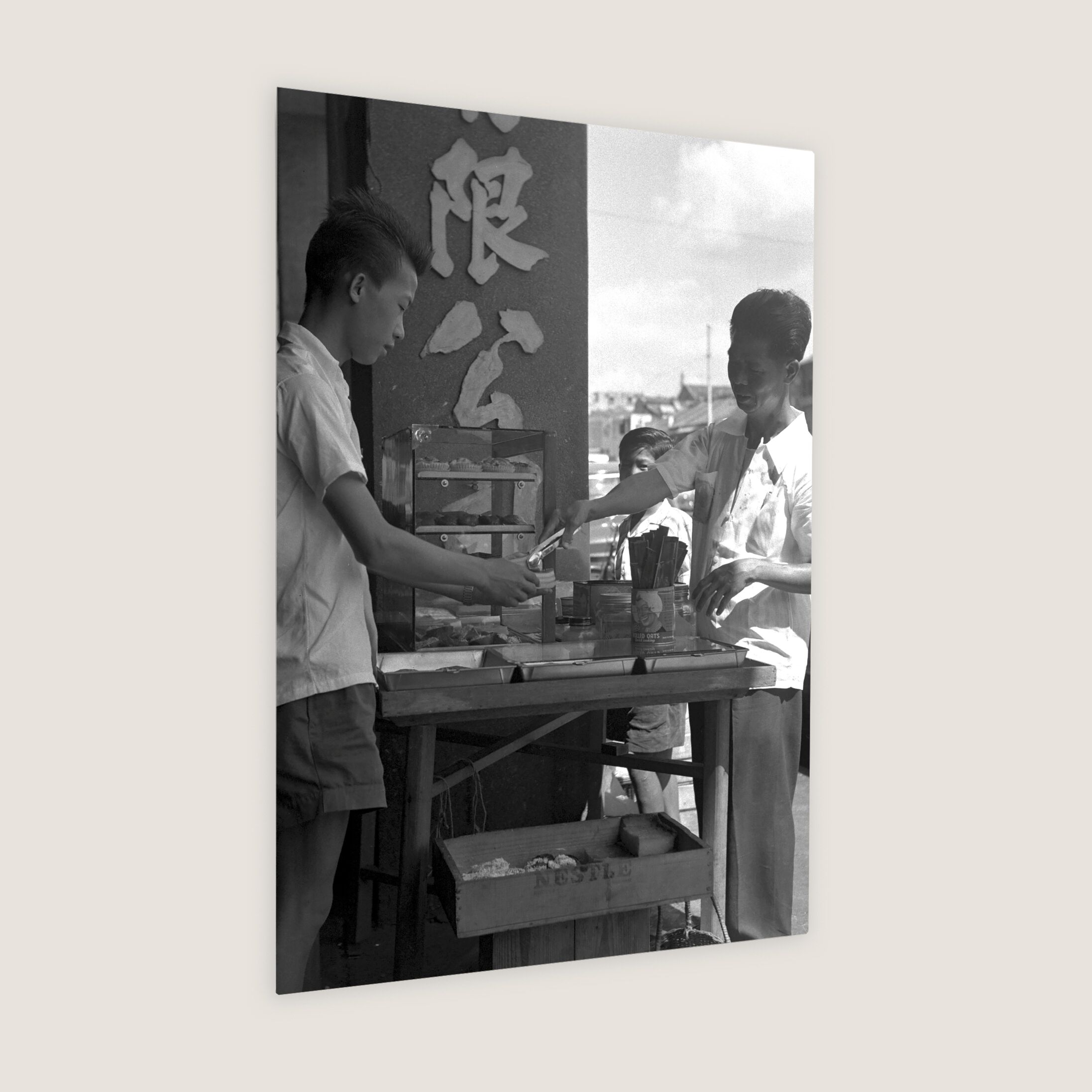
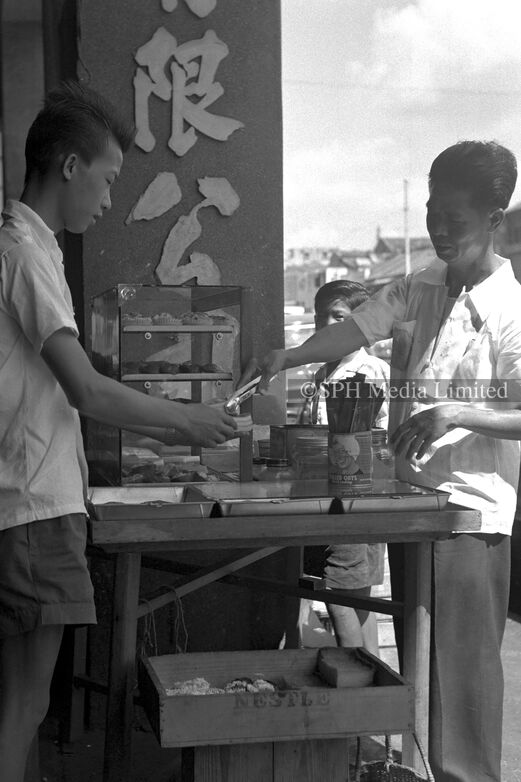 A Humble Stall Selling Snacks Outside Shophouse
1960
A Humble Stall Selling Snacks Outside Shophouse
1960
A Humble Stall Selling Snacks Outside Shophouse
Year 1960
In the past, street hawkers played a vital role in providing affordable food to the public. This particular hawker set up a humble stall made of a simple wooden table outside a shophouse. This was a typical location for such small businesses. These hawkers catered to the working class, offering inexpensive meals that helped satisfy their hunger and provided convenience to the busy urban life.
©️ SPH Media Limited
Share to
Tags
Available for print on products
Evening Scene of PSA Port from Mt Faber Cable Car
2004
Evening Scene of PSA Port from Mt Faber Cable Car
Year 2004
From the Mount Faber cable car, enjoy the view of the Tanjong Pagar Container Terminal and the Central Business District in the sunset. The building with the red brick wall is the former St. James Power Station.
©️ SPH Media Limited
Share to
Tags
Available for print on products
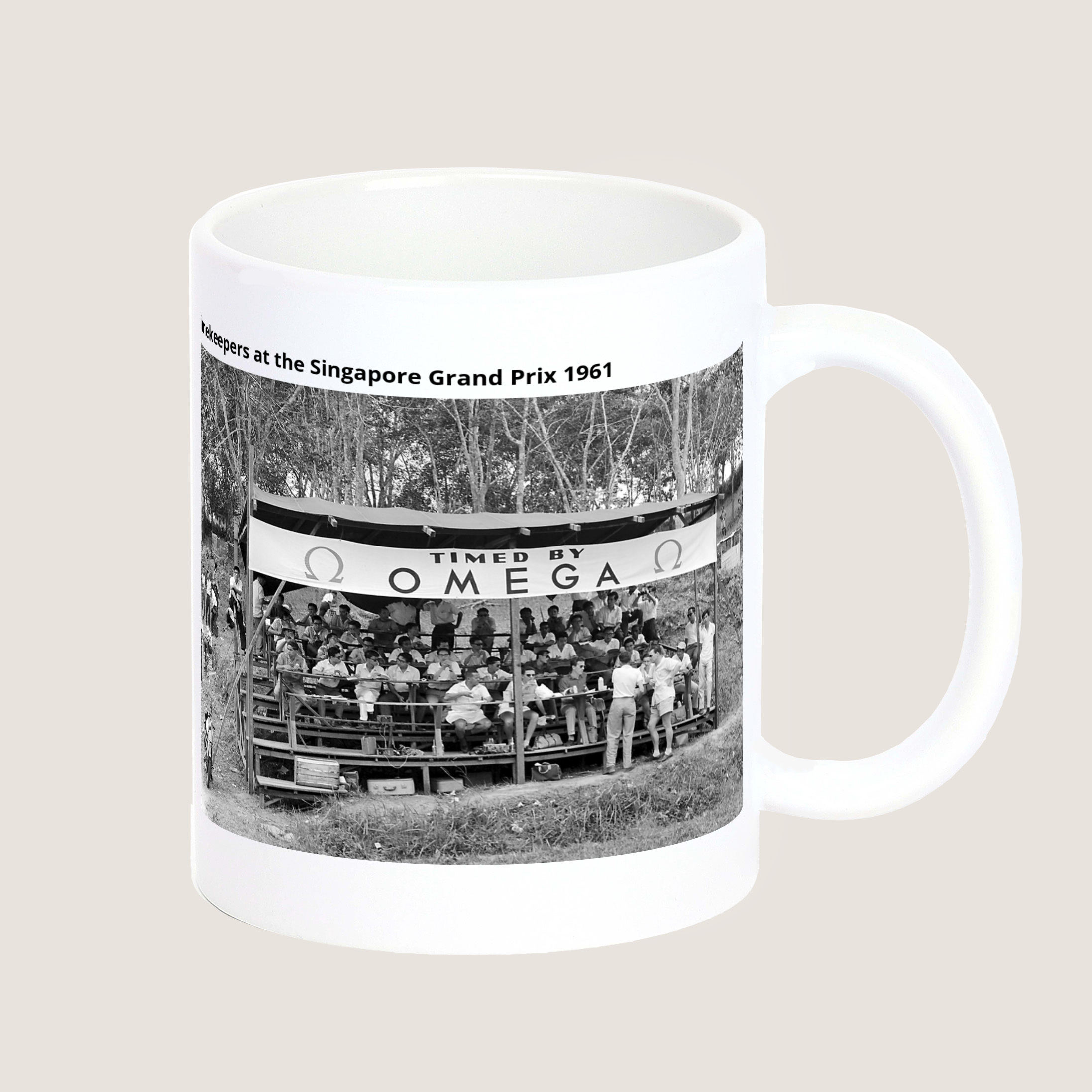
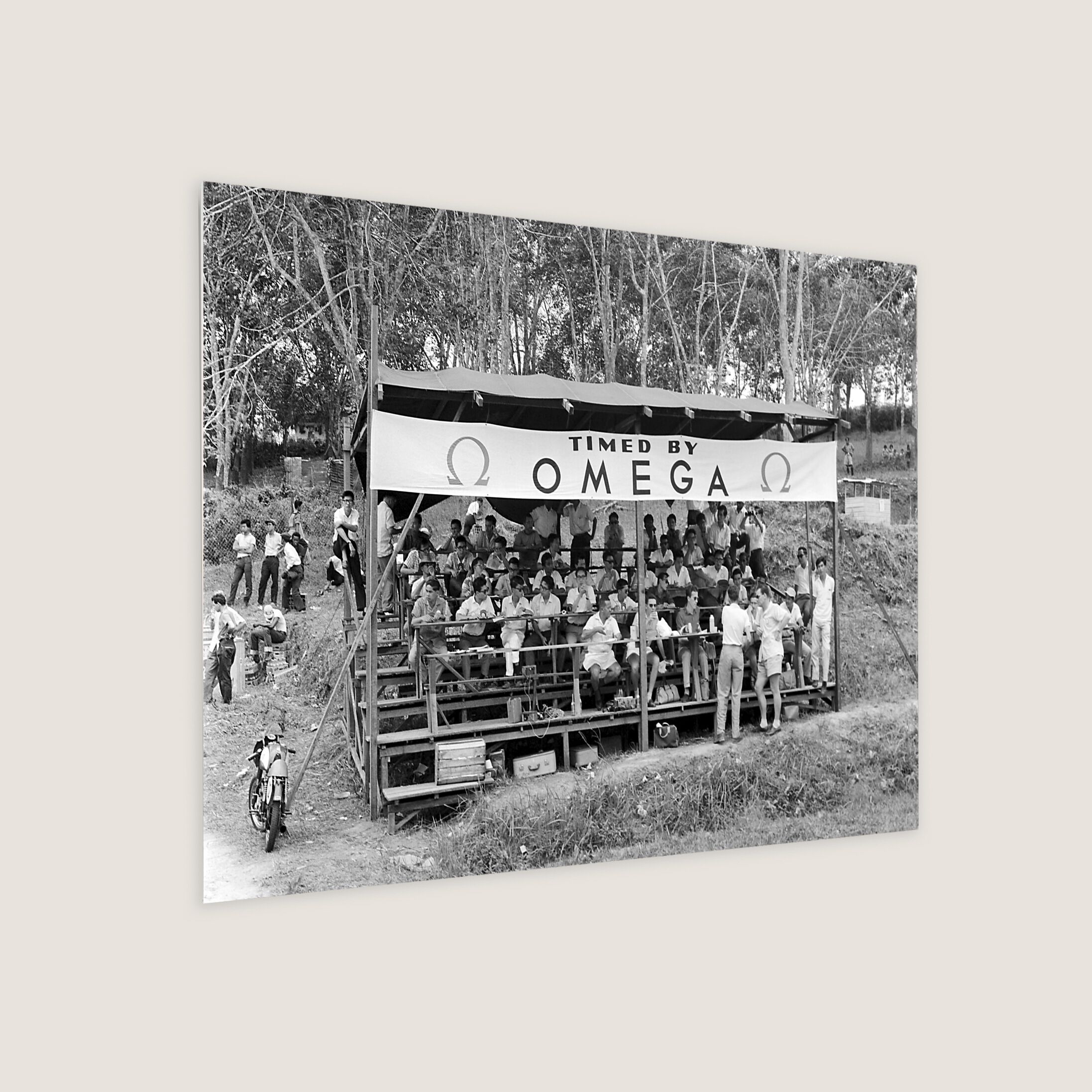
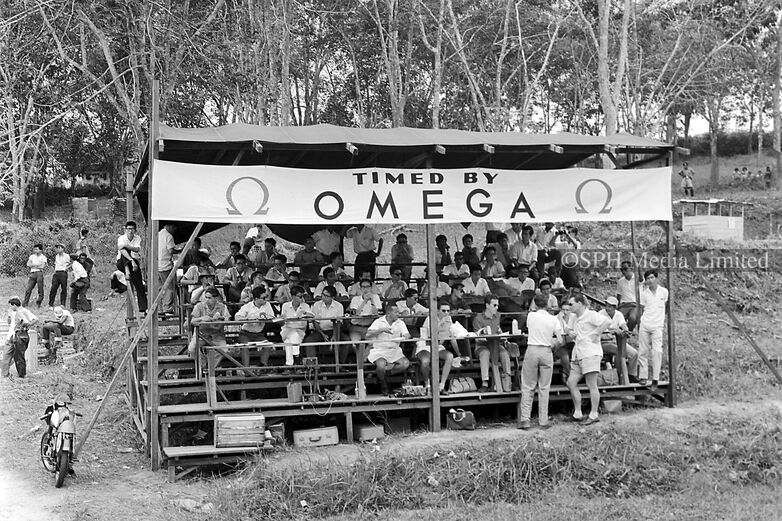 Timekeepers at the Singapore Grand Prix
1961
Timekeepers at the Singapore Grand Prix
1961
Timekeepers at the Singapore Grand Prix
Year 1961
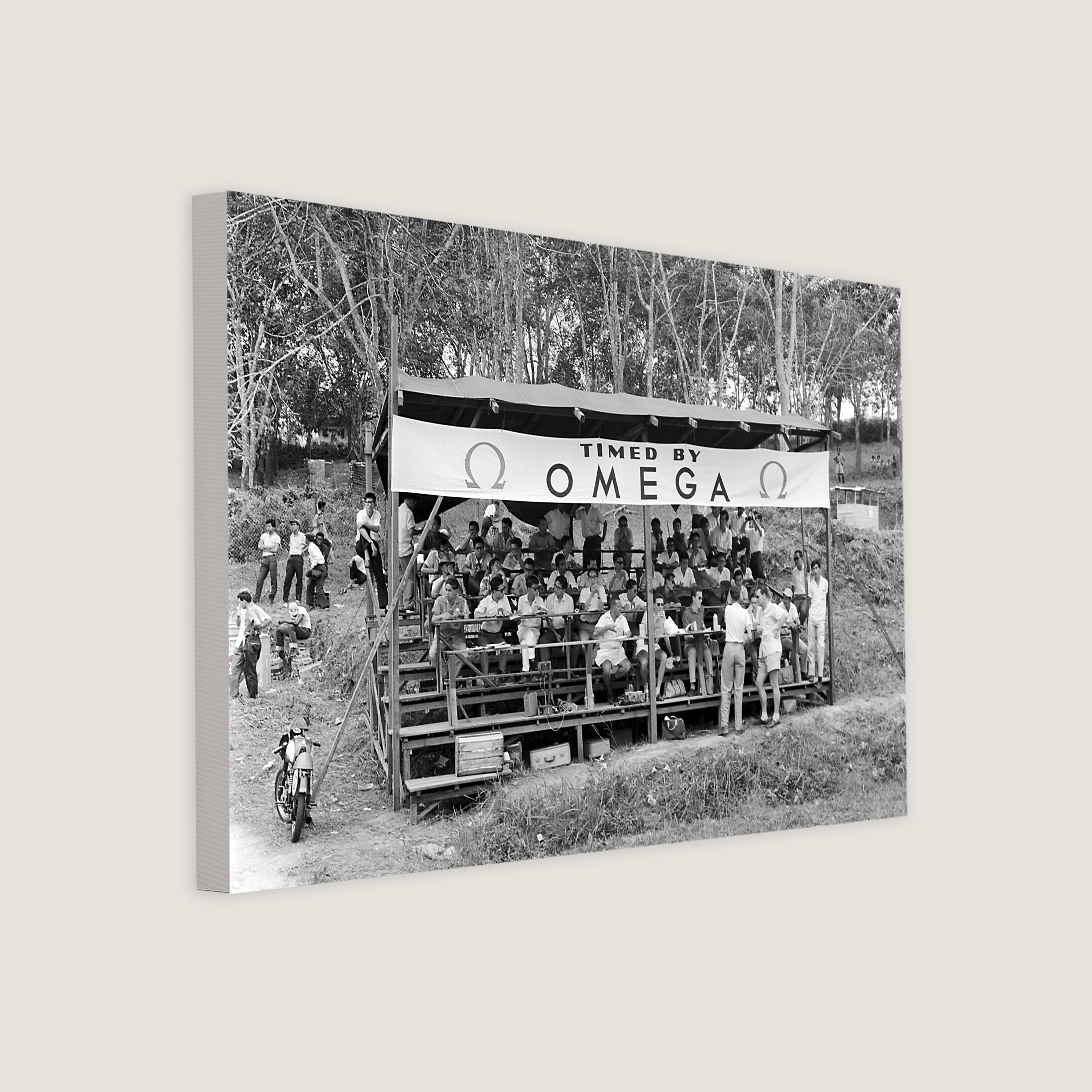
In the 1951 Johore Grand Prix, timekeepers were recruited on a volunteer basis. By 1973, timekeeping had become a critical role in the Grand Prix, with Omega conducting three comprehensive timekeeping courses for the Singapore Grand Prix races.
©️ SPH Media Limited
Share to
Tags
Available for print on products
Have a photo idea to suggest?