No relevant currency found
Shared Spaces
The daily lives and co-existence of people in Singapore
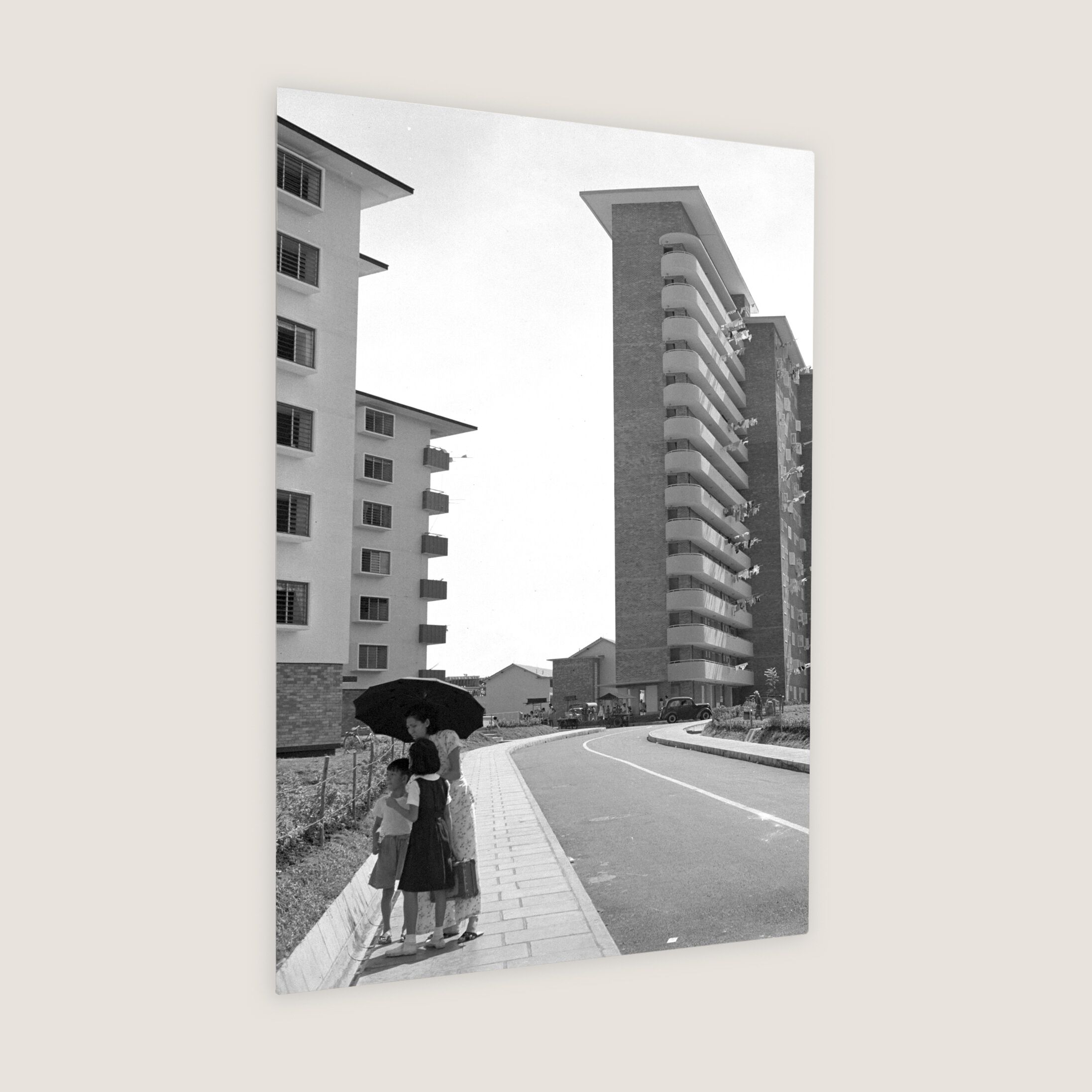
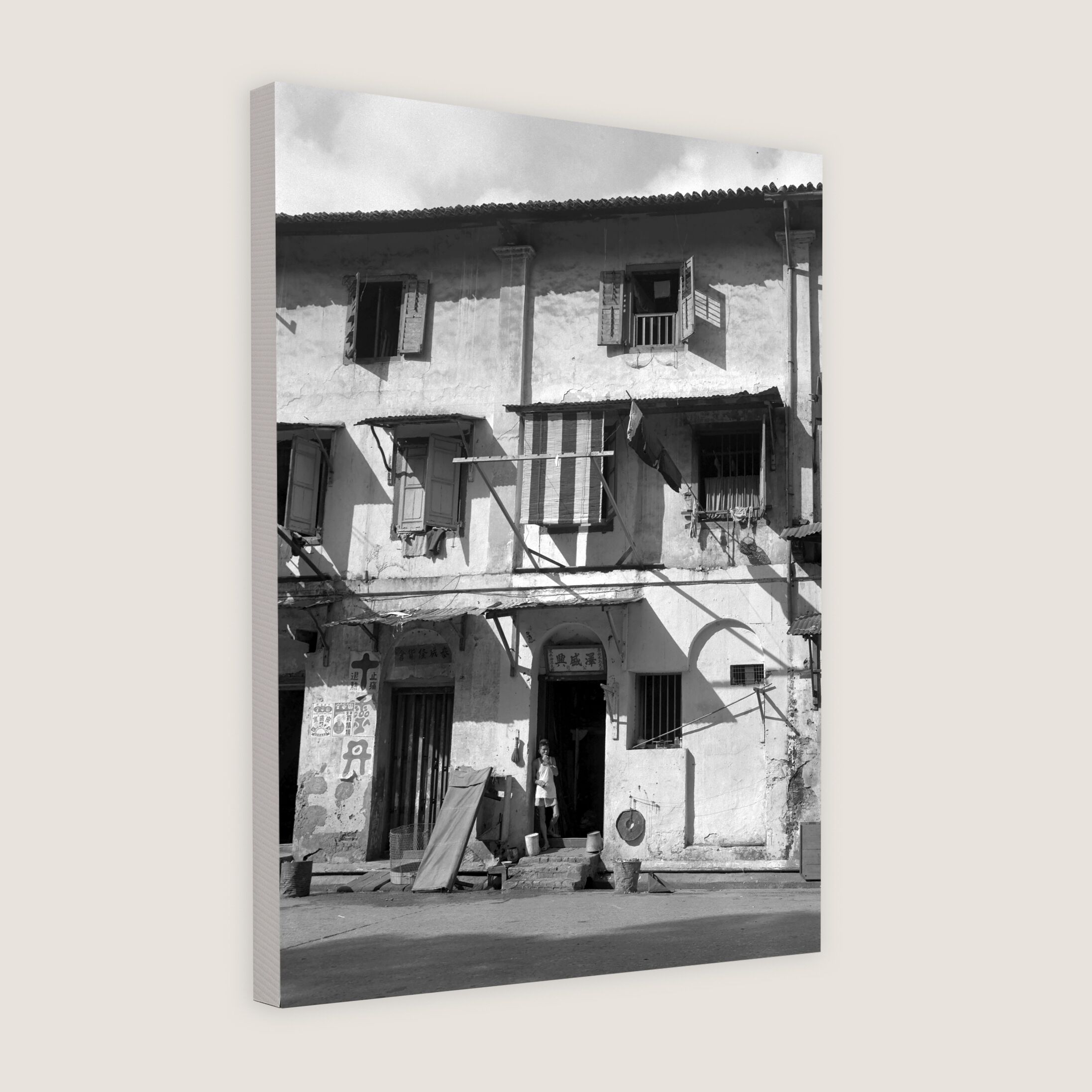
Lorong Tai Seng
1950
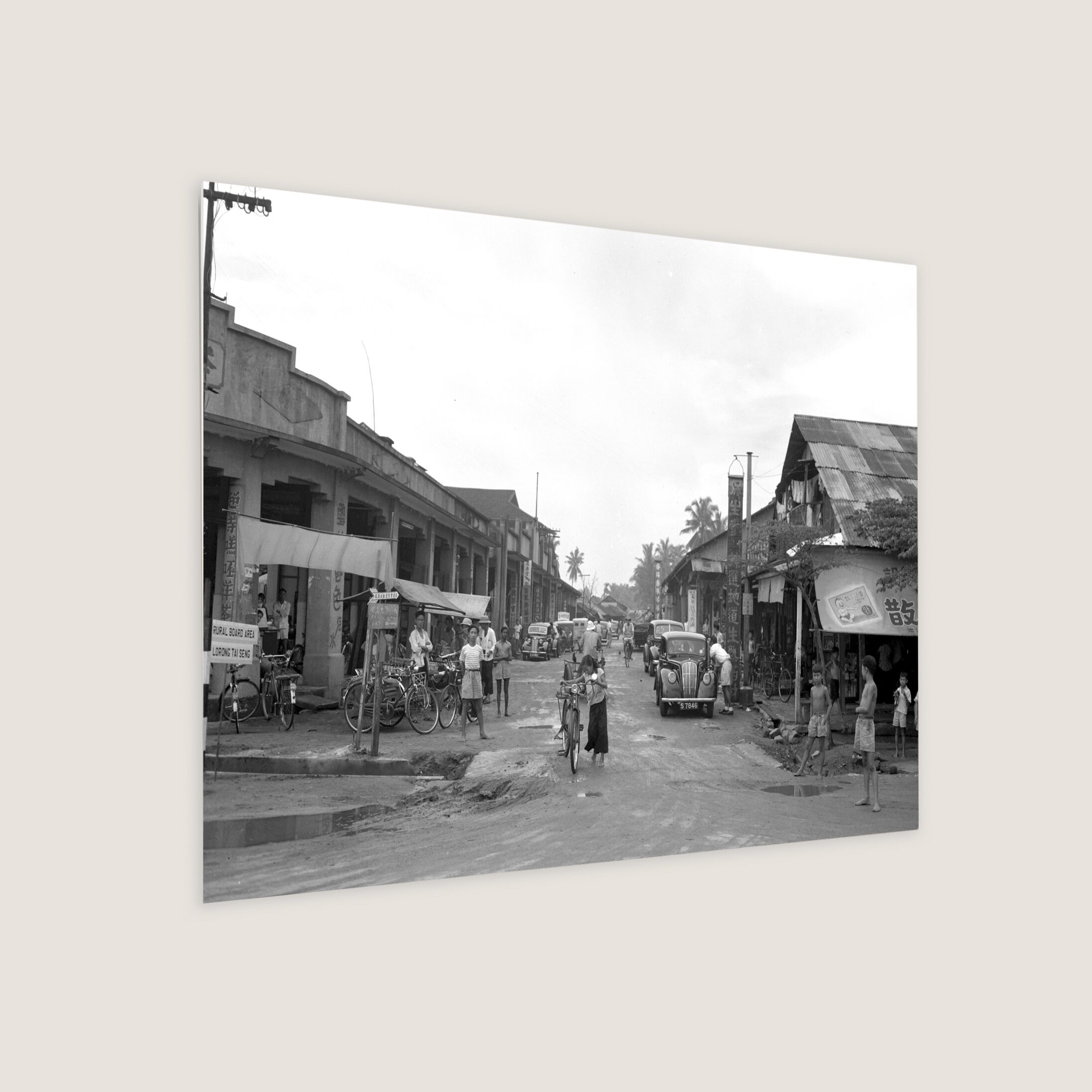
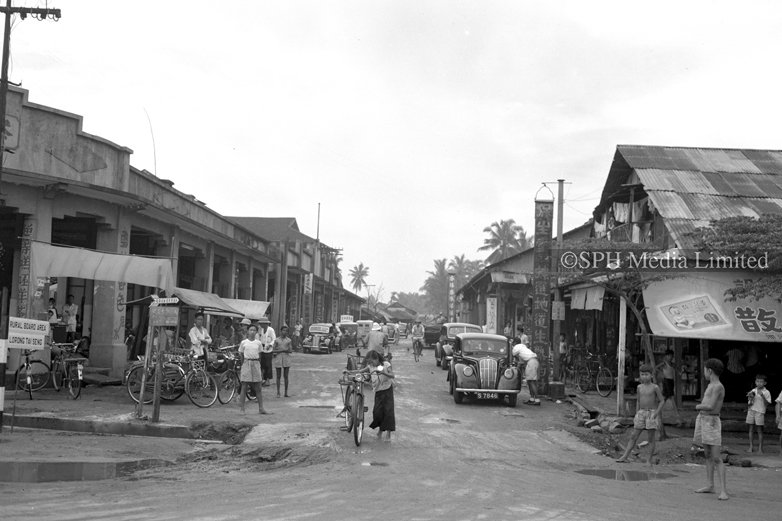
A view of Lorong Tai Seng in Singapore on 12 October 1950.
Lorong Tai Seng
Year 1950
A view of Lorong Tai Seng in Singapore on 12 October 1950.
©️ SPH
Share to
Tags
Available for print on products
Year
Share to
Year
Share to
 Orchard Road
1949
Orchard Road
1949
Orchard Road
Year 1949
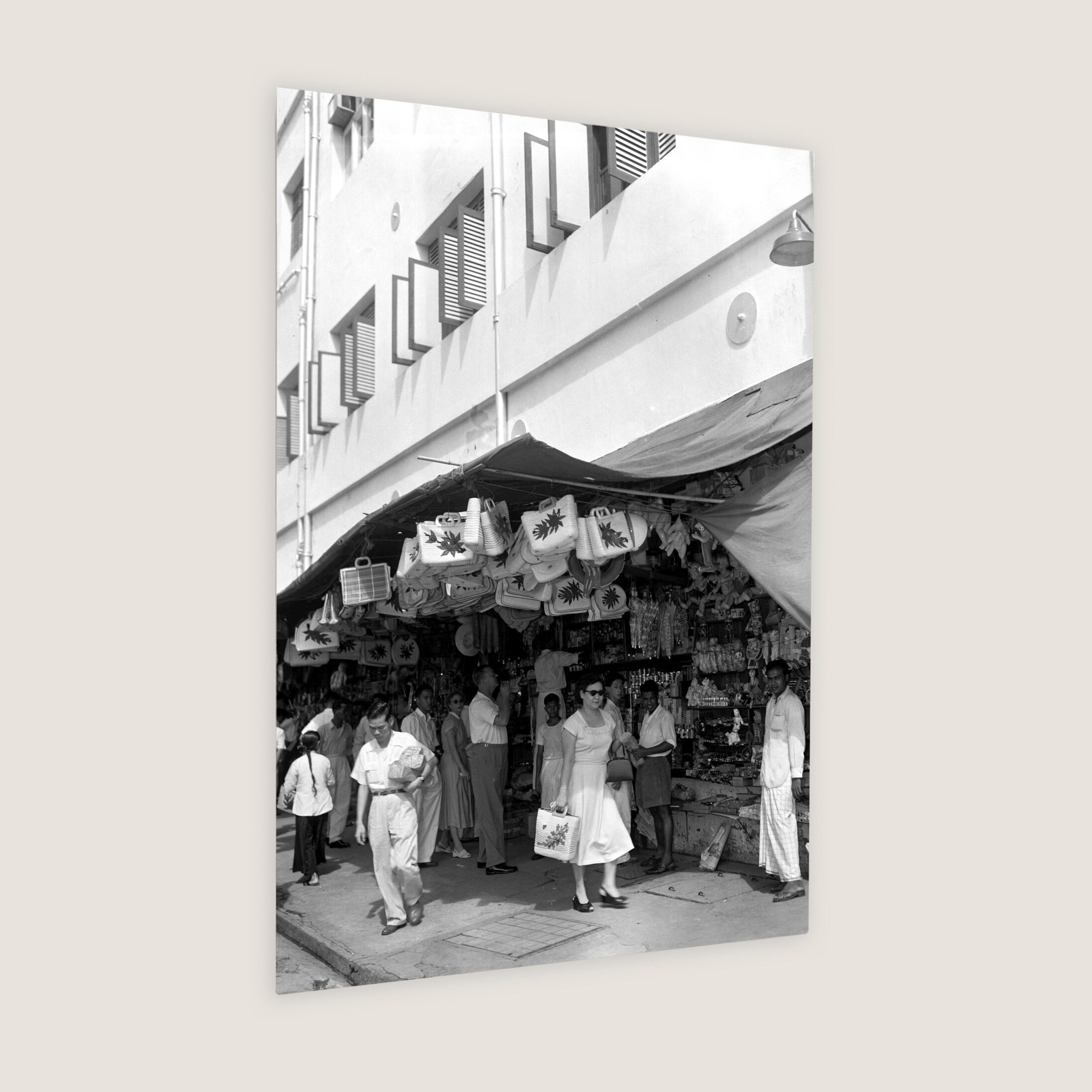
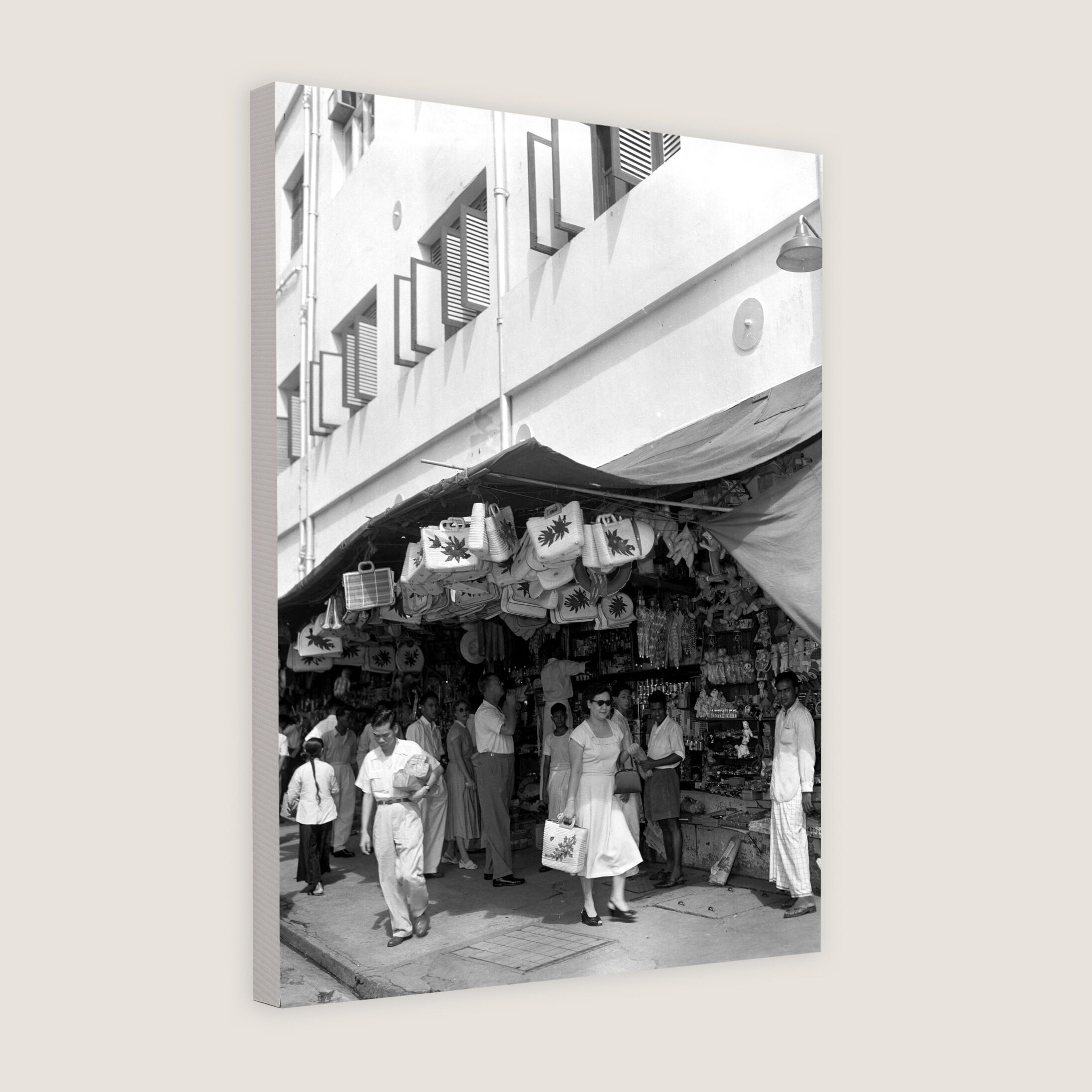
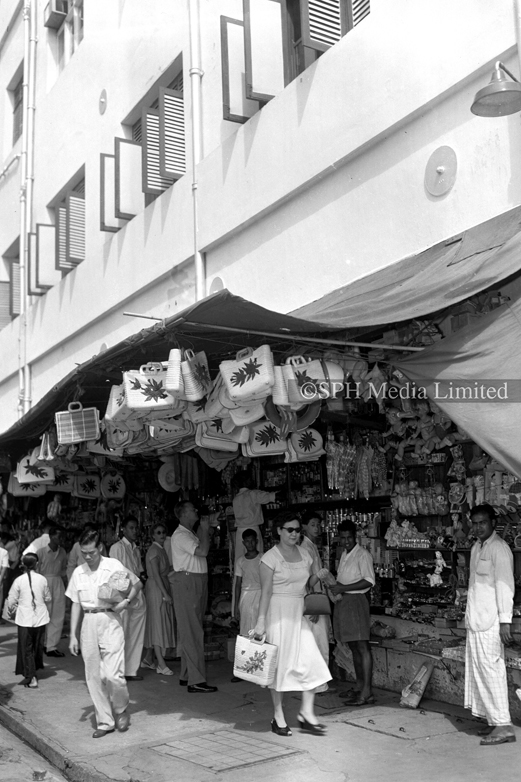
Sidewalk shopping in Orchard Road in 1949, a big contrast to the Orchard Road today.
©️ SPH Media Limited
Share to
Tags
Available for print on products
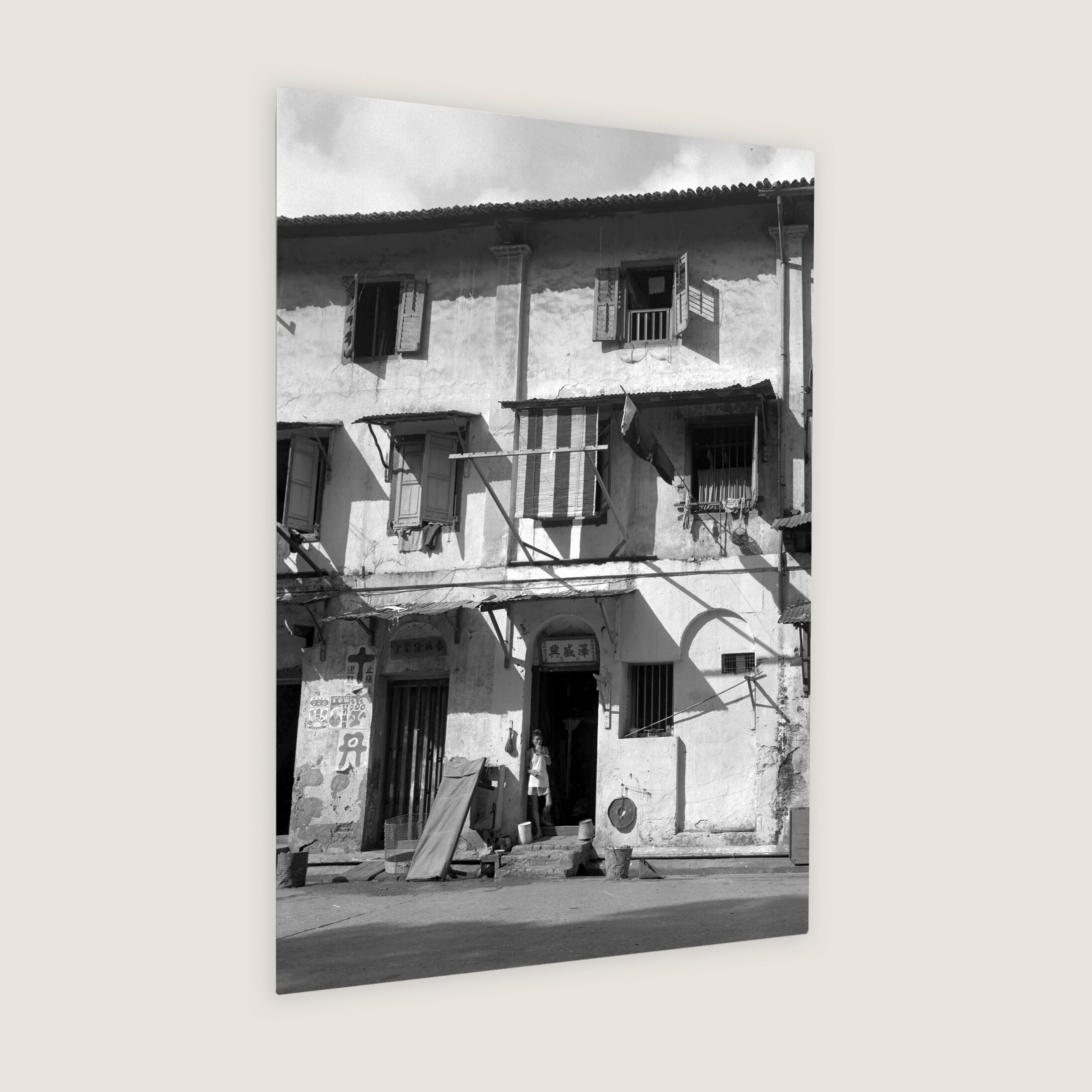
Lorong Tai Seng
1950
Lorong Tai Seng
Year 1950
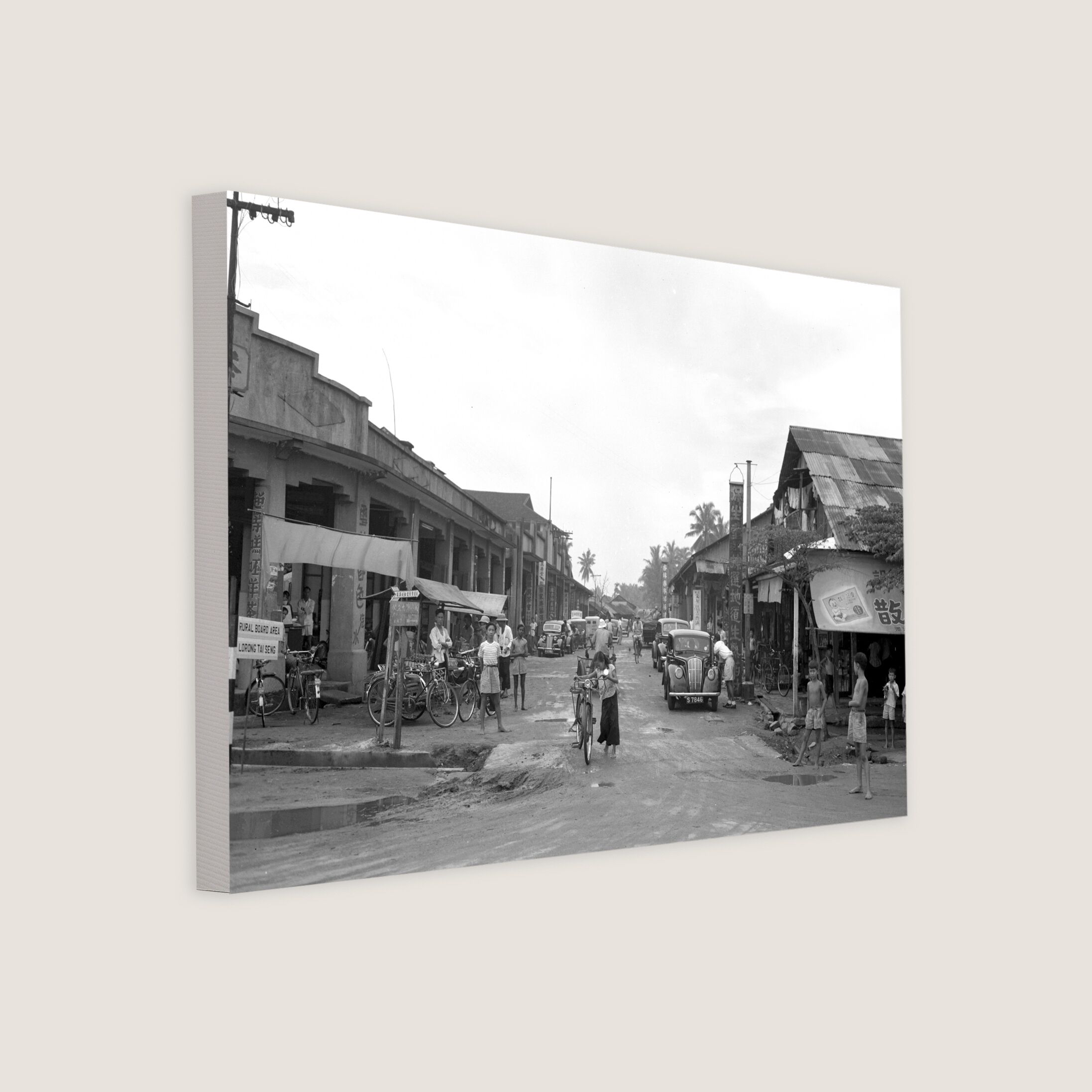
A view of Lorong Tai Seng in Singapore on 12 October 1950.
©️ SPH Media Limited
Share to
Tags
Available for print on products
 Public Housing in Queenstown
1954
Public Housing in Queenstown
1954
Public Housing in Queenstown
Year 1954
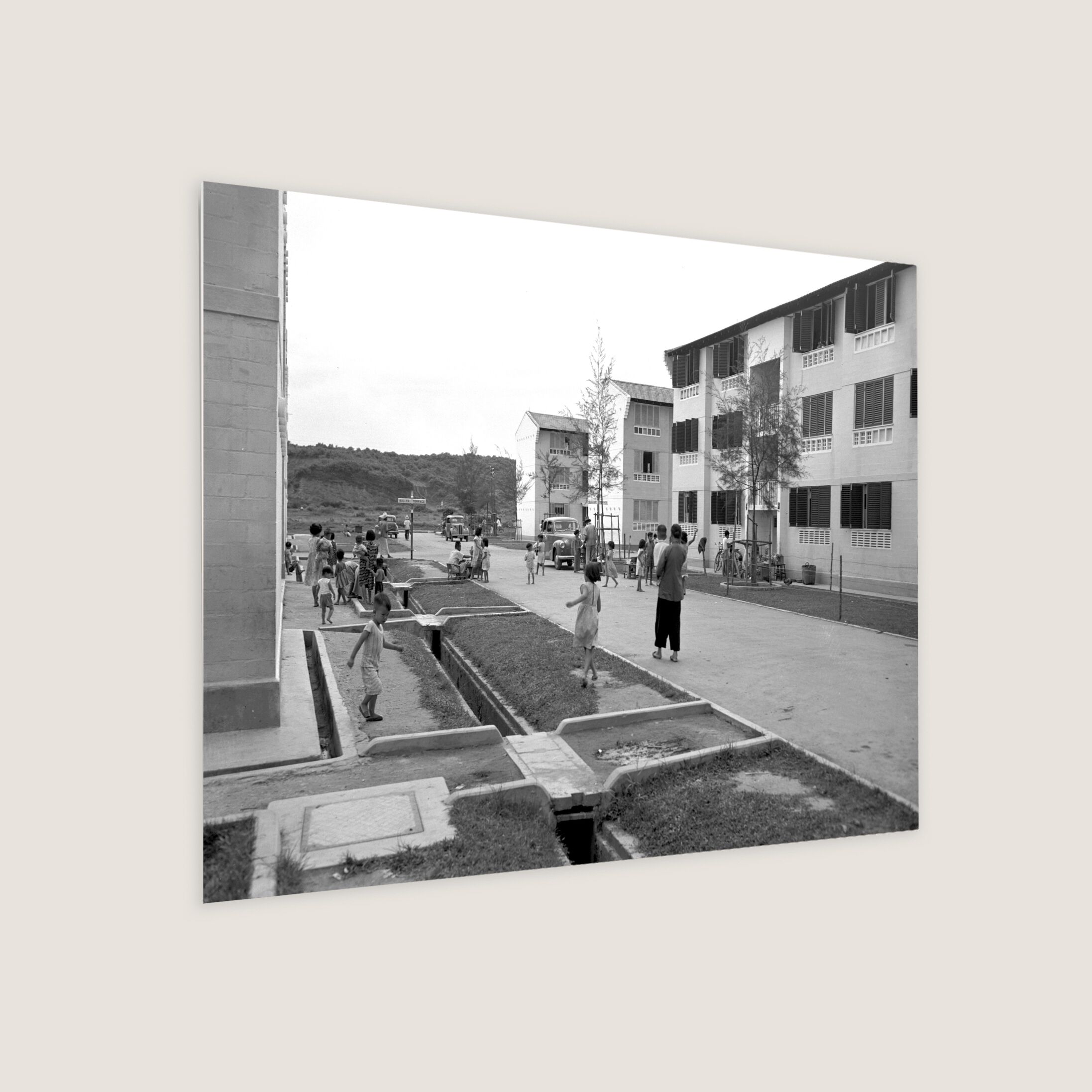
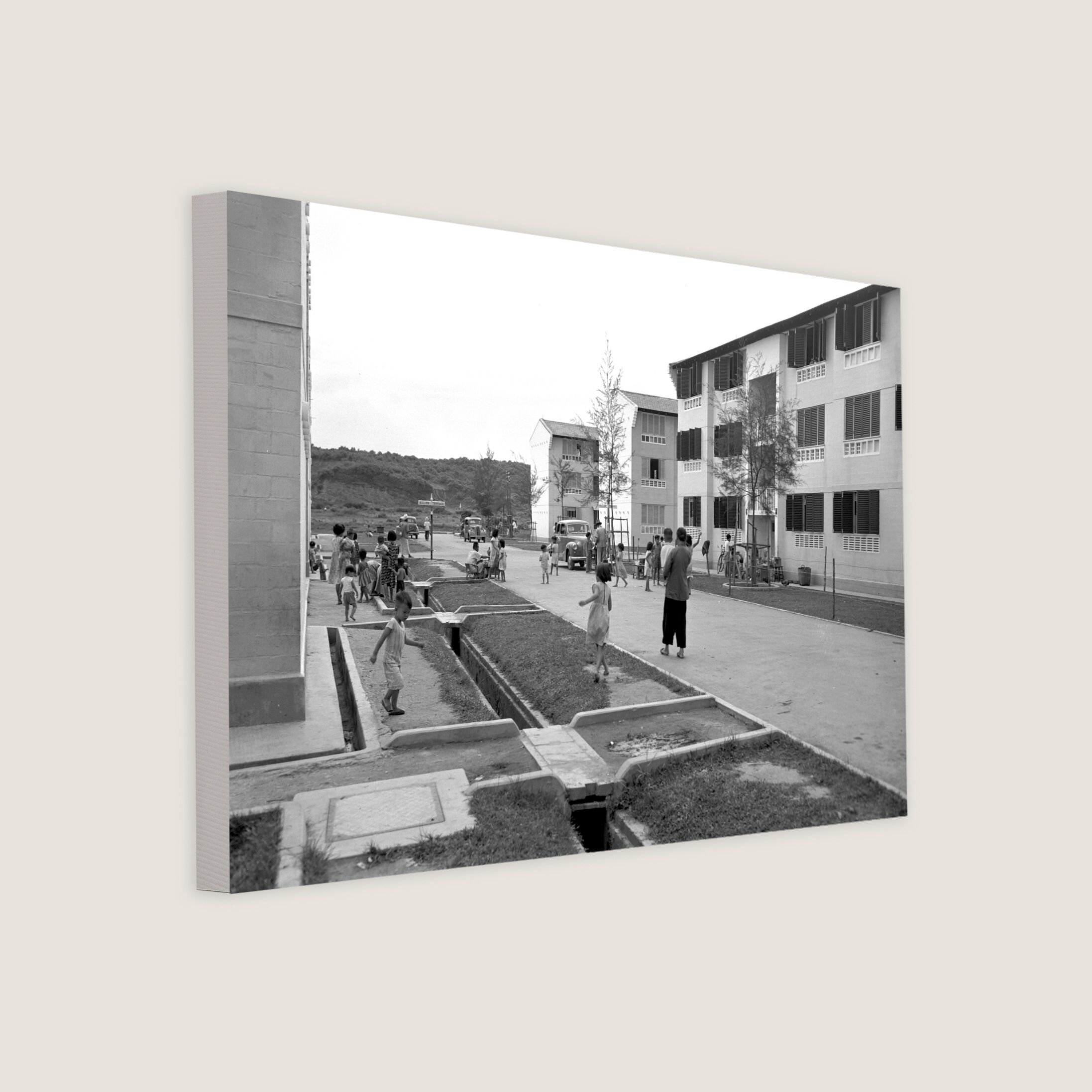
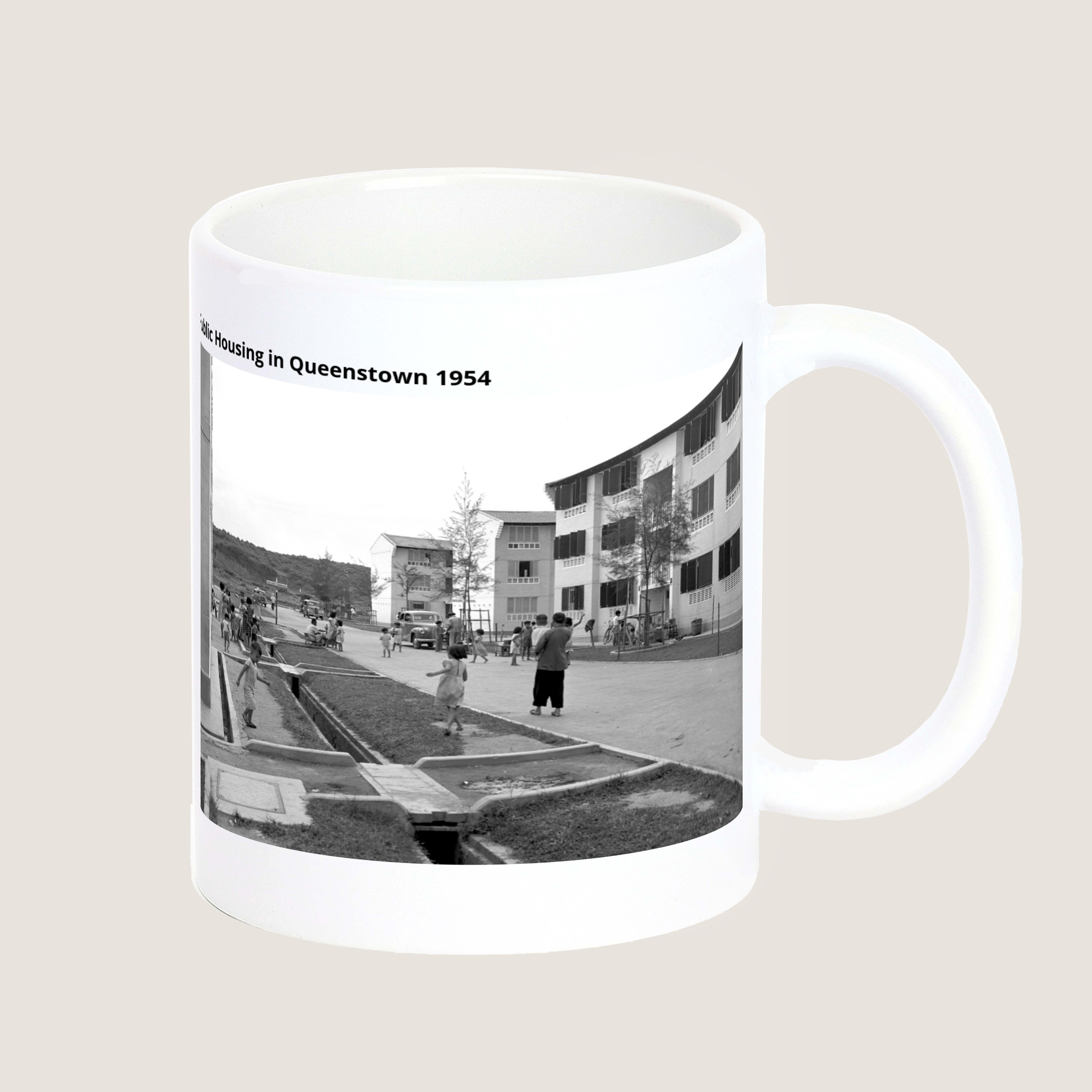
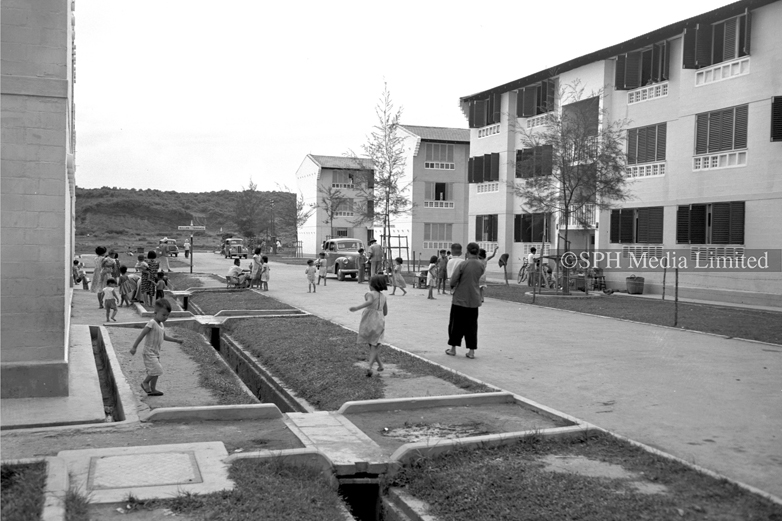
Children playing at the newly constructed Singapore Improvement Trust (SIT) flats in Queenstown, 14 June 1954. SIT was originally assigned to improved Singapore's infrastructure. In the 1930s, they were also tasked to built low-cost public housing. In 1960s, the urban planning function was passed on to the Planning Department and the public housing function was passed to the Housing and Development Board.
©️ SPH Media Limited
Share to
Tags
Available for print on products
 ForFar House at Queenstown
1956
ForFar House at Queenstown
1956
ForFar House at Queenstown
Year 1956
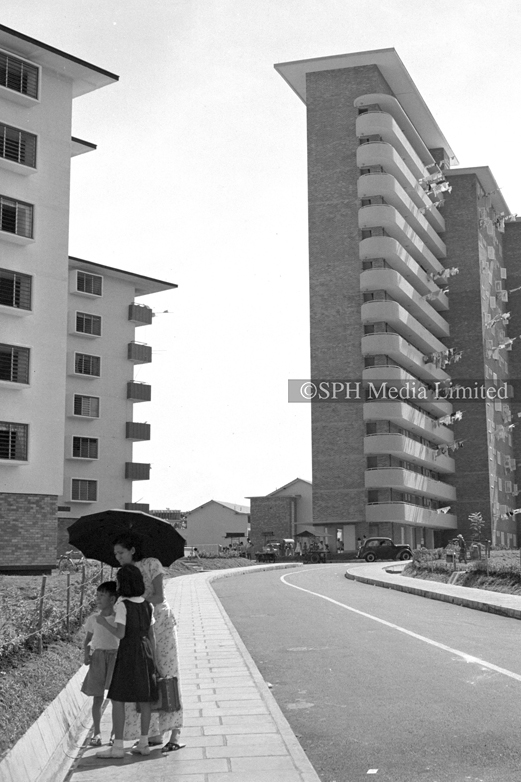
Forfar House, a streamlined 14-storey block of S.I.T. flats at Queenstown, was the sixth tallest buildings in Singapore, and the tallest public residential building. It has been since demolished and replaced by Forfar Heights cluster.
©️ SPH Media Limited
Share to
Tags
Available for print on products
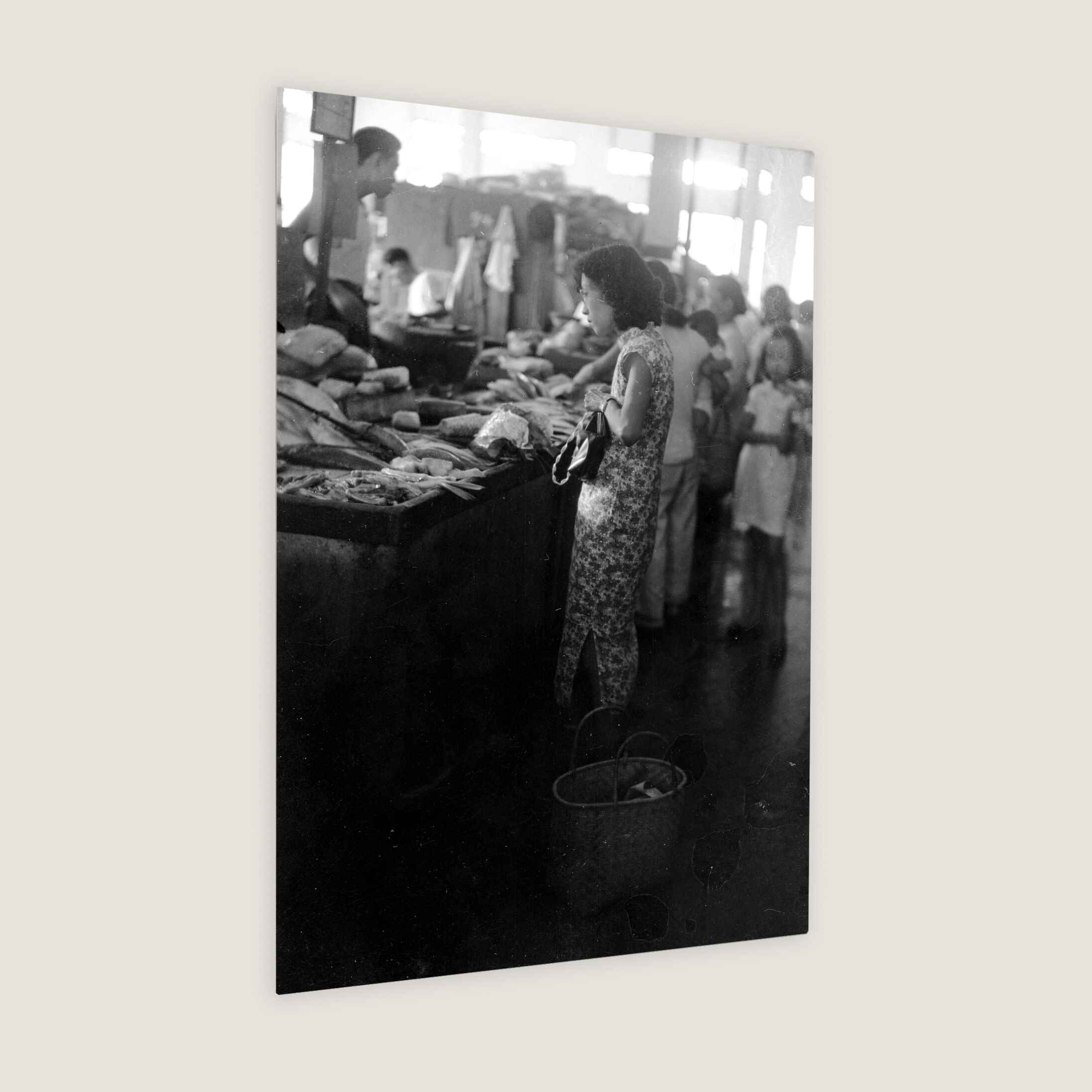
 Tanglin Wet Market
1949
Tanglin Wet Market
1949
Tanglin Wet Market
Year 1949
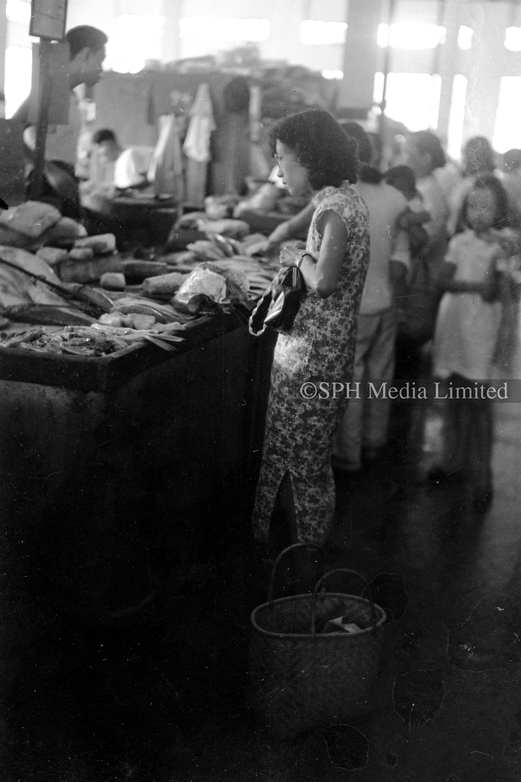
Life after the Japanese Occupation, showing a woman in cheongsam buying fish at Tanglin Wet Market
©️ SPH Media Limited
Share to
Tags
Available for print on products
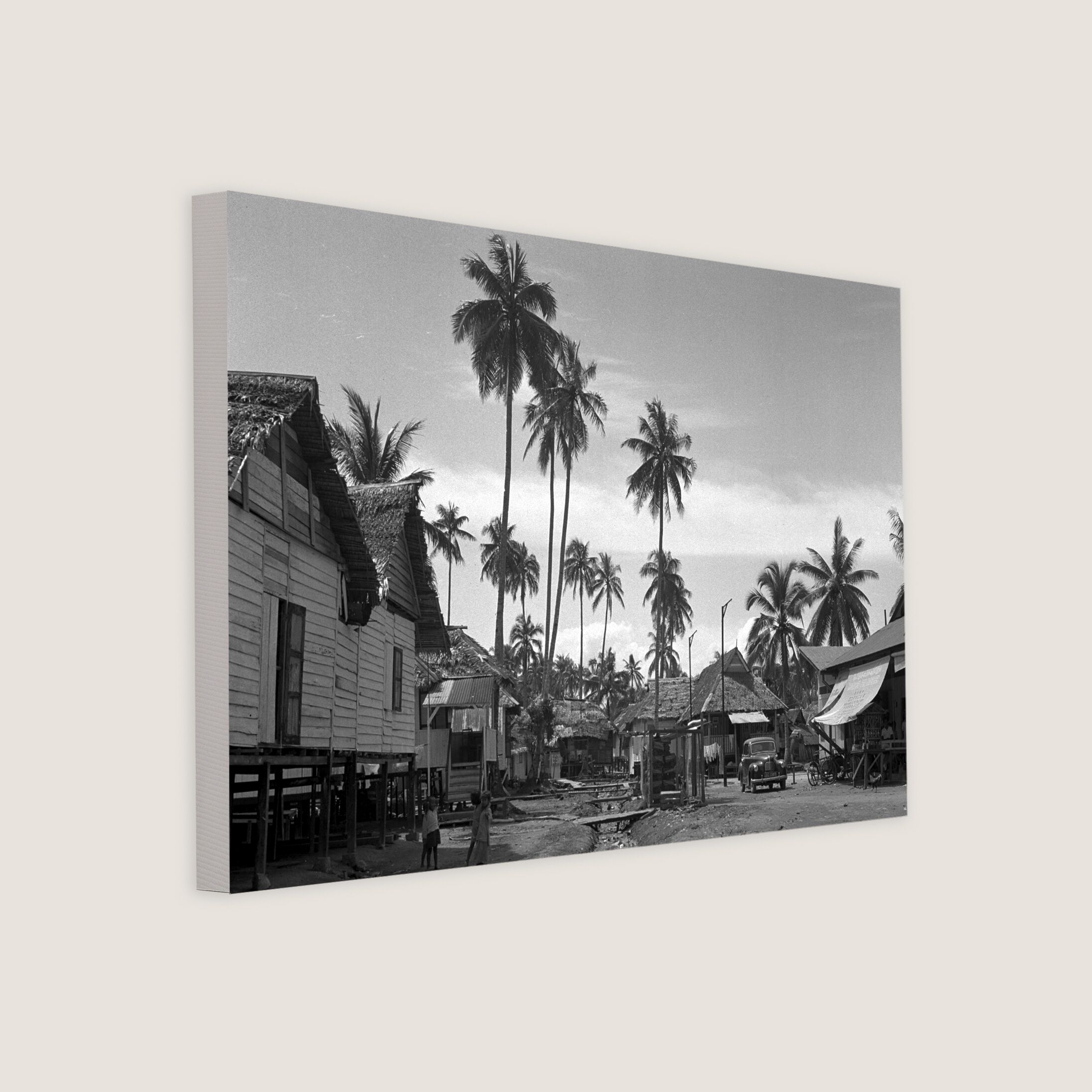
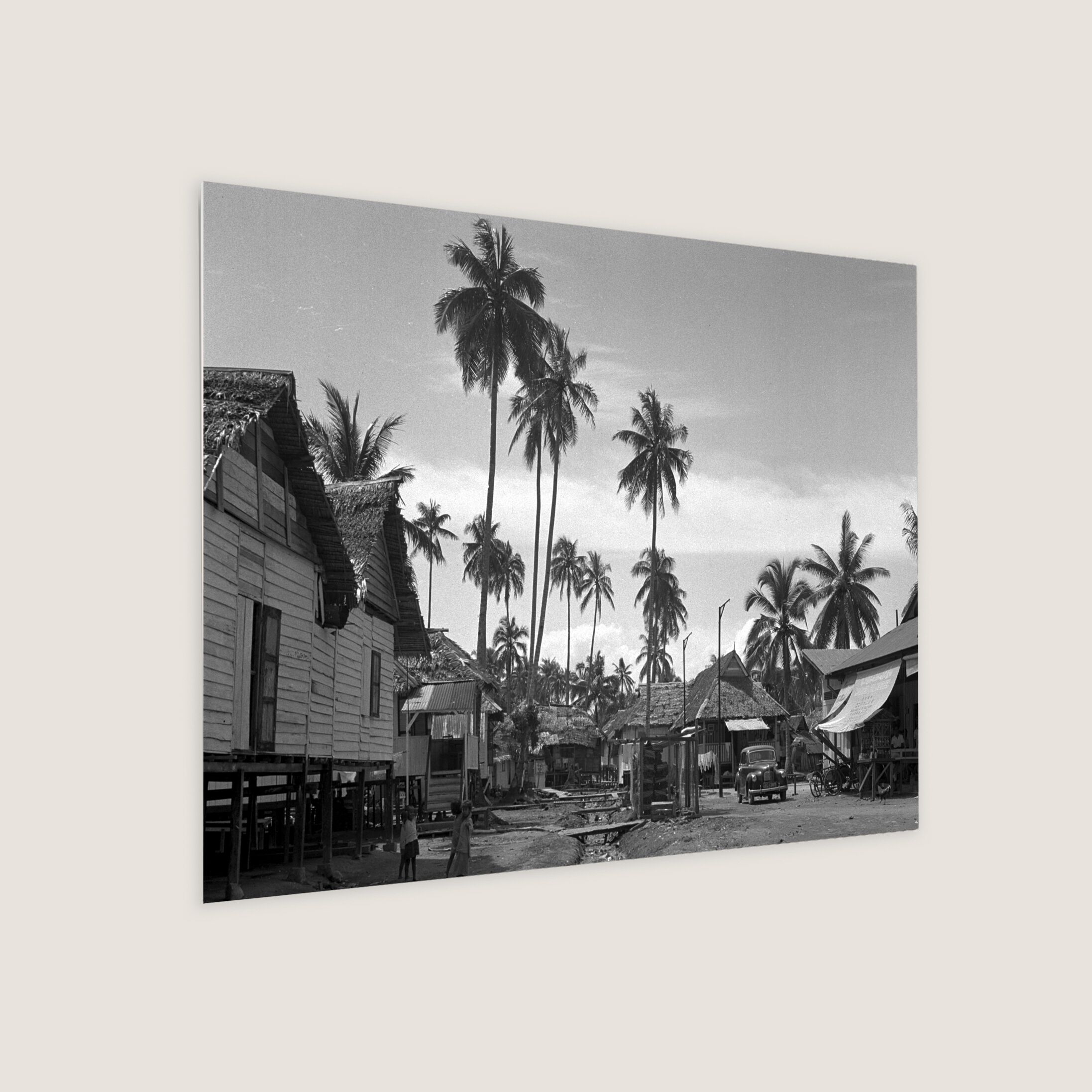
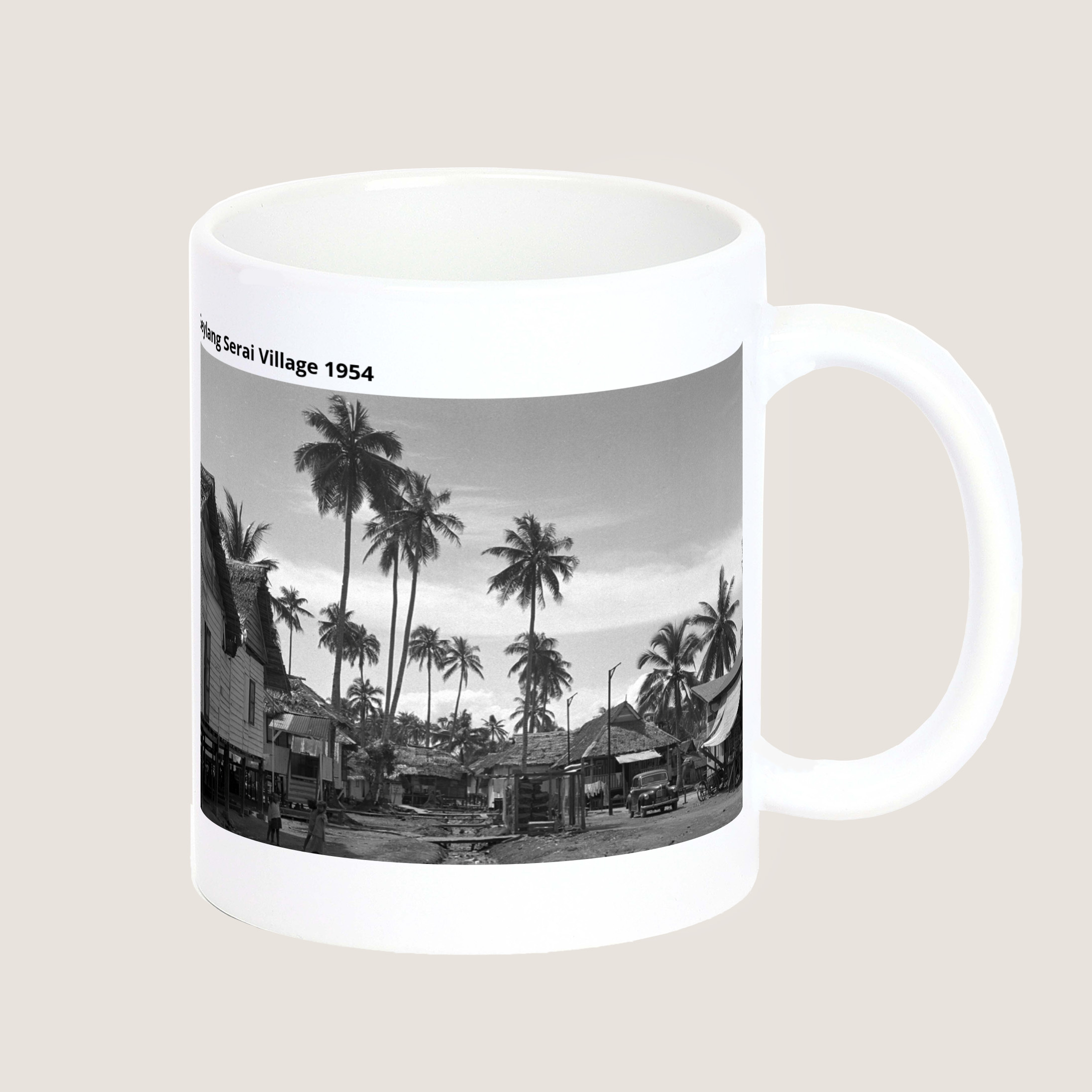
 Geylang Serai Village
1954
Geylang Serai Village
1954
Geylang Serai Village
Year 1954
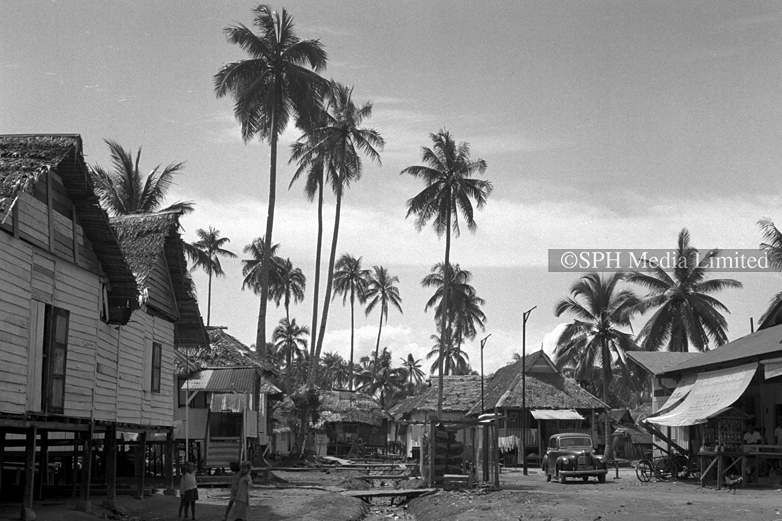
The site of the Malay Culture Centre was formerly a Malay settlement. Geylang Serai is one of the oldest Malay settlements in Singapore. In 1965, urban redevelopment project took place and most of these Malay villages were demolished.
©️ SPH Media Limited
Share to
Tags
Available for print on products
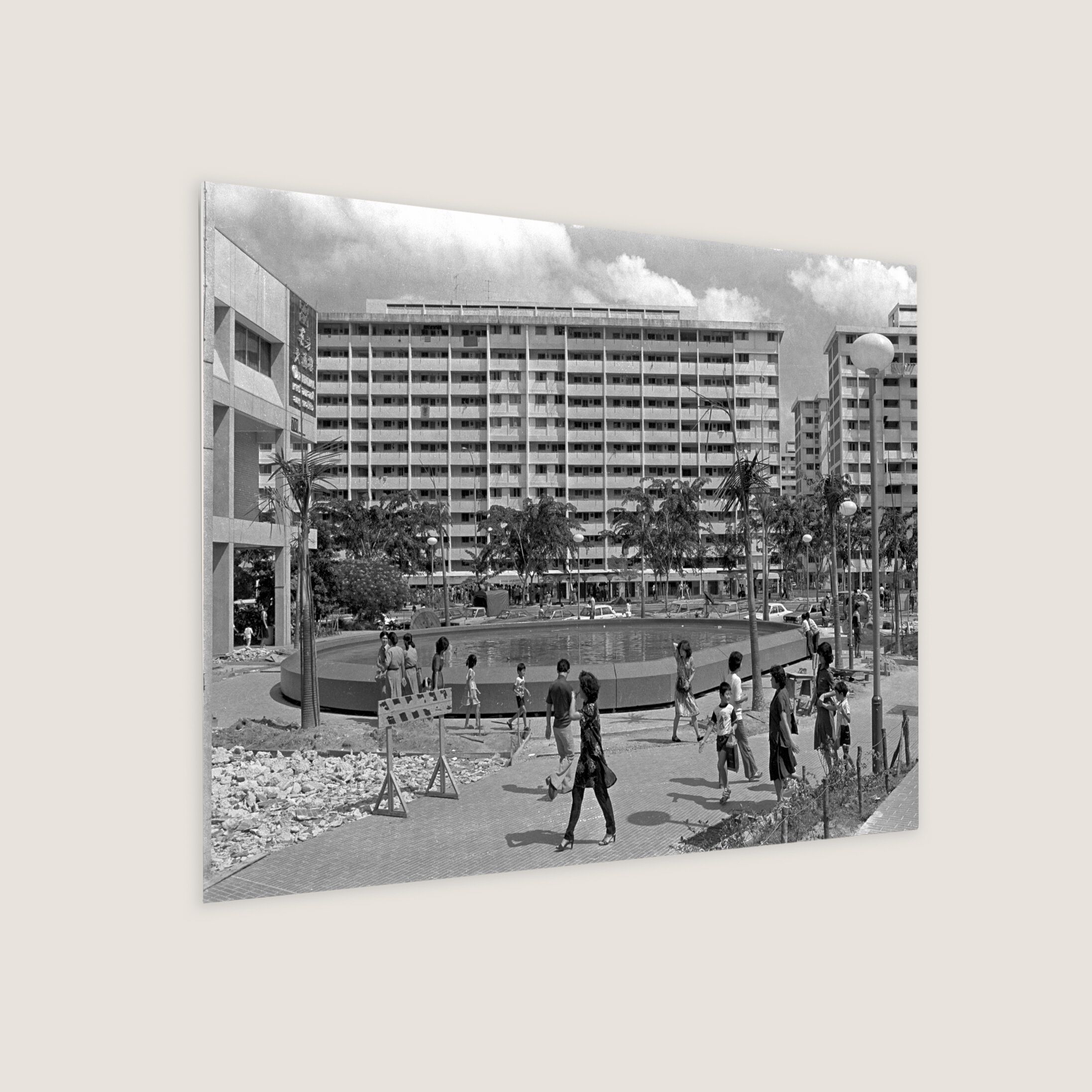
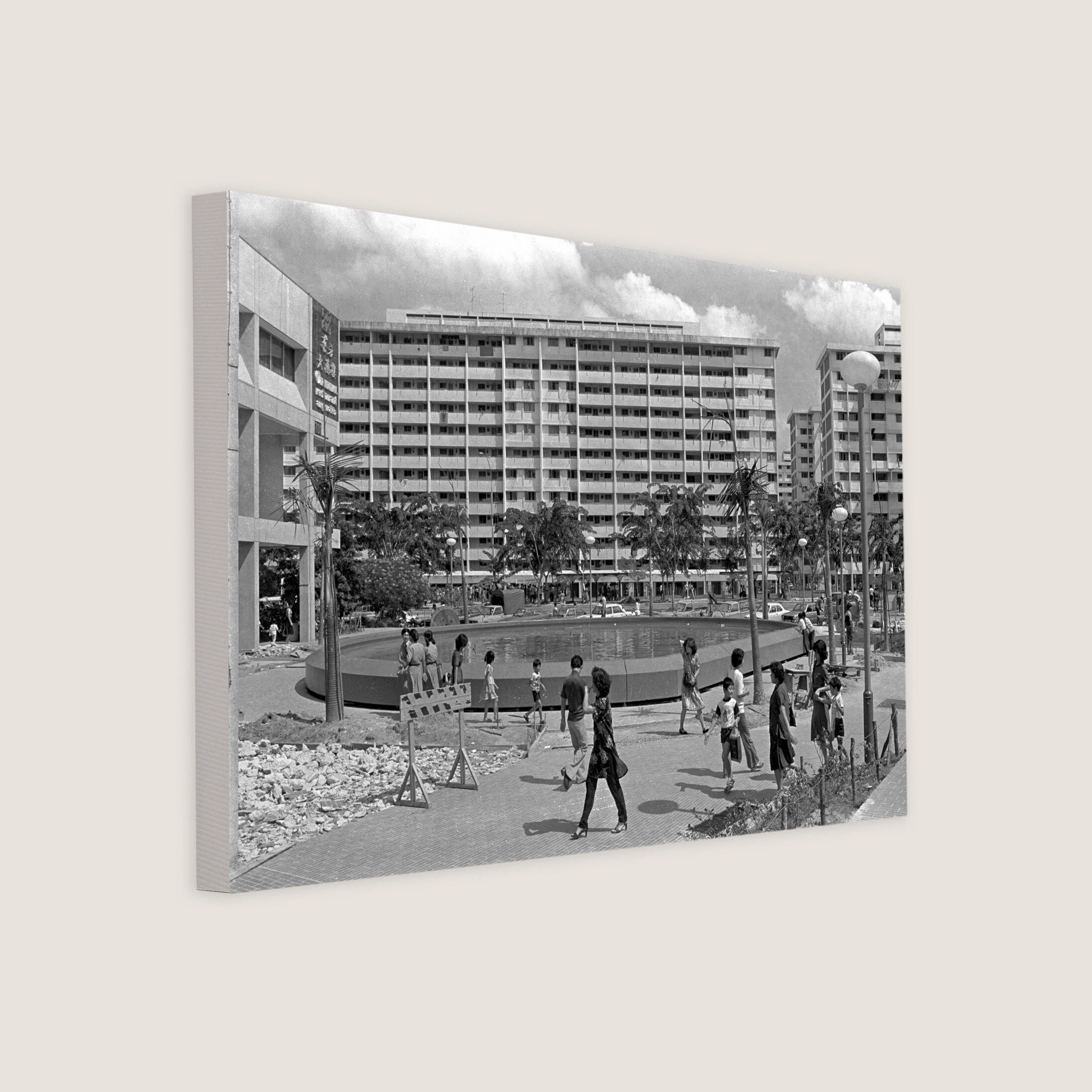
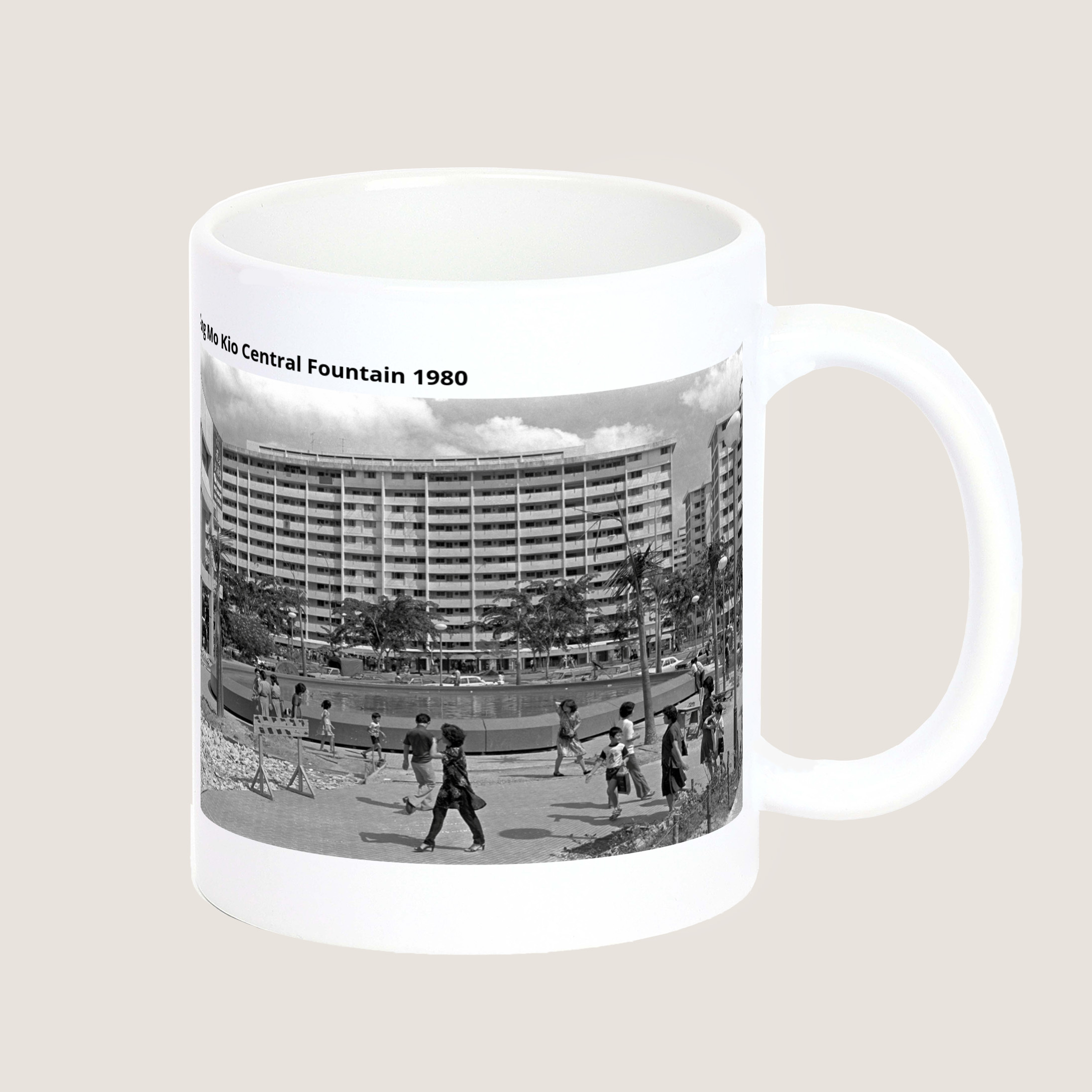
 Ang Mo Kio Central Fountain
1980
Ang Mo Kio Central Fountain
1980
Ang Mo Kio Central Fountain
Year 1980
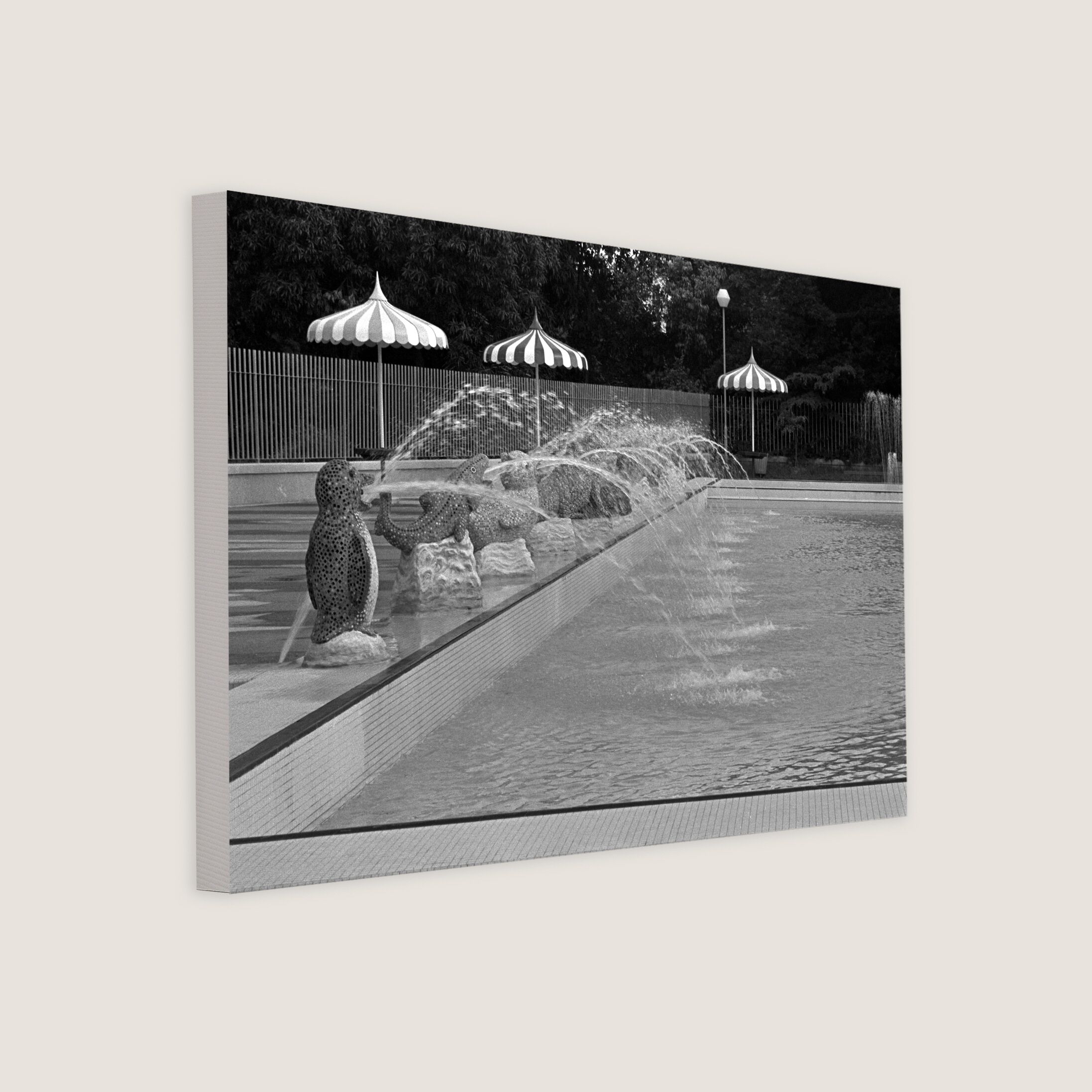
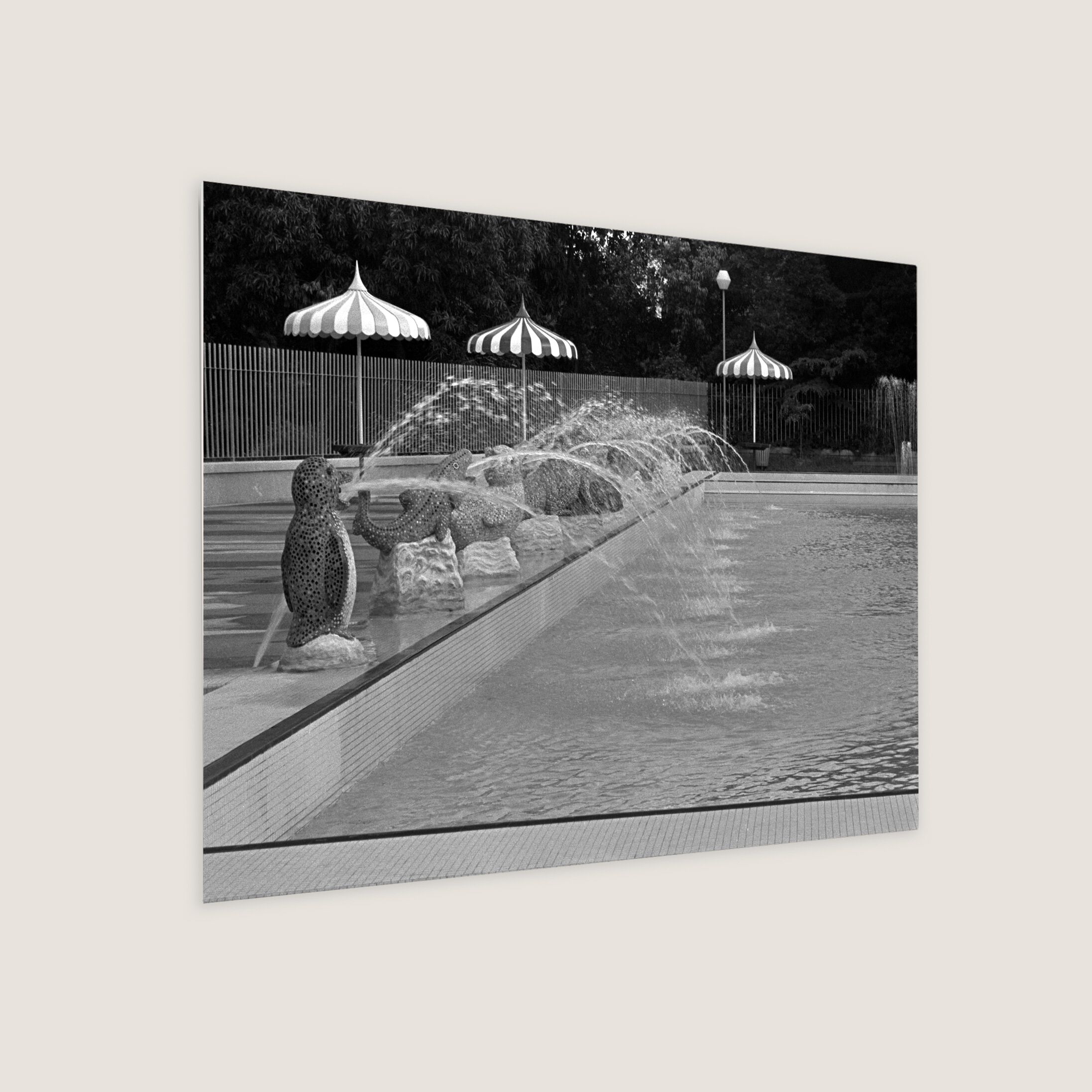
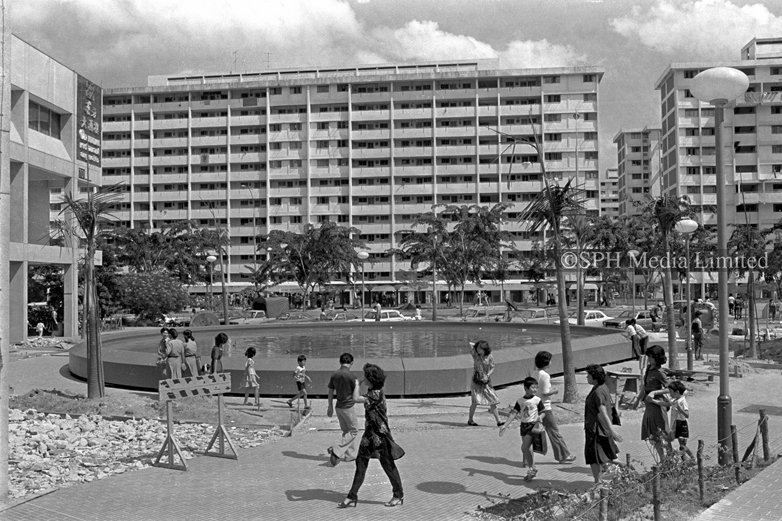
Here features a fountain that used to exist at Ang Mo Kio Central surrounded by flowers, trees and shrubs, indispensable elements in Singapore's concept of the Garden City.
©️ SPH Media Limited
Share to
Tags
Available for print on products
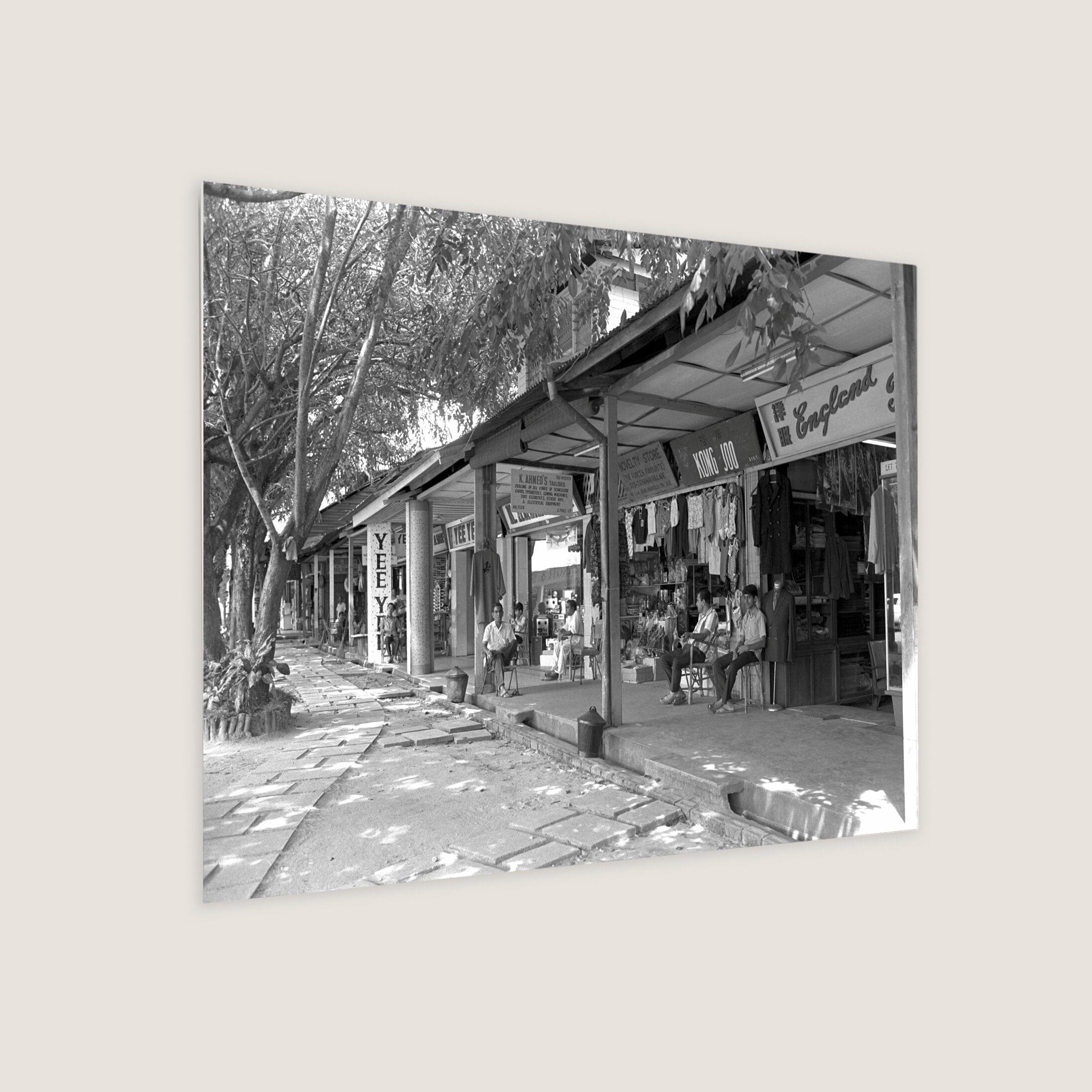
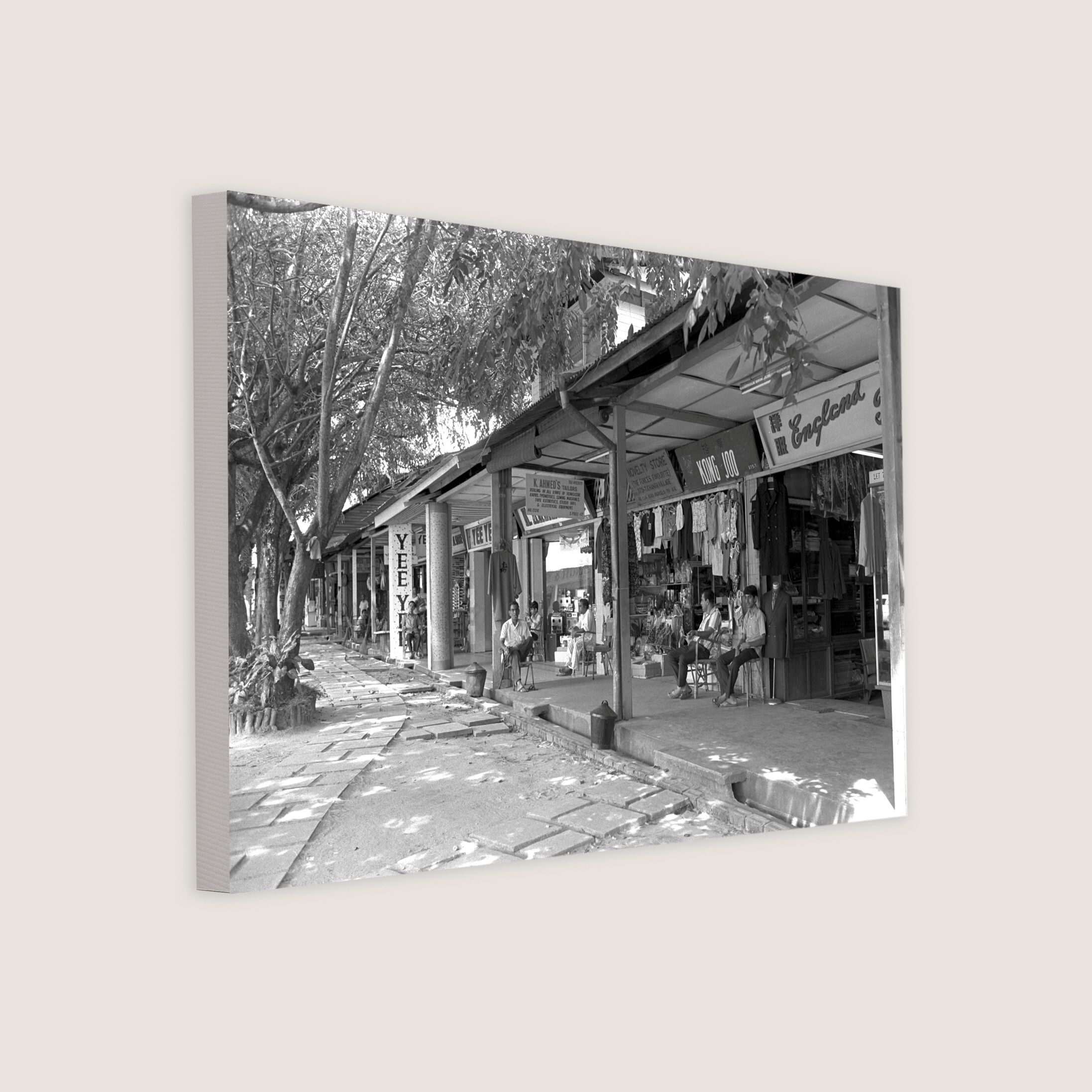
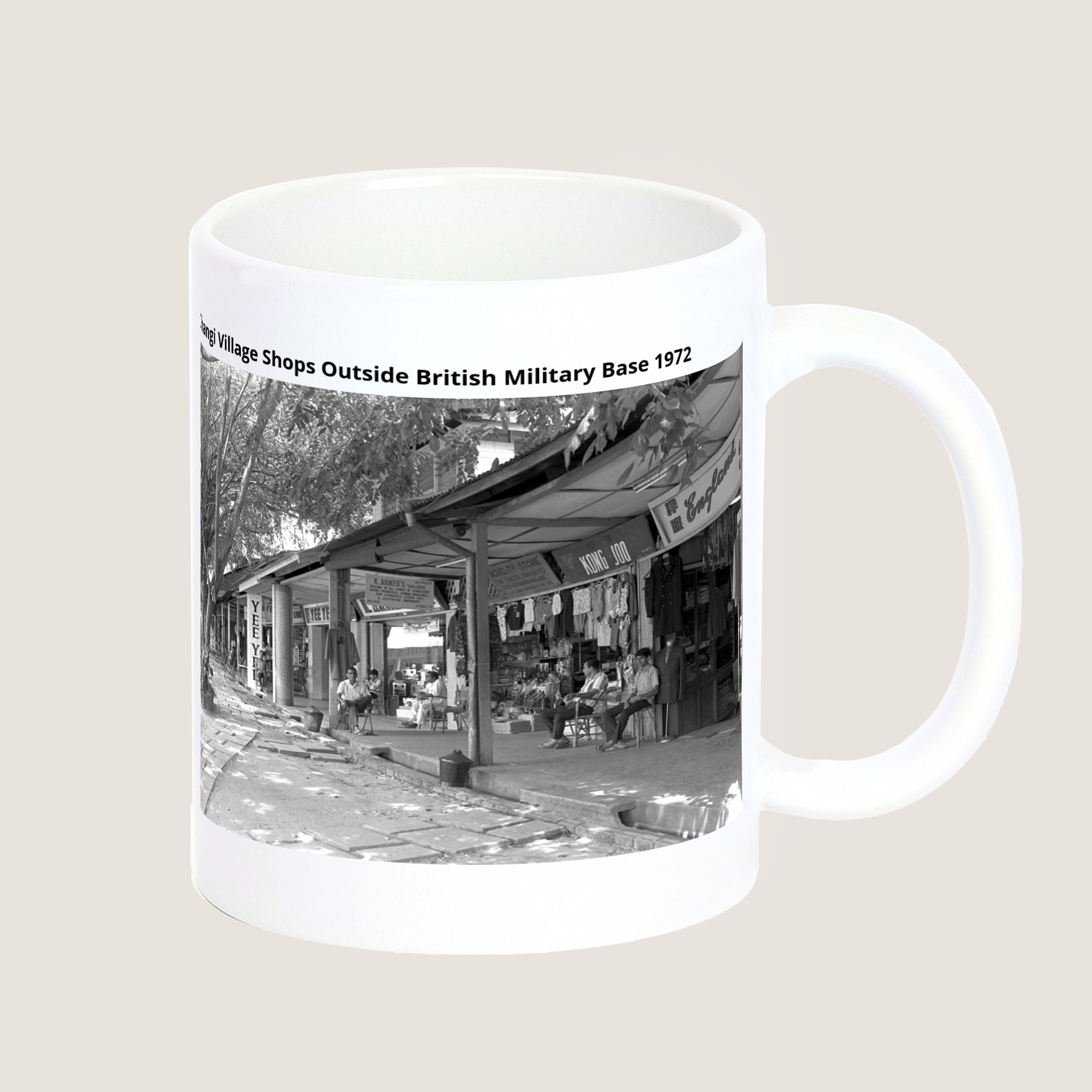
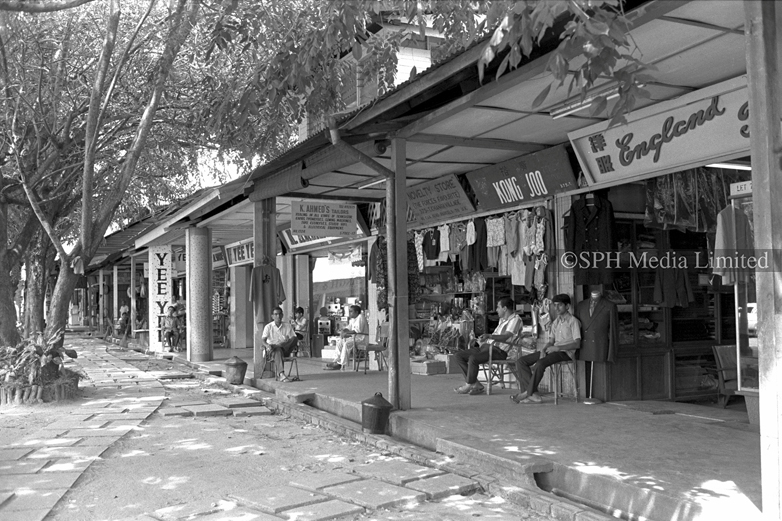 Changi Village Shops Outside British Military Base
1972
Changi Village Shops Outside British Military Base
1972
Changi Village Shops Outside British Military Base
Year 1972
Changi was the last area in Singapore to see the British forces pull out in the 70s. During colonial rule, it served as a military base with a barrack and an administrative office, supplemented by entertainment and recreational activities.
©️ SPH Media Limited
Share to
Tags
Available for print on products
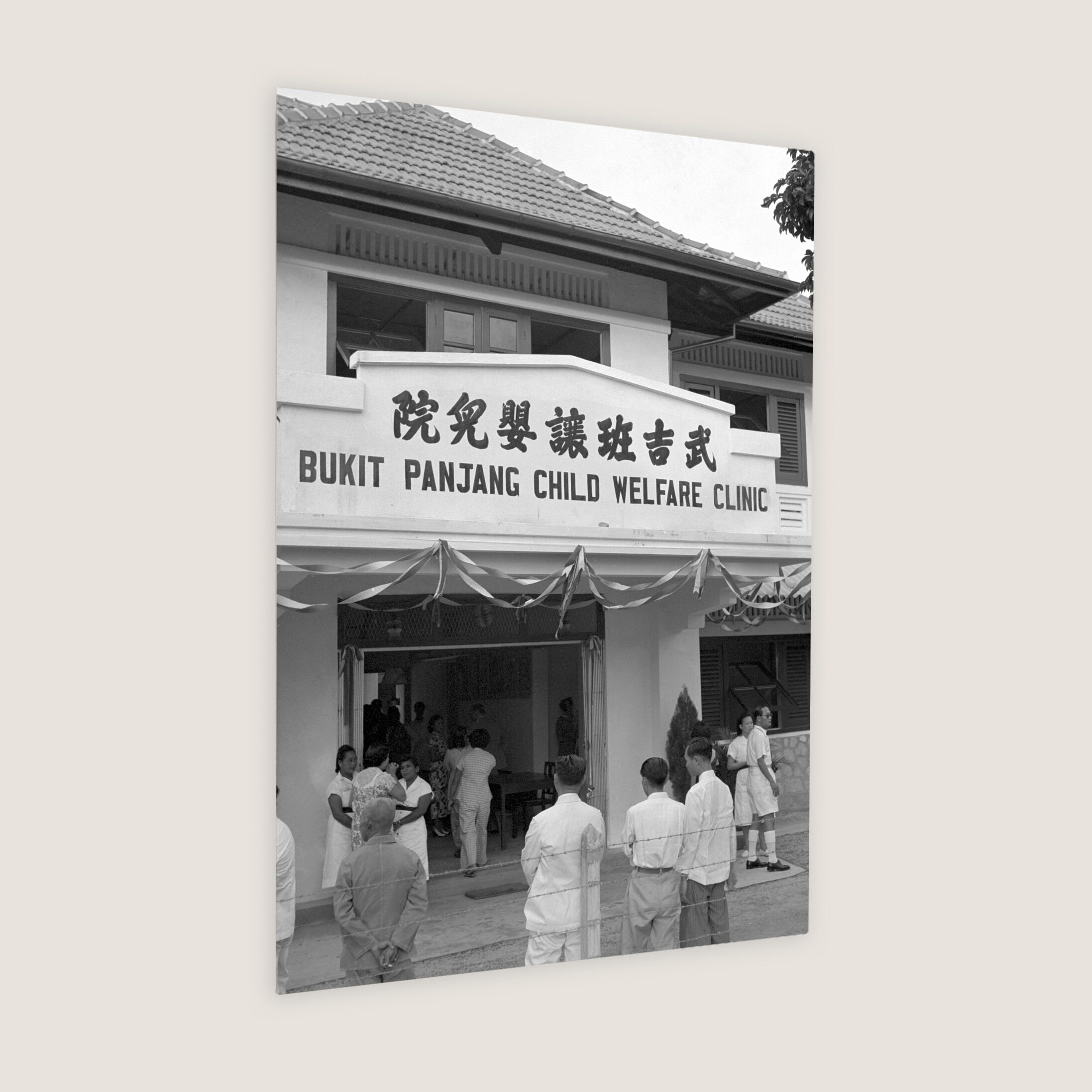
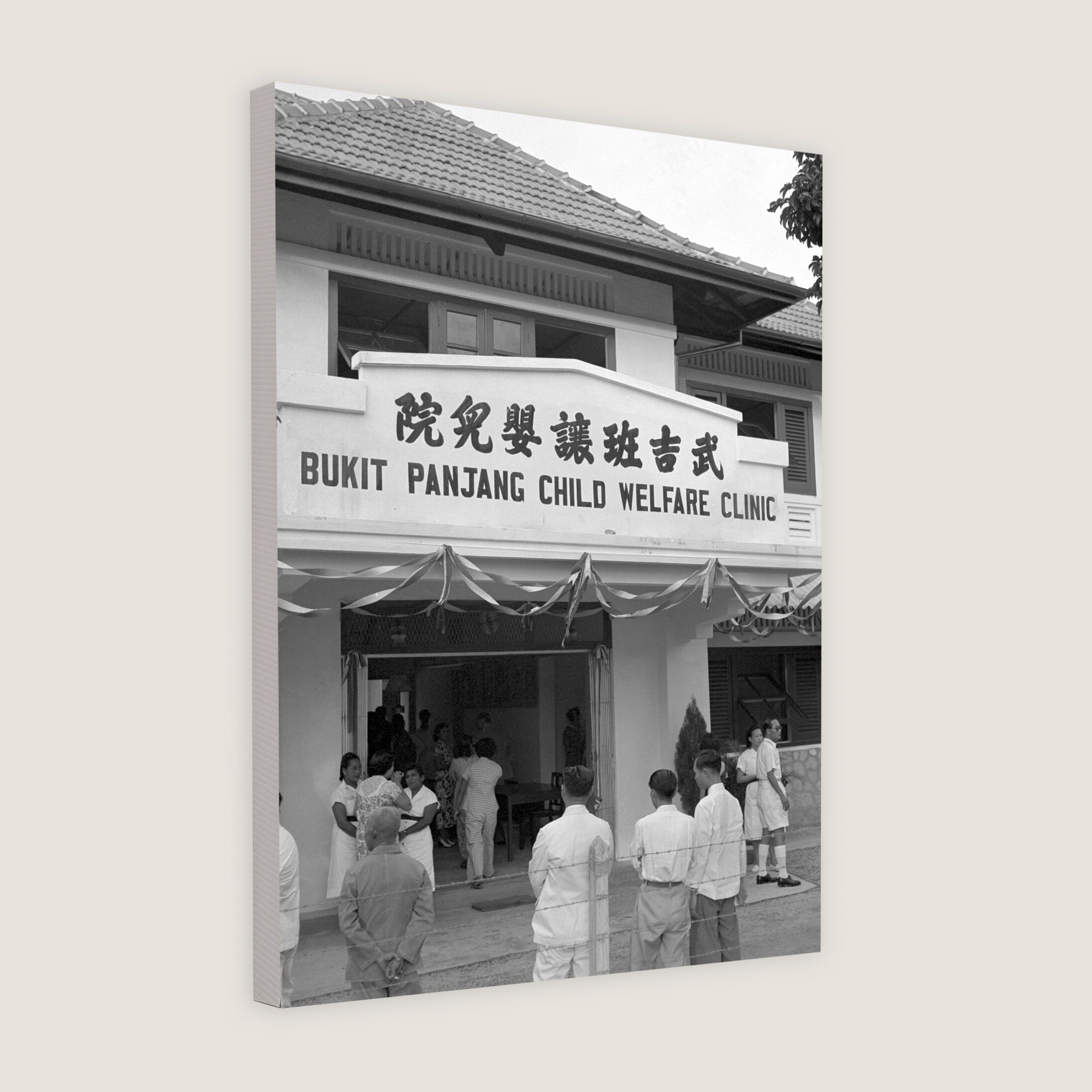
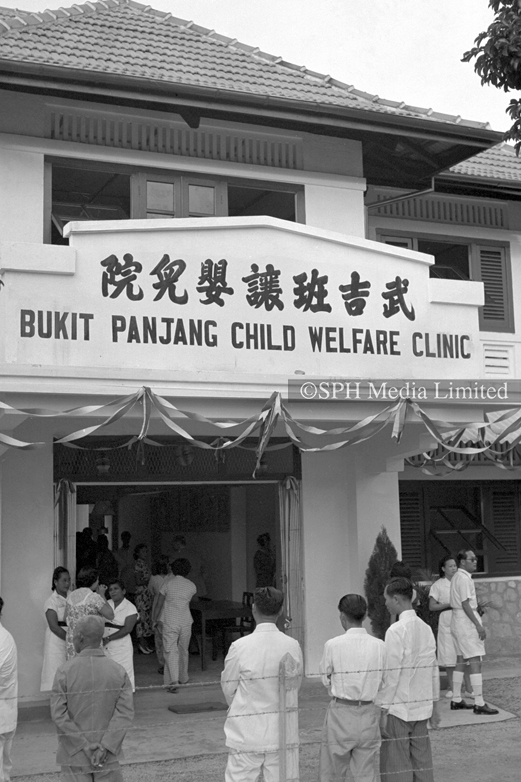 Bukit Panjang Child Welfare Clinic
1950
Bukit Panjang Child Welfare Clinic
1950
Bukit Panjang Child Welfare Clinic
Year 1950
Child Welfare Clinic at Bukit Panjang was located at Woodlands Road. After it ceased operation as a child welfare clinic, it became a children's learning centre (kindergarten) operated by a private company.
©️ SPH Media Limited
Share to
Tags
Available for print on products
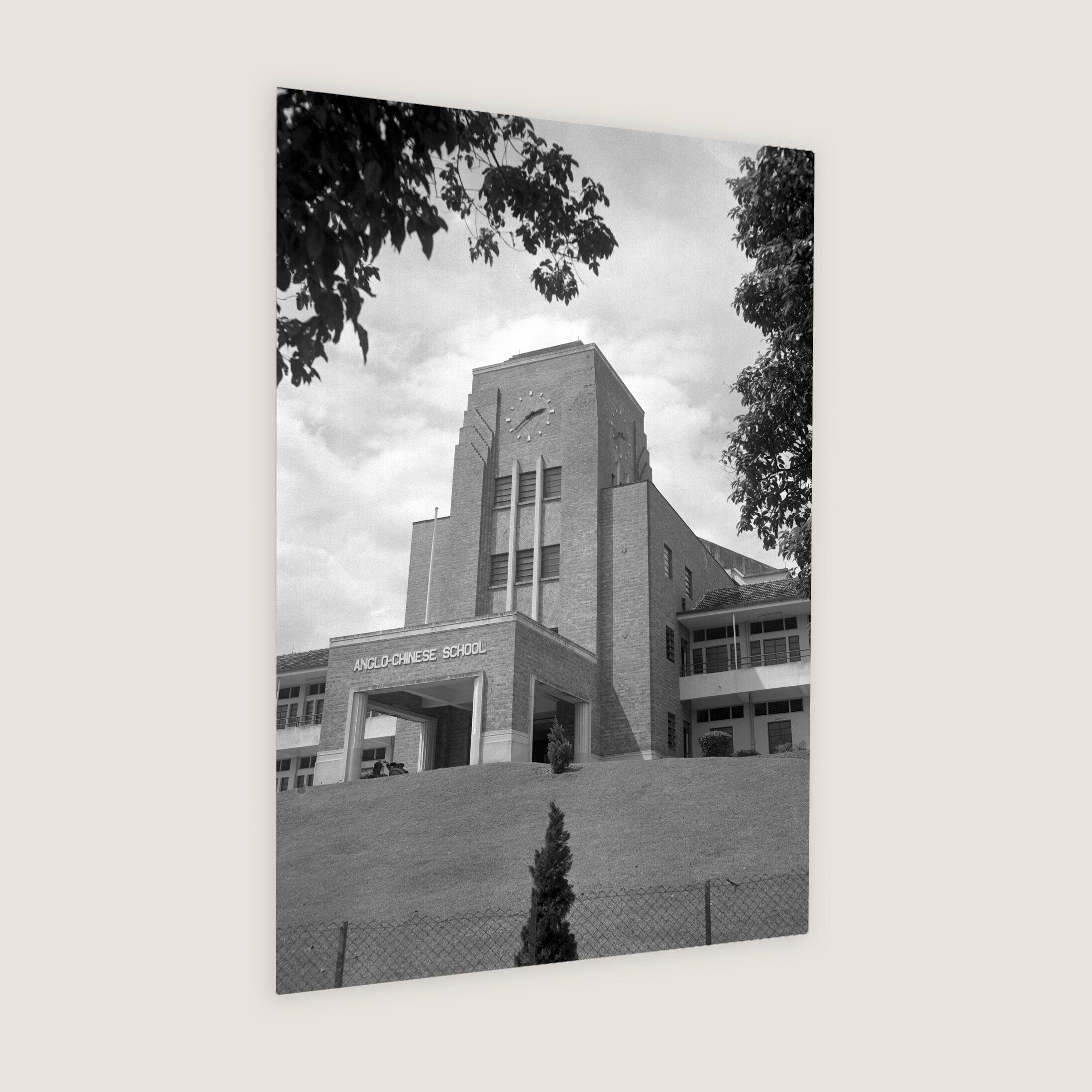
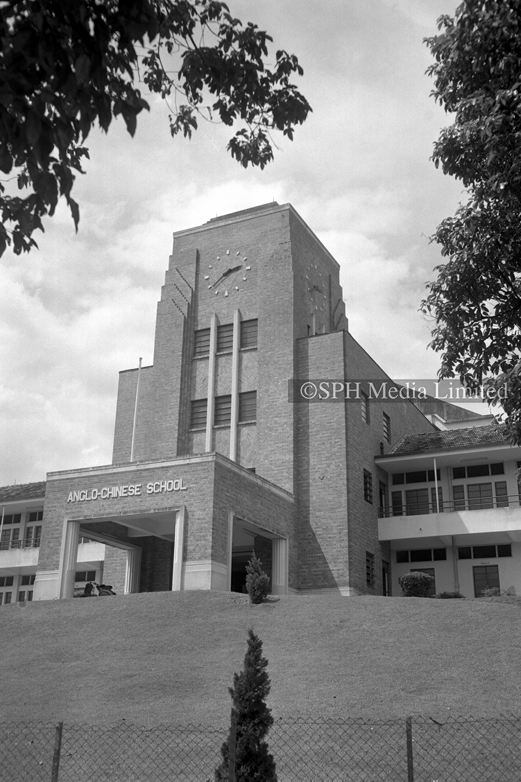 Anglo-Chinese High School at Barker Road Campus
1955
Anglo-Chinese High School at Barker Road Campus
1955
Anglo-Chinese High School at Barker Road Campus
Year 1955
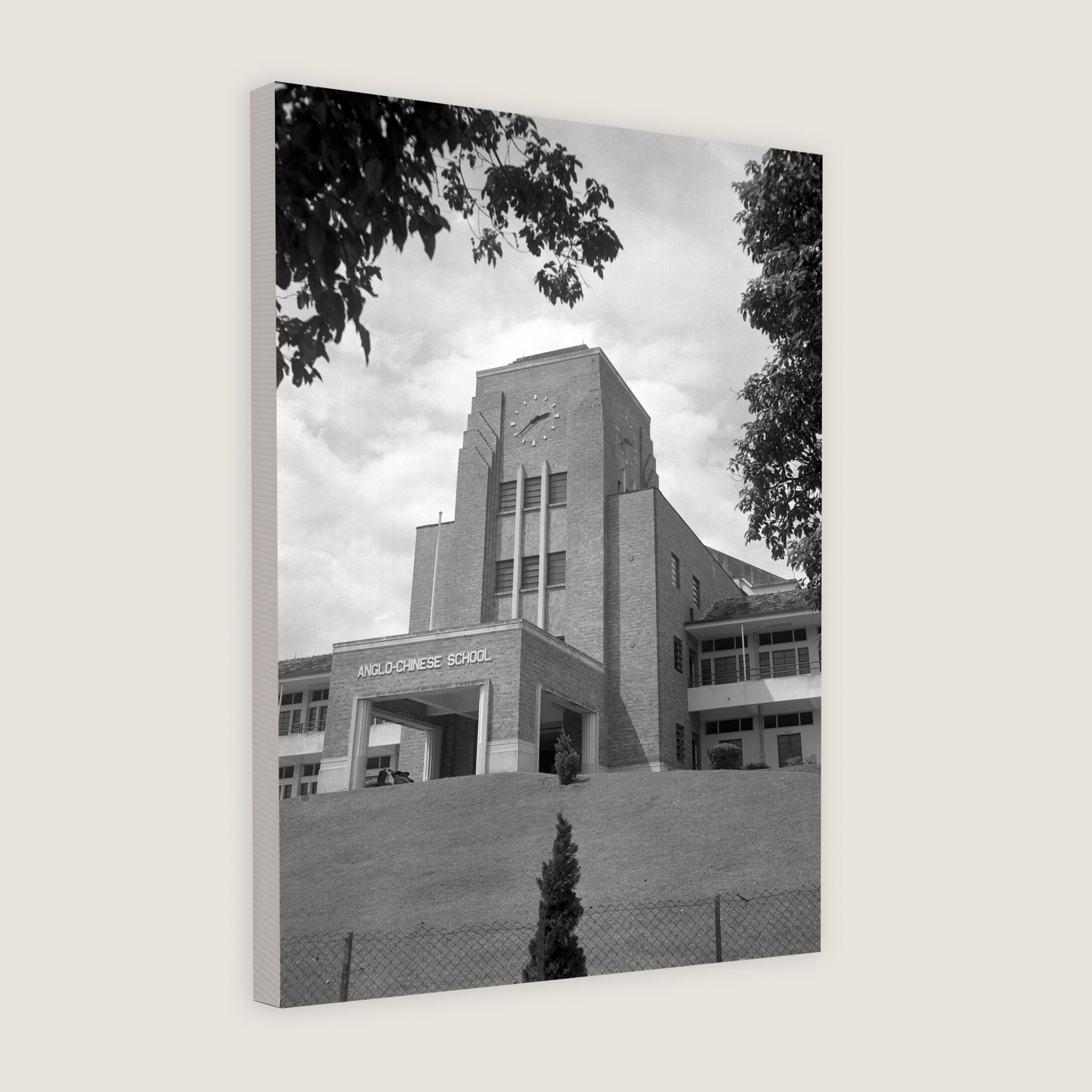
This was the Barker Road campus for the Anglo-Chinese School in 1955. ACS became the first Methodist school to have a Board of Governors. This campus was catered to Secondary school and Primary school education.
©️ SPH Media Limited
Share to
Tags
Available for print on products
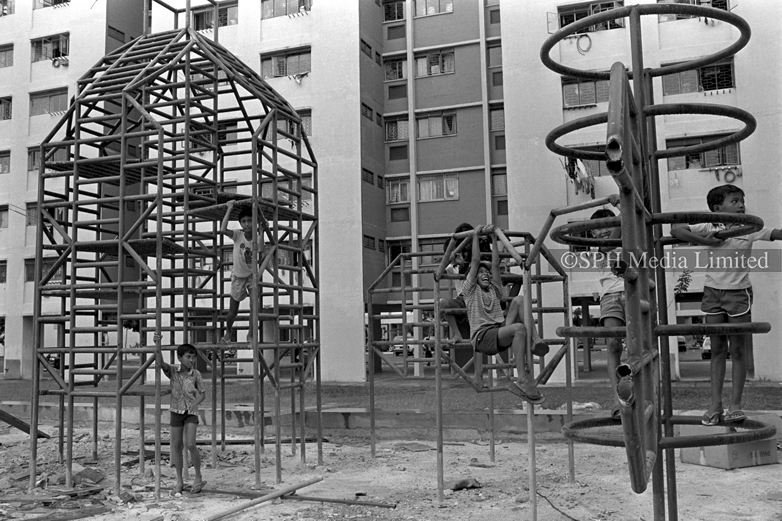 HDB Playground at Clementi
1980
HDB Playground at Clementi
1980
HDB Playground at Clementi
Year 1980
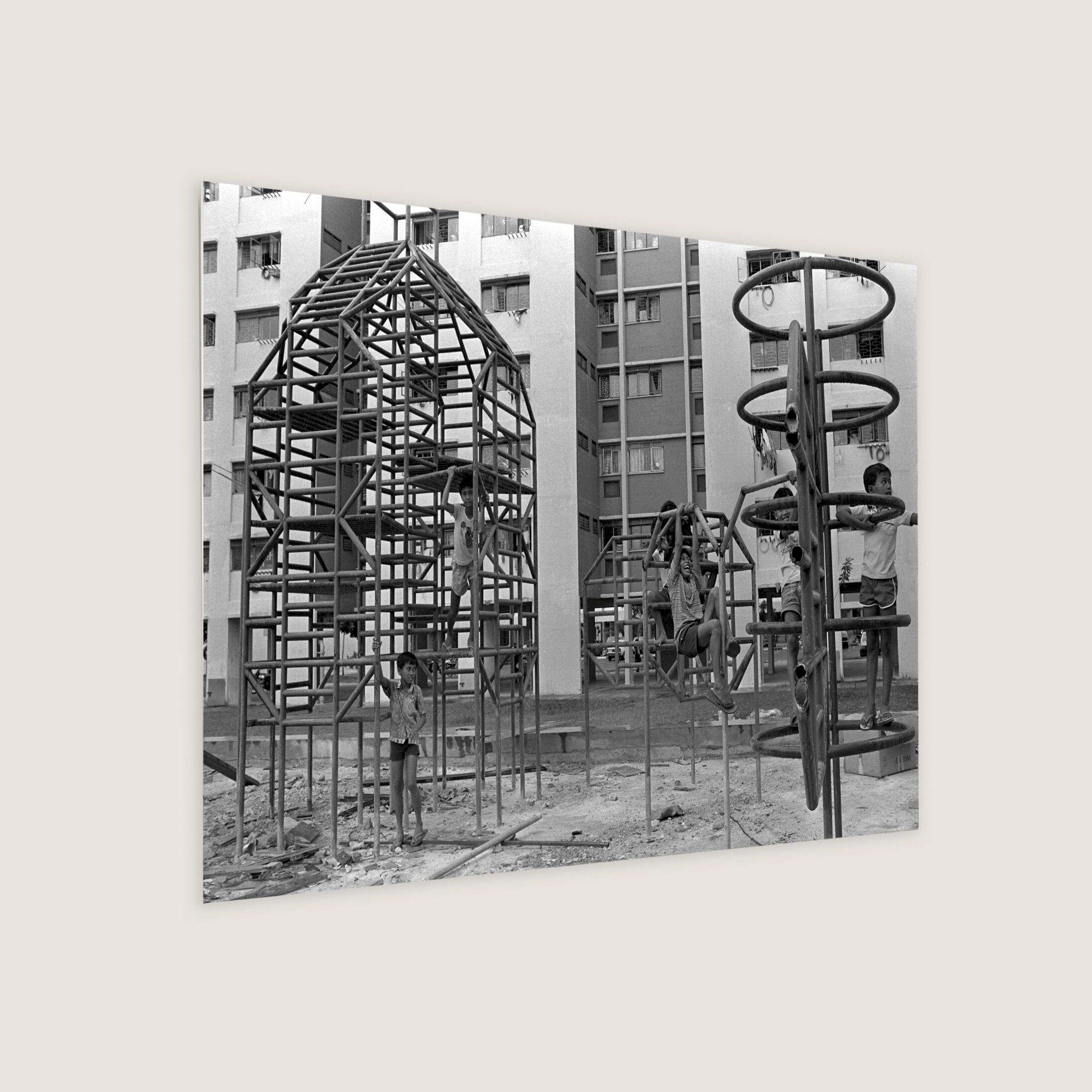
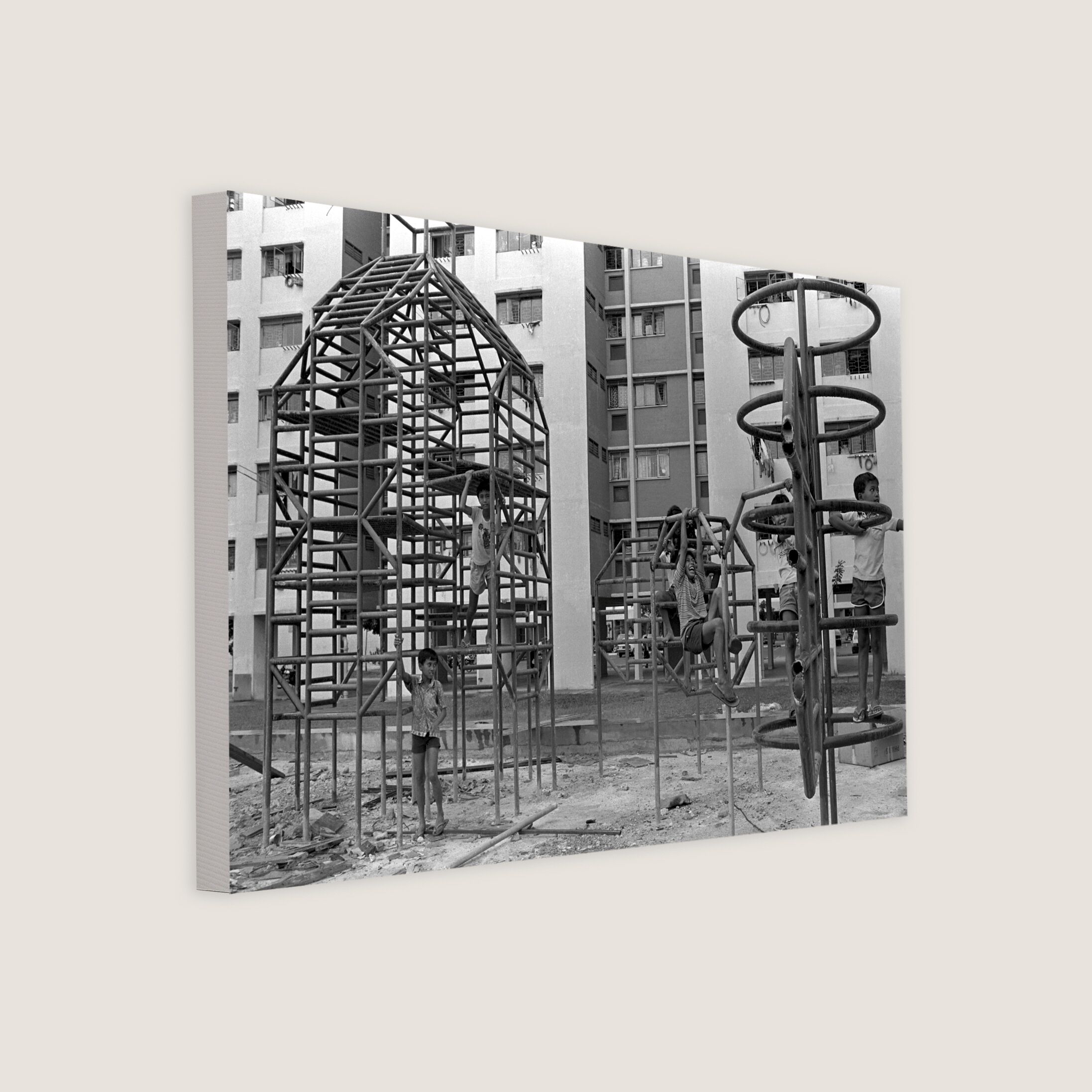
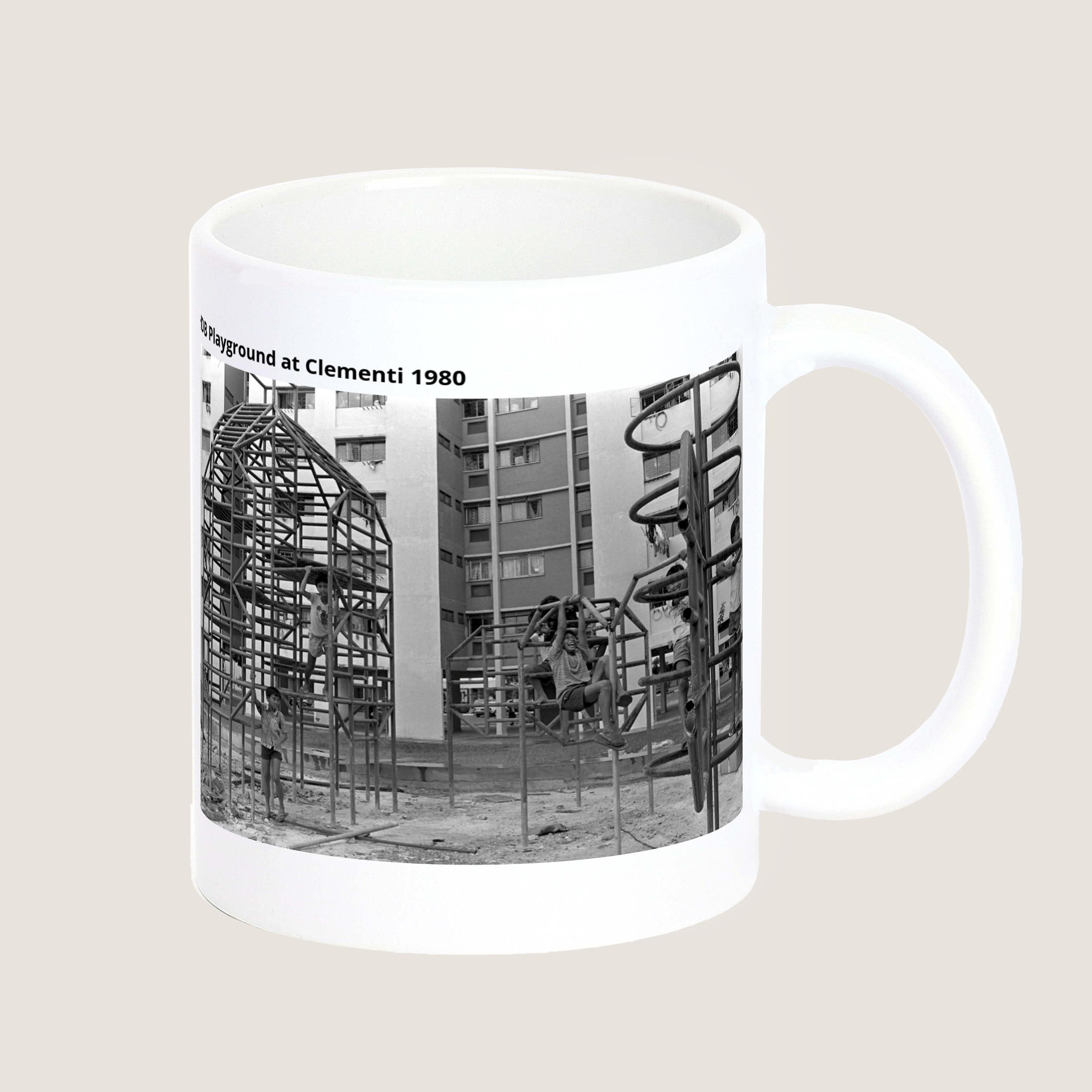
Playgrounds at Clementi HDBs on 3 February 1980, providing kids with a place to exercise and make friends near their homes. It was commonplace to see playgrounds with sand with kids building sandcastles. However, sand was slowly phased out and replaced with shock-absorbant materials.
©️ SPH Media Limited
Share to
Tags
Available for print on products
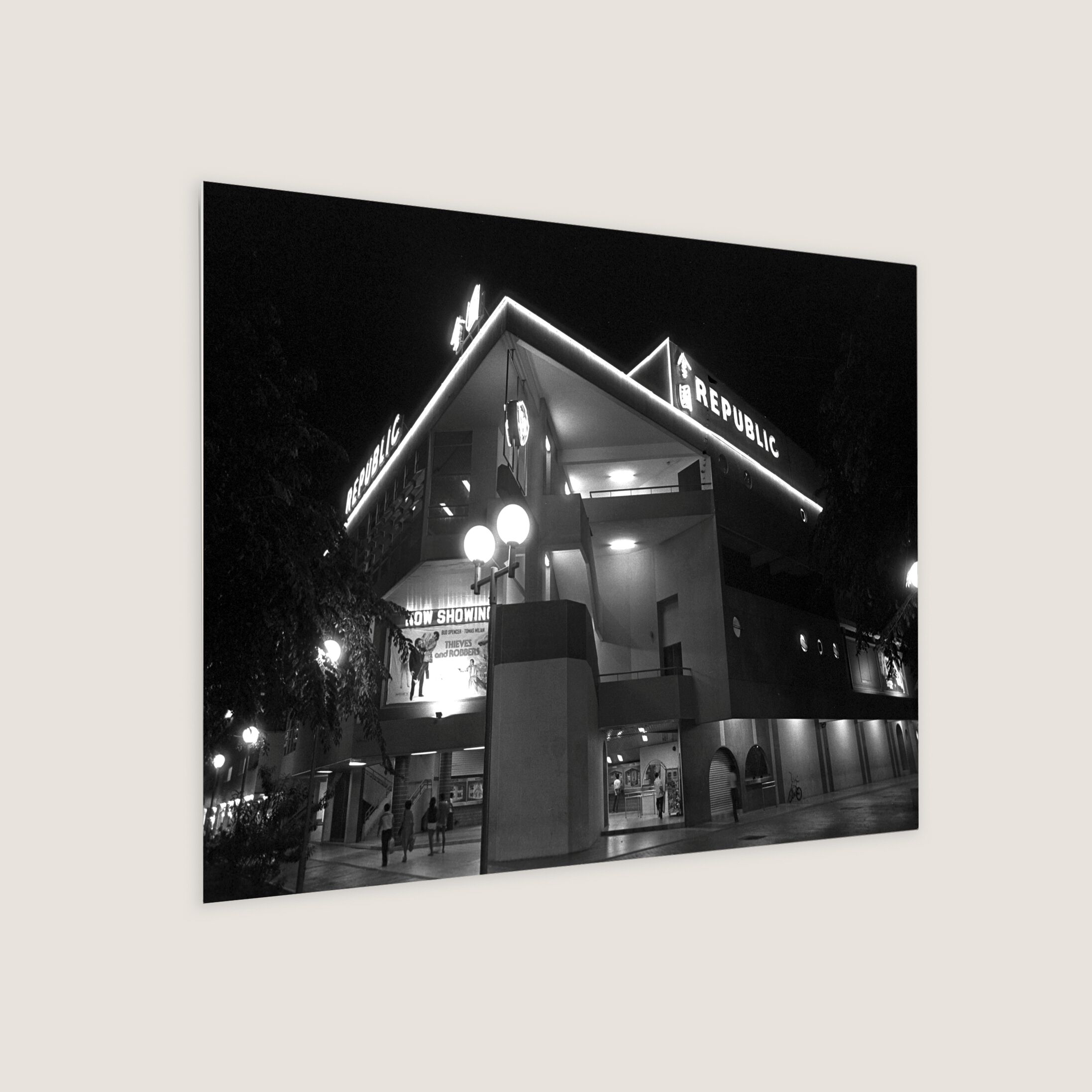
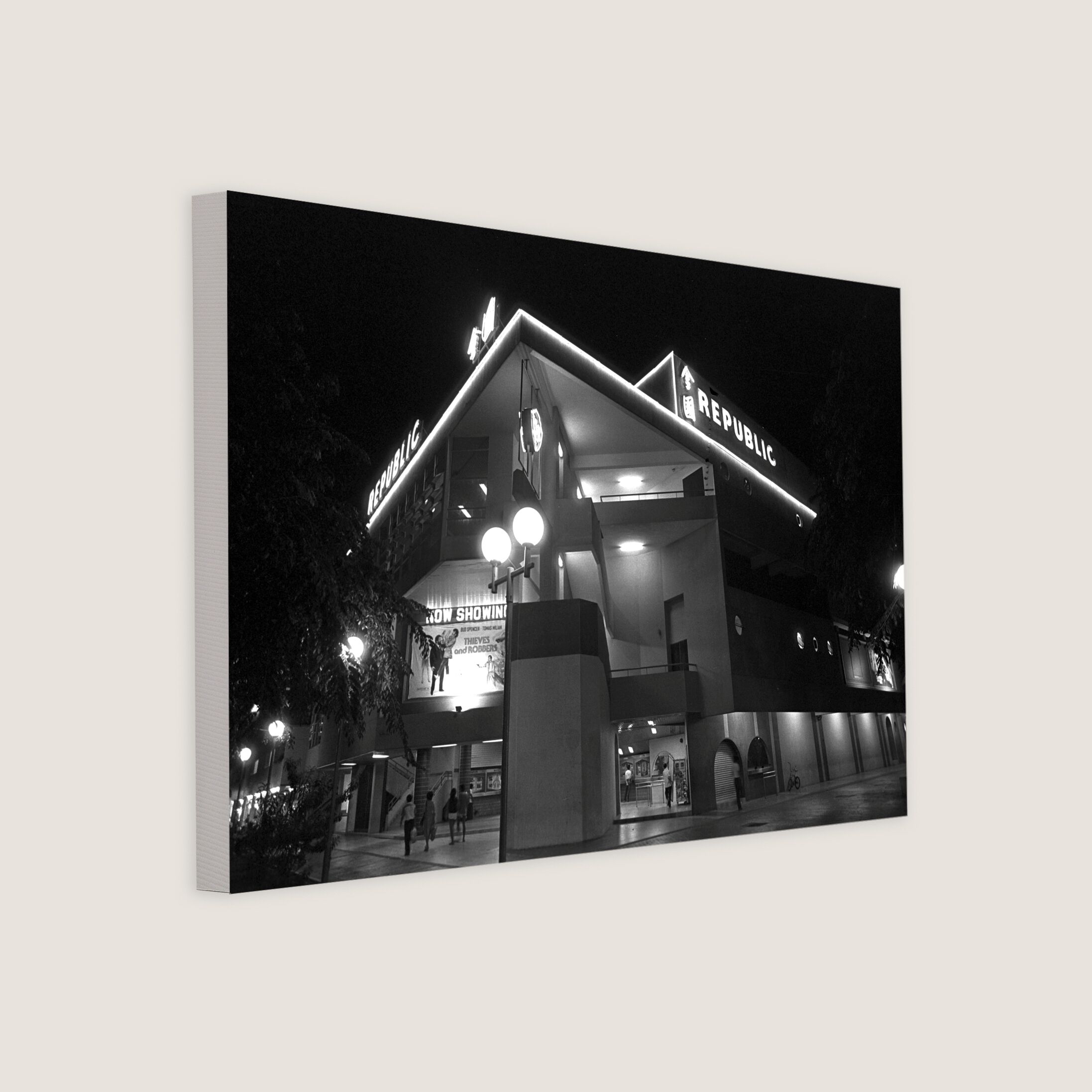
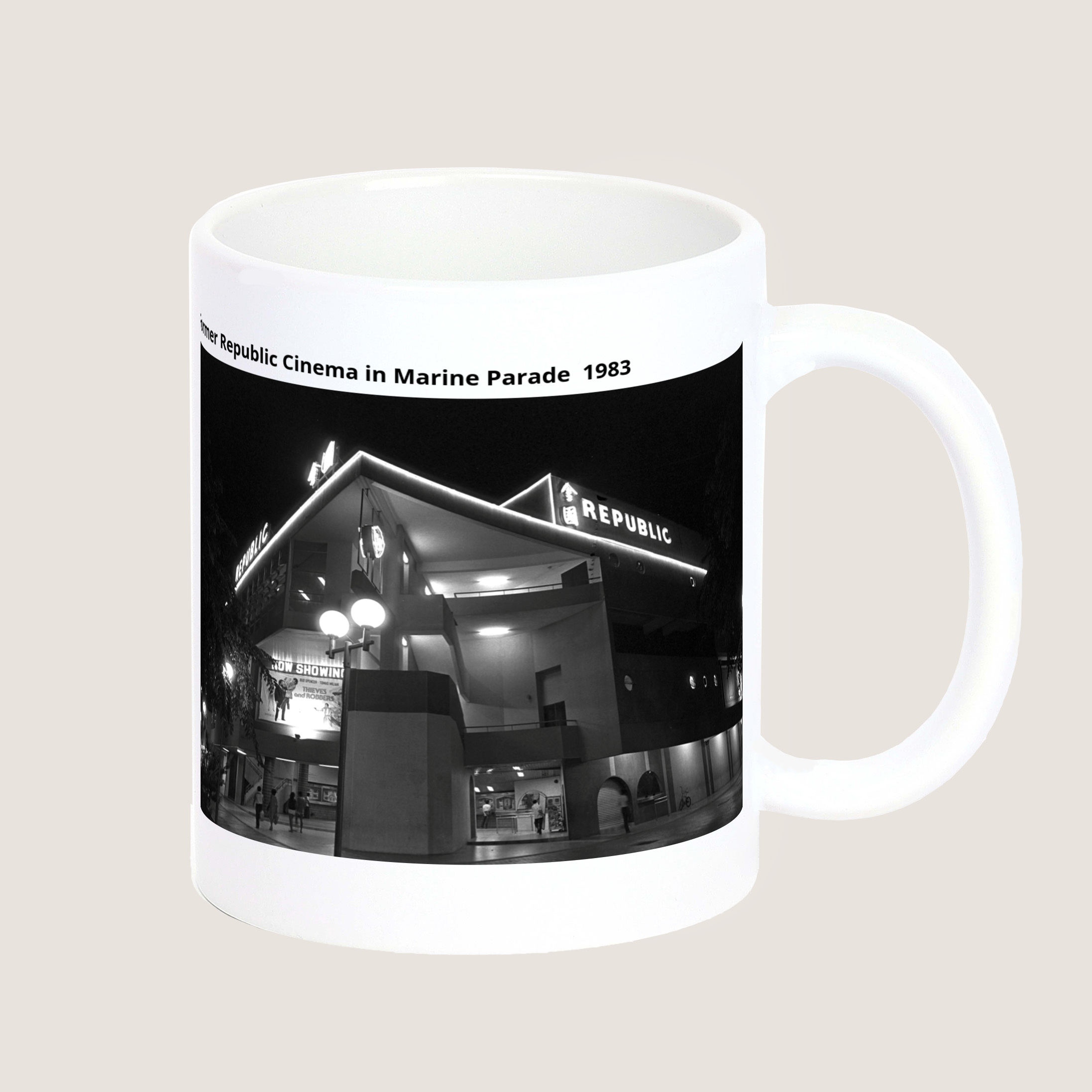
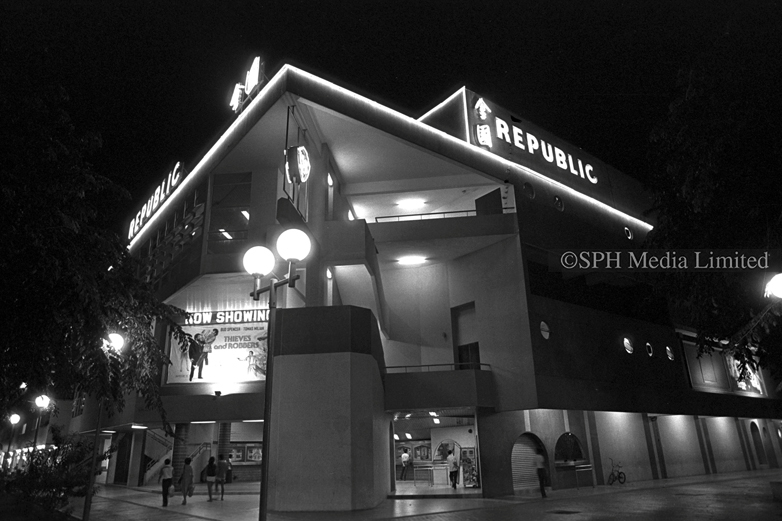 Former Republic Cinema in Marine Parade
1983
Former Republic Cinema in Marine Parade
1983
Former Republic Cinema in Marine Parade
Year 1983
The Republic cinema in Marine Parade Town, operated by Shaw Organisation, has been a staple of entertainment in the Marine Parade area. After screening its final film in November 1983, the cinema underwent a transformation in January 1984, emerging as a vibrant theatre hosting live entertainment and musical variety shows.
©️ SPH Media Limited
Share to
Tags
Available for print on products
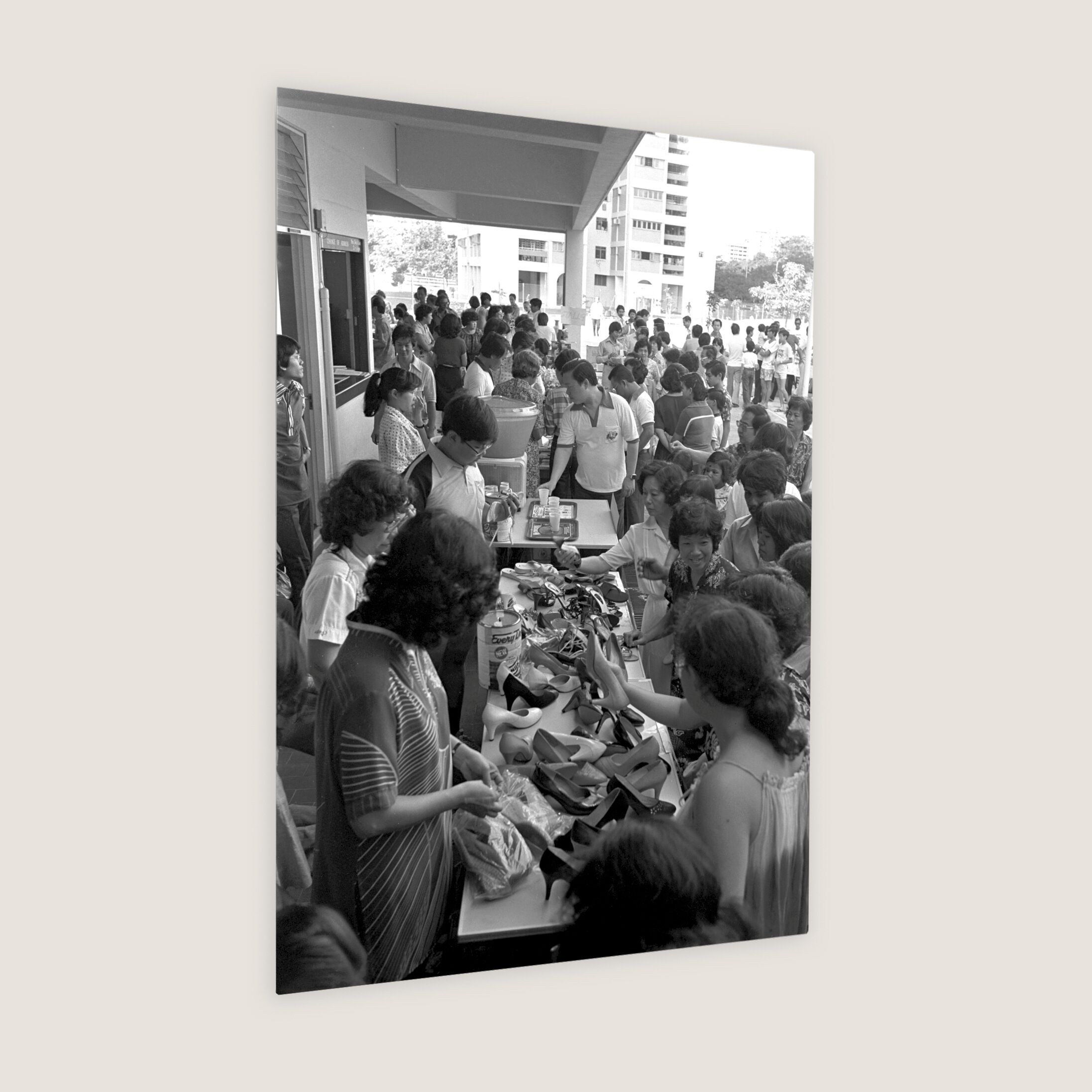
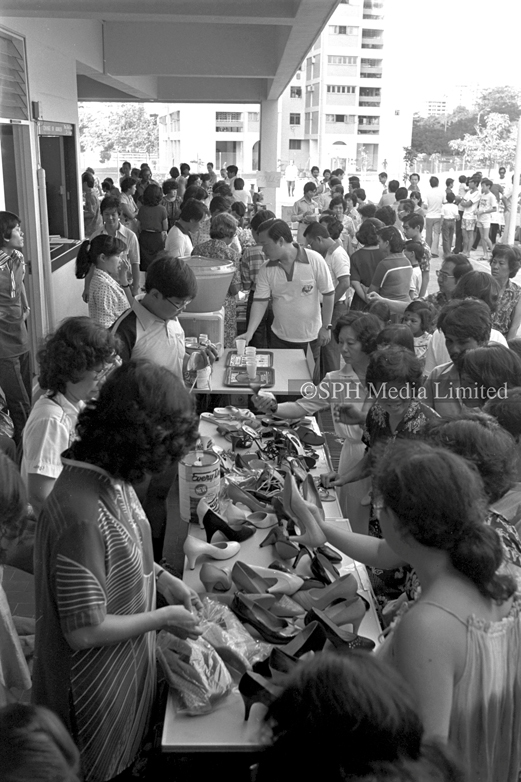 Sunday Markets at Marine Parade
1982
Sunday Markets at Marine Parade
1982
Sunday Markets at Marine Parade
Year 1982
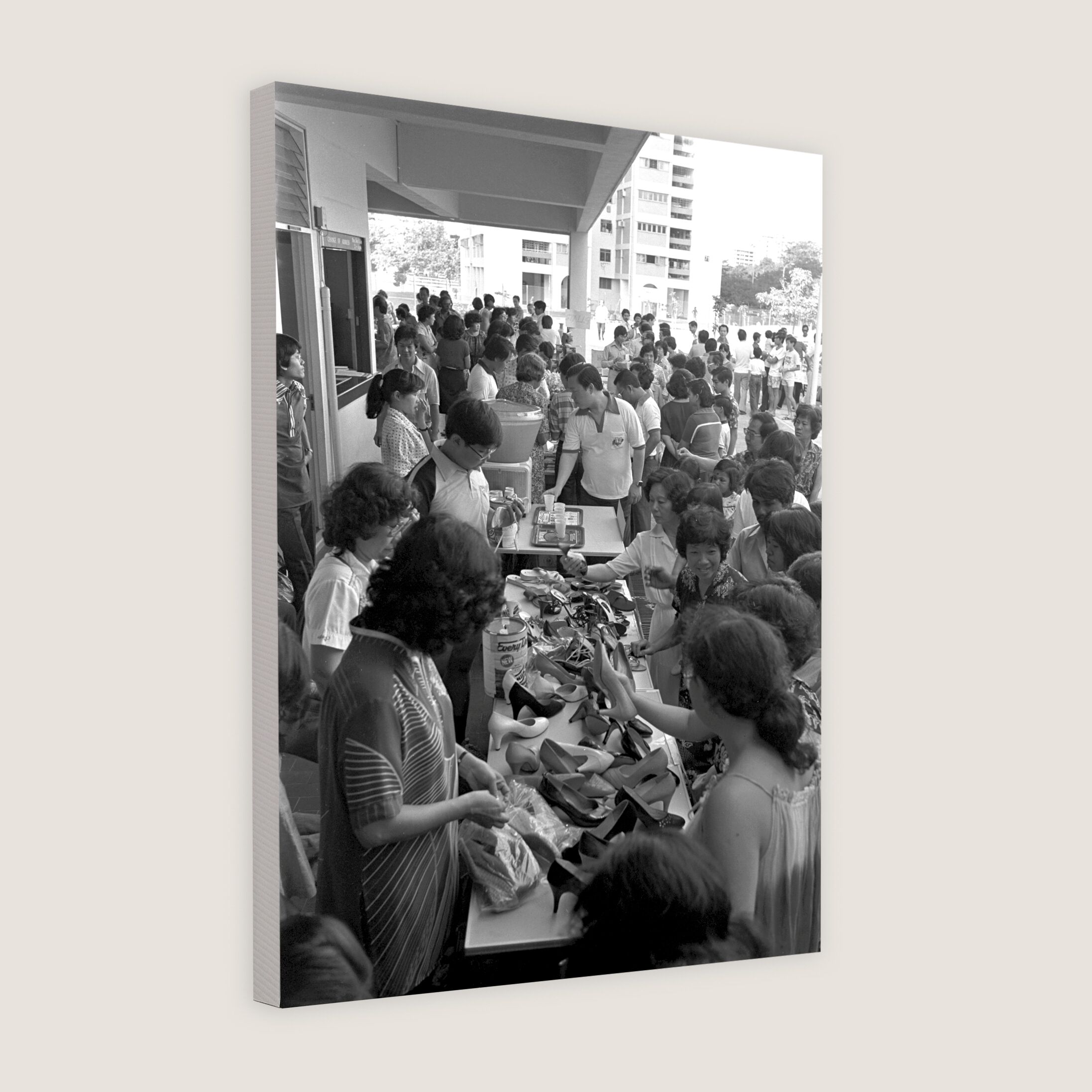
Sunday markets, which used to be popular weekend attractions in the 1970s, saw a revival at the Marine Parade community centre in 1982. Residents had the opportunity to sell their used household items. The items offered for sale included jewellery and even new cars.
©️ SPH Media Limited
Share to
Tags
Available for print on products
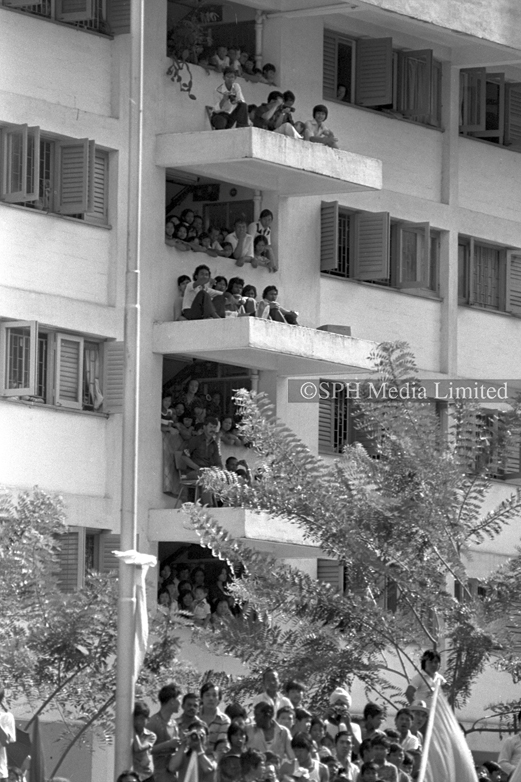 Audience Watching Chingay Parade
1978
Audience Watching Chingay Parade
1978
Audience Watching Chingay Parade
Year 1978
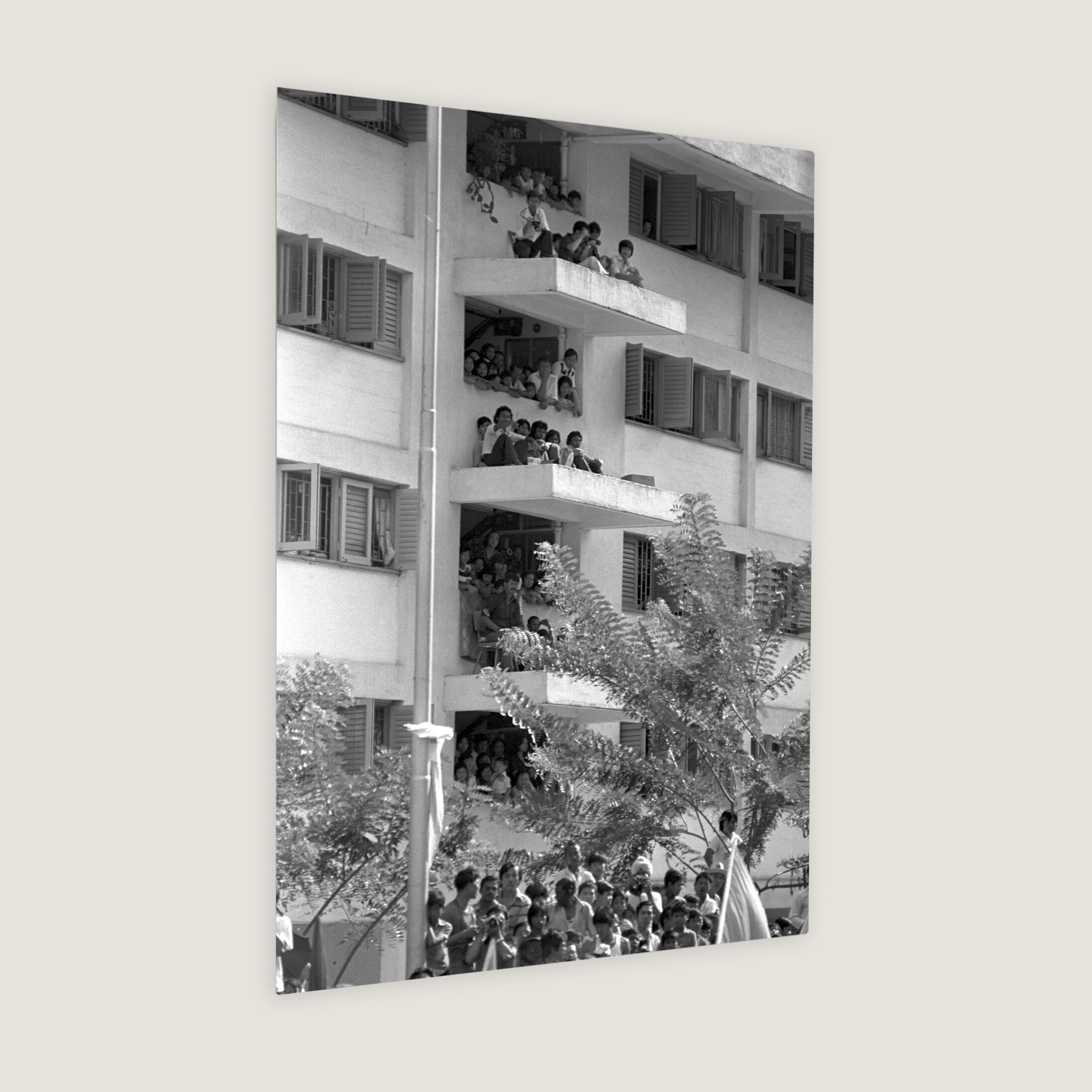
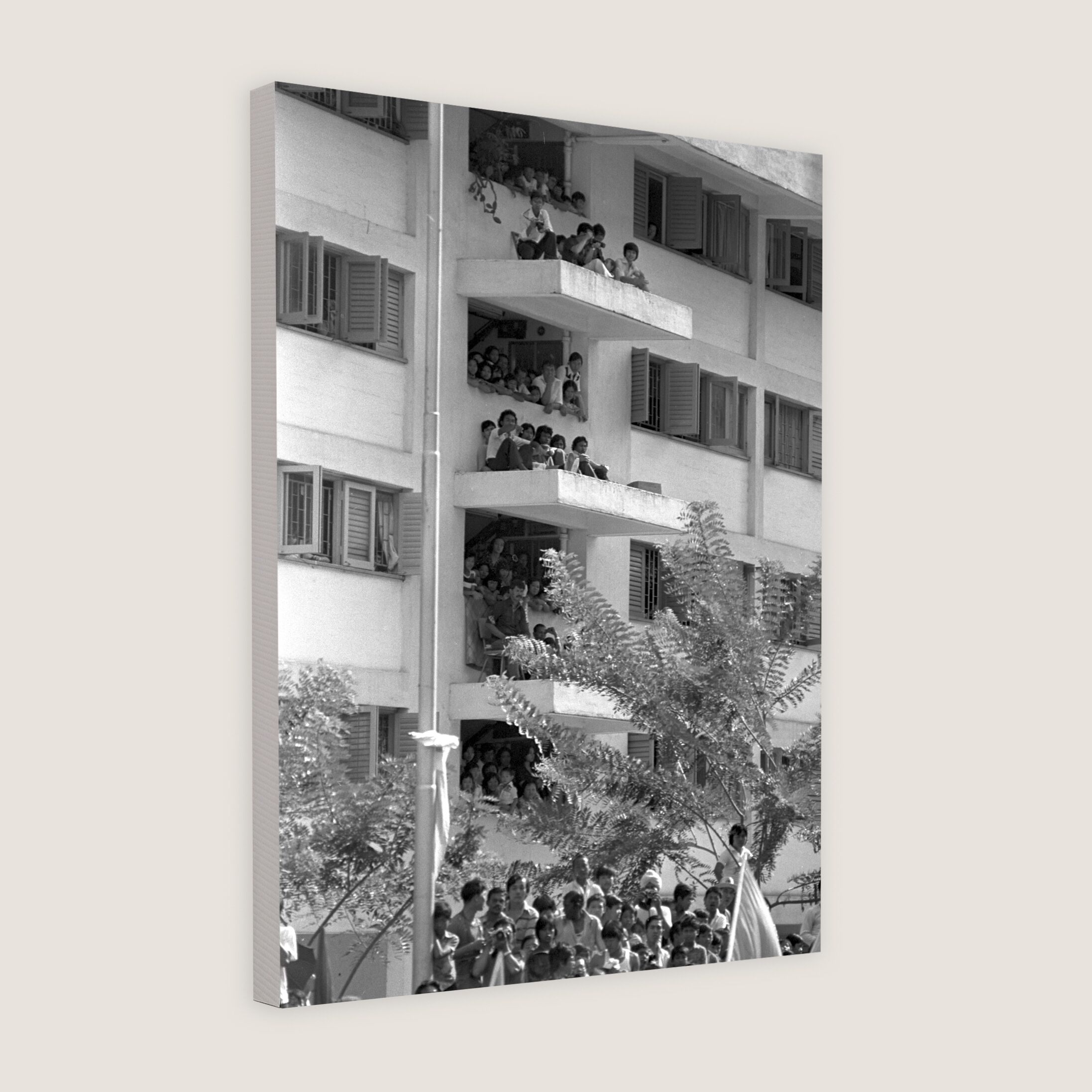
People sitting on ledges of their HDB flat watching the Chingay Parade. In 1972, a bill was passed banning firecrackers. The absence of firecrackers to celebrate the Lunar New Year reduced public enthusiasm for the occasion. As an alternative, a Chingay Parade was initiated.
©️ SPH Media Limited
Share to
Tags
Available for print on products
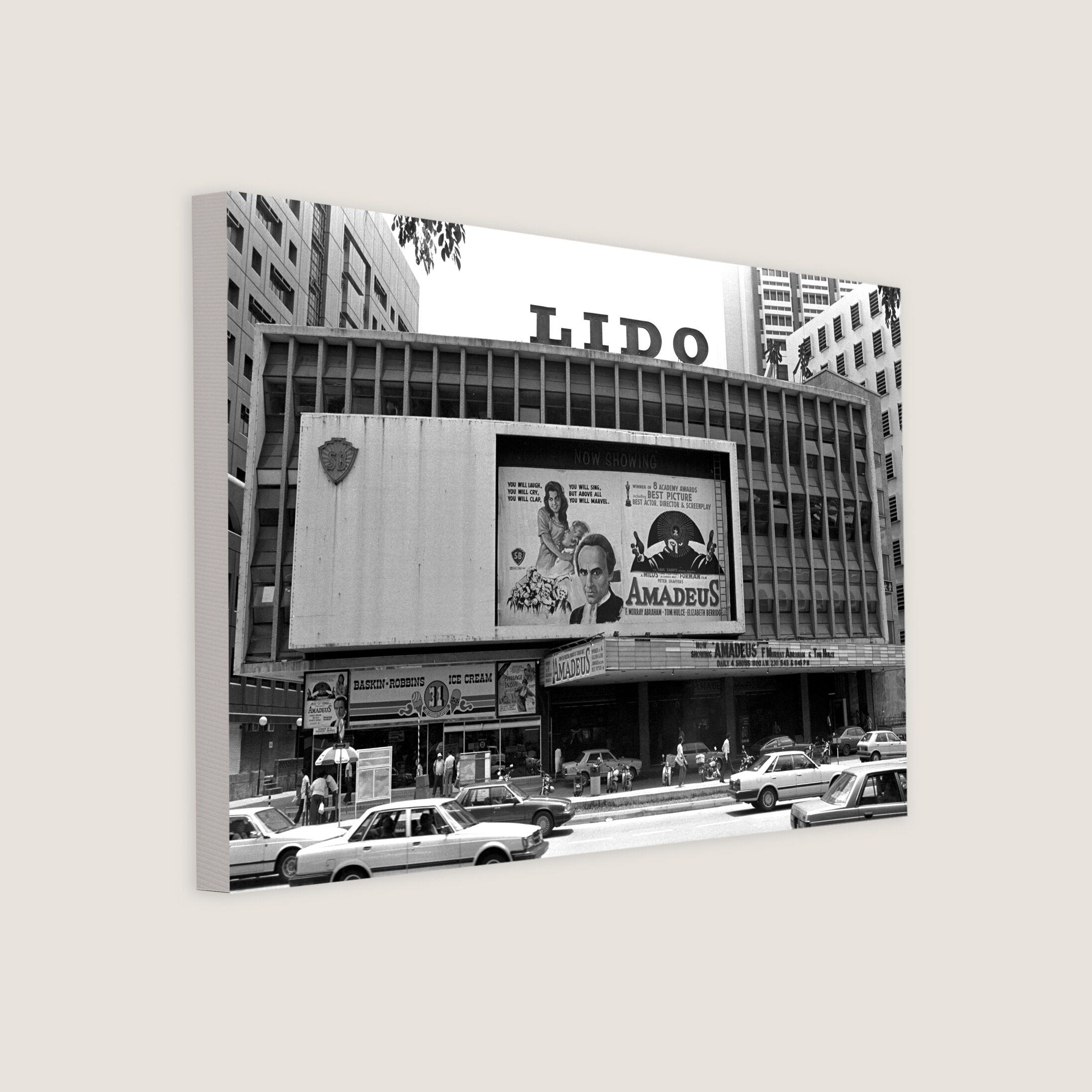
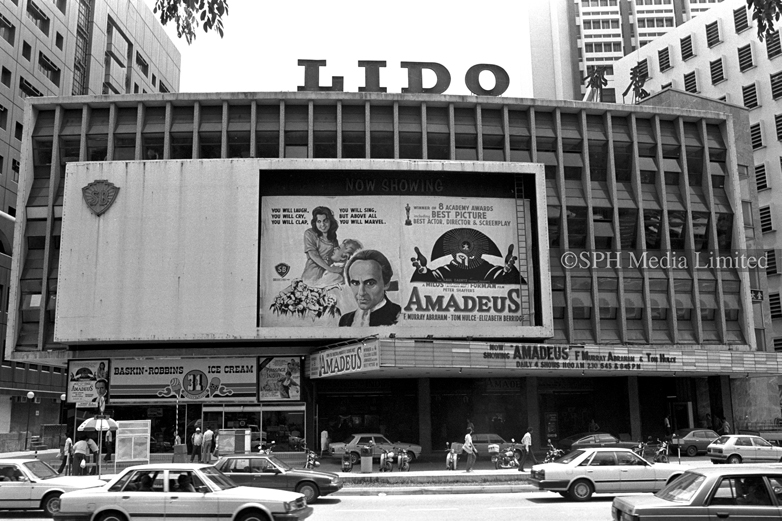 Lido Theatre at Orchard Road
1985
Lido Theatre at Orchard Road
1985
Lido Theatre at Orchard Road
Year 1985
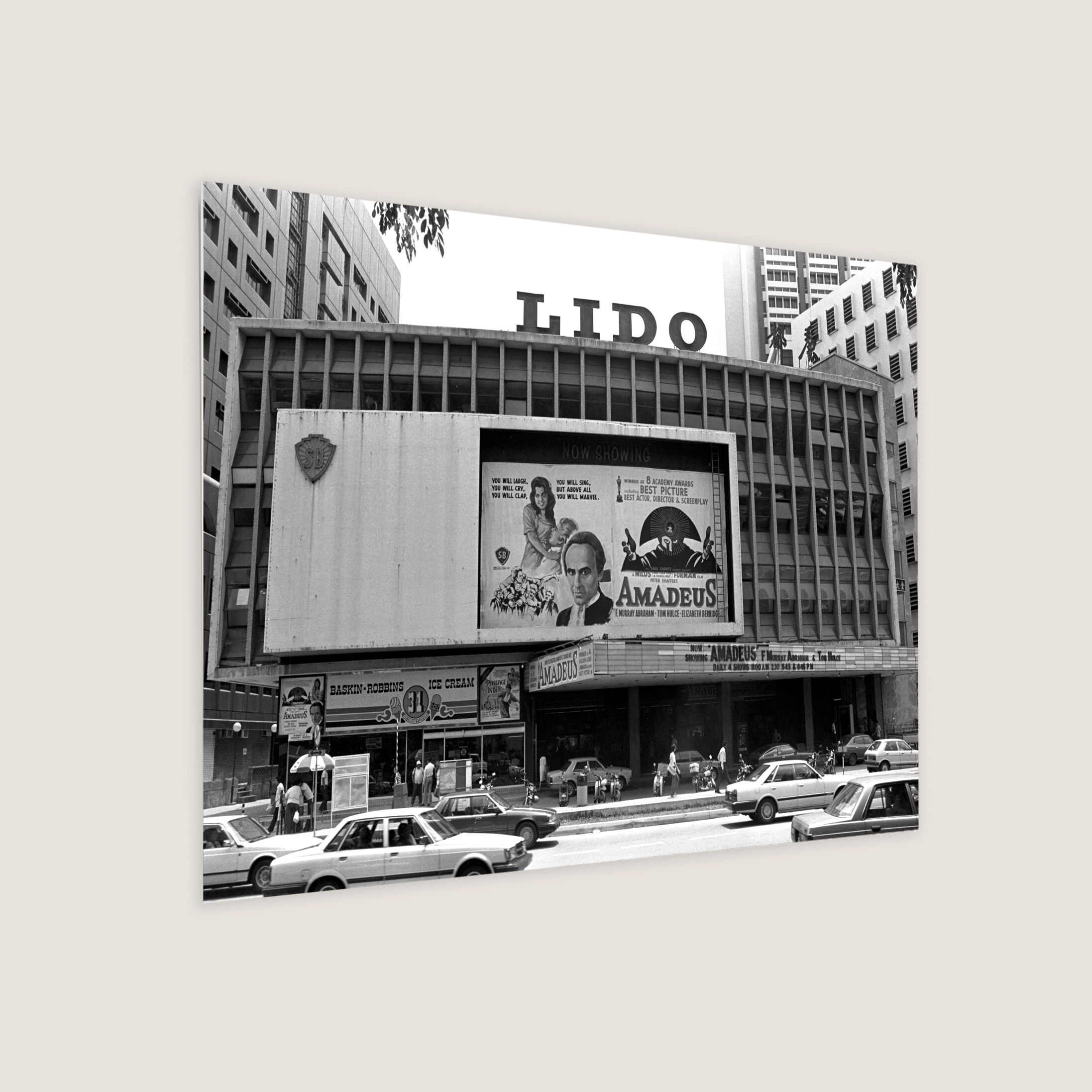
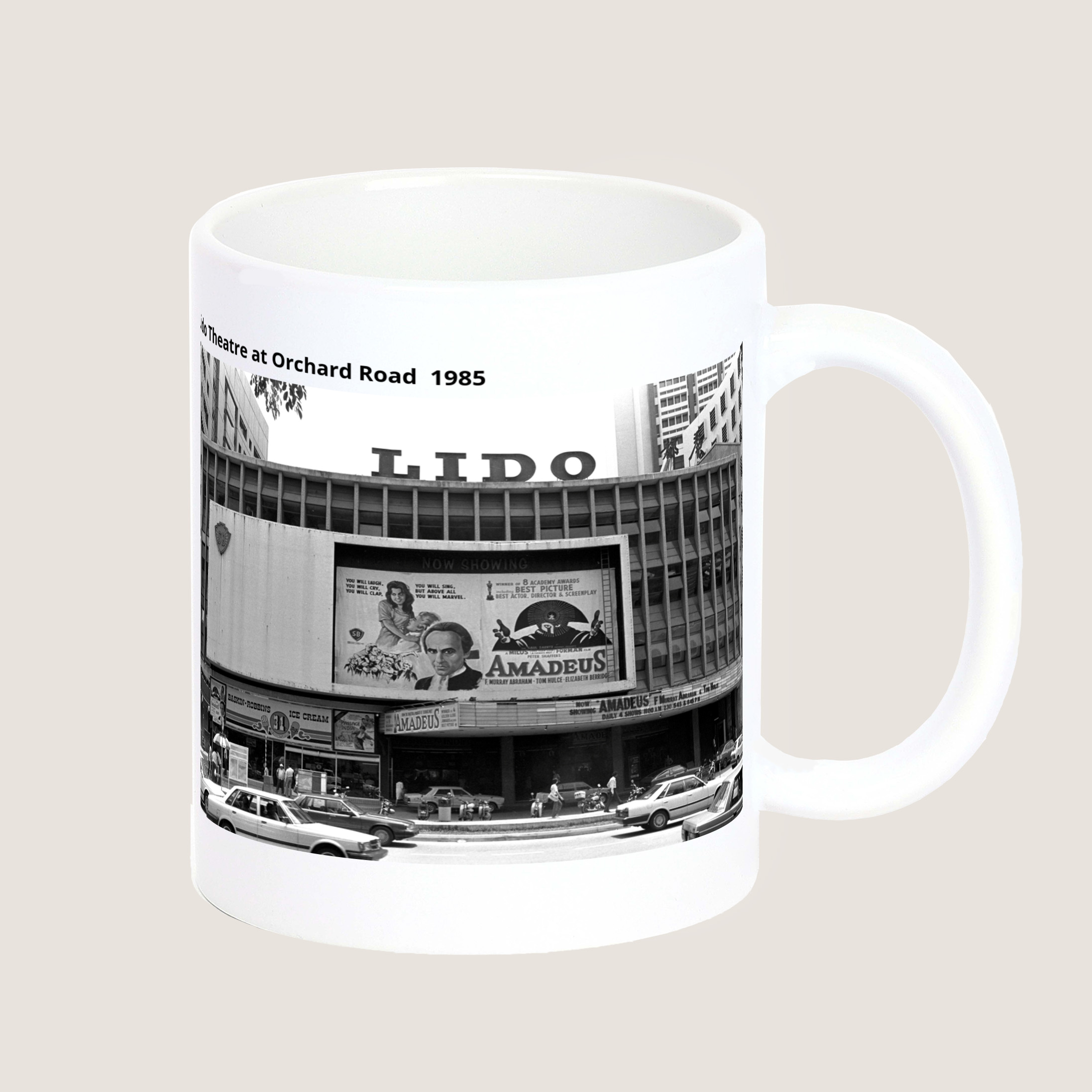
Lido Theatre at the corner of Scotts Road and Orchard Road, Singapore, 11 April 1985. Today, Shaw House houses the Lido multiplex.
©️ SPH Media Limited
Share to
Tags
Available for print on products
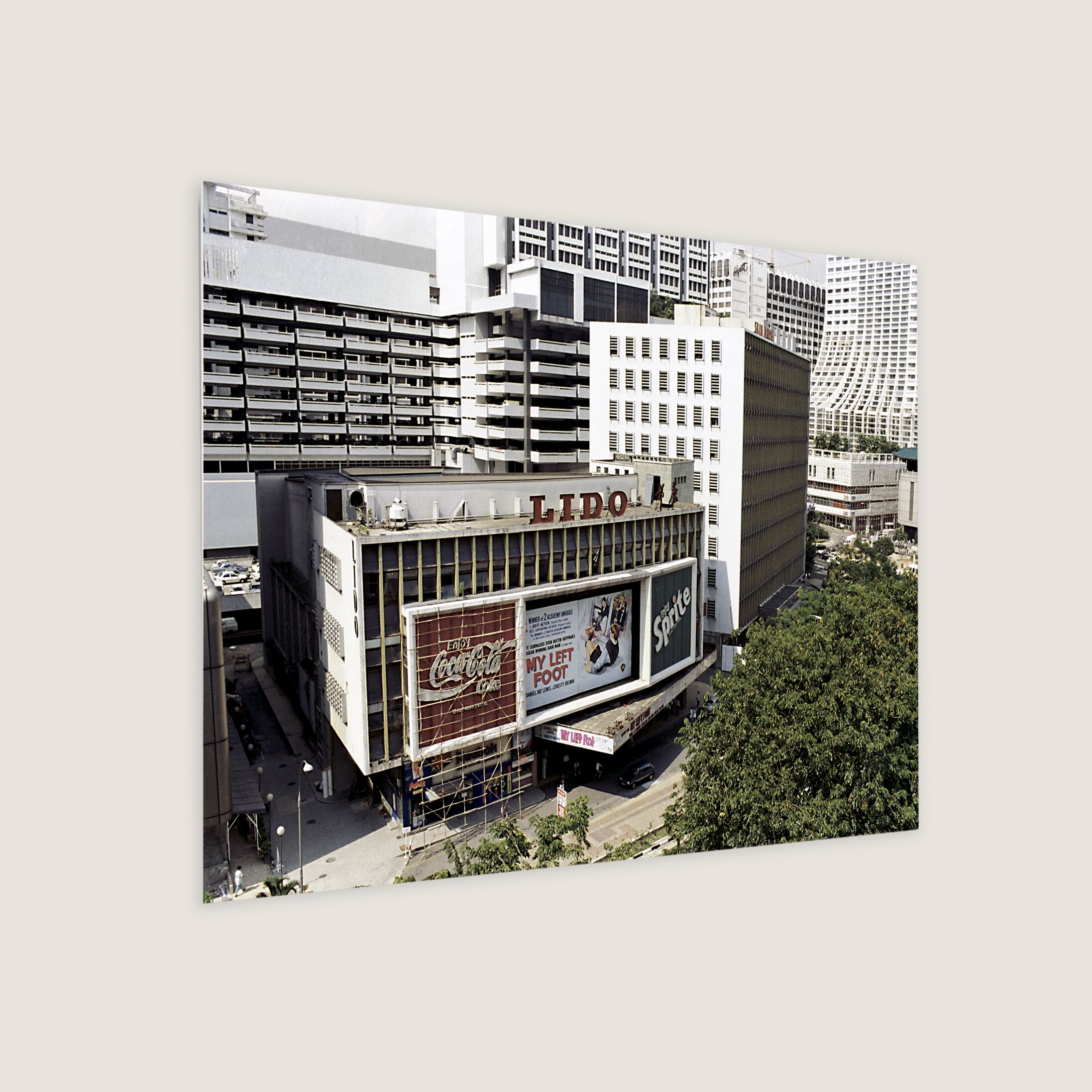
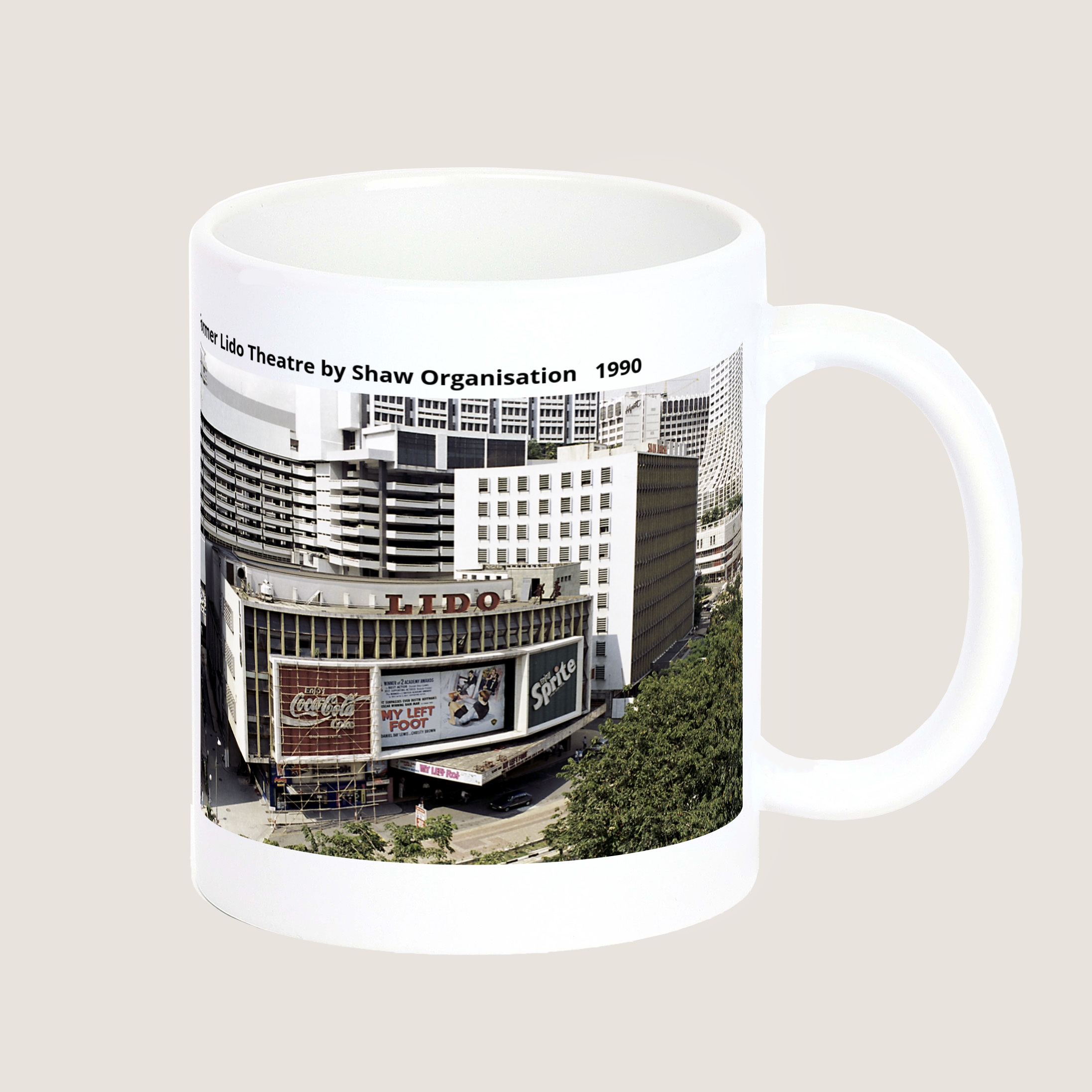
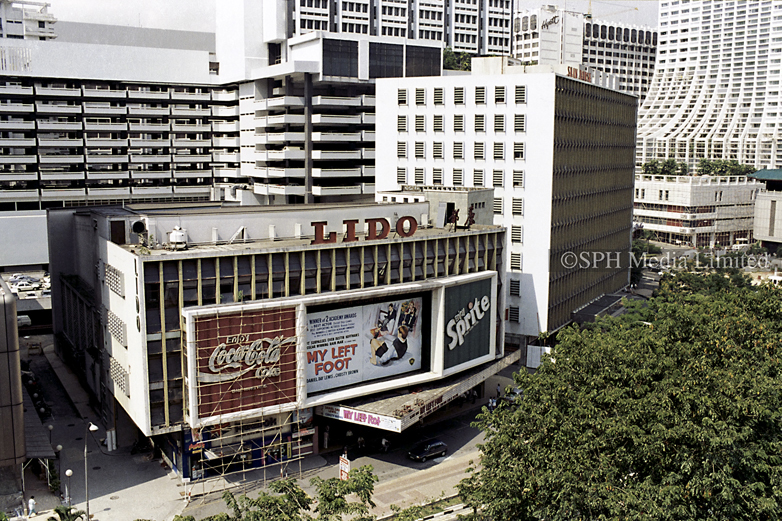 Former Lido Theatre by Shaw Organisation
1990
Former Lido Theatre by Shaw Organisation
1990
Former Lido Theatre by Shaw Organisation
Year 1990
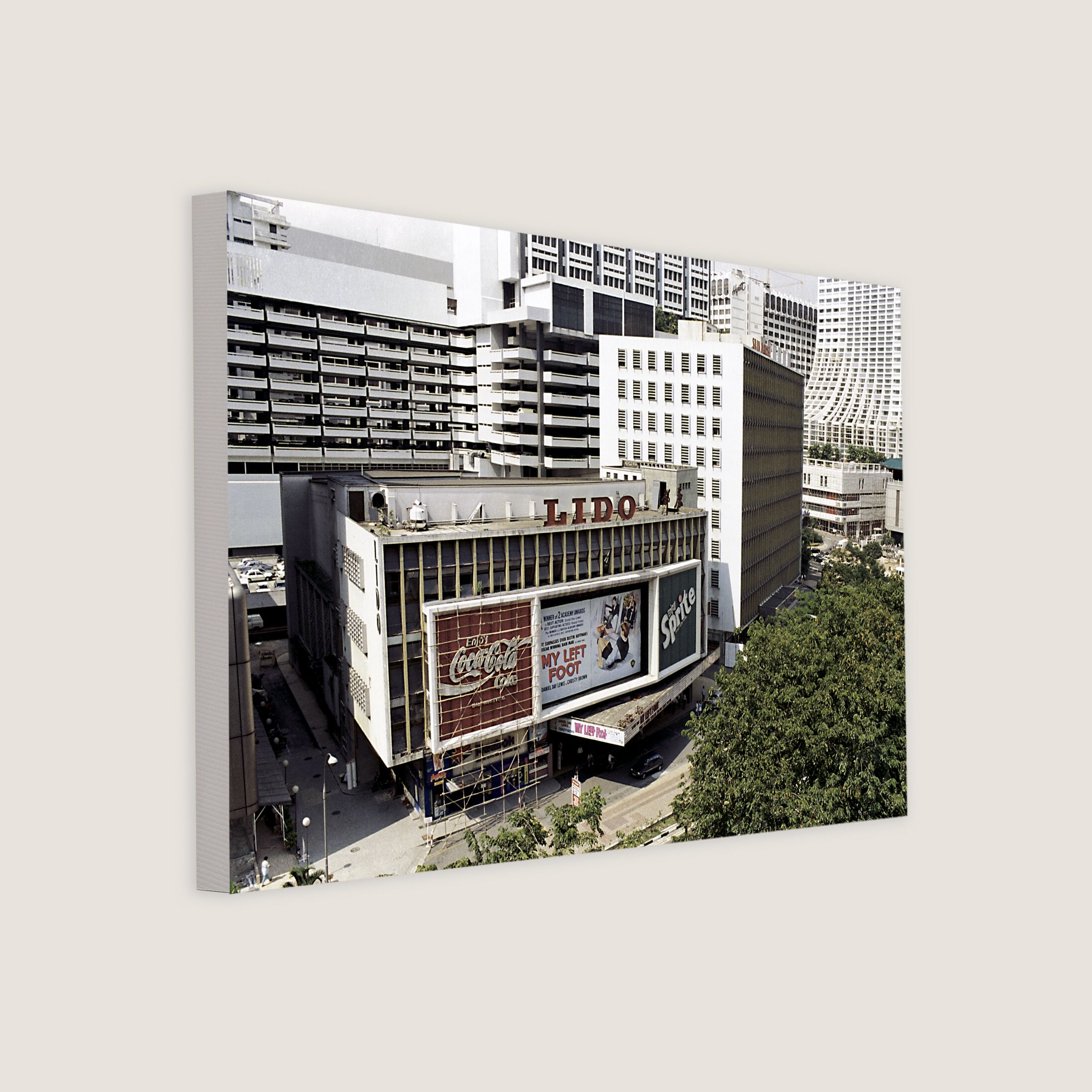
Lido Theatre was a familiar landmark in Orchard Road. It was a 31-year-old cinema when it was demolished to make way for Shaw House, a $400 million commercial, shopping and cinema complex.
©️ SPH Media Limited
Share to
Tags
Available for print on products
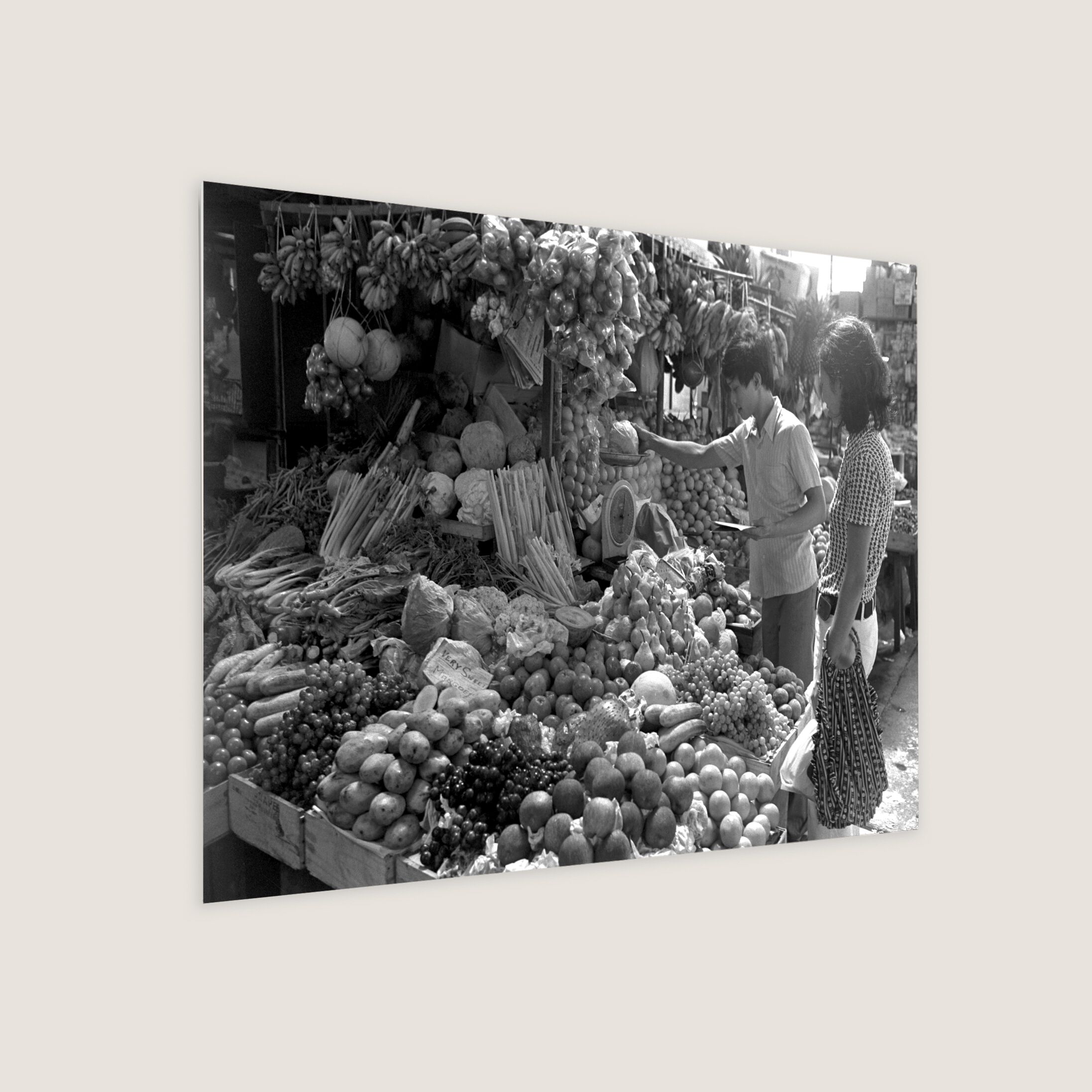
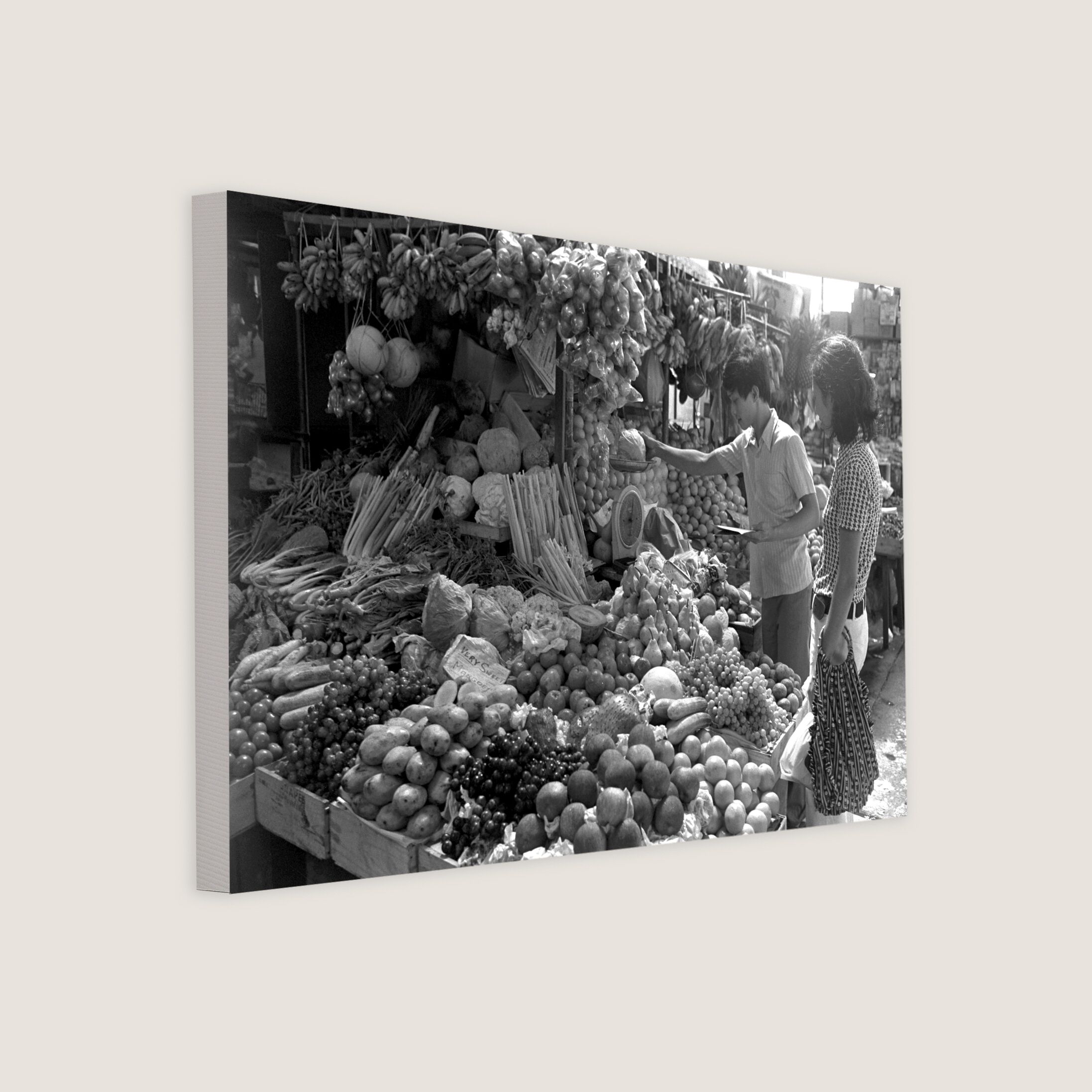
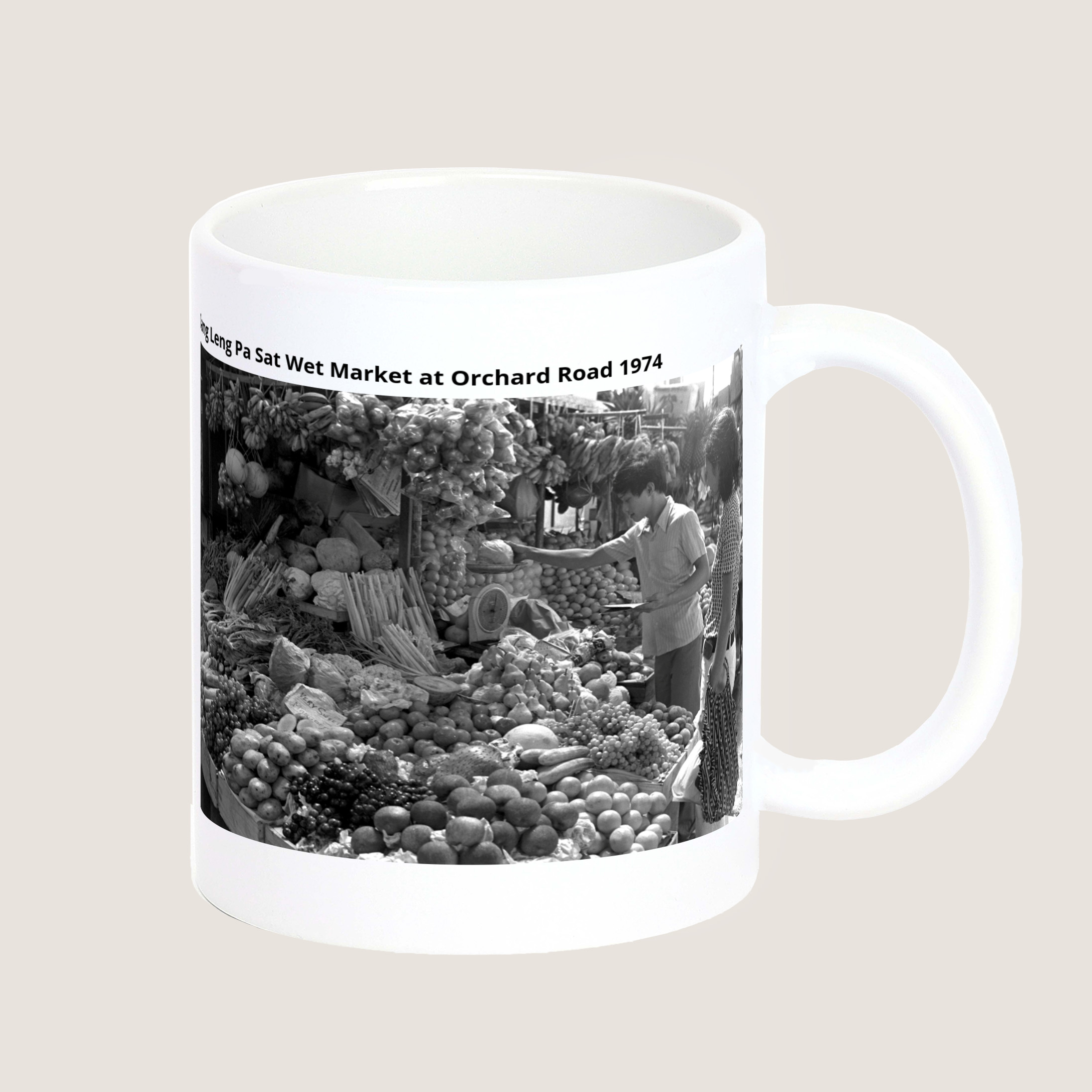
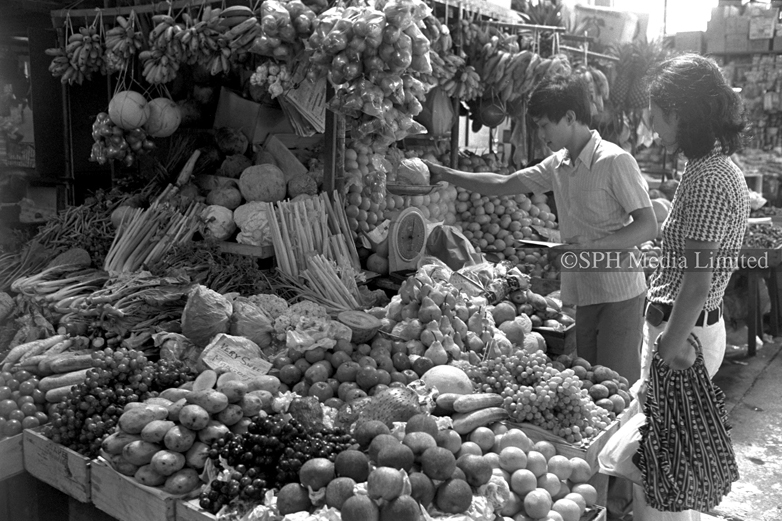 Tang Leng Pa Sat Wet Market at Orchard Road
1974
Tang Leng Pa Sat Wet Market at Orchard Road
1974
Tang Leng Pa Sat Wet Market at Orchard Road
Year 1974
Built in 1891, Orchard Road wet market was known as the "Tang Leng Pa Sat". Goods sold here were known to be pricier due to the wealthier European clientele. The stores were torn down and replaced by Cuppage Plaza in 1982.
©️ SPH Media Limited
Share to
Tags
Available for print on products
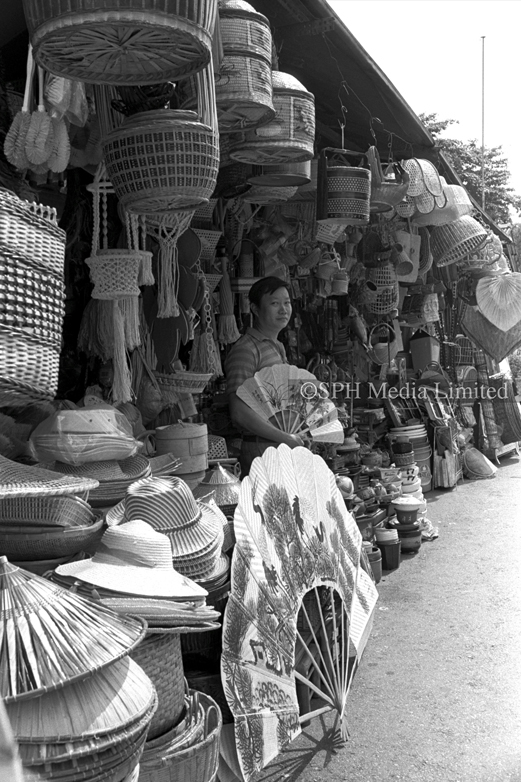 Rattan Shop Along Killiney Road
1982
Rattan Shop Along Killiney Road
1982
Rattan Shop Along Killiney Road
Year 1982
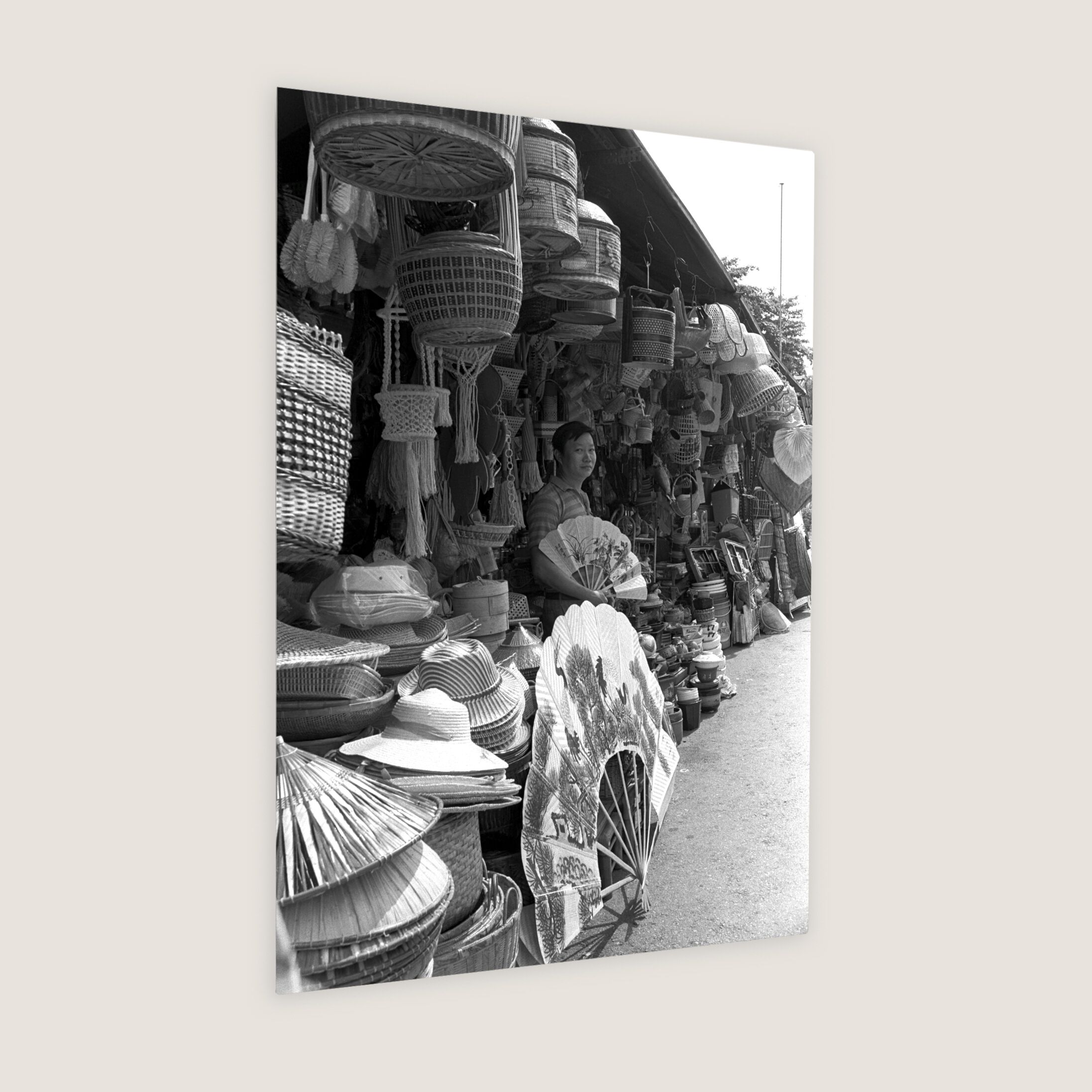
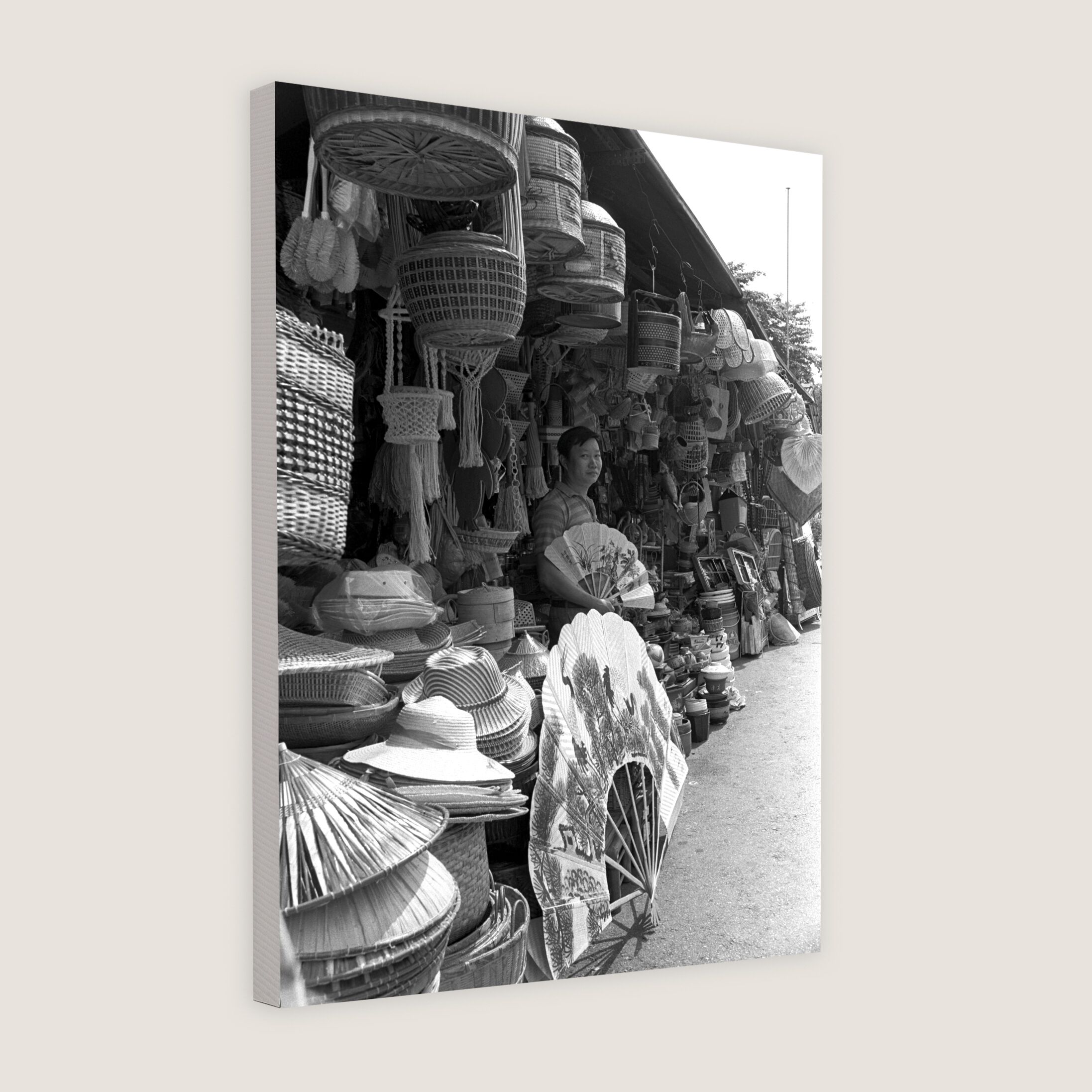
Not coffee but rattan products, Mr Teo sells everything from paint and Raid to tiffin carriers and baskets. Among other things you can find are trinket boxes, coolie hats, fish-shaped letter racks, a selection of straw ponchos and a vast supply of household and kitchen utensils.
©️ SPH Media Limited
Share to
Tags
Available for print on products
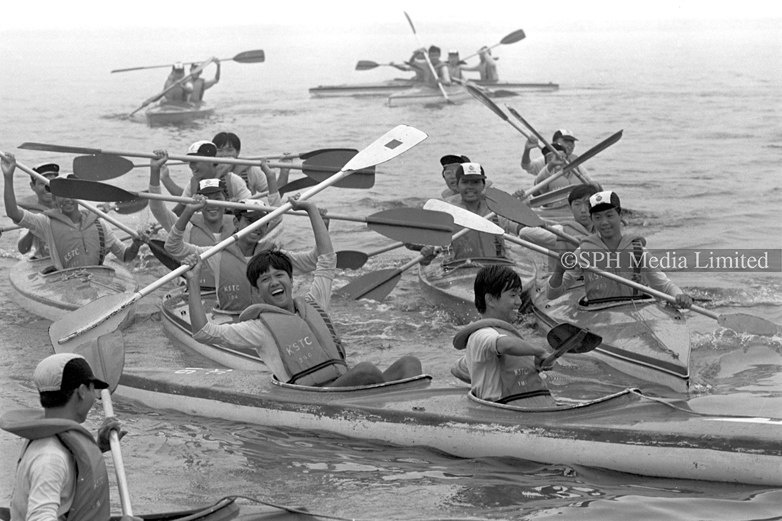 Canoe Expedition Round the Singapore Island
1982
Canoe Expedition Round the Singapore Island
1982
Canoe Expedition Round the Singapore Island
Year 1982
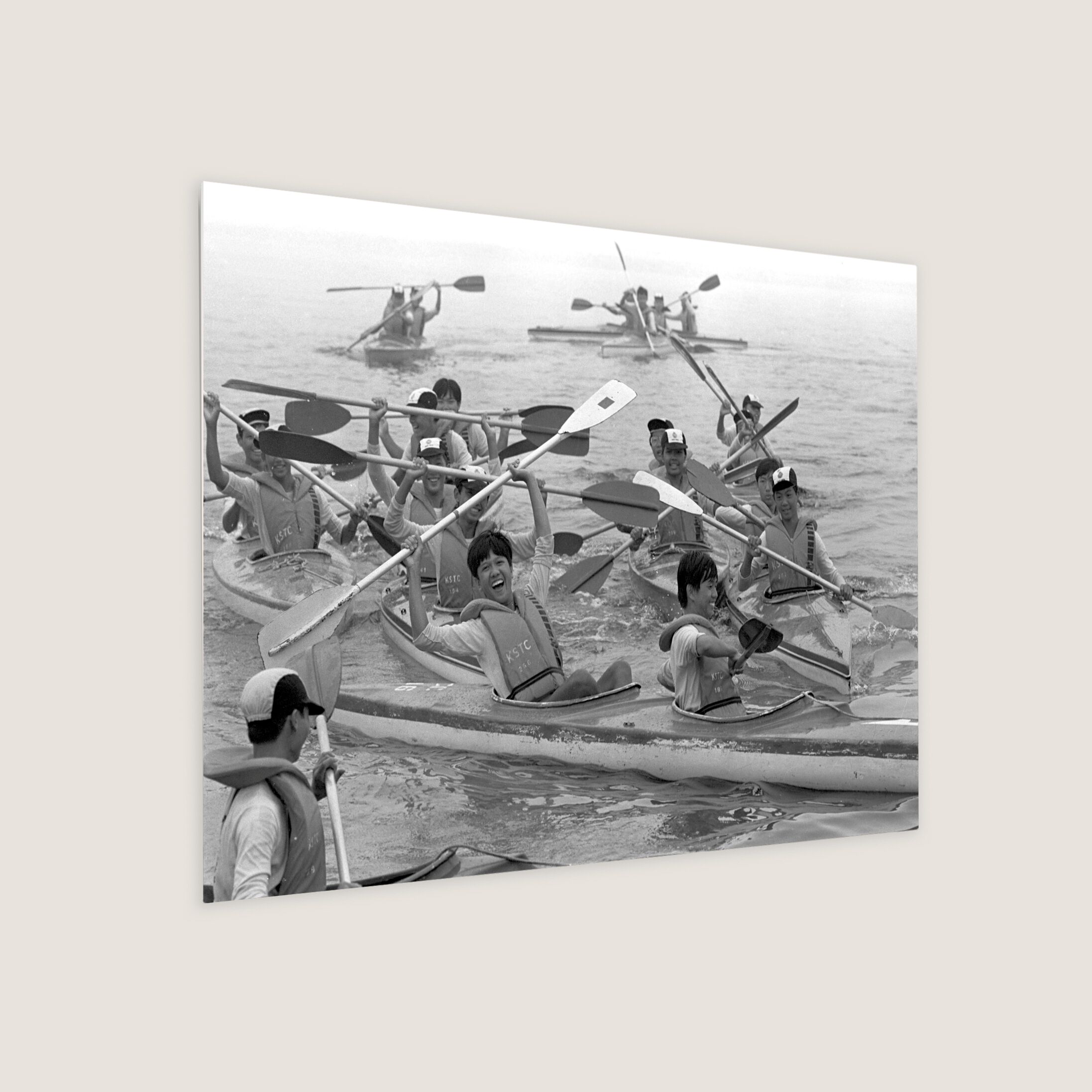
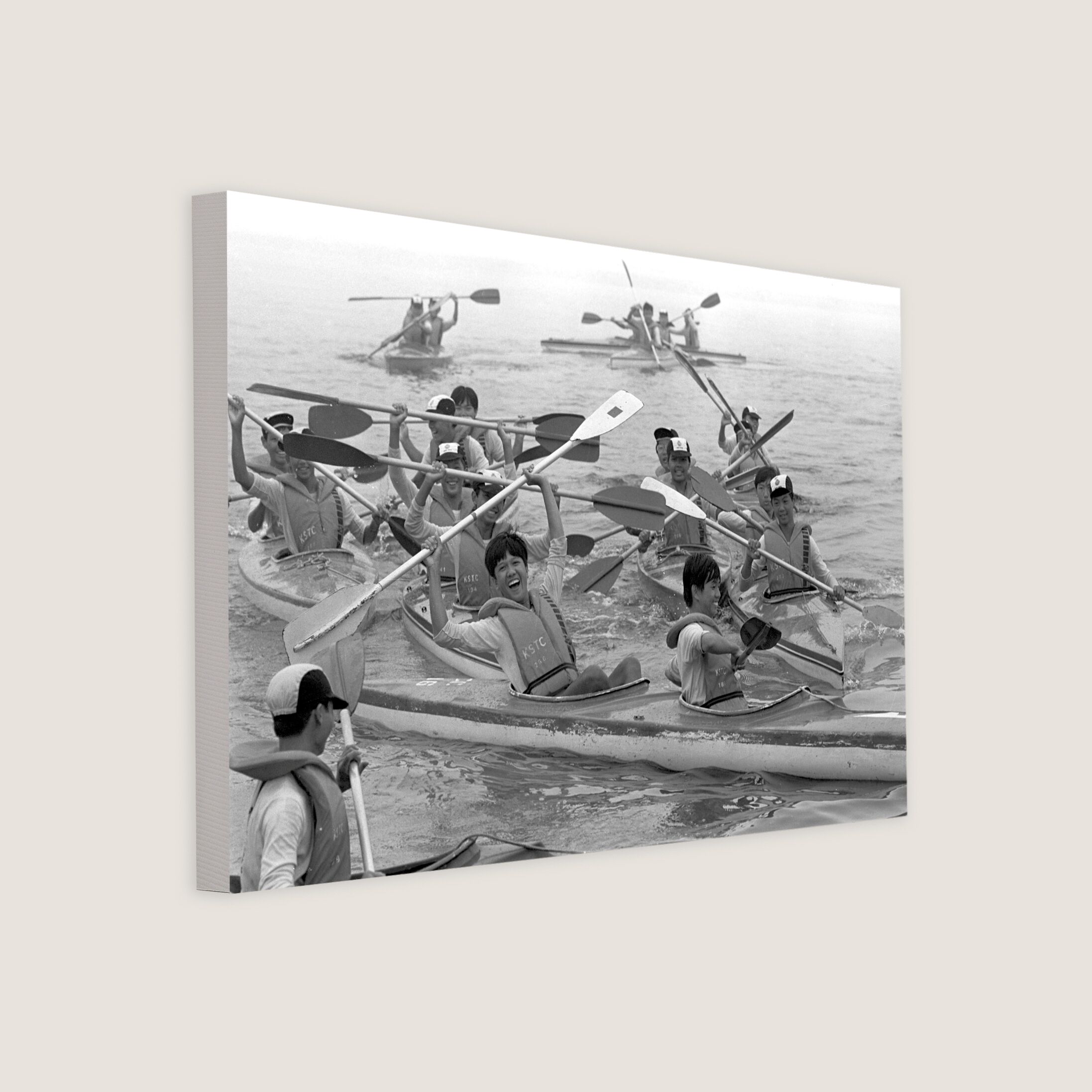
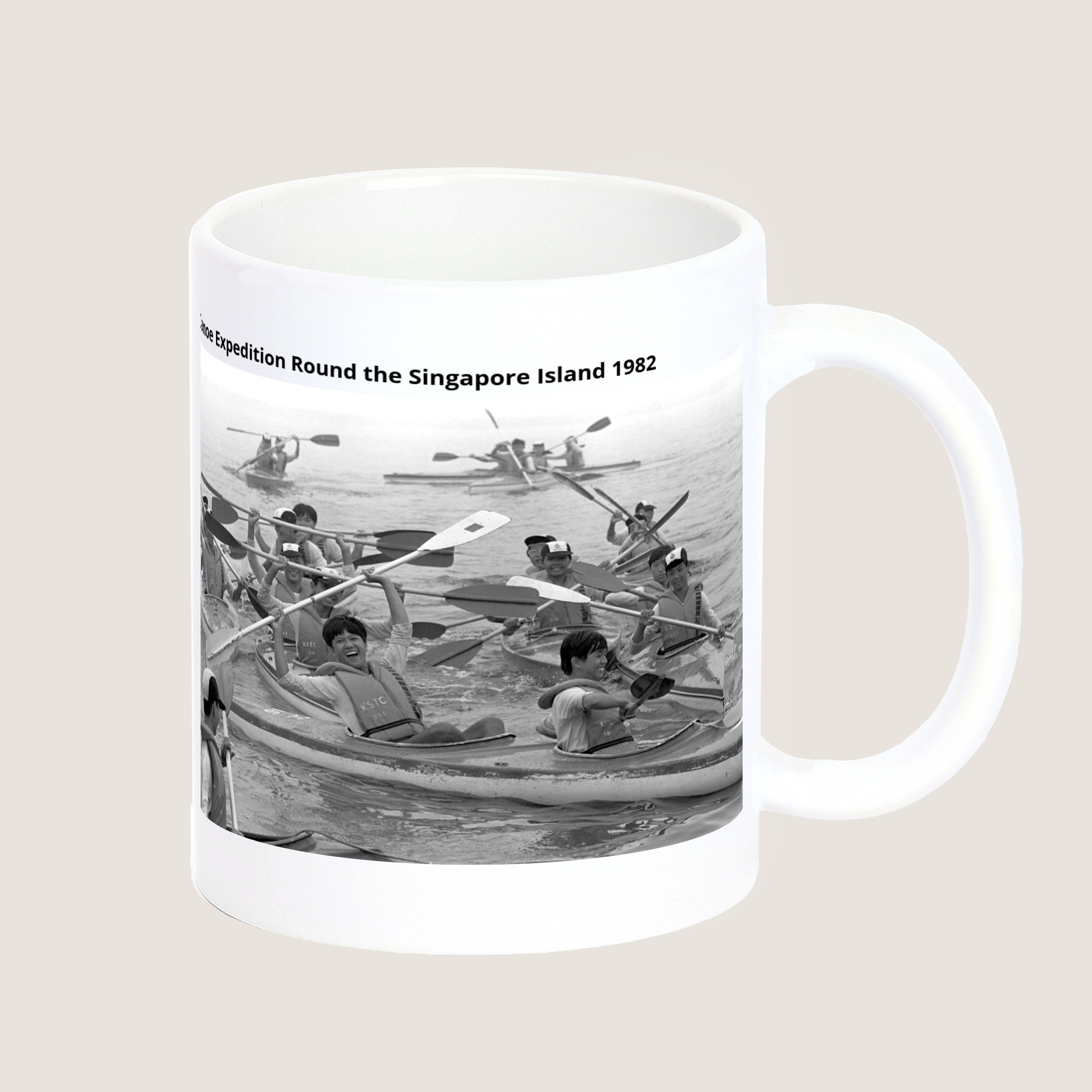
108 young and happy sea cadets started from Woodlands and arrived at Sembawang waters after an arduous two-day round-the-island canoe trip. The expedition, the 8th of its kind, was held annually to test their skills and stamina.
©️ SPH Media Limited
Share to
Tags
Available for print on products
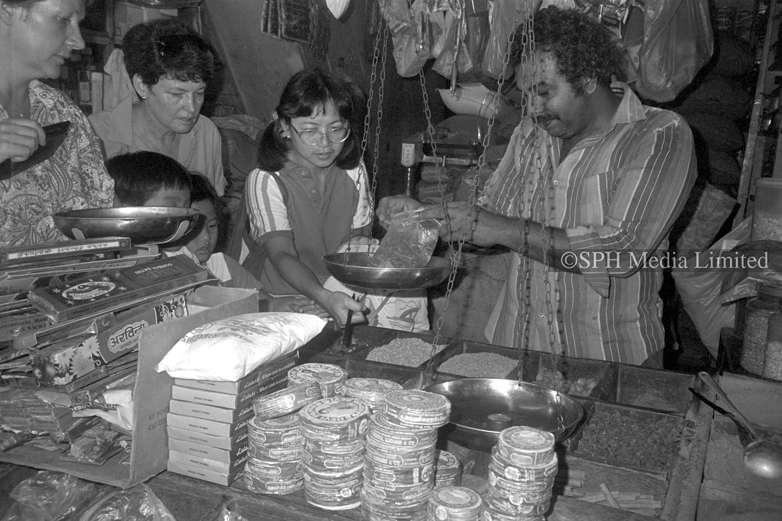 Provision Shop at Serangoon Road
1985
Provision Shop at Serangoon Road
1985
Provision Shop at Serangoon Road
Year 1985
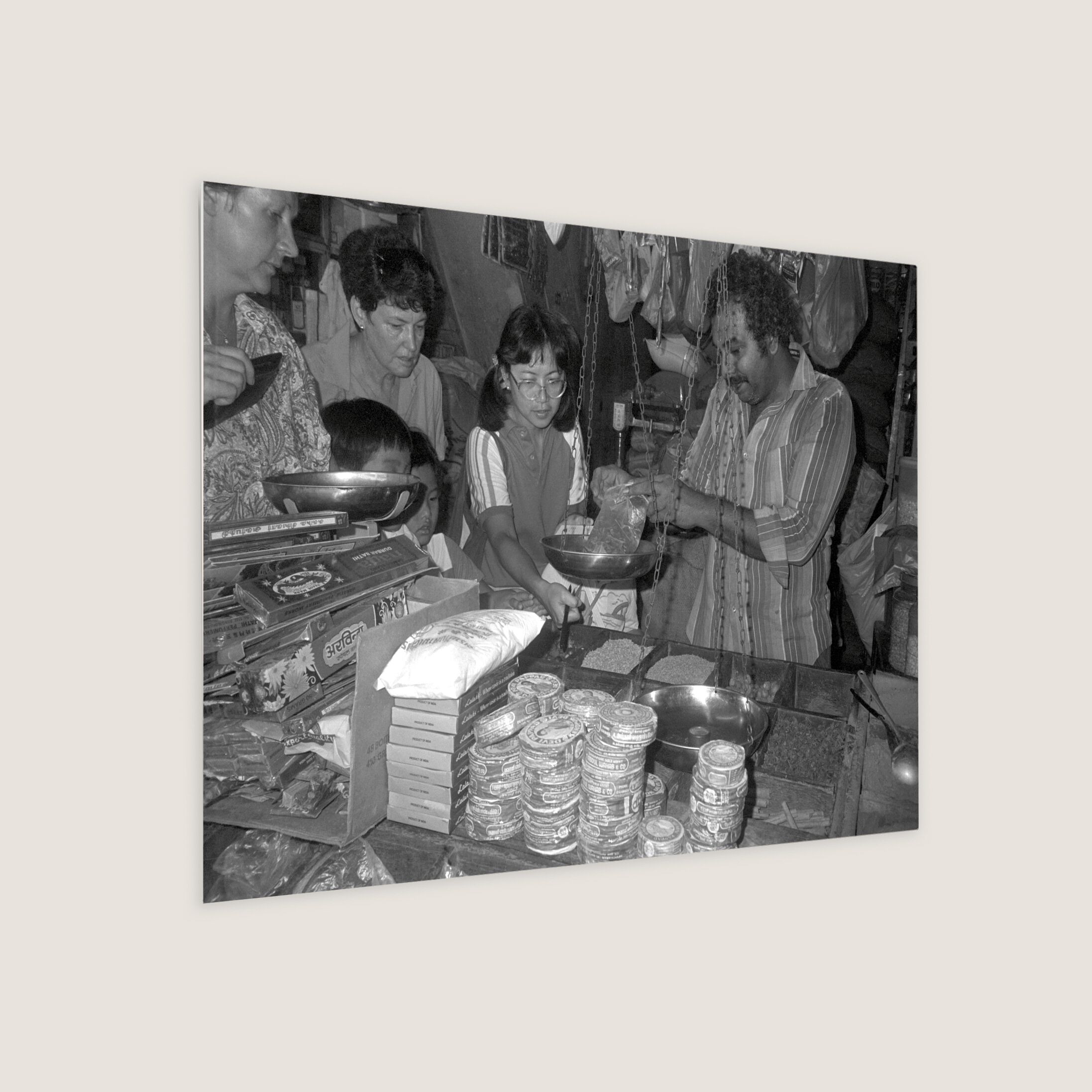
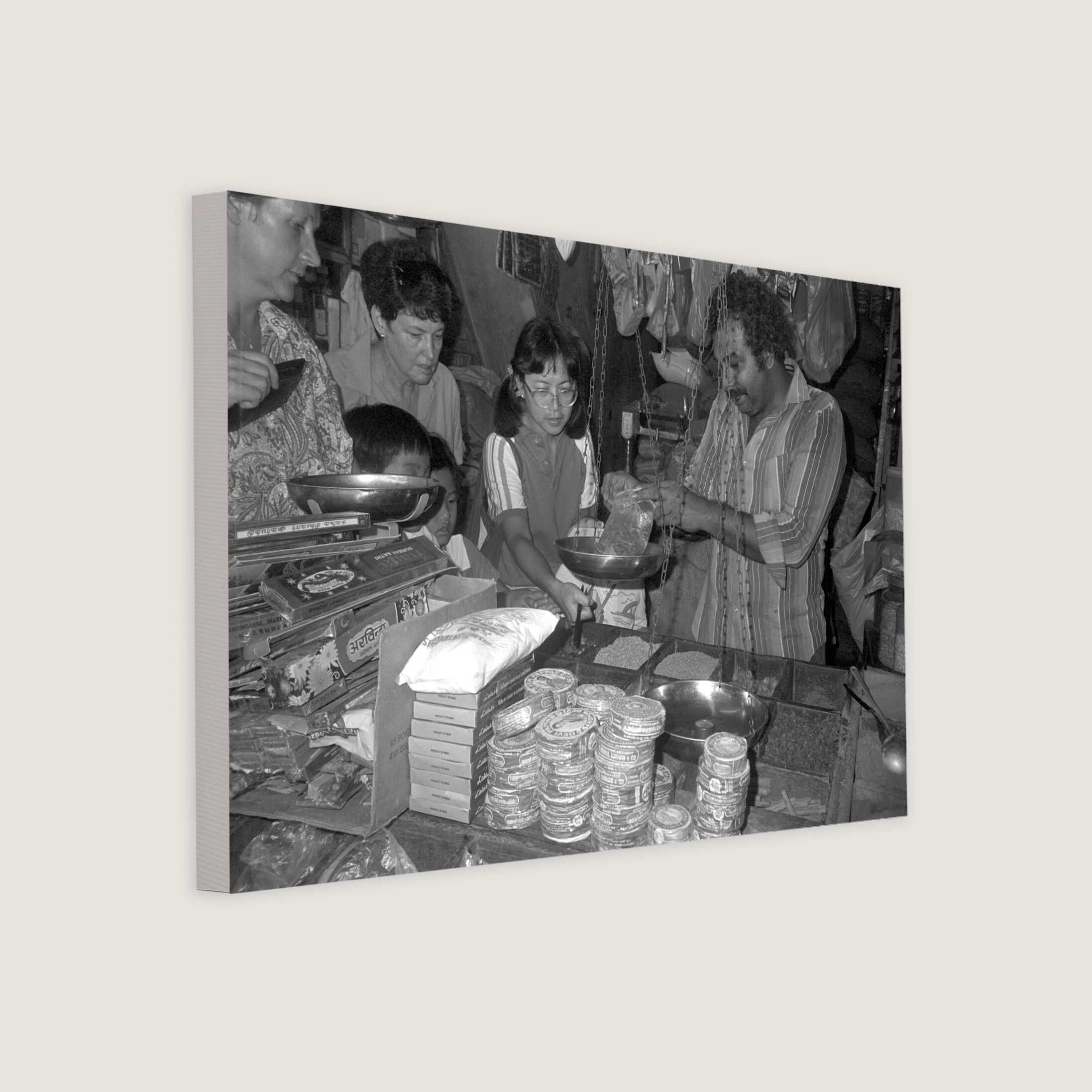
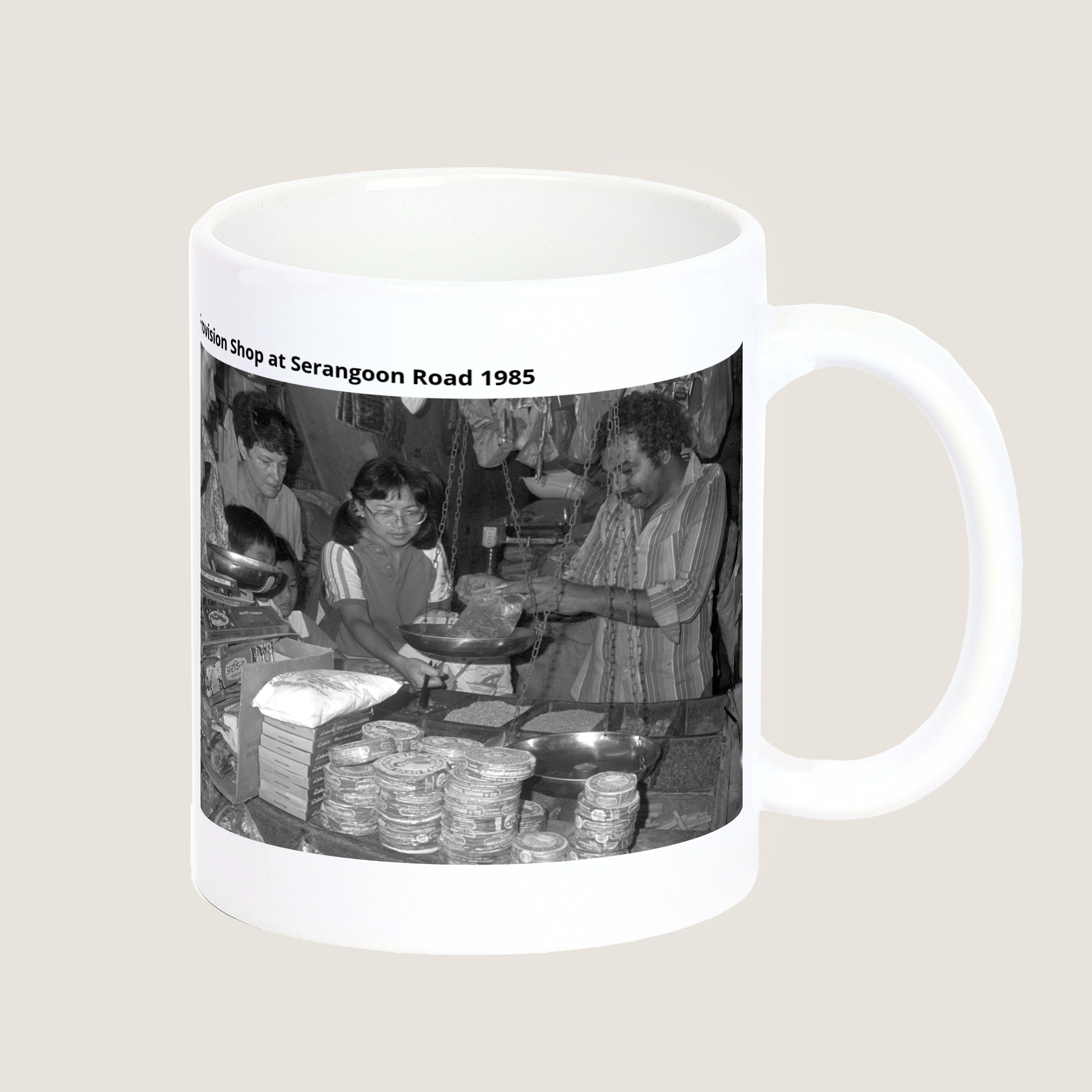
A provision shop in Serangoon Road. They used to be common in residential areas as a place to purchase necessities. However, as supermarket chains expanded, provision stores are now seeing lesser footfall.
©️ SPH Media Limited
Share to
Tags
Available for print on products
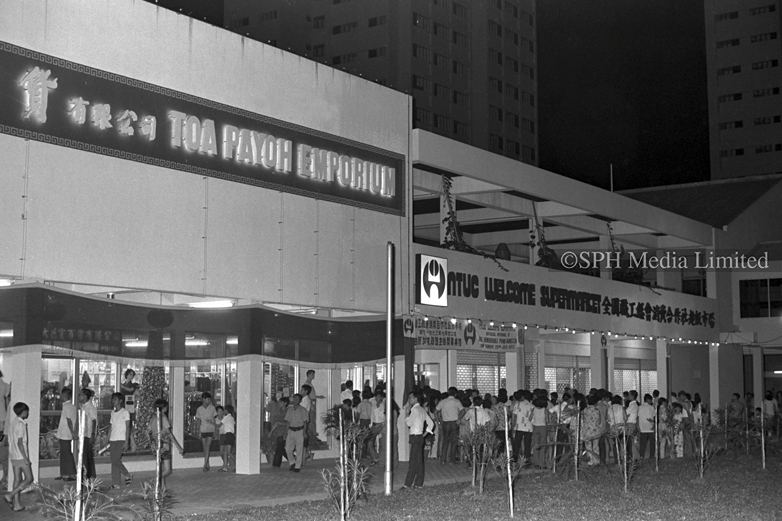 Opening of First NTUC Supermarket at Toa Payoh
1973
Opening of First NTUC Supermarket at Toa Payoh
1973
Opening of First NTUC Supermarket at Toa Payoh
Year 1973
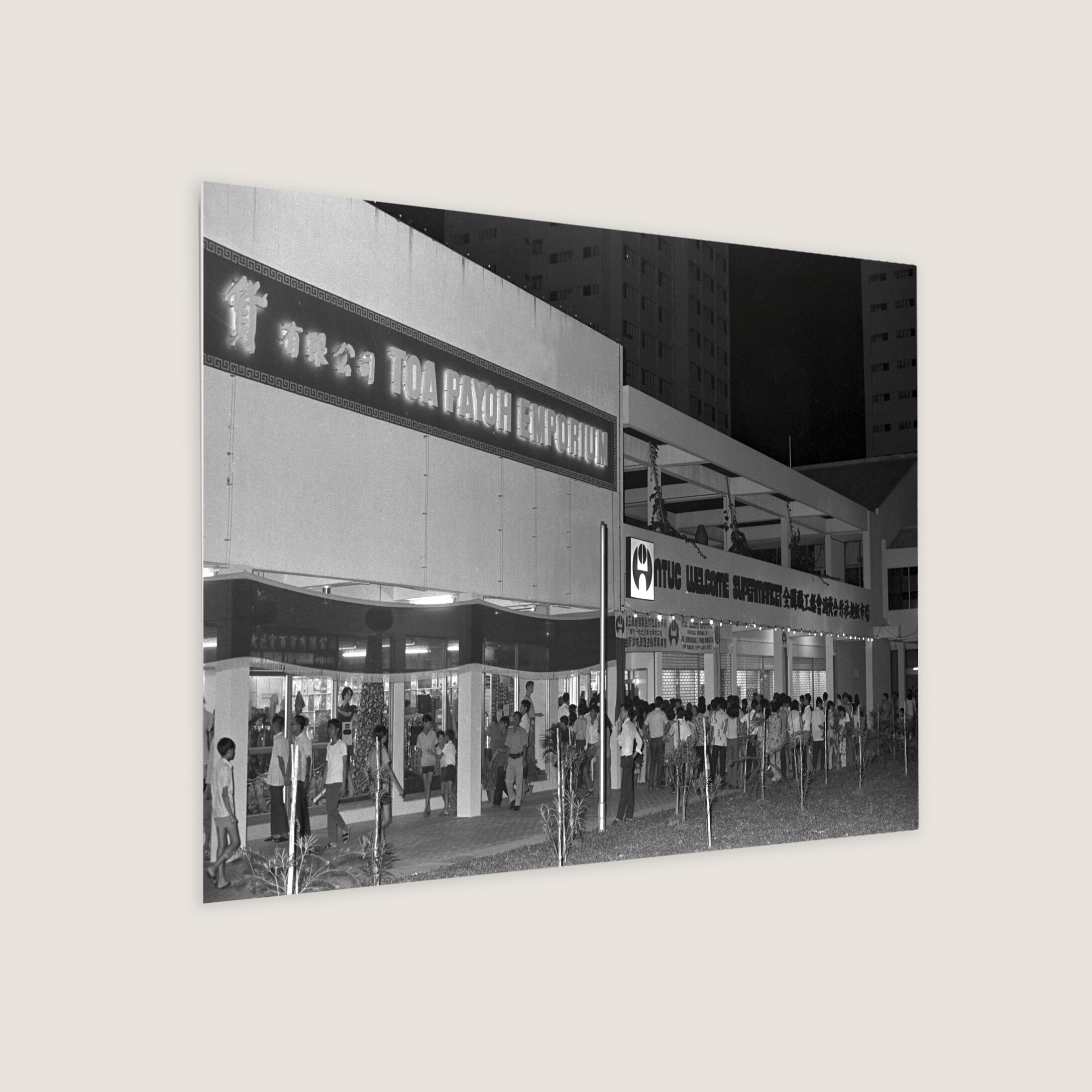
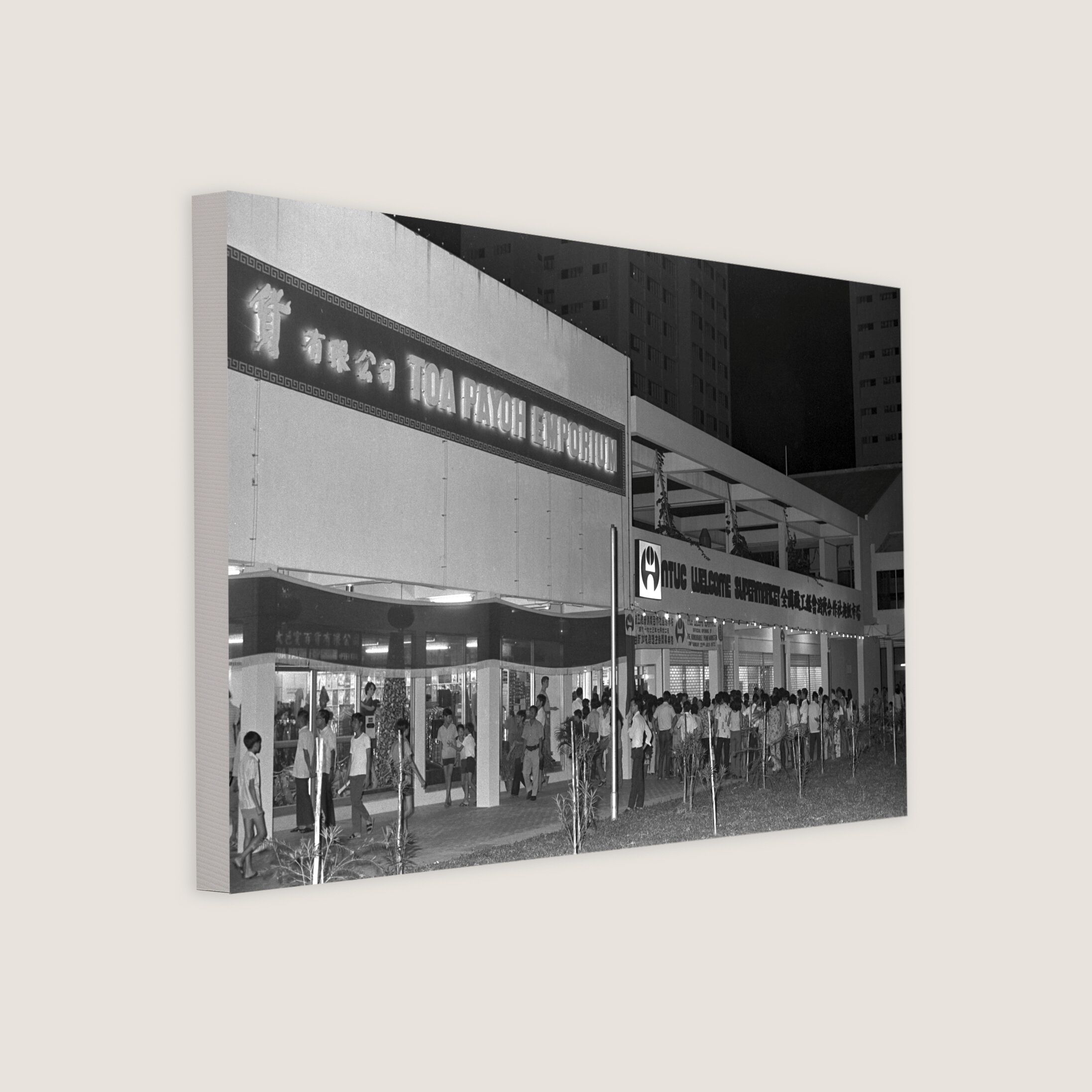
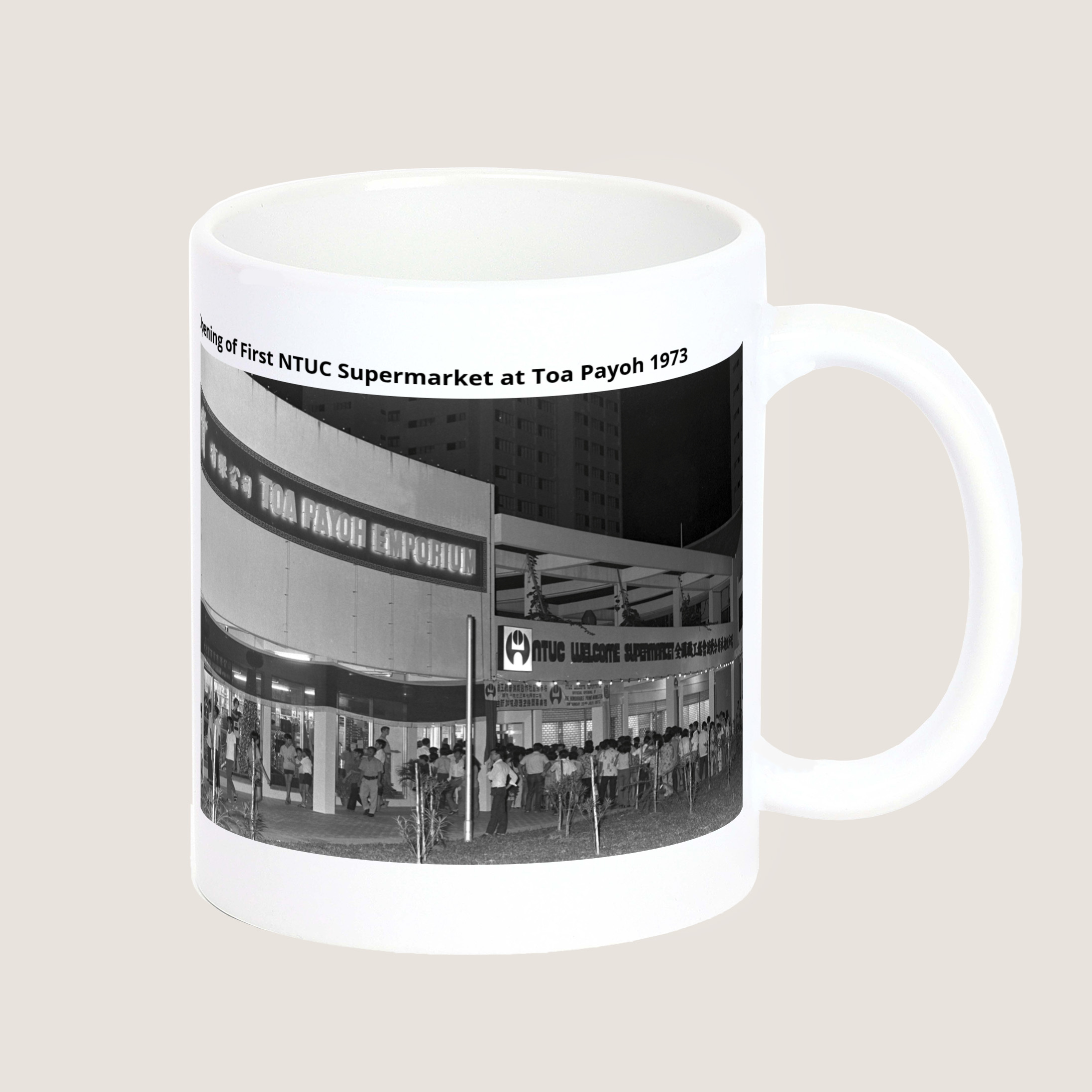
Crowds waiting at the entrance of the NTUC Welcome Supermarket at Lorong 4, Toa Payoh before the official opening, 22 July 1973. It was the first supermarket run by NTUC. The supermarket was next to the Toa Payoh Emporium. The Emporium is a chain of department stores in the 70s and 80s.
©️ SPH Media Limited
Share to
Tags
Available for print on products
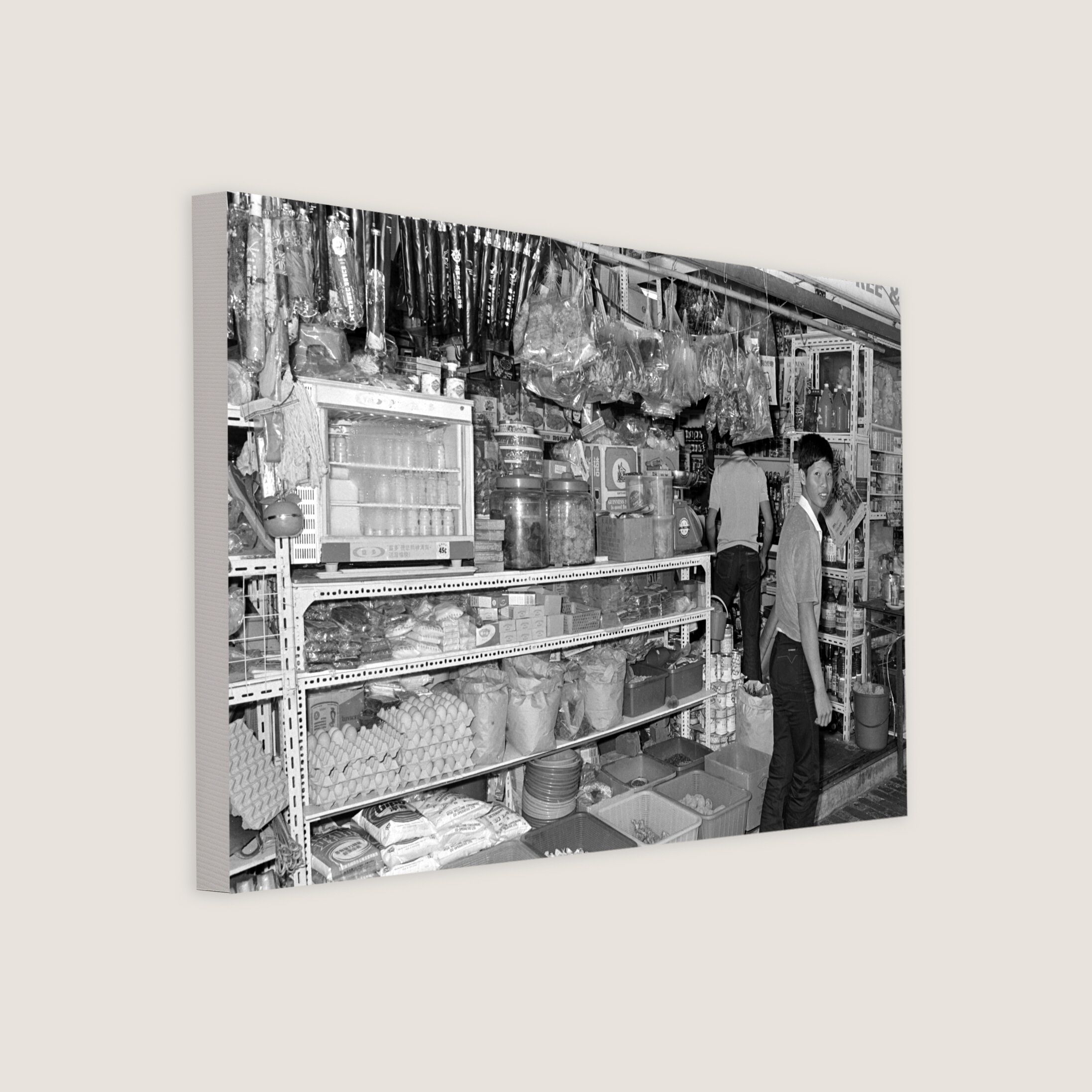
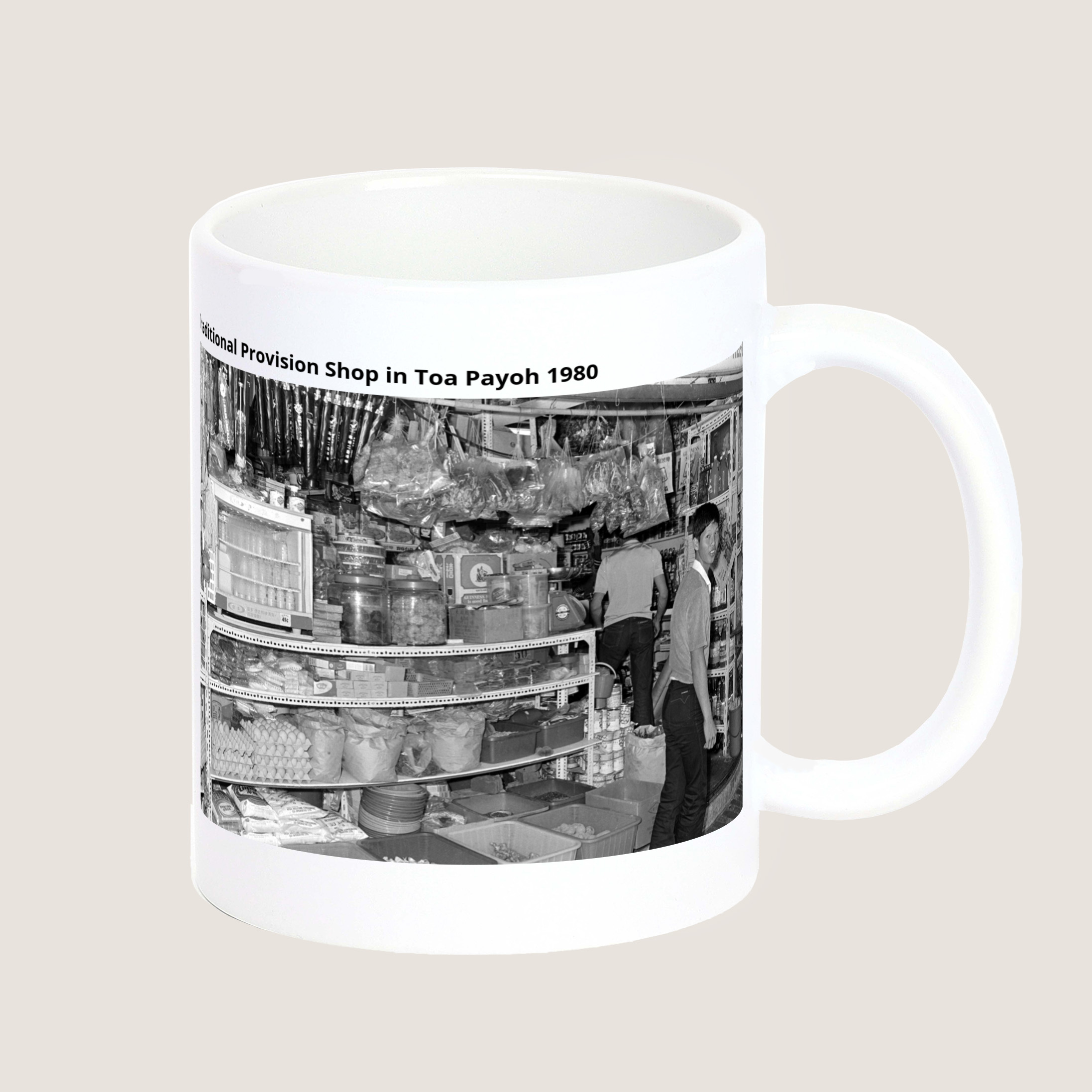
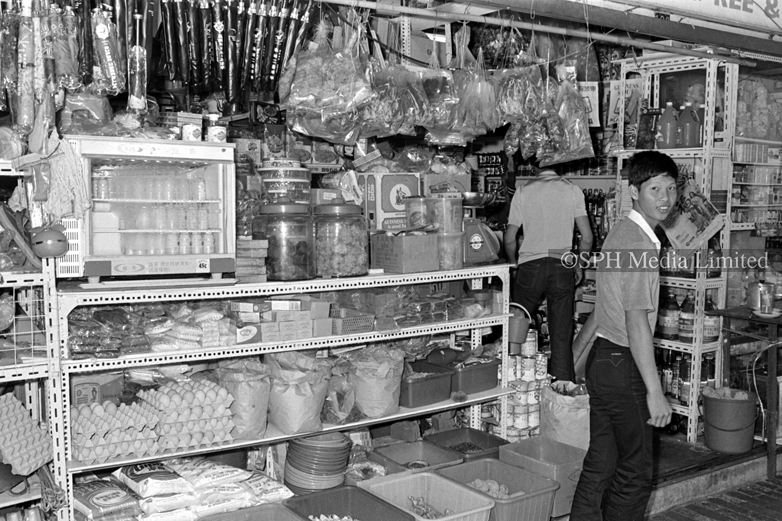 Traditional Provision Shop in Toa Payoh
1980
Traditional Provision Shop in Toa Payoh
1980
Traditional Provision Shop in Toa Payoh
Year 1980
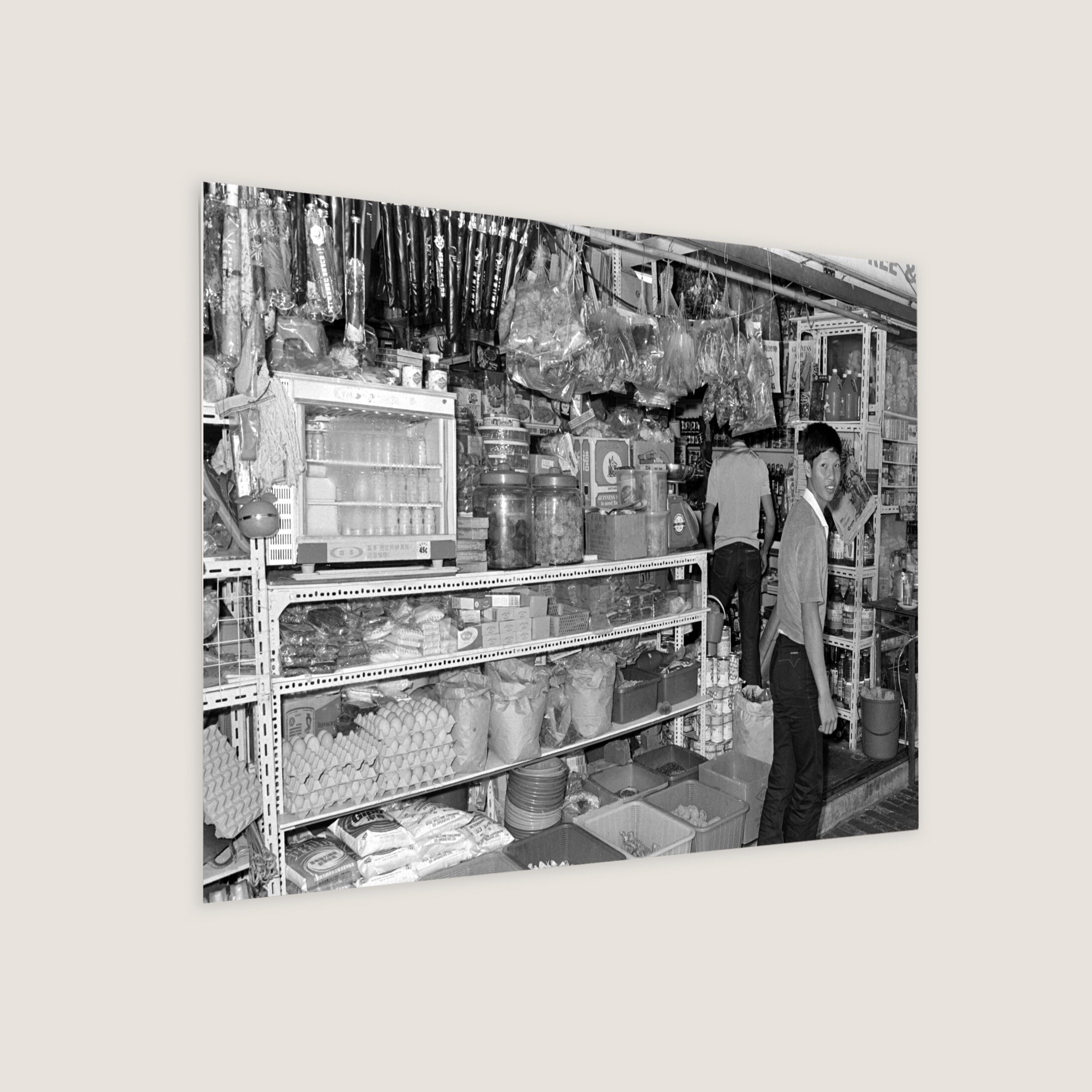
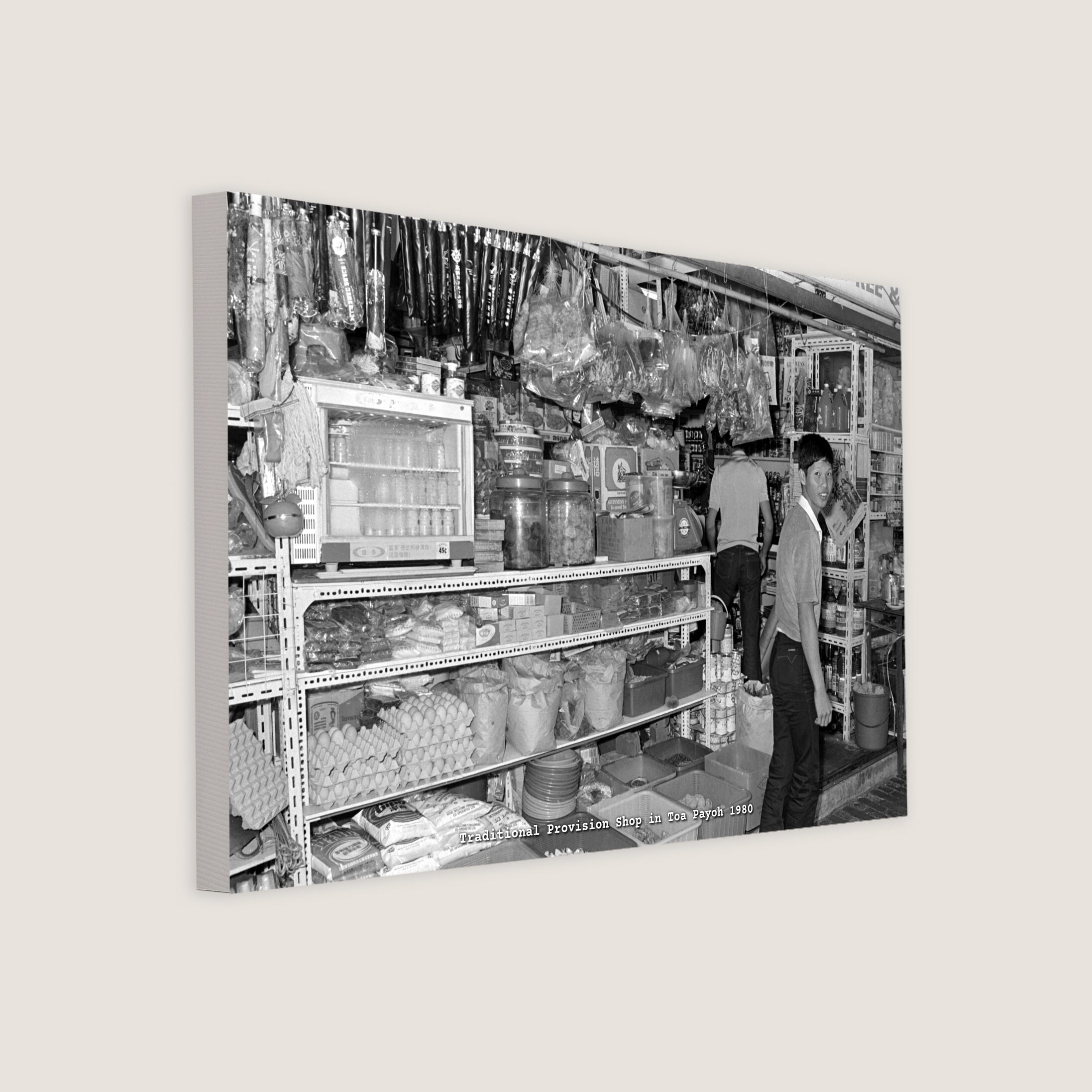
Loong Huat Heng Kee, a traditional provision shop in Toa Payoh which was opened for business on the third day of Chinese New Year. Provision shops are all in close proximity to residential areas and stock daily necessities. Provision stores can still be found in HDB estates.
©️ SPH Media Limited
Share to
Tags
Available for print on products
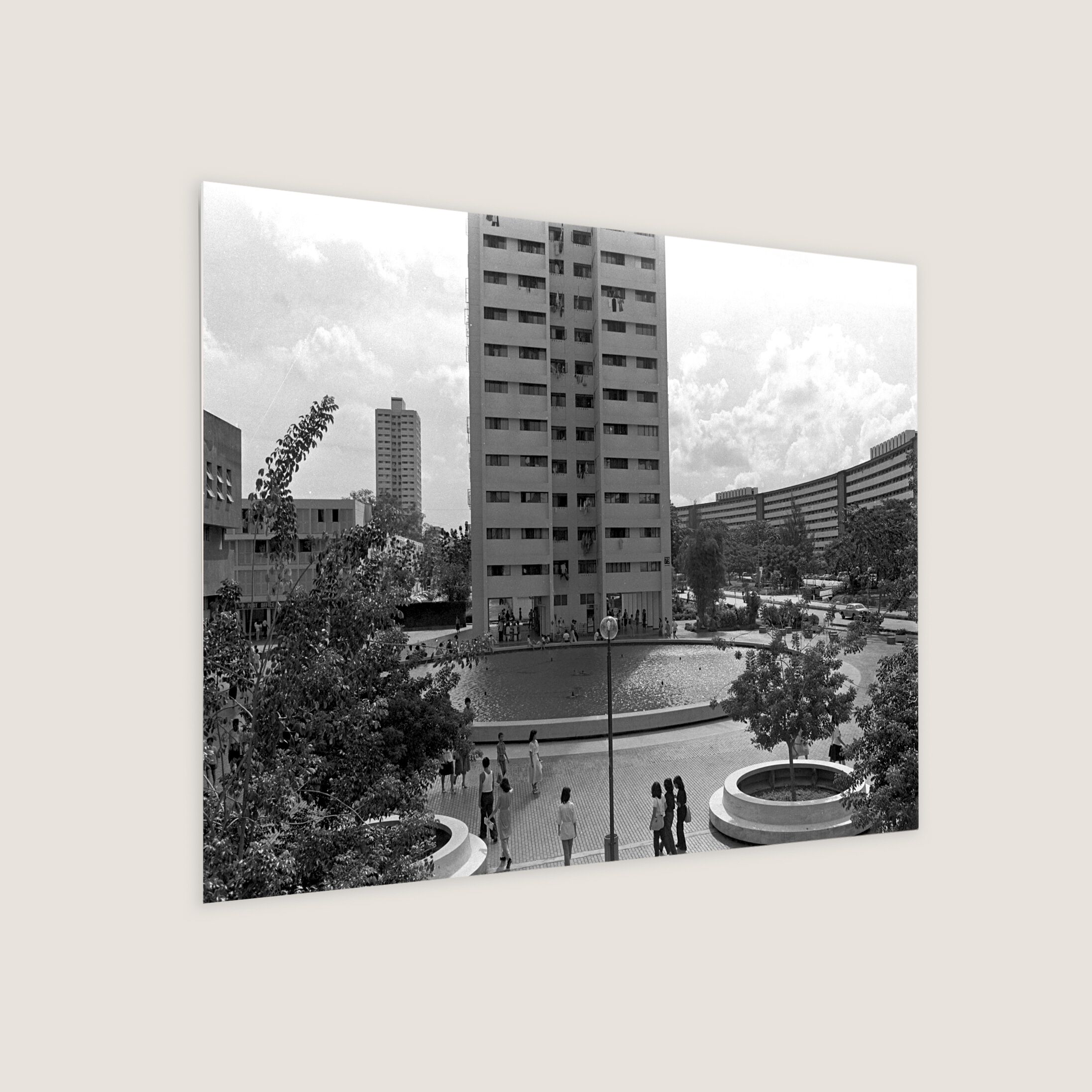
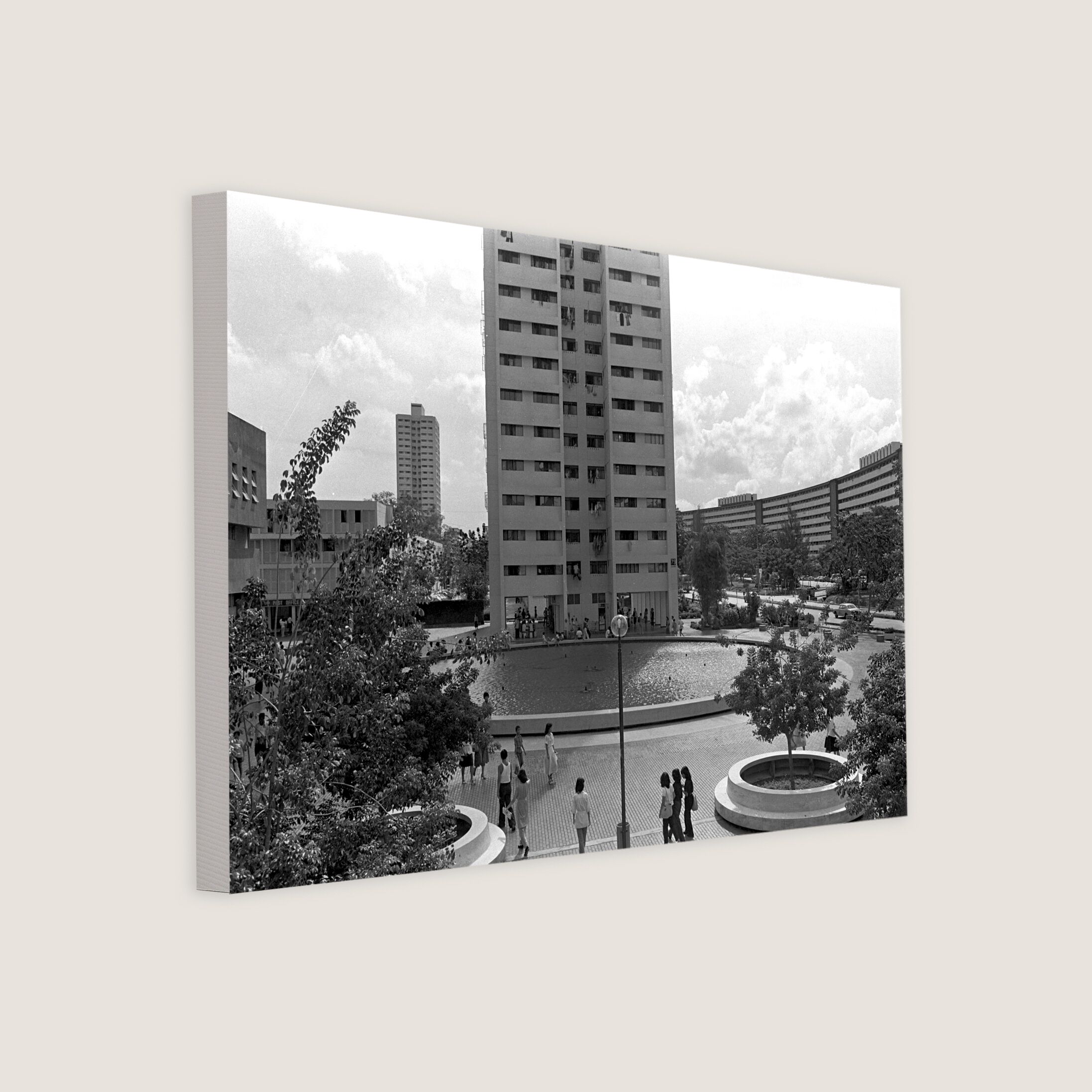
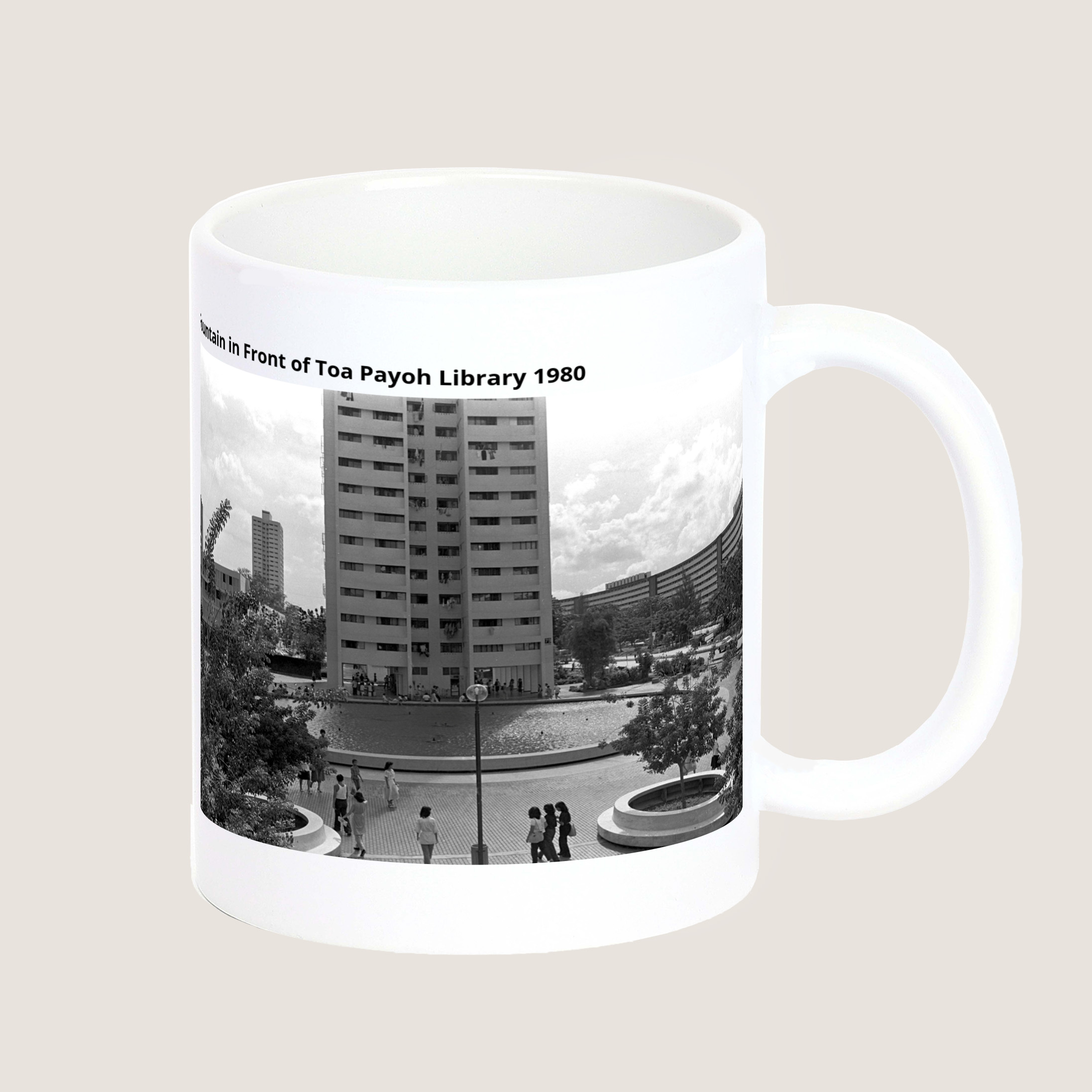
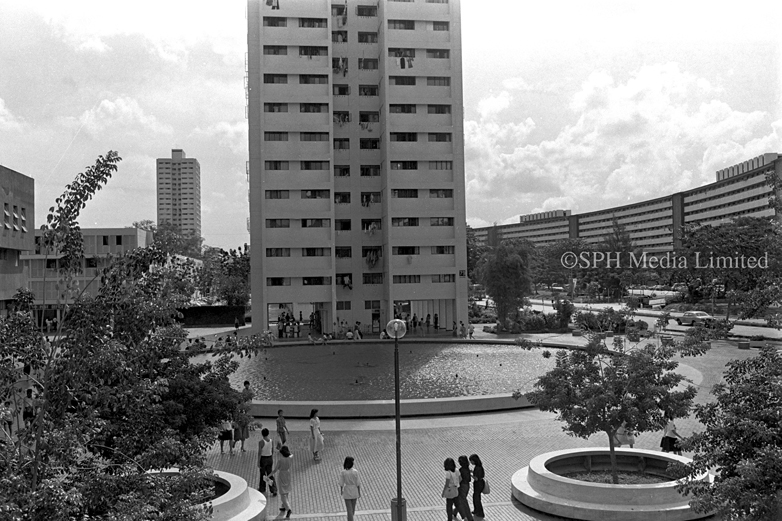 Fountain in Front of Toa Payoh Library
1980
Fountain in Front of Toa Payoh Library
1980
Fountain in Front of Toa Payoh Library
Year 1980
This big fountain was situated in front of the Toa Payoh Library. It was worked by automatic time switches at lunchtime and in the late evenings to save electricity.
©️ SPH Media Limited
Share to
Tags
Available for print on products
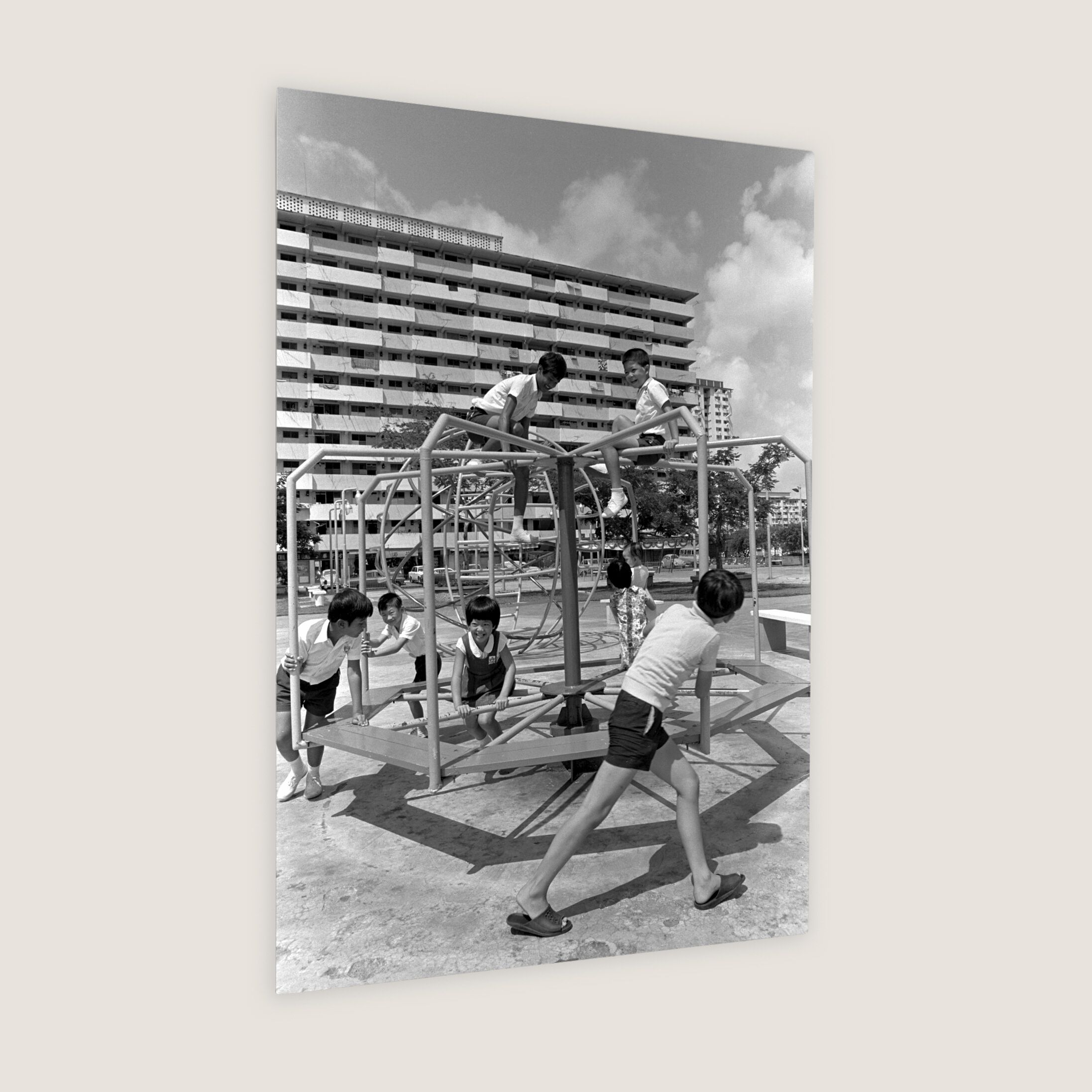
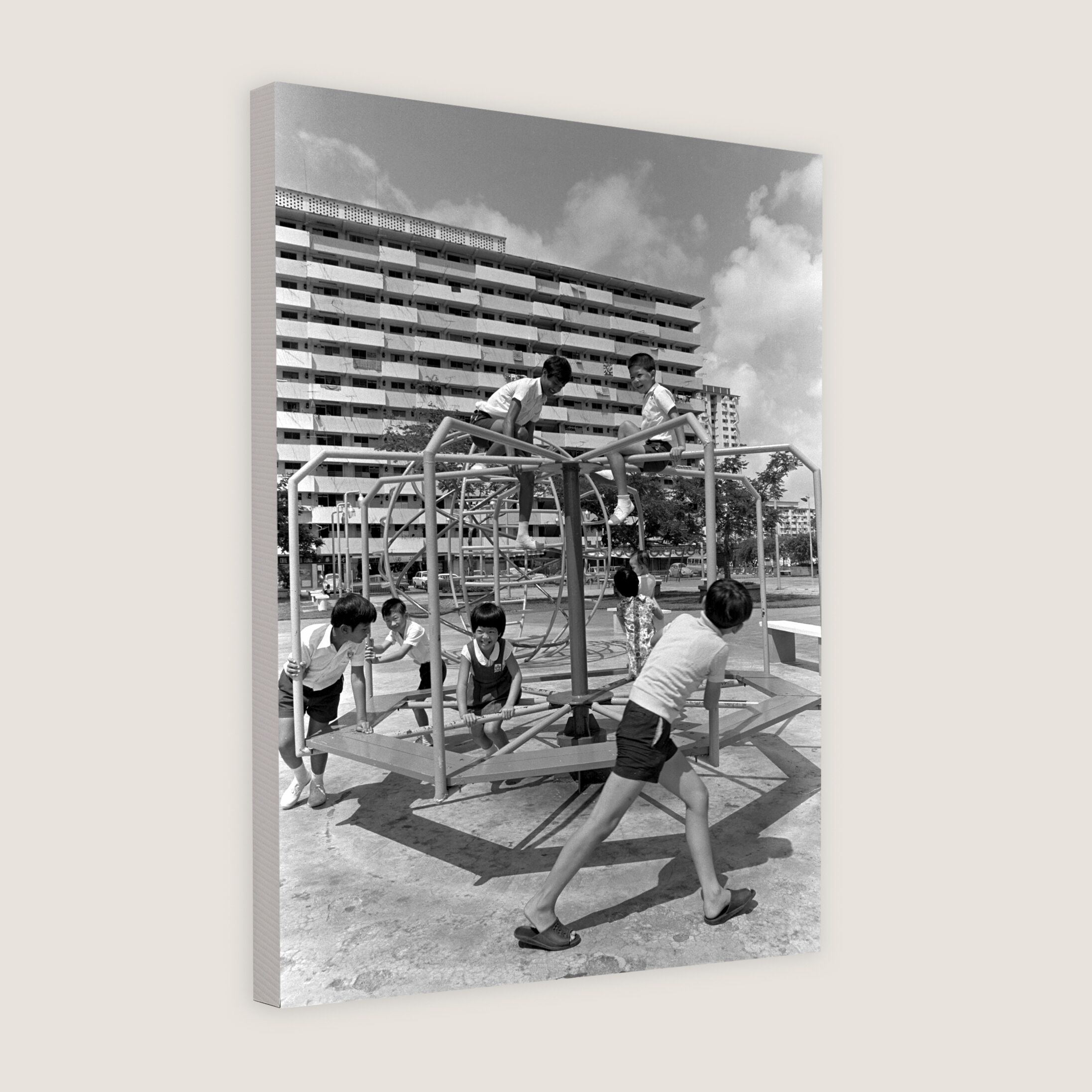
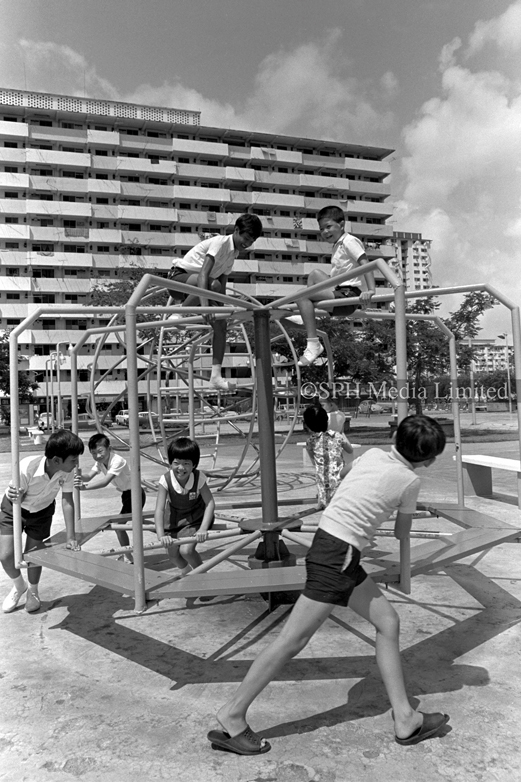 Playground at Toa Payoh HDB Housing Estate
1975
Playground at Toa Payoh HDB Housing Estate
1975
Playground at Toa Payoh HDB Housing Estate
Year 1975
Children at a playground in Toa Payoh. When the Housing Development Board (HDB) took over from the SIT in 1960, it decided to design playgrounds that drew on local heritage and culture to help create stronger communal bonds. The board’s playgrounds typically comprised simple, geometric or animal-shaped concrete structures in sand pits.
©️ SPH Media Limited
Share to
Tags
Available for print on products
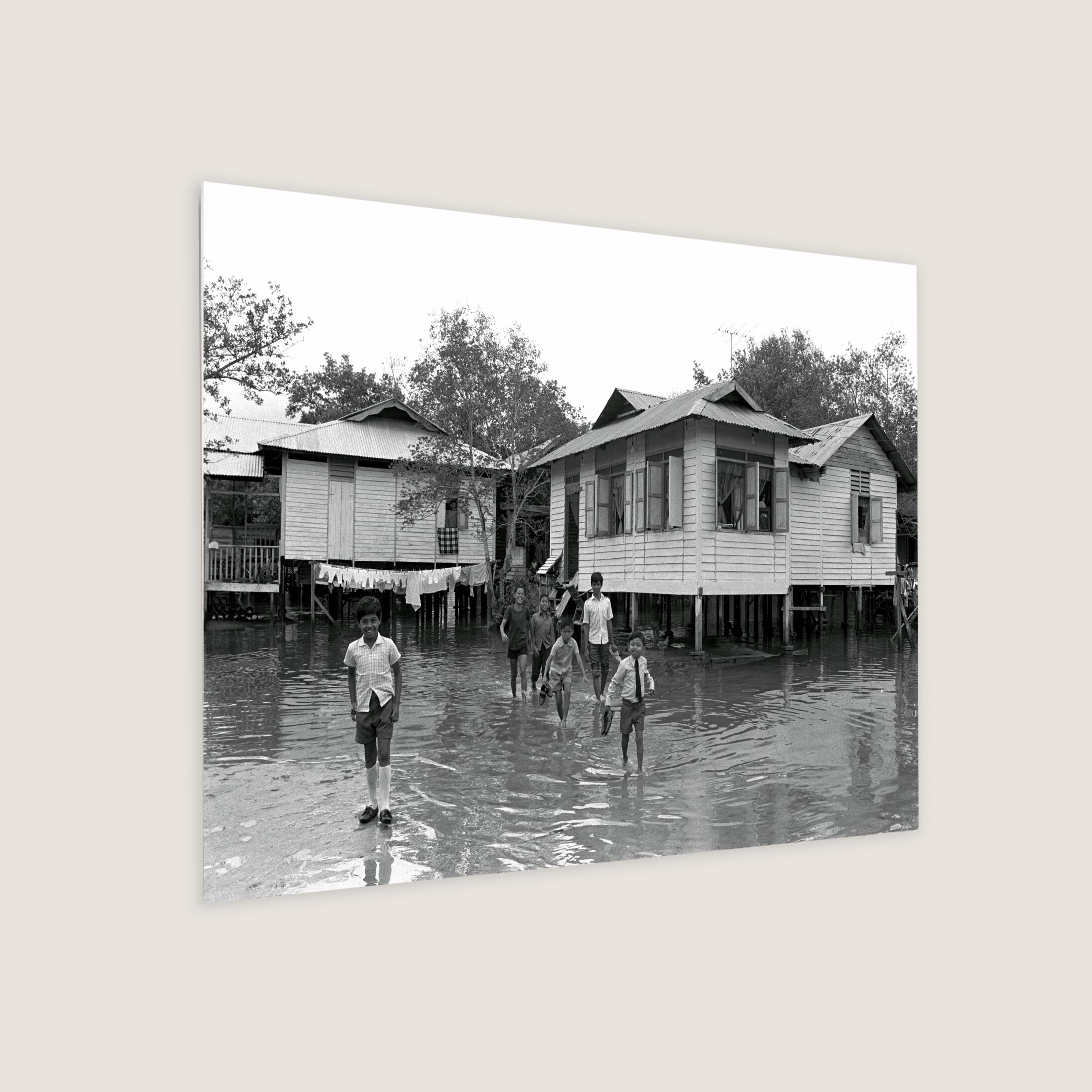
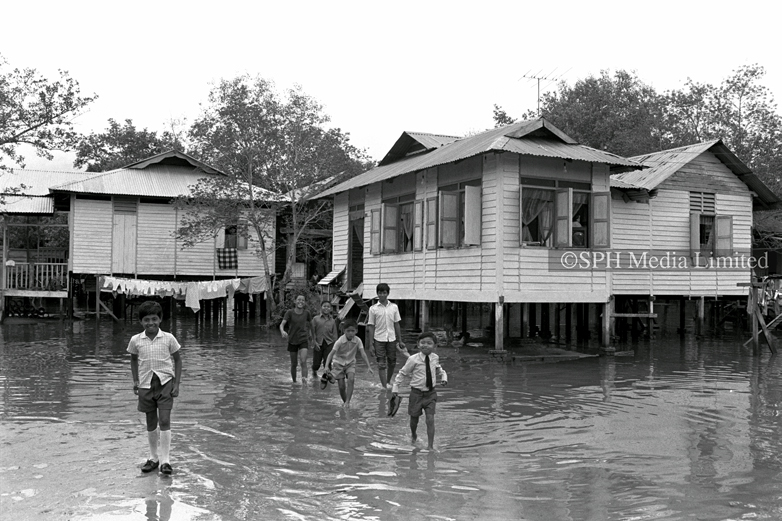 Rainy Hari Raya at Kampong Sungei Mandai Kechil
1971
Rainy Hari Raya at Kampong Sungei Mandai Kechil
1971
Rainy Hari Raya at Kampong Sungei Mandai Kechil
Year 1971
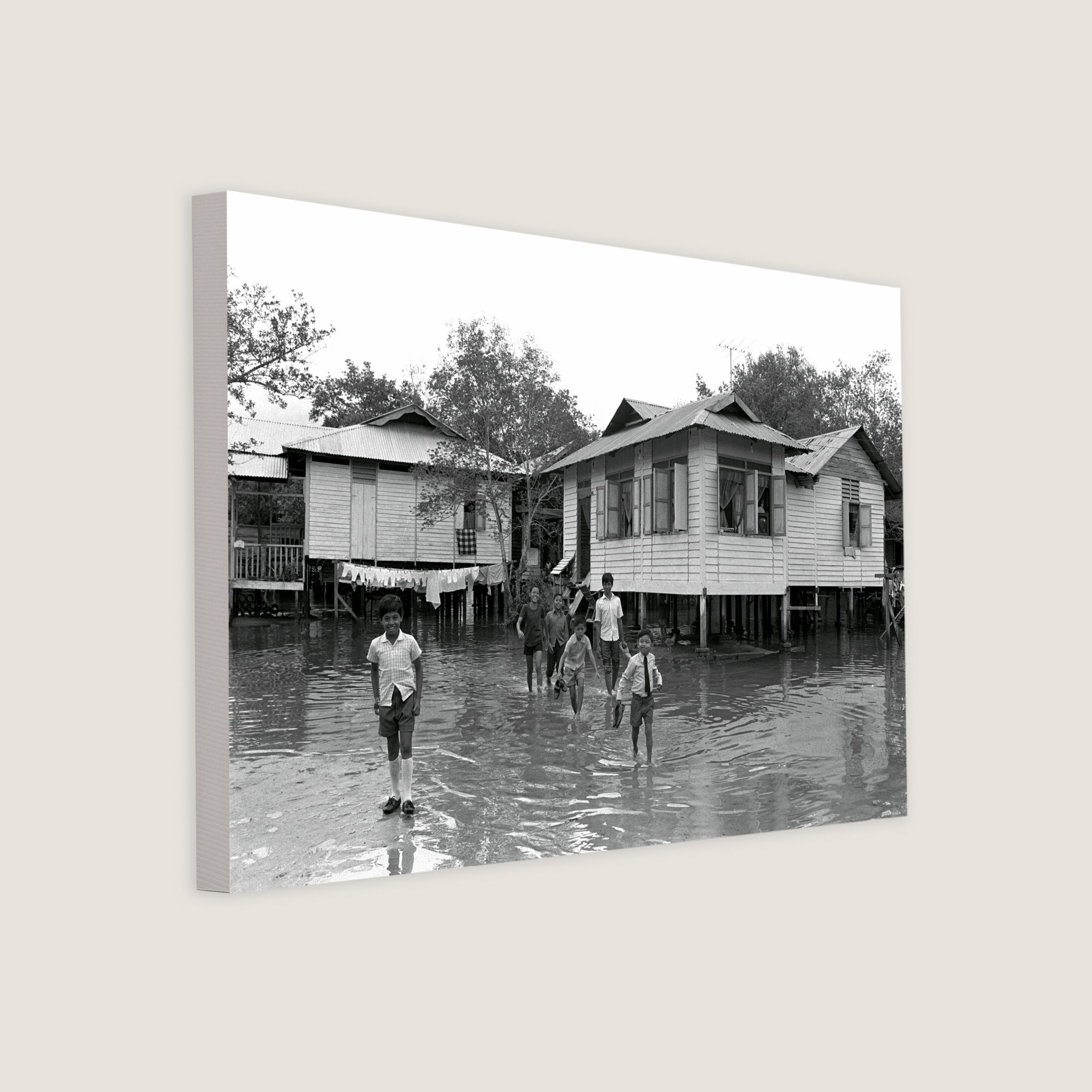
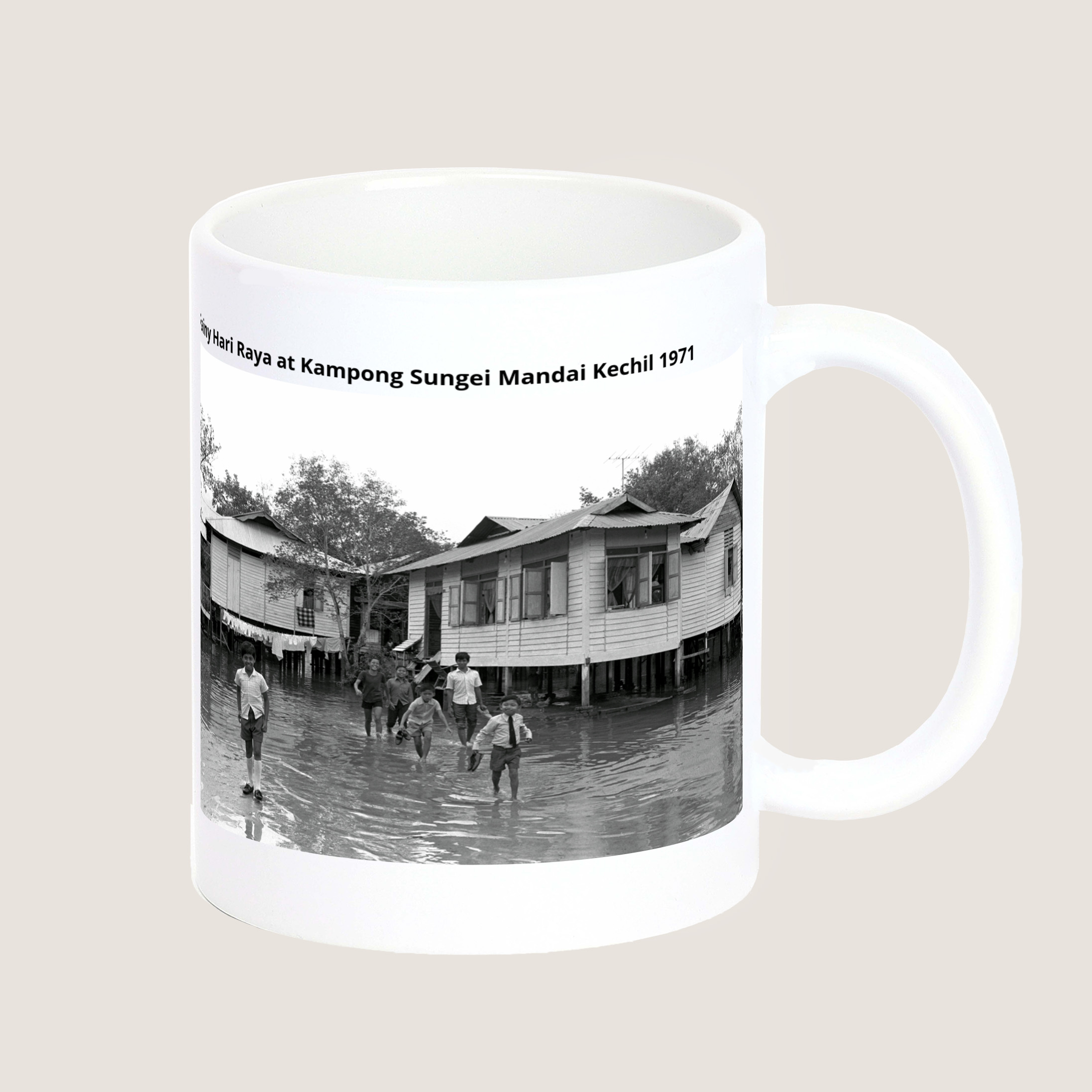
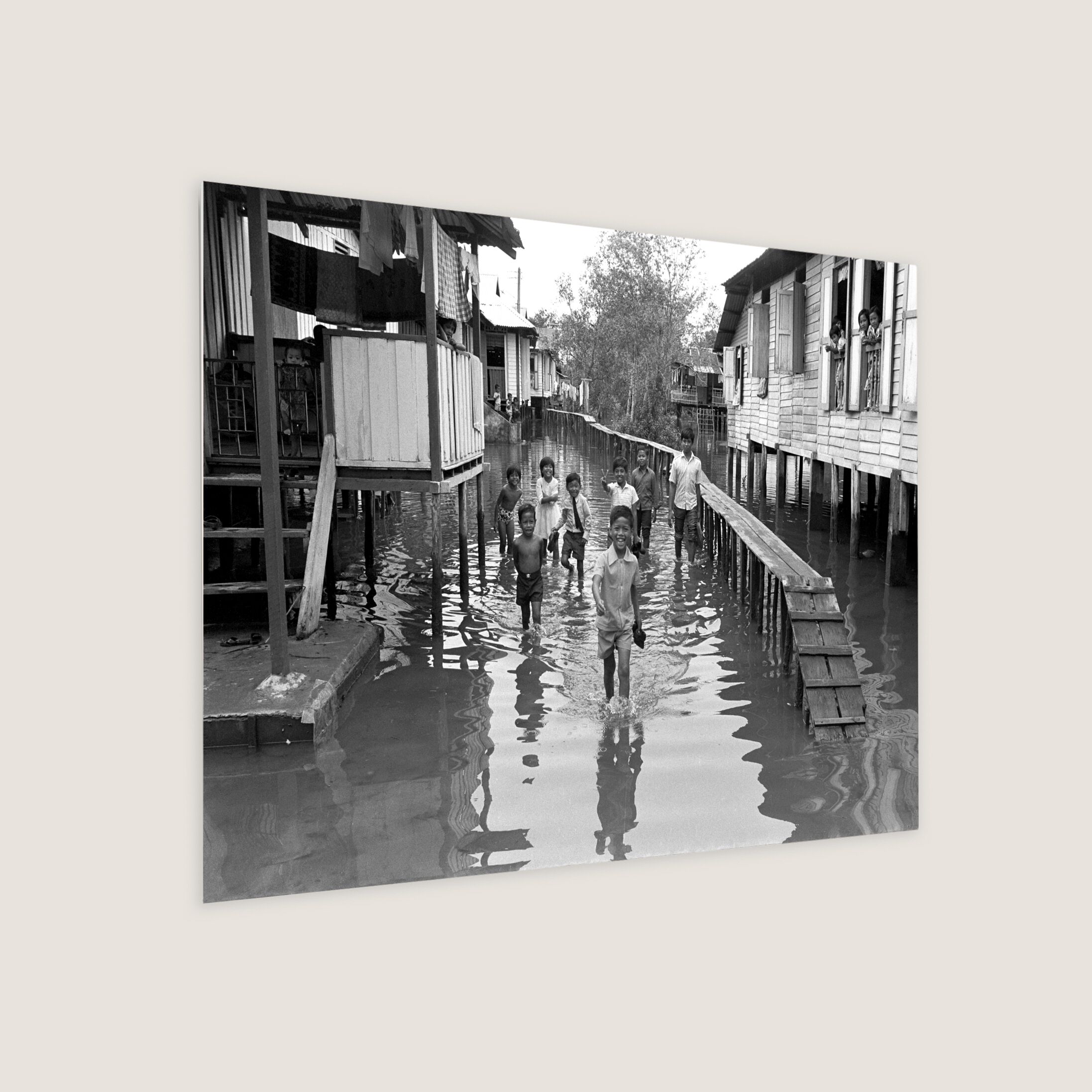
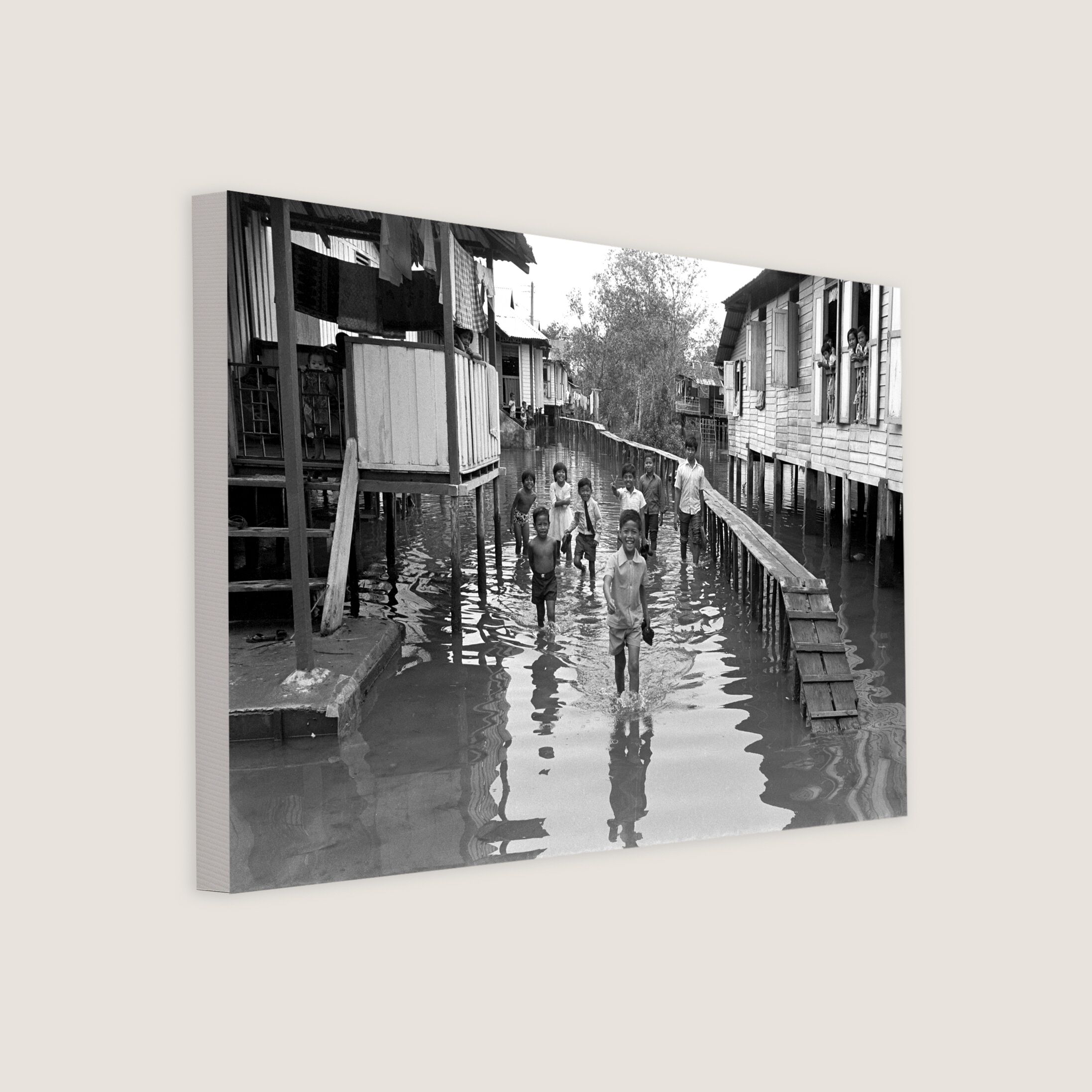
Heavy rains failed to dampen the Hari Raya spirit of the children at Kampong Sungei Mandai Kechil in Woodlands. Dressed in their holiday best, they make their way through the muddy waters. The Kampong was eventually taken down to make way for the Customs Department extension to the Woodlands Checkpoint.
©️ SPH Media Limited
Share to
Tags
Available for print on products
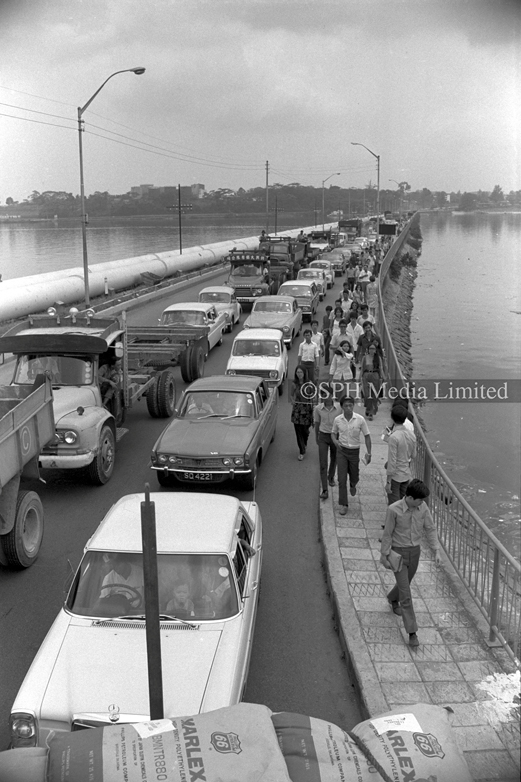 Causeway at Woodlands Checkpoint
1972
Causeway at Woodlands Checkpoint
1972
Causeway at Woodlands Checkpoint
Year 1972
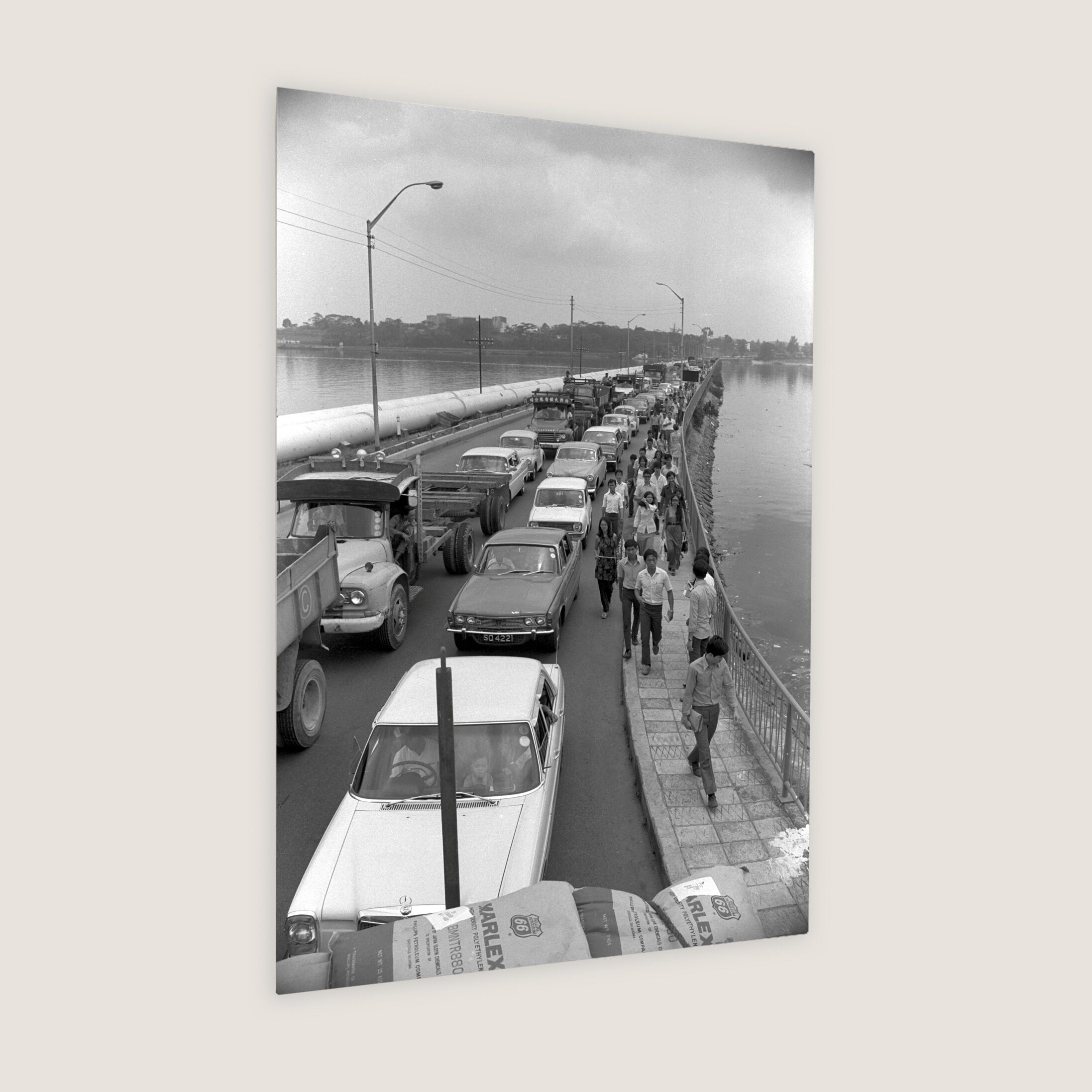
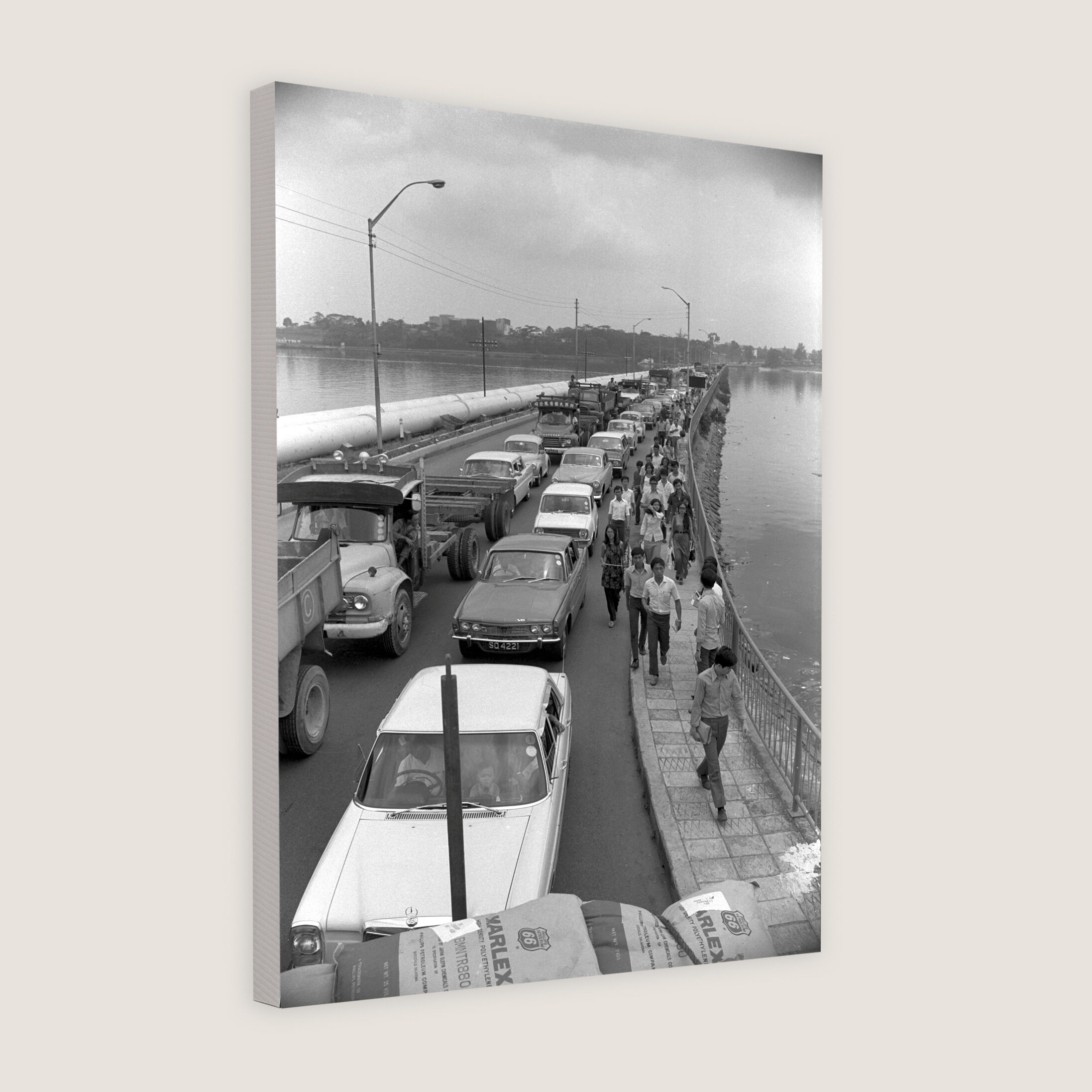
People walked from Woodlands checkpoint to Johore Bahru due to a massive traffic jam attributed to the Easter Holiday in 1972. A common scene of being caught in the customs checkpoint jam still prevails today.
©️ SPH Media Limited
Share to
Tags
Available for print on products
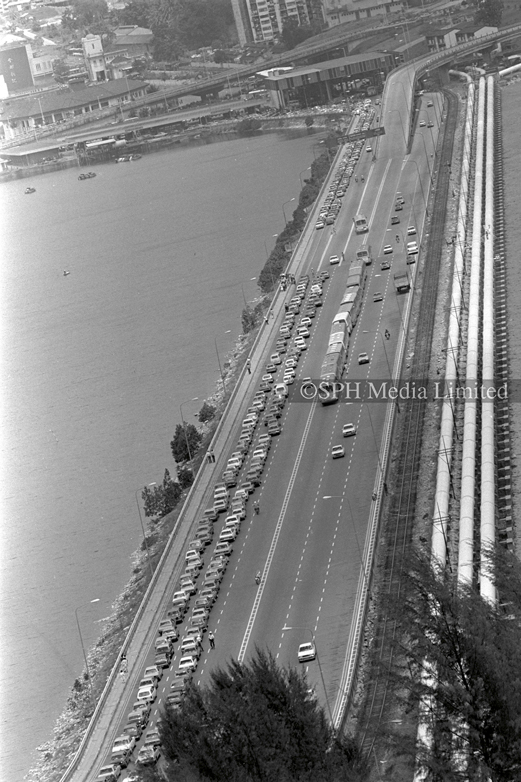 Causeway that Links Two Countries
1981
Causeway that Links Two Countries
1981
Causeway that Links Two Countries
Year 1981
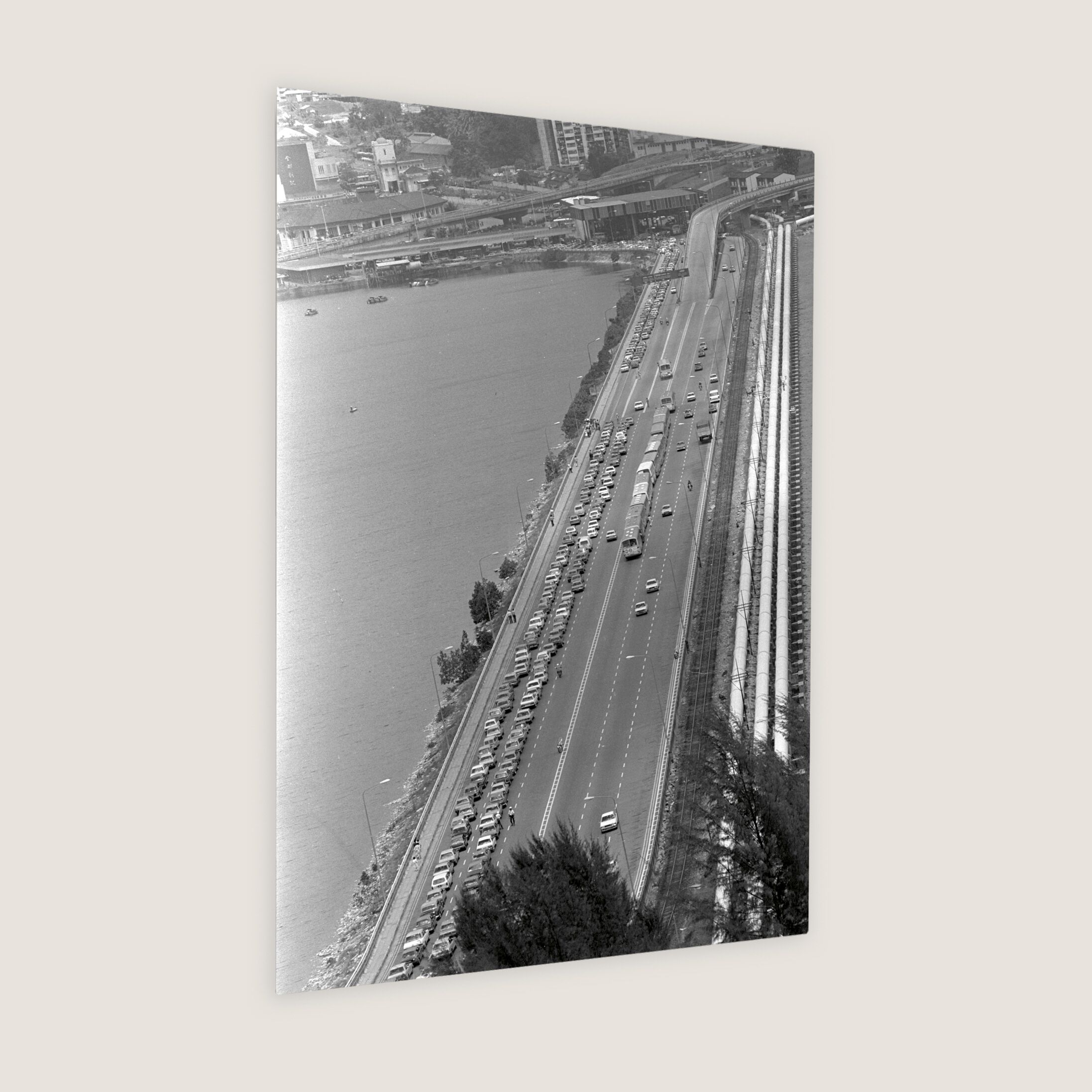
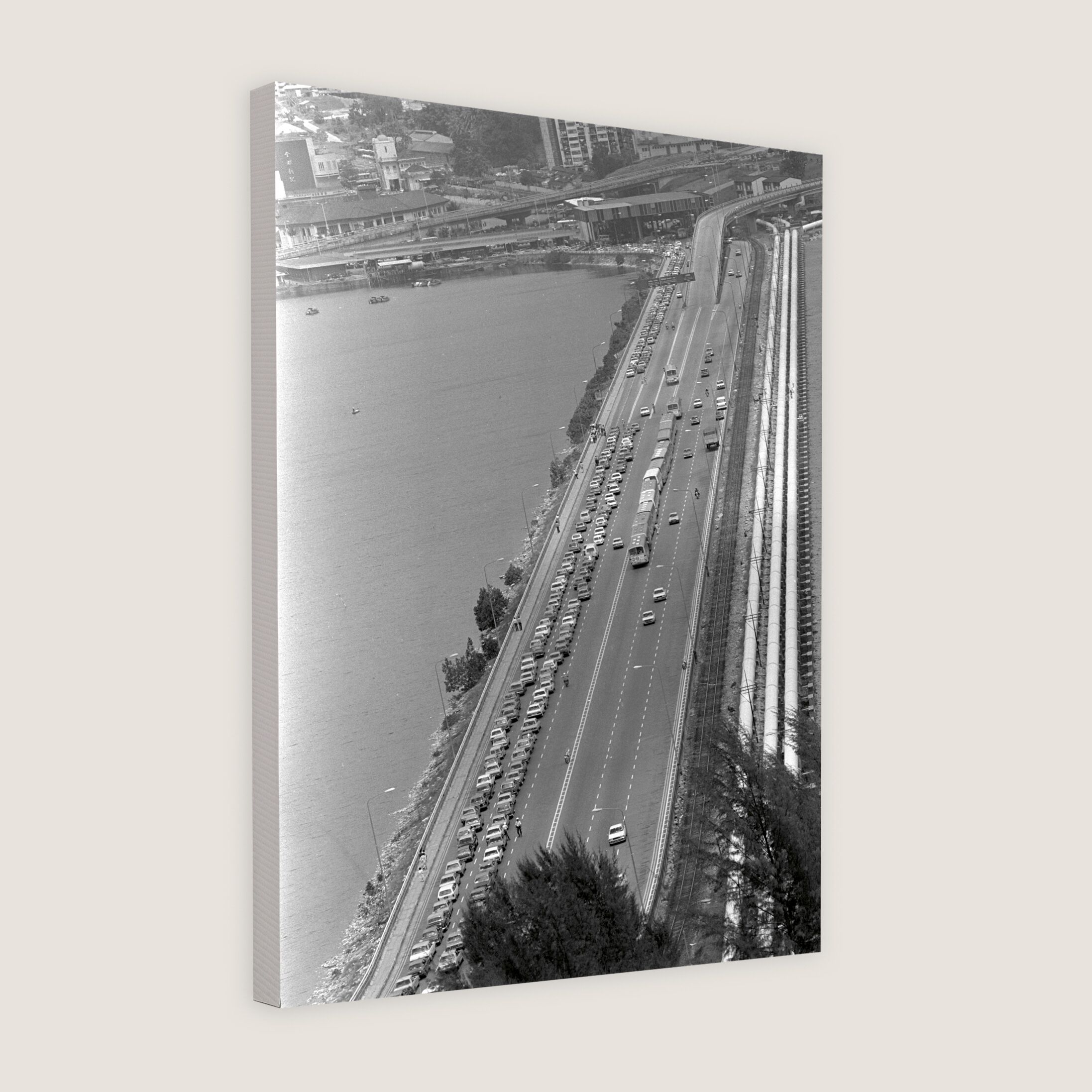
Featuring an aerial view of a long traffic jam along the Causeway at Woodlands in 1981. Since 1924 till now, the Causeway served as an important link for Singaporeans and Malaysians alike to cross the borders for work and family.
©️ SPH Media Limited
Share to
Tags
Available for print on products
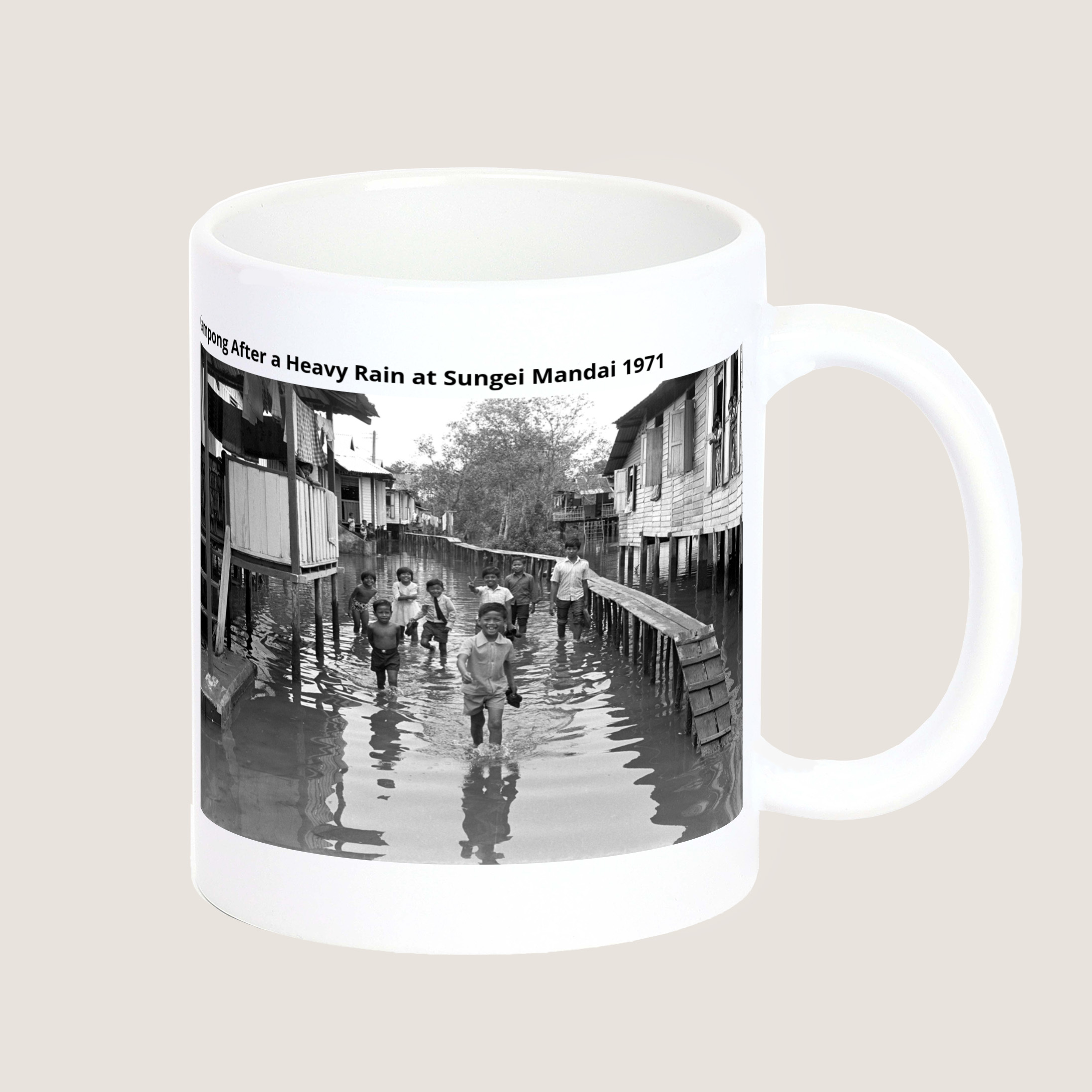
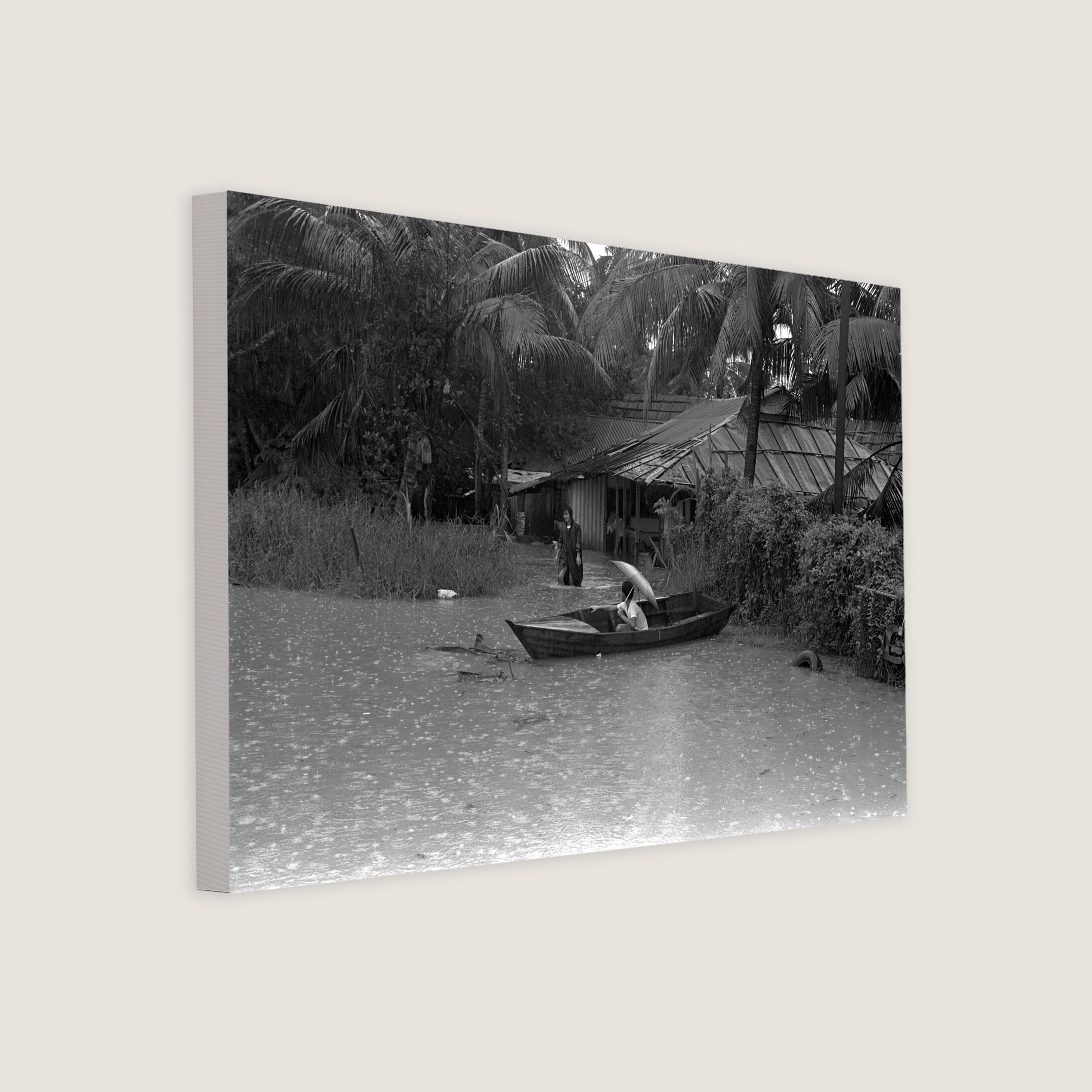
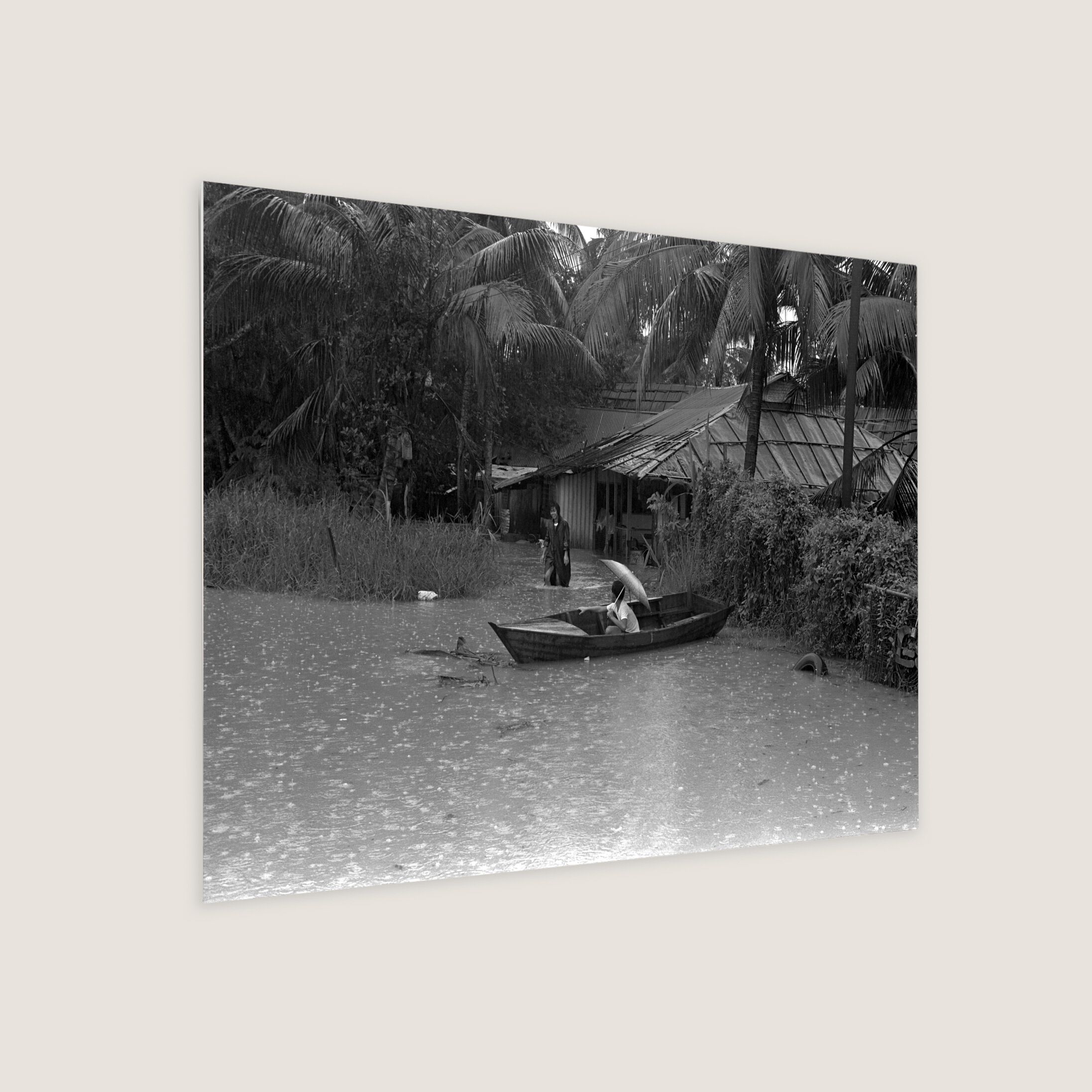
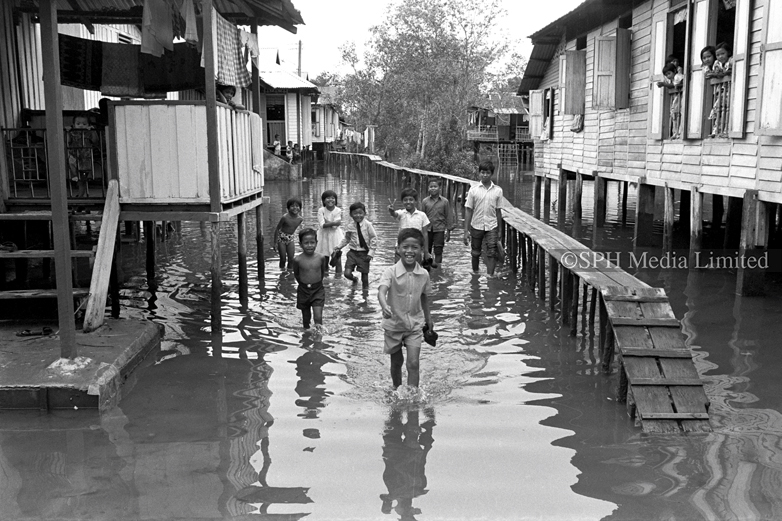 Kampong After a Heavy Rain at Sungei Mandai
1971
Kampong After a Heavy Rain at Sungei Mandai
1971
Kampong After a Heavy Rain at Sungei Mandai
Year 1971
KampungThere were many Malay Kampongs located at Sungei Mandai. During raining season, the villages would be flooded at high tide. Heavy rains on November 1971 failed to dampen the Hari Raya spirit of the children at the Kampong Sungei Mandai Kechil.
©️ Shared SpacesSPH Media Limited
Share to
Available for print on products
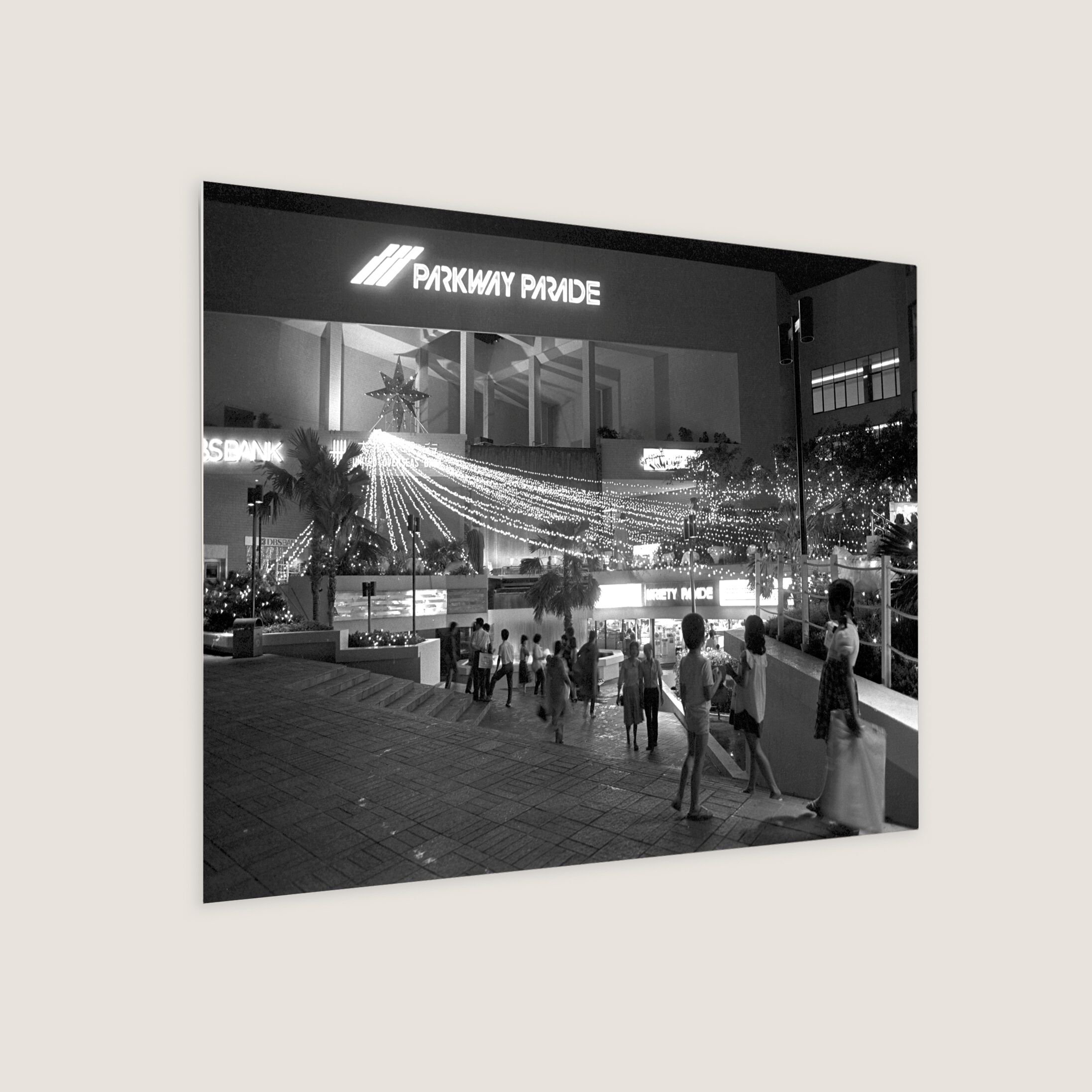
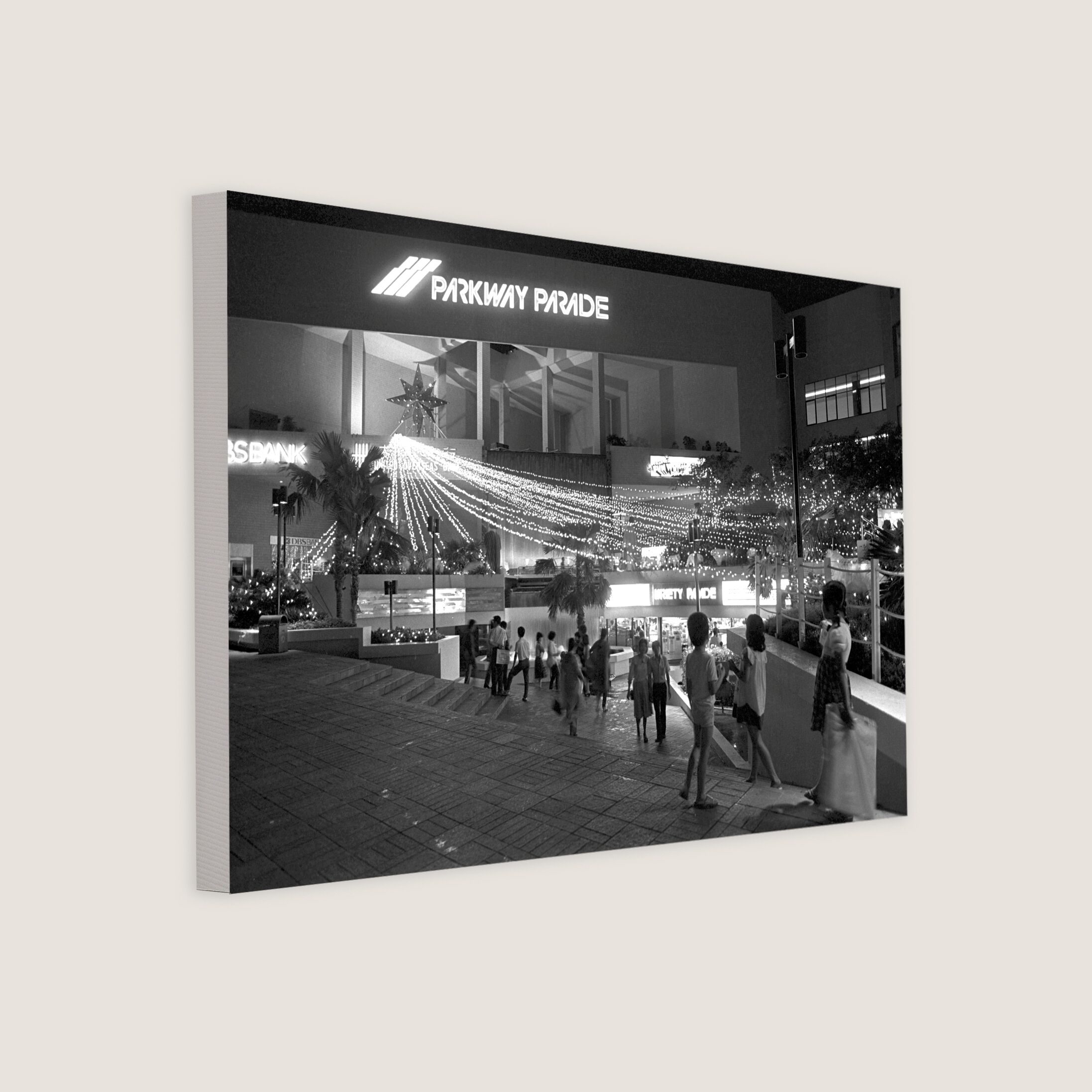
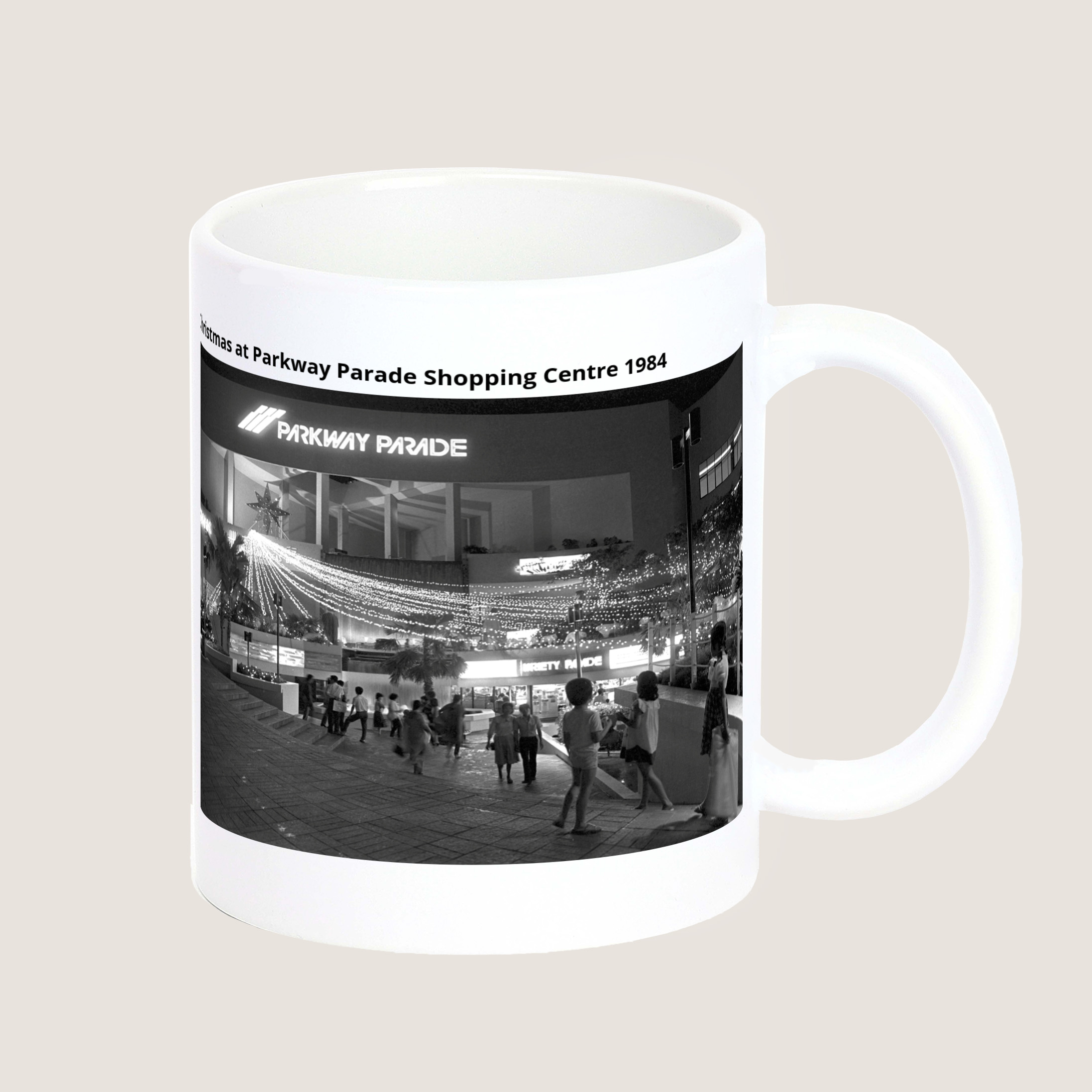
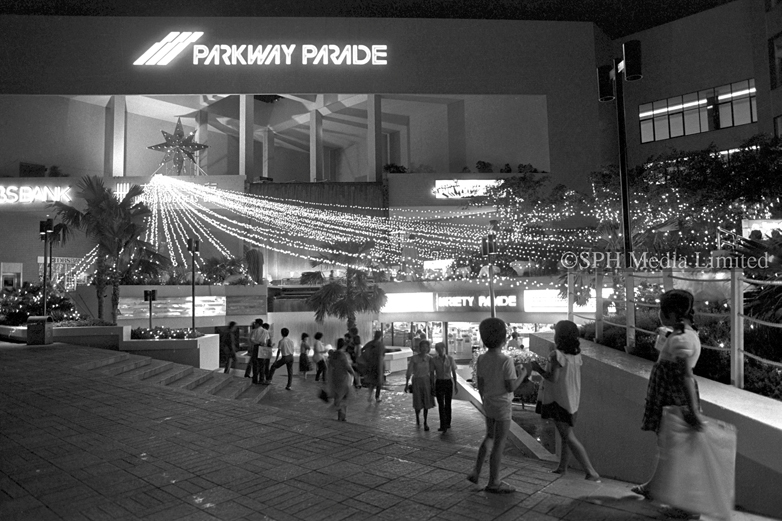 Christmas at Parkway Parade Shopping Centre
1984
Christmas at Parkway Parade Shopping Centre
1984
Christmas at Parkway Parade Shopping Centre
Year 1984
Christmas magic illuminates Parkway Parade Shopping Centre in Marine Parade. Officially opened in March 1984, this pioneering shopping centre was one of the first to bring convenience and excitement to the heartlands of Singapore.
©️ SPH Media Limited
Share to
Tags
Available for print on products
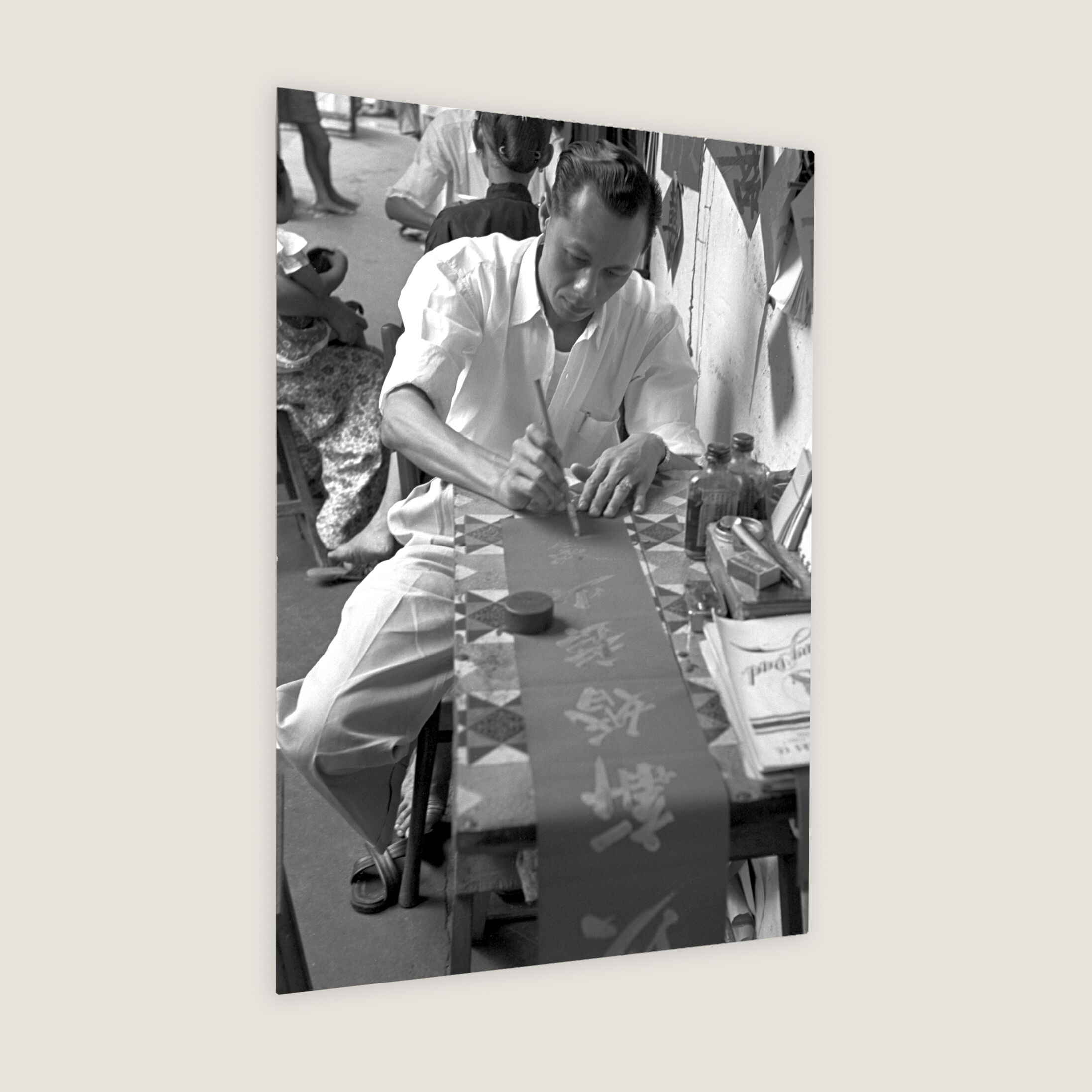
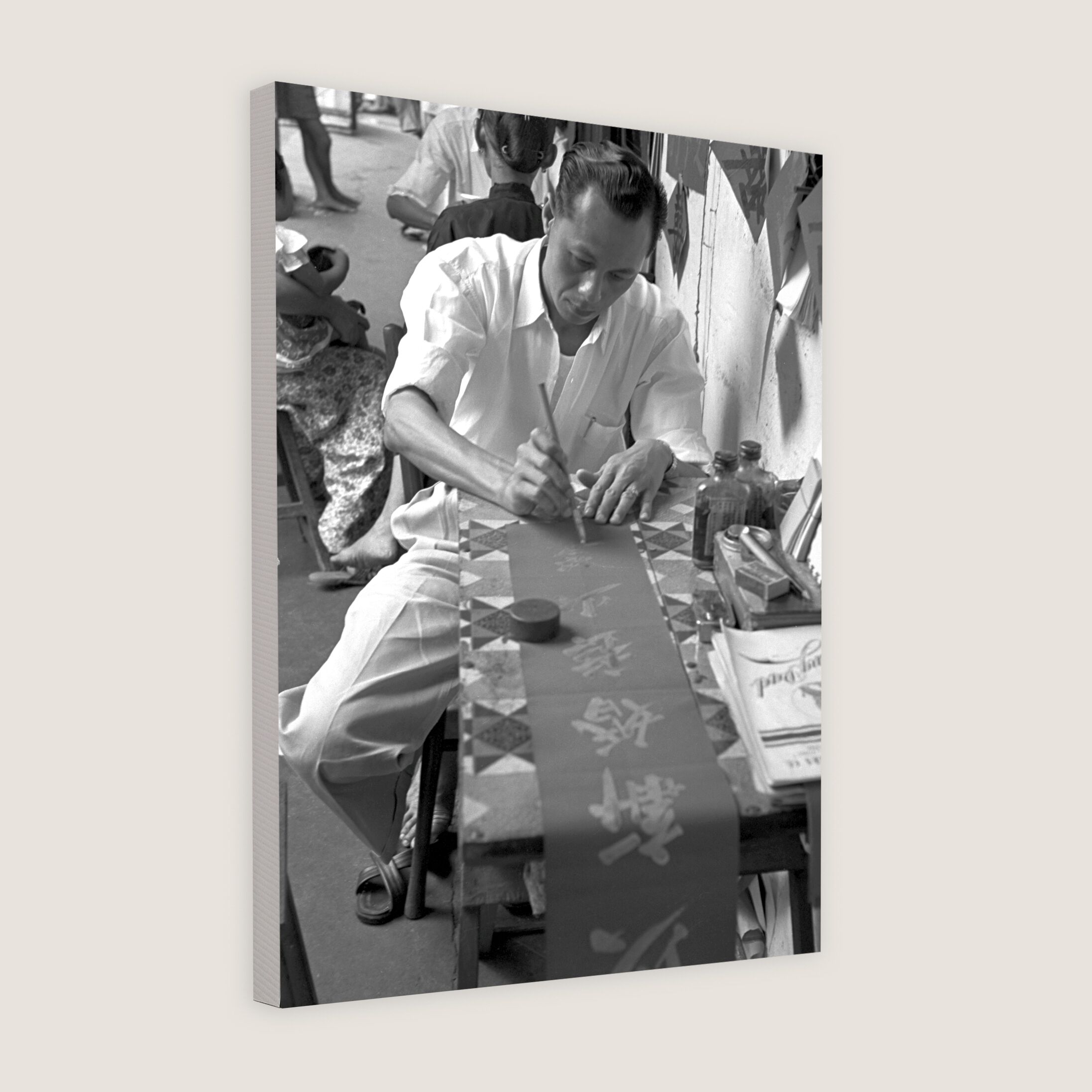
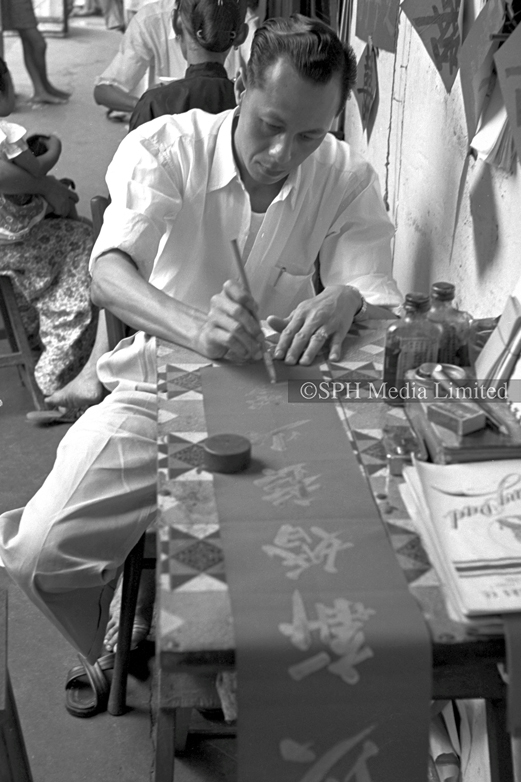 A Letter-Writing Man in Action at Sago Street
1953
A Letter-Writing Man in Action at Sago Street
1953
A Letter-Writing Man in Action at Sago Street
Year 1953
For 11 years, this man sat at his table in Sago Street writing letters for the illiterate and writing gold-lettered scrolls (对联) as a trade. The 1950s and 1960s were thriving times for such letter writers, with hordes of people waiting to send word back home after World War II.
©️ SPH Media Limited
Share to
Tags
Available for print on products
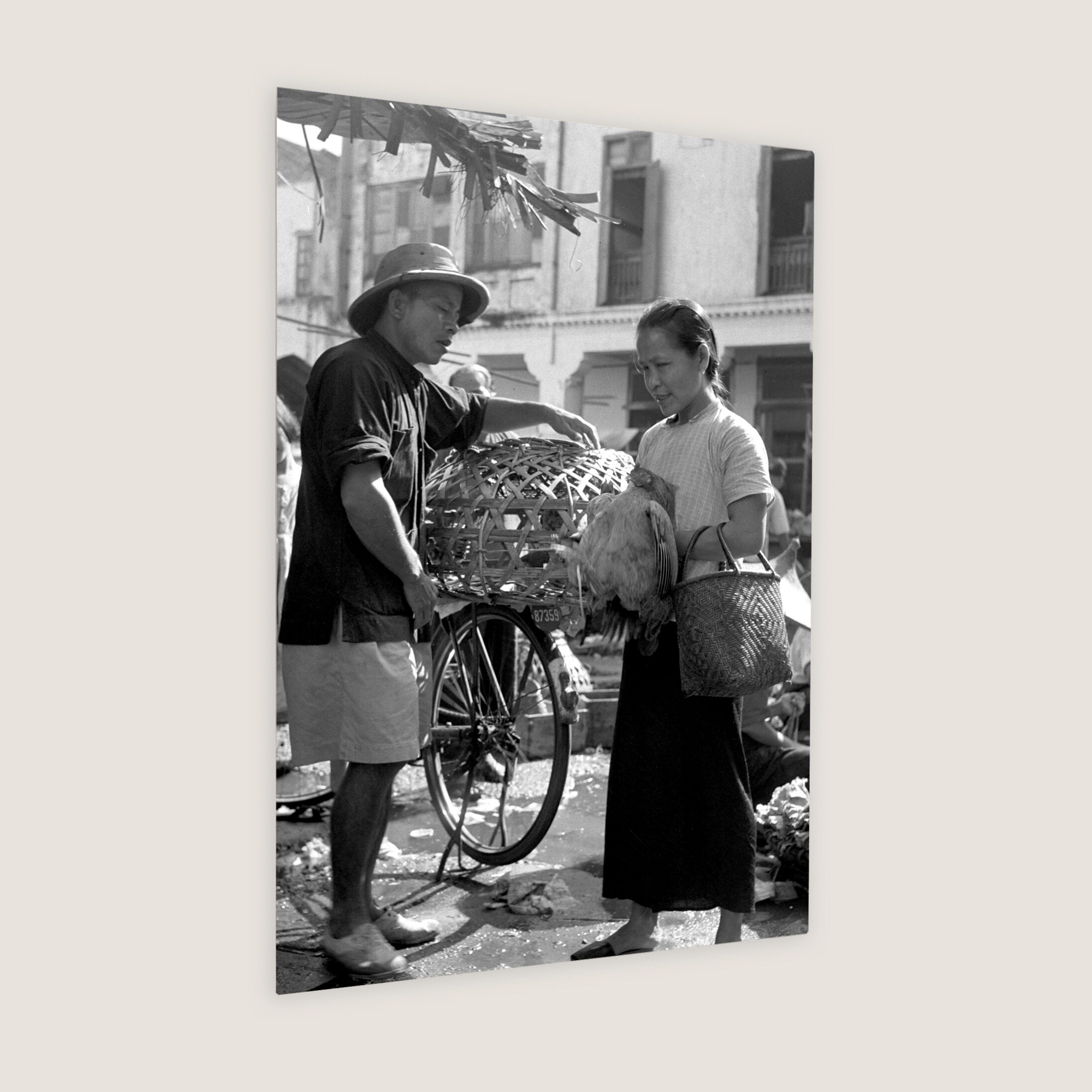
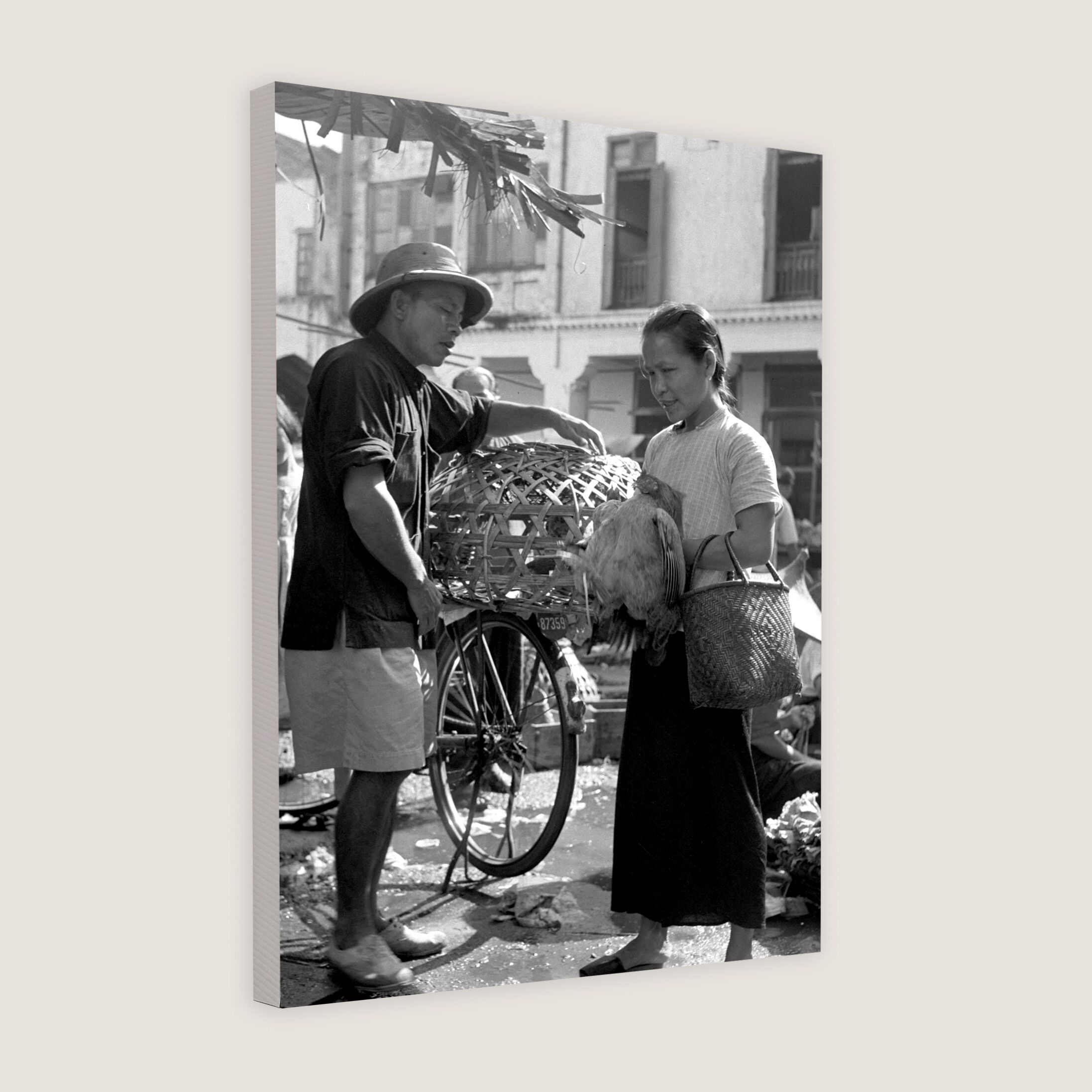
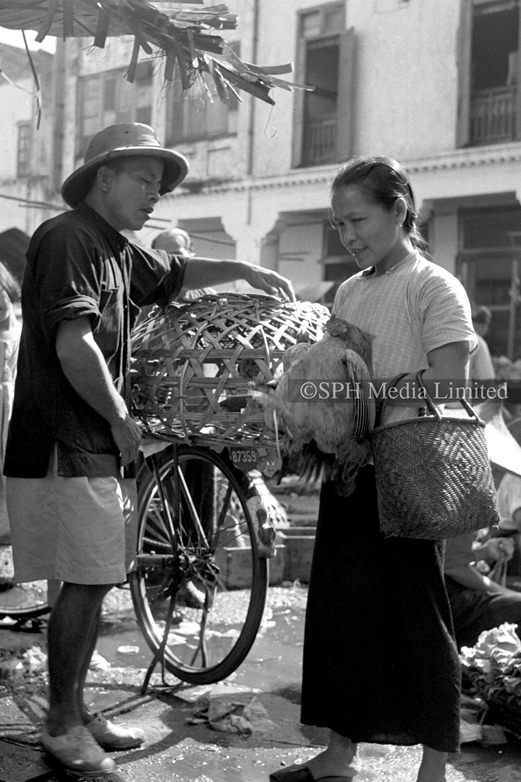 Buying Live Chicken for the New Year in Chinatown
1955
Buying Live Chicken for the New Year in Chinatown
1955
Buying Live Chicken for the New Year in Chinatown
Year 1955
A woman buys live chicken in Chinatown for Chinese New Year. In the past, various types of live stocks were sold in the open-air market in Chinatown.
©️ SPH Media Limited
Share to
Tags
Available for print on products
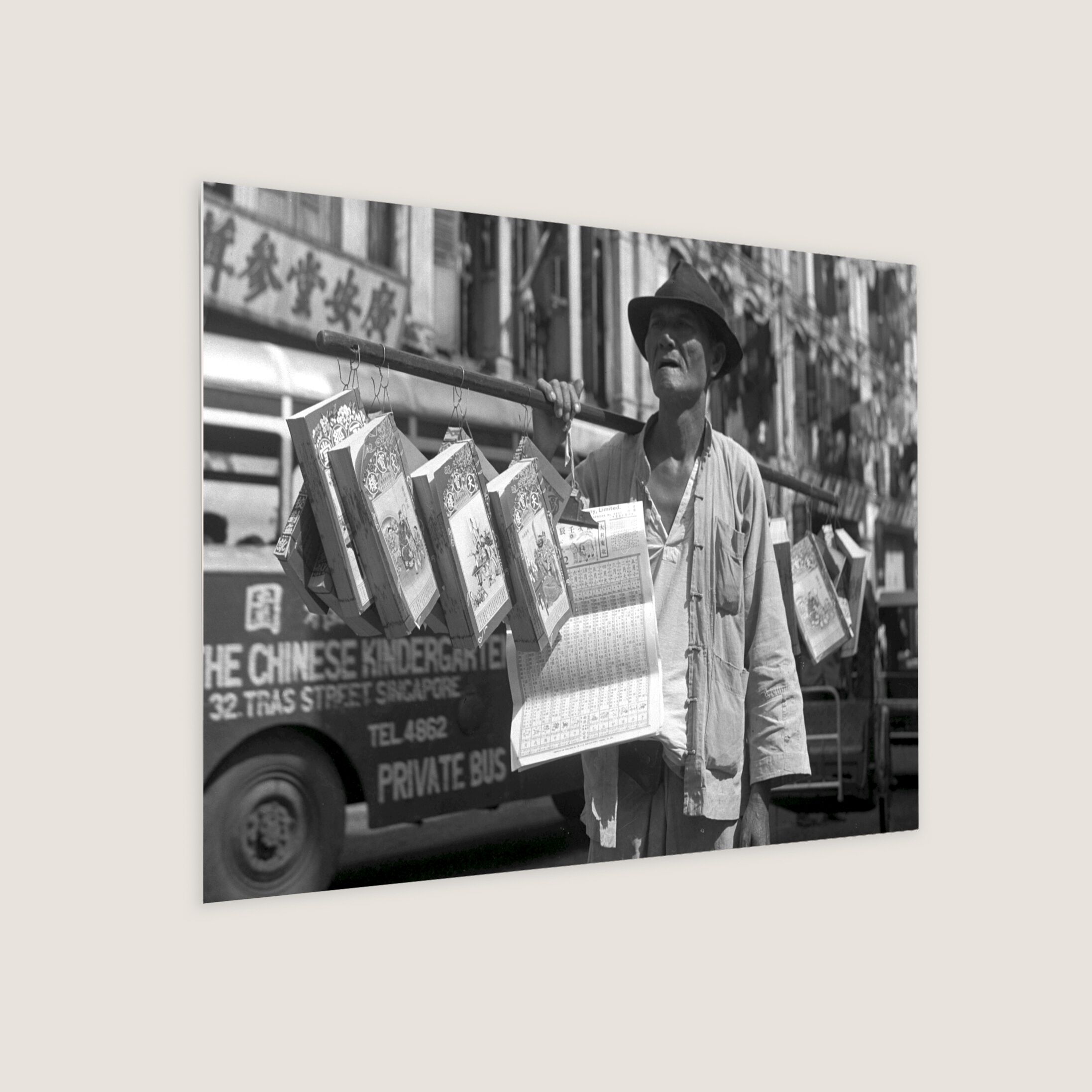
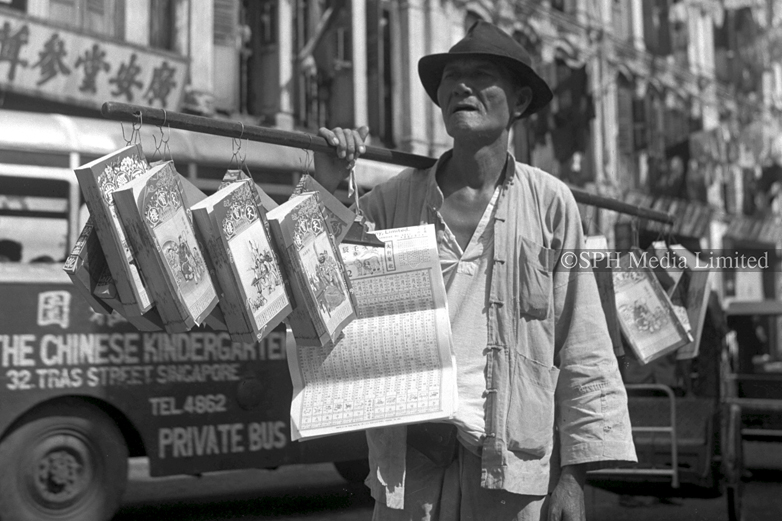 Peddling Chinese Almanacs in Chinatown
1952
Peddling Chinese Almanacs in Chinatown
1952
Peddling Chinese Almanacs in Chinatown
Year 1952
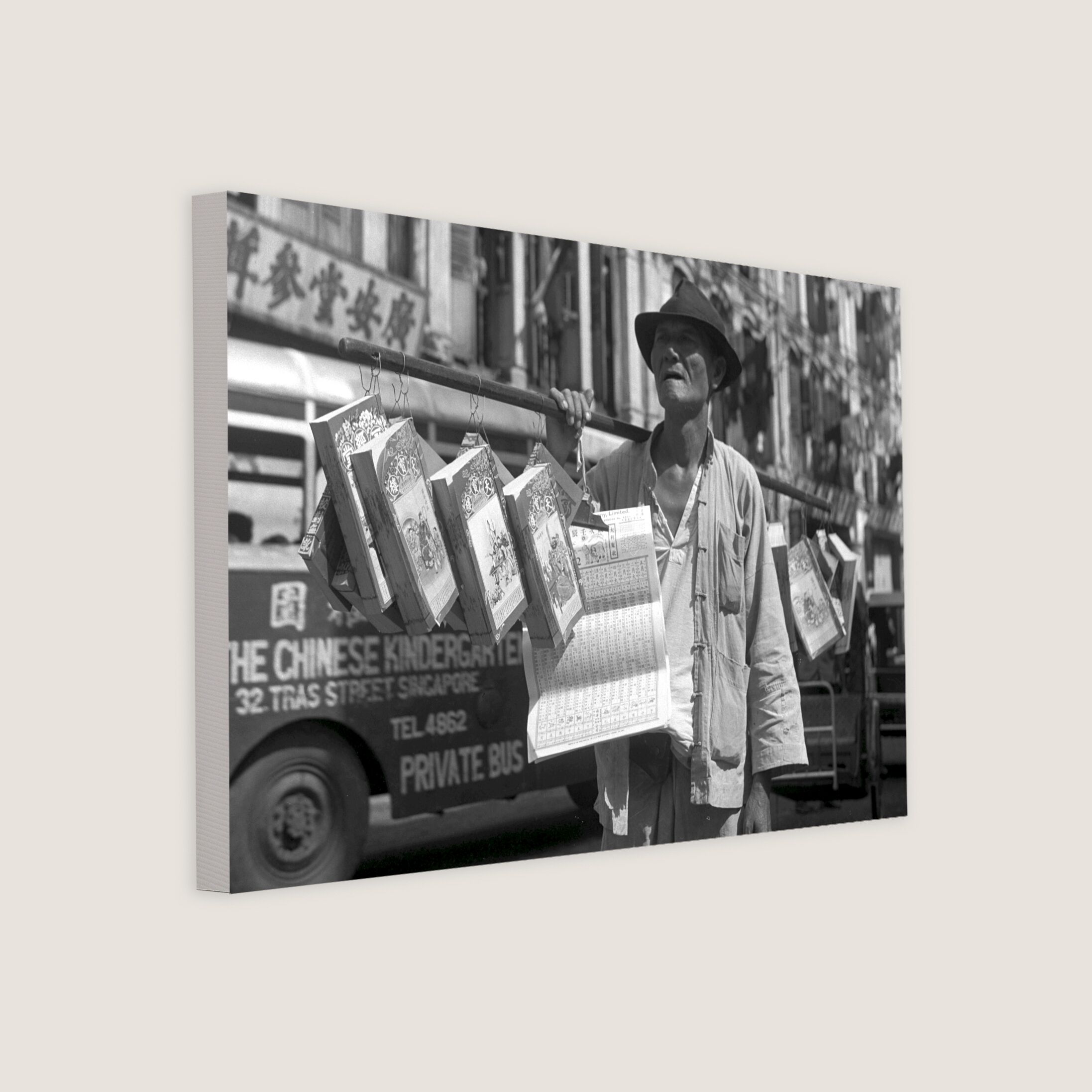
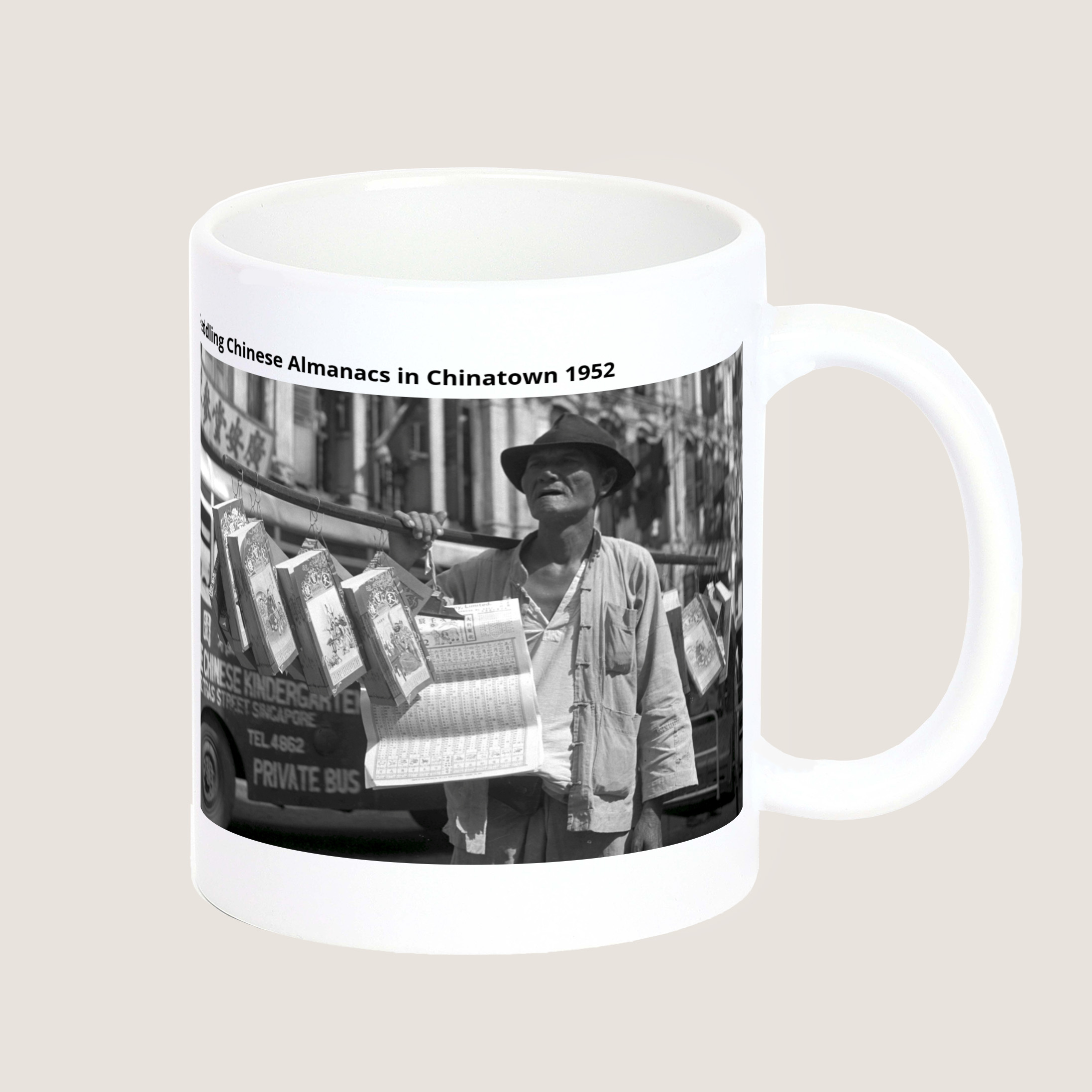
On a day in 1952, a peddler in Chinatown was selling Chinese almanacs (通胜), a fortune-telling calendar record which details the auspicious timings for daily activities, almost like an encyclopedia. It is a traditionally auspicious item to have for Chinese New Year.
©️ SPH Media Limited
Share to
Tags
Available for print on products
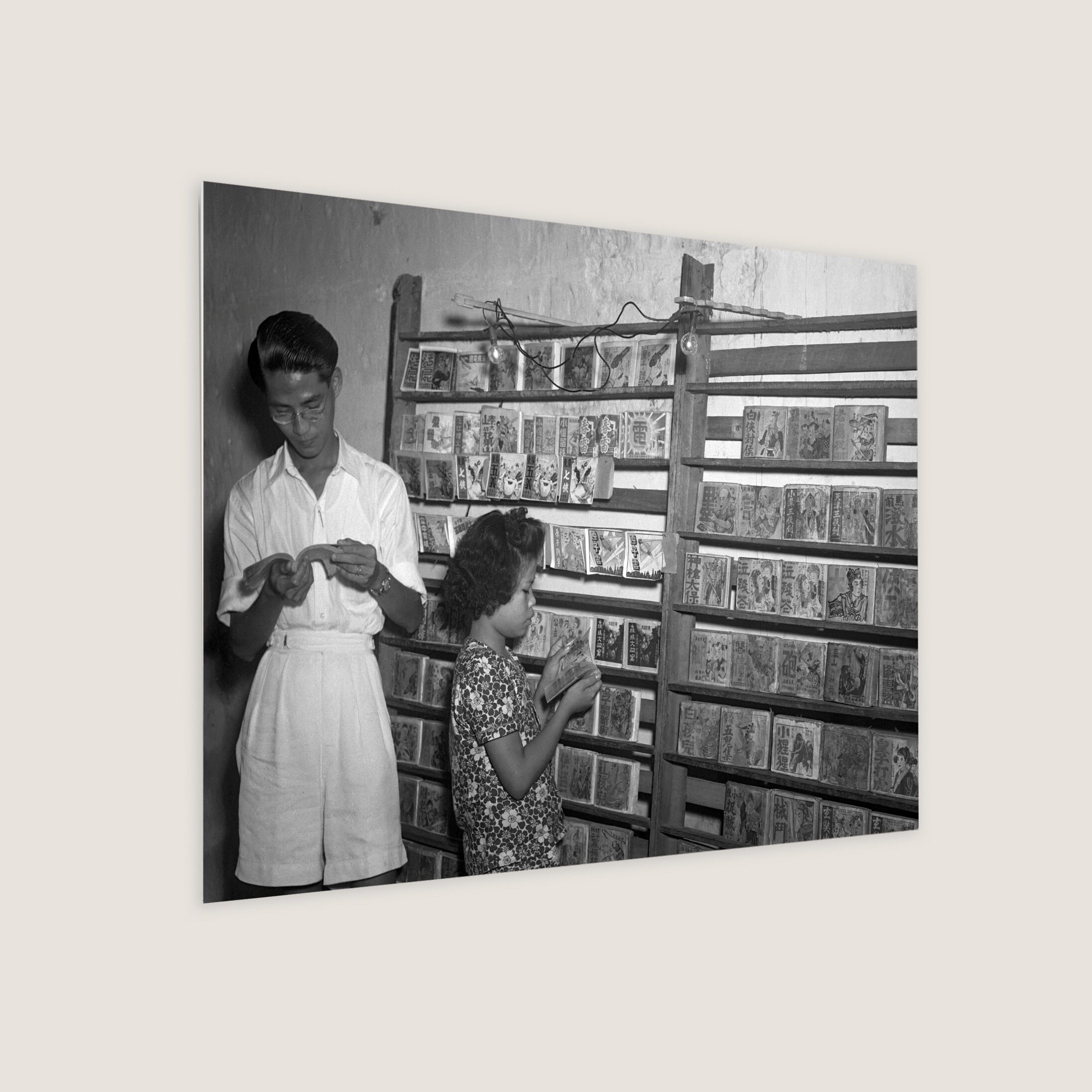
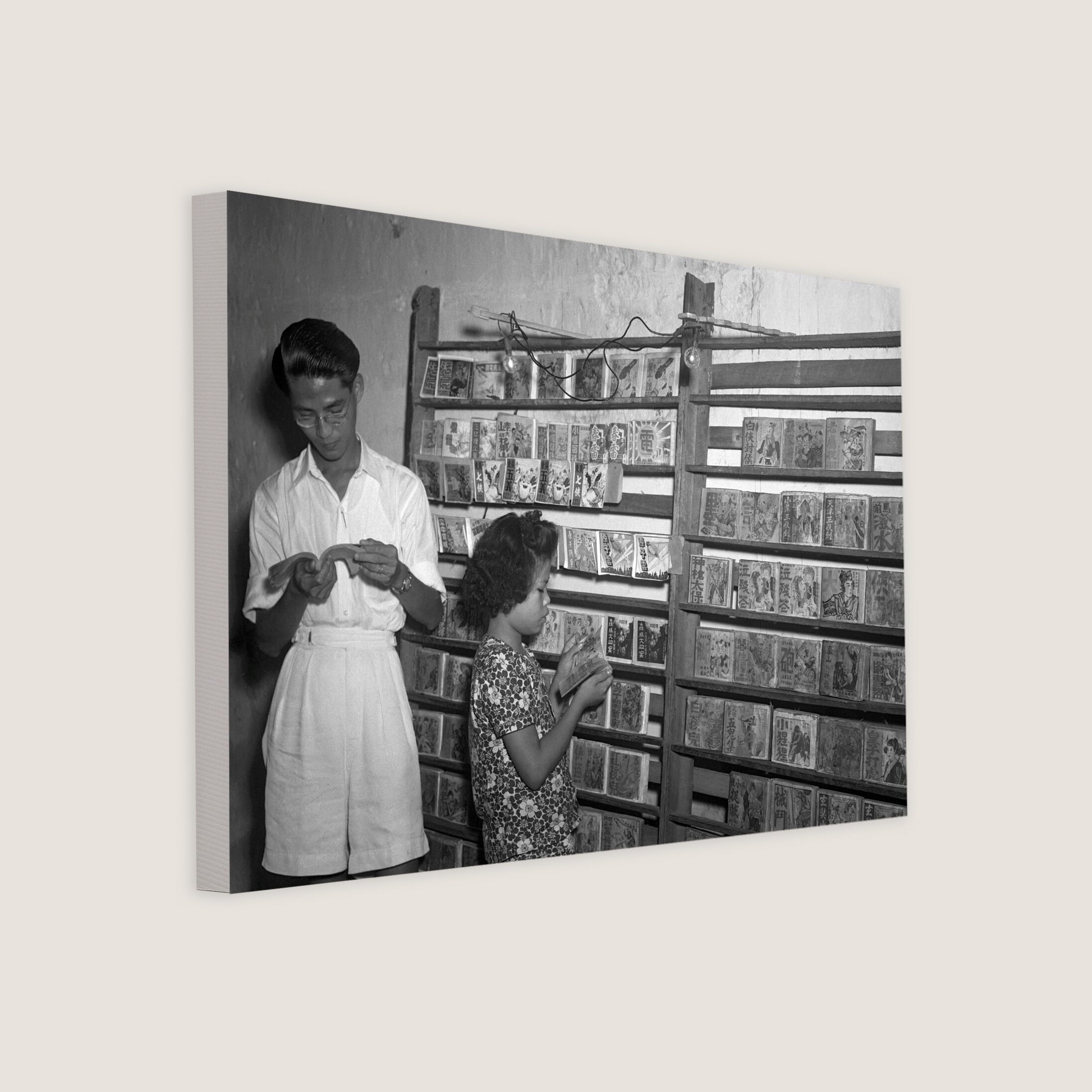
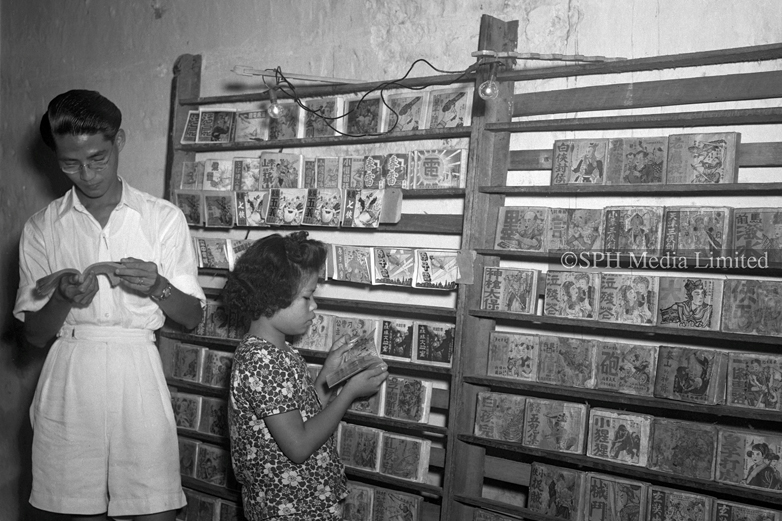 Comic Rental Store at Amoy Street
1950
Comic Rental Store at Amoy Street
1950
Comic Rental Store at Amoy Street
Year 1950
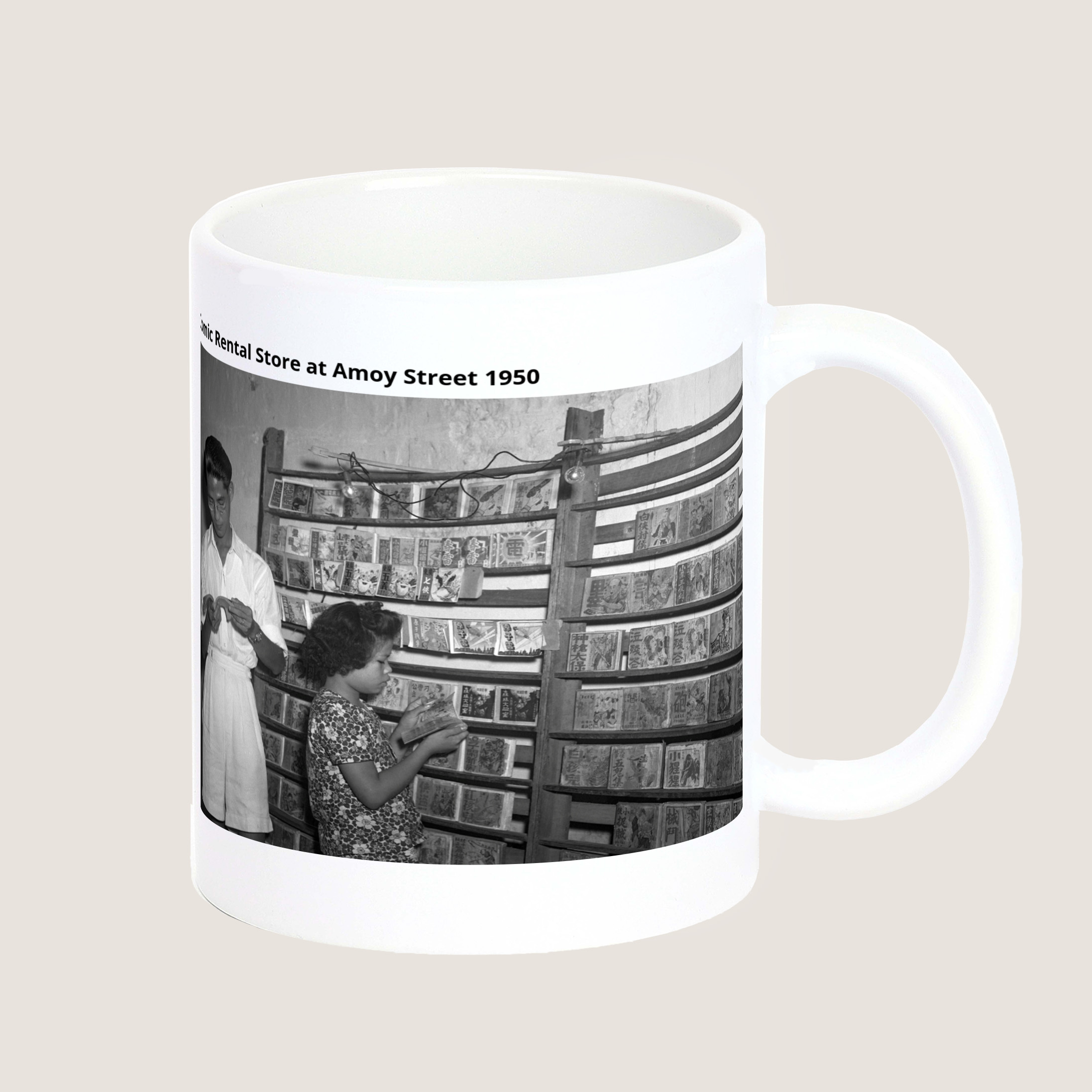
The girl took care of the five-foot-way library, also known as a comic bookstore. Back in the day, a reader may read a book for a low price of five cents.
©️ SPH Media Limited
Share to
Tags
Available for print on products
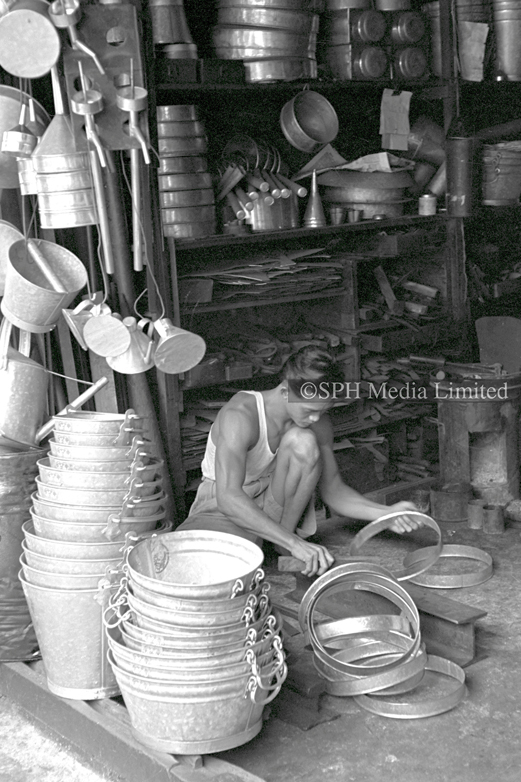 A Tinsmith Shop on Temple Street
1953
A Tinsmith Shop on Temple Street
1953
A Tinsmith Shop on Temple Street
Year 1953
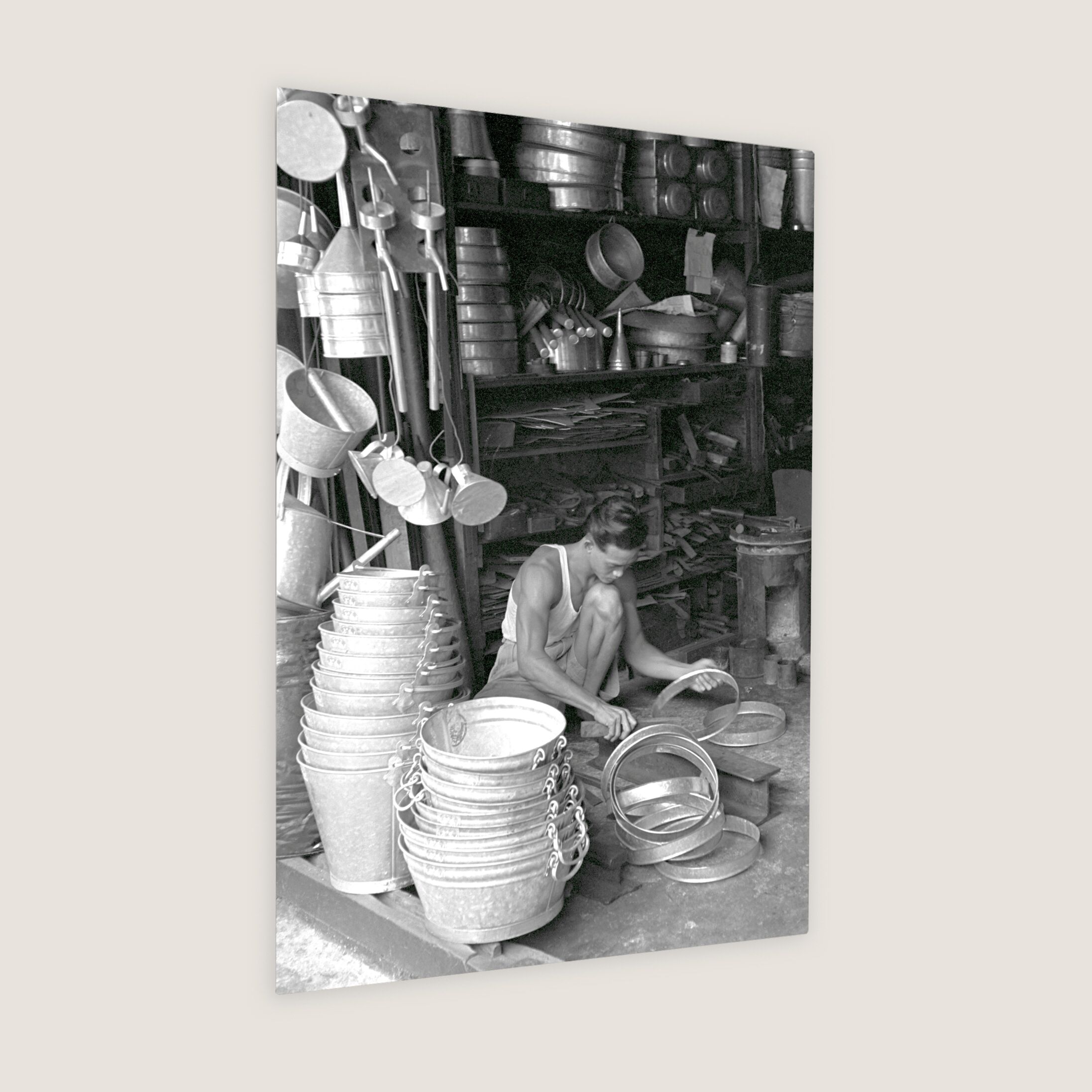
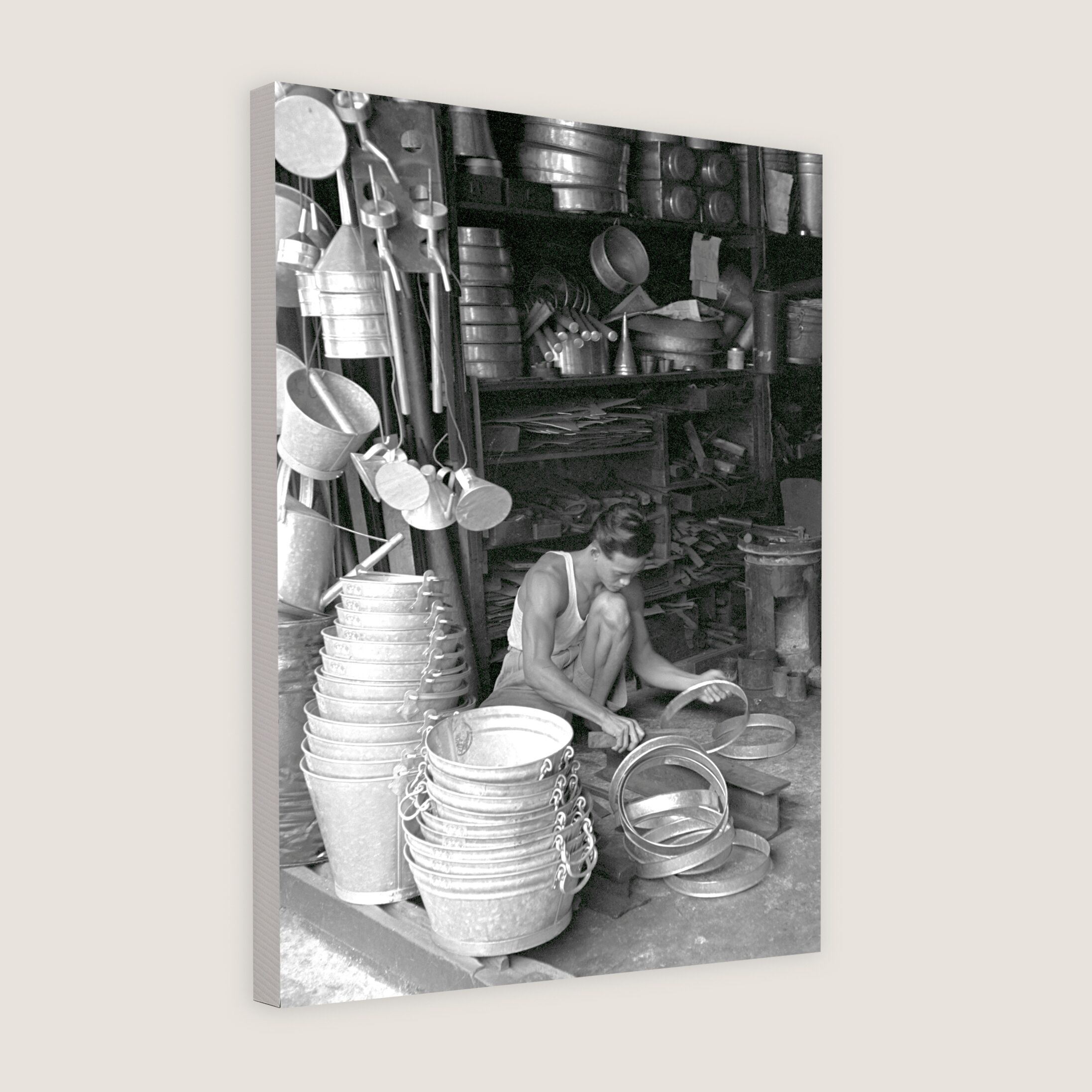
Once the continuous hammering echoes from Chin Hap Huat's tinsmith shop on Temple Street. Today, it has joined to become a vanishing trade in Singapore among many others. In this shop, everything from large baths to small kettles was produced.
©️ SPH Media Limited
Share to
Tags
Available for print on products
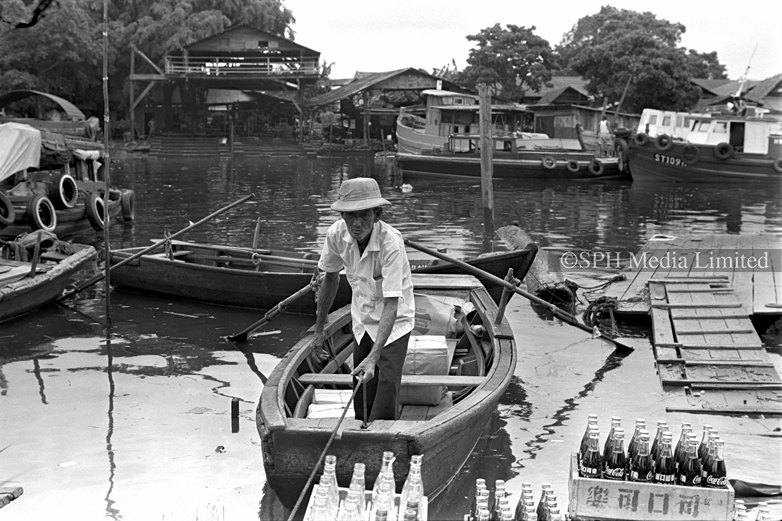 Sampan Selling Drinks at Kallang River
1976
Sampan Selling Drinks at Kallang River
1976
Sampan Selling Drinks at Kallang River
Year 1976
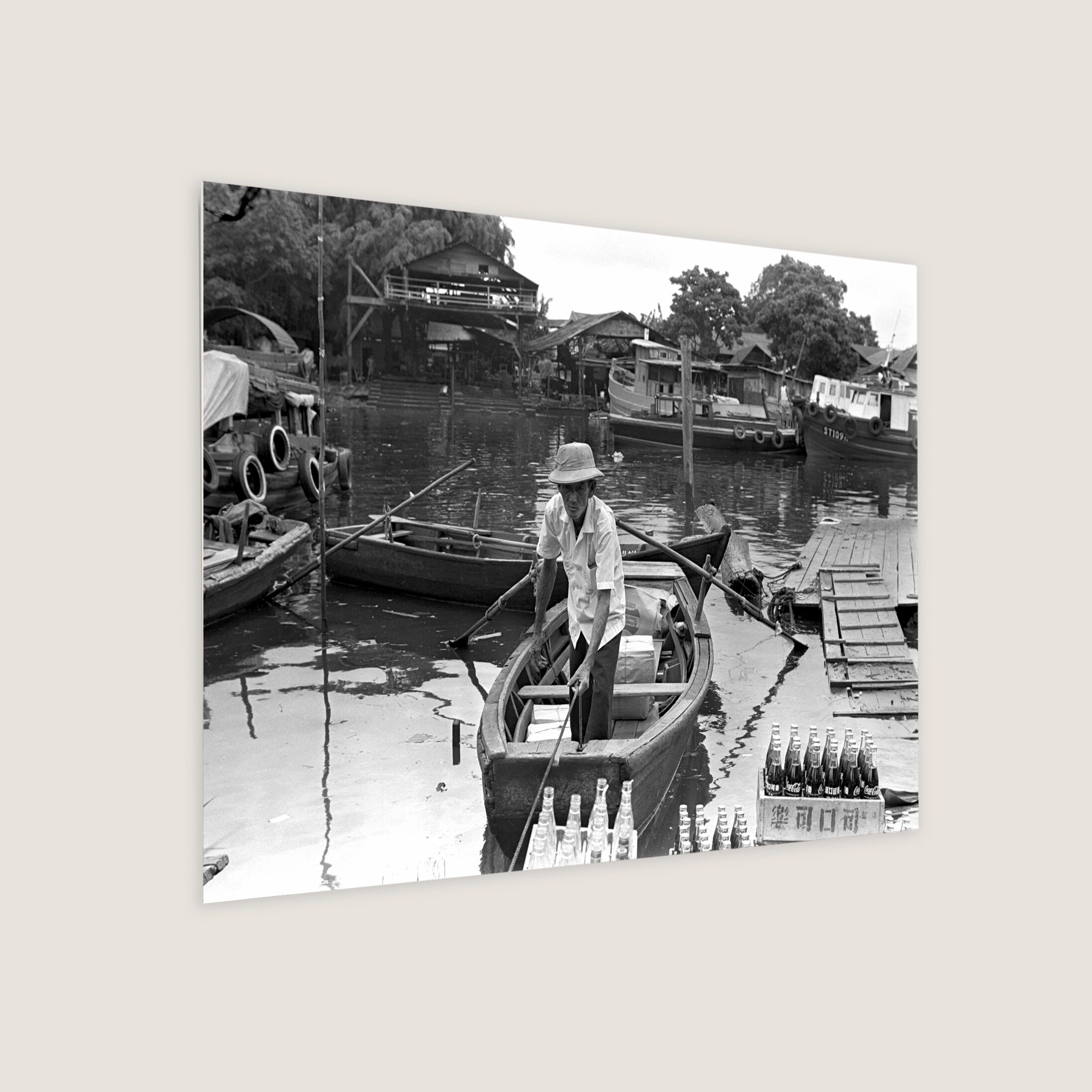
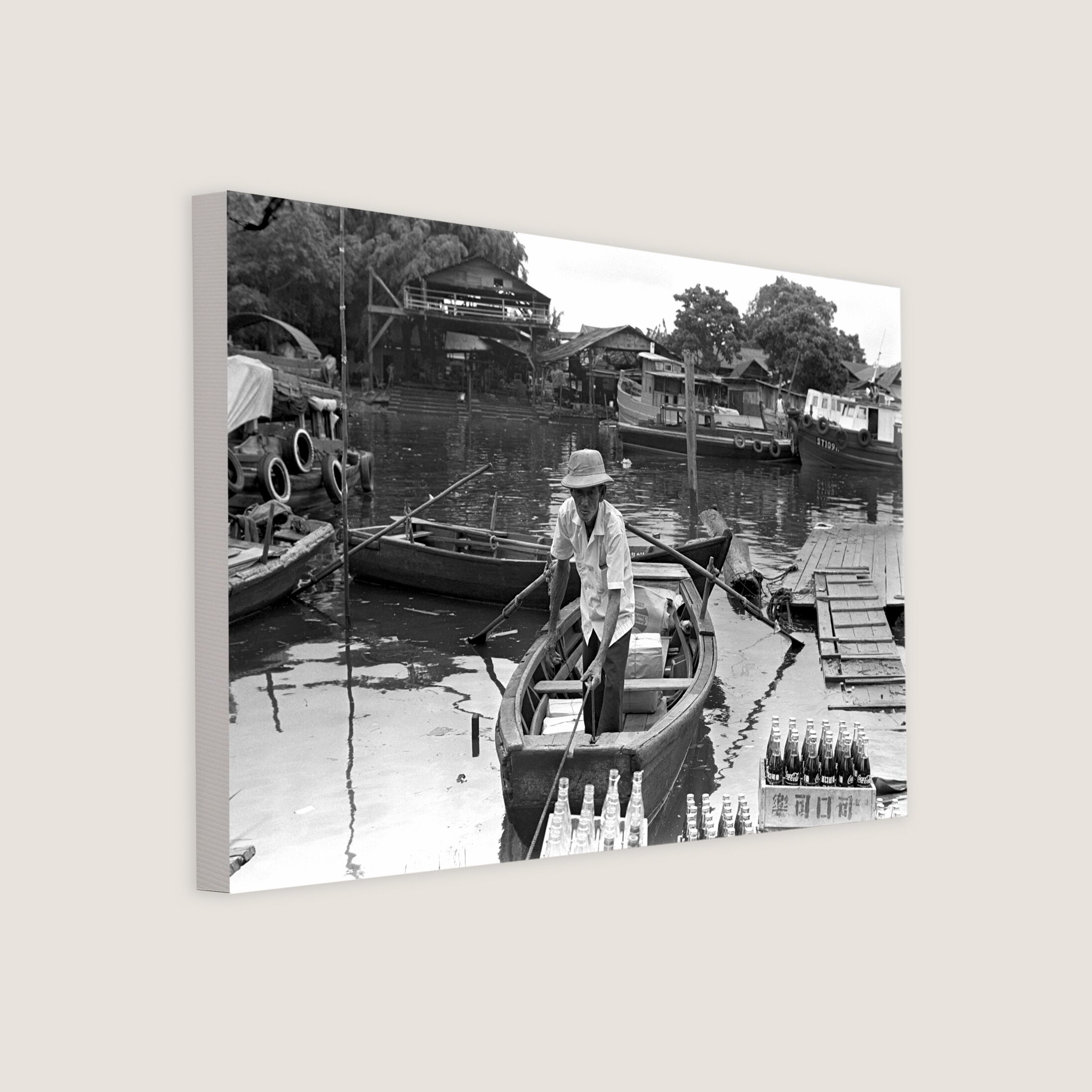
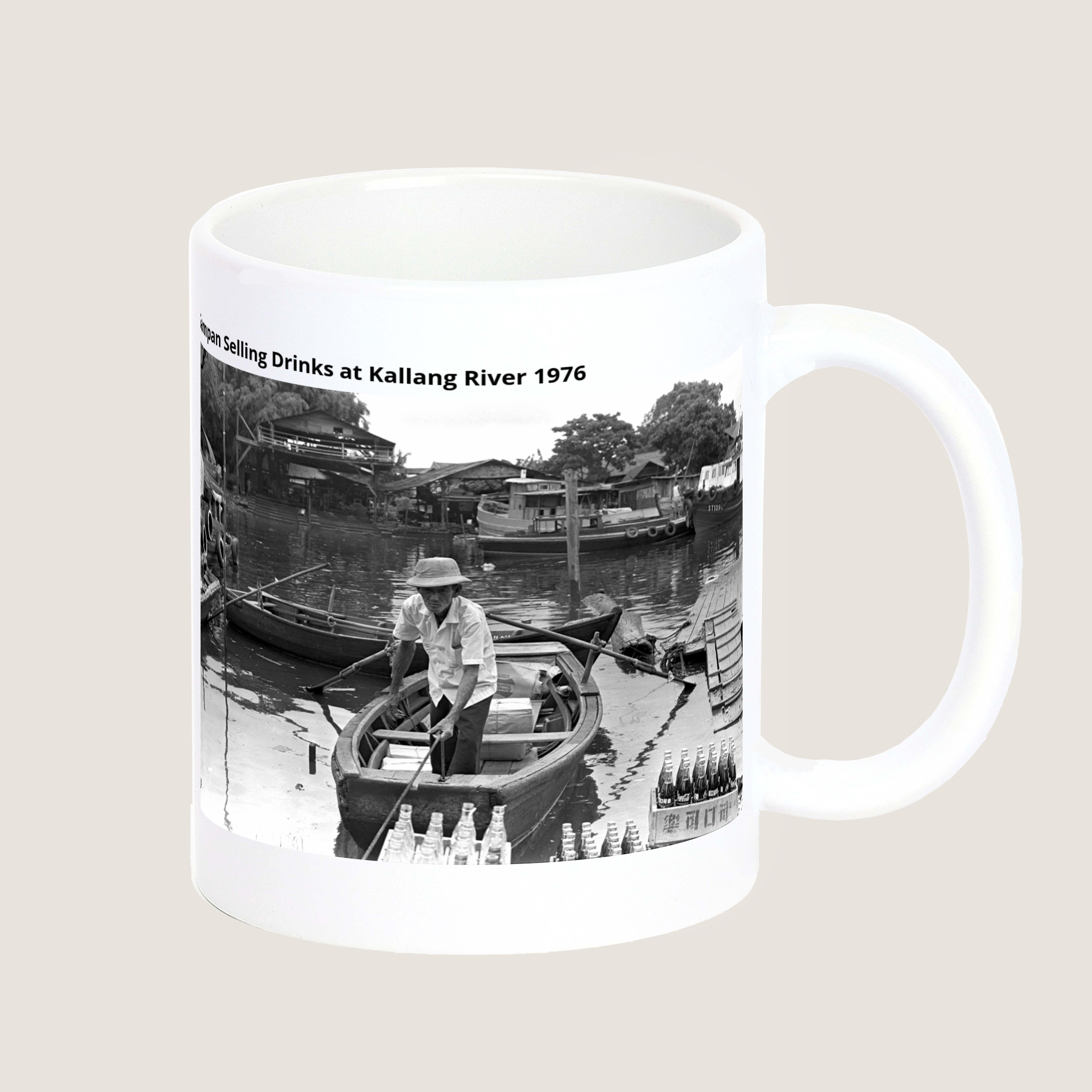
Along the Kallang River, a man on the sampan is selling cola. Sampans were a part of people's livelihood in the past, until the launching of the Singapore River clean-up campaign in 1983.
©️ SPH Media Limited
Share to
Tags
Available for print on products
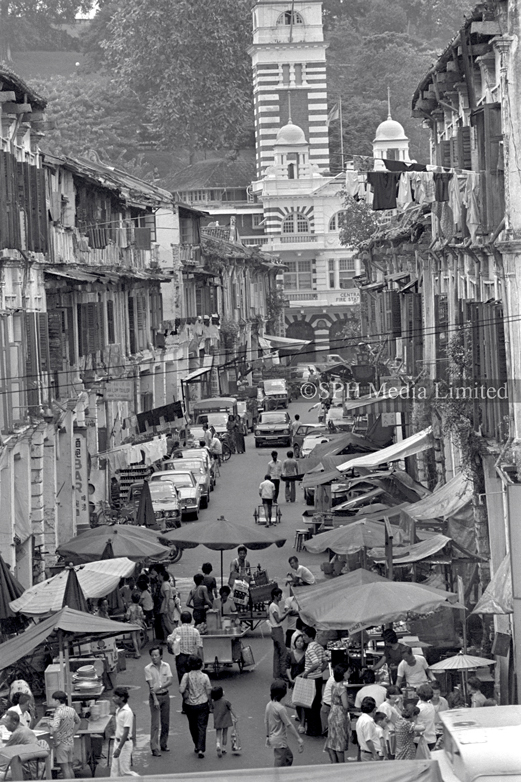 Hock Lam Street turned Funan Mall
1977
Hock Lam Street turned Funan Mall
1977
Hock Lam Street turned Funan Mall
Year 1977
Between the 1970s to late 1980s, Hock Lam Street, one of Singapore's most famous eating spots, was emptied as its last hawker moved out to make way for urban renewal. "Hok Lam" is a Hokkien reading of "Funan", which is also the name of Funan Centre that replaced the eating spot in 1985.
©️ SPH Media Limited
Share to
Tags
Available for print on products
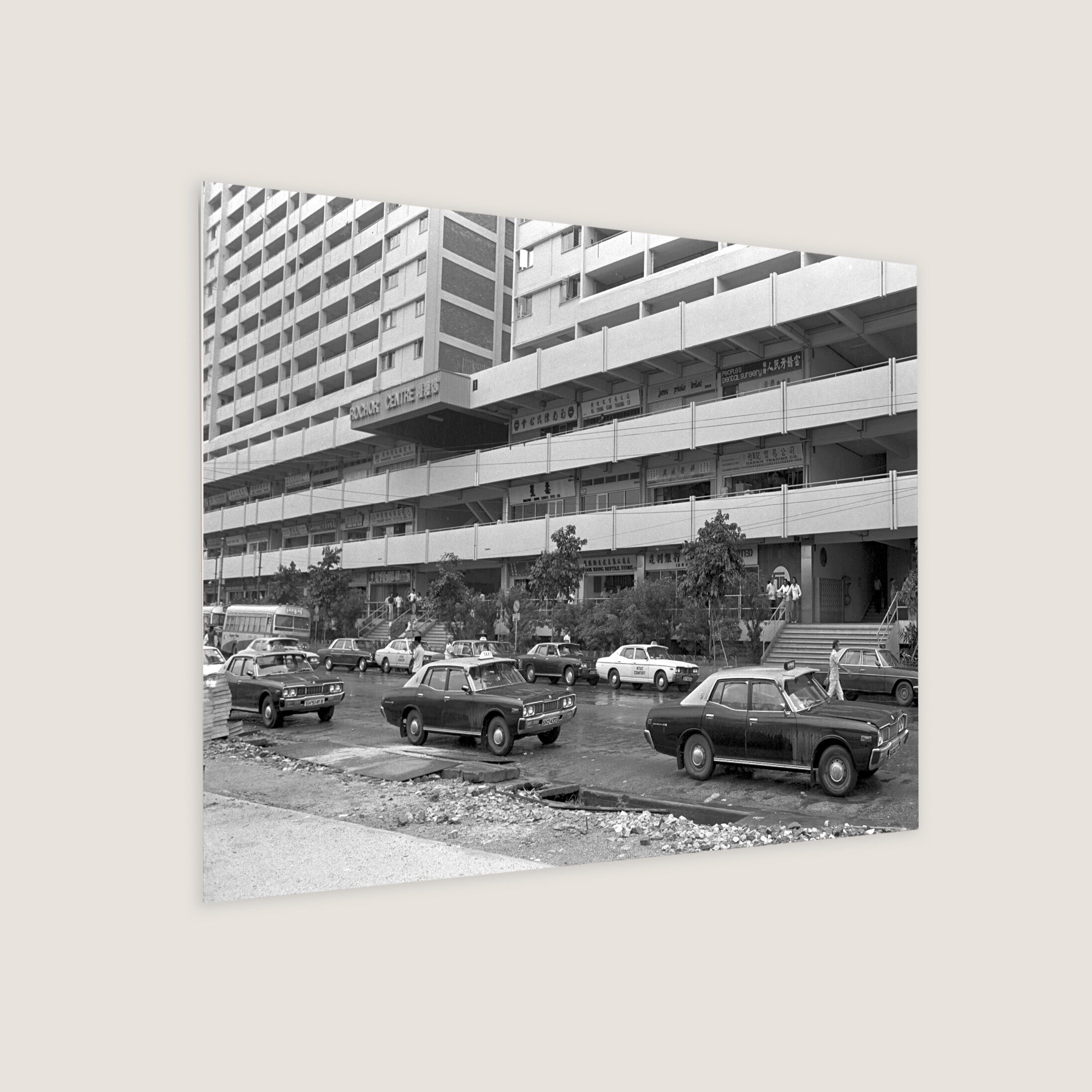
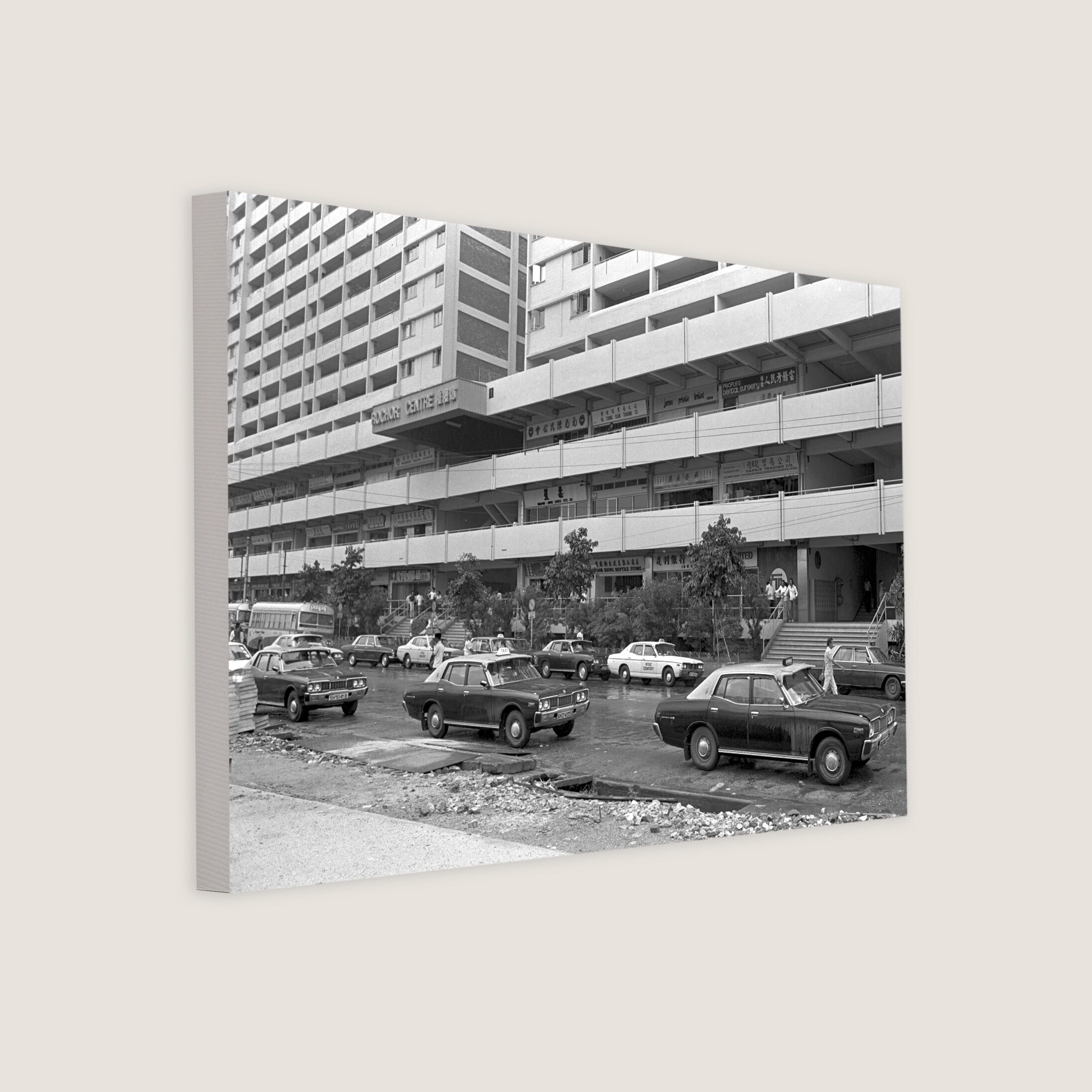
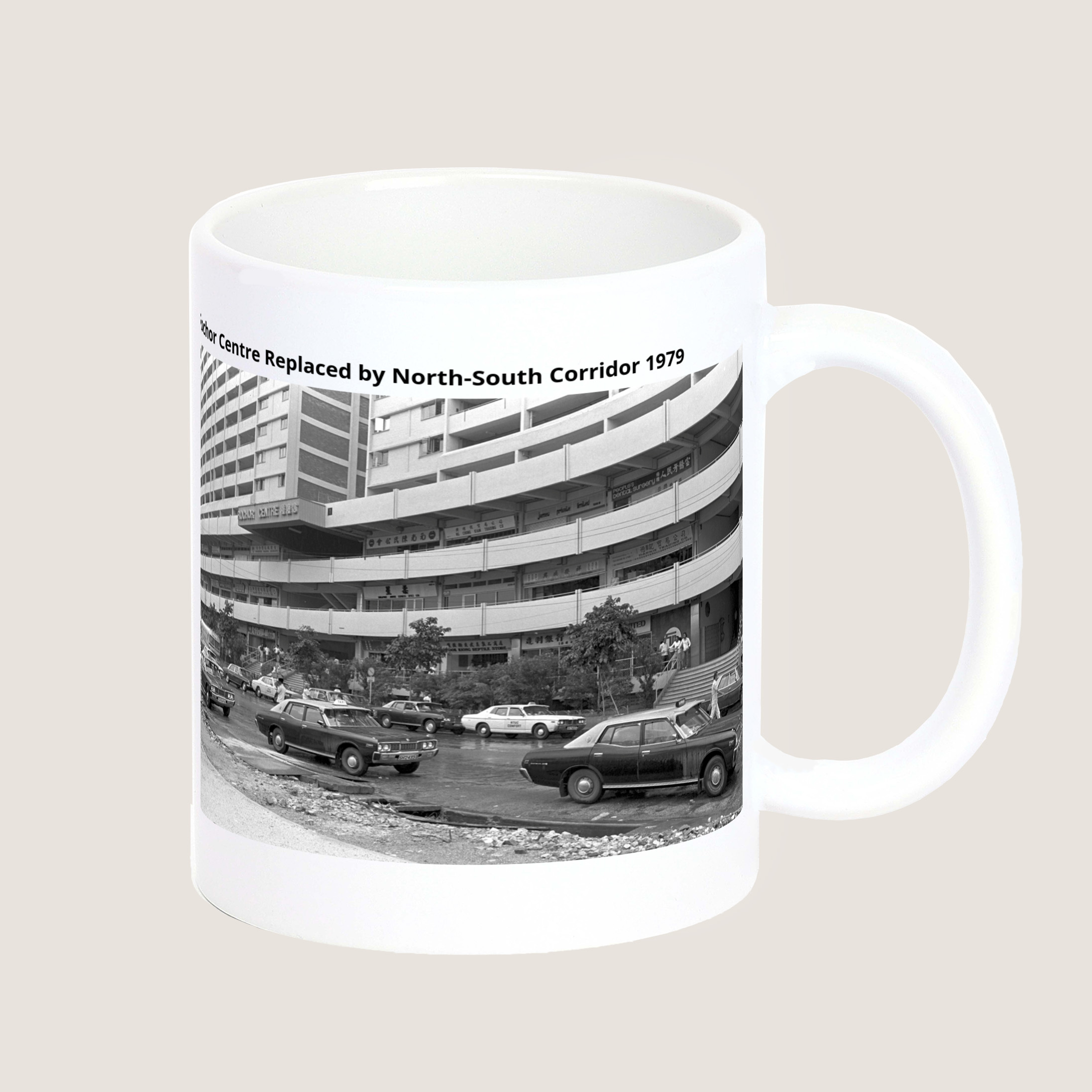
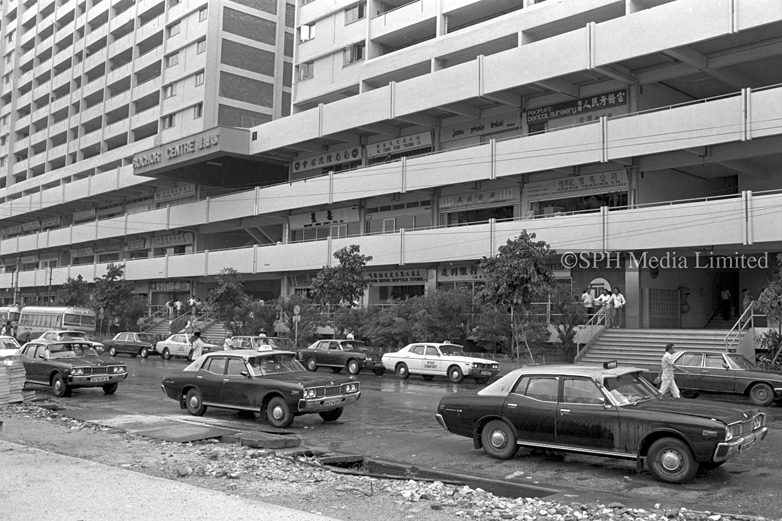 Rochor Centre Replaced by North-South Corridor
1979
Rochor Centre Replaced by North-South Corridor
1979
Rochor Centre Replaced by North-South Corridor
Year 1979
Taxis parked along Rochor Centre. The centre was one of the iconic architectures of Singapore when it was repainted with vibrant colours in 1994 before it was demolished to make way for the North-South Corridor.
©️ SPH Media Limited
Share to
Tags
Available for print on products
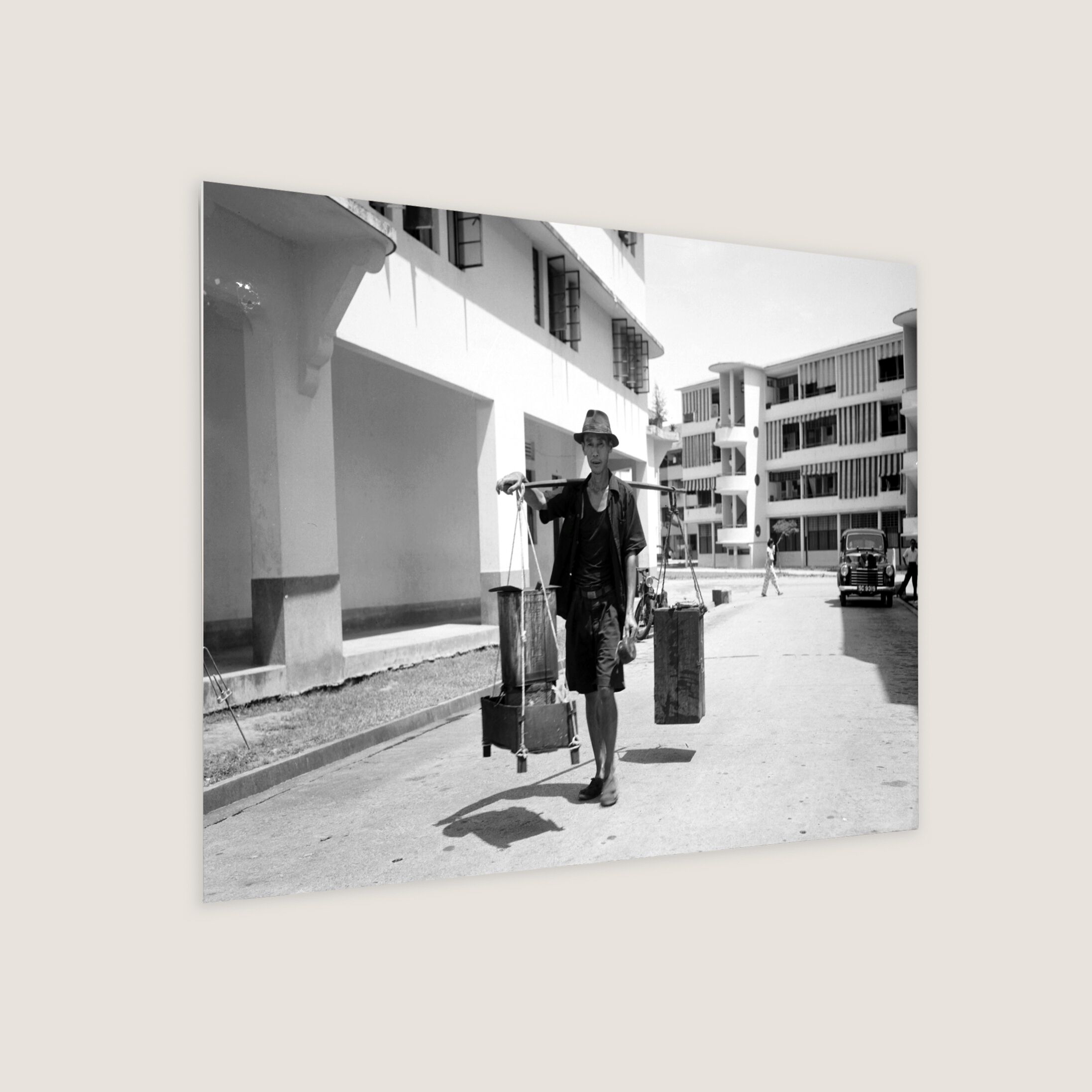
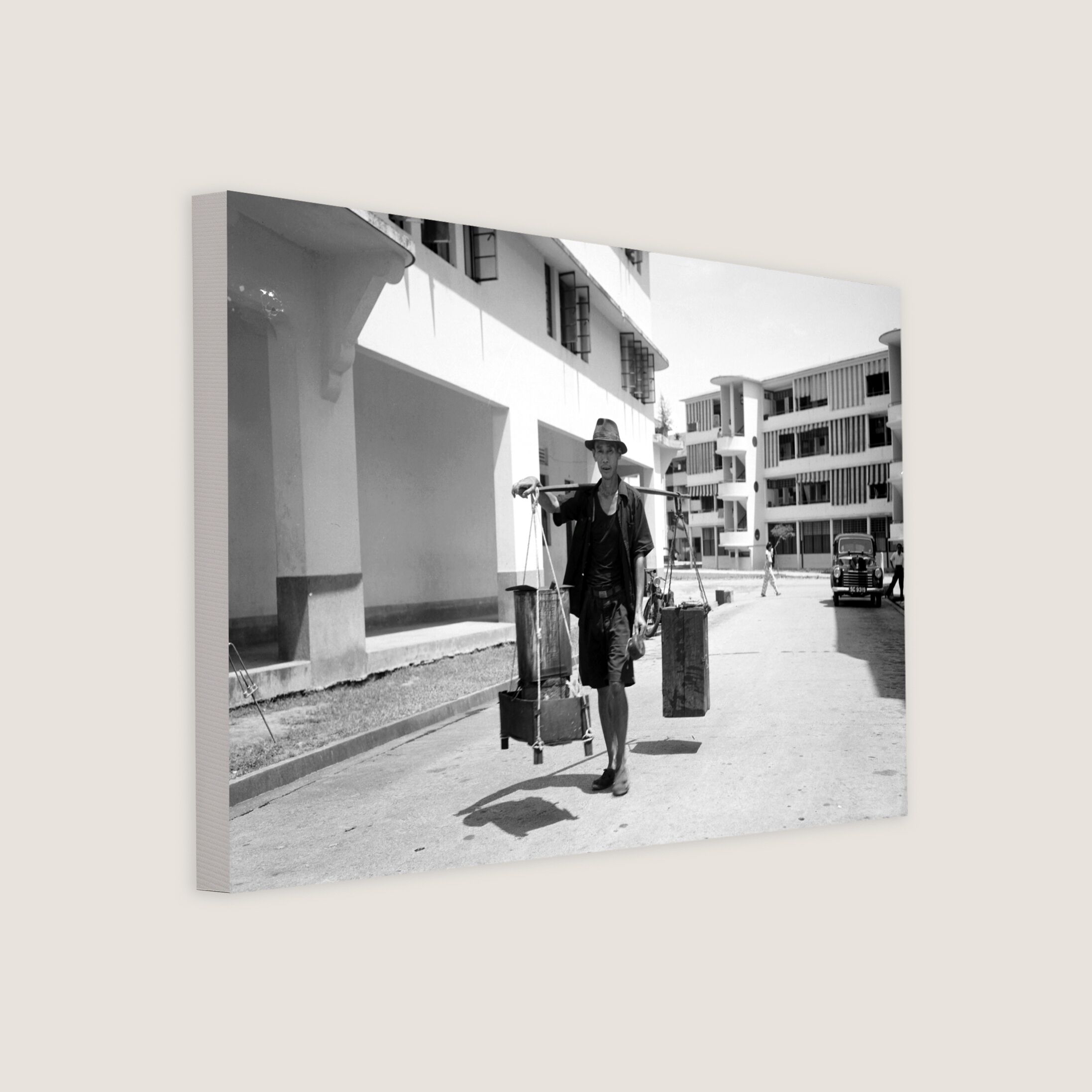
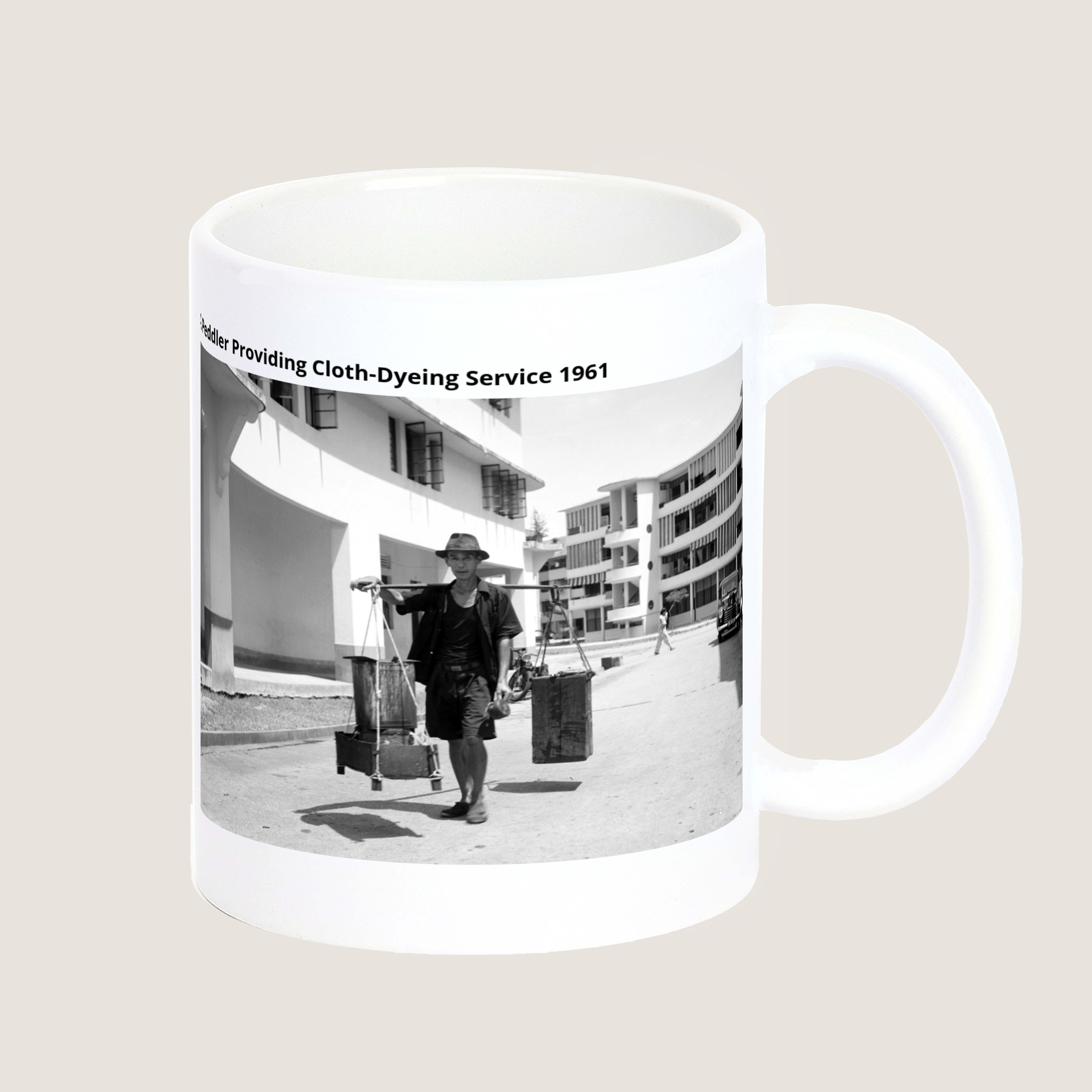
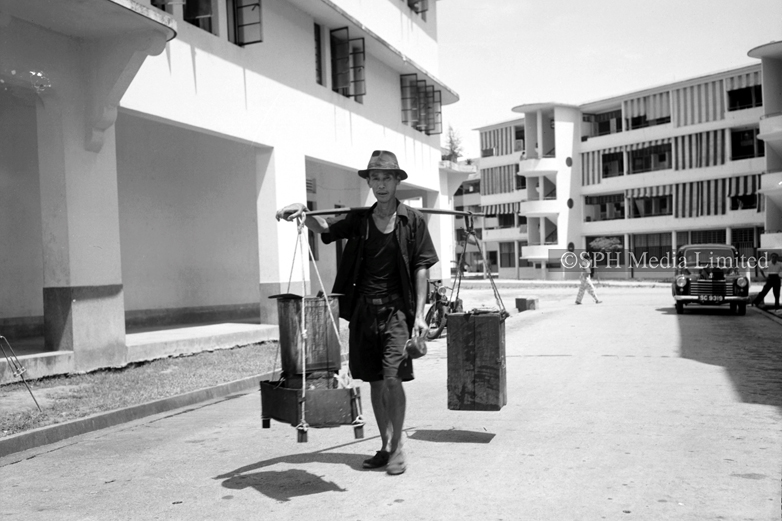 A Peddler Providing Cloth-Dyeing Service
1961
A Peddler Providing Cloth-Dyeing Service
1961
A Peddler Providing Cloth-Dyeing Service
Year 1961
A peddler providing cloth-dyeing services at the Singapore Improvement Trust (S.I.T.) flats in Tiong Bahru. Cloth-dyeing peddlers like him have long faded into the past, but it was once an honest means of livelihood.
©️ SPH Media Limited
Share to
Tags
Available for print on products
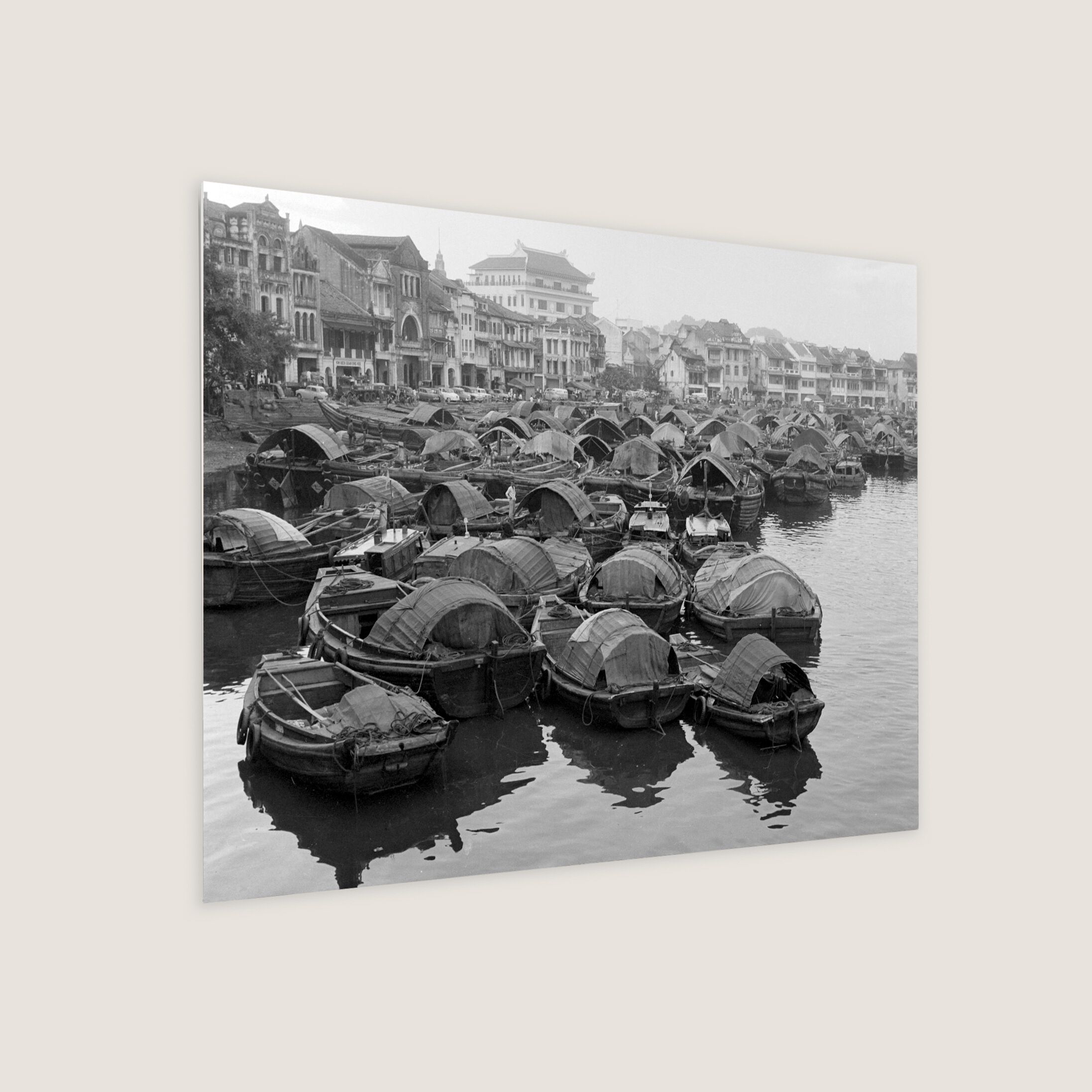
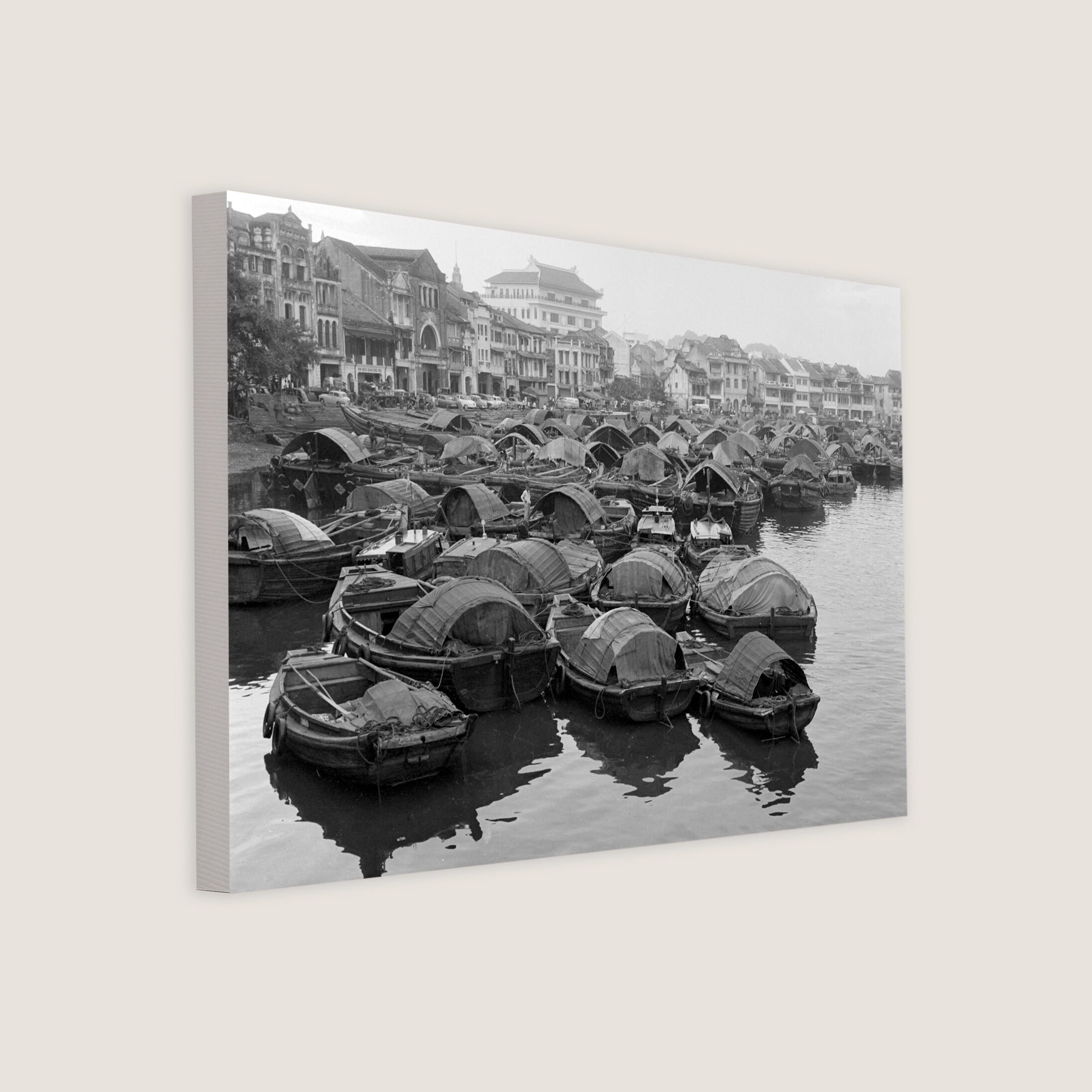
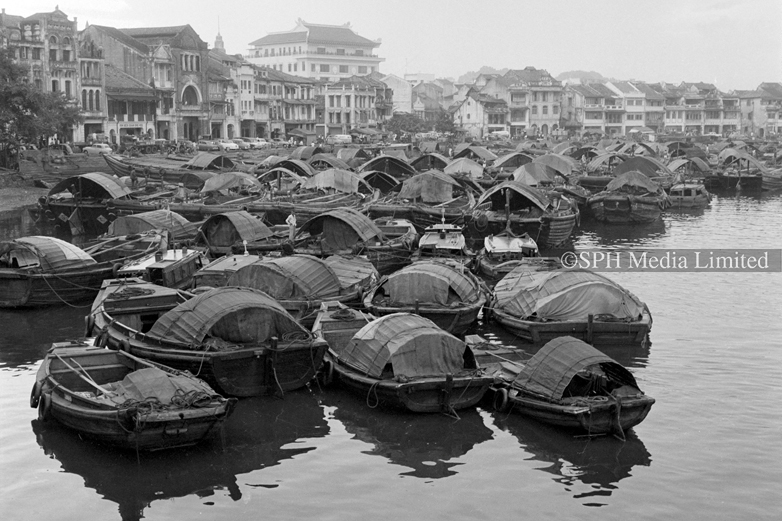 Tongkangs Parked Along Singapore River
1957
Tongkangs Parked Along Singapore River
1957
Tongkangs Parked Along Singapore River
Year 1957
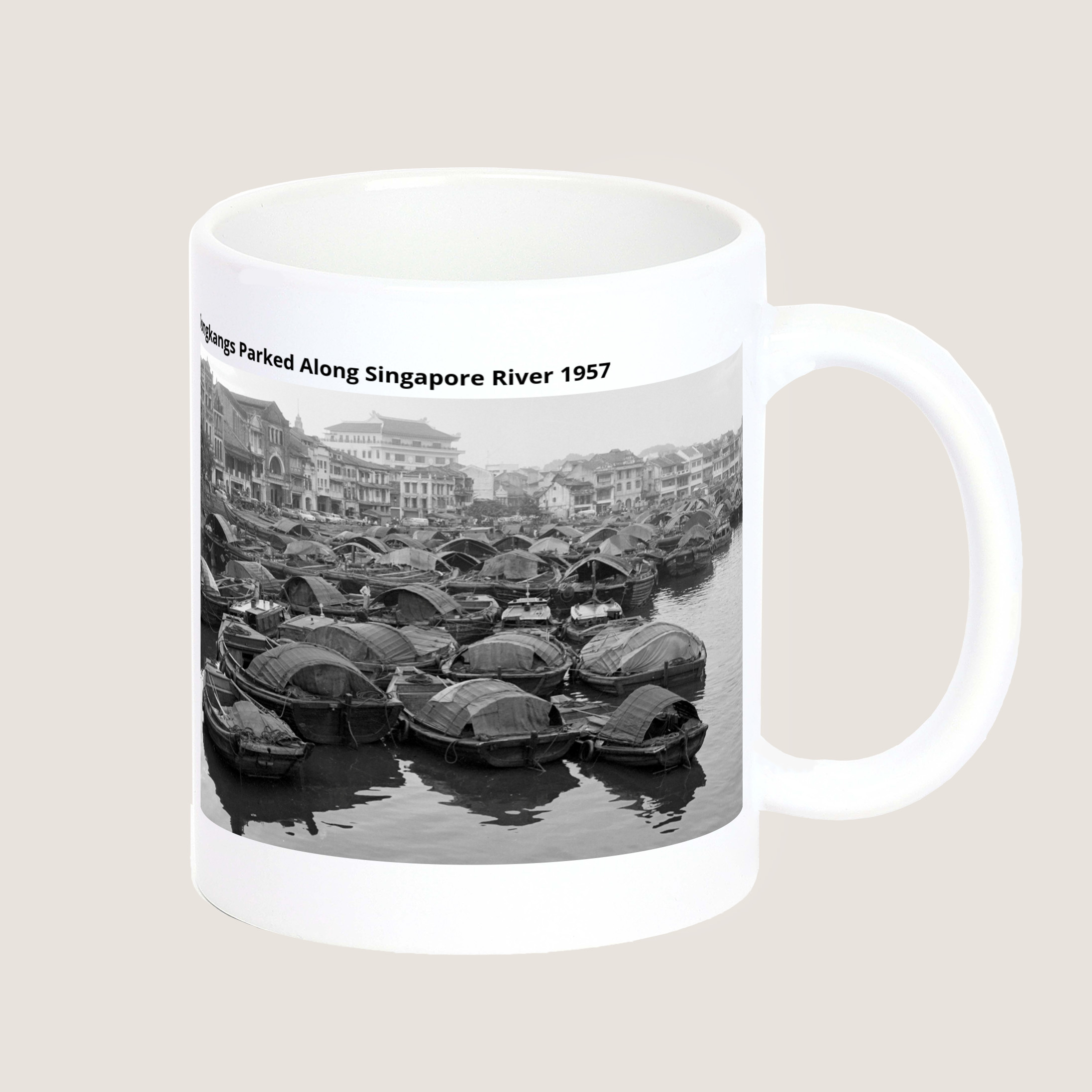
Tongkangs, also known as bumboats, were used for transportation along the Singapore River, as seen in this photo. After the river clean-up campaign in 1983, the boats were shifted to Pasir Panjang. In the backdrop stands the former building of OCBC Centre.
©️ SPH Media Limited
Share to
Tags
Available for print on products
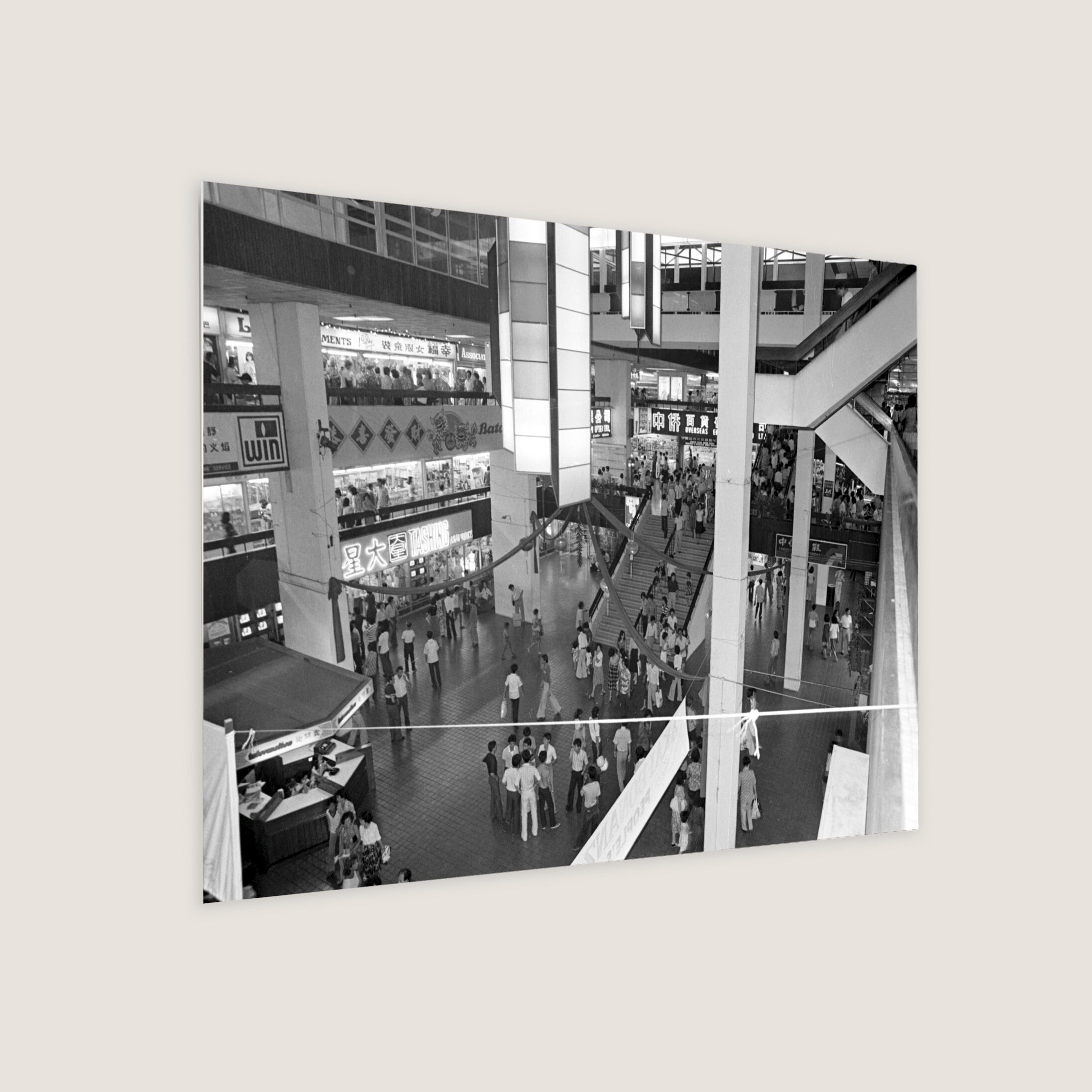
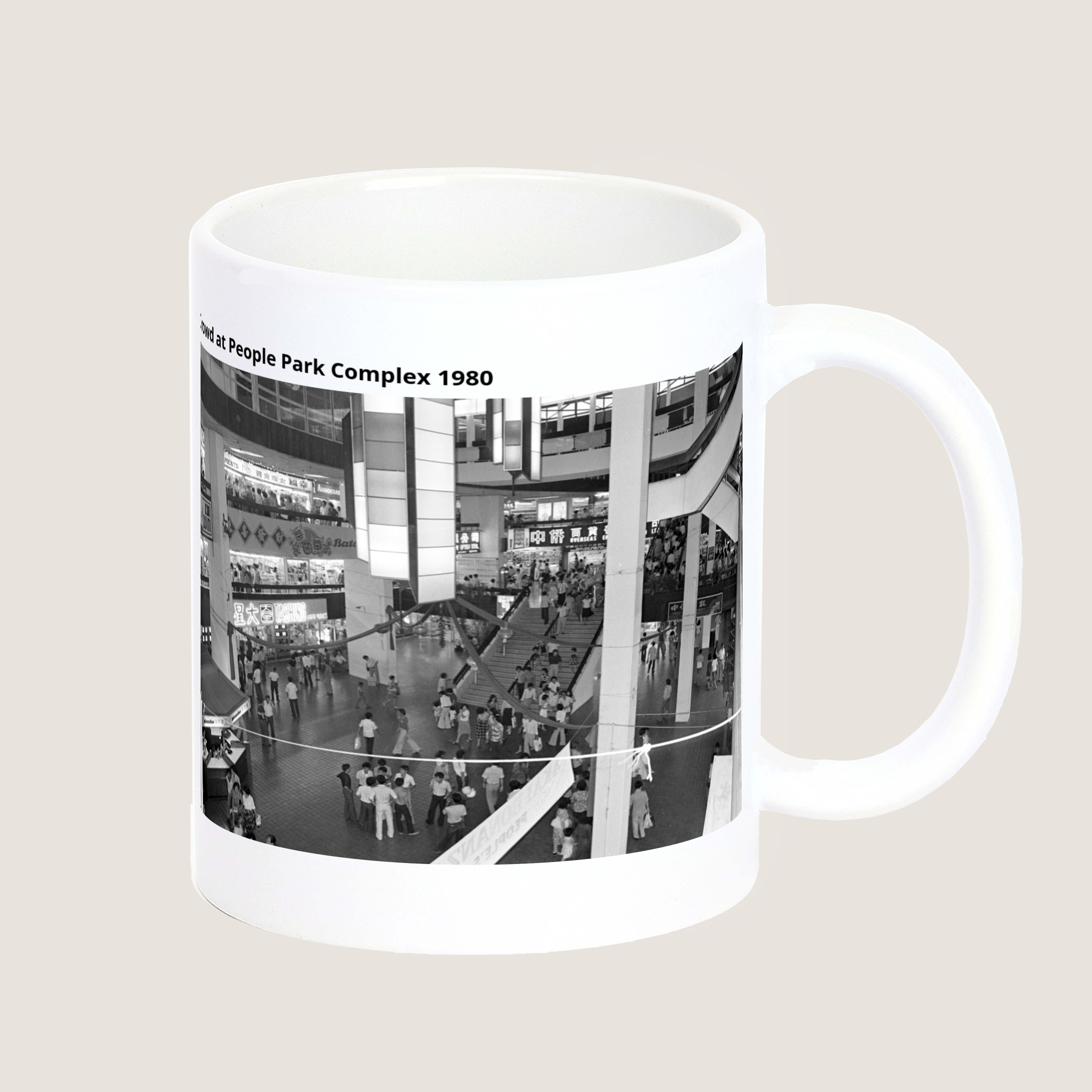
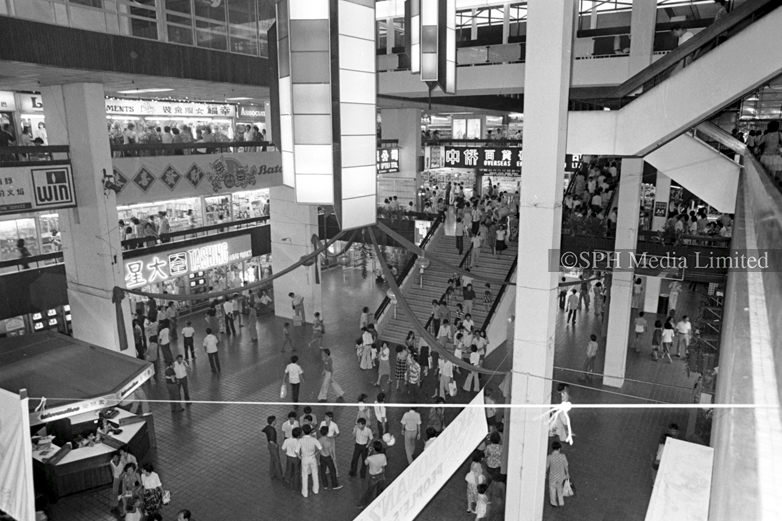 Crowd at People Park Complex
1980
Crowd at People Park Complex
1980
Crowd at People Park Complex
Year 1980
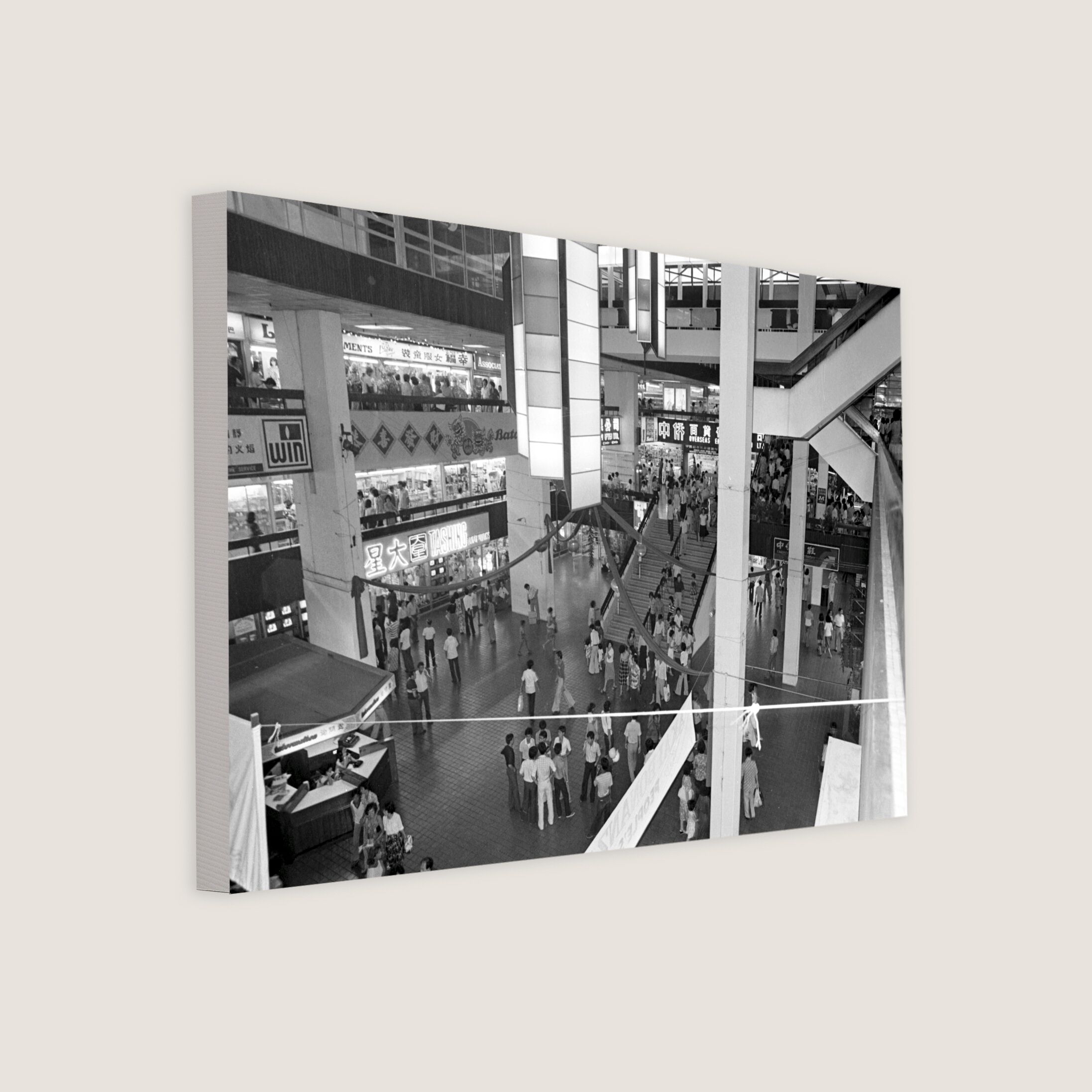
Built in 1973, People's Park Complex is the first multi-use building with shopping, residential, offices and car parking facilities within it, and an architectural icon even to this day. It was a popular and important place for the Chinese community.
©️ SPH Media Limited
Share to
Tags
Available for print on products
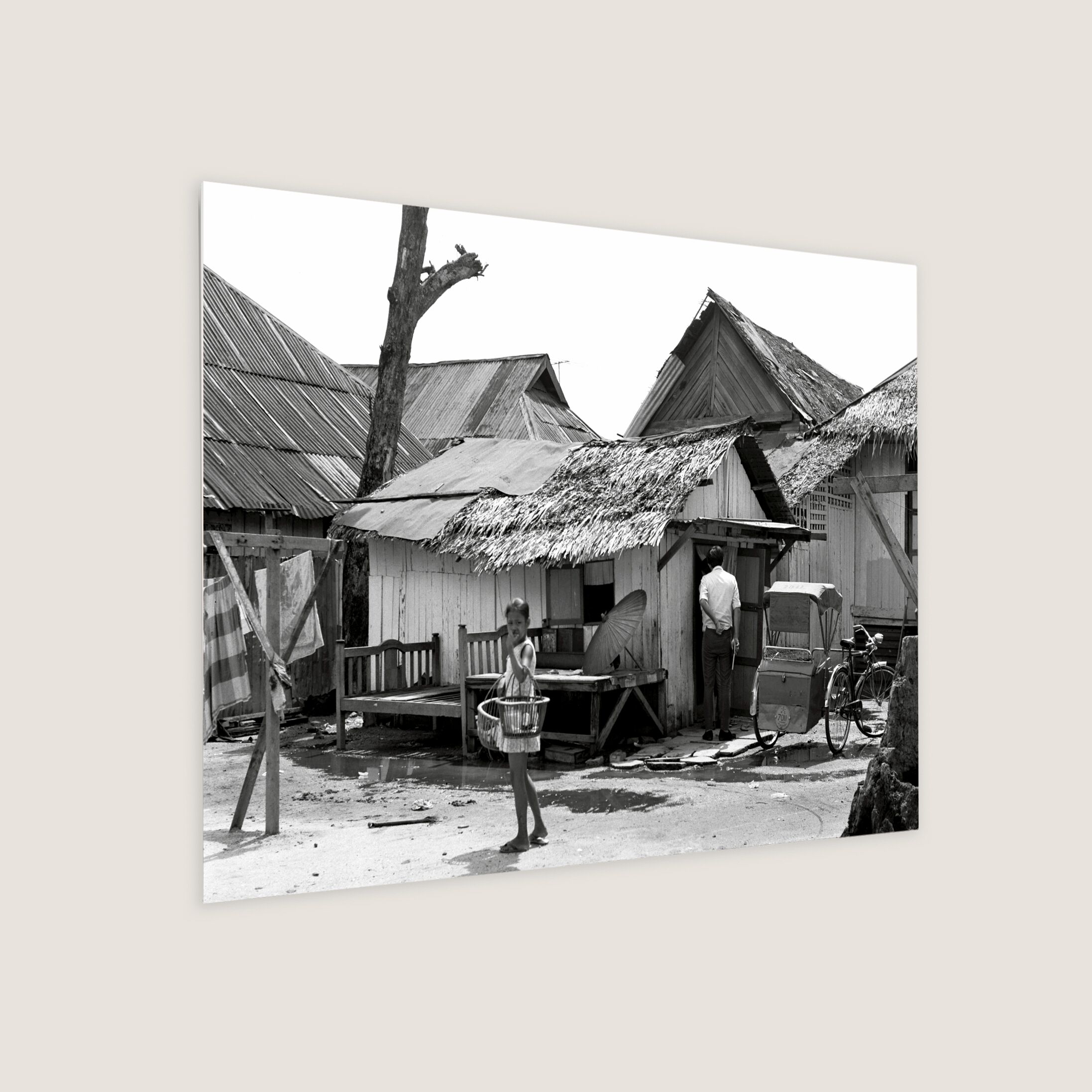
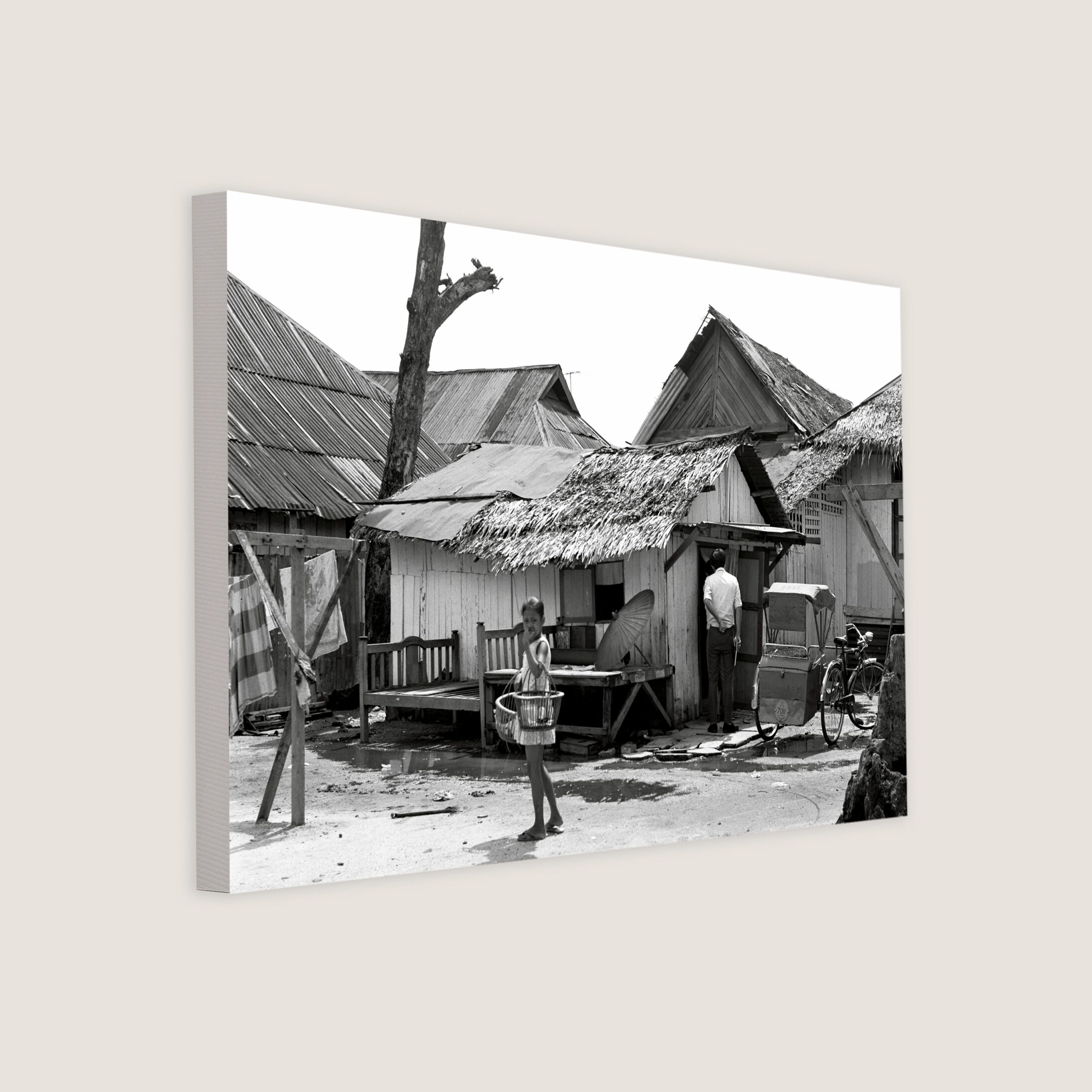
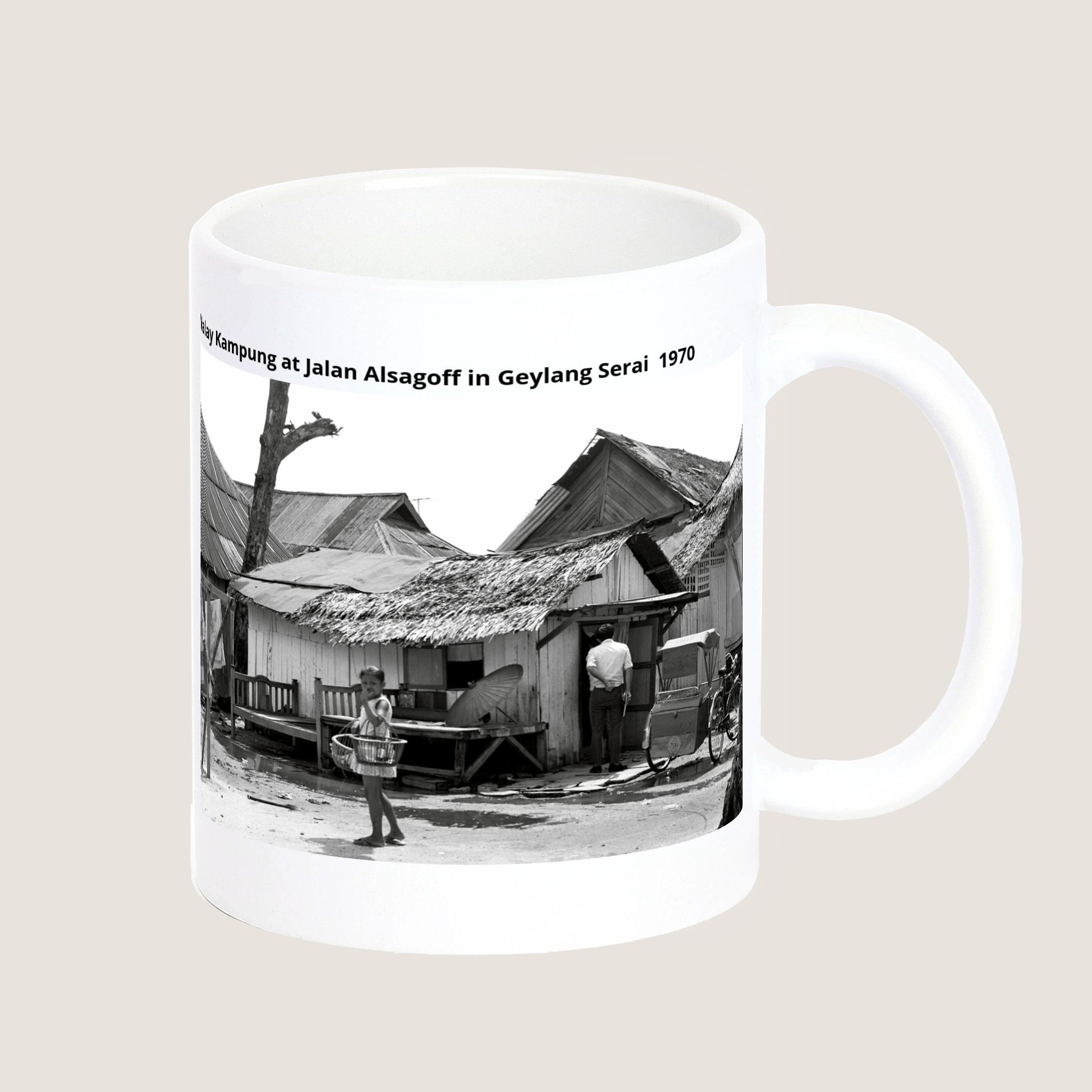
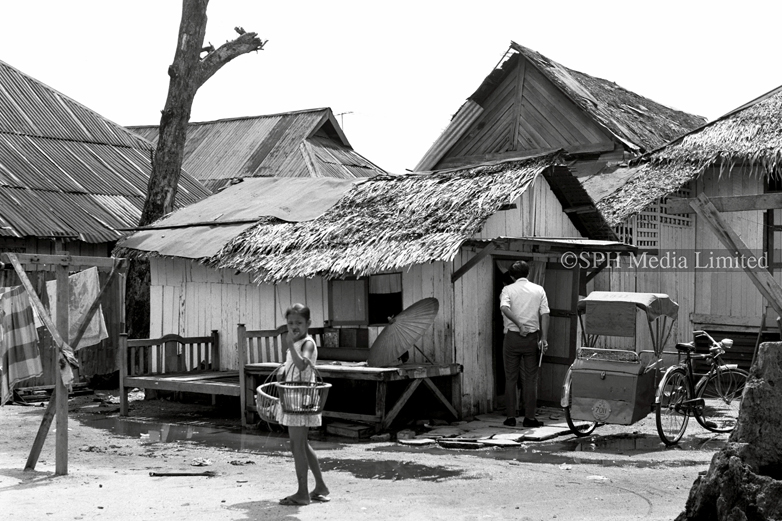 Malay Kampung at Jalan Alsagoff in Geylang Serai
1970
Malay Kampung at Jalan Alsagoff in Geylang Serai
1970
Malay Kampung at Jalan Alsagoff in Geylang Serai
Year 1970
The Malay community lived in many kampungs, one such kampung was at Jalan Alsagoff. Some of the street names in Geylang Serai such as Jalan Alsagoff were named after prominent community leader. The Alsagoff family owned the estate on which serai (lemon grass) was grown.
©️ SPH Media Limited
Share to
Tags
Available for print on products
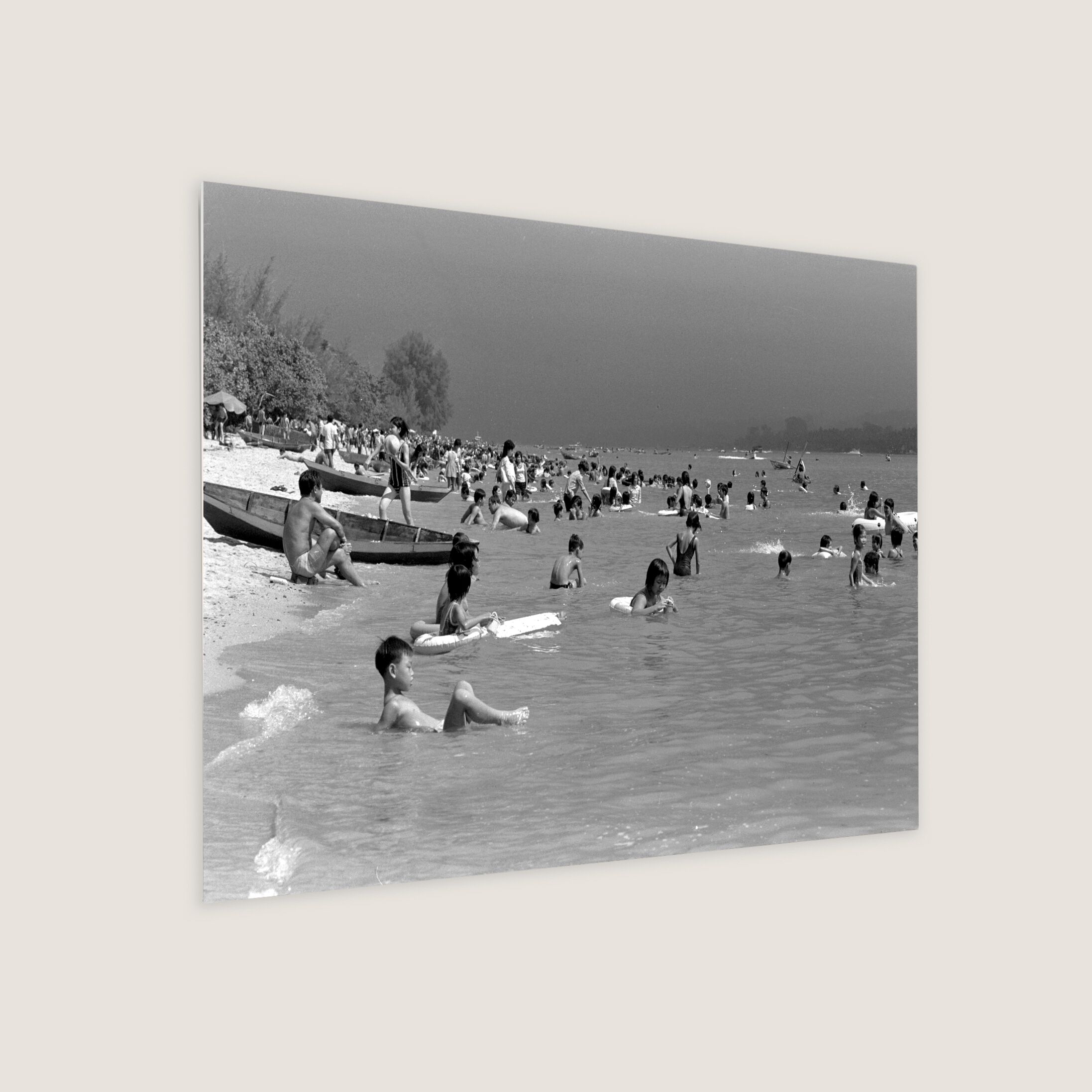
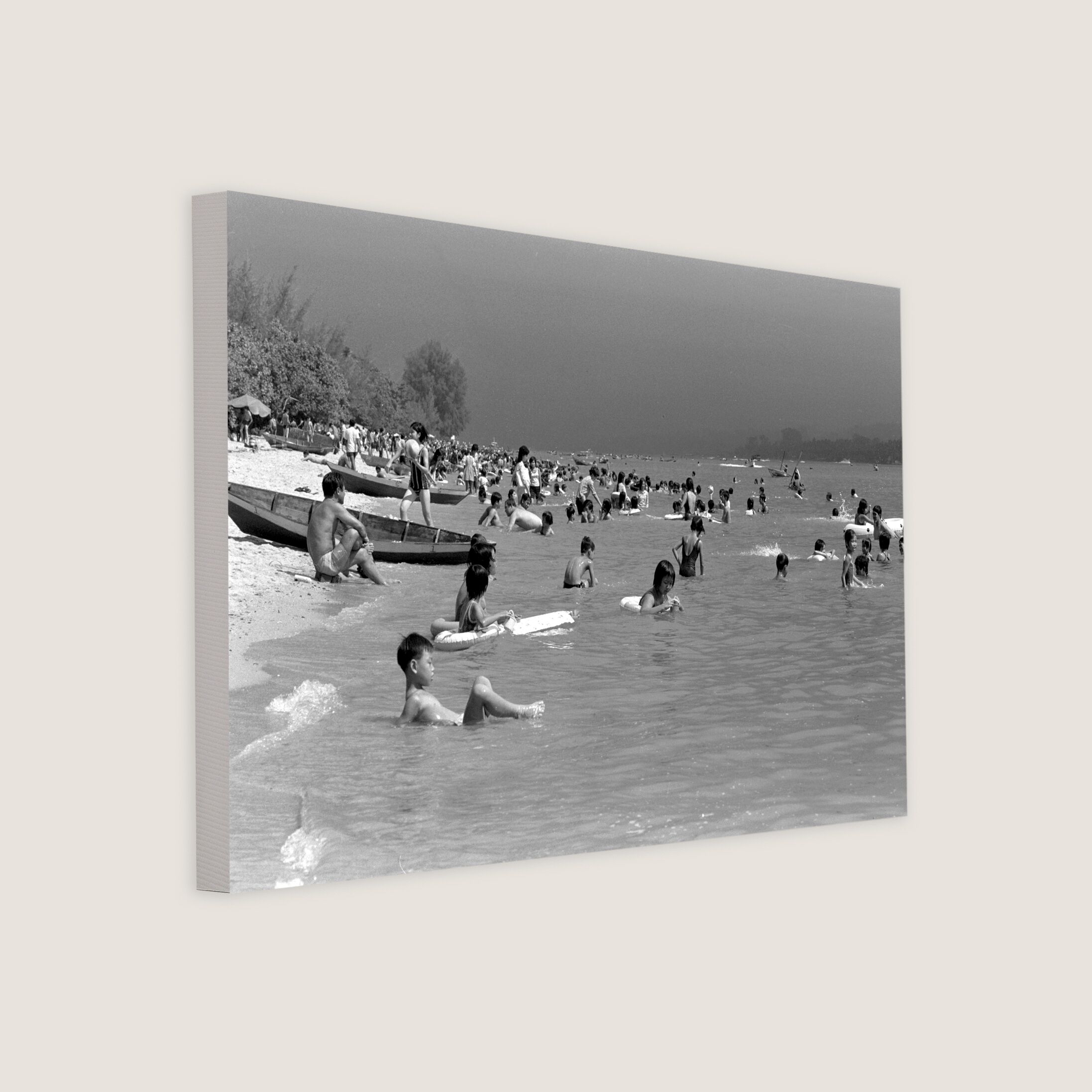
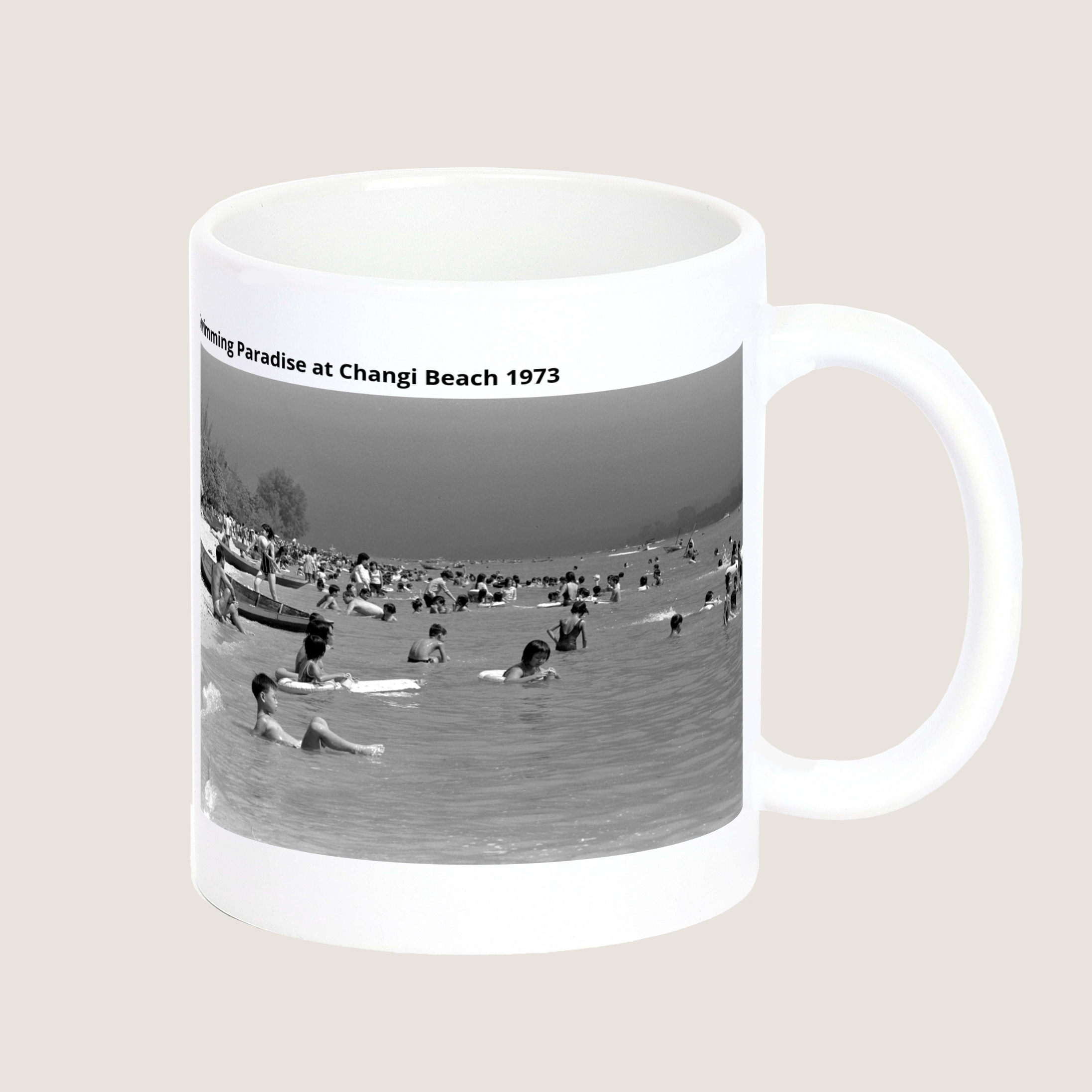
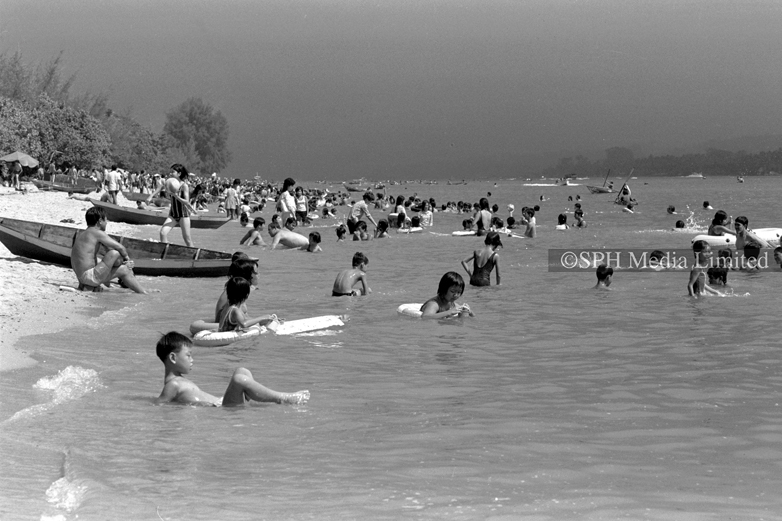 Swimming Paradise at Changi Beach
1973
Swimming Paradise at Changi Beach
1973
Swimming Paradise at Changi Beach
Year 1973
Changi’s beaches were popular weekend retreats between the 1950s and 1970s. Families would pack food, water, clean bedding, clothes, swimsuits, and inner rubber tubes, and then make the long journey to Changi. The expansion and establishment of Changi Airport from 1976 brought another wave of redevelopment to Changi's beaches.
©️ SPH Media Limited
Share to
Tags
Available for print on products
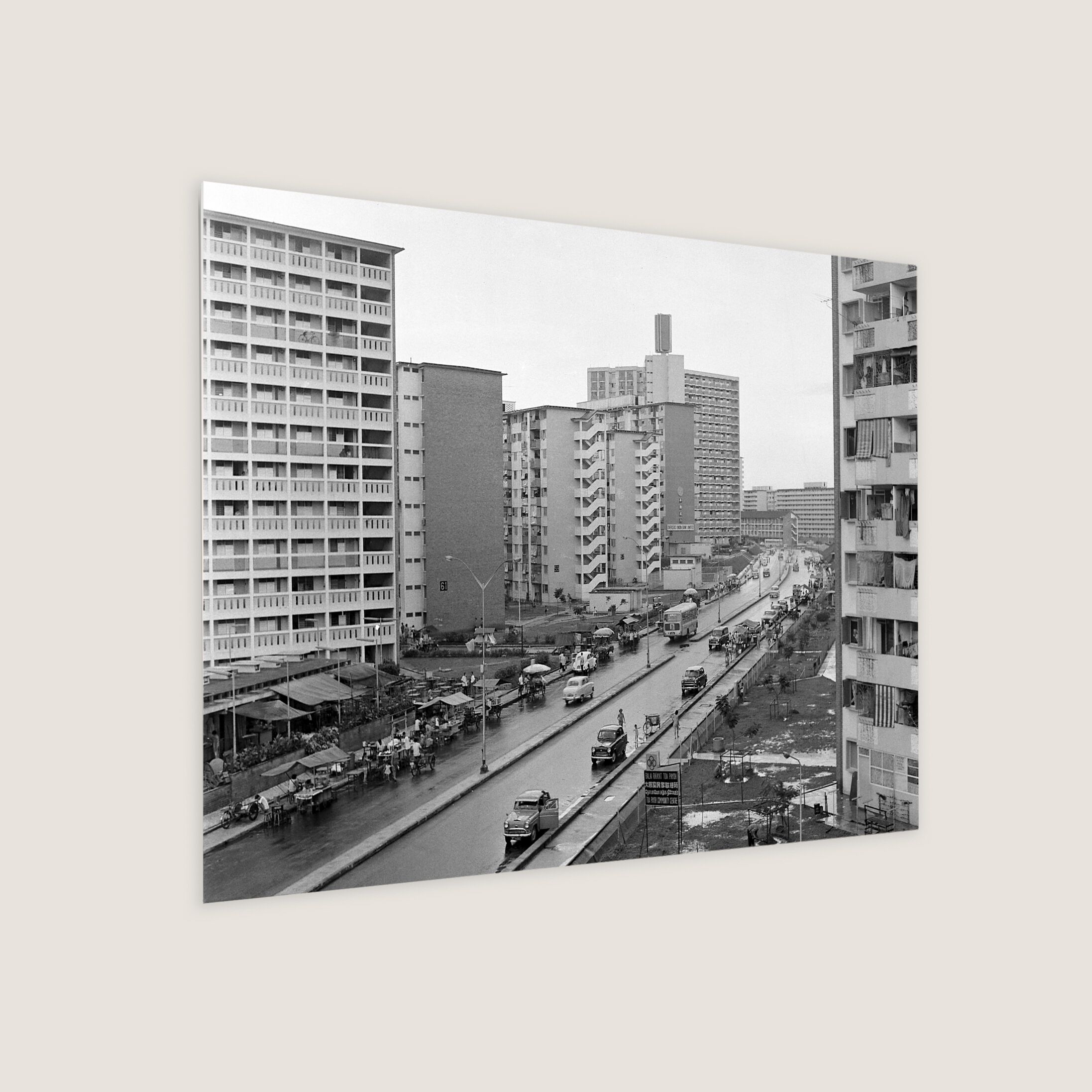
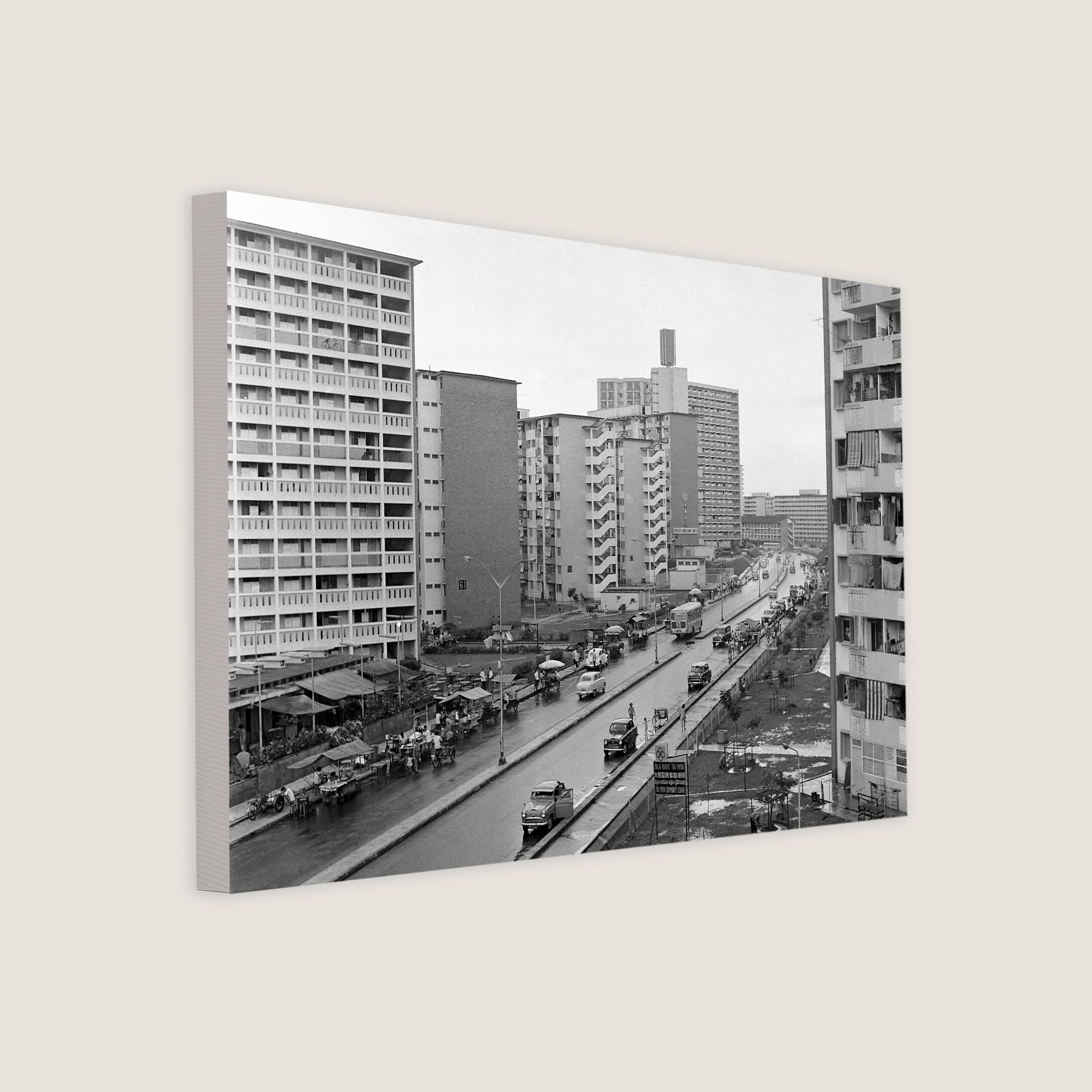
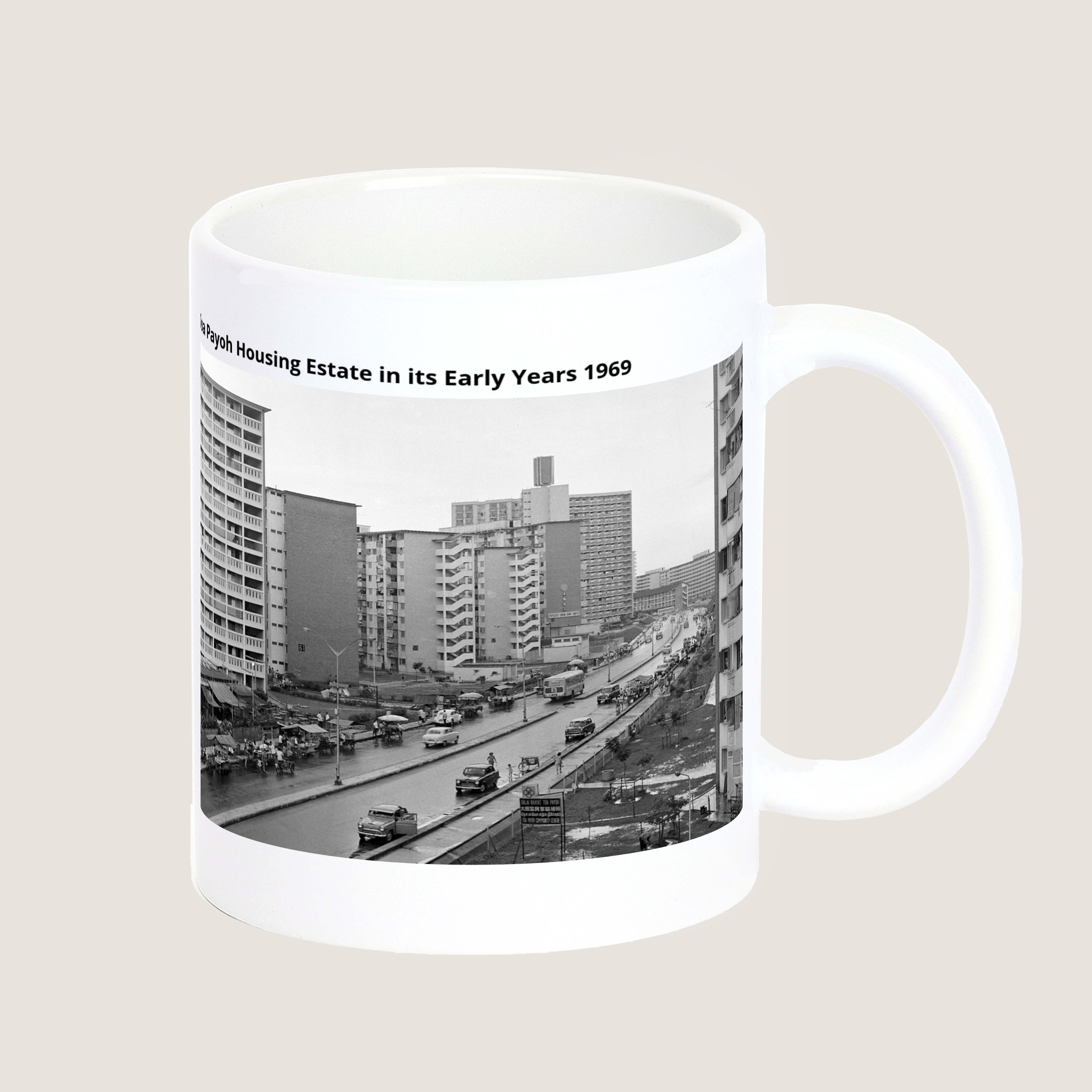
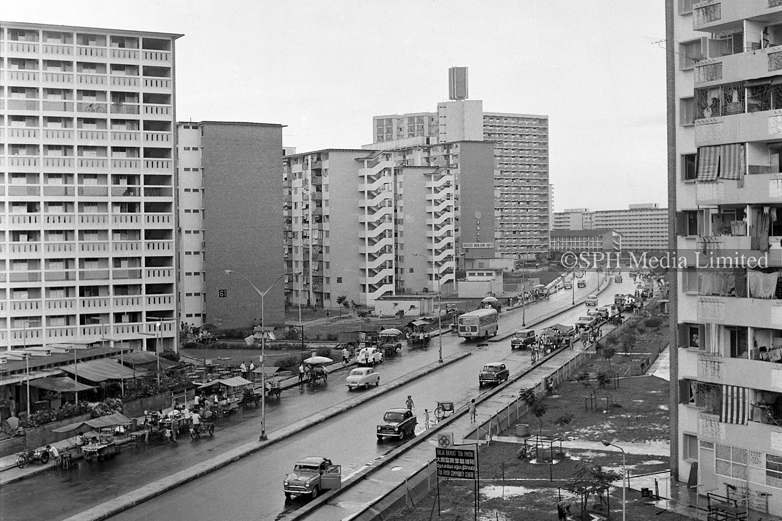 Toa Payoh Housing Estate in its Early Years
1969
Toa Payoh Housing Estate in its Early Years
1969
Toa Payoh Housing Estate in its Early Years
Year 1969
Transforming from kampongs and vegetable farms, Toa Payoh was developed by the Housing and Development Board (HDB) in 1965. Today, Toa Payoh housing estate is one of Singapore's most established and mature residential areas, showcasing the nation's rapid urban development and growth.
©️ SPH Media Limited
Share to
Tags
Available for print on products
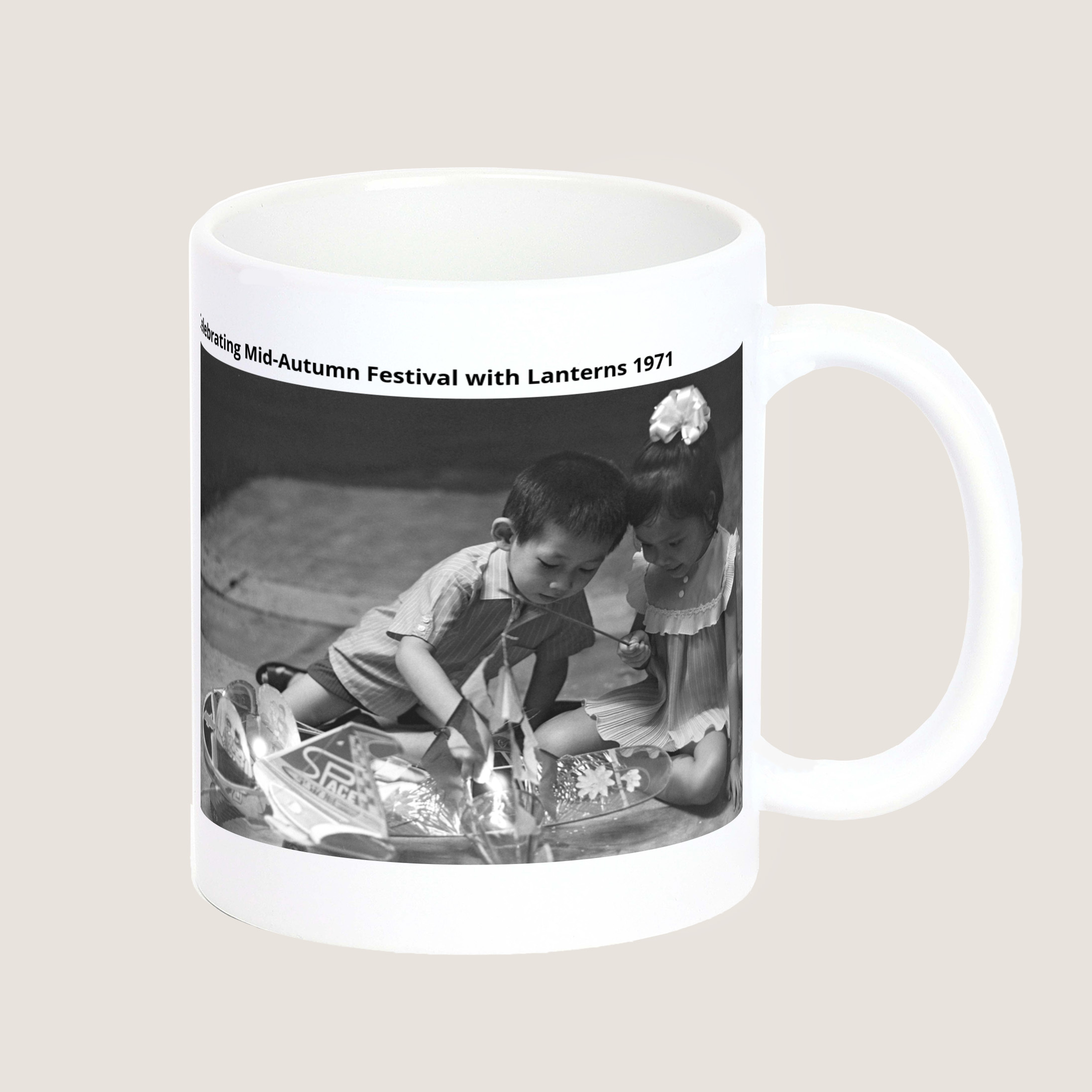
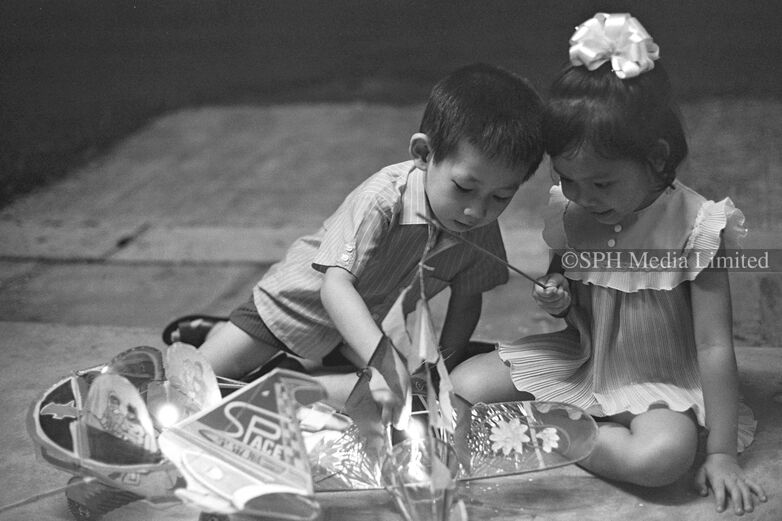 Celebrating Mid-Autumn Festival with Lanterns
1971
Celebrating Mid-Autumn Festival with Lanterns
1971
Celebrating Mid-Autumn Festival with Lanterns
Year 1971
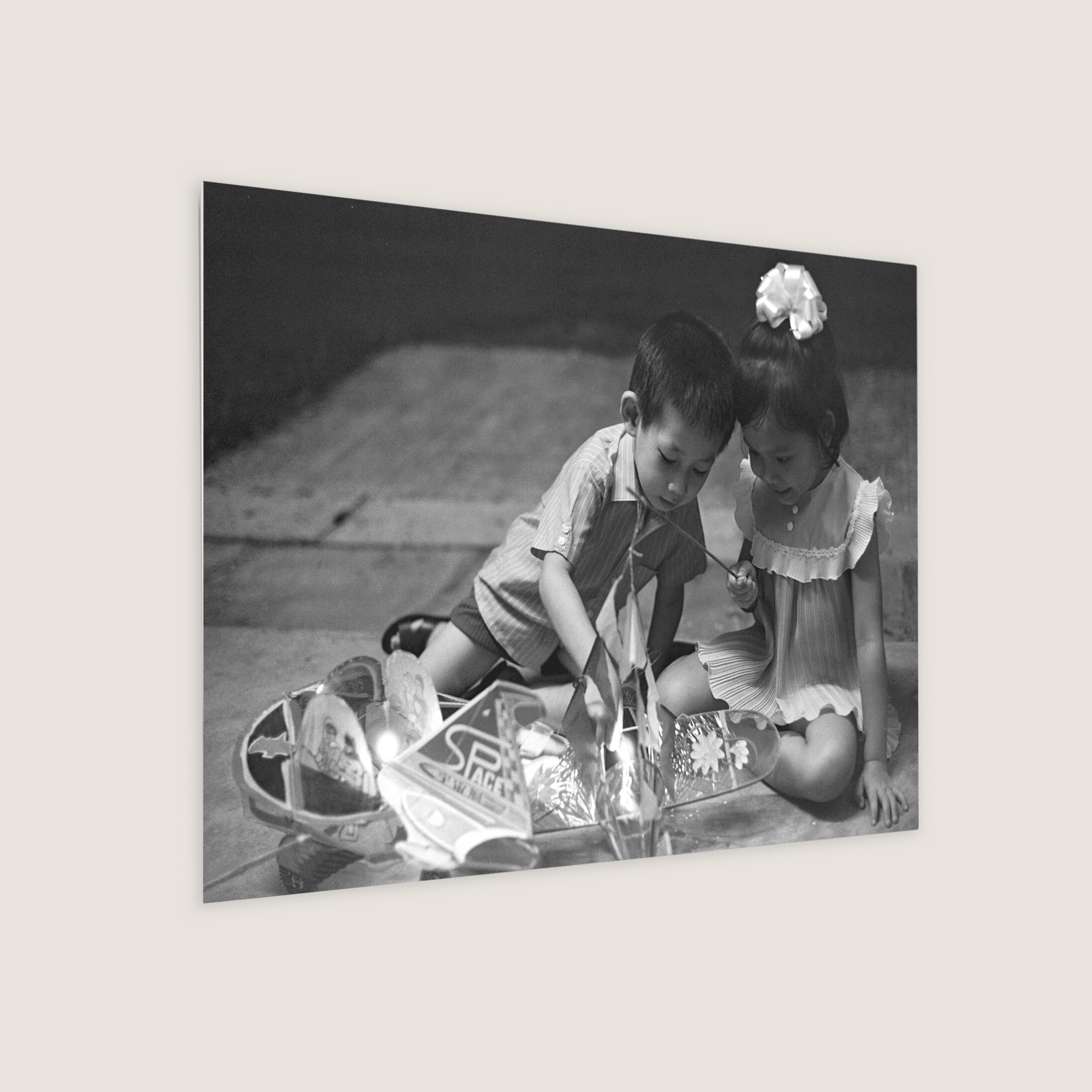
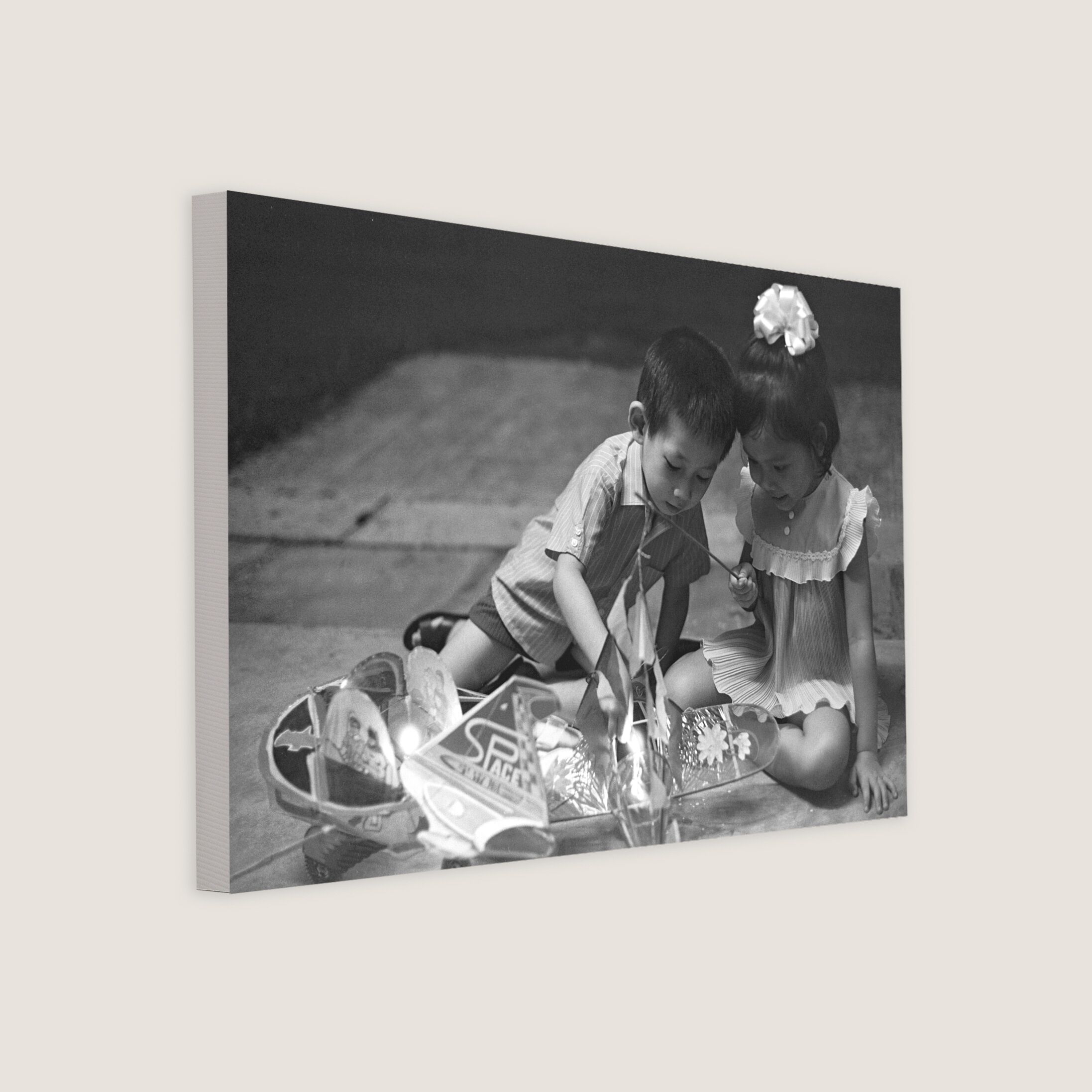
Young kids were playing with lanterns lit up by candles during the Mid-Autumn Festival at Commonwealth Drive. Today, due to the risk of fire hazards, lanterns lit by candle are replaced by electric lanterns which have multiple coloured LED lights. They even play music
©️ SPH Media Limited
Share to
Tags
Available for print on products
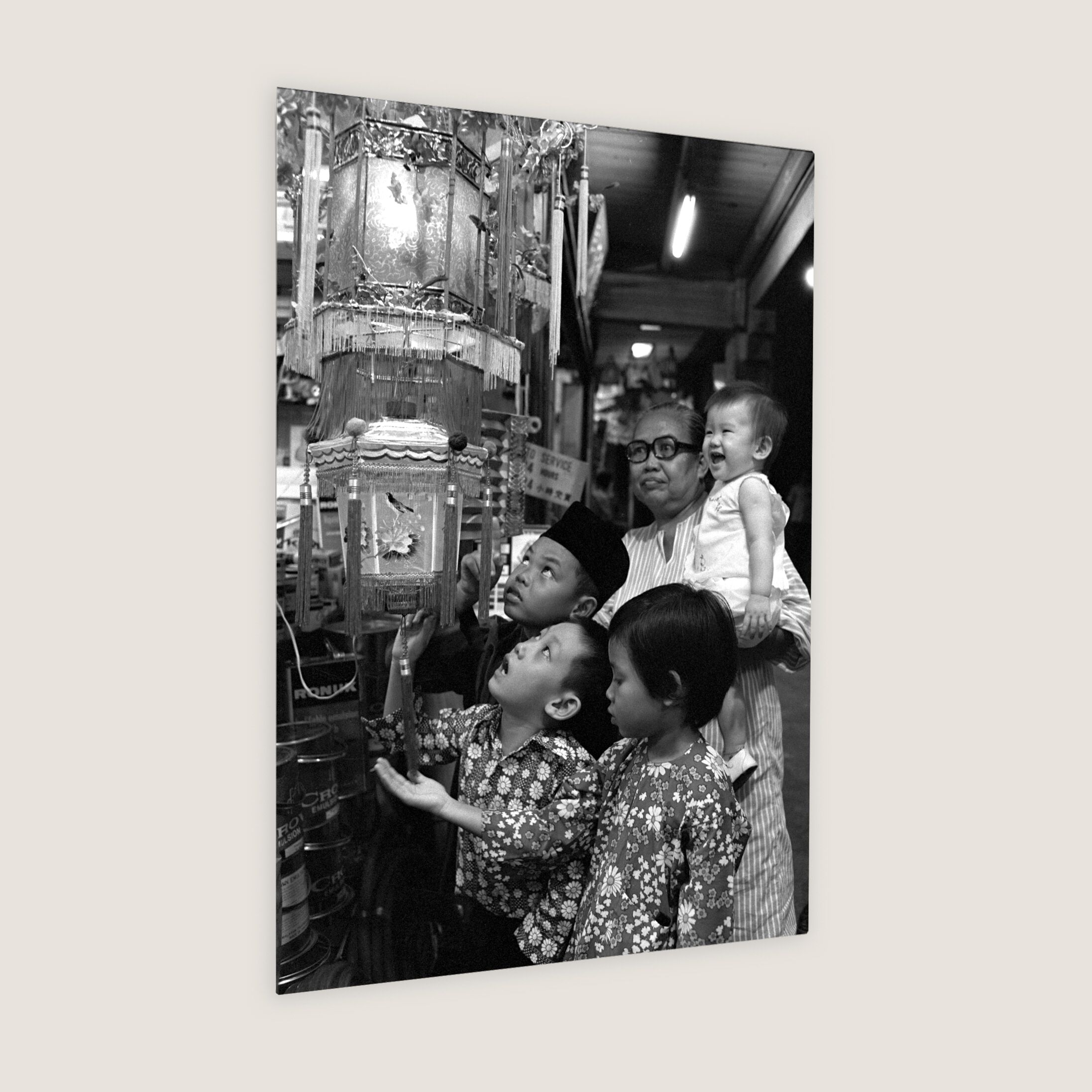
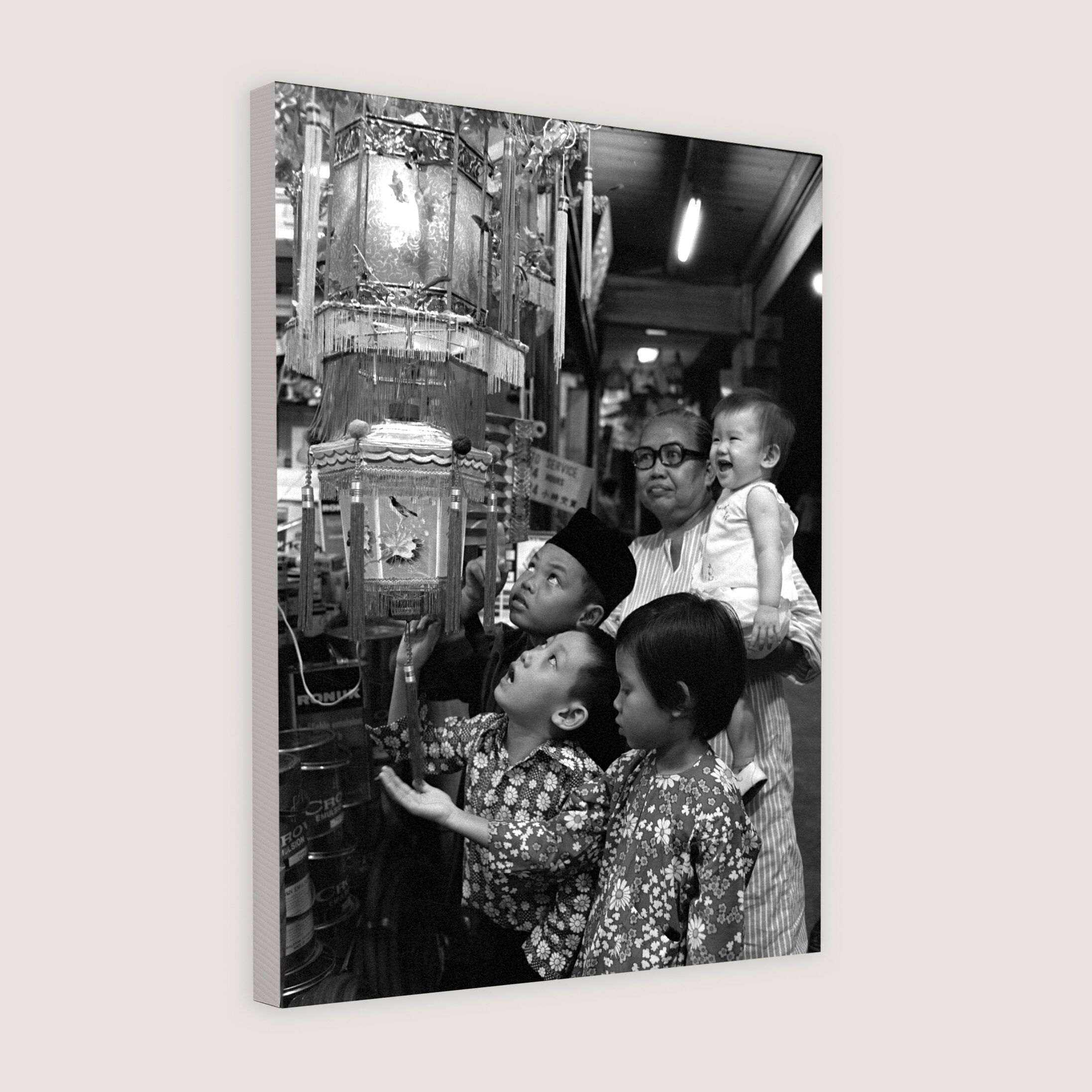
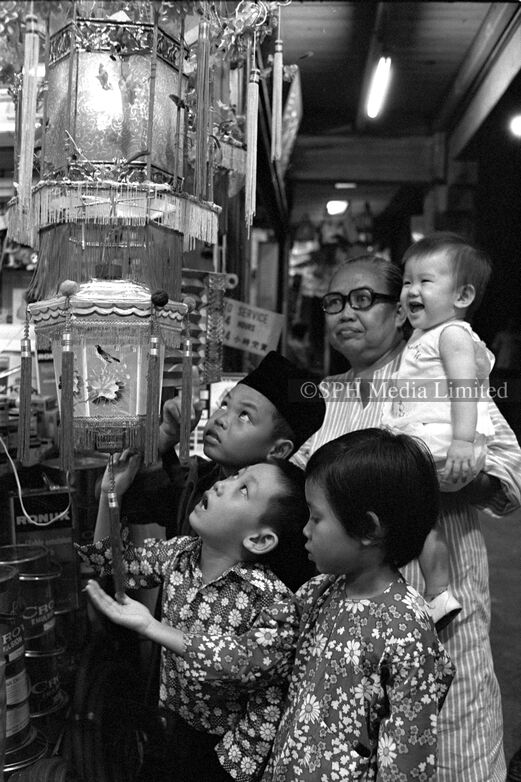 Celebrating Mooncake Festival as a Neighbourhood
1973
Celebrating Mooncake Festival as a Neighbourhood
1973
Celebrating Mooncake Festival as a Neighbourhood
Year 1973
A group of Malay children was accompanied by a Makcik as they visit a lantern shop. She had bought them a lantern each so that they could join other neighbourhood children in celebrating Mooncake Festival.
©️ SPH Media Limited
Share to
Tags
Available for print on products
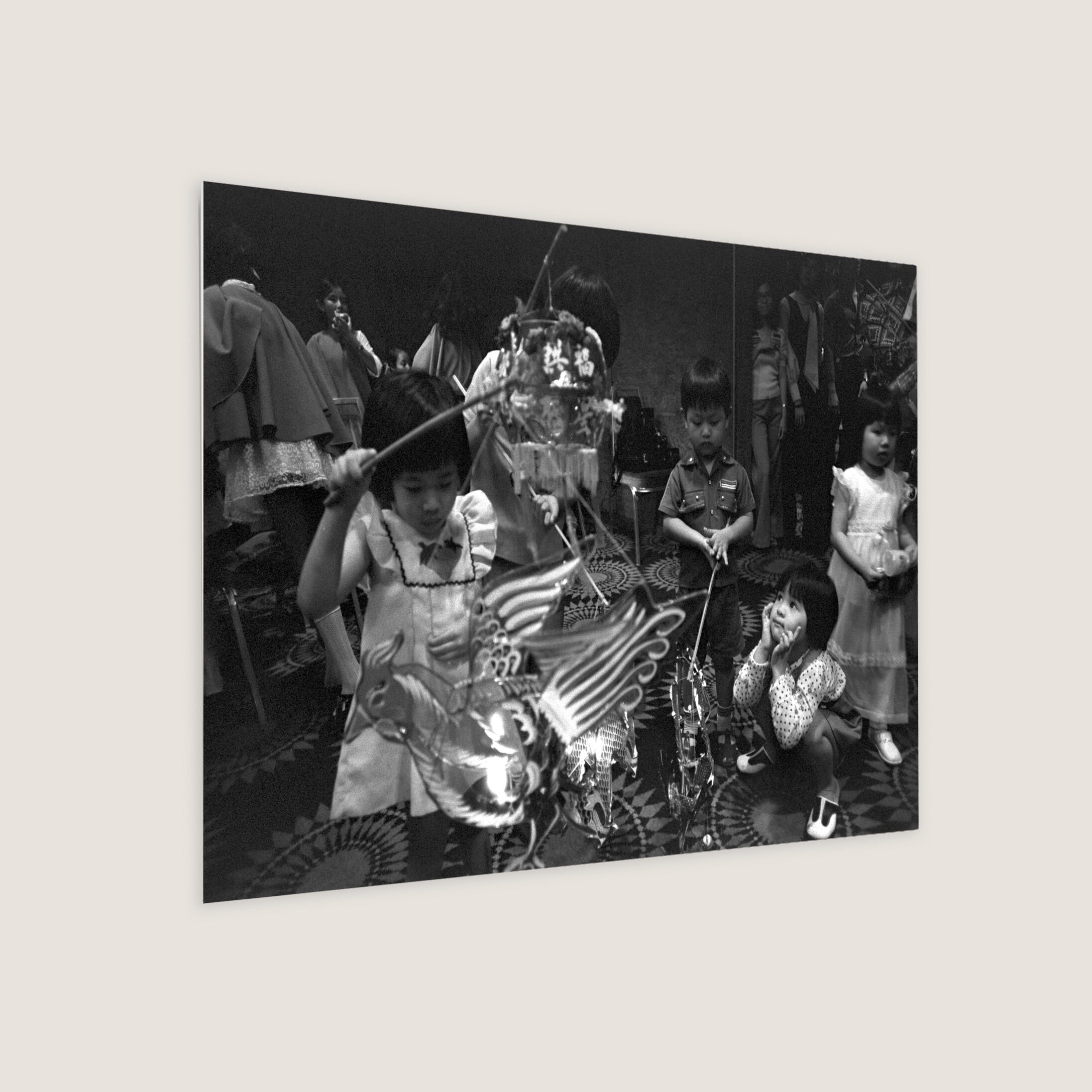
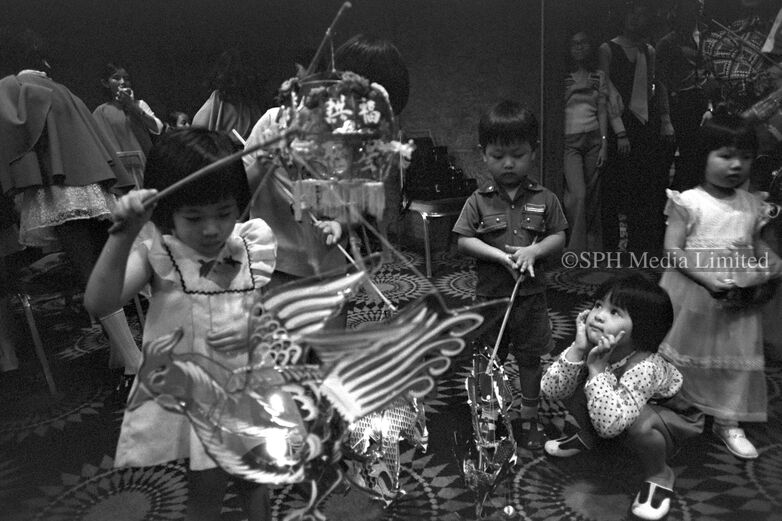 Excited for the Lanterns
1974
Excited for the Lanterns
1974
Excited for the Lanterns
Year 1974
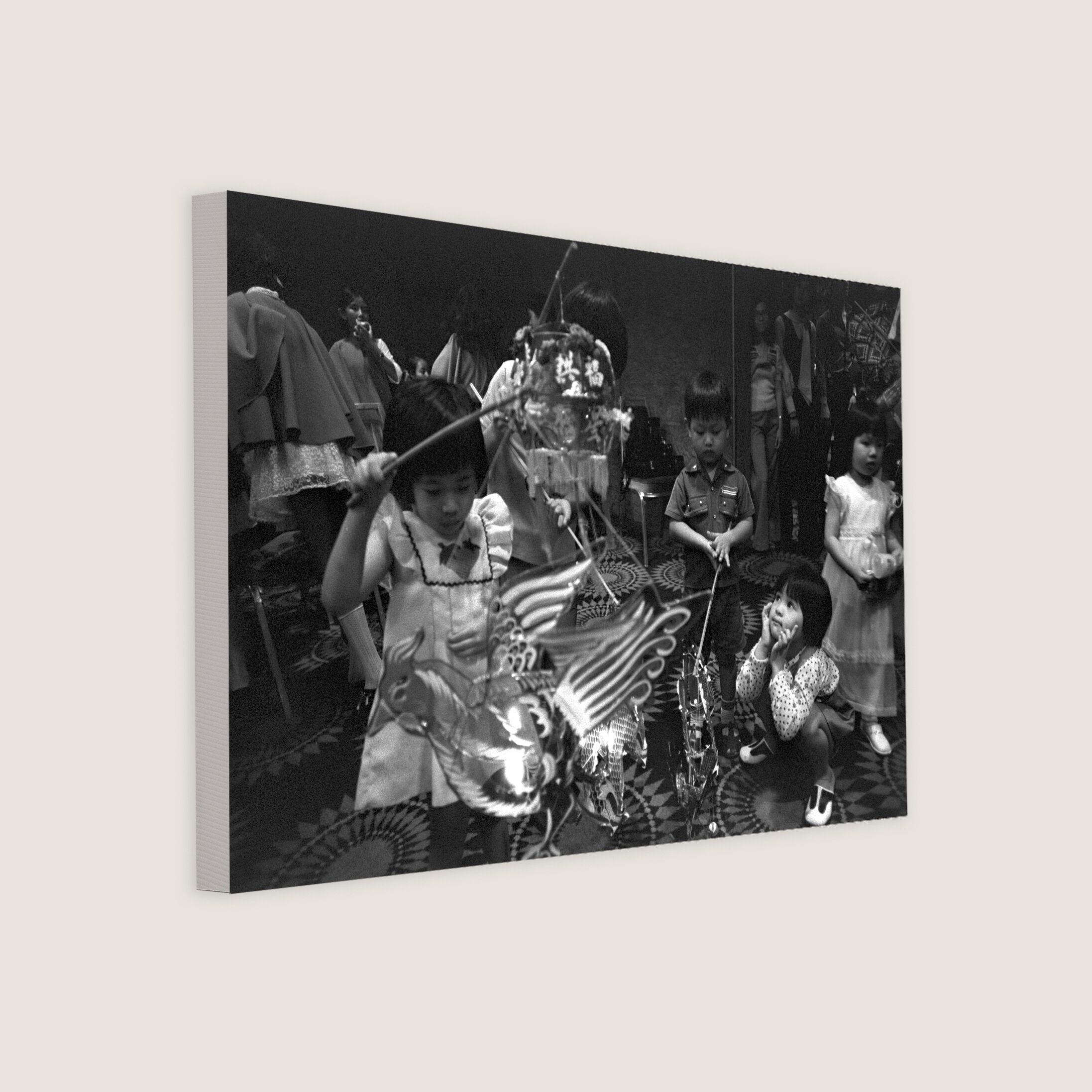
In Singapore, carrying colourful and decorative lanterns is a unique way of celebrating Mid-Autumn Festival. These children at a Mid-Autumn Festival Celebration held at the Singapore Hyatt Hotel were busying themselves with their colourful lit up lanterns.
©️ SPH Media Limited
Share to
Tags
Available for print on products
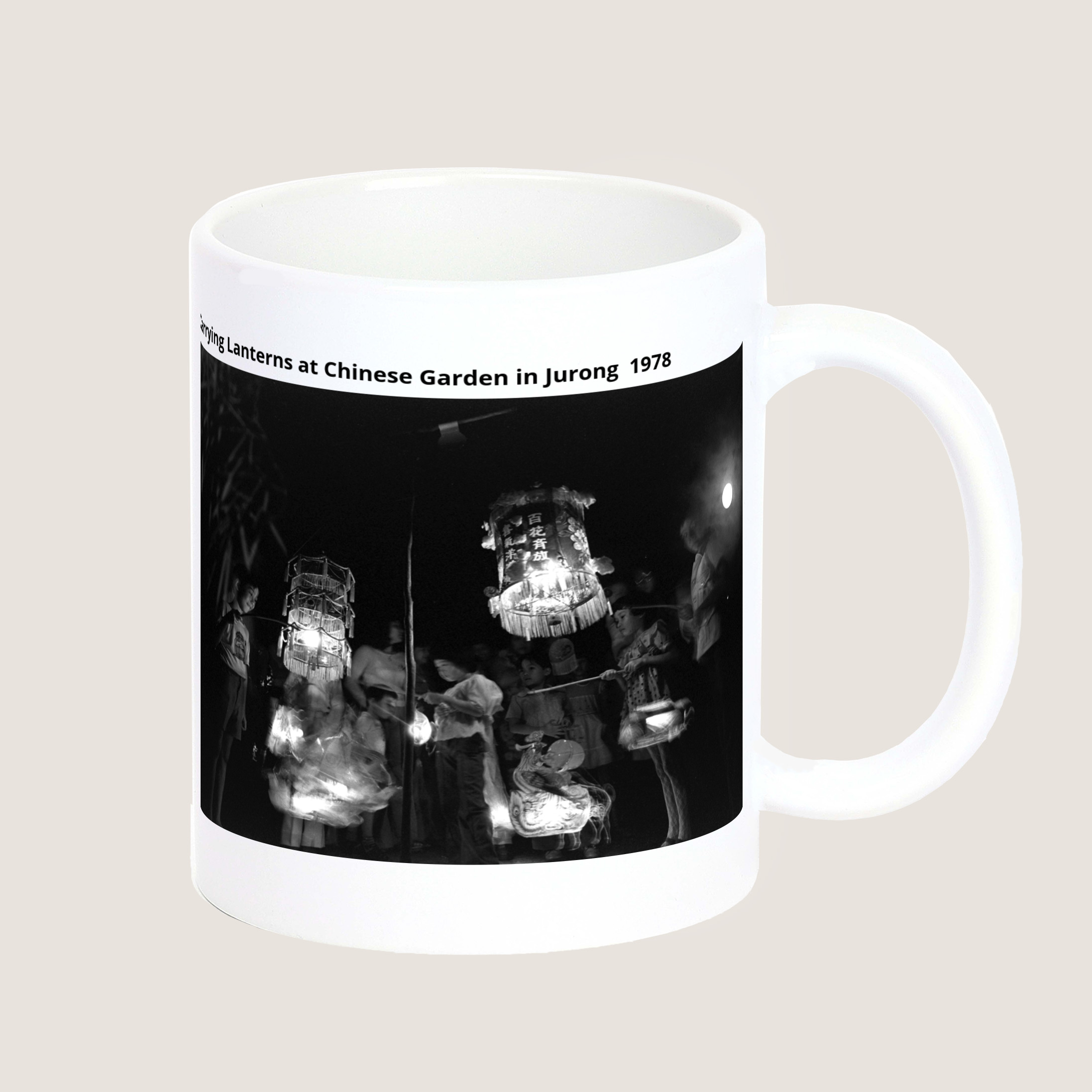
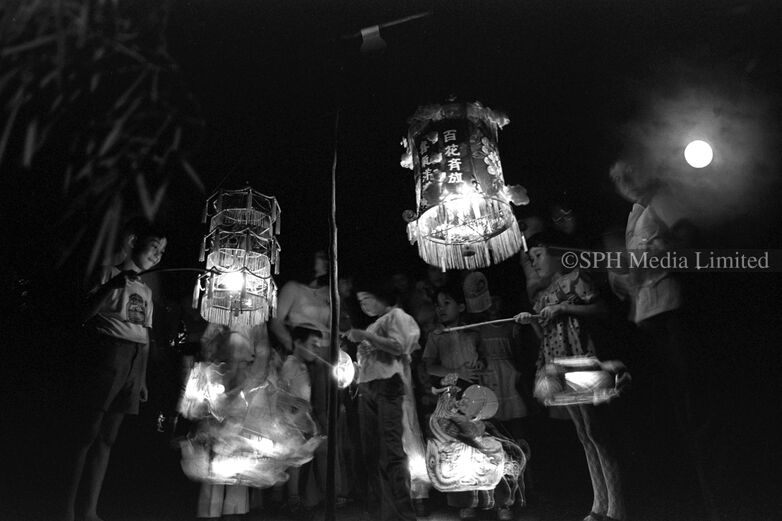 Carrying Lanterns at Chinese Garden in Jurong
1978
Carrying Lanterns at Chinese Garden in Jurong
1978
Carrying Lanterns at Chinese Garden in Jurong
Year 1978
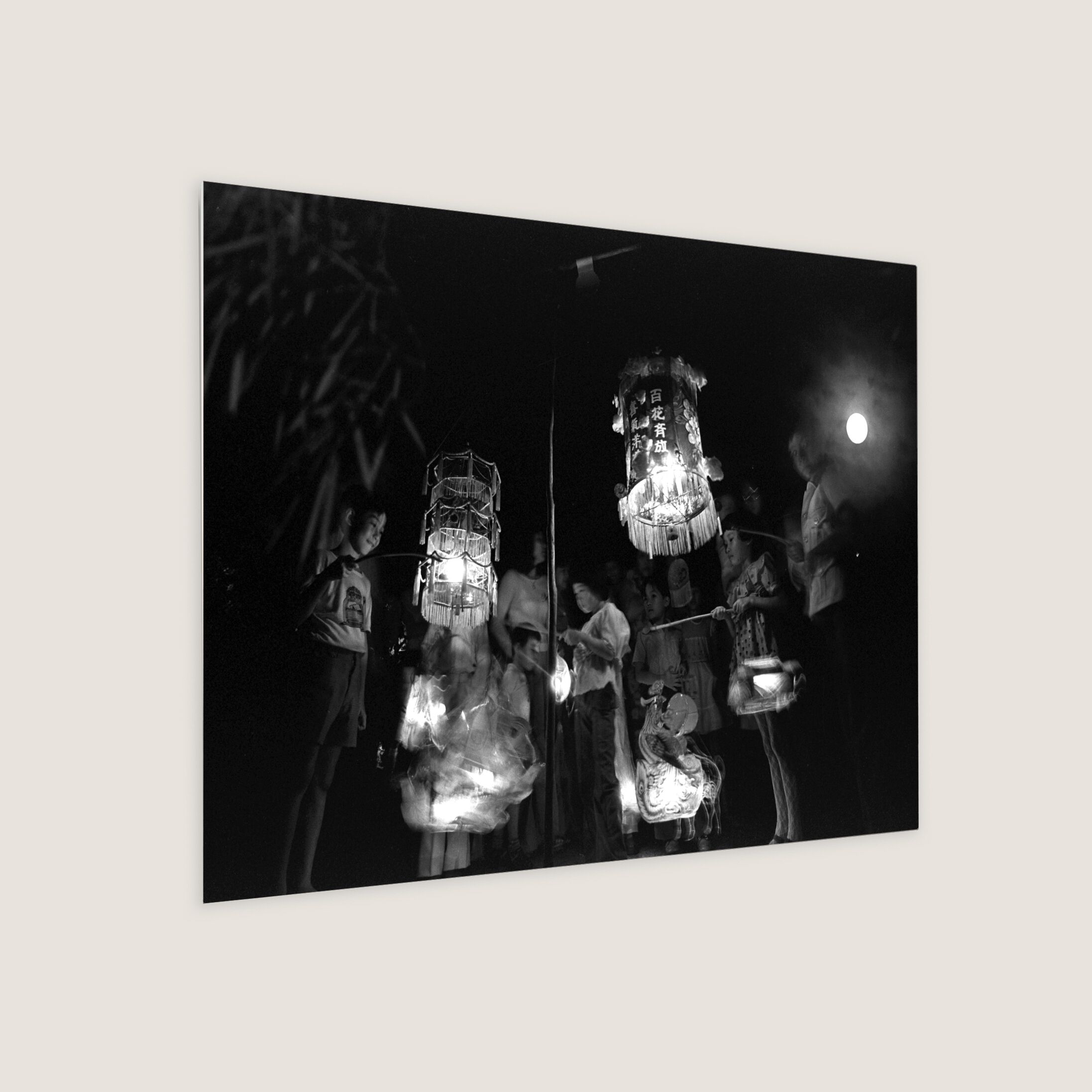
The Chinese Garden in Jurong was turned into a wonderland by the light of a thousand lanterns, accompanied by the happy faces of children celebrating this year's Mid-Autumn Festival.
©️ SPH Media Limited
Share to
Tags
Available for print on products
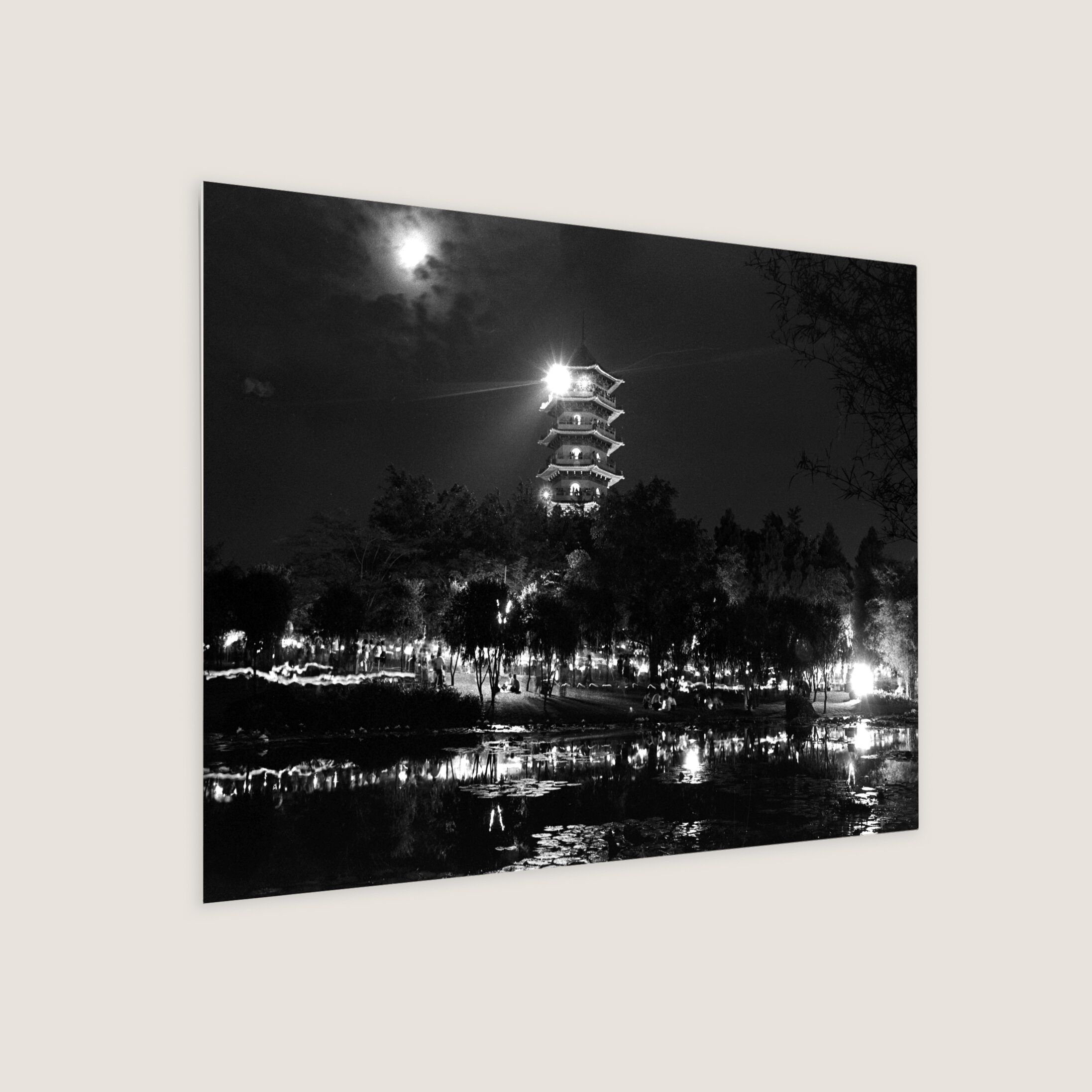
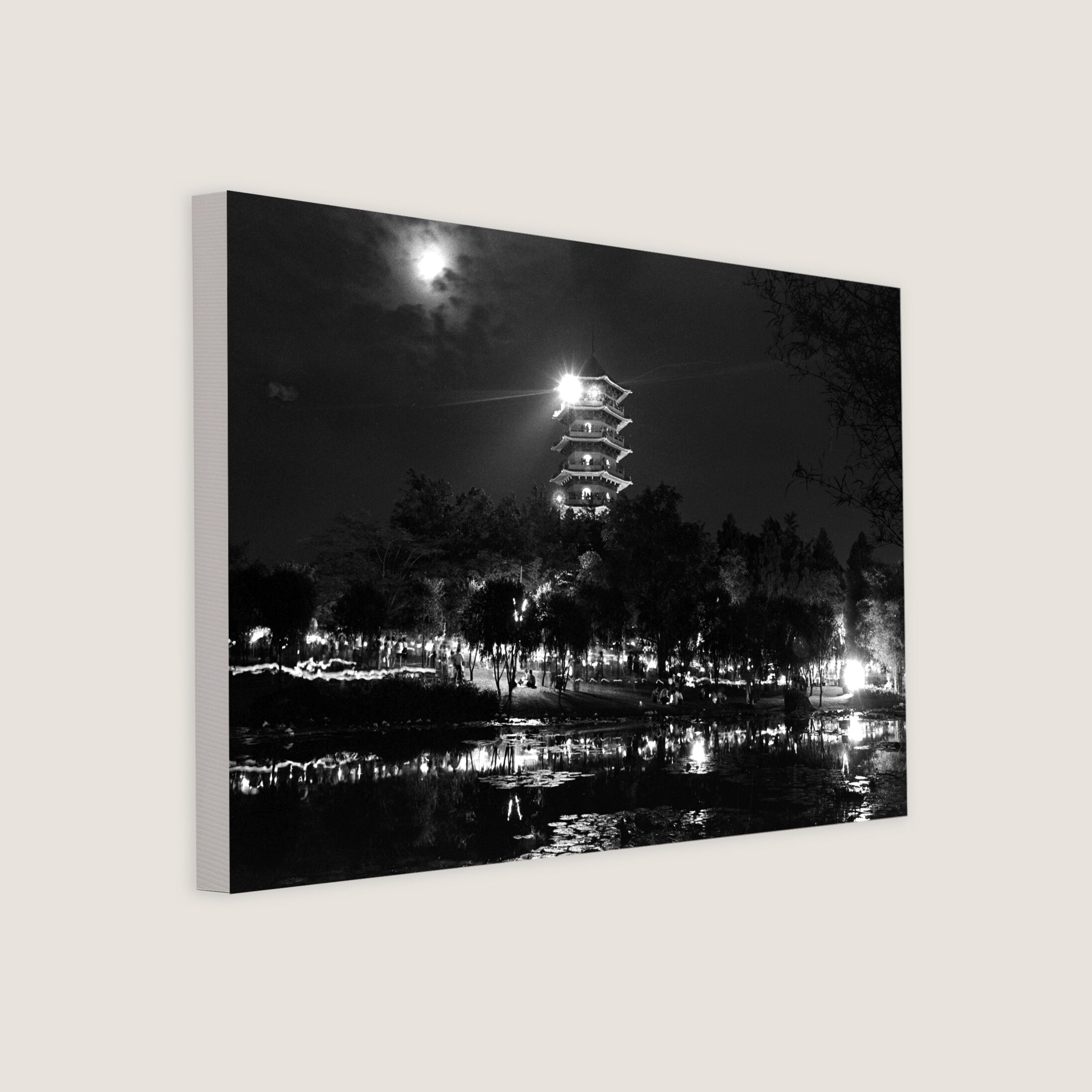
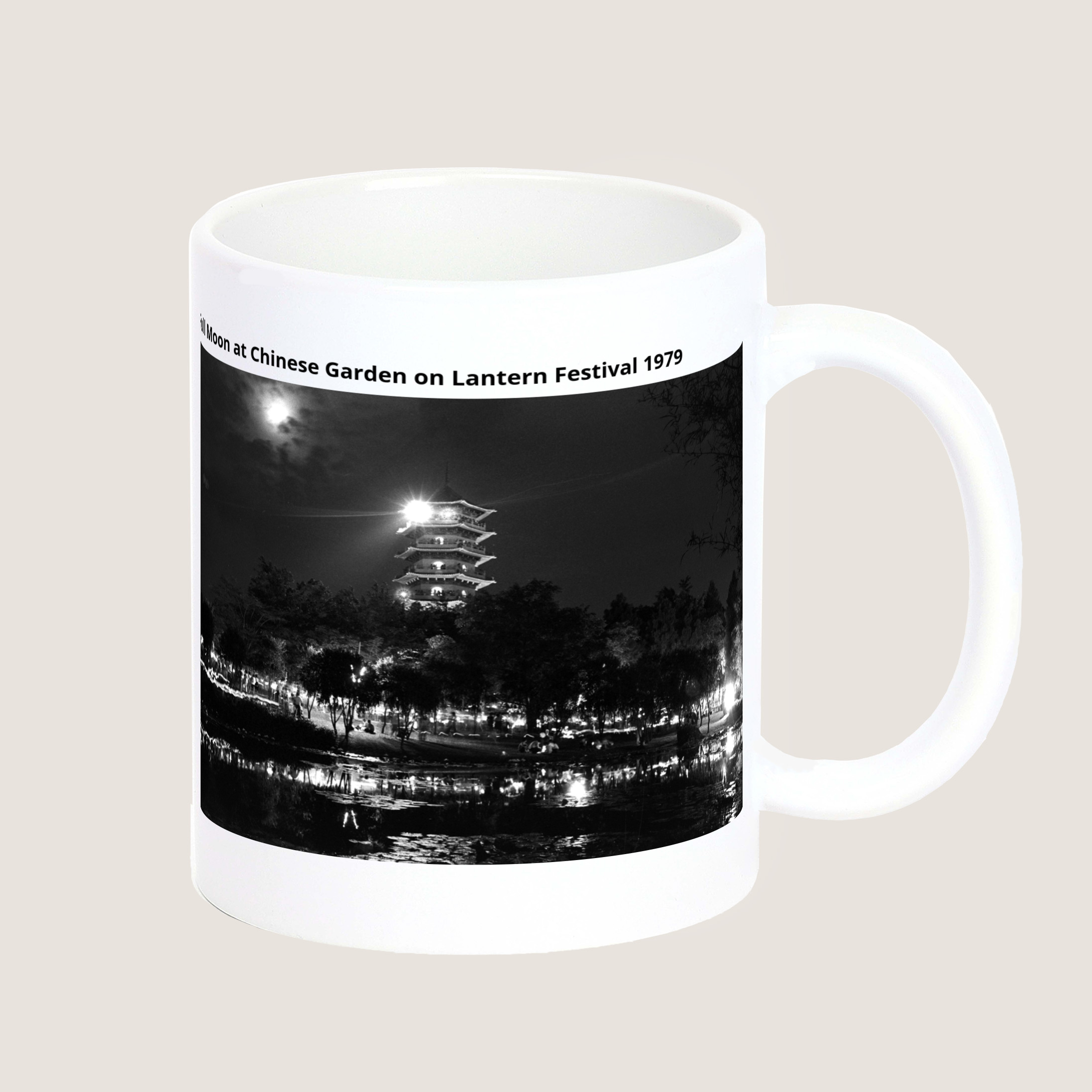
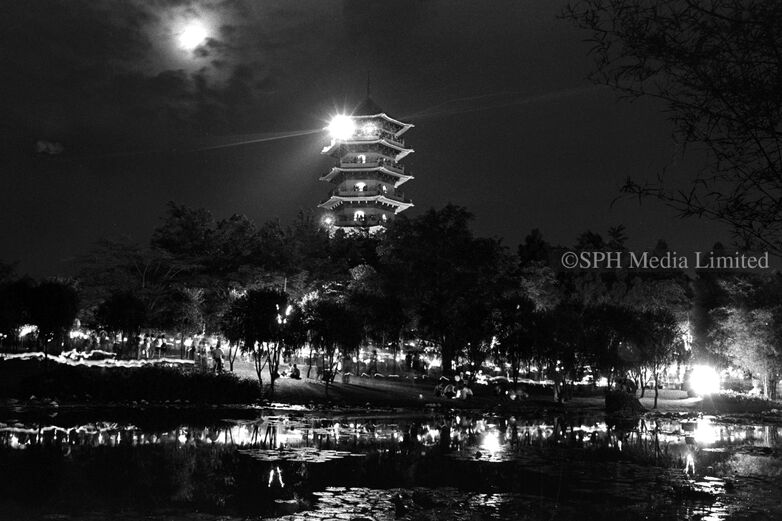 Full Moon at Chinese Garden on Lantern Festival
1979
Full Moon at Chinese Garden on Lantern Festival
1979
Full Moon at Chinese Garden on Lantern Festival
Year 1979
People gathered at Chinese Garden aka Yuhua Yuan at Jurong Town to gaze at the radiant and full moon and celebrate Lantern Festival. It was organised by the Jurong Town Corporation.
©️ SPH Media Limited
Share to
Tags
Available for print on products
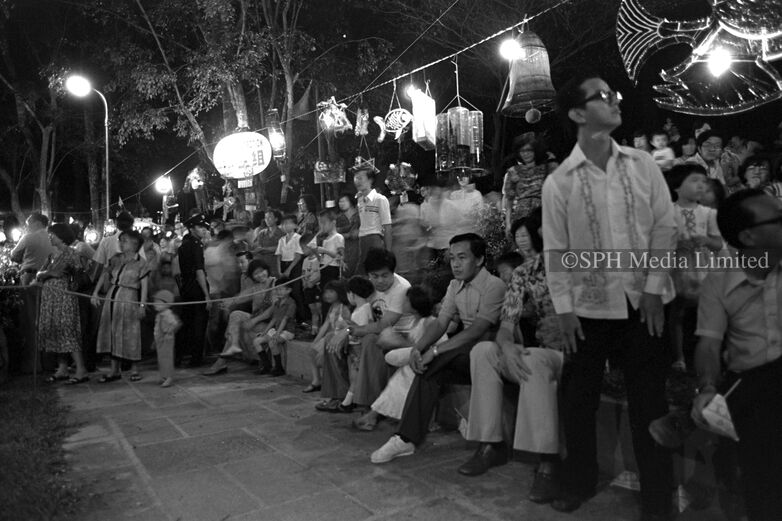 Mooncake Festival at MacRitchie Reservoir Park
1979
Mooncake Festival at MacRitchie Reservoir Park
1979
Mooncake Festival at MacRitchie Reservoir Park
Year 1979
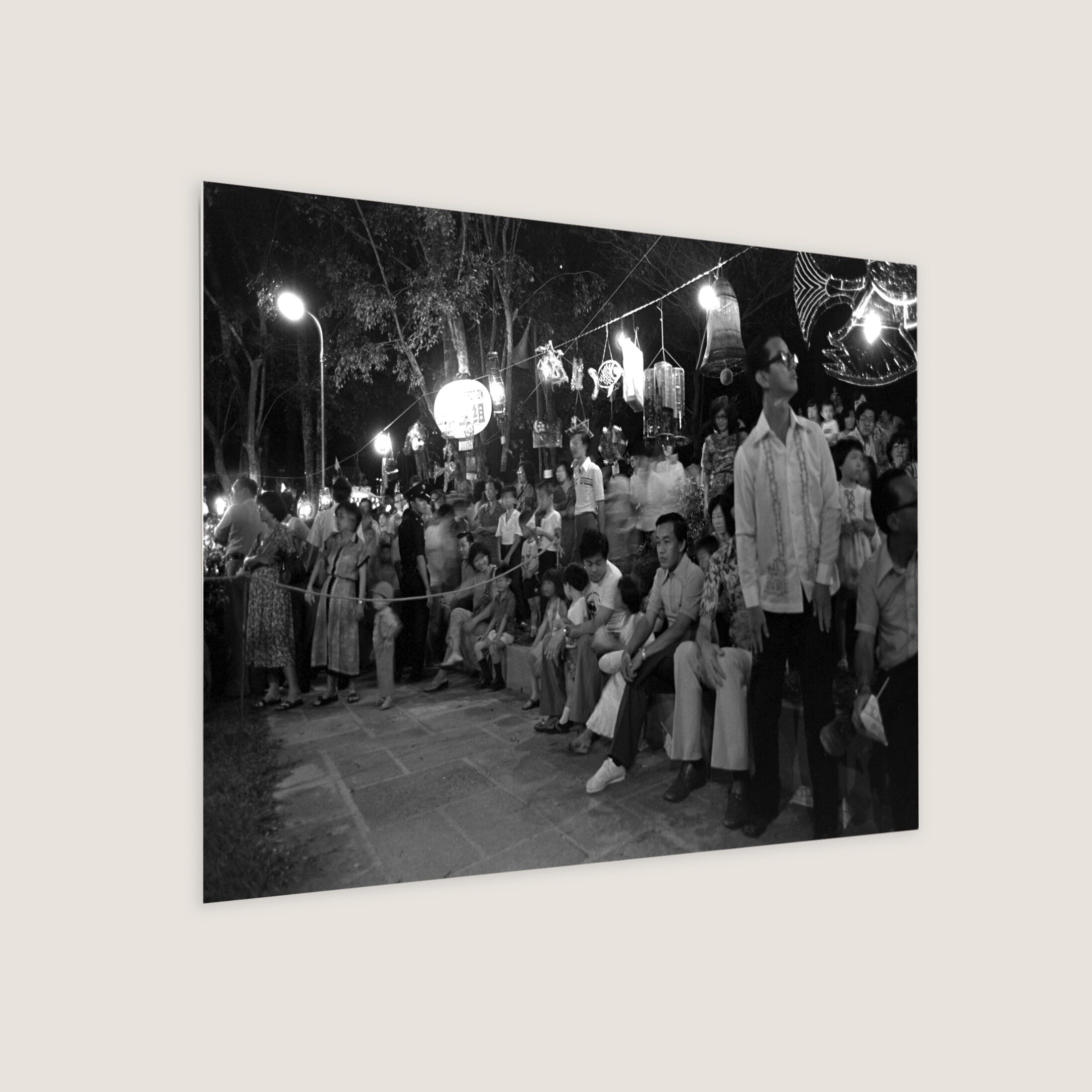
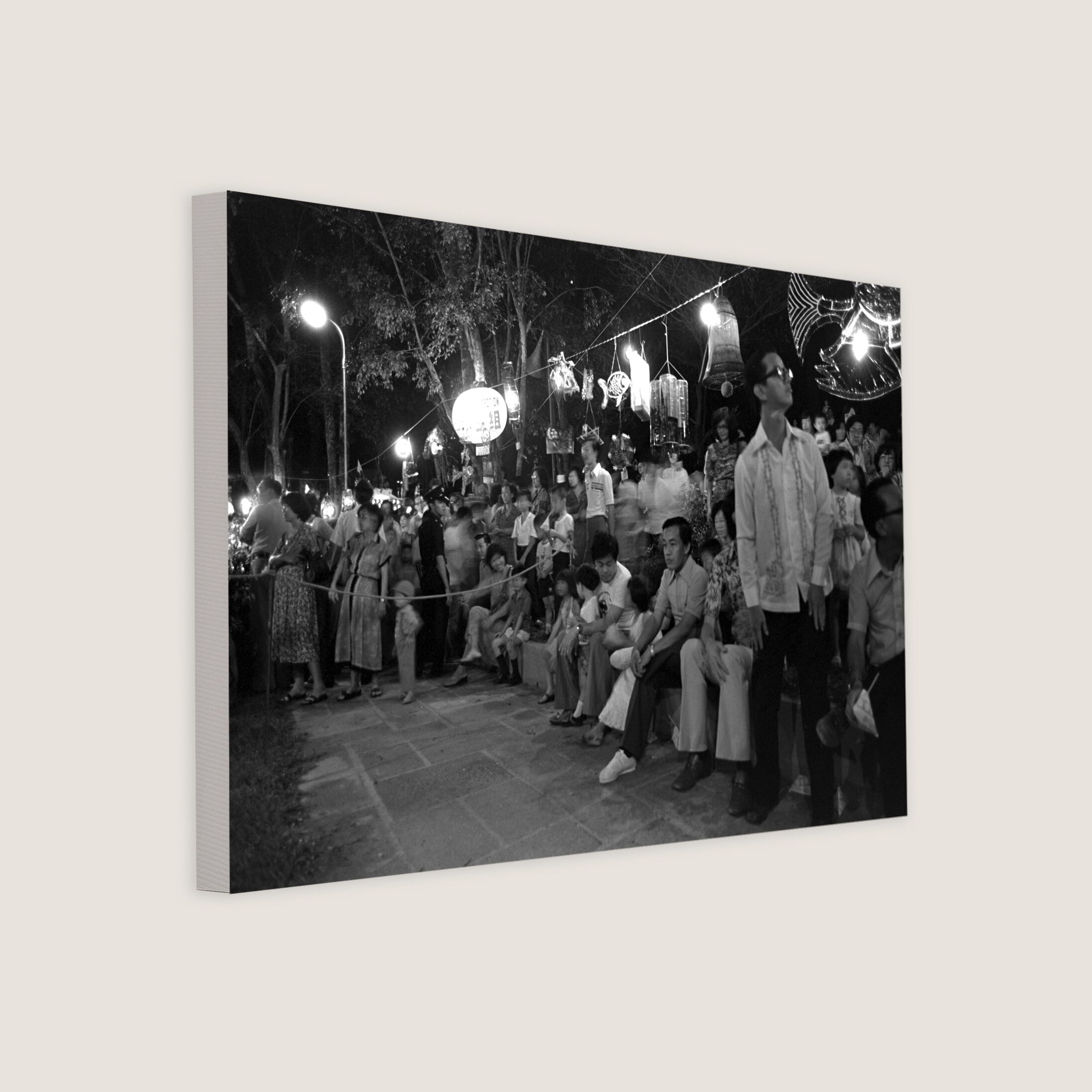
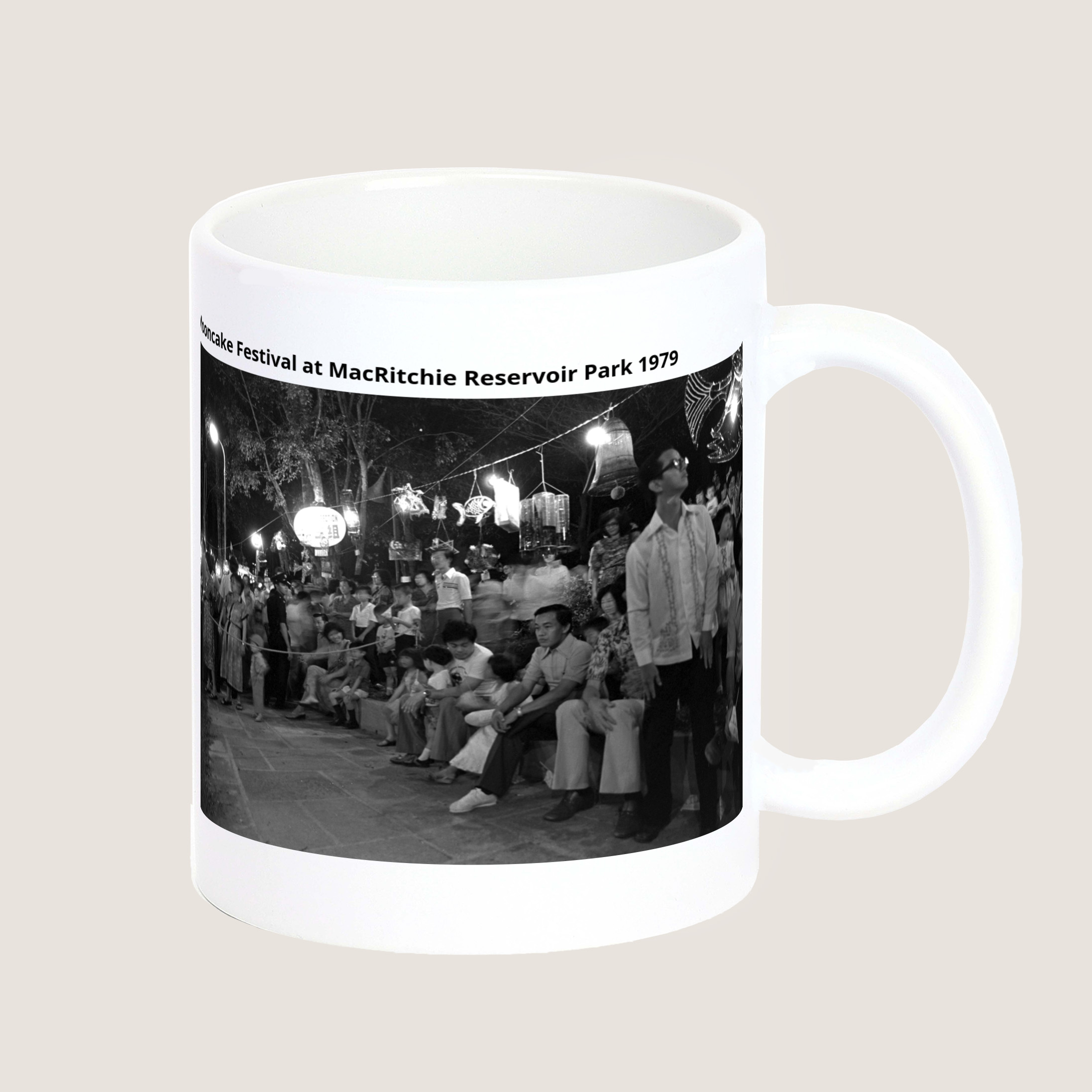
The stillness of the night was interrupted by the bustling crowd. This year, the tranquil night at MacRitchie Reservoir Park was disrupted by the presence of thousands of people who gathered on the night of the Mooncake Festival. They attended the lantern-making competition, prize-presentation and exhibition, all of which were held at the water's edge.
©️ SPH Media Limited
Share to
Tags
Available for print on products
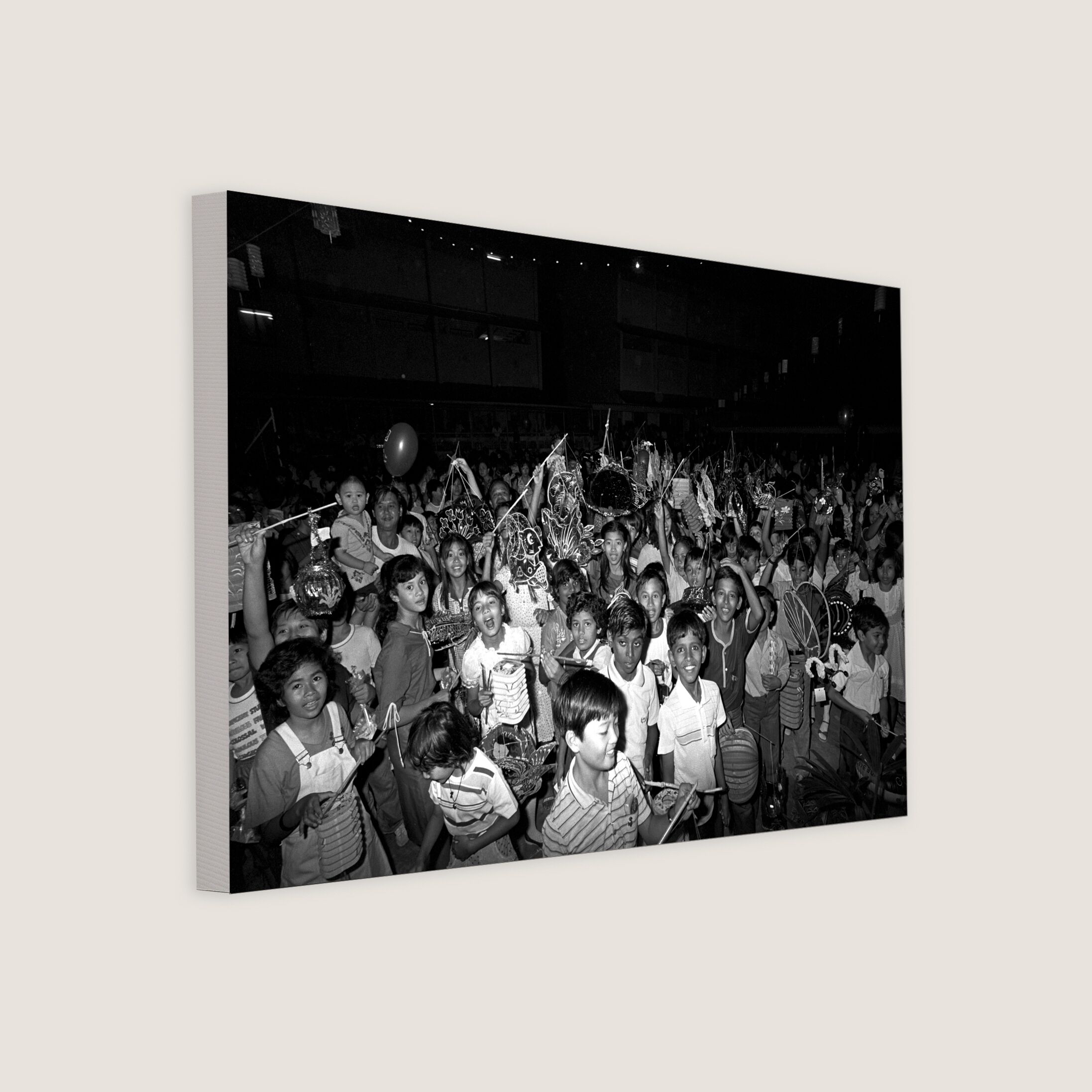
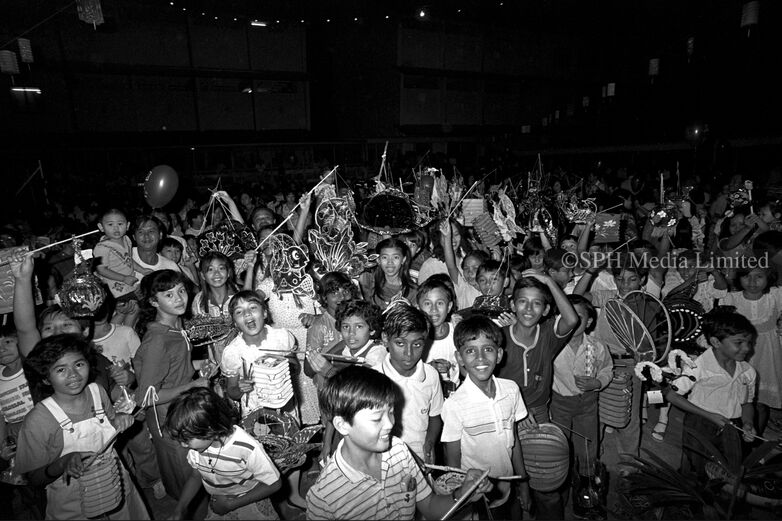 Lantern Festival at Former Parry Primary School
1982
Lantern Festival at Former Parry Primary School
1982
Lantern Festival at Former Parry Primary School
Year 1982
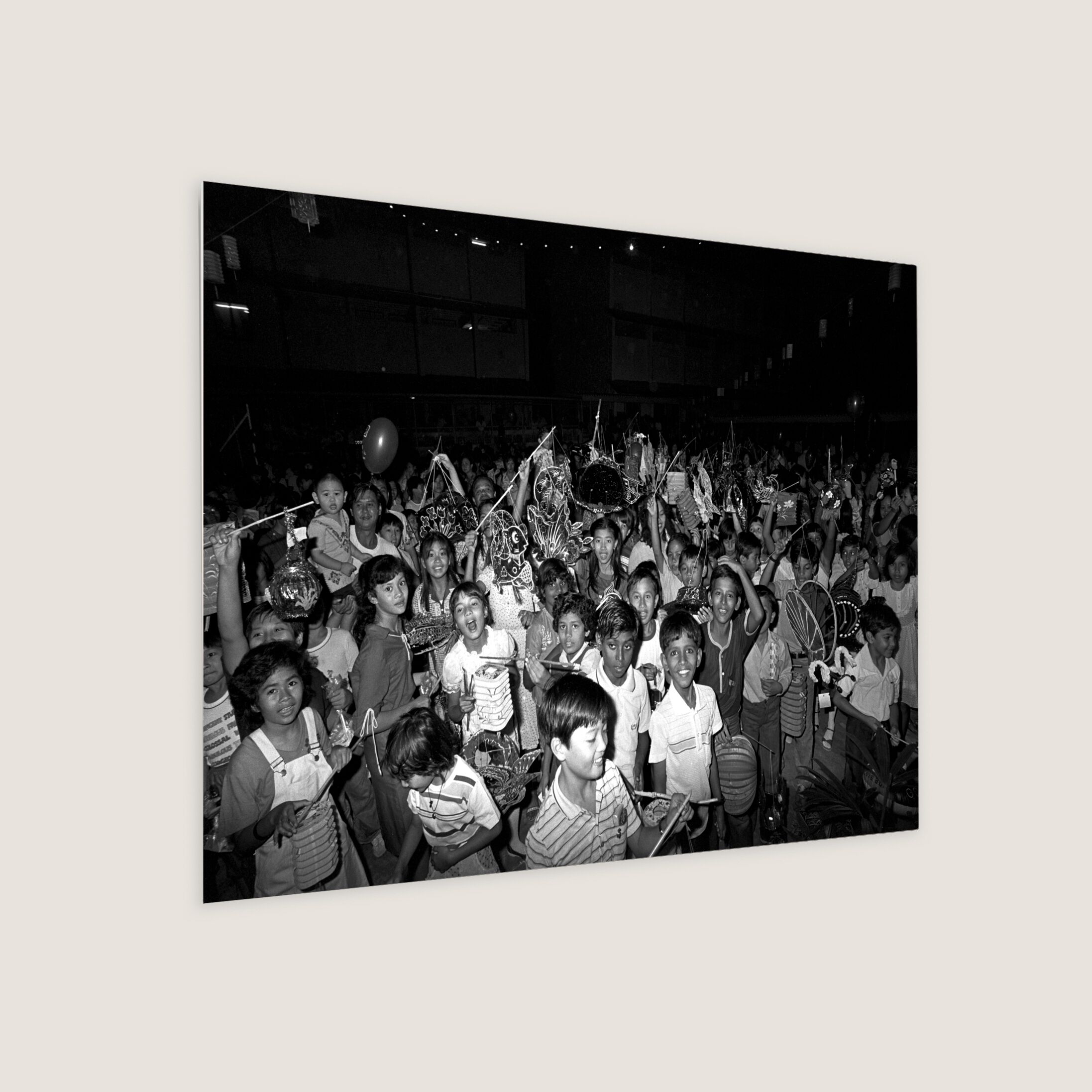
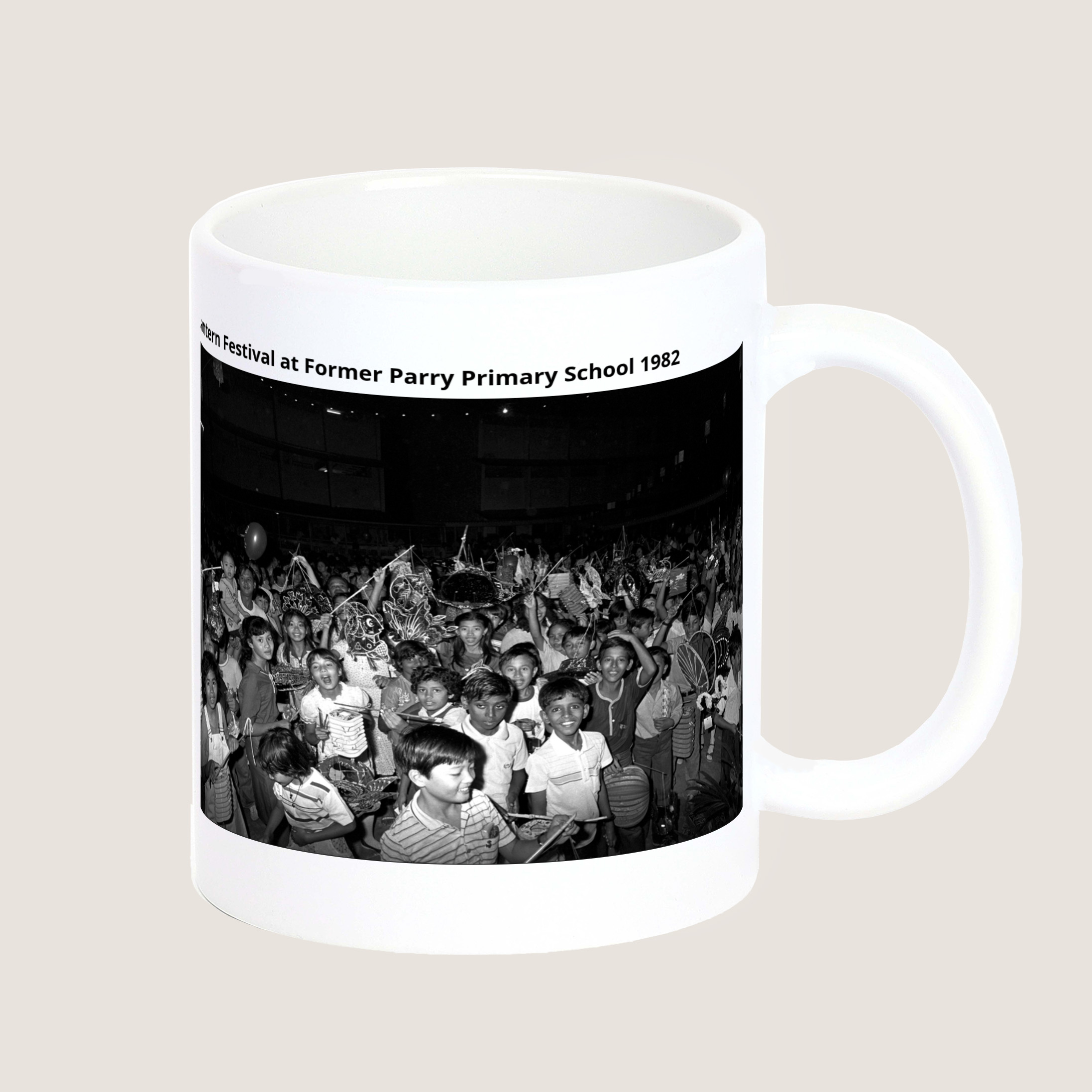
About 1,000 children at Parry Primary School proudly carried fanciful lanterns as they took part in the Mid-Autumn Festival celebrations. The lantern-carrying procession is always the highlight and finale of the festival. Parry Primary School merged with Xinghua Primary in 2007 due to dwindling student enrolment.
©️ SPH Media Limited
Share to
Tags
Available for print on products
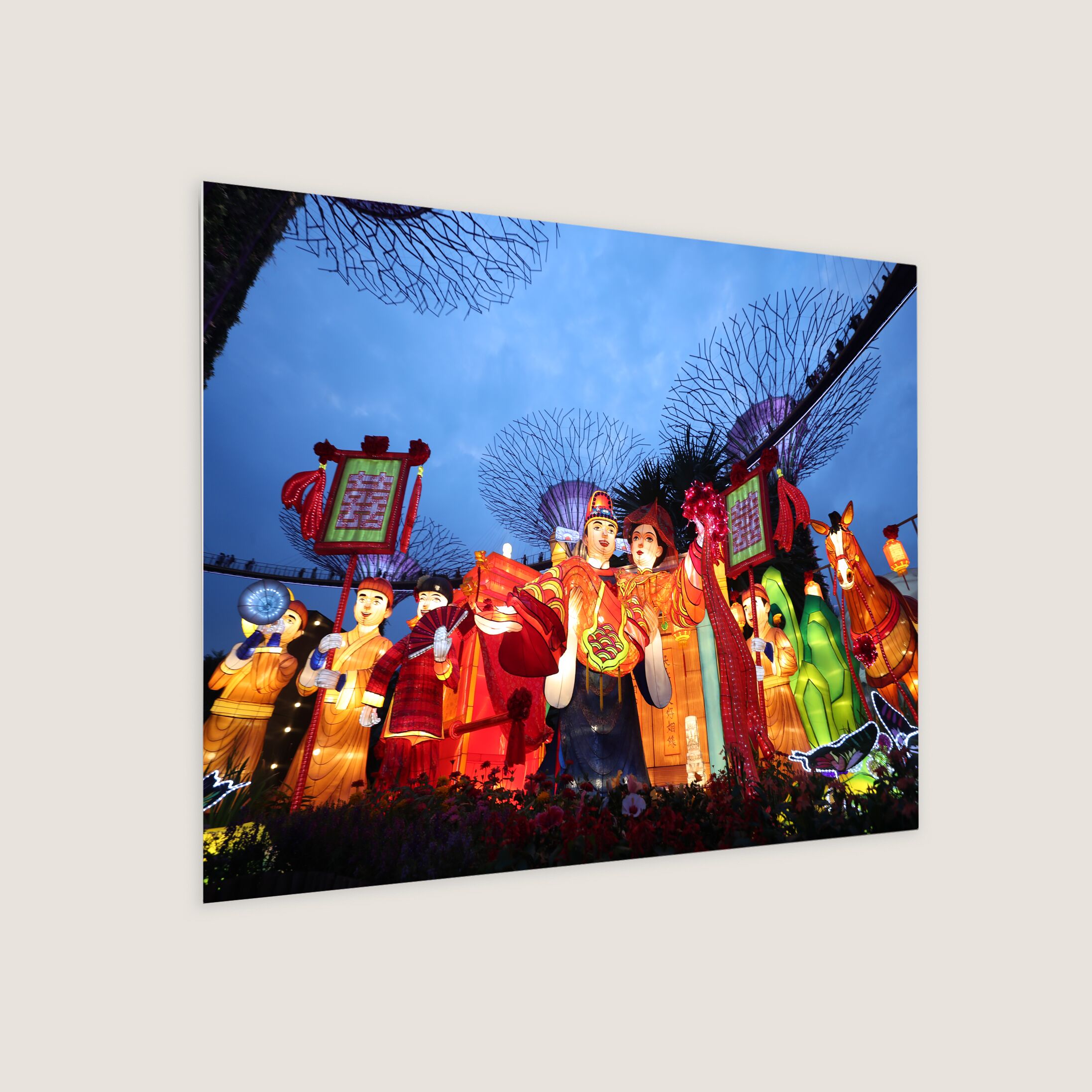
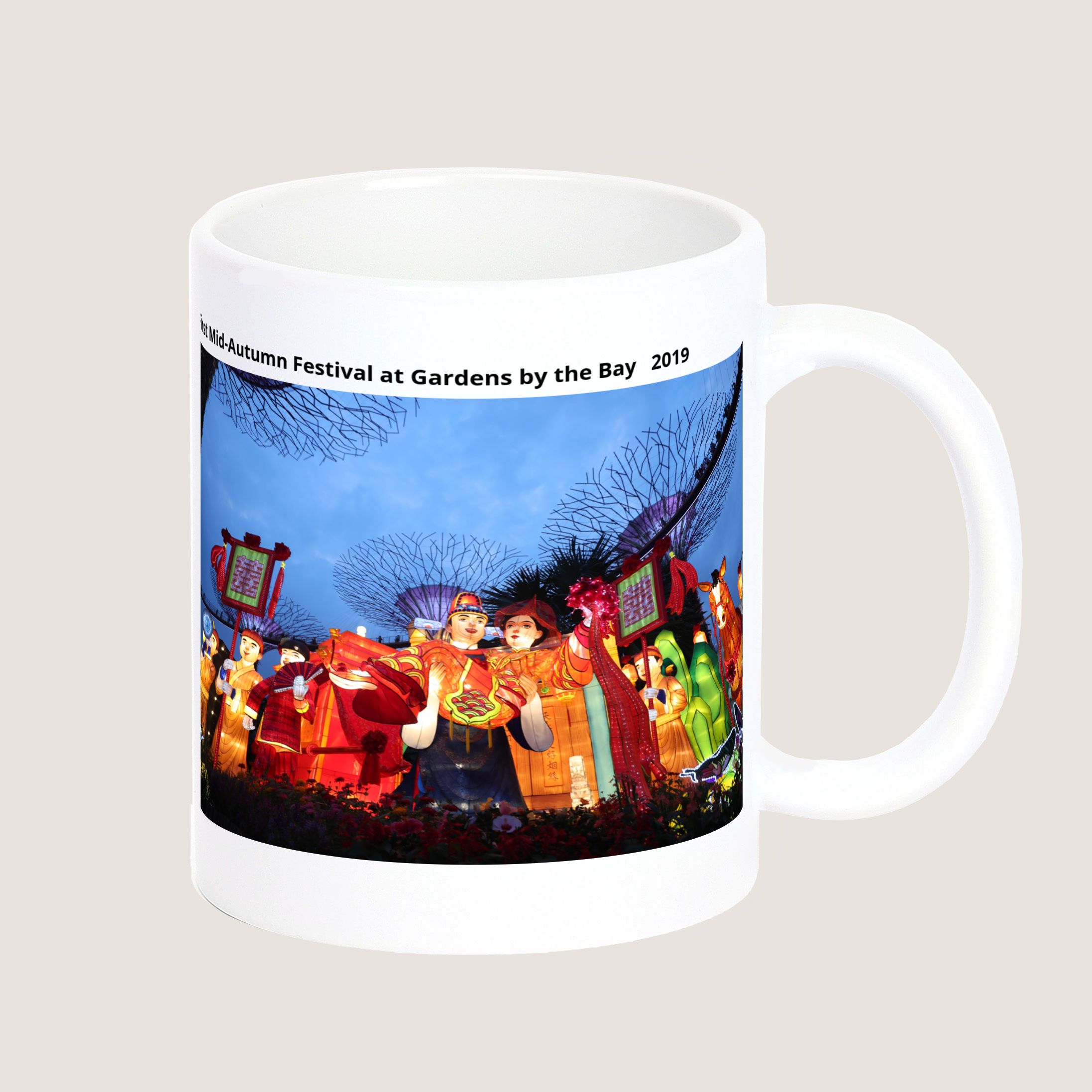
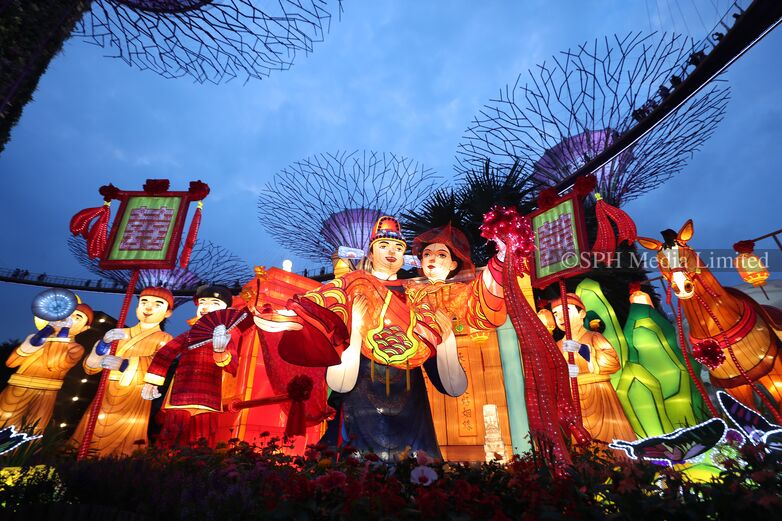 First Mid-Autumn Festival at Gardens by the Bay
2019
First Mid-Autumn Festival at Gardens by the Bay
2019
First Mid-Autumn Festival at Gardens by the Bay
Year 2019
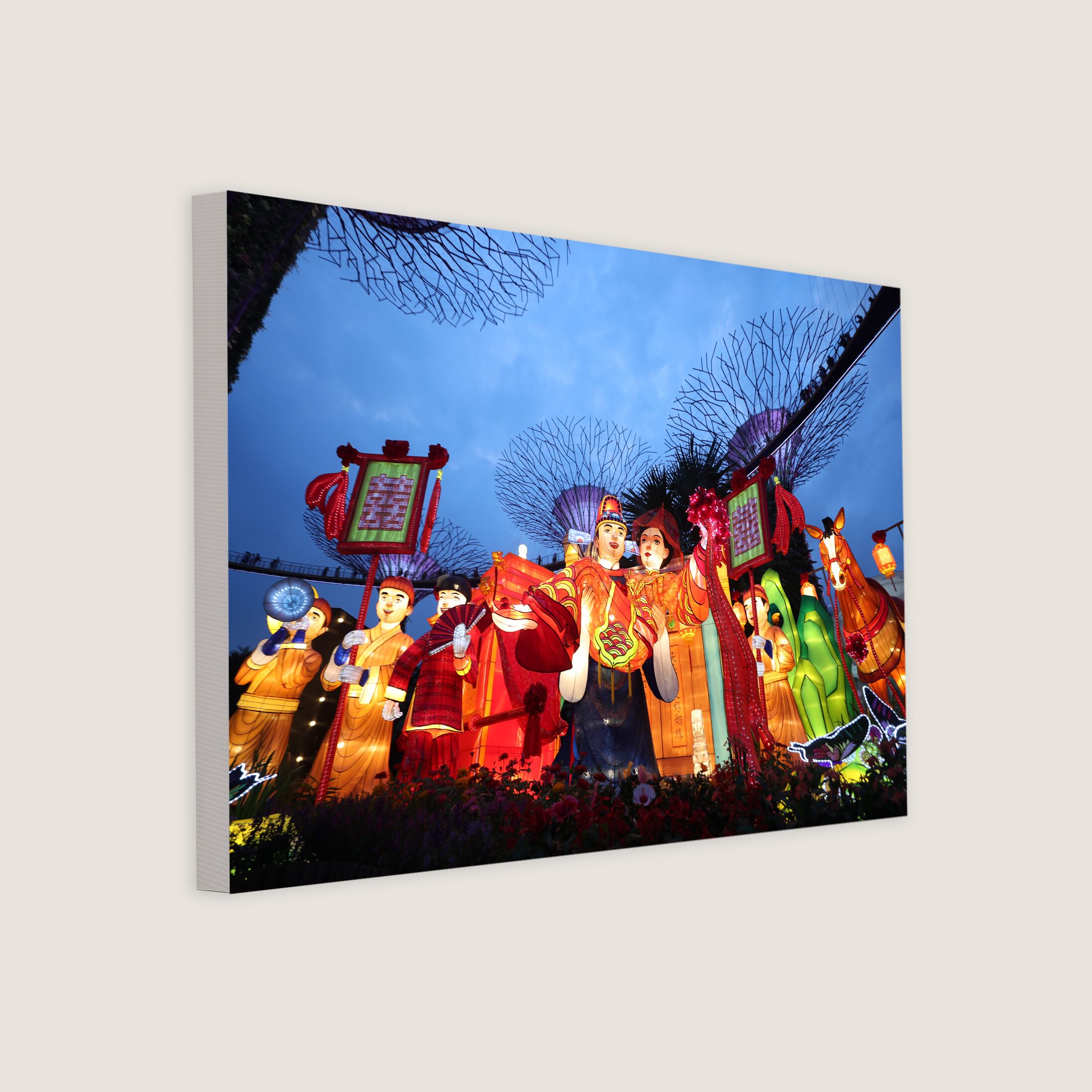
This group of character-shaped lanterns created a joyful atmosphere, symbolising the double happiness of career success and a beautiful marriage.
©️ SPH Media Limited
Share to
Tags
Available for print on products
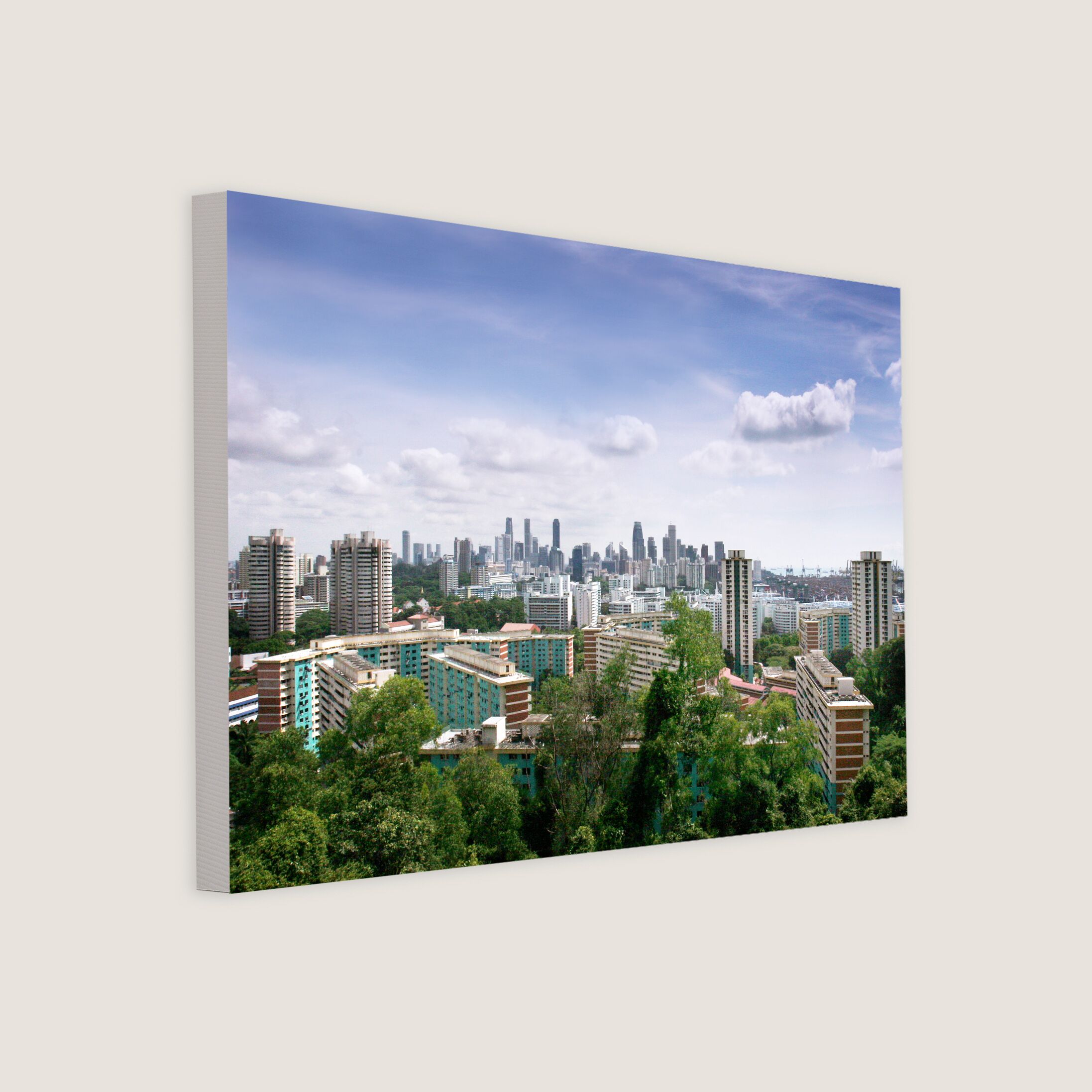
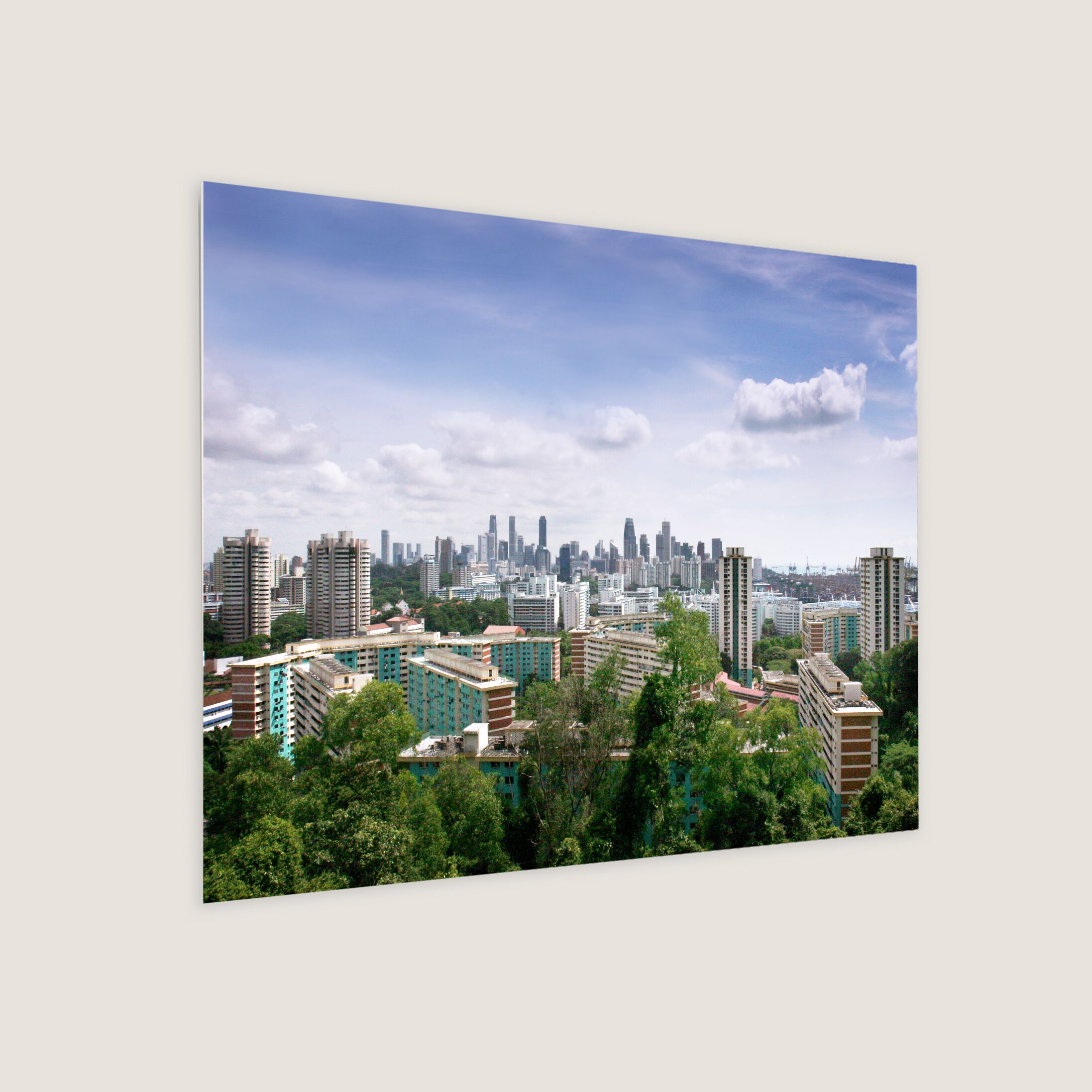
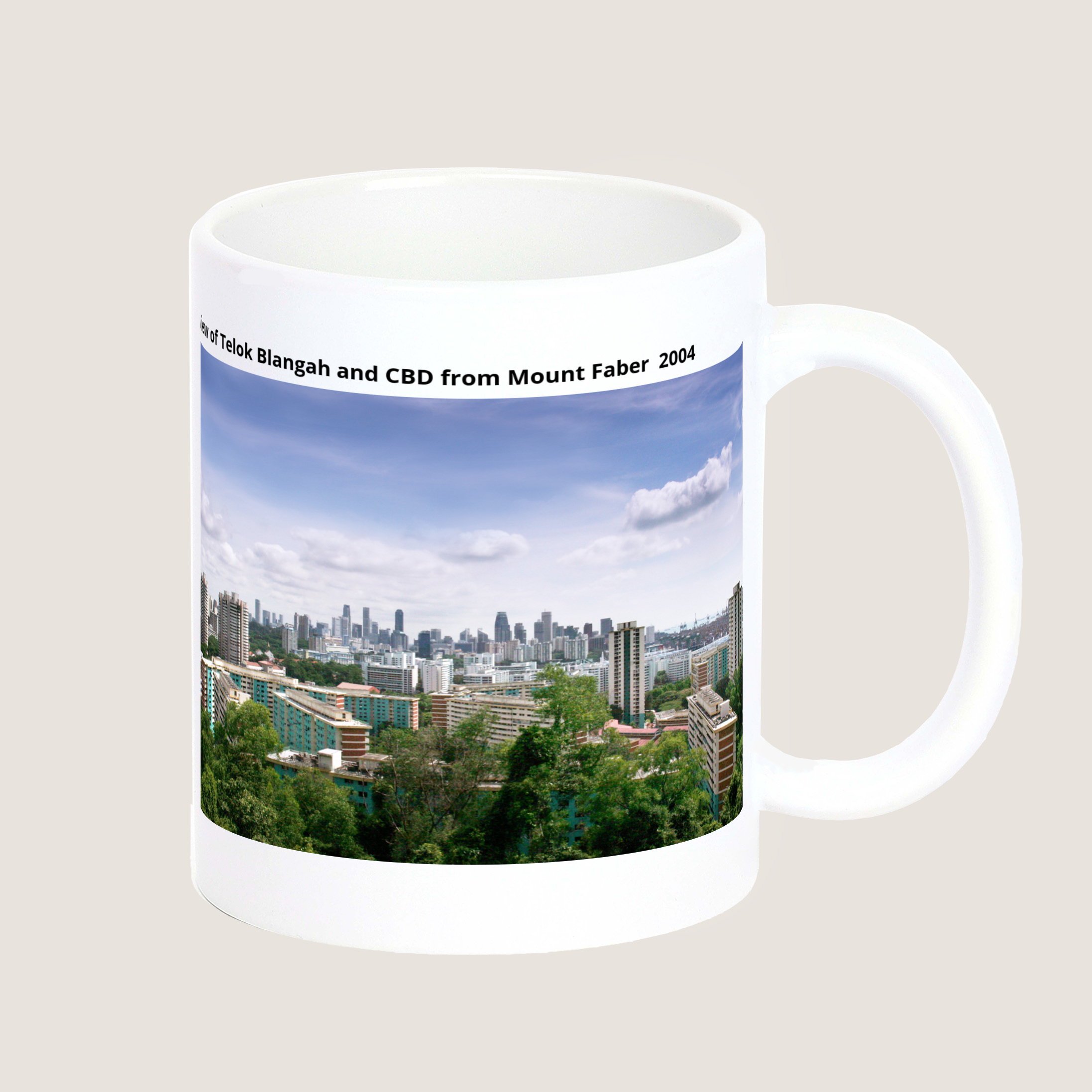
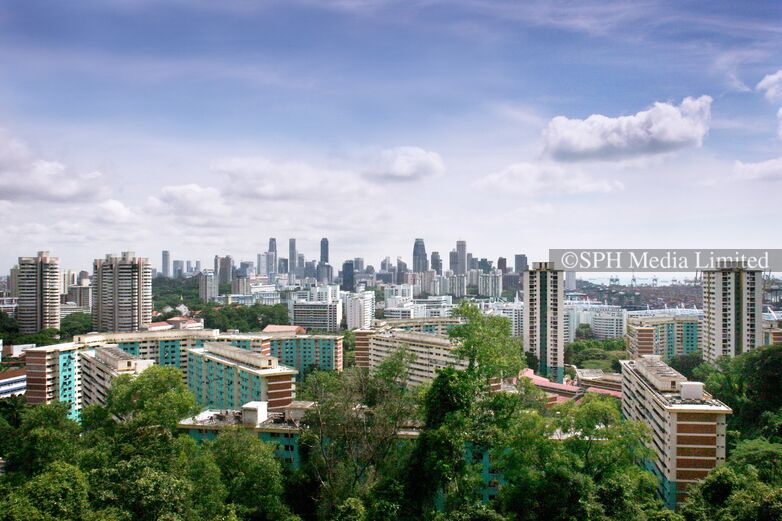 View of Telok Blangah and CBD from Mount Faber
2004
View of Telok Blangah and CBD from Mount Faber
2004
View of Telok Blangah and CBD from Mount Faber
Year 2004
Standing at 106m above sea level, Mount Faber overlooks Telok Blangah housing estate and the Central Business District of Singapore. Mount Faber was originally known as Telok Blangah Hill. In July 1845, it was renamed Mount Faber after Charles Edward Faber of the Madras Engineers. He and his team built a narrow winding road to the summit for the new signal station and flagstaff.
©️ SPH Media Limited
Share to
Tags
Available for print on products
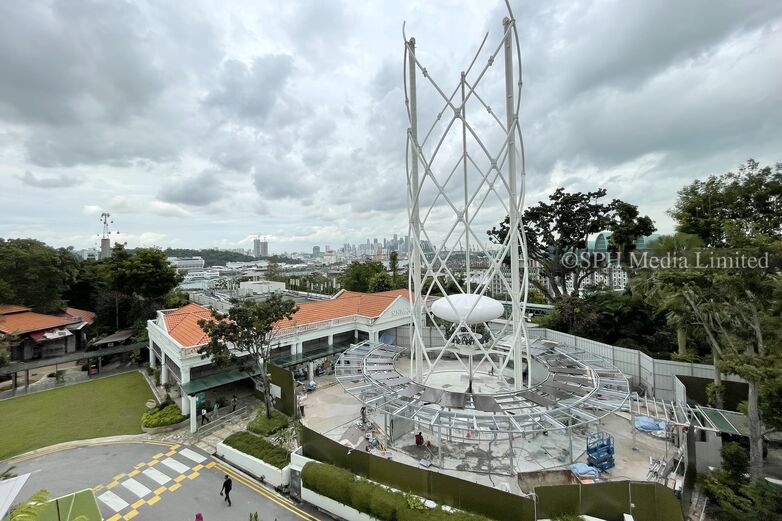 The Exciting SkyHelix on Sentosa Island
2021
The Exciting SkyHelix on Sentosa Island
2021
The Exciting SkyHelix on Sentosa Island
Year 2021
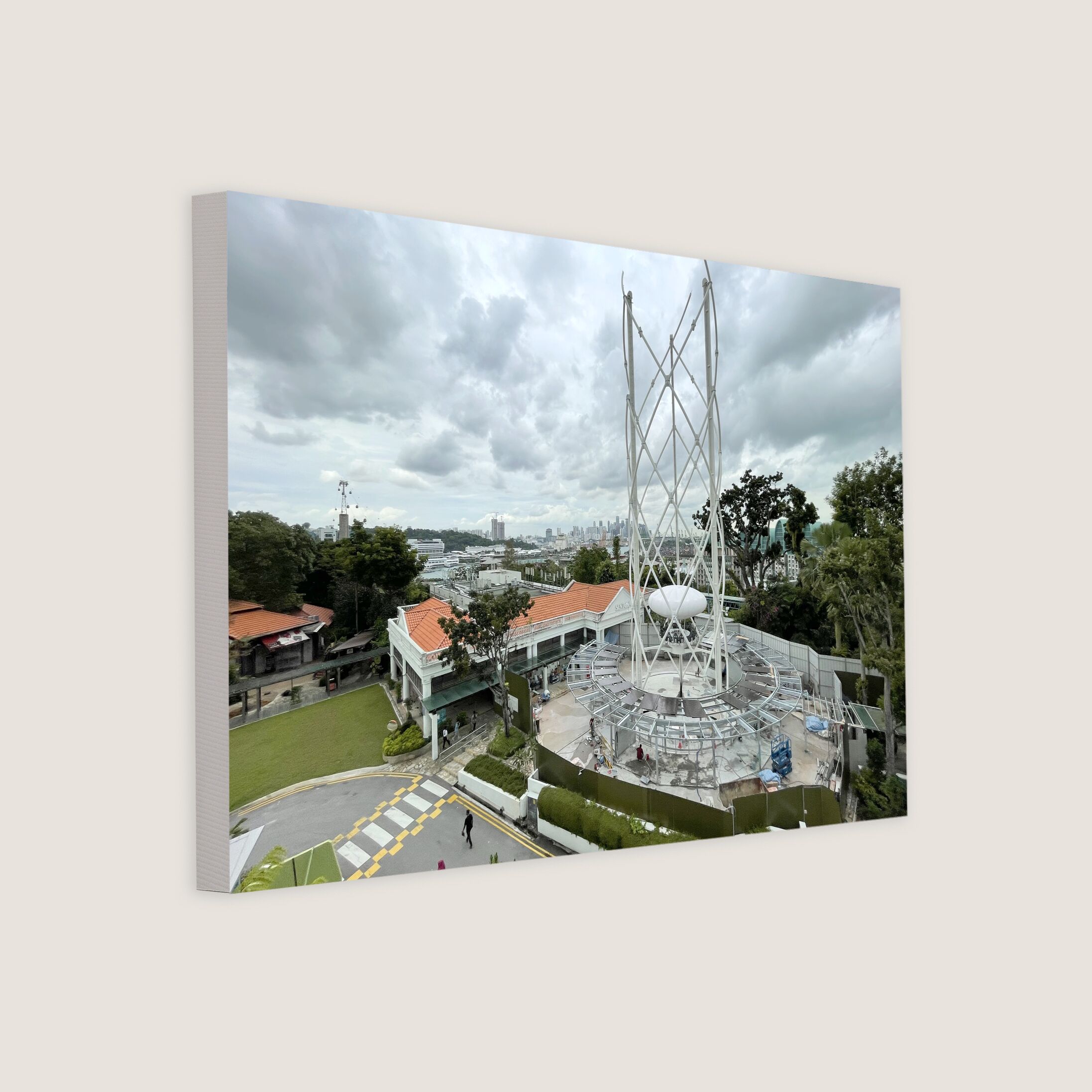
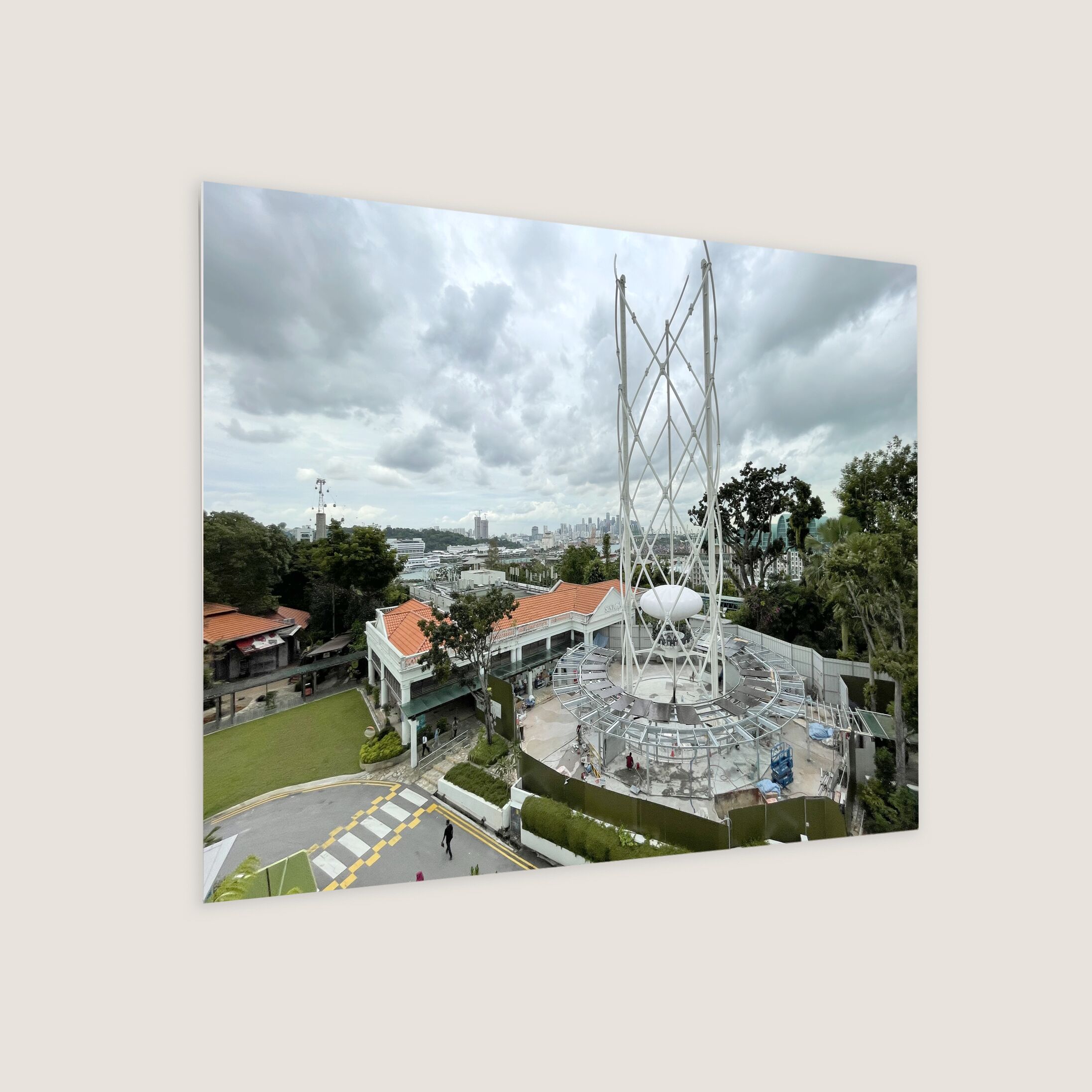
Mount Faber Leisure Group launched its attraction, SkyHelix Sentosa, in early 2022. It is Singapore’s highest open-air panoramic ride. Tourists sit in an open-air gondola that gently rotates as it ascends to a height of 79 metres above sea level.
©️ SPH Media Limited
Share to
Tags
Available for print on products
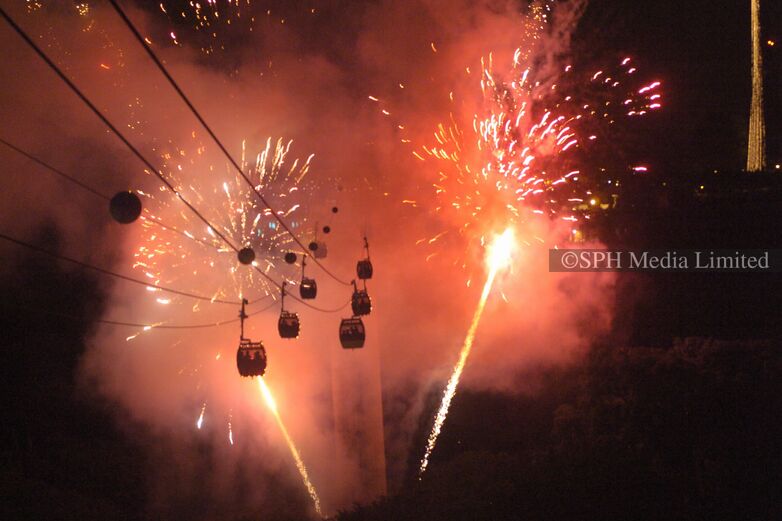 Harbourfront Cable Car Tower New Year Fireworks
2005
Harbourfront Cable Car Tower New Year Fireworks
2005
Harbourfront Cable Car Tower New Year Fireworks
Year 2005
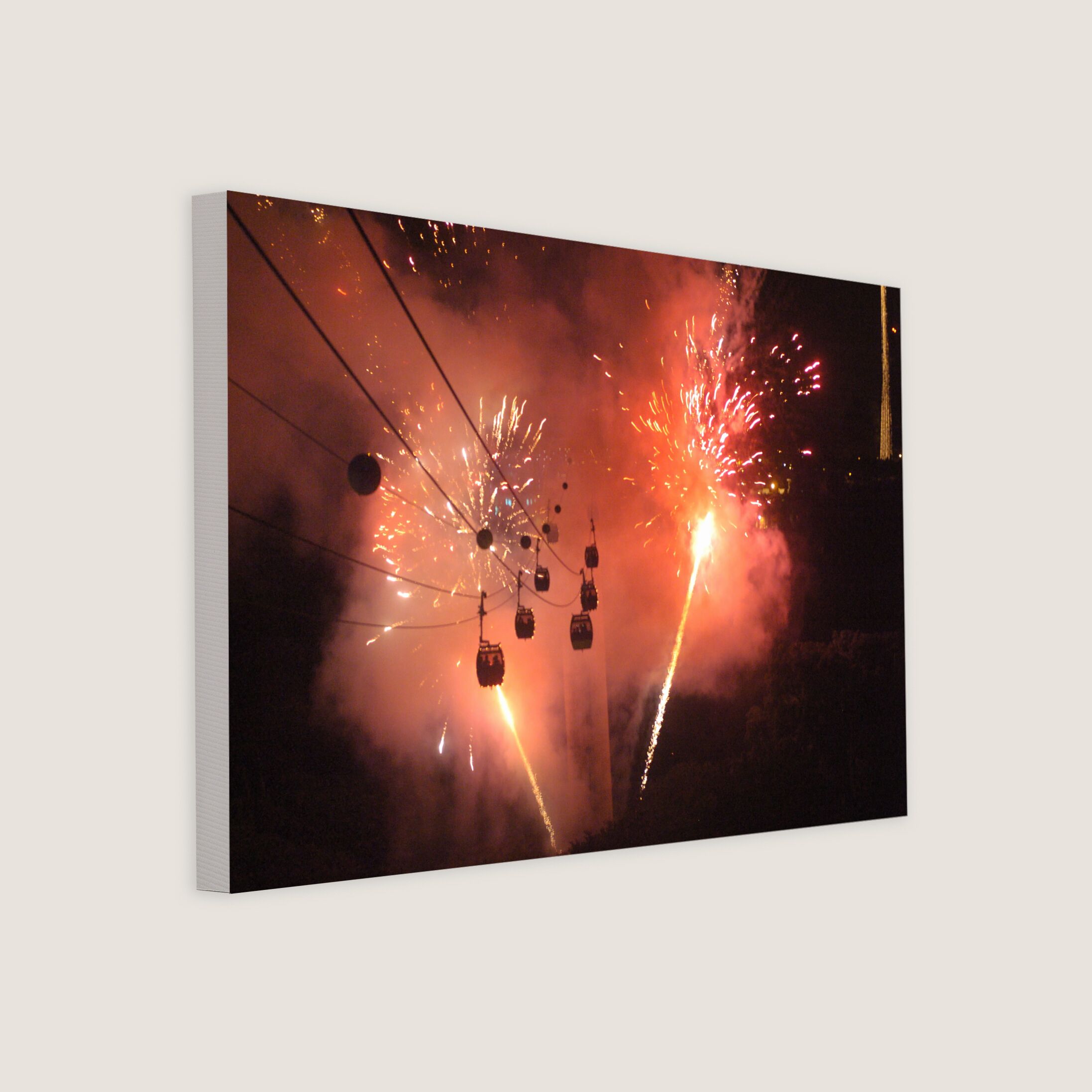
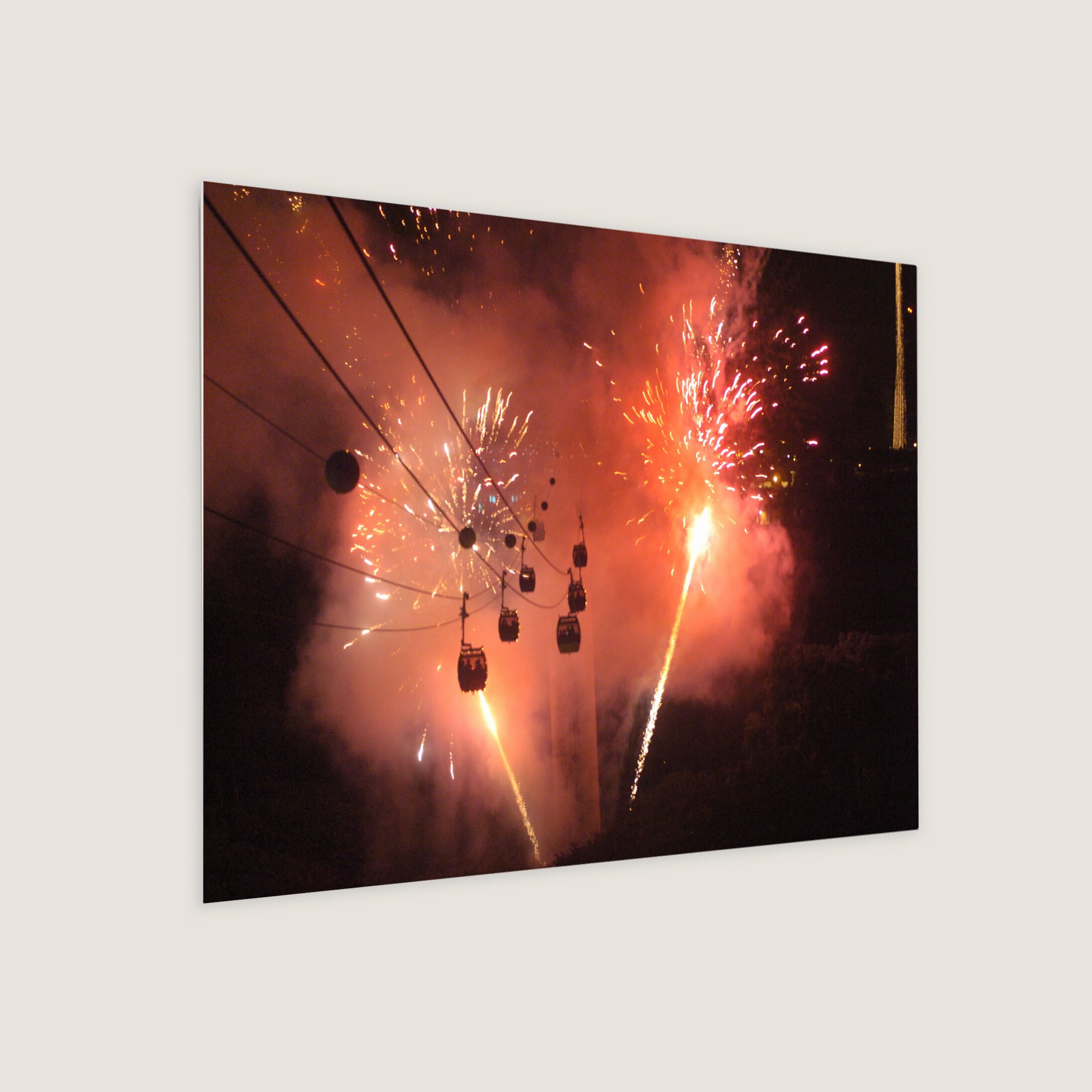
The cable car station at Mount Faber underwent a transformation in 2005 to remain competitive in the tourism and lifestyle sectors and was renamed Jewel Box. It was later renamed Faber Peak. After the countdown, visitors at the Harbourfront Cable Car Tower excitedly welcomed the new year of 2006, with fireworks lighting up the sky.
©️ SPH Media Limited
Share to
Tags
Available for print on products
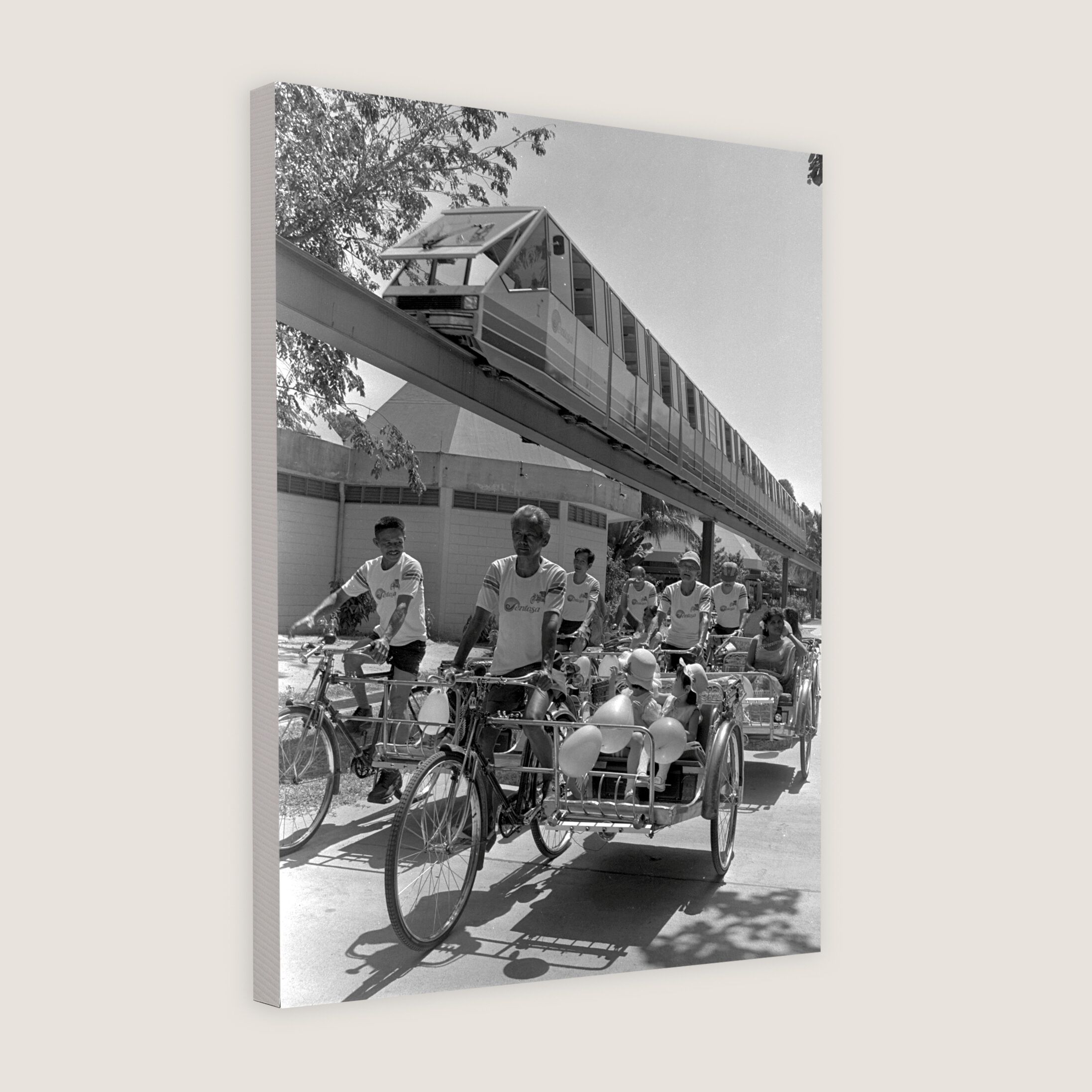
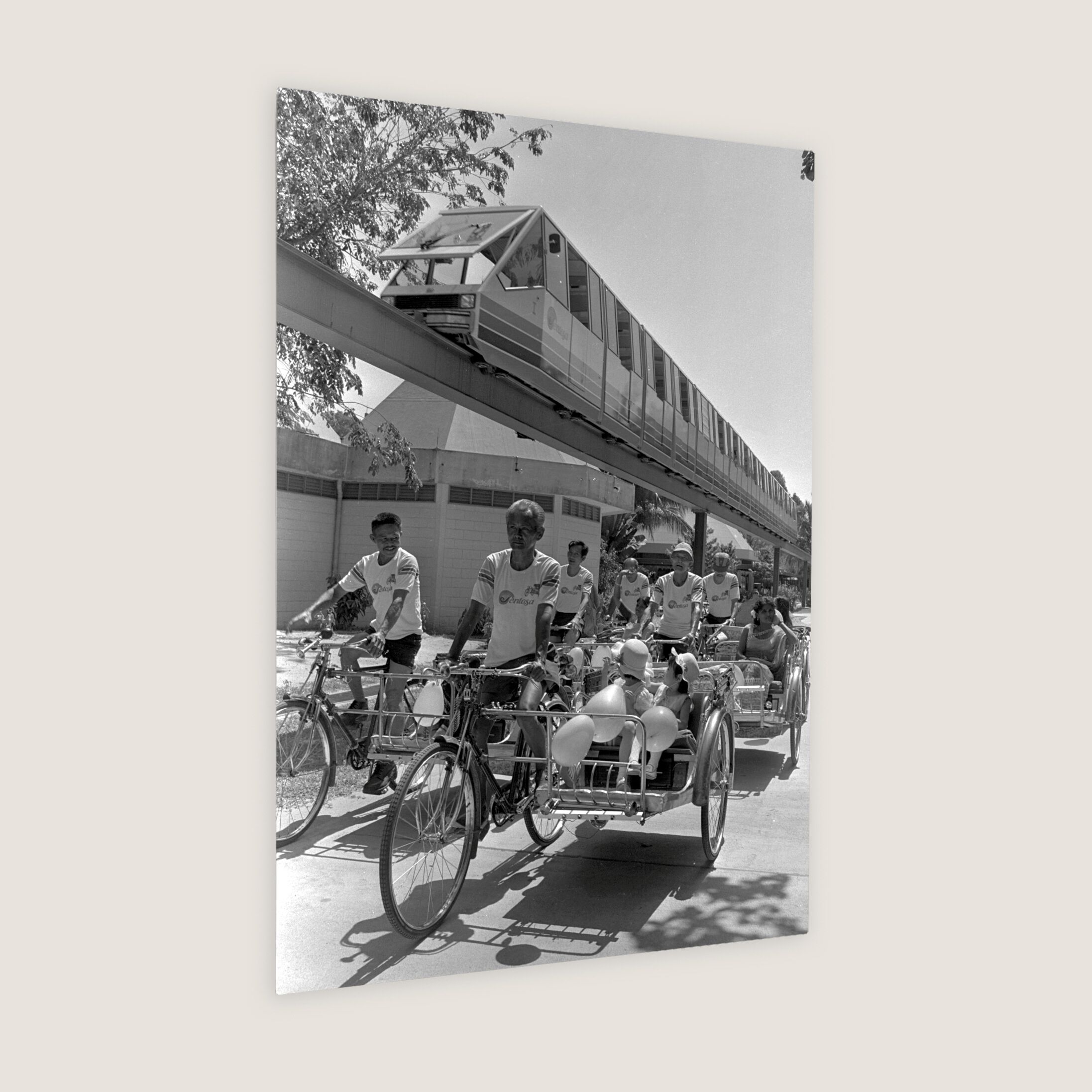
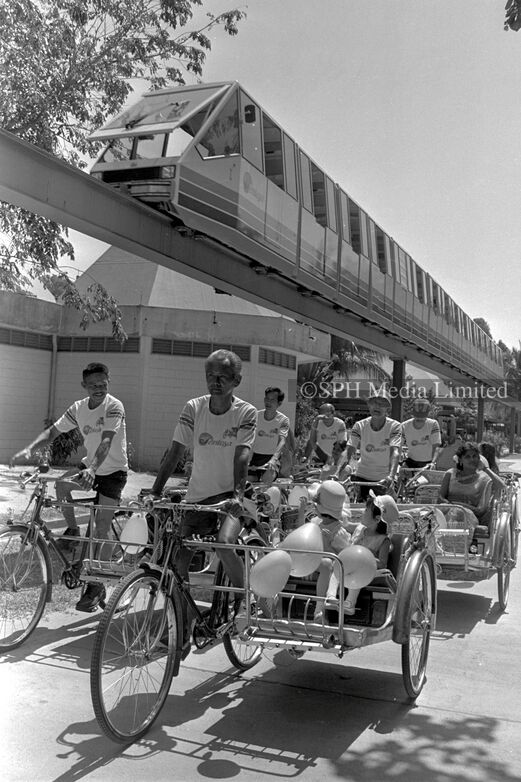 Sunny and Breezy Trishaw Ride in Sentosa
1983
Sunny and Breezy Trishaw Ride in Sentosa
1983
Sunny and Breezy Trishaw Ride in Sentosa
Year 1983
This group of visitors in Sentosa preferred to take things slowly, to enjoy the sea breeze and the view—without the tired legs. A trishaw tour company worked with Sentosa to operate 10 trishaws that provided quarter-hour tours.
©️ SPH Media Limited
Share to
Tags
Available for print on products
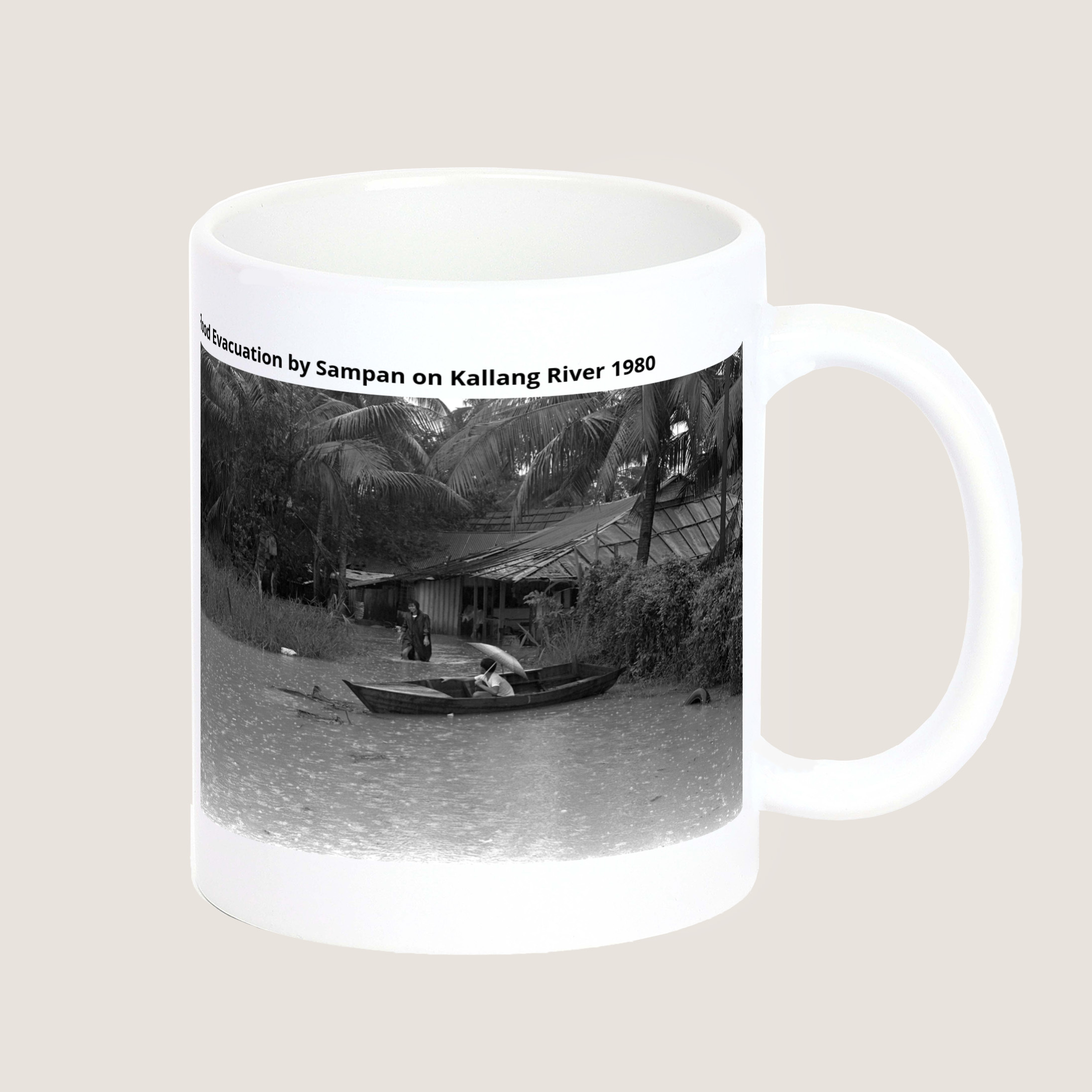
 Flood Evacuation by Sampan on Kallang River
1980
Flood Evacuation by Sampan on Kallang River
1980
Flood Evacuation by Sampan on Kallang River
Year 1980
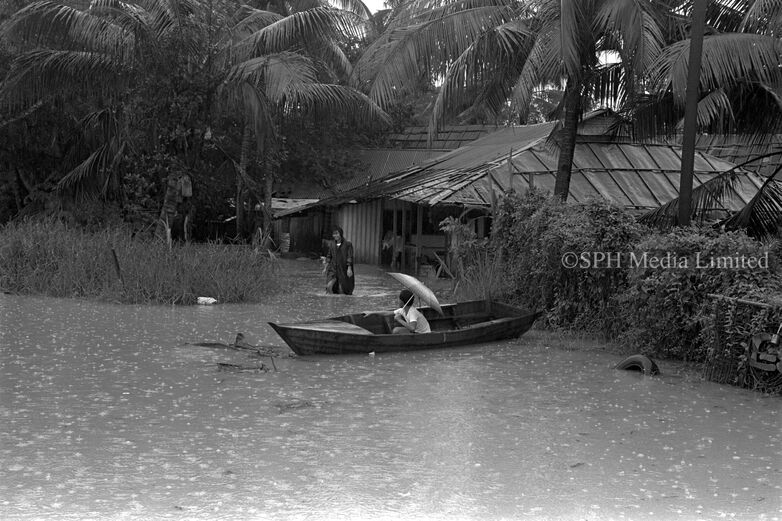
In the 1970s and 1980s, Potong Pasir, near the Kallang River, faced regular flooding. In 1980, a heavy downpour caused the river to overflow, flooding Meyappa Chettier Road. The photo depicts a family evacuating near their Meyappa Chettiar Road home by sampan. The area is now redeveloped with private condos, and the Kallang River has been embanked, preventing the past flooding from recurring.
©️ SPH Media Limited
Share to
Tags
Available for print on products
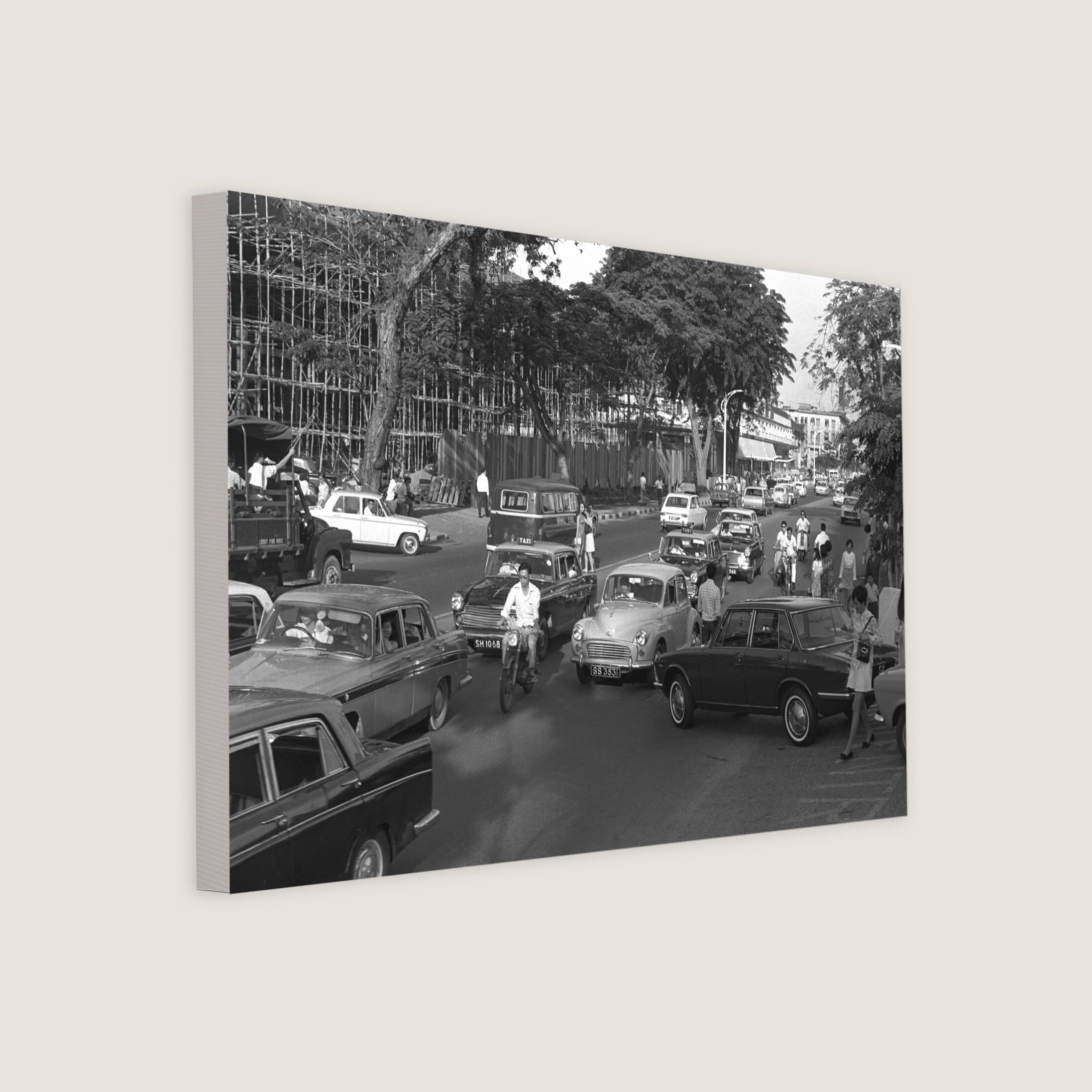
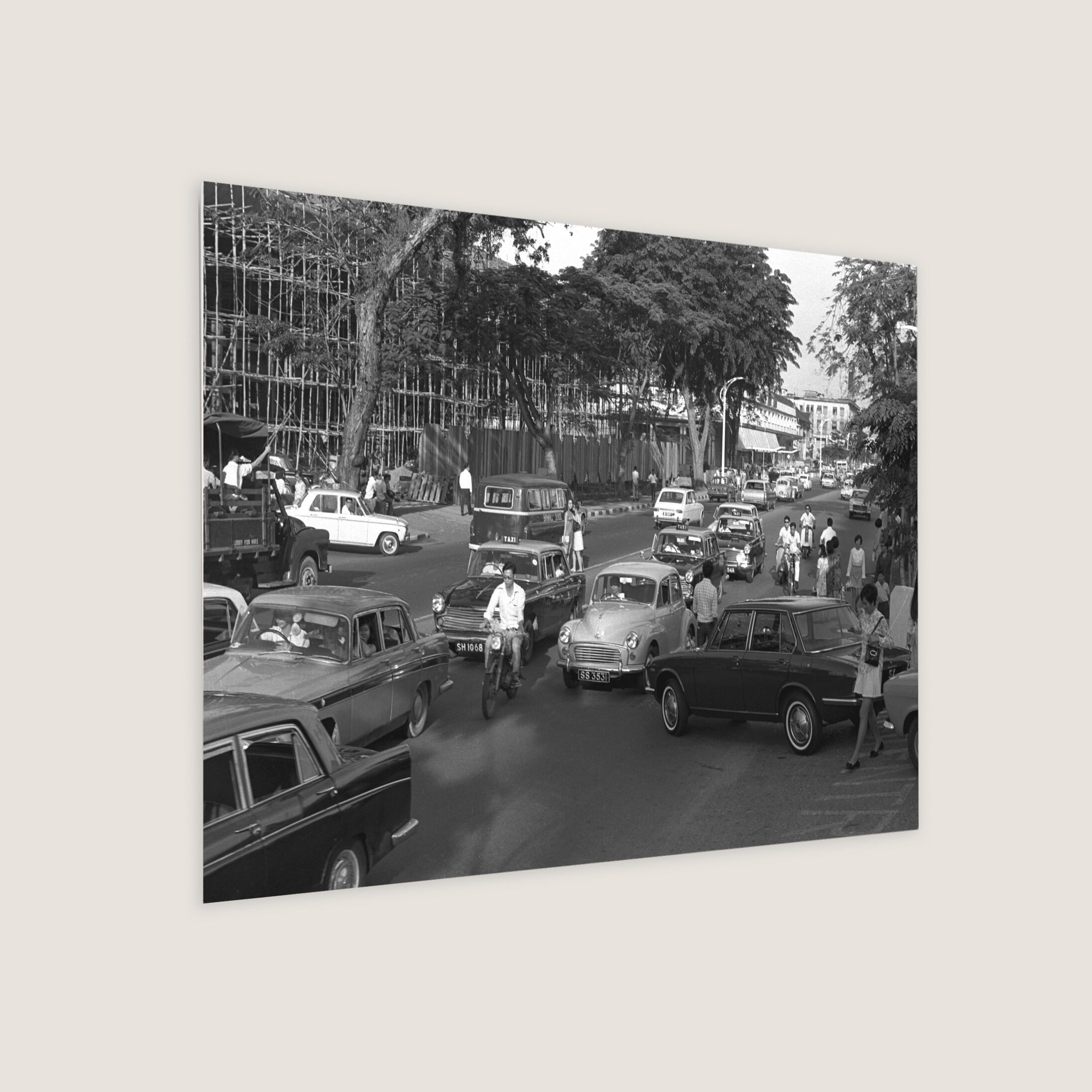
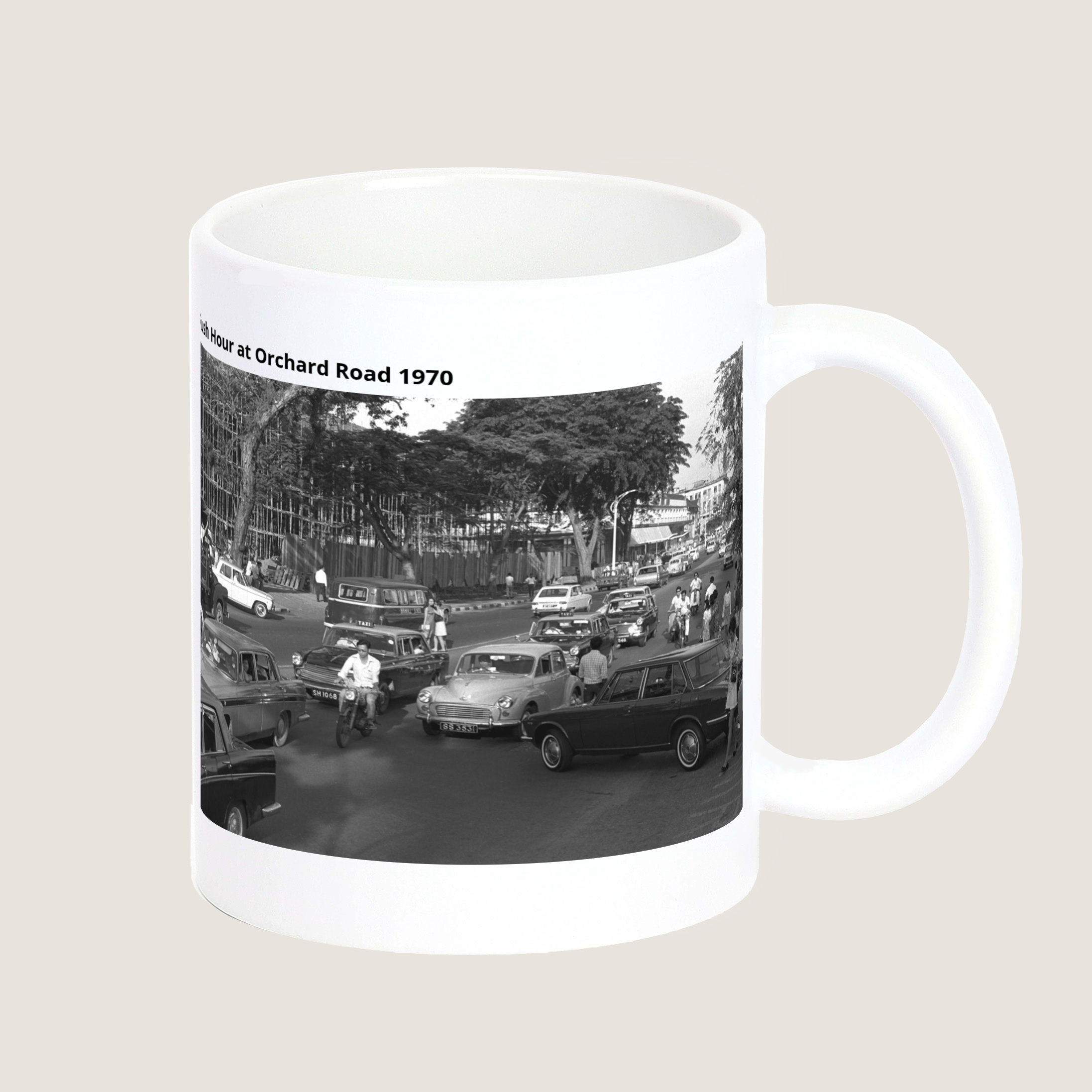
 Rush Hour at Orchard Road
1970
Rush Hour at Orchard Road
1970
Rush Hour at Orchard Road
Year 1970
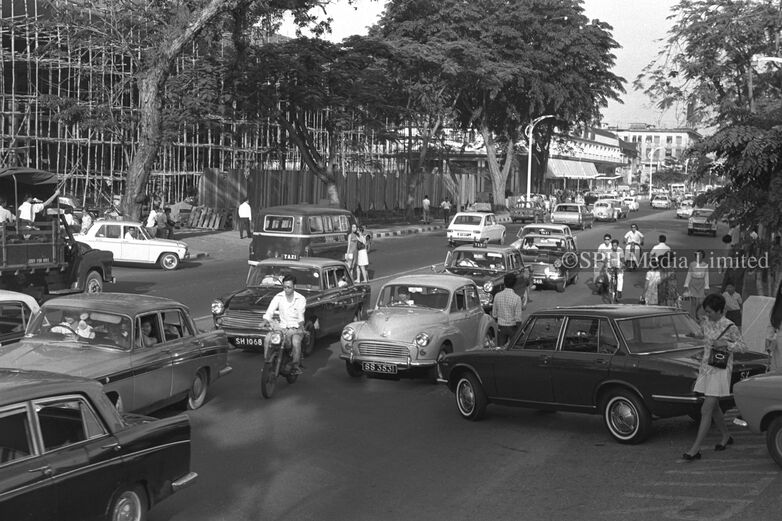
In the 1970s, Orchard Road was bustling with activity. Pedestrians crossed in front of Fitzpatrick's supermarket during rush hour, amidst the busy streets. Fitzpatrick's was a popular supermarket chain in Singapore, but it has since closed. It was situated at the location where The Paragon stands today.
©️ SPH Media Limited
Share to
Tags
Available for print on products
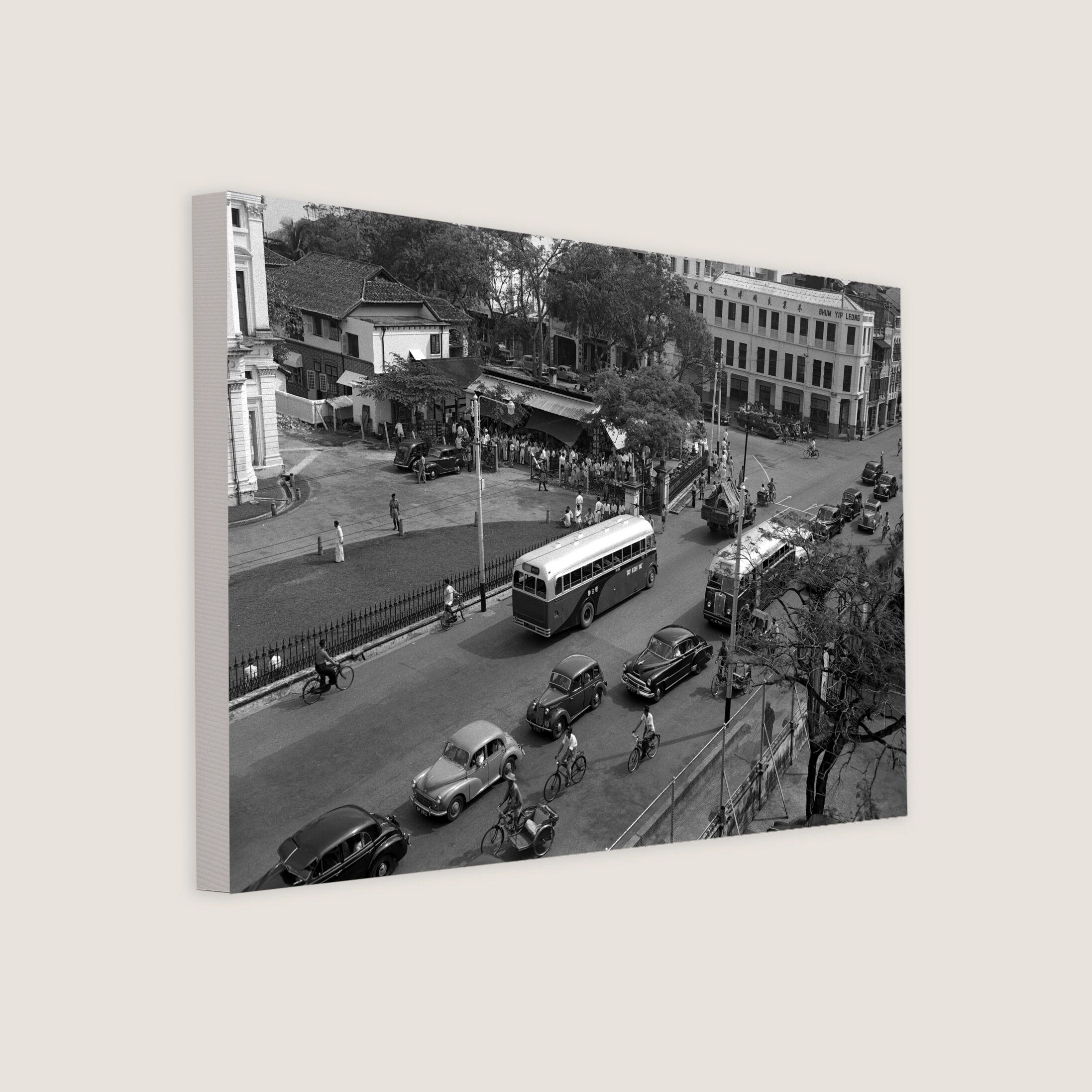
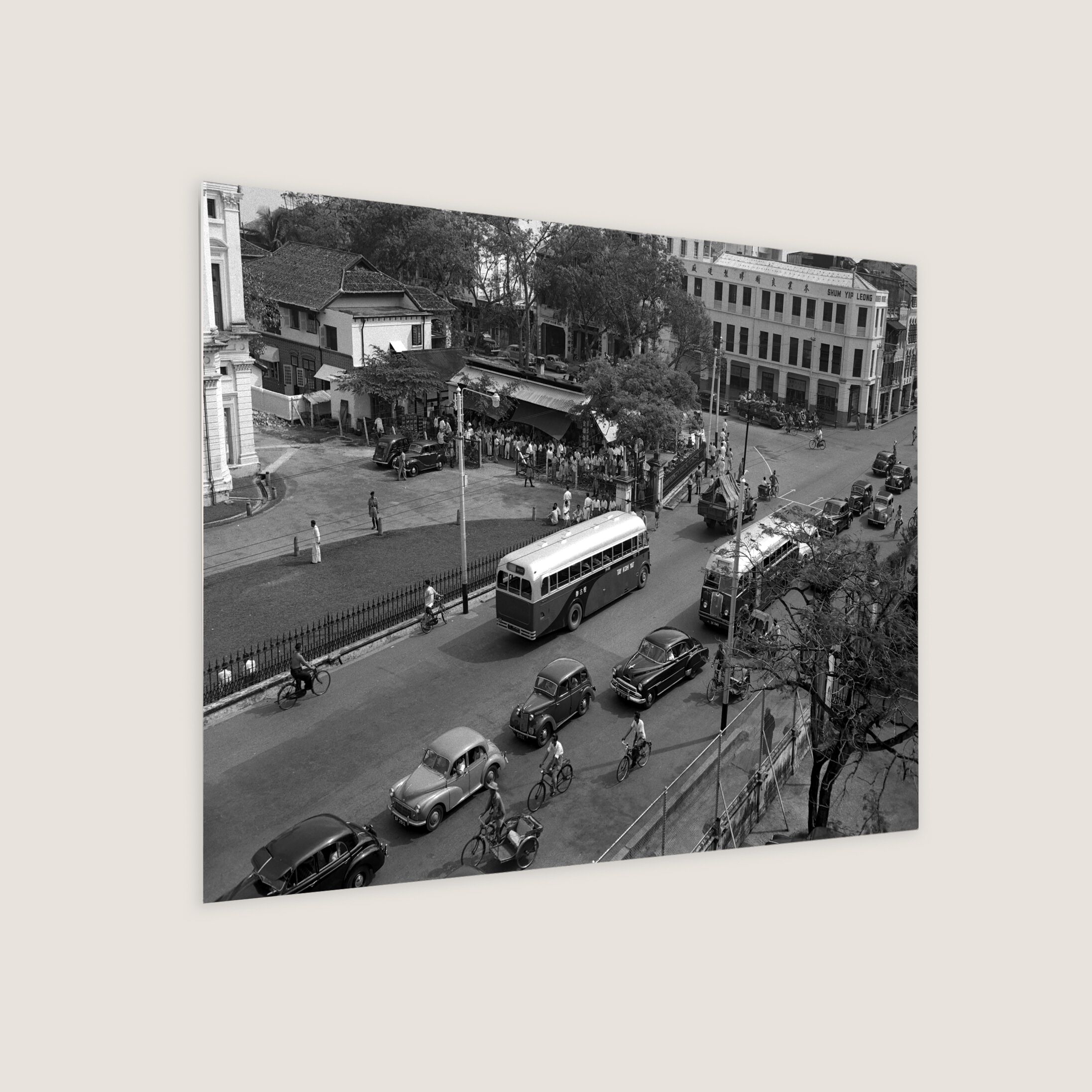
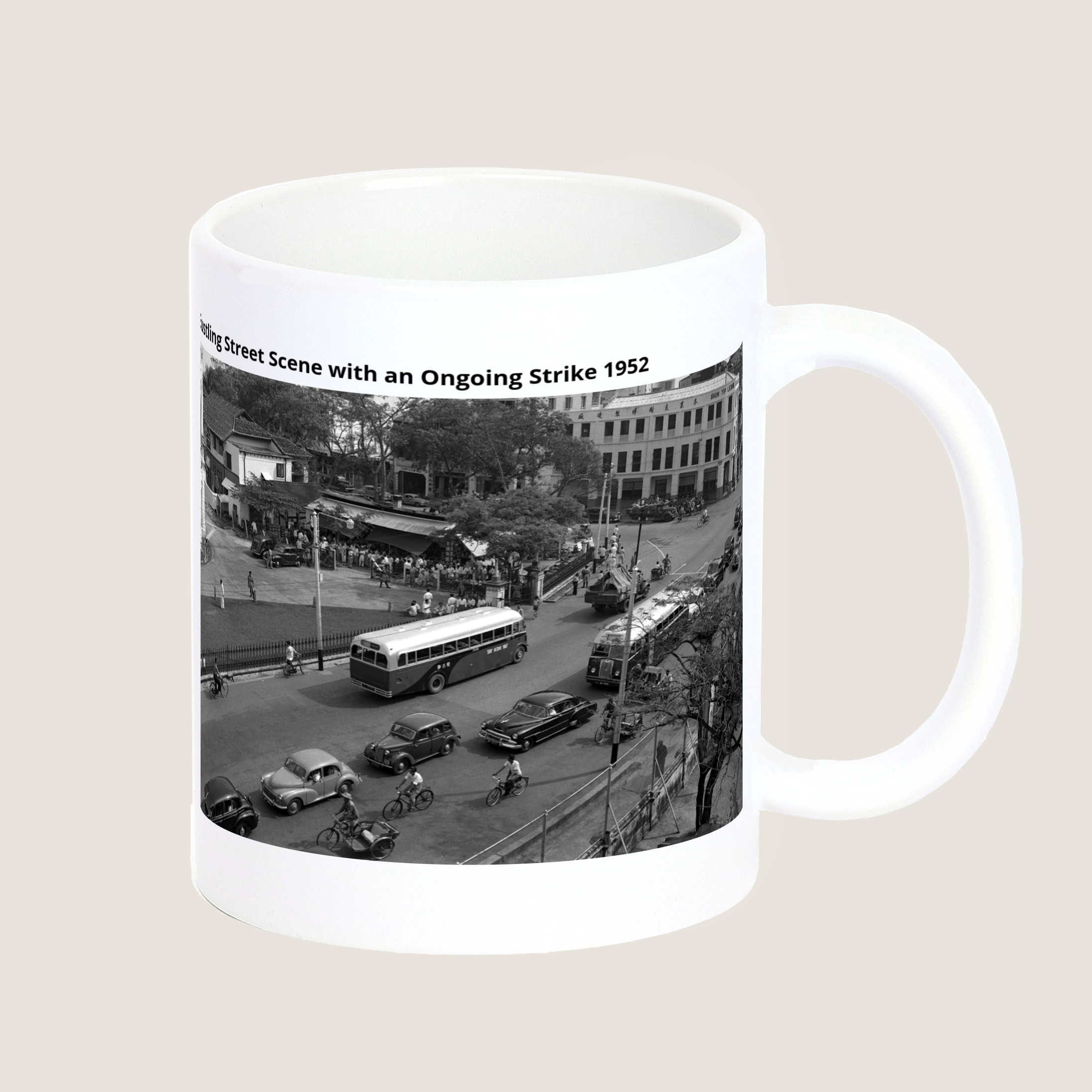
 Bustling Street Scene with an Ongoing Strike
1952
Bustling Street Scene with an Ongoing Strike
1952
Bustling Street Scene with an Ongoing Strike
Year 1952
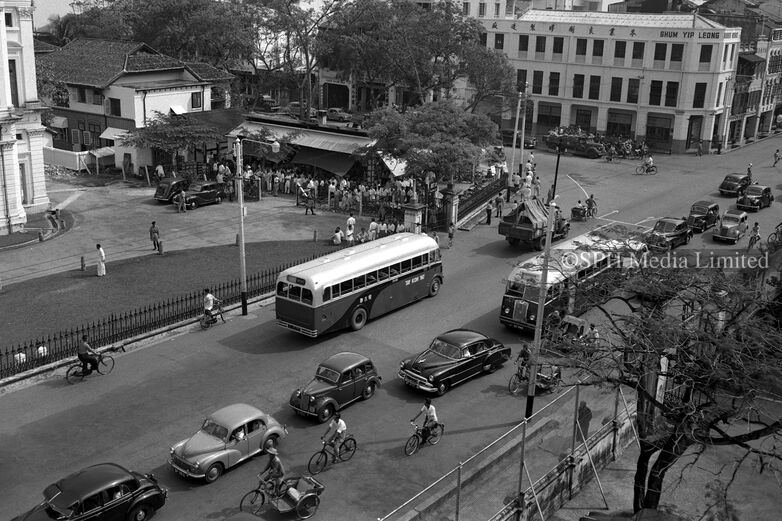
A junction in front of the Police Court on South Bridge Road in May 1952. Although a strike by Singapore Traction Company workers was underway, the busy road seemed calm. The photo captures workers gathered in front of the Police Court. By the 1950s, STC was grappling with operational difficulties, including labour strikes and growing competition from illegal taxi services.
©️ SPH Media Limited
Share to
Tags
Available for print on products
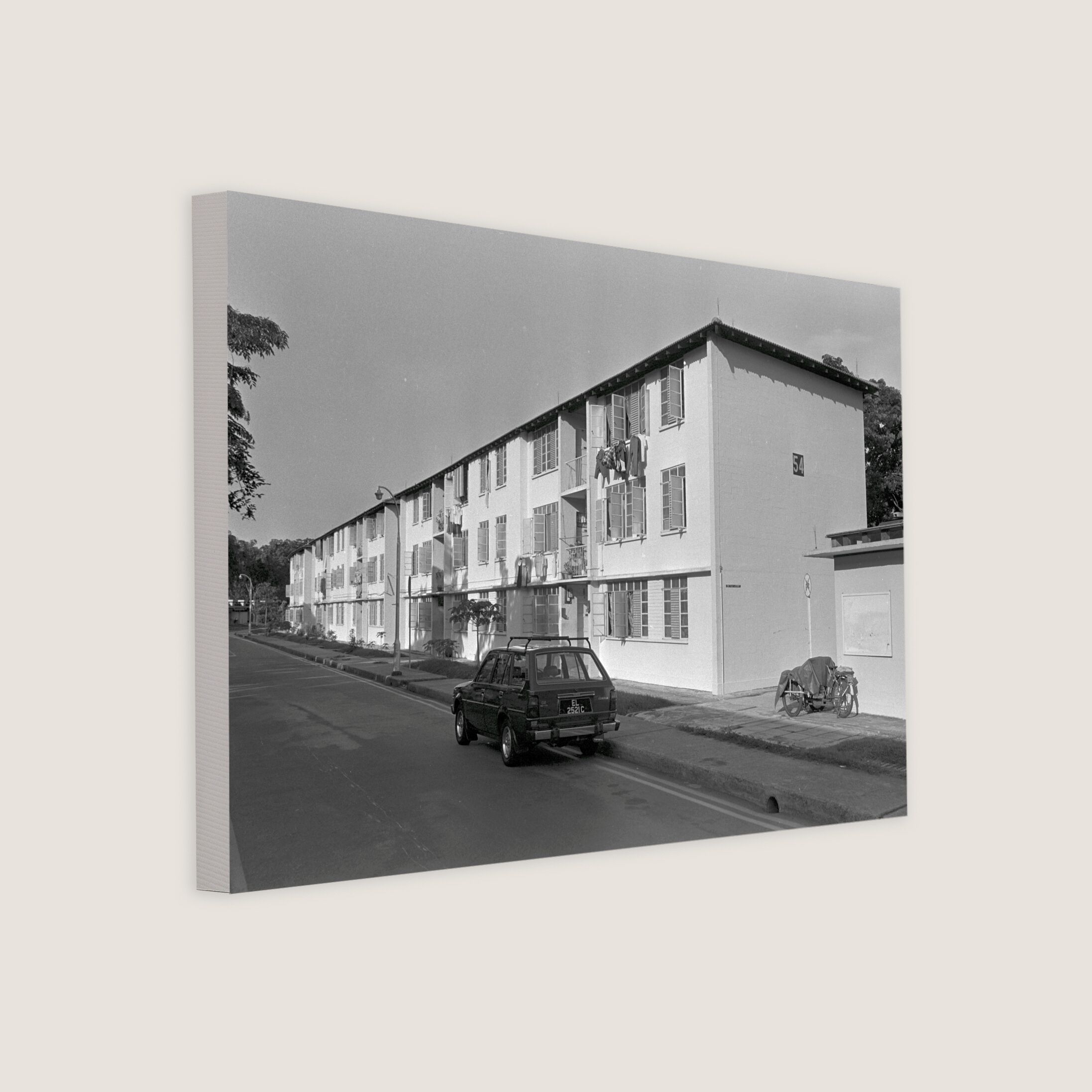
 Singapore Improvement Trust Flats at Temple Ave
1983
Singapore Improvement Trust Flats at Temple Ave
1983
Singapore Improvement Trust Flats at Temple Ave
Year 1983
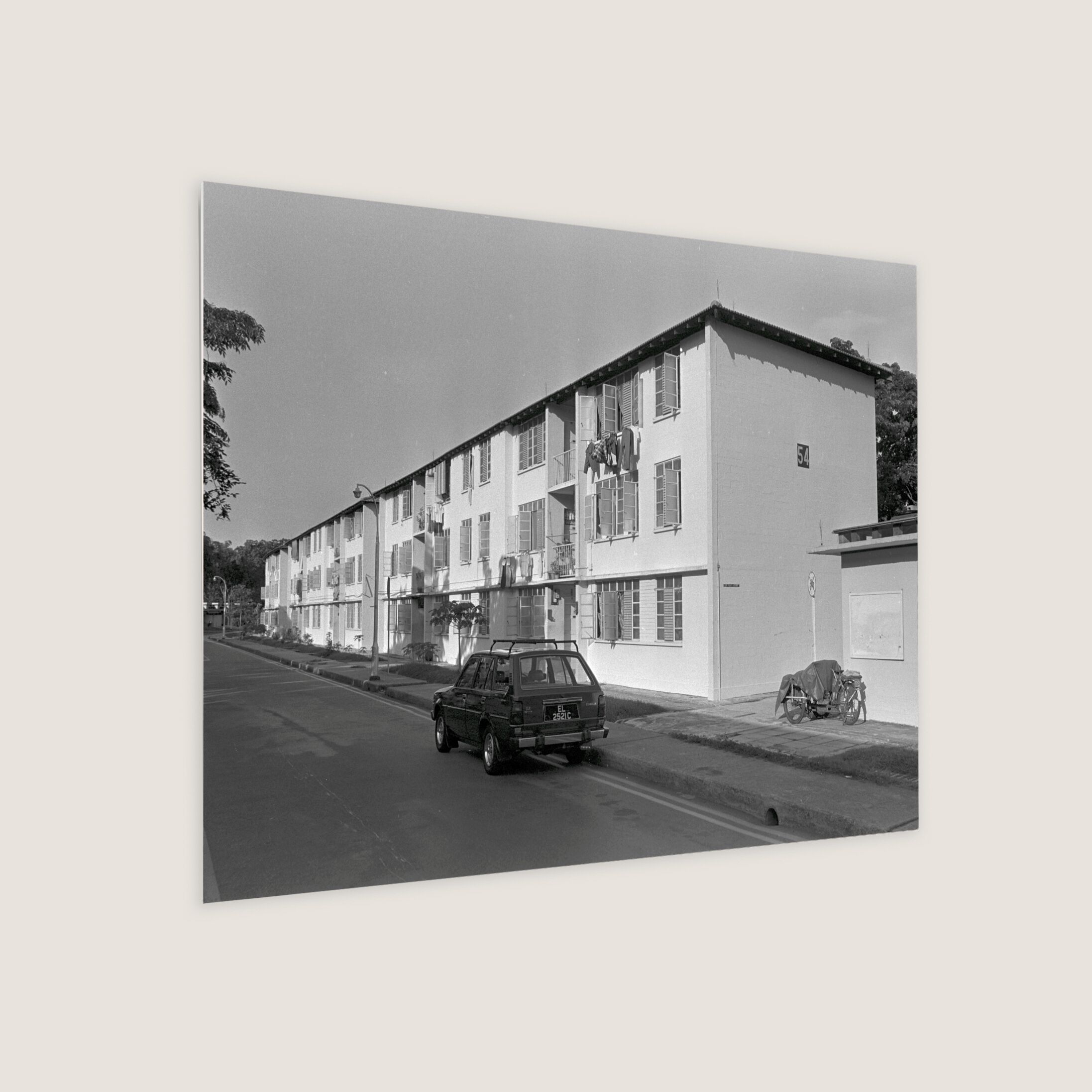
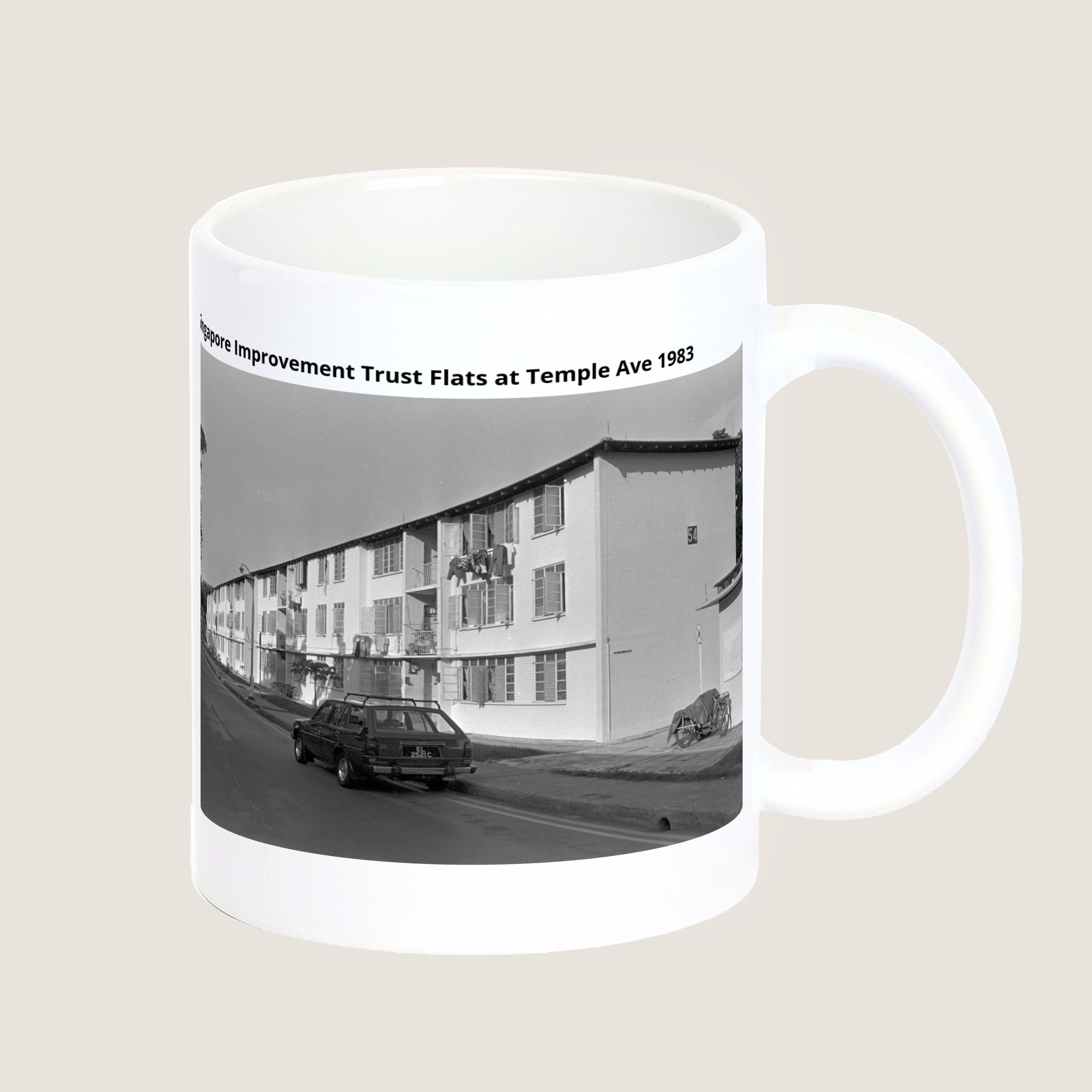
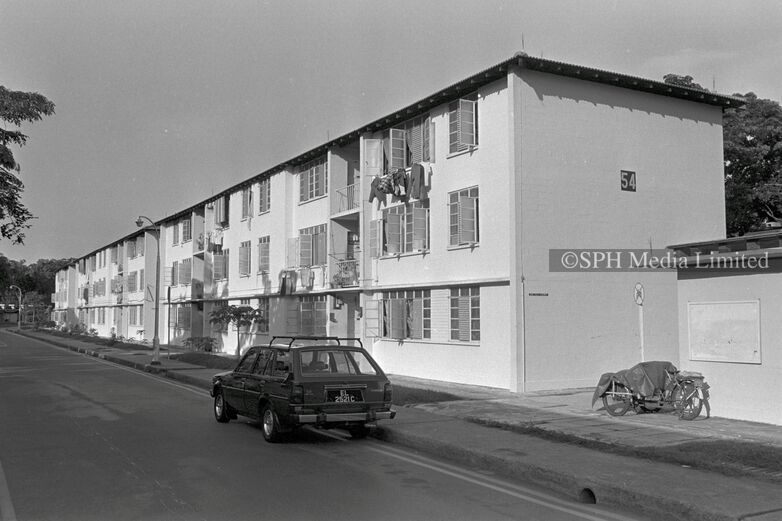
In the early 1950s, the Singapore Improvement Trust (SIT) developed flats in the Kim Keat Road area, known as Temple Estate. Completed in 1954, these low-rise buildings once lined Temple Avenue. In later years, they were demolished to pave the way for new developments by the Housing and Development Board.
©️ SPH Media Limited
Share to
Tags
Available for print on products
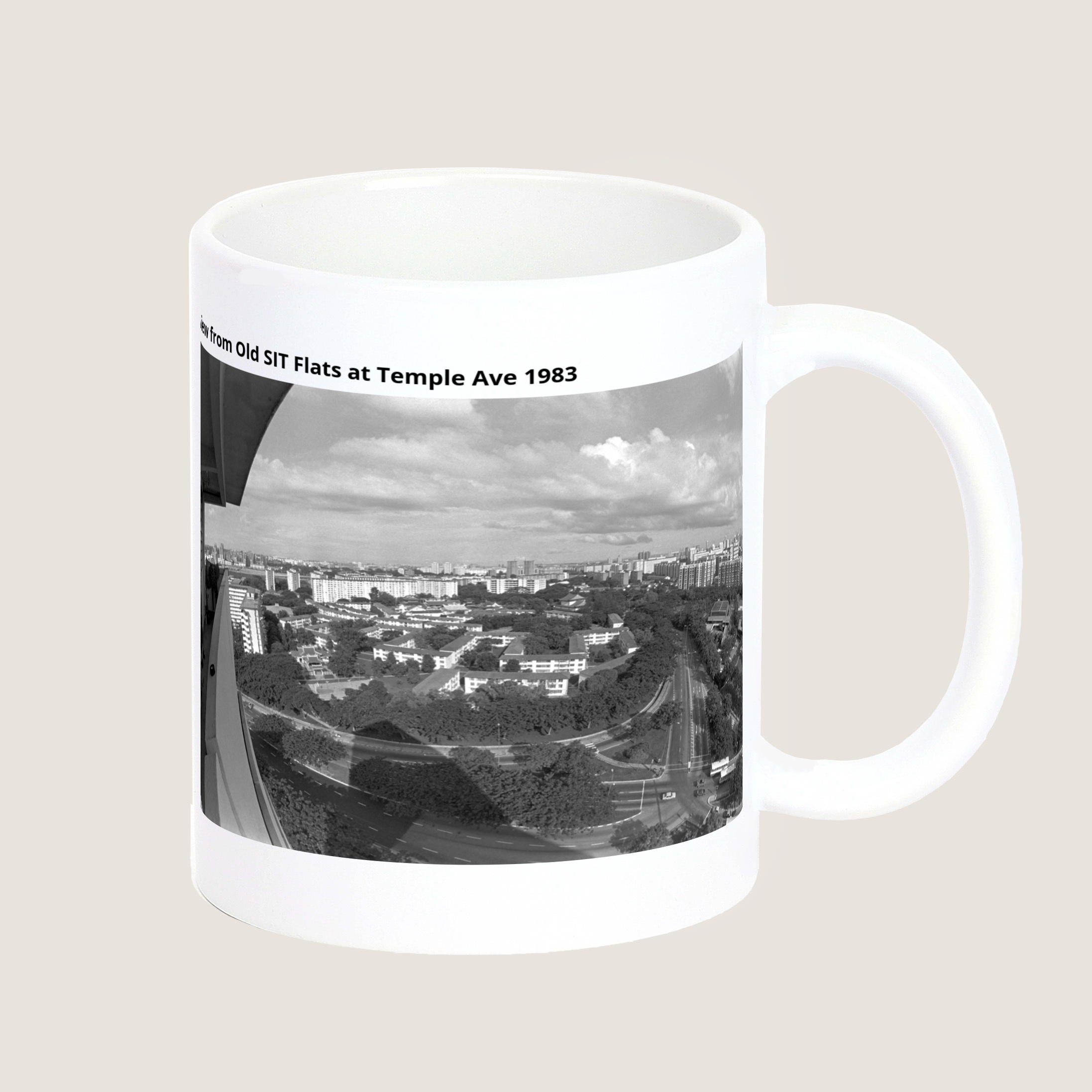
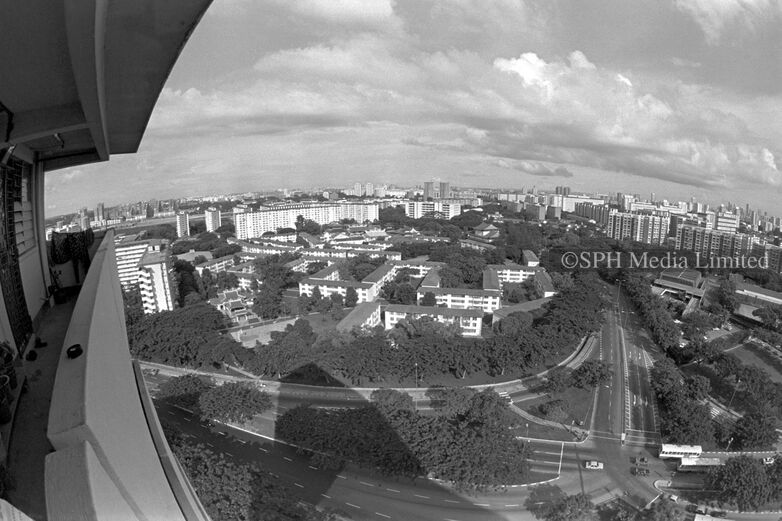 View from Old SIT Flats at Temple Ave
1983
View from Old SIT Flats at Temple Ave
1983
View from Old SIT Flats at Temple Ave
Year 1983
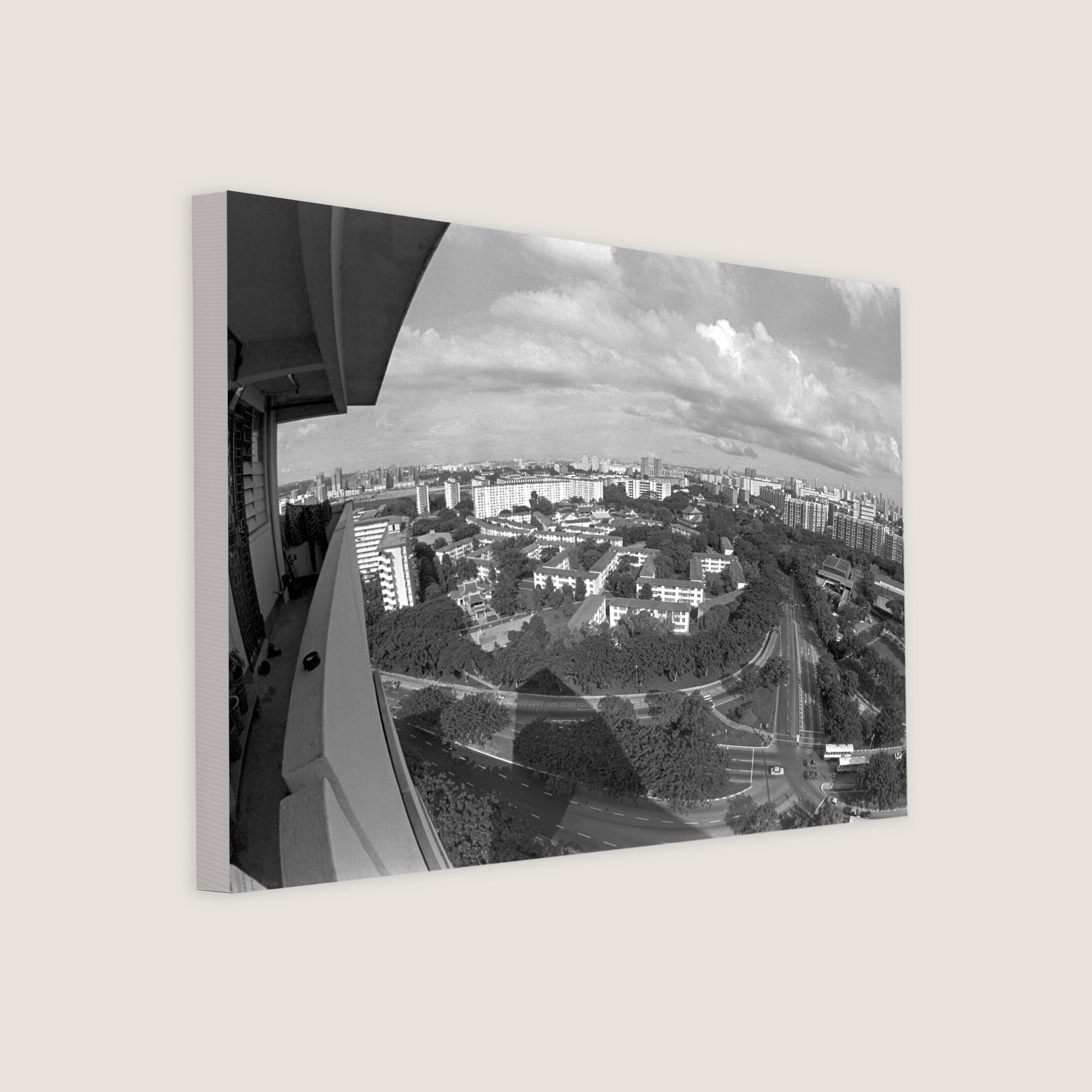
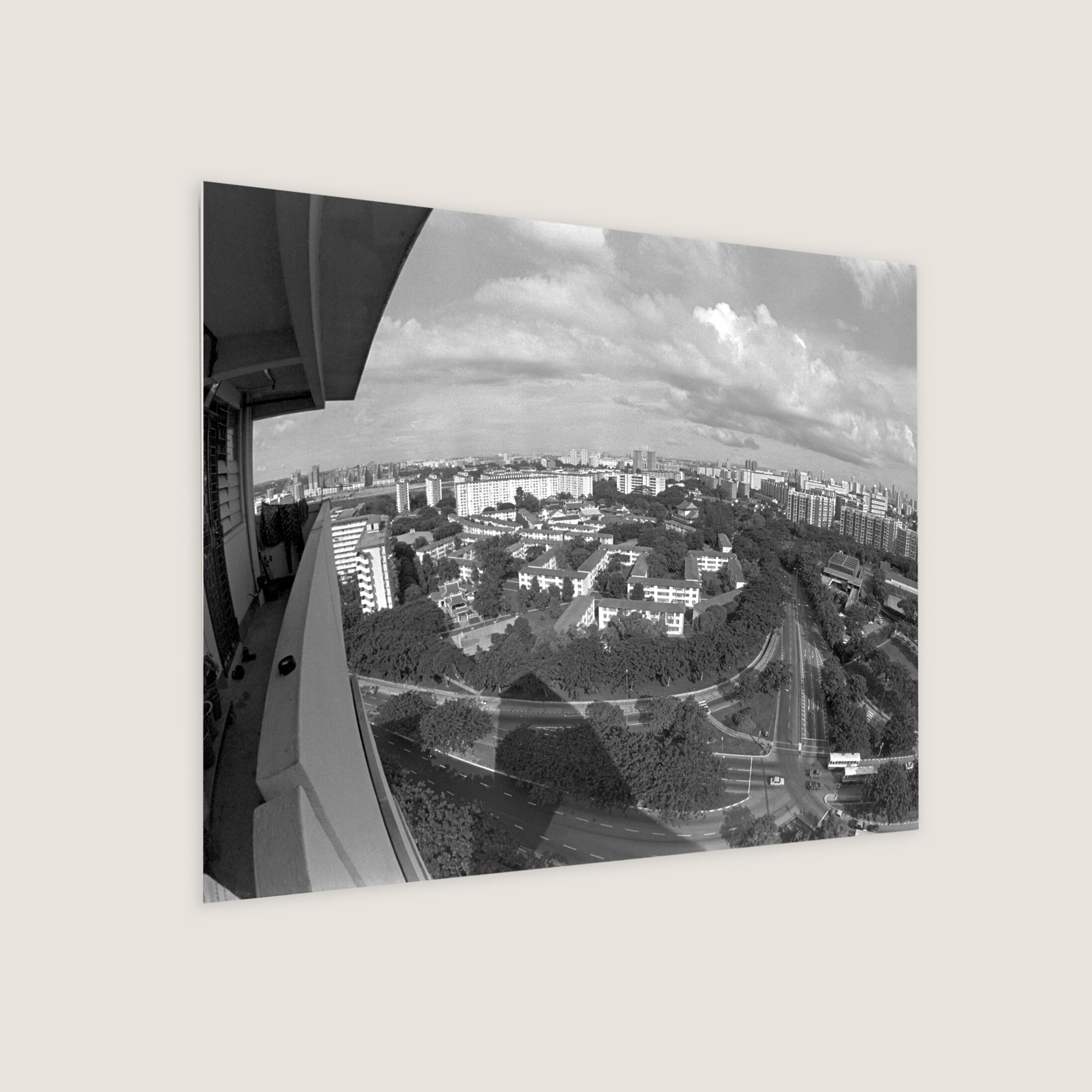
Built by the SIT in 1954, the flats at Temple Estate served residents for nearly four decades before making way for new Housing and Development Board developments in the 1980s. This photo was taken from a 9-storey block completed in 1958 within the same estate.
©️ SPH Media Limited
Share to
Tags
Available for print on products
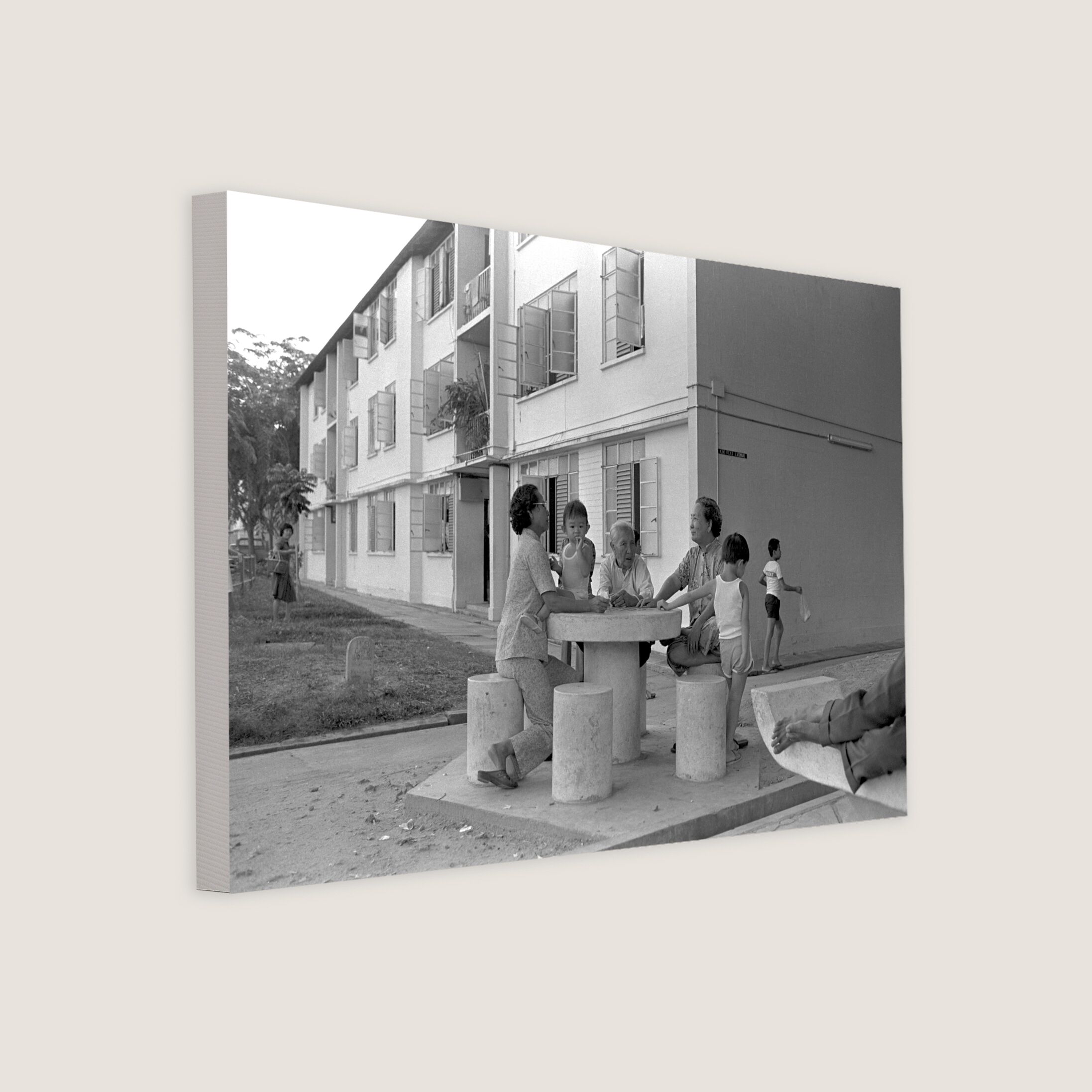
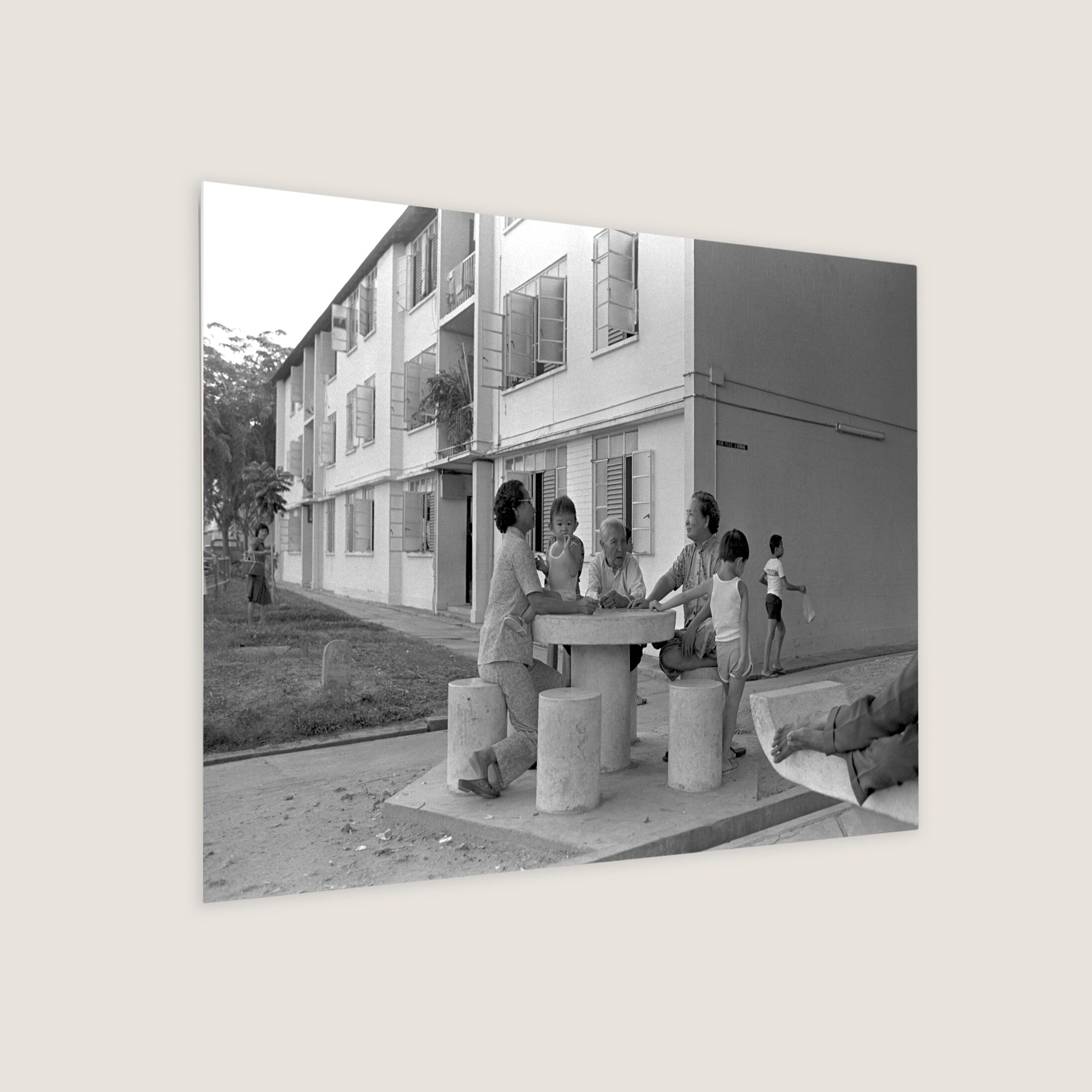
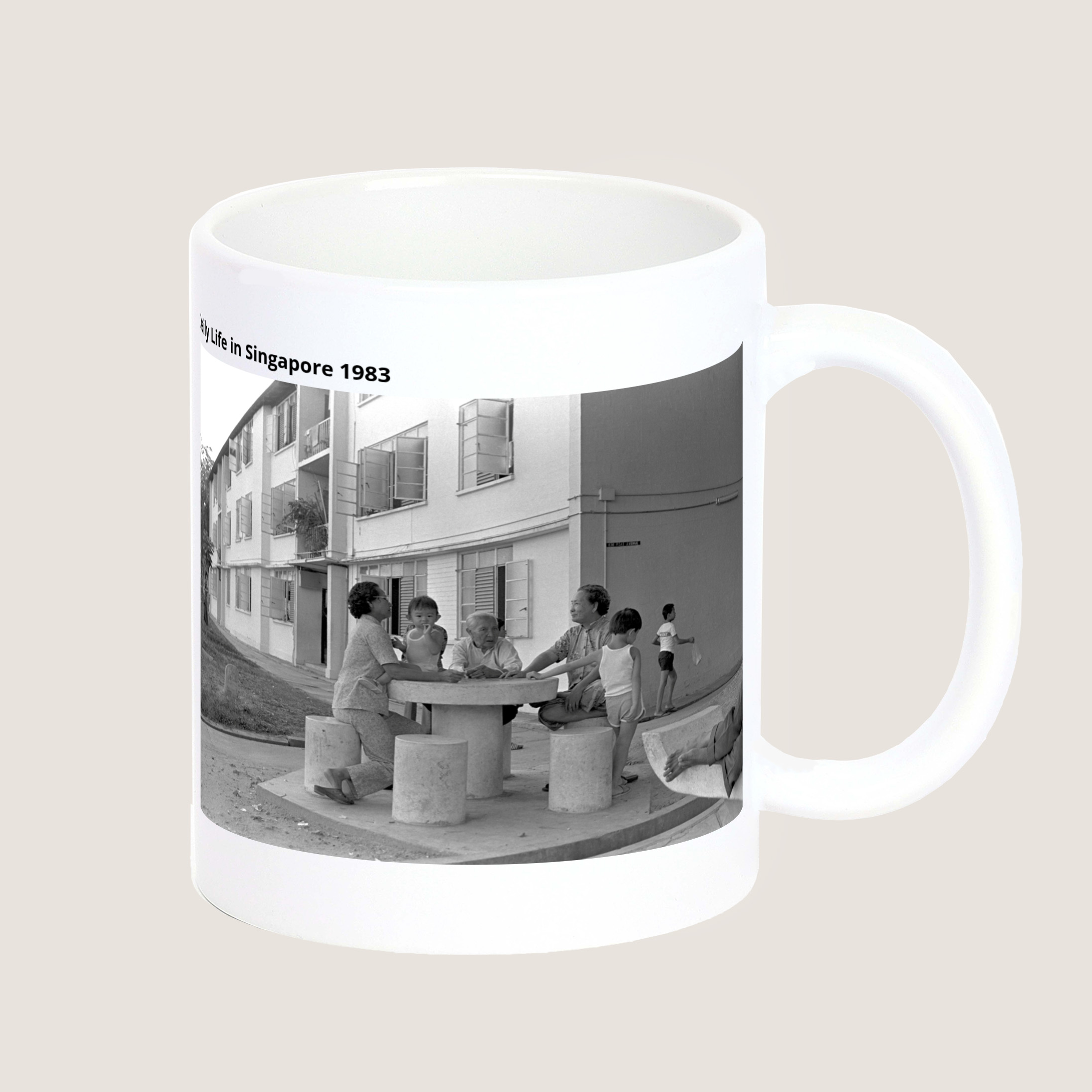
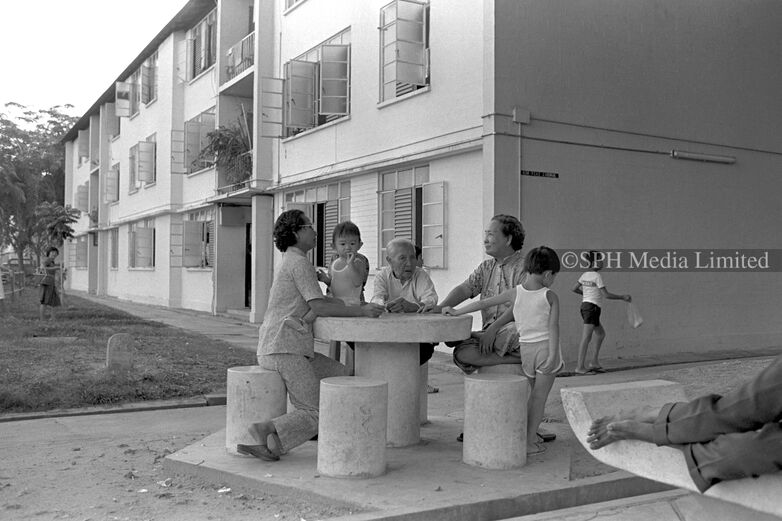 Daily Life in Singapore
1983
Daily Life in Singapore
1983
Daily Life in Singapore
Year 1983
Among the estates built by the Singapore Improvement Trust (SIT) was a cluster of white 3-storey flats at Kim Keat, developed as part of early Toa Payoh. These were later complemented by a series of 9-storey flats completed in 1958.
©️ SPH Media Limited
Share to
Tags
Available for print on products
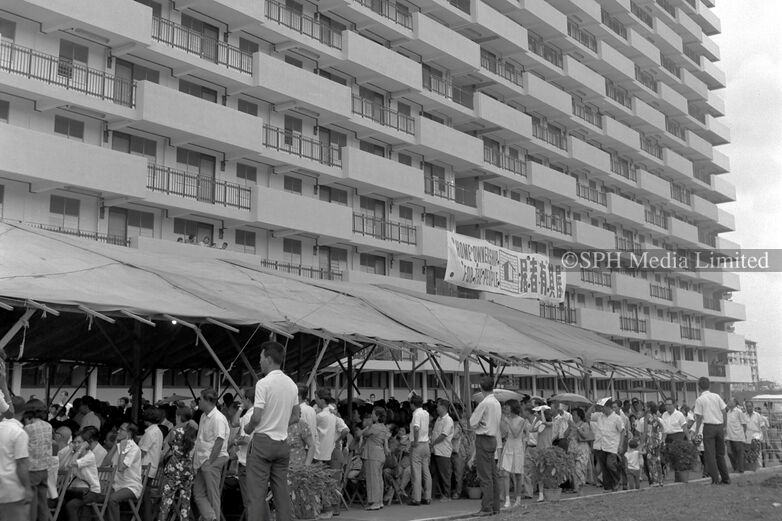 From Rental to Home Ownership in Public Housing
1967
From Rental to Home Ownership in Public Housing
1967
From Rental to Home Ownership in Public Housing
Year 1967
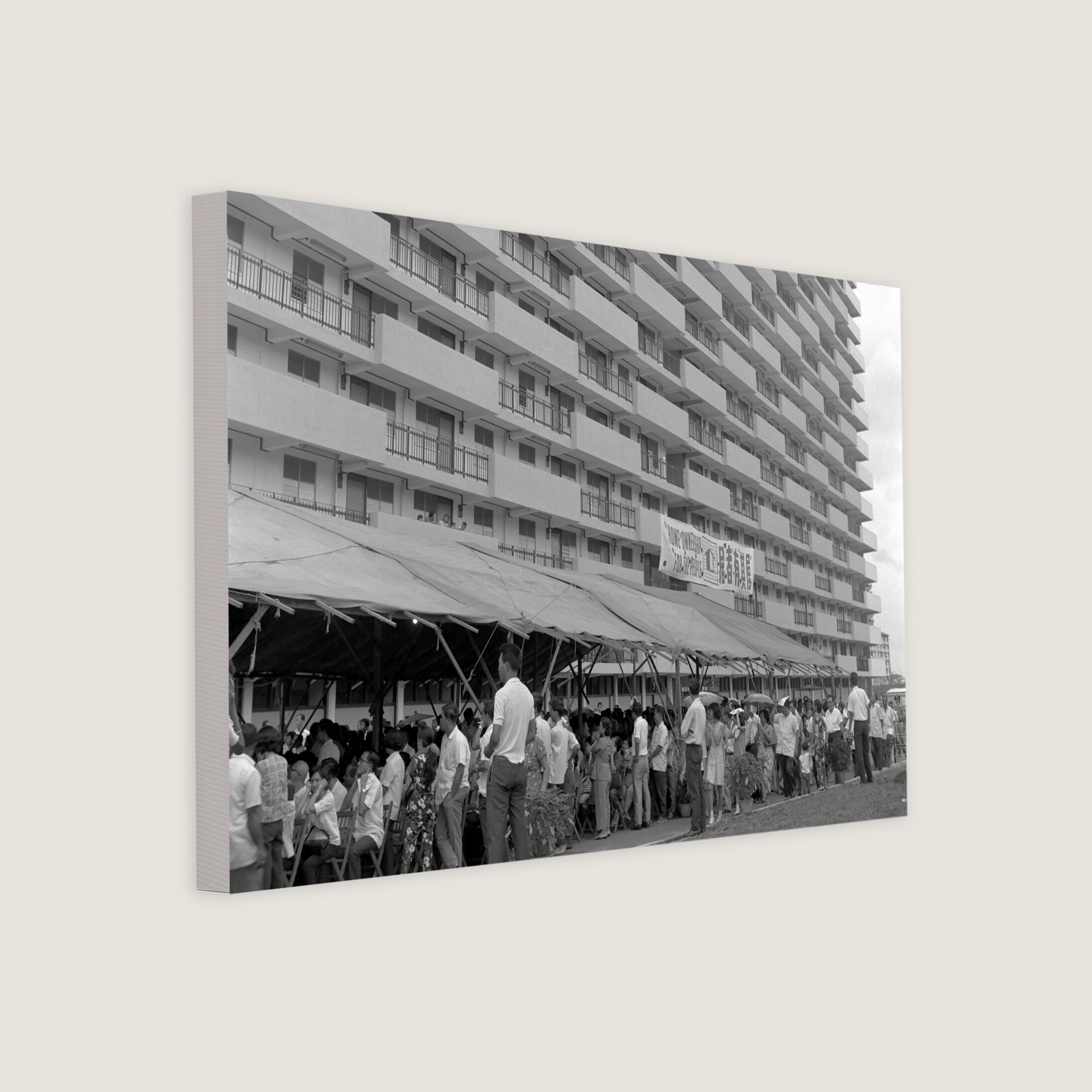
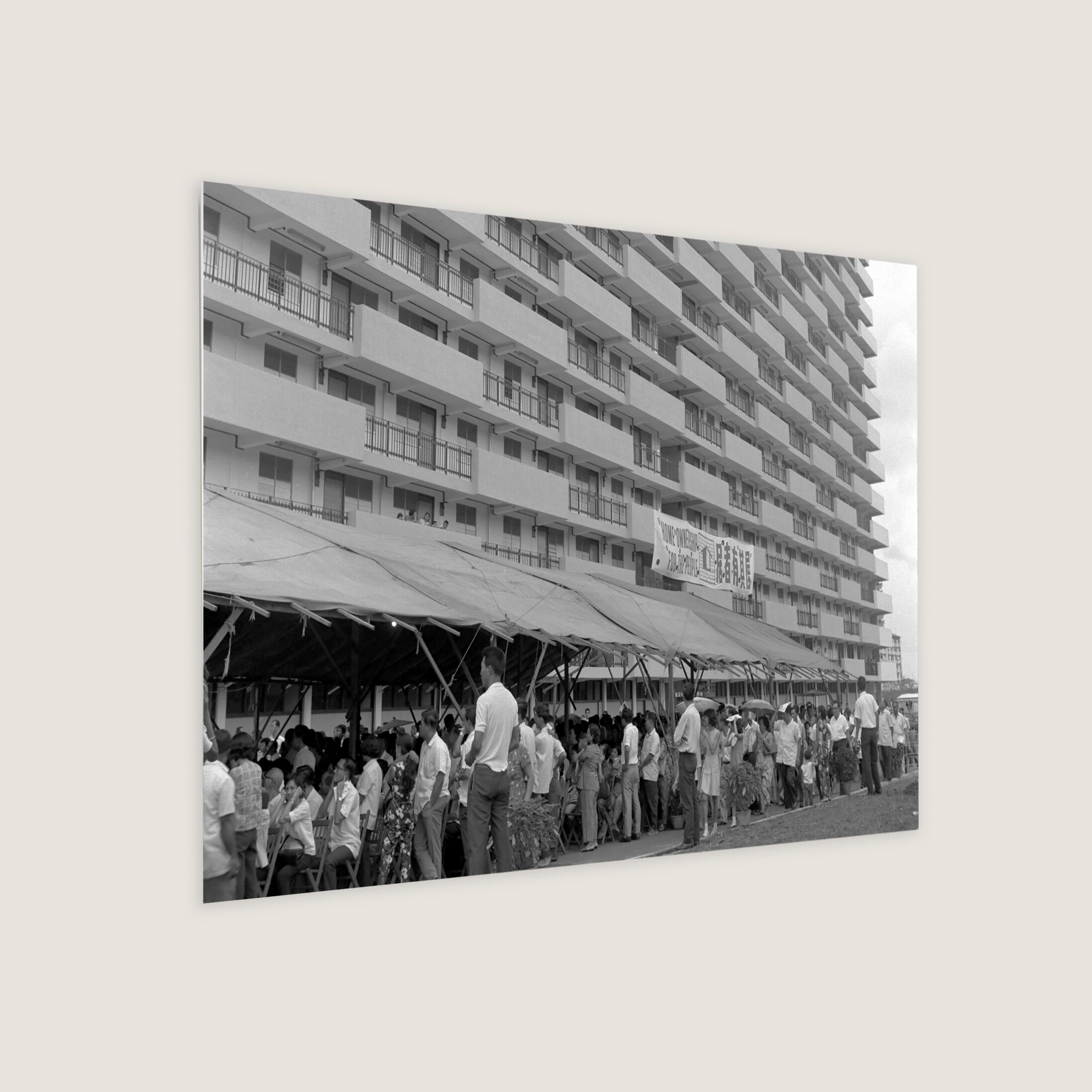
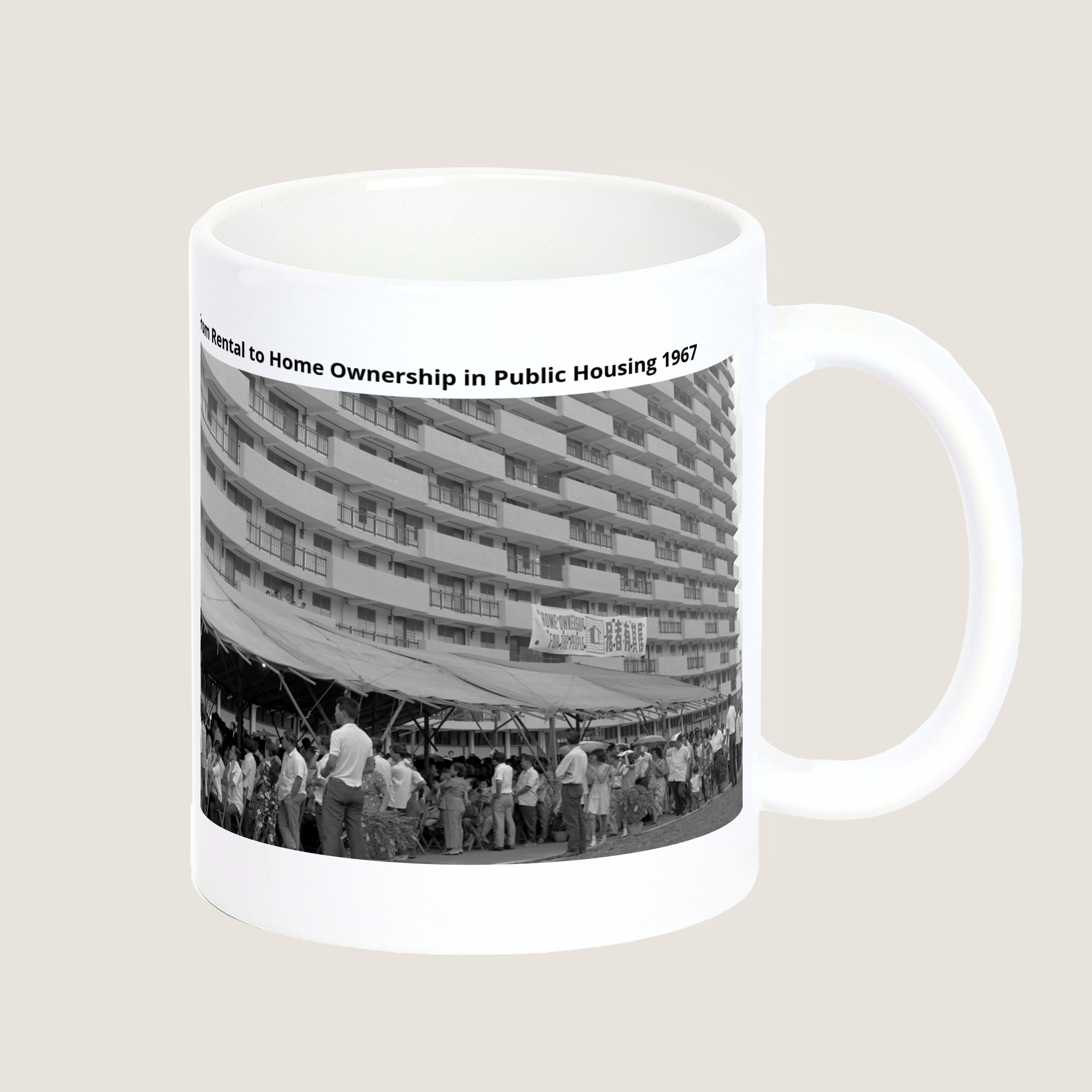
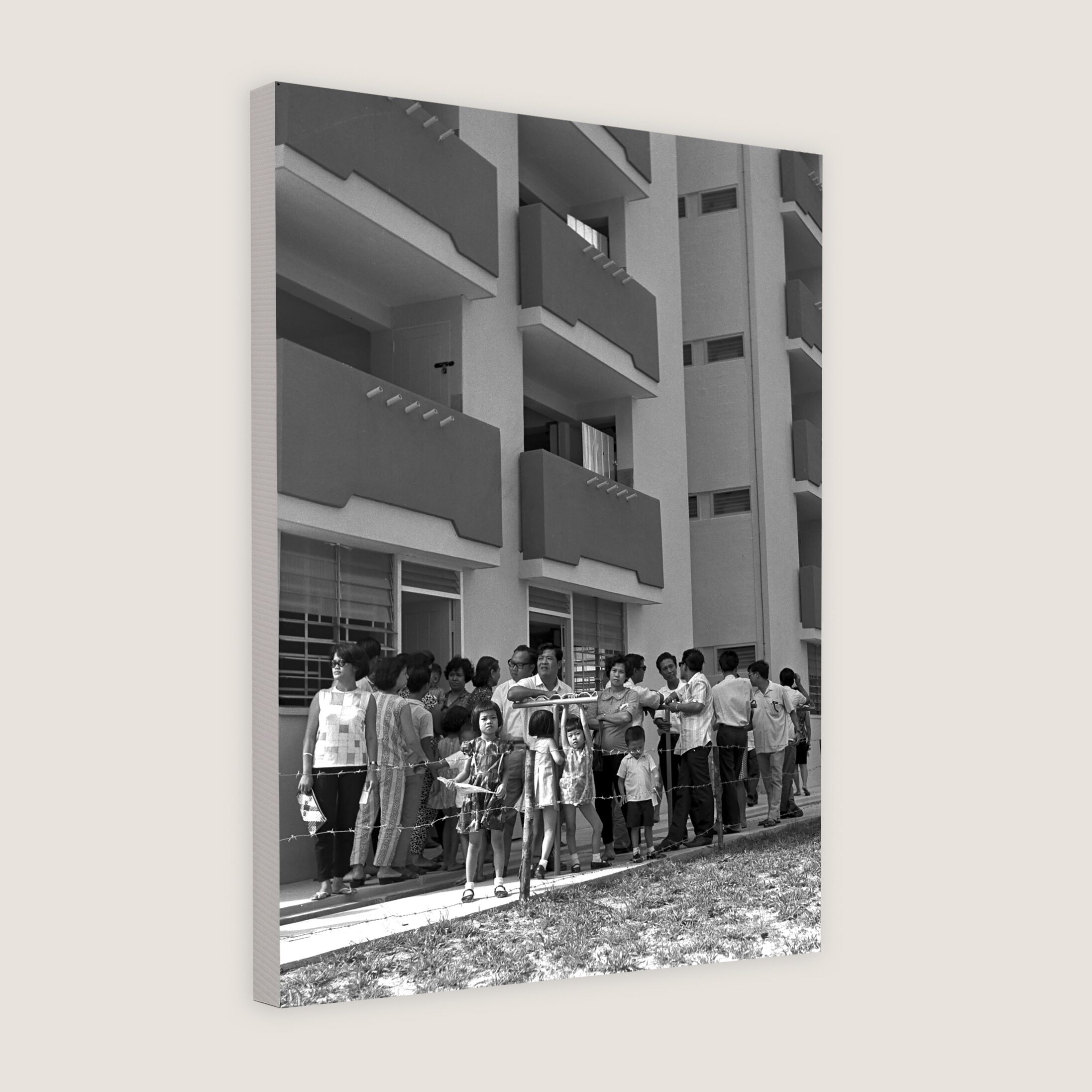
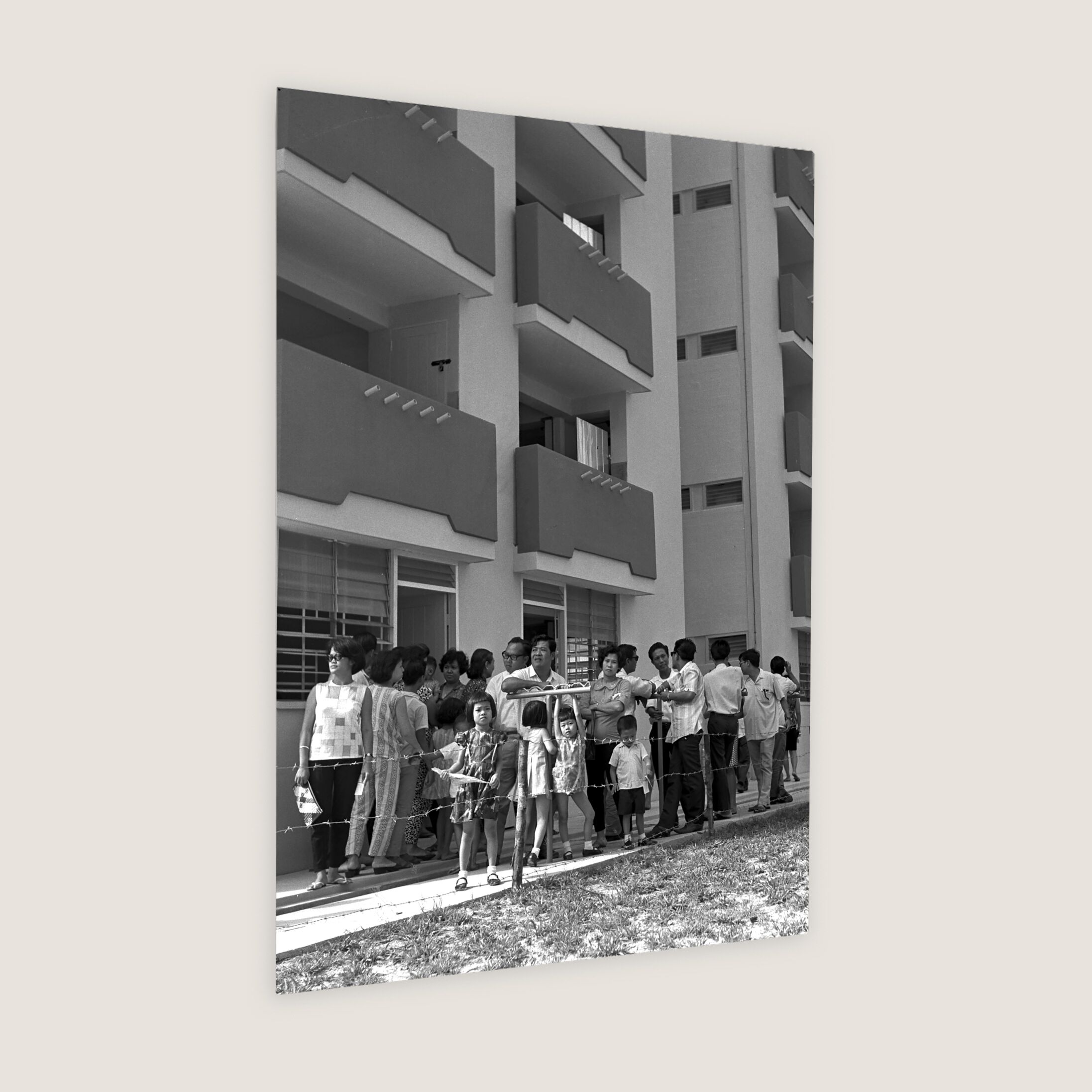
Balloting exercises were introduced to ensure fairness in the allocation of flats. One such event took place on 26 April 1967 at the Redhill estate, where prospective homeowners gathered in anticipation of securing their new homes. These balloting ceremonies became a hallmark of HDB's commitment to equitable housing distribution.
©️ SPH Media Limited
Share to
Tags
Available for print on products
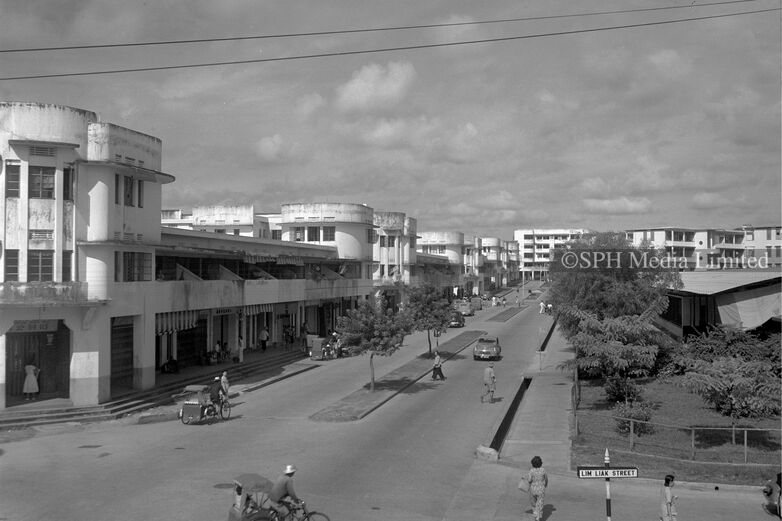 Seng Poh Road in Tiong Bahru
1952
Seng Poh Road in Tiong Bahru
1952
Seng Poh Road in Tiong Bahru
Year 1952
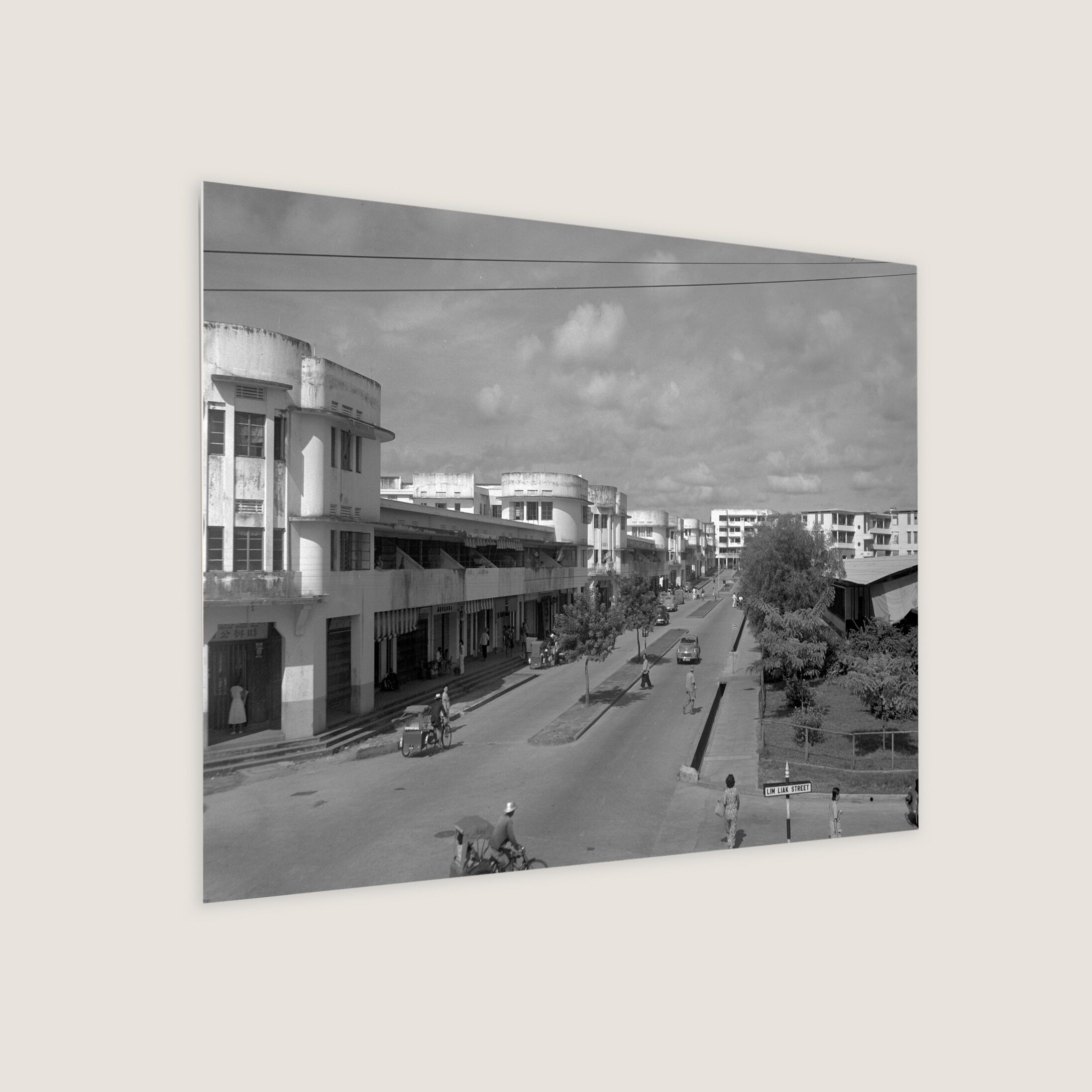
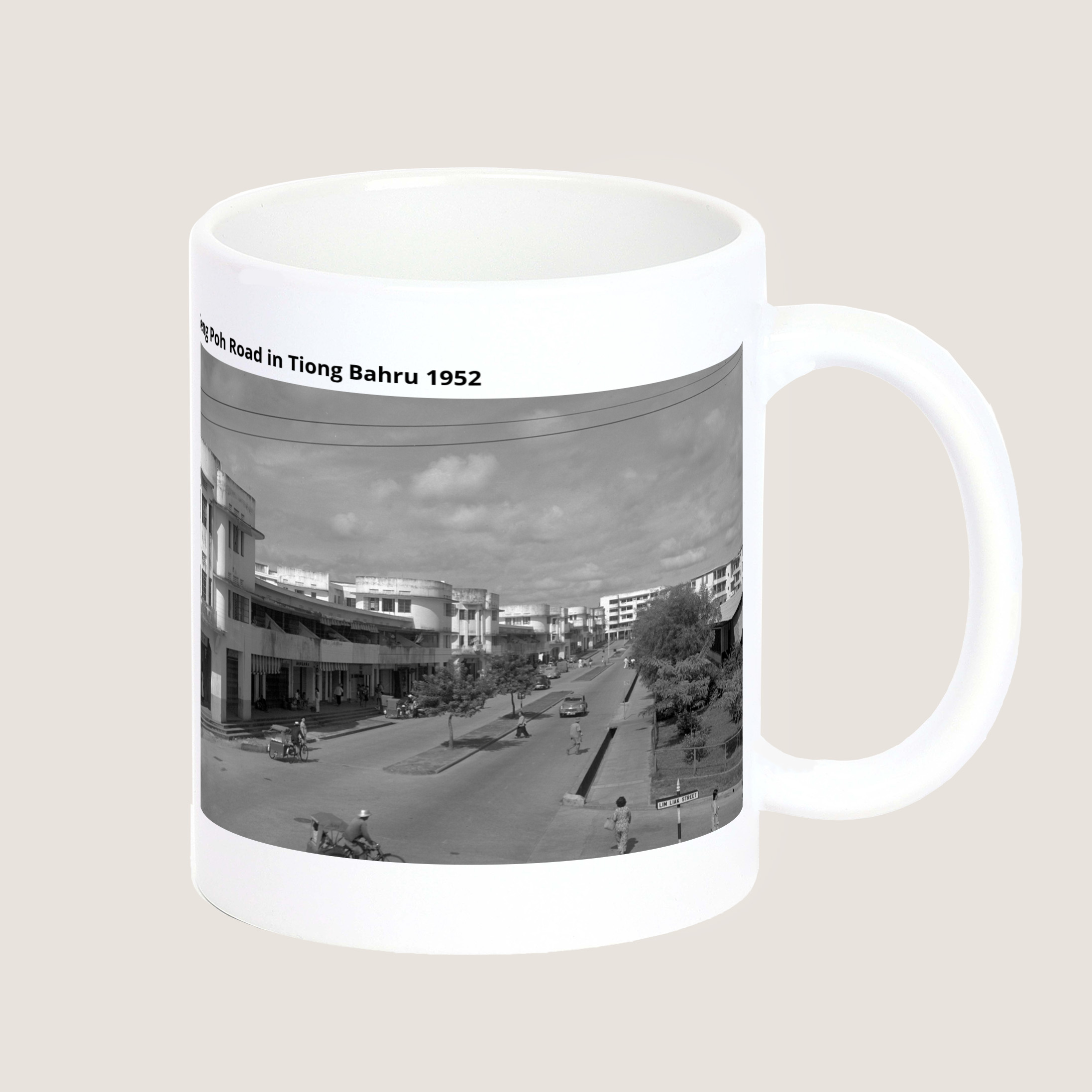
The flats along Seng Poh Road in Tiong Bahru were among those built by the Singapore Improvement Trust (SIT). It was set up in 1927 by the British colonial government and was responsible for early public housing in post-war Singapore. The road was named after Tan Seng Poh, a prominent Teochew merchant and Municipal Committee Chairman in 1870. Seng Poh Road is located opposite Tiong Bahru Market and Food Centre.
©️ SPH Media Limited
Share to
Tags
Available for print on products
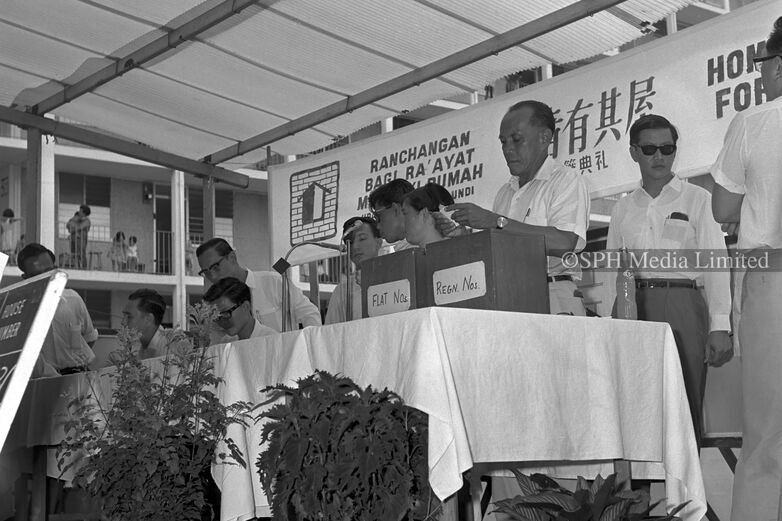 Home Ownership Through Balloting
1965
Home Ownership Through Balloting
1965
Home Ownership Through Balloting
Year 1965
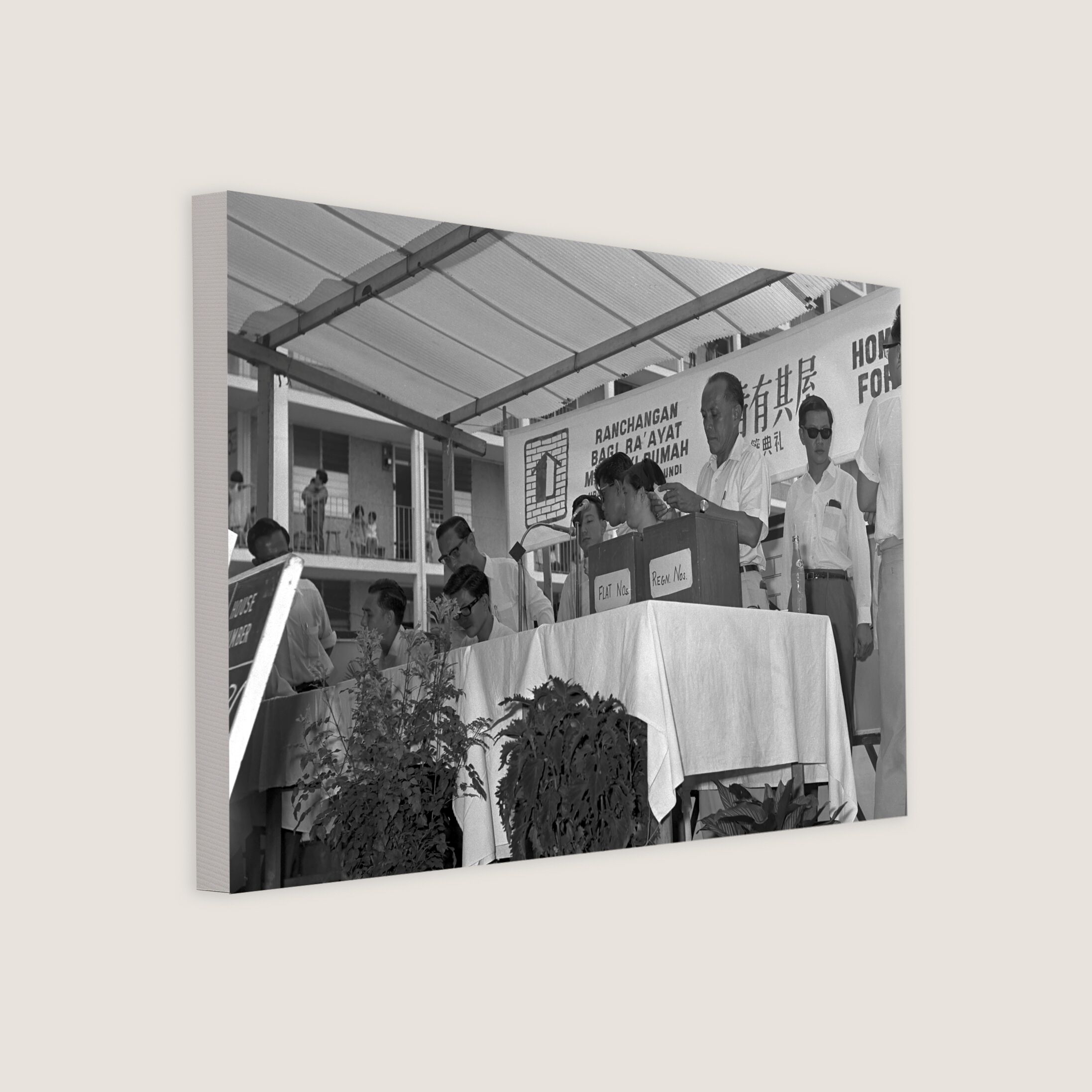
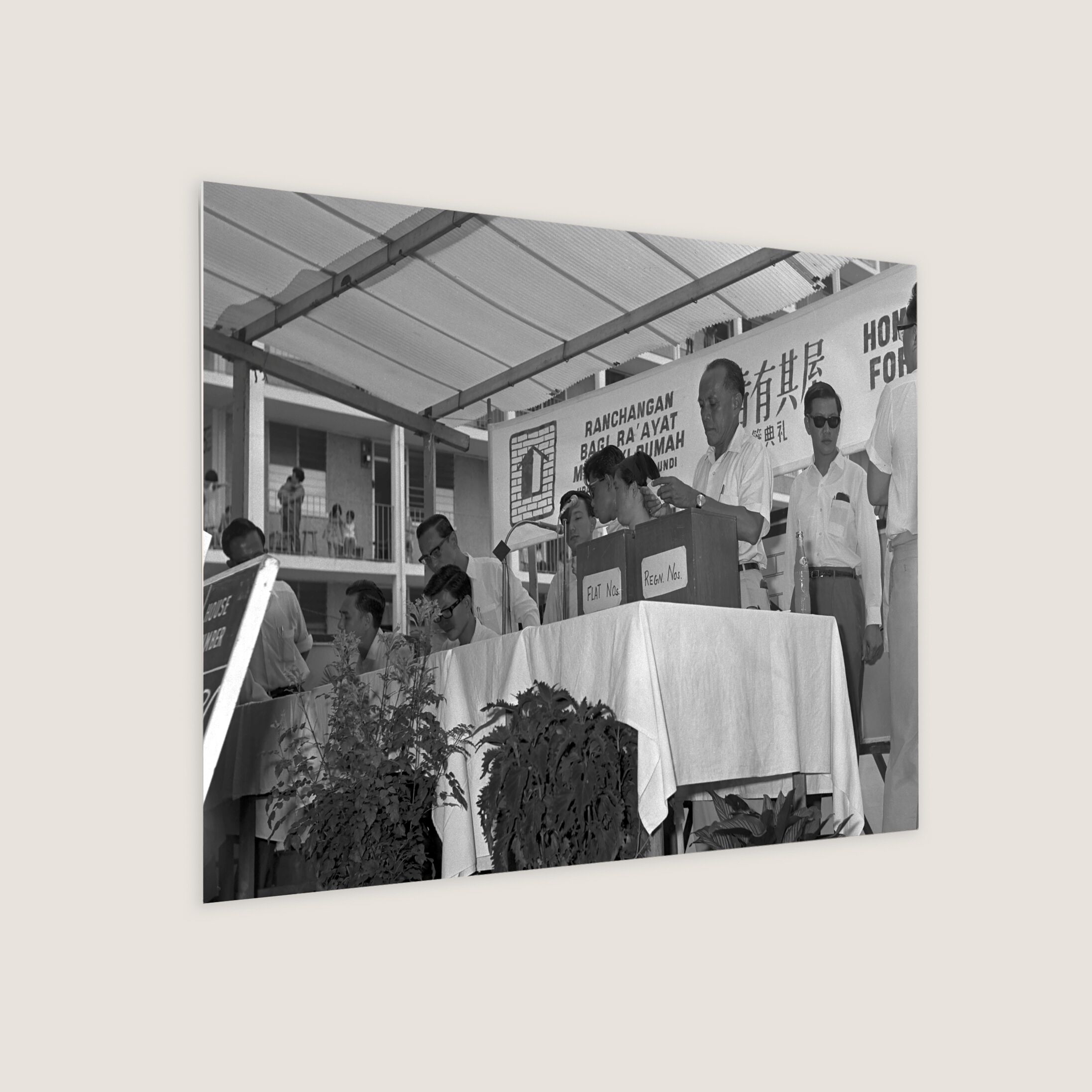
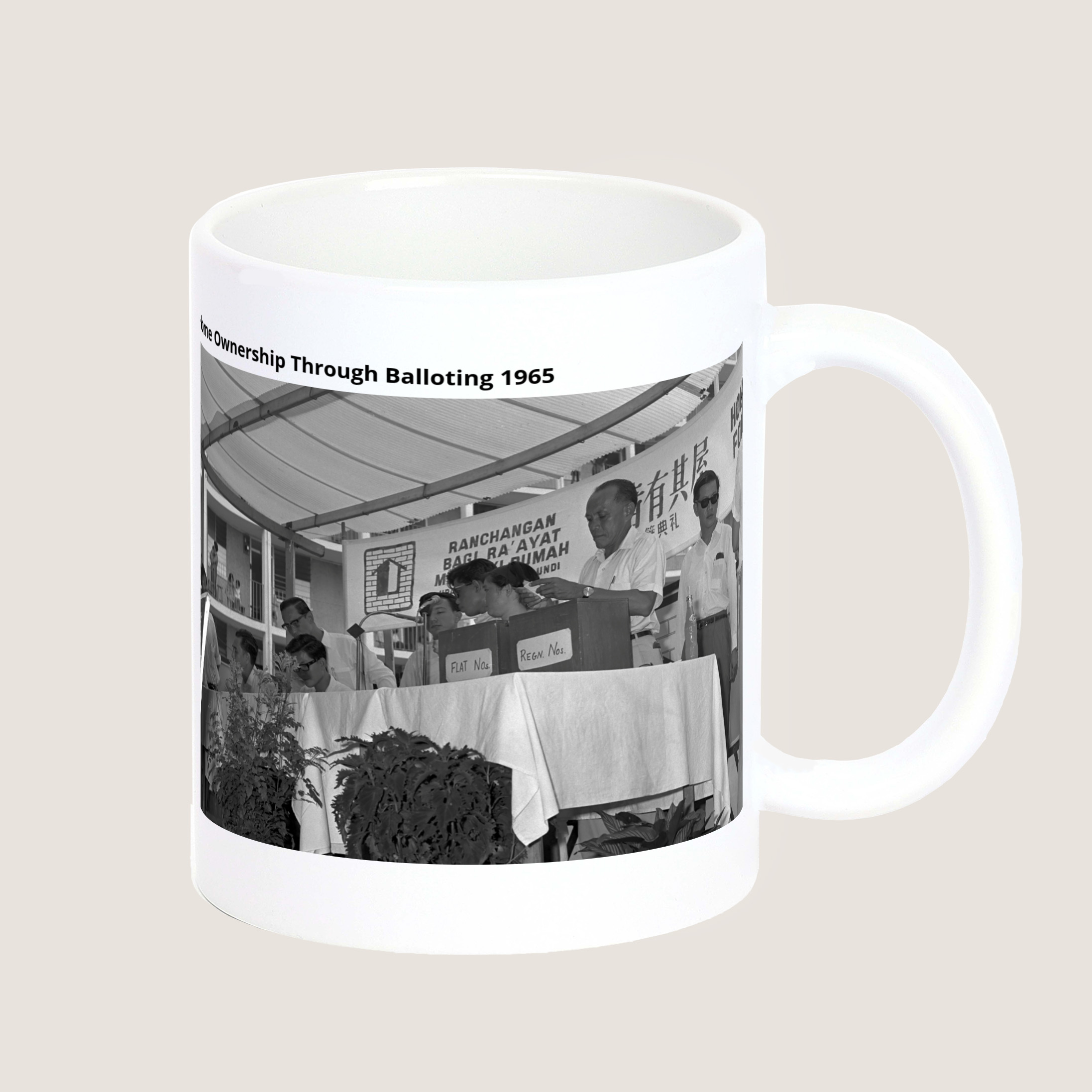
In November 1965, a ballot was held at Jalan Balam in MacPherson Estate for two 10-storey Housing and Development Board flats under the ""Home Ownership for the People"" Scheme. Introduced in 1964, this initiative marked a shift from rental-only public housing to affordable homeownership for lower to middle-income Singaporeans.
©️ SPH Media Limited
Share to
Tags
Available for print on products
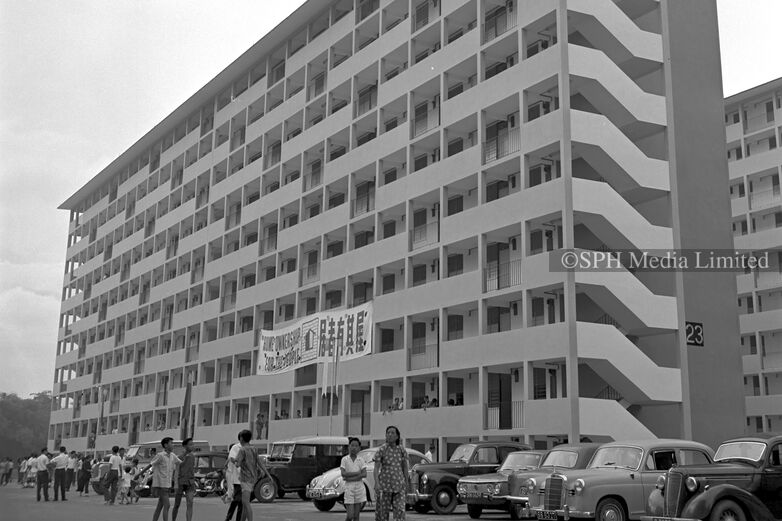 The Beginning of Housing Ownership
1965
The Beginning of Housing Ownership
1965
The Beginning of Housing Ownership
Year 1965
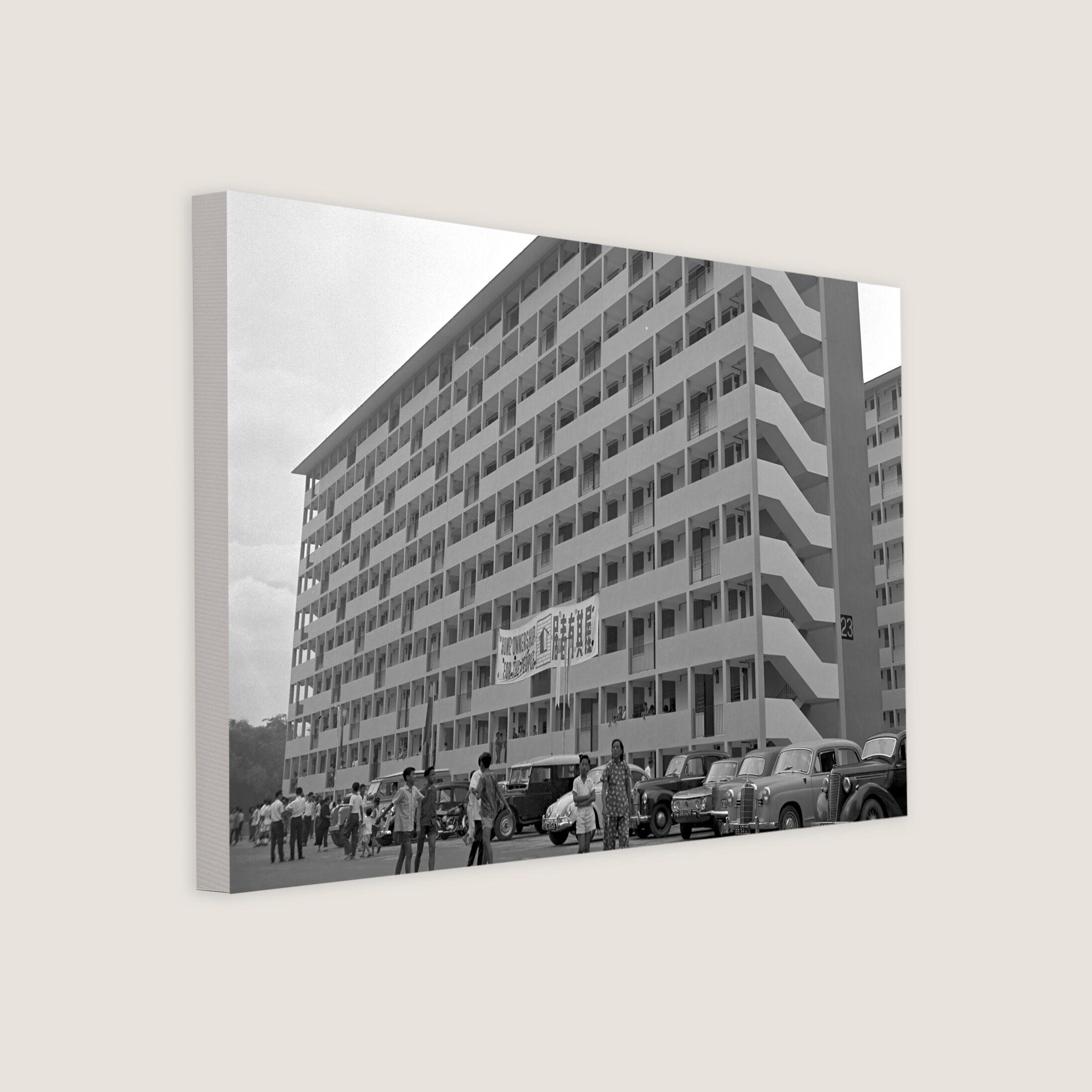
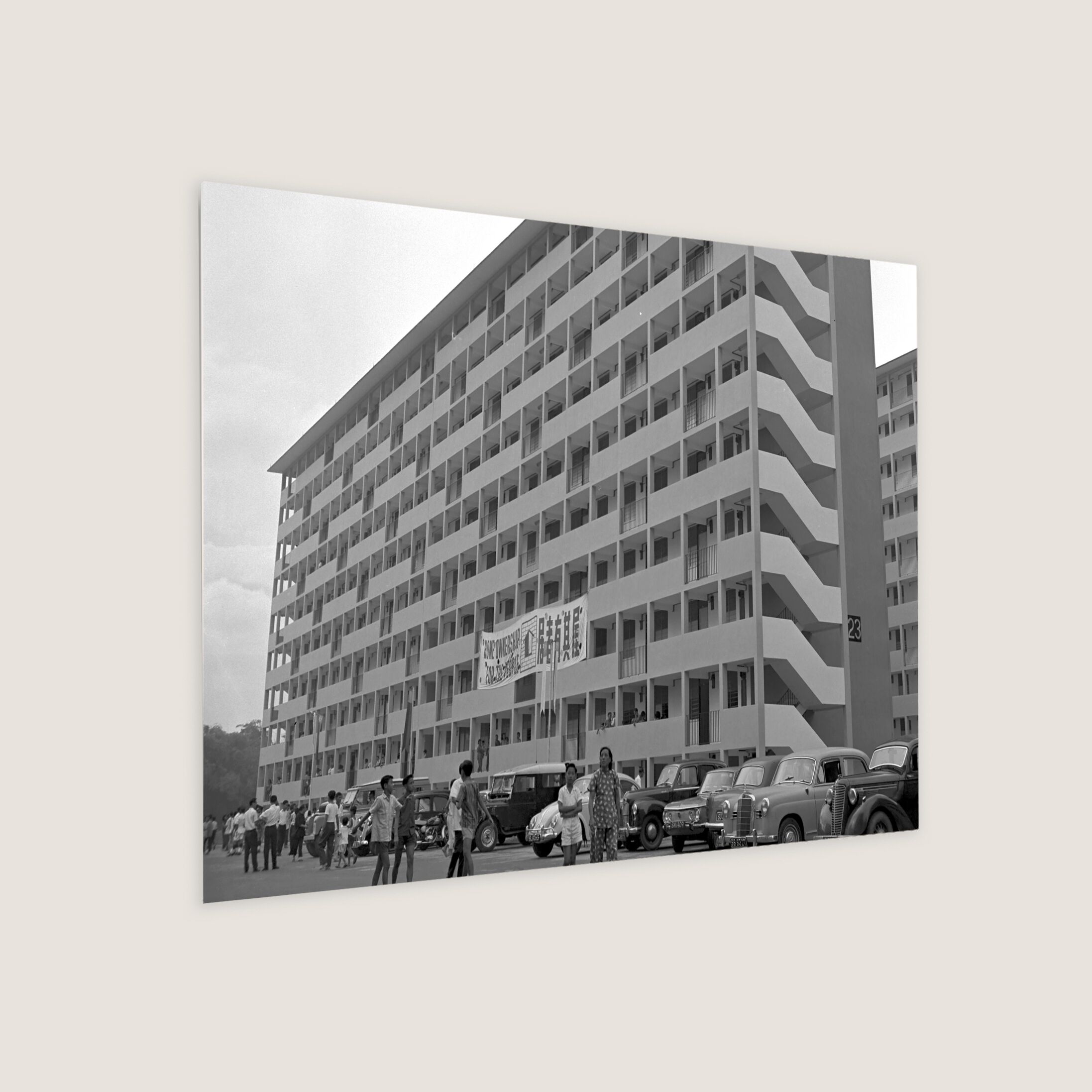
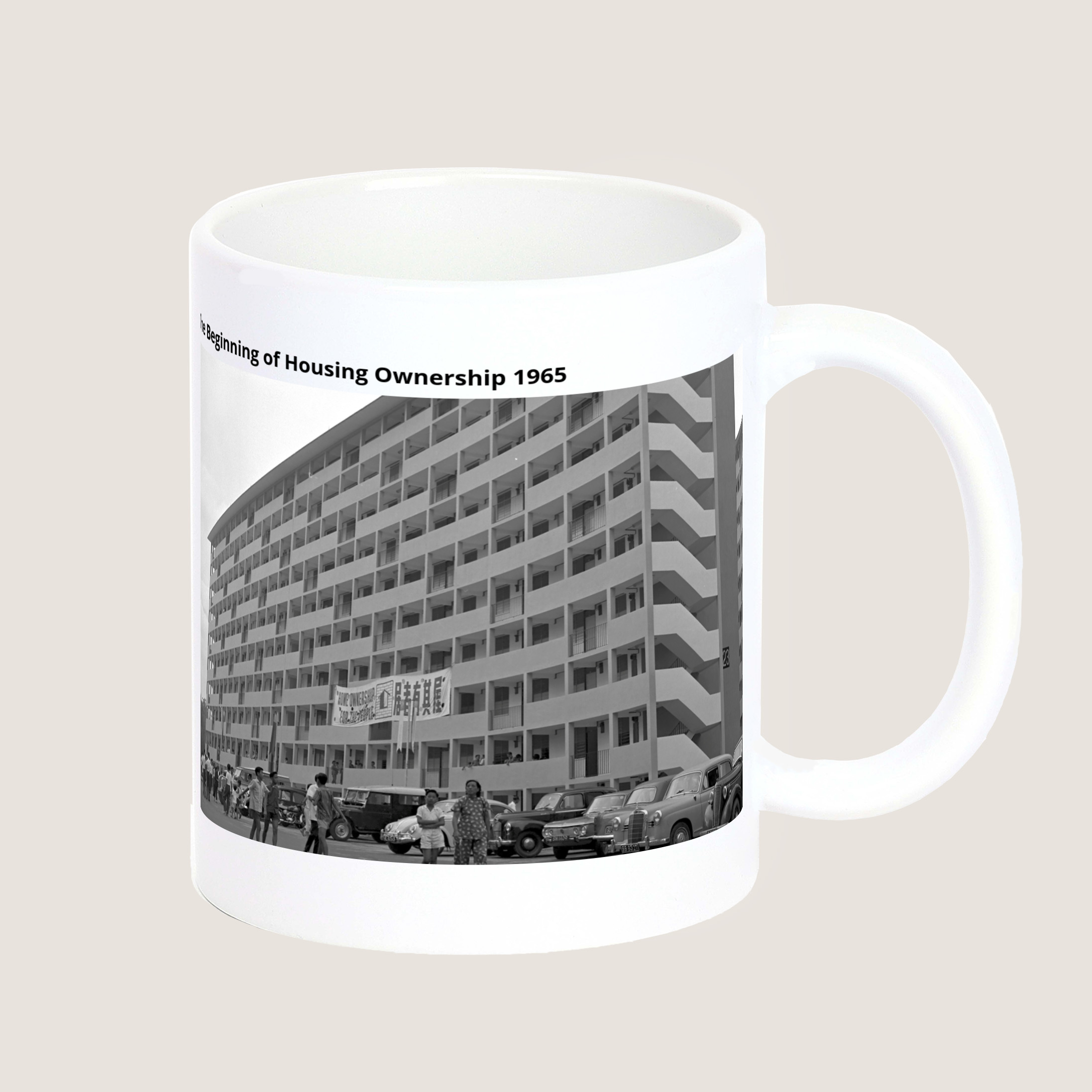
MacPherson Estate, established in 1965, was among the early housing estates developed by the Housing and Development Board (HDB). That year, HDB held its second home ownership ballot at the carpark of two newly completed 10-storey flats at Jalan Balam, marking a key moment in Singapore’s public housing history.
©️ SPH Media Limited
Share to
Tags
Available for print on products
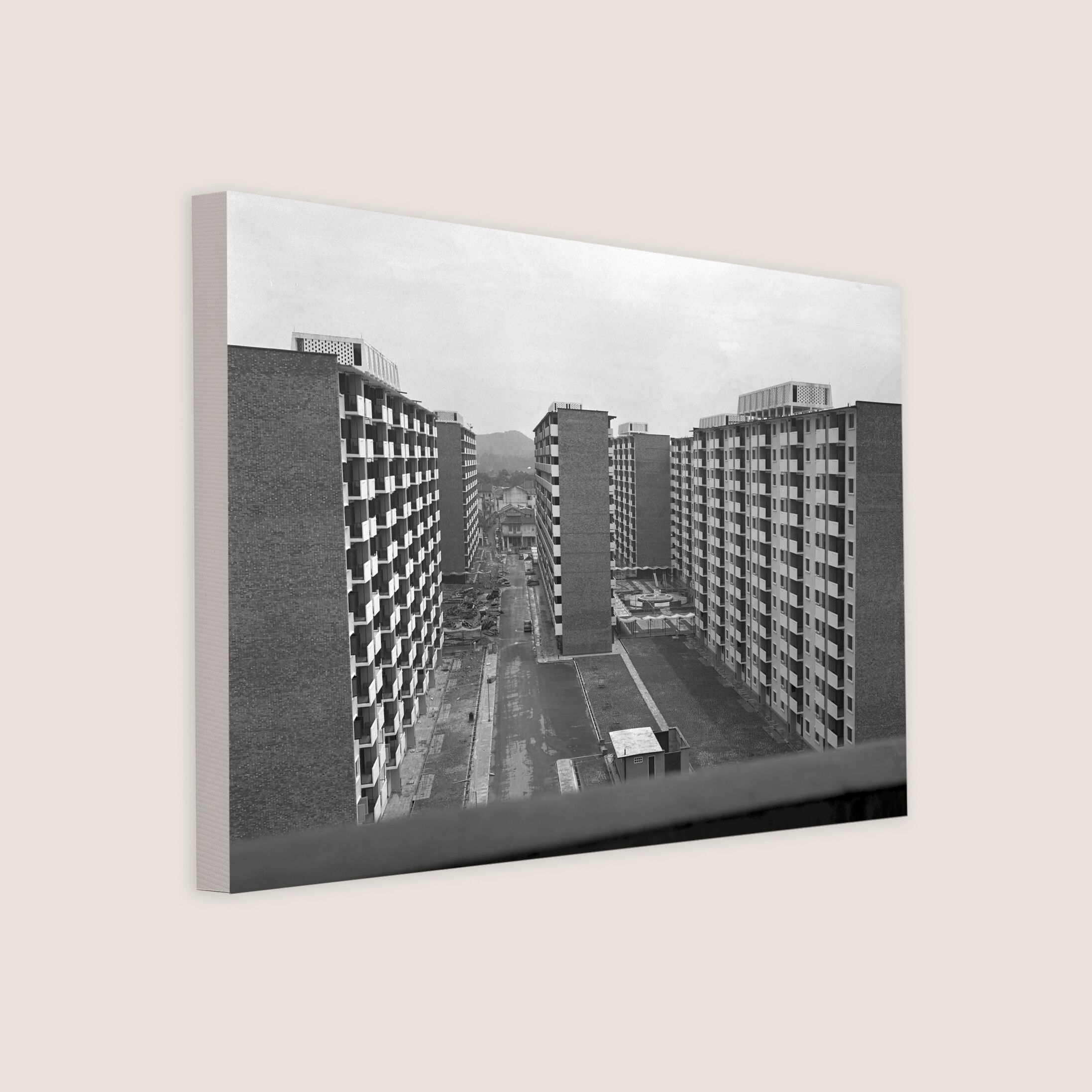
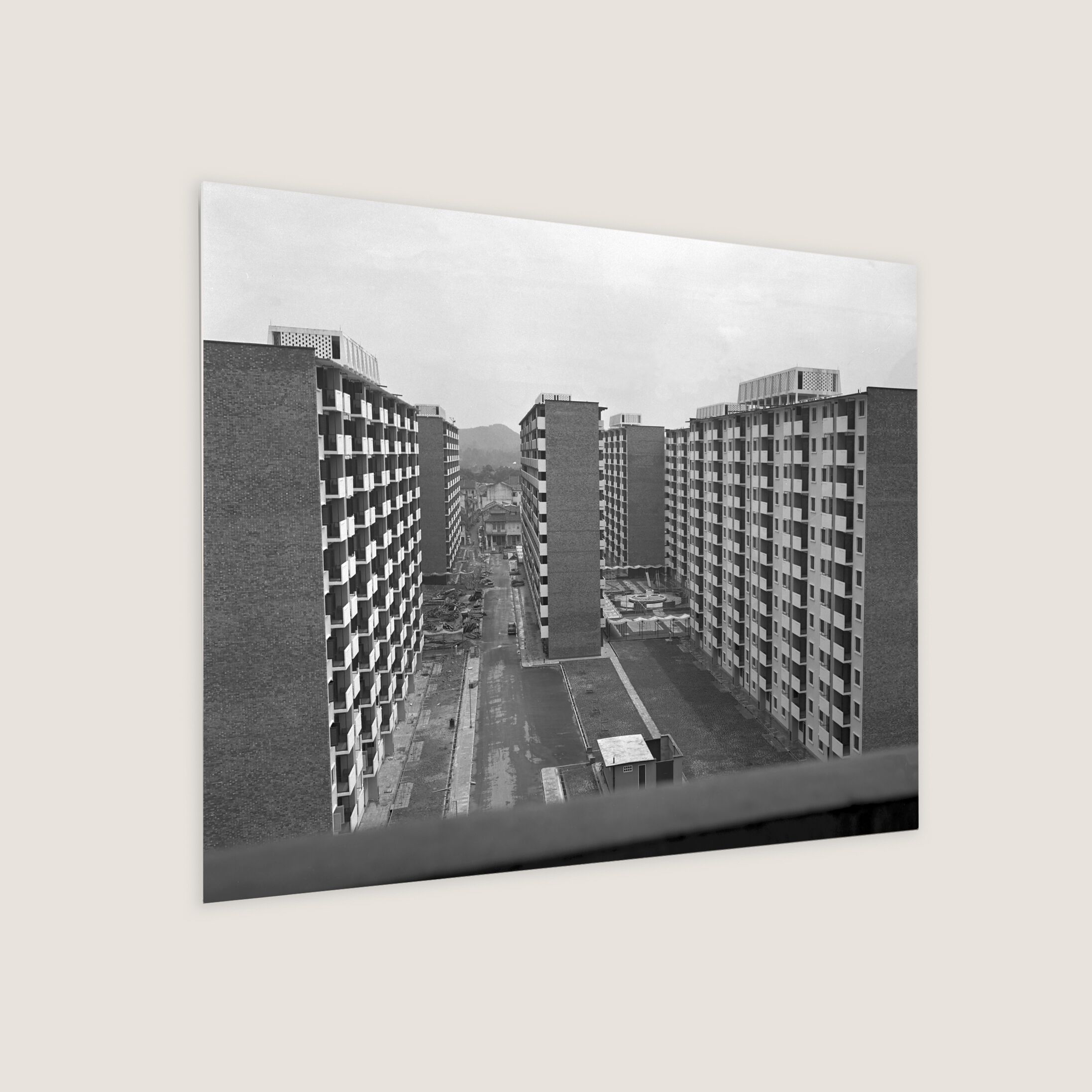
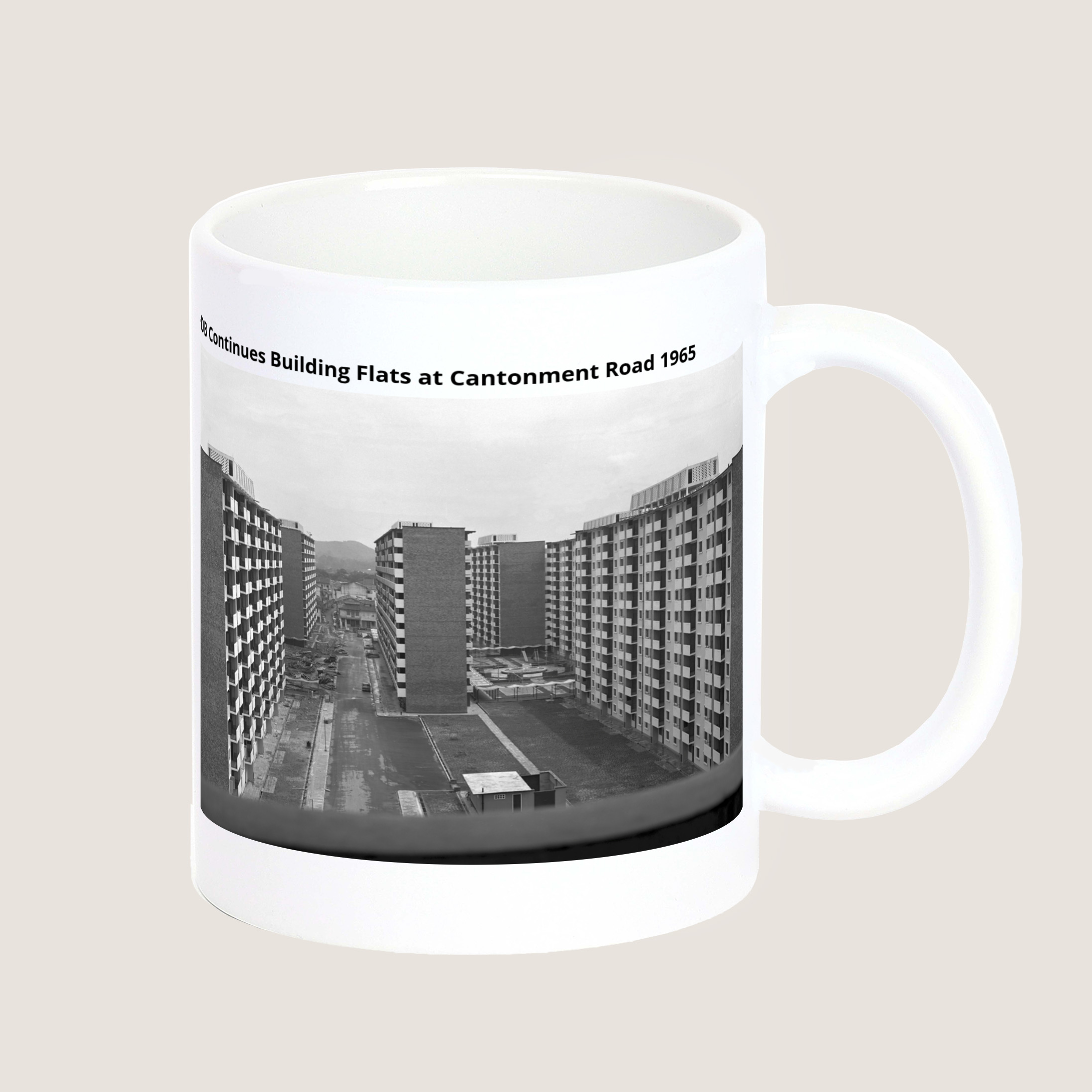
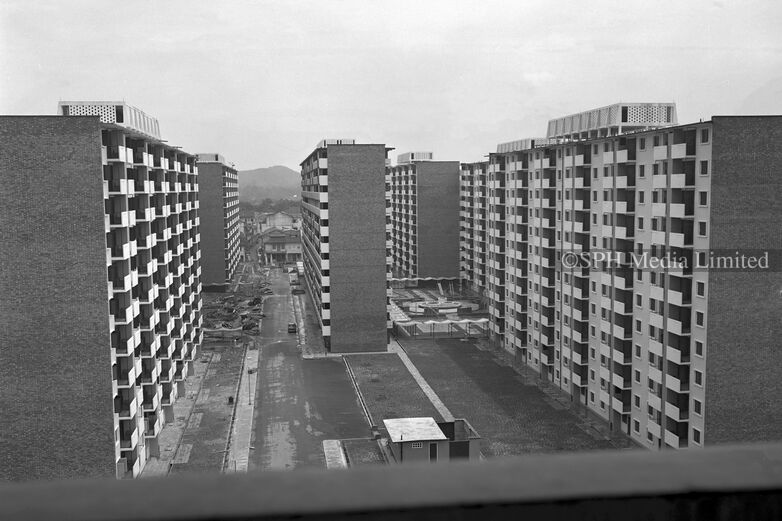 HDB Continues Building Flats at Cantonment Road
1965
HDB Continues Building Flats at Cantonment Road
1965
HDB Continues Building Flats at Cantonment Road
Year 1965
Starting with two blocks in 1963, the Housing and Development Board continued building more flats at Cantonment Road. The flats shown in the photo were part of HDB’s first batch of apartments after it took over from the Singapore Improvement Trust.
©️ SPH Media Limited
Share to
Tags
Available for print on products
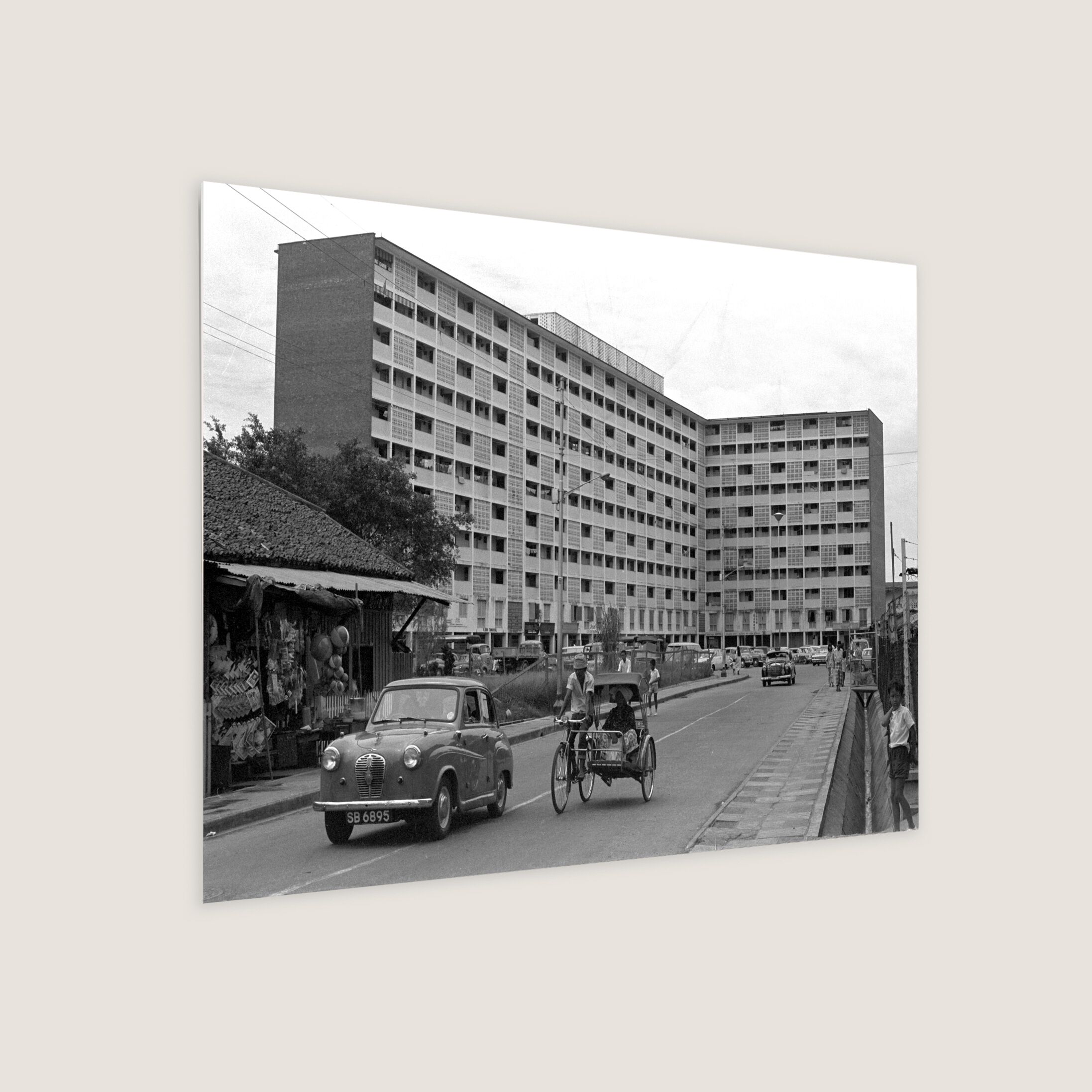
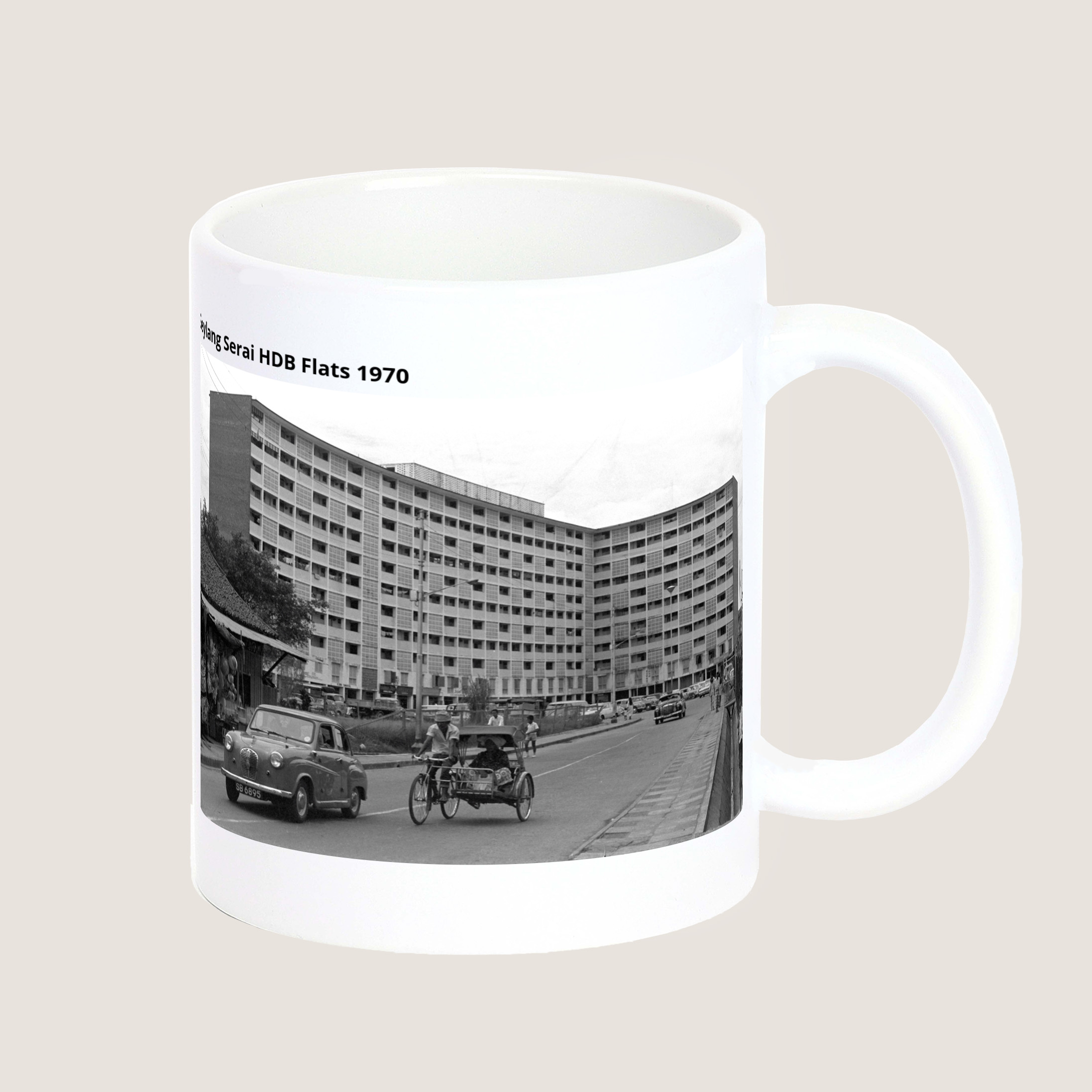
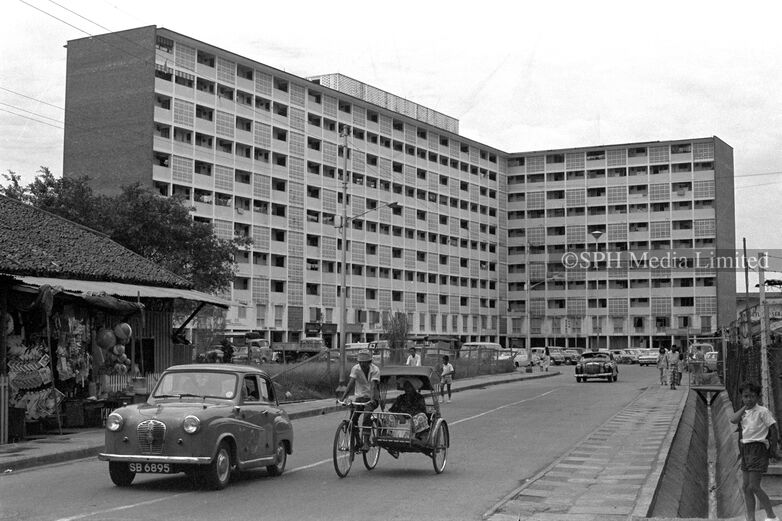 Geylang Serai HDB Flats
1970
Geylang Serai HDB Flats
1970
Geylang Serai HDB Flats
Year 1970
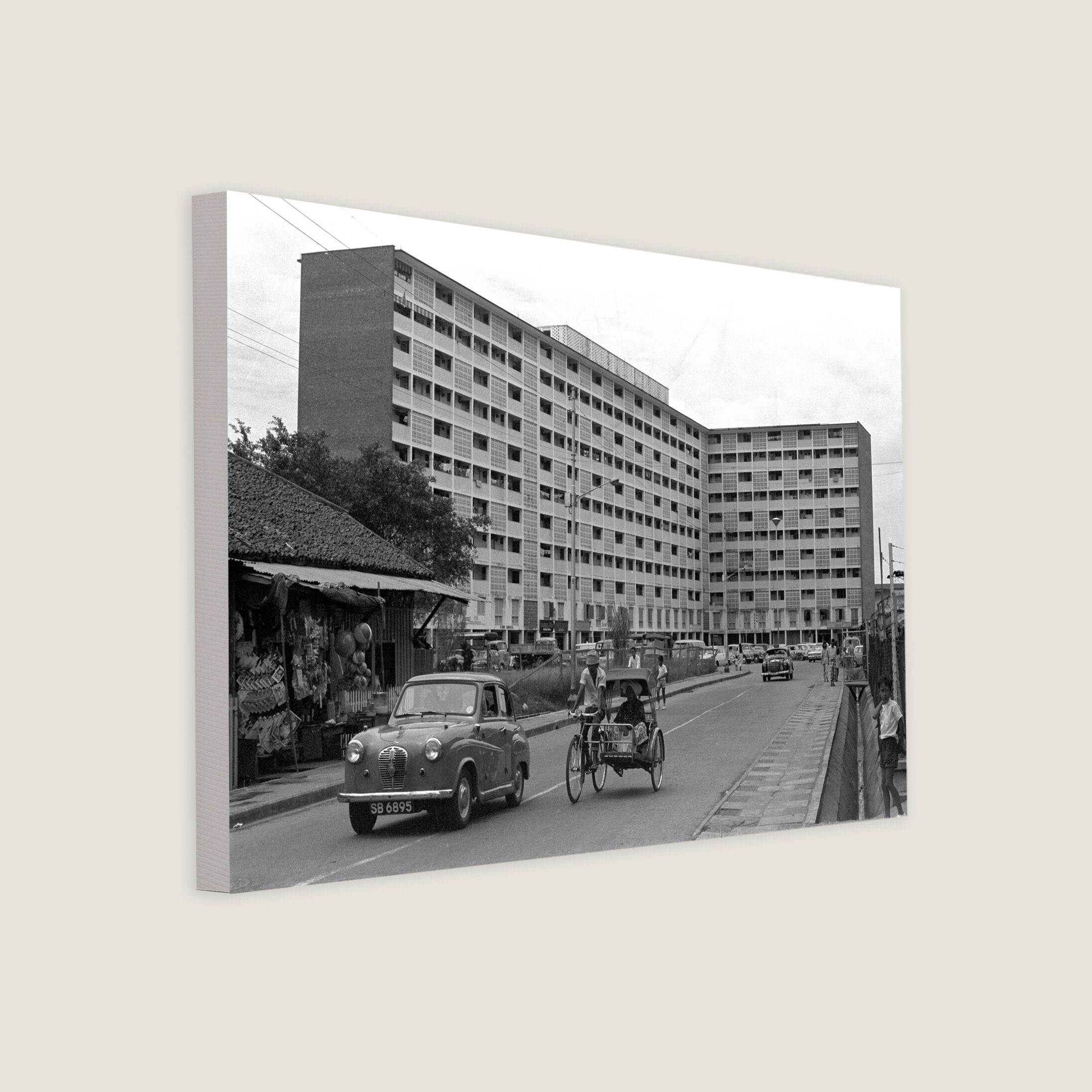
By the early 1980s, Geylang Serai had undergone a dramatic transformation. The kampongs that once defined the area gave way to Housing and Development Board flats, light industrial estates, and modern shopping complexes - marking the end of a chapter in Geylang’s village heritage.
©️ SPH Media Limited
Share to
Tags
Available for print on products
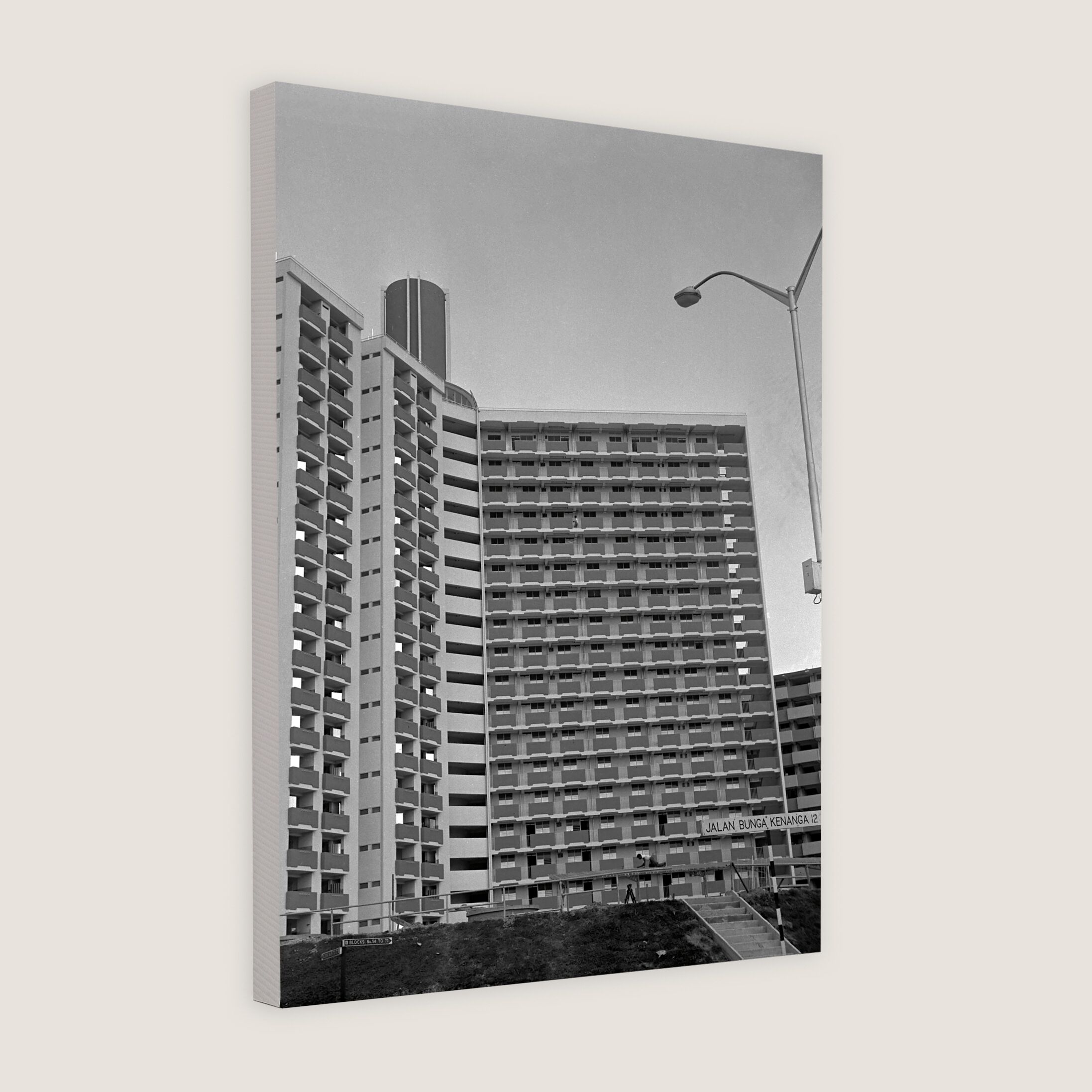
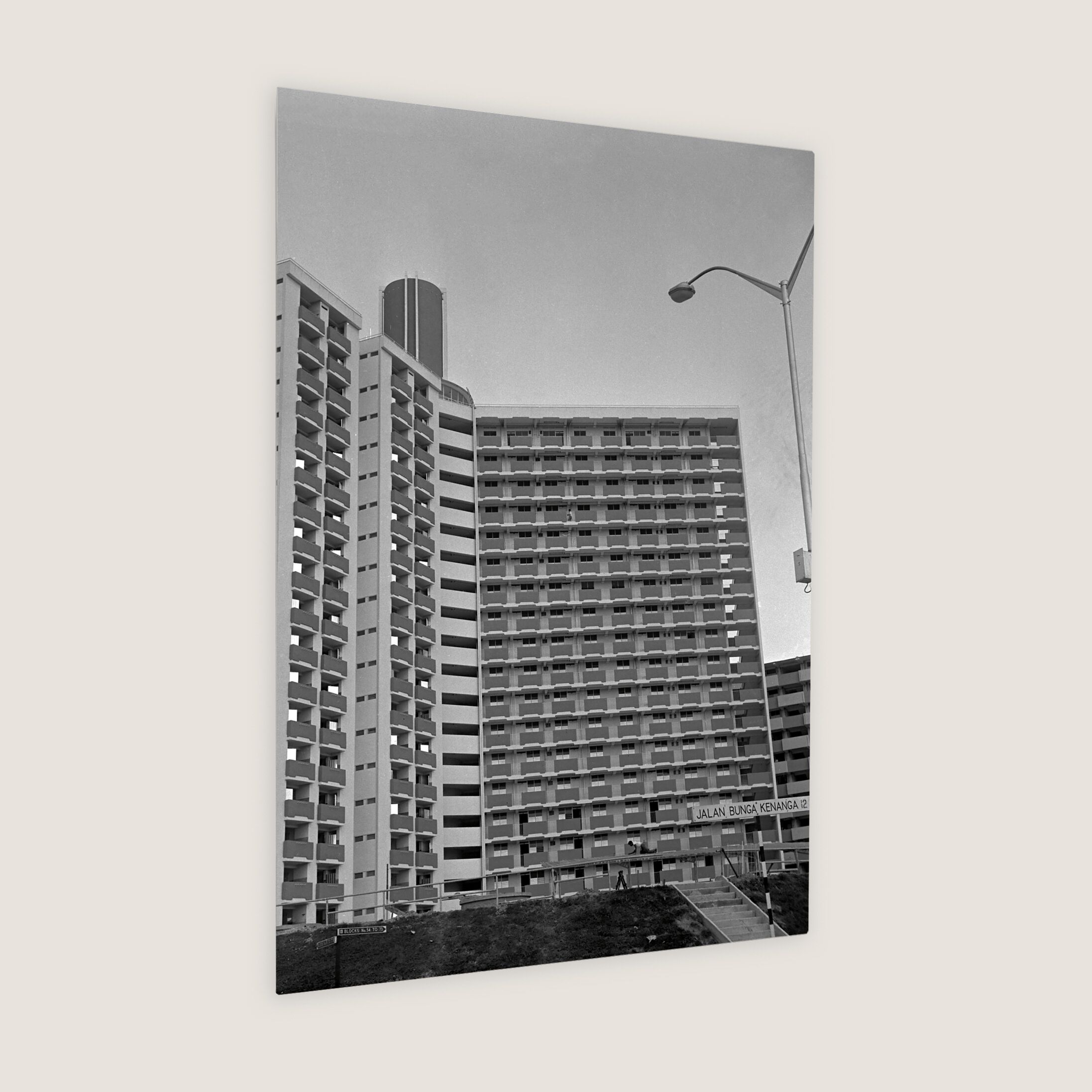
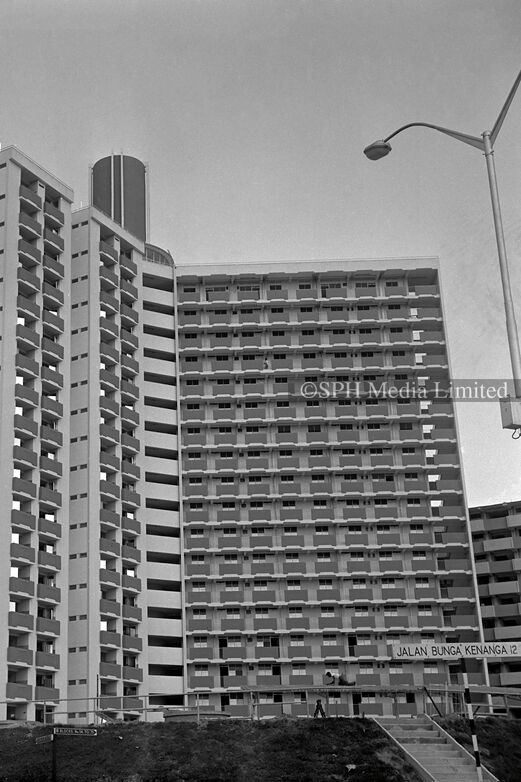 A High-Rise HDB Flat at Jalan Bunga Kenanga
1967
A High-Rise HDB Flat at Jalan Bunga Kenanga
1967
A High-Rise HDB Flat at Jalan Bunga Kenanga
Year 1967
Built in the 1960s during HDB’s early efforts to diversify flat designs, this 19-storey Y-shaped block in Toa Payoh became known as the “VIP Block” for hosting visiting dignitaries on its rooftop gallery. Once located along Jalan Bunga Kenanga, now gone from the map, the building remains a landmark at Toa Payoh Lorong 1 today.
©️ SPH Media Limited
Share to
Tags
Available for print on products
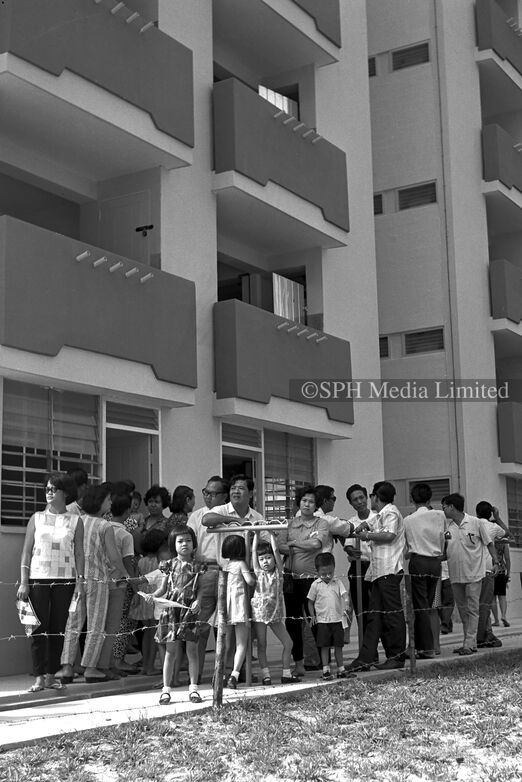 Pioneer Residents of the Y-Shaped Flat
1967
Pioneer Residents of the Y-Shaped Flat
1967
Pioneer Residents of the Y-Shaped Flat
Year 1967
Crowds at the 19th-storey Y flat ready for balloting at Toa Payoh estate in the 1960s. It was a highlight of Singapore's architecture, with an innovative take. It was known as the 'VIP block' due to the number of foreign and local dignitaries visiting this location. Famous guests include former Australian Prime Minister John Gorton, Queen Elizabeth II, Princess Anne and Prince Phillip of the United Kingdom, and former Sri Lankan Prime Minister Bandaranaike Sirimavo.
©️ SPH Media Limited
Share to
Tags
Available for print on products
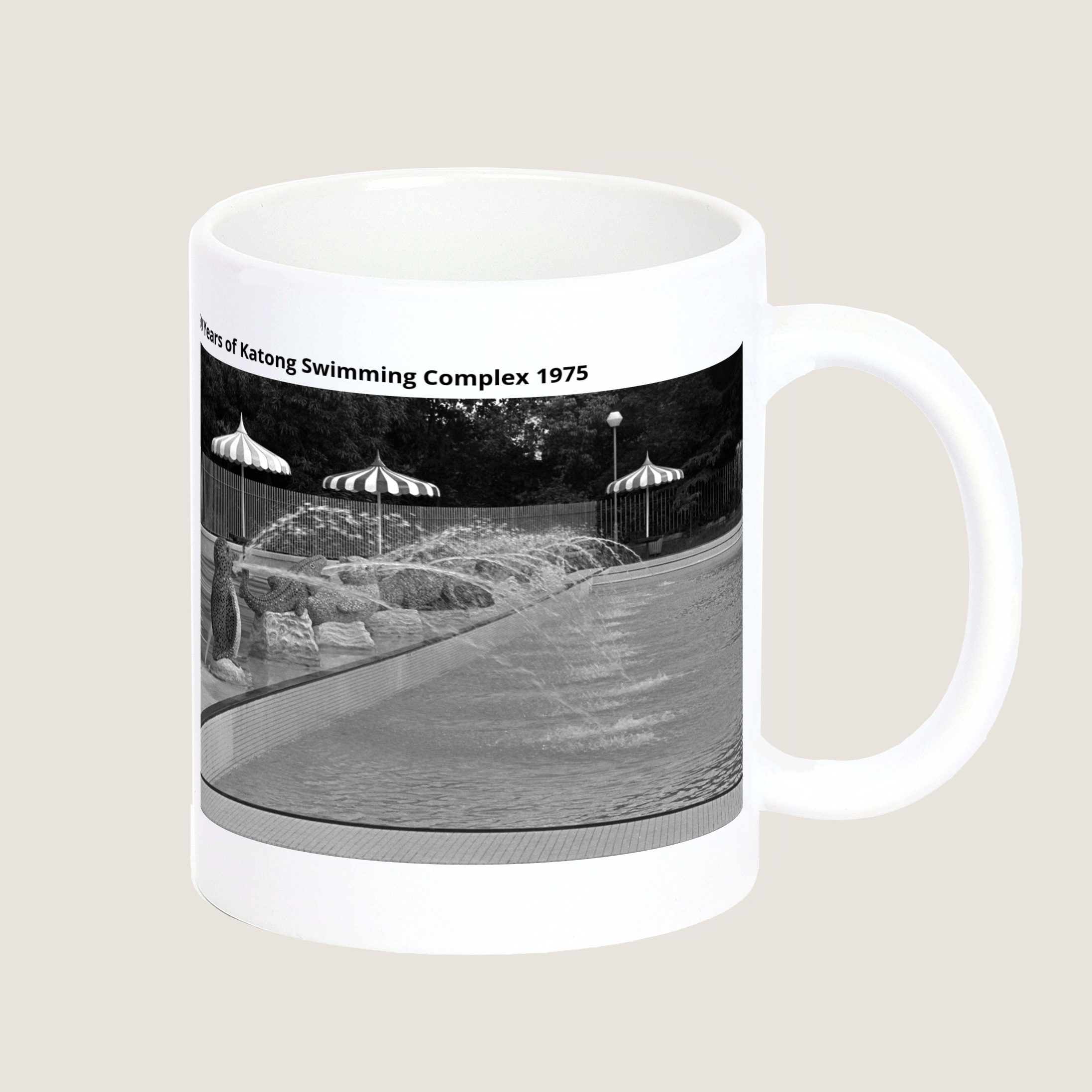
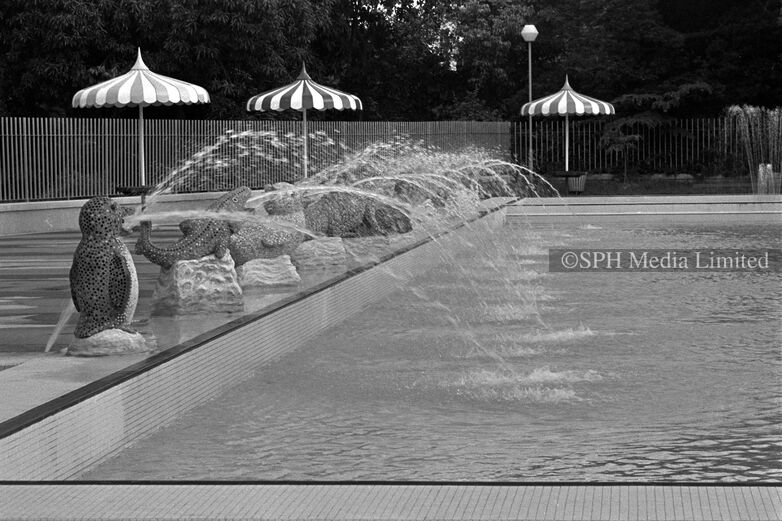 50 Years of Katong Swimming Complex
1975
50 Years of Katong Swimming Complex
1975
50 Years of Katong Swimming Complex
Year 1975
Opened in 1975 by the Housing and Development Board, Katong Swimming Complex at Wilkinson and Mountbatten Roads served 50,000 residents from nearby estates like Kallang, Tanjong Rhu, and Guillemard.
©️ SPH Media Limited
Share to
Tags
Available for print on products
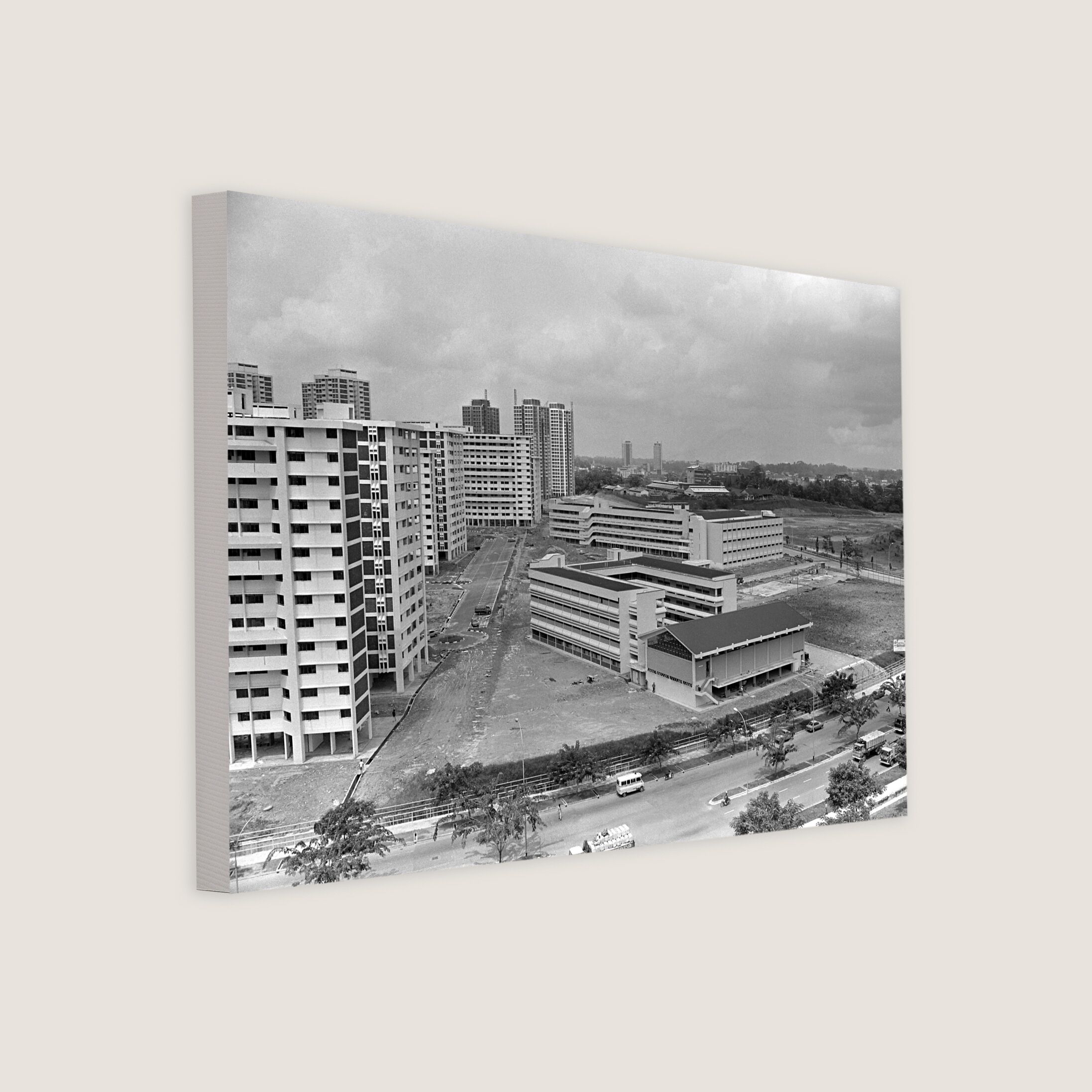
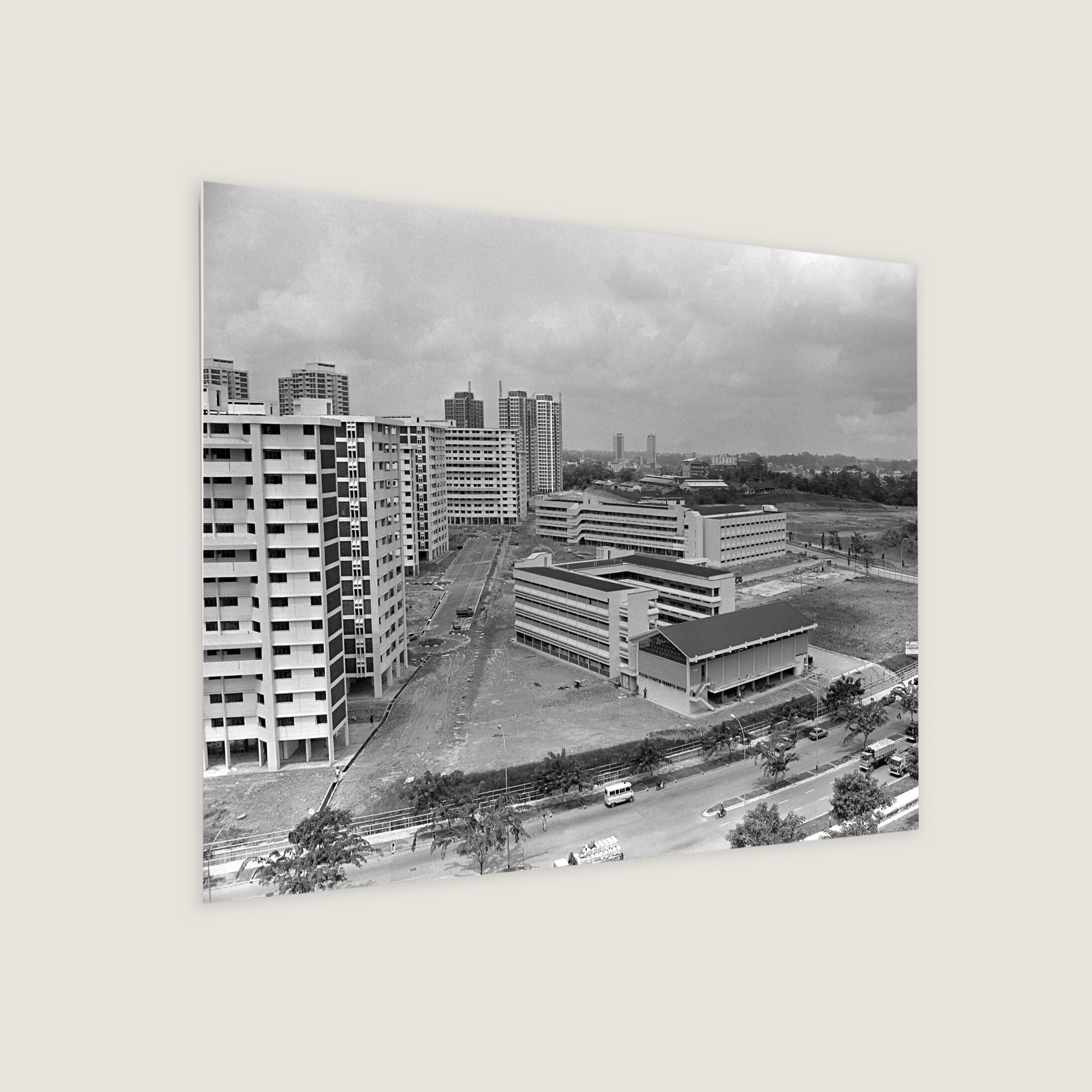
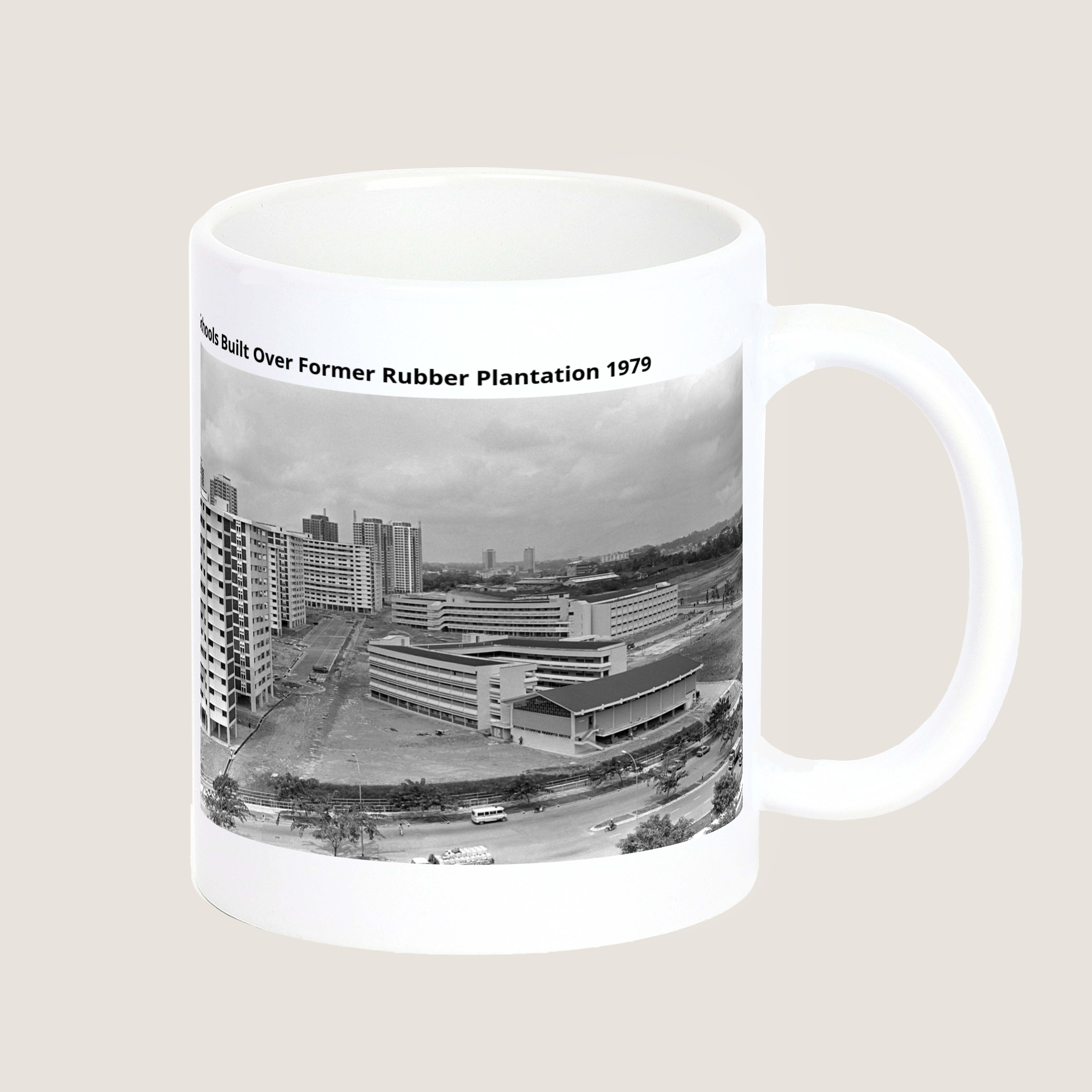
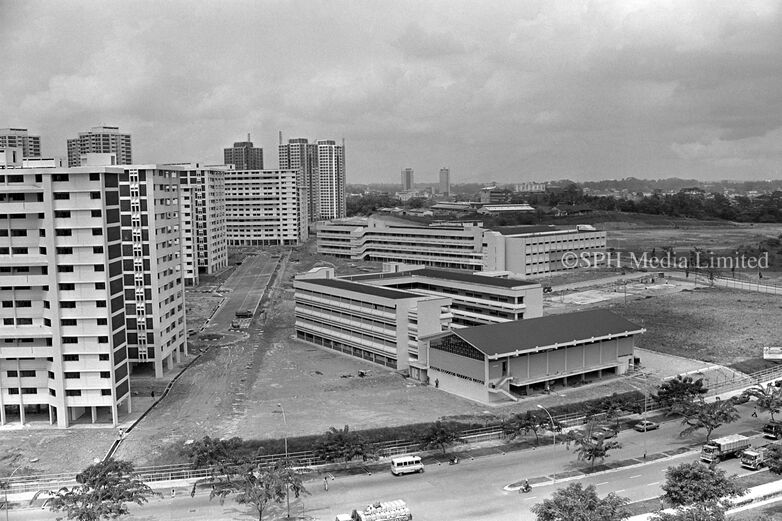 Schools Built Over Former Rubber Plantation
1979
Schools Built Over Former Rubber Plantation
1979
Schools Built Over Former Rubber Plantation
Year 1979
In June 1981, as part of Singapore's ongoing urban development, the Housing and Development Board (HDB) initiated the construction of residential blocks along Marsiling Drive, a lane connected to Marsiling Road. Situated side by side at the junction of Marsiling Road and Admiralty Road, two new schools—Siling Primary and Siling Secondary—were established on land that was formerly a rubber plantation.
©️ SPH Media Limited
Share to
Tags
Available for print on products
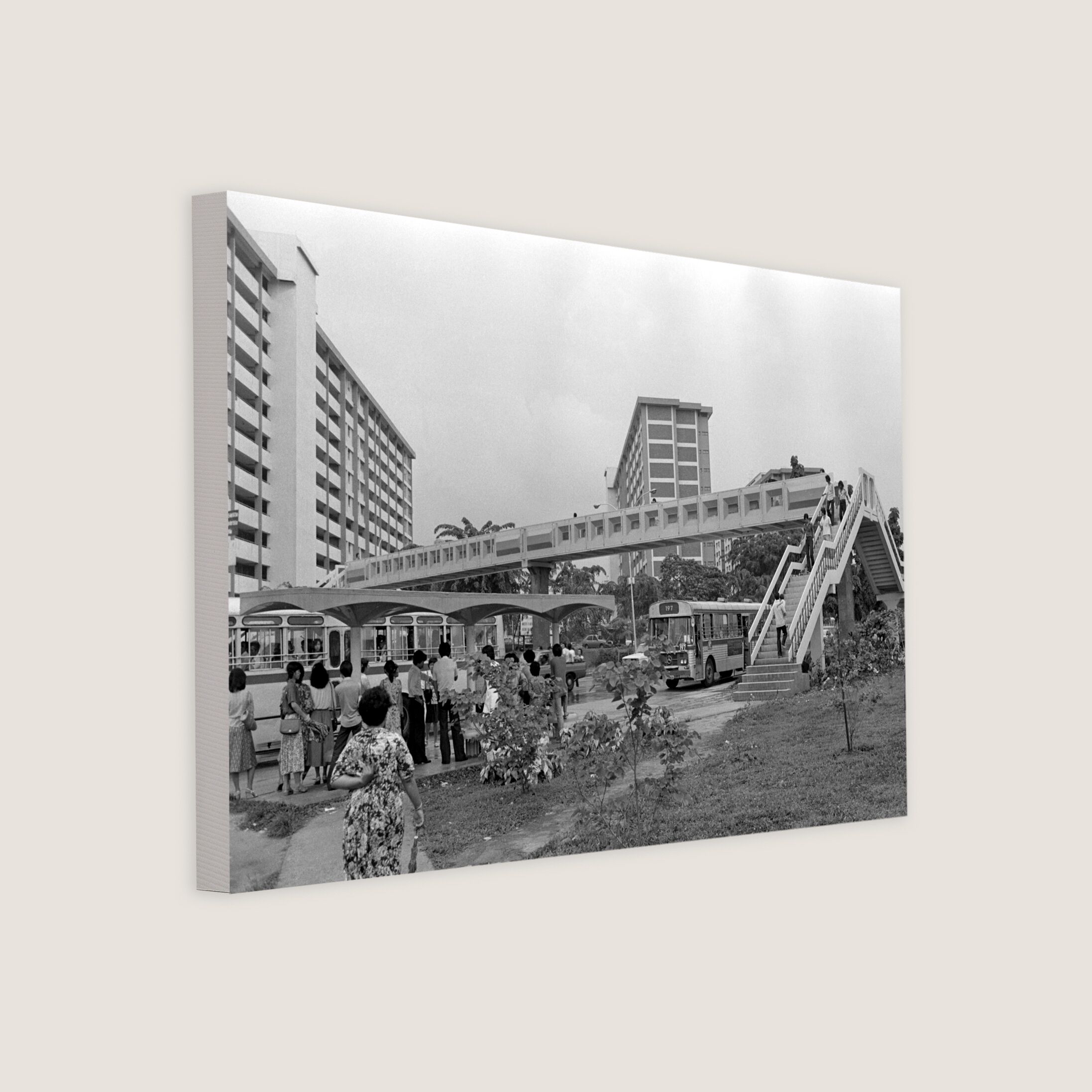
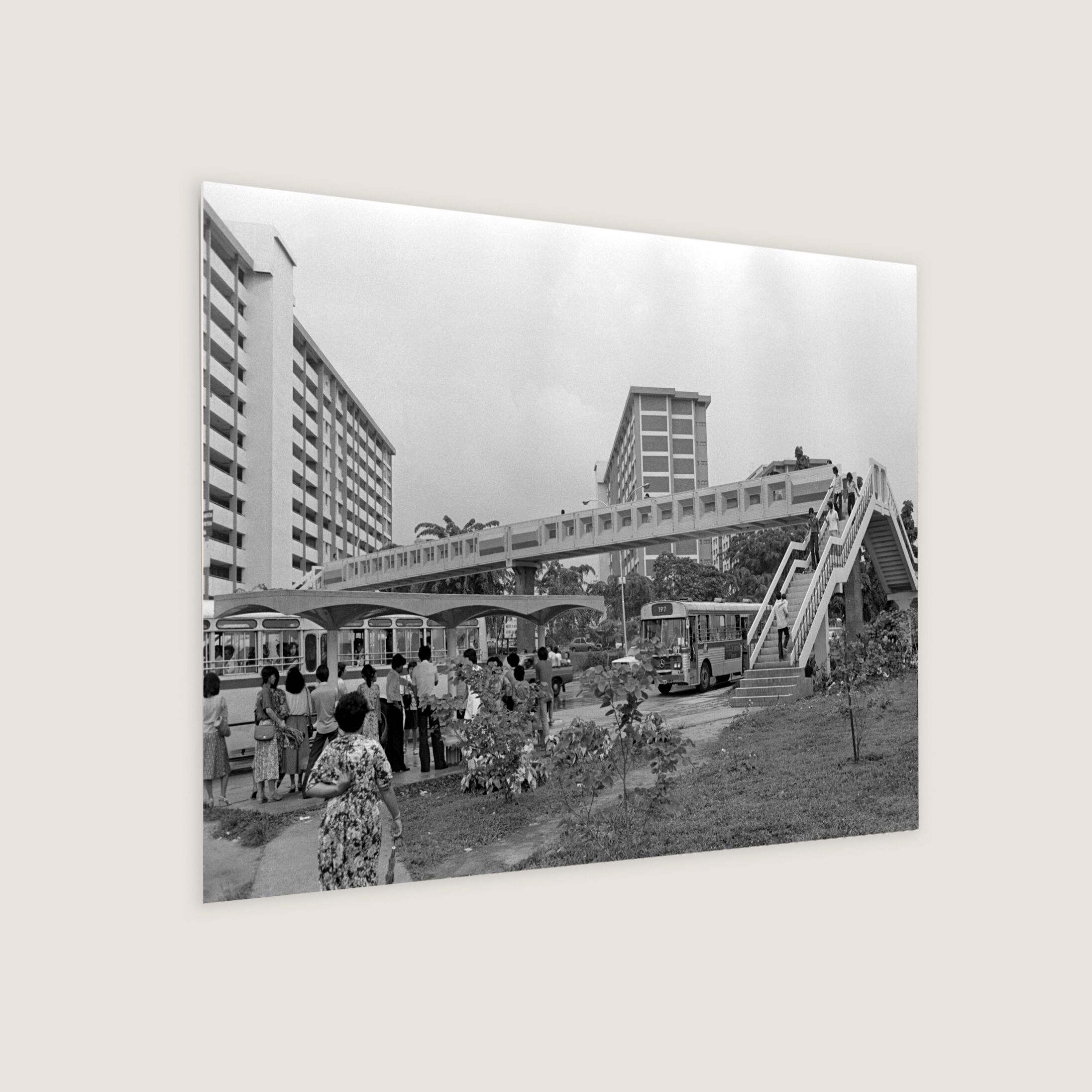
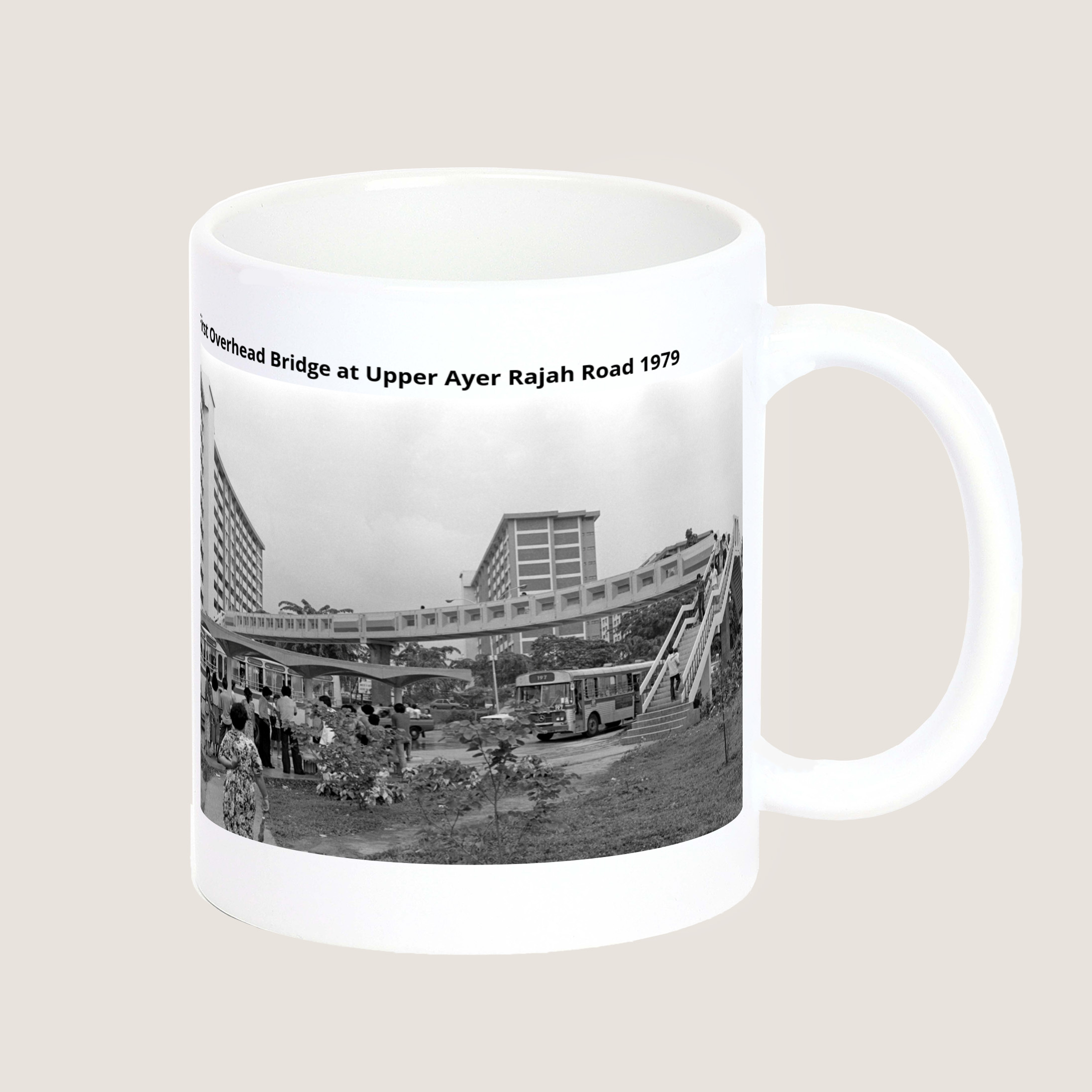
 First Overhead Bridge at Upper Ayer Rajah Road
1979
First Overhead Bridge at Upper Ayer Rajah Road
1979
First Overhead Bridge at Upper Ayer Rajah Road
Year 1979
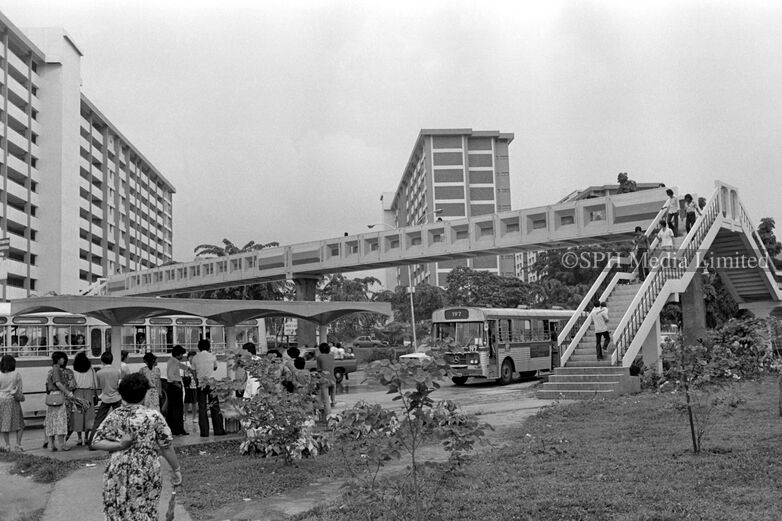
In 1979, an overhead bridge was constructed on Upper Ayer Rajah Road to alleviate pedestrian congestion, as the road linked Jurong Industrial Estate and Clementi Town. In the mid-1980s, this road was widened and integrated into the Ayer Rajah Expressway, forming part of Singapore's expanding expressway network.
©️ SPH Media Limited
Share to
Tags
Available for print on products
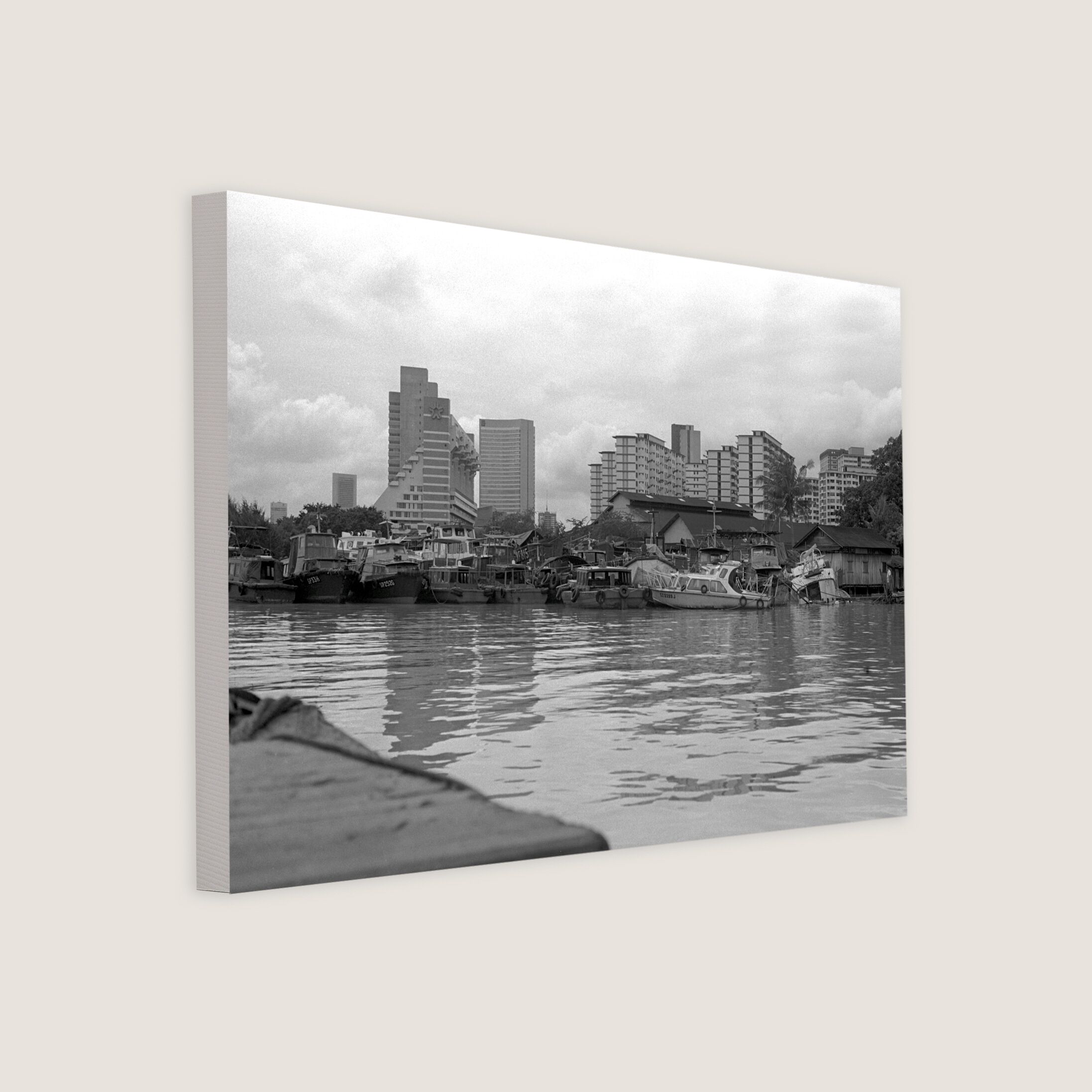
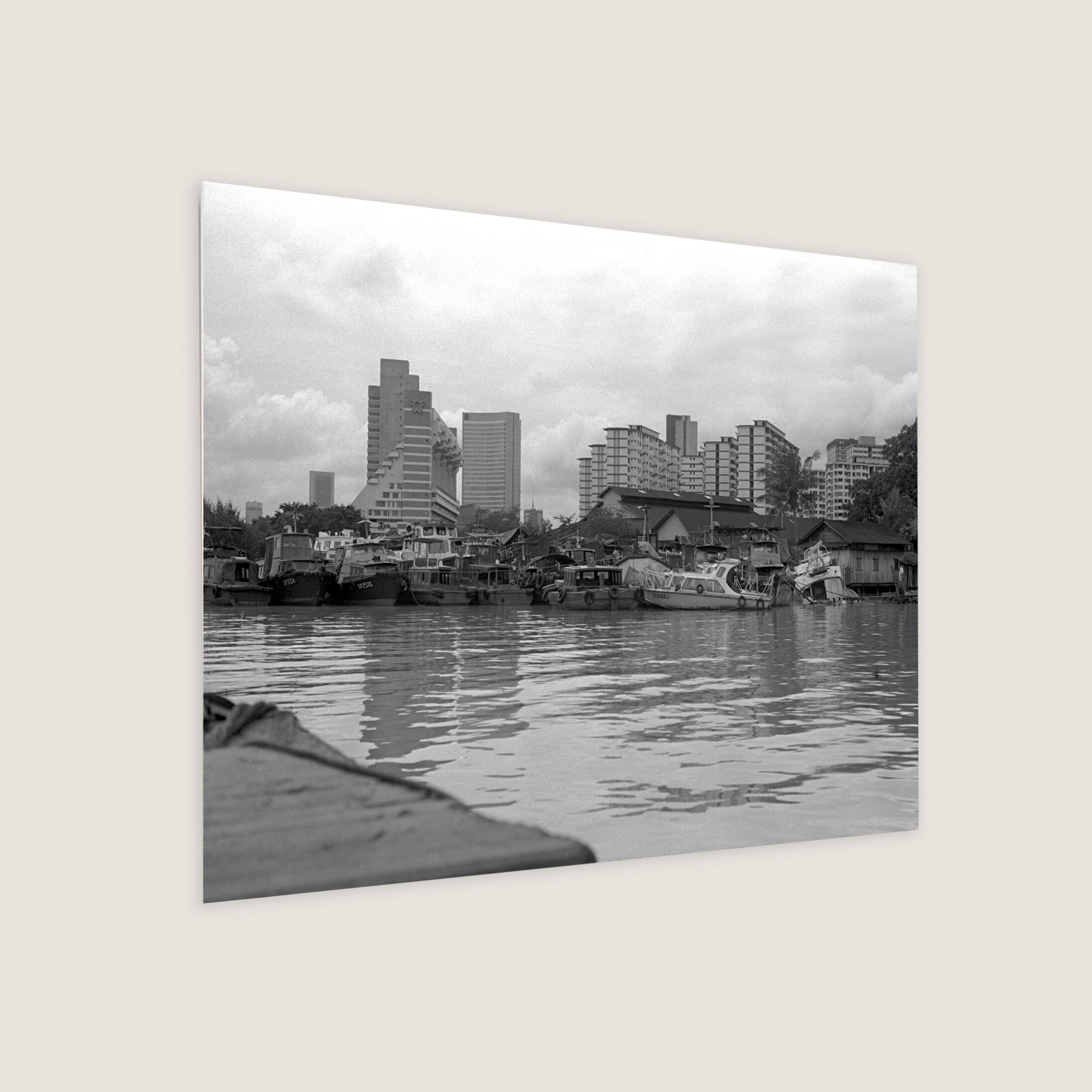
 View Along Beach Road and Kallang Basin
1979
View Along Beach Road and Kallang Basin
1979
View Along Beach Road and Kallang Basin
Year 1979
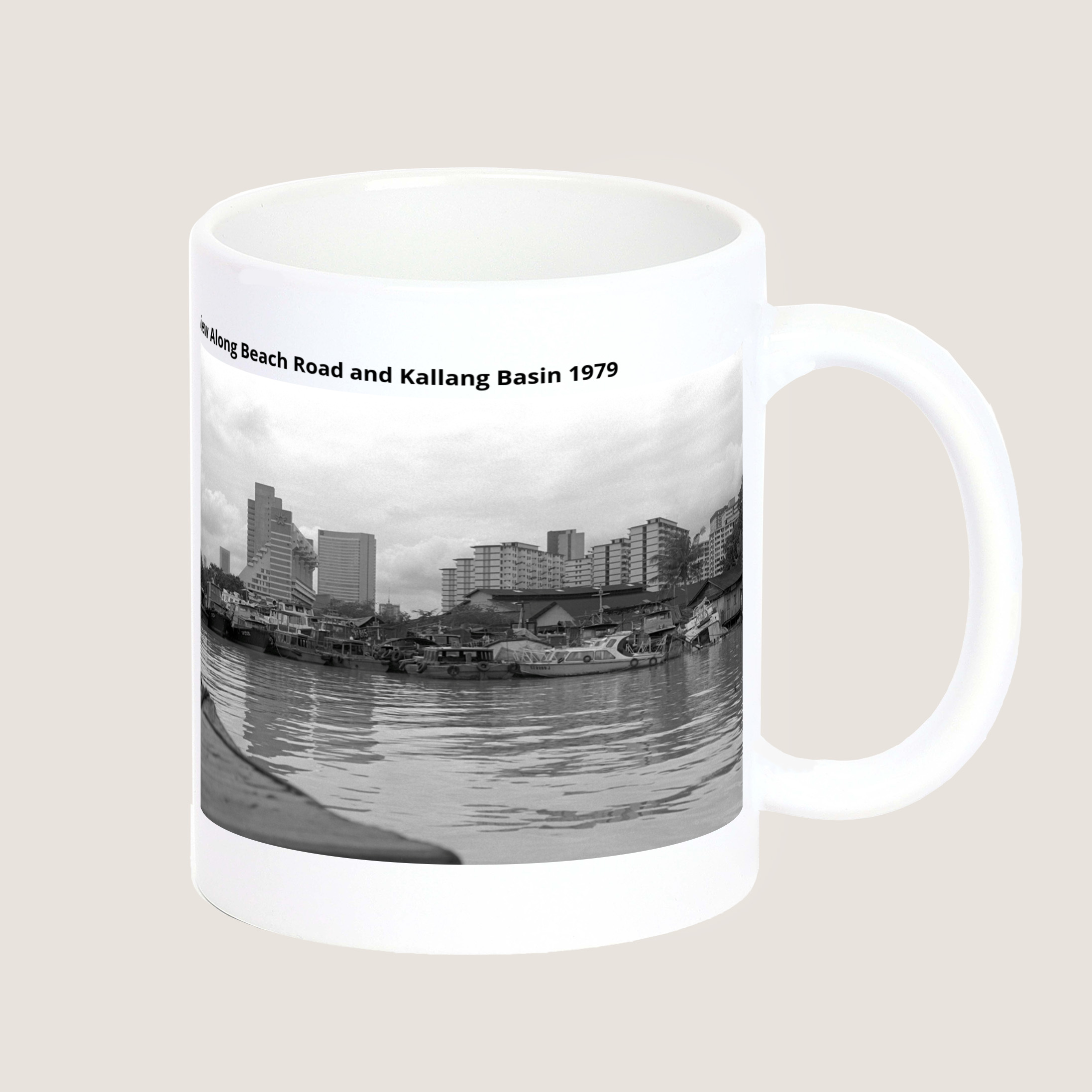
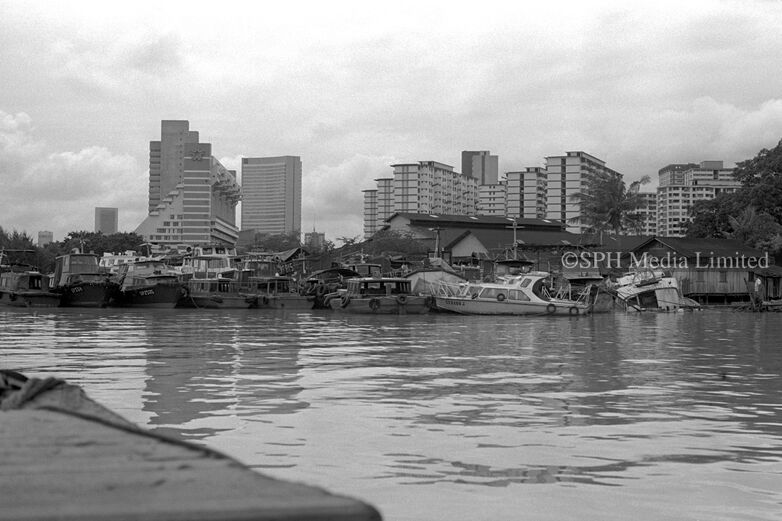
A view of Kallang Basin in the late 1970s shows sawmills, factories, and workshops along its banks. To the left stood Merlin Plaza (now Hotel Royal Plaza) and Golden Mile Complex, while HDB flats lined Beach Road and Crawford Lane. After the river clean-up, waterfront shophouses and boats were relocated, transforming the Kallang Basin landscape.
©️ SPH Media Limited
Share to
Tags
Available for print on products
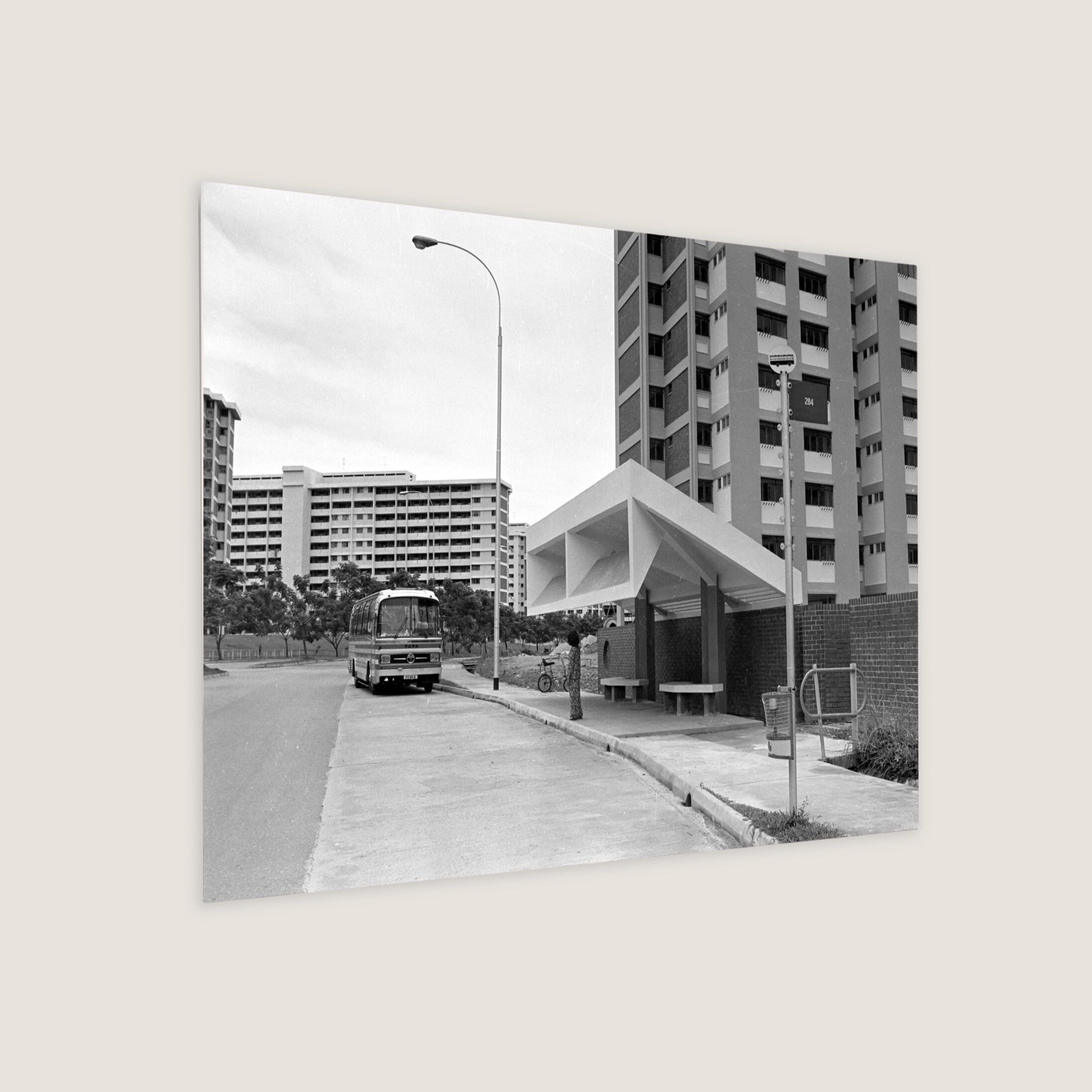
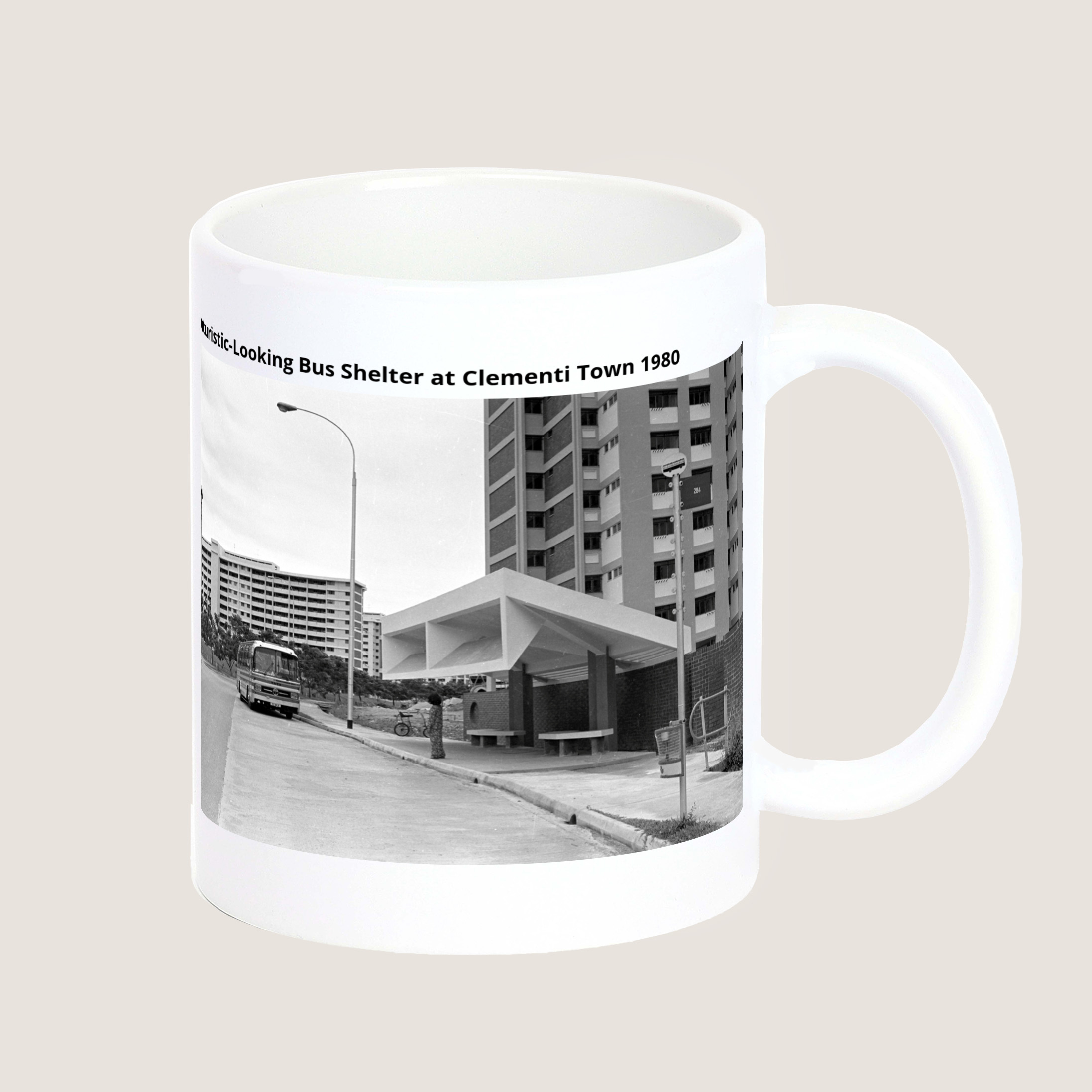
 Futuristic-Looking Bus Shelter at Clementi Town
1980
Futuristic-Looking Bus Shelter at Clementi Town
1980
Futuristic-Looking Bus Shelter at Clementi Town
Year 1980
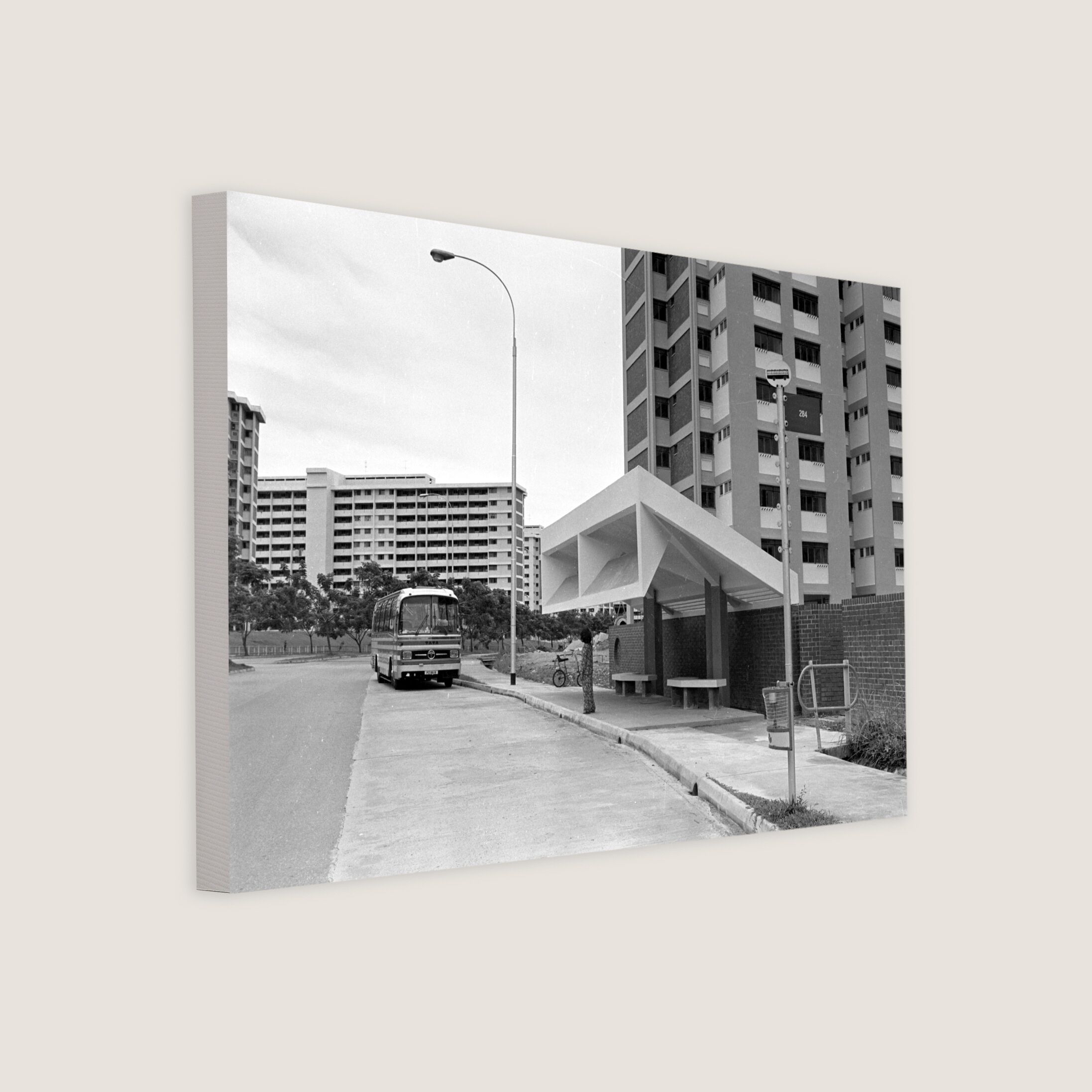
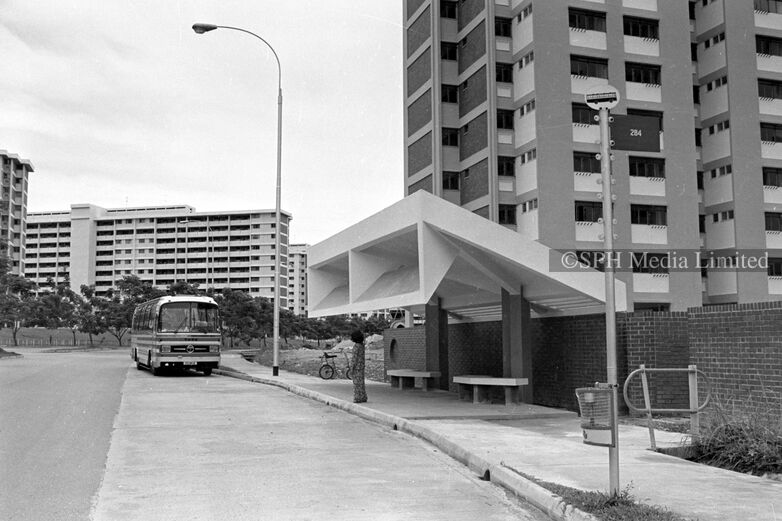
In the early 1980s, HDB built its first bus shelter in Clementi under an agreement with the Public Works Department (PWD). Unlike earlier PWD stops, which had only benches and bus poles, this new shelter had a wider, more futuristic design. It marked a shift toward improving commuter facilities in housing estates across Singapore.
©️ SPH Media Limited
Share to
Tags
Available for print on products
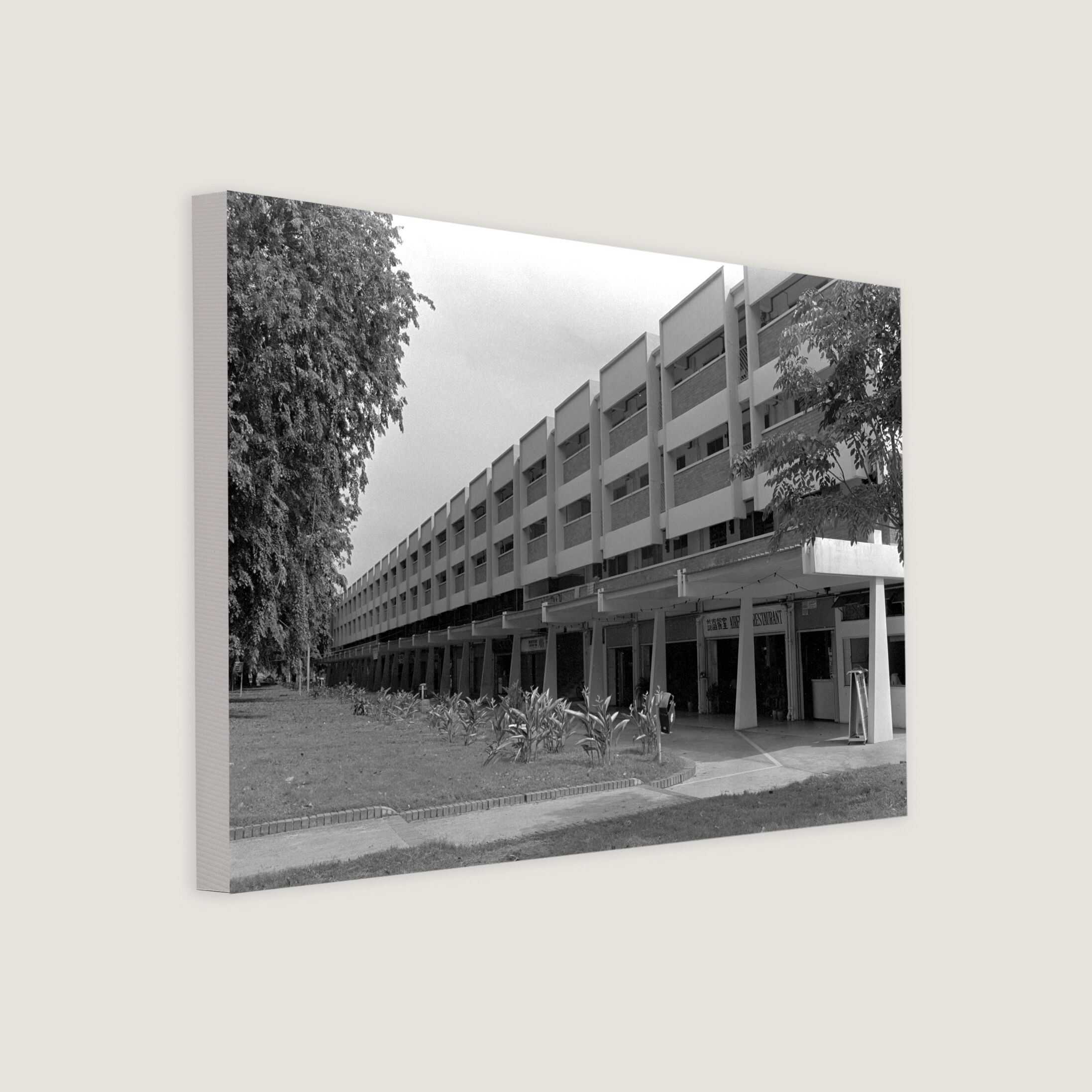
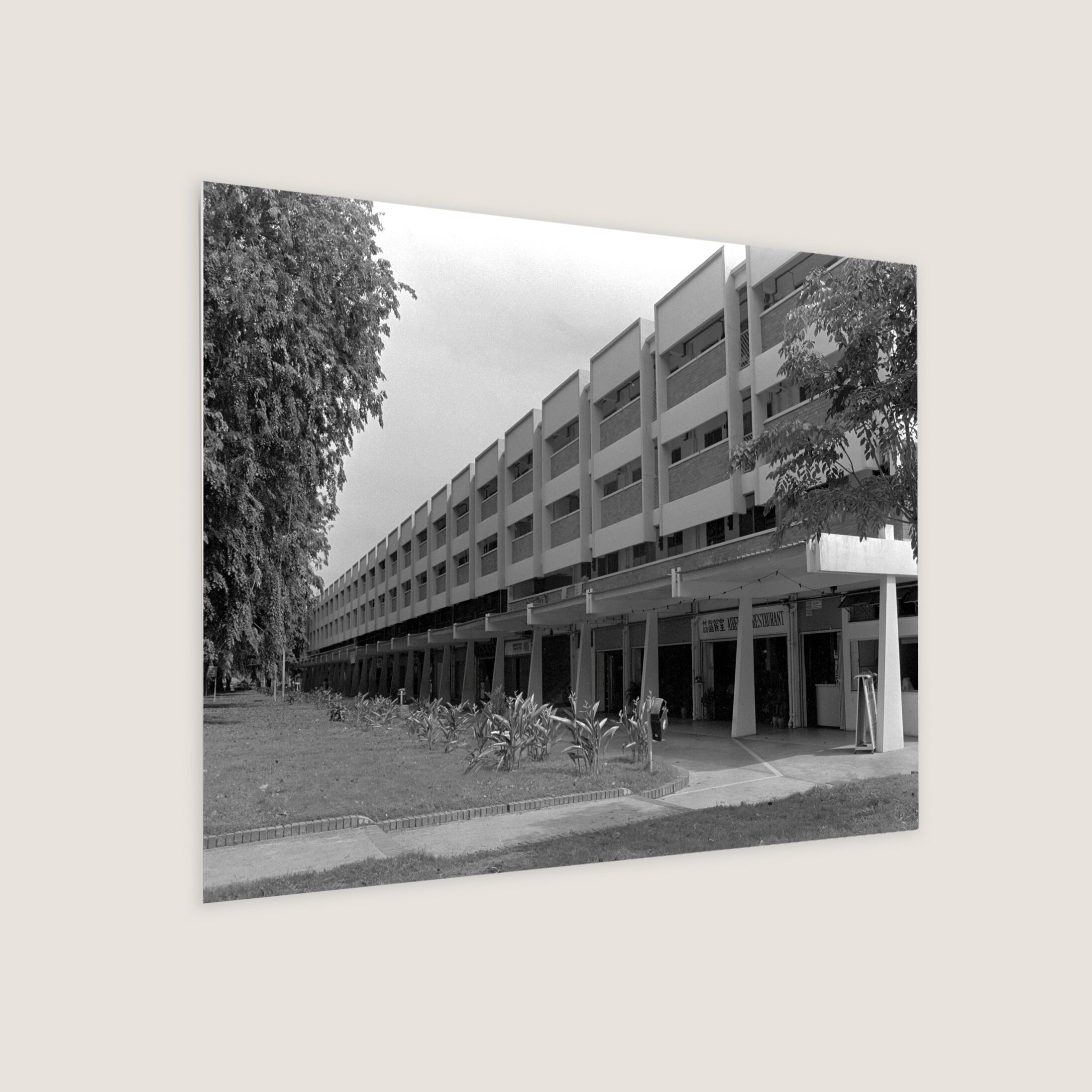
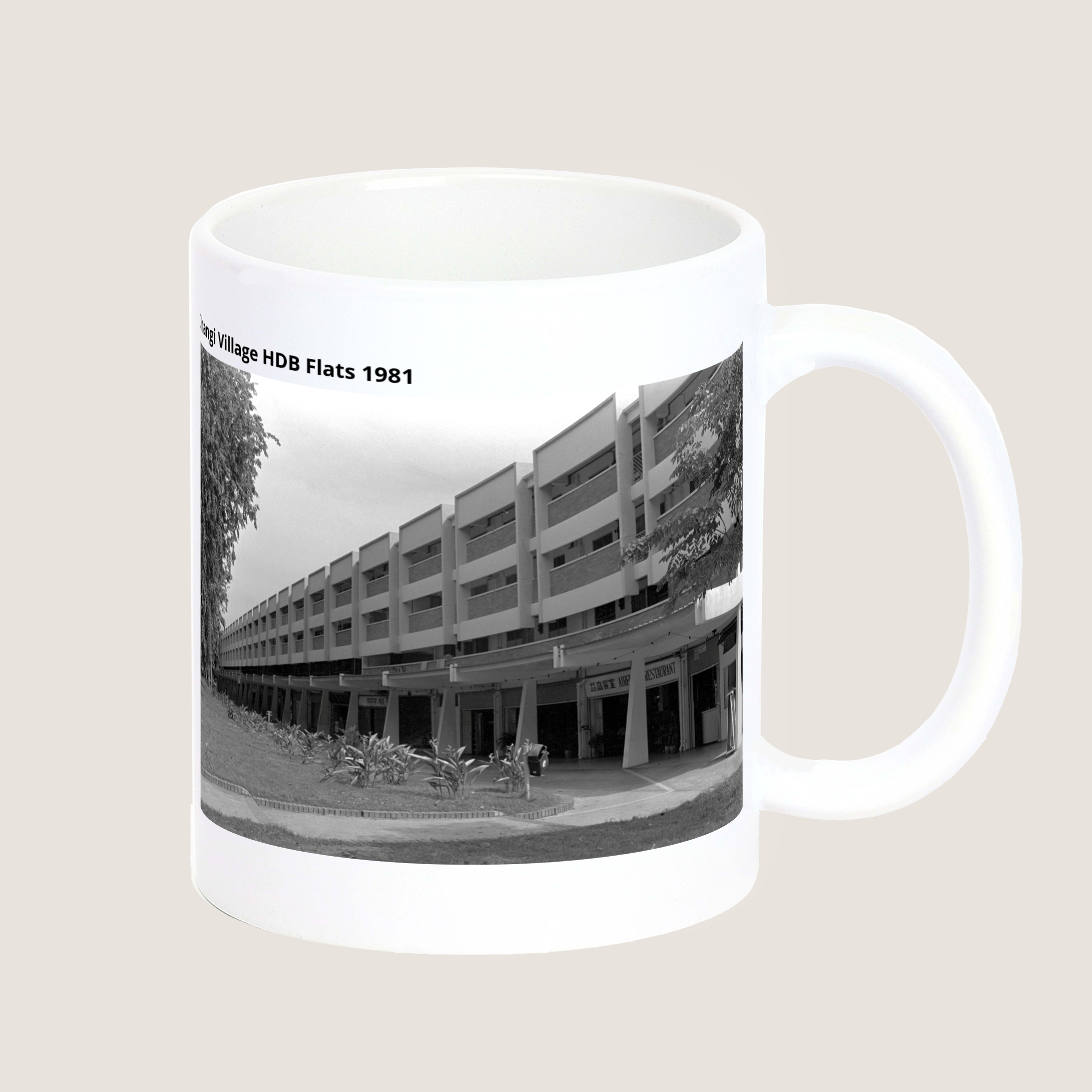
 Changi Village HDB Flats
1981
Changi Village HDB Flats
1981
Changi Village HDB Flats
Year 1981
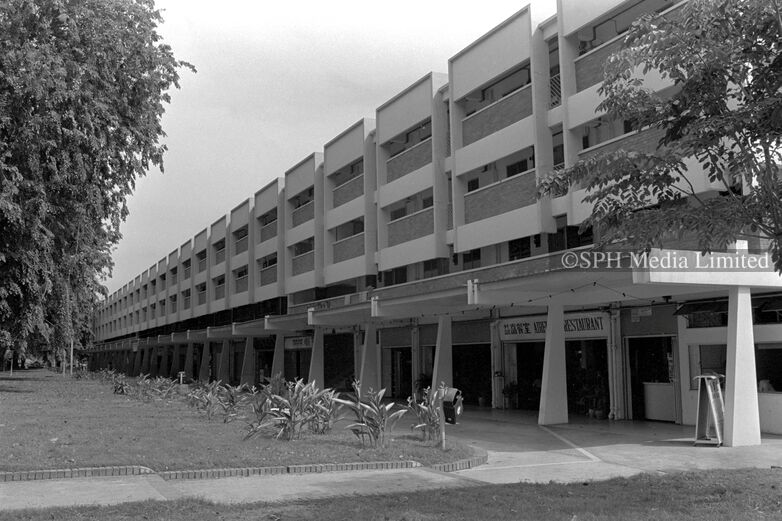
Once a kampung supported by a nearby British military base, Changi Village saw major changes in the 1970s with the development of Changi Airport. Its zinc-roofed shophouses and attap houses were cleared for land reclamation. In their place, the HDB built five low-rise blocks with shops on the ground floor and a market with a hawker centre to serve the new community.
©️ SPH Media Limited
Share to
Tags
Available for print on products
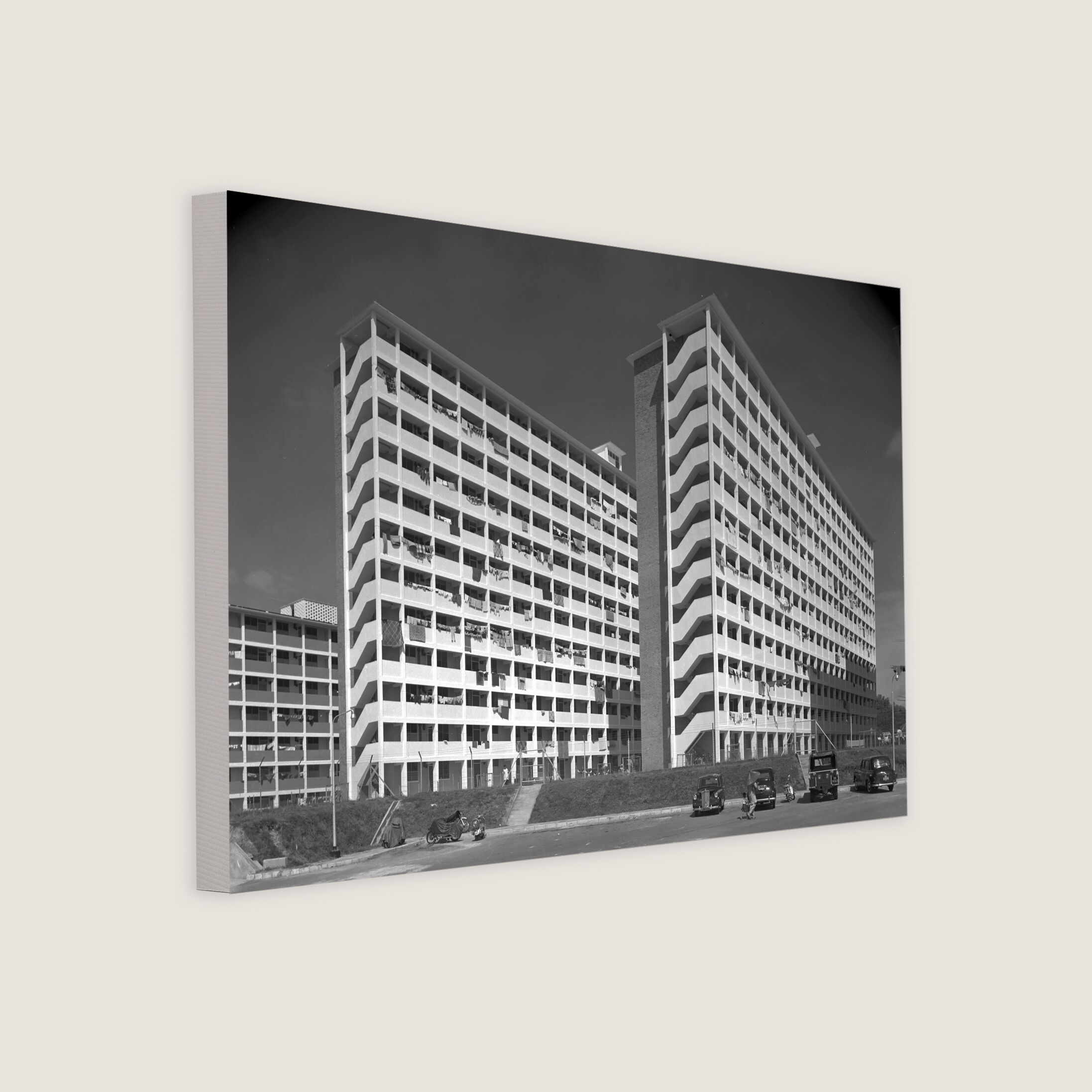
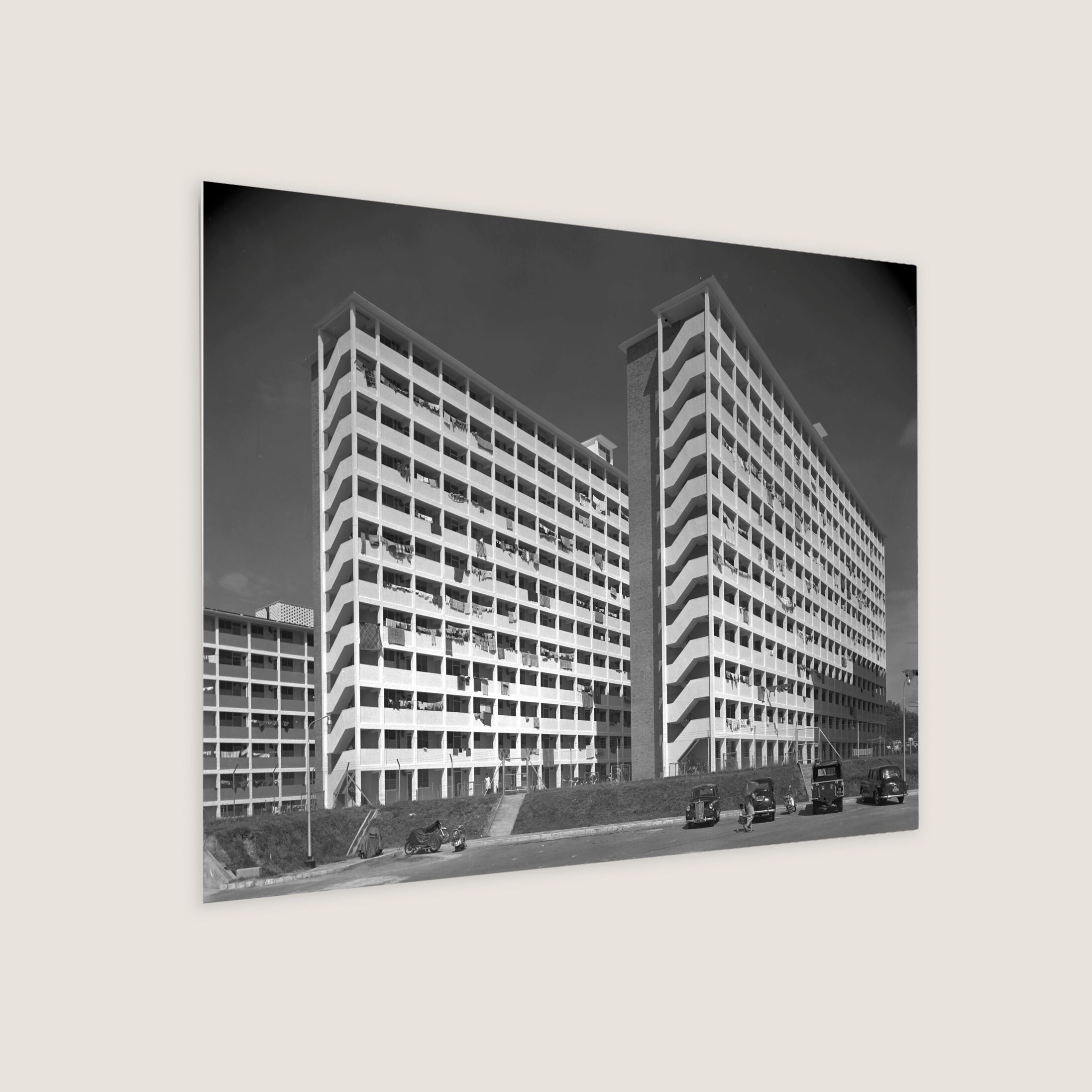
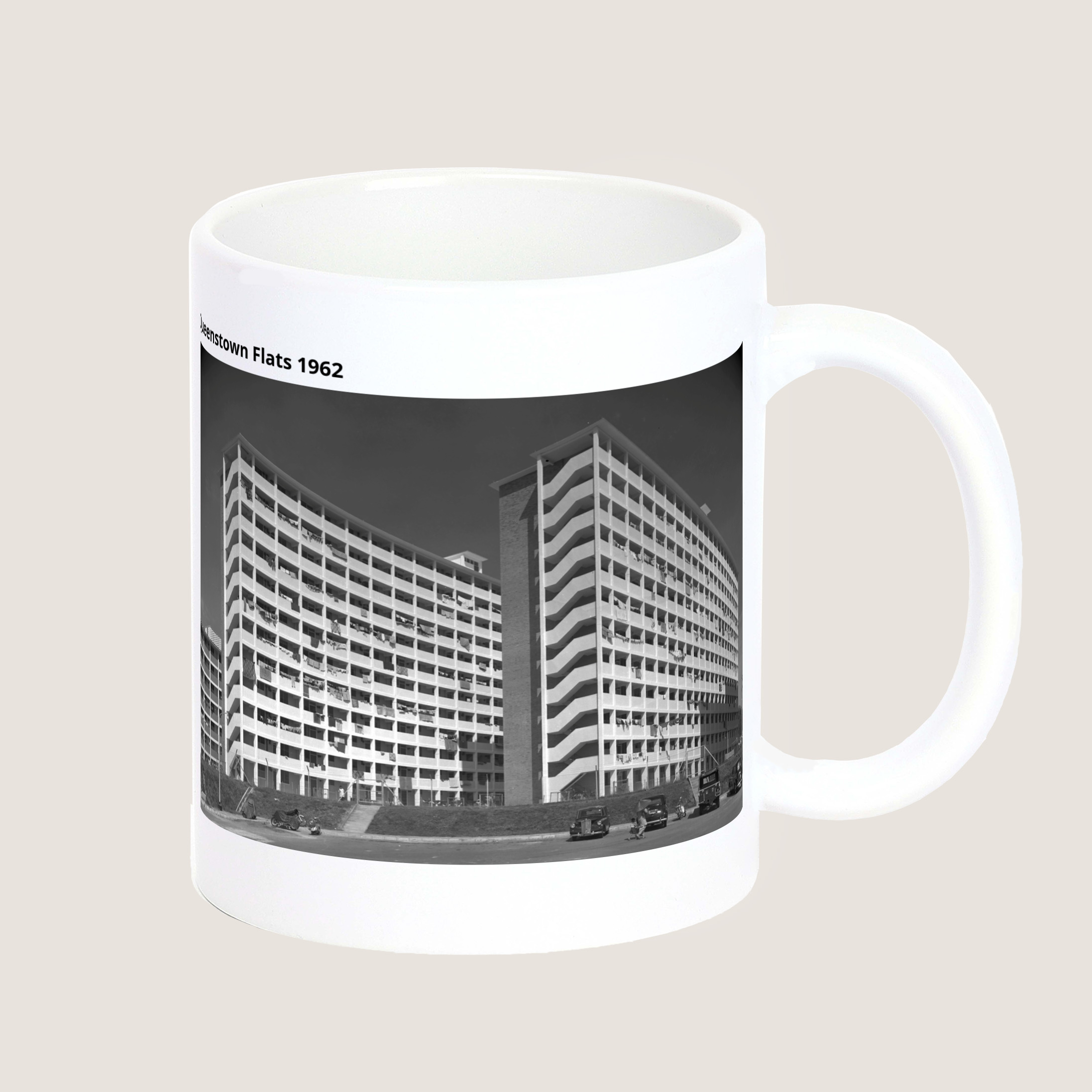
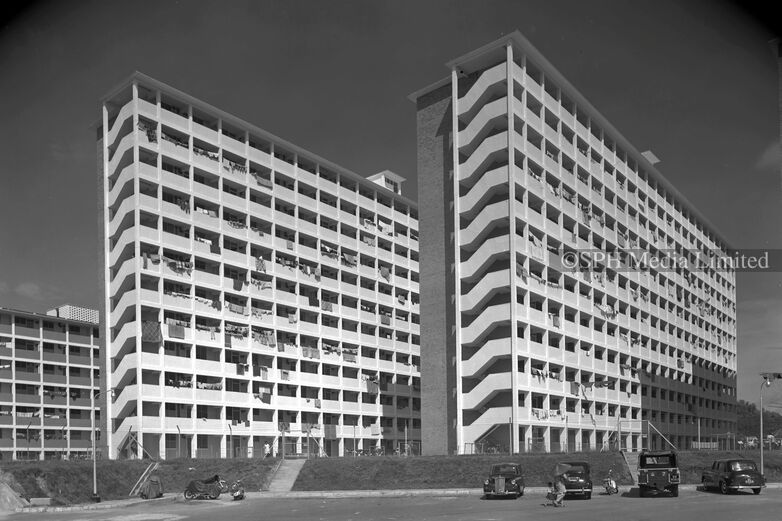 Queenstown Flats
1962
Queenstown Flats
1962
Queenstown Flats
Year 1962
The Singapore Improvement Trust (SIT) embarked on an ambitious project to develop Queenstown in 1952, establishing five estates — Princess Estate, Duchess Estate, Tanglin Halt, Commonwealth, and Queen’s Close and Crescent.
©️ SPH Media Limited
Share to
Tags
Available for print on products
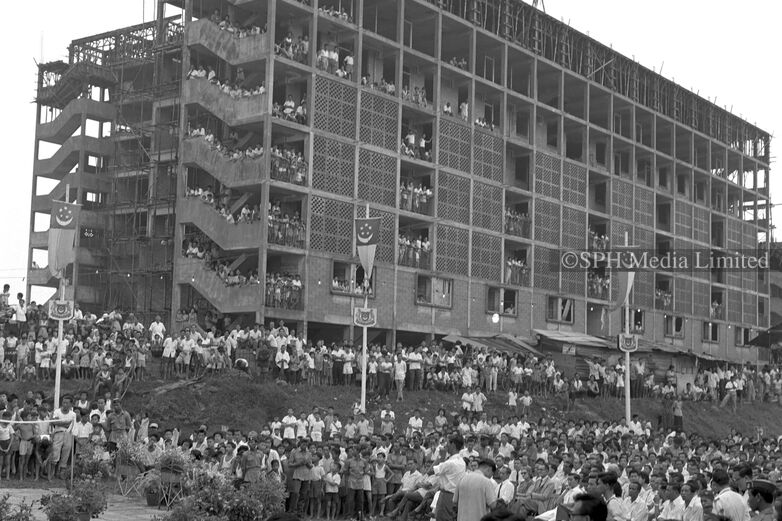 Flats Built After the Bukit Ho Swee Kampong Fire
1961
Flats Built After the Bukit Ho Swee Kampong Fire
1961
Flats Built After the Bukit Ho Swee Kampong Fire
Year 1961
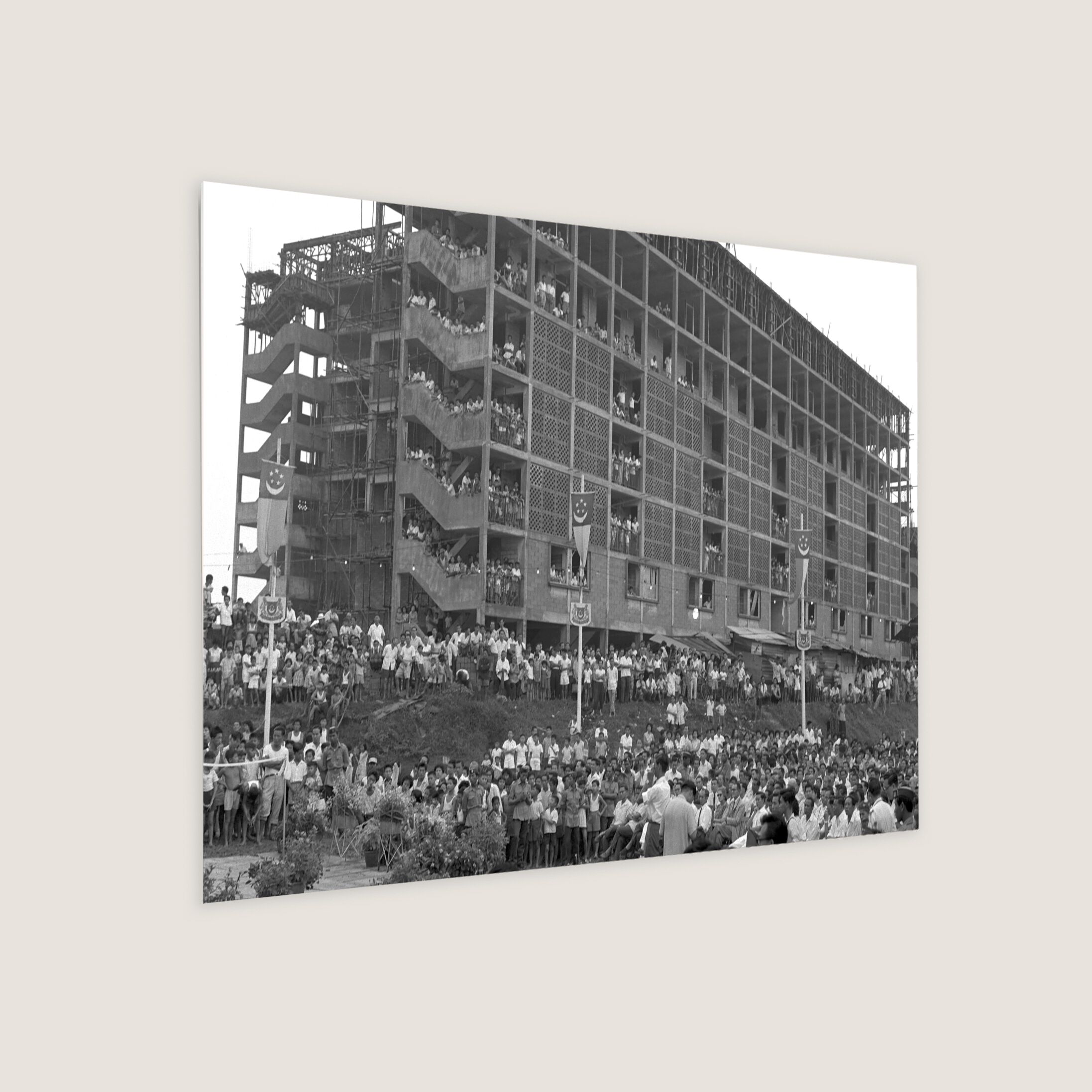
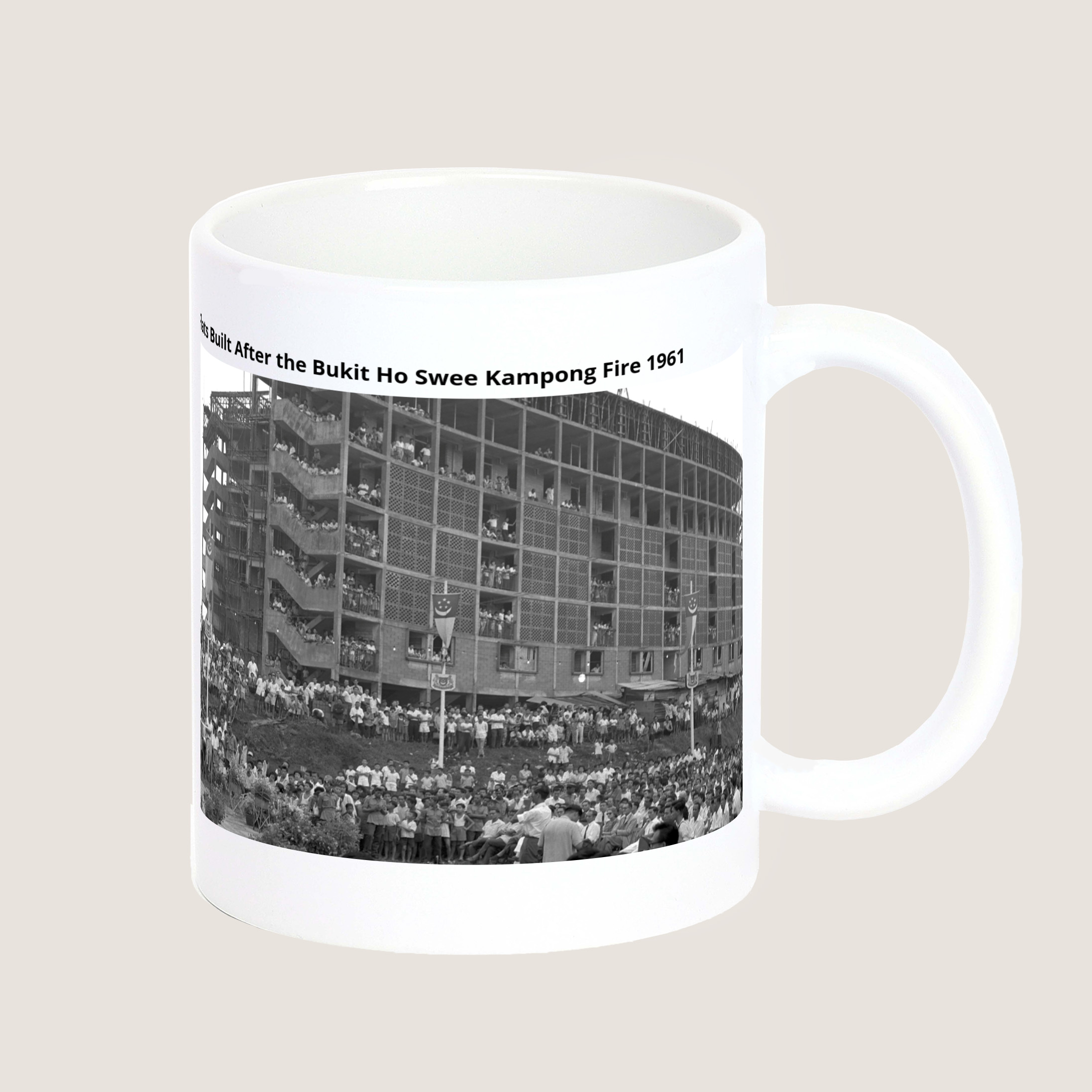
This photograph captures the official opening of the first phase of the Bukit Ho Swee housing estate in September 1961. The newly completed flats, five blocks of one-room, semi-communal units, housed residents displaced by the devastating fire of May 1961. The government carried on building more homes at the Bukit Ho Swee fire site in February 1962. This effort to rehouse all affected residents marked a turning point in Singapore’s public housing, prioritising safety and modern living.
©️ SPH Media Limited
Share to
Tags
Available for print on products
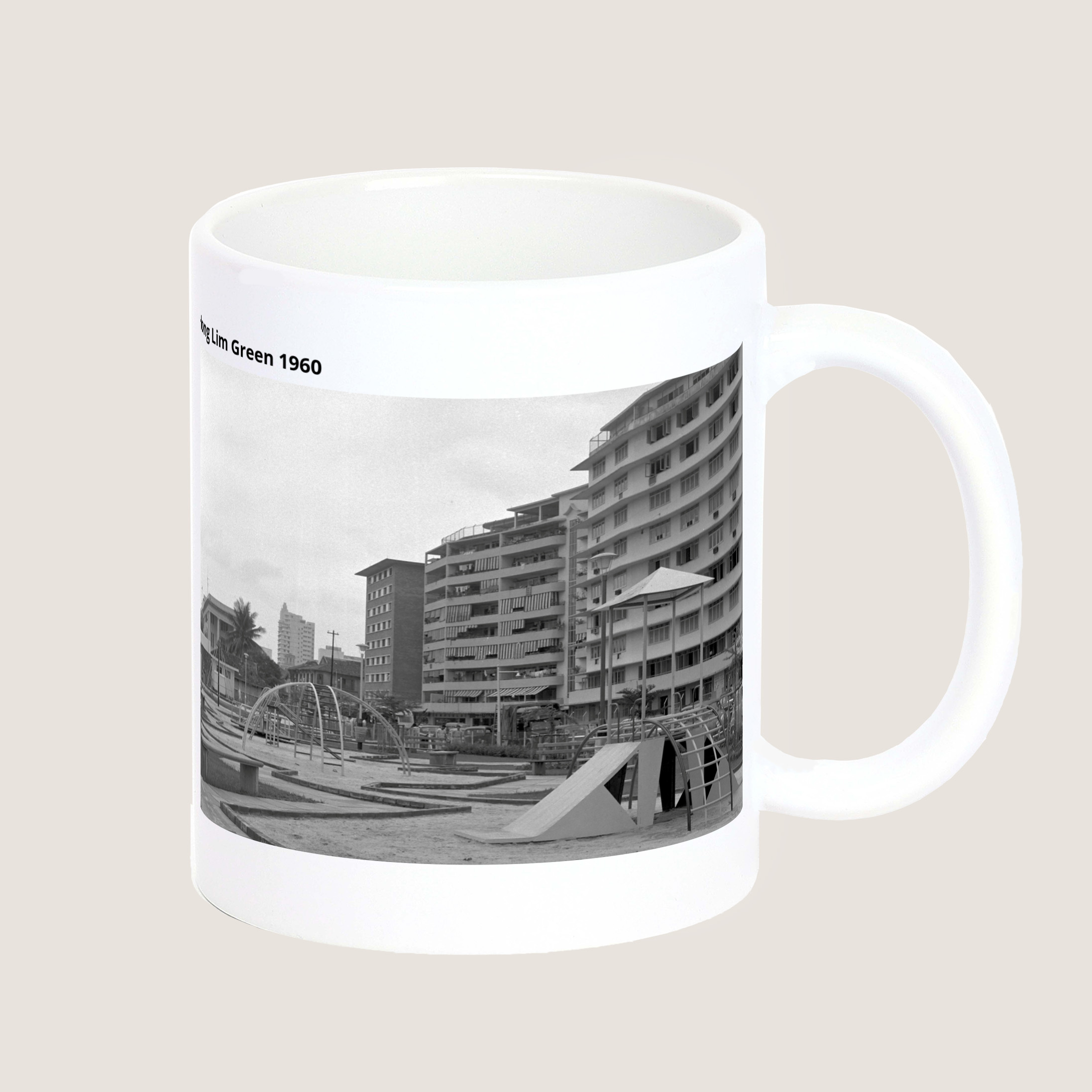
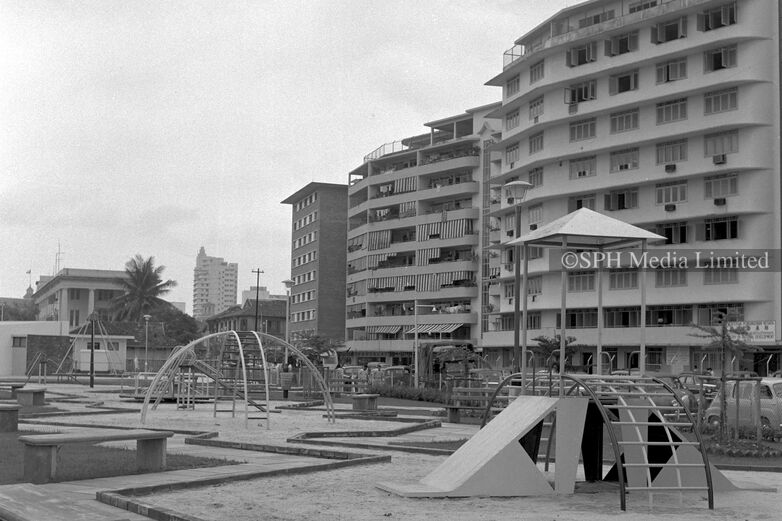 Hong Lim Green
1960
Hong Lim Green
1960
Hong Lim Green
Year 1960
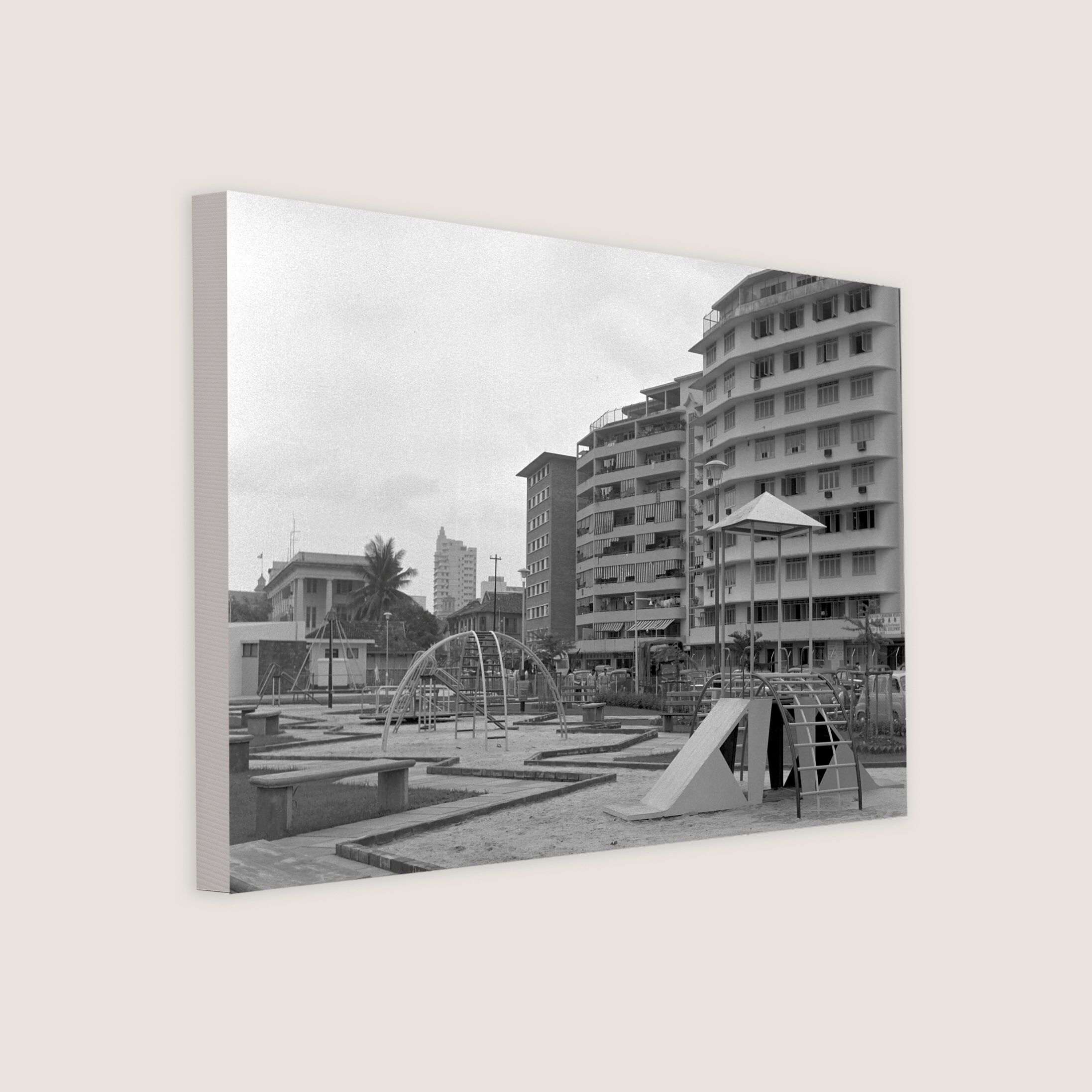
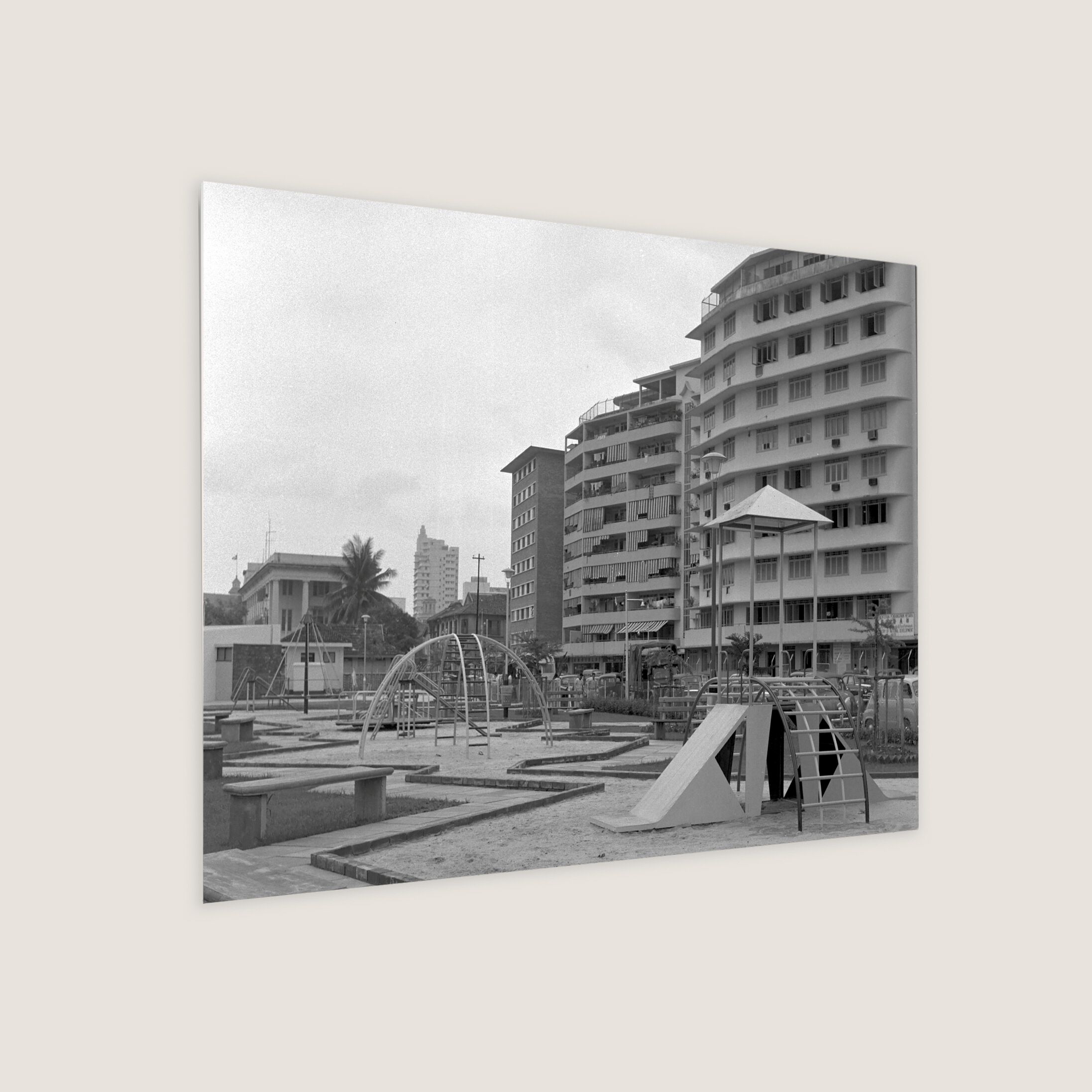
Built in the early 1950s by the Singapore Improvement Trust, the flats around Hong Lim Green formed a compact estate in the heart of the city. The area featured an open-air stage for cultural performances, film screenings, and political rallies. These flats and playgrounds have since been demolished, but it remains home to community events and the Speakers' Corner. Once called Hong Lim Green, it is now known as Hong Lim Park.
©️ SPH Media Limited
Share to
Tags
Available for print on products
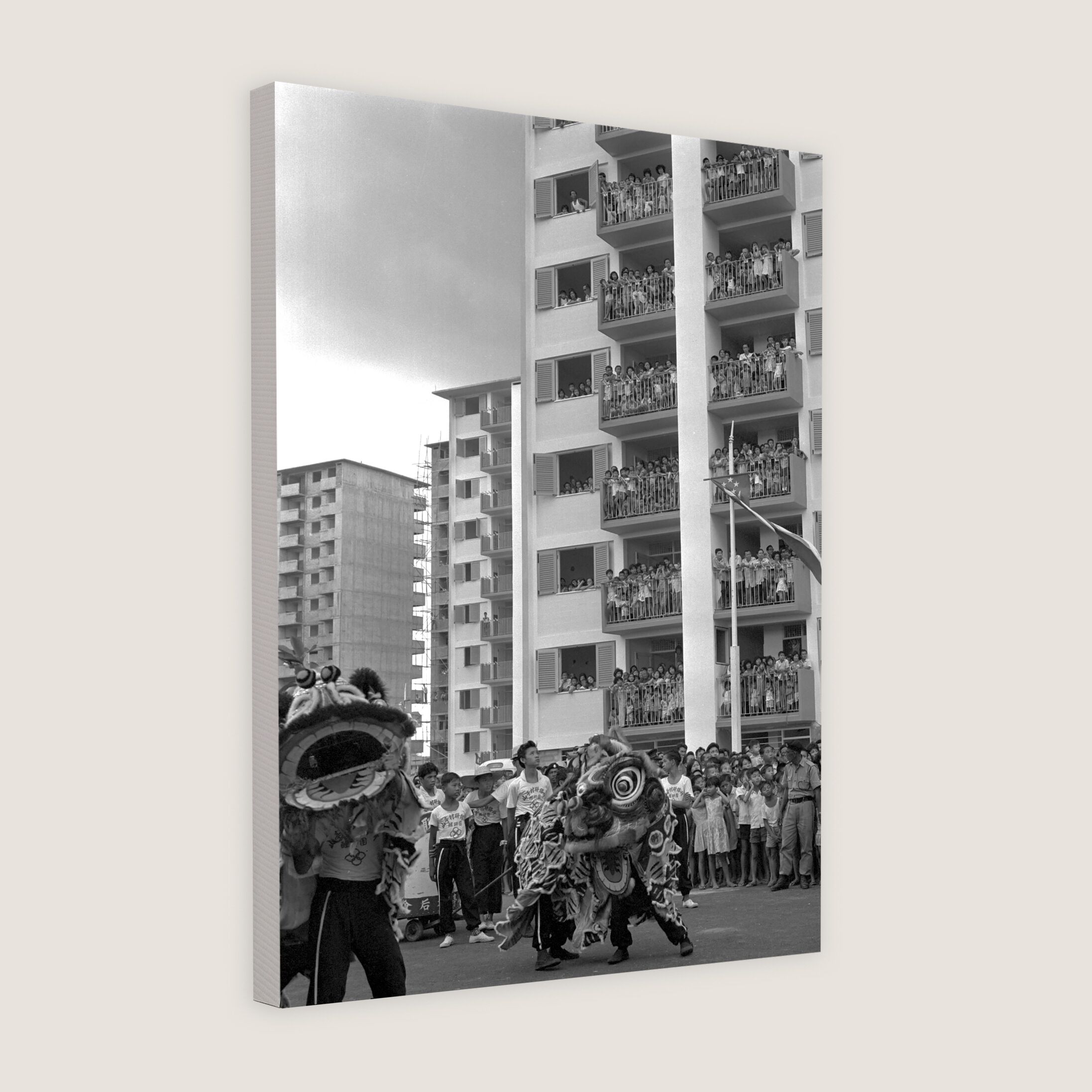
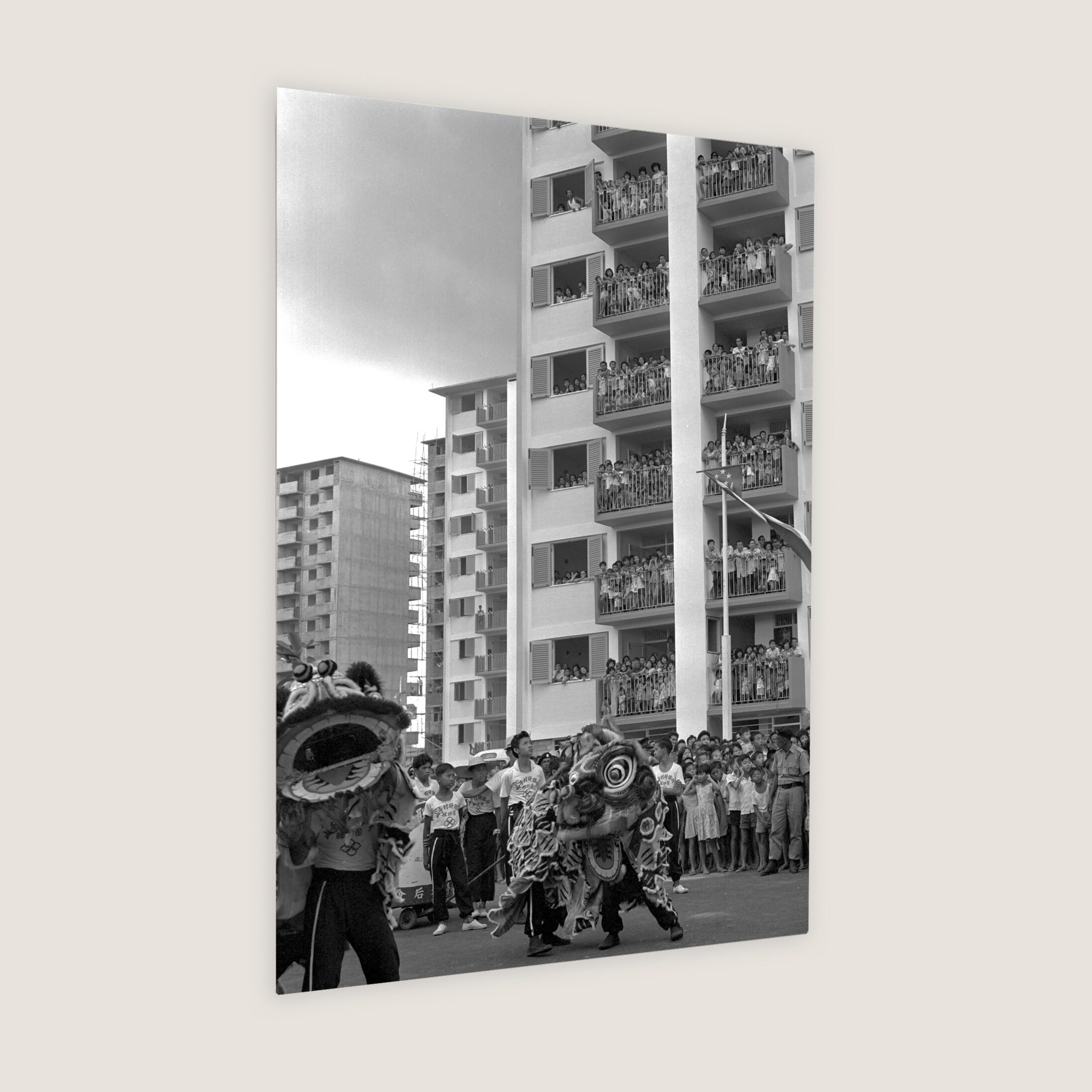
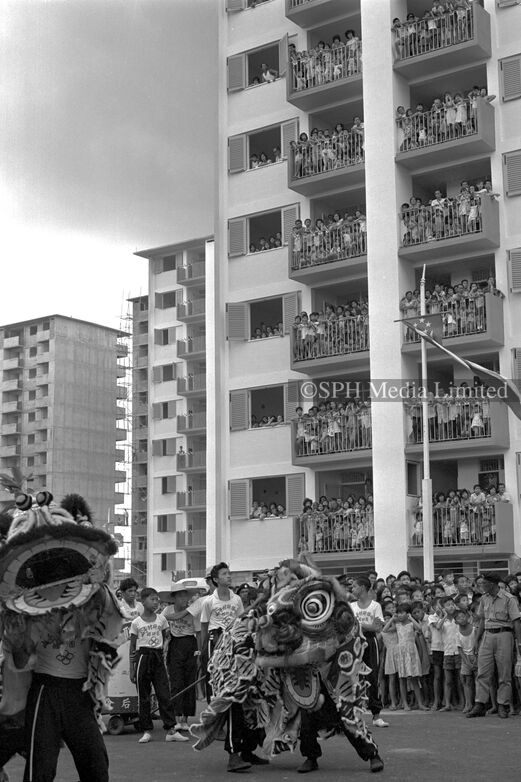 Housing Ballot Drew Crowds at Toa Payoh
1966
Housing Ballot Drew Crowds at Toa Payoh
1966
Housing Ballot Drew Crowds at Toa Payoh
Year 1966
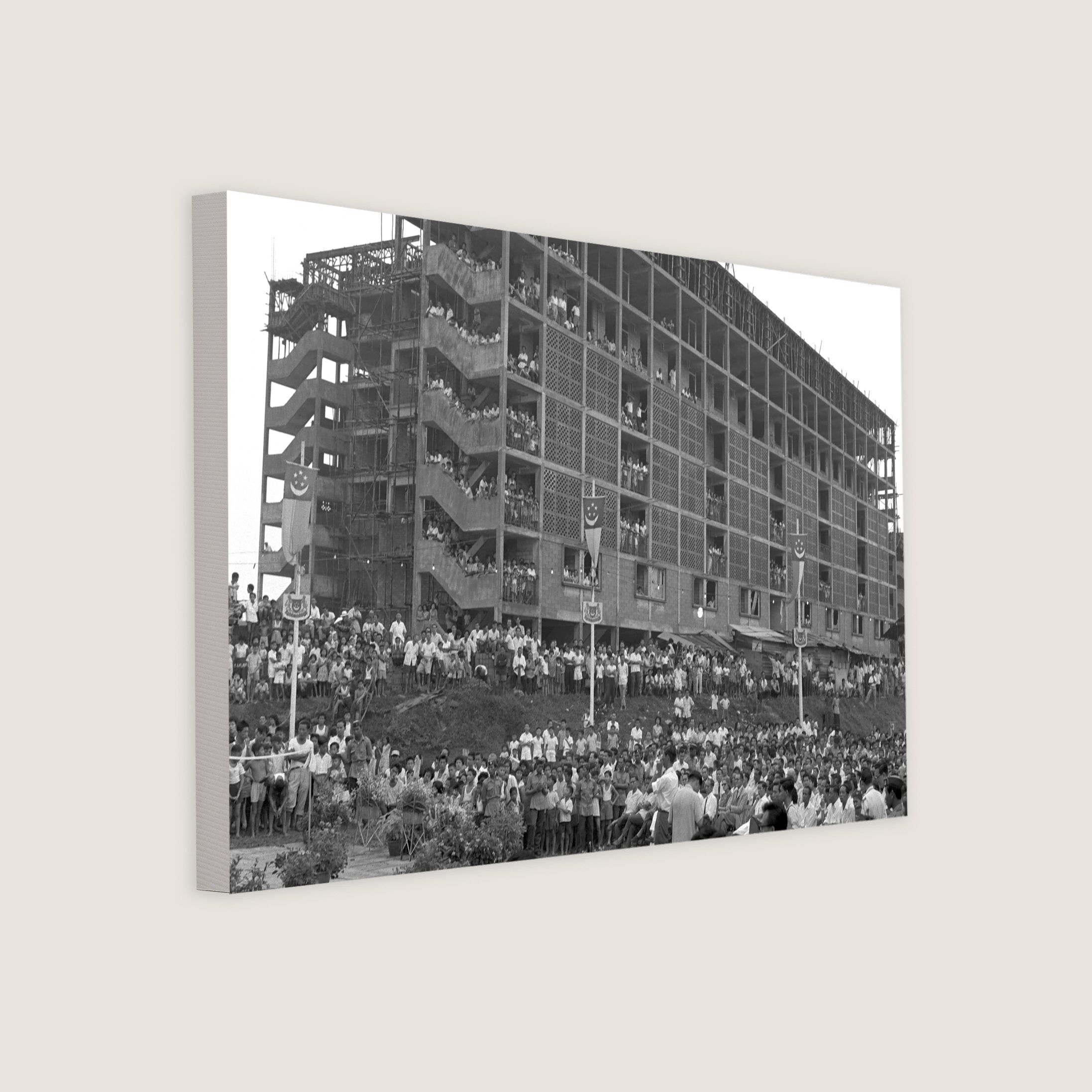
On 1 October 1966, Toa Payoh—Singapore’s first satellite town, developed entirely by the Housing and Development Board, hosted a lively housing ballot. Residents gathered on balconies to witness the event, which featured lion dance performances and a festive atmosphere.
©️ SPH Media Limited
Share to
Tags
Available for print on products
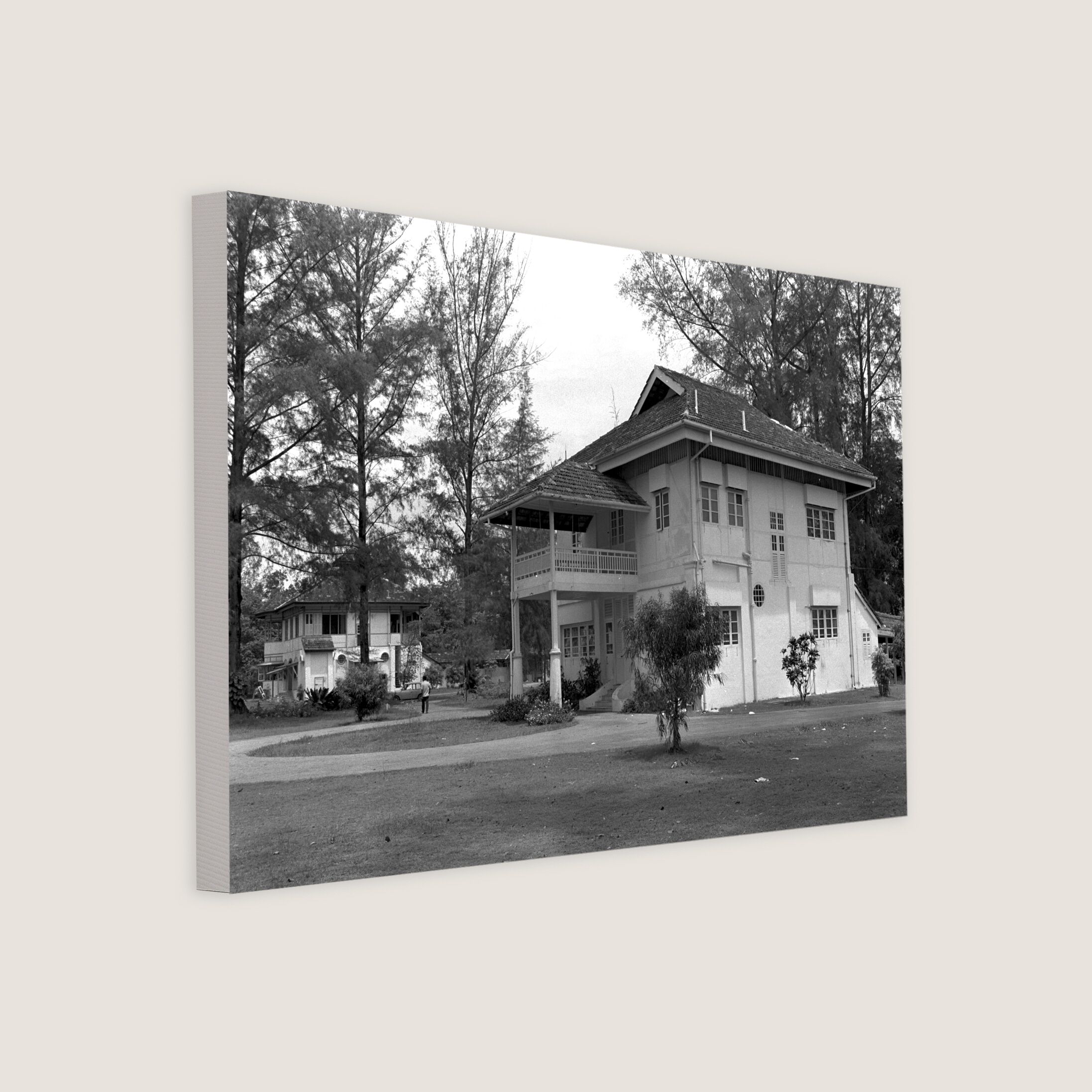
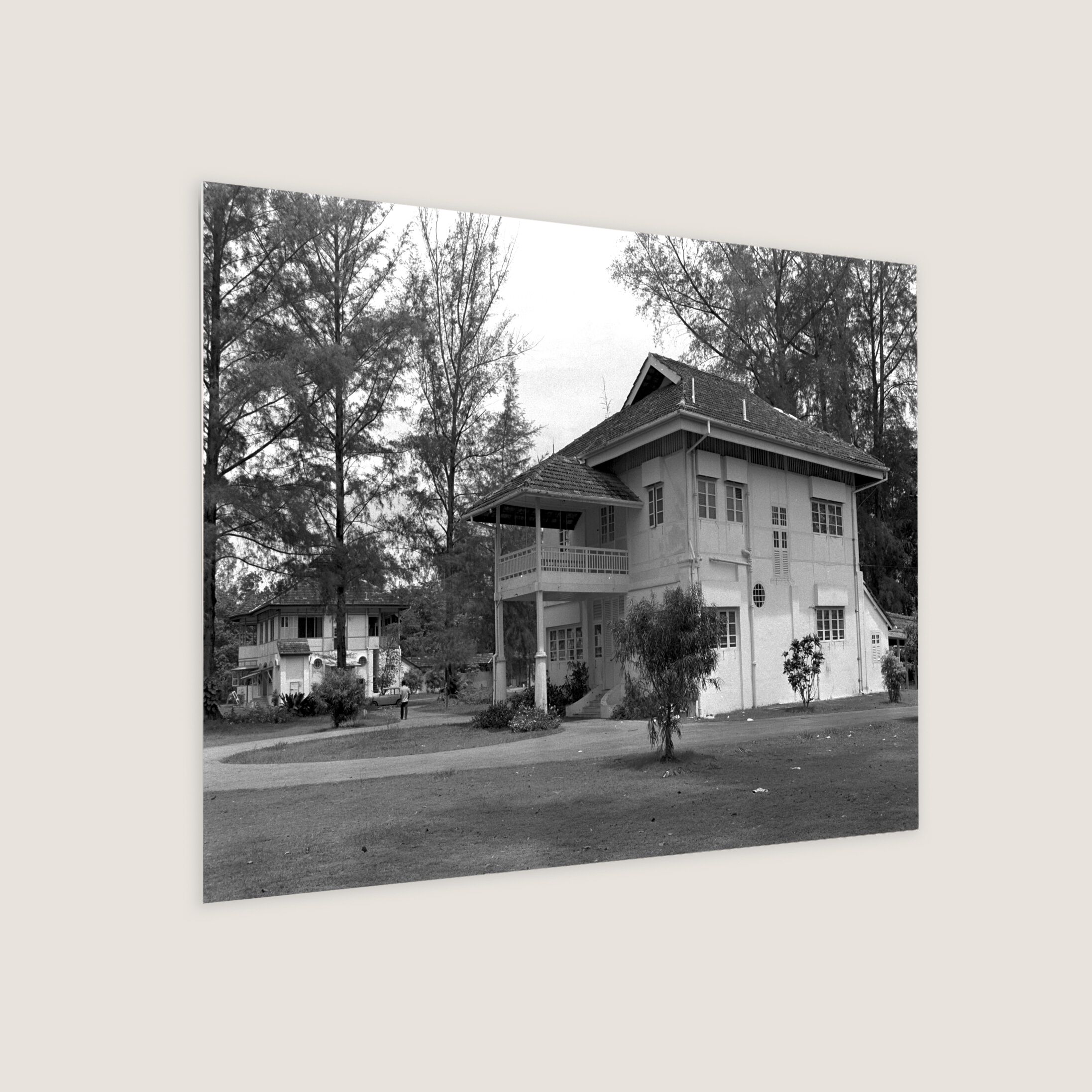
 Cluster of Resthouses Before Changi Airport
1976
Cluster of Resthouses Before Changi Airport
1976
Cluster of Resthouses Before Changi Airport
Year 1976
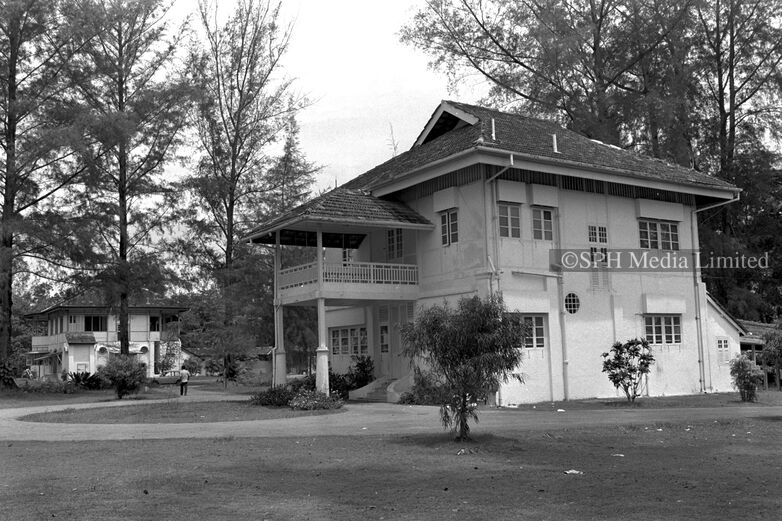
Telok Paku Resthouse was once famed for its government bungalows, opened for public rental in 1962. Names like Annexe, Brighton, Clifton, and Hove recalled a bygone era before their demolition in the late 1970s, as the area made way for the construction of Changi International Airport.
©️ SPH Media Limited
Share to
Tags
Available for print on products
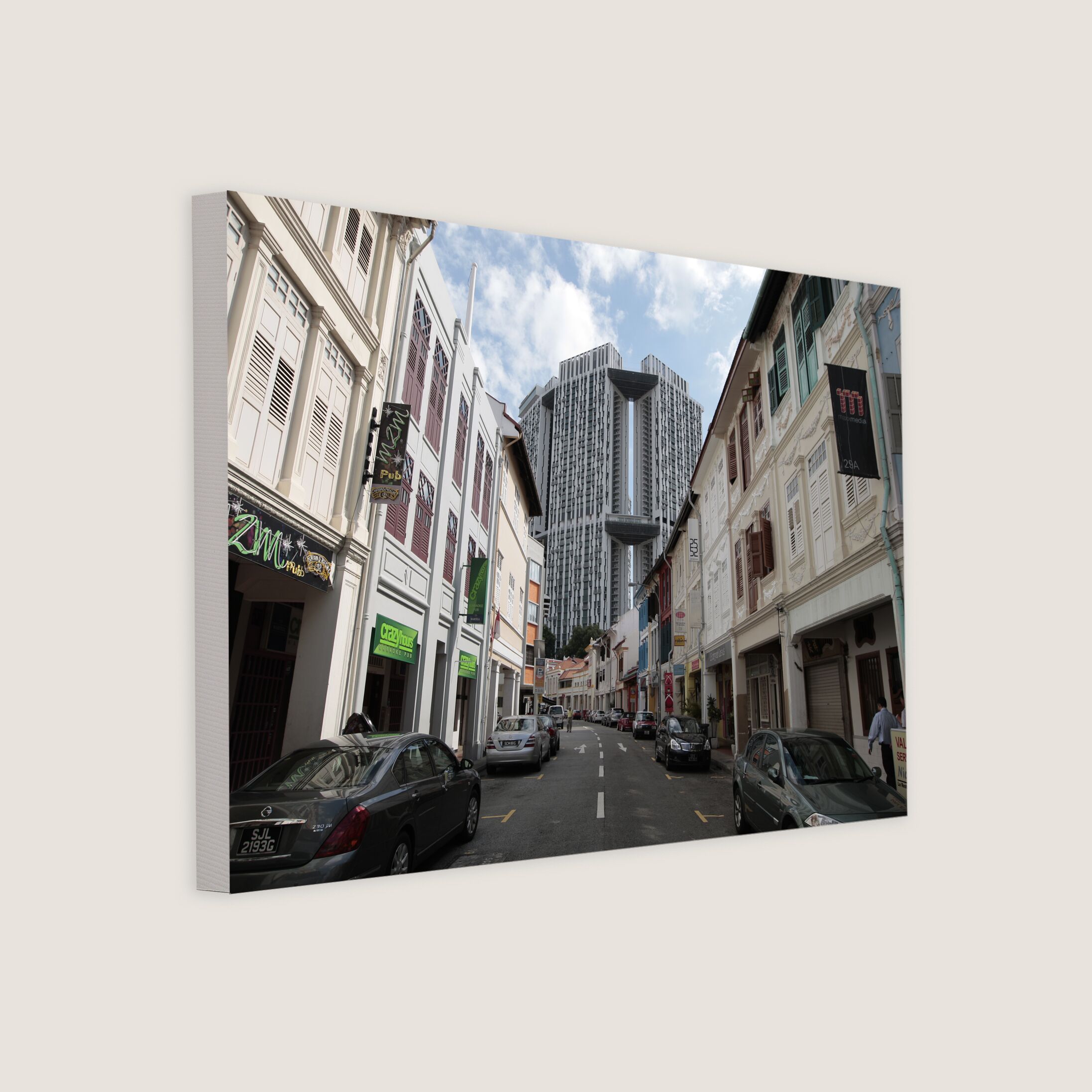
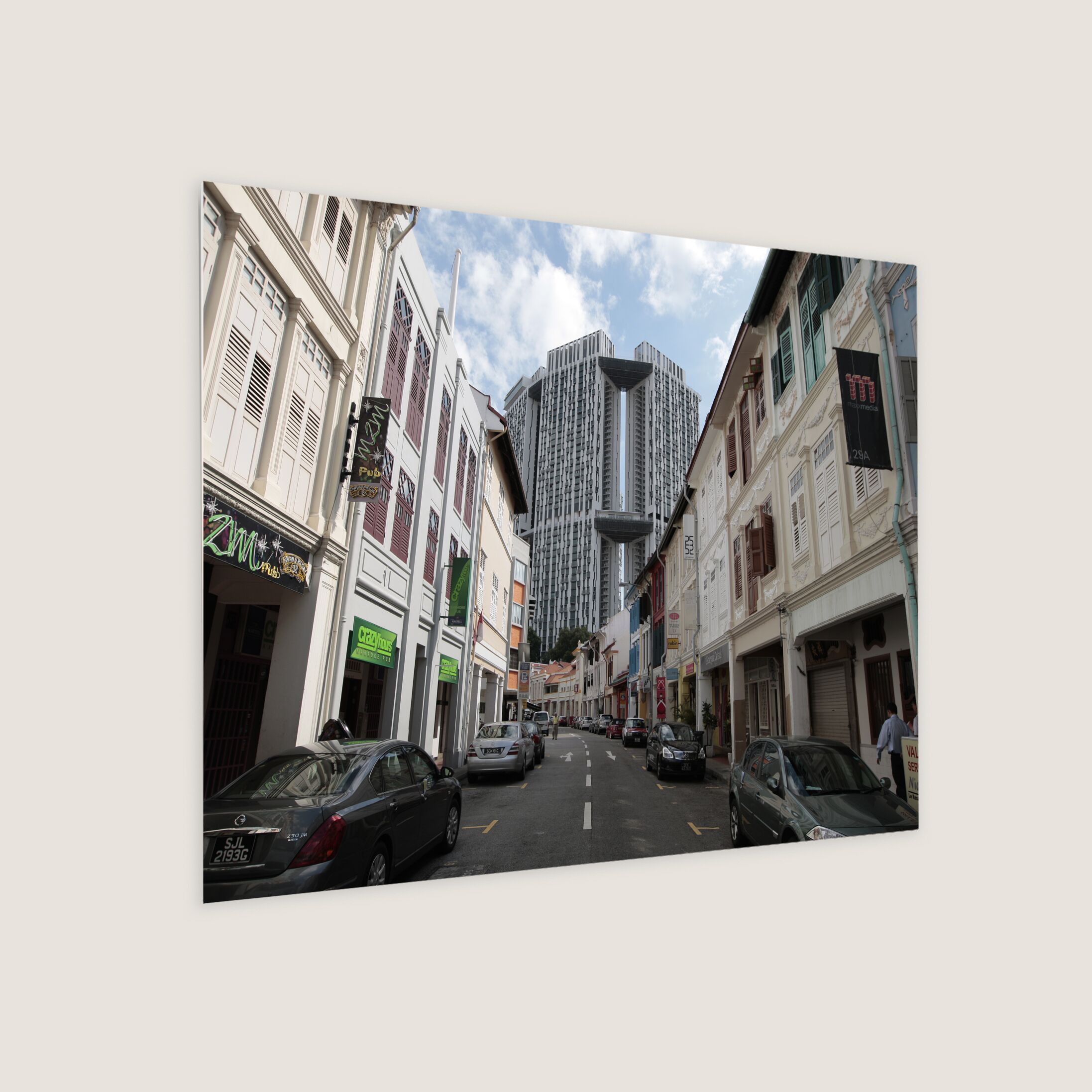
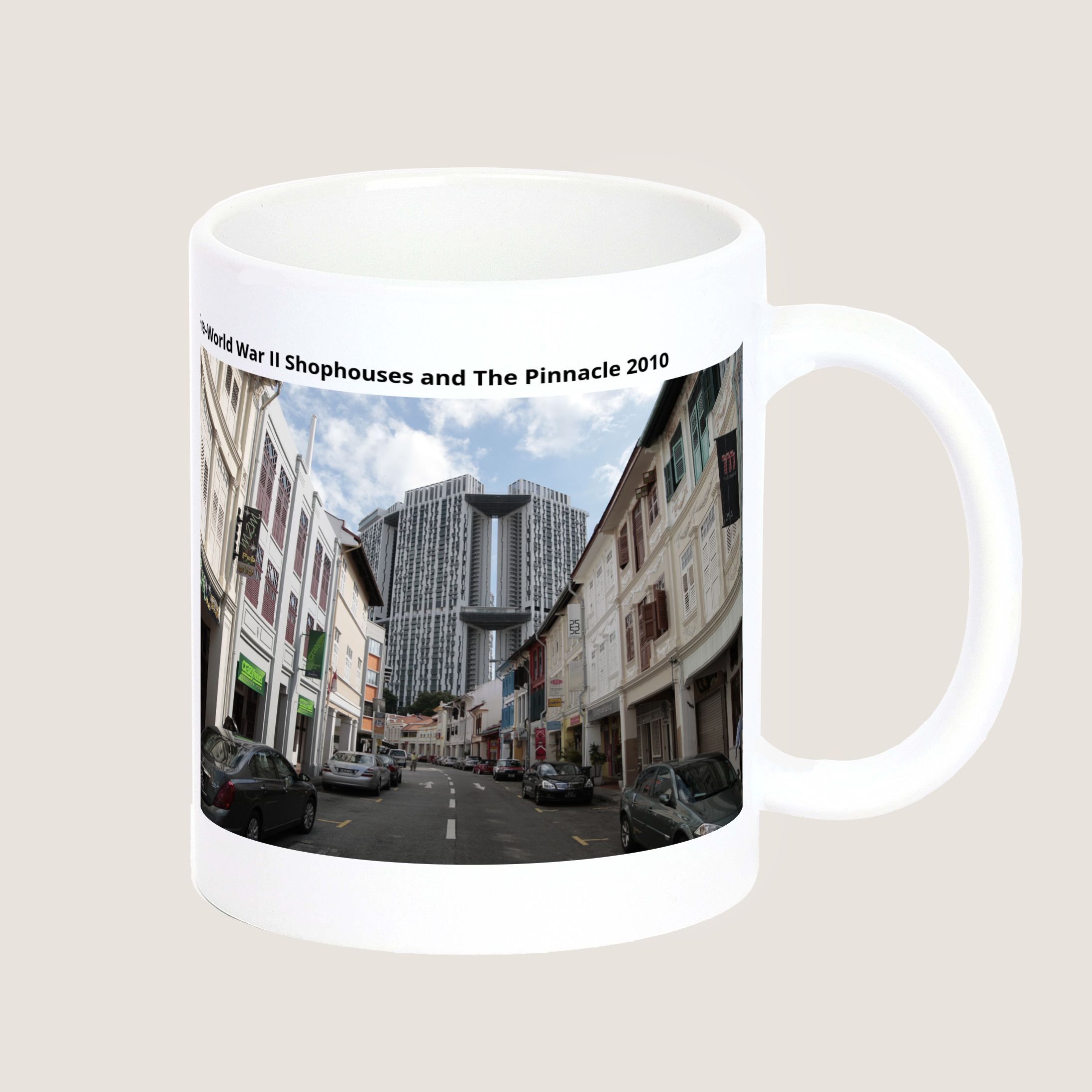
 Pre–World War II Shophouses and The Pinnacle
2010
Pre–World War II Shophouses and The Pinnacle
2010
Pre–World War II Shophouses and The Pinnacle
Year 2010
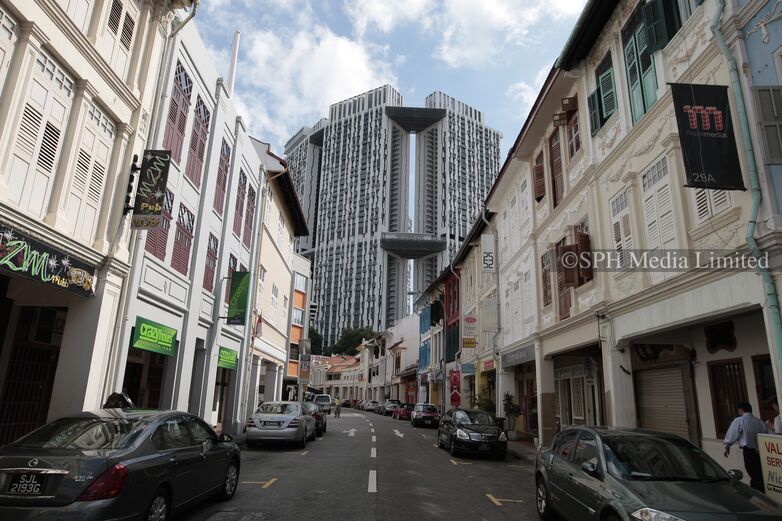
The Pinnacle@Duxton, completed in 2009, was Singapore's first 50-storey public housing. Located in the Tanjong Pagar Conservation Area, it stands alongside pre-World War II shophouses, blending modern design with historic architecture.
©️ SPH Media Limited
Share to
Tags
Available for print on products
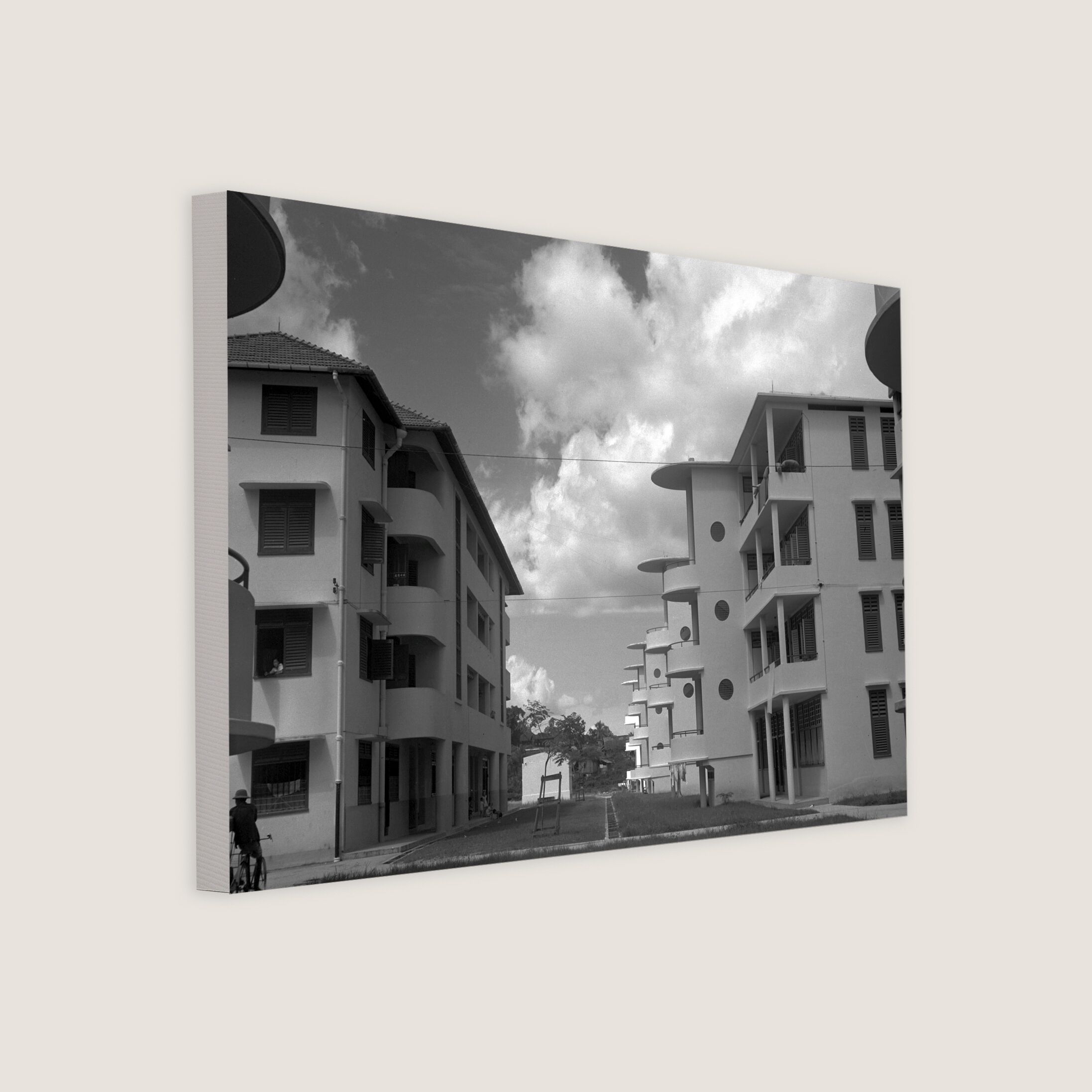
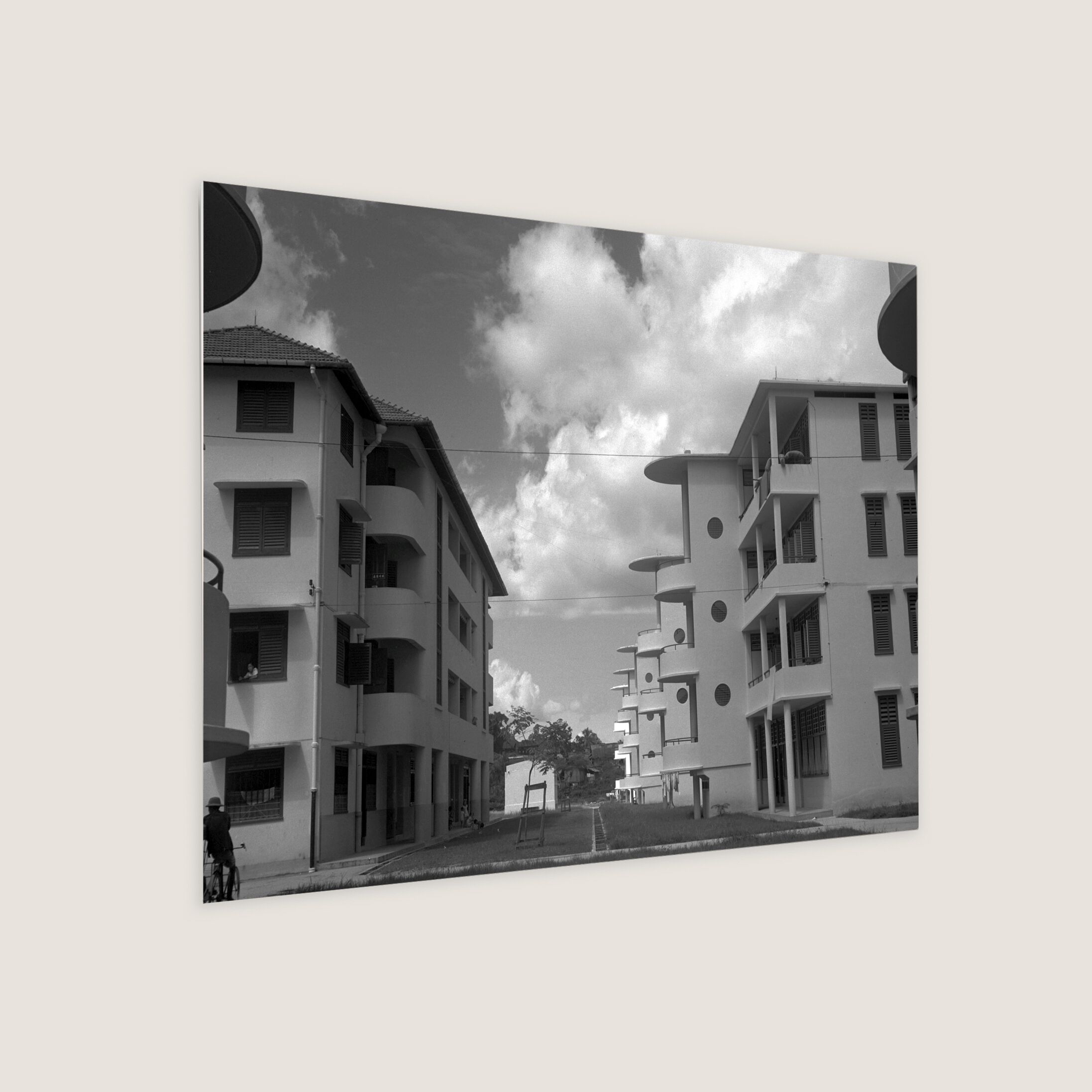
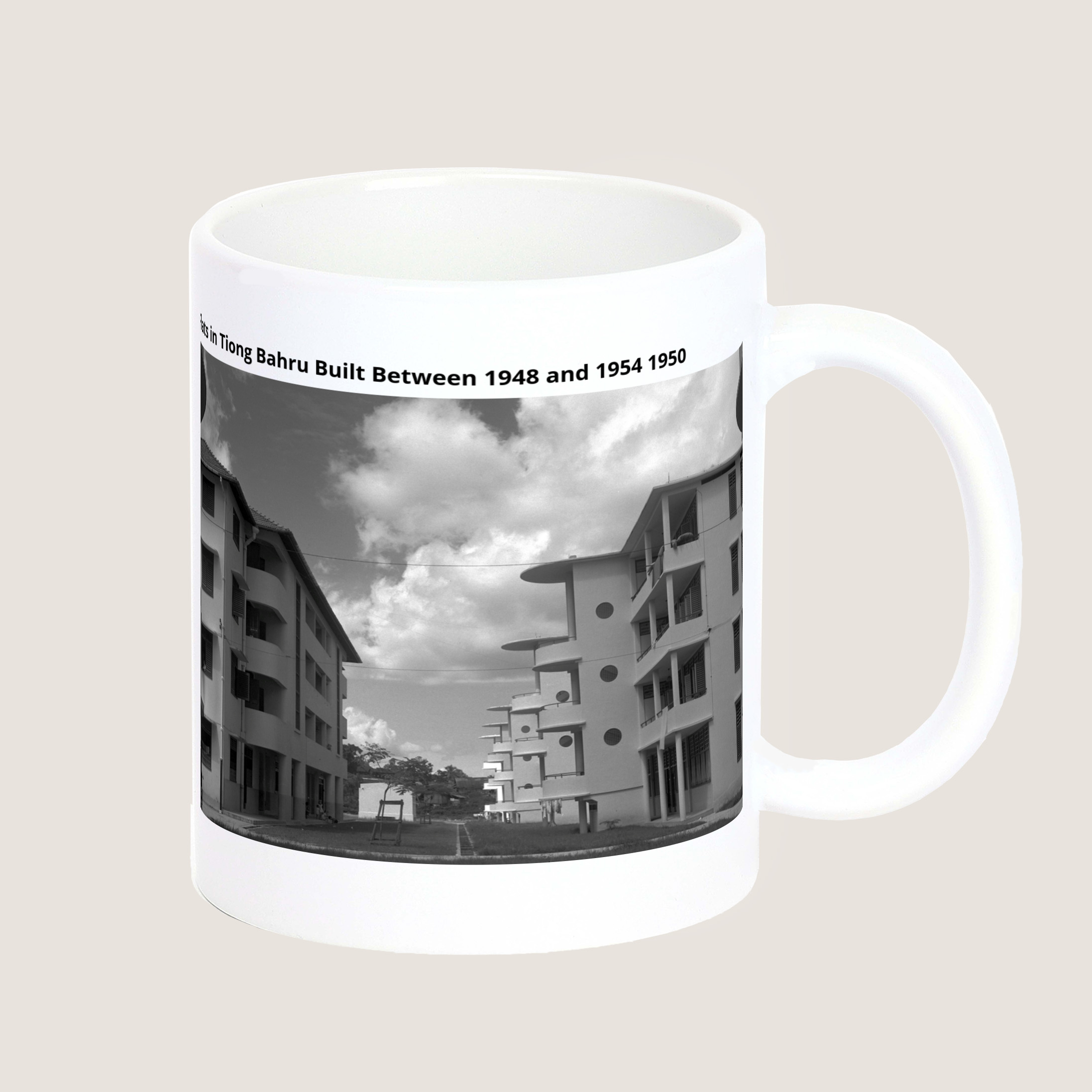
 Flats in Tiong Bahru Built Between 1948 and 1954
1950
Flats in Tiong Bahru Built Between 1948 and 1954
1950
Flats in Tiong Bahru Built Between 1948 and 1954
Year 1950
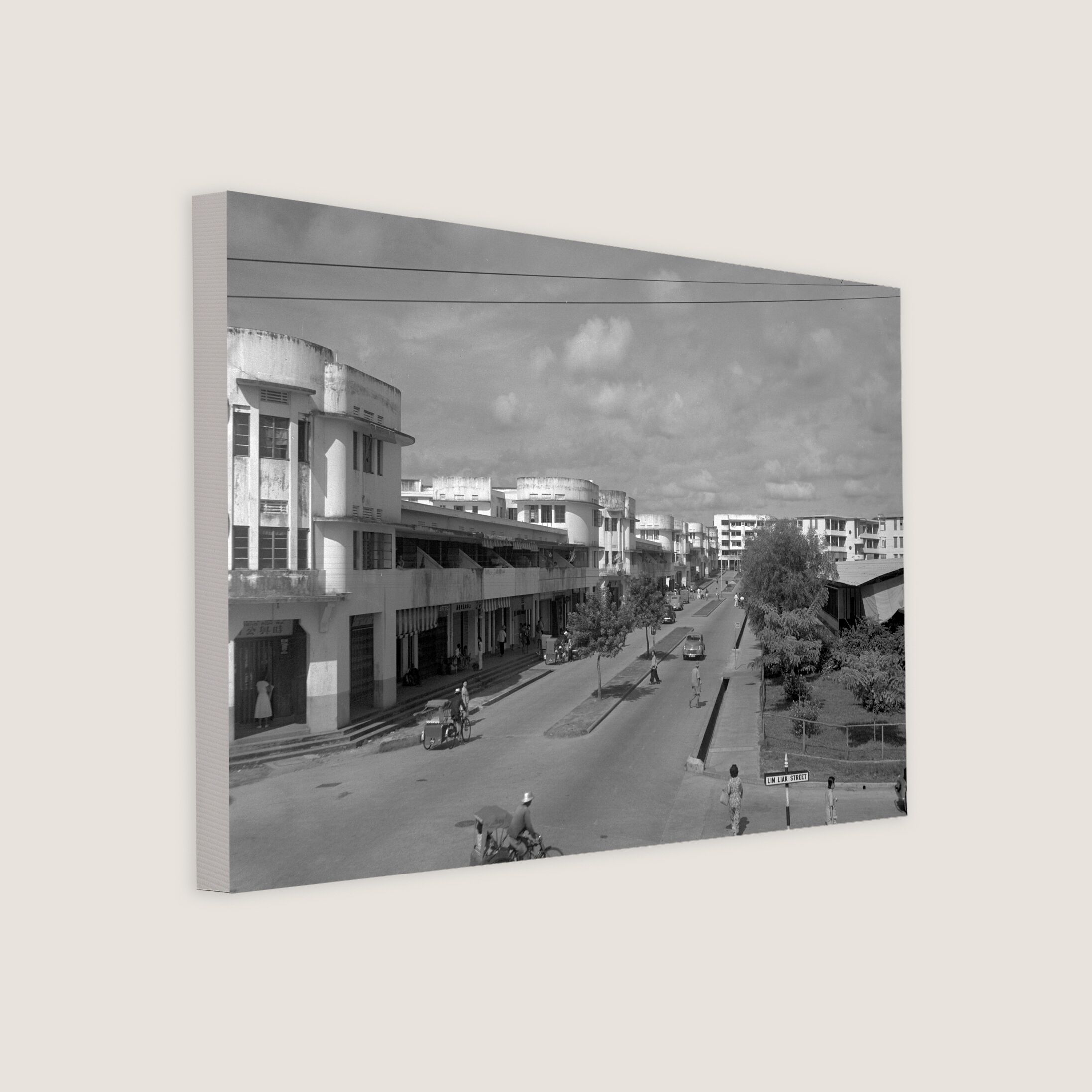
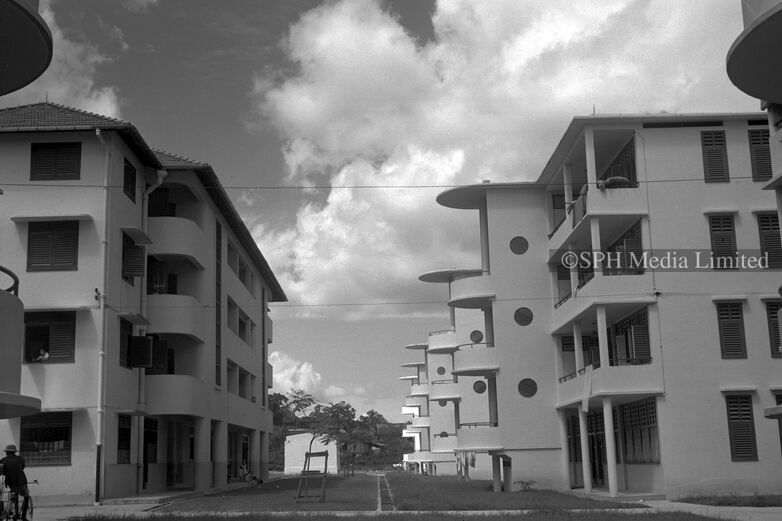
After the Second World War, the Singapore Improvement Trust constructed several four-storey blocks of flats between 1948 and 1954. These were situated around Lim Liak Road and extended along Seng Poh Road, continuing northward towards Tiong Bahru Road and Boon Tiong Road, marking the early phase of public housing development in Singapore.
©️ SPH Media Limited
Share to
Tags
Available for print on products
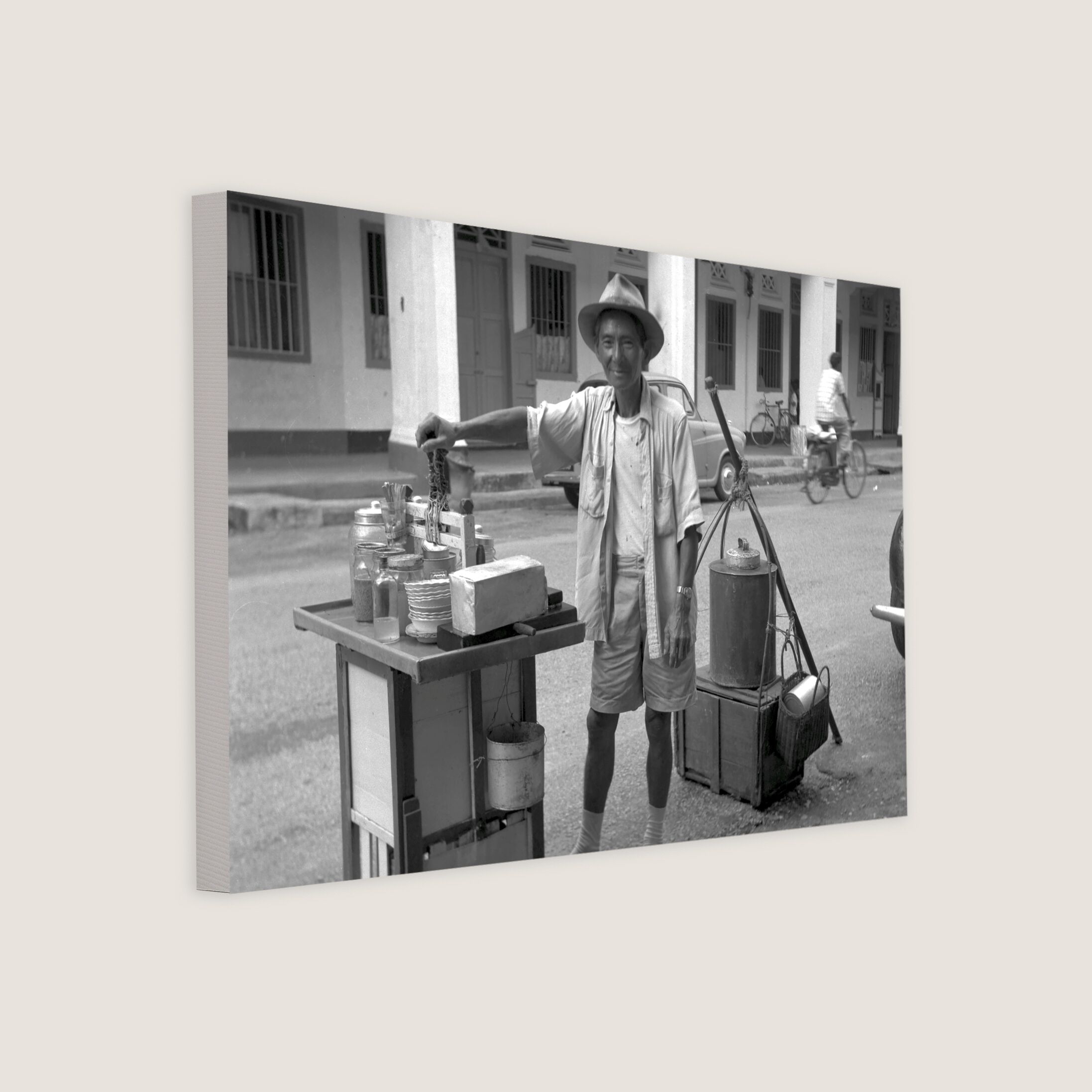
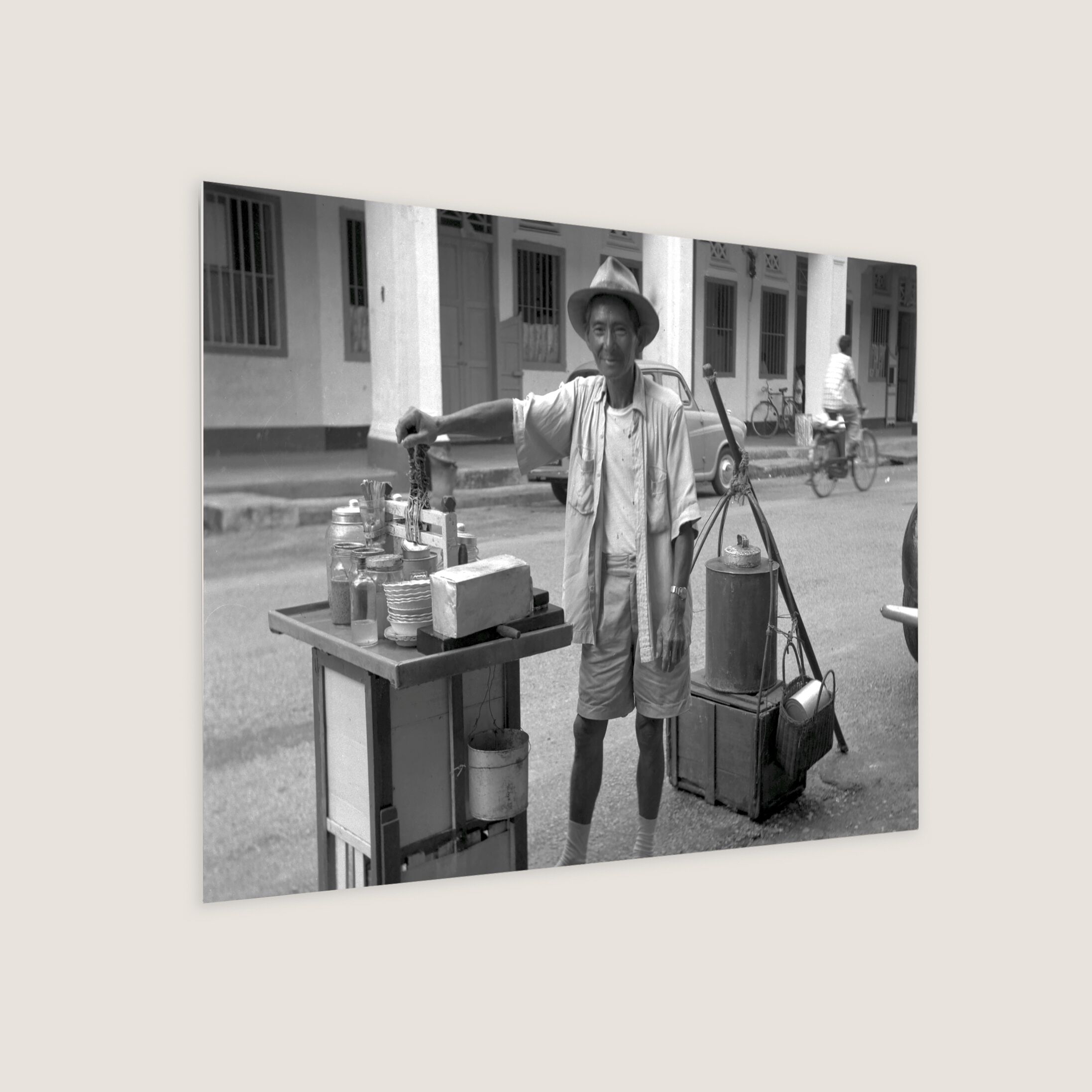
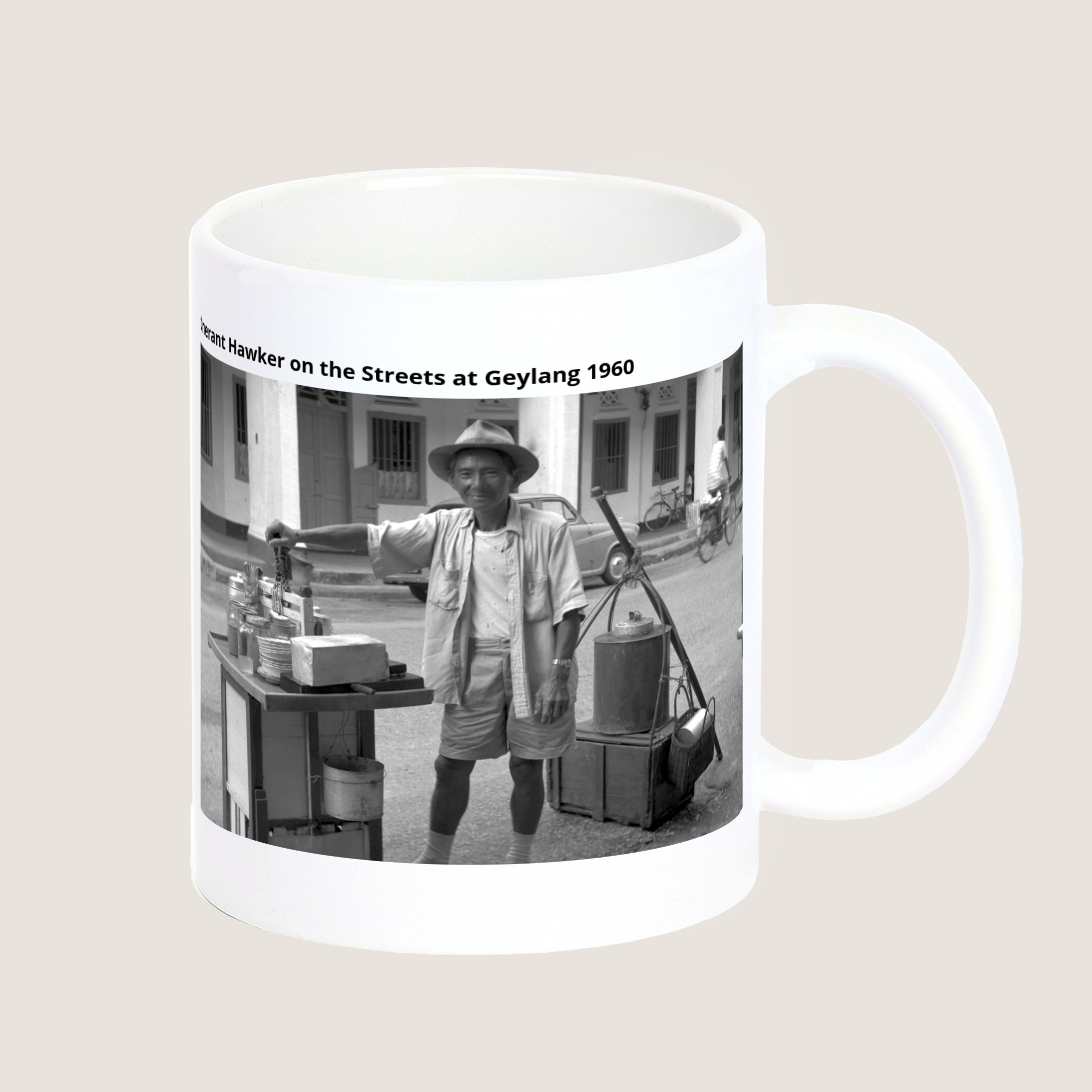
 Itinerant Hawker on the Streets at Geylang
1960
Itinerant Hawker on the Streets at Geylang
1960
Itinerant Hawker on the Streets at Geylang
Year 1960
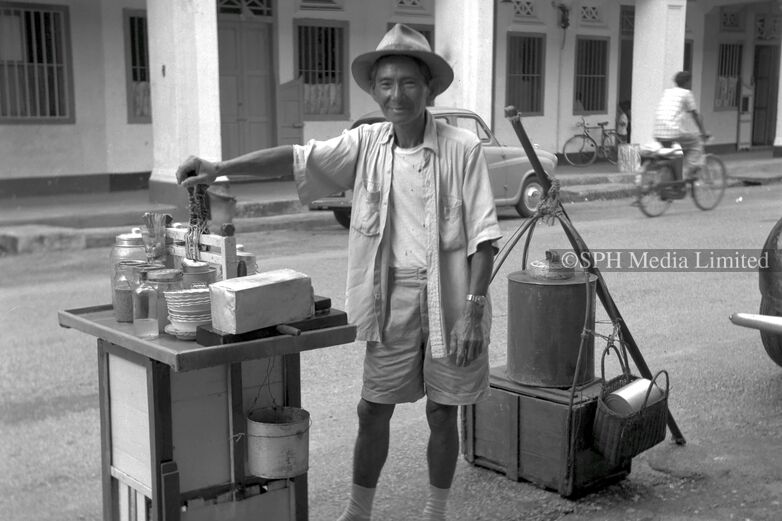
A street hawker peddling food in Geylang, situated in front of a public school. Itinerant hawkers were a familiar sight in Singapore from the 19th century through to the mid-20th century. They could often be seen along bustling streets and busy intersections, selling a wide array of items such as food, drinks, vegetables, poultry, and various other goods. In this photograph, the hawker is seen offering food to passersby.
©️ SPH Media Limited
Share to
Tags
Available for print on products
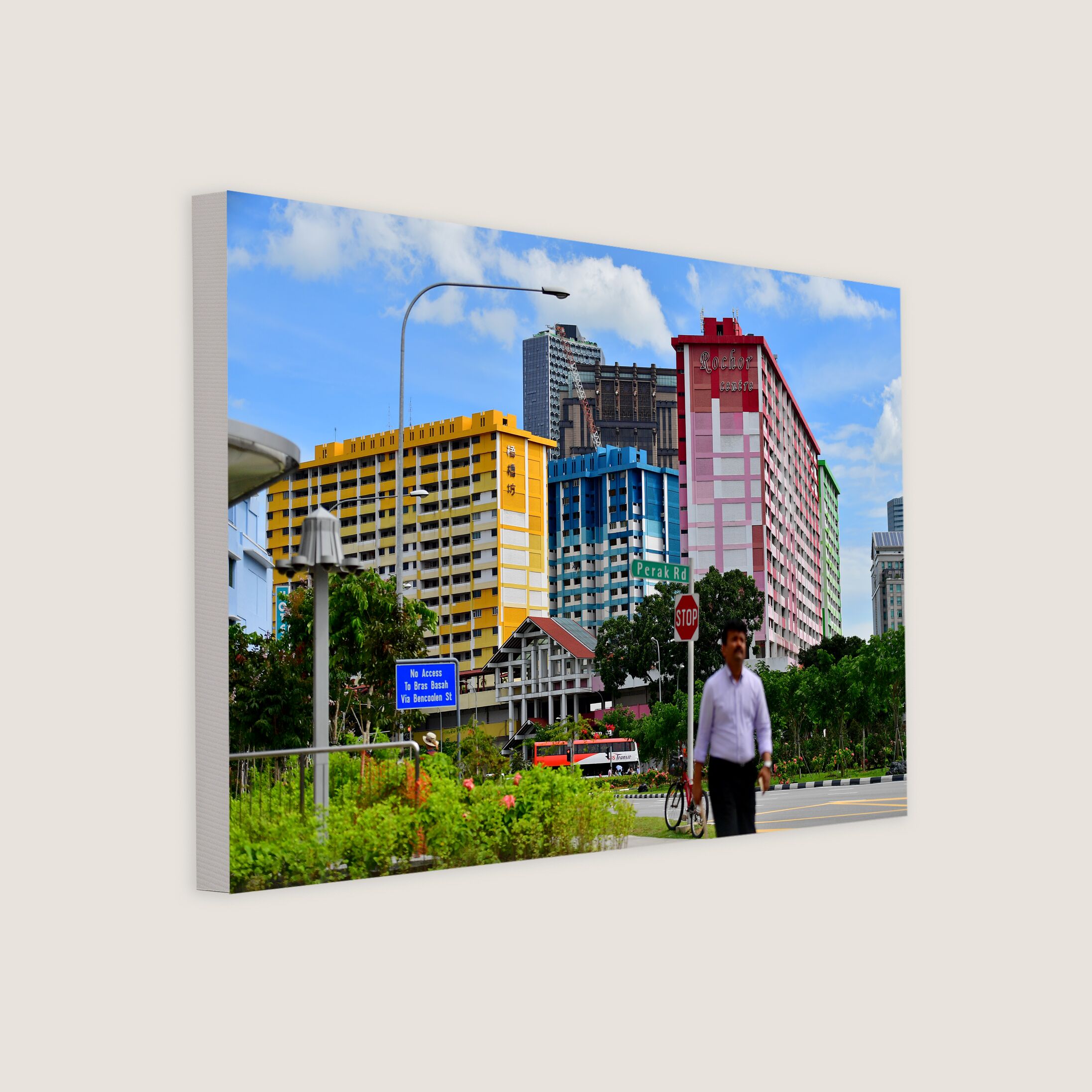
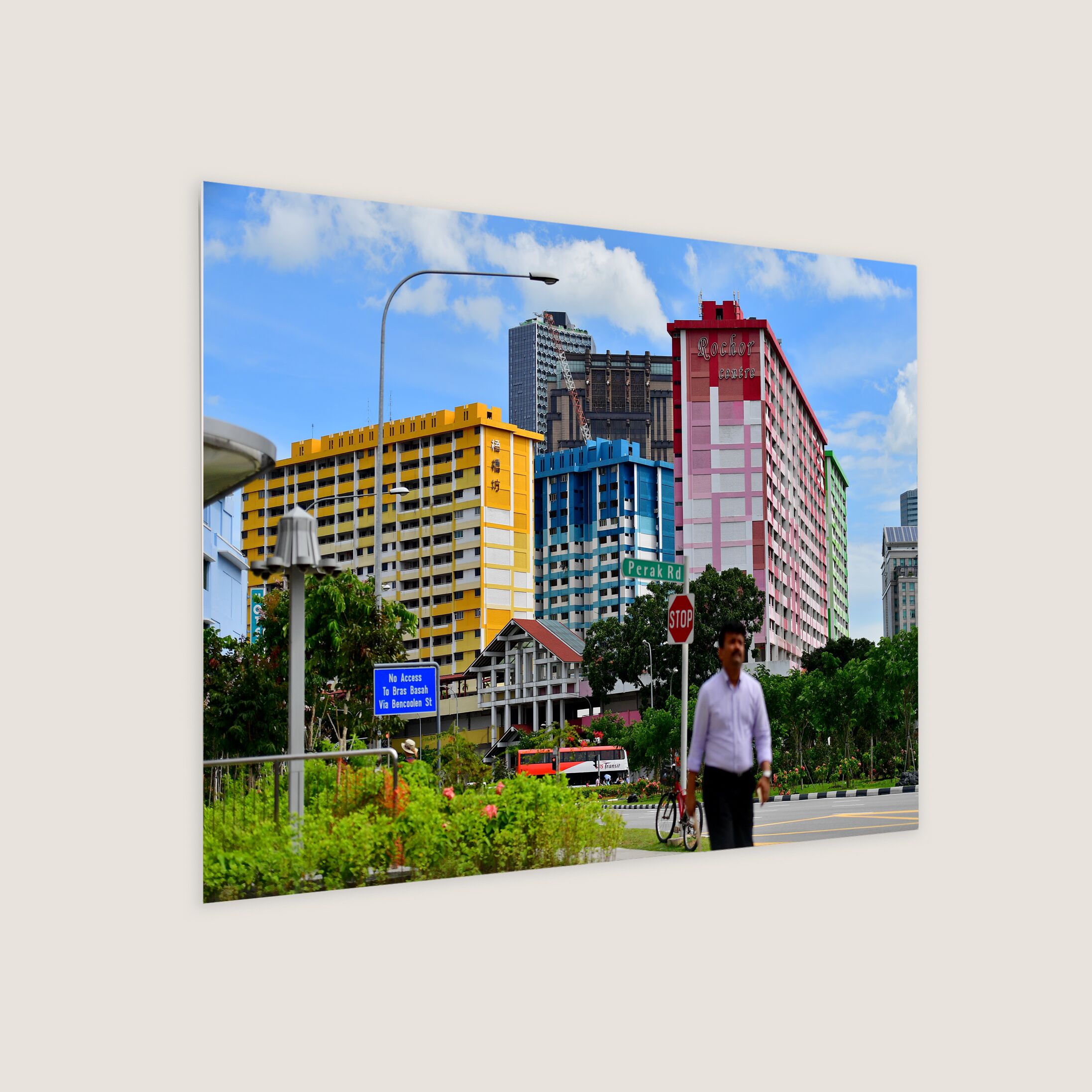
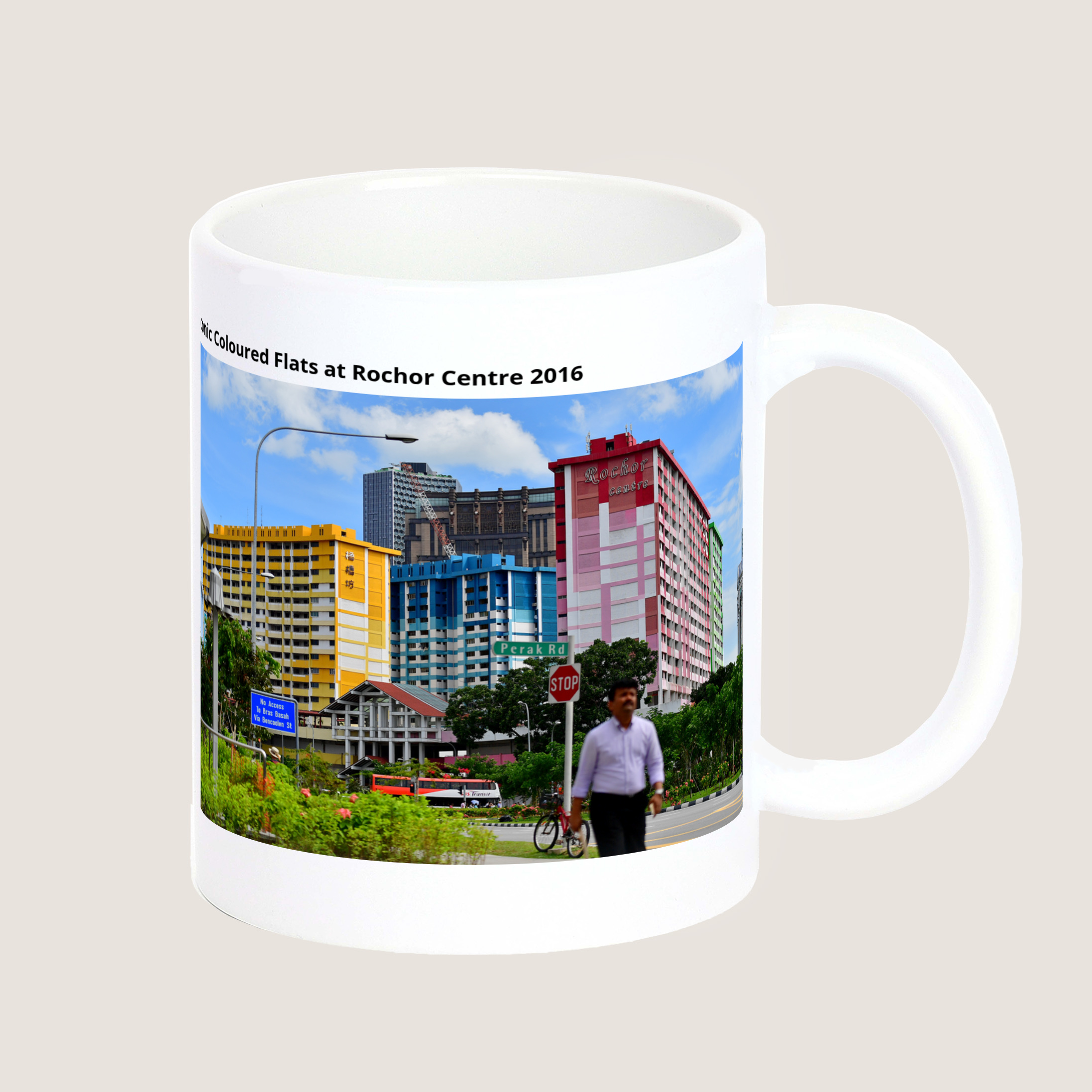
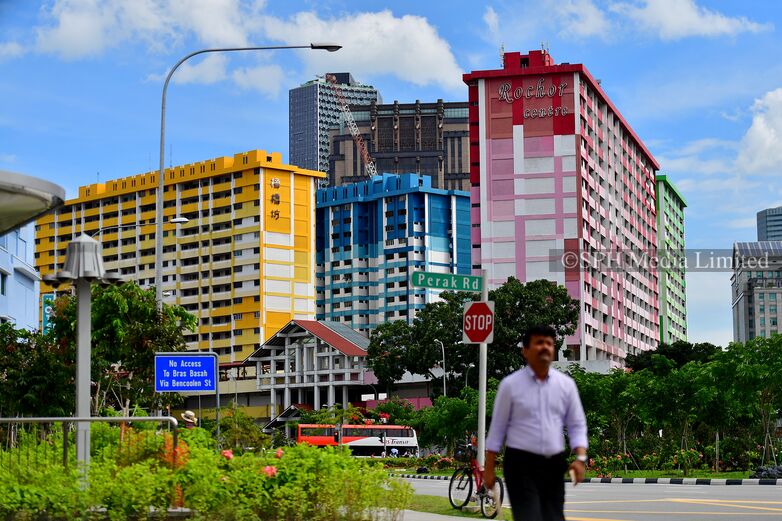 Iconic Coloured Flats at Rochor Centre
2016
Iconic Coloured Flats at Rochor Centre
2016
Iconic Coloured Flats at Rochor Centre
Year 2016
Completed by the Housing and Development Board in 1977, Rochor Centre featured four vividly painted residential blocks and a three-storey podium of shops and offices. With its bold colours and strategic location near Sungei Rochor, Bugis Village, and Sim Lim Square, it became a striking landmark for decades.
©️ SPH Media Limited
Share to
Tags
Available for print on products
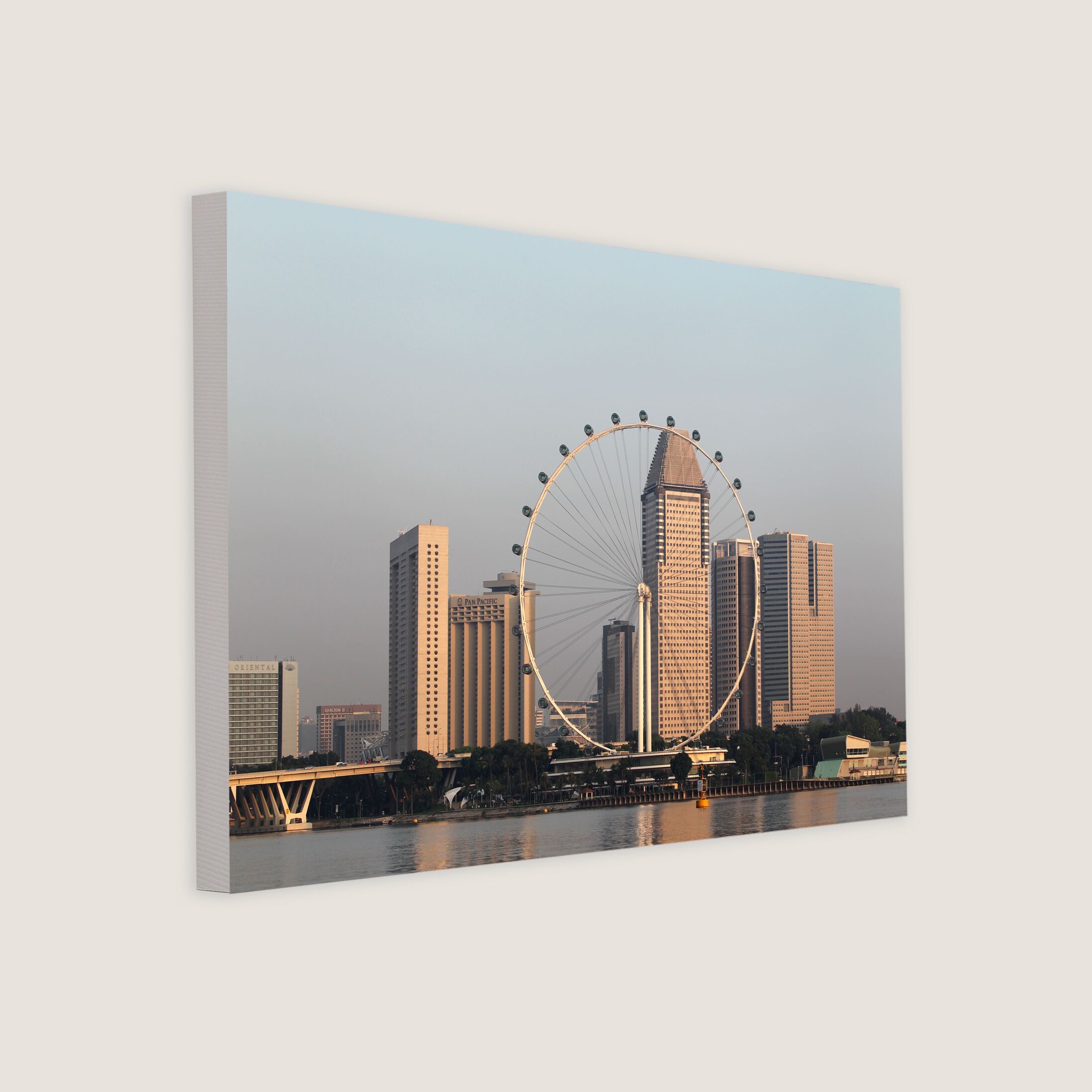
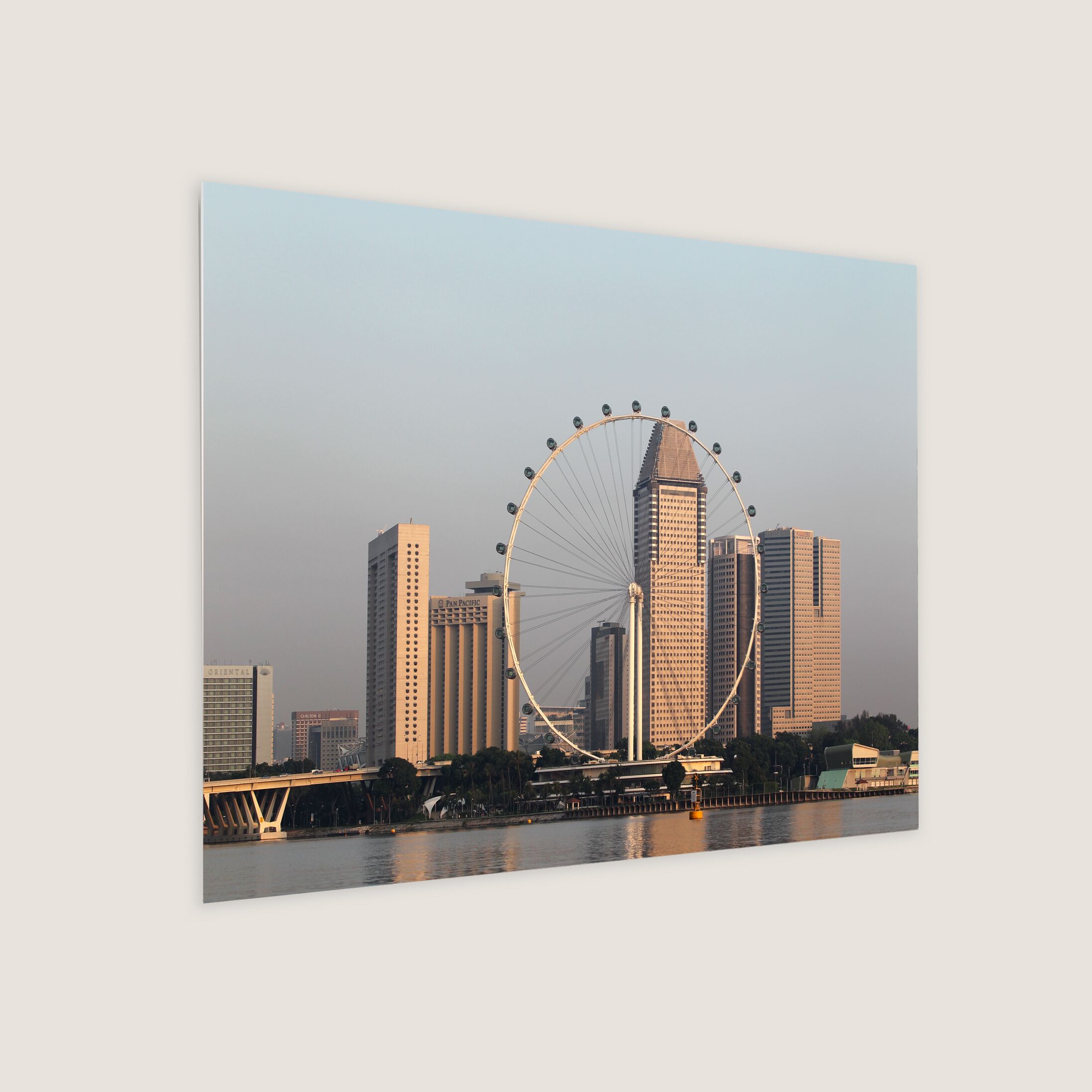
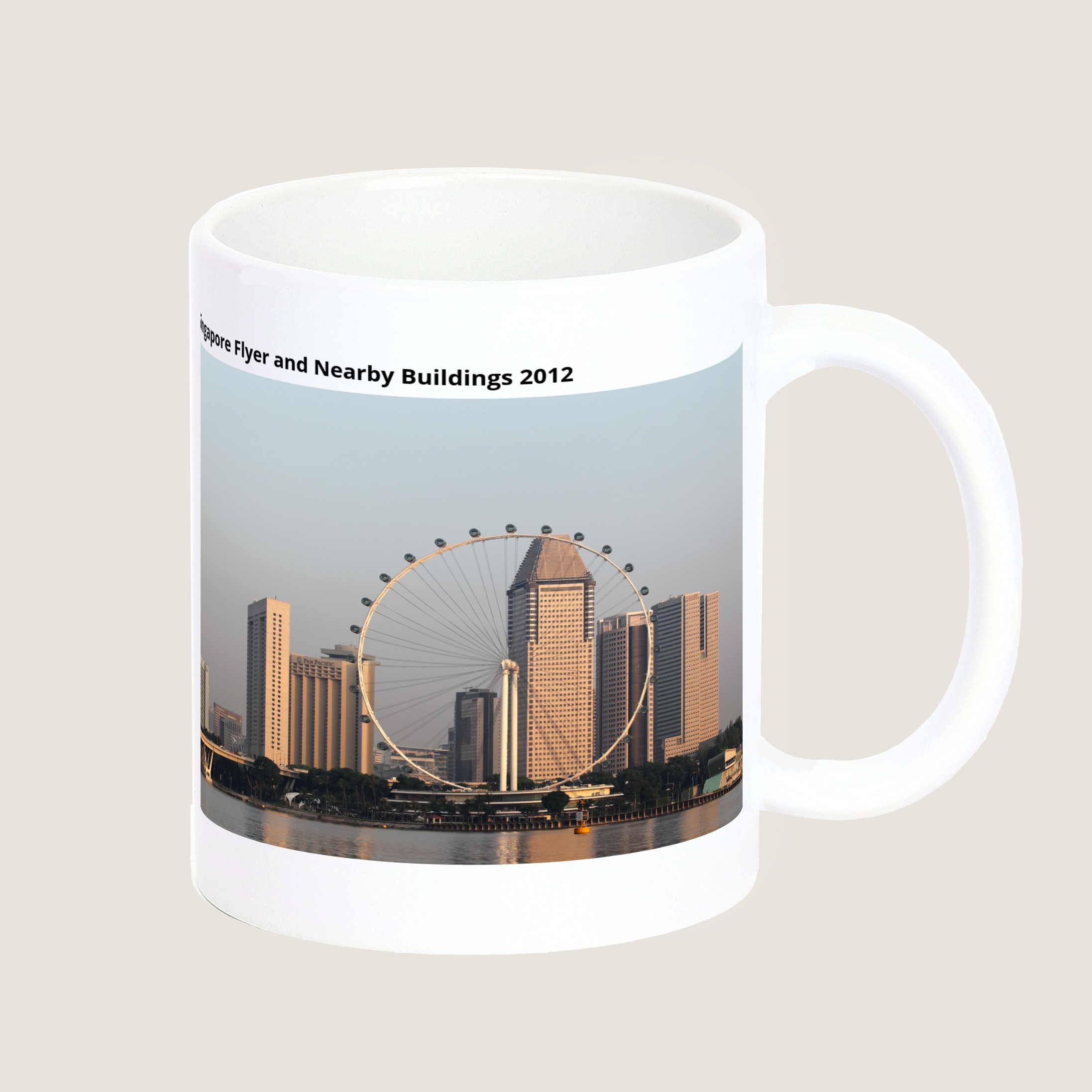
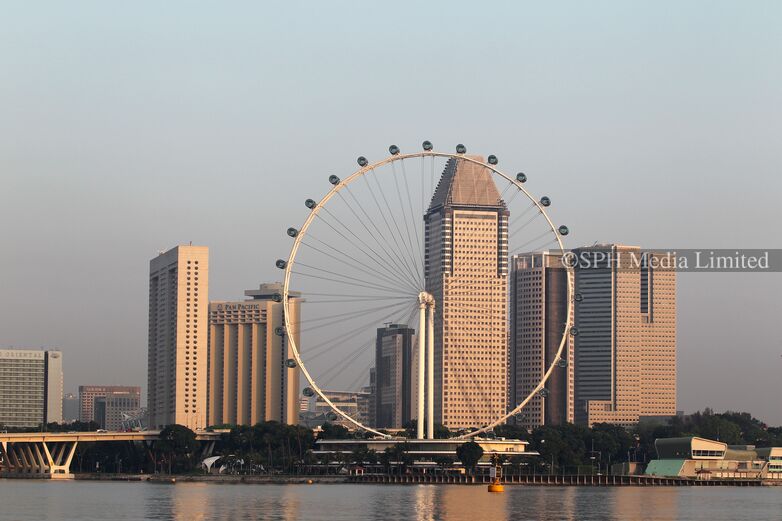 Singapore Flyer and Nearby Buildings
2012
Singapore Flyer and Nearby Buildings
2012
Singapore Flyer and Nearby Buildings
Year 2012
Set against the rising skyline of Marina Bay, this photo captures the Singapore Flyer, which first opened in April 2008. Towering nearby are landmark hotels such as The Ritz-Carlton, Millenia, Mandarin Oriental, and Pan Pacific—icons of Singapore’s hospitality scene. In July that year, the Flyer reverse its rotation to better align with feng shui principles.
©️ SPH Media Limited
Share to
Tags
Available for print on products
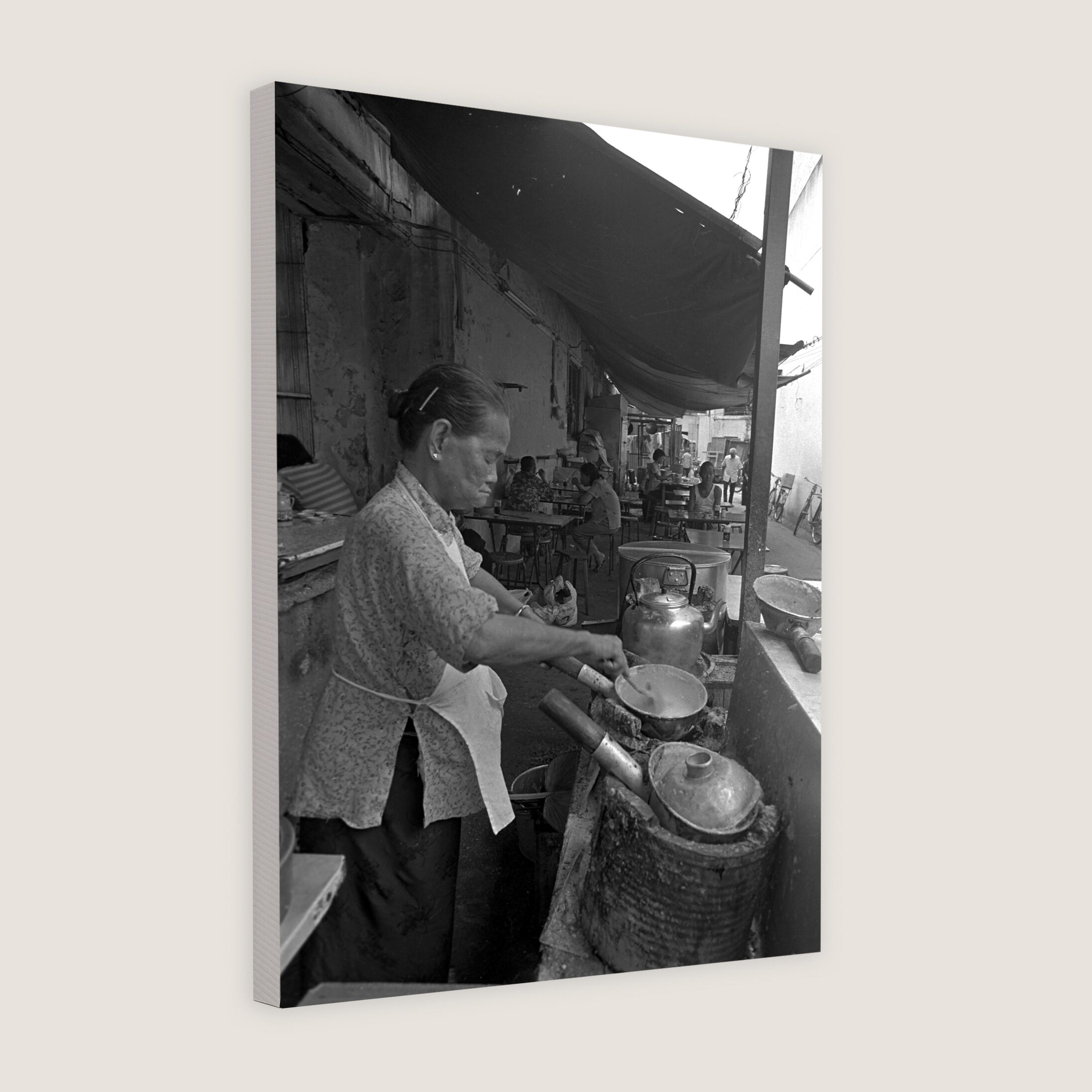
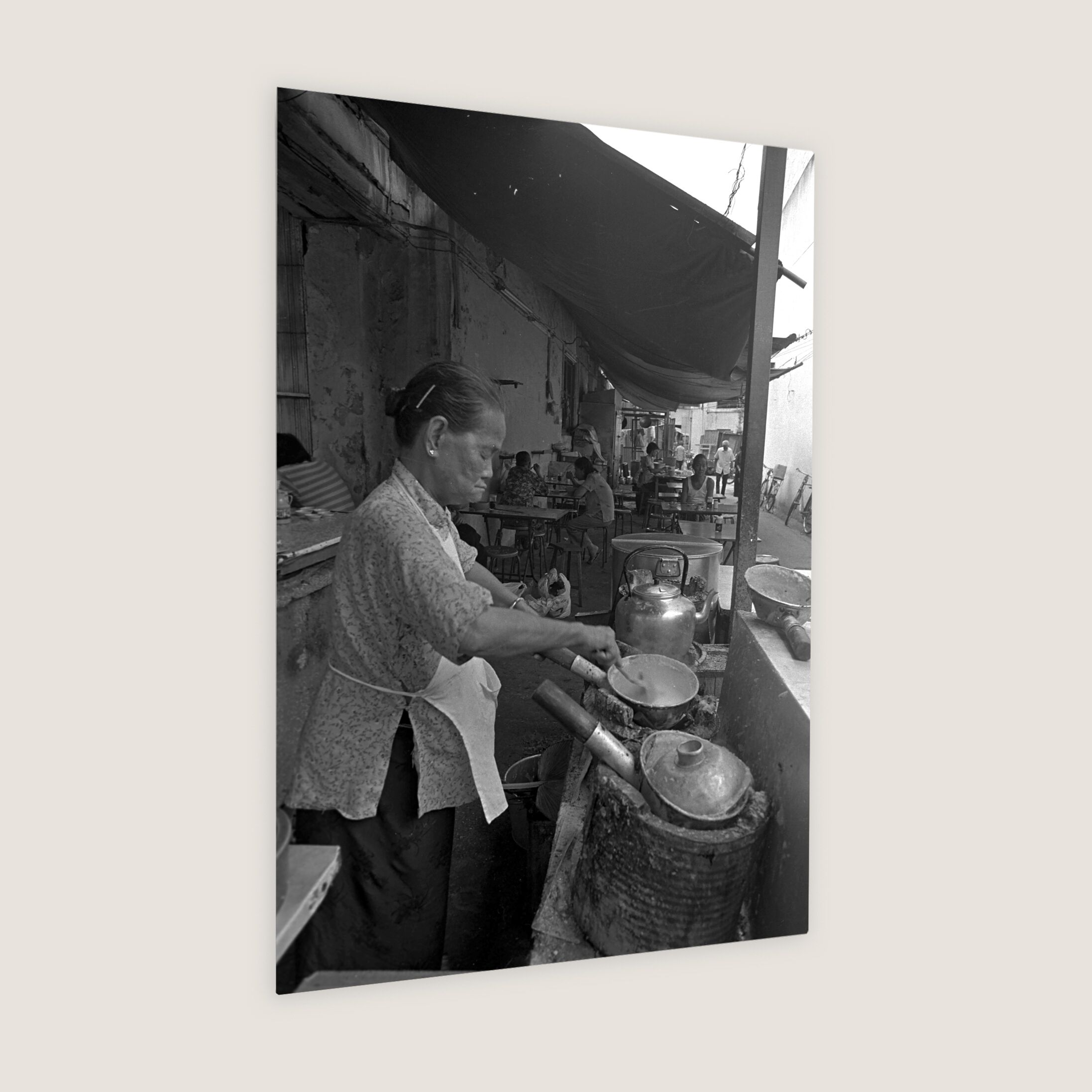
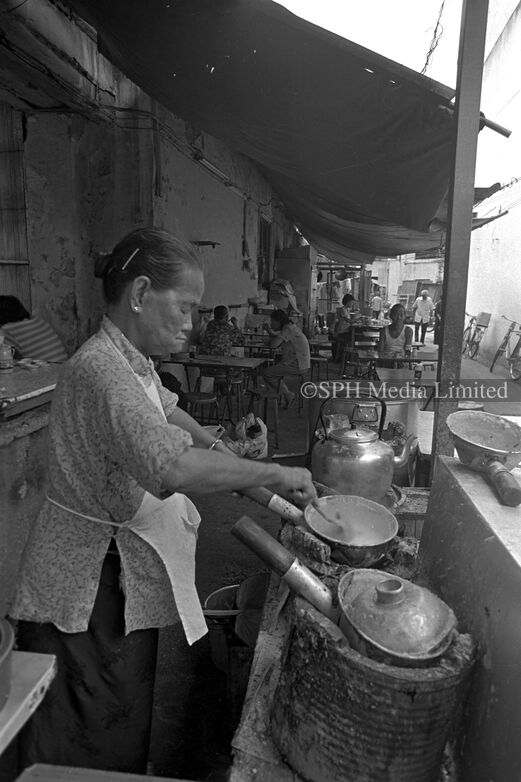 Hawker Selling Porridge on Streets
1983
Hawker Selling Porridge on Streets
1983
Hawker Selling Porridge on Streets
Year 1983
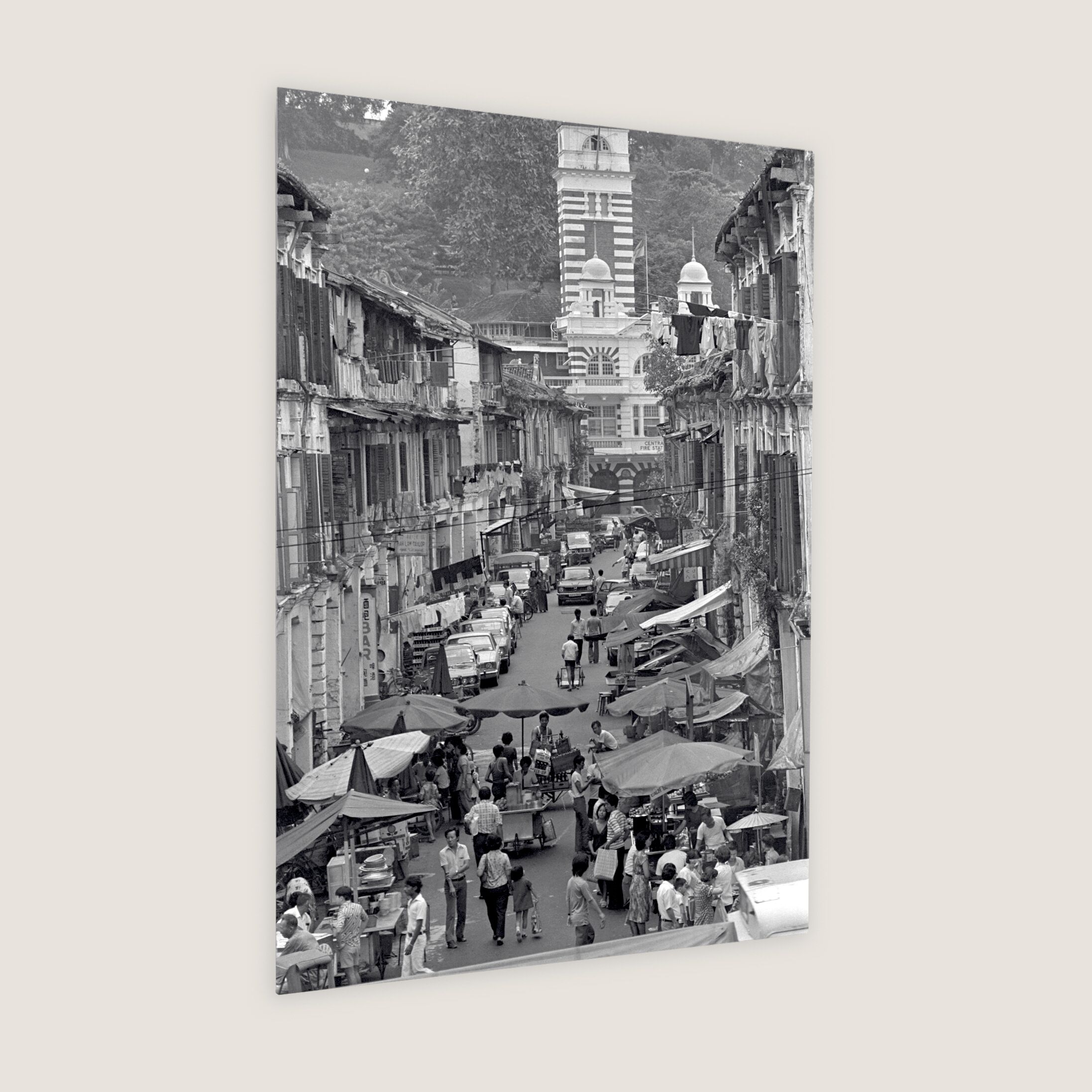
A hawker was preparing food at a stall along a narrow street in Chinatown on July 1983. By the end of September 1983, this vibrant corner of Singapore had vanished. As street hawkers disappeared, the area underwent a transformation with many relocating to newly constructed hawker centres.
©️ SPH Media Limited
Share to
Tags
Available for print on products
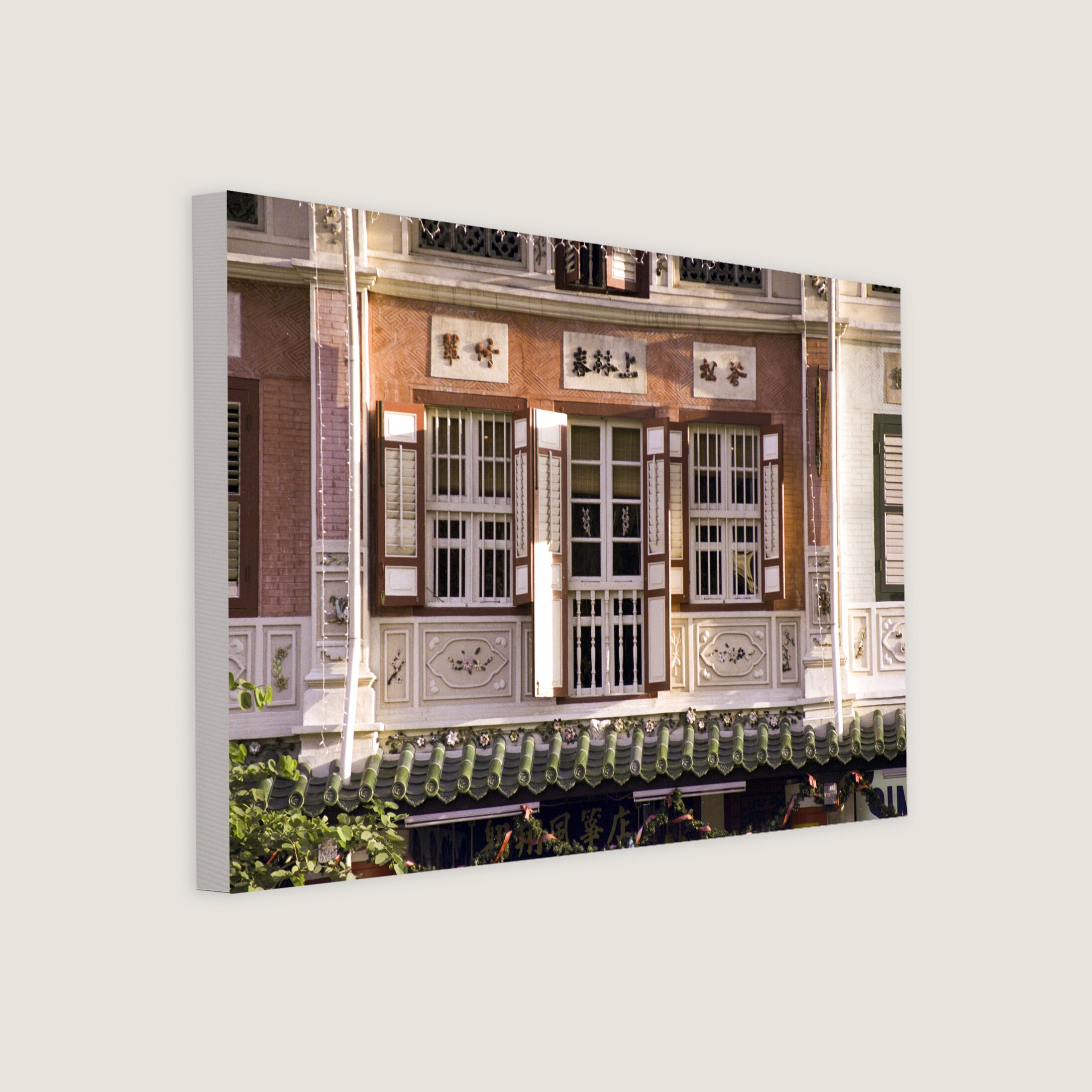
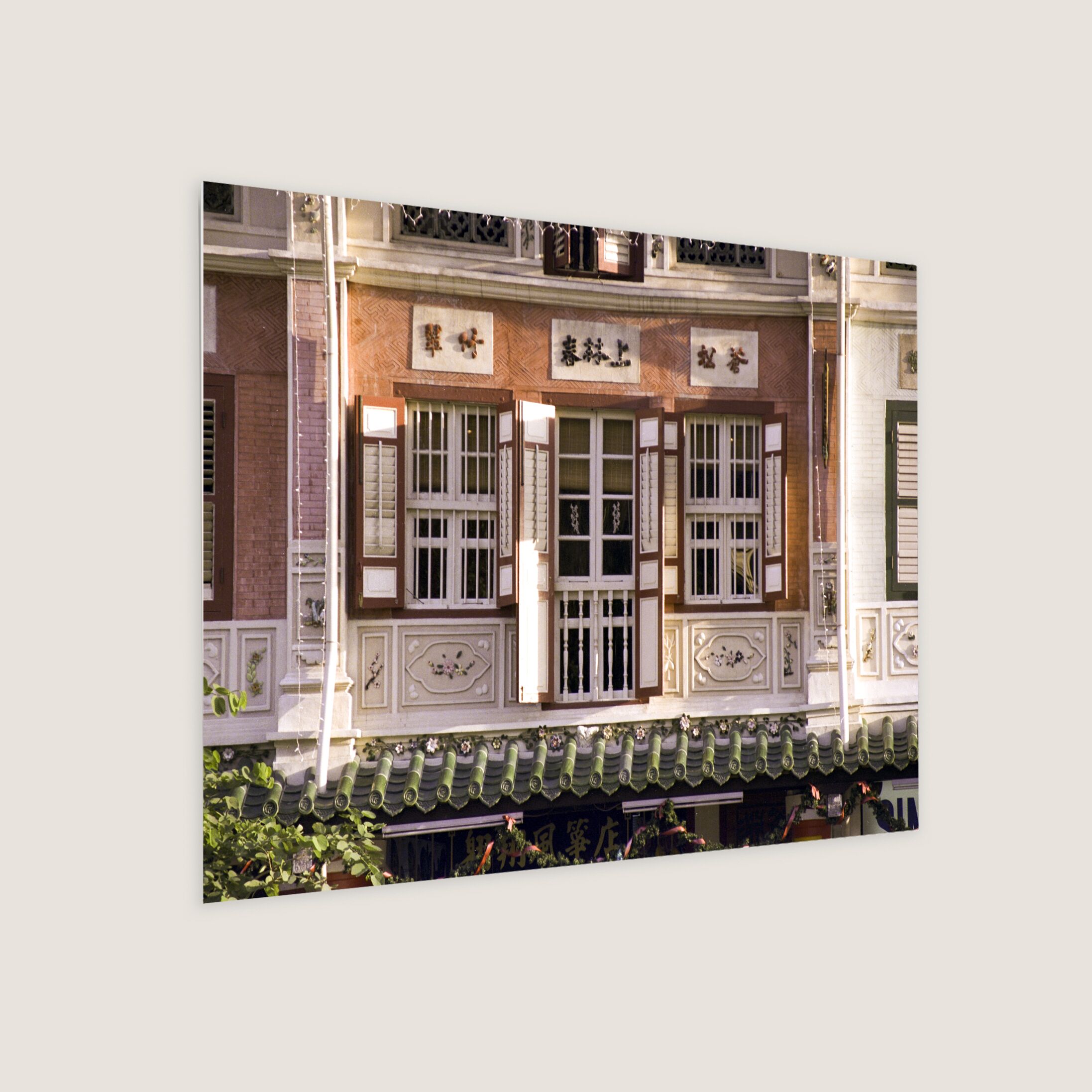
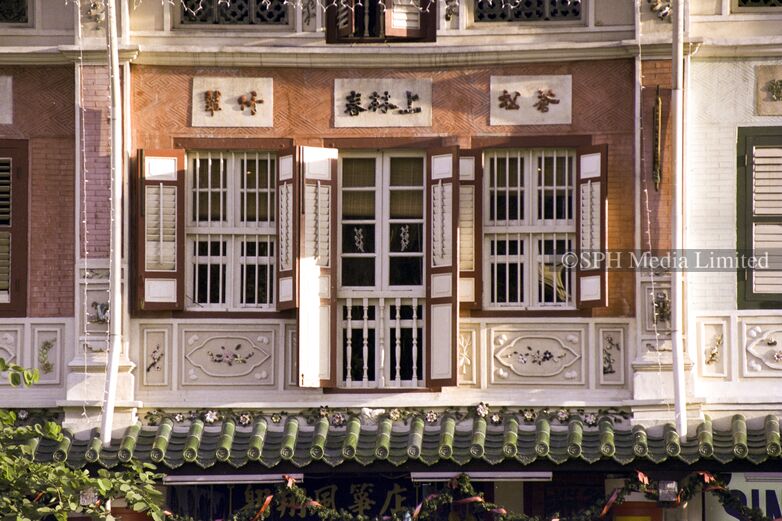 Conserved Shophouses in Tanjong Pagar
1990
Conserved Shophouses in Tanjong Pagar
1990
Conserved Shophouses in Tanjong Pagar
Year 1990
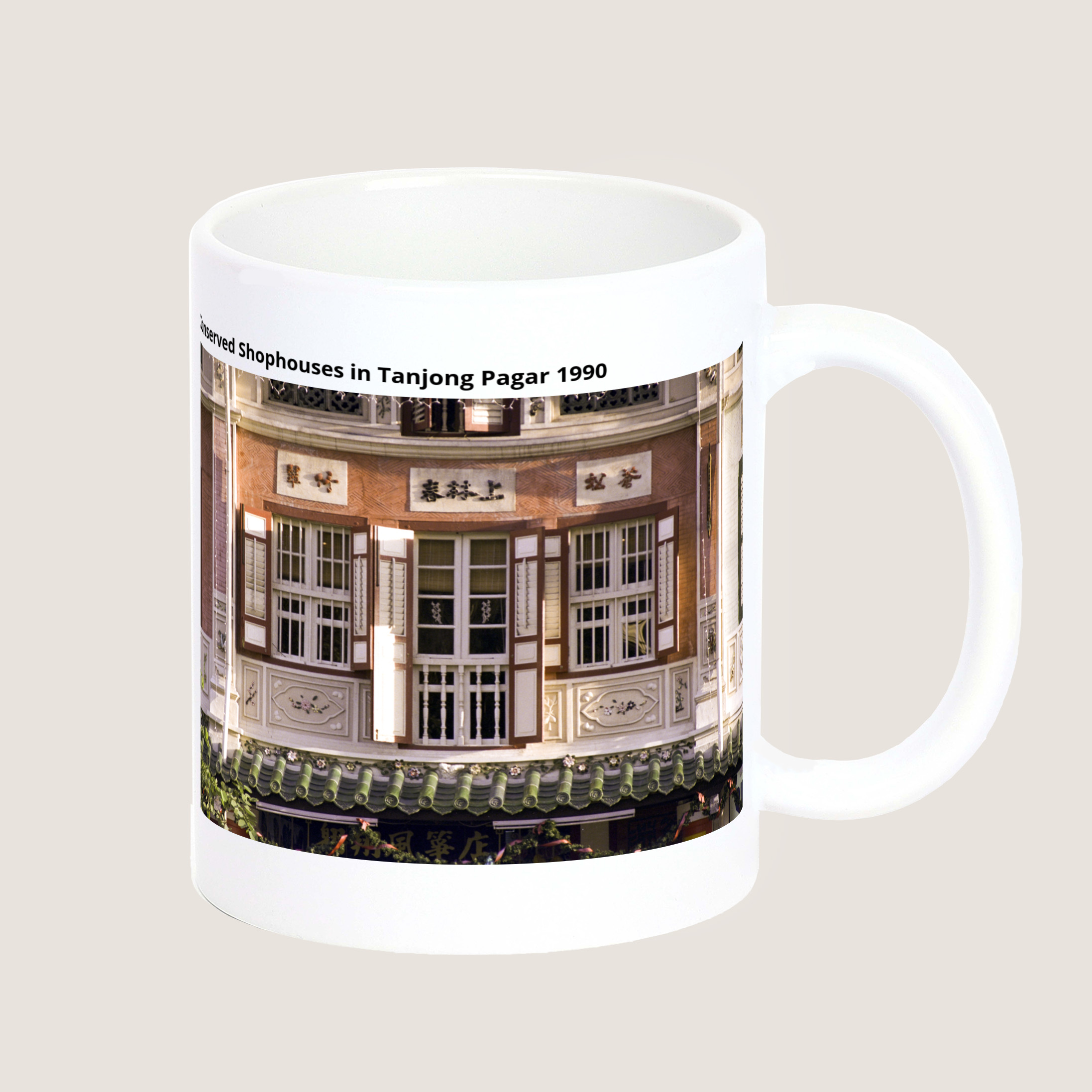
Tanjong Pagar, bounded by Neil Road, Maxwell Road, and surrounding streets, is known for its Early, Transitional, and Late Shophouse styles. It was granted conservation status on 2 July 1989, marking Singapore's first urban restoration project at 9 Neil Road.
©️ SPH Media Limited
Share to
Tags
Available for print on products
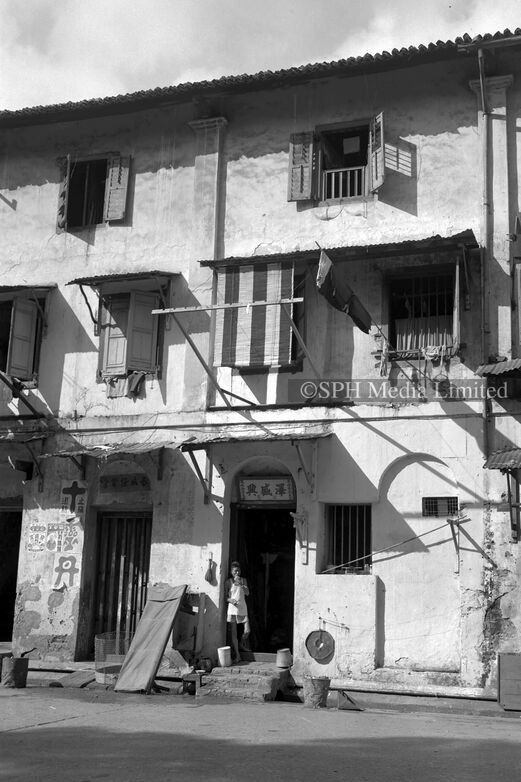 Overcrowded Shophouses on North Boat Quay
1953
Overcrowded Shophouses on North Boat Quay
1953
Overcrowded Shophouses on North Boat Quay
Year 1953
After World War II, Singapore’s population grew quickly, especially in the city. This caused serious overcrowding. Many families had to squeeze into old shophouses that were divided into tiny rooms. One example was a three-storey shophouse on River Valley Road. In September 1953, it housed 49 men, 24 women, and 51 children in just 26 cubicles, showing how serious the housing problem was then.
©️ SPH Media Limited
Share to
Tags
Available for print on products
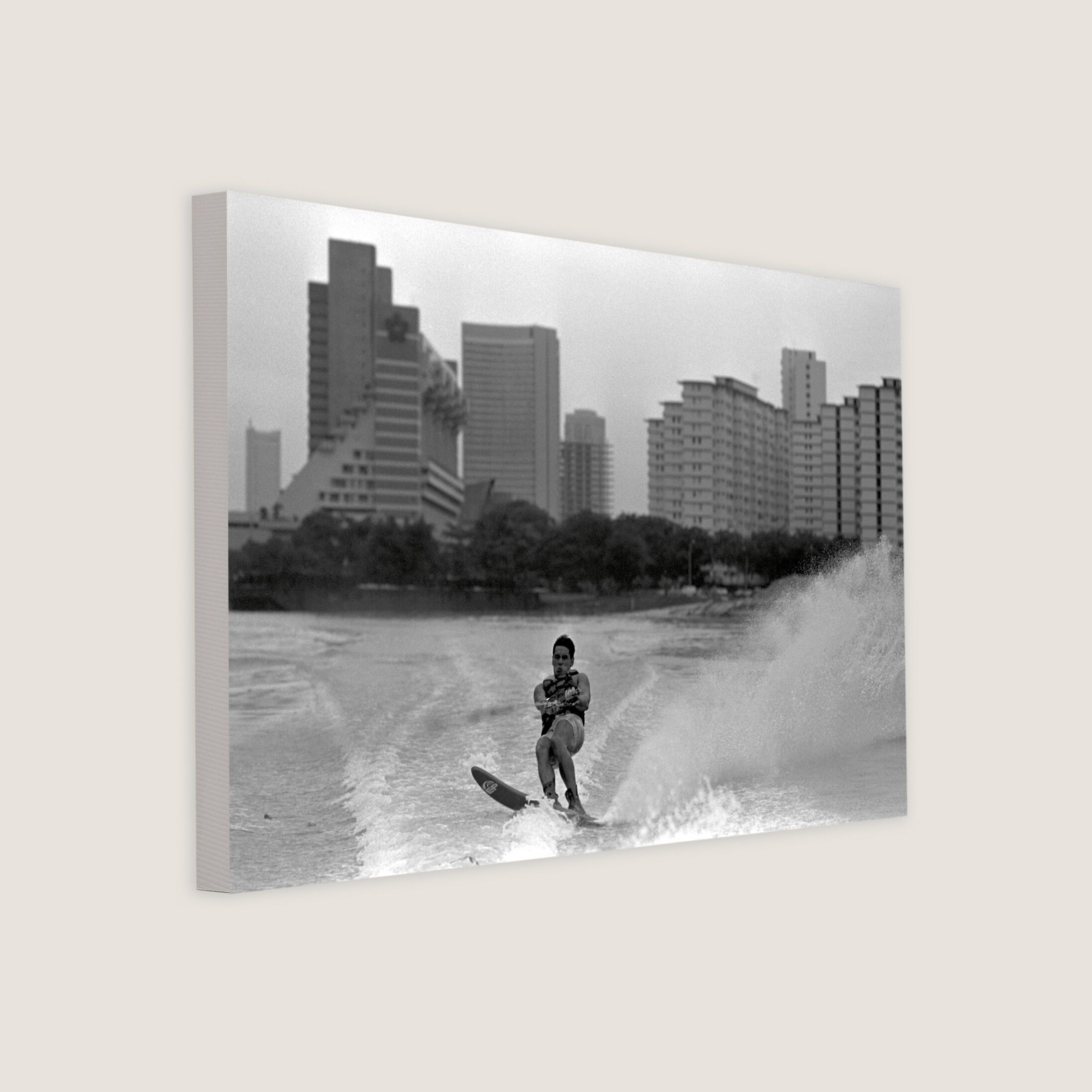
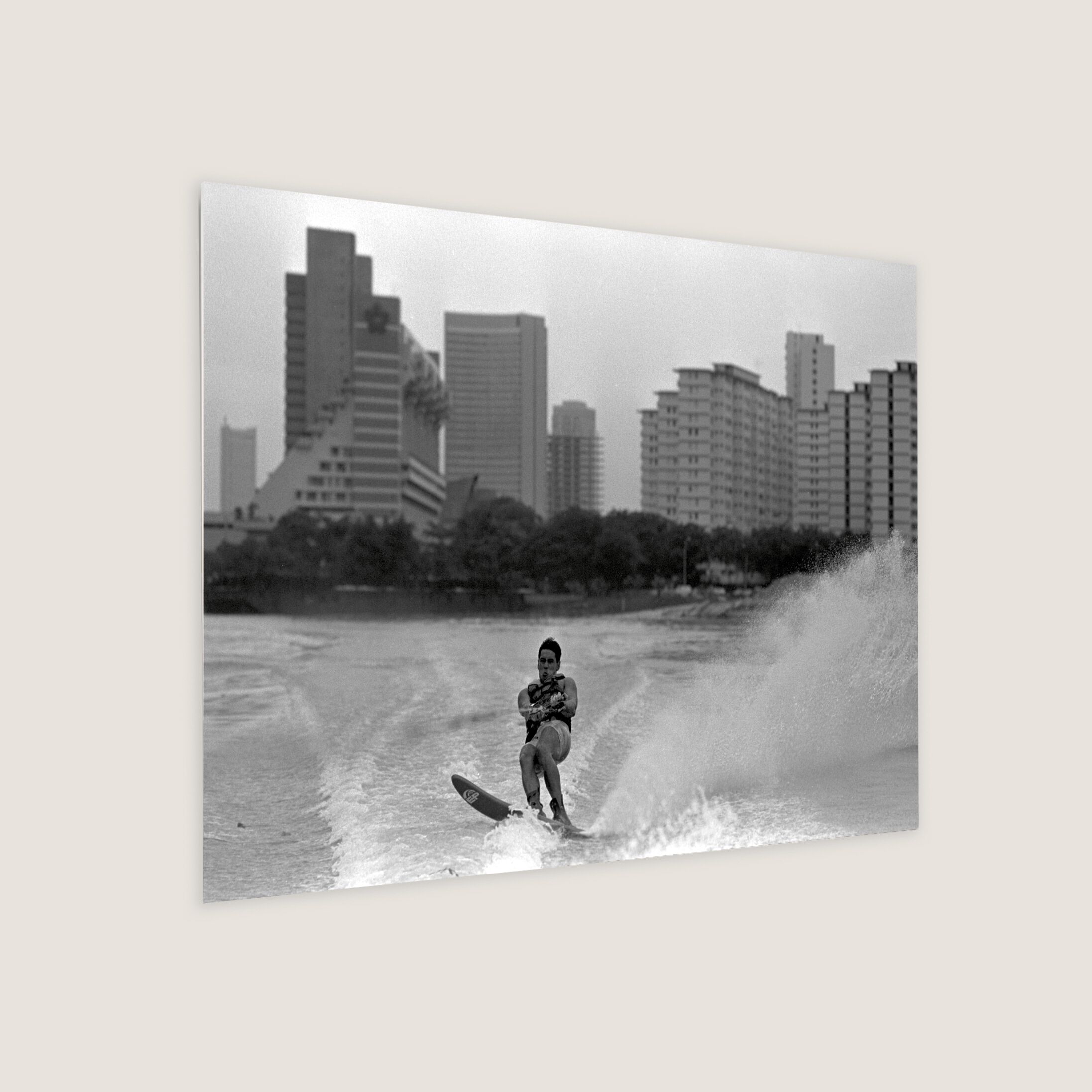
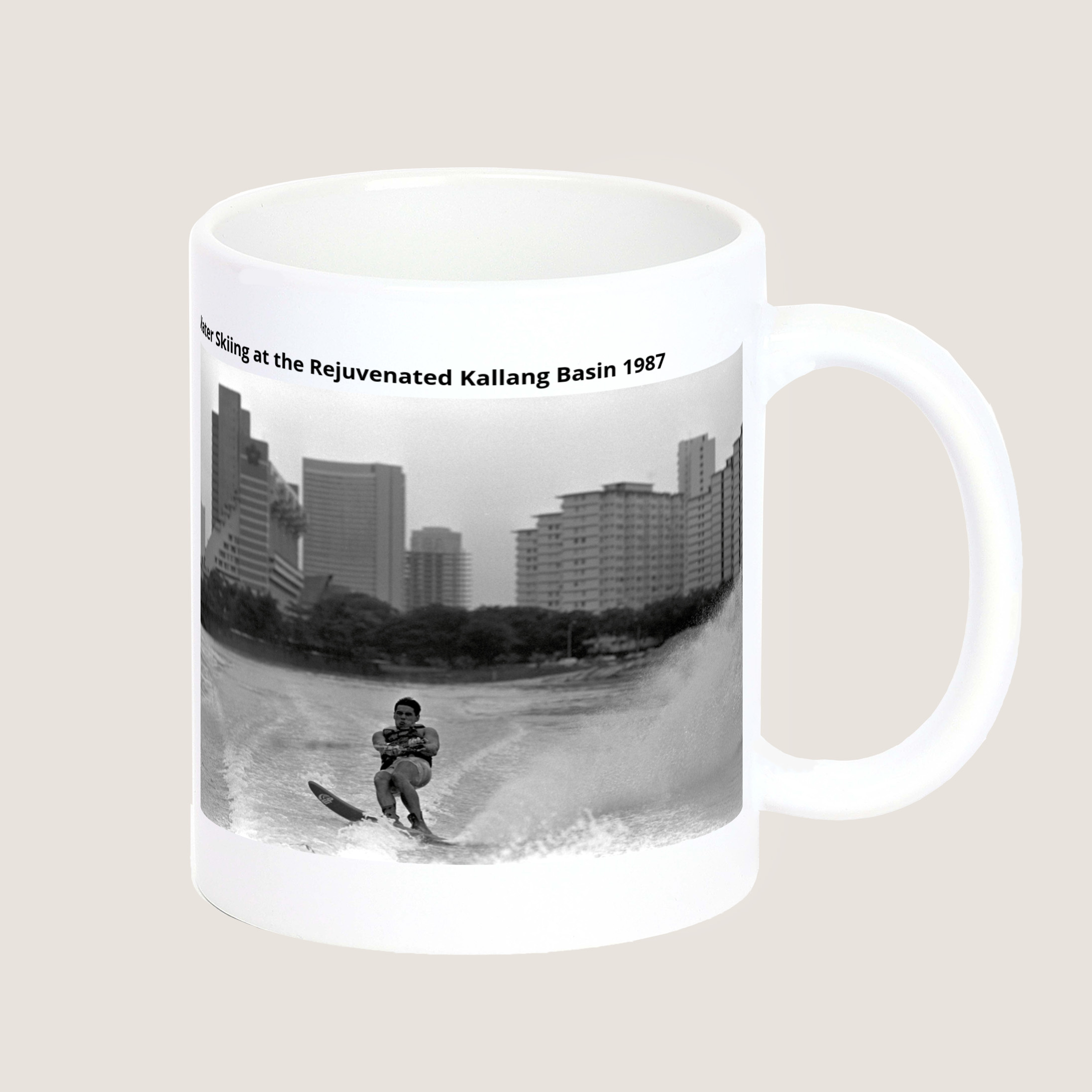
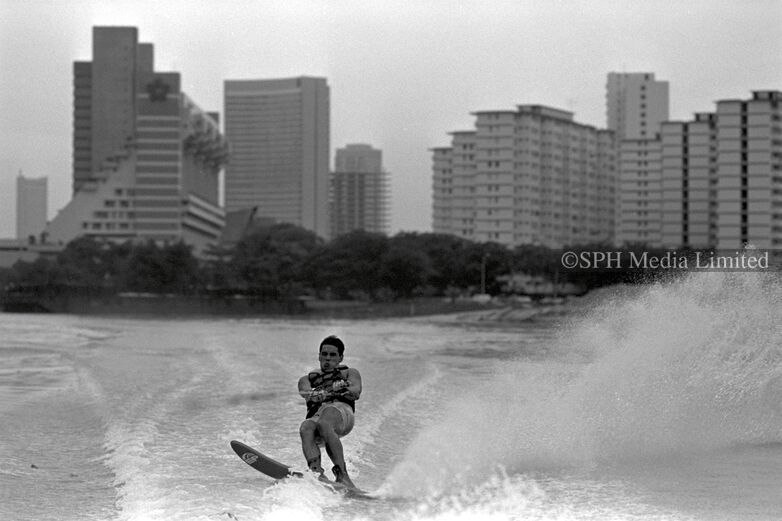 Water Skiing at the Rejuvenated Kallang Basin
1987
Water Skiing at the Rejuvenated Kallang Basin
1987
Water Skiing at the Rejuvenated Kallang Basin
Year 1987
In the early 1990s, following a 16-year effort to clean up Singapore's polluted waterways, Mr Paul Fong was one of the first people who water-skied on the rejuvenated Kallang River. Today, the Kallang Basin hosts water sports like kayaking and dragon boating, overseen by the Singapore Sports Hub. Landmarks such as the Golden Mile Complex and nearby HDB flats stand in the background.
©️ SPH Media Limited
Share to
Tags
Available for print on products
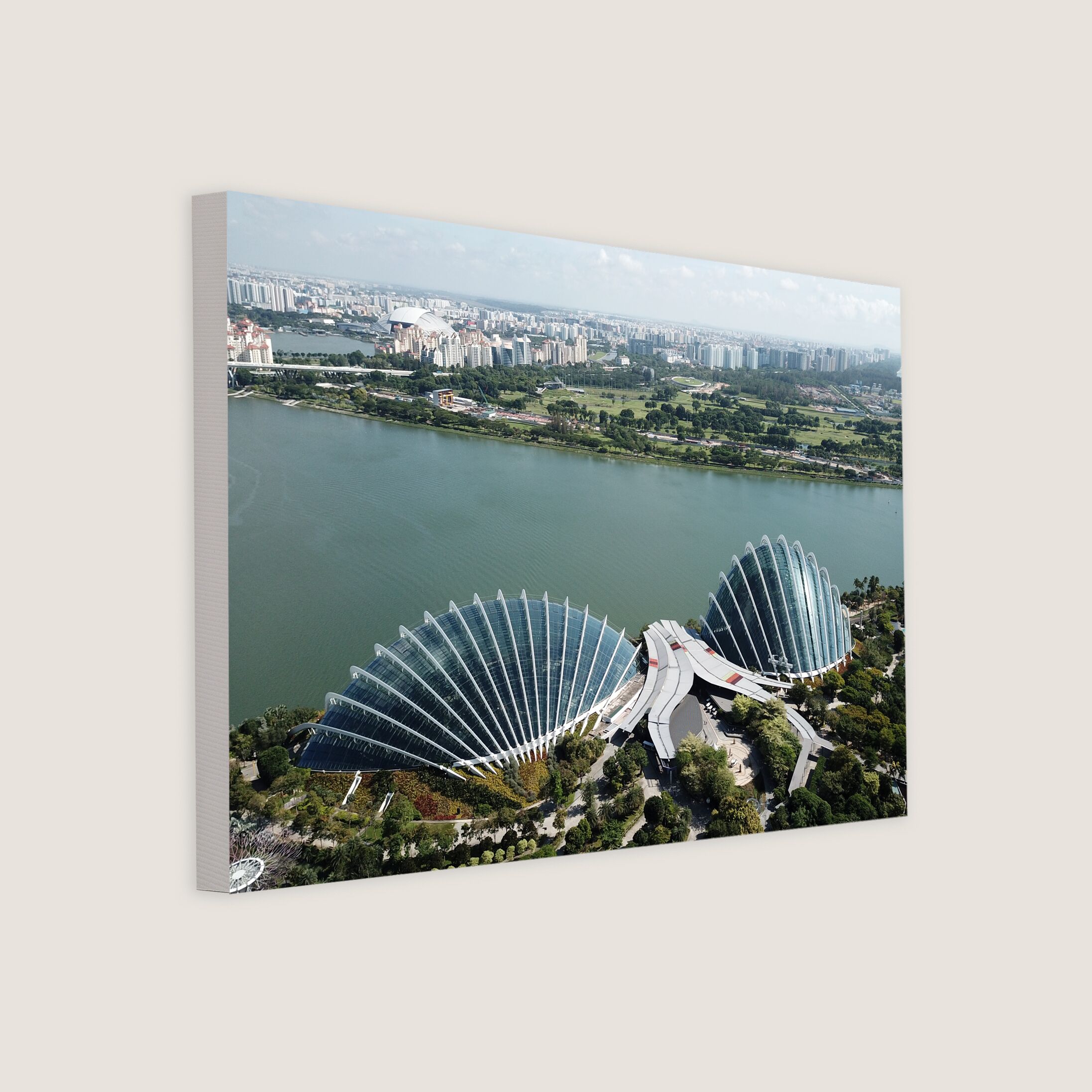
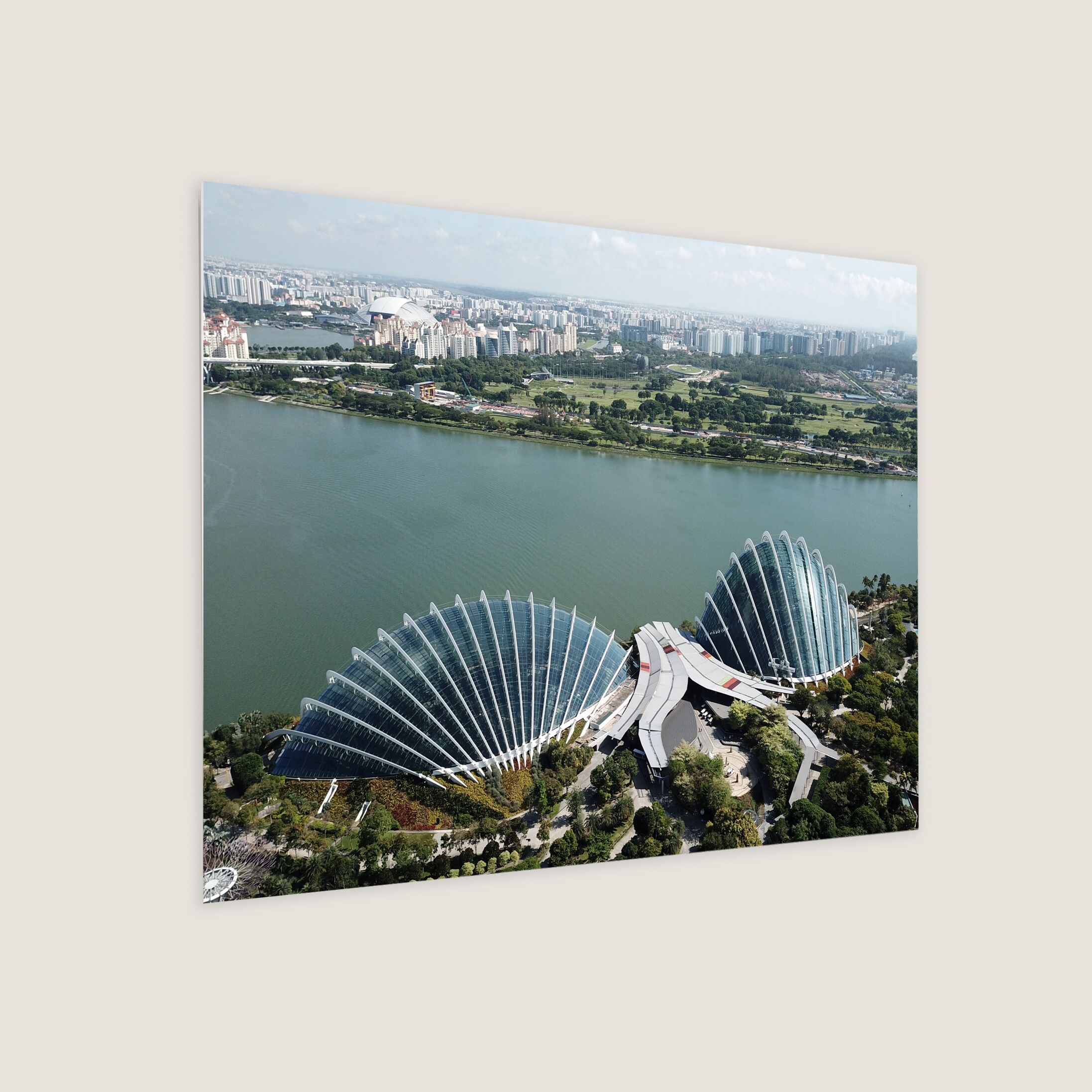
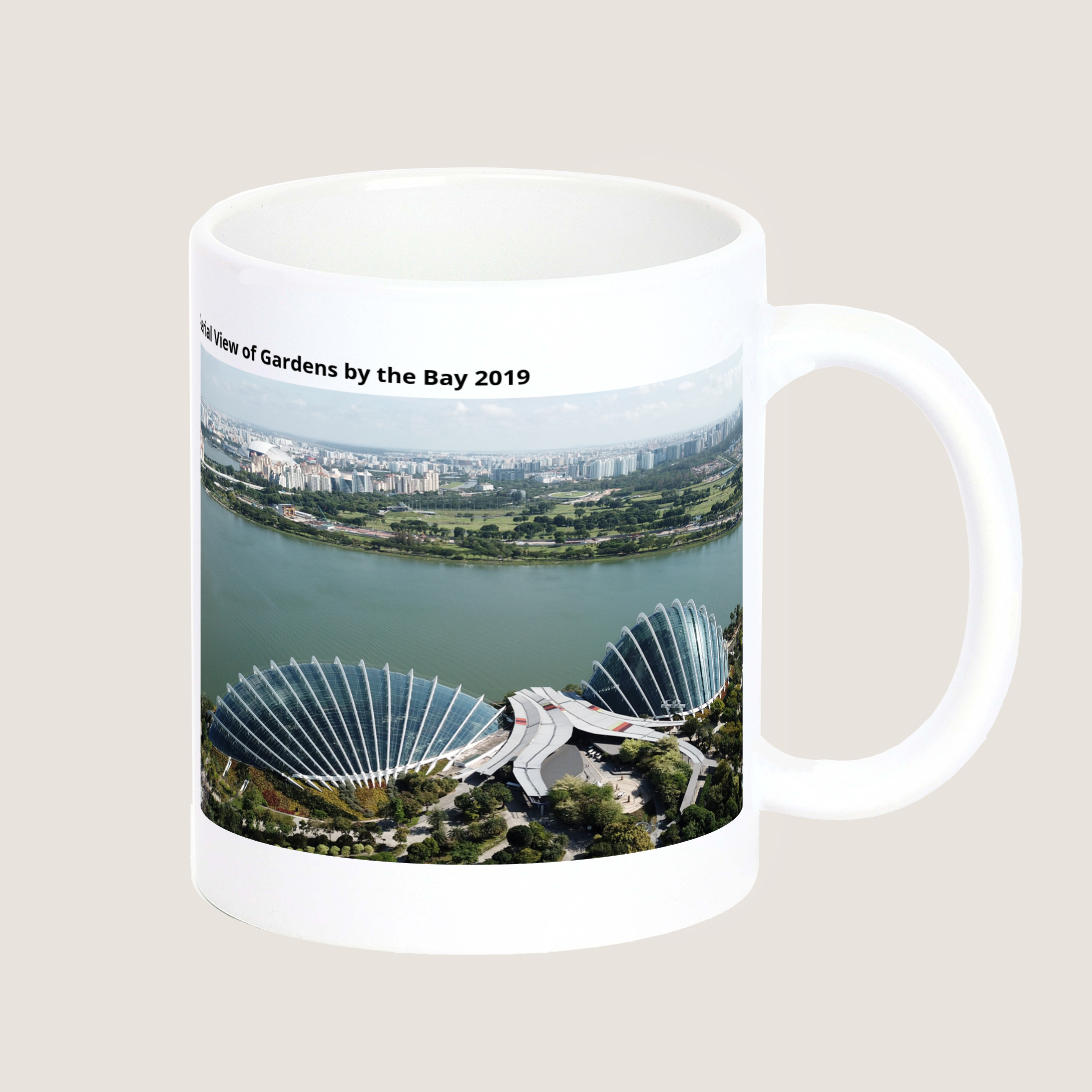
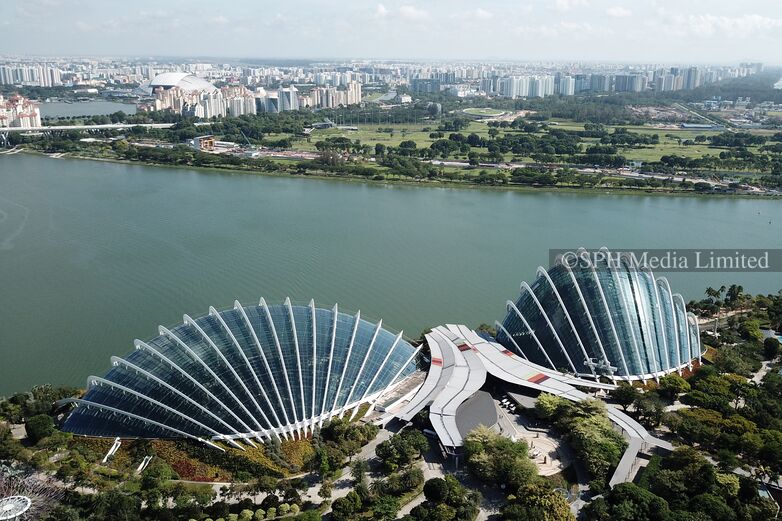 Aerial View of Gardens by the Bay
2019
Aerial View of Gardens by the Bay
2019
Aerial View of Gardens by the Bay
Year 2019
The conservatory complex at Gardens by the Bay comprises two cooled conservatories, the Flower Dome and the Cloud Forest, situated along the edge of Marina Reservoir. The Flower Dome is also listed in the Guinness World Records as the largest glass greenhouse.
©️ SPH Media Limited
Share to
Tags
Available for print on products
View of Telok Blangah and CBD from Mount Faber
2004
View of Telok Blangah and CBD from Mount Faber
Year 2004
Standing at 106m above sea level, Mount Faber overlooks Telok Blangah housing estate and the Central Business District of Singapore. Mount Faber was originally known as Telok Blangah Hill. In July 1845, it was renamed Mount Faber after Charles Edward Faber of the Madras Engineers. He and his team built a narrow winding road to the summit for the new signal station and flagstaff.
©️ SPH Media Limited
Share to
Tags
Available for print on products
The Exciting SkyHelix on Sentosa Island
2021
The Exciting SkyHelix on Sentosa Island
Year 2021
Mount Faber Leisure Group launched its attraction, SkyHelix Sentosa, in early 2022. It is Singapore’s highest open-air panoramic ride. Tourists sit in an open-air gondola that gently rotates as it ascends to a height of 79 metres above sea level.
©️ SPH Media Limited
Share to
Tags
Available for print on products
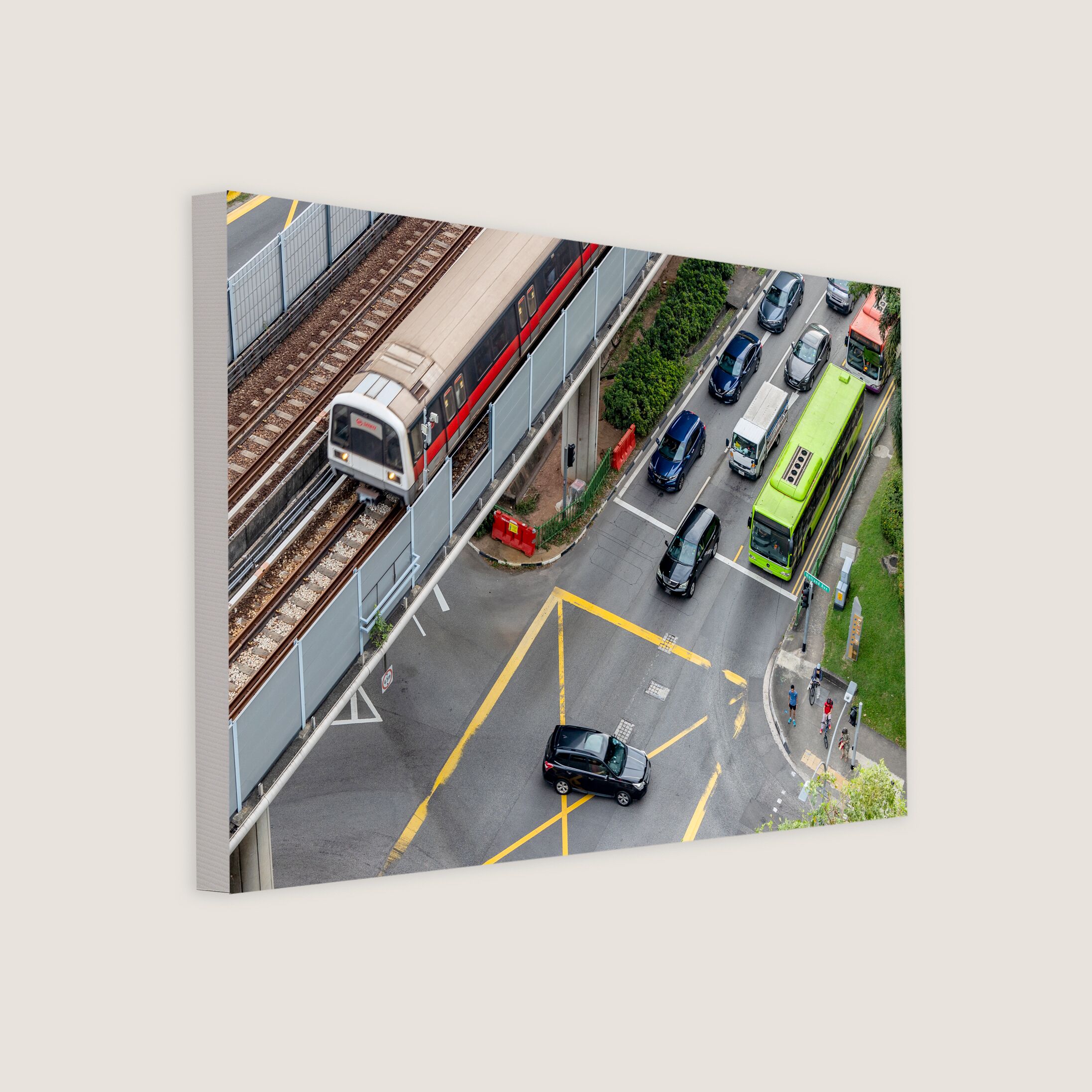
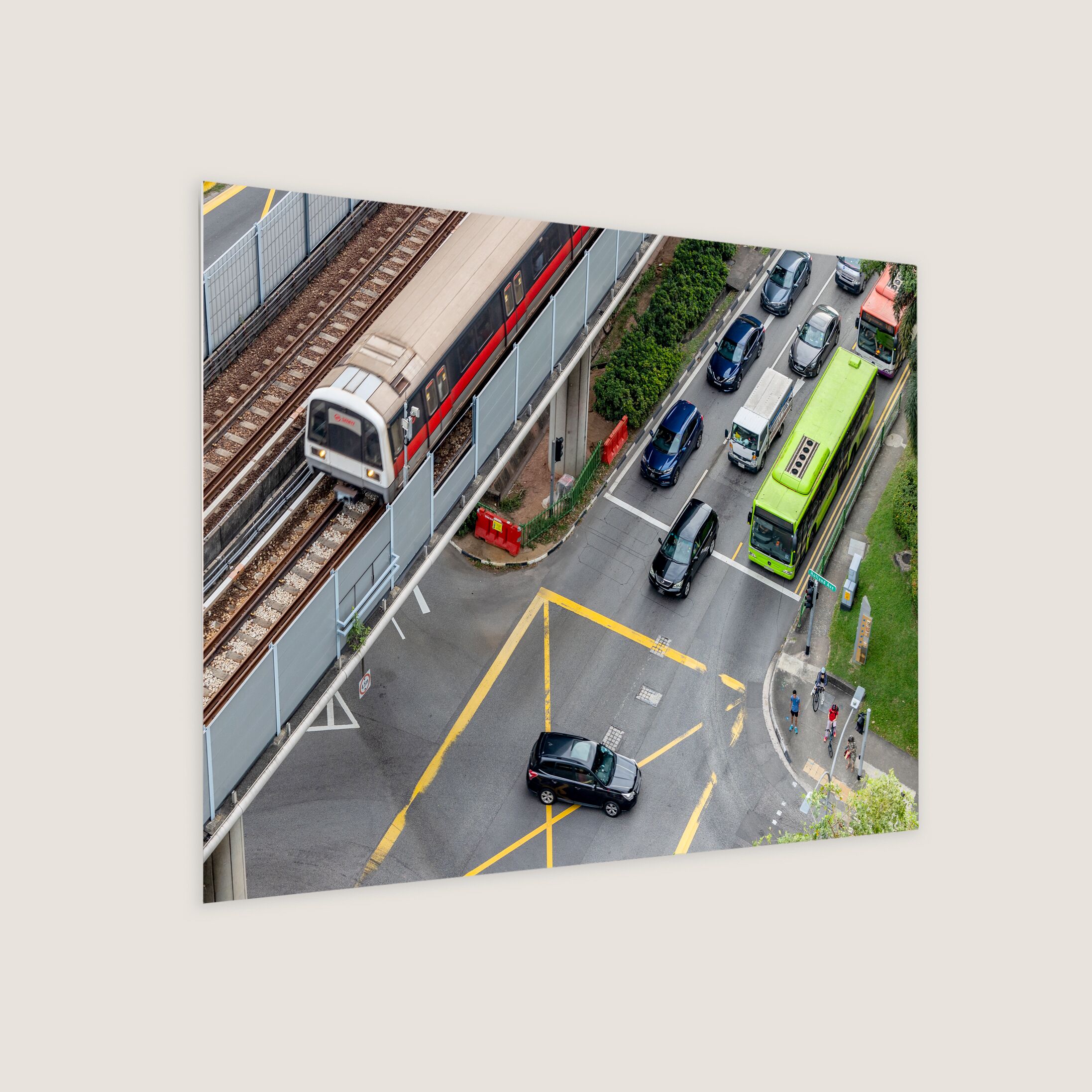
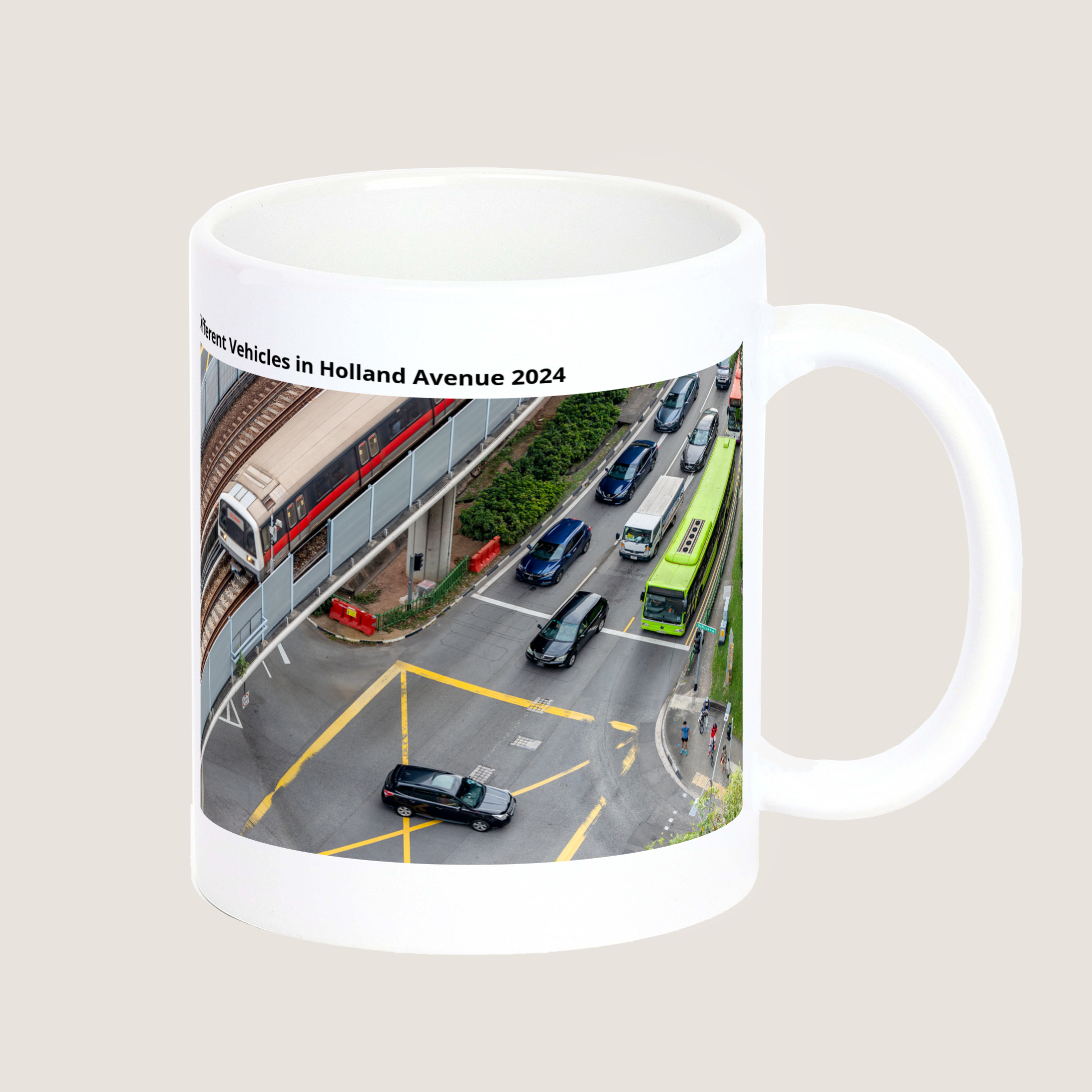
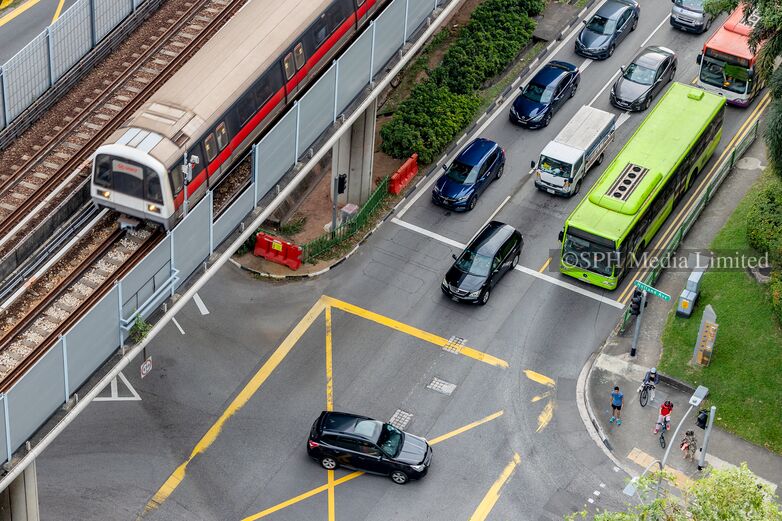 Different Vehicles in Holland Avenue
2024
Different Vehicles in Holland Avenue
2024
Different Vehicles in Holland Avenue
Year 2024
Aerial view from Block 8 on Holland Avenue, where the junction bustles with various modes of transport, including buses, the MRT, and private cars. This is a typical scene on the roads of present-day Singapore.
©️ SPH Media Limited
Share to
Tags
Available for print on products
Harbourfront Cable Car Tower New Year Fireworks
2005
Harbourfront Cable Car Tower New Year Fireworks
Year 2005
The cable car station at Mount Faber underwent a transformation in 2005 to remain competitive in the tourism and lifestyle sectors and was renamed Jewel Box. It was later renamed Faber Peak. After the countdown, visitors at the Harbourfront Cable Car Tower excitedly welcomed the new year of 2006, with fireworks lighting up the sky.
©️ SPH Media Limited
Share to
Tags
Available for print on products
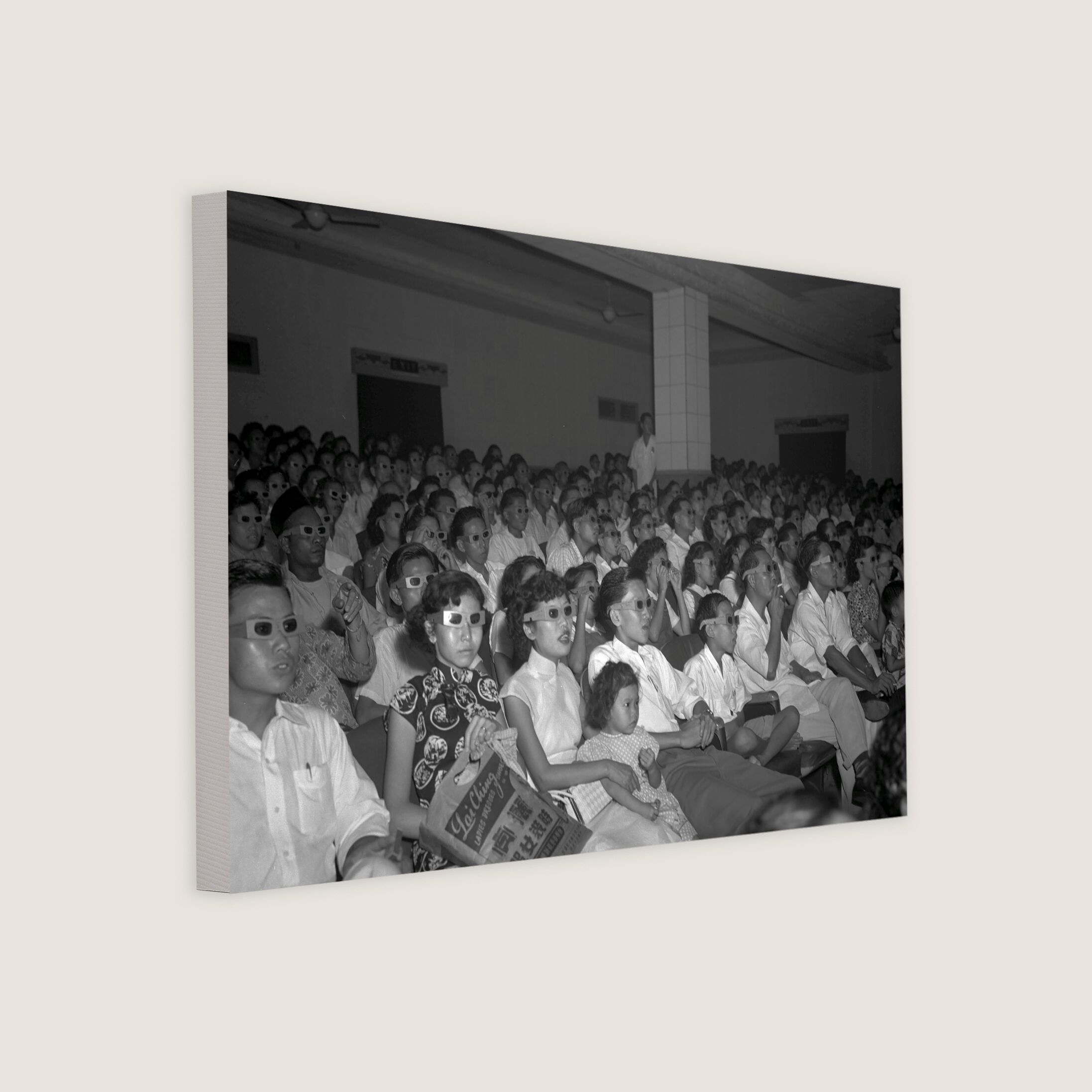
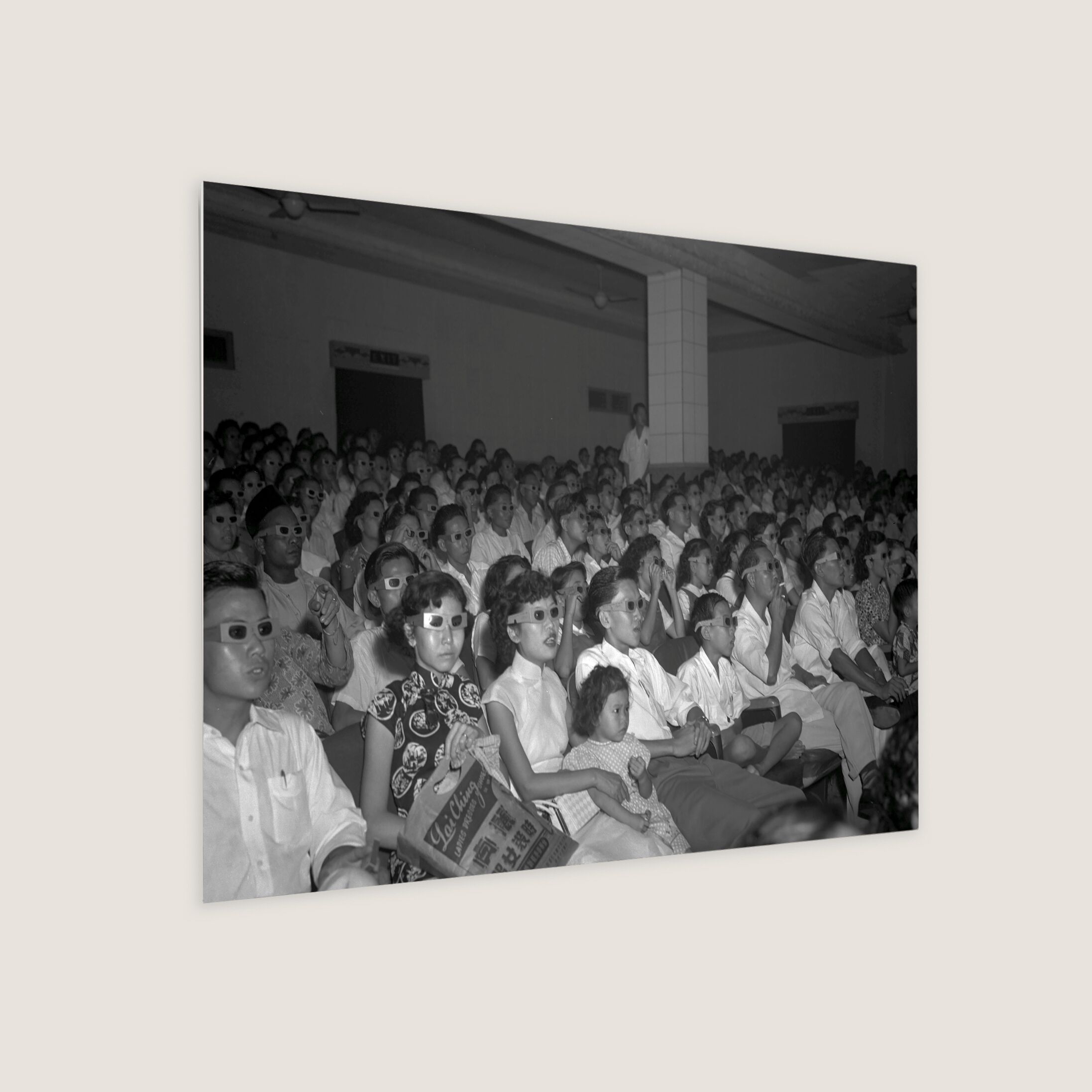
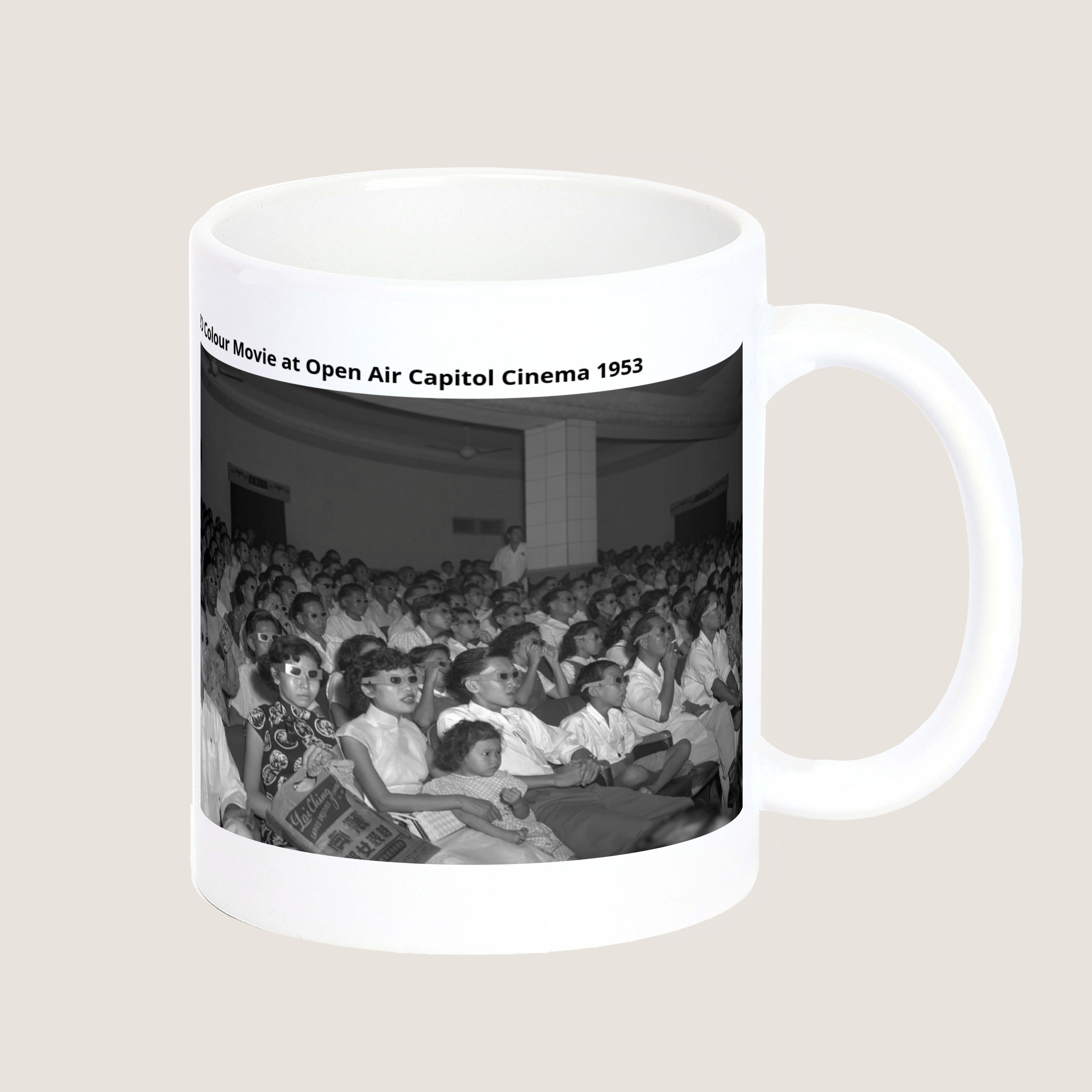
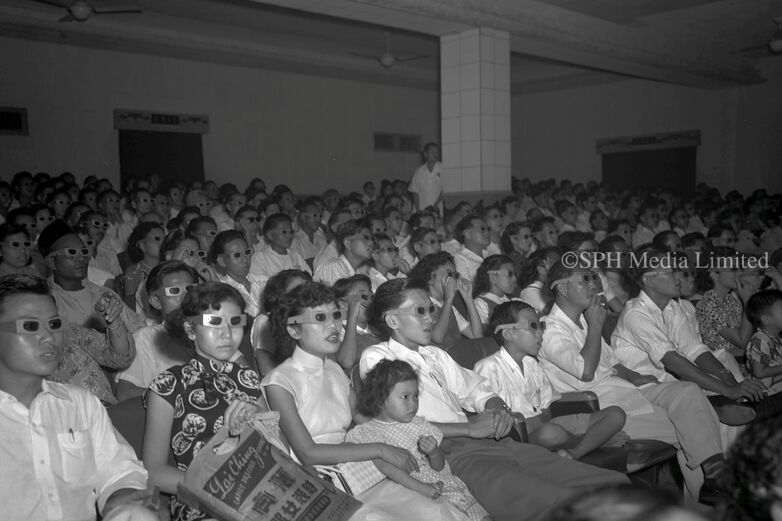 3D Colour Movie at Open Air Capitol Cinema
1953
3D Colour Movie at Open Air Capitol Cinema
1953
3D Colour Movie at Open Air Capitol Cinema
Year 1953
The Capitol Cinema first opened in 1930. At the time of its opening, it was regarded as the most modern auditorium with the largest capacity in the Far East. The cinema's roof could also slide open, creating a gap of over 12 meters. People wearing polarised spectacles attended the screening of the three-dimensional color movie Bwana Devil at Capitol Cinema. Today the Capitol Cinema is known as the Capitol Theatre.
©️ SPH Media Limited
Share to
Tags
Available for print on products
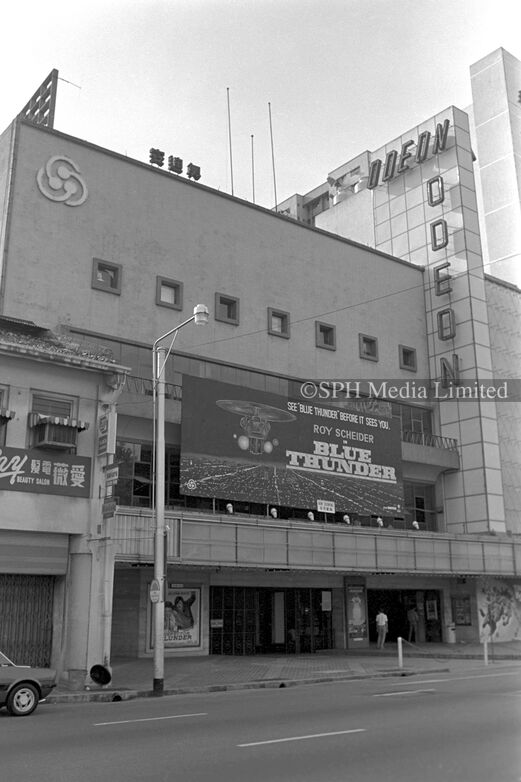 Odeon Cinema with Premium Services
1983
Odeon Cinema with Premium Services
1983
Odeon Cinema with Premium Services
Year 1983
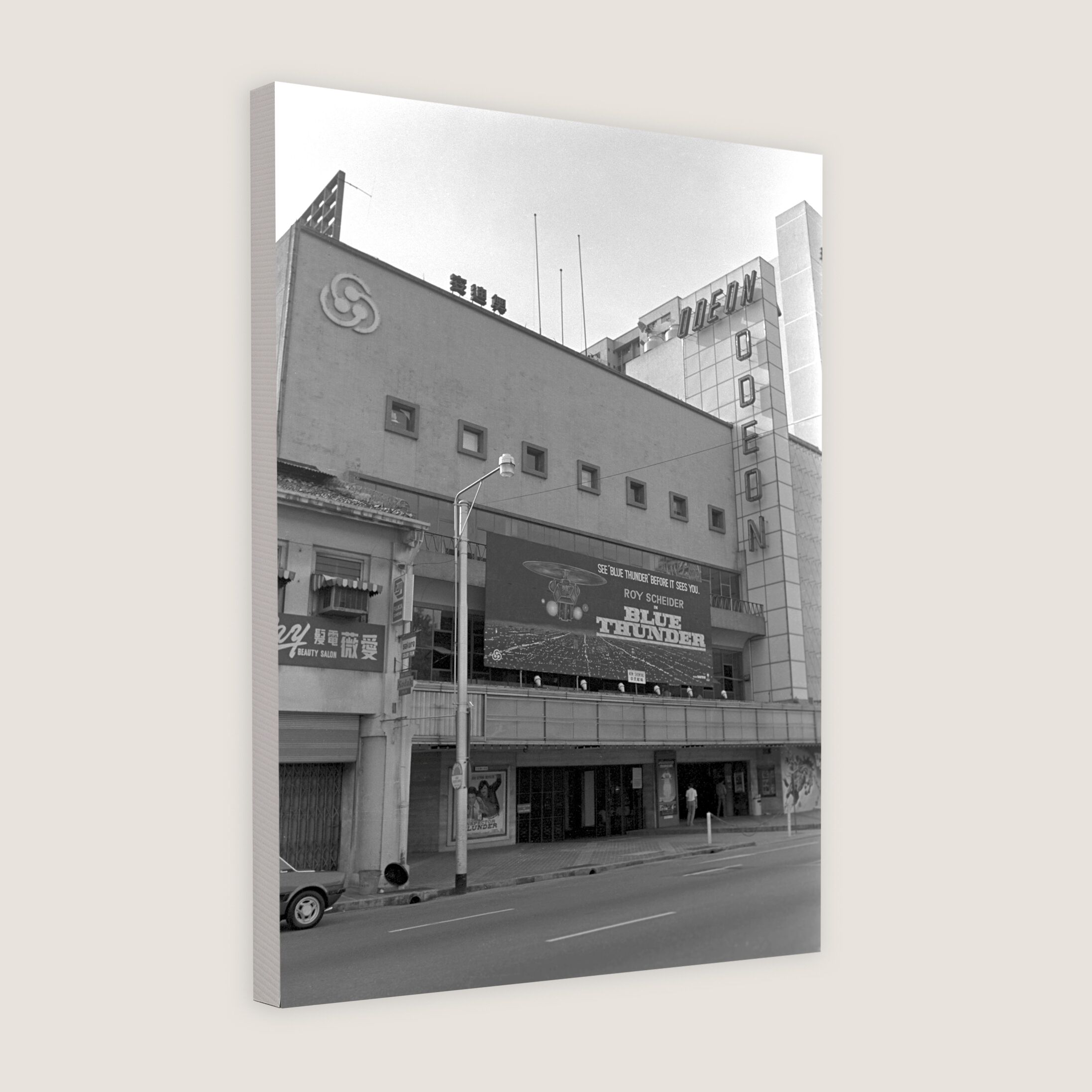
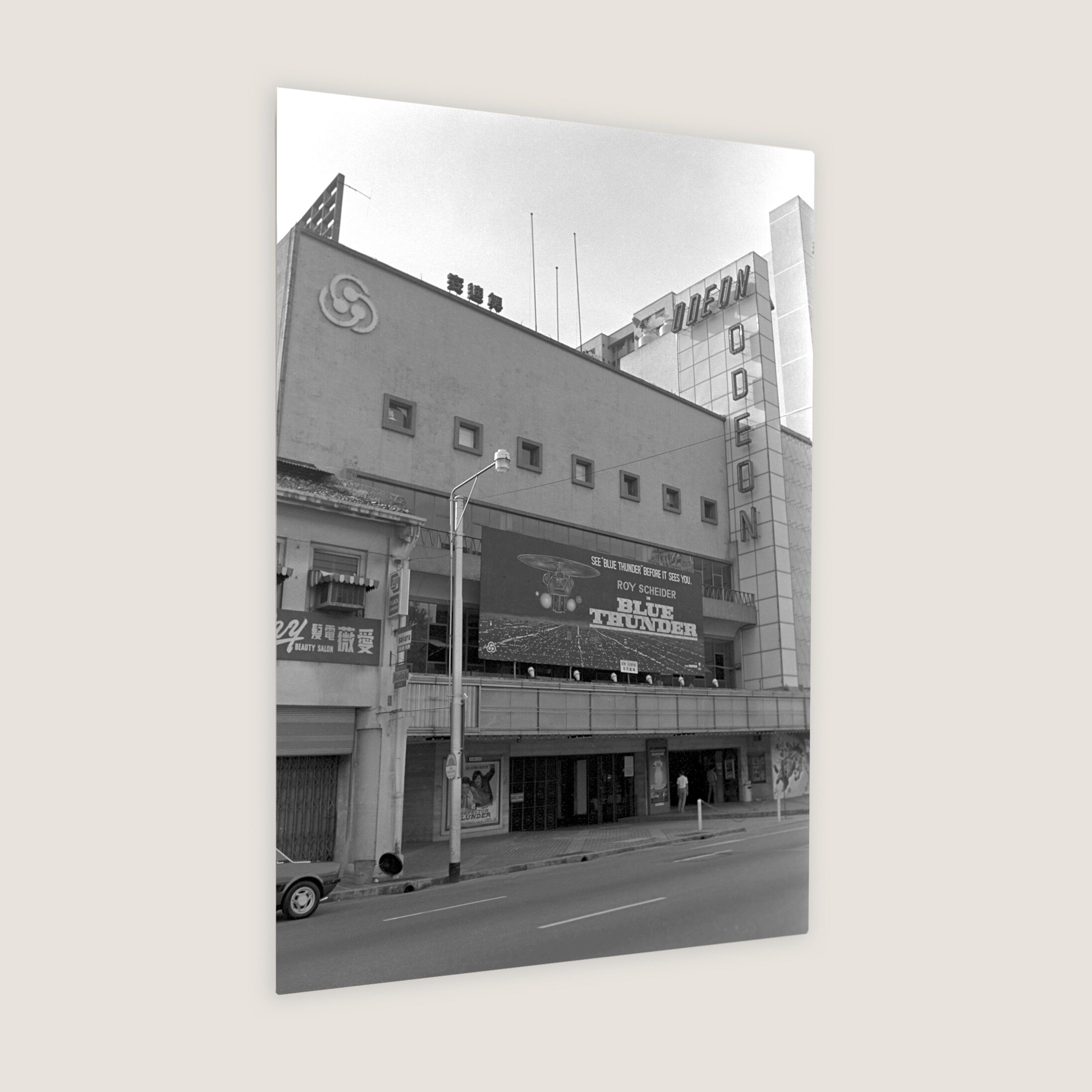
The Odeon Cinema was built in 1953 and was Cathay Organisation's flagship cinema at that time. It was an incredibly innovative cinema. It offered hearing aids, had a phone reservation system and a drive-in booking system in the underground carpark. They also had a soundproofed 'cry room' that would allow parents to enjoy movies with their babies.
©️ SPH Media Limited
Share to
Tags
Available for print on products
Have a photo idea to suggest?