No relevant currency found
Pre-Independence
Singapore's pre-independent years were before 1965. Afterwards, Singapore was a fully independent nation, free from colonial rule and separated from Malaysia.
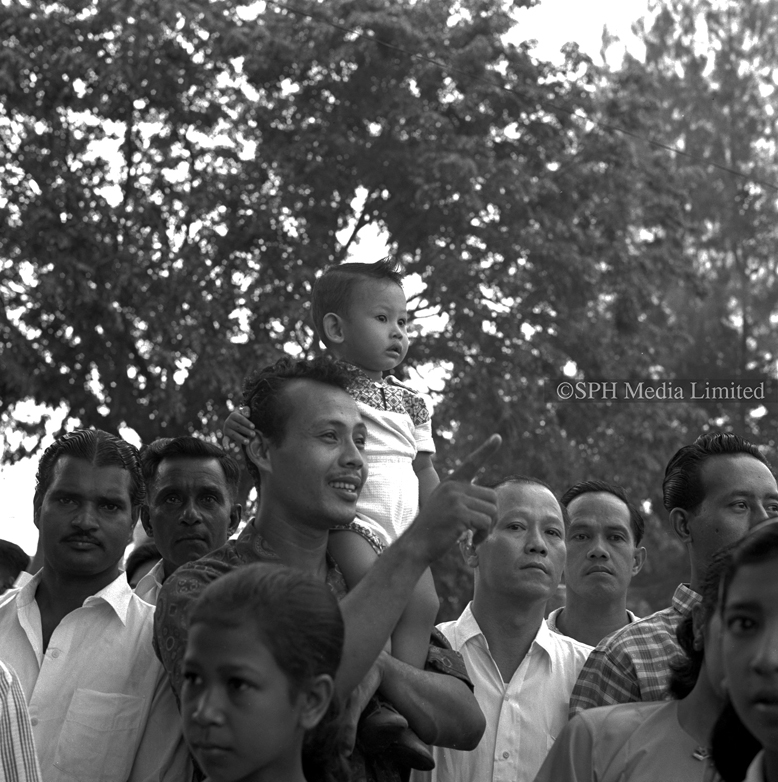
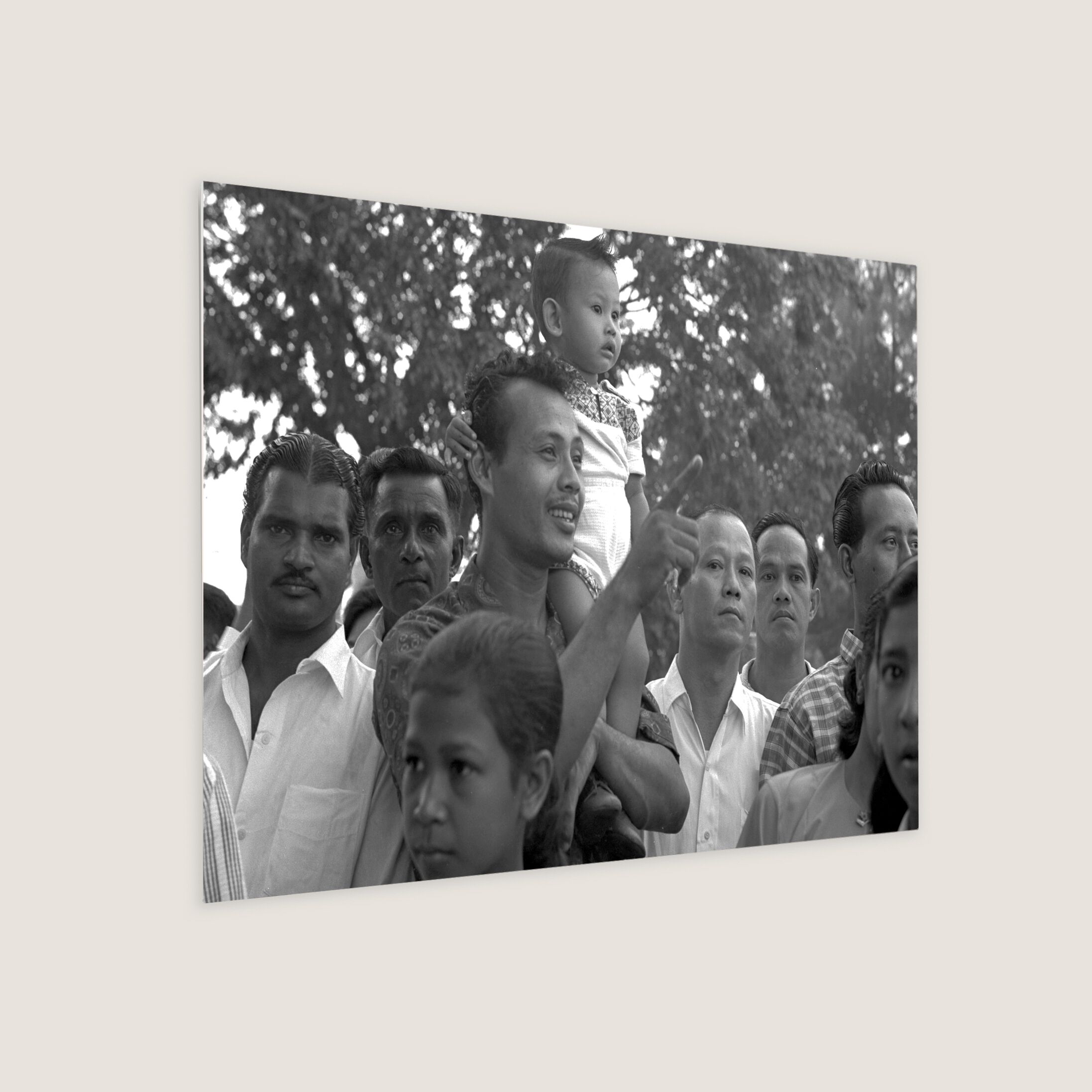
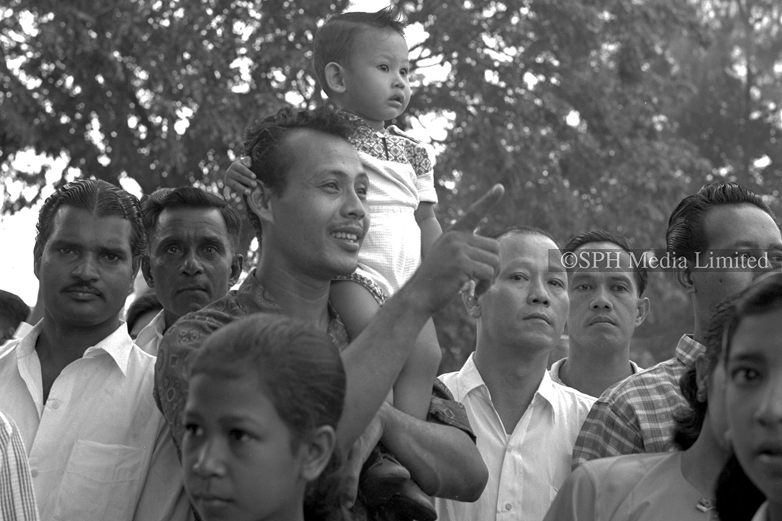
People at the National Day Celebrations
1961
Before 1965, National Day was celebrated on 3 June to commemorate the day in 1959 when Singapore attained self-governance from British rule. Singapore only became fully independent when it was separated from Malaysia on 9 August 1965.
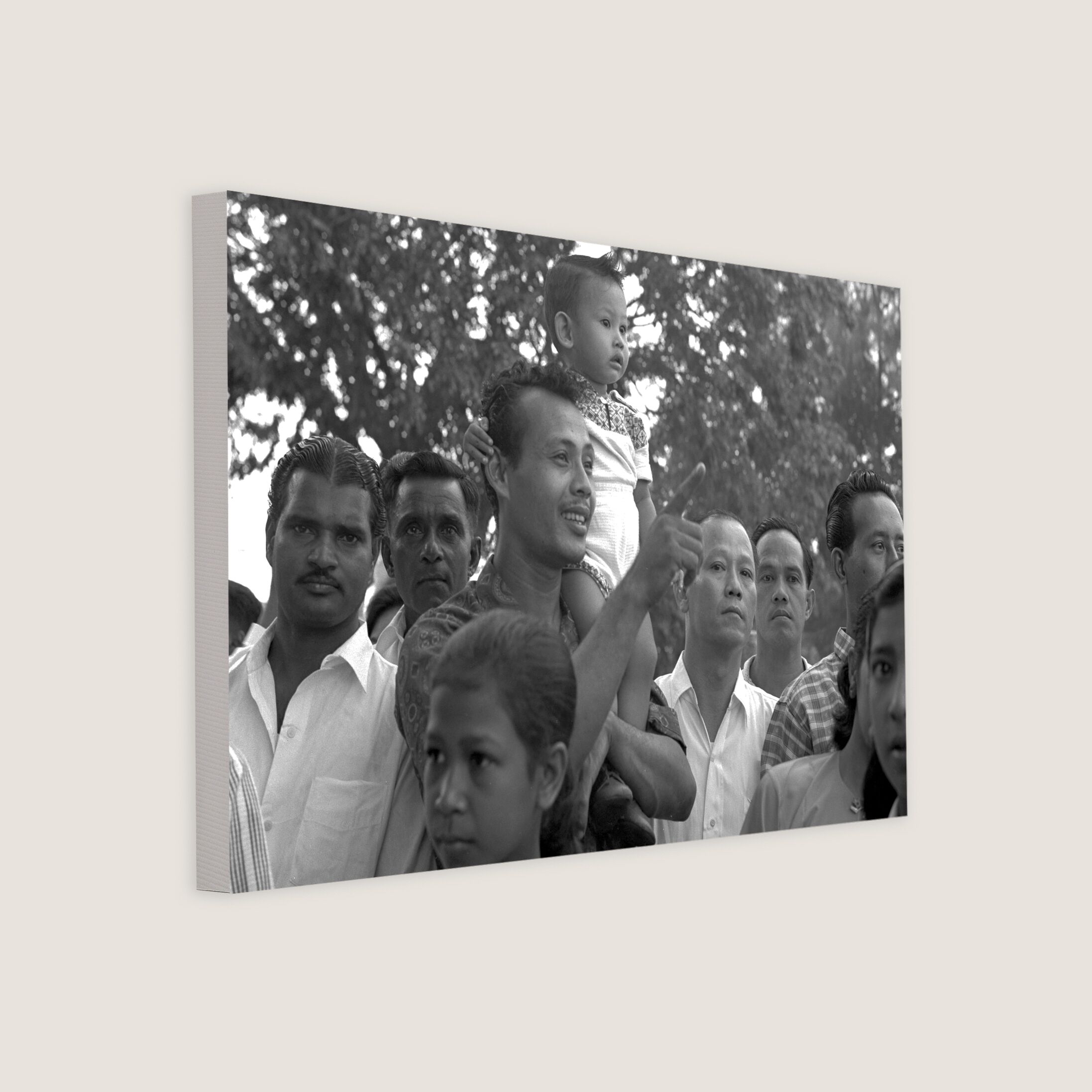
People at the National Day Celebrations
Year 1961
Before 1965, National Day was celebrated on 3 June to commemorate the day in 1959 when Singapore attained self-governance from British rule. Singapore only became fully independent when it was separated from Malaysia on 9 August 1965.
©️ SPH Media Limited
Share to
Tags
Available for print on products
 People at the National Day Celebrations
1961
People at the National Day Celebrations
1961
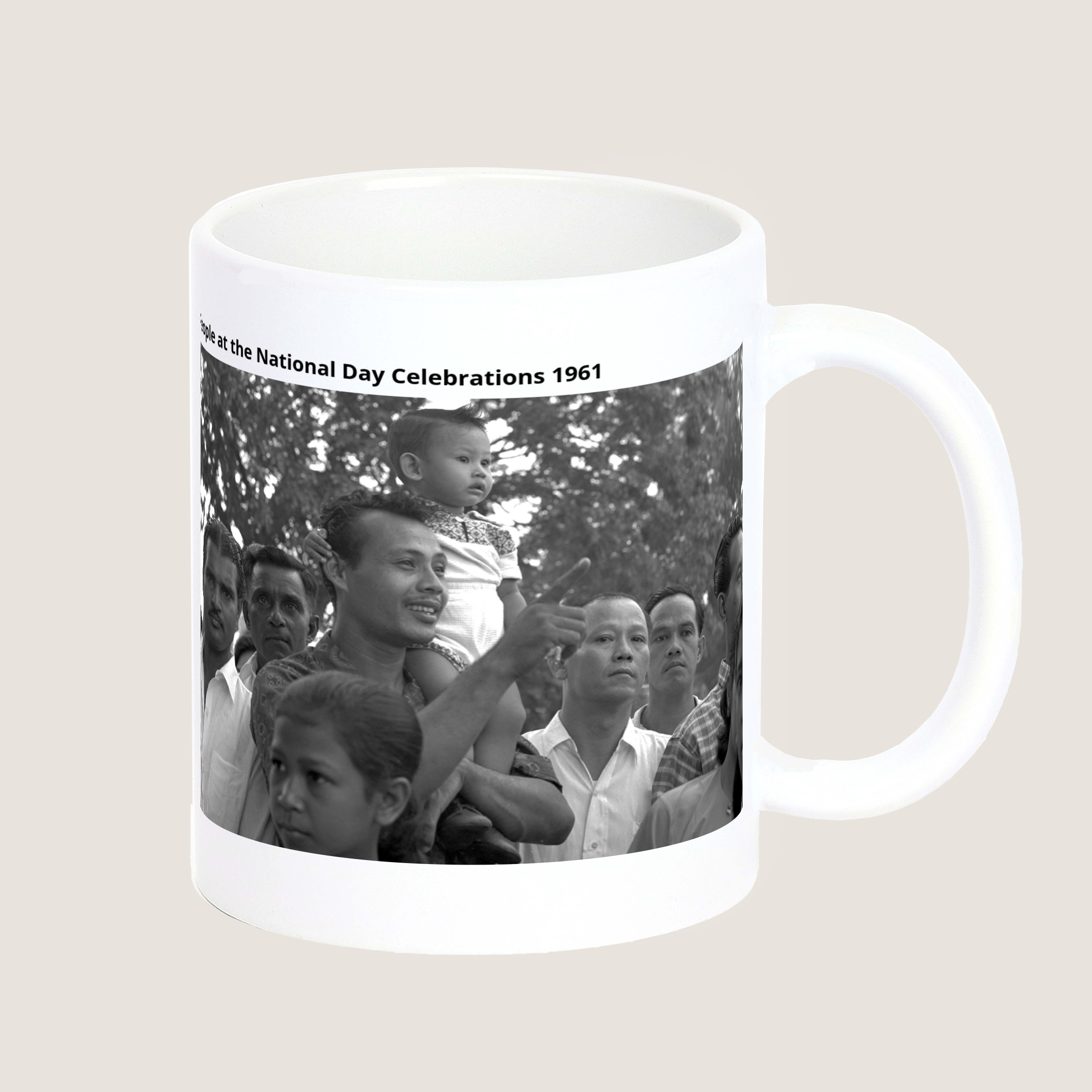
People at the National Day Celebrations
Year 1961
Before 1965, National Day was celebrated on 3 June to commemorate the day in 1959 when Singapore attained self-governance from British rule. However, the colonial administration still retained control of external relations and internal key policies. In 1963, Singapore joined Malaysia, fully relieving it of colonial rule and becoming an autonomous state within the Malaysian federation. Singapore became fully independent when it was seperated from Malaysia on 9 August 1965.
©️ SPH Media Limited
Share to
Tags
Available for print on products
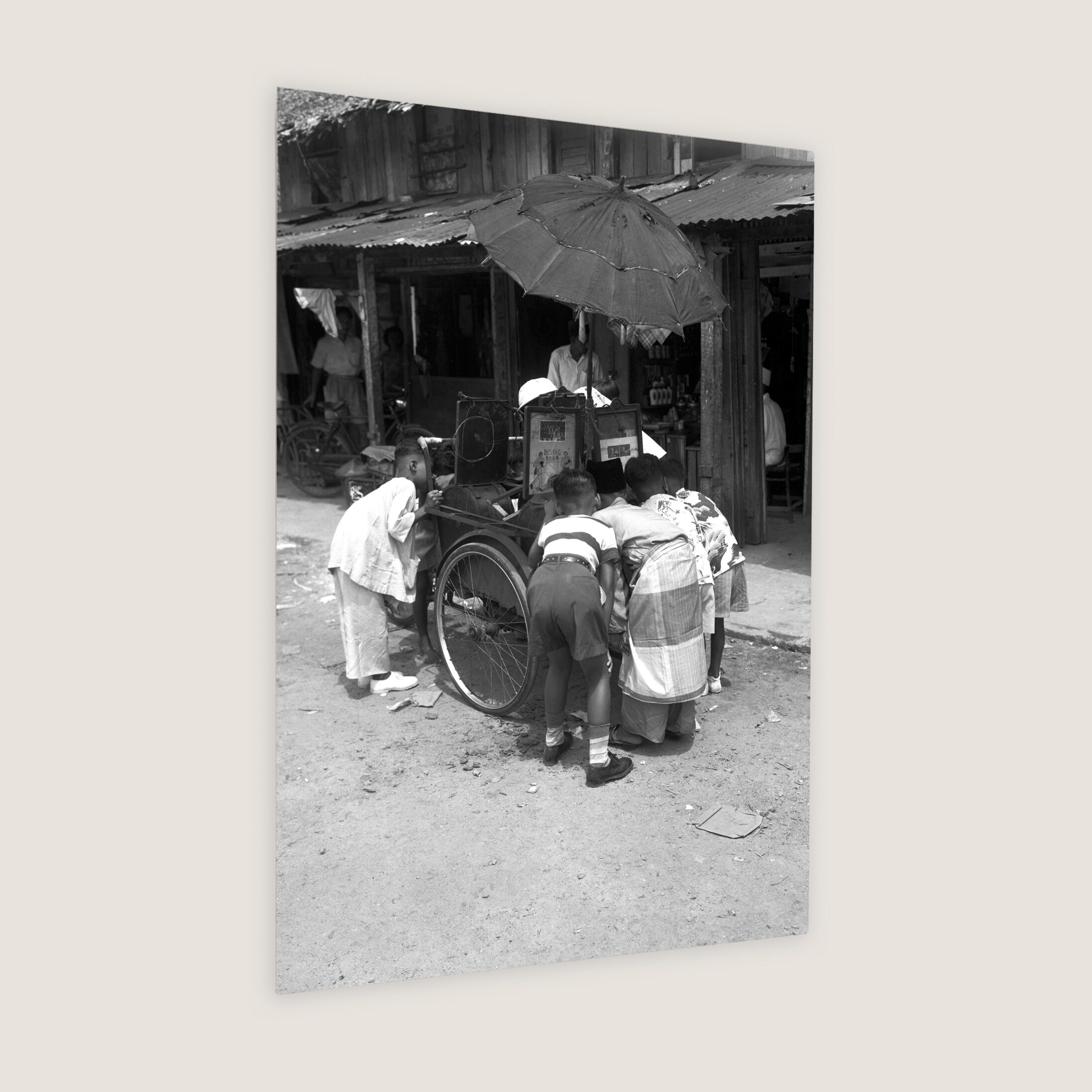
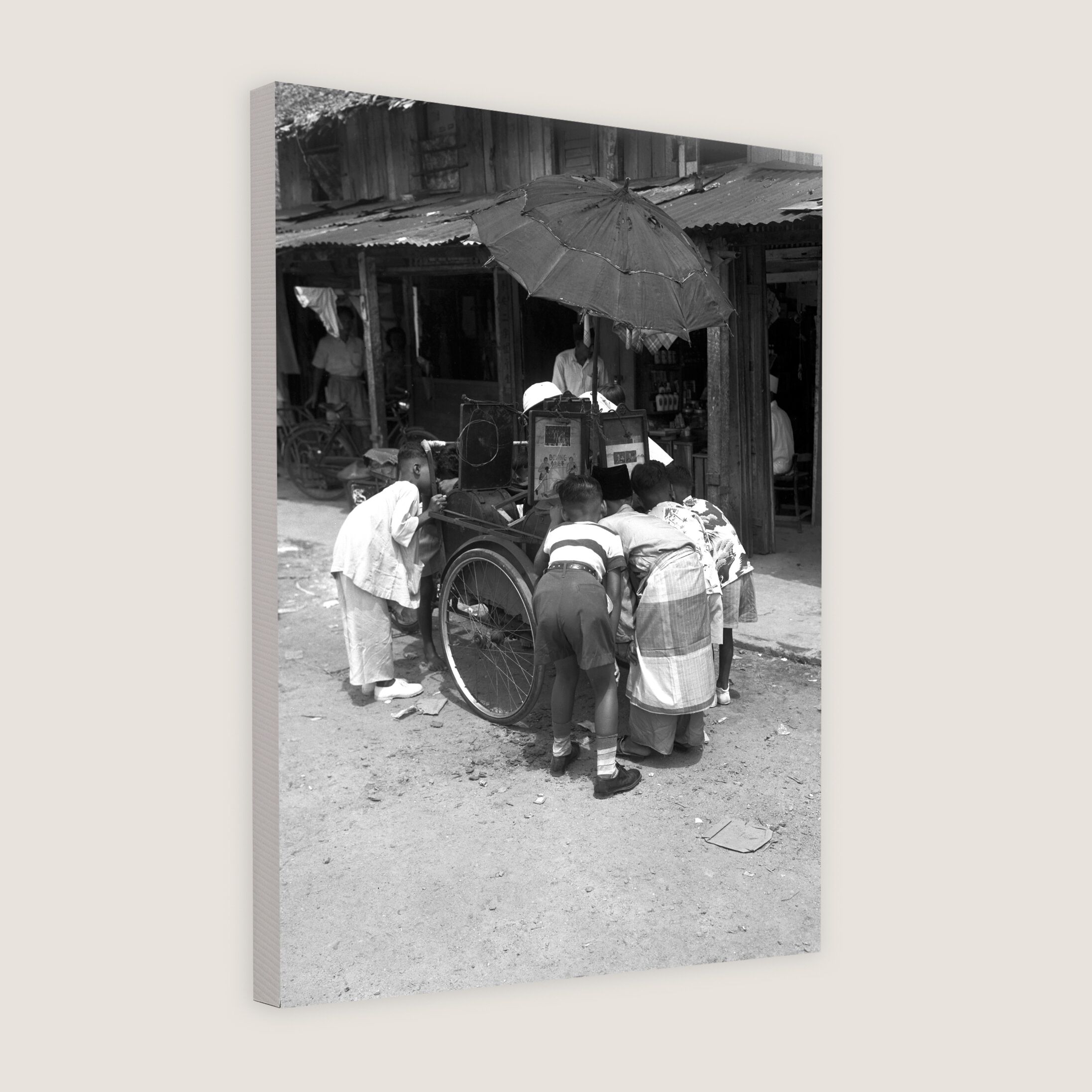
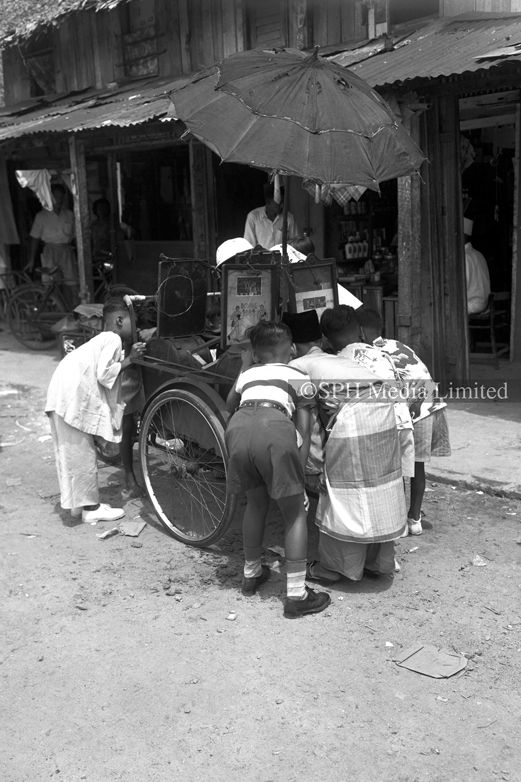 Malay Children Watching Mobile Peepshow
1952
Malay Children Watching Mobile Peepshow
1952
Malay Children Watching Mobile Peepshow
Year 1952
Malay children were celebrating Hari Raya Puasa. They were watching a mobile peepshow along Lorong 19, Geylang. A peepshow is a sequence of pictures viewed through a len set into a box, which was once a common form of public entertainment.
©️ SPH Media Limited
Share to
Tags
Available for print on products
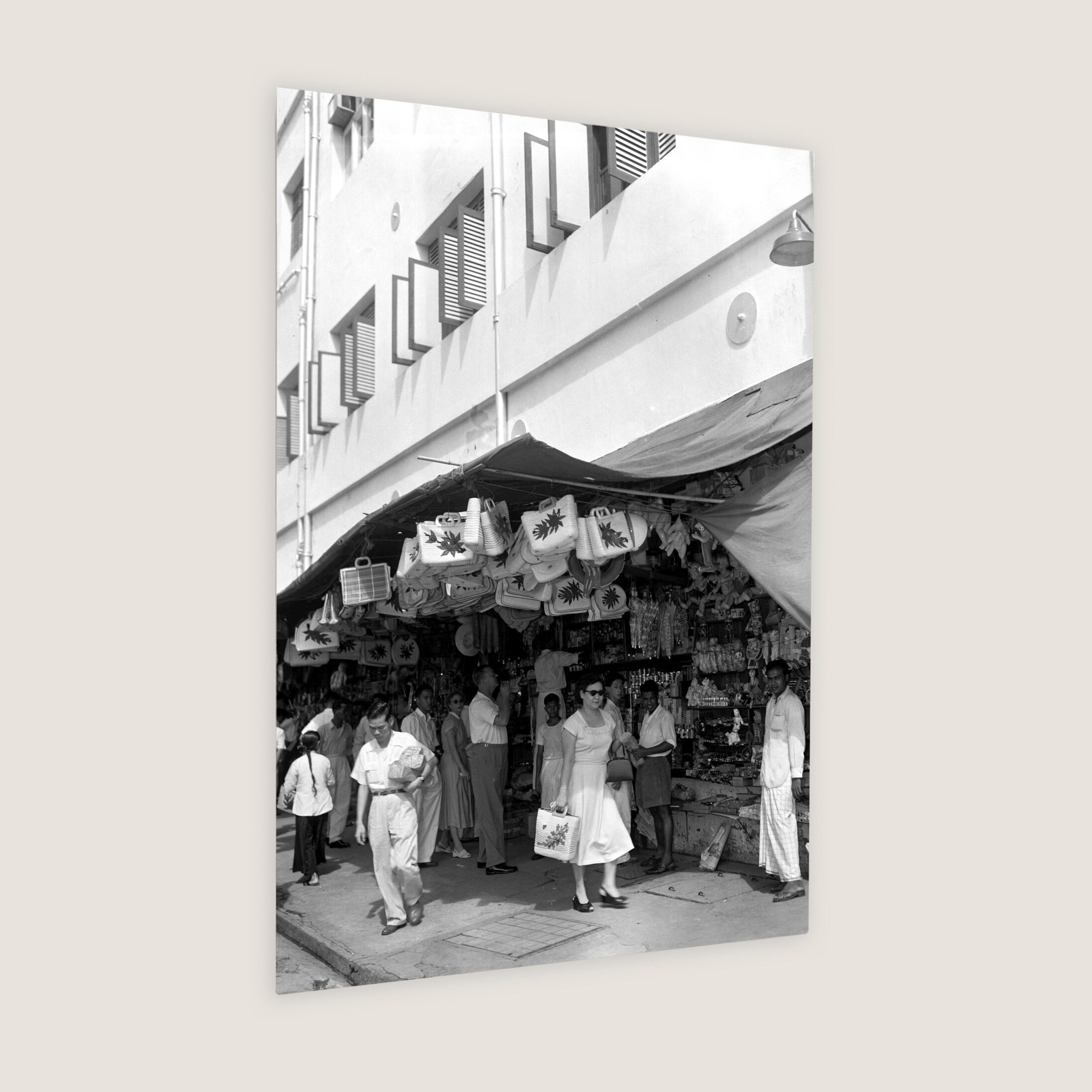
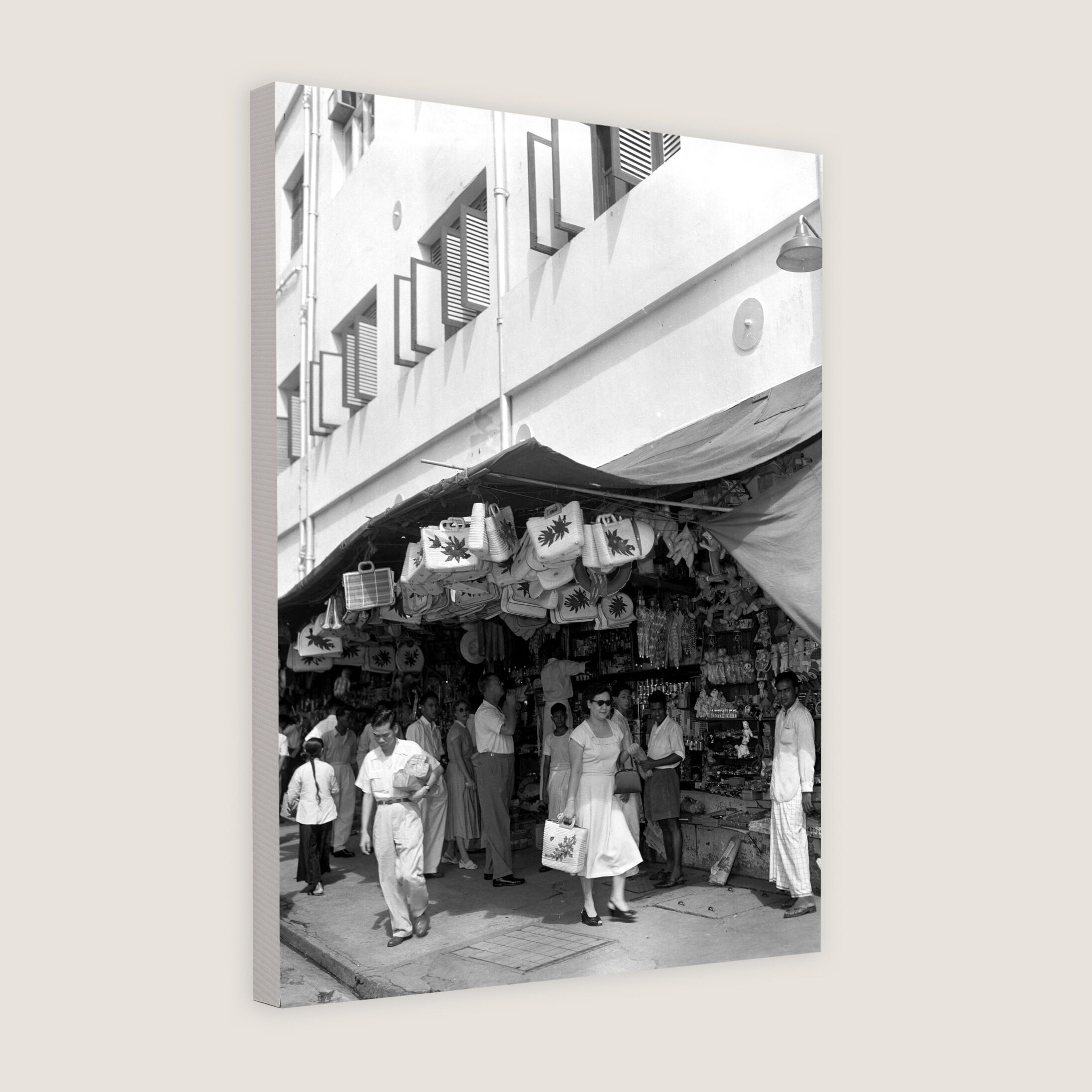
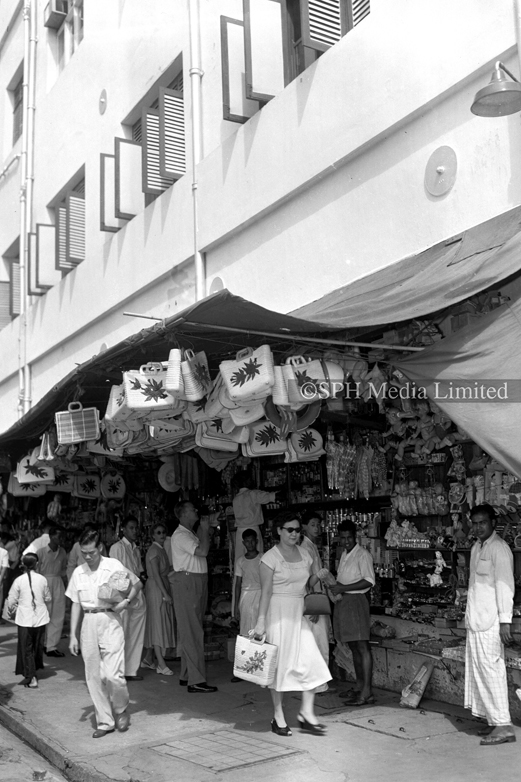 Orchard Road
1949
Orchard Road
1949
Orchard Road
Year 1949
Sidewalk shopping in Orchard Road in 1949, a big contrast to the Orchard Road today.
©️ SPH Media Limited
Share to
Tags
Available for print on products
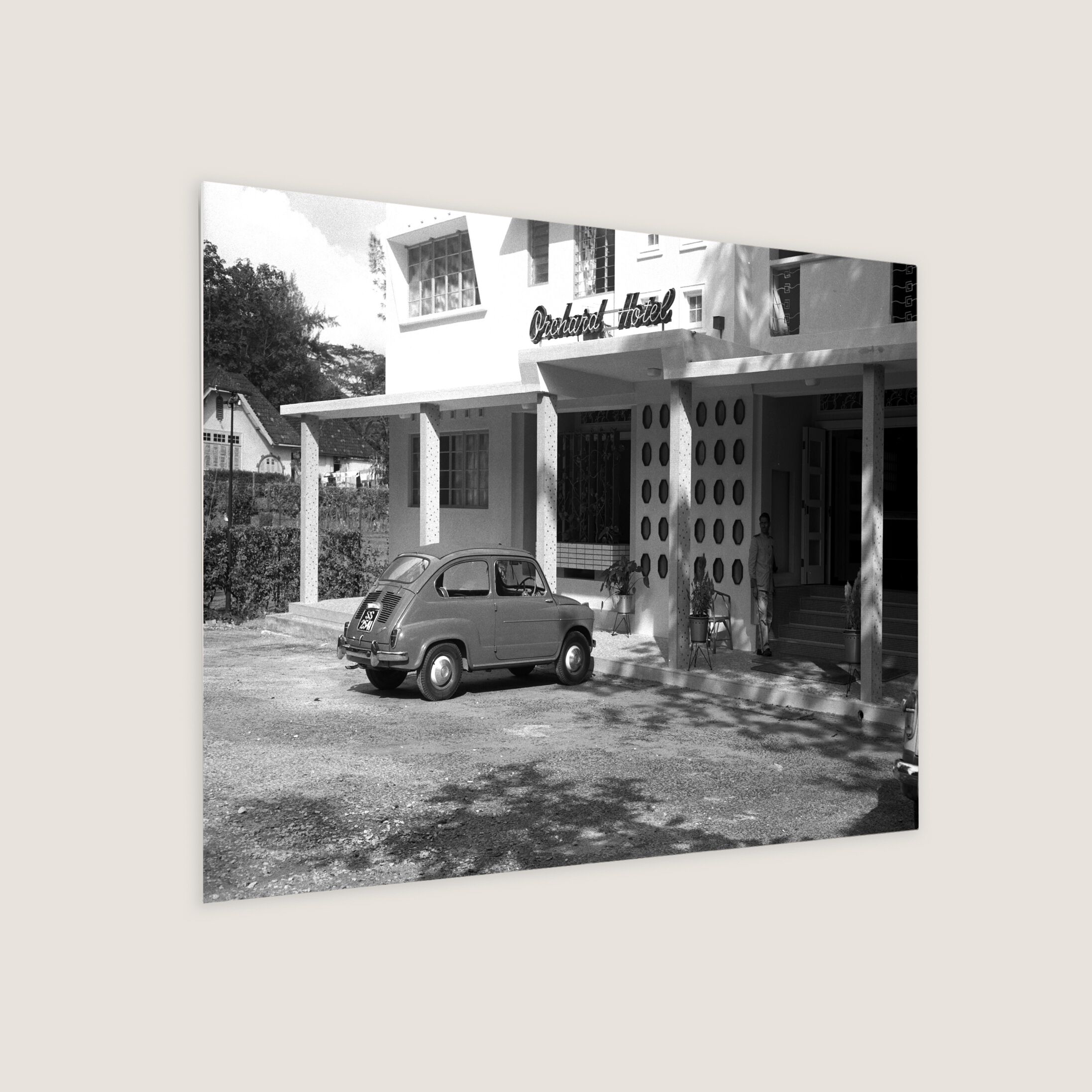
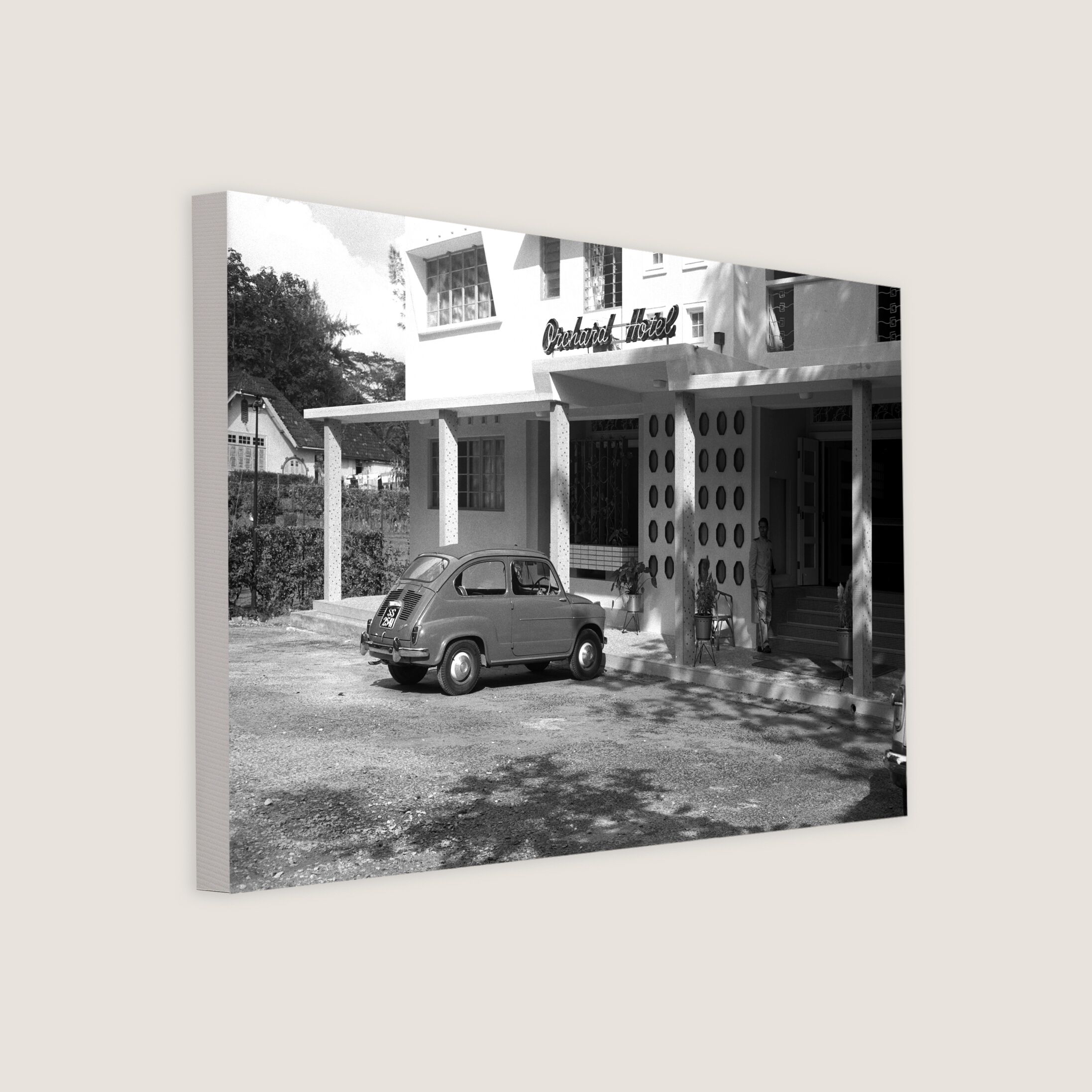
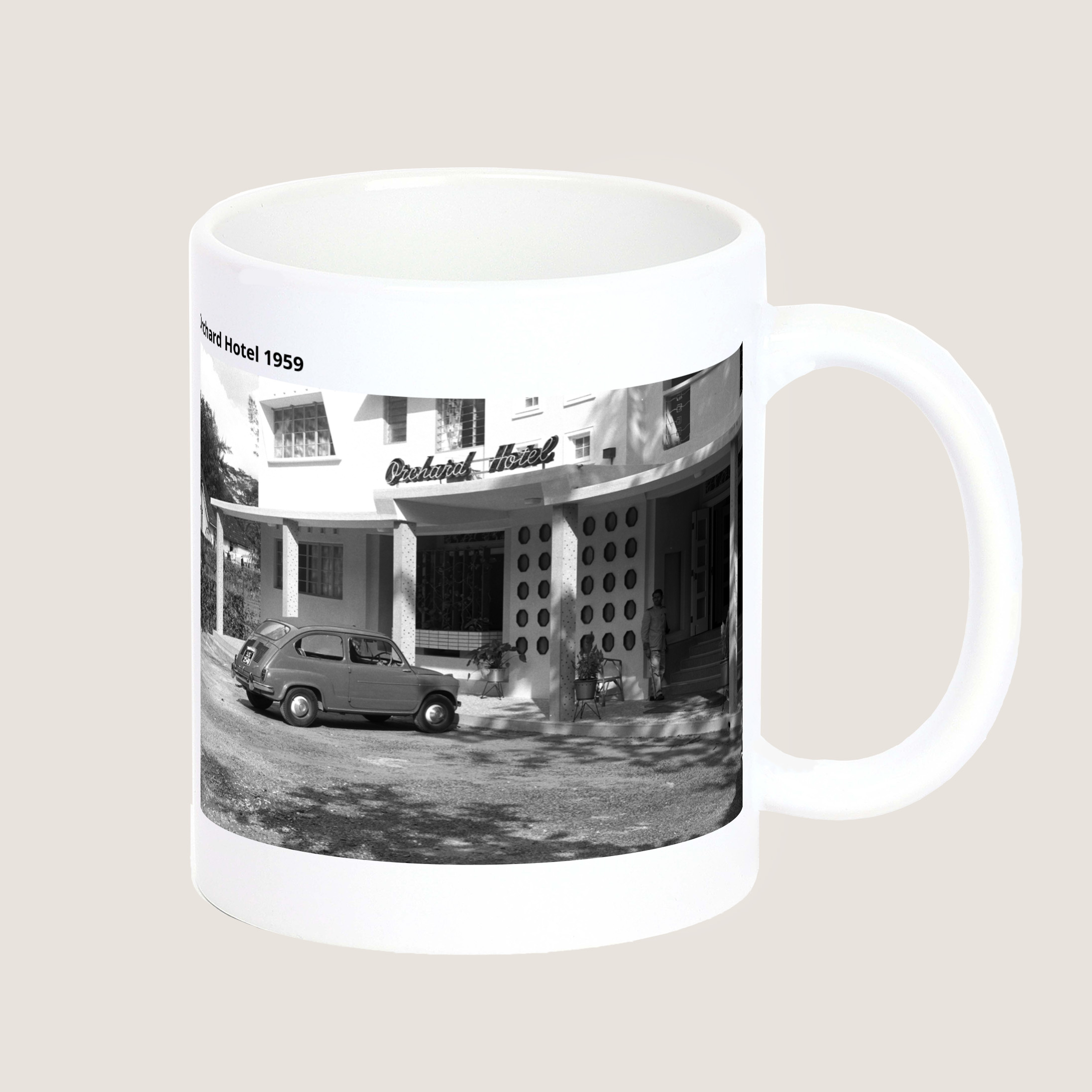
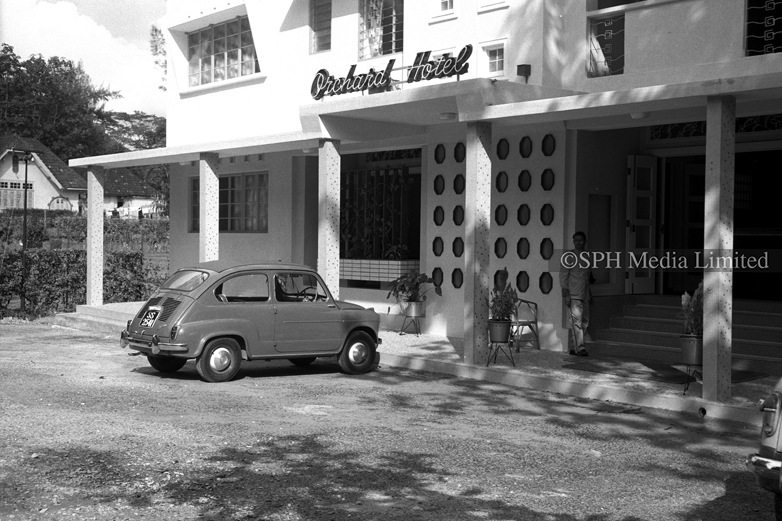 Orchard Hotel
1959
Orchard Hotel
1959
Orchard Hotel
Year 1959
A front view of the new Orchard Hotel at Orange Grove Road in 1959. Today, Orchard Hotel has evolved into a grander and bigger hotel, visited by many visitors yearly.
©️ SPH Media Limited
Share to
Tags
Available for print on products
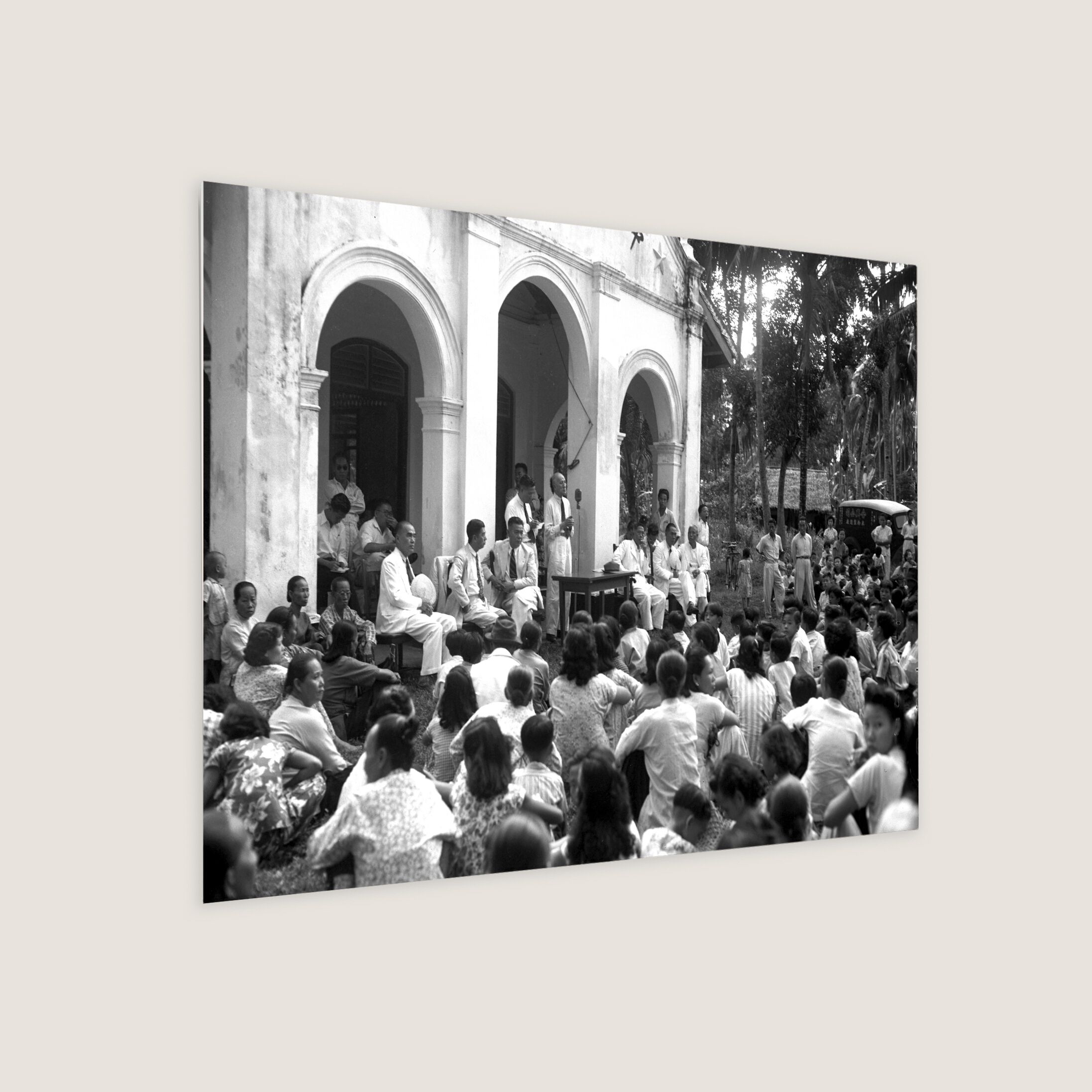
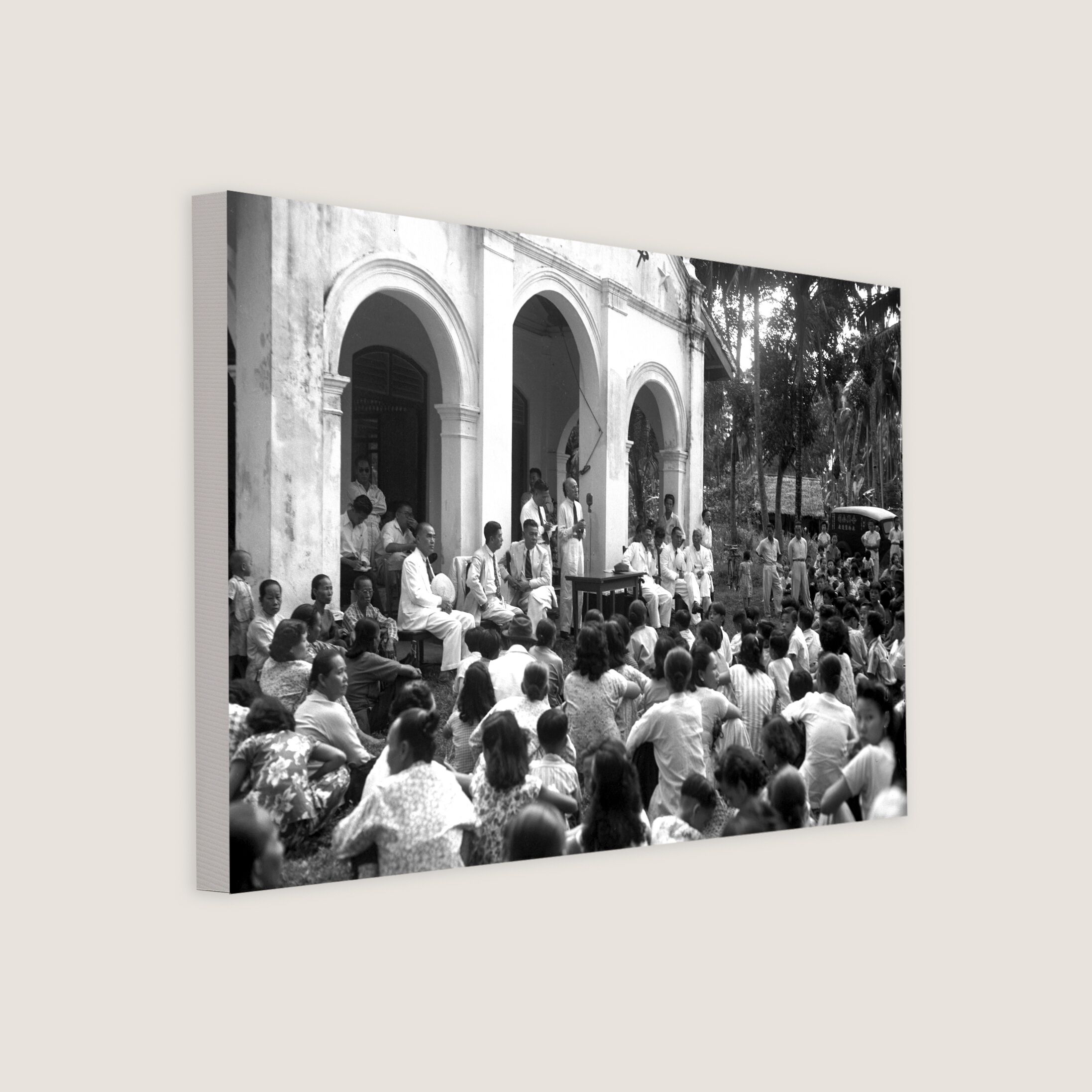
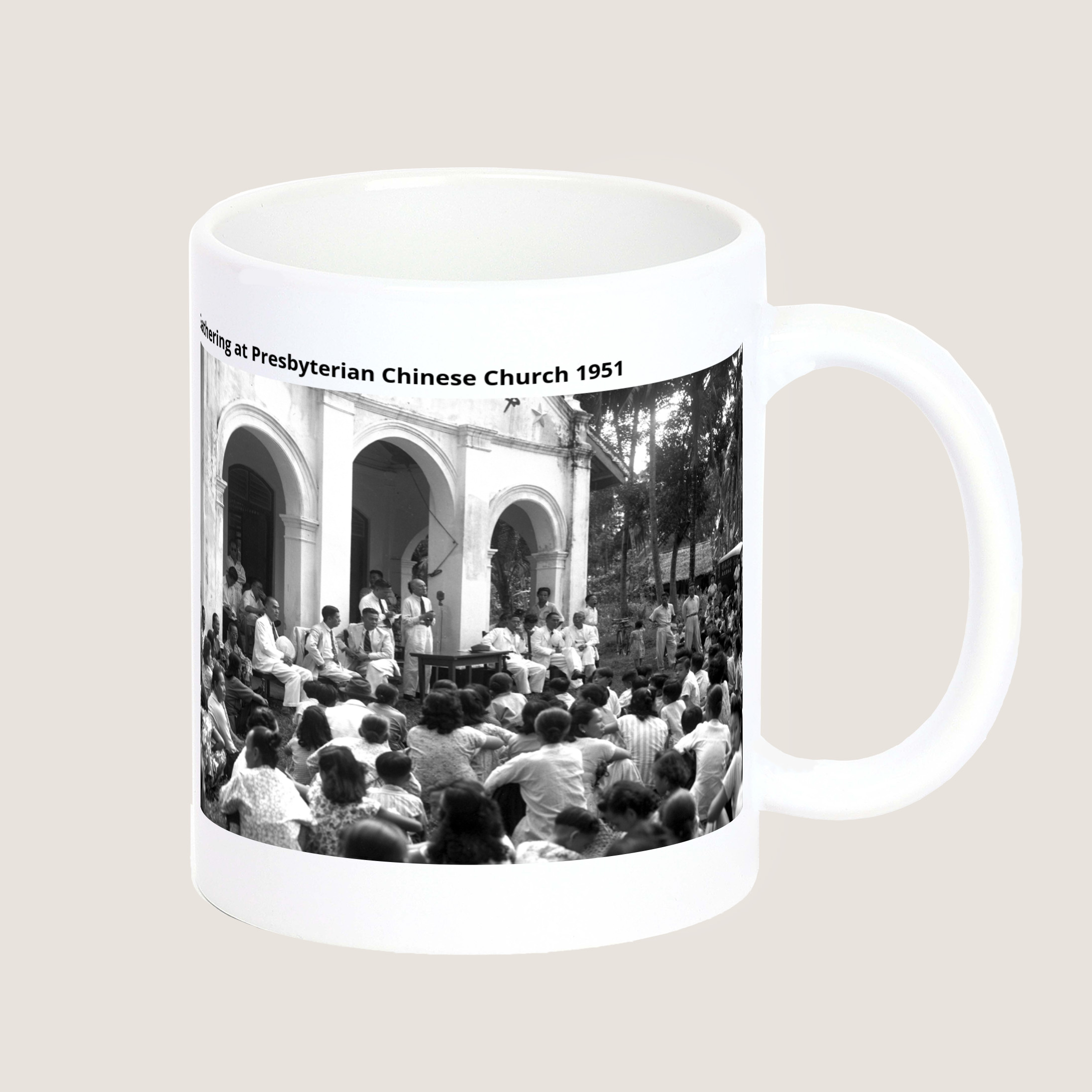
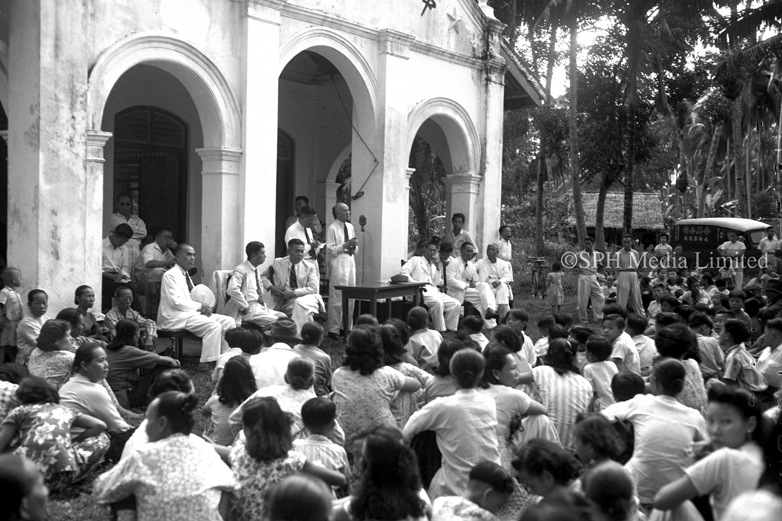 Gathering at Presbyterian Chinese Church
1951
Gathering at Presbyterian Chinese Church
1951
Gathering at Presbyterian Chinese Church
Year 1951
In 1951, Chinese squatters staying at Paya Lebar were gathered in the compound of the Presbyterian Chinese Church in Kim Chuan Road to meet Tan Cheng Lock, president of the Malayan Chinese Association. They expressed their views on the Government plan to build an international airport on their land in Paya Lebar.
©️ SPH Media Limited
Share to
Tags
Available for print on products
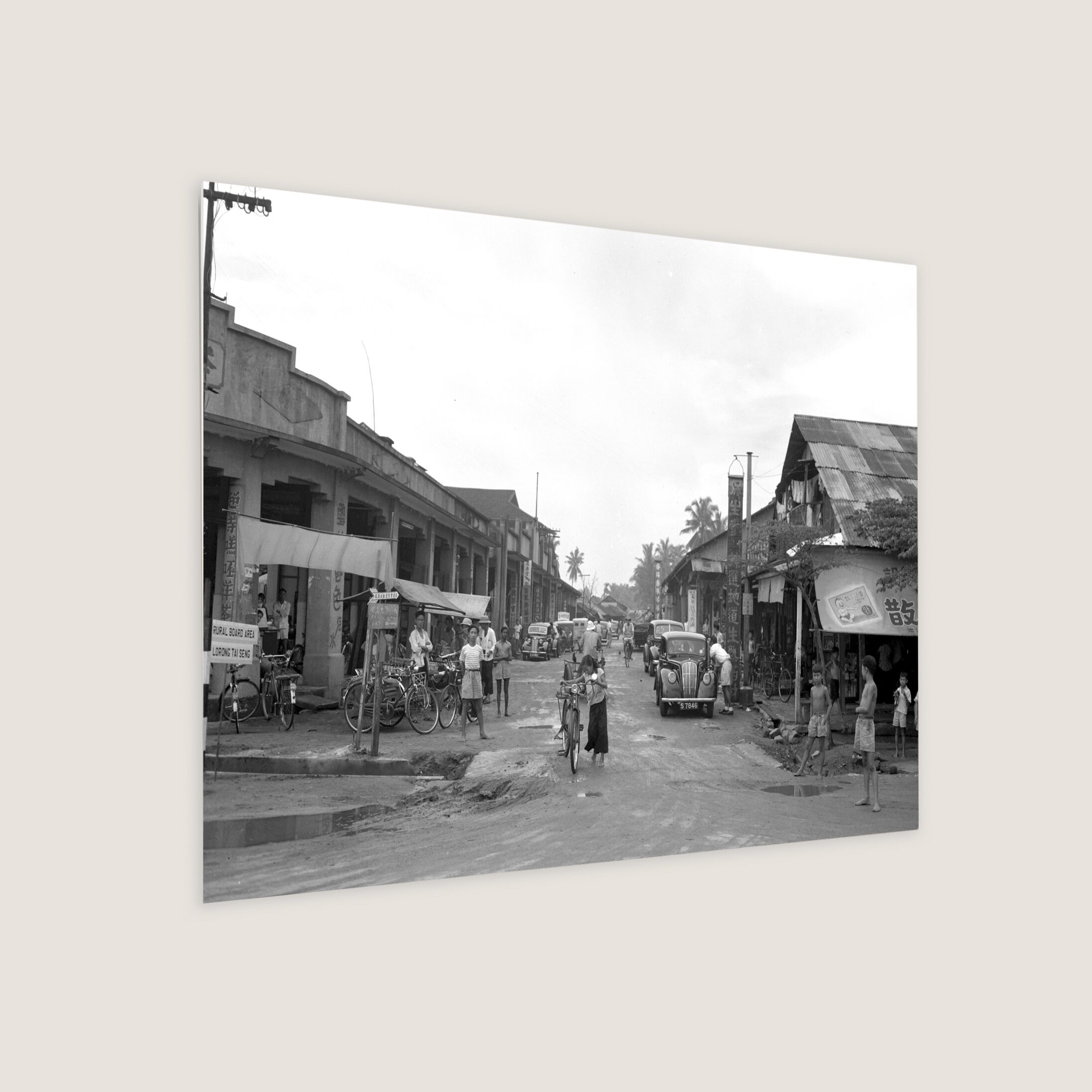
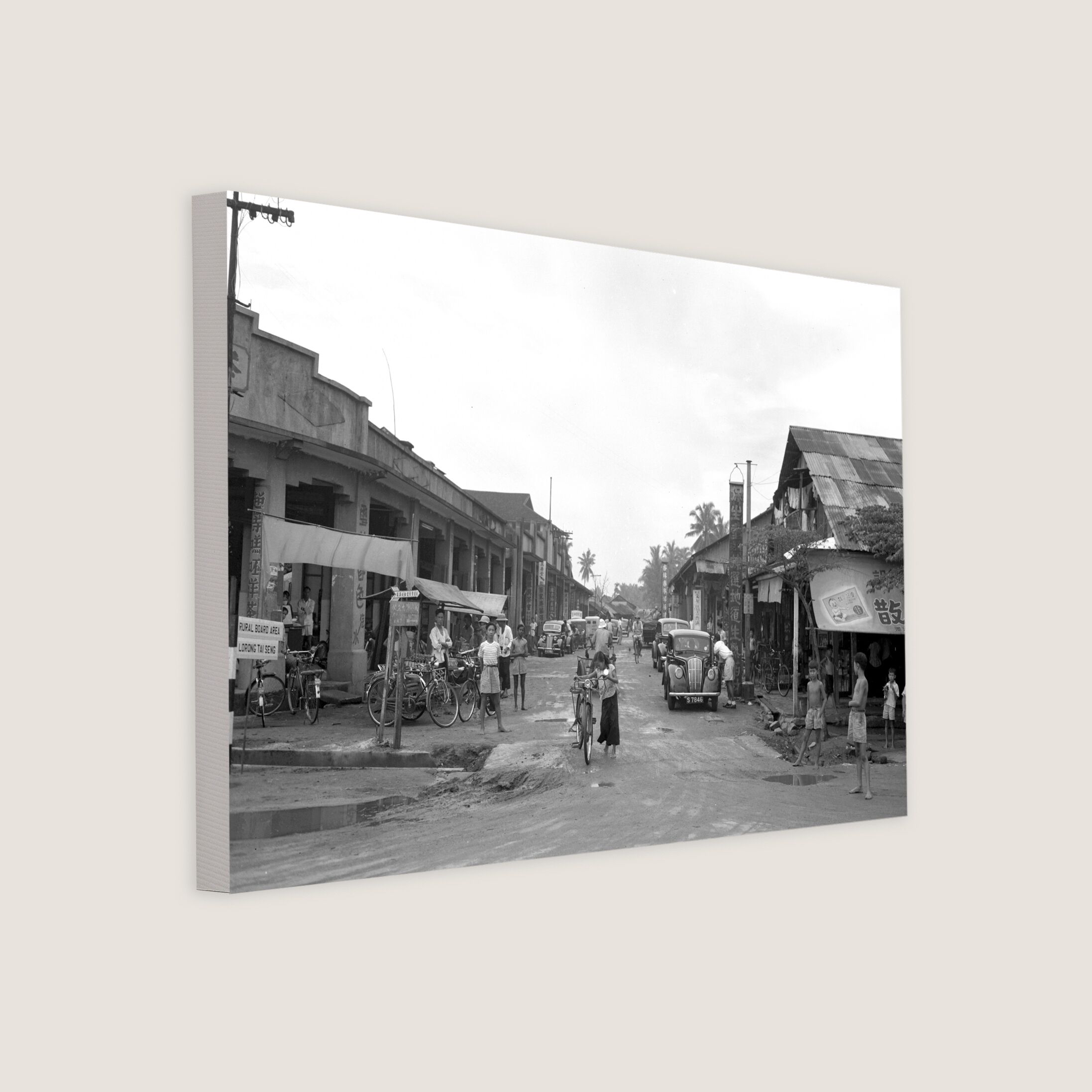
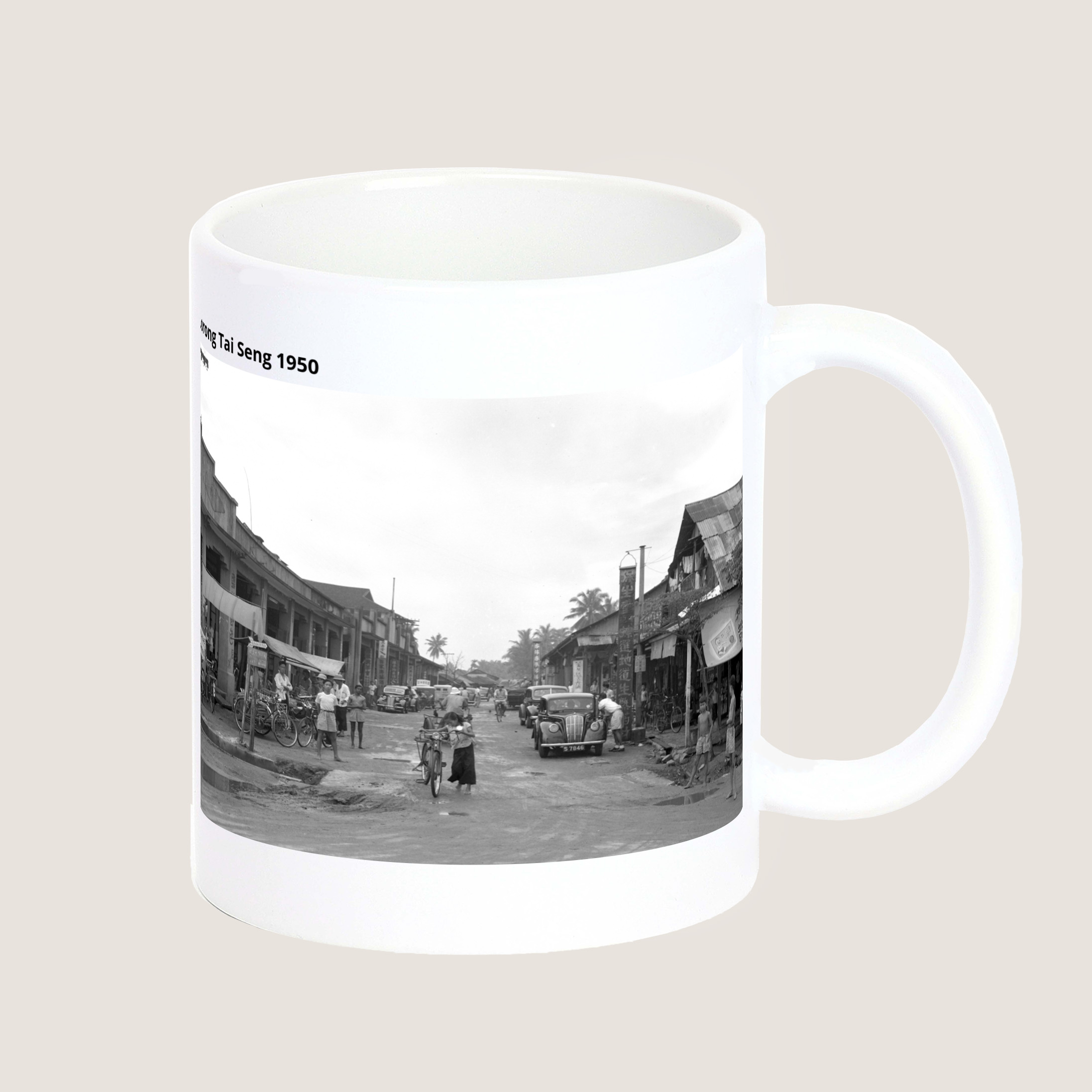
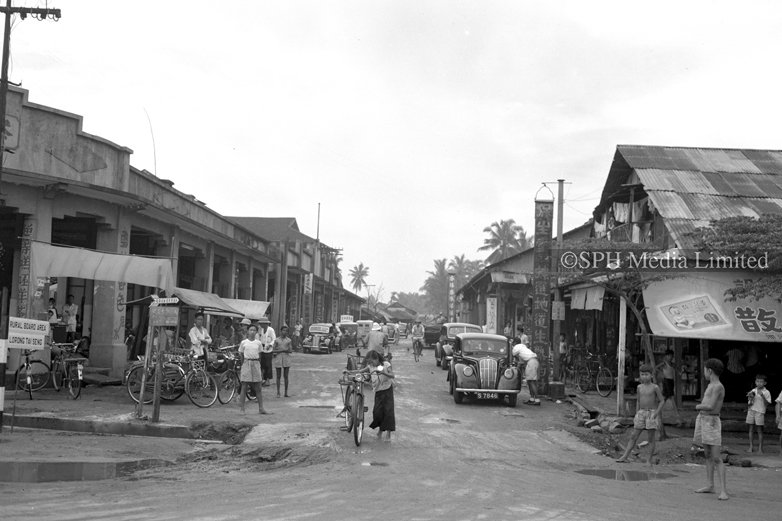 Lorong Tai Seng
1950
Lorong Tai Seng
1950
Lorong Tai Seng
Year 1950
A view of Lorong Tai Seng in Singapore on 12 October 1950.
©️ SPH Media Limited
Share to
Tags
Available for print on products
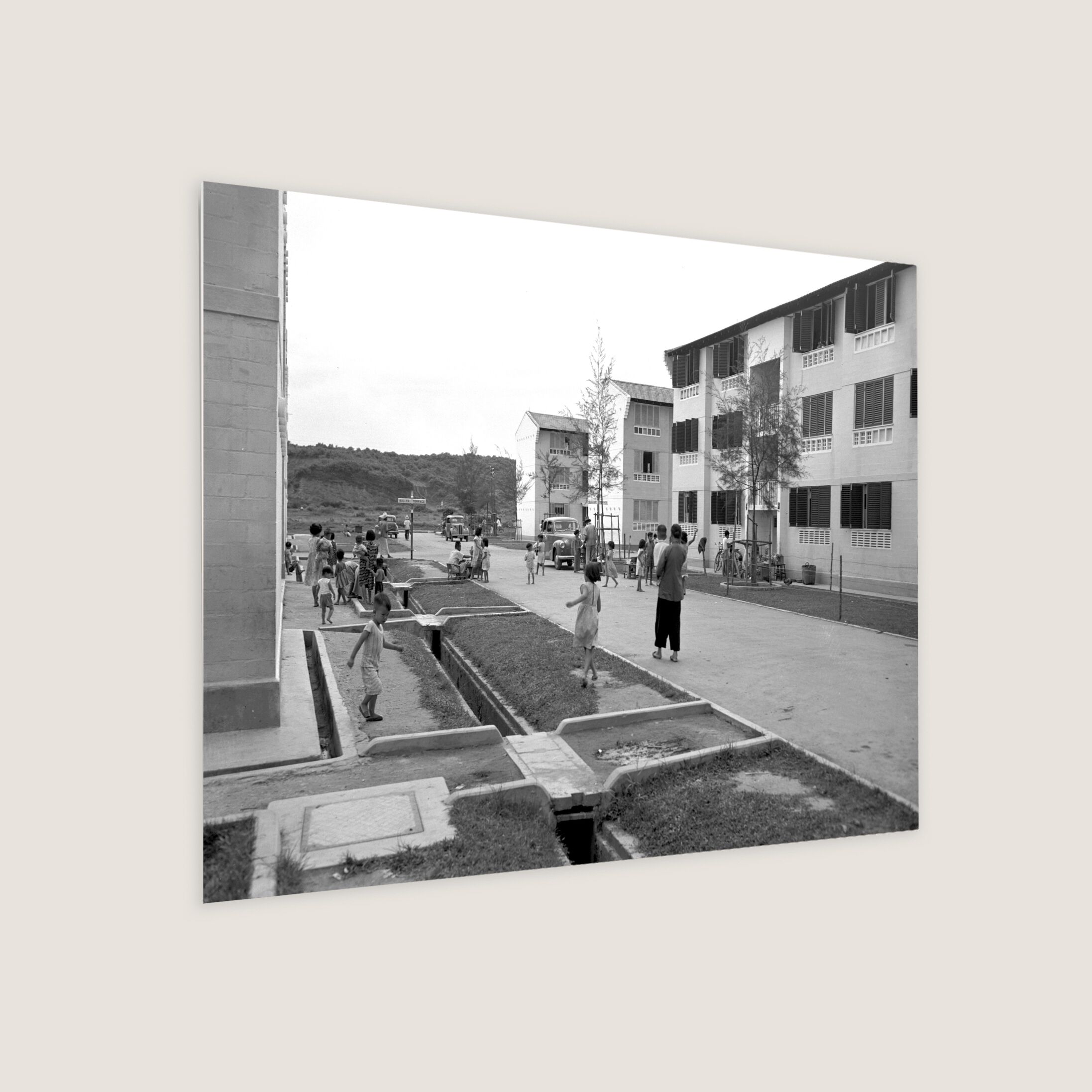
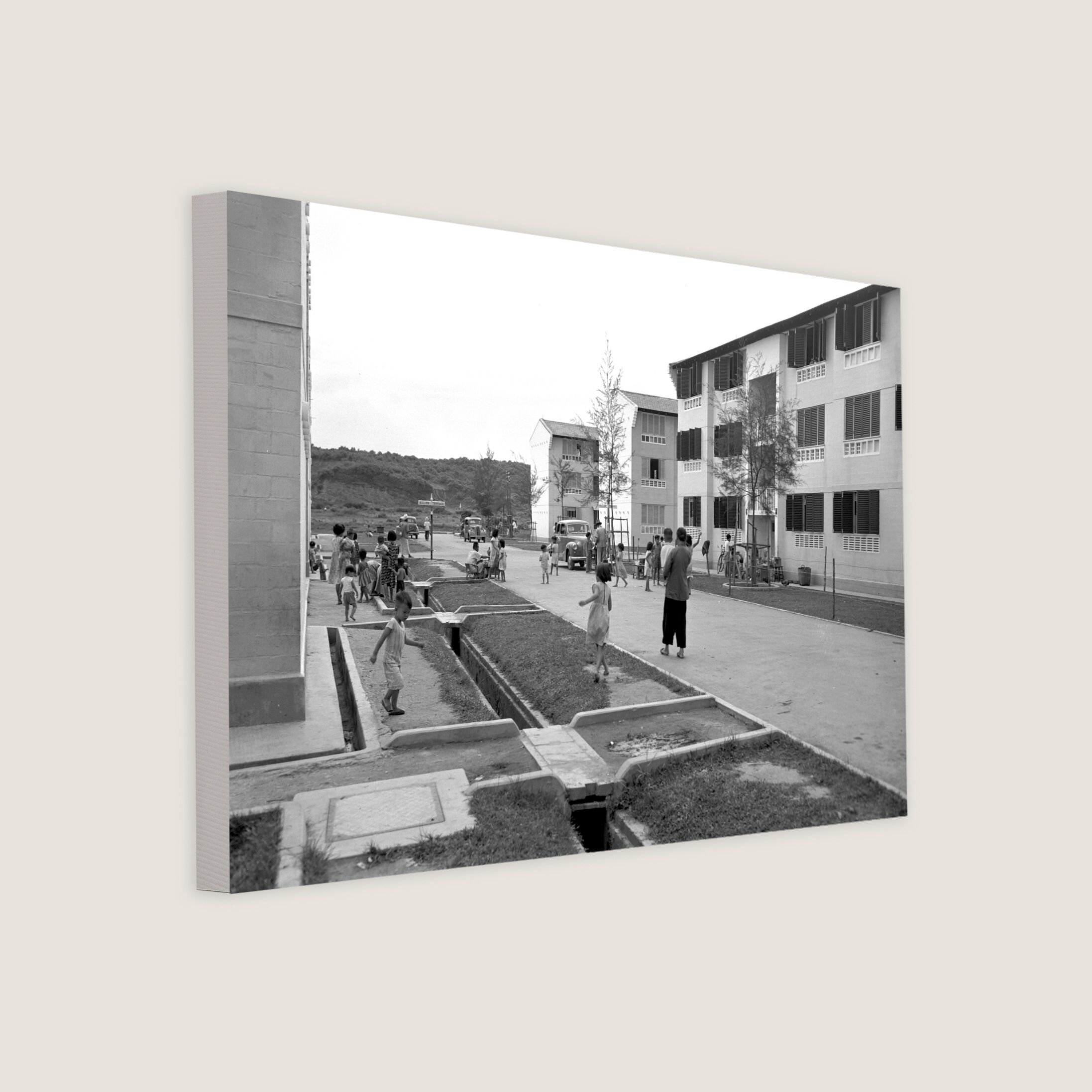
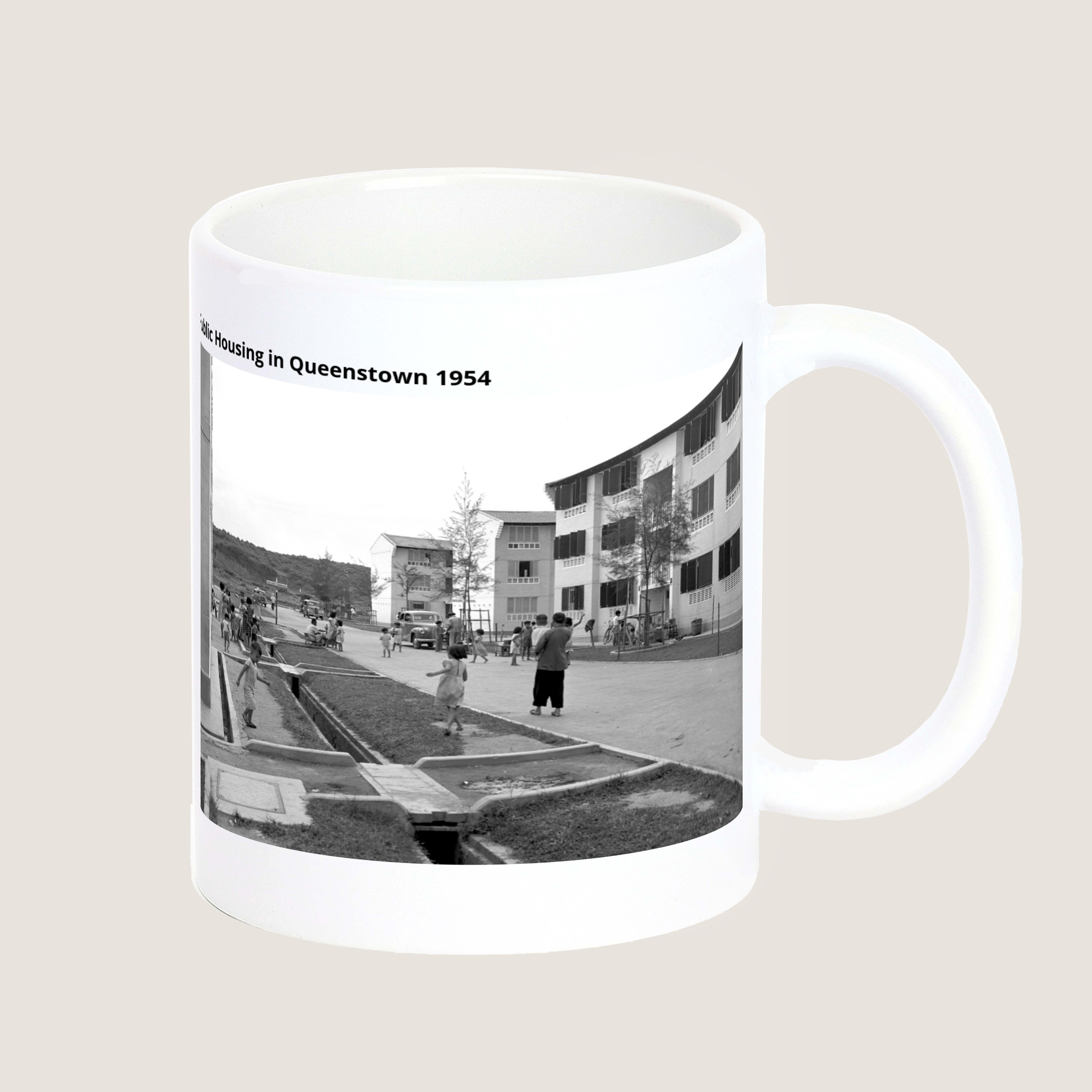
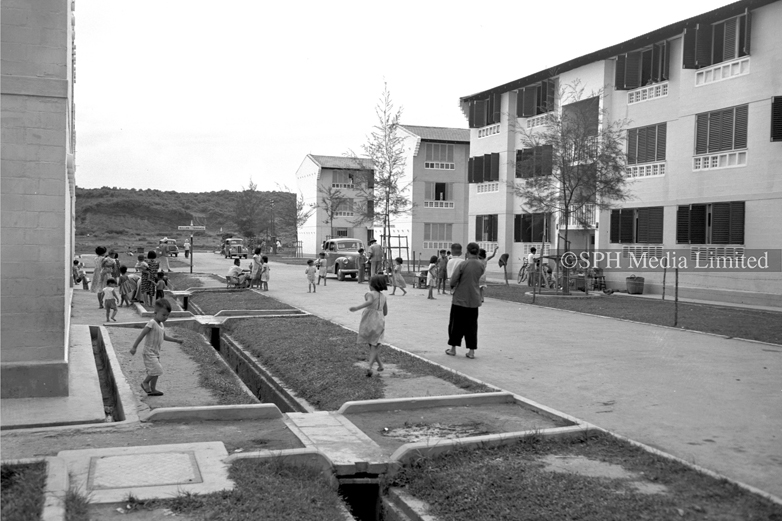 Public Housing in Queenstown
1954
Public Housing in Queenstown
1954
Public Housing in Queenstown
Year 1954
Children playing at the newly constructed Singapore Improvement Trust (SIT) flats in Queenstown, 14 June 1954. SIT was originally assigned to improved Singapore's infrastructure. In the 1930s, they were also tasked to built low-cost public housing. In 1960s, the urban planning function was passed on to the Planning Department and the public housing function was passed to the Housing and Development Board.
©️ SPH Media Limited
Share to
Tags
Available for print on products
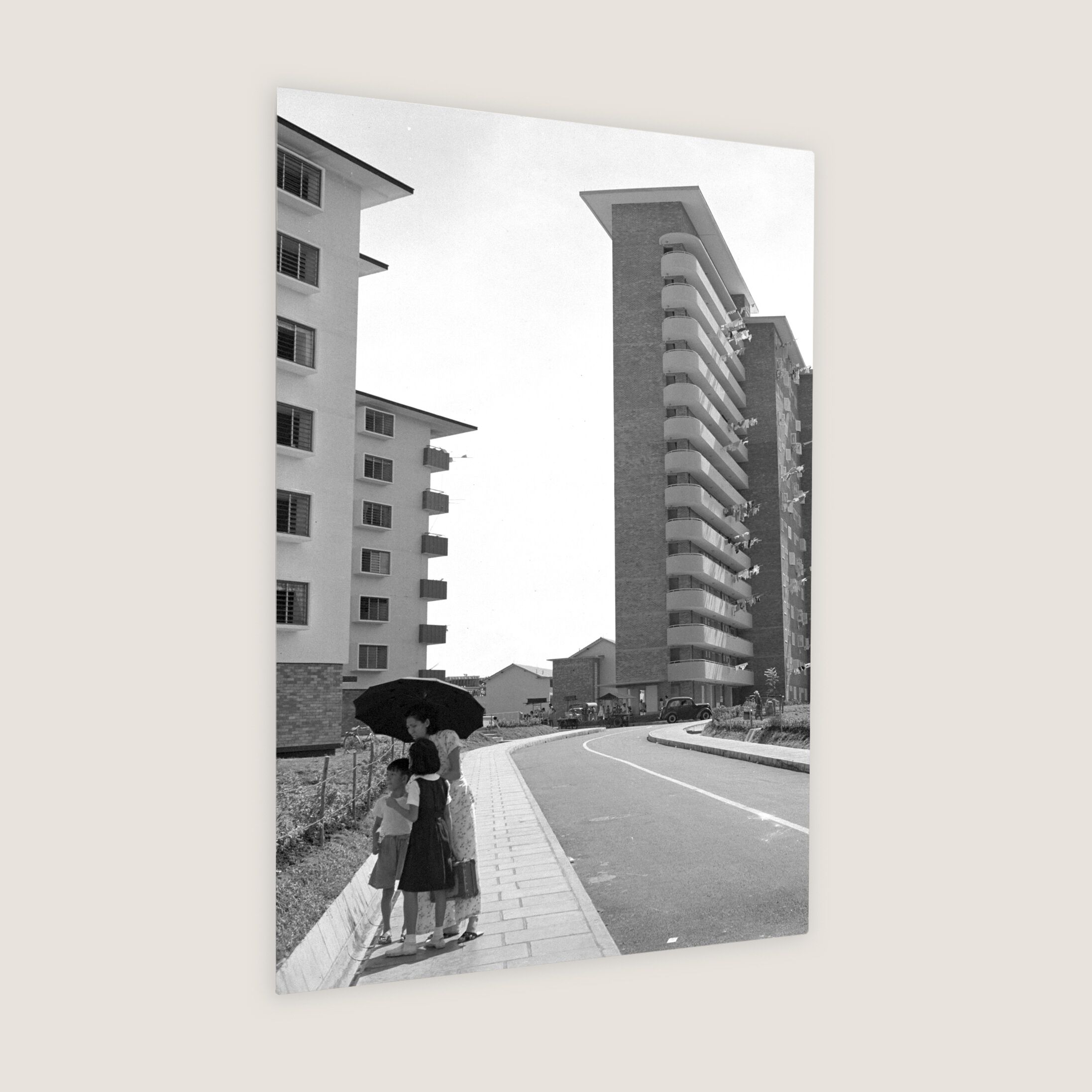
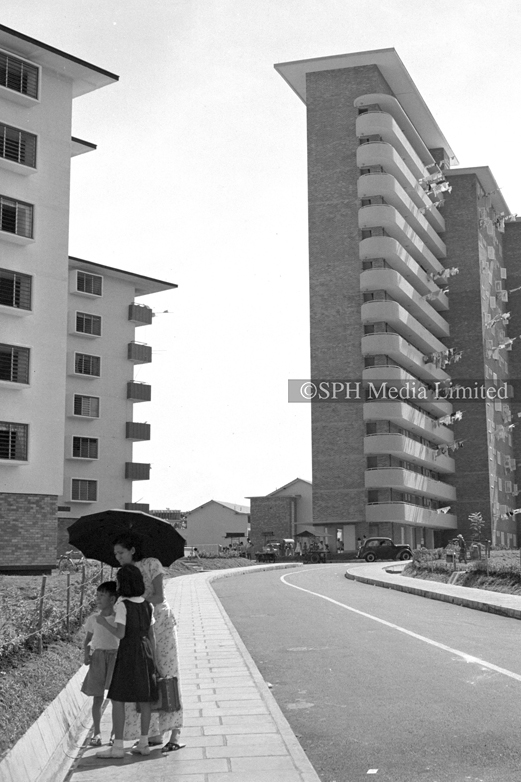 ForFar House at Queenstown
1956
ForFar House at Queenstown
1956
ForFar House at Queenstown
Year 1956
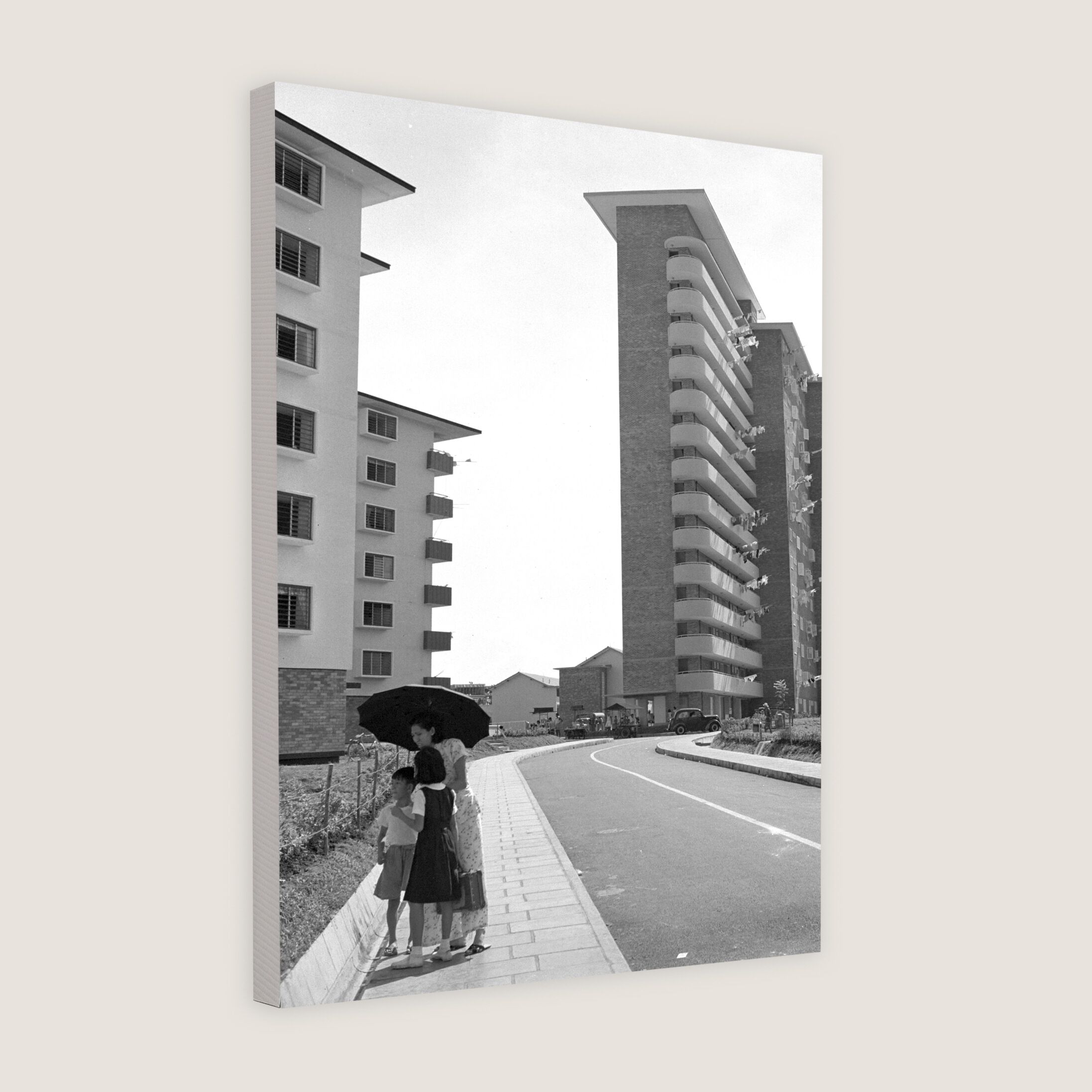
Forfar House, a streamlined 14-storey block of S.I.T. flats at Queenstown, was the sixth tallest buildings in Singapore, and the tallest public residential building. It has been since demolished and replaced by Forfar Heights cluster.
©️ SPH Media Limited
Share to
Tags
Available for print on products
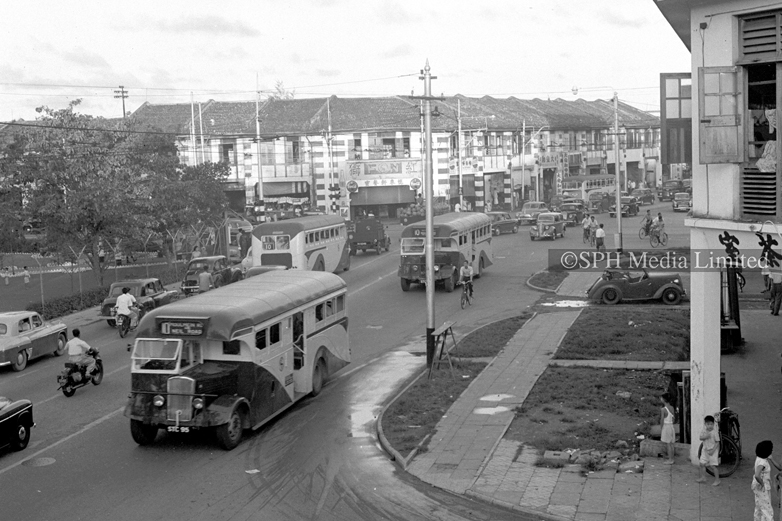 Busy Road at Serangoon Road
1956
Busy Road at Serangoon Road
1956
Busy Road at Serangoon Road
Year 1956
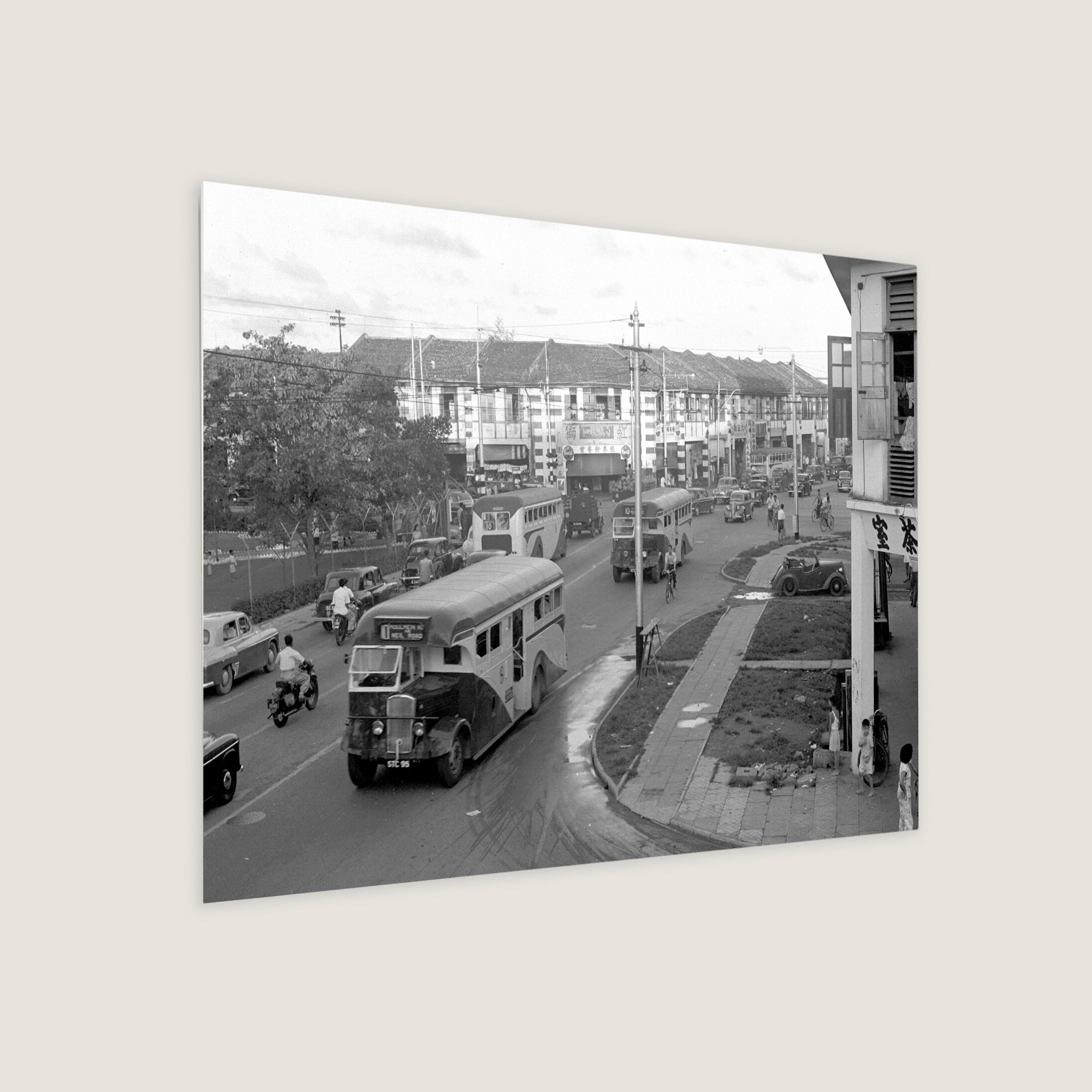
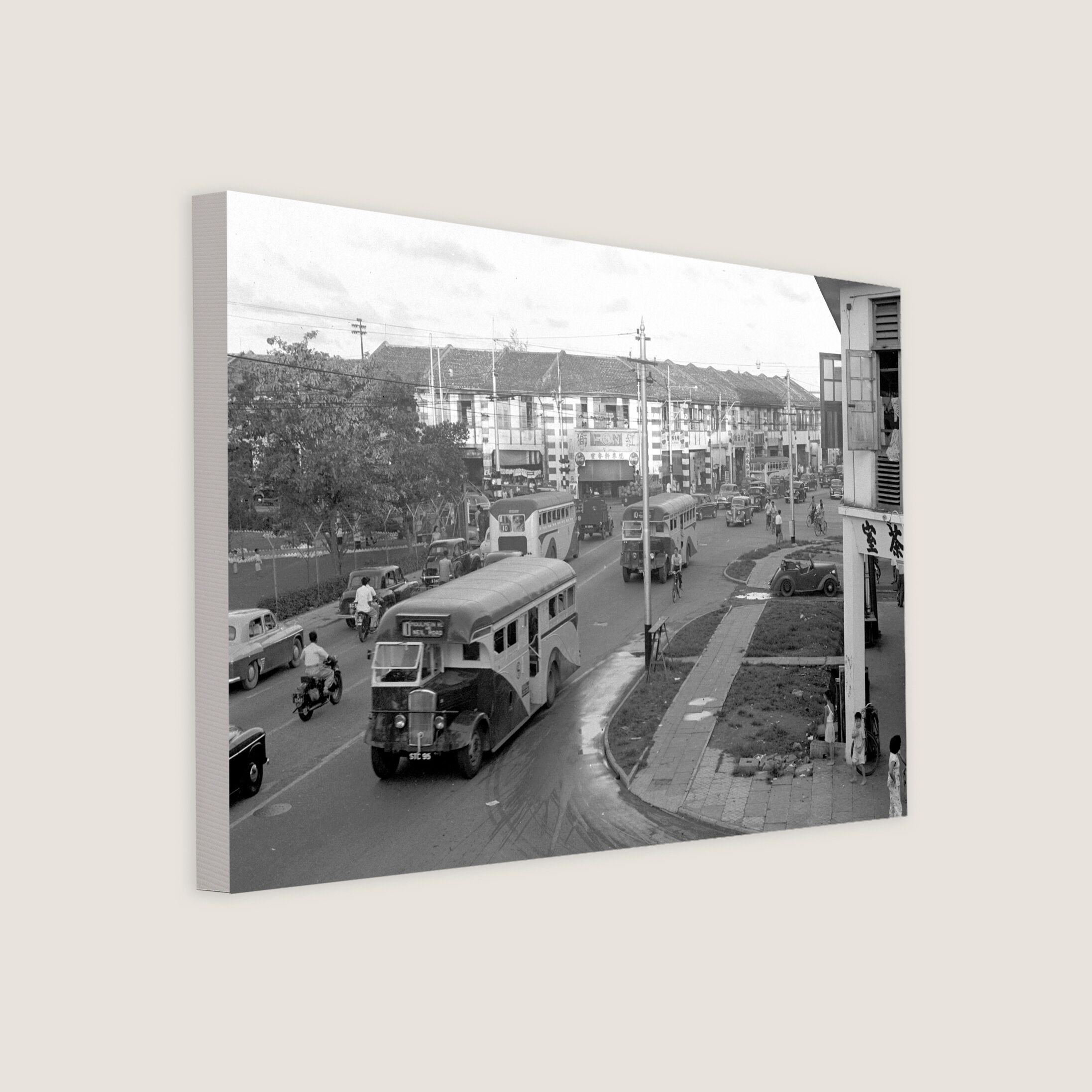
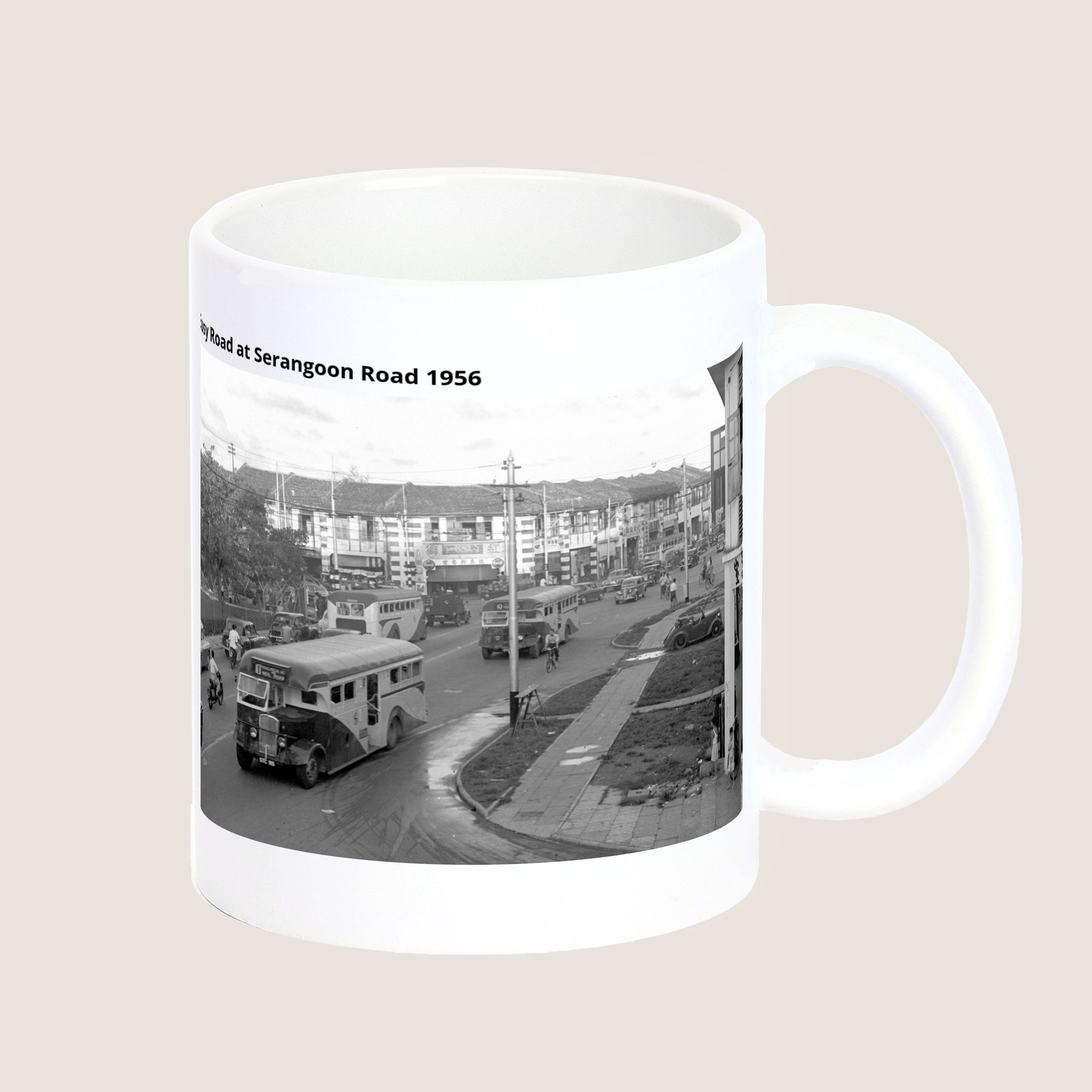
Traffic at Serangoon Road in 1956, featuring Singapore Traction Company (STC) buses on the road that is now long gone.
©️ SPH Media Limited
Share to
Tags
Available for print on products
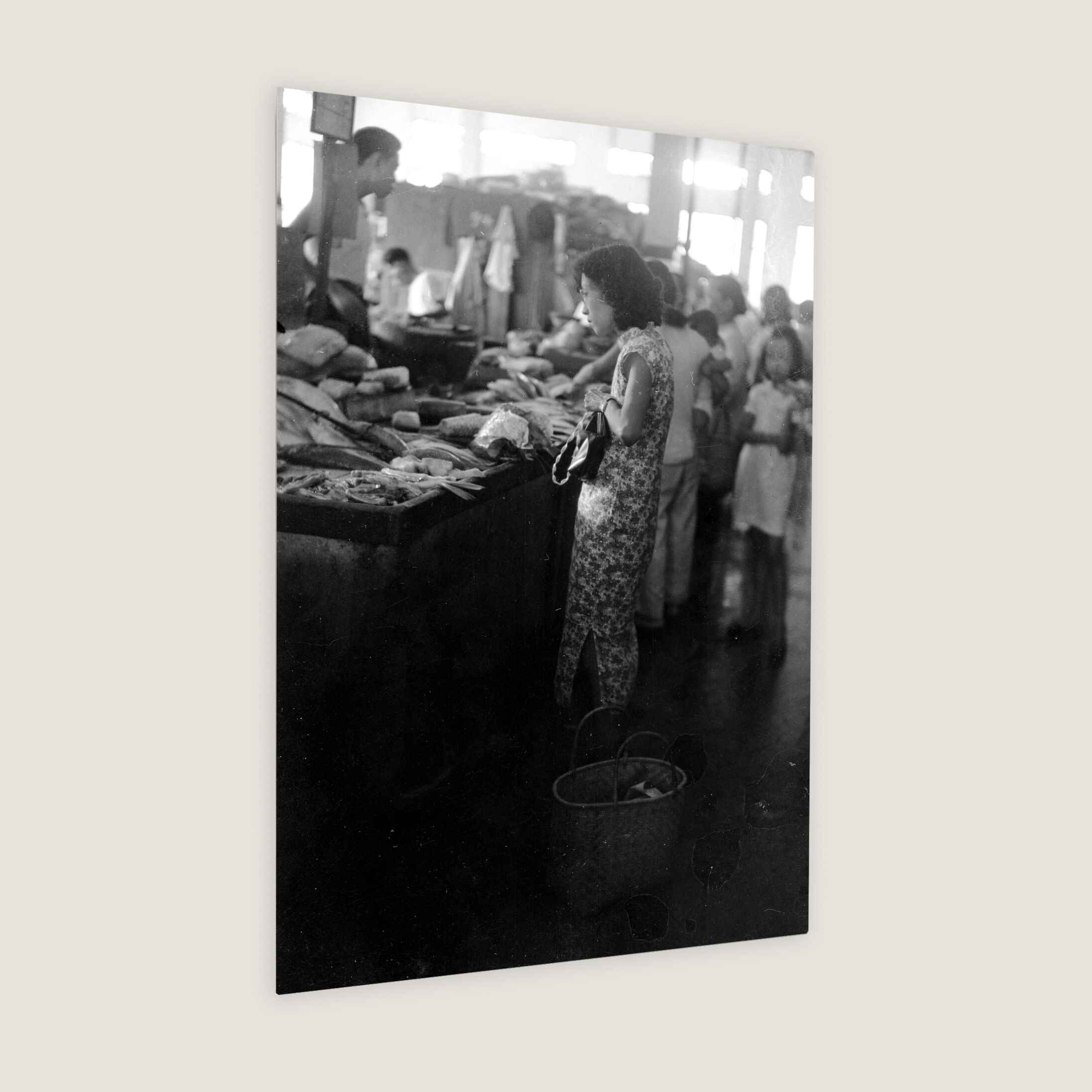
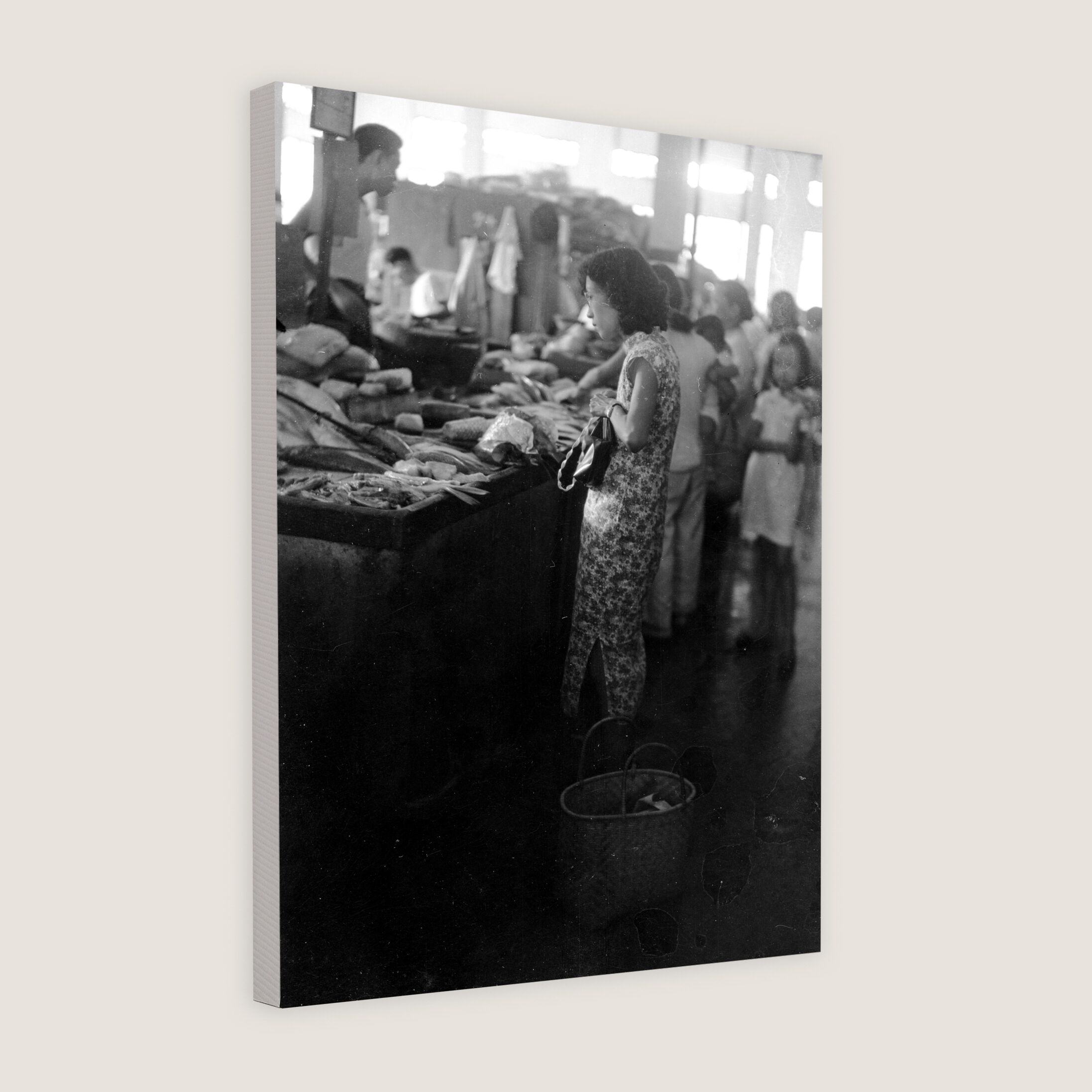
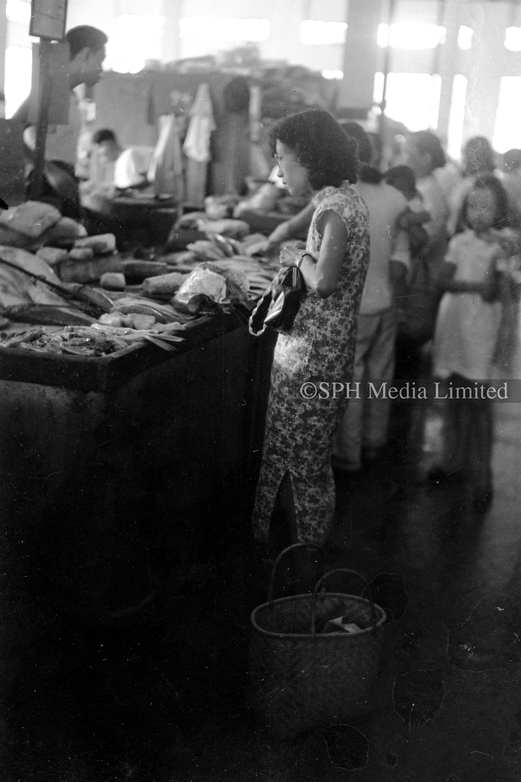 Tanglin Wet Market
1949
Tanglin Wet Market
1949
Tanglin Wet Market
Year 1949
Life after the Japanese Occupation, showing a woman in cheongsam buying fish at Tanglin Wet Market
©️ SPH Media Limited
Share to
Tags
Available for print on products
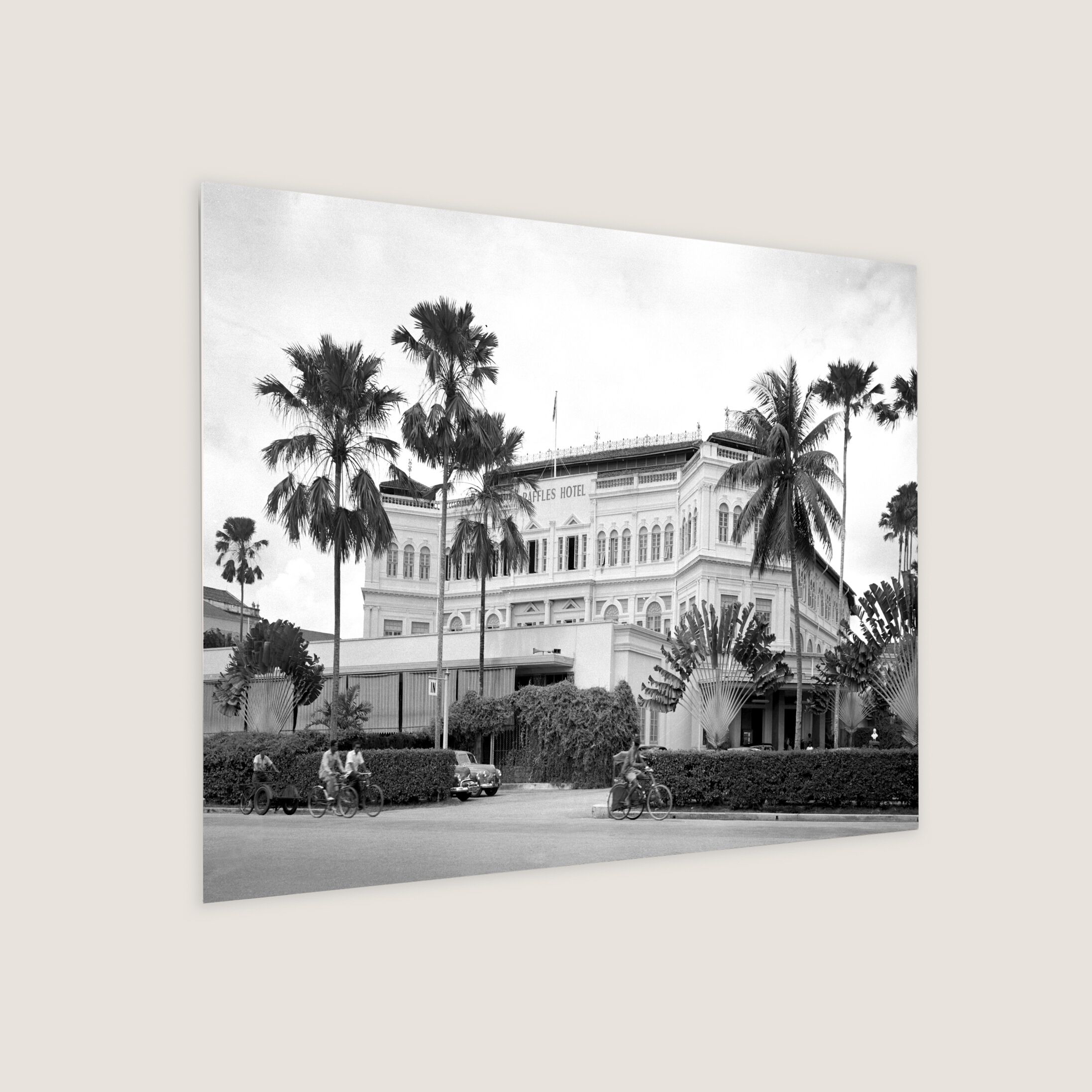
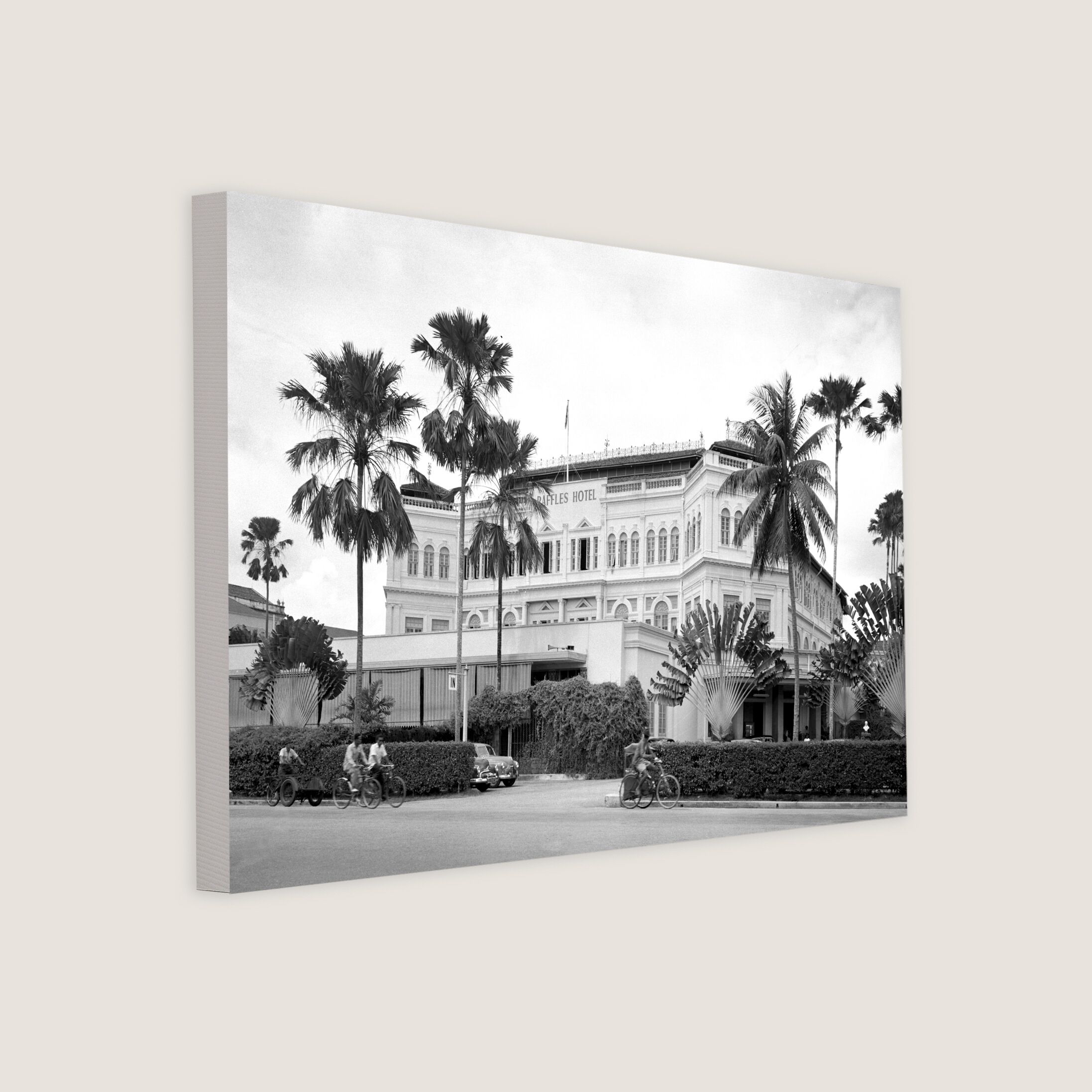
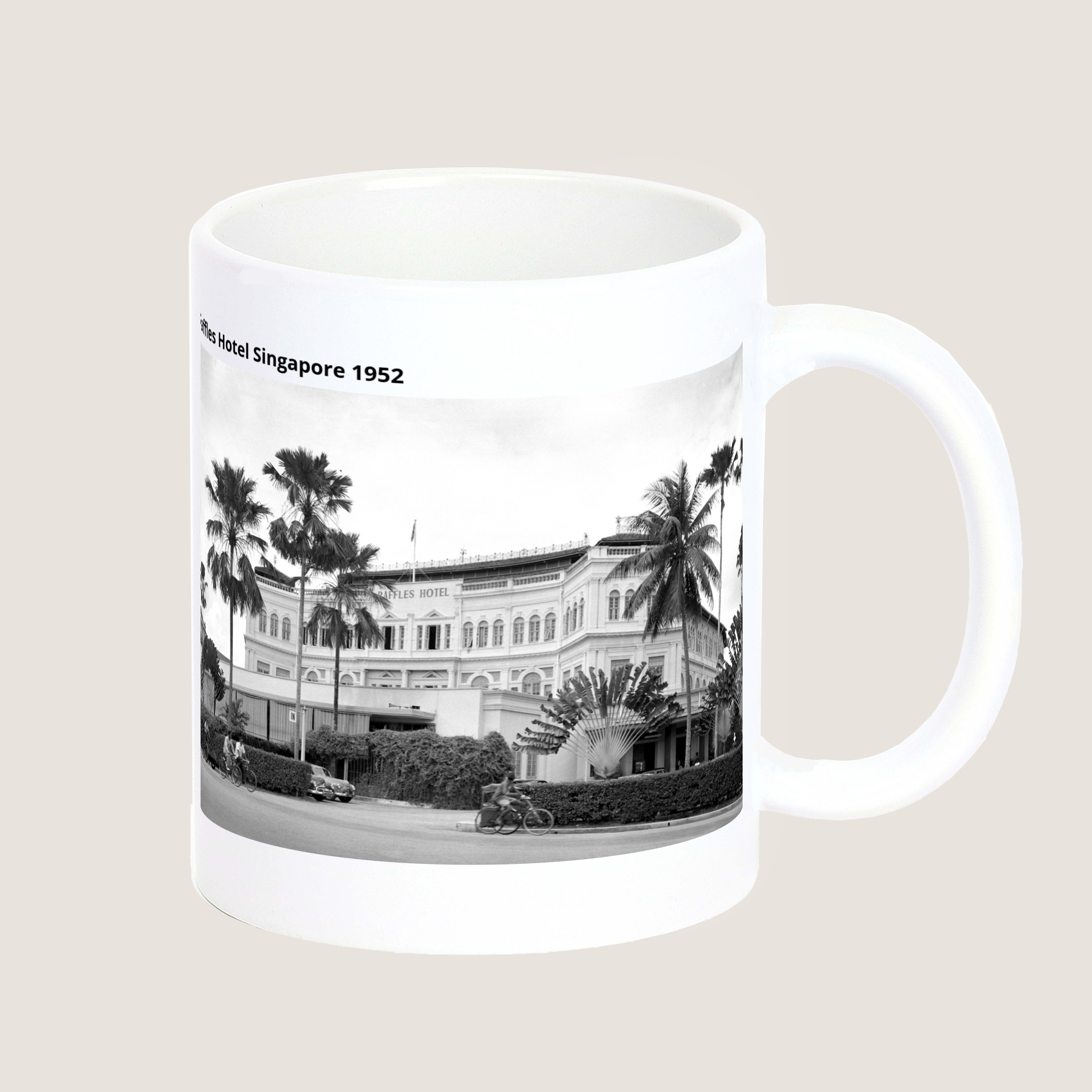
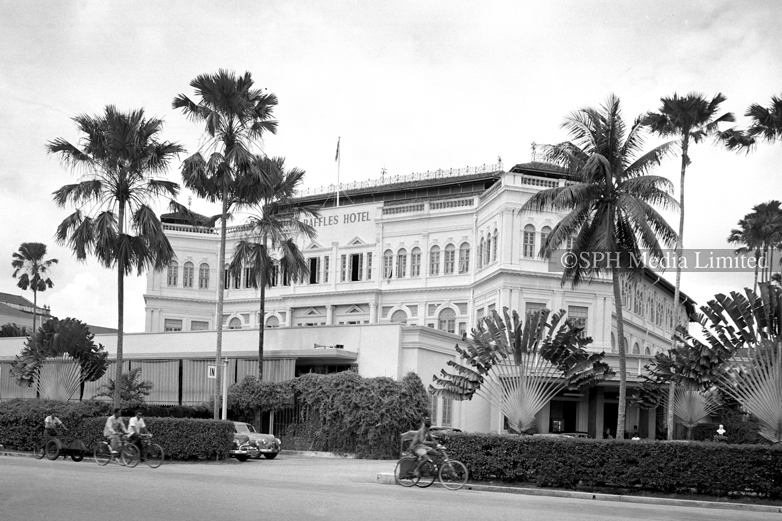 Raffles Hotel Singapore
1952
Raffles Hotel Singapore
1952
Raffles Hotel Singapore
Year 1952
Here is Raffles Hotel Singapore at Beach Road in 1952. Opened in 1887, it is one of the few remaining 19th century hotels in the world. Once, a tiger was found seeking shelter in Raffles Hotel, after escaping the circus.
©️ SPH Media Limited
Share to
Tags
Available for print on products
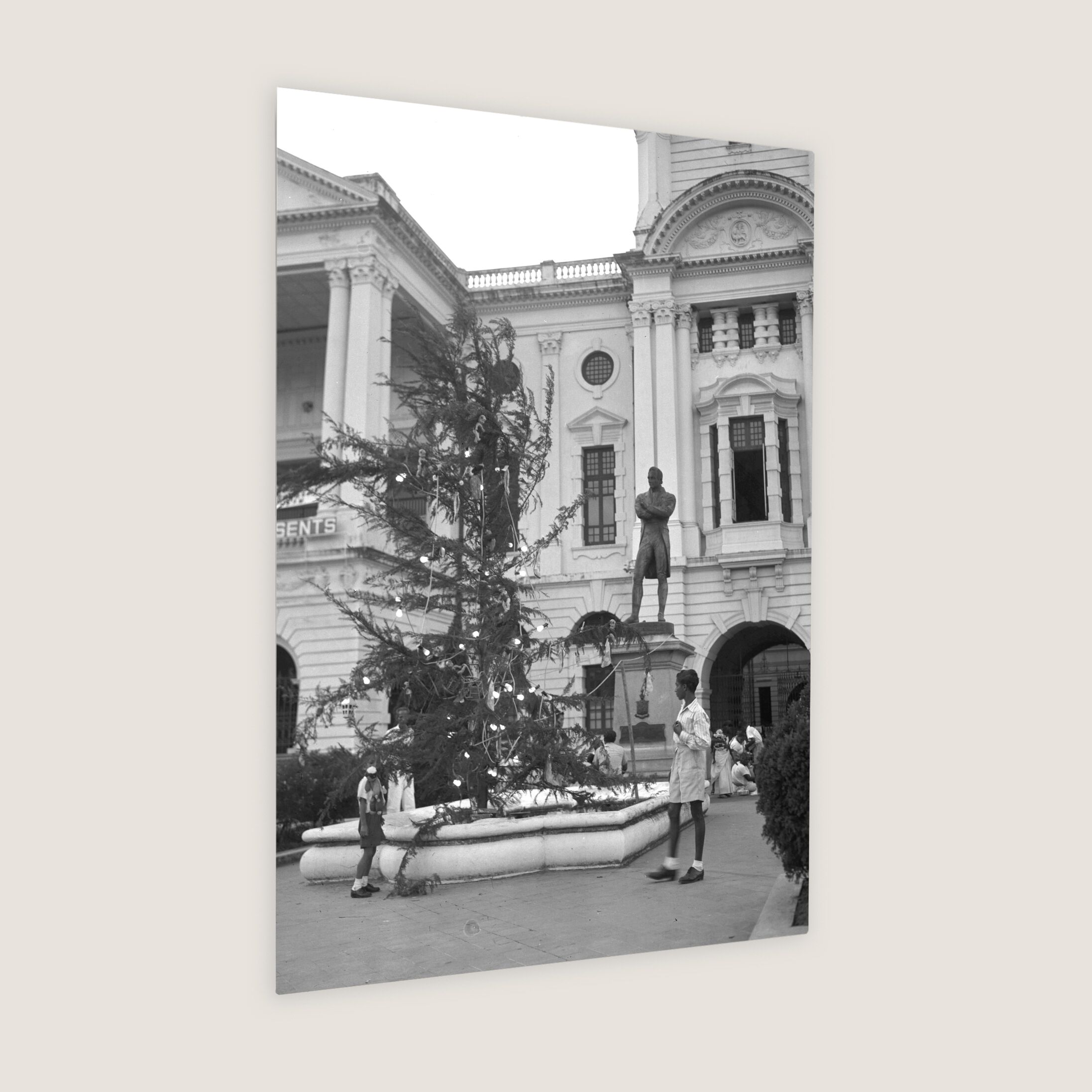
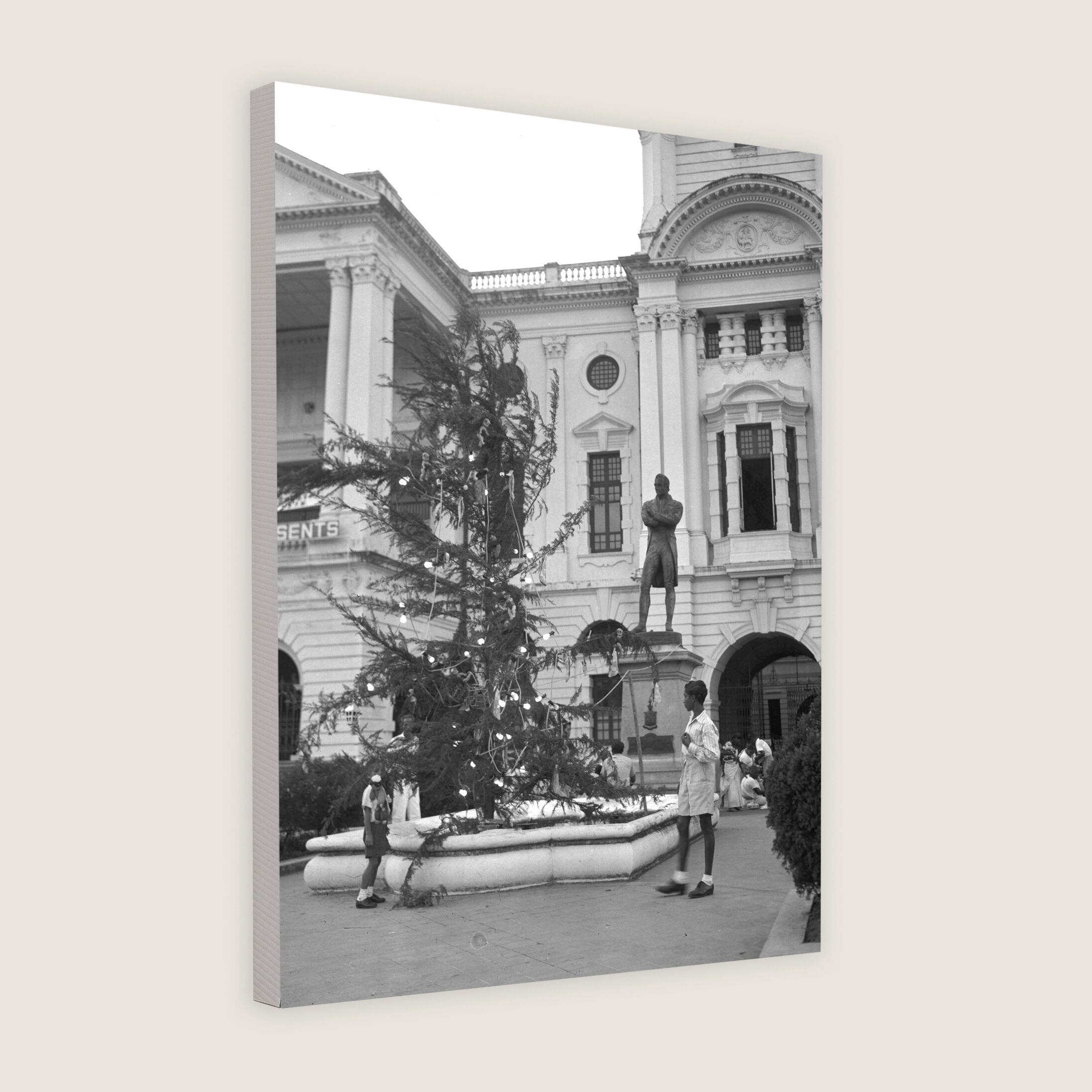
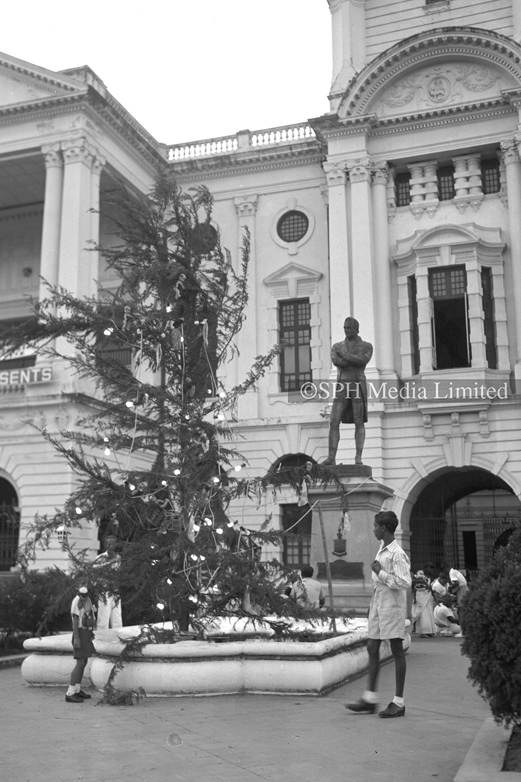 Christmas Celebration at Victoria Memorial Hall
1952
Christmas Celebration at Victoria Memorial Hall
1952
Christmas Celebration at Victoria Memorial Hall
Year 1952
The Raffles statue used to be at Padang, before it was shifted to the Victoria Memorial Hall in 1919.
©️ SPH Media Limited
Share to
Tags
Available for print on products
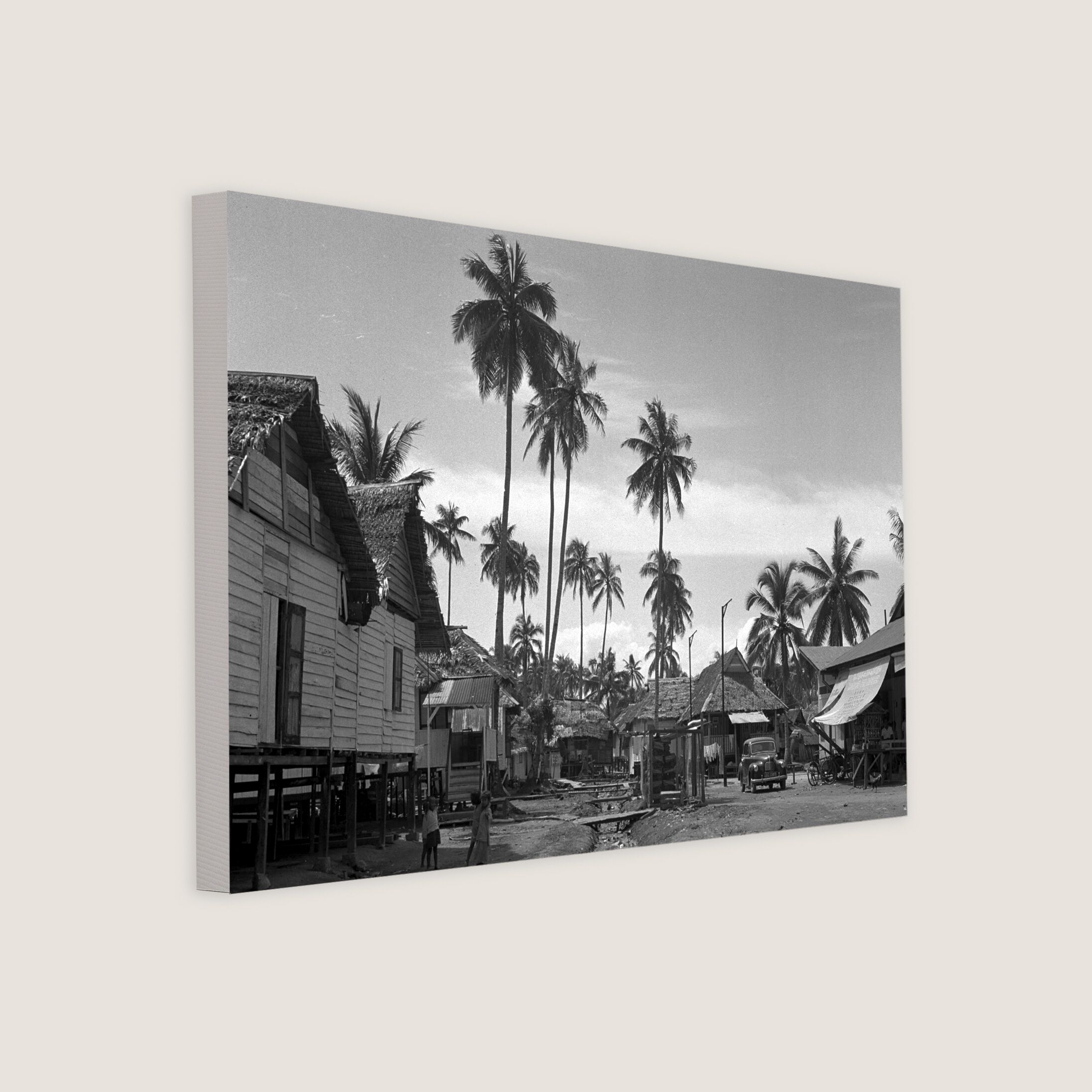
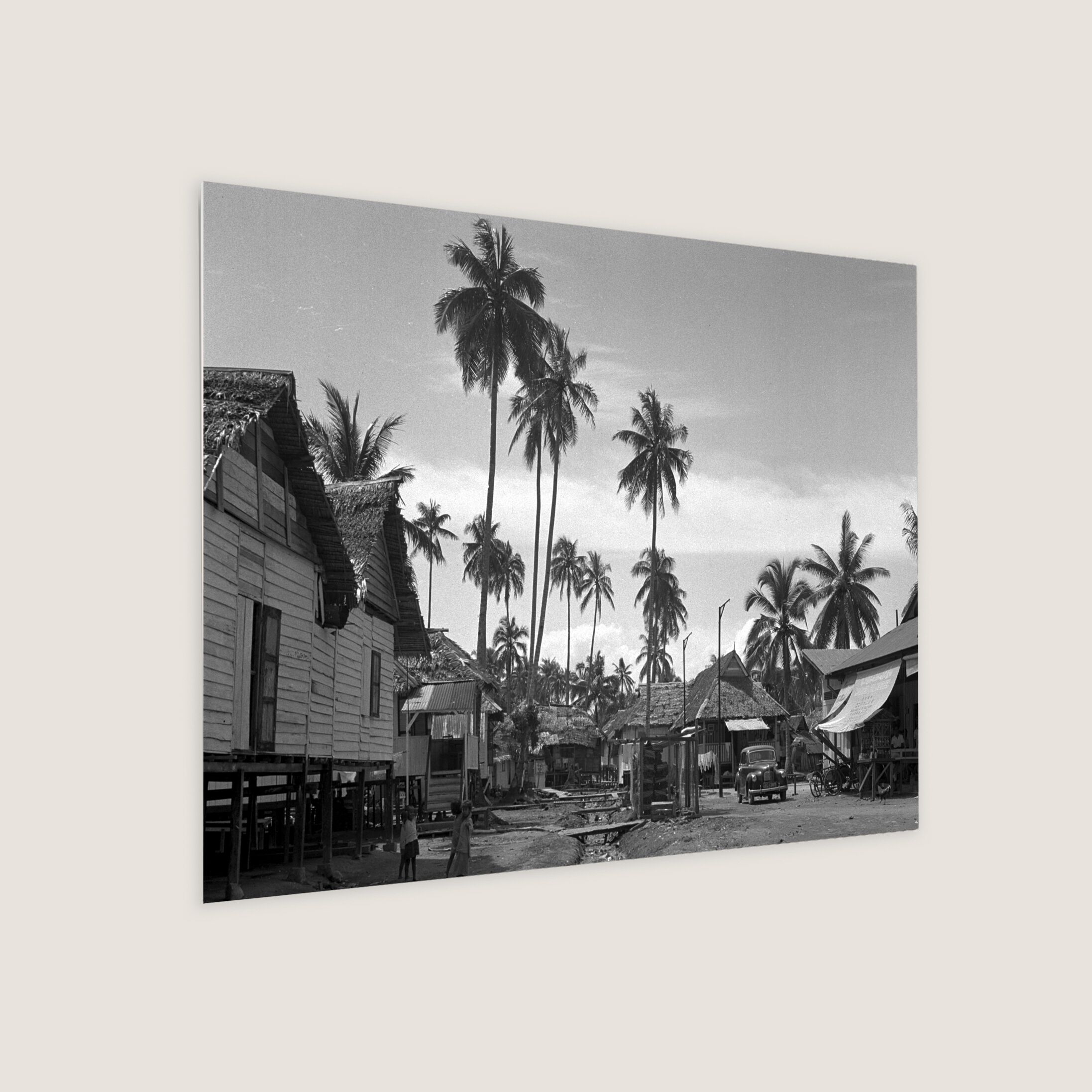
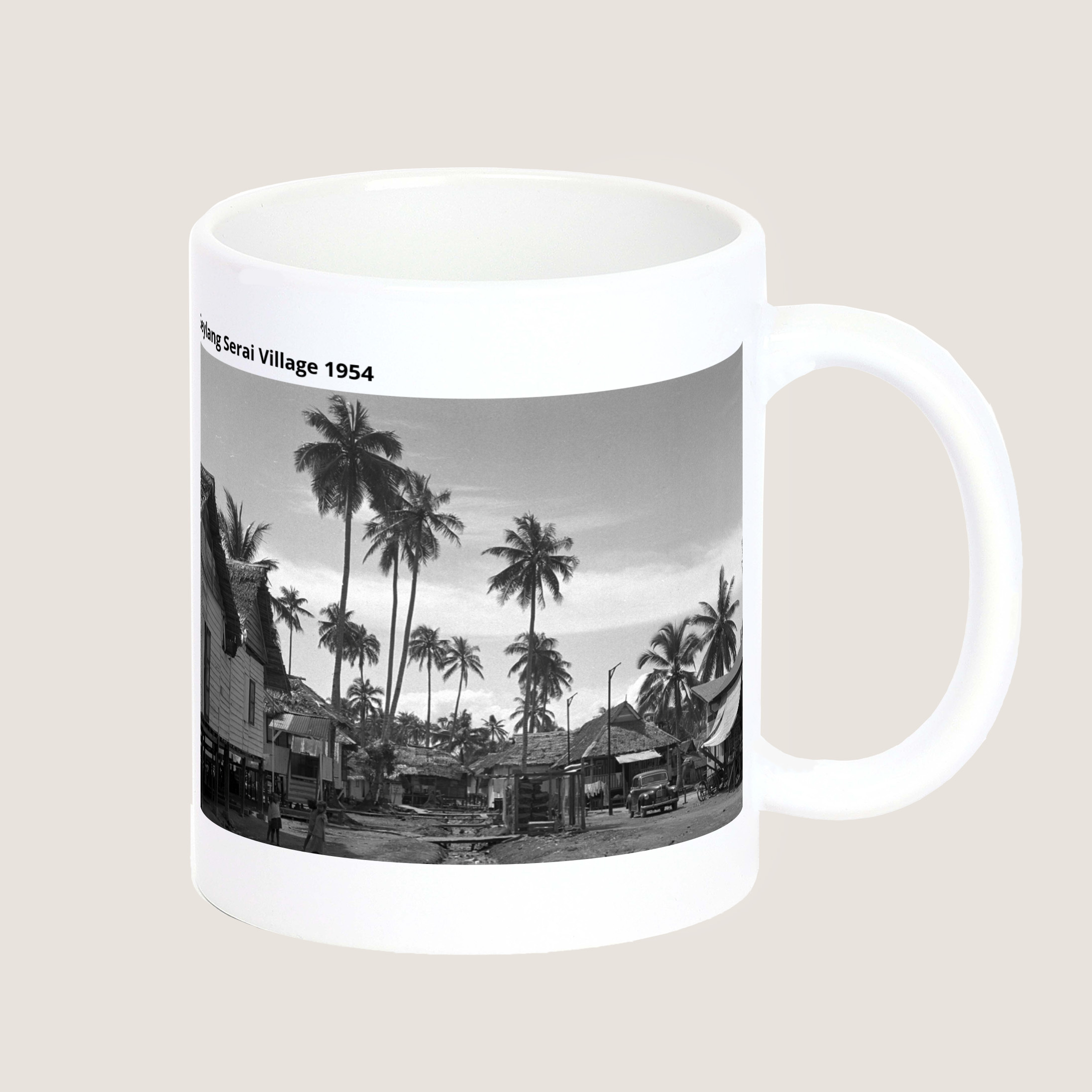
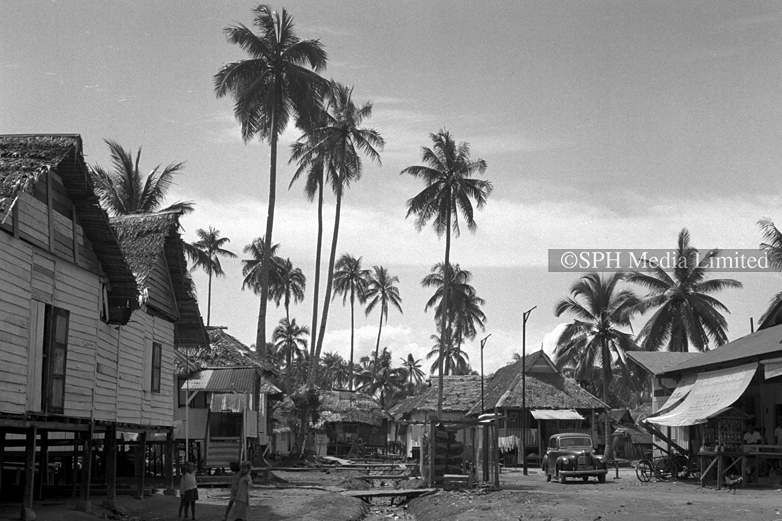 Geylang Serai Village
1954
Geylang Serai Village
1954
Geylang Serai Village
Year 1954
The site of the Malay Culture Centre was formerly a Malay settlement. Geylang Serai is one of the oldest Malay settlements in Singapore. In 1965, urban redevelopment project took place and most of these Malay villages were demolished.
©️ SPH Media Limited
Share to
Tags
Available for print on products
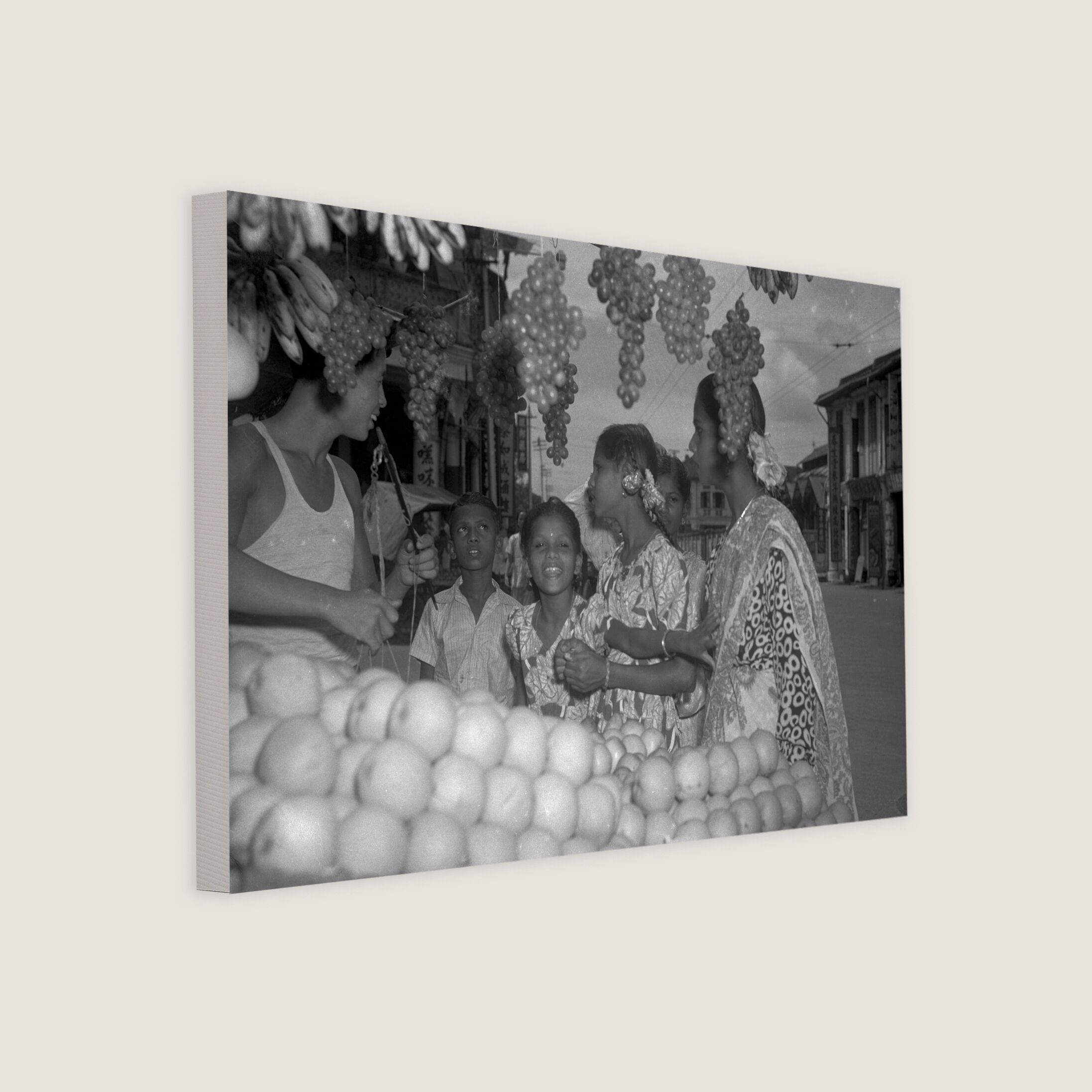
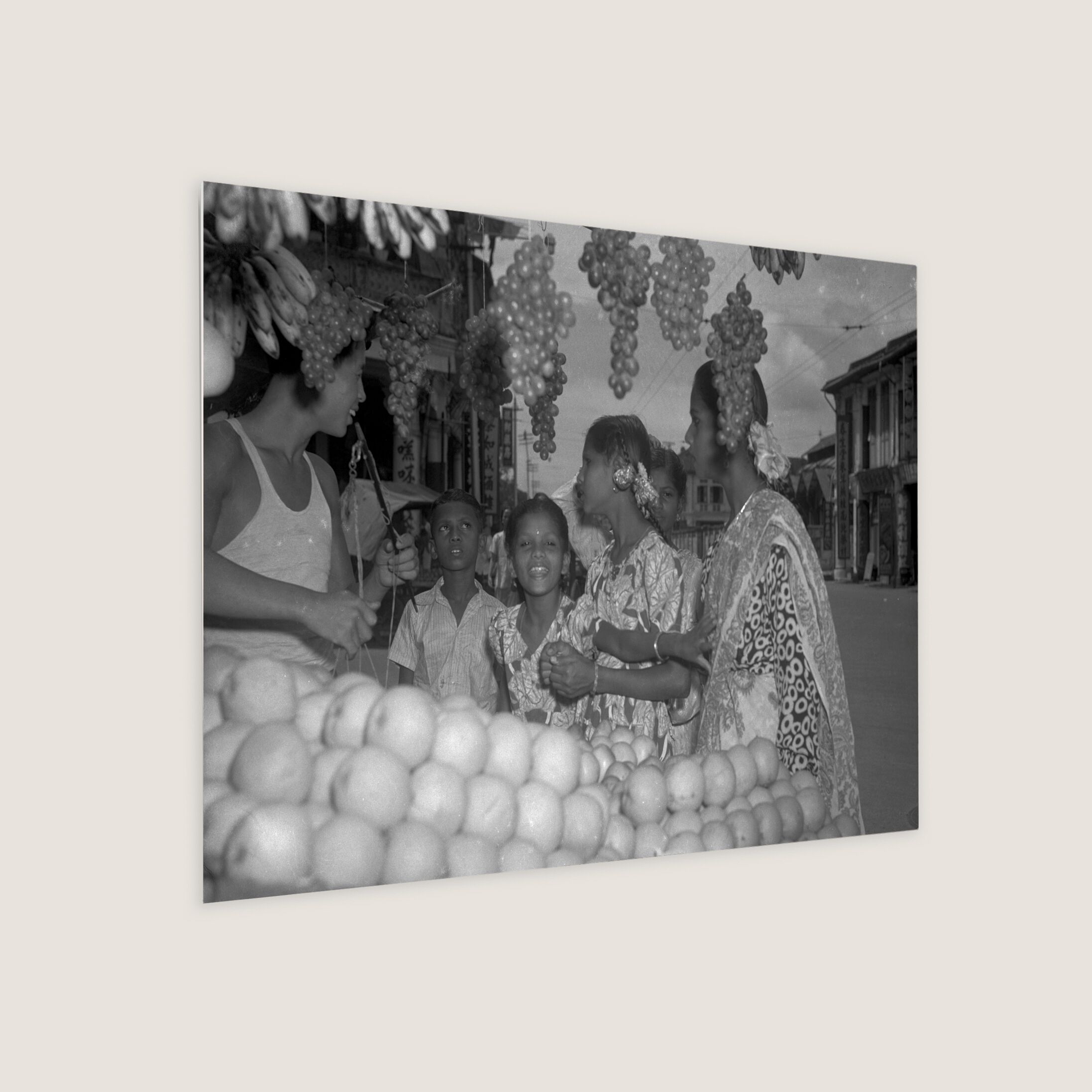
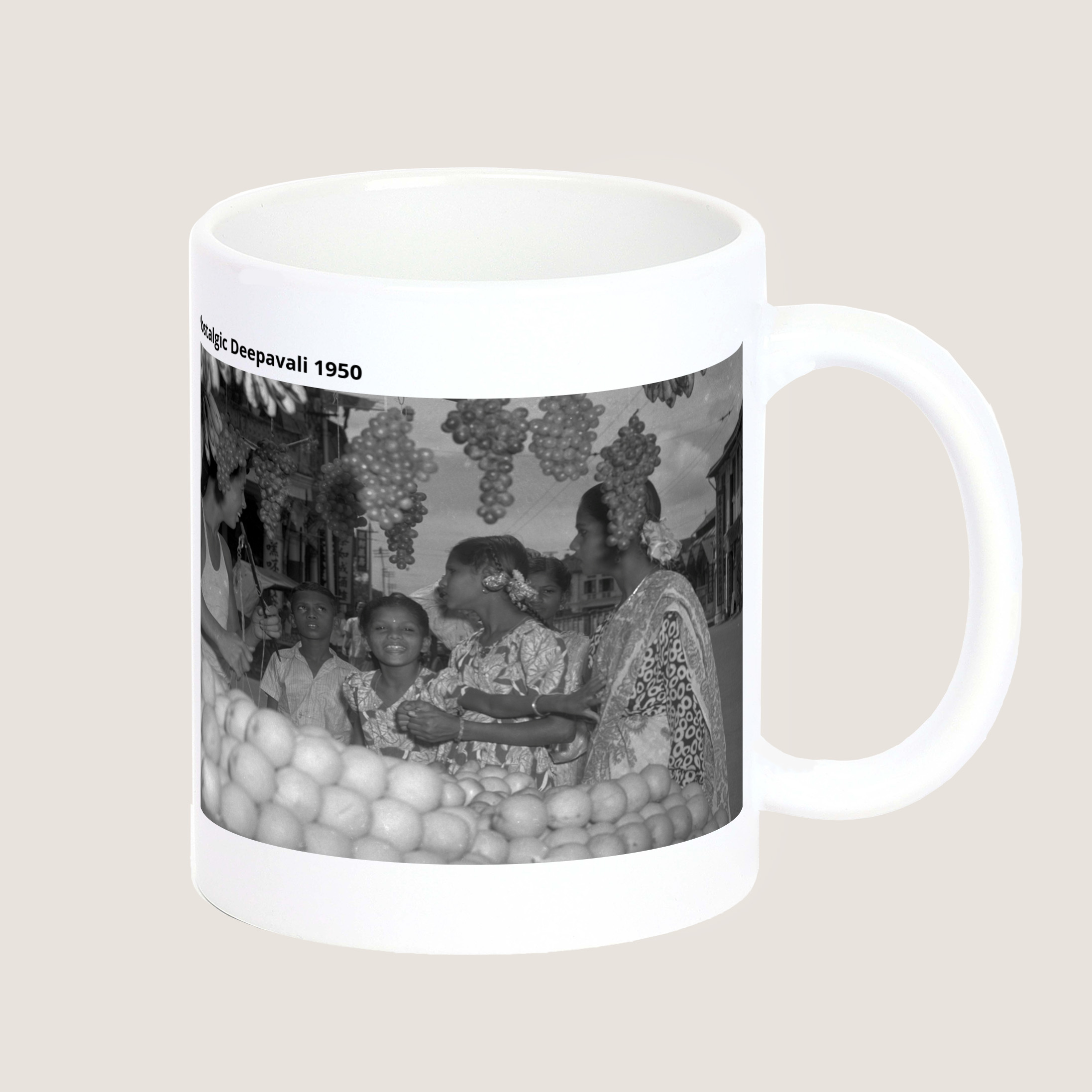
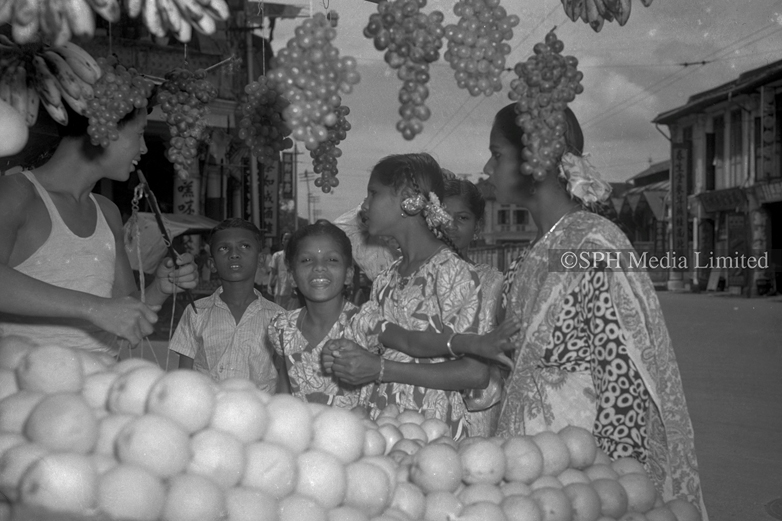 Nostalgic Deepavali
1950
Nostalgic Deepavali
1950
Nostalgic Deepavali
Year 1950
Along the streets of Little India, Deepavali is being celebrated.
©️ SPH Media Limited
Share to
Available for print on products
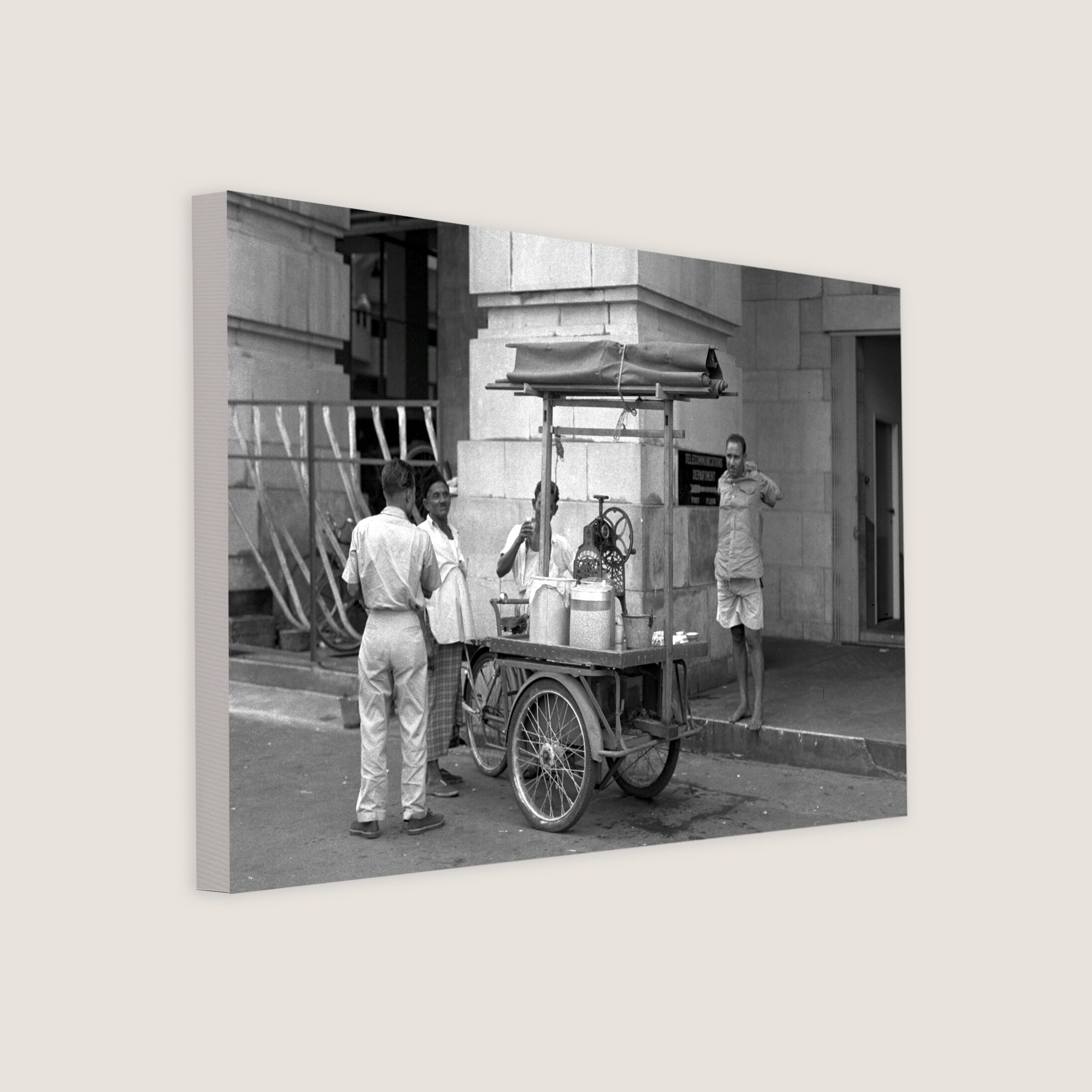
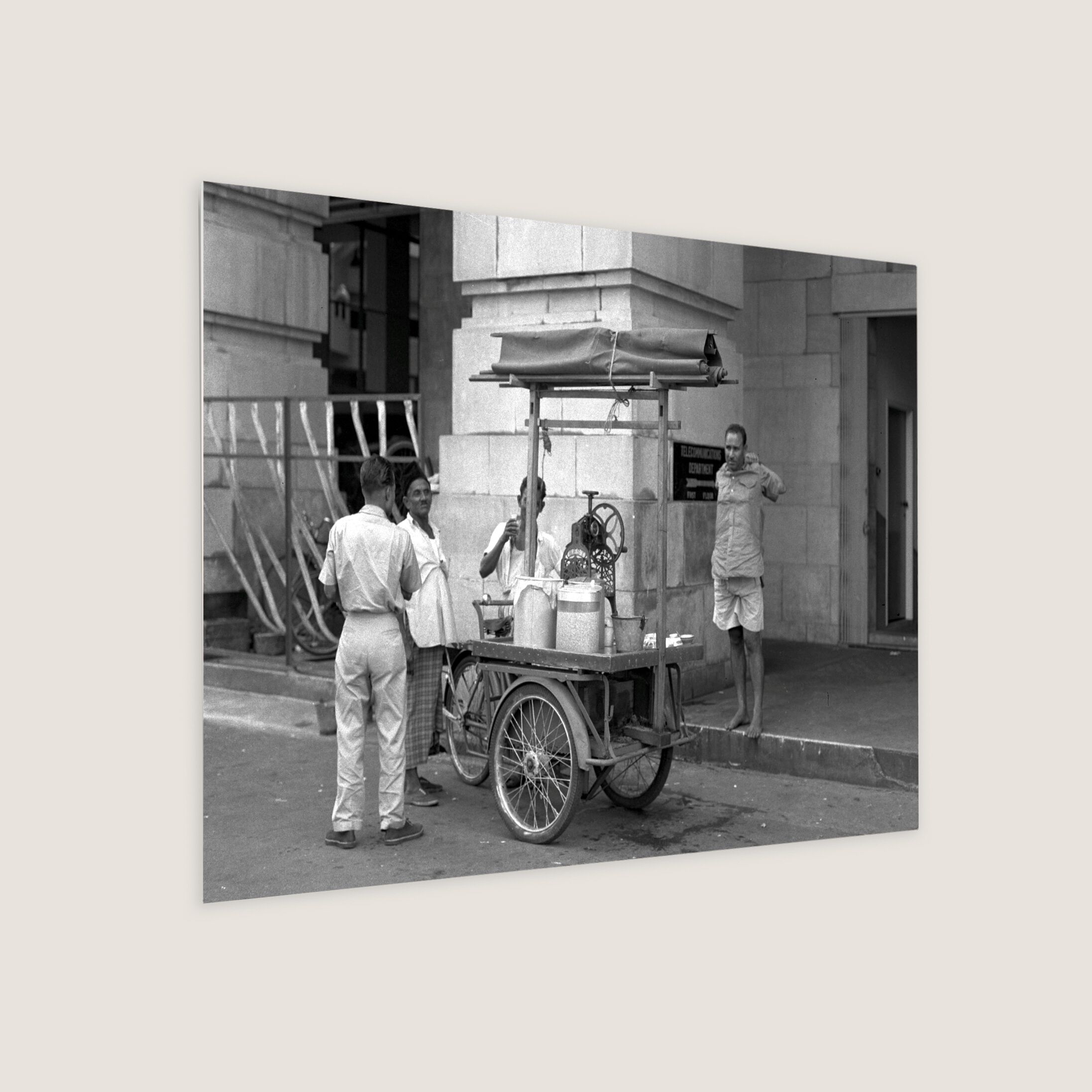
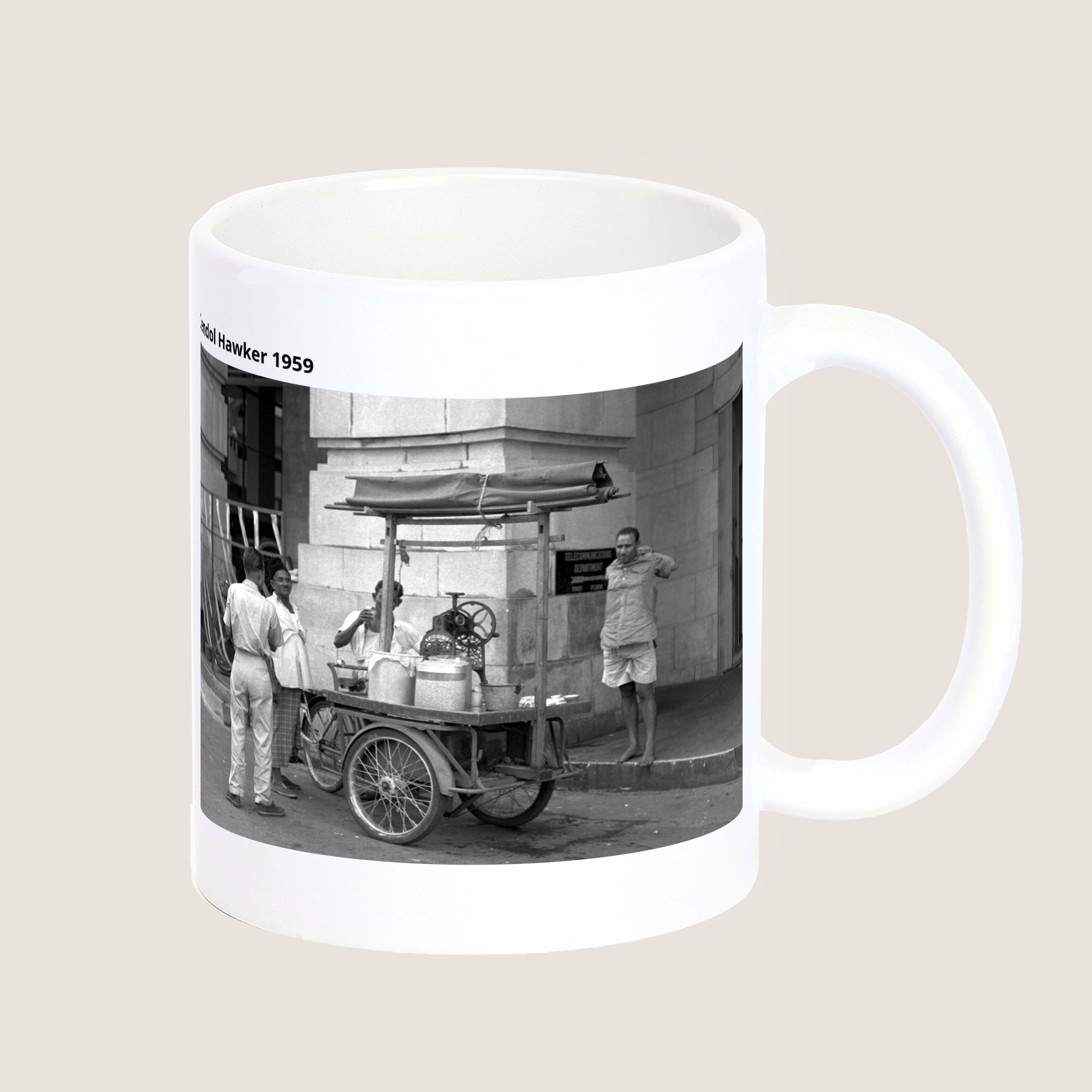
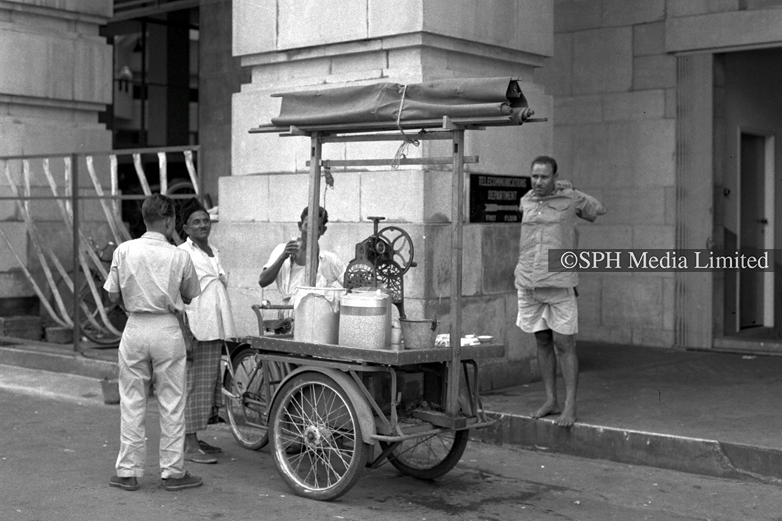 Cendol Hawker
1959
Cendol Hawker
1959
Cendol Hawker
Year 1959
Food peddlers were a common sight in the past. Here is one selling Cendol drinks outside the Singapore Club entrance. Cendol is a popular dessert in South East Asia made from pandan coconut and palm sugar.
©️ SPH Media Limited
Share to
Tags
Available for print on products
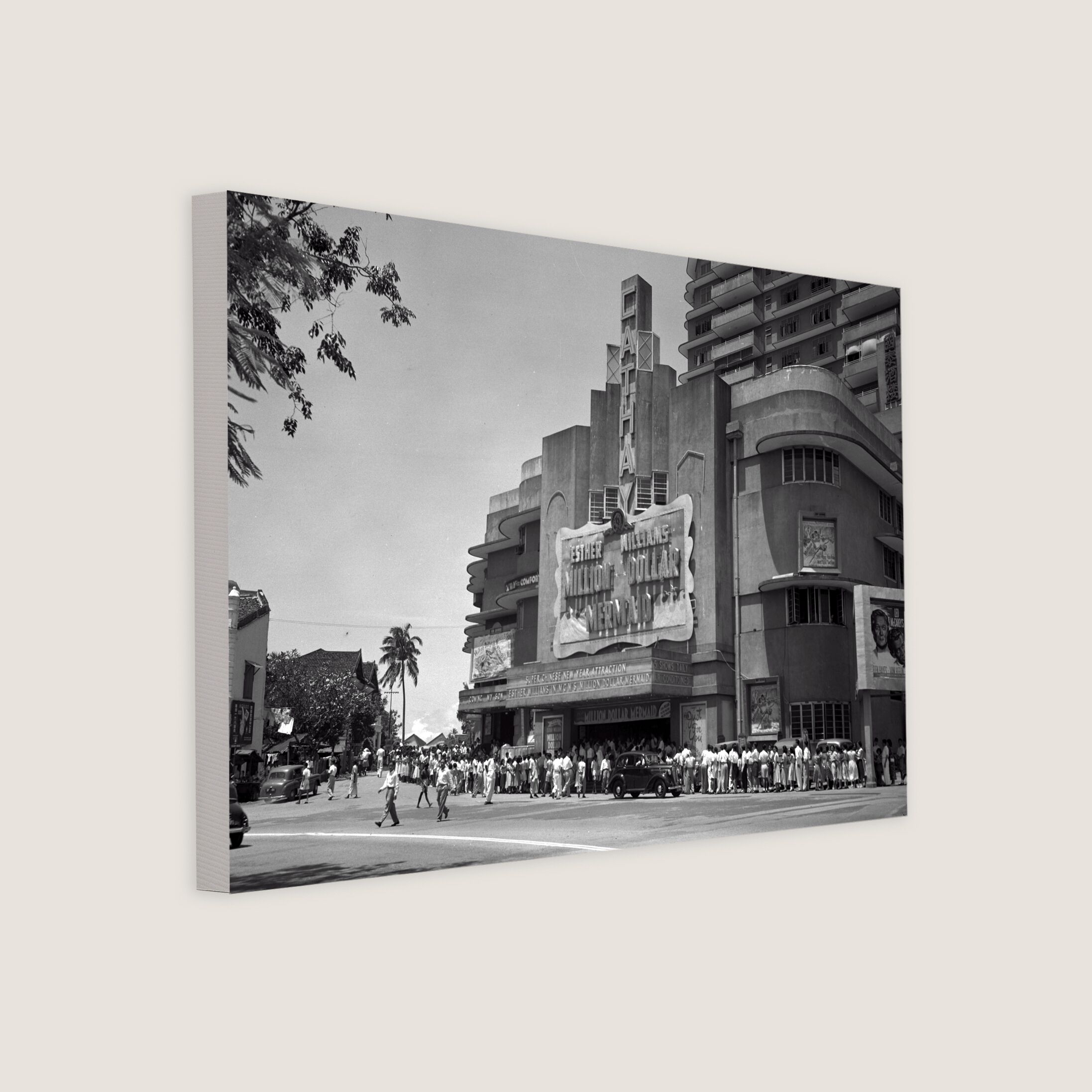
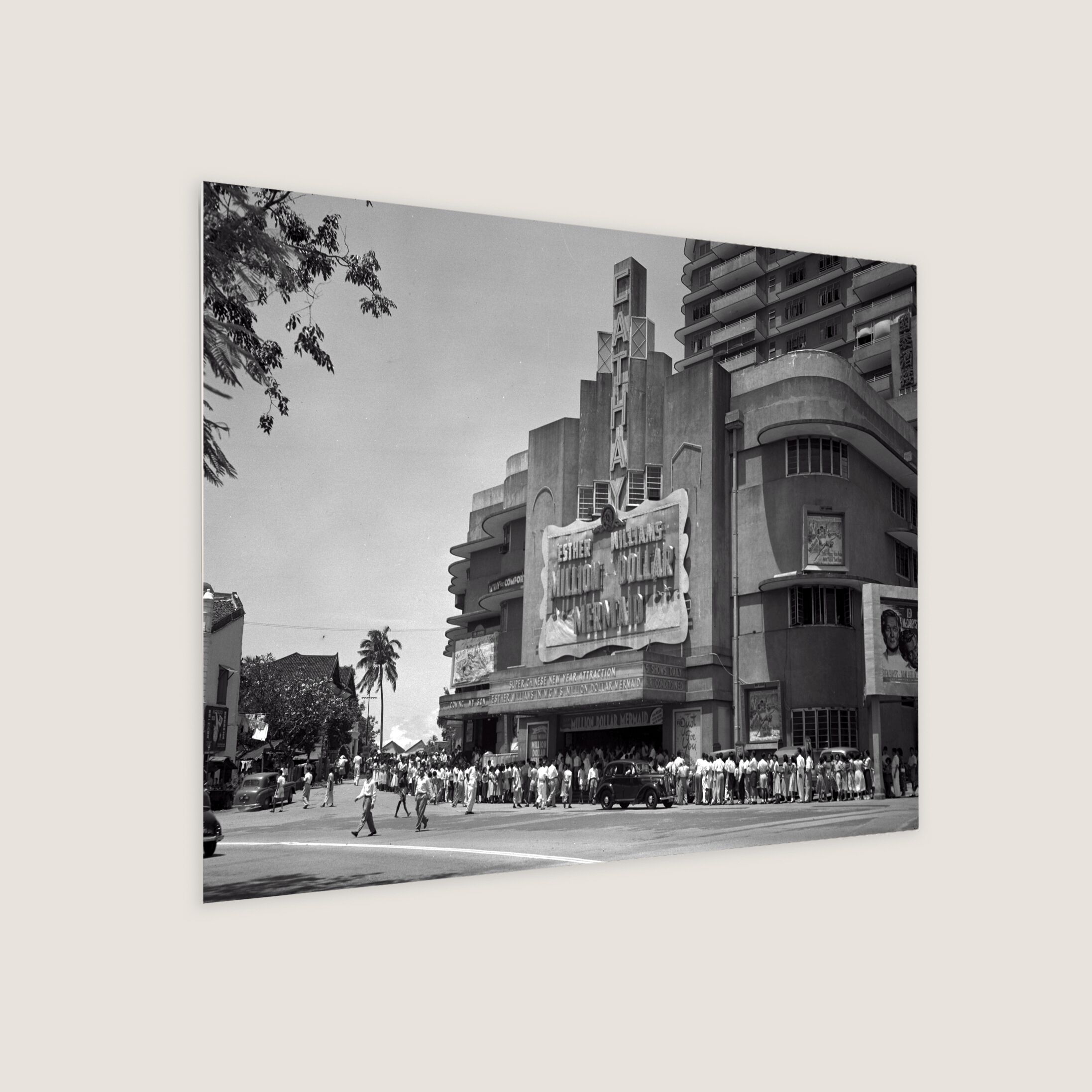
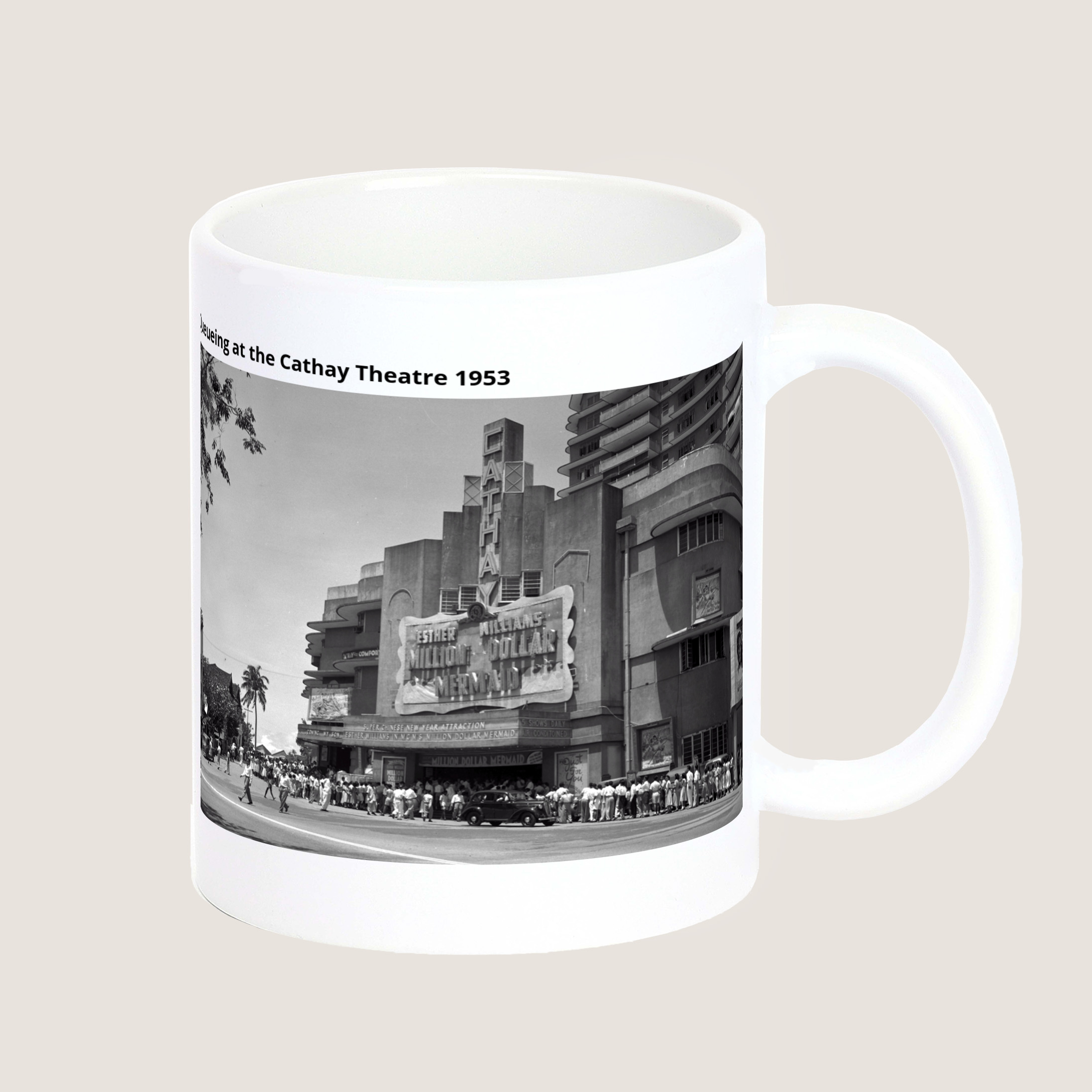
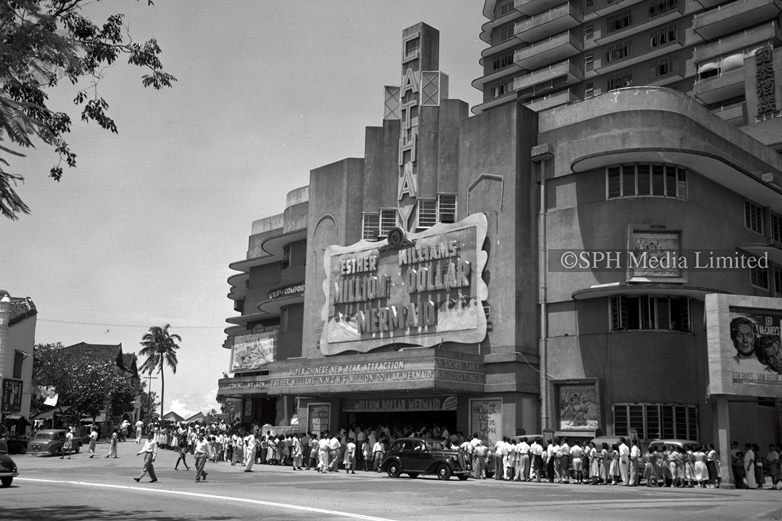 Queueing at the Cathay Theatre
1953
Queueing at the Cathay Theatre
1953
Queueing at the Cathay Theatre
Year 1953
A queue can be spotted outside Cathay Theatre on 16 February 1953 to buy tickets for the movie Million Dollar Mermaid, a Chinese New Year blockbuster. Tycoon Loke Wan Tho, a film entrepreneur, set up this theatre. His influence in the Singapore media industry was so pronounced he even has a lane named after him near Potong Pasir.
©️ SPH Media Limited
Share to
Tags
Available for print on products
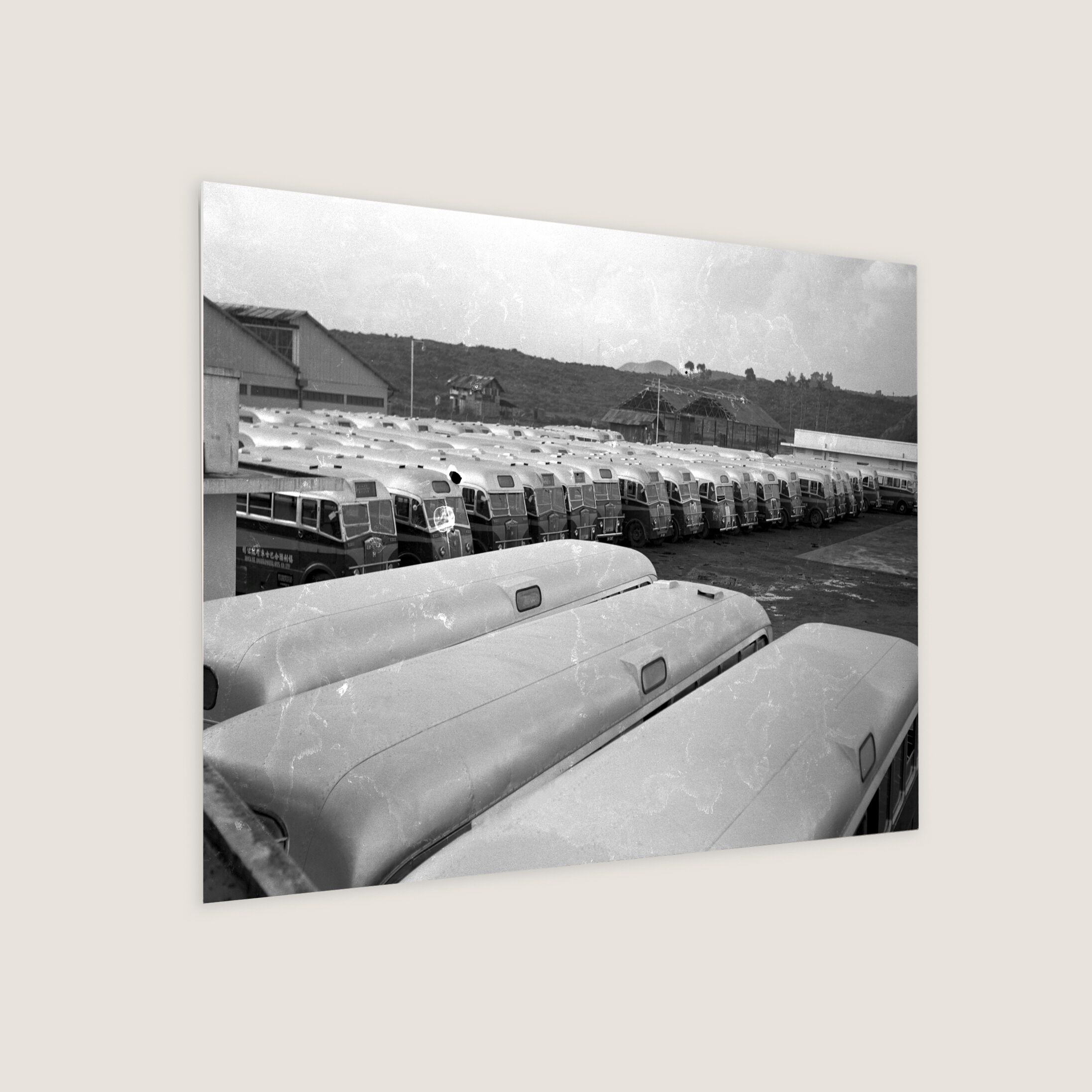
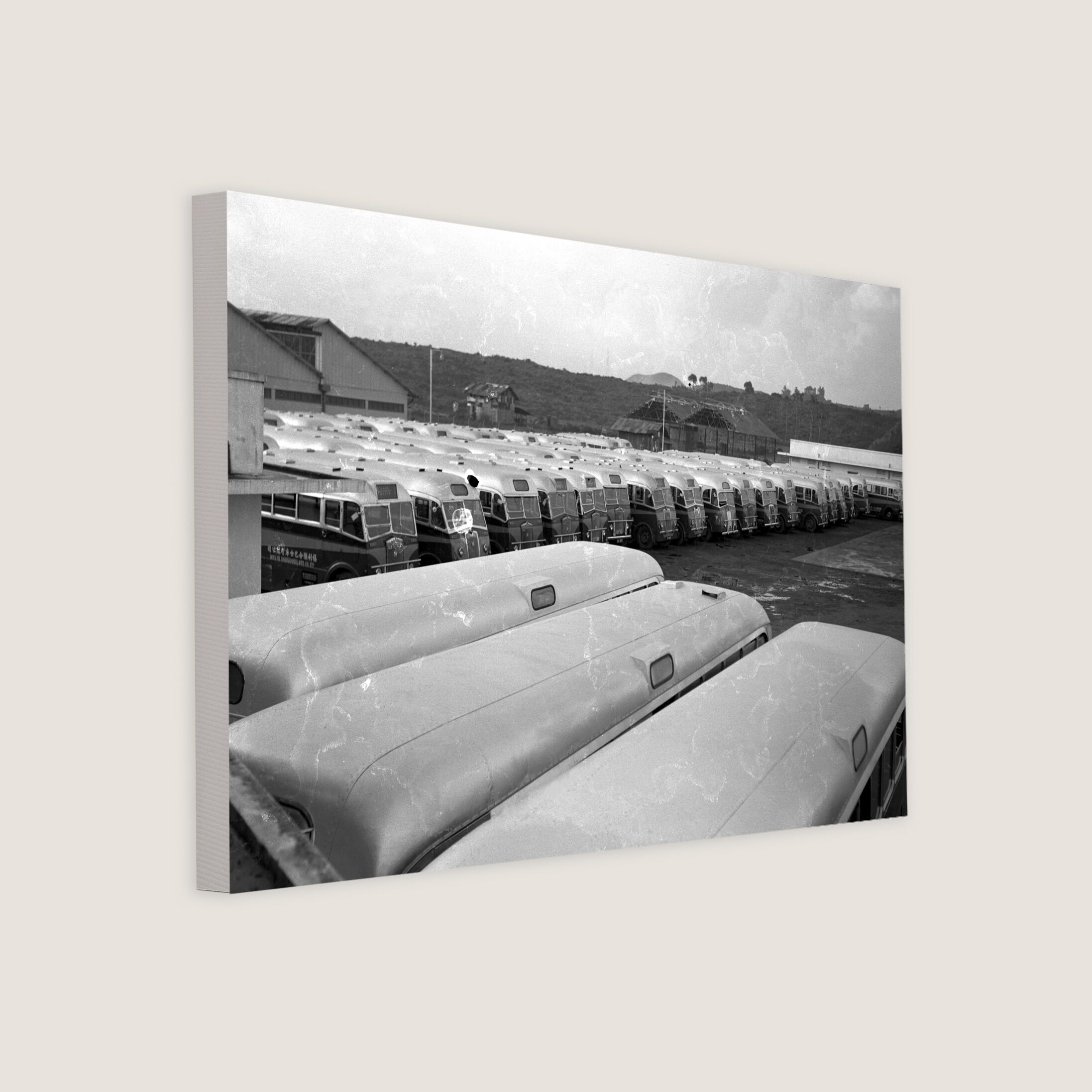
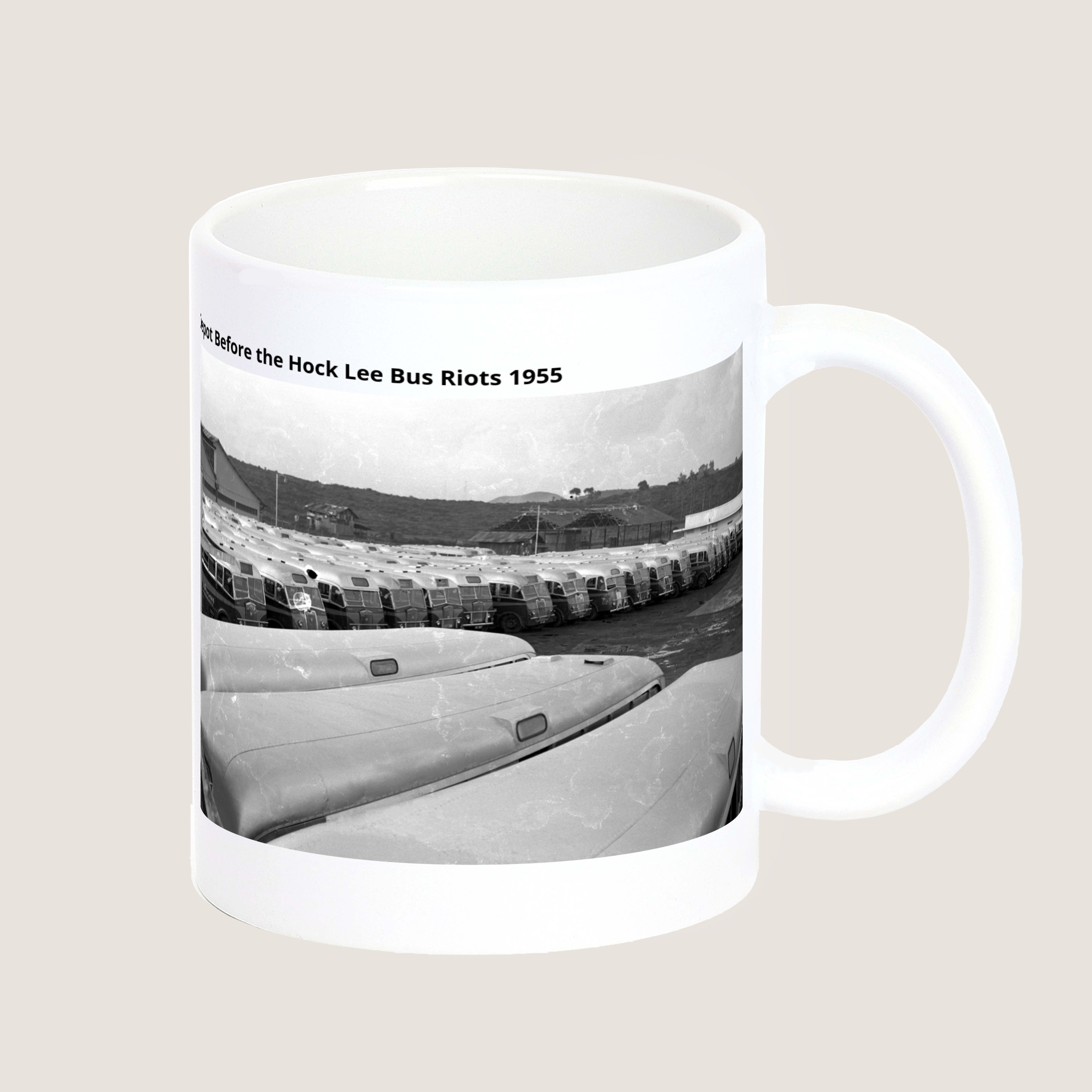
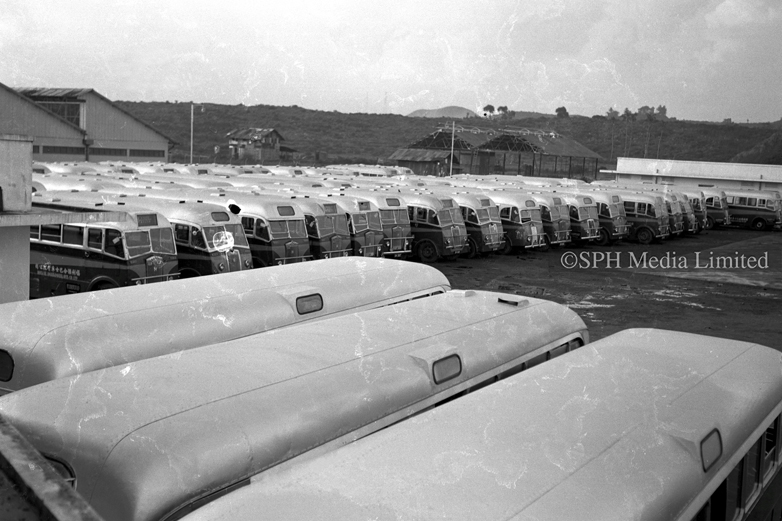 Depot Before the Hock Lee Bus Riots
1955
Depot Before the Hock Lee Bus Riots
1955
Depot Before the Hock Lee Bus Riots
Year 1955
Hock Lee Buses at depot. There were no bus services on 28 April 1955 along River Valley Road, Tiong Bahru Road, Alexandra Road and other routes served.
©️ SPH Media Limited
Share to
Tags
Available for print on products
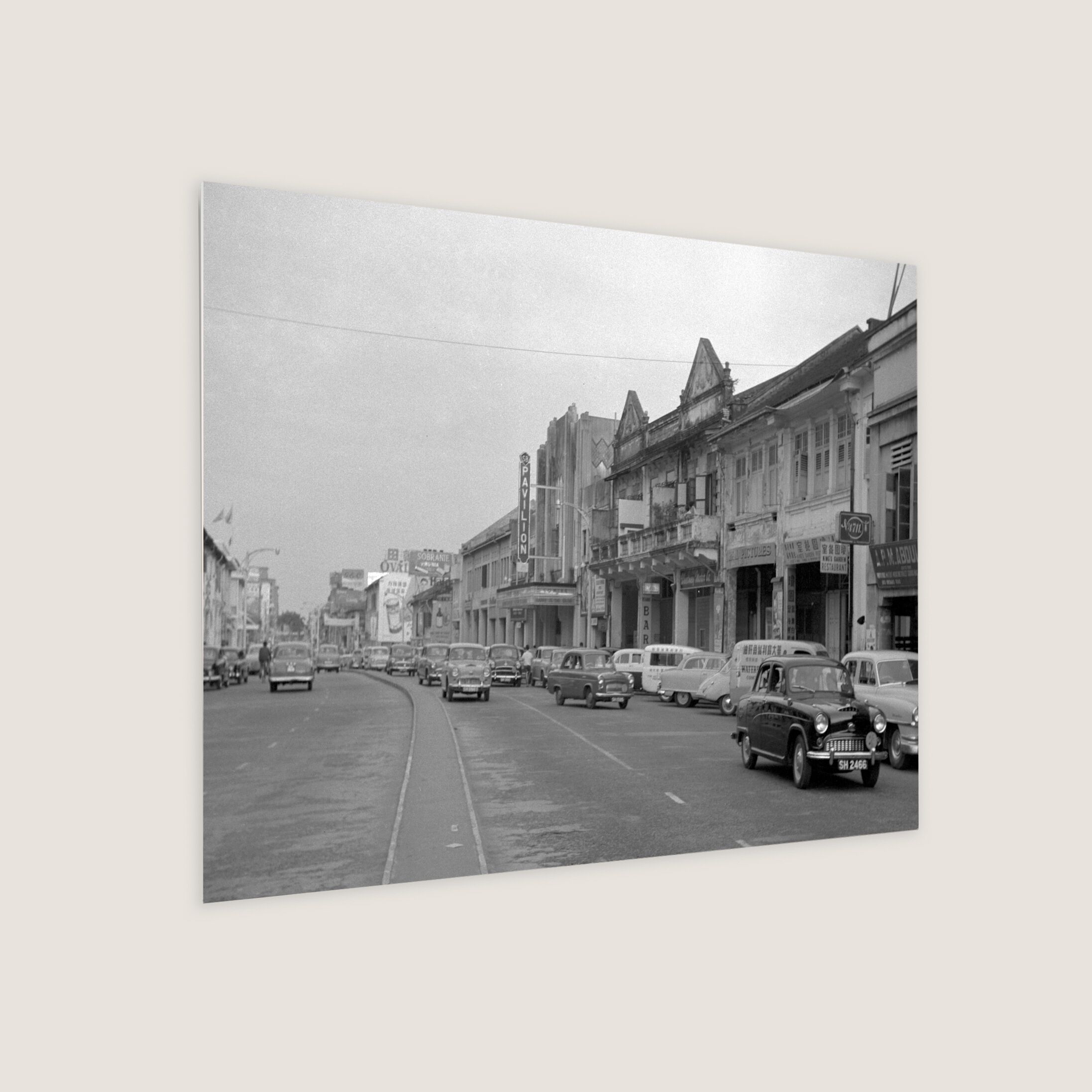
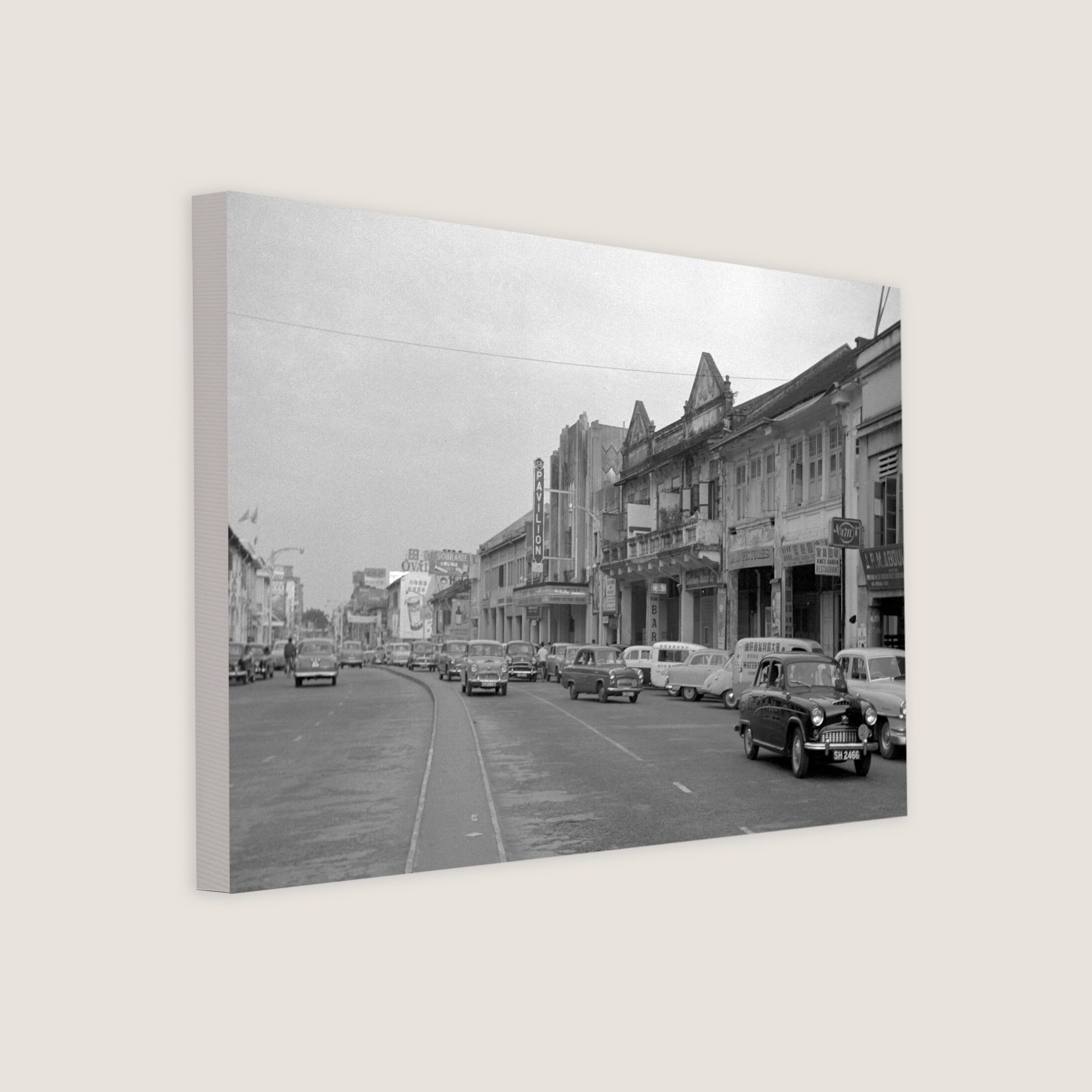
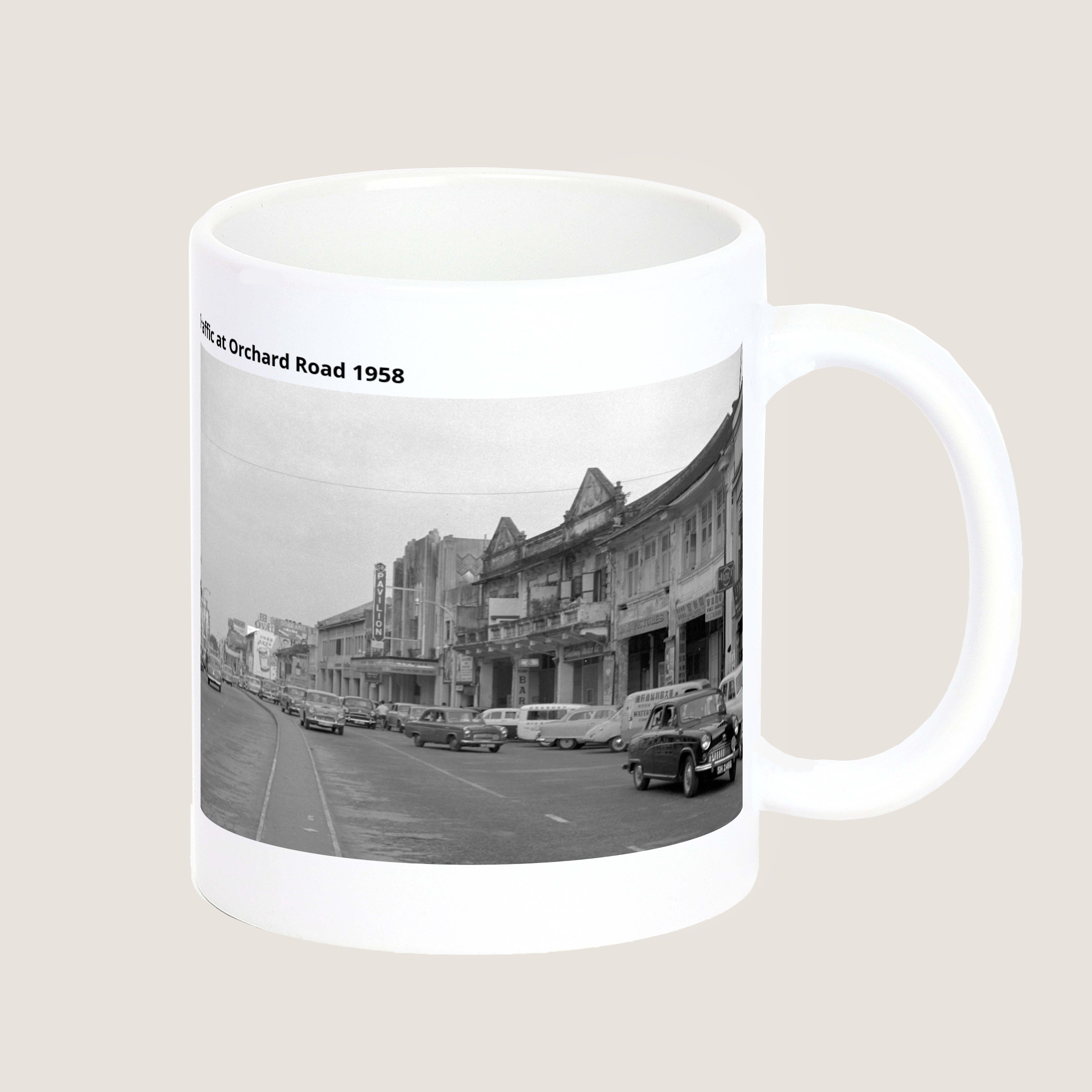
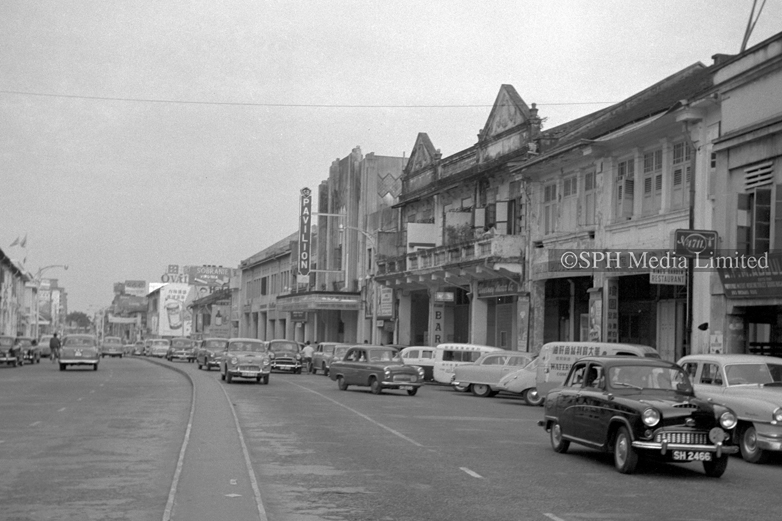 Traffic at Orchard Road
1958
Traffic at Orchard Road
1958
Traffic at Orchard Road
Year 1958
Orchard Road is said to have obtained its name from the orchards and plantations that existed in the area until the turn of the 20th century.
©️ SPH Media Limited
Share to
Tags
Available for print on products
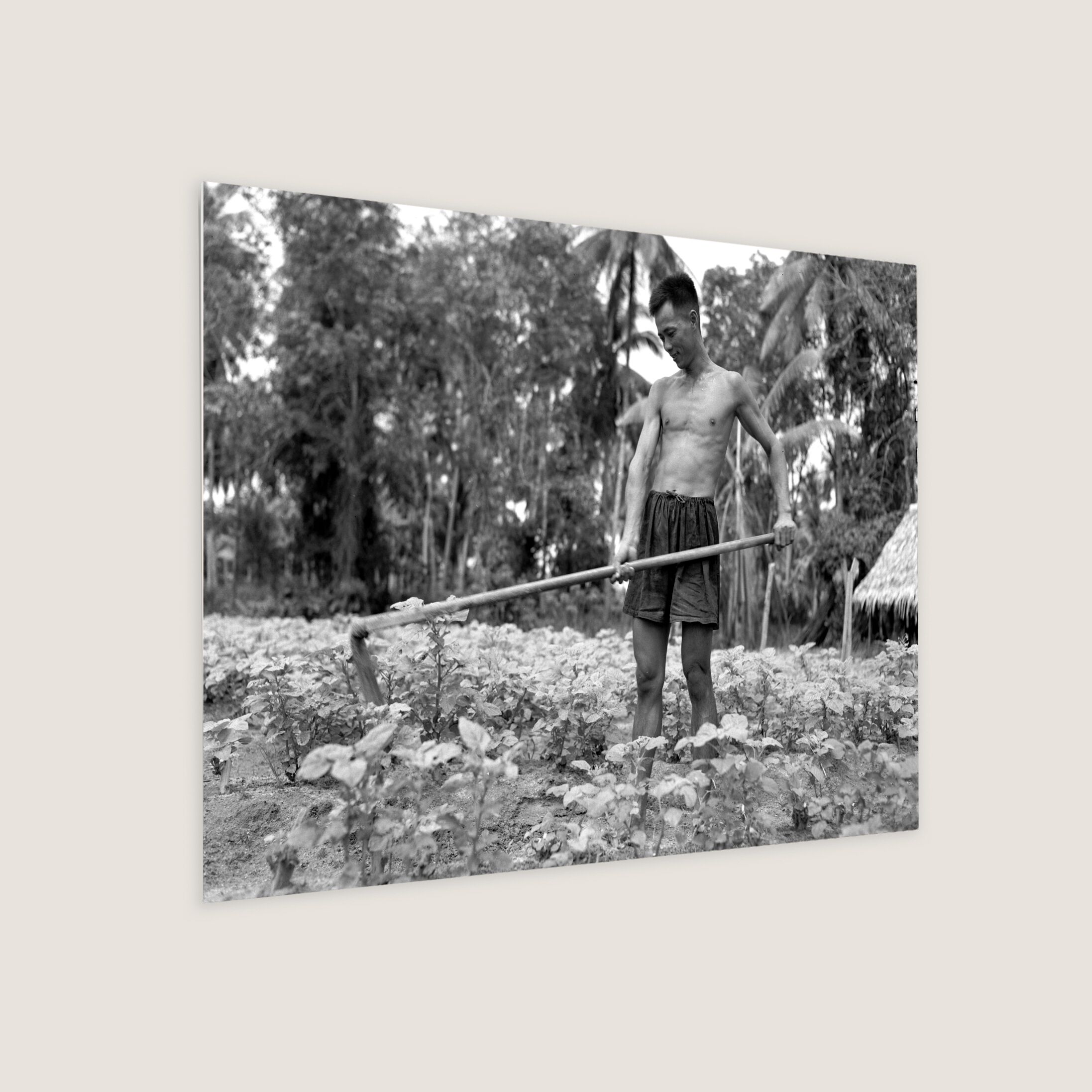
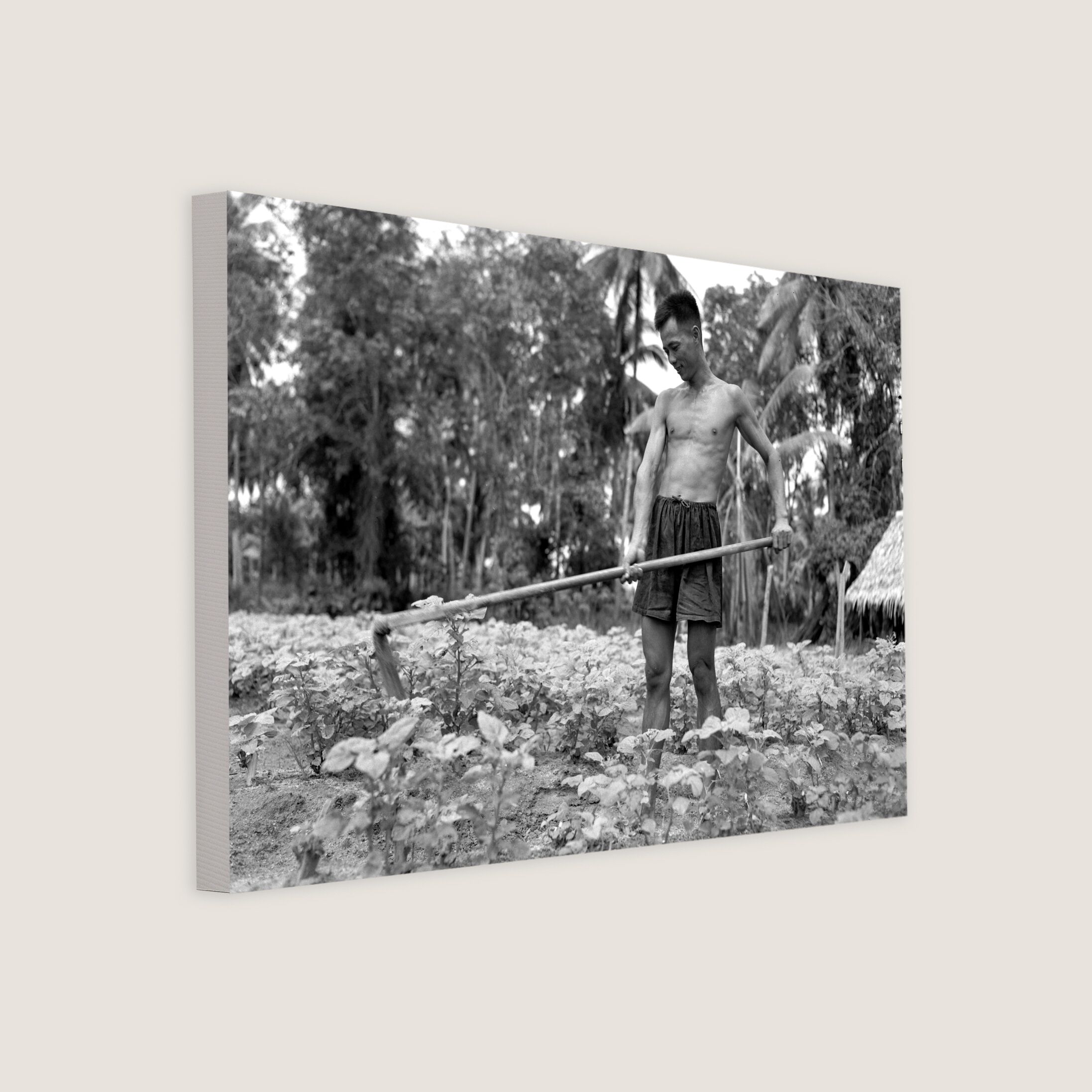
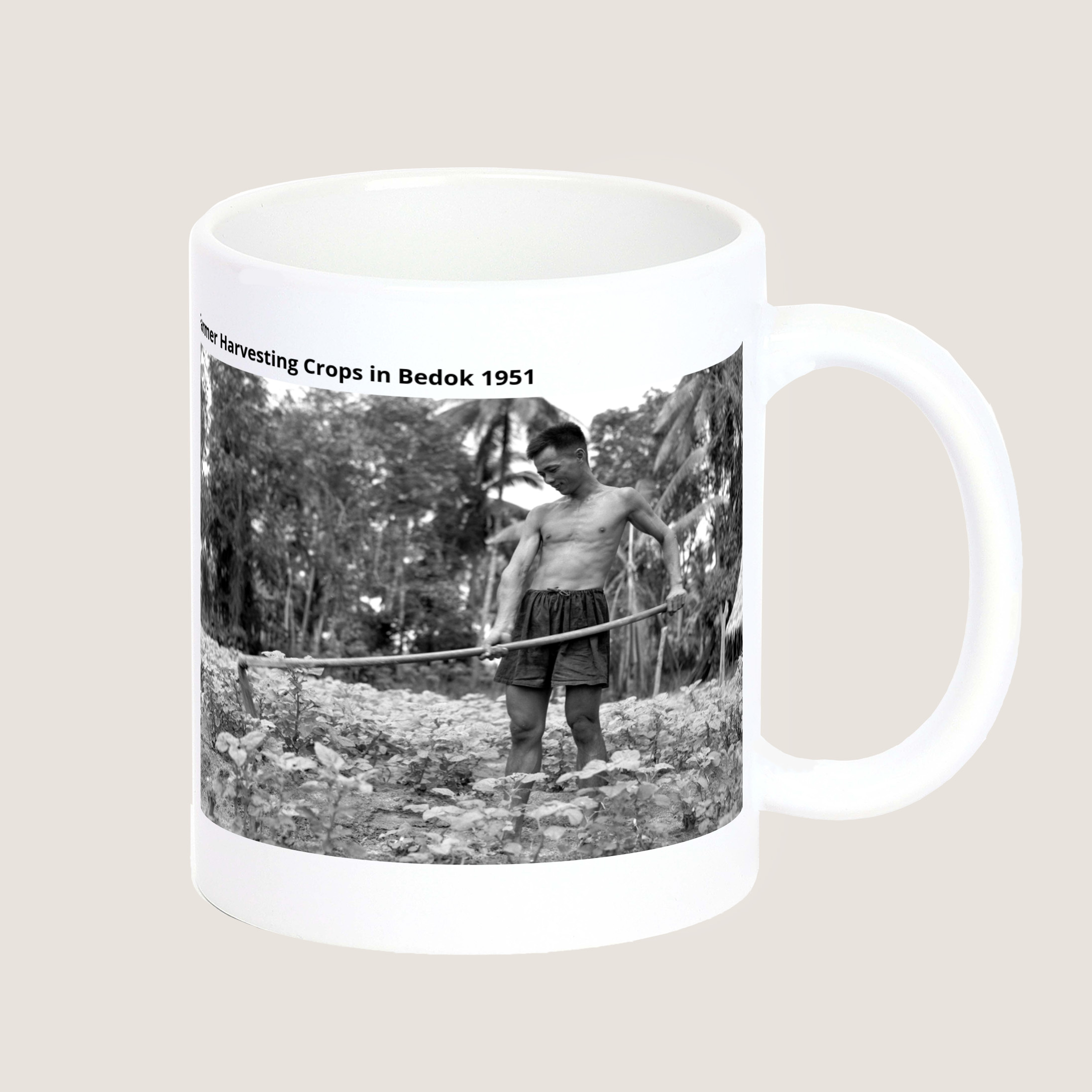
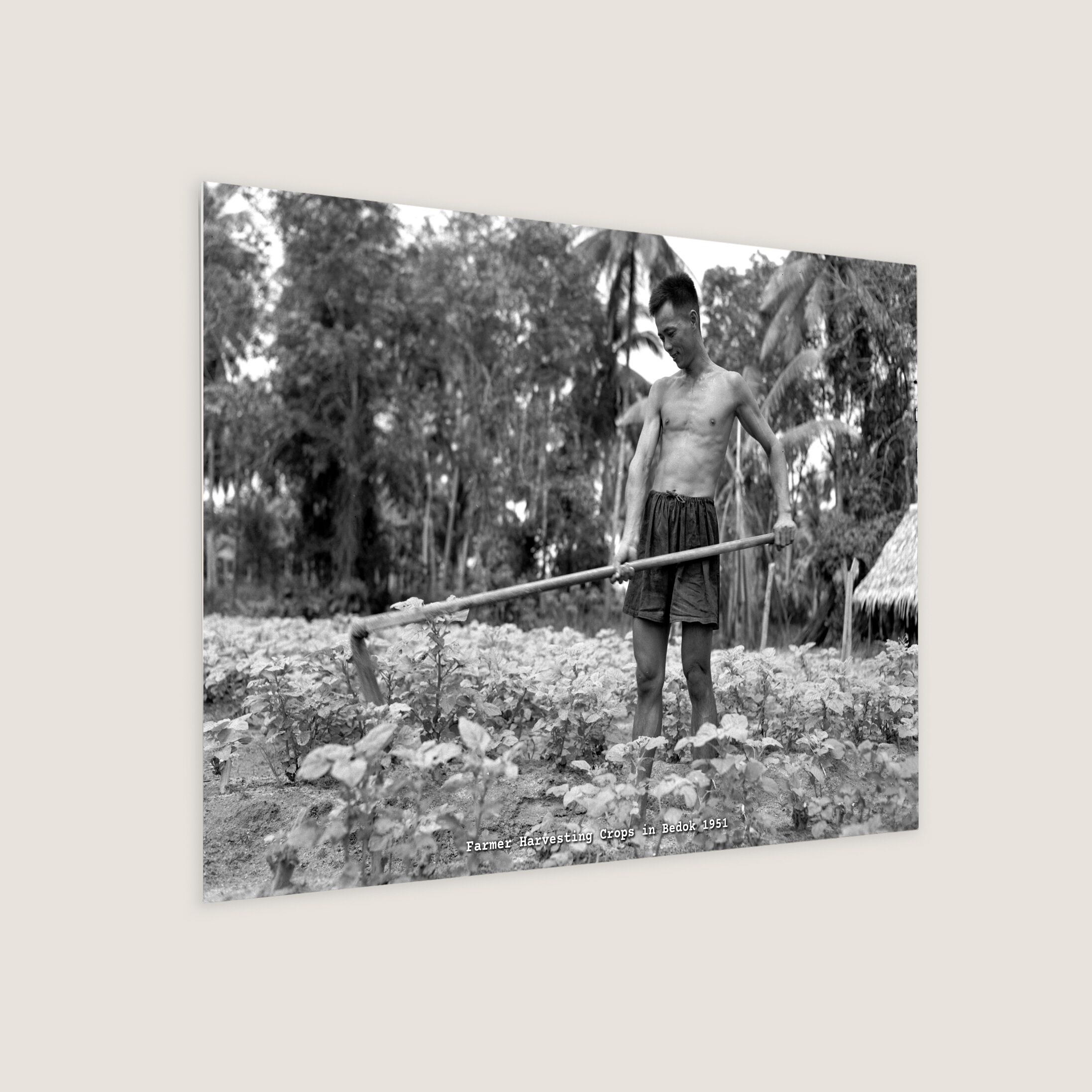
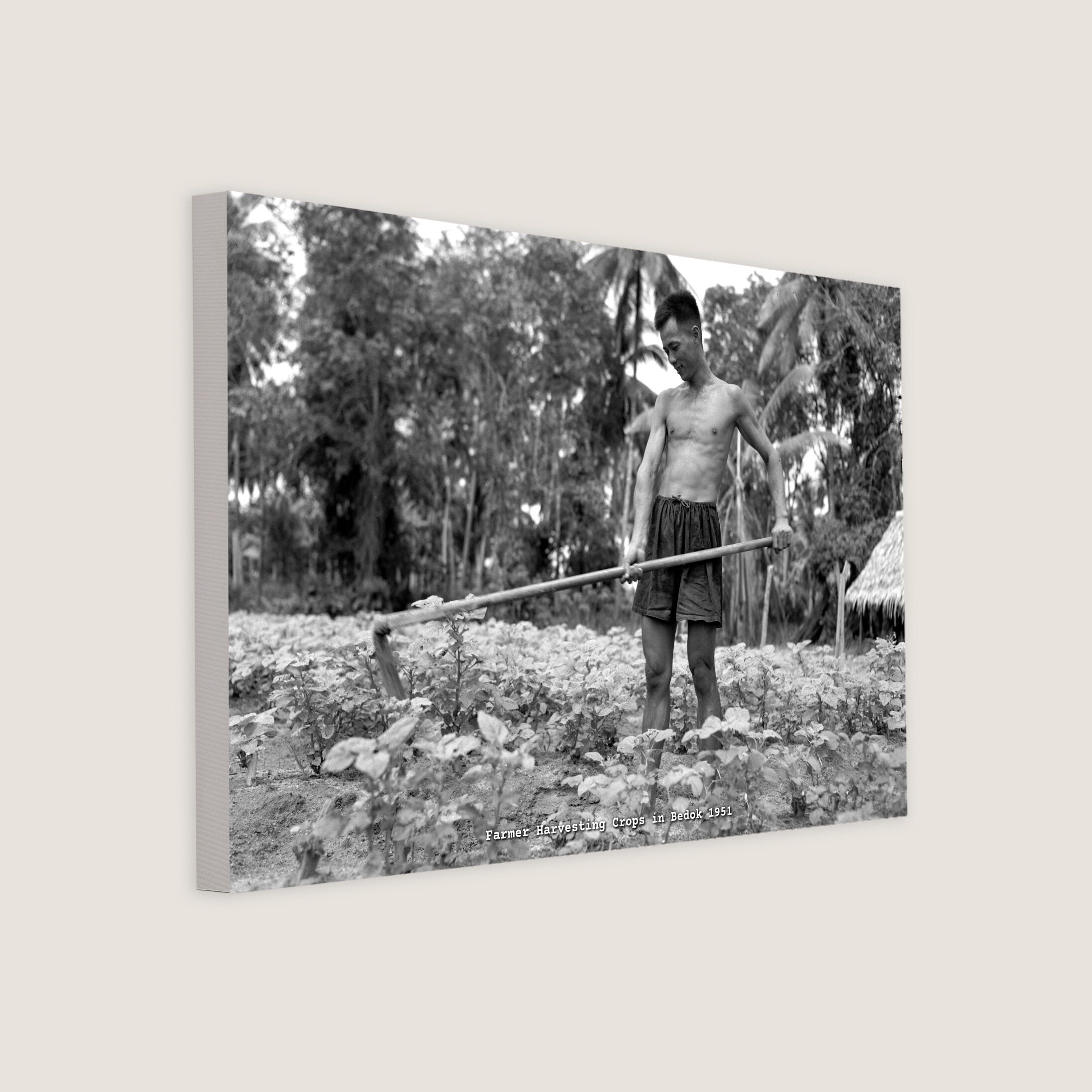
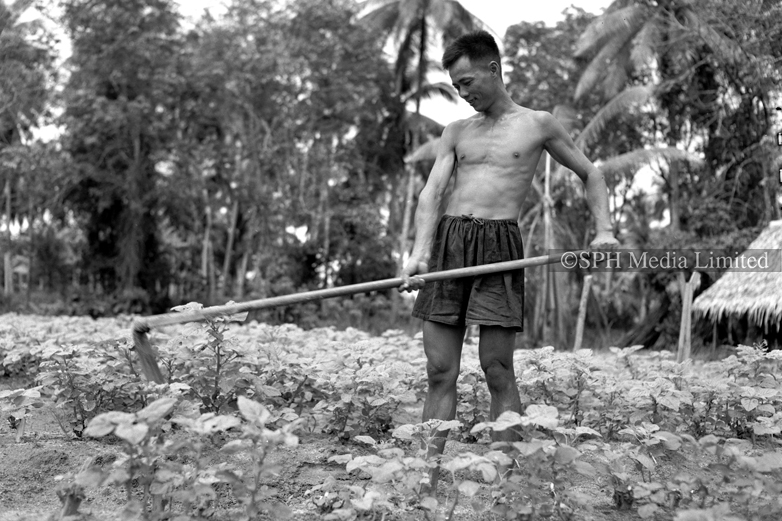 Farmer Harvesting Crops in Bedok
1951
Farmer Harvesting Crops in Bedok
1951
Farmer Harvesting Crops in Bedok
Year 1951
A farmer tending to his crops in Bedok area. The Singapore government resettled all farmers and redeveloped the land for the Paya Lebar airport project.
©️ SPH Media Limited
Share to
Tags
Available for print on products
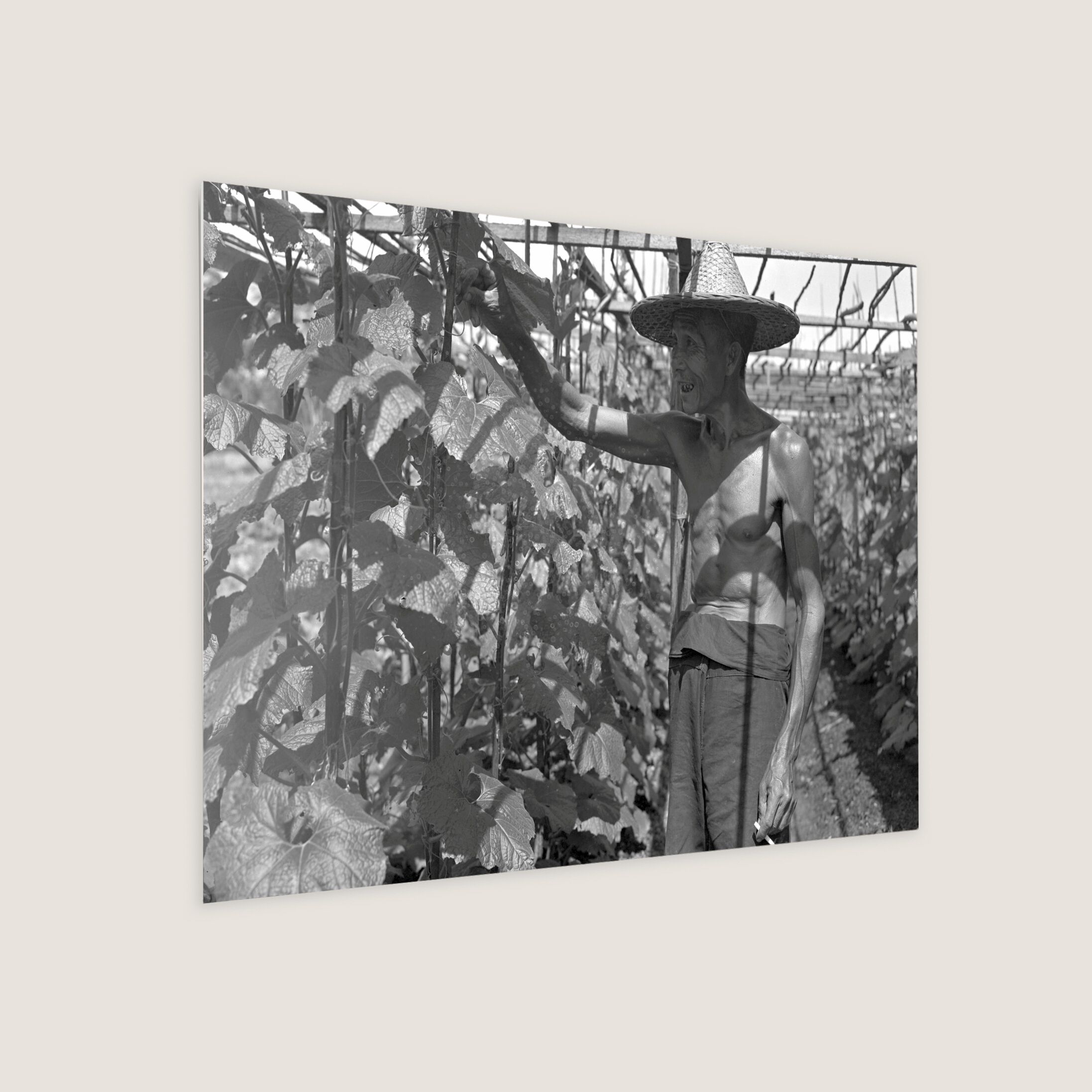
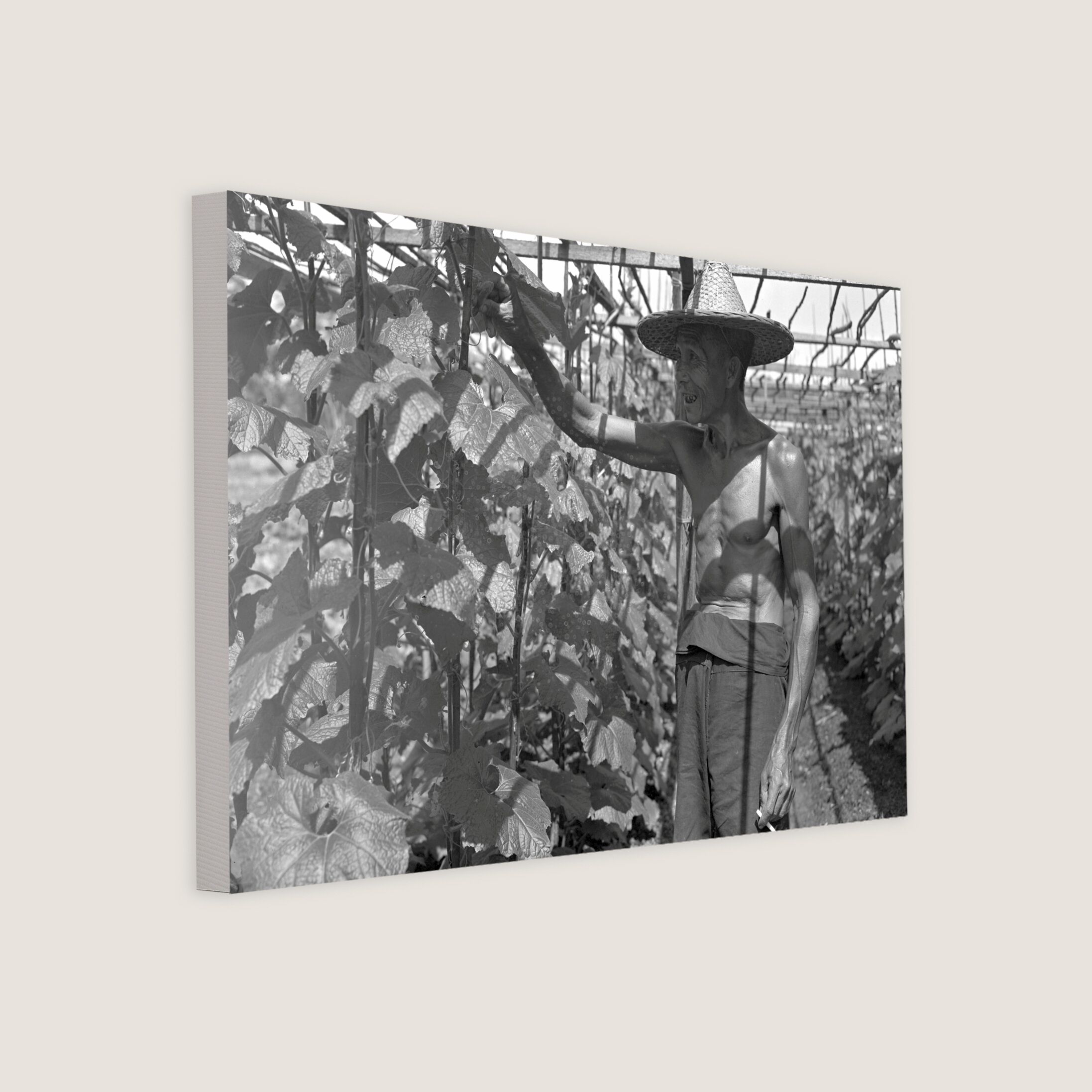
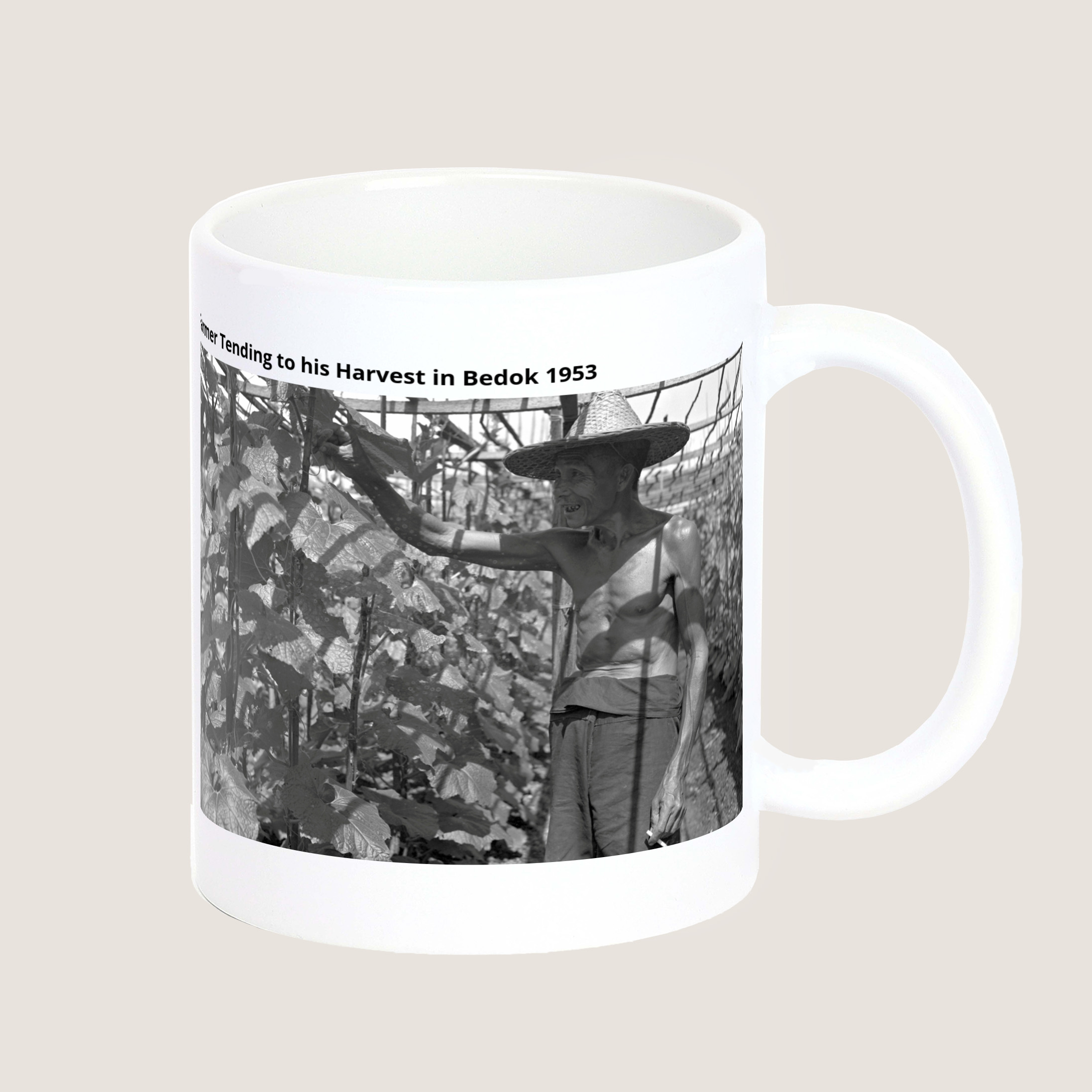
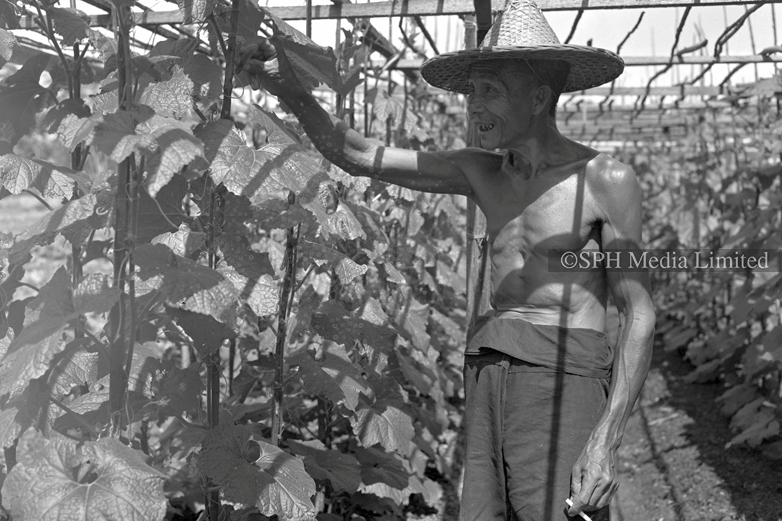 Farmer Tending to his Harvest in Bedok
1953
Farmer Tending to his Harvest in Bedok
1953
Farmer Tending to his Harvest in Bedok
Year 1953
A skinny and tanned farmer tending to his harvest. Farmers in Bedok eventually came under the resettlement scheme in 1953.
©️ SPH Media Limited
Share to
Tags
Available for print on products
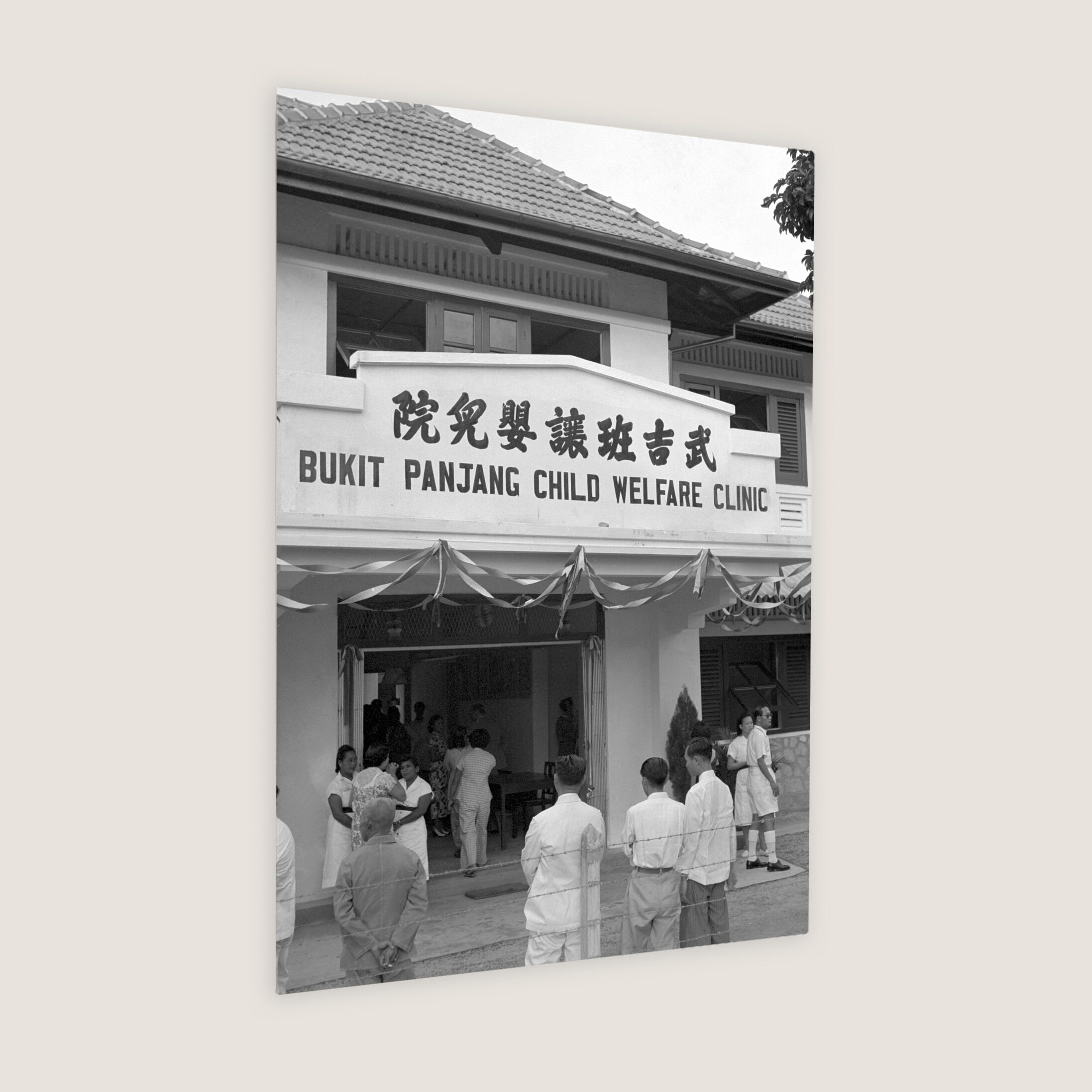
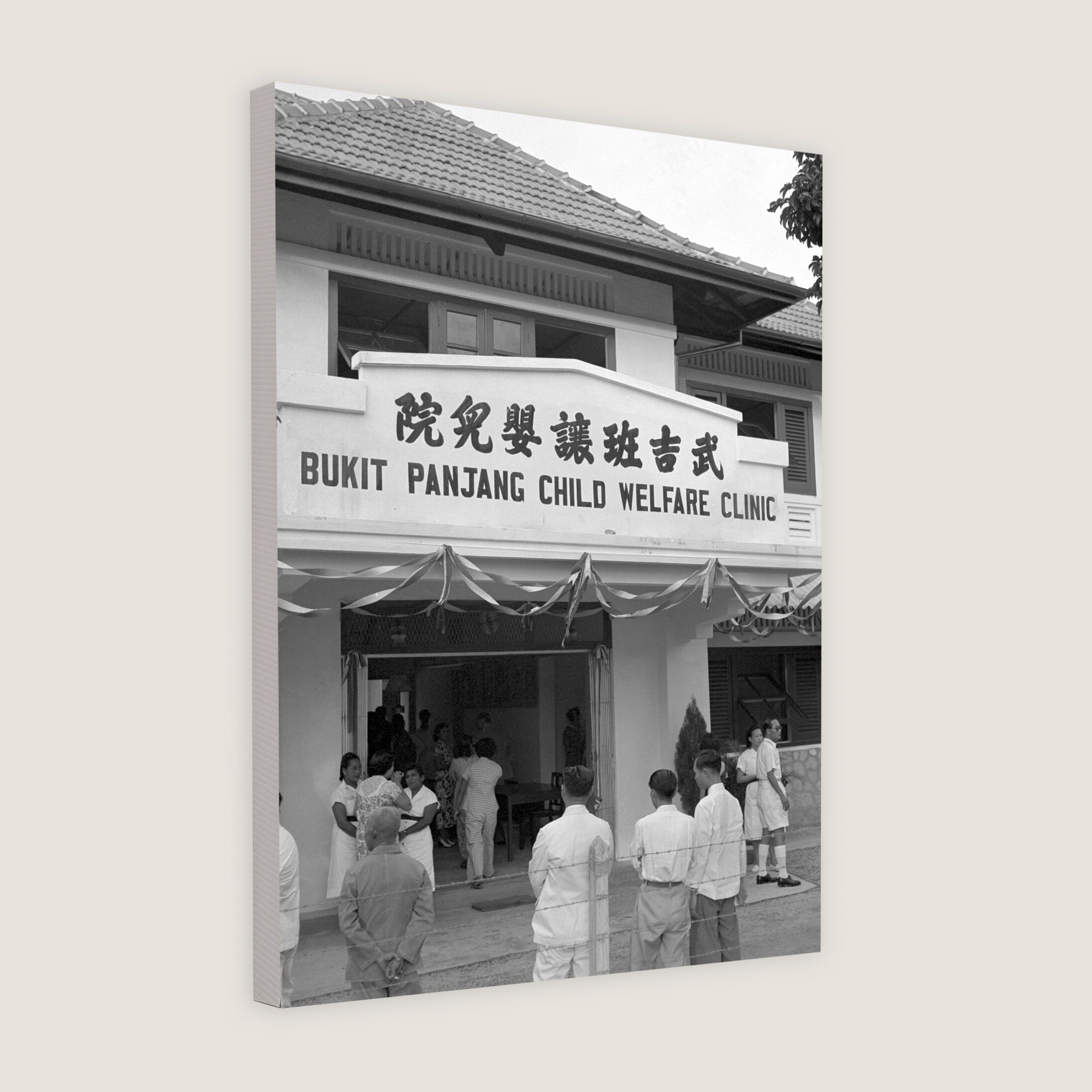
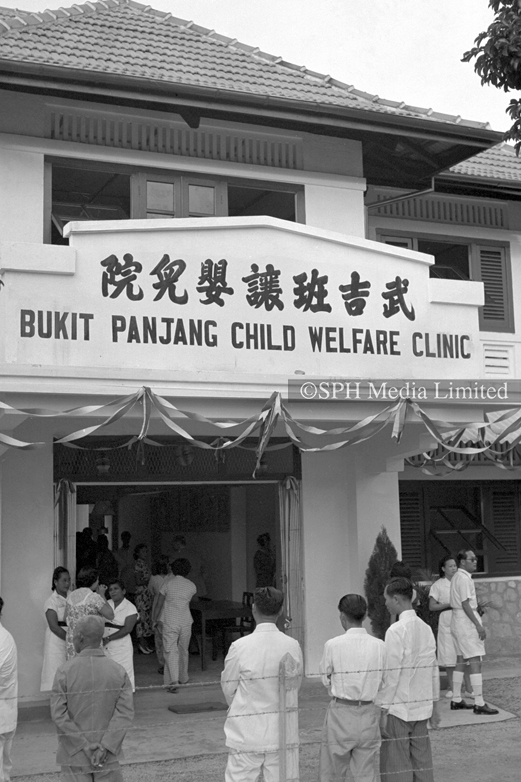 Bukit Panjang Child Welfare Clinic
1950
Bukit Panjang Child Welfare Clinic
1950
Bukit Panjang Child Welfare Clinic
Year 1950
Child Welfare Clinic at Bukit Panjang was located at Woodlands Road. After it ceased operation as a child welfare clinic, it became a children's learning centre (kindergarten) operated by a private company.
©️ SPH Media Limited
Share to
Tags
Available for print on products
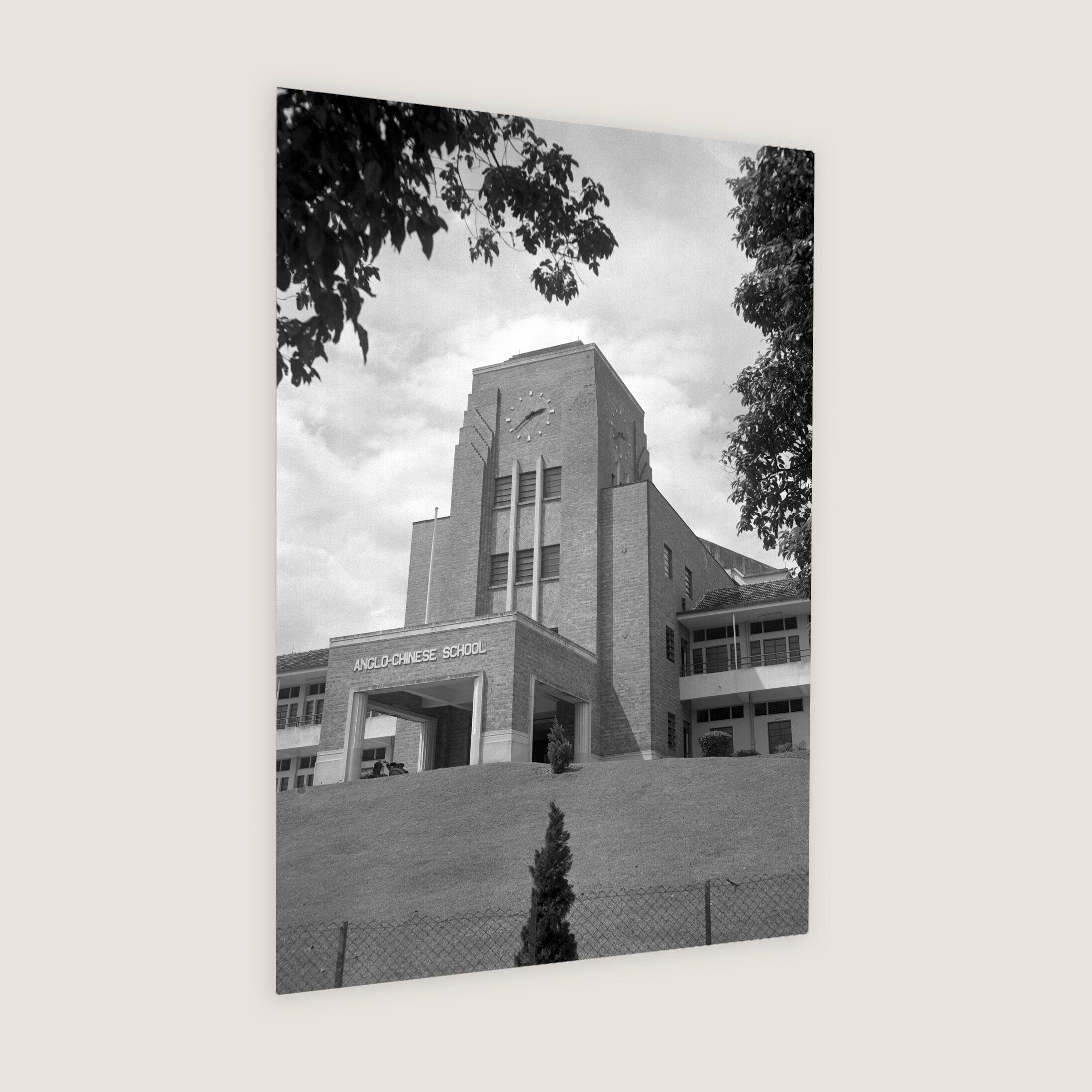
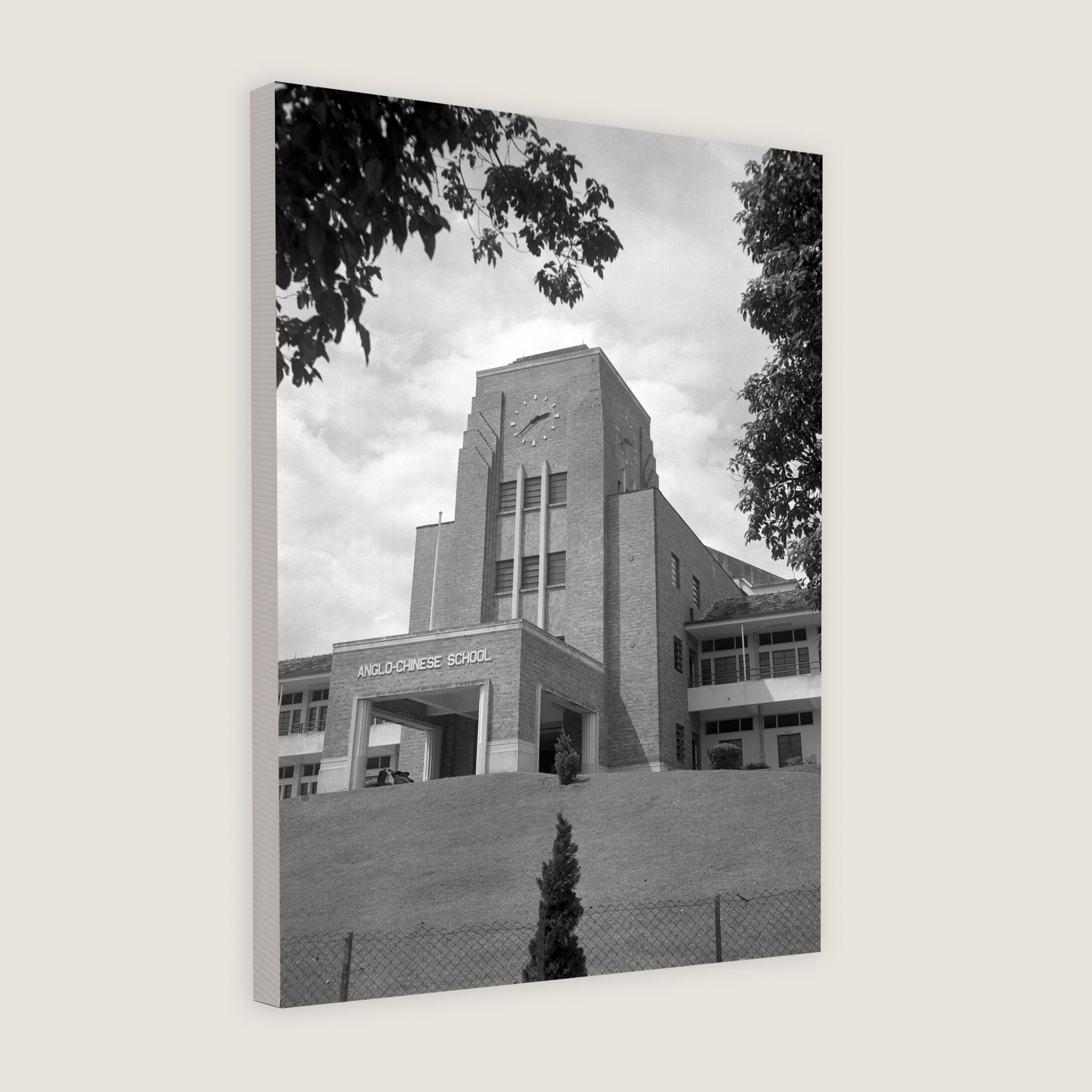
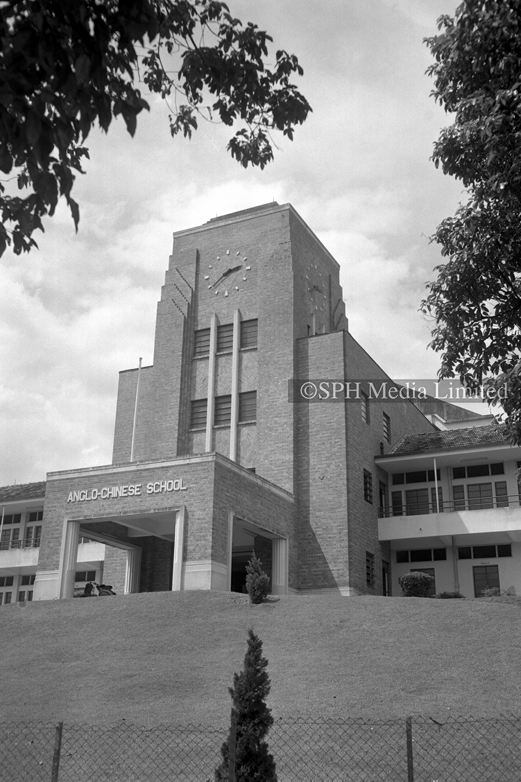 Anglo-Chinese High School at Barker Road Campus
1955
Anglo-Chinese High School at Barker Road Campus
1955
Anglo-Chinese High School at Barker Road Campus
Year 1955
This was the Barker Road campus for the Anglo-Chinese School in 1955. ACS became the first Methodist school to have a Board of Governors. This campus was catered to Secondary school and Primary school education.
©️ SPH Media Limited
Share to
Tags
Available for print on products
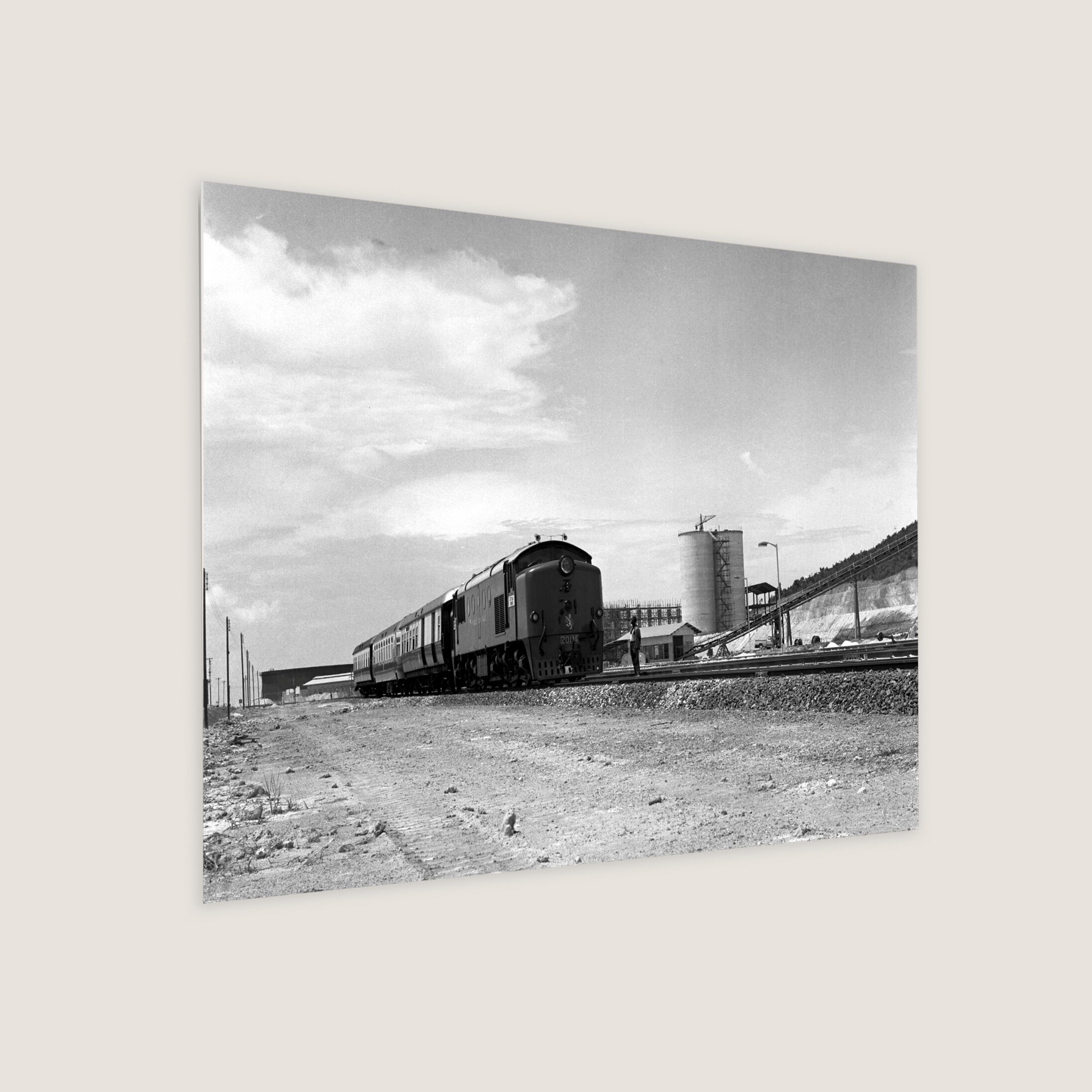
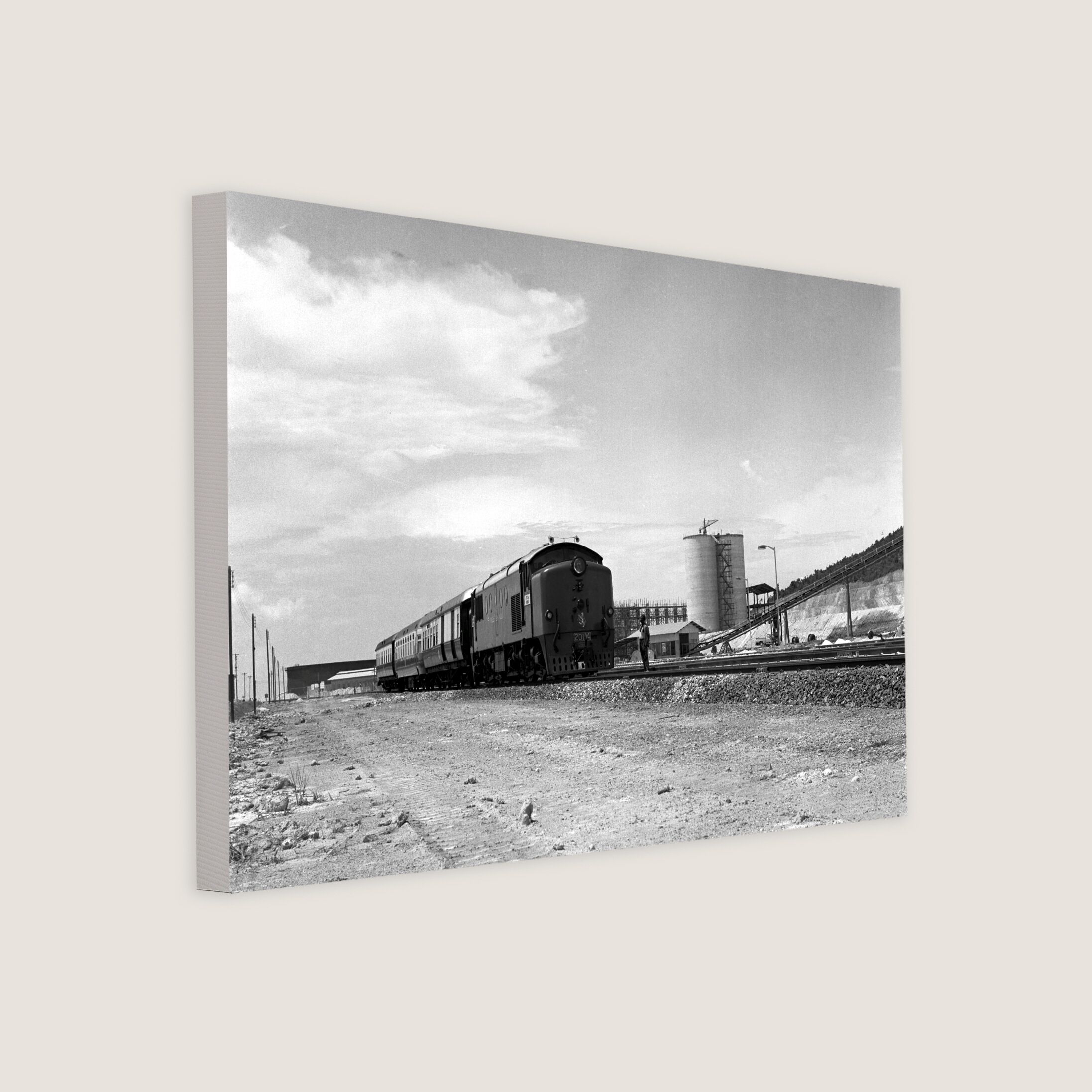
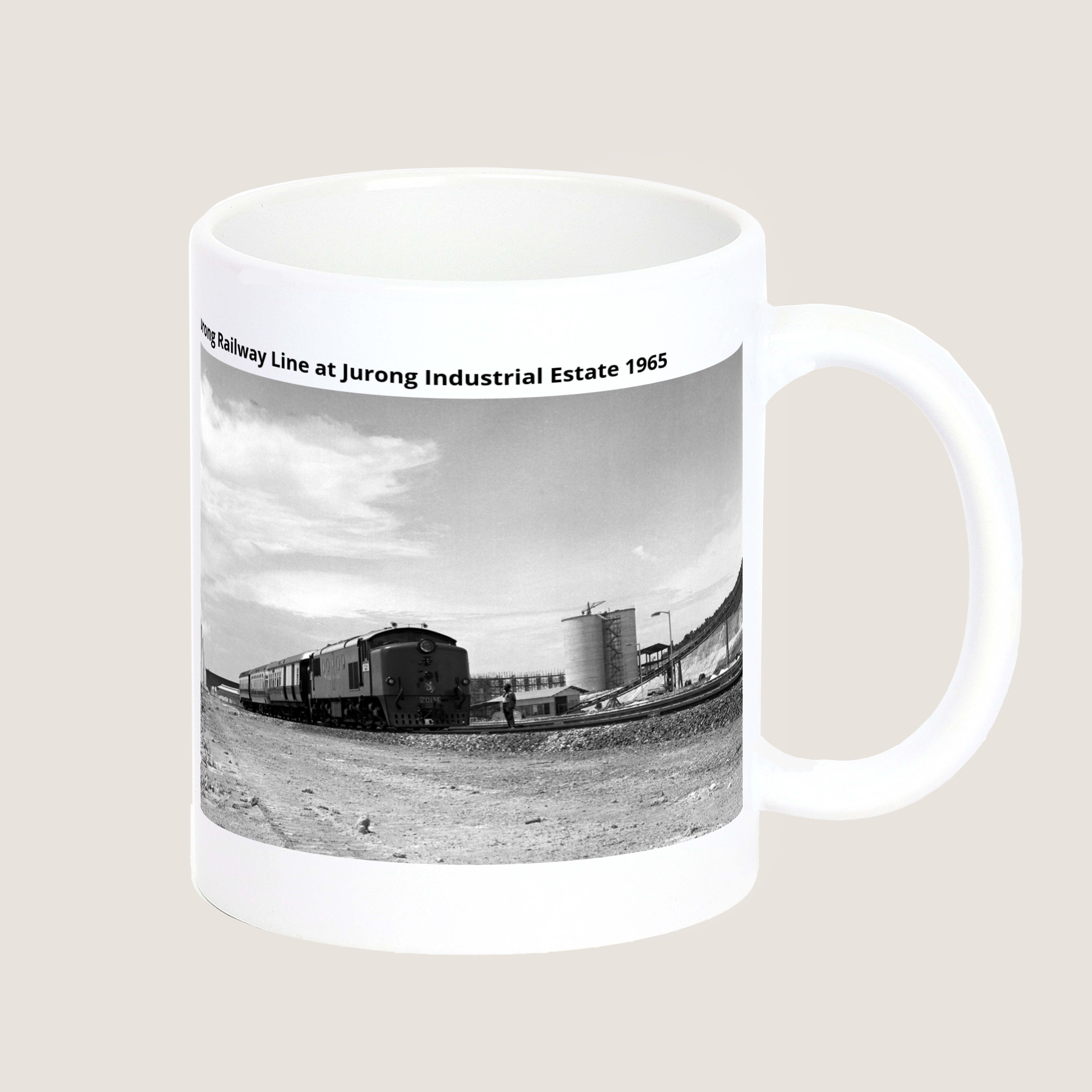
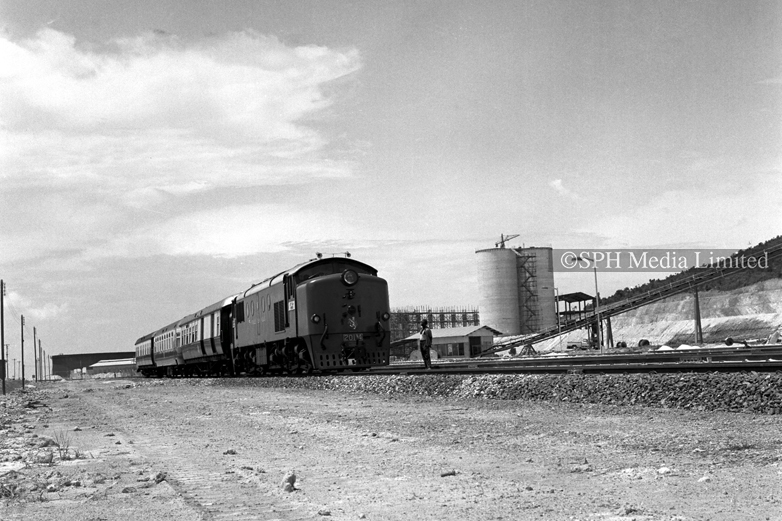 Jurong Railway Line at Jurong Industrial Estate
1965
Jurong Railway Line at Jurong Industrial Estate
1965
Jurong Railway Line at Jurong Industrial Estate
Year 1965
The railway system in Singapore was first built in 1903, running from Tank Road (River Valley) to Kranji. Its function was to transport passengers and goods to Malaya. In the 1960s, a 19km extension line was built from Bukit Timah into the Jurong Industrial Estate (pictured here). However, this line did not see extensive use and was abandoned in the 1990s.
©️ SPH Media Limited
Share to
Tags
Available for print on products
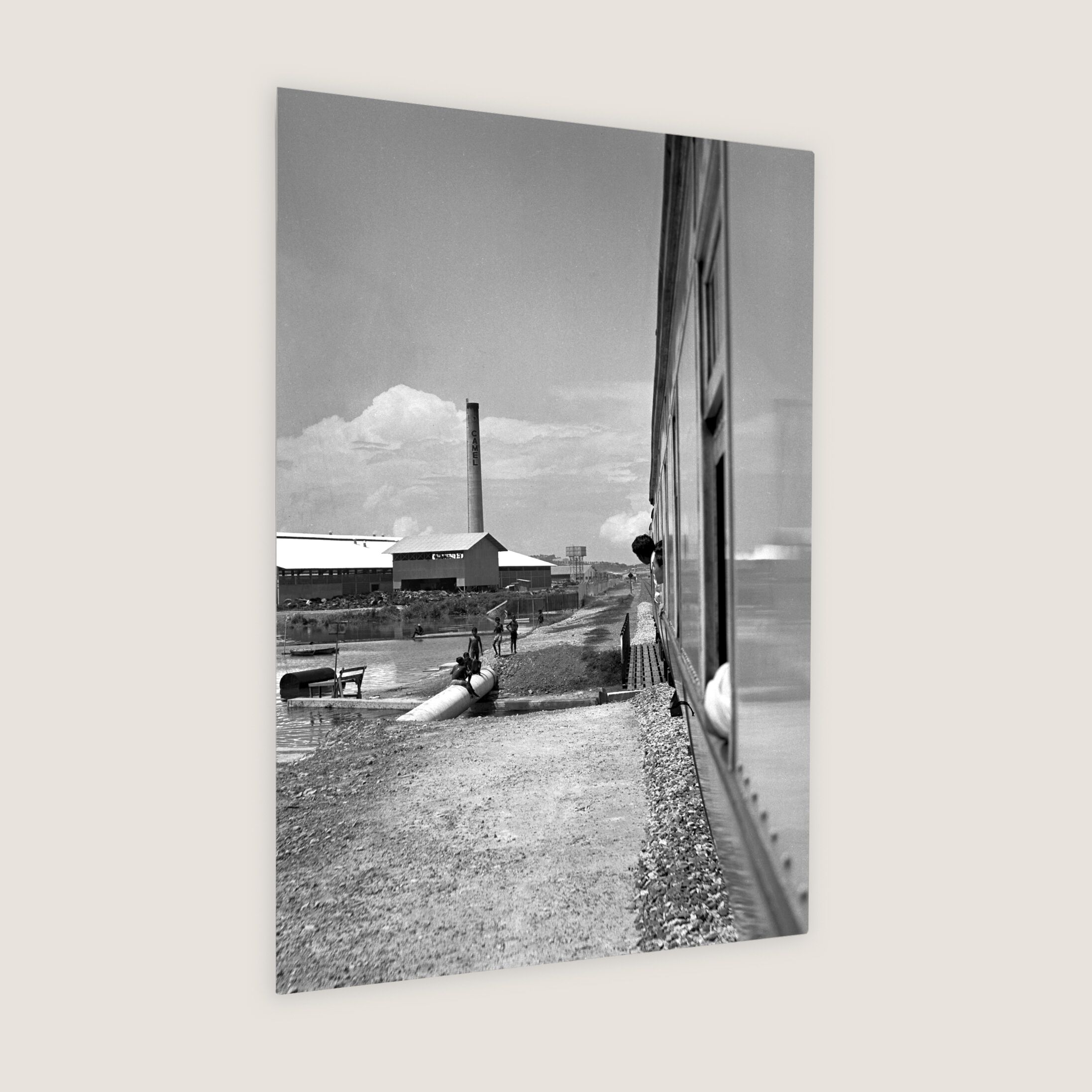
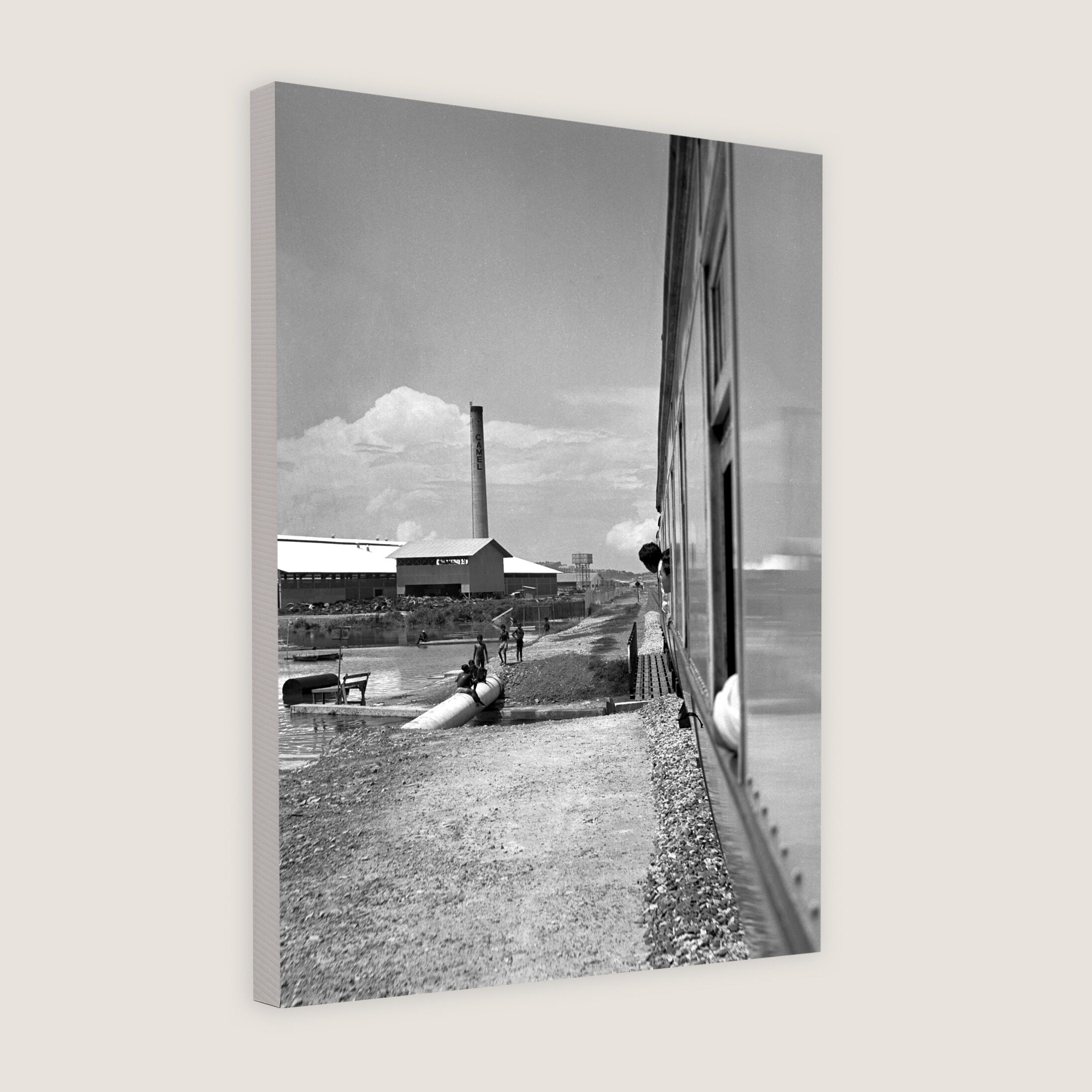
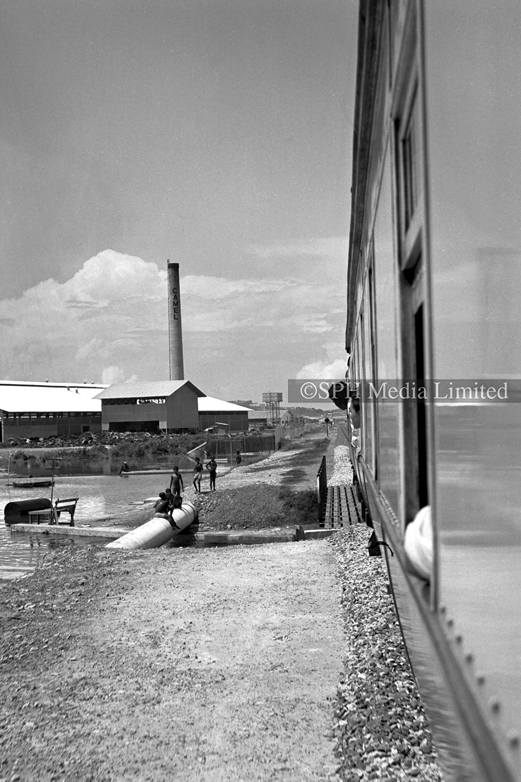 Along Jurong Railway Line
1965
Along Jurong Railway Line
1965
Along Jurong Railway Line
Year 1965
The completion of the railway line was a milestone in Singapore's industrialisation programme. This new railway was constructed in 1965 to serve the Jurong Industrial complex. It provided 12 miles of new tracks from Bukit Timah to the various parts of the Jurong Industrial Estate. The line eventually closed in the 1990s.
©️ SPH Media Limited
Share to
Tags
Available for print on products
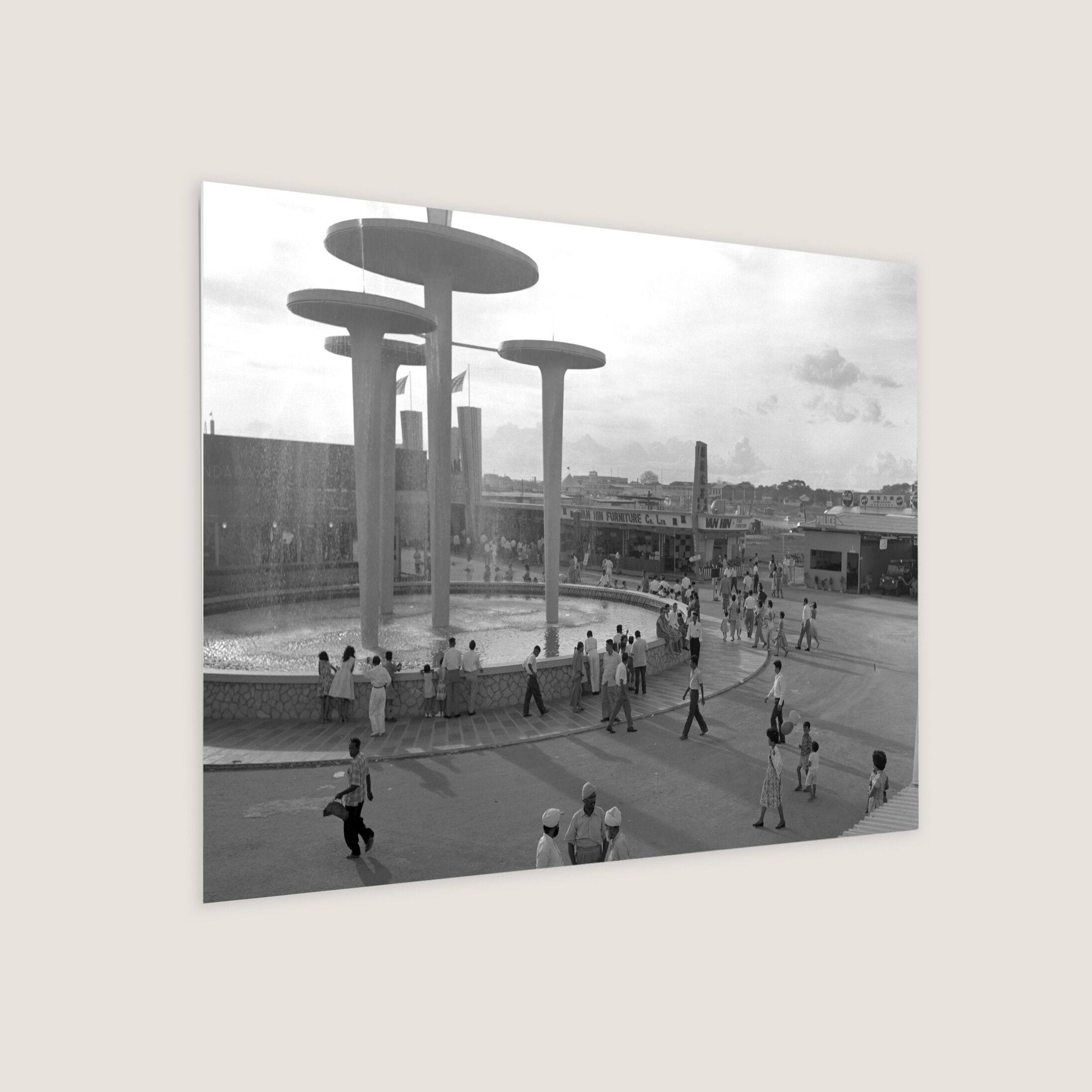
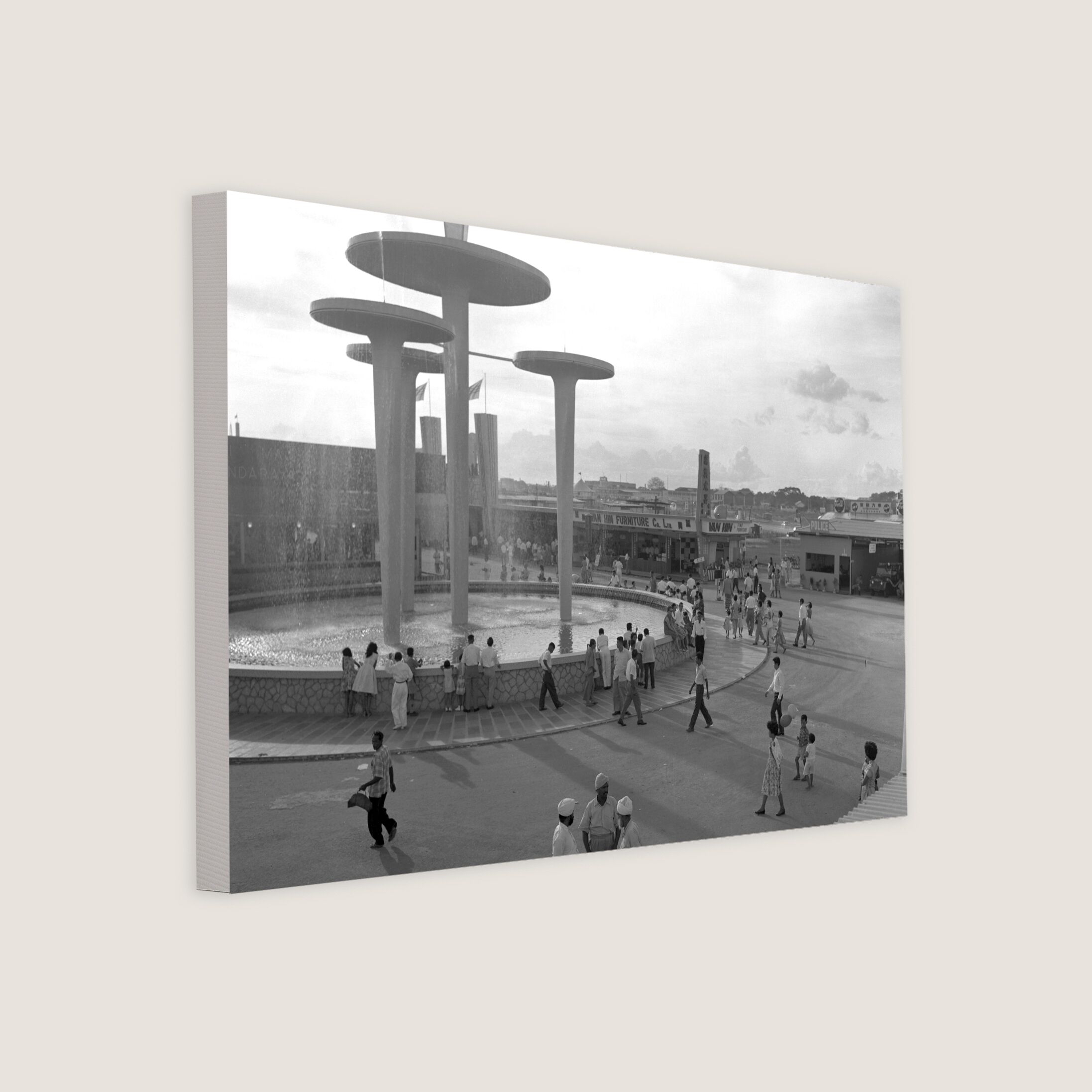
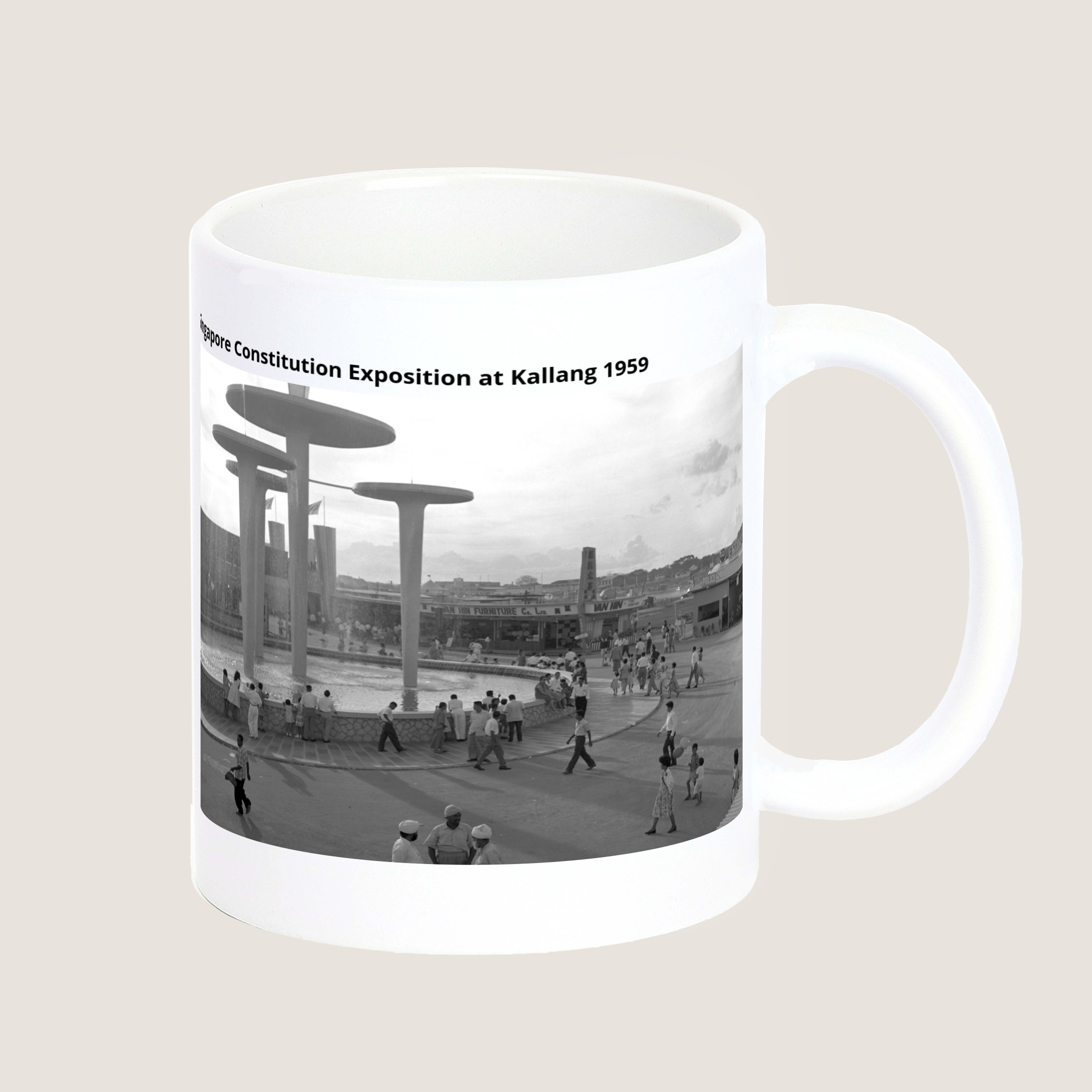
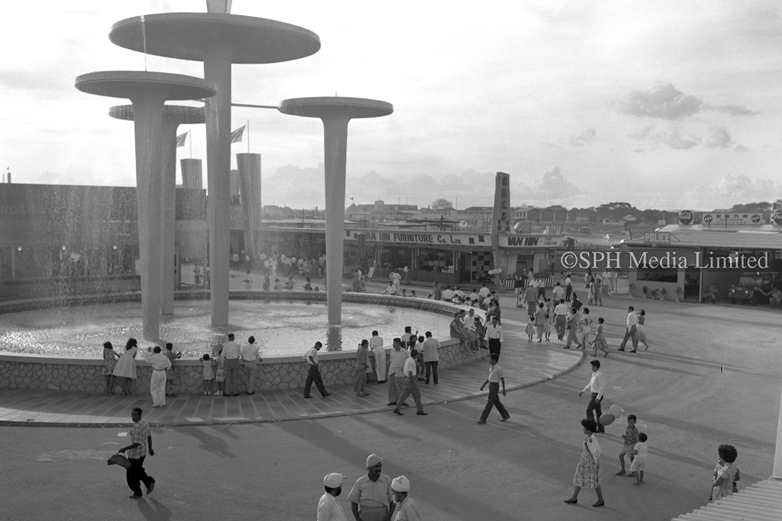 Singapore Constitution Exposition at Kallang
1959
Singapore Constitution Exposition at Kallang
1959
Singapore Constitution Exposition at Kallang
Year 1959
The Singapore Chinese Chamber of Commerce organised this exposition to celebrate Singapore's self-governance in 1959. This was a showcase of the local industrial and commercial activity and a celebration of the nation's achievements. It was held at the former Kallang Airport.
©️ SPH Media Limited
Share to
Tags
Available for print on products
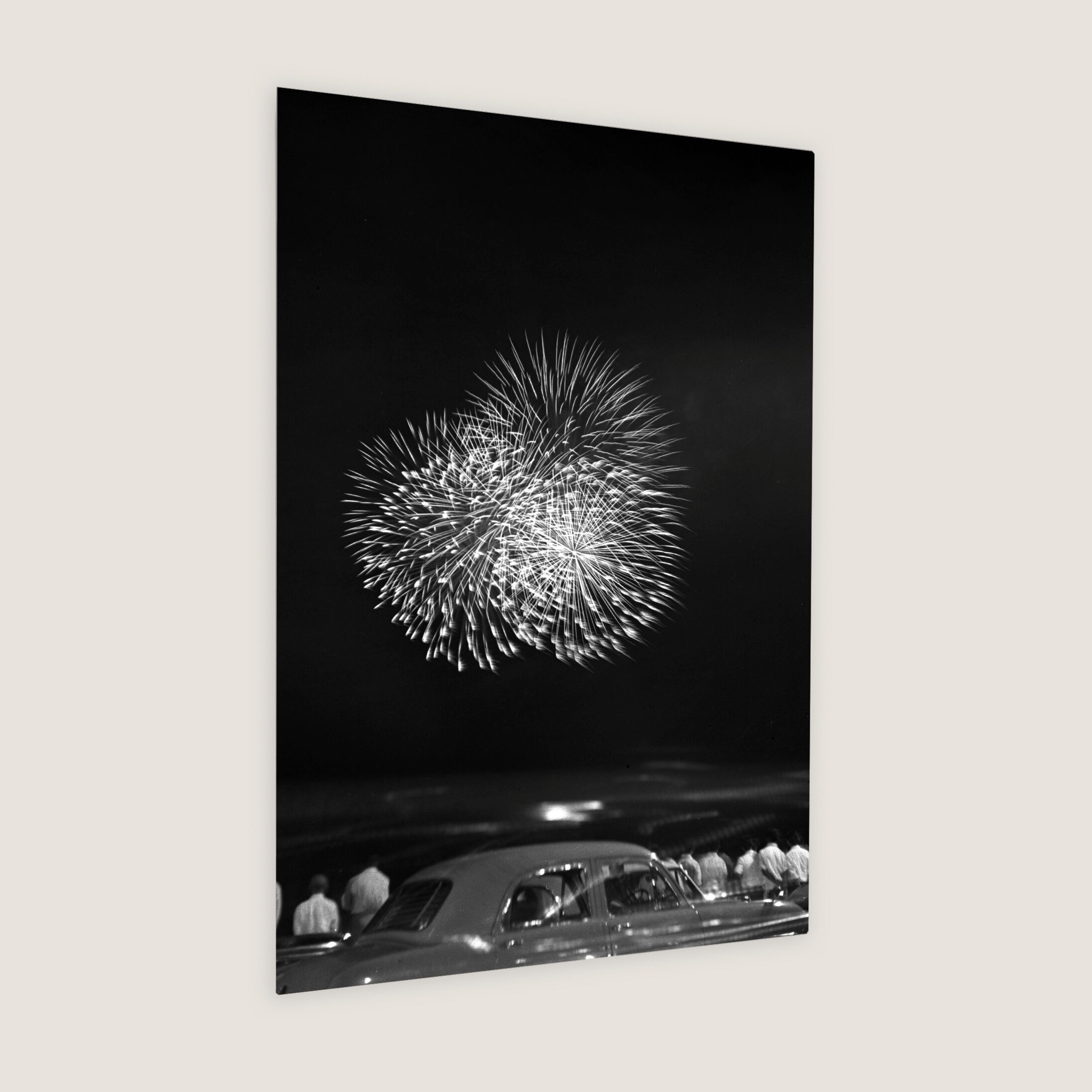
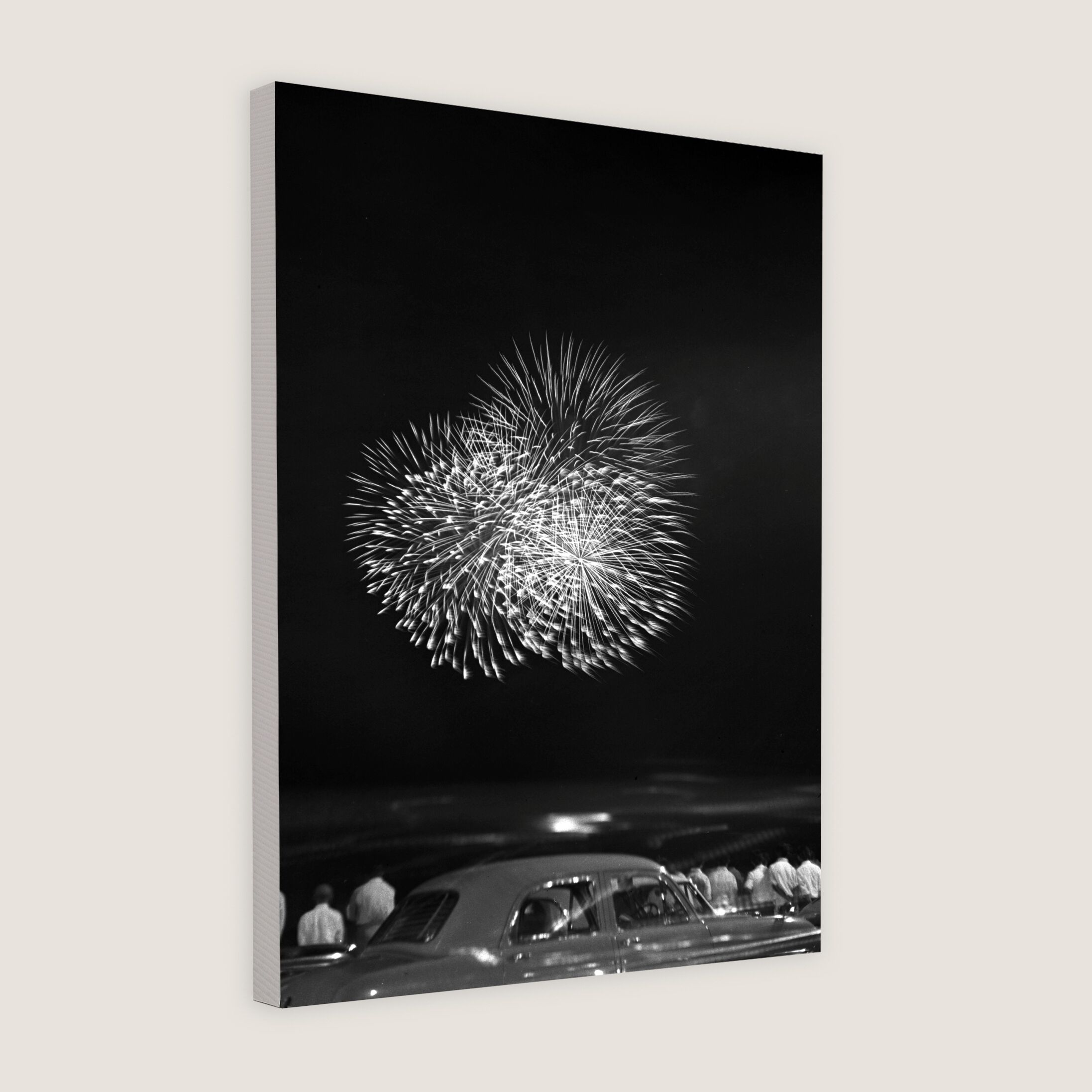
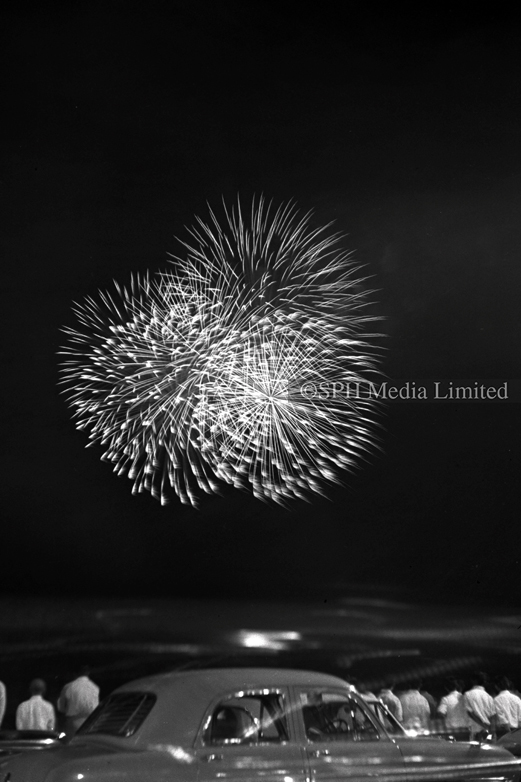 Merdeka Fireworks at Former Kallang Airport
1957
Merdeka Fireworks at Former Kallang Airport
1957
Merdeka Fireworks at Former Kallang Airport
Year 1957
A repeat of the Merdeka fireworks display in Kuala Lumpur was given in Singapore. It was held by the Japan Club at the old Kallang airport starting at 9.30 p.m. and it was visible from many parts of the island.
©️ SPH Media Limited
Share to
Tags
Available for print on products
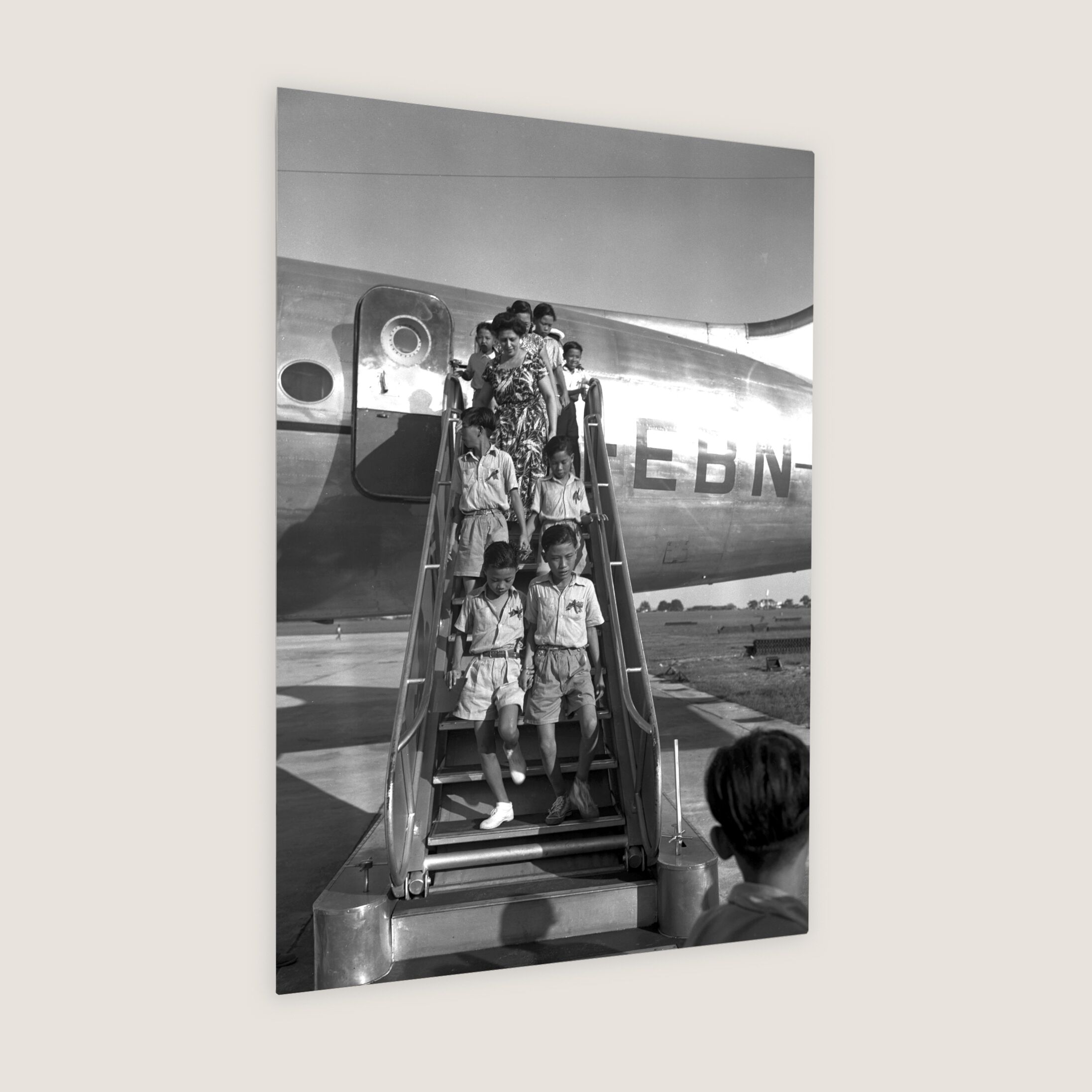
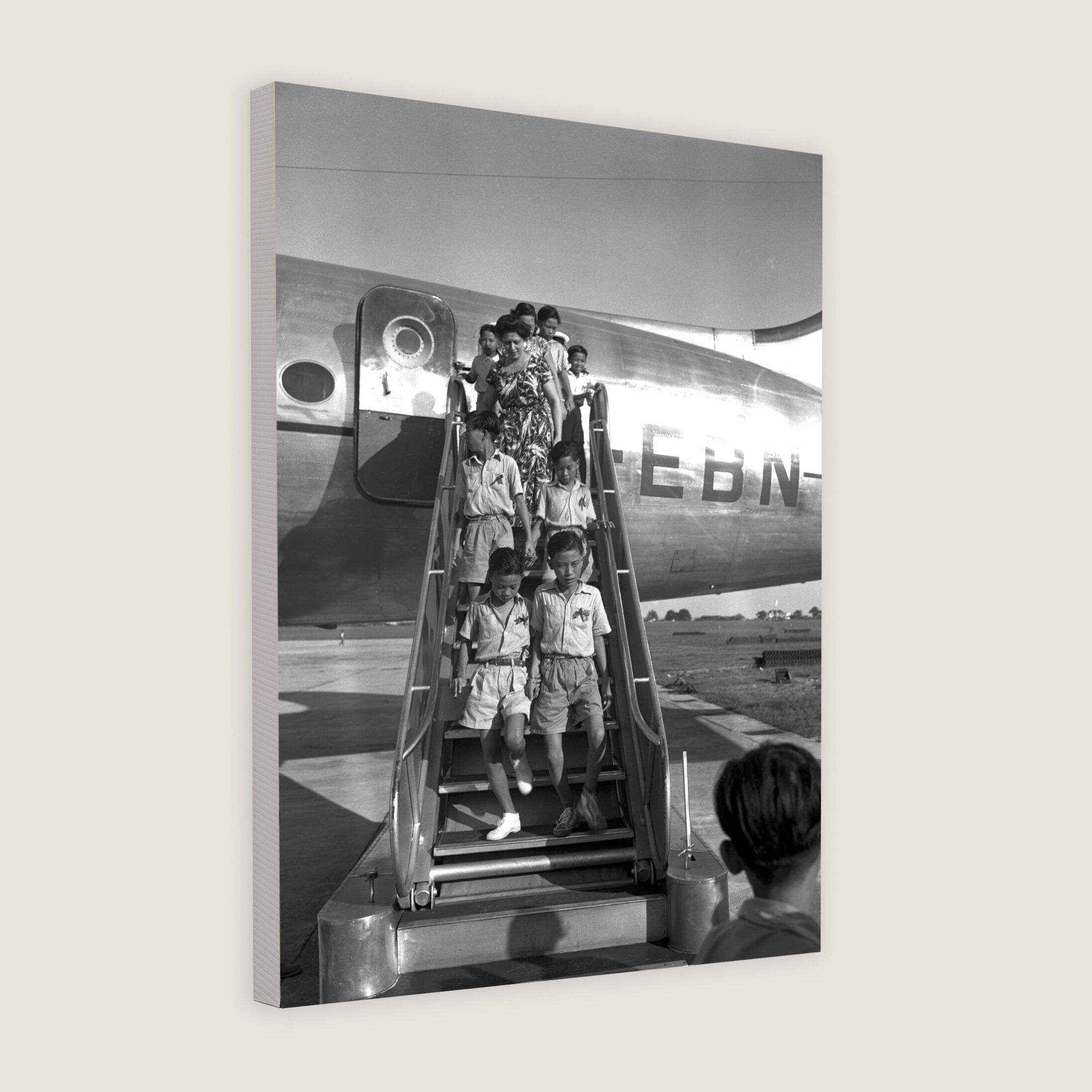
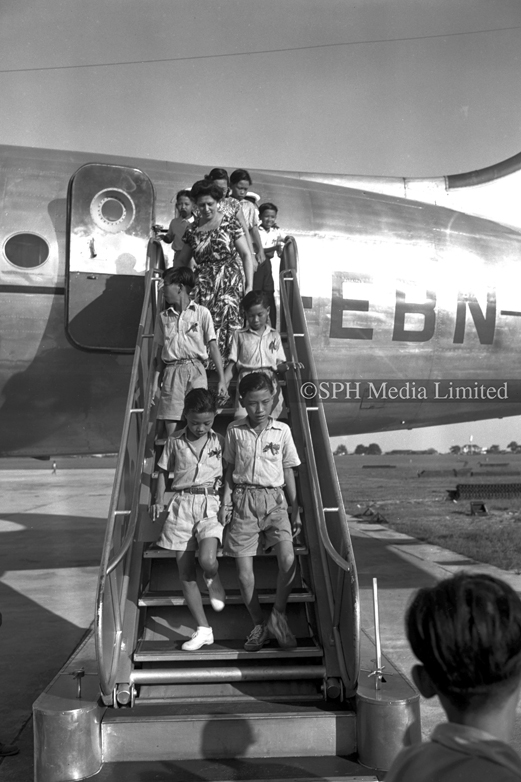 Children Take a Joyride on Qantas Skymaster Plane
1950
Children Take a Joyride on Qantas Skymaster Plane
1950
Children Take a Joyride on Qantas Skymaster Plane
Year 1950
Children from four different children's social welfare centres in Singapore were flown for a joyride from Tengah airfield to Kallang in a Qantas Skymaster, on 21 July 1950. Children Social Centres catered to children up to the age of 14 who did not have the opportunity to attend school.
©️ SPH Media Limited
Share to
Tags
Available for print on products
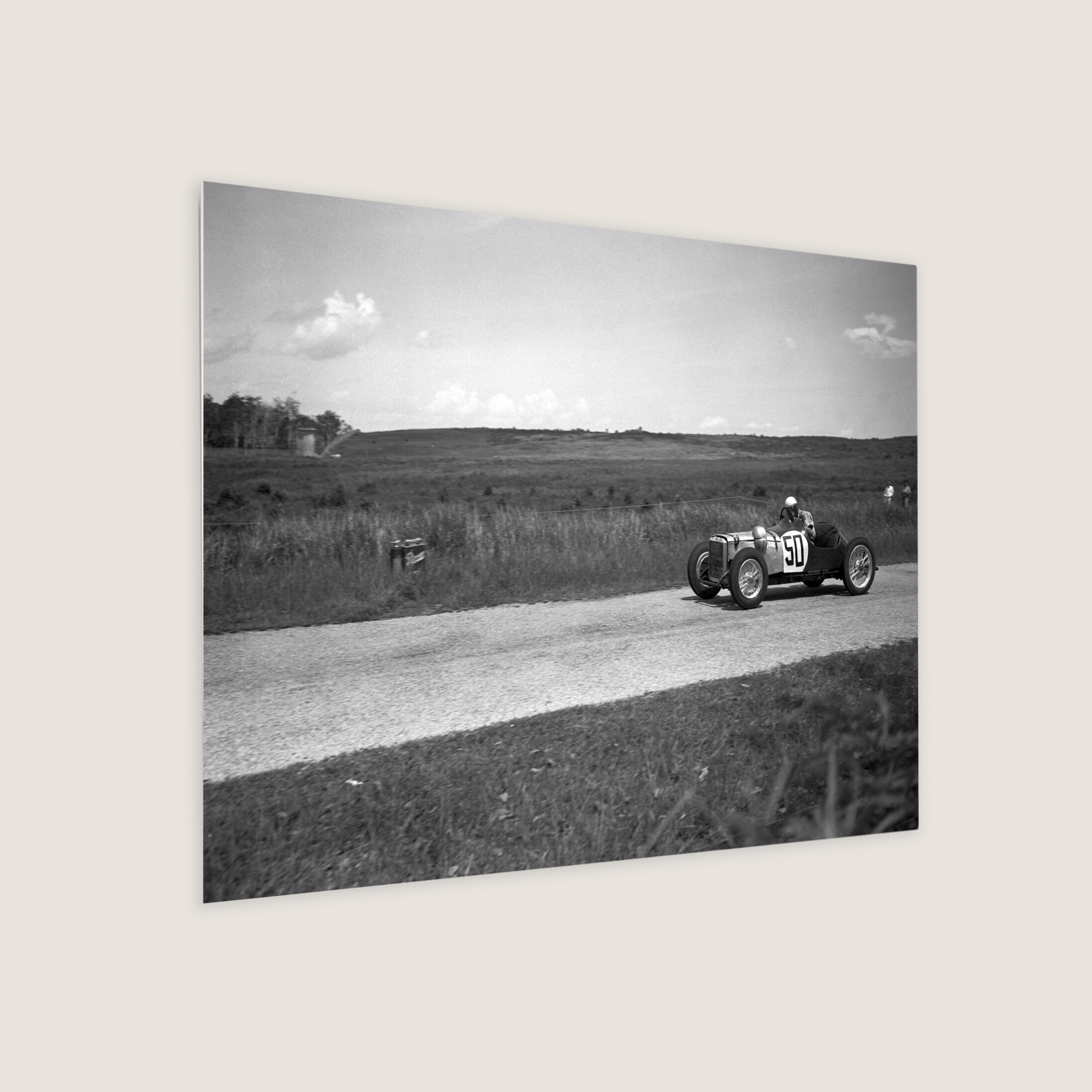
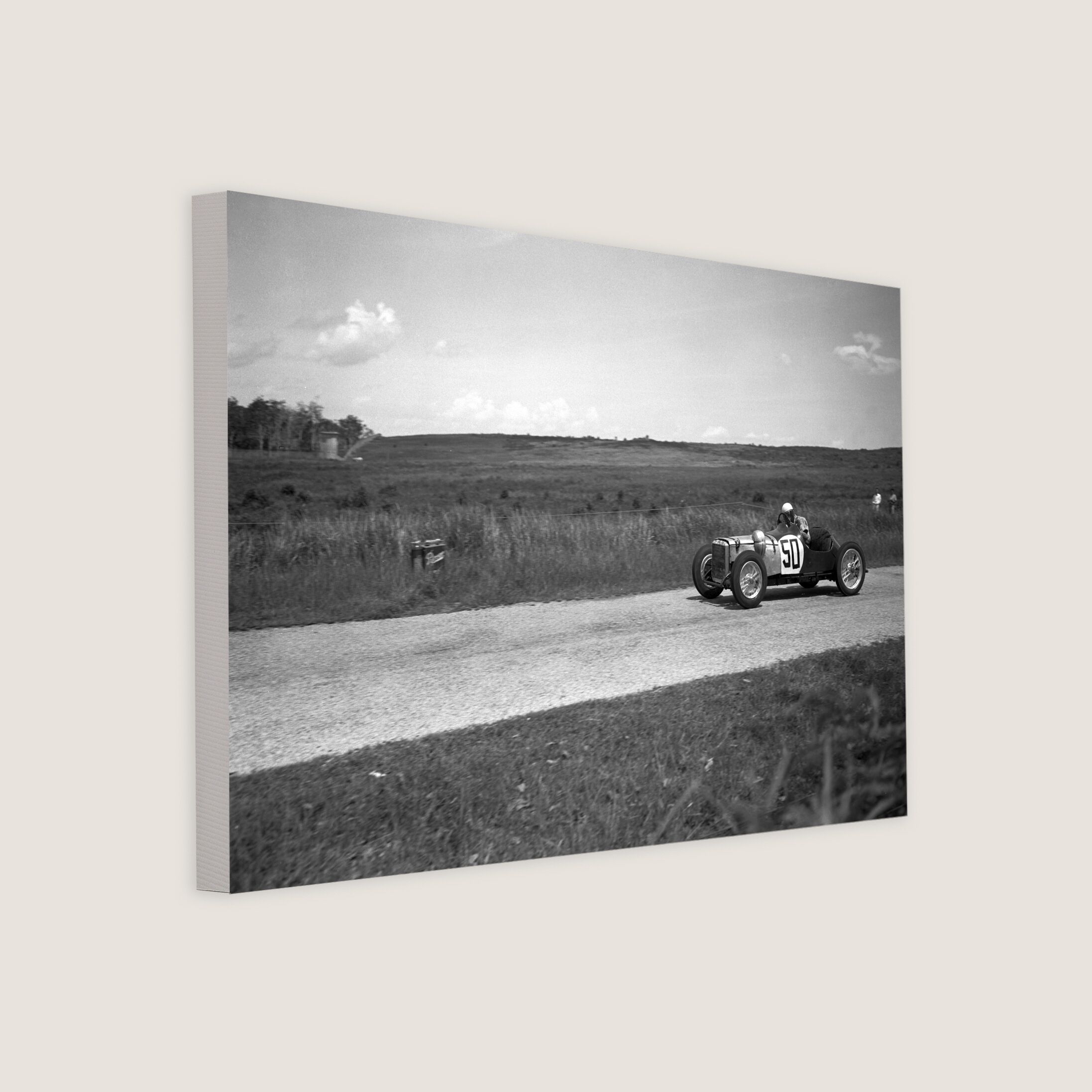
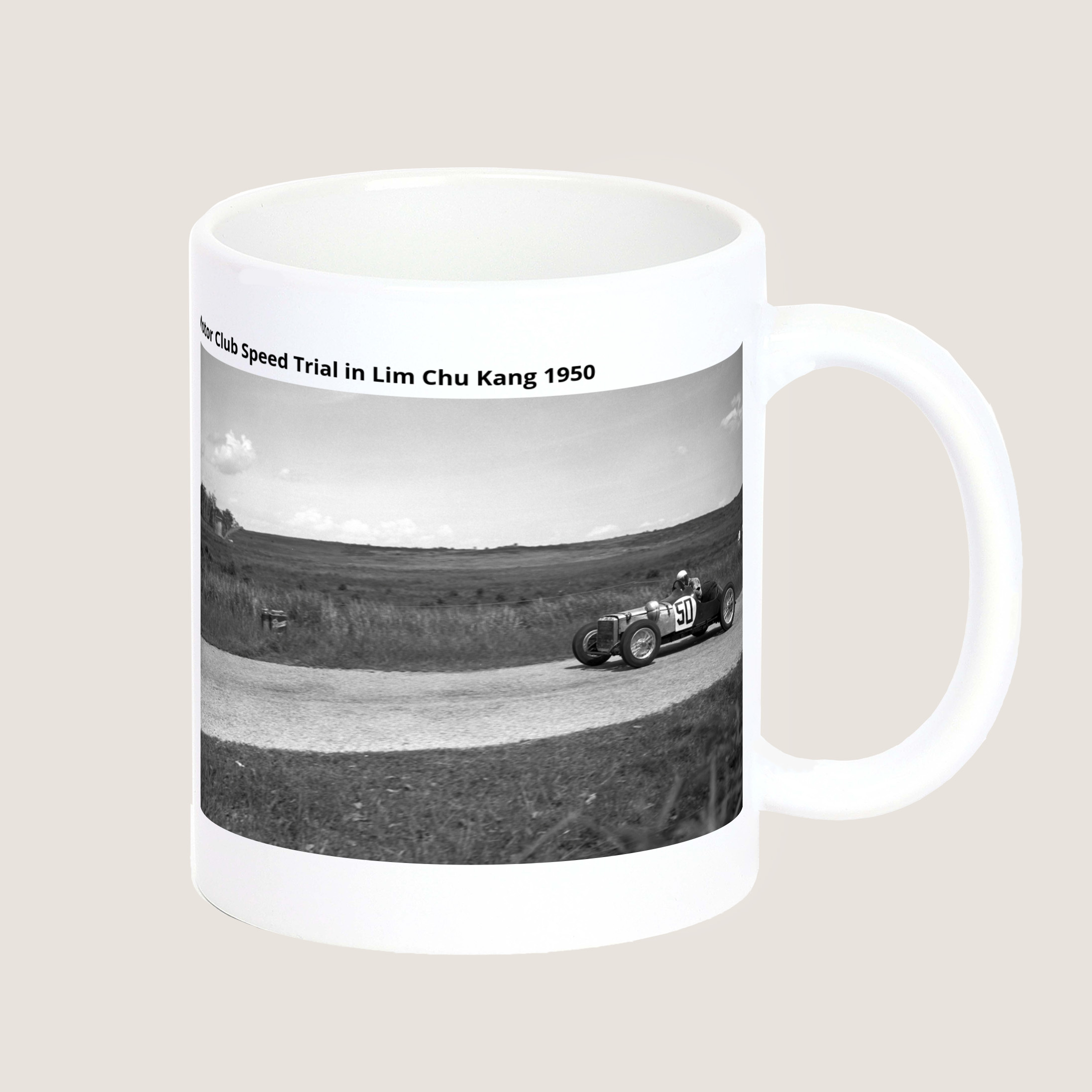
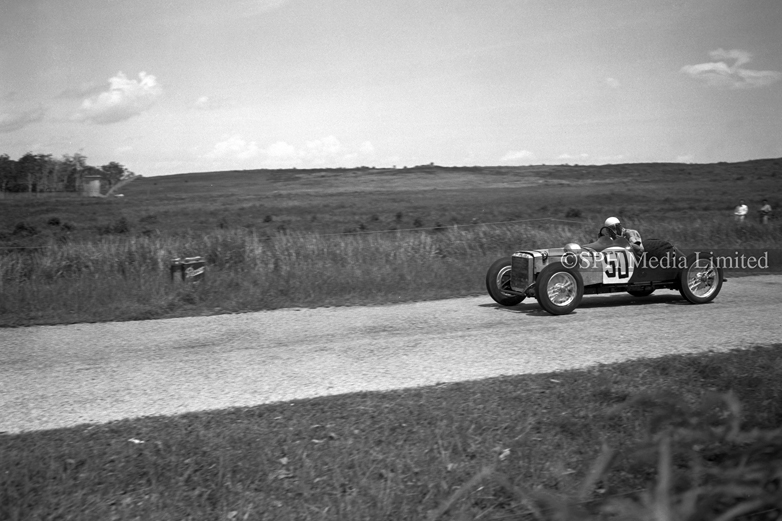 Motor Club Speed Trial in Lim Chu Kang
1950
Motor Club Speed Trial in Lim Chu Kang
1950
Motor Club Speed Trial in Lim Chu Kang
Year 1950
Formed on 25 February 1948 at a meeting at the Adelphi Hotel in Singapore, the Singapore Motor Club (SMC) was the first motor sports club independent of the Automobile Association of Malaysia to be formed. Its first committee comprised prominent figures from Malaysia and Singapore. The Club had a speed trial held at Lim Chu Kang Road.
©️ SPH Media Limited
Share to
Tags
Available for print on products
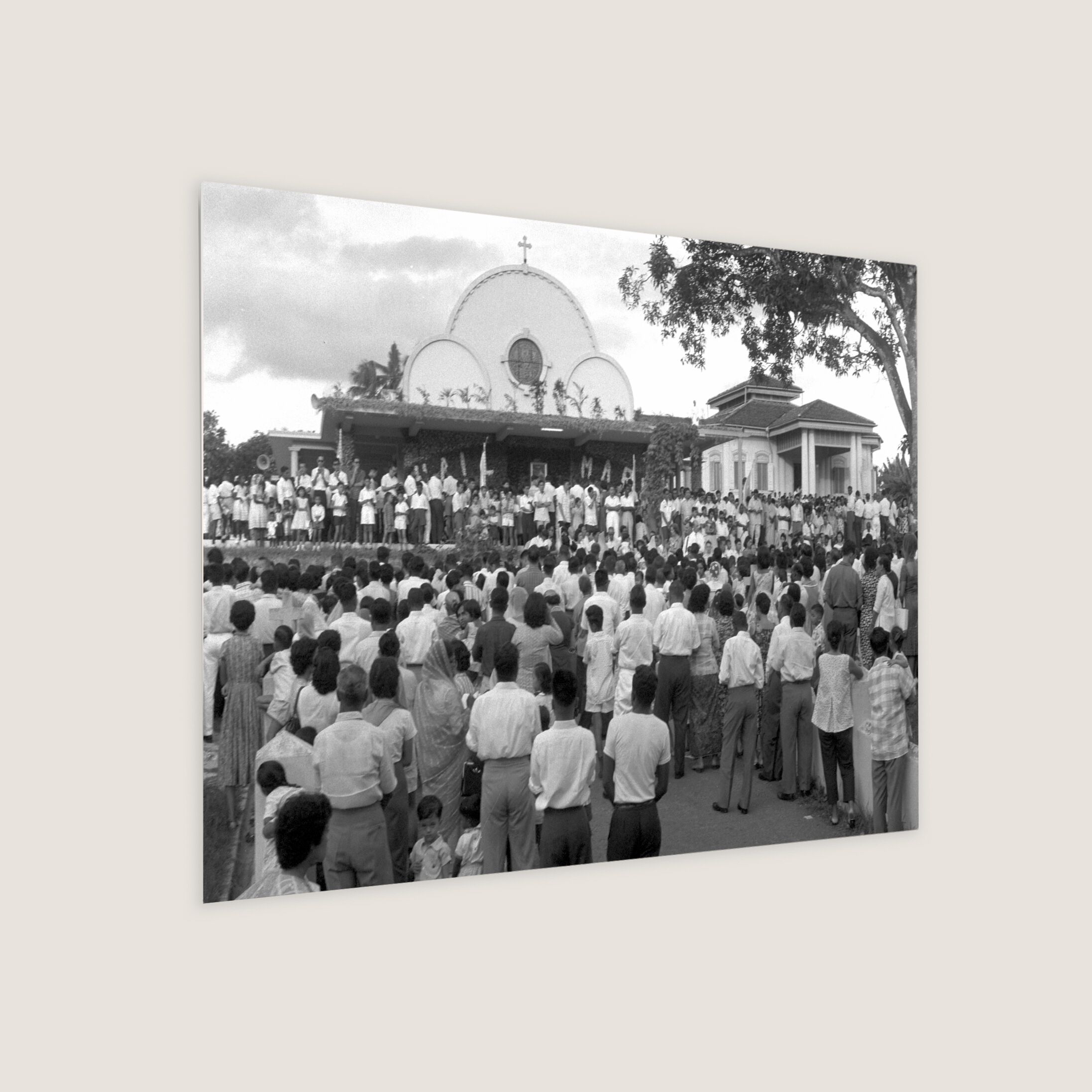
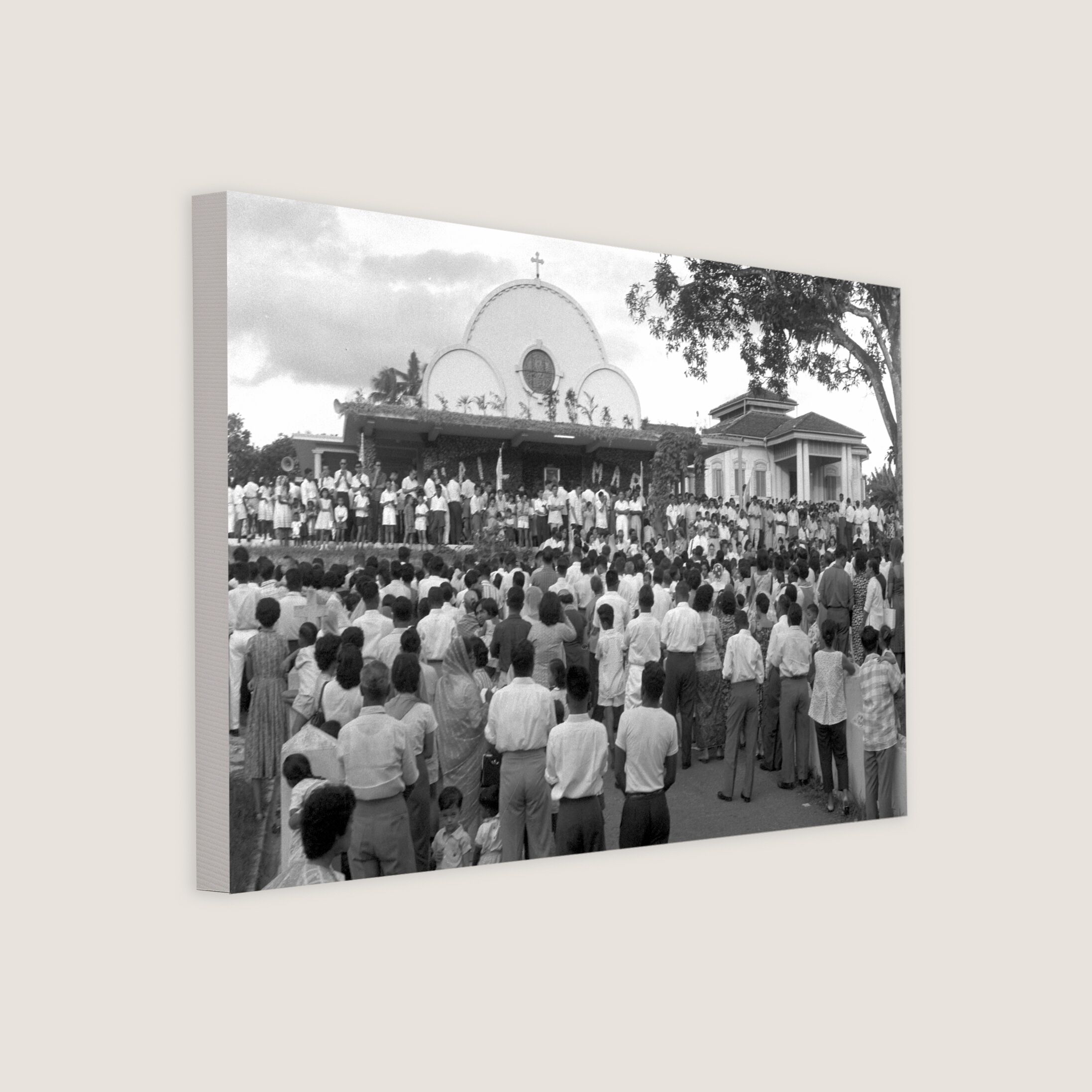
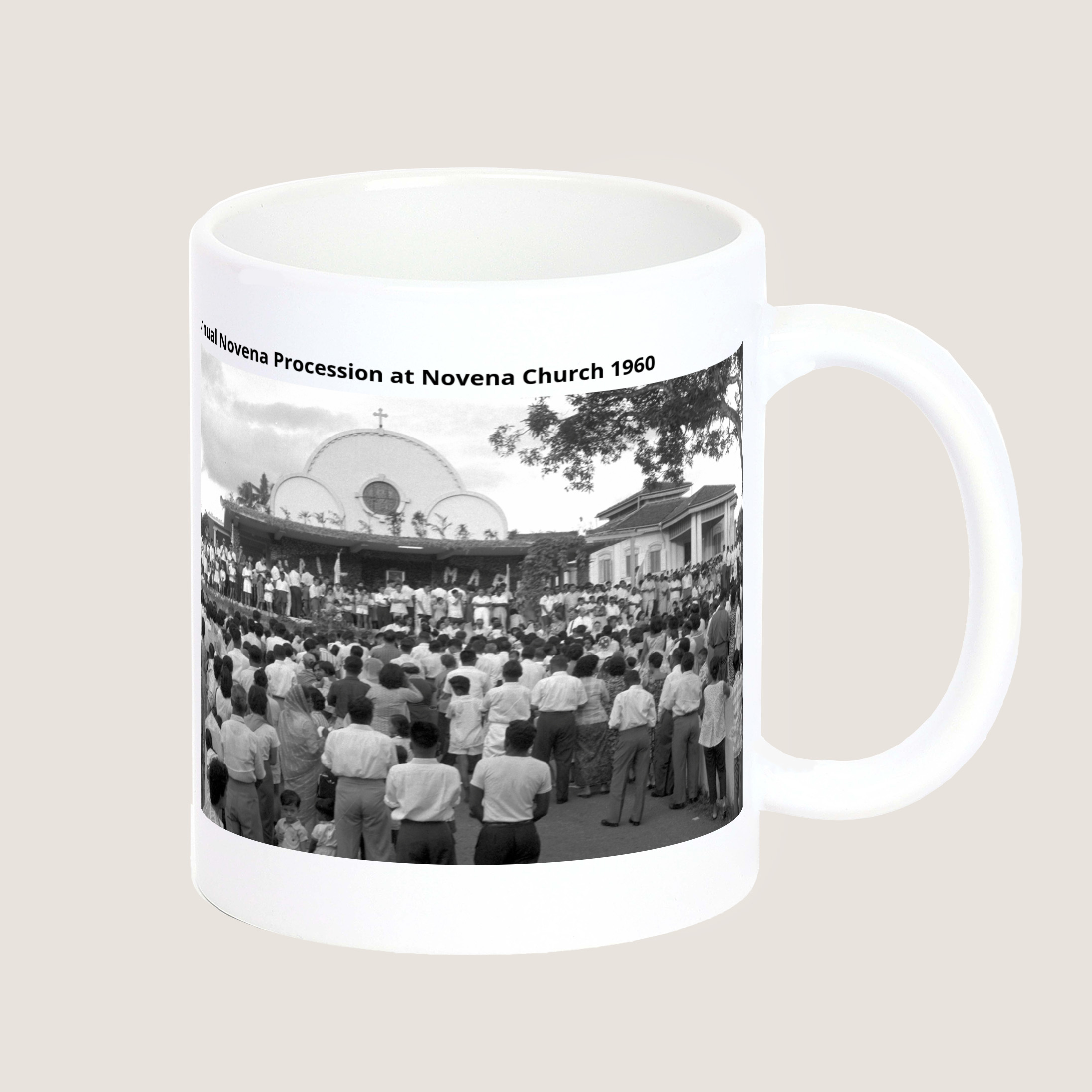
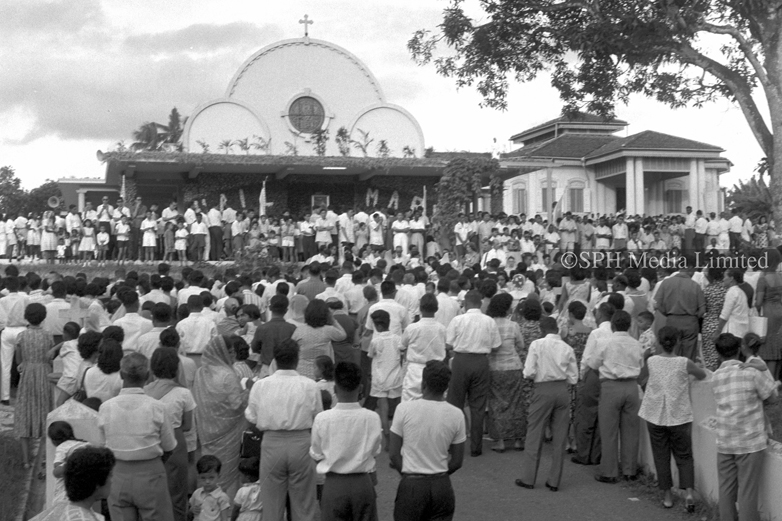 Annual Novena Procession at Novena Church
1960
Annual Novena Procession at Novena Church
1960
Annual Novena Procession at Novena Church
Year 1960
Catholics, other Christians and non-Christians took part in the annual Novena procession to celebrate the feast of Our Lady of Perpetual Succour.
©️ SPH Media Limited
Share to
Tags
Available for print on products
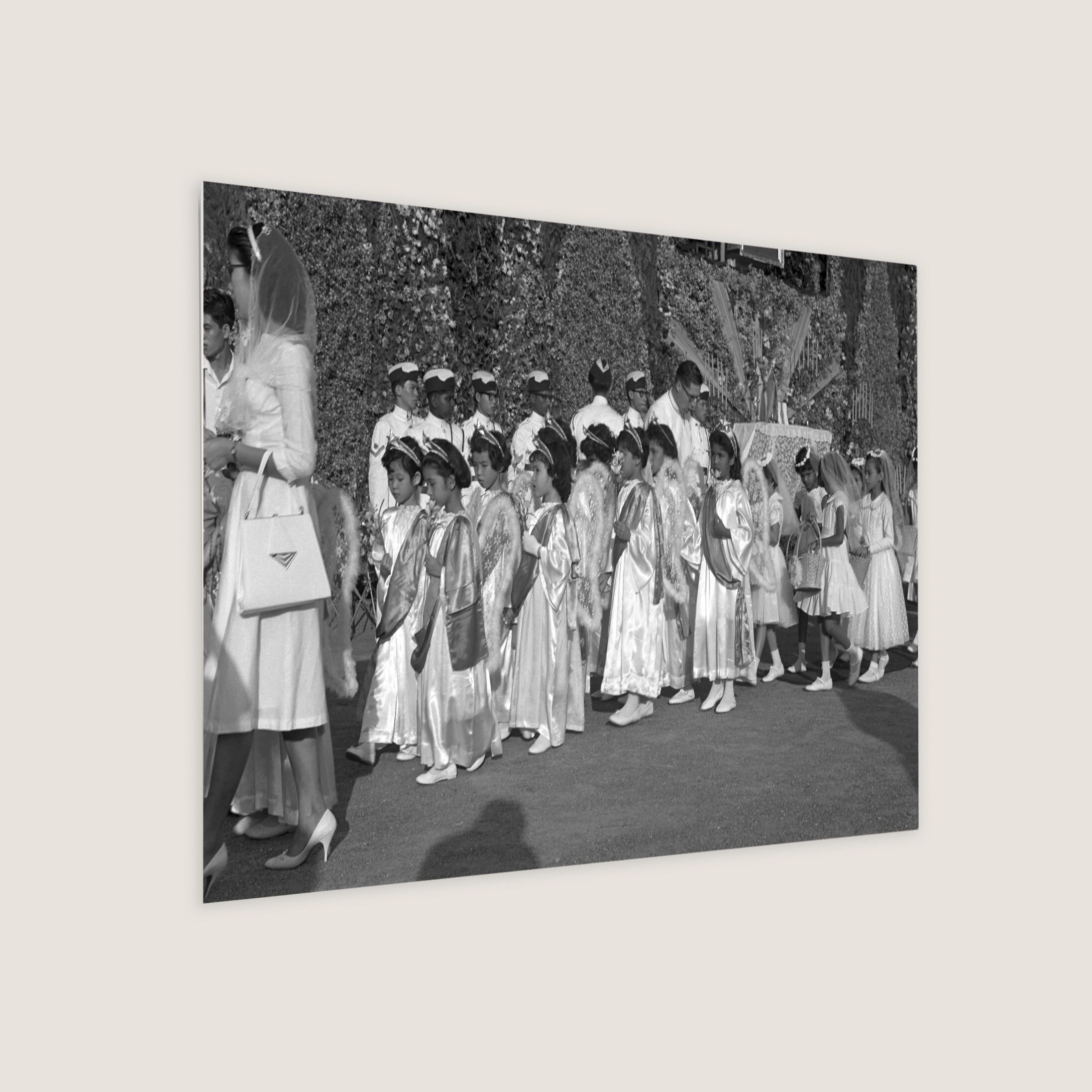
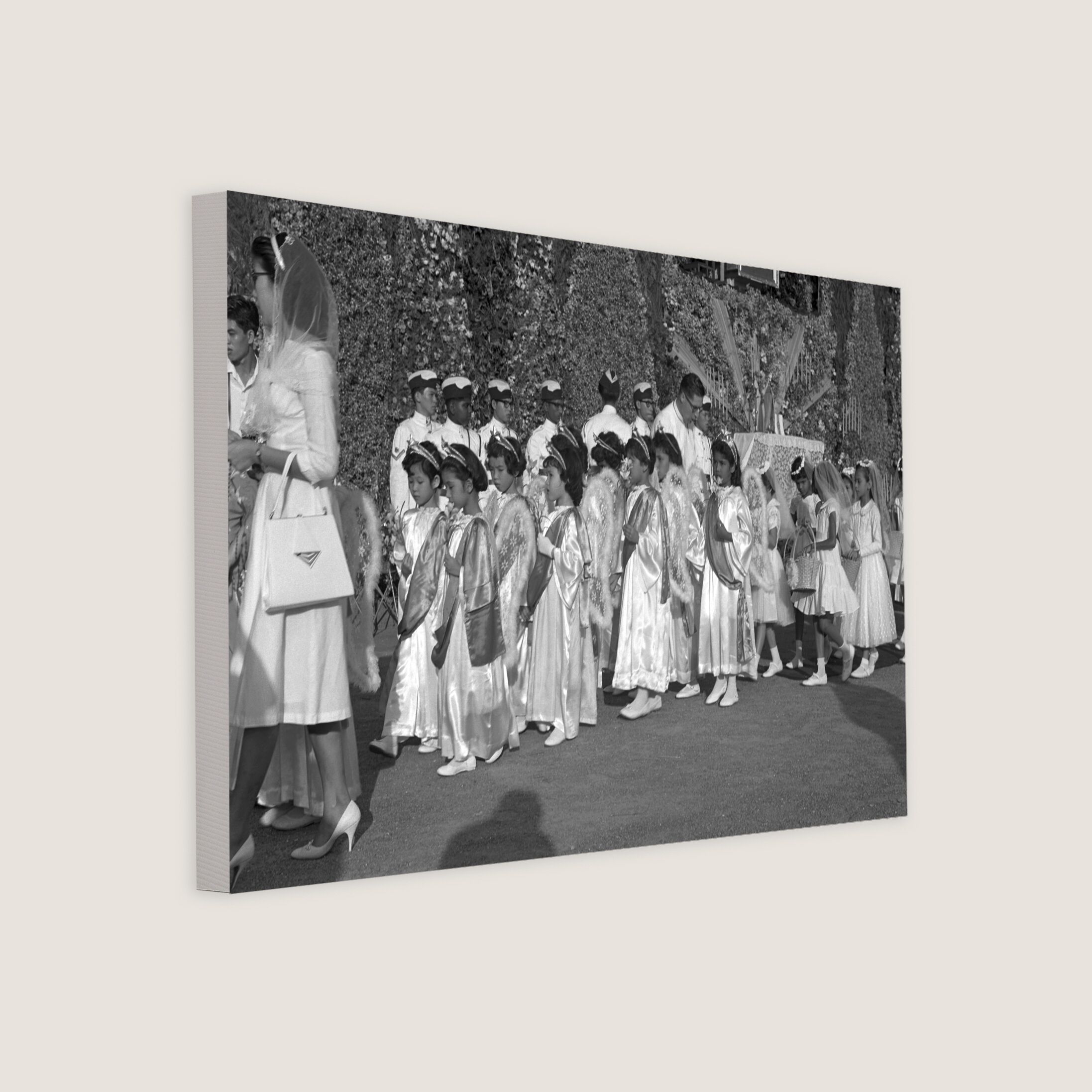
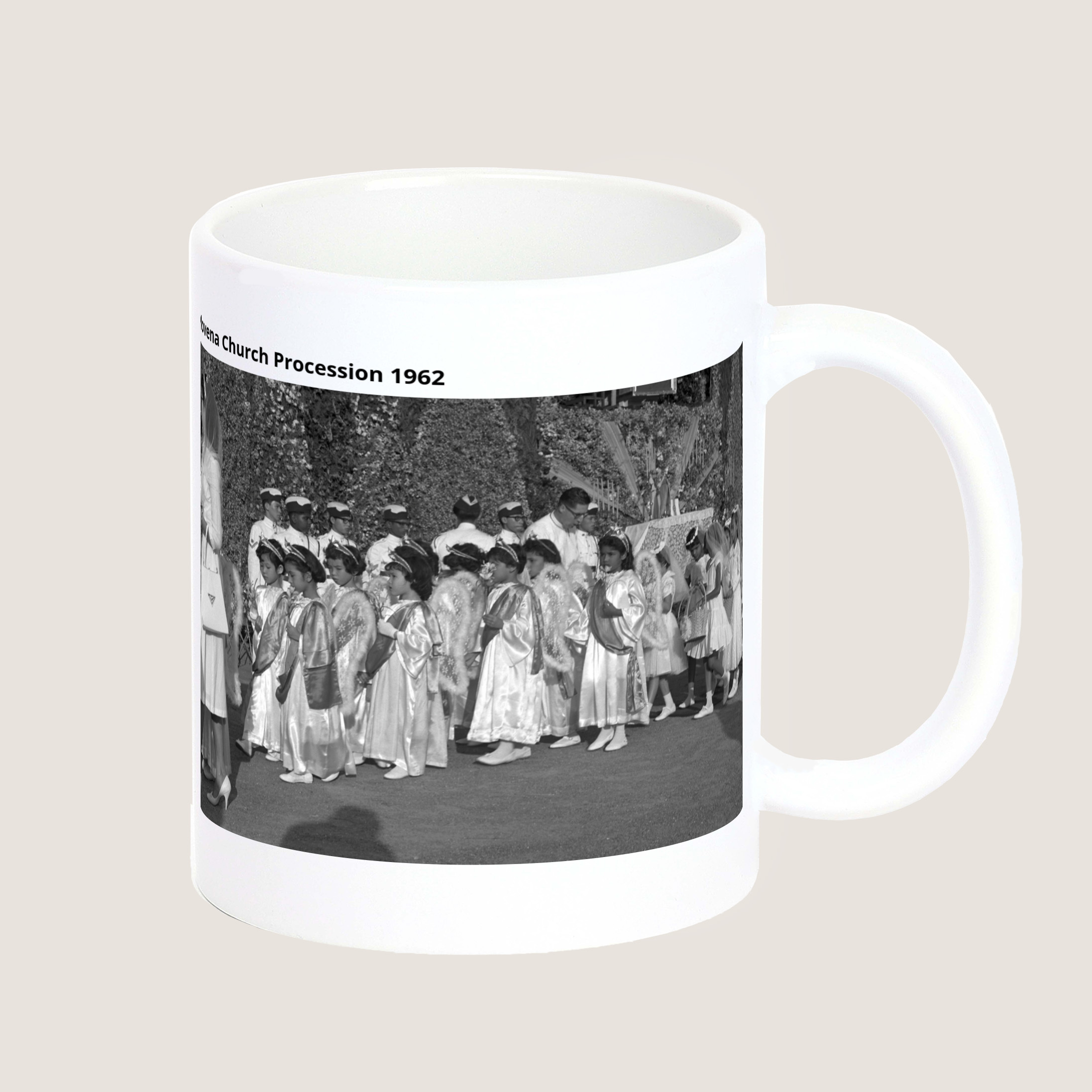
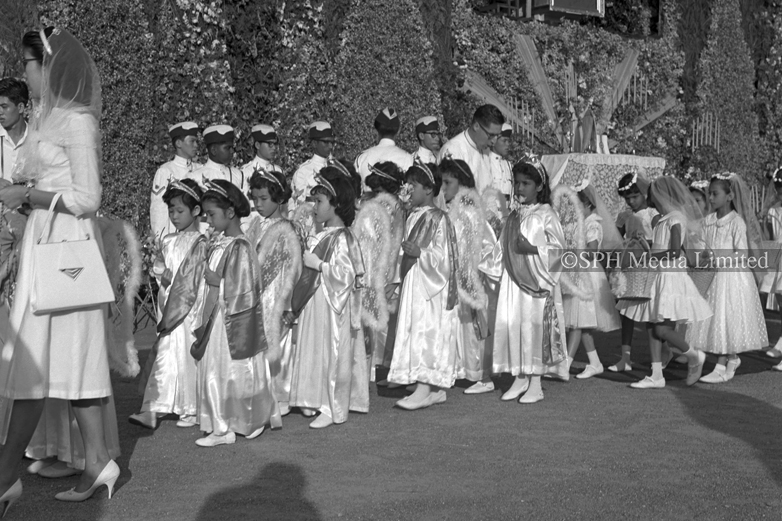 Novena Church Procession
1962
Novena Church Procession
1962
Novena Church Procession
Year 1962
Annual Novena Church Procession in Honour Our Mother of Perpetual Help at Thomson Road.
©️ SPH Media Limited
Share to
Tags
Available for print on products
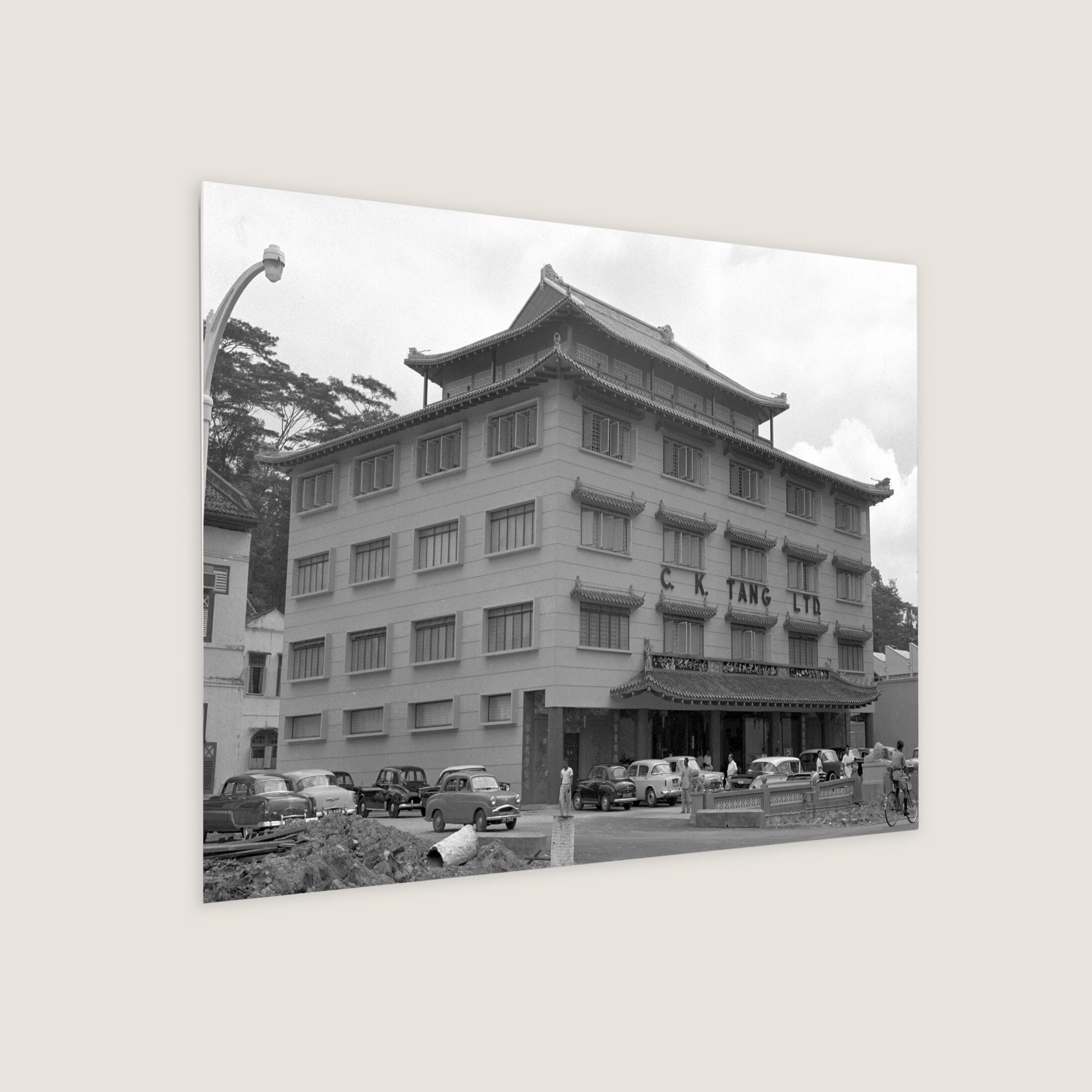
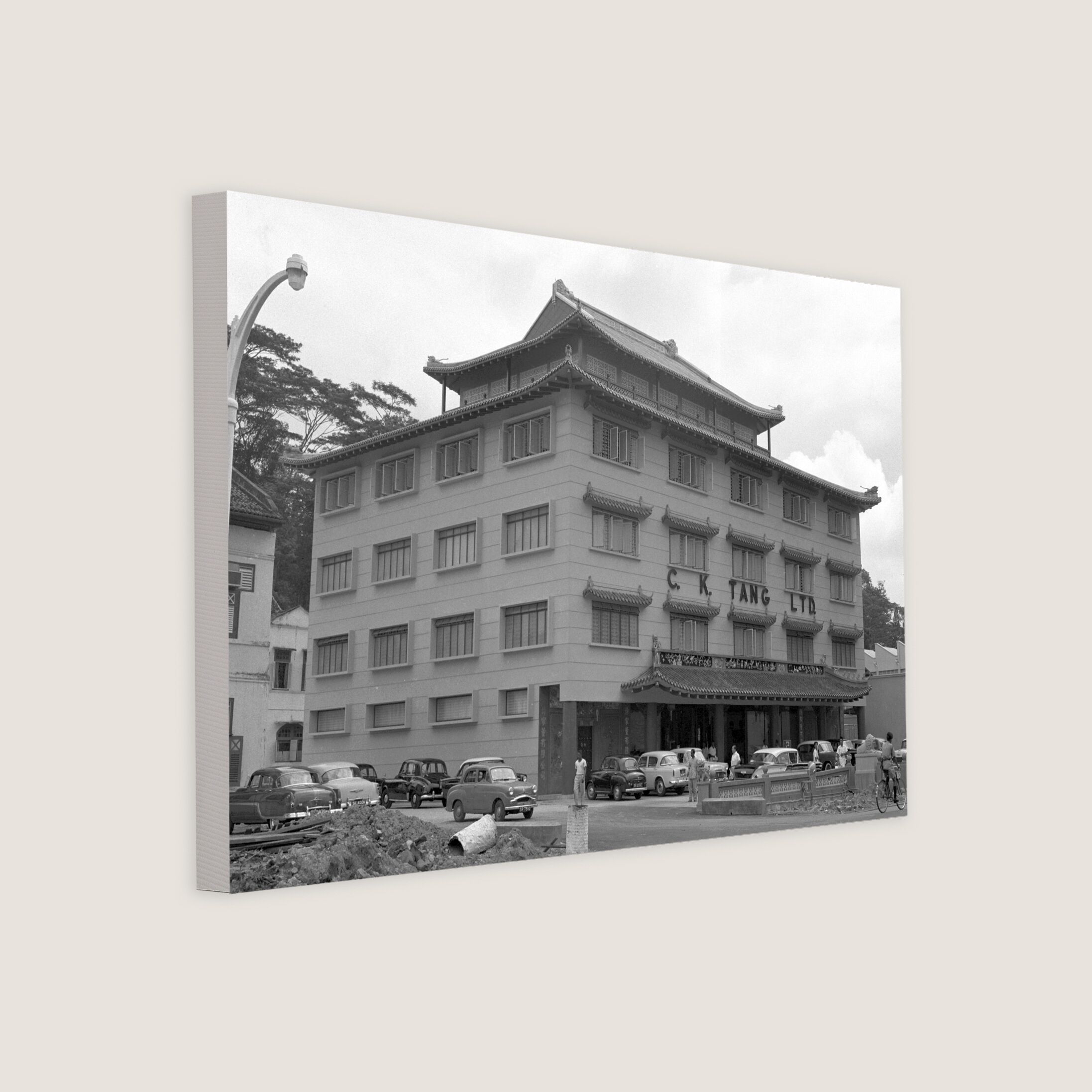
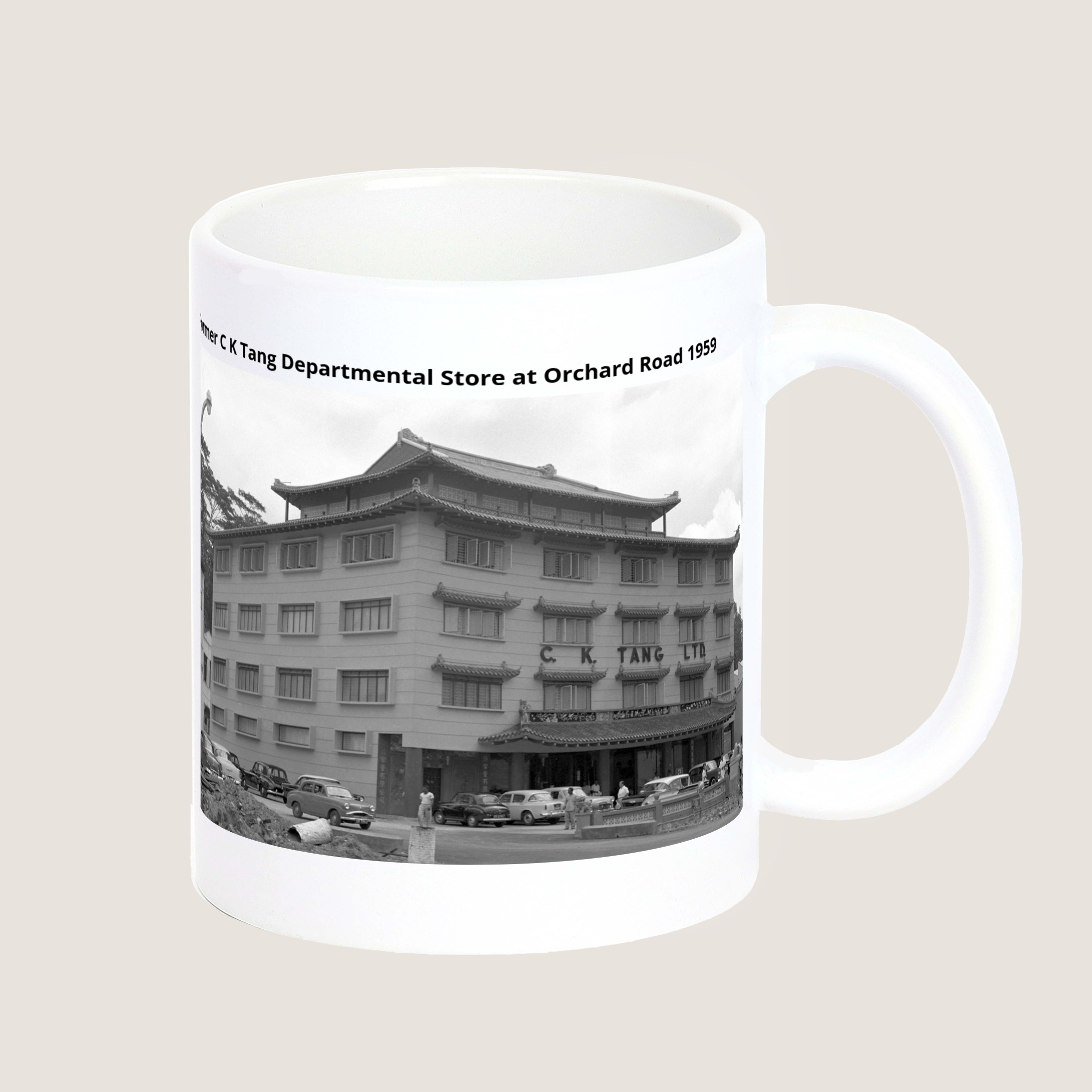
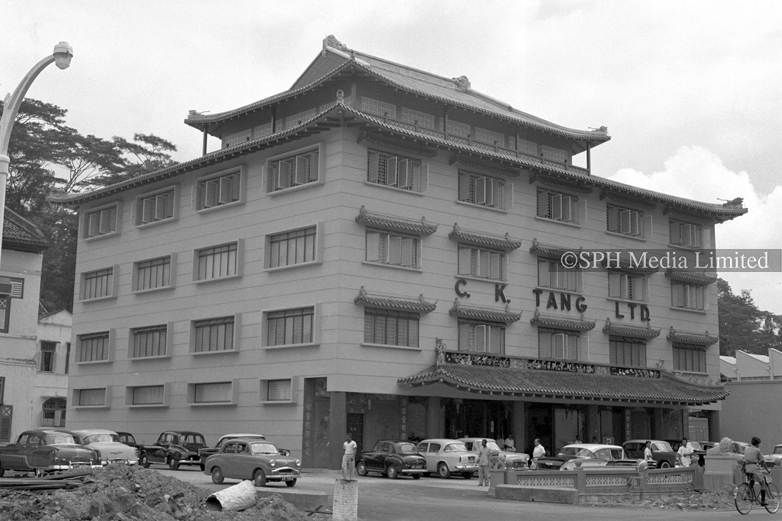 Former C K Tang Departmental Store at Orchard Road
1959
Former C K Tang Departmental Store at Orchard Road
1959
Former C K Tang Departmental Store at Orchard Road
Year 1959
Once a landmark of Orchard Road, the C K Tang departmental store was named after the owner Tang Choon Keng, a Teochew businessman. He started as a door-to-door peddler, selling handmade Swatow lace and embroidery. After decades of hard work, he built the C. K. Tang Departmental Store. The building was modelled after the Imperial Palace in the Forbidden City in Beijing, featuring green-tiled roofs that sloped and upturned at the corners.
©️ SPH Media Limited
Share to
Tags
Available for print on products
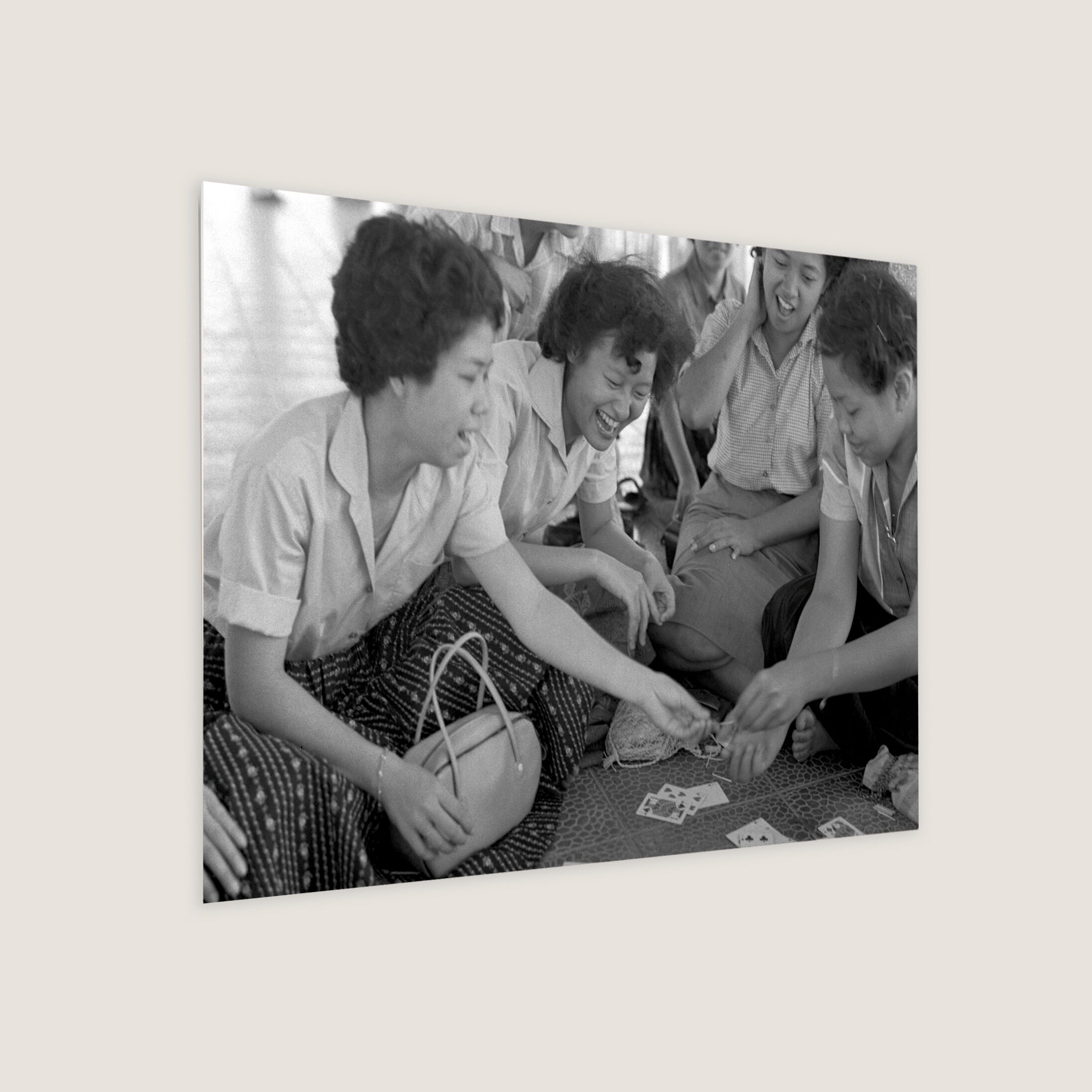
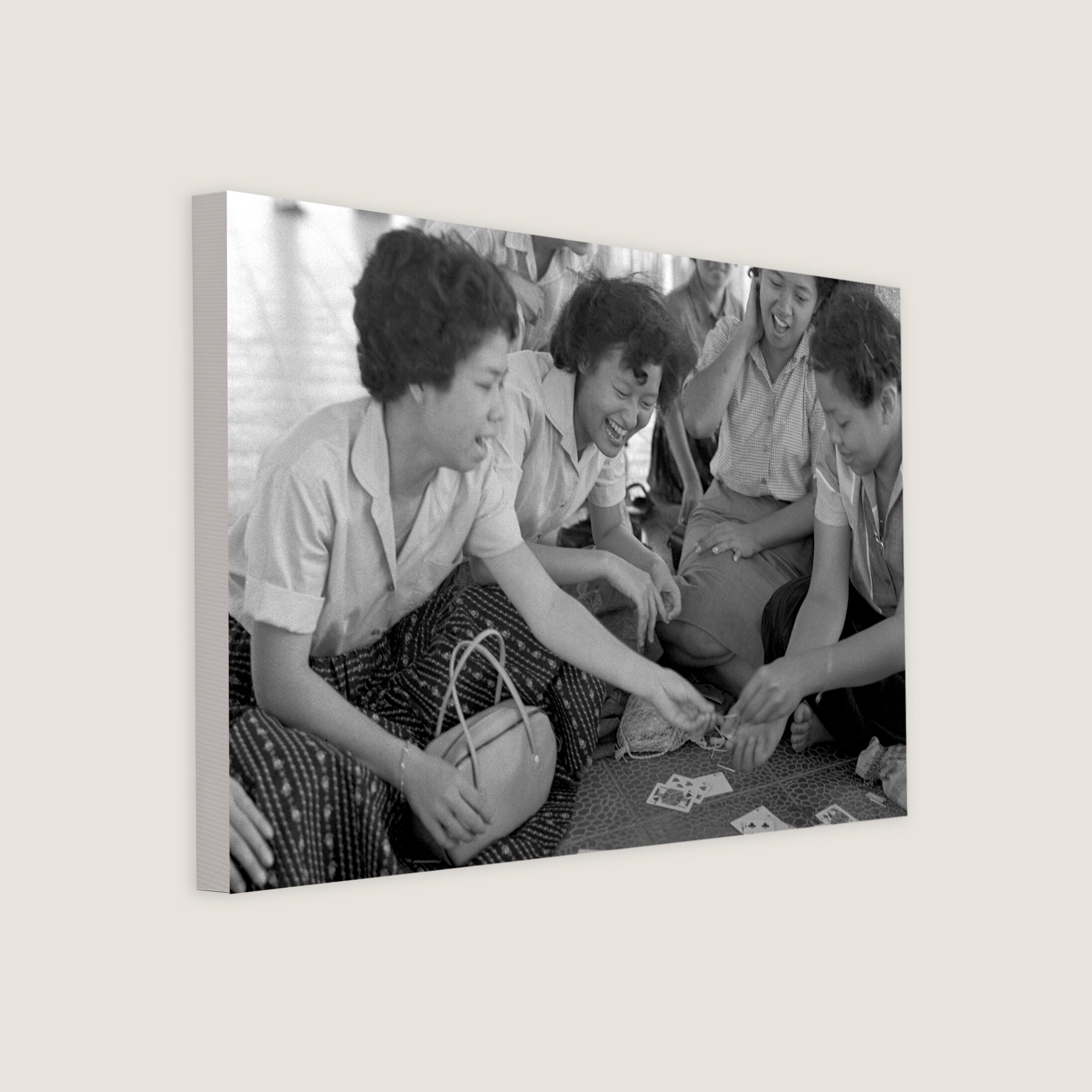
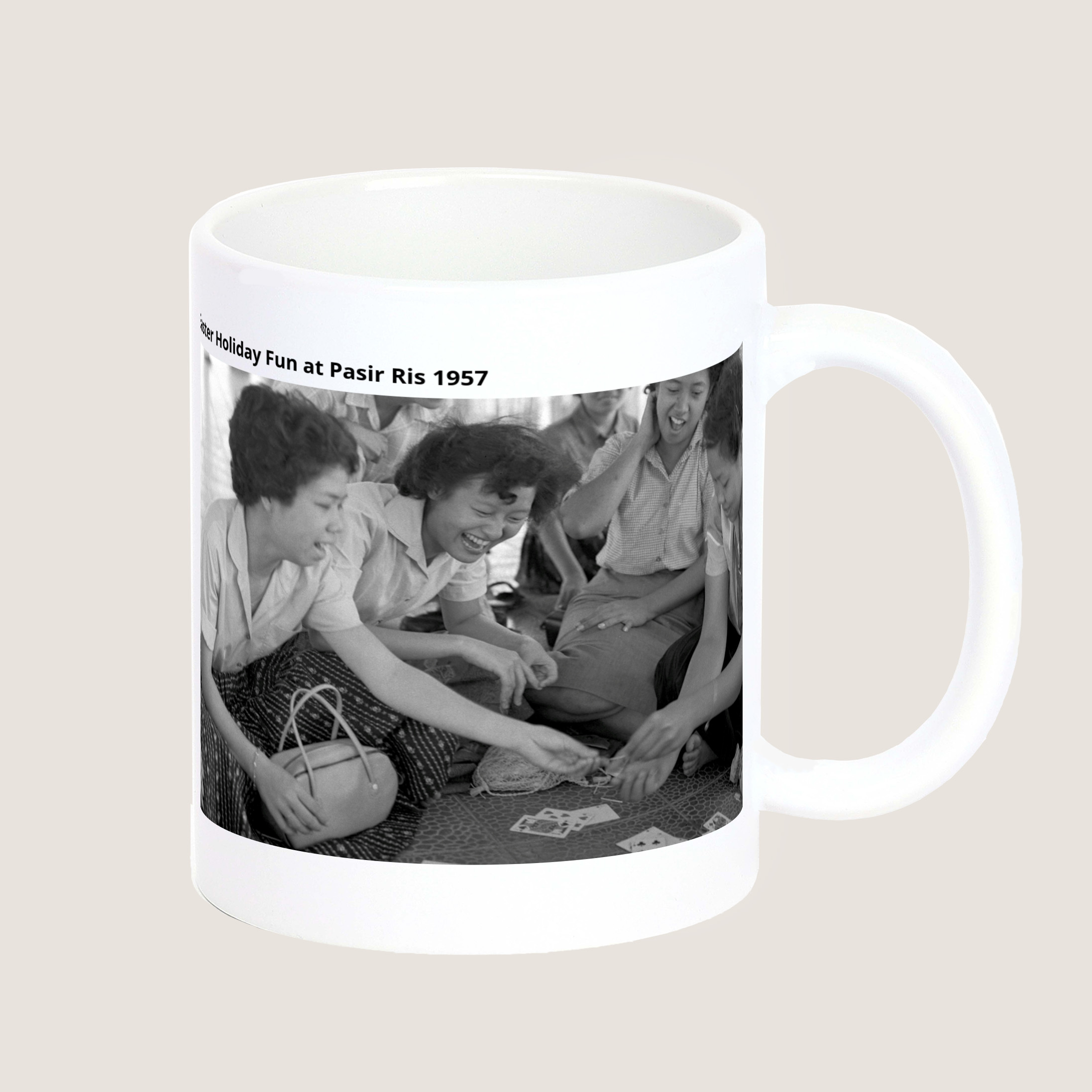
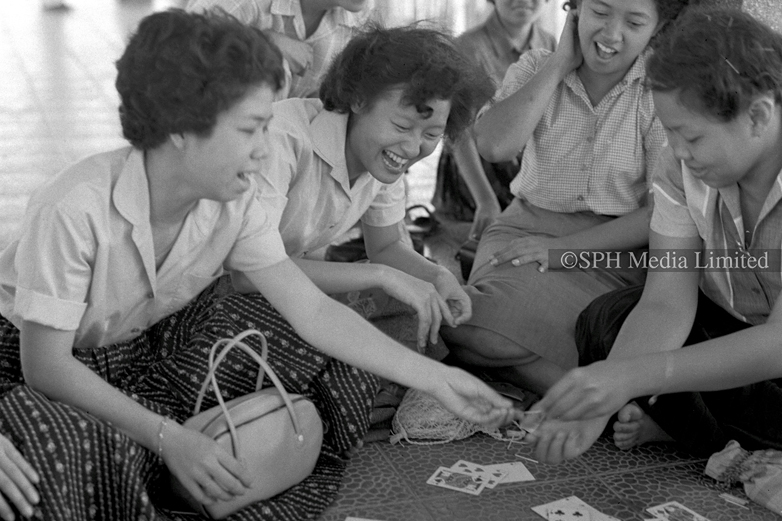 Easter Holiday Fun at Pasir Ris
1957
Easter Holiday Fun at Pasir Ris
1957
Easter Holiday Fun at Pasir Ris
Year 1957
Easter holidaymakers having a game of cards at Pasir Ris.
©️ SPH Media Limited
Share to
Available for print on products
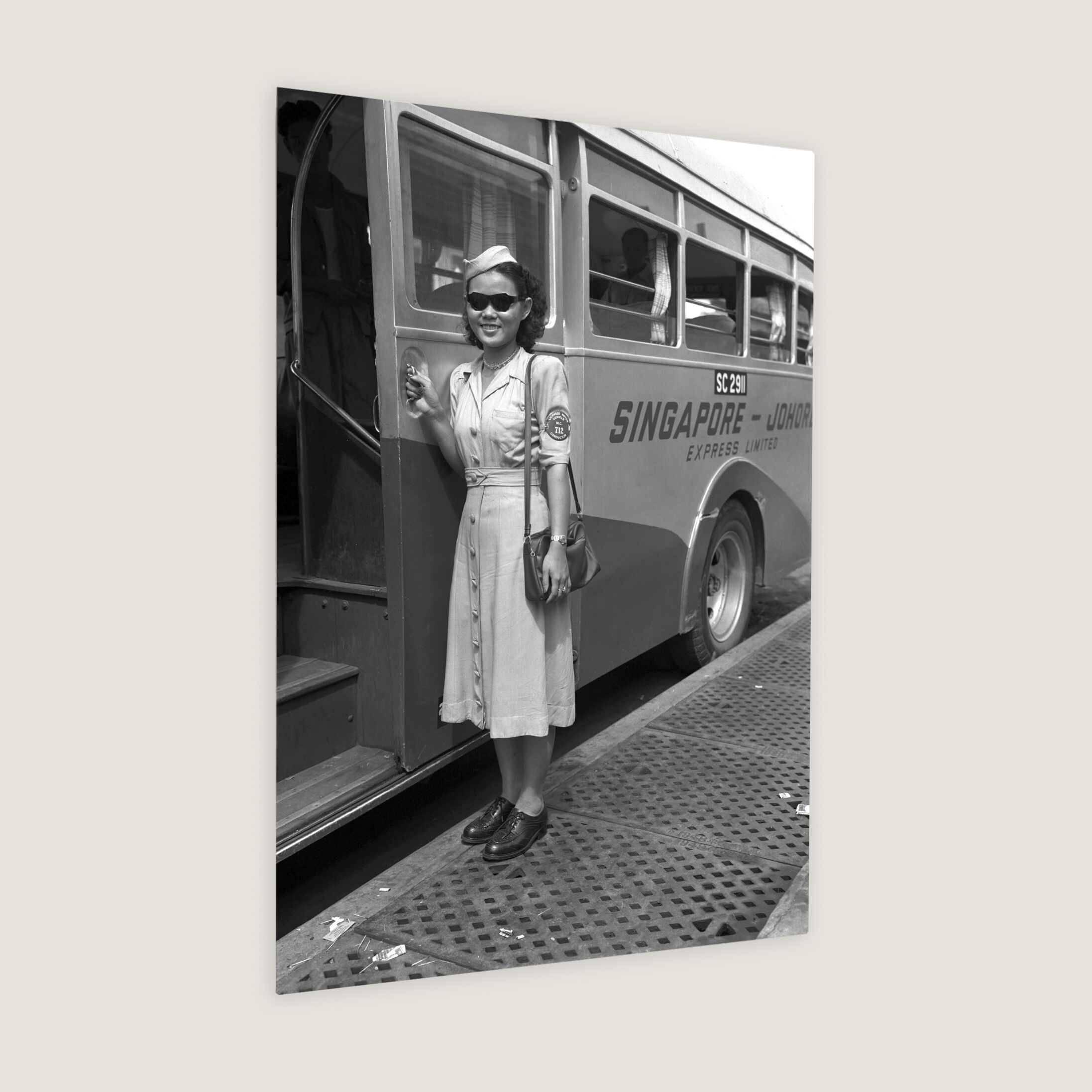
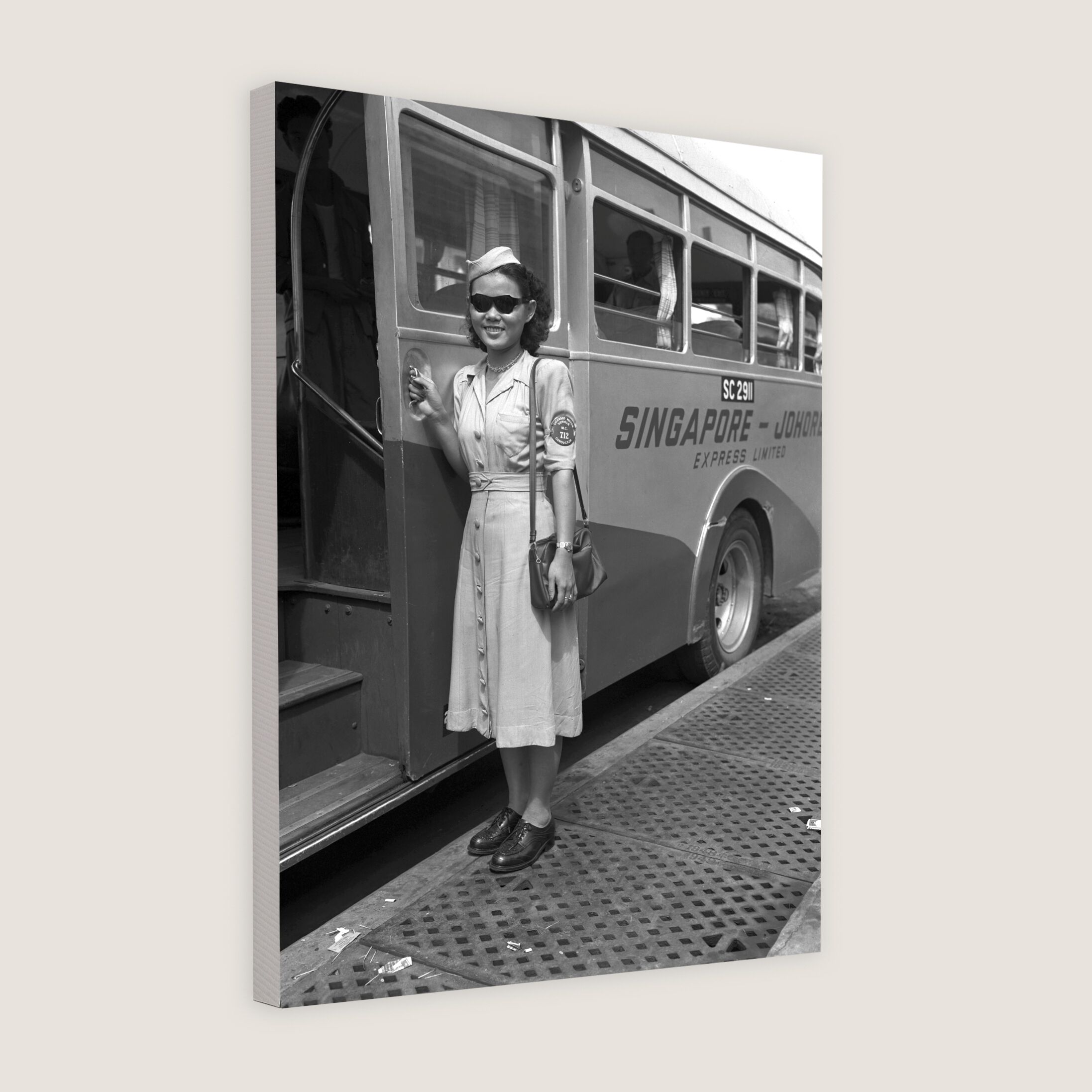
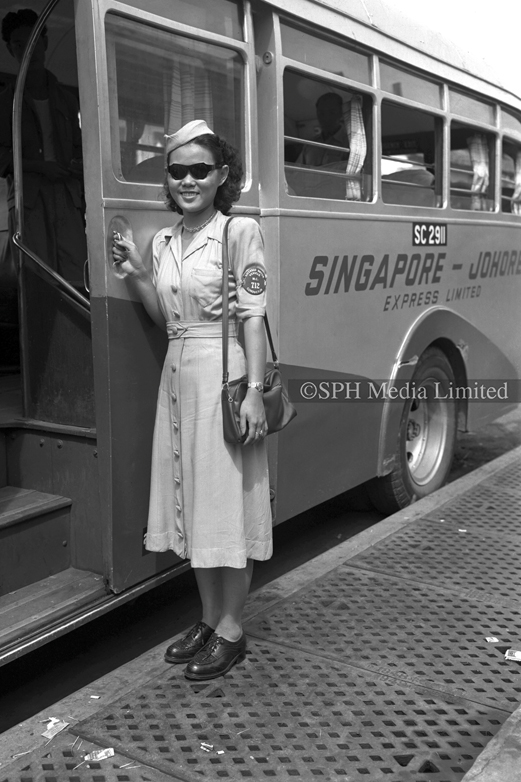 Bus Conductor of the Causeway Express Bus
1950
Bus Conductor of the Causeway Express Bus
1950
Bus Conductor of the Causeway Express Bus
Year 1950
A pioneer women bus conductor working for the Johore-Singapore express bus service. The Causeway is a road and rail link between Singapore and Johor Bahru in Malaysia that was completed in 1923.
©️ SPH Media Limited
Share to
Tags
Available for print on products
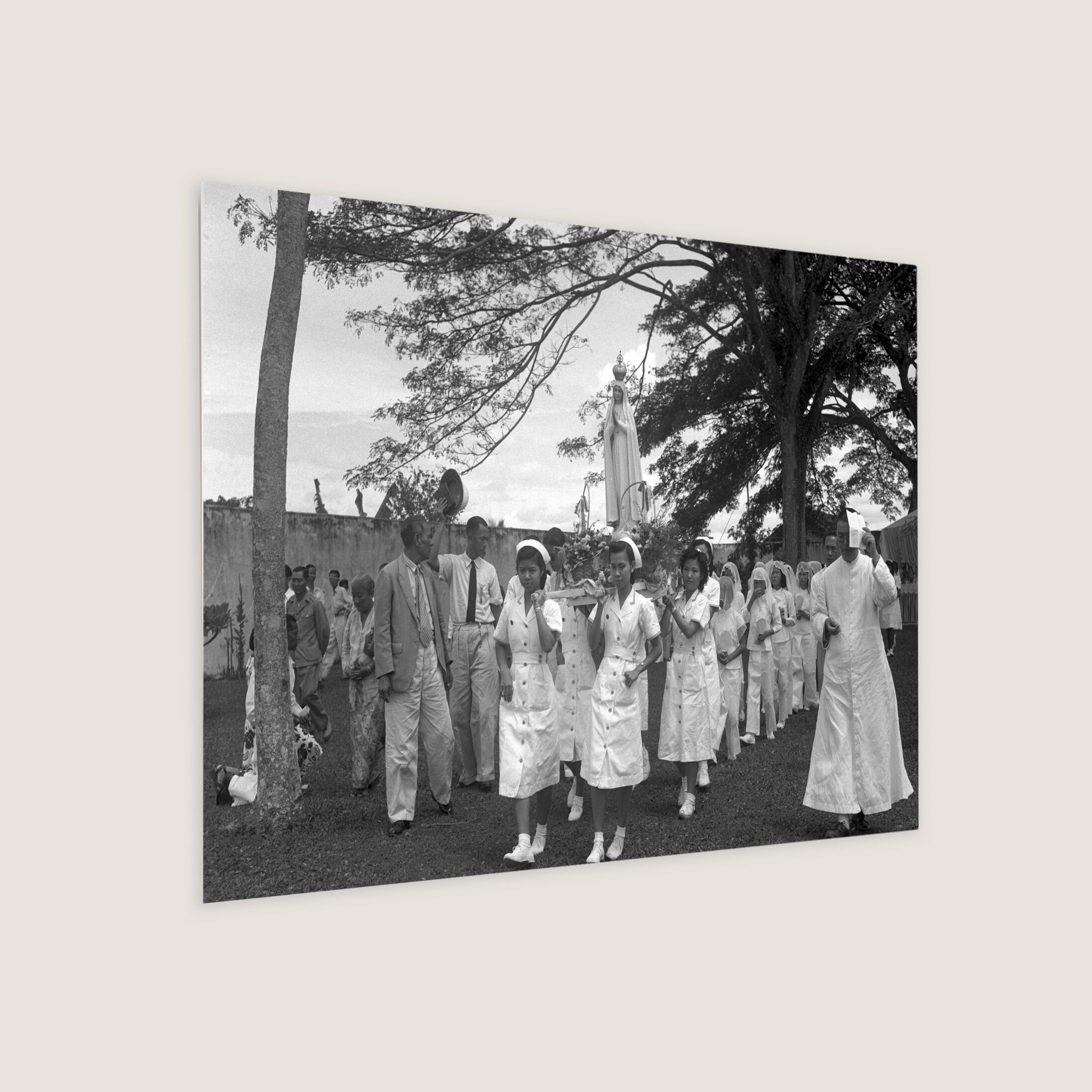
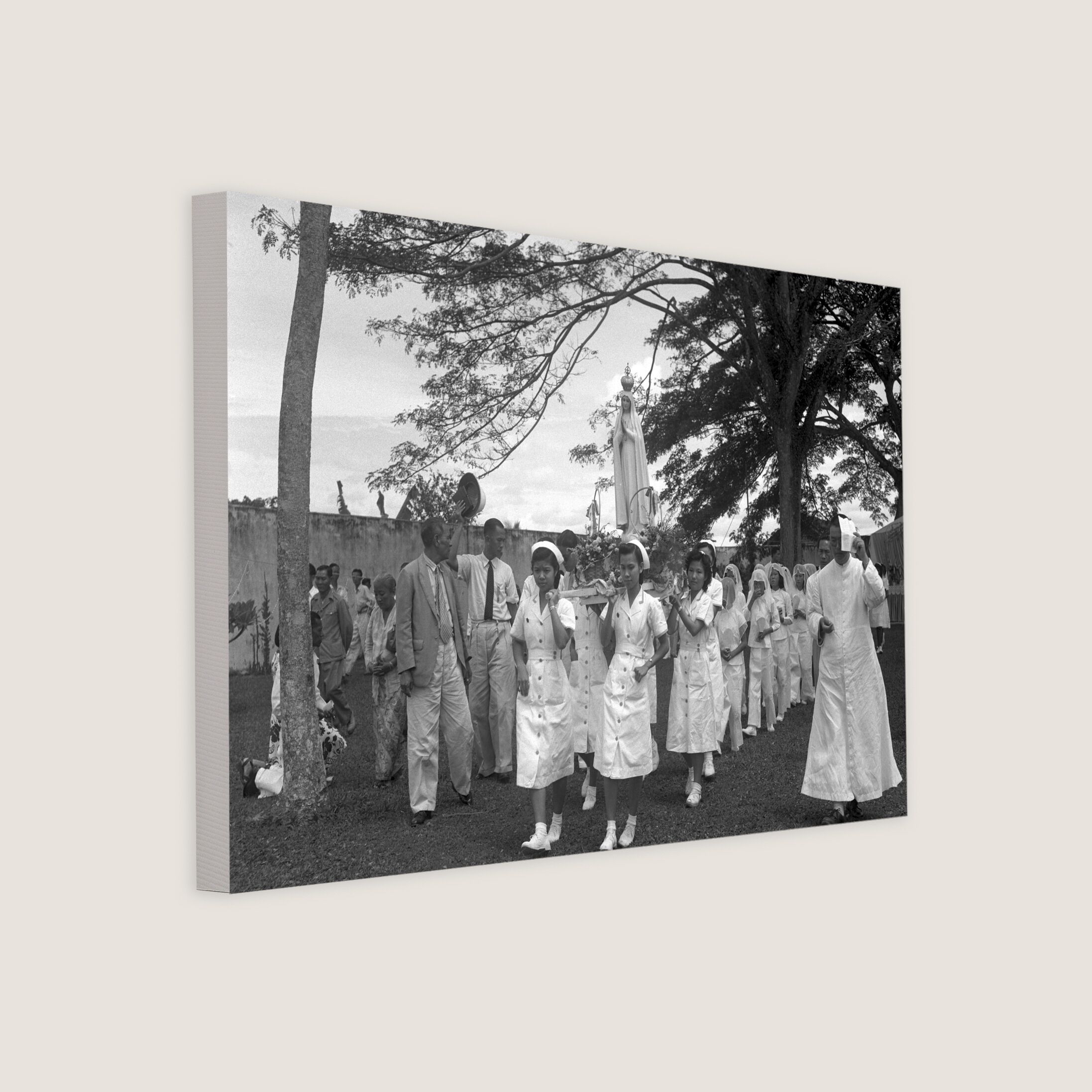
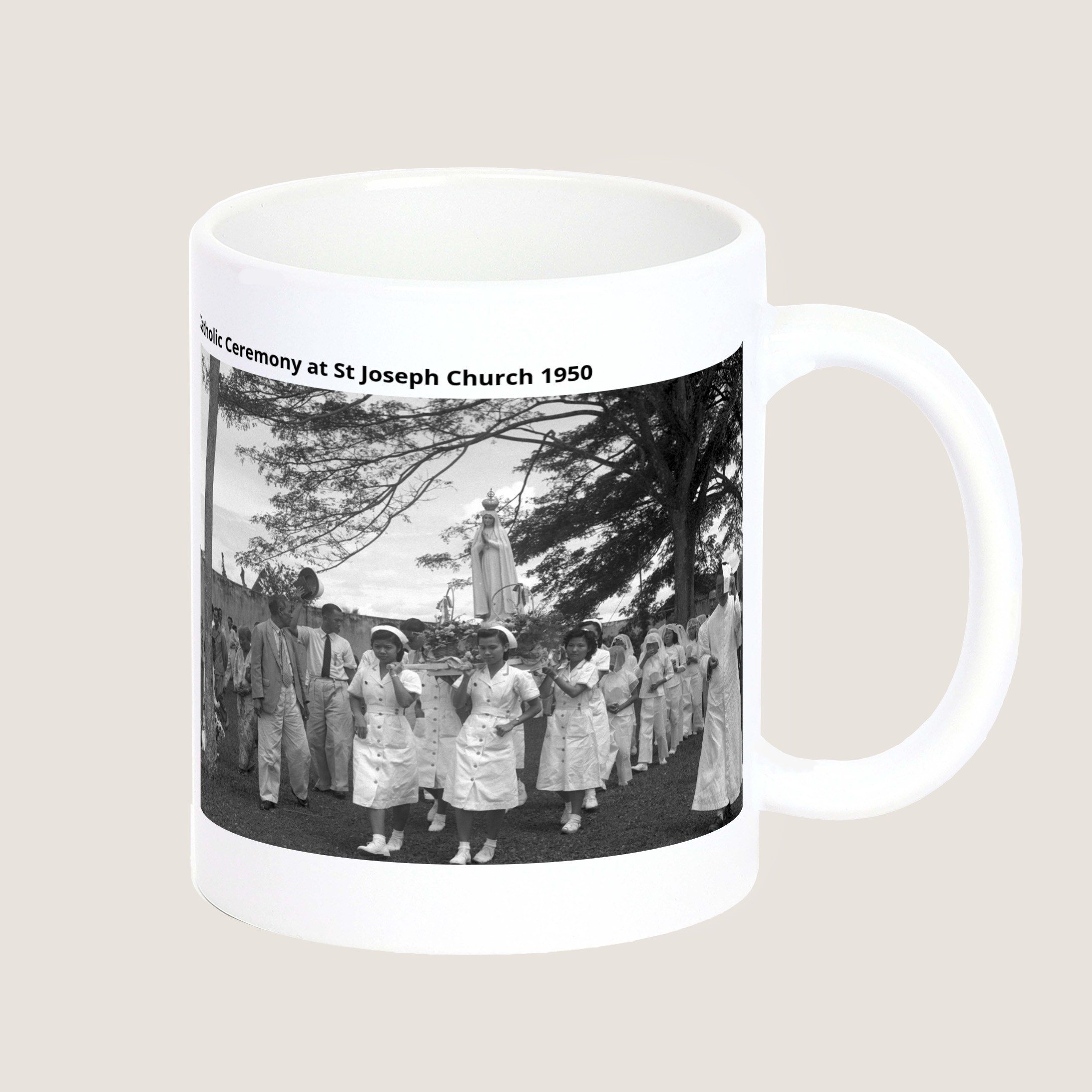
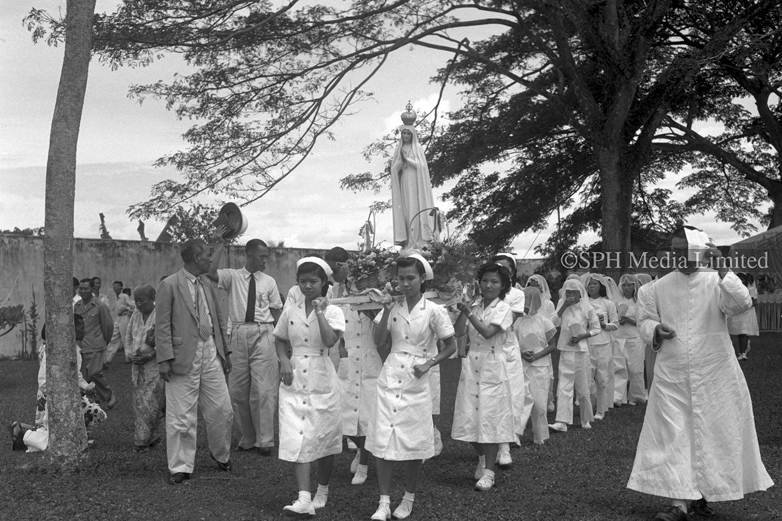 Catholic Ceremony at St Joseph Church
1950
Catholic Ceremony at St Joseph Church
1950
Catholic Ceremony at St Joseph Church
Year 1950
Four girls from the Serangoon Parish carried the statue of Our Lady of Fatima to a decorated altar in the grounds of the Leper Settlement during the Fatima Service.
©️ SPH Media Limited
Share to
Tags
Available for print on products
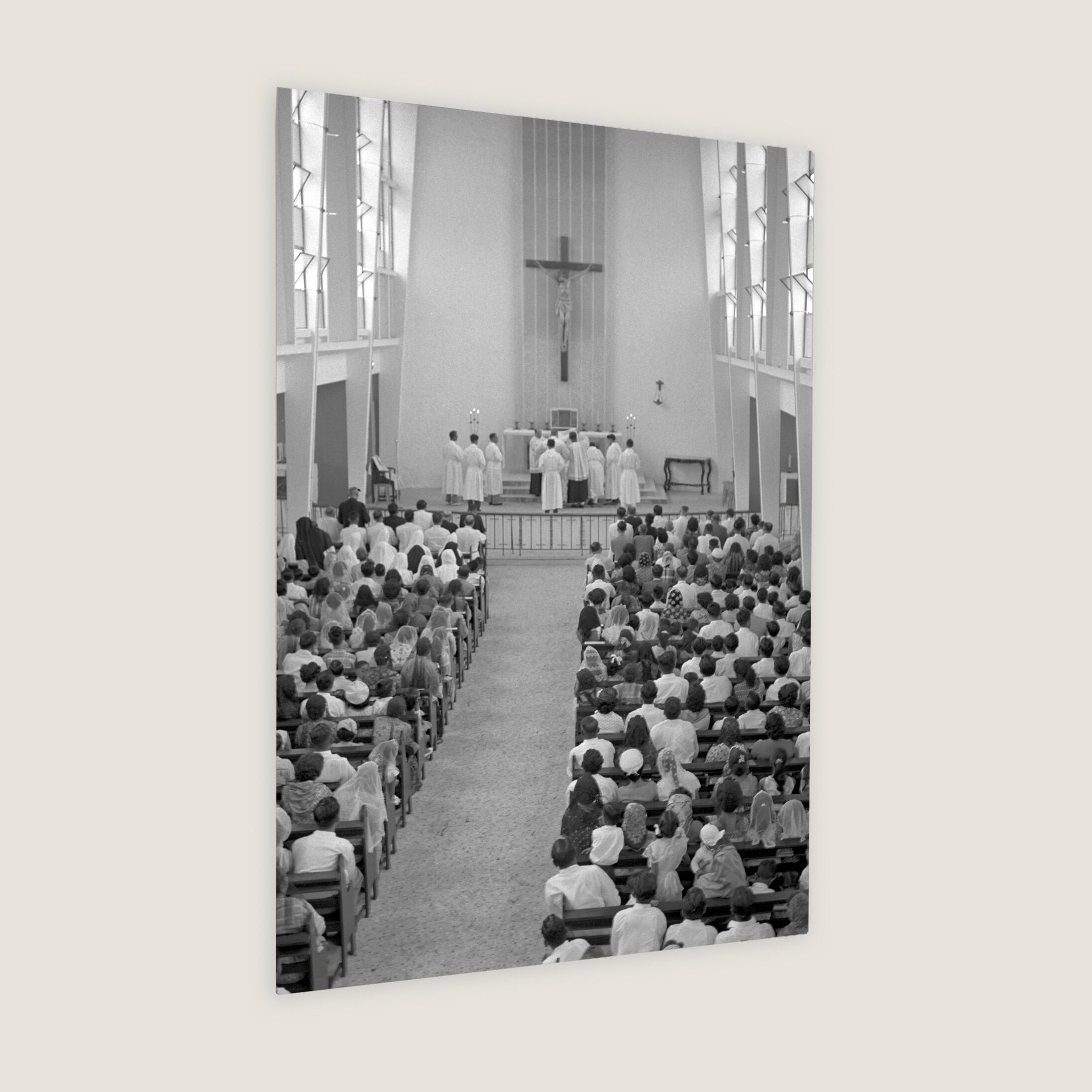
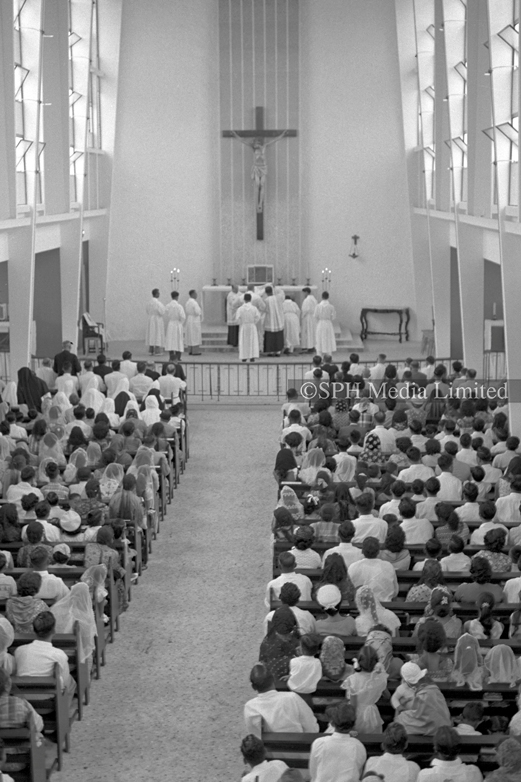 St Francis Xavier Church at Serangoon Garden Estate
1959
St Francis Xavier Church at Serangoon Garden Estate
1959
St Francis Xavier Church at Serangoon Garden Estate
Year 1959
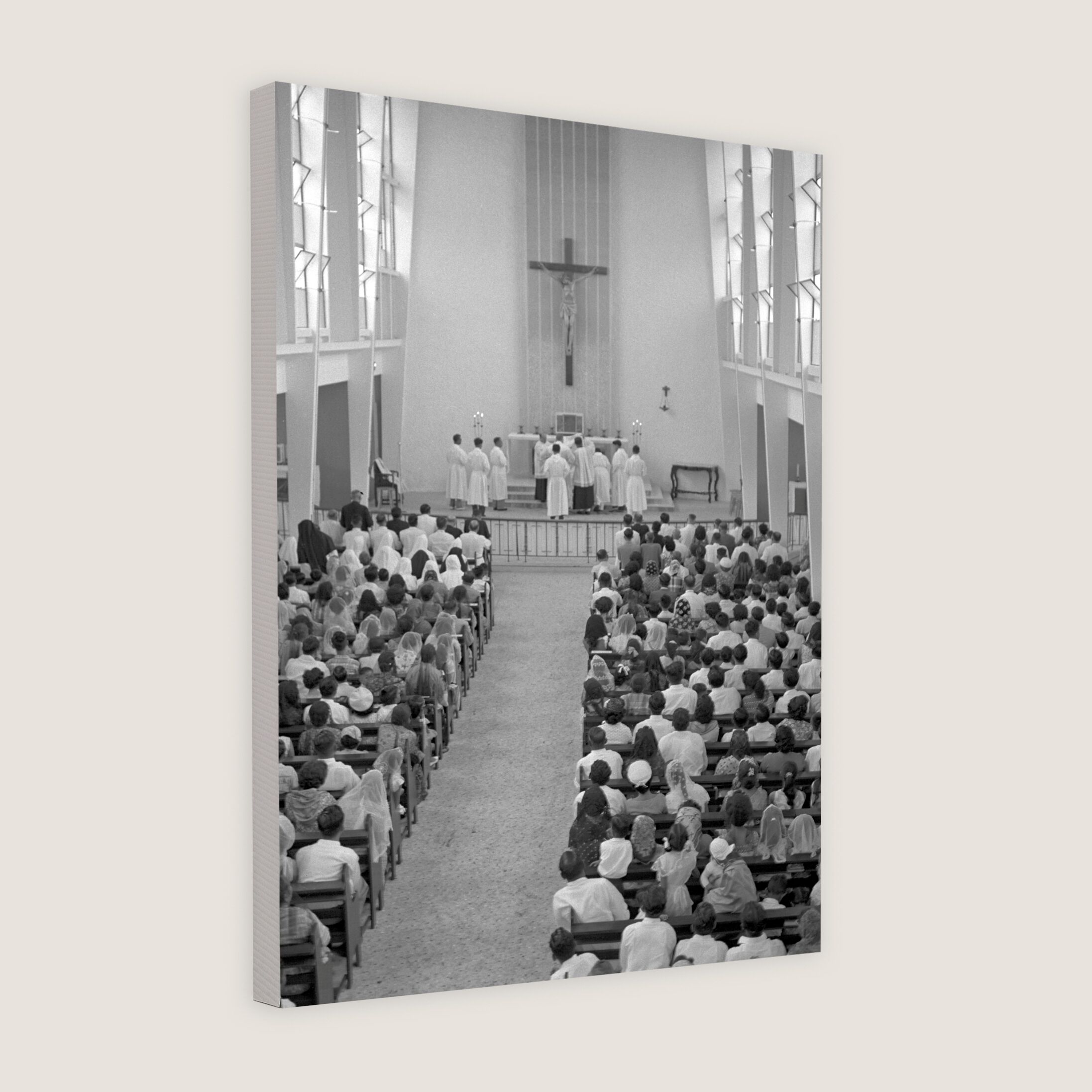
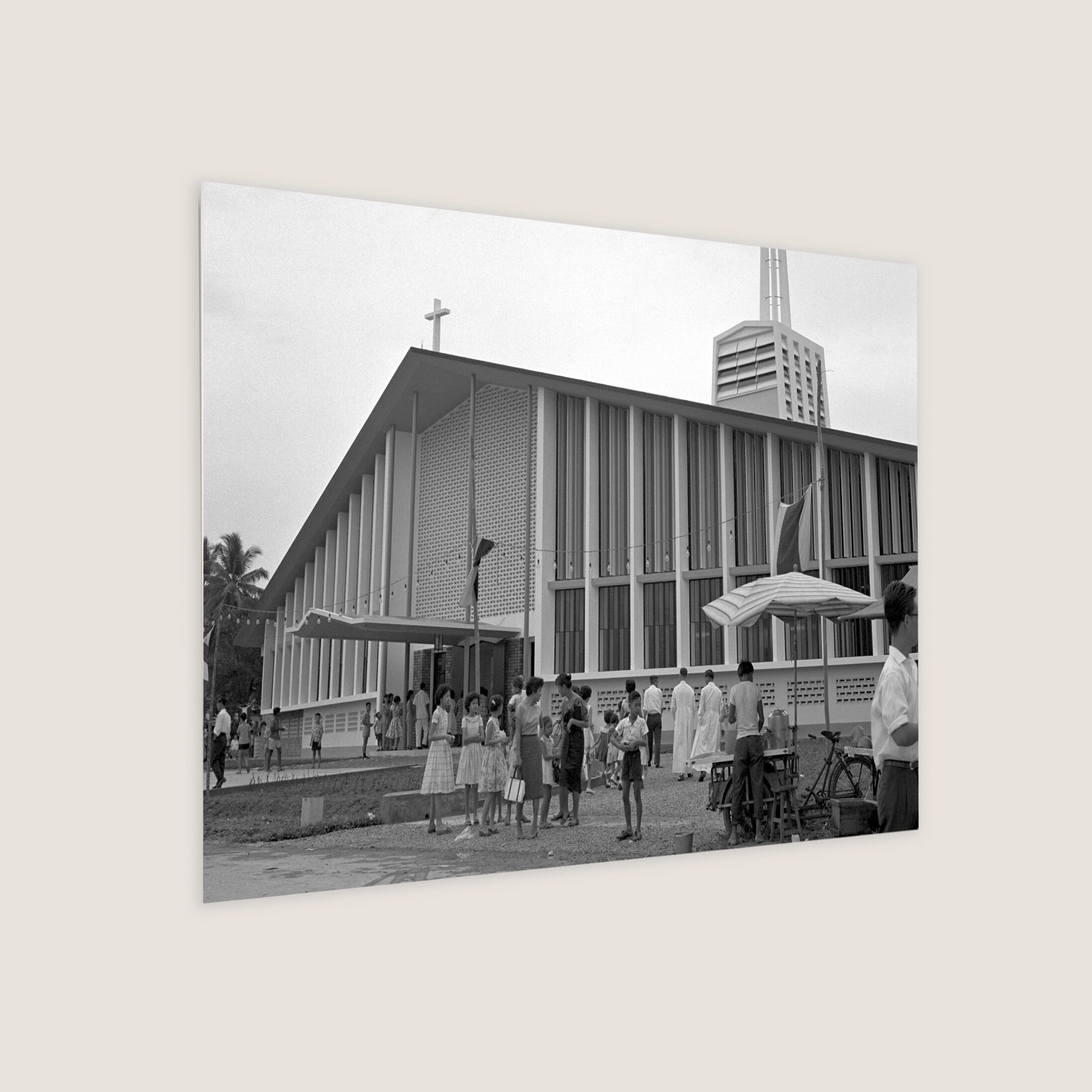
Congregation at the first service held at the new St Francis Xavier church at Serangoon Garden Estate, 11 January, 1959.
©️ SPH Media Limited
Share to
Tags
Available for print on products
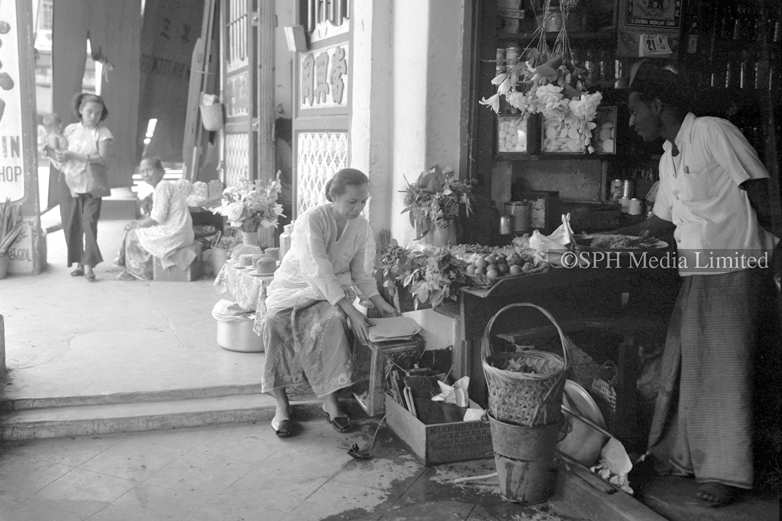 Shoppers for Hari Raya Puasa at the Five-Foot-Way
1952
Shoppers for Hari Raya Puasa at the Five-Foot-Way
1952
Shoppers for Hari Raya Puasa at the Five-Foot-Way
Year 1952
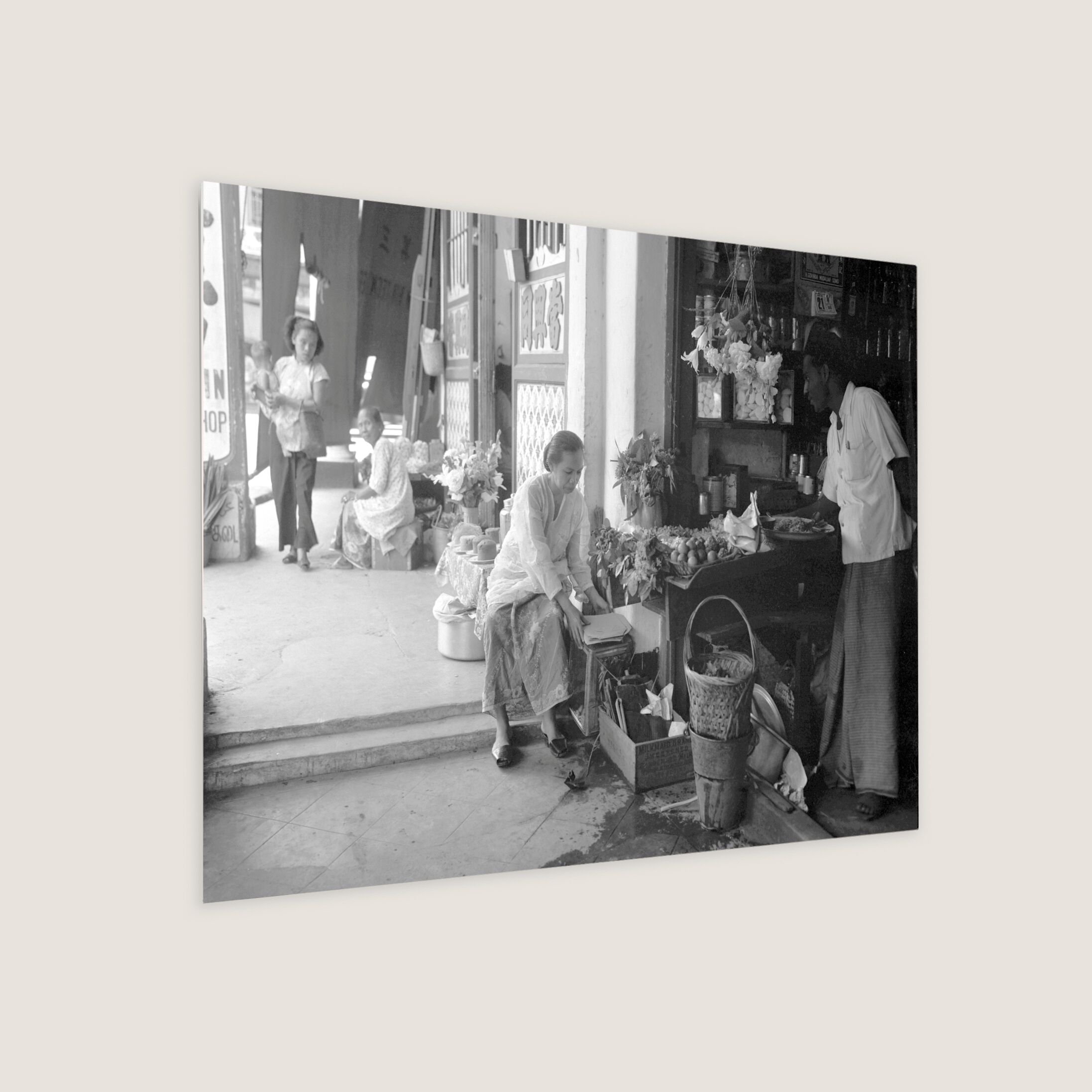
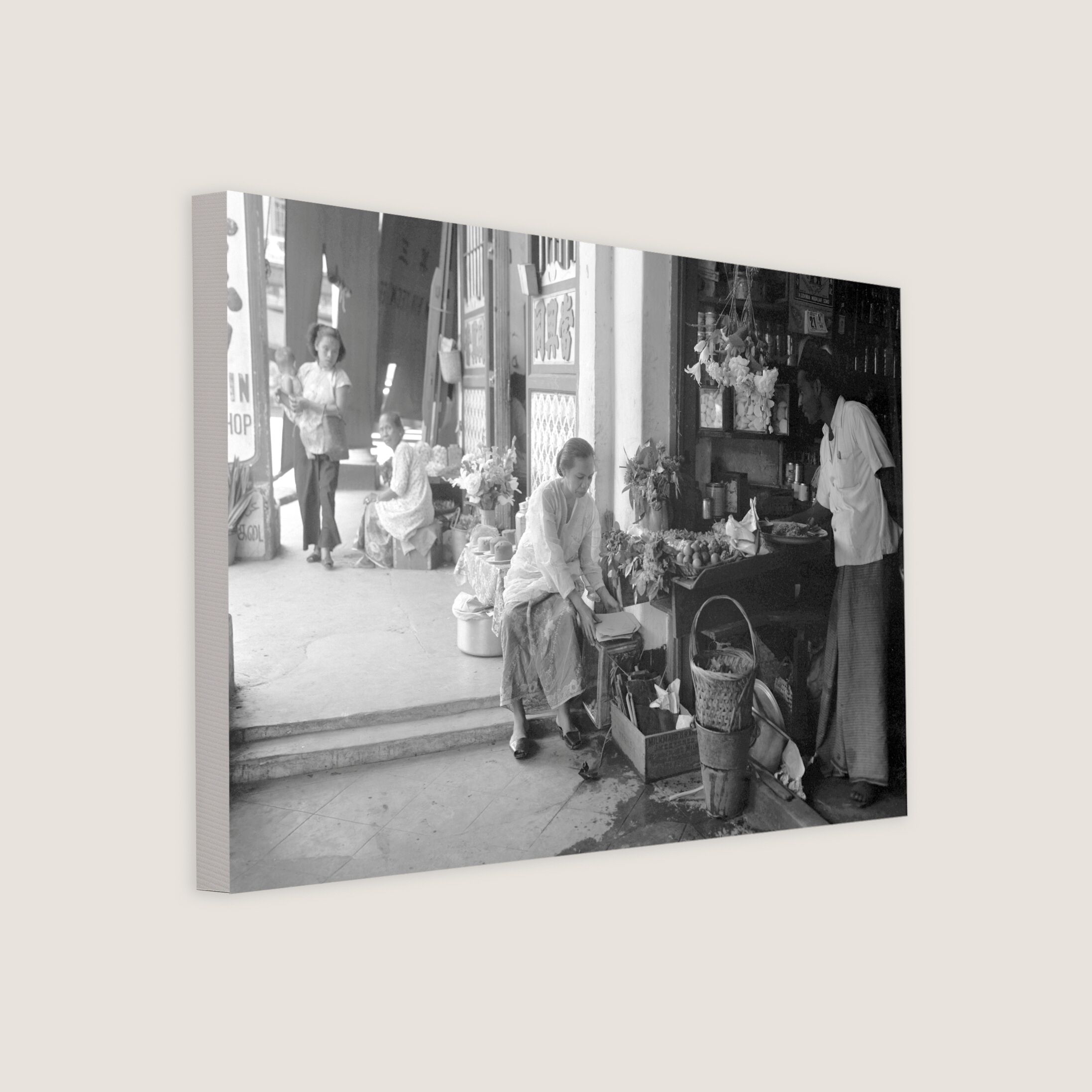
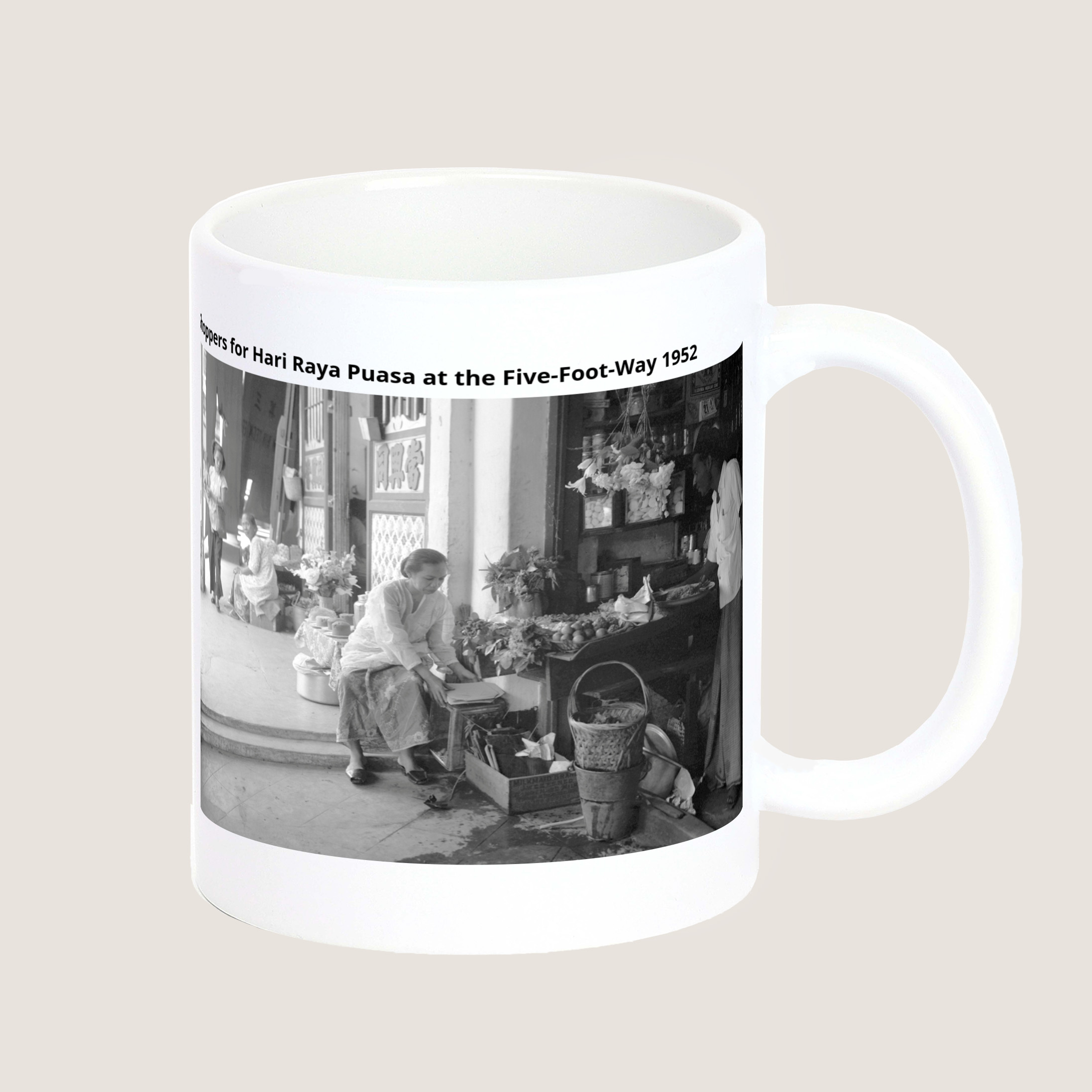
Shoppers were purchasing their festive goods in a five-foot way before Hari Raya Puasa. A five-foot way, a common feature in Southeast Asian architecture, refers to a covered walkway or corridor that is five feet wide, typically found in front of a row of shophouses. This Muslim celebratory occasion follows a month of fasting, known as Ramadan, which is a period of spiritual reflection and fasting for Muslims. The term 'hari raya' translates to 'big (or grand) day of rejoicing' in Malay.
©️ SPH Media Limited
Share to
Tags
Available for print on products
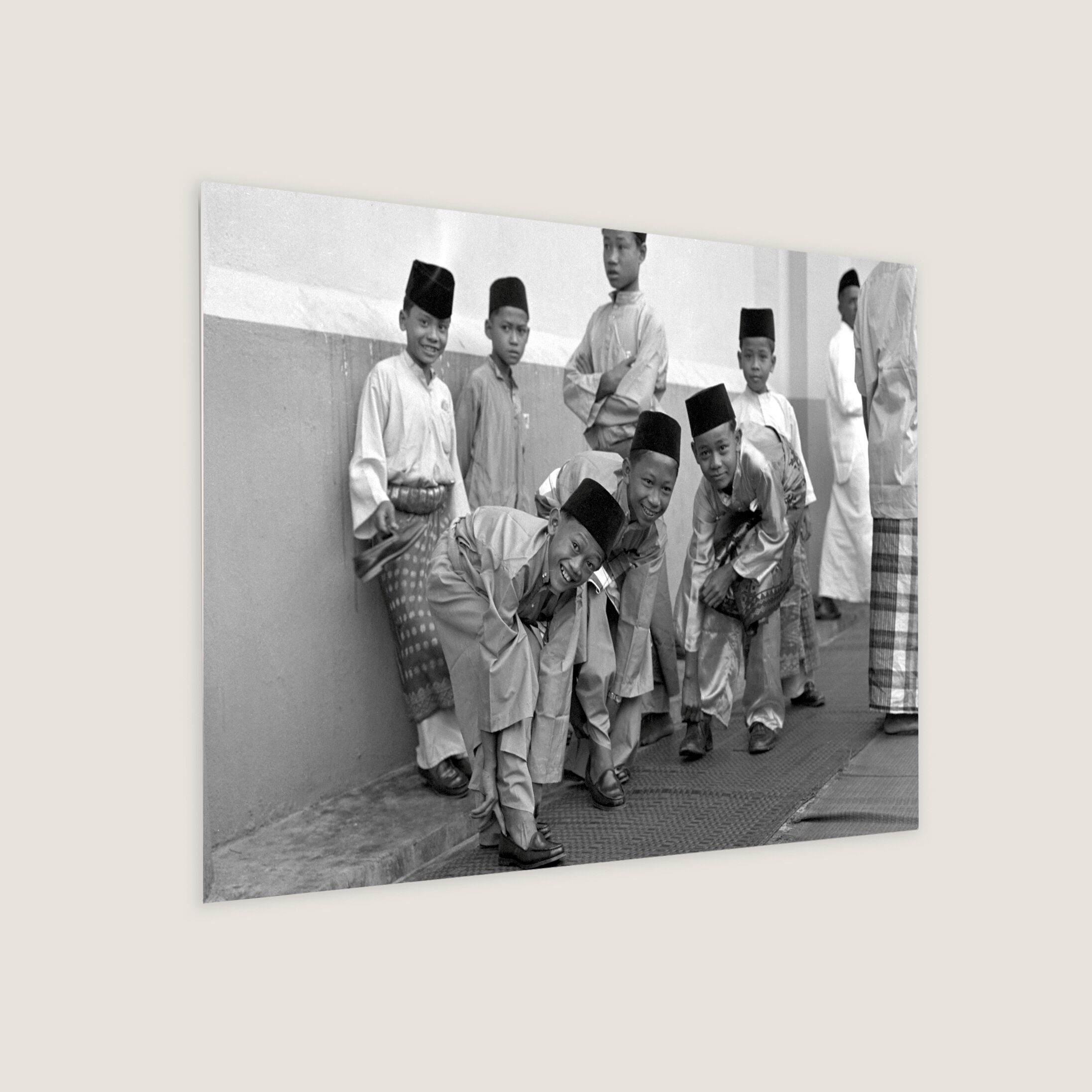
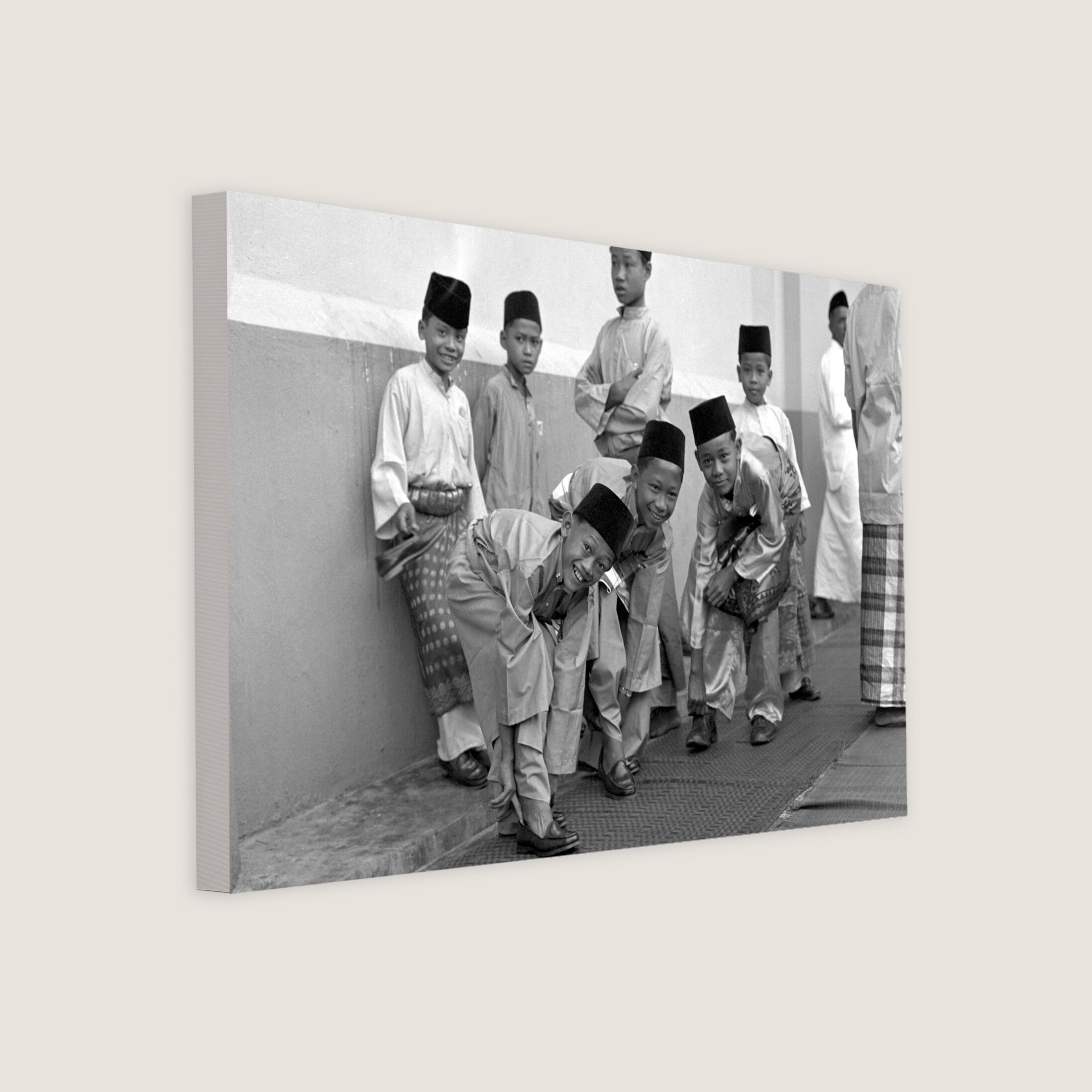
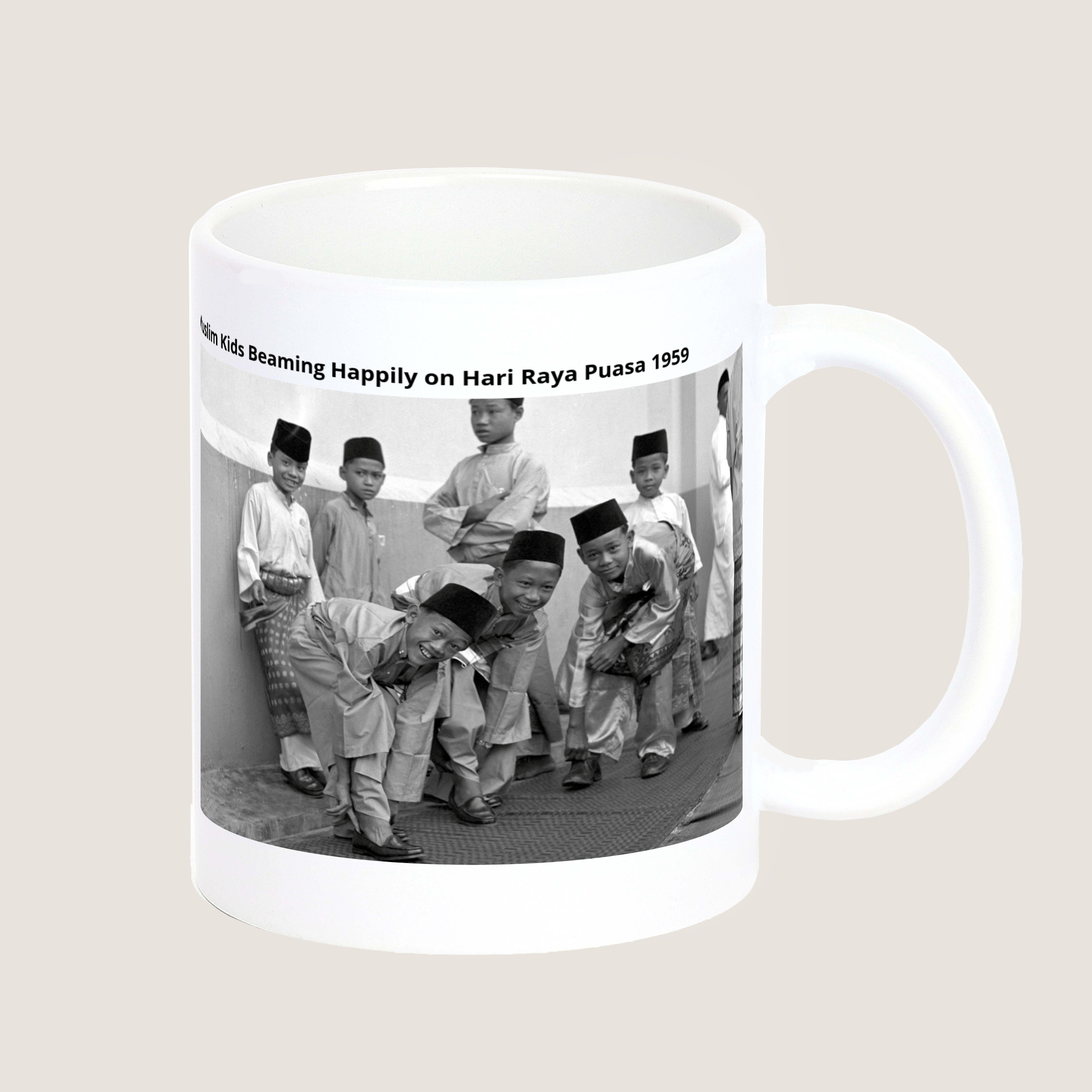
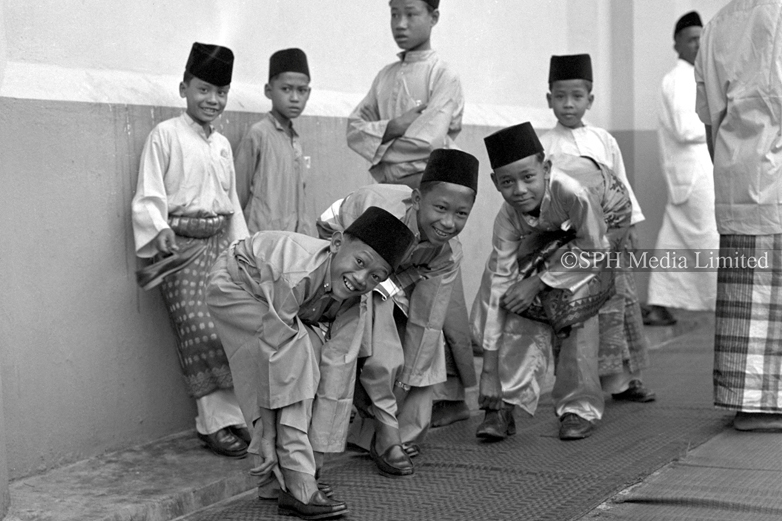 Muslim Kids Beaming Happily on Hari Raya Puasa
1959
Muslim Kids Beaming Happily on Hari Raya Puasa
1959
Muslim Kids Beaming Happily on Hari Raya Puasa
Year 1959
Happy Muslim children at the Sultan Mosque at Kampong Glam on Hari Raya Puasa. This Muslim celebratory occasion follows a month of fasting, known as Ramadan, which is a period of spiritual reflection and fasting for Muslims. The term 'hari raya' translates to 'big (or grand) day of rejoicing' in Malay. "
©️ SPH Media Limited
Share to
Tags
Available for print on products
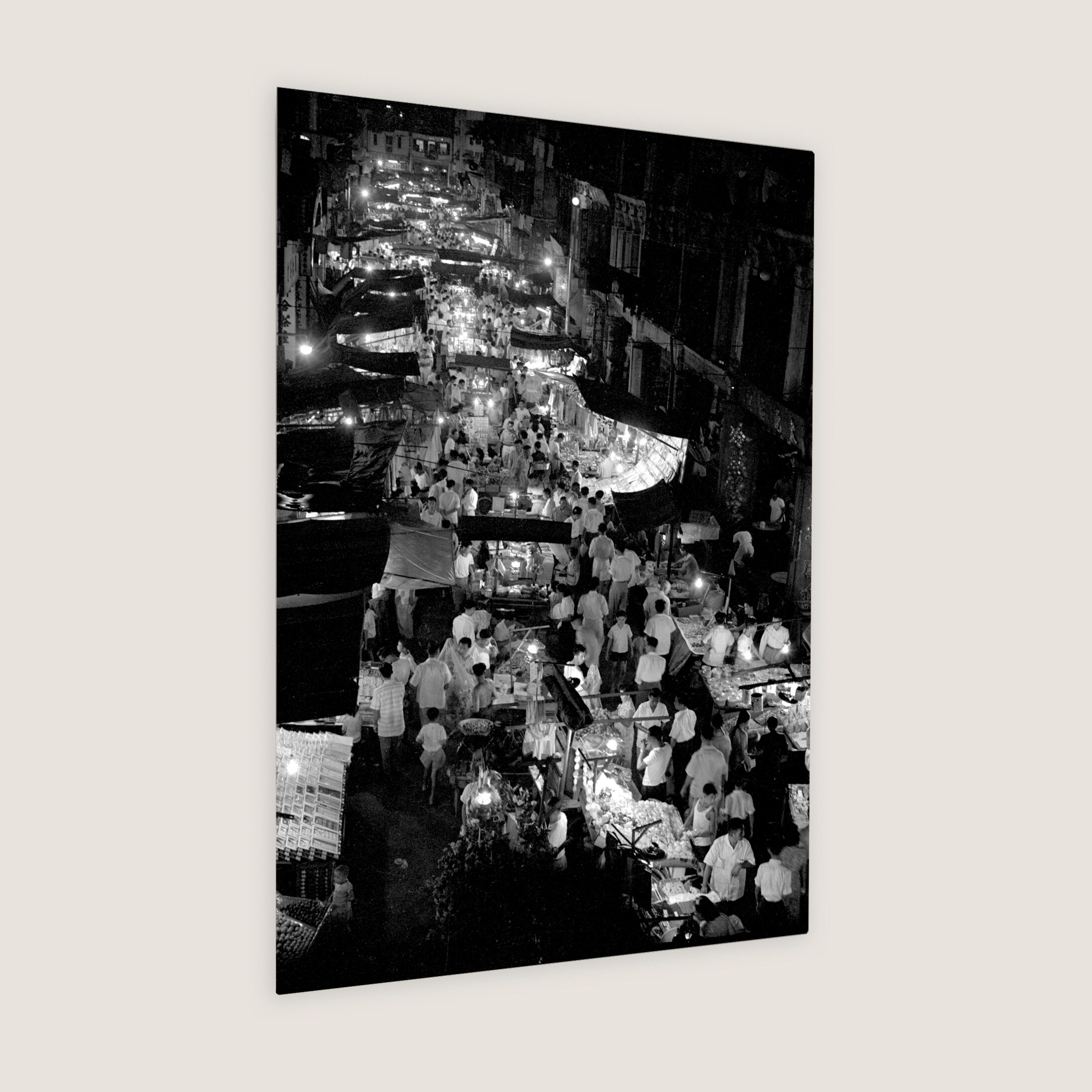
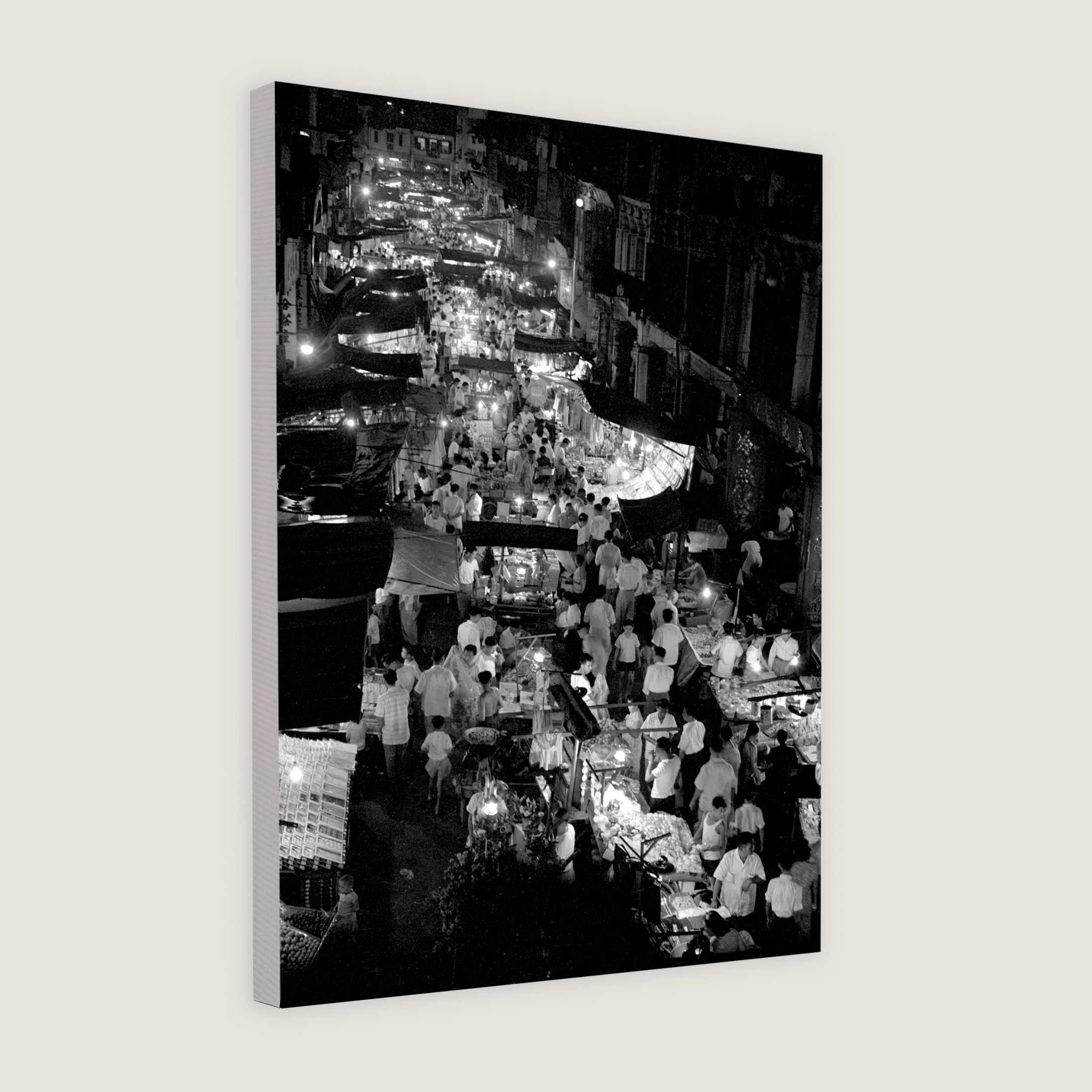
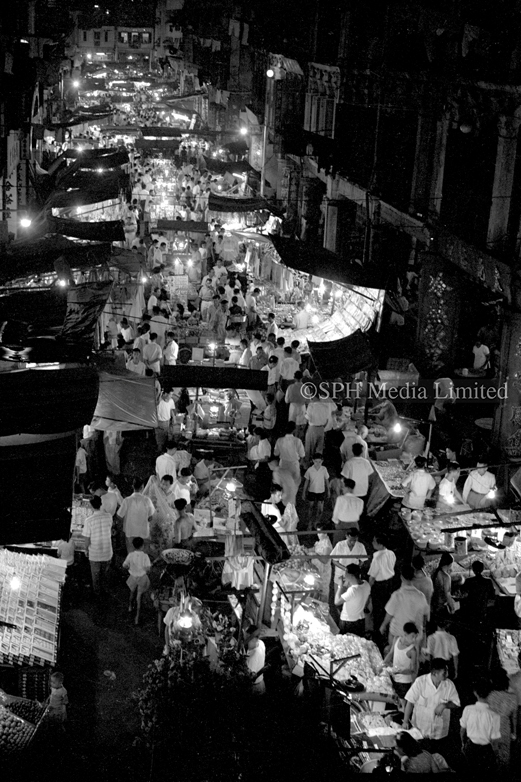 Pagoda Street Before Chinese New Year
1959
Pagoda Street Before Chinese New Year
1959
Pagoda Street Before Chinese New Year
Year 1959
The bustling night scene of hawkers stalls and shoppers in Pagoda Street with just two more days to go before Chinese New Year on Sunday in 1959. Pagoda Street's name originated from the nearby Sri Mariamman Temple, located at the corner of South Bridge Road and Pagoda Street.
©️ SPH Media Limited
Share to
Tags
Available for print on products
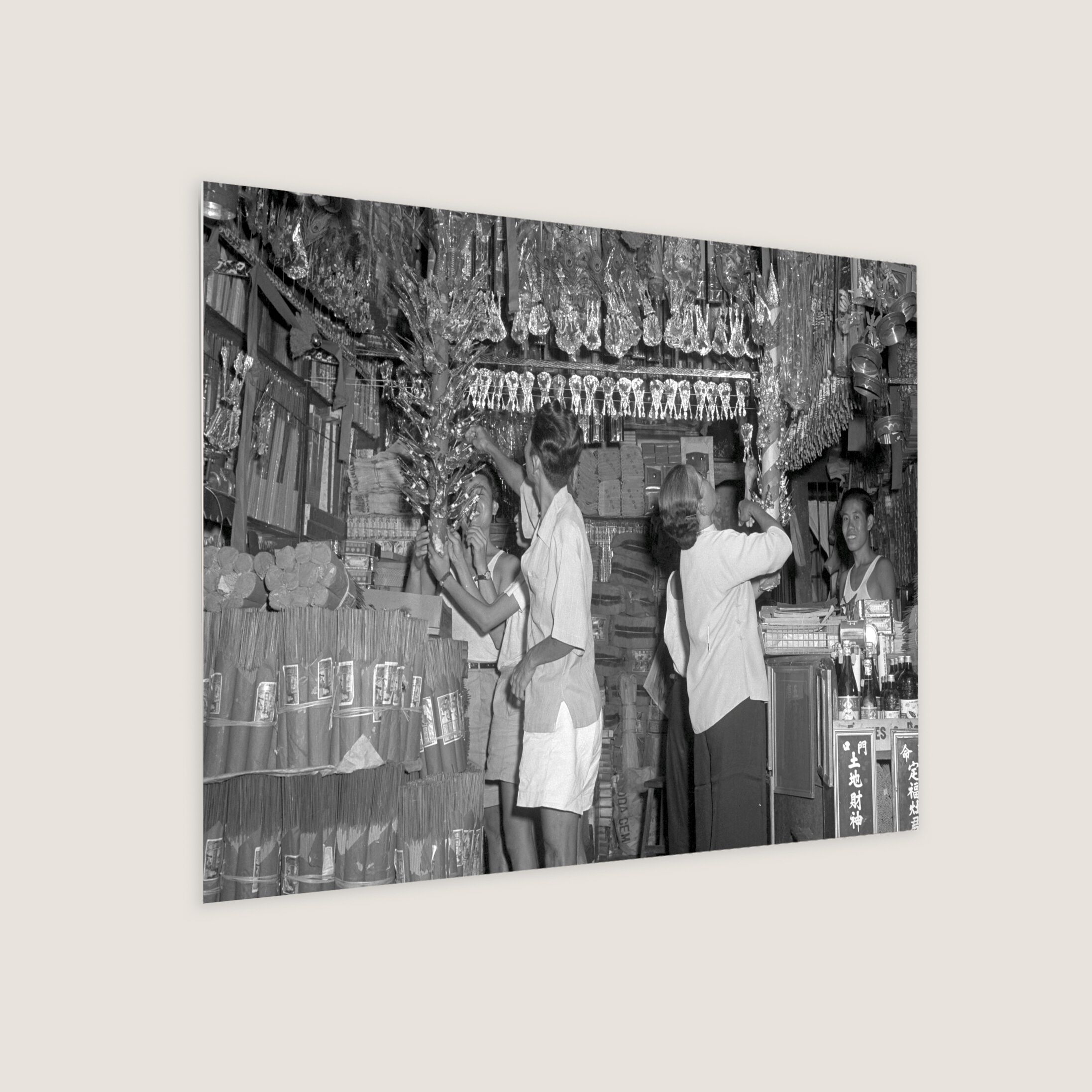
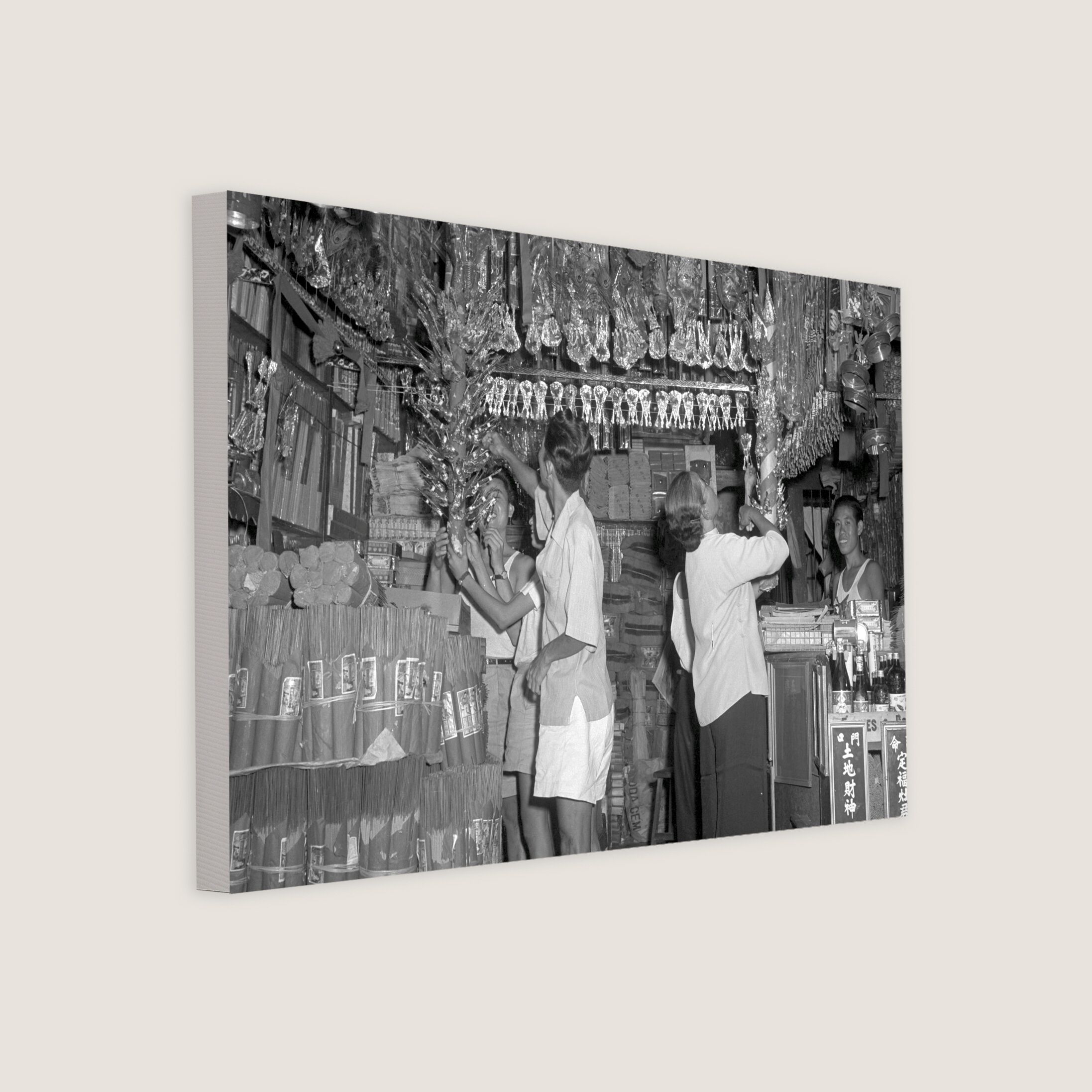
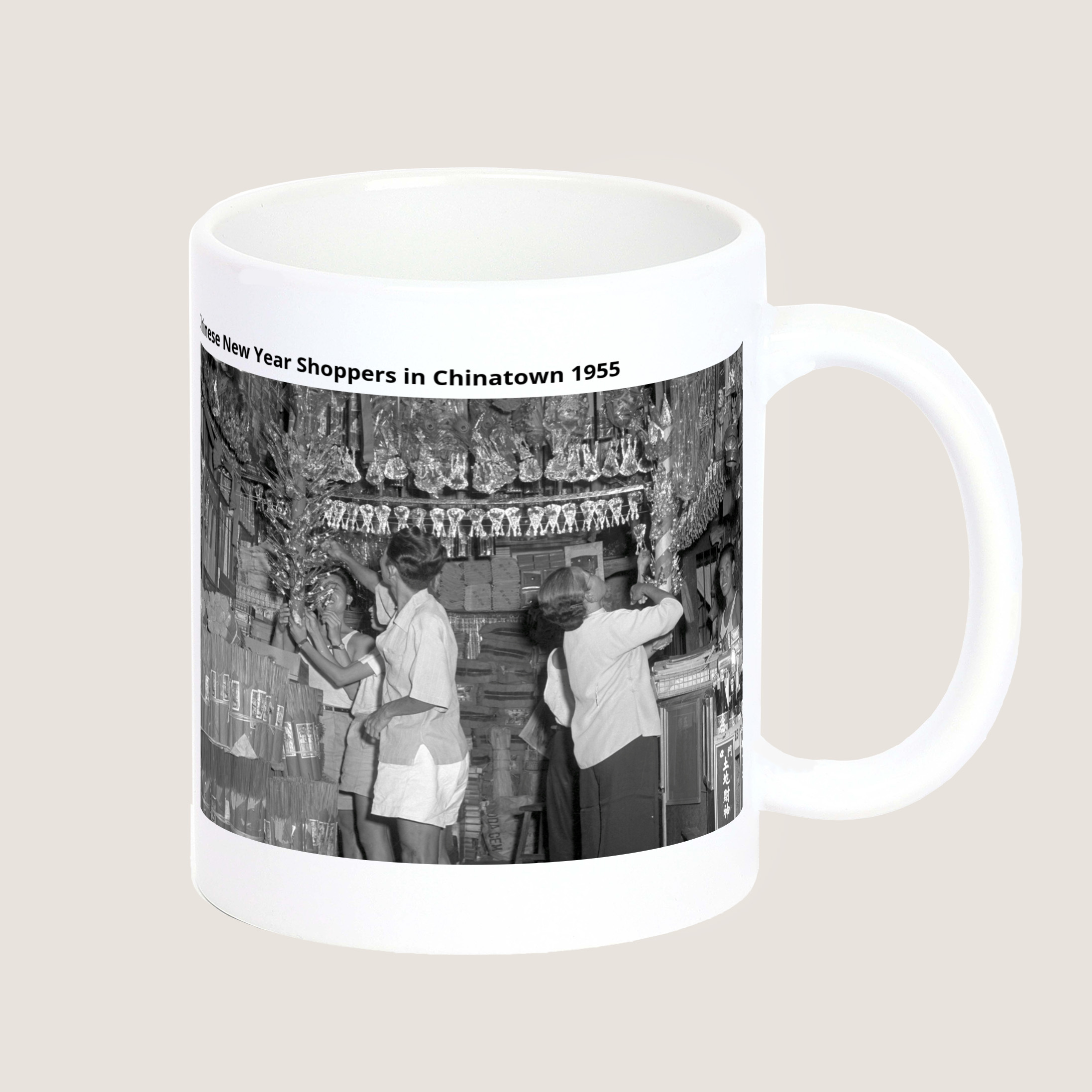
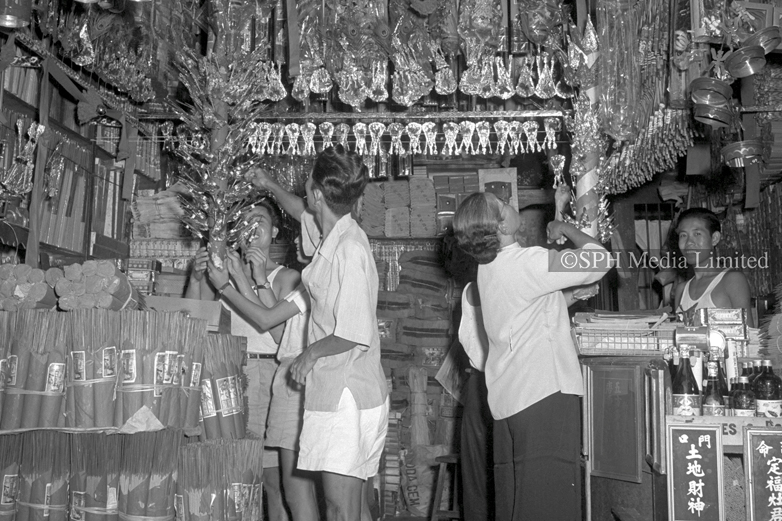 Chinese New Year Shoppers in Chinatown
1955
Chinese New Year Shoppers in Chinatown
1955
Chinese New Year Shoppers in Chinatown
Year 1955
Here are some Chinese New Year shoppers in Chinatown in 1955. This shop primarily sells wares for prayers, such as joss sticks and joss papers. These offerings are meant to appease the deceased.
©️ SPH Media Limited
Share to
Tags
Available for print on products
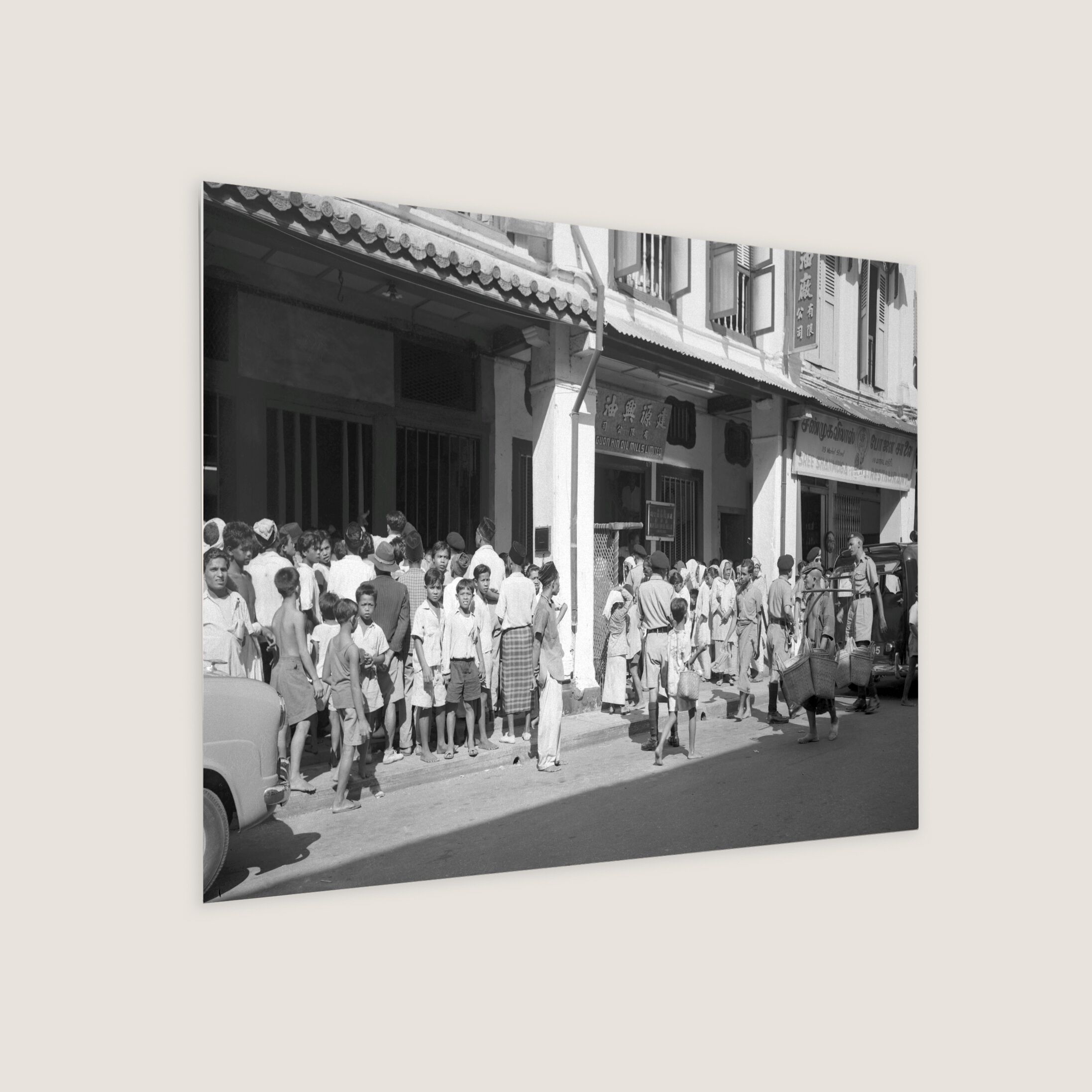
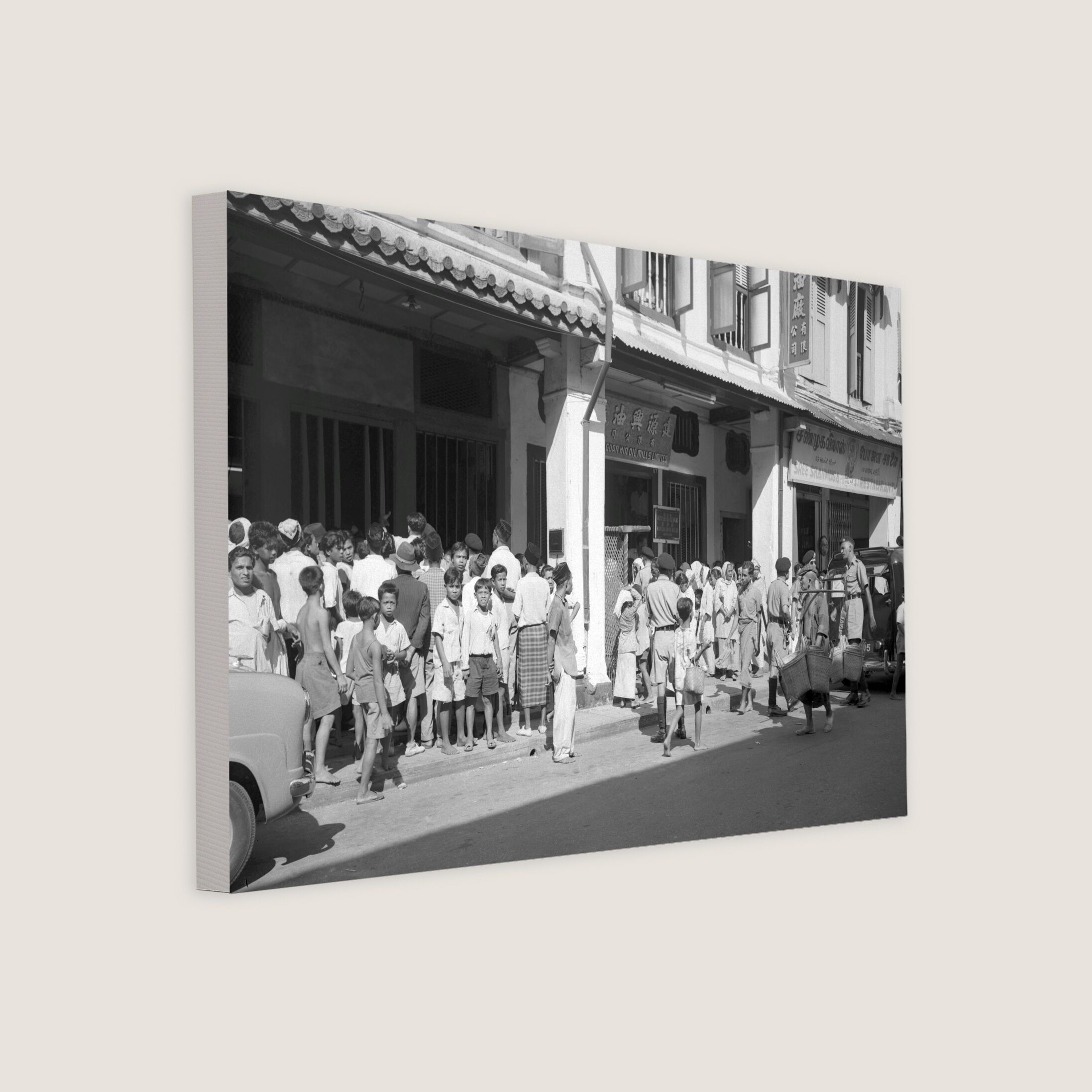
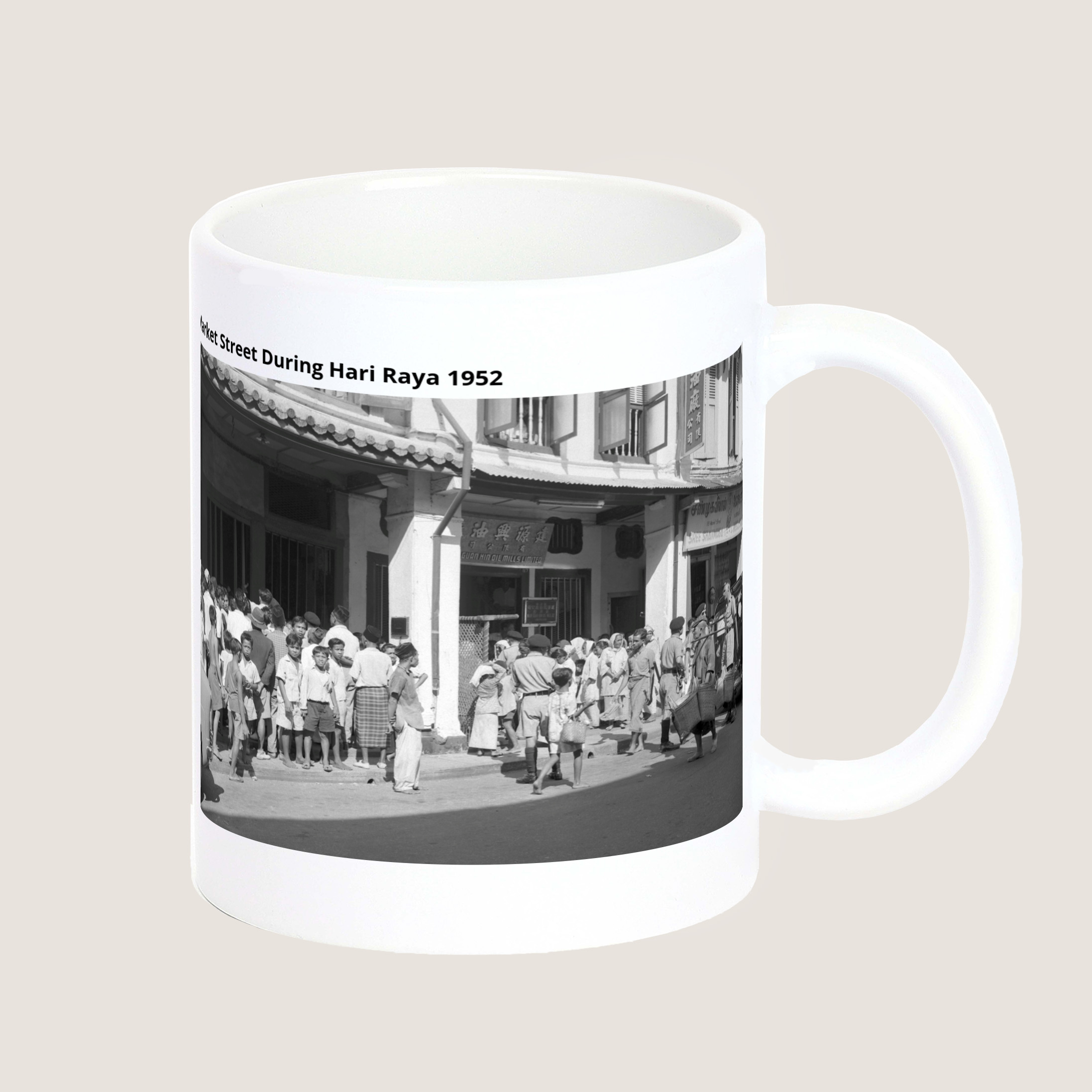
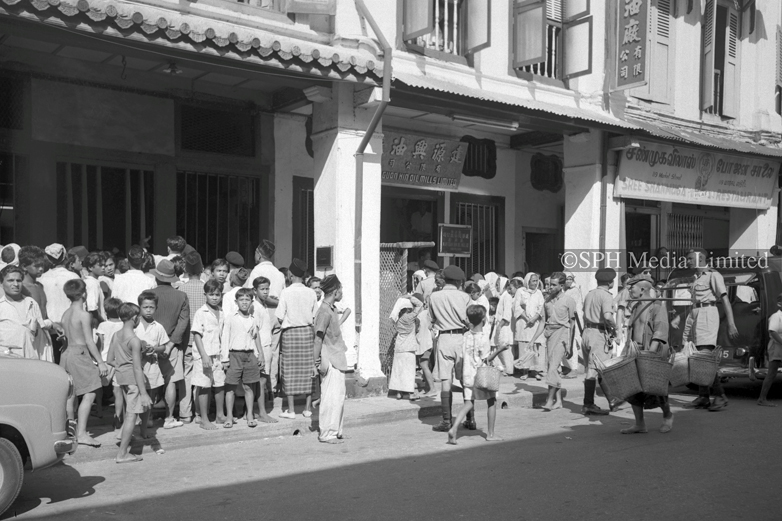 Market Street During Hari Raya
1952
Market Street During Hari Raya
1952
Market Street During Hari Raya
Year 1952
A crowd of people who came from all over Singapore gathered in front of a small shop on Market Street for special Hari Raya gifts. Market Street is considered one of the older streets of Singapore, home to many Indians and Hokkiens.
©️ SPH Media Limited
Share to
Tags
Available for print on products
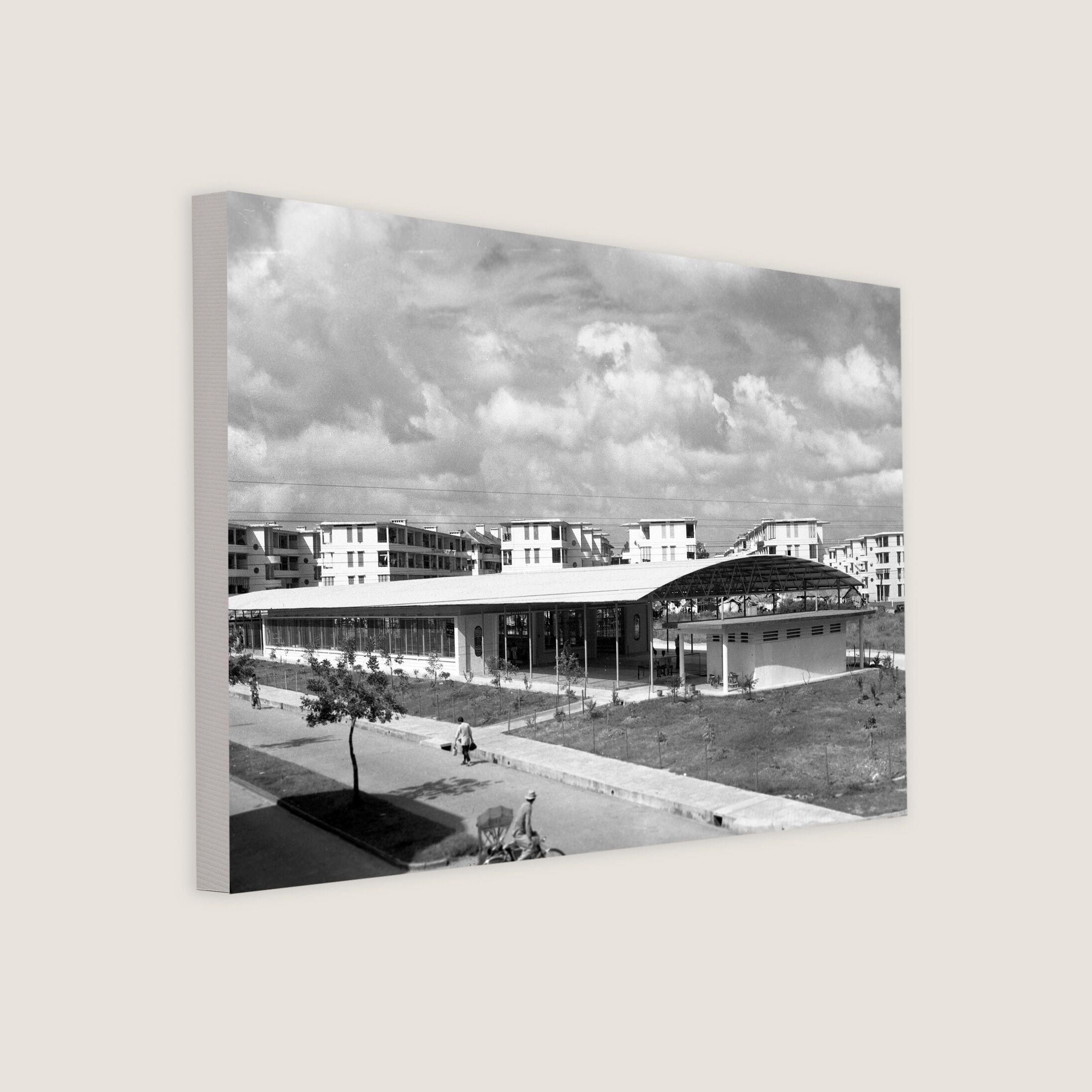
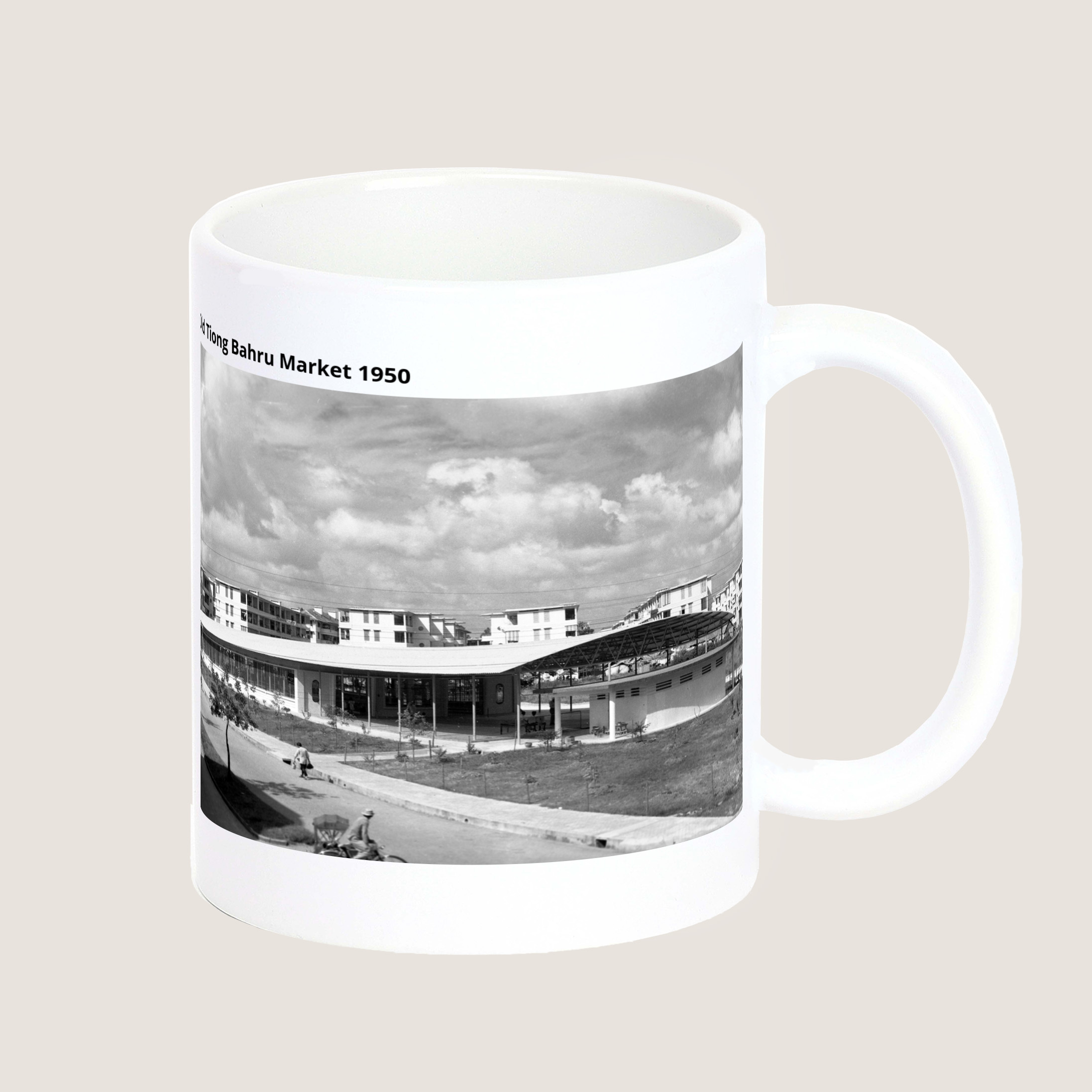
 Old Tiong Bahru Market
1950
Old Tiong Bahru Market
1950
Old Tiong Bahru Market
Year 1950
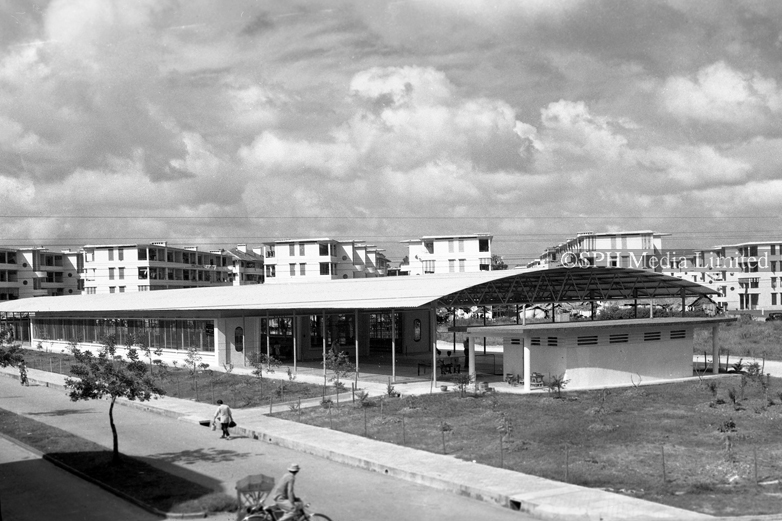
Tiong Bahru Market was built in December 1950. Opened in 1951, the Seng Poh Road Market is a wooden structure with a zinc roof. It houses many street food vendors and serves as a community canteen for residents of nearby HDB housing estates. In 1993, when the Seng Poh Road Market was renovated to accommodate more stalls, it was renamed Tiong Bahru Market. The market renovation cost $155,000.
©️ SPH Media Limited
Share to
Tags
Available for print on products
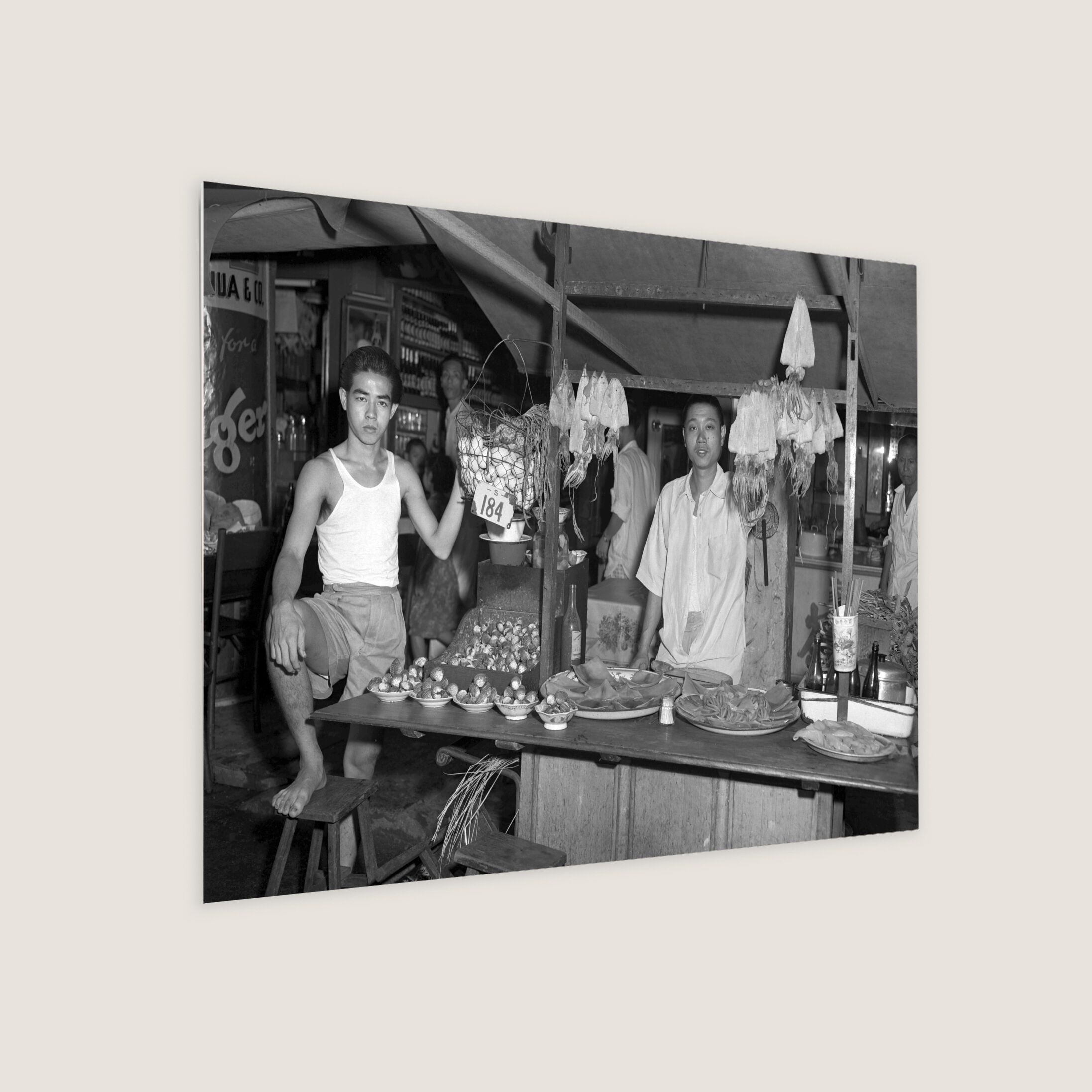
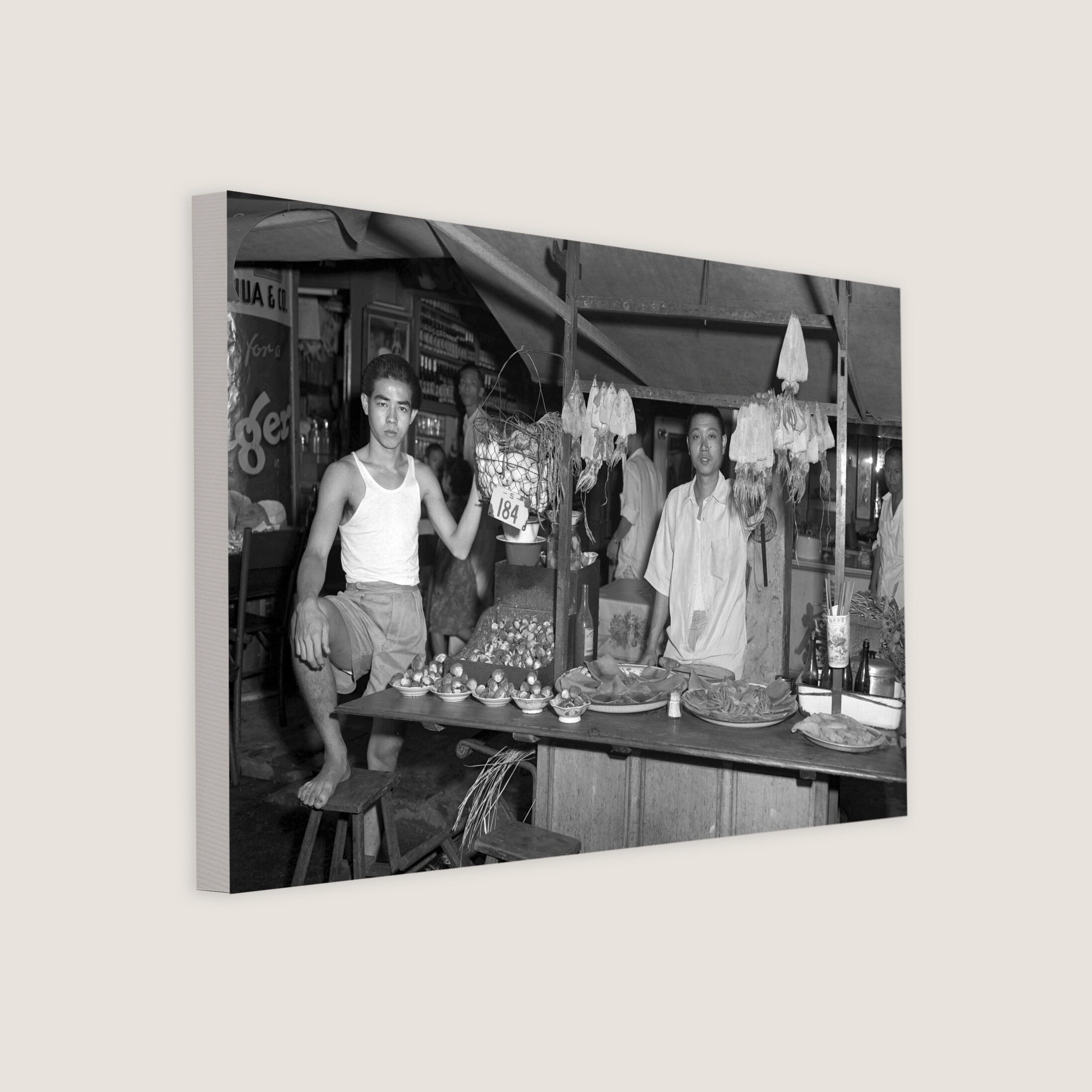
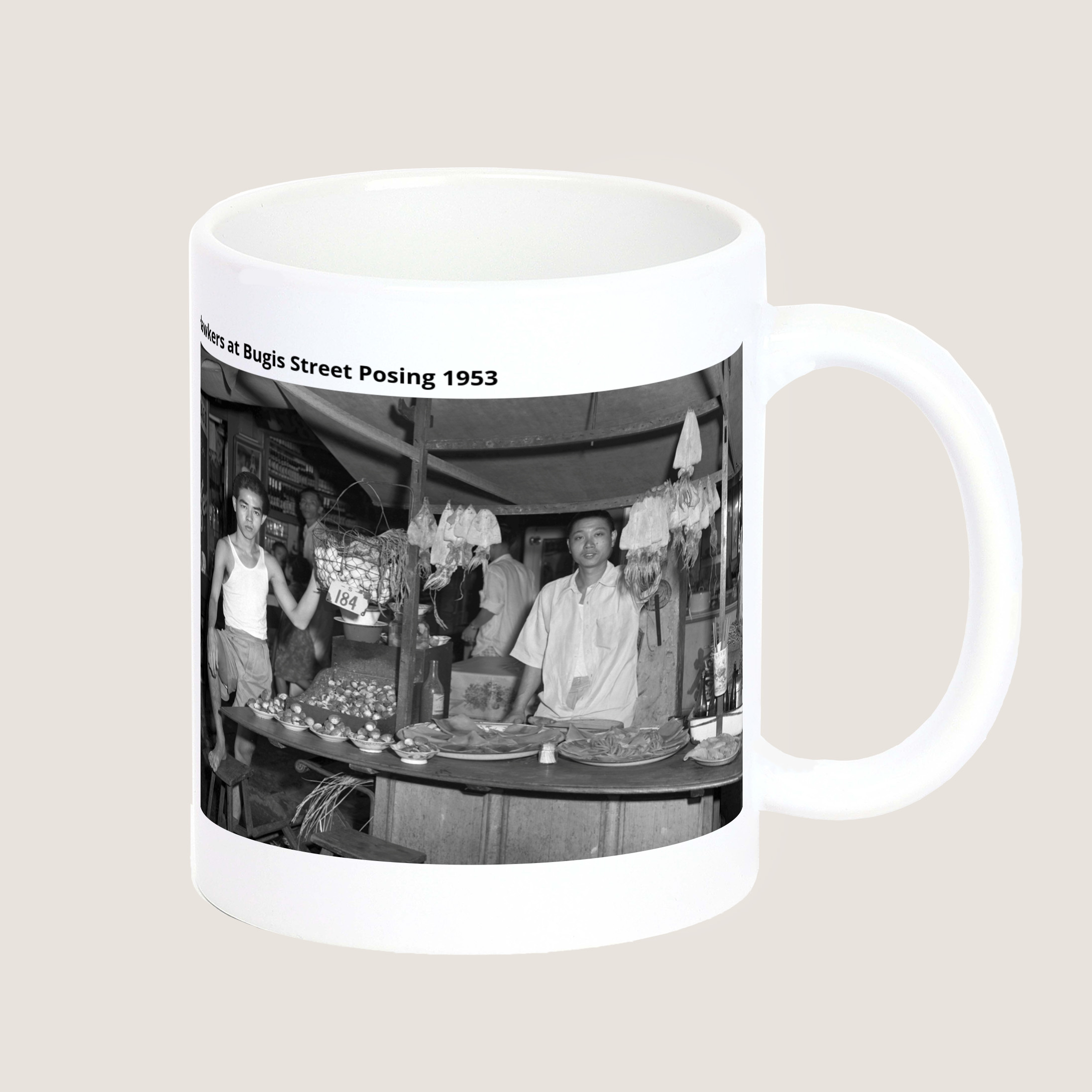
 Hawkers at Bugis Street Posing
1953
Hawkers at Bugis Street Posing
1953
Hawkers at Bugis Street Posing
Year 1953
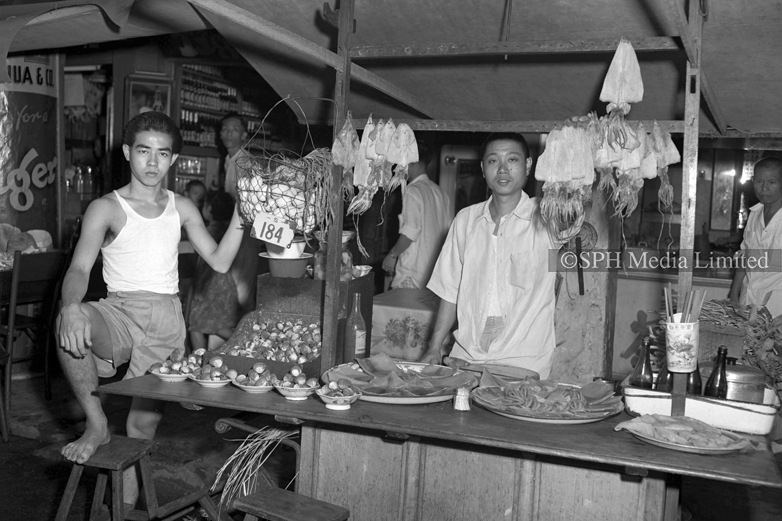
The picture features a tze char stall at Bugis Street. Between the 1950s and 60s, Bugis Street was known for nightlife, cabaret performances by drag queens, and food. Street stalls were opened till late to cater to the people that were there for the nightlife.
©️ SPH Media Limited
Share to
Tags
Available for print on products
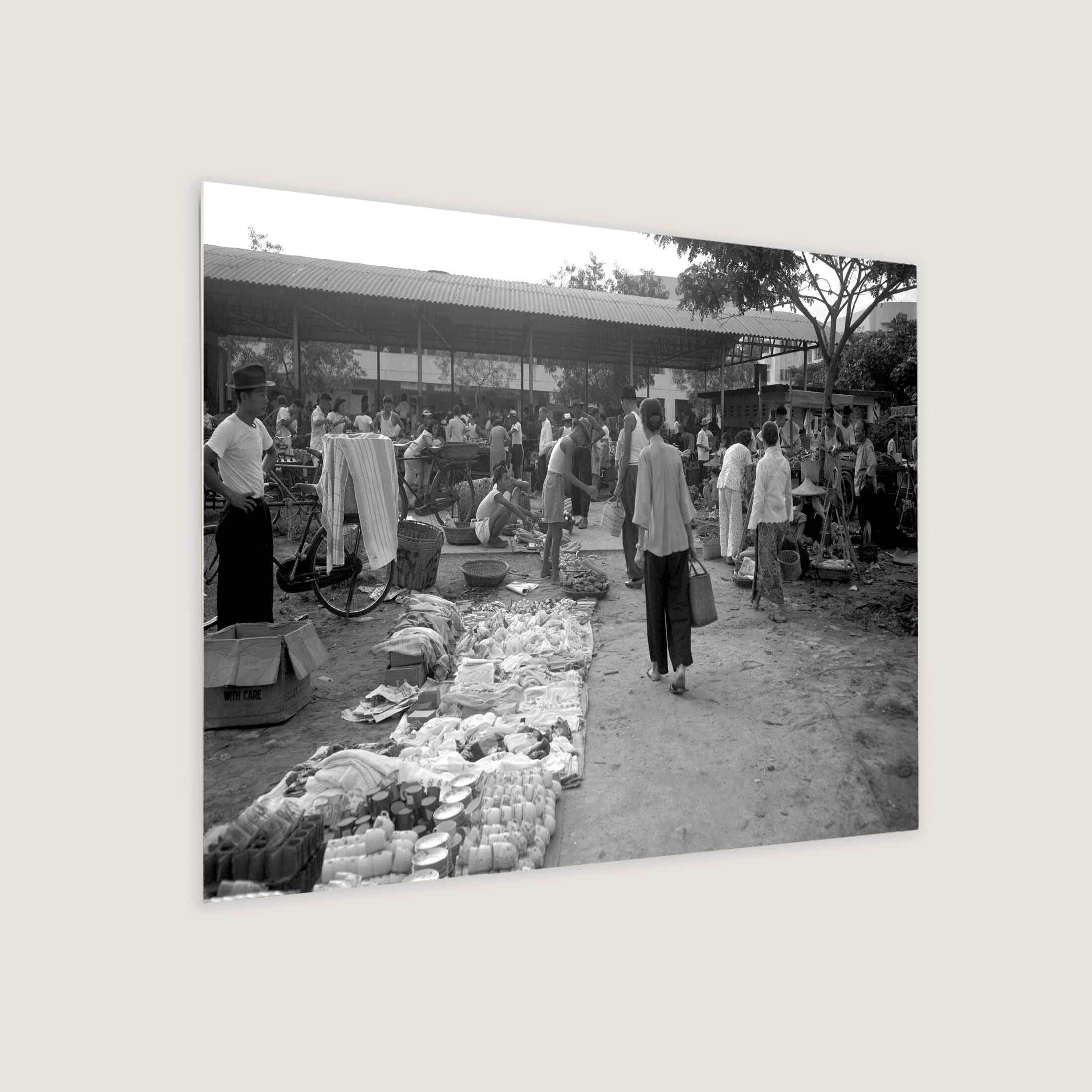
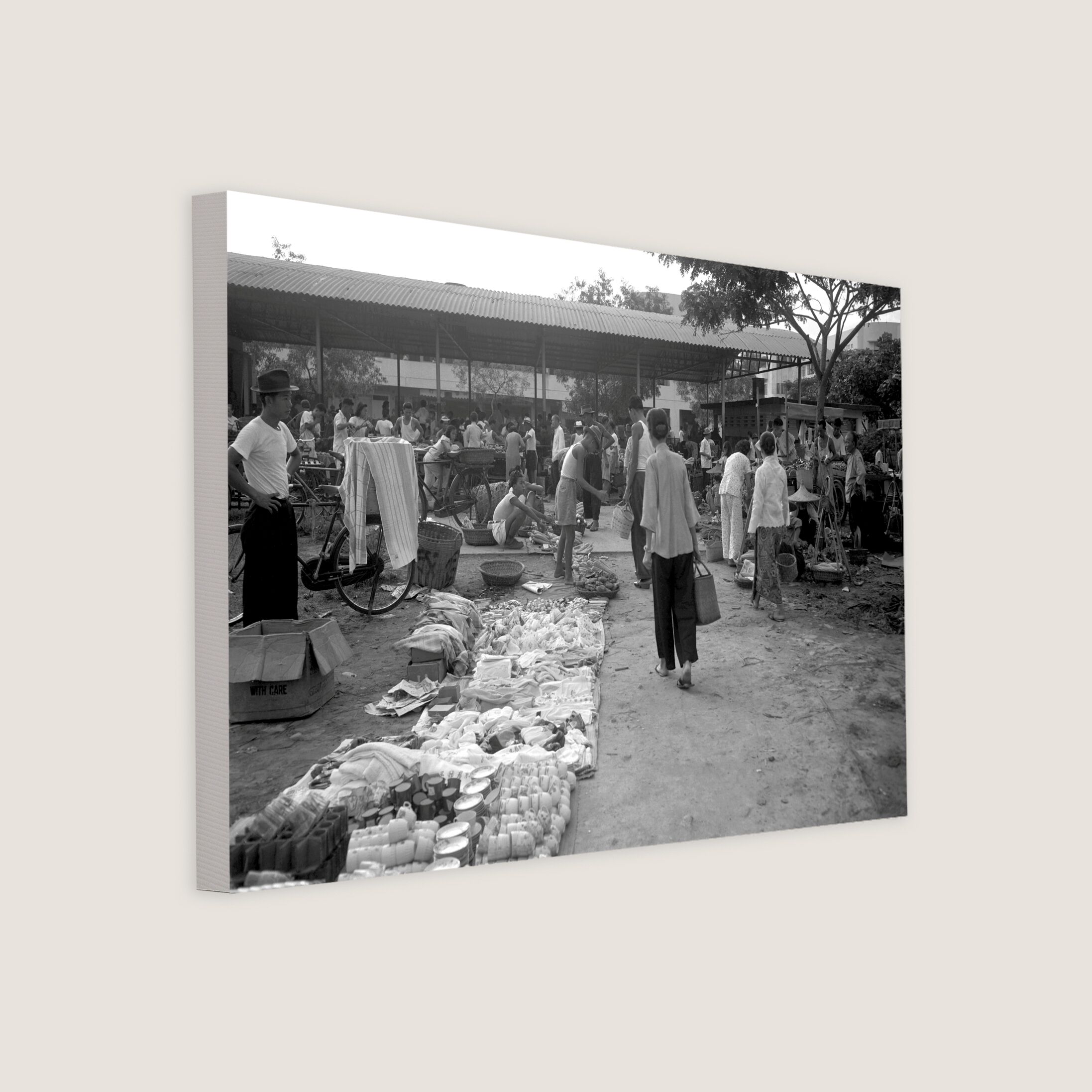
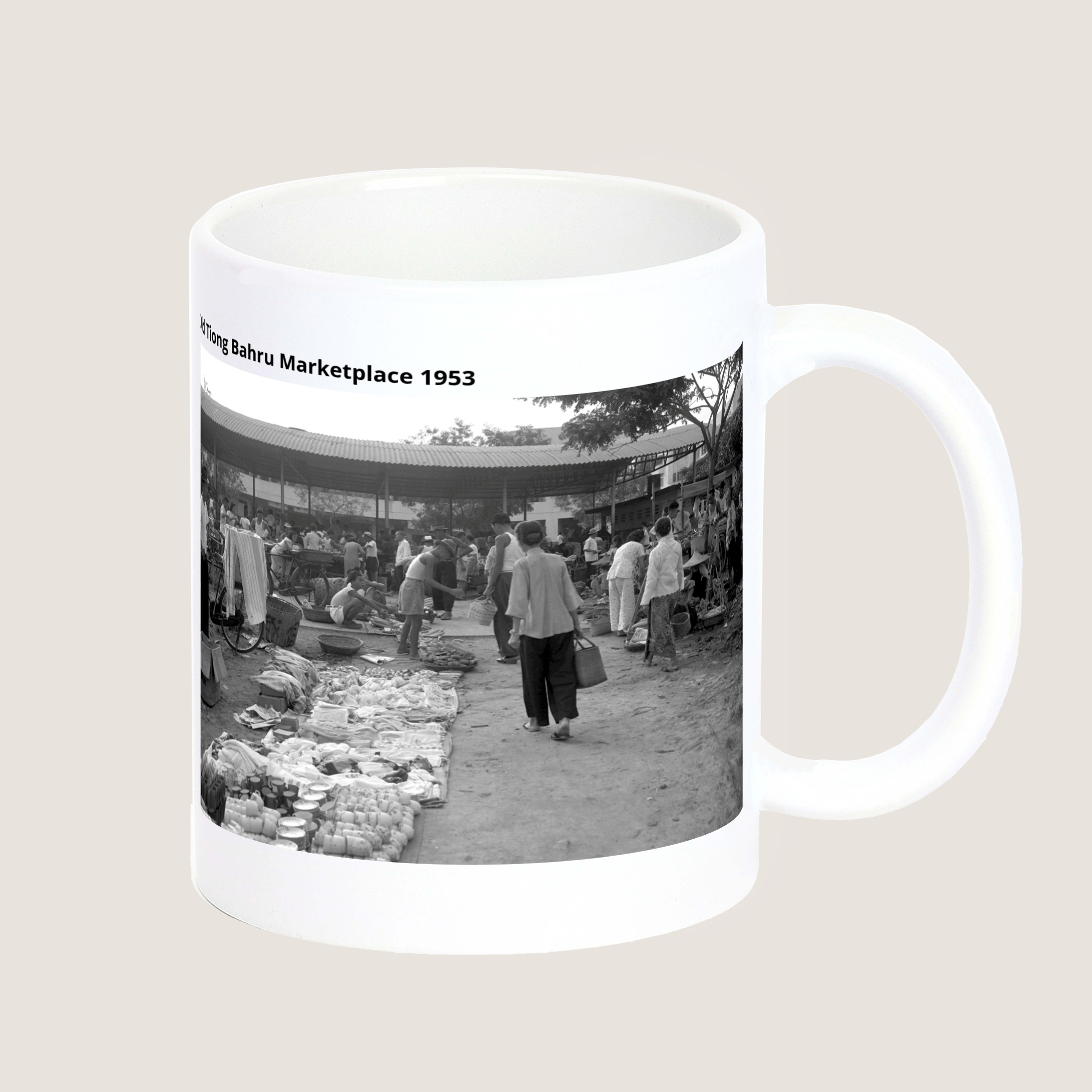
 Old Tiong Bahru Marketplace
1953
Old Tiong Bahru Marketplace
1953
Old Tiong Bahru Marketplace
Year 1953
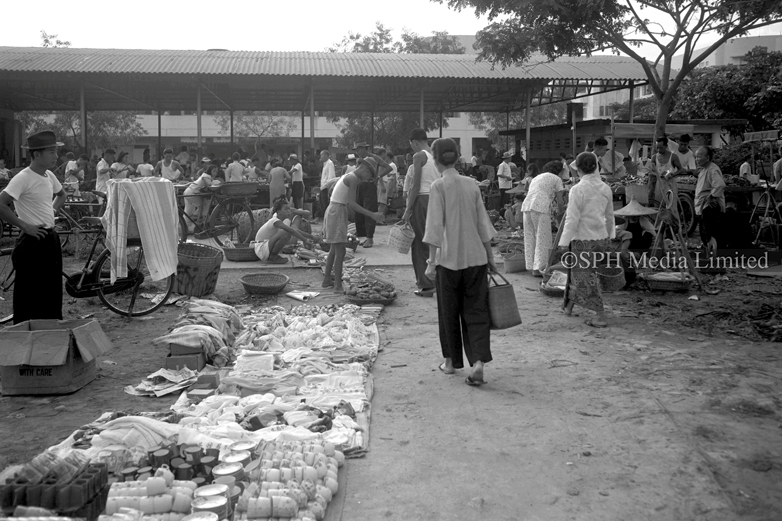
Hawkers once gathered outside at the junction of Seng Poh Road and Tiong Bahru Road. In 1993, the hawking place was revamped and renamed Tiong Bahru Market, introducing new facilities and amenities. Between 2004 and 2006, the market underwent significant upgrading works. Today, Tiong Bahru Market stands as a 2-storey building, featuring a bustling wet market on the first floor and a vibrant hawker centre on the second, offering a wide range of local cuisine and fresh produce.
©️ SPH Media Limited
Share to
Tags
Available for print on products
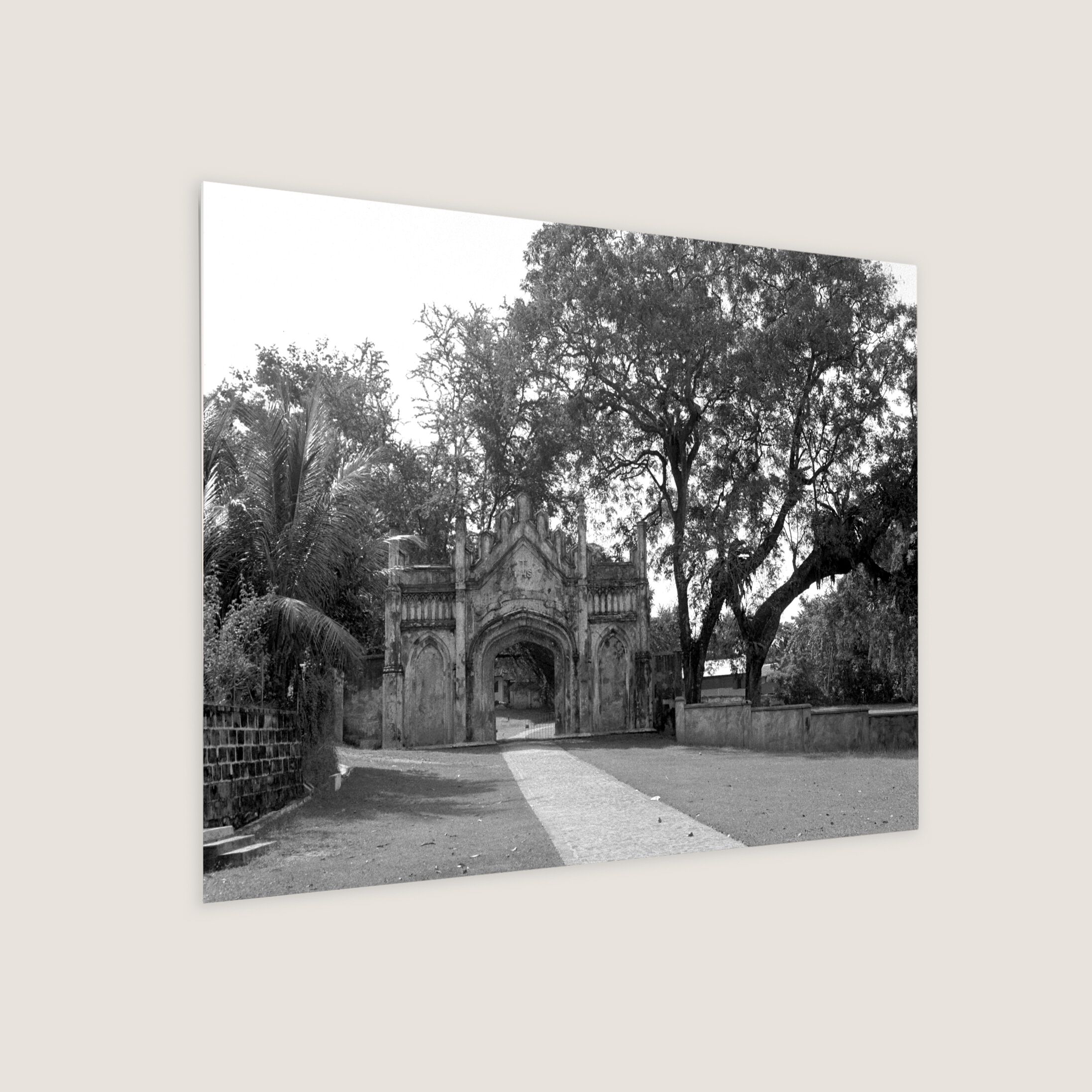
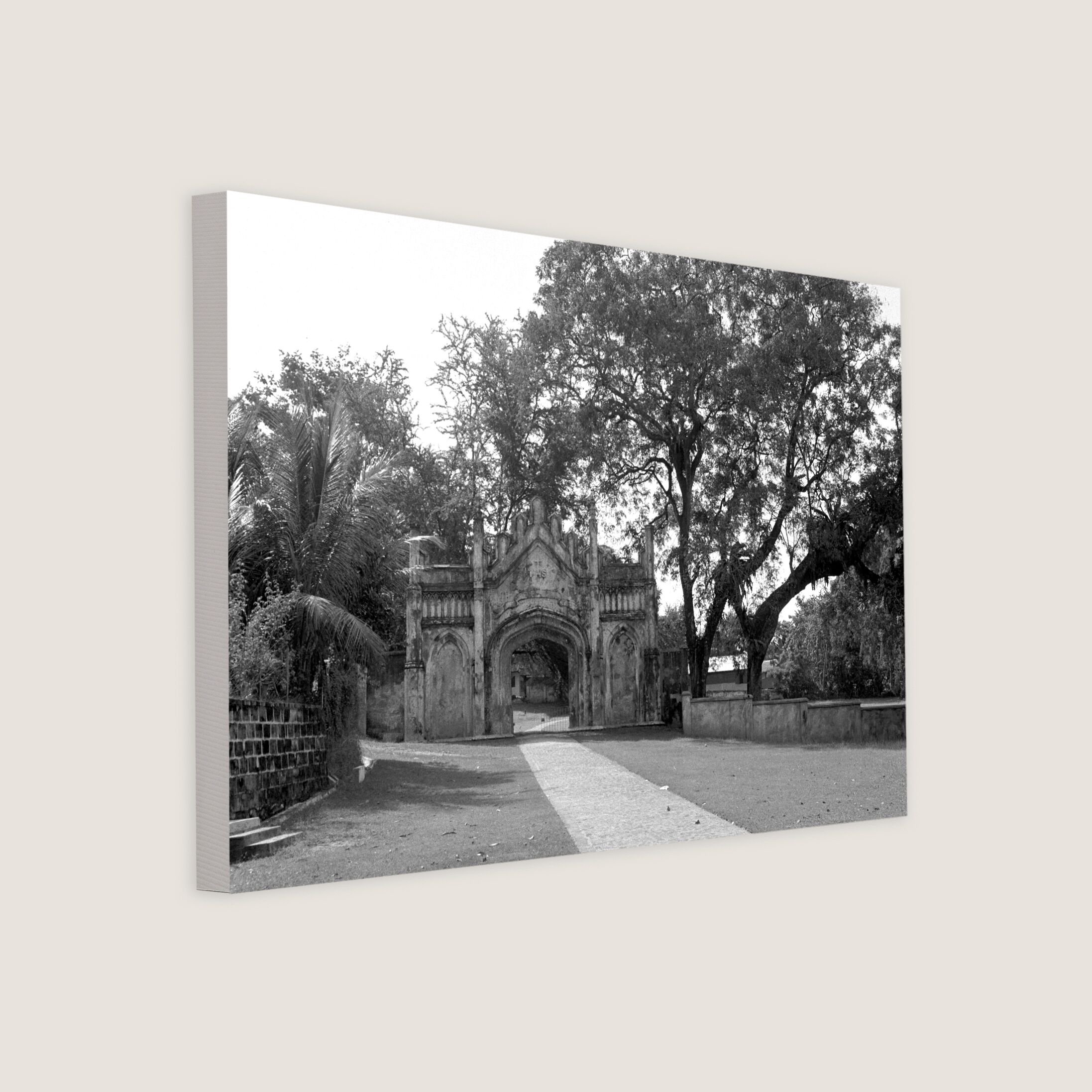
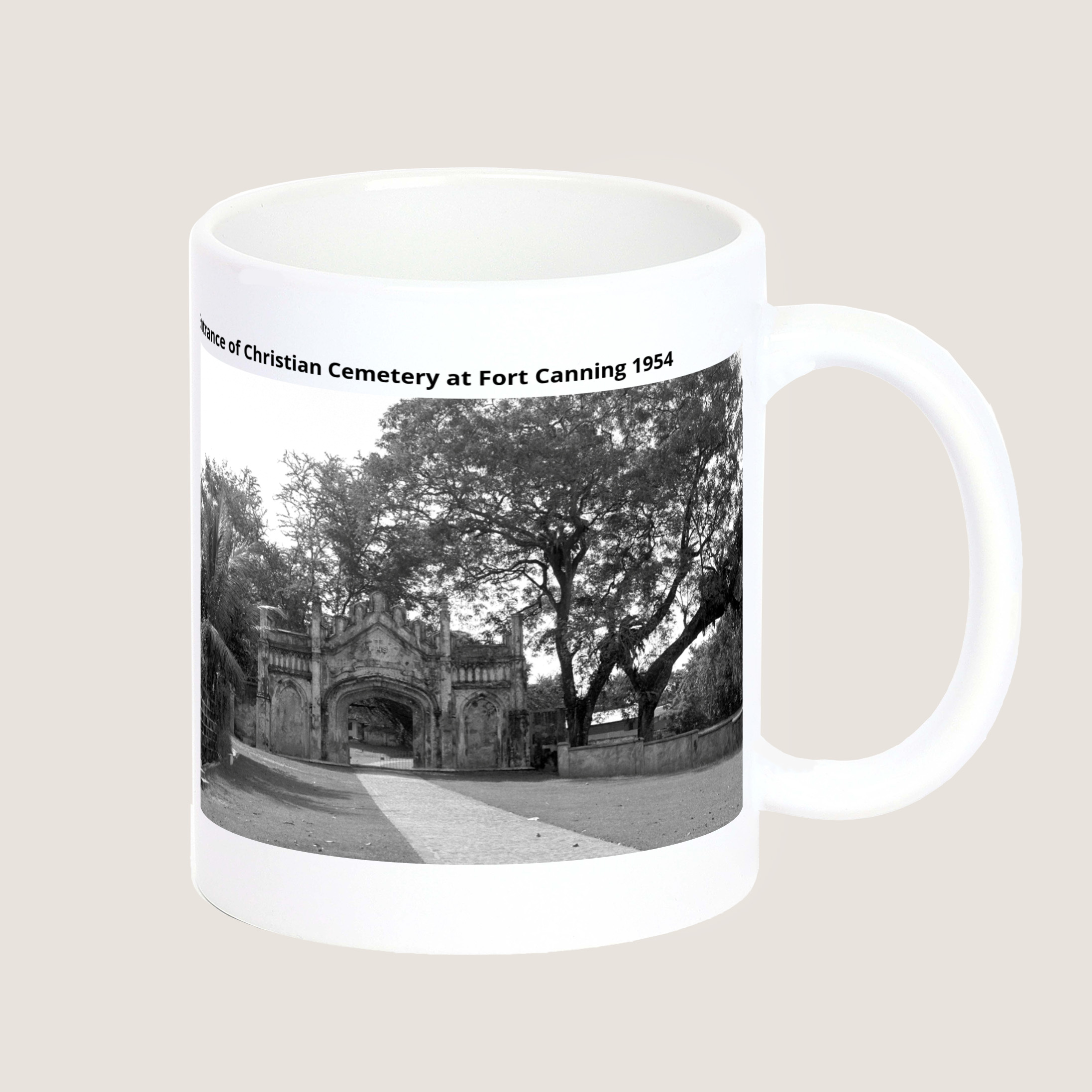
 Entrance of Christian Cemetery at Fort Canning
1954
Entrance of Christian Cemetery at Fort Canning
1954
Entrance of Christian Cemetery at Fort Canning
Year 1954
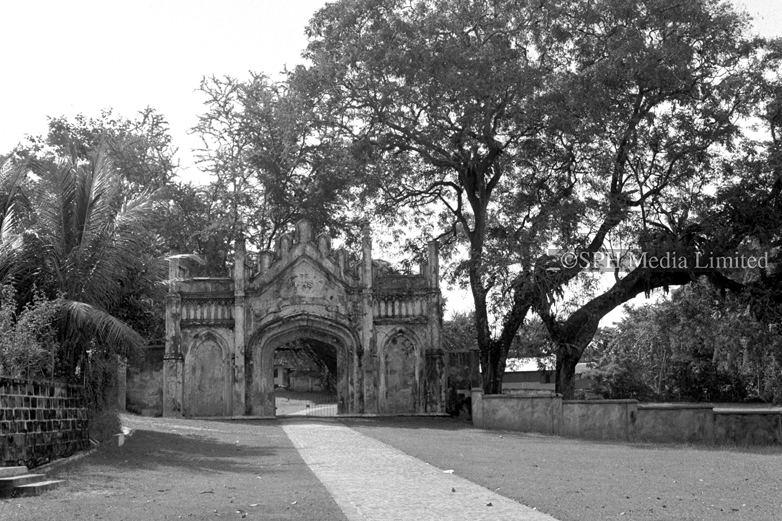
Featuring the gothic gateways to where the old Christian Cemetery was once located at Fort Canning in 1954. Now, the majority of the tombstones have been moved to the St. Gregory's Armenian Church. The hill was once where the palace of Sang Nila Utama was. Eventually, Fort Canning was renamed as Fort Canning Park in 1984.
©️ SPH Media Limited
Share to
Tags
Available for print on products
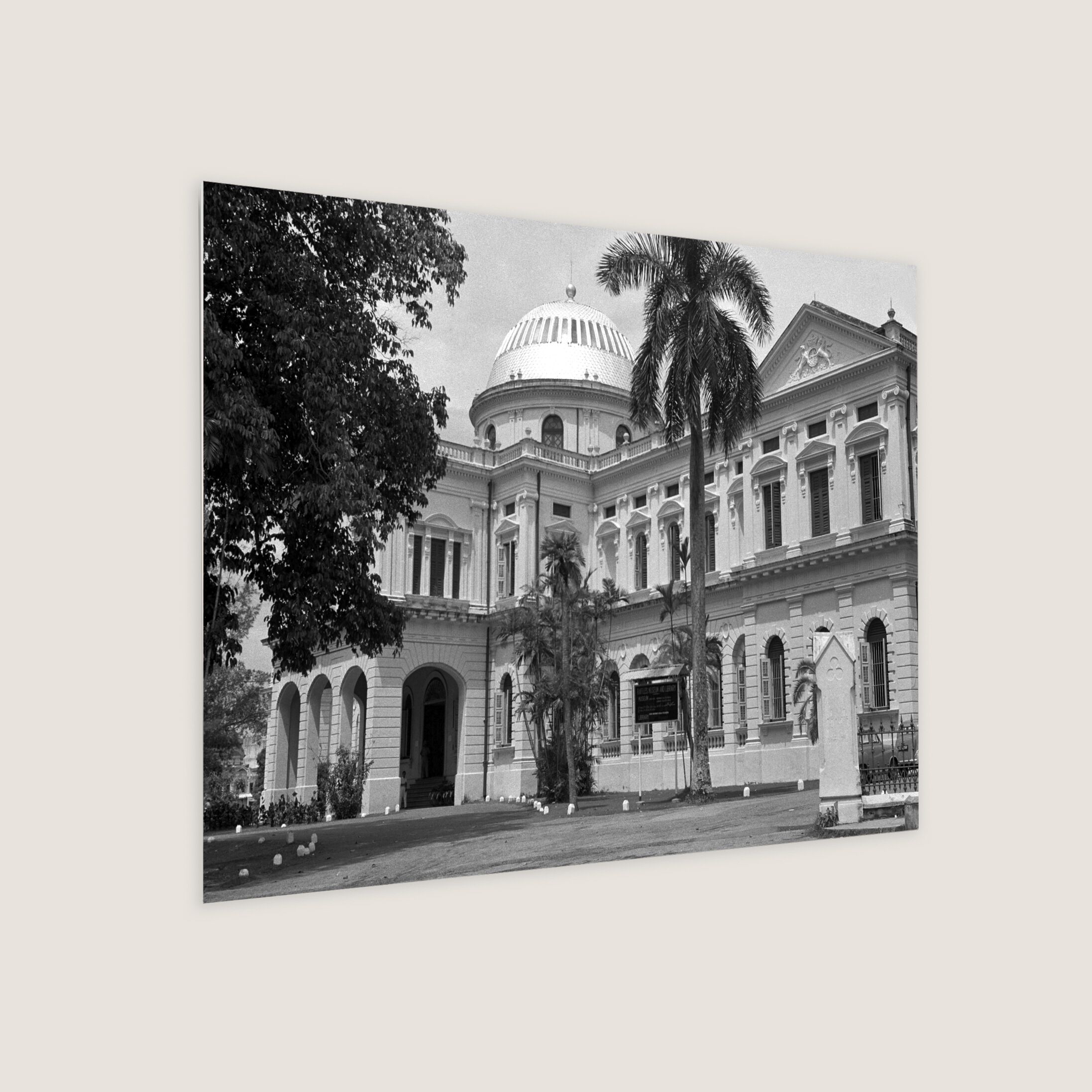
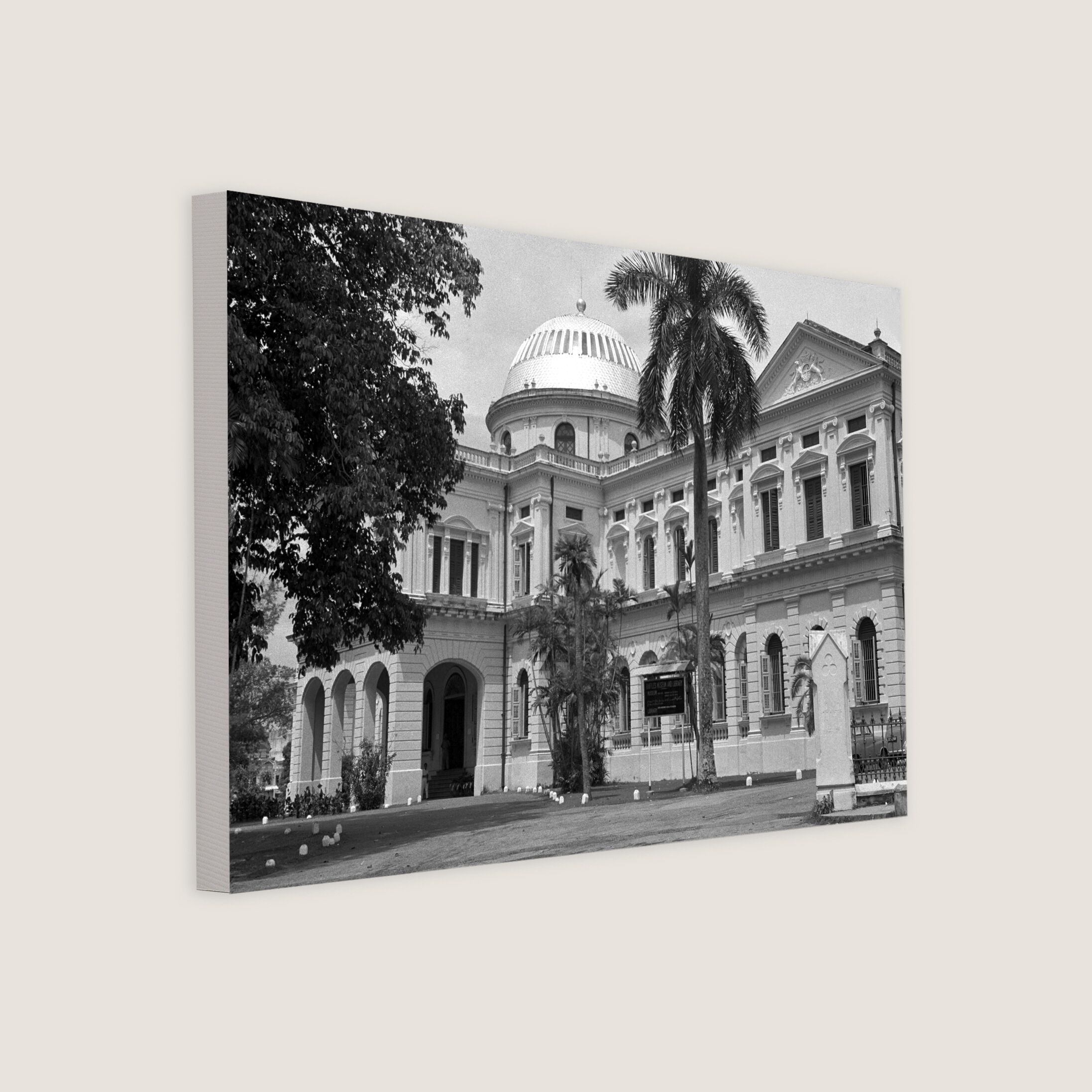
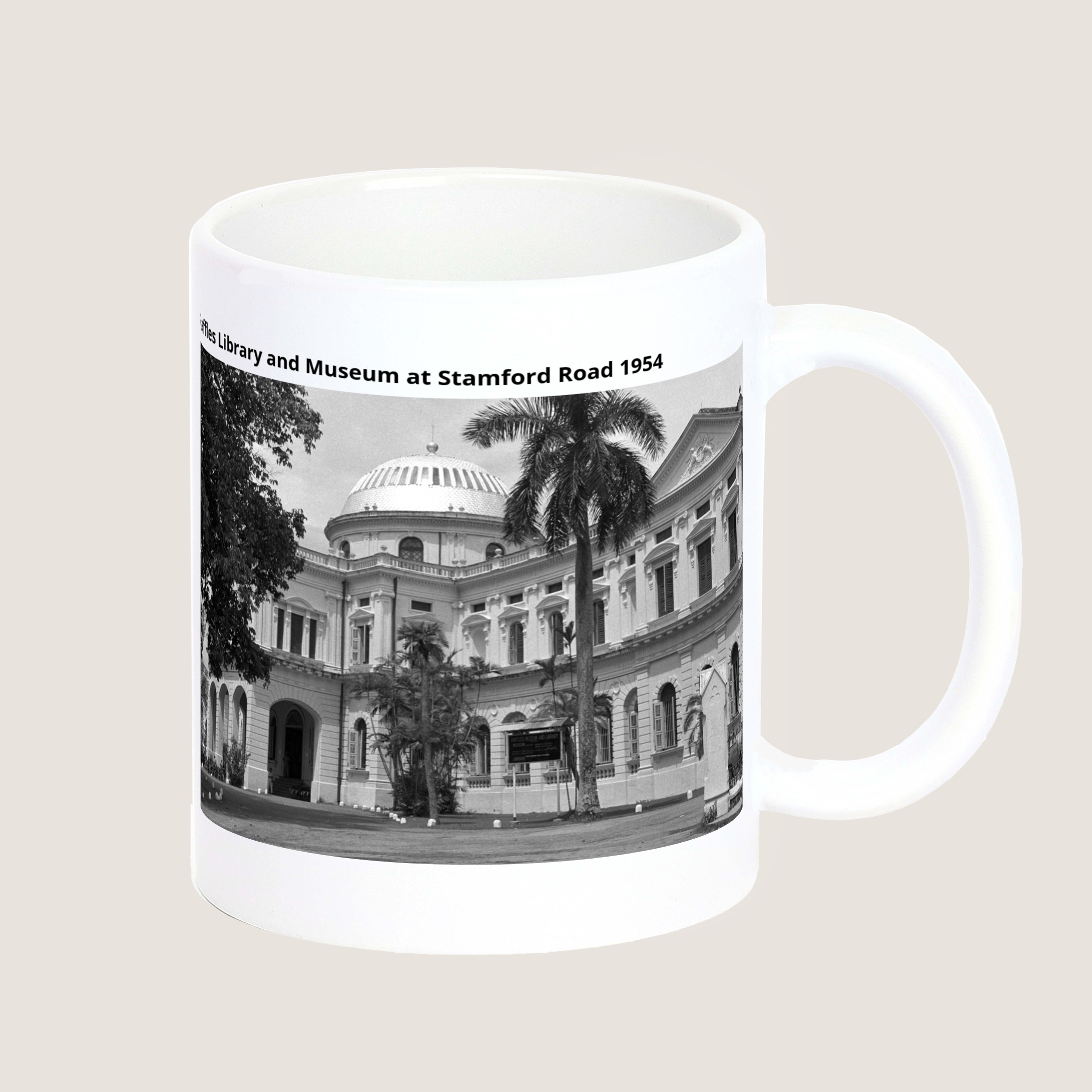
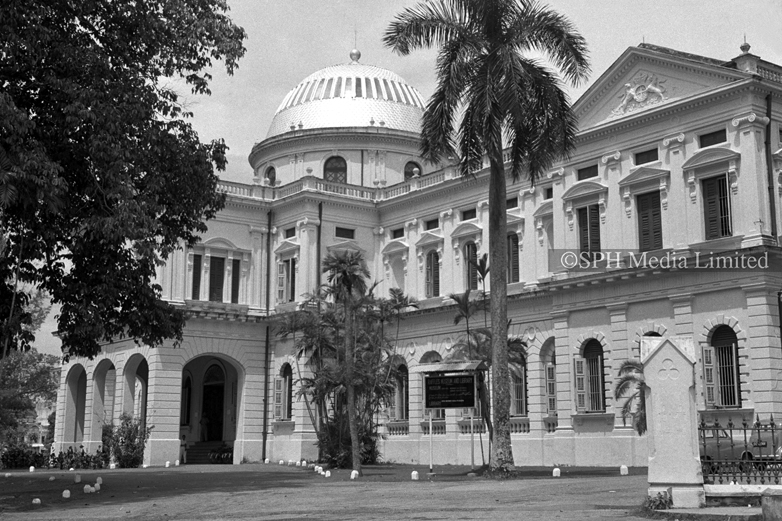 Raffles Library and Museum at Stamford Road
1954
Raffles Library and Museum at Stamford Road
1954
Raffles Library and Museum at Stamford Road
Year 1954
In 1874, under colonial rule, the Singapore Library became a public library. Afterwards, it combined with a new museum and was renamed the Raffles Library and Museum. Today, it is known as the National Museum of Singapore.
©️ SPH Media Limited
Share to
Tags
Available for print on products
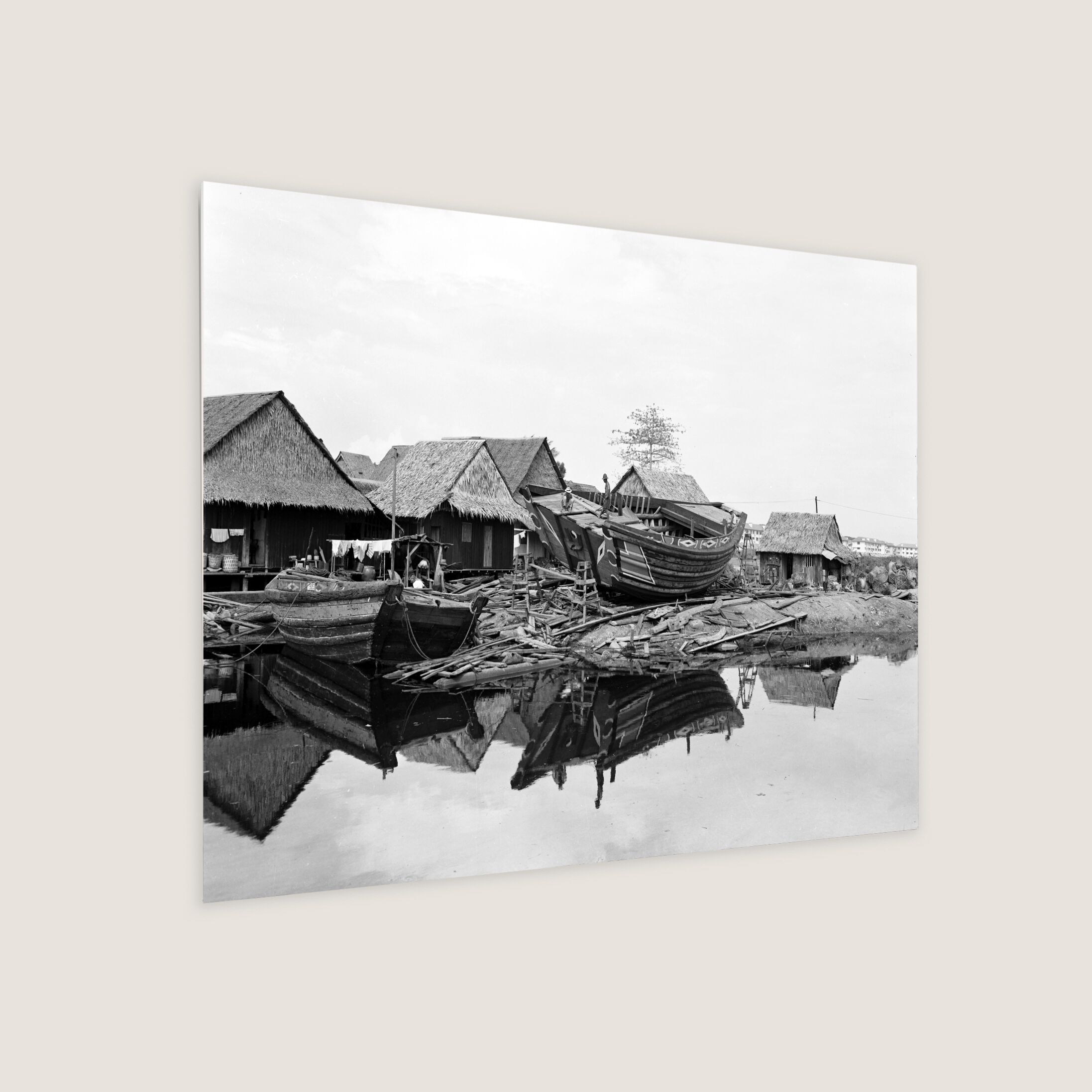
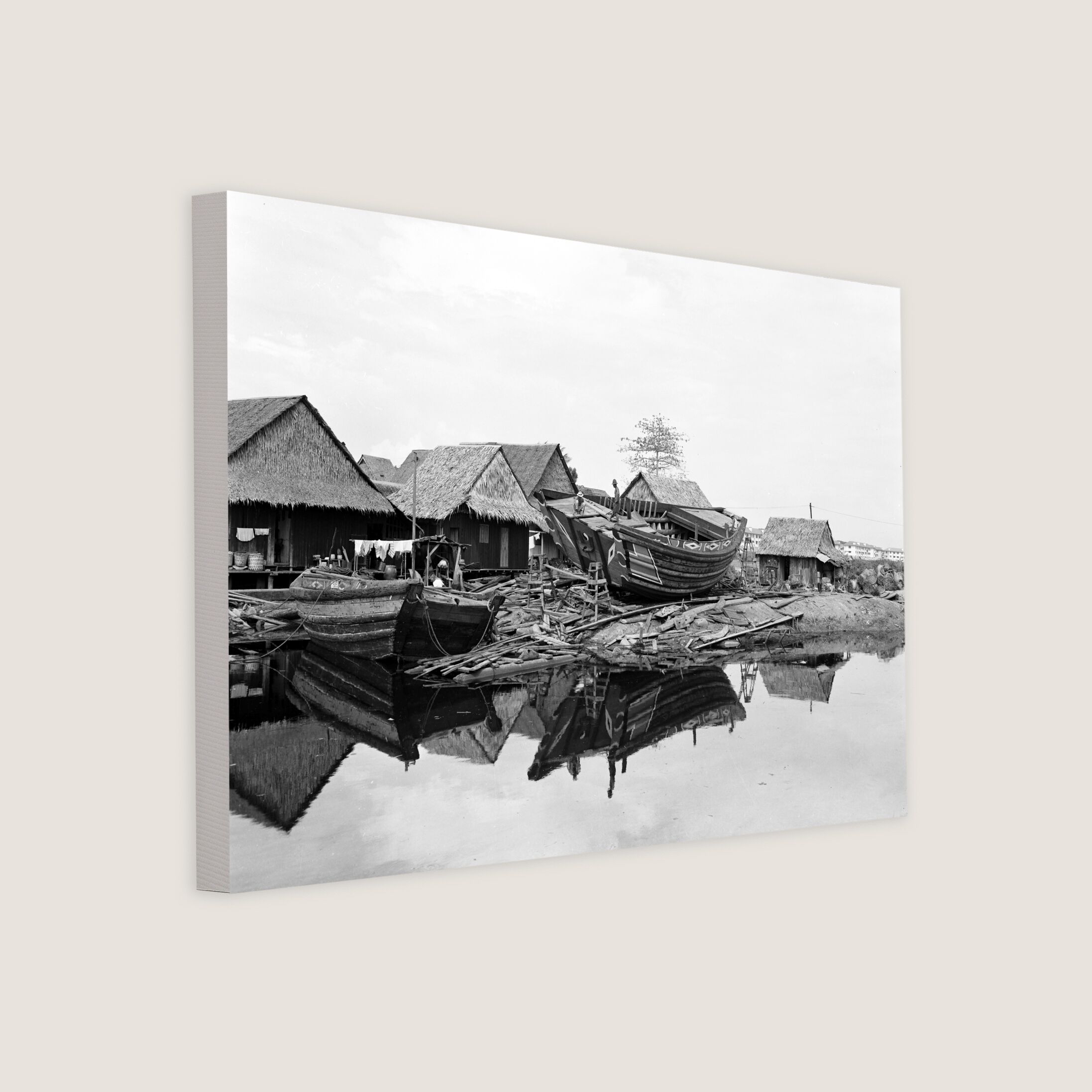
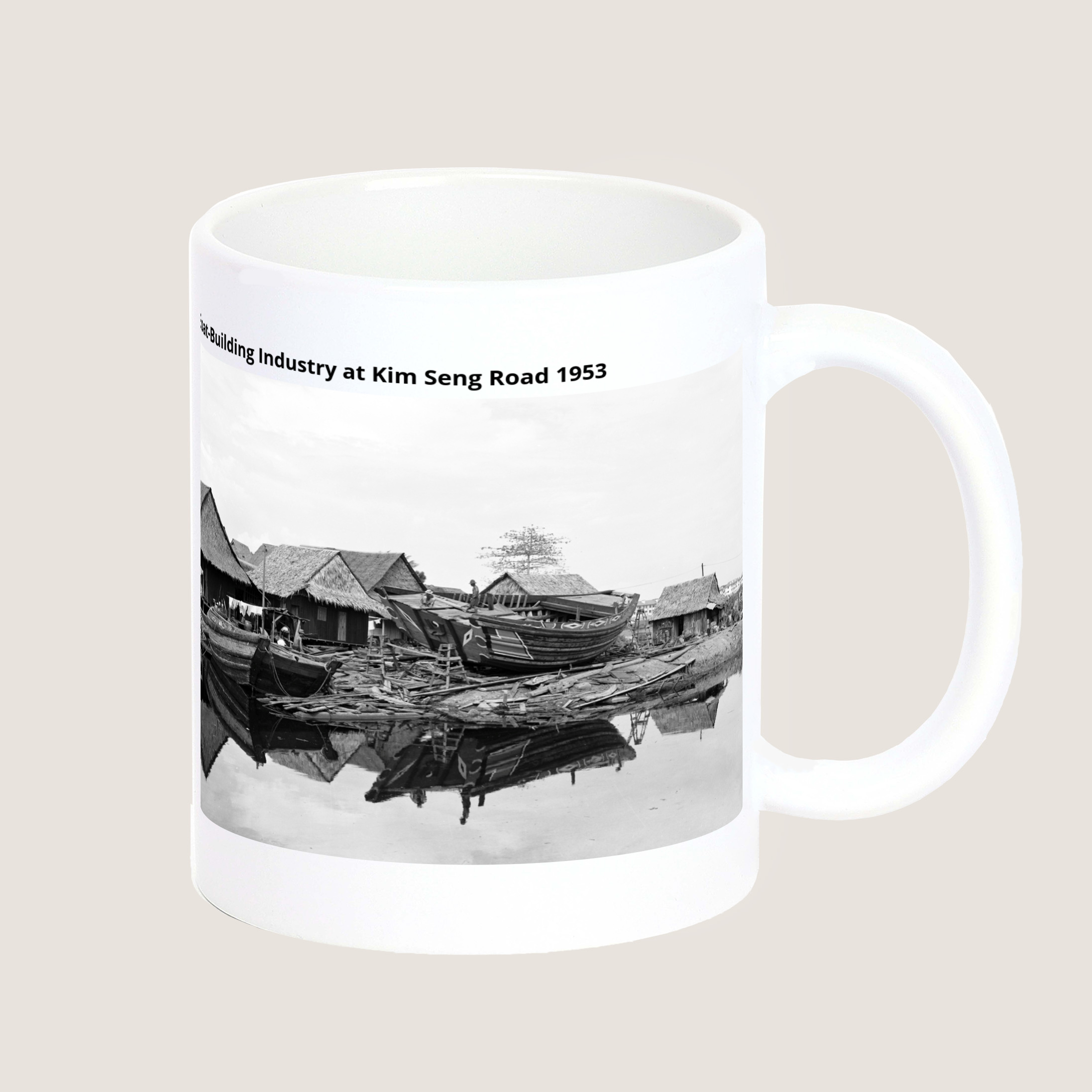
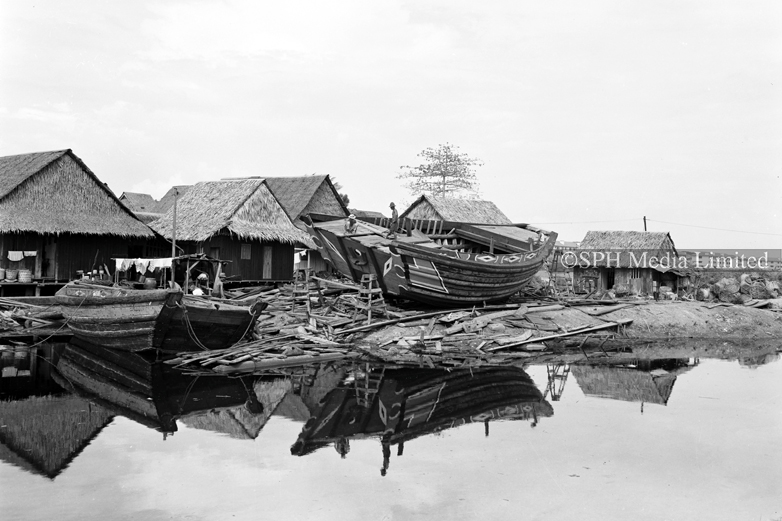 Boat-Building Industry at Kim Seng Road
1953
Boat-Building Industry at Kim Seng Road
1953
Boat-Building Industry at Kim Seng Road
Year 1953
The boat-building industry could be found on Kim Seng Road near the Singapore River. The Singapore River extended from its mouth to the current Kim Seng Bridge.
©️ SPH Media Limited
Share to
Tags
Available for print on products
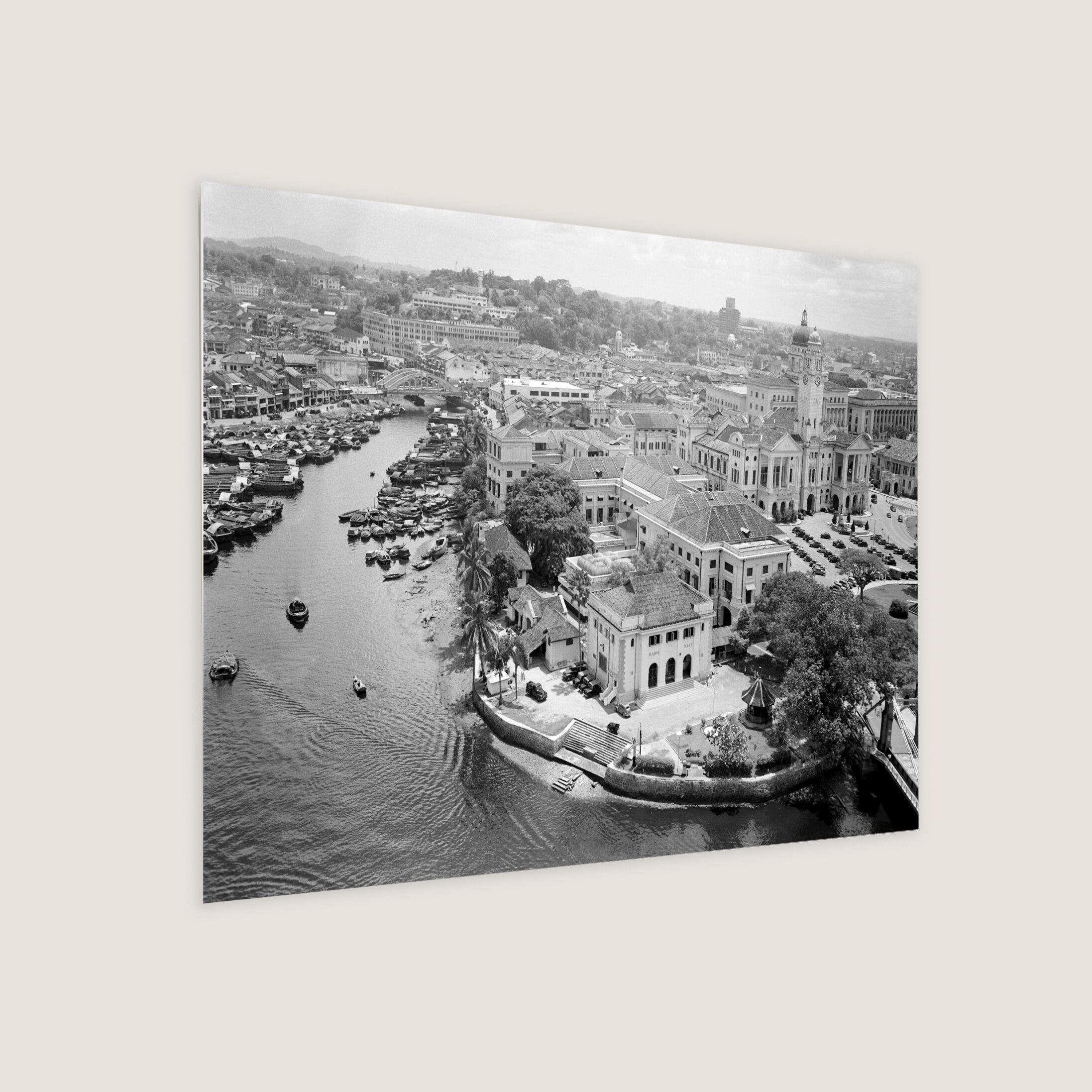
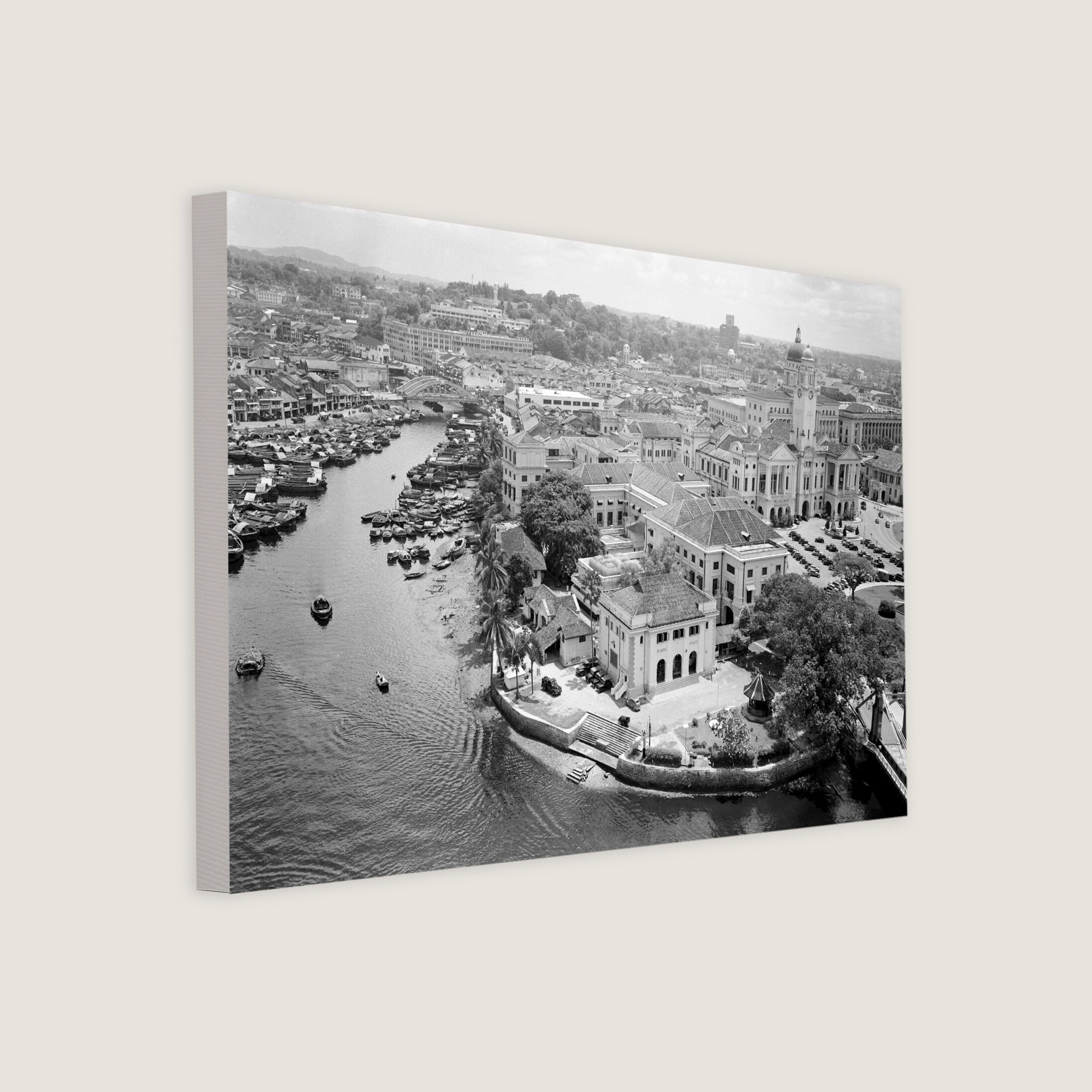
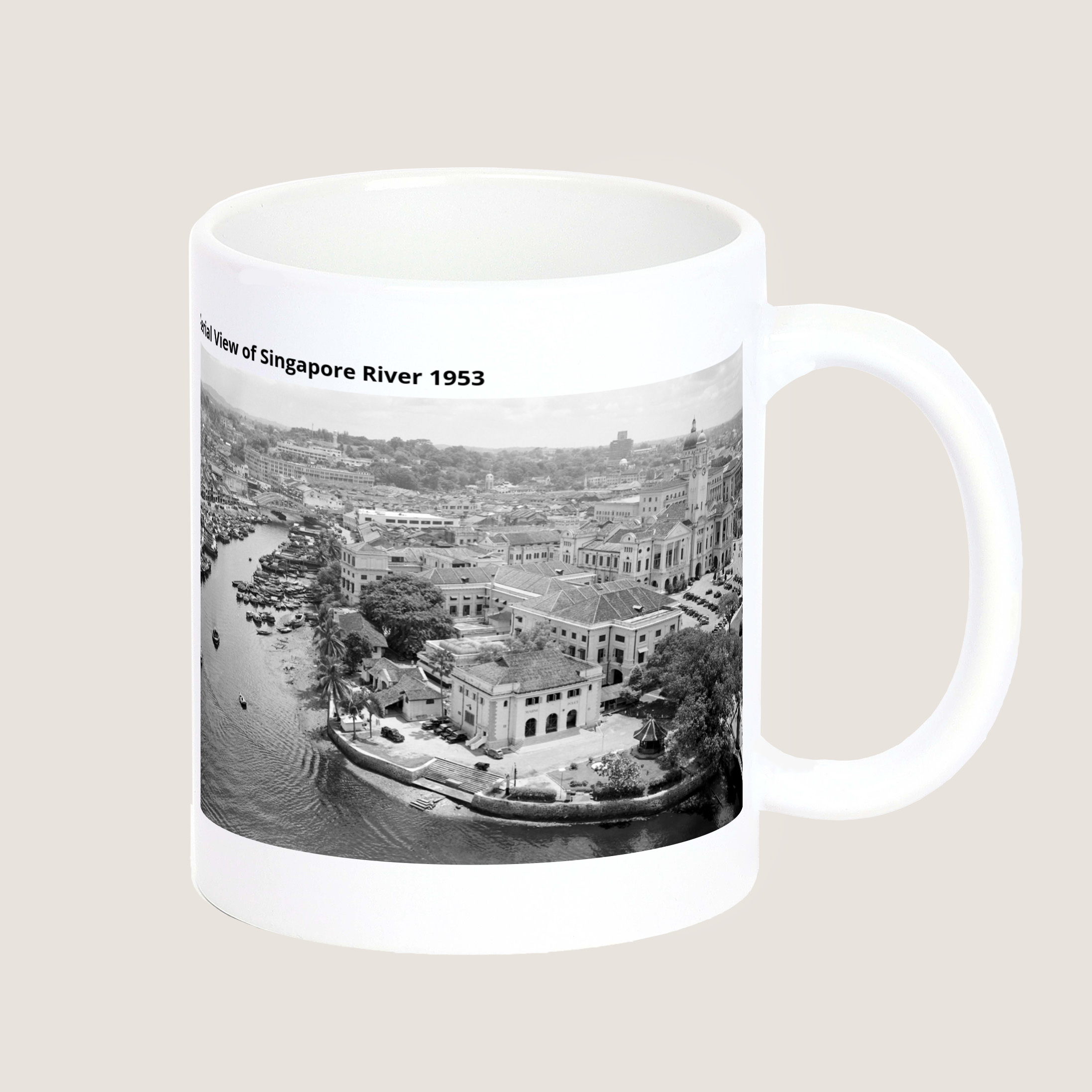
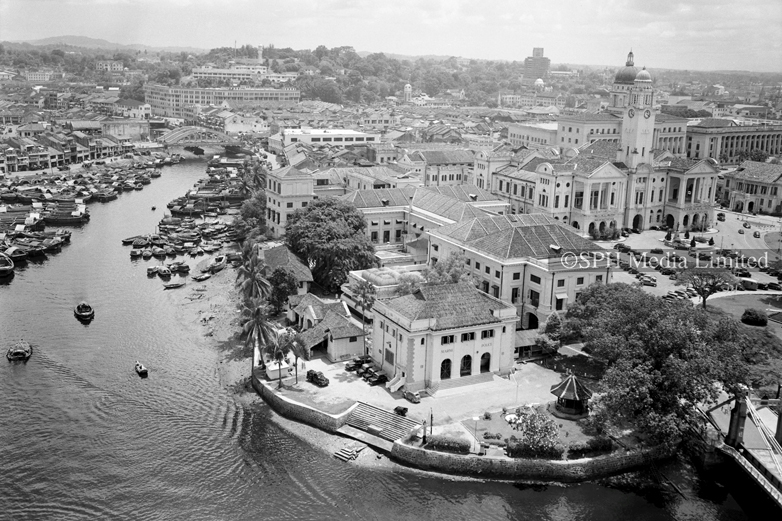 Aerial View of Singapore River
1953
Aerial View of Singapore River
1953
Aerial View of Singapore River
Year 1953
An aerial view of Singapore River and Empress Place from the China Bank Building in 1953. The China Bank Building was once the highest skyscraper in that vicinity. That area served as the administrative centre of the British government.
©️ SPH Media Limited
Share to
Tags
Available for print on products
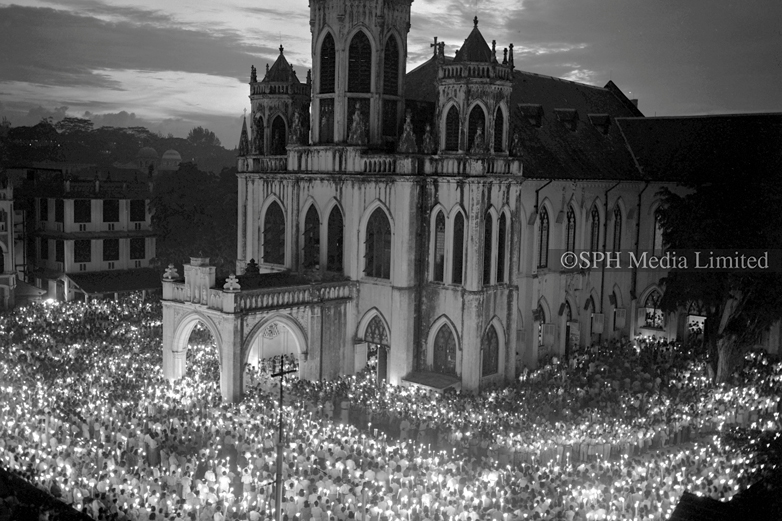 Good Friday at St Joseph's Church
1951
Good Friday at St Joseph's Church
1951
Good Friday at St Joseph's Church
Year 1951
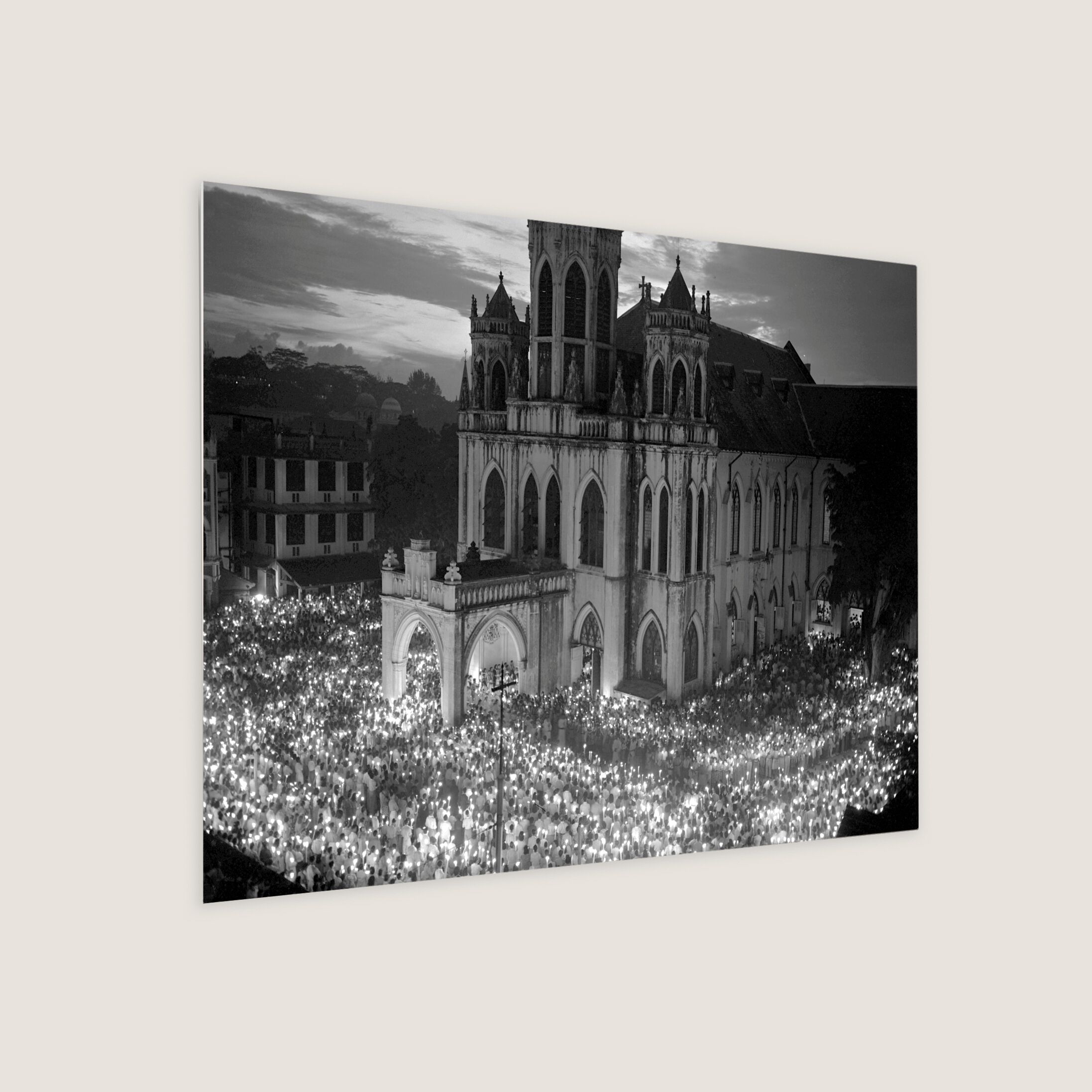
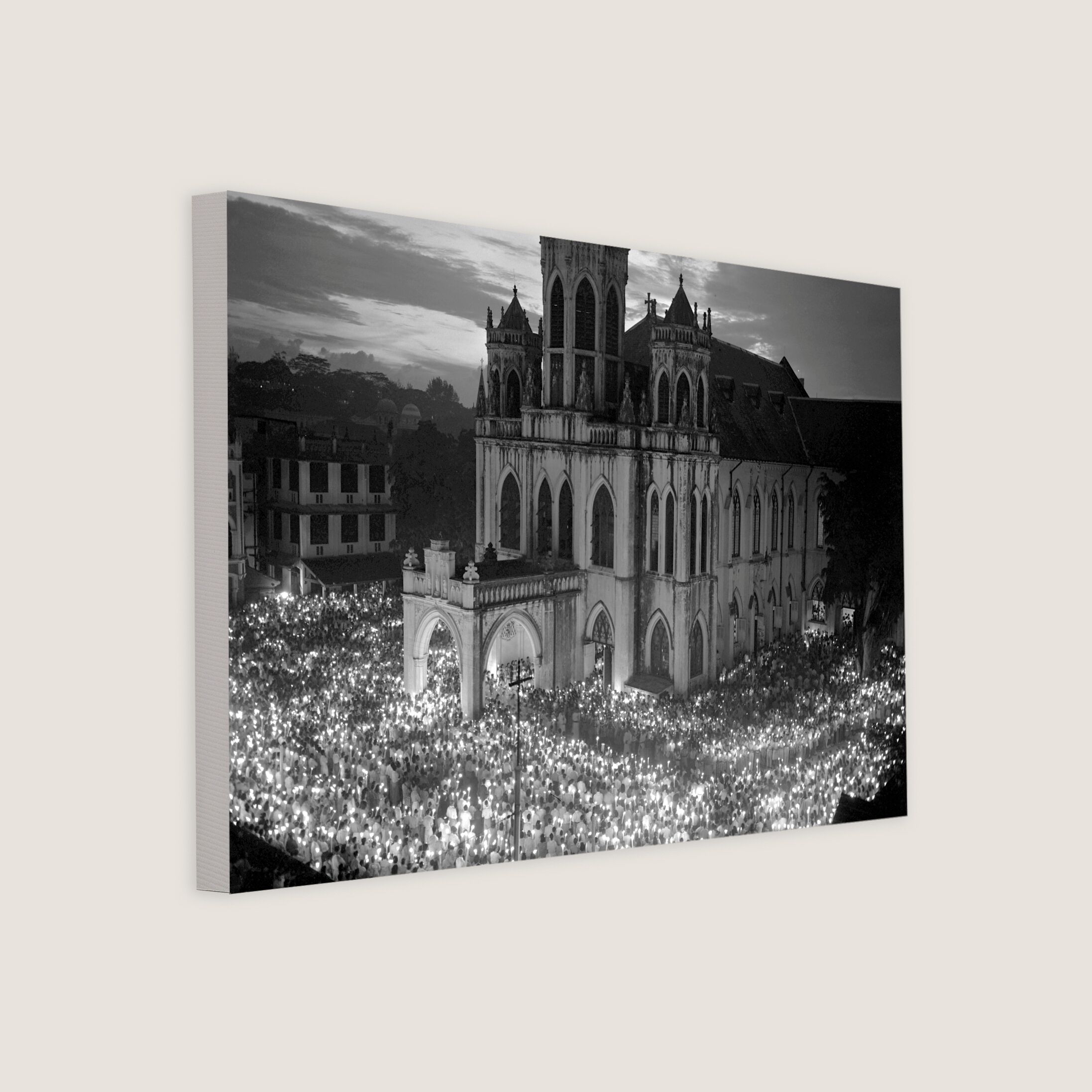
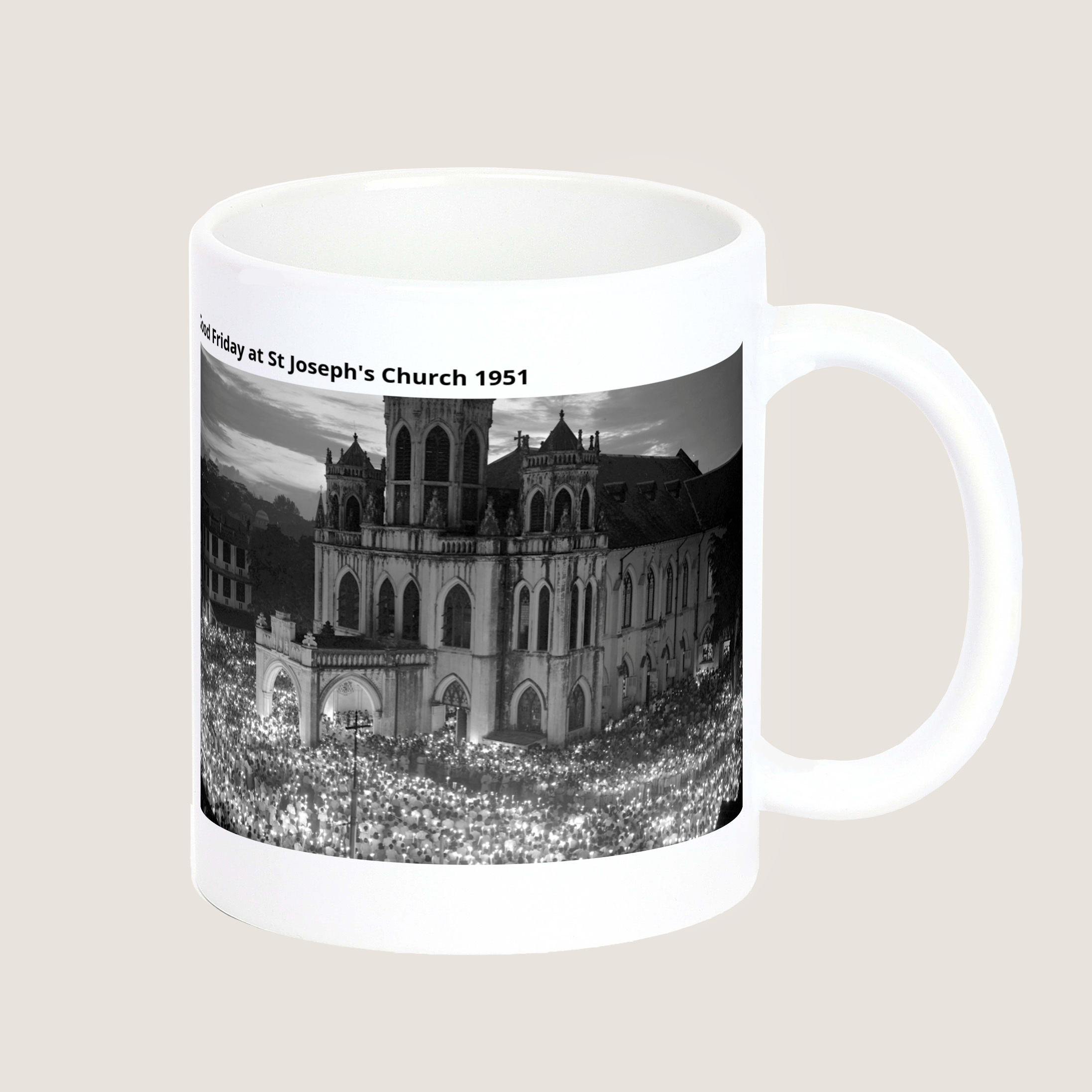
As the sun set in Singapore, thousands of Catholics with lighted candles in their hands crowded the grounds of St. Joseph's Church to take part in a Good Friday religious procession in 1951. A church that practises many Portuguese Catholic traditions, St Joseph's Church building was established as a national monument in 2005.
©️ SPH Media Limited
Share to
Tags
Available for print on products
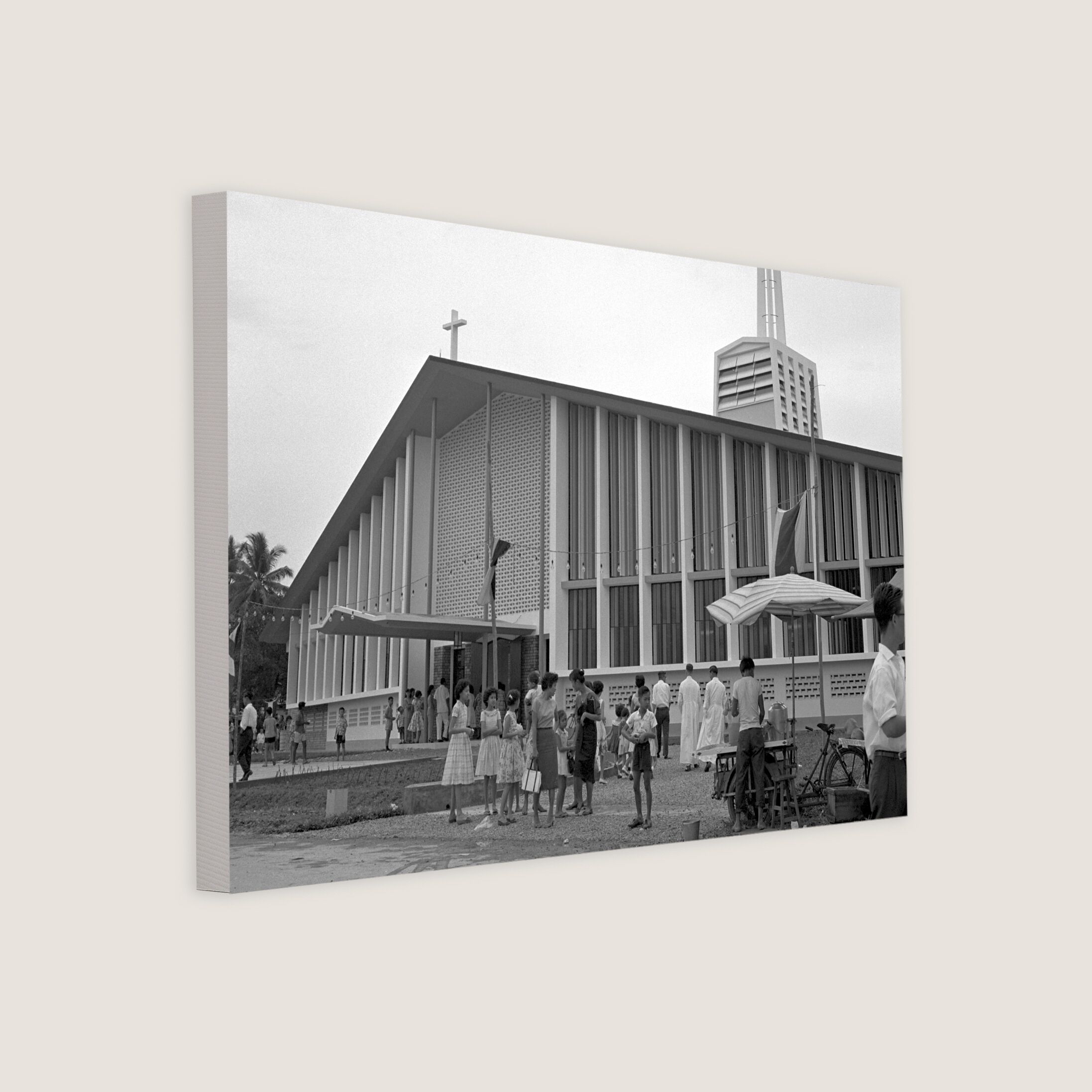
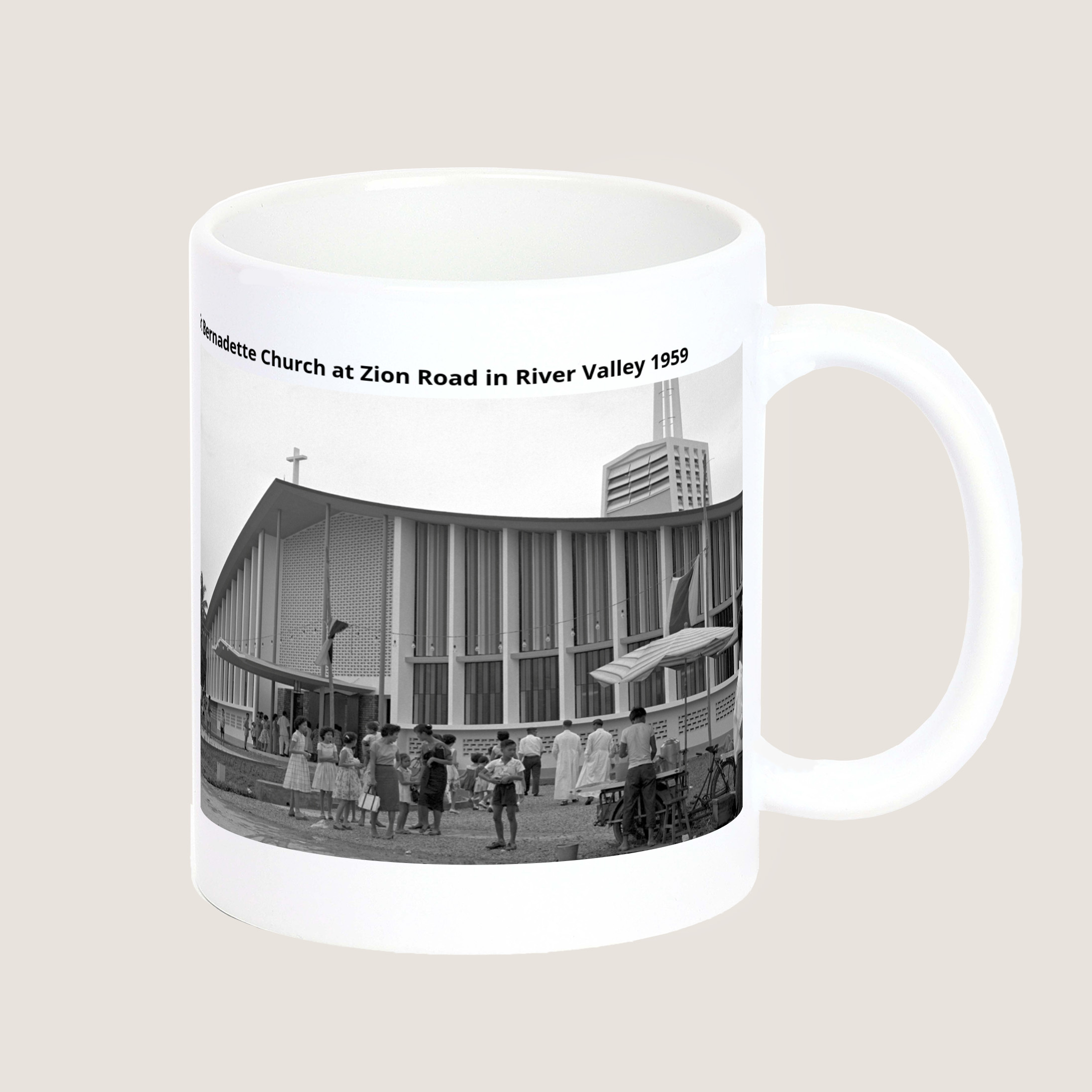
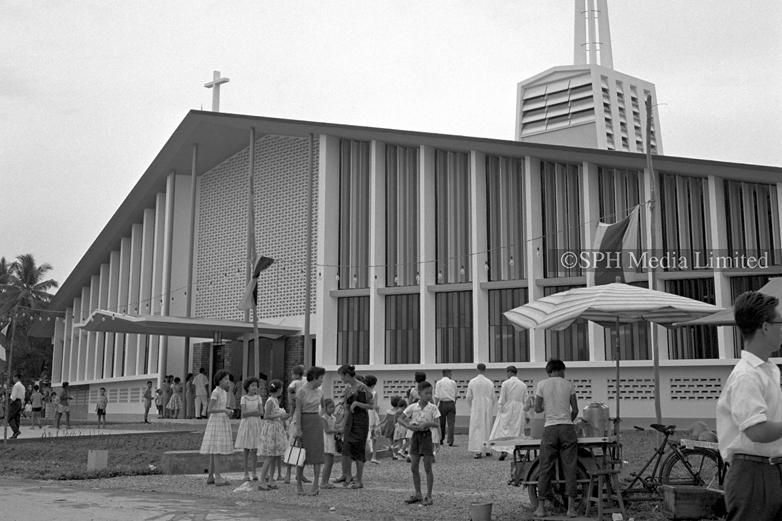 St Bernadette Church at Zion Road in River Valley
1959
St Bernadette Church at Zion Road in River Valley
1959
St Bernadette Church at Zion Road in River Valley
Year 1959
St Bernadette's Church at Zion Road in River Valley. It is a Catholic Church built in 1958 and became a landmark at Zion Road. It took over the premises of the convent next door and expanded.
©️ SPH Media Limited
Share to
Tags
Available for print on products
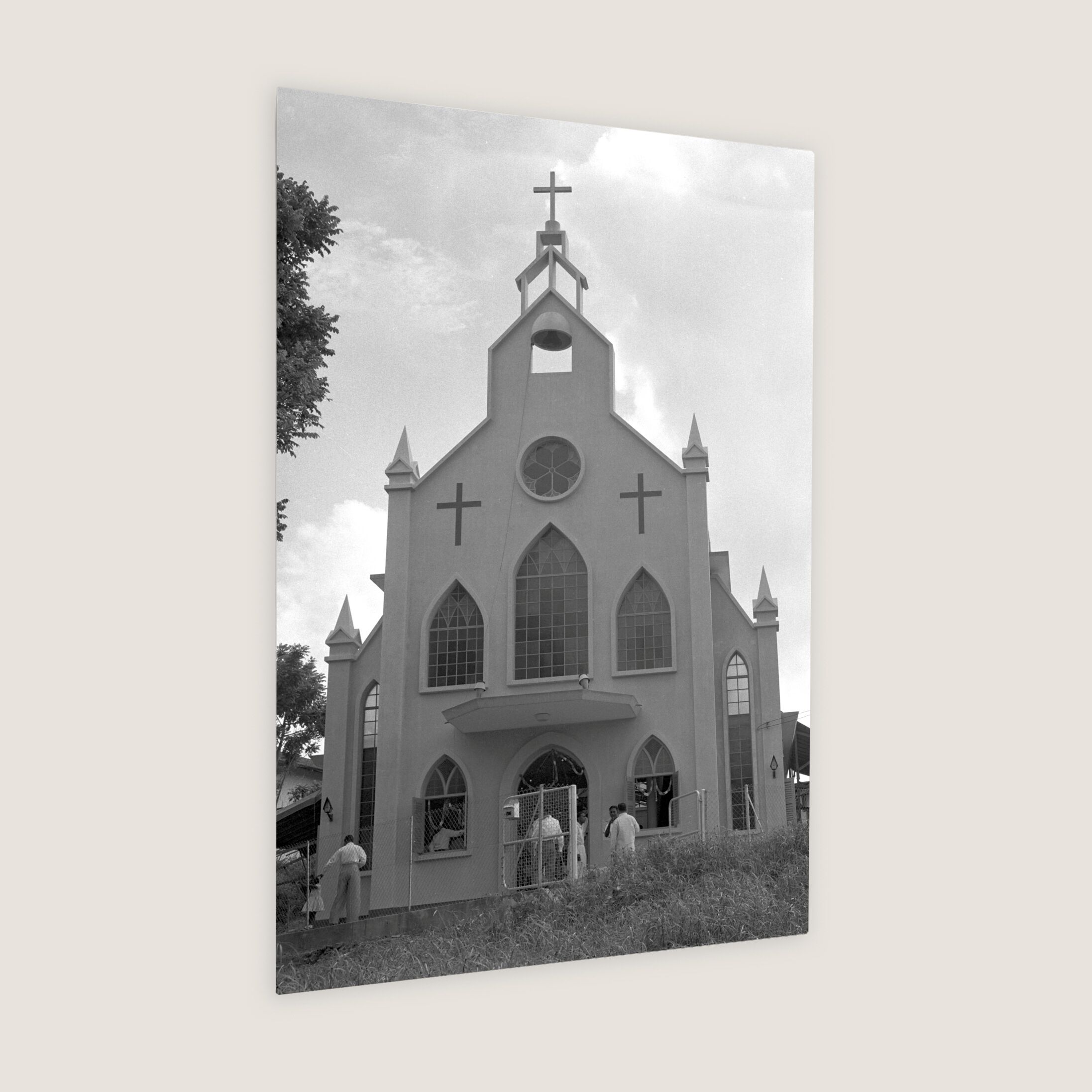
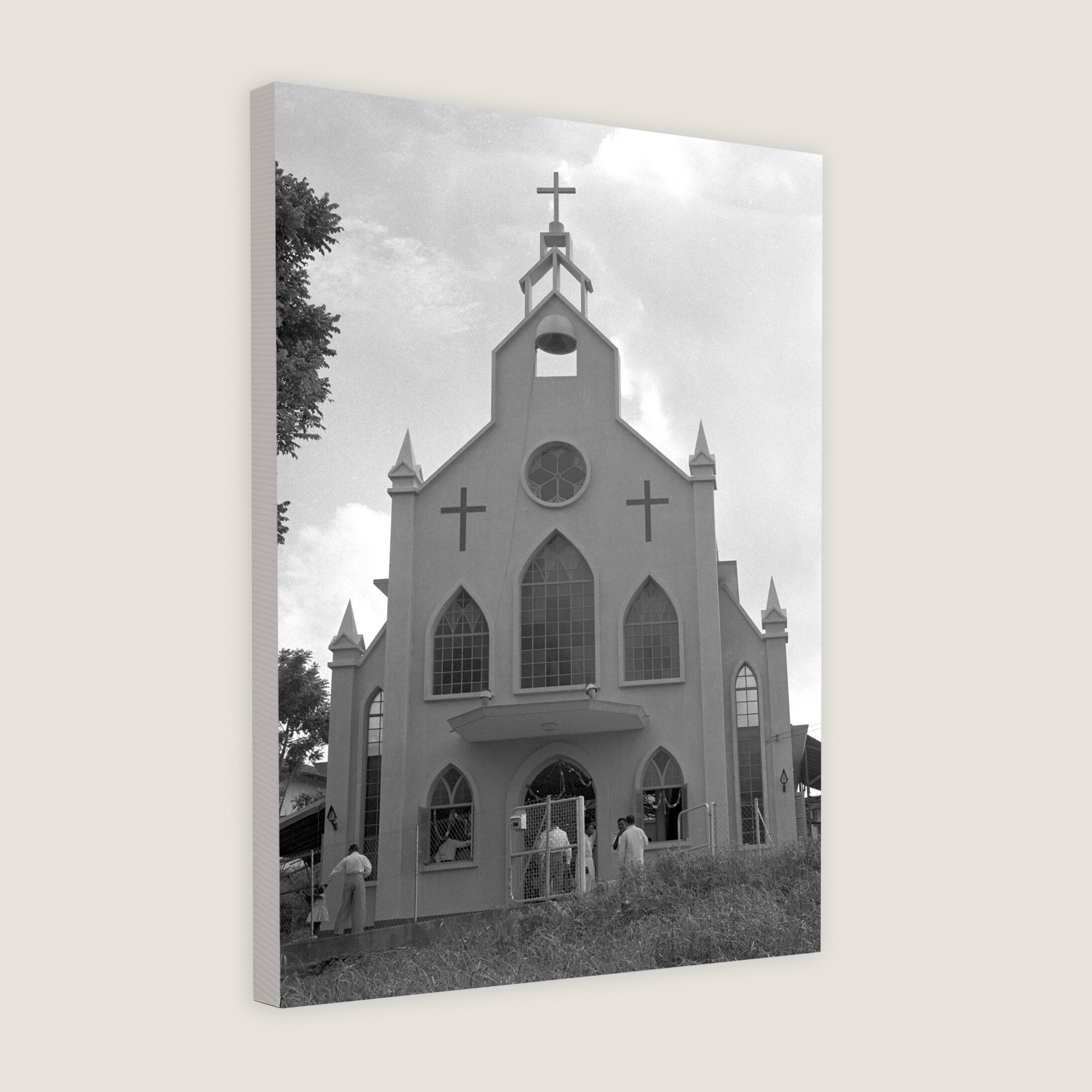
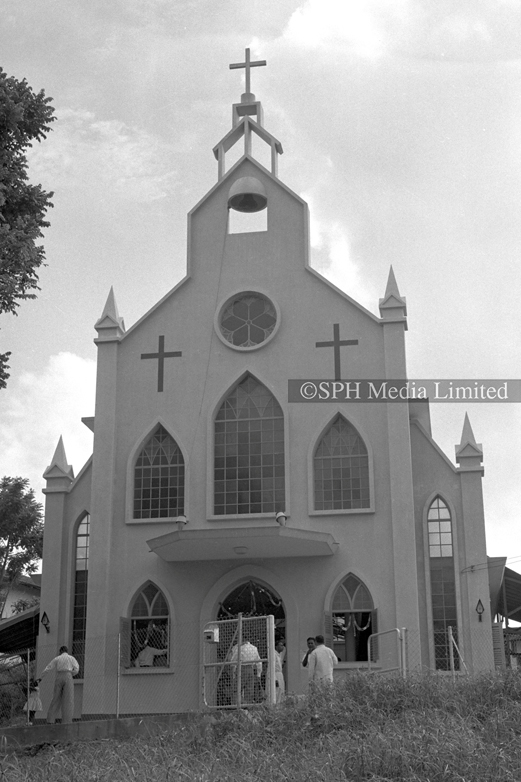 St Thomas Syrian Church at Topaz Roa
1959
St Thomas Syrian Church at Topaz Roa
1959
St Thomas Syrian Church at Topaz Roa
Year 1959
St Thomas Syrian Orthodox Church at Topaz Road. The Church traces its origin to as far back as A.D. 52 when St. Thomas one of the Disciples of Jesus Christ came to India and established Christianity in the Southwestern parts of the sub-continent.
©️ SPH Media Limited
Share to
Tags
Available for print on products
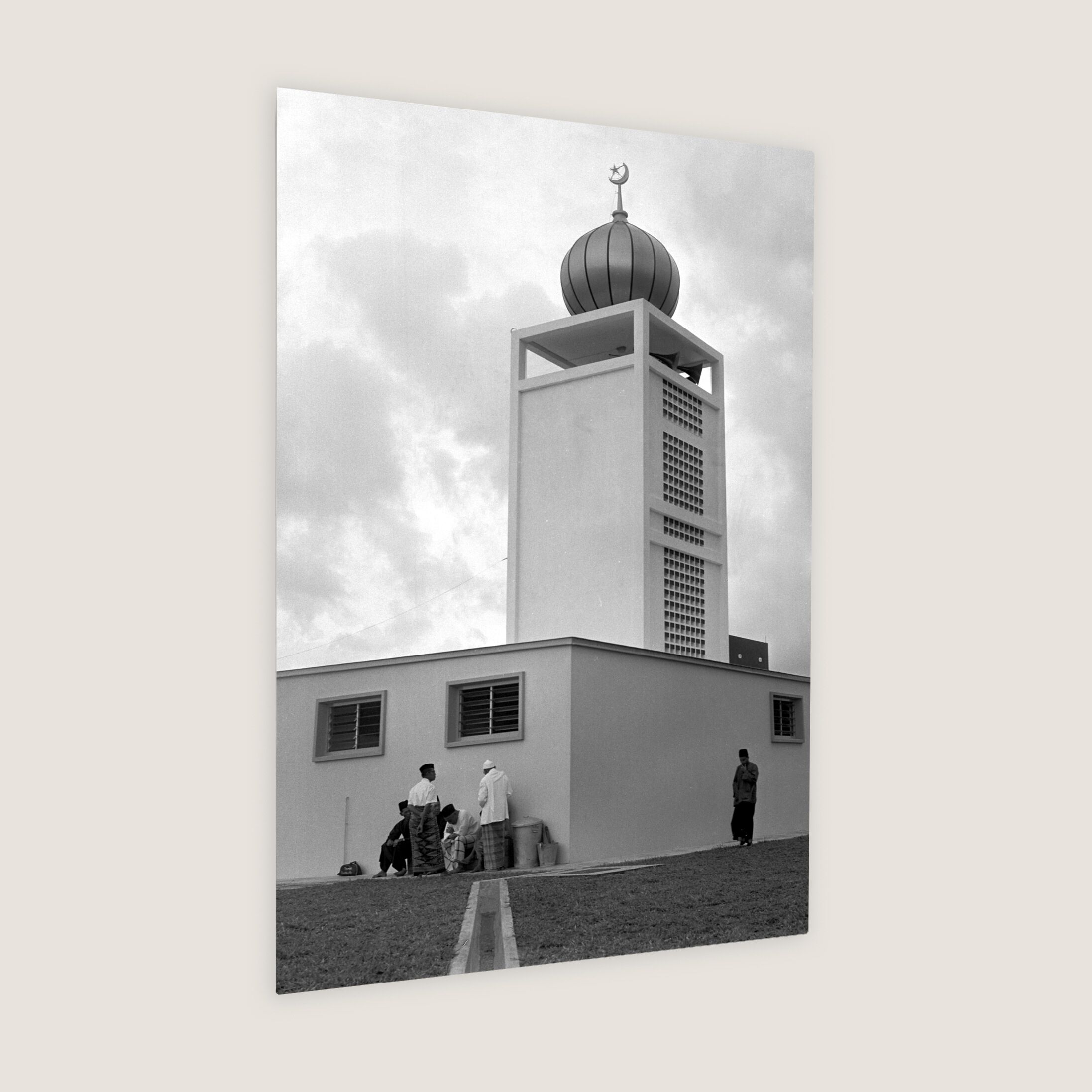
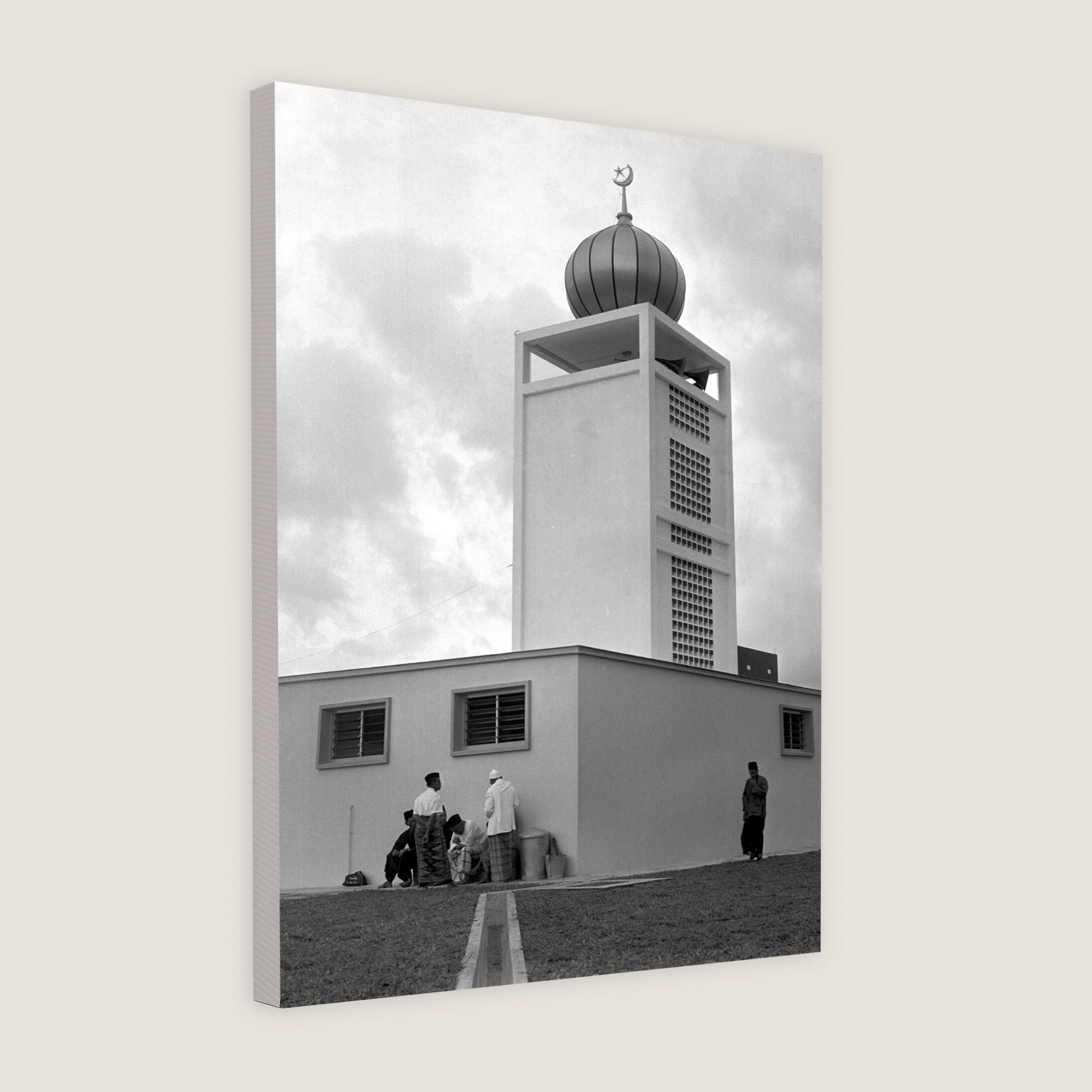
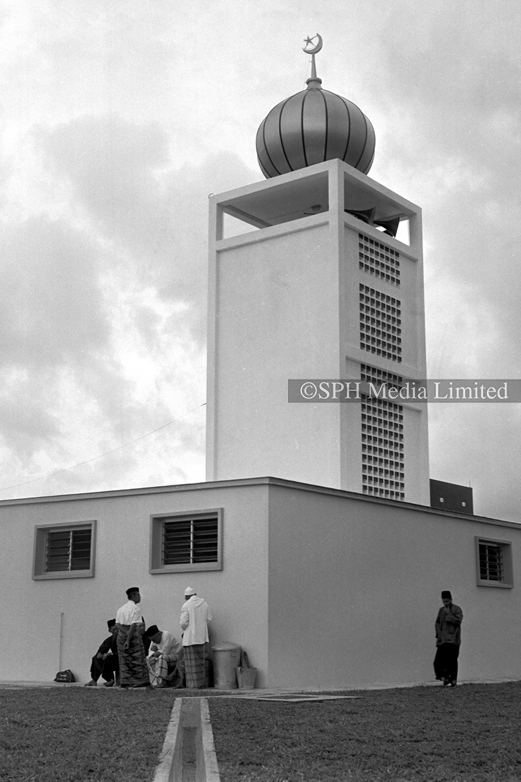 Tentera Di Raja Mosque at Clementi Road
1962
Tentera Di Raja Mosque at Clementi Road
1962
Tentera Di Raja Mosque at Clementi Road
Year 1962
Tentera Di Raja Mosque was the British Army's first mosque in the Far East, at Clementi Road. It originated from the Muslims serving in the British Army before Singapore’s independence. After the British Army's withdrawal from Singapore in the late 1960s, it was officially re-opened by the then Yang Di Pertuan Negara, Yusof Ishak, on 30 March 1962.
©️ SPH Media Limited
Share to
Tags
Available for print on products
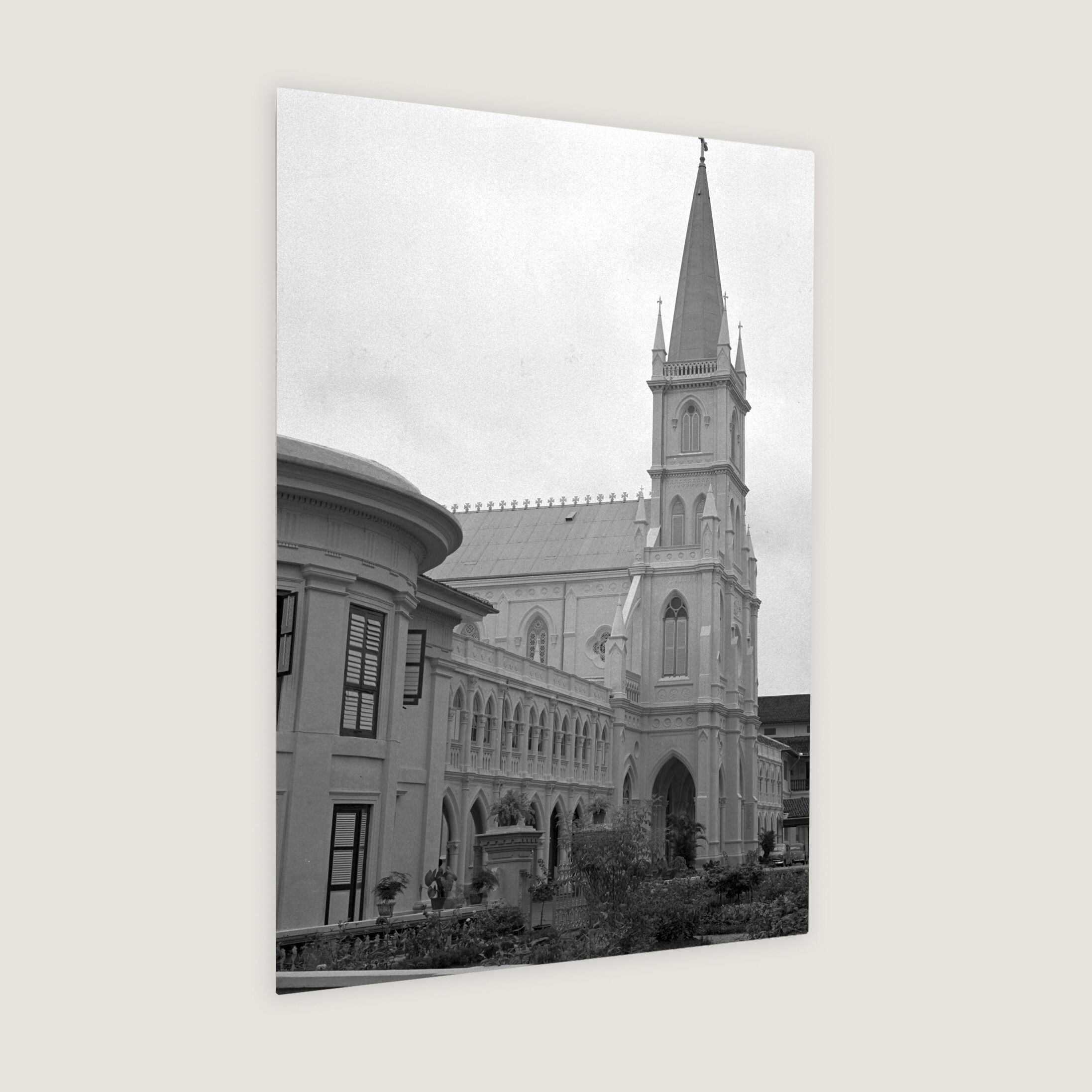
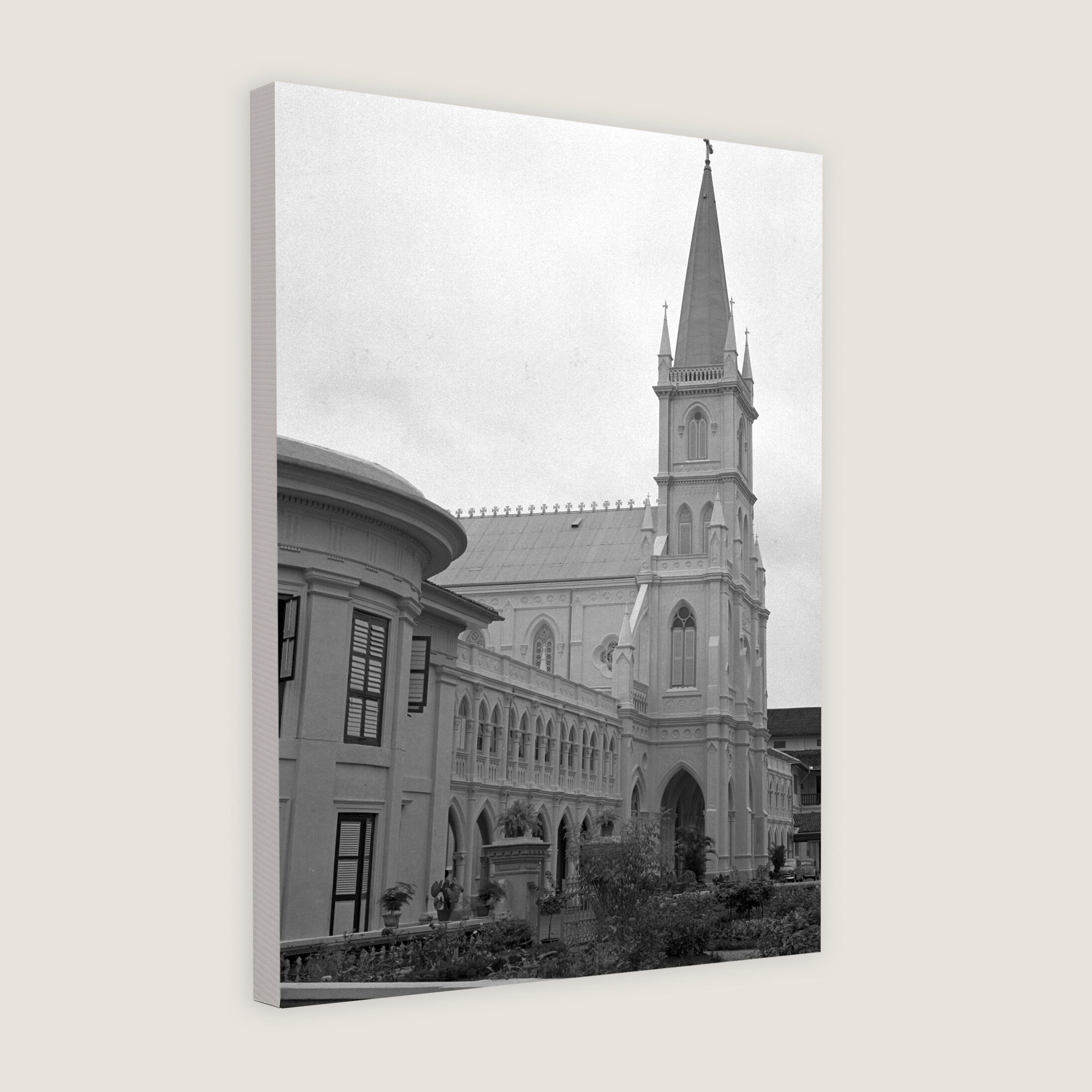
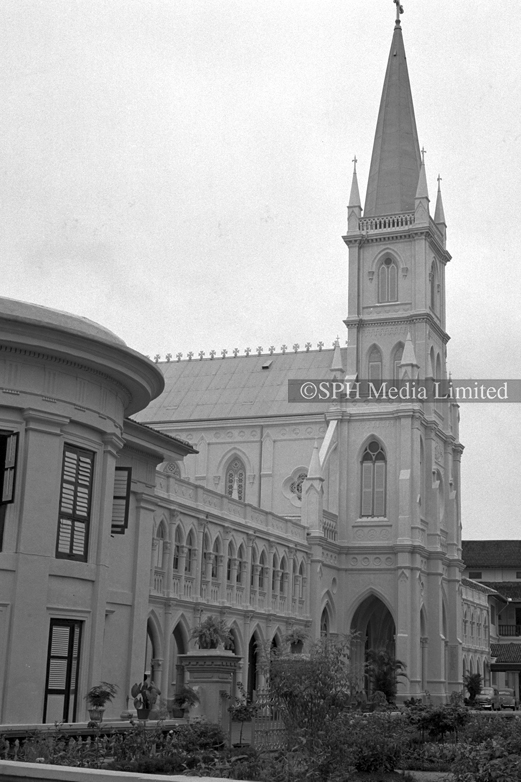 The Former Convent of the Holy Infant Jesus
1956
The Former Convent of the Holy Infant Jesus
1956
The Former Convent of the Holy Infant Jesus
Year 1956
A general view of the former Convent of the Holy Infant Jesus. (currently Chijmes). It was once the home to the oldest Catholic girls’ school in Singapore, founded by the French sisters of the Congregation of the Holy Infant Jesus in 1854. Later on, this contributed to our local education with the proliferation of other convent schools for girls in Singapore.
©️ SPH Media Limited
Share to
Tags
Available for print on products
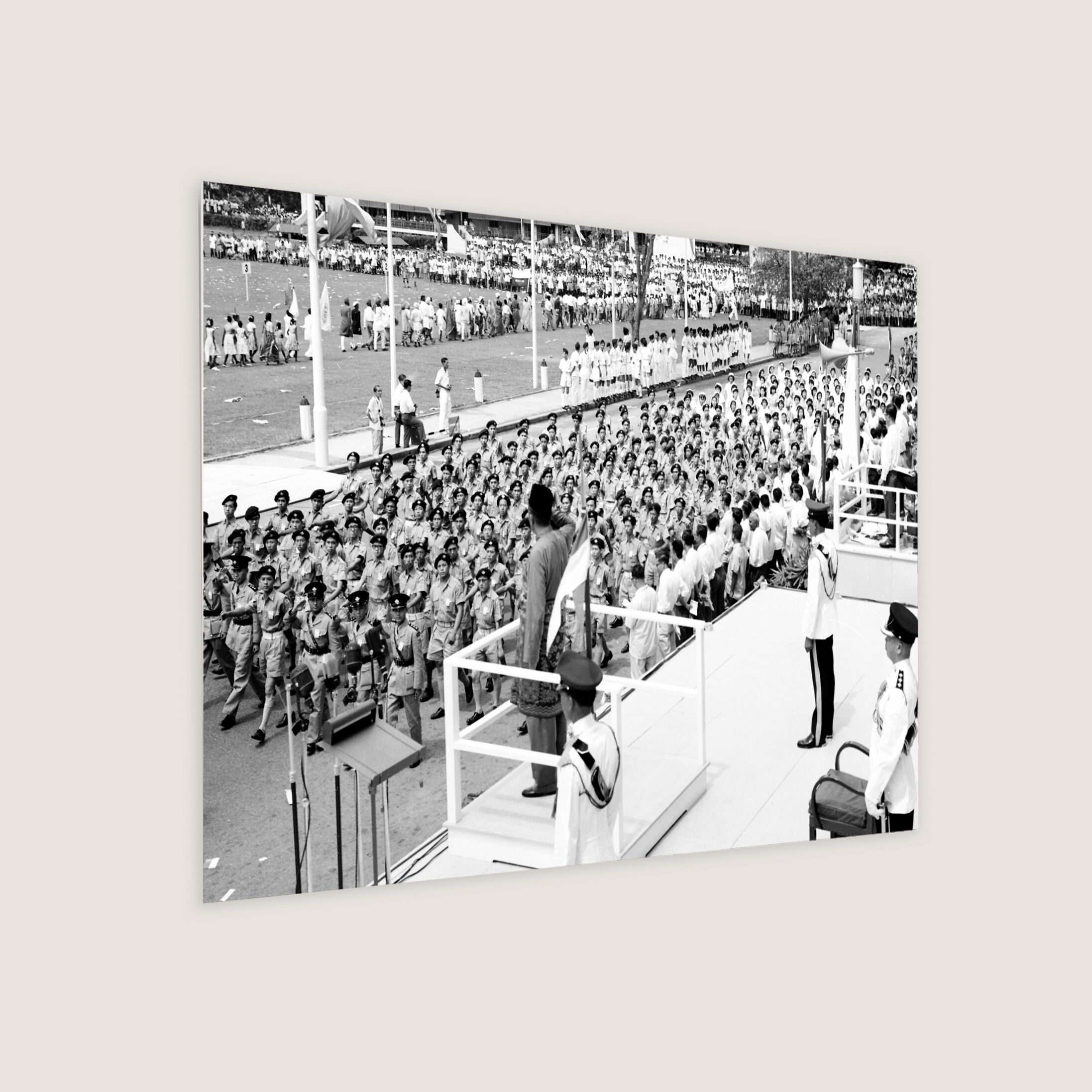
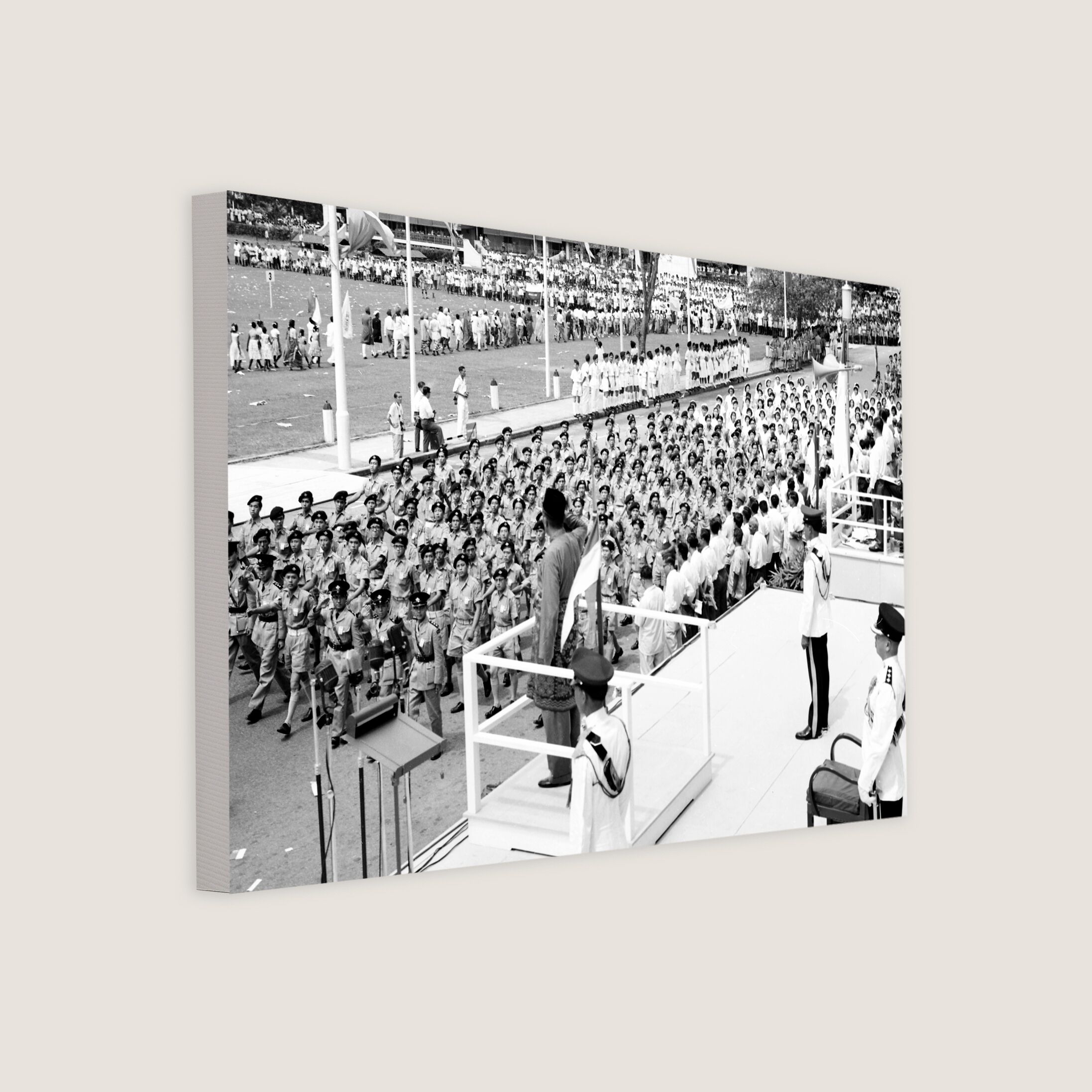
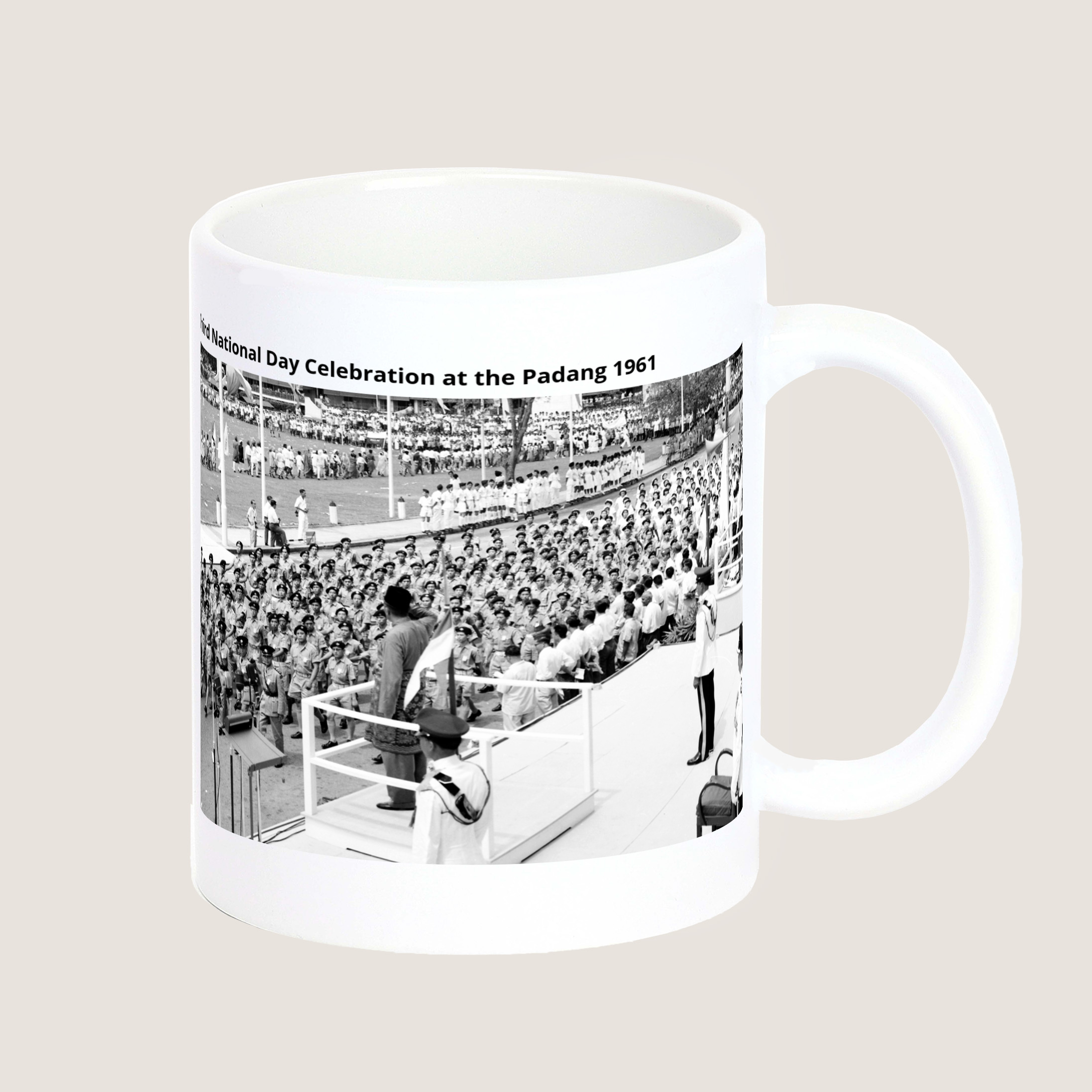
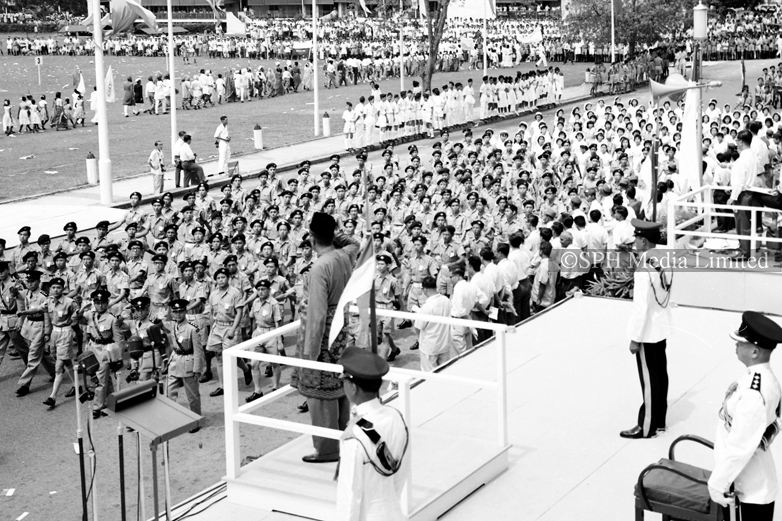 Third National Day Celebration at the Padang
1961
Third National Day Celebration at the Padang
1961
Third National Day Celebration at the Padang
Year 1961
After Singapore became a self-governing state under the British on 3 June 1959, National Day was celebrated in June for a few years during the early 1960s. In this photo, Yang di-Pertuan Negara Yusof Ishak was seen saluting the people's procession. Yusof Ishak became Singapore’s first president on 9 August 1965 when gained independence as a sovereign state.
©️ SPH Media Limited
Share to
Tags
Available for print on products
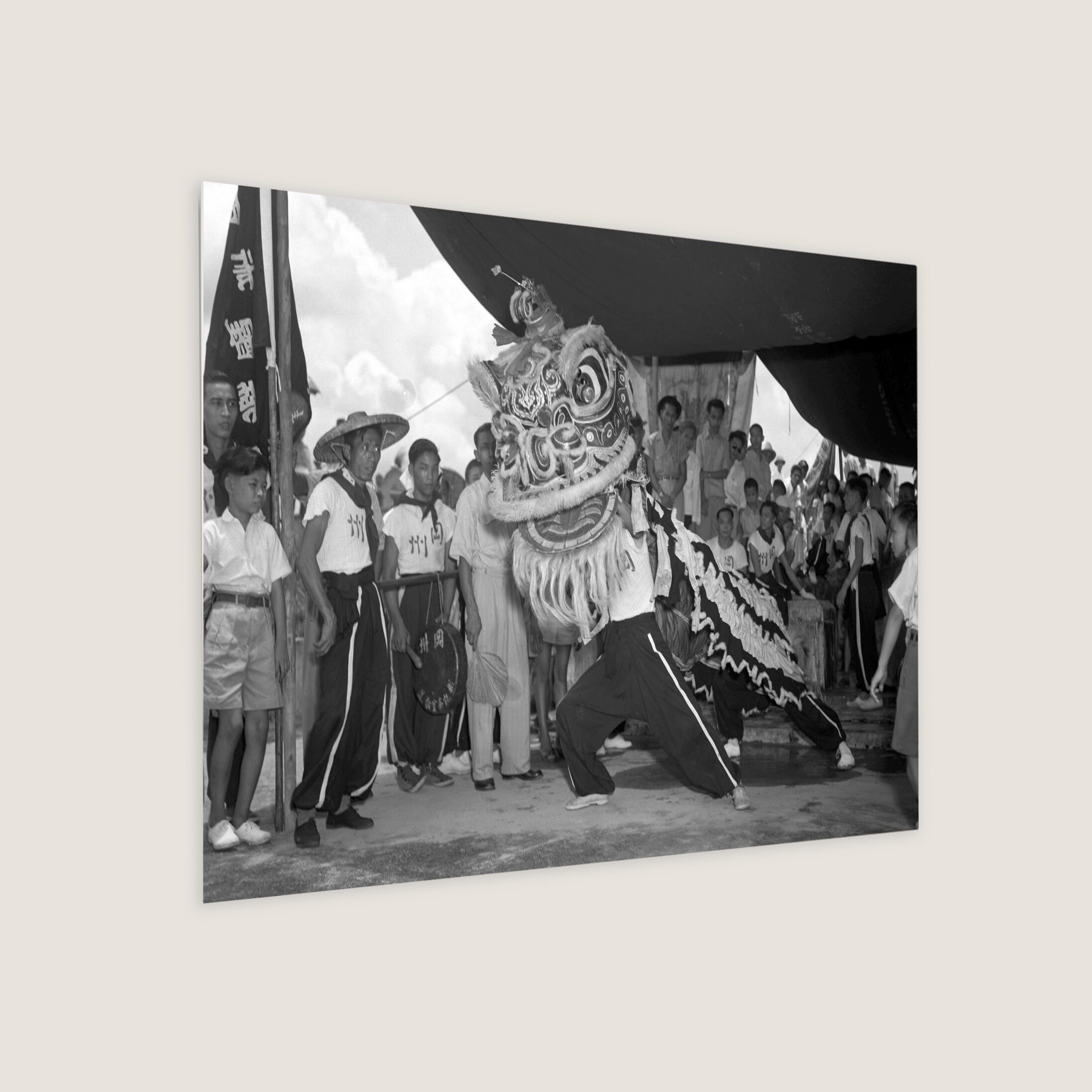
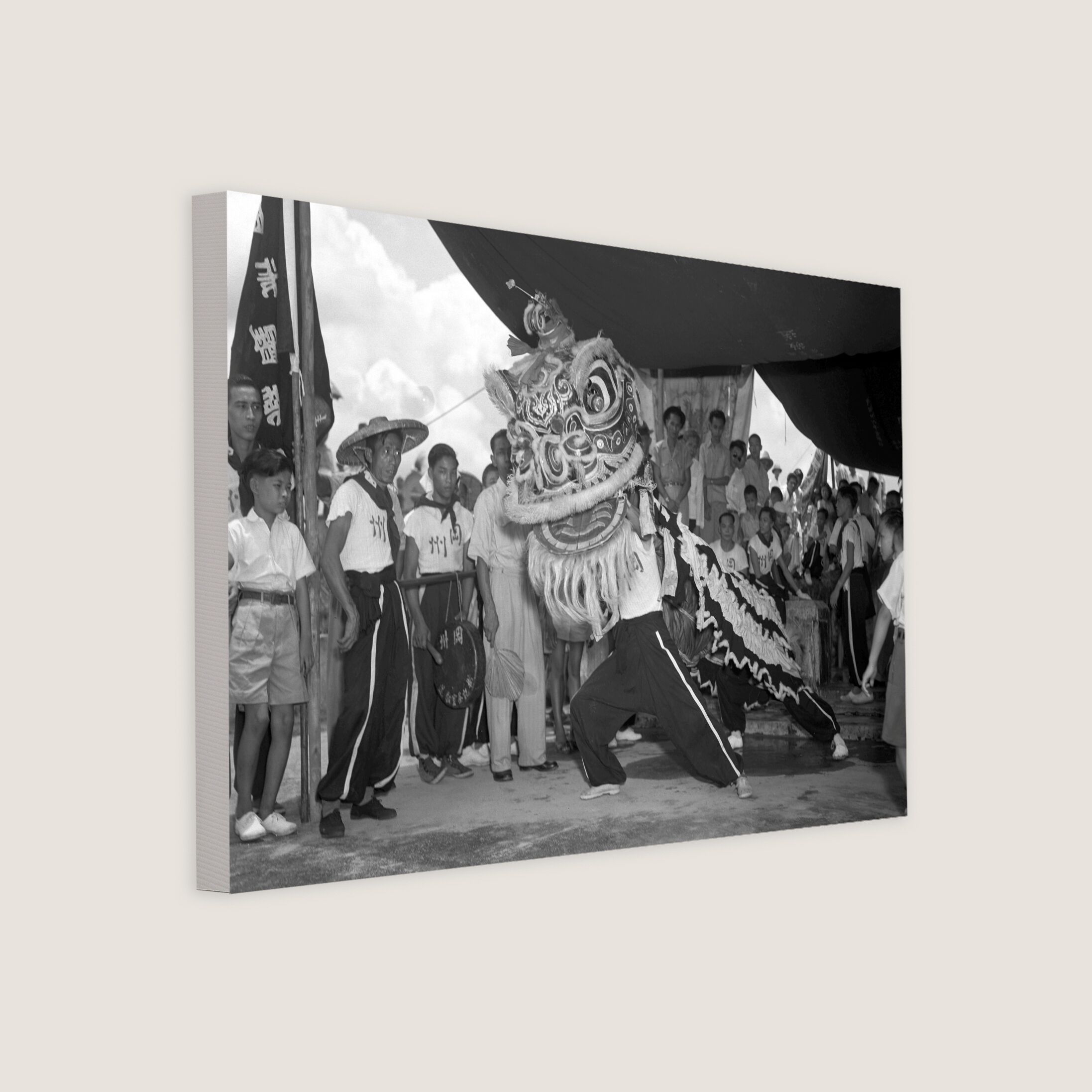
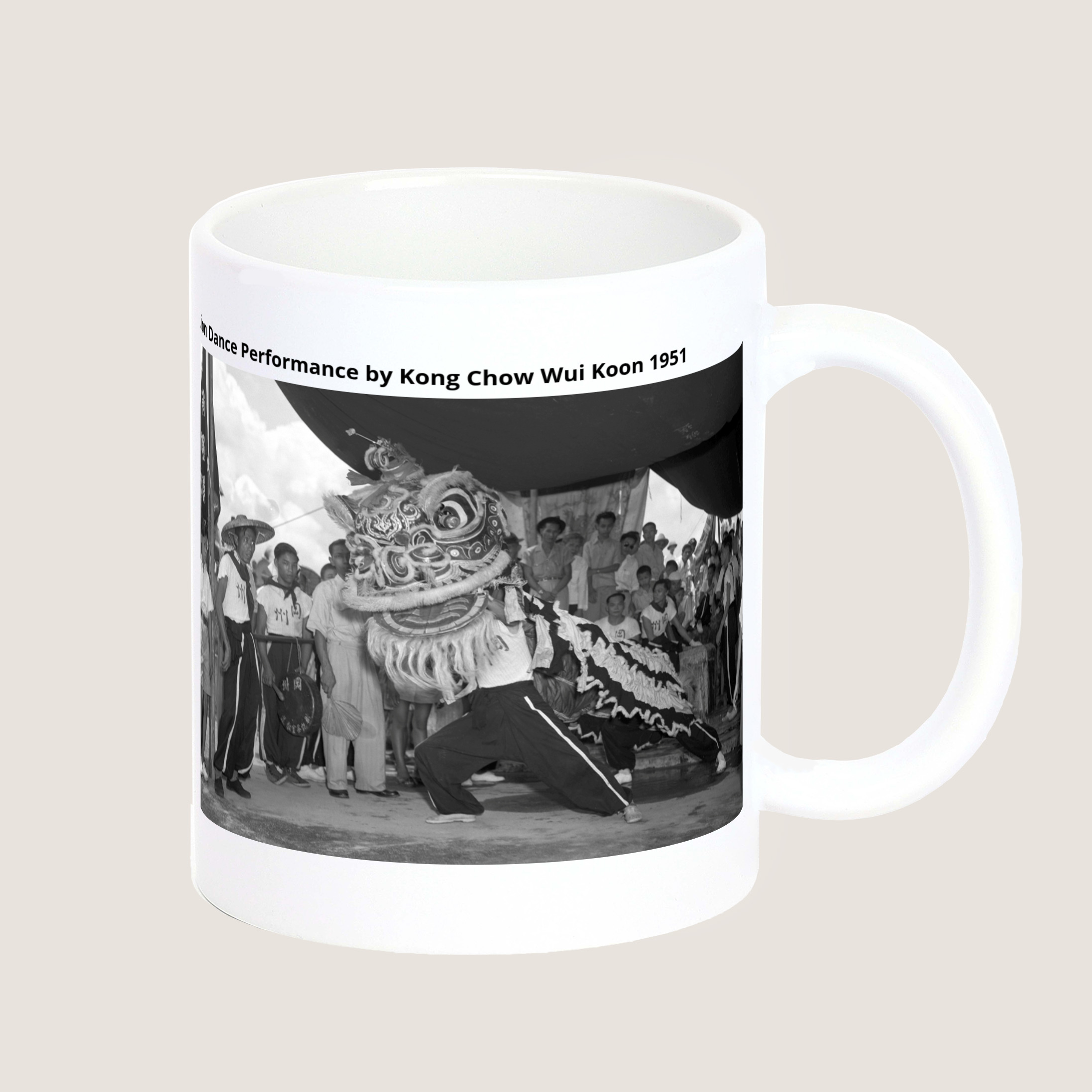
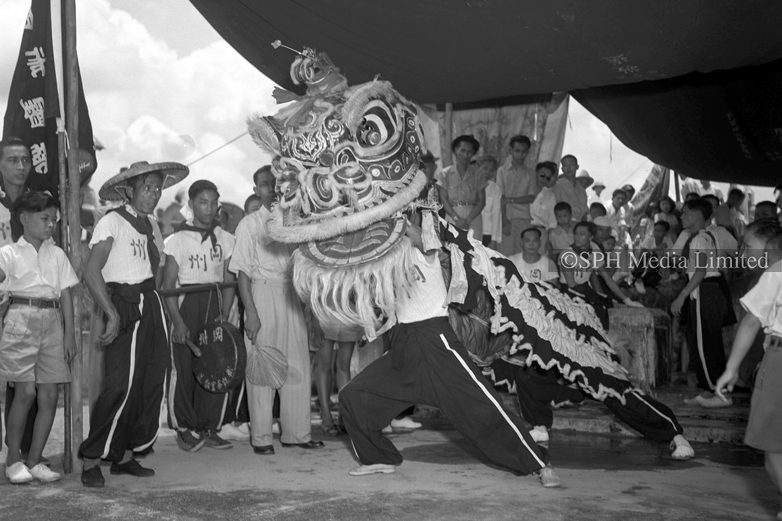 Lion Dance Performance by Kong Chow Wui Koon
1951
Lion Dance Performance by Kong Chow Wui Koon
1951
Lion Dance Performance by Kong Chow Wui Koon
Year 1951
Kong Chow Wui Koon (冈州会馆) is one of the oldest Chinese clan associations in Singapore. It was founded in 1840 by Xinhui (新会) clansmen who came from Guangdong’s Pearl River Delta (珠江三角洲). Well-known for their traditional Chinese martial arts, lion and dragon dance, as well as Cantonese opera, the members regularly perform both locally and abroad.
©️ SPH Media Limited
Share to
Tags
Available for print on products
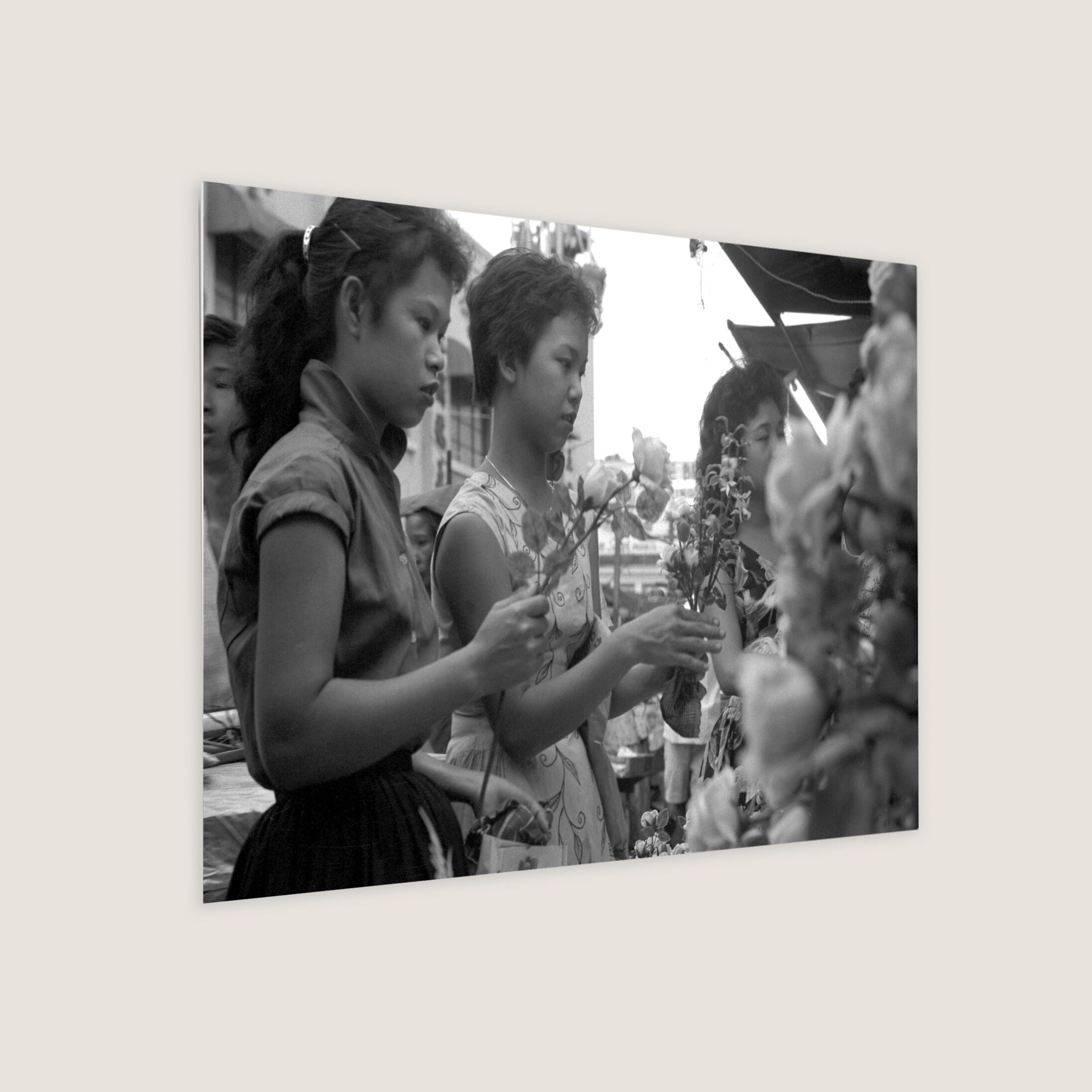
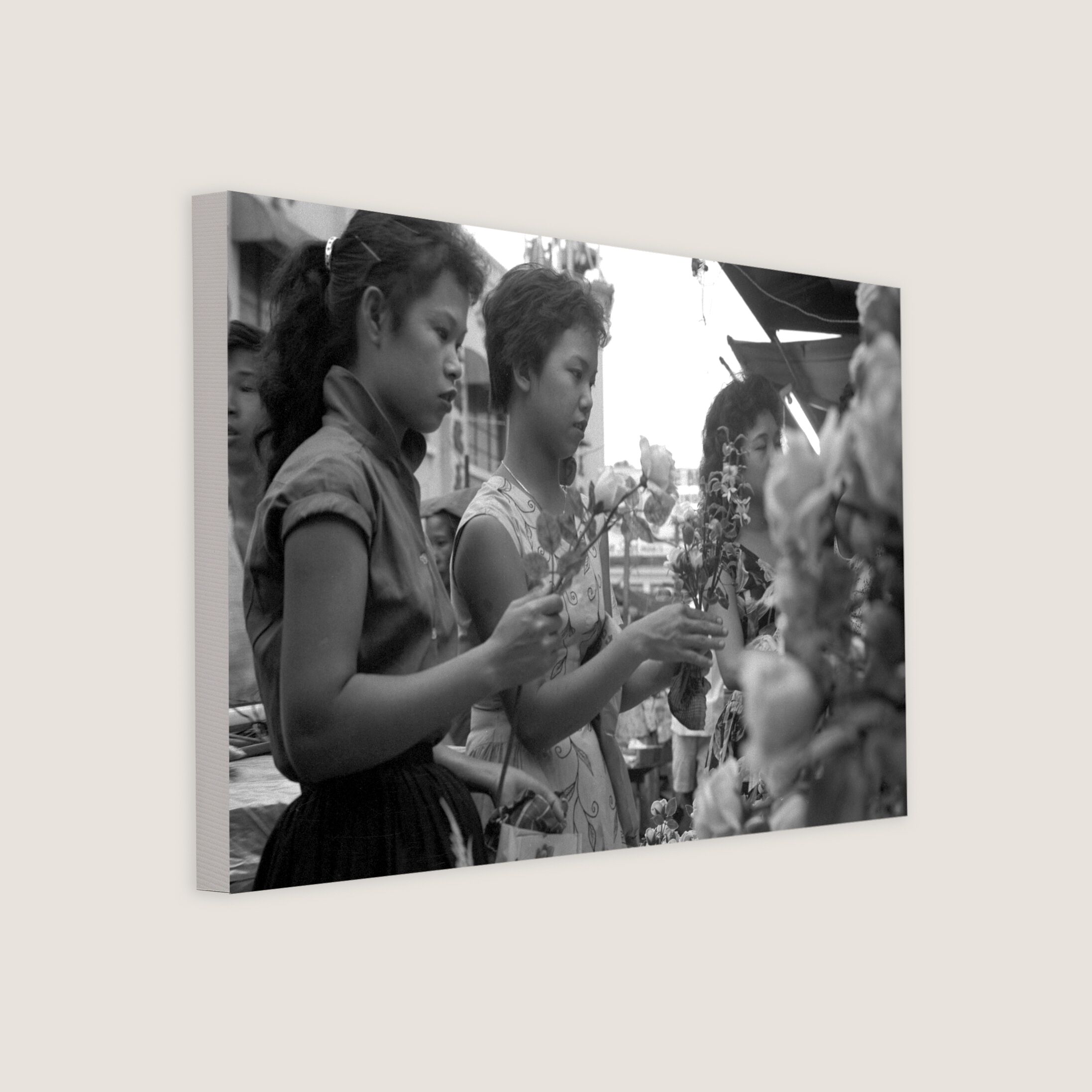
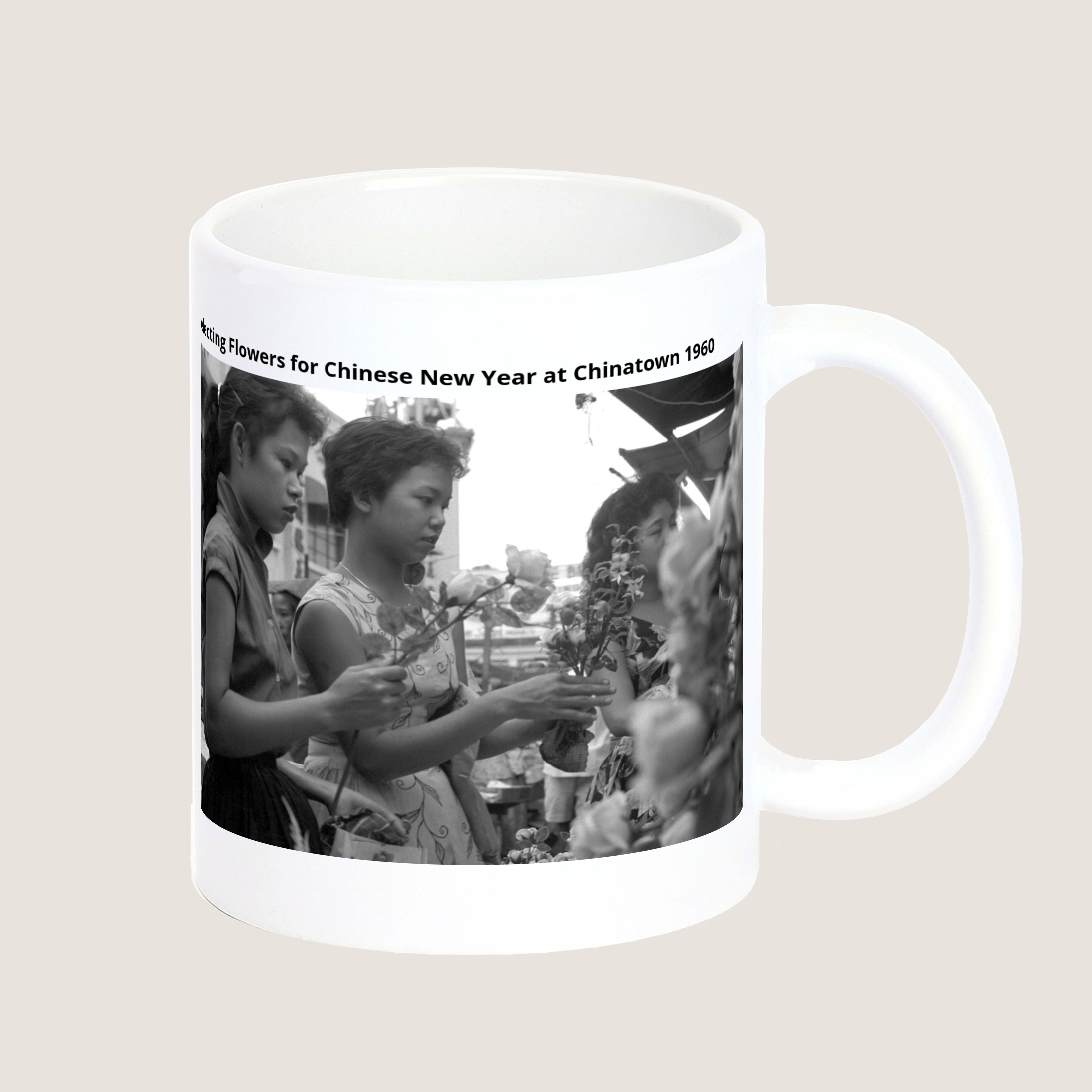
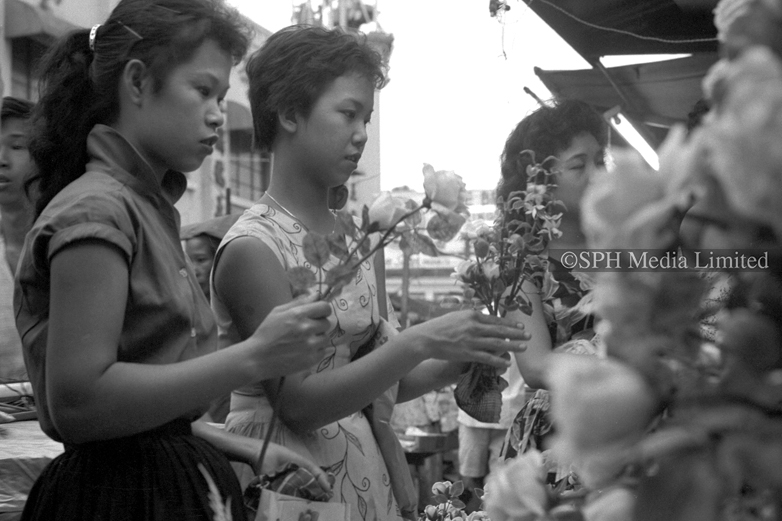 Selecting Flowers for Chinese New Year at Chinatown
1960
Selecting Flowers for Chinese New Year at Chinatown
1960
Selecting Flowers for Chinese New Year at Chinatown
Year 1960
Chinese New Year is the biggest festival for the Chinese in Singapore. Even back in 1960, Chinatown was busy and filled with people shopping and running errands in preparation for the festivities. Til now, it is the most festive and busiest place during Chinese New Year.
©️ SPH Media Limited
Share to
Tags
Available for print on products
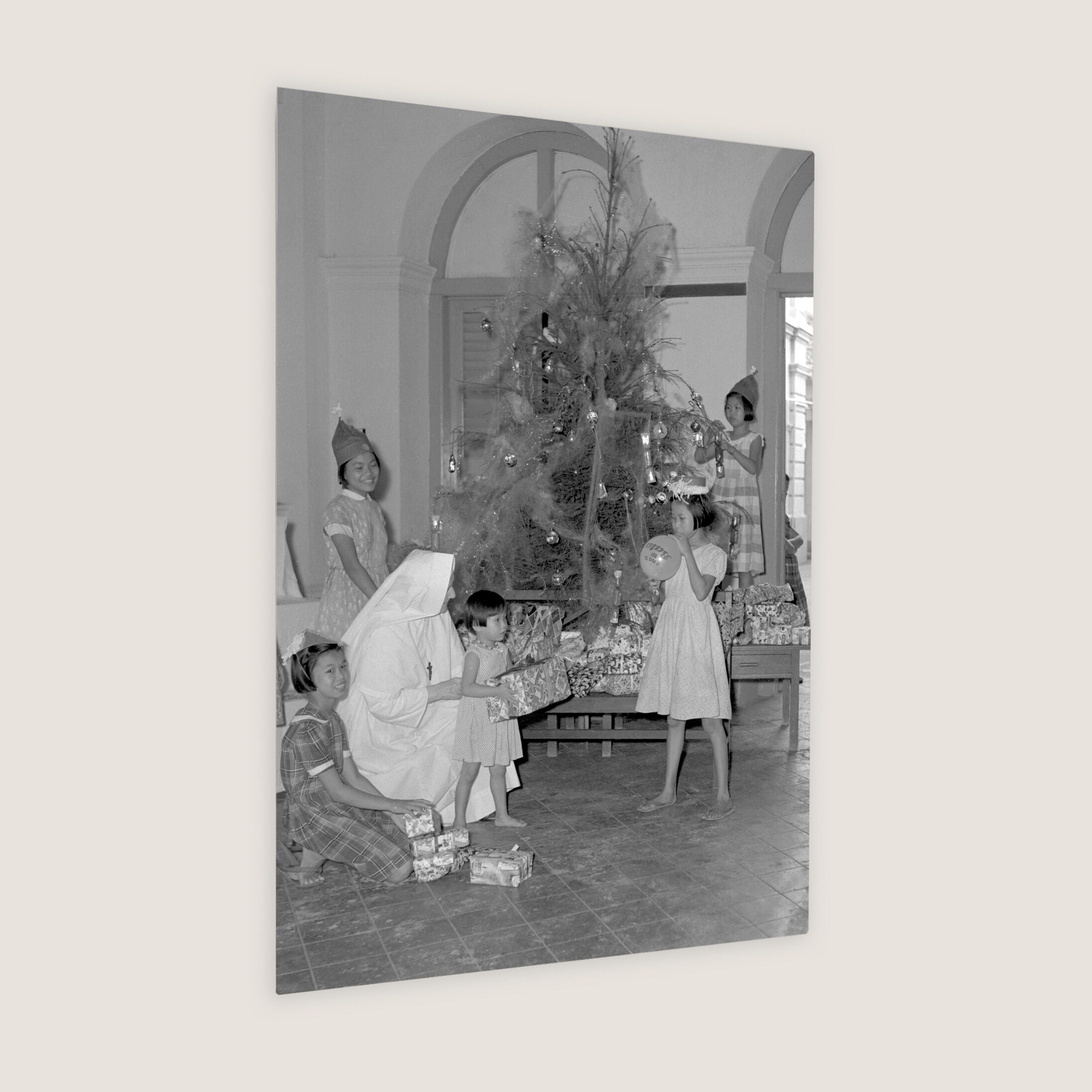
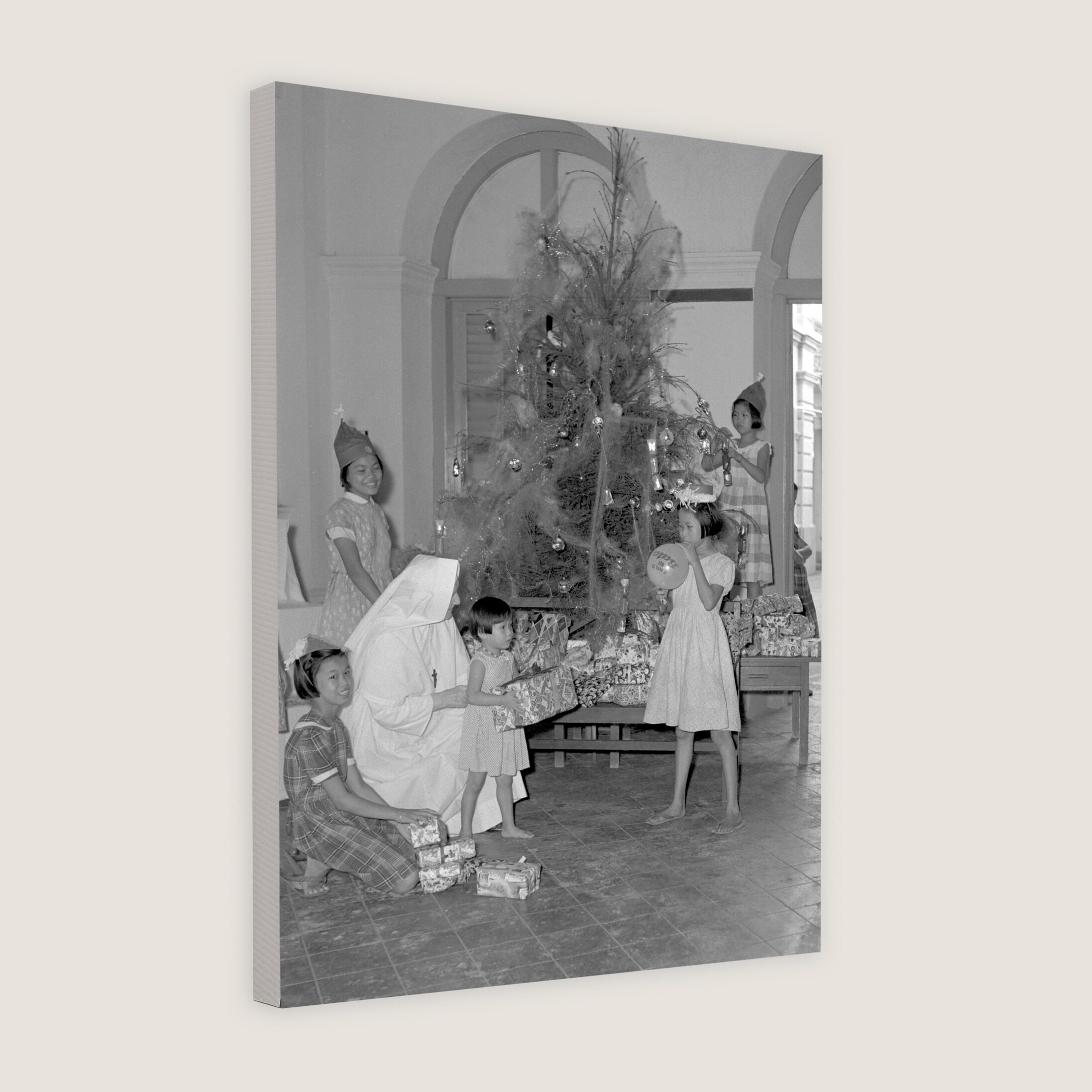
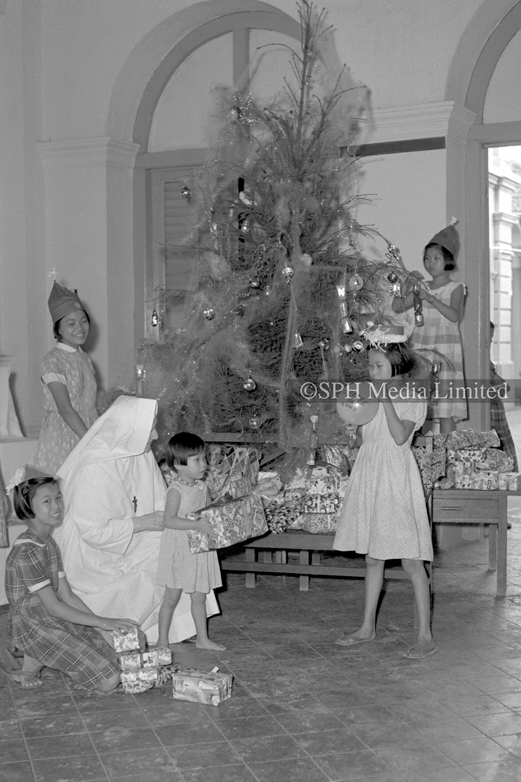 Christmas at the Convent of the Holy Infant Jesus
1960
Christmas at the Convent of the Holy Infant Jesus
1960
Christmas at the Convent of the Holy Infant Jesus
Year 1960
A Christmas tree complete with decorations and presents was presented to the Convent of the Holy Infant Jesus (currently CHIJMES) by the British Overseas Airways Corporation. Mother Superior Rev. Mother St. John was seen celebrating with the girls around the Christmas Tree.
©️ SPH Media Limited
Share to
Tags
Available for print on products
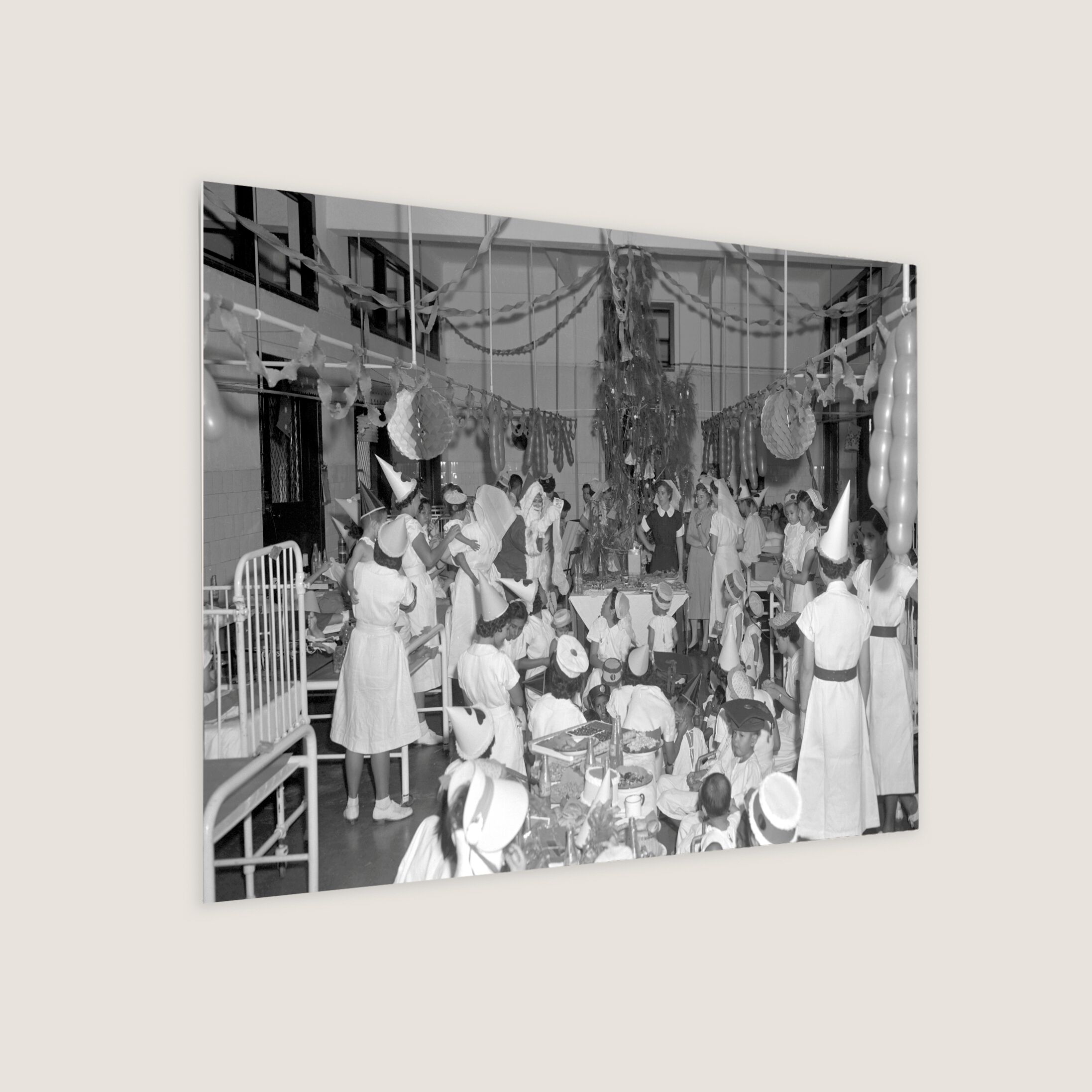
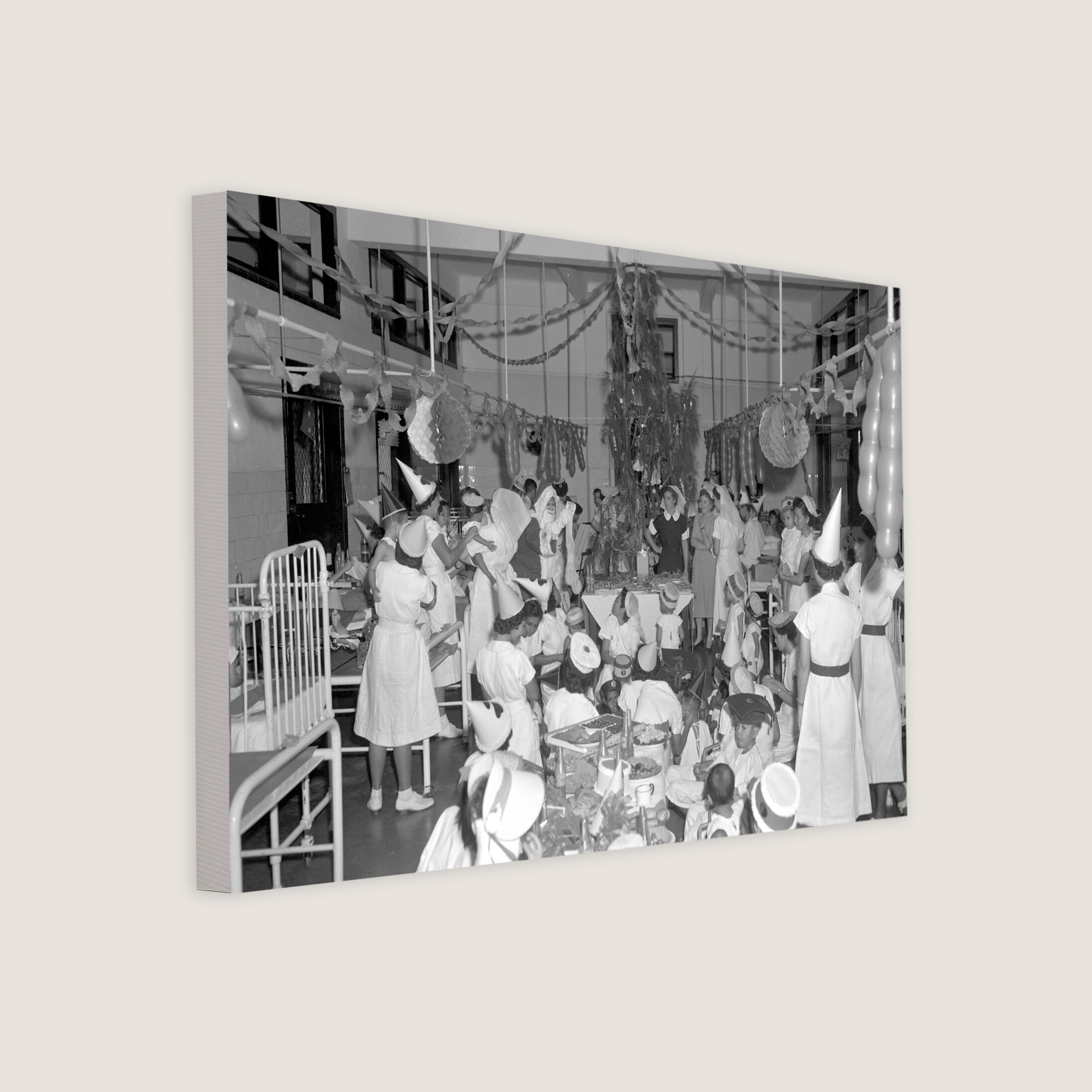
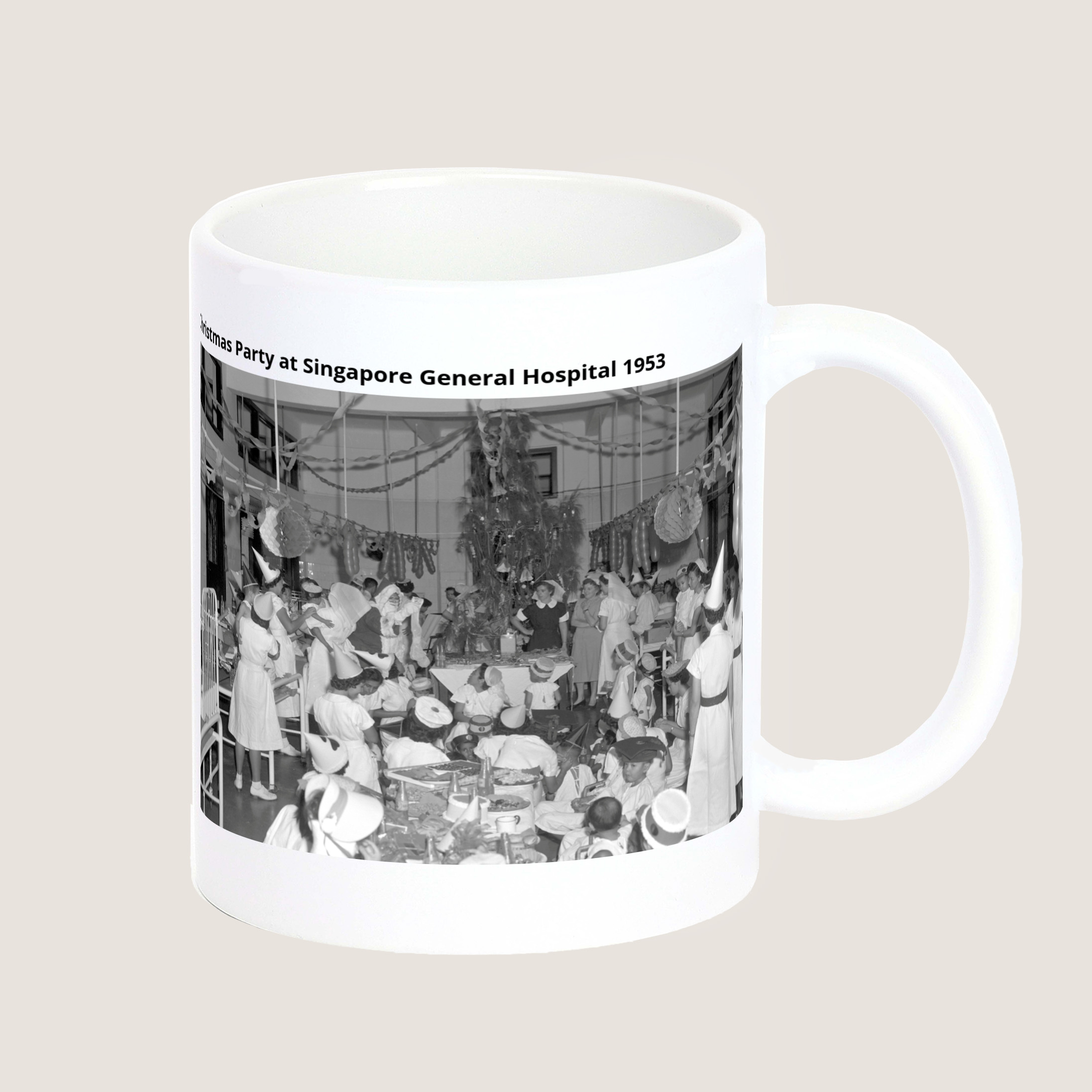
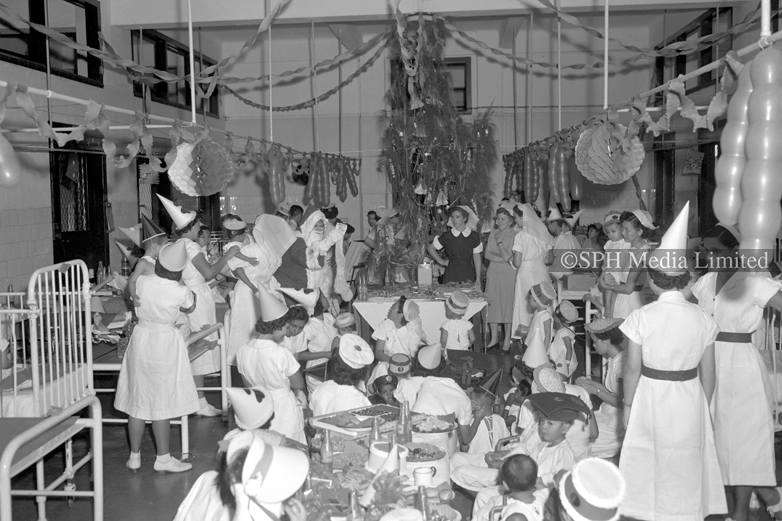 Christmas Party at Singapore General Hospital
1953
Christmas Party at Singapore General Hospital
1953
Christmas Party at Singapore General Hospital
Year 1953
A Christmas celebration is held at the the ward, which was festively decorated. Both nurses and children are all engaged in the celebration. The celebration highlights the hospital's effort to create a cheerful and festive environment for young patients and staff, capturing a moment of merriment during this thankful time.
©️ SPH Media Limited
Share to
Tags
Available for print on products
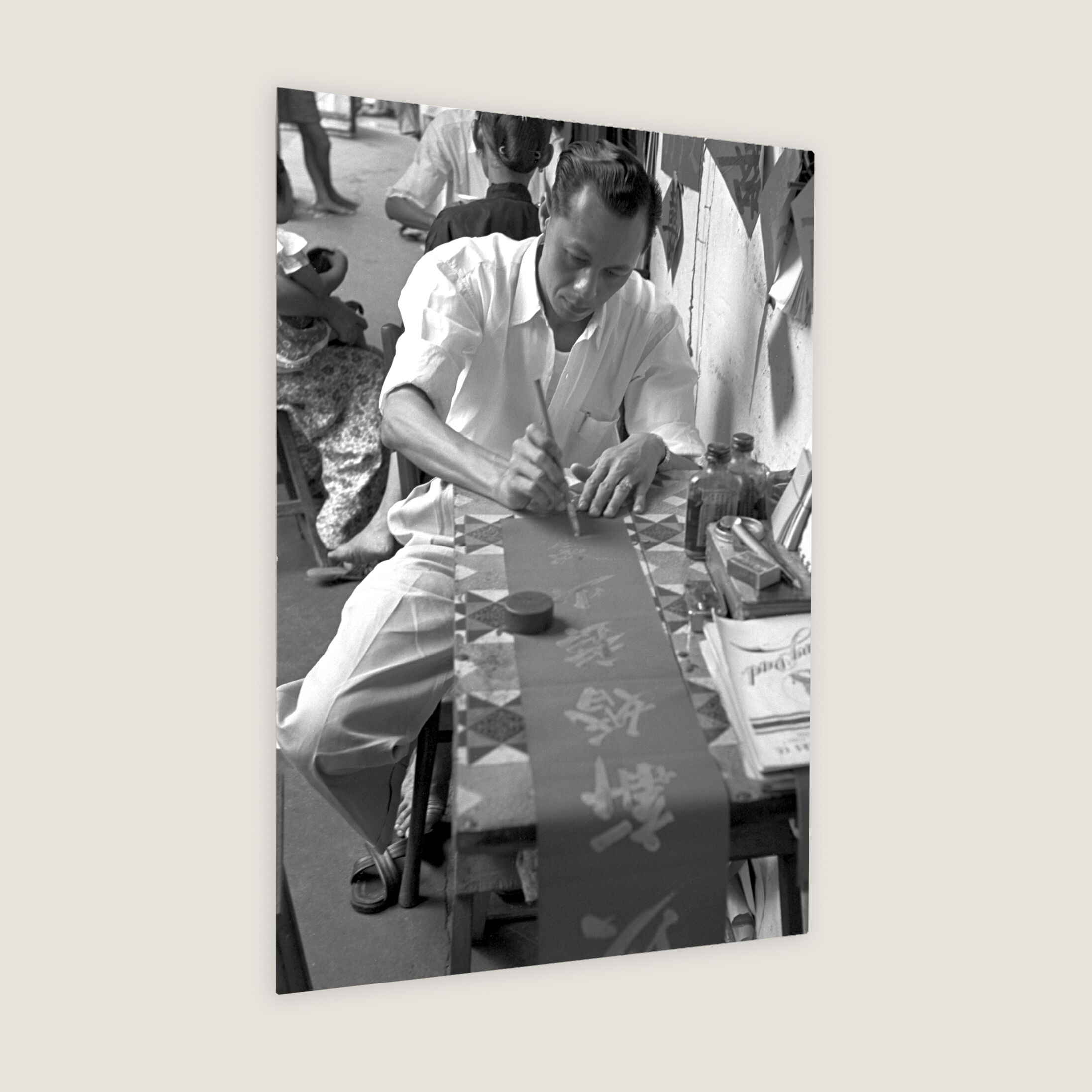
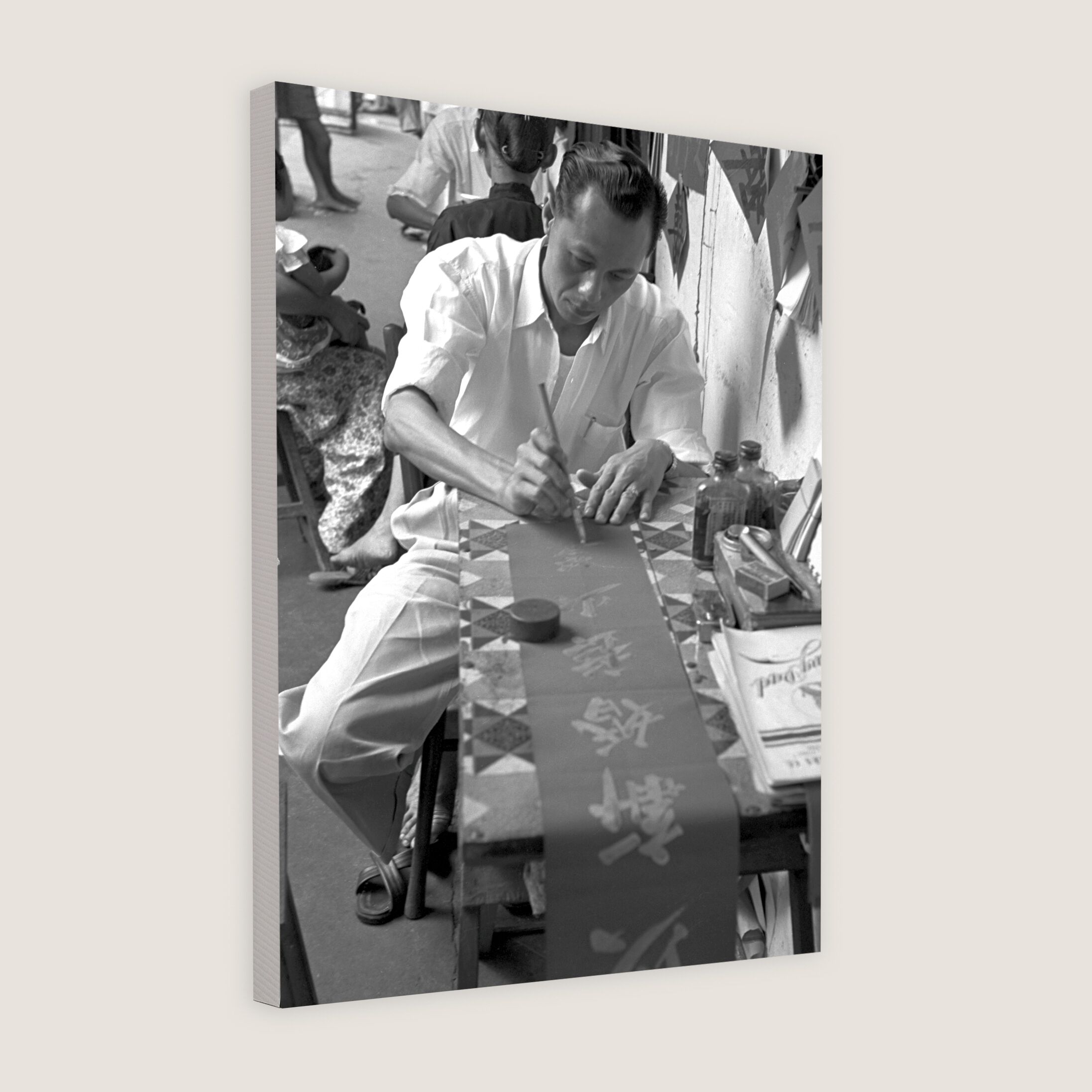
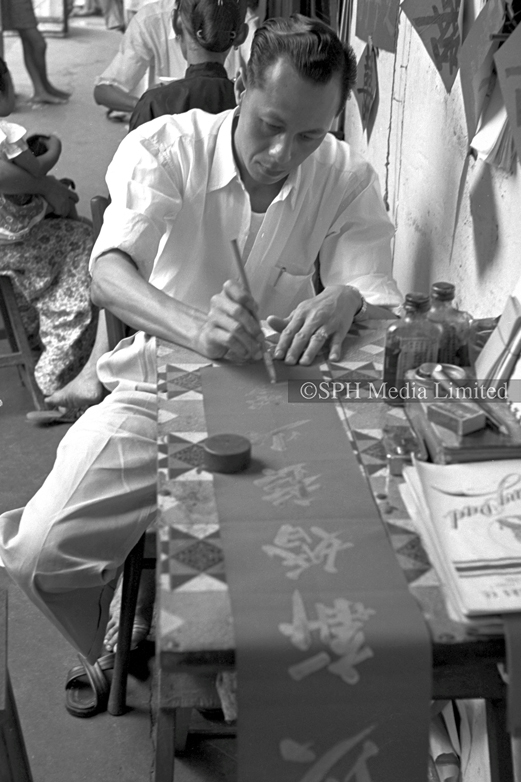 A Letter-Writing Man in Action at Sago Street
1953
A Letter-Writing Man in Action at Sago Street
1953
A Letter-Writing Man in Action at Sago Street
Year 1953
For 11 years, this man sat at his table in Sago Street writing letters for the illiterate and writing gold-lettered scrolls (对联) as a trade. The 1950s and 1960s were thriving times for such letter writers, with hordes of people waiting to send word back home after World War II.
©️ SPH Media Limited
Share to
Tags
Available for print on products
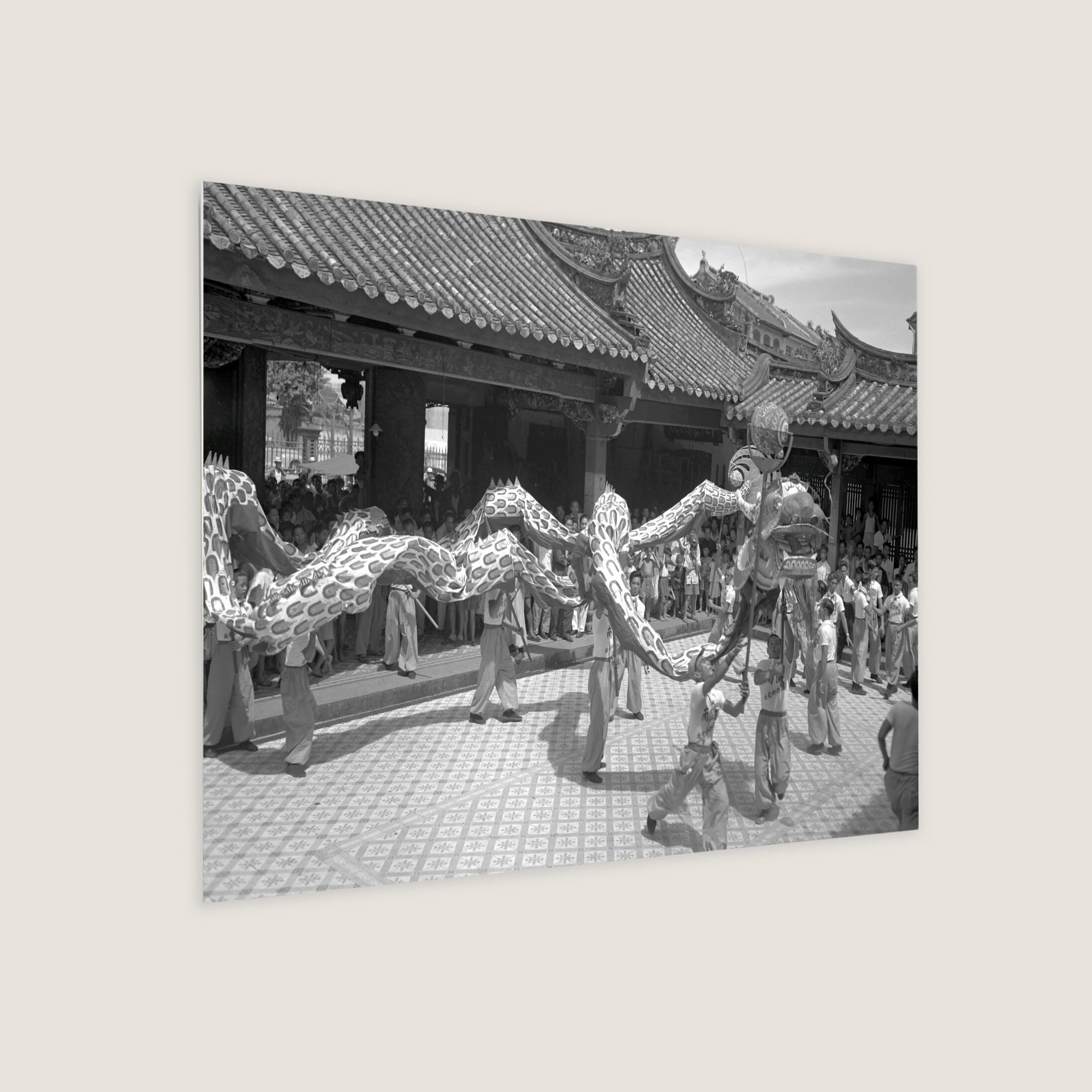
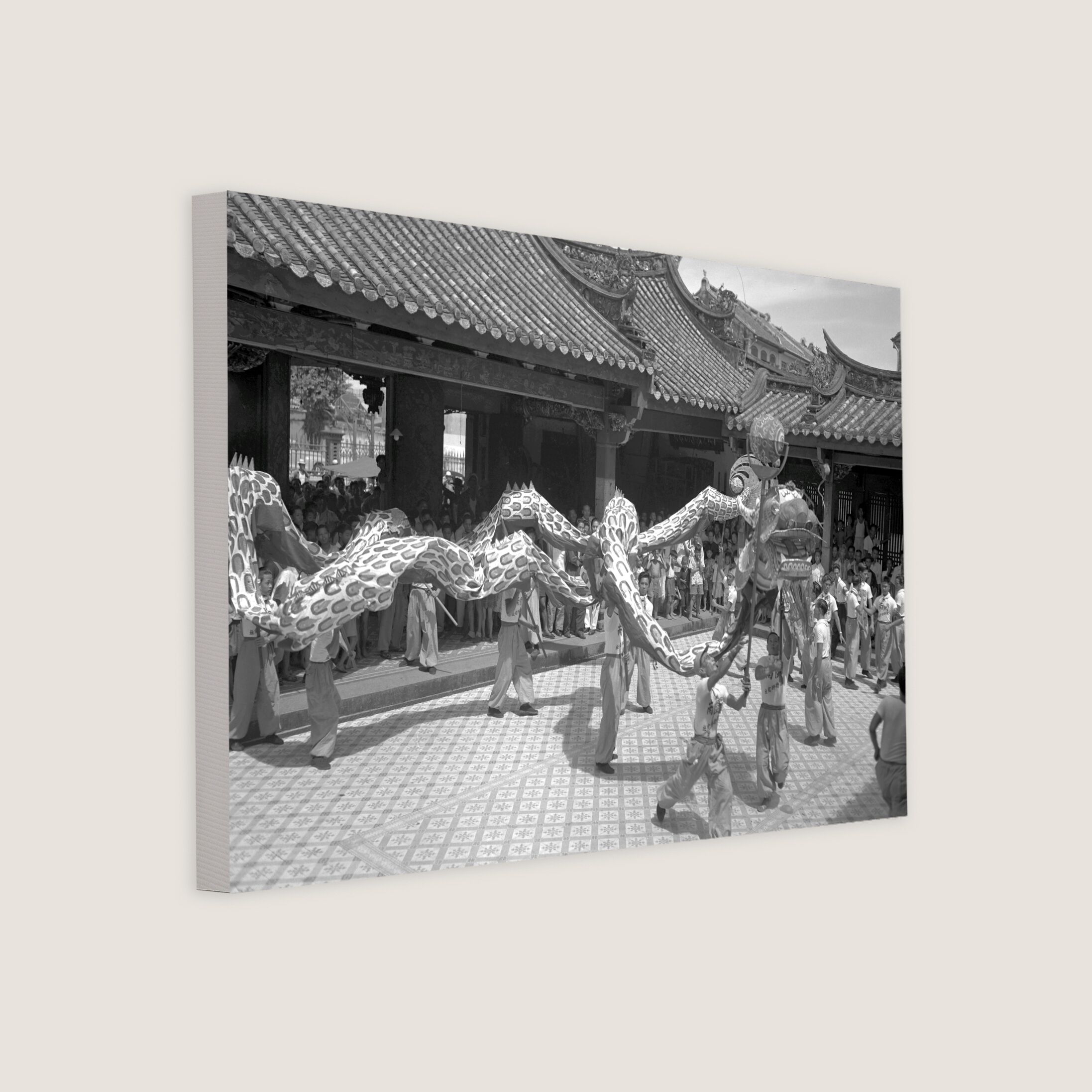
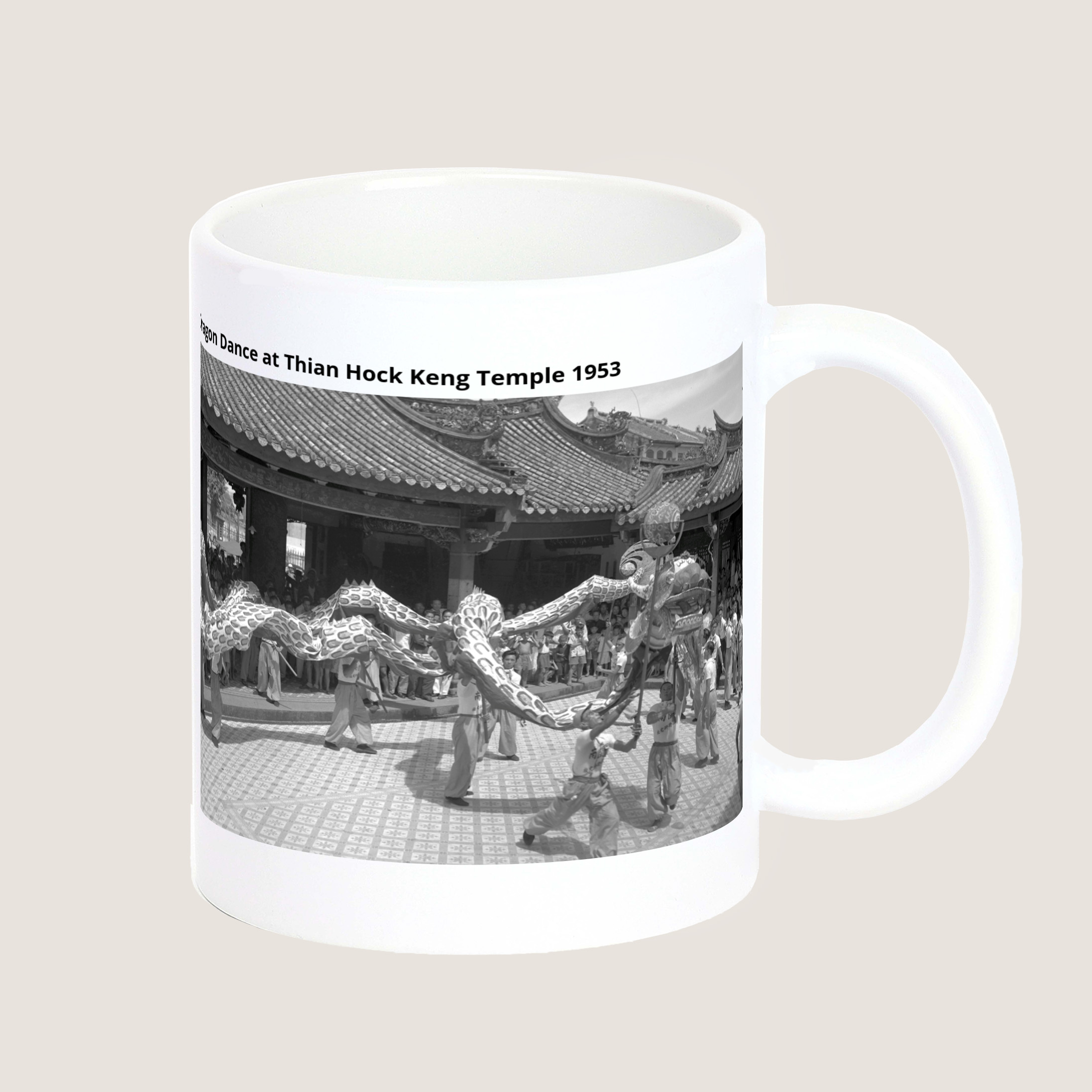
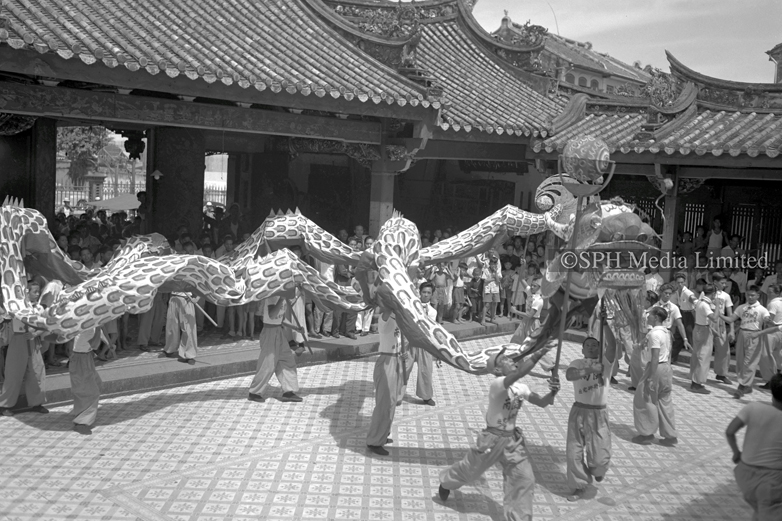 Dragon Dance at Thian Hock Keng Temple
1953
Dragon Dance at Thian Hock Keng Temple
1953
Dragon Dance at Thian Hock Keng Temple
Year 1953
Dragon dance at Thian Hock Keng Temple at Telok Ayer on May 24, 1953. A Coronation dragon was offered to the gods in the temple as a symbol of the World's hope for peace during the reign of the Queen. The dragon, 100 feet long, is a contribution from the Mun Nam Pugilistic Study Association to the Chinese procession on Coronation night.
©️ SPH Media Limited
Share to
Tags
Available for print on products
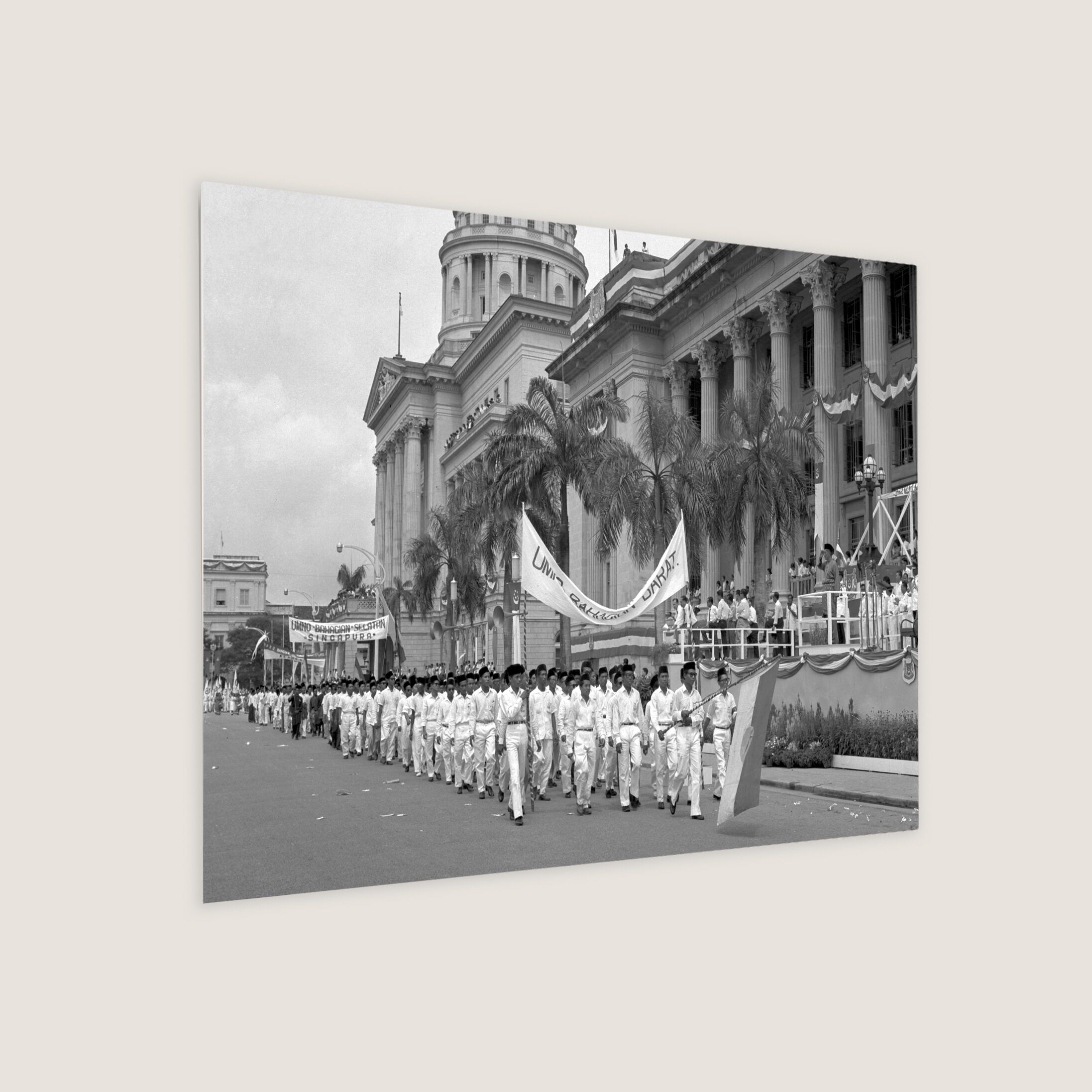
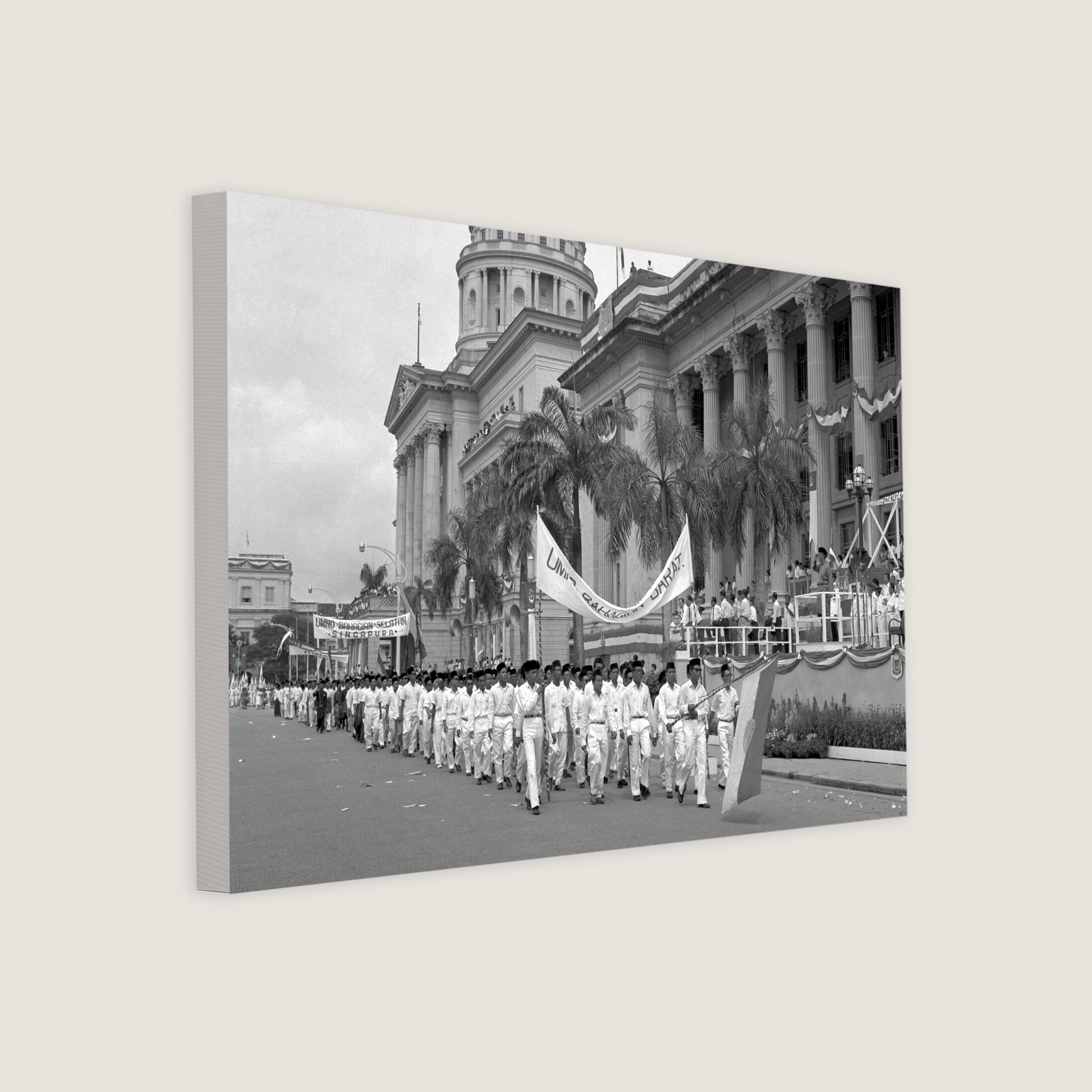
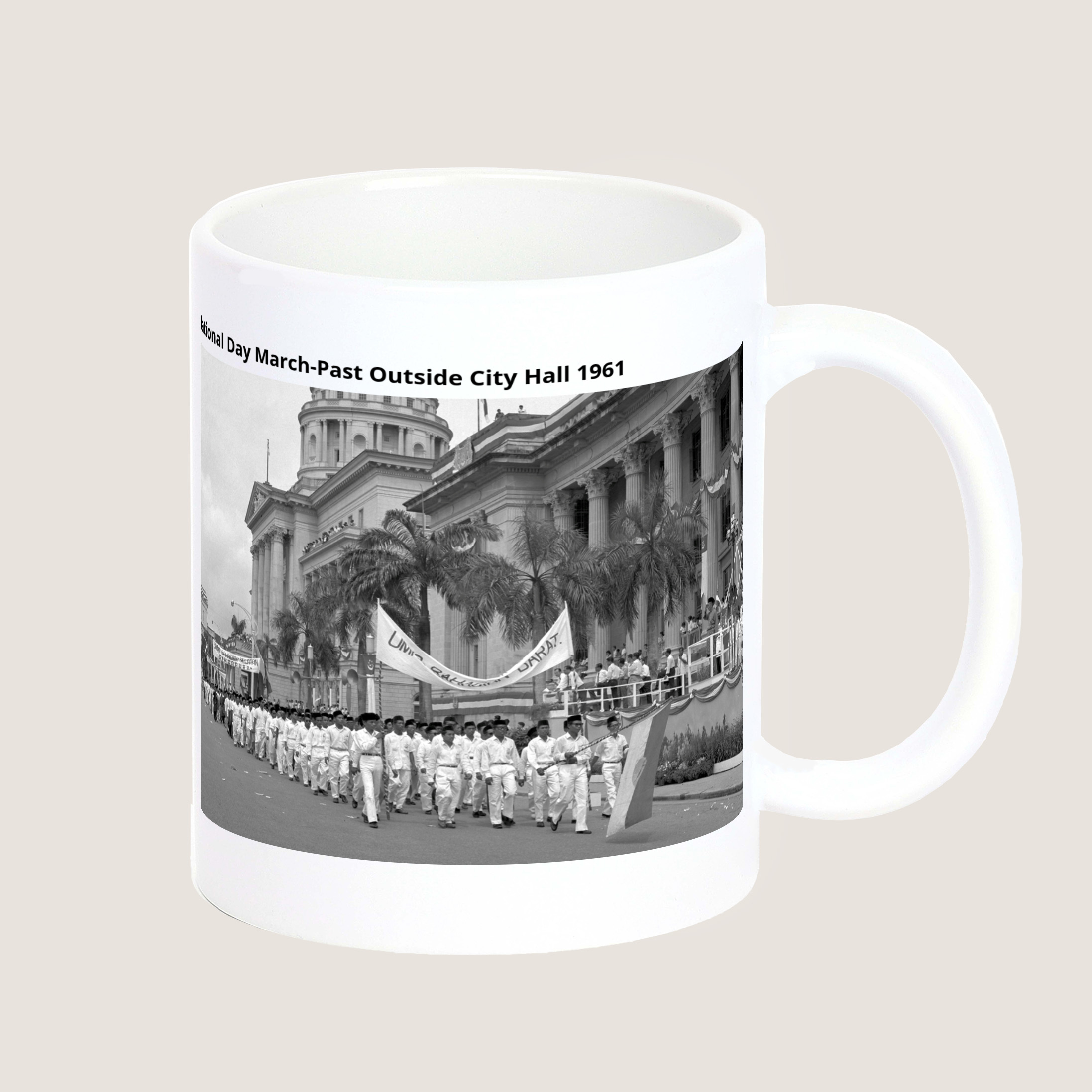
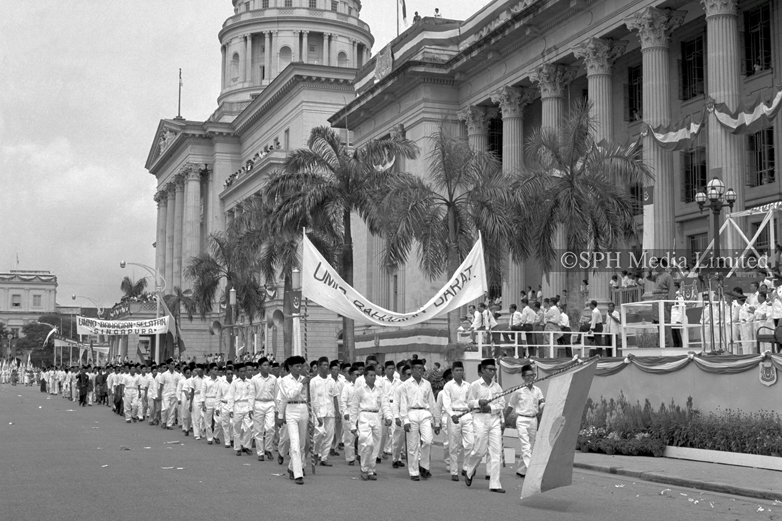 National Day March-Past Outside City Hall
1961
National Day March-Past Outside City Hall
1961
National Day March-Past Outside City Hall
Year 1961
Between 1960 and 1963, Singapore's National Day was celebrated on 3 June to commemorate the day in 1959 when the state of Singapore attained self-governance from the British.
©️ SPH Media Limited
Share to
Tags
Available for print on products
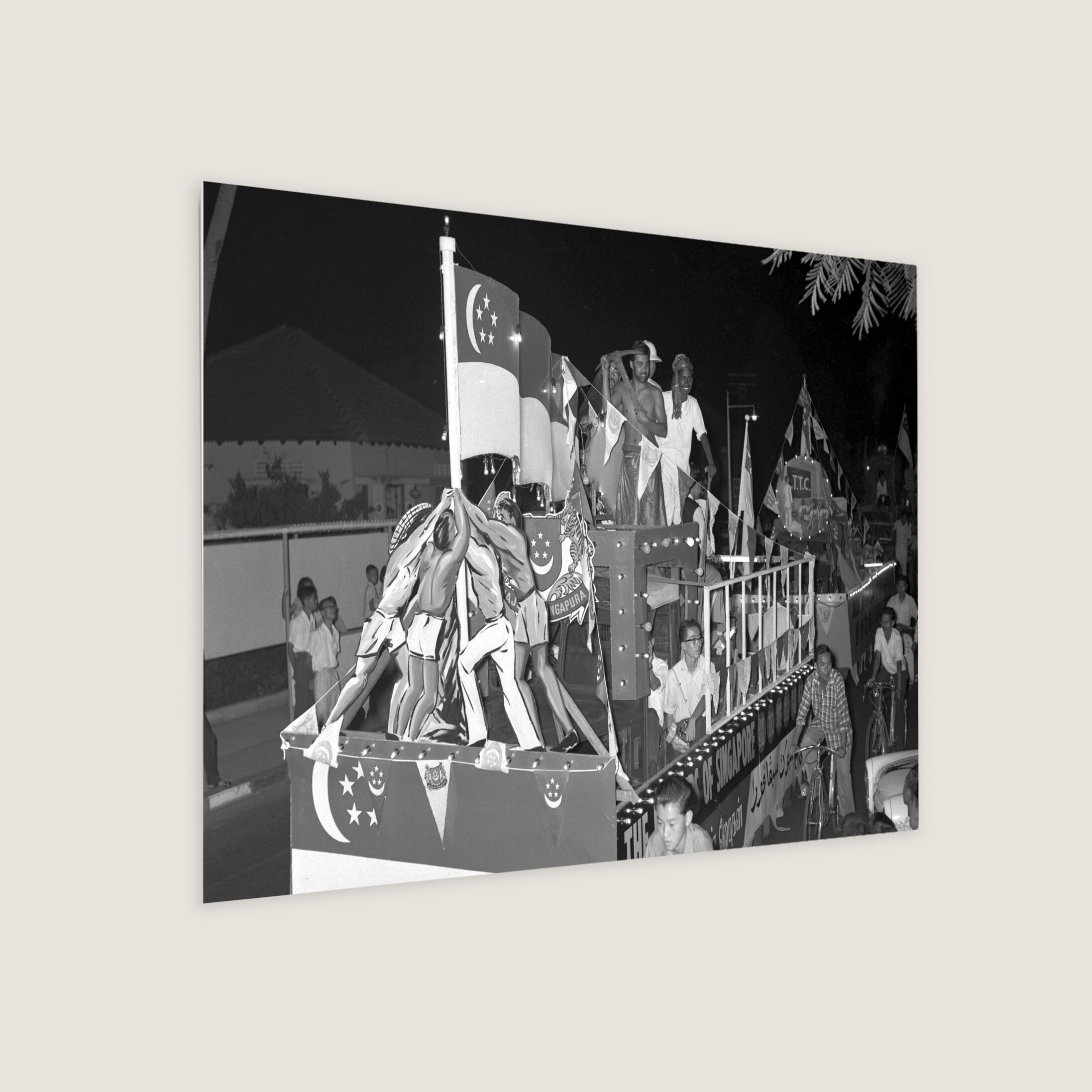
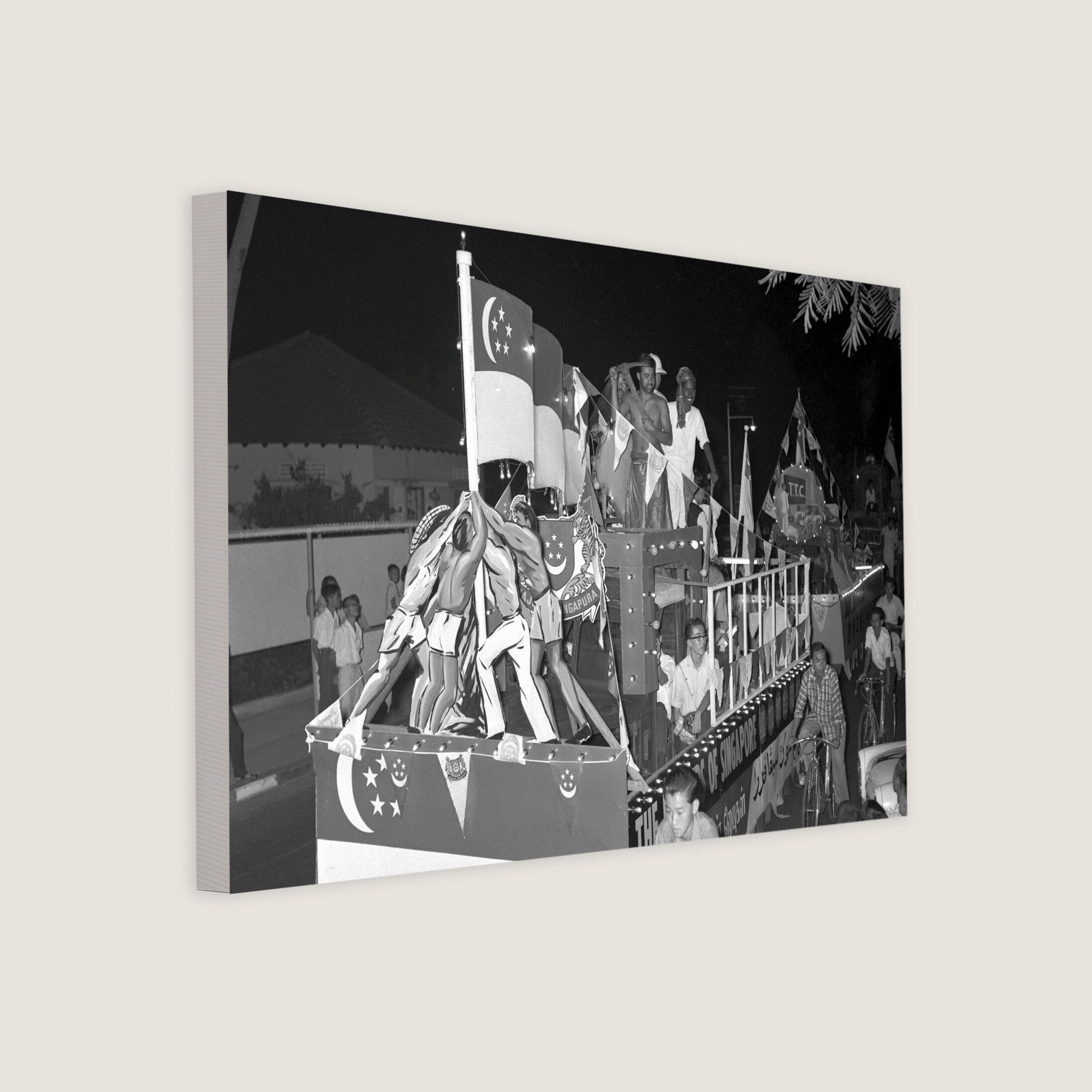
 Celebrating National Day After Self-Governance
1961
Celebrating National Day After Self-Governance
1961
Celebrating National Day After Self-Governance
Year 1961
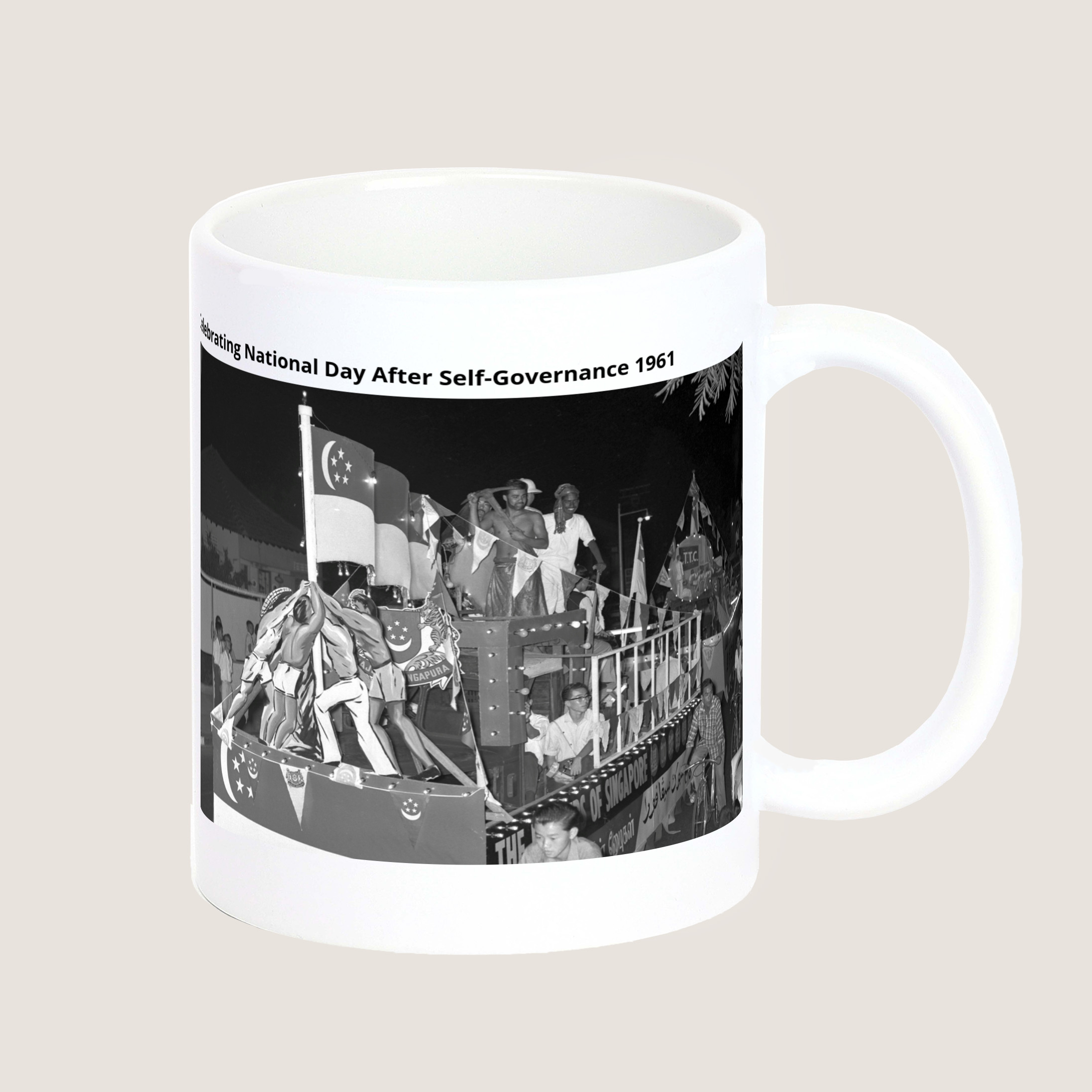
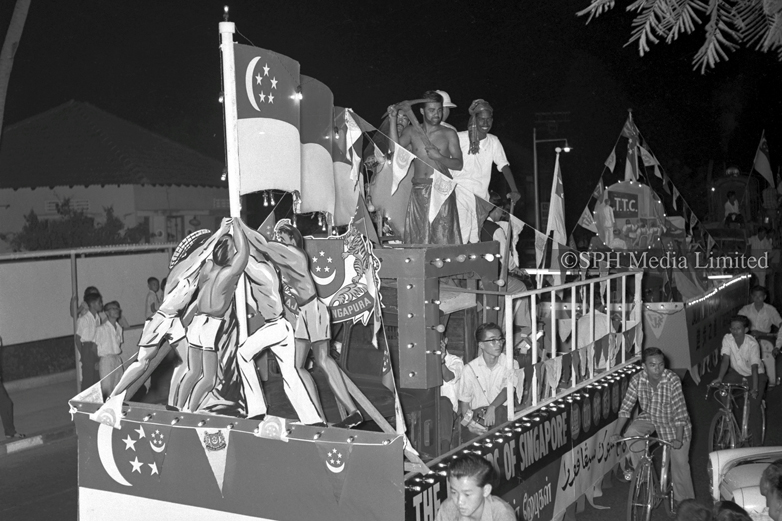
A float with the state flag was featured in the National Day procession. In 1959, a new state flag was created to represent Singapore shortly after it became a self-governing state under British rule. This flag was subsequently adopted as the national flag when Singapore became an independent nation on 9 August 1965.
©️ SPH Media Limited
Share to
Tags
Available for print on products
 Commemorating Third National Day at City Hall
1962
Commemorating Third National Day at City Hall
1962
Commemorating Third National Day at City Hall
Year 1962
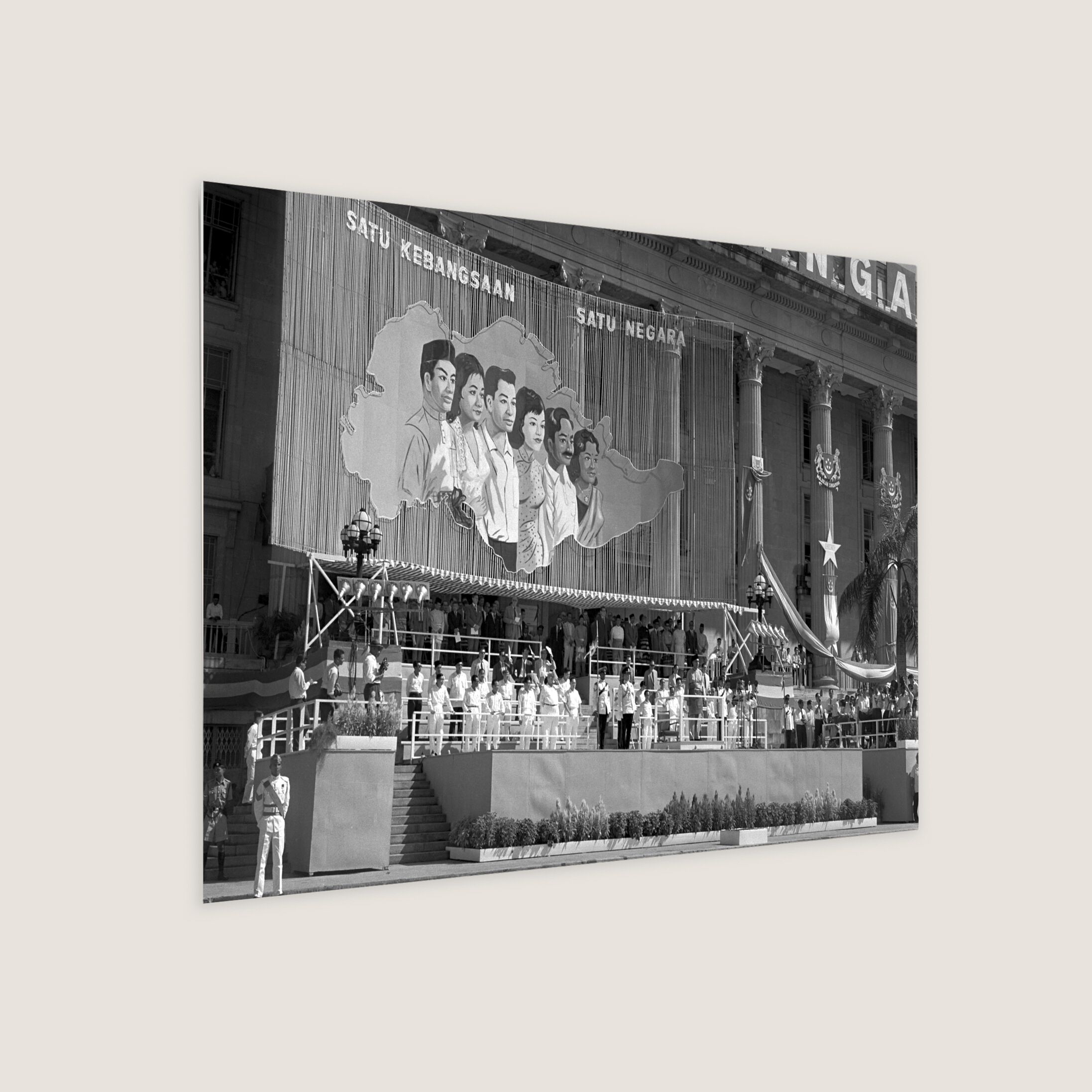
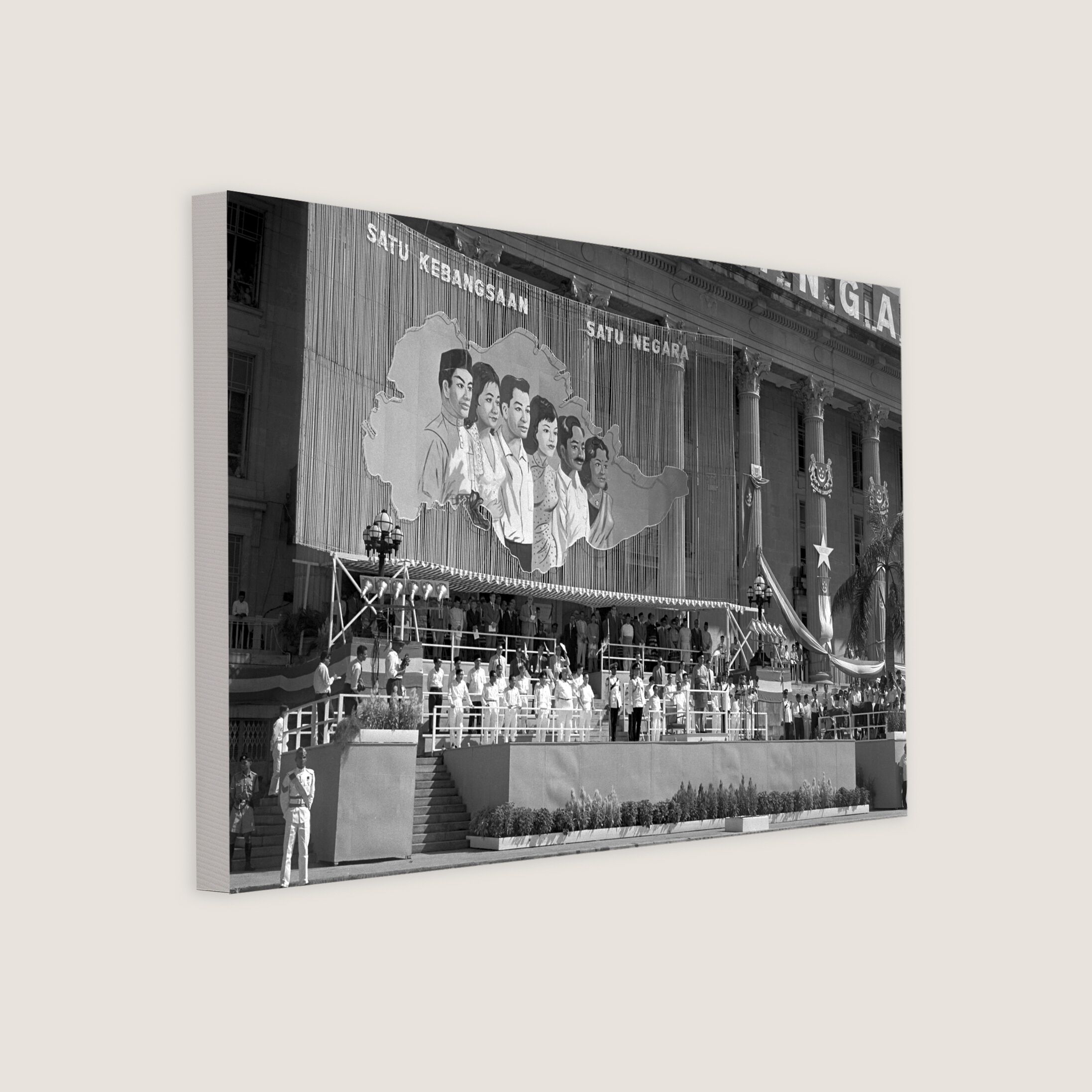
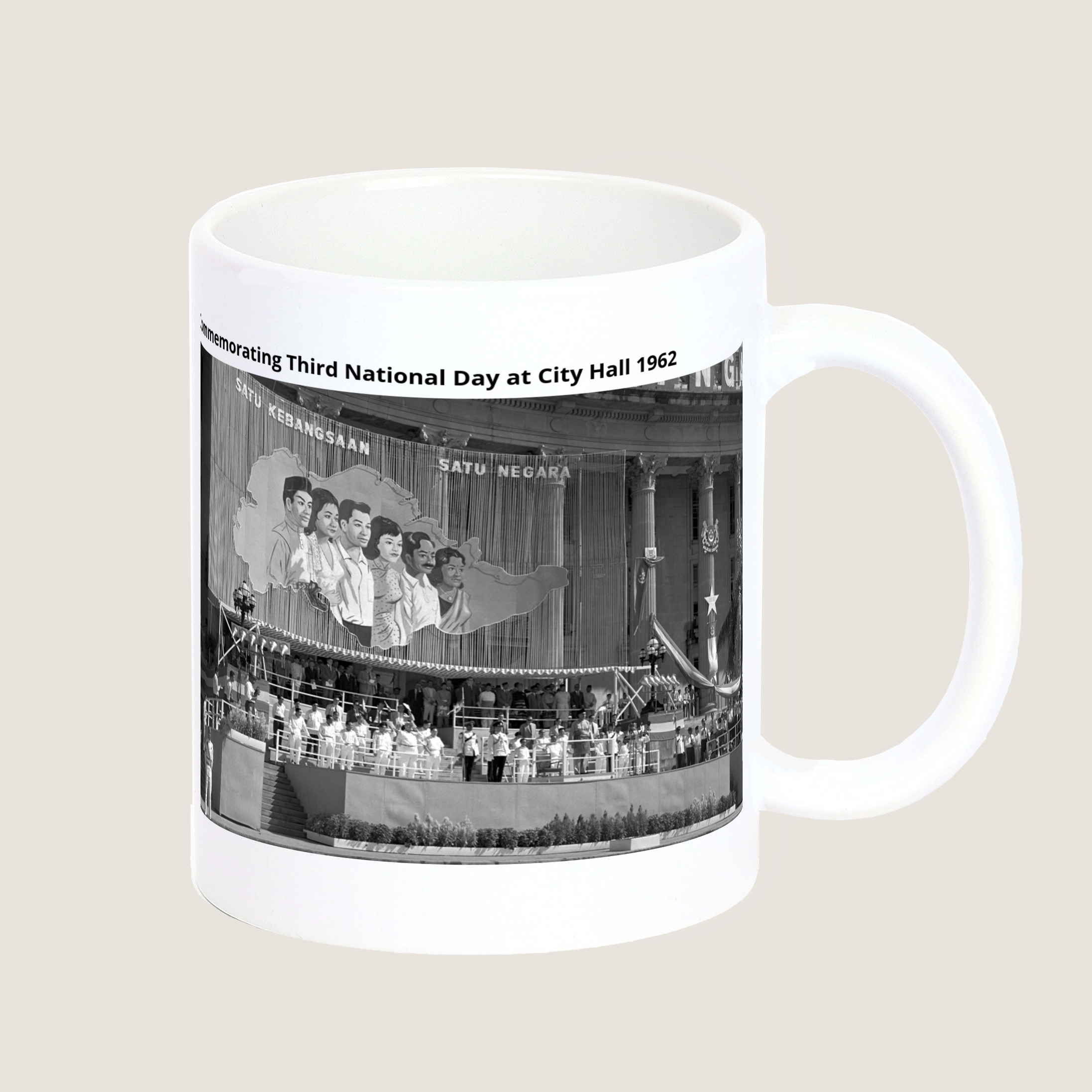
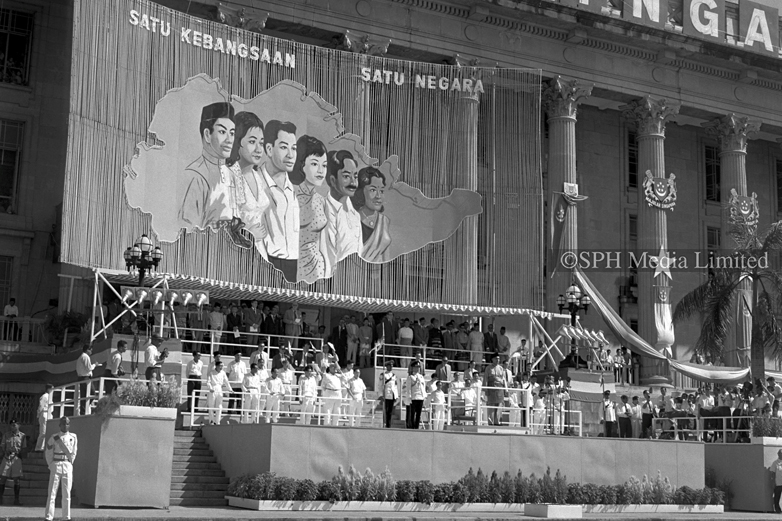
This photo captured a historical moment of Singapore. On 3 June 1962, Singapore commemorates its third National day at City Hall. A central banner showcasing a map of Singapore with illustrations of people from various ethnic backgrounds, symbolizing unity and diversity. Above the map, the Malay phrases "SATU KEBANGSAAN" and "SATU NEGARA" are prominently featured, translating to "One Nationality" and "One Country."
©️ SPH Media Limited
Share to
Tags
Available for print on products
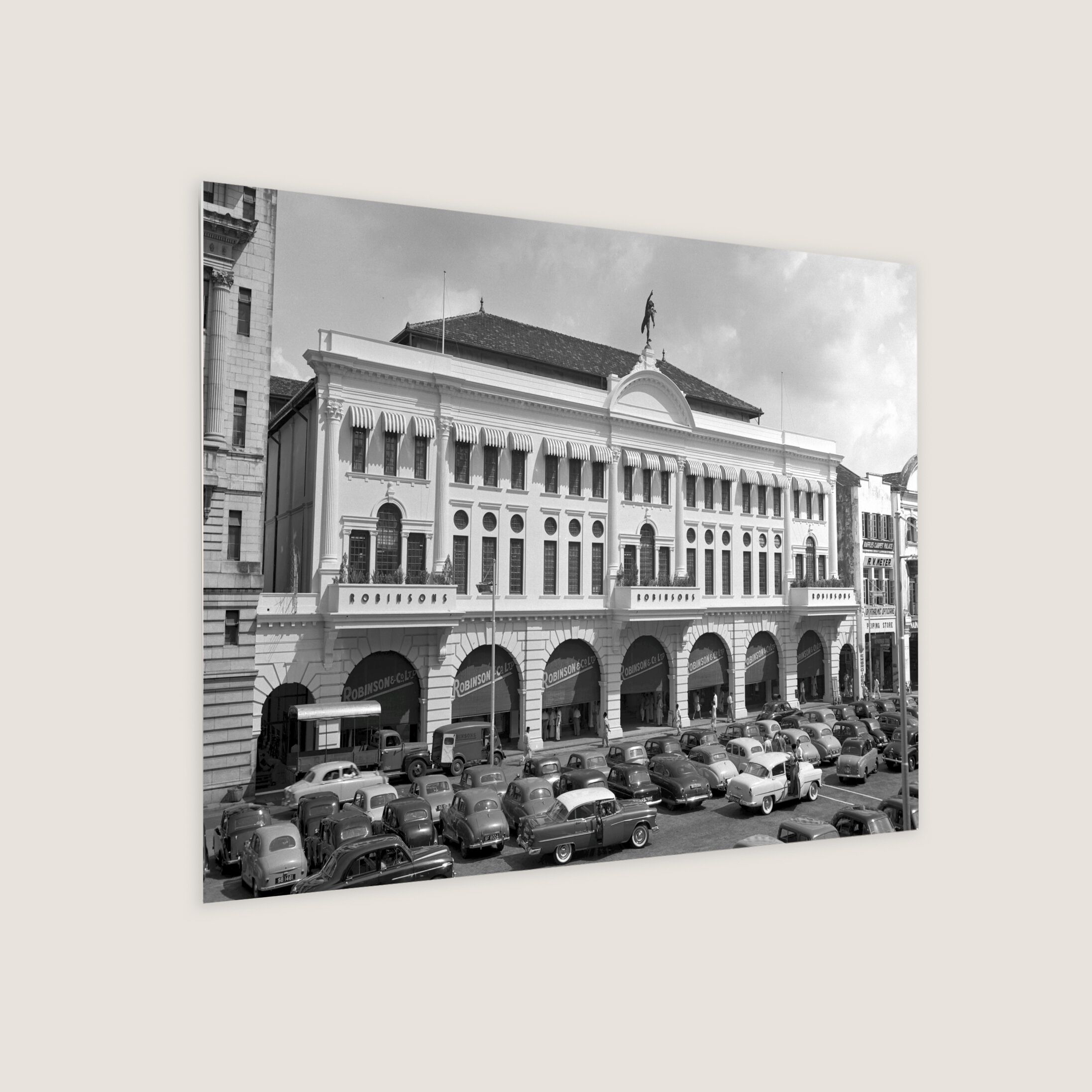
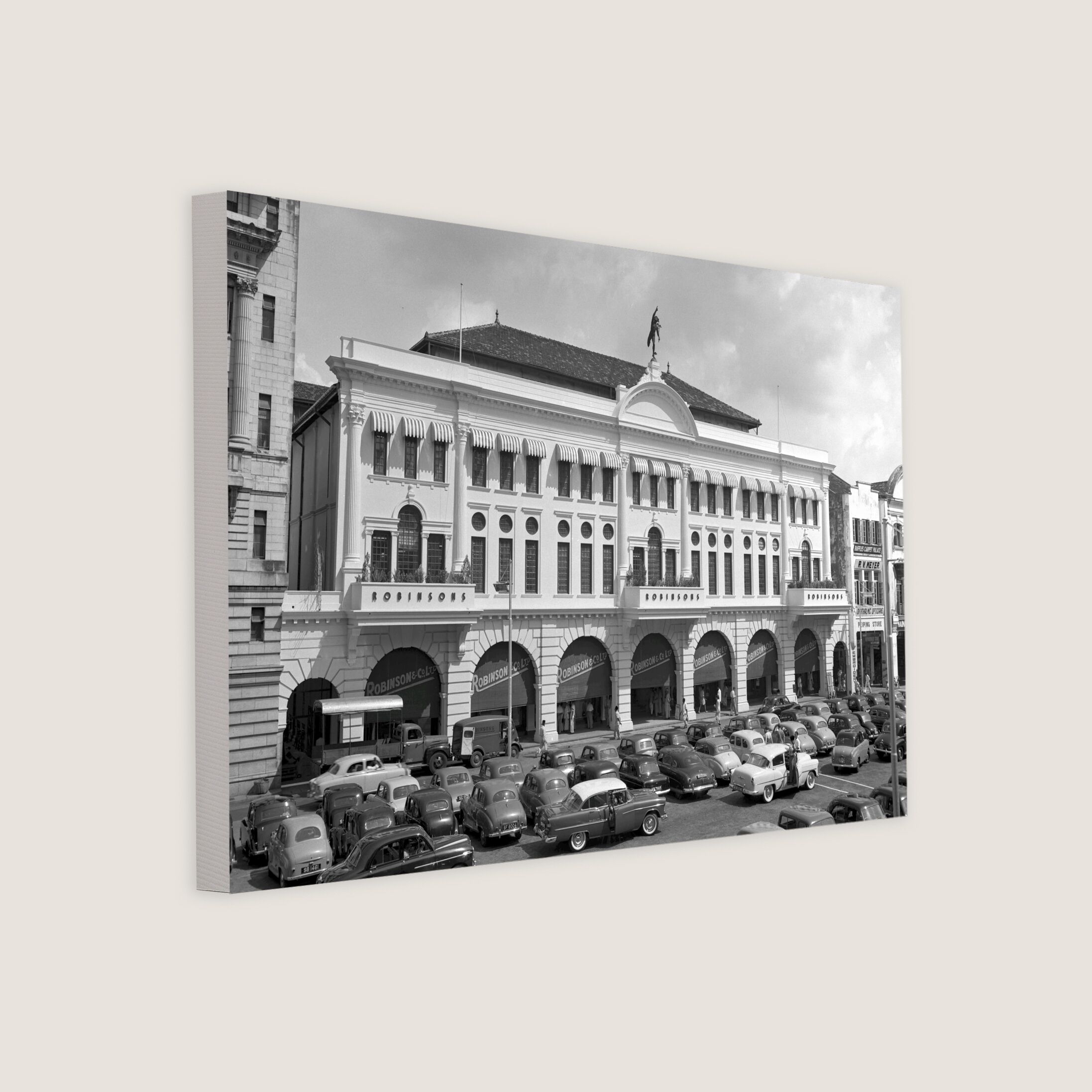
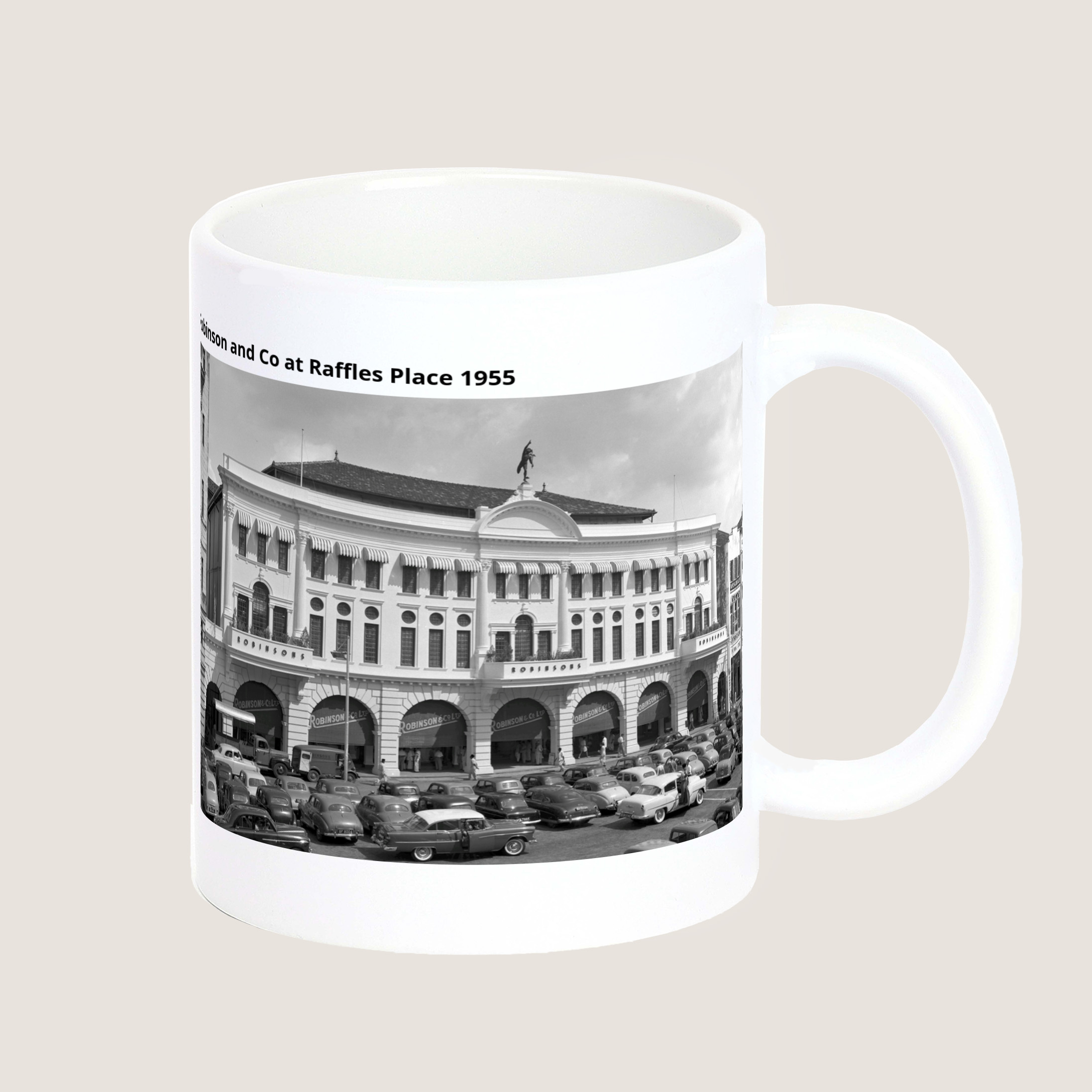
 Robinson and Co at Raffles Place
1955
Robinson and Co at Raffles Place
1955
Robinson and Co at Raffles Place
Year 1955
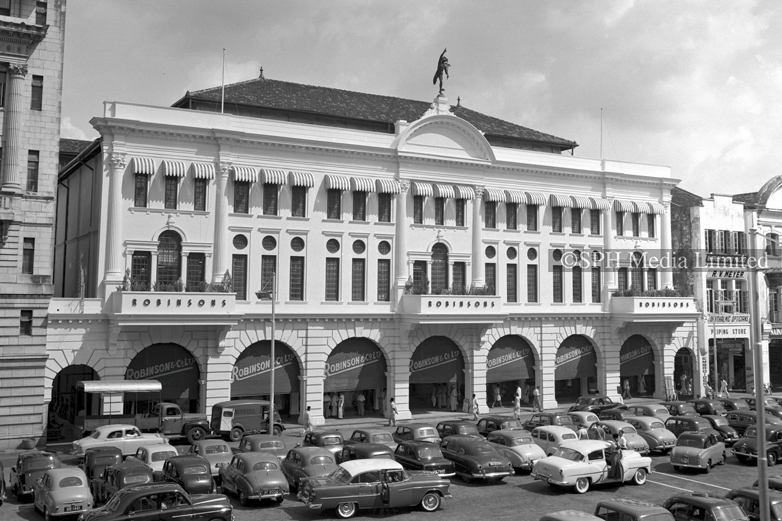
Robinson & Co Building at Raffles Place was known as the "most handsome shop in the Far East" due to its beautiful and grand architecture. Robinsons was Singapore's oldest home-grown department store until all its physical outlets closed in 2020 due to the COVID-19 pandemic.
©️ SPH Media Limited
Share to
Tags
Available for print on products
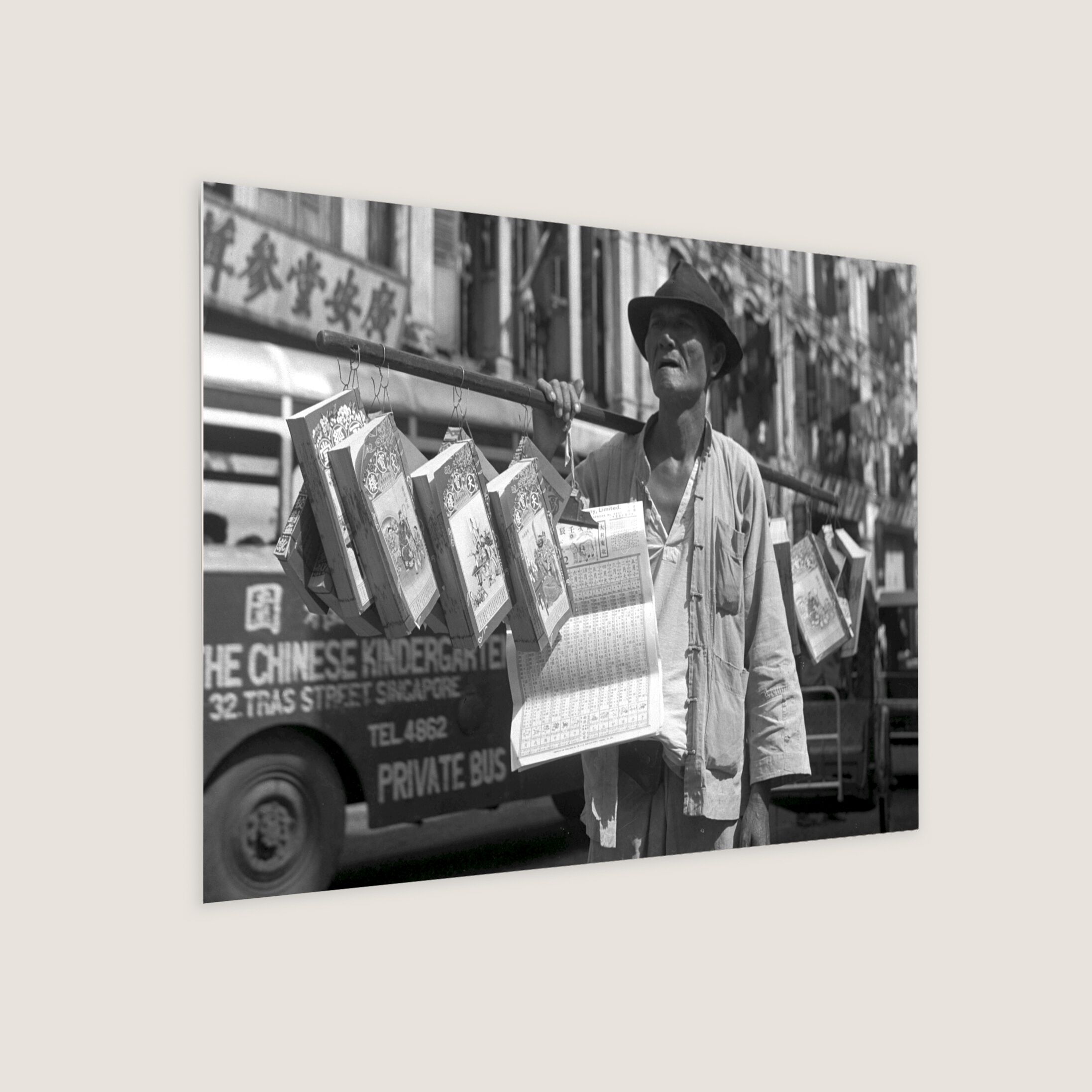
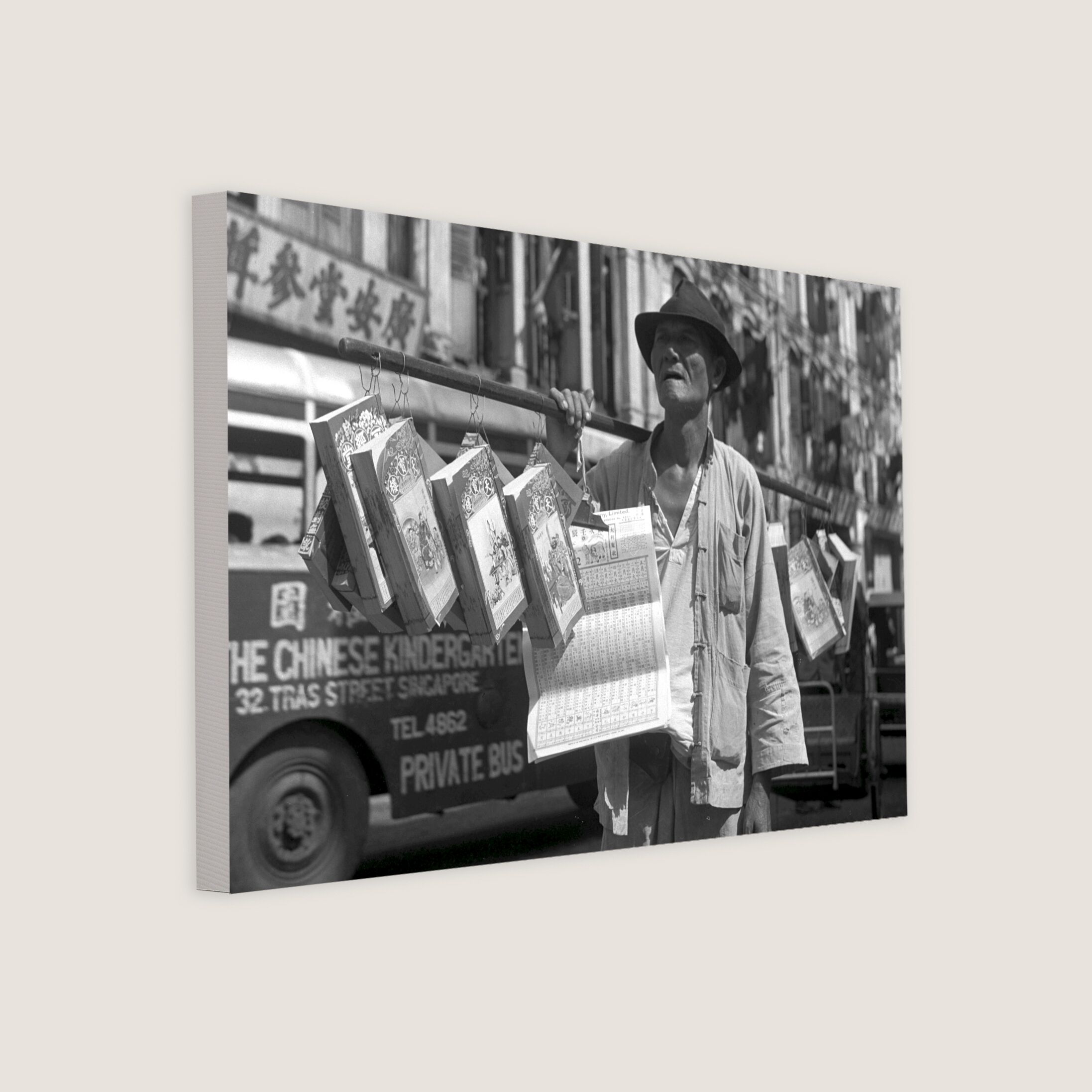
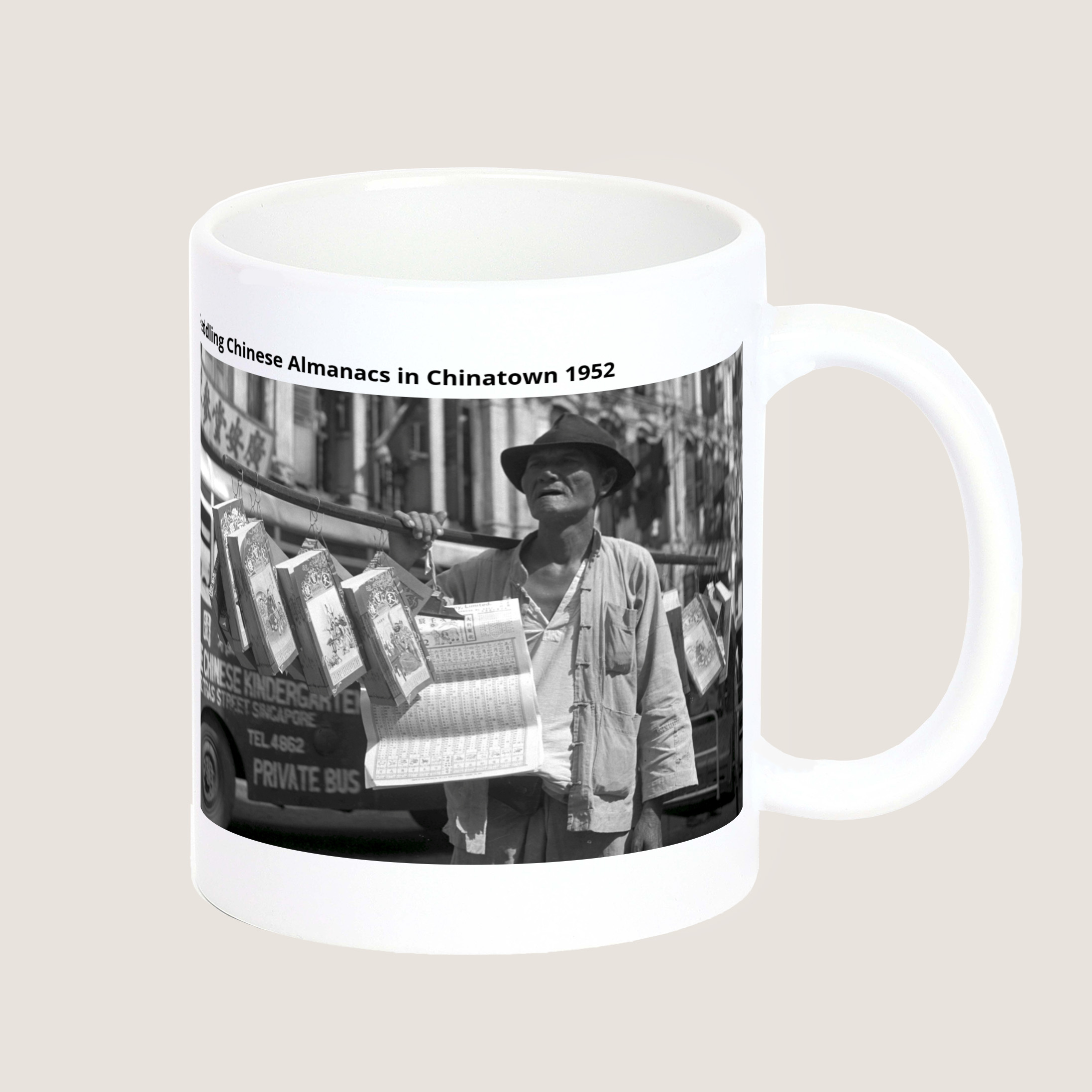
 Peddling Chinese Almanacs in Chinatown
1952
Peddling Chinese Almanacs in Chinatown
1952
Peddling Chinese Almanacs in Chinatown
Year 1952
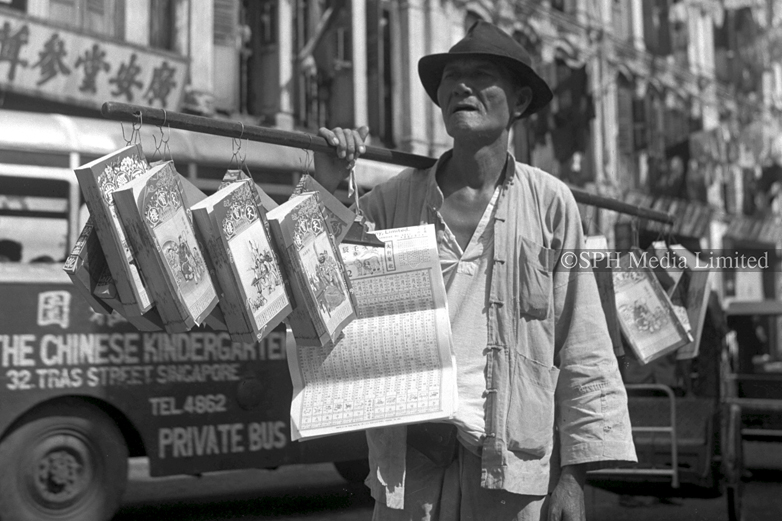
On a day in 1952, a peddler in Chinatown was selling Chinese almanacs (通胜), a fortune-telling calendar record which details the auspicious timings for daily activities, almost like an encyclopedia. It is a traditionally auspicious item to have for Chinese New Year.
©️ SPH Media Limited
Share to
Tags
Available for print on products
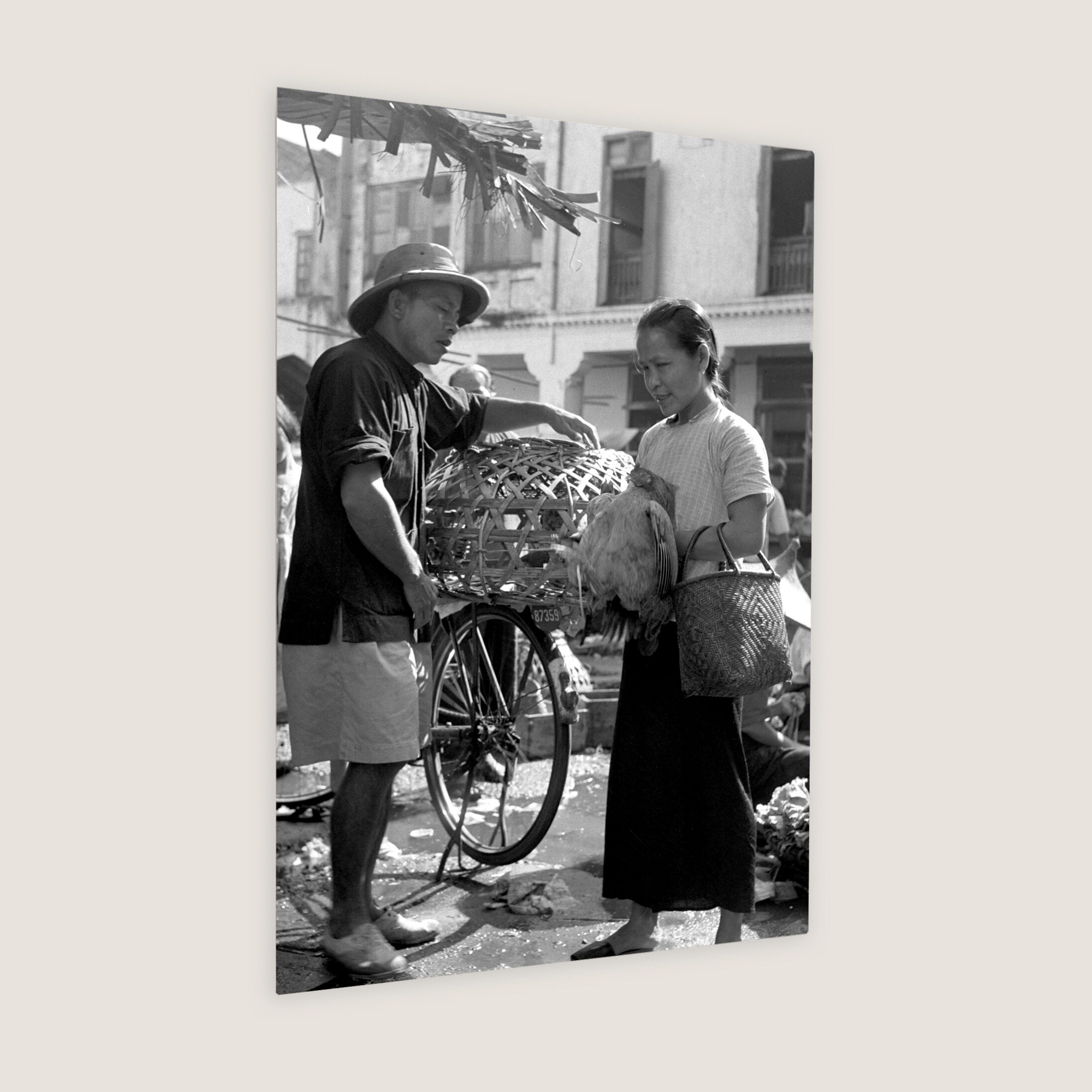
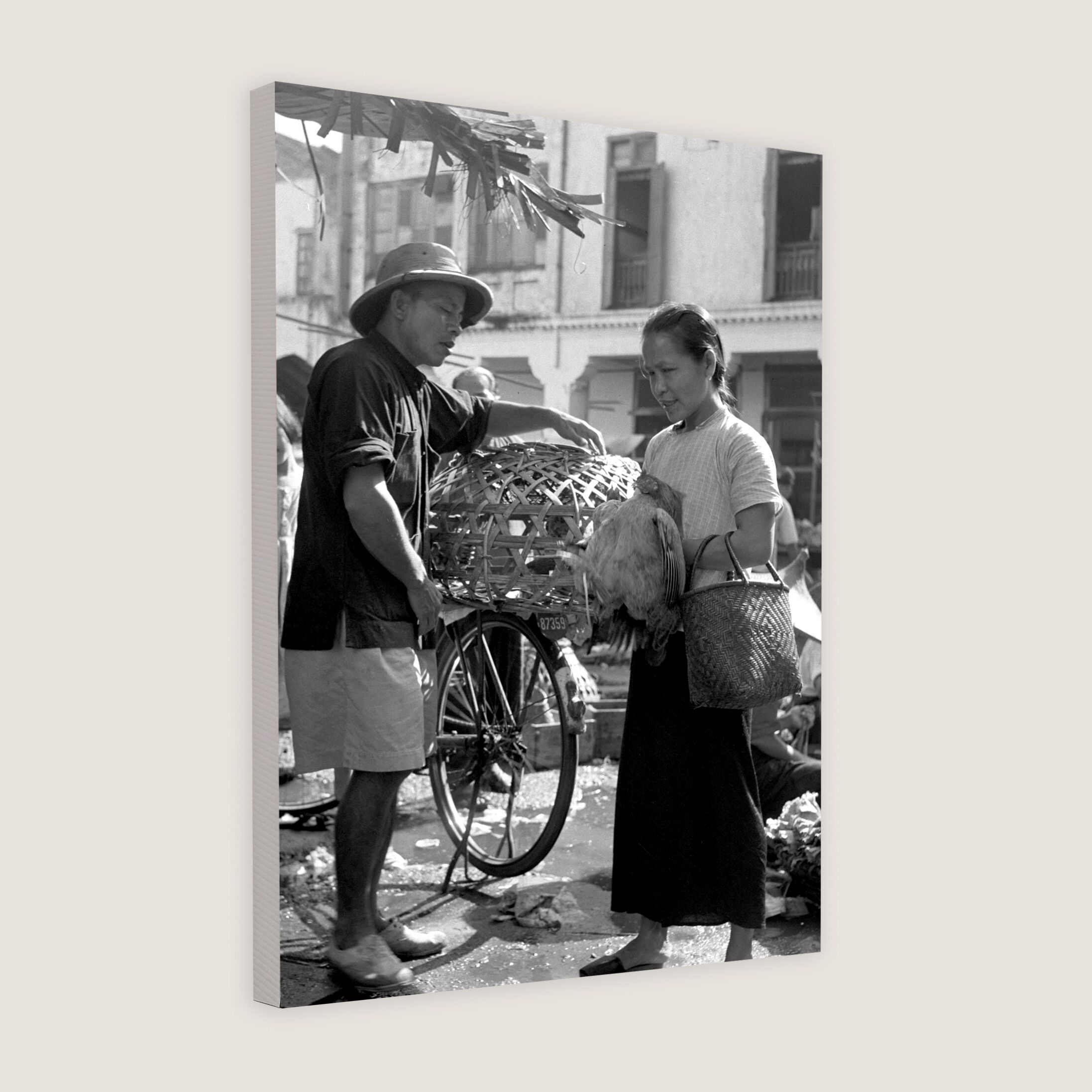
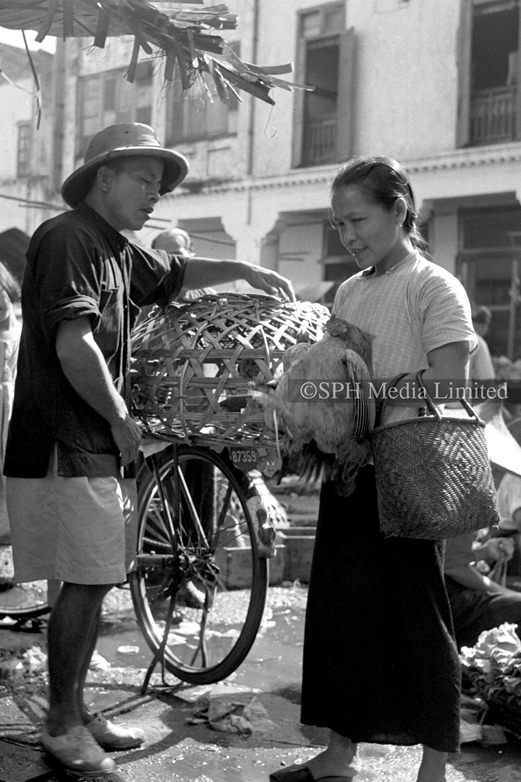 Buying Live Chicken for the New Year in Chinatown
1955
Buying Live Chicken for the New Year in Chinatown
1955
Buying Live Chicken for the New Year in Chinatown
Year 1955
A woman buys live chicken in Chinatown for Chinese New Year. In the past, various types of live stocks were sold in the open-air market in Chinatown.
©️ SPH Media Limited
Share to
Tags
Available for print on products
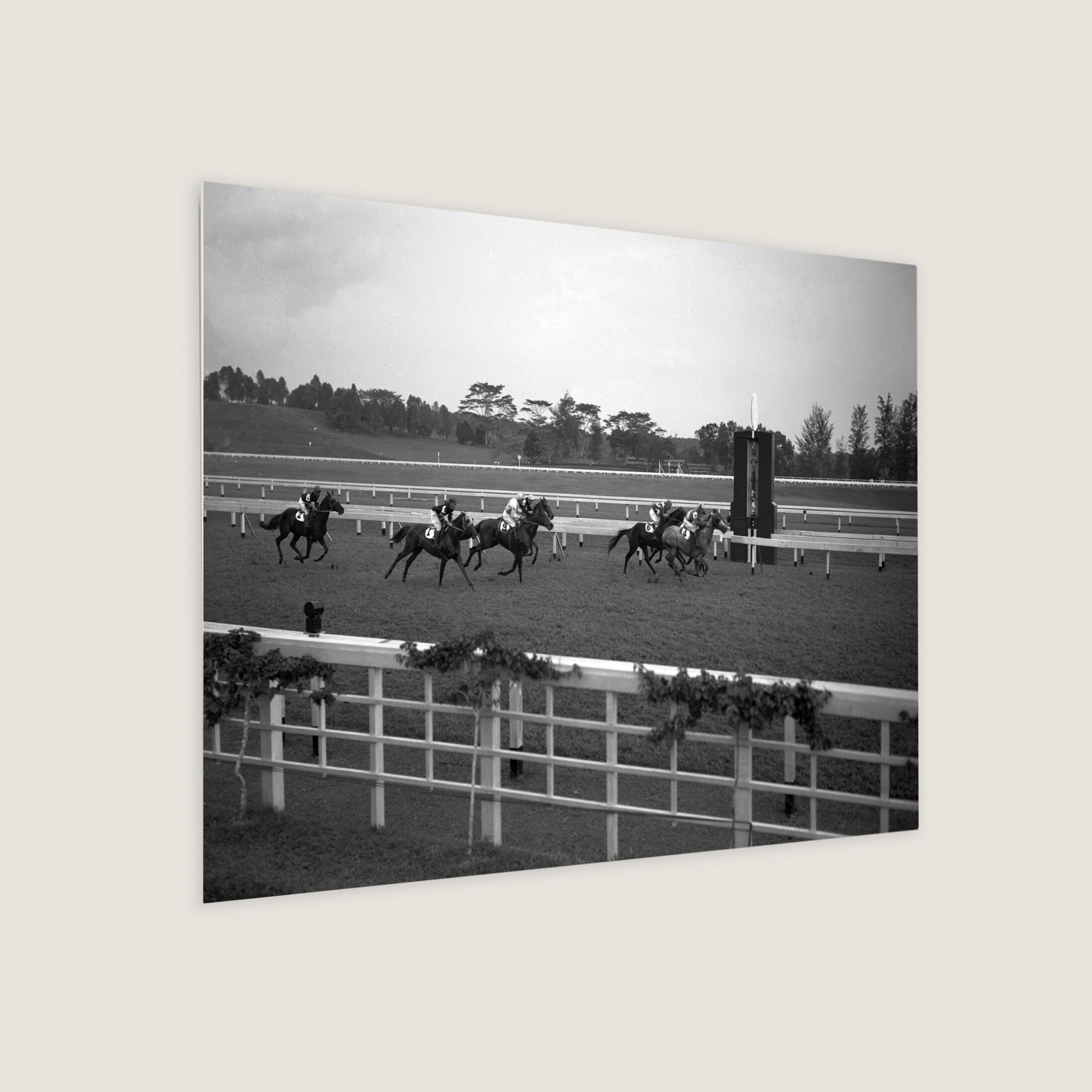
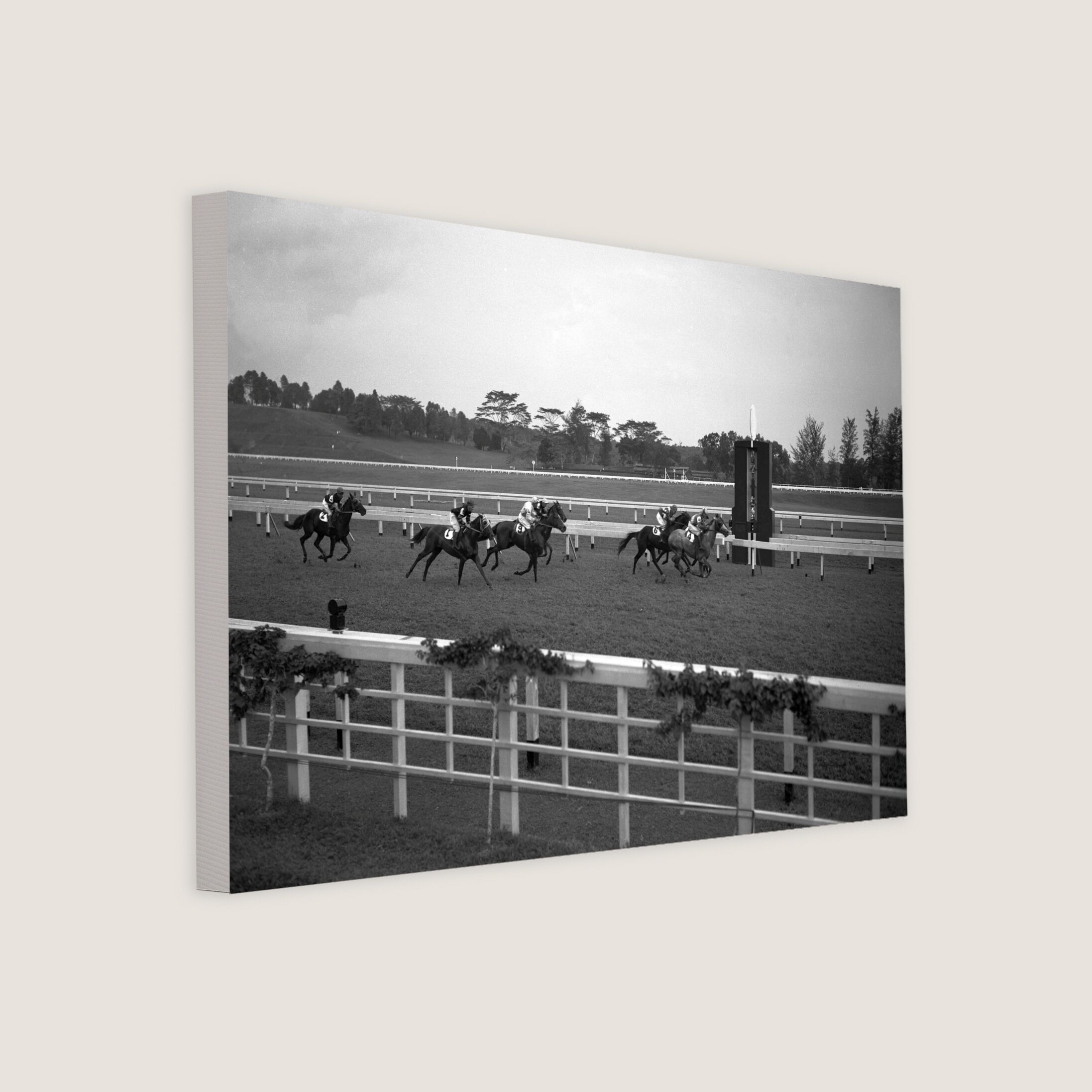
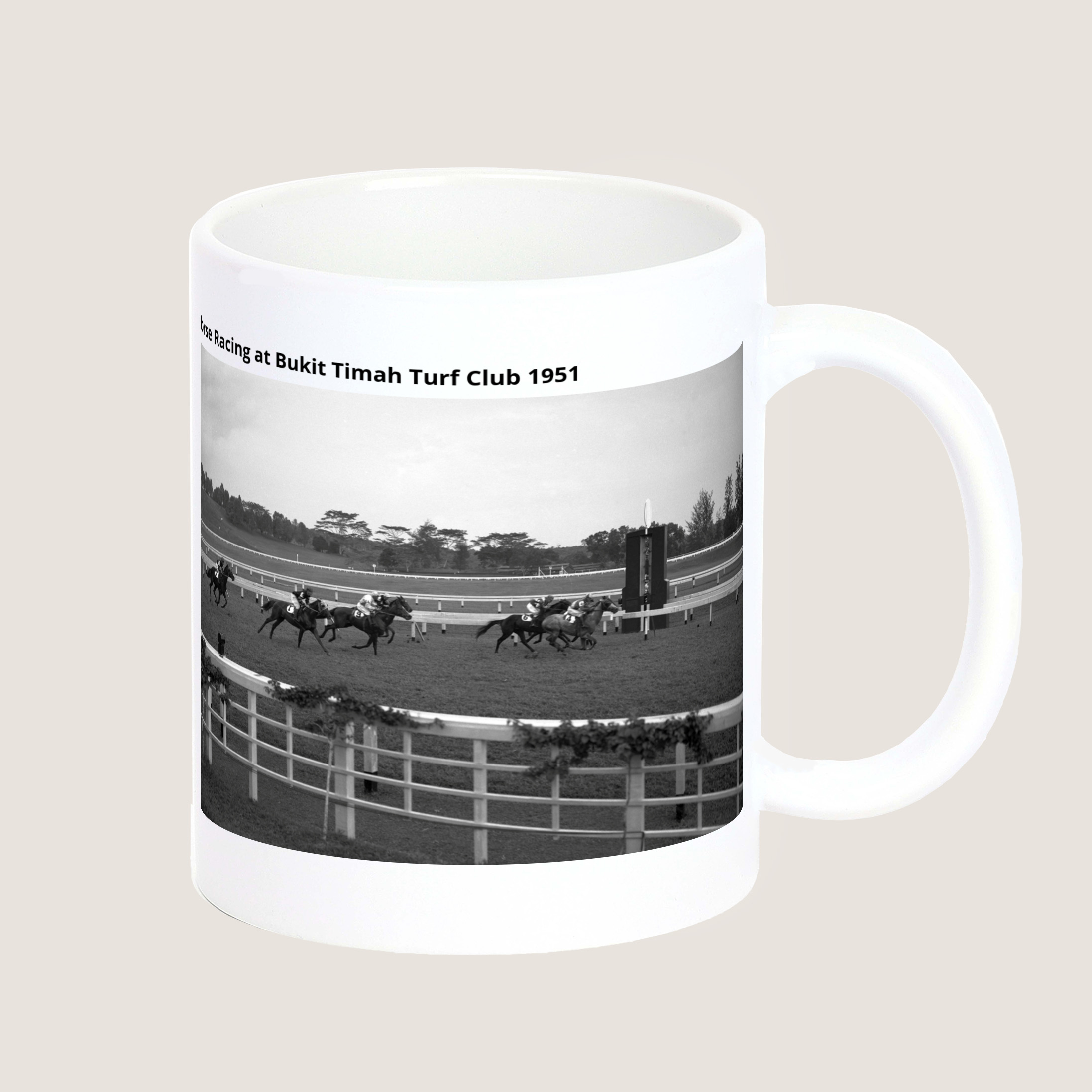
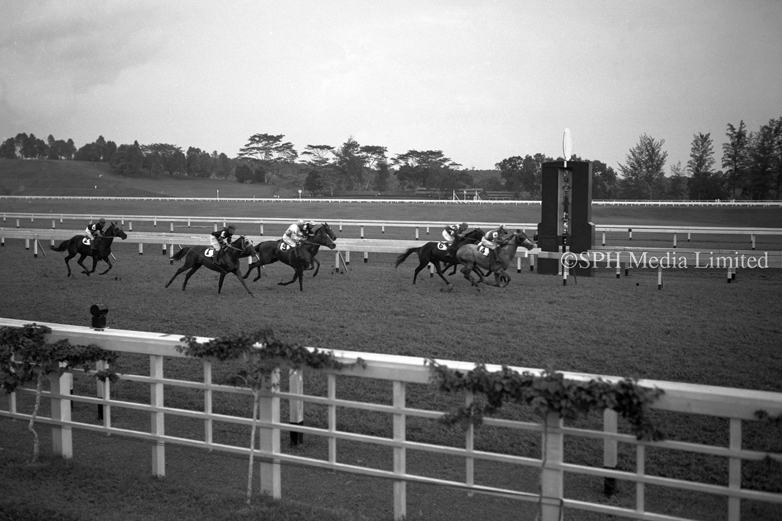 Horse Racing at Bukit Timah Turf Club
1951
Horse Racing at Bukit Timah Turf Club
1951
Horse Racing at Bukit Timah Turf Club
Year 1951
The Singapore Turf Club was originally named The Singapore Sporting Club. The club was first established at Farrer Park. It was renamed the Singapore Turf Club in 1924 and moved to a new location at the Bukit Timah Racecourse in 1933. This new location cost over $3 million and was regarded as the 'finest in the East'.
©️ SPH Media Limited
Share to
Tags
Available for print on products
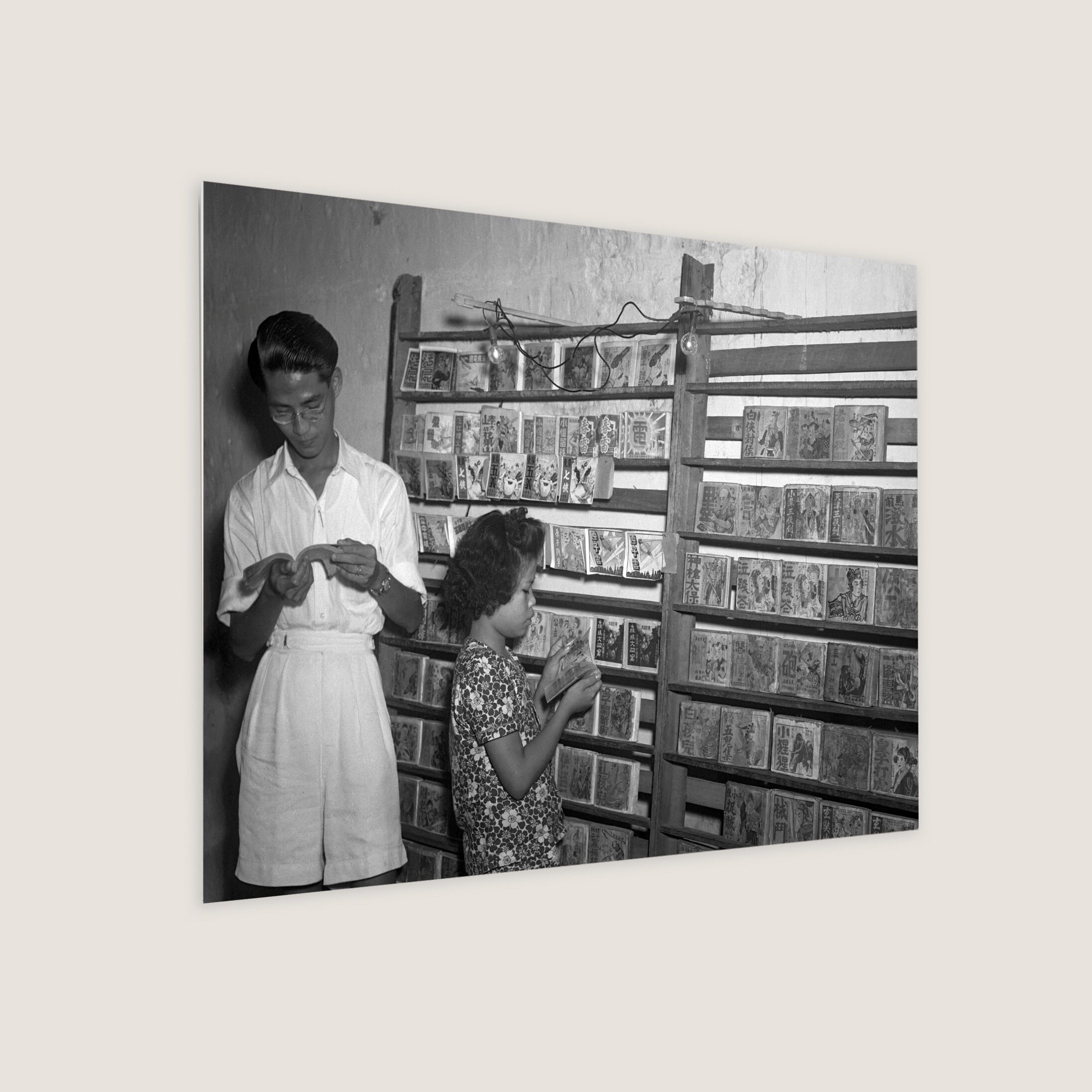
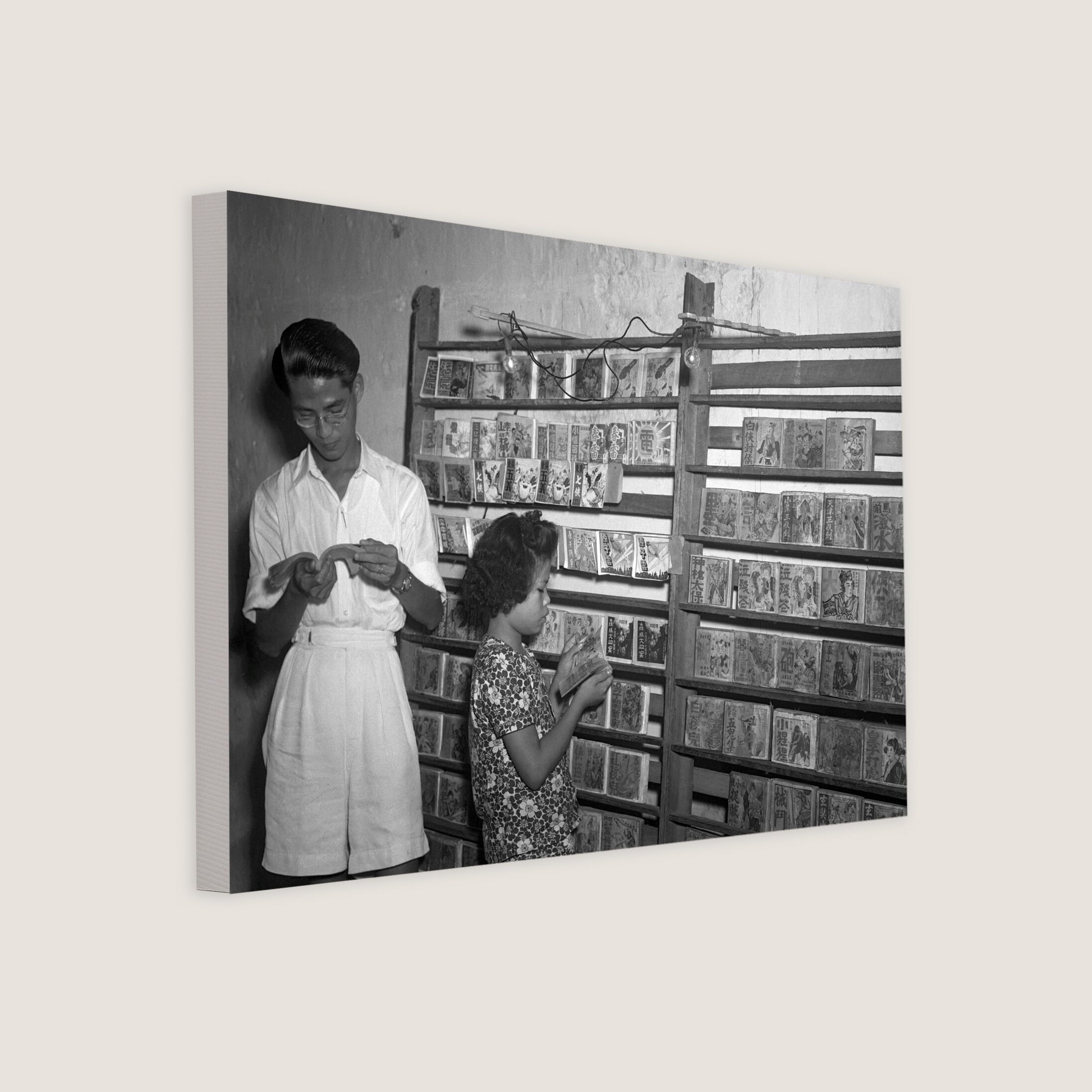
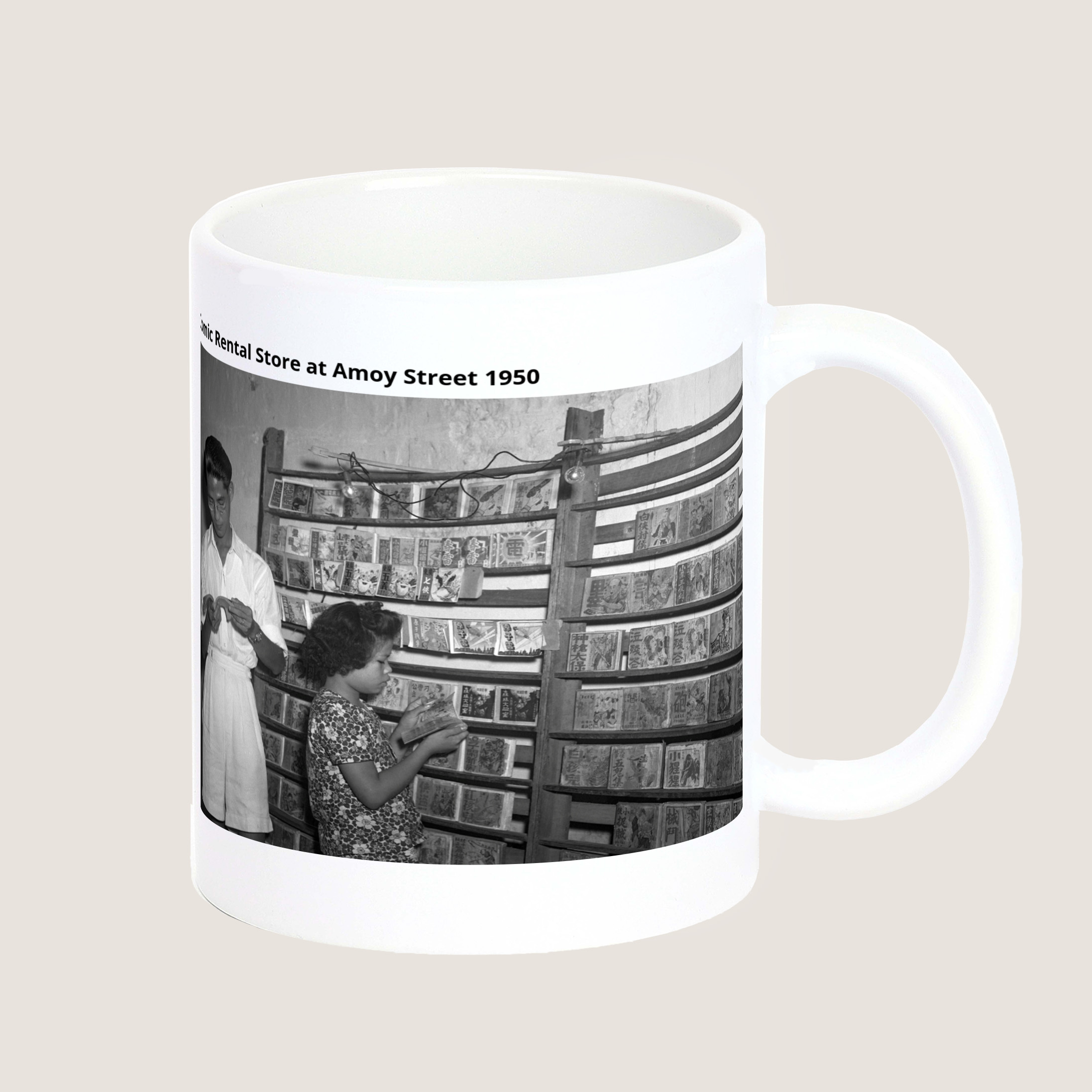
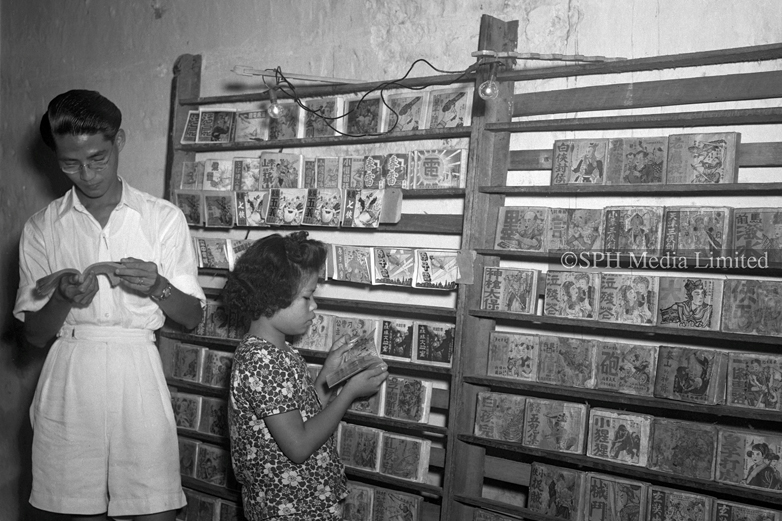 Comic Rental Store at Amoy Street
1950
Comic Rental Store at Amoy Street
1950
Comic Rental Store at Amoy Street
Year 1950
The girl took care of the five-foot-way library, also known as a comic bookstore. Back in the day, a reader may read a book for a low price of five cents.
©️ SPH Media Limited
Share to
Tags
Available for print on products
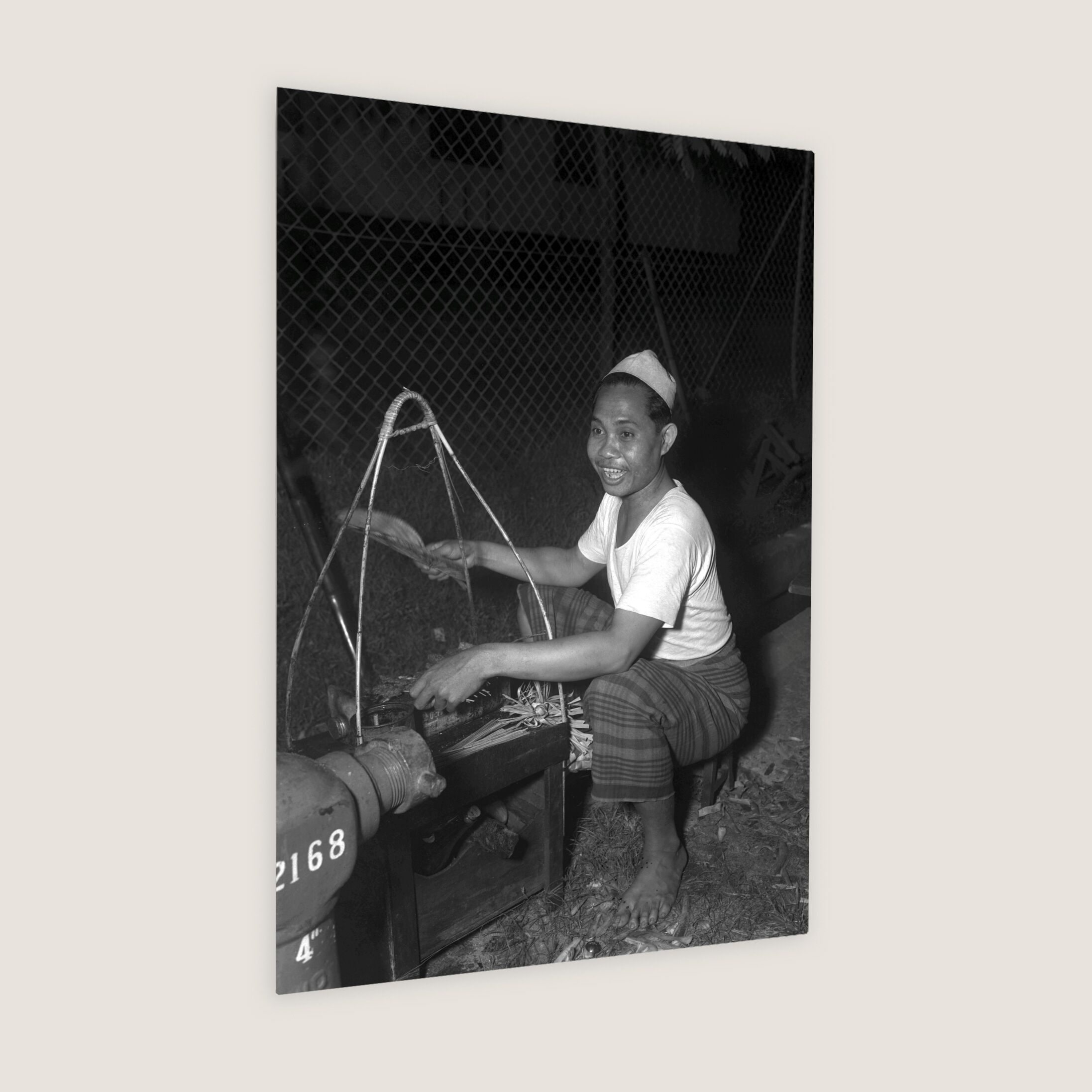
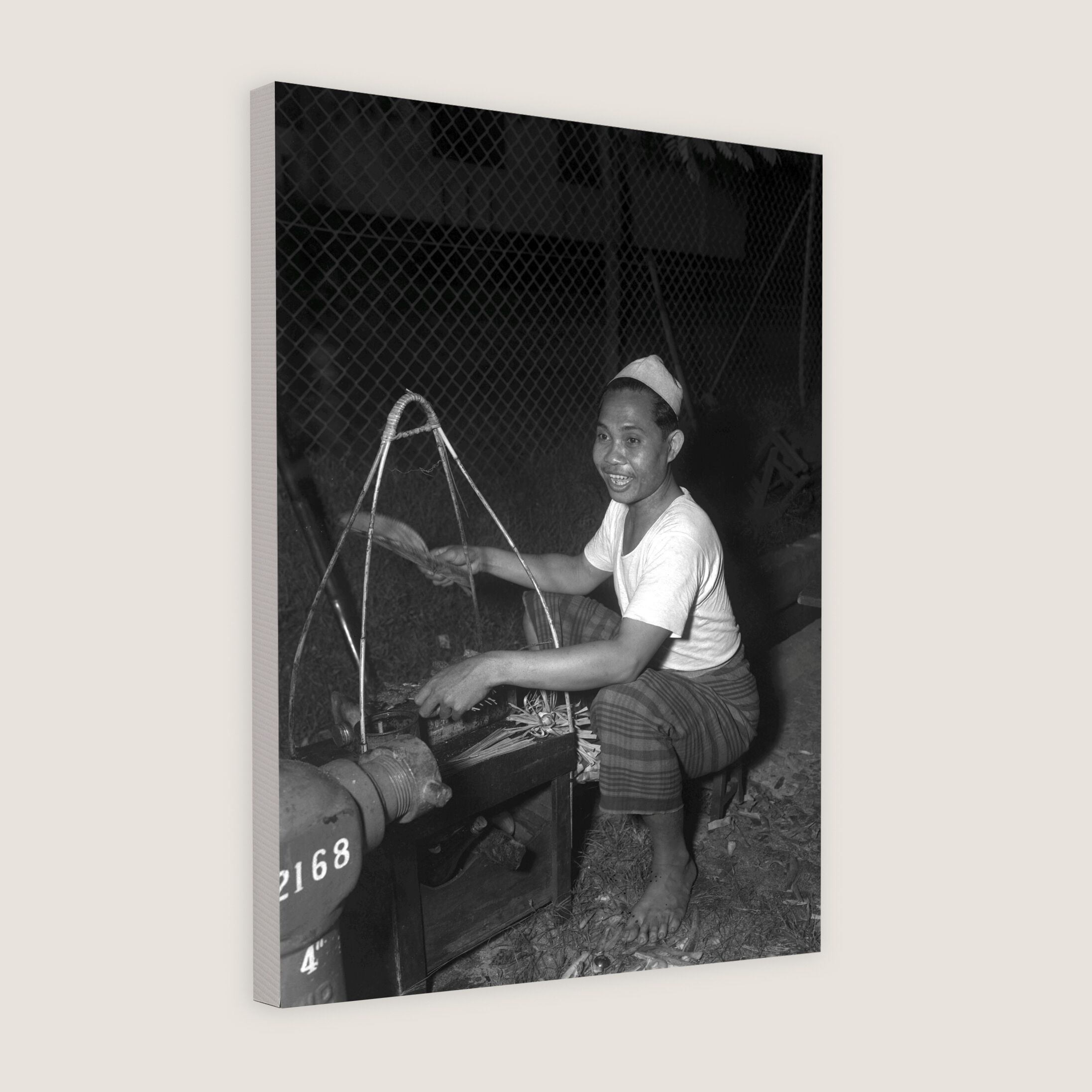
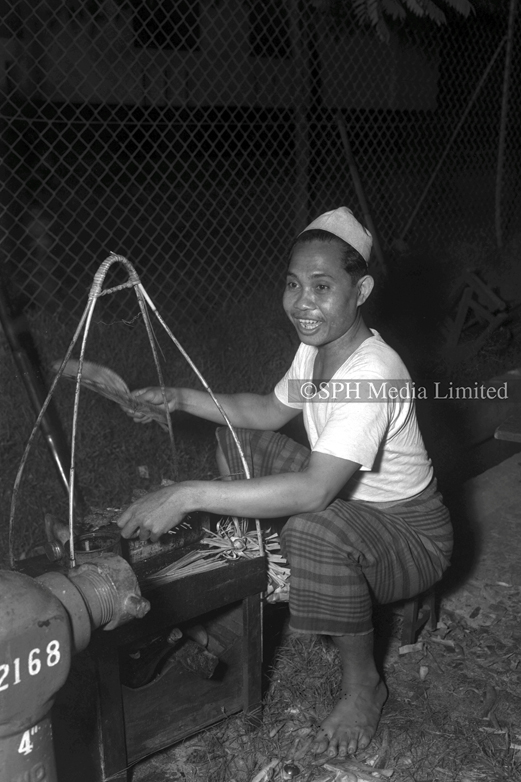 Malay Satay Seller at Beach Road
1952
Malay Satay Seller at Beach Road
1952
Malay Satay Seller at Beach Road
Year 1952
A Malay satay seller, smiled happily as he went to work fanning the charcoal fire to grill satay at Beach Road. Beach Road was a popular place for satay in the 50s.
©️ SPH Media Limited
Share to
Tags
Available for print on products
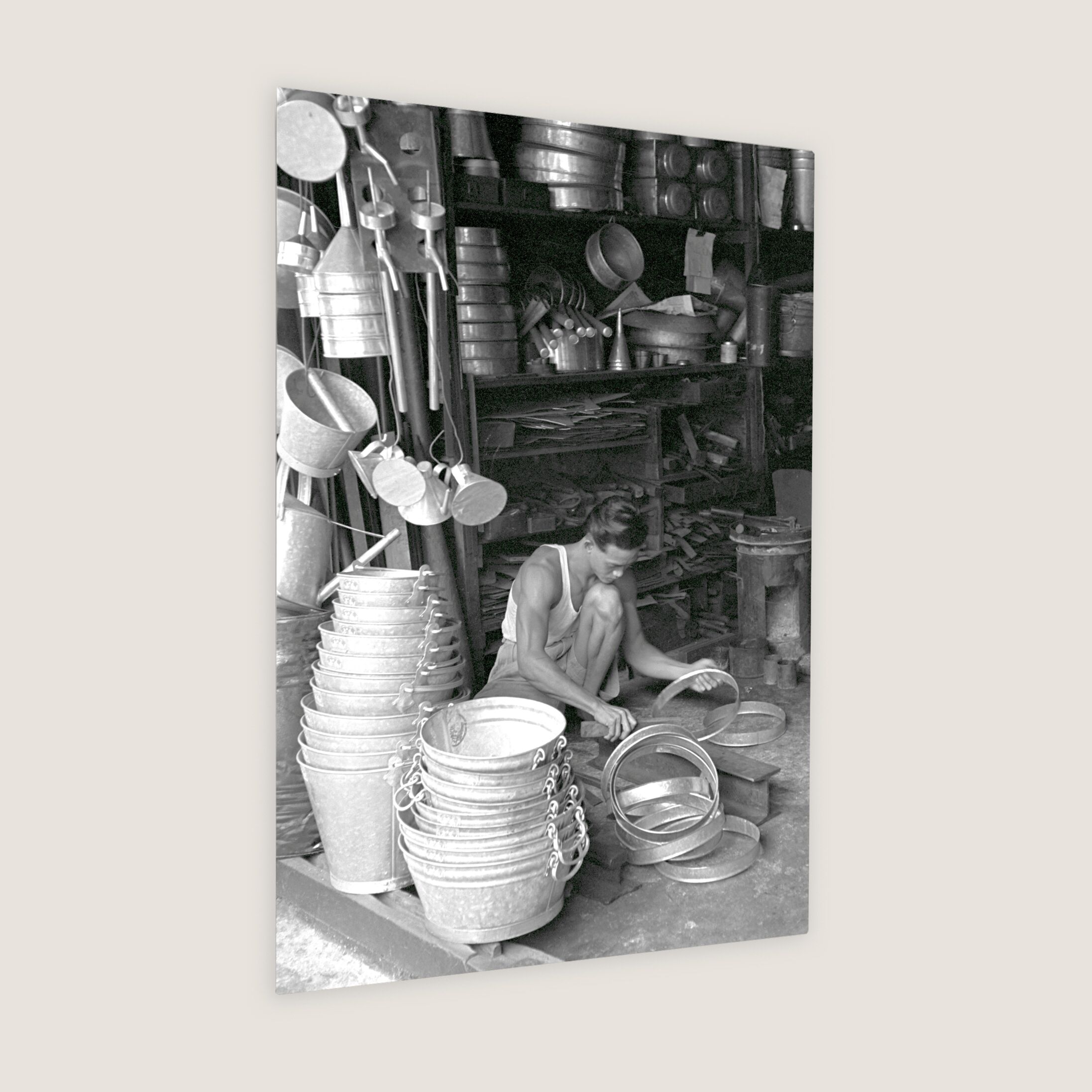
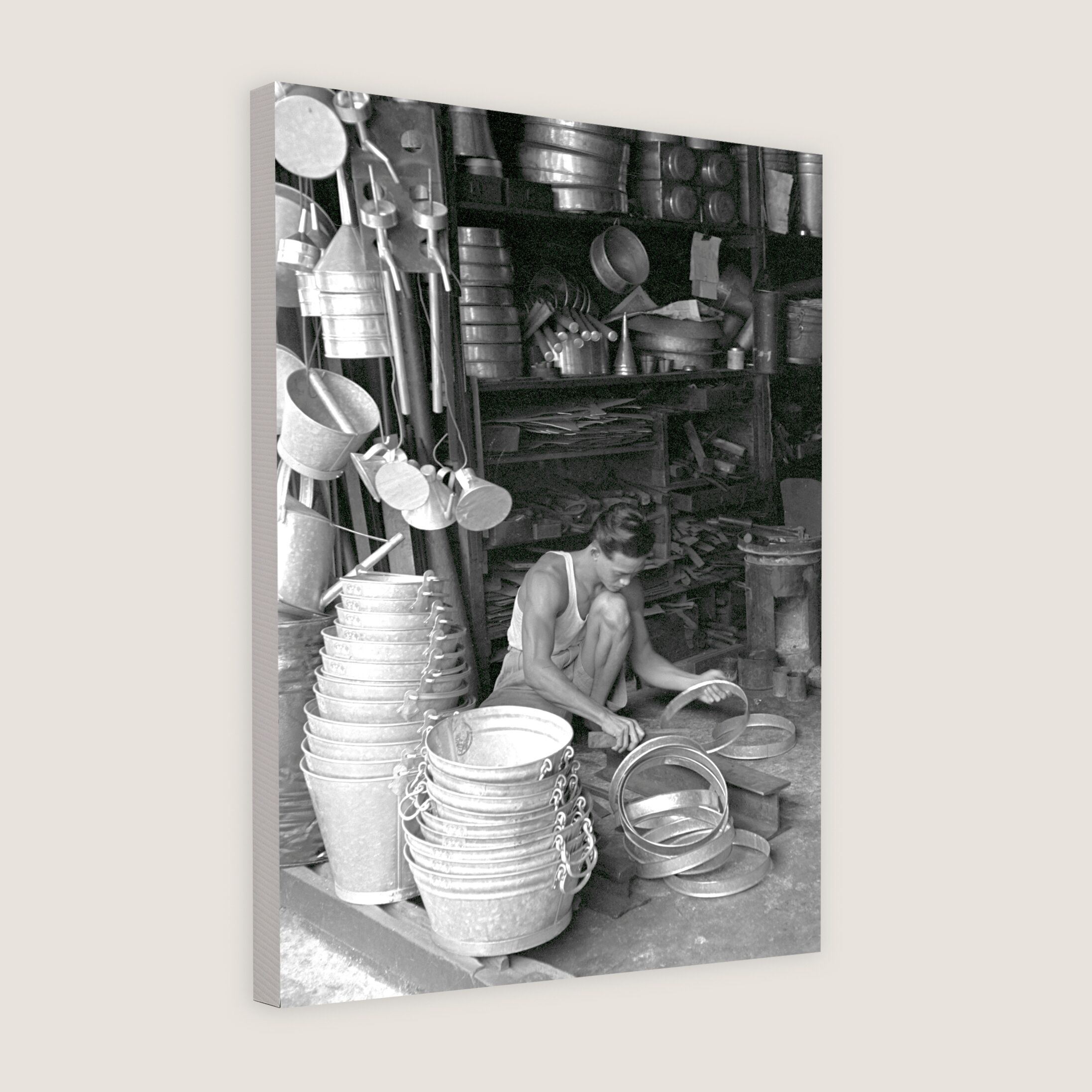
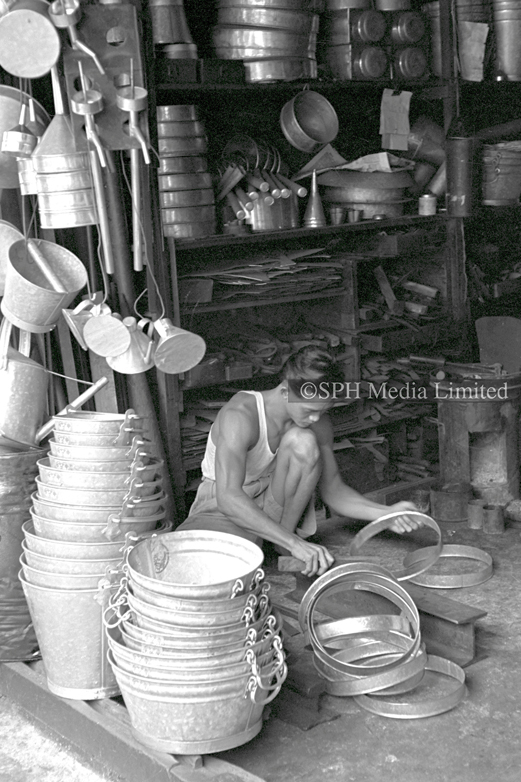 A Tinsmith Shop on Temple Street
1953
A Tinsmith Shop on Temple Street
1953
A Tinsmith Shop on Temple Street
Year 1953
Once the continuous hammering echoes from Chin Hap Huat's tinsmith shop on Temple Street. Today, it has joined to become a vanishing trade in Singapore among many others. In this shop, everything from large baths to small kettles was produced.
©️ SPH Media Limited
Share to
Tags
Available for print on products
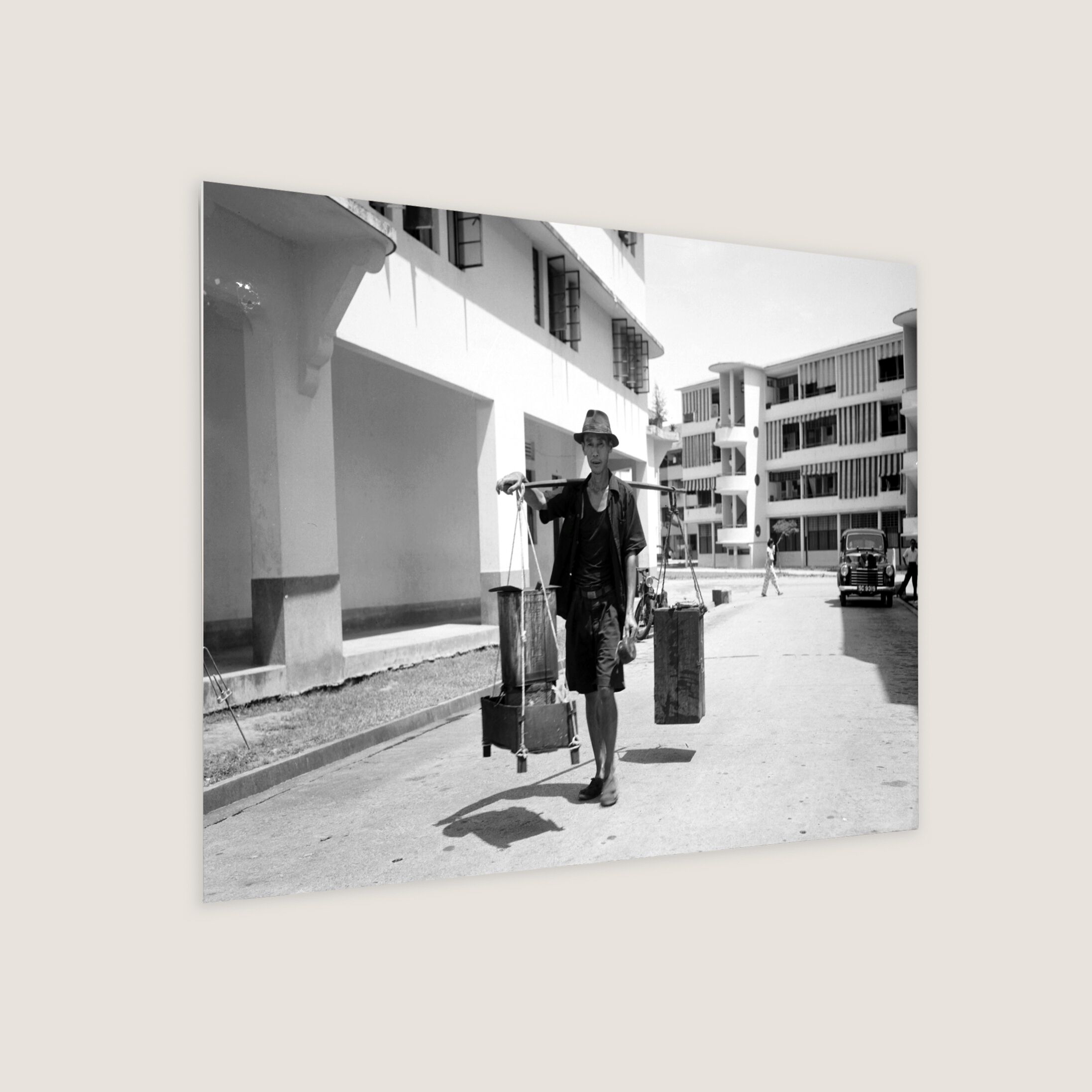
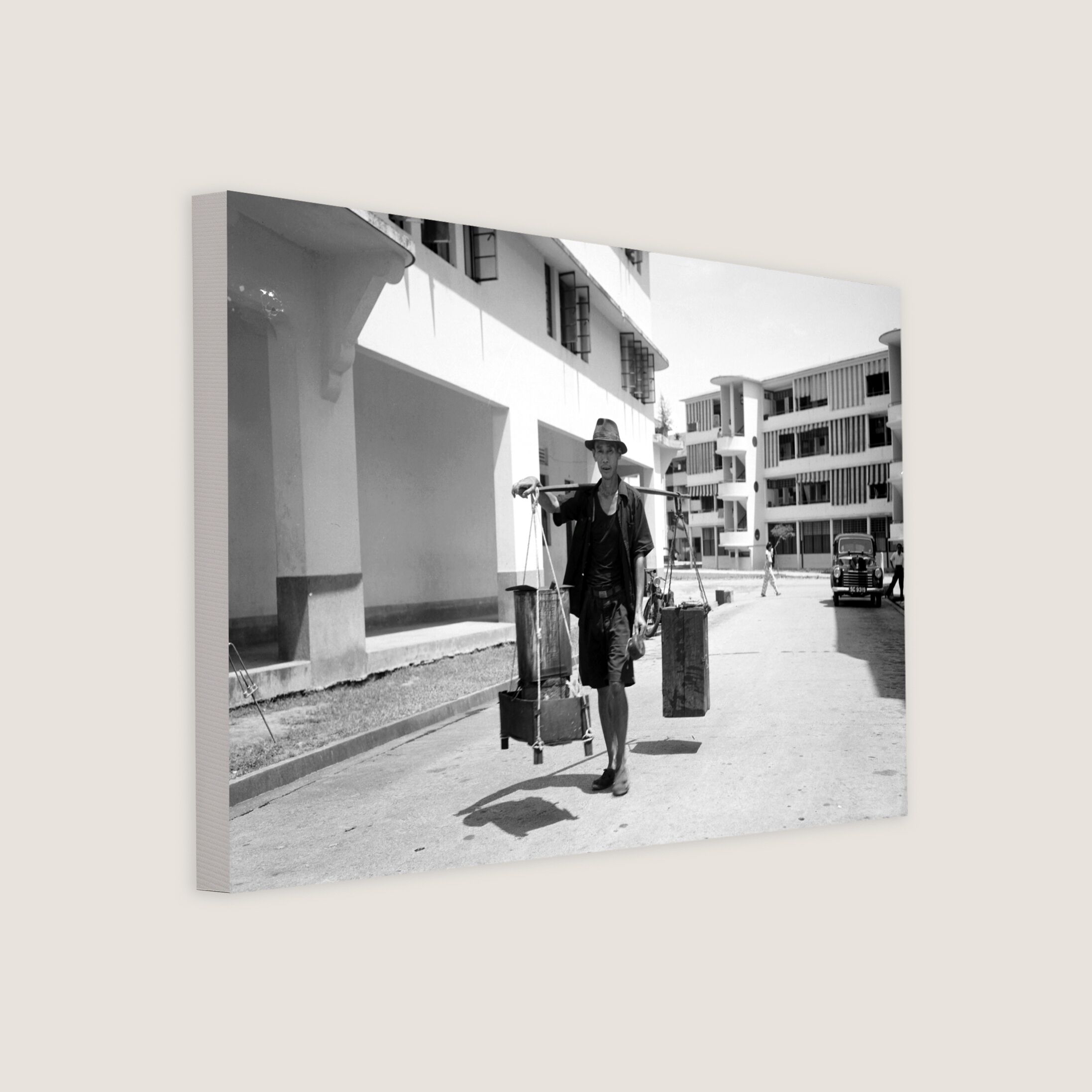
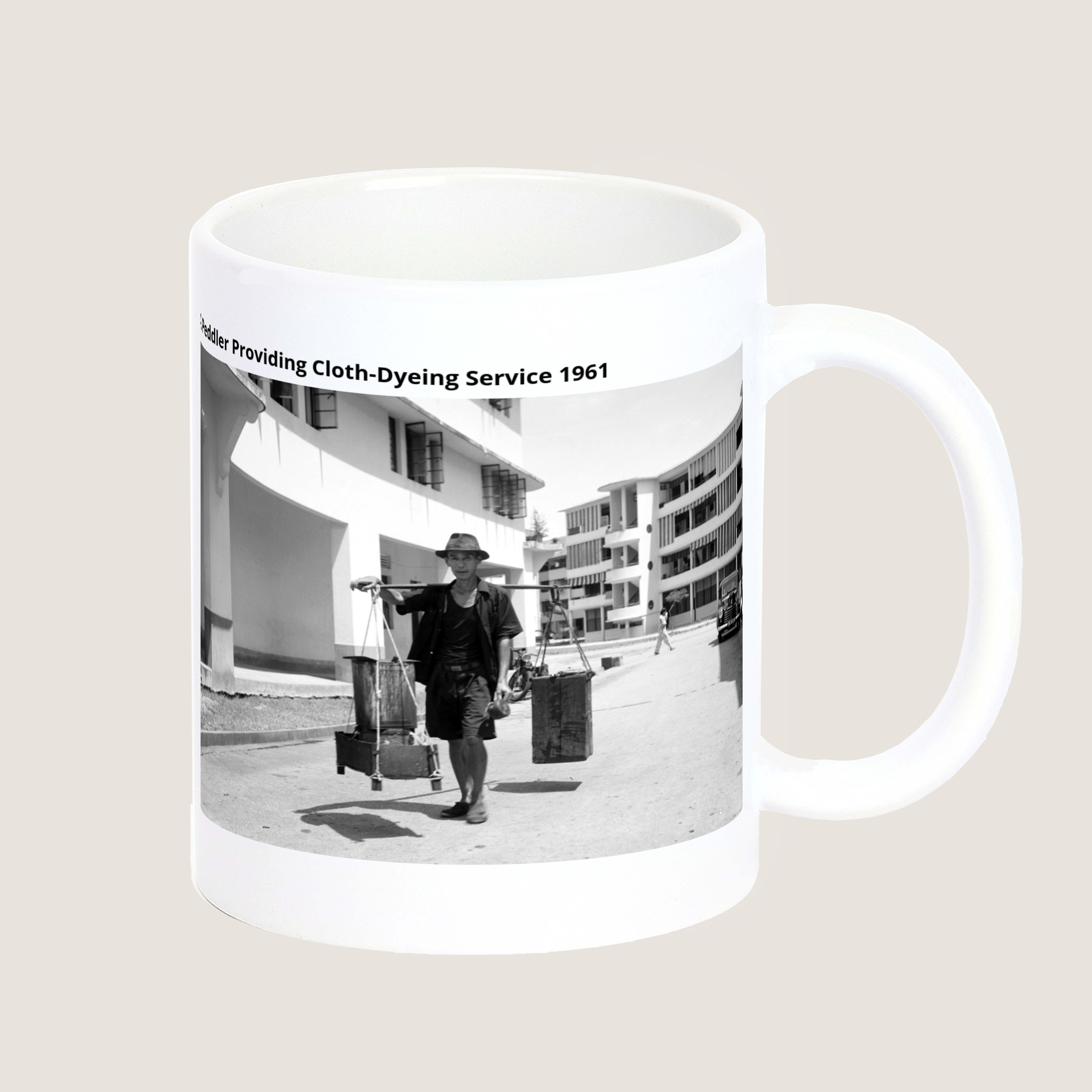
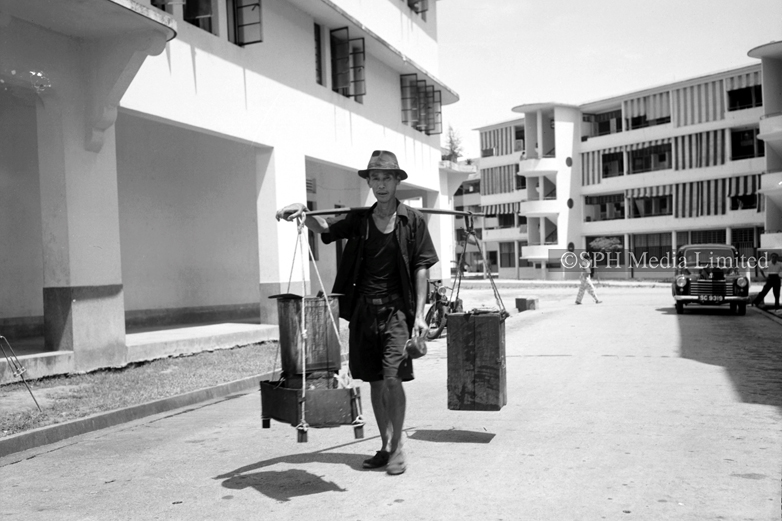 A Peddler Providing Cloth-Dyeing Service
1961
A Peddler Providing Cloth-Dyeing Service
1961
A Peddler Providing Cloth-Dyeing Service
Year 1961
A peddler providing cloth-dyeing services at the Singapore Improvement Trust (S.I.T.) flats in Tiong Bahru. Cloth-dyeing peddlers like him have long faded into the past, but it was once an honest means of livelihood.
©️ SPH Media Limited
Share to
Tags
Available for print on products
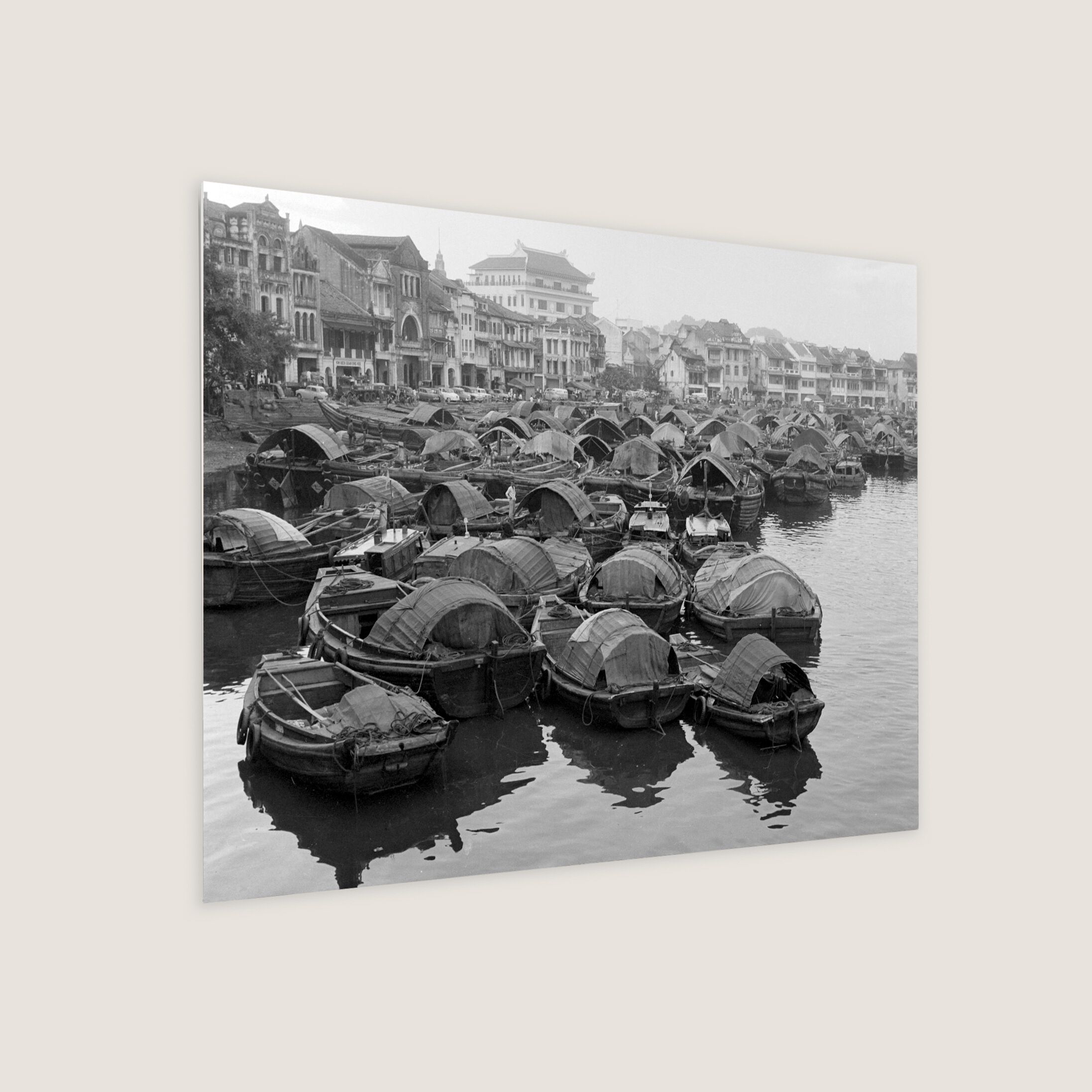
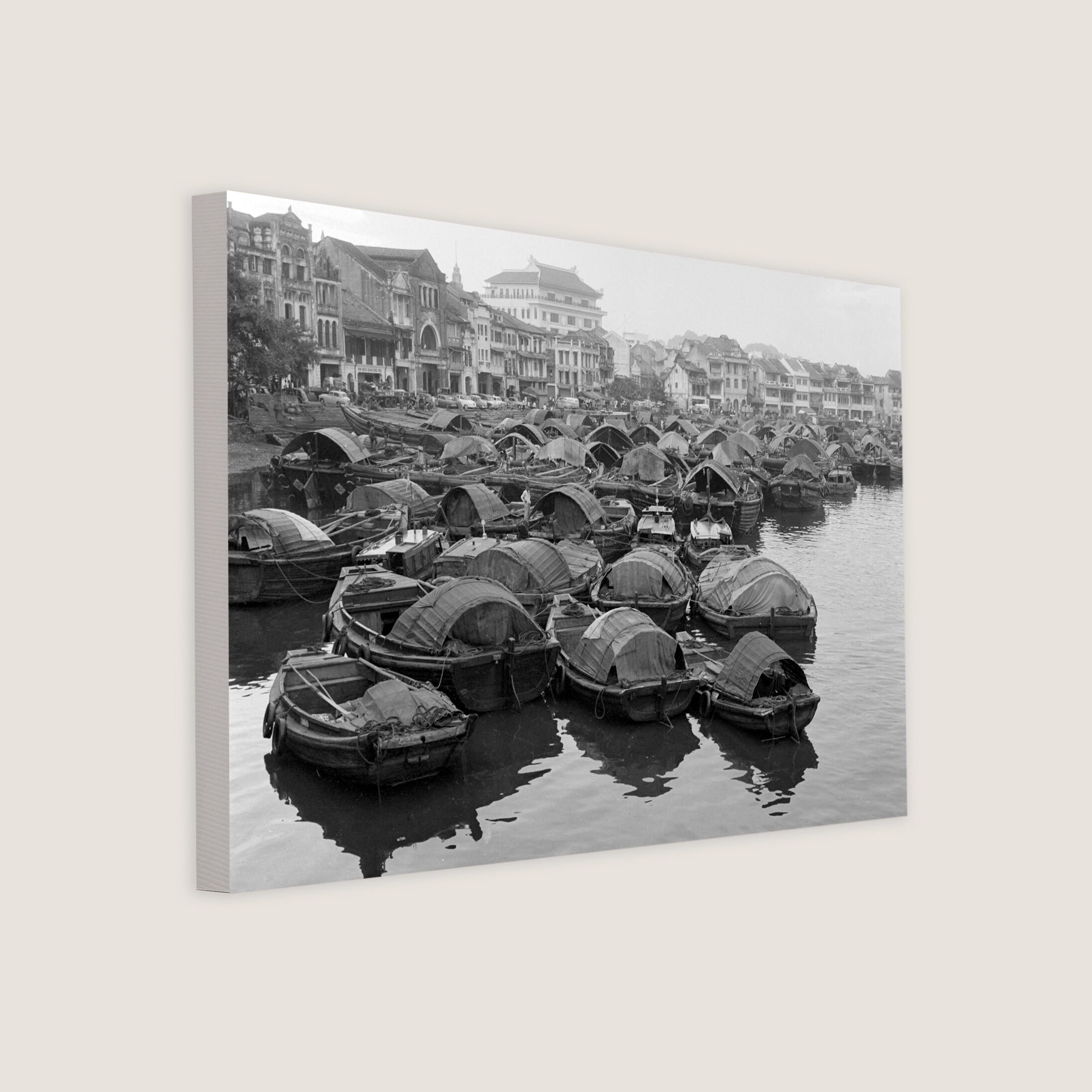
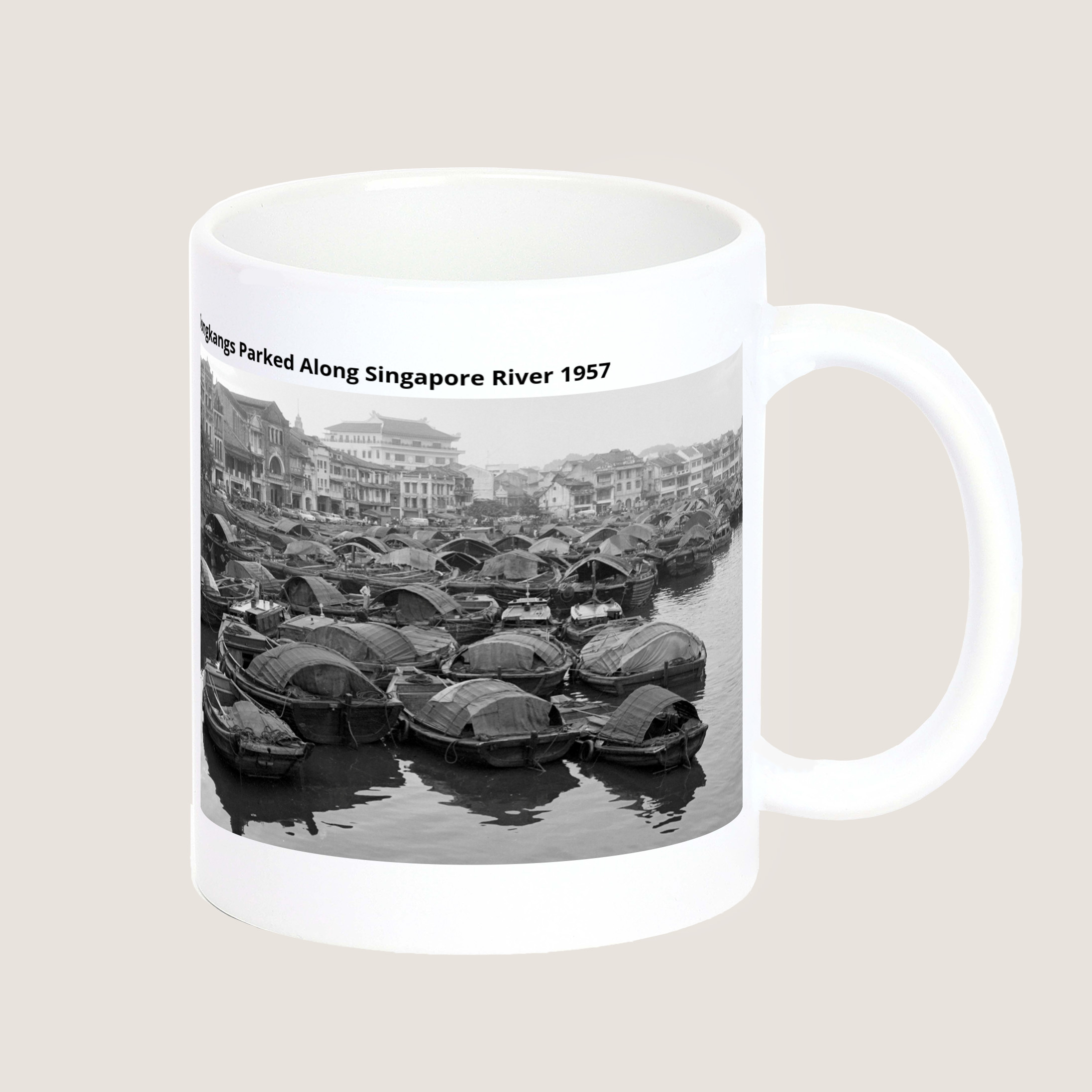
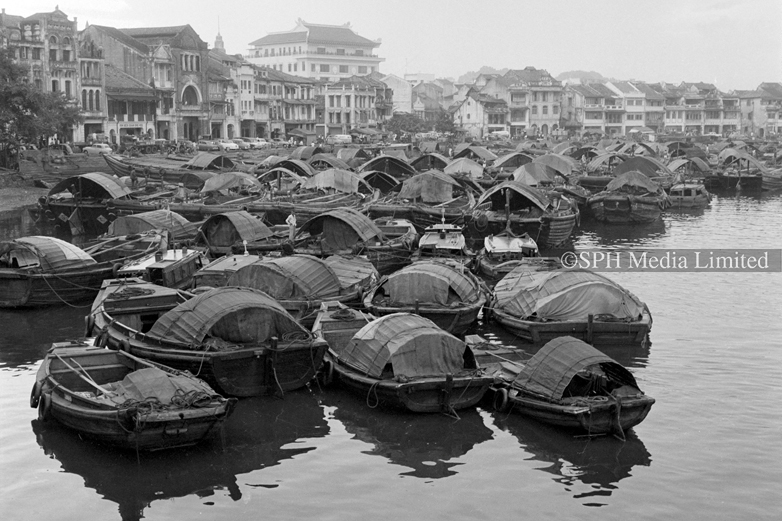 Tongkangs Parked Along Singapore River
1957
Tongkangs Parked Along Singapore River
1957
Tongkangs Parked Along Singapore River
Year 1957
Tongkangs, also known as bumboats, were used for transportation along the Singapore River, as seen in this photo. After the river clean-up campaign in 1983, the boats were shifted to Pasir Panjang. In the backdrop stands the former building of OCBC Centre.
©️ SPH Media Limited
Share to
Tags
Available for print on products
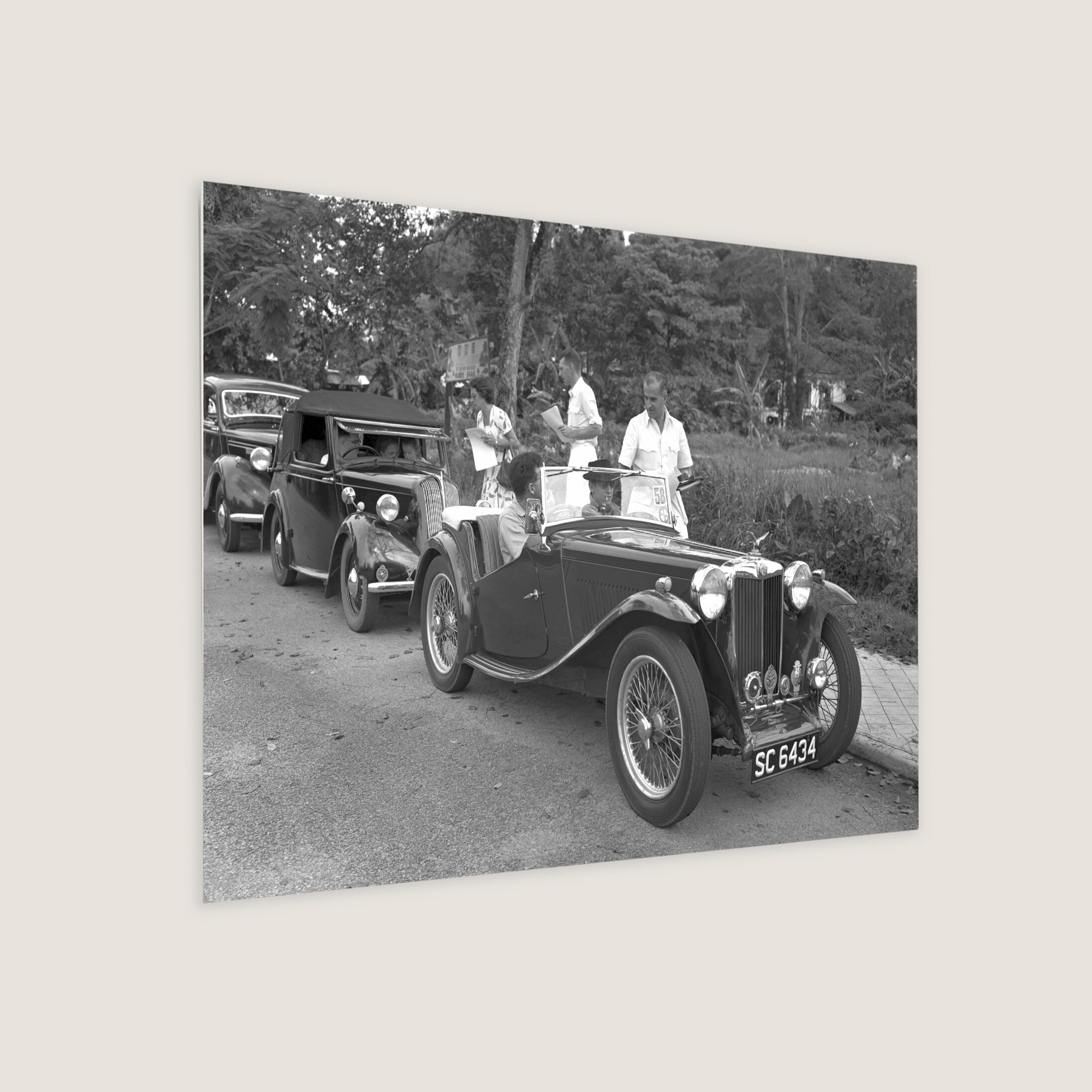
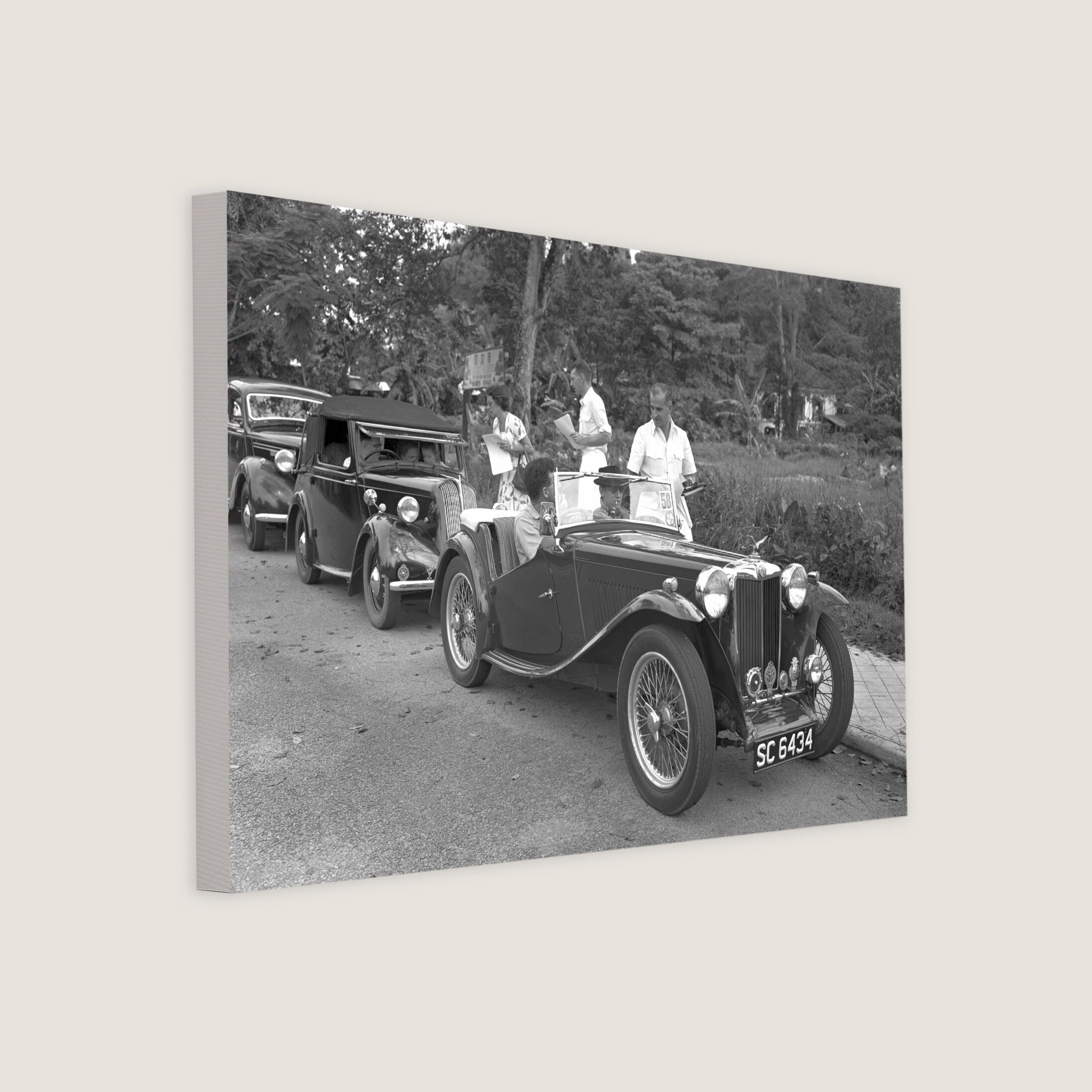
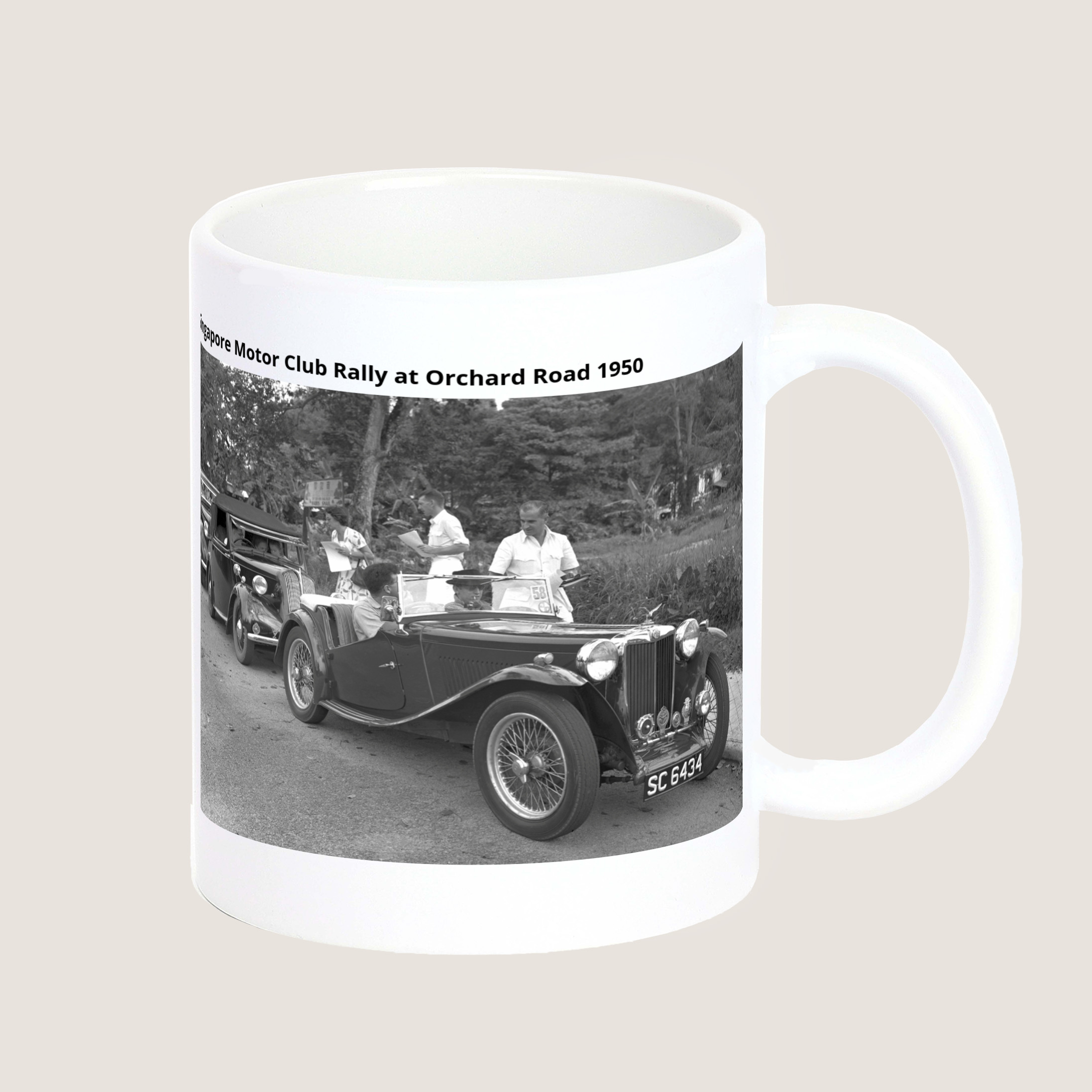
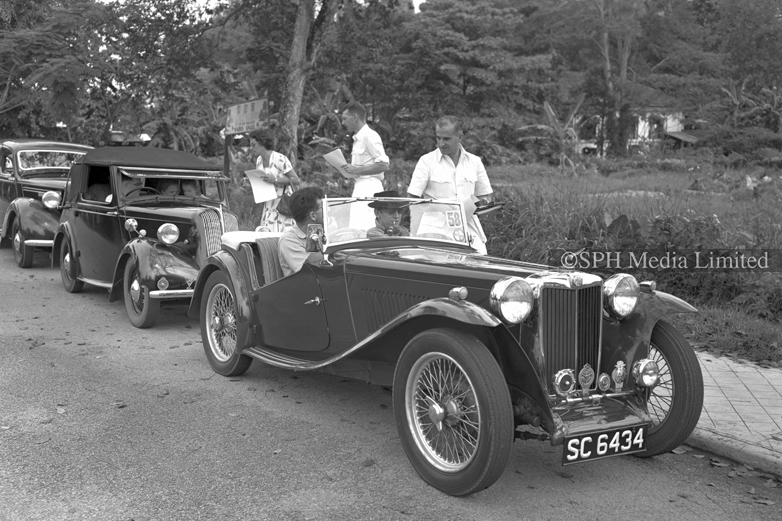 Singapore Motor Club Rally at Orchard Road
1950
Singapore Motor Club Rally at Orchard Road
1950
Singapore Motor Club Rally at Orchard Road
Year 1950
Formed on 25th February 1948 at a meeting at the Adelphi Hotel in Singapore, the Singapore Motor Club (SMC) was the first motor sports club independent of the Automobile Association of Malaya.
©️ SPH Media Limited
Share to
Tags
Available for print on products
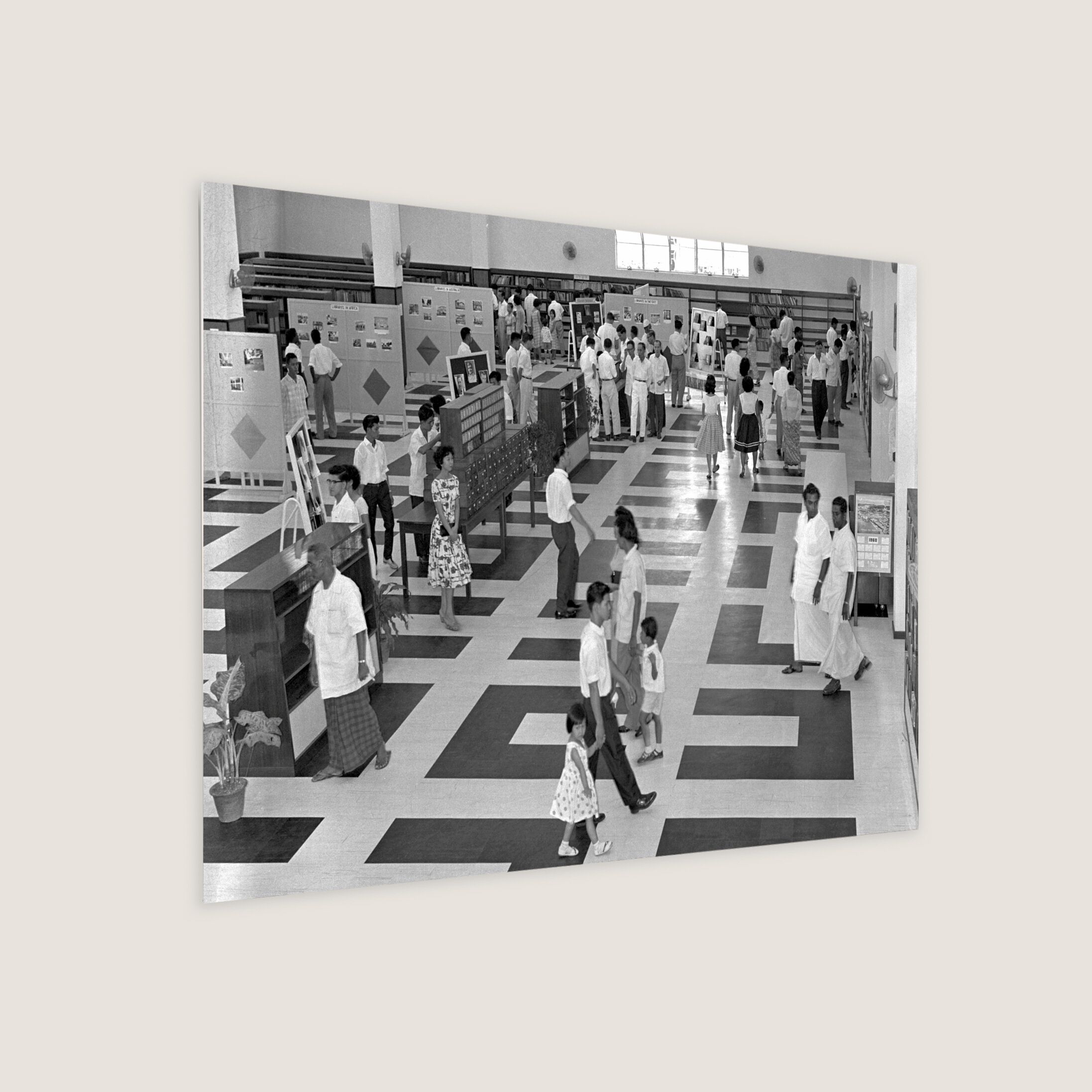
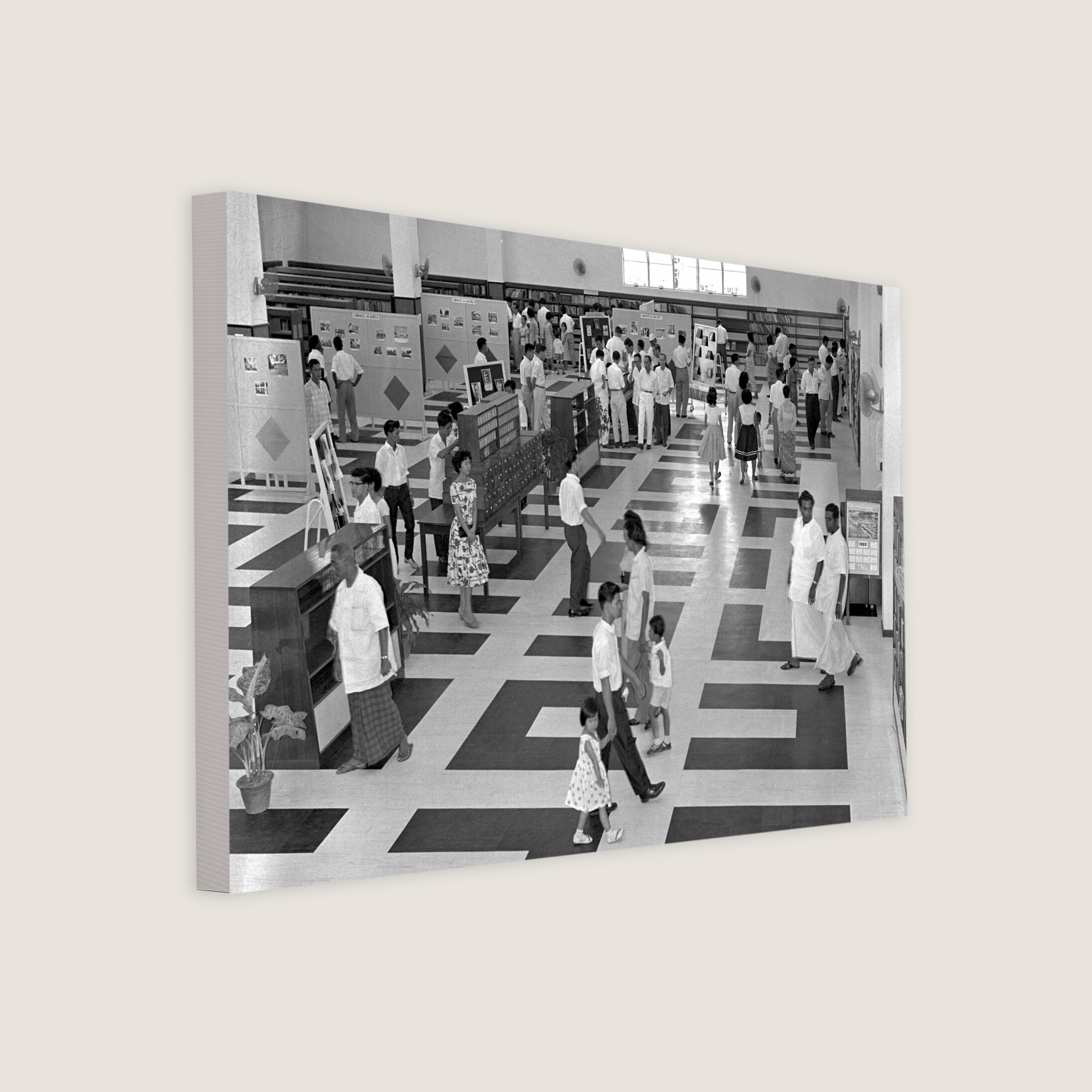
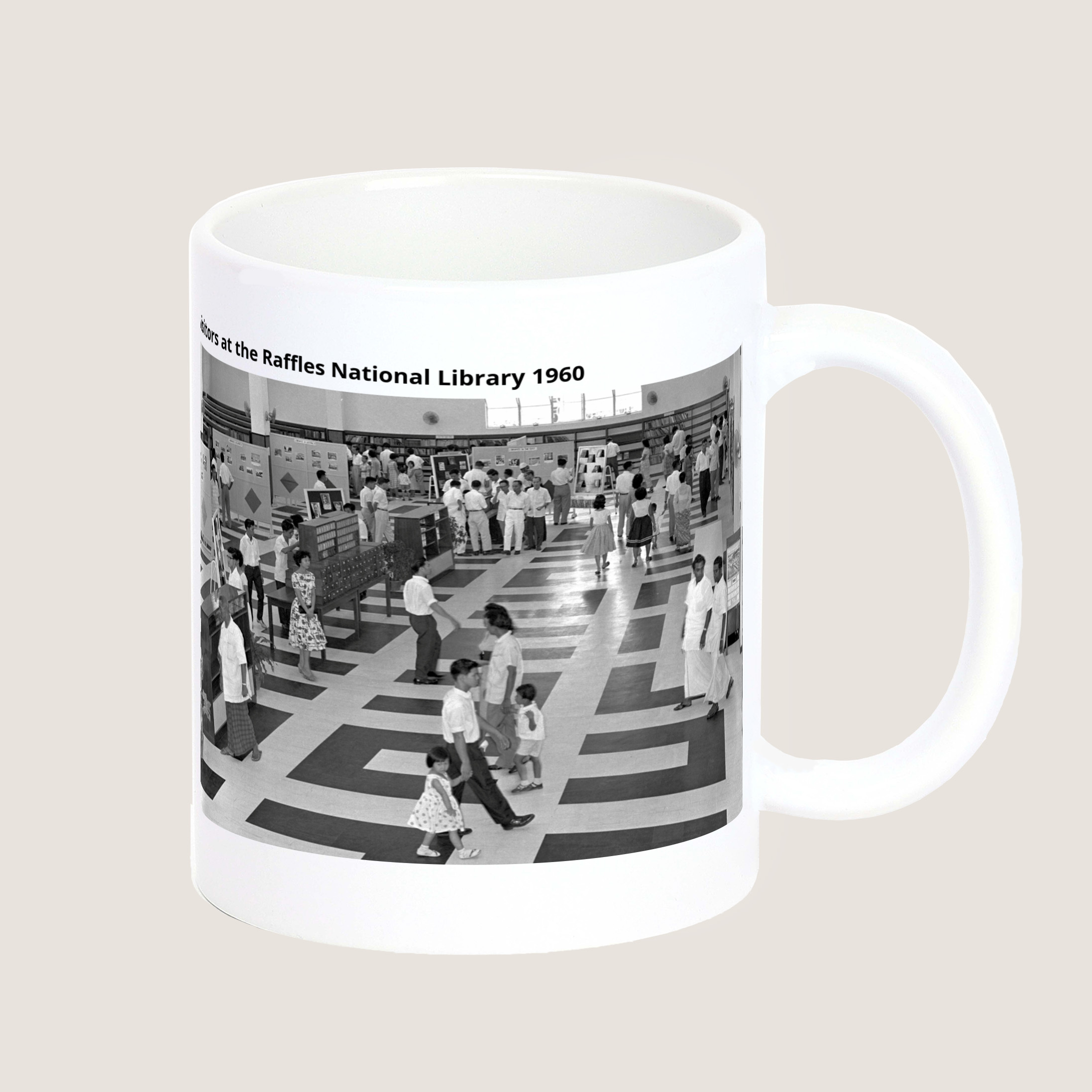
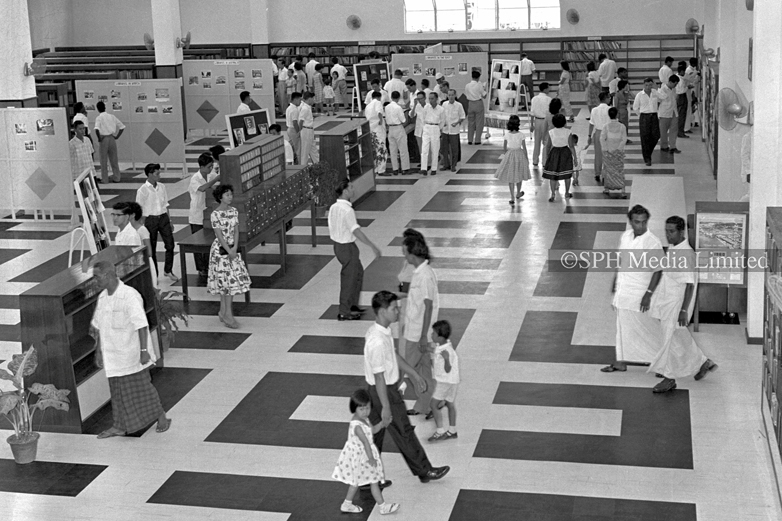 Visitors at the Raffles National Library
1960
Visitors at the Raffles National Library
1960
Visitors at the Raffles National Library
Year 1960
People of all ages and from all walks of life streamed into the new Raffles National Library building to see what it was like, on the first day of National Library Week. Members of the library staff conducted tours, explaining the various facilities of the new building.
©️ SPH Media Limited
Share to
Tags
Available for print on products
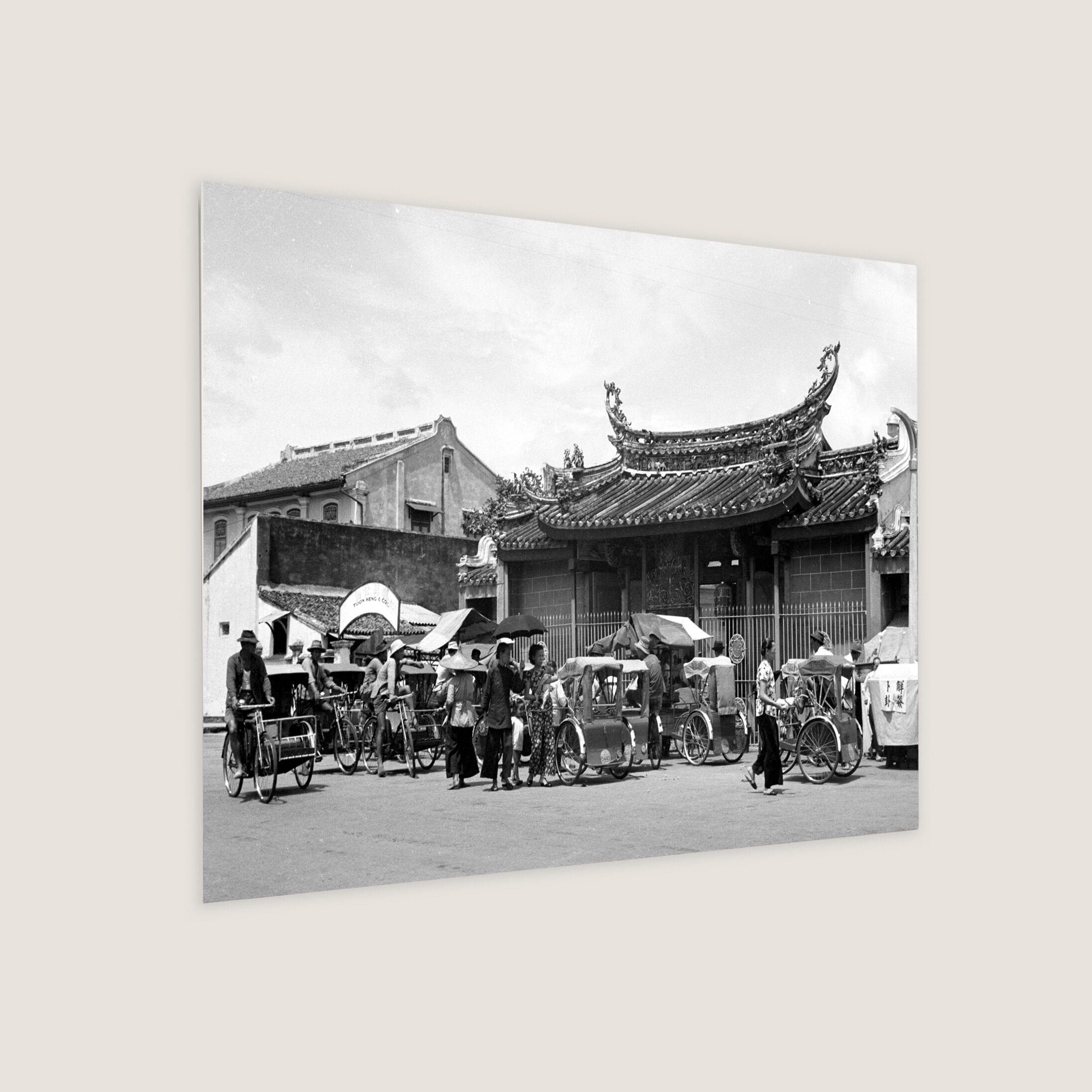
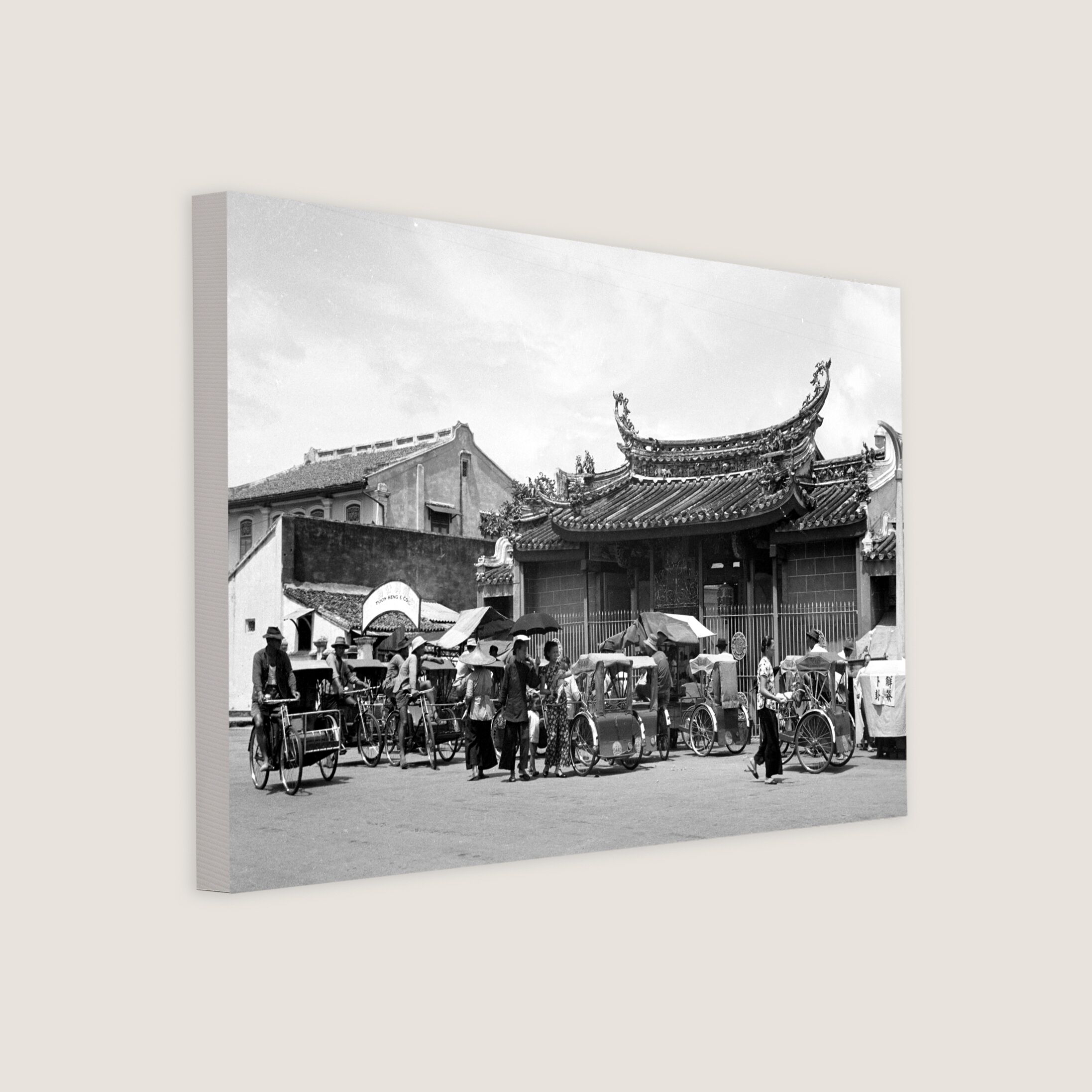
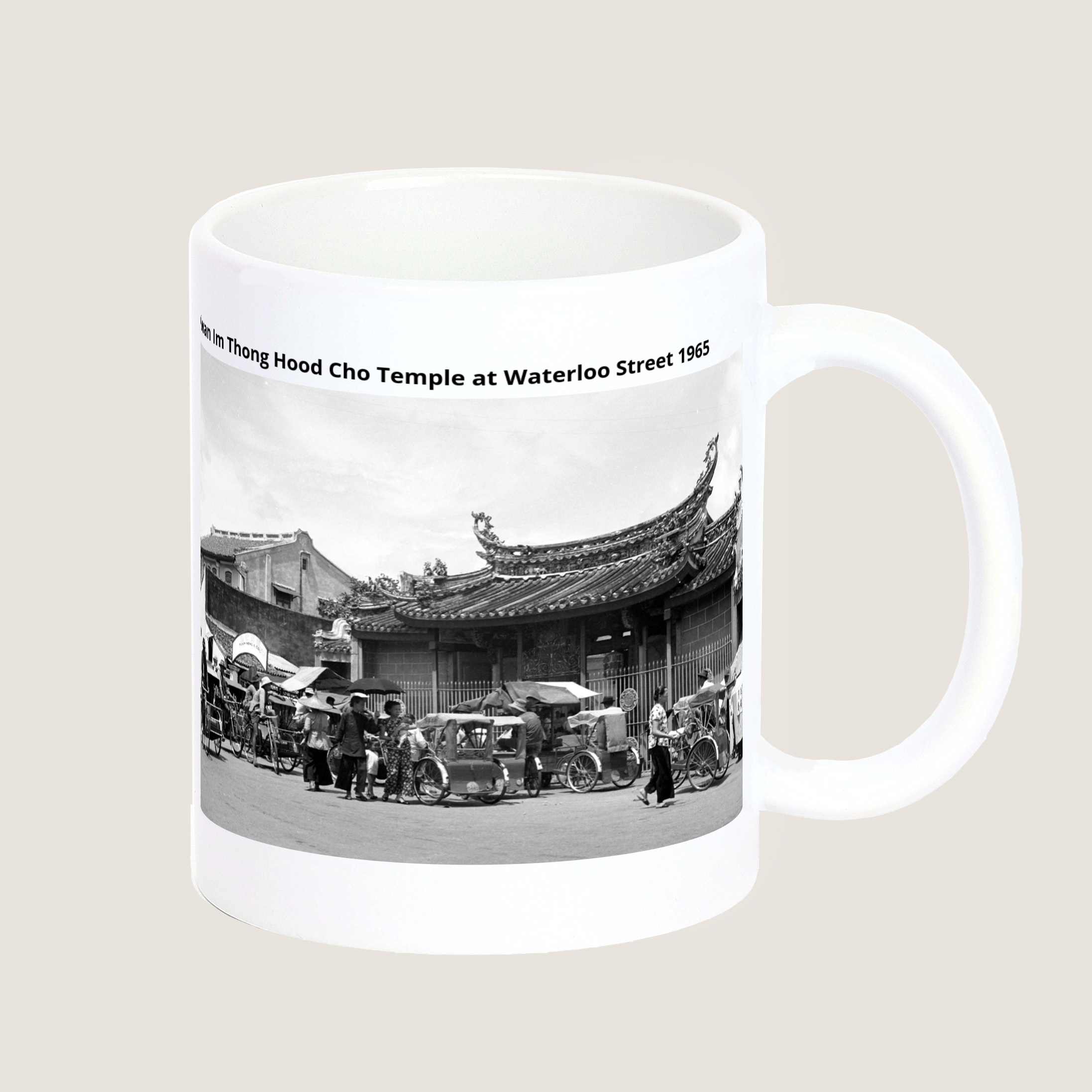
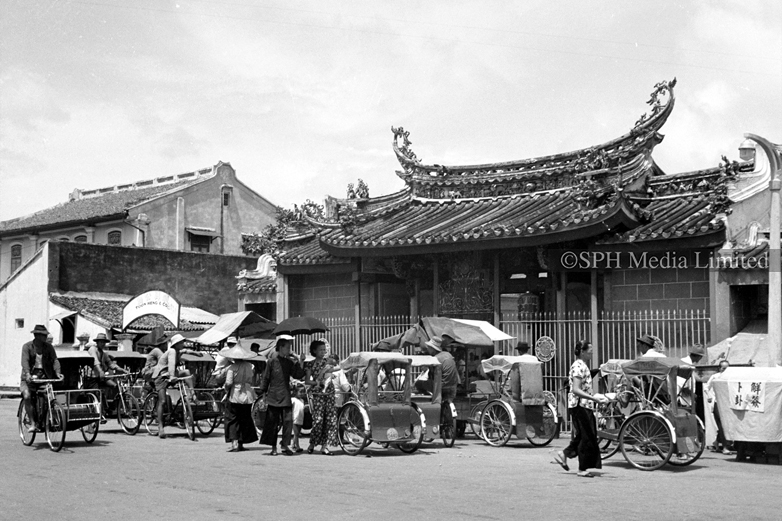 Kwan Im Thong Hood Cho Temple at Waterloo Street
1965
Kwan Im Thong Hood Cho Temple at Waterloo Street
1965
Kwan Im Thong Hood Cho Temple at Waterloo Street
Year 1965
The Kwan Im Thong Hood Cho Temple, also known as the Goddess of Mercy Temple at Waterloo Street (nicknamed Four-Mile Road 四马路), was established in 1884. During the Japanese occupation, it provided food to the impoverished and sheltered homeless refugees. It stands as one of Singapore's oldest and most revered temples, with a rich historical significance and strong religious following.
©️ SPH Media Limited
Share to
Tags
Available for print on products
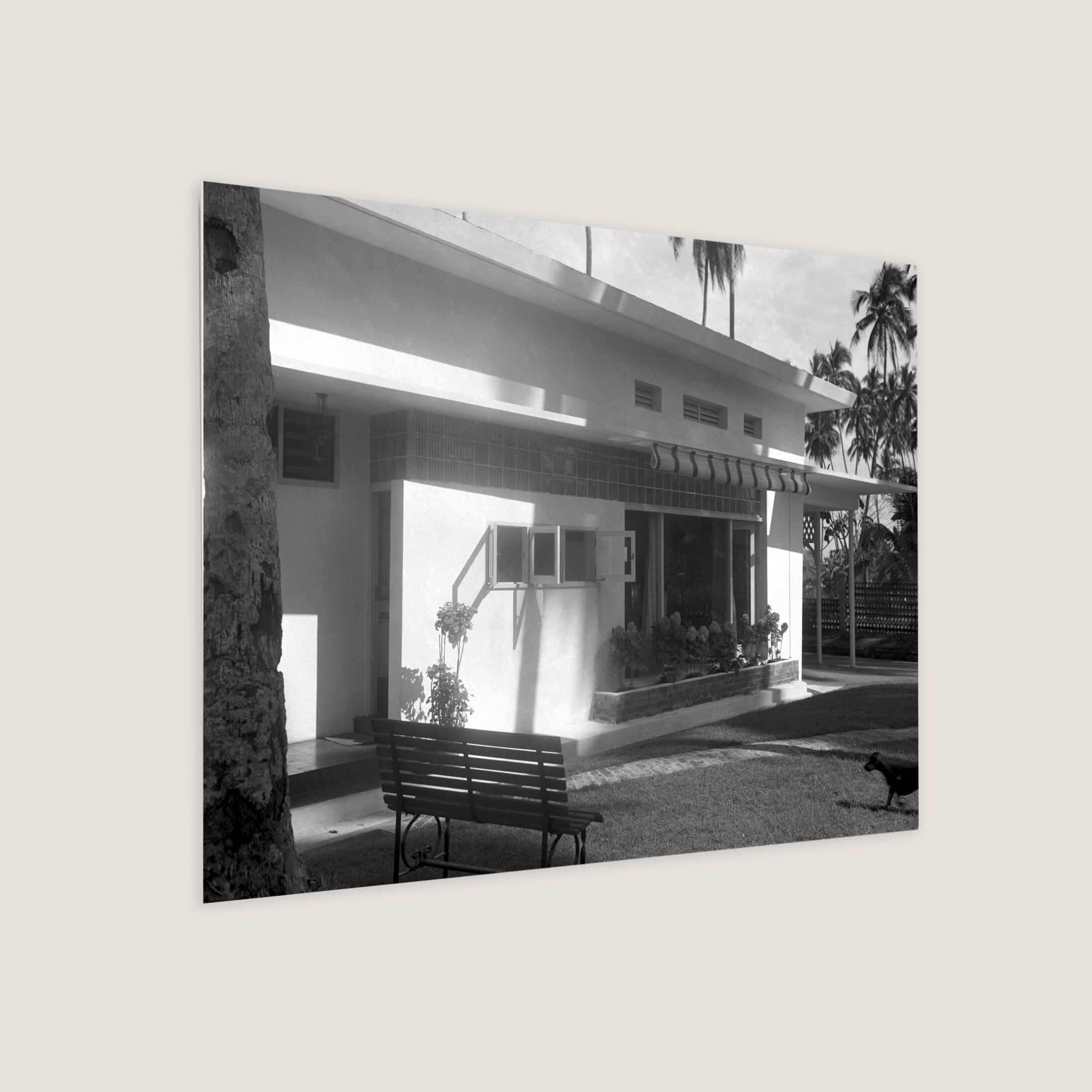
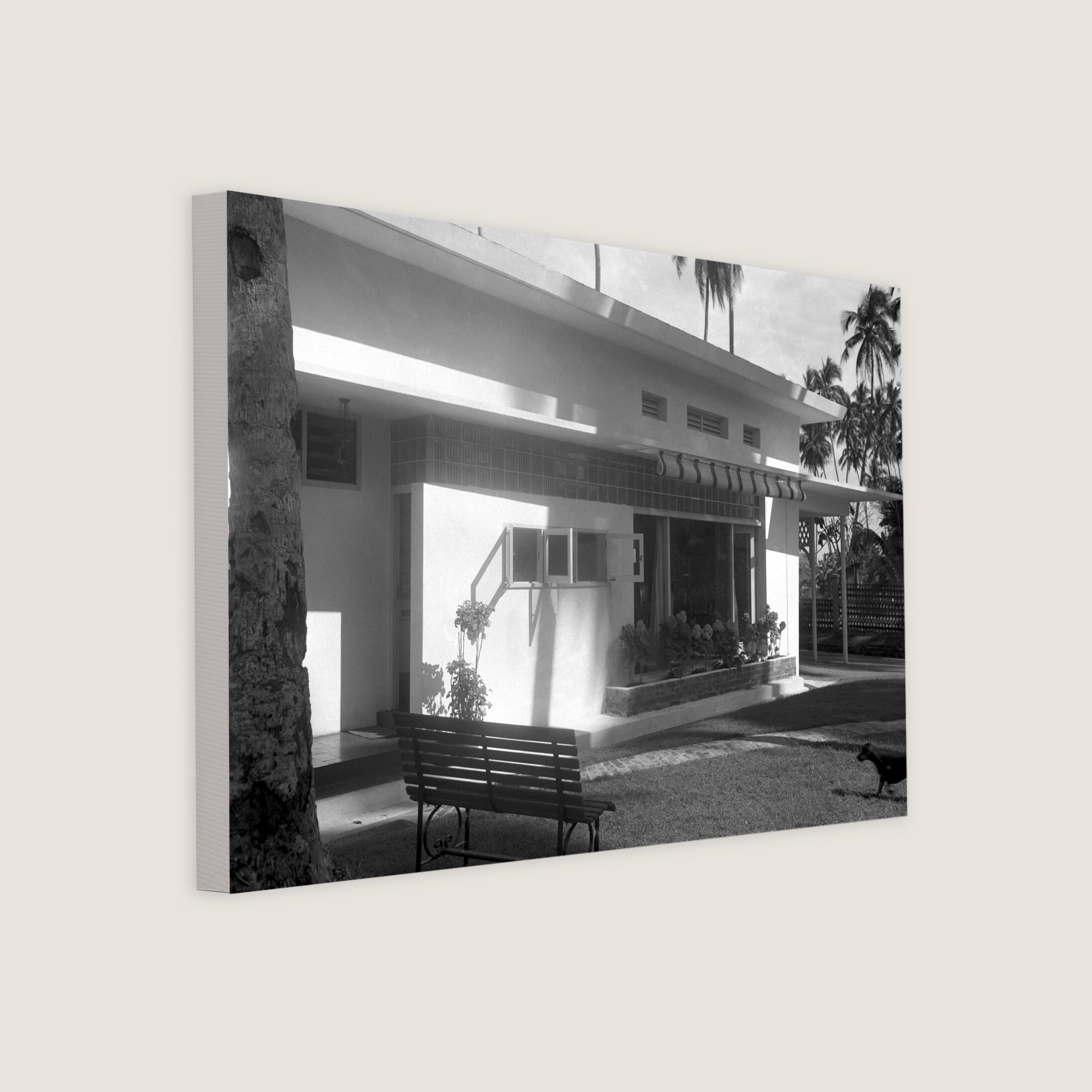
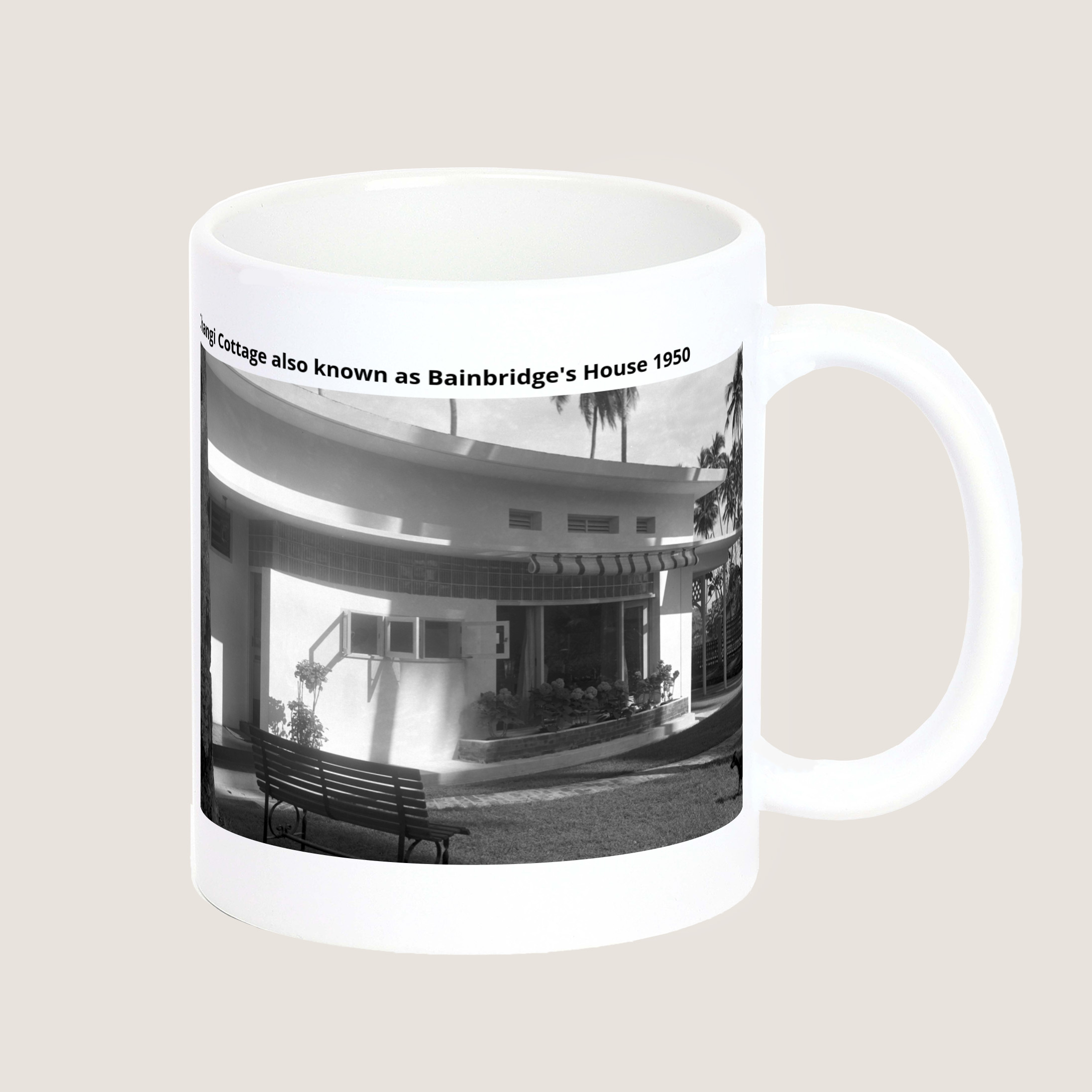
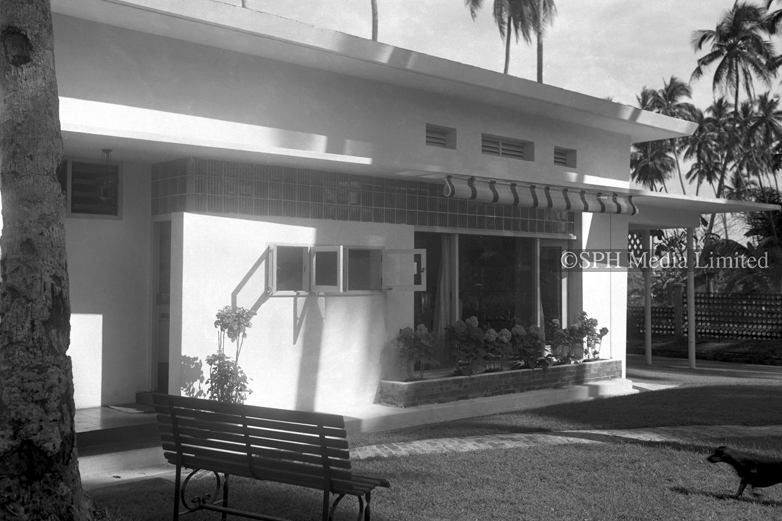 Changi Cottage also known as Bainbridge's House
1950
Changi Cottage also known as Bainbridge's House
1950
Changi Cottage also known as Bainbridge's House
Year 1950
Bainbridge's House is a historical landmark with a rich history. It is often referred to as Changi Cottage or Changi Bungalow. Built around 1935-1937, Bainbridge's House served as the residence for the British Director of Public Works, Robert Bainbridge. It was part of the British military installations in Changi.
©️ SPH Media Limited
Share to
Tags
Available for print on products
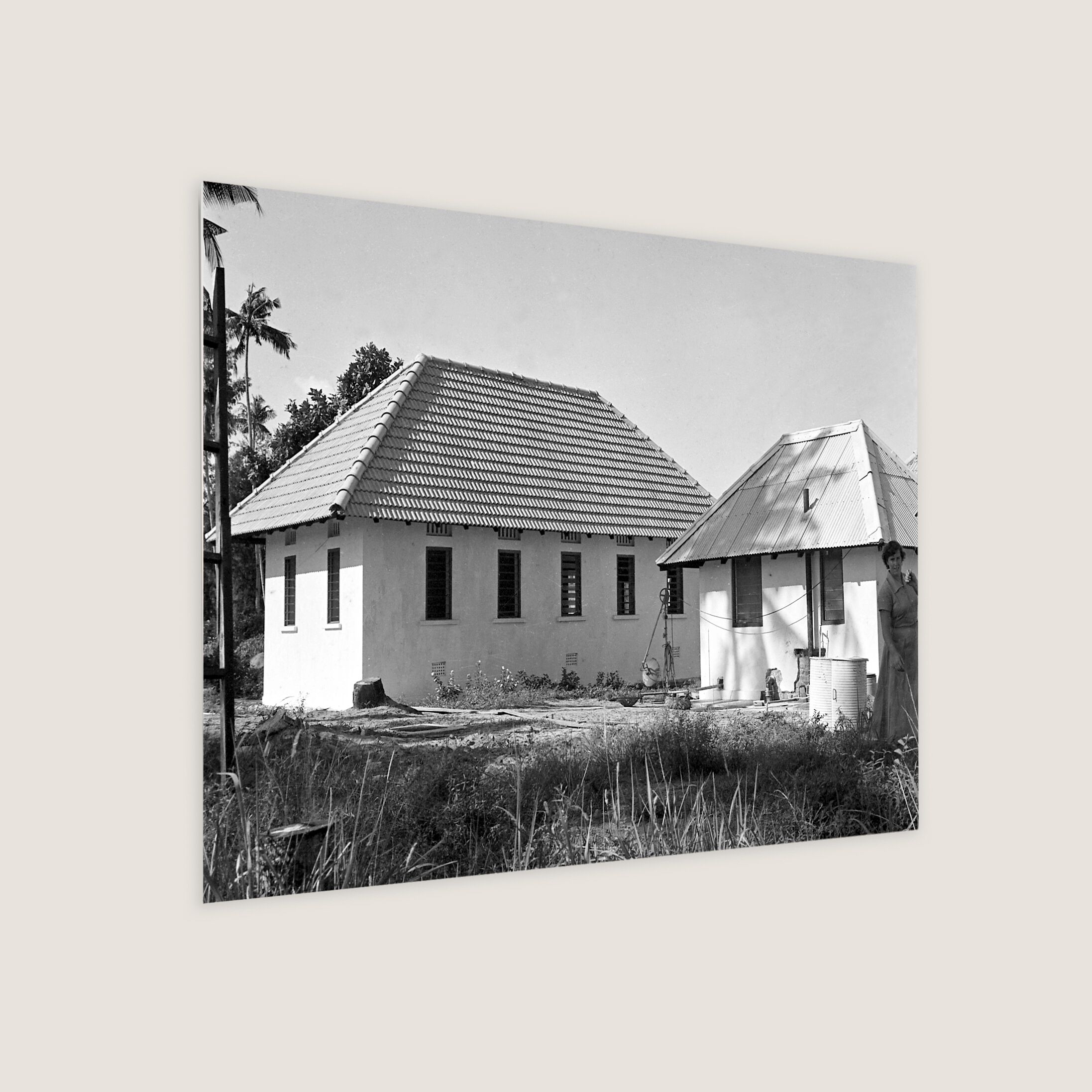
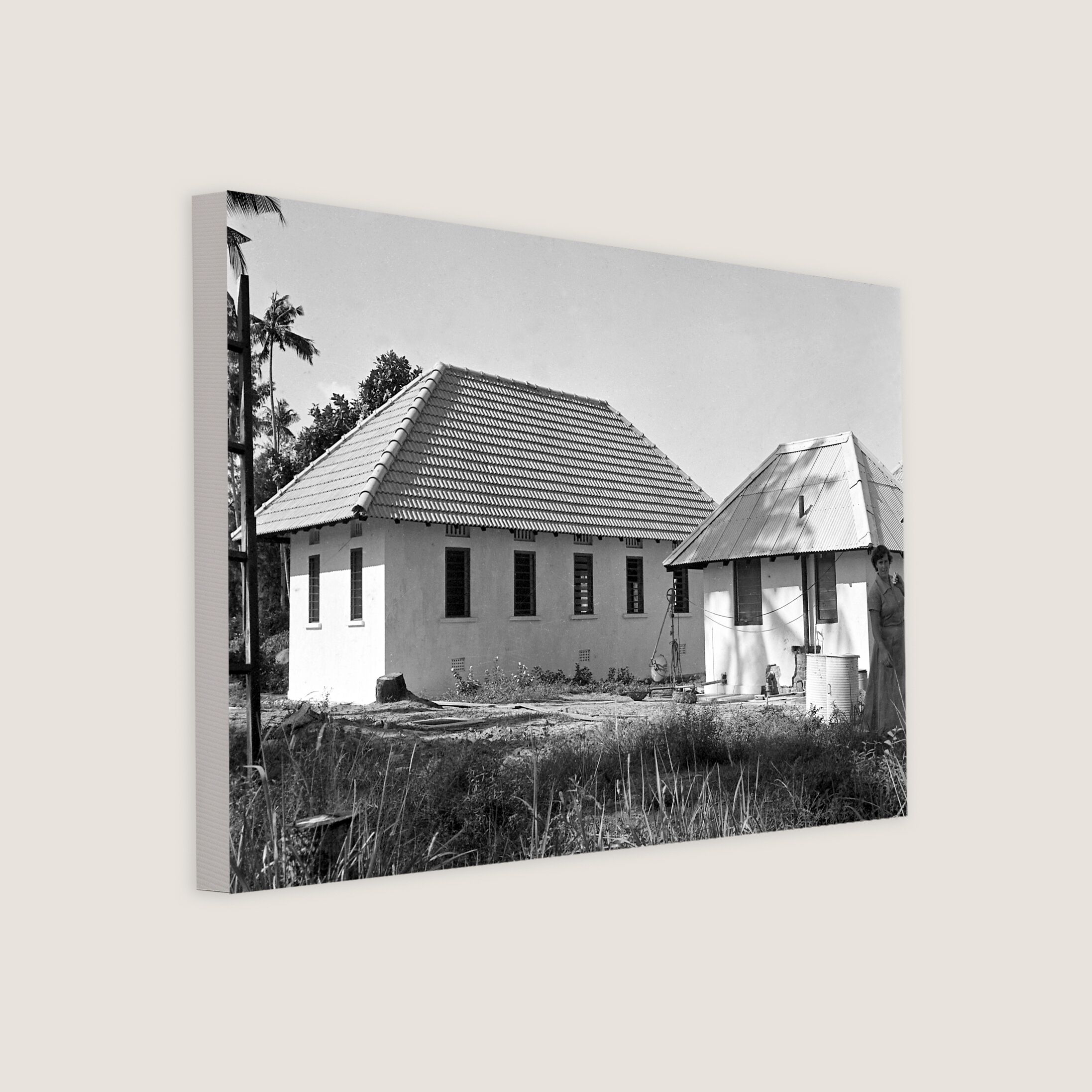
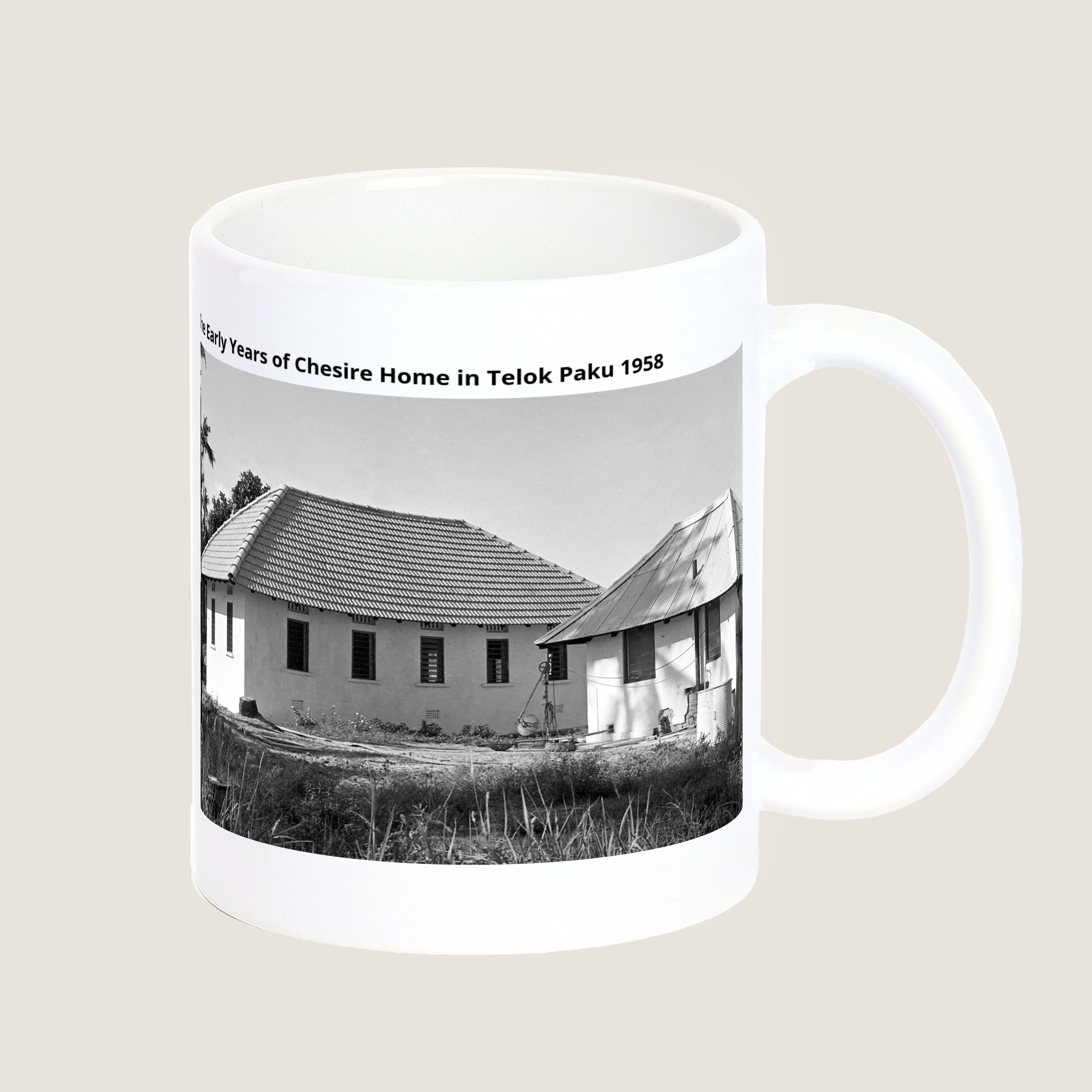
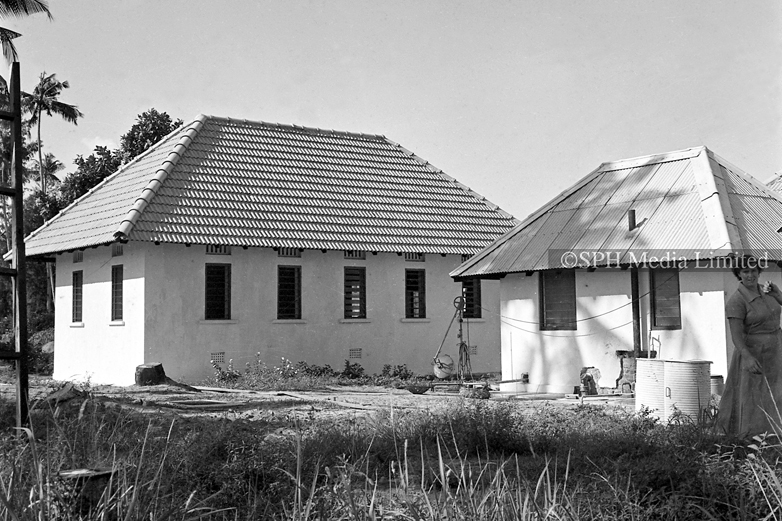 The Early Years of Chesire Home in Telok Paku
1958
The Early Years of Chesire Home in Telok Paku
1958
The Early Years of Chesire Home in Telok Paku
Year 1958
Cheshire Home is a 'home' that provides help for the severely disabled who do not have adequate care by giving care and rehabilitating their beneficiaries to live as normal lives as possible in a home-like environment. The Home started at this location at Telok Paku, Changi. This site was later acquired by the Government in 1976.
©️ SPH Media Limited
Share to
Tags
Available for print on products
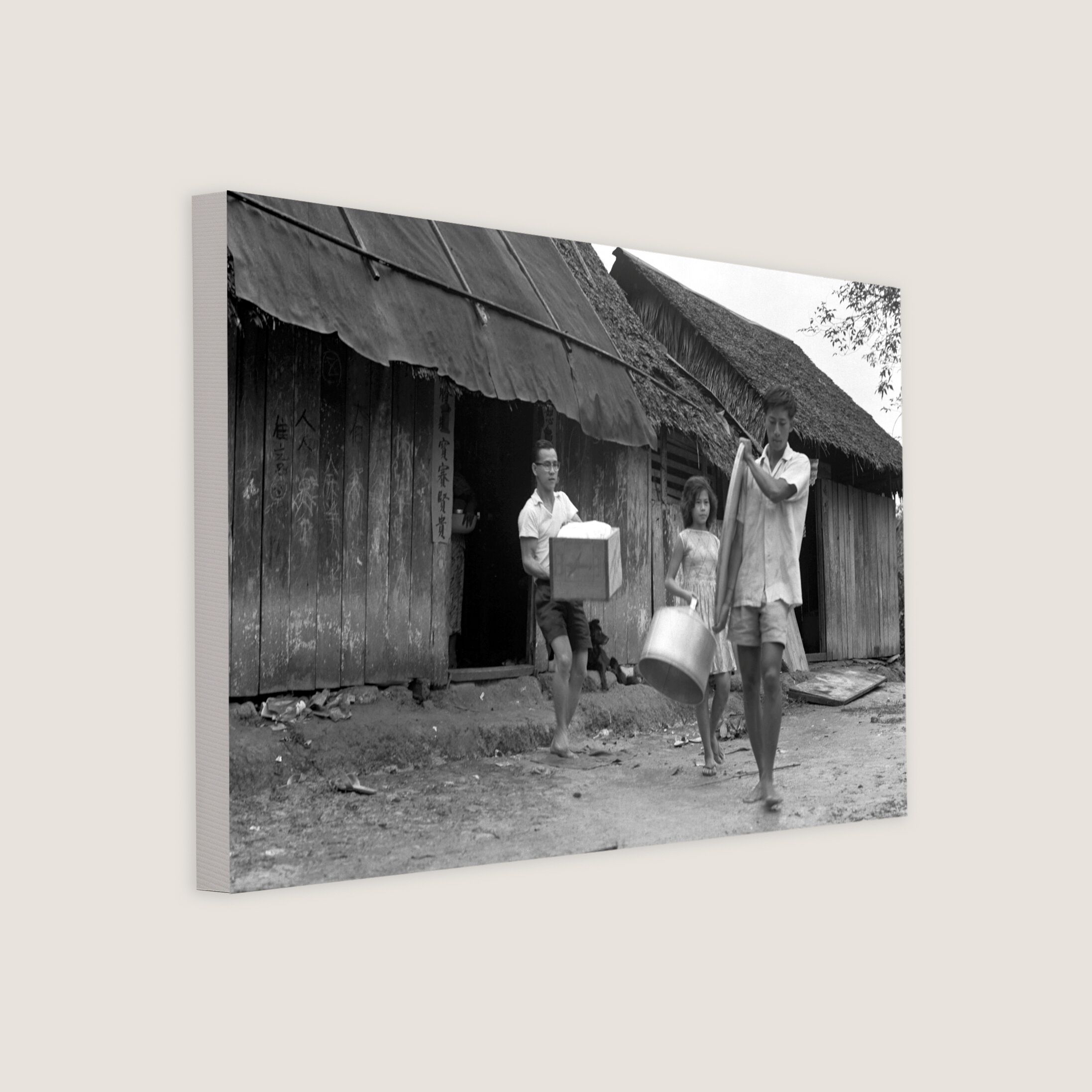
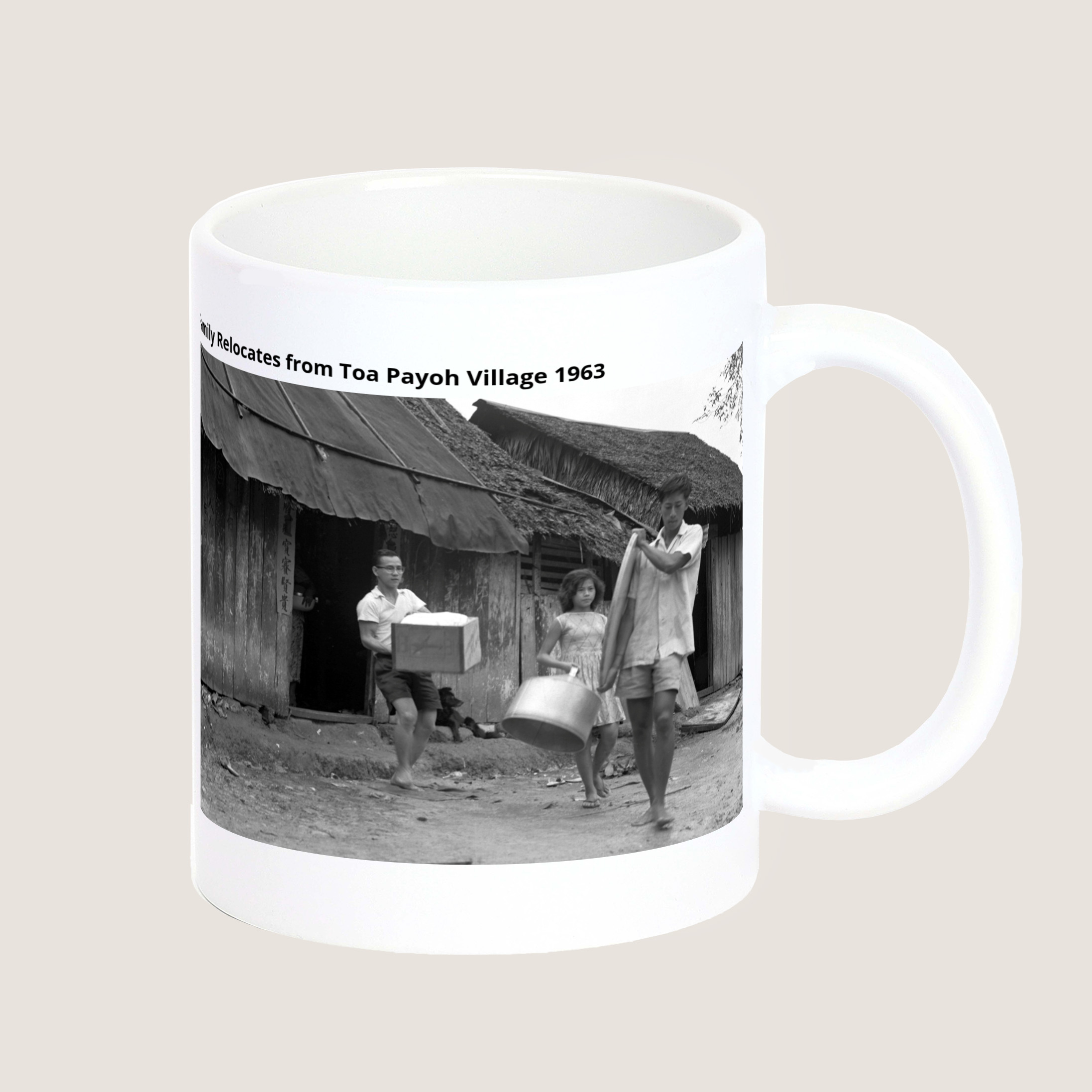
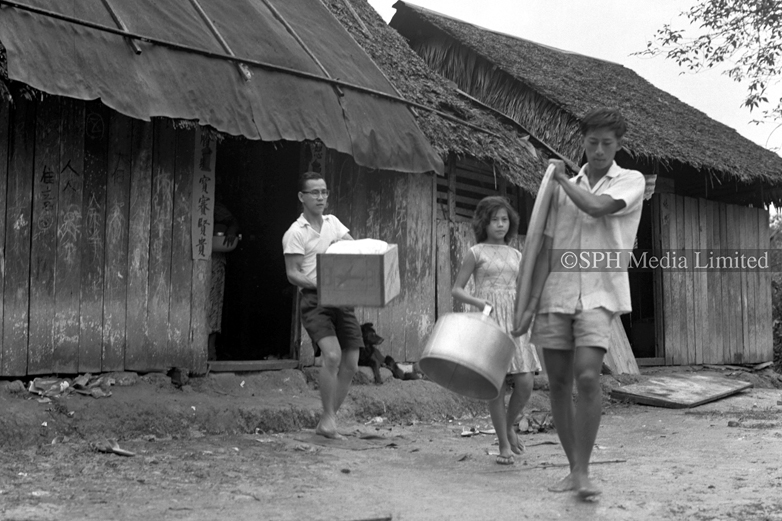 Family Relocates from Toa Payoh Village
1963
Family Relocates from Toa Payoh Village
1963
Family Relocates from Toa Payoh Village
Year 1963
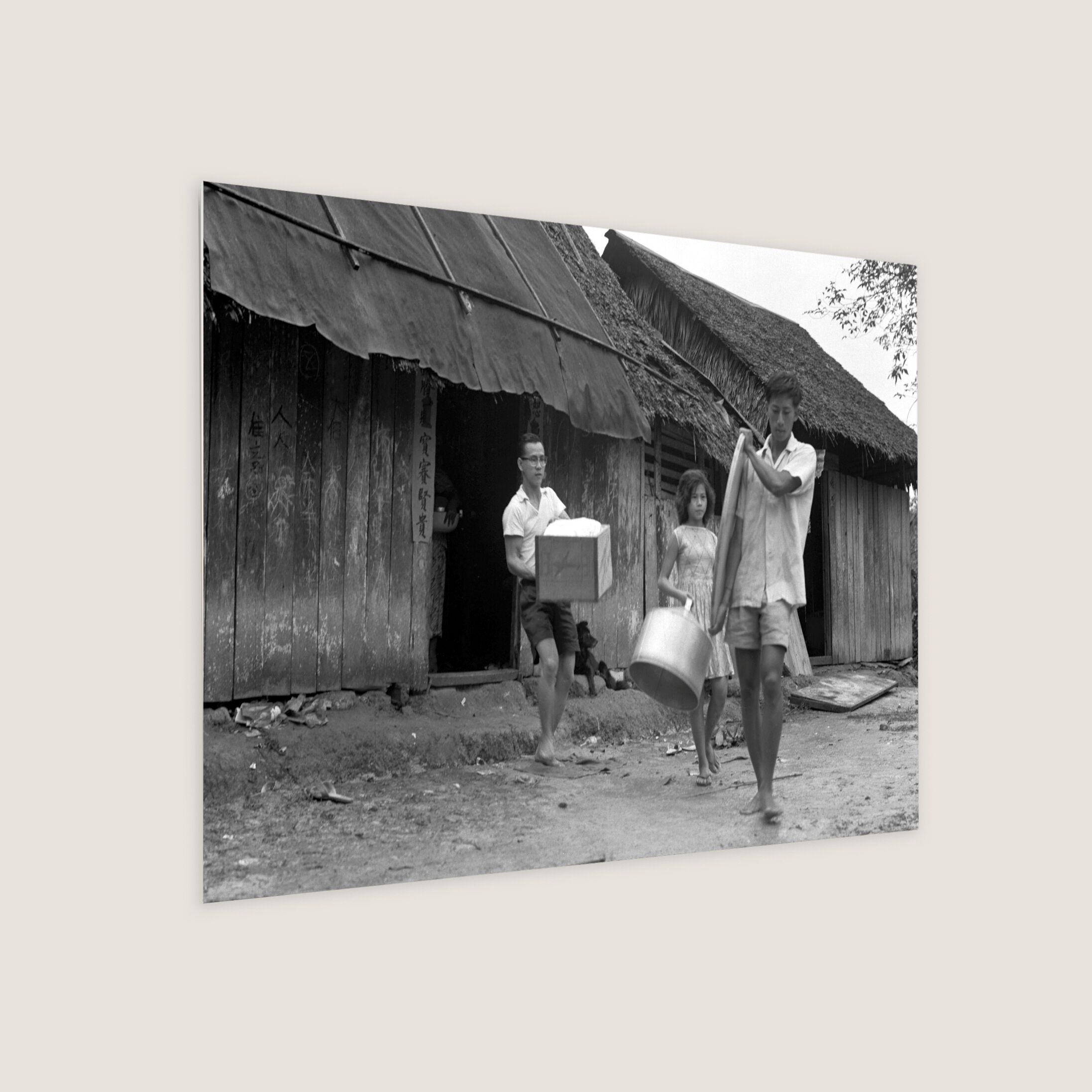
On 27 February 1963, families moved from squatter huts in Toa Payoh to new homes amid a housing shortage due to Singapore's growing population. Toa Payoh was the second satellite town, after Queenstown, designed to be self-contained with neighbourhood precincts, a town centre, sports complexes, a town park and schools.
©️ SPH Media Limited
Share to
Tags
Available for print on products
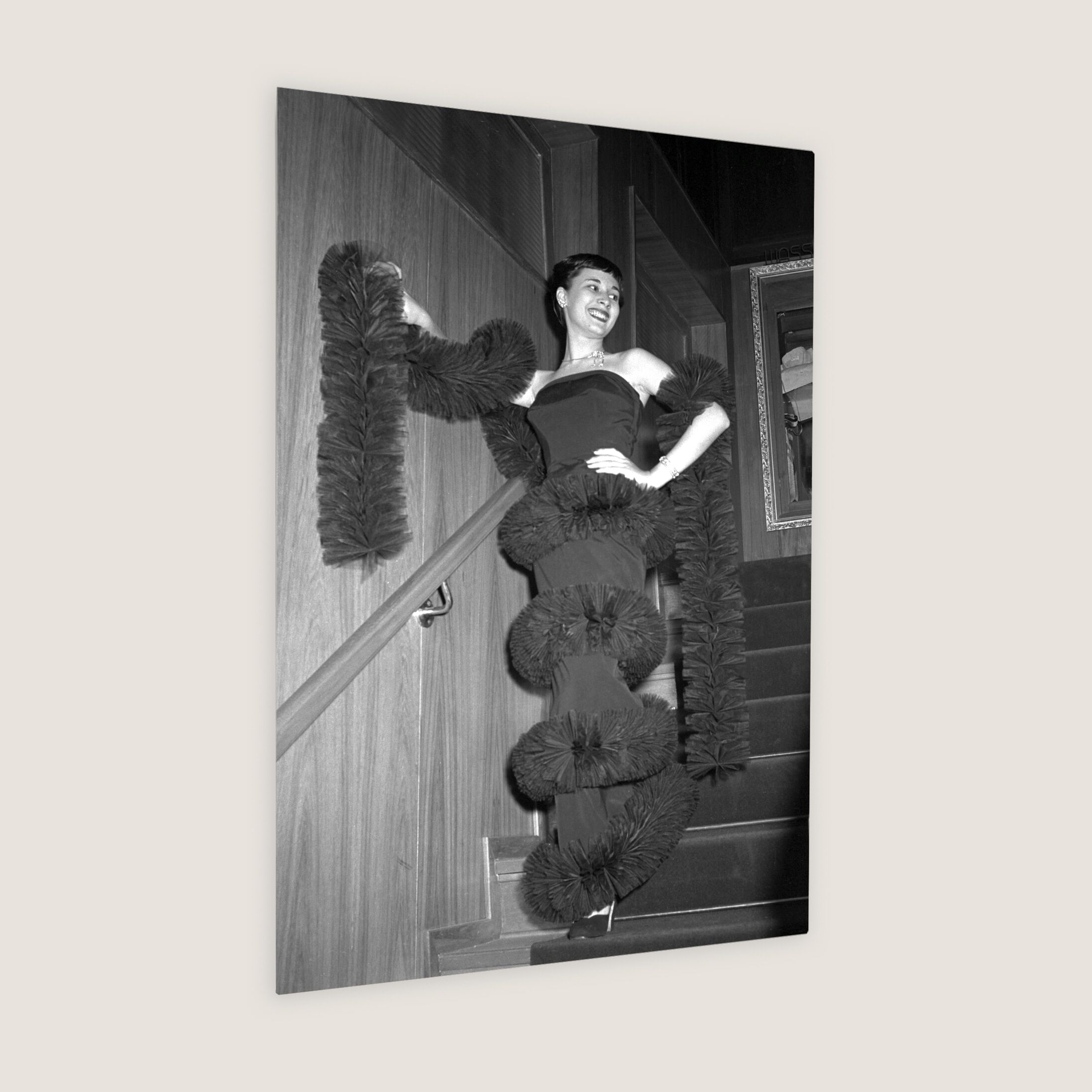
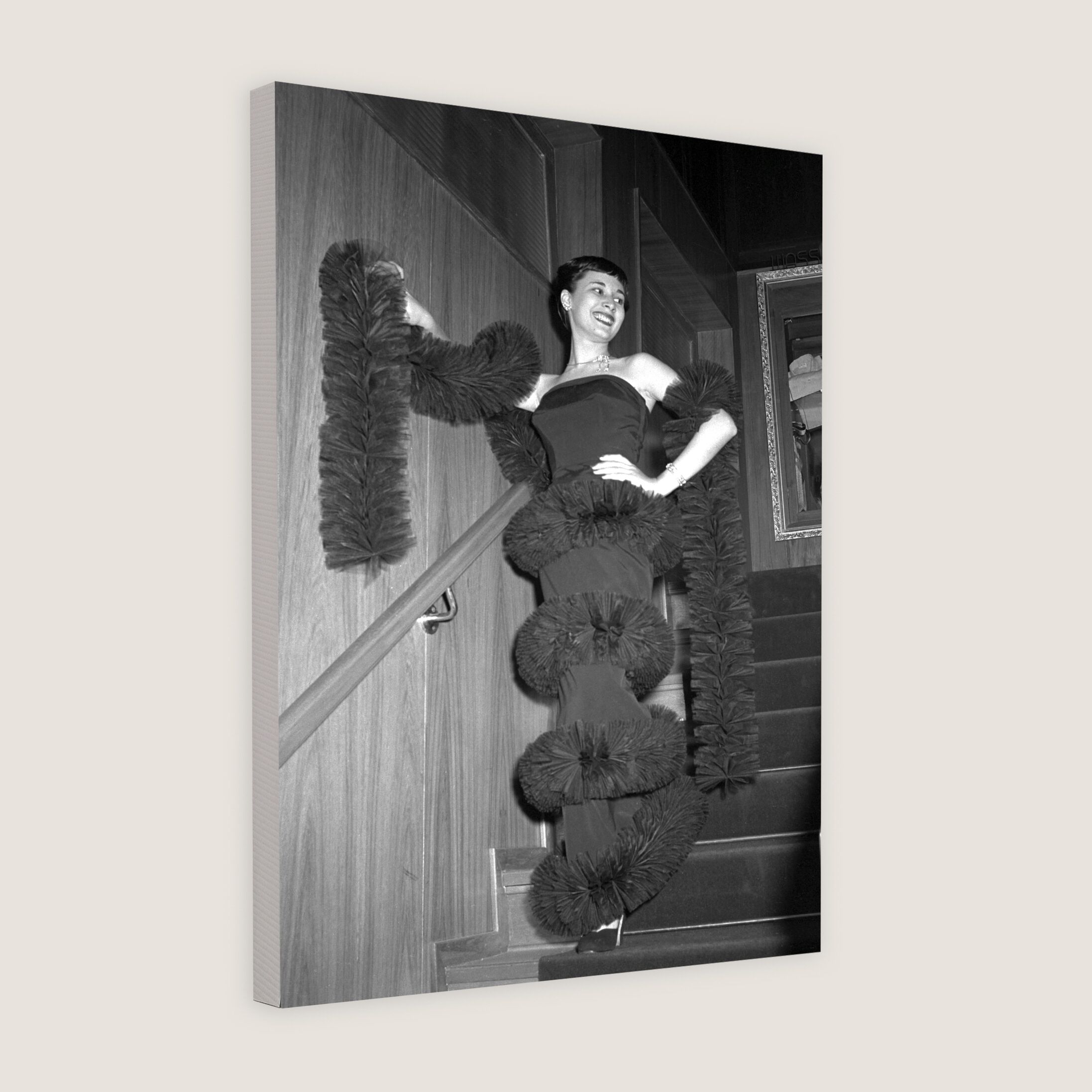
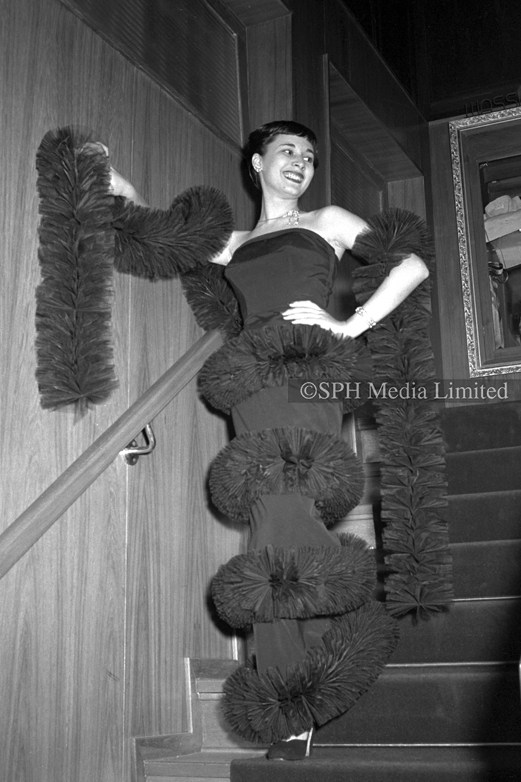 Movie Ball at the Victoria Memorial Hall
1954
Movie Ball at the Victoria Memorial Hall
1954
Movie Ball at the Victoria Memorial Hall
Year 1954
One of the stars, Phyll Westhout, was visiting Movie Ball at the Victoria Memorial Hall in 1954. Dressed in a 'French poodle' style gown of black gros-grain with 25 yards of 54 inch wide nylon tulle in the ruffles, she graces the Memorial Hall.
©️ SPH Media Limited
Share to
Tags
Available for print on products
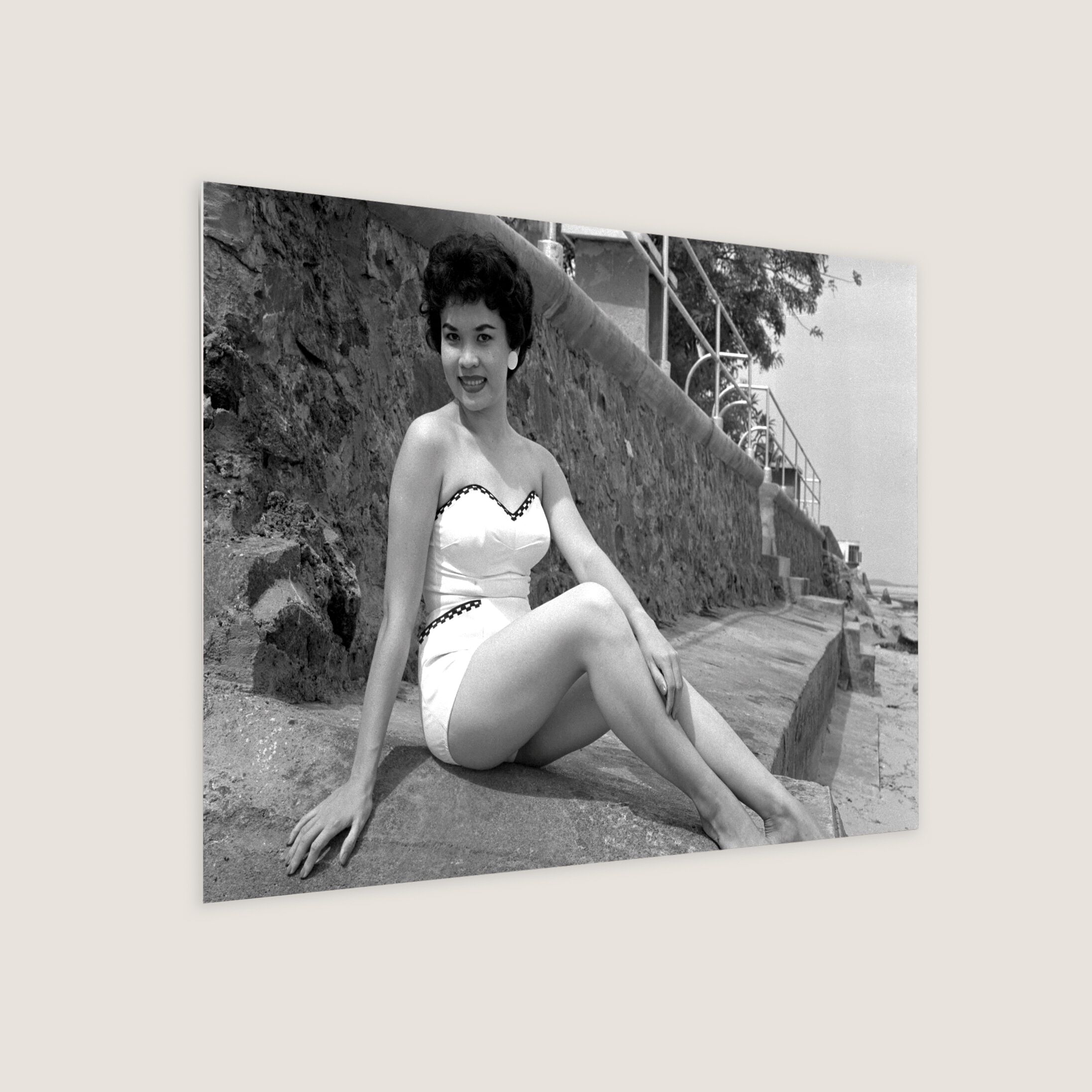
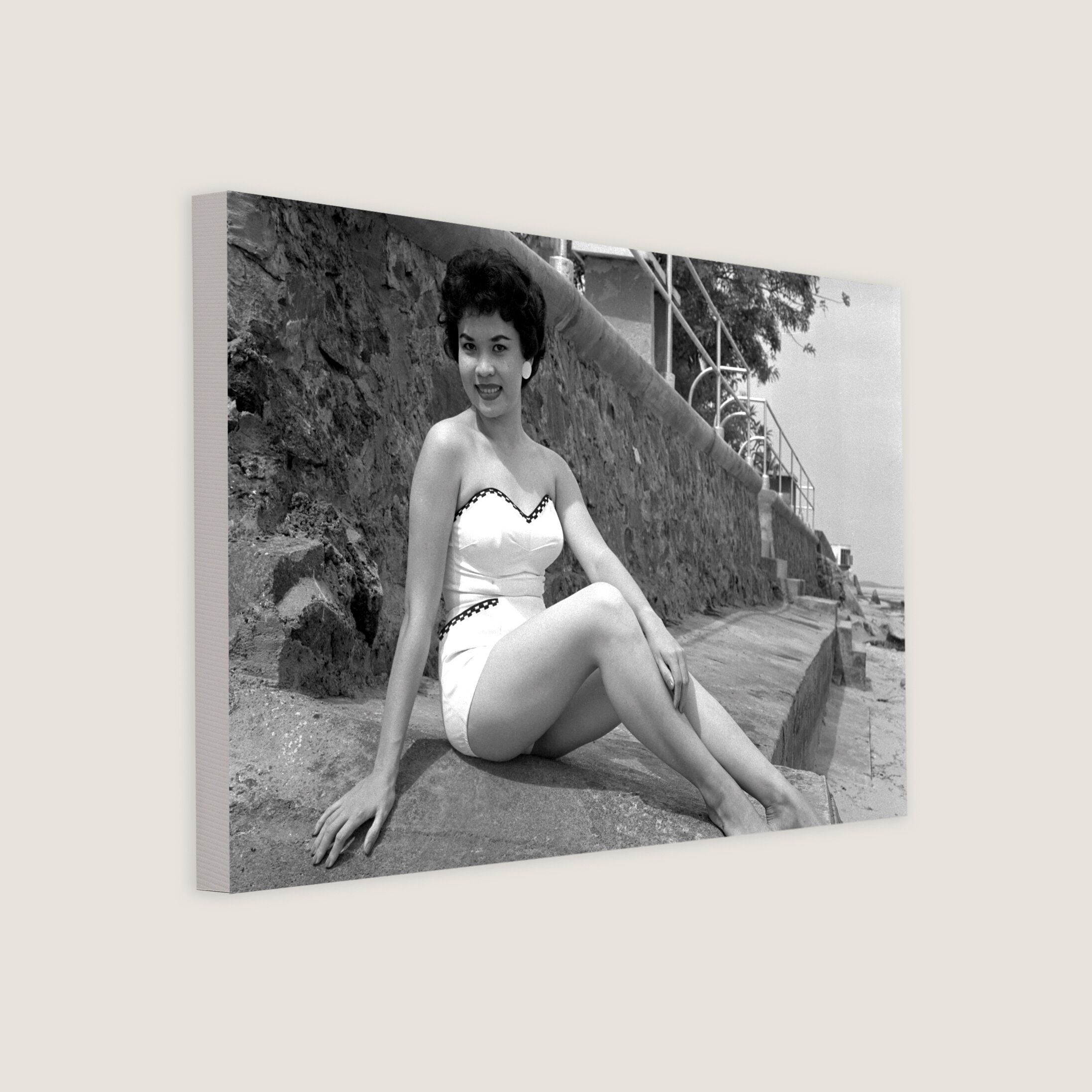
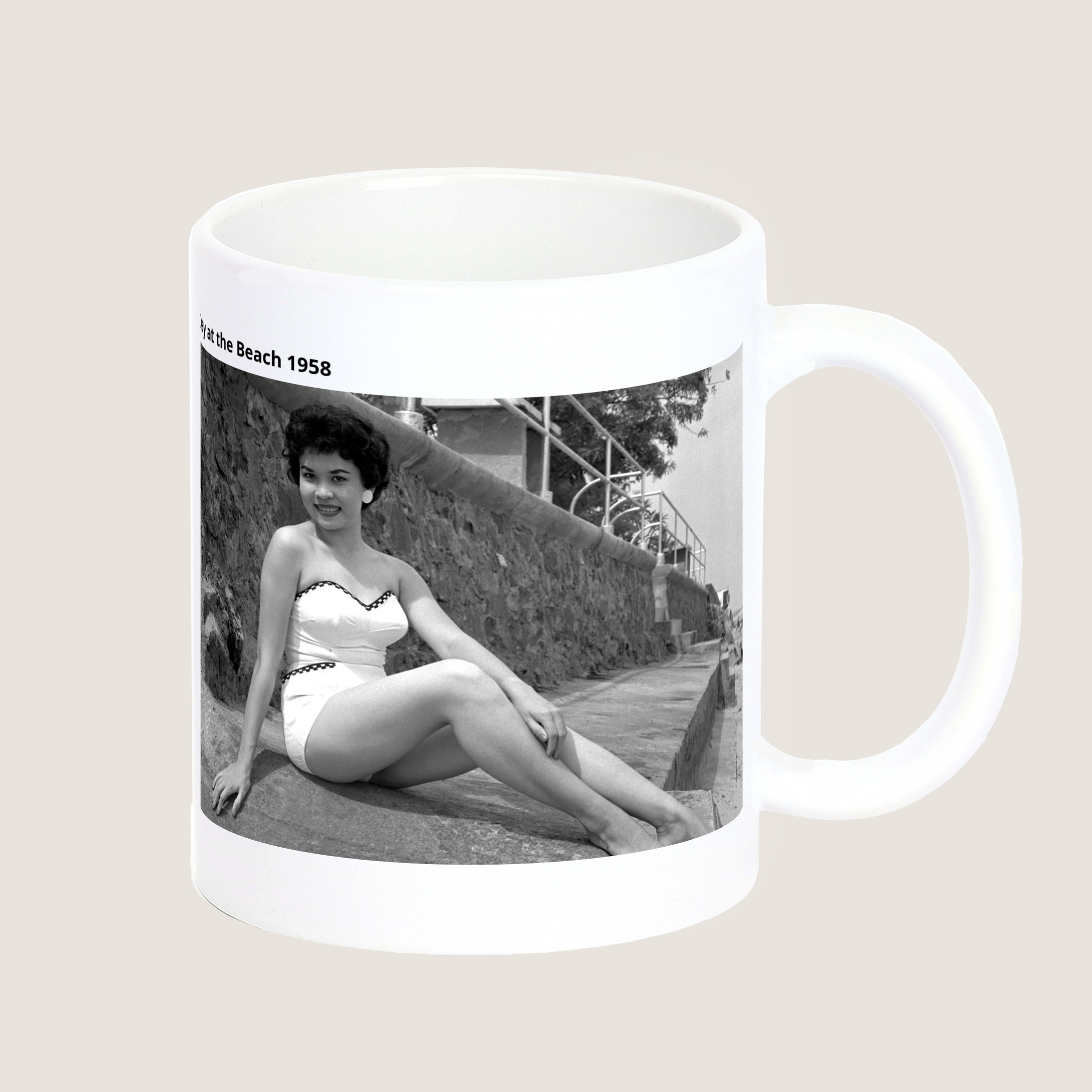
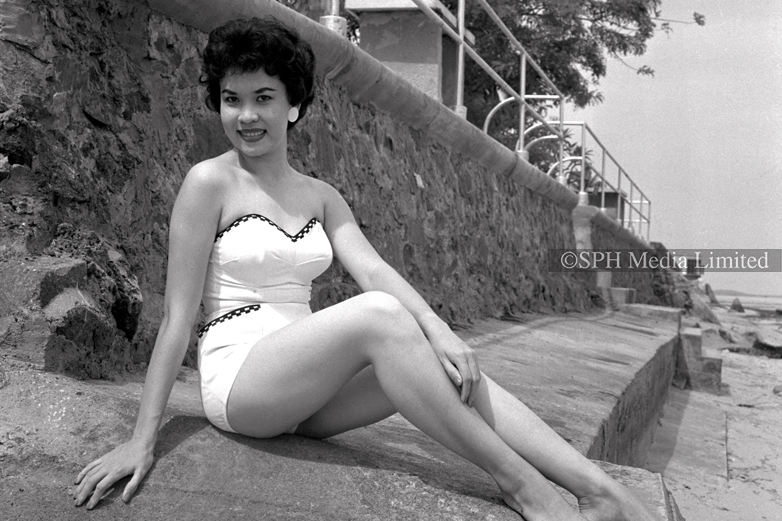 Day at the Beach
1958
Day at the Beach
1958
Day at the Beach
Year 1958
Model and school teacher Leonie Koenitz was having a fun day at Changi Beach in a retro-styled swimsuit.
©️ SPH Media Limited
Share to
Tags
Available for print on products
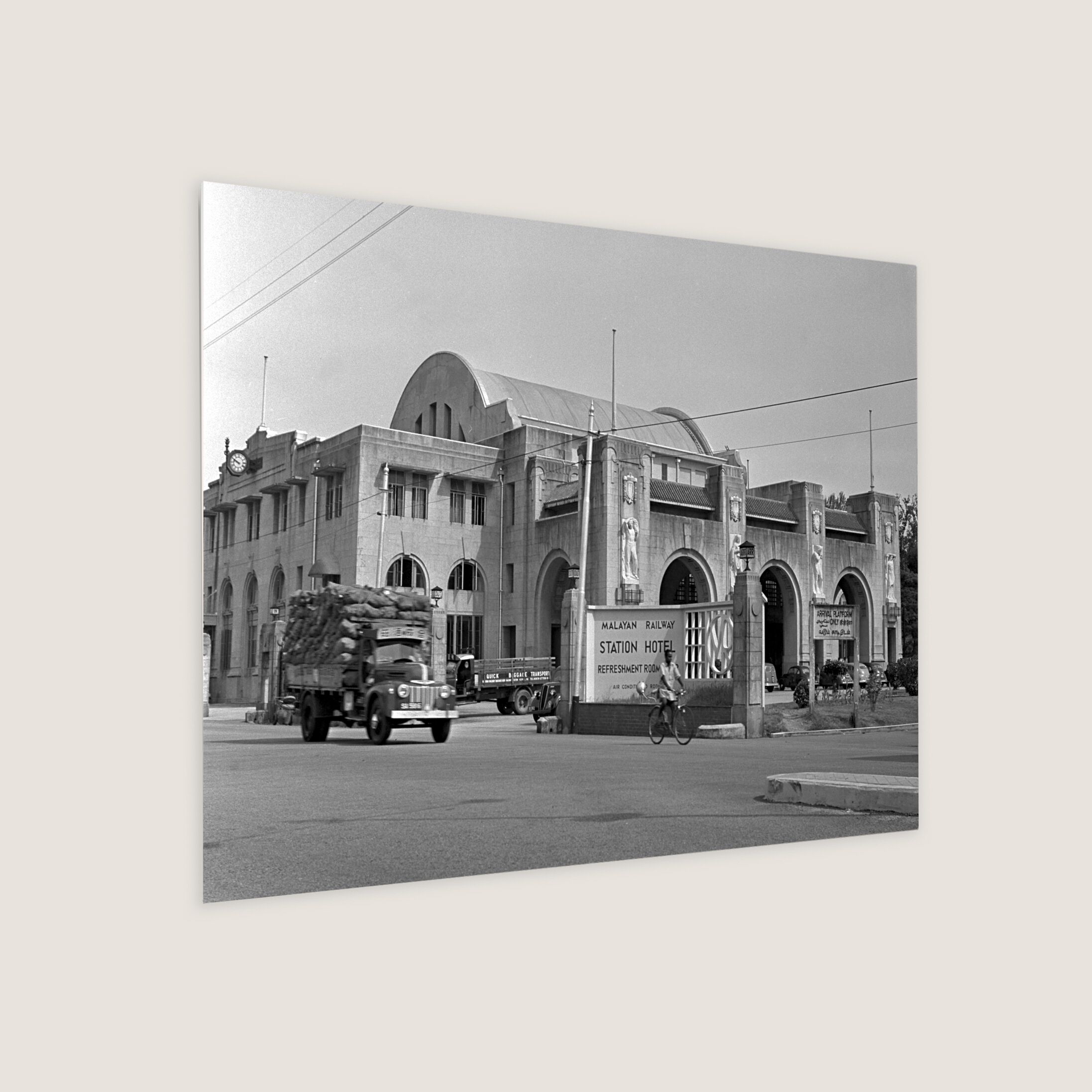
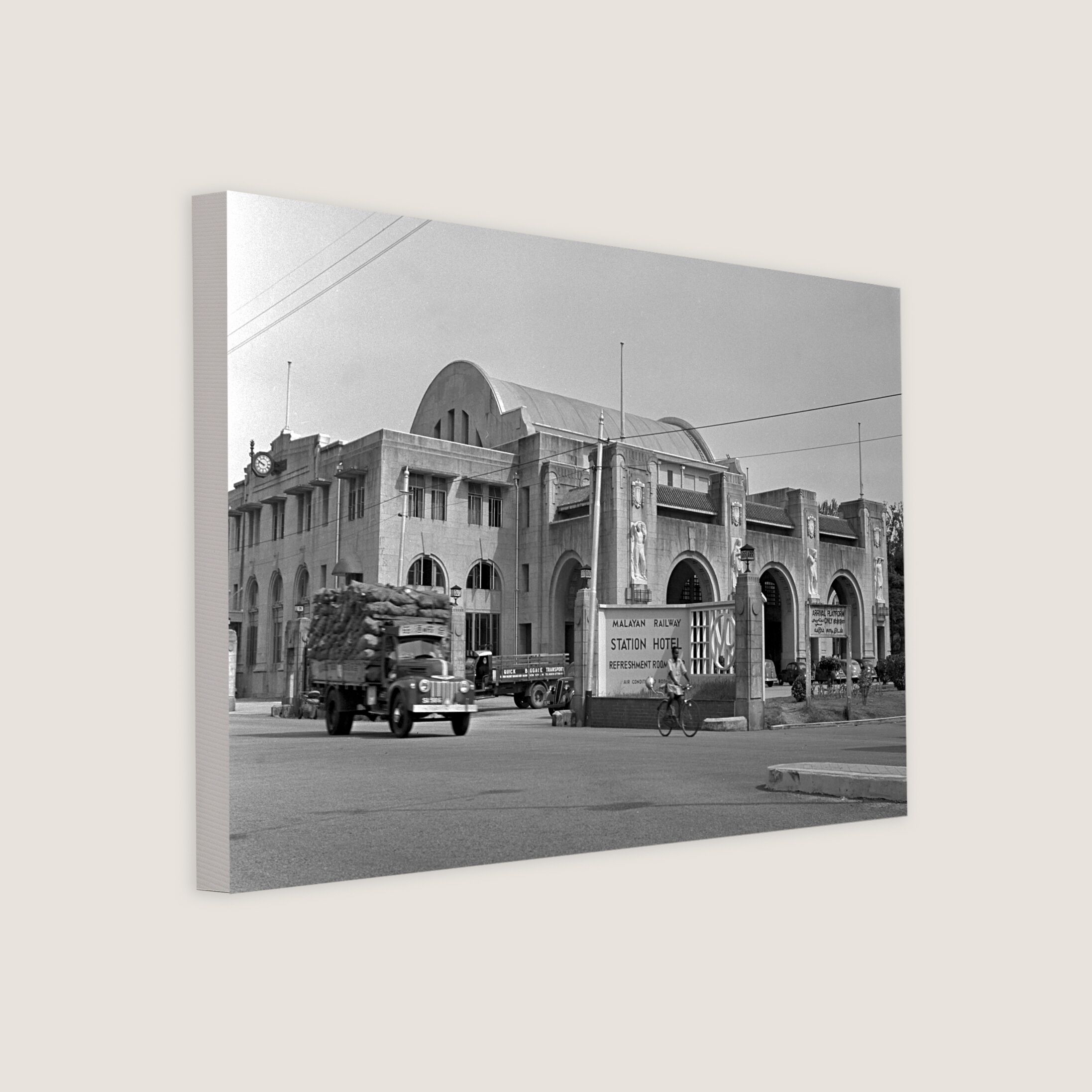
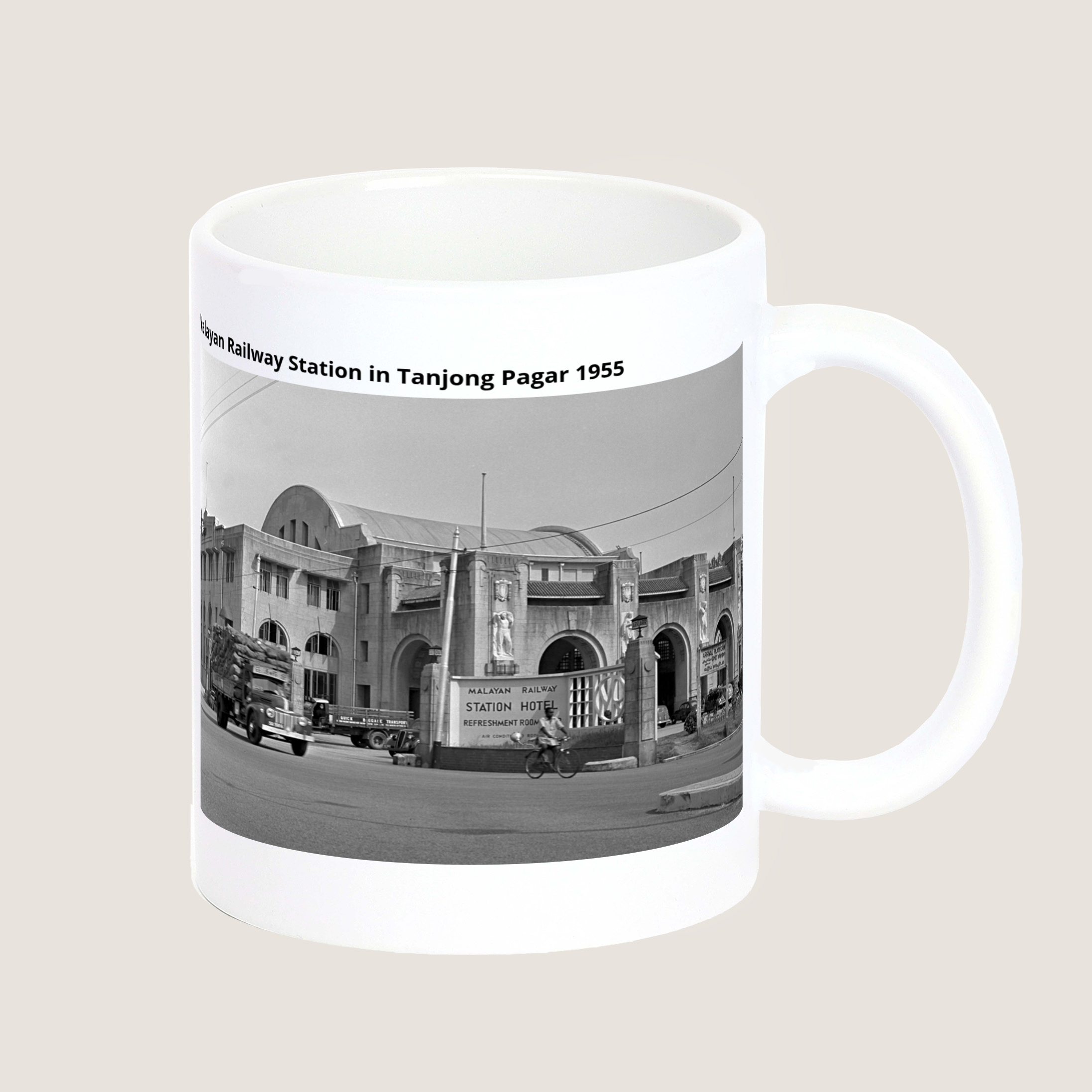
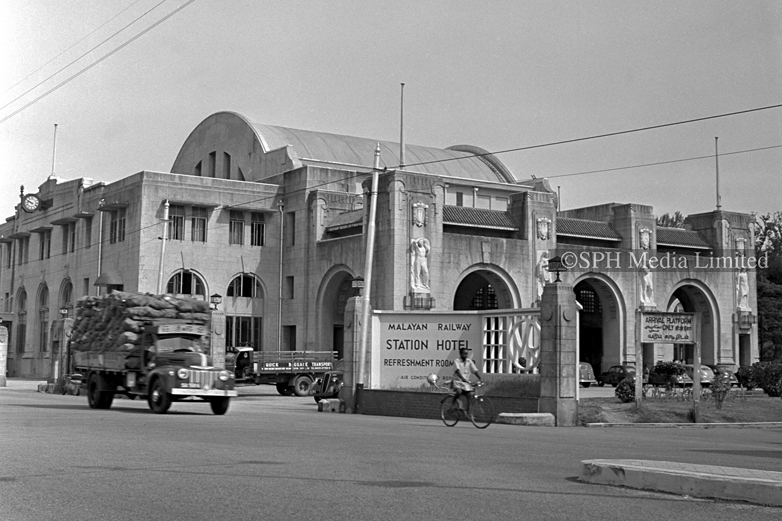 Malayan Railway Station in Tanjong Pagar
1955
Malayan Railway Station in Tanjong Pagar
1955
Malayan Railway Station in Tanjong Pagar
Year 1955
The Malayan Railway Station in Tanjong Pagar was built in 1932 to connect Malaya with Singapore. It ran for many years before closing on 30 June 2011, with Sultan Ibrahim Ismail of Johor driving the last train out of the station. Today, it remains, reminding people of Singapore's past and connection with Malaysia.
©️ SPH Media Limited
Share to
Tags
Available for print on products
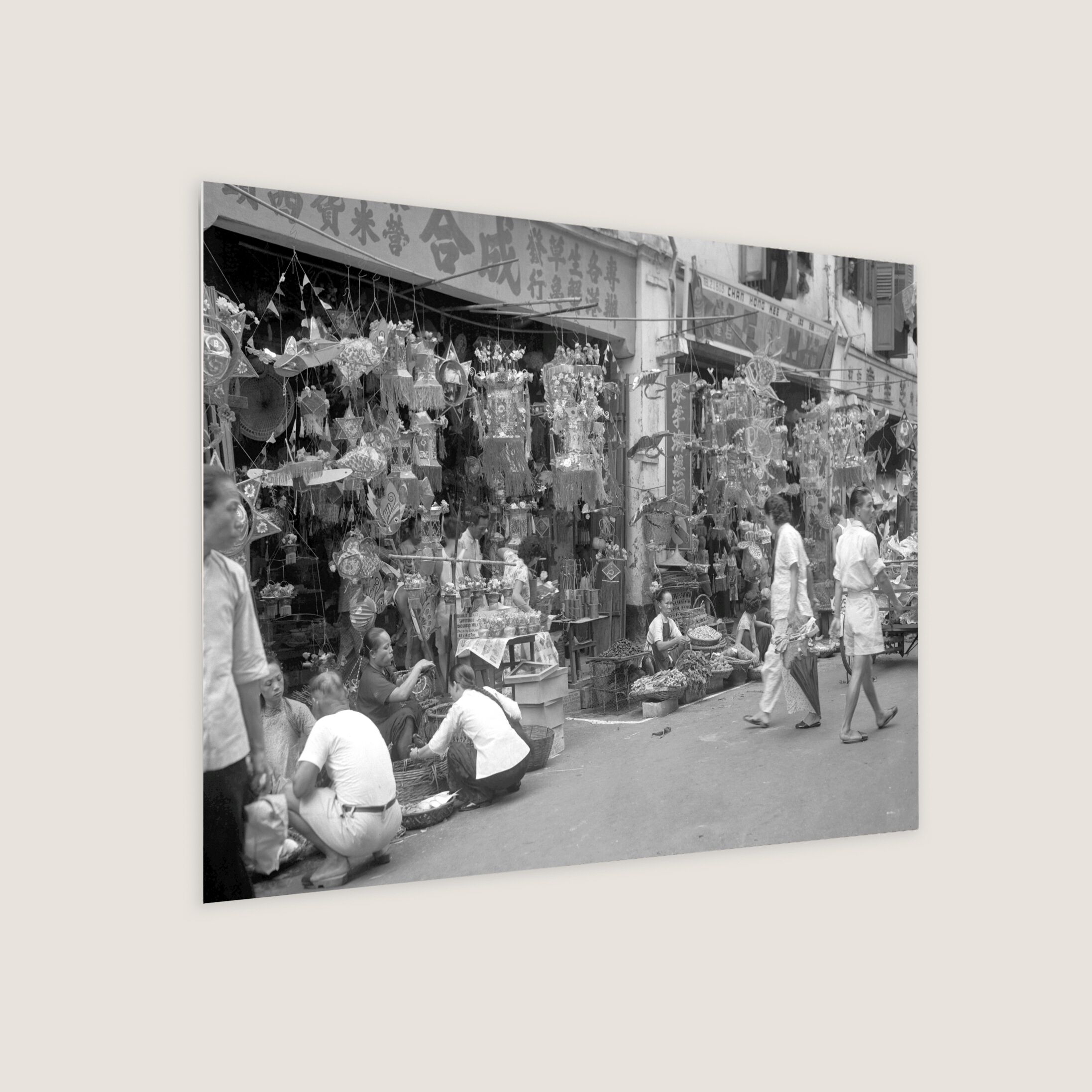
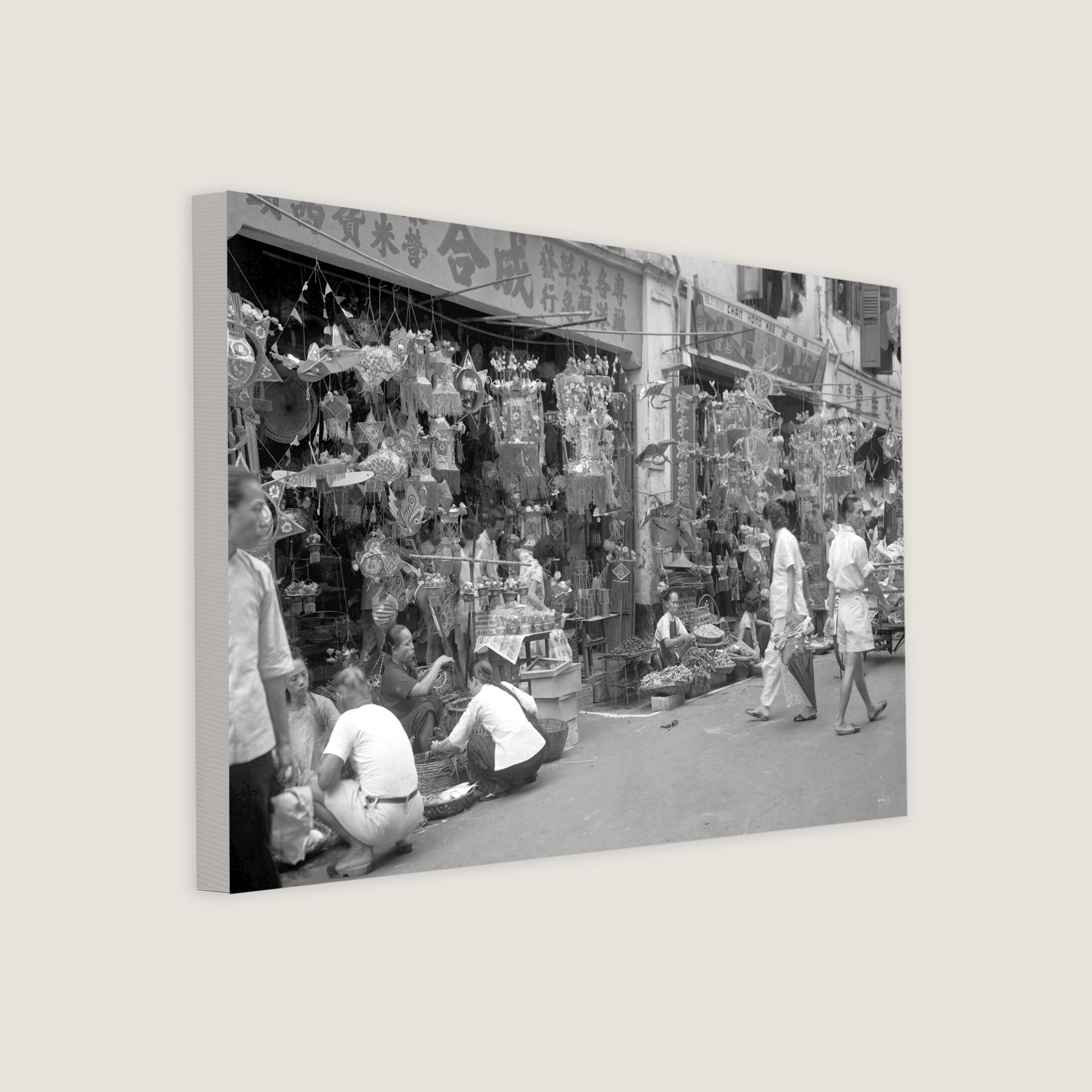
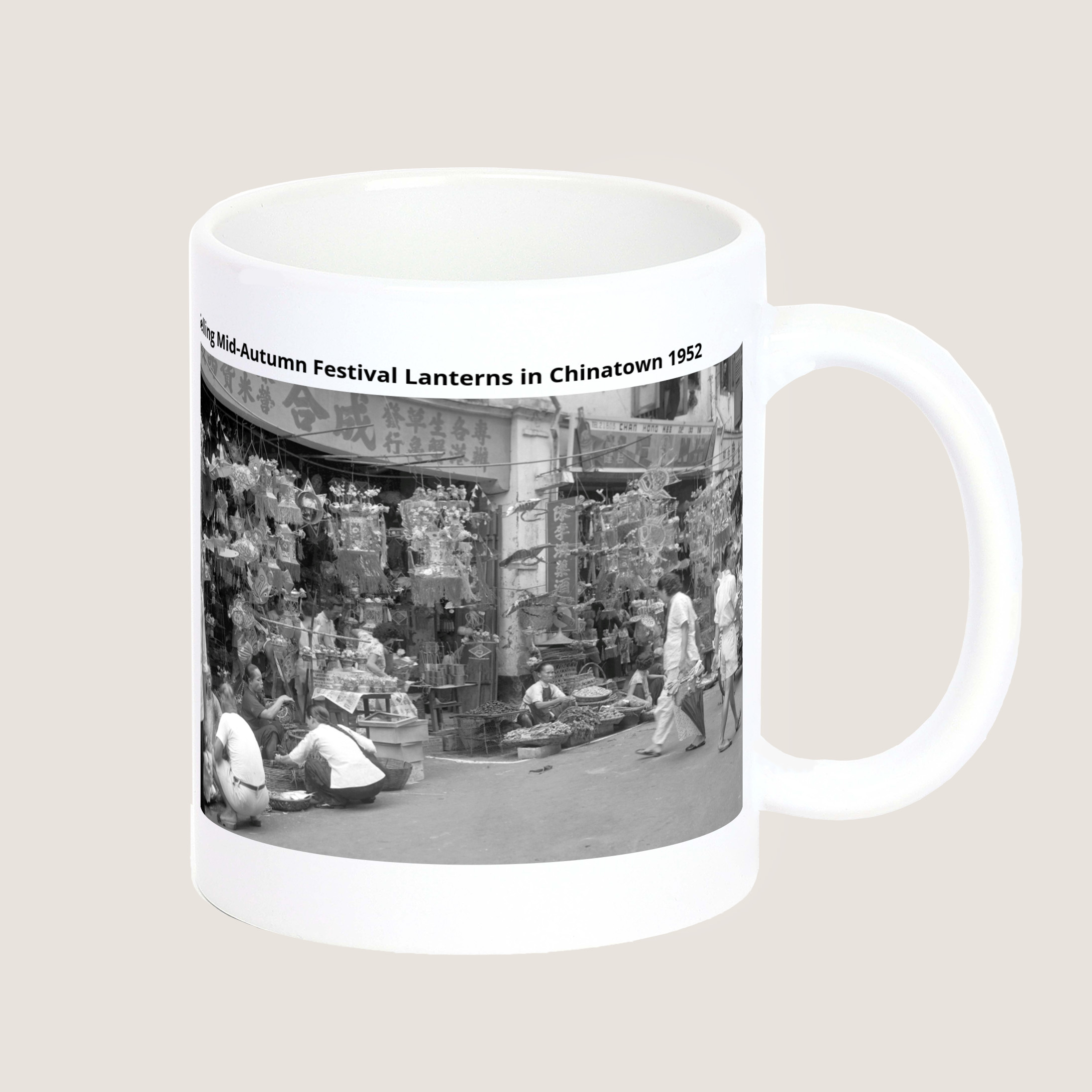
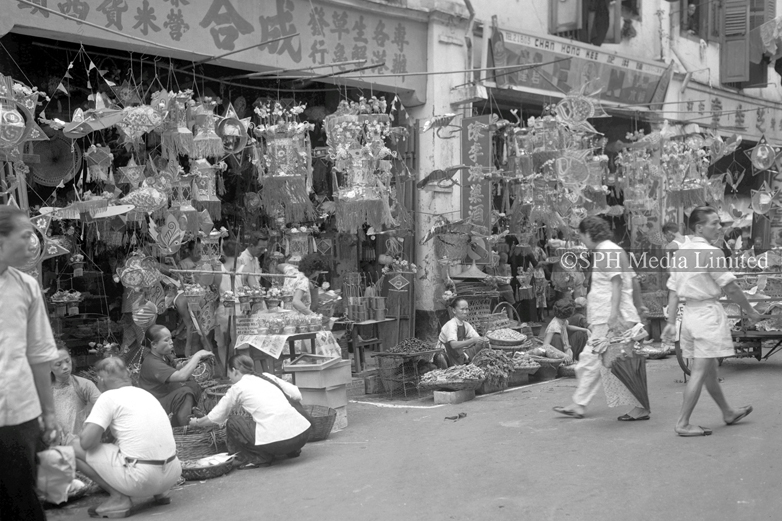 Selling Mid-Autumn Festival Lanterns in Chinatown
1952
Selling Mid-Autumn Festival Lanterns in Chinatown
1952
Selling Mid-Autumn Festival Lanterns in Chinatown
Year 1952
Carrying lanterns is a traditional way for Singaporeans to celebrate the Mid-Autumn Festival. As the festival approaches, savvy shopkeepers begin selling lanterns outside their stores. In the 1950s, Chinatown would become a vibrant and colorful spectacle with lanterns of all shapes and sizes on display in the days leading up to the Mid-Autumn Festival.
©️ SPH Media Limited
Share to
Tags
Available for print on products
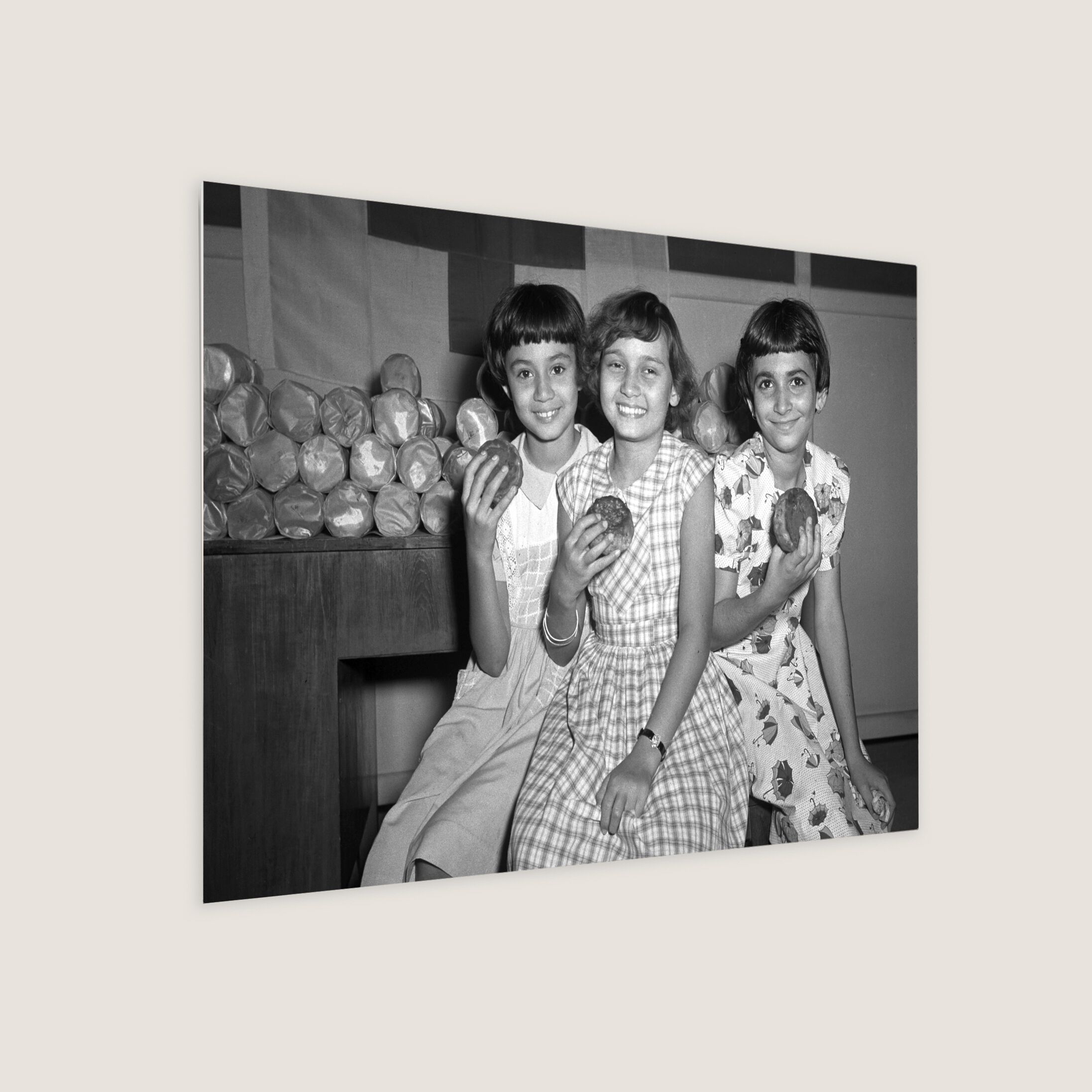
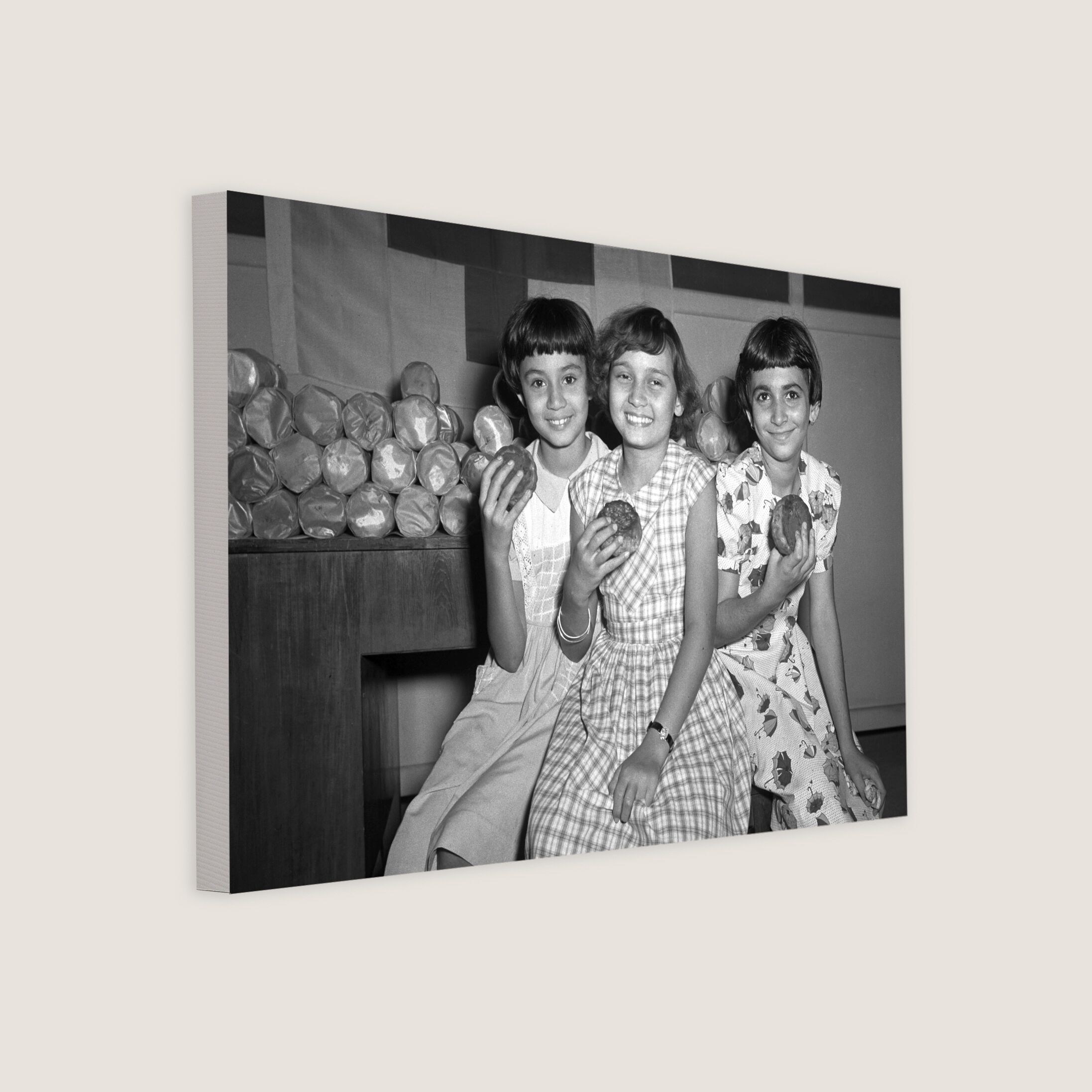
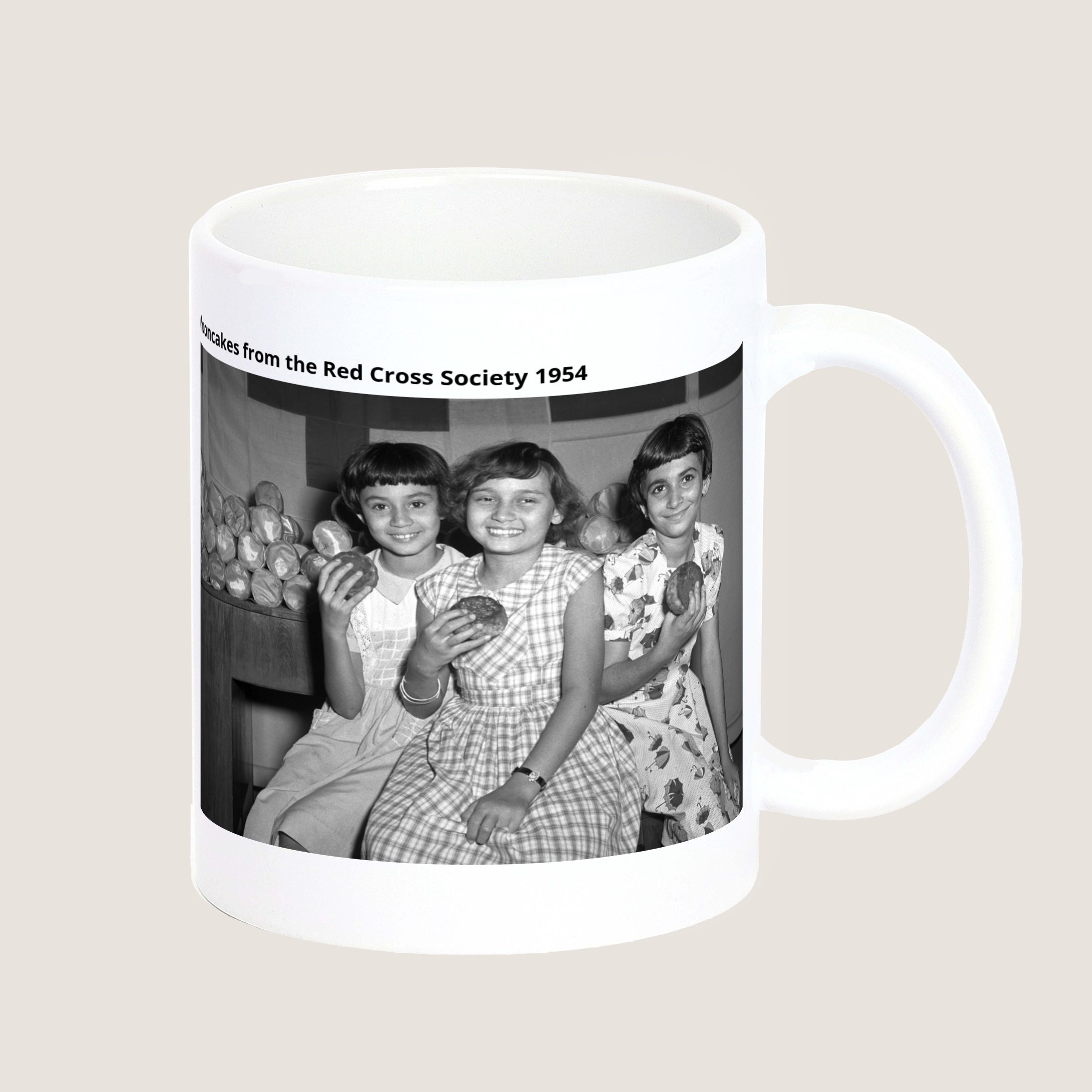
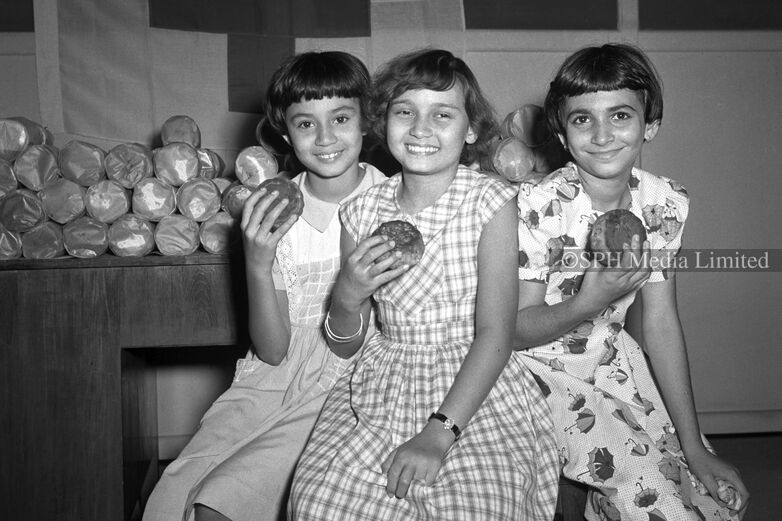 Mooncakes from the Red Cross Society
1954
Mooncakes from the Red Cross Society
1954
Mooncakes from the Red Cross Society
Year 1954
The British Red Cross Society distributed mooncakes to needy homes on 11 September 1954. Southern Hotel had given 4,000 cakes to the British Red Cross Society in celebration of the Moon Cake Festival. The smiling girls were among hundreds of Singapore's needy and handicapped children who were remembered by the Southern Hotel.
©️ SPH Media Limited
Share to
Tags
Available for print on products
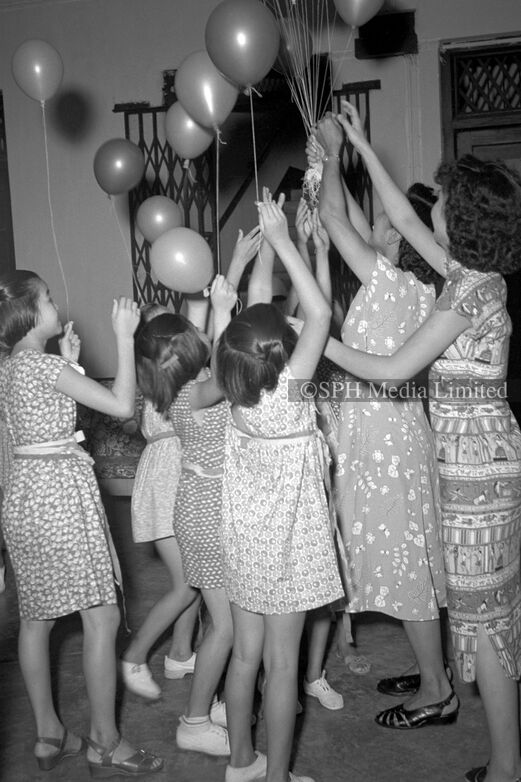 Mooncake Festival Party at York Hill Girls' Home
1950
Mooncake Festival Party at York Hill Girls' Home
1950
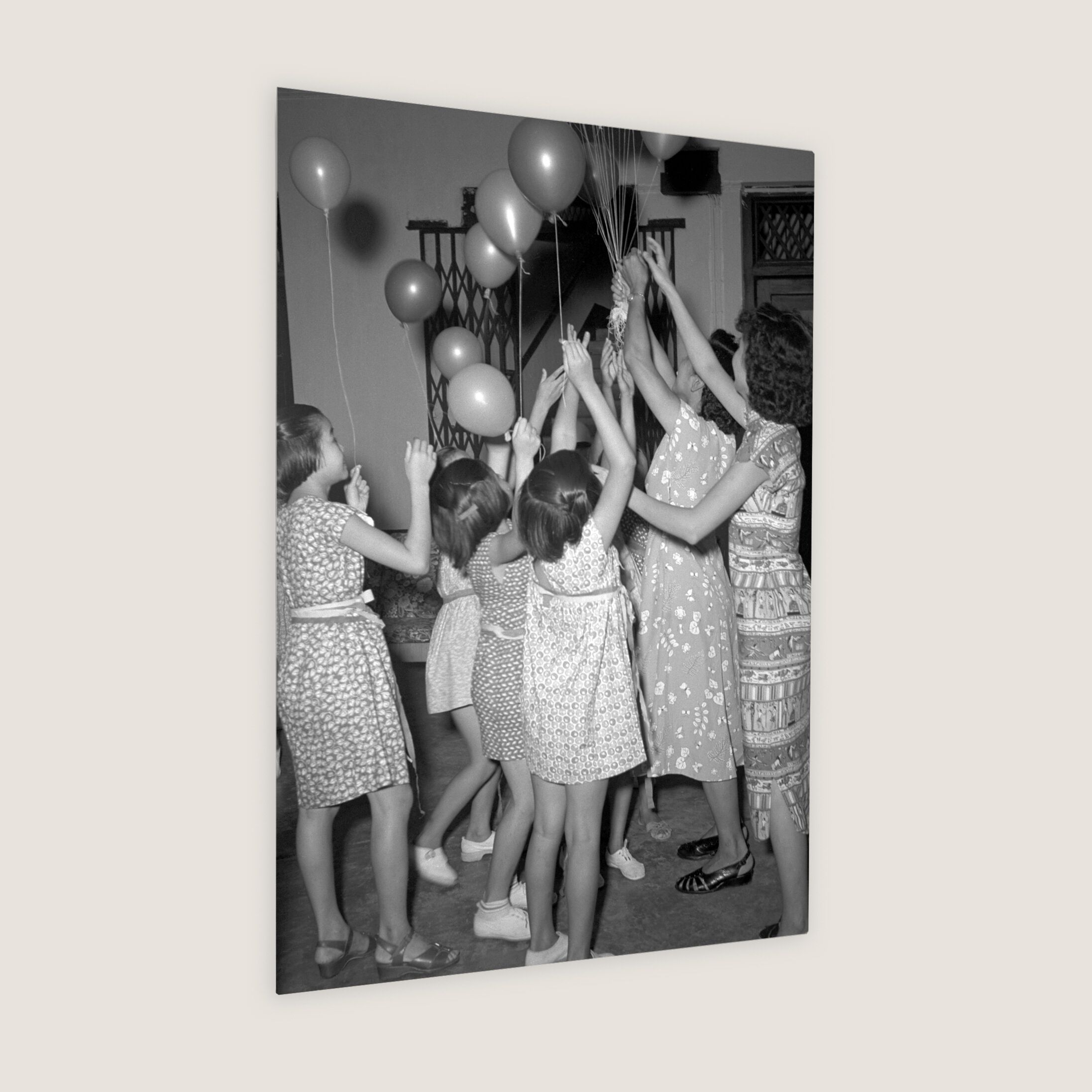
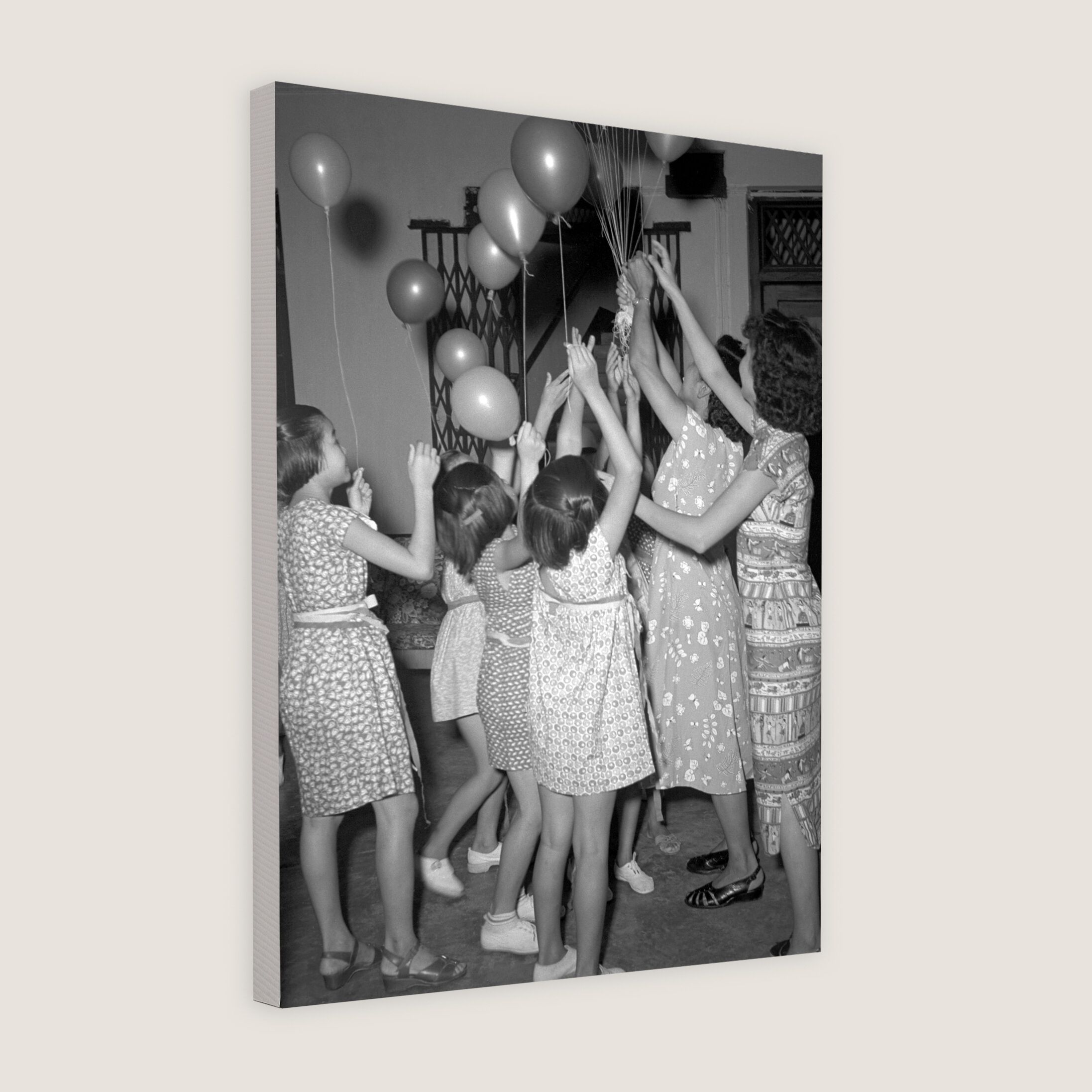
Mooncake Festival Party at York Hill Girls' Home
Year 1950
In July 1948, a voluntary charitable institution for girls became a government institution directly administered by the Social Welfare Department. It was situated on open ground at the top of York Hill, an eminence next to Pearl's Hill in the City area. Girls of York Hill Home were given a Moon Festival tea party organised by Mrs. G. G. Maclennan at the Home.
©️ SPH Media Limited
Share to
Tags
Available for print on products
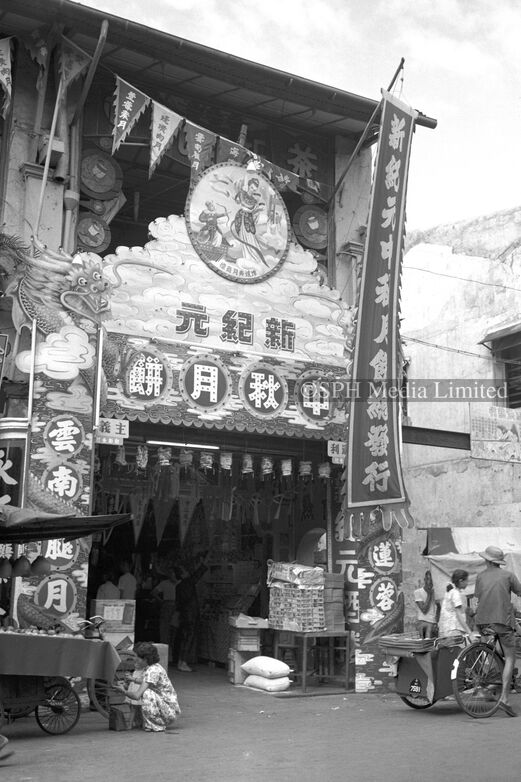 Restaurant Promoting Mid-Autumn Festival
1952
Restaurant Promoting Mid-Autumn Festival
1952
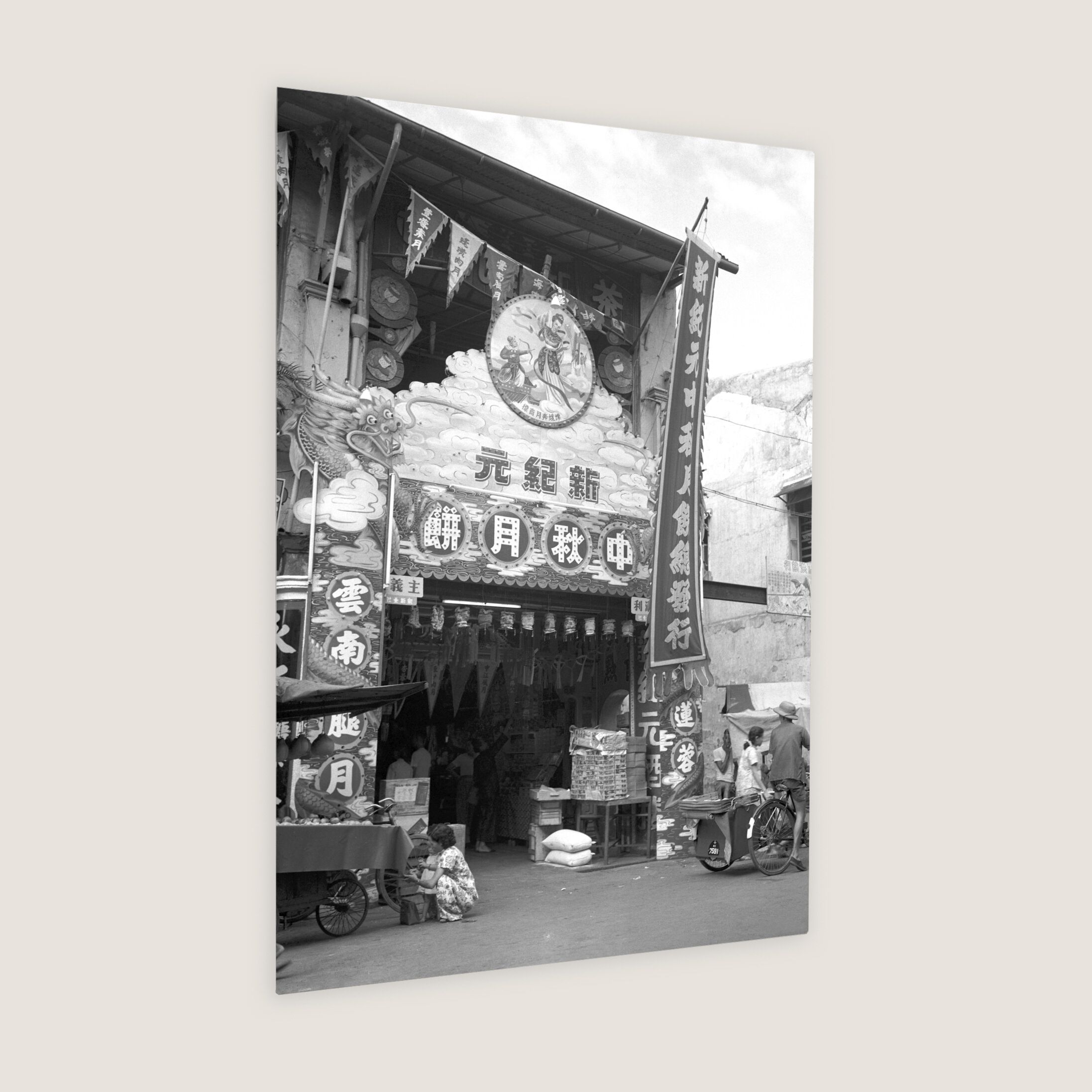
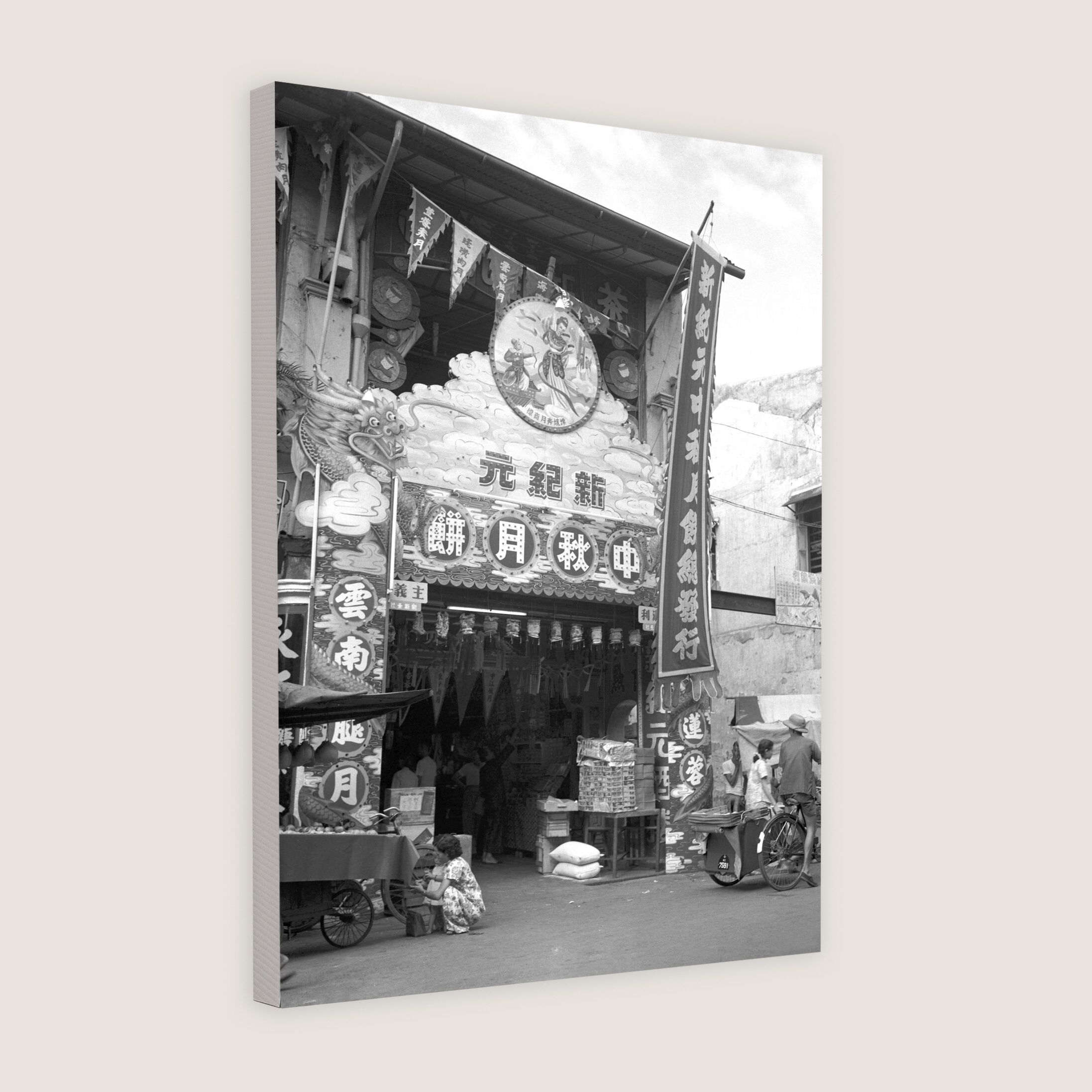
Restaurant Promoting Mid-Autumn Festival
Year 1952
To celebrate Mid-autumn Festival, the entrance of the Chinese restaurant was decorated as tribute to Chang'e, the Moon Goddess, inviting numerous customers to drop by.
©️ SPH Media Limited
Share to
Tags
Available for print on products
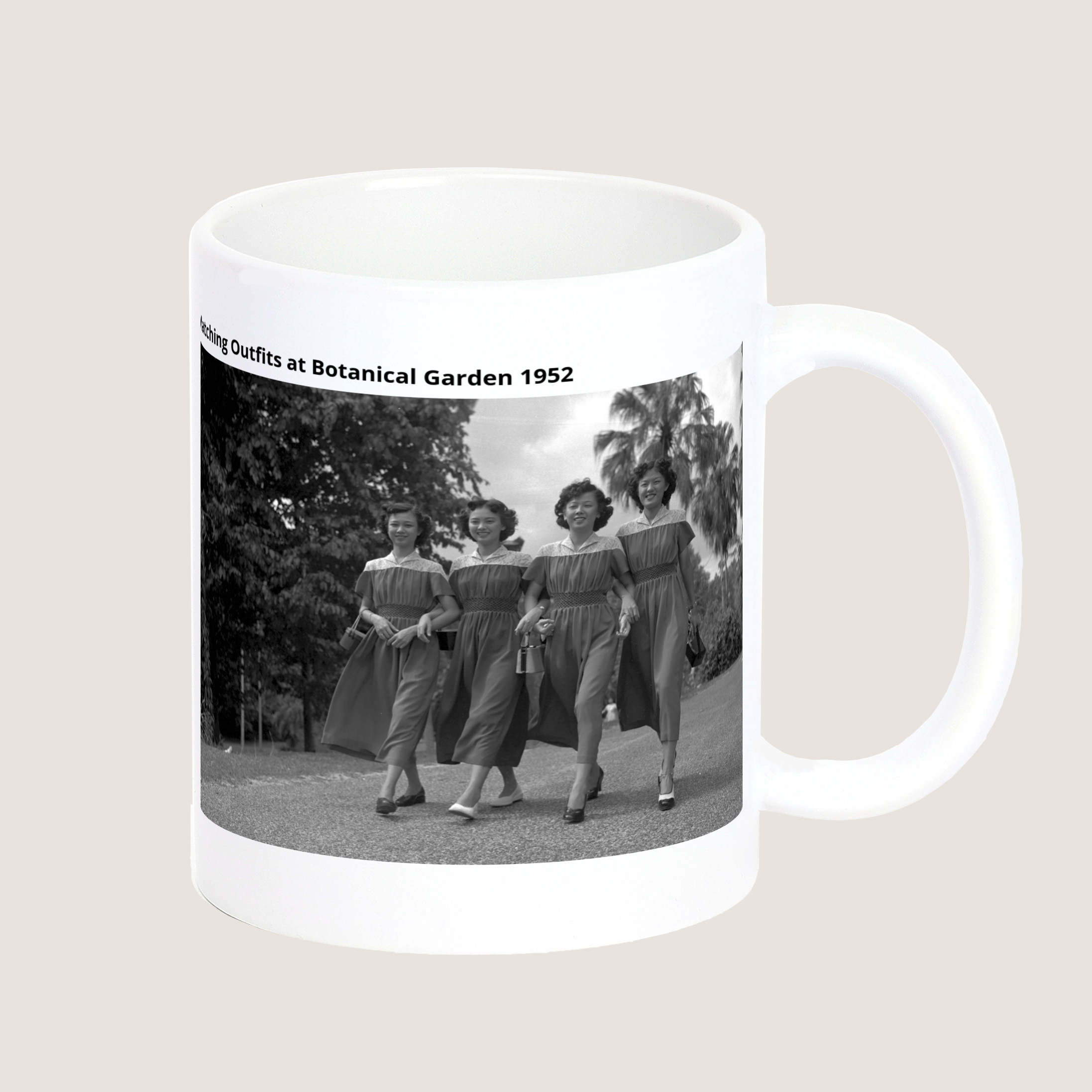
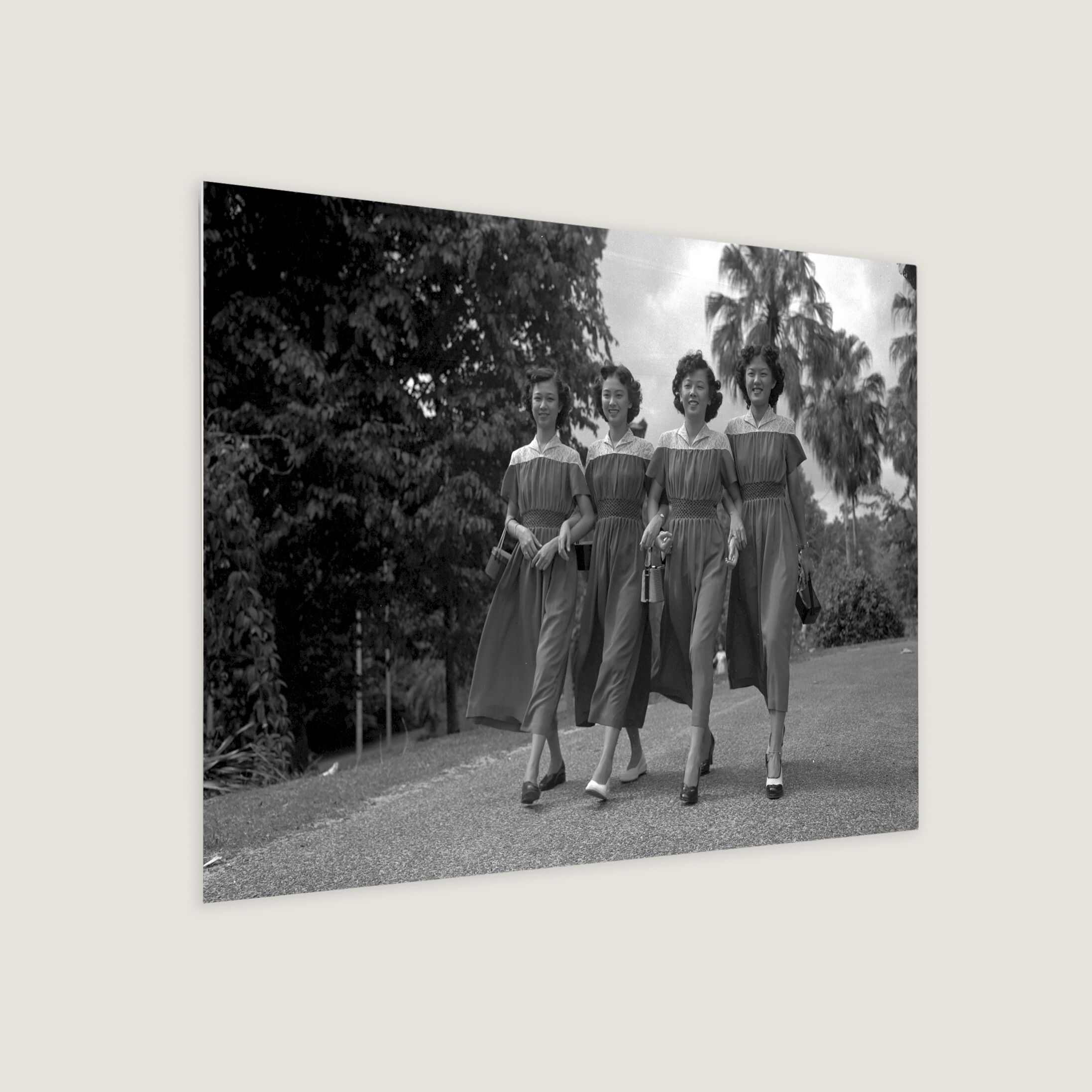
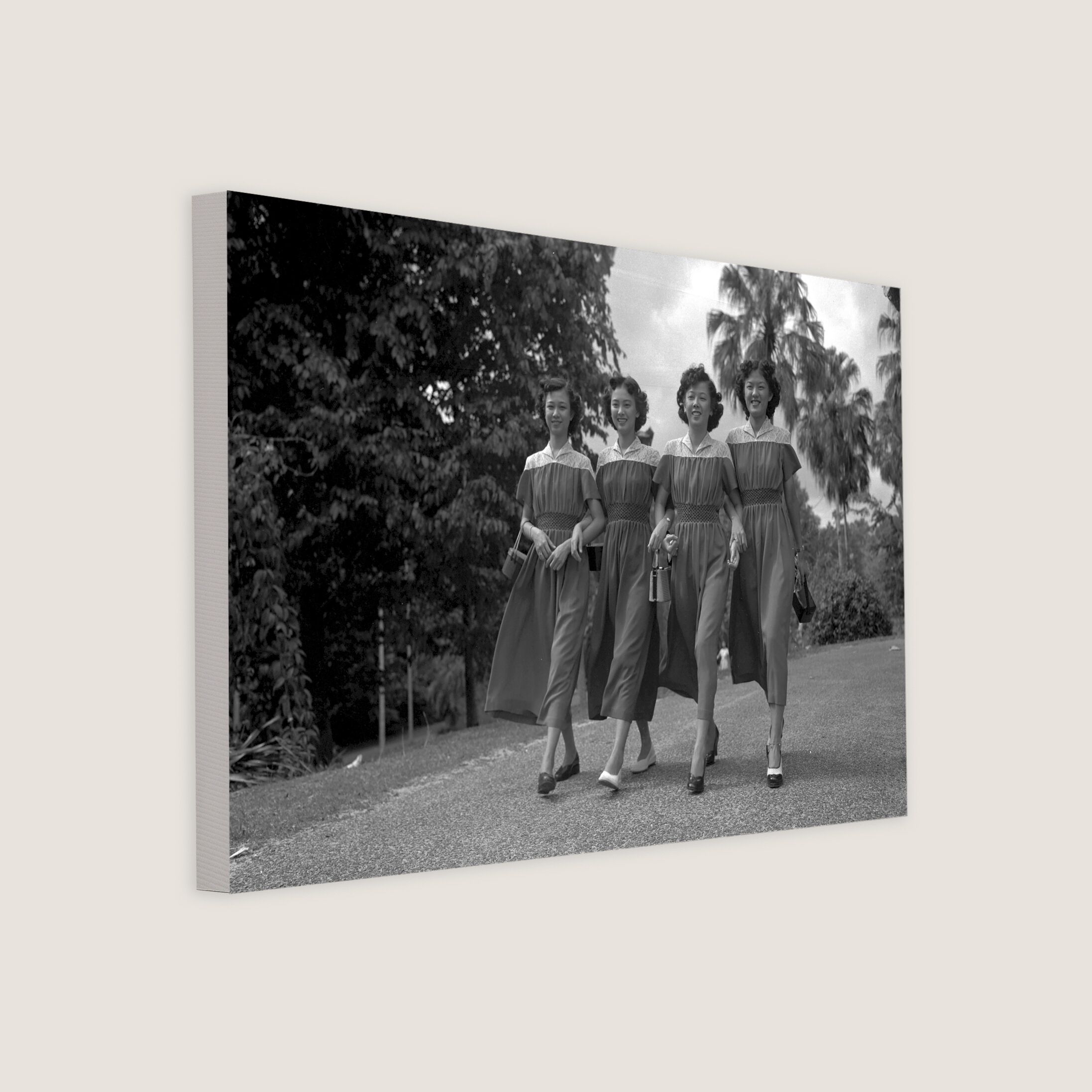
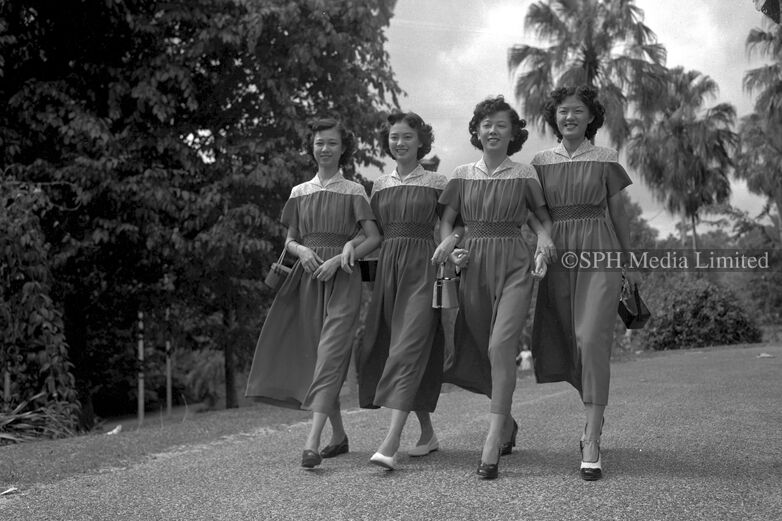 Matching Outfits at Botanical Garden
1952
Matching Outfits at Botanical Garden
1952
Matching Outfits at Botanical Garden
Year 1952
Holiday makers at Botanical Garden on Chinese New Year Day. With a song in their hearts and a Chinese New Year spring in their steps, these four singing sisters from Penang, now under contract to a Singapore night club began yesterday's celebrations with a stroll through the Botanic Gardens.
©️ SPH Media Limited
Share to
Available for print on products
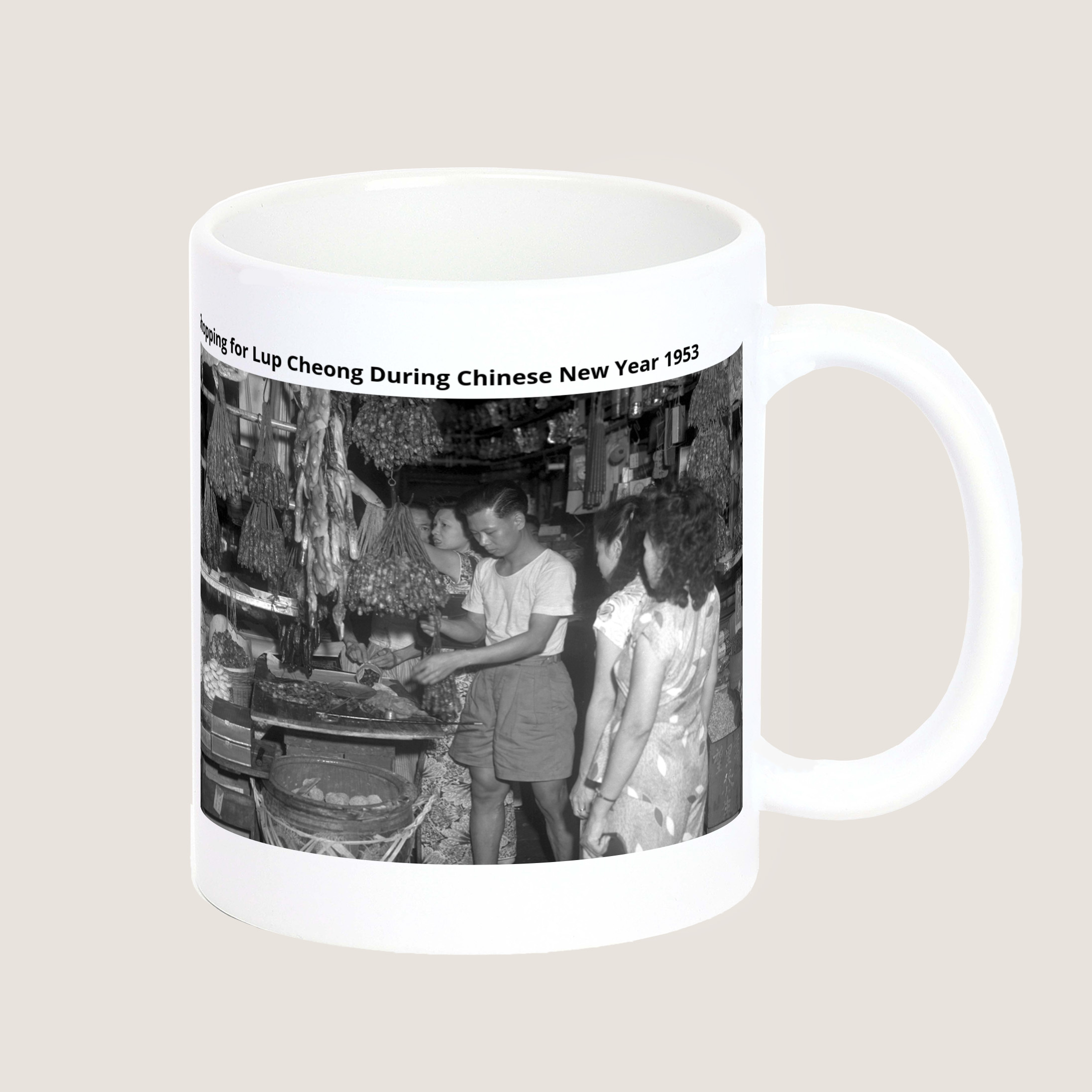
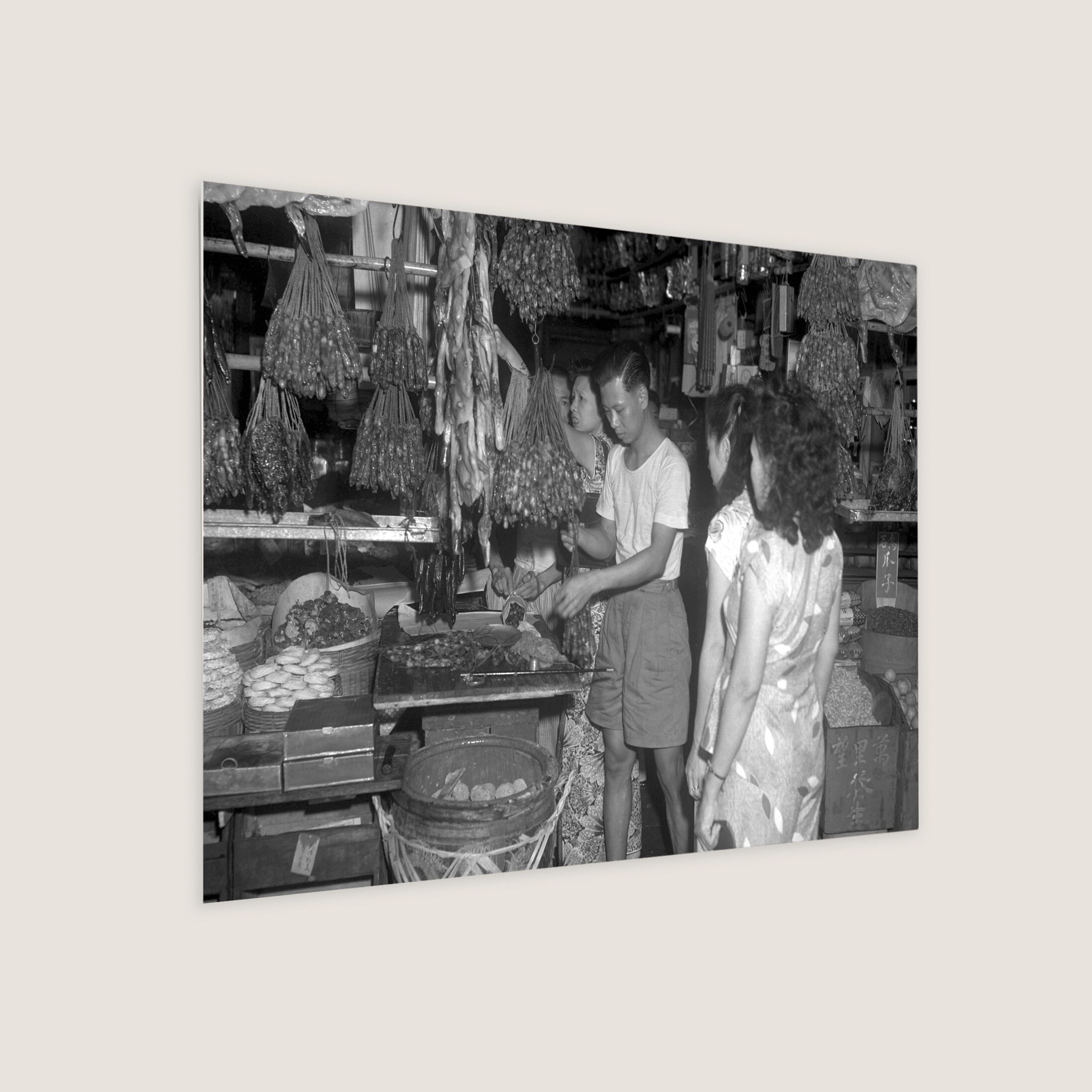
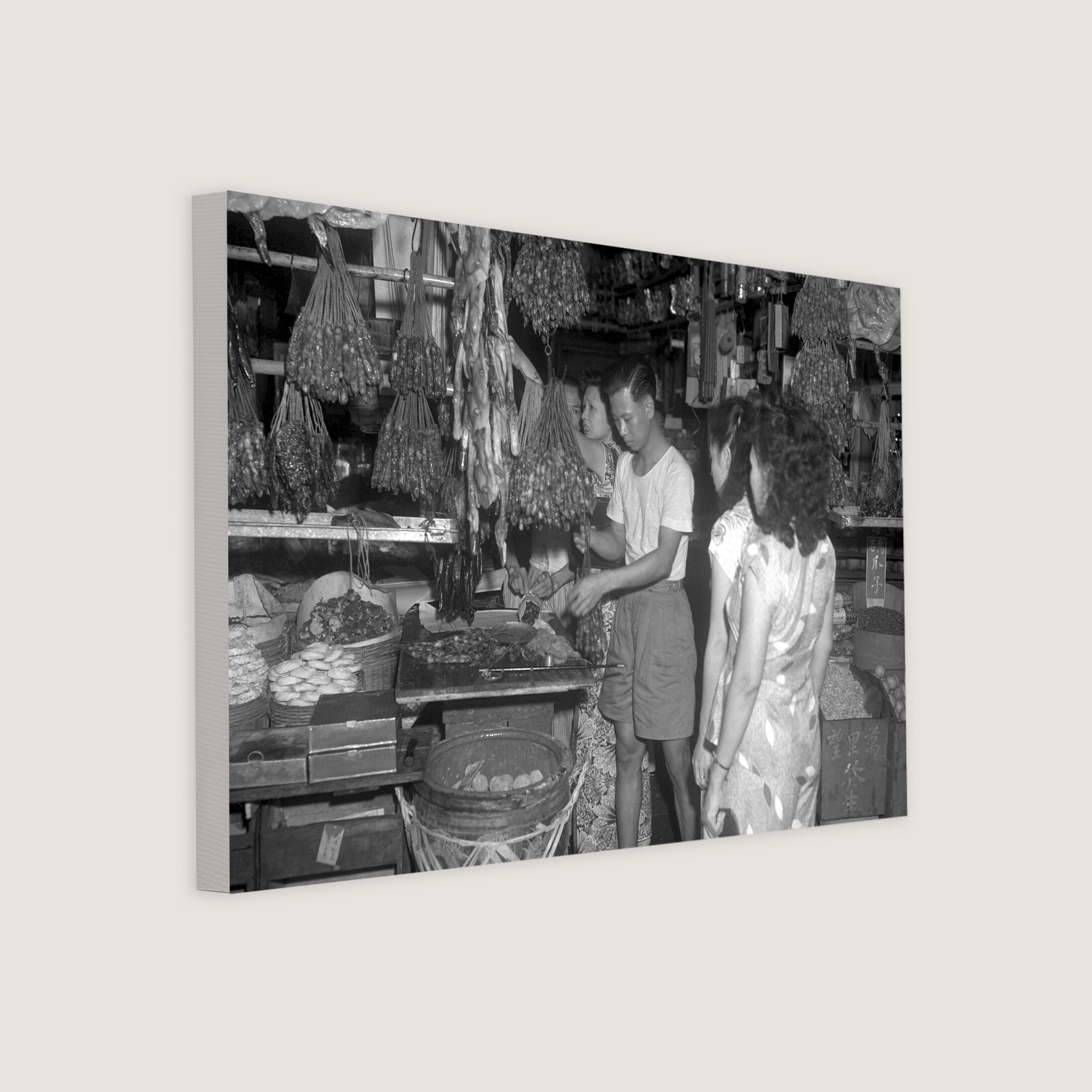
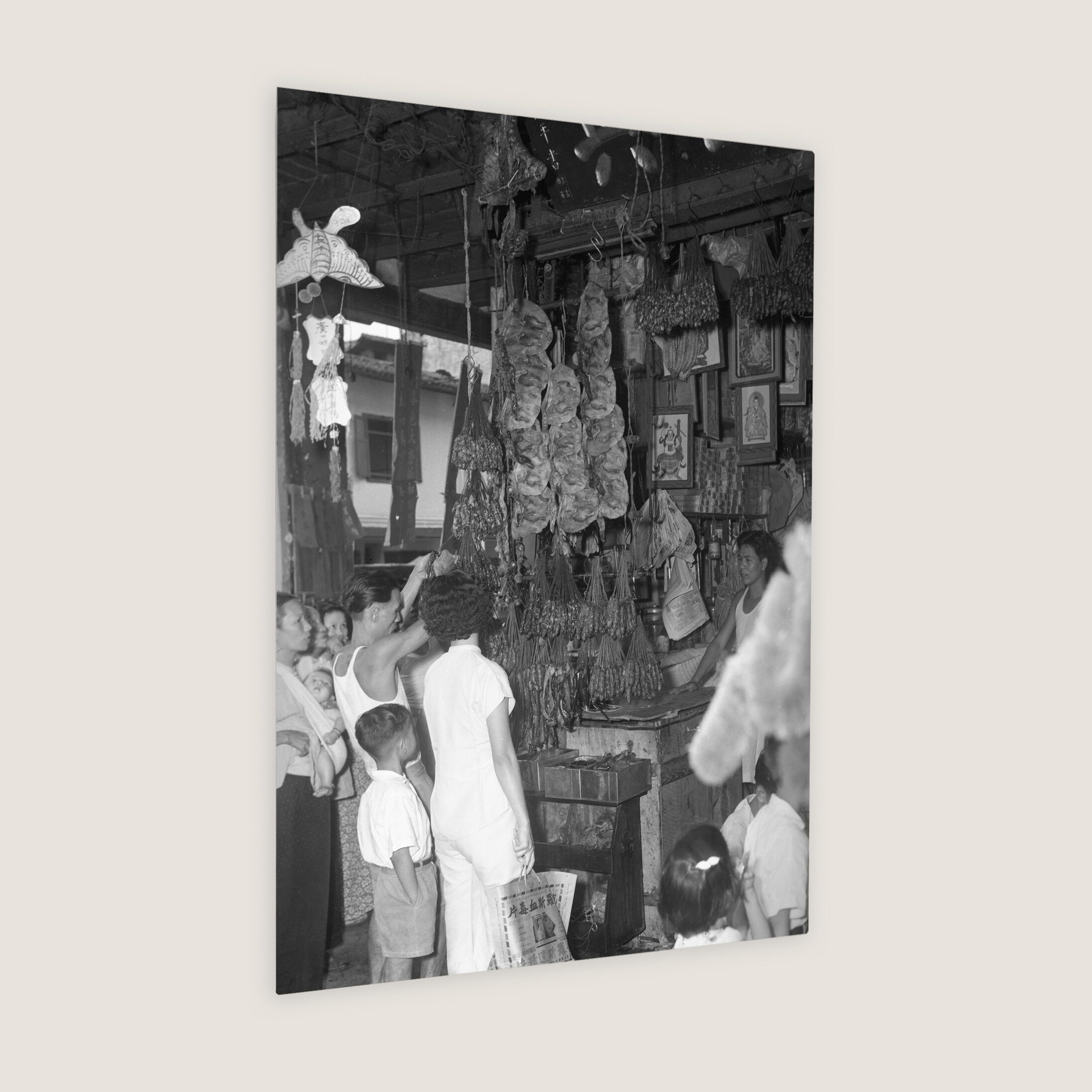
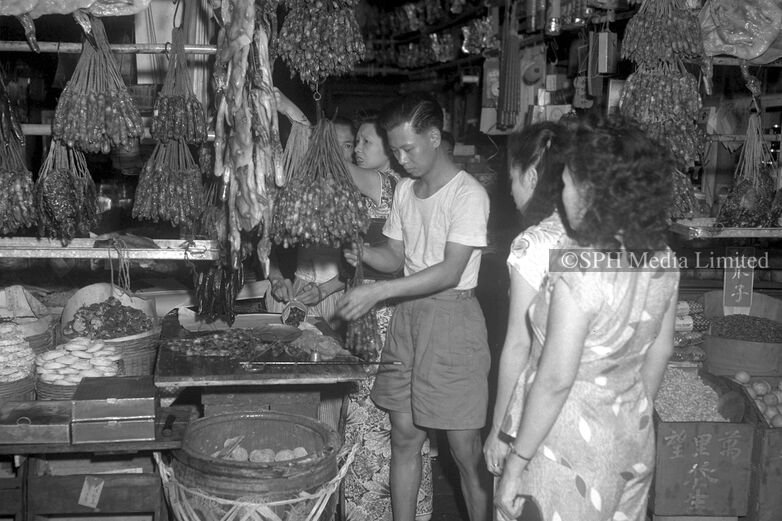 Shopping for Lup Cheong During Chinese New Year
1953
Shopping for Lup Cheong During Chinese New Year
1953
Shopping for Lup Cheong During Chinese New Year
Year 1953
Housewives buying Chinese sausages (lup cheong) and waxed ducks for Chinese New Year at South Bridge Road. Eating waxed meat during Chinese New Year is a traditional custom in China, especially in some southern regions. Waxed meat is made through methods such as curing, air-drying, or smoking, giving it a rich flavor. It is typically prepared in the winter and consumed during the Spring Festival.
©️ SPH Media Limited
Share to
Tags
Available for print on products
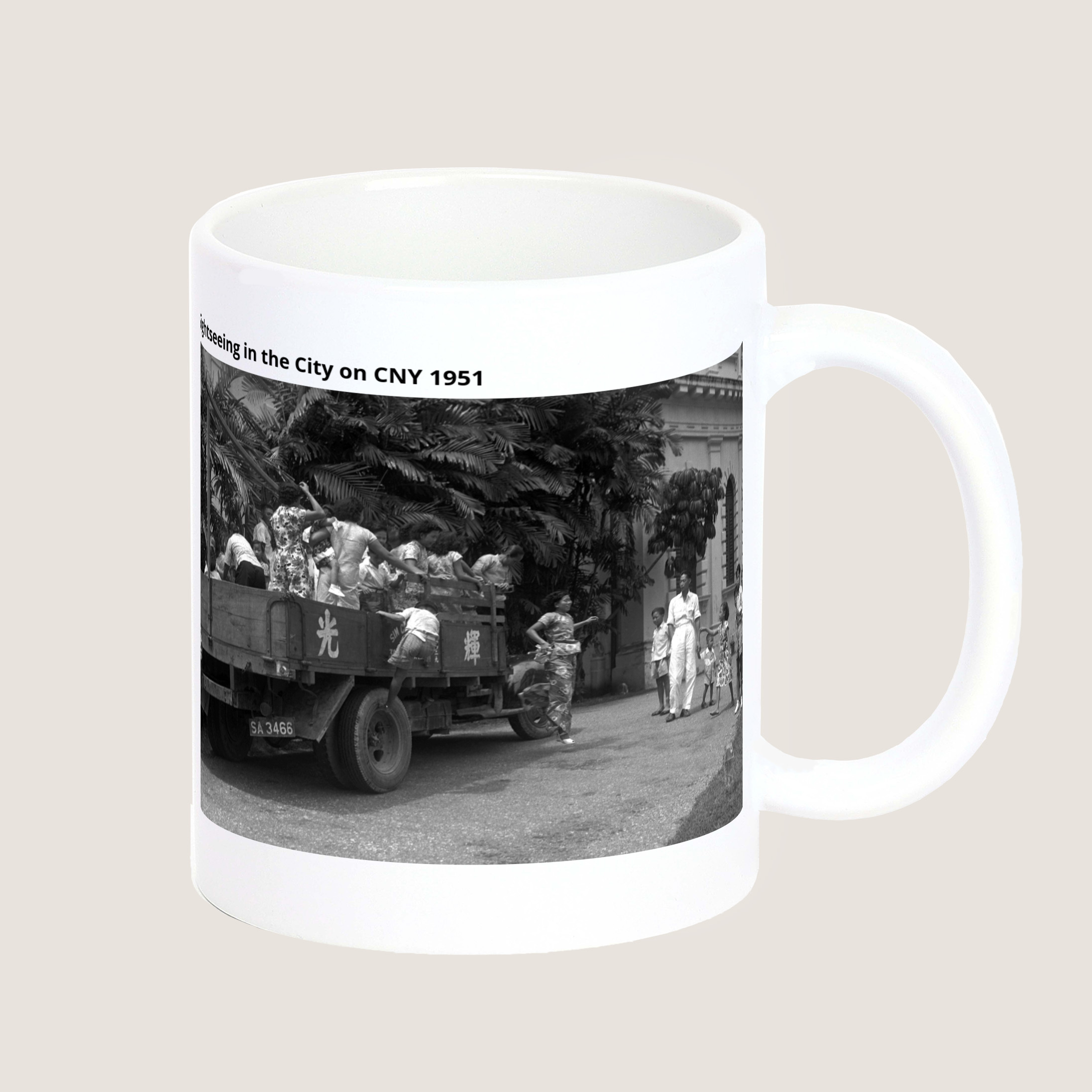
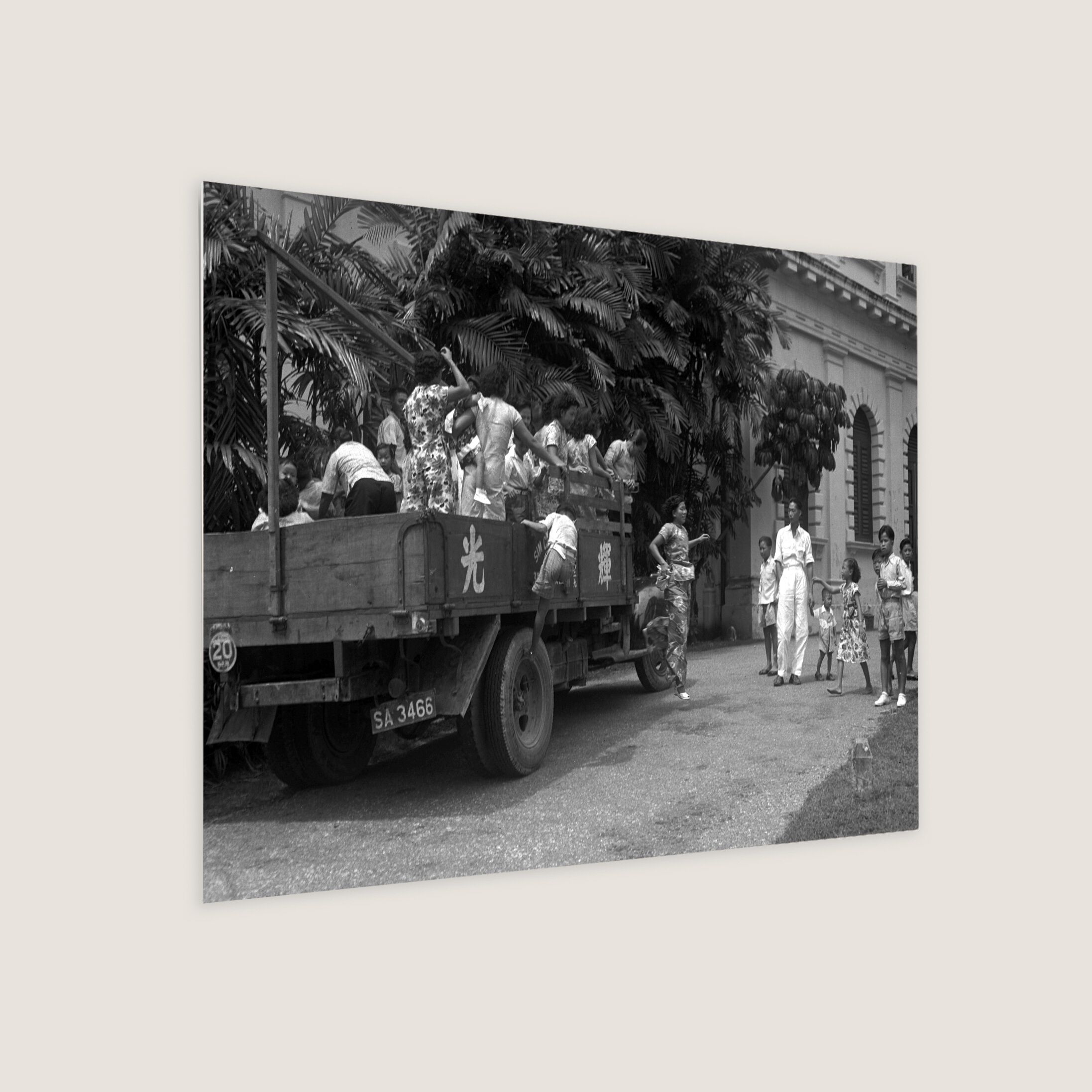
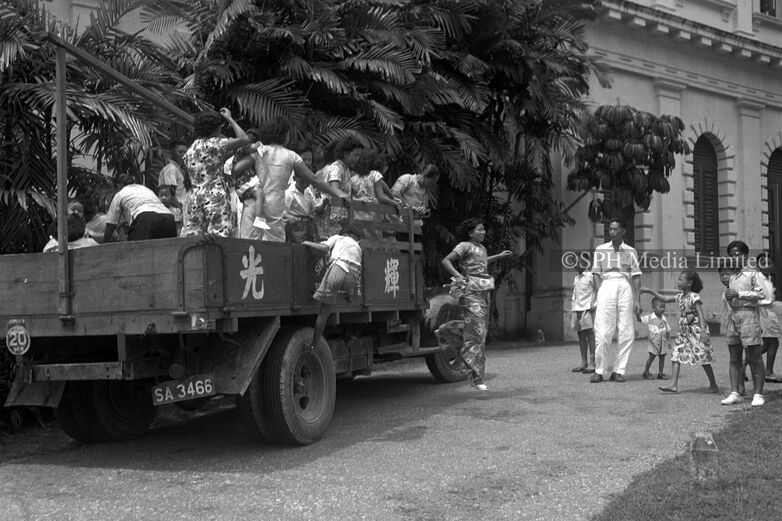 Sightseeing in the City on CNY
1951
Sightseeing in the City on CNY
1951
Sightseeing in the City on CNY
Year 1951
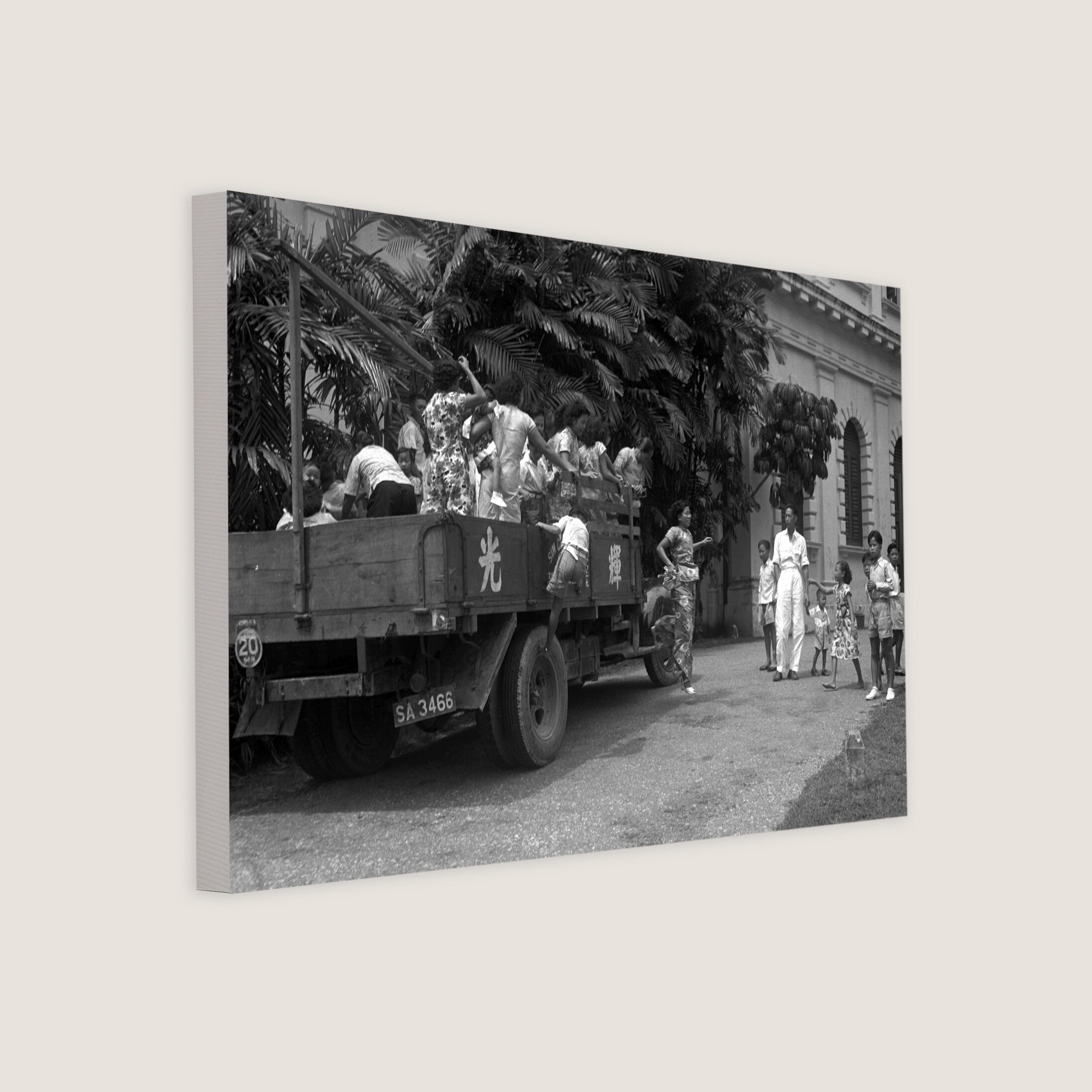
Chinese residents from the rural areas in Singapore go into the city in lorries for some sightseeing on the first day of Chinese New Year, 6 February 1951. Back in the day, Singaporeans enjoyed a three-day public holiday to celebrate Chinese New Year.
©️ SPH Media Limited
Share to
Tags
Available for print on products
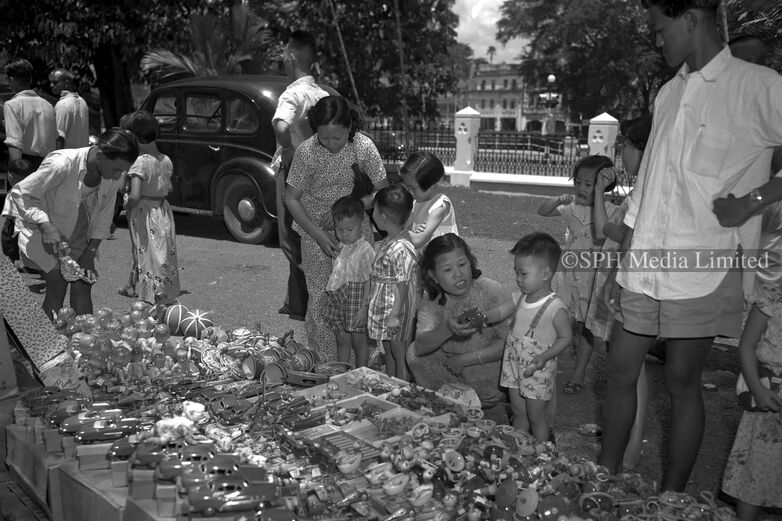 Hawker Stalls During Chinese New Year
1953
Hawker Stalls During Chinese New Year
1953
Hawker Stalls During Chinese New Year
Year 1953
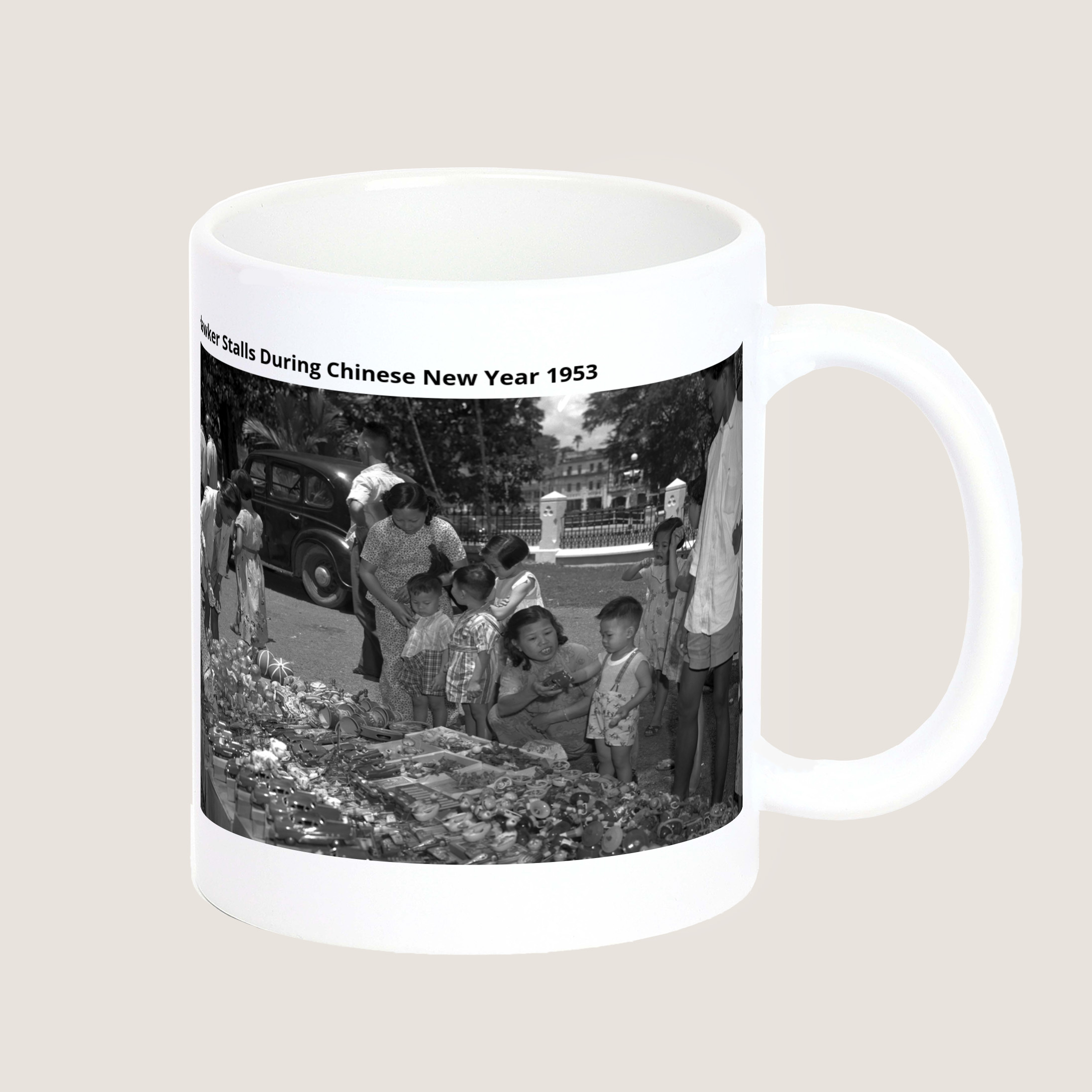
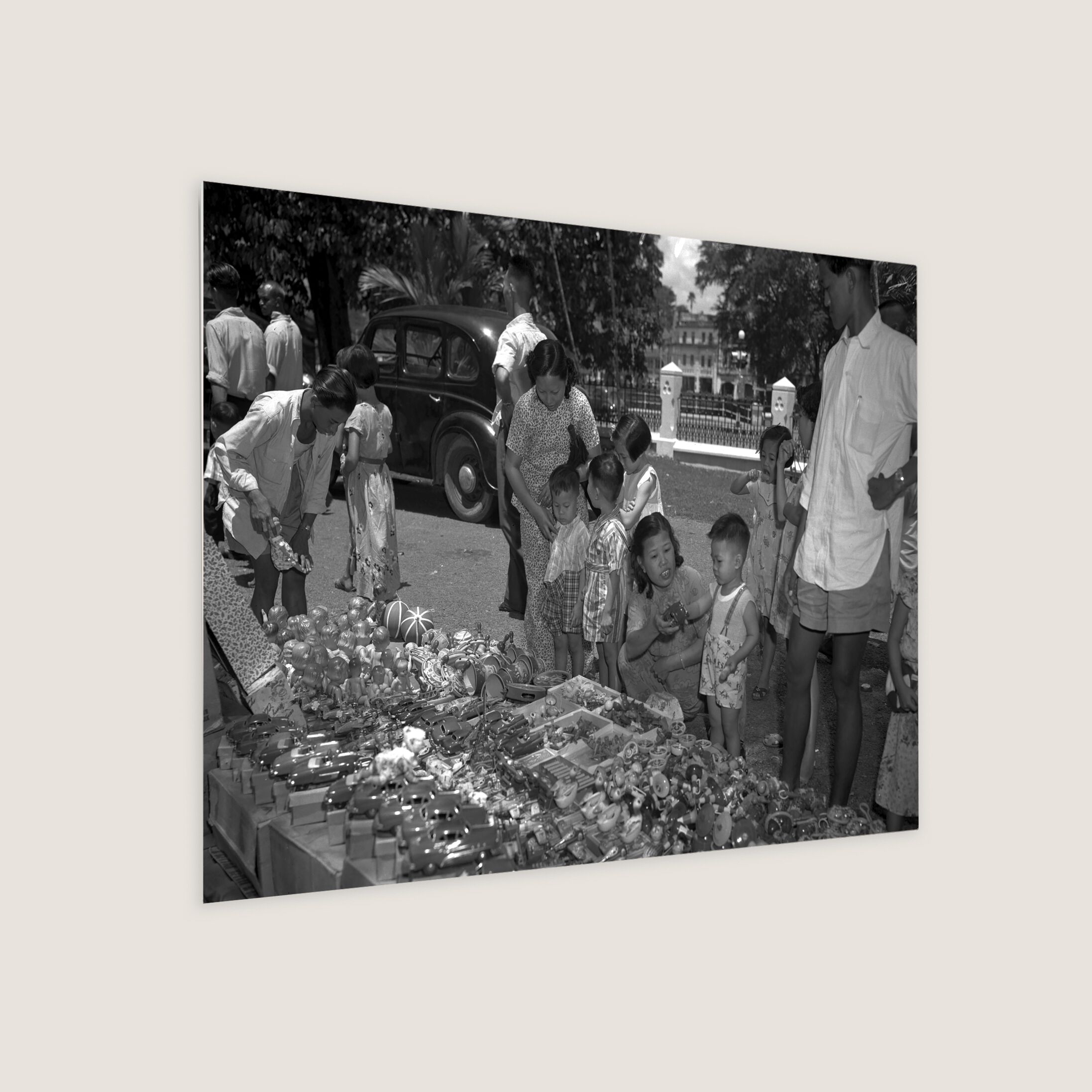
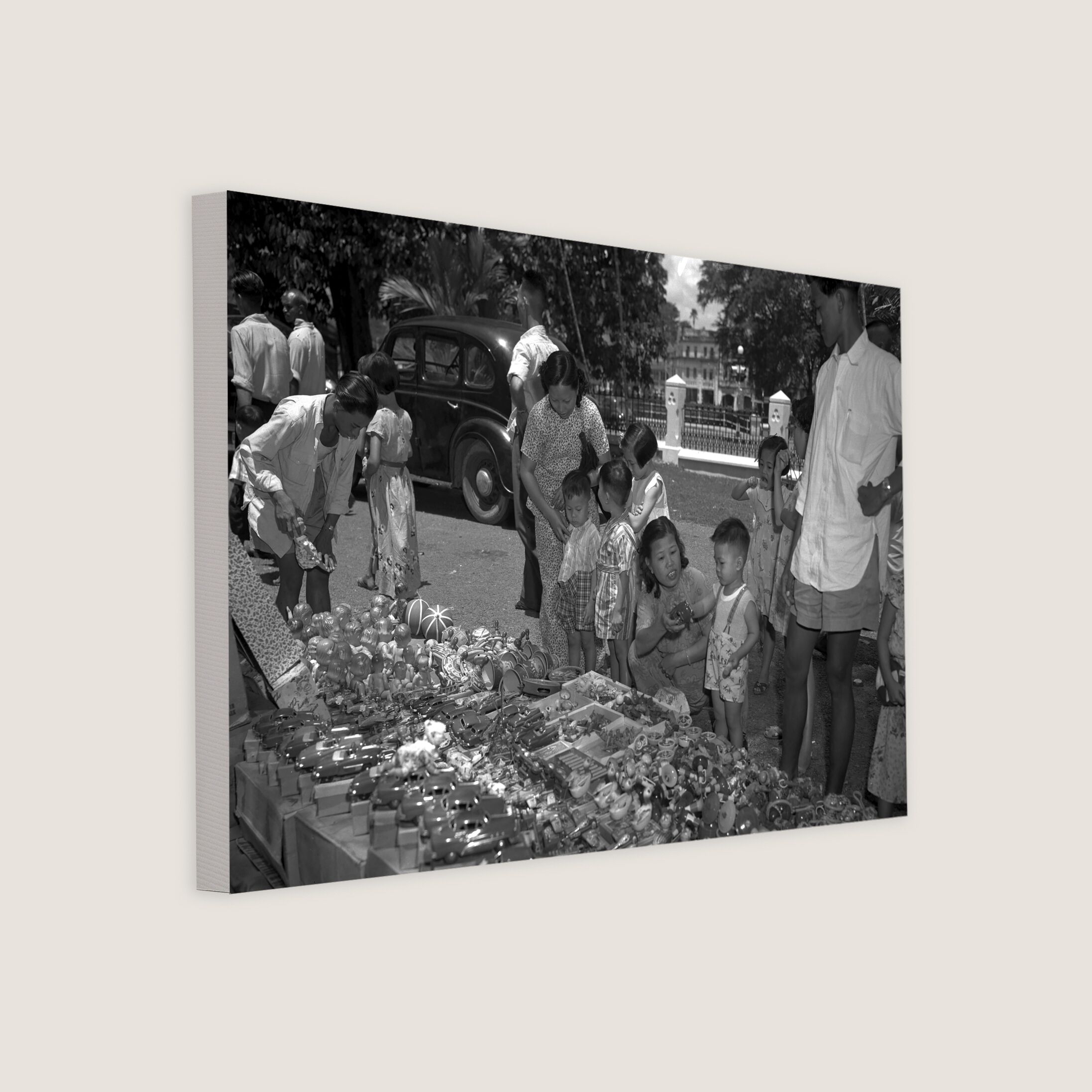
The Chinese have a tradition of starting the new year with new clothes or accessories, symbolizing a fresh start and good luck. Young children are intrigued by hawker toy stalls located on the lawn outside the entrance to the Raffles Museum. This photo was taken during Chinese New Year, 16 February 1953.
©️ SPH Media Limited
Share to
Tags
Available for print on products
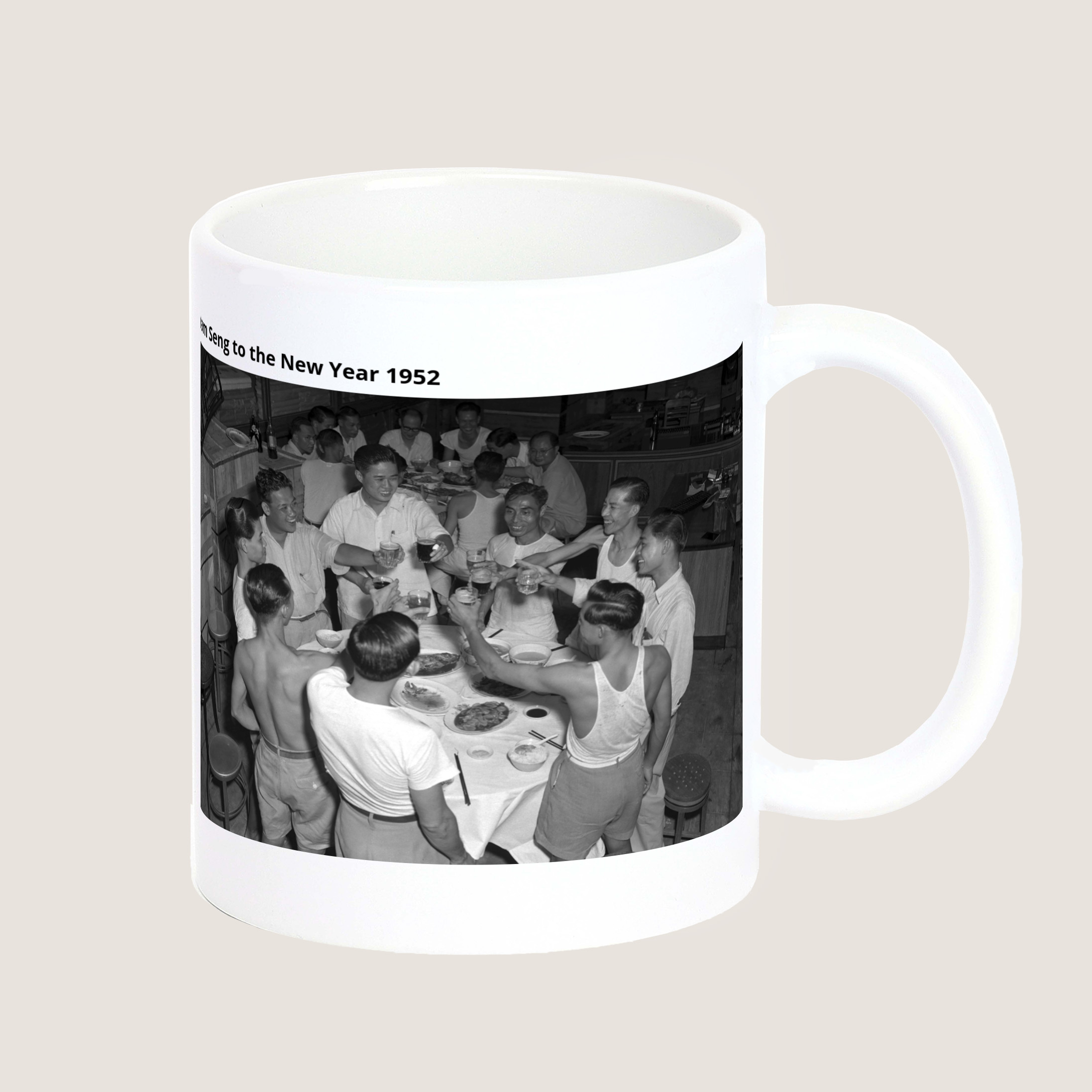
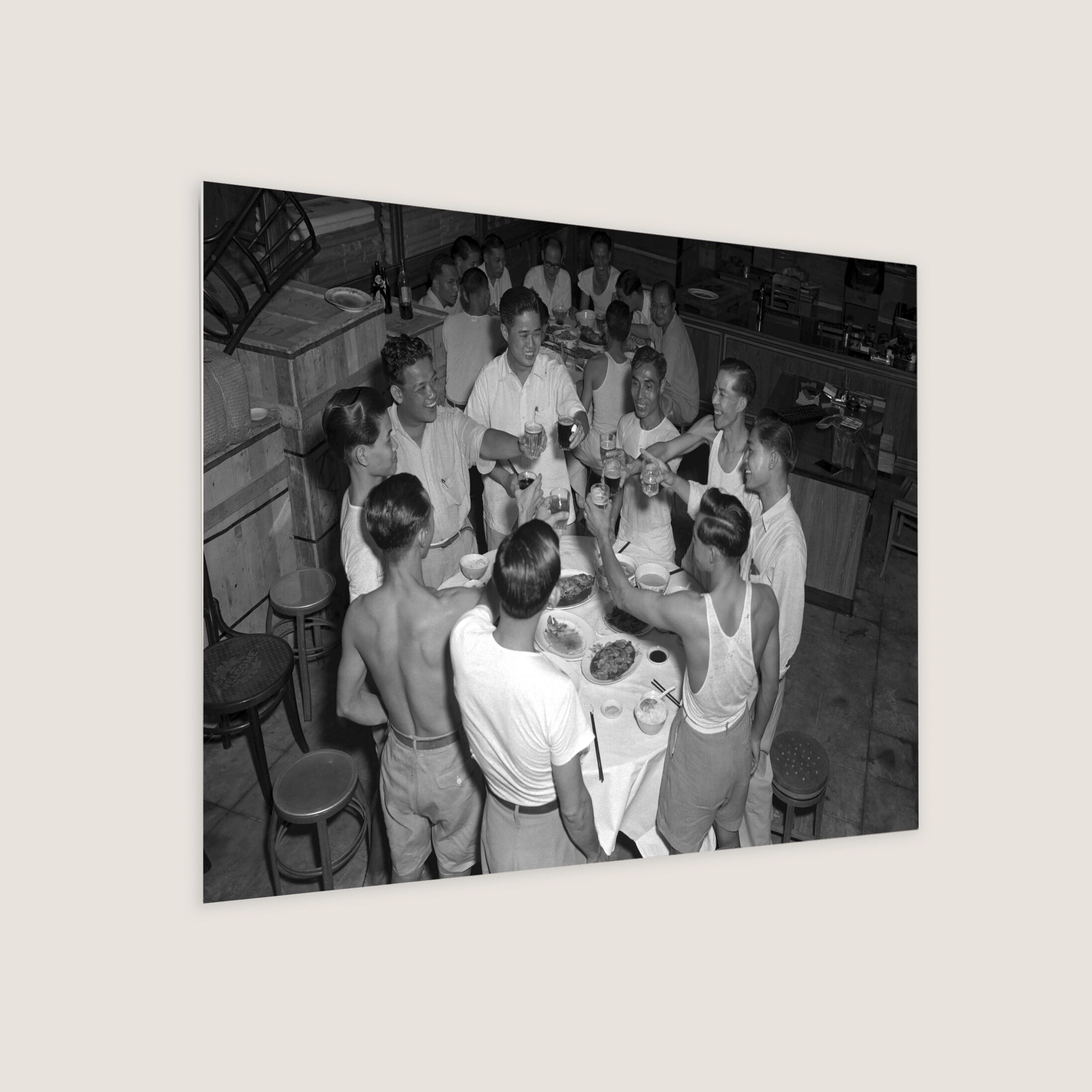
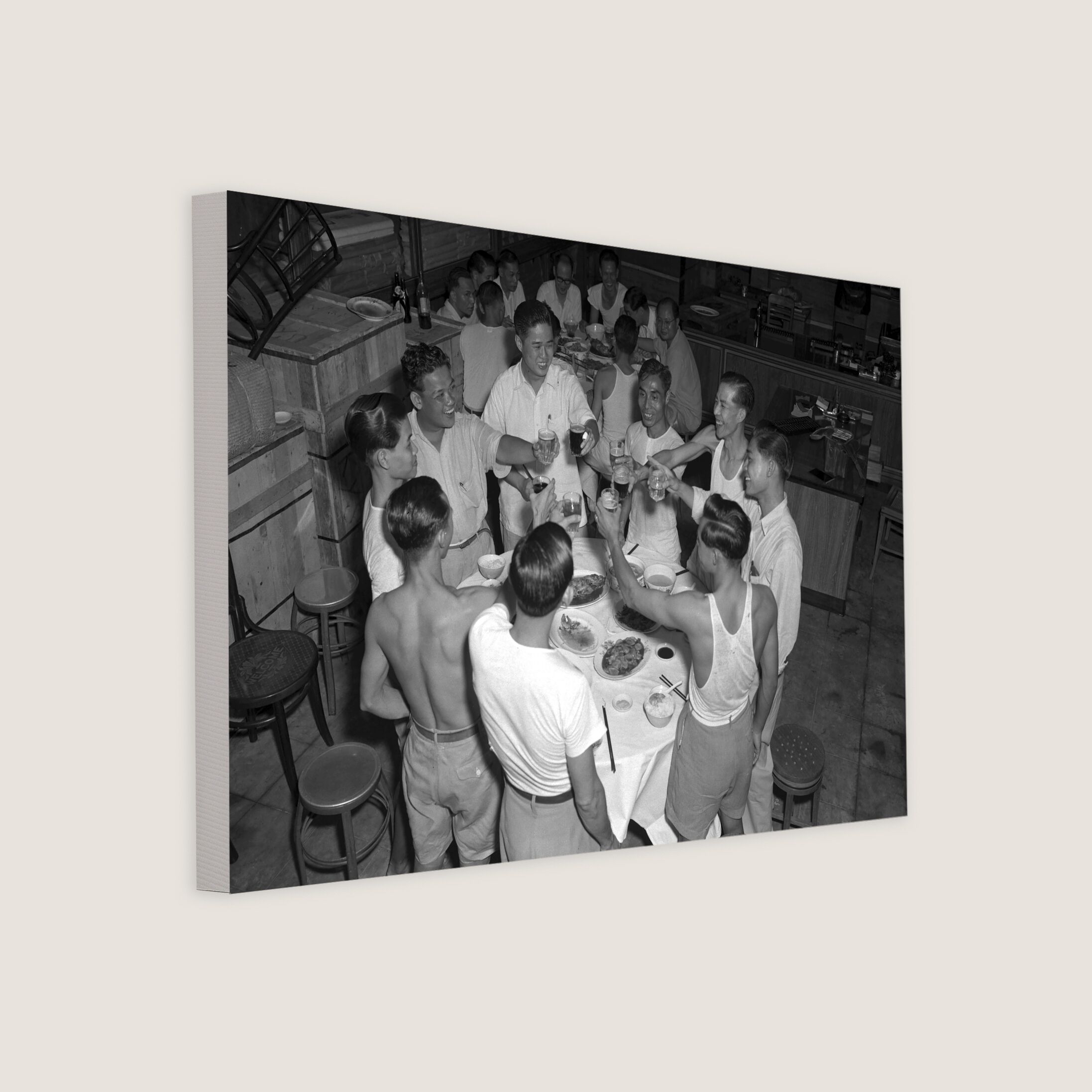
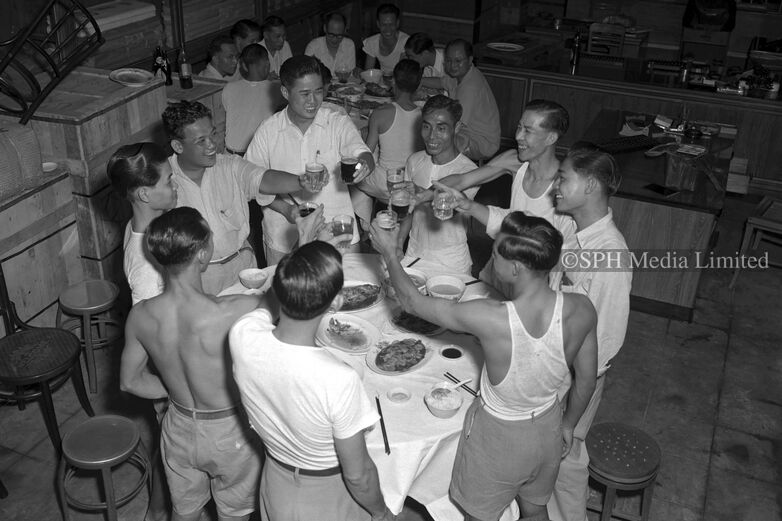 Yam Seng to the New Year
1952
Yam Seng to the New Year
1952
Yam Seng to the New Year
Year 1952
A group of men making a toast to celebrate Chinese New Year, 26 January 1952. Toasts are made to the call of 'Yam Seng', which means a 'drink to victory' in Cantonese.
©️ SPH Media Limited
Share to
Tags
Available for print on products
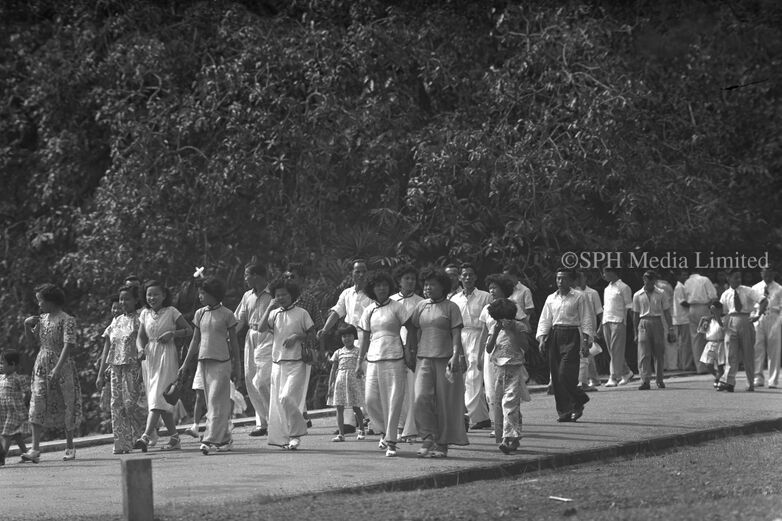 Dressed in their Holiday Best on Chinese New Year
1952
Dressed in their Holiday Best on Chinese New Year
1952
Dressed in their Holiday Best on Chinese New Year
Year 1952
Holidaymakers dressed in their holiday best at Singapore Botanic Gardens on Chinese New Year, January 27, 1952. This was the largest influx of visitors that the Botanics Garden had seen for years at that point.
©️ SPH Media Limited
Share to
Tags
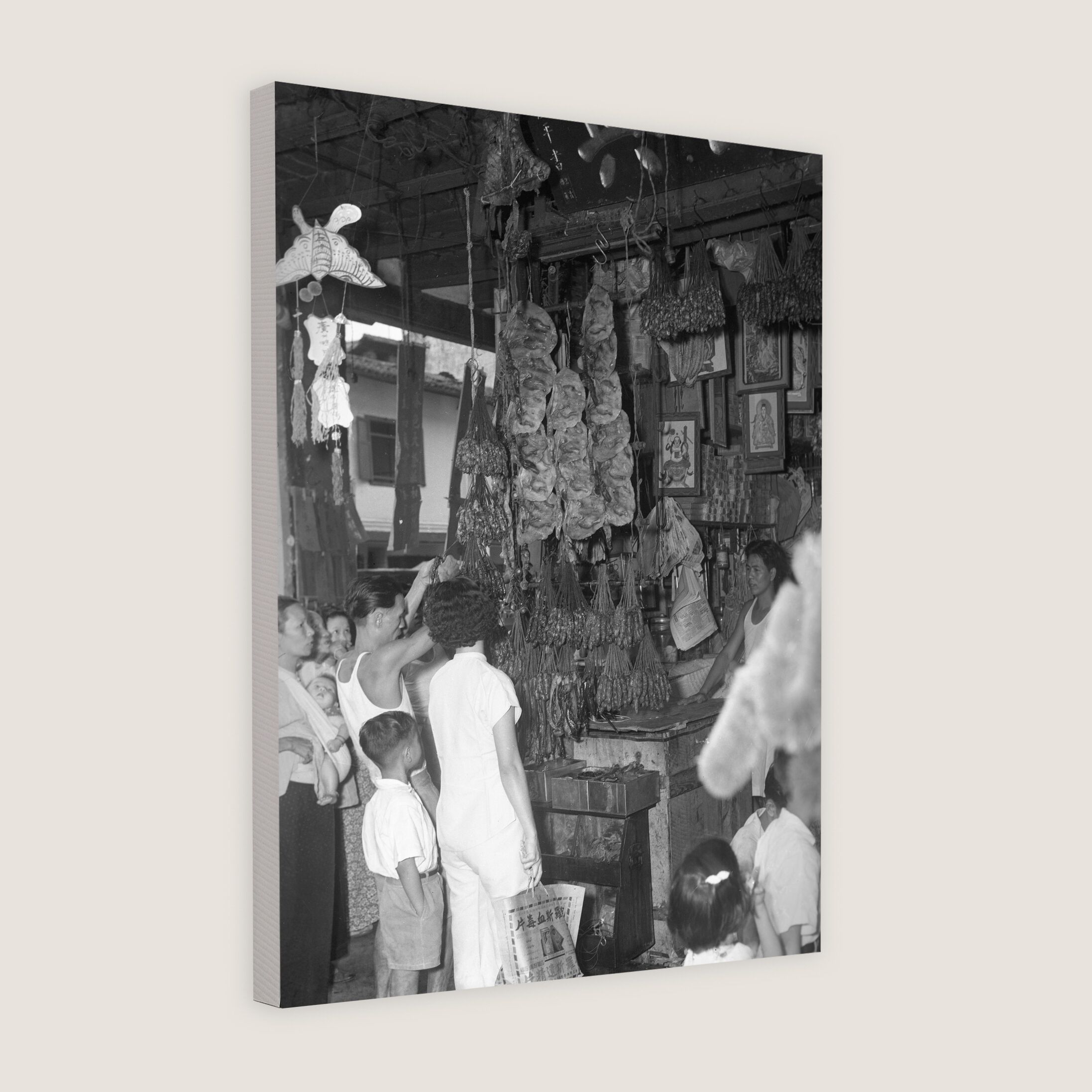
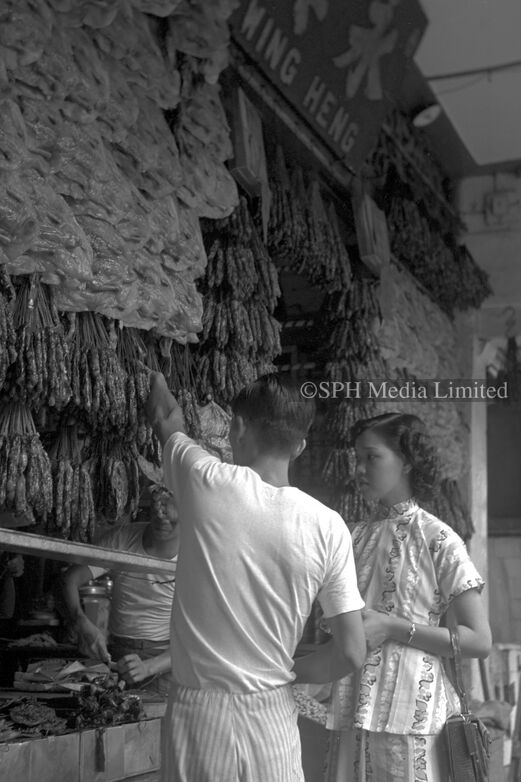 Shopping for Waxed Meat During Chinese New Year
1952
Shopping for Waxed Meat During Chinese New Year
1952
Shopping for Waxed Meat During Chinese New Year
Year 1952
A housewife was shopping for waxed meat and sausages for Chinese New Year in Chinatown, 17 January 1952. Waxed meat is a traditional dish served during Chinese New Year. It symbolises a bountiful harvest, prosperity, and family unity. It is usually combined with other ingredients to make main dishes, representing good fortune and abundance for the year ahead.
©️ SPH Media Limited
Share to
Tags
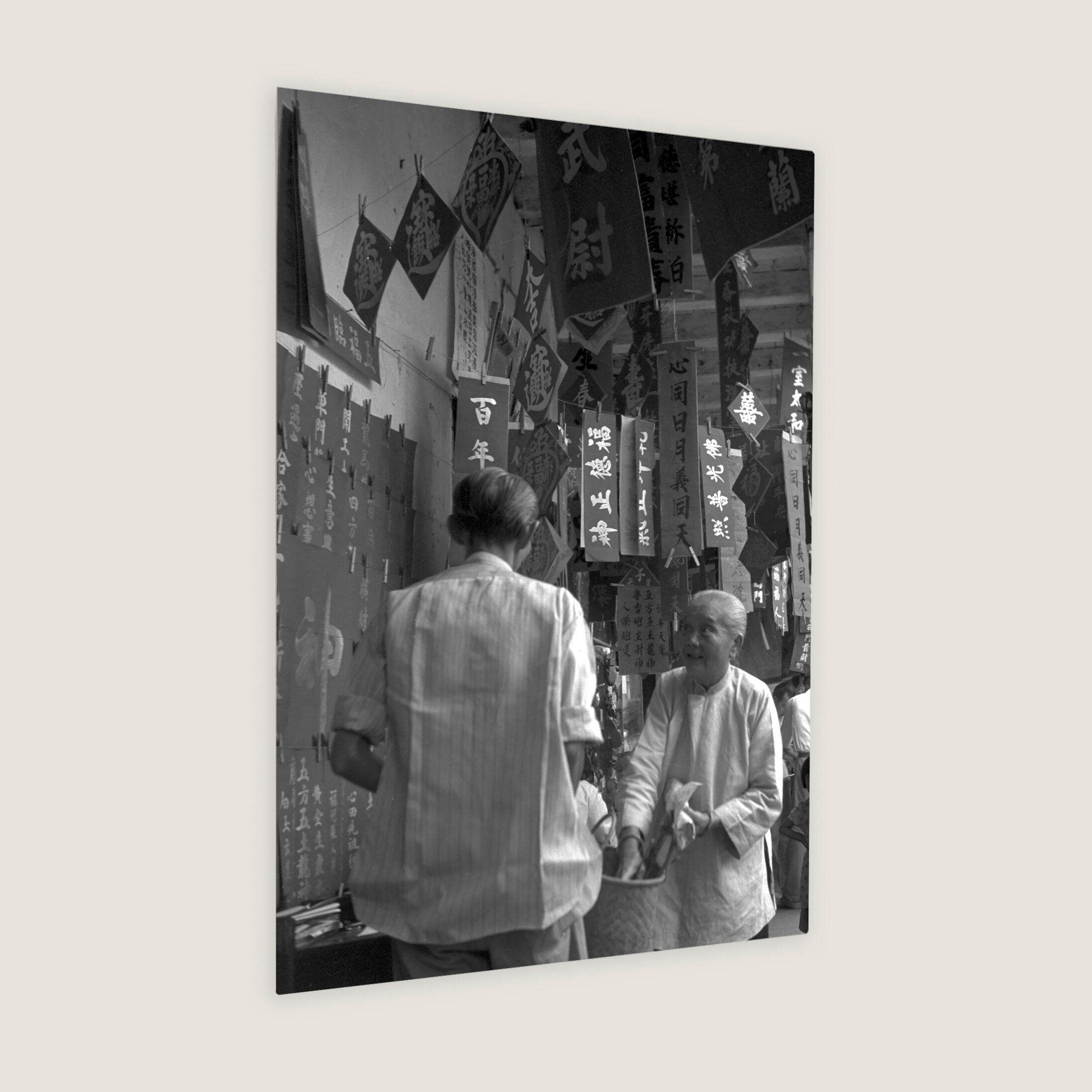
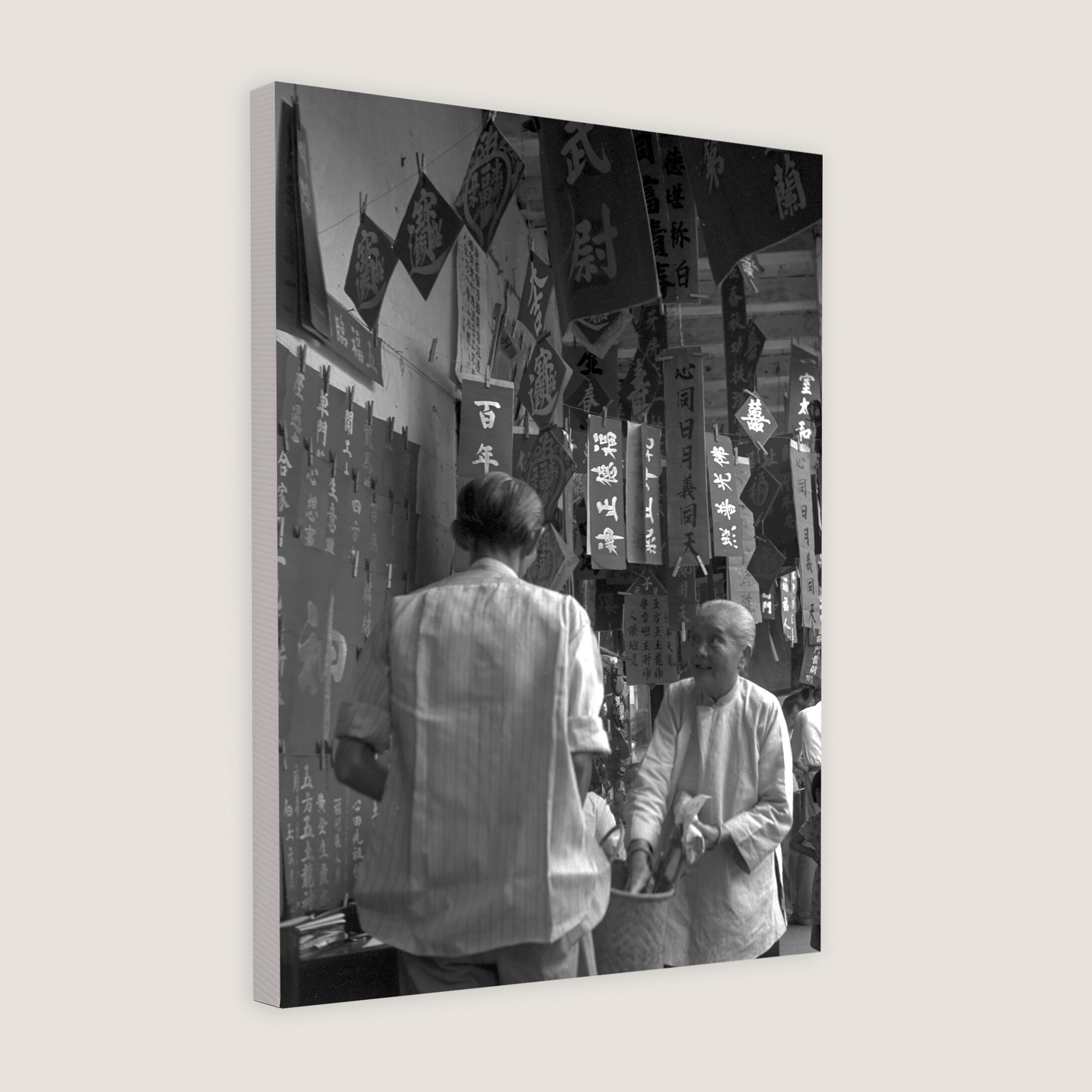
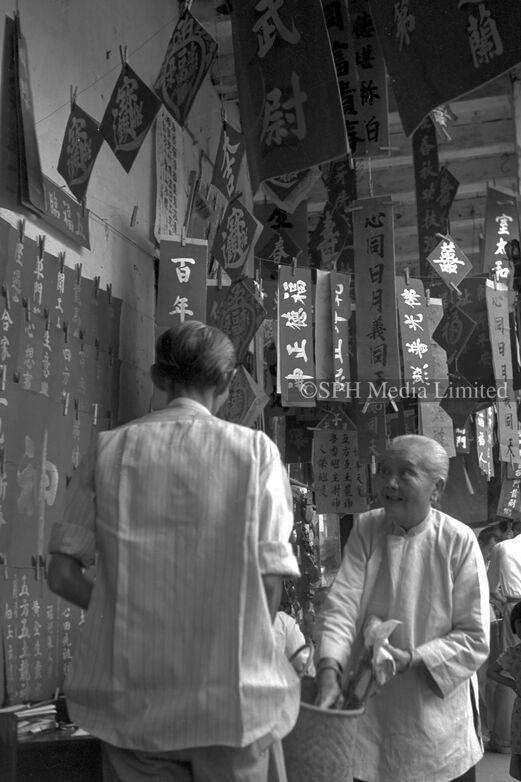 Chinese New Year with Good Luck Scrolls
1952
Chinese New Year with Good Luck Scrolls
1952
Chinese New Year with Good Luck Scrolls
Year 1952
An elderly lady buys a few good luck scrolls aka Chun Lian, in Chinese New Year in Chinatown on 17 January 1952. These scrolls are used to decorate the house during the festive period in hopes of ushering prosperity and luck in the new year.
©️ SPH Media Limited
Share to
Tags
Available for print on products
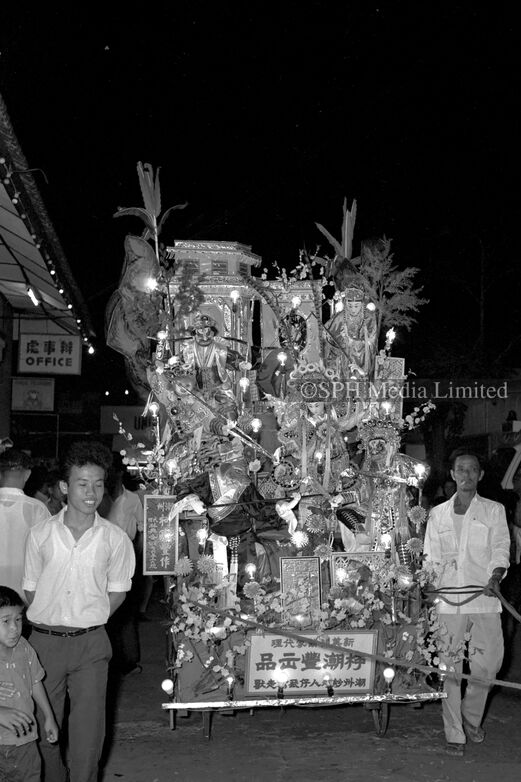 Chap Goh Meh Procession at Happy World
1963
Chap Goh Meh Procession at Happy World
1963
Chap Goh Meh Procession at Happy World
Year 1963
Chap Goh Meh procession at Happy World, Geylang Road. Chap Goh Meh is the 15th and last day of the Chinese New Year. Happy World aka Gay World or Fan Hua Shijie was one of three amusement parks built before World War II and played a significant part in Singapore's nightlife between the 1920's and 60's.
©️ SPH Media Limited
Share to
Tags
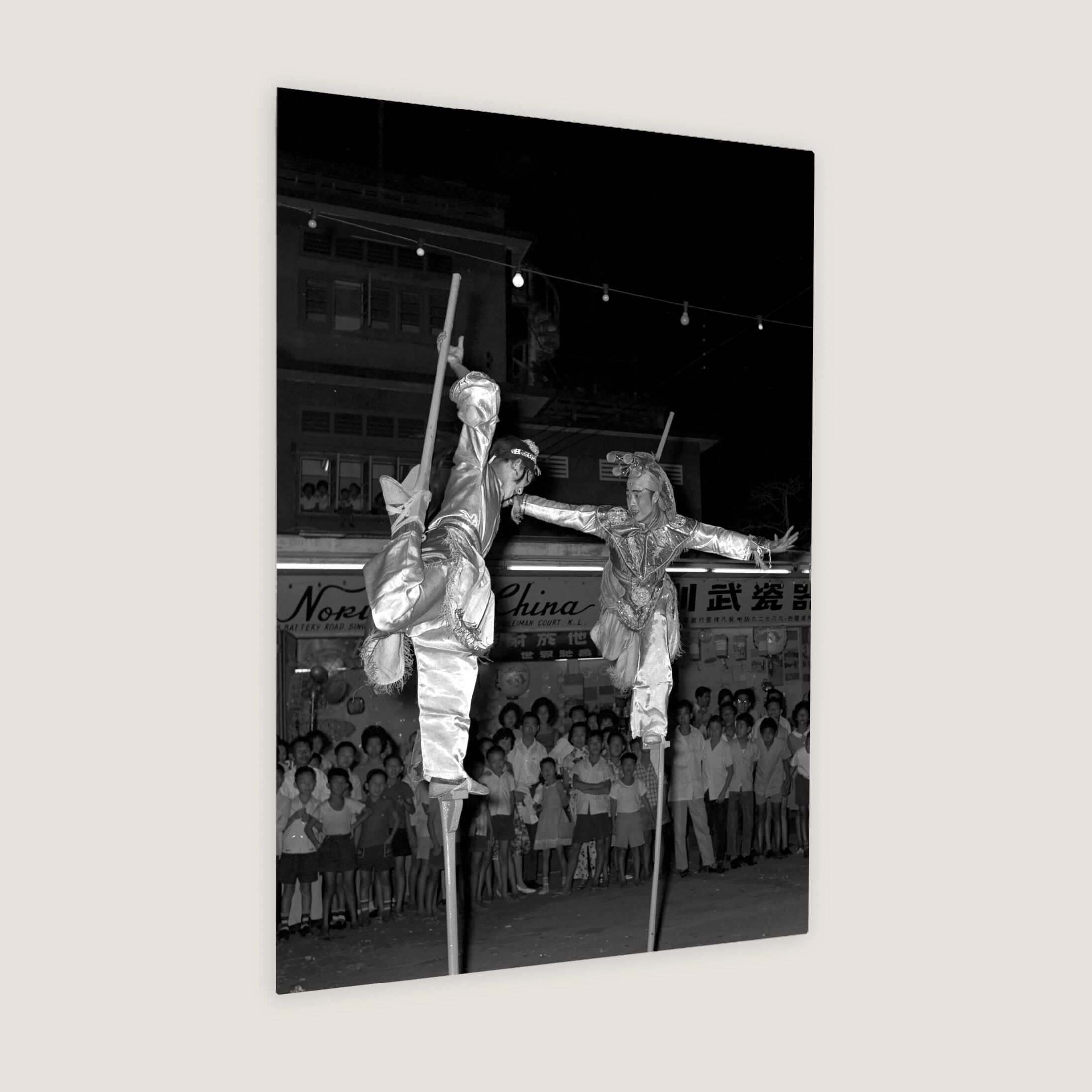
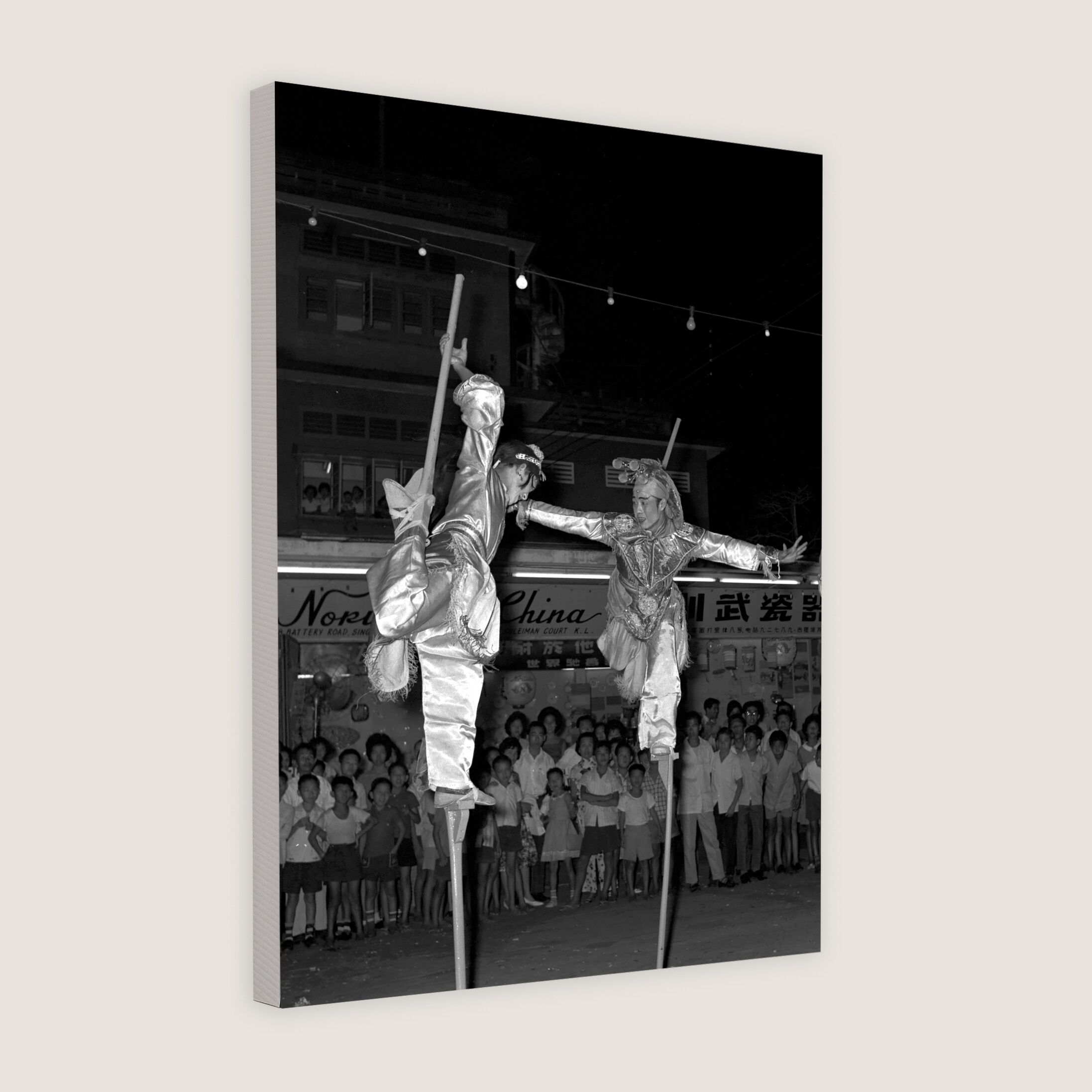
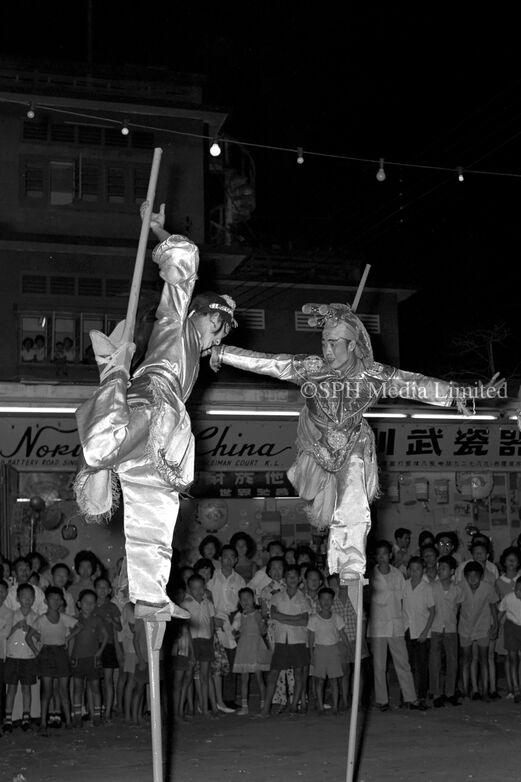 Stilt Walking in CNY Procession at Happy World
1963
Stilt Walking in CNY Procession at Happy World
1963
Stilt Walking in CNY Procession at Happy World
Year 1963
Chap Goh Meh procession at Happy World, Geylang Road. Chap Goh Meh is the 15th and last day of the Chinese New Year. Happy World aka Gay World or Fan Hua Shijie was one of three amusement parks built before World War II and played a significant part in Singapore's nightlife between the 1920's and 60's. The street artists were performing stilt walking in the Gay World Chap Goh Meh procession.
©️ SPH Media Limited
Share to
Tags
Available for print on products
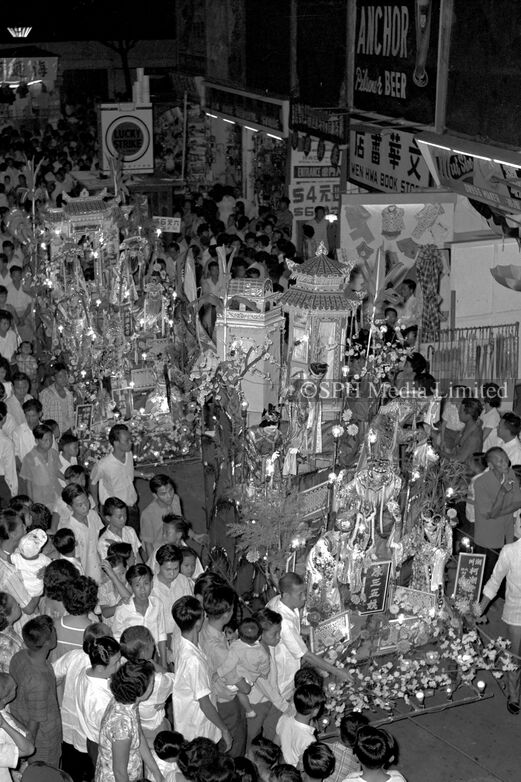 Chinese New Year Crowd at Happy World
1963
Chinese New Year Crowd at Happy World
1963
Chinese New Year Crowd at Happy World
Year 1963
Chap Goh Meh procession at Happy World, Geylang Road. Chap Goh Meh aka Yuan Xiao Jie is the 15th and last day of the Chinese New Year. Happy World or Gay World, Fan Hua Shijie in Chinese, was one of three amusement parks built before World War II and played a significant part in Singapore's nightlife between the 1920's and 60's.
©️ SPH Media Limited
Share to
Tags
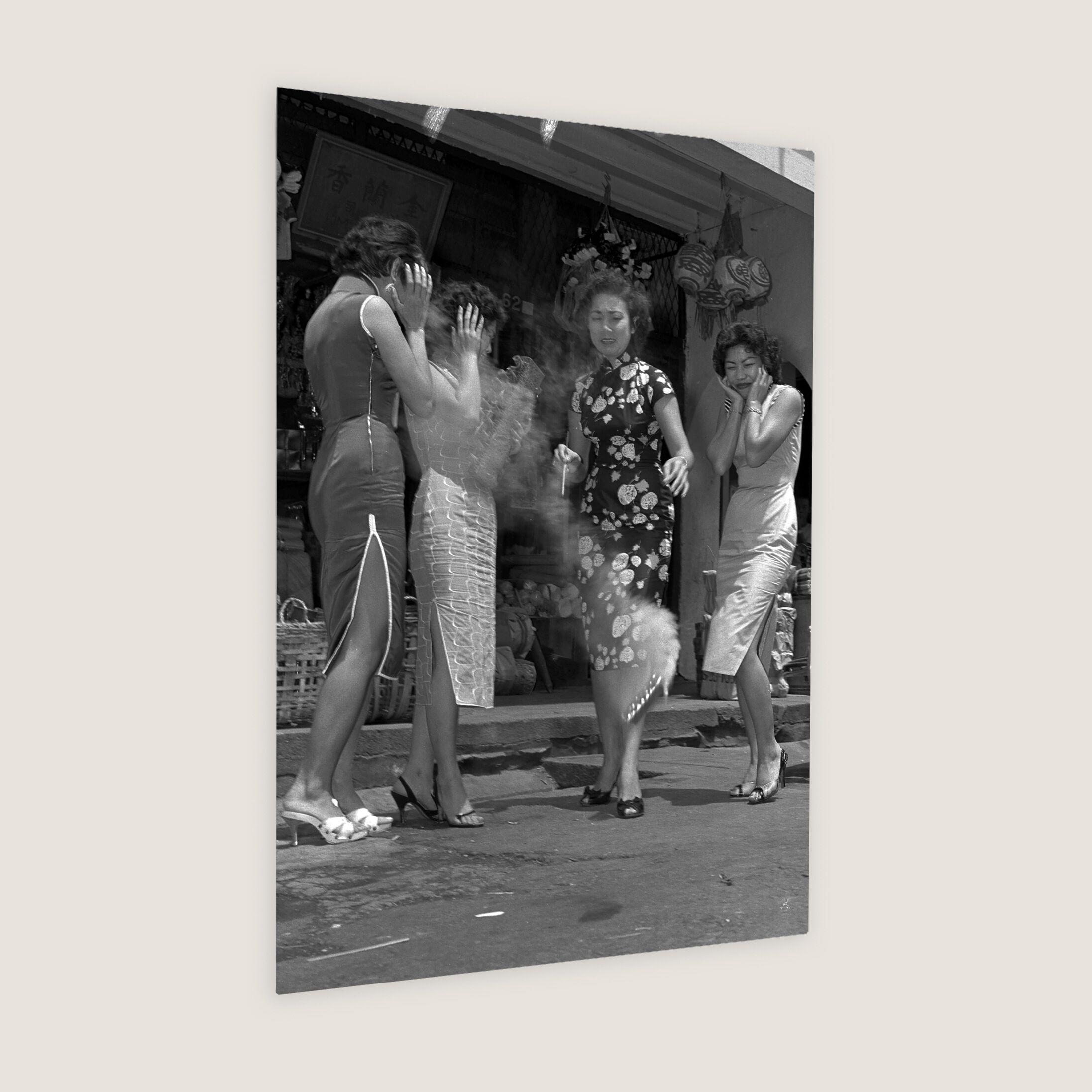
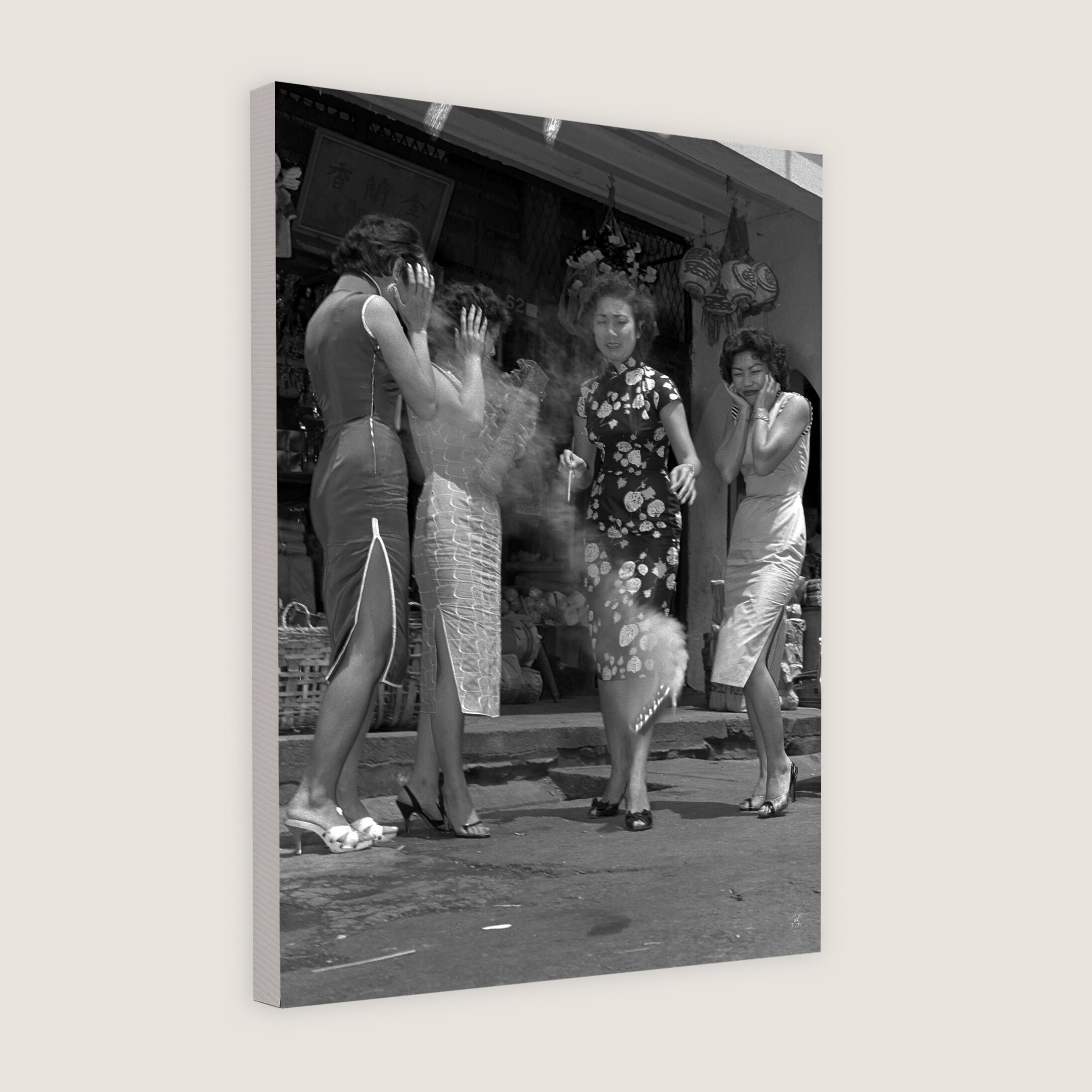
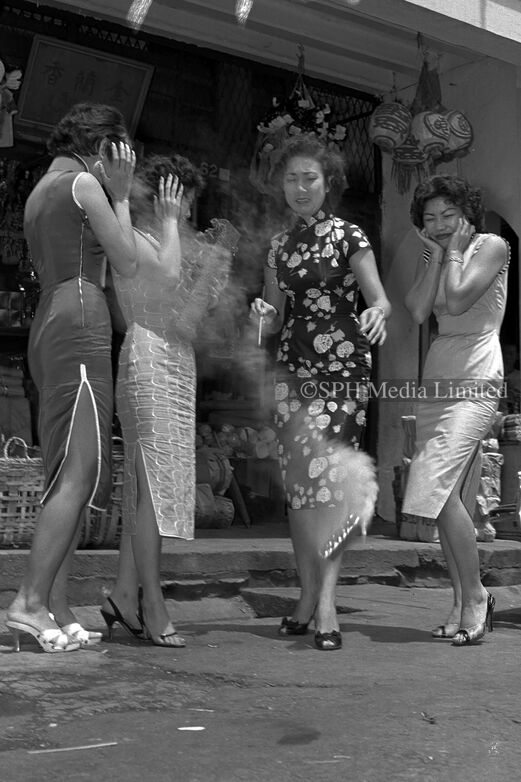 Ladies Reacting to Loud Firecrackers
1958
Ladies Reacting to Loud Firecrackers
1958
Ladies Reacting to Loud Firecrackers
Year 1958
During the 1950s, Singaporeans celebrated Chinese New Year not only by visiting family and friends but also by making offerings at temples. Elegant ladies, dressed in traditional qipaos, lit firecrackers outside shopfronts to ring in the New Year of 1958.
©️ SPH Media Limited
Share to
Tags
Available for print on products
 Shopping for Lap Cheong and Lap Mei
1951
Shopping for Lap Cheong and Lap Mei
1951
Shopping for Lap Cheong and Lap Mei
Year 1951
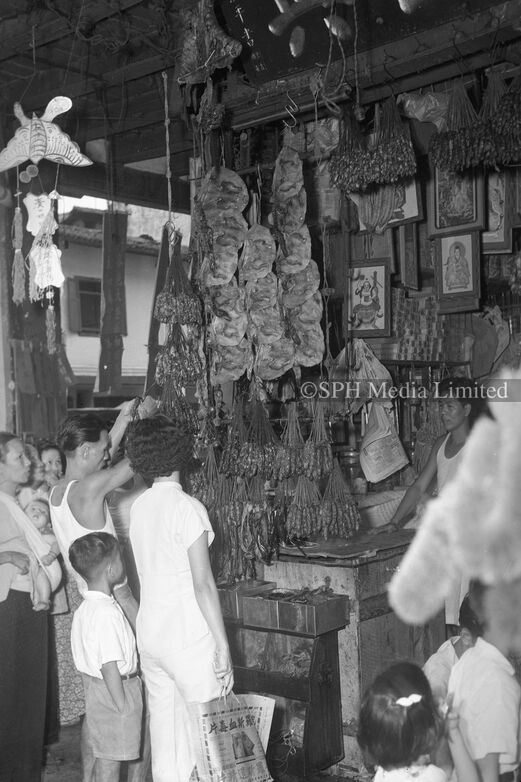
A common sight as Chinese New Year rounds the corner would be housewives shopping for Lap Cheong and Lap Mei, which are Chinese sausage and waxed duck in made in Cantonese-style respectively. These are essential food for the upcoming celebrations and the annual reunion dinner.
©️ SPH Media Limited
Share to
Tags
Available for print on products
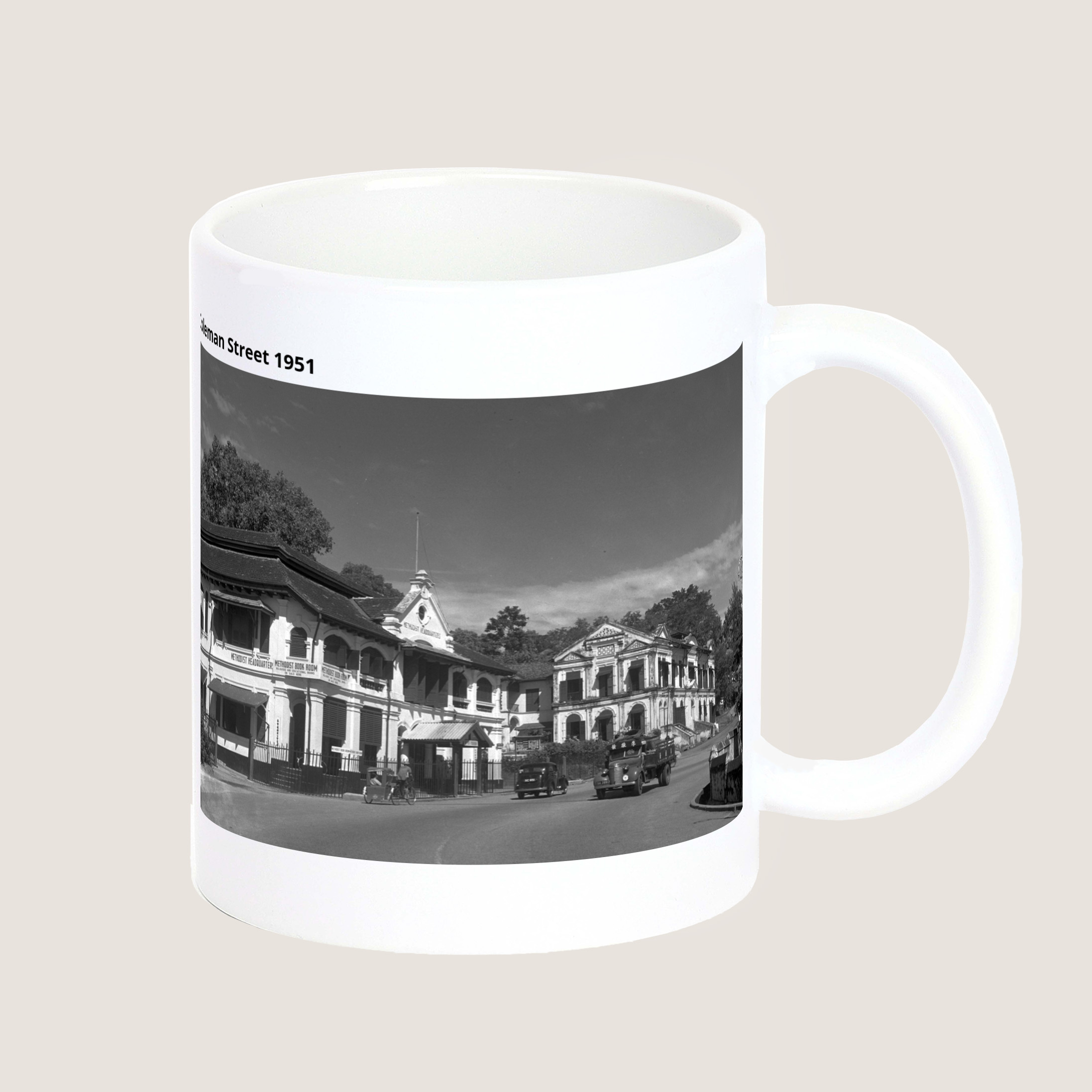
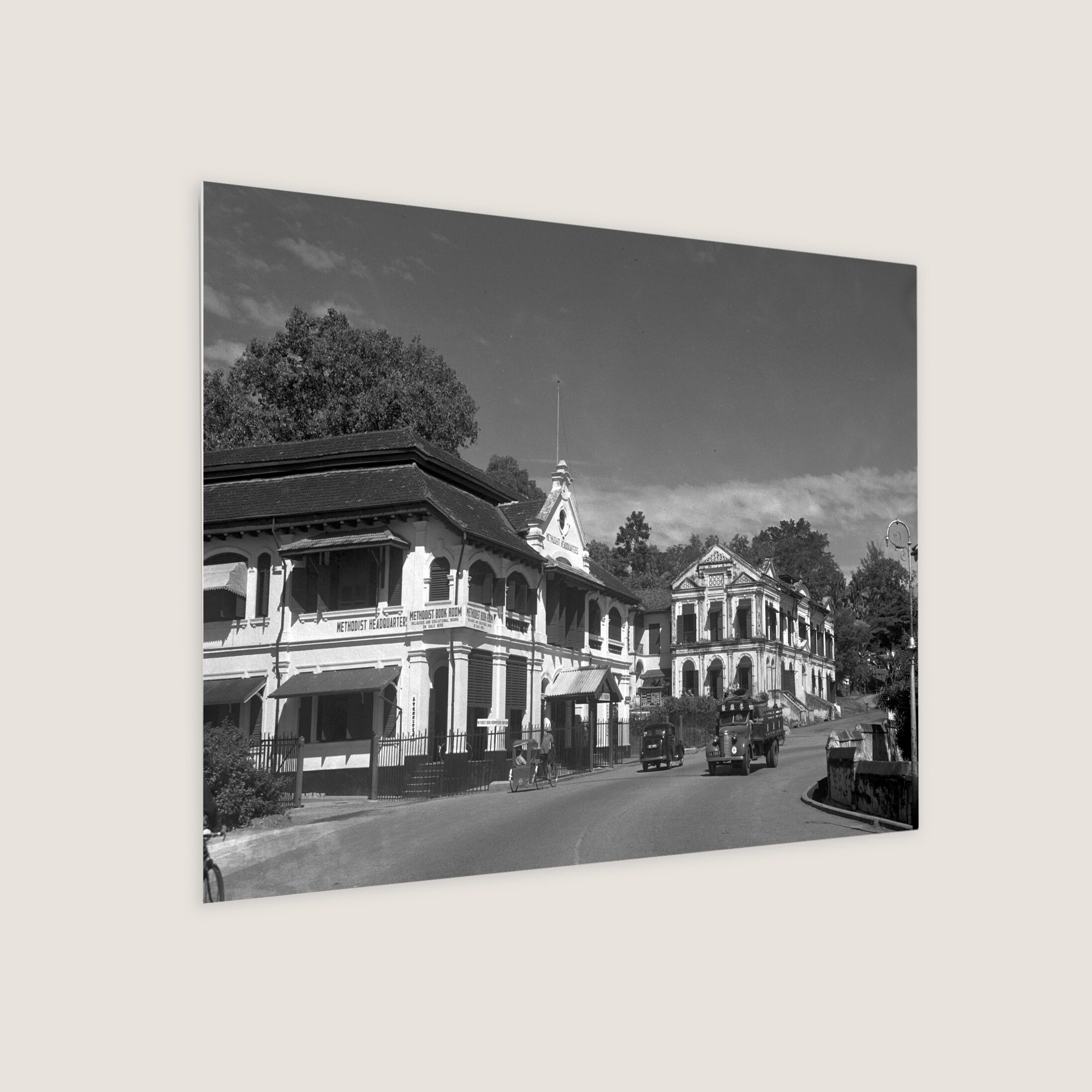
 Coleman Street
1951
Coleman Street
1951
Coleman Street
Year 1951
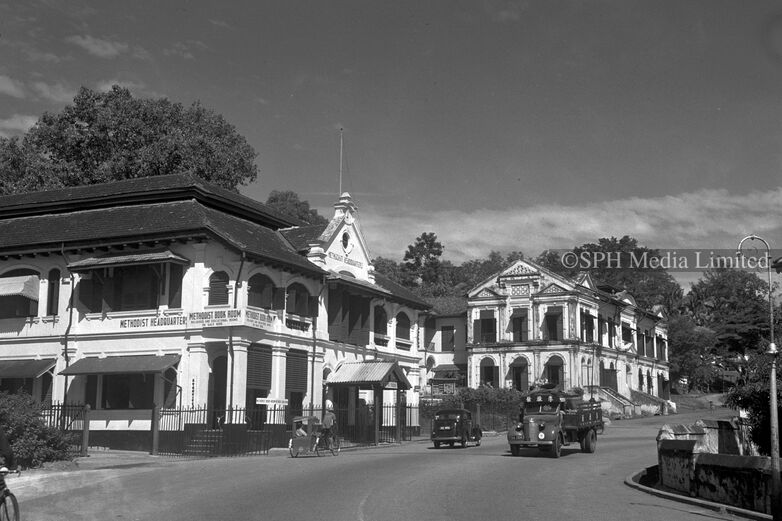
Coleman Street at the foot of Fort Canning Hill in 1951. Methodist Headquarters occupies the left building, while the building on the right is Anglo-Chinese Primary School. These buildings have since been demolished. The National Archives of Singapore now occupies this space.
©️ SPH Media Limited
Share to
Tags
Available for print on products
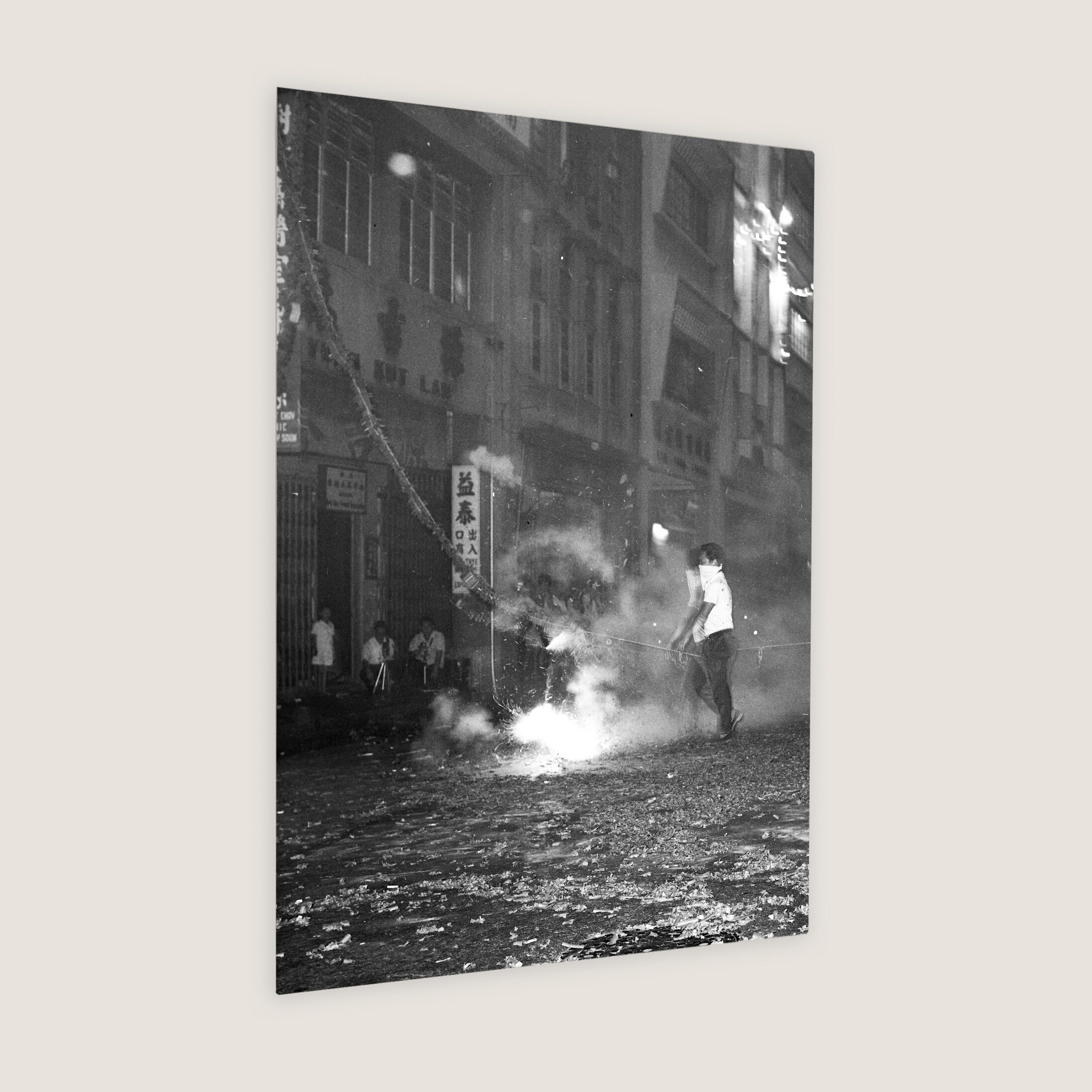
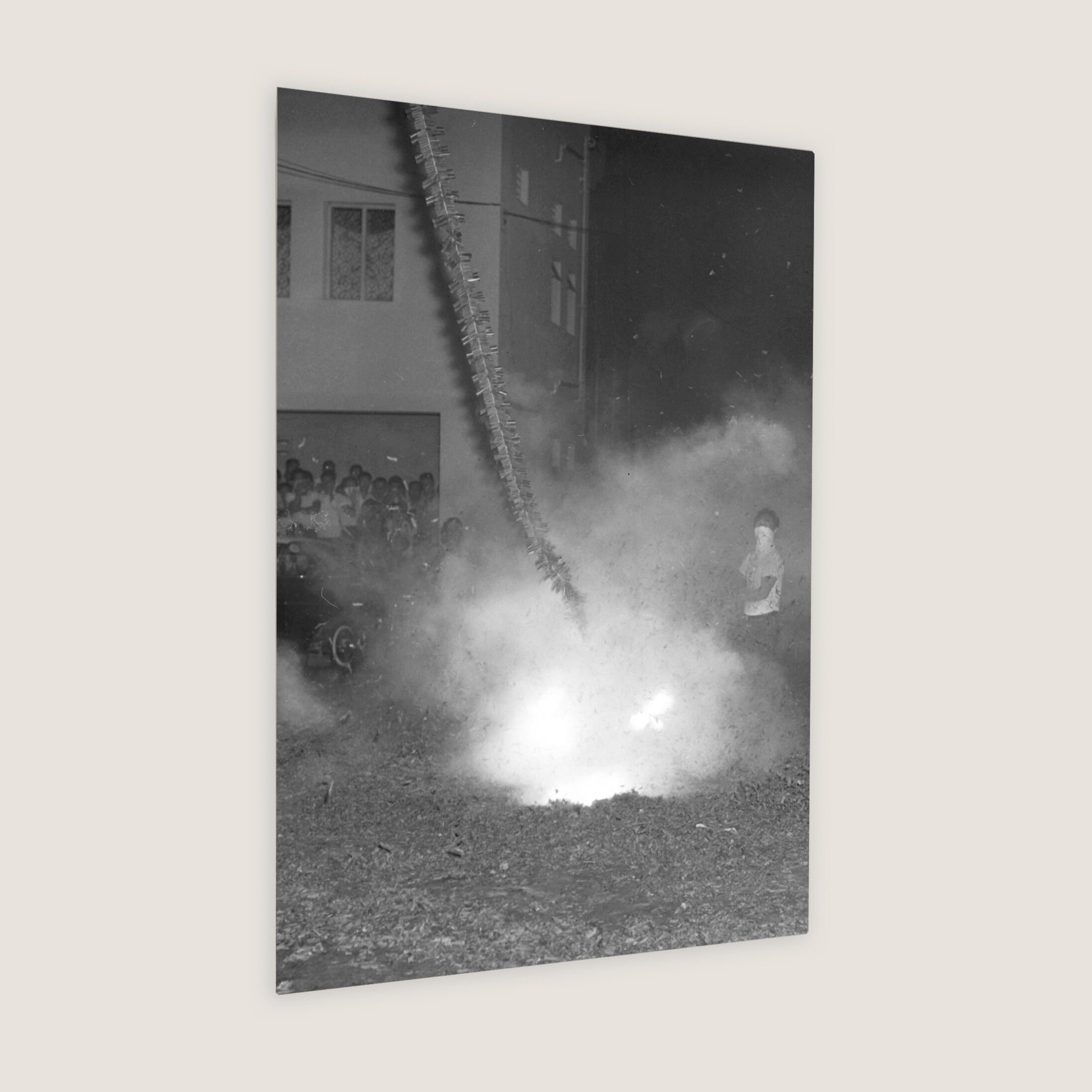
 Lighting of Firecrackers During Chap Goh Meh
1965
Lighting of Firecrackers During Chap Goh Meh
1965
Lighting of Firecrackers During Chap Goh Meh
Year 1965
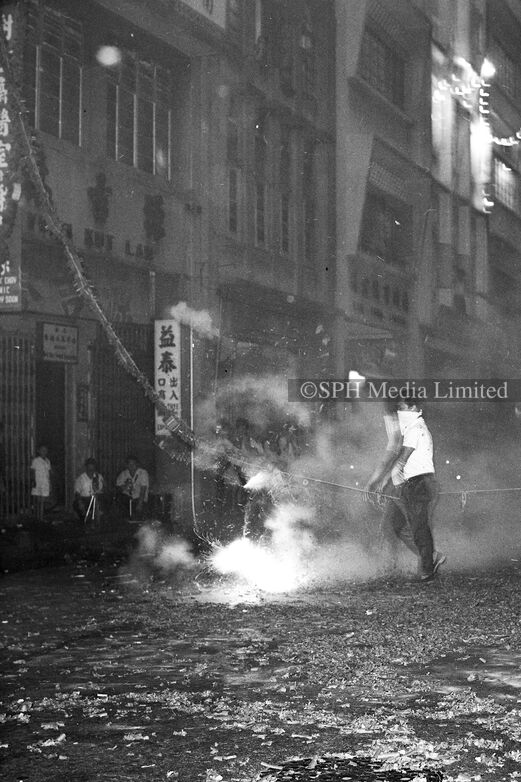
On February 16, 1965, during the Chap Goh Meh aka Lantern Festival, the ban on firecrackers was temporarily lifted for one day. Places with large Chinese communities were filled with deafening sounds of fireworks.
©️ SPH Media Limited
Share to
Tags
Available for print on products
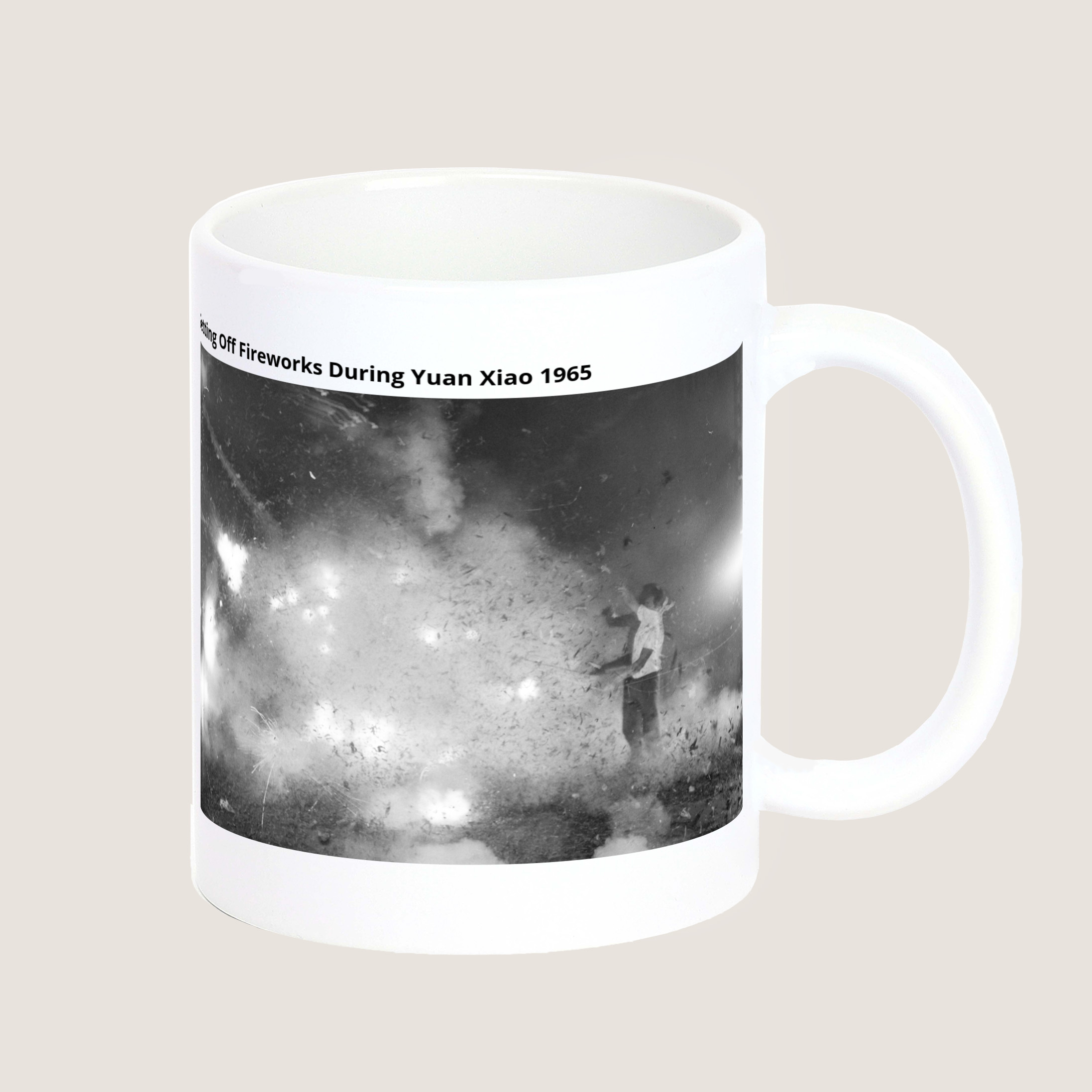
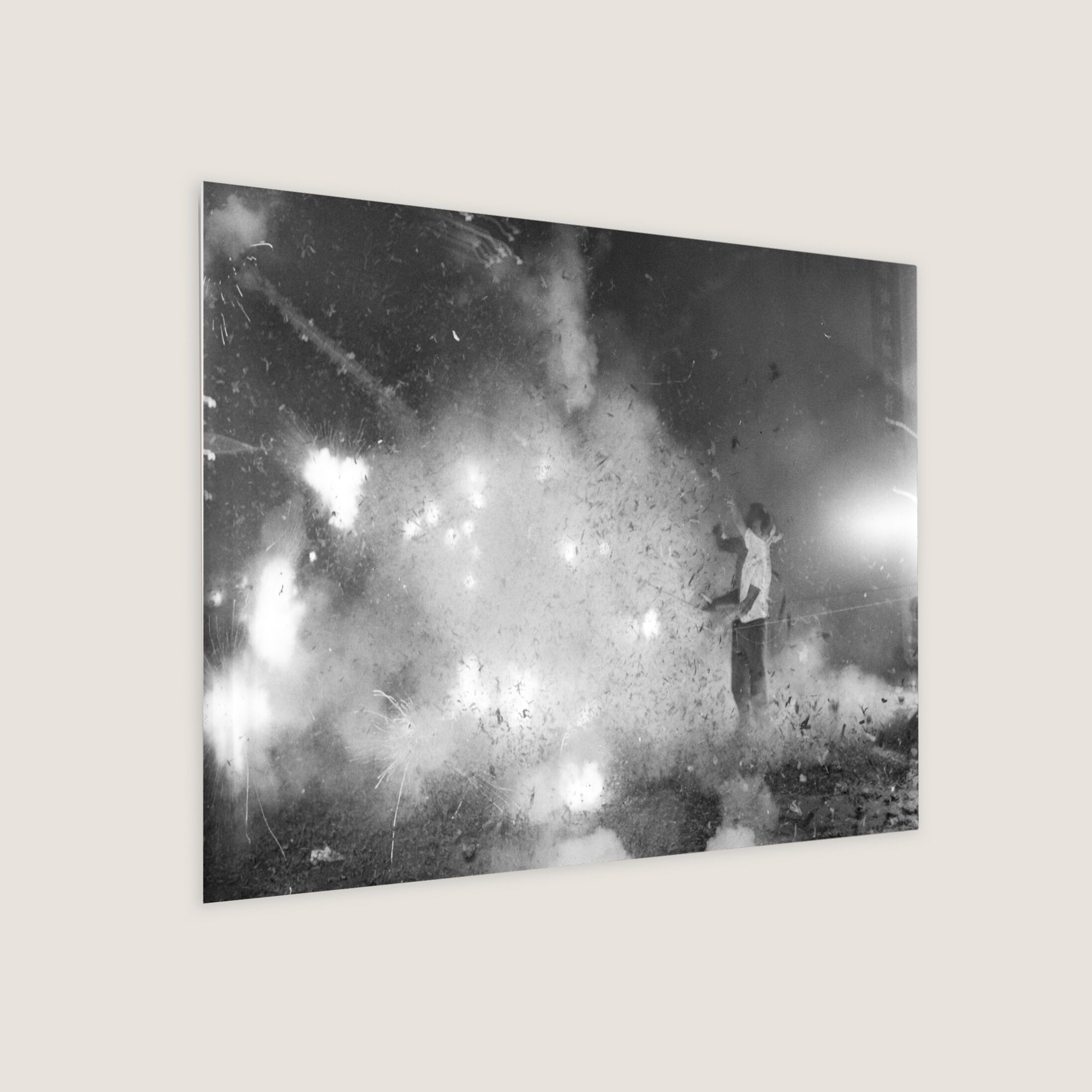
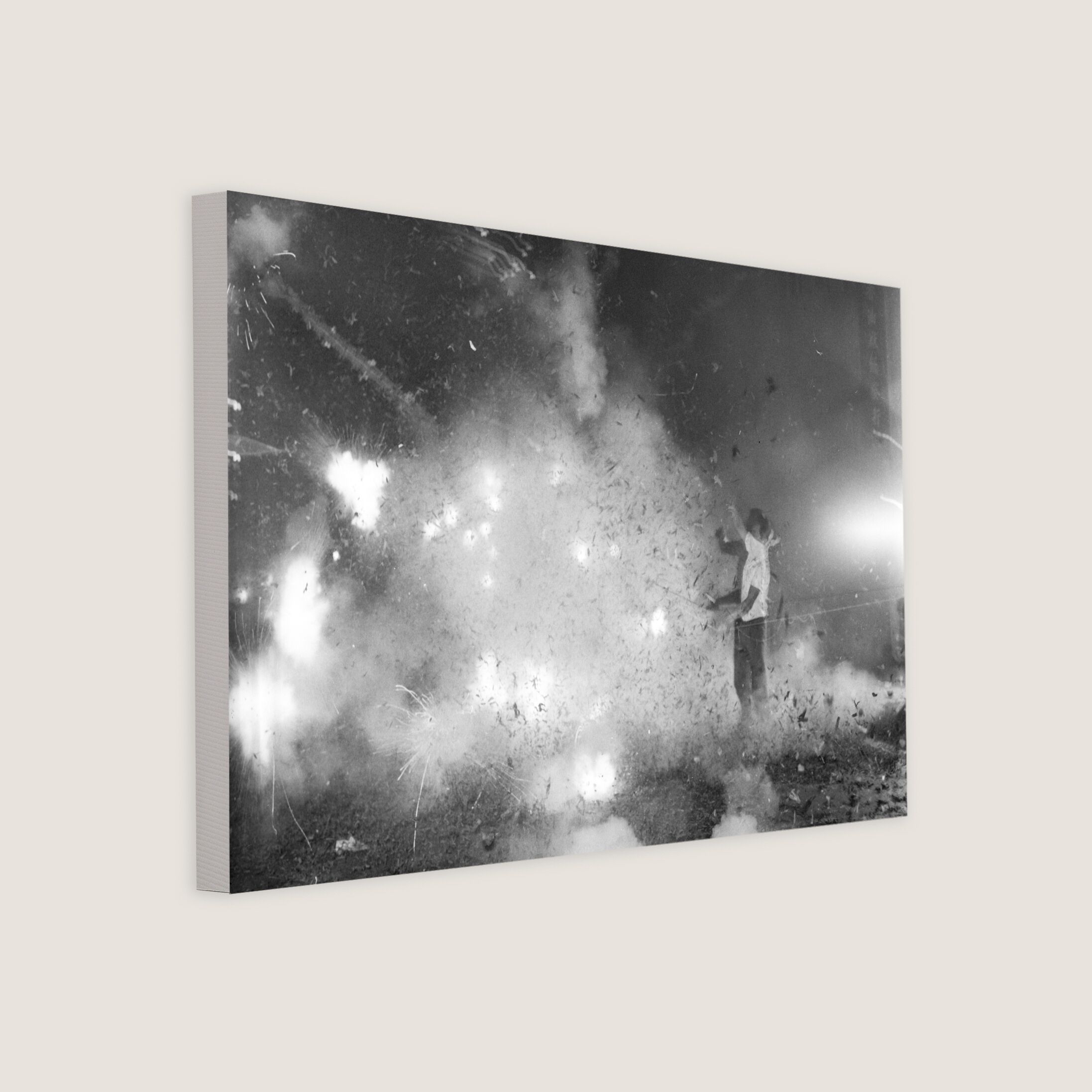
 Setting Off Fireworks During Yuan Xiao
1965
Setting Off Fireworks During Yuan Xiao
1965
Setting Off Fireworks During Yuan Xiao
Year 1965
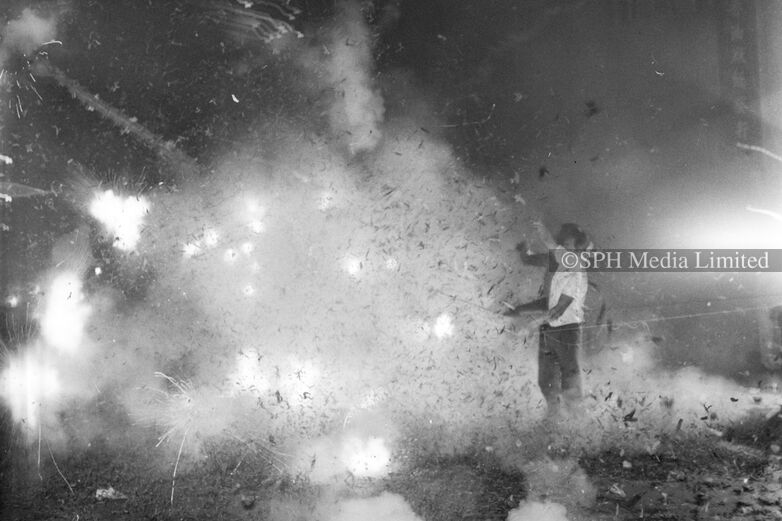
Fireworks set off on the last day of the Chinese New Year. This day is known as Yuan Xiao, or Chap Goh Meh. It symbolises the end of Chinese New Year celebration.
©️ SPH Media Limited
Share to
Tags
Available for print on products
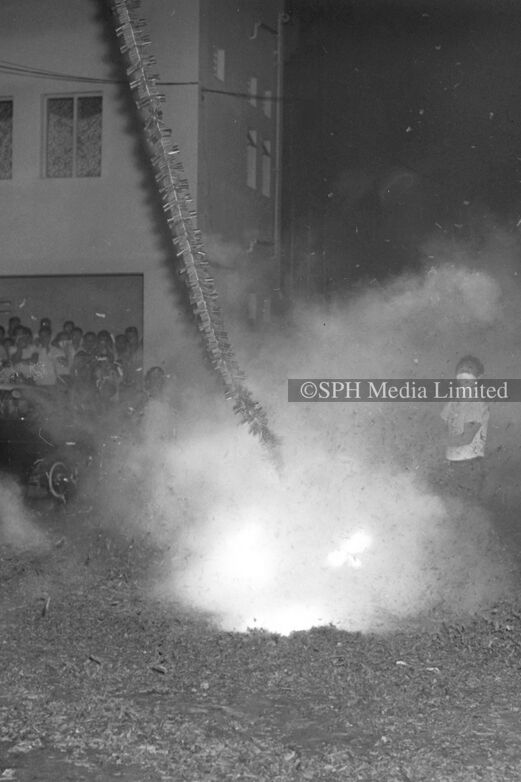 Firecracker Debris Filled the Streets on Yuan Xiao
1965
Firecracker Debris Filled the Streets on Yuan Xiao
1965
Firecracker Debris Filled the Streets on Yuan Xiao
Year 1965
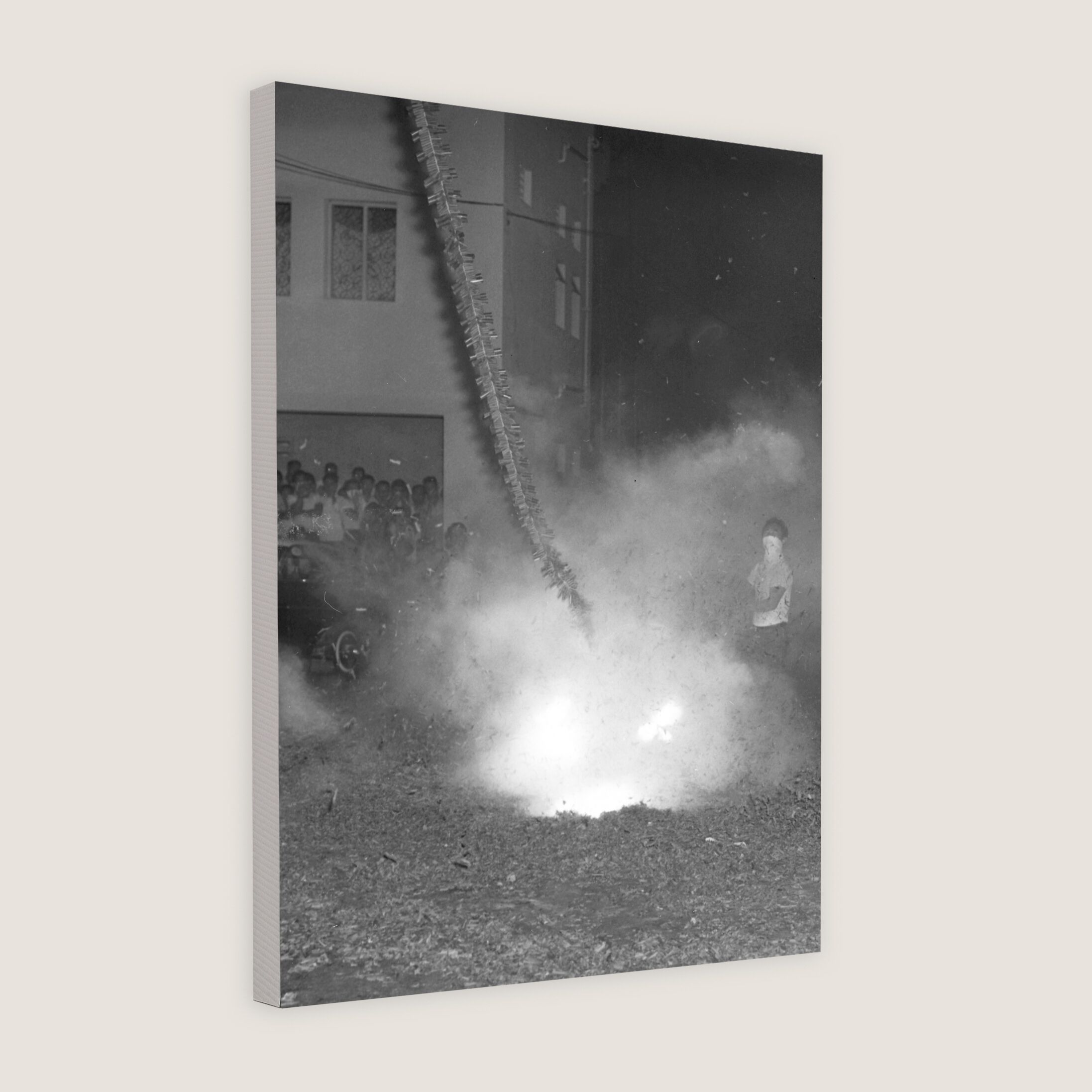
While Singapore was still part of Malaysia, the central government in Kuala Lumpur approved the temporary lifting of the firecracker ban on 16 February 1965, during the Lantern Festival. In areas with large Chinese populations, people happily set off firecrackers, enjoying the festive joy of the holiday.
©️ SPH Media Limited
Share to
Tags
Available for print on products
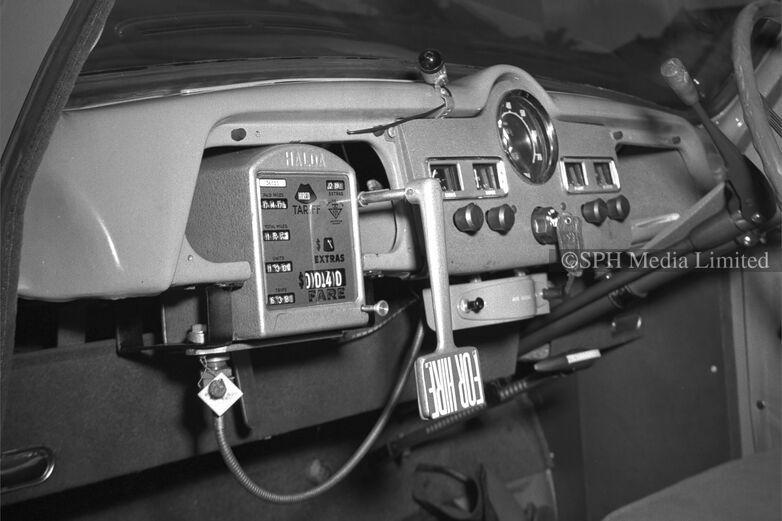 Taxi Meters were Introduced in the 50s
1953
Taxi Meters were Introduced in the 50s
1953
Taxi Meters were Introduced in the 50s
Year 1953
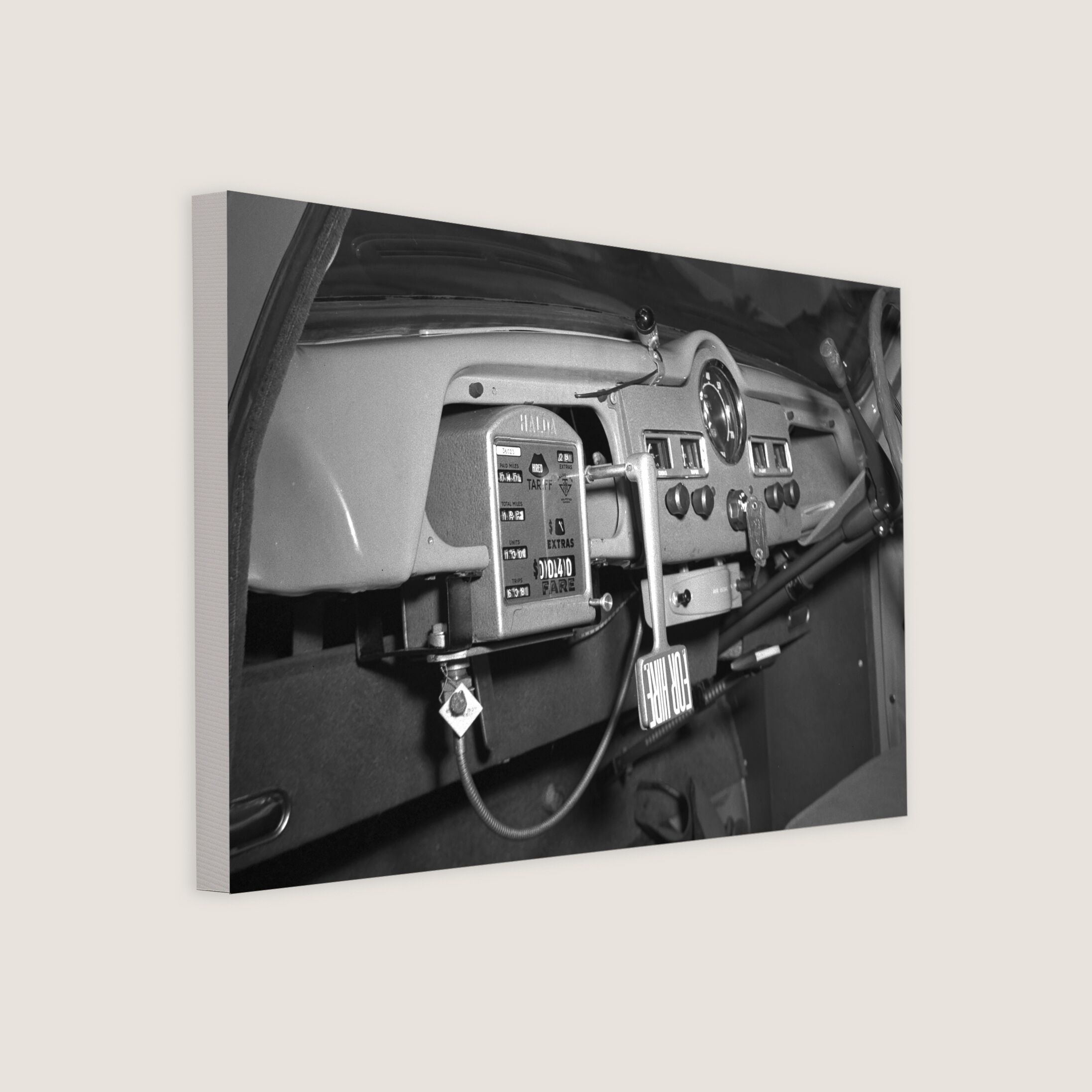
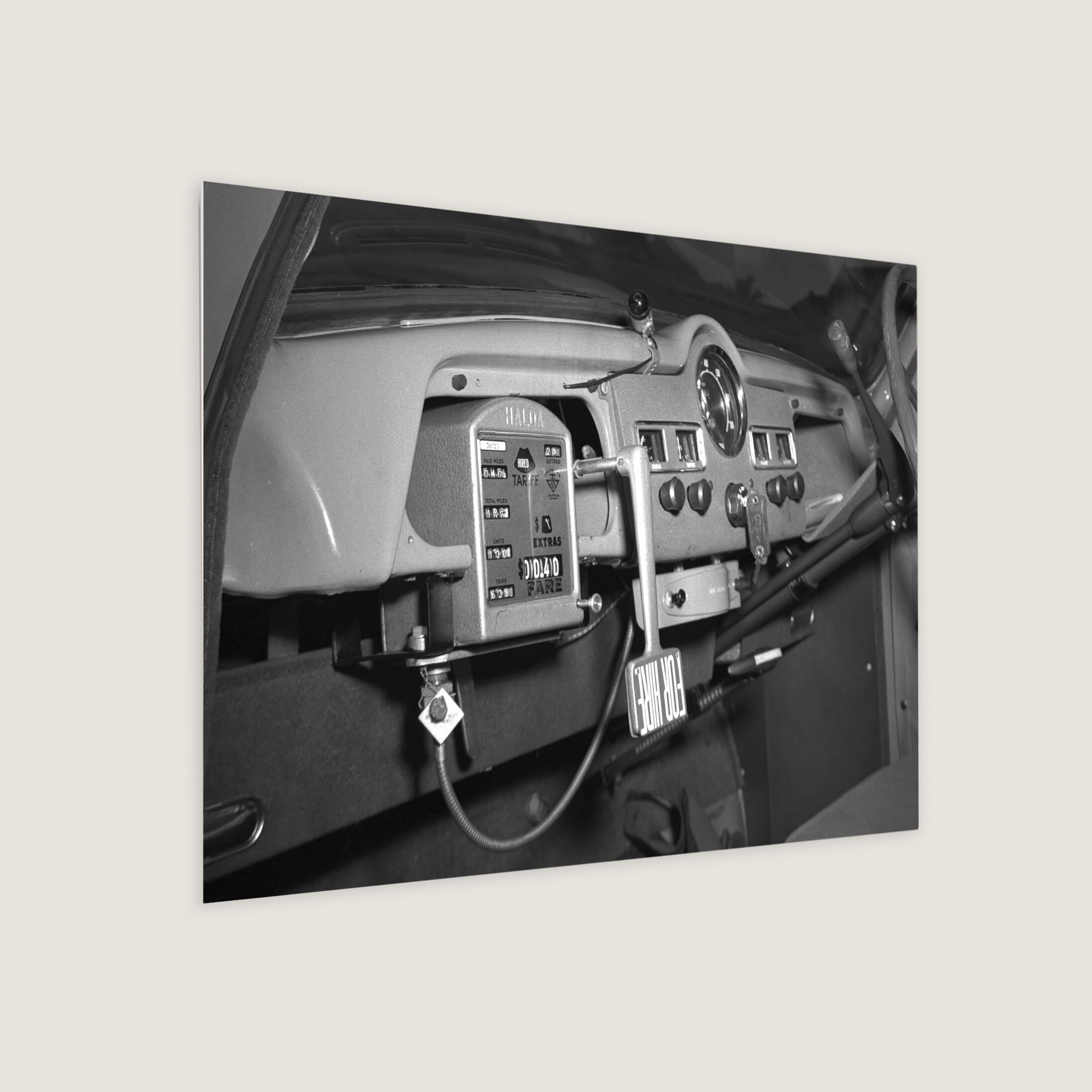
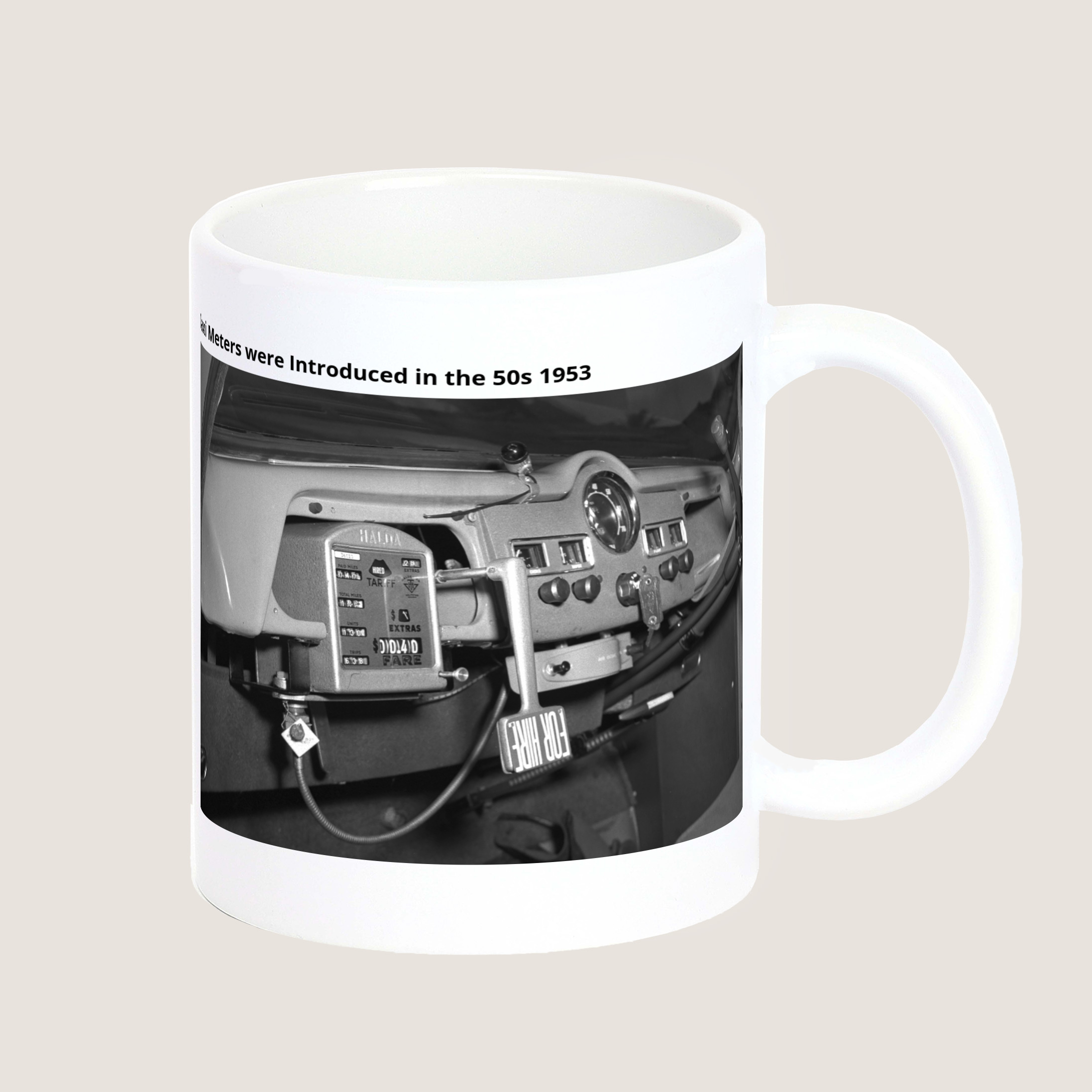
In the early 1950s, the City Council introduced taxi meters on a larger scale to provide fairer service to the public. However, the new system faced opposition from taxi drivers, who felt it would lead to passengers bargaining for fares lower than the authorised rates, disrupting their business.
©️ SPH Media Limited
Share to
Tags
Available for print on products
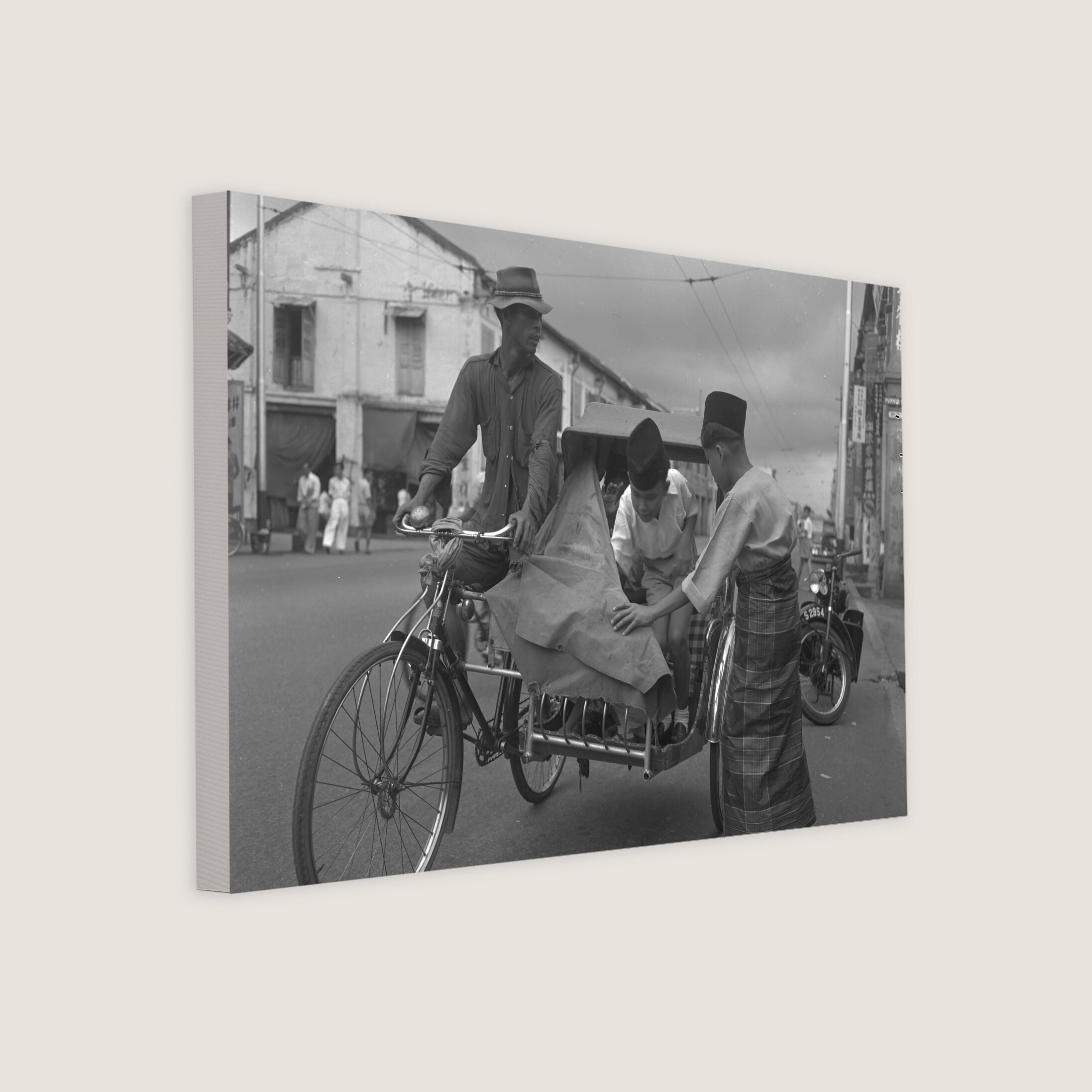
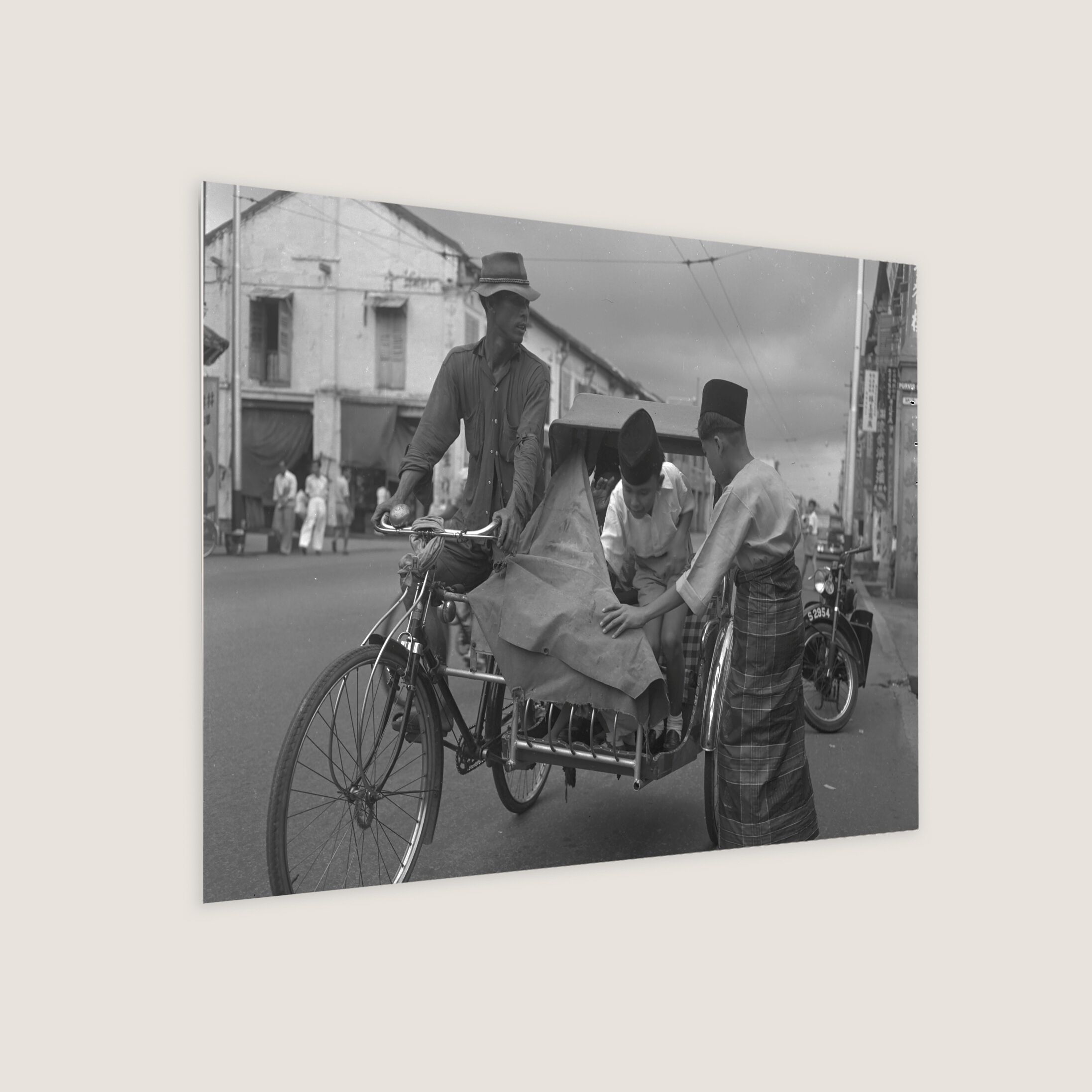
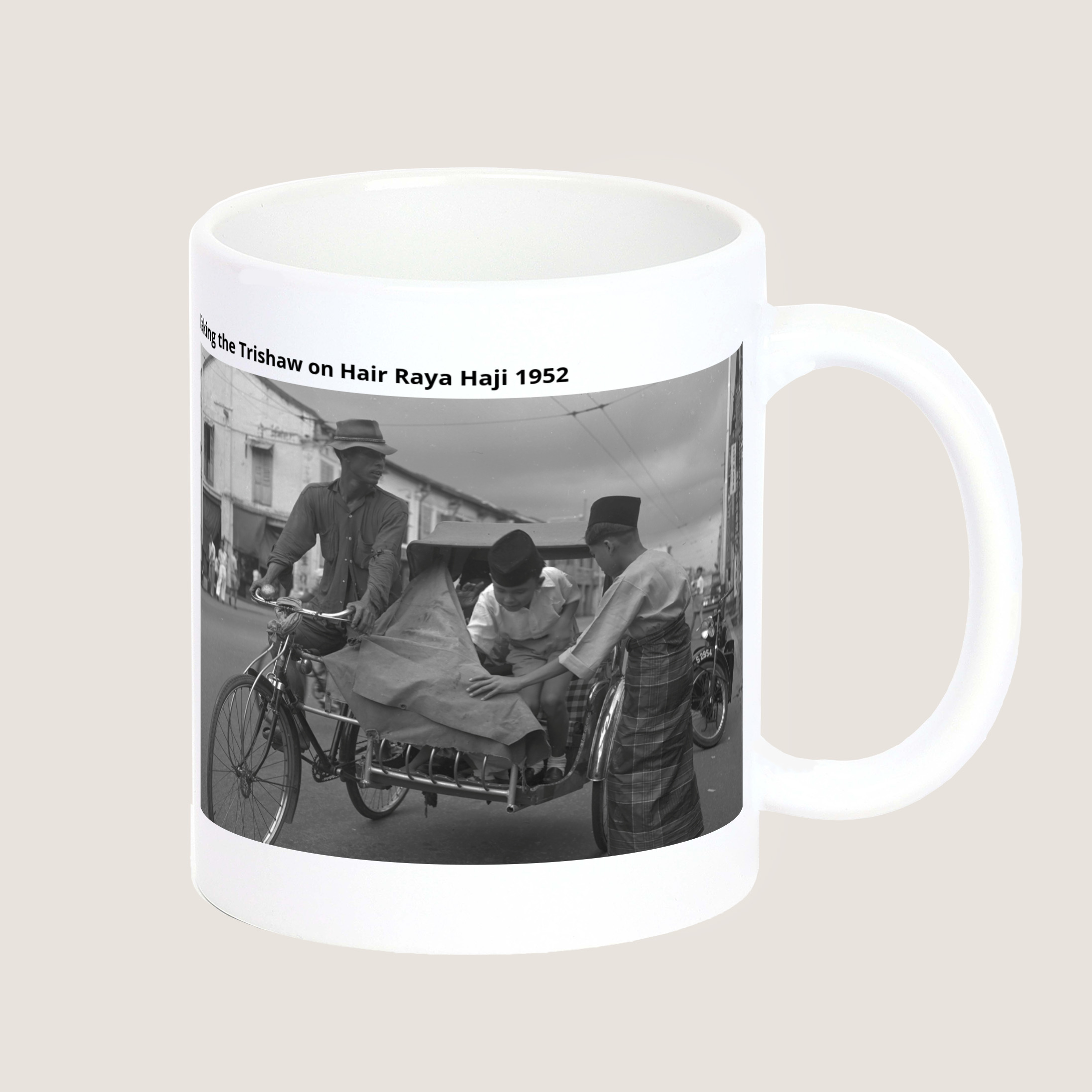
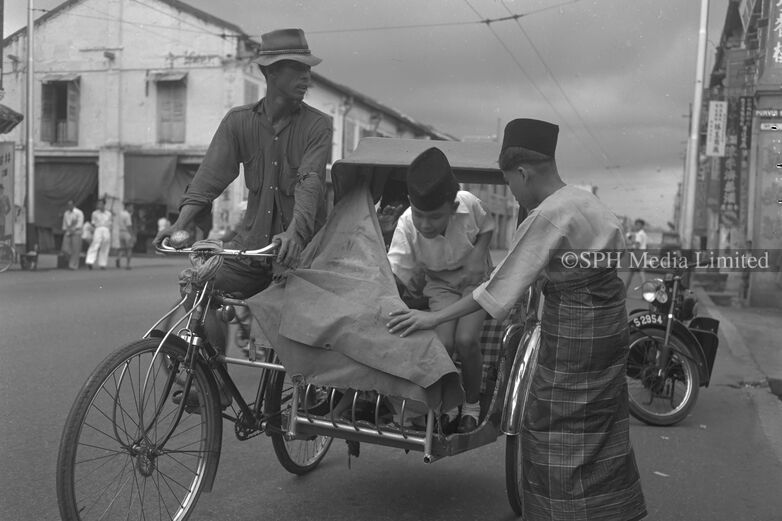 Taking the Trishaw on Hari Raya Haji
1952
Taking the Trishaw on Hari Raya Haji
1952
Taking the Trishaw on Hari Raya Haji
Year 1952
Dressed to the nines in traditional Sarongs, a Malay family took a trishaw during Hari Raya Haji. The trishaw was thoughtfully equipped with a curtain in front, sheltering them from both the sun and rain, ensuring a comfortable ride.
©️ SPH Media Limited
Share to
Tags
Available for print on products
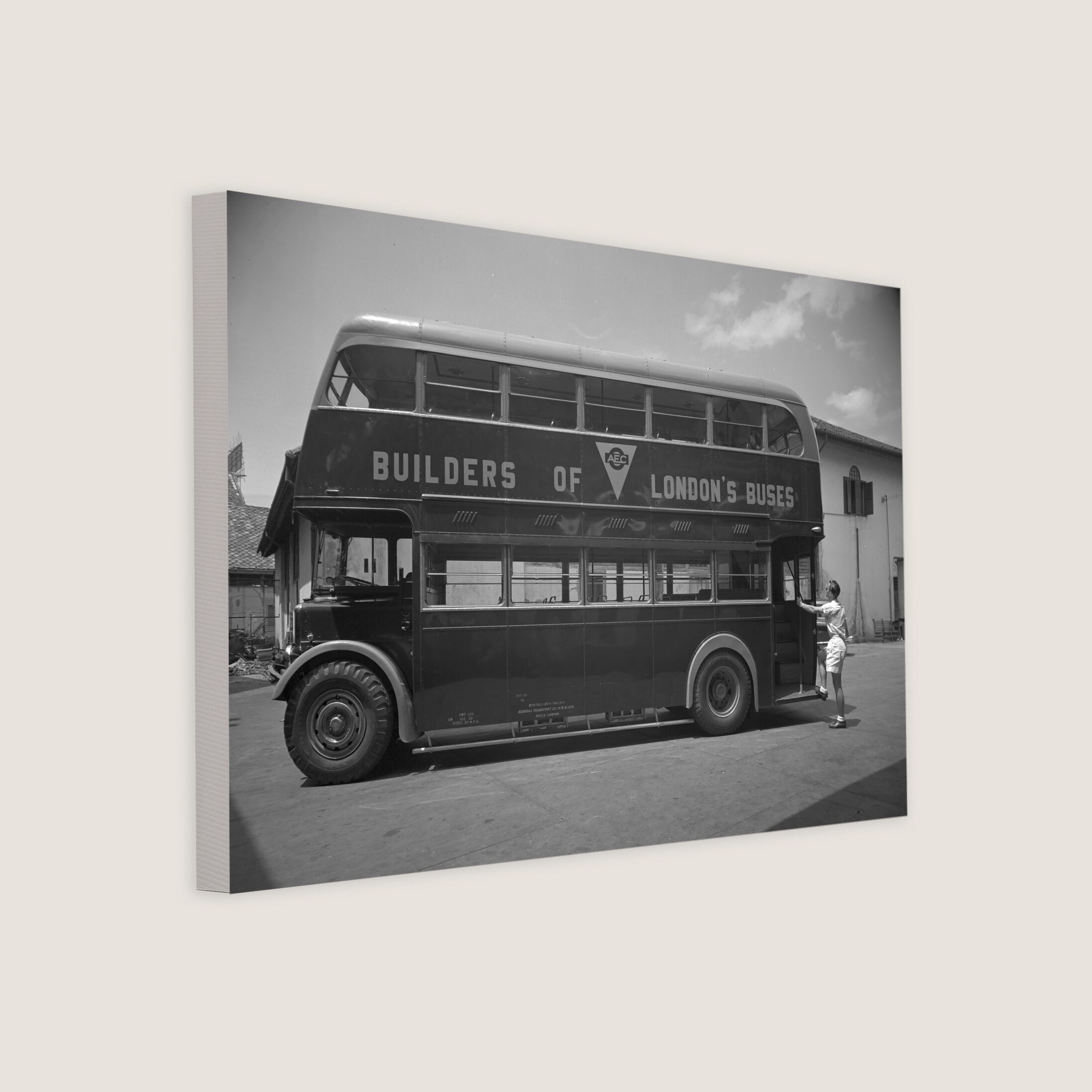
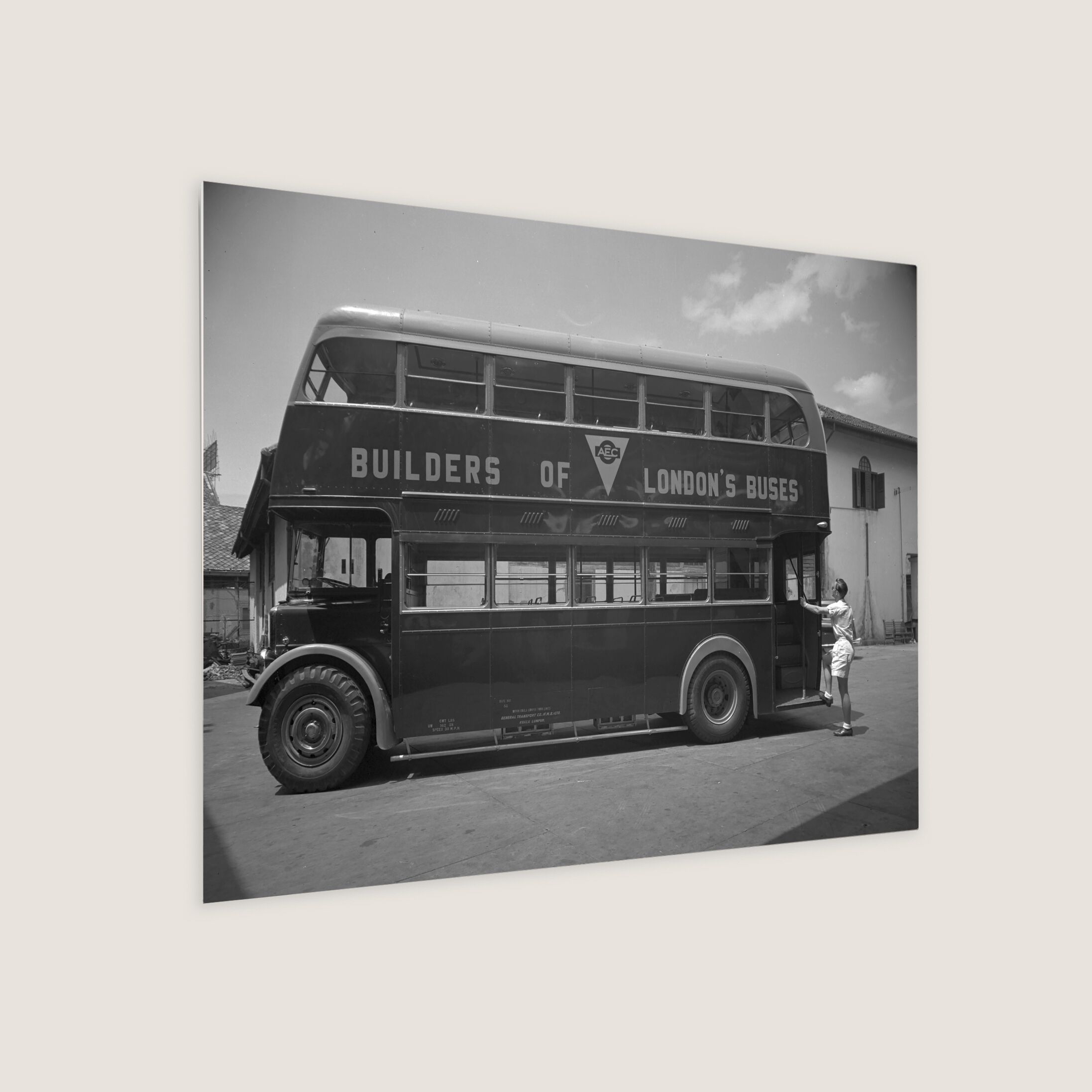
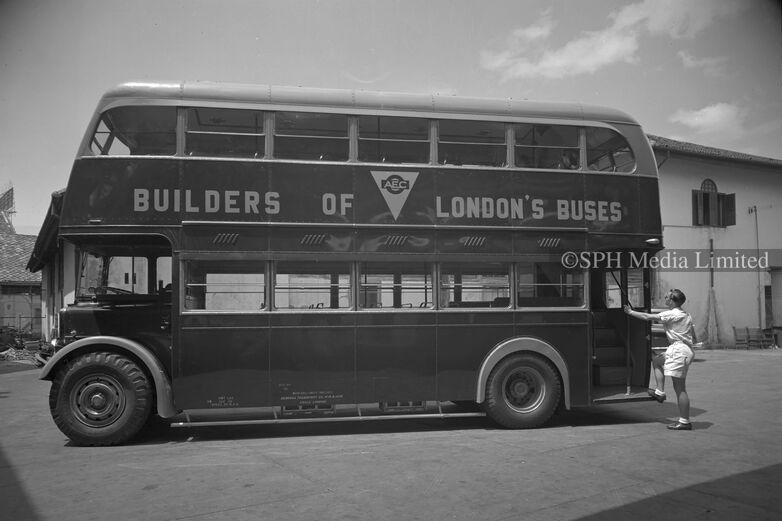 Double-Decker Bus Takes to Singapore's Streets
1953
Double-Decker Bus Takes to Singapore's Streets
1953
Double-Decker Bus Takes to Singapore's Streets
Year 1953
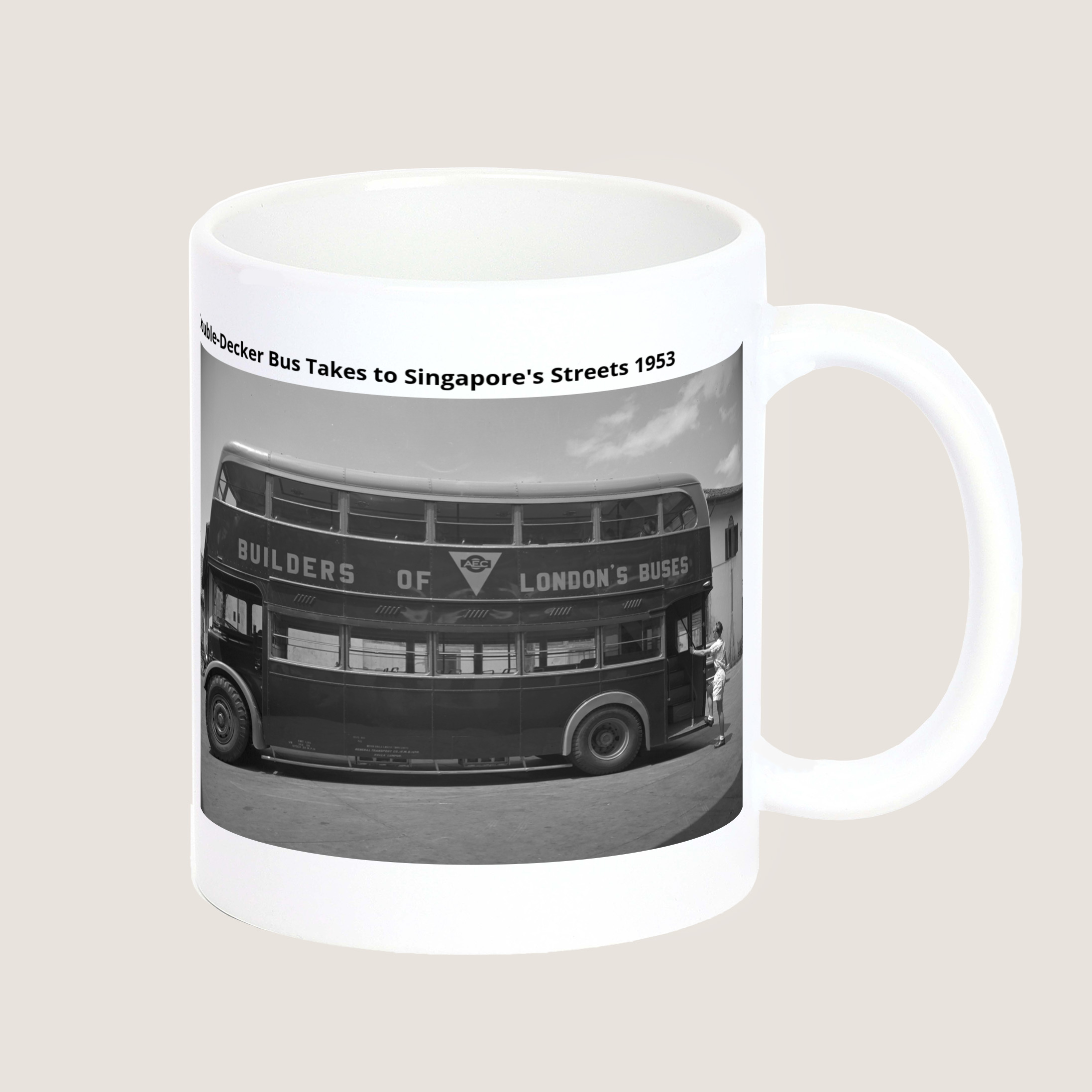
In October 1953, the Singapore Traction Company (STC) conducted a two-week trial of a double-decker bus, an AEC Regent III, sourced from the General Transport Company of Kuala Lumpur. This experiment marked the early introduction of double-decker buses to Singapore's public transport system.
©️ SPH Media Limited
Share to
Tags
Available for print on products
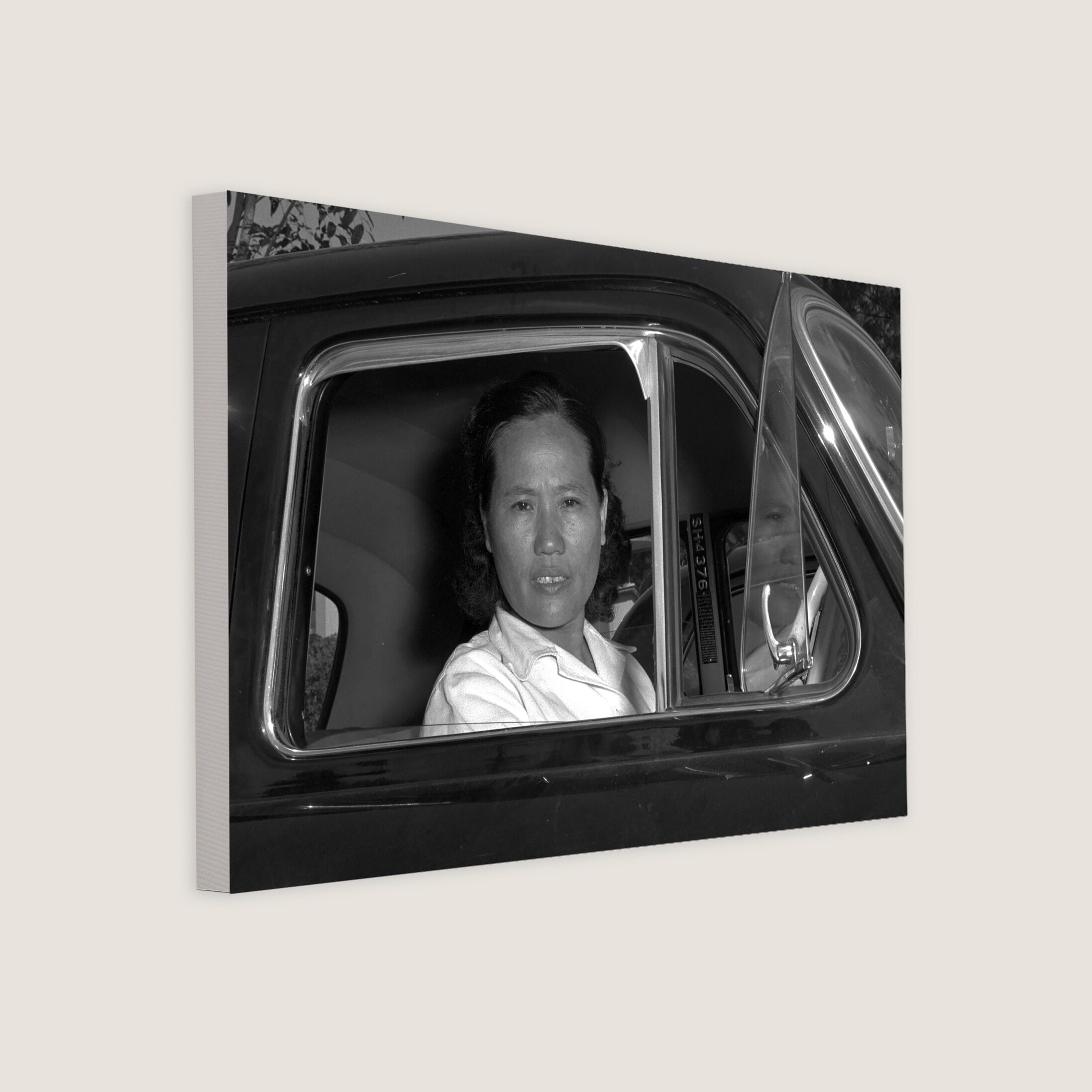
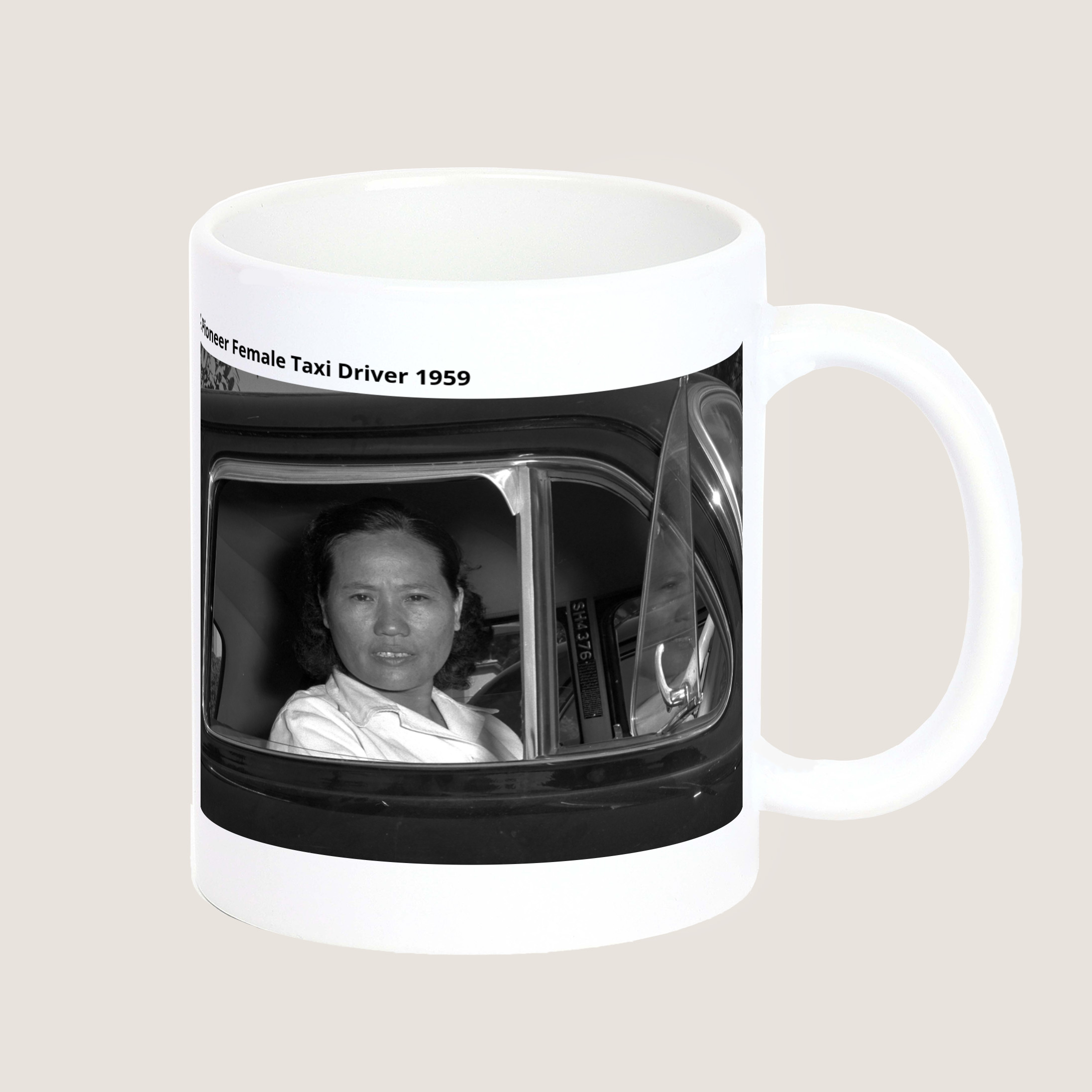
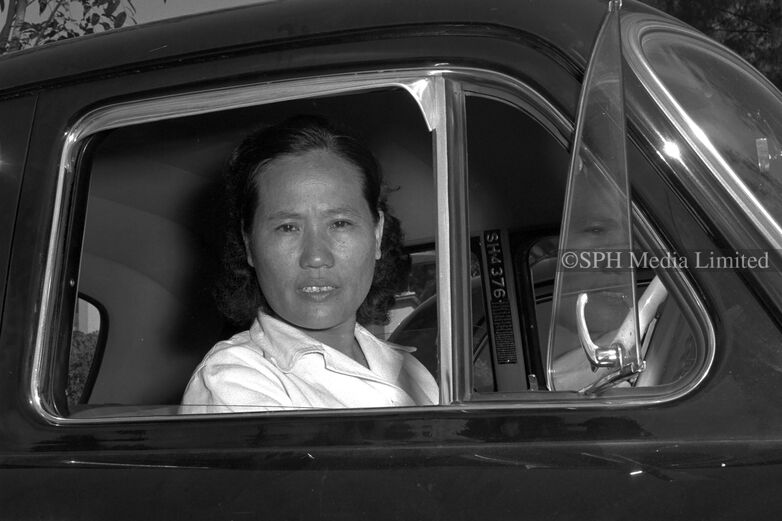 A Pioneer Female Taxi Driver
1959
A Pioneer Female Taxi Driver
1959
A Pioneer Female Taxi Driver
Year 1959
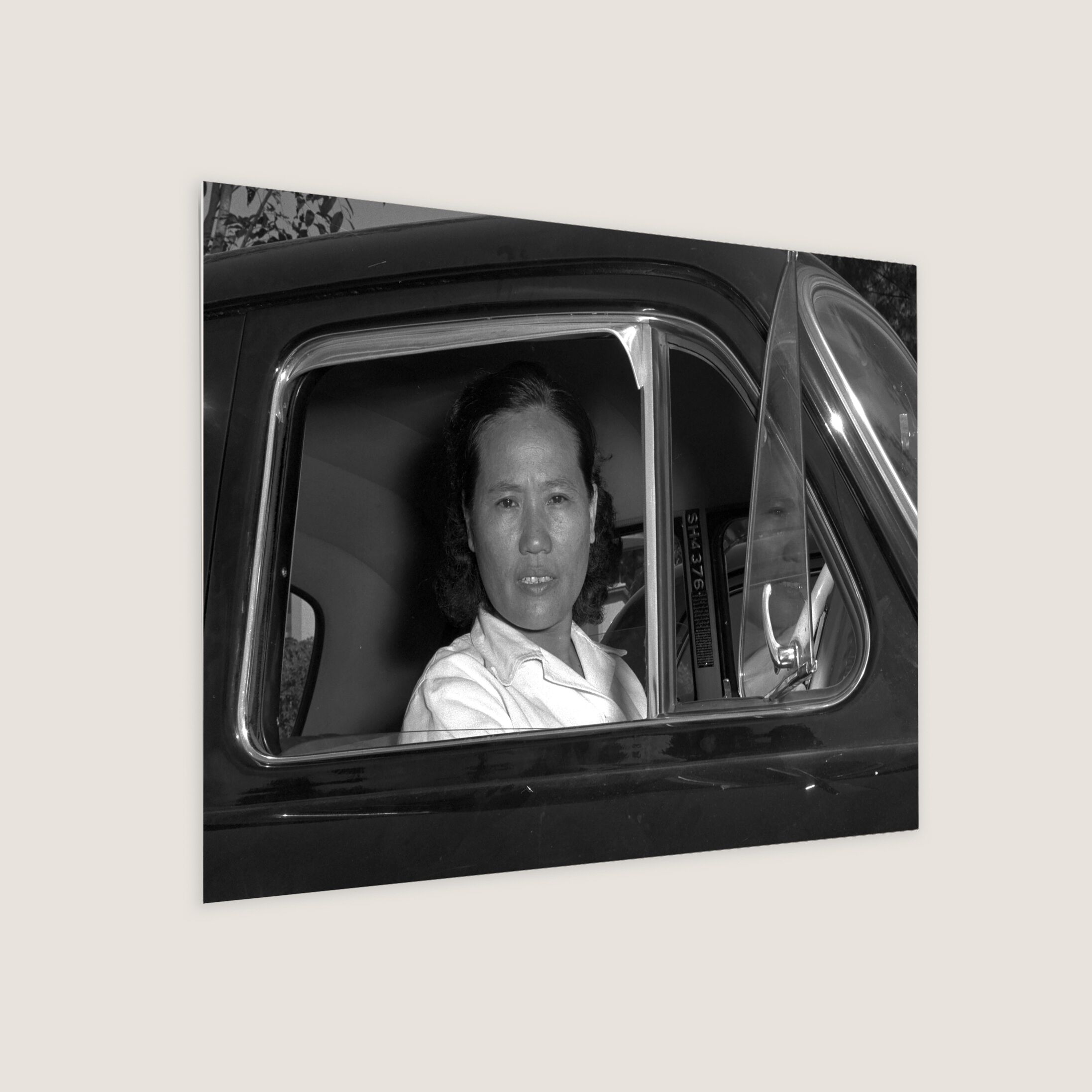
She is one of Singapore's pioneering female taxi drivers, with the license plate SH 4376. Private car license plate numbers in Singapore began in the early 1900s, when Singapore was a British Straits Settlement. Initially, license plates started with the prefix 'S' to denote Singapore, followed by a suffix letter ranging from 'S' to 'Y' for cars. However, certain suffixes, such as 'H,' were reserved for taxis.
©️ SPH Media Limited
Share to
Tags
Available for print on products
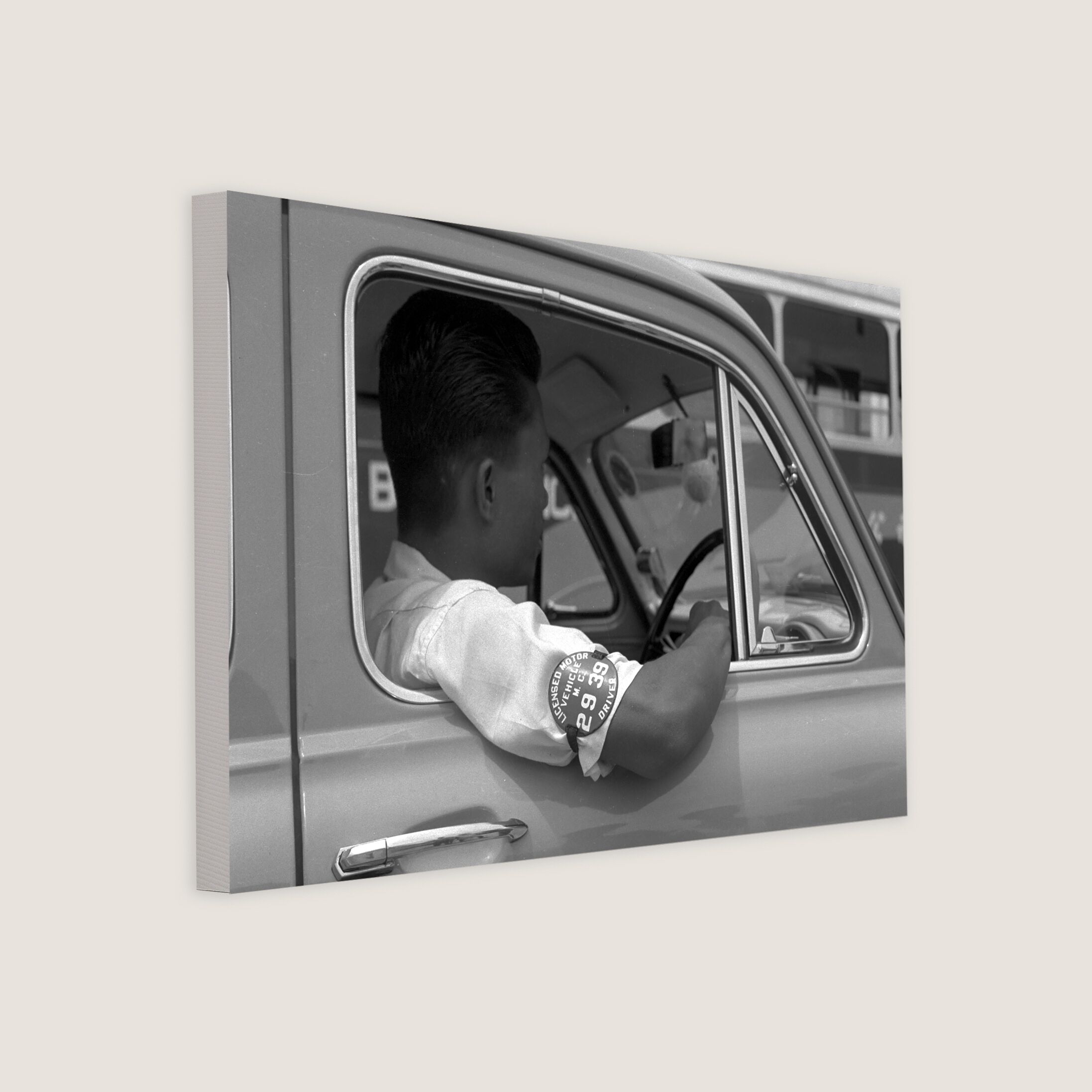
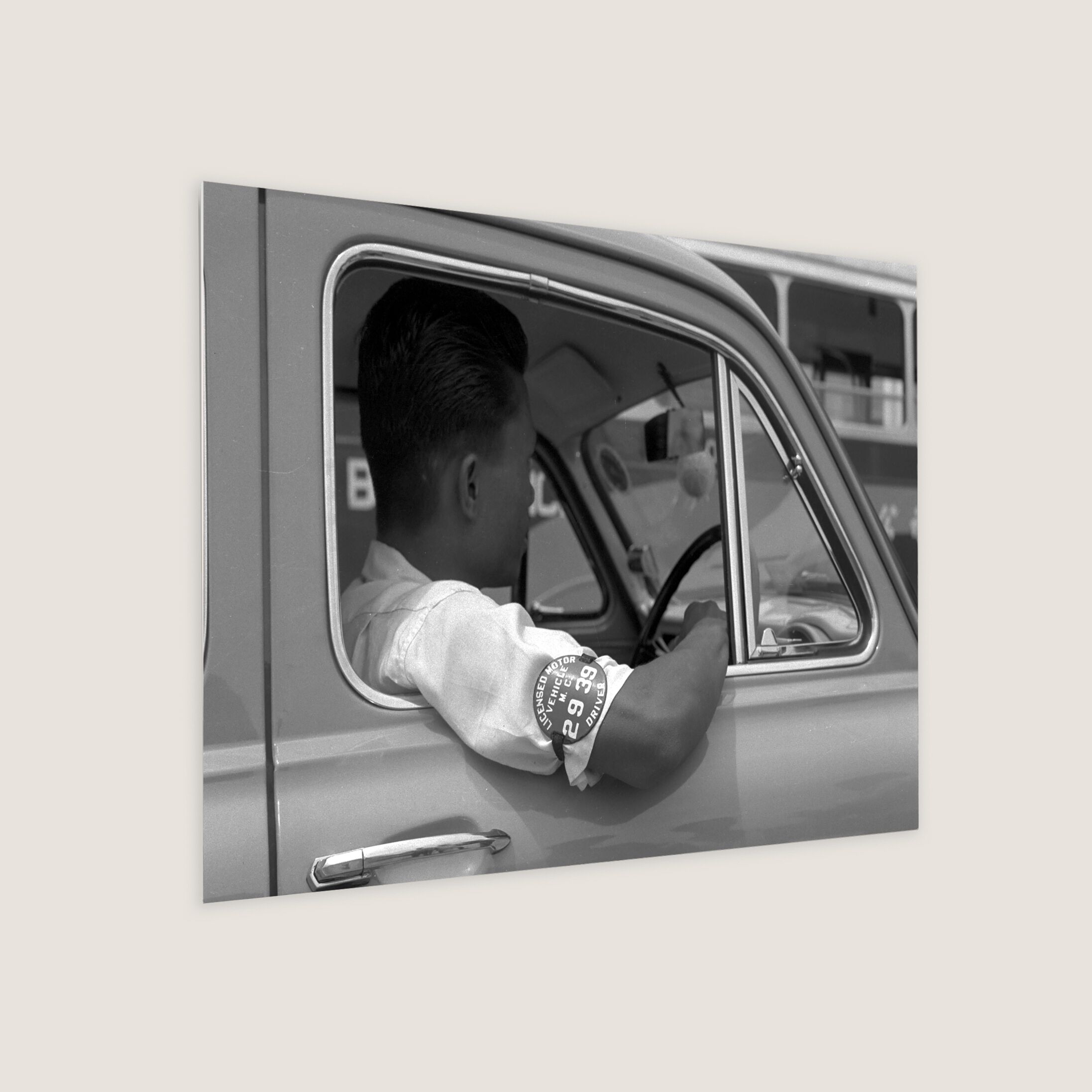
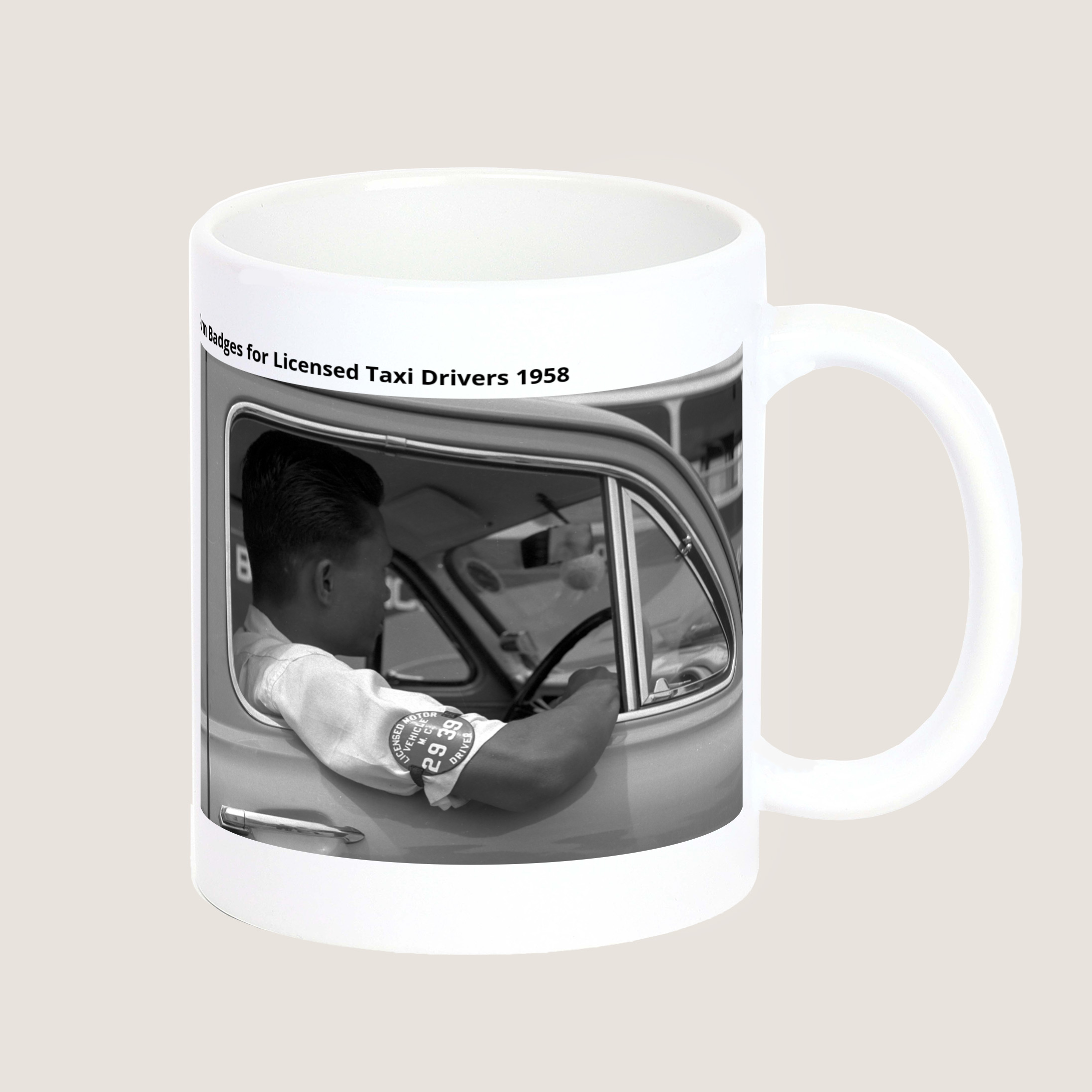
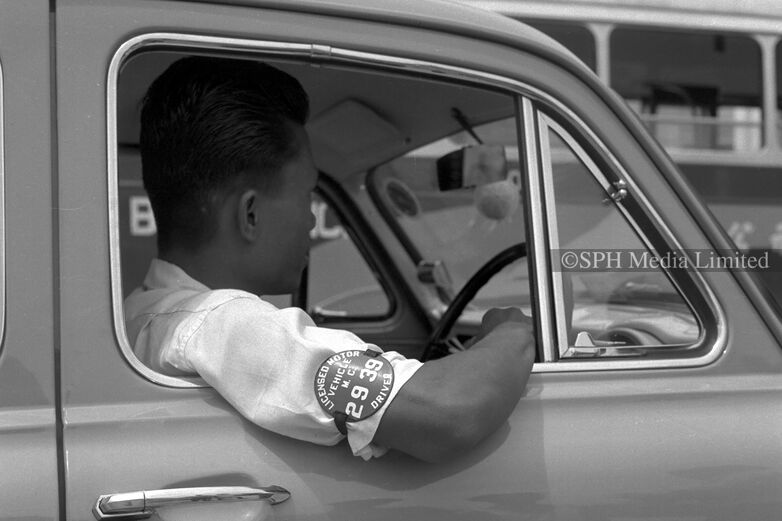 Arm Badges for Licensed Taxi Drivers
1958
Arm Badges for Licensed Taxi Drivers
1958
Arm Badges for Licensed Taxi Drivers
Year 1958
In the 1950s, taxi drivers and trishaw riders received their licenses from the Singapore City Council Vehicles Department on Middle Road. Due to complaints that the arm badges (shown in the photo) were too bulky, smaller breast badges were introduced in 1958.
©️ SPH Media Limited
Share to
Tags
Available for print on products
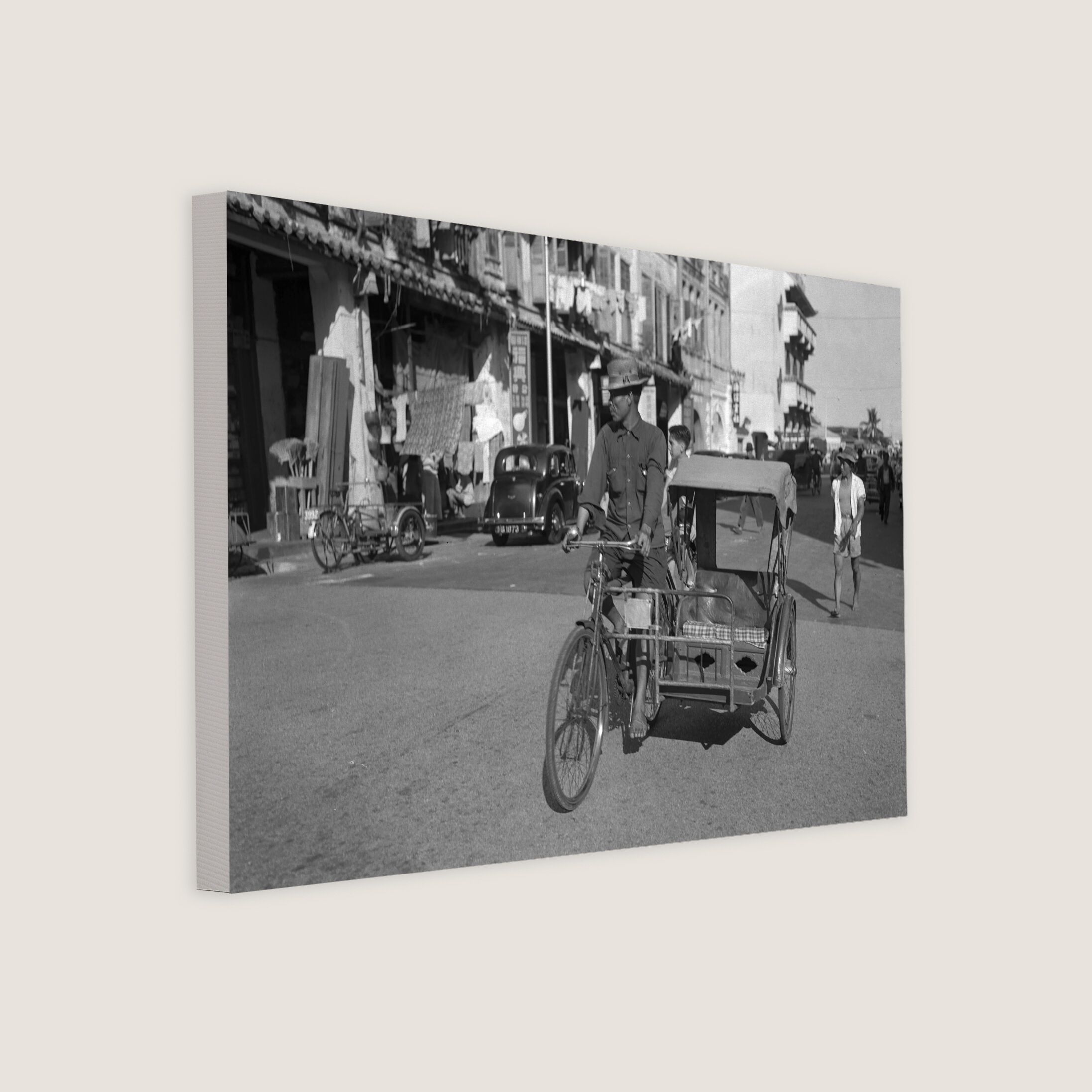
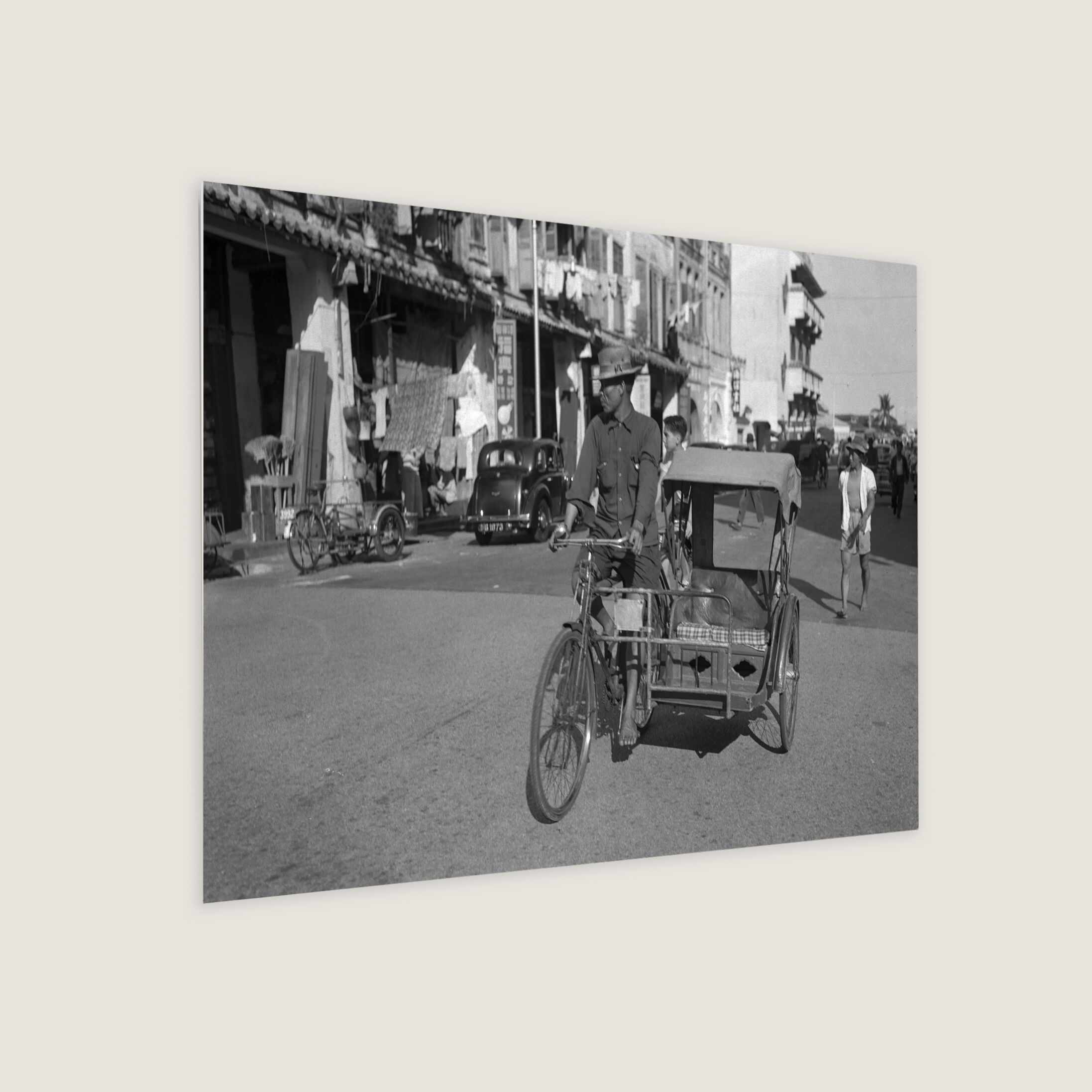
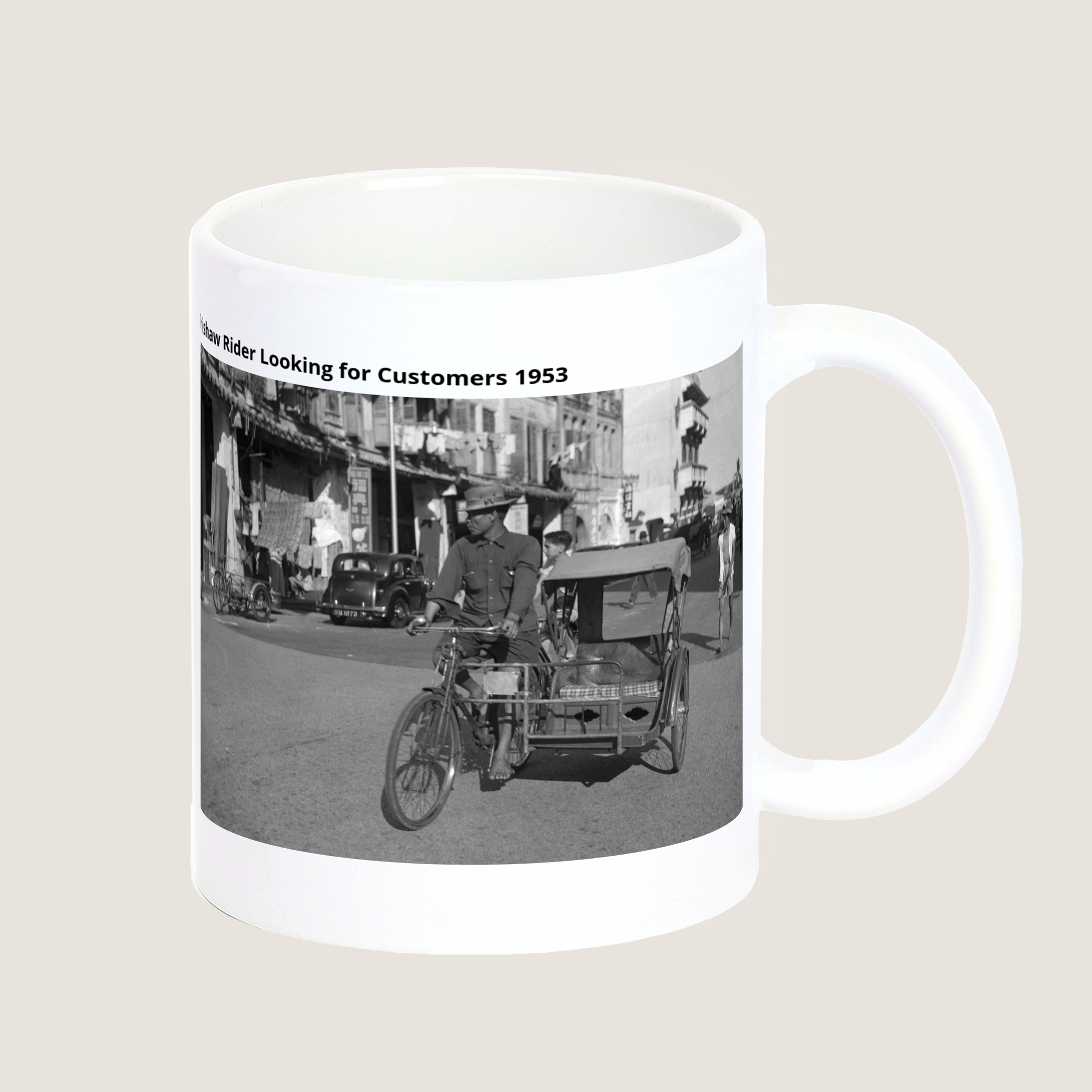
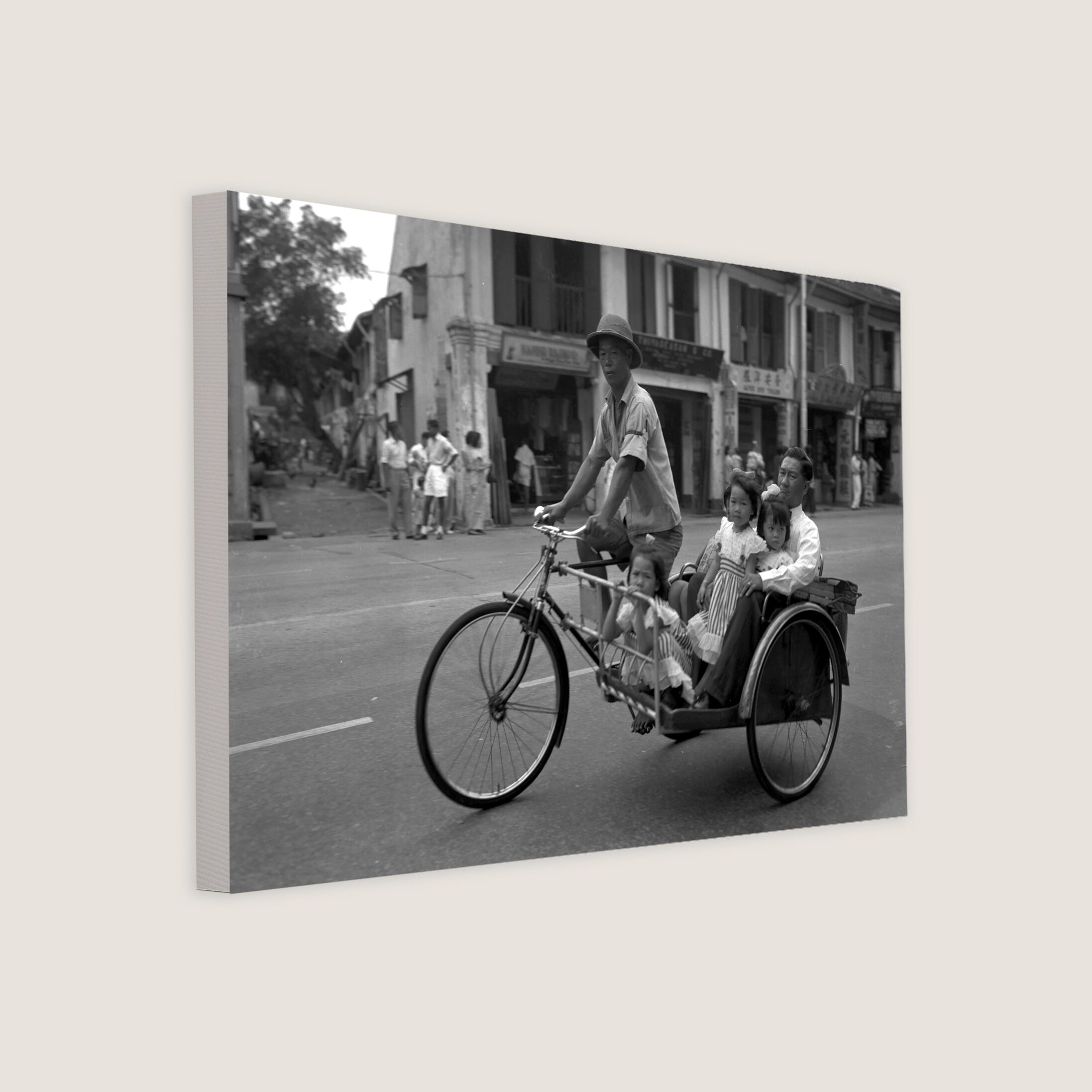
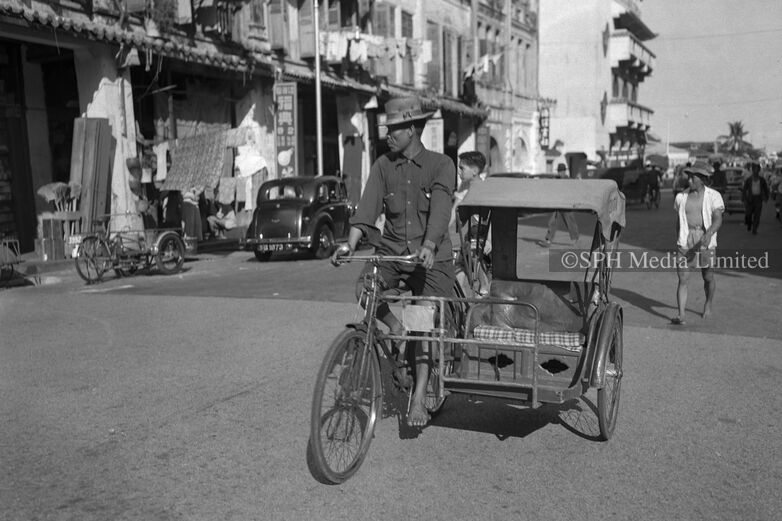 Trishaw Rider Looking for Customers
1953
Trishaw Rider Looking for Customers
1953
Trishaw Rider Looking for Customers
Year 1953
The average income of trishaw riders in the 1950s and 1960s varied depending on their working hours and the fares they collected, ranging from as low as $3 to as high as $20 a day. In 1948, the Municipal Commission set fixed hire rates for trishaws. Riders could charge $0.20 for every half mile or part of it traveled, or $1.50 per hour and $0.40 for each additional quarter hour of travel.
©️ SPH Media Limited
Share to
Tags
Available for print on products
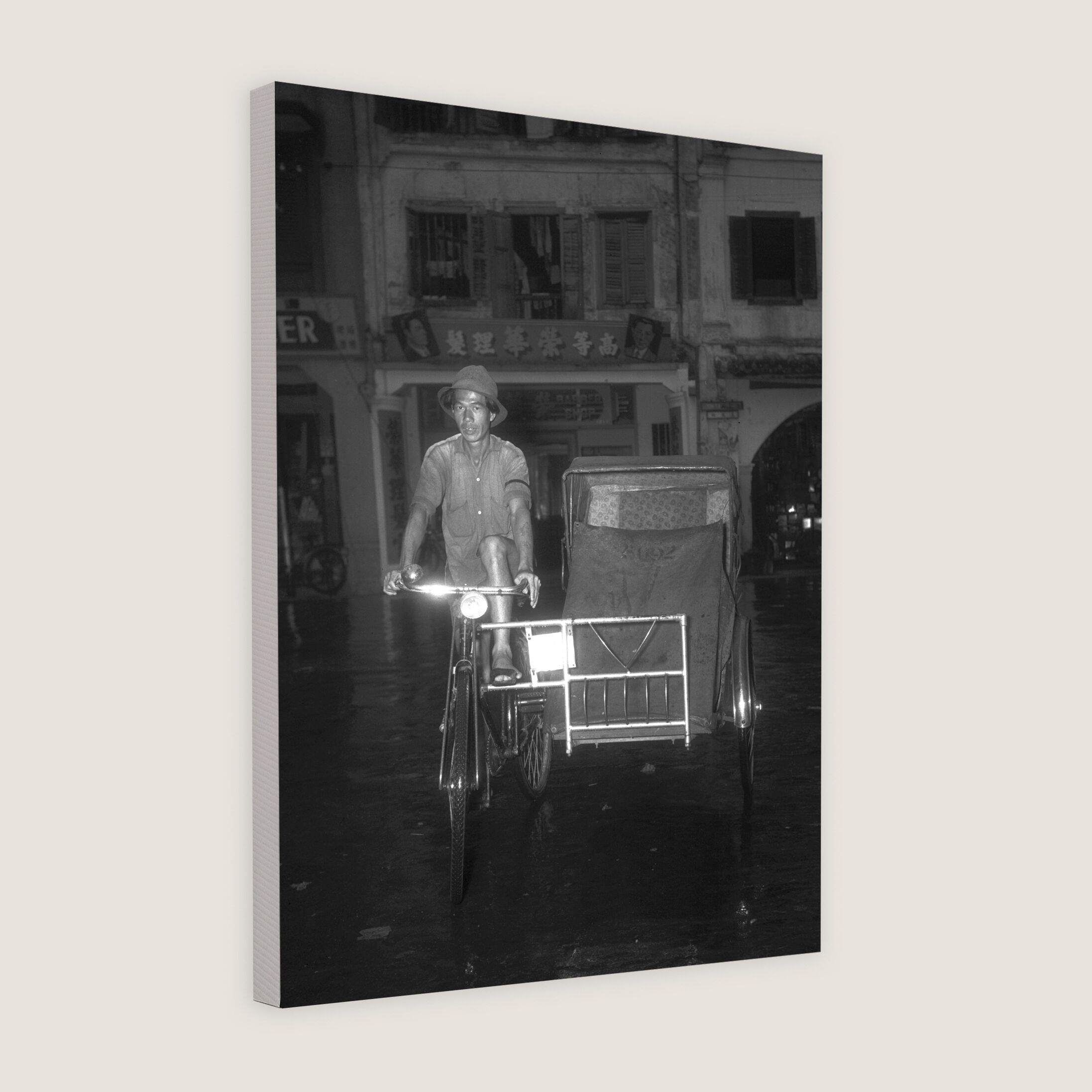
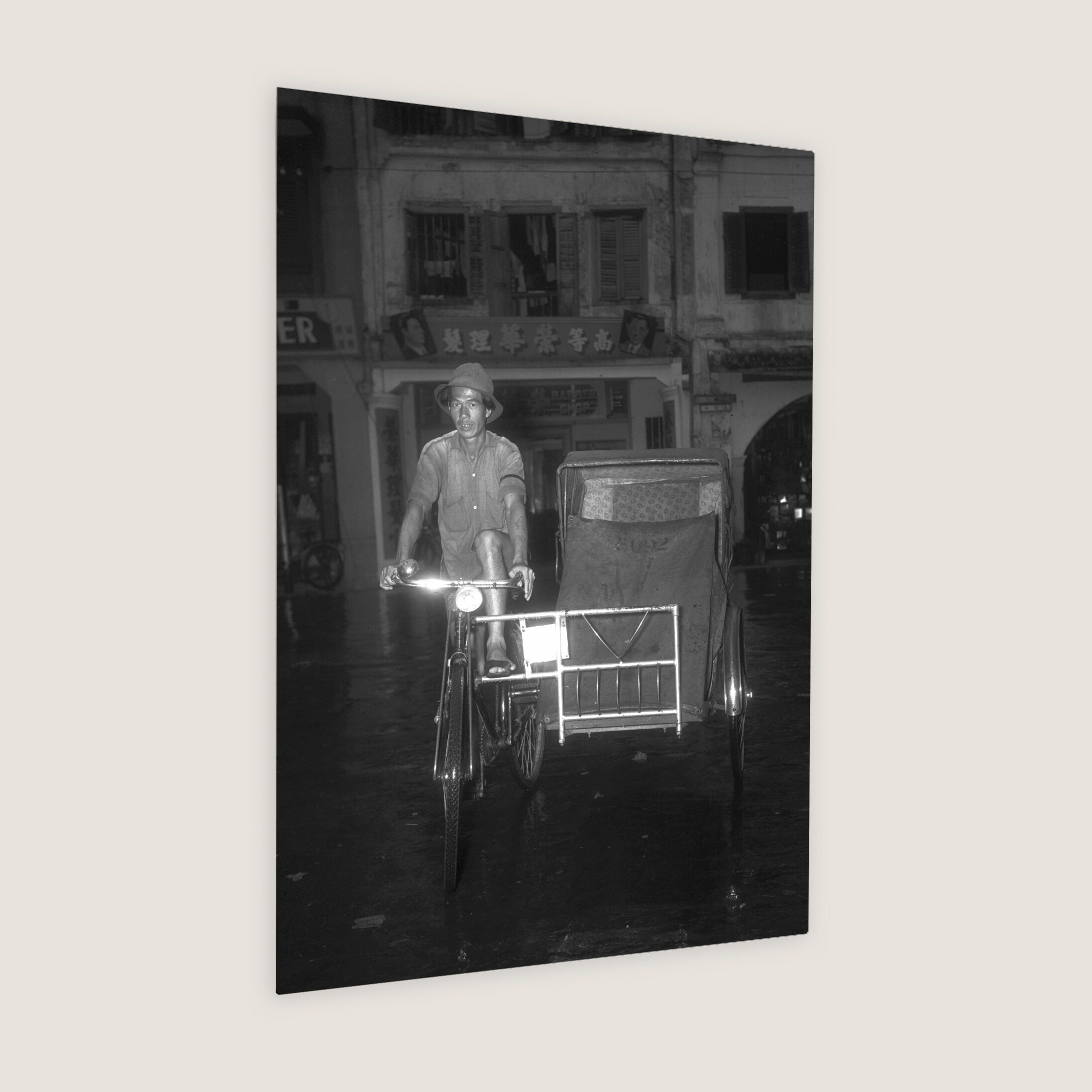
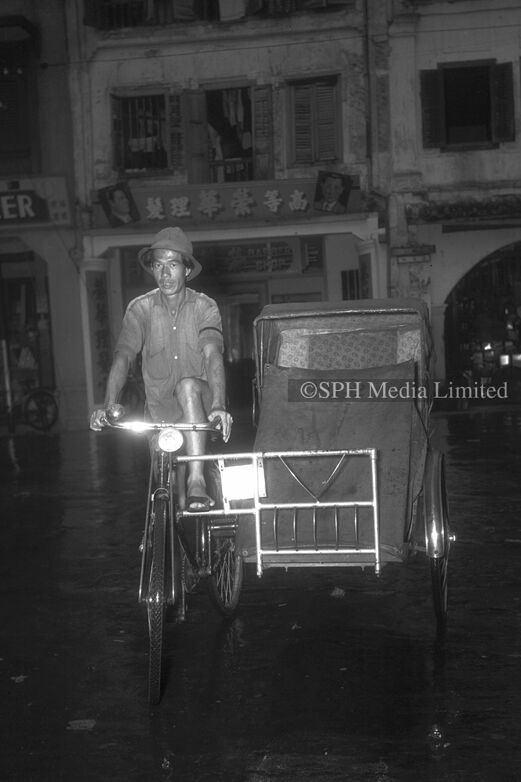 Riding a Trishaw in the Rain to Make a Living
1951
Riding a Trishaw in the Rain to Make a Living
1951
Riding a Trishaw in the Rain to Make a Living
Year 1951
Trishaws first surfaced in Singapore in April 1914, and were reintroduced to Singapore during the Japanese Occupation. A Syonan Shimbun article published on 8 August 1942 reported that the first batch of 10 trishaws (referred to as 'ricksha-cycles' in the article) began operating on 7 August 1943, with an official fare of 15 cents per mile.
©️ SPH Media Limited
Share to
Tags
Available for print on products
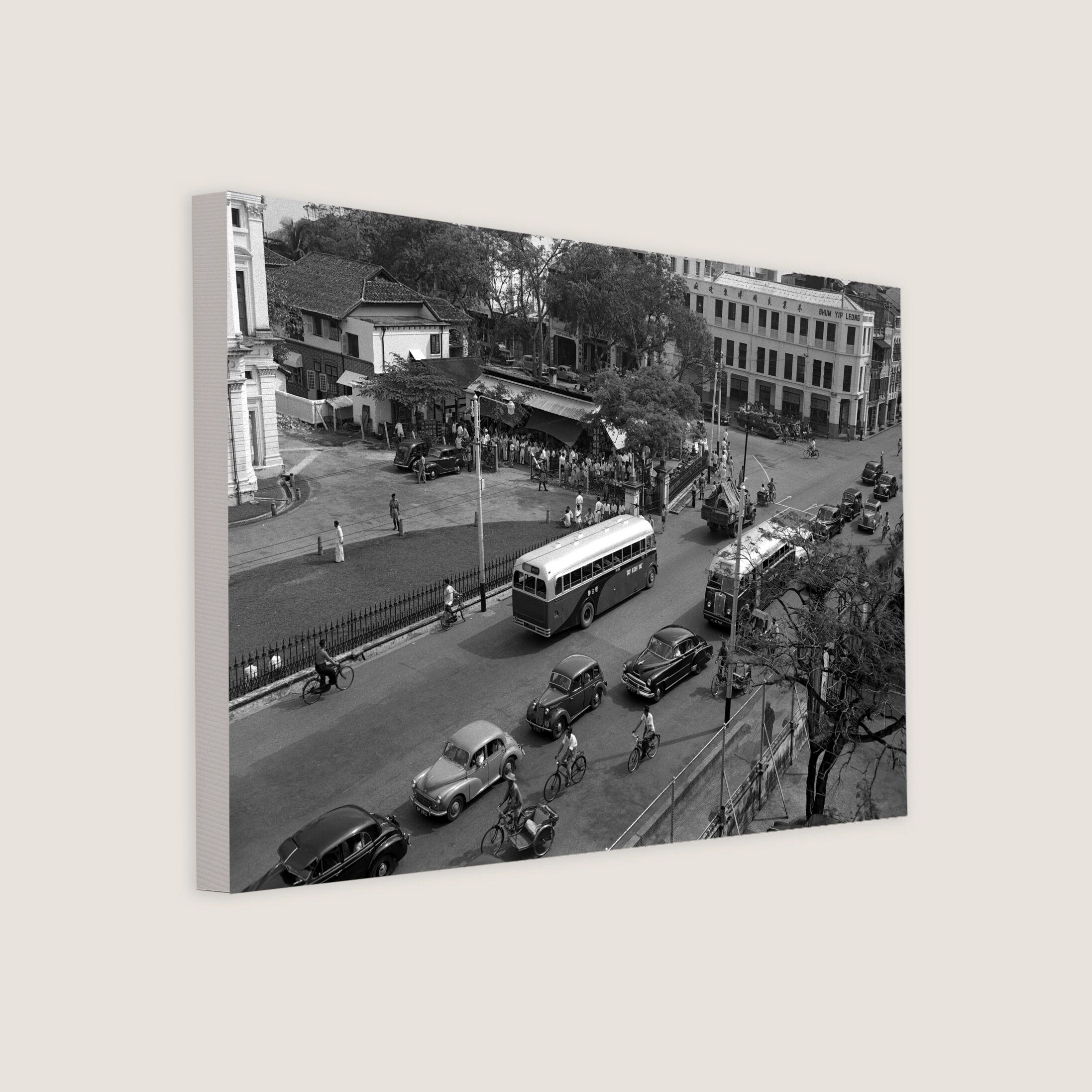
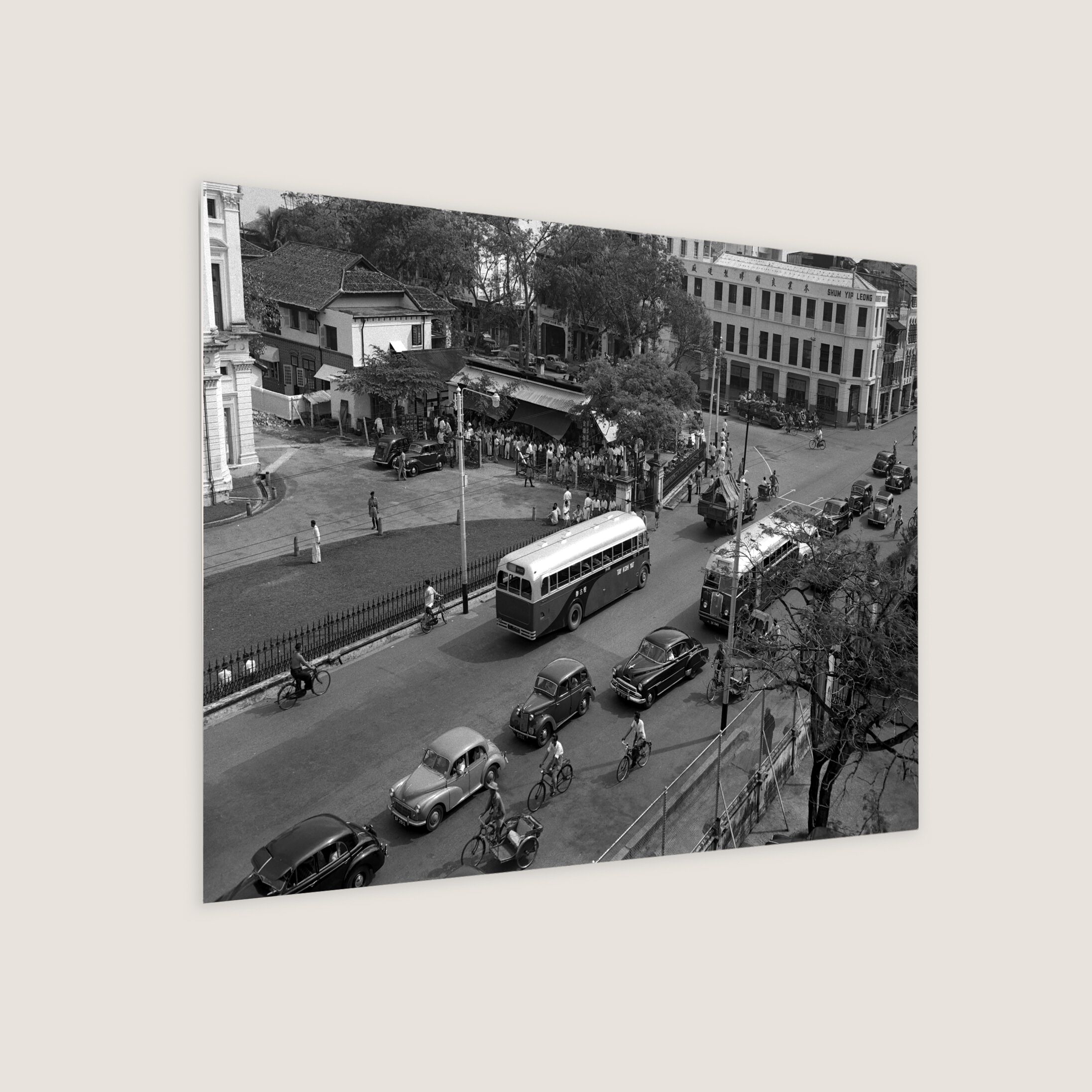
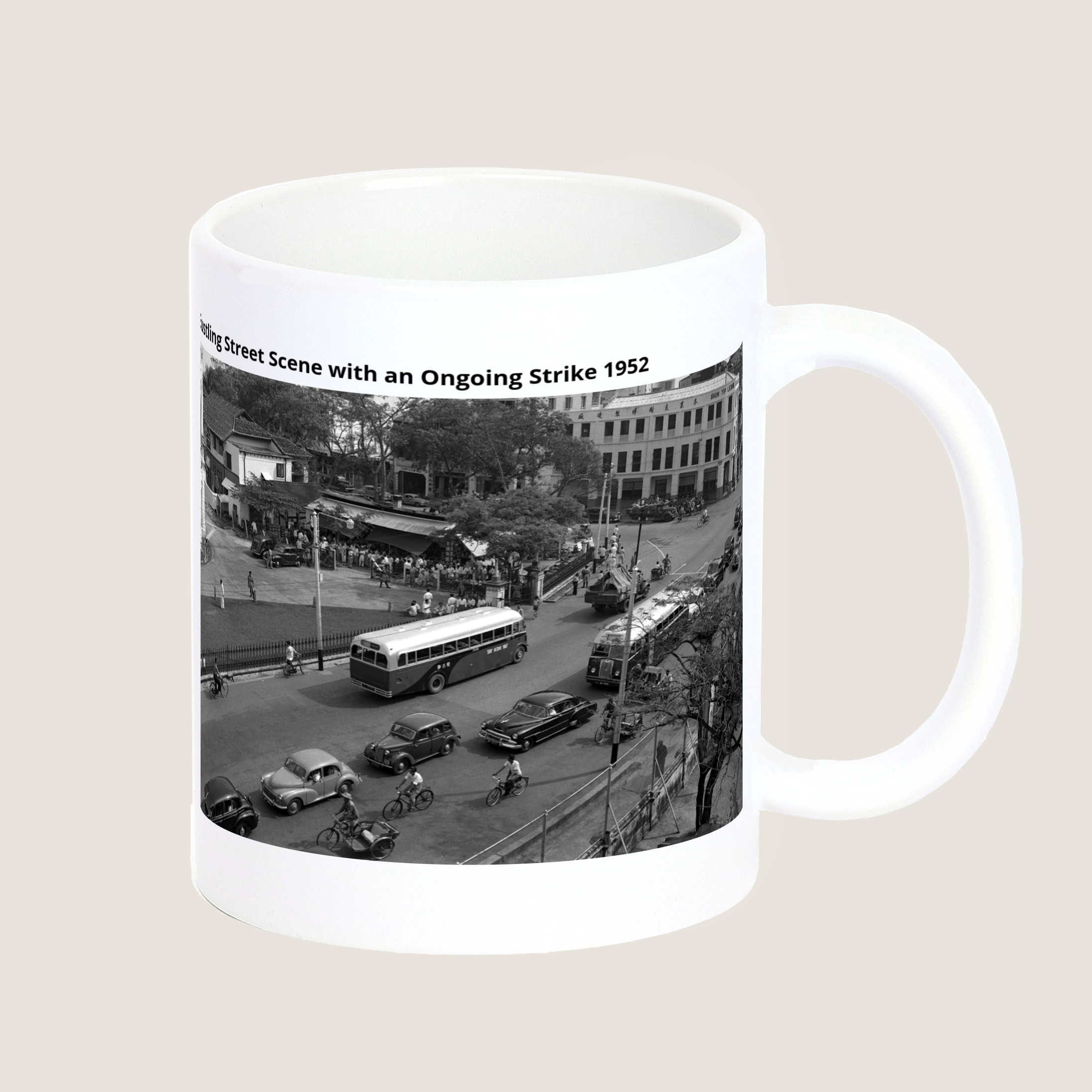
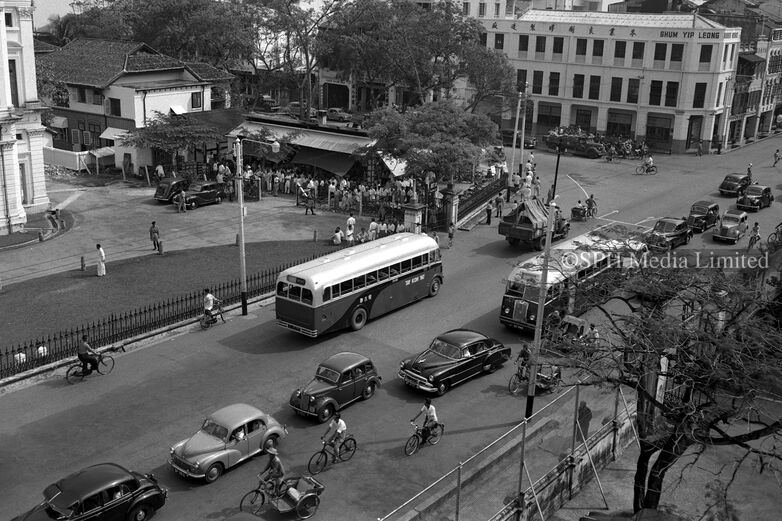 Bustling Street Scene with an Ongoing Strike
1952
Bustling Street Scene with an Ongoing Strike
1952
Bustling Street Scene with an Ongoing Strike
Year 1952
A junction in front of the Police Court on South Bridge Road in May 1952. Although a strike by Singapore Traction Company workers was underway, the busy road seemed calm. The photo captures workers gathered in front of the Police Court. By the 1950s, STC was grappling with operational difficulties, including labour strikes and growing competition from illegal taxi services.
©️ SPH Media Limited
Share to
Tags
Available for print on products
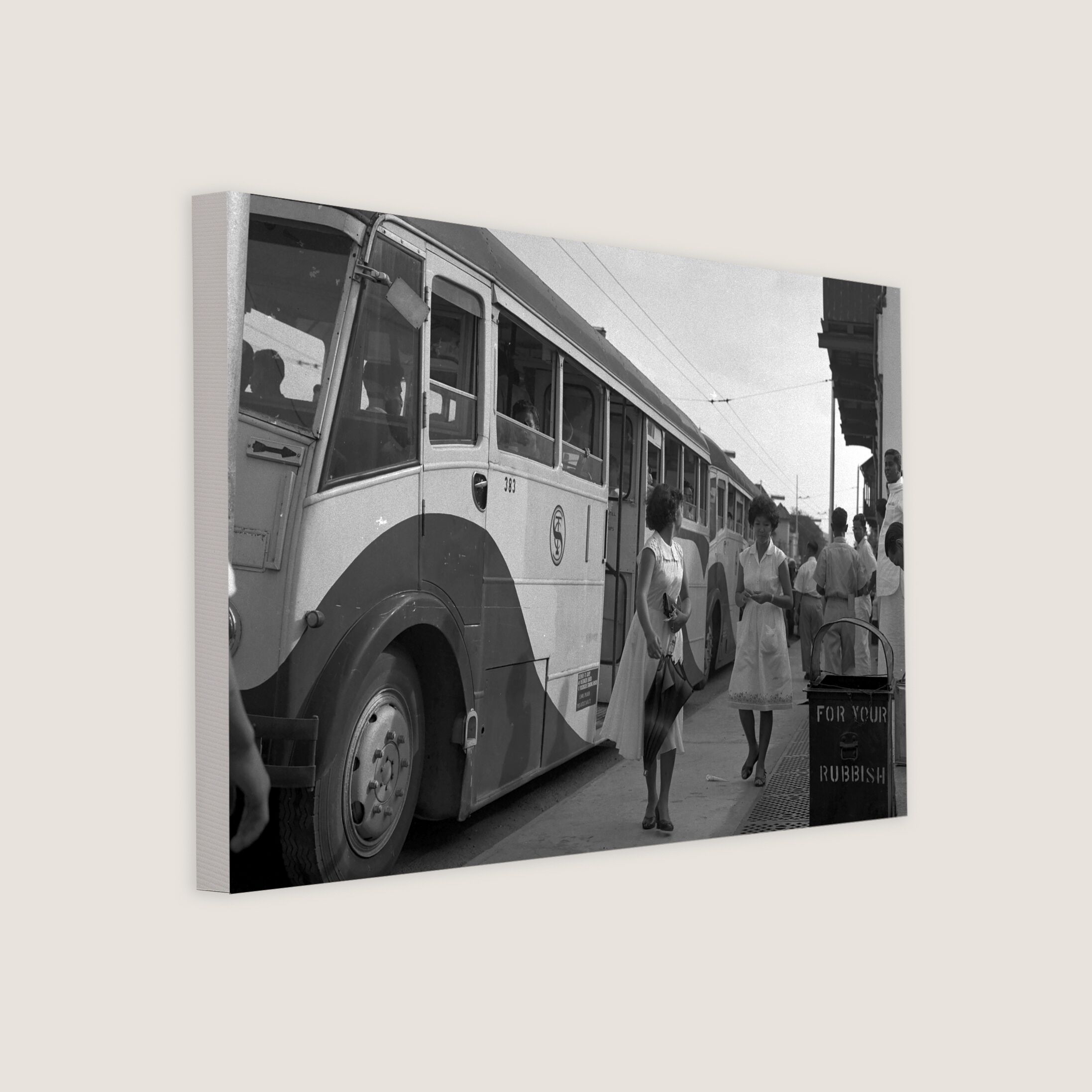
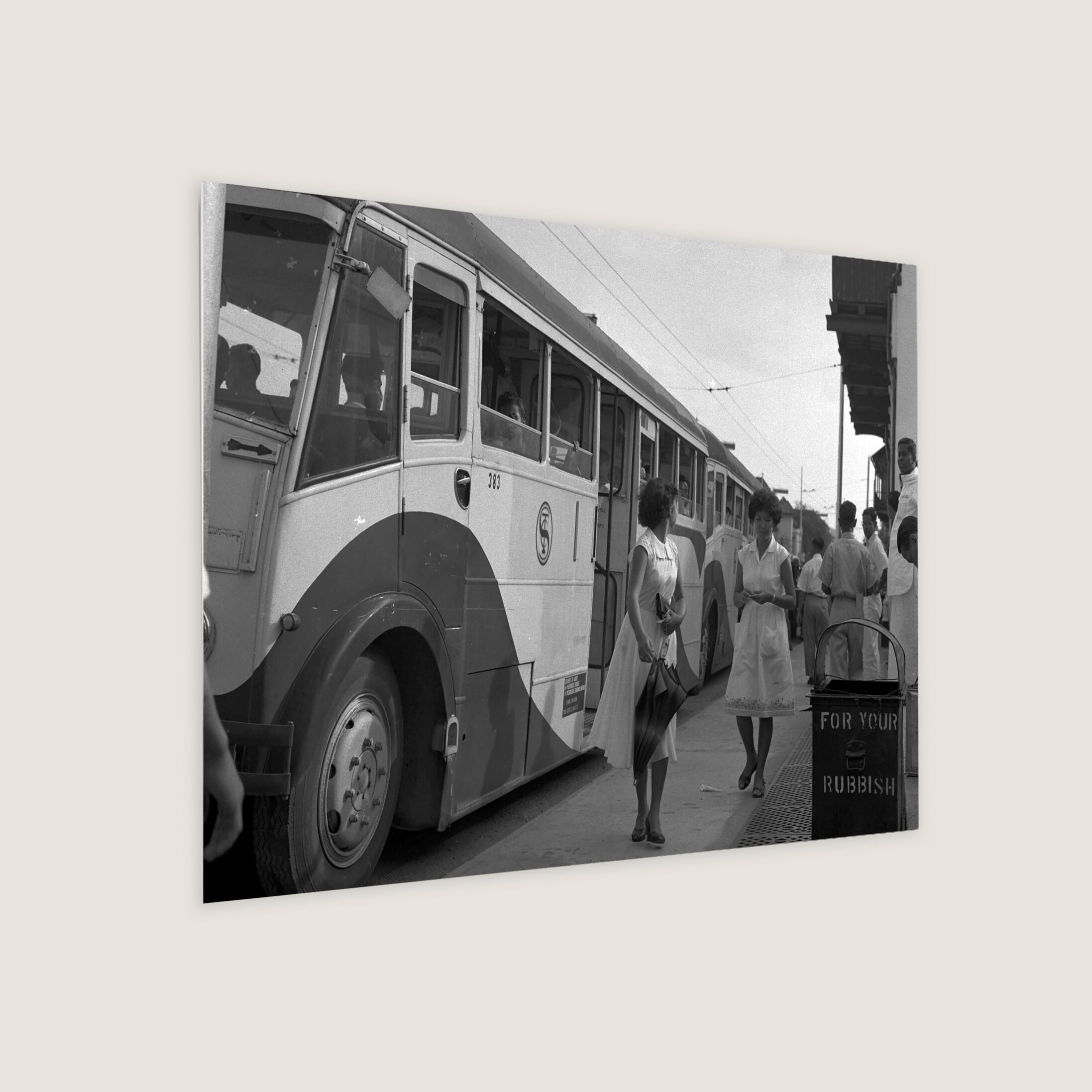
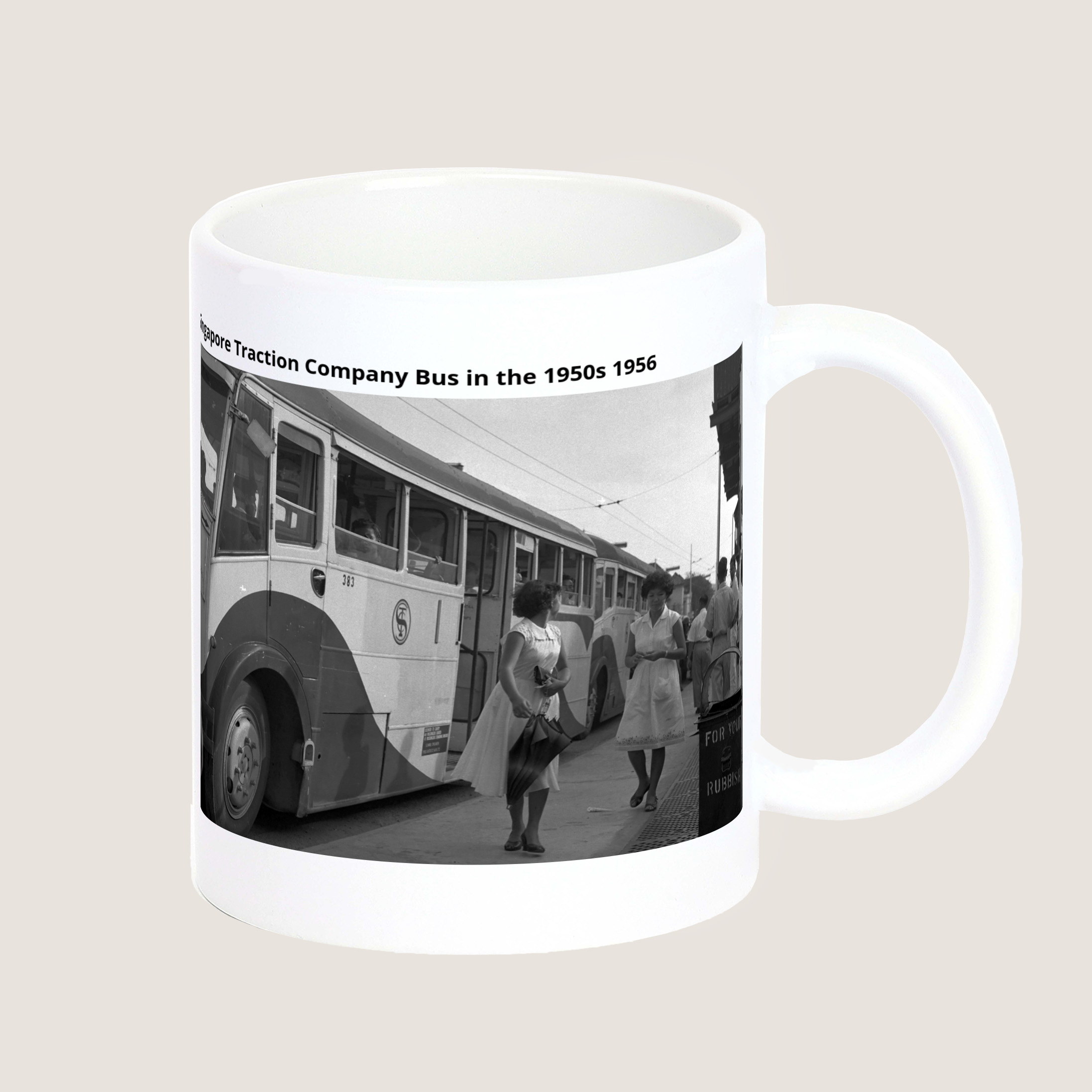
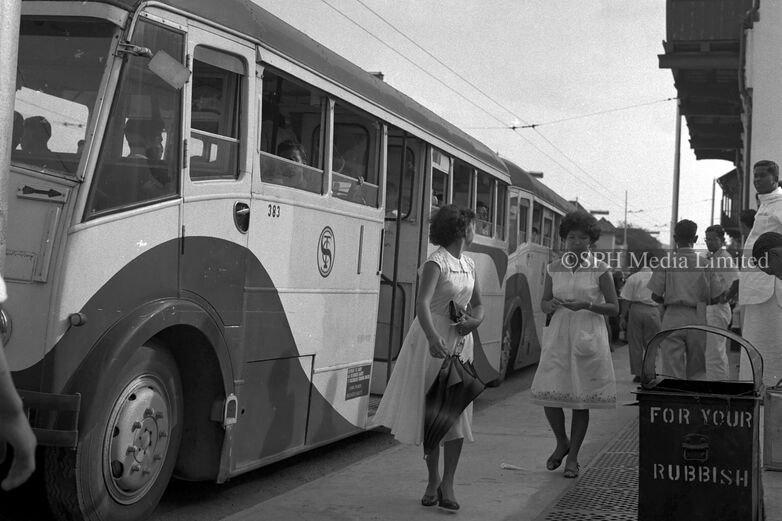 Singapore Traction Company Bus in the 1950s
1956
Singapore Traction Company Bus in the 1950s
1956
Singapore Traction Company Bus in the 1950s
Year 1956
On 1 October 1925, the Singapore Traction Company (STC) began operations under the management of the Shanghai Electric Construction Company (London). With the enactment of the Singapore Traction Ordinance, the company enjoyed a monopoly of the trolley bus service.
©️ SPH Media Limited
Share to
Tags
Available for print on products
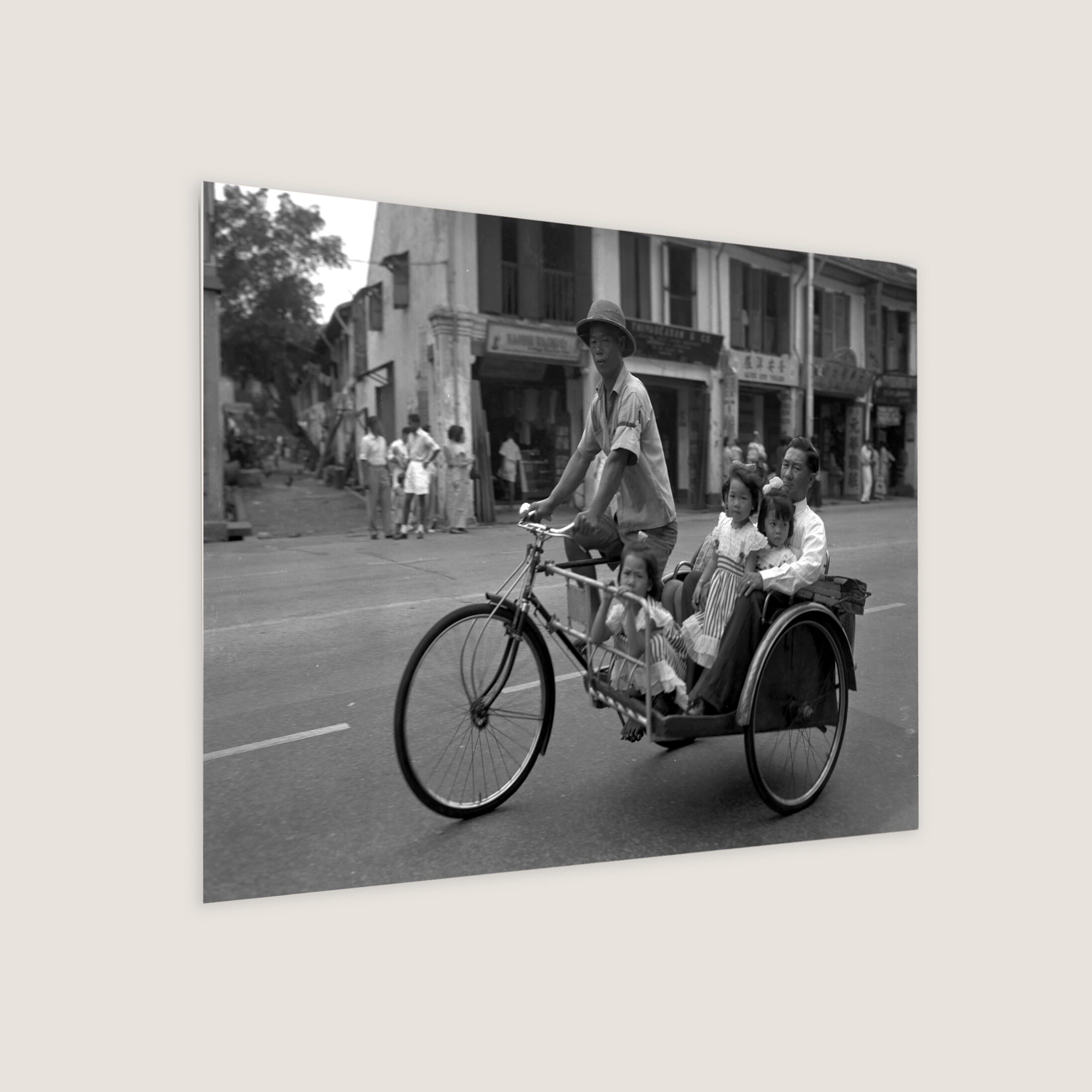
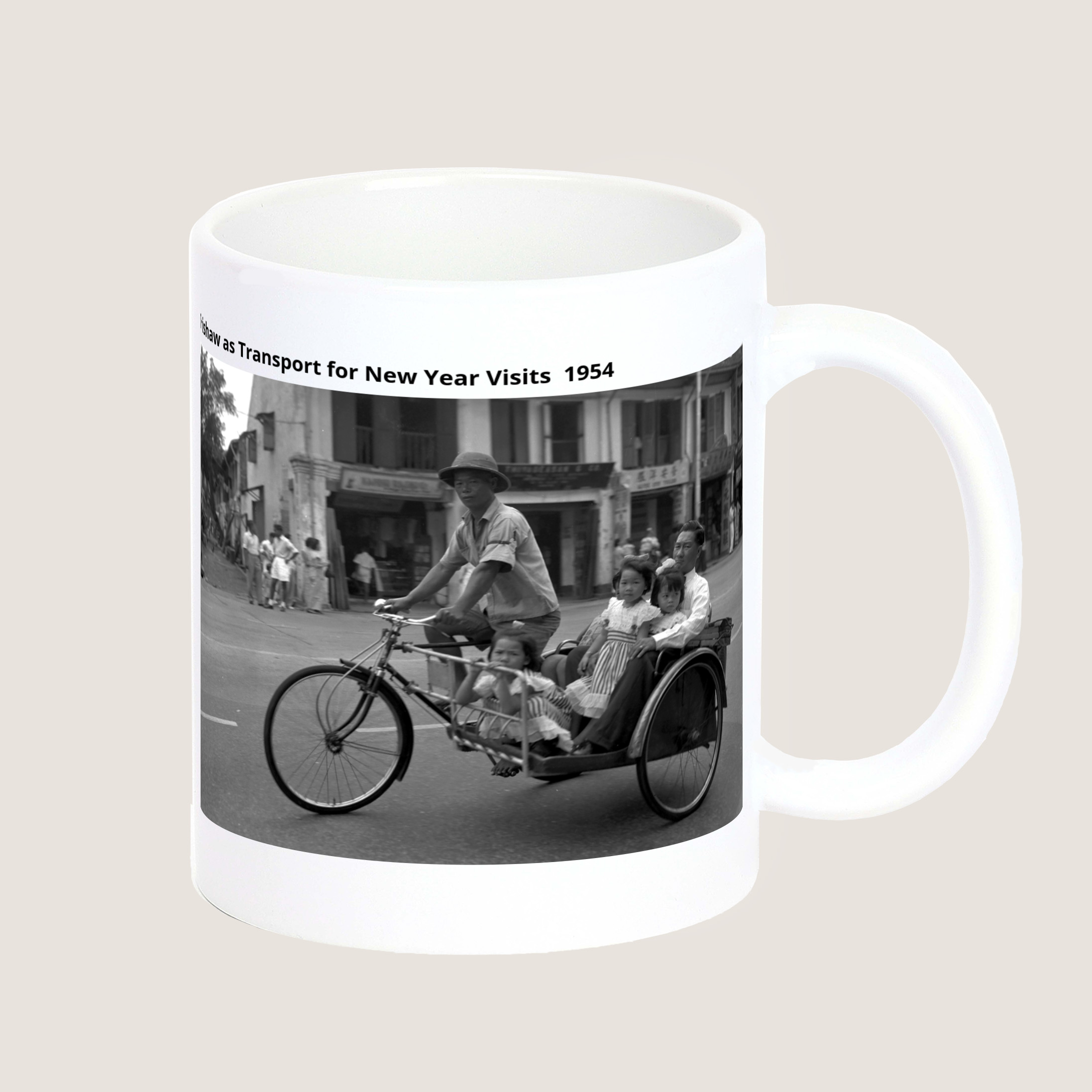
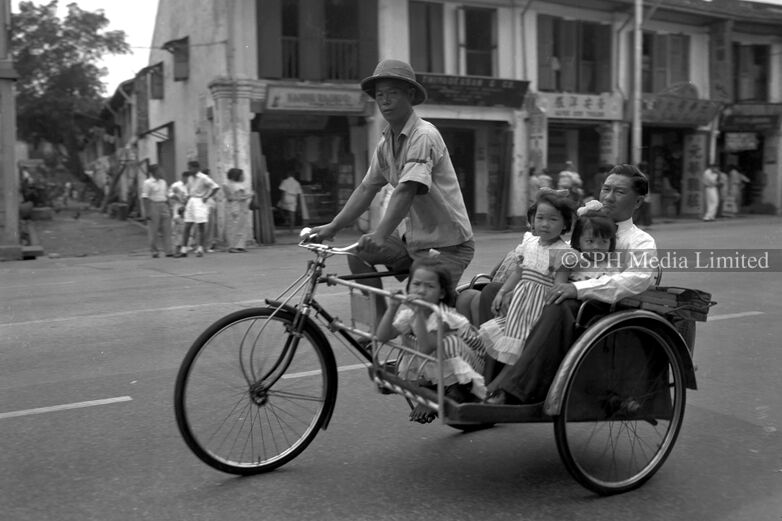 Trishaw as Transport for New Year Visits
1954
Trishaw as Transport for New Year Visits
1954
Trishaw as Transport for New Year Visits
Year 1954
Chinese New Year holiday makers taking a trishaw ride in 1954. The trishaw was a common mode of transport before the 40s and early 50s. As the years went by, Singapore broadened its variety of public and private transport for its citizens, and the trishaw became less popular. In modern Singapore, it became a tourist attraction, and even then, all trishaws eventually ceased operations in 2023.
©️ SPH Media Limited
Share to
Tags
Available for print on products
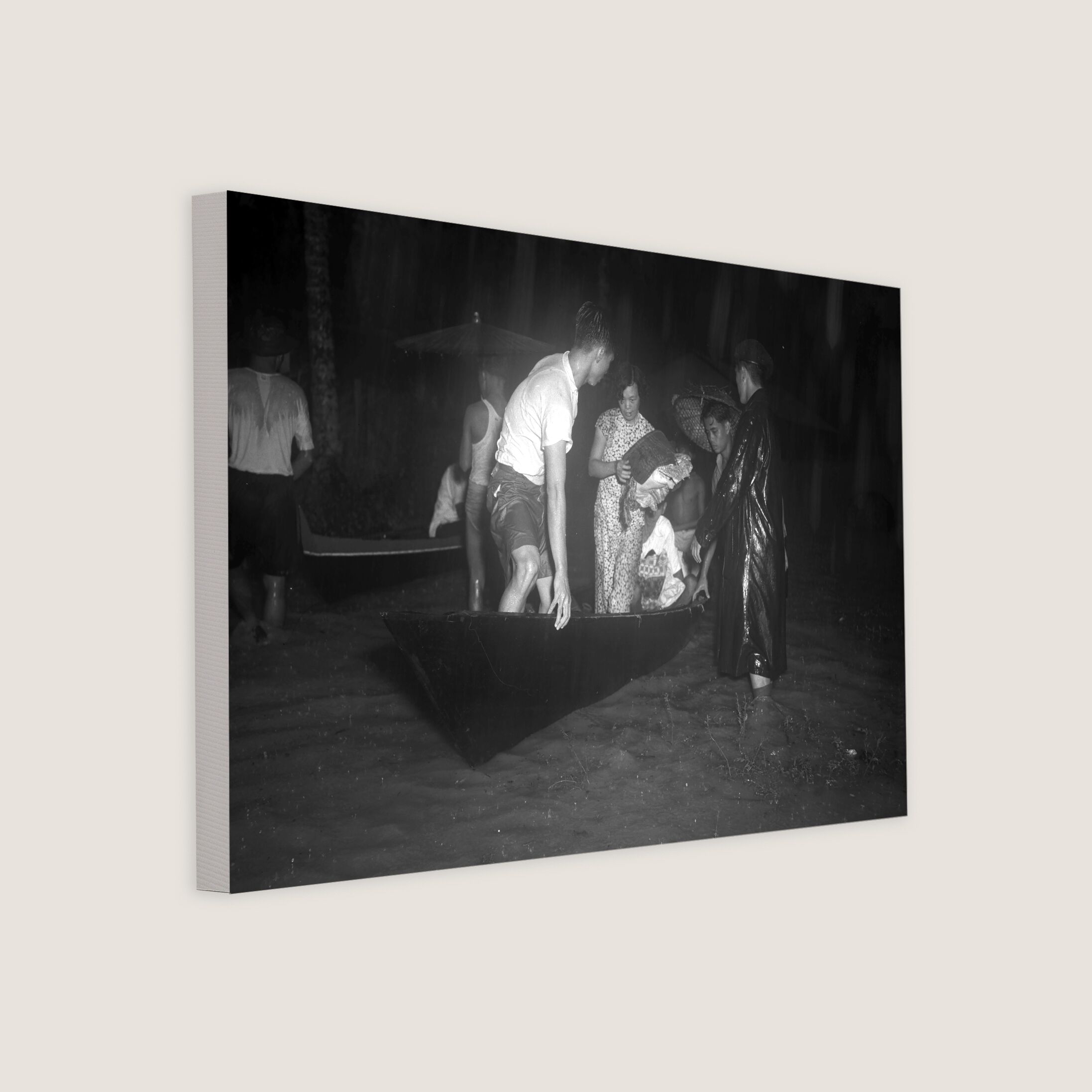
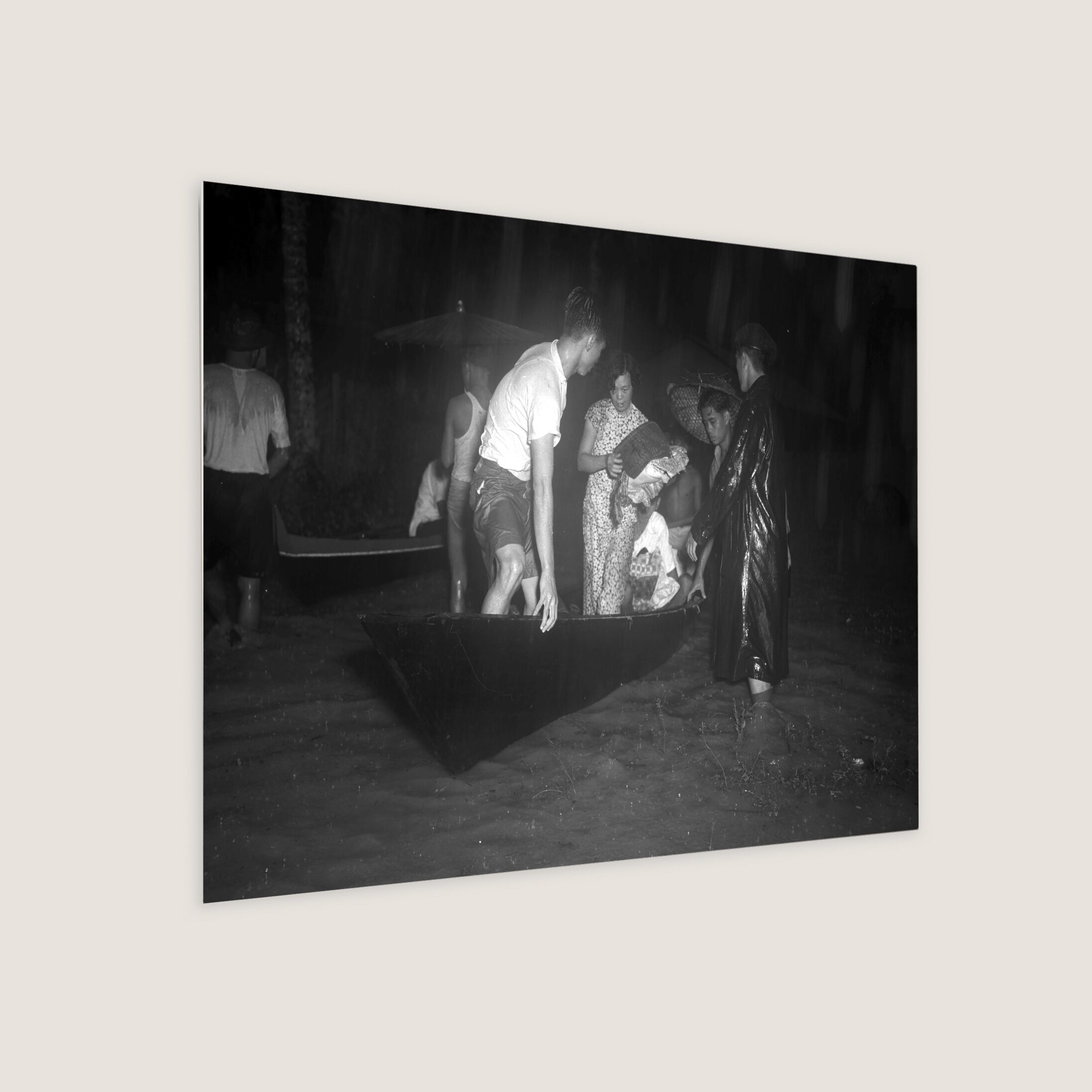
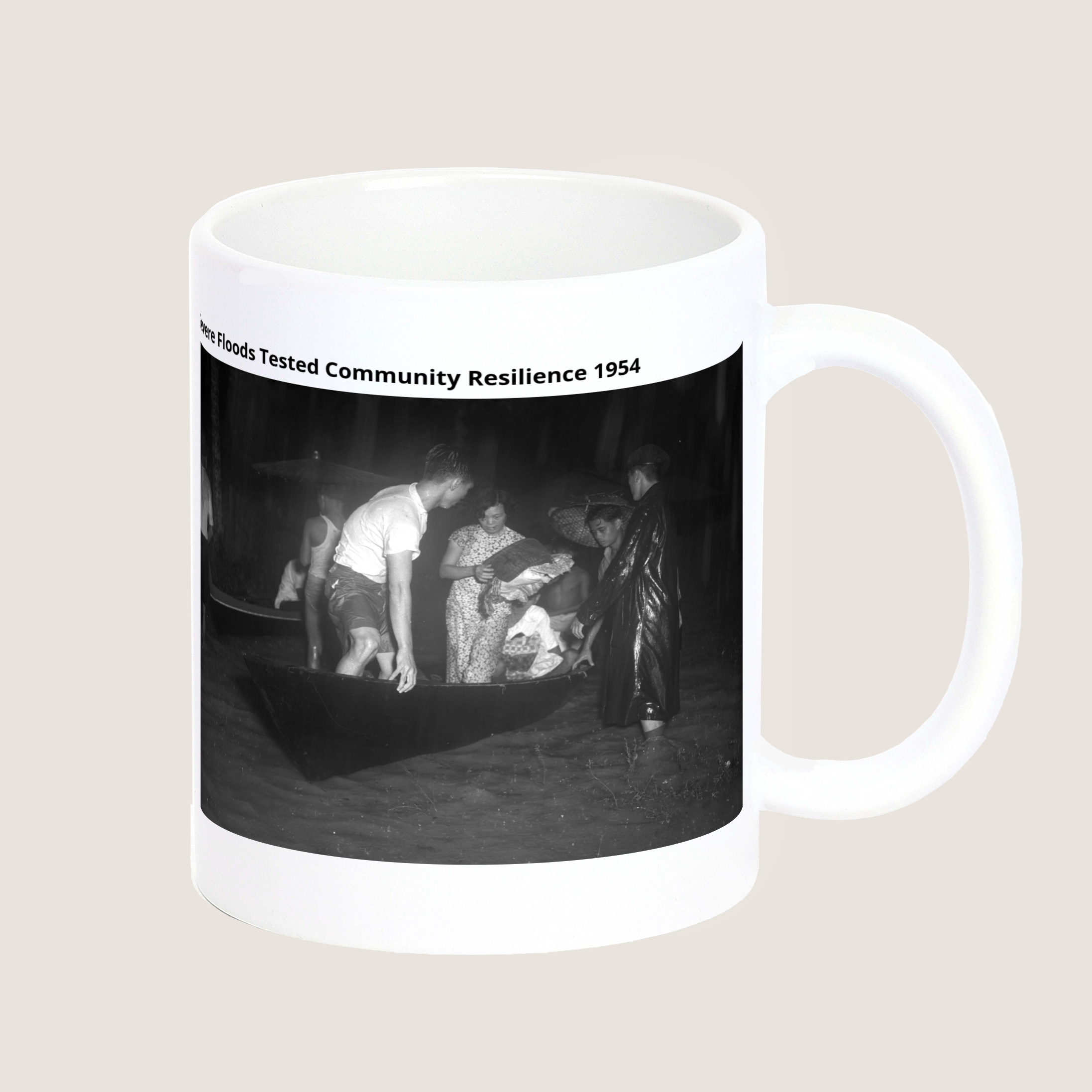
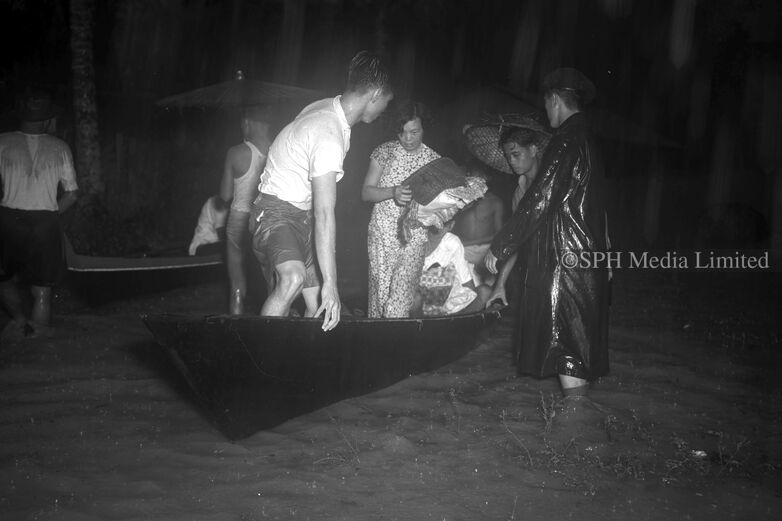 Severe Floods Tested Community Resilience
1954
Severe Floods Tested Community Resilience
1954
Severe Floods Tested Community Resilience
Year 1954
On 8 December 1954, heavy rain started in the evening, escalating to a torrential downpour by 11:20 pm. The rain persisted for over 24 hours, flooding 2,500 acres, with Bedok being severely affected. The photo shows a family being evacuated by sampan from a Bedok farm.
©️ SPH Media Limited
Share to
Tags
Available for print on products
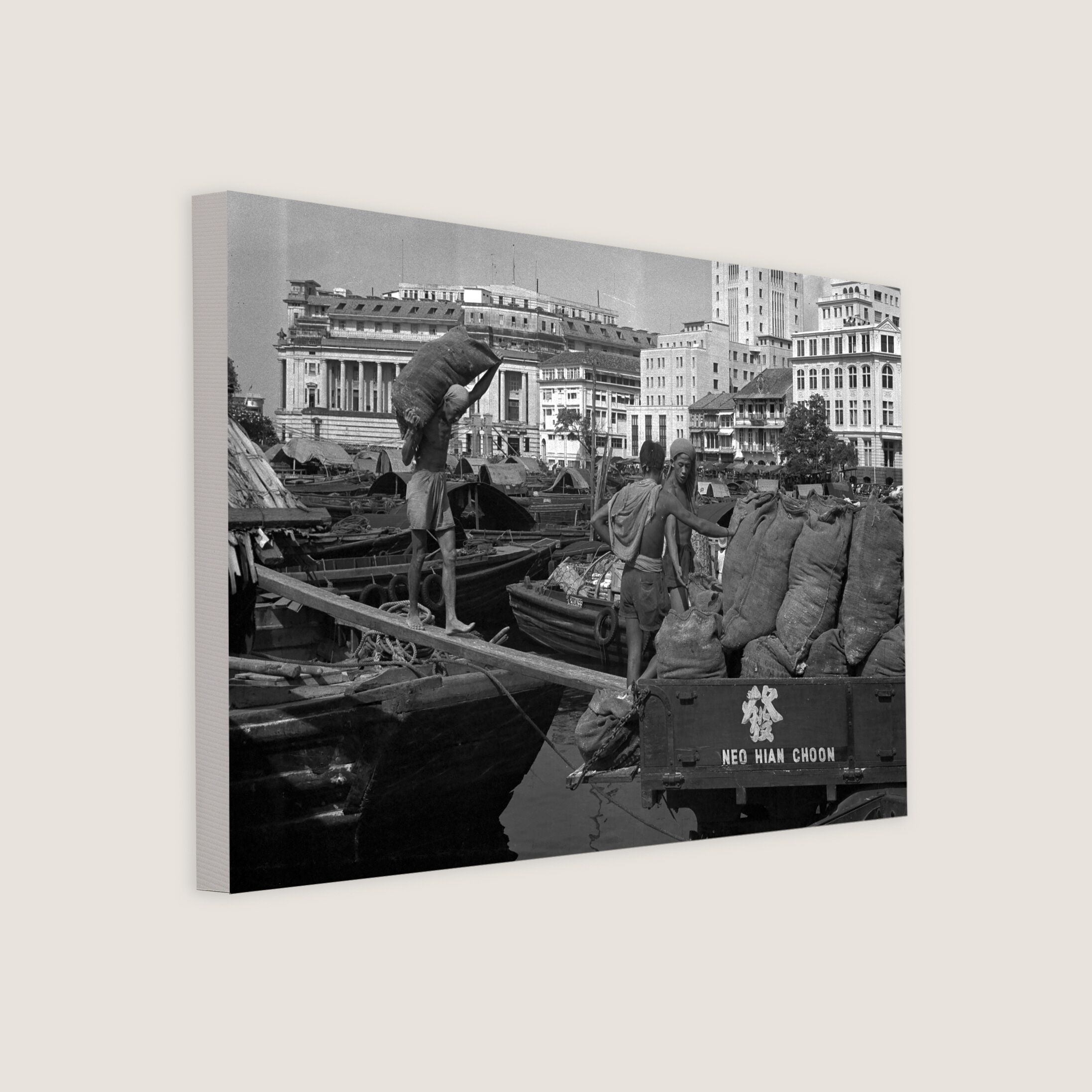
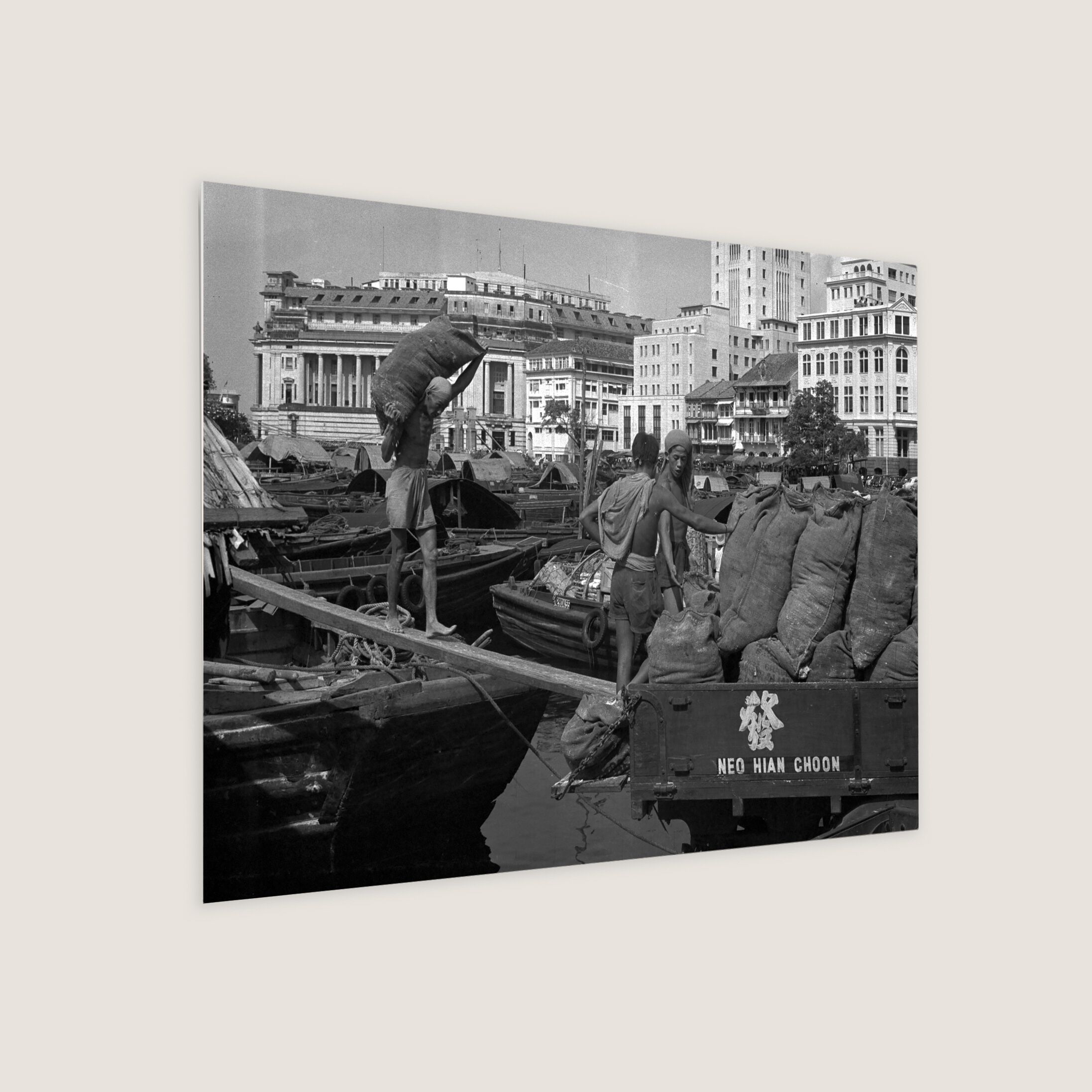
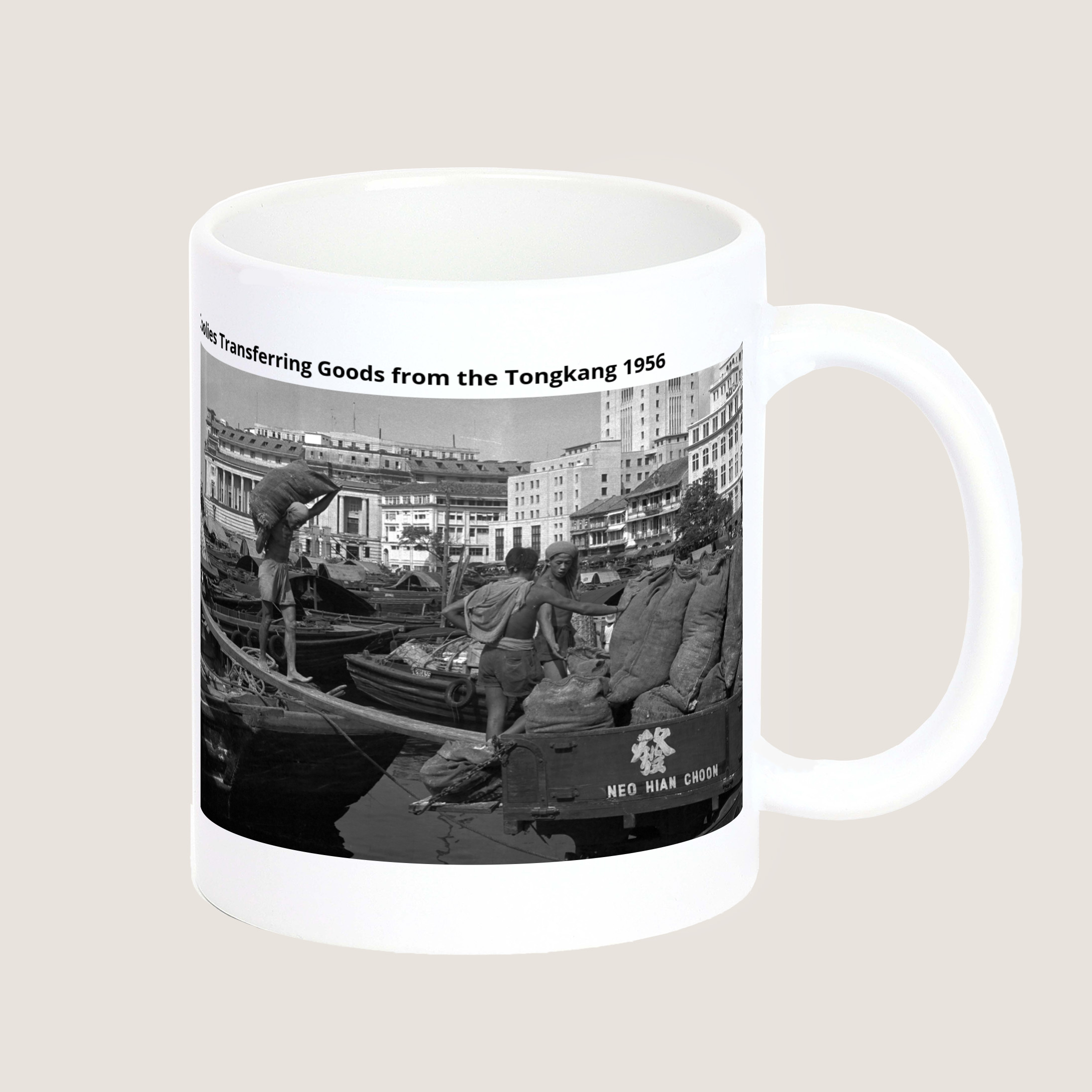
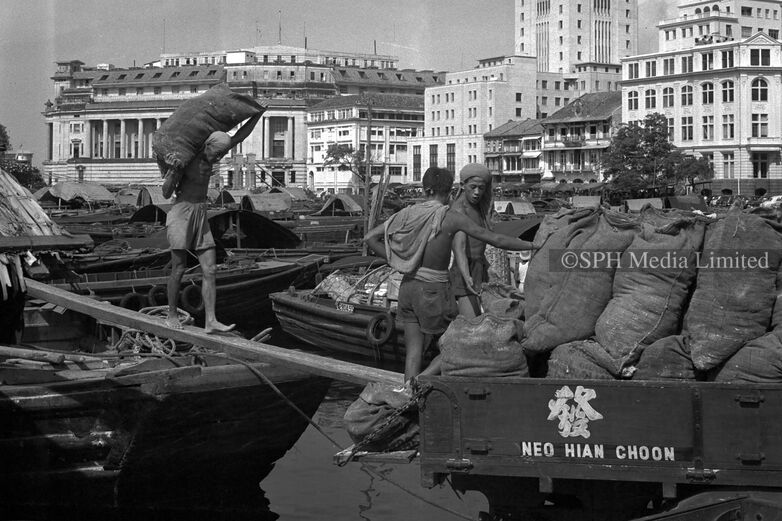 Coolies Transferring Goods from the Tongkang
1956
Coolies Transferring Goods from the Tongkang
1956
Coolies Transferring Goods from the Tongkang
Year 1956
Labourers, also known as coolies, were commonly employed for strenuous manual labour and physically demanding tasks, such as loading and unloading cargo. In early Singapore, it was a frequent sight to see these workers carrying gunny sacks filled with goods near the Singapore River. The goods were loaded from a tongkang (a bumboat) onto a lorry that would transport them to warehouses for storage.
©️ SPH Media Limited
Share to
Tags
Available for print on products
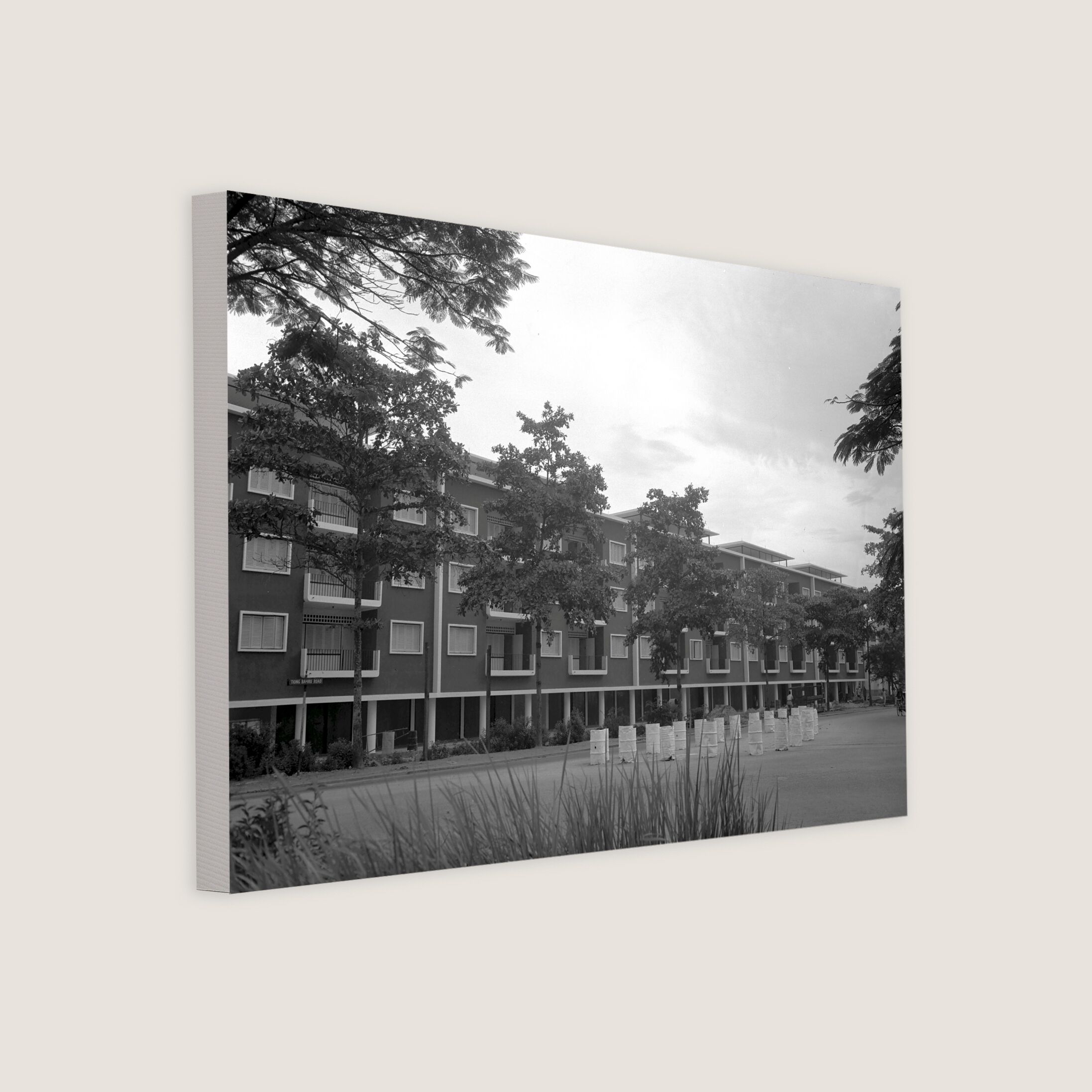
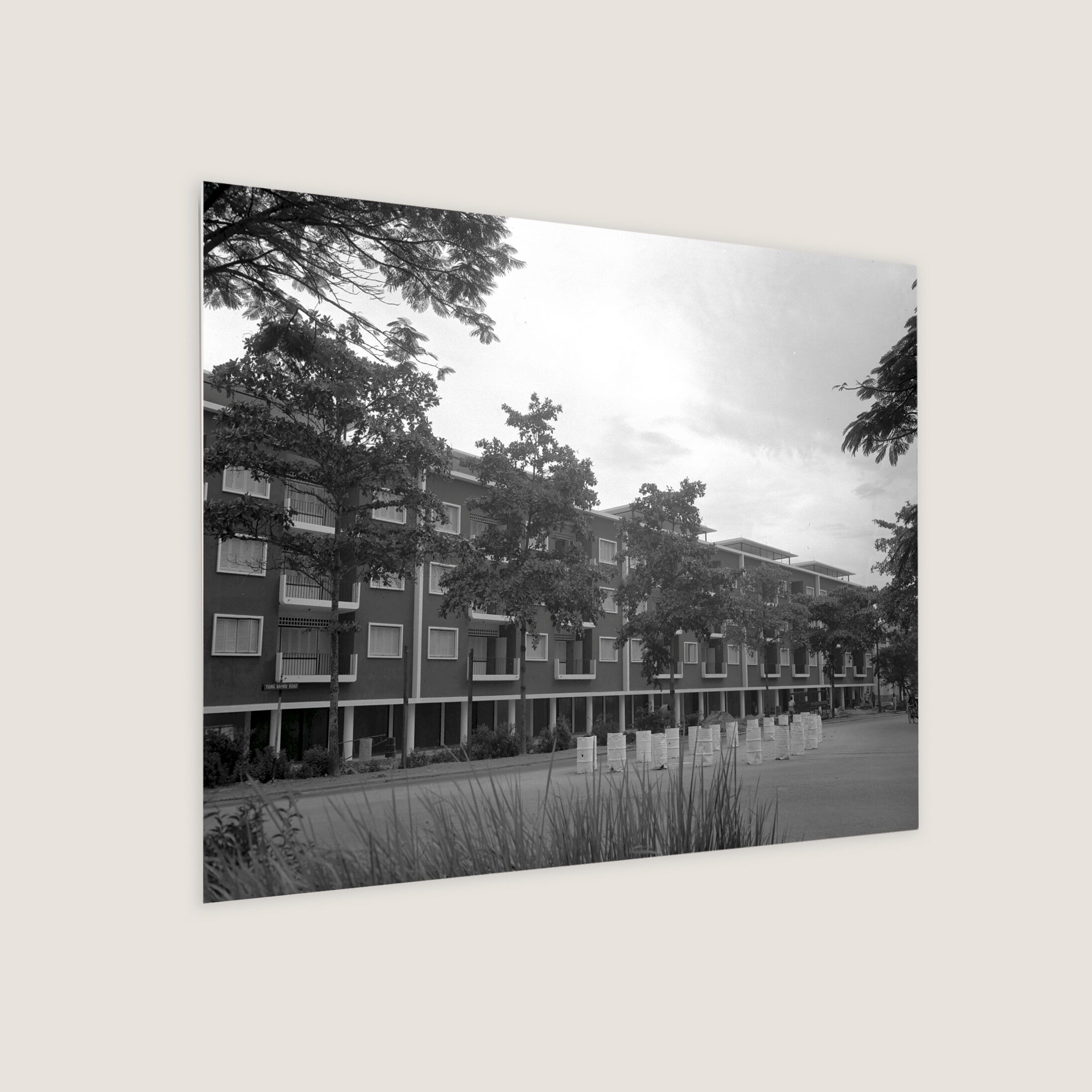
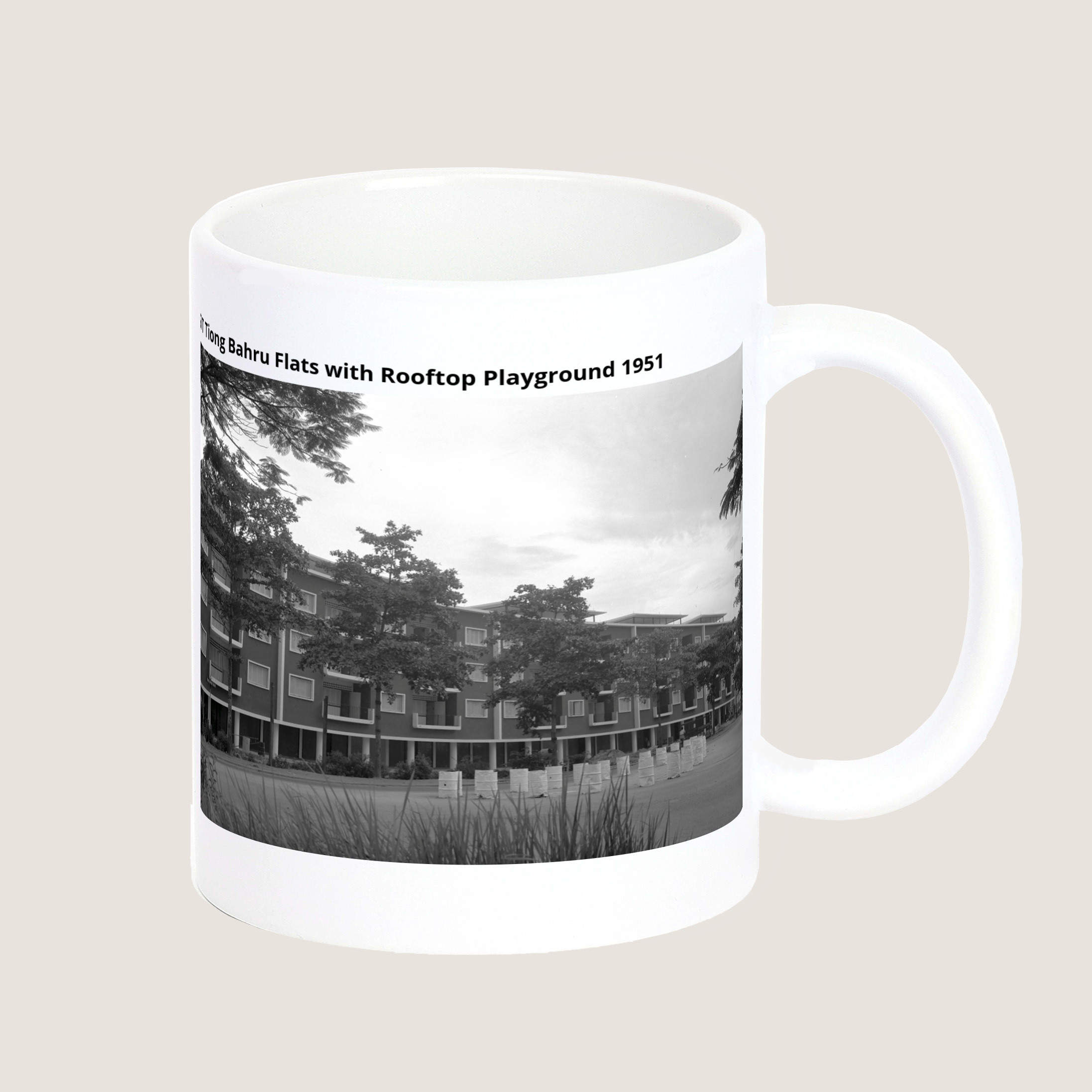
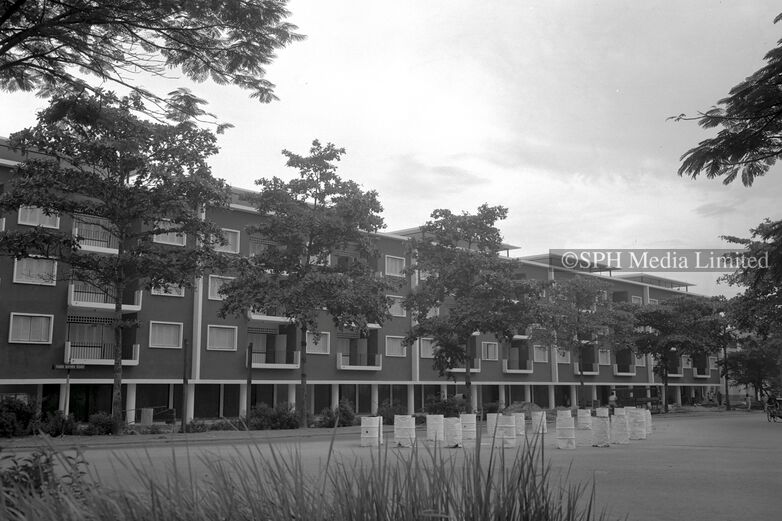 SIT Tiong Bahru Flats with Rooftop Playground
1951
SIT Tiong Bahru Flats with Rooftop Playground
1951
SIT Tiong Bahru Flats with Rooftop Playground
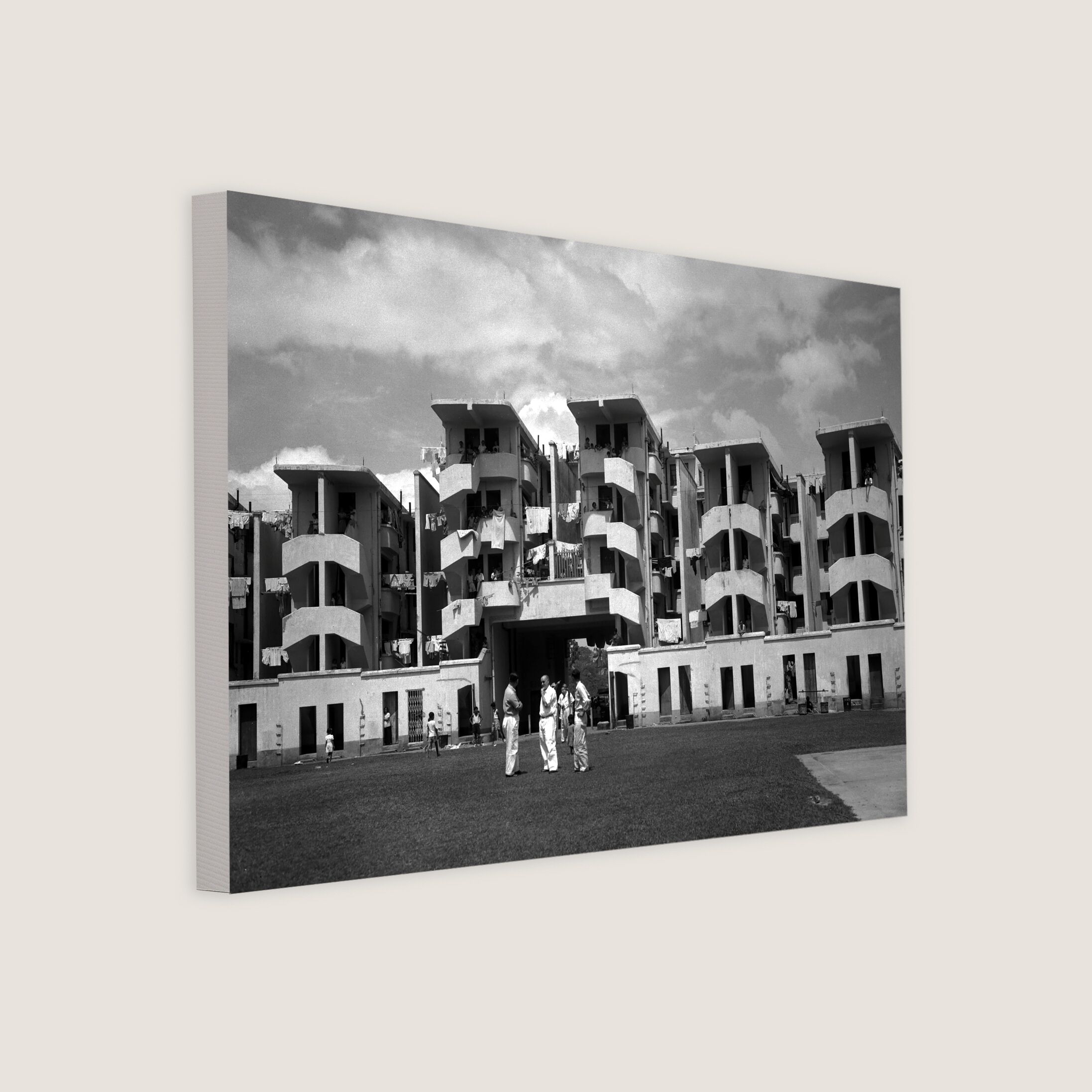
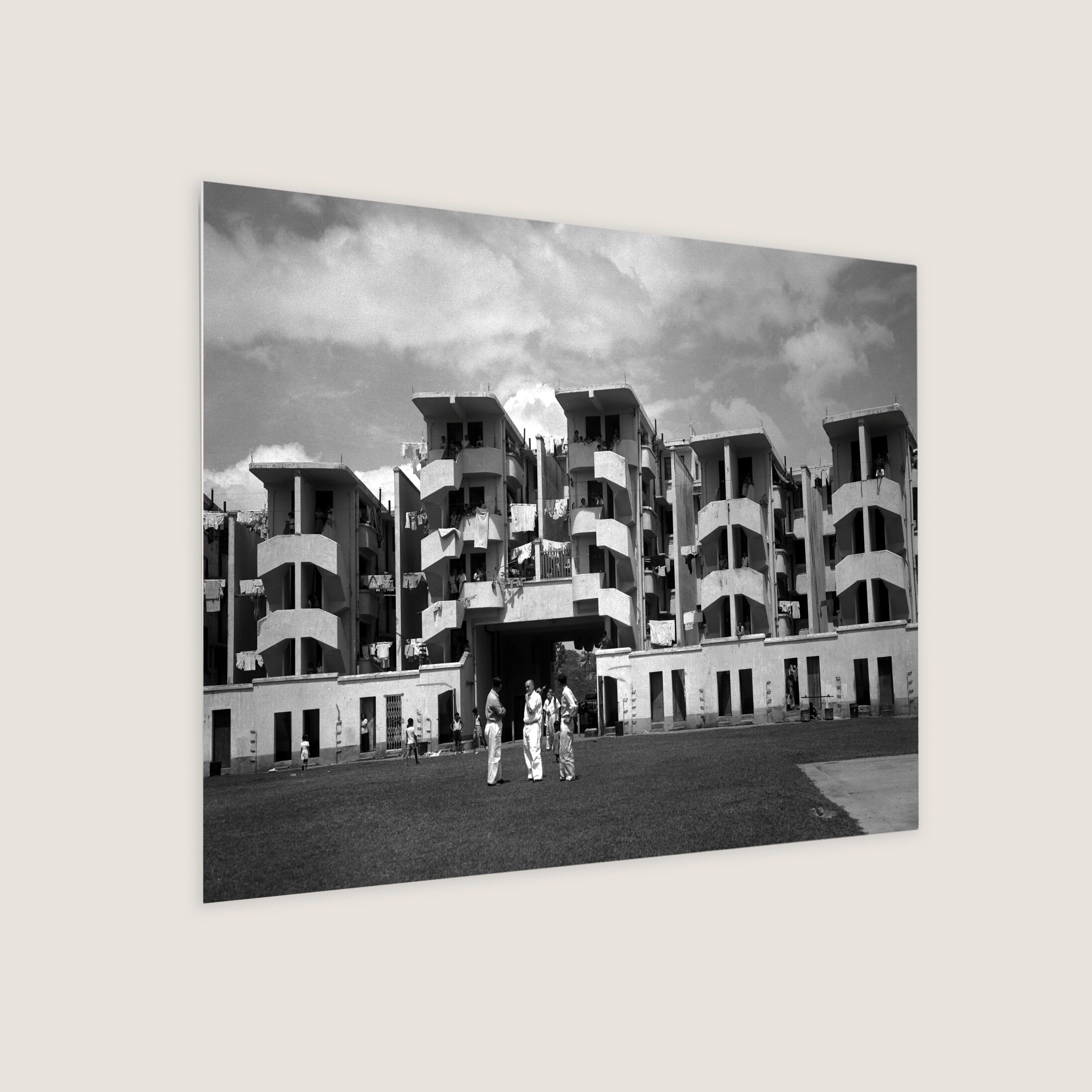
Year 1951
In response to Singapore’s tropical climate, SIT (Singapore Improvement Trust) designed flats with high ceilings, wide windows, and open balconies for better ventilation. In Tiong Bahru, two newly completed blocks featured rooftop playgrounds—a rare amenity then. These early flats were only available for rent, not for private ownership.
©️ SPH Media Limited
Share to
Tags
Available for print on products
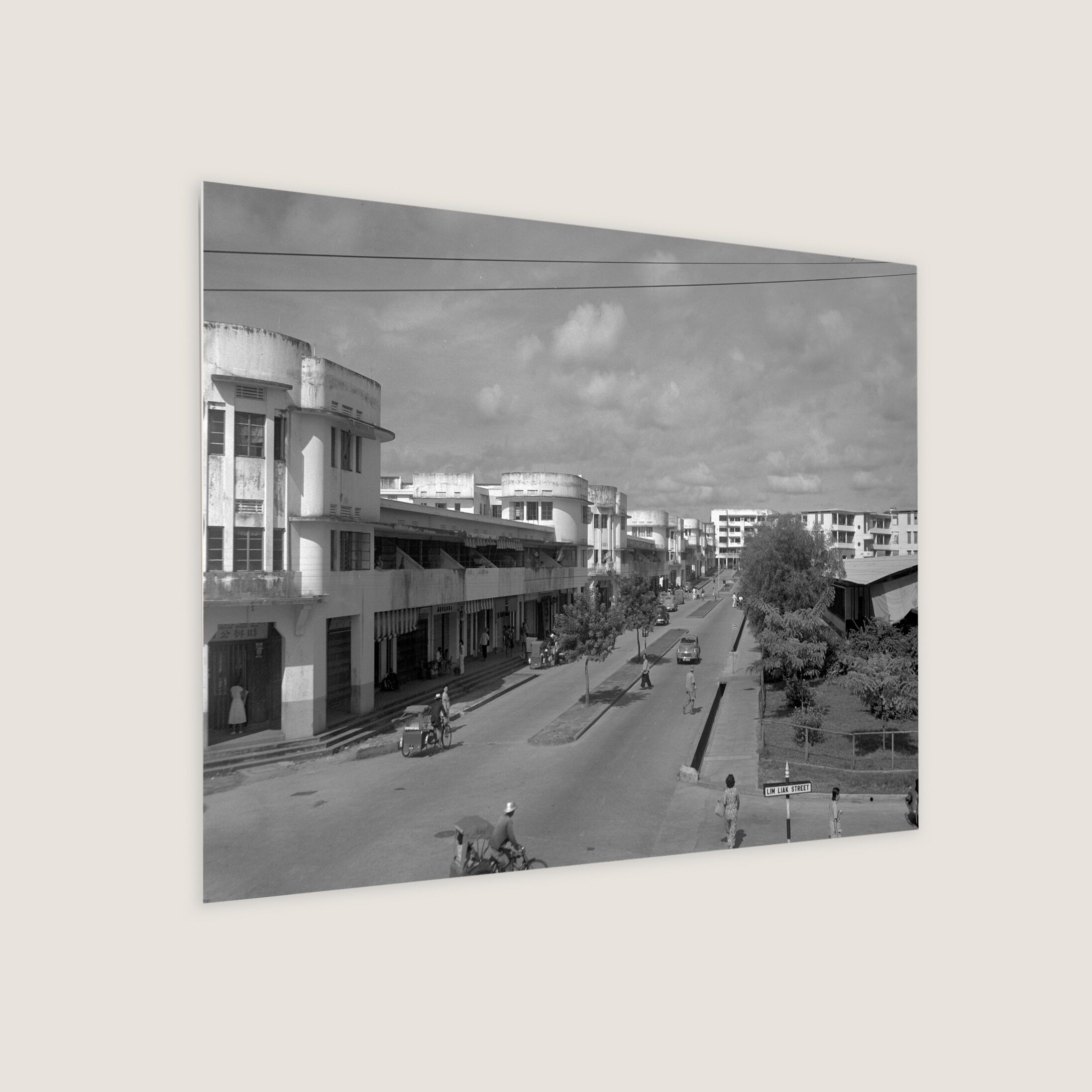
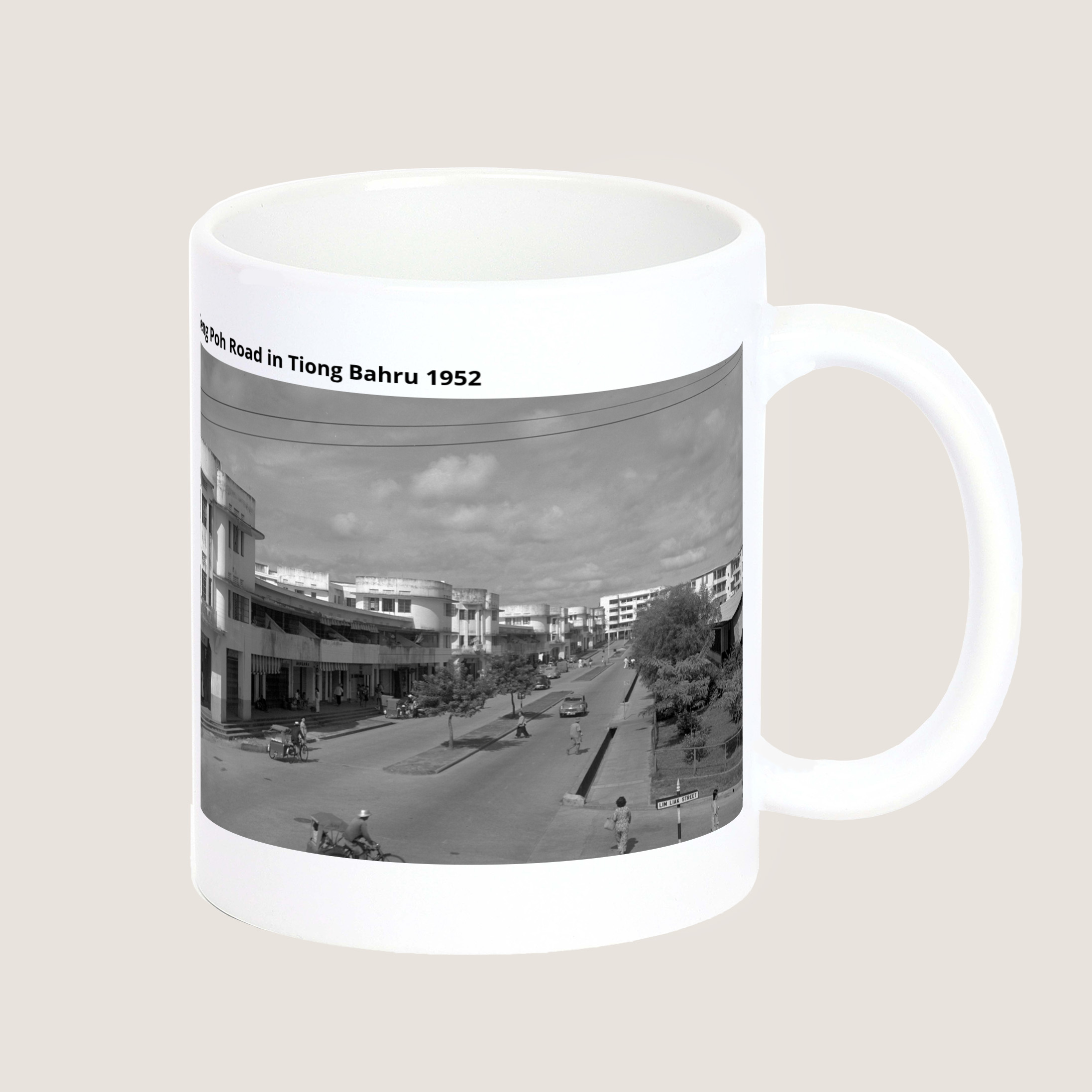
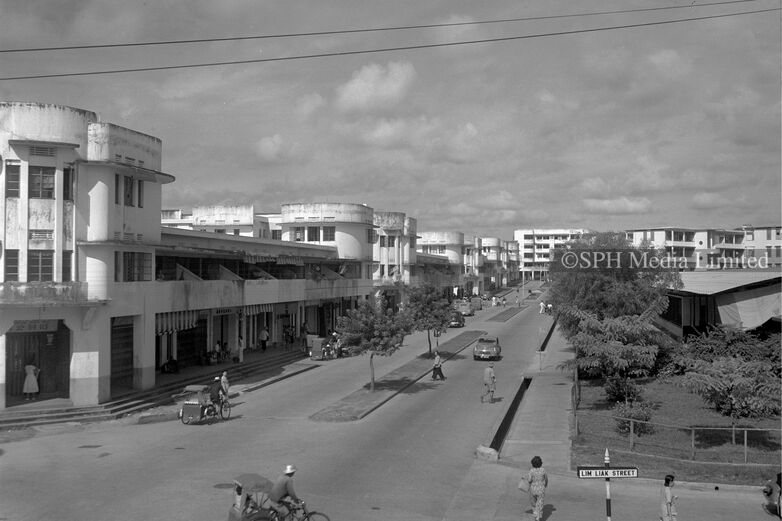 Seng Poh Road in Tiong Bahru
1952
Seng Poh Road in Tiong Bahru
1952
Seng Poh Road in Tiong Bahru
Year 1952
The flats along Seng Poh Road in Tiong Bahru were among those built by the Singapore Improvement Trust (SIT). It was set up in 1927 by the British colonial government and was responsible for early public housing in post-war Singapore. The road was named after Tan Seng Poh, a prominent Teochew merchant and Municipal Committee Chairman in 1870. Seng Poh Road is located opposite Tiong Bahru Market and Food Centre.
©️ SPH Media Limited
Share to
Tags
Available for print on products
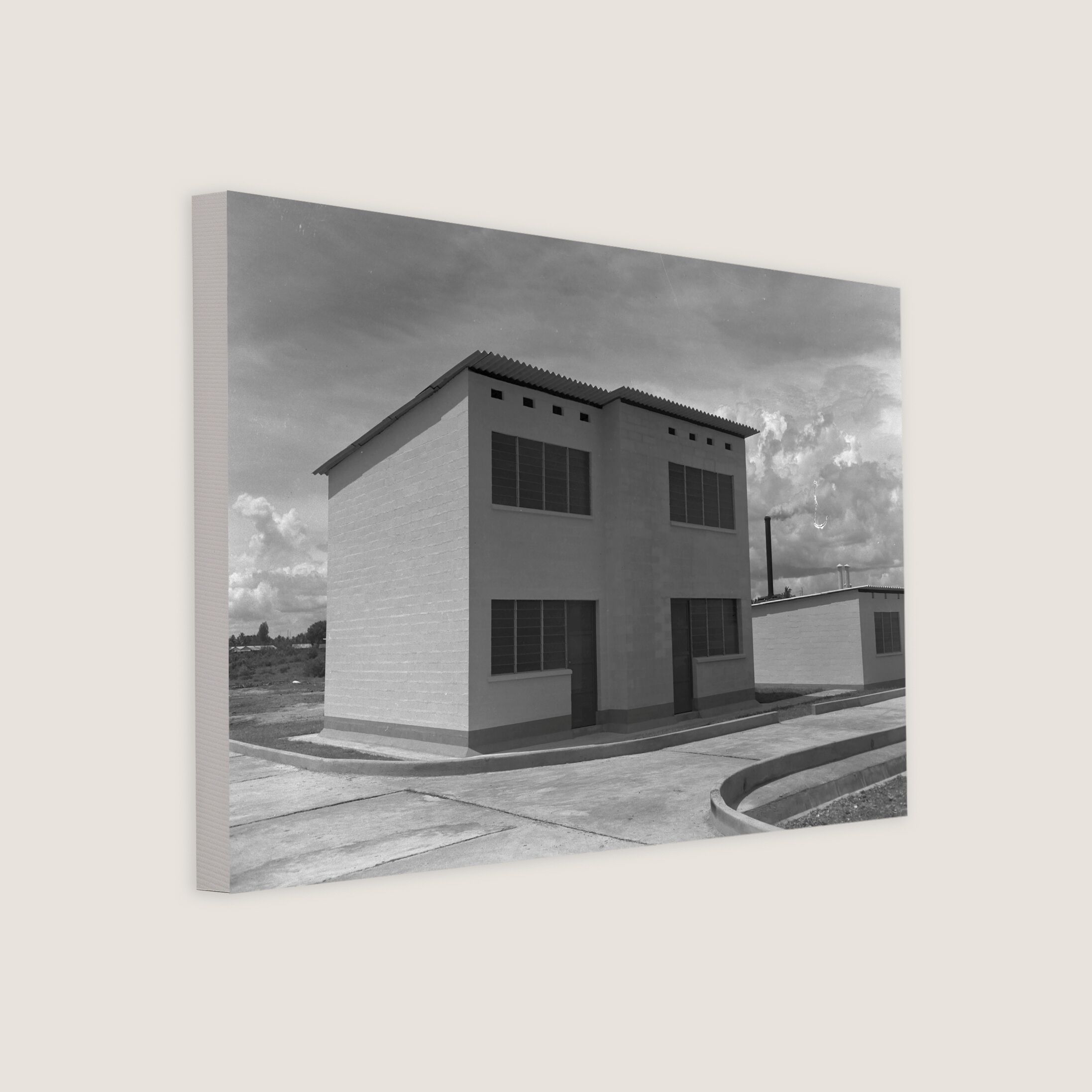
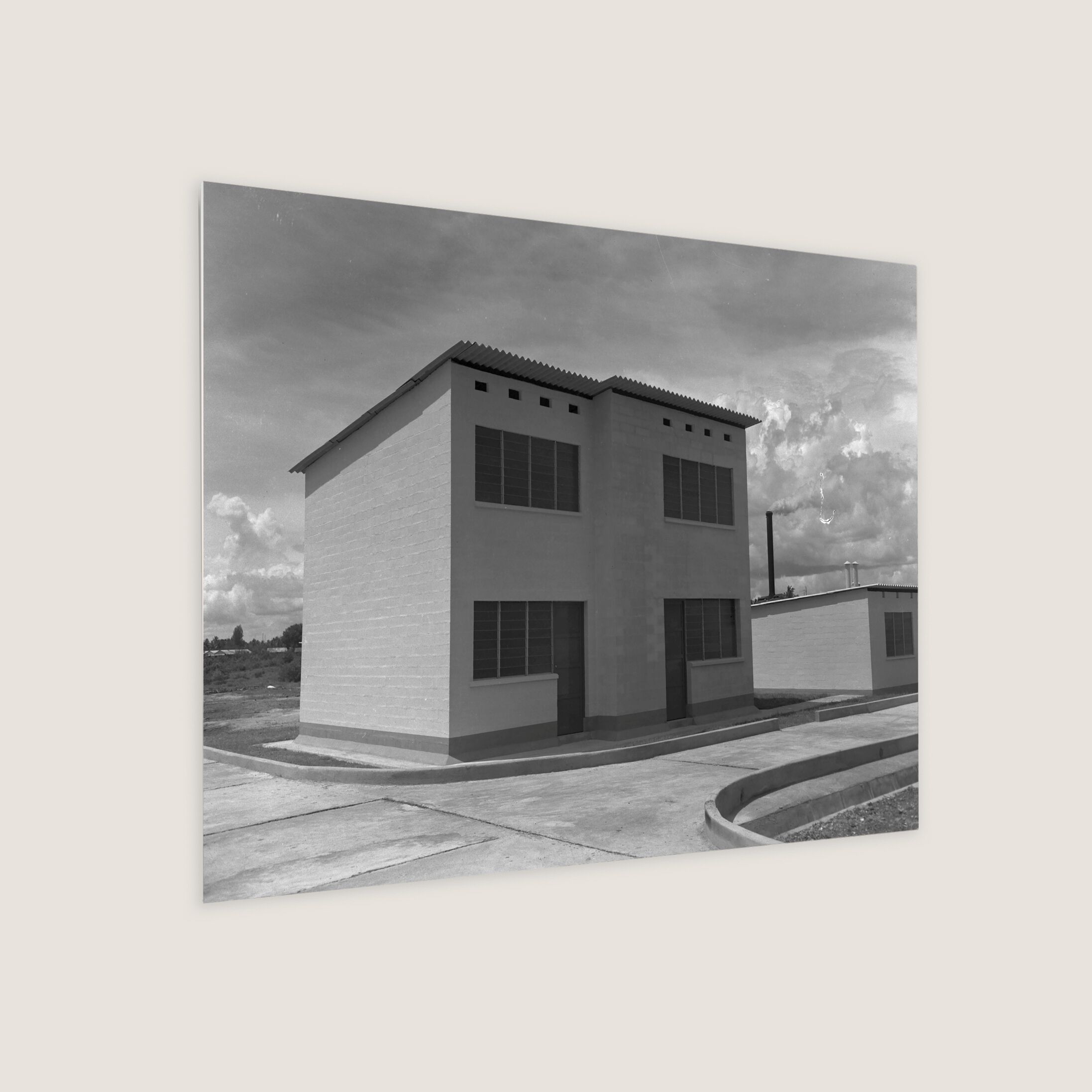
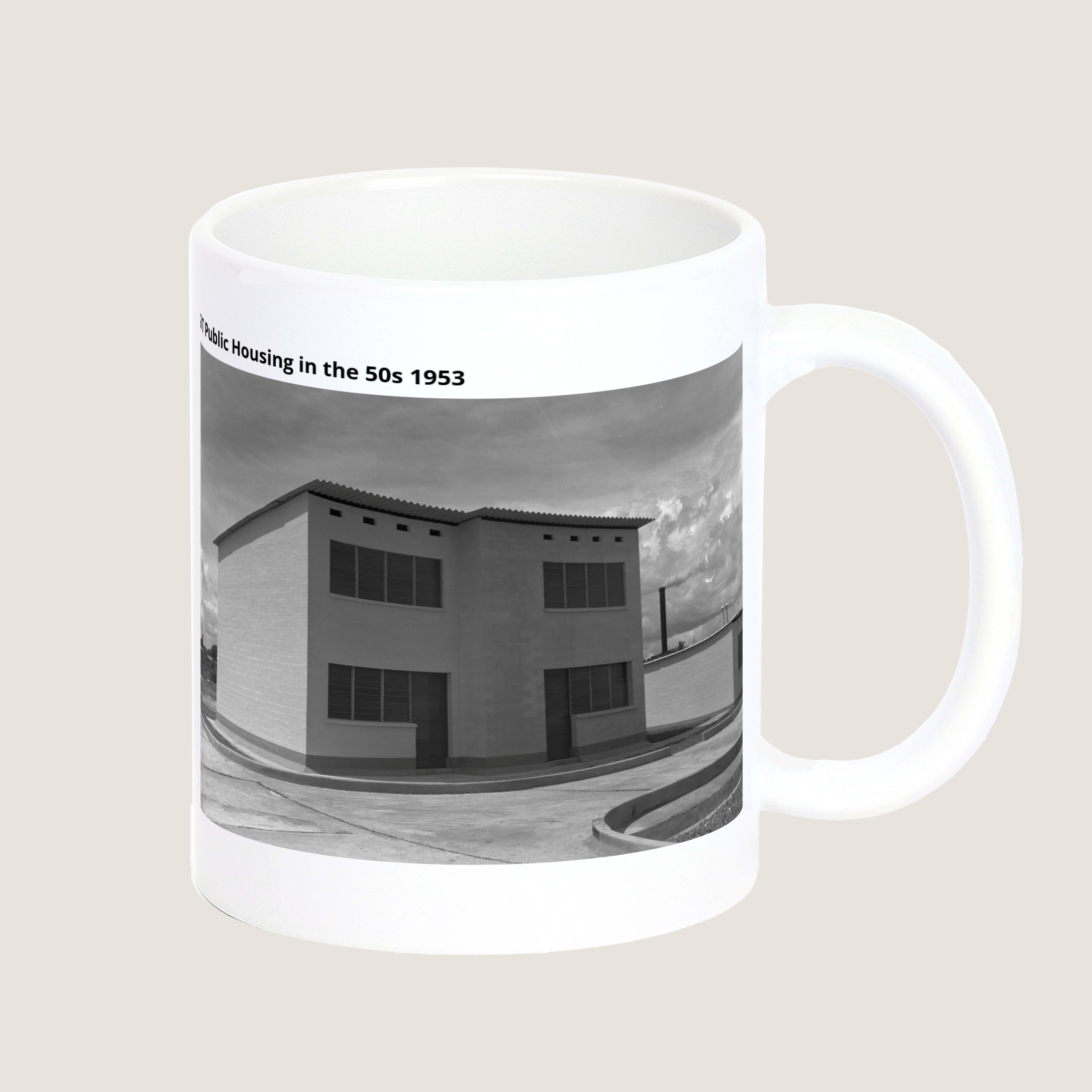
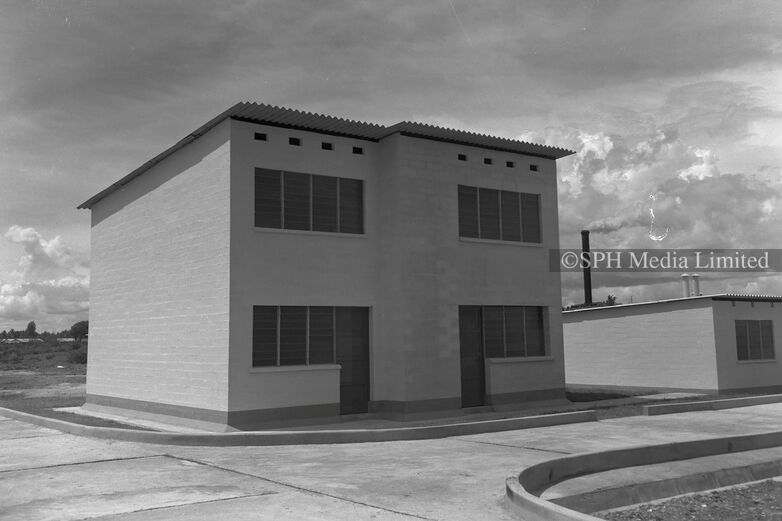 SIT Public Housing in the 50s
1953
SIT Public Housing in the 50s
1953
SIT Public Housing in the 50s
Year 1953
In the 1950s, the Singapore Improvement Trust (SIT) constructed these two types of low-cost housing. The two-storey terraced houses, costing around $3000, featured two bedrooms upstairs and were rented for just over $20 per month. In contrast, the single-storey units, priced at approximately $2000, offered a more compact living space. These homes exemplified SIT's early efforts to provide affordable public housing.
©️ SPH Media Limited
Share to
Tags
Available for print on products
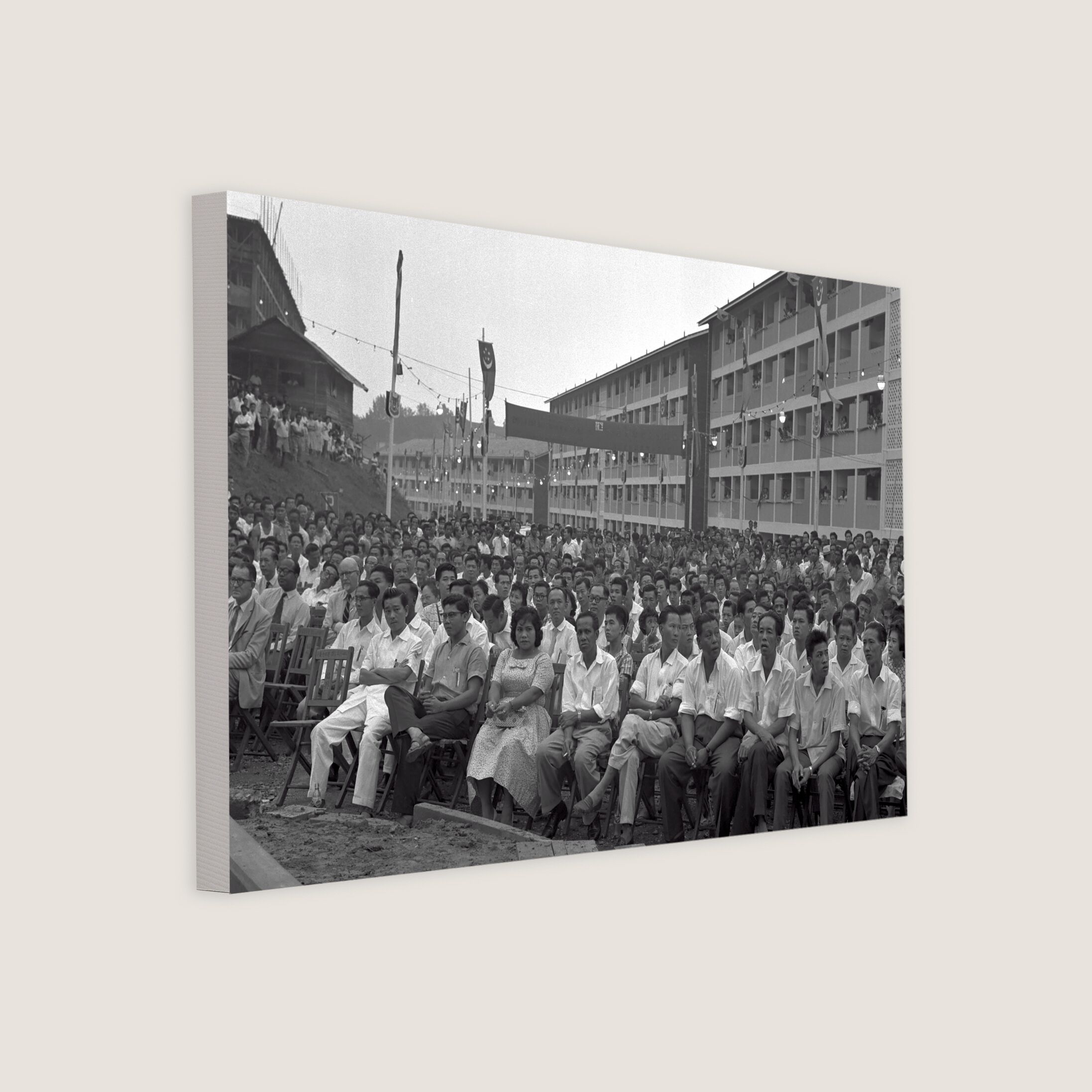
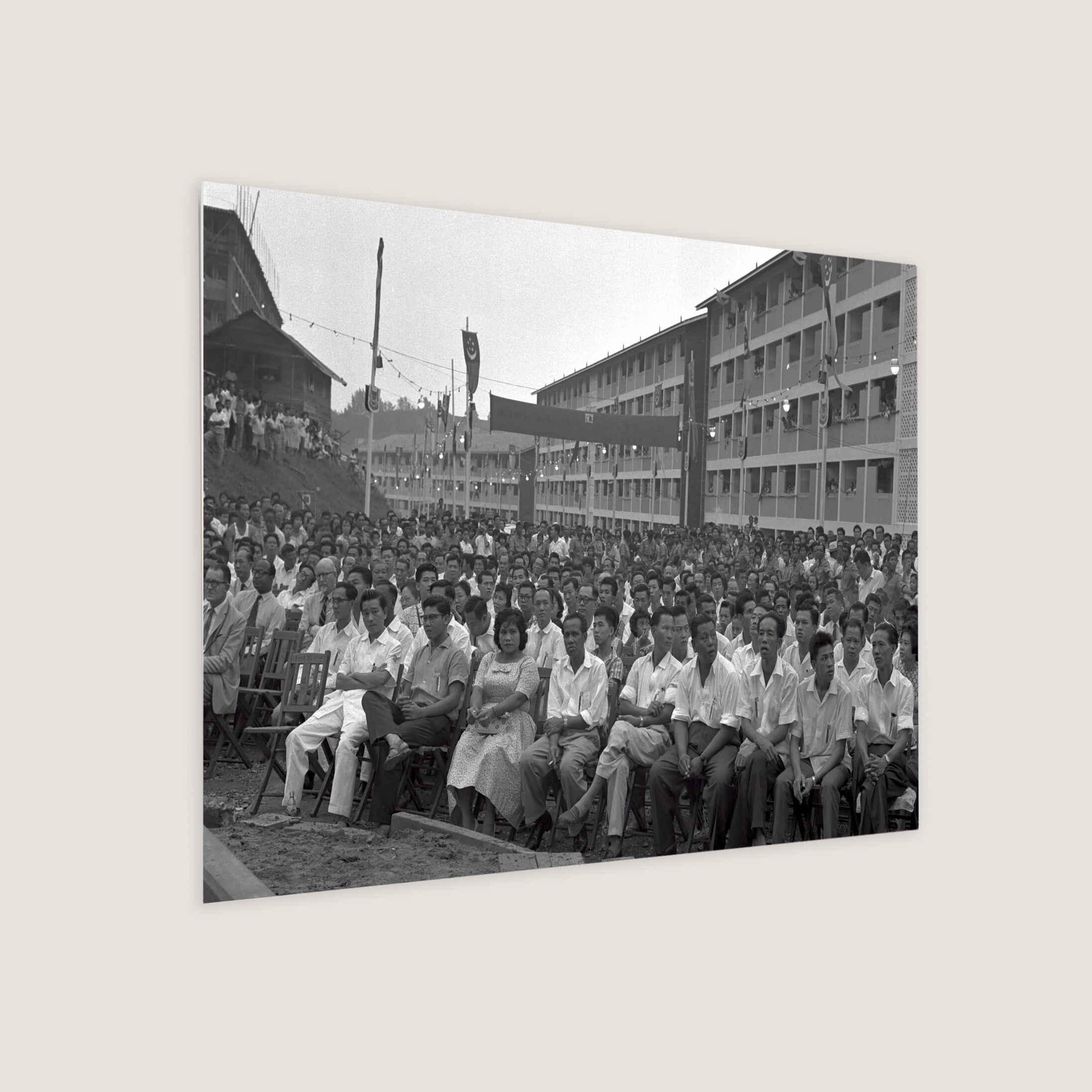
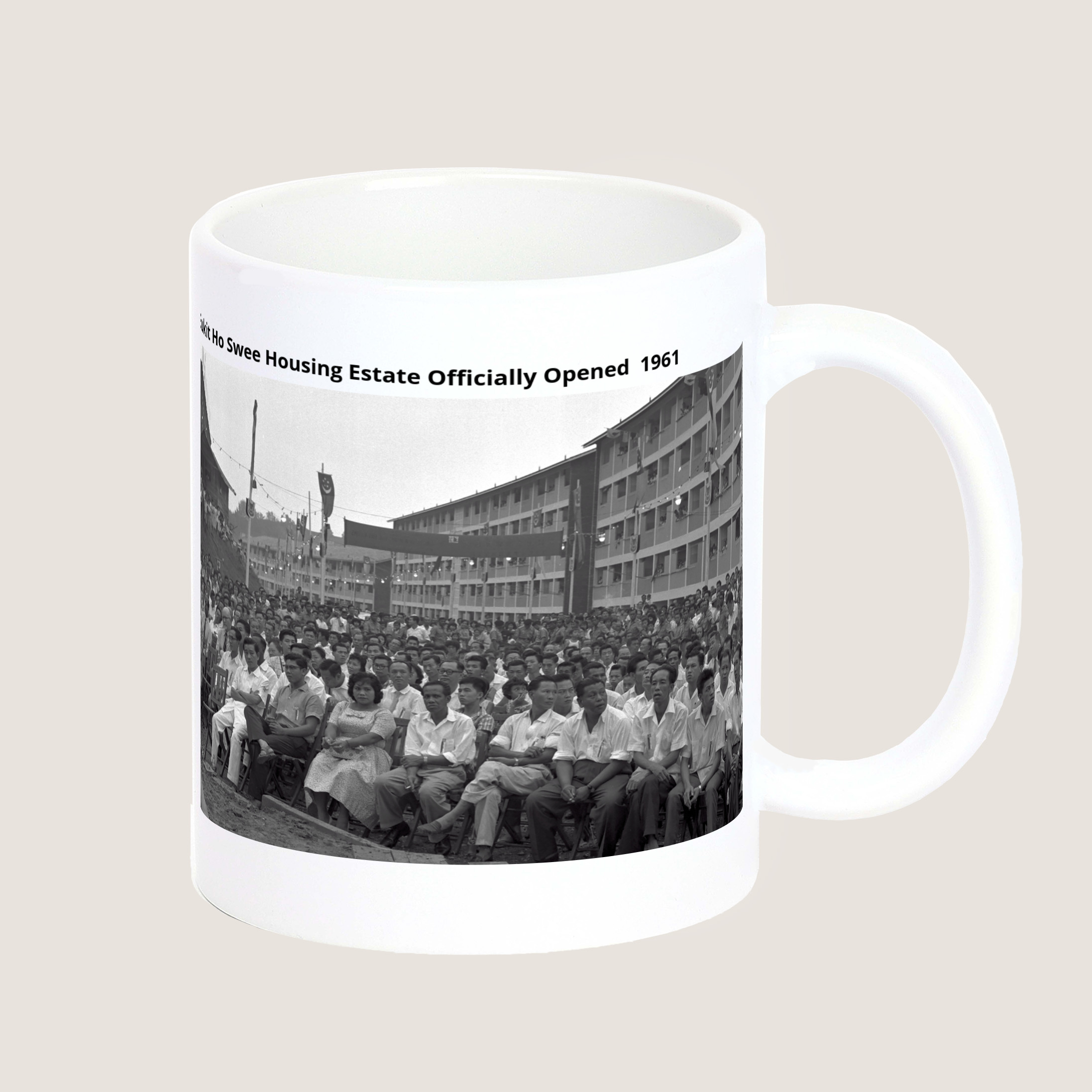
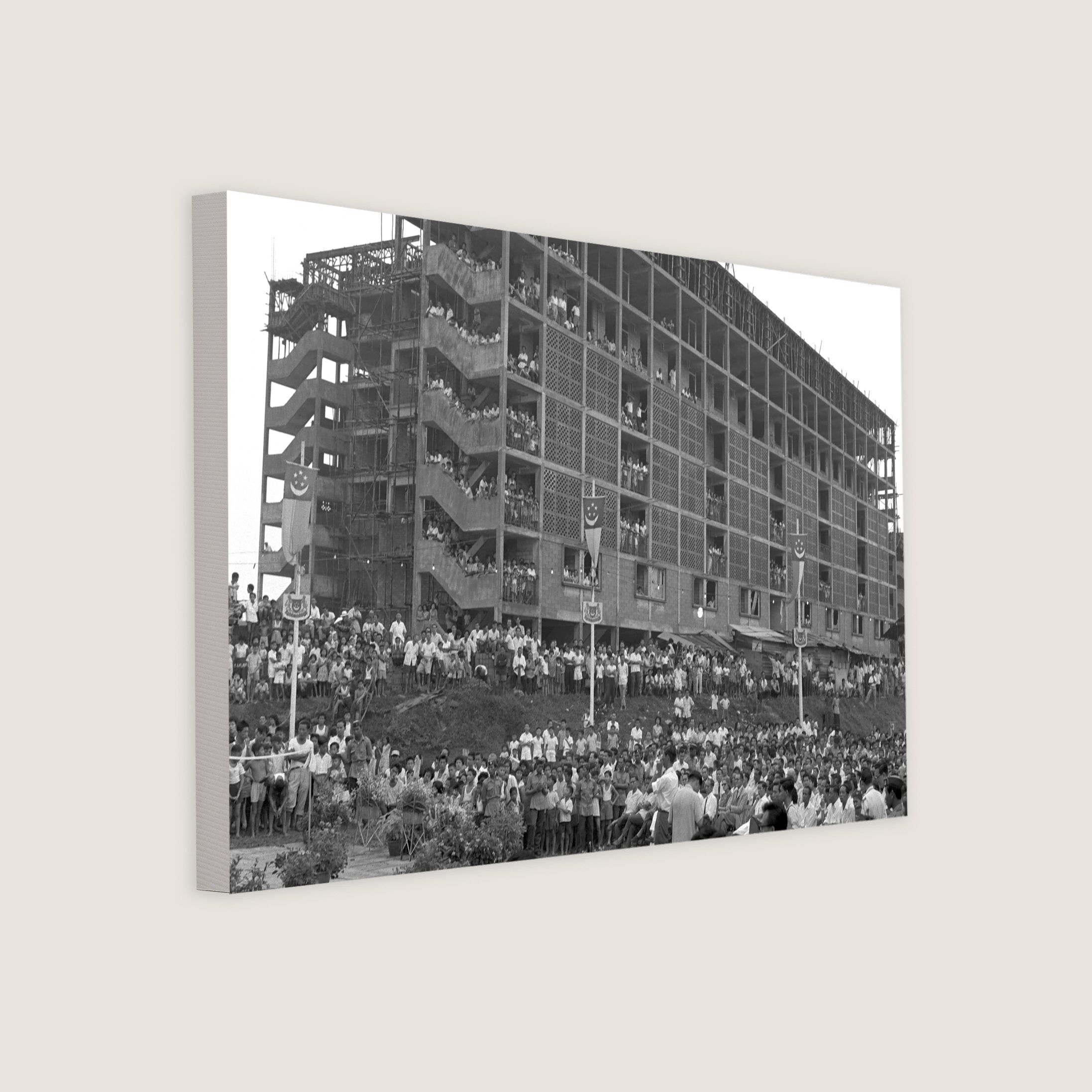
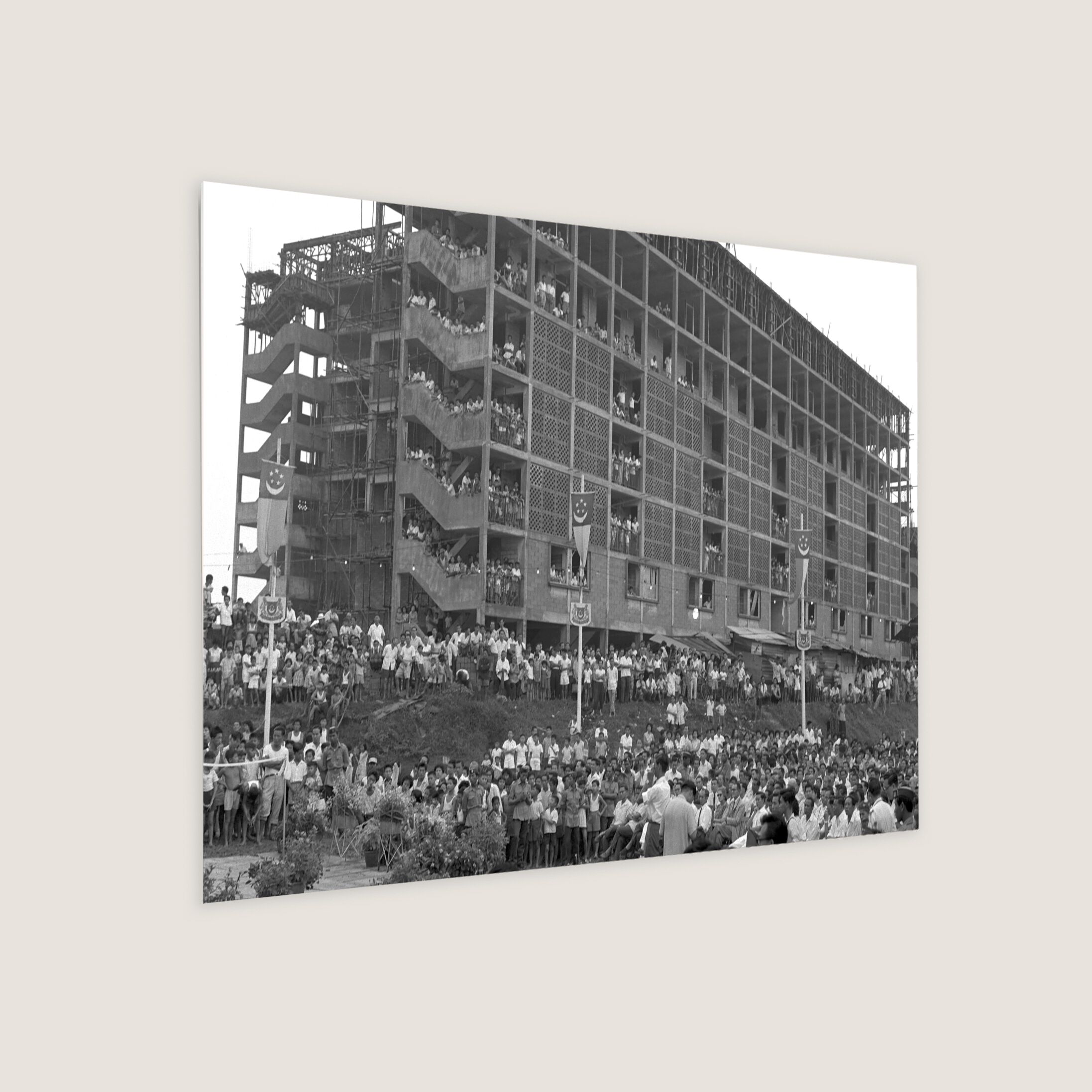
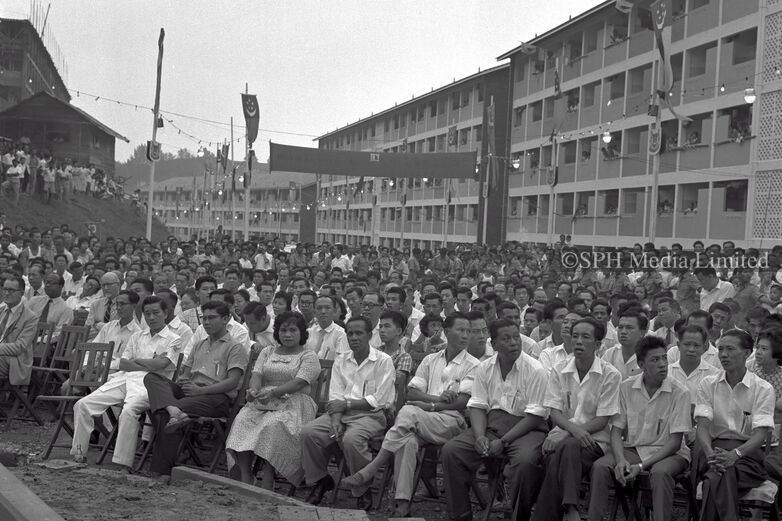 Bukit Ho Swee Housing Estate Officially Opened
1961
Bukit Ho Swee Housing Estate Officially Opened
1961
Bukit Ho Swee Housing Estate Officially Opened
Year 1961
On 25 May 1961, a devastating fire engulfed Bukit Ho Swee, destroying over 2,800 homes and leaving approximately 16,000 people homeless. In response, the government swiftly initiated the construction of new flats, completing the first phase within nine months. This photograph captures residents attending the official opening of the Bukit Ho Swee housing estate, marking a significant milestone in Singapore's public housing history.
©️ SPH Media Limited
Share to
Tags
Available for print on products
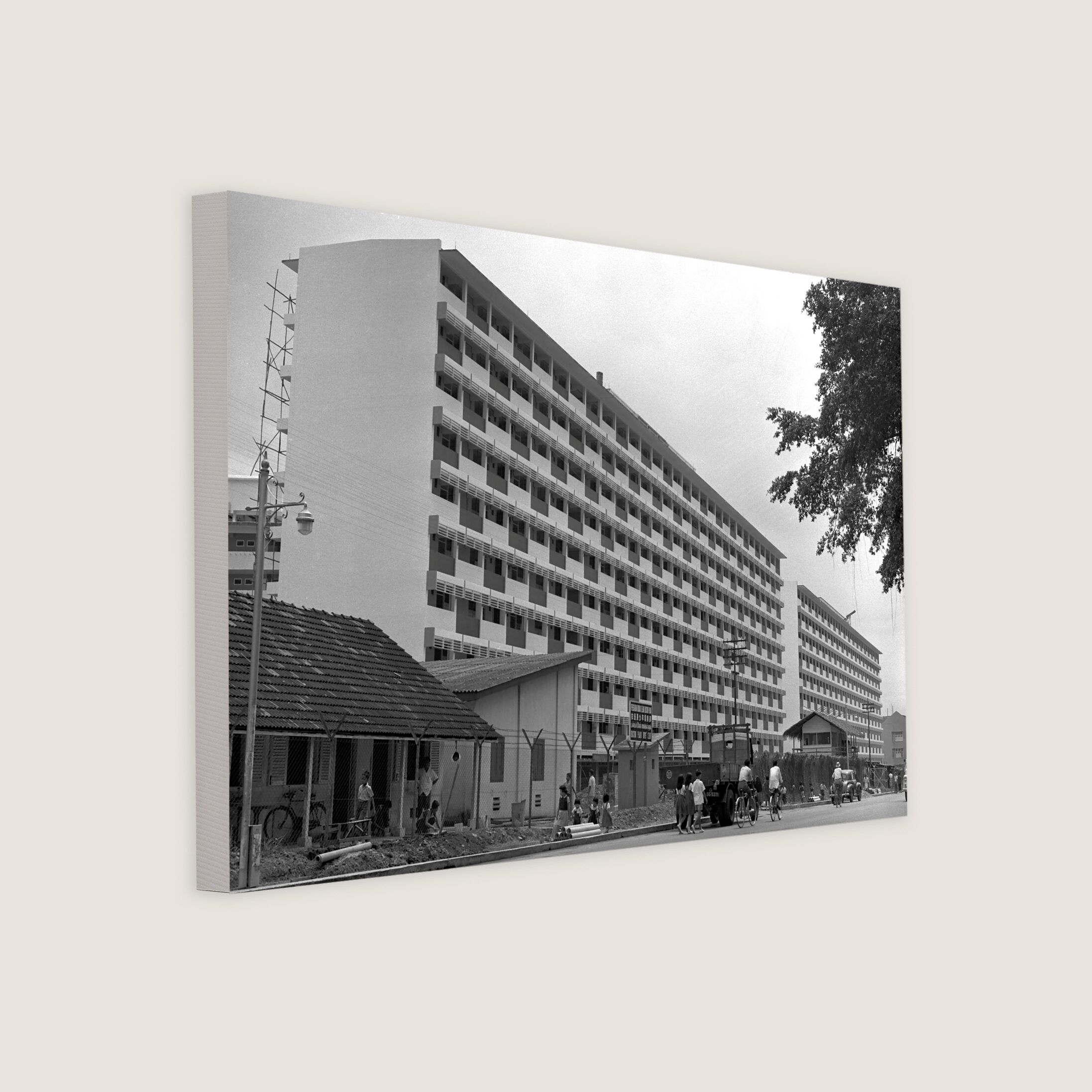
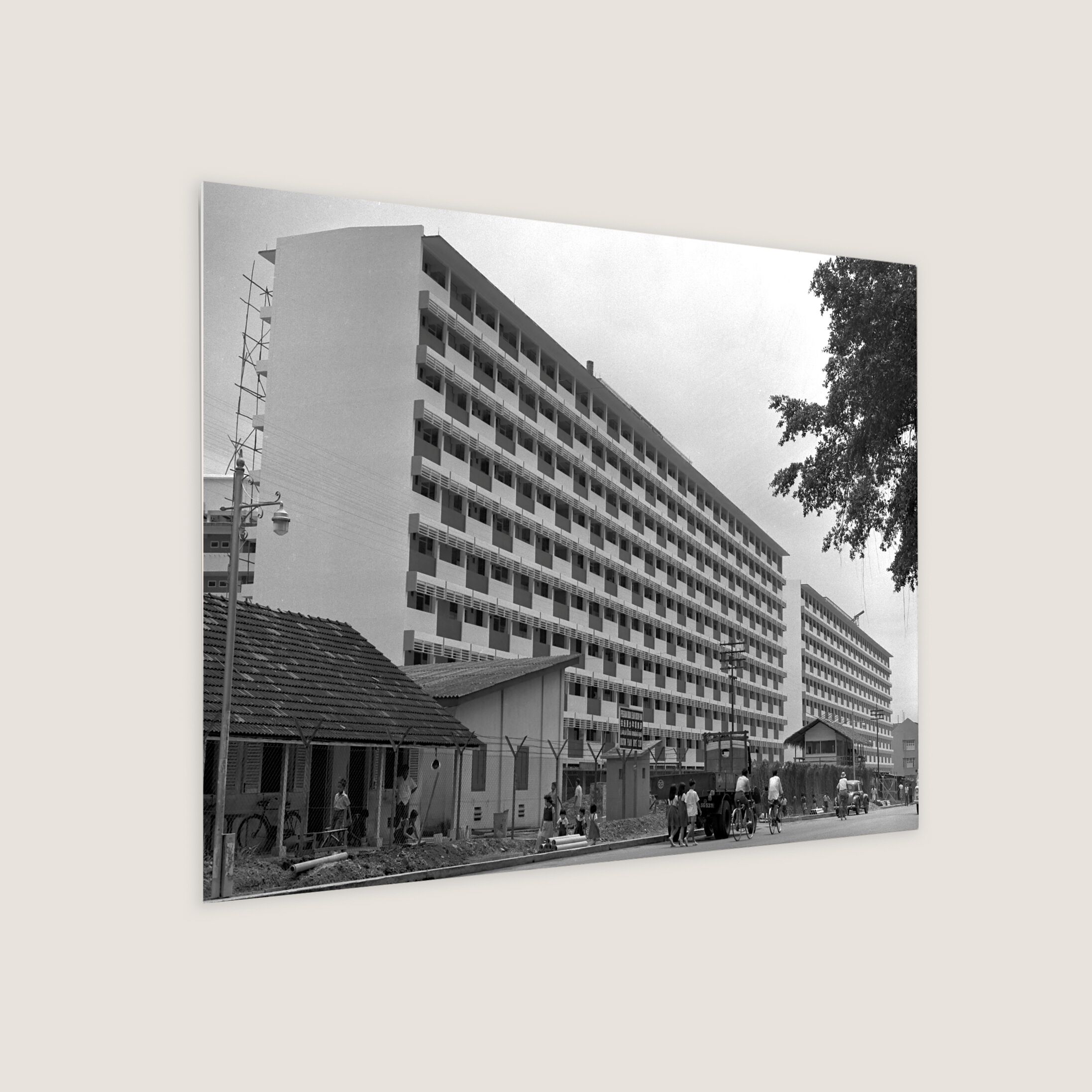
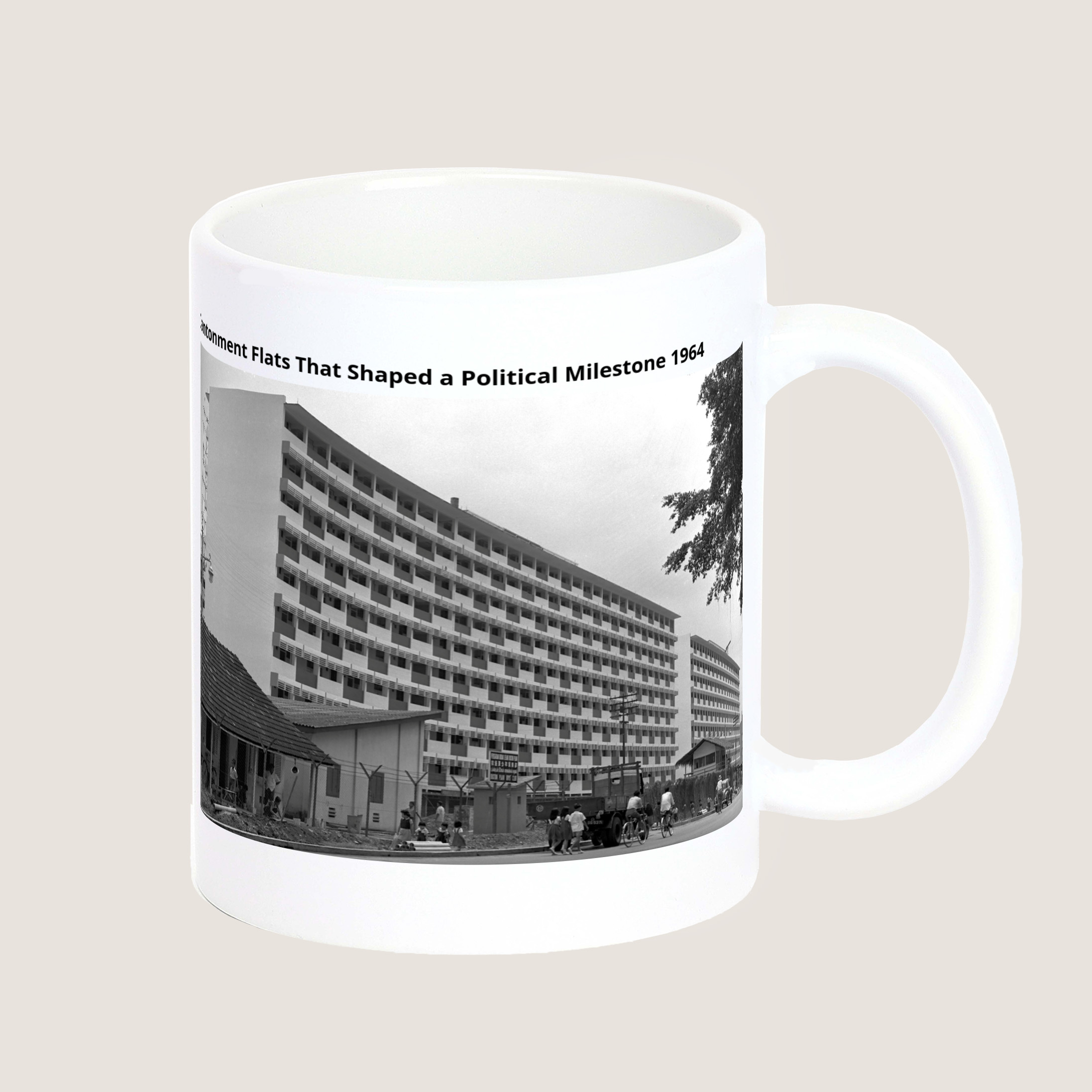
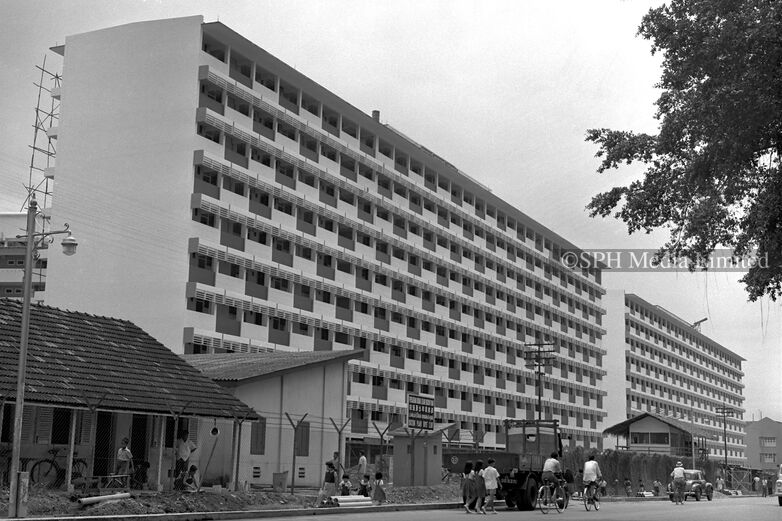 Cantonment Flats That Shaped a Political Milestone
1964
Cantonment Flats That Shaped a Political Milestone
1964
Cantonment Flats That Shaped a Political Milestone
Year 1964
In 1963, two Housing Board blocks at Cantonment Road symbolised the ruling party’s promise to the people, securing strong support for Singapore’s founding Prime Minister in the Tanjong Pagar elections. These flats once stood where The Pinnacle@Duxton rises today.
©️ SPH Media Limited
Share to
Tags
Available for print on products
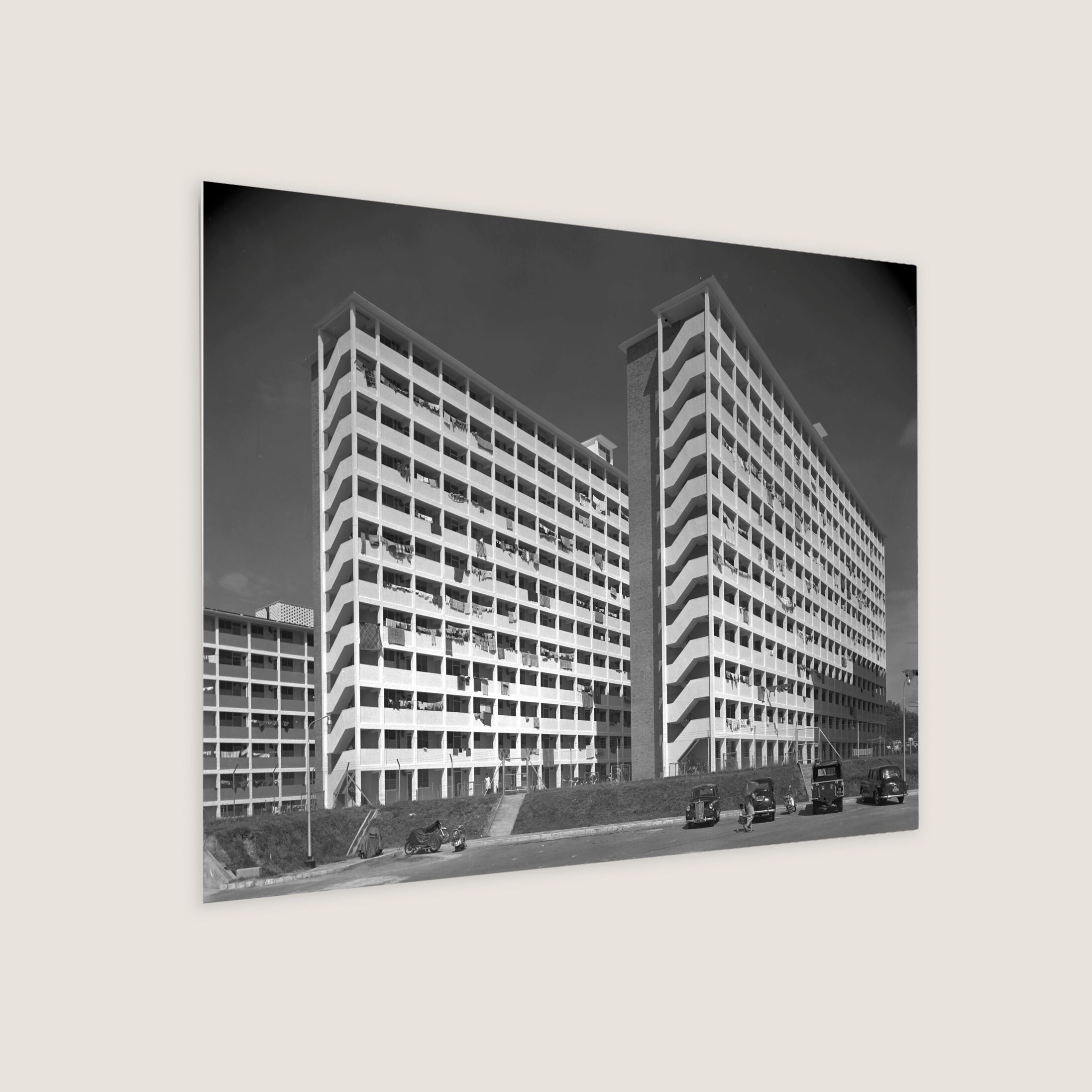
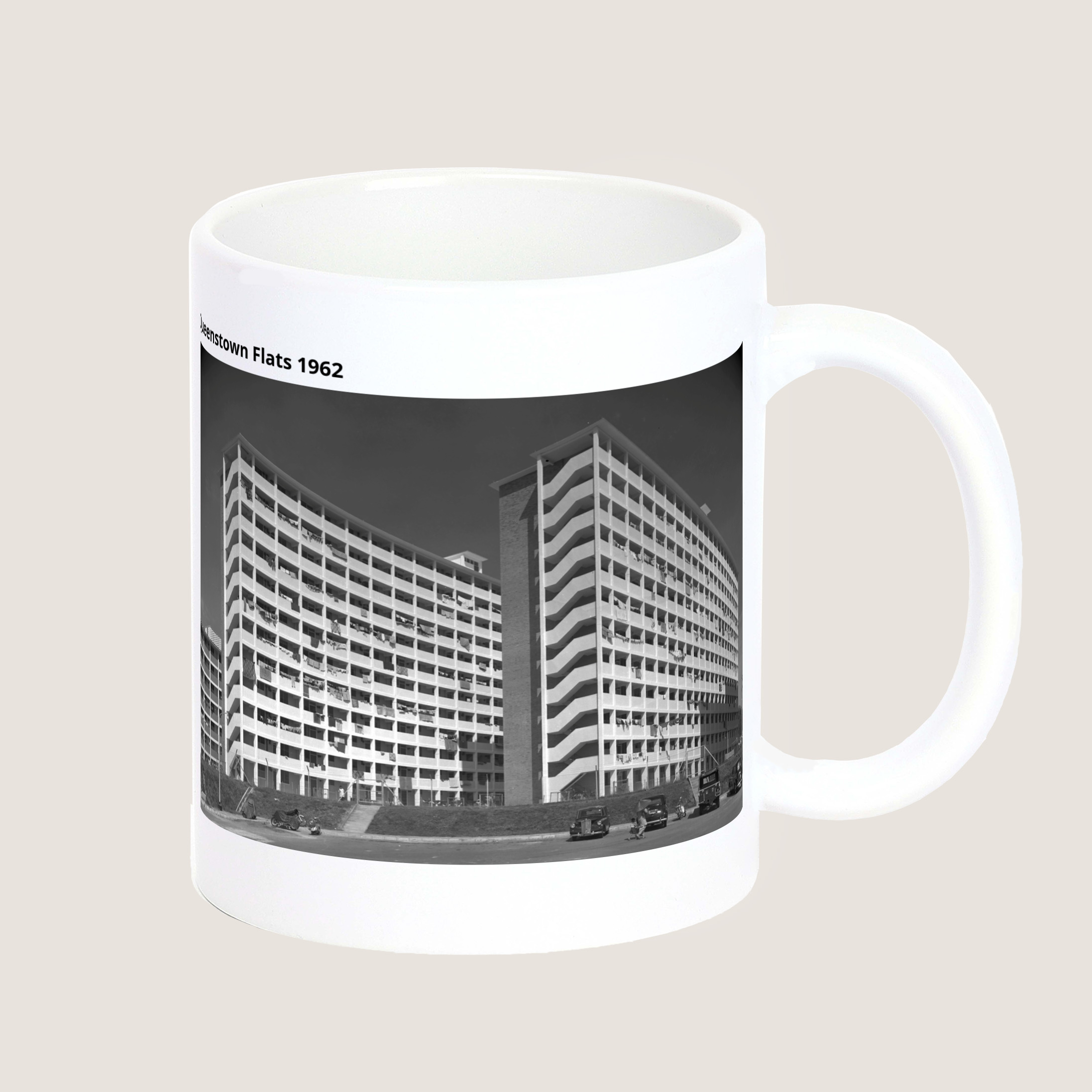
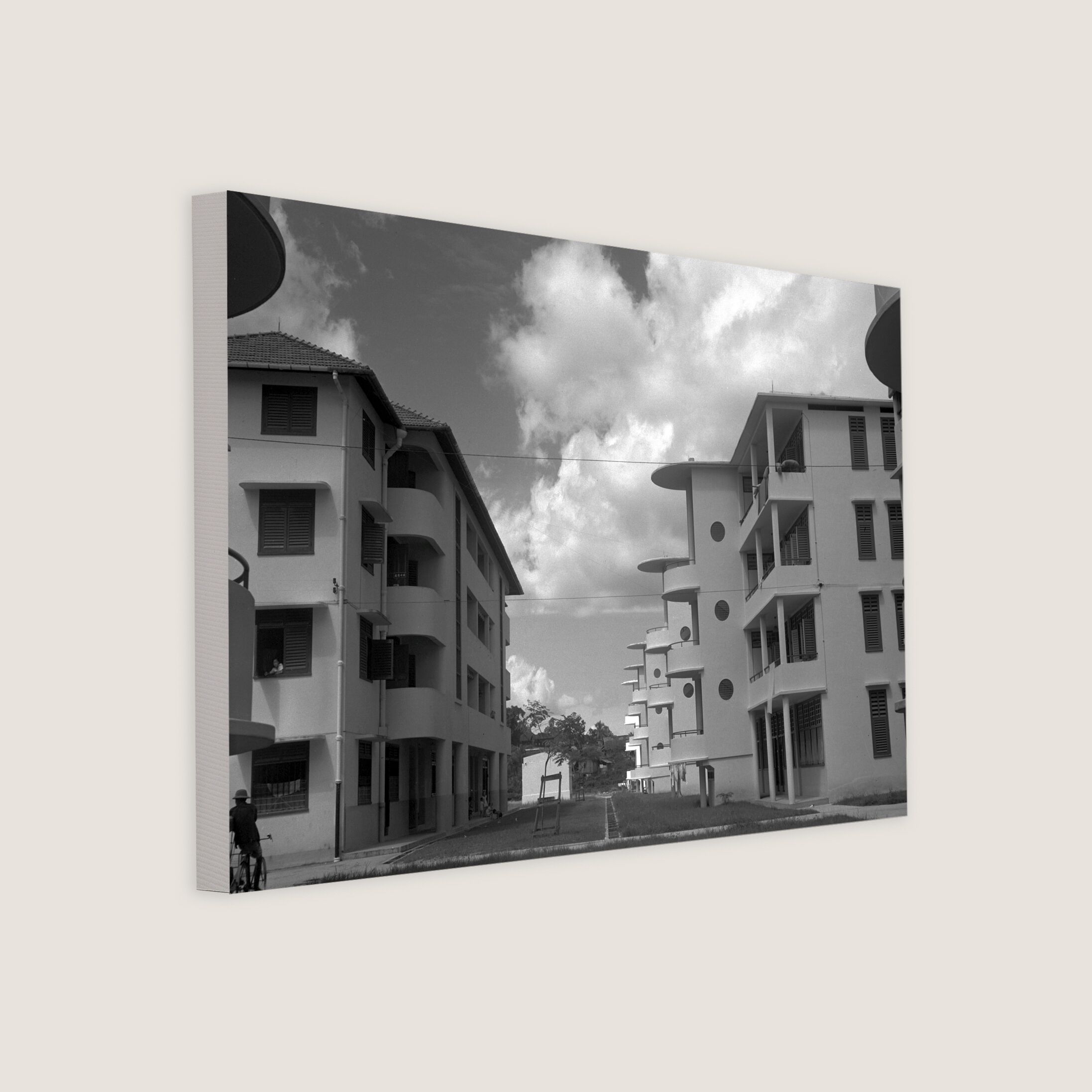
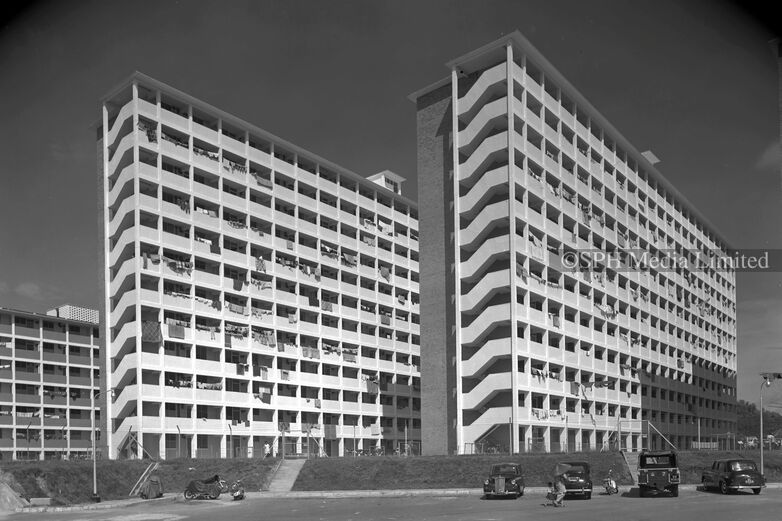 Queenstown Flats
1962
Queenstown Flats
1962
Queenstown Flats
Year 1962
The Singapore Improvement Trust (SIT) embarked on an ambitious project to develop Queenstown in 1952, establishing five estates — Princess Estate, Duchess Estate, Tanglin Halt, Commonwealth, and Queen’s Close and Crescent.
©️ SPH Media Limited
Share to
Tags
Available for print on products
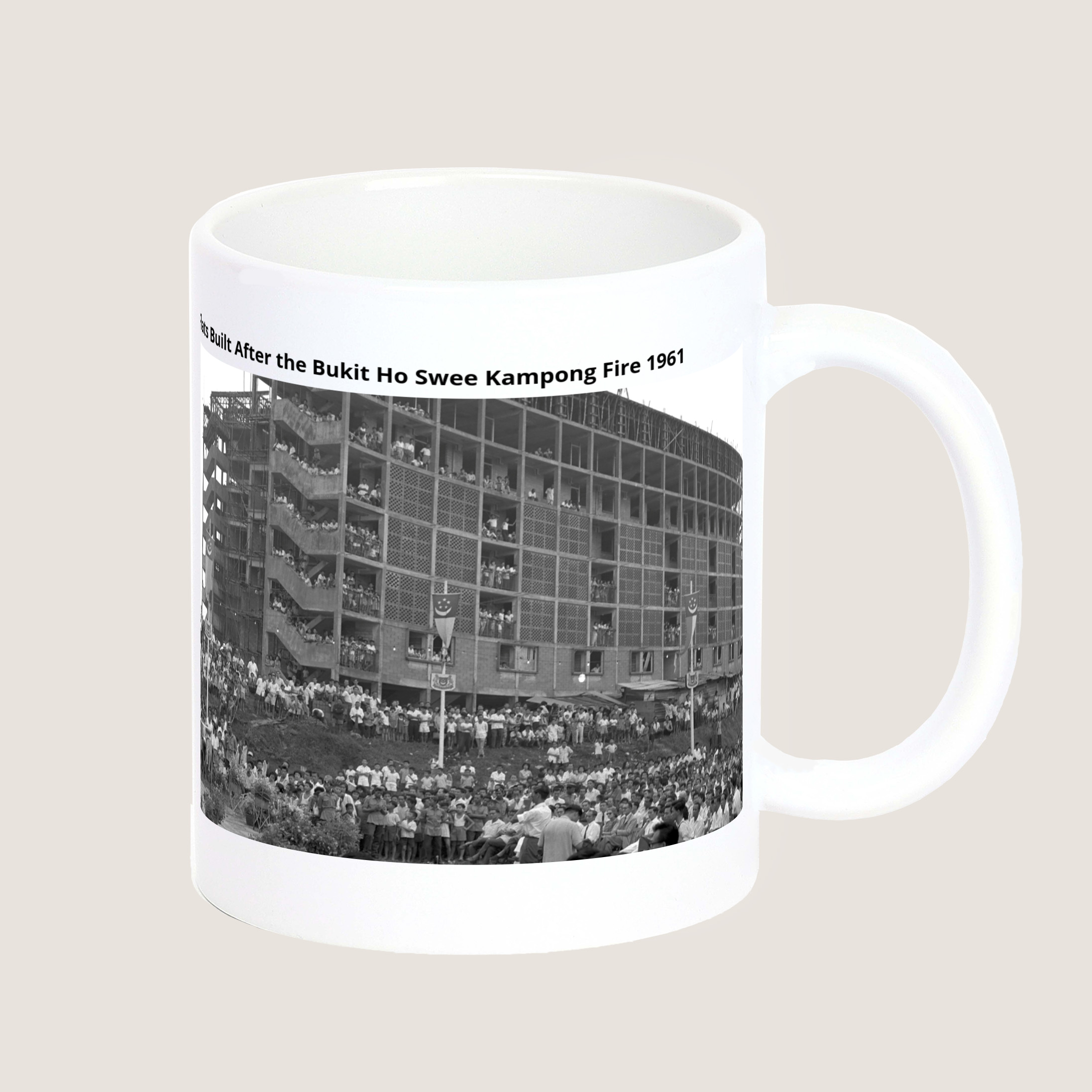
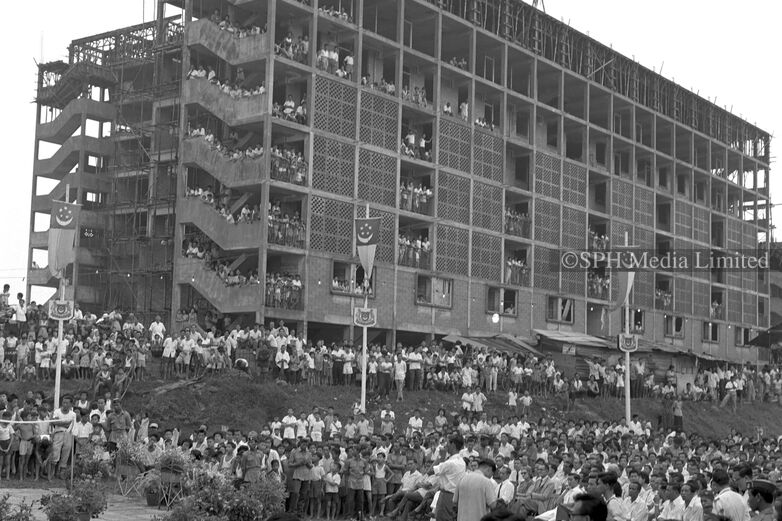 Flats Built After the Bukit Ho Swee Kampong Fire
1961
Flats Built After the Bukit Ho Swee Kampong Fire
1961
Flats Built After the Bukit Ho Swee Kampong Fire
Year 1961
This photograph captures the official opening of the first phase of the Bukit Ho Swee housing estate in September 1961. The newly completed flats, five blocks of one-room, semi-communal units, housed residents displaced by the devastating fire of May 1961. The government carried on building more homes at the Bukit Ho Swee fire site in February 1962. This effort to rehouse all affected residents marked a turning point in Singapore’s public housing, prioritising safety and modern living.
©️ SPH Media Limited
Share to
Tags
Available for print on products
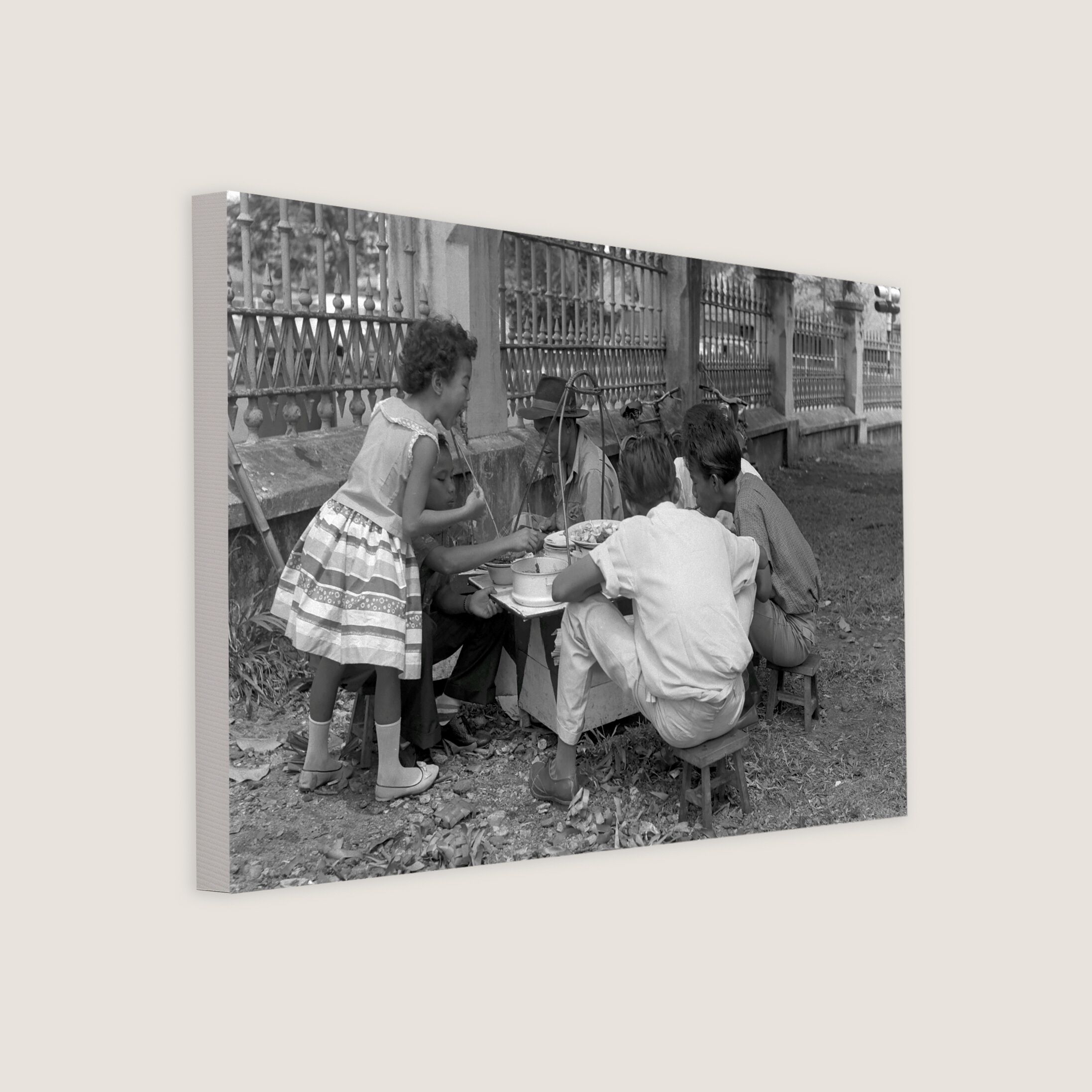
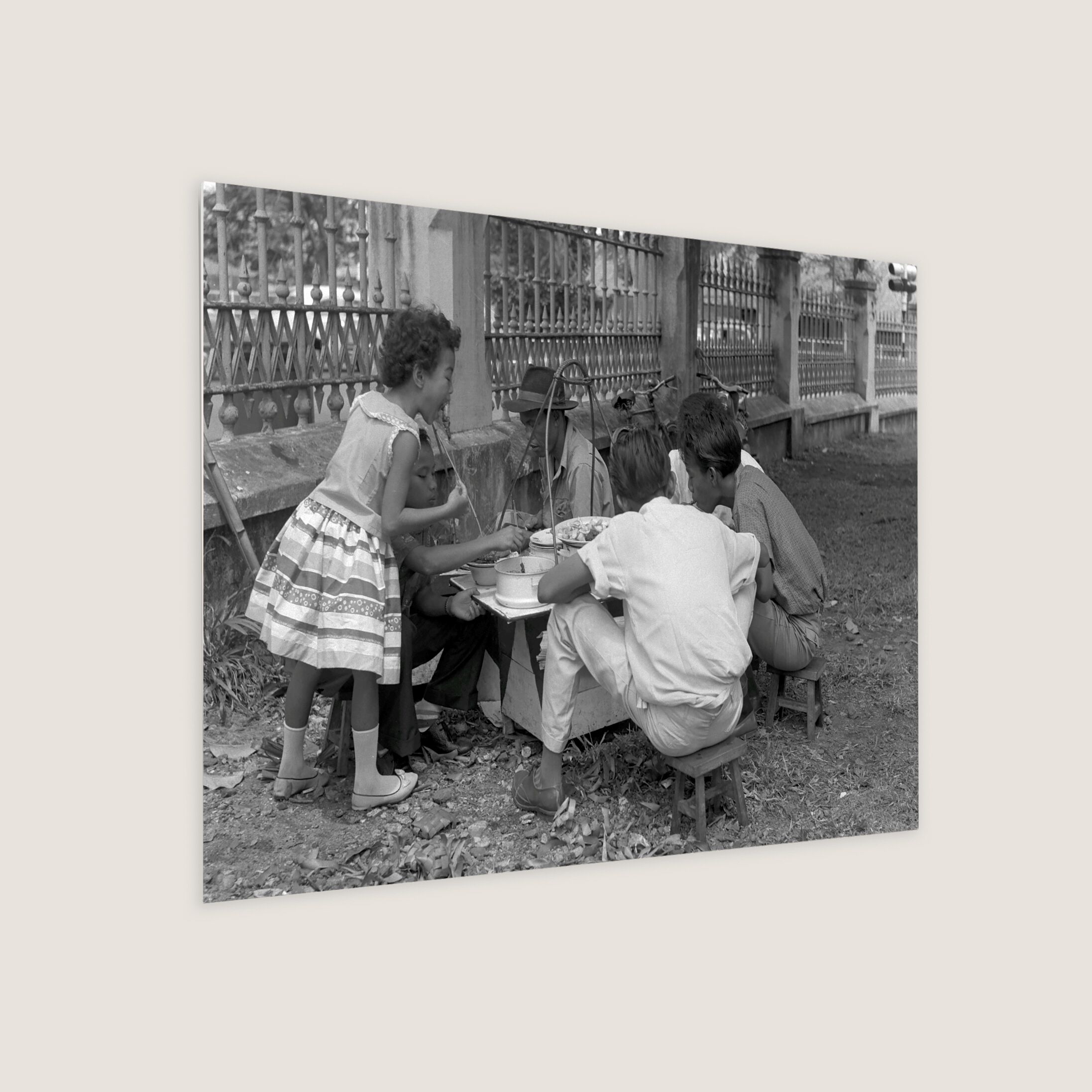
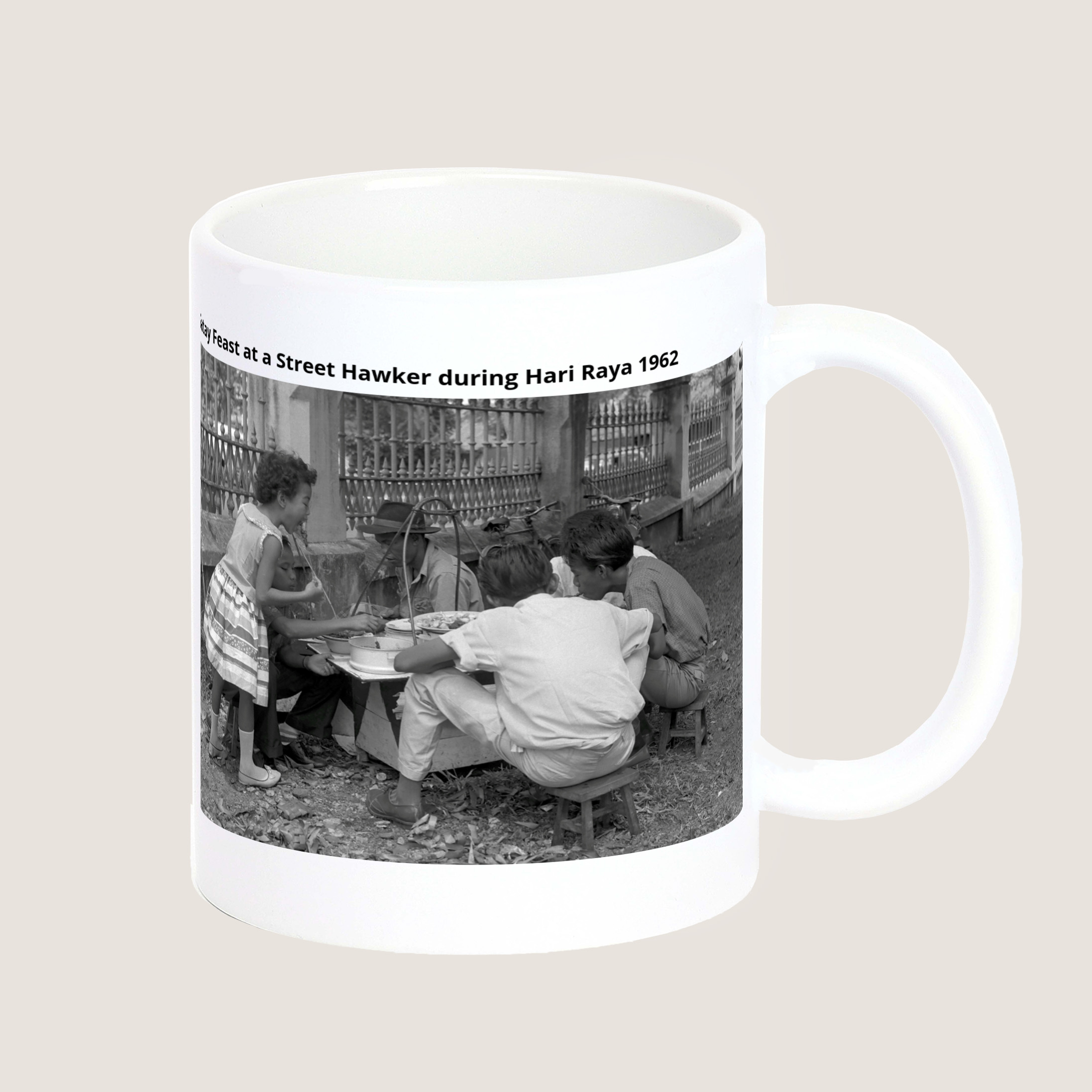
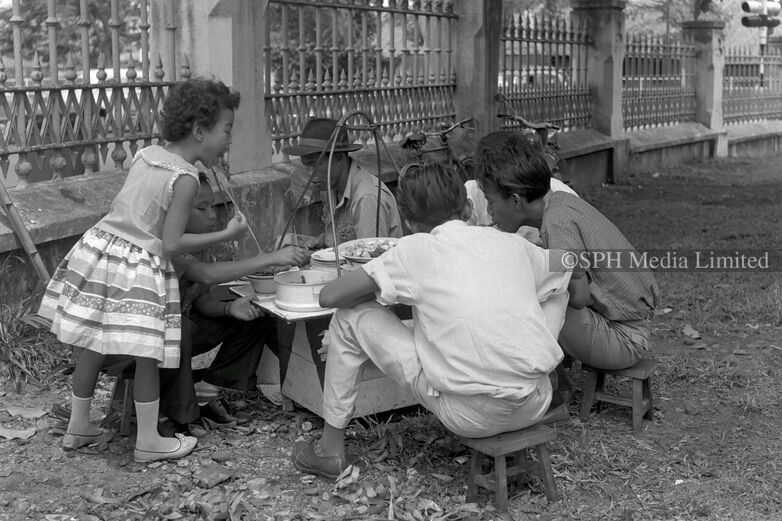 Satay Feast at a Street Hawker during Hari Raya
1962
Satay Feast at a Street Hawker during Hari Raya
1962
Satay Feast at a Street Hawker during Hari Raya
Year 1962
A group of boys enjoying a satay feast outside the National Museum during Hari Raya Puasa. Before the establishment of hawker centres, street hawkers were a common sight, selling food such as satay from their portable stalls.
©️ SPH Media Limited
Share to
Tags
Available for print on products
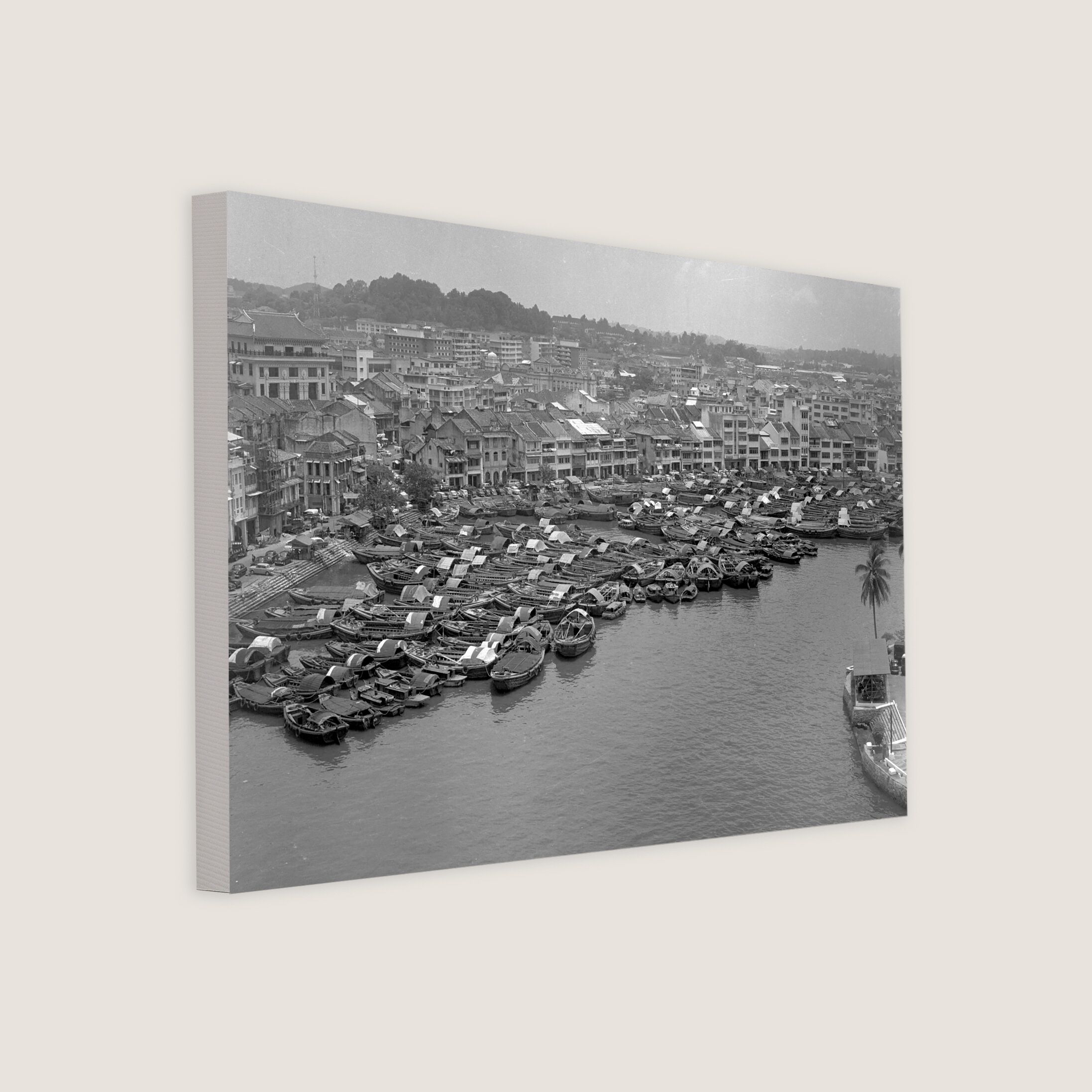
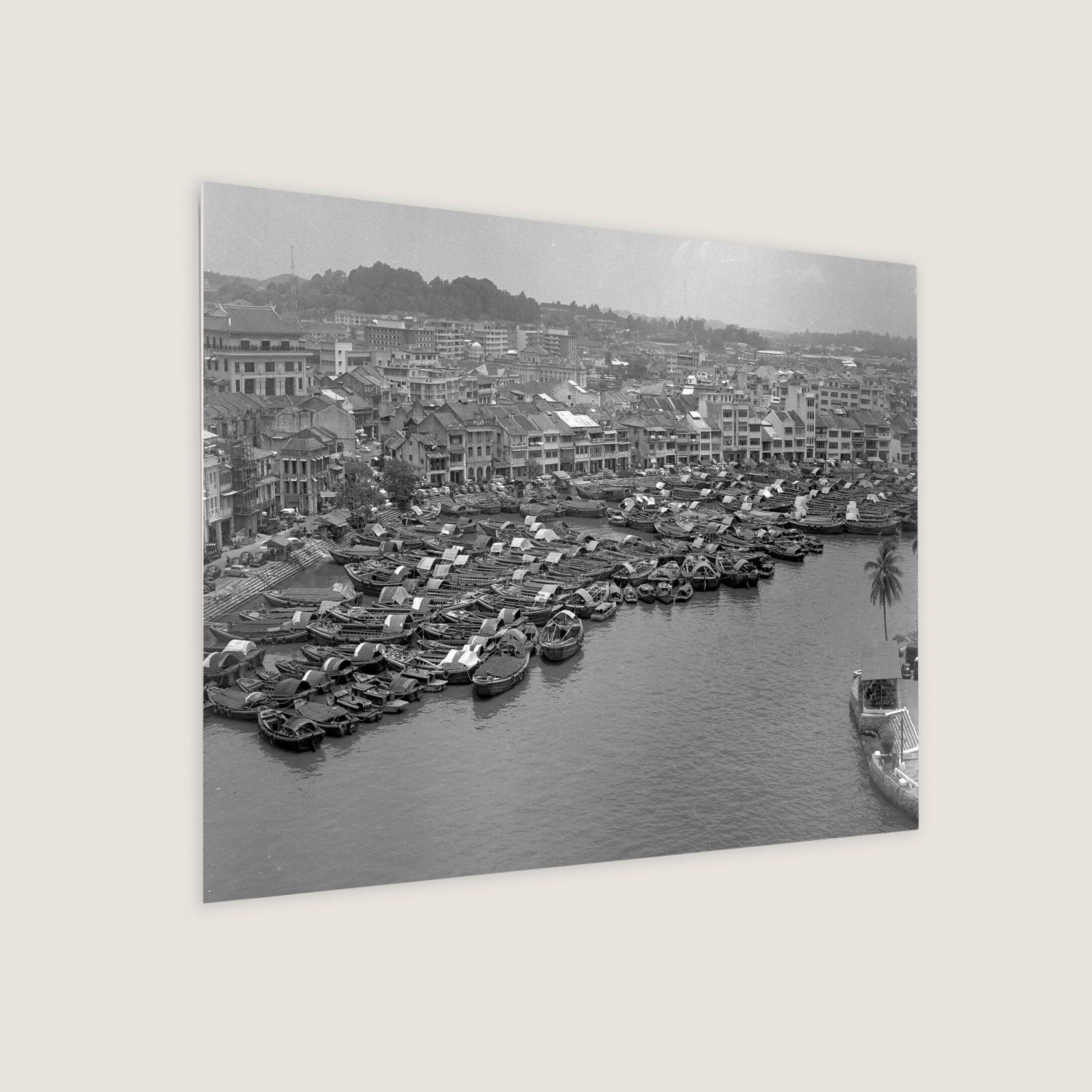
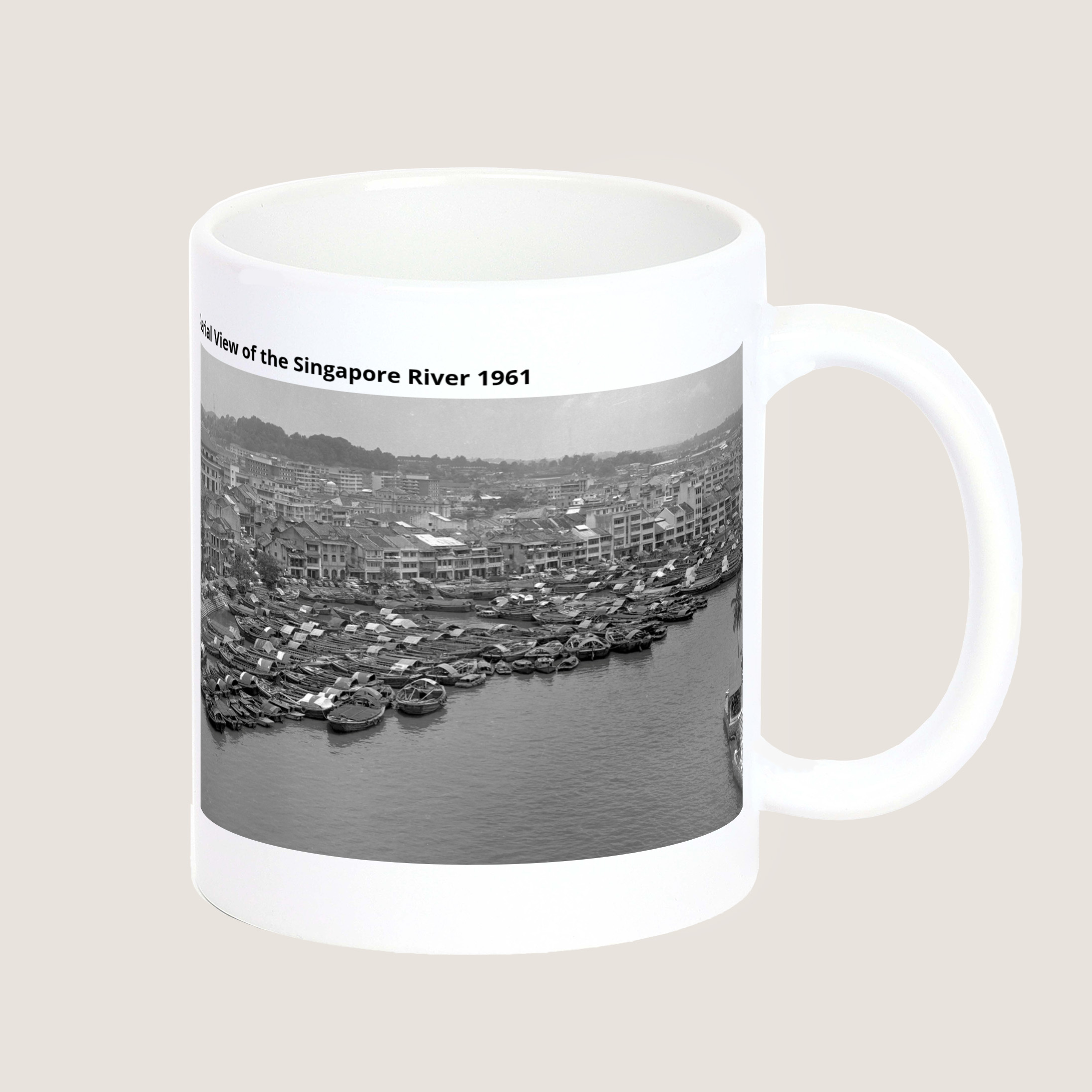
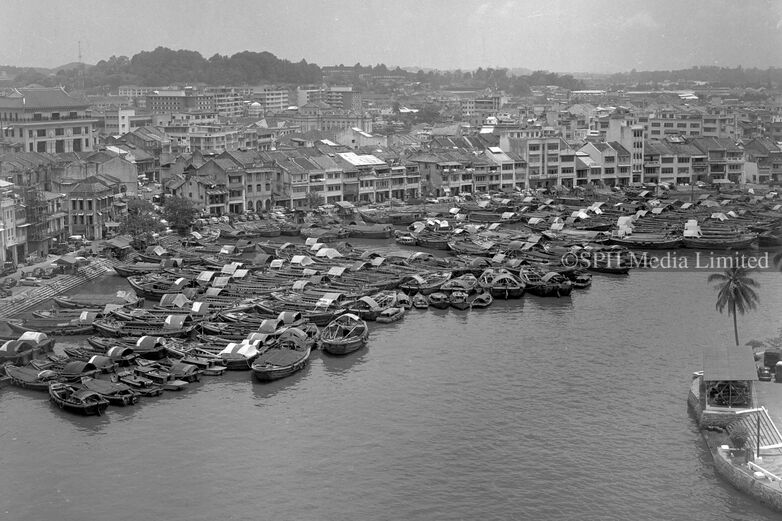 Aerial View of the Singapore River
1961
Aerial View of the Singapore River
1961
Aerial View of the Singapore River
Year 1961
Boats, tongkangs and bumboats at the Singapore River, 7 September 1961. Loading and unloading of goods was brought to a standstill due to the strikes by workers from the Singapore General Employees Union. The area was later cleaned up and redeveloped into a entertainment area which borders the financial district, and the tongkangs are now used to ferry tourists on sightseeing cruises.
©️ SPH Media Limited
Share to
Tags
Available for print on products
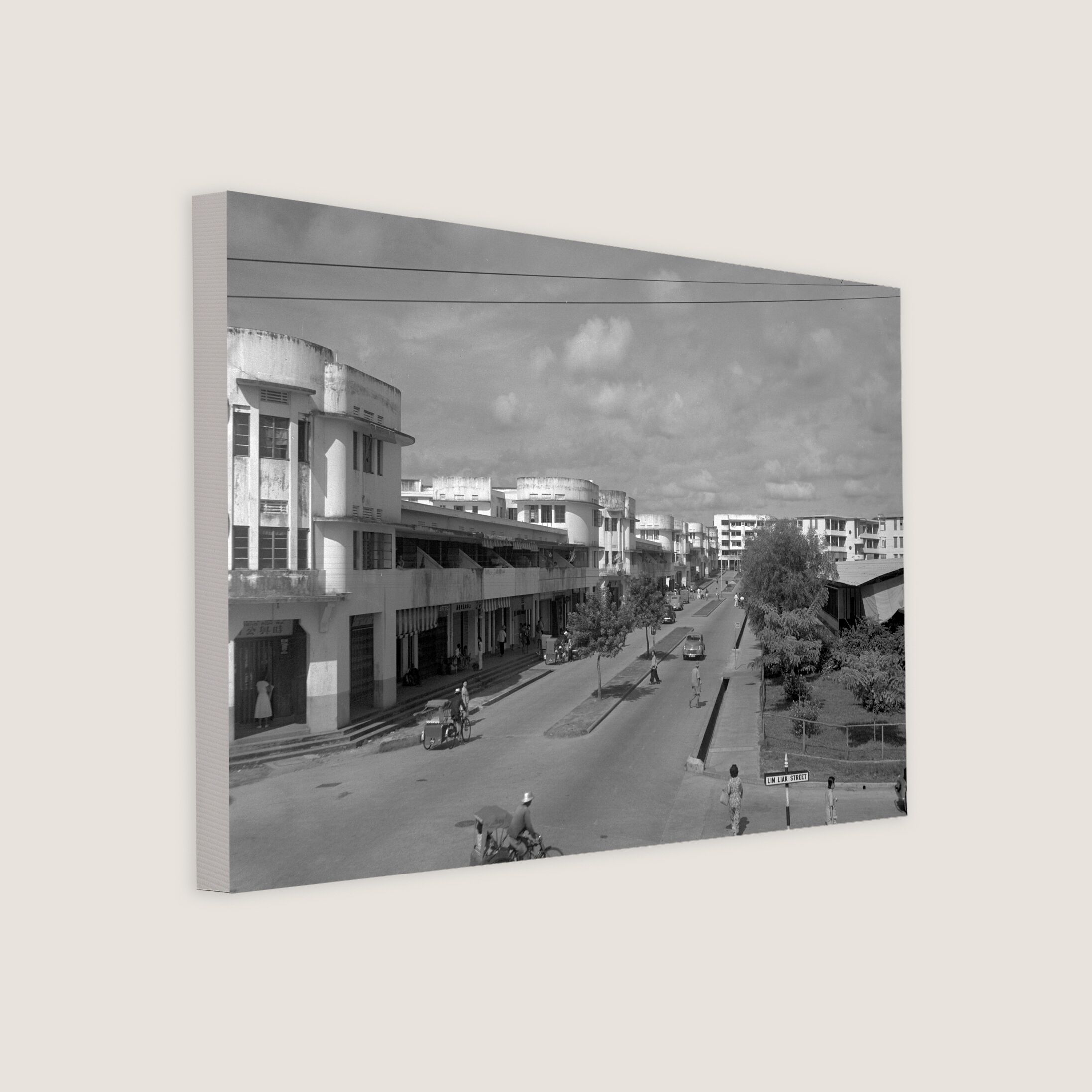
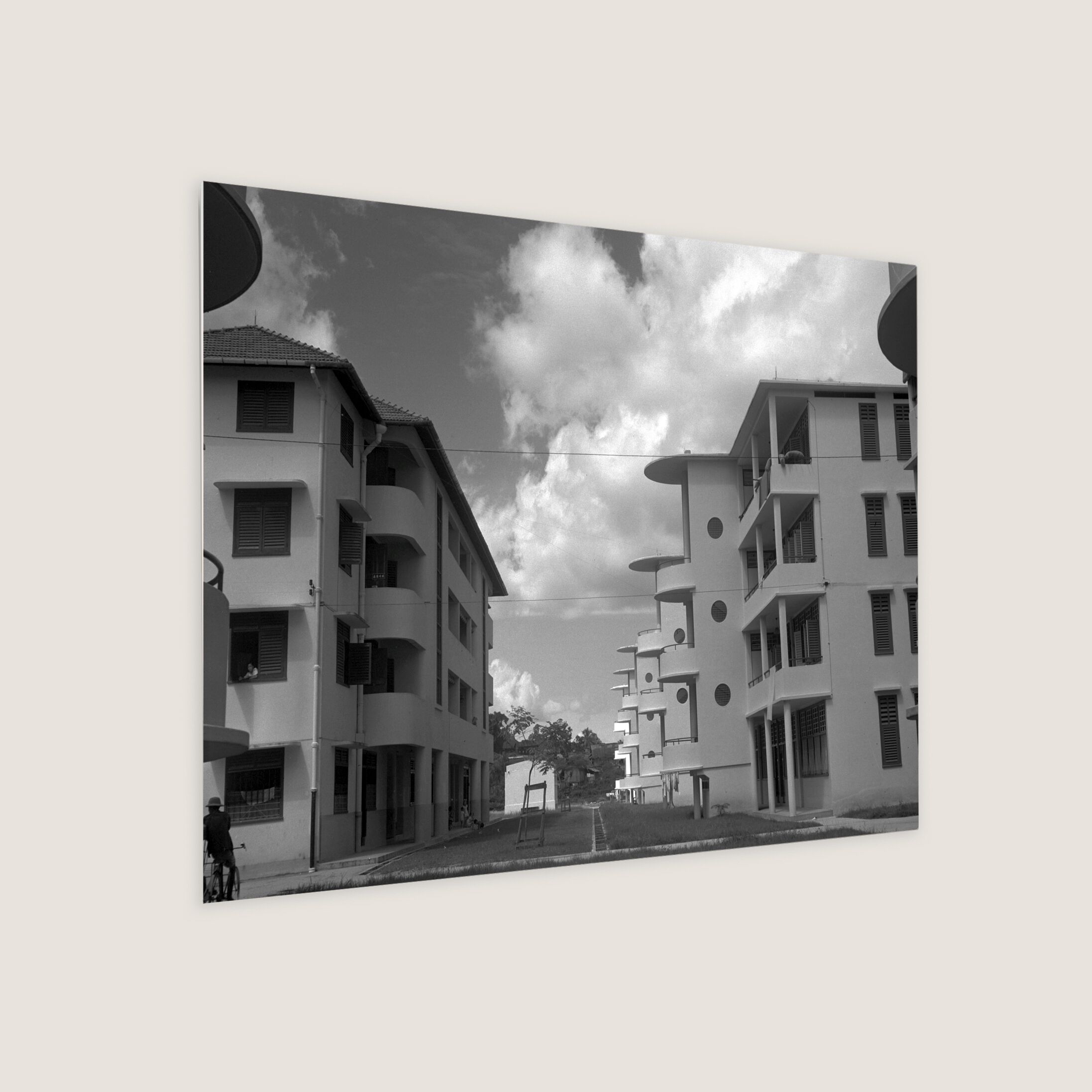
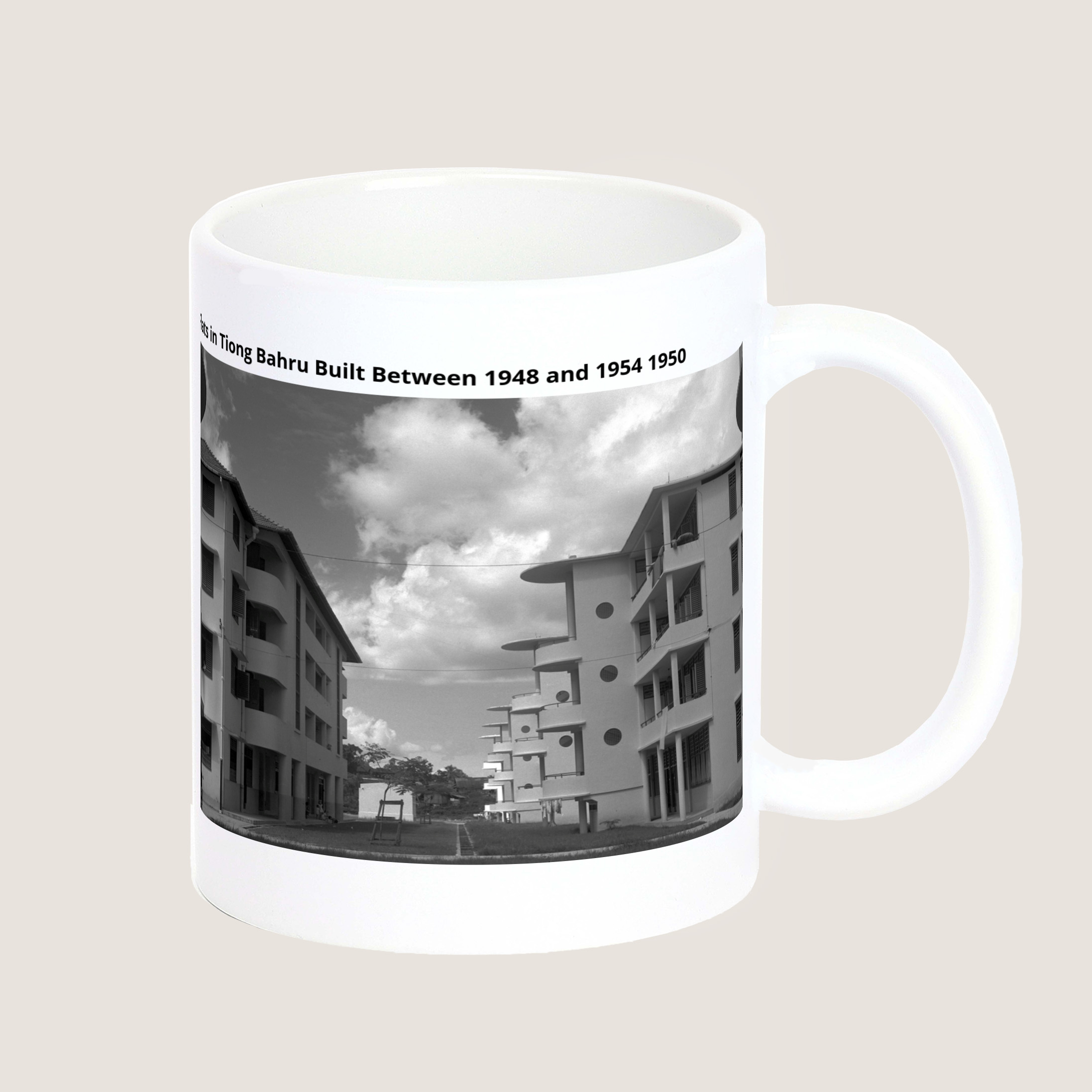
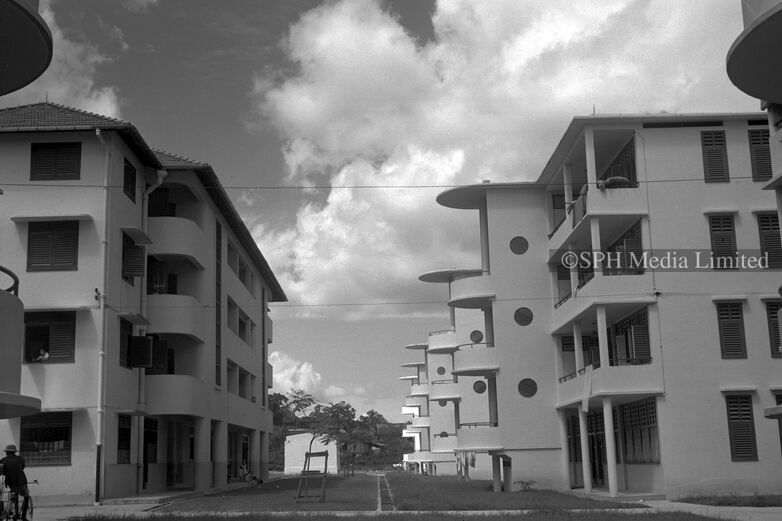 Flats in Tiong Bahru Built Between 1948 and 1954
1950
Flats in Tiong Bahru Built Between 1948 and 1954
1950
Flats in Tiong Bahru Built Between 1948 and 1954
Year 1950
After the Second World War, the Singapore Improvement Trust constructed several four-storey blocks of flats between 1948 and 1954. These were situated around Lim Liak Road and extended along Seng Poh Road, continuing northward towards Tiong Bahru Road and Boon Tiong Road, marking the early phase of public housing development in Singapore.
©️ SPH Media Limited
Share to
Tags
Available for print on products
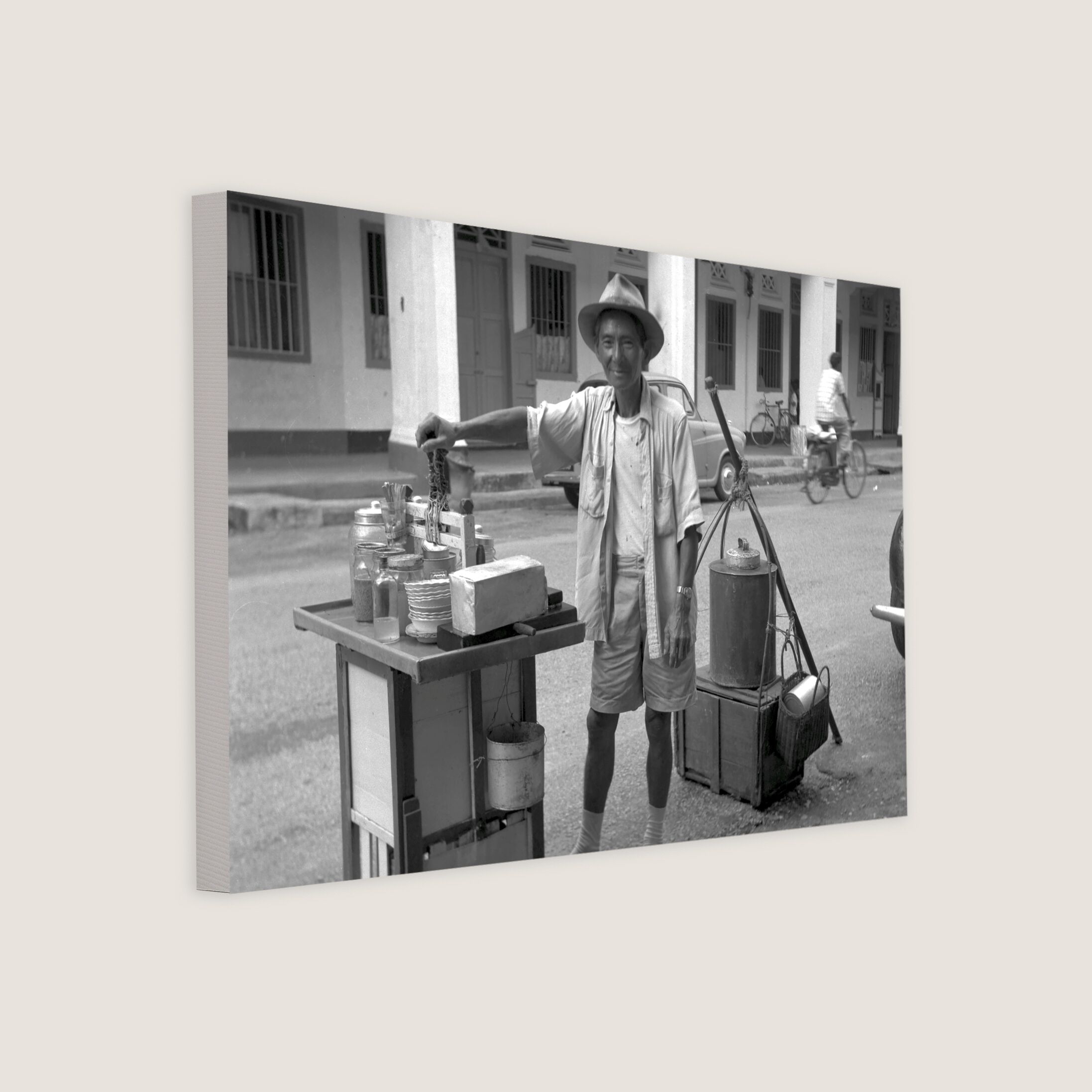
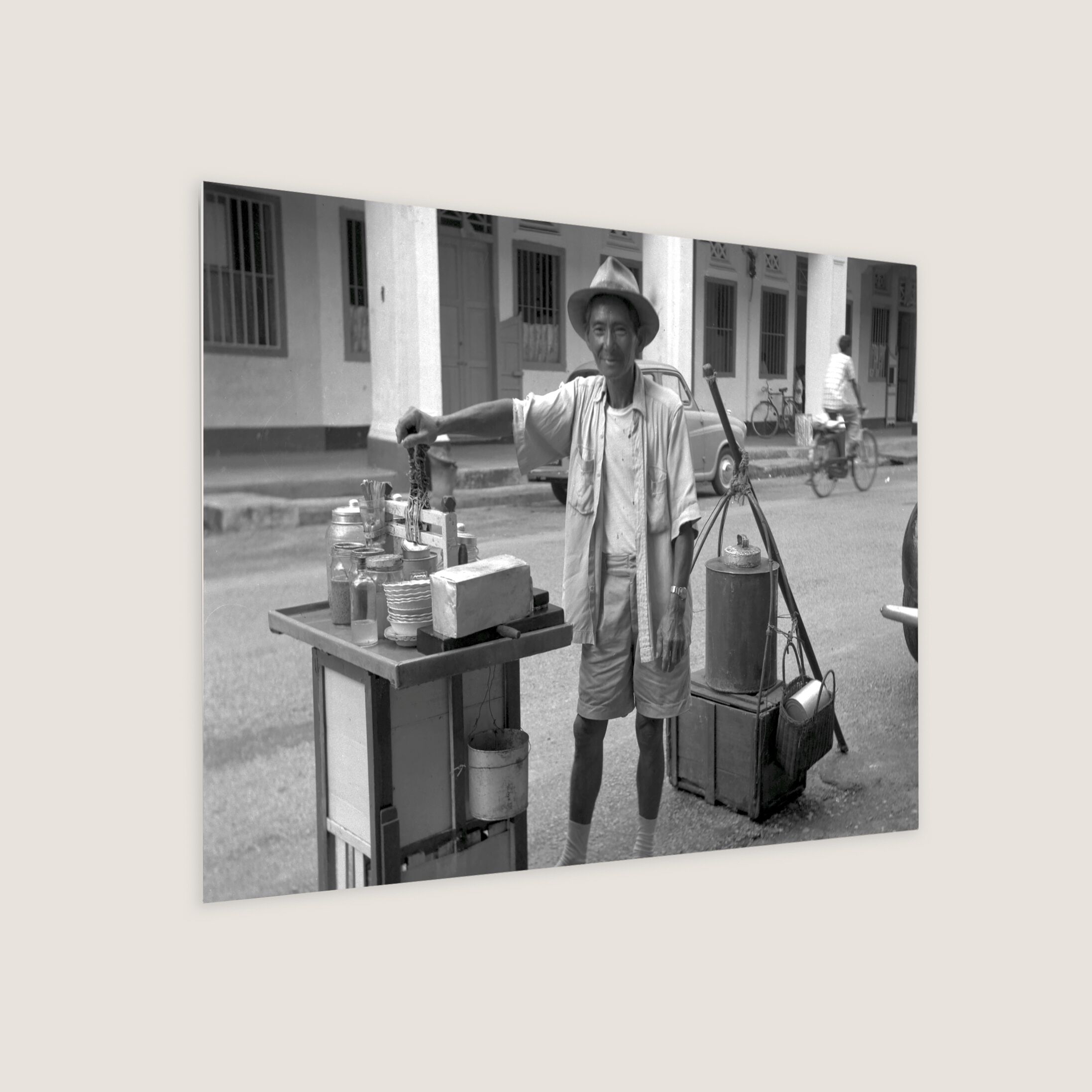
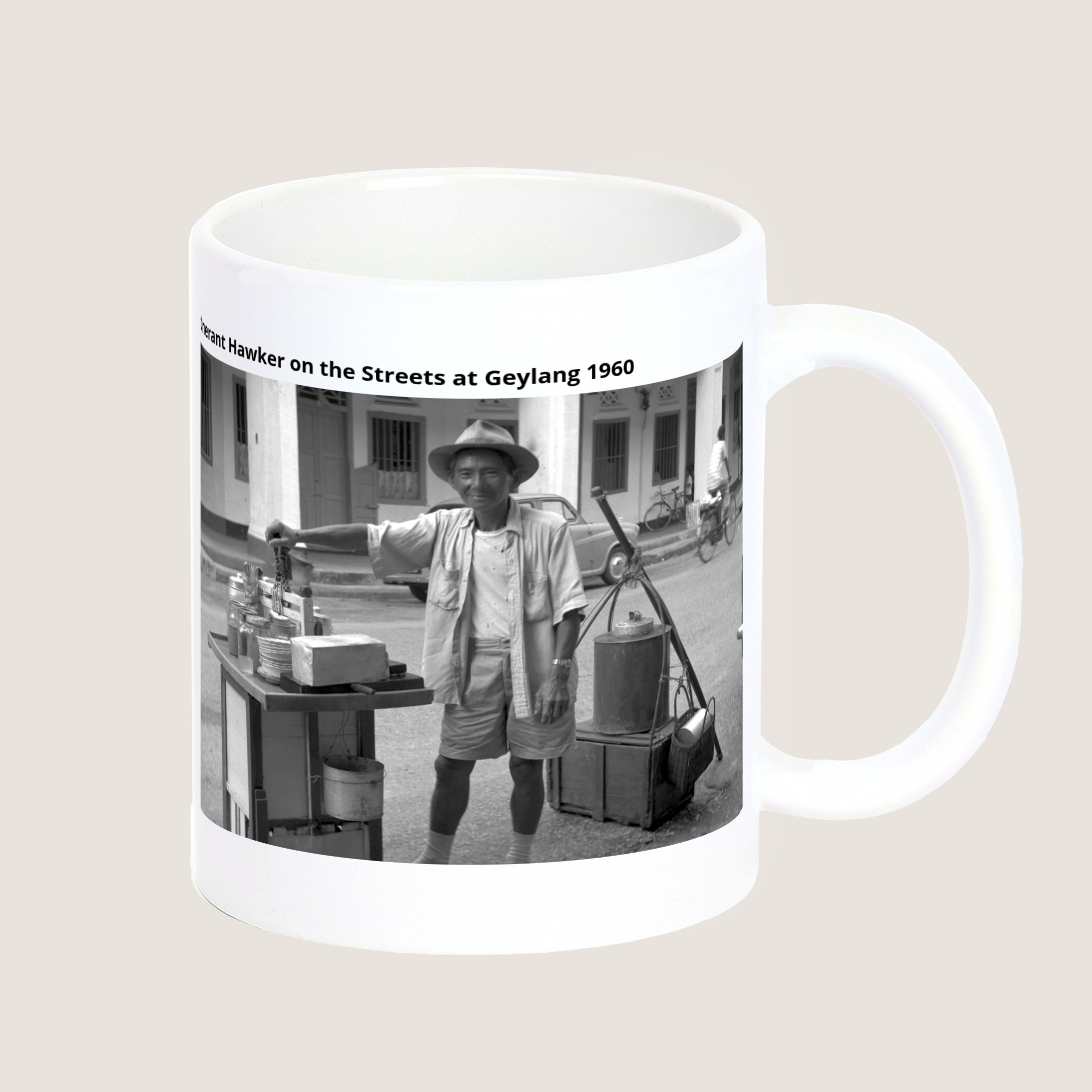
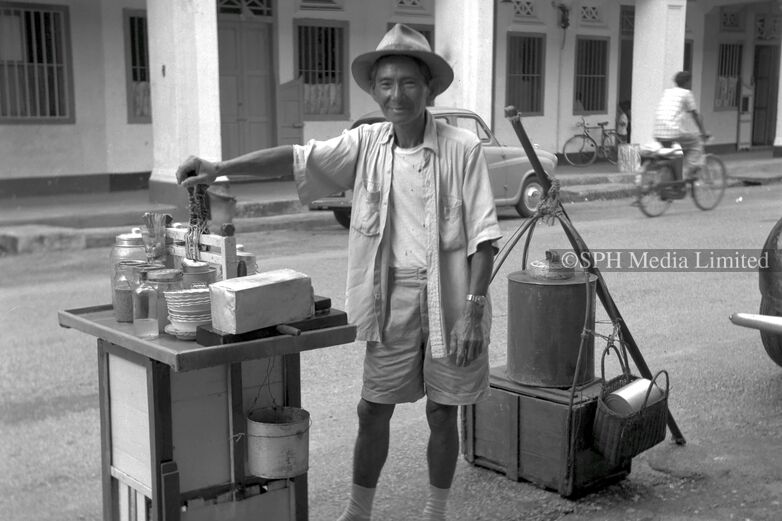 Itinerant Hawker on the Streets at Geylang
1960
Itinerant Hawker on the Streets at Geylang
1960
Itinerant Hawker on the Streets at Geylang
Year 1960
A street hawker peddling food in Geylang, situated in front of a public school. Itinerant hawkers were a familiar sight in Singapore from the 19th century through to the mid-20th century. They could often be seen along bustling streets and busy intersections, selling a wide array of items such as food, drinks, vegetables, poultry, and various other goods. In this photograph, the hawker is seen offering food to passersby.
©️ SPH Media Limited
Share to
Tags
Available for print on products
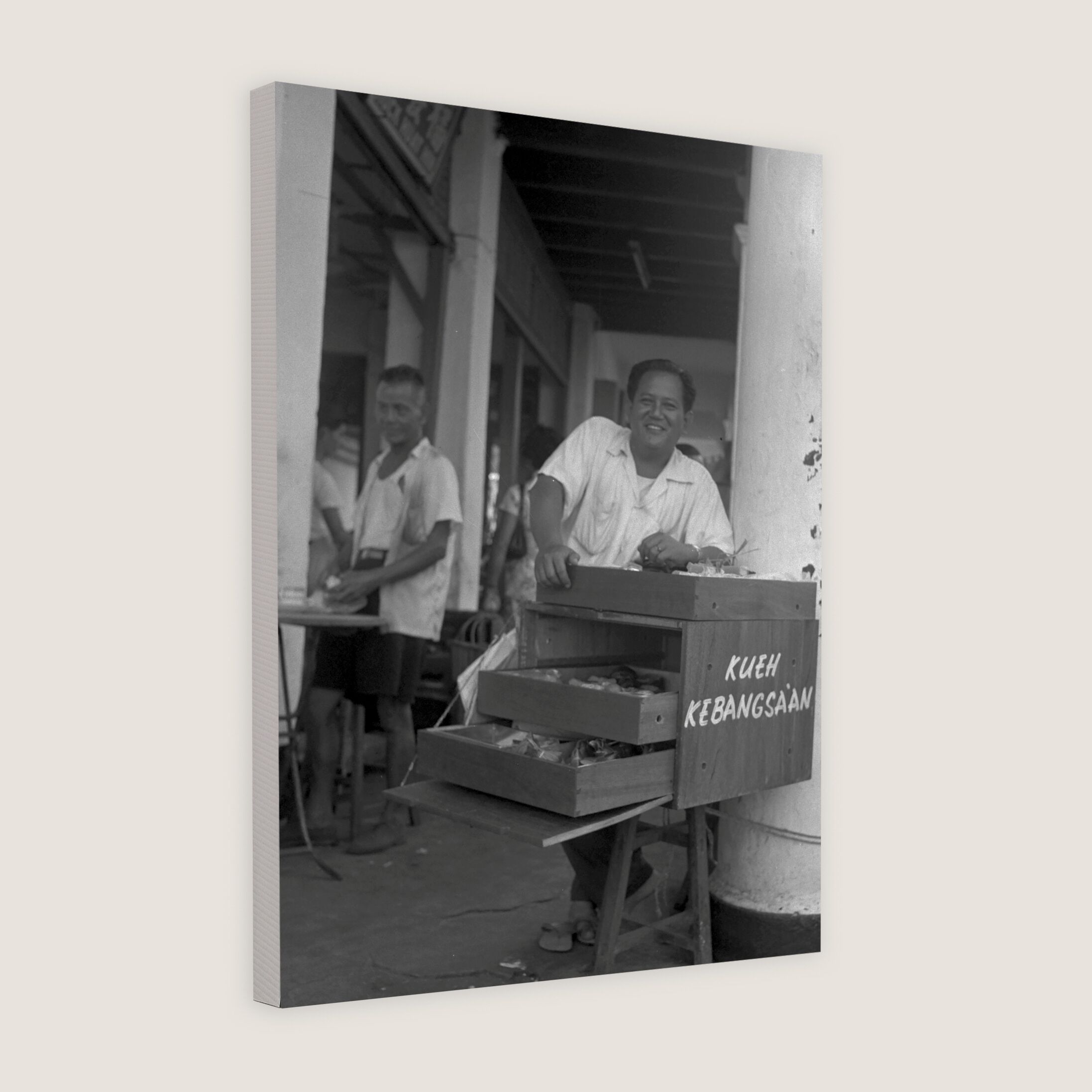
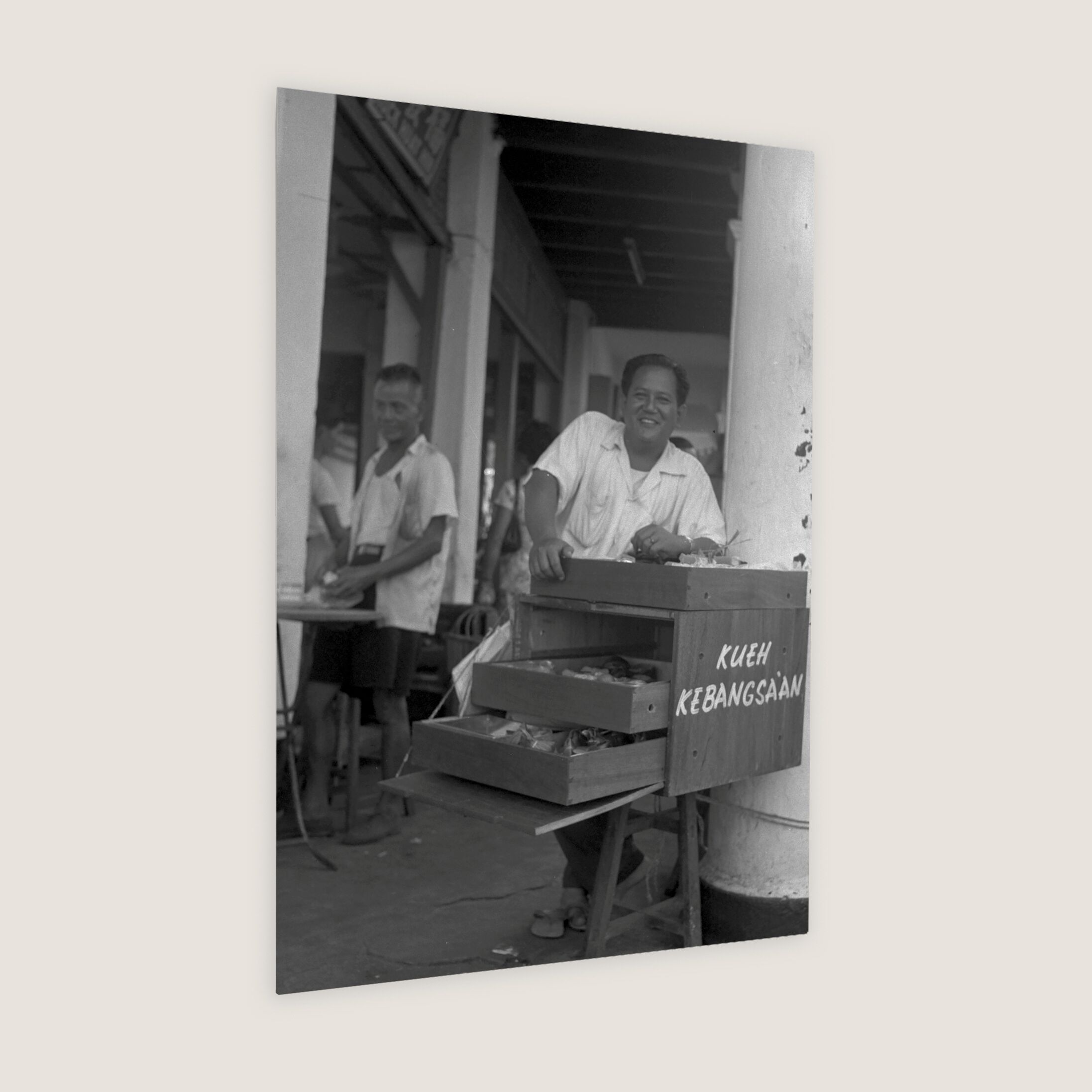
 Street Hawker Selling Kueh from a Drawer
1960
Street Hawker Selling Kueh from a Drawer
1960
Street Hawker Selling Kueh from a Drawer
Year 1960
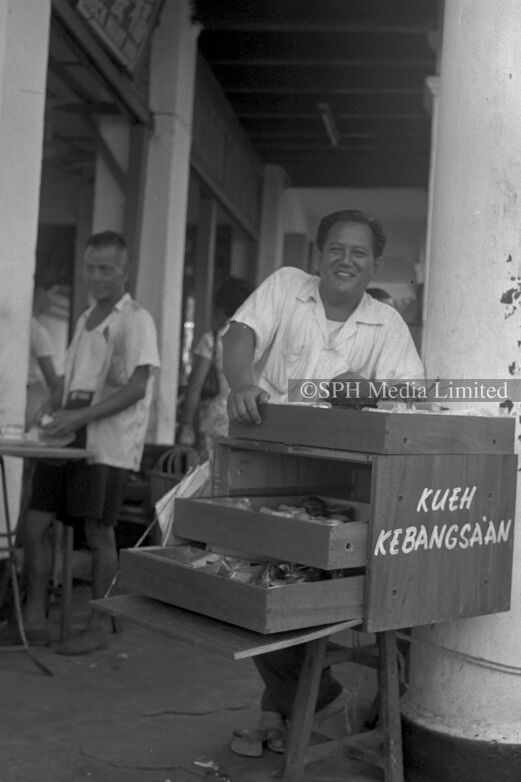
Street hawking was a common livelihood in Singapore, offering low entry barriers. Hawkers used various carriers to transport their goods. In this photo, a 'Kueh Kebangsaan' vendor uses a box with drawers to display his treats, while a mobile pushcart is seen in the background. 'Kueh Kebangsaan' includes traditional snacks like 'kuih seri muka' and 'kuih bangkit'.
©️ SPH Media Limited
Share to
Tags
Available for print on products
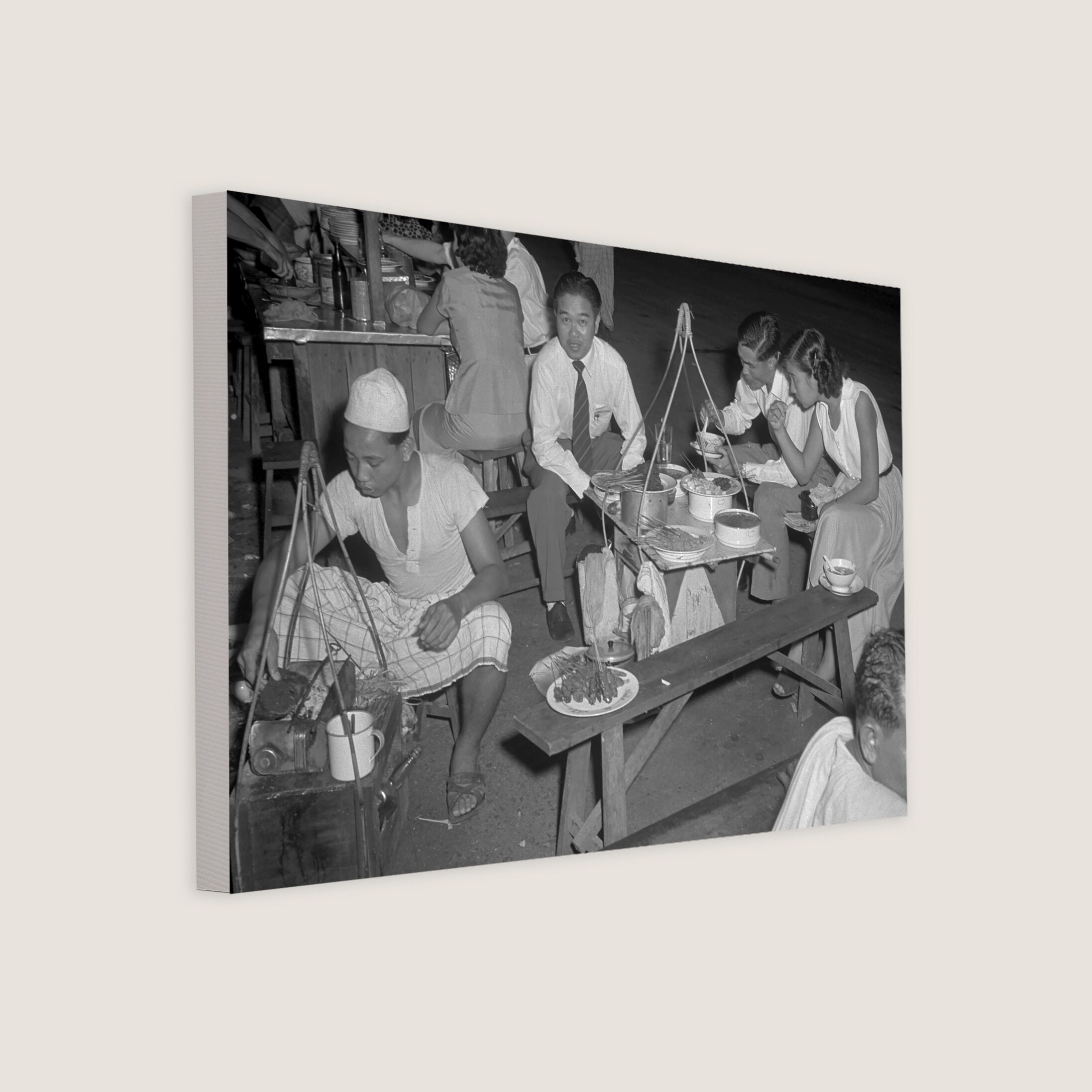
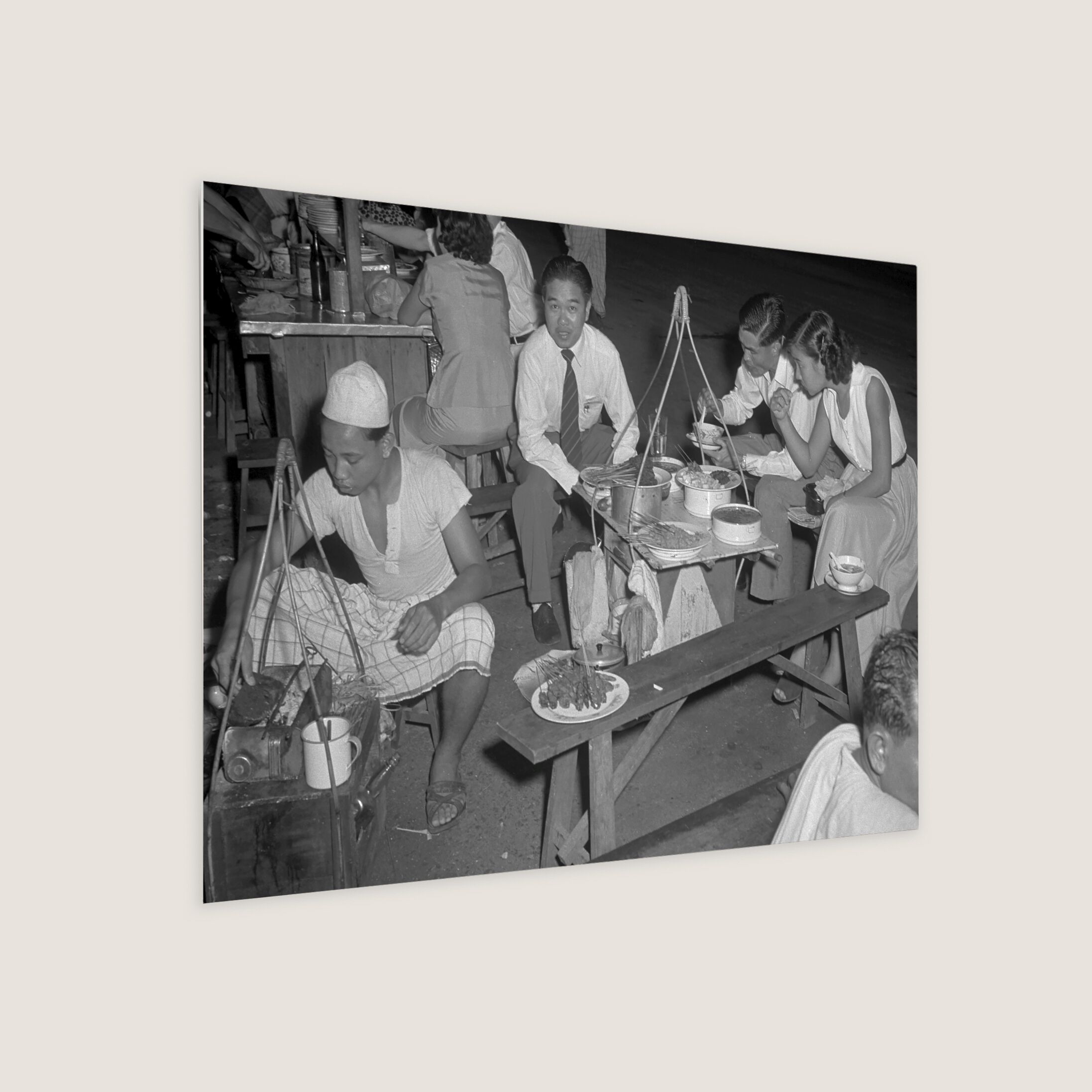
 Hawkers and Customers Enjoying Satay
1955
Hawkers and Customers Enjoying Satay
1955
Hawkers and Customers Enjoying Satay
Year 1955
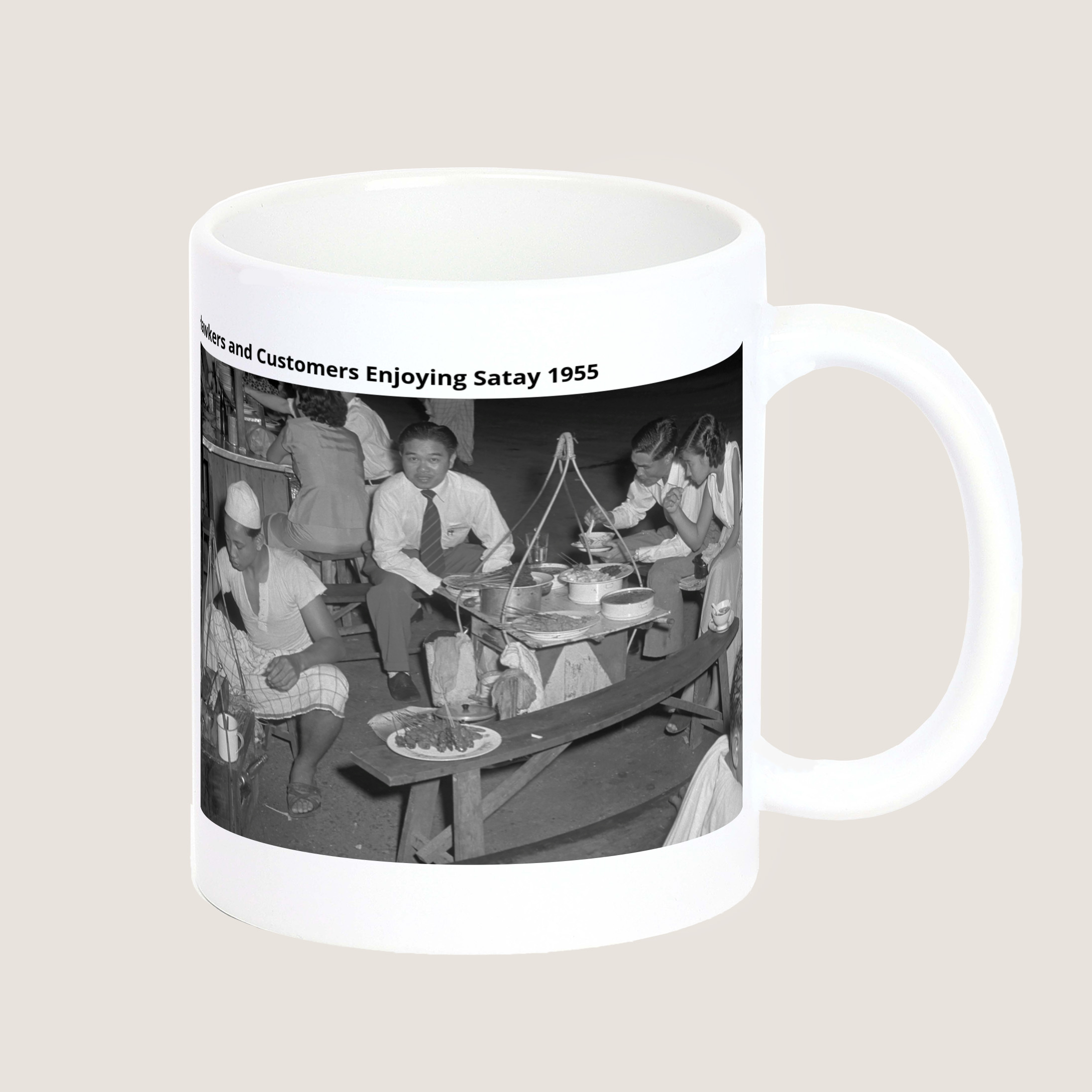
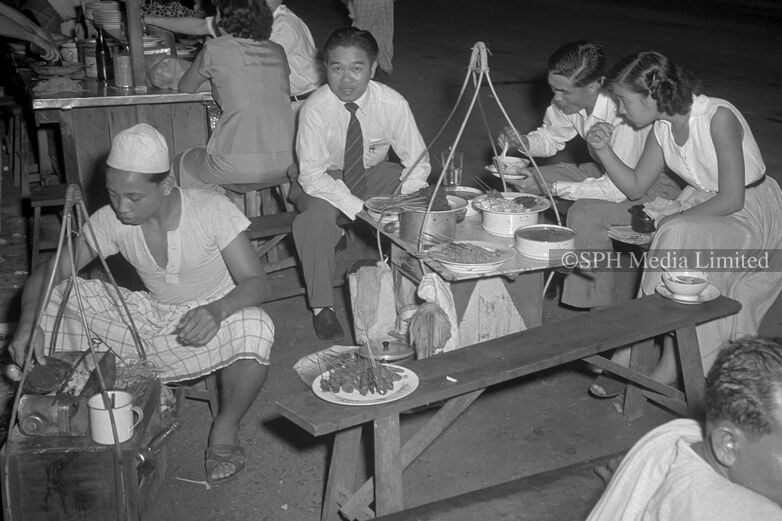
A street hawker was fully focused on grilling satay, skewered pieces of meat, typically beef or mutton, at his portable stall. Strangers would find a seat, happily help themselves to the satay, dip it into a communal pot of gravy, and pay only for the number of sticks they took.
©️ SPH Media Limited
Share to
Tags
Available for print on products
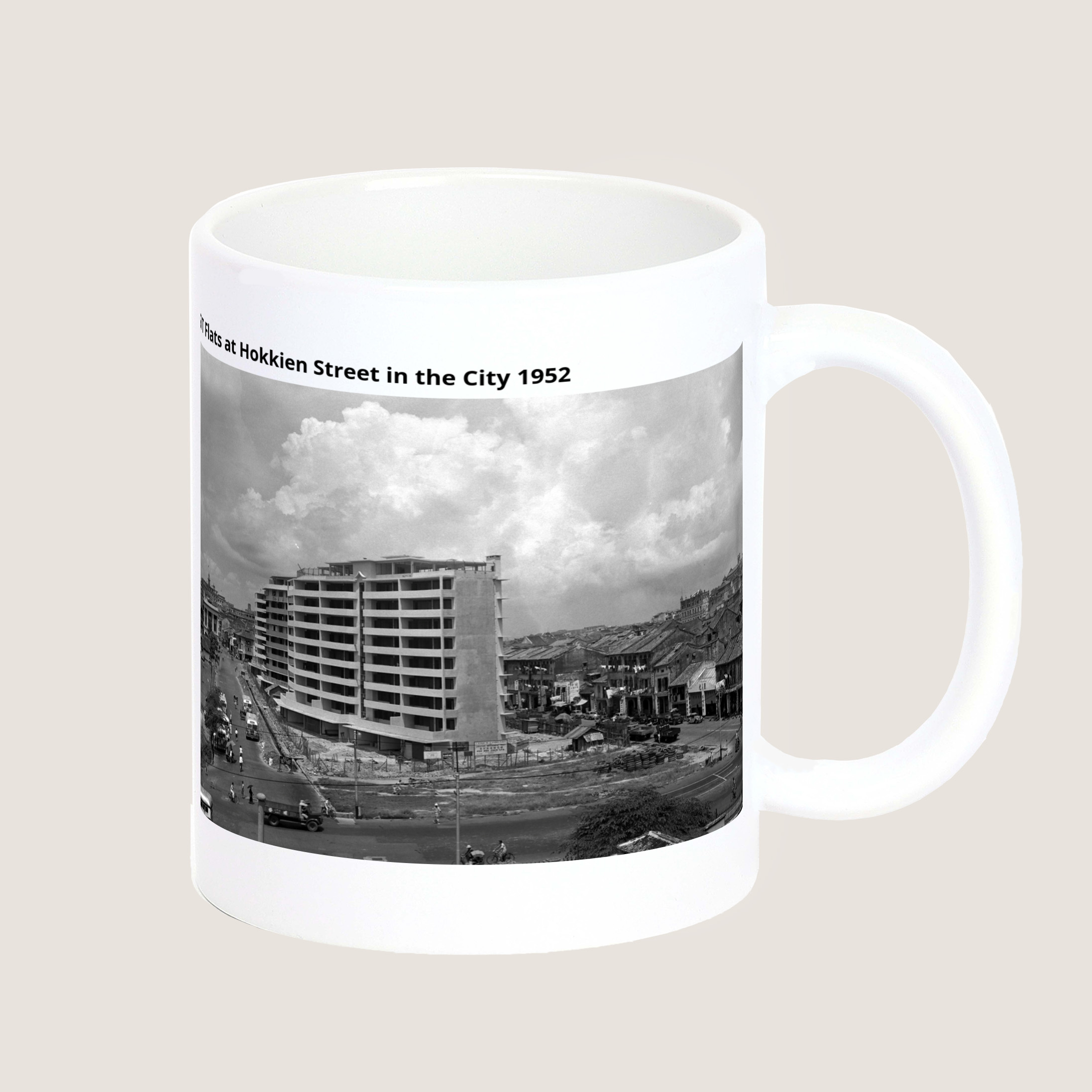
 SIT Flats at Hokkien Street in the City
1952
SIT Flats at Hokkien Street in the City
1952
SIT Flats at Hokkien Street in the City
Year 1952
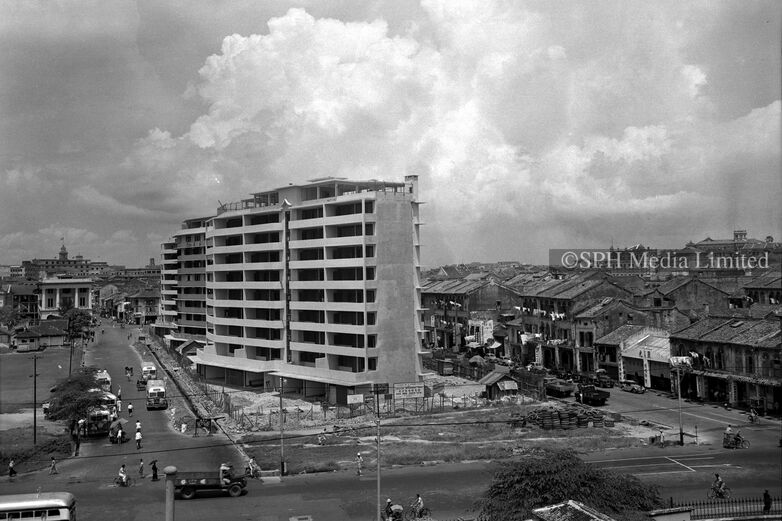
In the early 1950s, the Singapore Improvement Trust (SIT) built flats along Hokkien Street to address the severe housing shortage in the overcrowded city. Hokkien Street is one of the oldest roads in Singapore, and was named after early settlers from Fujian Province, the largest Chinese dialect group.
©️ SPH Media Limited
Share to
Tags
Available for print on products
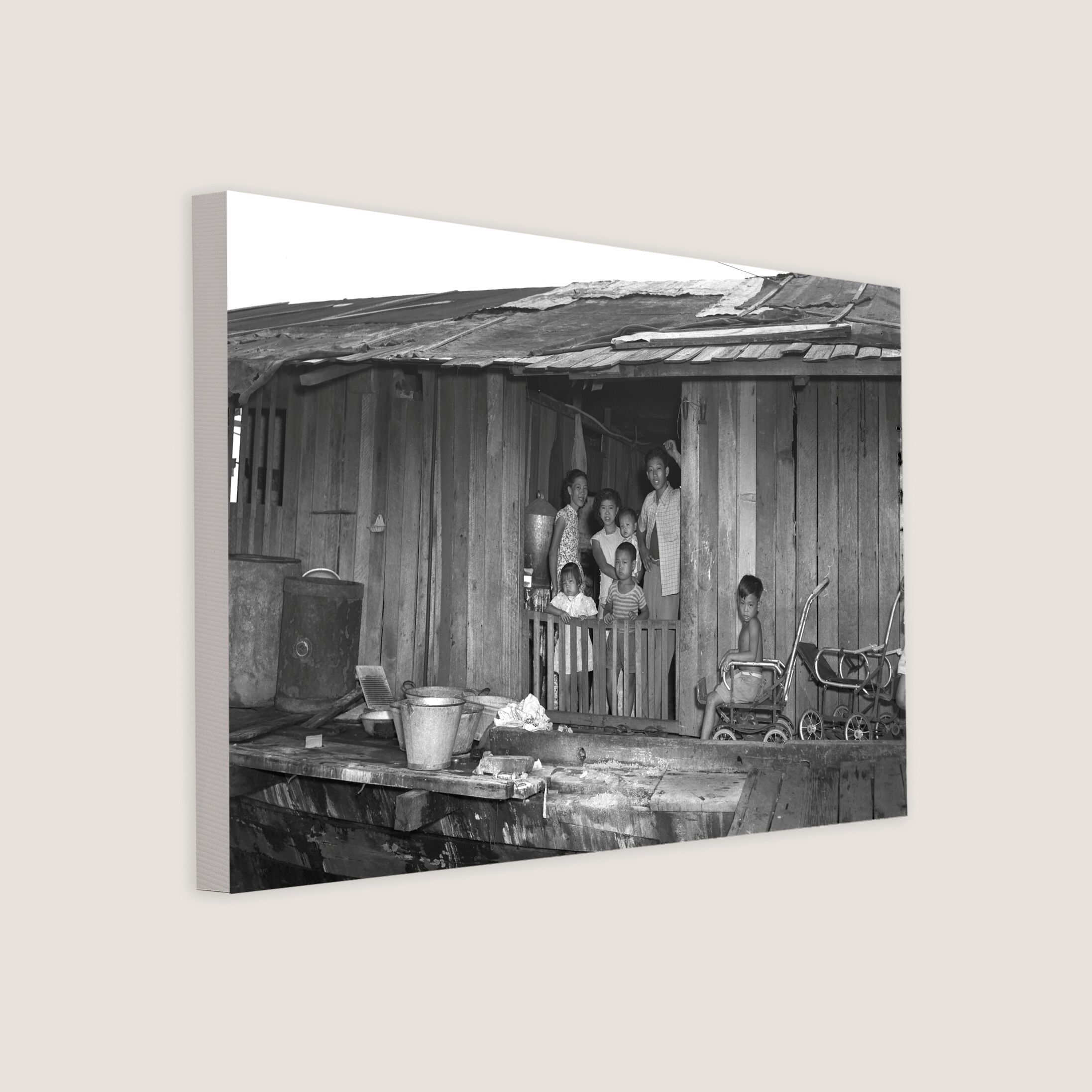
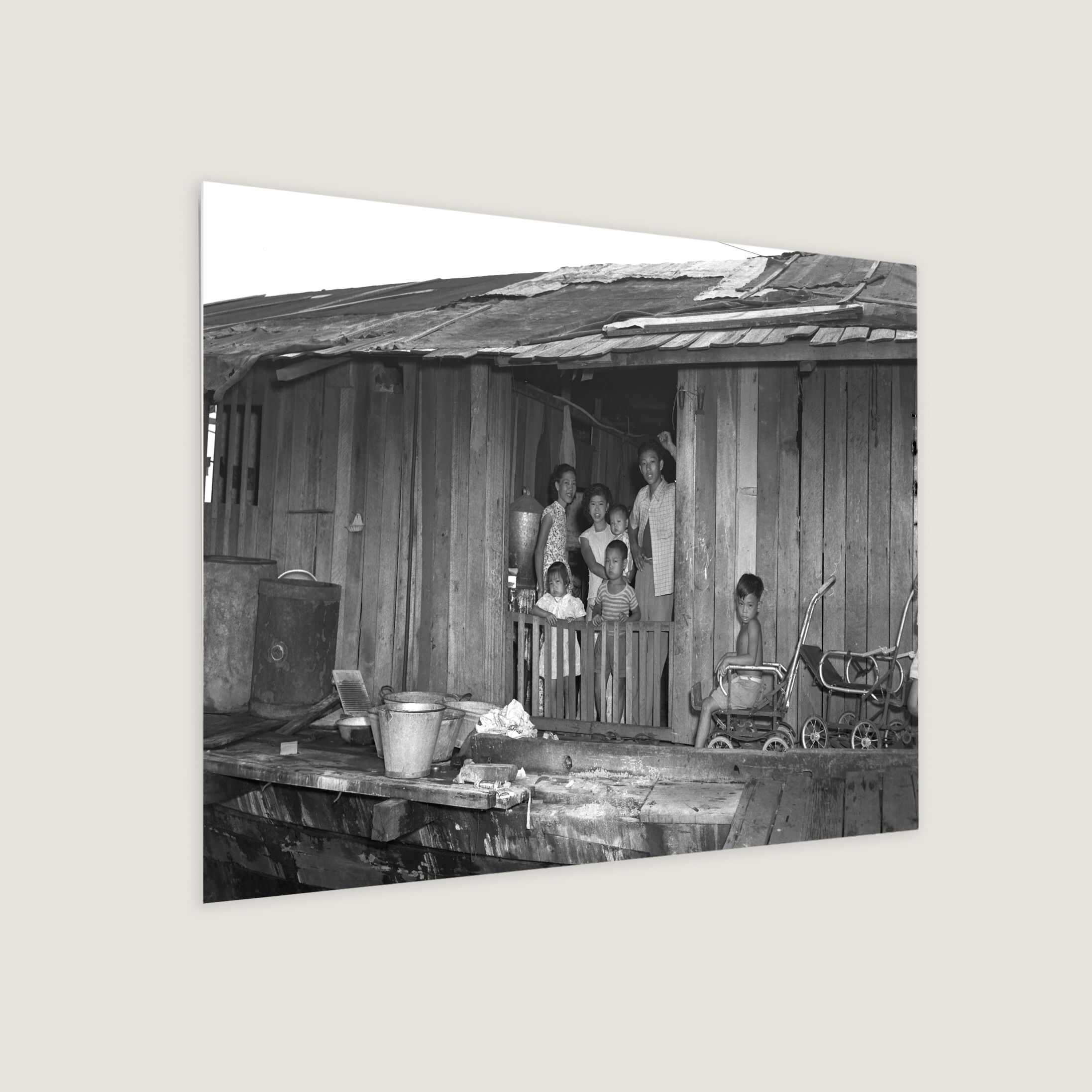
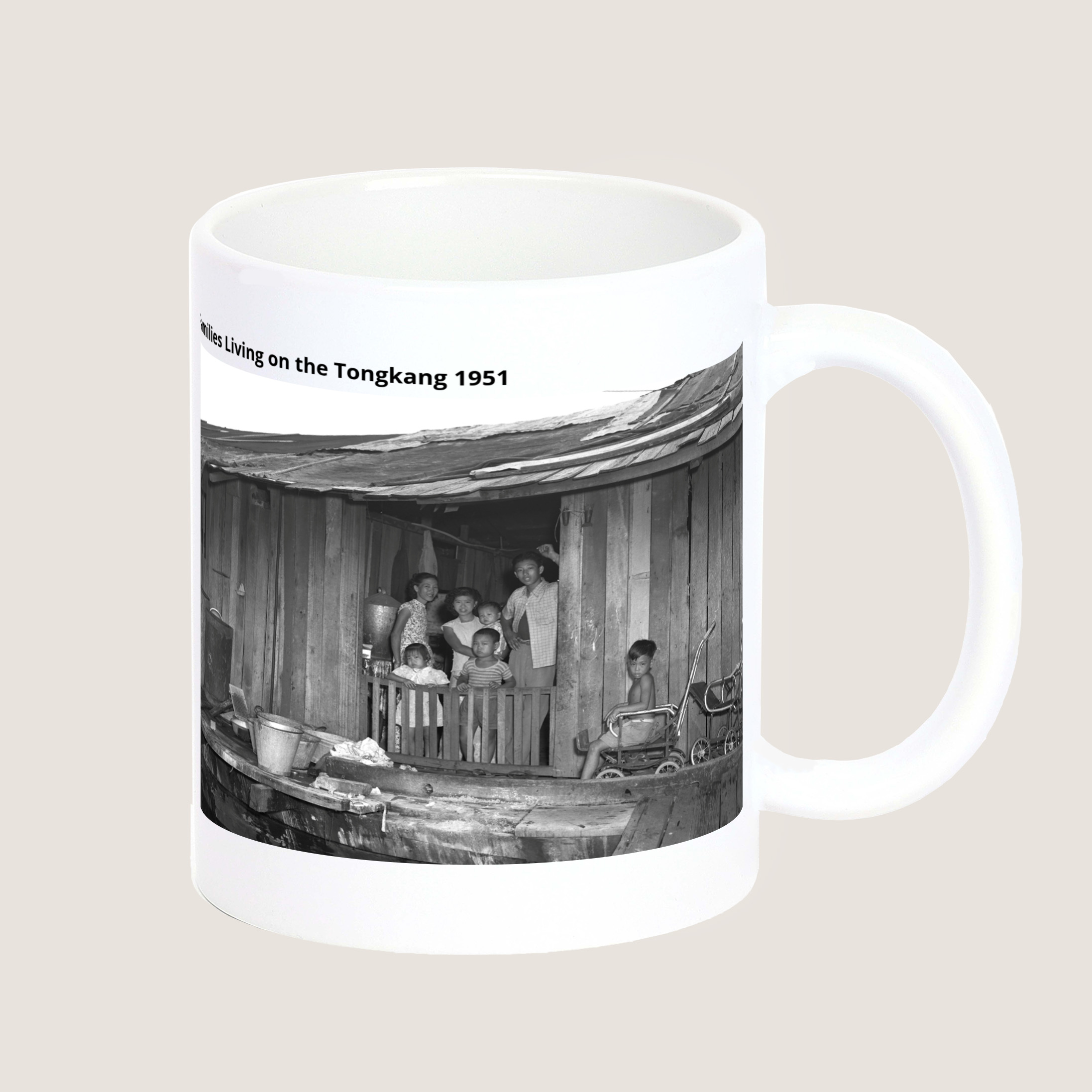
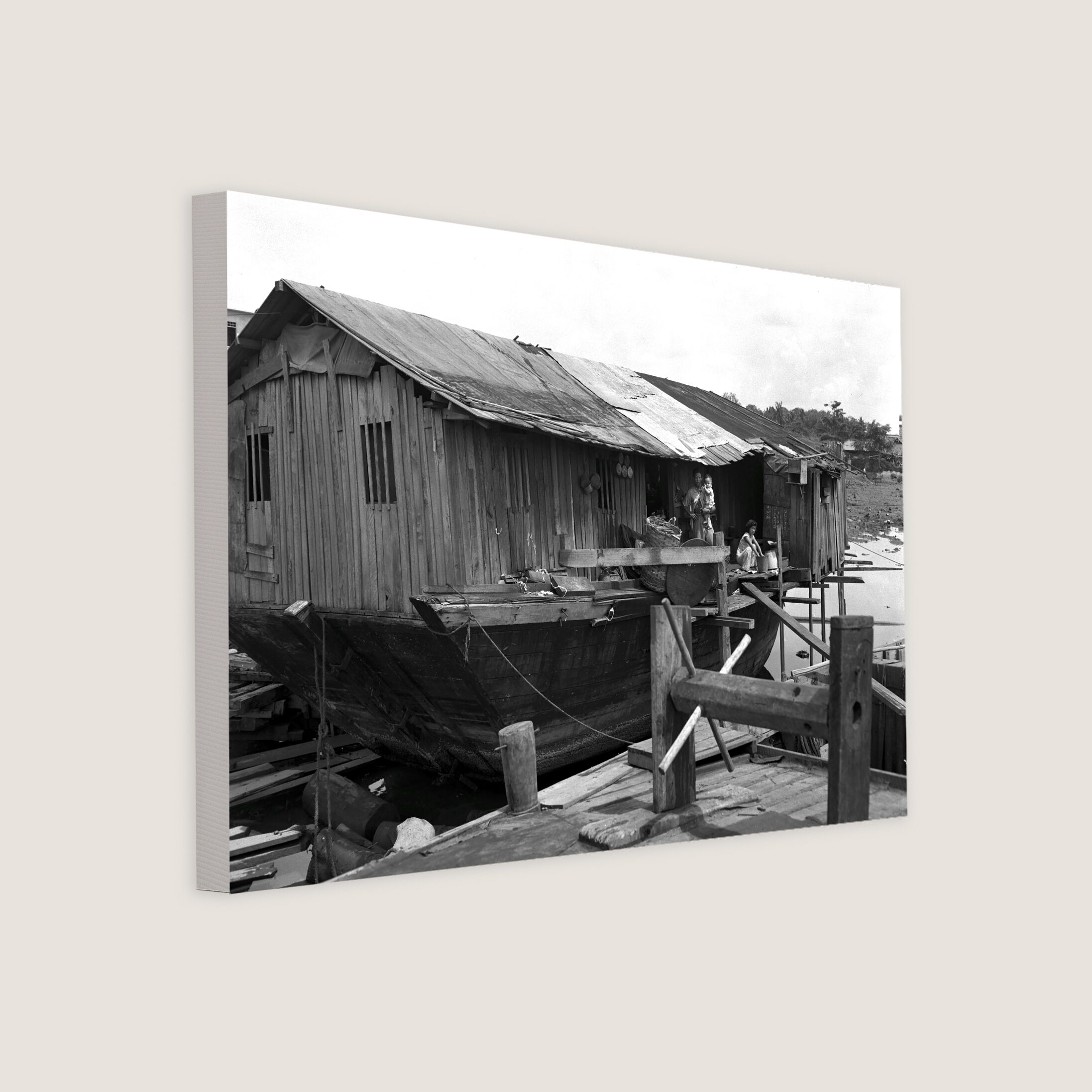
 Families Living on the Tongkang
1951
Families Living on the Tongkang
1951
Families Living on the Tongkang
Year 1951
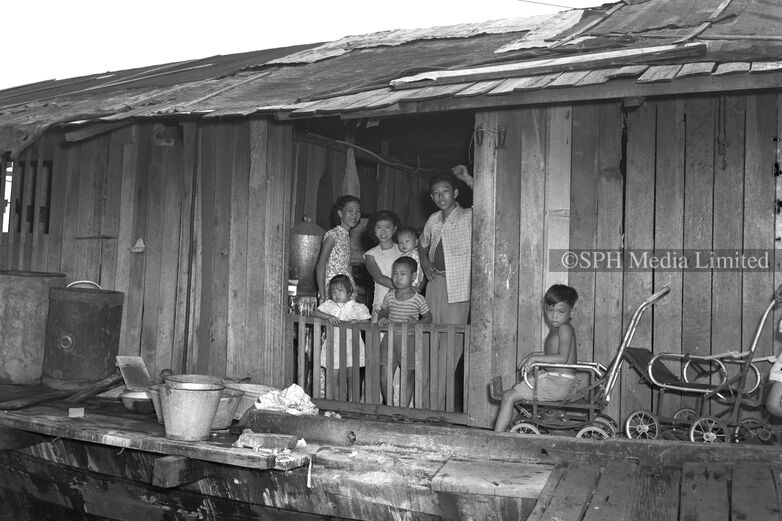
Until the 1860s or 1870s, the north bank of Boat Quay at Singapore River was a center for boat building and repair. In the late 19th century, there were Chinese-owned boatyards, further upstream, towards the source of the Singapore River. Artisans had been building and repairing boats there on a small scale for over a century. The artisans not only built boats but built their homes on the tongkang as well.
©️ SPH Media Limited
Share to
Tags
Available for print on products
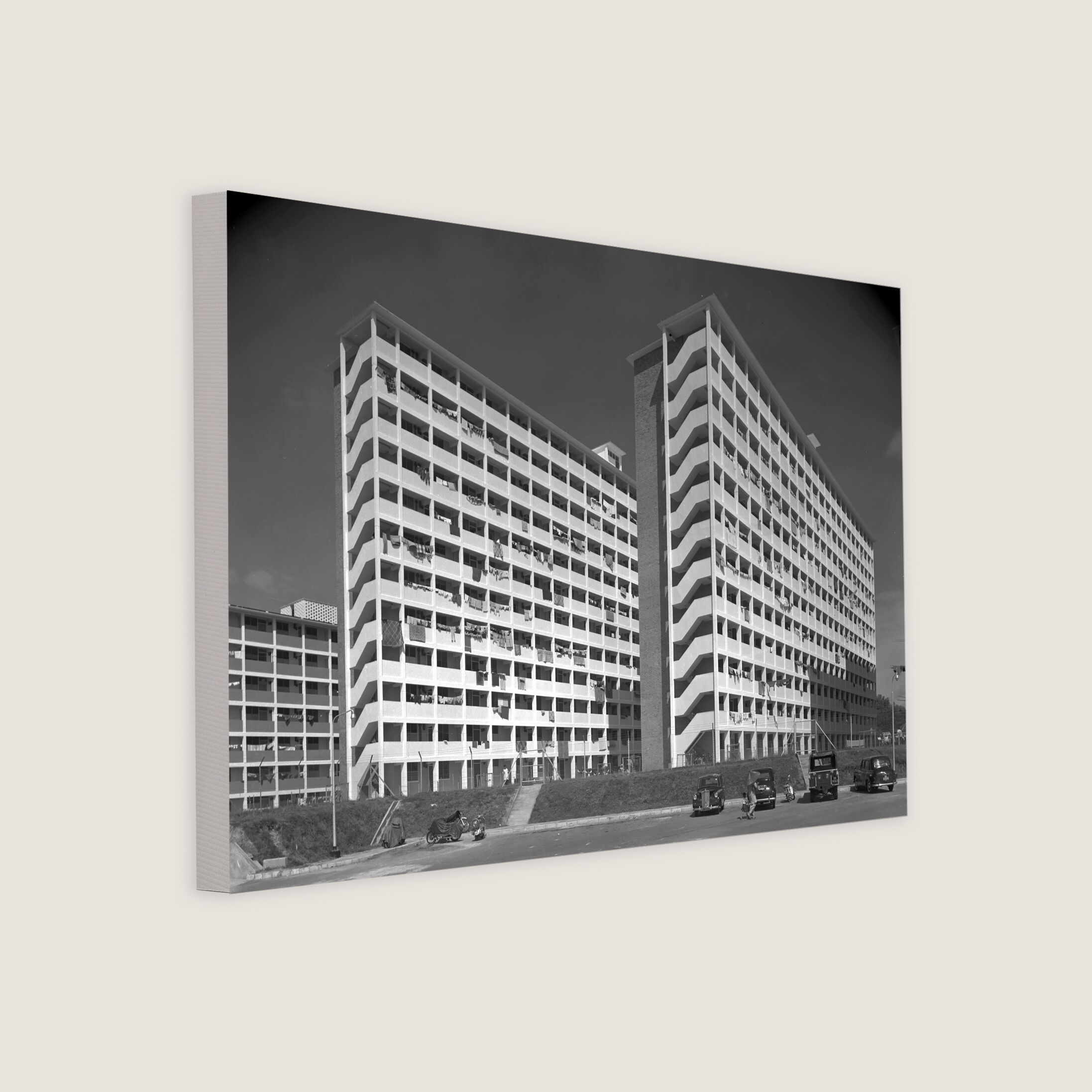
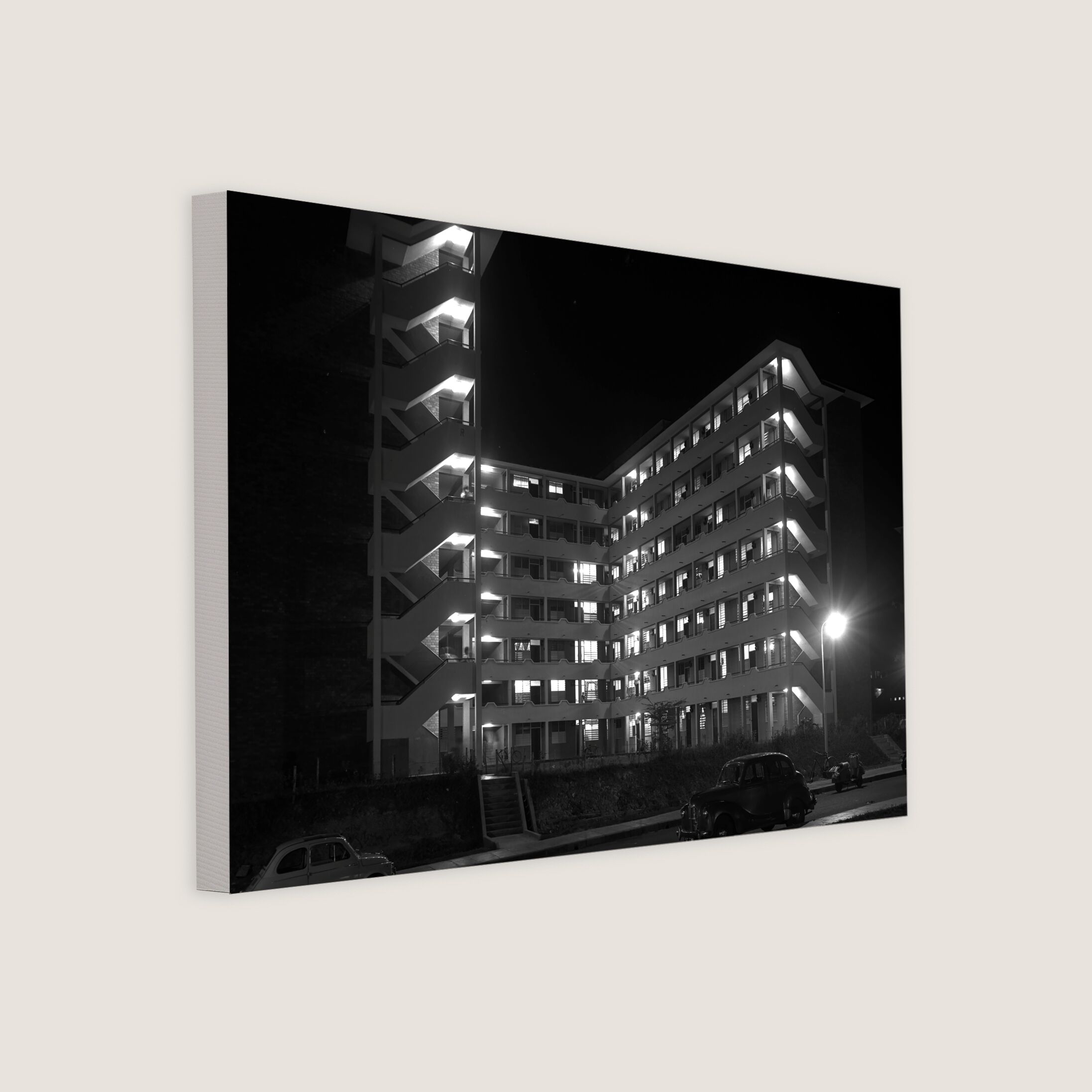
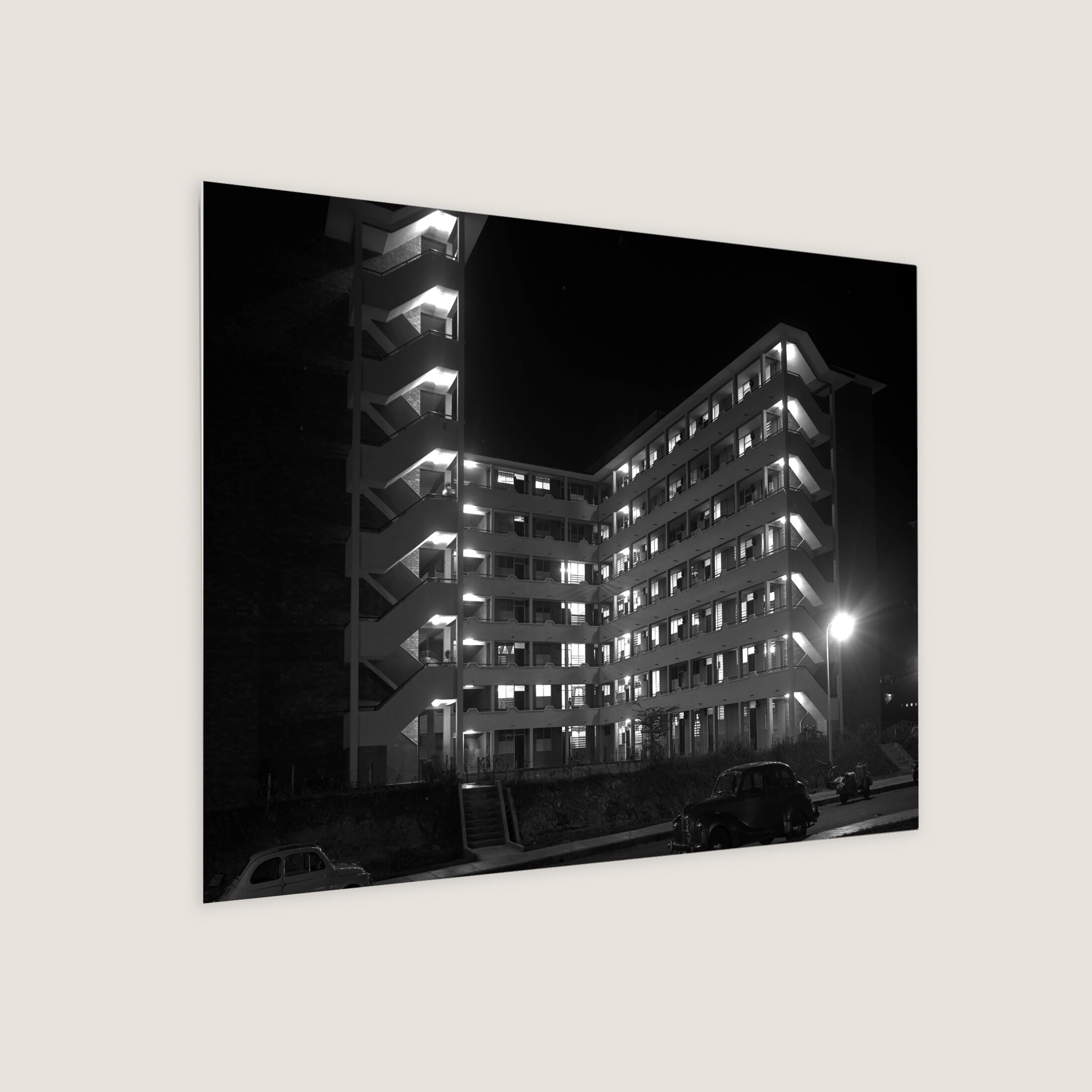
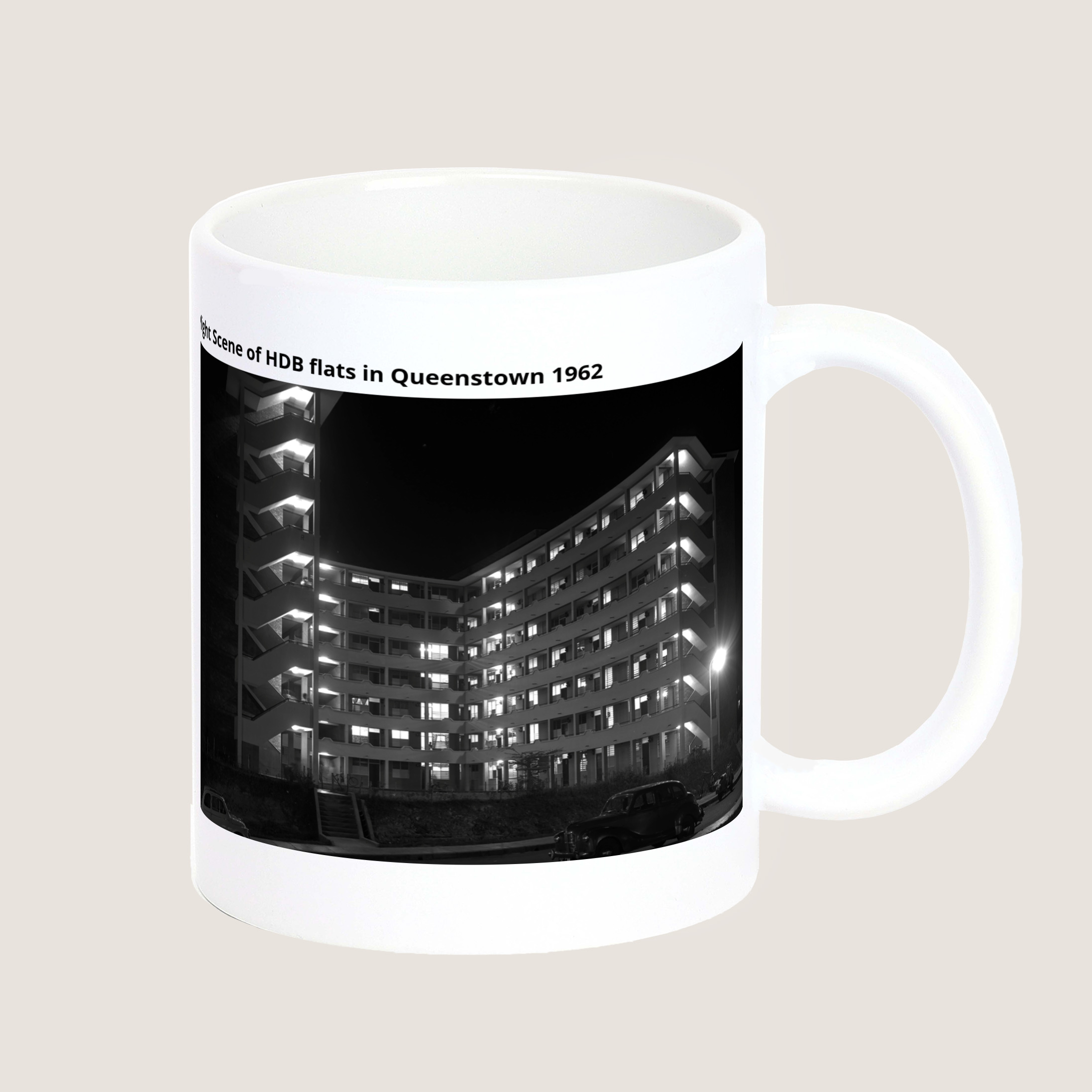
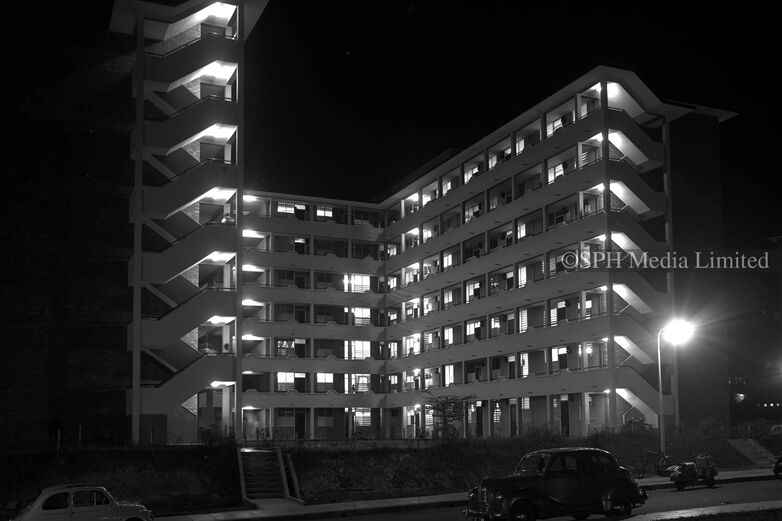 Night Scene of HDB flats in Queenstown
1962
Night Scene of HDB flats in Queenstown
1962
Night Scene of HDB flats in Queenstown
Year 1962
Queenstown was among the earliest housing estates developed by the Singapore Improvement Trust (SIT) and holds the distinction of being Singapore’s first satellite town. Named in honour of Queen Elizabeth II following her coronation, the estate was later completed by the Housing and Development Board (HDB) between 1960 and 1965.
©️ SPH Media Limited
Share to
Tags
Available for print on products
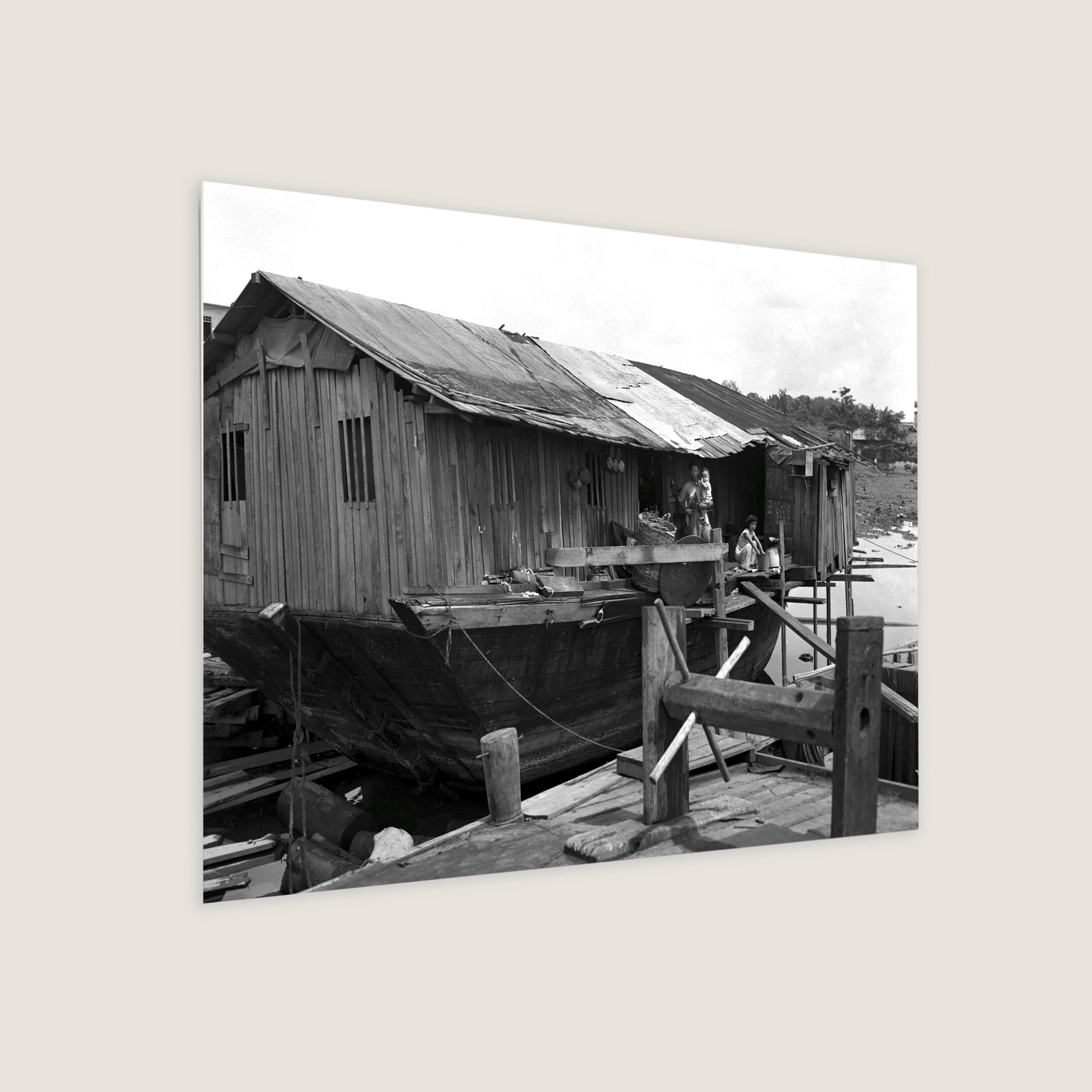
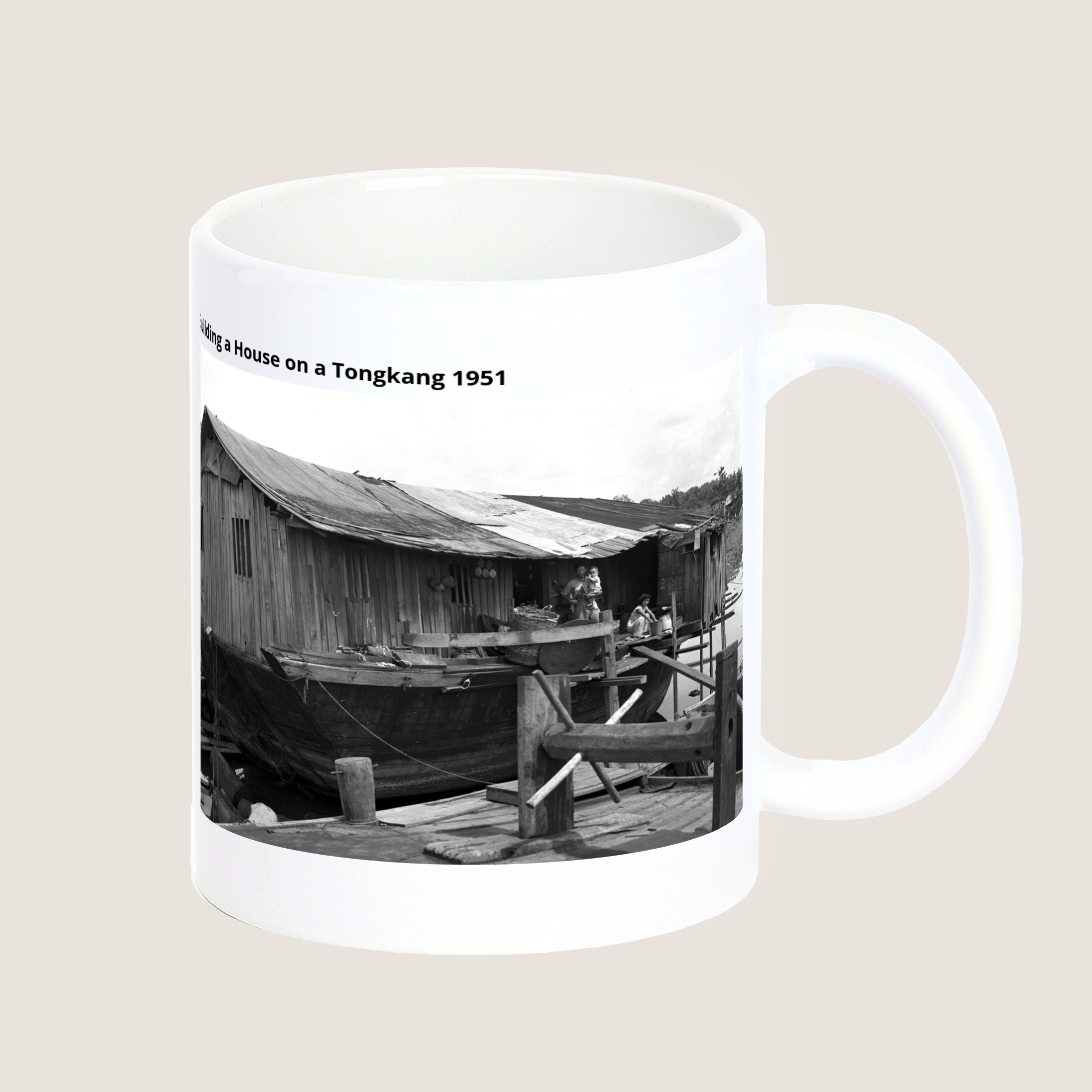
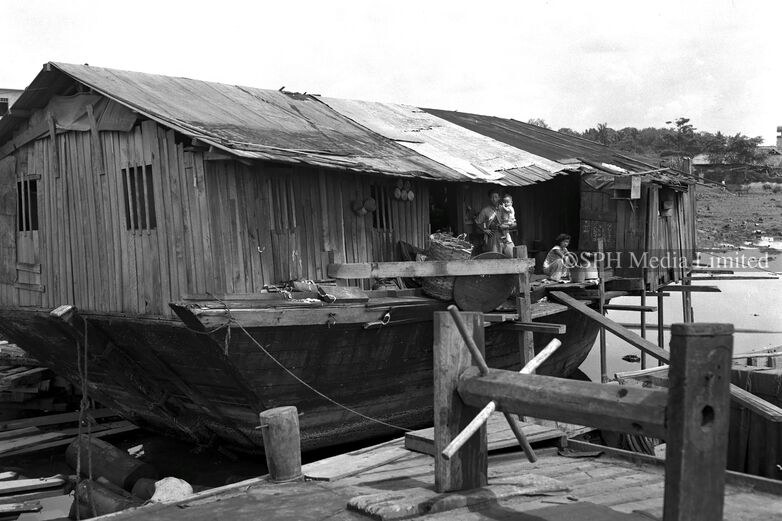 Building a House on a Tongkang
1951
Building a House on a Tongkang
1951
Building a House on a Tongkang
Year 1951
The tongkang is typically a flat-bottomed barge mainly used to transport goods. These general-purpose cargo boats measure approximately 50 to 90 feet from stem head to stern post, with a beam of 16 to 23 feet and a depth amidships of 8 to 10 feet. A family built their wooden house on the tongkang when there was no proper housing arranged for the common people in pre-independence Singapore.
©️ SPH Media Limited
Share to
Tags
Available for print on products
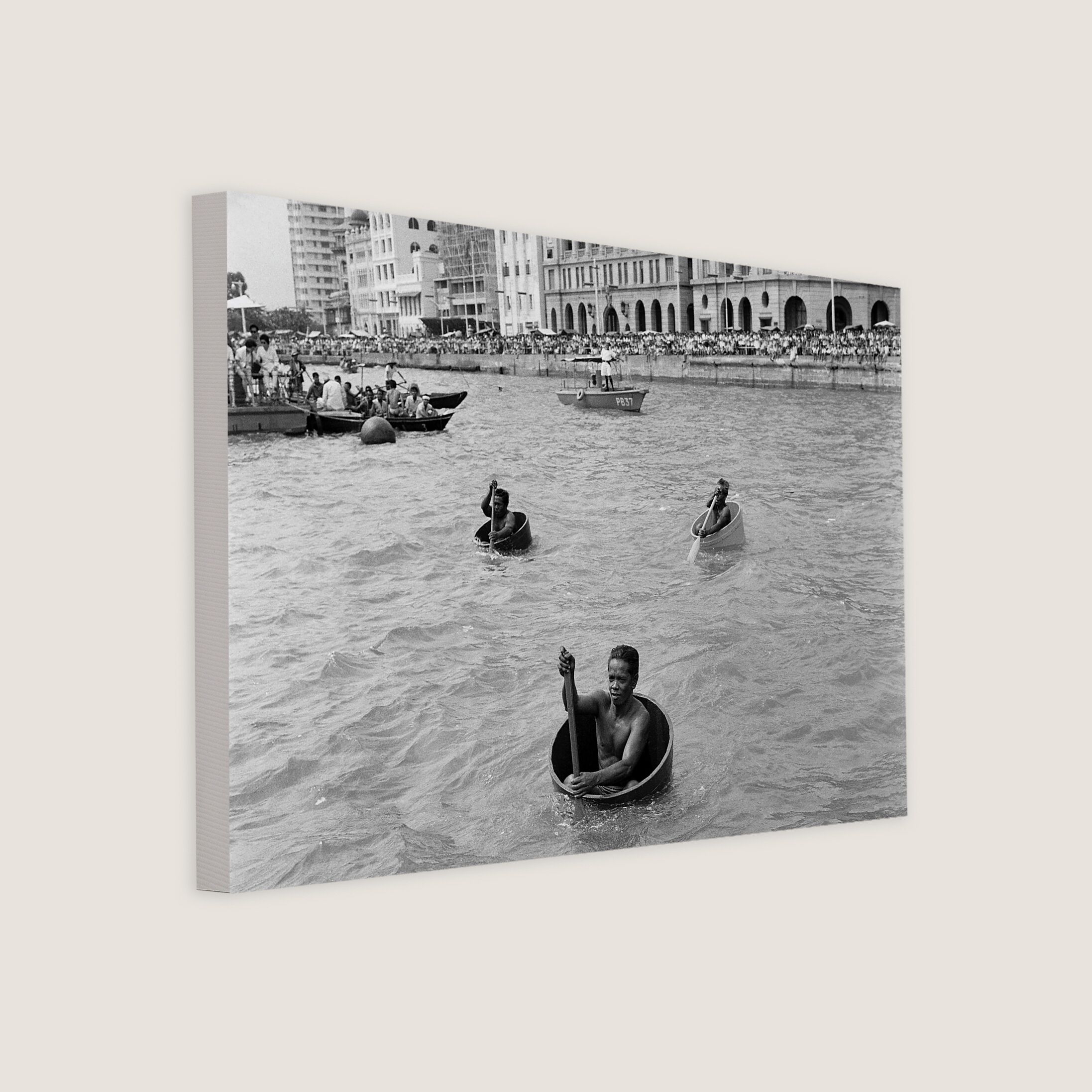
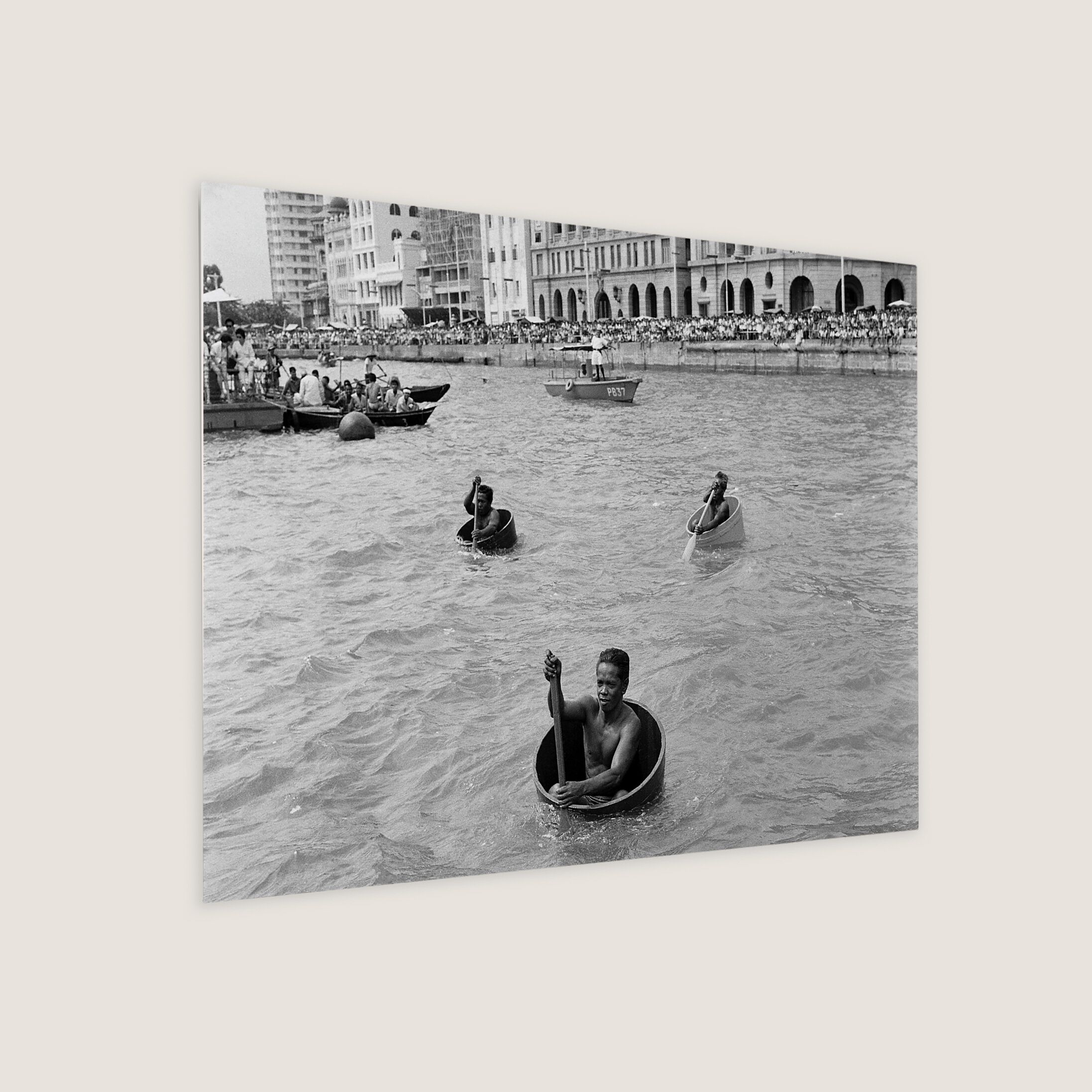
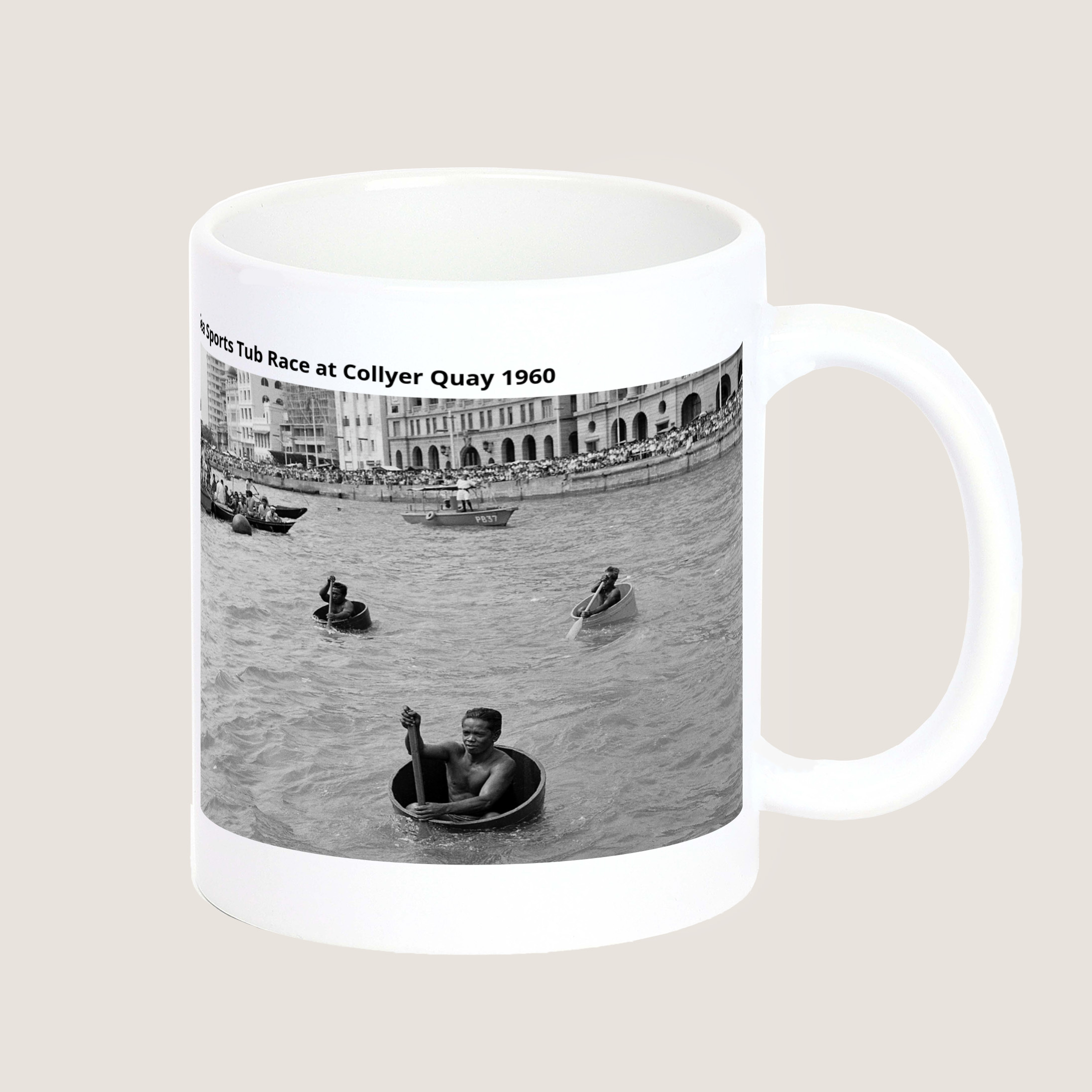
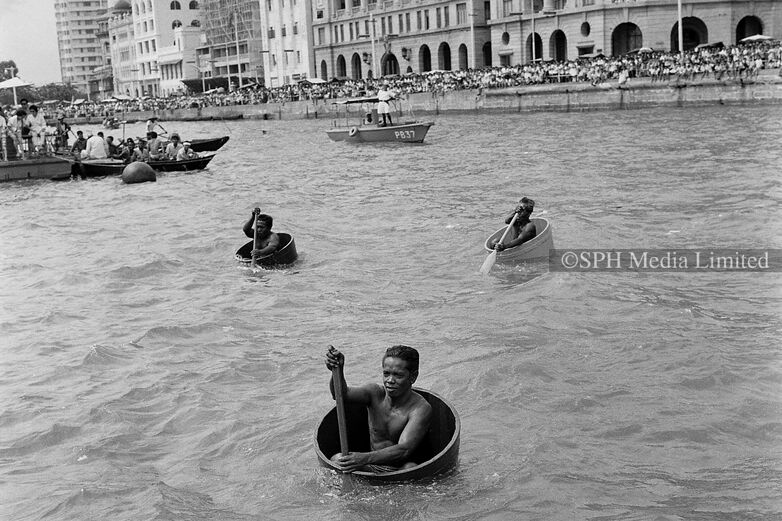 Sea Sports Tub Race at Collyer Quay
1960
Sea Sports Tub Race at Collyer Quay
1960
Sea Sports Tub Race at Collyer Quay
Year 1960
Before Singapore attained independence, the New Year Sea Sports stood as a beloved annual tradition. Held along the bustling waterfront at Collyer Quay, the event welcomed the new year with much fanfare, drawing throngs of spectators who lined the shoreline. In the 1960 edition, a total of 27 events were staged, reflecting the vibrant spirit and communal enthusiasm of the time.
©️ SPH Media Limited
Share to
Tags
Available for print on products
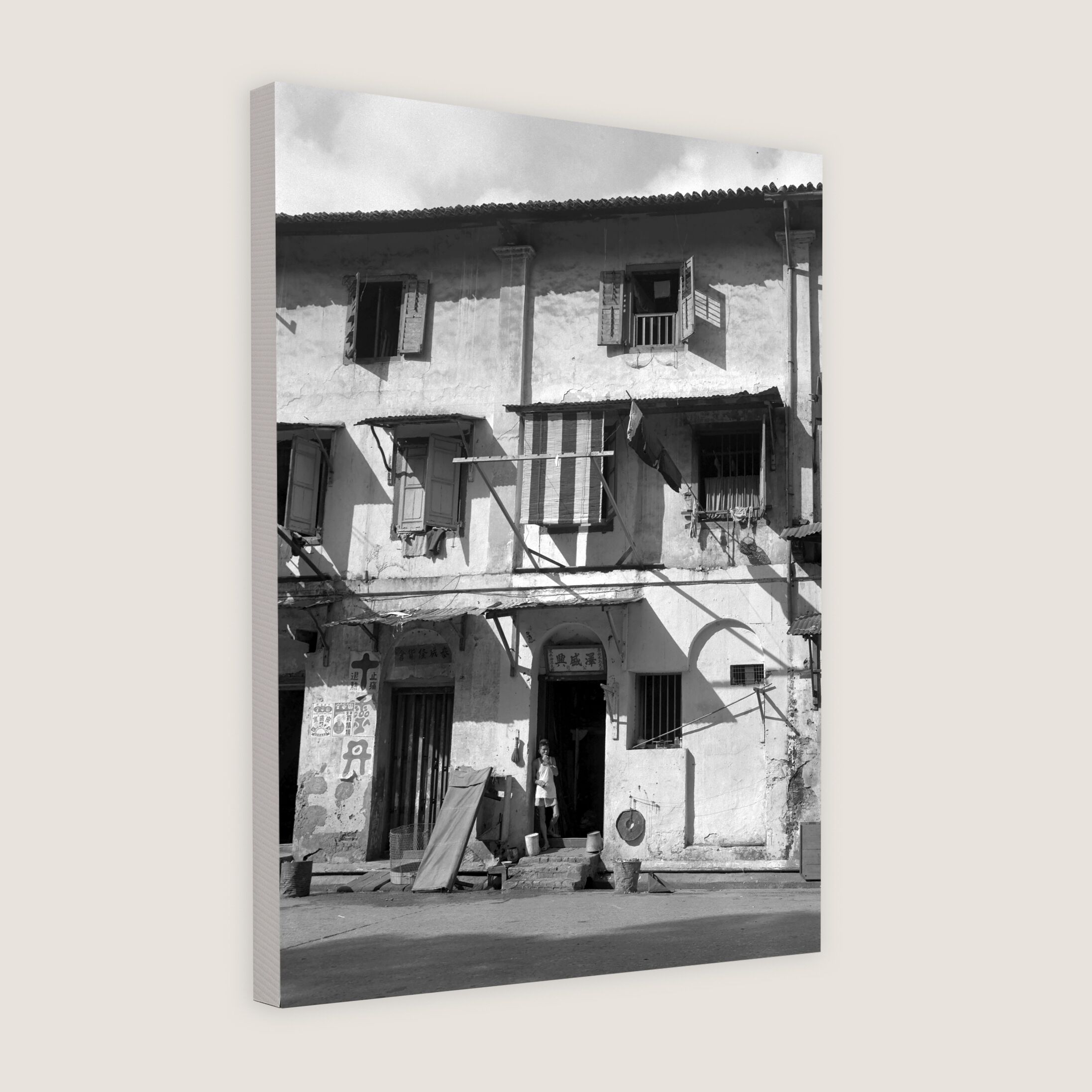
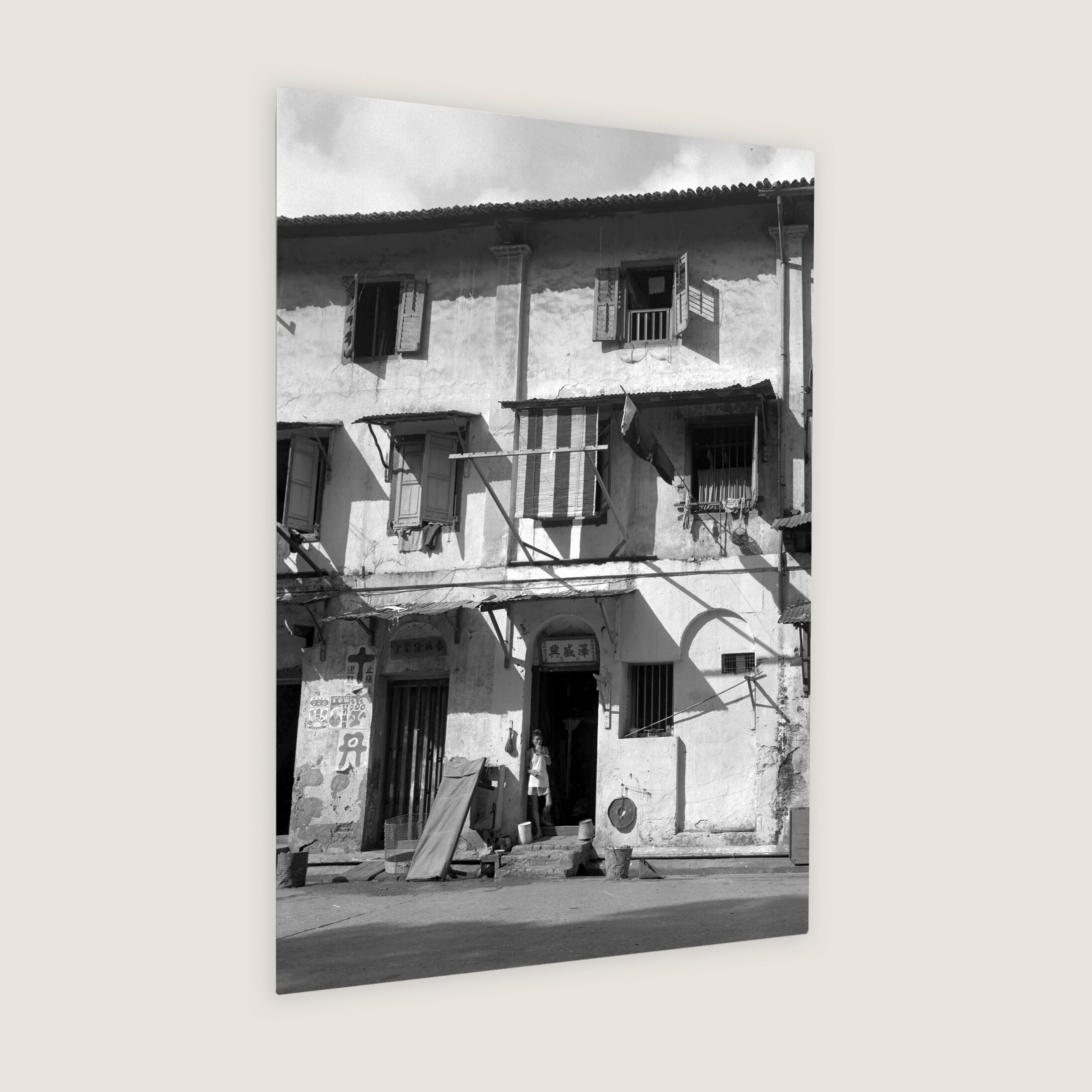
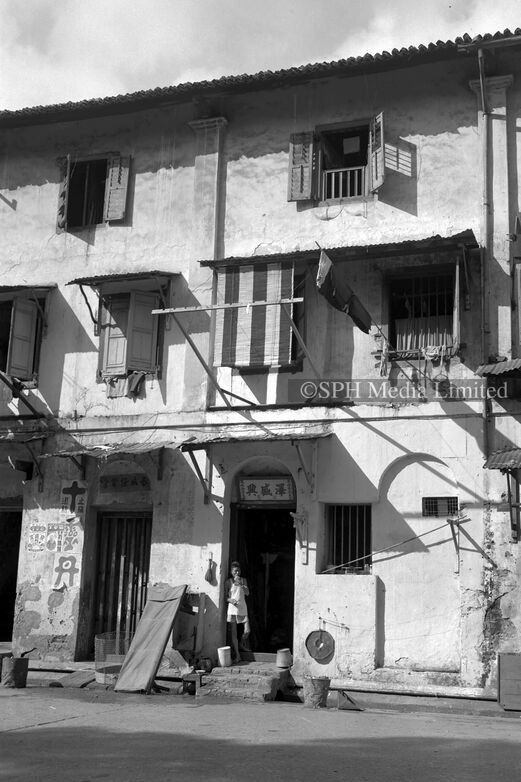 Overcrowded Shophouses on North Boat Quay
1953
Overcrowded Shophouses on North Boat Quay
1953
Overcrowded Shophouses on North Boat Quay
Year 1953
After World War II, Singapore’s population grew quickly, especially in the city. This caused serious overcrowding. Many families had to squeeze into old shophouses that were divided into tiny rooms. One example was a three-storey shophouse on River Valley Road. In September 1953, it housed 49 men, 24 women, and 51 children in just 26 cubicles, showing how serious the housing problem was then.
©️ SPH Media Limited
Share to
Tags
Available for print on products
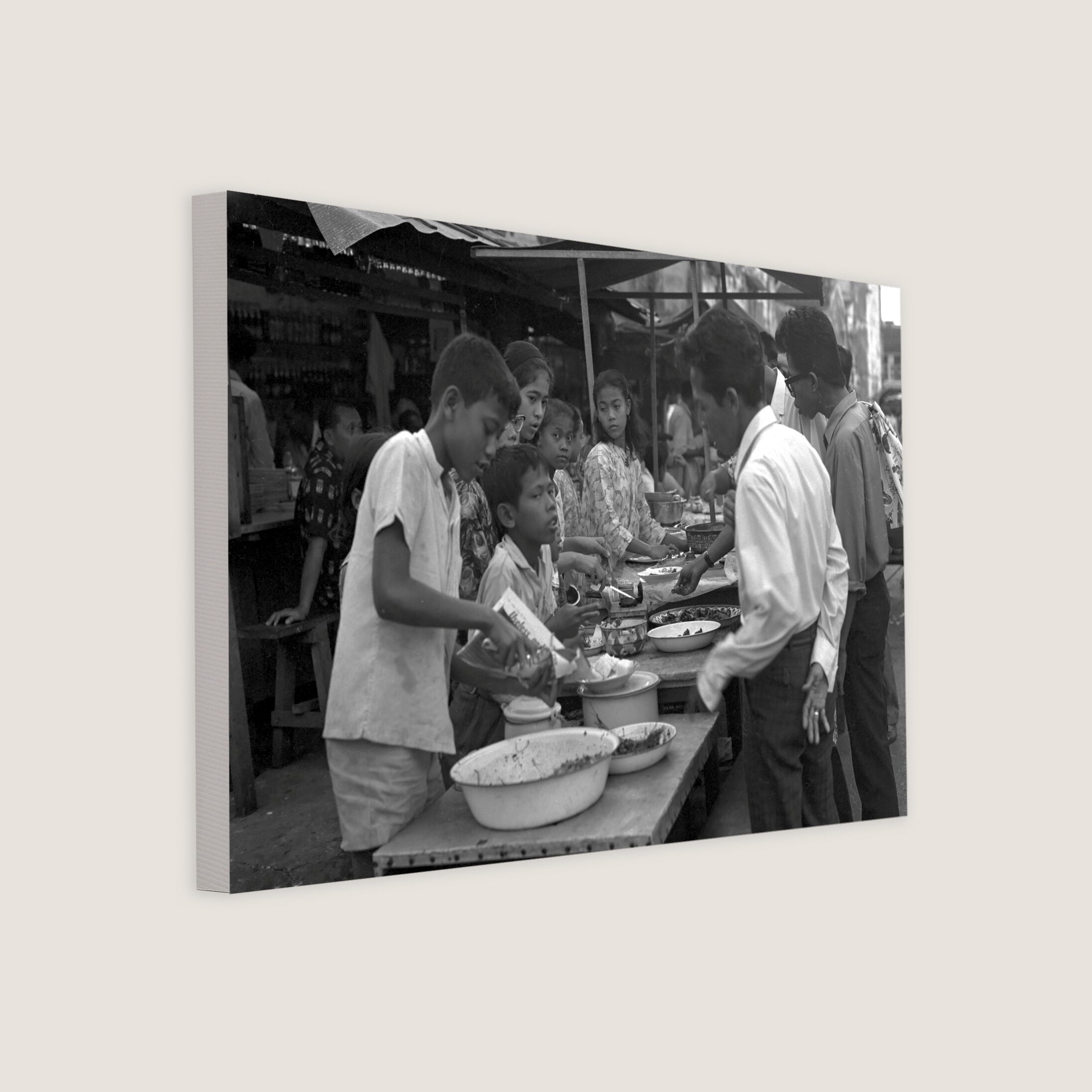
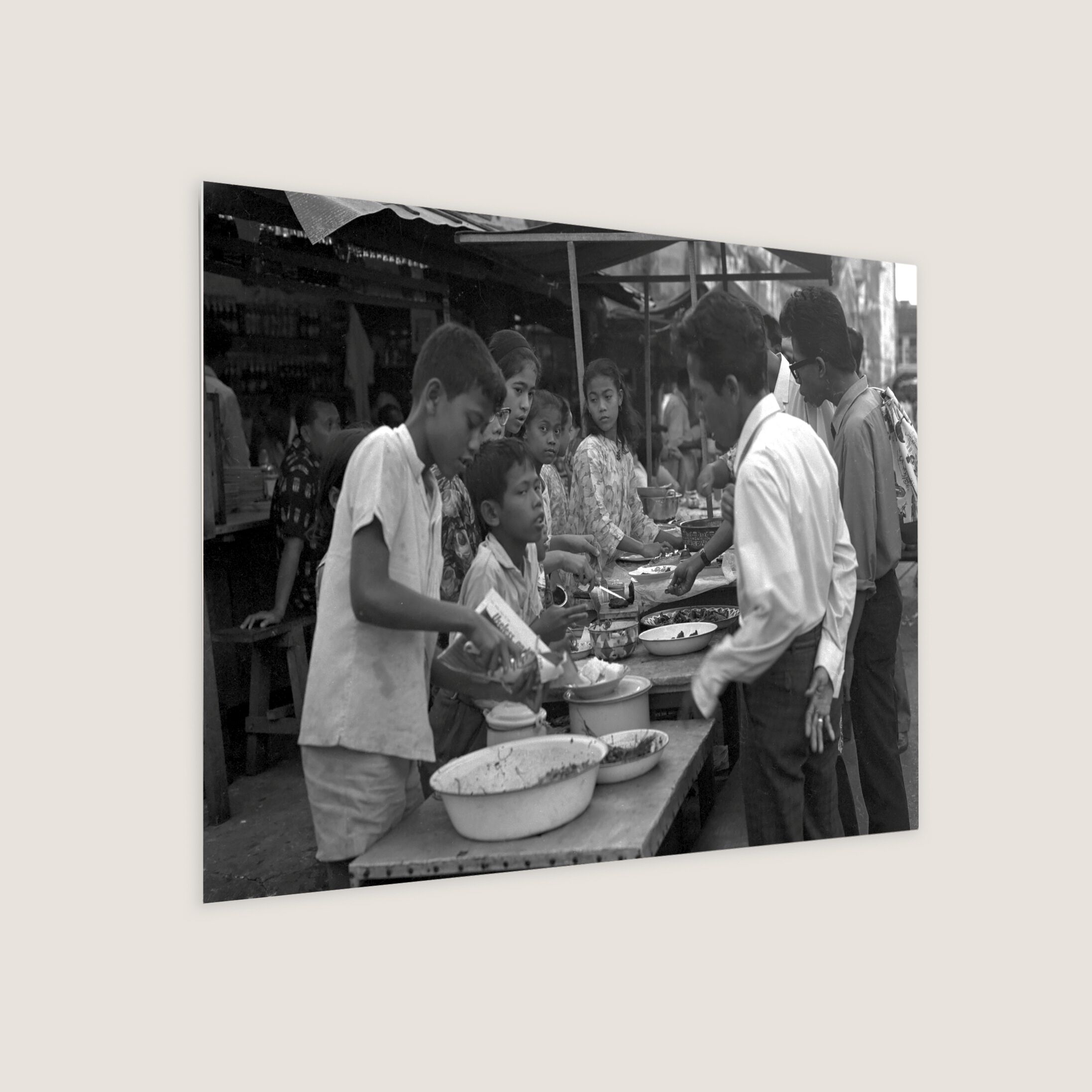
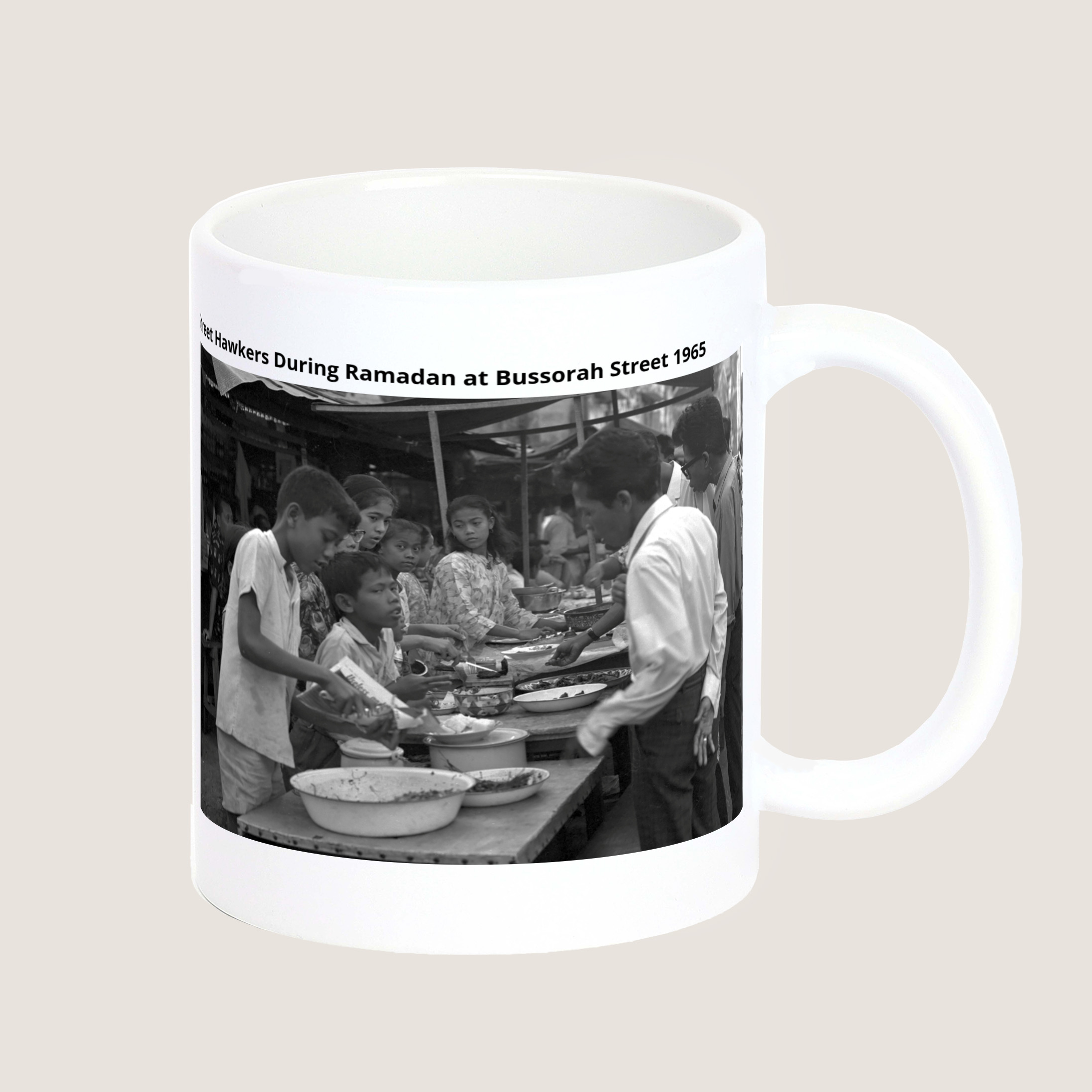
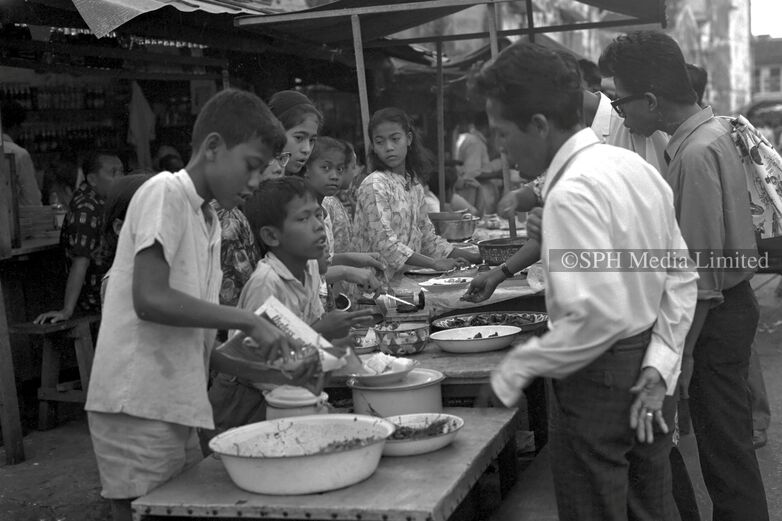 Street Hawkers During Ramadan at Bussorah Street
1965
Street Hawkers During Ramadan at Bussorah Street
1965
Street Hawkers During Ramadan at Bussorah Street
Year 1965
Open-air street hawkers sold confections on Bussorah Street during the fasting month of Ramadan. These stalls were a common sight in Singapore, and the government attempted to regulate them due to concerns about hygiene and traffic congestion. The street hawking trade only saw improvements in regulation from the 1960s to the 1980s, when islandwide checks and registration exercises were enforced.
©️ SPH Media Limited
Share to
Tags
Available for print on products
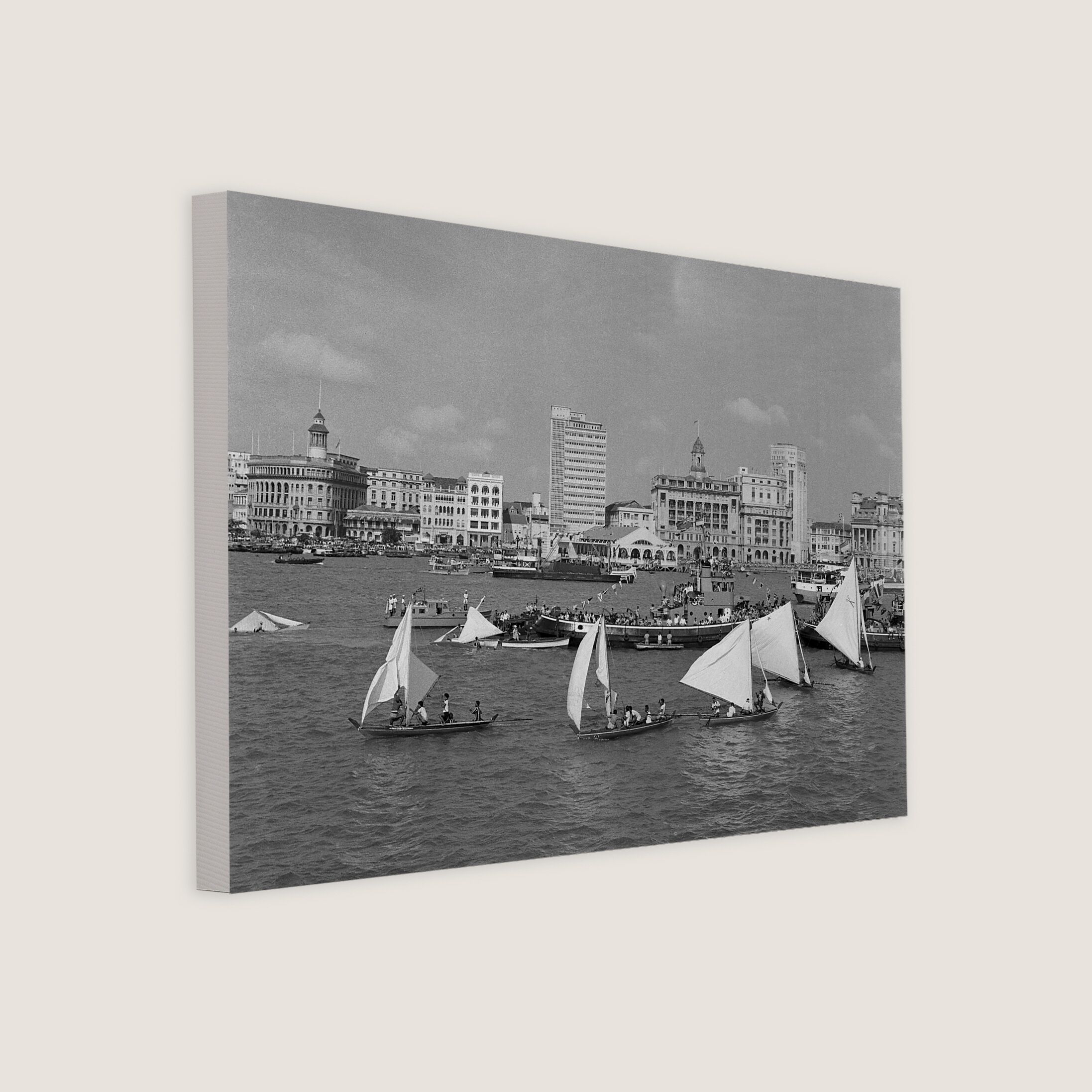
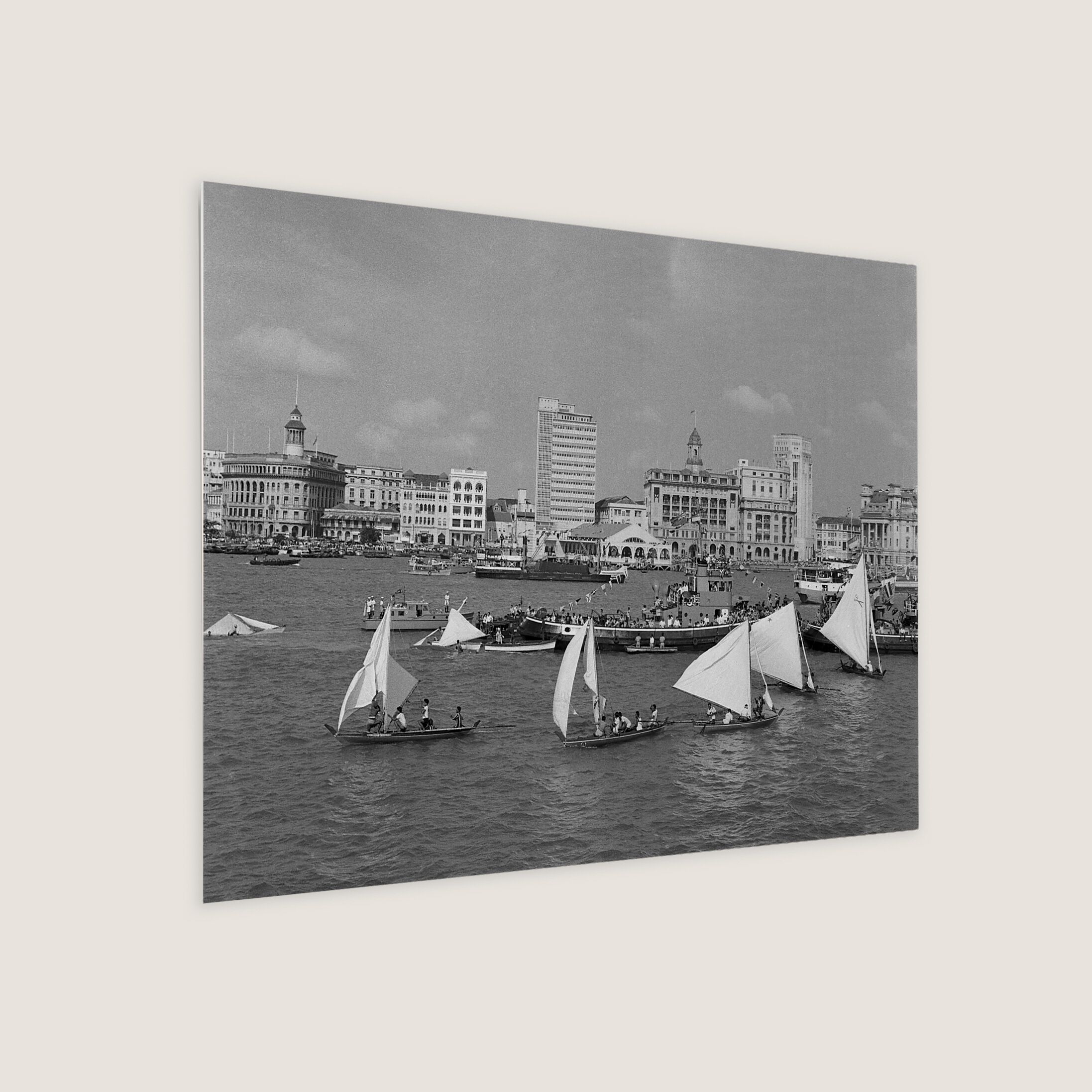
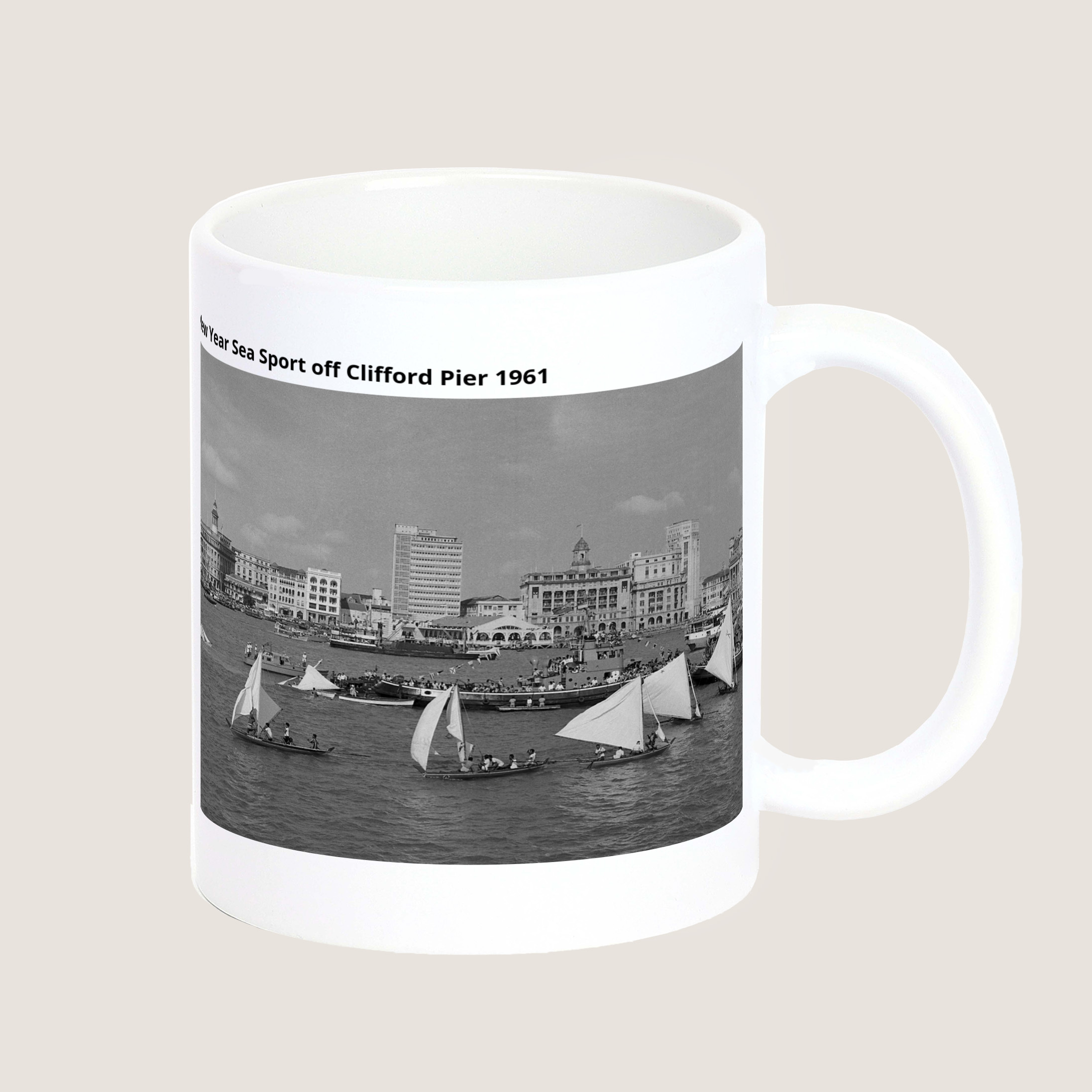
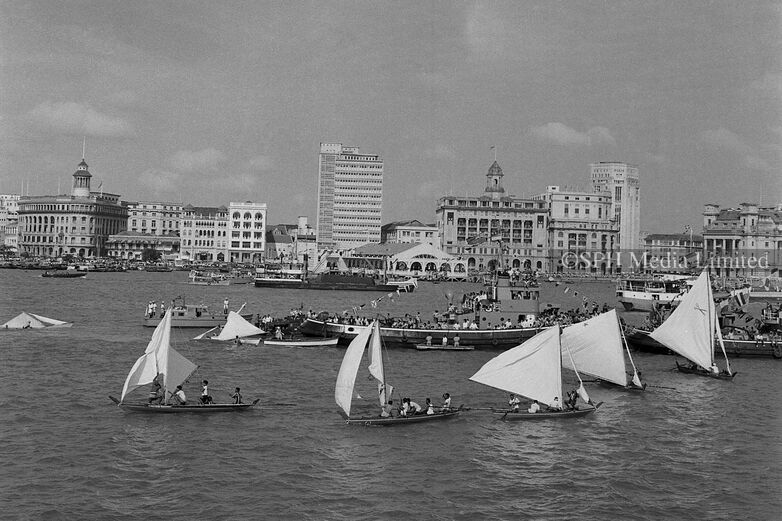 New Year Sea Sport off Clifford Pier
1961
New Year Sea Sport off Clifford Pier
1961
New Year Sea Sport off Clifford Pier
Year 1961
The New Year Sea Sports off Clifford Pier continued a tradition dating back to 1834, when European merchants organised annual regattas featuring races with Malay koleks and other traditional boats. After a hiatus during the Japanese Occupation, the event resumed post-war, drawing large crowds to witness boat races and sea sports. In this photograph, the Ocean Building is visible on the far left, and the General Post Office stands on the extreme right.
©️ SPH Media Limited
Share to
Tags
Available for print on products
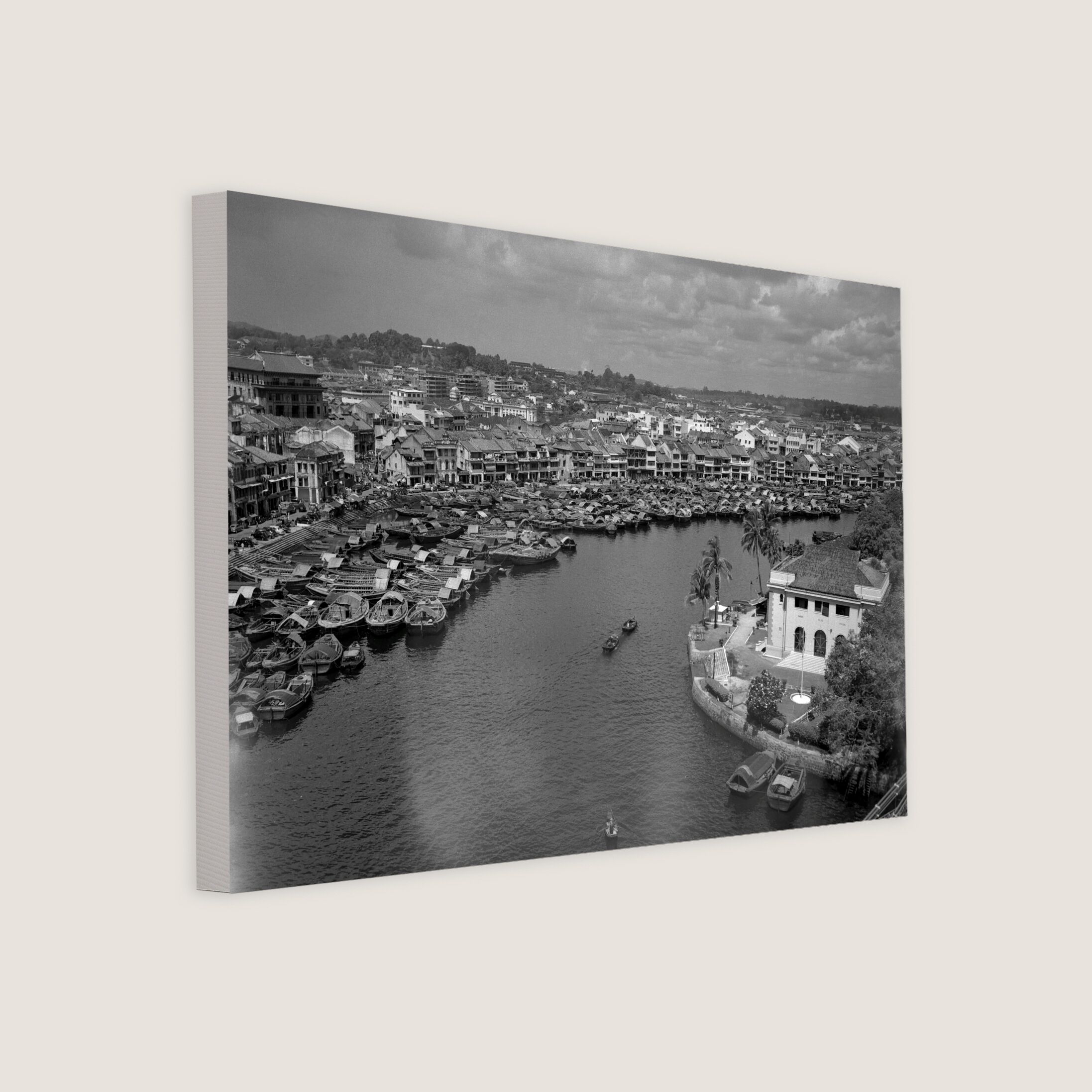
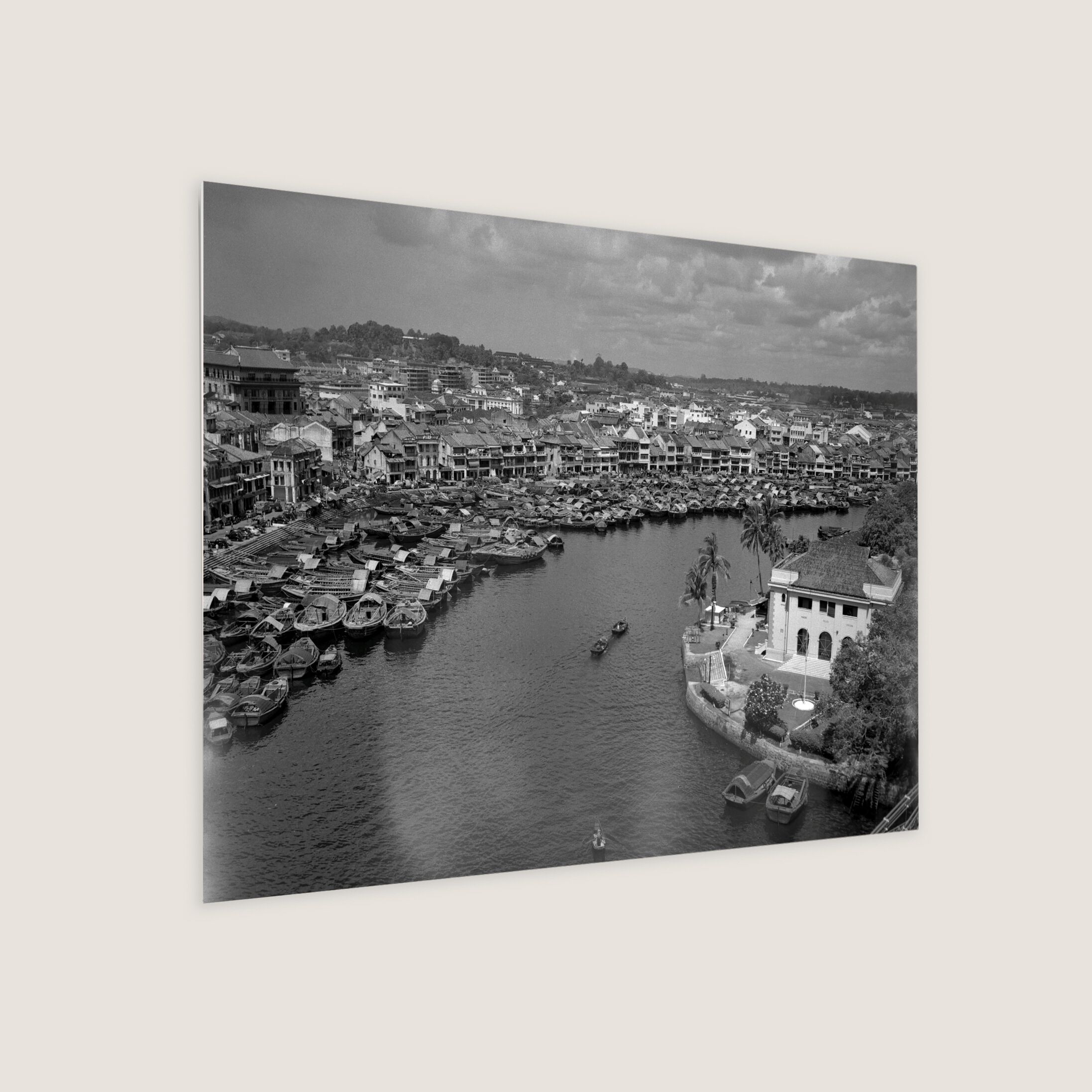
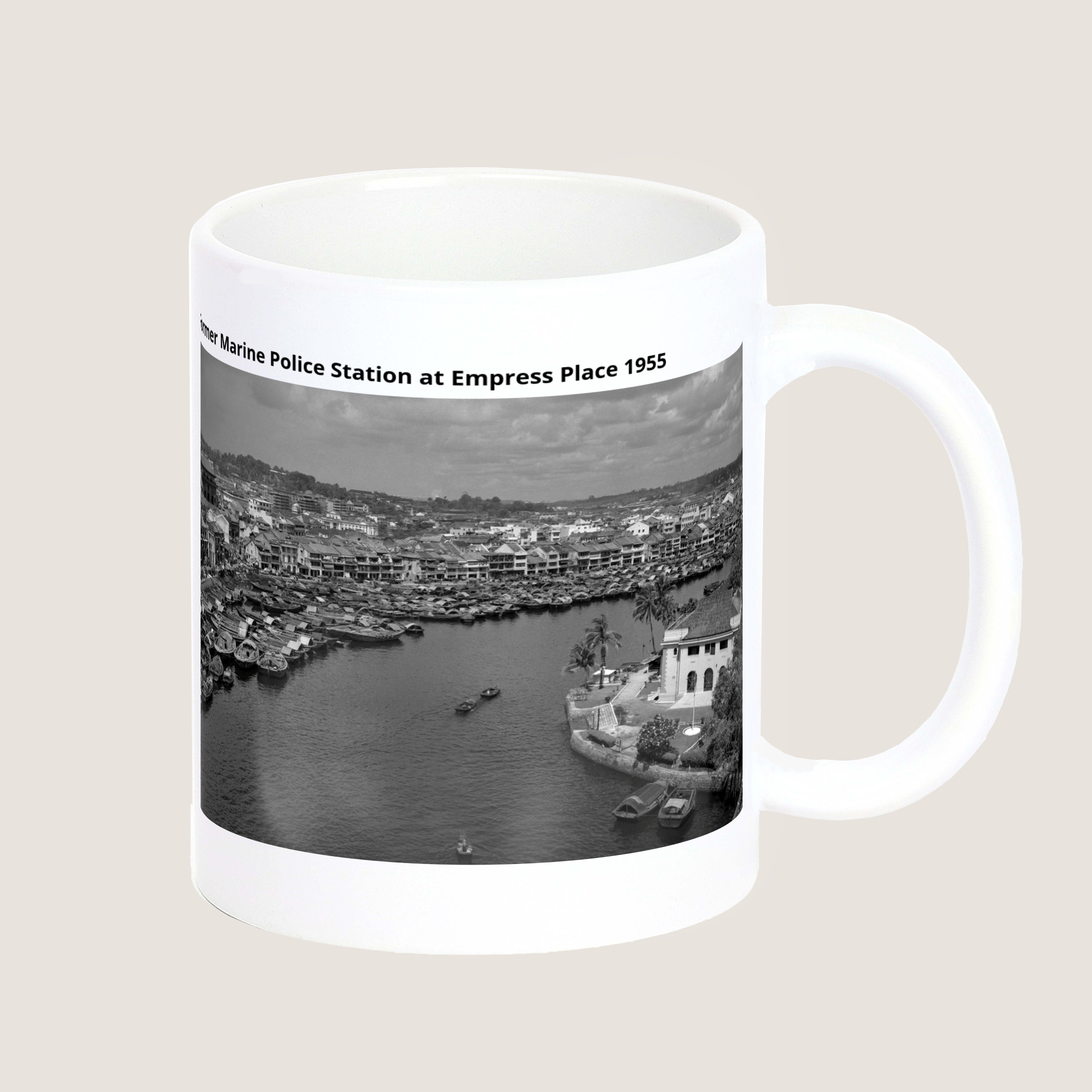
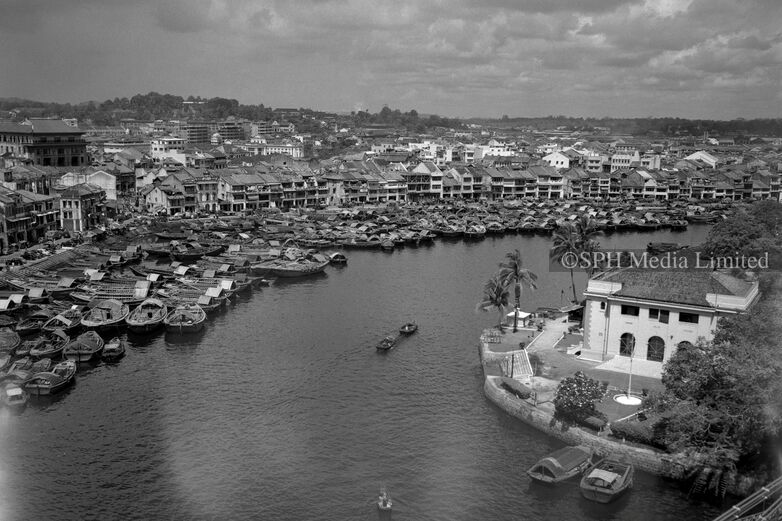 Former Marine Police Station at Empress Place
1955
Former Marine Police Station at Empress Place
1955
Former Marine Police Station at Empress Place
Year 1955
Featuring tongkangs lining the Singapore River in 1955. The former Marine Police Station at Empress Place is situated along the river as well. It was where people could seek help regarding marine crimes. This included the smuggling of illicit cargo, theft of cargo and fishing in prohibited areas. Today, the building no longer exists.
©️ SPH Media Limited
Share to
Tags
Available for print on products
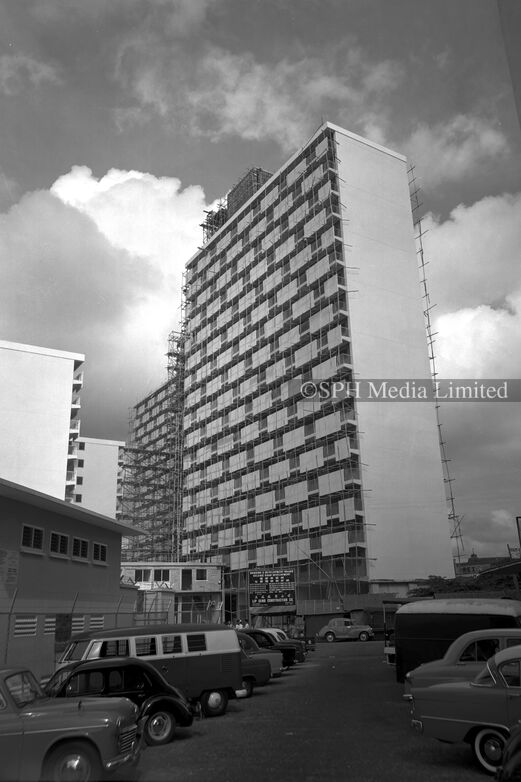 Selegie House - Once Tallest HDB Flat
1963
Selegie House - Once Tallest HDB Flat
1963
Selegie House - Once Tallest HDB Flat
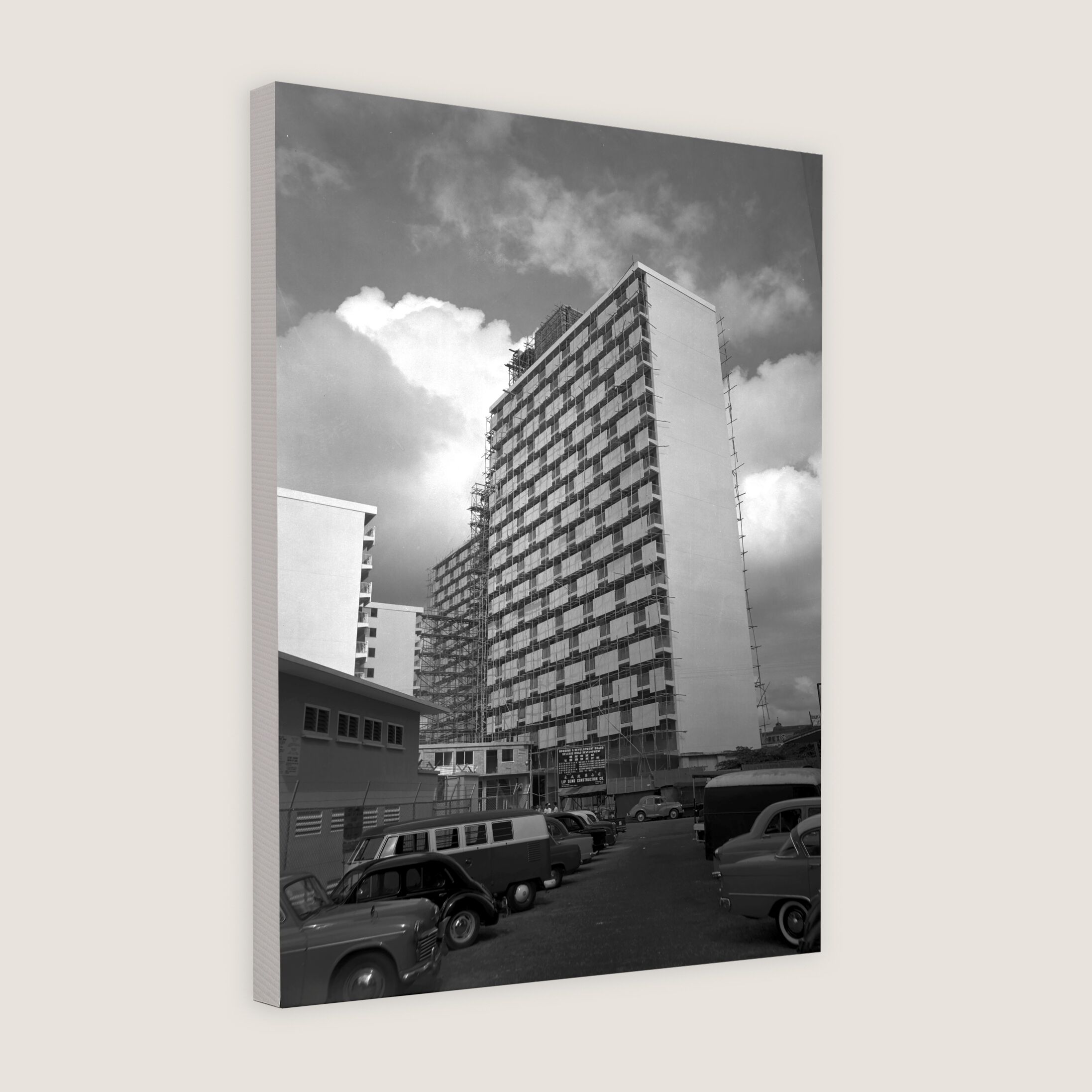
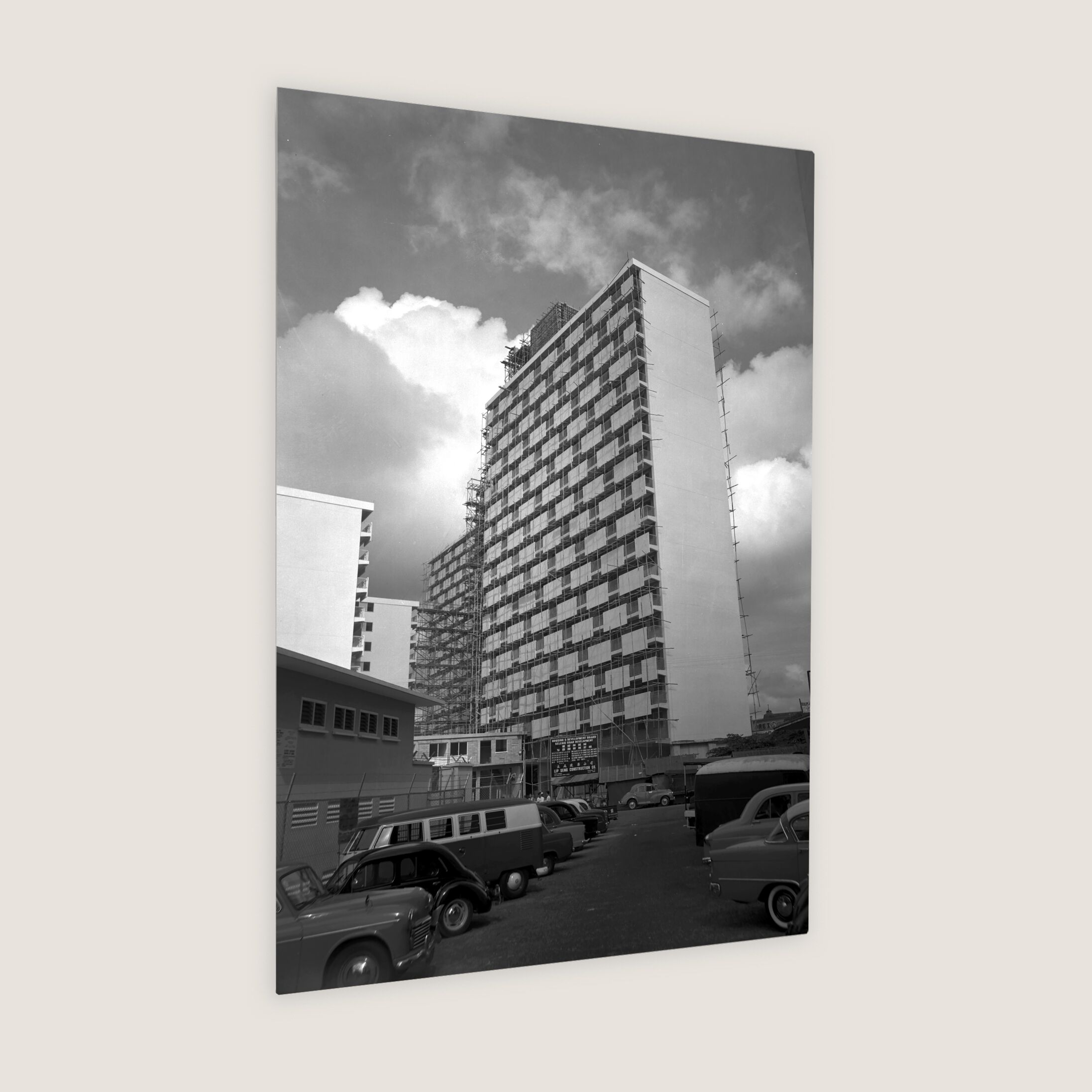
Year 1963
Selegie House, completed in 1963, was Singapore’s first urban renewal project, where old buildings were cleared for new mixed-use developments. Upon completion, it stood as the tallest public housing block in Singapore, symbolising the nation's push towards modernisation. An early HDB project in the Central Area, it offered 454 units of 2-room, 3-room, and 4-room flats.
©️ SPH Media Limited
Share to
Tags
Available for print on products
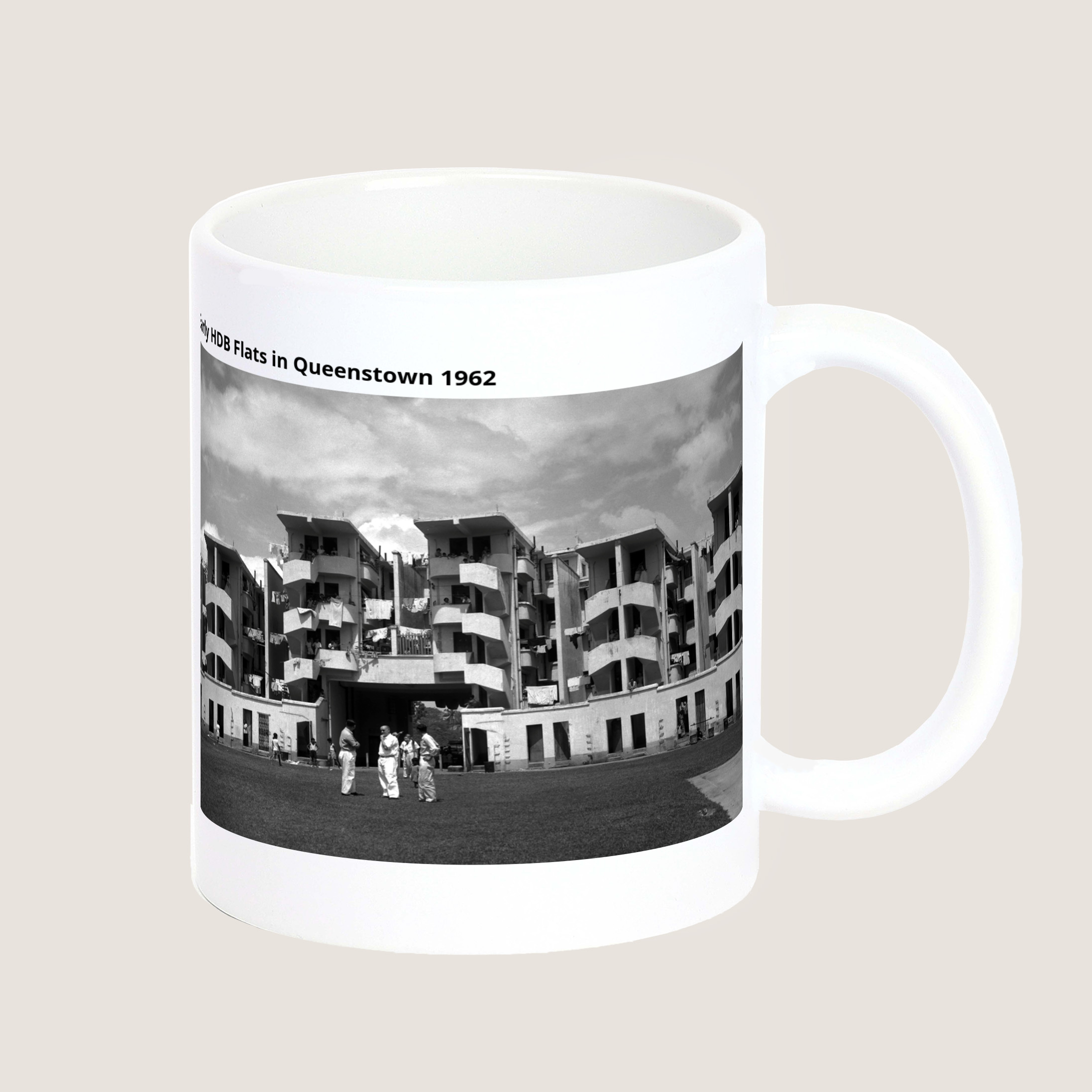
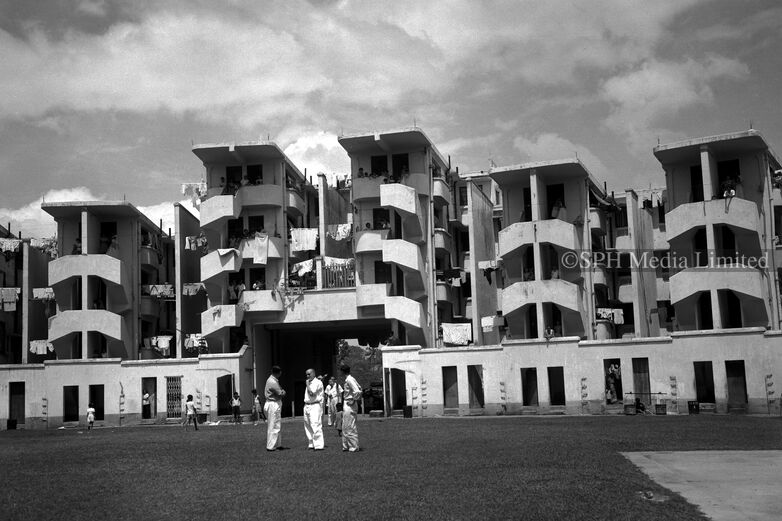 Early HDB Flats in Queenstown
1962
Early HDB Flats in Queenstown
1962
Early HDB Flats in Queenstown
Year 1962
Queenstown, often hailed as the ""Queen of Estates,"" was initiated by the British in 1952 as Singapore’s first satellite town. Designed to be self-sufficient, it offered homes alongside schools, markets, and places of worship. The flats shown were built by the newly formed Housing and Development Board (HDB) after 1960.
©️ SPH Media Limited
Share to
Tags
Available for print on products
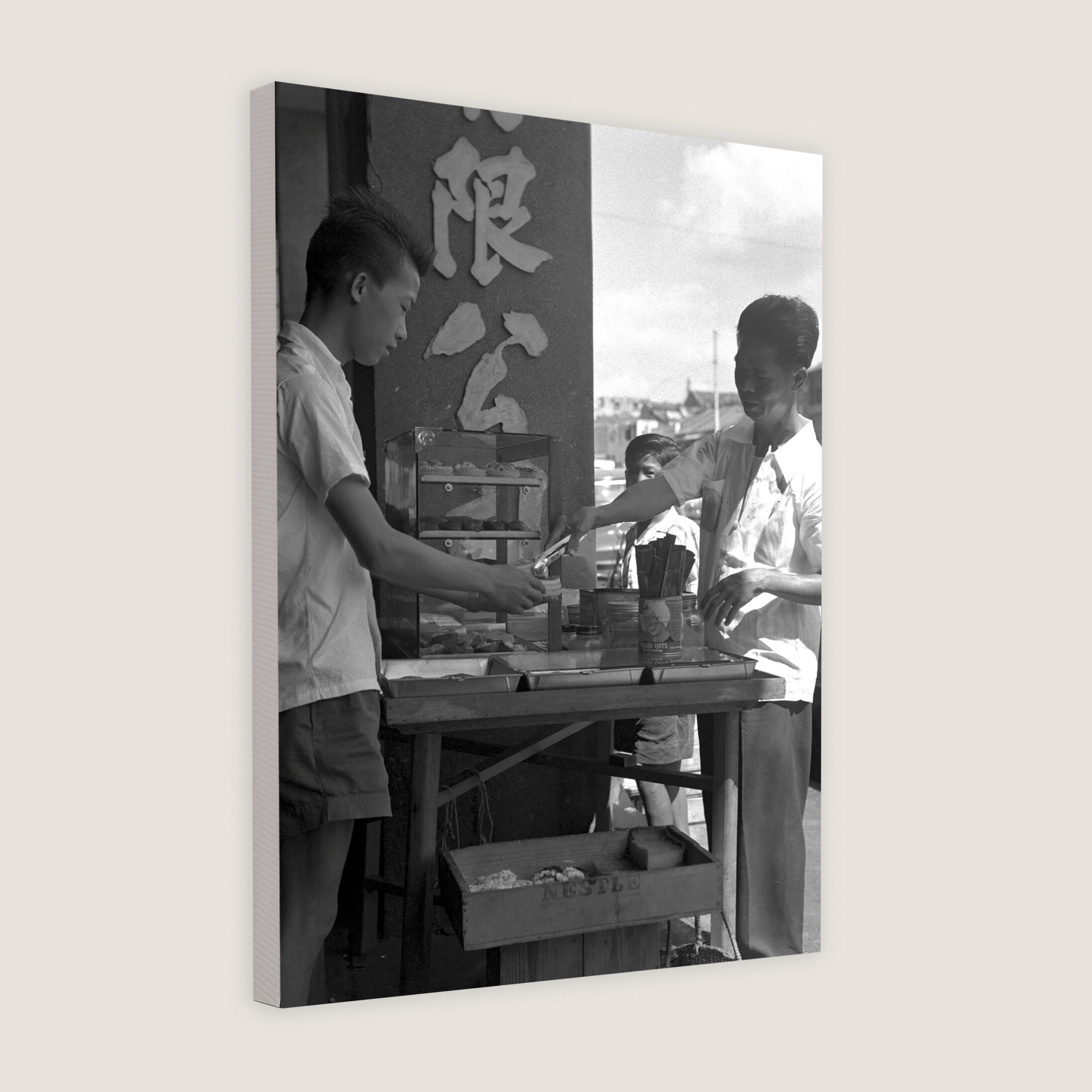
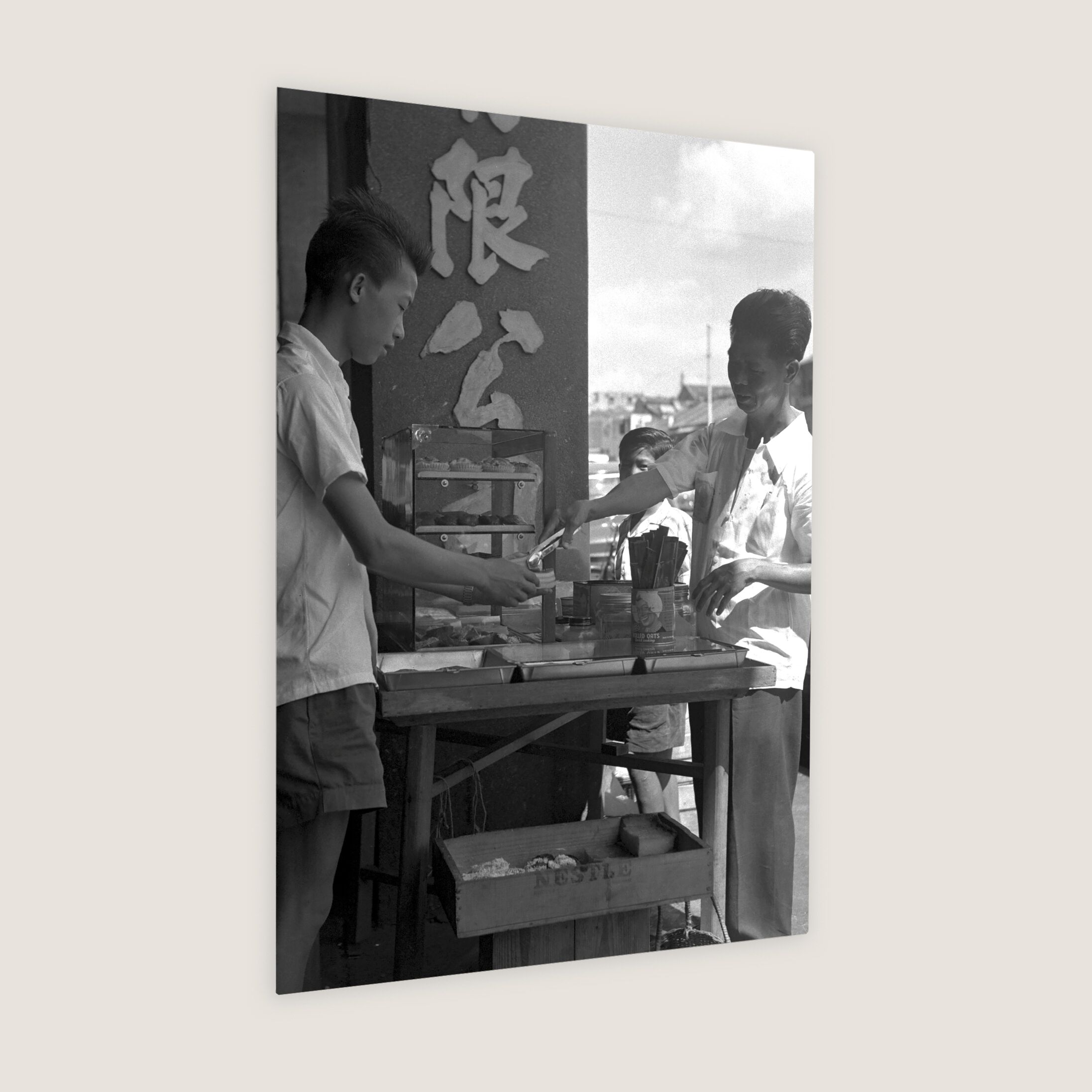
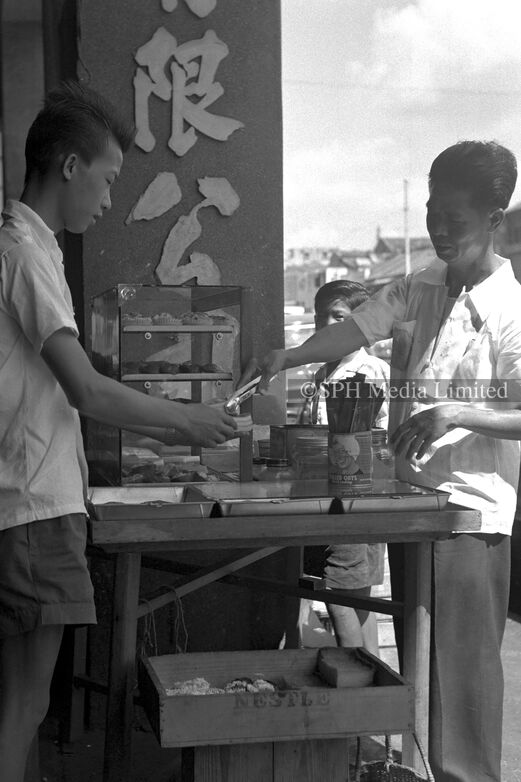 A Humble Stall Selling Snacks Outside Shophouse
1960
A Humble Stall Selling Snacks Outside Shophouse
1960
A Humble Stall Selling Snacks Outside Shophouse
Year 1960
In the past, street hawkers played a vital role in providing affordable food to the public. This particular hawker set up a humble stall made of a simple wooden table outside a shophouse. This was a typical location for such small businesses. These hawkers catered to the working class, offering inexpensive meals that helped satisfy their hunger and provided convenience to the busy urban life.
©️ SPH Media Limited
Share to
Tags
Available for print on products
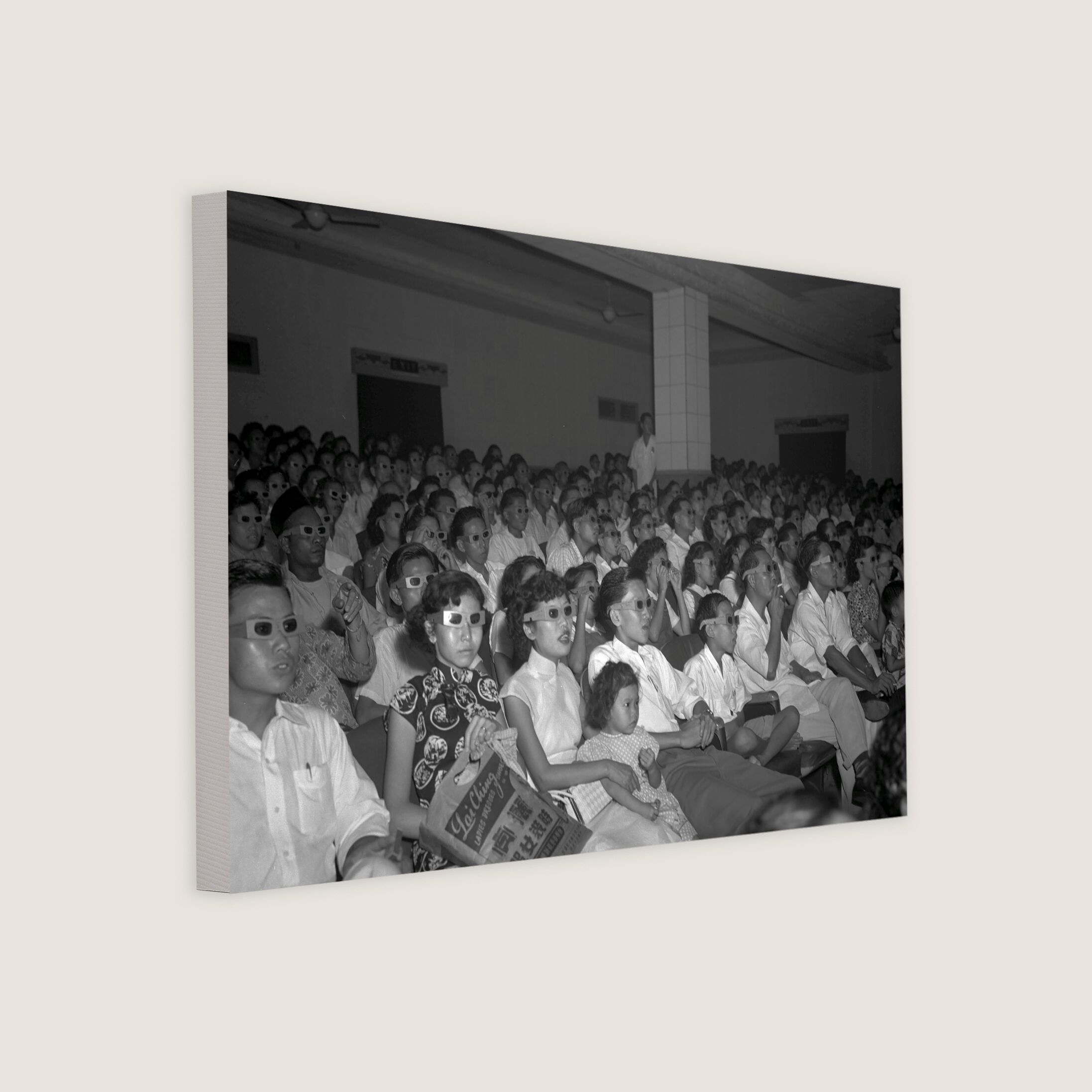
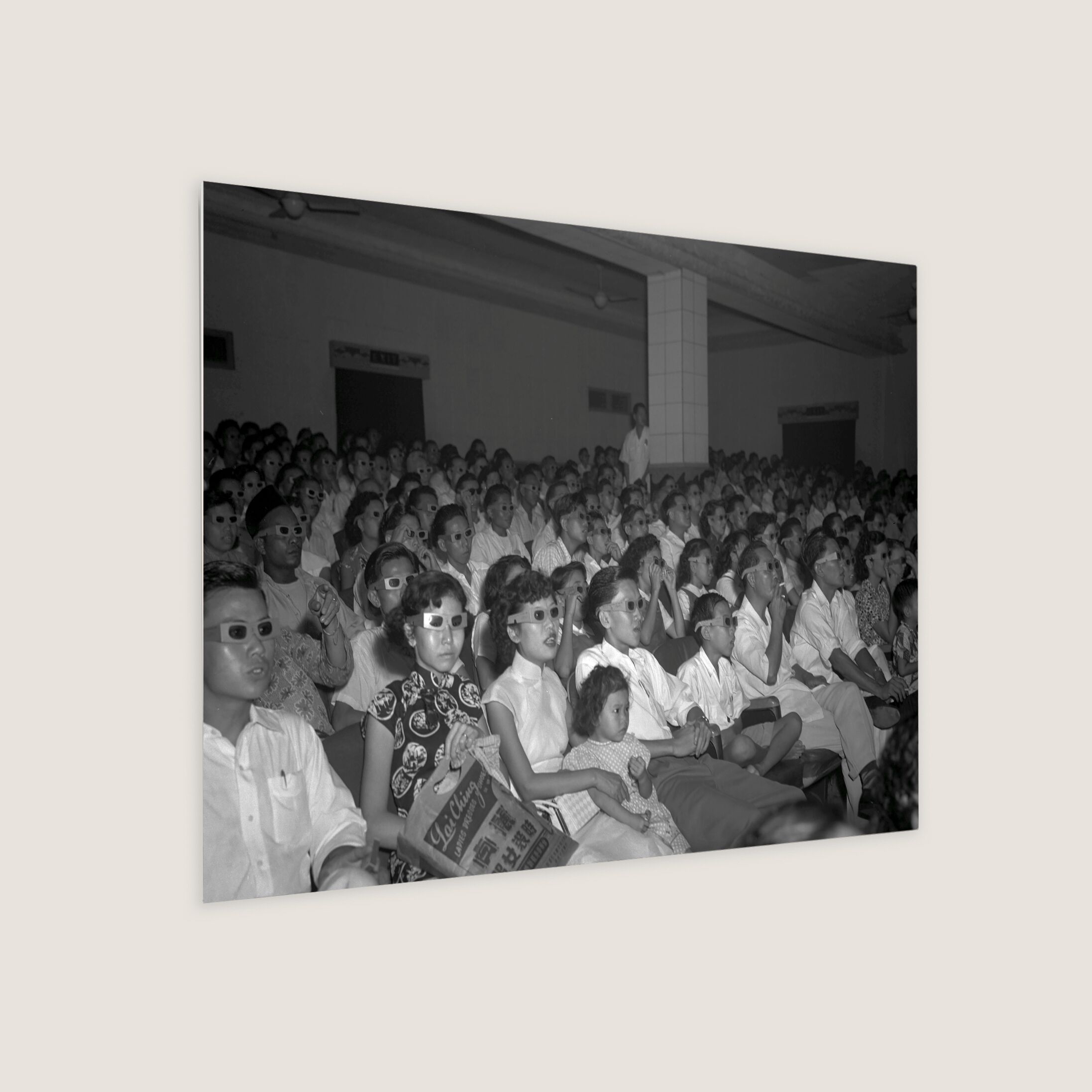
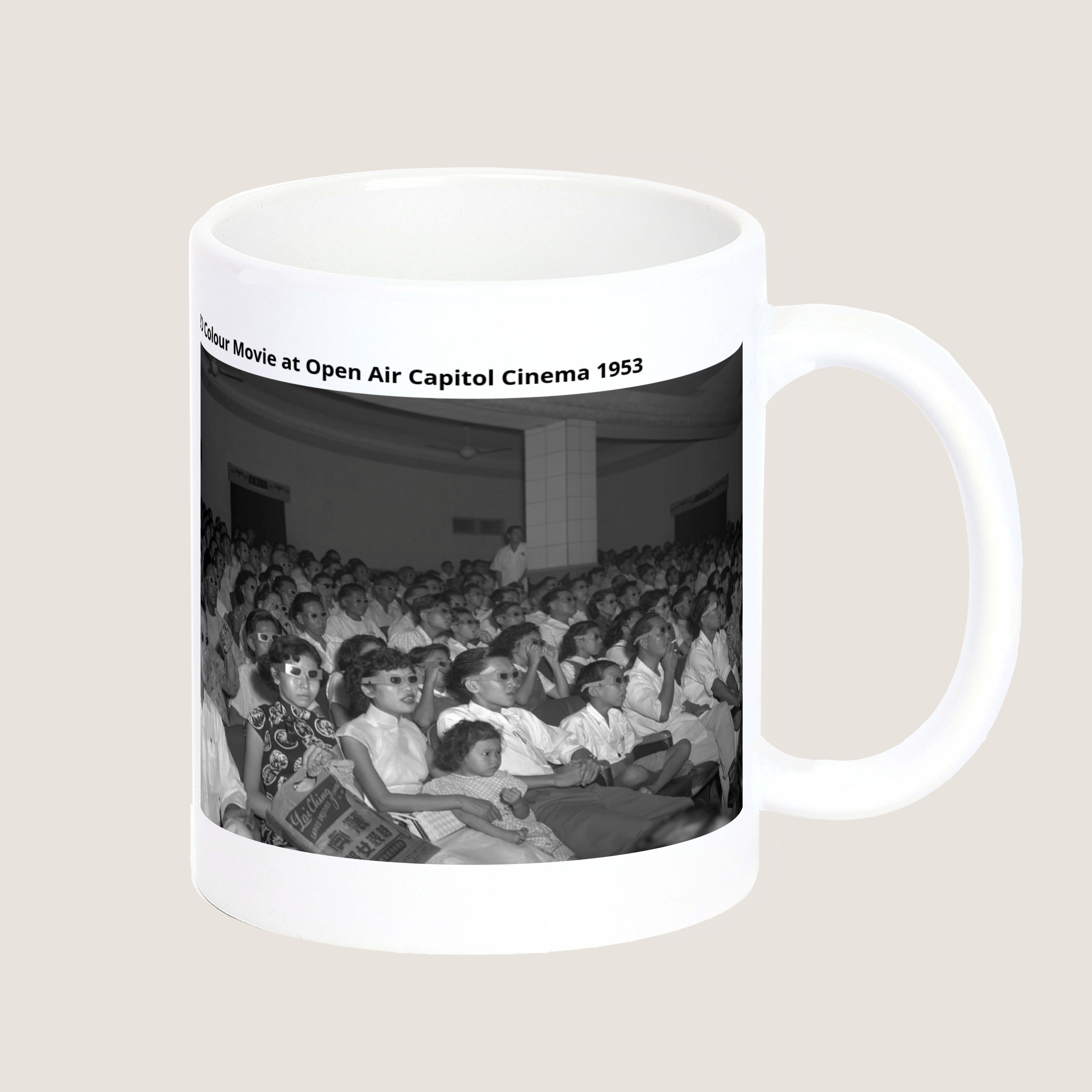
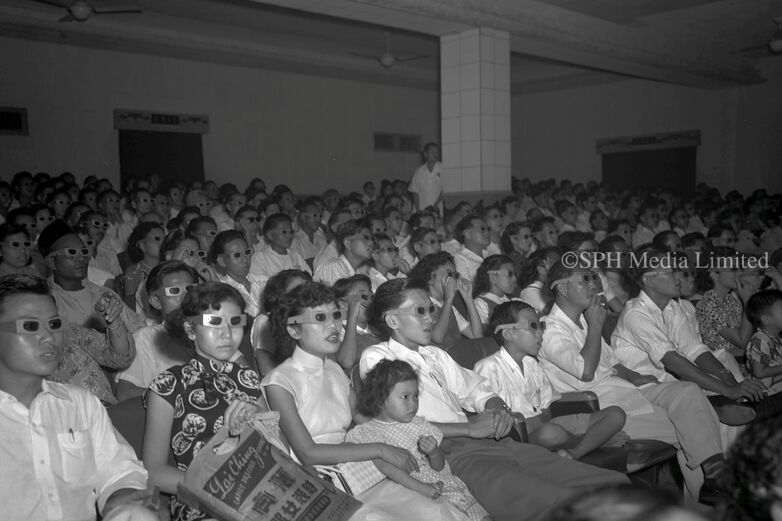 3D Colour Movie at Open Air Capitol Cinema
1953
3D Colour Movie at Open Air Capitol Cinema
1953
3D Colour Movie at Open Air Capitol Cinema
Year 1953
The Capitol Cinema first opened in 1930. At the time of its opening, it was regarded as the most modern auditorium with the largest capacity in the Far East. The cinema's roof could also slide open, creating a gap of over 12 meters. People wearing polarised spectacles attended the screening of the three-dimensional color movie Bwana Devil at Capitol Cinema. Today the Capitol Cinema is known as the Capitol Theatre.
©️ SPH Media Limited
Share to
Tags
Available for print on products
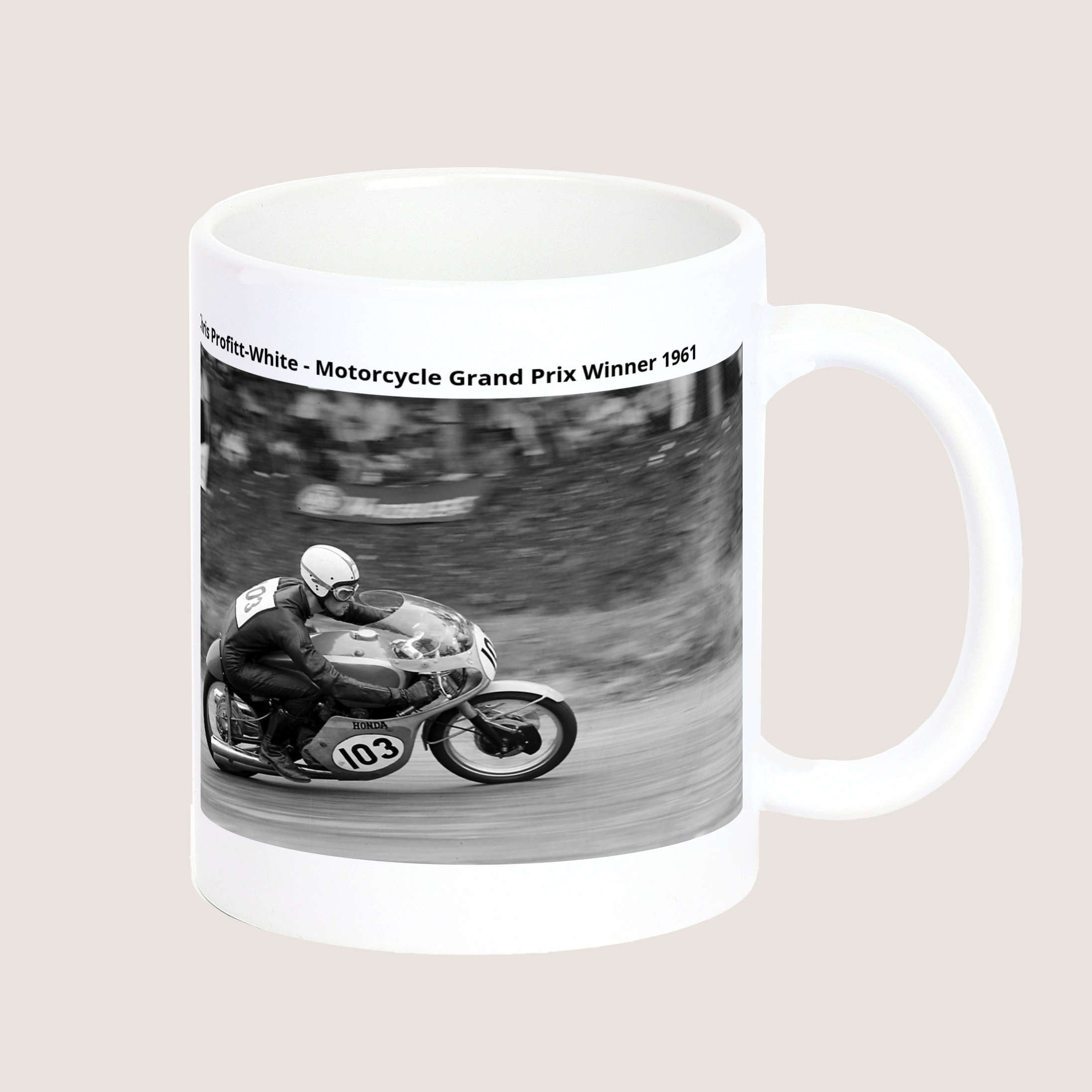
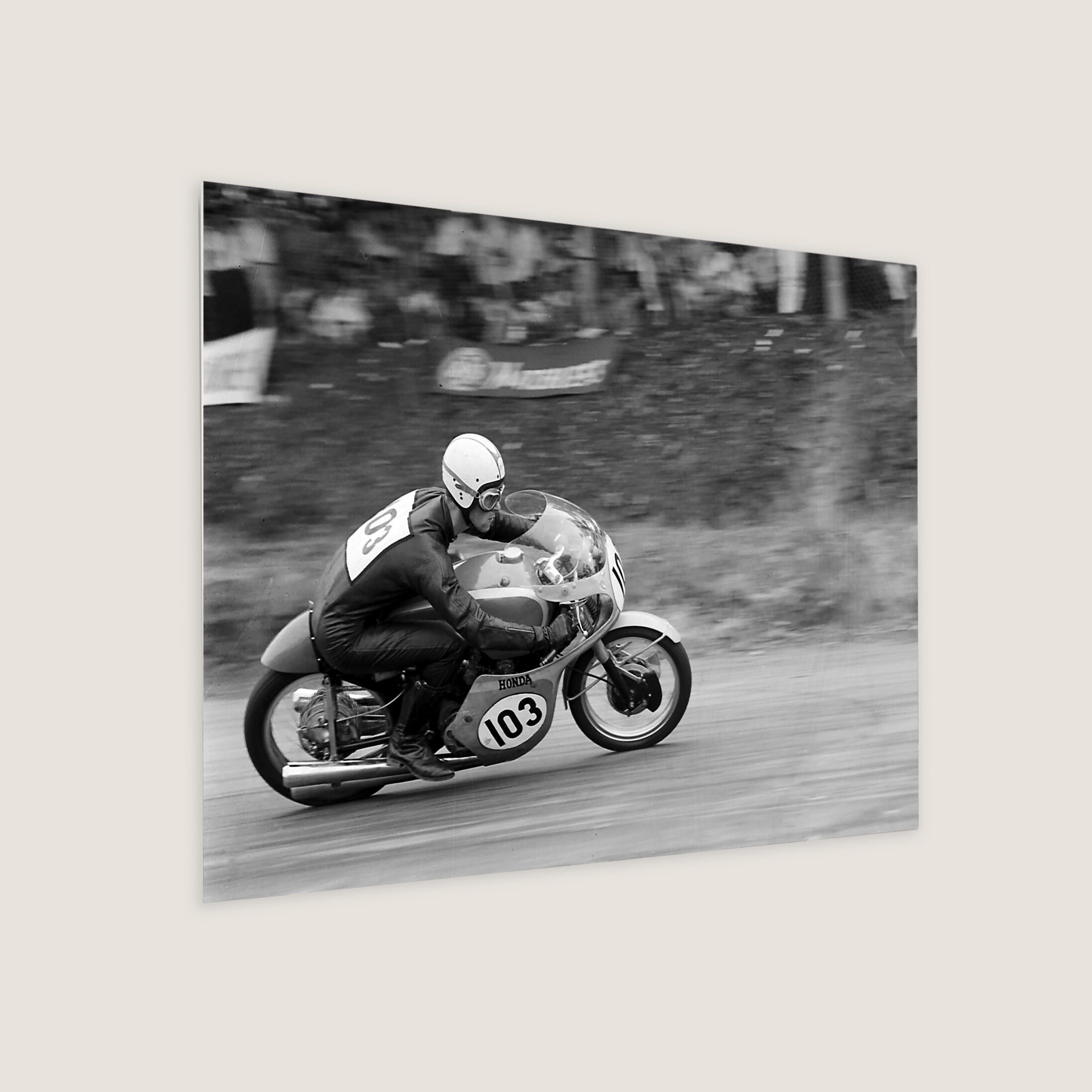
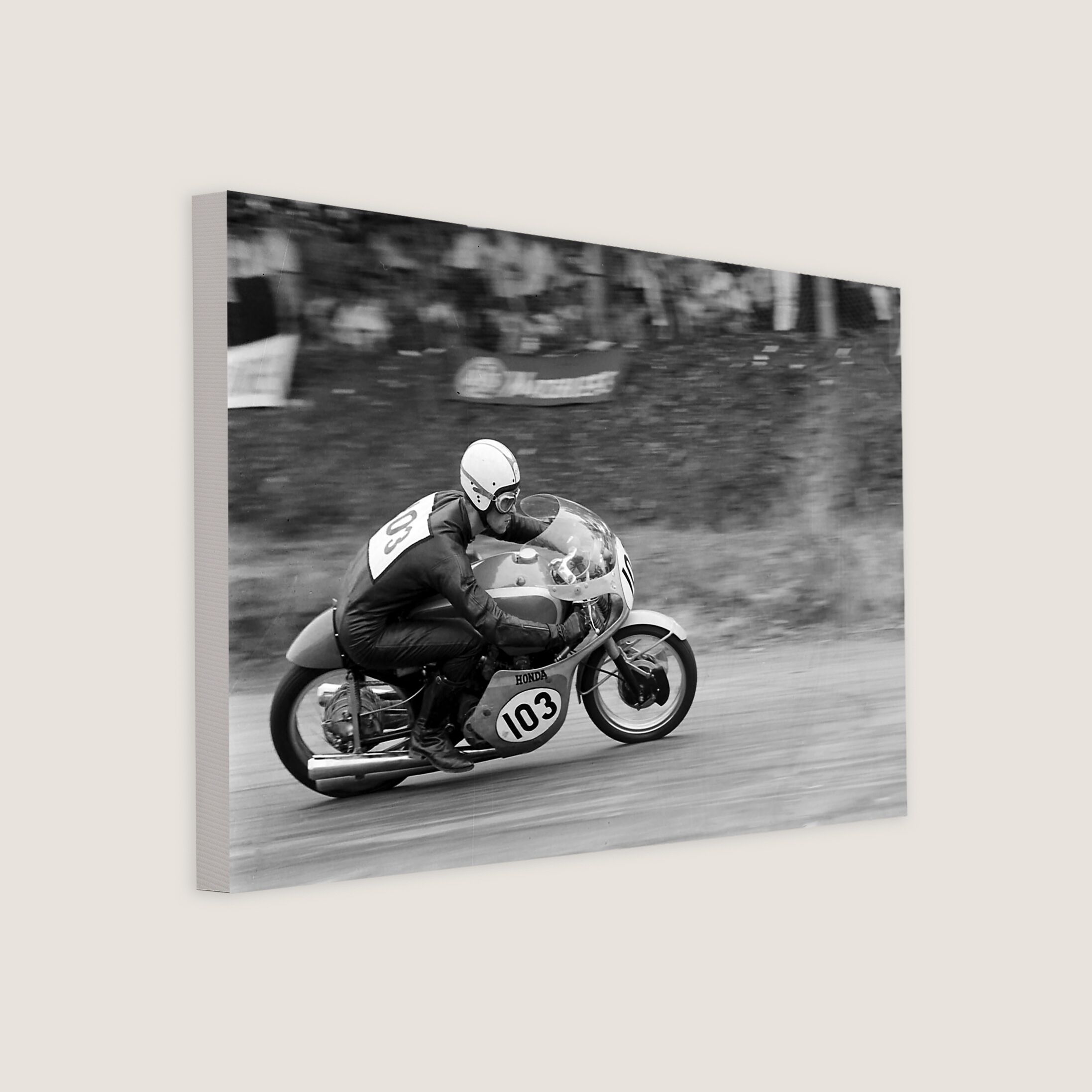
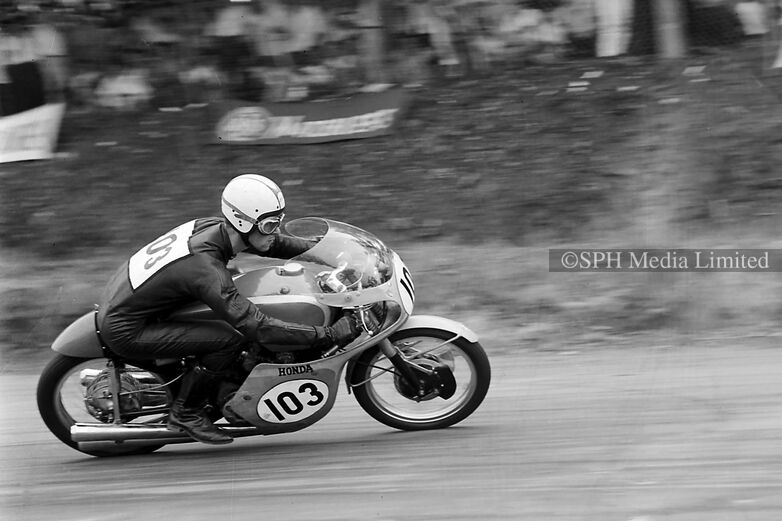 Chris Profitt-White - Motorcycle Grand Prix Winner
1961
Chris Profitt-White - Motorcycle Grand Prix Winner
1961
Chris Profitt-White - Motorcycle Grand Prix Winner
Year 1961
Chris Profitt-White (103), a British technician with the Royal Air Force, was the winner of the 1961 Grand Prix for Motorcycles on his Honda 4 250cc bike. He completed 60 laps (180 miles) in 2 hours, 59 minutes, and 43.5 seconds.
©️ SPH Media Limited
Share to
Tags
Available for print on products
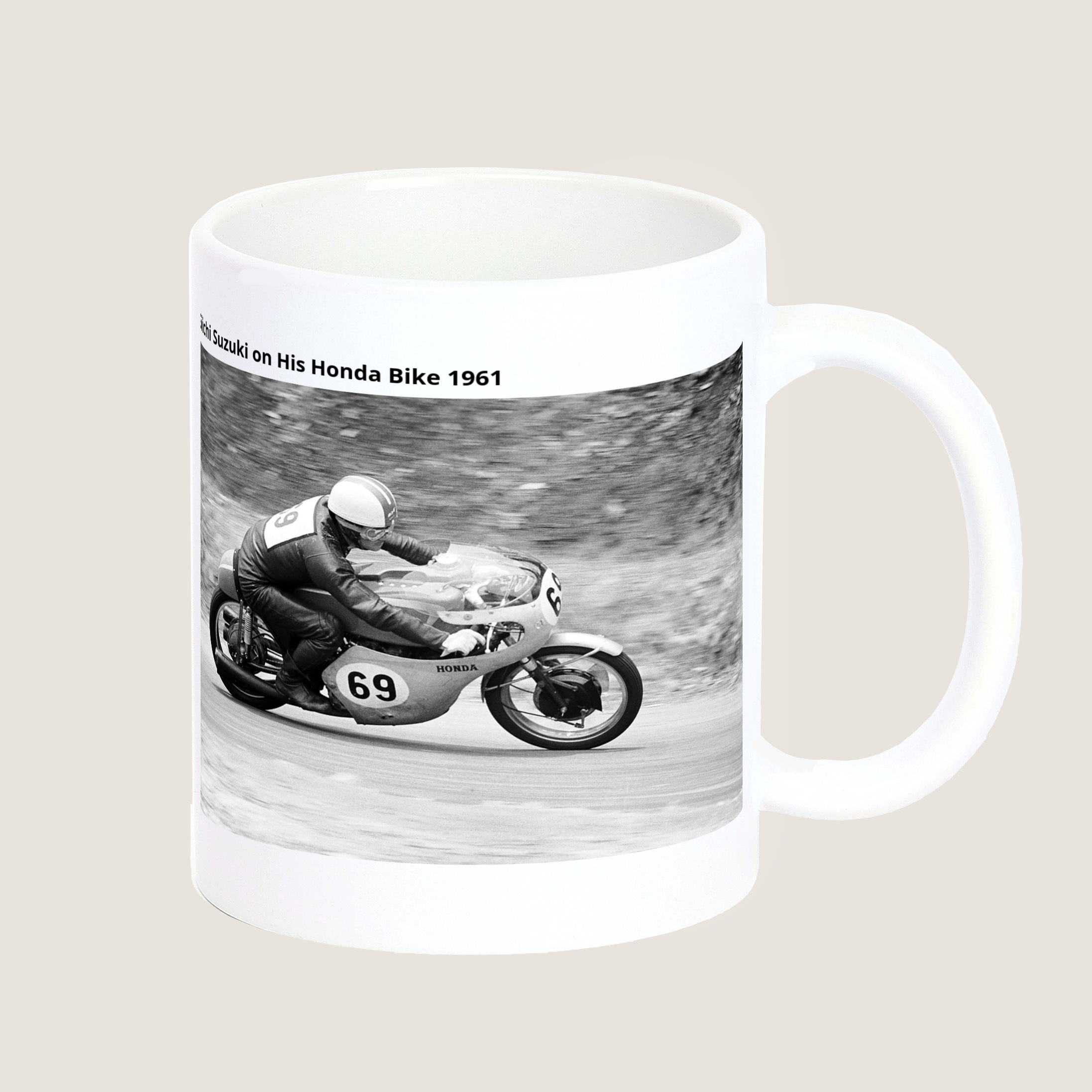
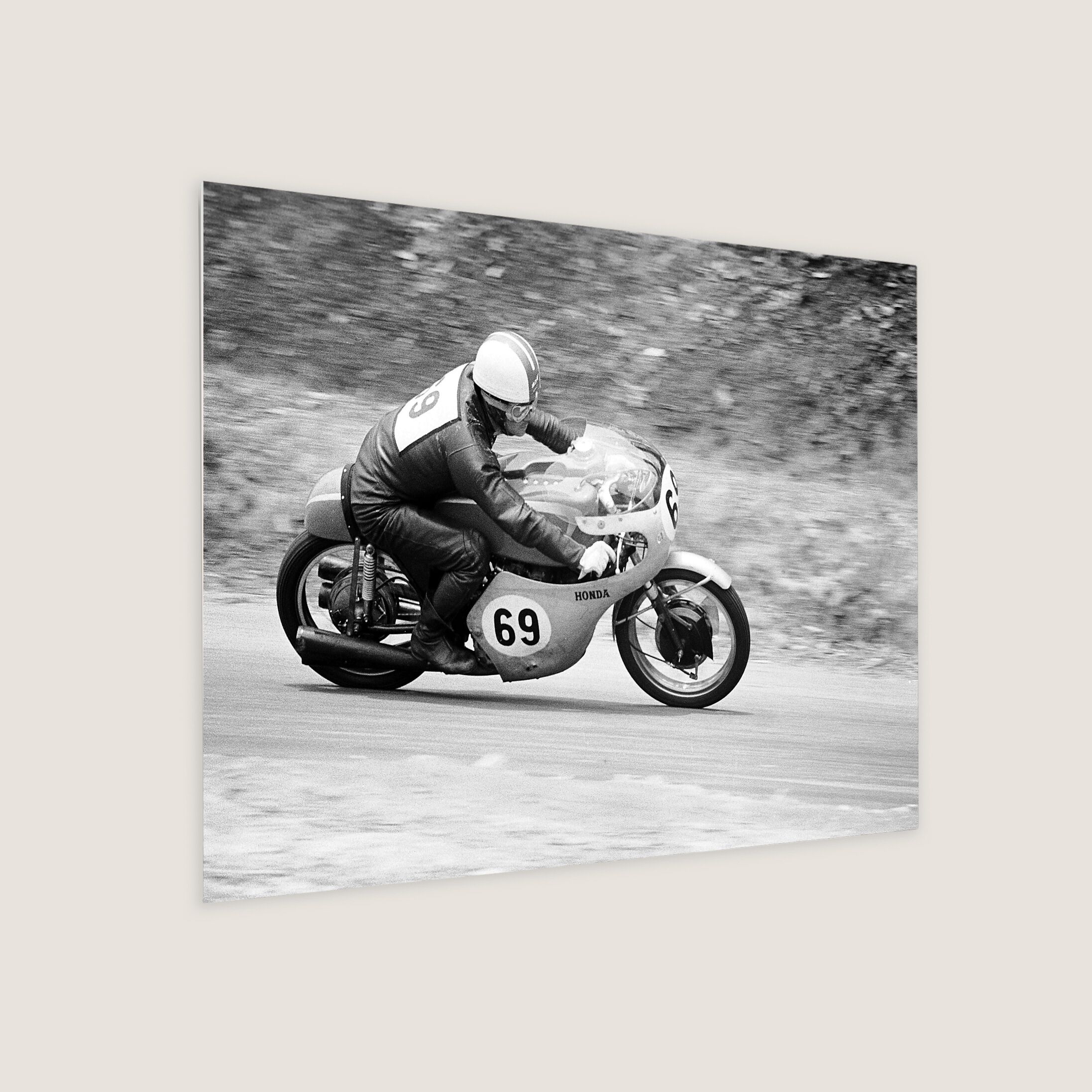
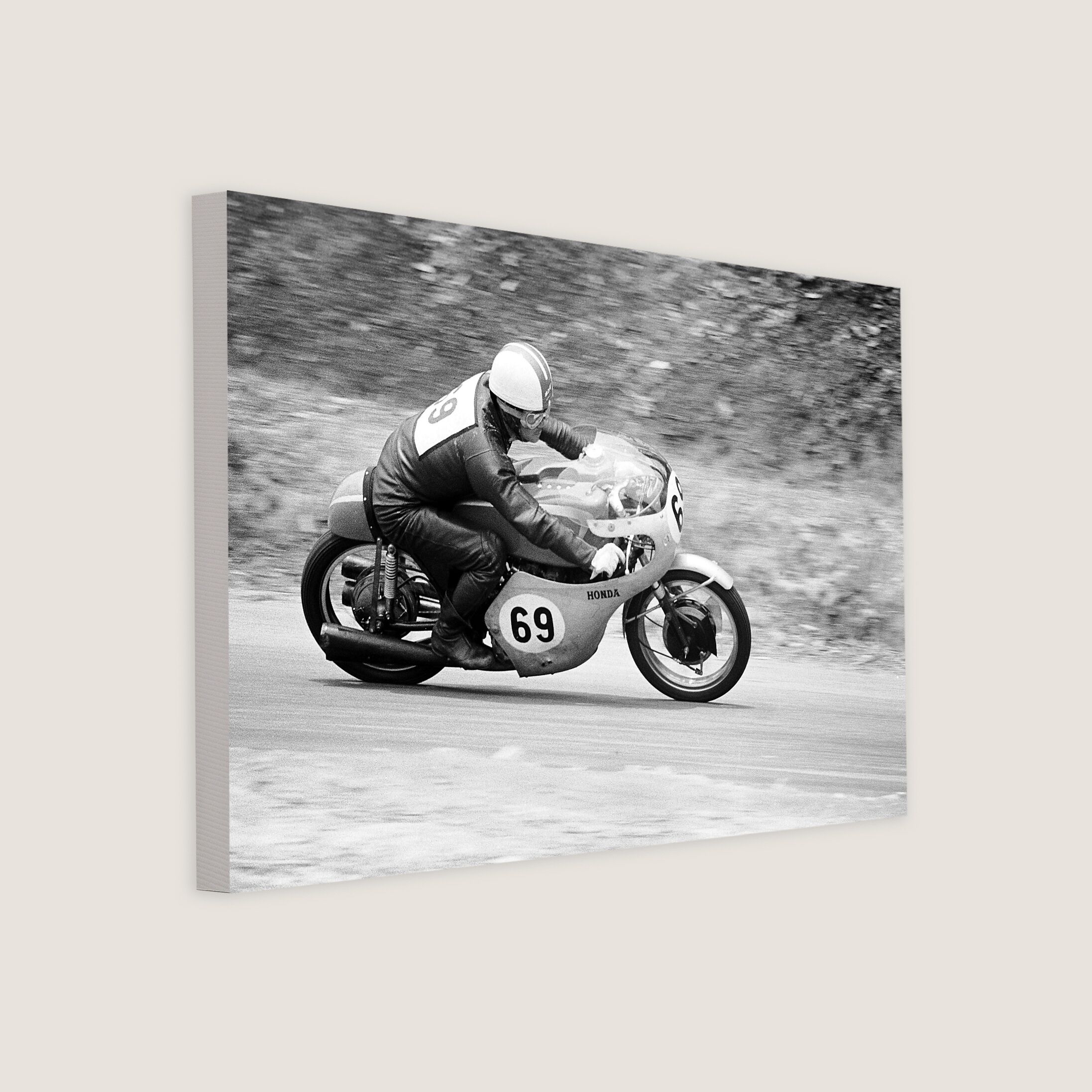
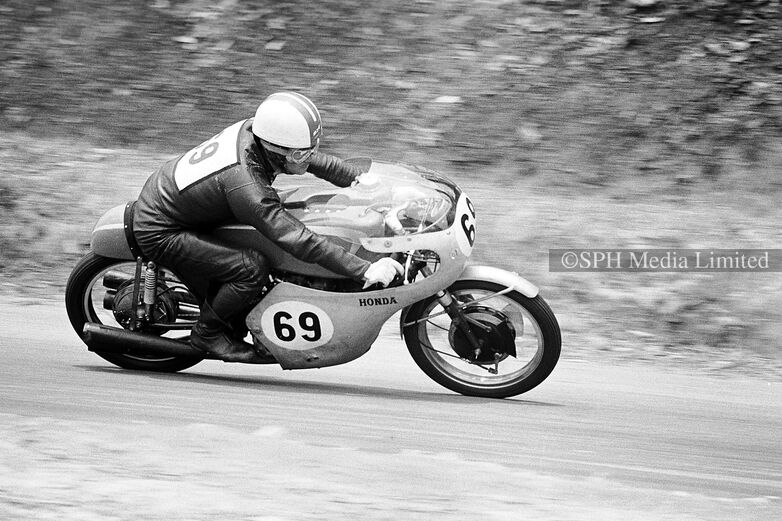 Giichi Suzuki on His Honda Bike
1961
Giichi Suzuki on His Honda Bike
1961
Giichi Suzuki on His Honda Bike
Year 1961
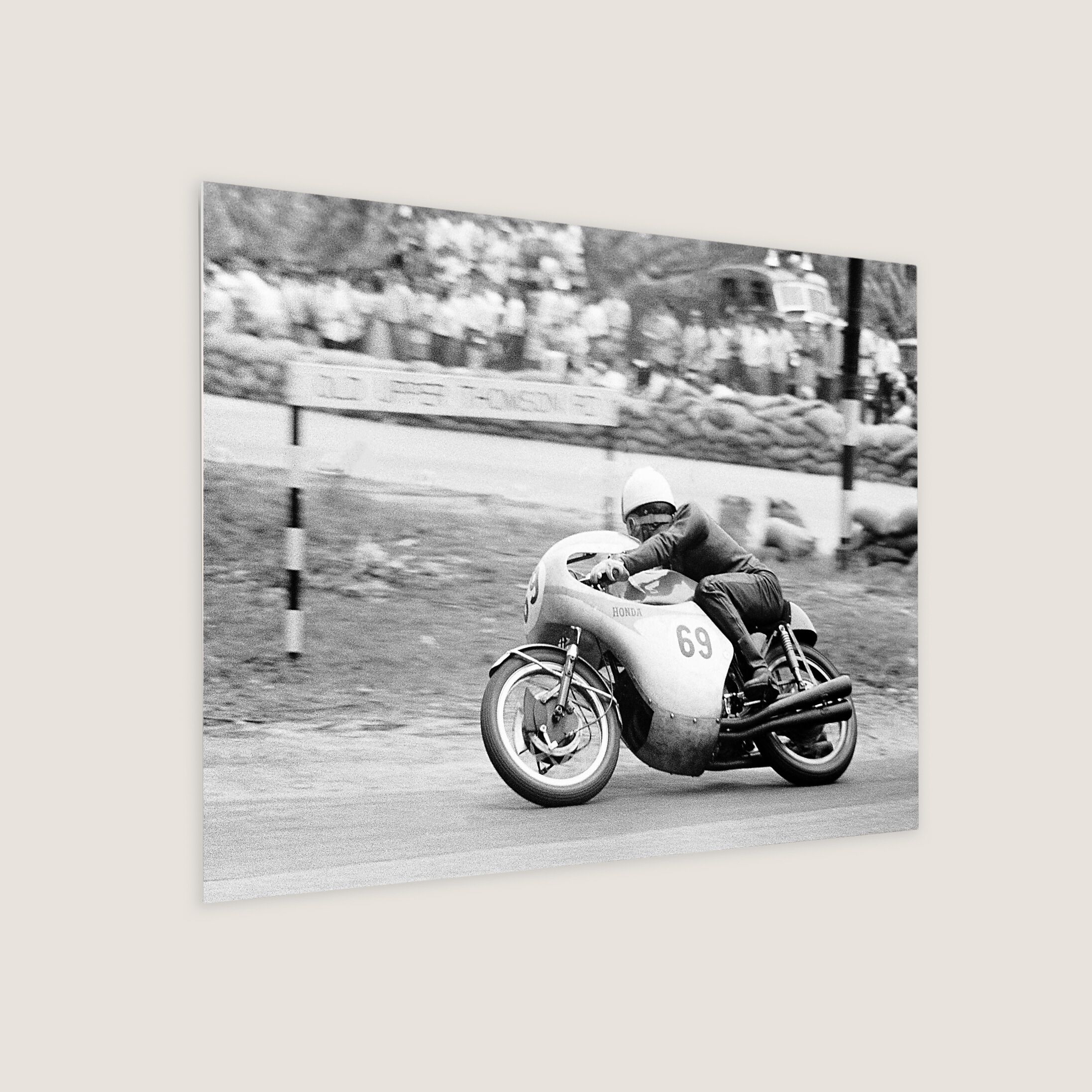
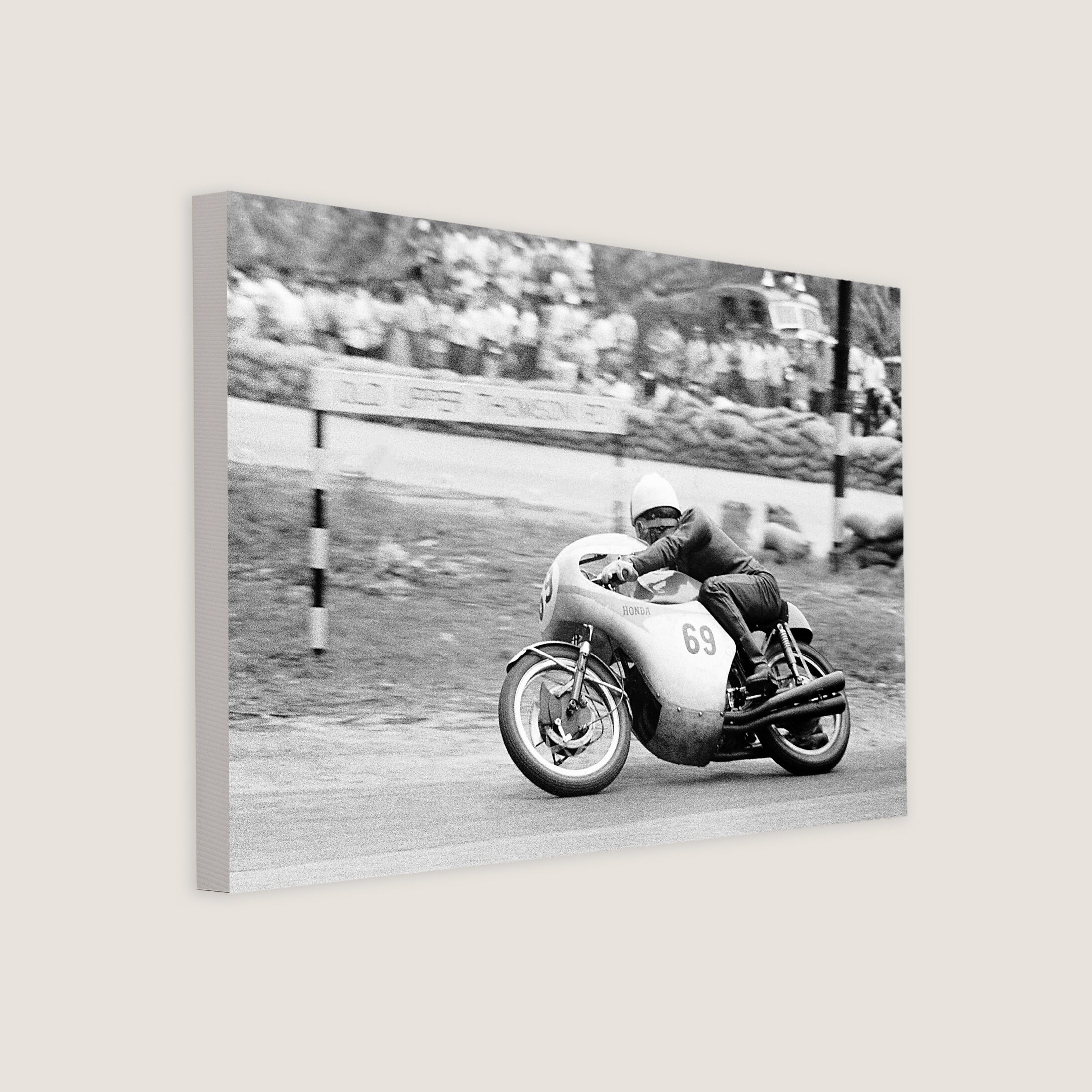
Giichi Suzuki (69) was a Honda Team rider who came in second in the 1961 Motorcycle Grand Prix on his factory Honda 4 250cc bike. He completed 60 laps (180 miles) in 2 hours, 59 minutes, and 43.5 seconds.
©️ SPH Media Limited
Share to
Tags
Available for print on products
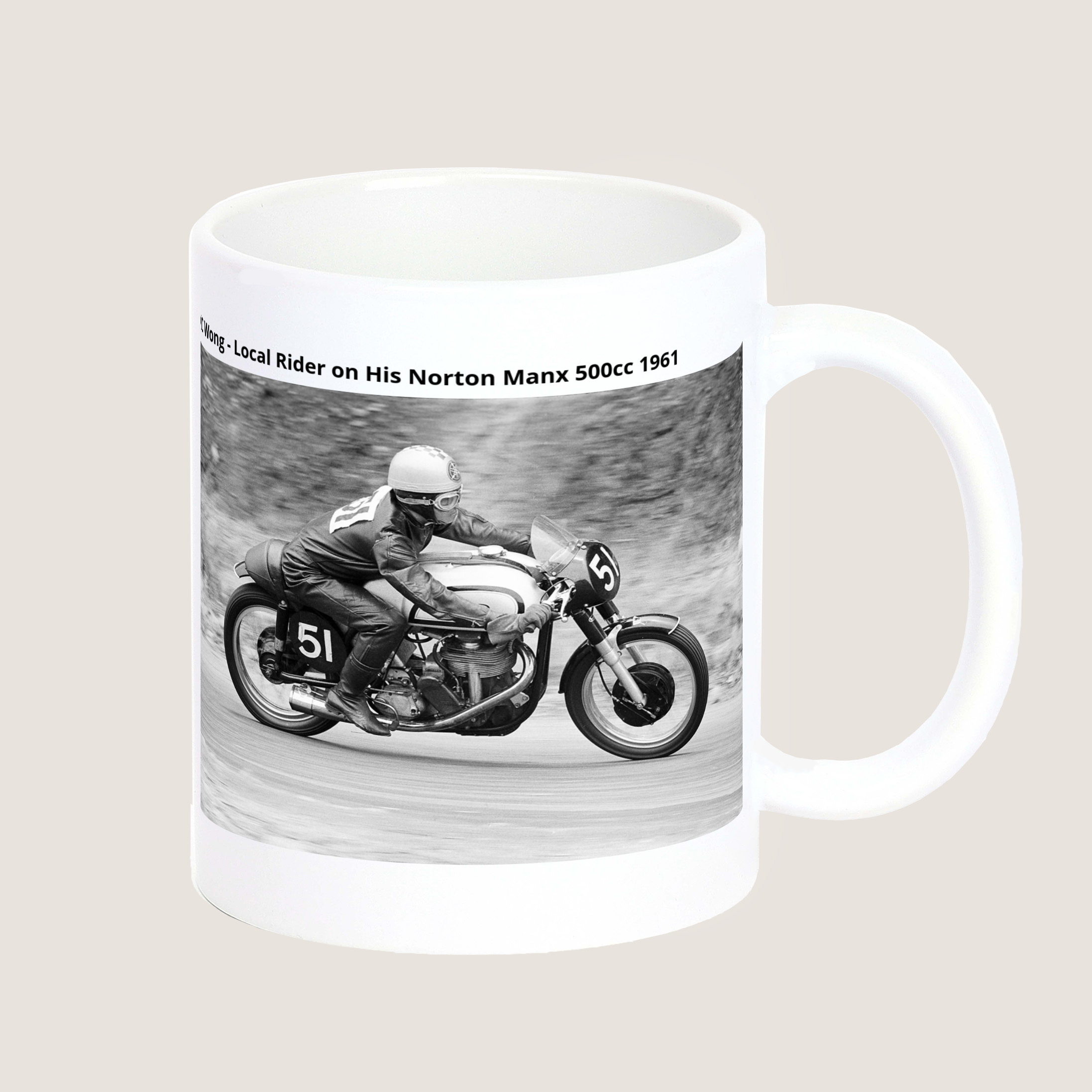
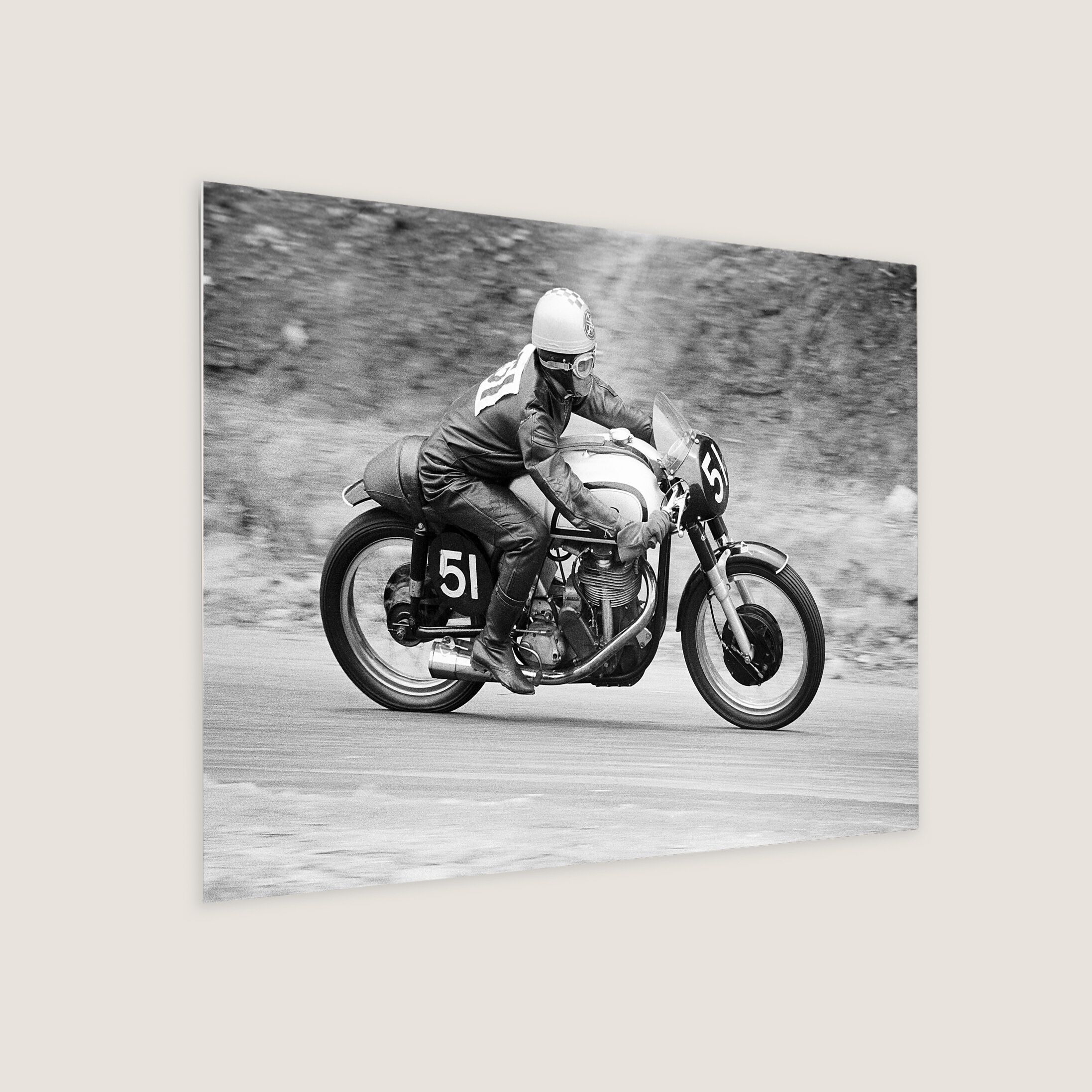
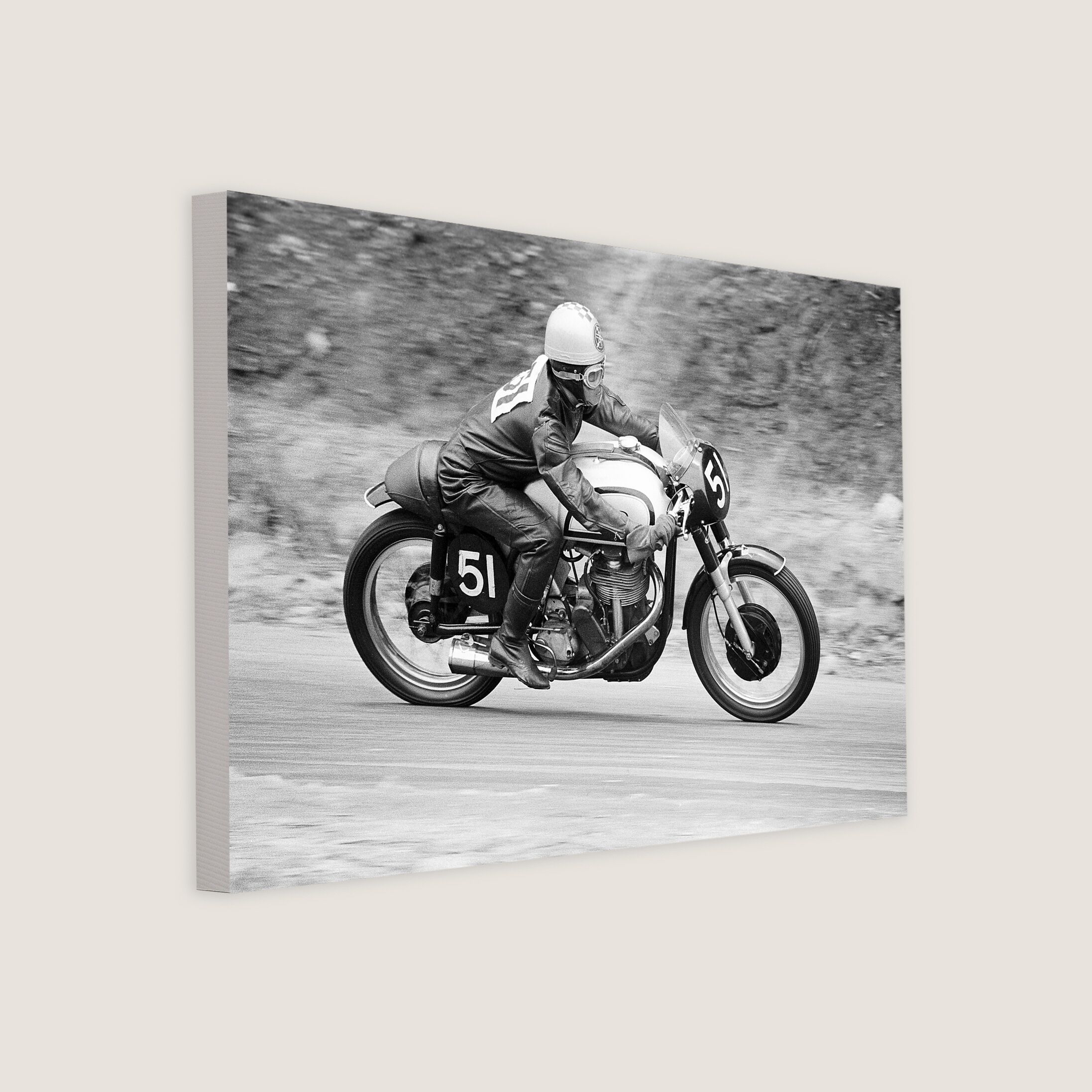
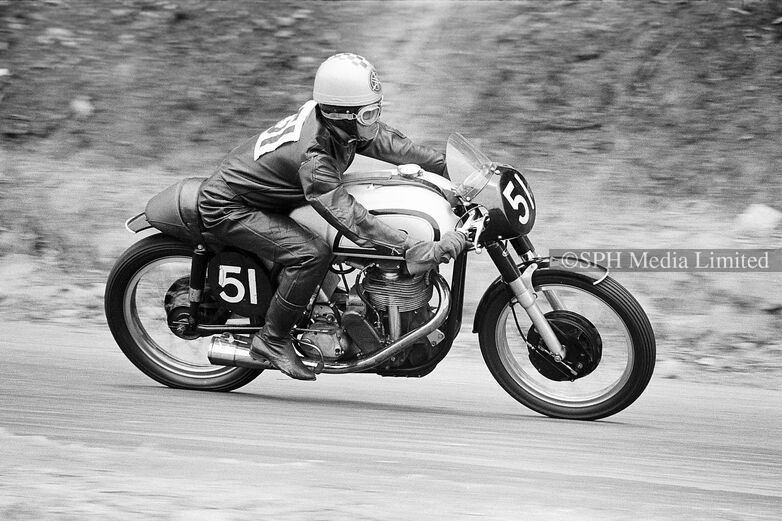 KC Wong - Local Rider on His Norton Manx 500cc
1961
KC Wong - Local Rider on His Norton Manx 500cc
1961
KC Wong - Local Rider on His Norton Manx 500cc
Year 1961
K.C. Wong (51) on his Norton Manx 500cc bike. He was a notable local rider
©️ SPH Media Limited
Share to
Tags
Available for print on products
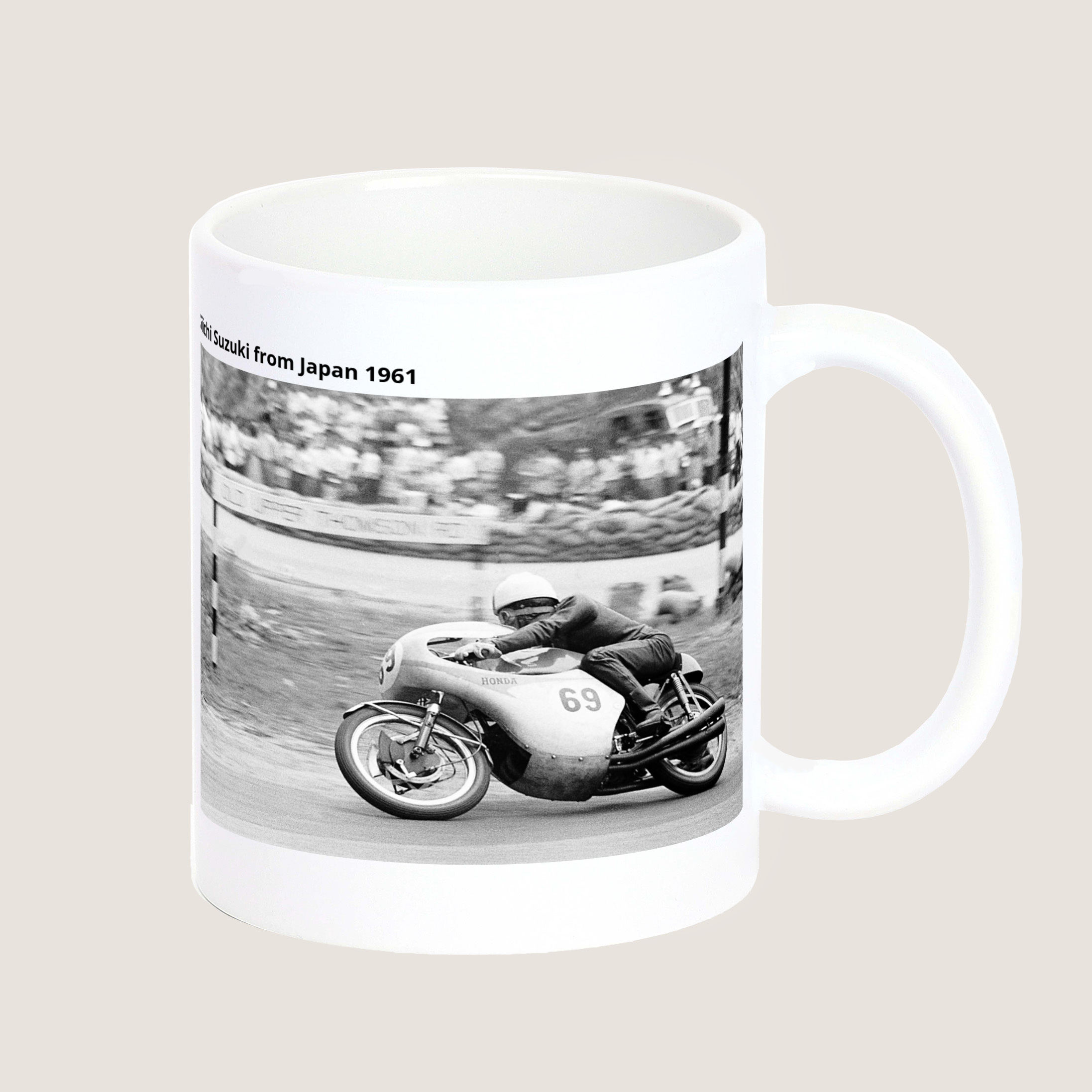
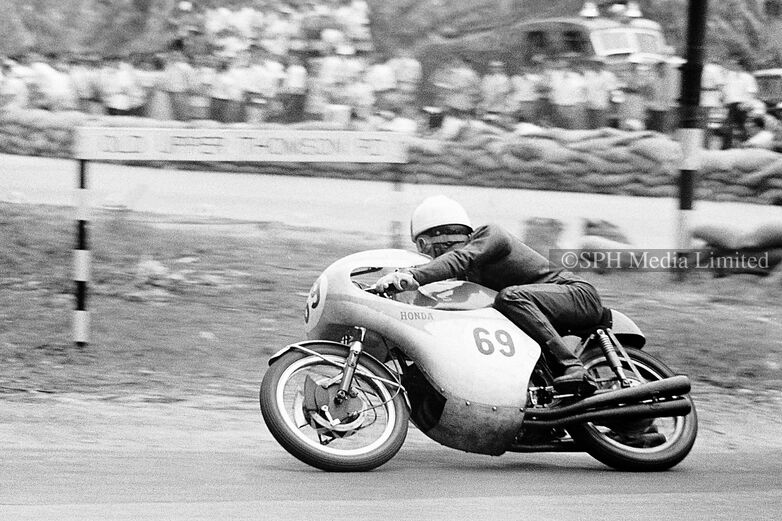 Giichi Suzuki from Japan
1961
Giichi Suzuki from Japan
1961
Giichi Suzuki from Japan
Year 1961
Giichi Suzuki on his Honda 4 250cc bike is making a turn around the Circus Hairpin into Old Upper Thomson Road. He was a Honda Team rider and the first runner-up in the 1961 Grand Prix for Motorcycles
©️ SPH Media Limited
Share to
Tags
Available for print on products
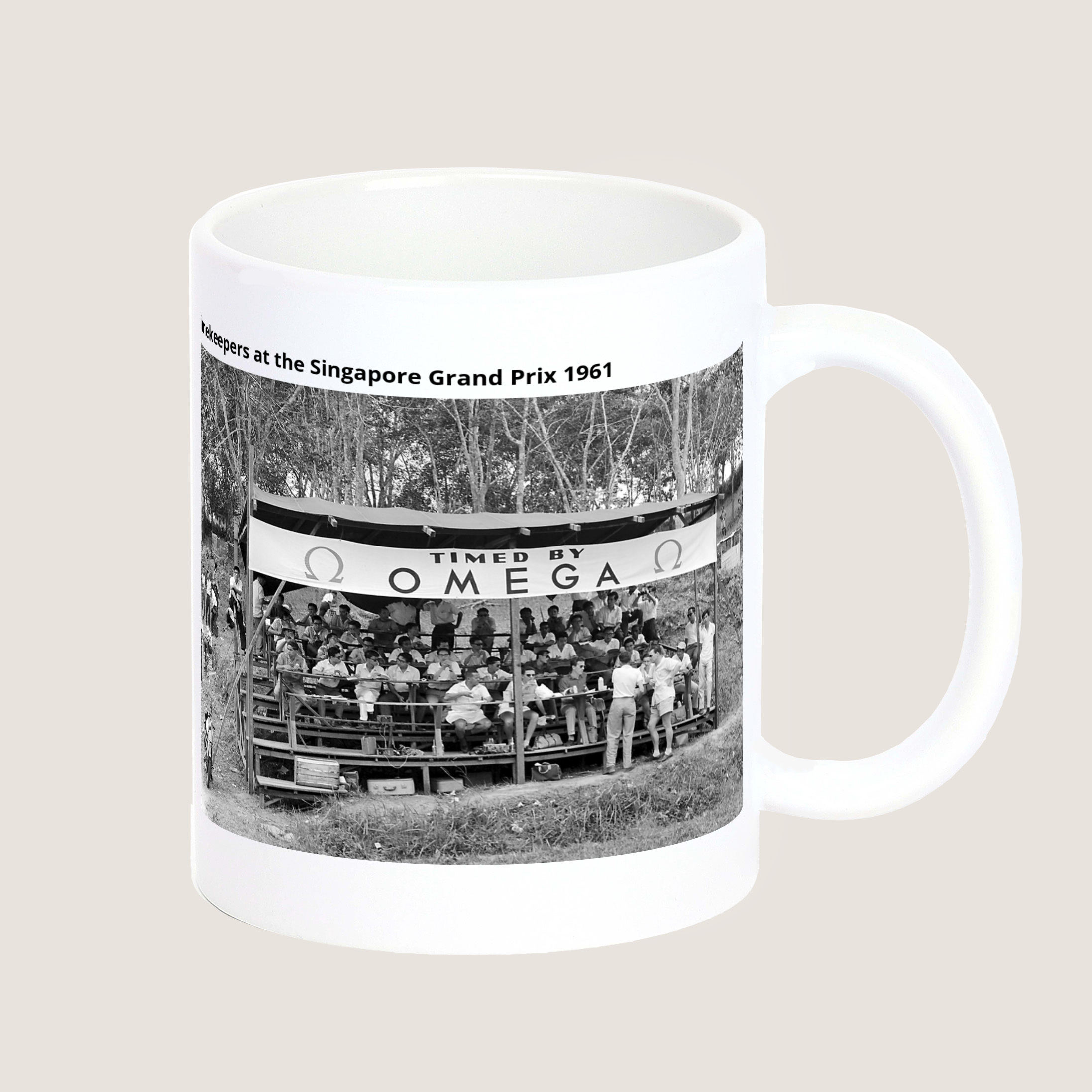
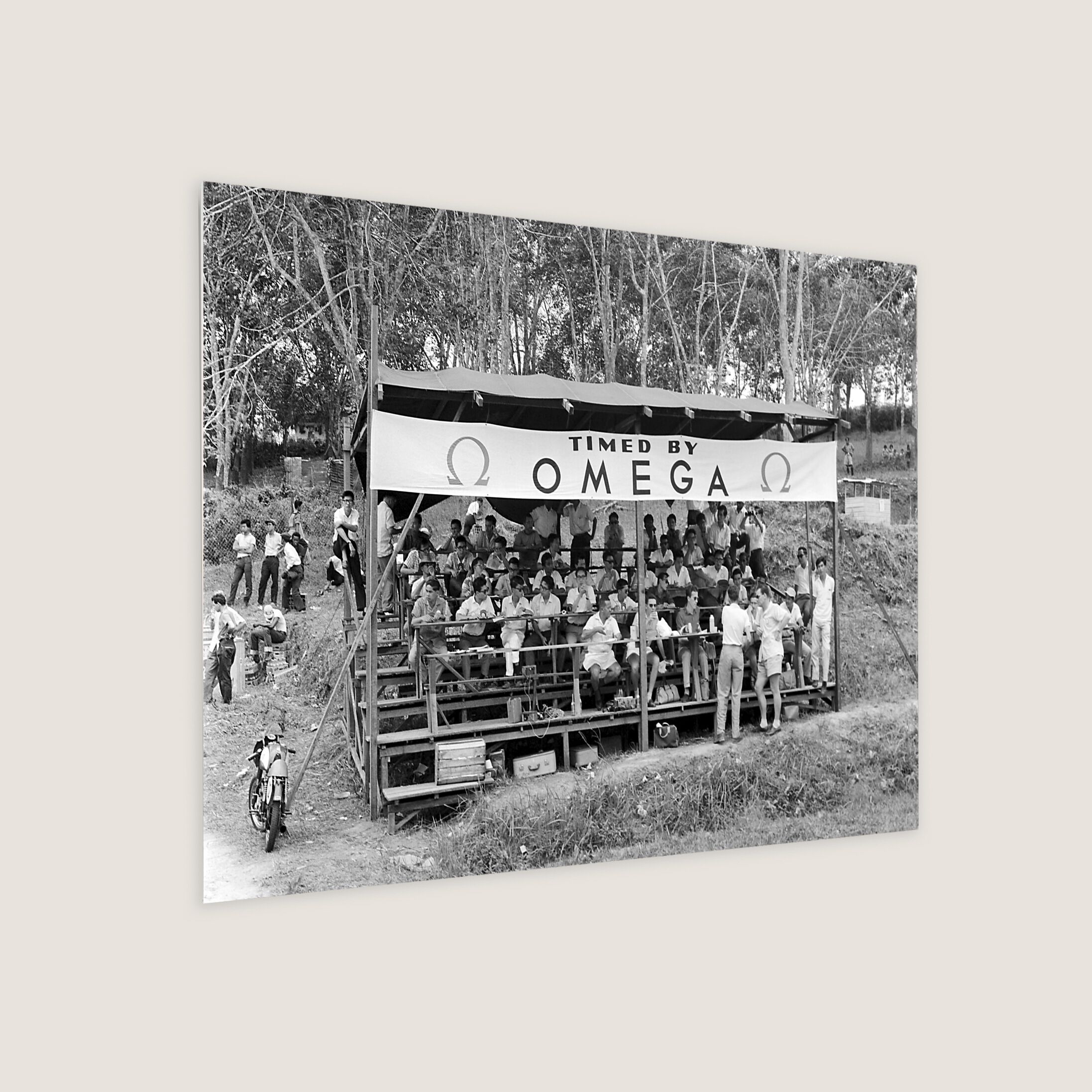
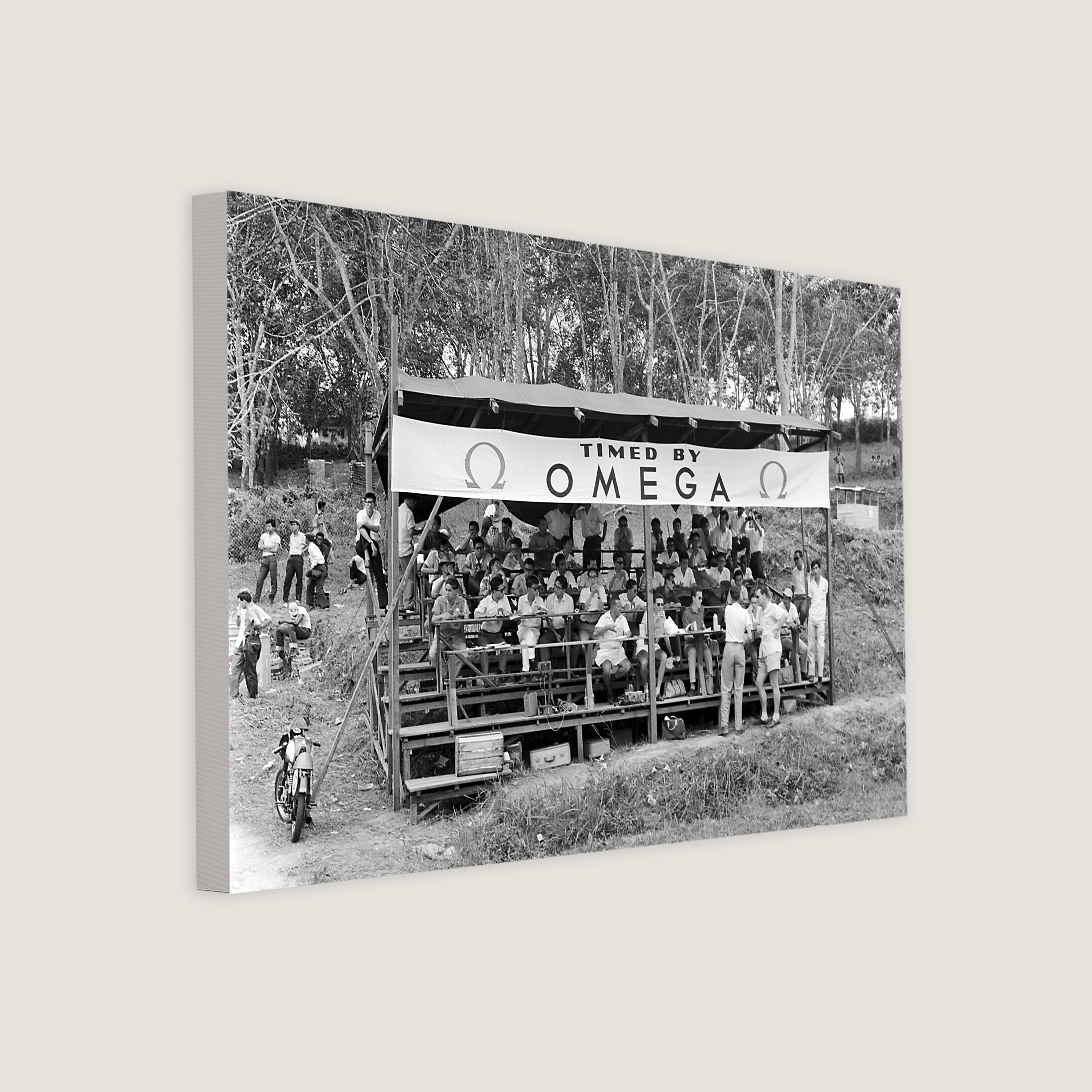
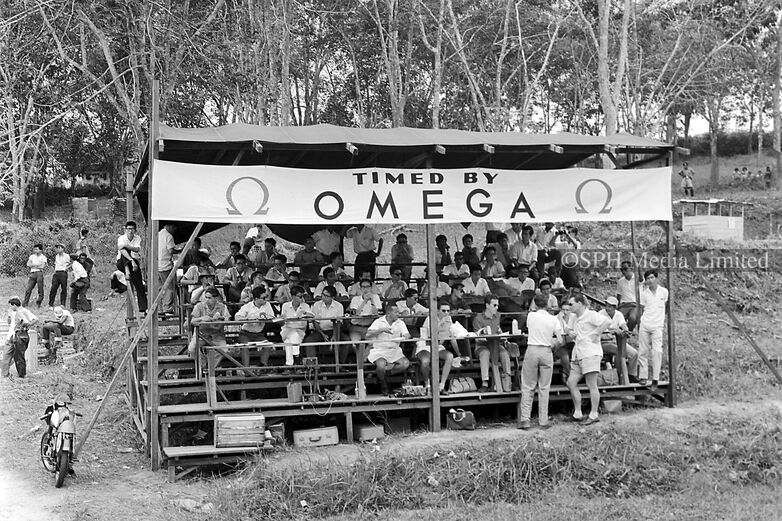 Timekeepers at the Singapore Grand Prix
1961
Timekeepers at the Singapore Grand Prix
1961
Timekeepers at the Singapore Grand Prix
Year 1961
In the 1951 Johore Grand Prix, timekeepers were recruited on a volunteer basis. By 1973, timekeeping had become a critical role in the Grand Prix, with Omega conducting three comprehensive timekeeping courses for the Singapore Grand Prix races.
©️ SPH Media Limited
Share to
Tags
Available for print on products
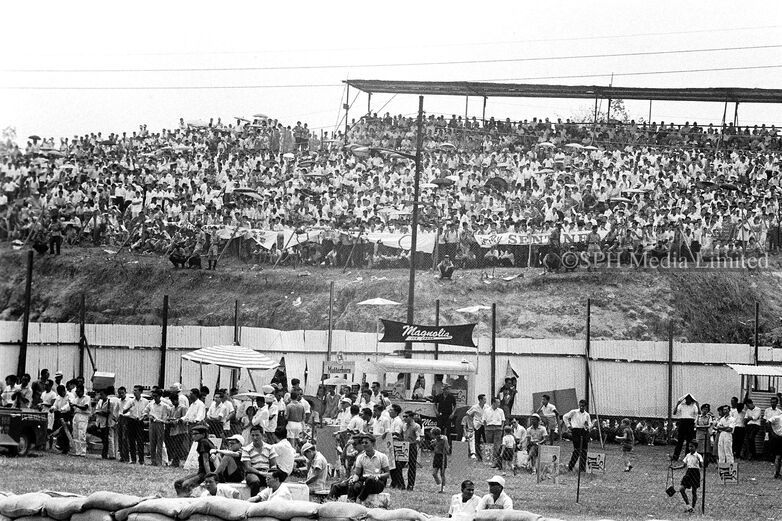 Large Crowds at the First Singapore Grand Prix
1961
Large Crowds at the First Singapore Grand Prix
1961
Large Crowds at the First Singapore Grand Prix
Year 1961
Over 100,000 people showed up to watch the first Grand Prix held in Singapore. The crowds were so overwhelming that ticket sales had to be stopped an hour after the start of the first of the two main races. Police reinforcements were called as hundreds of people who had been denied tickets tried to push their way in. That year, main grandstand tickets cost 9 Malayan Dollars, while general admission was 1 Malayan Dollar.
©️ SPH Media Limited
Share to
Tags
Available for print on products
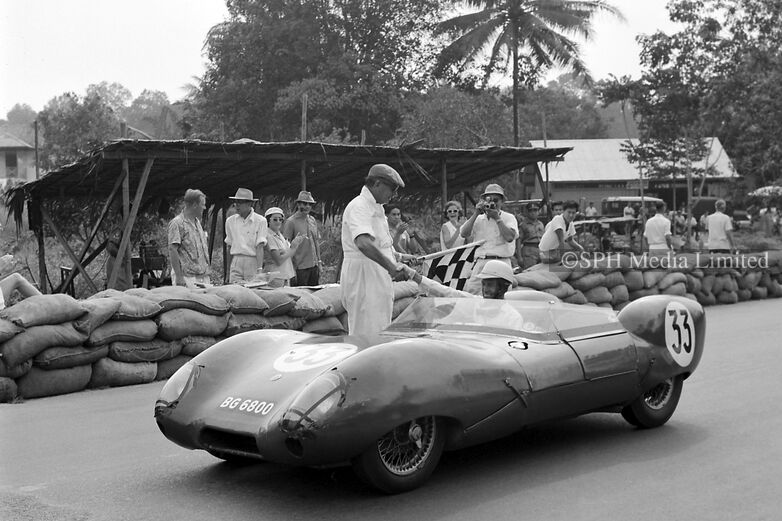 Saw Kim Thiat - Winner of the Sports and GT Race
1961
Saw Kim Thiat - Winner of the Sports and GT Race
1961
Saw Kim Thiat - Winner of the Sports and GT Race
Year 1961
Before the main Grand Prix event, a series of support races featuring various racing classes was held. Among them was the 15-lap Sports and GT race, where Saw Kim Thiat (33), driving a Lotus Eleven Climax, emerged as the winner.
©️ SPH Media Limited
Share to
Tags
Available for print on products
Have a photo idea to suggest?